
News ·
World: COP17 in Yerevan adopts the “Yerevan Pathway” as the 30% protected areas target falls behind
Meeting in Armenia for COP17 of the Convention on Biological Diversity, governments responded to the first global review of the Kunming-Montreal framework with a roadmap to 2030. They also updated the programme of work on protected areas, while global coverage remains far short of the 30% target.
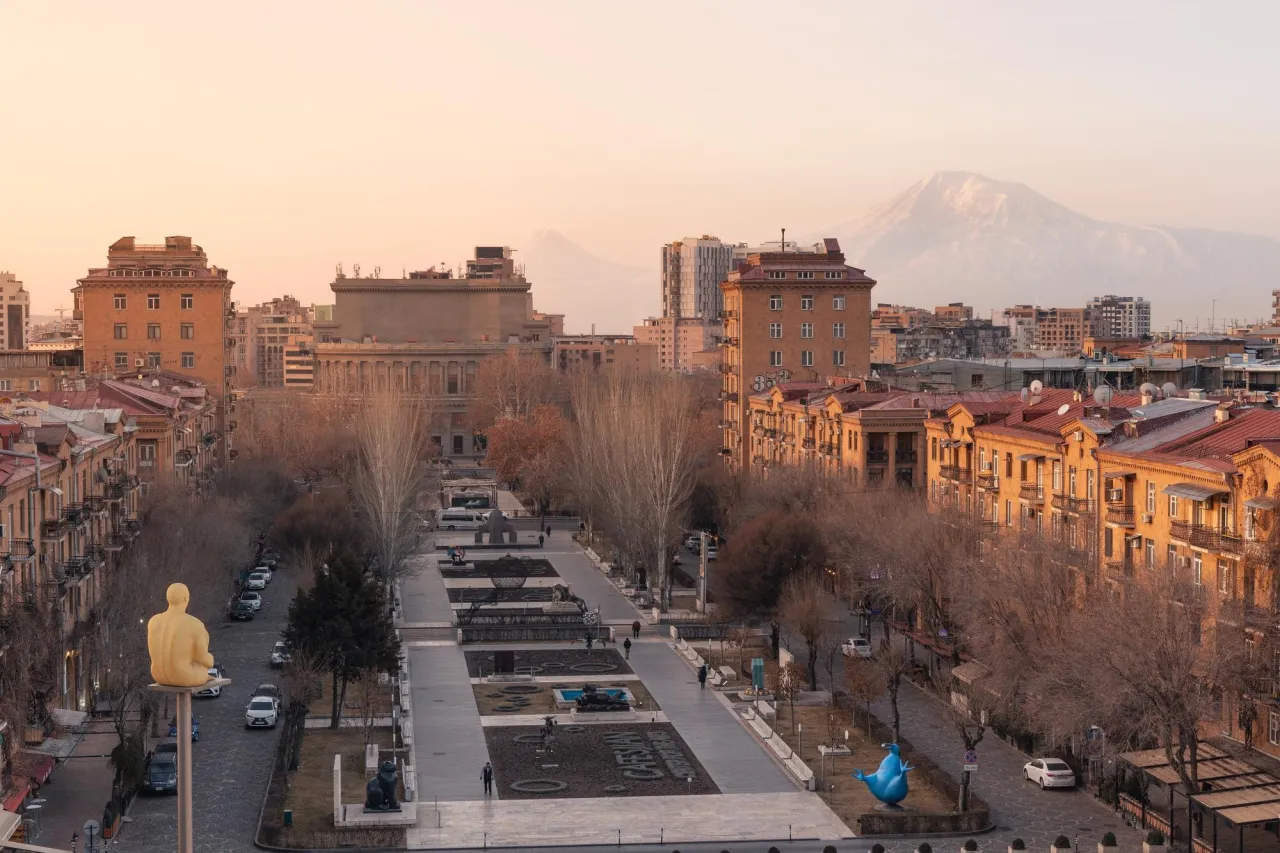
The UN Biodiversity Conference closed on October 31, 2026, in Yerevan, Armenia, one day after its scheduled end. Bringing together the 17th Conference of the Parties (COP17) to the Convention on Biological Diversity (CBD) and the meetings of the Parties to its Cartagena and Nagoya Protocols, it adopted nearly 50 decisions, including the “Yerevan Pathway”, the response to the first global review of the Kunming-Montreal framework adopted in 2022.
An unfavorable midterm review
The review draws on the CBD Secretariat's global report “State of Biodiversity Action”: the world is not on track to meet the framework's 23 targets by 2030. For Target 3, which aims to conserve 30% of land and sea by 2030, the report finds coverage of 18.4% of land and inland waters, 23.2% of waters under national jurisdiction and only 10% of the global ocean, including the high seas, based on data from the World Database on Protected and Conserved Areas (WDPCA) predating summer 2026. Current national targets would bring the share of conserved land to around 27.5% by 2030. Updated in November 2026, the Protected Planet platform (UNEP-WCMC and IUCN) shows 18.66% of land and 9.99% of the sea, combining protected areas and other effective area-based conservation measures (OECMs).
The “Yerevan Pathway” sets priorities through 2030: reform of subsidies harmful to nature, increased support for developing countries, alignment of national budgets and stronger monitoring. It urges Parties that are behind schedule to submit their national strategies “as soon as possible”, noting that marine, coastal and inland water ecosystems are still less well covered in them. “Over these two weeks we have demonstrated that differences can be bridged, commitments can become decisions and cooperation can deliver,” said COP17 President Hambardzum Matevosyan.
Protected areas aligned with Target 3
Adopted in 2004, the CBD programme of work on protected areas is being updated to bring it into line with Target 3. According to the draft decision submitted to the plenary, its scope now covers both protected areas and OECMs. The text recognizes the contribution of Indigenous and traditional territories, subject to free, prior and informed consent, and launches work on ecological connectivity, including a possible fifth element of the programme, to be considered by the Convention's scientific body before COP18. As of early November, the Secretariat had not yet published the final text; in the draft, several passages remained in square brackets, including those on access to justice and the human rights-based approach.
Funding and the next meeting
Pledges announced in Yerevan total nearly $2 billion, including $560 million through the Global Environment Facility (GEF-9) and its Global Biodiversity Framework Fund, $500 million through the Species Recovery Alliance and more than $330 million through the Value Nature Fund. The draft decision on resource mobilization notes that further efforts are needed to meet Target 19, in particular its element (a), which called for at least $20 billion a year in international finance for developing countries by 2025, rising to $30 billion by 2030. “Ultimately, the test is not what governments agreed in Yerevan, but what they change when they return home,” summed up Astrid Schomaker, Executive Secretary of the CBD.
COP18 will be held in Quito, Ecuador, in the last quarter of 2028. To see the protected areas covered by the atlas, explore the world map.
Sources
- Convention on Biological Diversity, UN Biodiversity Conference charts Yerevan Pathway to accelerate global action for nature (October 31, 2026)
- Convention on Biological Diversity, CBD/COP/17/L.15: Global review of collective progress in the implementation of the Kunming-Montreal Global Biodiversity Framework (October 29, 2026)
- Convention on Biological Diversity, CBD/COP/17/L.30: Strategic review of and update to the programme of work on protected areas (October 30, 2026)
- Convention on Biological Diversity, CBD/COP/17/L.29: Resource mobilization (October 30, 2026)
- Convention on Biological Diversity, CBD/COP/17/L.32: Date and venue of future meetings of the Conference of the Parties (October 30, 2026)
- Convention on Biological Diversity, State of Biodiversity Action: Global Report on Collective Progress in the Implementation of the Kunming-Montreal Global Biodiversity Framework (2026)
- Convention on Biological Diversity, Target 19 (Kunming-Montreal Global Biodiversity Framework)
- UNEP-WCMC and IUCN, Protected Planet: Discover the world's protected and conserved areas (November 2026 statistics)