
Plant
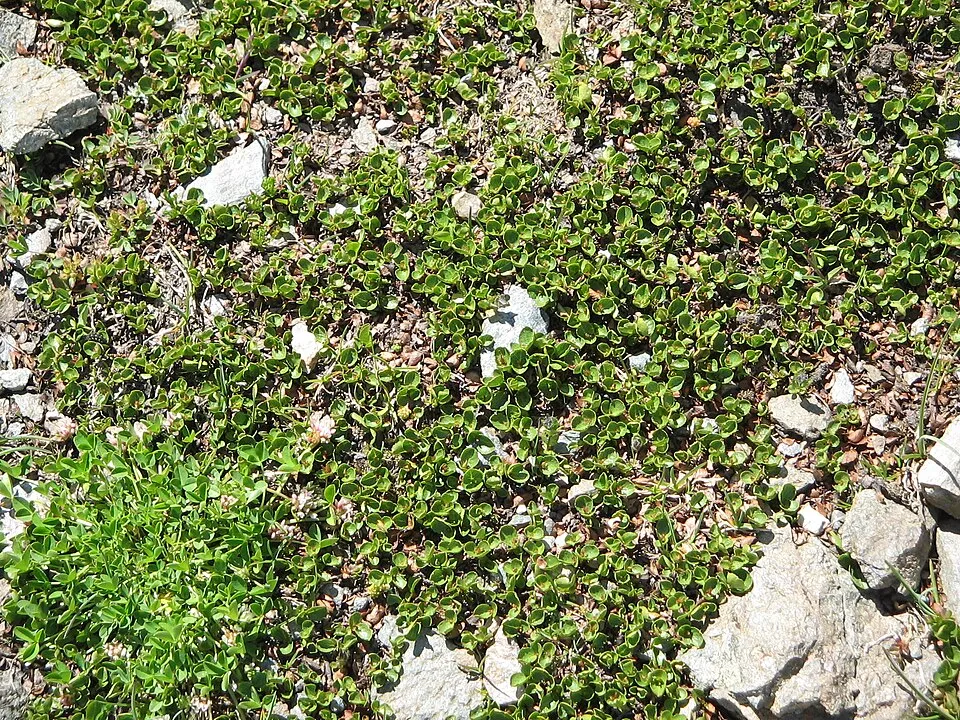
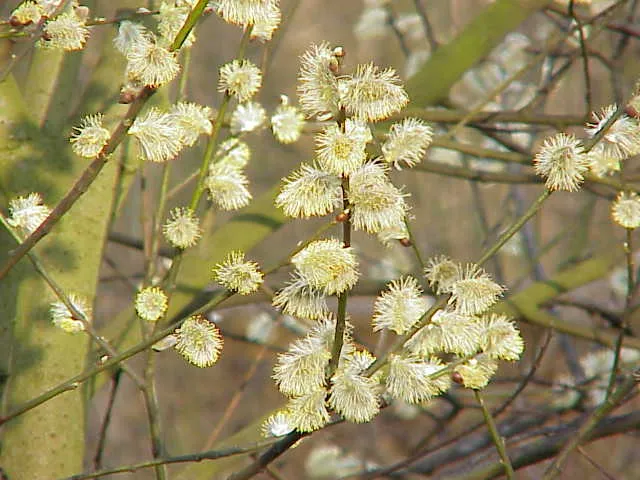
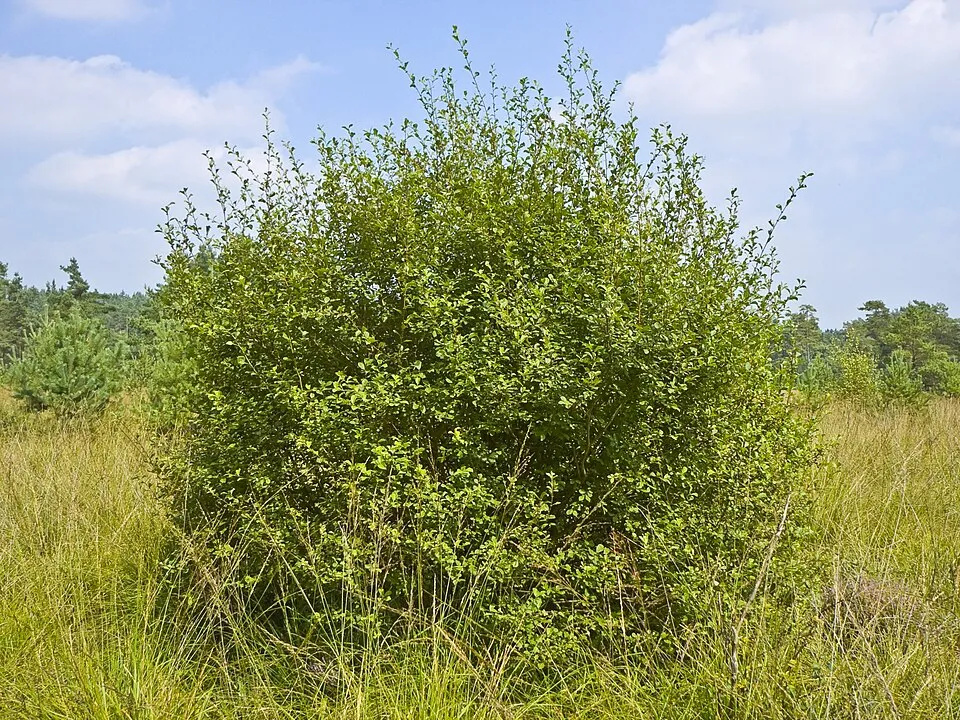
Alpine gray willow: where to see it
Salix glaucosericea
This plant species is recorded in 3 protected areas of the atlas. Within the atlas countries, it is observed in France, Switzerland and Austria. Most records (8 in 10) lie between 2,000 and 2,400 m above sea level. Records peak from July to August. Plant (subshrub or shrub), native to North America.
Best time to see it: July–August
Records published on GBIF by month (CC0 and CC BY 4.0 licences only), in the atlas countries, all years combined; they also reflect observer activity.
Distribution
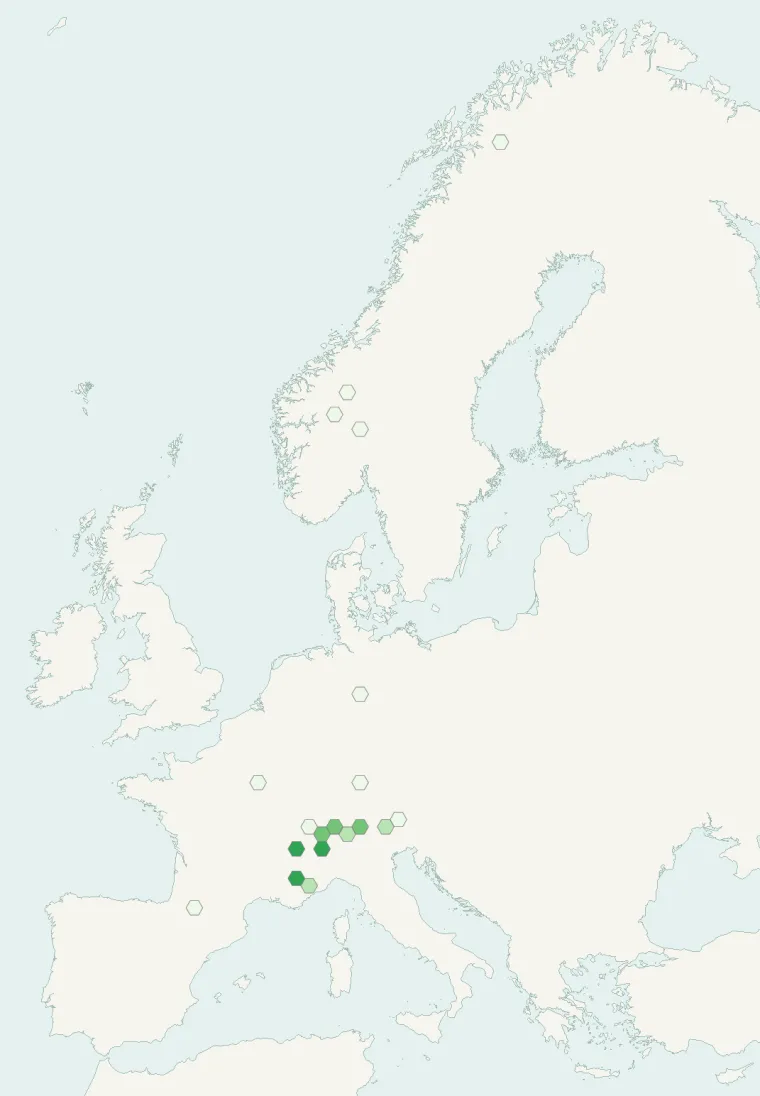
Records published on GBIF (CC0 and CC BY 4.0 licences): the darker the shade, the more records there are; they also reflect observation effort.
Atlas countries where it is recorded
From Wikipedia
Salix glaucosericea, common name silky willow or Alpine grey willow, is a species of flowering plant in the Salicaceae family. Some authorities consider it a synonym of Salix glauca var. villosa, which is found in western North America.
Source: Wikipedia, article “Salix glaucosericea” (version of December 2, 2025) · history and authors · licence CC BY-SA 4.0
Protected areas where it is recorded
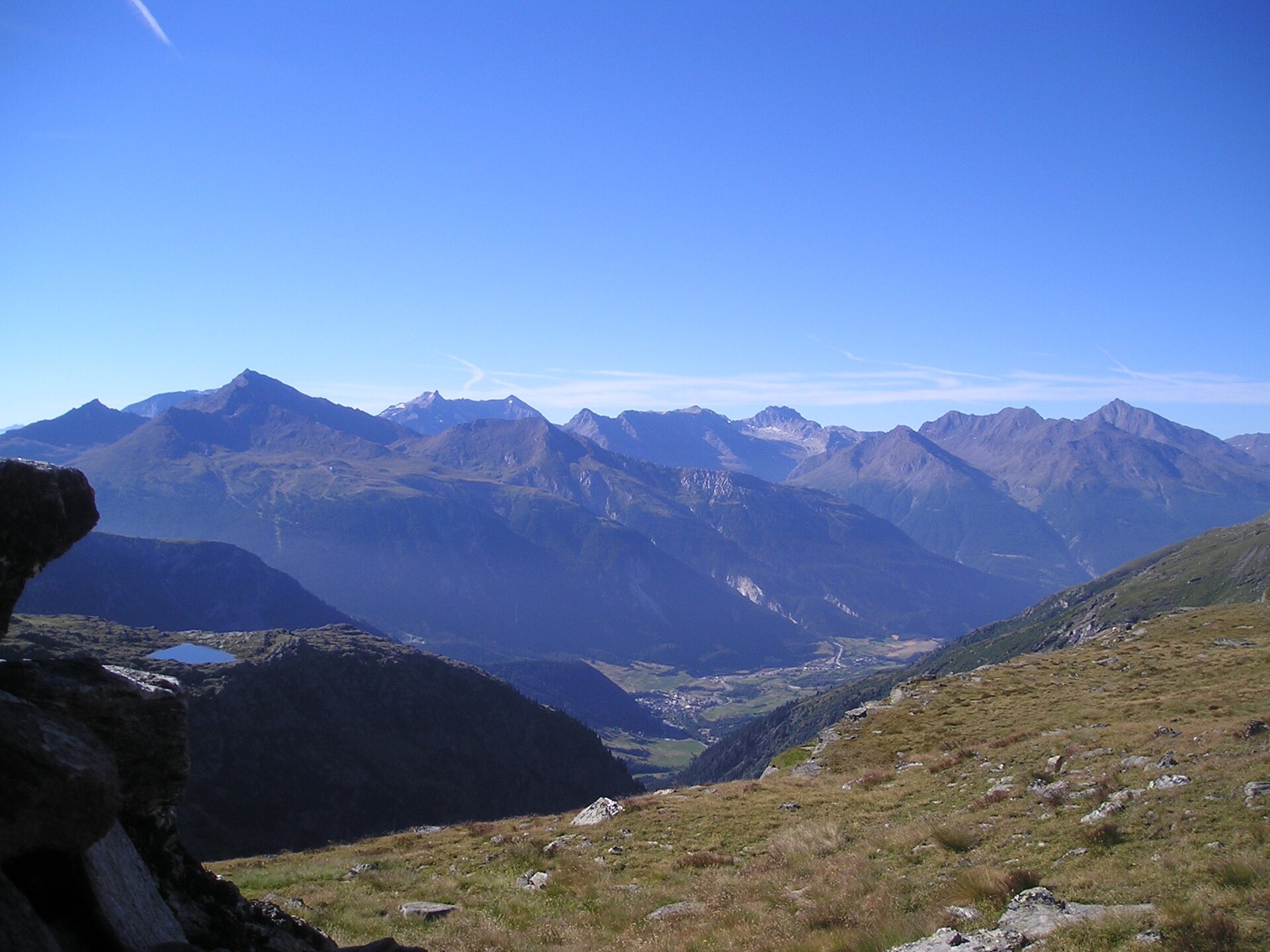
1,534 records
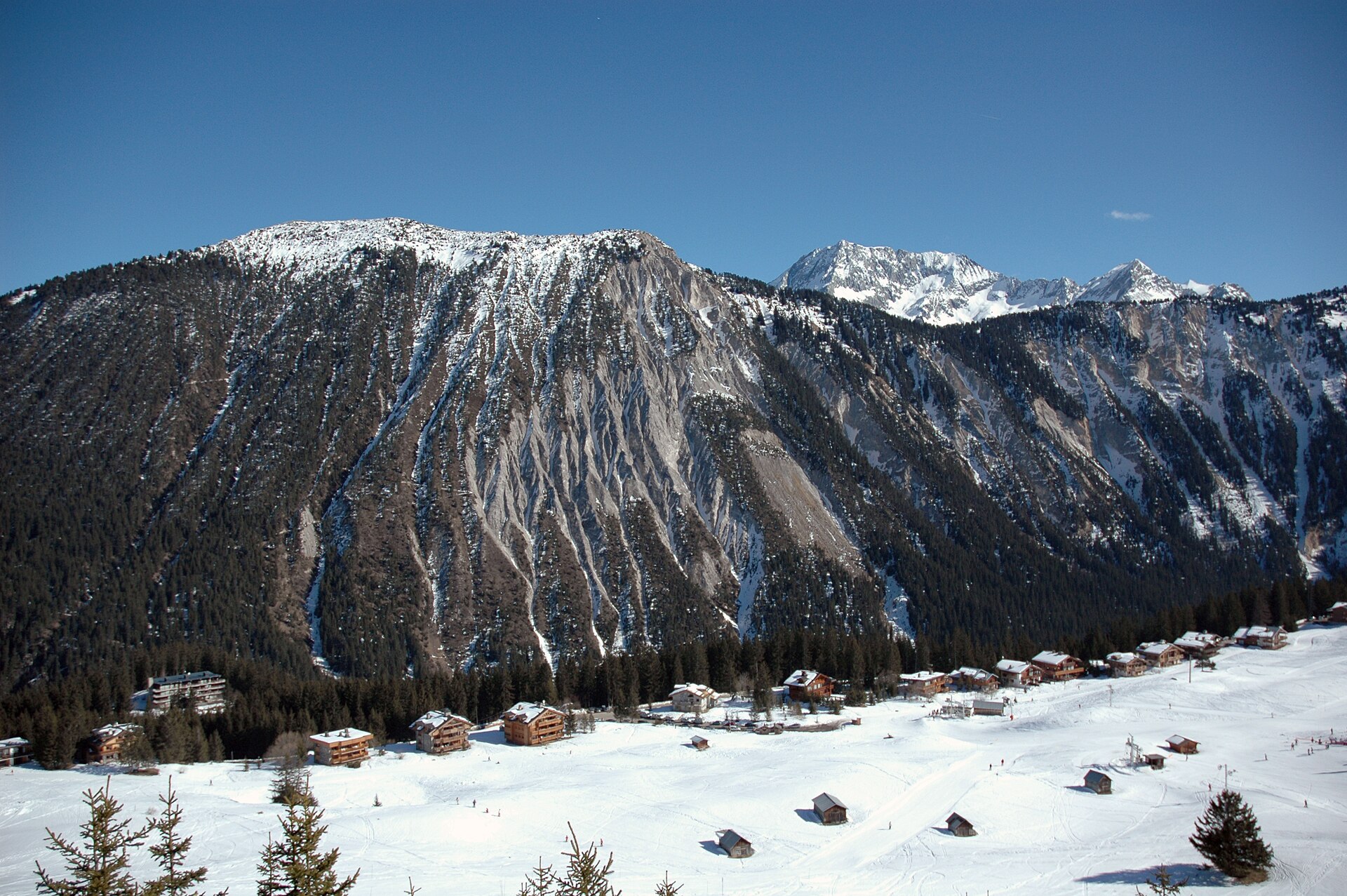
39 records
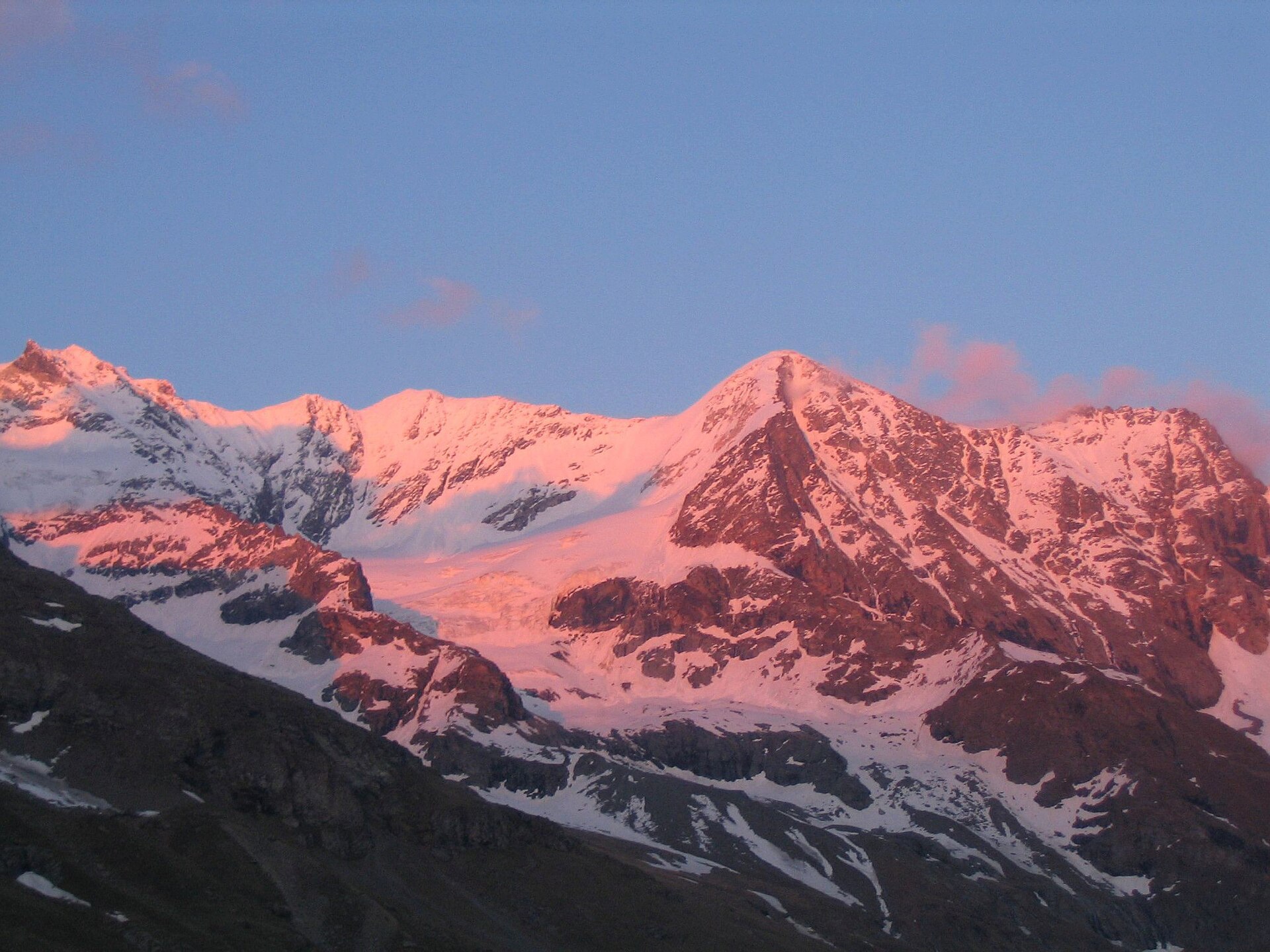
20 records
Other species to discover


Sources and credits
- Presence: most-recorded species of each place on GBIF and species of Community interest in the Natura 2000 forms (EEA, CC-BY 4.0); absence from the list does not mean the species is absent.
- Common names: Wikidata (CC0) and GBIF.
- Photos and sounds: Wikimedia Commons, author and licence given for each file.
- Classification: GBIF Backbone Taxonomy (GBIF Secretariat), CC BY 4.0, doi:10.15468/39omei.
- Countries, elevations, months and maps: GBIF.org, CC0 or CC BY 4.0 occurrences only, accessed October 23, 2026, GBIF.org.
- Base map: Natural Earth (public domain).
- Excerpt: Wikipedia, CC BY-SA 4.0 (full credit below the excerpt).
- Native range and life form: World Checklist of Vascular Plants, Royal Botanic Gardens, Kew, CC BY 4.0 (no endorsement by Kew).