
Insect
Asian bush mosquito: where to see it
Aedes japonicus
This insect species is recorded in 3 protected areas of the atlas. Within the atlas countries, it is mostly observed in Austria, Belgium and Germany (12 countries in all). Most records (8 in 10) lie between 190 and 700 m above sea level. Records peak from June to October.
Best time to see it: June–October
Records published on GBIF by month (CC0 and CC BY 4.0 licences only), in the atlas countries, all years combined; they also reflect observer activity.
Distribution
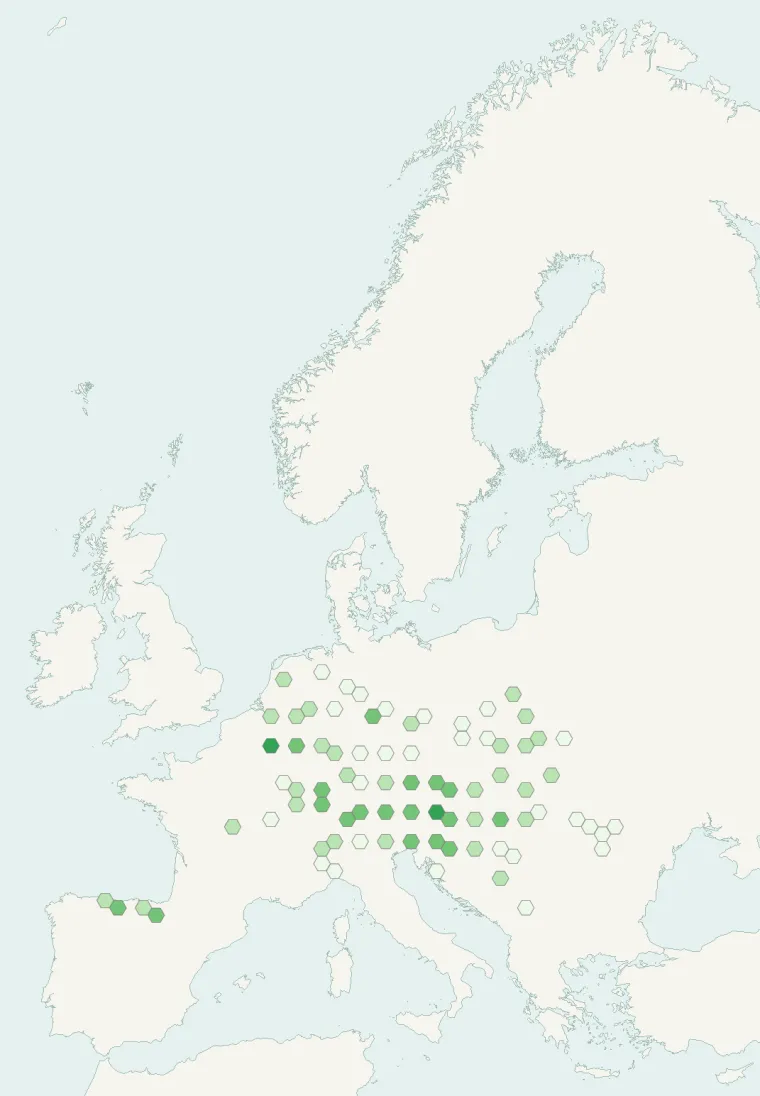
Records published on GBIF (CC0 and CC BY 4.0 licences): the darker the shade, the more records there are; they also reflect observation effort.
Atlas countries where it is recorded
From Wikipedia
Aedes japonicus, commonly known as the Asian bush mosquito or the Asian rock pool mosquito, was first described by Theobald in 1901 from Tokyo, Japan. They are competent arbovirus vectors known to transmit the West Nile virus as well as Japanese and St. Louis encephalitis. They are listed as an invasive species by the Global Invasive Species Database.
Source: Wikipedia, article “Aedes japonicus” (version of May 23, 2026) · history and authors · licence CC BY-SA 4.0
Protected areas where it is recorded
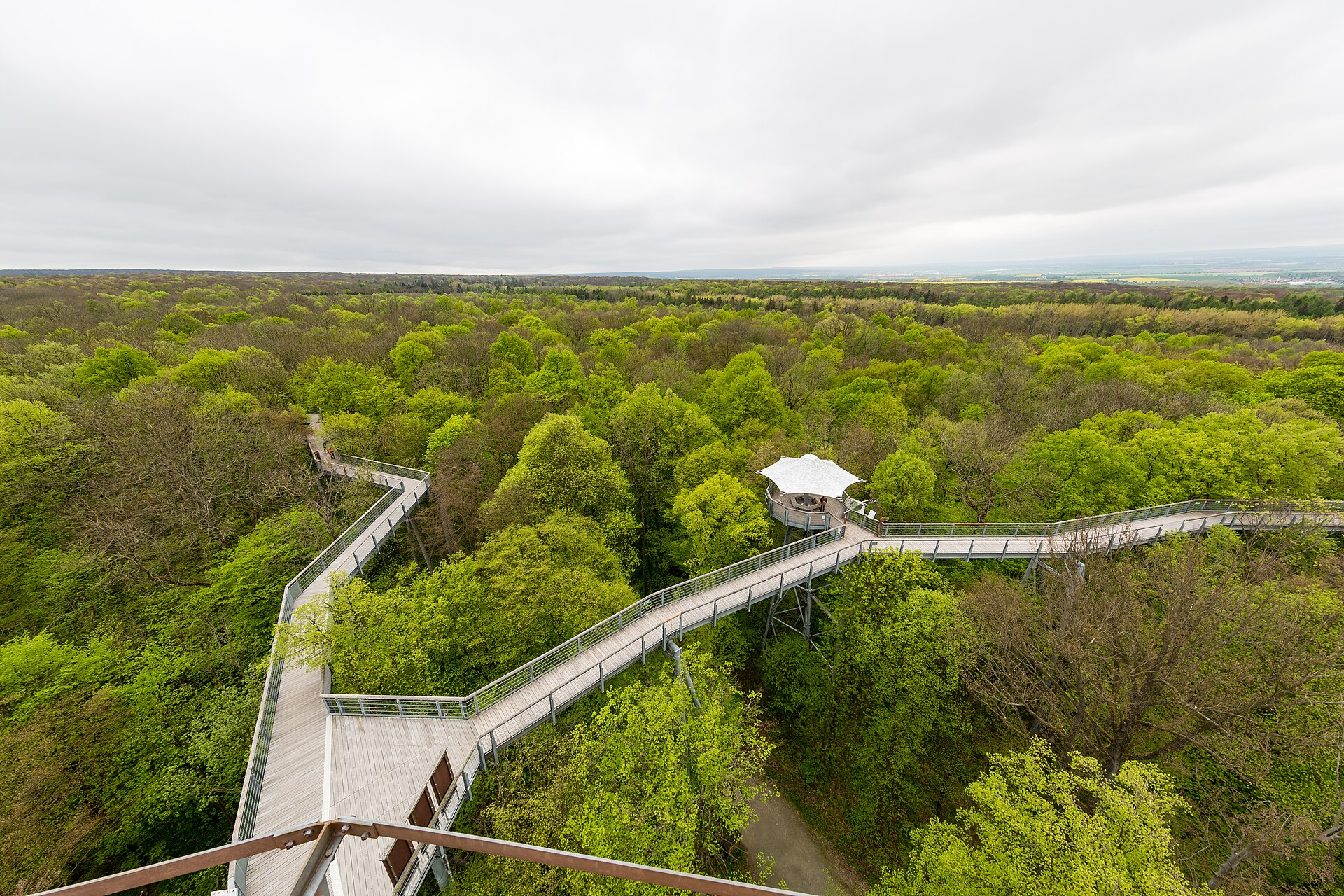
101 records
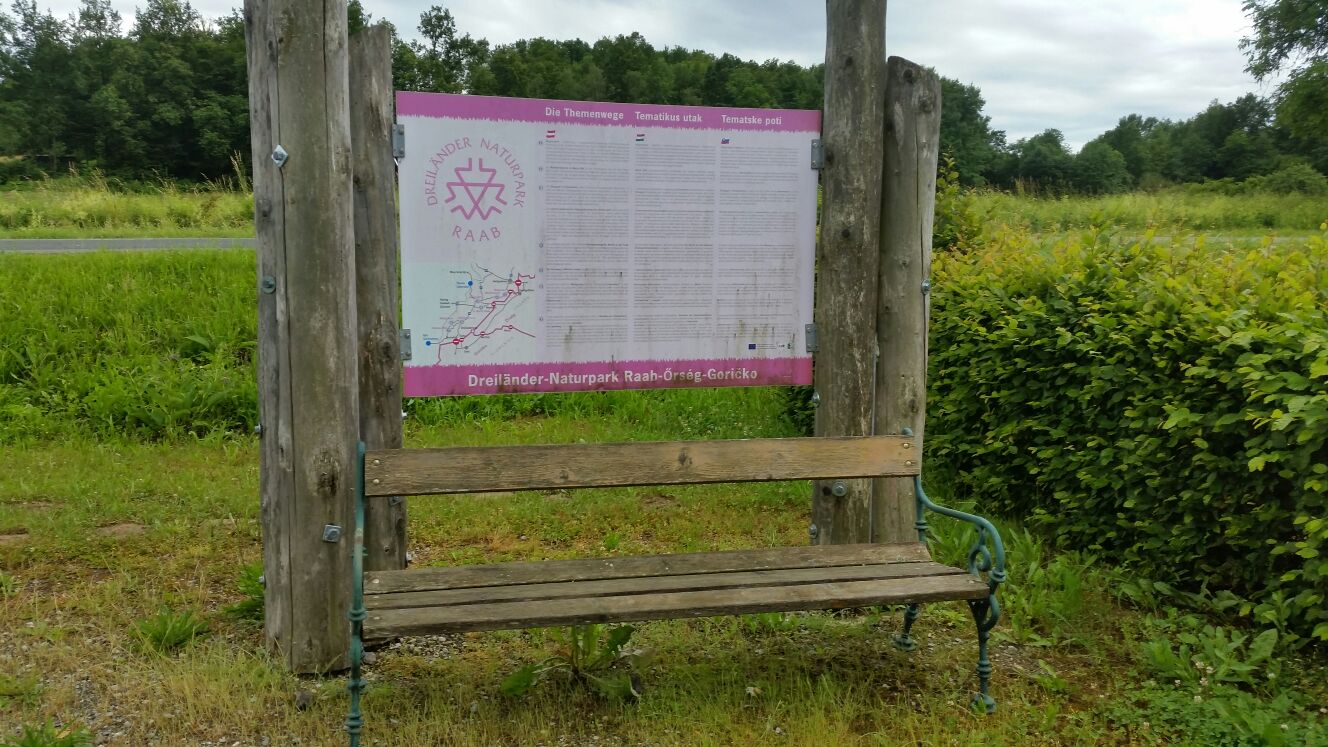
61 records
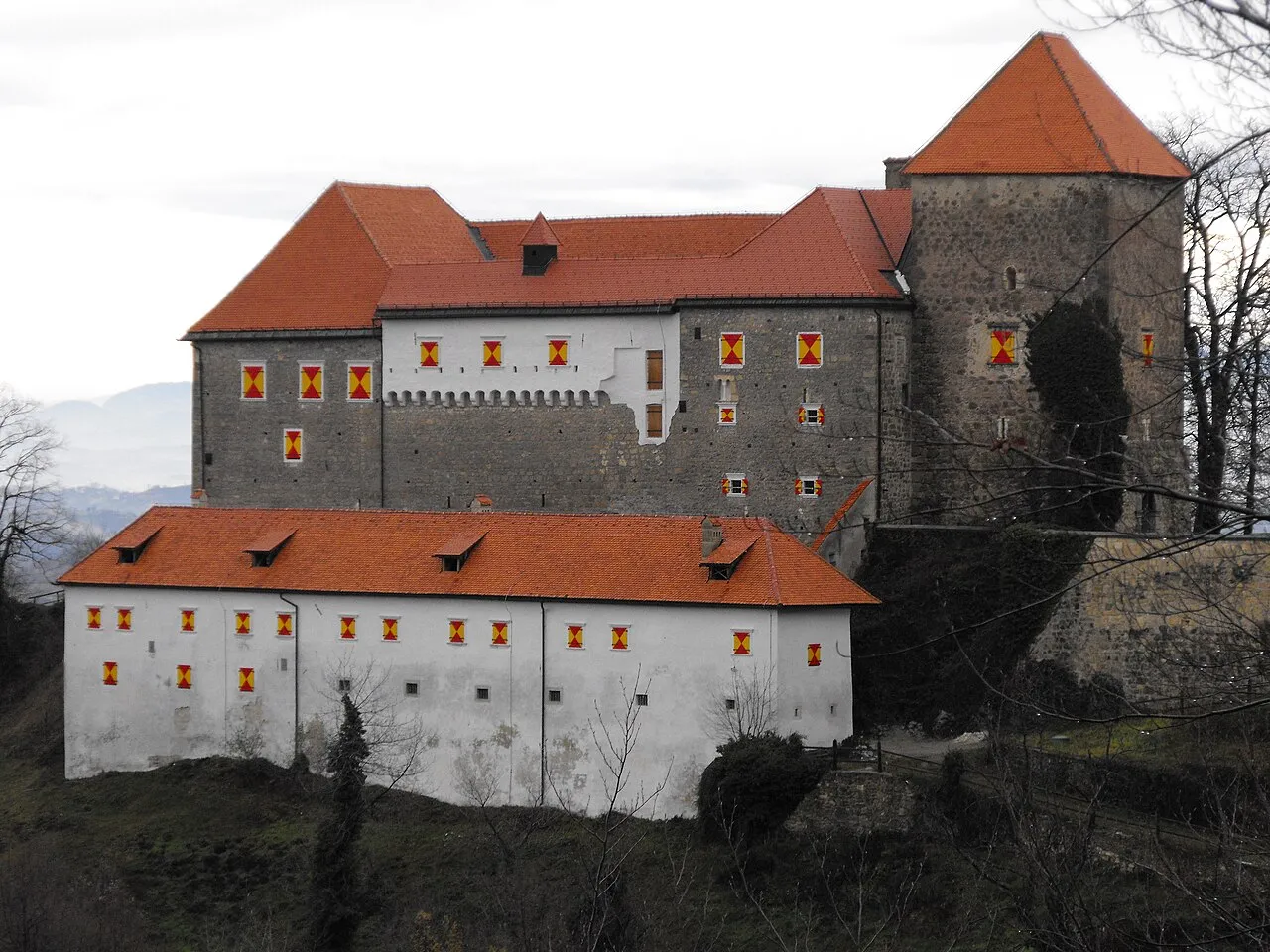
12 records
Other species to discover
 Asian tiger mosquito
Aedes albopictus Same genus
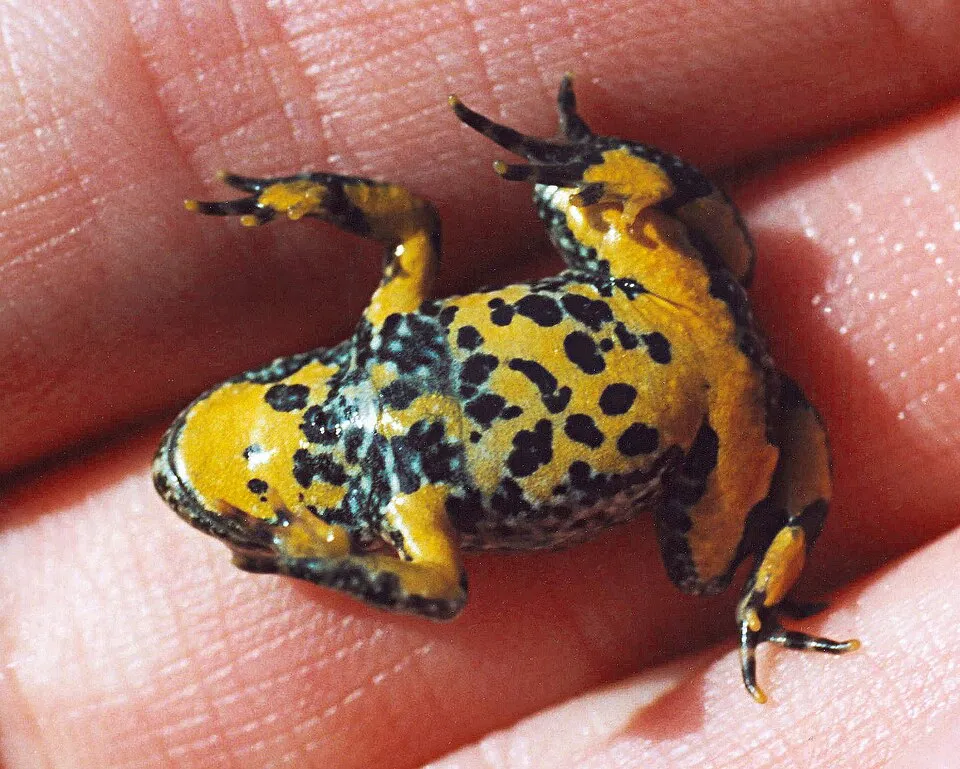 Yellow-bellied toad
Bombina variegata 3 places in common
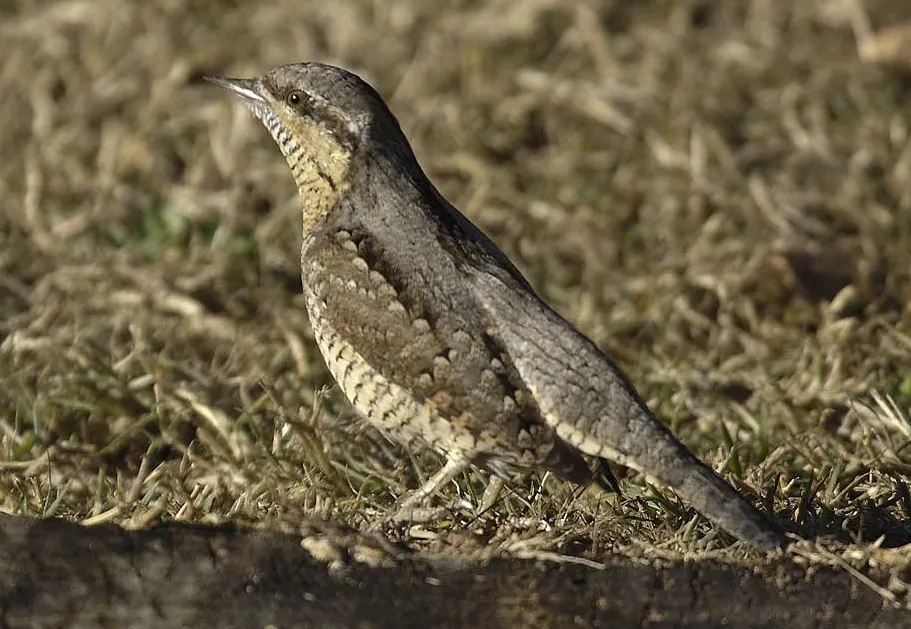 Eurasian Wryneck
Jynx torquilla 2 places in common
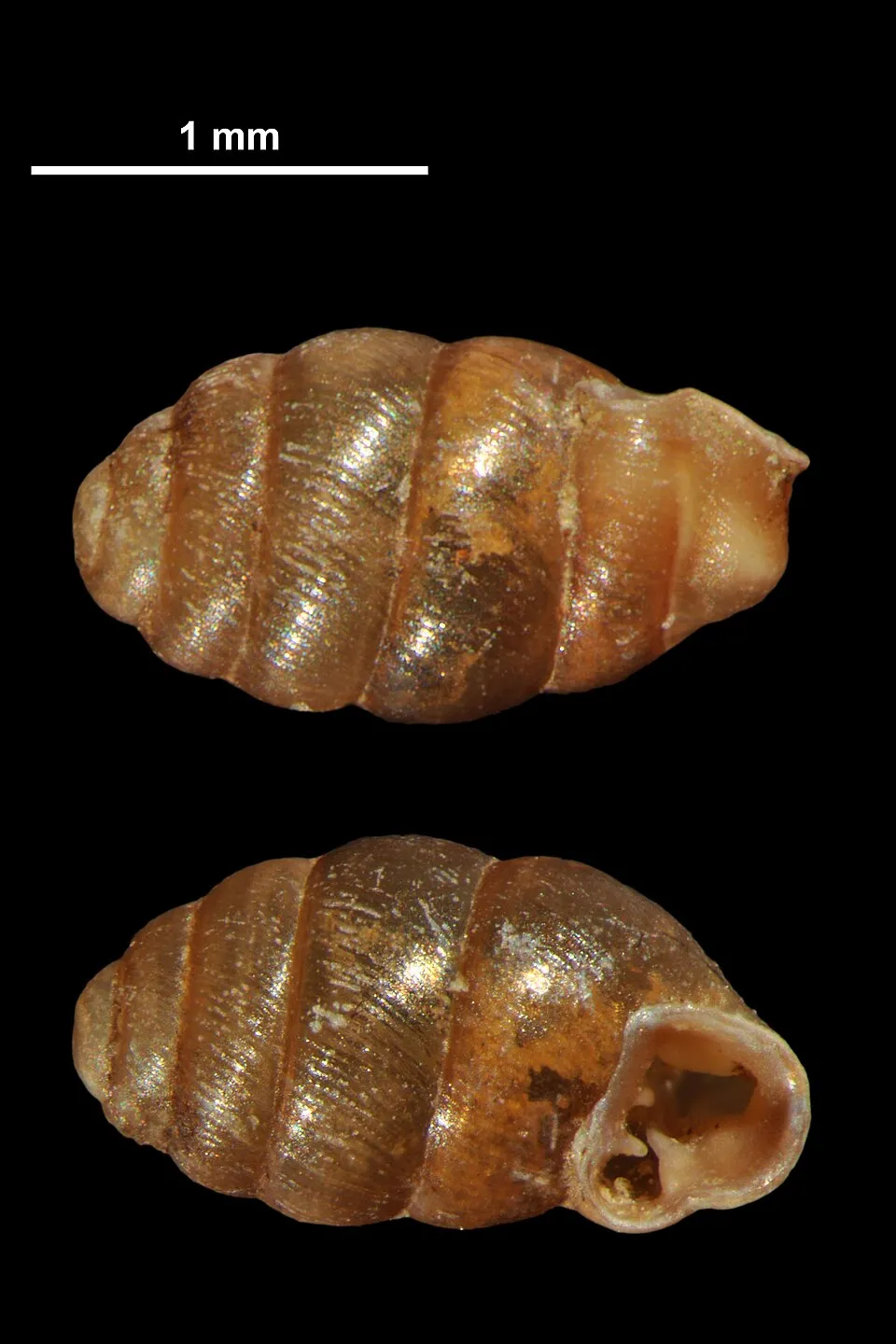 Narrow-mouthed whorl snail
Vertigo angustior 2 places in common
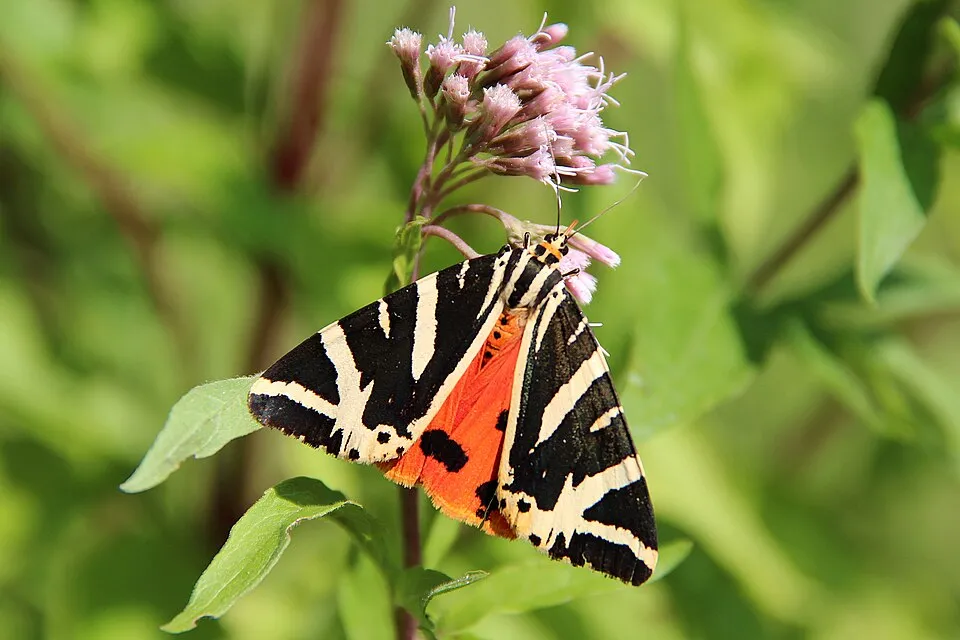 Jersey Tiger
Euplagia quadripunctaria 2 places in common
 Lesser horseshoe bat
Rhinolophus hipposideros 3 places in common
Sources and credits
- Presence: most-recorded species of each place on GBIF and species of Community interest in the Natura 2000 forms (EEA, CC-BY 4.0); absence from the list does not mean the species is absent.
- Common names: Wikidata (CC0) and GBIF.
- Photos and sounds: Wikimedia Commons, author and licence given for each file.
- Classification: GBIF Backbone Taxonomy (GBIF Secretariat), CC BY 4.0, doi:10.15468/39omei.
- Countries, elevations, months and maps: GBIF.org, CC0 or CC BY 4.0 occurrences only, accessed October 22, 2026, GBIF.org.
- Base map: Natural Earth (public domain).
- Excerpt: Wikipedia, CC BY-SA 4.0 (full credit below the excerpt).