
Plant
Bean-trefoil: where to see it
Adenocarpus viscosus
This plant species is recorded in 2 protected areas of the atlas. Within the atlas countries, it is observed only in Spain. Most records (8 in 10) lie between 1,000 and 2,400 m above sea level. Records peak from December to August. Plant (shrub), native to Africa.
Best time to see it: December–August
Records published on GBIF by month (CC0 and CC BY 4.0 licences only), in the atlas countries, all years combined; they also reflect observer activity.
Distribution
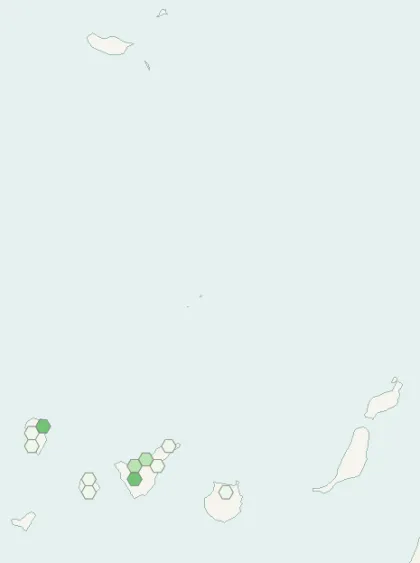
Records published on GBIF (CC0 and CC BY 4.0 licences): the darker the shade, the more records there are; they also reflect observation effort.
Atlas countries where it is recorded
From Wikipedia
Adenocarpus viscosus is a shrubby species of flowering plant in the legume family Fabaceae, subfamily Faboideae. It is endemic to the Canary Islands where it is known locally as Codeso del Pico. It can be found above 1,800 metres (5,900 ft) on two of the islands, La Palma in Caldera de Tabouriente and Tenerife where it is a dominant shrub in Teide National Park and occurs in parts of Corona Forestal Nature Park and Reserva Especial de las Palomas.
Source: Wikipedia, article “Adenocarpus viscosus” (version of September 5, 2025) · history and authors · licence CC BY-SA 4.0
Protected areas where it is recorded
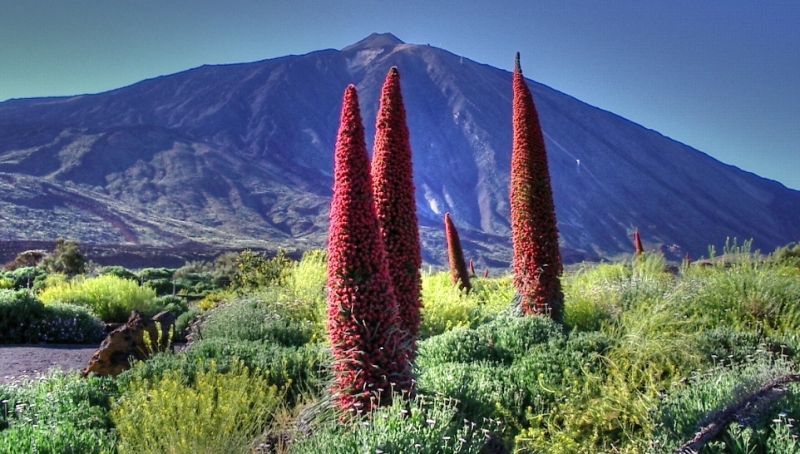
127 records
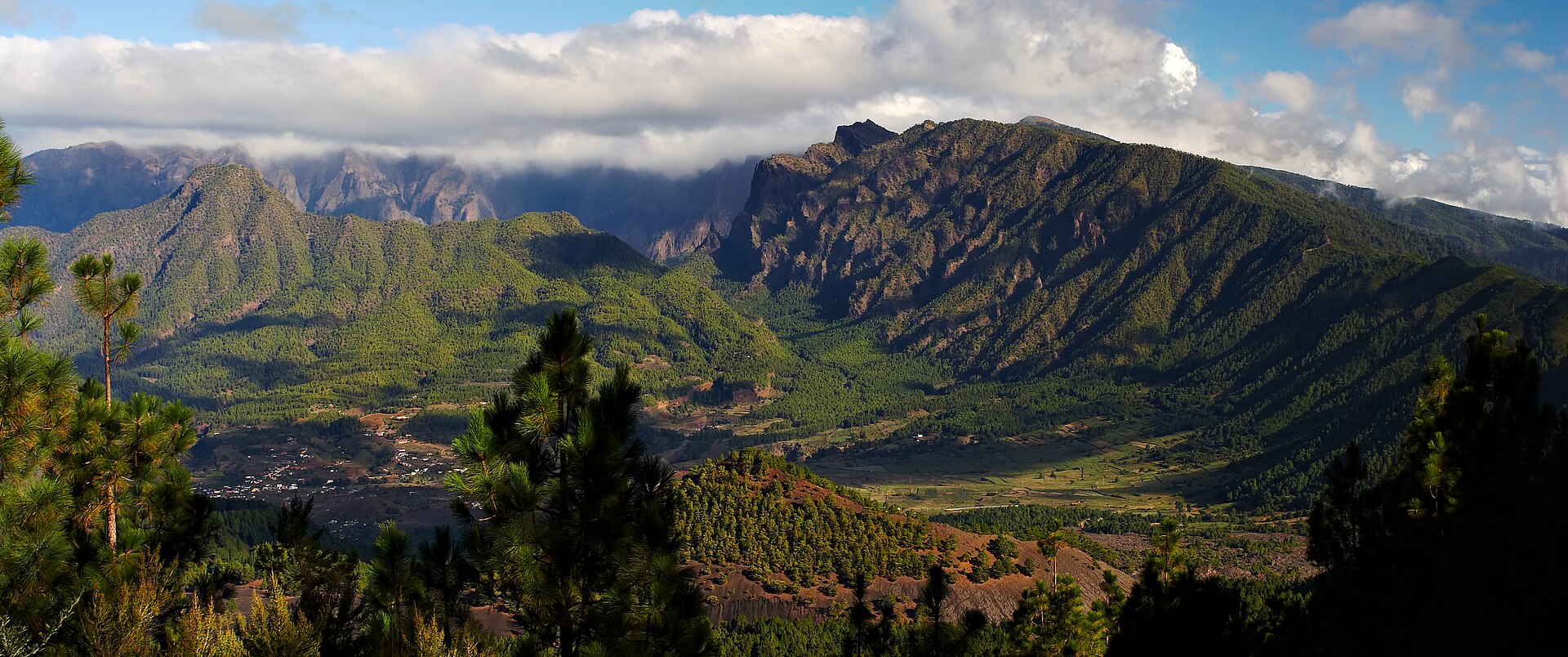
47 records
Other species to discover
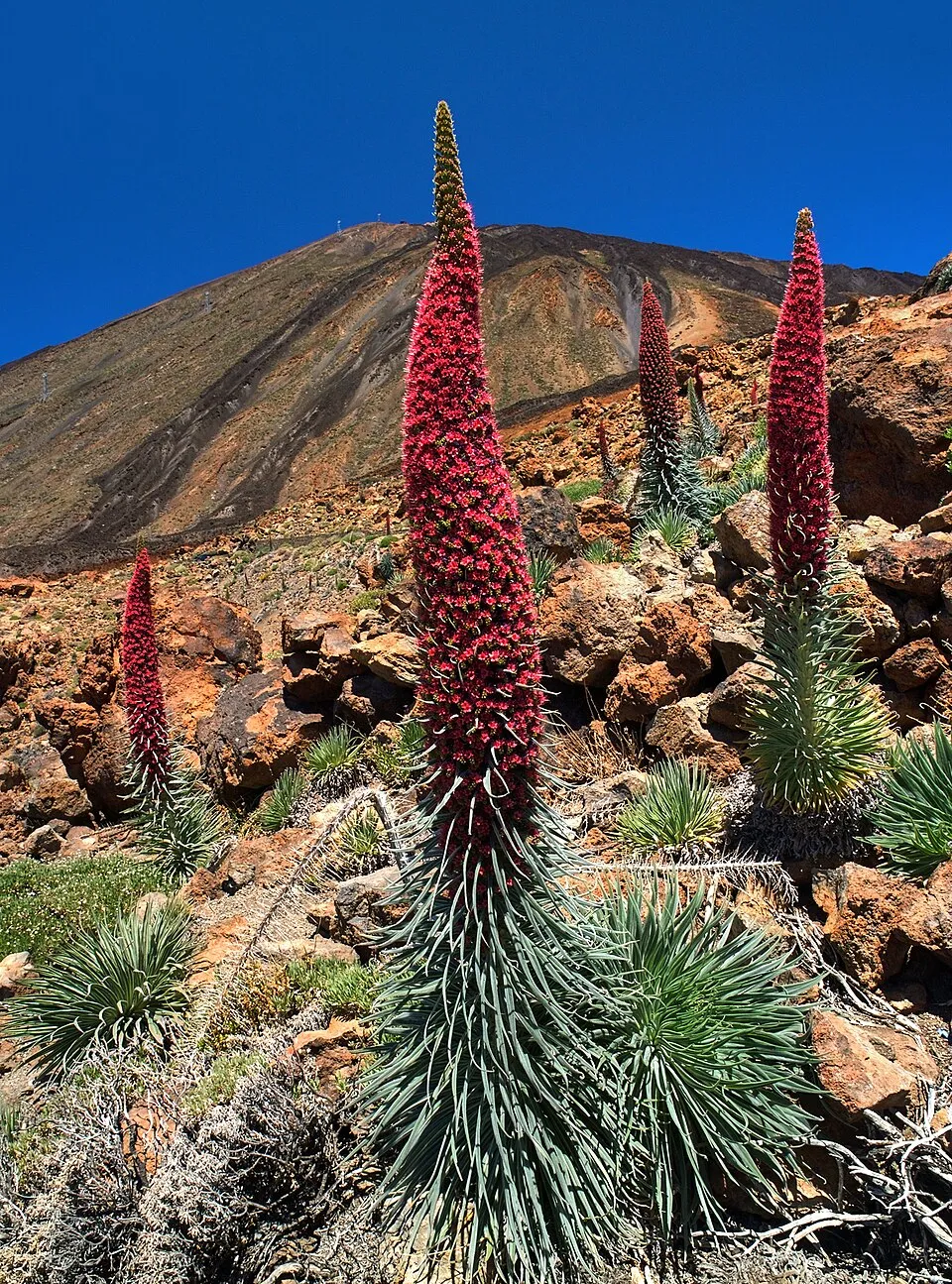 Tower of jewels
Echium wildpretii 2 places in common
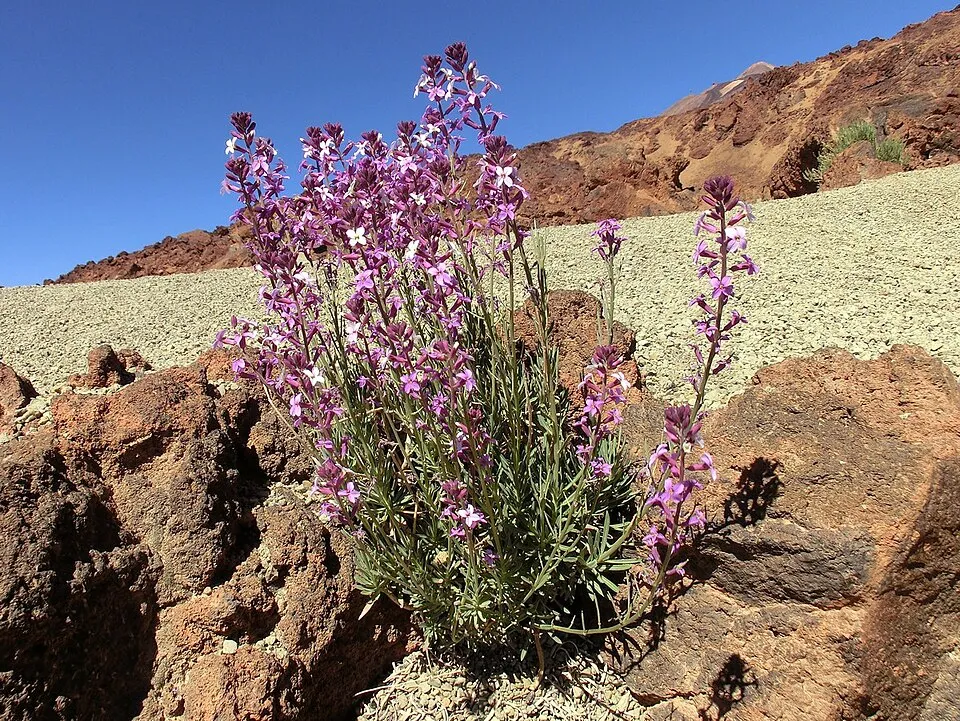 Icarian Treacle Mustard
Erysimum scoparium 2 places in common
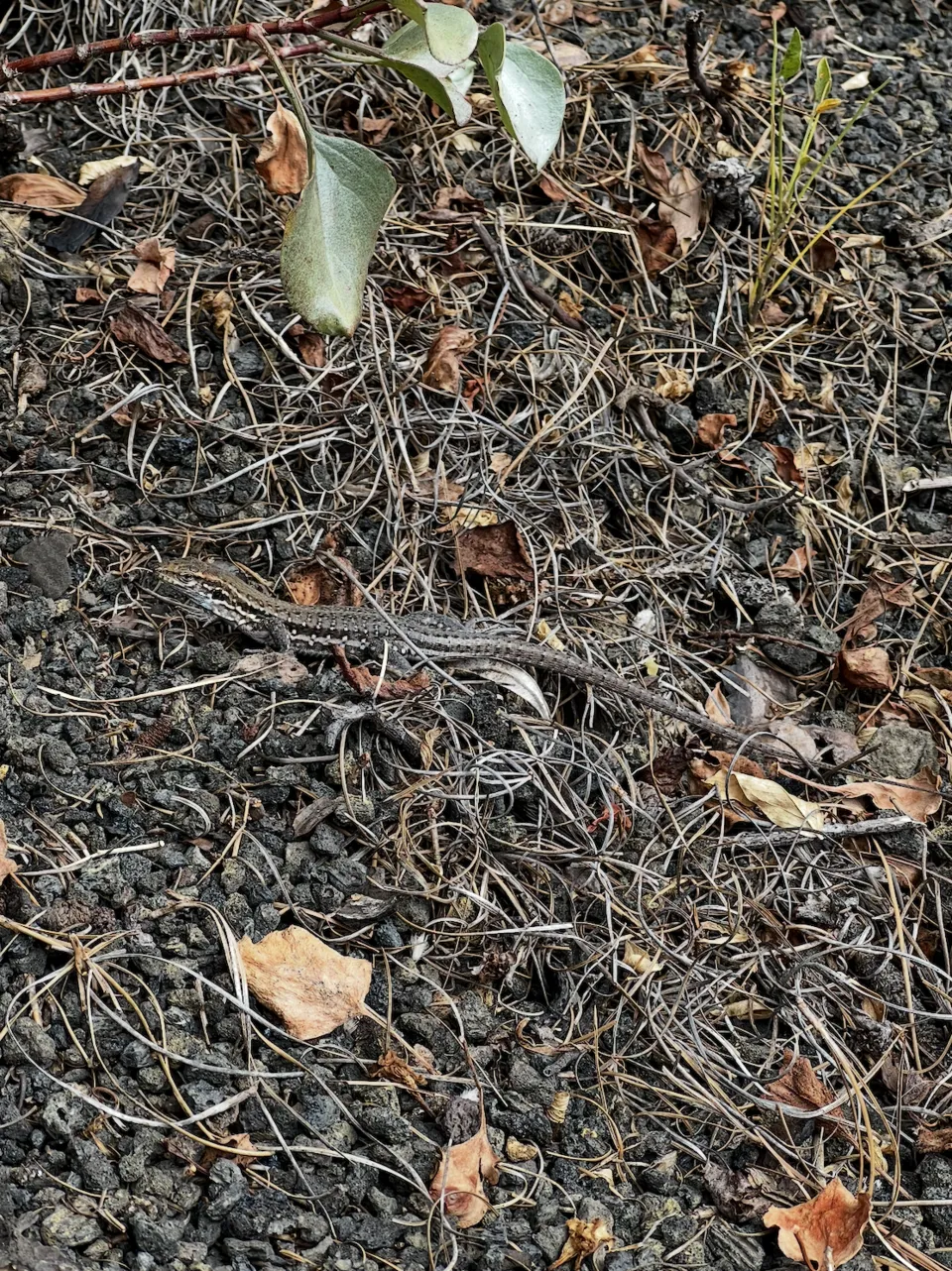 Tenerife Lizard
Gallotia galloti 2 places in common
 Bolle's Pigeon
Columba bollii 2 places in common
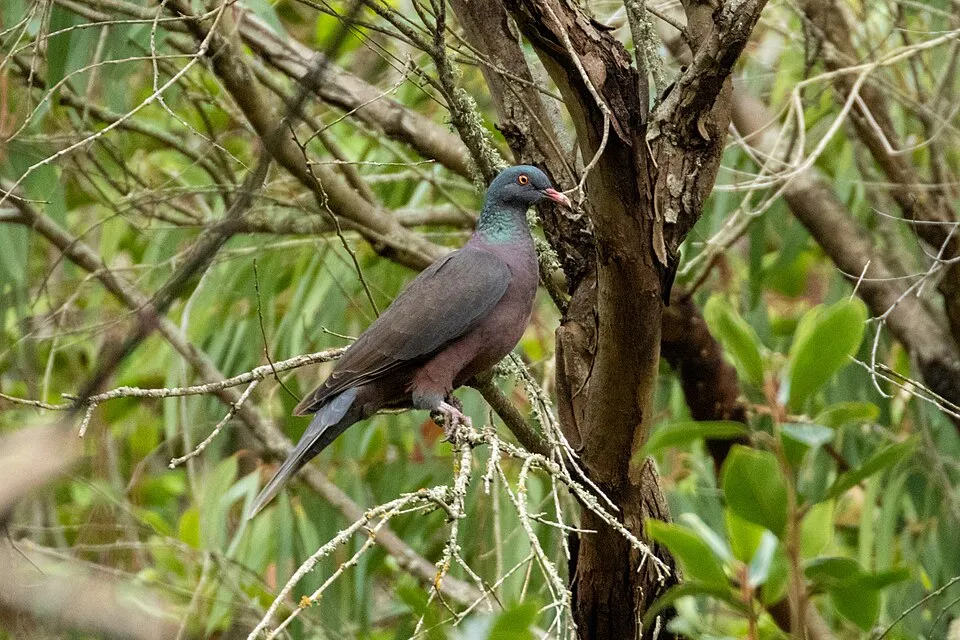 Laurel Pigeon
Columba junoniae 2 places in common
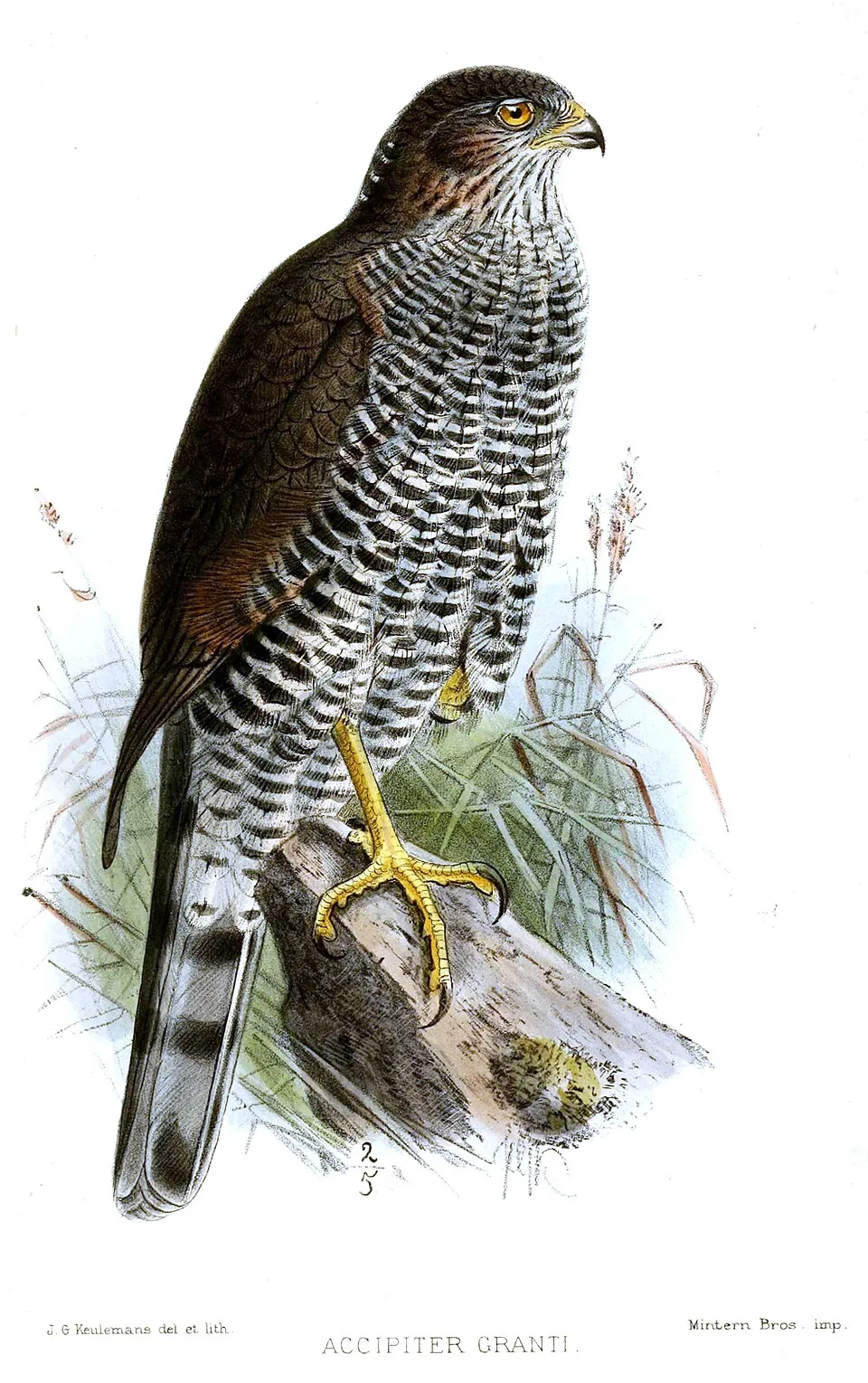 Canarian Sparrowhawk
Accipiter nisus granti 2 places in common
Sources and credits
- Presence: most-recorded species of each place on GBIF and species of Community interest in the Natura 2000 forms (EEA, CC-BY 4.0); absence from the list does not mean the species is absent.
- Common names: Wikidata (CC0) and GBIF.
- Photos and sounds: Wikimedia Commons, author and licence given for each file.
- Classification: GBIF Backbone Taxonomy (GBIF Secretariat), CC BY 4.0, doi:10.15468/39omei.
- Countries, elevations, months and maps: GBIF.org, CC0 or CC BY 4.0 occurrences only, accessed October 22, 2026, GBIF.org.
- Base map: Natural Earth (public domain).
- Excerpt: Wikipedia, CC BY-SA 4.0 (full credit below the excerpt).
- Native range and life form: World Checklist of Vascular Plants, Royal Botanic Gardens, Kew, CC BY 4.0 (no endorsement by Kew).