

Mammal
Canary big-eared bat: where to see it
Plecotus teneriffae
This mammal species is recorded in 3 protected areas of the atlas, and is listed on the official Natura 2000 form of each of them. It is a species of Community interest under the Habitats Directive (Annex IV).
Records published on GBIF by month (CC0 and CC BY 4.0 licences only), in the atlas countries, all years combined; they also reflect observer activity.
Status and protection
Habitats Directive IV
The species is listed in Annex IV of the Habitats Directive.
Distribution
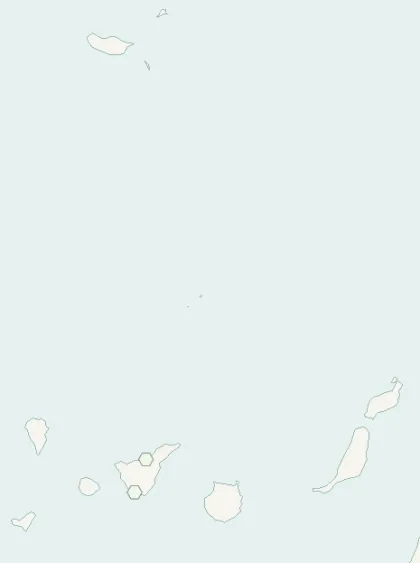
Records published on GBIF (CC0 and CC BY 4.0 licences): the darker the shade, the more records there are; they also reflect observation effort.
From Wikipedia
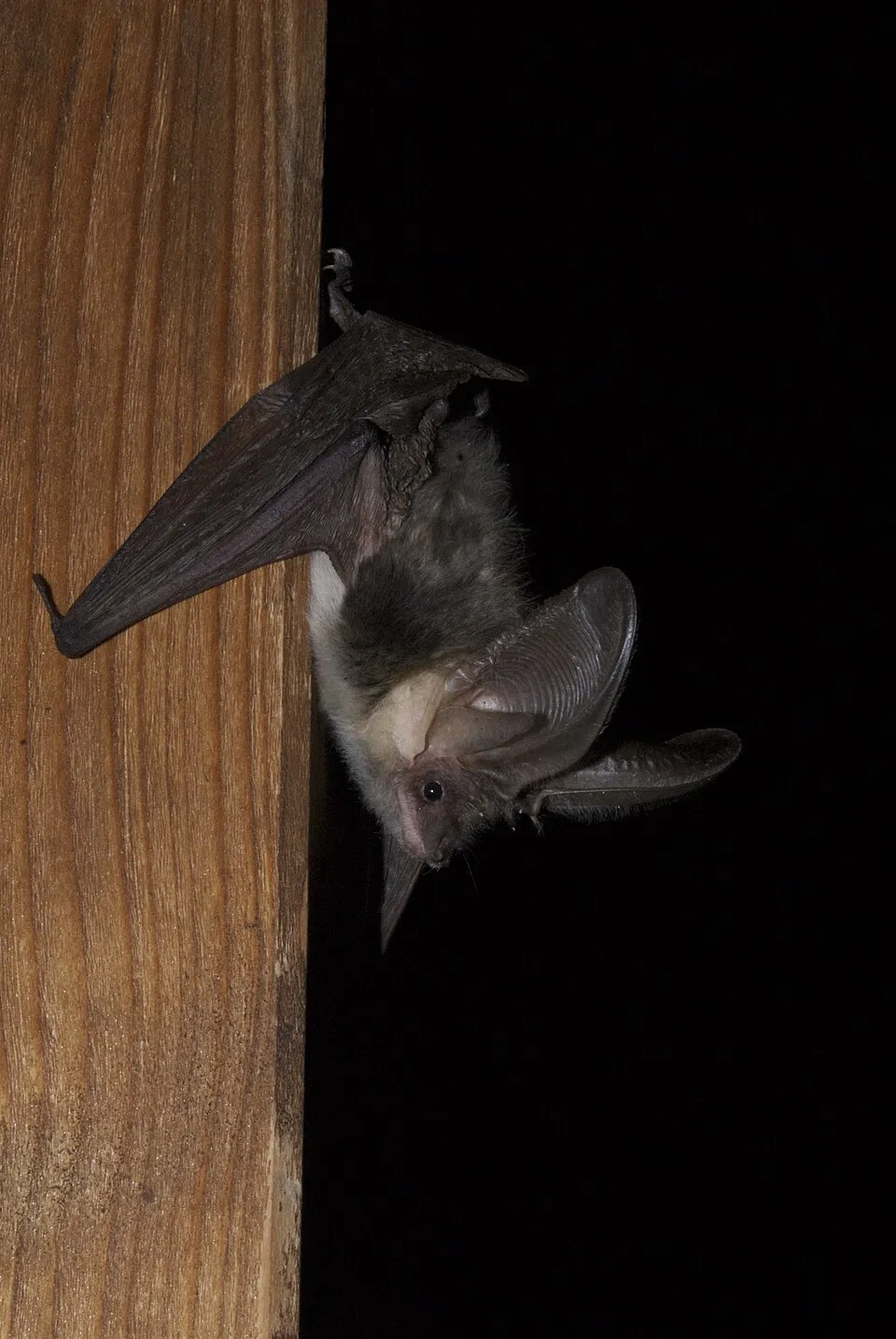
The Canary long-eared bat (Plecotus teneriffae), also known as the Canary big-eared bat or Tenerife long-eared bat, is a species of vesper bat endemic to the Canary Islands. It feeds mainly on moths. Roosting sites include caves, lava tubes and abandoned buildings.
Source: Wikipedia, article “Canary long-eared bat” (version of October 18, 2026) · history and authors · licence CC BY-SA 4.0 · shortened excerpt
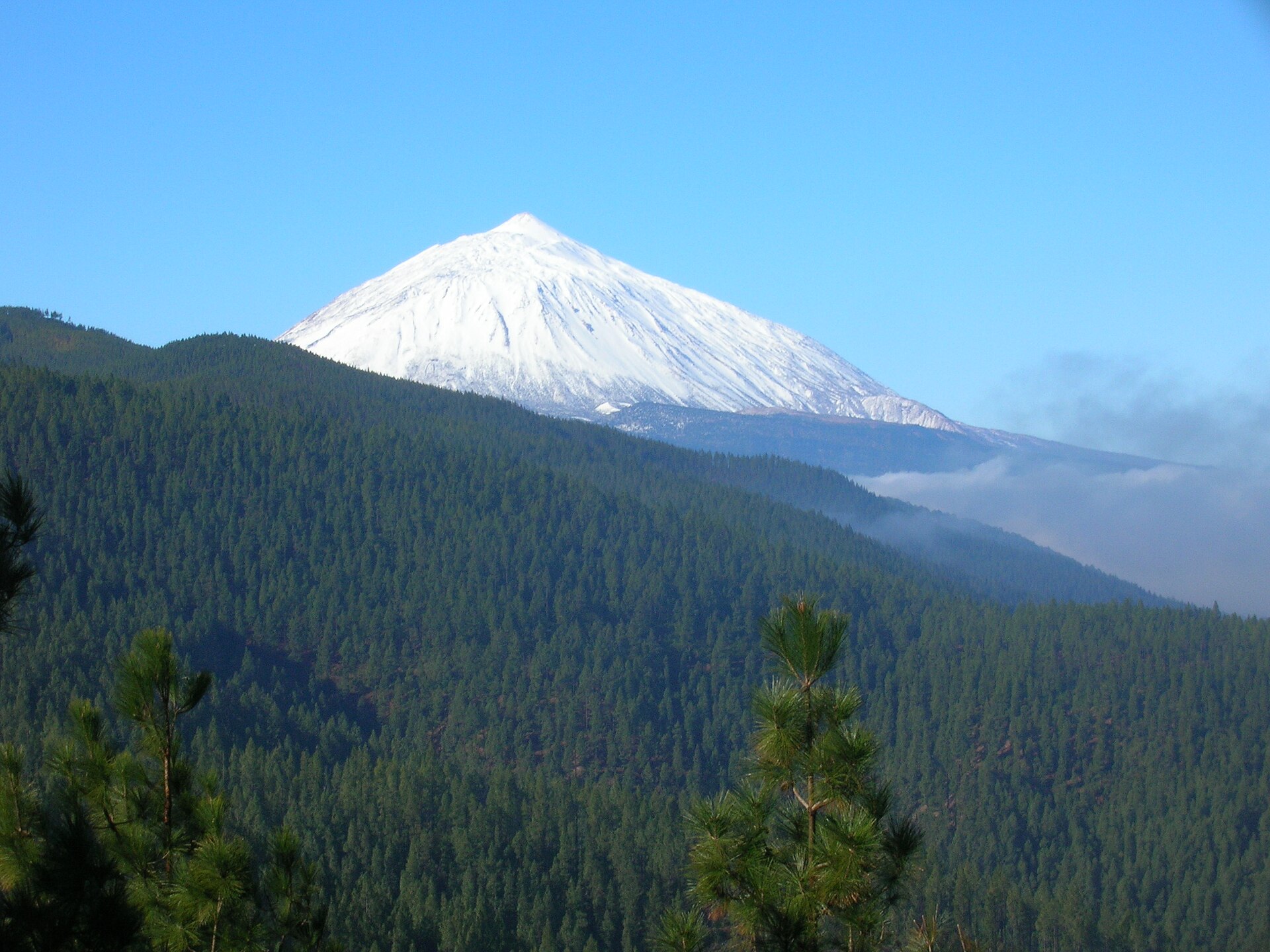
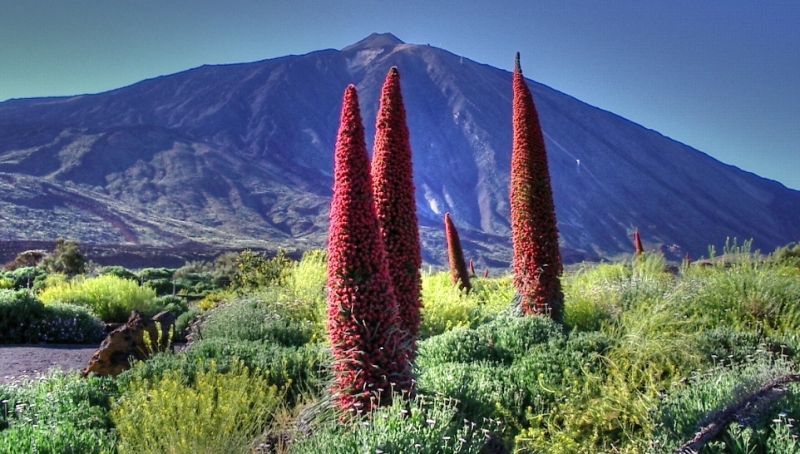
Protected areas where it is recorded
Natura 2000

Natura 2000
Natura 2000
Other species to discover
 Brown long-eared bat
Plecotus auritus Same genus
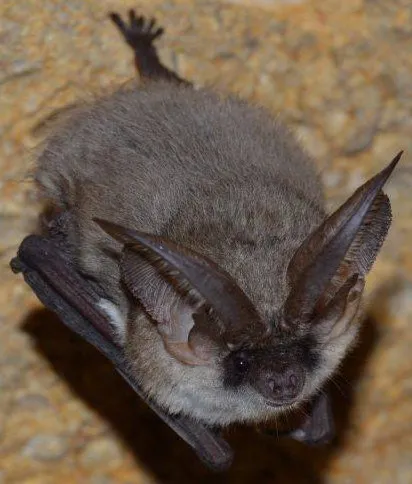 Grey long-eared bat
Plecotus austriacus Same genus
 Mountain Long-eared Bat
Plecotus macrobullaris Same genus
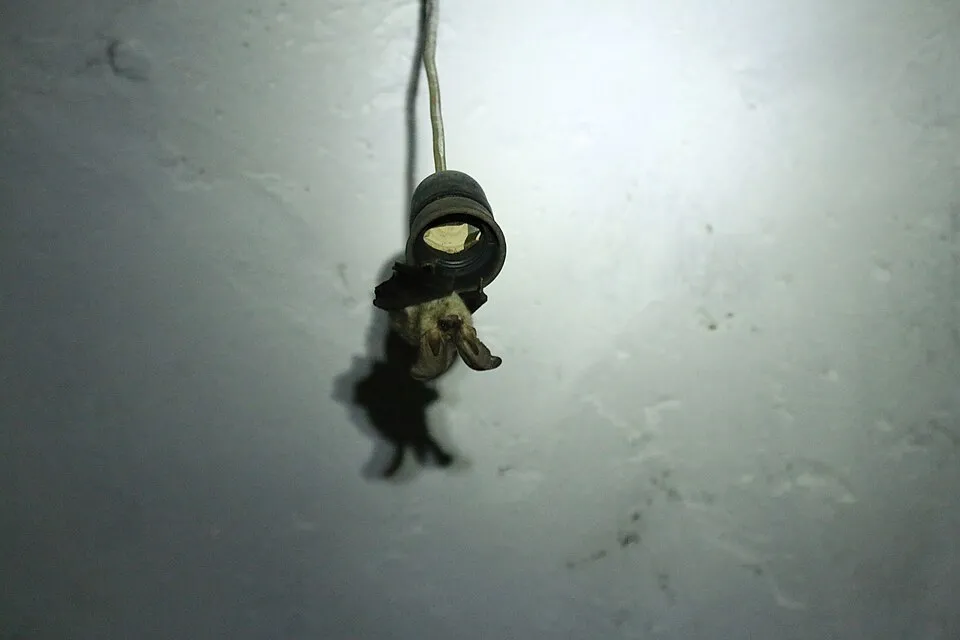 Kolombatovic's Long-eared Bat
Plecotus kolombatovici Same genus
 Fatal Dapperling
Lepiota subincarnata 2 places in common
 Summit rosebush
Pterocephalus lasiospermus 2 places in common
Sources and credits
- Presence: most-recorded species of each place on GBIF and species of Community interest in the Natura 2000 forms (EEA, CC-BY 4.0); absence from the list does not mean the species is absent.
- Common names: Wikidata (CC0) and GBIF.
- Photos and sounds: Wikimedia Commons, author and licence given for each file.
- Classification: GBIF Backbone Taxonomy (GBIF Secretariat), CC BY 4.0, doi:10.15468/39omei.
- Countries, elevations, months and maps: GBIF.org, CC0 or CC BY 4.0 occurrences only, accessed October 22, 2026, GBIF.org.
- Base map: Natural Earth (public domain).
- Excerpt: Wikipedia, CC BY-SA 4.0 (full credit below the excerpt).
- Annexes: Directive 92/43/EEC (consolidated version), © European Union, EUR-Lex.