
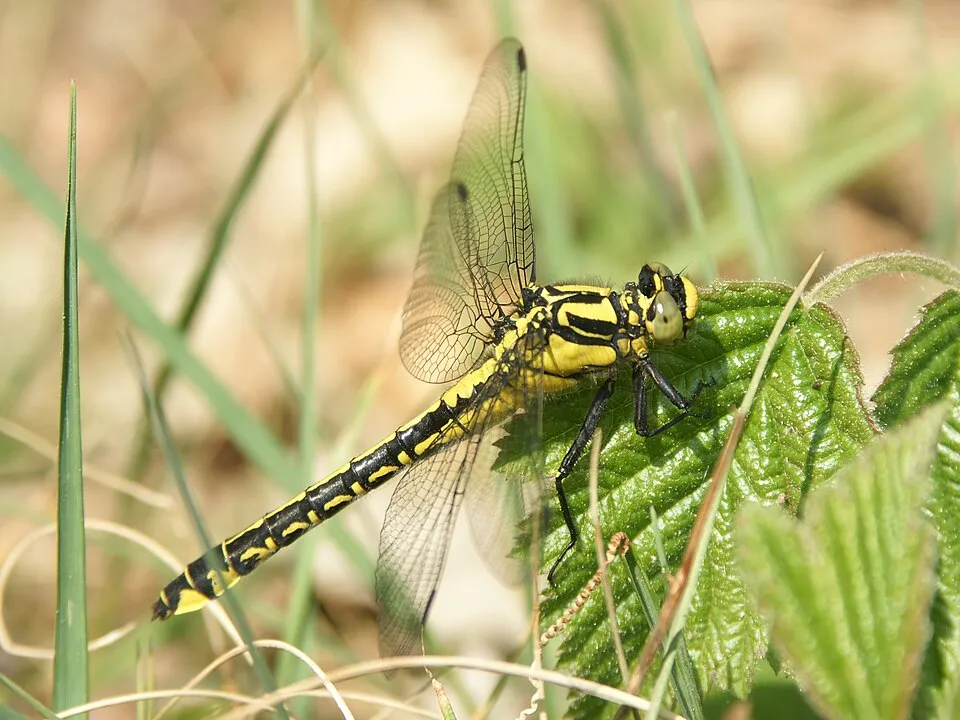
Insect
Common clubtail: where to see it
Gomphus vulgatissimus
This insect species is recorded in 2 protected areas of the atlas. Within the atlas countries, it is mostly observed in France, the United Kingdom and Switzerland (7 countries in all). Most records (8 in 10) lie between 60 and 500 m above sea level. Records peak from May to June.
Best time to see it: May–June
Records published on GBIF by month (CC0 and CC BY 4.0 licences only), in the atlas countries, all years combined; they also reflect observer activity.
Distribution
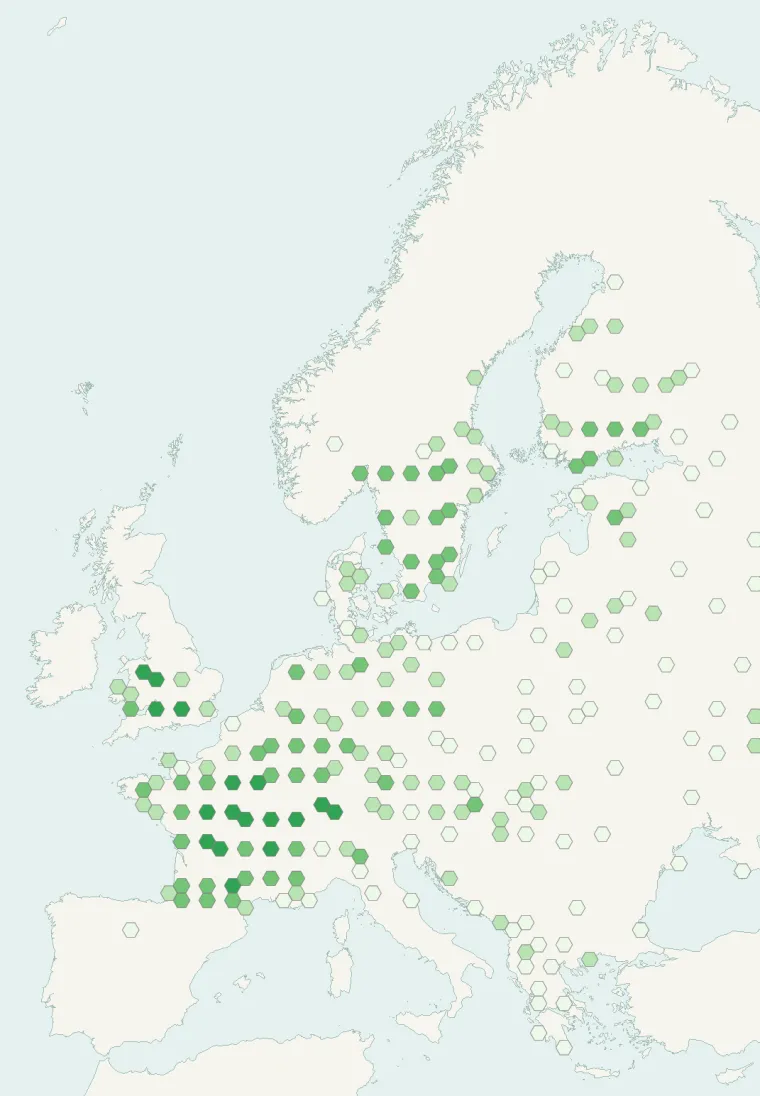
Records published on GBIF (CC0 and CC BY 4.0 licences): the darker the shade, the more records there are; they also reflect observation effort.
Atlas countries where it is recorded
From Wikipedia
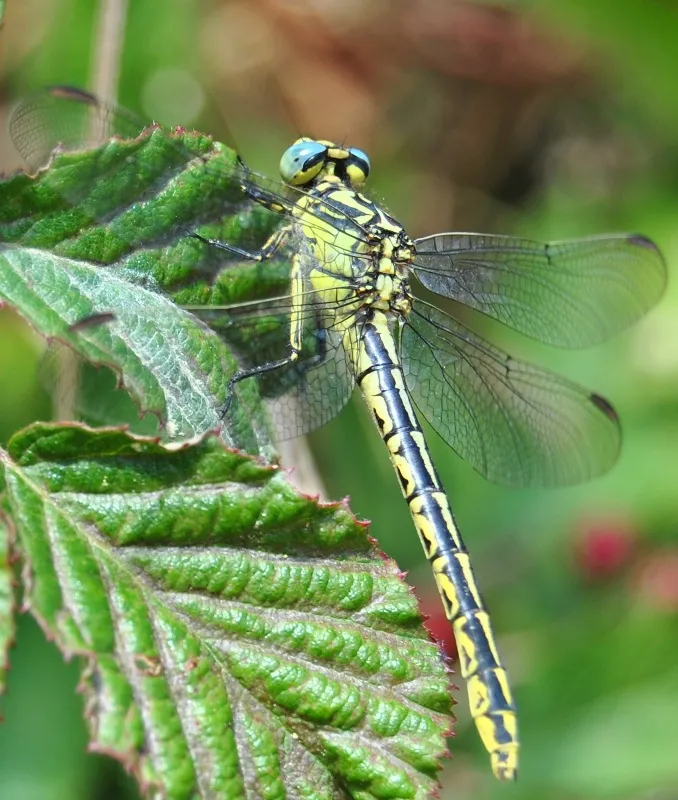
Gomphus vulgatissimus, the common clubtail, is a medium-sized (wingspan 6 –7 cm.) species of dragonfly in the family Gomphidae. It is found in most of Europe, and is present now in the south of France. Its natural habitats are clean, slow moving streaming rivers and creeks with sandy soil. It can be seen from mid-April in the south to August. Once they hatched out of water, they live shortly. As the common name suggests, this medium-sized species has a distinctive club-shaped abdomen.
Source: Wikipedia, article “Gomphus vulgatissimus” (version of September 30, 2025) · history and authors · licence CC BY-SA 4.0 · shortened excerpt
Protected areas where it is recorded
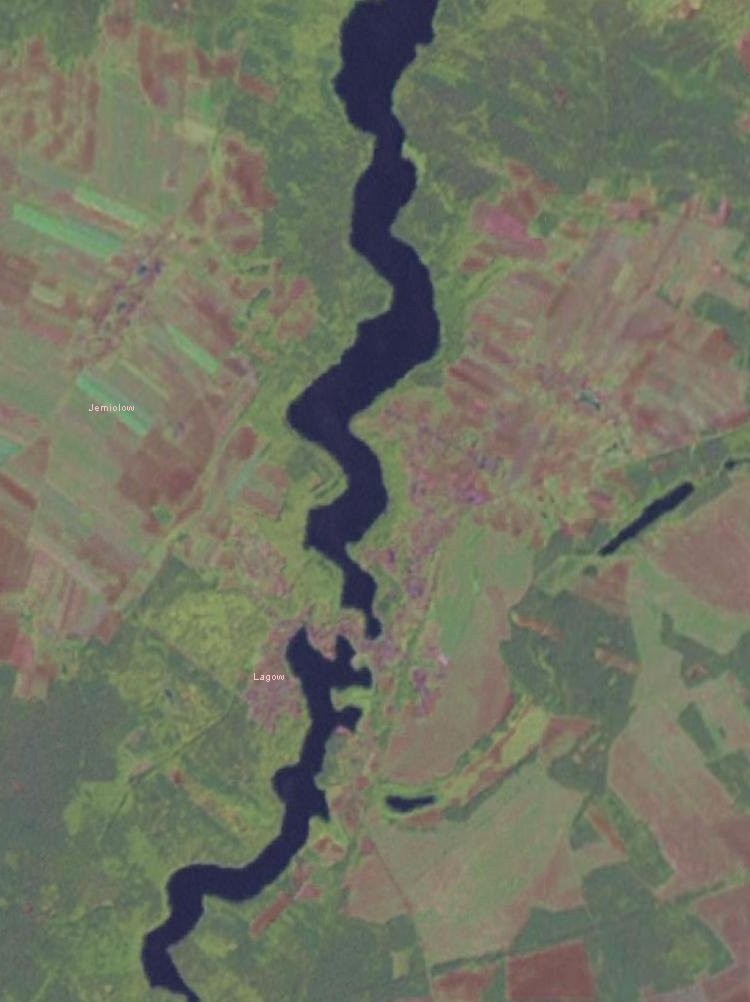
14 records
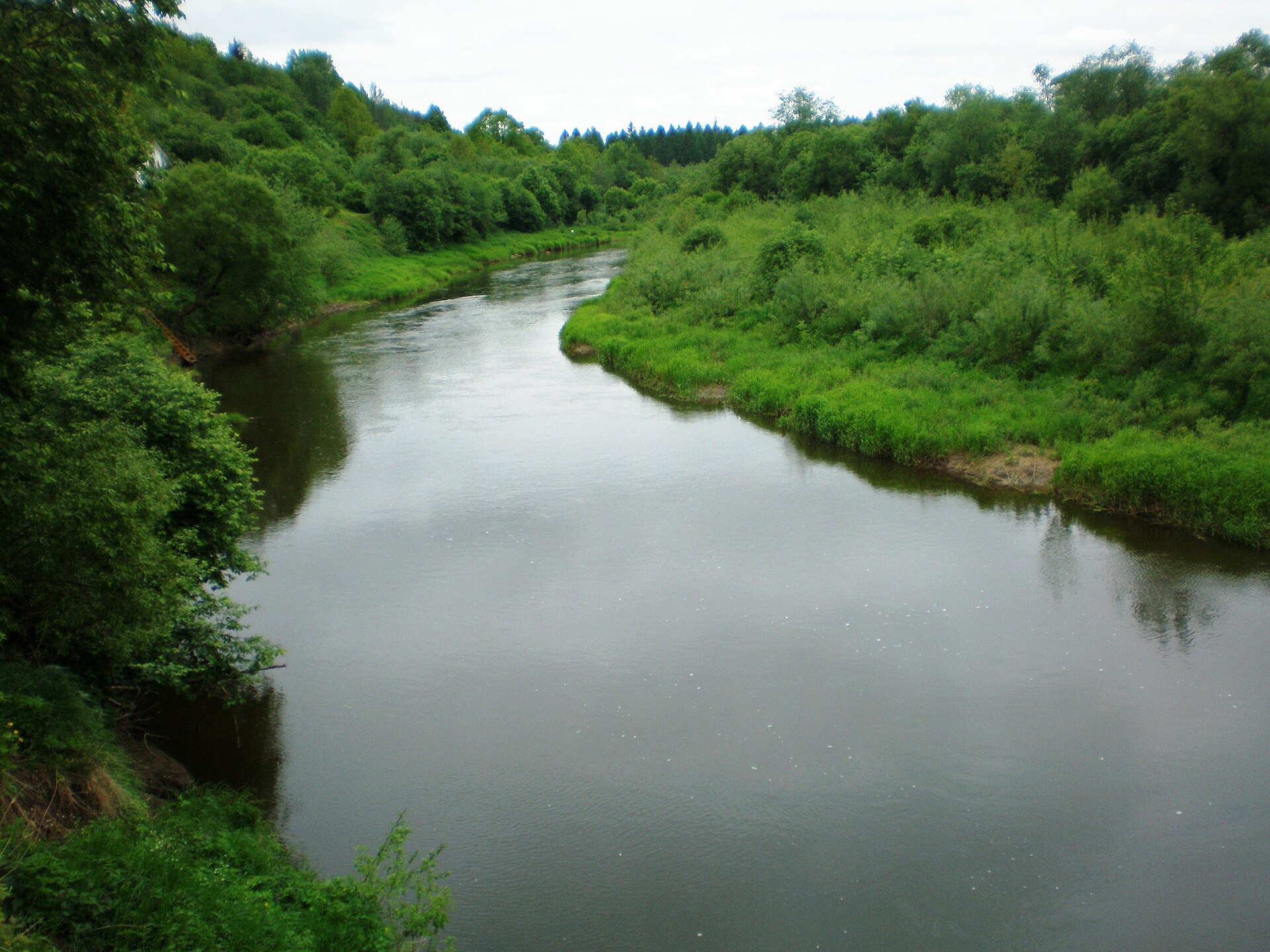
2 records
Other species to discover


Sources and credits
- Presence: most-recorded species of each place on GBIF and species of Community interest in the Natura 2000 forms (EEA, CC-BY 4.0); absence from the list does not mean the species is absent.
- Common names: Wikidata (CC0) and GBIF.
- Photos and sounds: Wikimedia Commons, author and licence given for each file.
- Classification: GBIF Backbone Taxonomy (GBIF Secretariat), CC BY 4.0, doi:10.15468/39omei.
- Countries, elevations, months and maps: GBIF.org, CC0 or CC BY 4.0 occurrences only, accessed October 23, 2026, GBIF.org.
- Base map: Natural Earth (public domain).
- Excerpt: Wikipedia, CC BY-SA 4.0 (full credit below the excerpt).