
Insect
Scarce Chaser: where to see it
Libellula fulva
This insect species is recorded in 3 protected areas of the atlas. Within the atlas countries, it is mostly observed in France, Switzerland and the United Kingdom (6 countries in all). Most records (8 in 10) lie between sea level and 500 m. Records peak from May to June.
Best time to see it: May–June
Records published on GBIF by month (CC0 and CC BY 4.0 licences only), in the atlas countries, all years combined; they also reflect observer activity.
Distribution
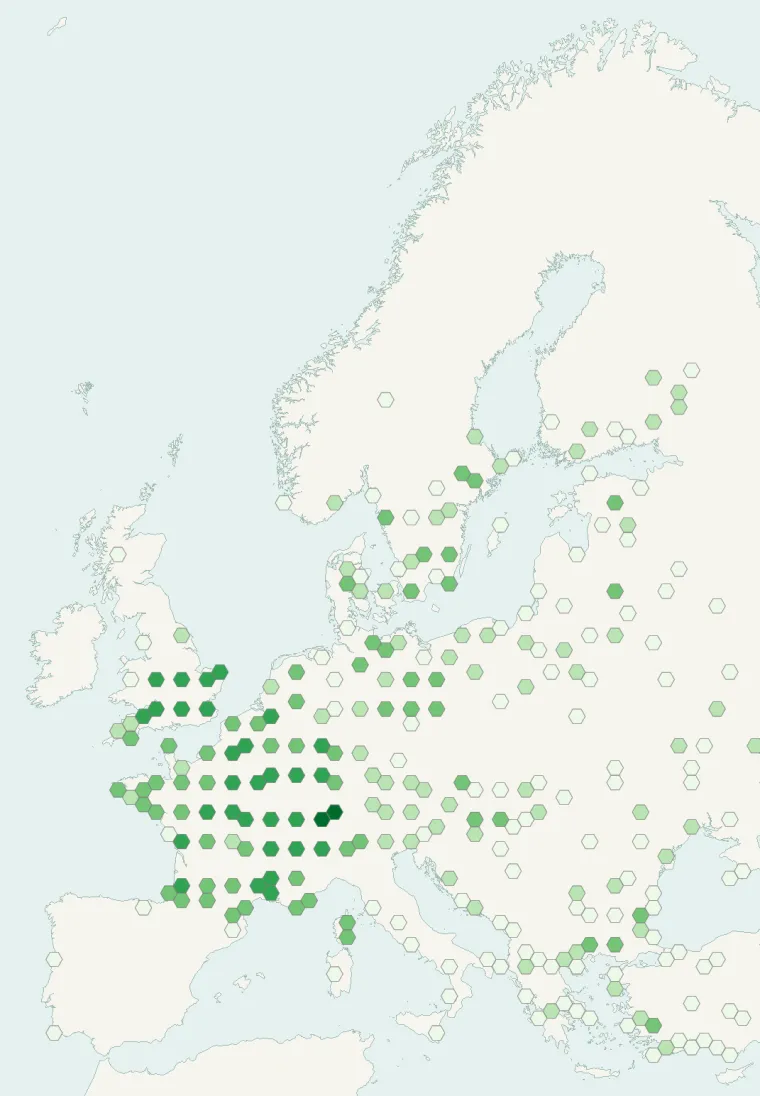
Records published on GBIF (CC0 and CC BY 4.0 licences): the darker the shade, the more records there are; they also reflect observation effort.
Atlas countries where it is recorded
From Wikipedia
The scarce chaser (Libellula fulva) is a species of dragonfly. The adult male has a bright blue abdomen with patches of black, while the adult female and juvenile male each have a bright orange abdomen. It is about 45 mm in length with an average wingspan of 74 mm. It is distributed throughout Europe. This dragonfly is considered a species of special concern in Great Britain due to loss of its specific ideal habitat. This species lives on floodplains and marshes with dense, abundant vegetation, and females deposit their eggs in slow-current streams.
Source: Wikipedia, article “Scarce chaser” (version of April 27, 2026) · history and authors · licence CC BY-SA 4.0 · shortened excerpt
Protected areas where it is recorded
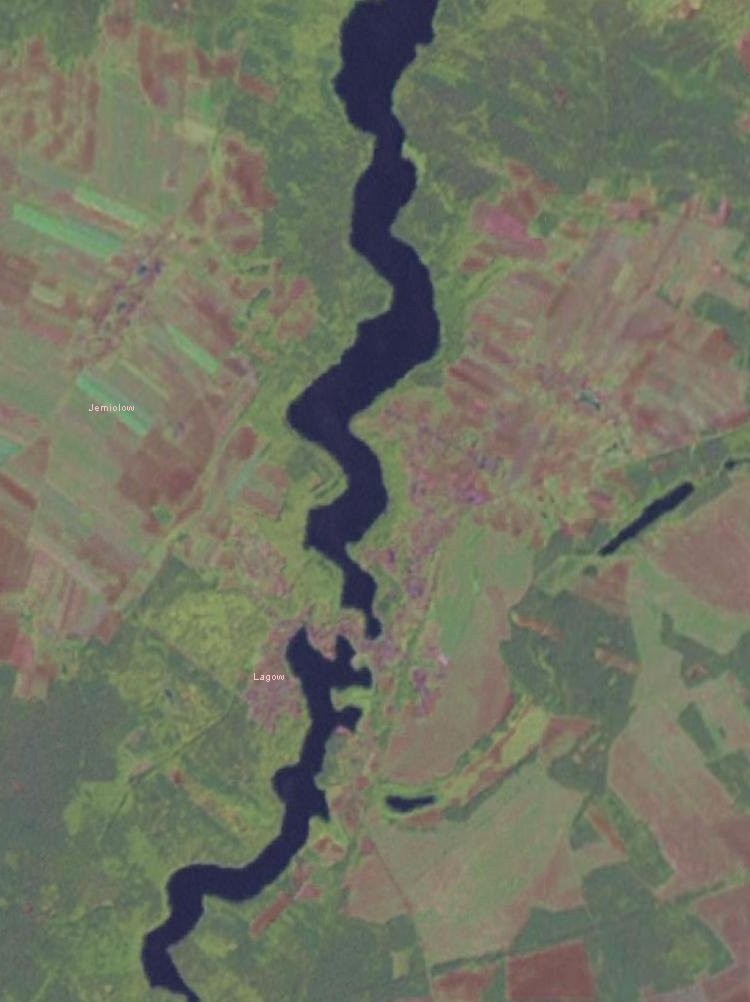
11 records
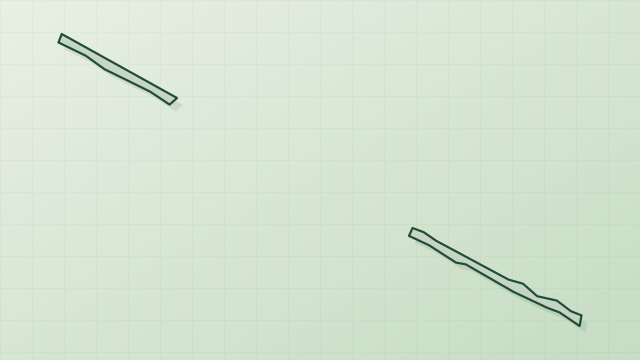
2 records
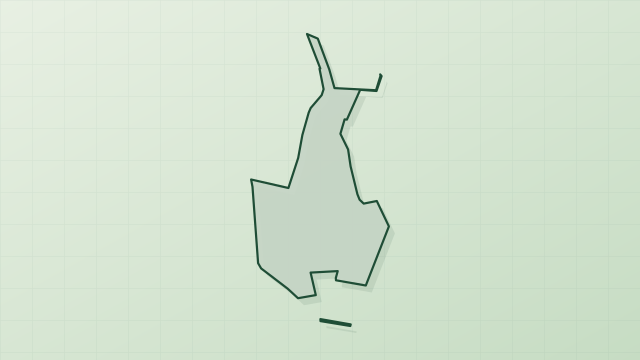
1 records
Other species to discover
 Four-spotted Chaser
Libellula quadrimaculata Same genus
 Broad-bodied Chaser
Libellula depressa Same genus
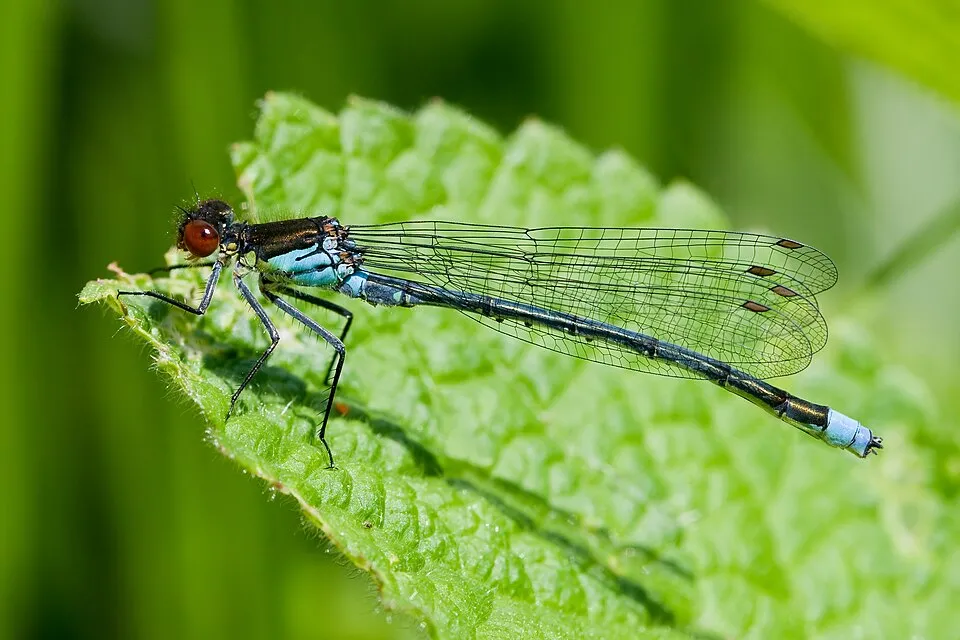 Red-eyed Damselfly
Erythromma najas 3 places in common
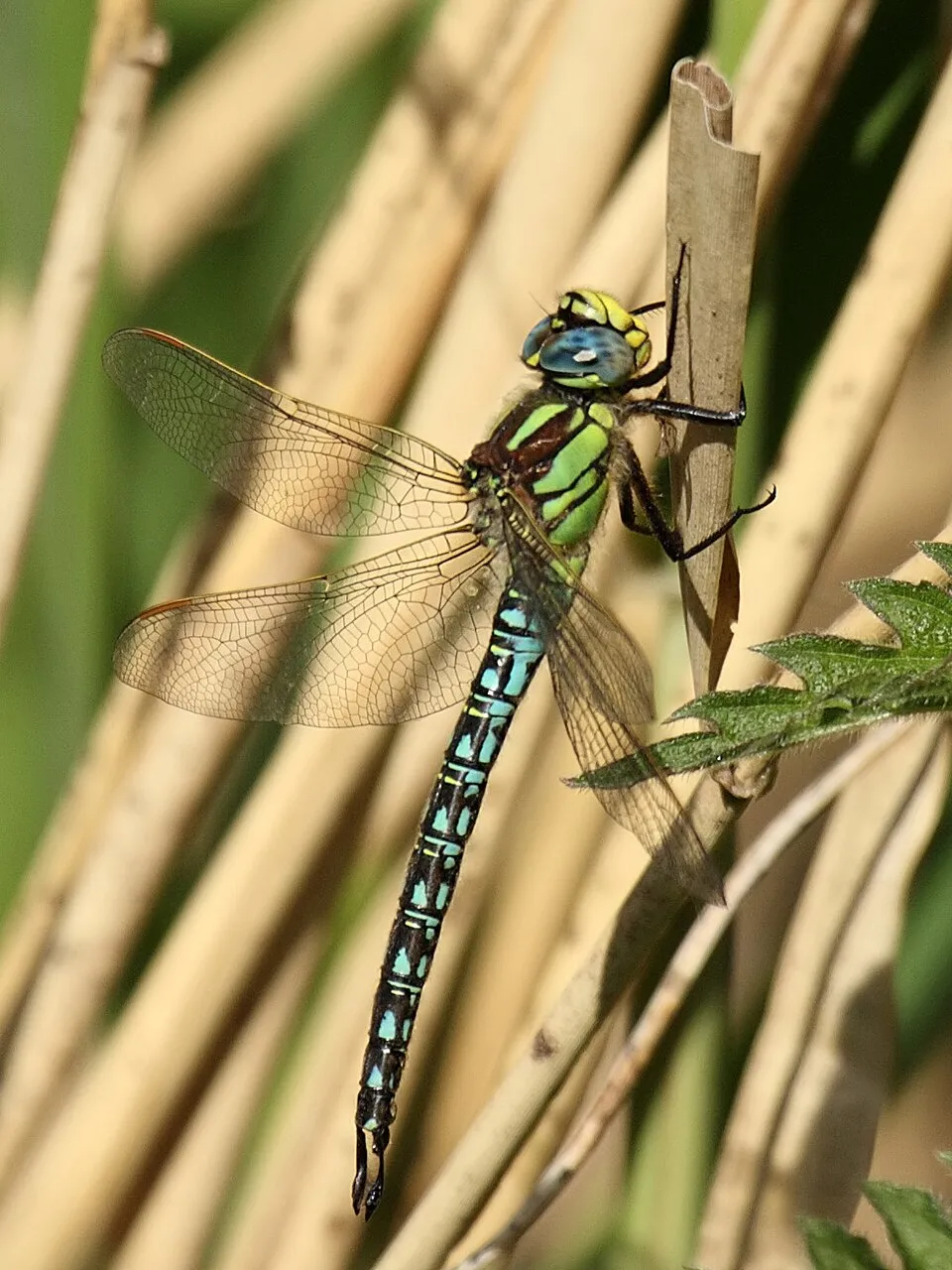 Hairy Dragonfly
Brachytron pratense 2 places in common
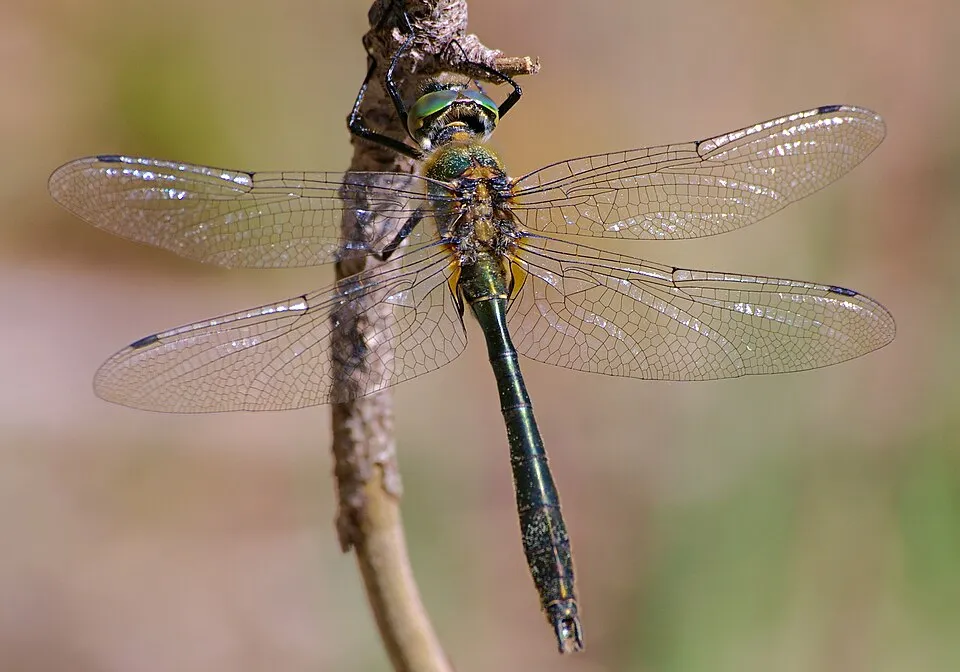 Downy emerald
Cordulia aenea 2 places in common
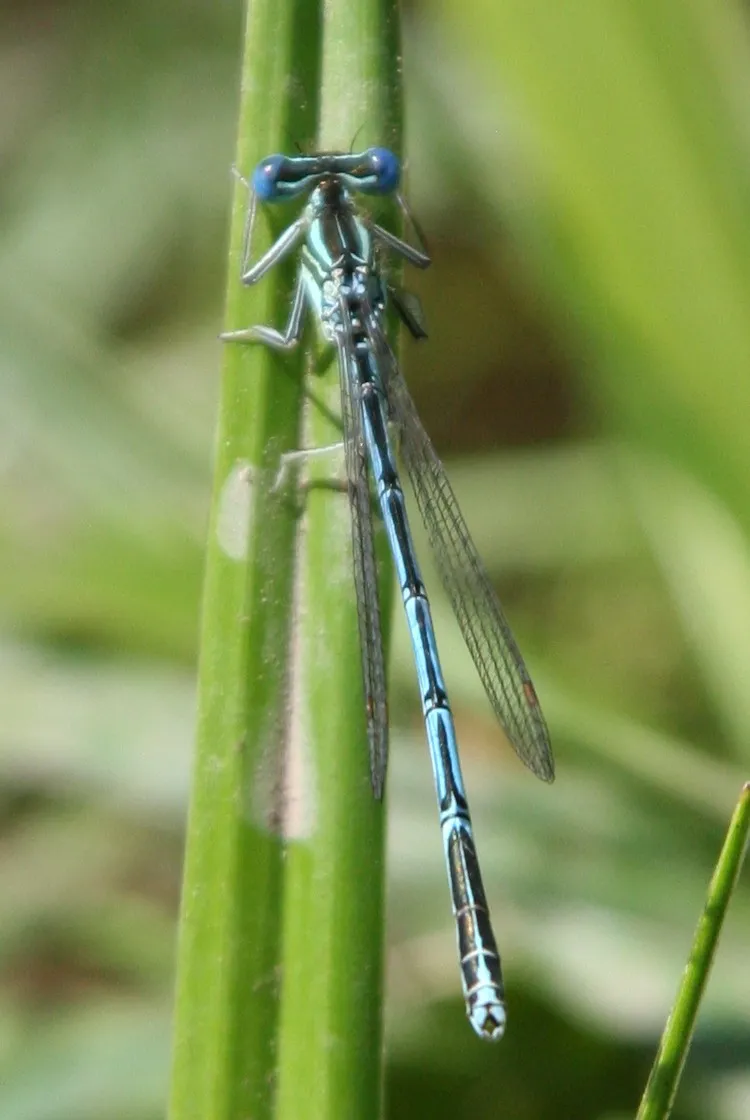 White-legged Damselfly
Platycnemis pennipes 3 places in common
Sources and credits
- Presence: most-recorded species of each place on GBIF and species of Community interest in the Natura 2000 forms (EEA, CC-BY 4.0); absence from the list does not mean the species is absent.
- Common names: Wikidata (CC0) and GBIF.
- Photos and sounds: Wikimedia Commons, author and licence given for each file.
- Classification: GBIF Backbone Taxonomy (GBIF Secretariat), CC BY 4.0, doi:10.15468/39omei.
- Countries, elevations, months and maps: GBIF.org, CC0 or CC BY 4.0 occurrences only, accessed October 23, 2026, GBIF.org.
- Base map: Natural Earth (public domain).
- Excerpt: Wikipedia, CC BY-SA 4.0 (full credit below the excerpt).