

Insect
Seedcorn maggot: where to see it
Delia platura
This insect species is recorded in 12 protected areas of the atlas. Within the atlas countries, it is mostly observed in the United Kingdom, Sweden and Portugal (10 countries in all). Most records (8 in 10) lie between 50 and 2,200 m above sea level. Records peak from May to July.
Best time to see it: May–July
Records published on GBIF by month (CC0 and CC BY 4.0 licences only), in the atlas countries, all years combined; they also reflect observer activity.
Distribution
Atlas countries where it is recorded
From Wikipedia
Delia platura, also referred to as the seedcorn maggot and bean seed fly, is a member of the Anthomyiidae family within the order Diptera and the genus Delia. During its adult stage, it is hard to distinguish from similar fly species because it has a thin body, long legs, and transparent wings. It inhabits numerous regions globally, and is known to be an agricultural pest, especially during its larval stage, causing substantial crop damage worldwide. During the larval phase, Delia platura damages crops at its beginning stages as a seed or seedling.
Source: Wikipedia, article “Delia platura” (version of August 31, 2026) · history and authors · licence CC BY-SA 4.0 · shortened excerpt
Protected areas where it is recorded

11,597 records
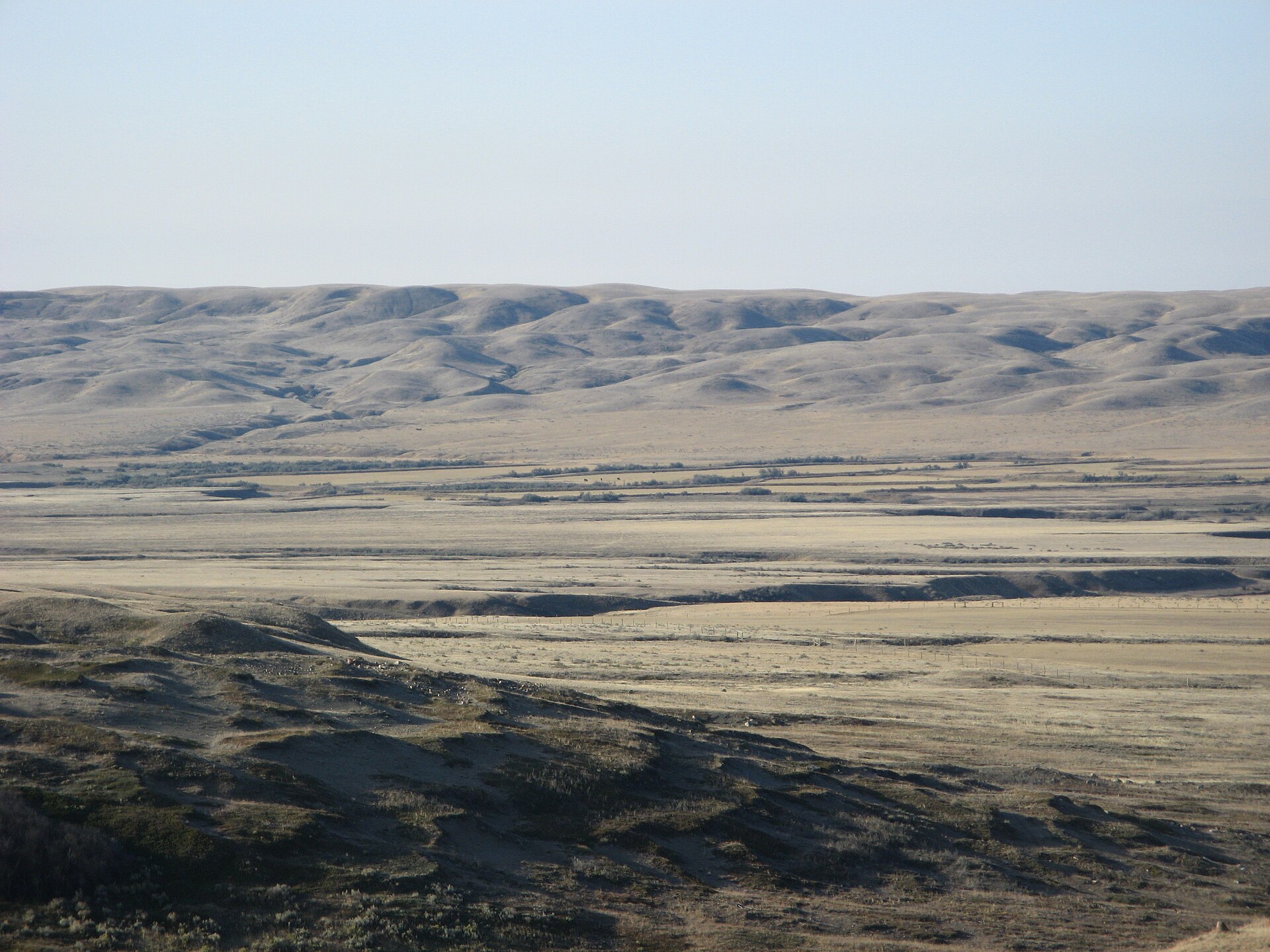
4,919 records
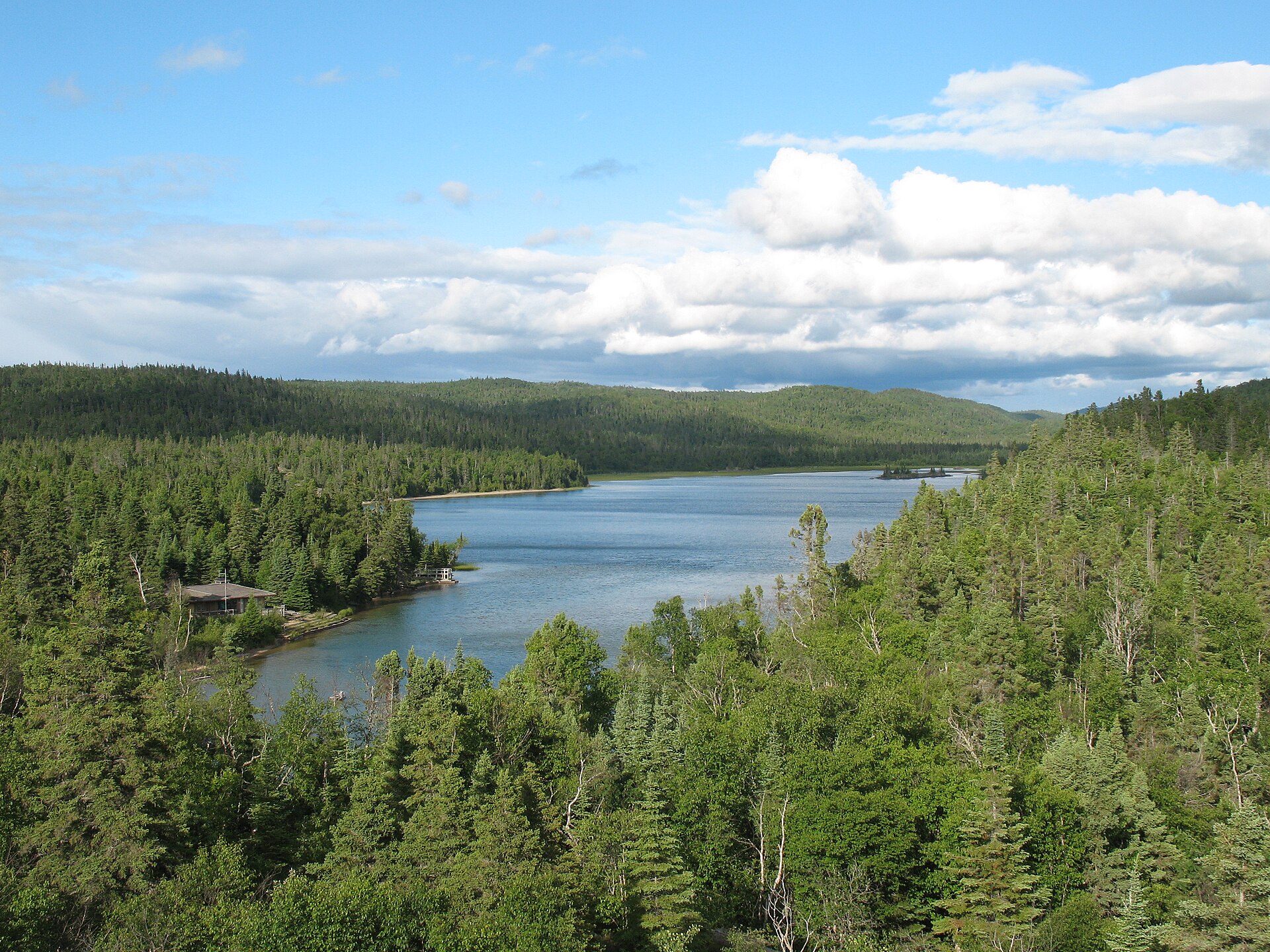
1,917 records

1,228 records
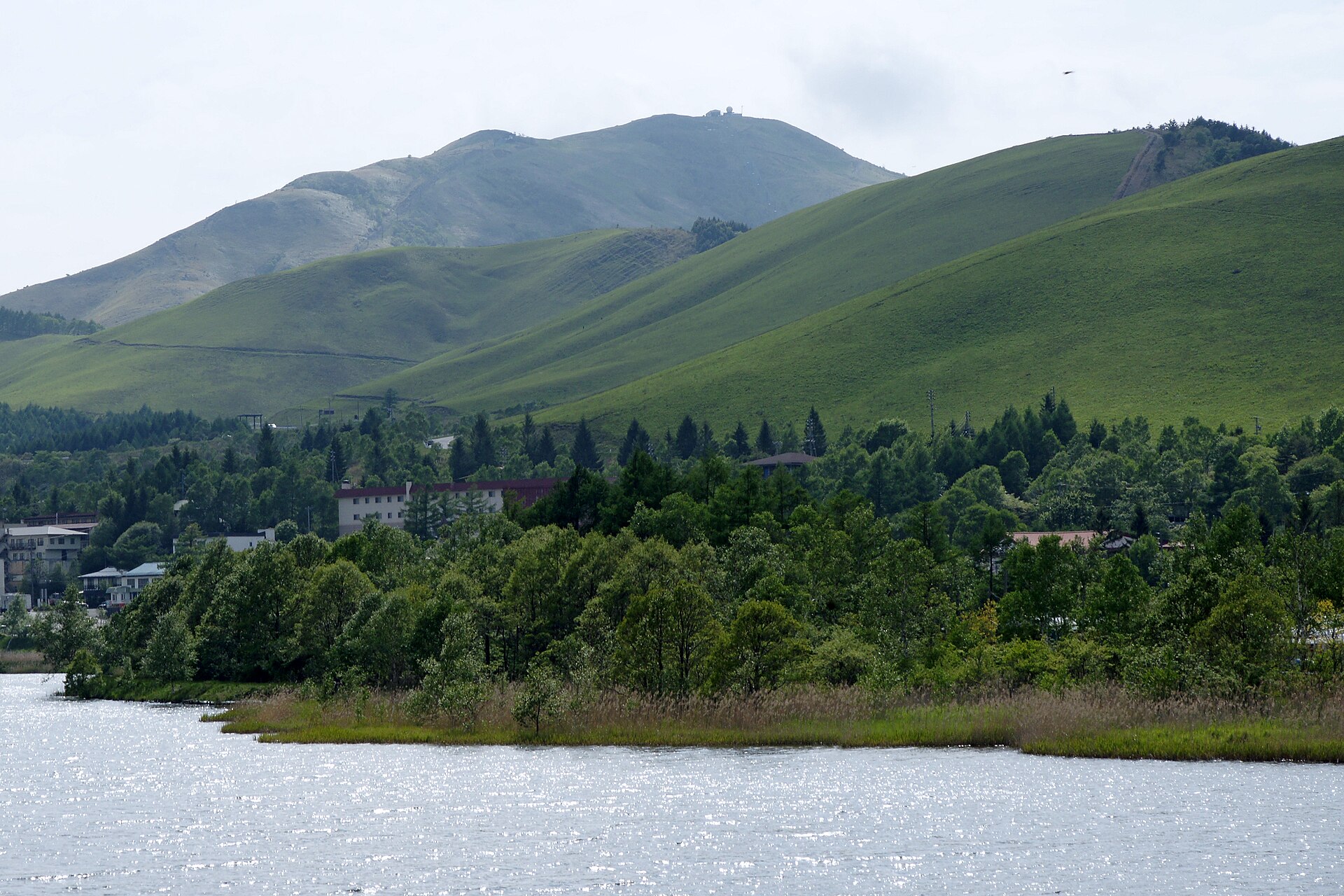
949 records

639 records
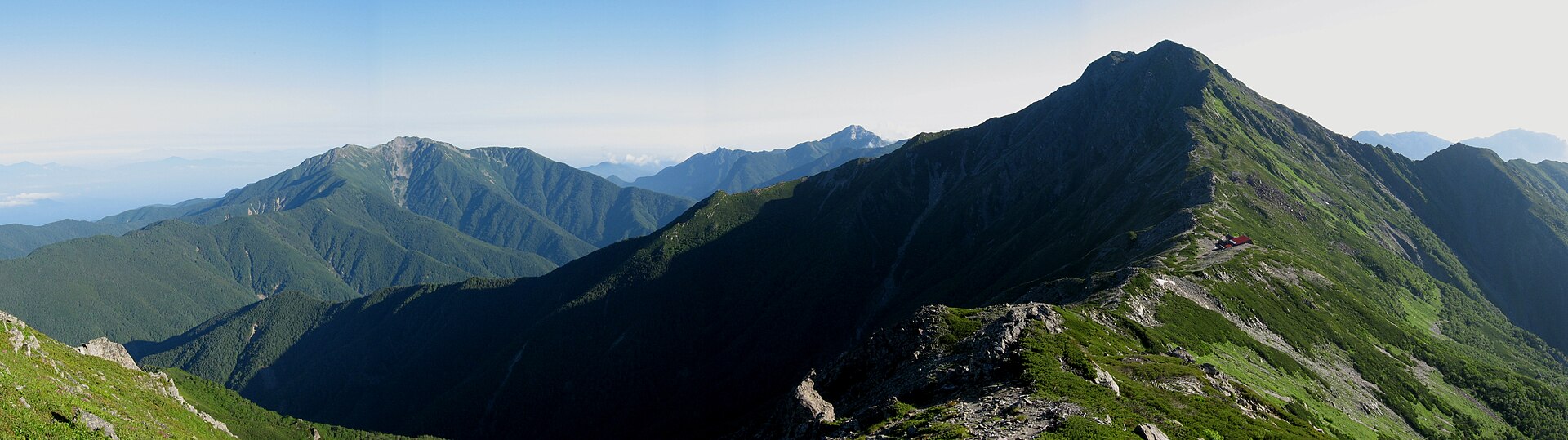
404 records

353 records

228 records
145 records
105 records

96 records
Other species to discover
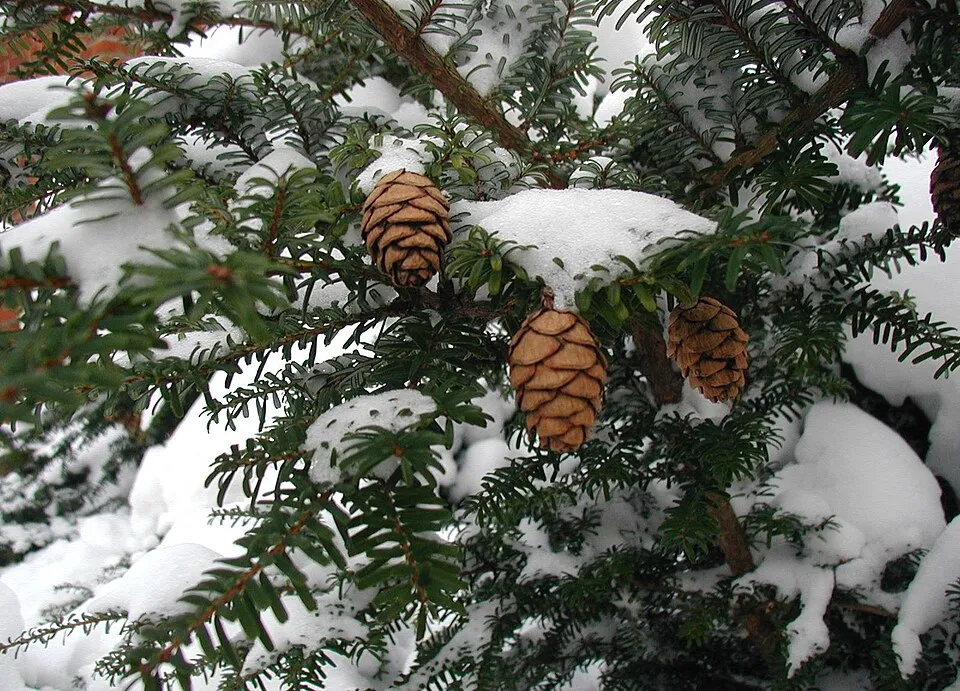 Northern Japanese Hemlock
Tsuga diversifolia 3 places in common
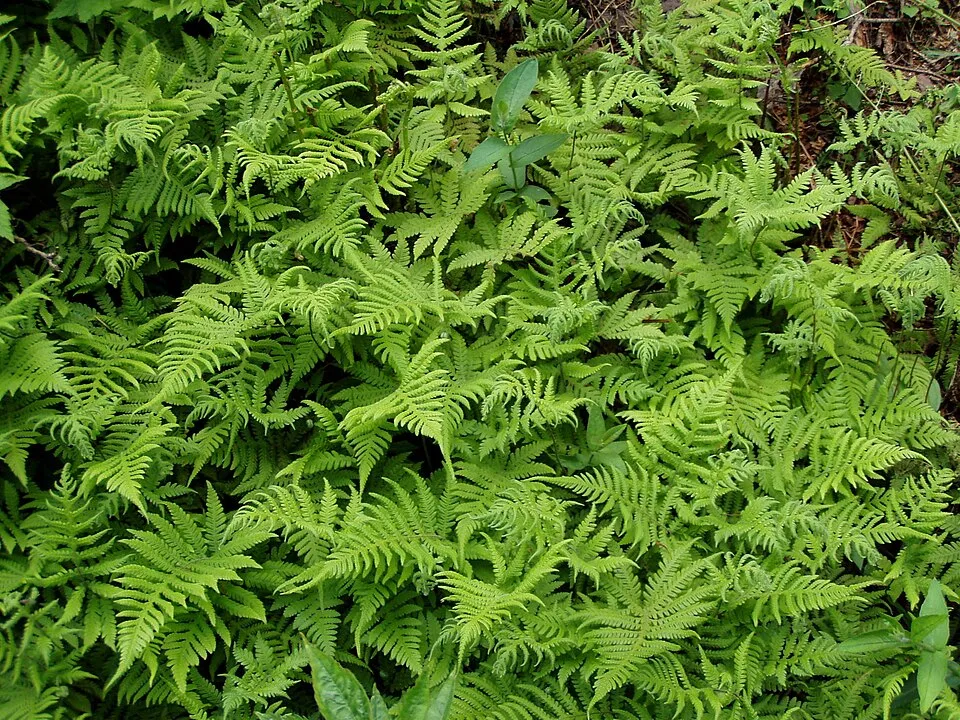 Beech fern
Phegopteris connectilis 3 places in common
 Maries's Fir
Abies mariesii 3 places in common
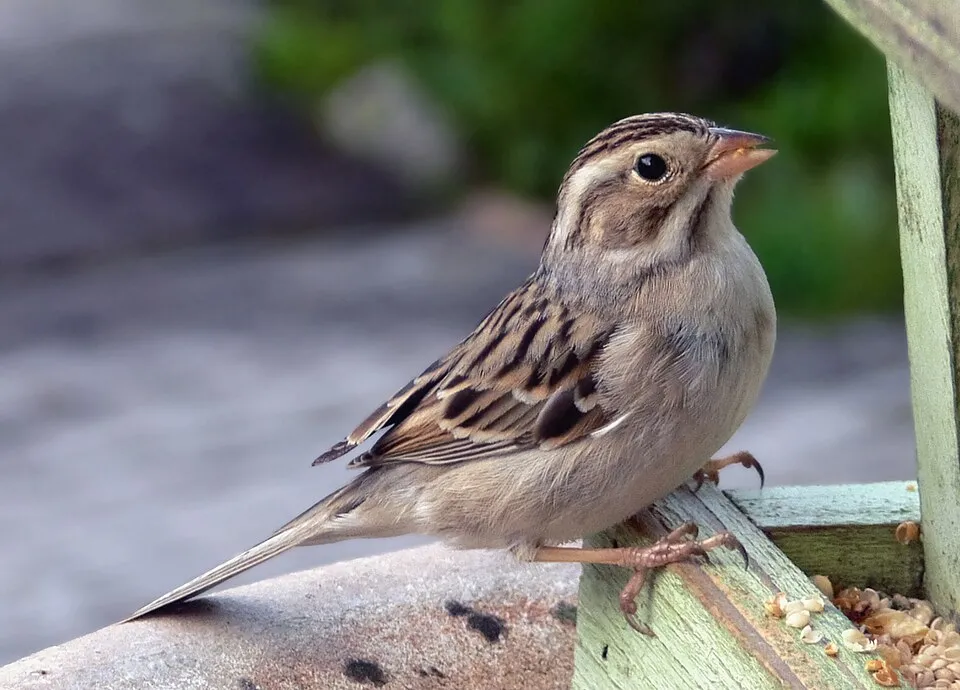 Clay-colored Sparrow
Spizella pallida 2 places in common
 Veitch's Fir
Abies veitchii 2 places in common
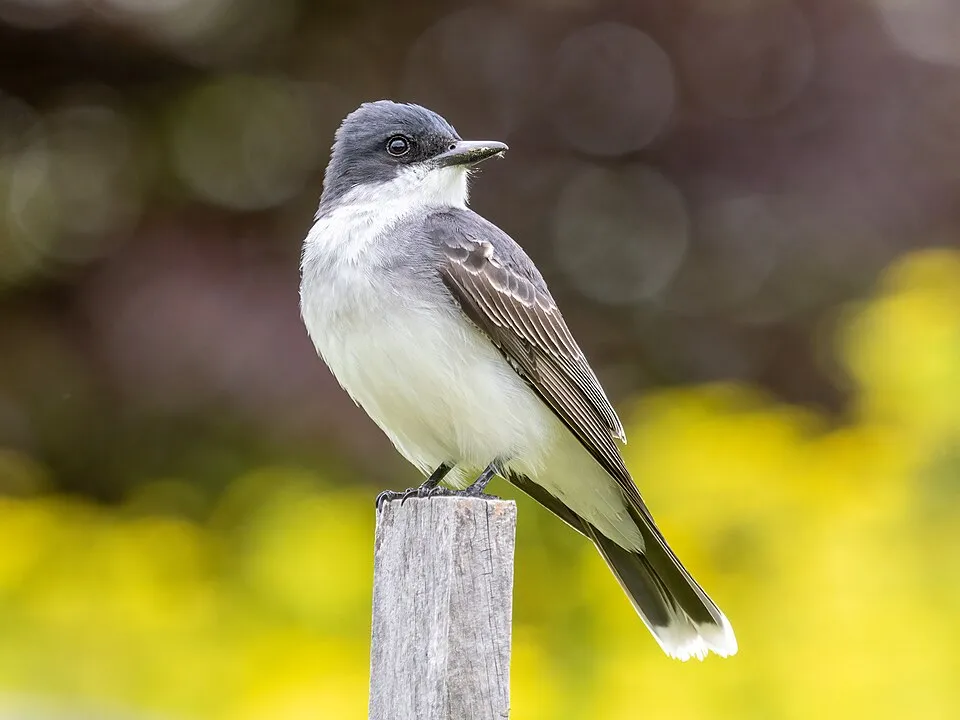 Eastern kingbird
Tyrannus tyrannus 2 places in common
Sources and credits
- Presence: most-recorded species of each place on GBIF and species of Community interest in the Natura 2000 forms (EEA, CC-BY 4.0); absence from the list does not mean the species is absent.
- Common names: Wikidata (CC0) and GBIF.
- Photos and sounds: Wikimedia Commons, author and licence given for each file.
- Classification: GBIF Backbone Taxonomy (GBIF Secretariat), CC BY 4.0, doi:10.15468/39omei.
- Countries, elevations, months and maps: GBIF.org, CC0 or CC BY 4.0 occurrences only, accessed October 23, 2026, GBIF.org.
- Excerpt: Wikipedia, CC BY-SA 4.0 (full credit below the excerpt).