
Bird
Siberian Jay: where to see it
Perisoreus infaustus
This bird species is recorded in 8 protected areas of the atlas. Within the atlas countries, it is observed in Sweden and Norway. Most records (8 in 10) lie between 250 and 900 m above sea level. Records are spread throughout the year. Its EU population is assessed as secure (2013–2018 Birds Directive reporting).
Best time to see it: all year round
Records published on GBIF by month (CC0 and CC BY 4.0 licences only), in the atlas countries, all years combined; they also reflect observer activity.
Key facts
- Clutch size
- 3.9 eggs on average Wikidata, after Jetz et al. 2008
- Incubation
- 19 days Wikidata, after Handbook of the Birds of the World
Status and protection
EU population assessed as secure, fluctuating in the short term (2013–2018 Birds Directive reporting). EU breeding population: 70,500–155,000 pairs.
Distribution
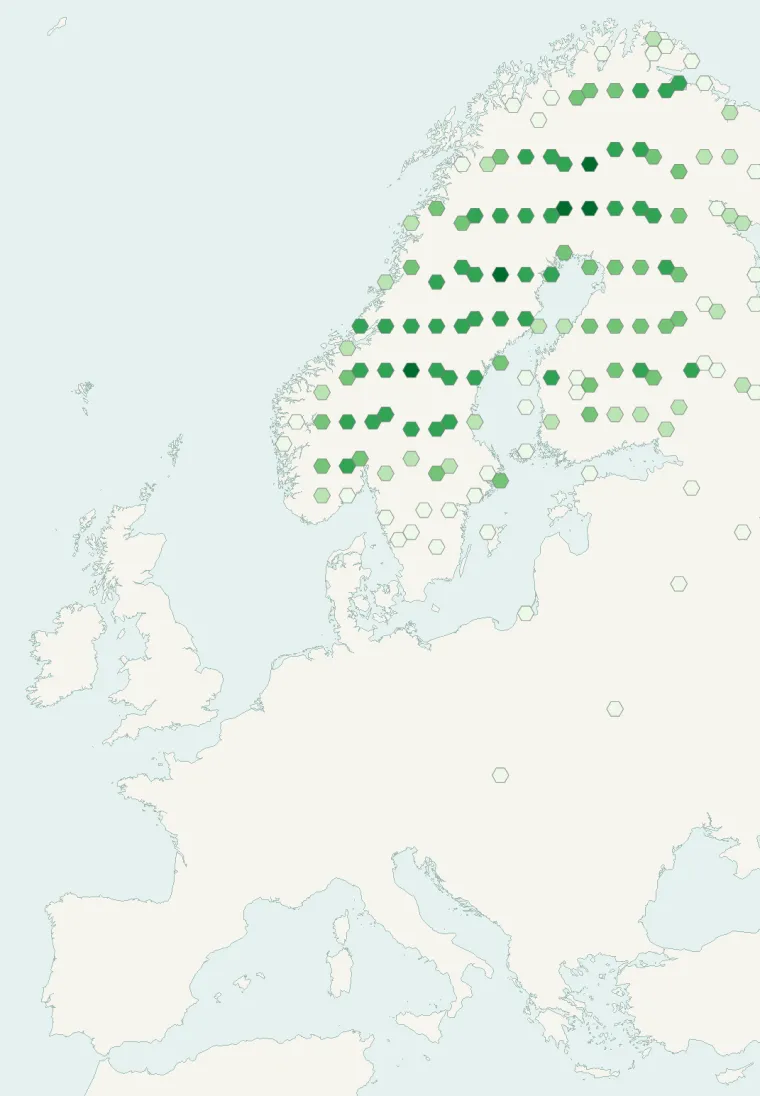
Records published on GBIF (CC0 and CC BY 4.0 licences): the darker the shade, the more records there are; they also reflect observation effort.
Atlas countries where it is recorded
From Wikipedia
The Siberian jay (Perisoreus infaustus) is a small jay with a widespread distribution within the coniferous forests in North Eurasia. It has grey-brown plumage with a darker brown crown and a paler throat. It is rusty-red in a panel near the wing-bend, on the undertail coverts and on the sides of the tail. The sexes are similar. Although its habitat is being fragmented, it is a common bird with a very wide range so the International Union for Conservation of Nature has assessed its conservation status as being of "least concern".
Source: Wikipedia, article “Siberian jay” (version of October 5, 2026) · history and authors · licence CC BY-SA 4.0
Protected areas where it is recorded
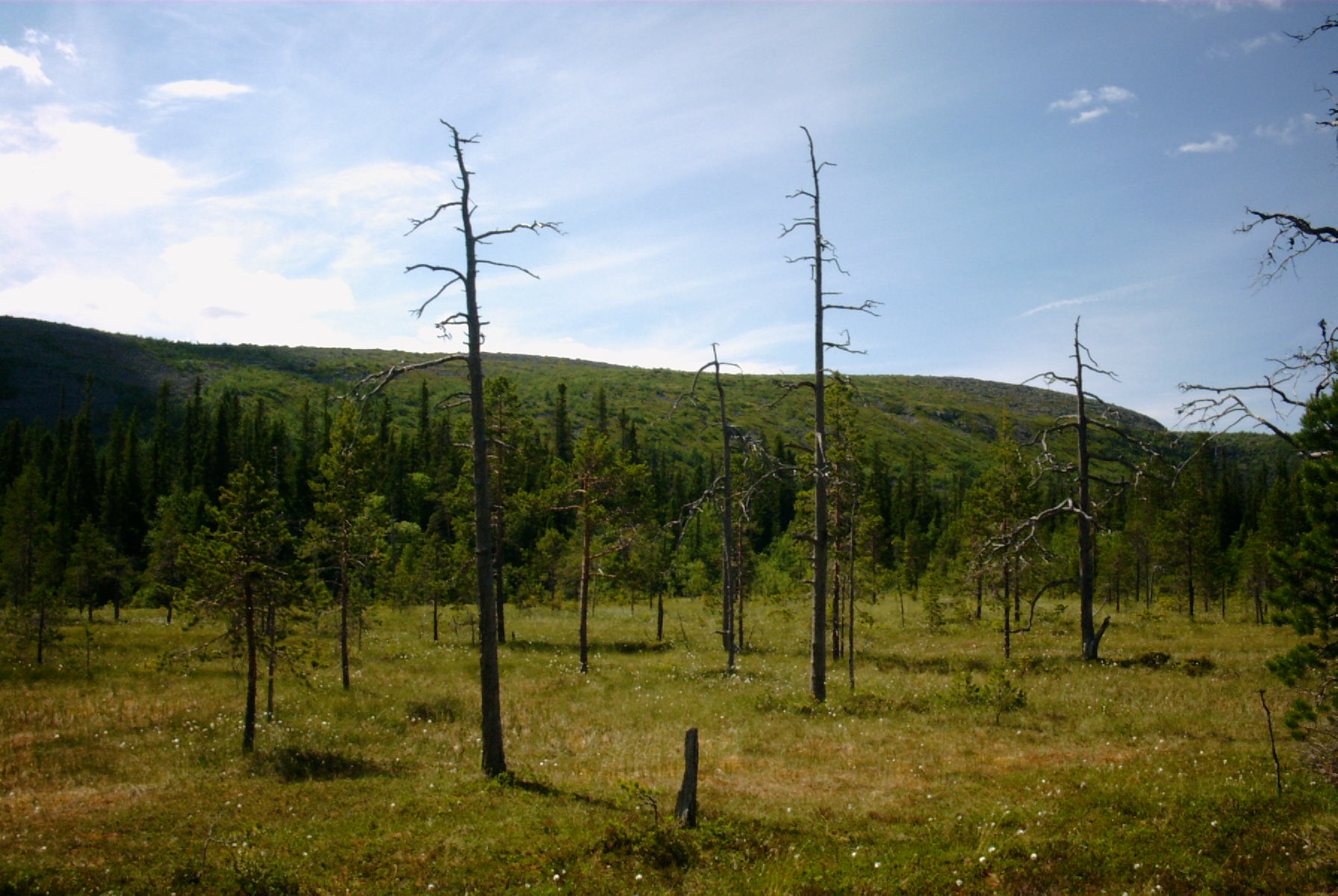
1,939 records
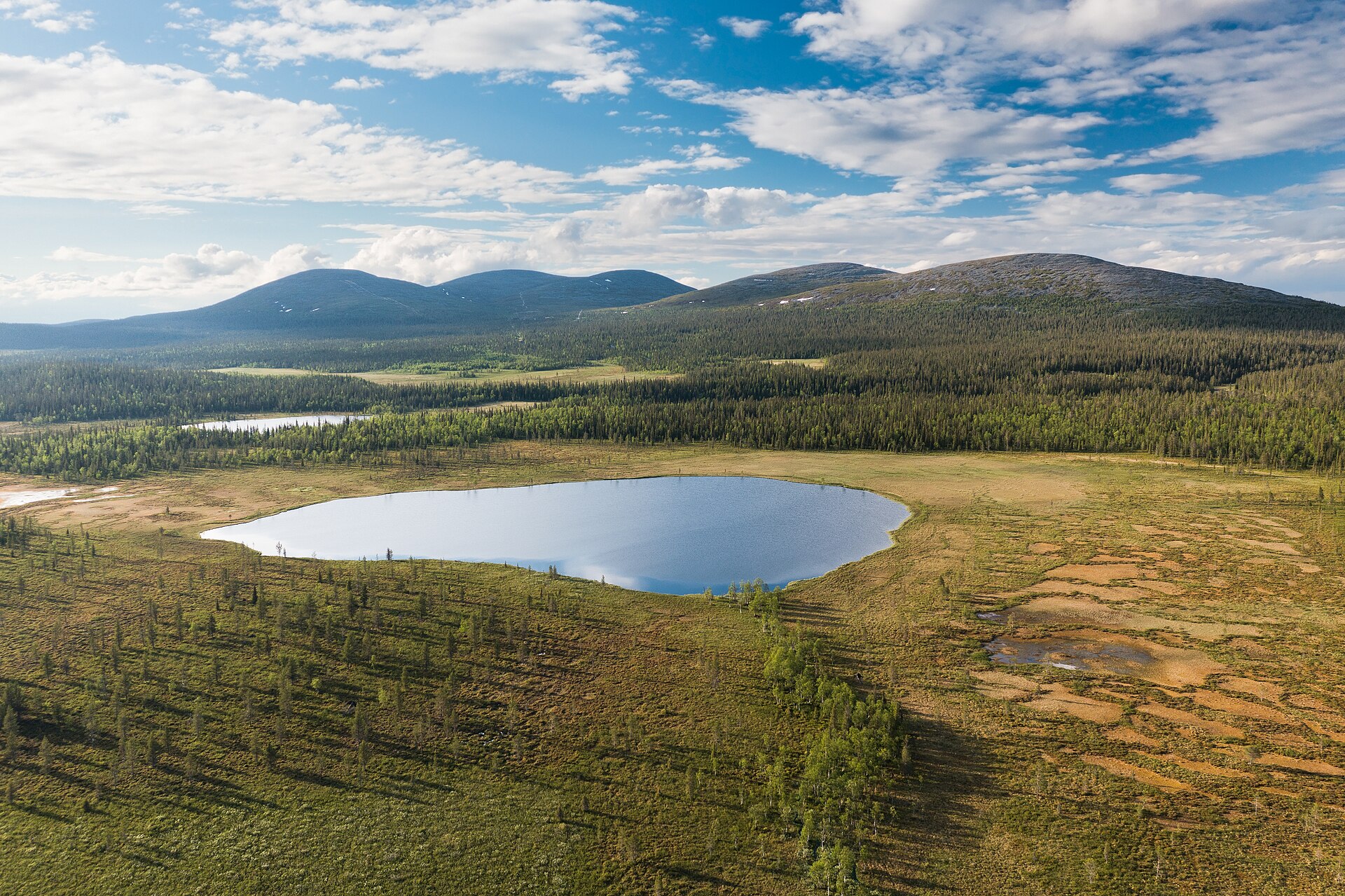
1,734 records
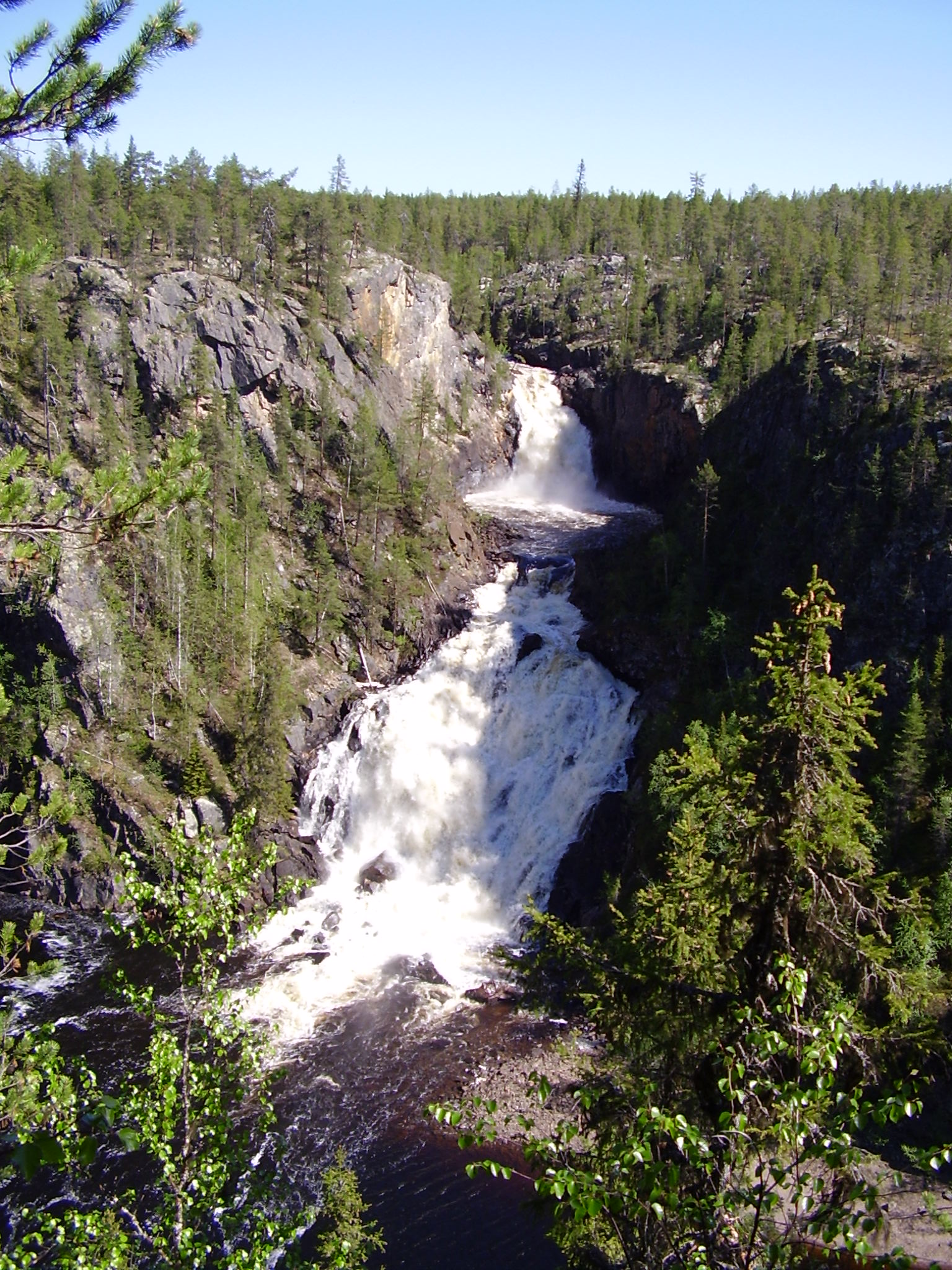
401 records
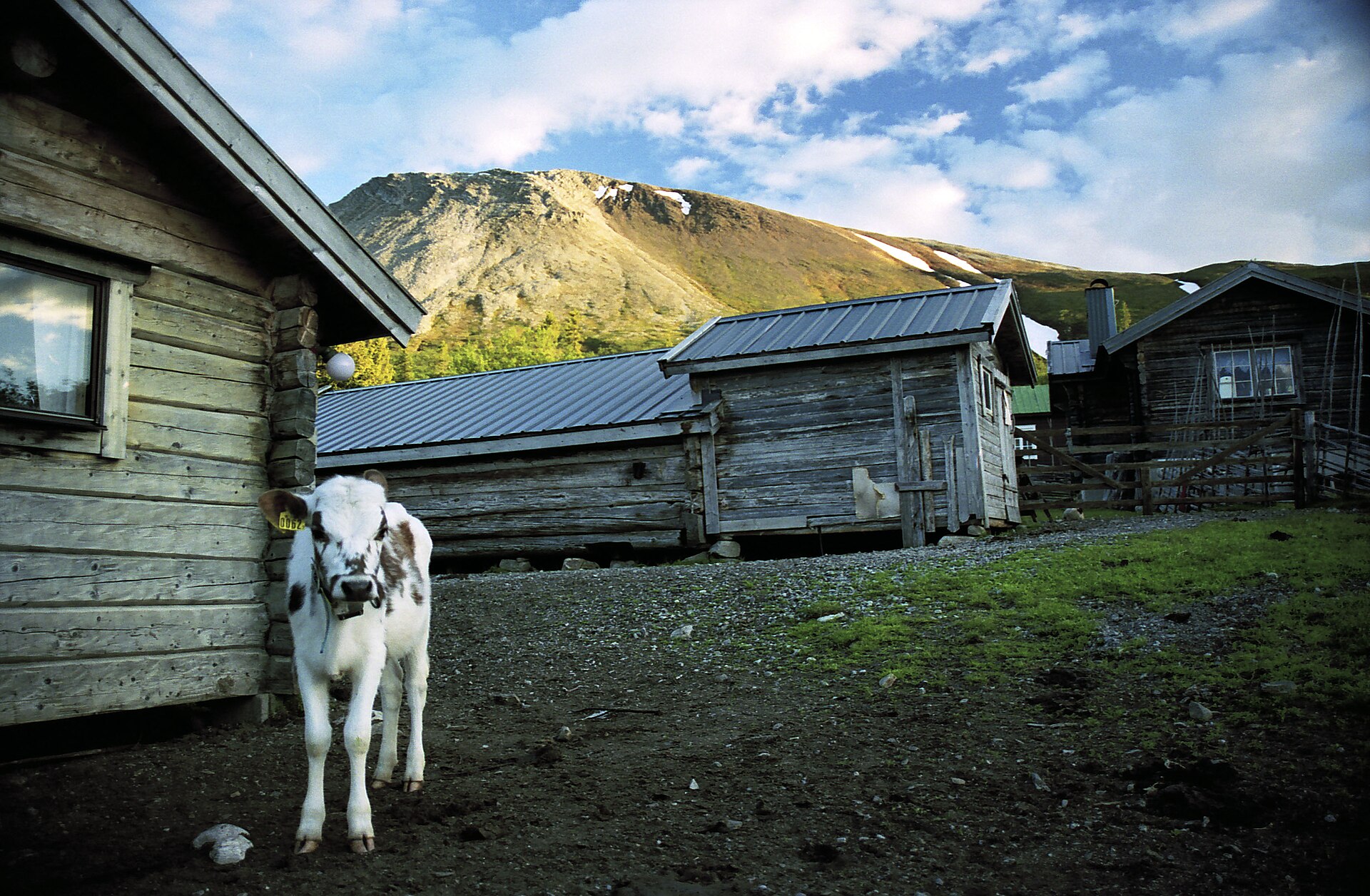
92 records
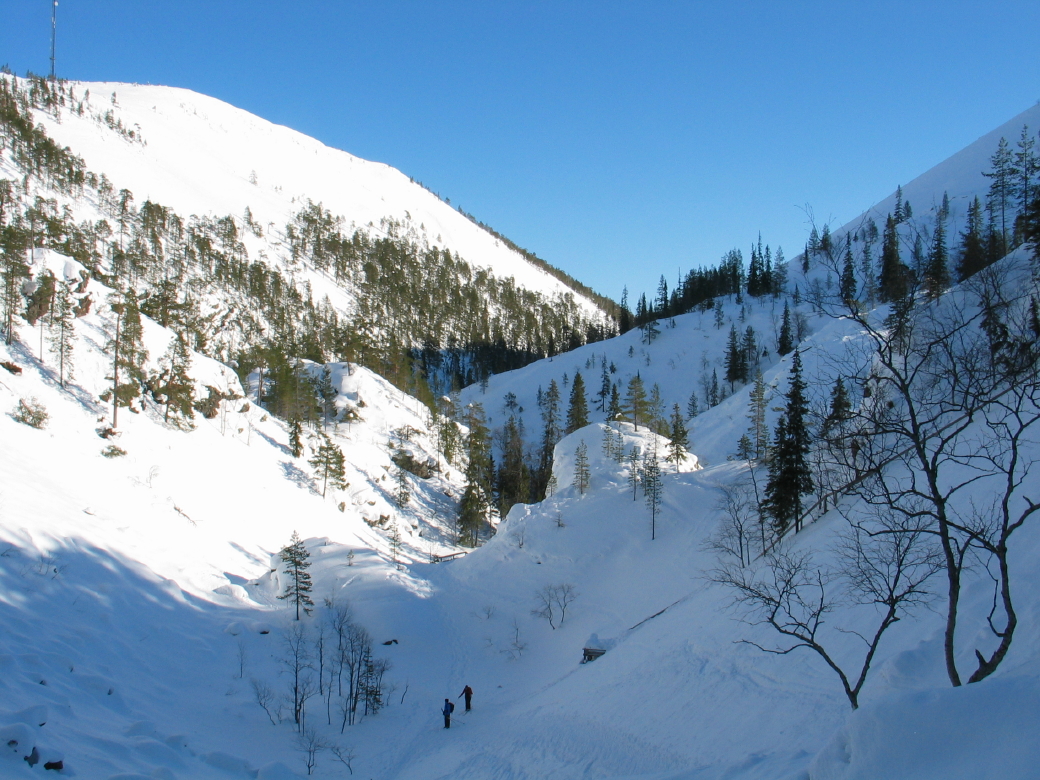
83 records
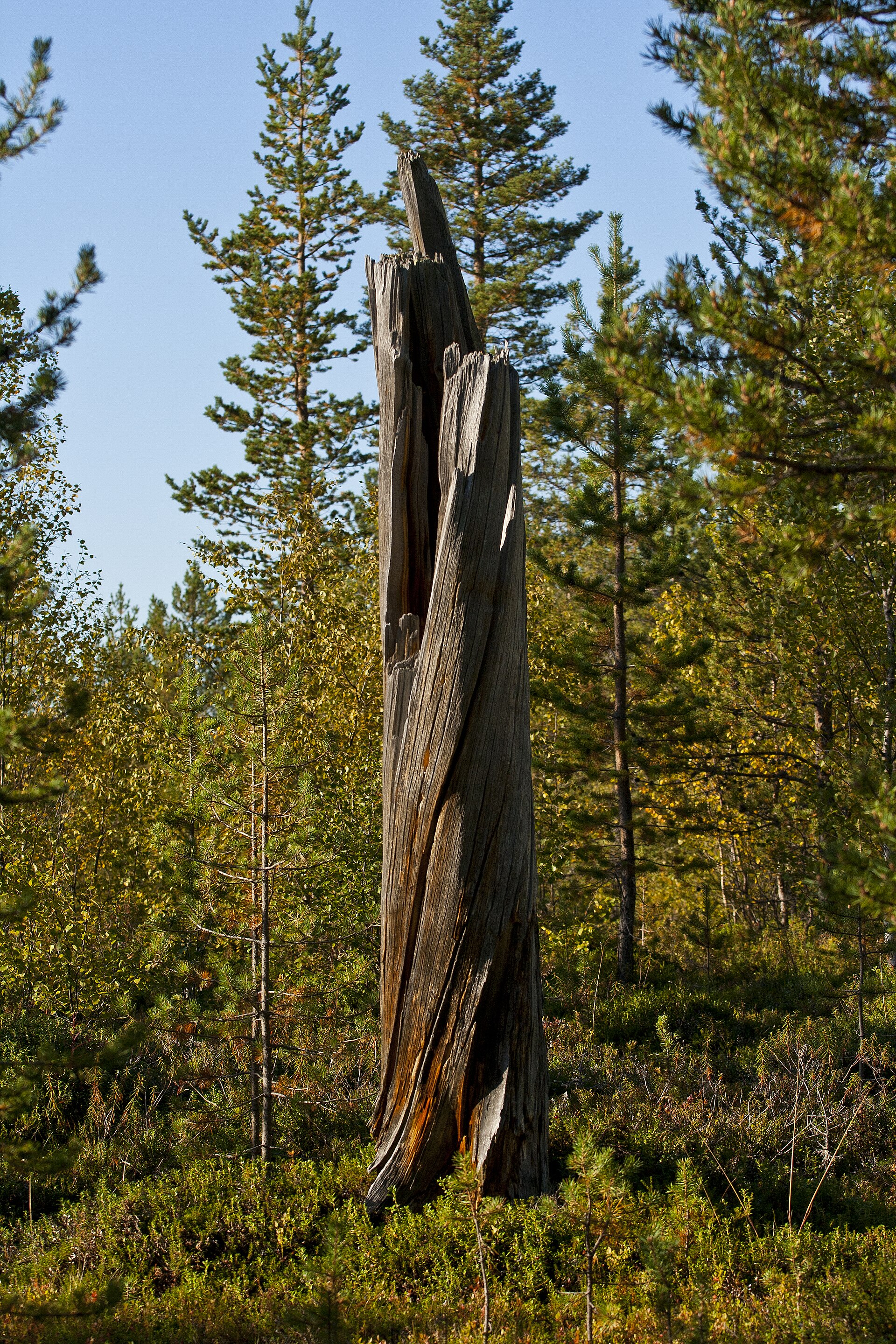
59 records
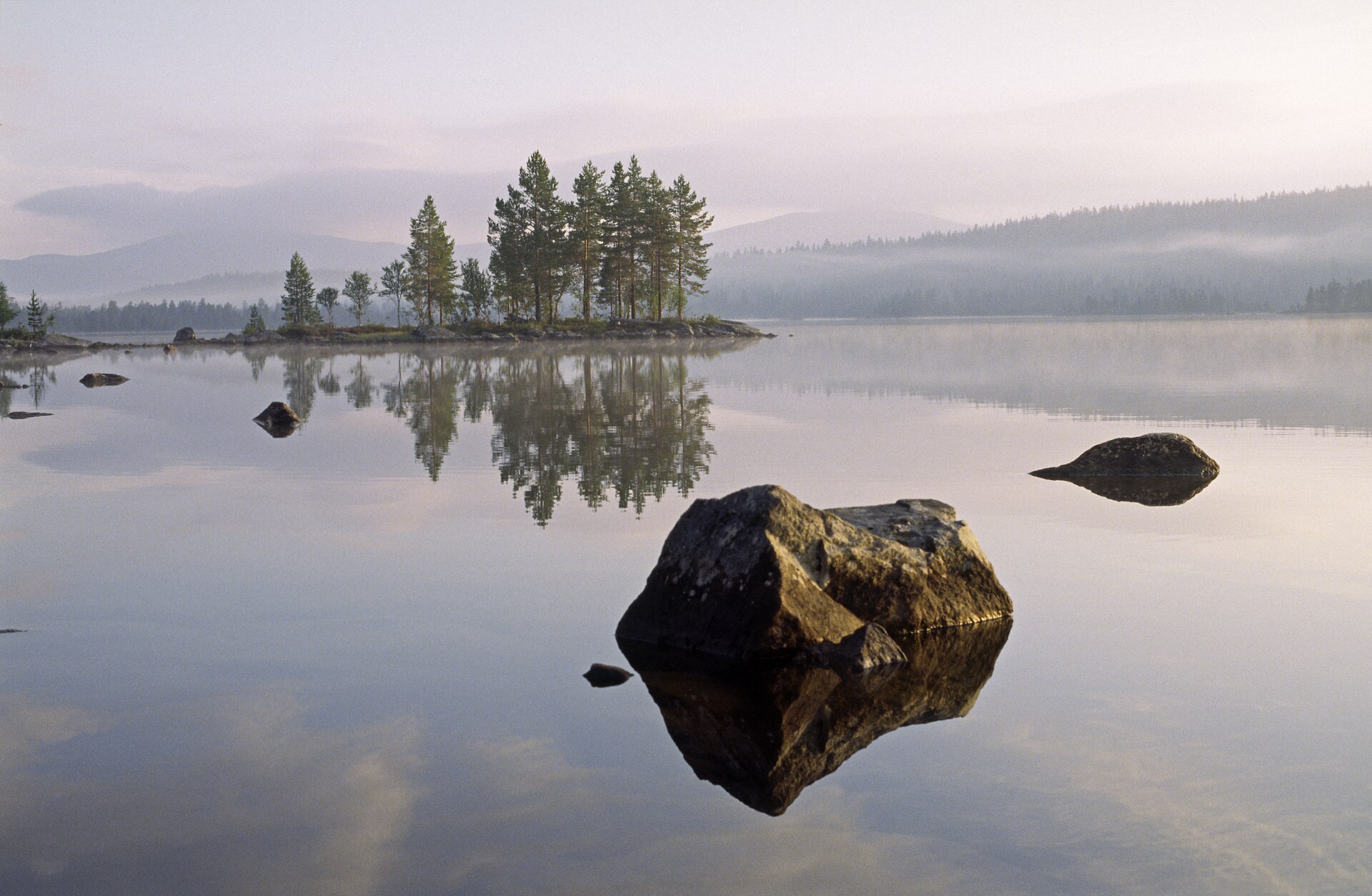
15 records
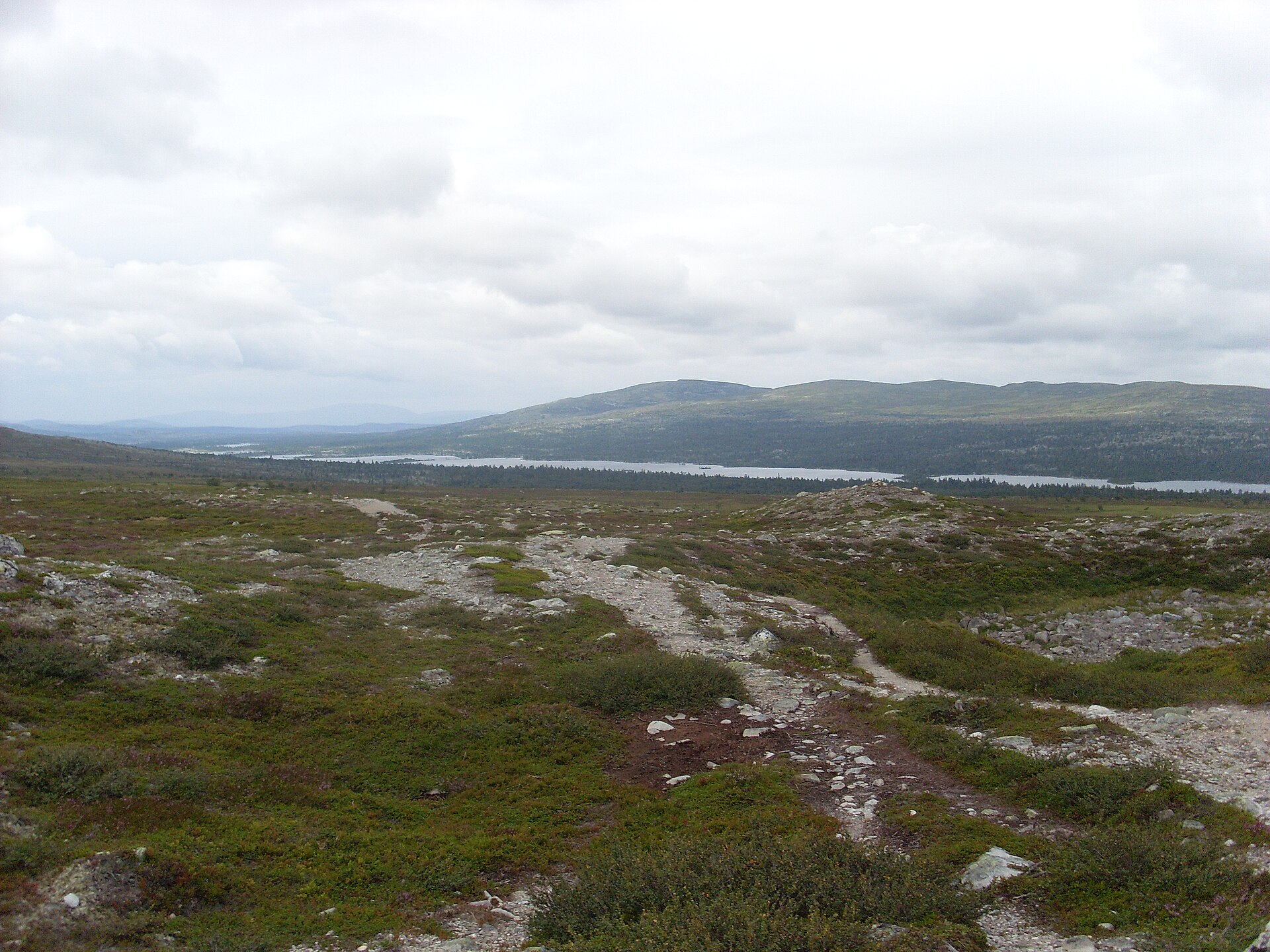
6 records
Other species to discover
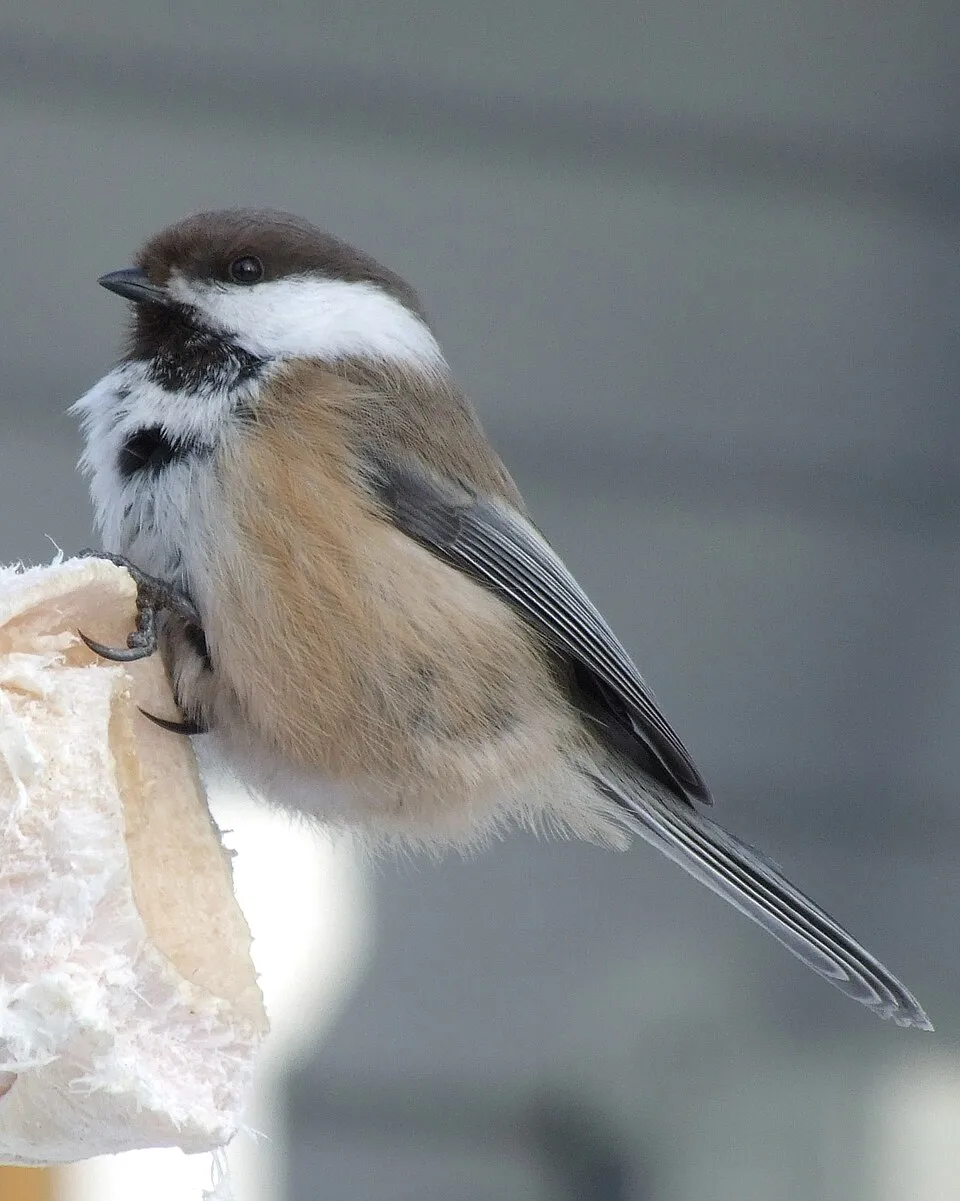 Siberian Tit
Poecile cinctus 4 places in common
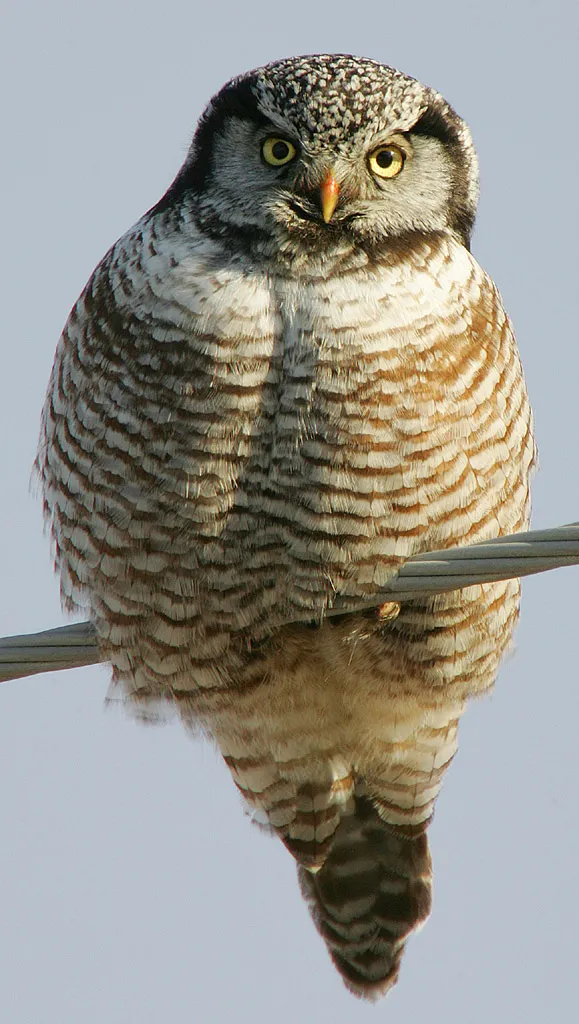 Hawk Owl
Surnia ulula 6 places in common
 Great Grey Owl
Strix nebulosa 2 places in common
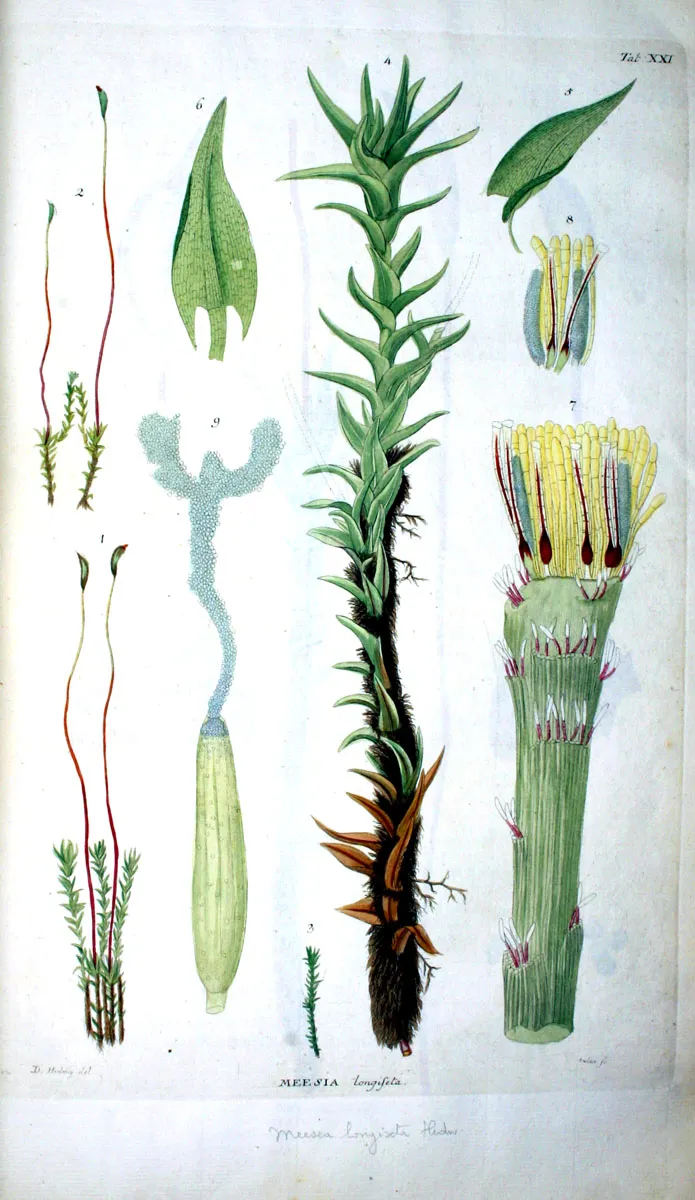 Meesia moss
Meesia longiseta 3 places in common
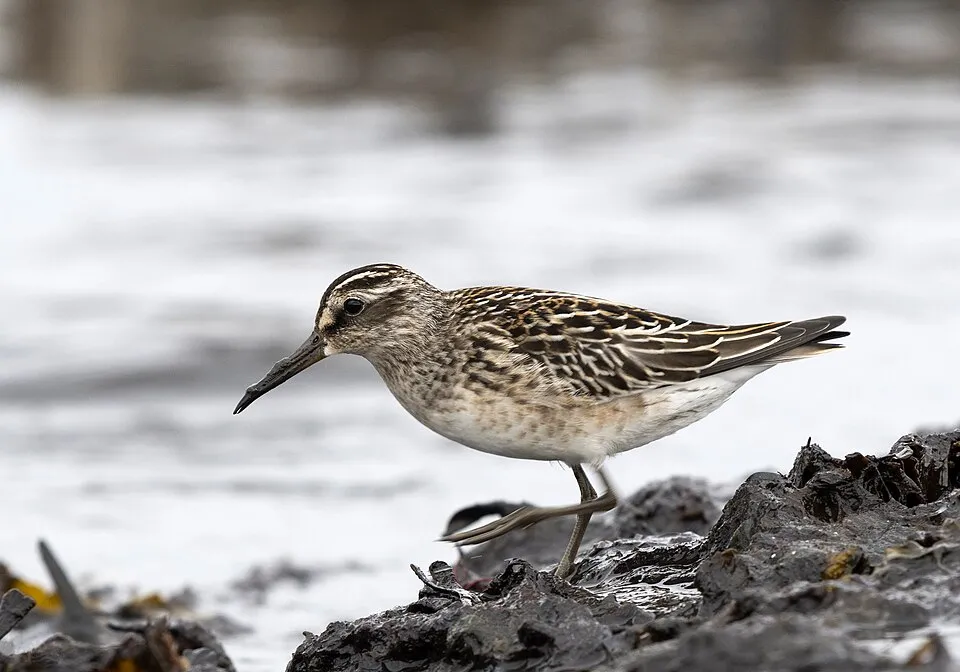 Broad-billed Sandpiper
Calidris falcinellus 2 places in common
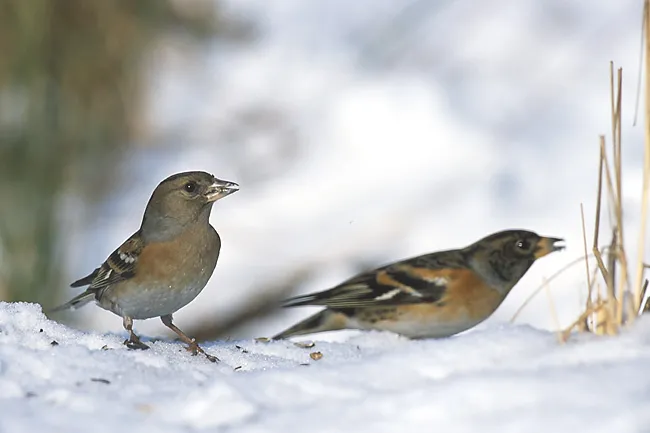 Brambling
Fringilla montifringilla 8 places in common
Sources and credits
- Presence: most-recorded species of each place on GBIF and species of Community interest in the Natura 2000 forms (EEA, CC-BY 4.0); absence from the list does not mean the species is absent.
- Common names: Wikidata (CC0) and GBIF.
- Photos and sounds: Wikimedia Commons, author and licence given for each file.
- Classification: GBIF Backbone Taxonomy (GBIF Secretariat), CC BY 4.0, doi:10.15468/39omei.
- Countries, elevations, months and maps: GBIF.org, CC0 or CC BY 4.0 occurrences only, accessed October 22, 2026, GBIF.org.
- Base map: Natural Earth (public domain).
- Excerpt: Wikipedia, CC BY-SA 4.0 (full credit below the excerpt).
- Key facts: Wikidata (CC0), with the references cited under each value.
- EU bird populations: EEA / DG ENV, Article 12 Birds Directive reporting (2013–2018), CC BY 4.0.