
Plant
Wild tulip: where to see it
Tulipa sylvestris
This plant species is recorded in 2 protected areas of the atlas. Within the atlas countries, it is mostly observed in France, Switzerland and Germany (13 countries in all). Most records (8 in 10) lie between sea level and 1,500 m. Records peak from April to May. Plant (bulbous geophyte), native to Europe, Africa and temperate Asia, introduced to North America.
Best time to see it: April–May
Records published on GBIF by month (CC0 and CC BY 4.0 licences only), in the atlas countries, all years combined; they also reflect observer activity.
Distribution
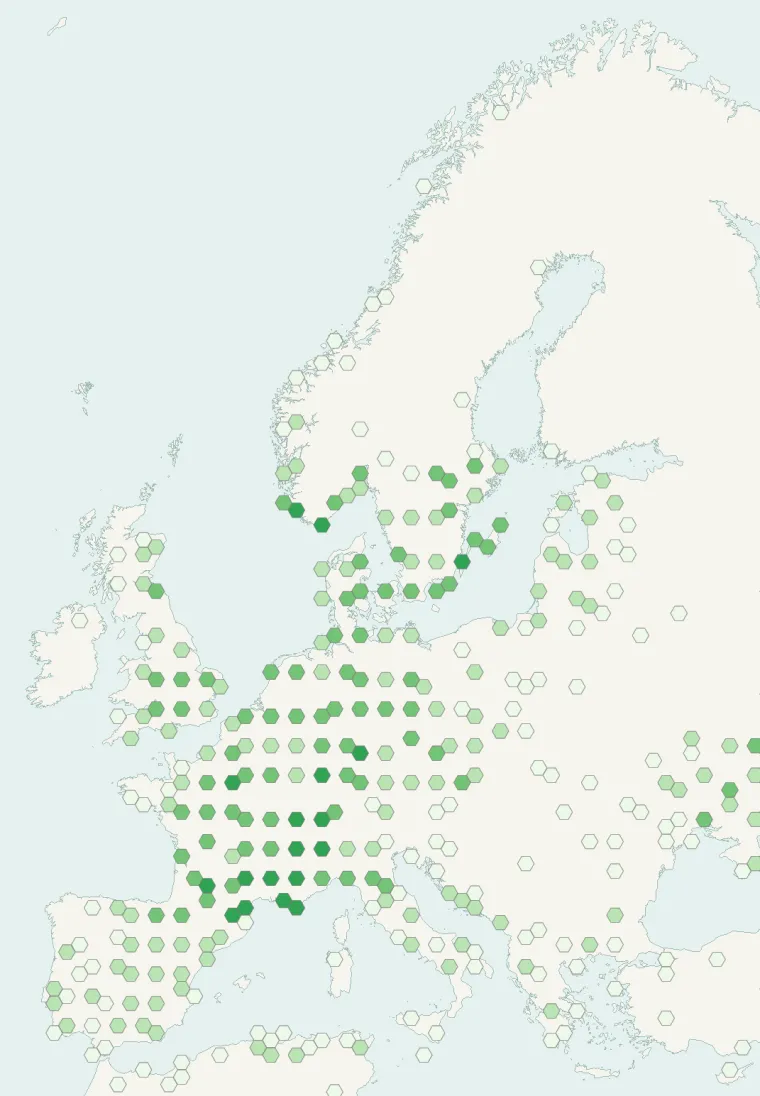
Records published on GBIF (CC0 and CC BY 4.0 licences): the darker the shade, the more records there are; they also reflect observation effort.
Atlas countries where it is recorded
From Wikipedia
Tulipa sylvestris, the wild tulip or woodland tulip, is a Eurasian and North African species of wild tulip, a plant in the lily family. Its native range extends from Portugal and Morocco to western China, covering most of the Mediterranean and Black Sea Basins, and Central Asia. The species is also cultivated as an ornamental and naturalized in central and northern Europe as well as a few scattered locations in North America. It was first recorded as being naturalised in Britain in the late 17th century.
Source: Wikipedia, article “Tulipa sylvestris” (version of November 29, 2025) · history and authors · licence CC BY-SA 4.0
Protected areas where it is recorded
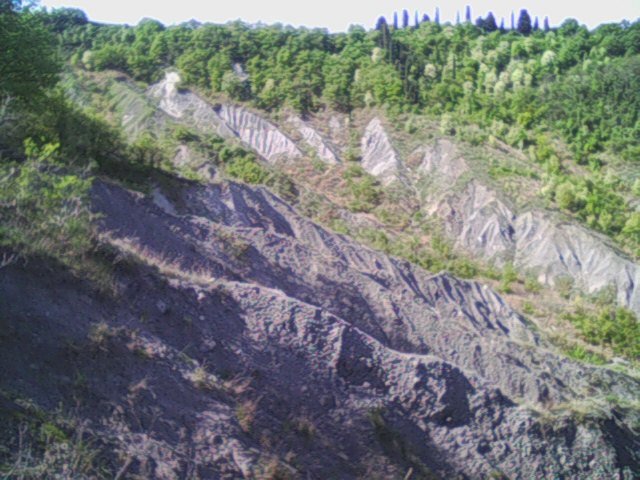
23 records

20 records
Other species to discover
 Brook barbel
Barbus caninus 2 places in common
 South European Nase
Protochondrostoma genei 2 places in common
 Western Barn Owl
Tyto alba 2 places in common
 Italian Spined Loach
Cobitis bilineata 2 places in common
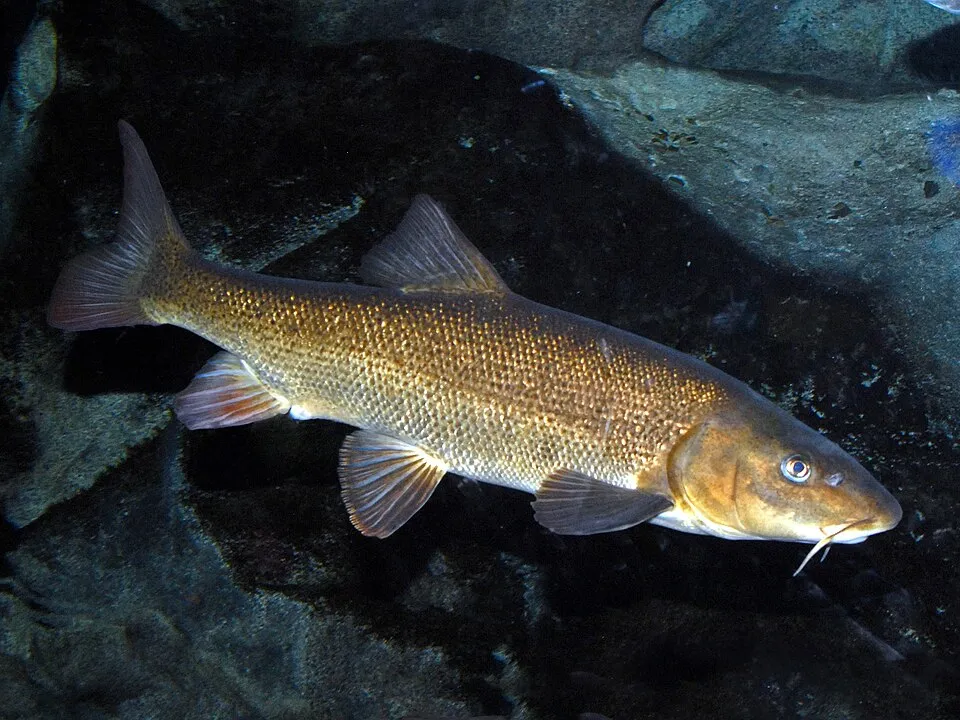 Italian Barbel
Barbus plebejus 2 places in common
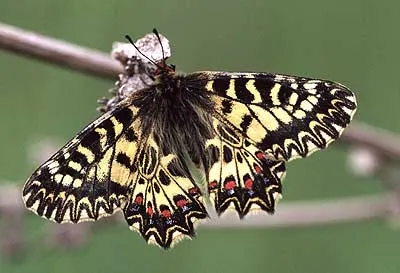 Southern Festoon
Zerynthia polyxena 2 places in common
Sources and credits
- Presence: most-recorded species of each place on GBIF and species of Community interest in the Natura 2000 forms (EEA, CC-BY 4.0); absence from the list does not mean the species is absent.
- Common names: Wikidata (CC0) and GBIF.
- Photos and sounds: Wikimedia Commons, author and licence given for each file.
- Classification: GBIF Backbone Taxonomy (GBIF Secretariat), CC BY 4.0, doi:10.15468/39omei.
- Countries, elevations, months and maps: GBIF.org, CC0 or CC BY 4.0 occurrences only, accessed October 23, 2026, GBIF.org.
- Base map: Natural Earth (public domain).
- Excerpt: Wikipedia, CC BY-SA 4.0 (full credit below the excerpt).
- Native range and life form: World Checklist of Vascular Plants, Royal Botanic Gardens, Kew, CC BY 4.0 (no endorsement by Kew).