
Insect
Yellow-winged darter: where to see it
Sympetrum flaveolum
This insect species is recorded in 2 protected areas of the atlas, including one whose official Natura 2000 form lists it. Within the atlas countries, it is mostly observed in France, Switzerland and Sweden (7 countries in all). Most records (8 in 10) lie between 500 and 1,850 m above sea level. Records peak from July to August.
Best time to see it: July–August
Records published on GBIF by month (CC0 and CC BY 4.0 licences only), in the atlas countries, all years combined; they also reflect observer activity.
Distribution
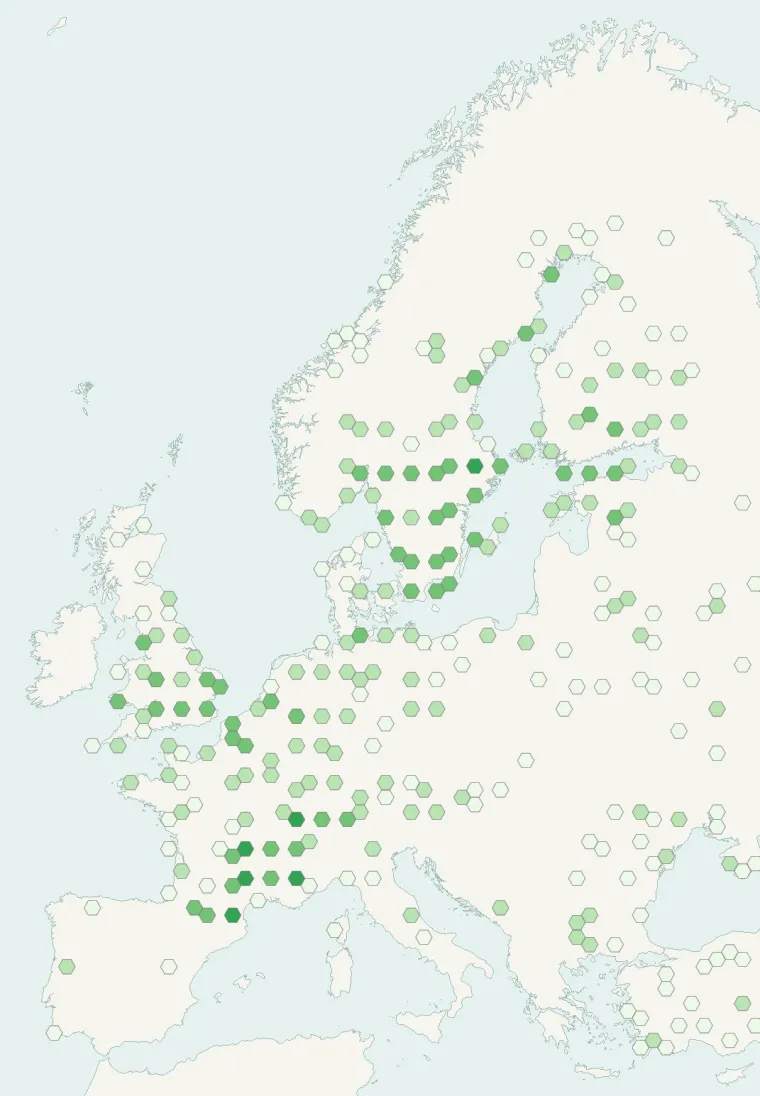
Records published on GBIF (CC0 and CC BY 4.0 licences): the darker the shade, the more records there are; they also reflect observation effort.
Atlas countries where it is recorded
From Wikipedia
The yellow-winged darter (Sympetrum flaveolum) is a dragonfly found in Europe and mid and northern China. Breeding is confined to stagnant water, usually in peat bogs. Although not resident in the United Kingdom it occasionally migrates there in some numbers. Such 'Invasion Years' occurred in 1906, 1926, 1945, 1953, and 1995. On each occasion a small breeding colony appeared, but they have invariably died out after a few years.
Source: Wikipedia, article “Yellow-winged darter” (version of October 22, 2026) · history and authors · licence CC BY-SA 4.0 · shortened excerpt
Protected areas where it is recorded
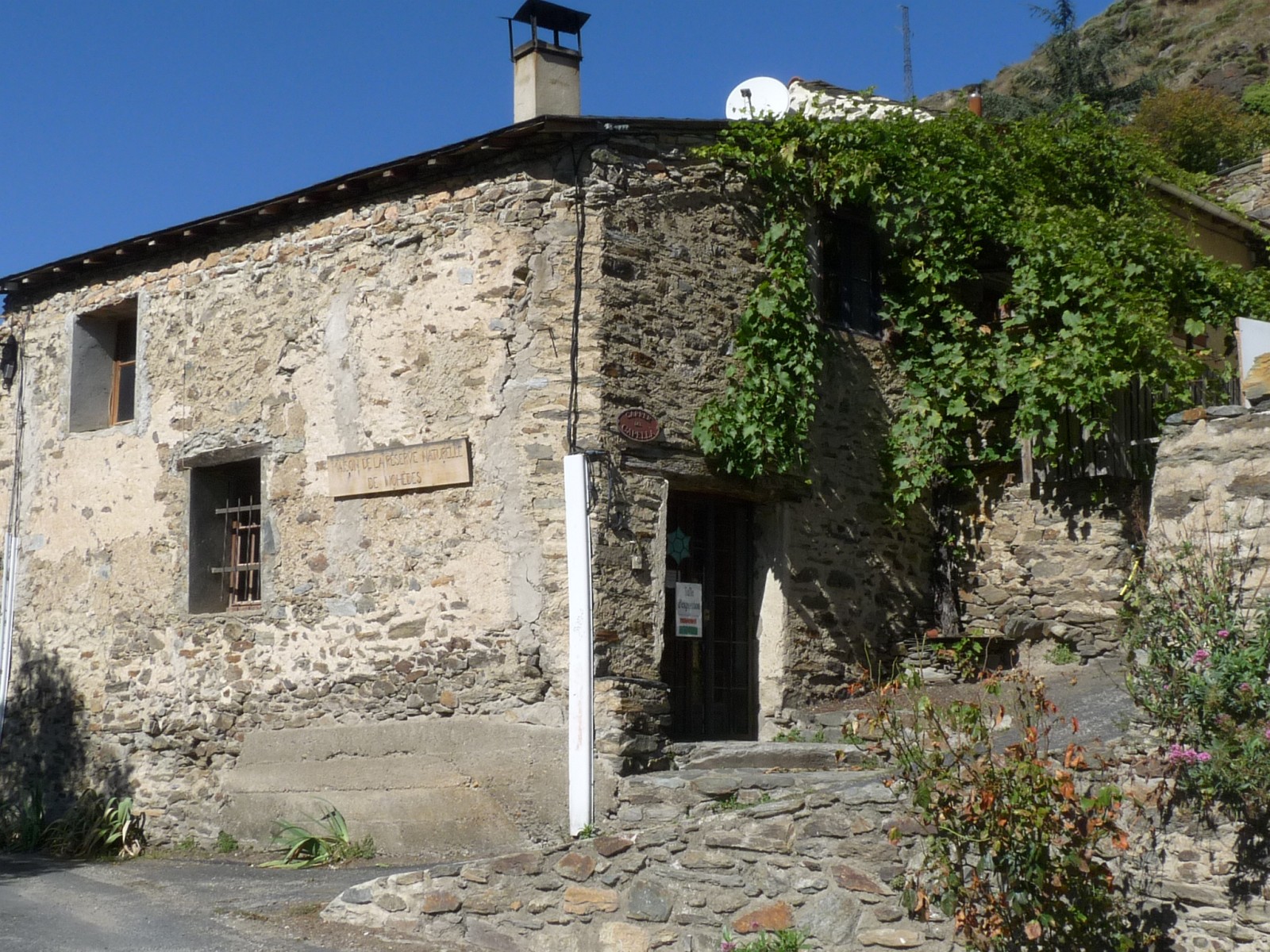
86 records
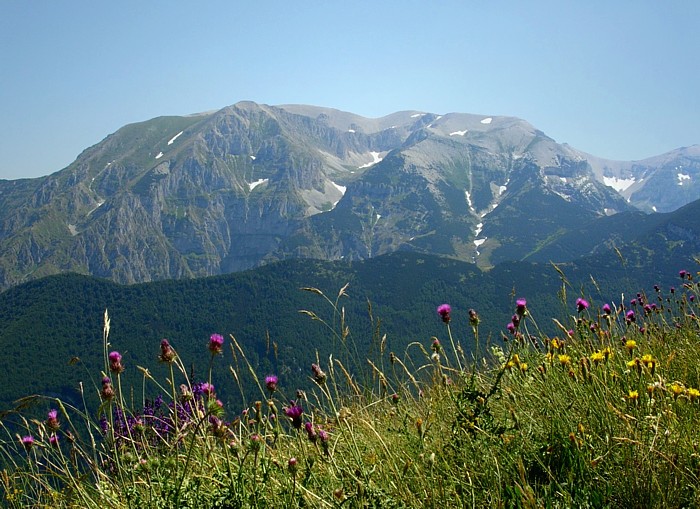
Natura 2000
Other species to discover
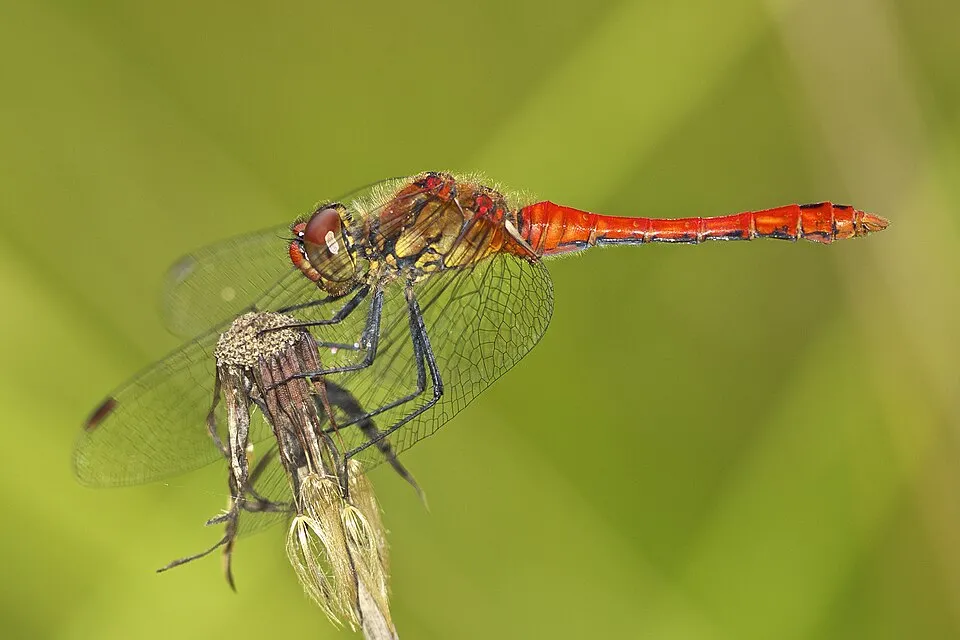 Ruddy Darter
Sympetrum sanguineum Same genus
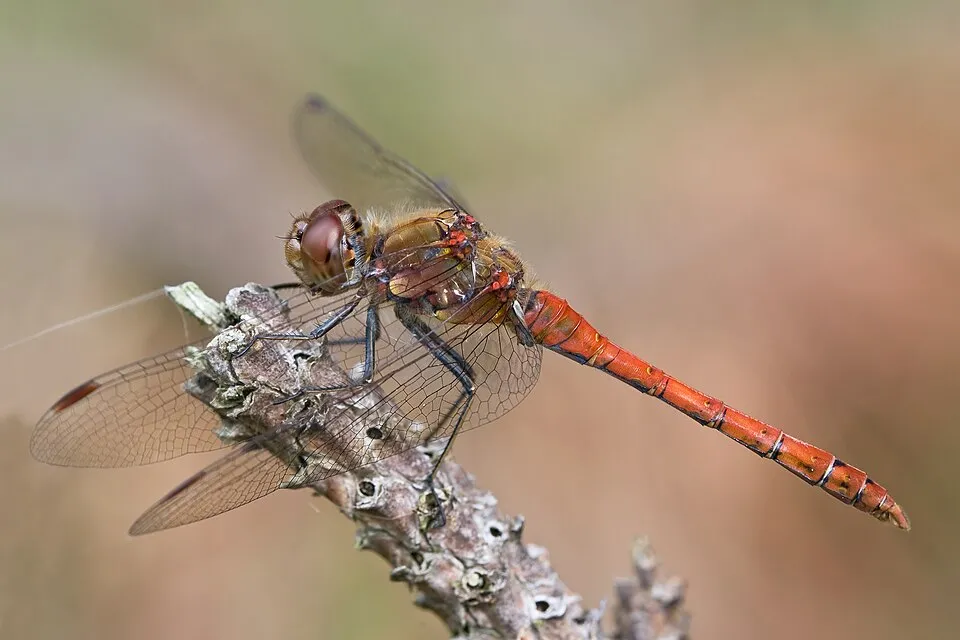 Common darter
Sympetrum striolatum Same genus
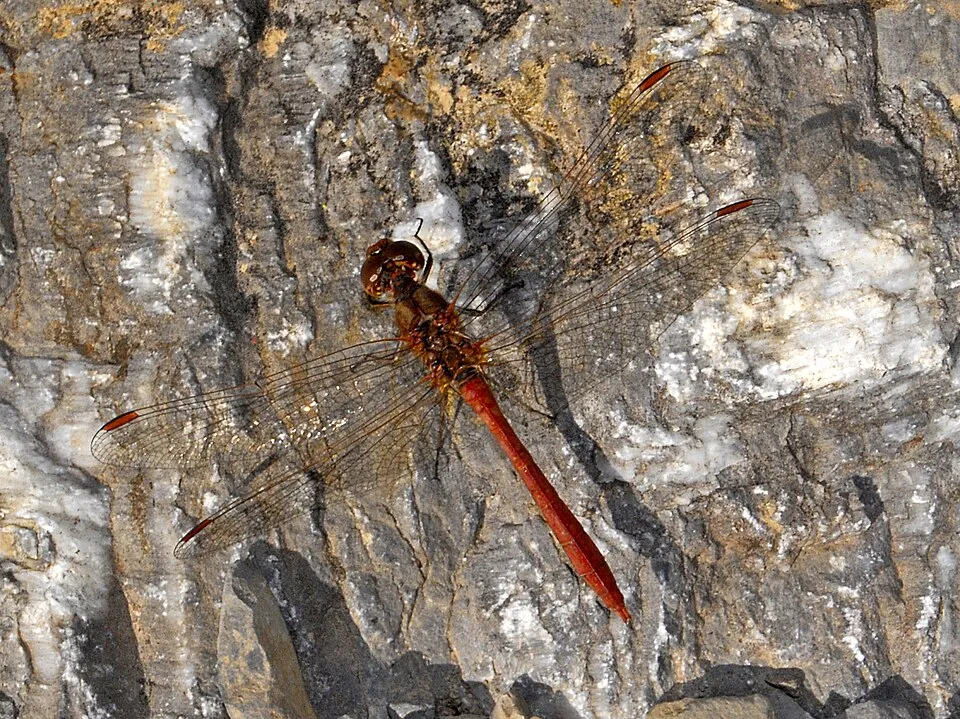 Southern darter
Sympetrum meridionale Same genus
 Red-veined Darter
Sympetrum fonscolombii Same genus
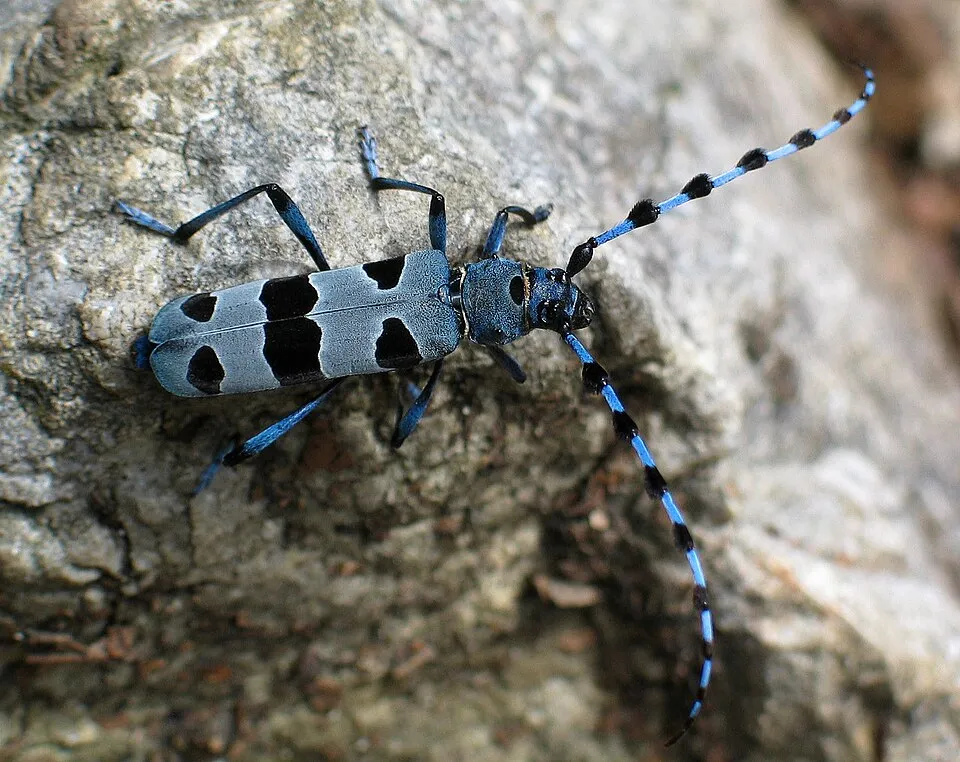 Rosalia longicorn
Rosalia alpina 2 places in common
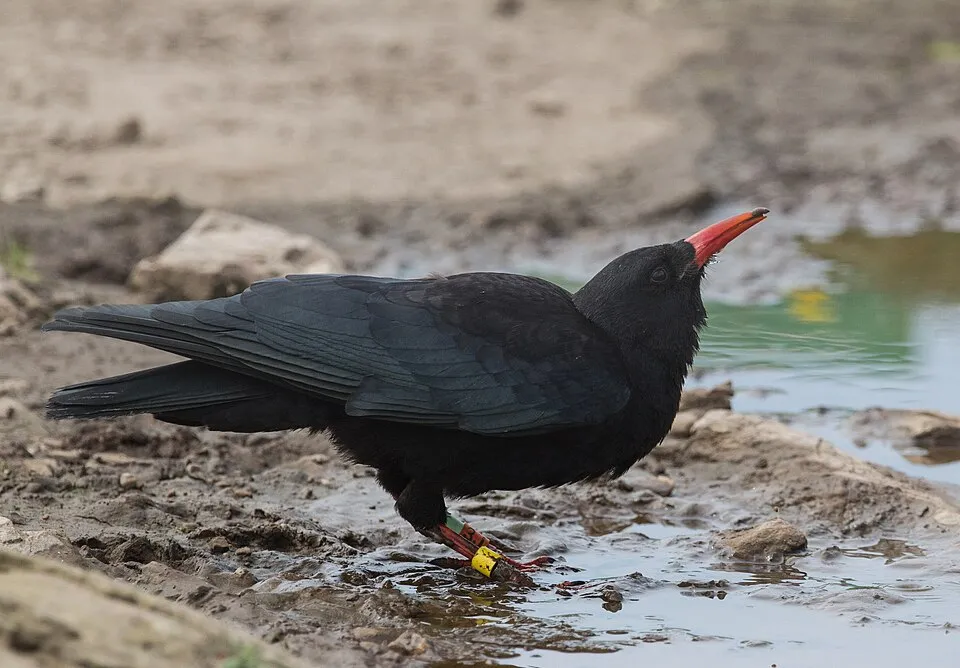 Red-billed Chough
Pyrrhocorax pyrrhocorax 2 places in common
Sources and credits
- Presence: most-recorded species of each place on GBIF and species of Community interest in the Natura 2000 forms (EEA, CC-BY 4.0); absence from the list does not mean the species is absent.
- Common names: Wikidata (CC0) and GBIF.
- Photos and sounds: Wikimedia Commons, author and licence given for each file.
- Classification: GBIF Backbone Taxonomy (GBIF Secretariat), CC BY 4.0, doi:10.15468/39omei.
- Countries, elevations, months and maps: GBIF.org, CC0 or CC BY 4.0 occurrences only, accessed October 23, 2026, GBIF.org.
- Base map: Natural Earth (public domain).
- Excerpt: Wikipedia, CC BY-SA 4.0 (full credit below the excerpt).