
Vogel
Dreizehenspecht: wo beobachten?
Picoides tridactylus
Diese Vogelart ist in 131 Schutzgebieten des Atlas nachgewiesen; in 129 davon ist sie im amtlichen Natura-2000-Standarddatenbogen aufgeführt. In den Ländern des Atlas wird sie vor allem in Schweden, Norwegen und Österreich beobachtet (6 Länder insgesamt). Die meisten Nachweise (8 von 10) liegen zwischen 260 und 1400 m Höhe. Die meisten Beobachtungen fallen in die Zeit von März bis Oktober. Für sie gelten besondere Schutzmaßnahmen nach der Vogelschutzrichtlinie (Anhang I). Ihr Bestand in der EU gilt als nicht gefährdet (Berichtszeitraum 2013–2018 der Vogelschutzrichtlinie).
Beste Beobachtungszeit: März–Oktober
Auf GBIF veröffentlichte Nachweise nach Monat (nur Lizenzen CC0 und CC BY 4.0), in den Ländern des Atlas, alle Jahre zusammen; sie spiegeln auch die Aktivität der Beobachter wider.
Steckbrief
- Gelegegröße
- 4,2 Eier im Mittel Wikidata, nach Jetz et al. 2008
- Brutdauer
- 12 Tage Wikidata, nach Handbook of the Birds of the World
Schutz und Gefährdung
Vogelschutzrichtlinie I
Die Art ist in Anhang I der Vogelschutzrichtlinie aufgeführt.
Bestand in der EU als nicht gefährdet eingestuft, kurzfristig abnehmend (Berichtszeitraum 2013–2018 der Vogelschutzrichtlinie). Brutbestand in der EU: 41.700–76.100 Paare.
Verbreitung
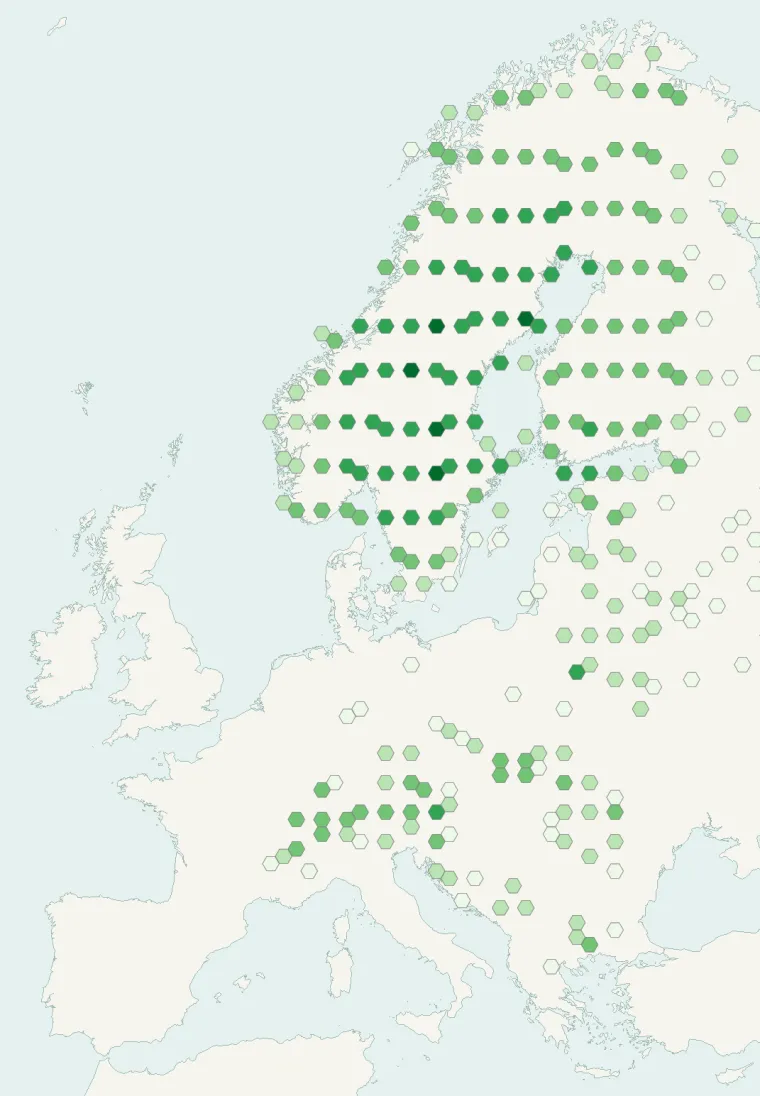
Auf GBIF veröffentlichte Nachweise (Lizenzen CC0 und CC BY 4.0): Je dunkler der Farbton, desto mehr Nachweise; sie spiegeln auch die Beobachtungsintensität wider.
Länder des Atlas mit Nachweisen
Anhören
-
0:17 · © Alexander Kurthy · CC BY-SA 4.0 · Wikimedia Commons · Originaldatei
-
0:12 · © Alexander Kürthy · CC BY-SA 3.0 · Wikimedia Commons · Originaldatei
-
0:22 · © Doug Hynes · CC BY-SA 4.0 · Wikimedia Commons · Originaldatei
Aus der Wikipedia
Der Dreizehenspecht (Picoides tridactylus) ist eine der zwölf Arten der Gattung Picoides innerhalb der Unterfamilie der Echten Spechte. Die meist in 8 Unterarten differenzierte Art ist in der borealen Paläarktis vertreten. Die vorher zur Art Picoides tridactylus gerechneten nearktischen Vertreter werden heute als eigenständige Art Fichtenspecht (Picoides dorsalis) betrachtet. Die nordeuropäischen Vorkommen von Picoides tridactylus gehören zur Nominatform, während die mittel- und südosteuropäischen Reliktvorkommen zur Unterart P. t. alpinus gerechnet werden.
Quelle: Wikipedia, Artikel „Dreizehenspecht“ (Version vom 9. November 2025) · Versionsgeschichte und Autoren · Lizenz CC BY-SA 4.0 · gekürzter Auszug
Schutzgebiete mit Nachweisen
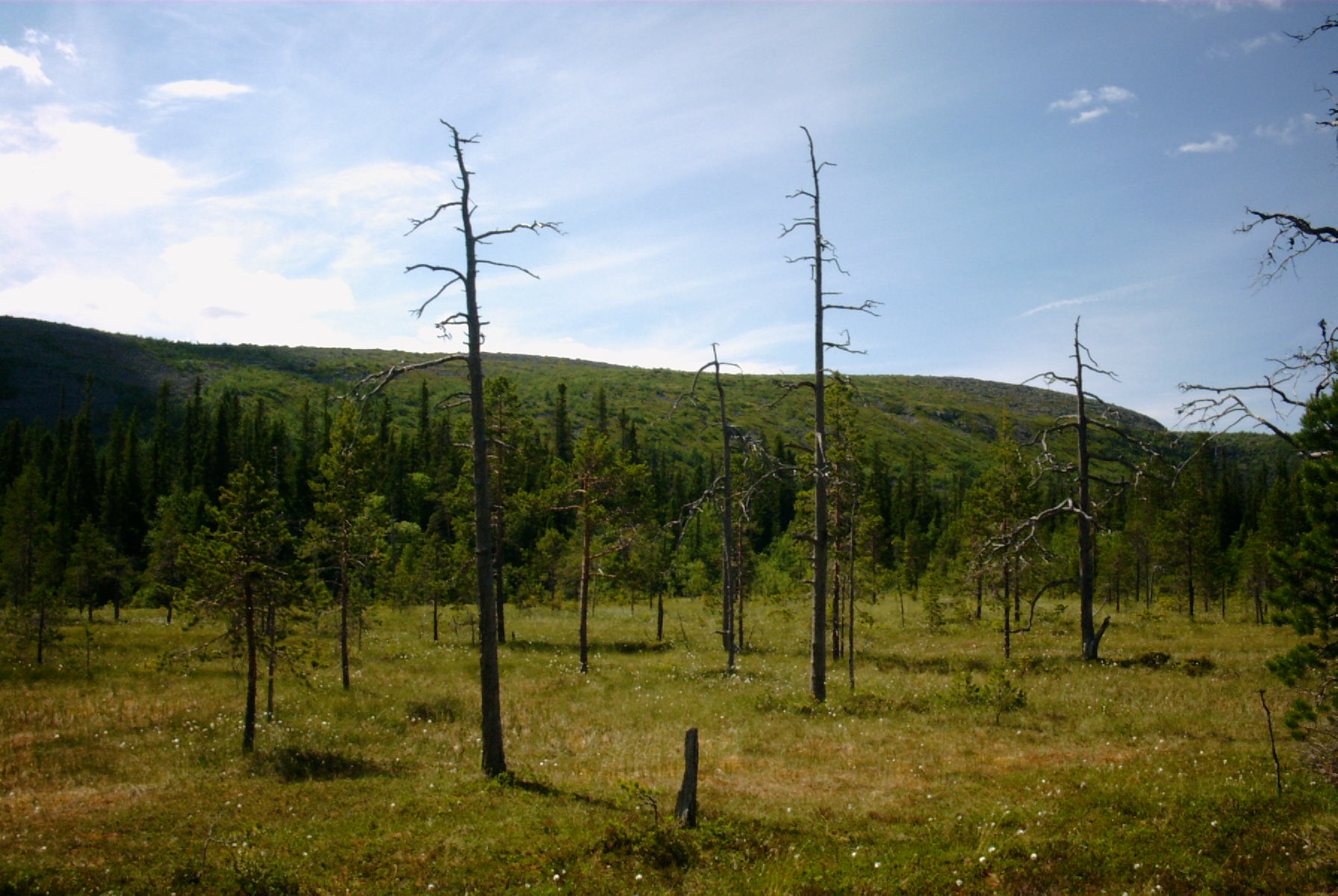
Natura 2000 · Standvogel 506 Nachweise
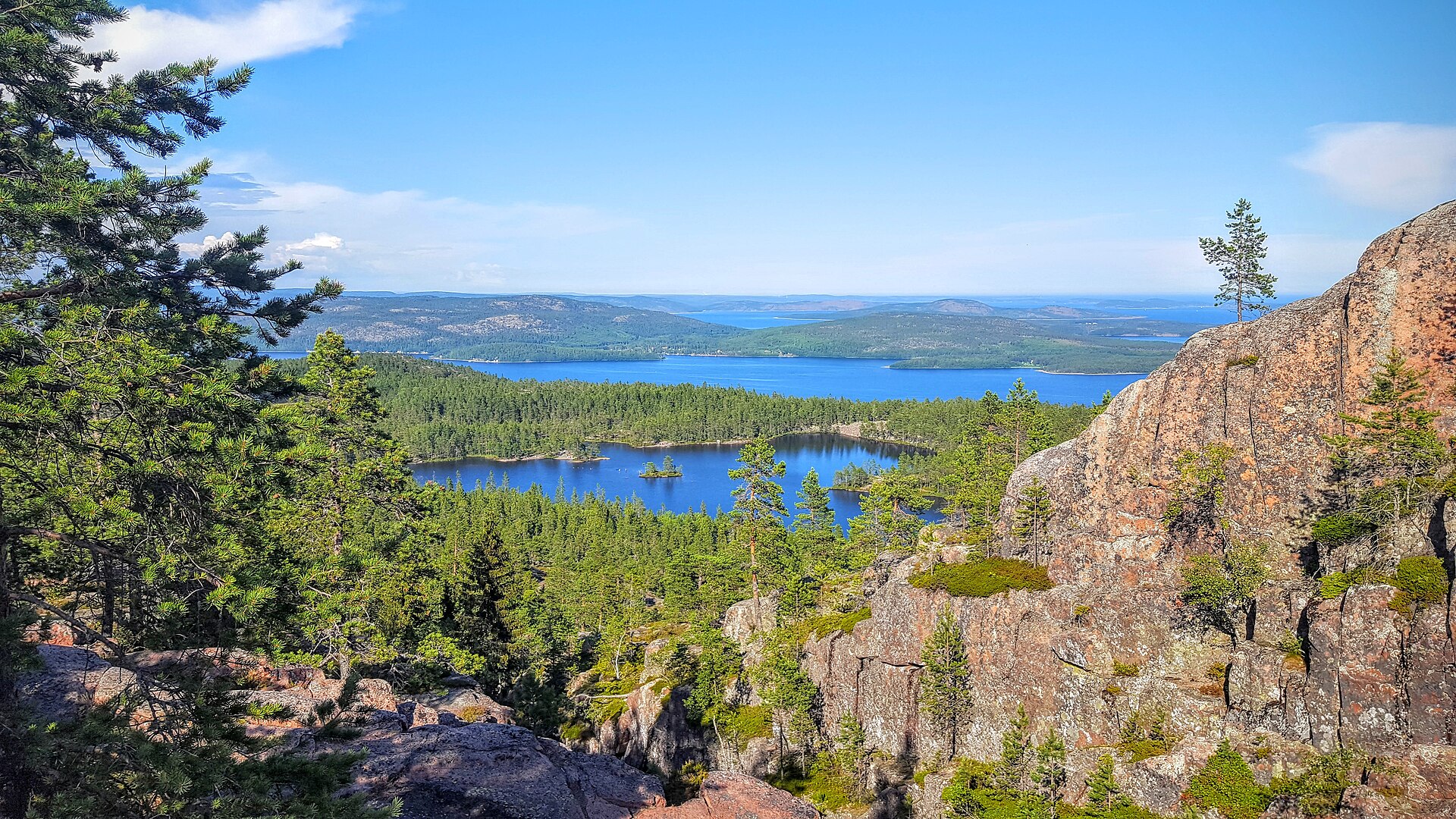
Natura 2000 · Standvogel 325 Nachweise
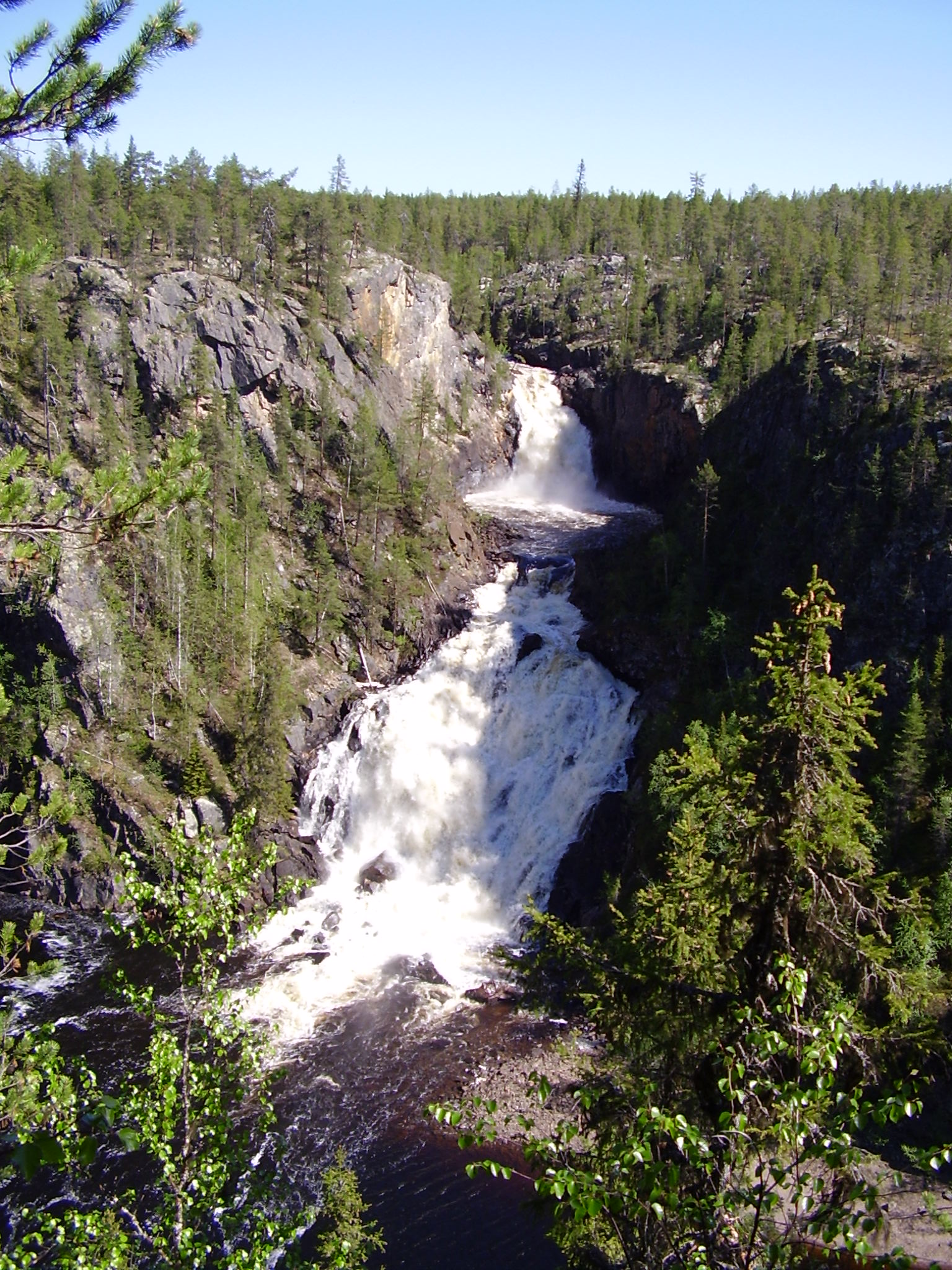
Natura 2000 · Brutvogel, Standvogel 256 Nachweise
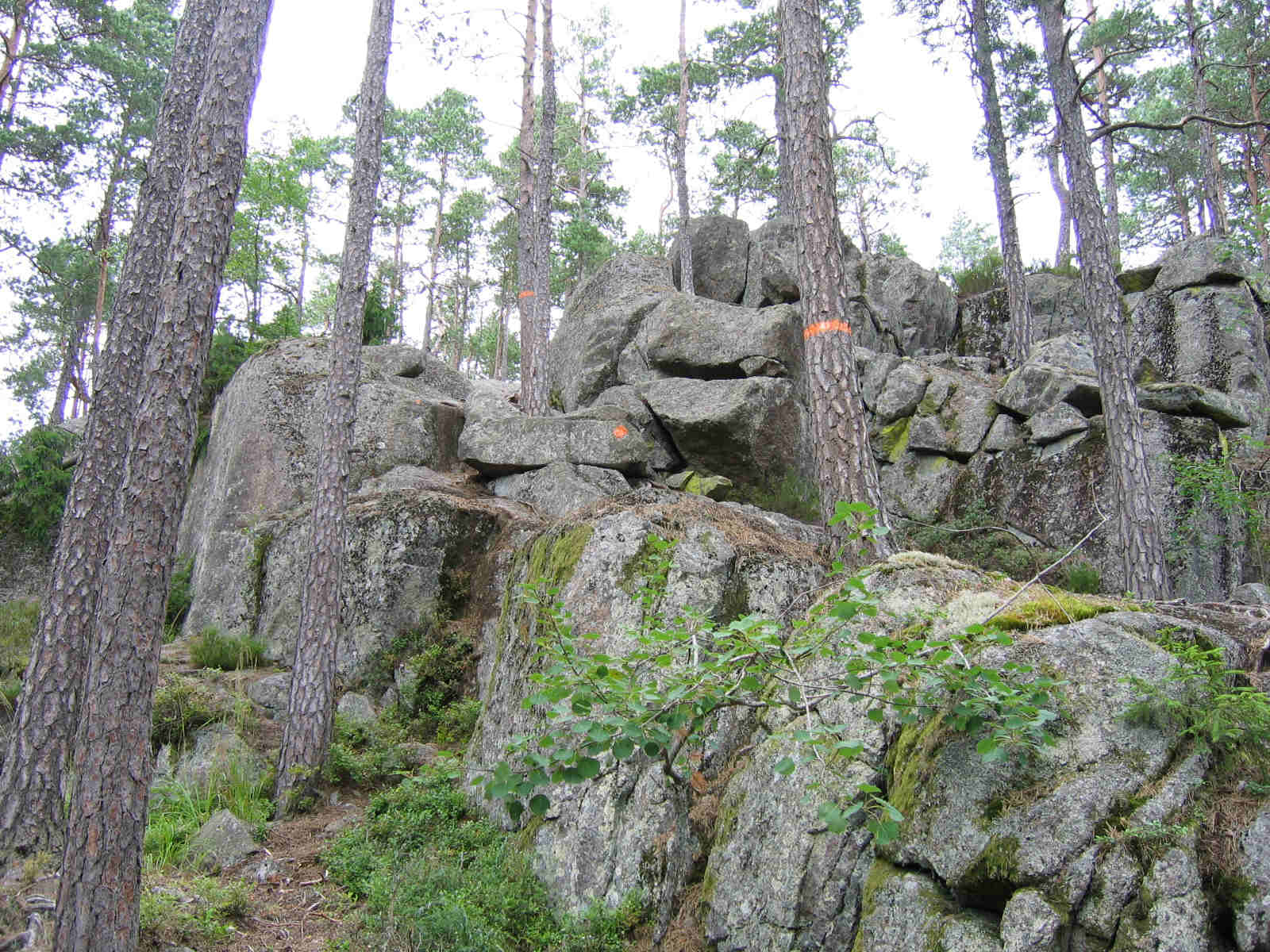
Natura 2000 · Standvogel 161 Nachweise

Natura 2000 · Standvogel 104 Nachweise
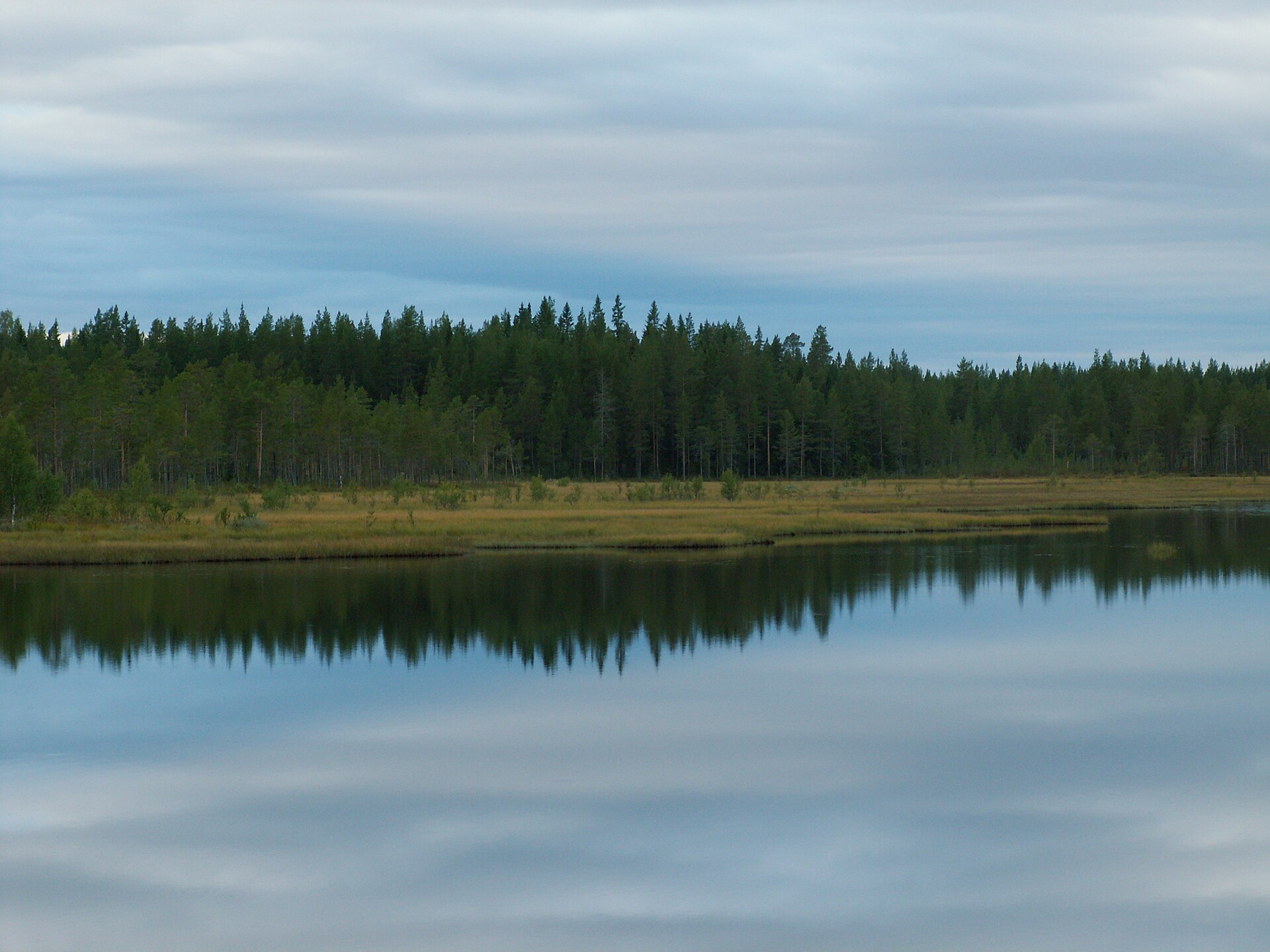
Natura 2000 · Brutvogel 74 Nachweise
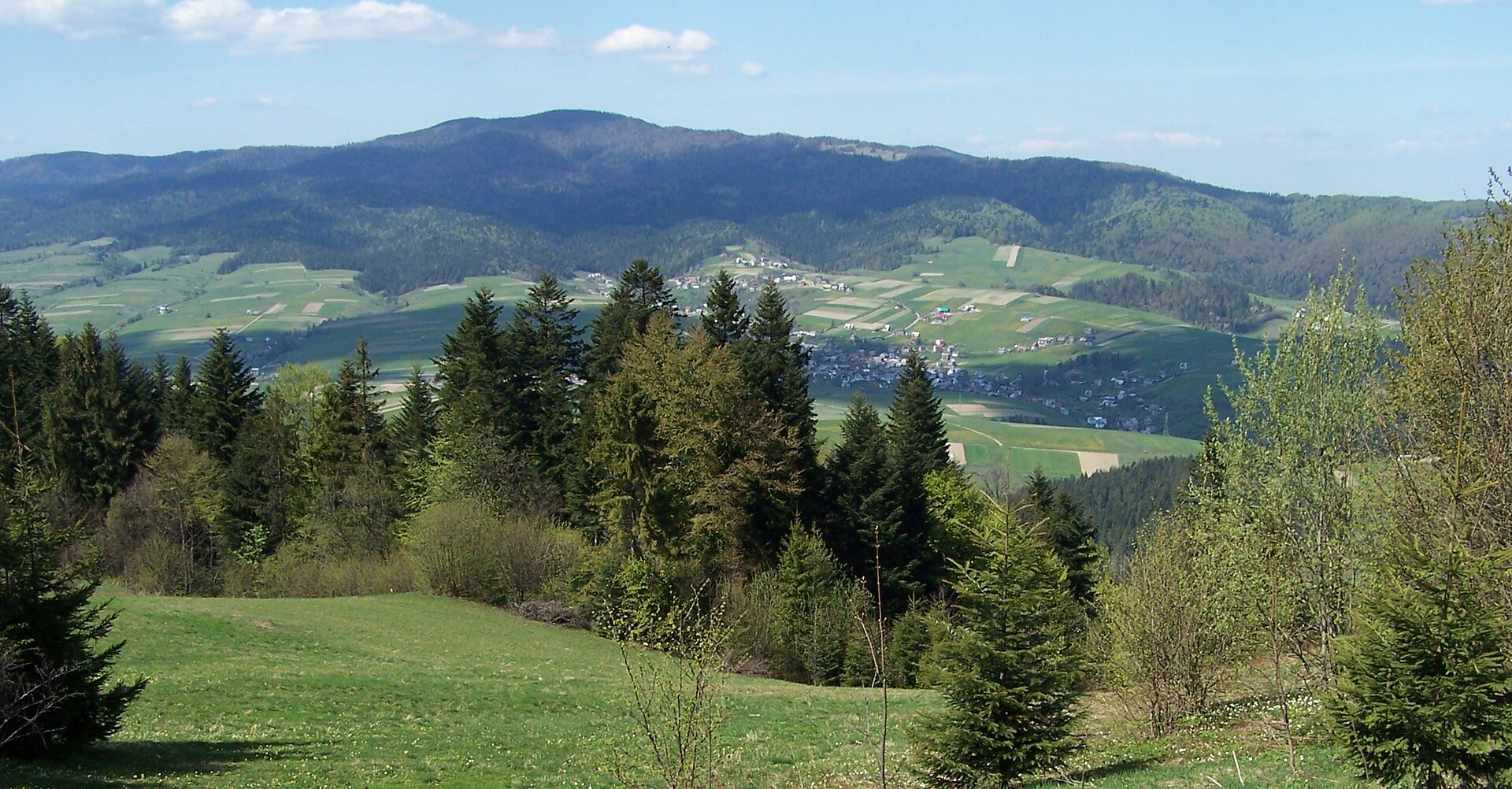
Natura 2000 · Standvogel 30 Nachweise
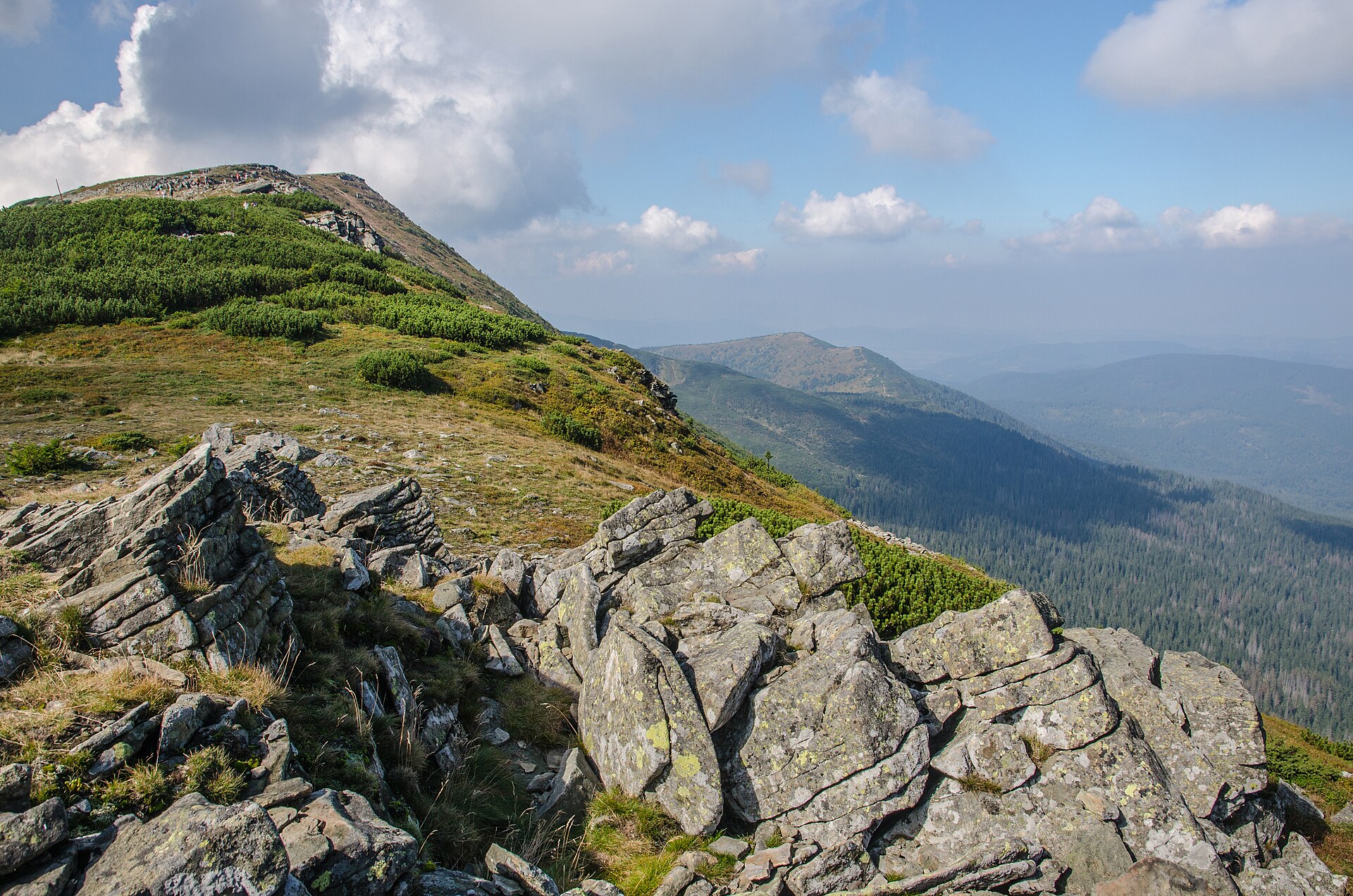
Natura 2000 · Standvogel 29 Nachweise
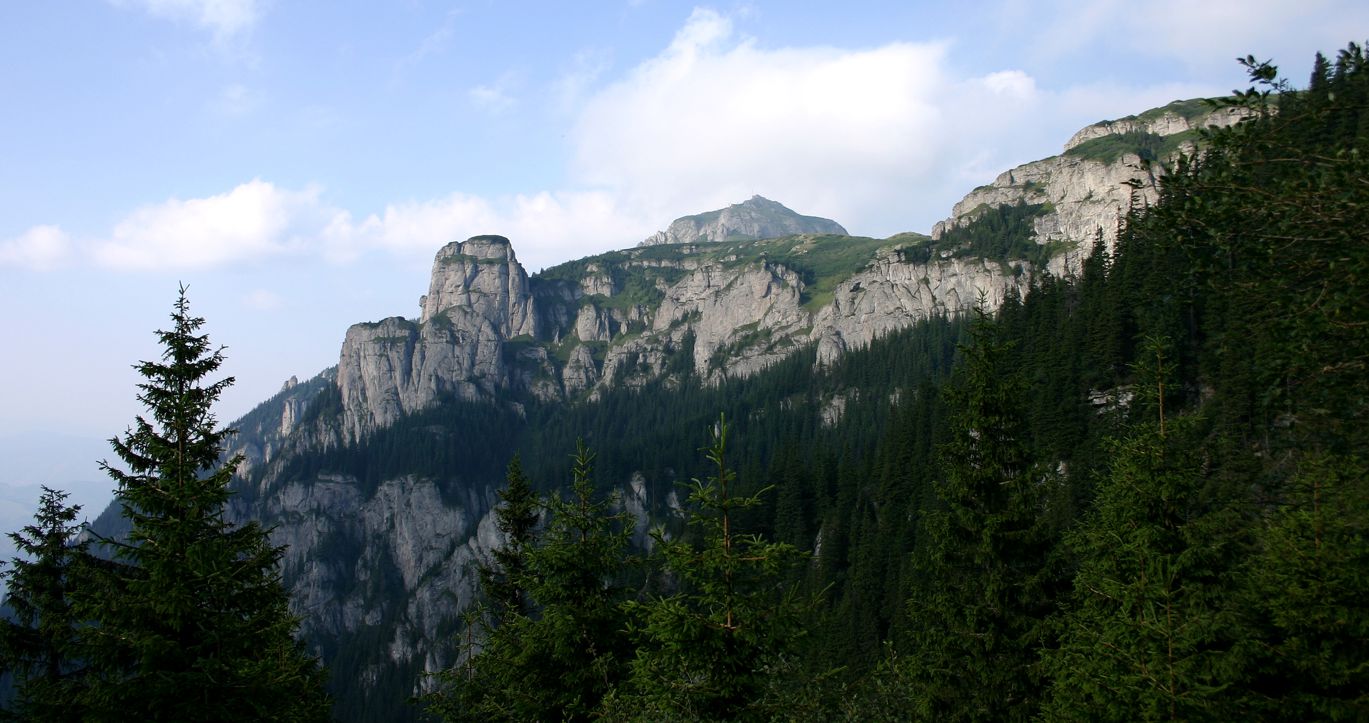
Natura 2000 · Standvogel 18 Nachweise
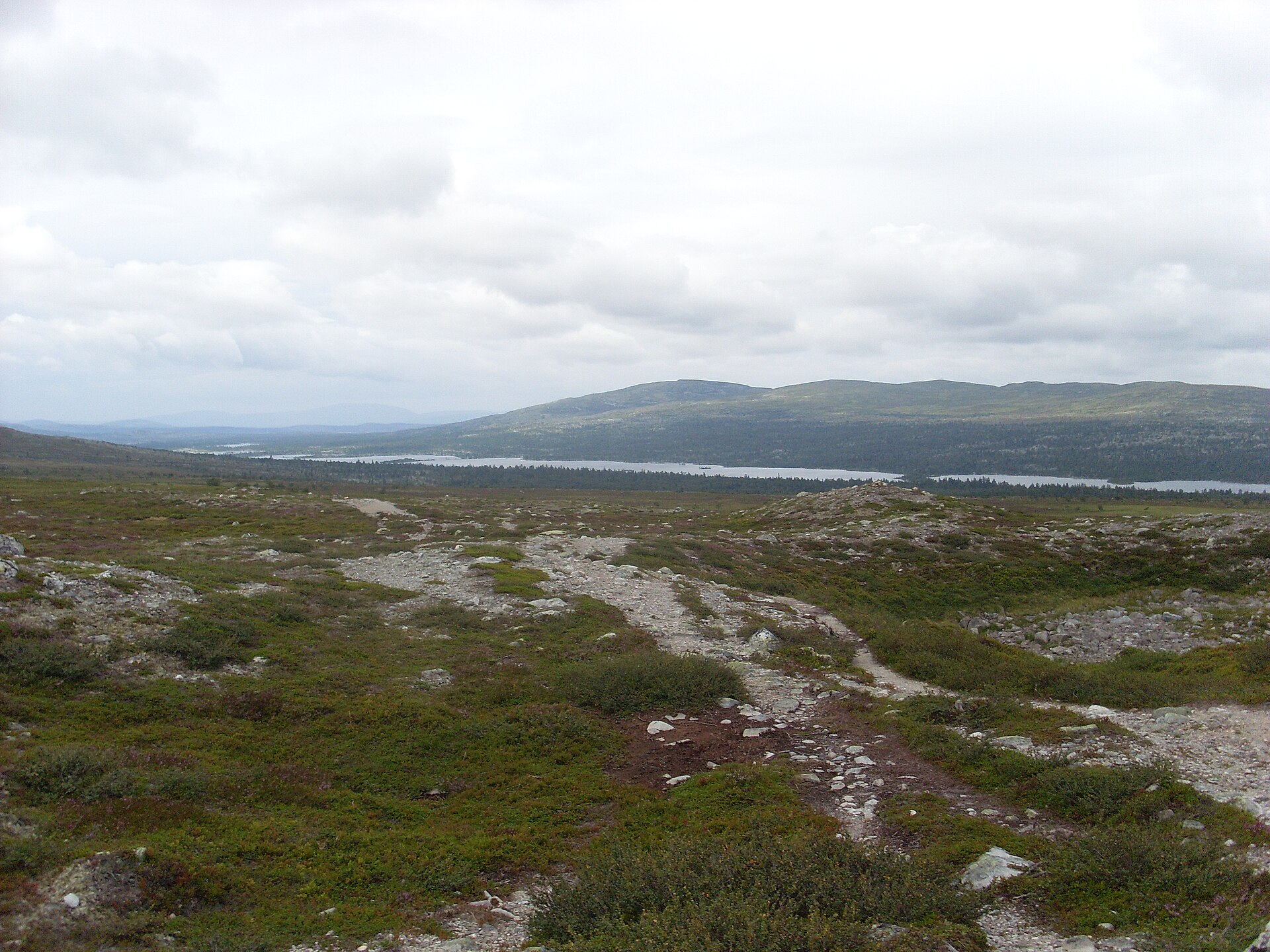
Natura 2000 · Standvogel 10 Nachweise

1147 Nachweise
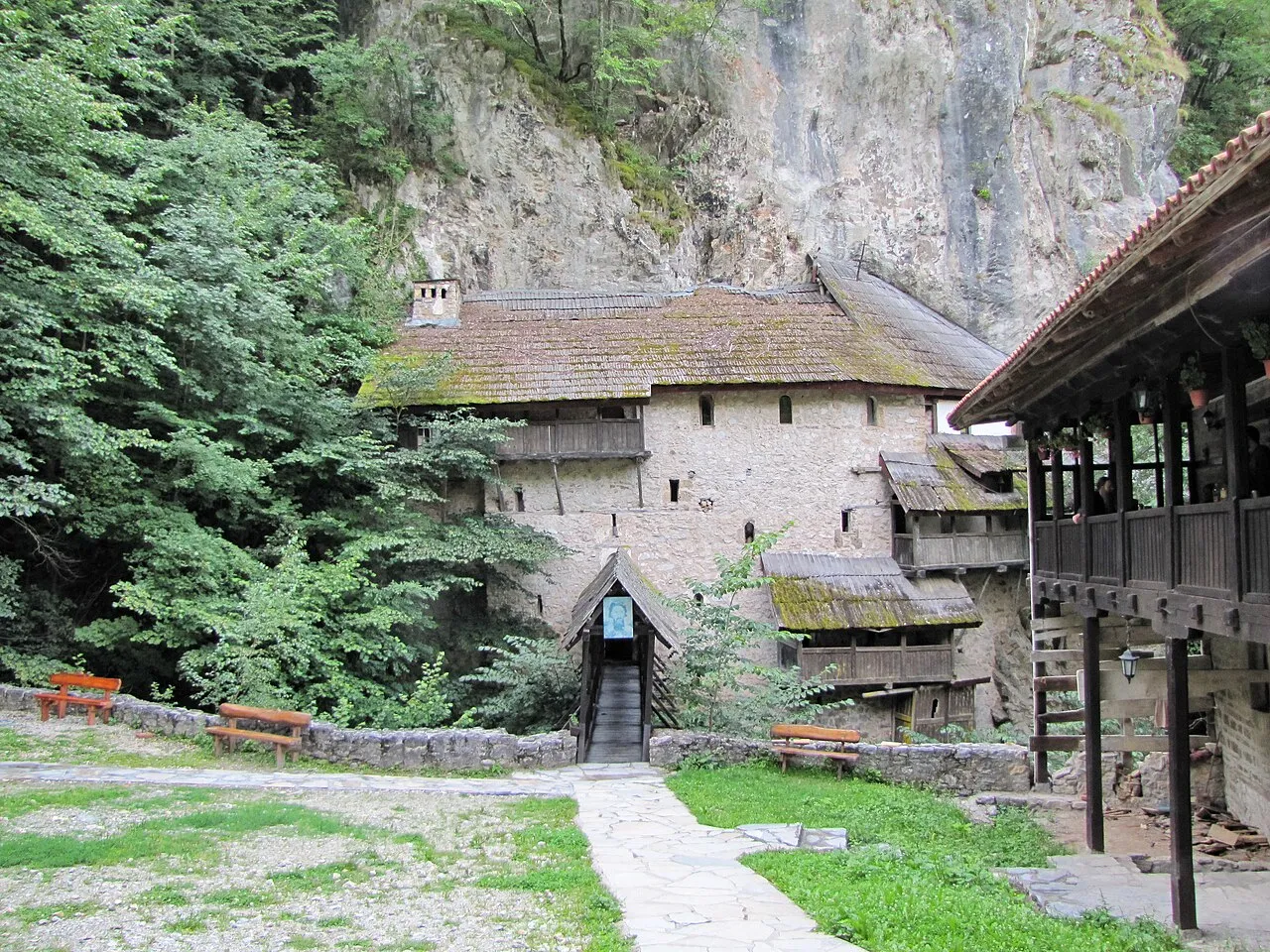
2 Nachweise
Natura 2000 · Brutvogel
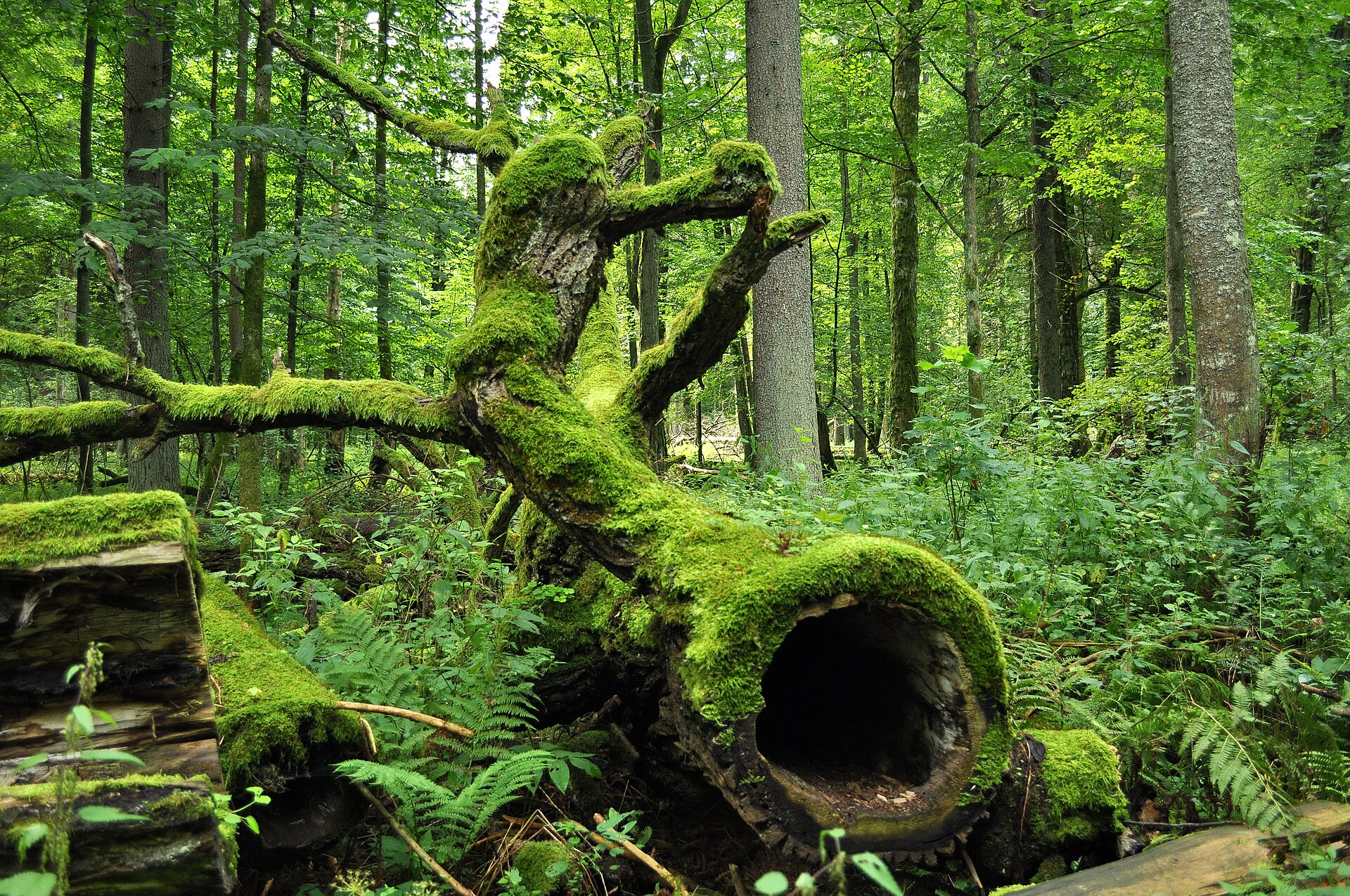
Natura 2000 · Standvogel

Natura 2000 · Brutvogel

Natura 2000 · Standvogel
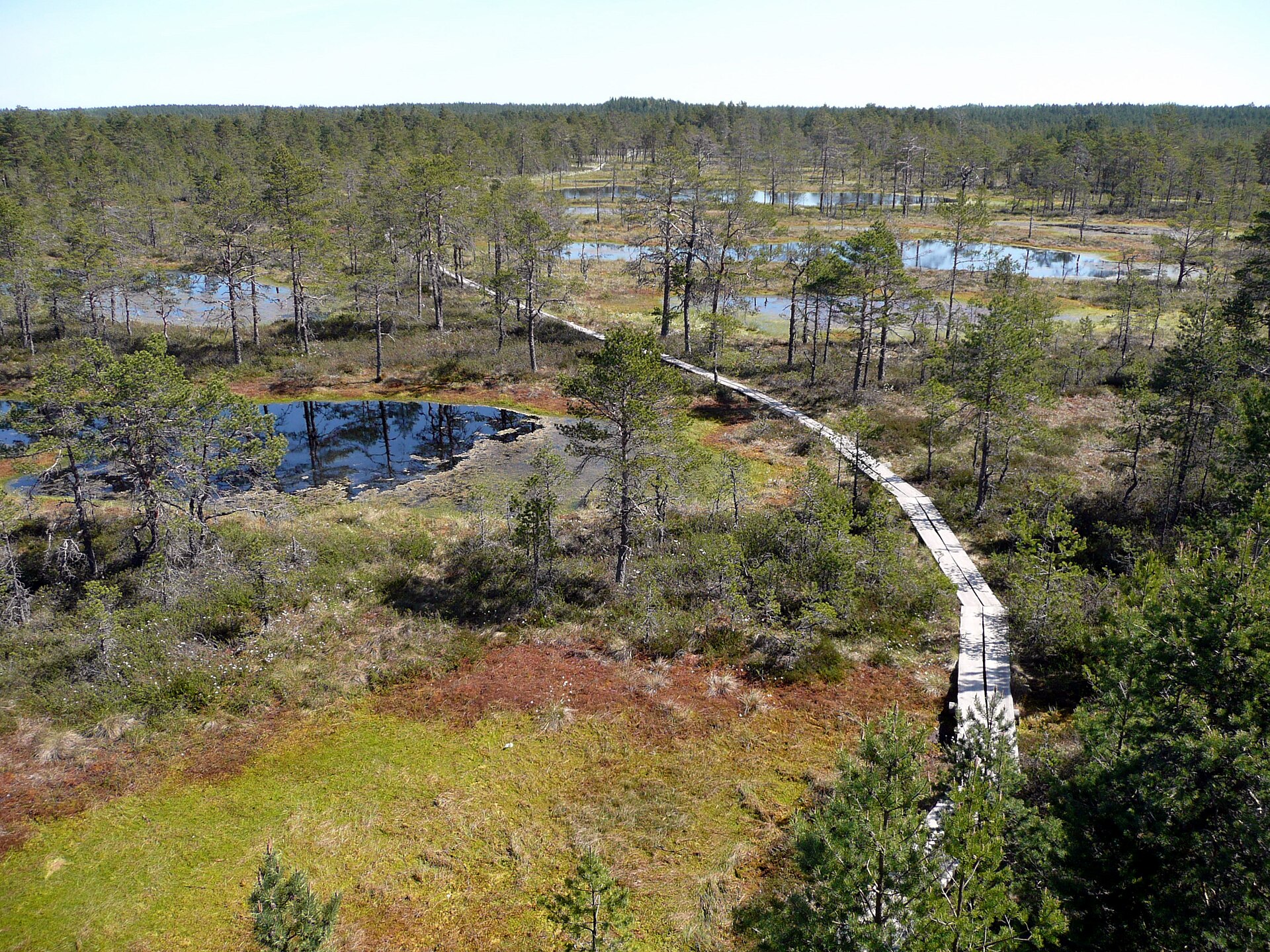
Natura 2000 · Standvogel
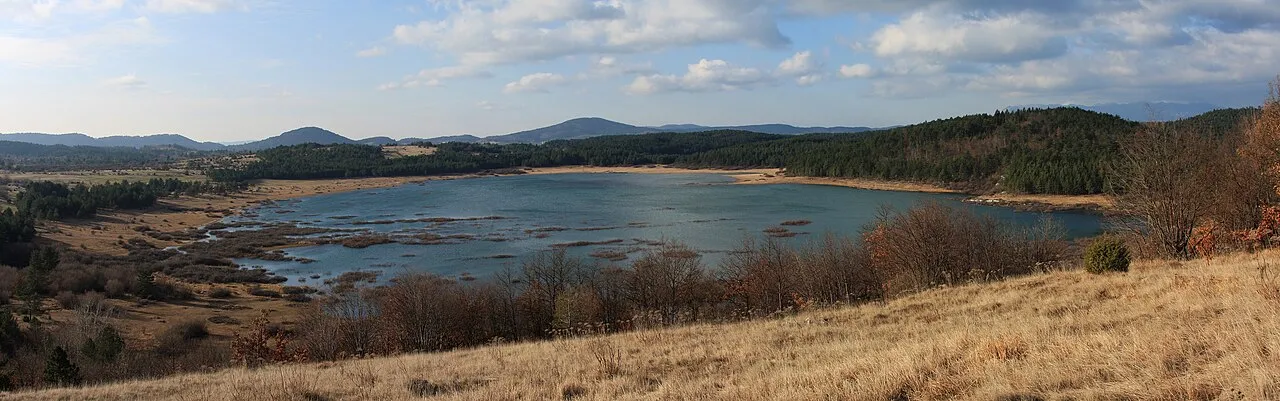
Natura 2000 · Brutvogel
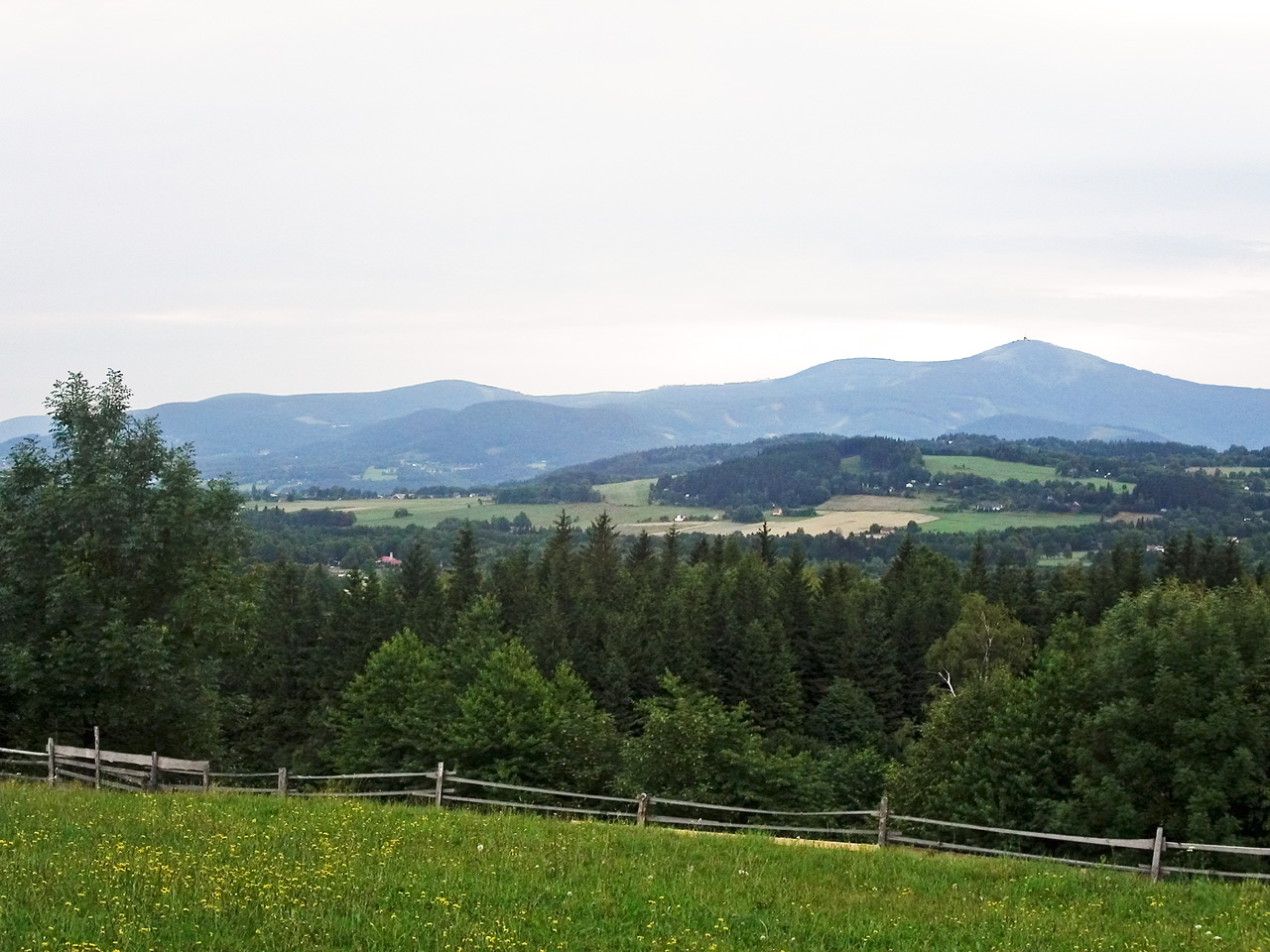
Natura 2000 · Standvogel
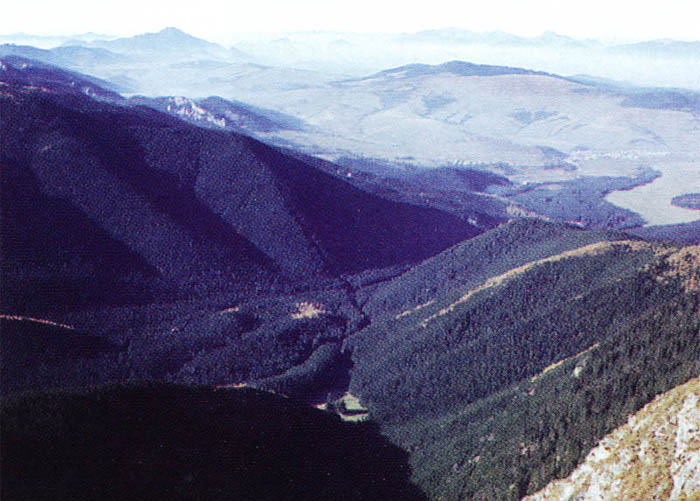
Natura 2000 · Standvogel, Brutvogel
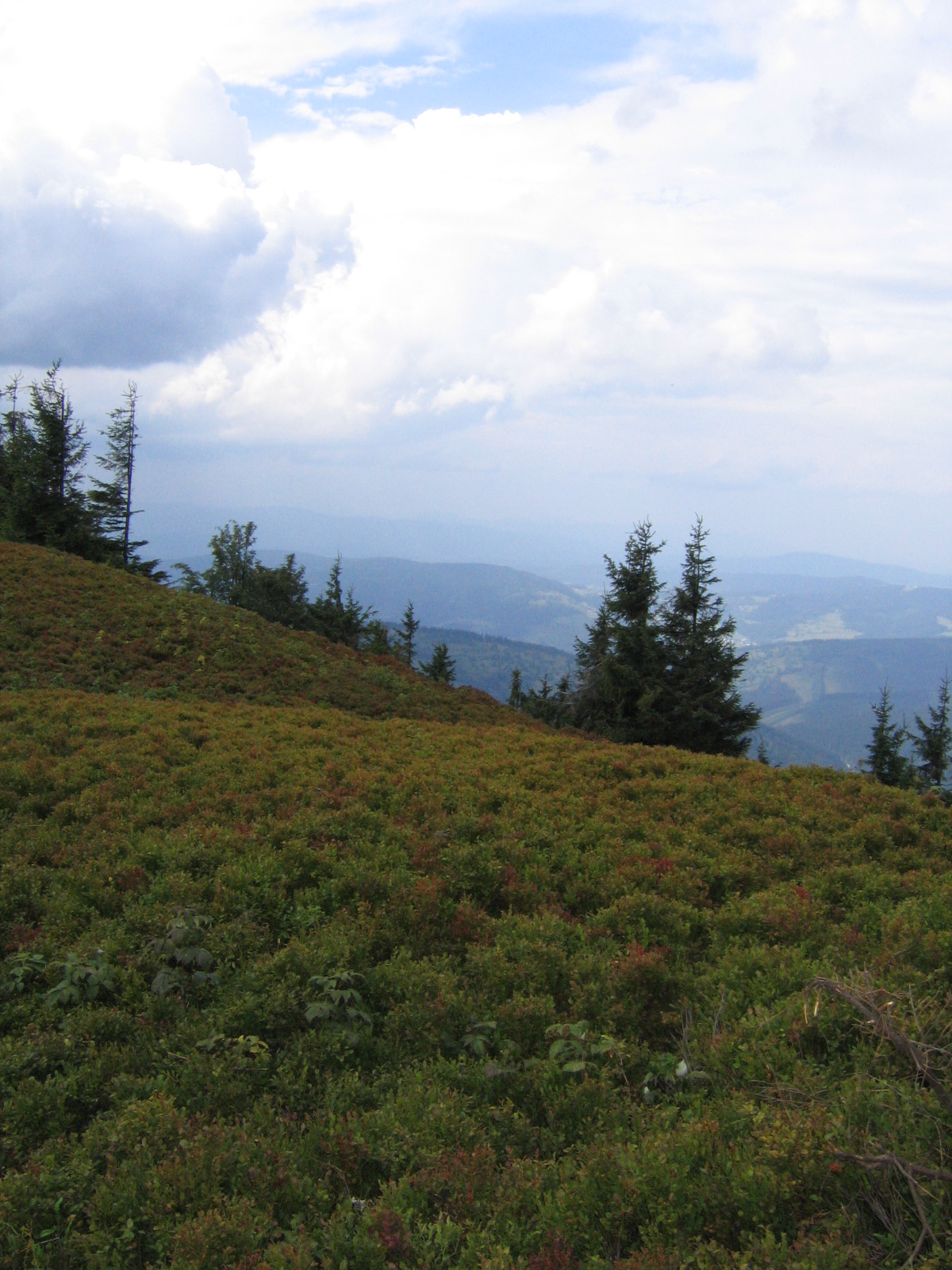
Natura 2000
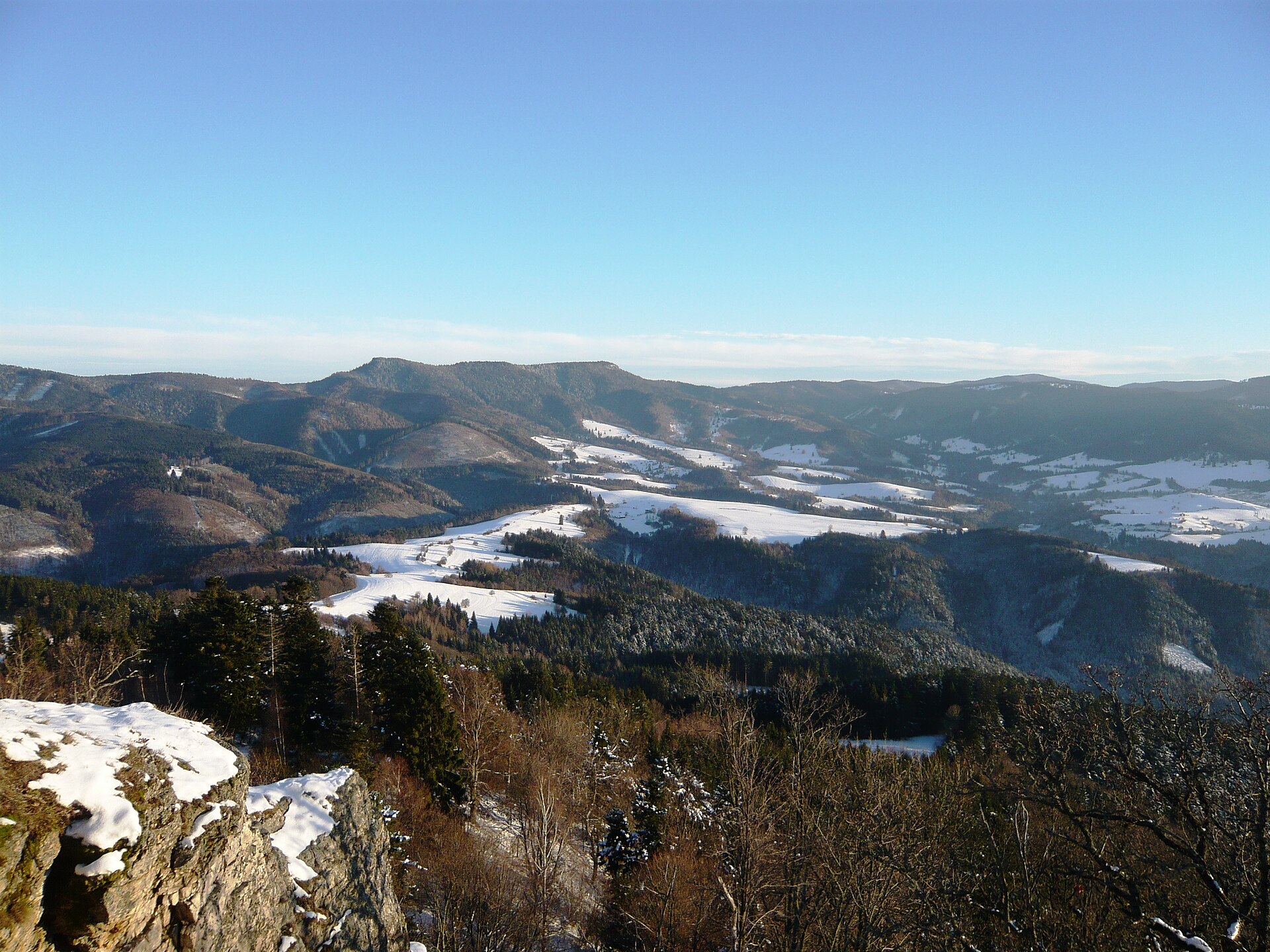
Natura 2000 · Brutvogel, Standvogel
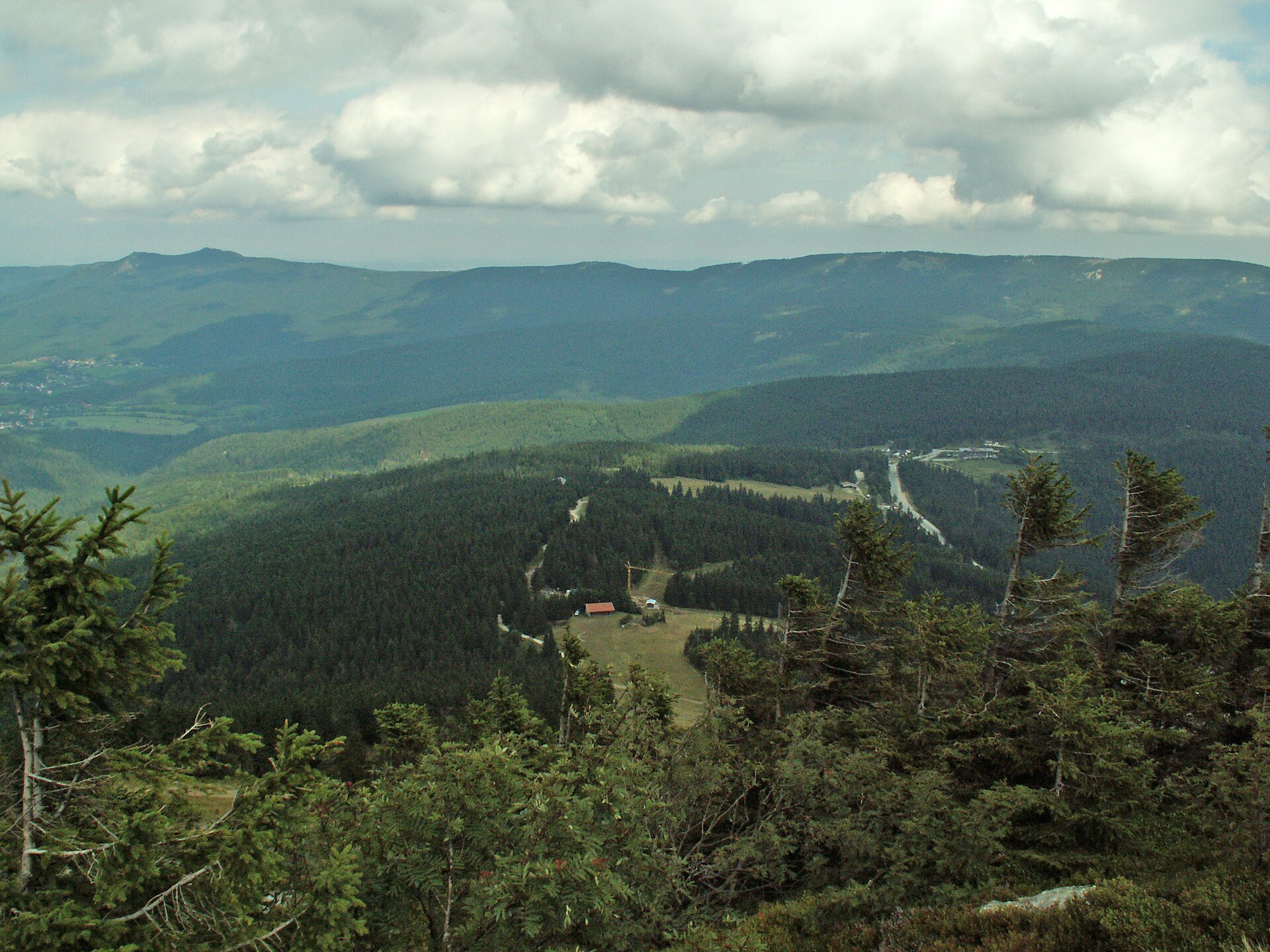
Natura 2000 · Standvogel
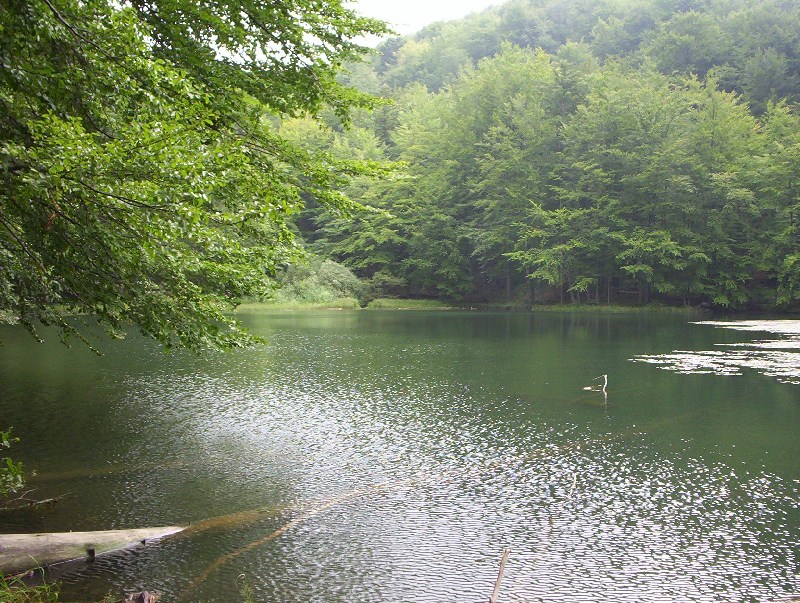
Natura 2000 · Brutvogel
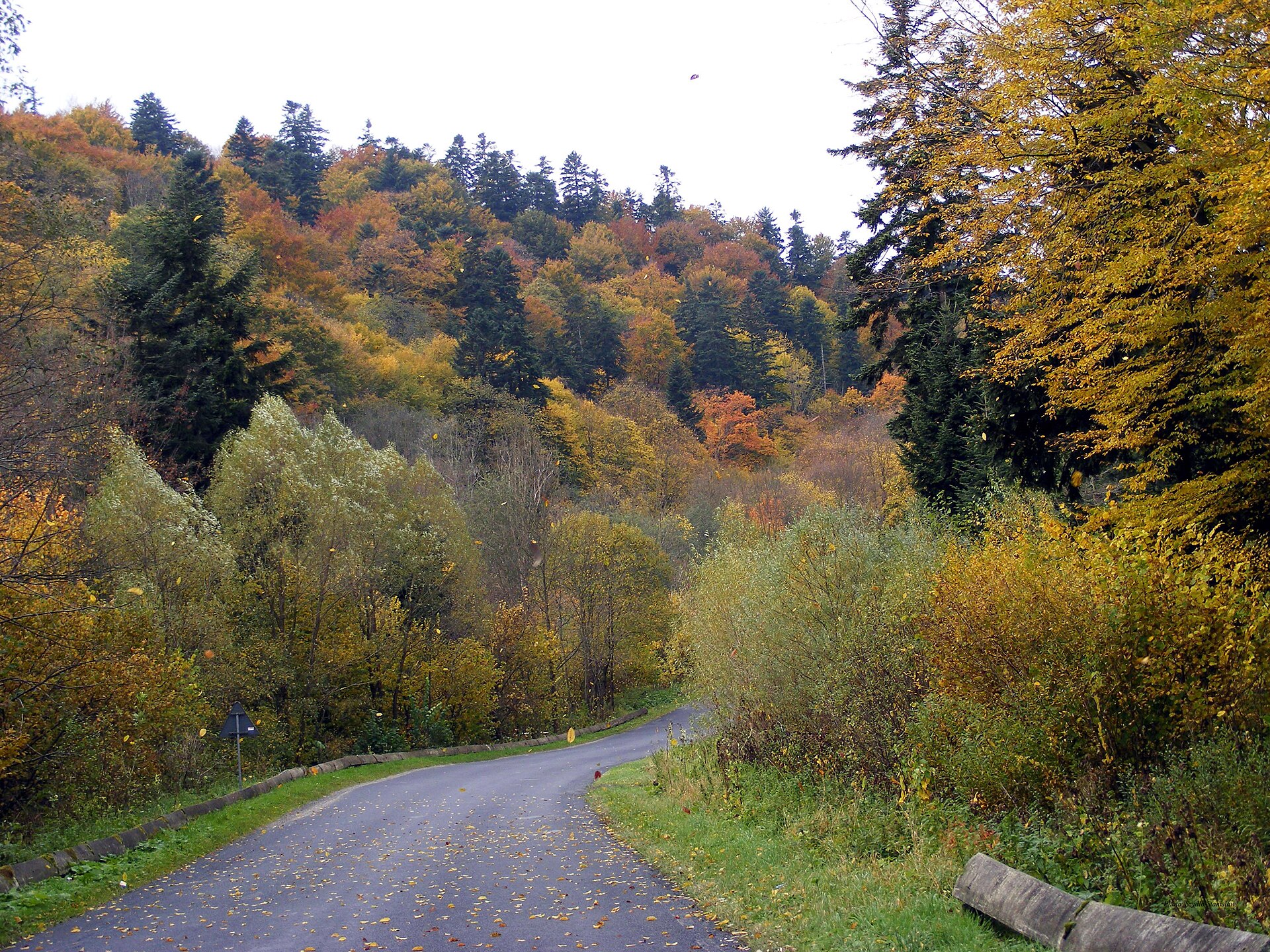
Natura 2000 · Standvogel

Natura 2000 · Standvogel
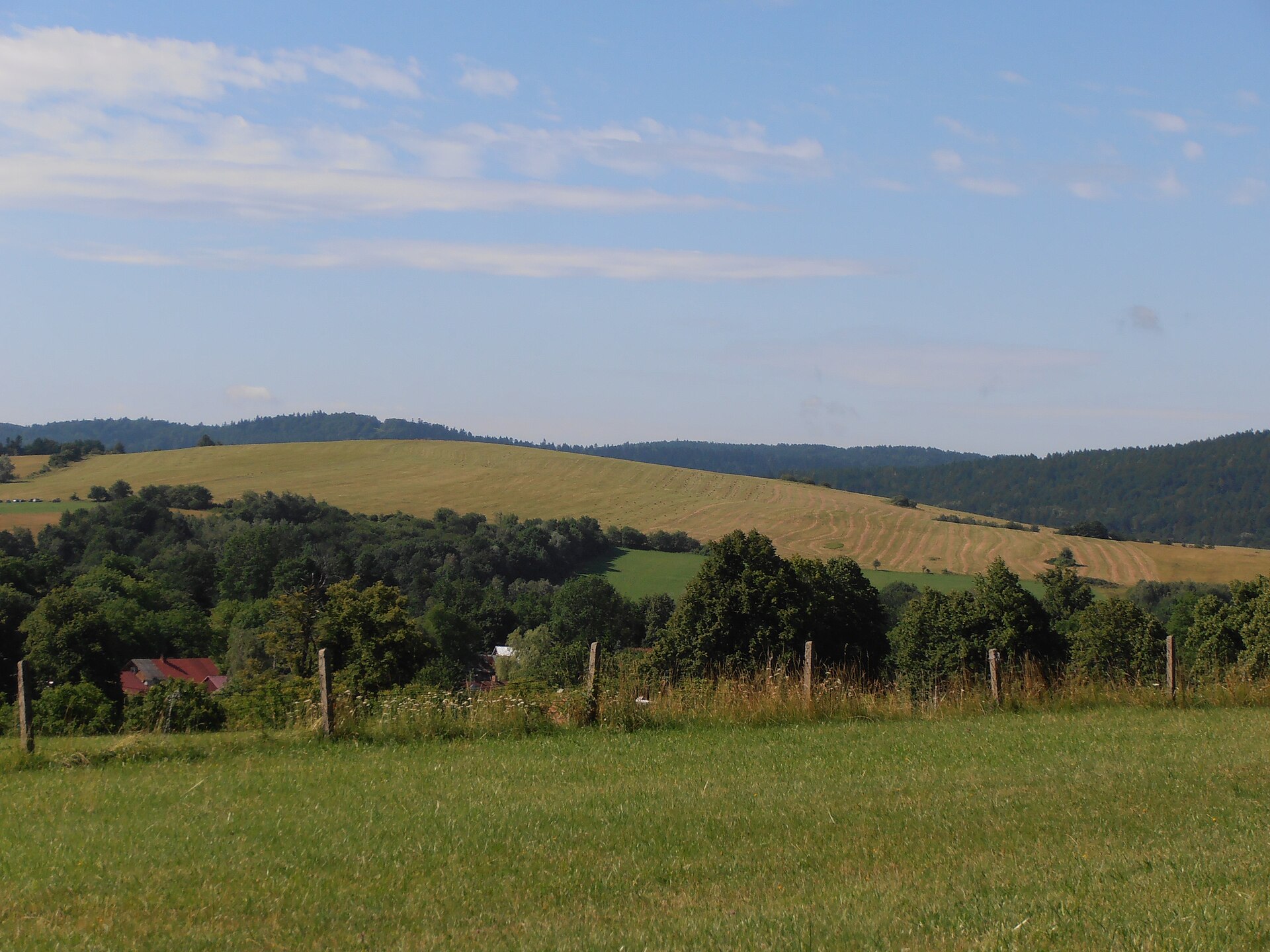
Natura 2000 · Standvogel
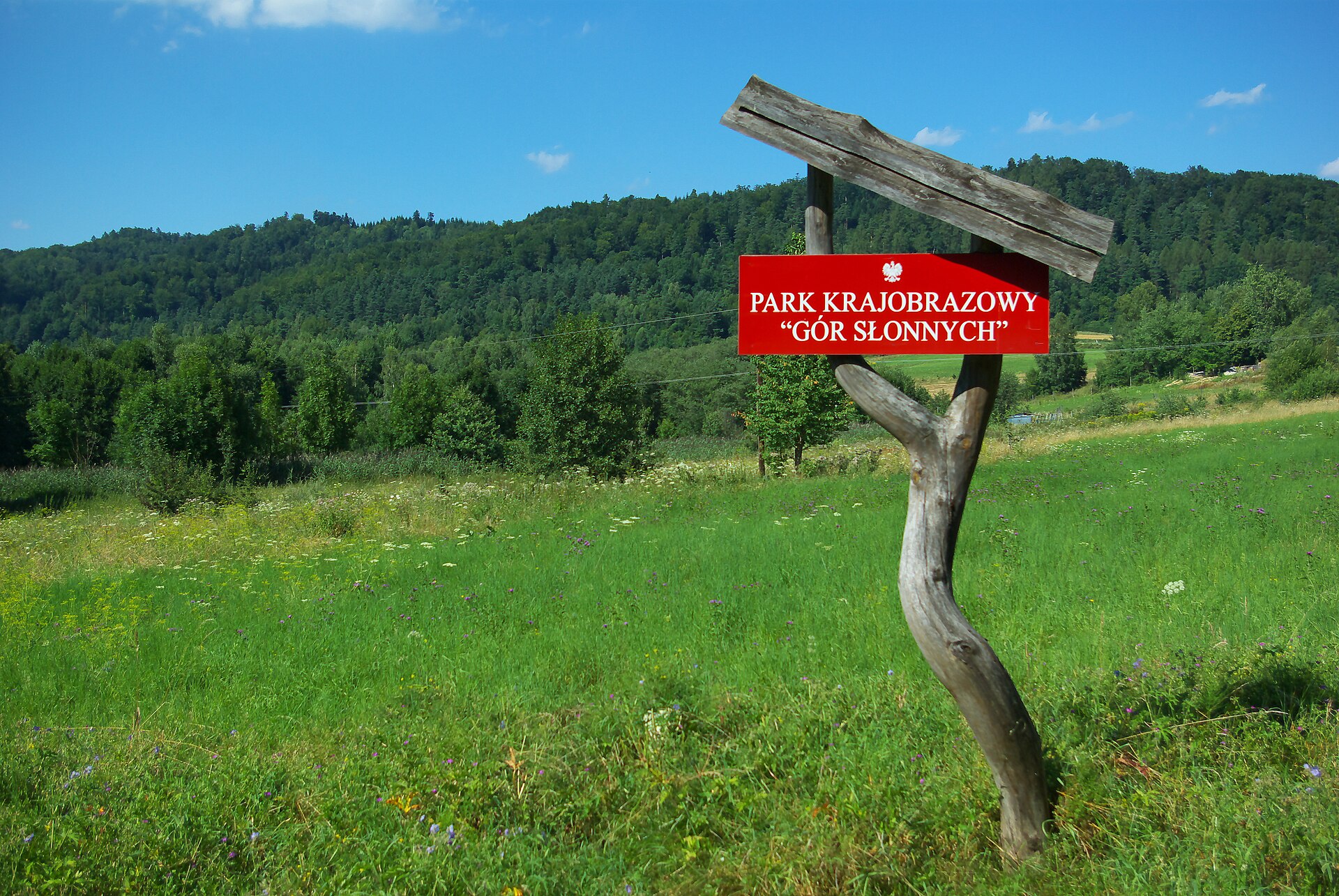
Natura 2000 · Standvogel
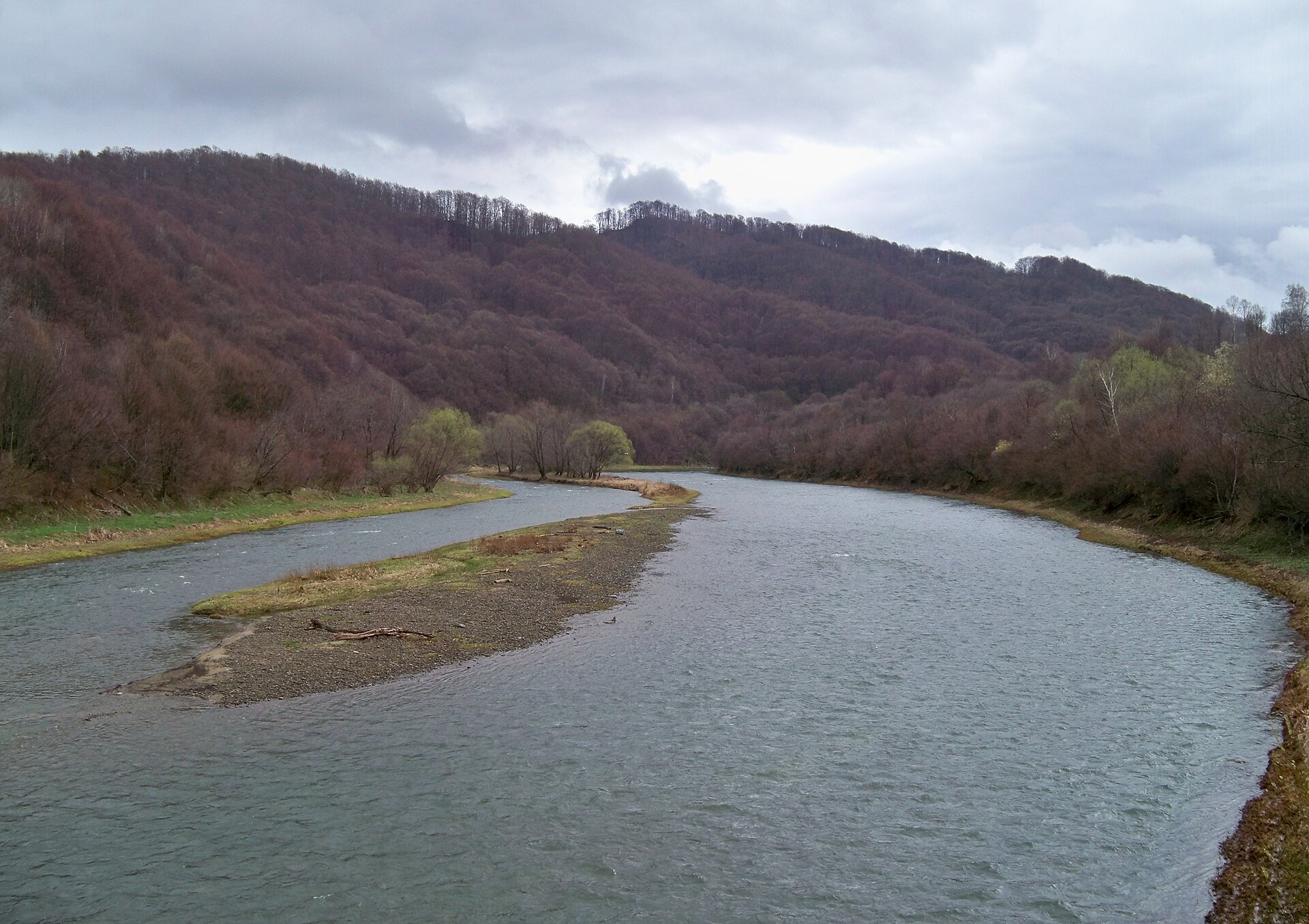
Natura 2000 · Brutvogel
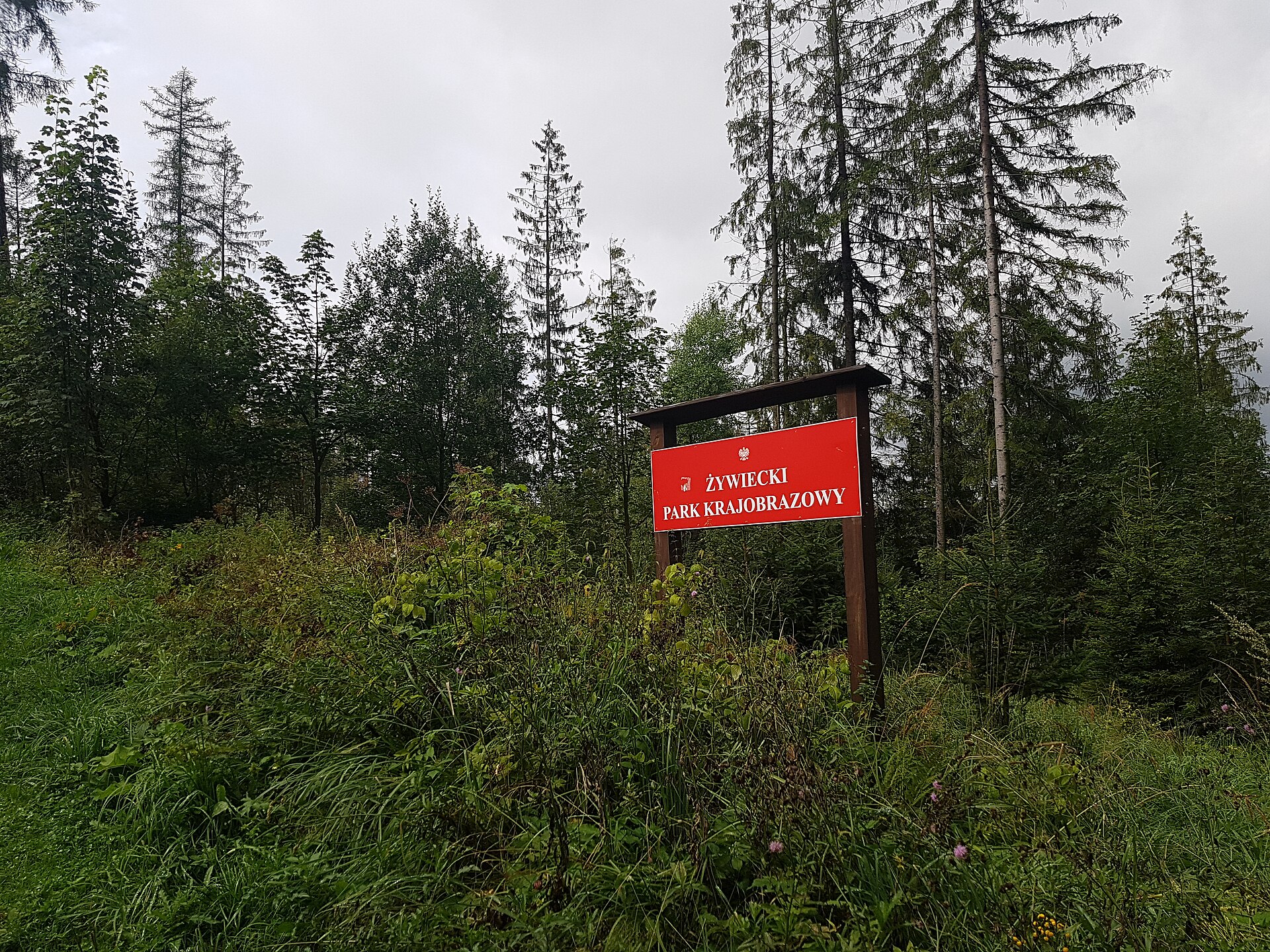
Natura 2000 · Standvogel
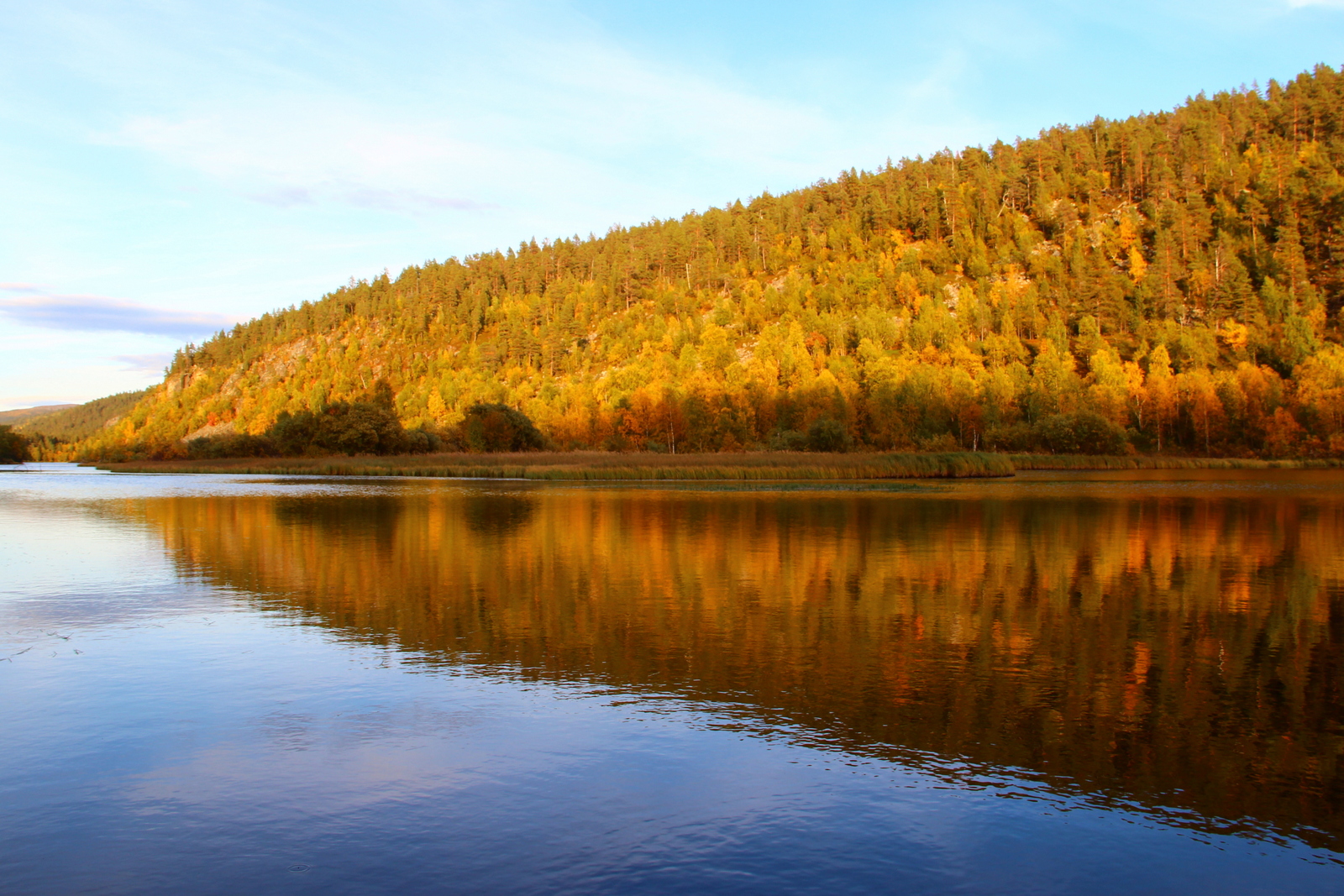
Natura 2000 · Standvogel
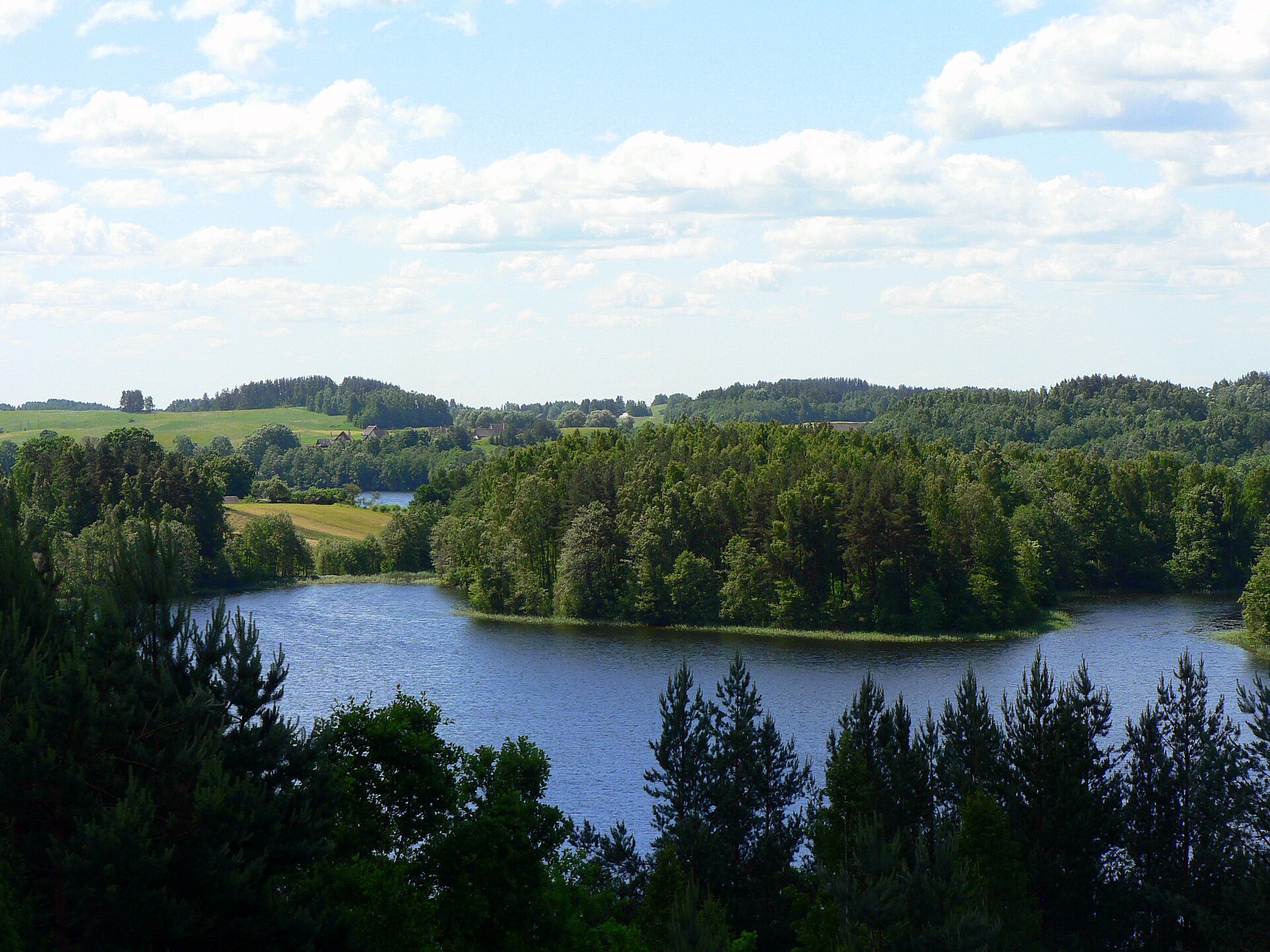
Natura 2000 · Standvogel
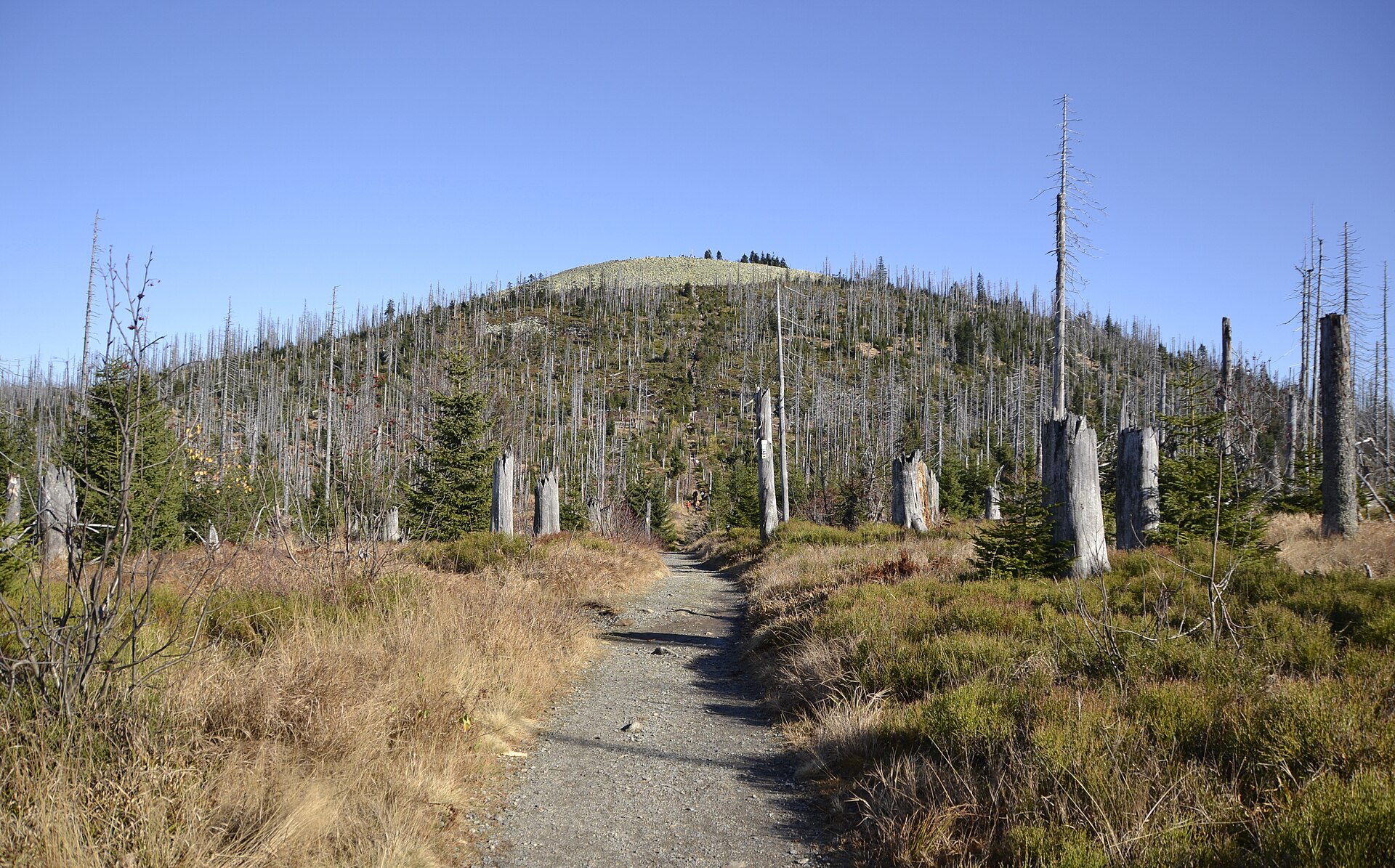
Natura 2000 · Brutvogel
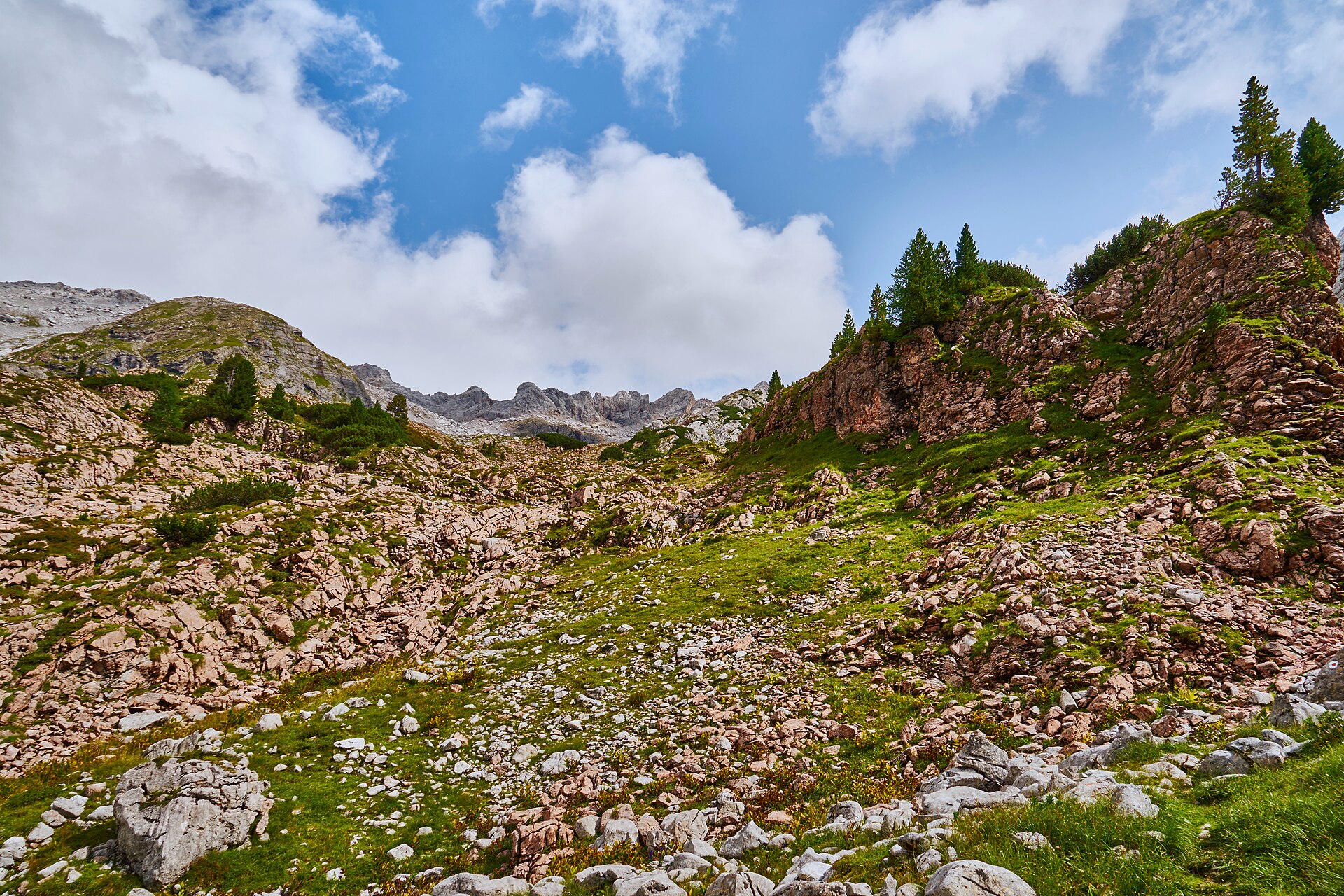
Natura 2000 · Brutvogel

Natura 2000 · Standvogel
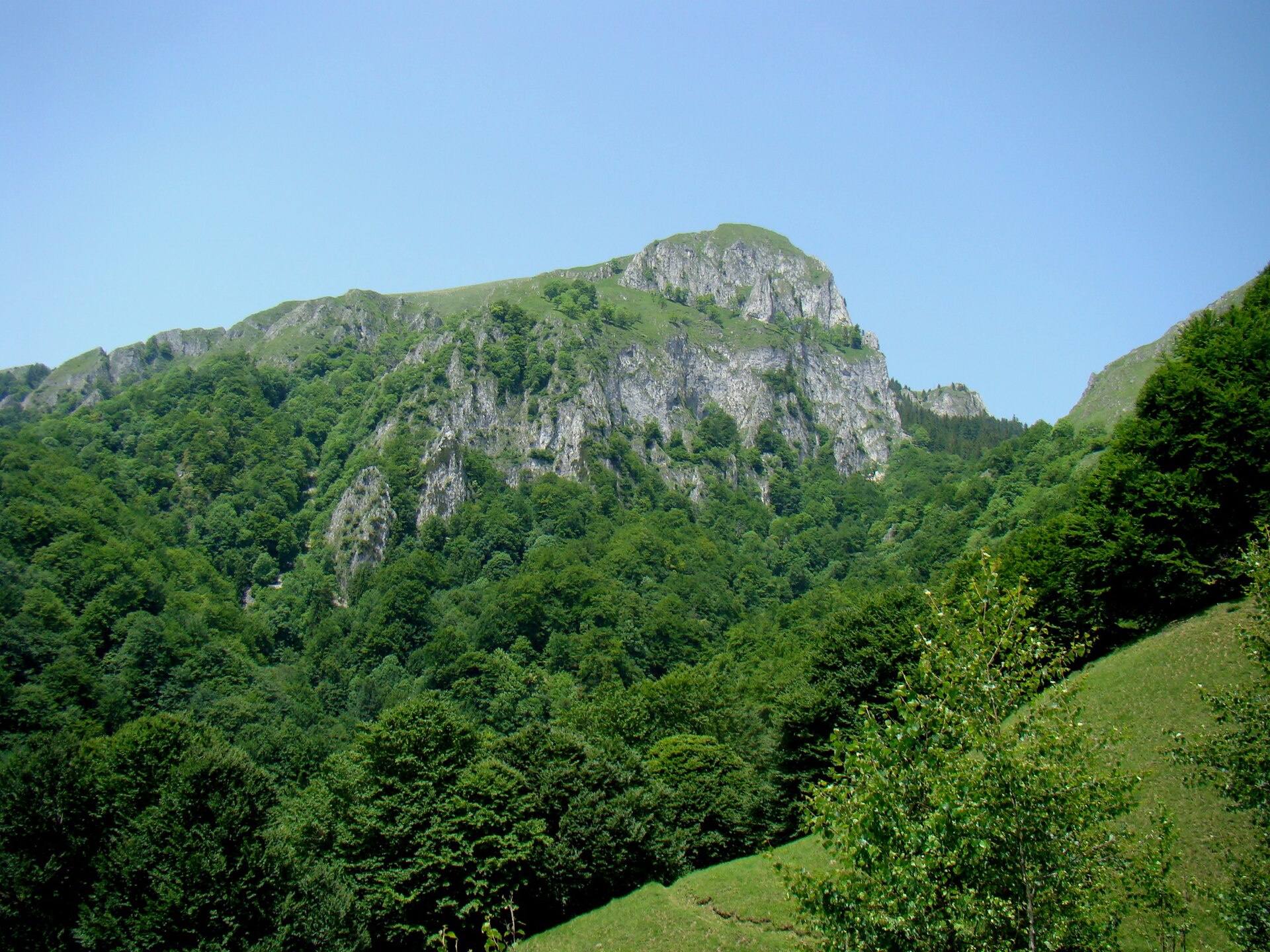
Natura 2000 · Standvogel
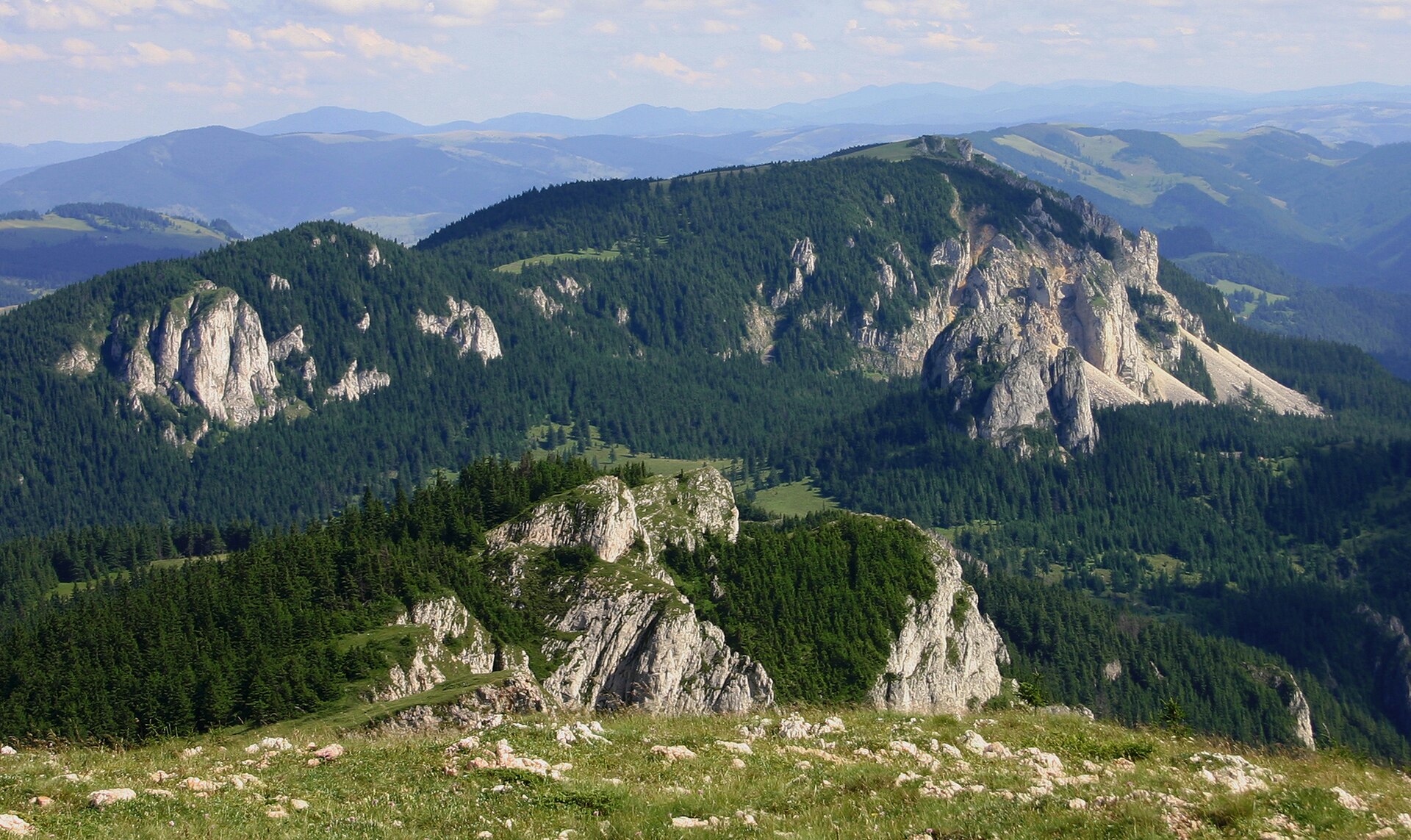
Natura 2000 · Standvogel
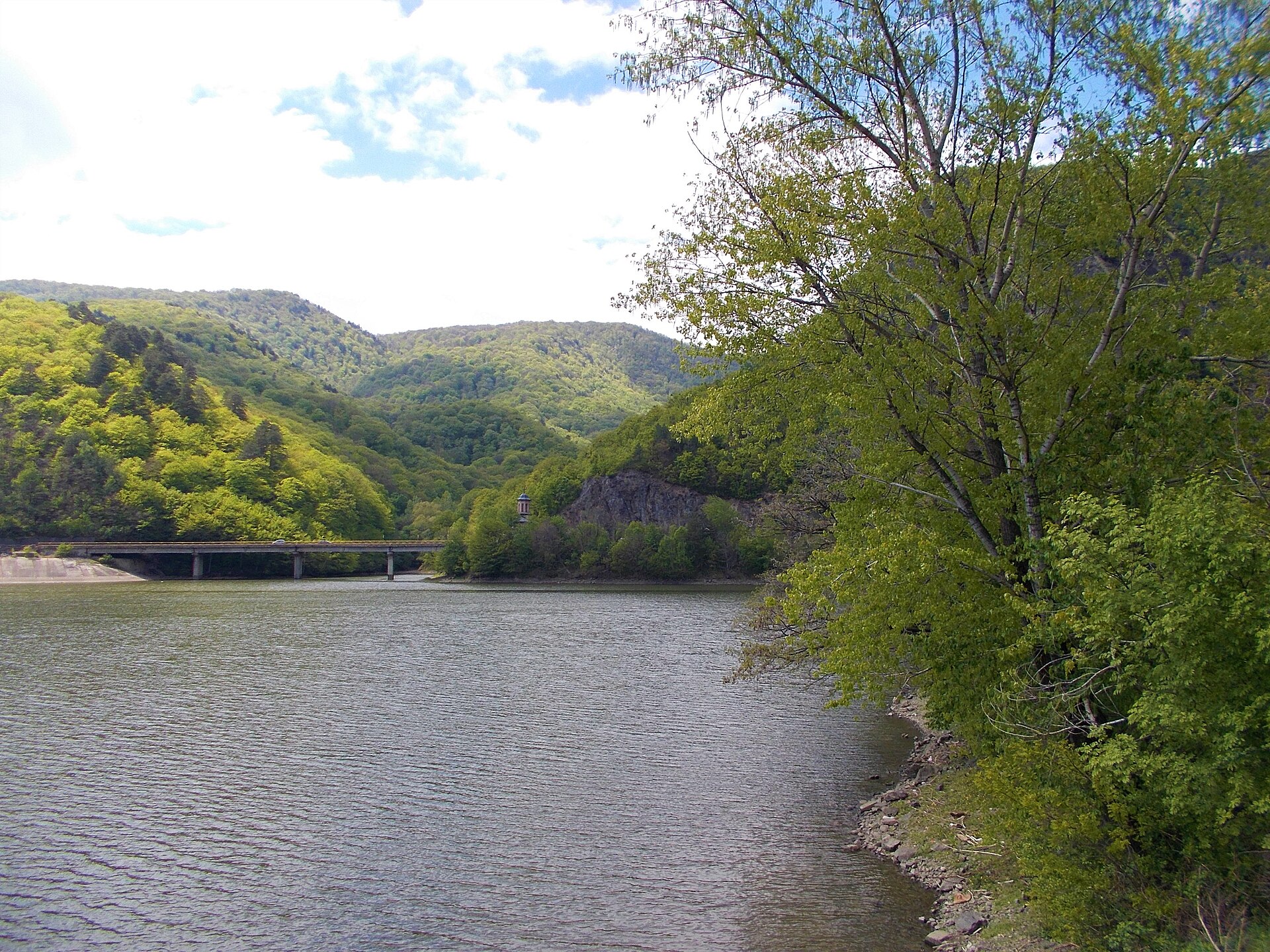
Natura 2000 · Standvogel
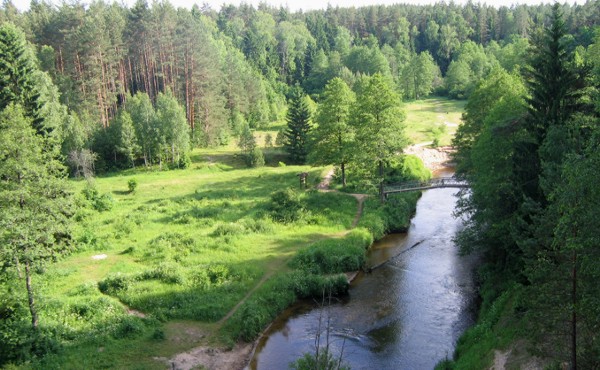
Natura 2000 · Standvogel
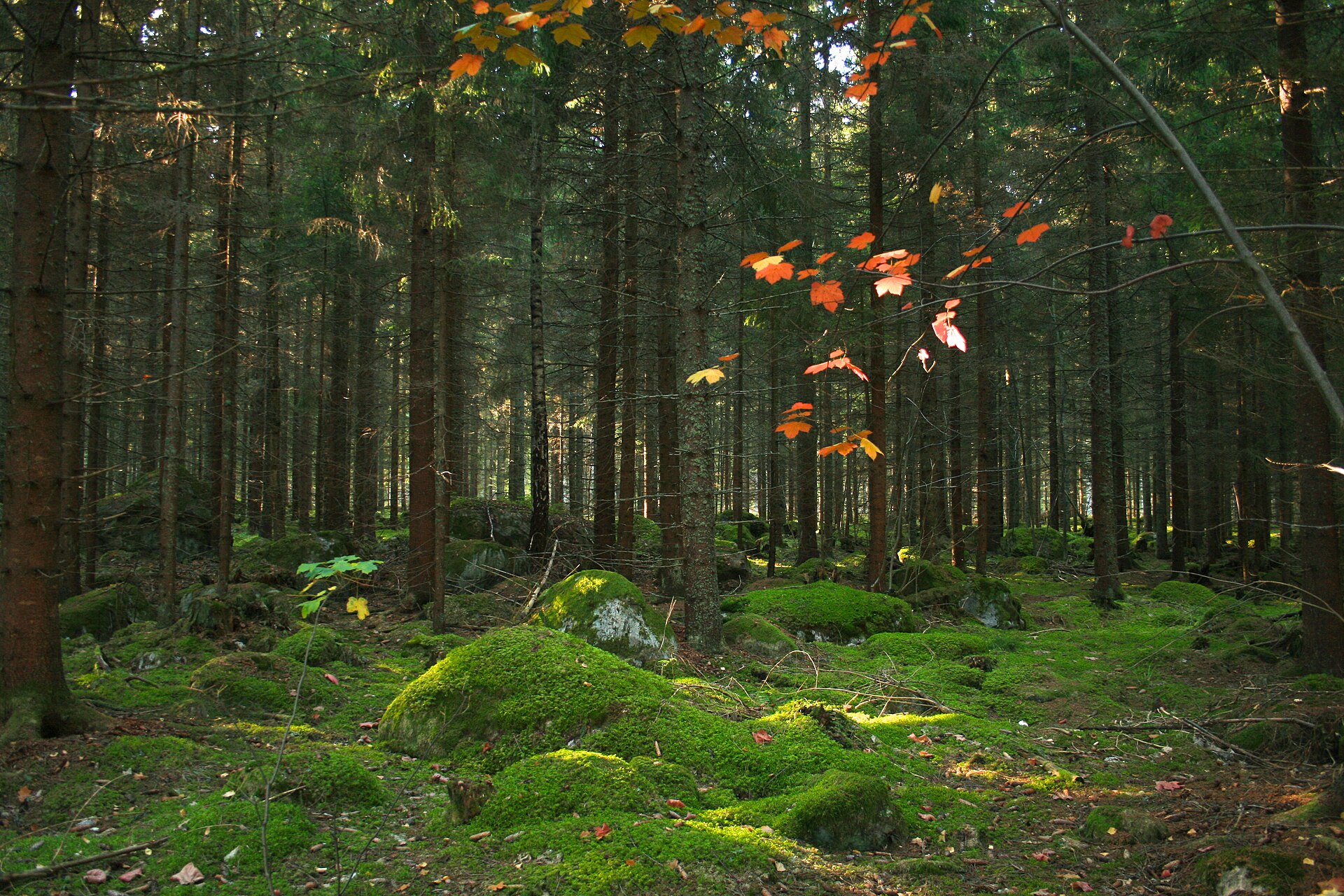
Natura 2000 · Standvogel
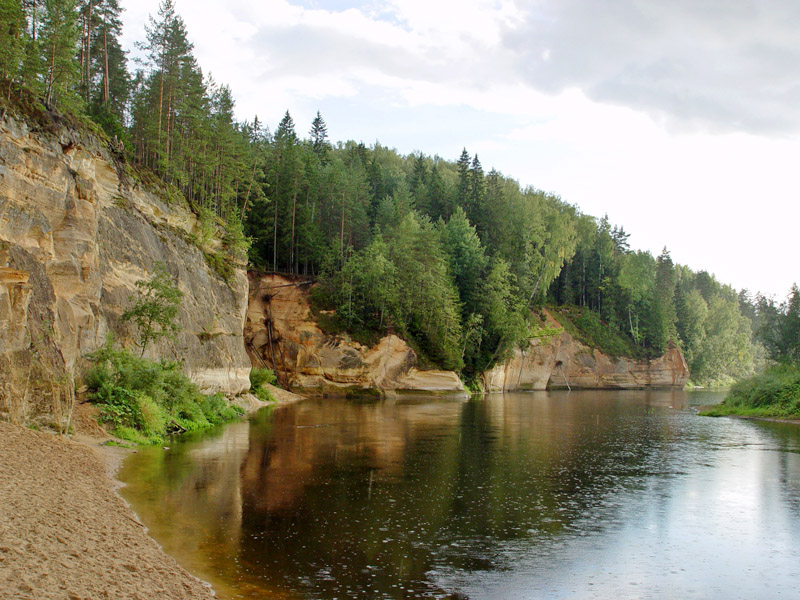
Natura 2000 · Standvogel
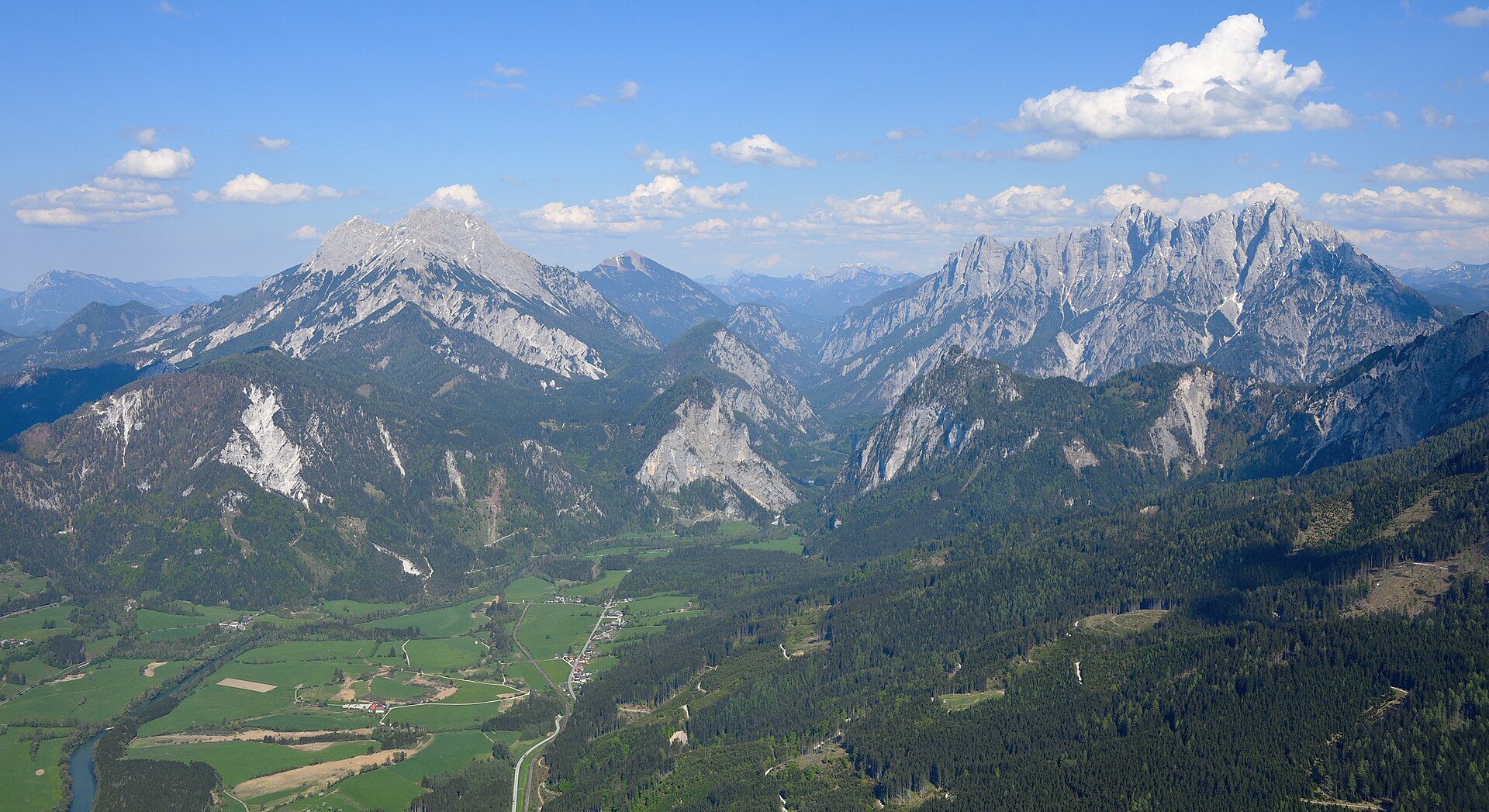
Natura 2000 · Standvogel
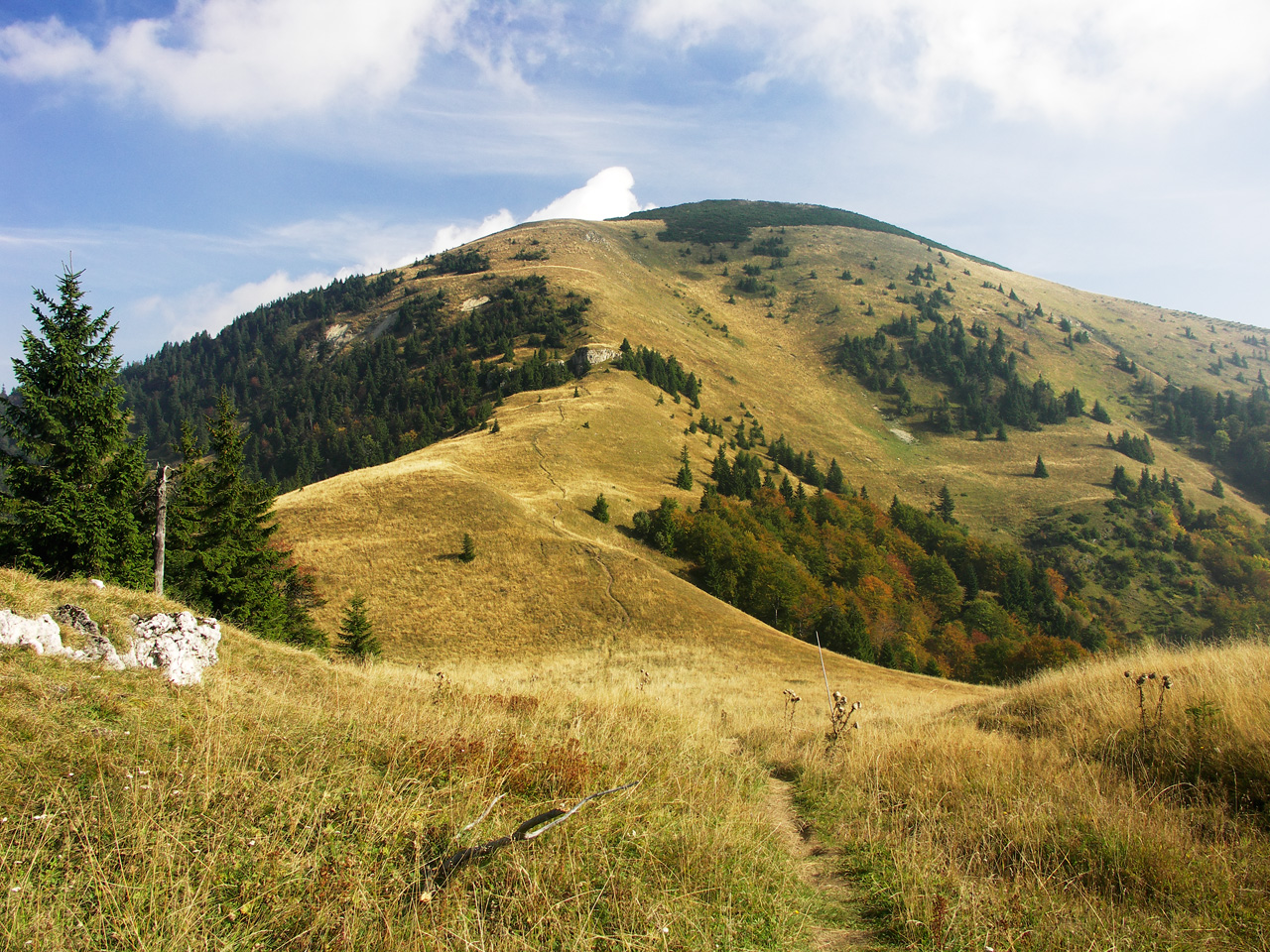
Natura 2000 · Standvogel, Brutvogel

Natura 2000 · Brutvogel, Standvogel

Natura 2000 · Brutvogel, Standvogel
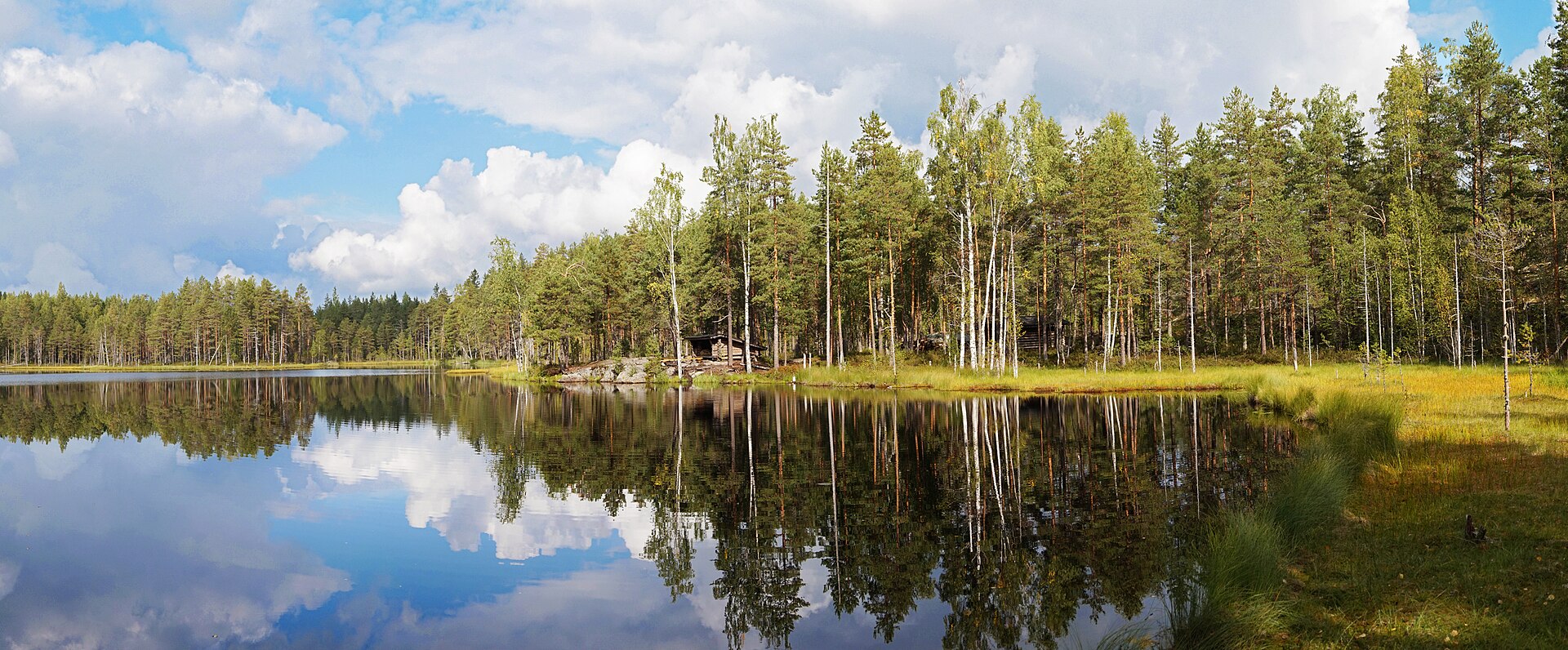
Natura 2000 · Standvogel
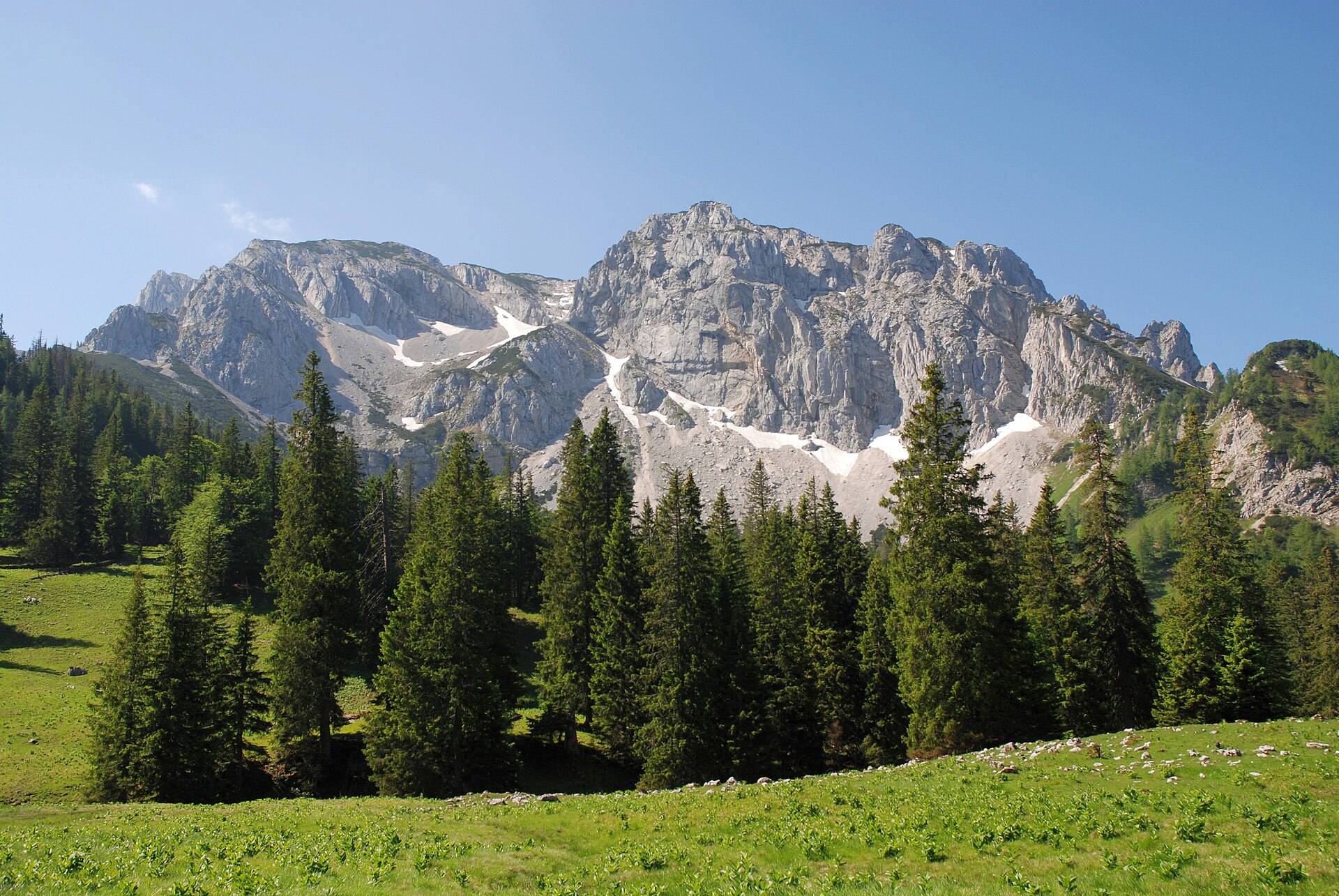
Natura 2000 · Standvogel
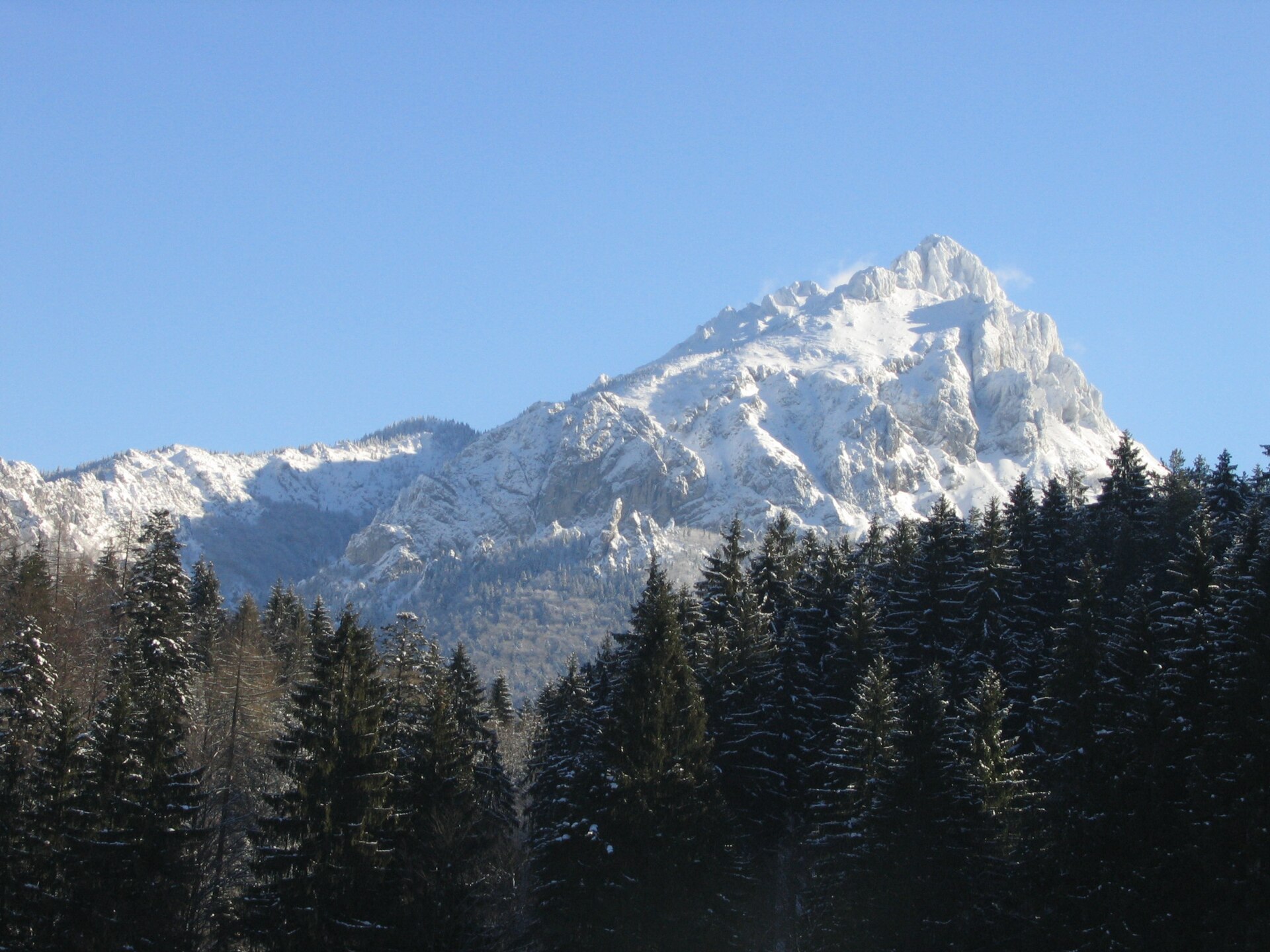
Natura 2000 · Brutvogel, Standvogel
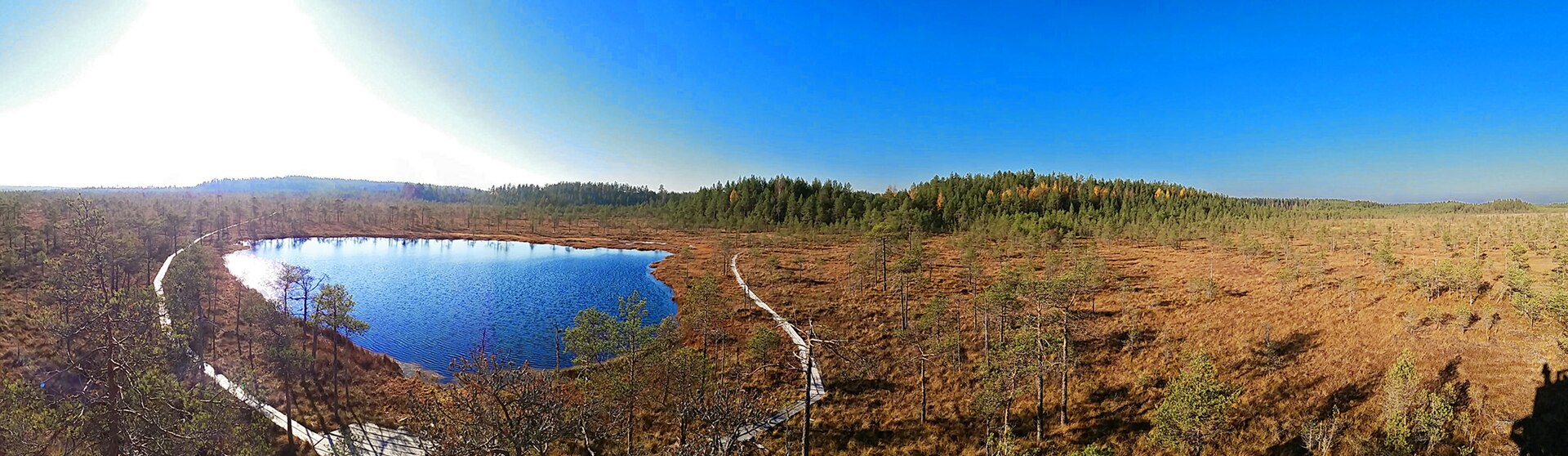
Natura 2000 · Standvogel
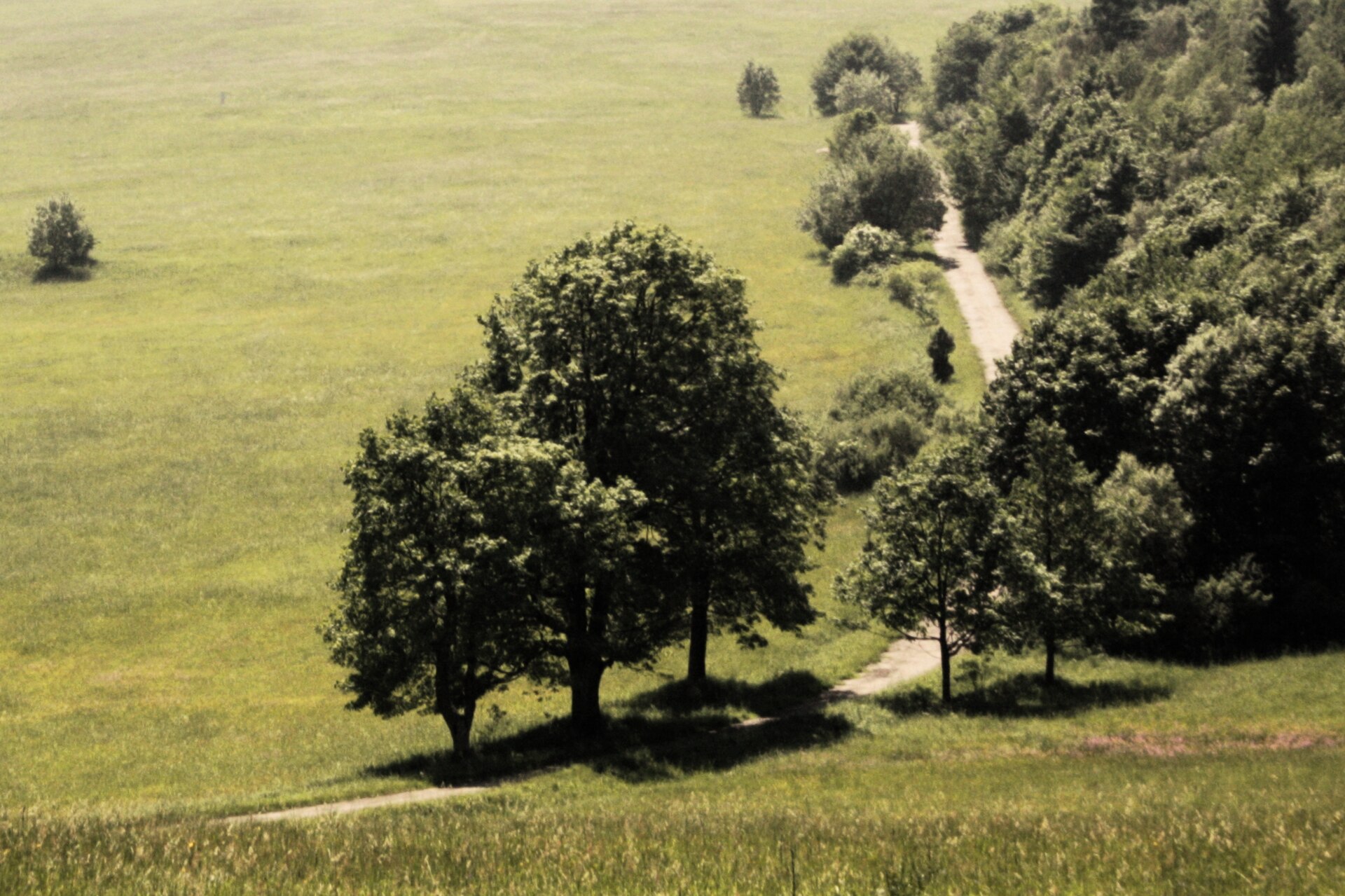
Natura 2000 · Standvogel
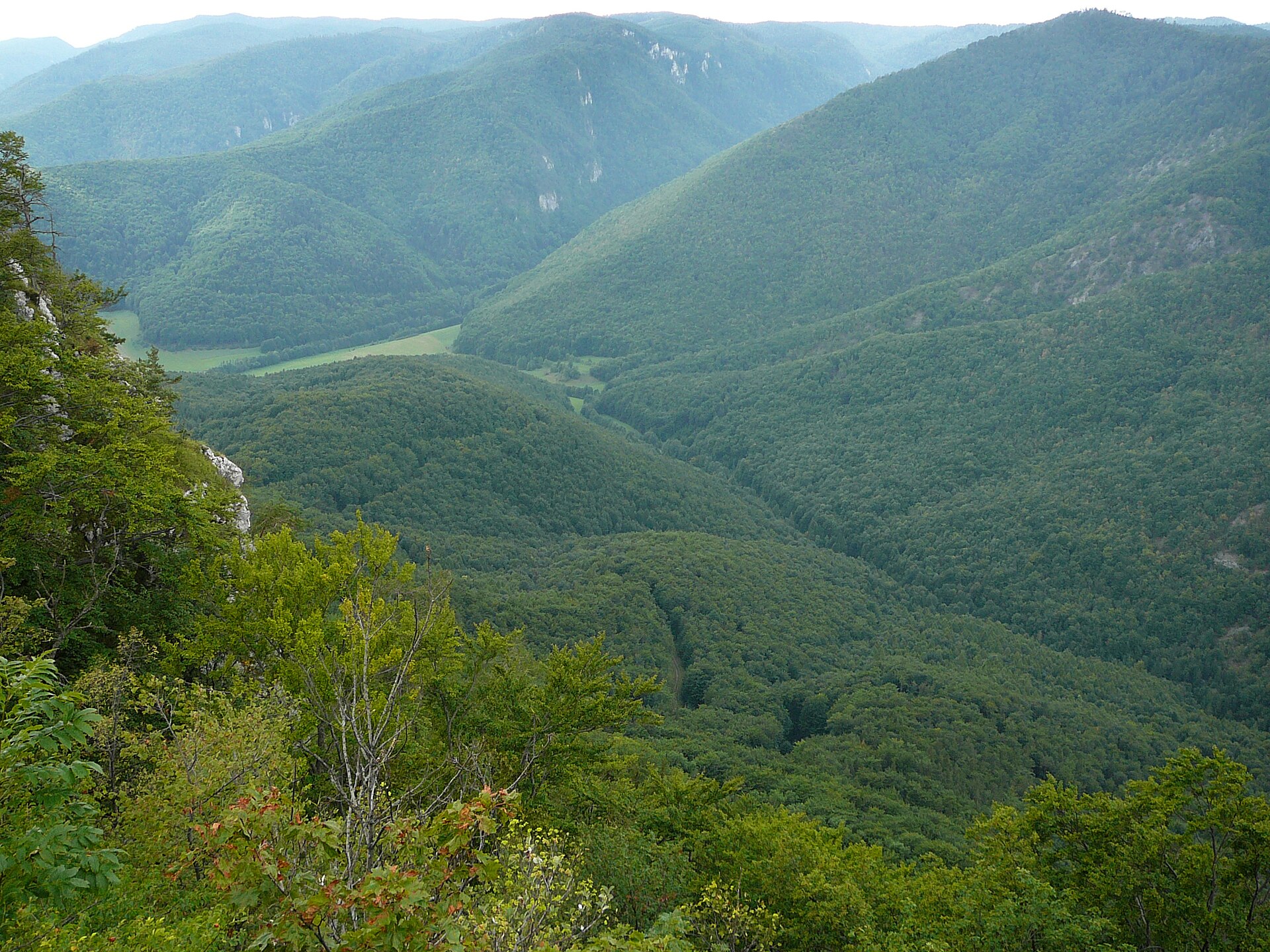
Natura 2000 · Brutvogel, Standvogel
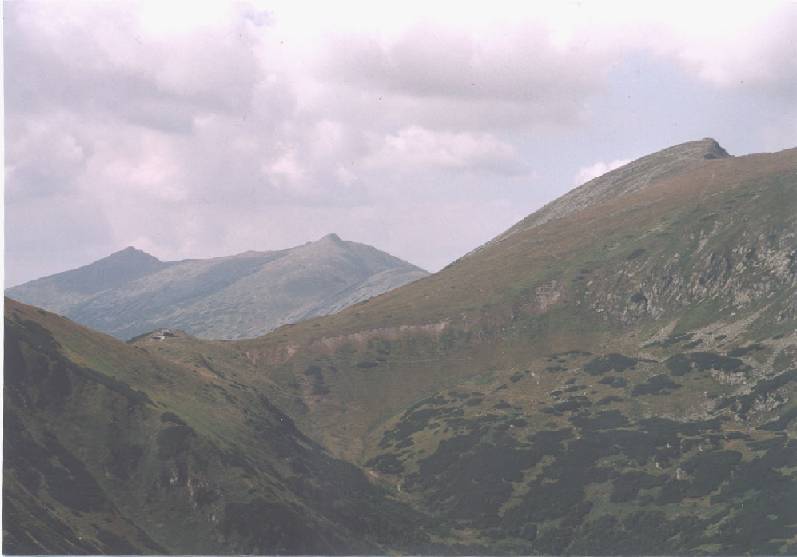
Natura 2000 · Standvogel, Brutvogel
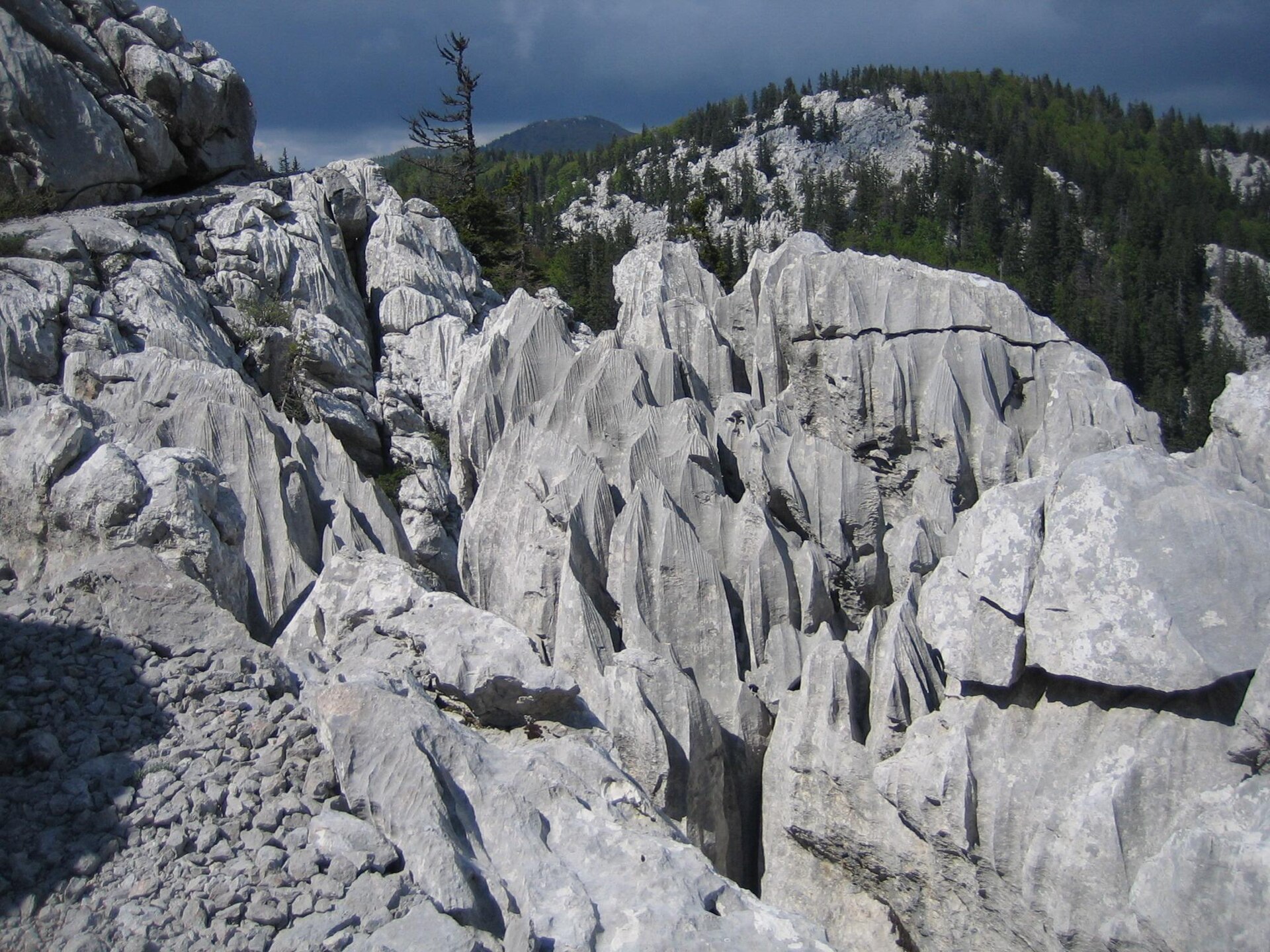
Natura 2000 · Standvogel

Natura 2000
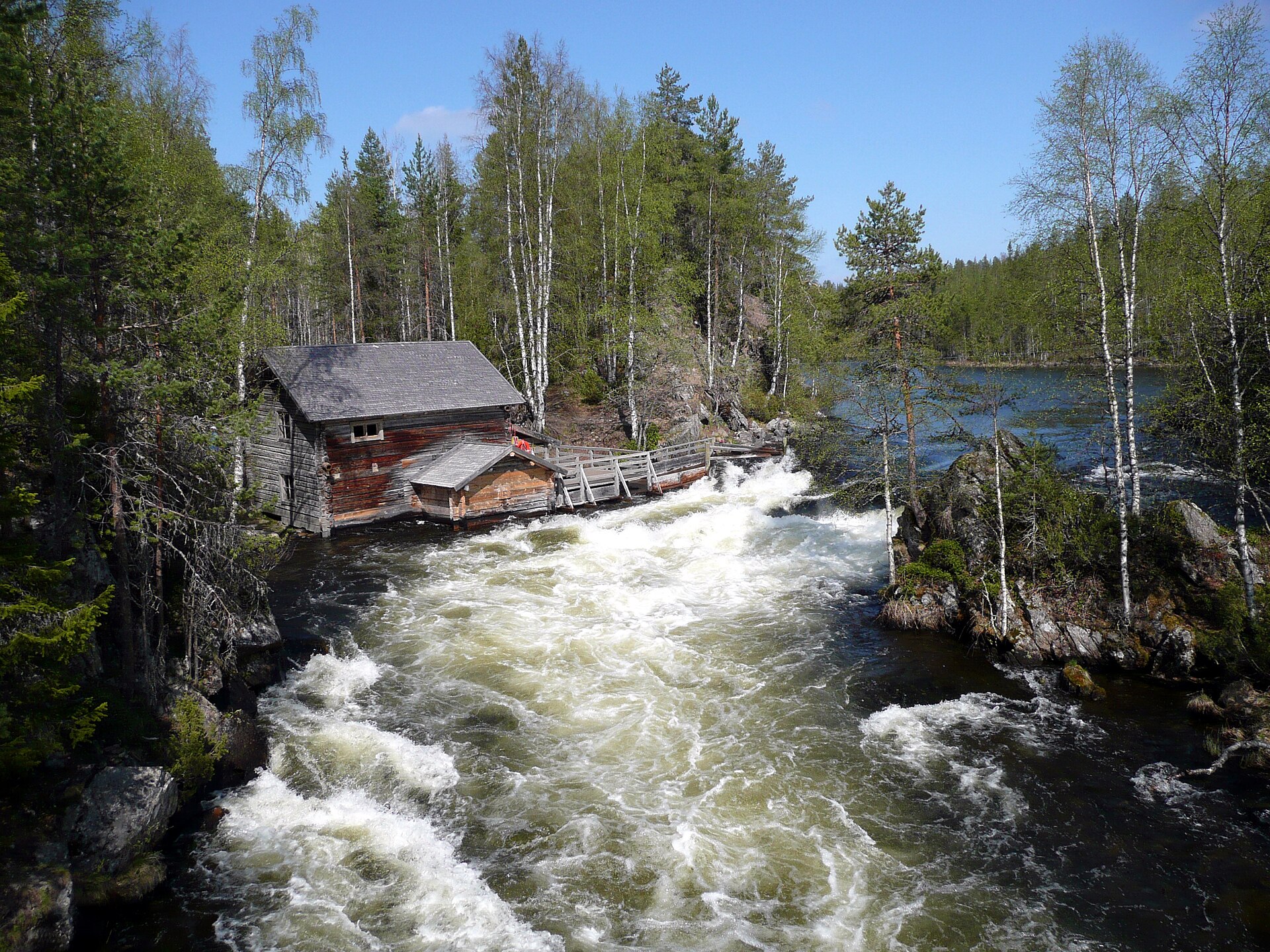
Natura 2000 · Standvogel
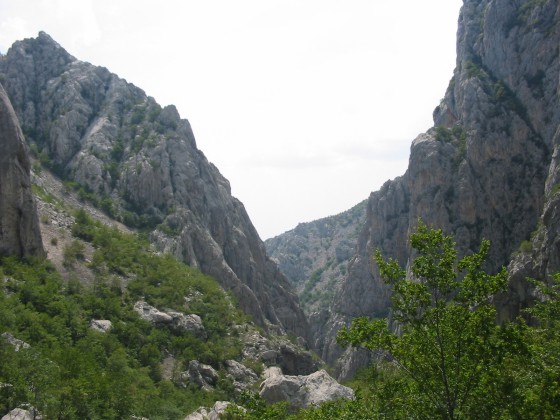
Natura 2000 · Standvogel
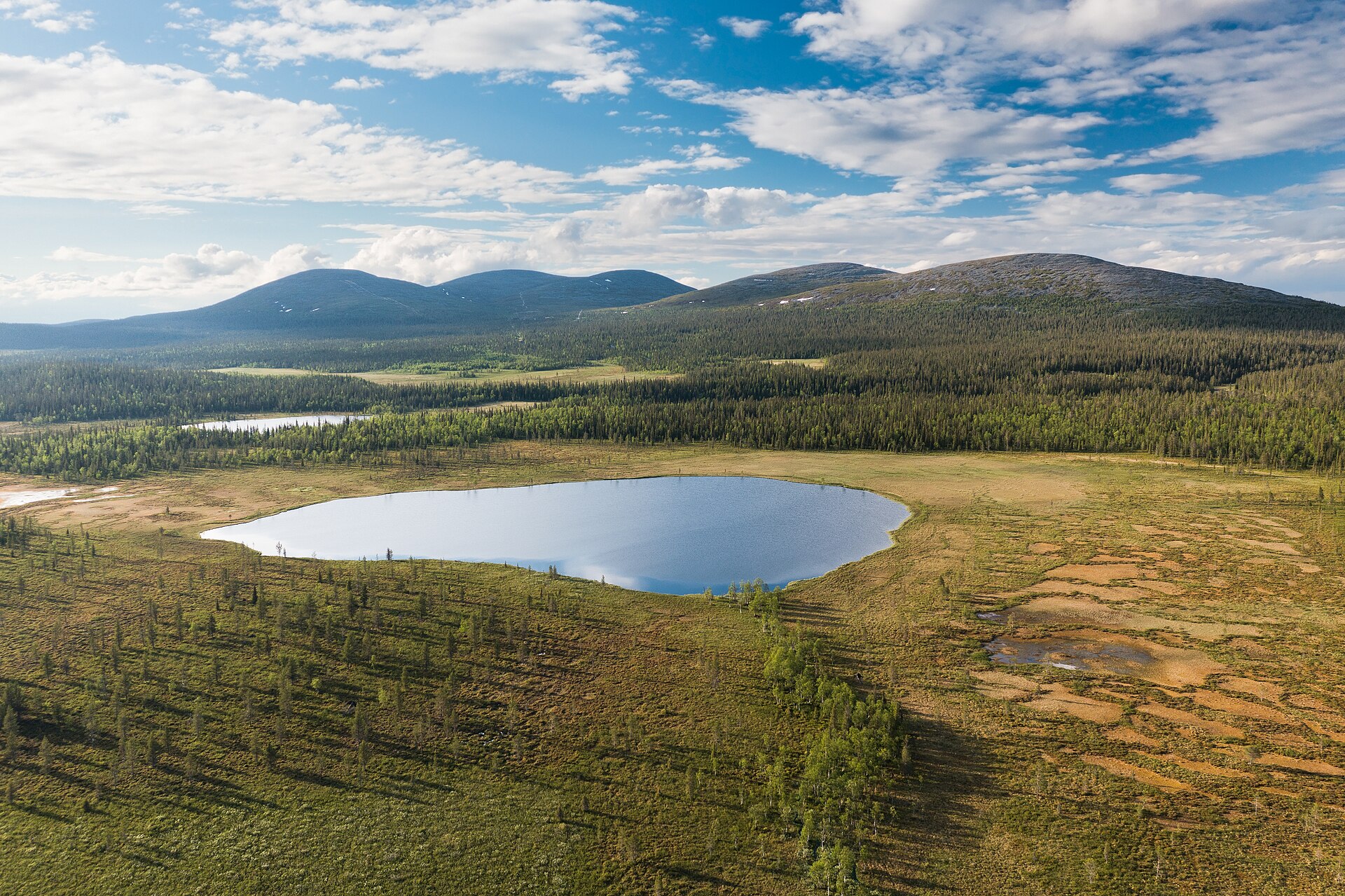
Natura 2000 · Standvogel
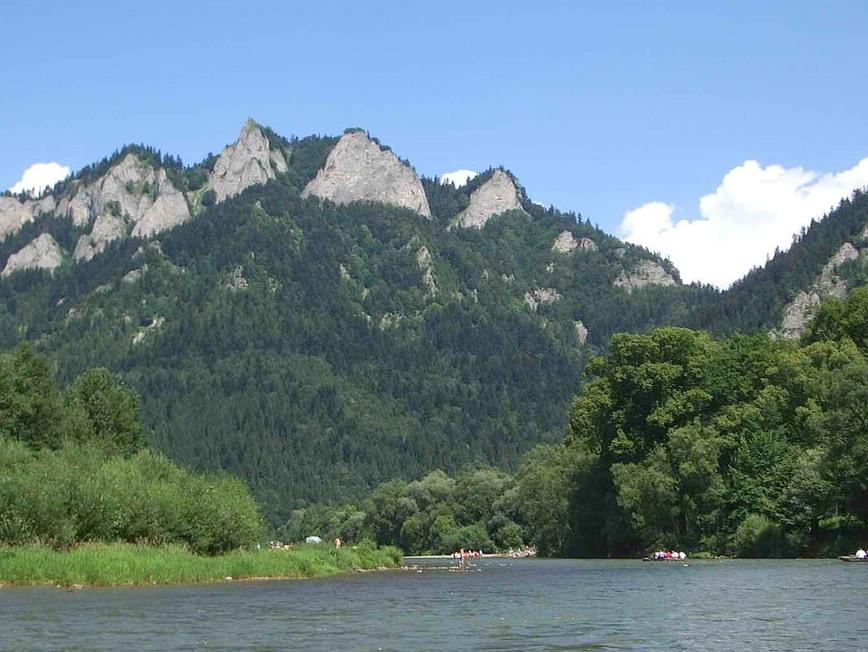
Natura 2000 · Standvogel
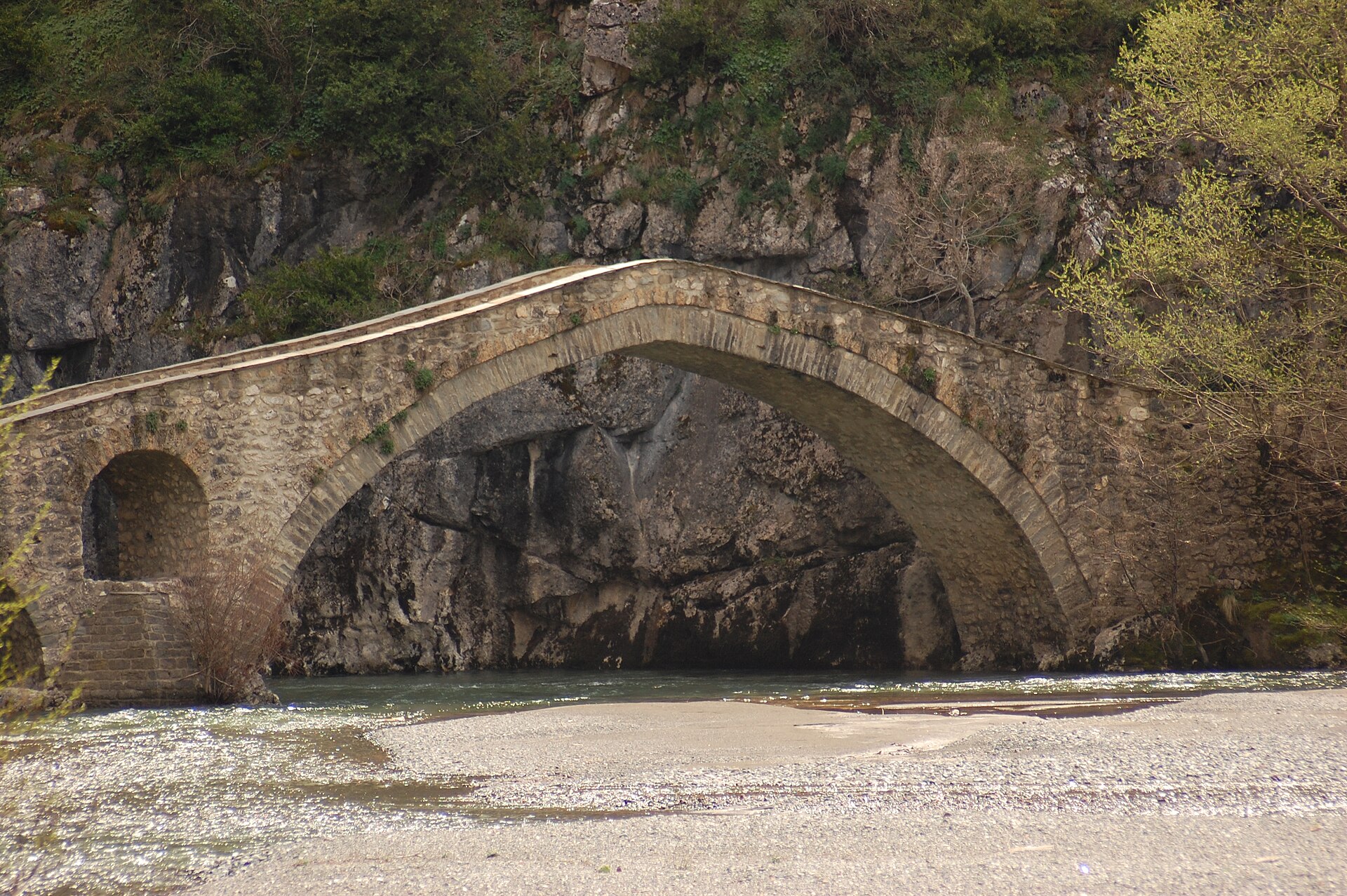
Natura 2000 · Standvogel

Natura 2000 · Standvogel
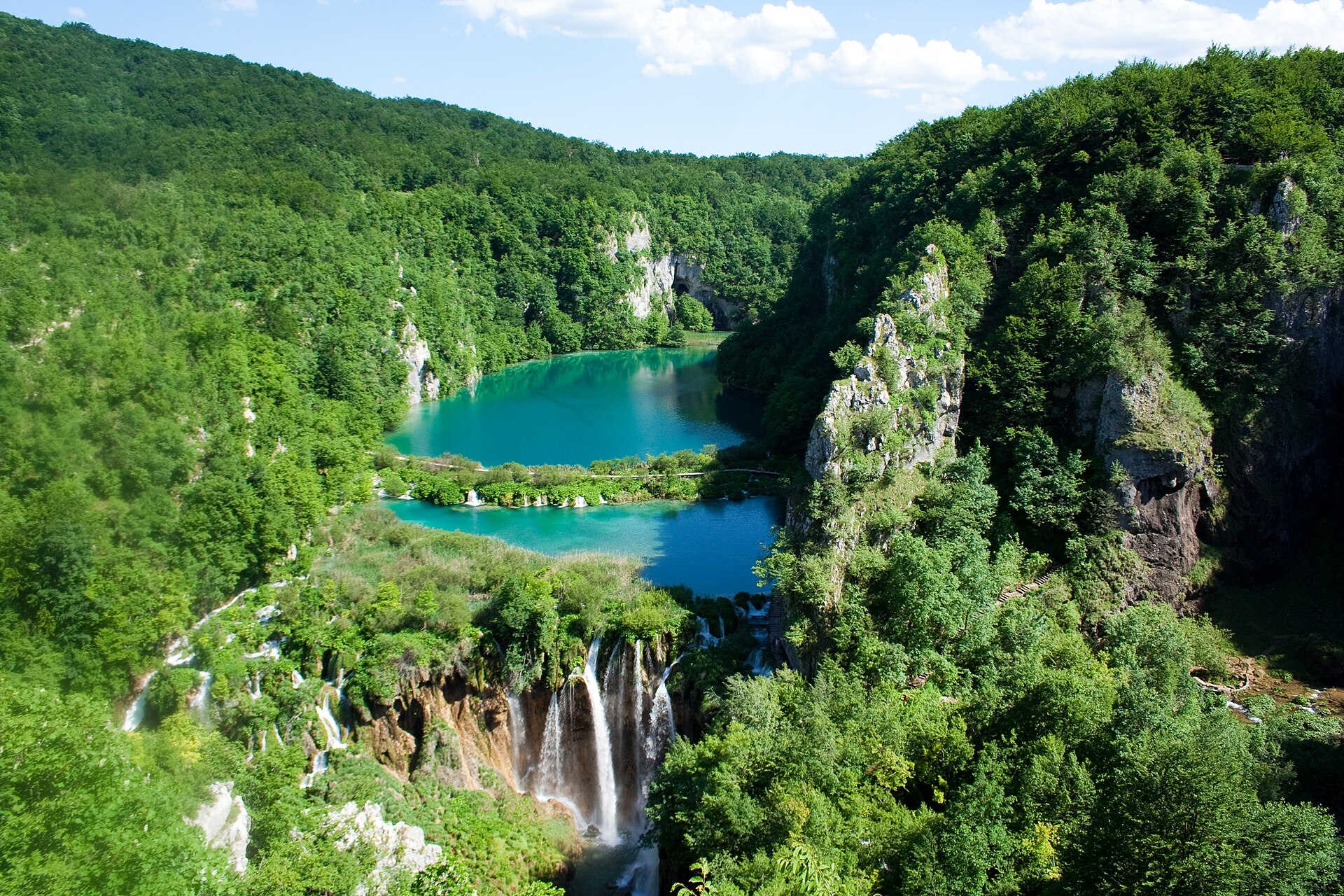
Natura 2000 · Standvogel
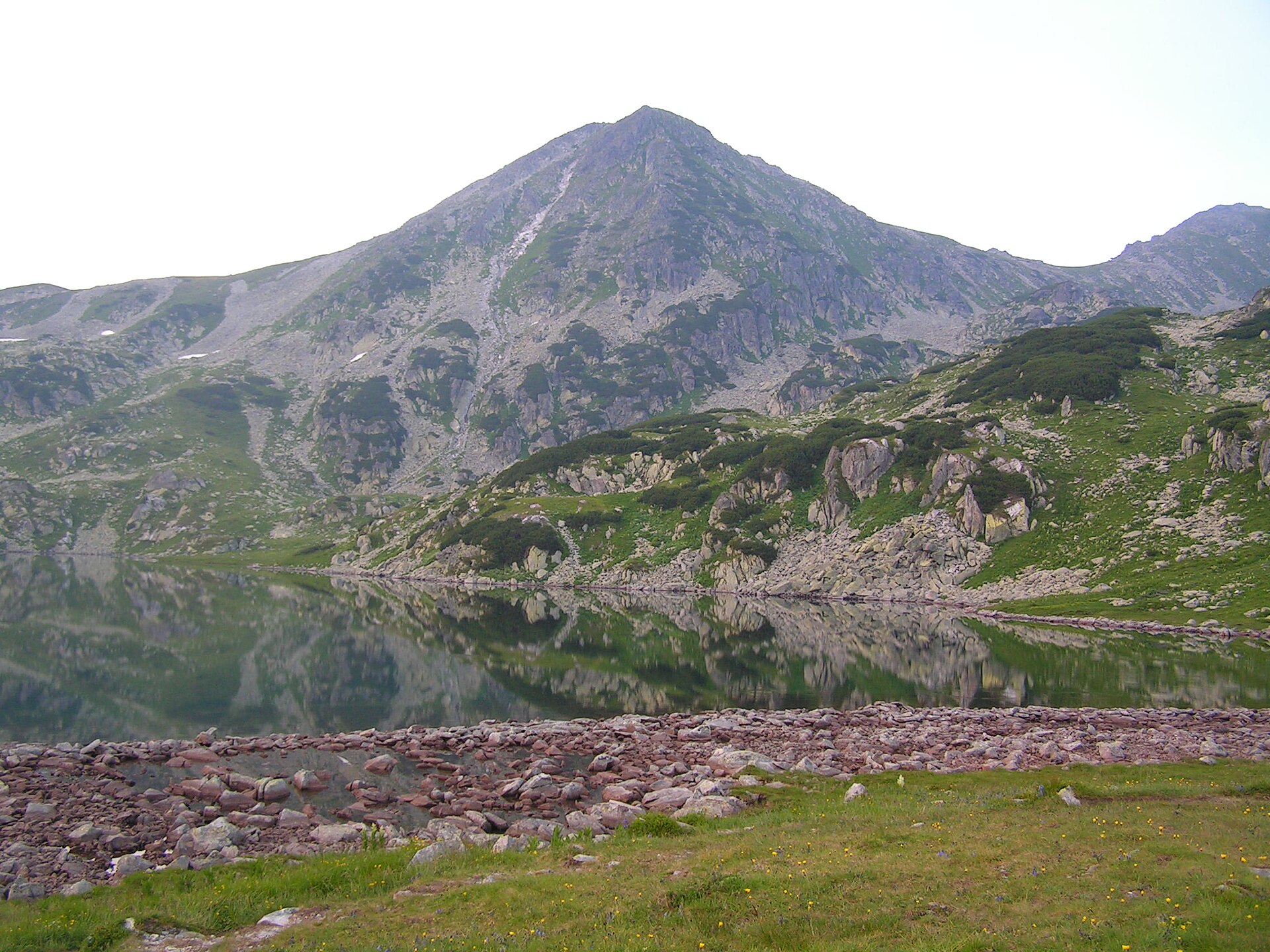
Natura 2000 · Standvogel
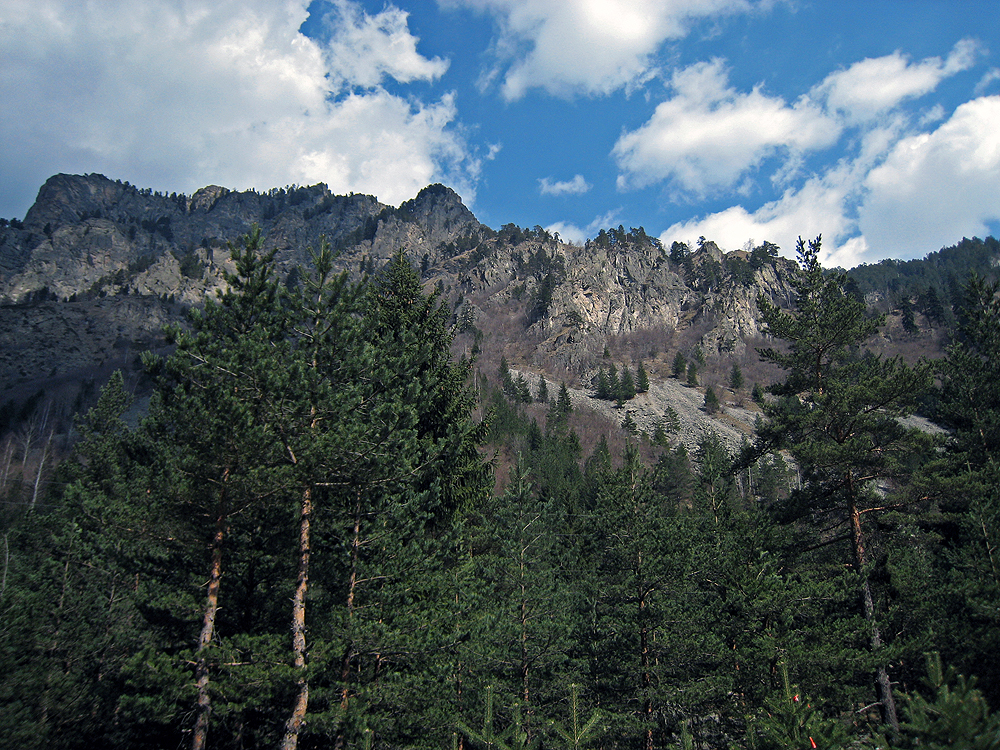
Natura 2000 · Standvogel

Natura 2000 · Standvogel
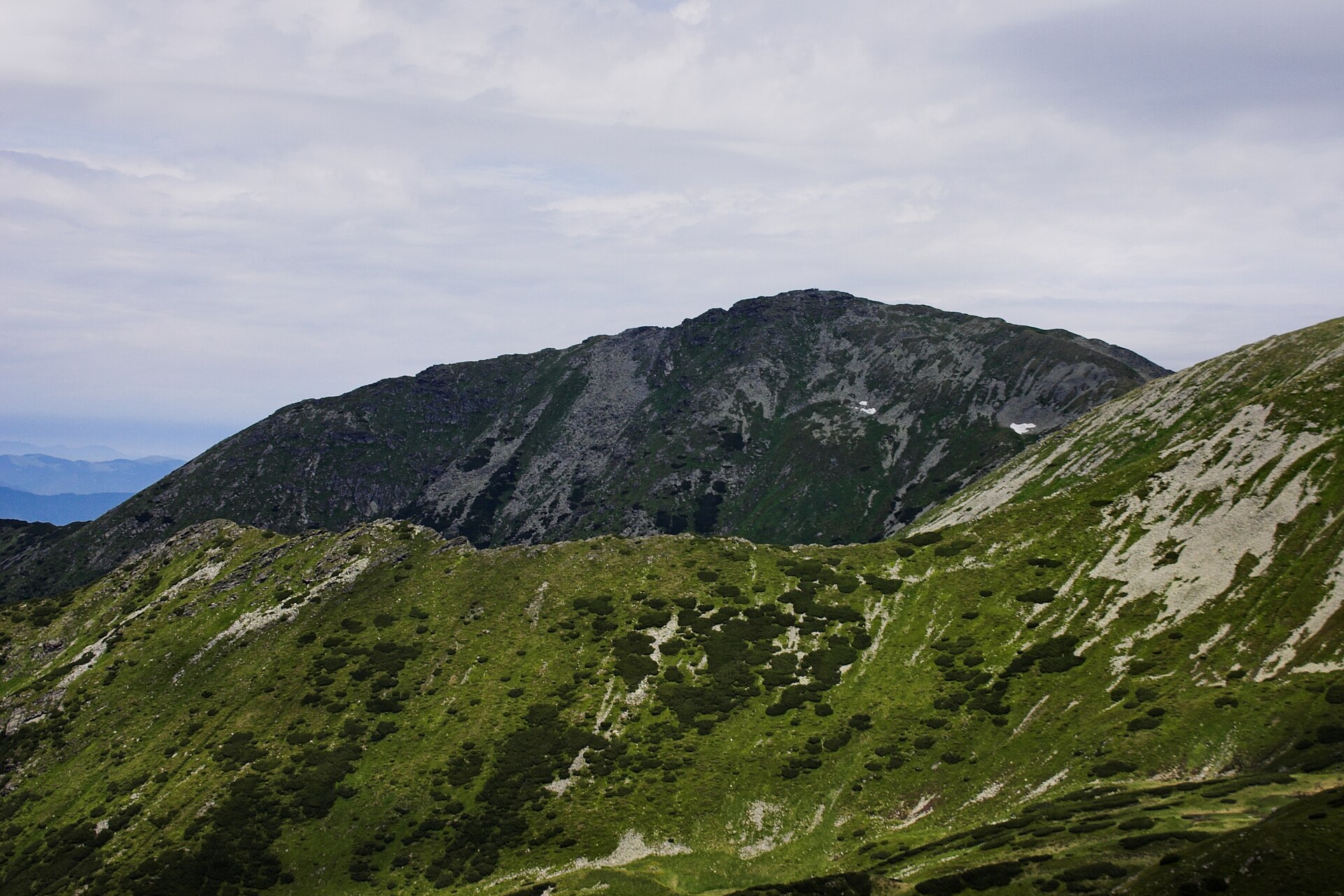
Natura 2000 · Standvogel
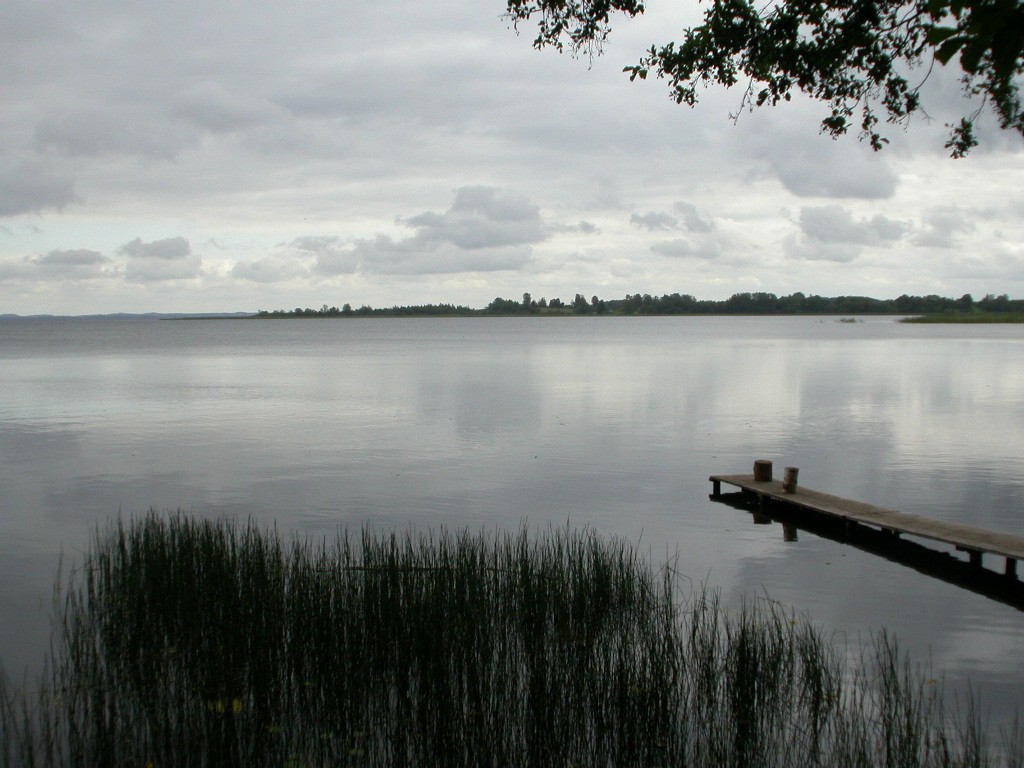
Natura 2000 · Standvogel
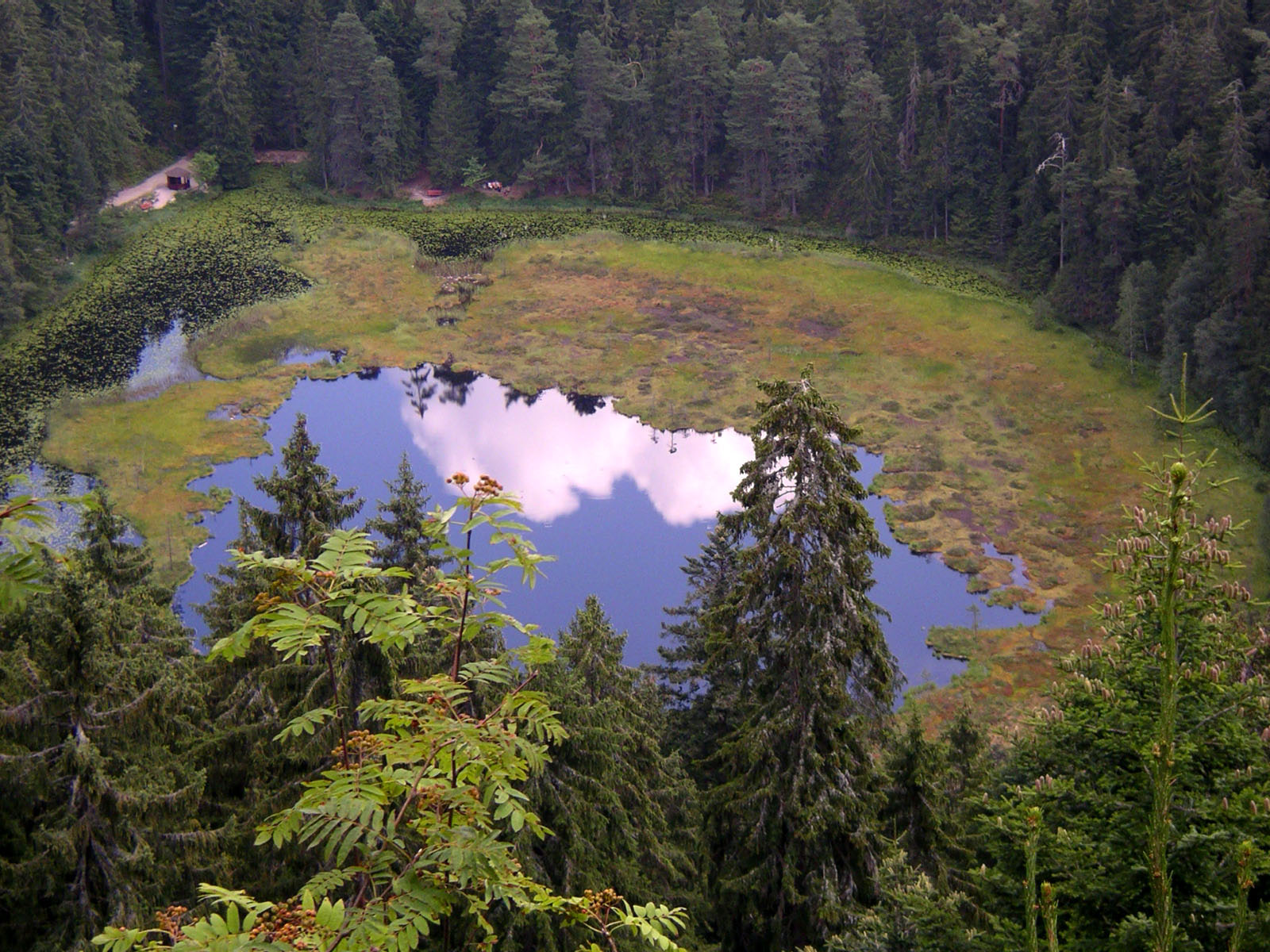
Natura 2000 · Brutvogel
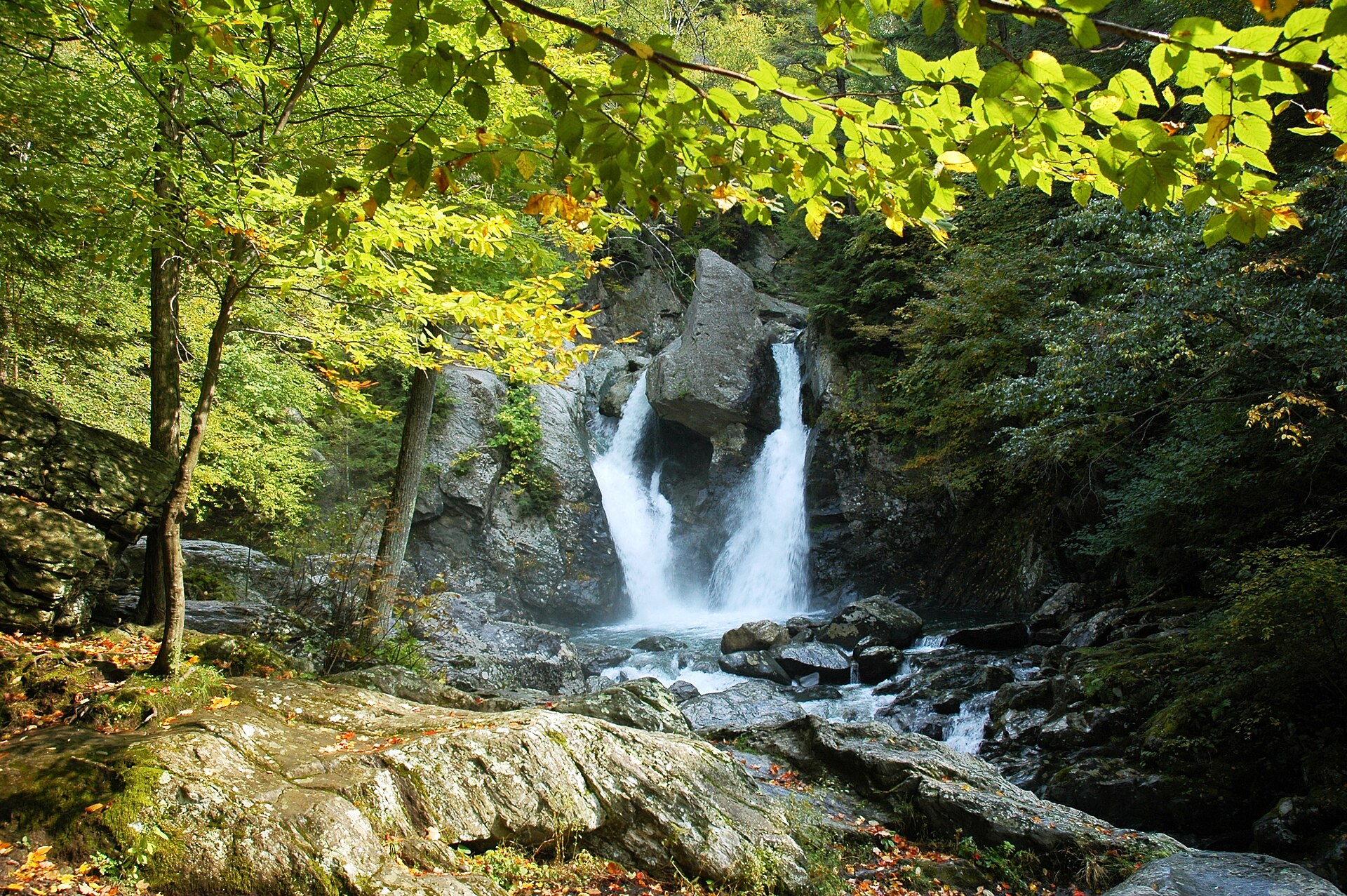
Natura 2000 · Standvogel
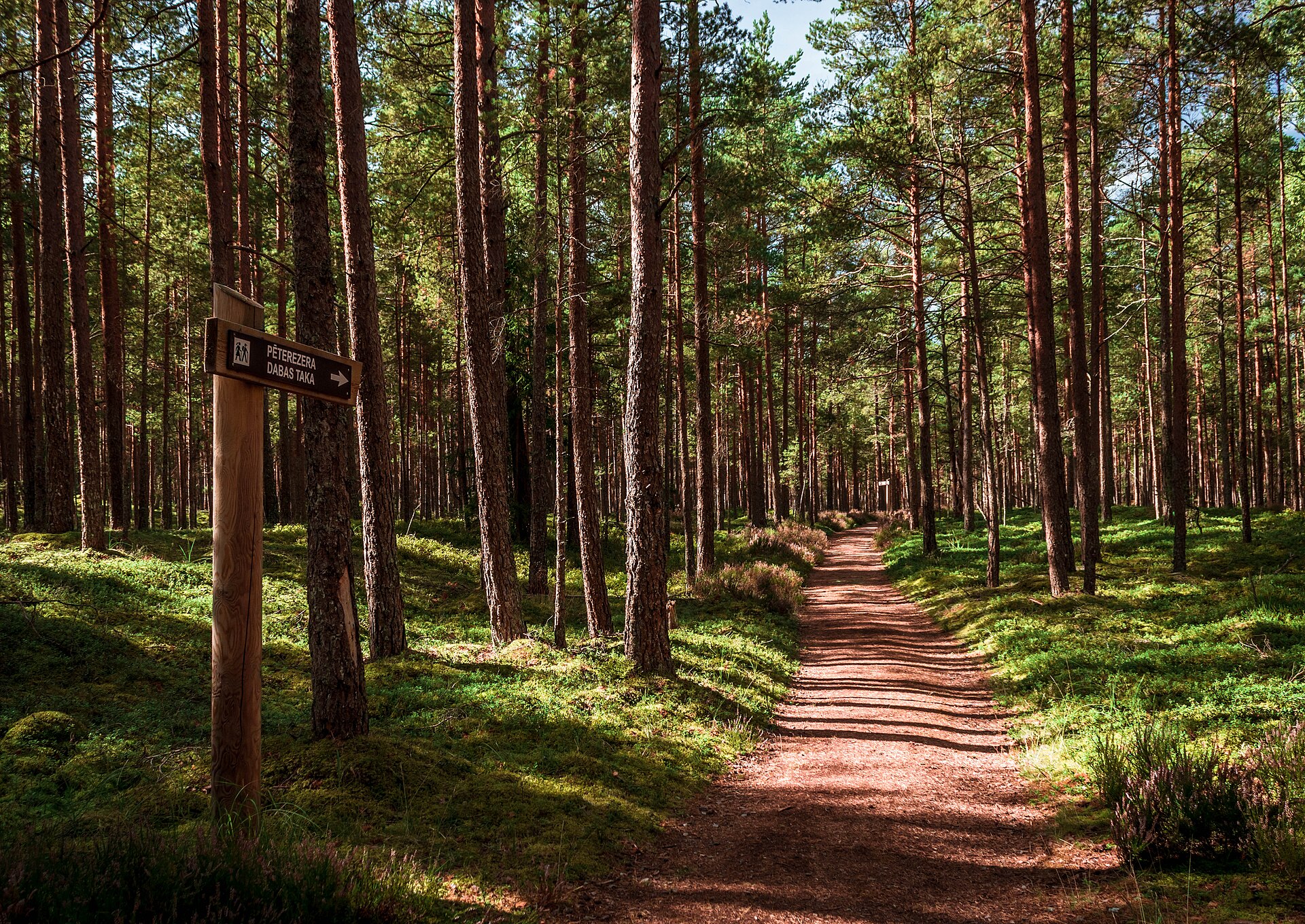
Natura 2000 · Standvogel
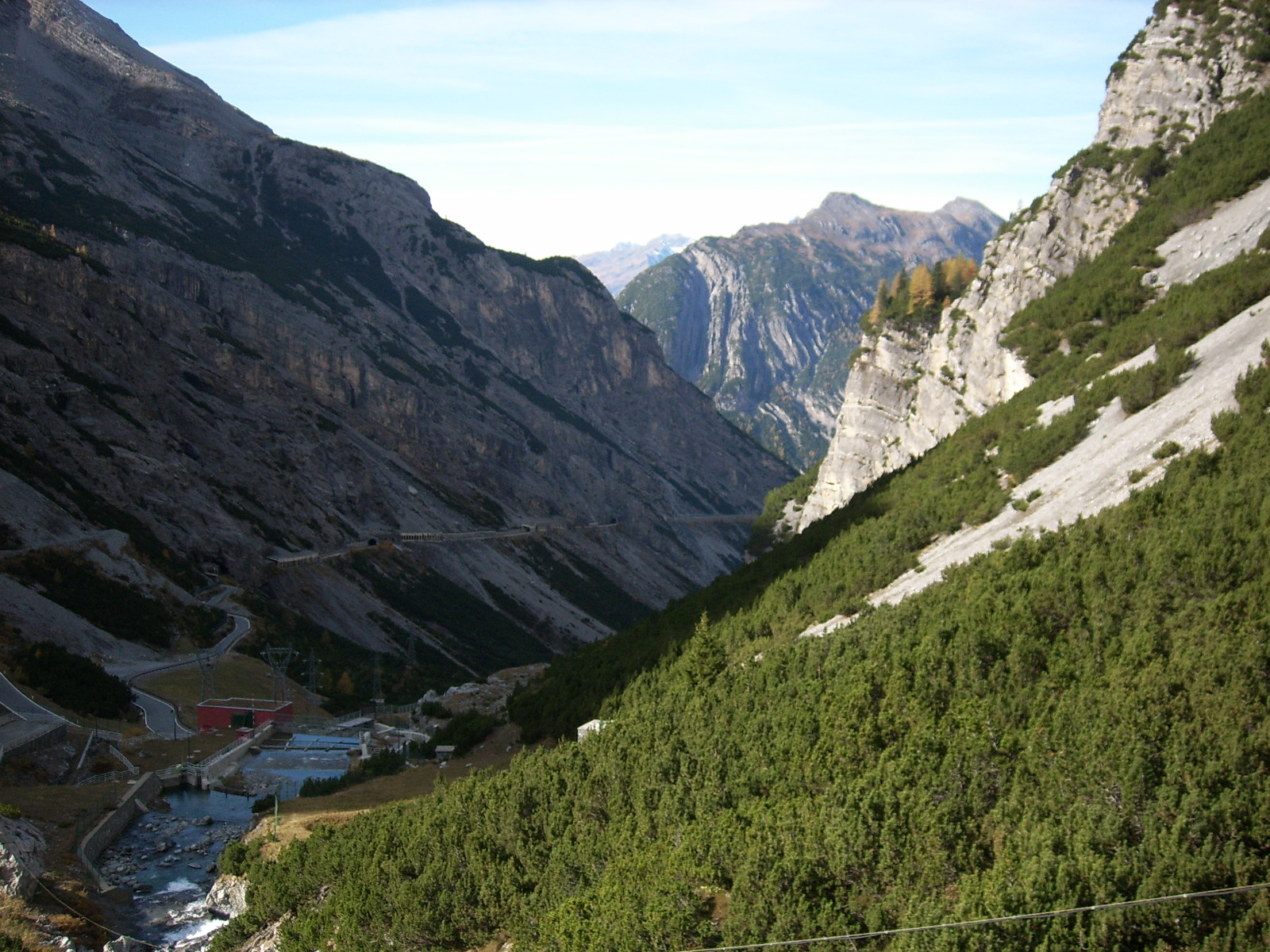
Natura 2000 · Standvogel
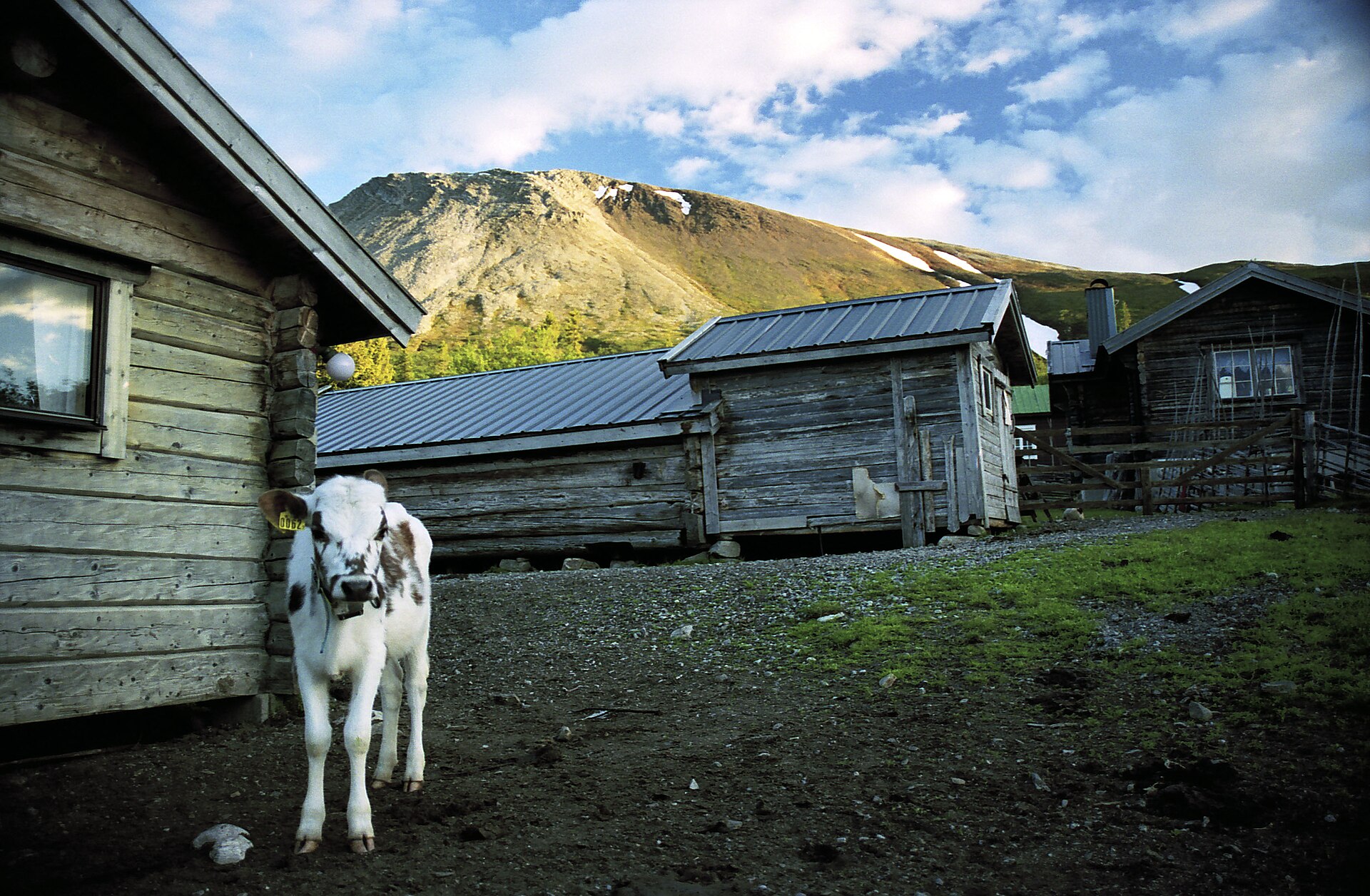
Natura 2000 · Standvogel
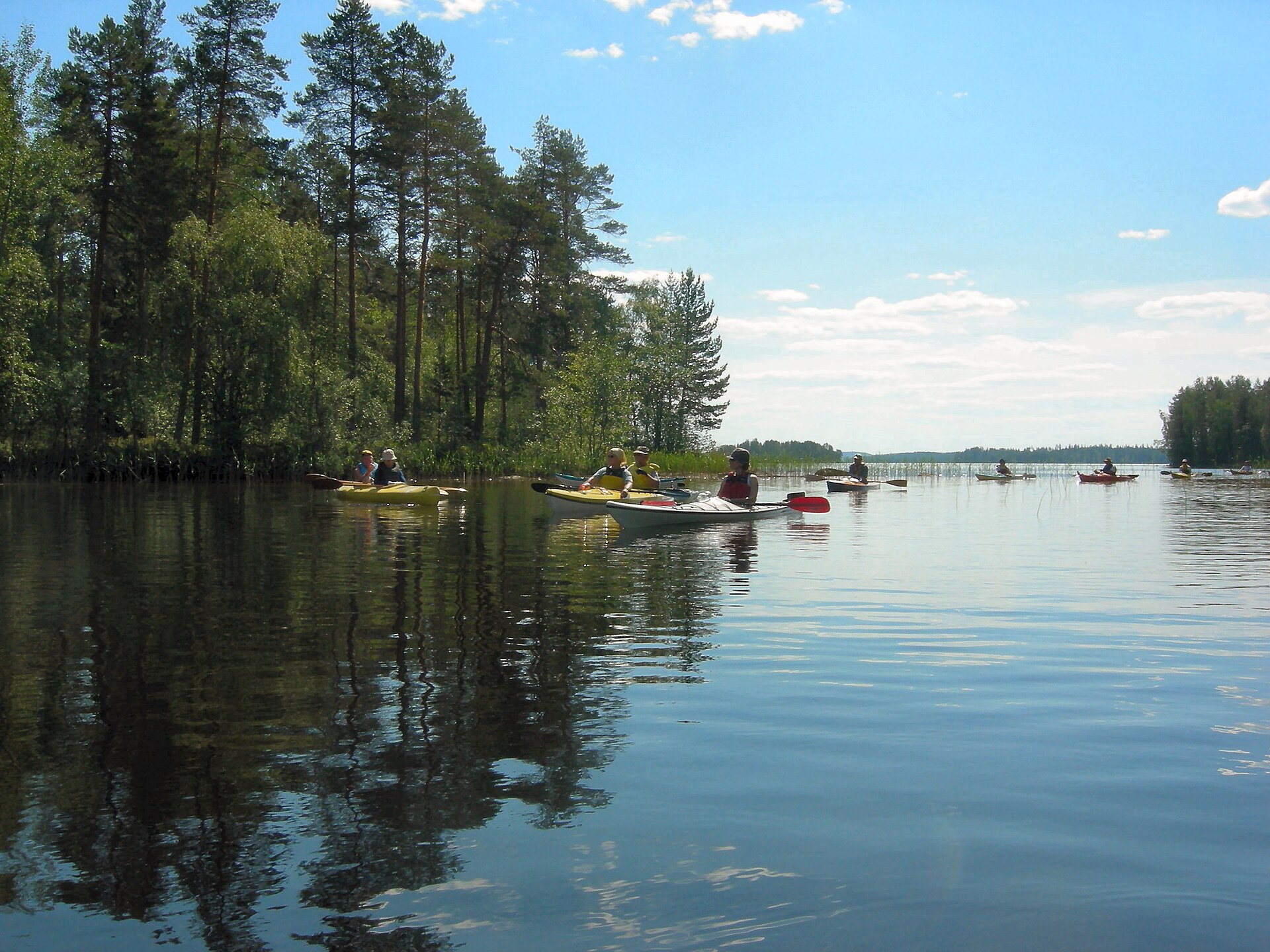
Natura 2000 · Standvogel
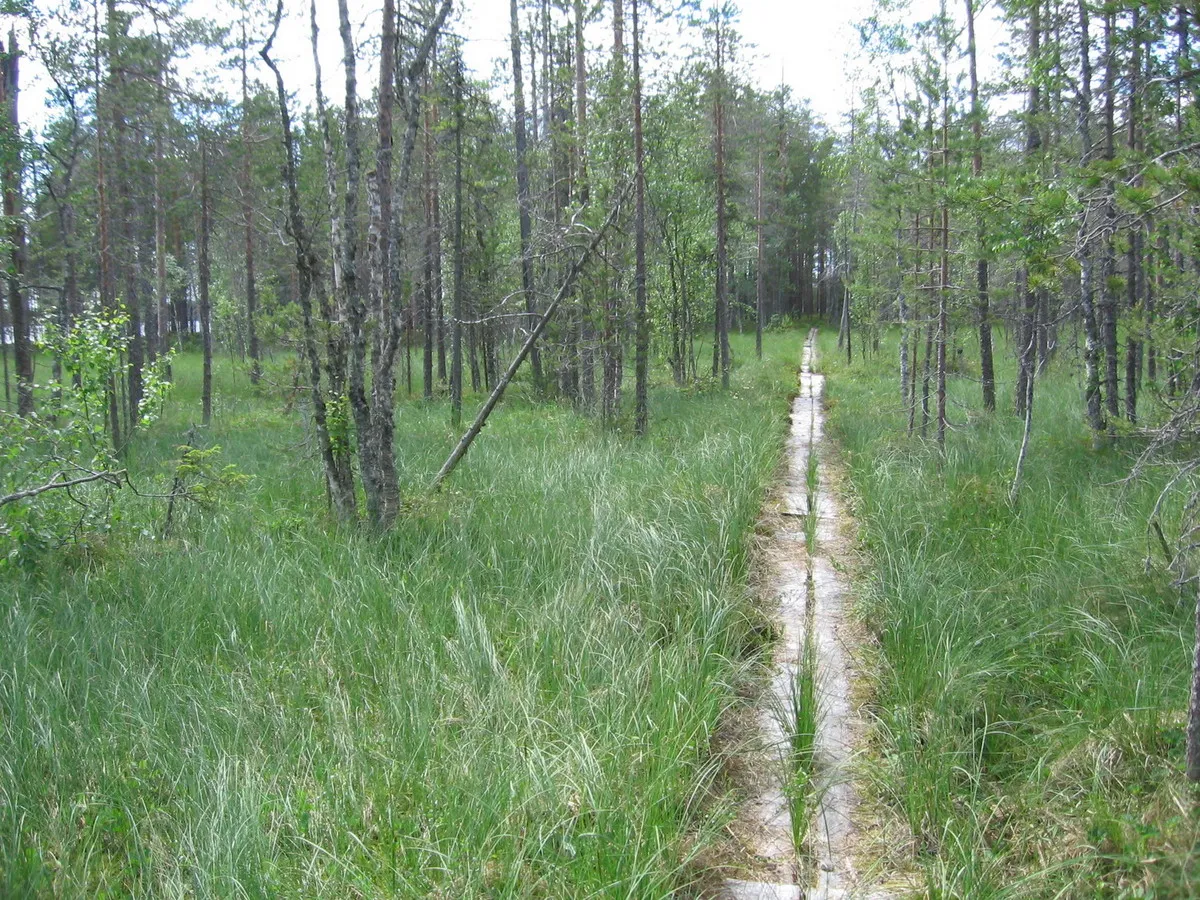
Natura 2000 · Standvogel
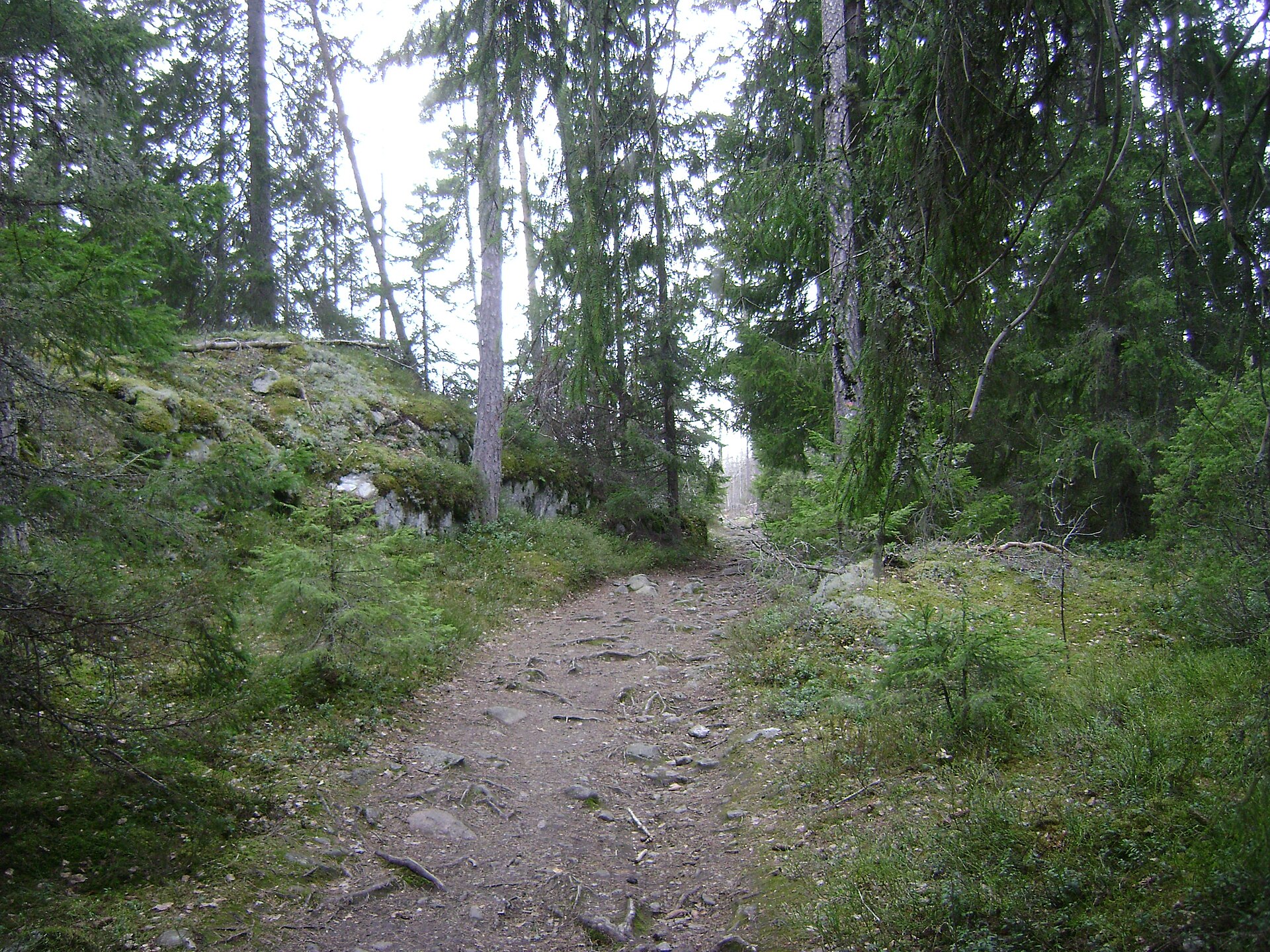
Natura 2000 · Brutvogel
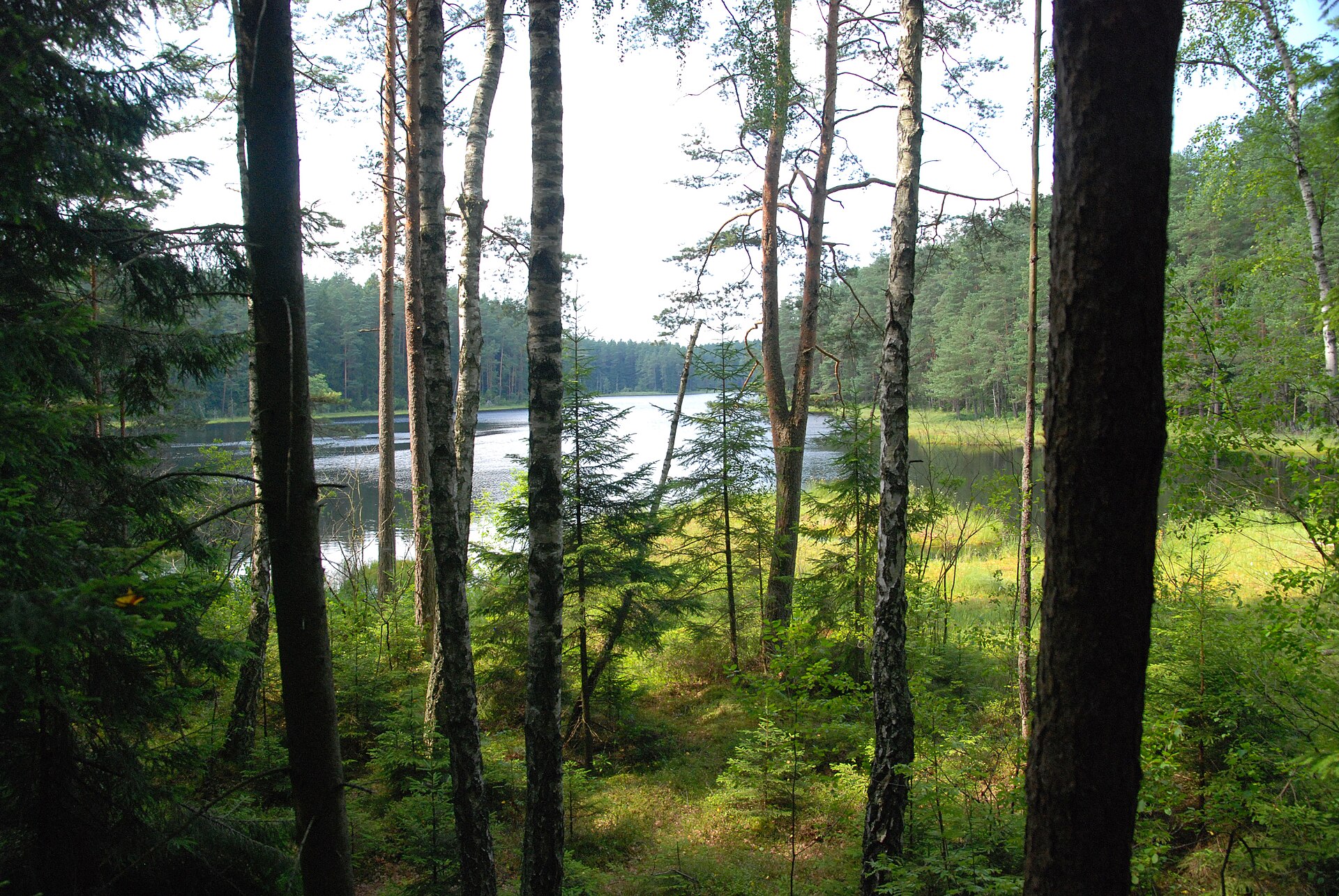
Natura 2000 · Standvogel
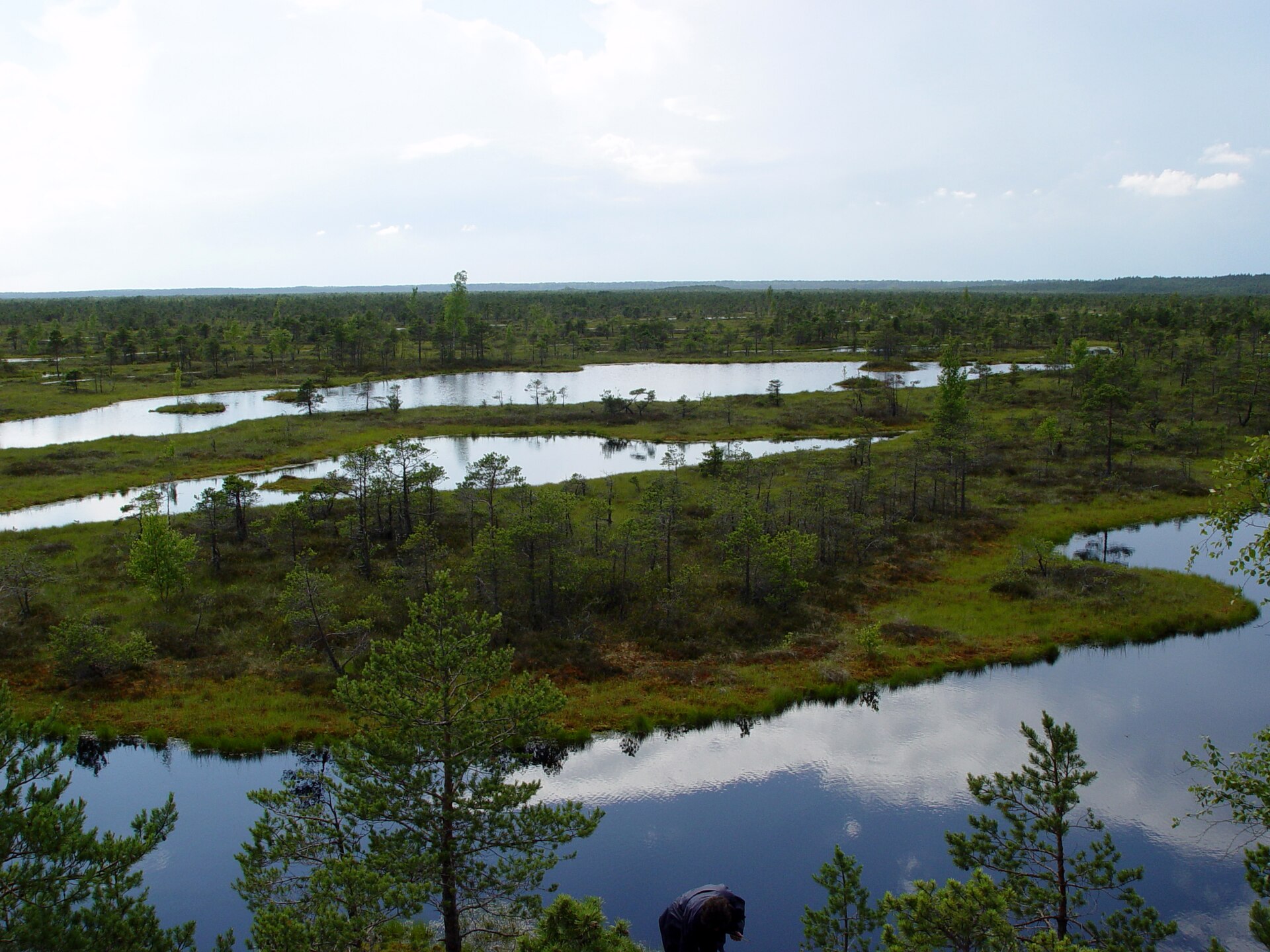
Natura 2000 · Standvogel
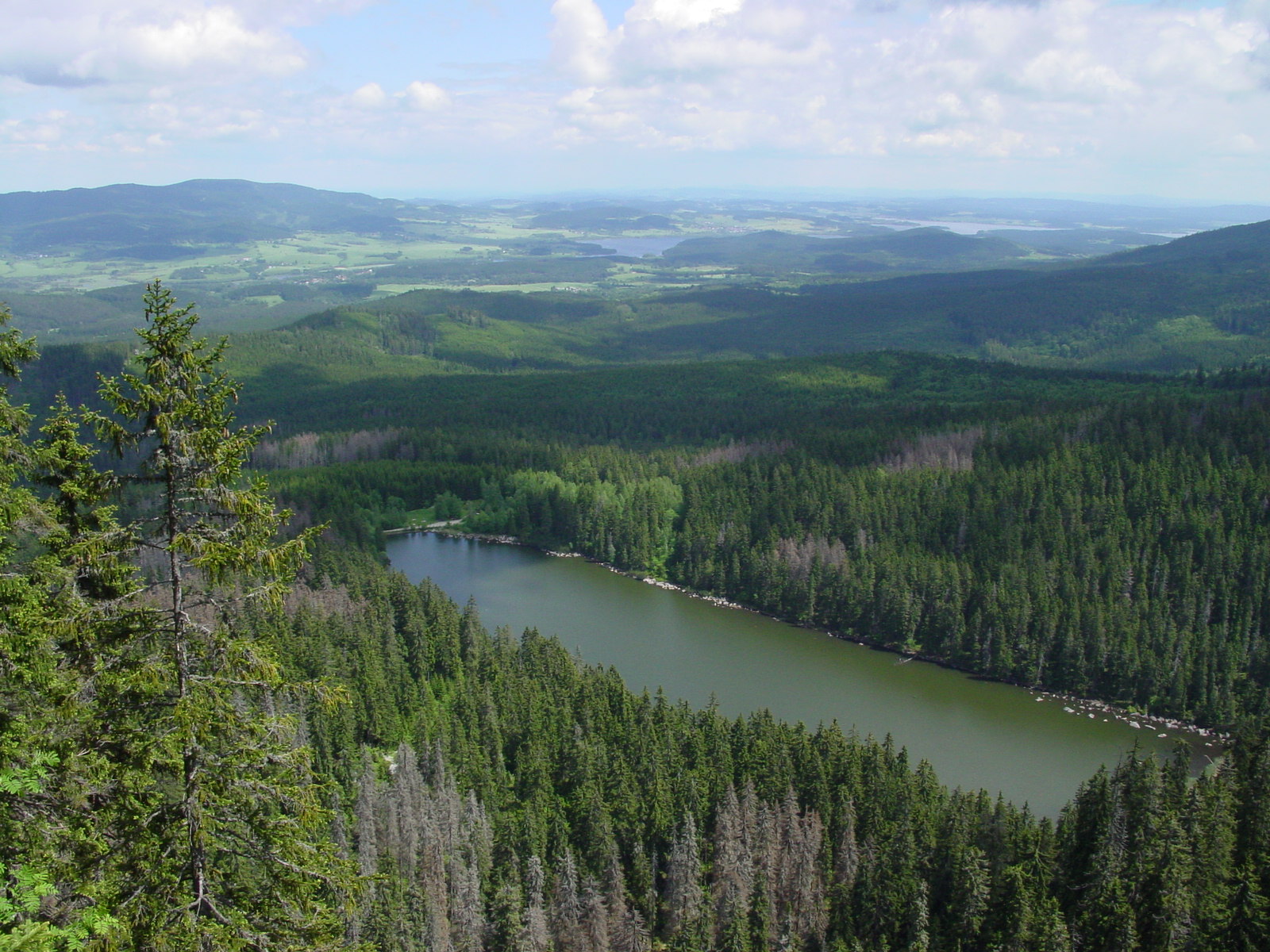
Natura 2000 · Standvogel
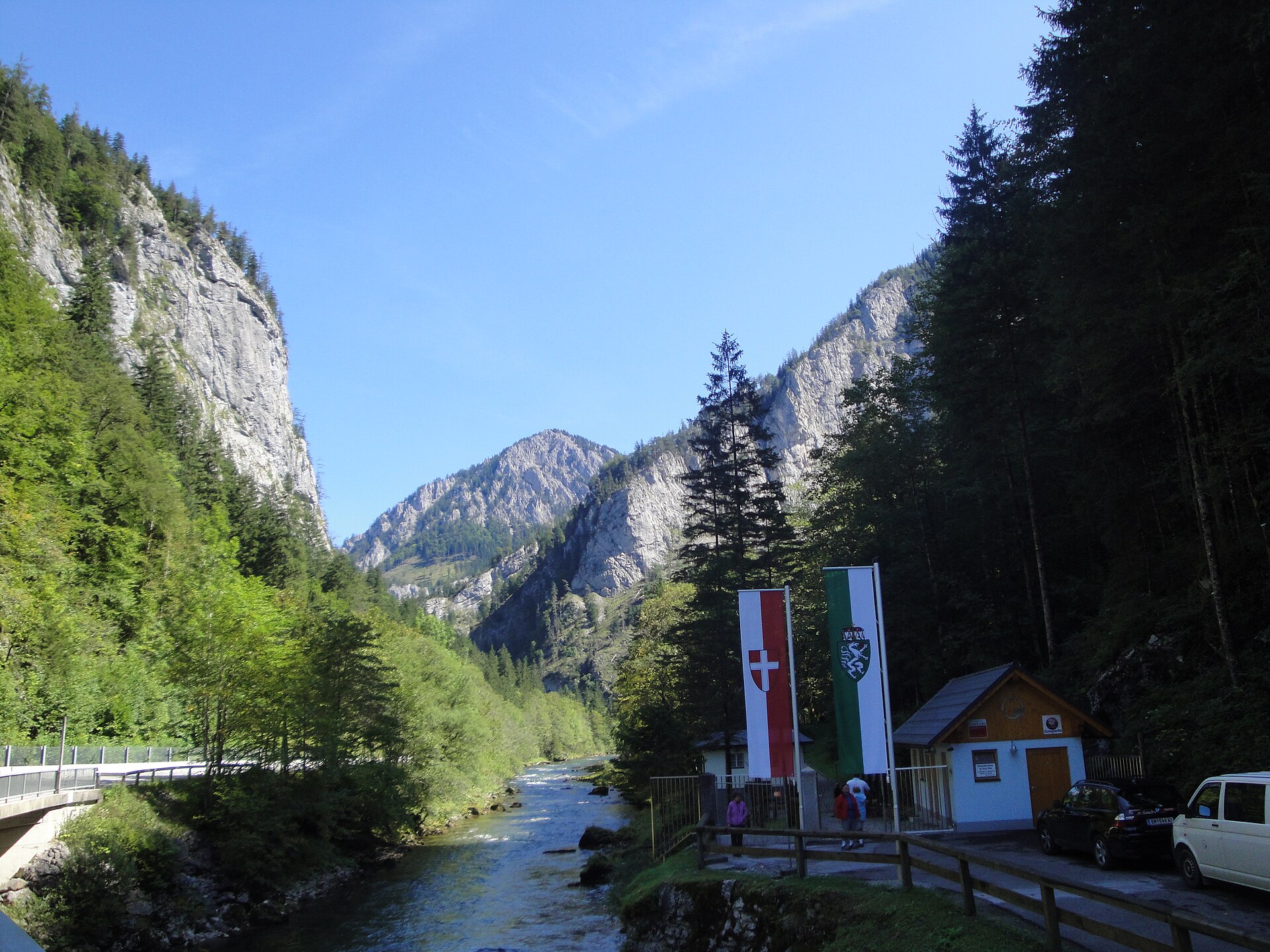
Natura 2000 · Standvogel
Natura 2000 · Standvogel
Natura 2000 · Brutvogel
Natura 2000 · Standvogel
Natura 2000 · Standvogel
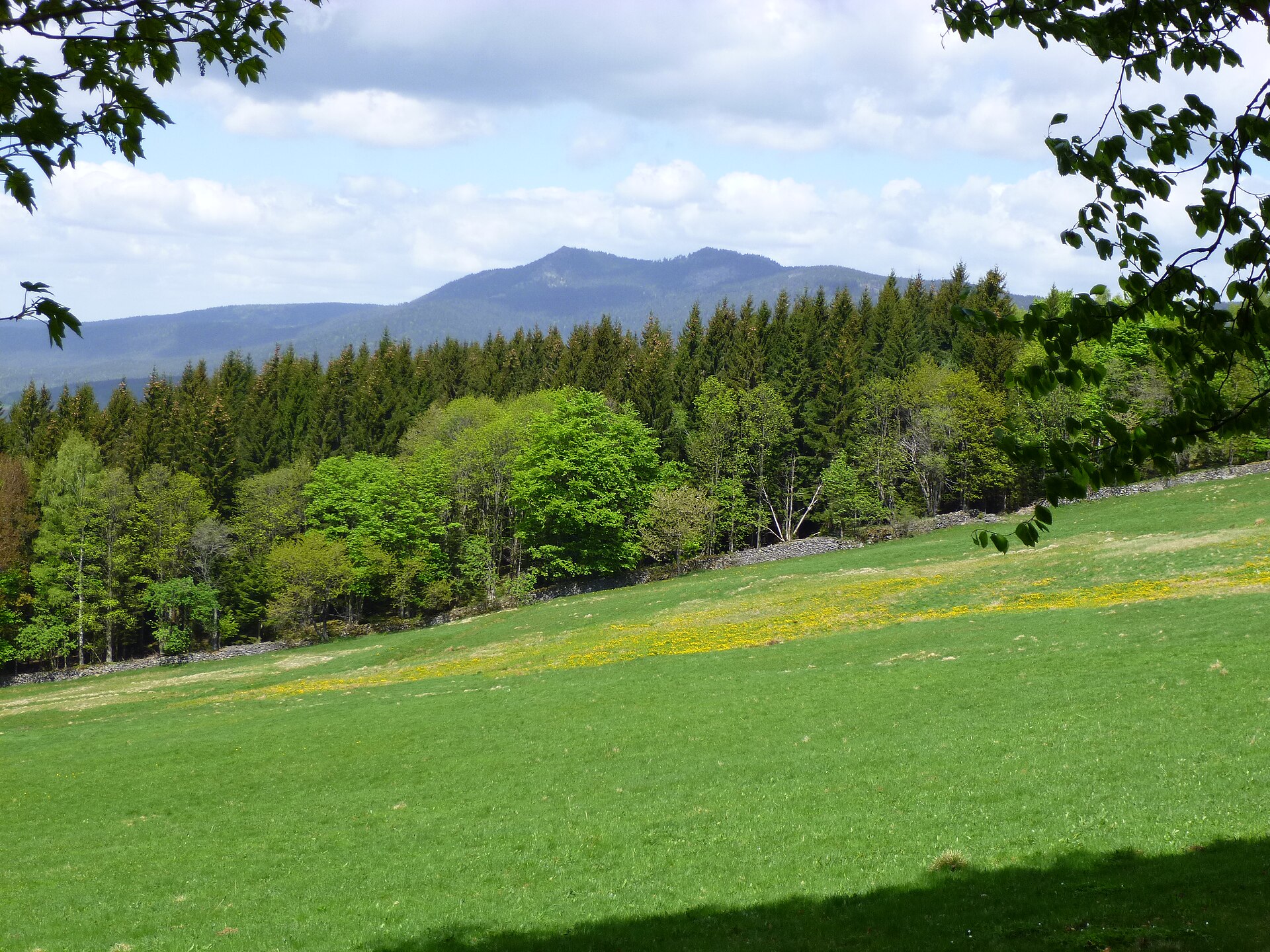
Natura 2000 · Brutvogel, Standvogel
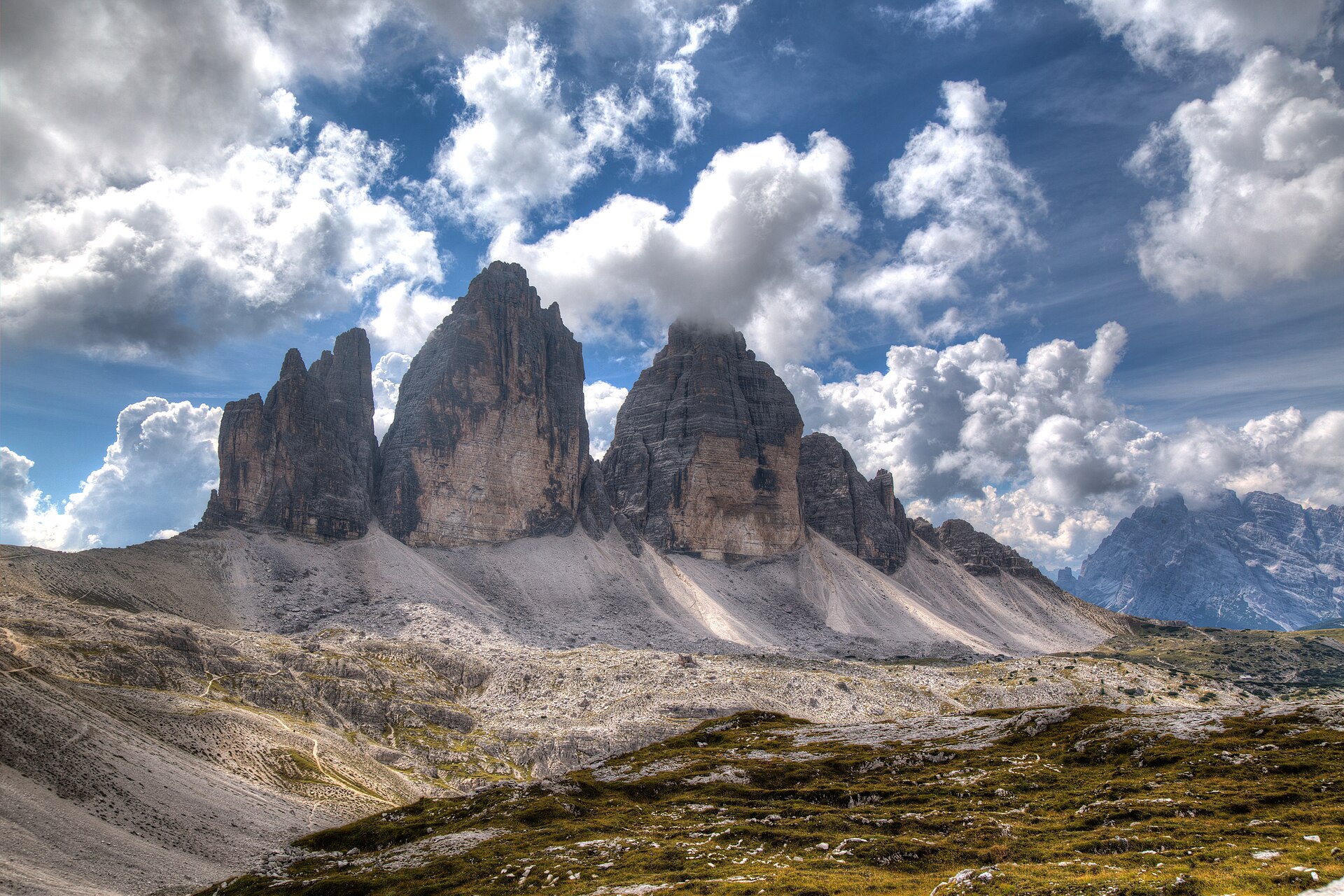
Natura 2000 · Standvogel

Natura 2000 · Standvogel
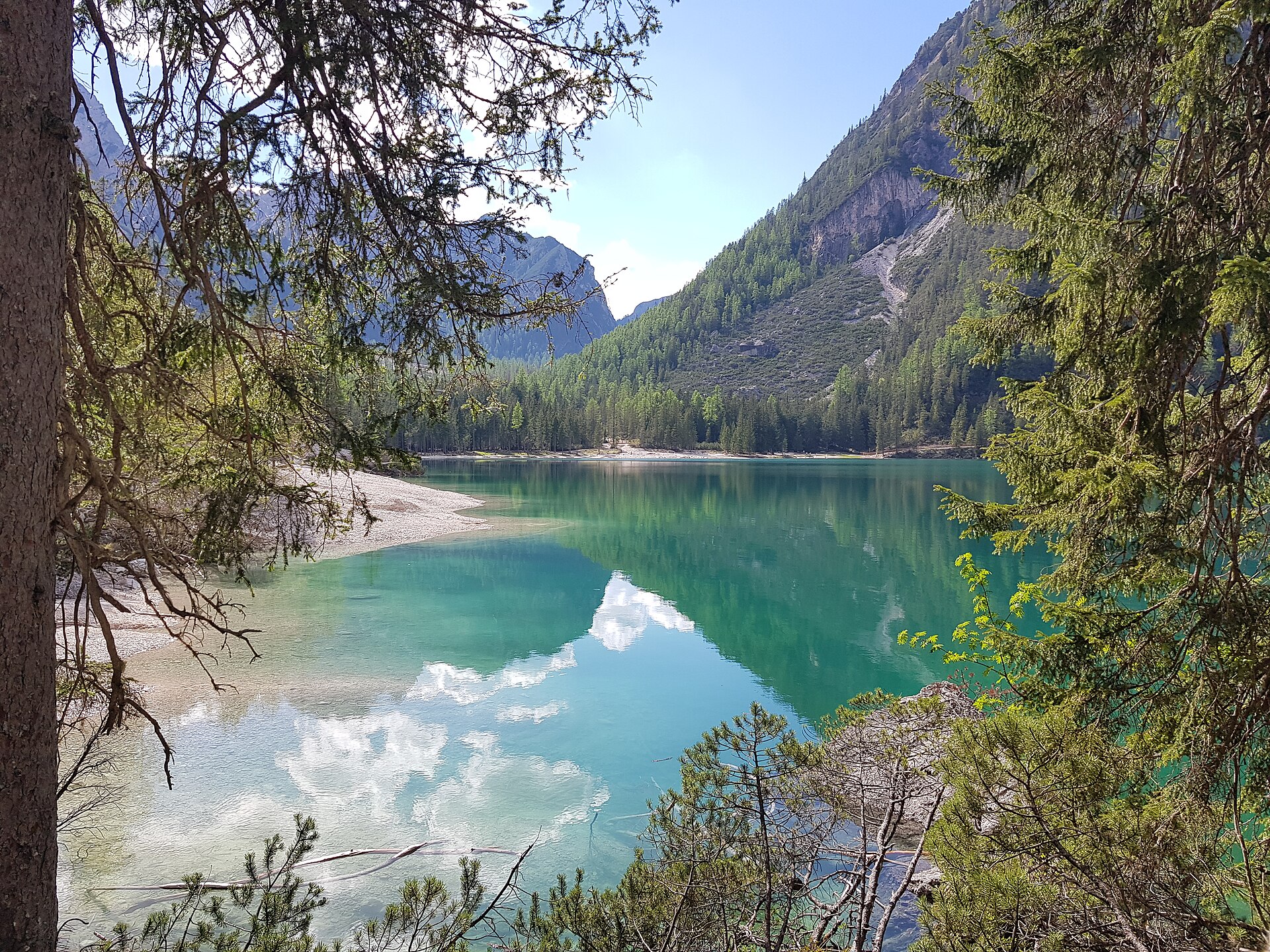
Natura 2000 · Standvogel
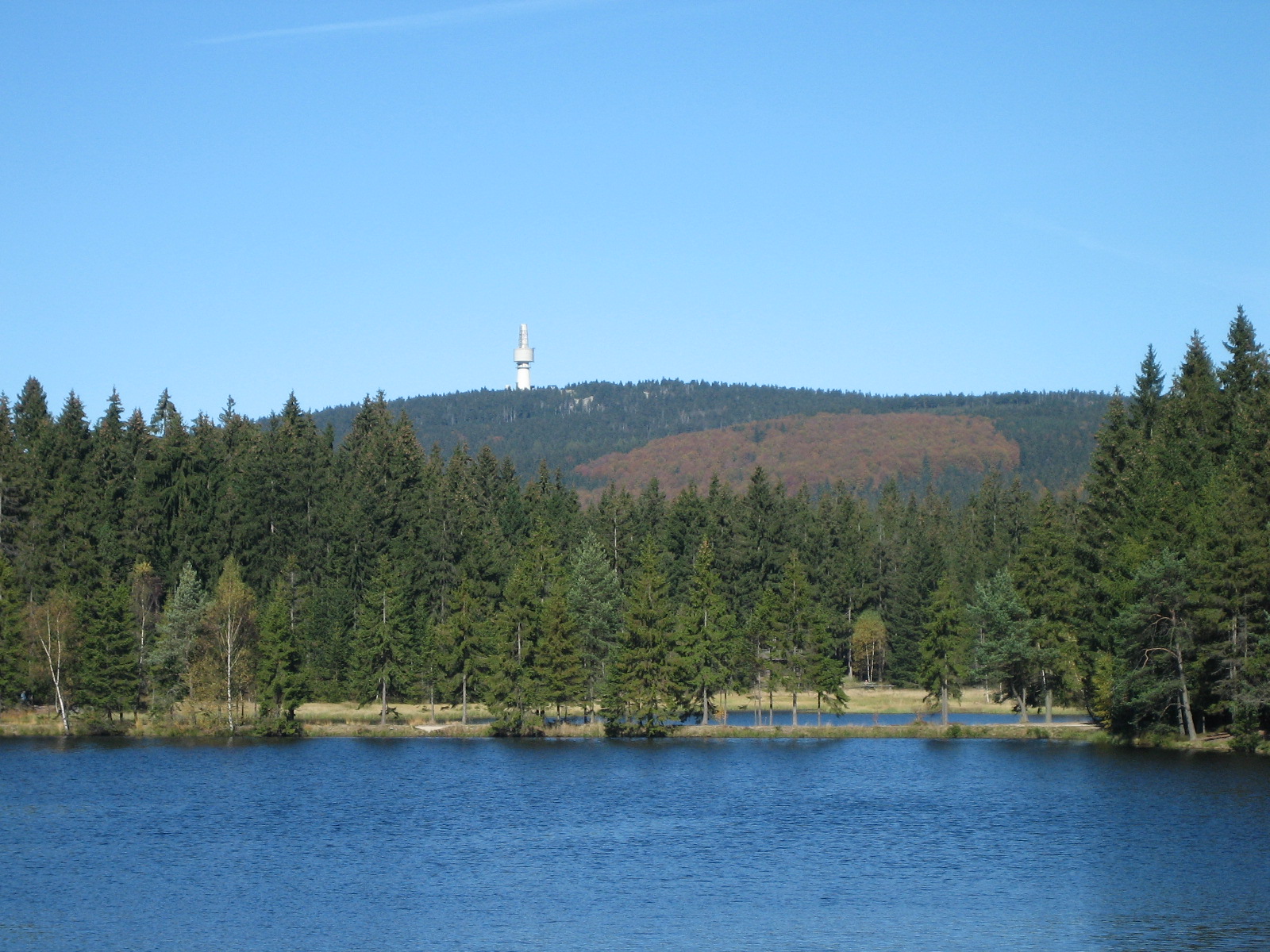
Natura 2000 · Brutvogel
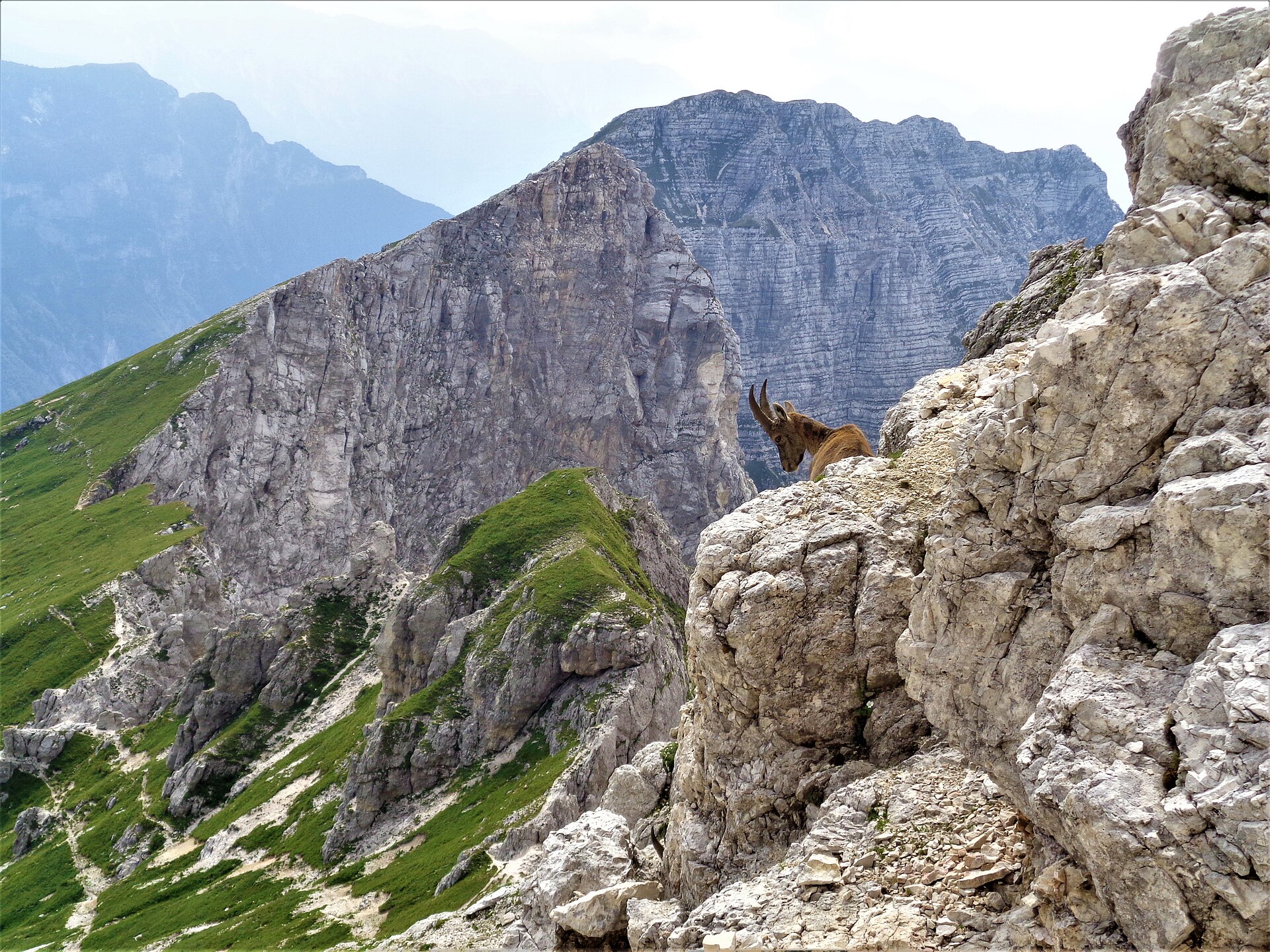
Natura 2000 · Standvogel

Natura 2000 · Brutvogel
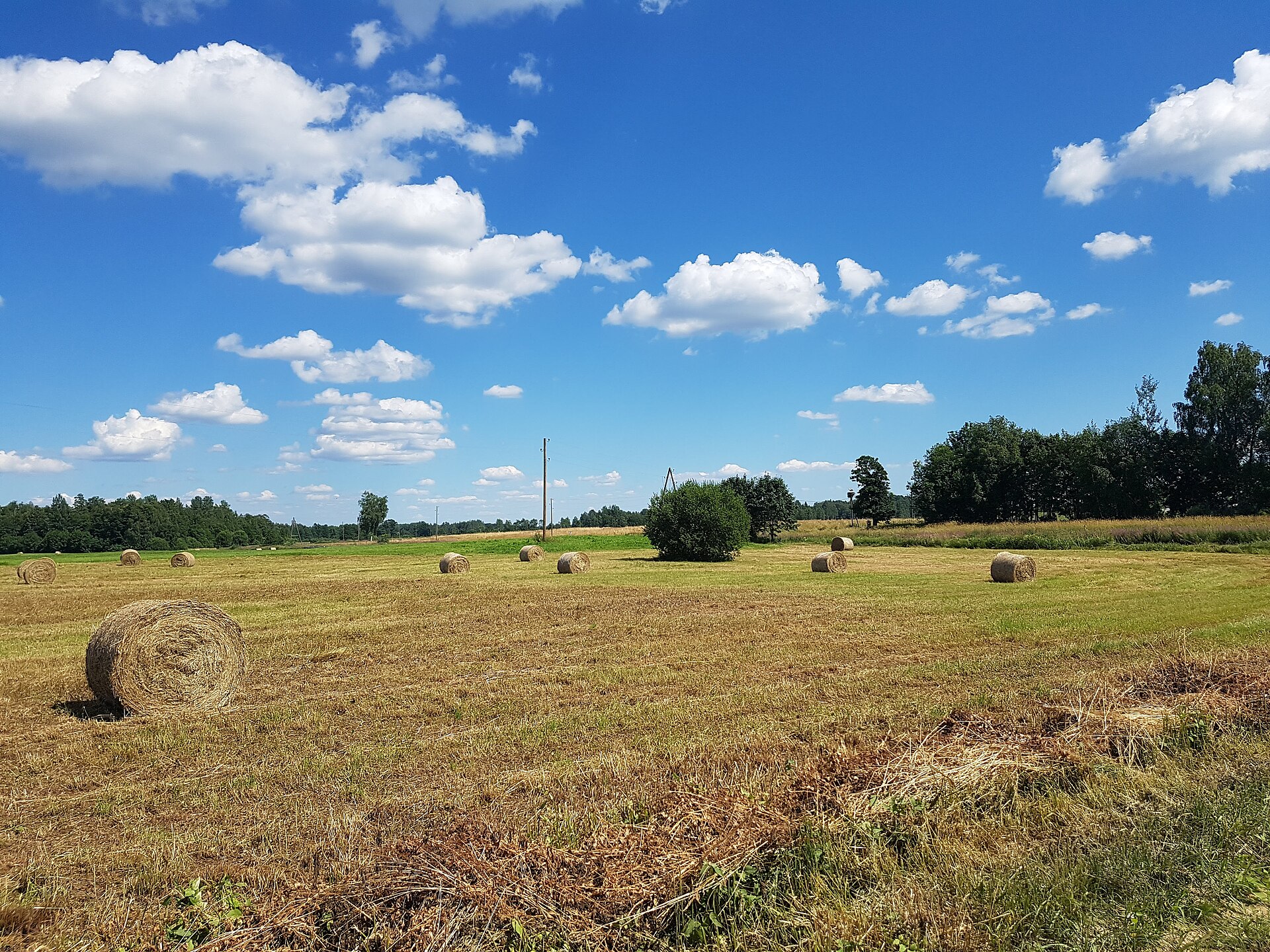
Natura 2000 · Standvogel
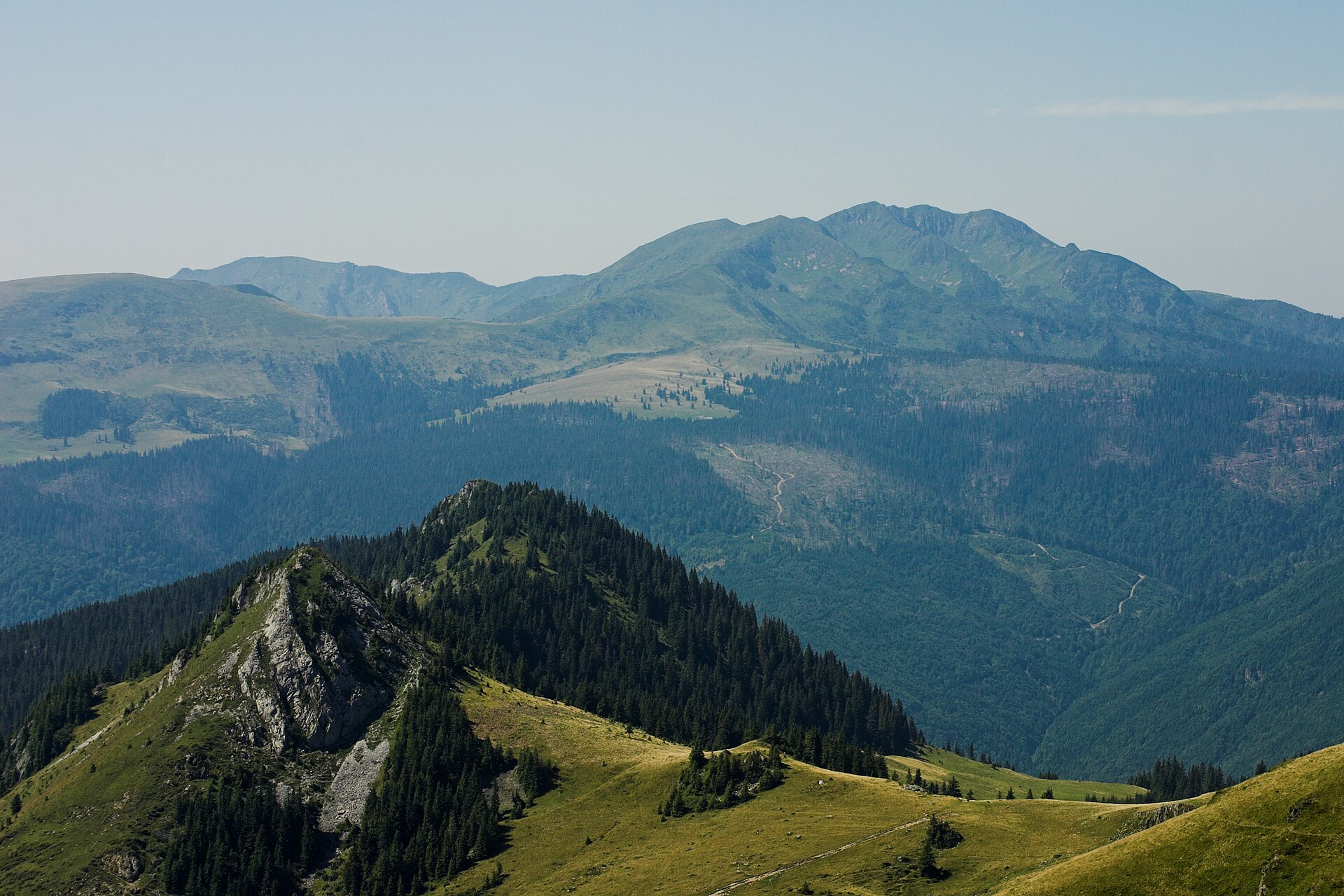
Natura 2000 · Standvogel
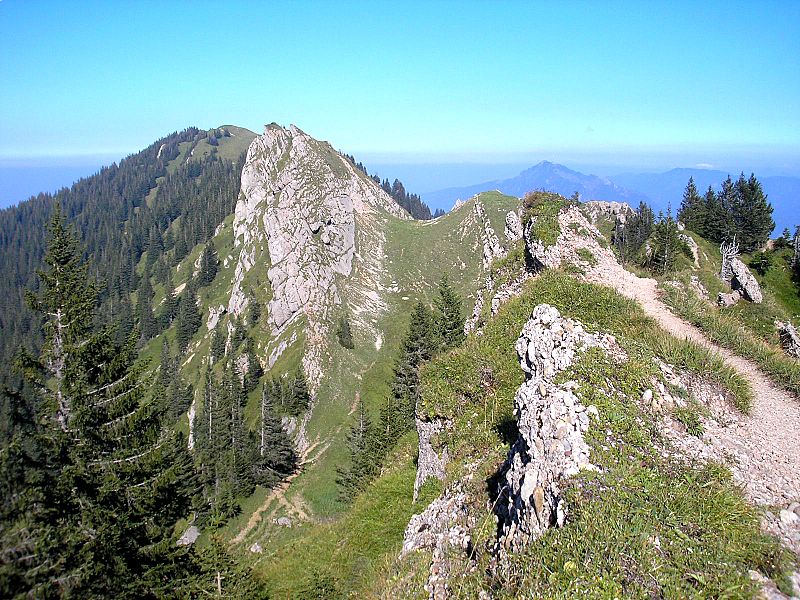
Natura 2000 · Brutvogel
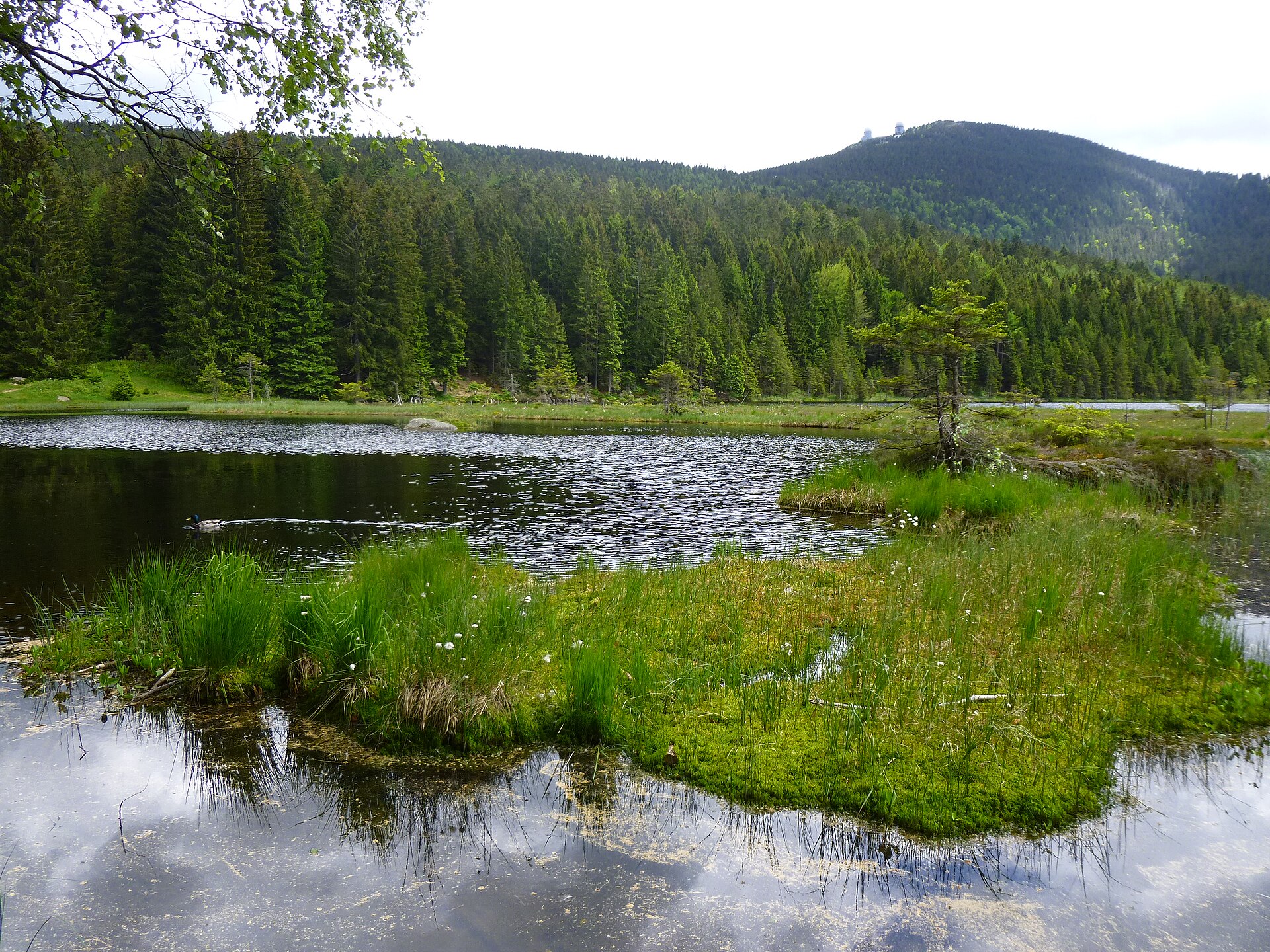
Natura 2000 · Brutvogel
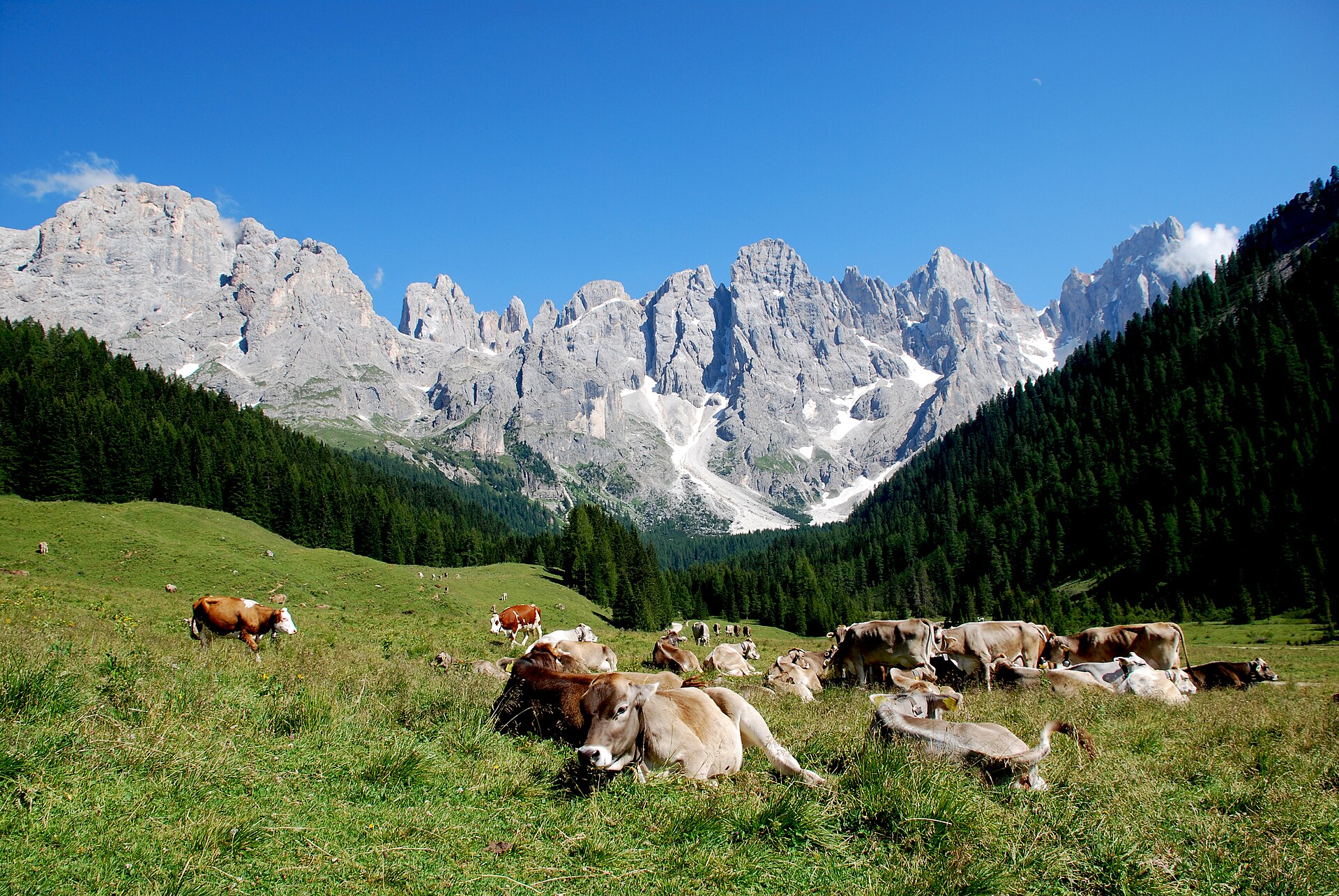
Natura 2000 · Brutvogel

Natura 2000 · Standvogel
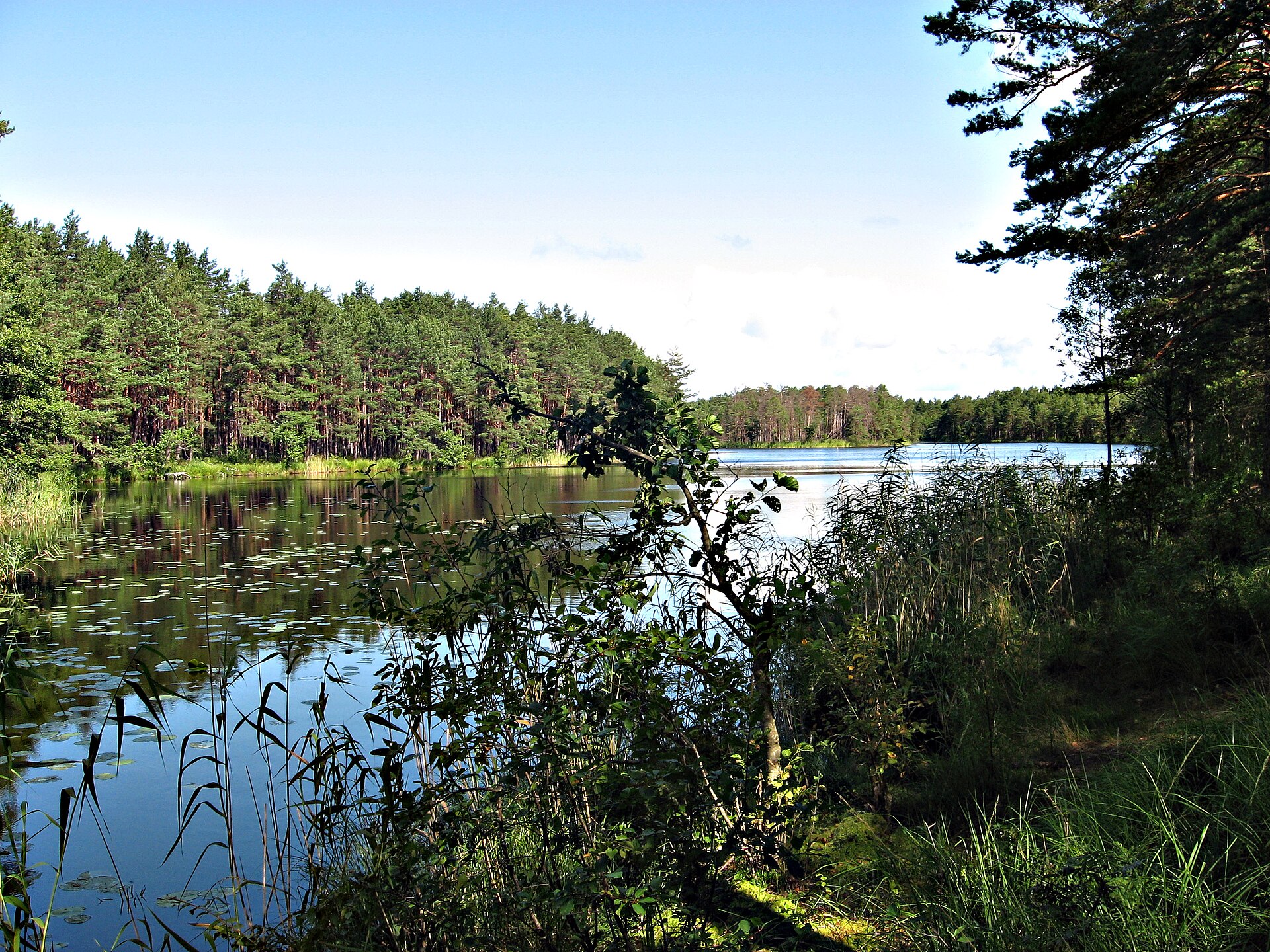
Natura 2000 · Standvogel
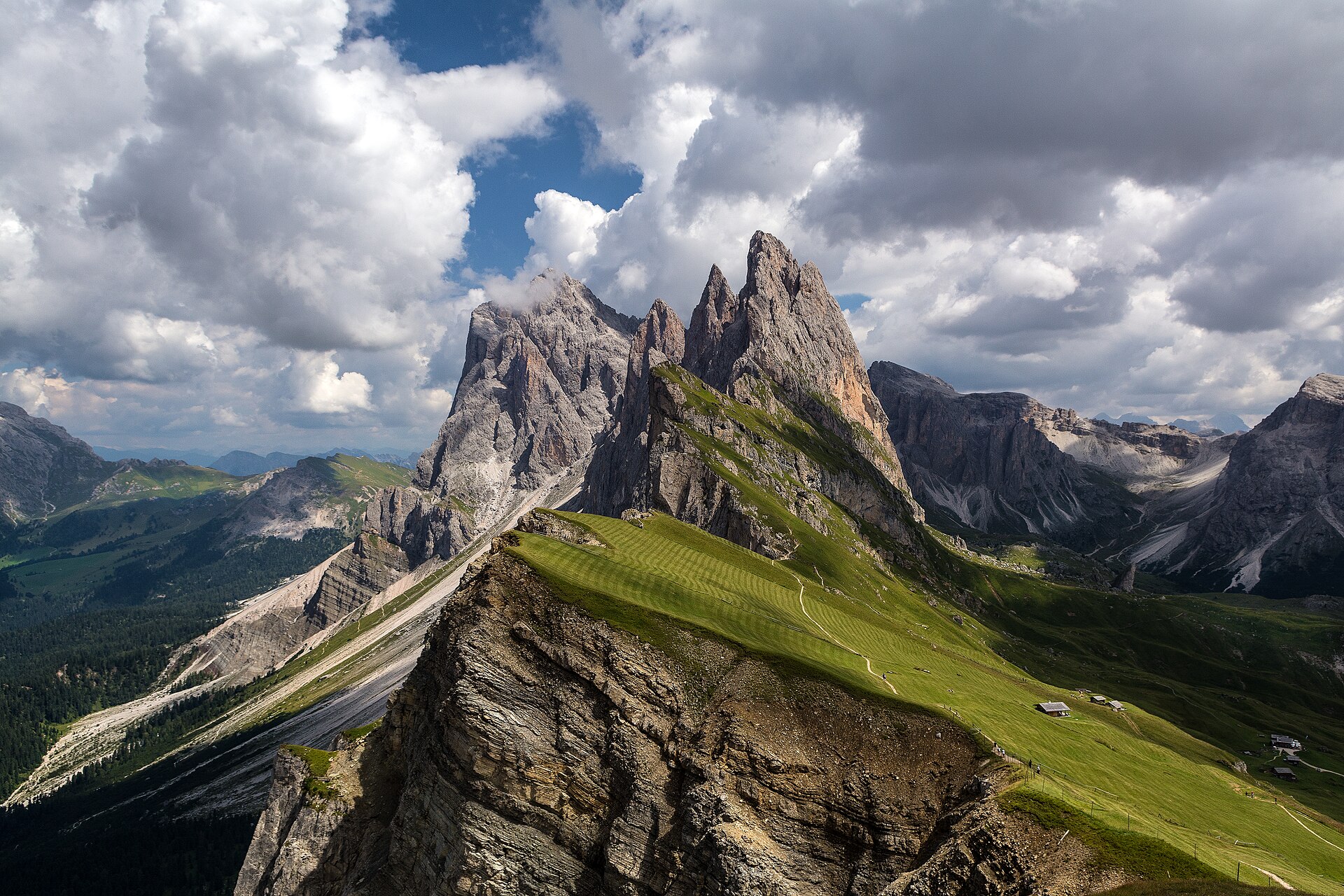
Natura 2000 · Standvogel
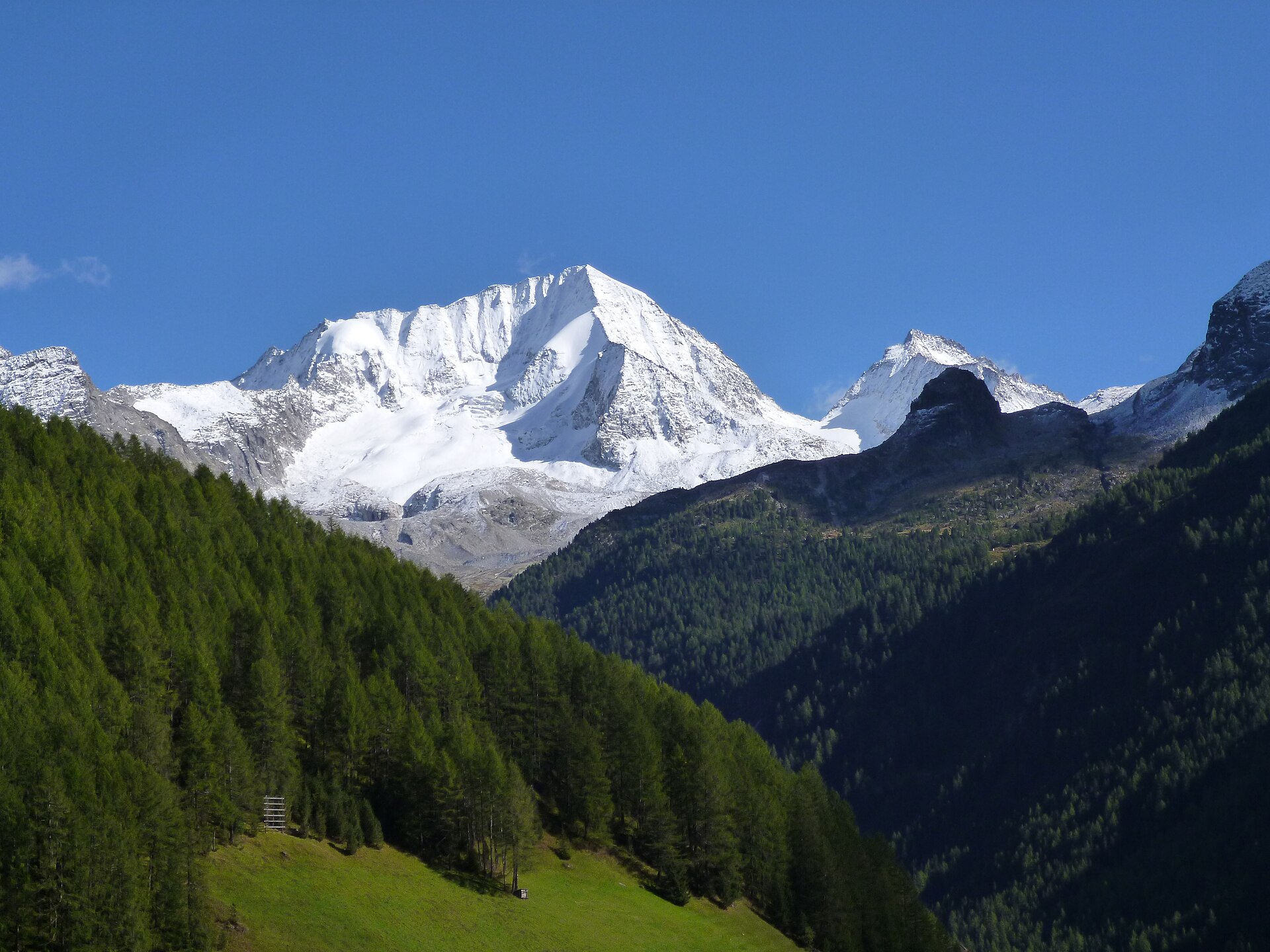
Natura 2000 · Standvogel
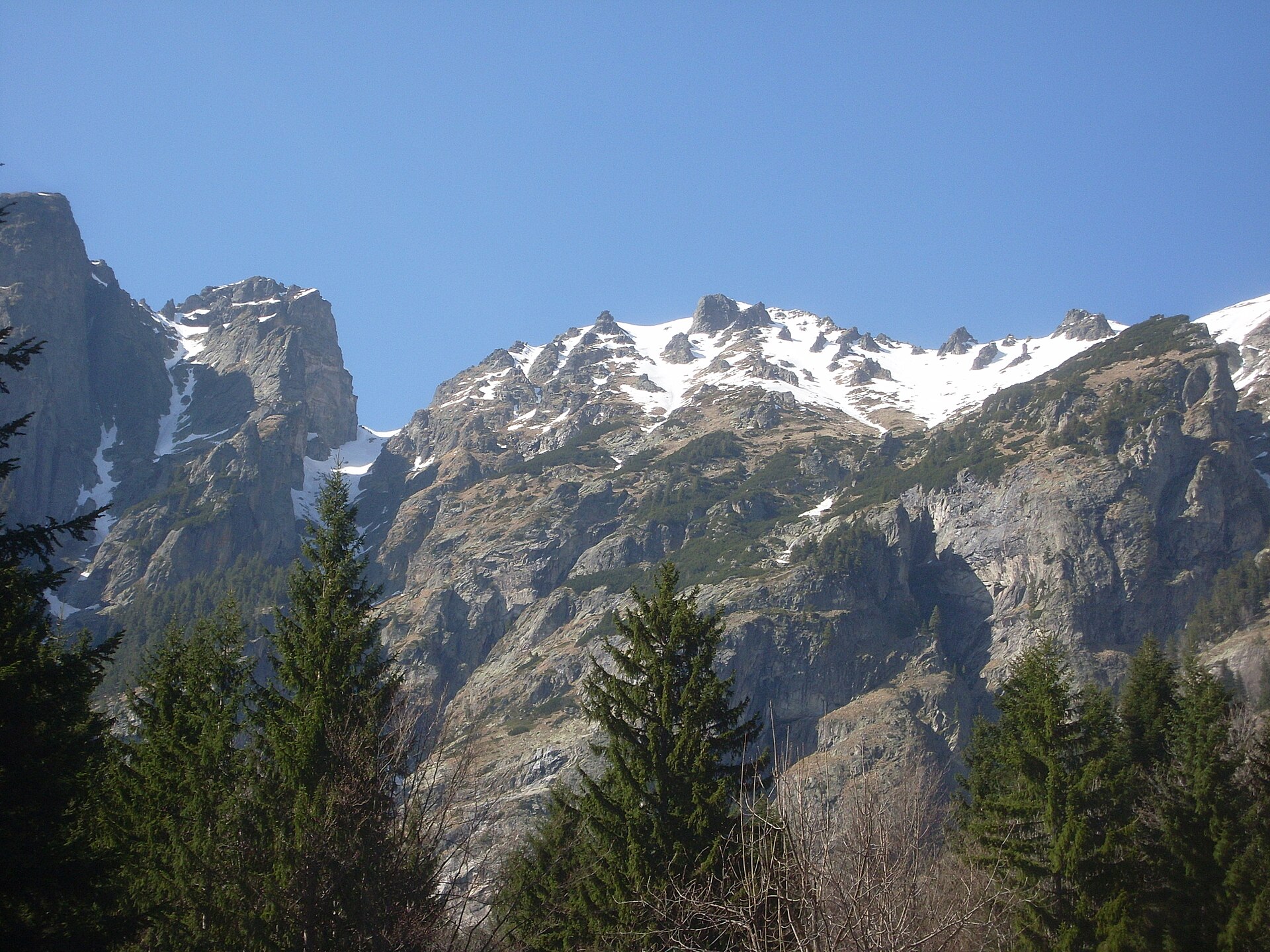
Natura 2000 · Standvogel
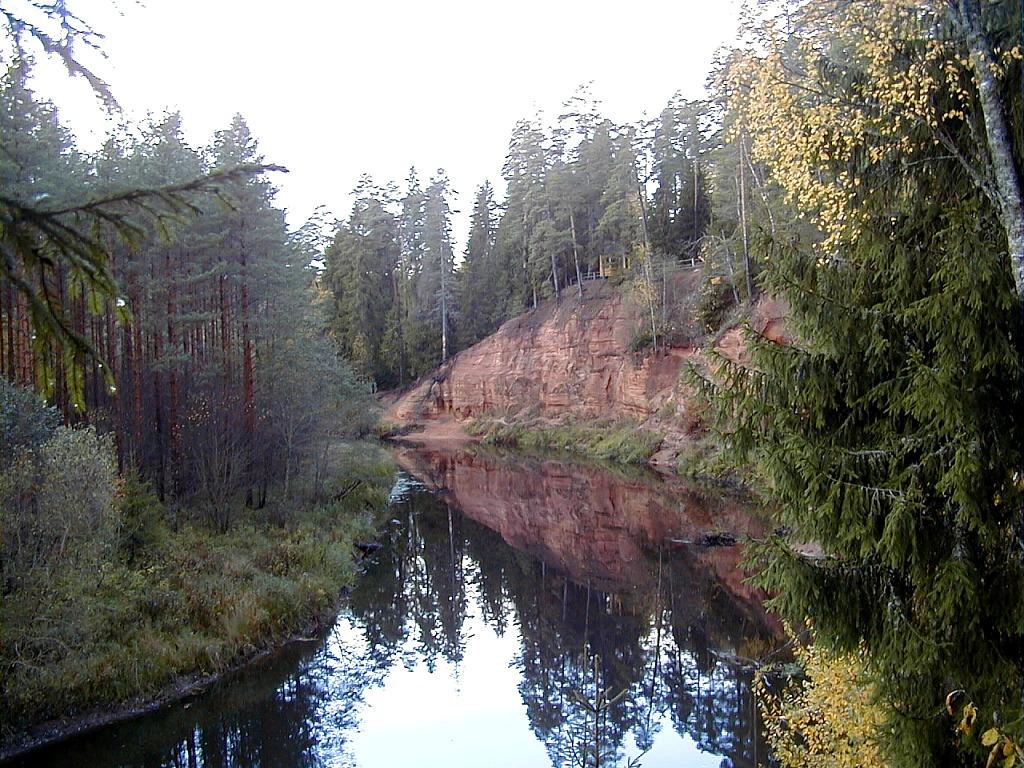
Natura 2000 · Standvogel
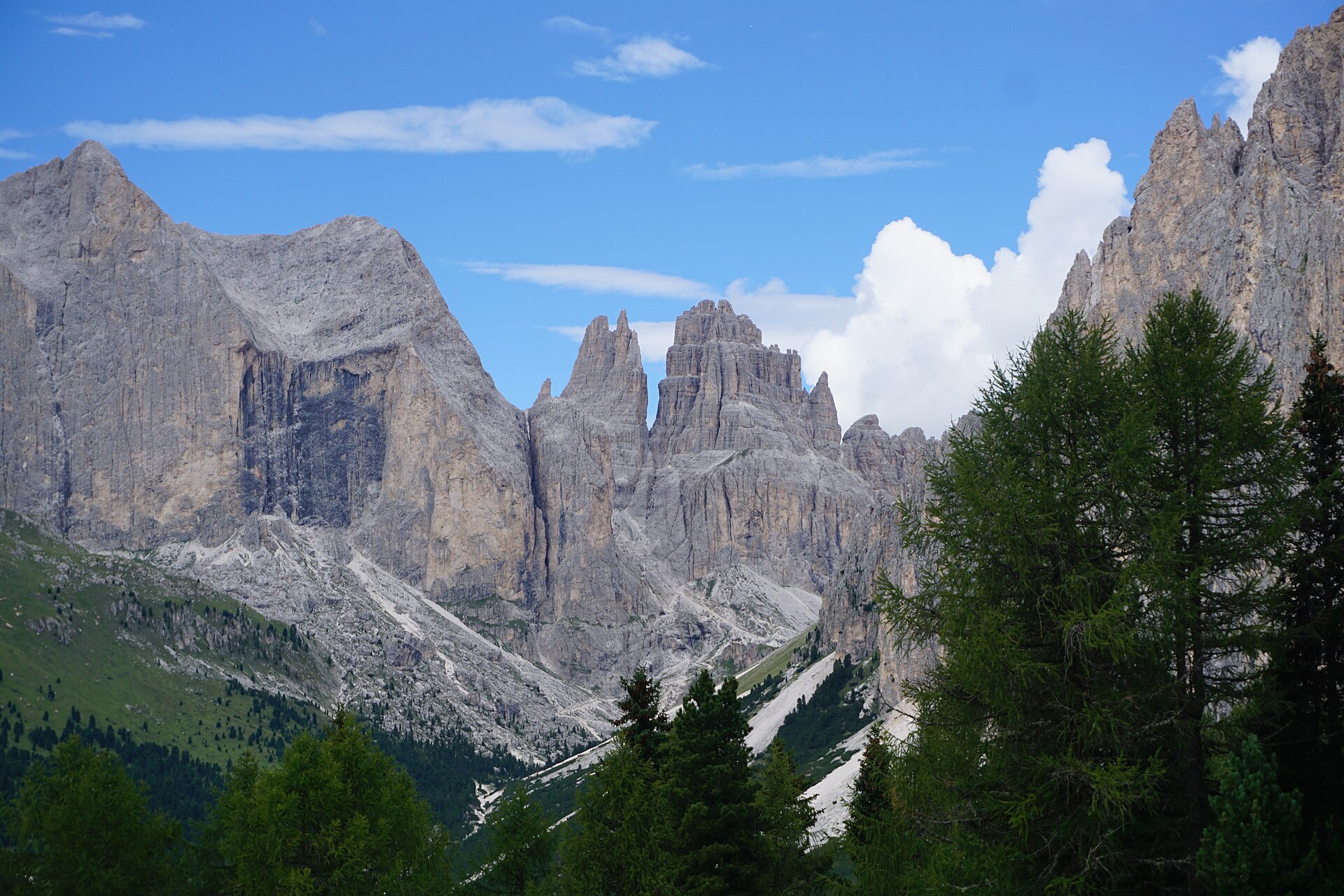
Natura 2000 · Standvogel
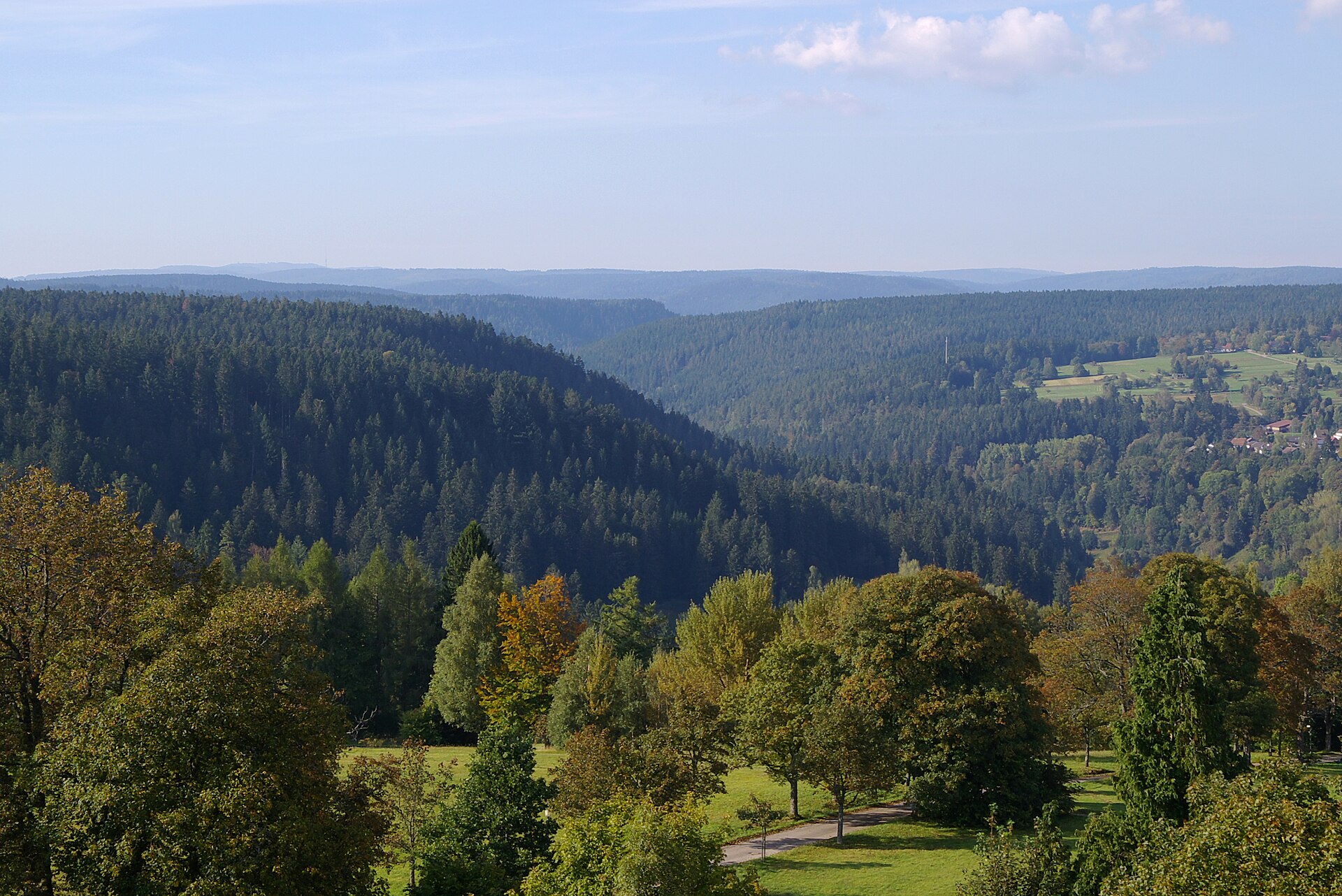
Natura 2000 · Brutvogel
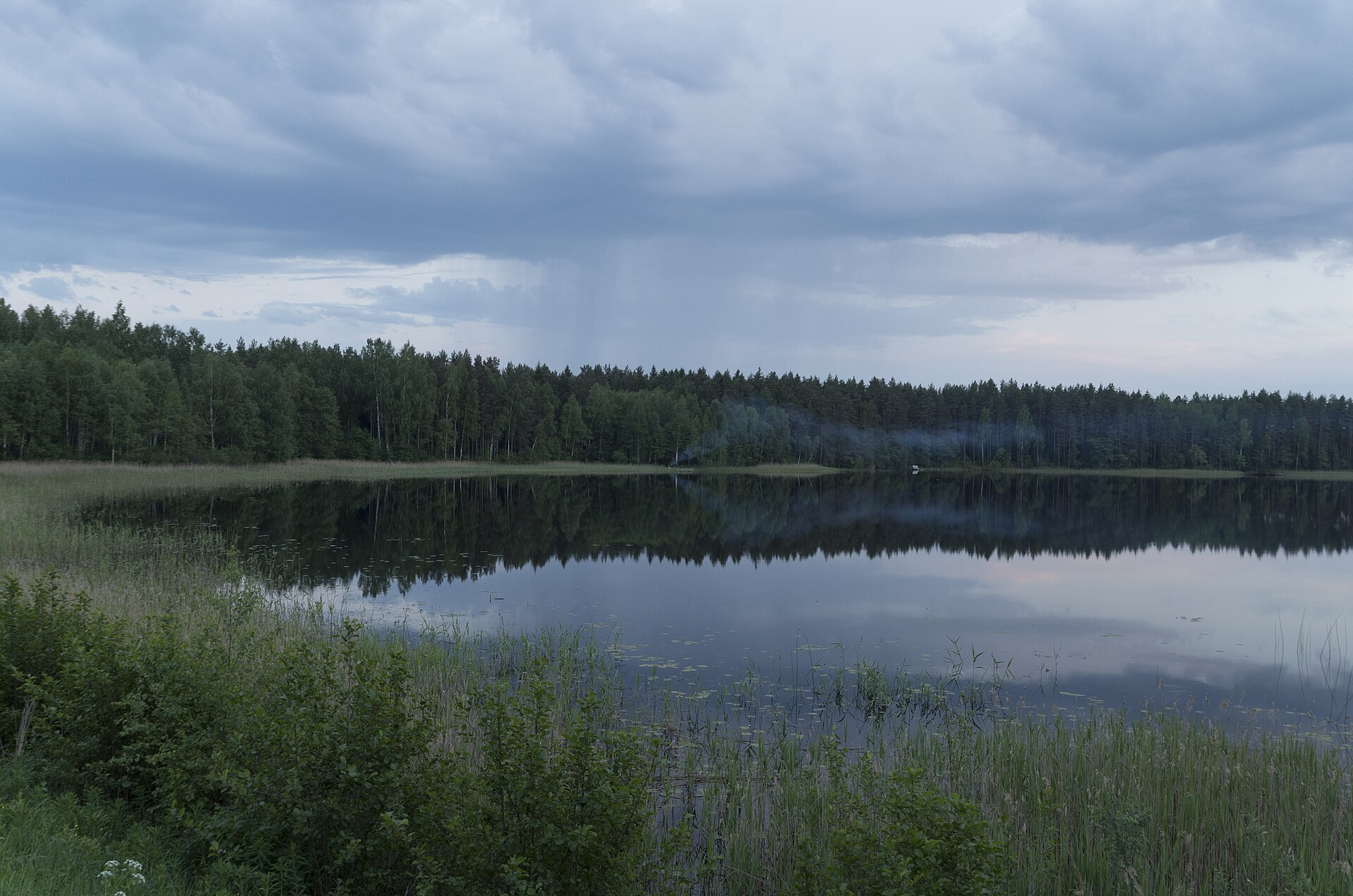
Natura 2000 · Brutvogel
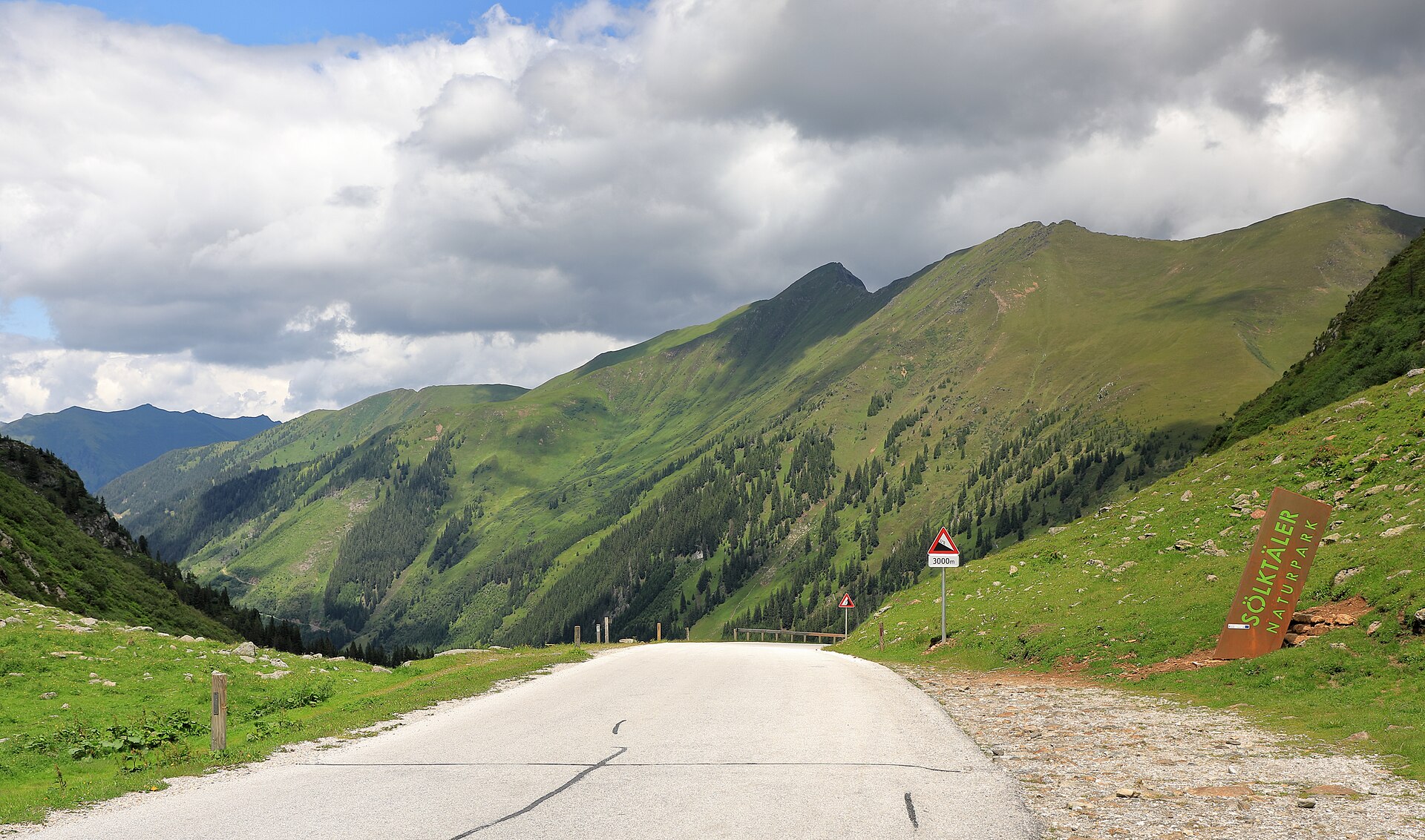
Natura 2000 · Standvogel
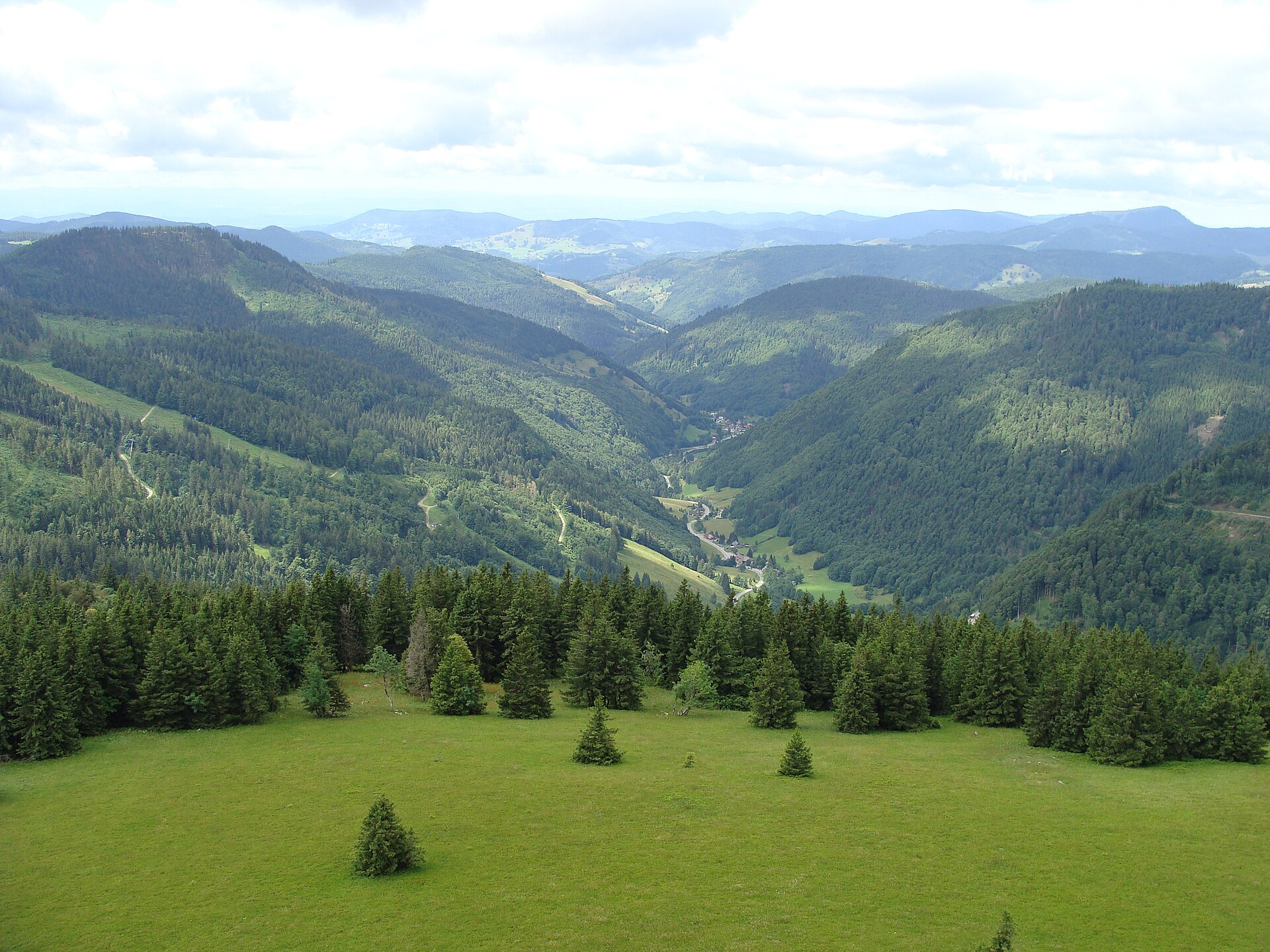
Natura 2000 · Brutvogel
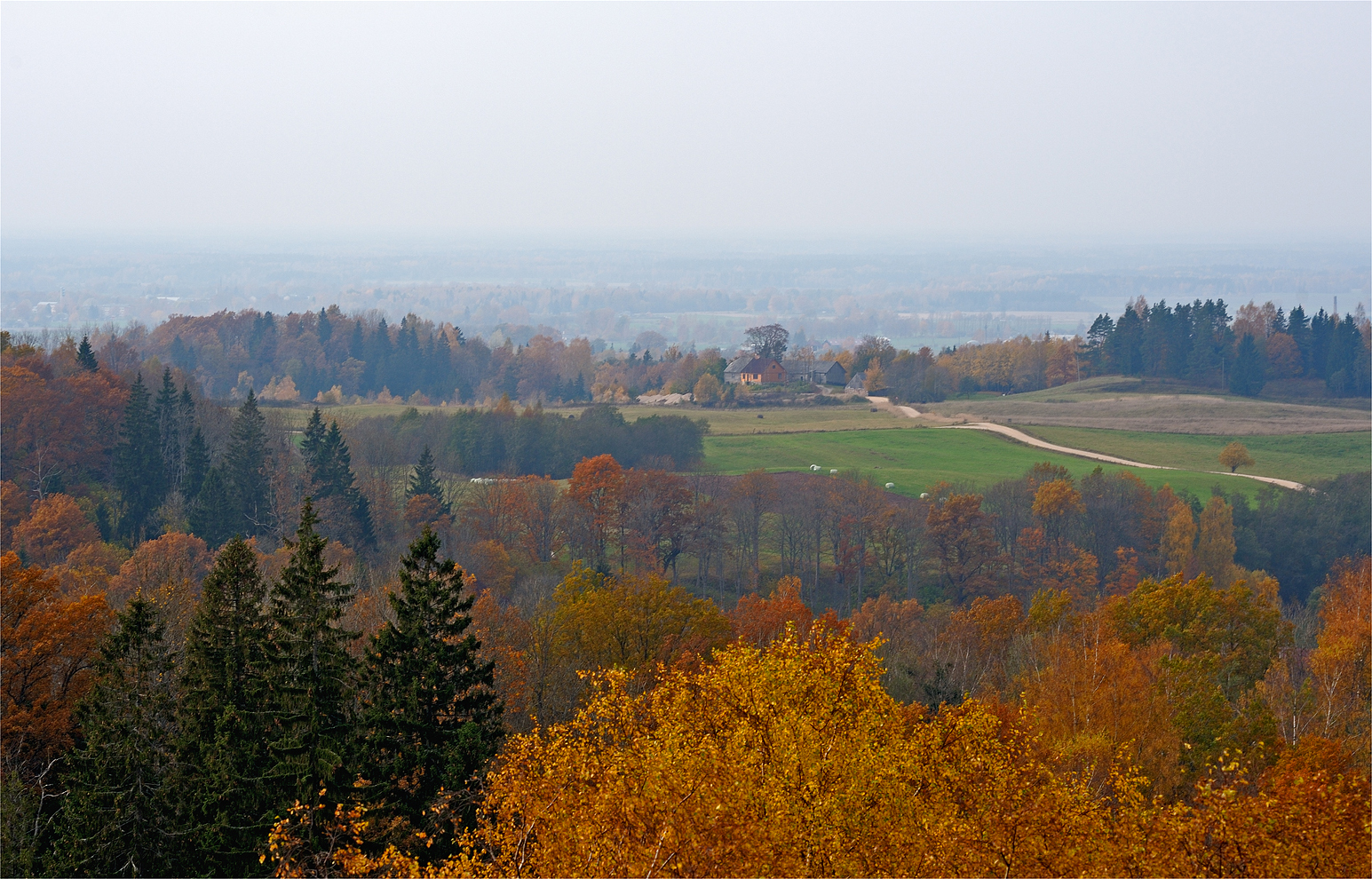
Natura 2000 · Standvogel
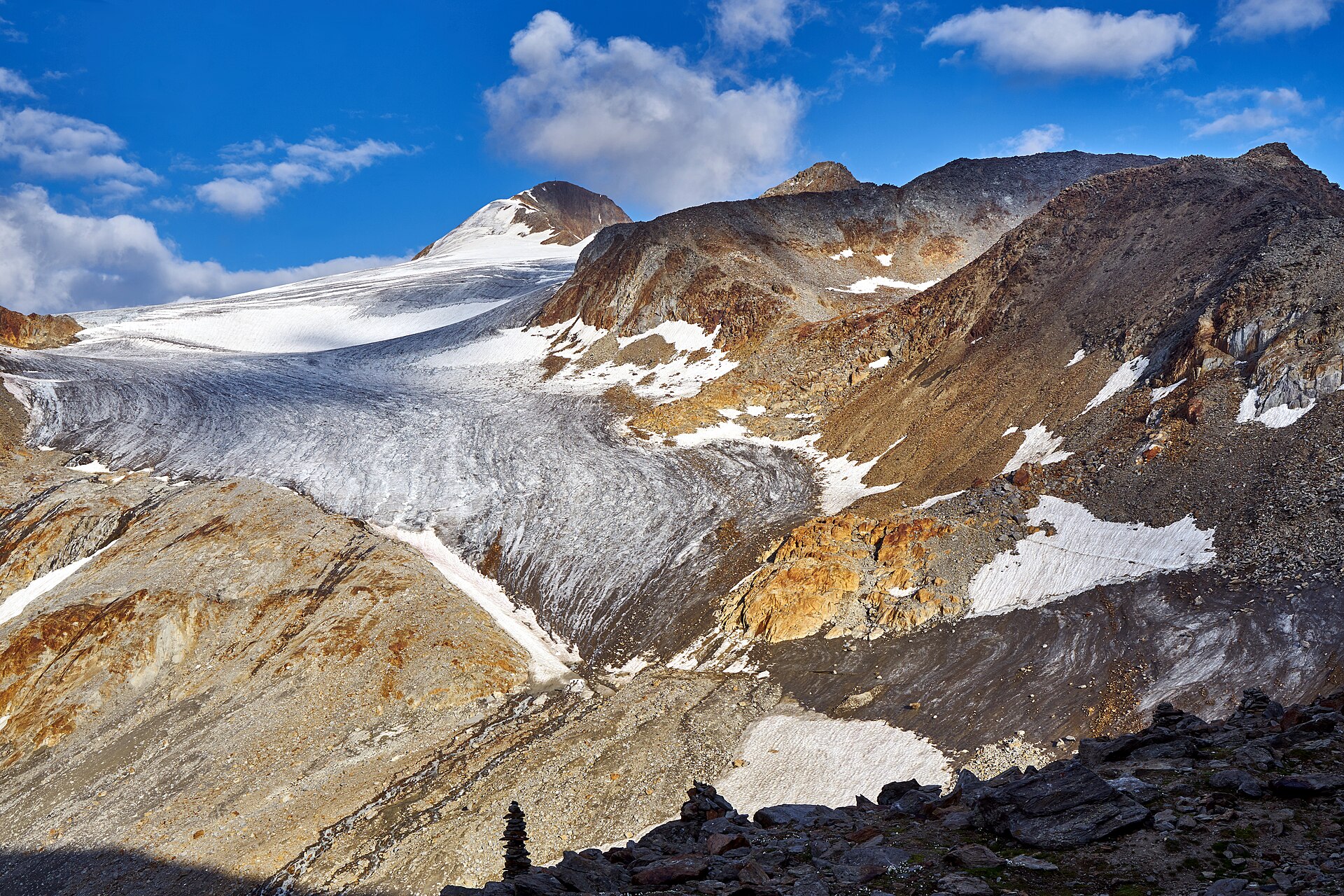
Natura 2000 · Brutvogel, Standvogel
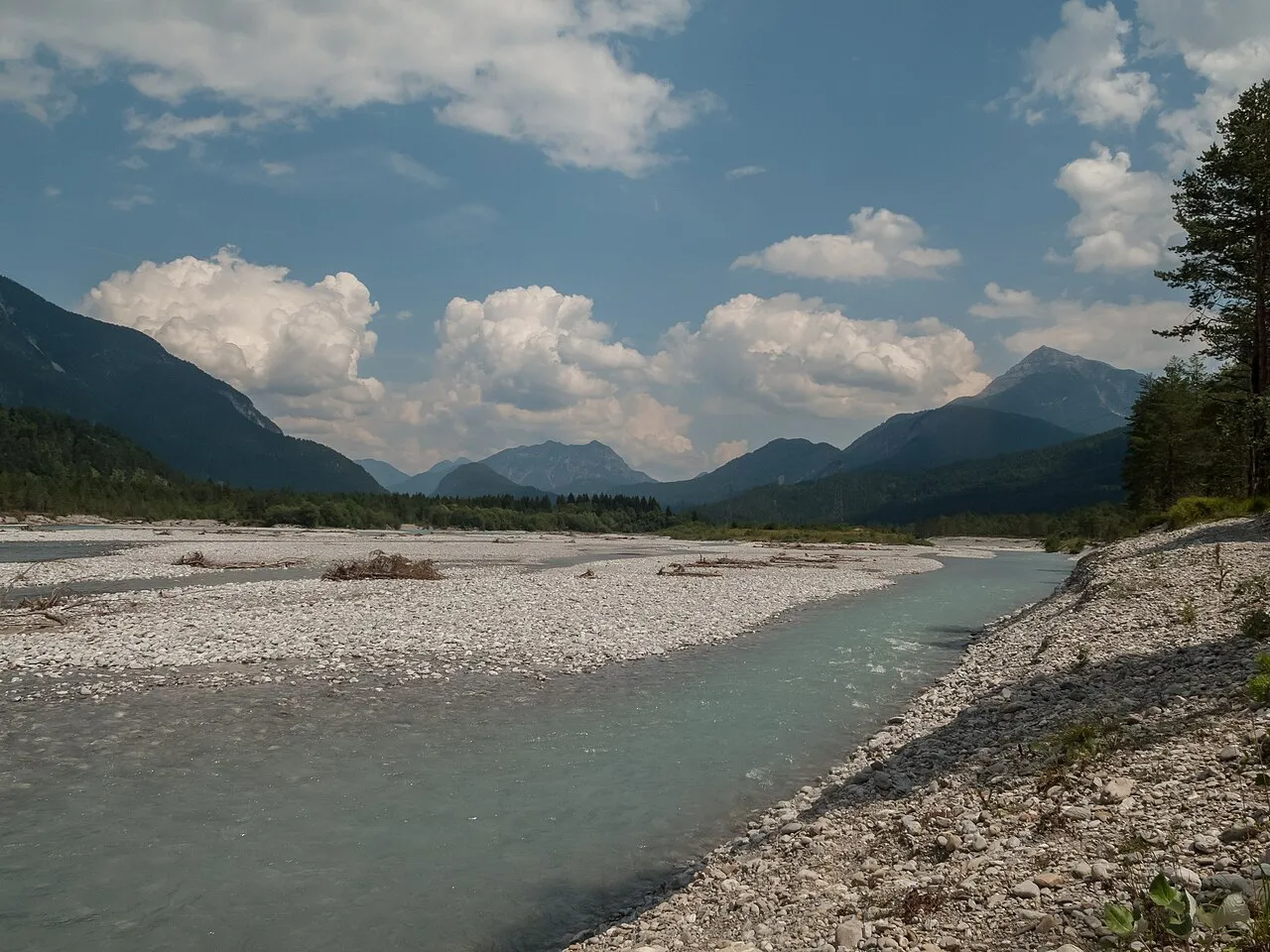
Natura 2000 · Standvogel
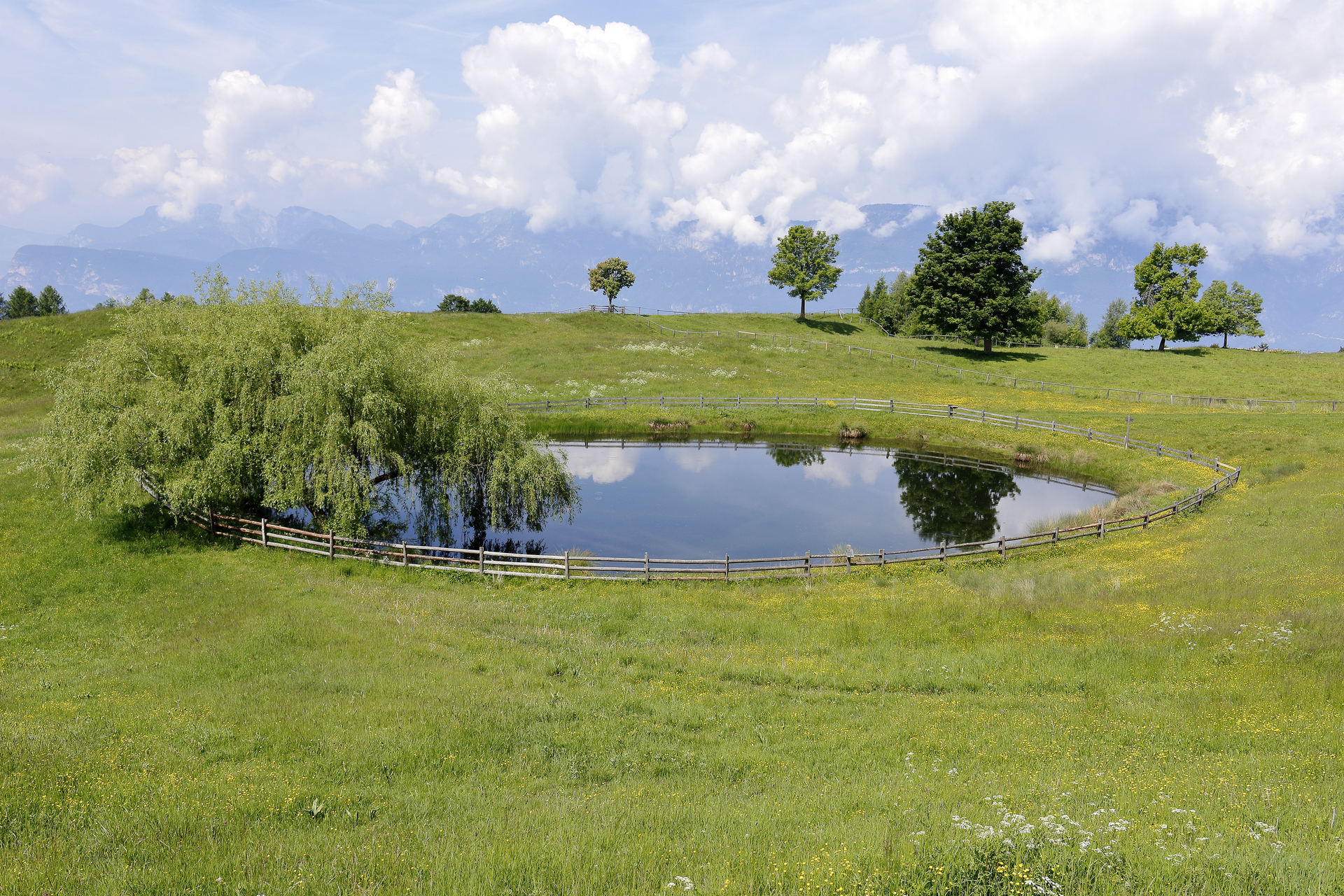
Natura 2000 · Standvogel
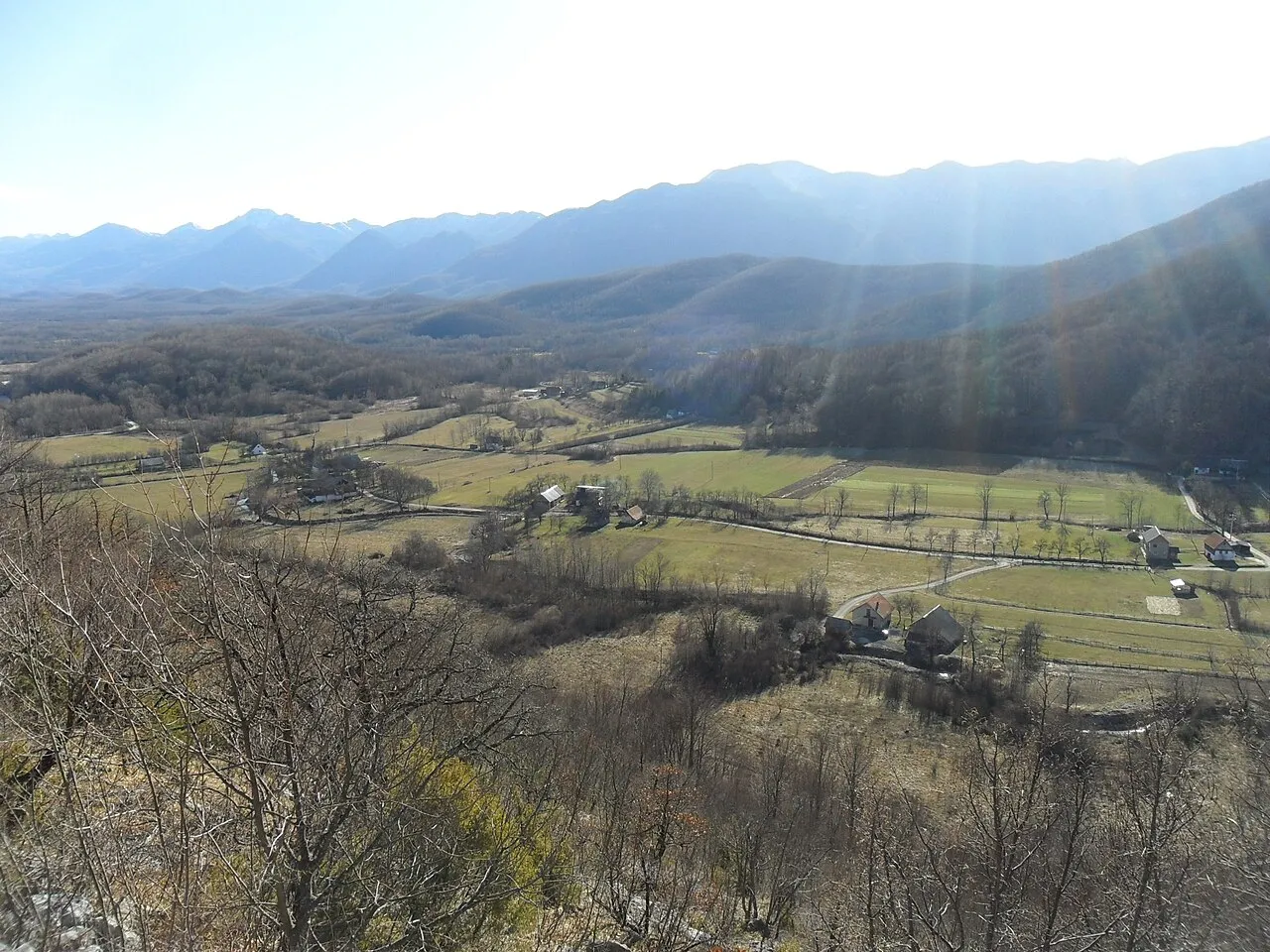
Natura 2000 · Standvogel
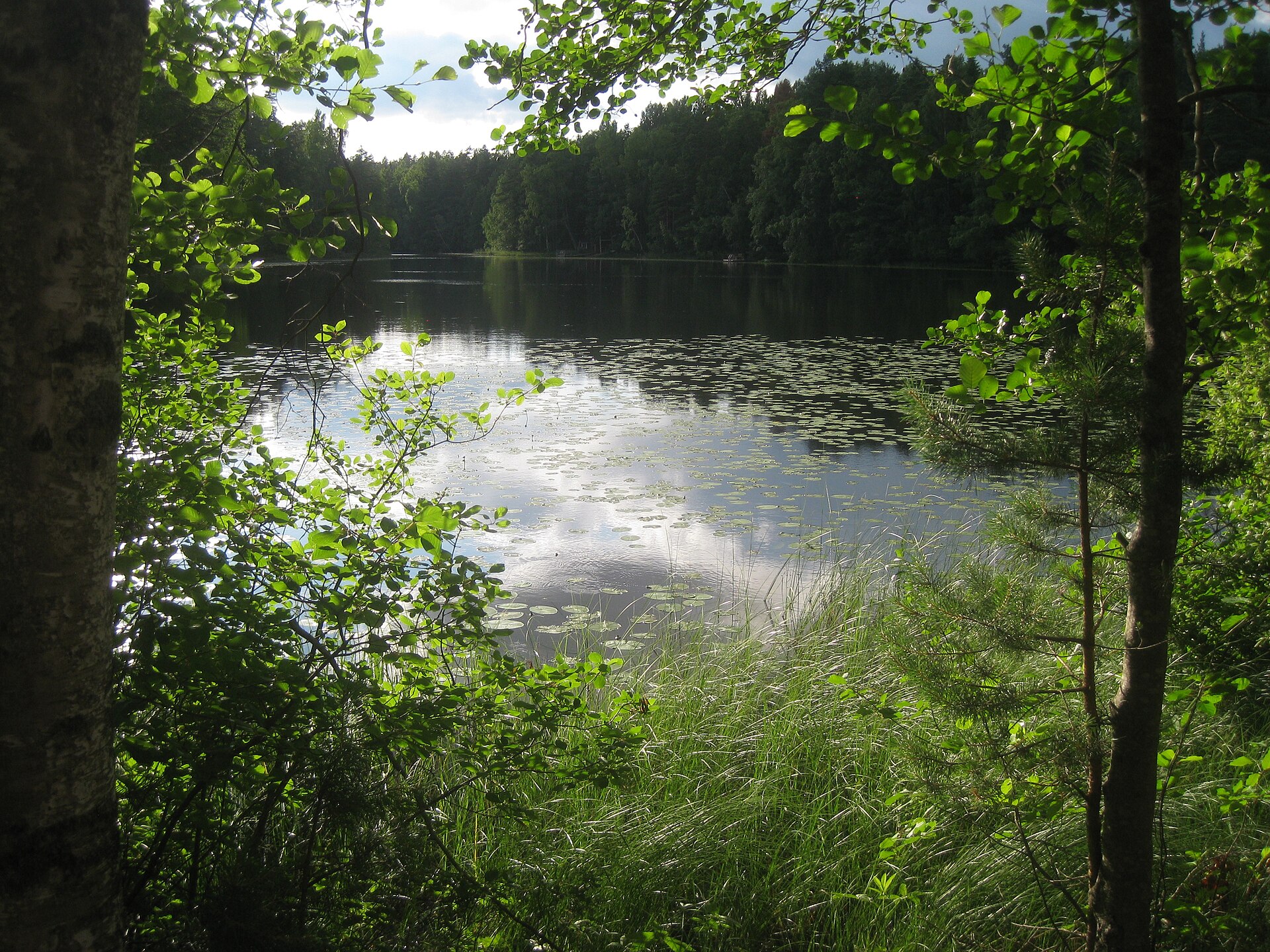
Natura 2000 · Standvogel

Natura 2000 · Standvogel
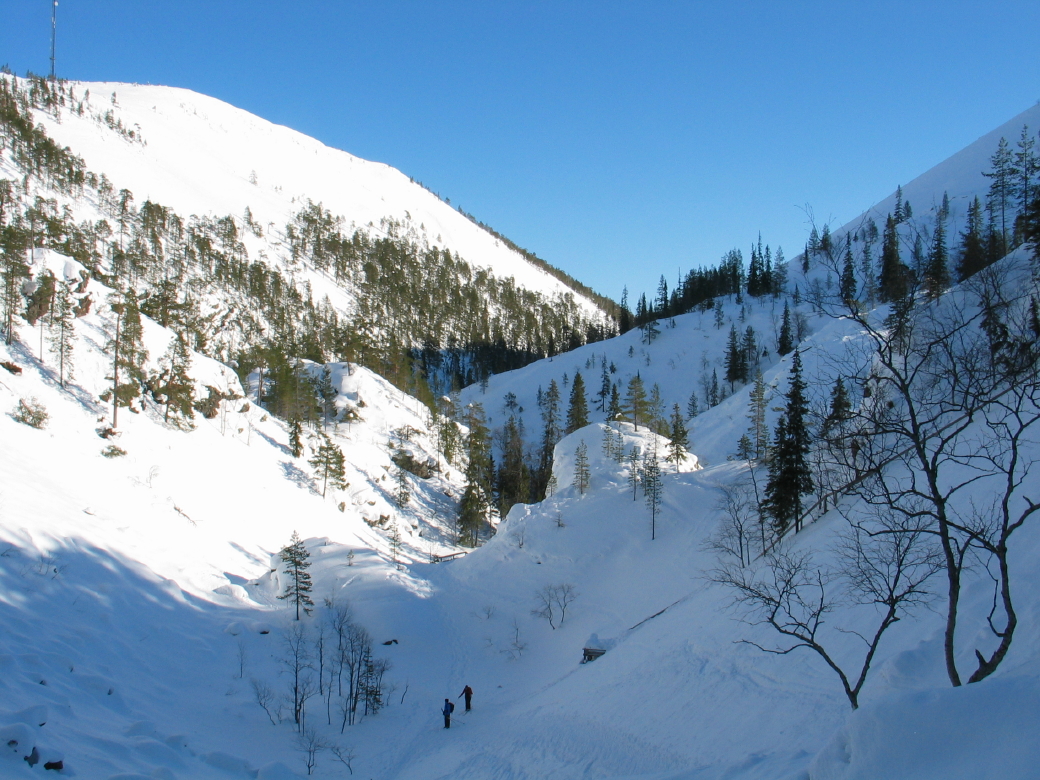
Natura 2000 · Standvogel
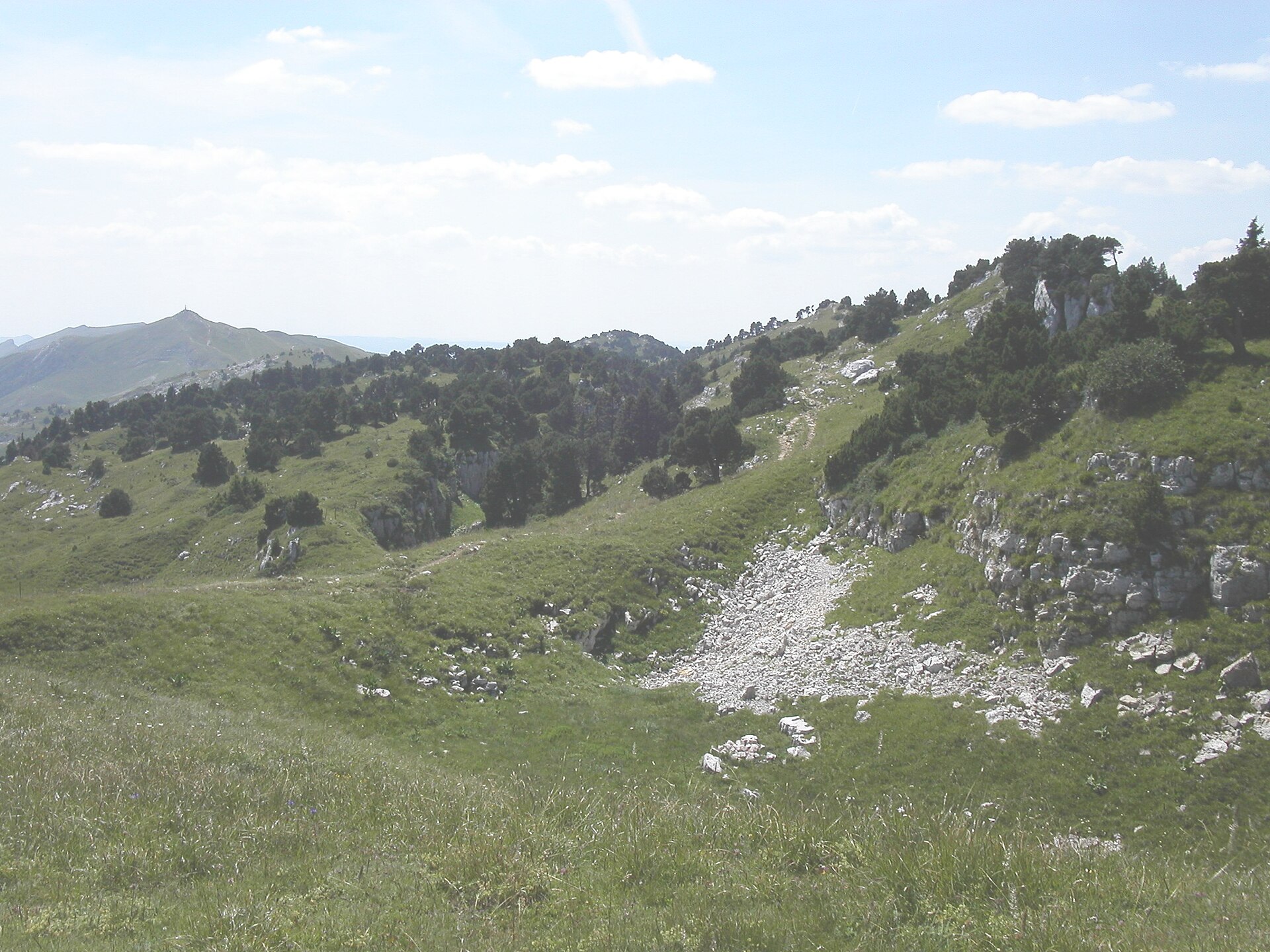
Natura 2000 · Brutvogel, Standvogel
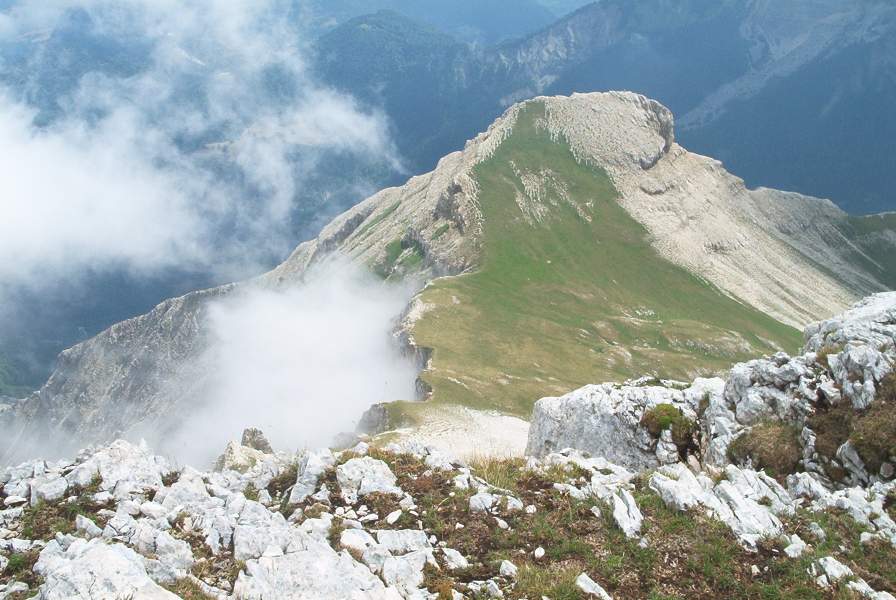
Natura 2000 · Brutvogel

Natura 2000 · Standvogel
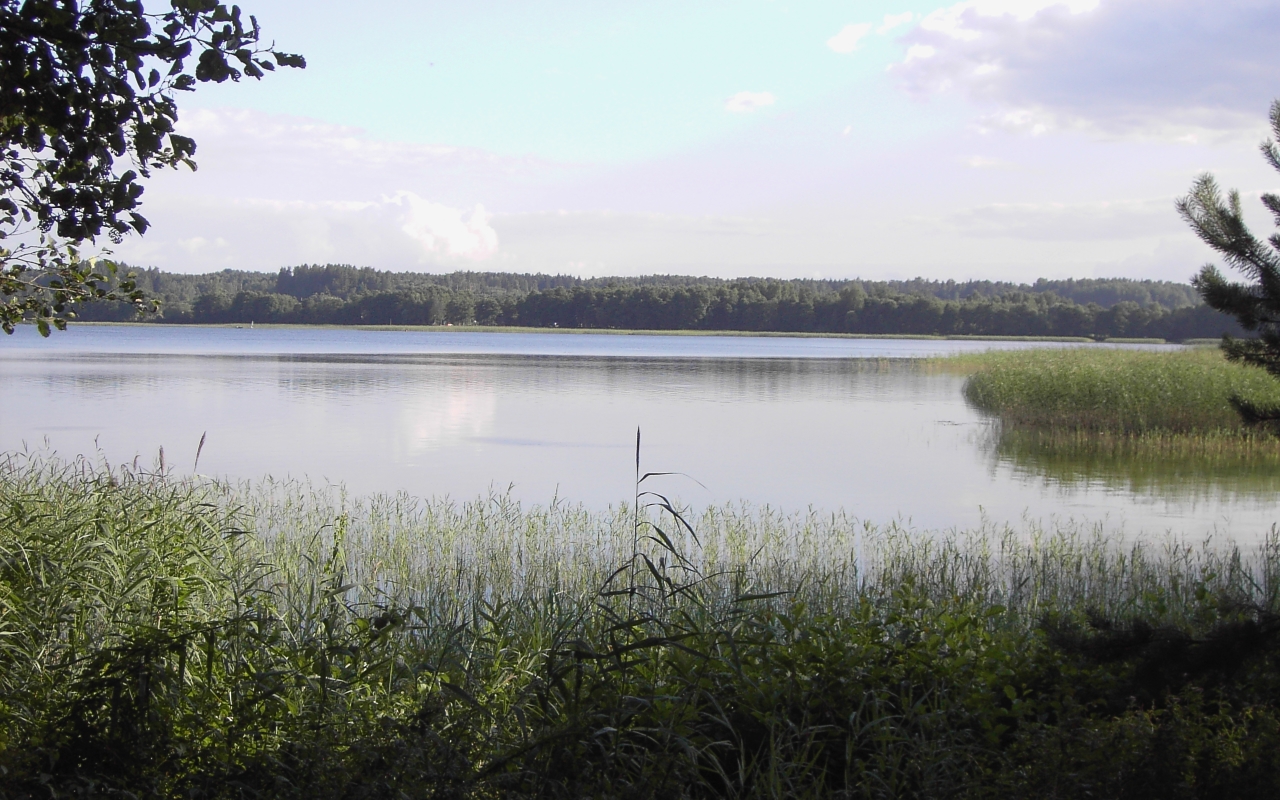
Natura 2000 · Standvogel
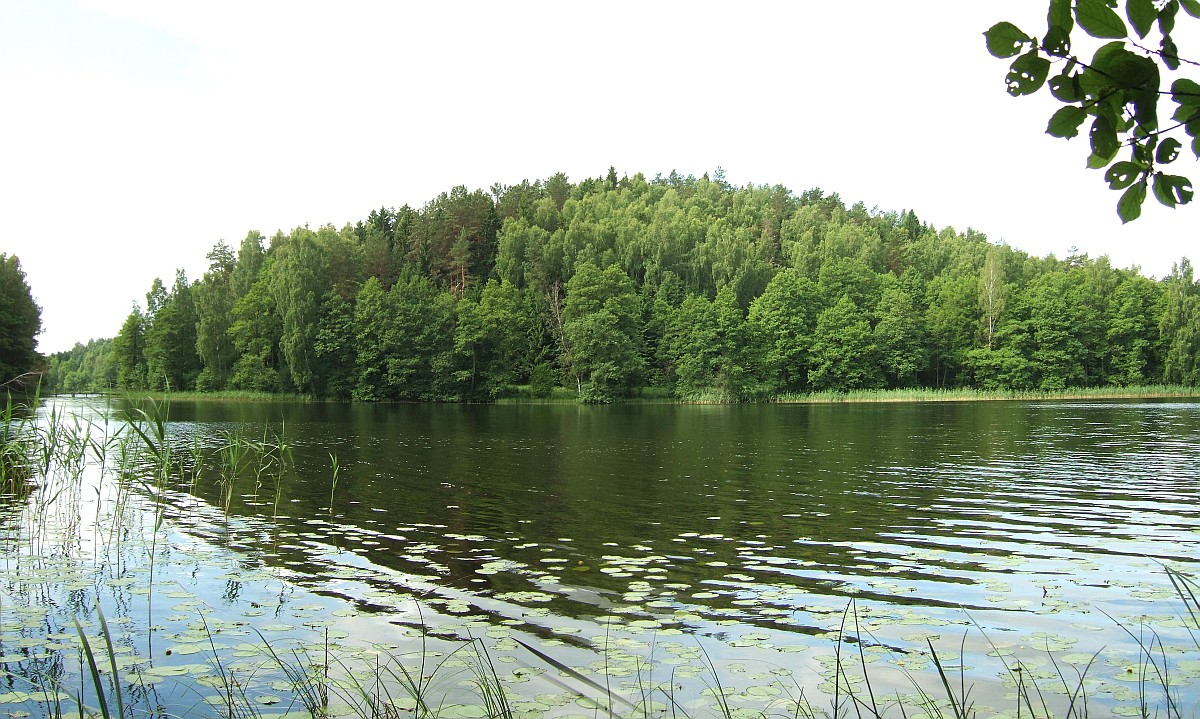
Natura 2000 · Standvogel
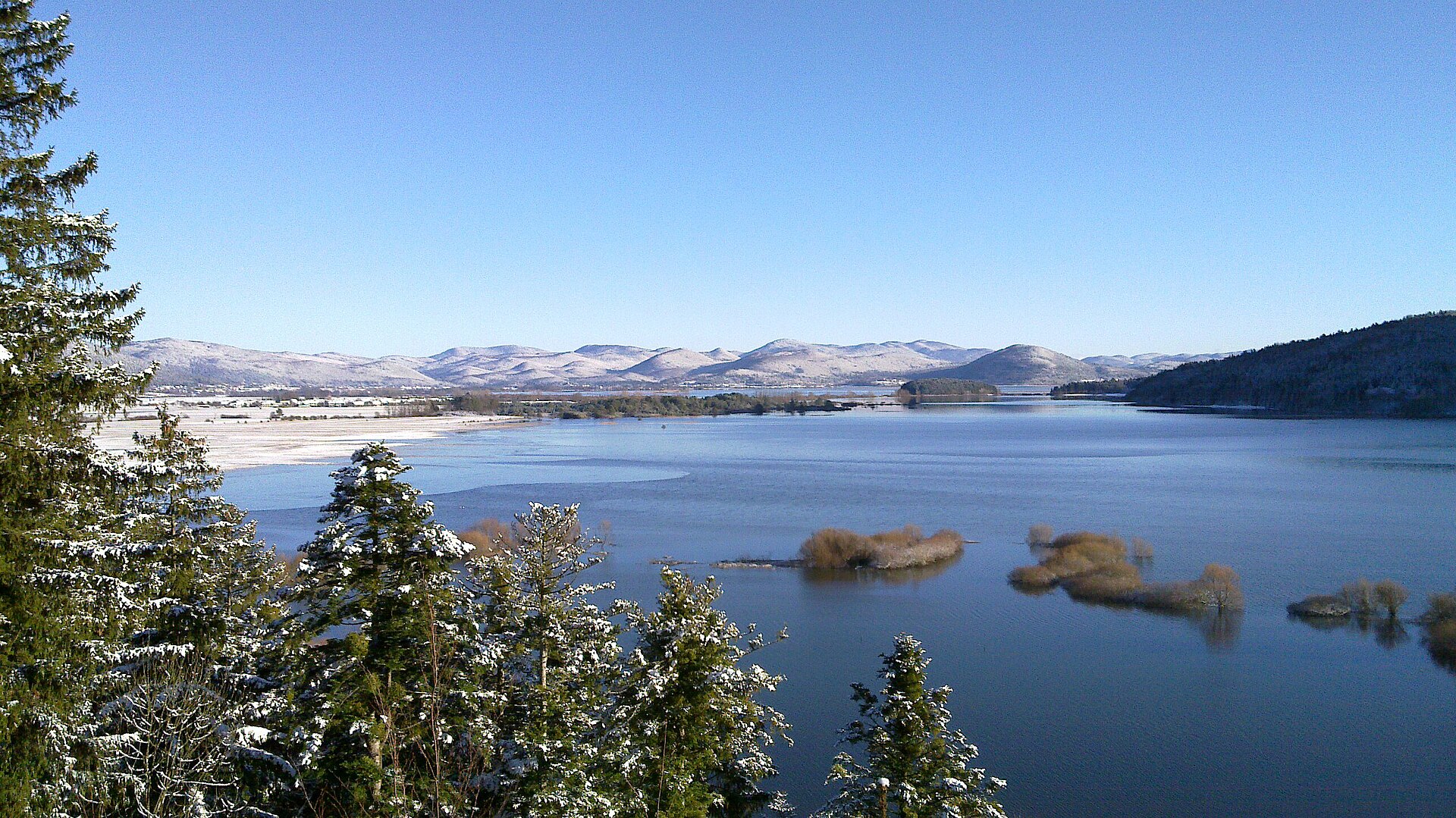
Natura 2000 · Brutvogel

Natura 2000 · Standvogel
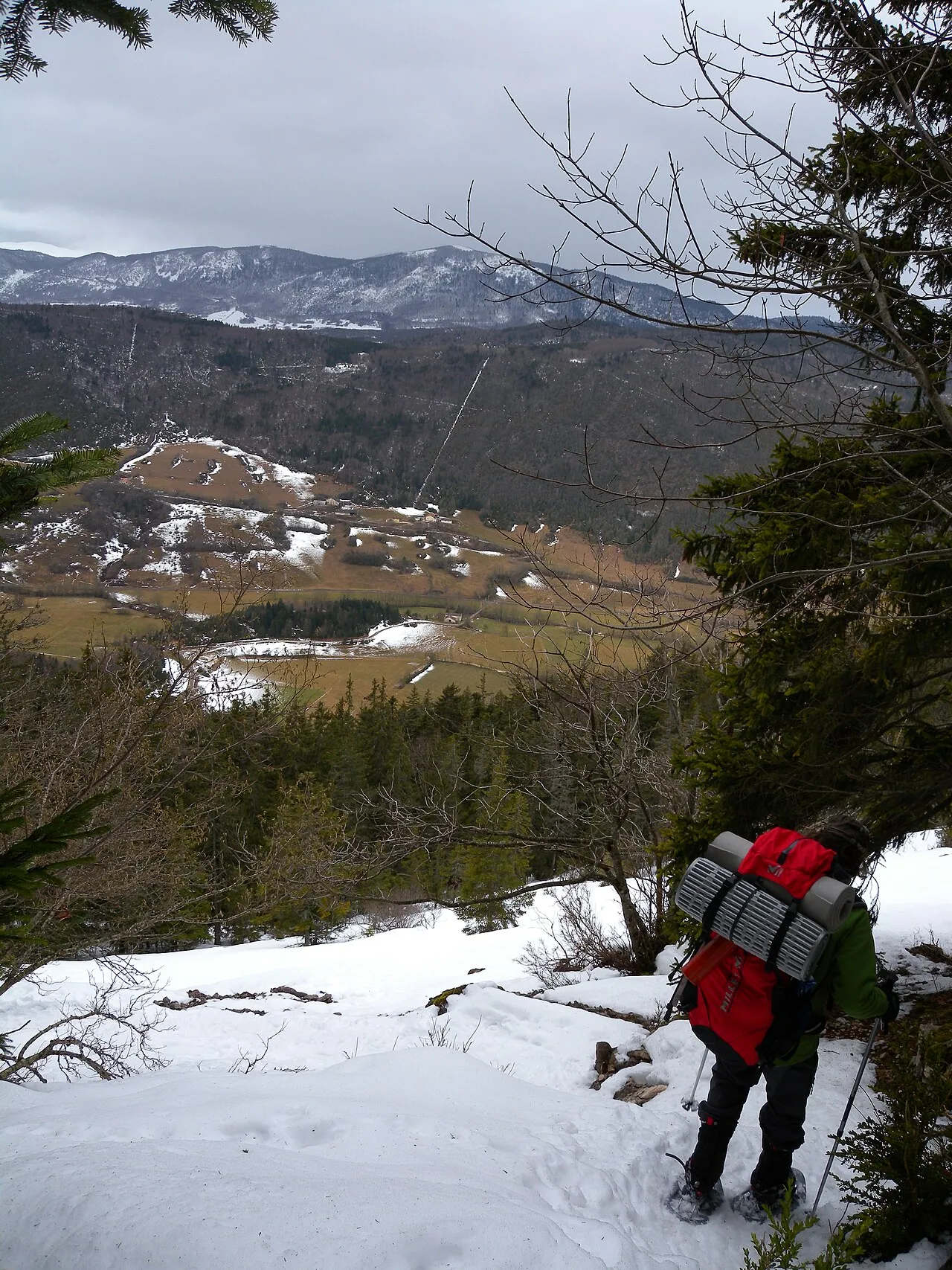
Natura 2000 · Brutvogel
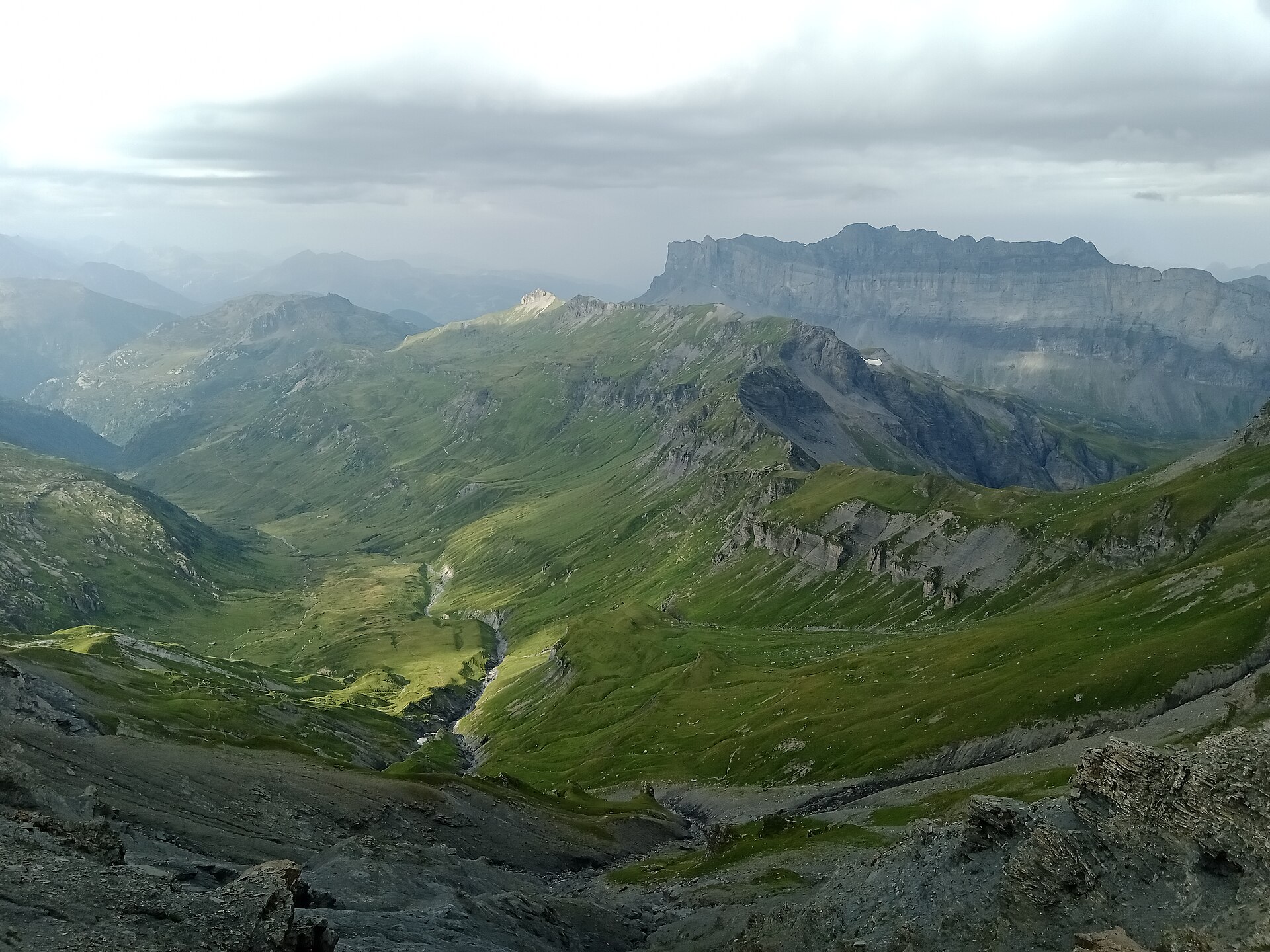
Natura 2000 · Standvogel
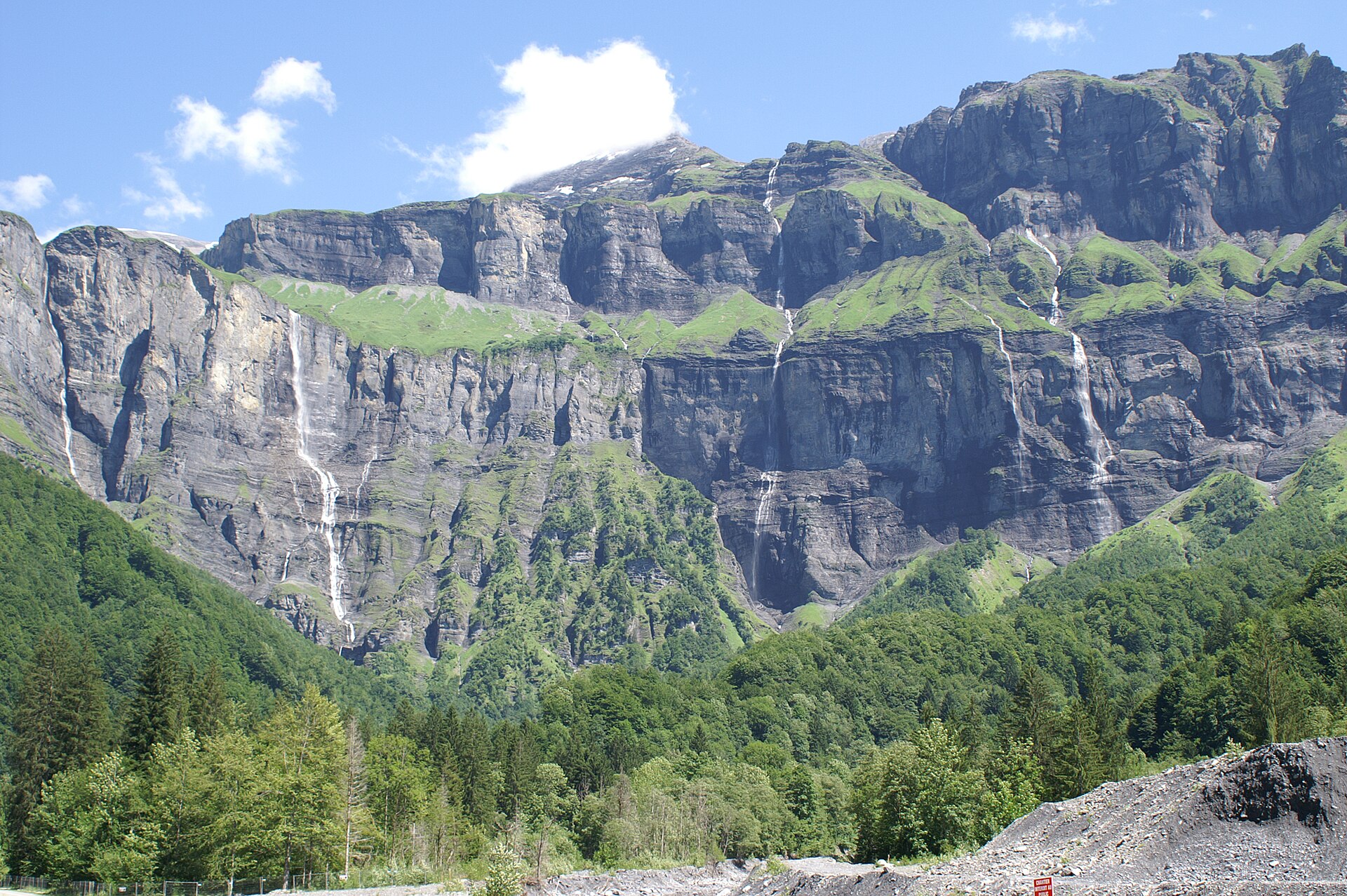
Natura 2000 · Standvogel
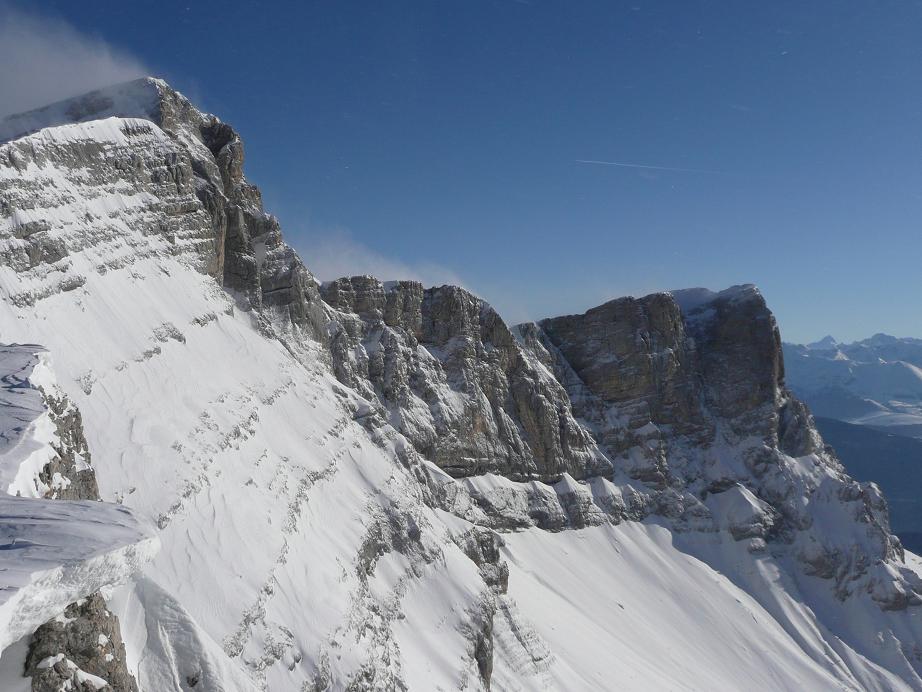
Natura 2000 · Brutvogel

Natura 2000 · Standvogel

Natura 2000 · Standvogel, Brutvogel
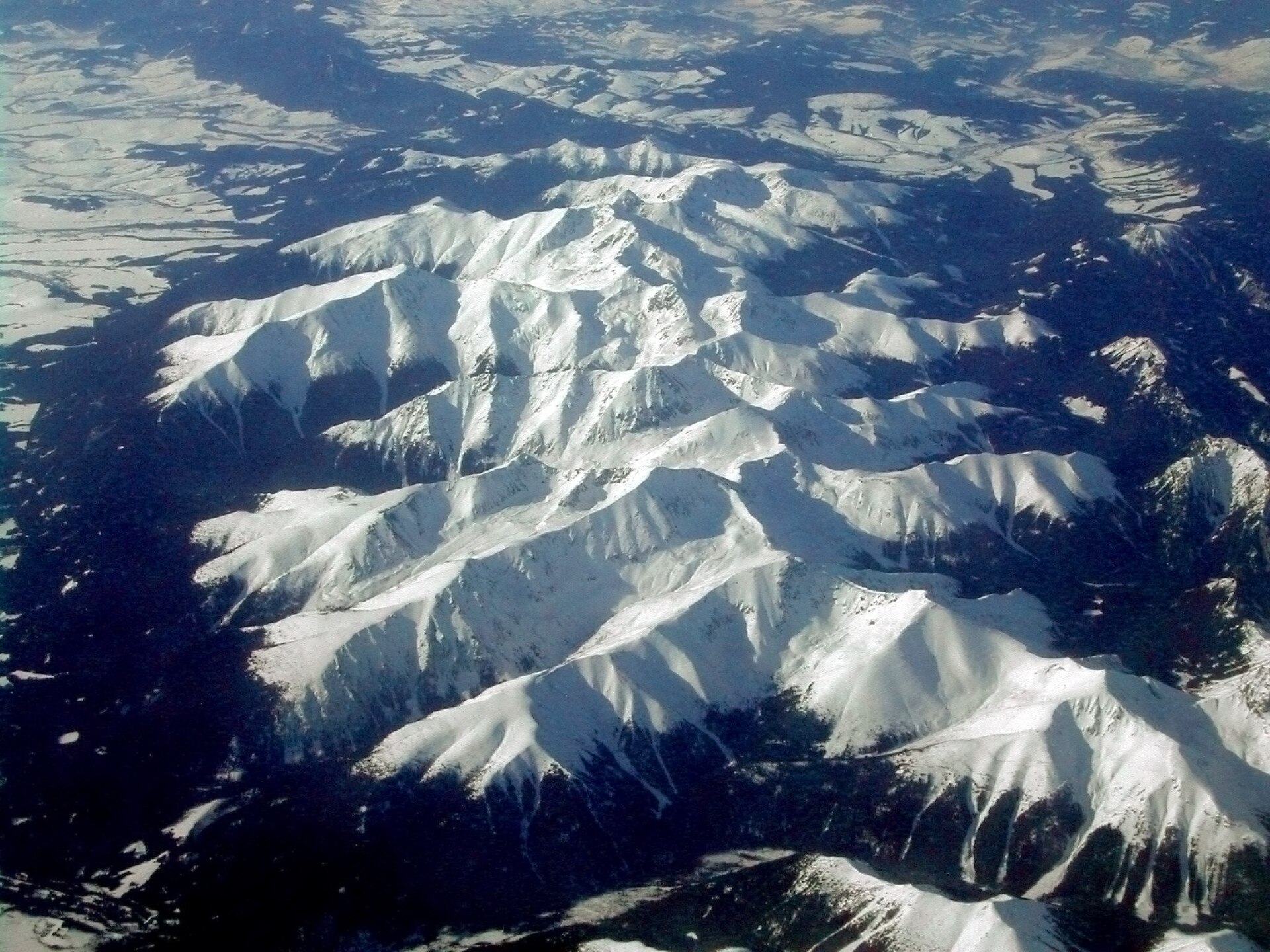
Natura 2000 · Standvogel, Brutvogel
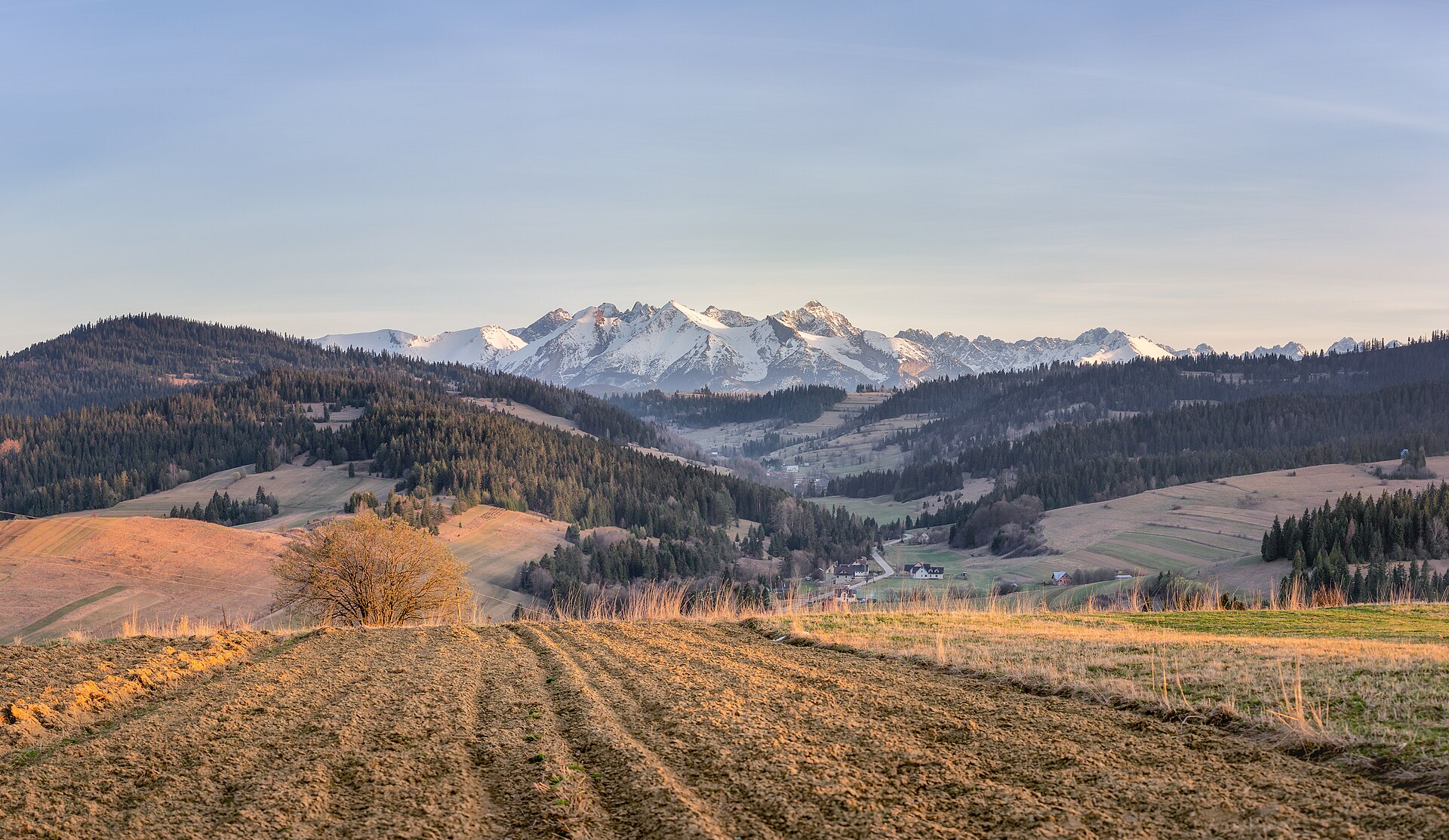
Natura 2000 · Standvogel

Natura 2000 · Brutvogel

Natura 2000 · Brutvogel

Natura 2000 · Standvogel
Weitere Arten entdecken
 Haselhuhn
Bonasa bonasia 115 gemeinsame Gebiete
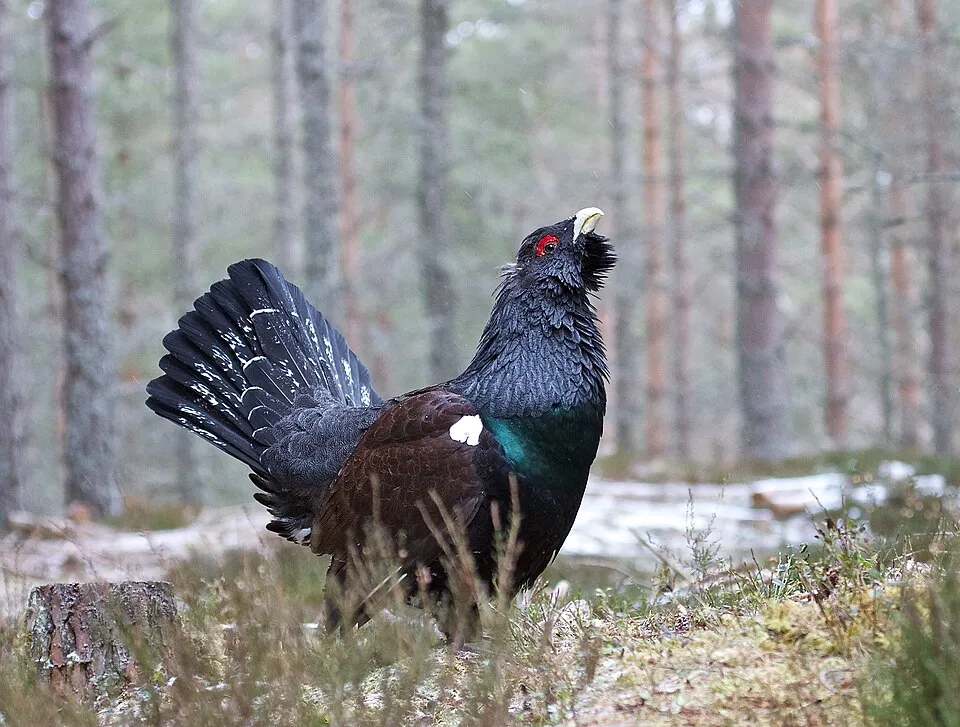 Auerhuhn
Tetrao urogallus 91 gemeinsame Gebiete
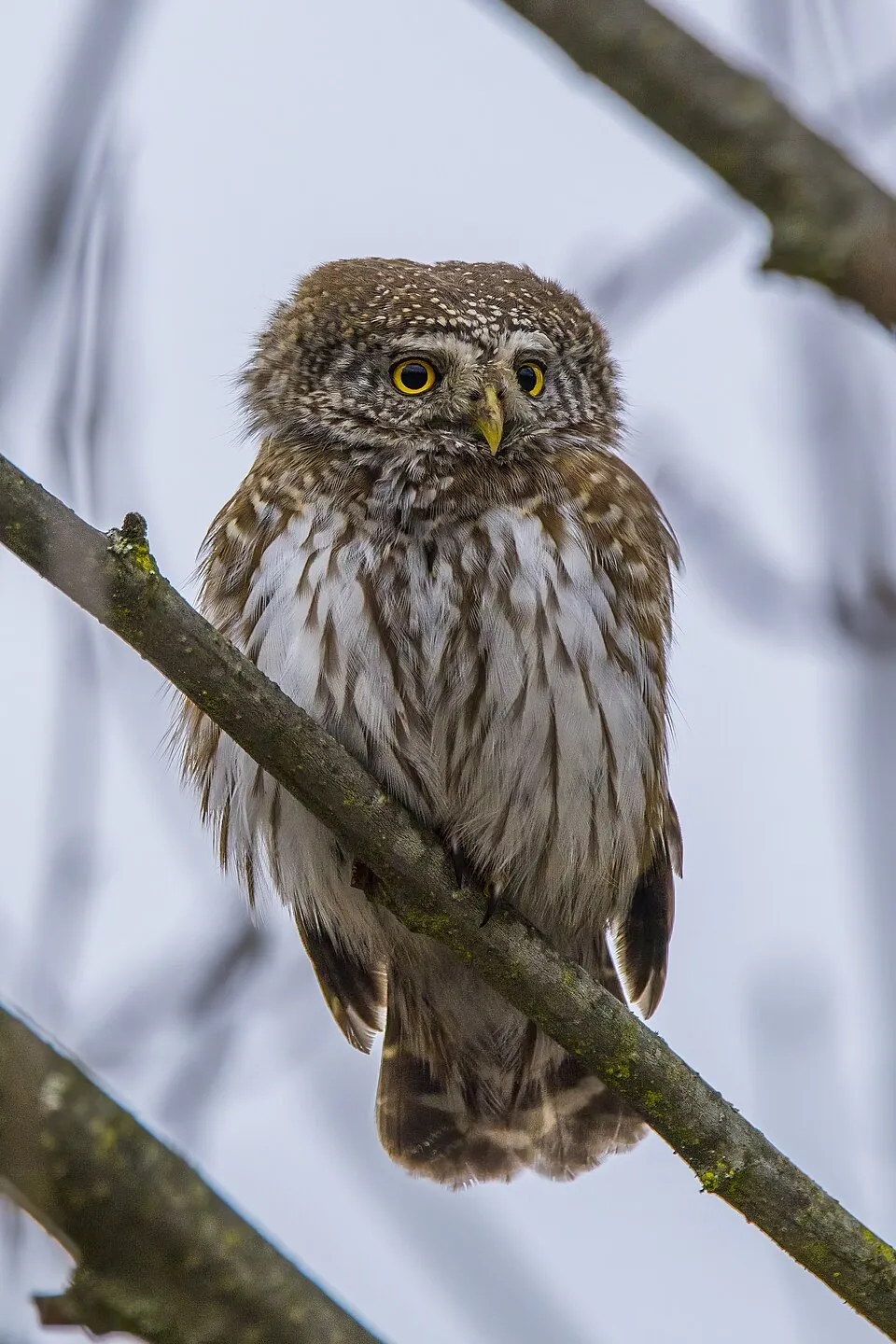 Sperlingskauz
Glaucidium passerinum 109 gemeinsame Gebiete
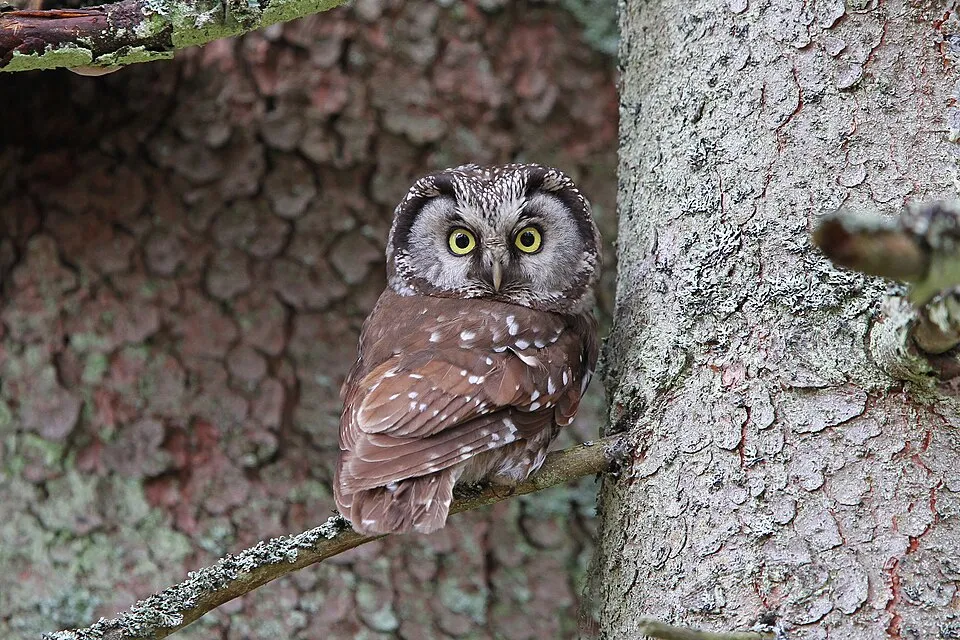 Raufußkauz
Aegolius funereus 115 gemeinsame Gebiete
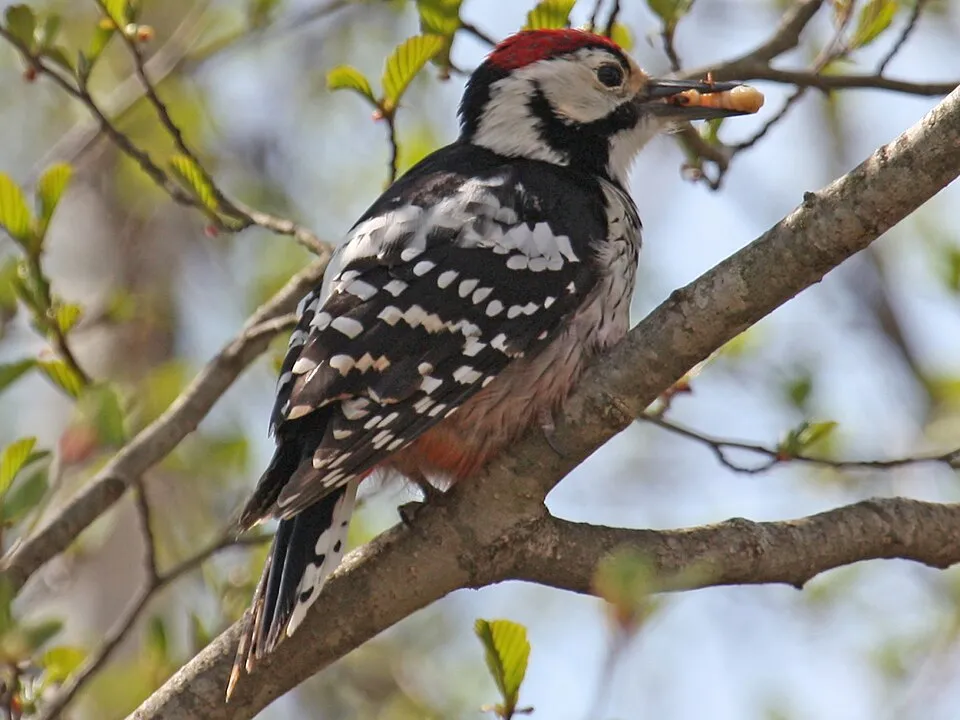 Weißrückenspecht
Dendrocopos leucotos 69 gemeinsame Gebiete
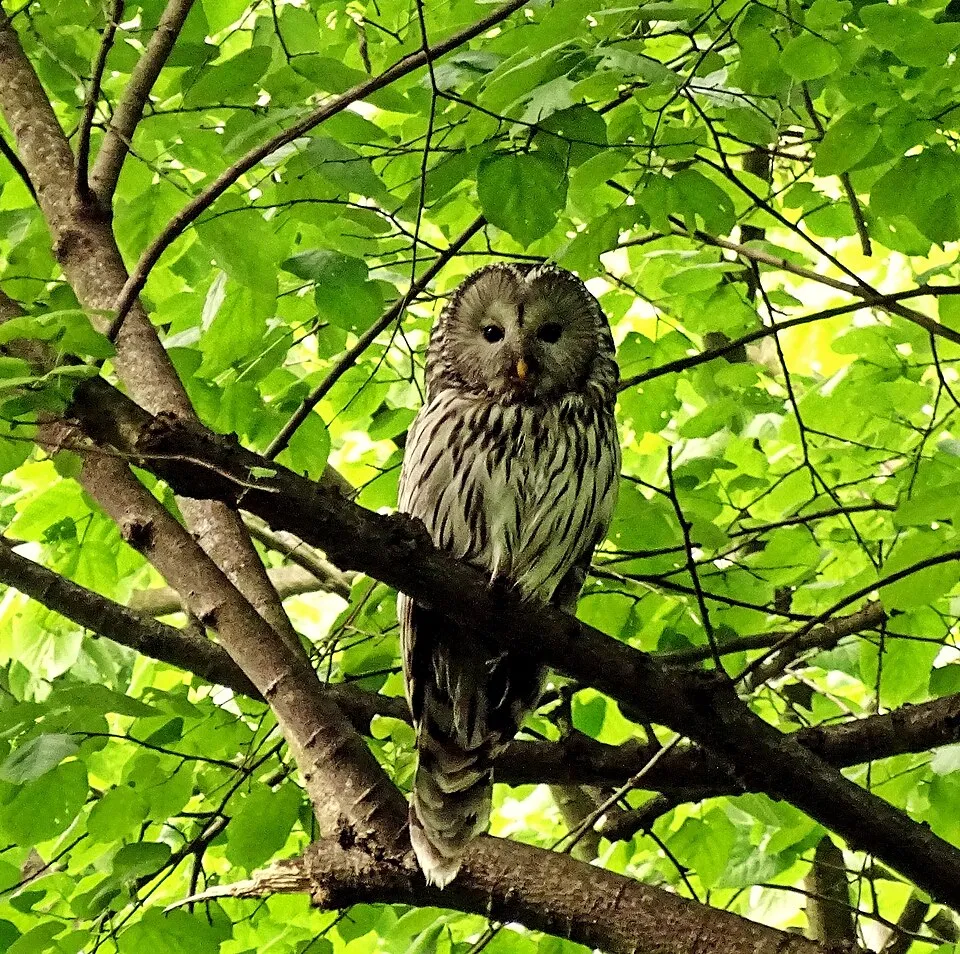 Habichtskauz
Strix uralensis 54 gemeinsame Gebiete
Quellen und Nachweise
- Vorkommen: die meistgemeldeten Arten jedes Ortes auf GBIF und Arten von gemeinschaftlichem Interesse aus den Natura-2000-Standarddatenbögen (EUA, CC-BY 4.0); fehlt ein Ort, heißt das nicht, dass die Art dort fehlt.
- Deutsche Namen: Wikidata (CC0) und GBIF.
- Fotos und Tonaufnahmen: Wikimedia Commons, Urheber und Lizenz bei jeder Datei angegeben.
- Systematik: GBIF Backbone Taxonomy (GBIF Secretariat), CC BY 4.0, doi:10.15468/39omei.
- Länder, Höhen, Monate und Karten: GBIF.org, nur Nachweise unter CC0 oder CC BY 4.0, abgerufen am 22. Oktober 2026, GBIF.org.
- Kartengrundlage: Natural Earth (gemeinfrei).
- Auszug: Wikipedia, CC BY-SA 4.0 (vollständiger Nachweis unter dem Auszug).
- Steckbrief: Wikidata (CC0), mit den unter jedem Wert genannten Belegen.
- Anhänge: Richtlinie 2009/147/EG (konsolidierte Fassung), © Europäische Union, EUR-Lex.
- Vogelbestände in der EU: EUA / GD ENV, Berichte nach Artikel 12 der Vogelschutzrichtlinie (2013–2018), CC BY 4.0.