
Vogel
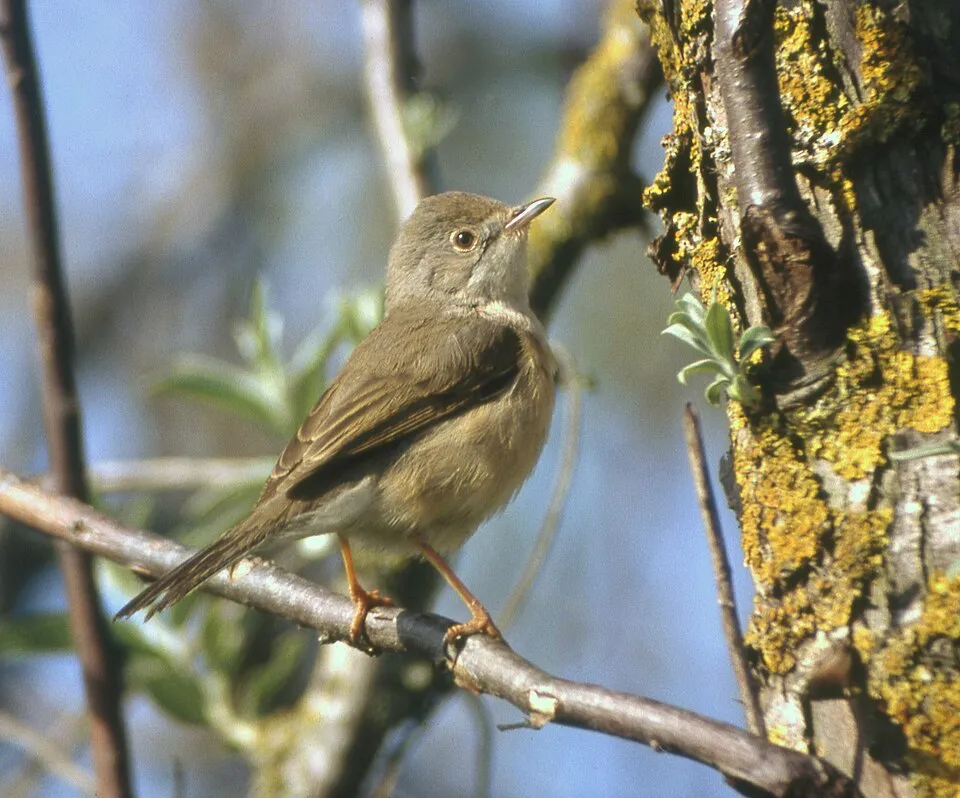
Provencegrasmücke: wo beobachten?
Sylvia undata
Diese Vogelart ist in 158 Schutzgebieten des Atlas nachgewiesen; in 157 davon ist sie im amtlichen Natura-2000-Standarddatenbogen aufgeführt. In den Ländern des Atlas wird sie vor allem in Spanien, Frankreich und Portugal beobachtet (5 Länder insgesamt). Die meisten Nachweise (8 von 10) liegen zwischen Meereshöhe und 650 m. Die Nachweise verteilen sich über das ganze Jahr. Ihre Flügelspannweite beträgt 16 cm. Für sie gelten besondere Schutzmaßnahmen nach der Vogelschutzrichtlinie (Anhang I). Ihr Bestand in der EU gilt als potenziell gefährdet (Berichtszeitraum 2013–2018 der Vogelschutzrichtlinie).
Beste Beobachtungszeit: ganzjährig
Auf GBIF veröffentlichte Nachweise nach Monat (nur Lizenzen CC0 und CC BY 4.0), in den Ländern des Atlas, alle Jahre zusammen; sie spiegeln auch die Aktivität der Beobachter wider.
Steckbrief
- Flügelspannweite
- 16 cm Wikidata, nach app.bto.org
- Gelegegröße
- 4 Eier Wikidata, nach Jetz et al. 2008
- Brutdauer
- 13 Tage Wikidata, nach British Trust for Ornithology
Schutz und Gefährdung
Vogelschutzrichtlinie I
Die Art ist in Anhang I der Vogelschutzrichtlinie aufgeführt.
Bestand in der EU als potenziell gefährdet eingestuft, kurzfristig abnehmend (Berichtszeitraum 2013–2018 der Vogelschutzrichtlinie). Brutbestand in der EU: 597.000–1.430.000 Paare.
Verbreitung
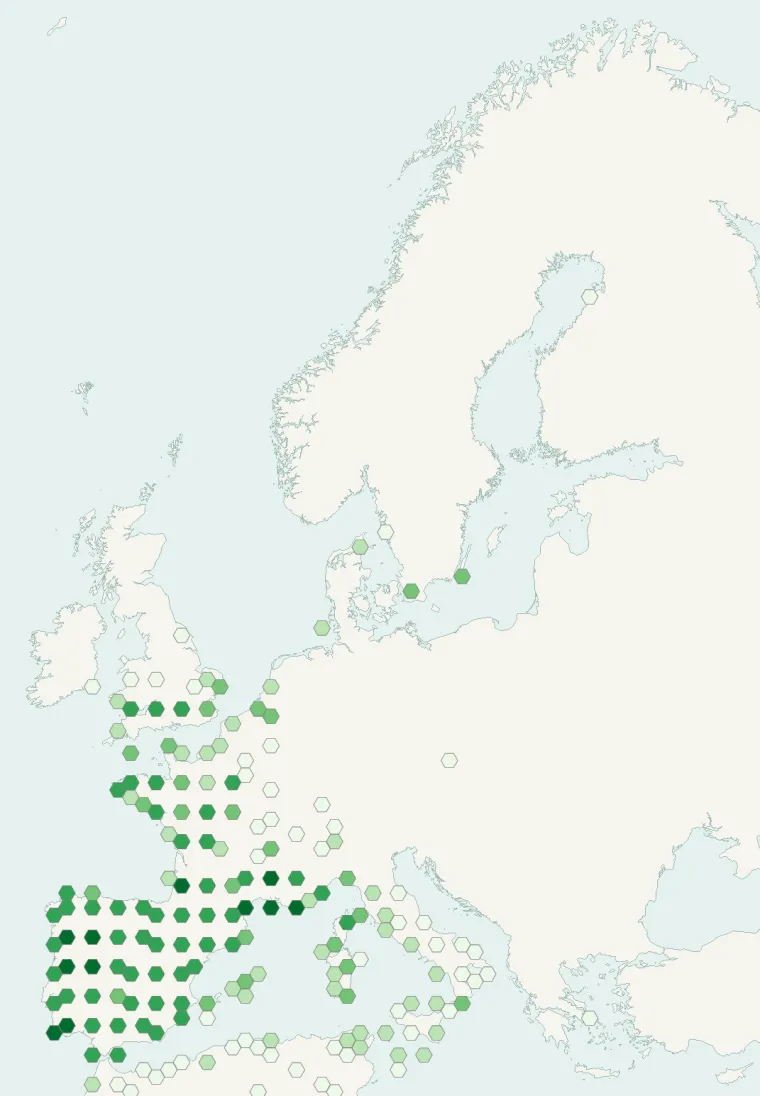
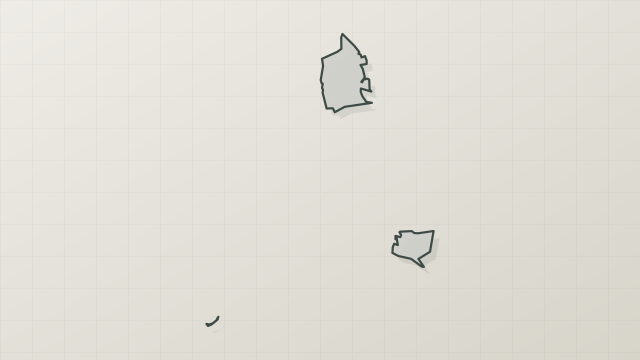
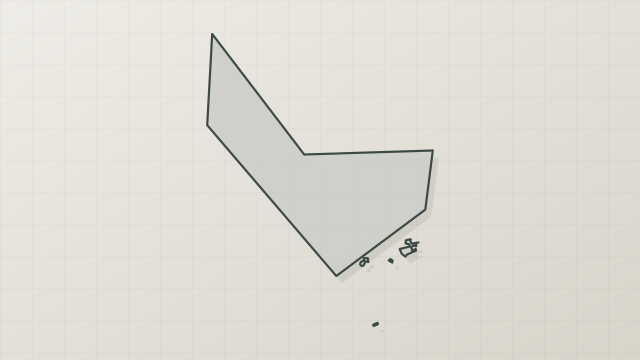
Auf GBIF veröffentlichte Nachweise (Lizenzen CC0 und CC BY 4.0): Je dunkler der Farbton, desto mehr Nachweise; sie spiegeln auch die Beobachtungsintensität wider.
Länder des Atlas mit Nachweisen
Schutzgebiete mit Nachweisen
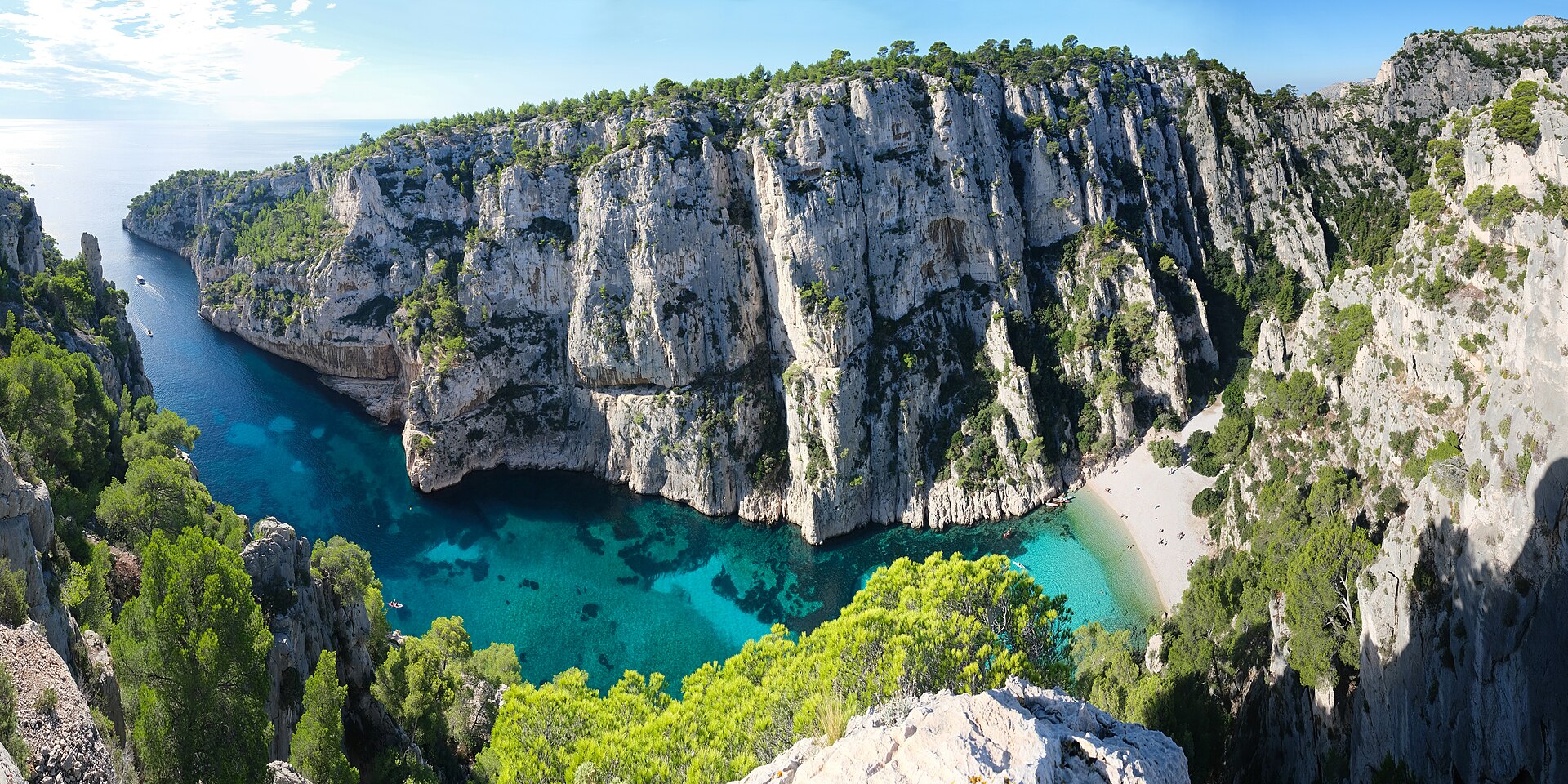
Natura 2000 · Standvogel 1054 Nachweise
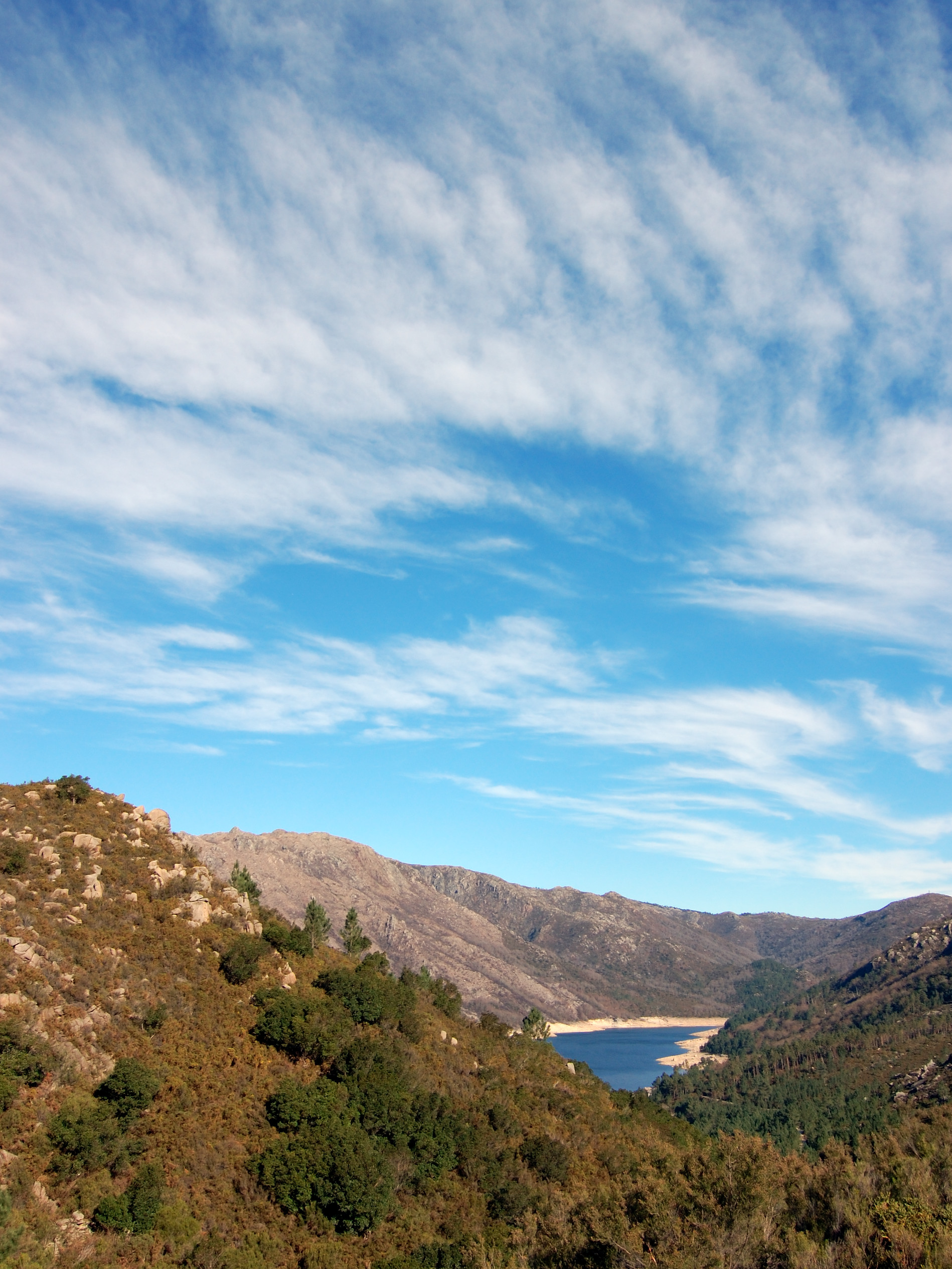
Natura 2000 · Standvogel 976 Nachweise
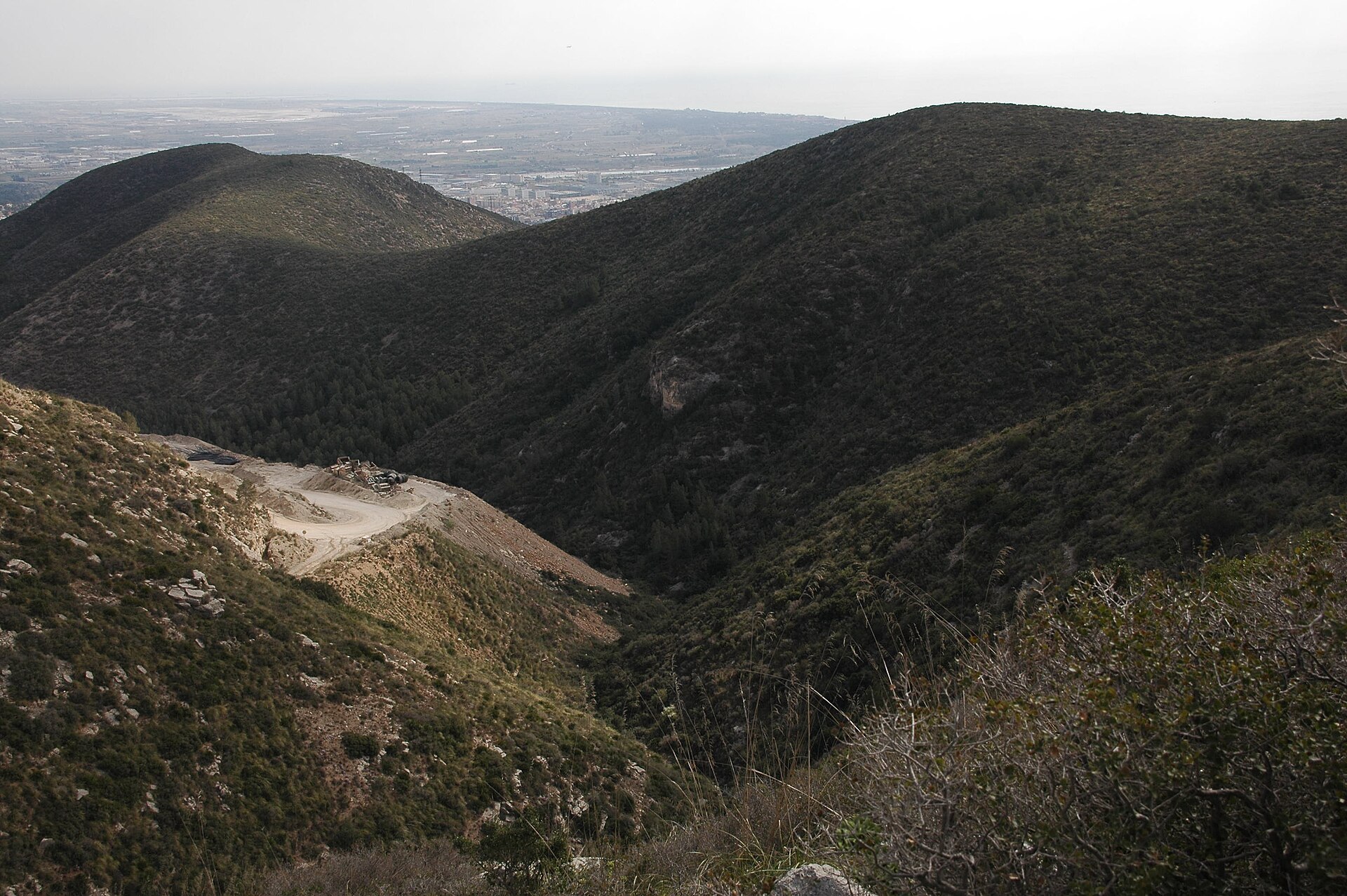
Natura 2000 · Standvogel 709 Nachweise
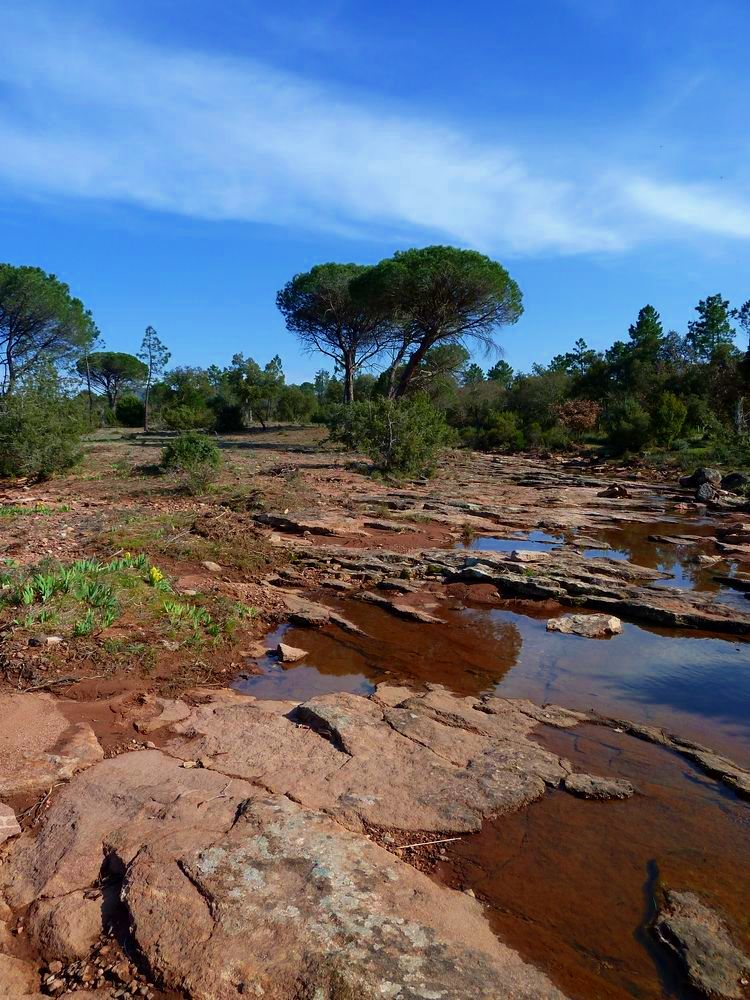
Natura 2000 · Standvogel 669 Nachweise

Natura 2000 · Standvogel 467 Nachweise

Natura 2000 · Durchzügler, Wintergast, Brutvogel, Standvogel 111 Nachweise
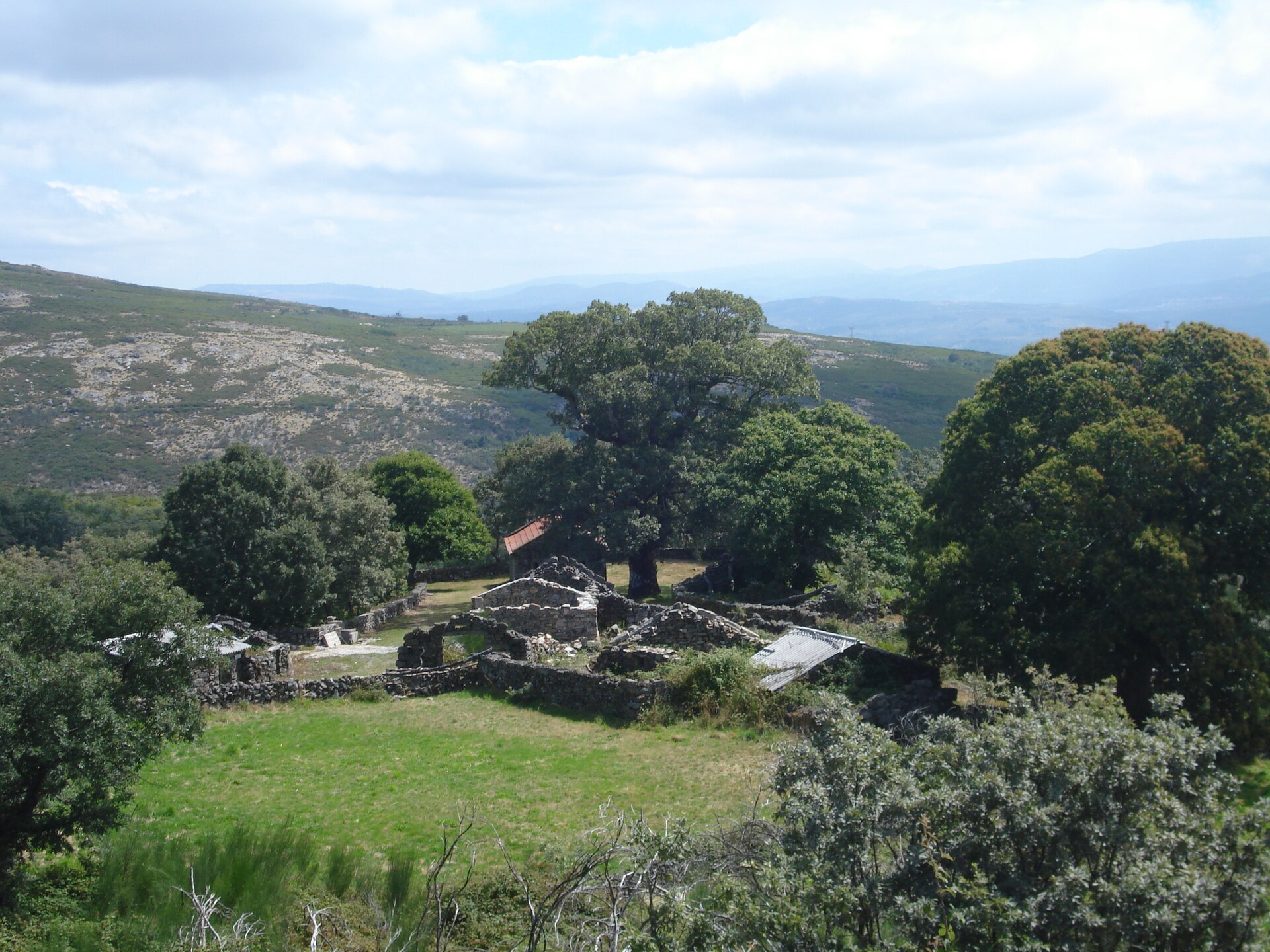
Natura 2000 · Standvogel 43 Nachweise

Natura 2000 · Durchzügler, Wintergast, Brutvogel 31 Nachweise
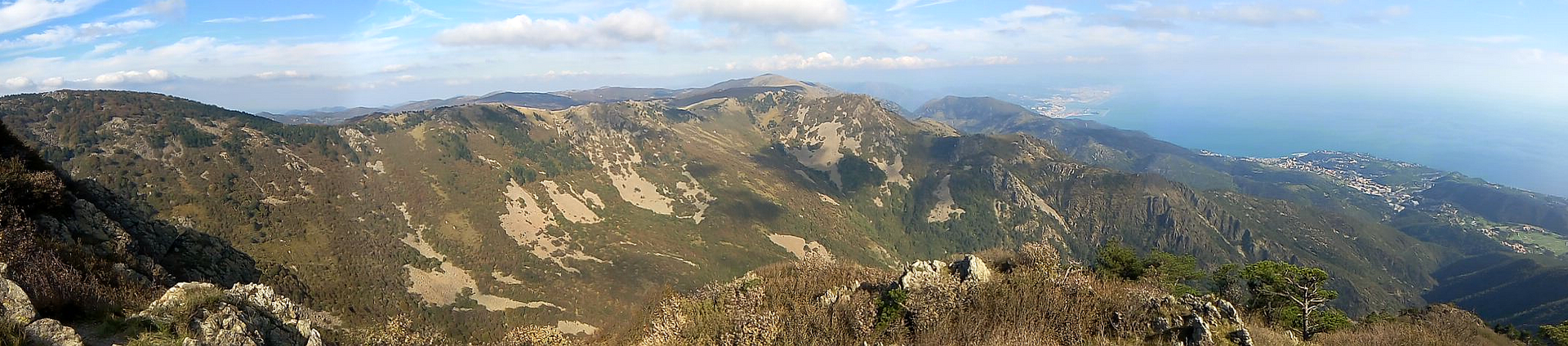
Natura 2000 · Standvogel 10 Nachweise
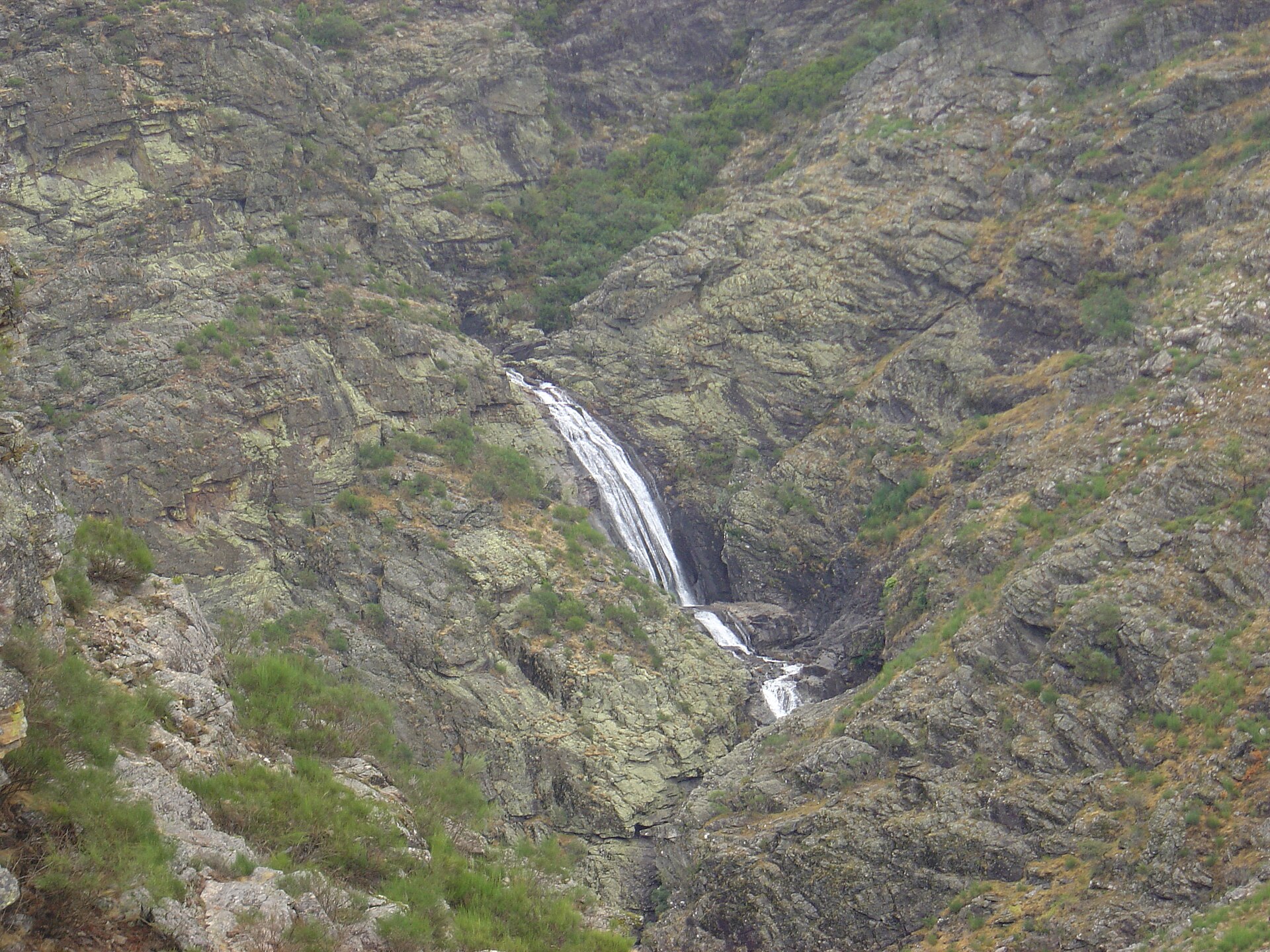
111 Nachweise
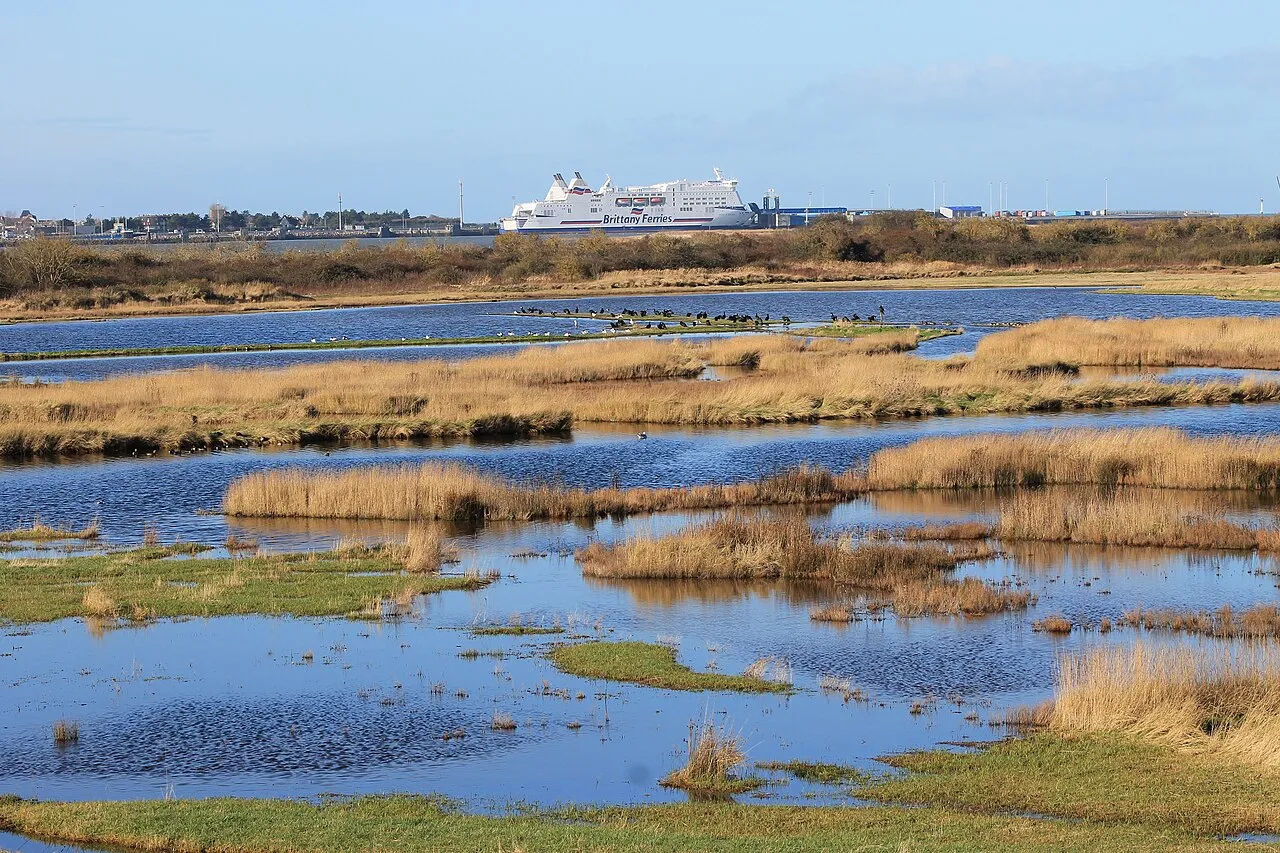
Natura 2000 · Durchzügler
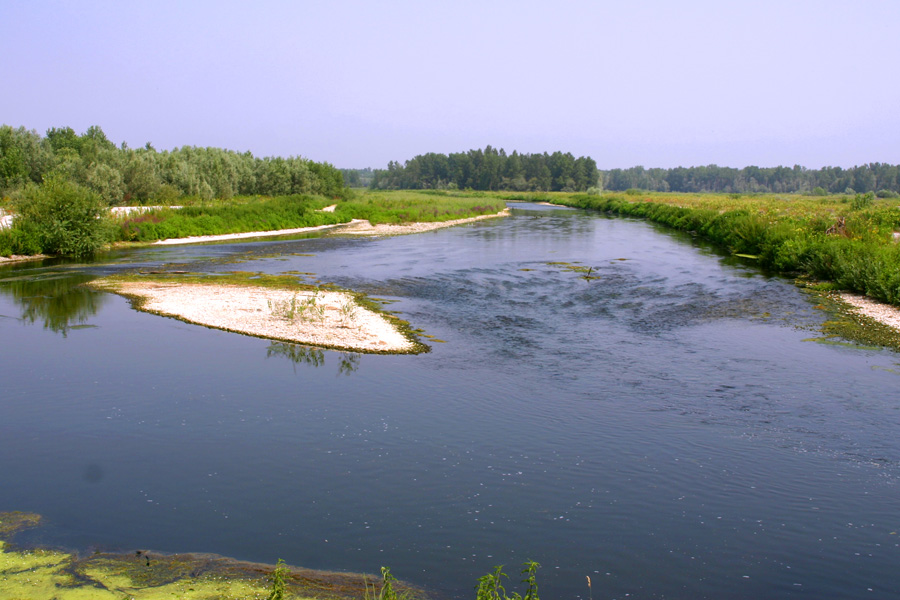
Natura 2000 · Durchzügler
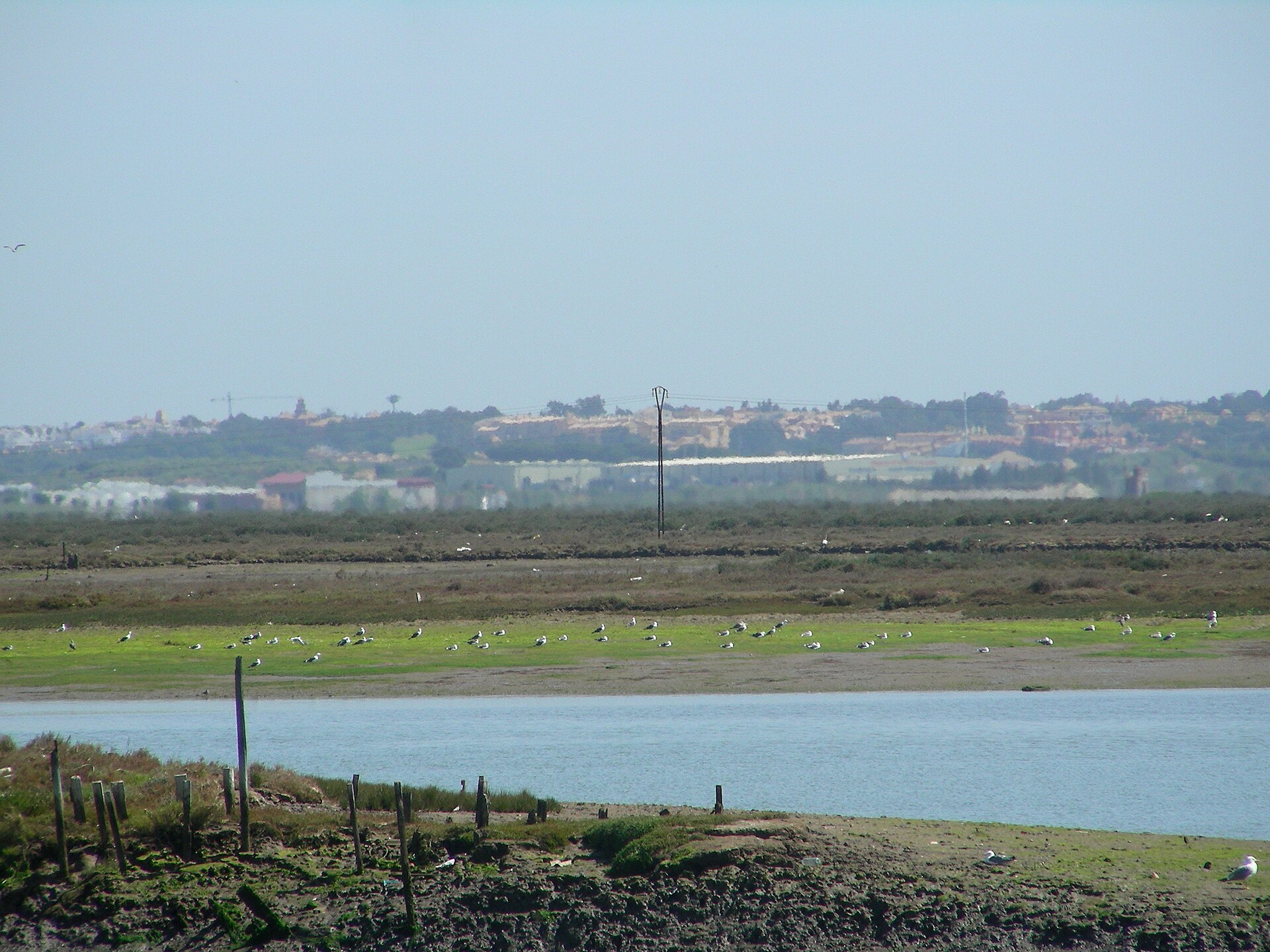
Natura 2000 · Brutvogel
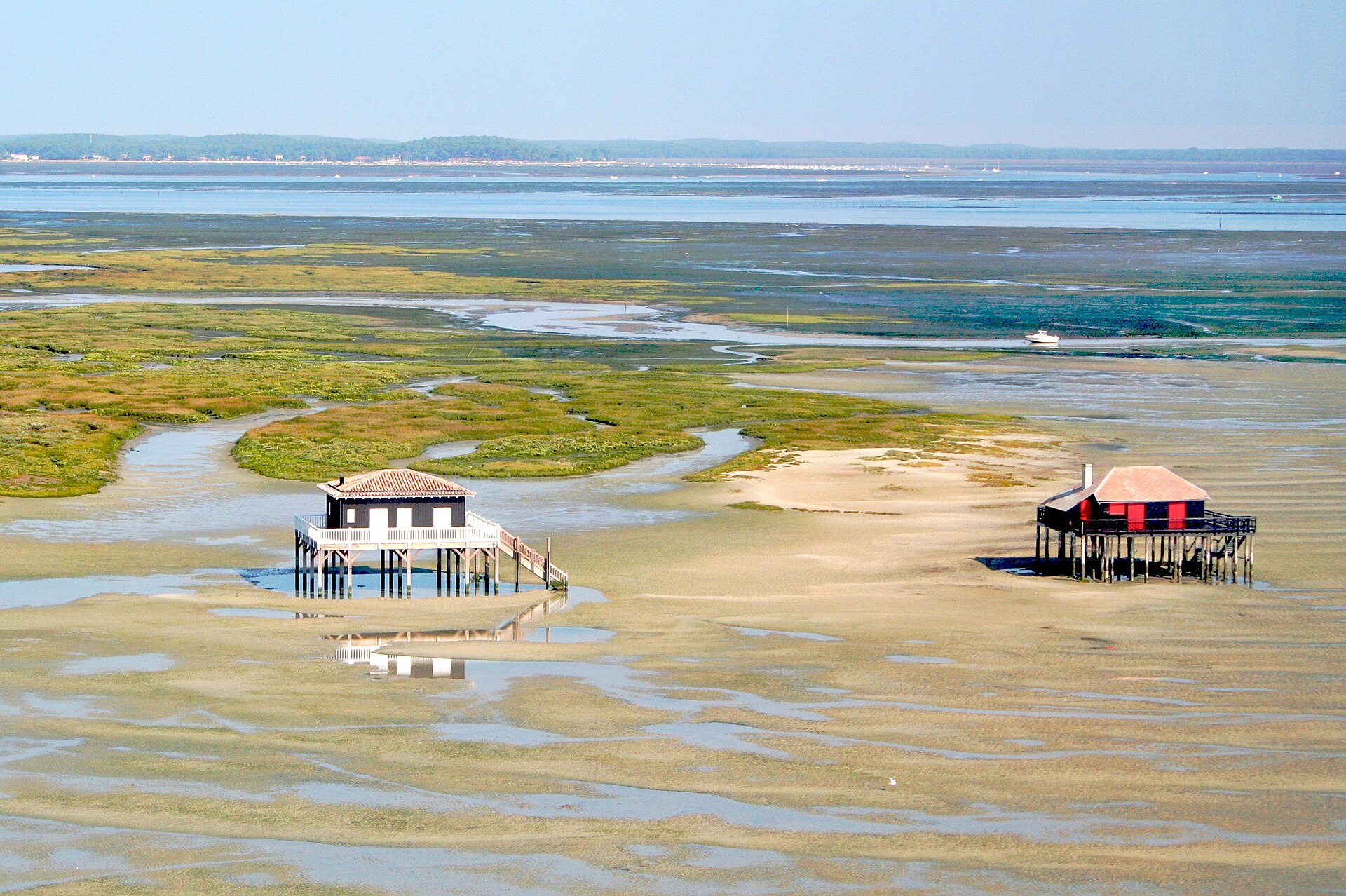
Natura 2000 · Brutvogel
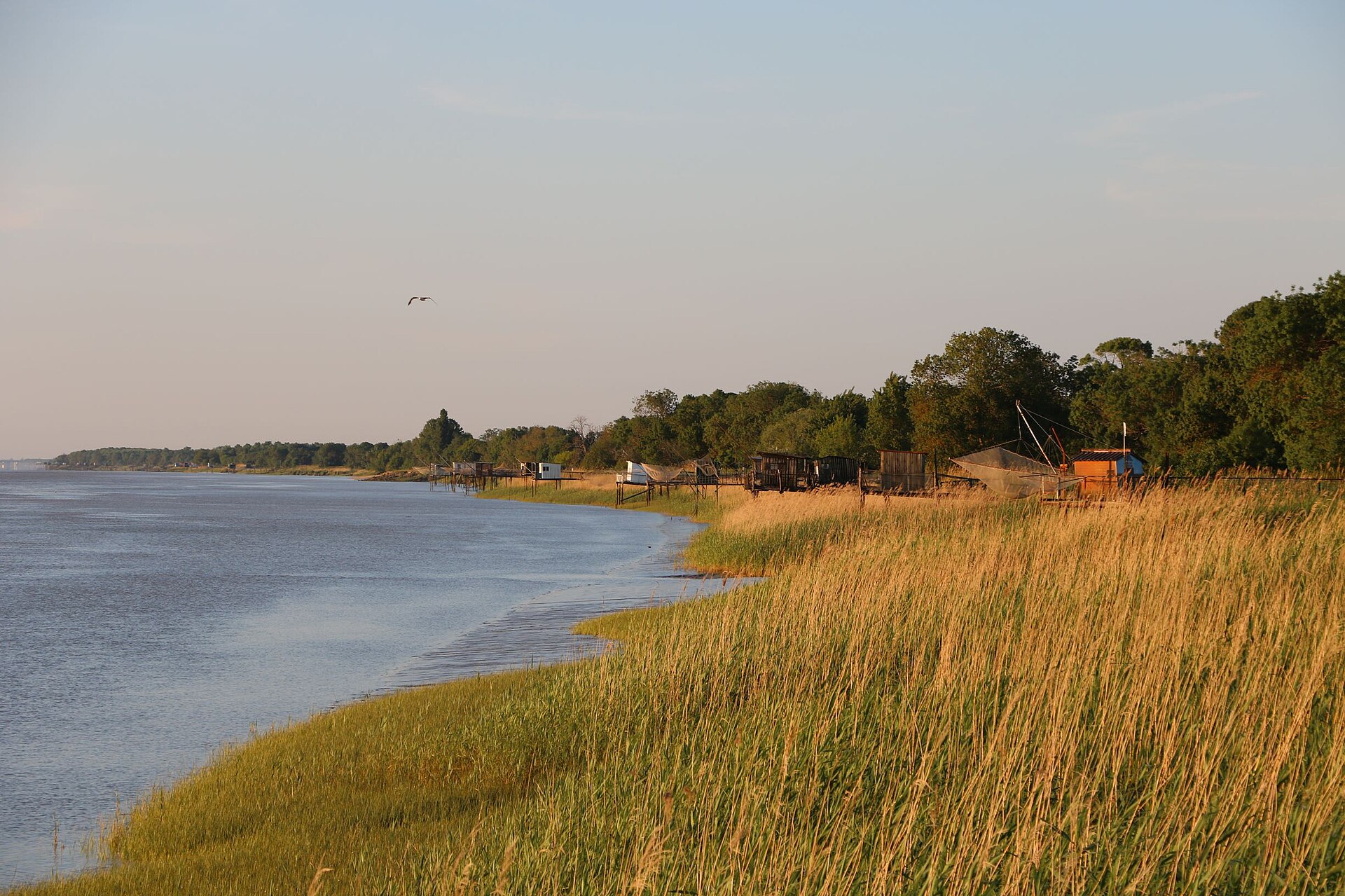
Natura 2000 · Durchzügler, Wintergast, Brutvogel, Standvogel
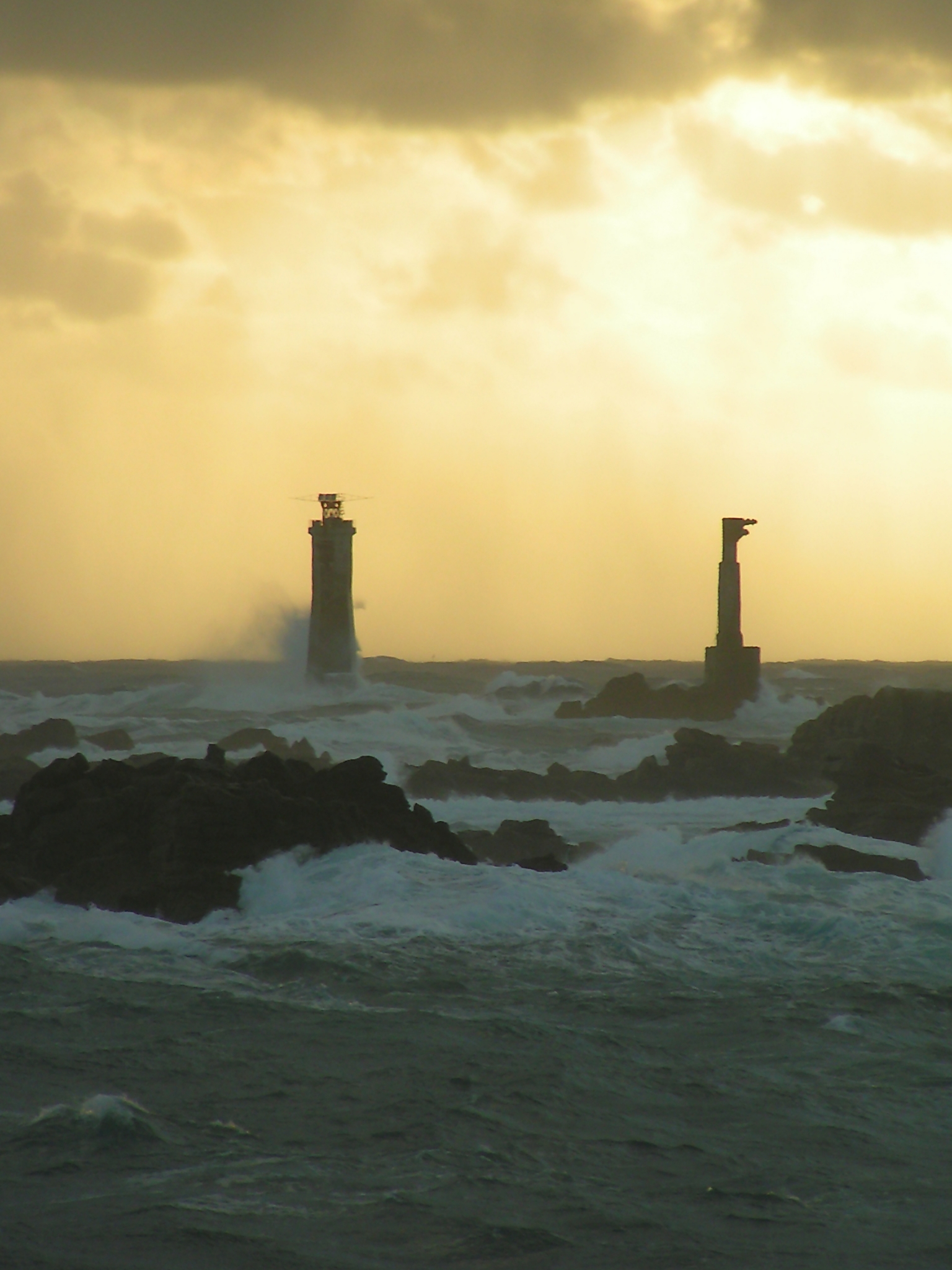
Natura 2000 · Brutvogel
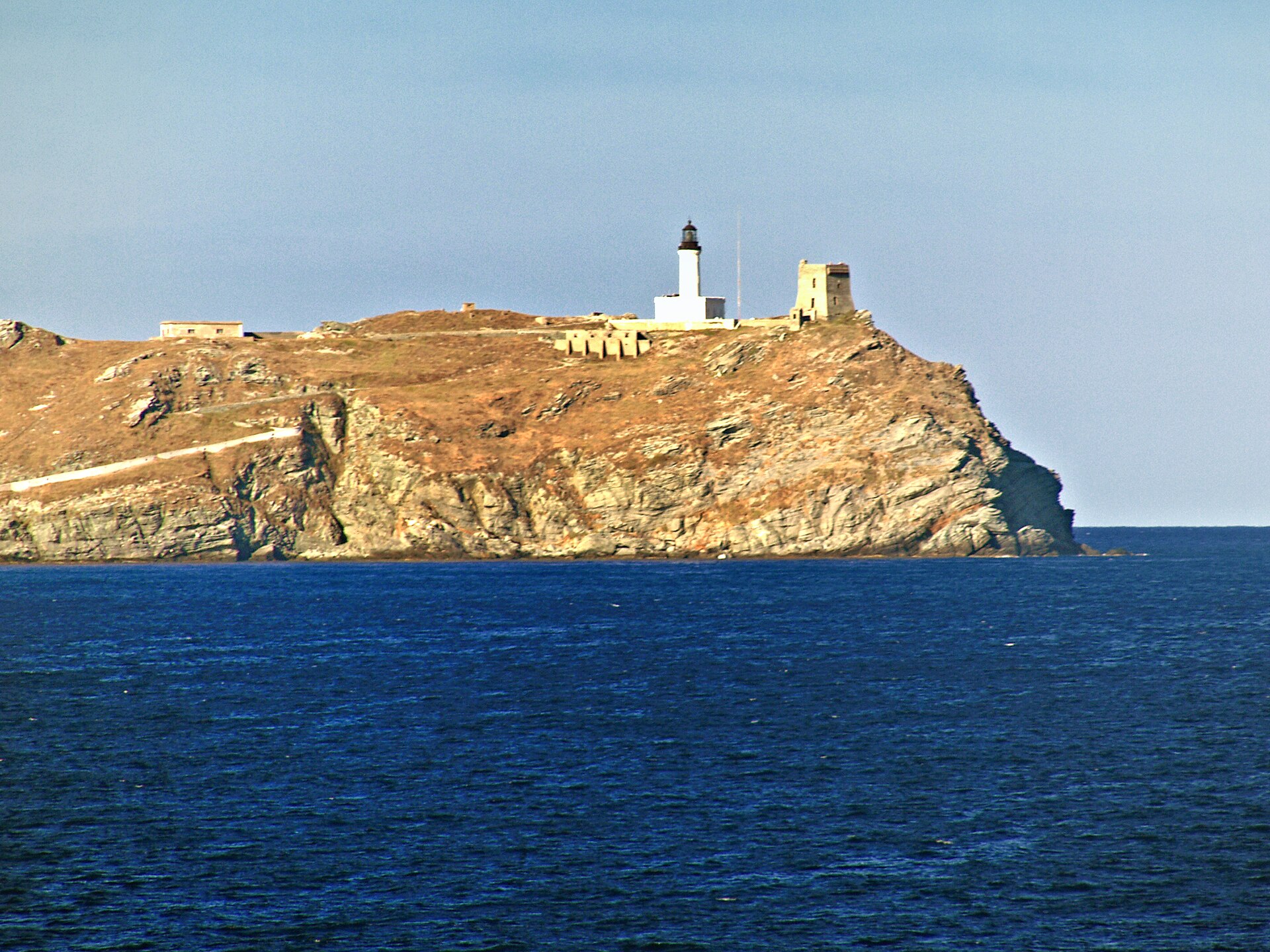
Natura 2000 · Standvogel
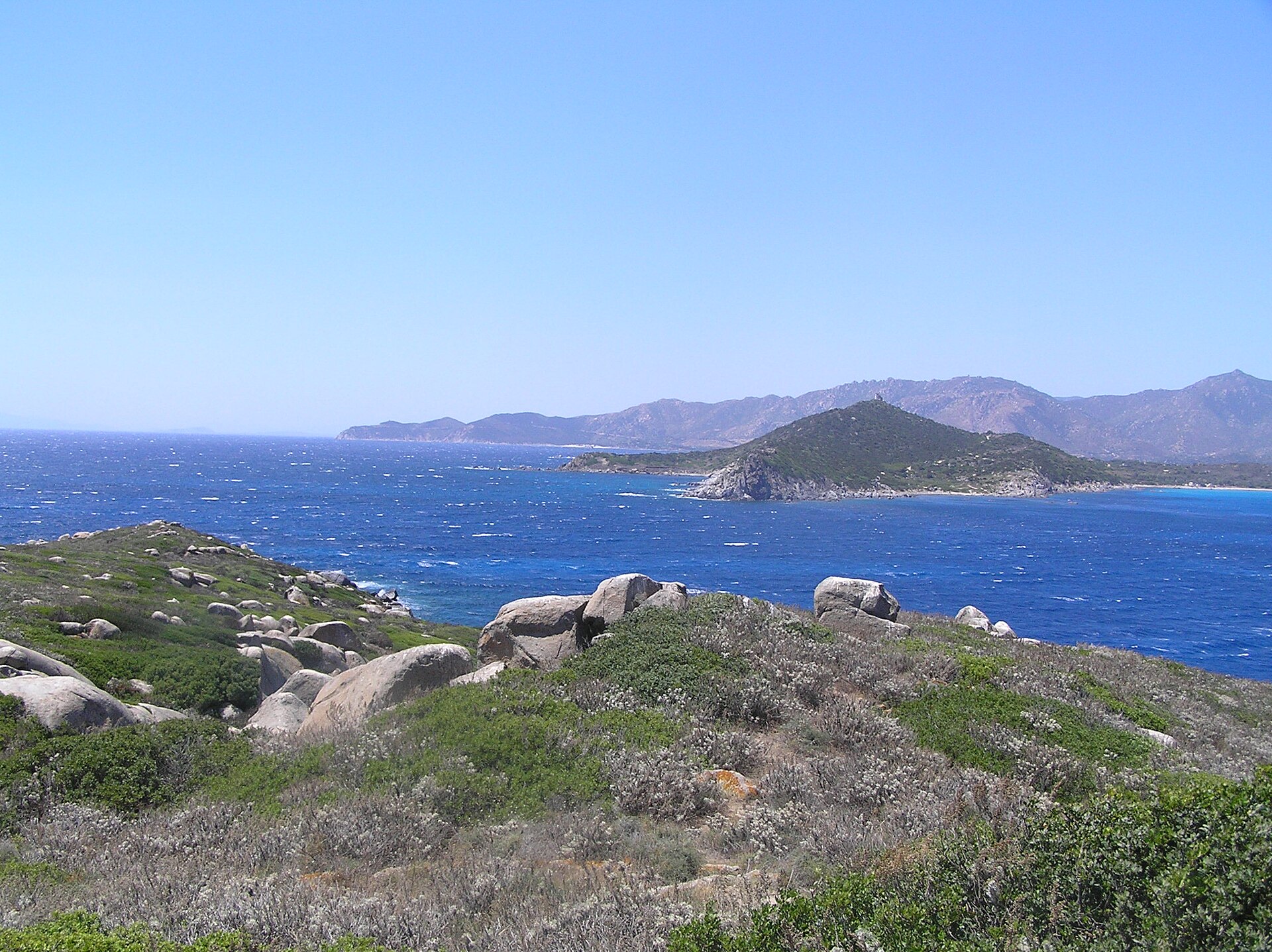
Natura 2000 · Brutvogel, Wintergast, Durchzügler
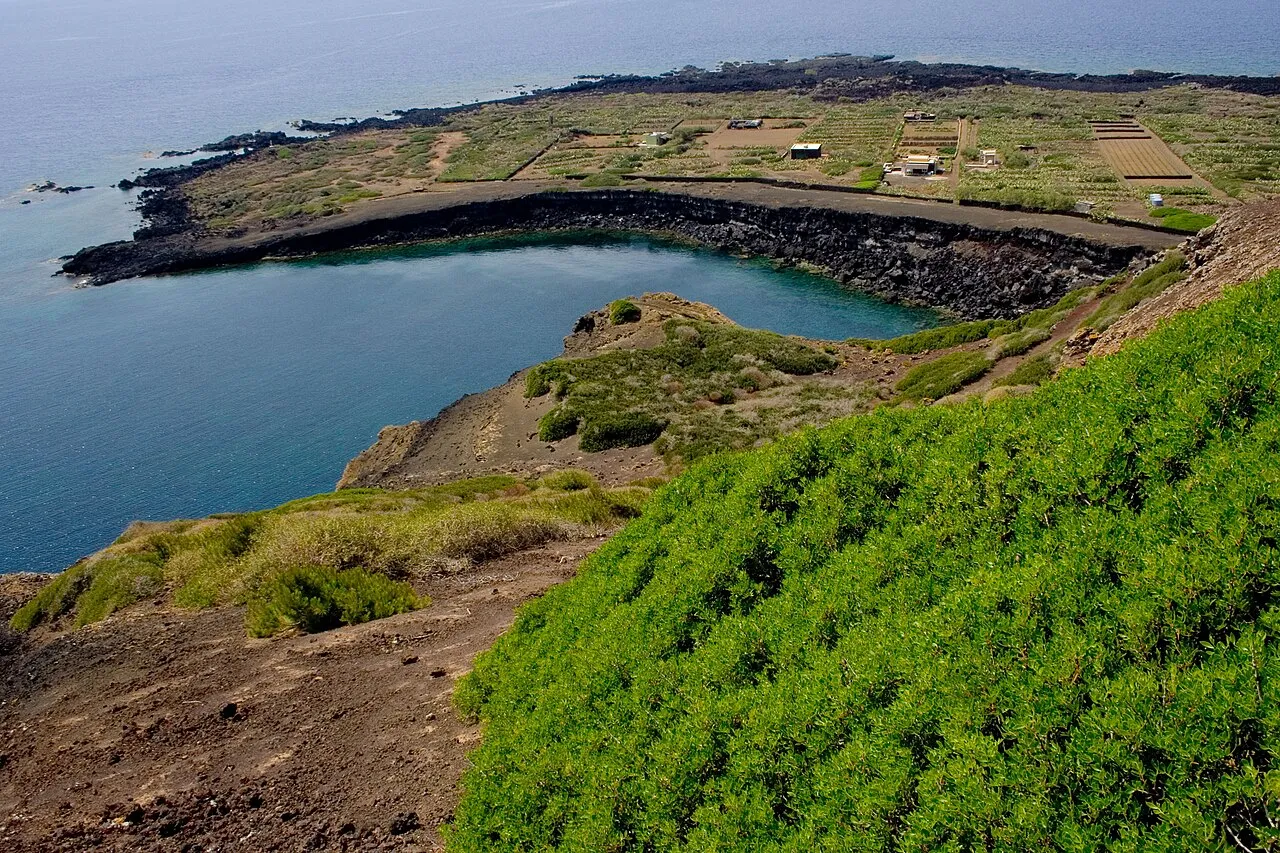
Natura 2000 · Durchzügler

Natura 2000 · Wintergast
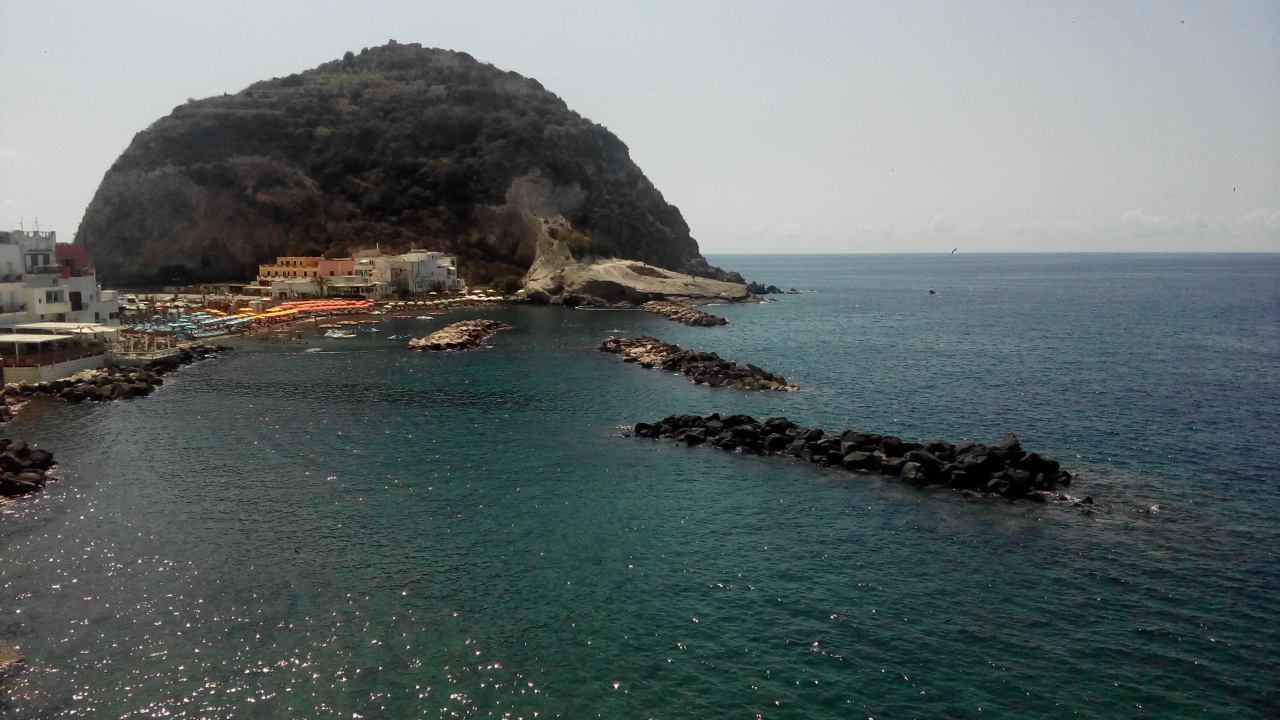
Natura 2000 · Durchzügler, Wintergast
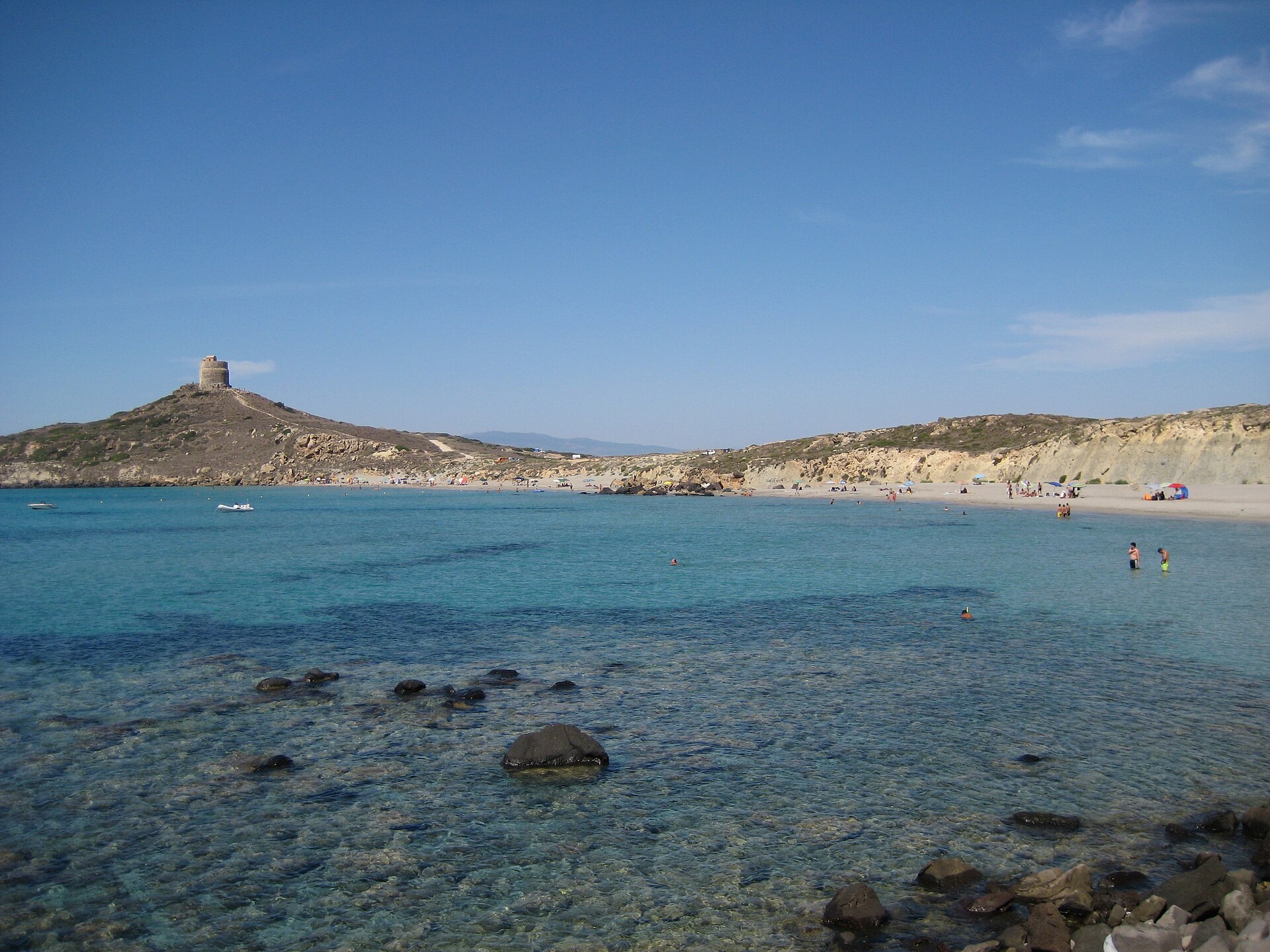
Natura 2000 · Durchzügler
Natura 2000 · Brutvogel
Natura 2000 · Brutvogel
Natura 2000 · Standvogel
Natura 2000 · Wintergast, Brutvogel, Durchzügler

Natura 2000 · Standvogel
Natura 2000 · Brutvogel
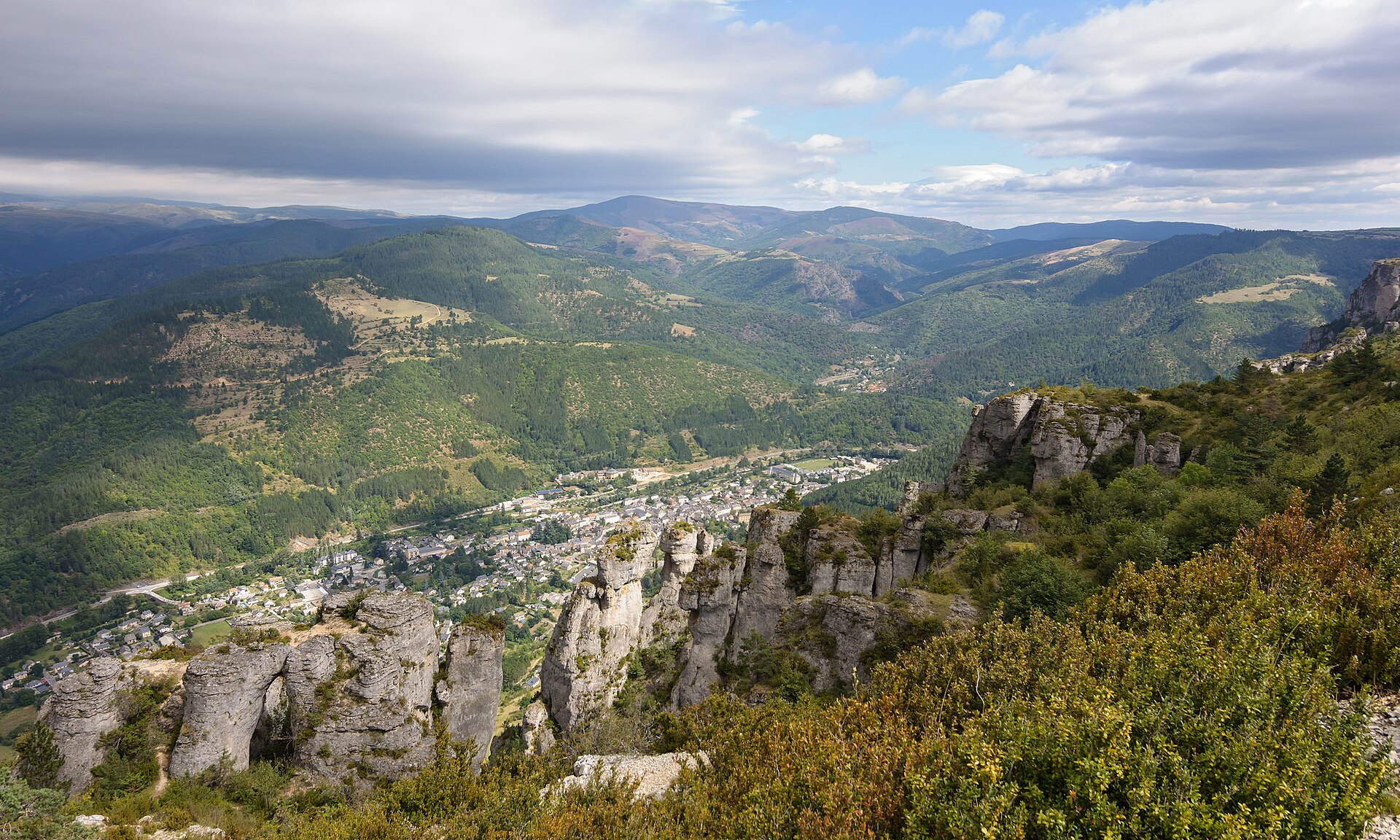
Natura 2000 · Standvogel
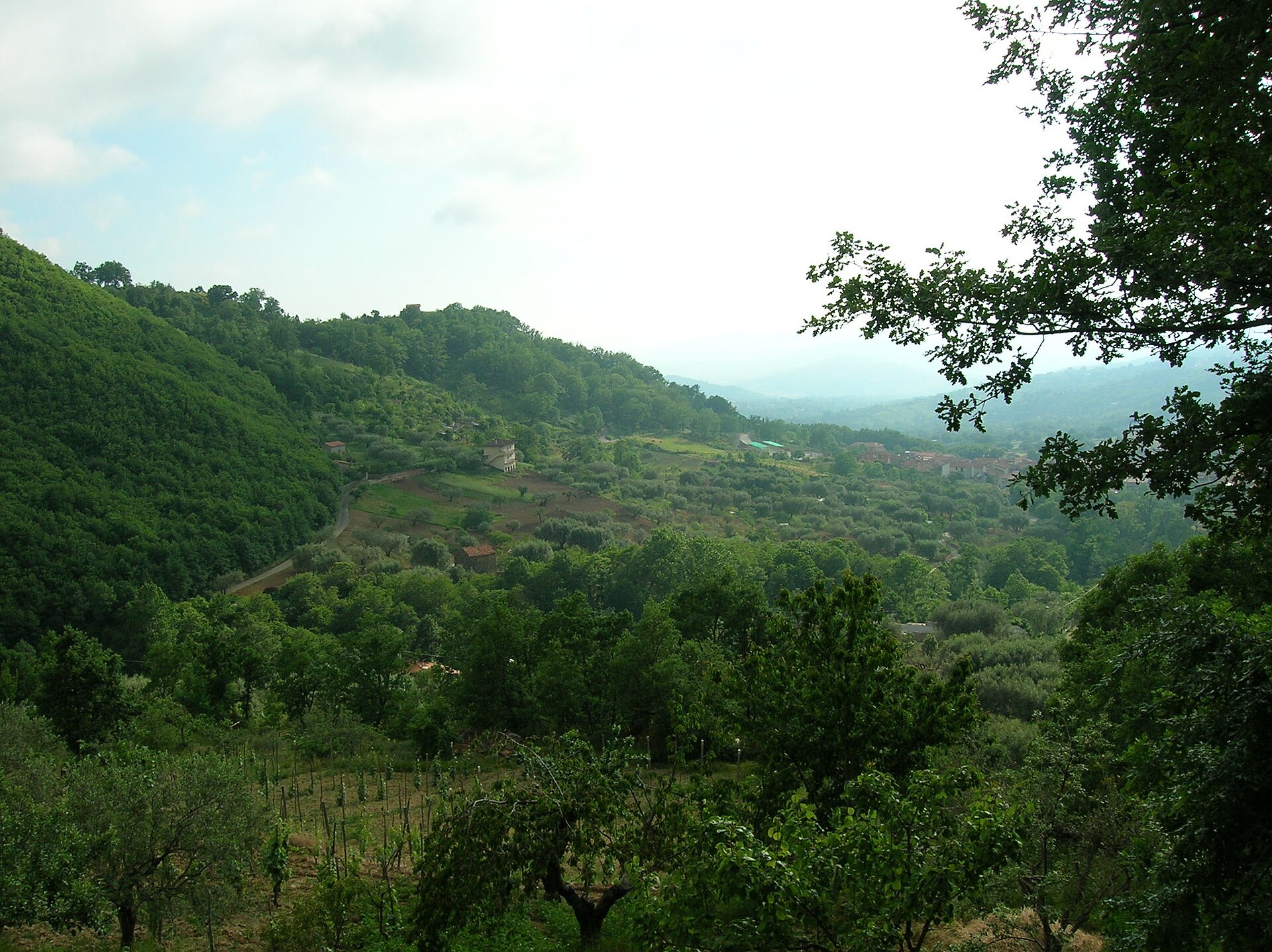
Natura 2000 · Standvogel, Wintergast
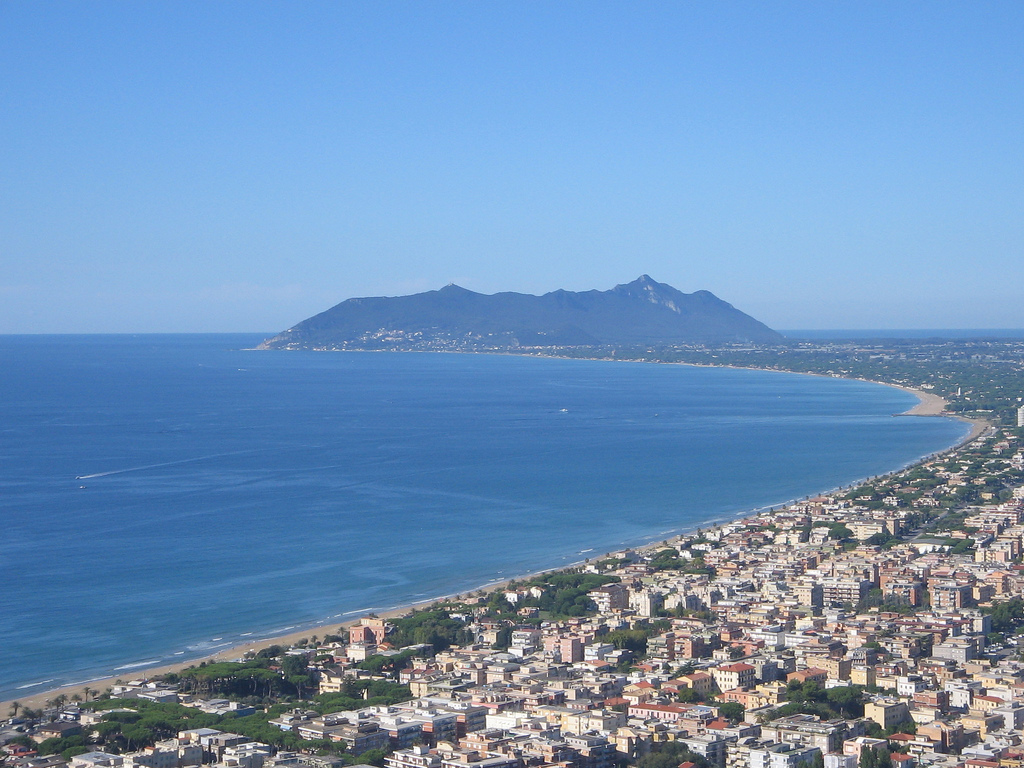
Natura 2000 · Durchzügler, Wintergast, Brutvogel
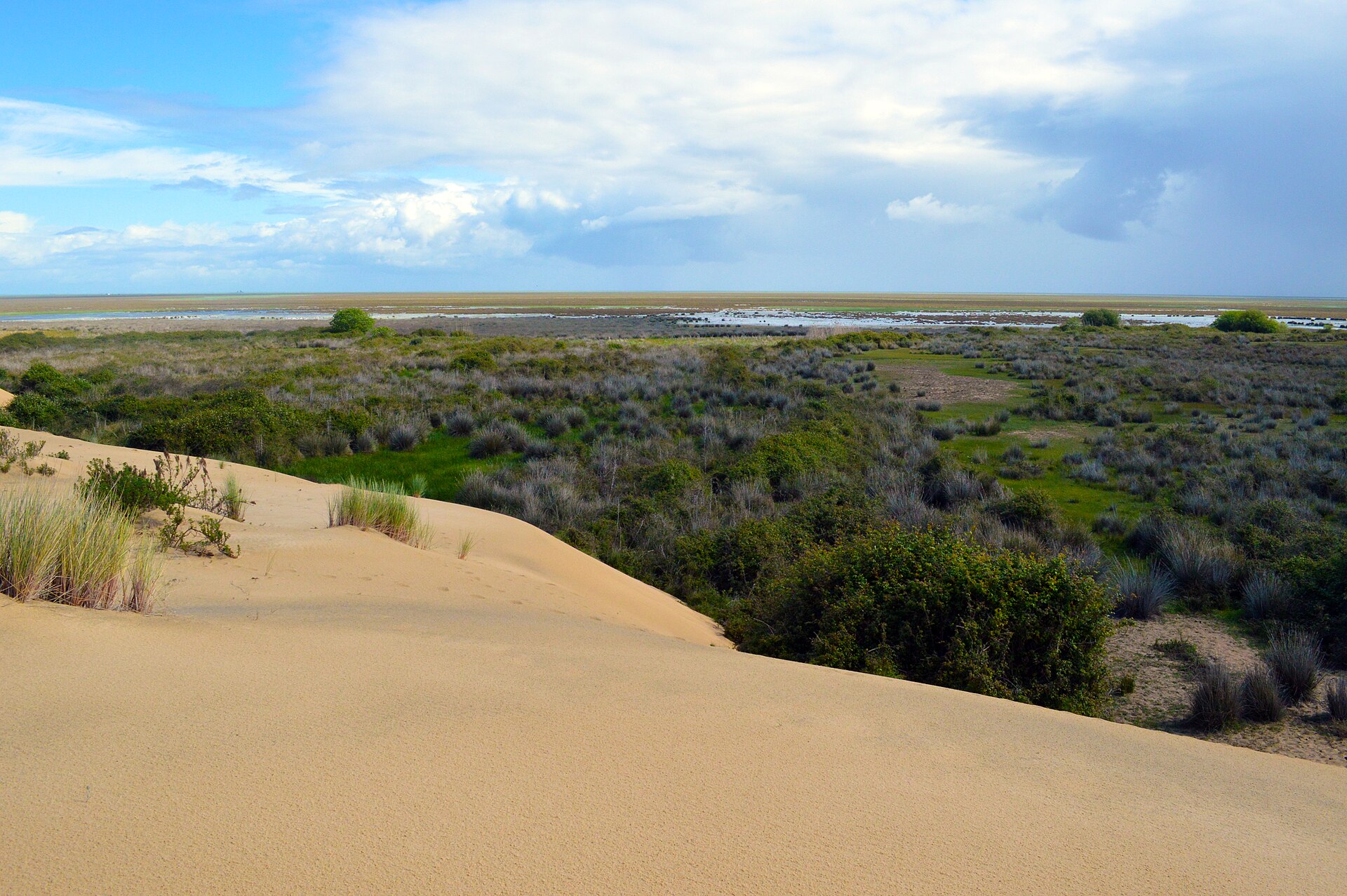
Natura 2000 · Brutvogel
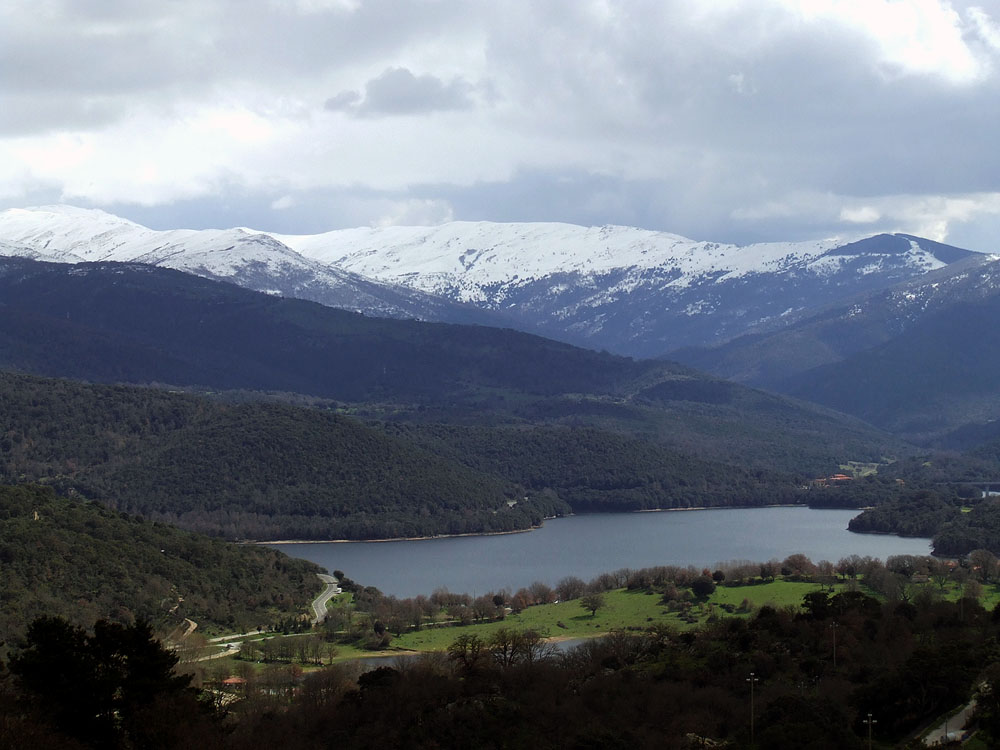
Natura 2000 · Wintergast, Brutvogel, Durchzügler

Natura 2000 · Standvogel

Natura 2000 · Standvogel
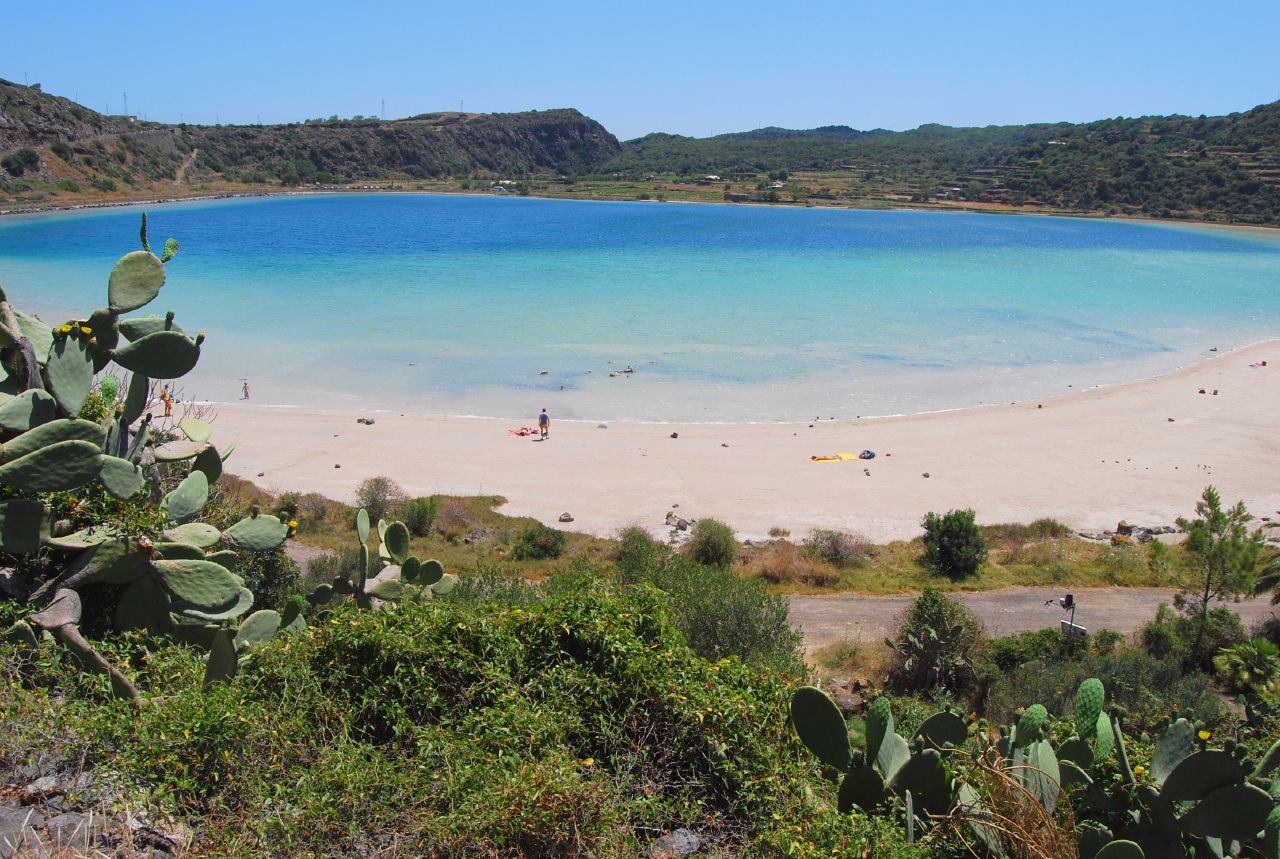
Natura 2000 · Brutvogel
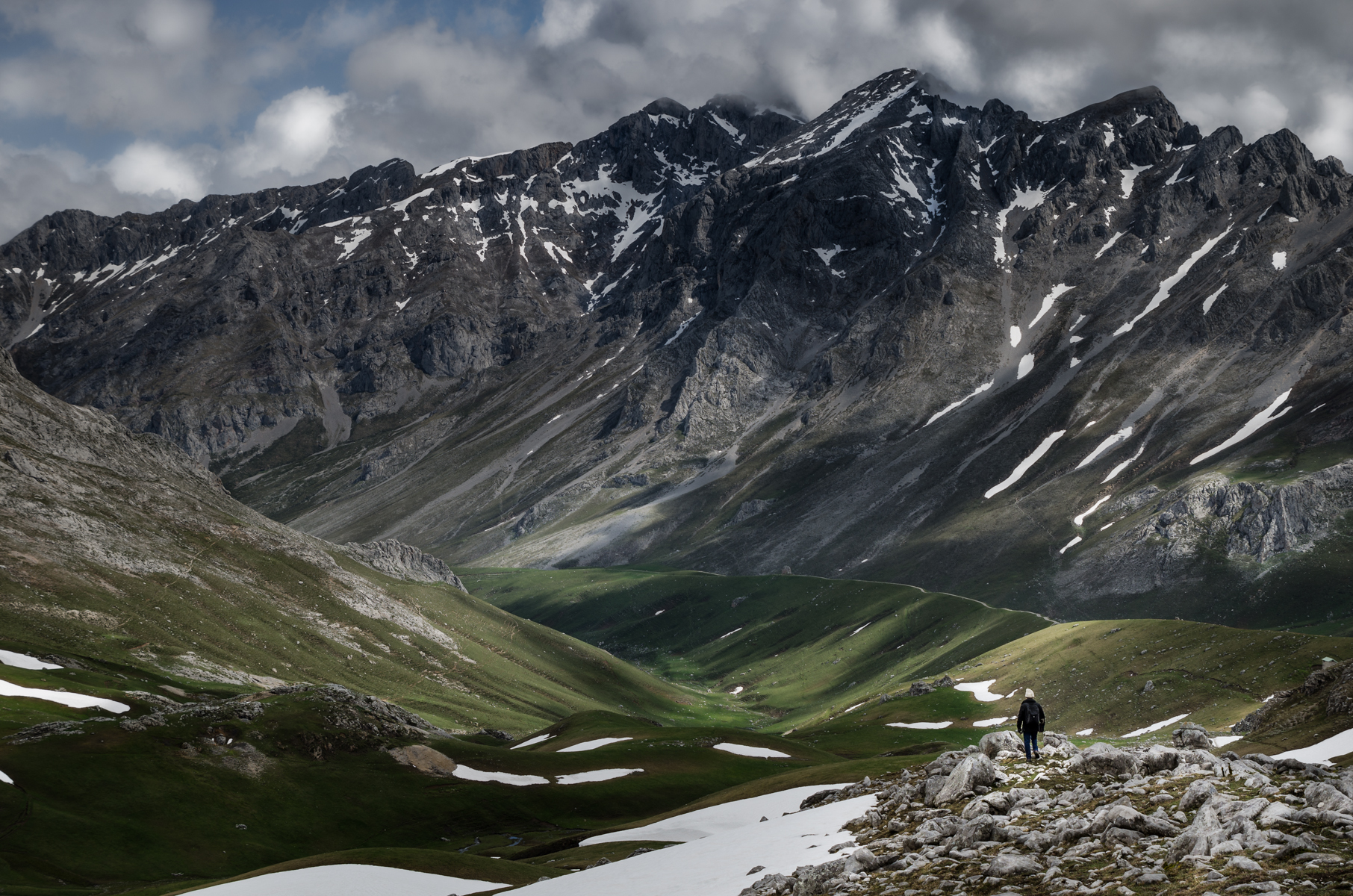
Natura 2000 · Standvogel
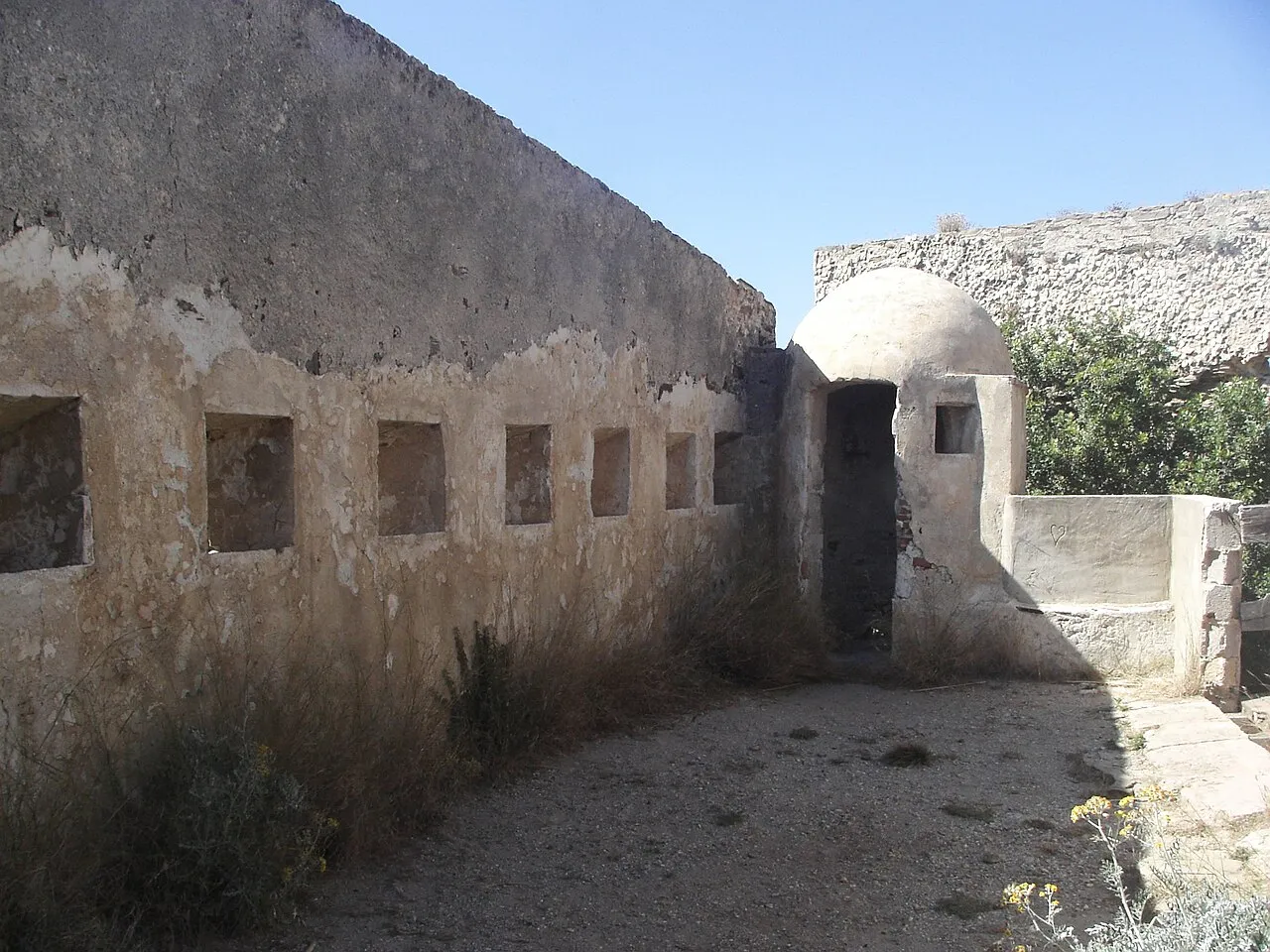
Natura 2000 · Standvogel
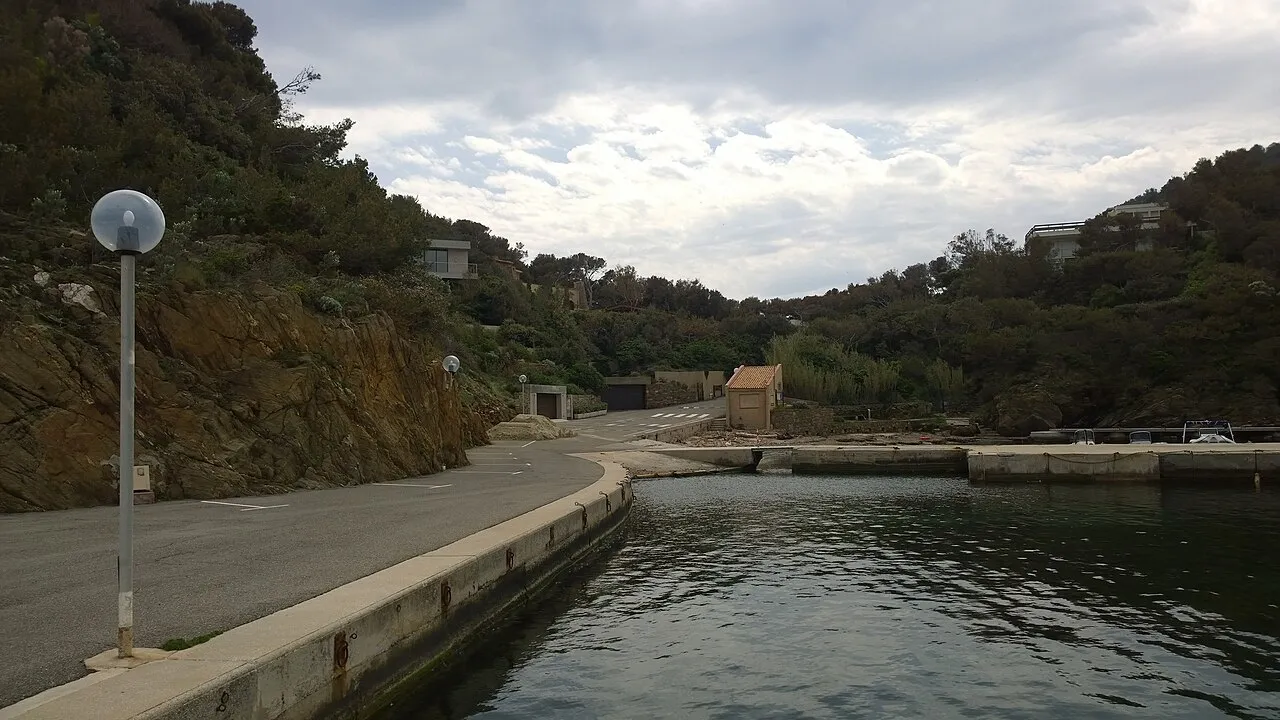
Natura 2000 · Standvogel
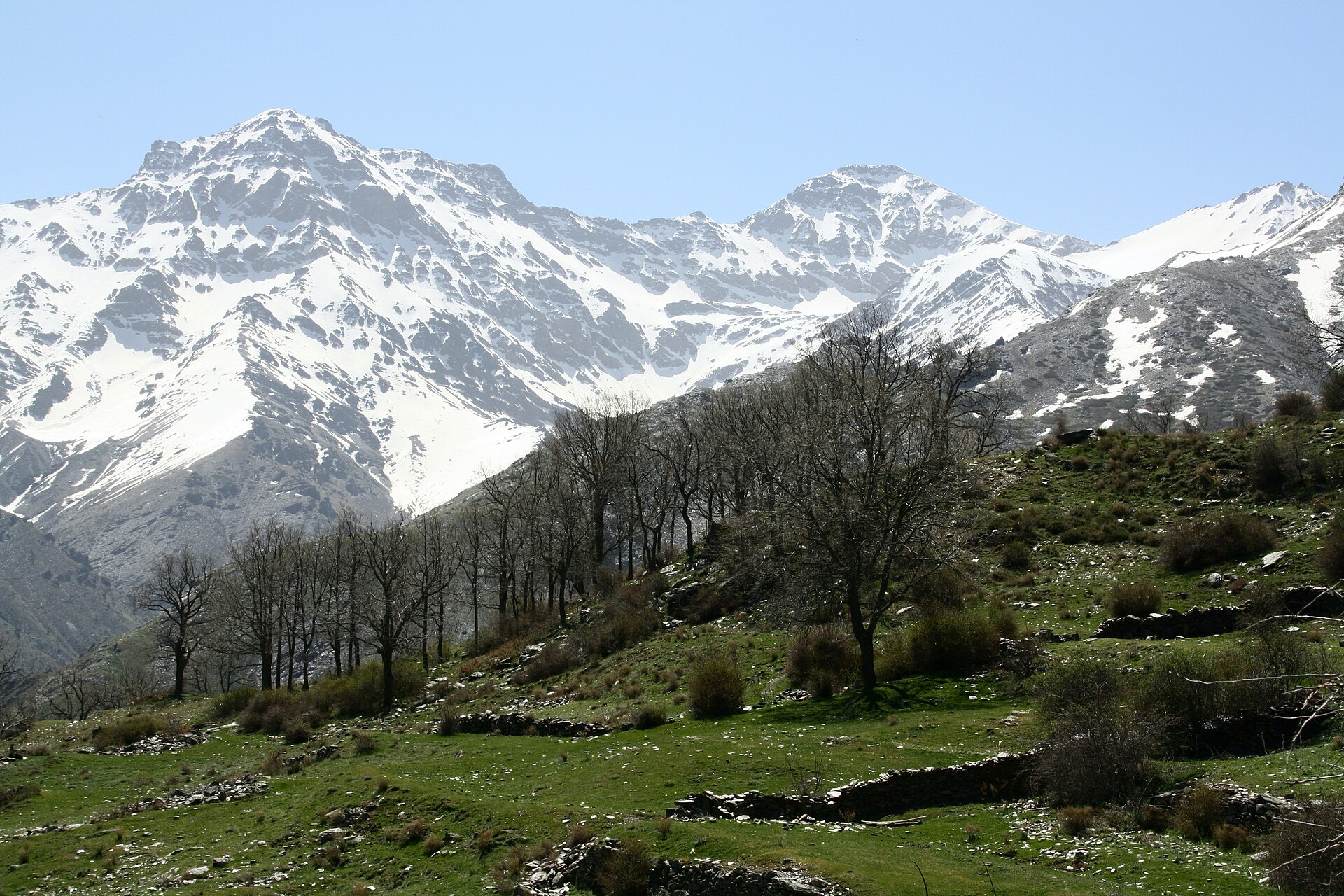
Natura 2000 · Standvogel
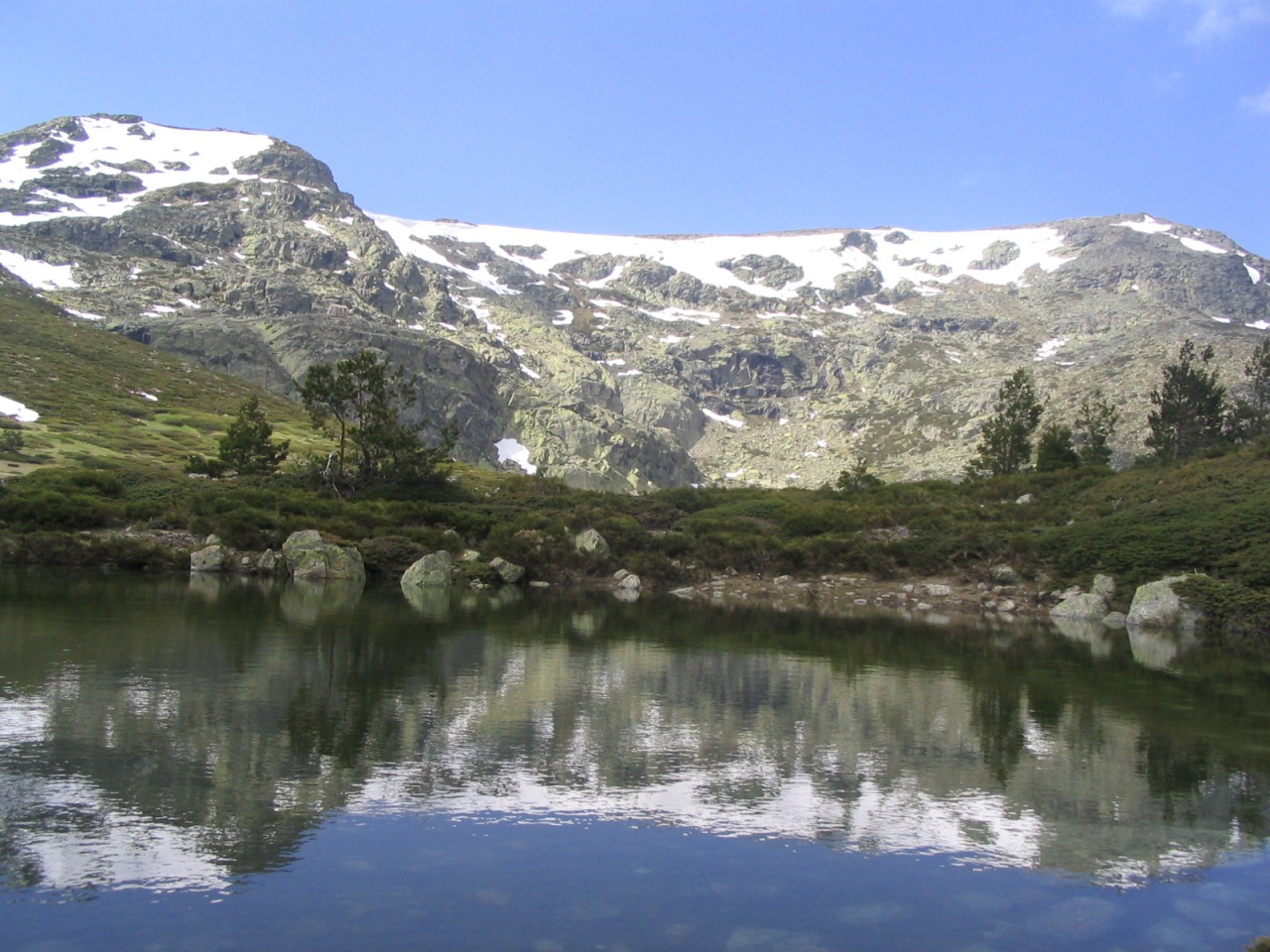
Natura 2000 · Standvogel

Natura 2000 · Standvogel

Natura 2000 · Durchzügler, Brutvogel
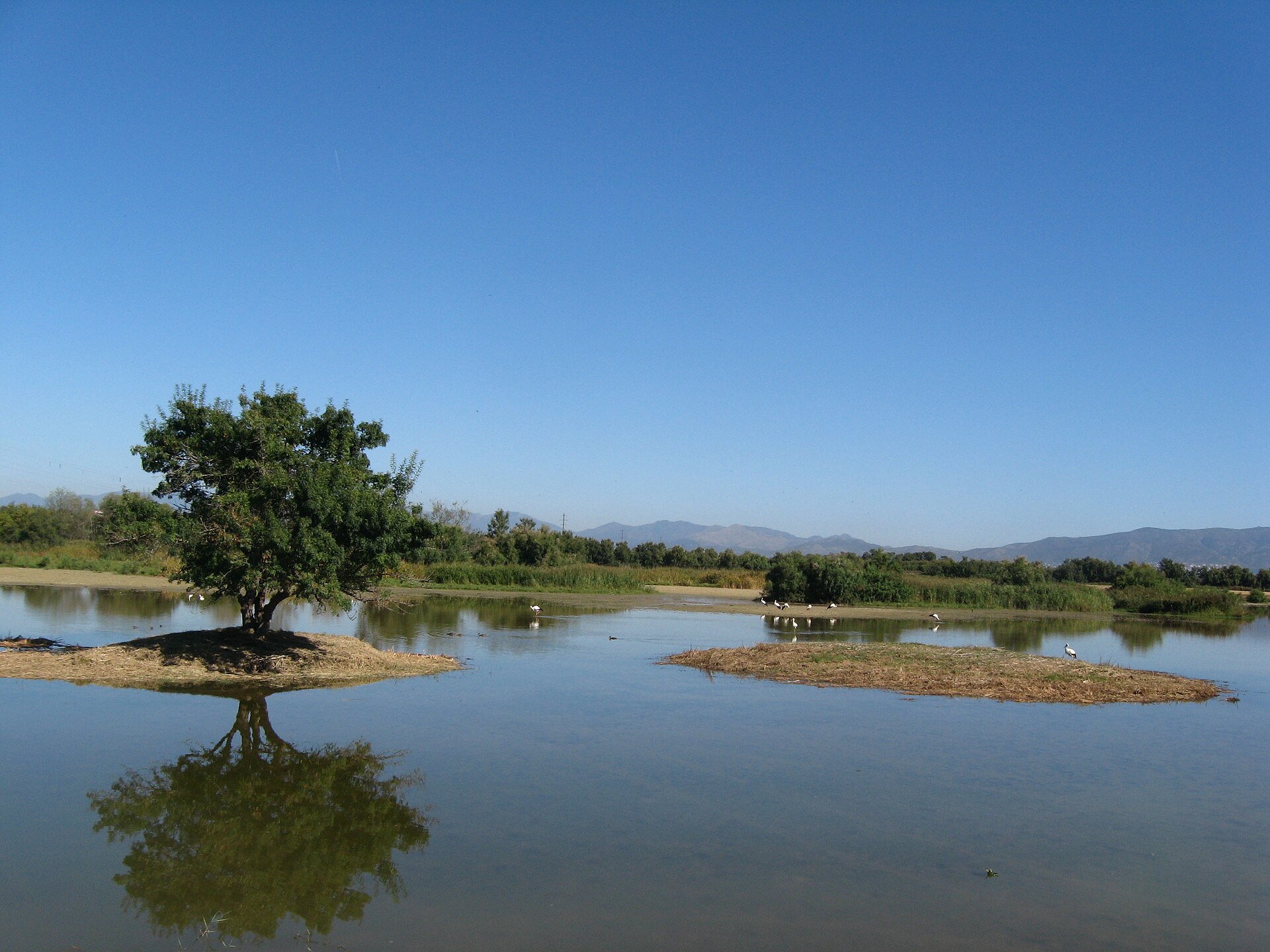
Natura 2000 · Standvogel
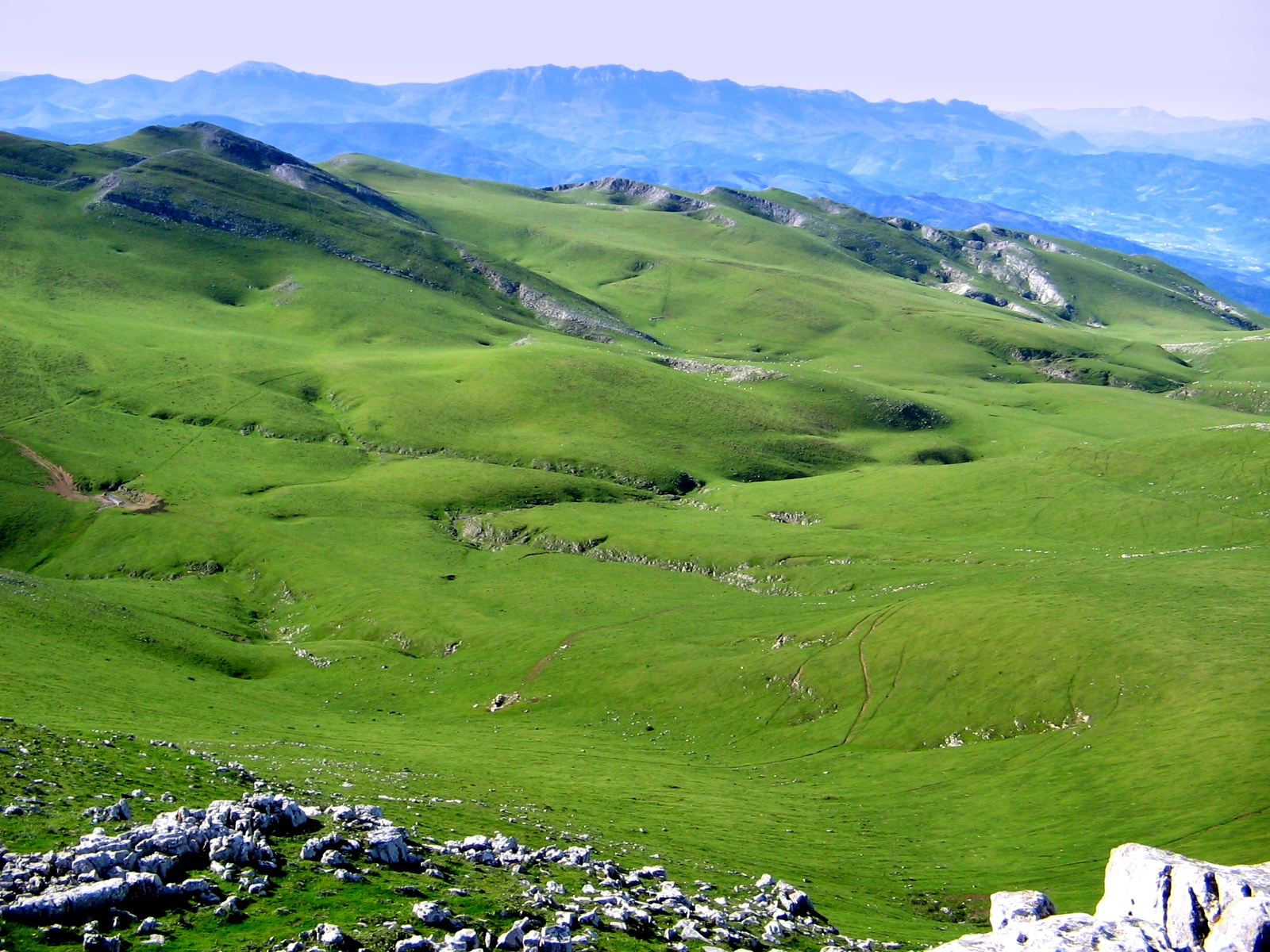
Natura 2000 · Brutvogel
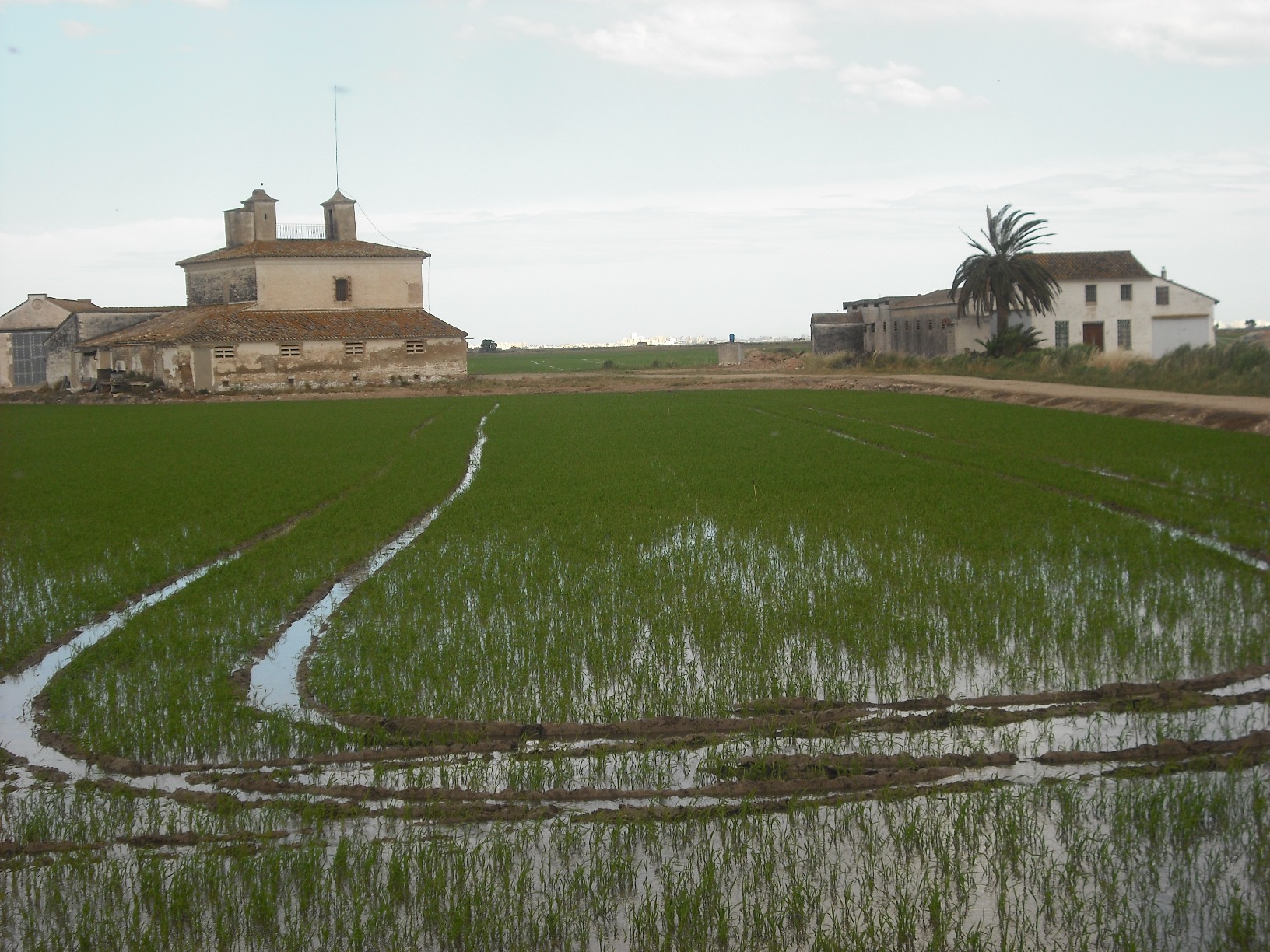
Natura 2000 · Standvogel, Wintergast

Natura 2000 · Standvogel
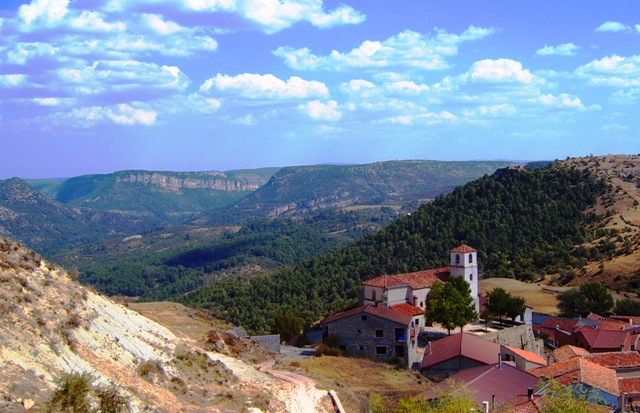
Natura 2000 · Standvogel
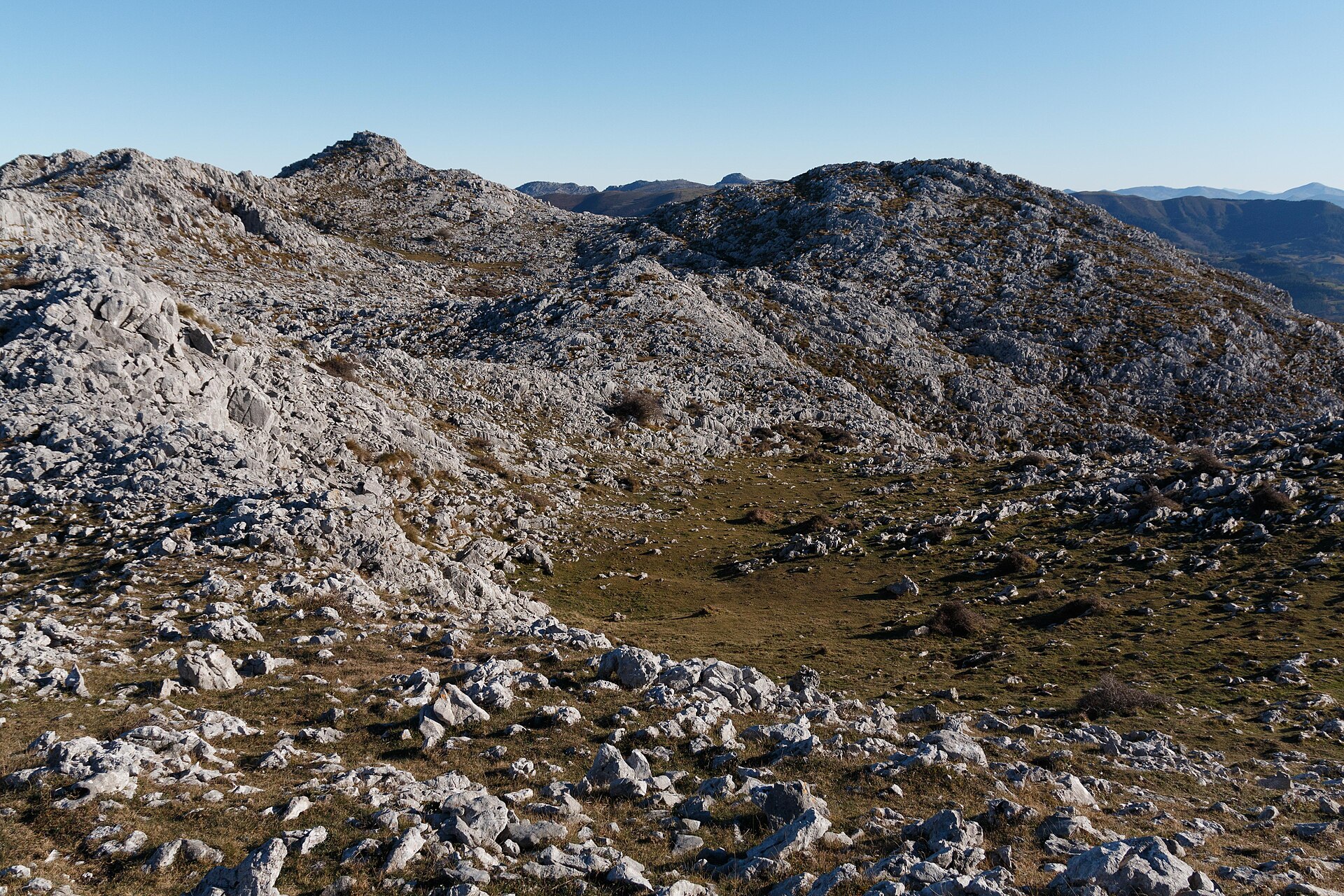
Natura 2000 · Standvogel

Natura 2000 · Standvogel
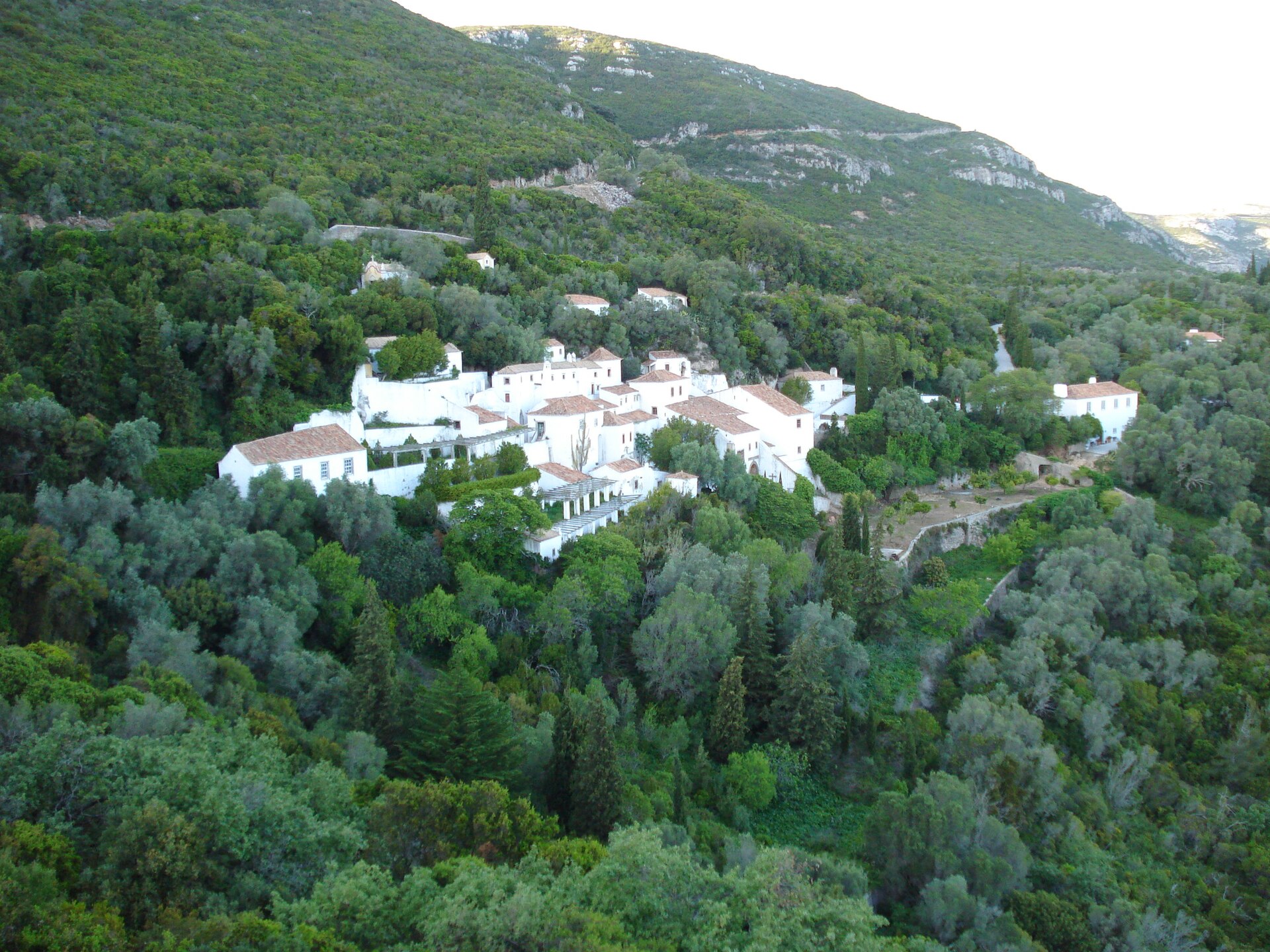
Natura 2000 · Standvogel
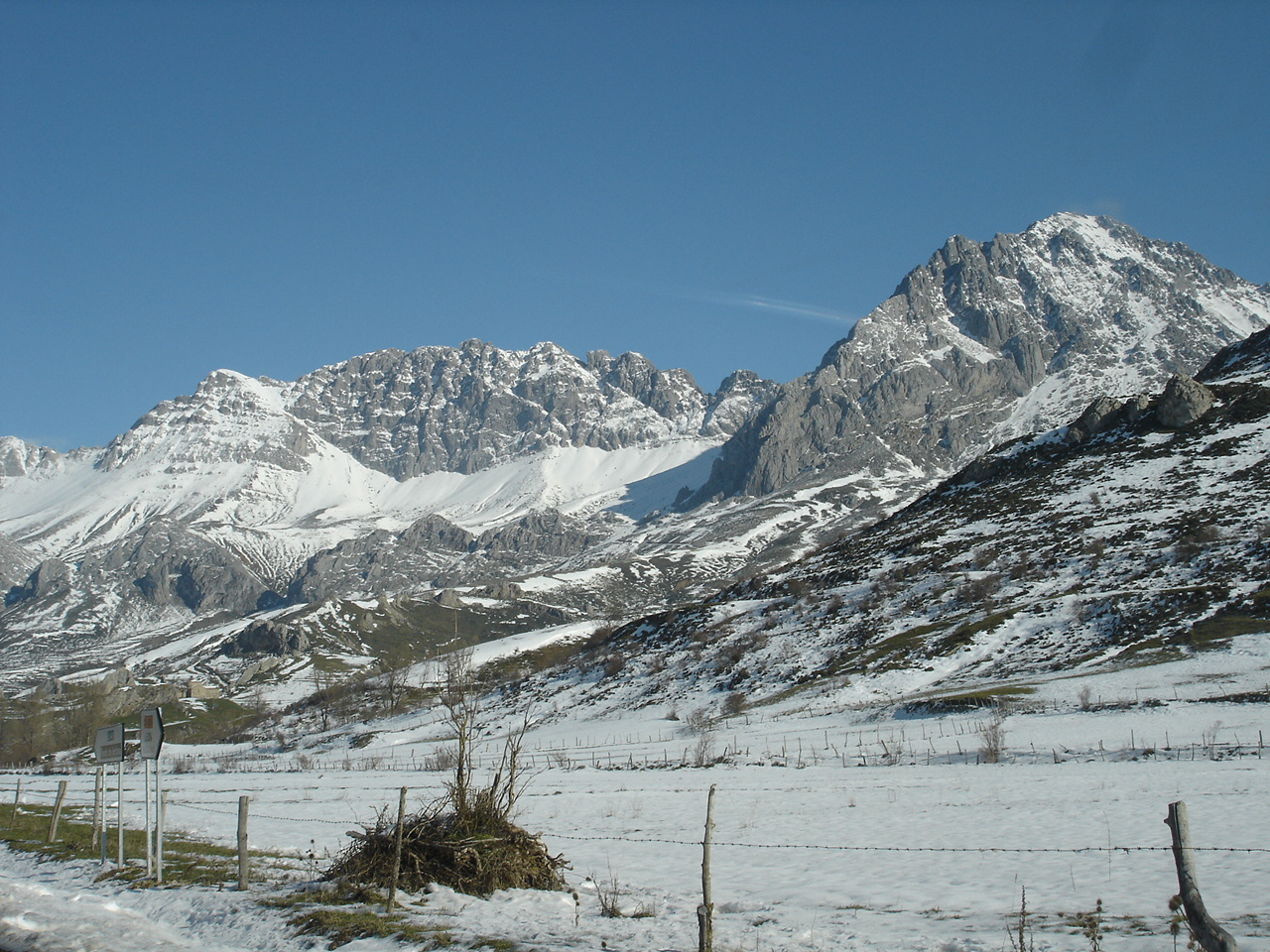
Natura 2000 · Standvogel
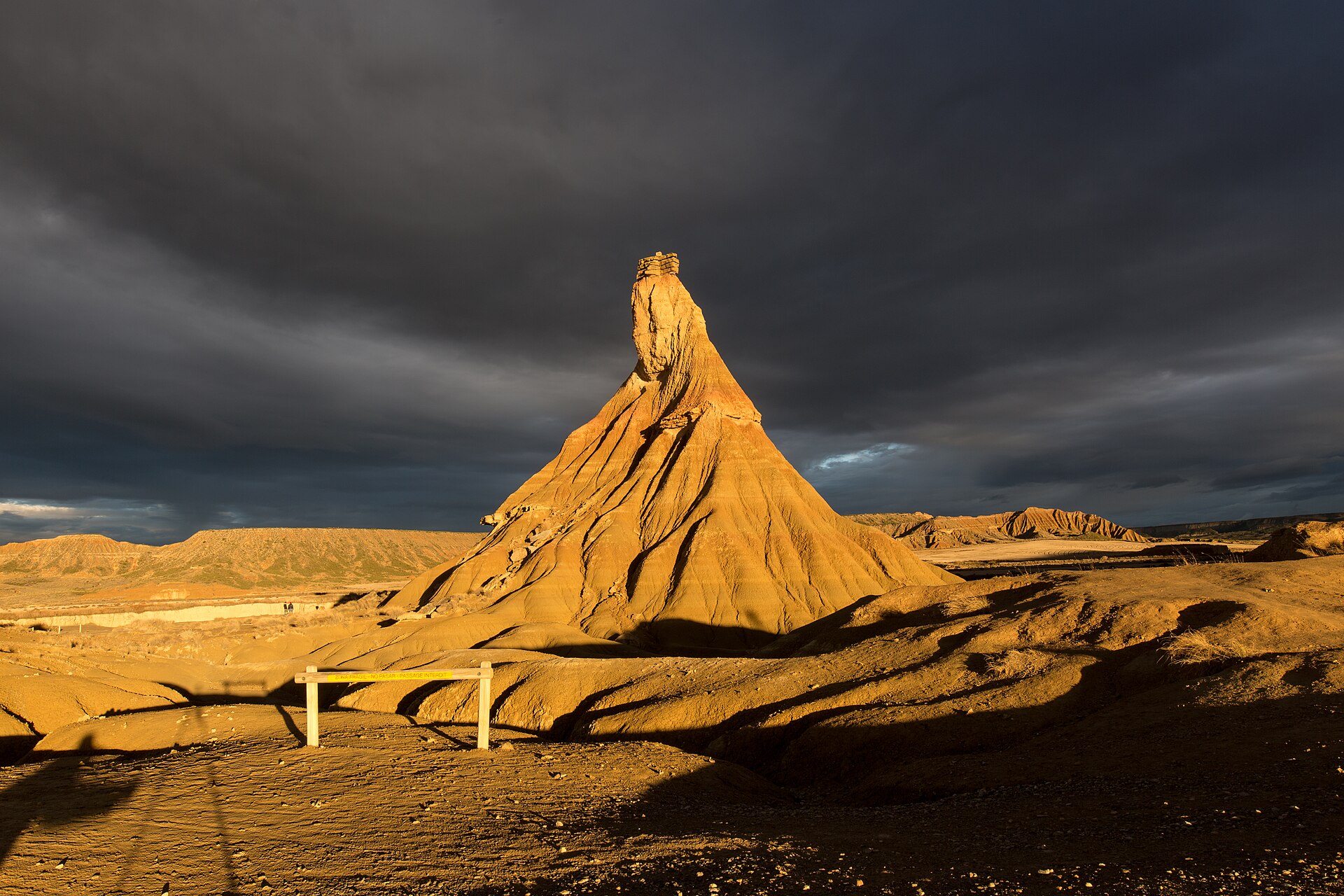
Natura 2000 · Standvogel
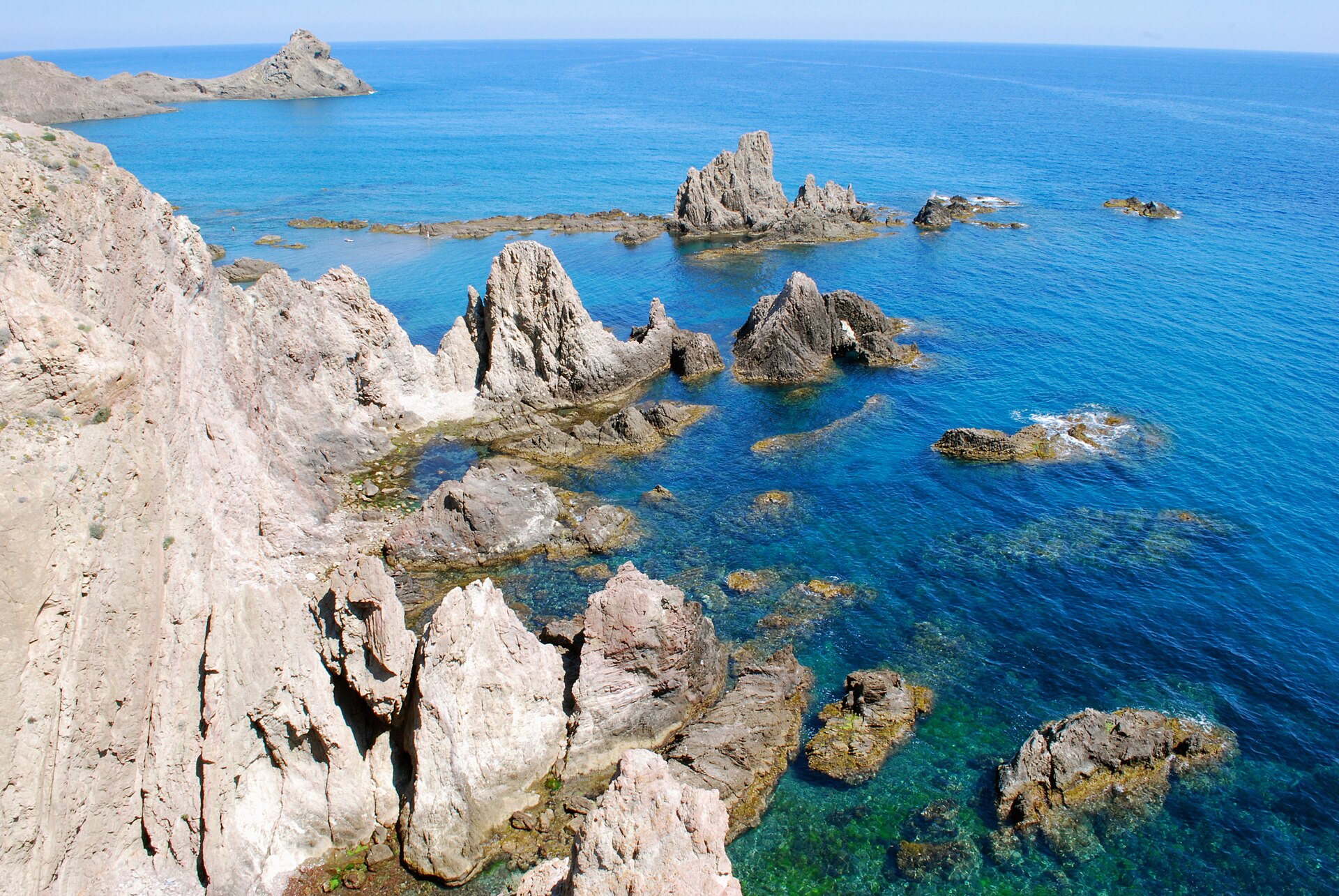
Natura 2000 · Standvogel

Natura 2000 · Standvogel
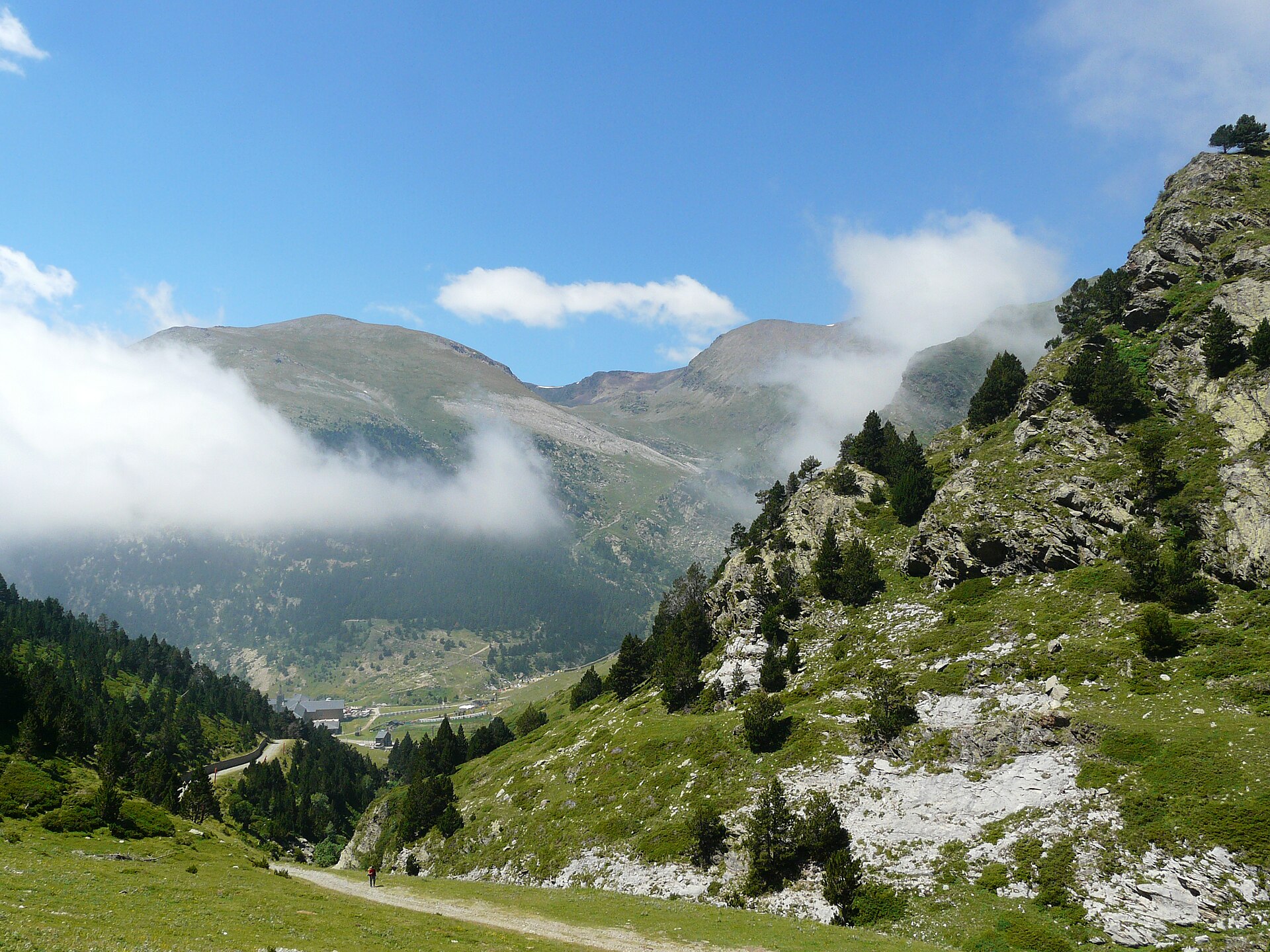
Natura 2000 · Standvogel
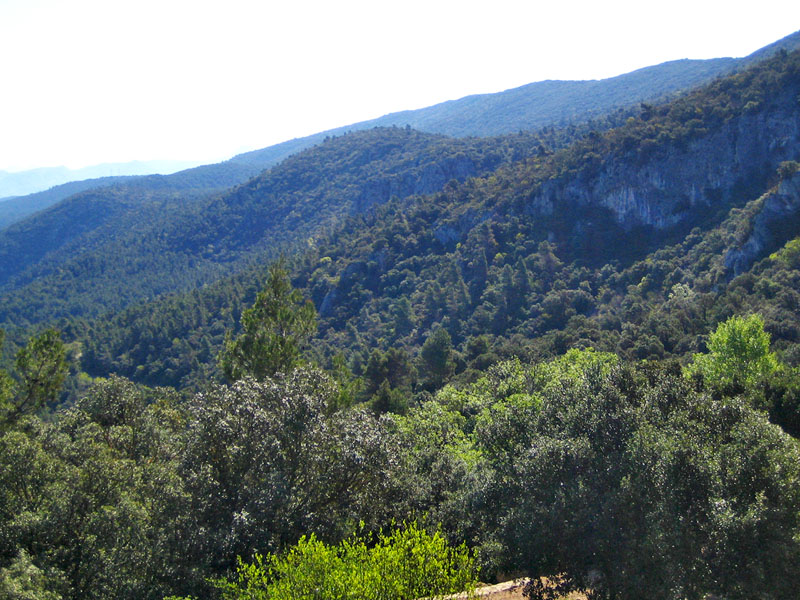
Natura 2000 · Standvogel

Natura 2000 · Standvogel

Natura 2000 · Standvogel

Natura 2000 · Wintergast

Natura 2000 · Standvogel

Natura 2000 · Standvogel
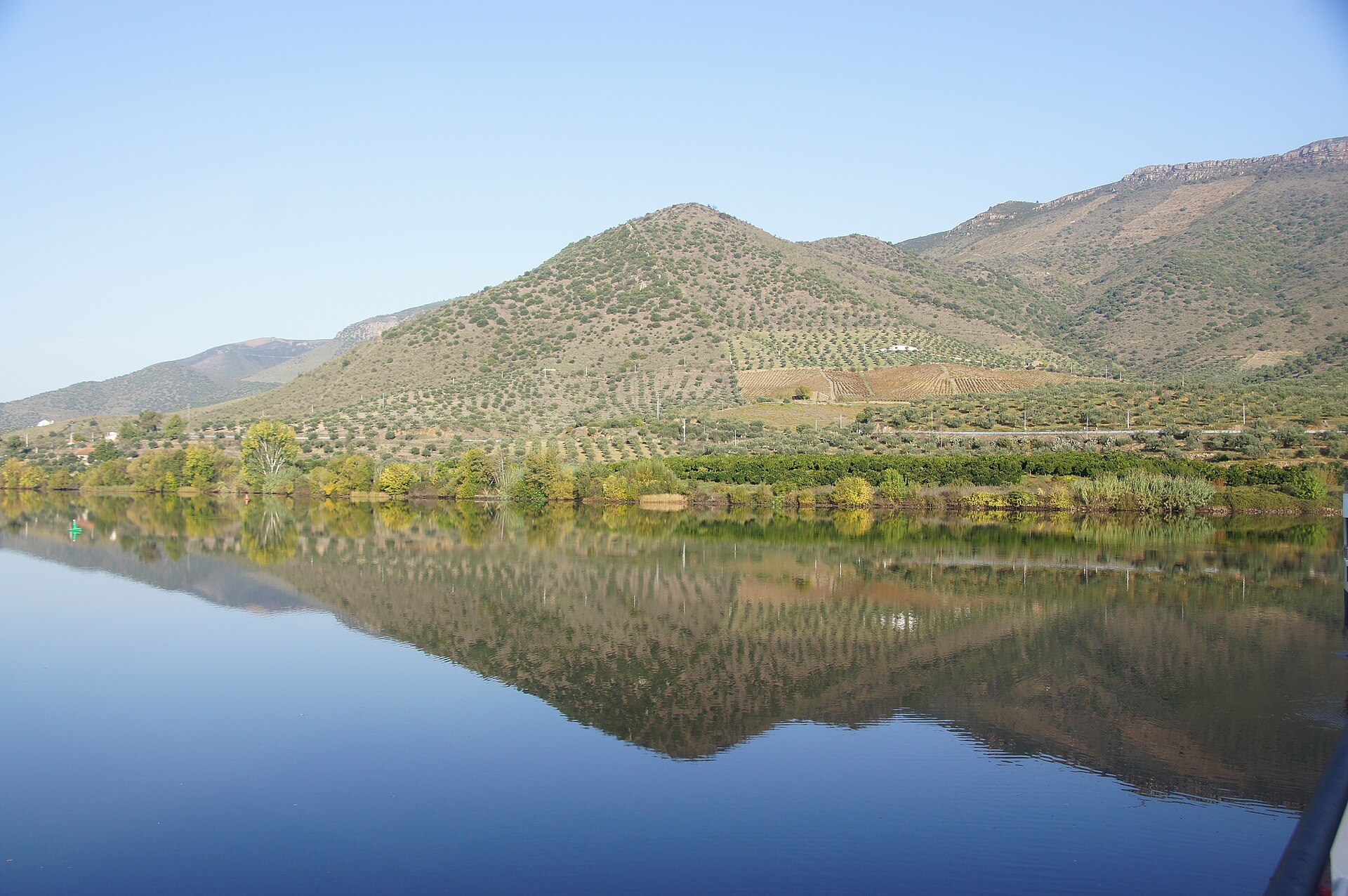
Natura 2000 · Standvogel
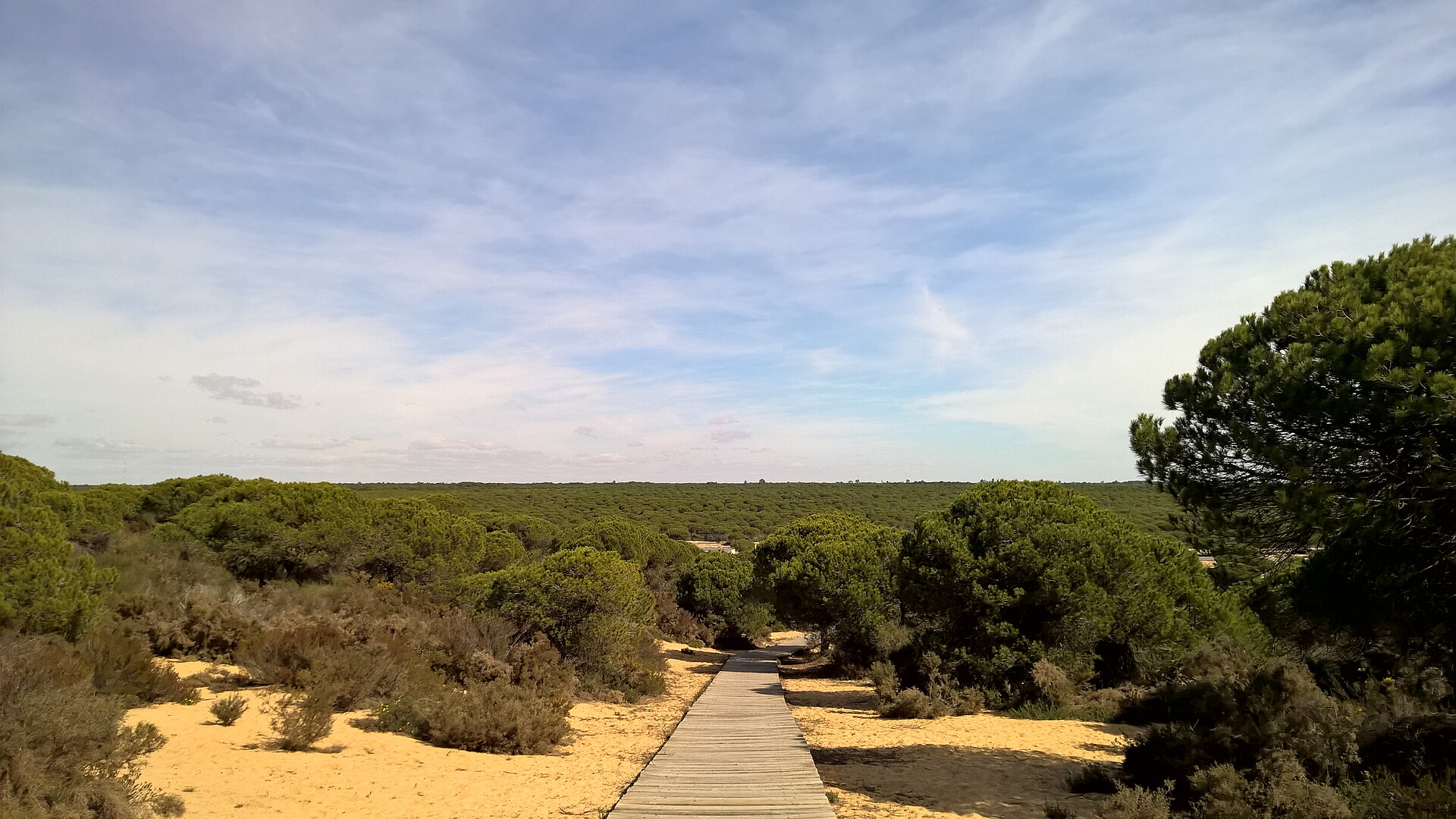
Natura 2000 · Brutvogel
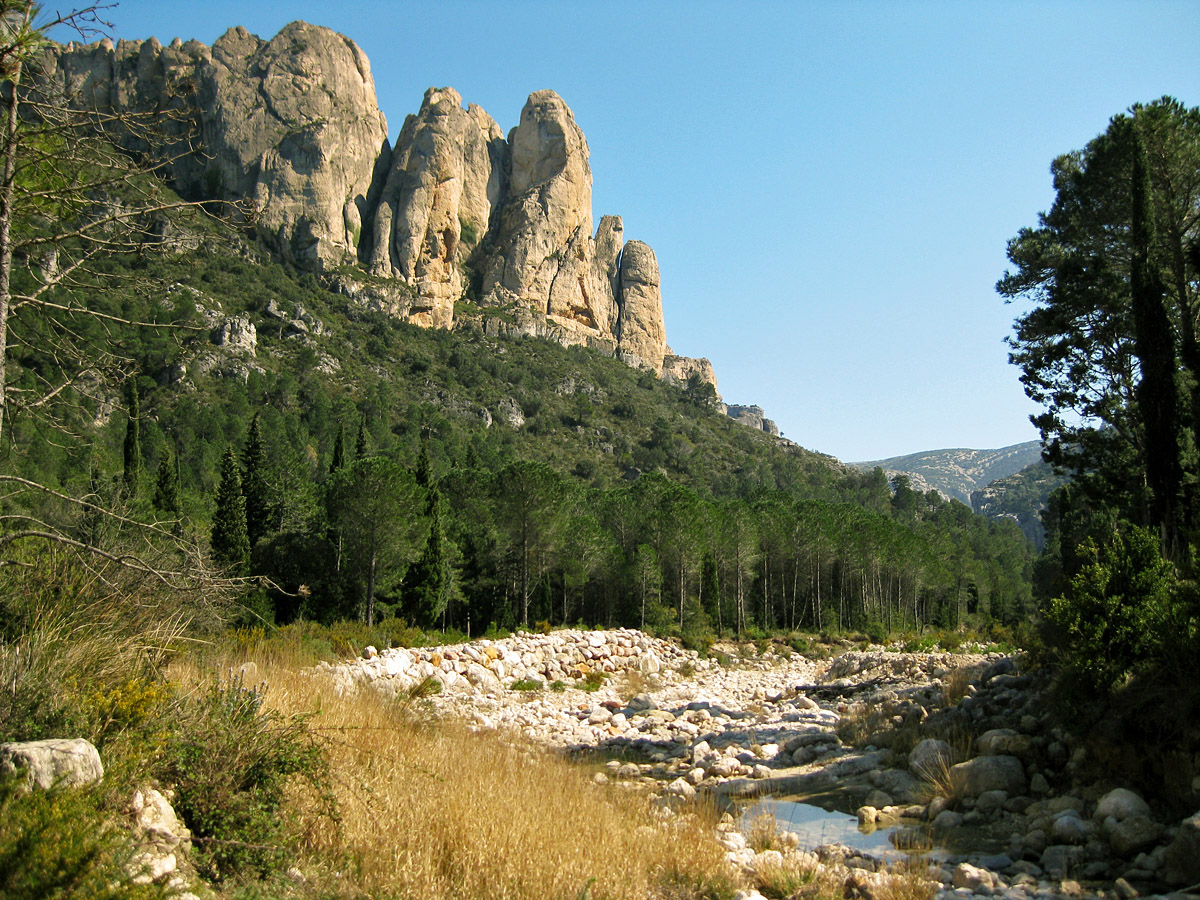
Natura 2000 · Standvogel
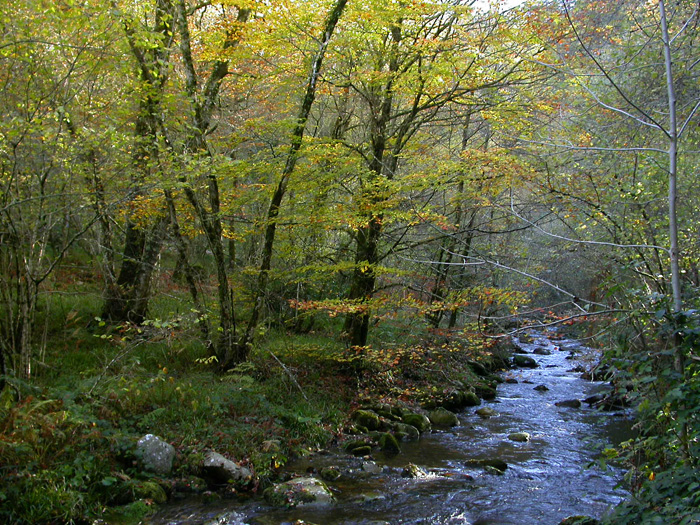
Natura 2000 · Standvogel

Natura 2000 · Brutvogel

Natura 2000 · Standvogel
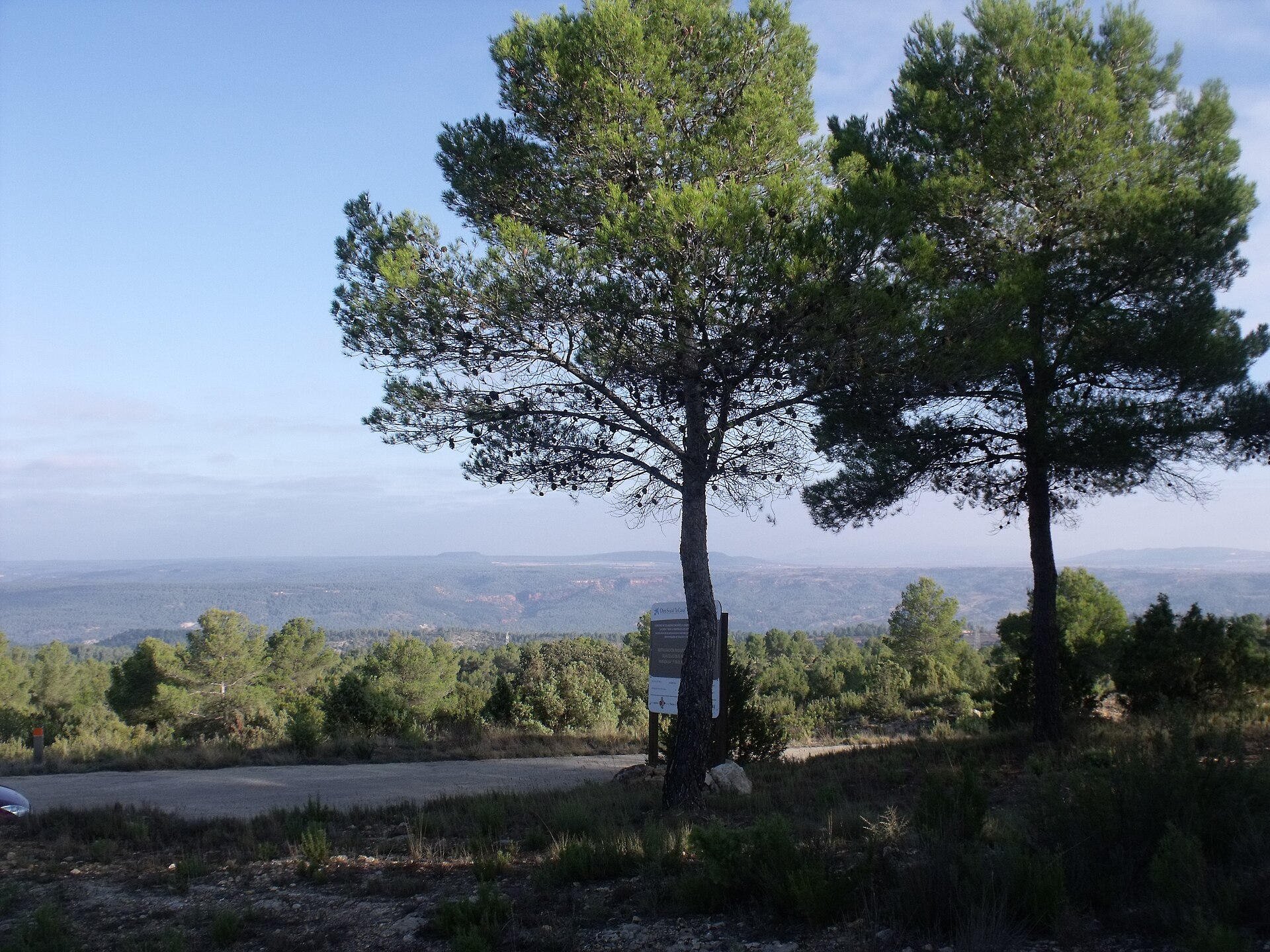
Natura 2000 · Standvogel

Natura 2000 · Wintergast, Brutvogel, Standvogel

Natura 2000 · Standvogel
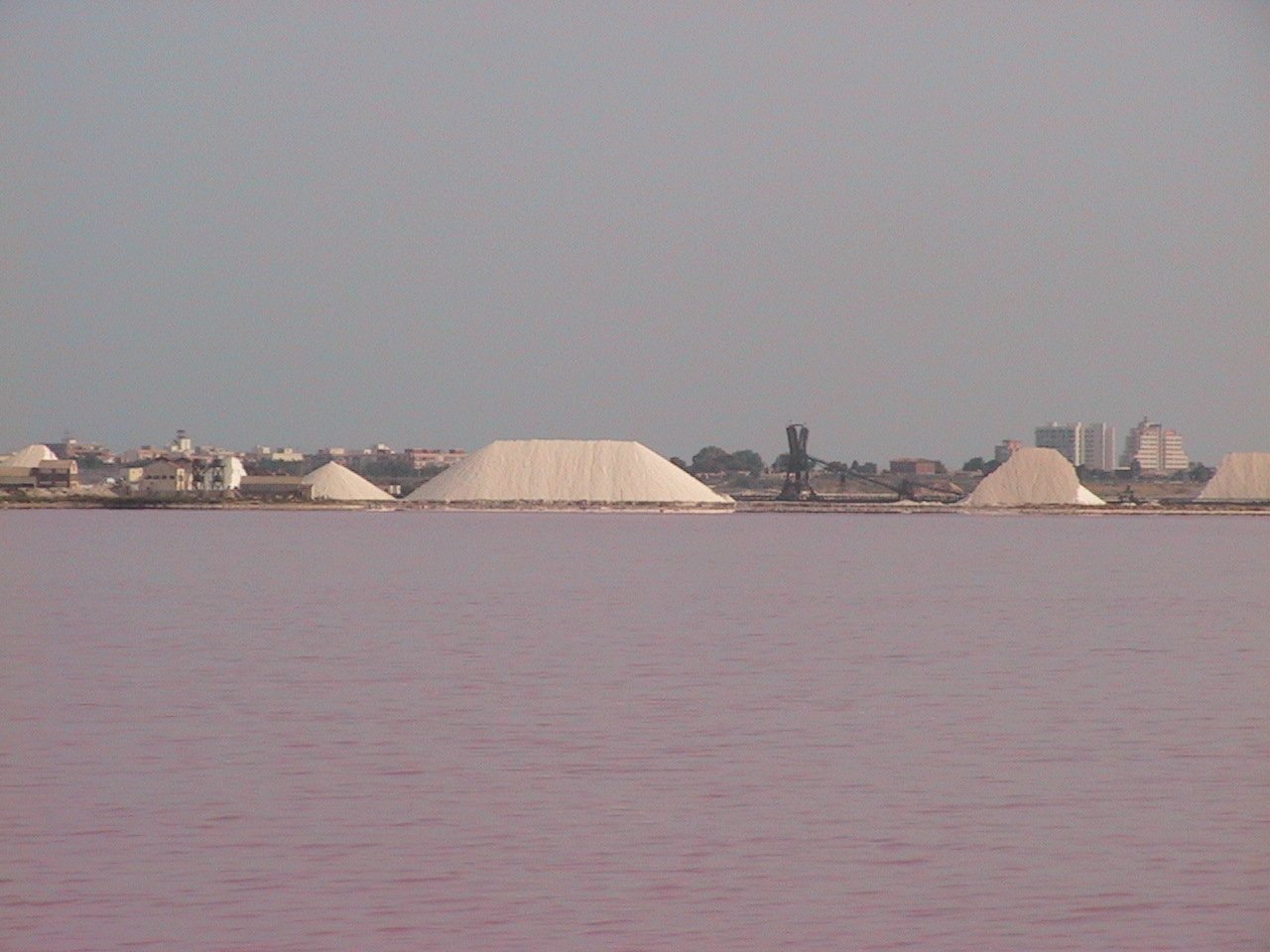
Natura 2000 · Brutvogel, Standvogel
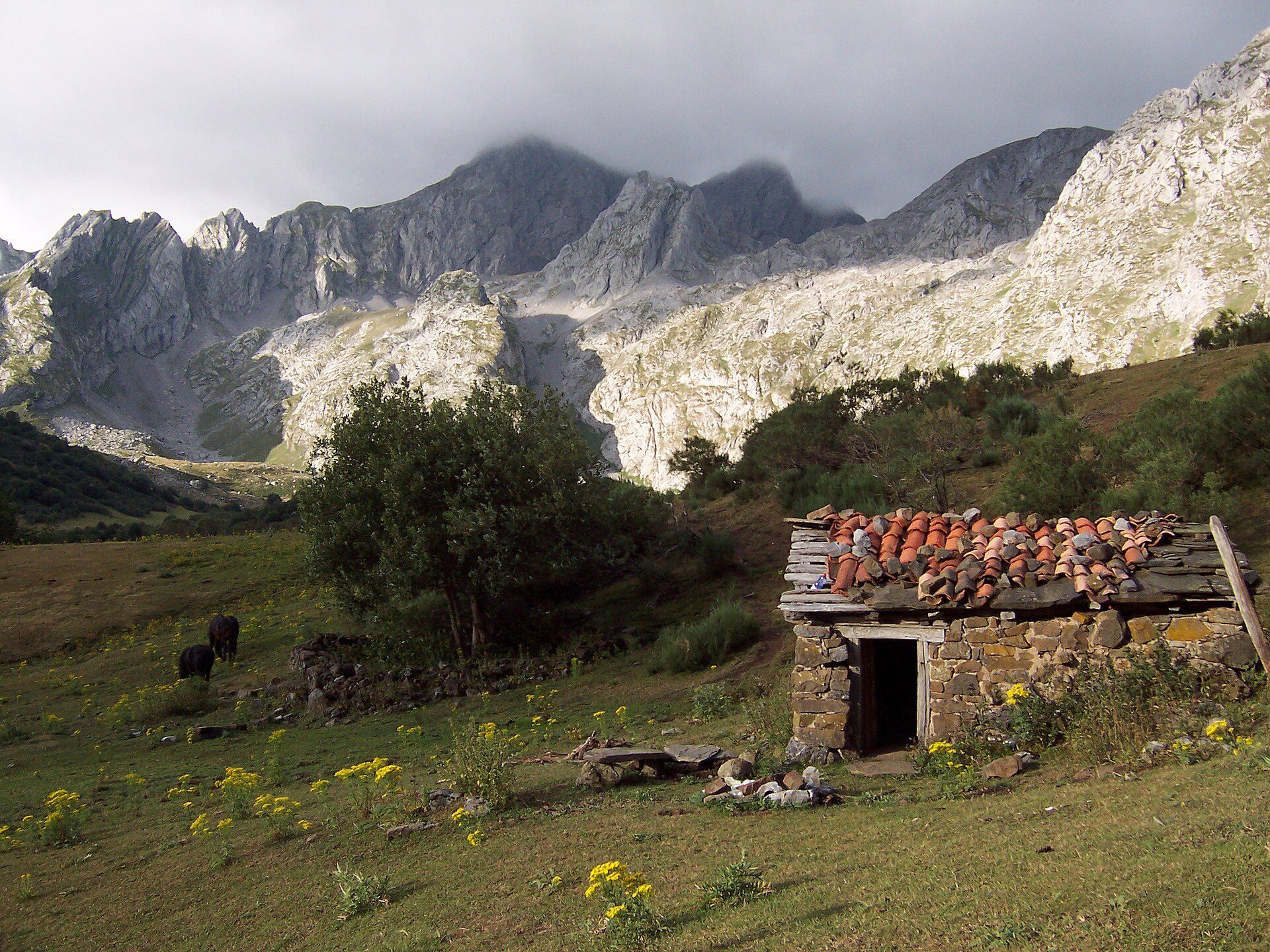
Natura 2000 · Standvogel

Natura 2000 · Standvogel
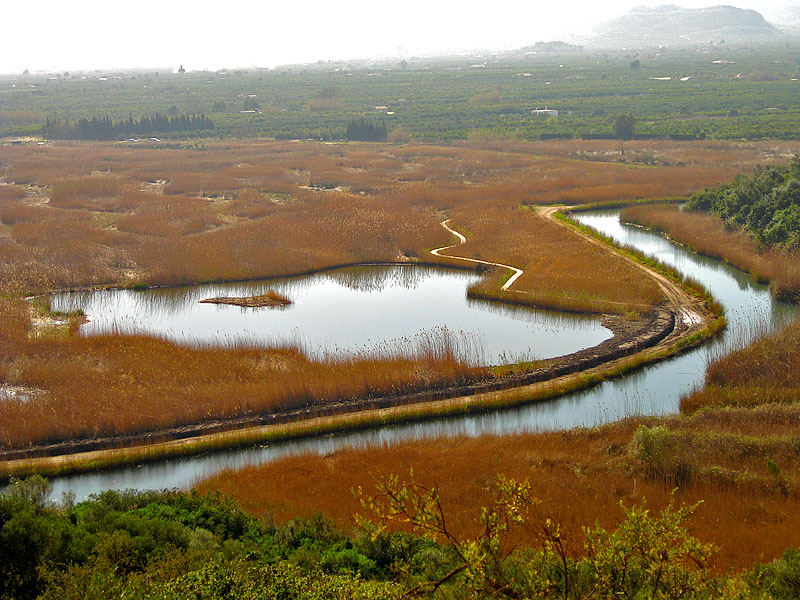
Natura 2000 · Standvogel

Natura 2000 · Wintergast
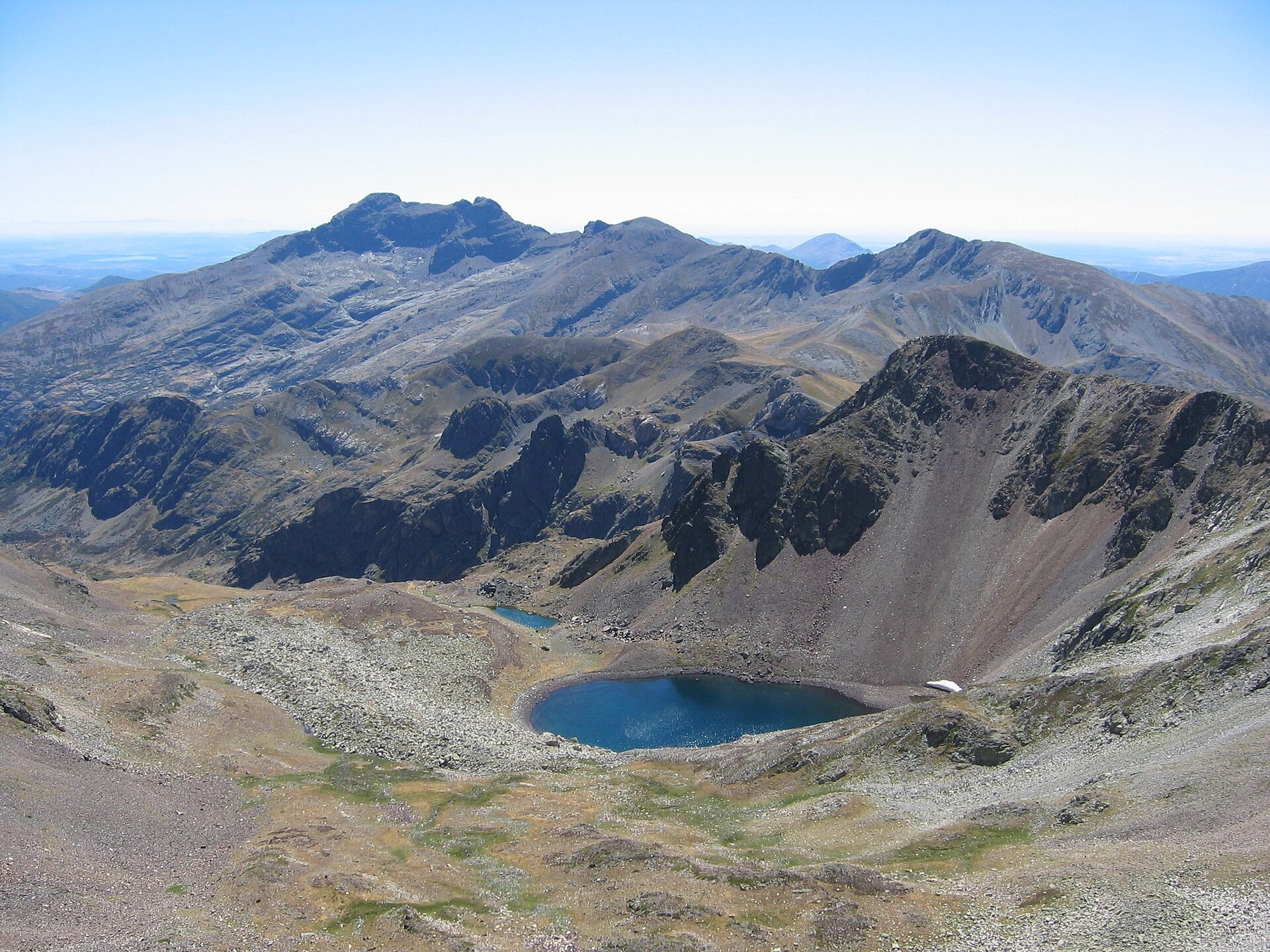
Natura 2000 · Standvogel

Natura 2000 · Brutvogel, Standvogel

Natura 2000 · Standvogel
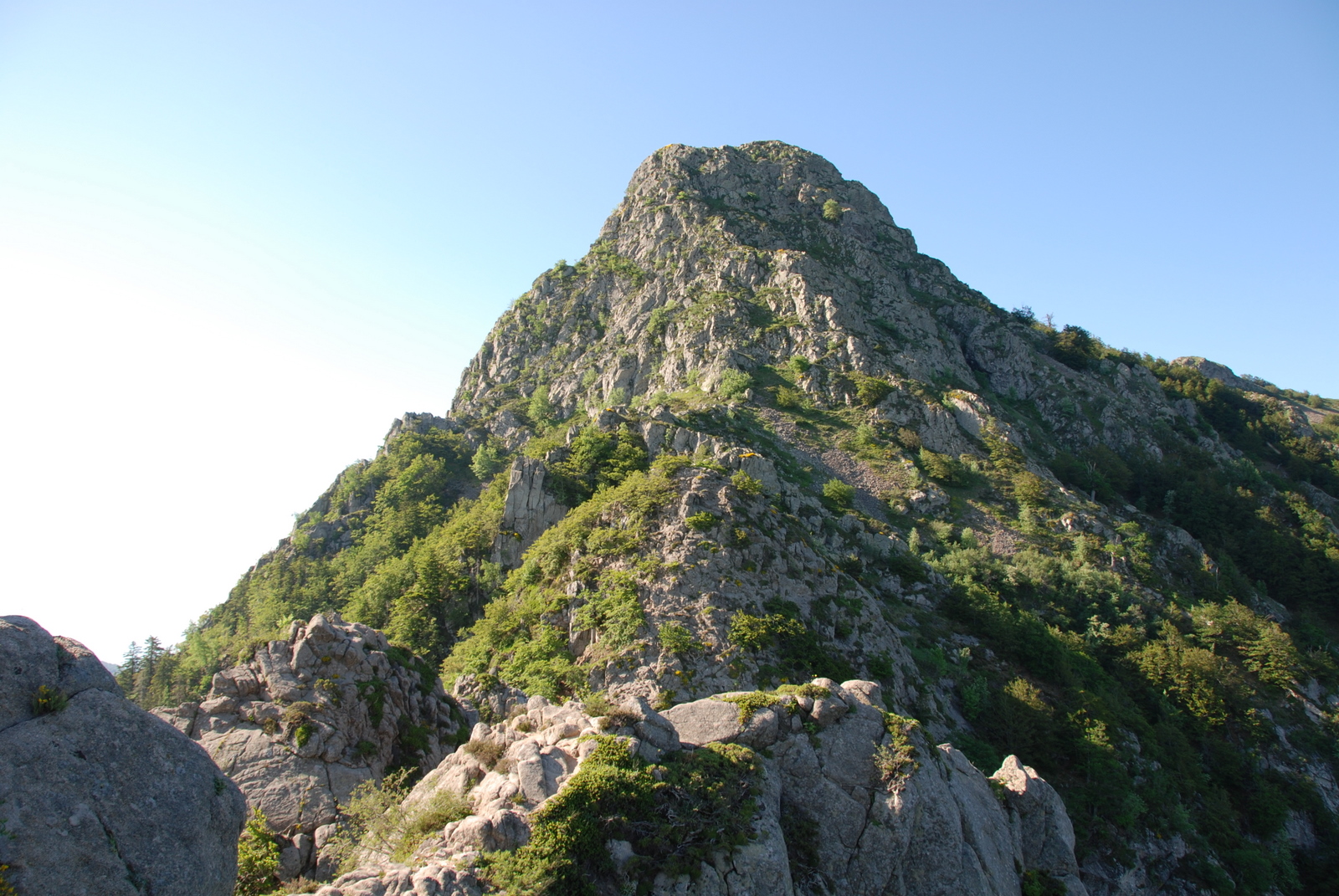
Natura 2000 · Standvogel
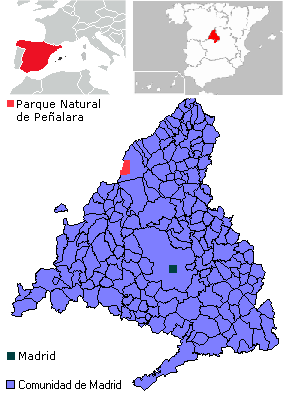
Natura 2000 · Standvogel
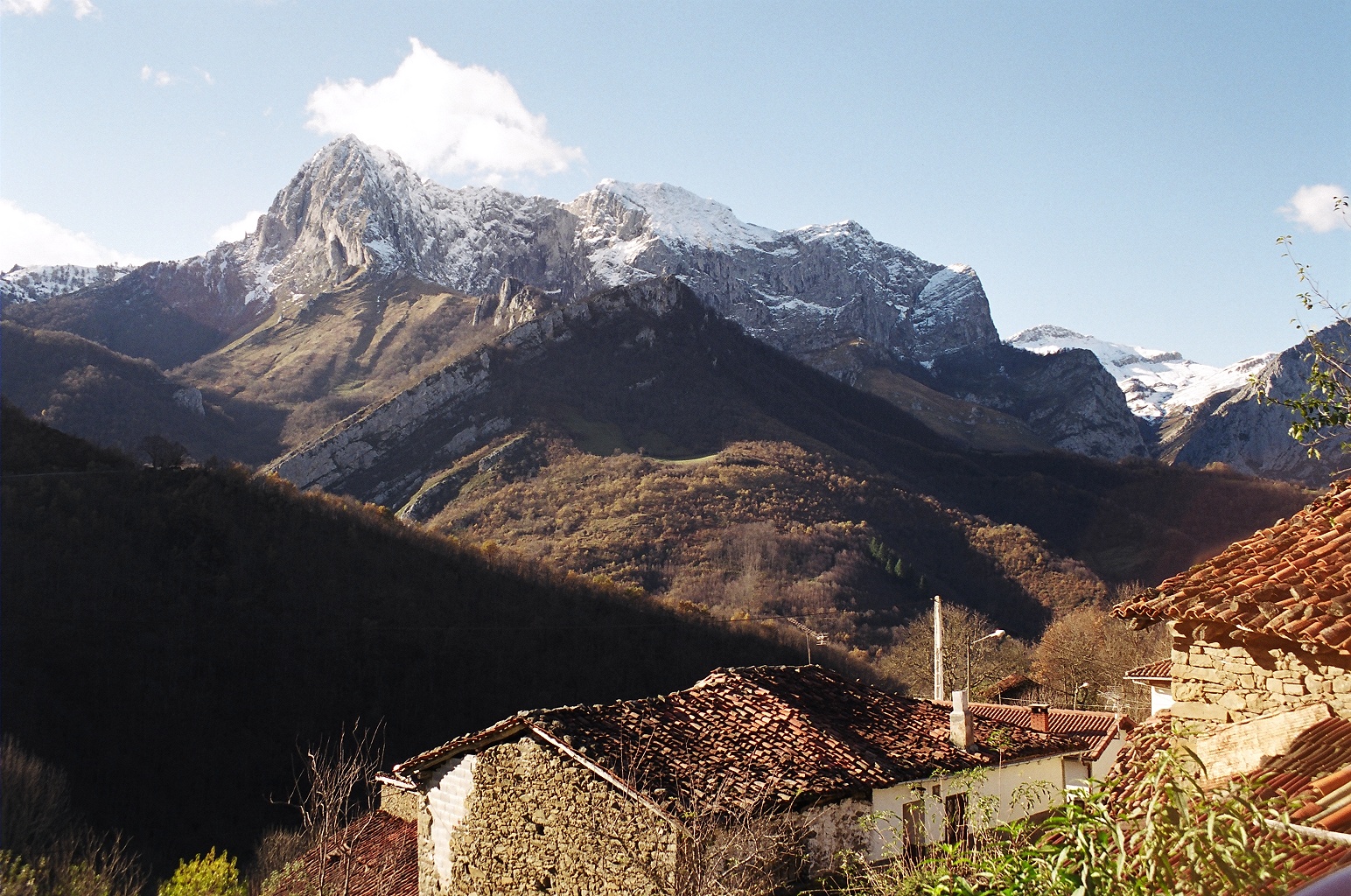
Natura 2000 · Standvogel

Natura 2000 · Standvogel
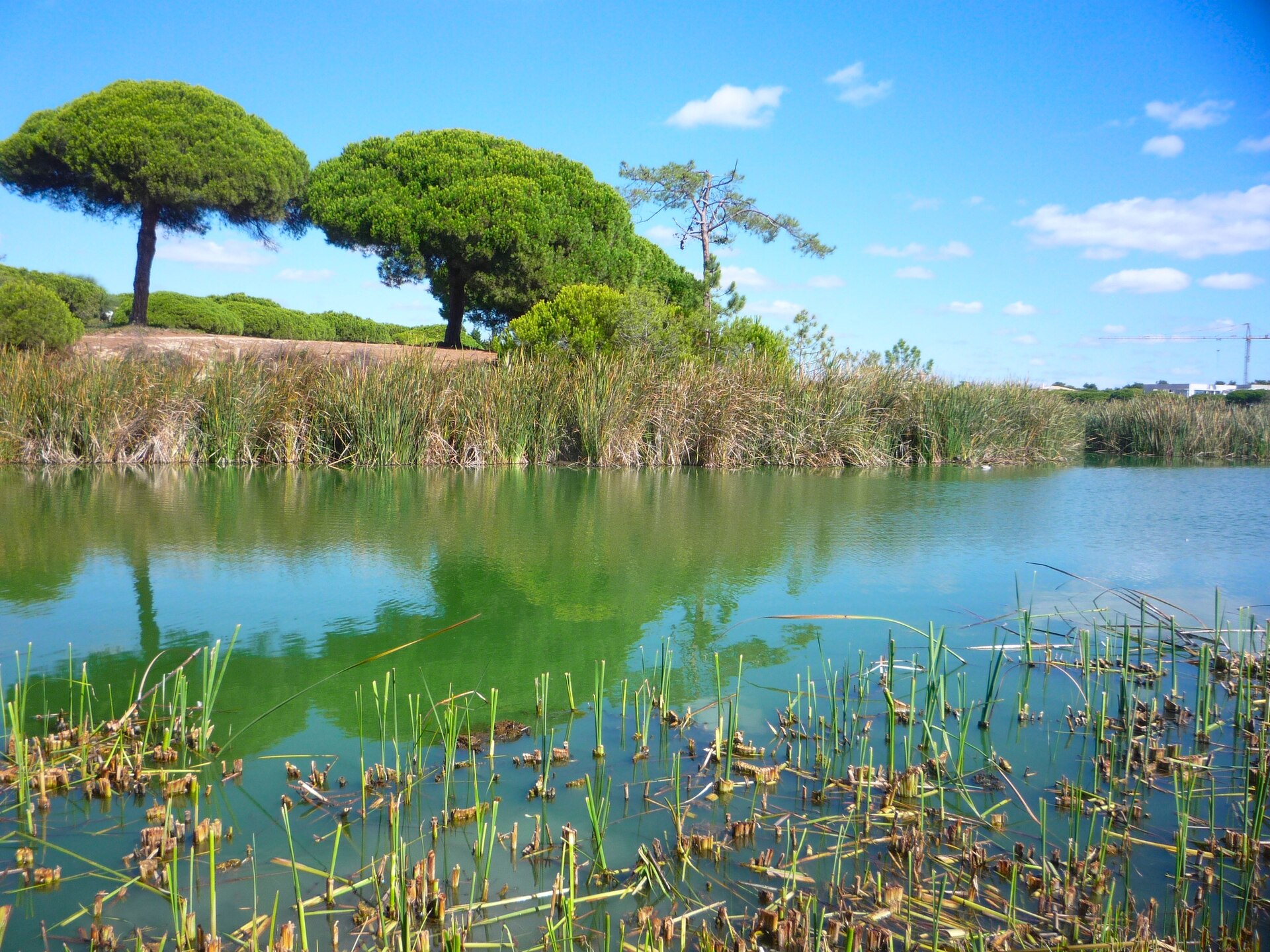
Natura 2000 · Standvogel

Natura 2000 · Standvogel

Natura 2000 · Standvogel

Natura 2000 · Standvogel

Natura 2000 · Standvogel

Natura 2000 · Standvogel

Natura 2000 · Standvogel
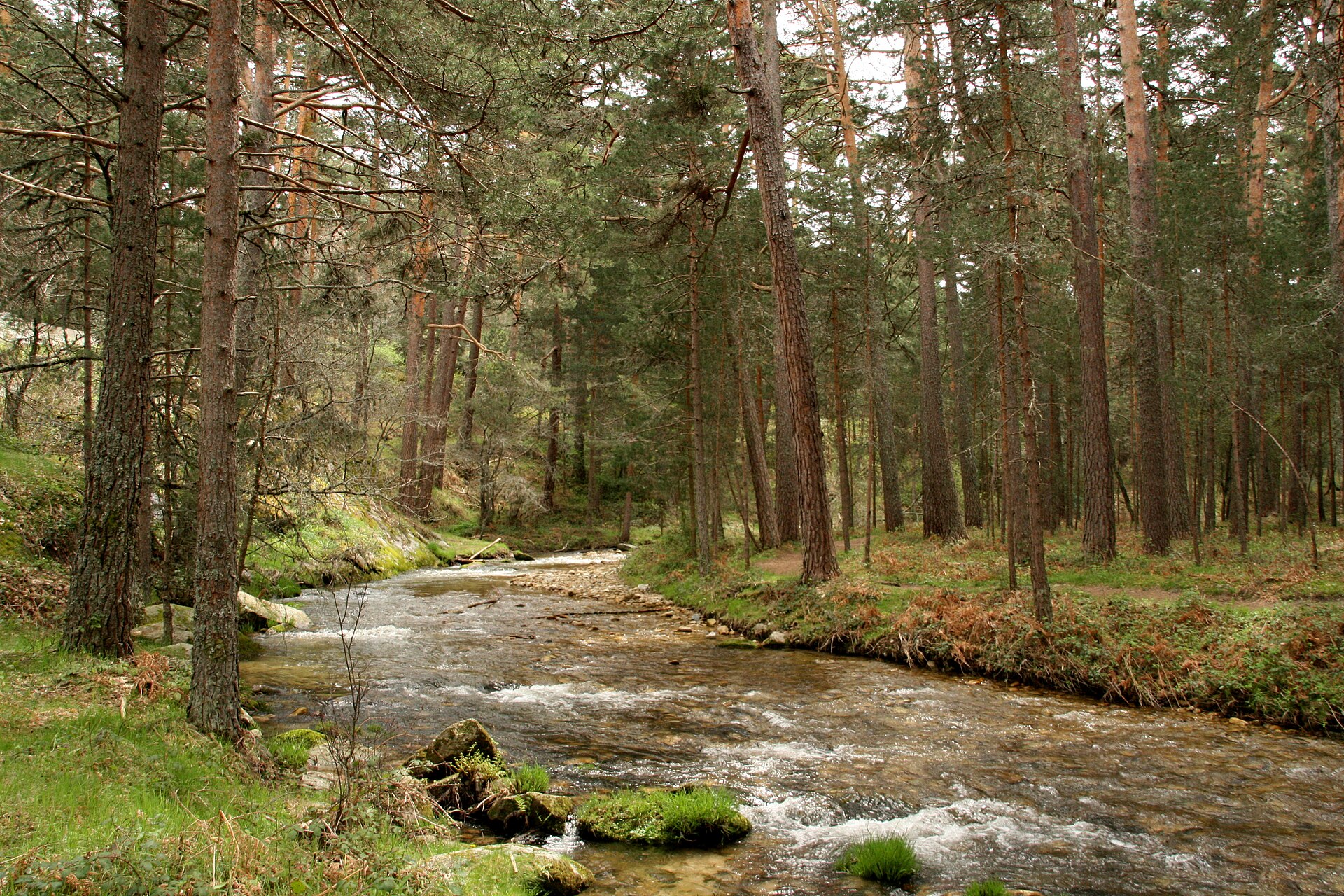
Natura 2000 · Standvogel
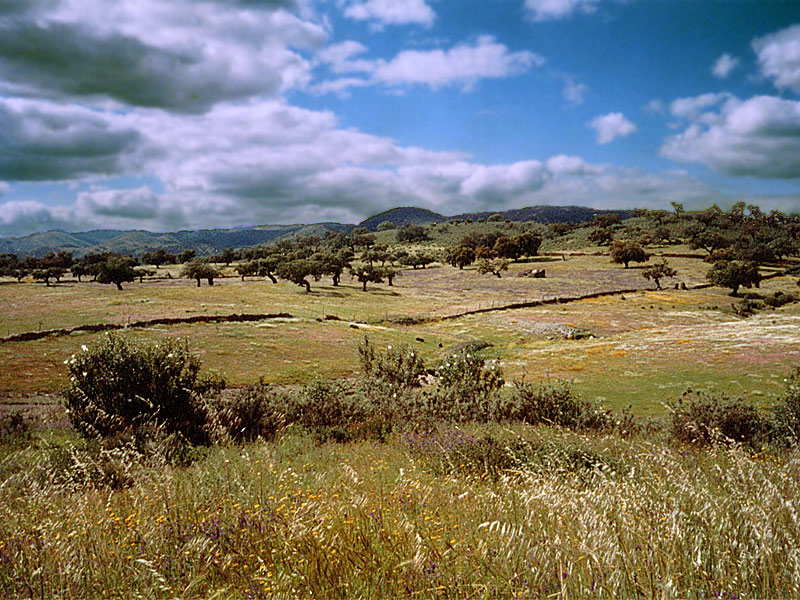
Natura 2000 · Standvogel
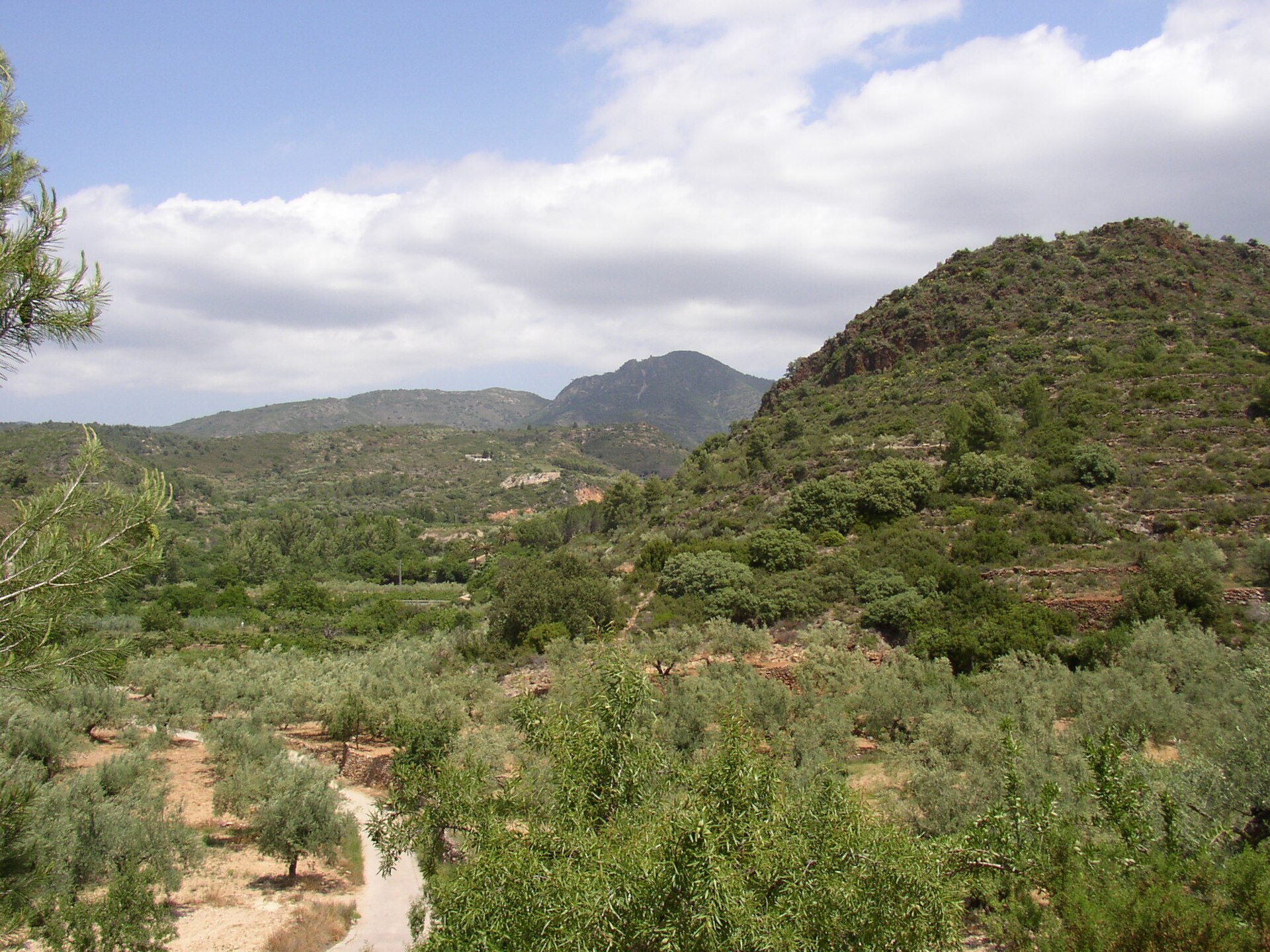
Natura 2000 · Standvogel
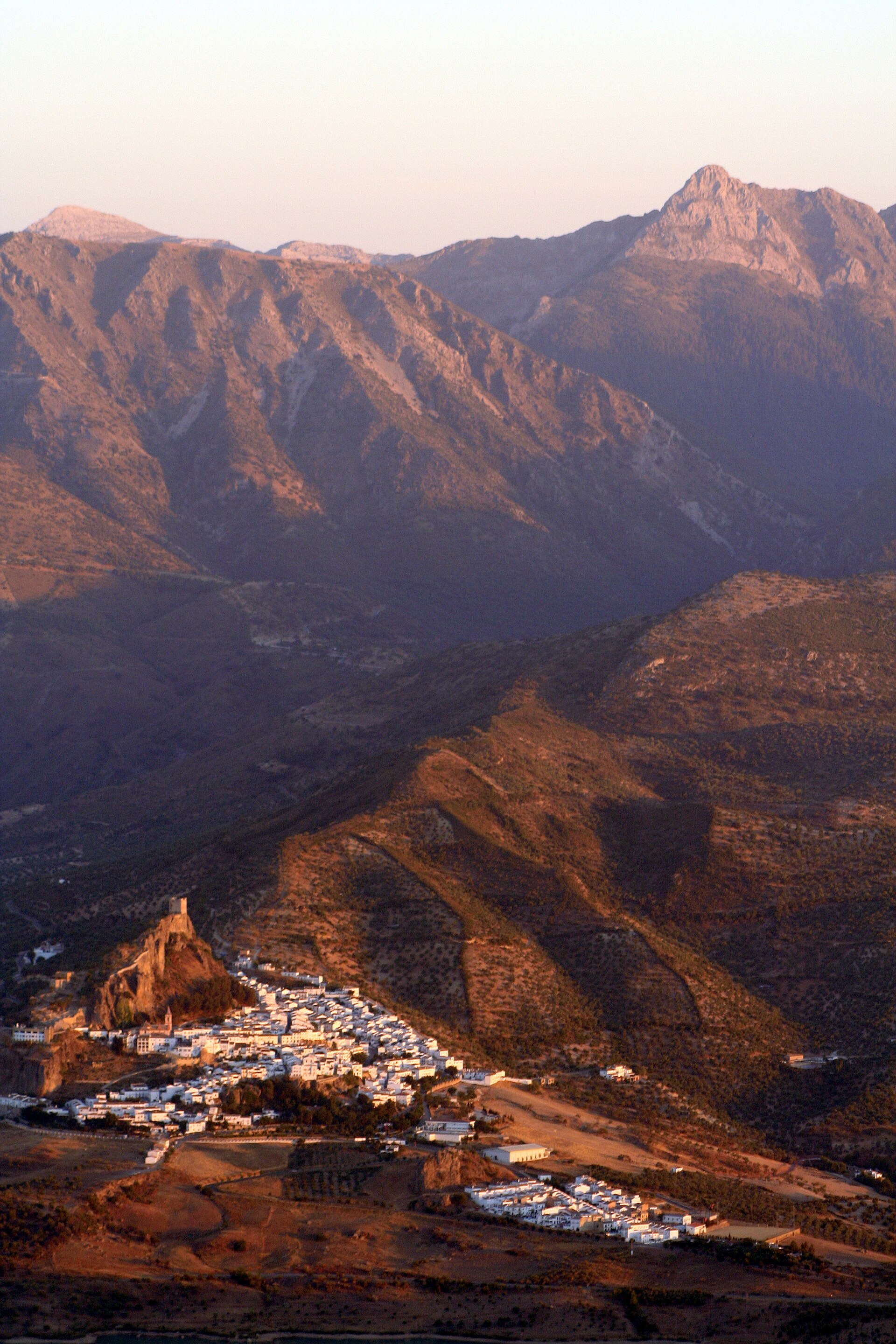
Natura 2000 · Standvogel
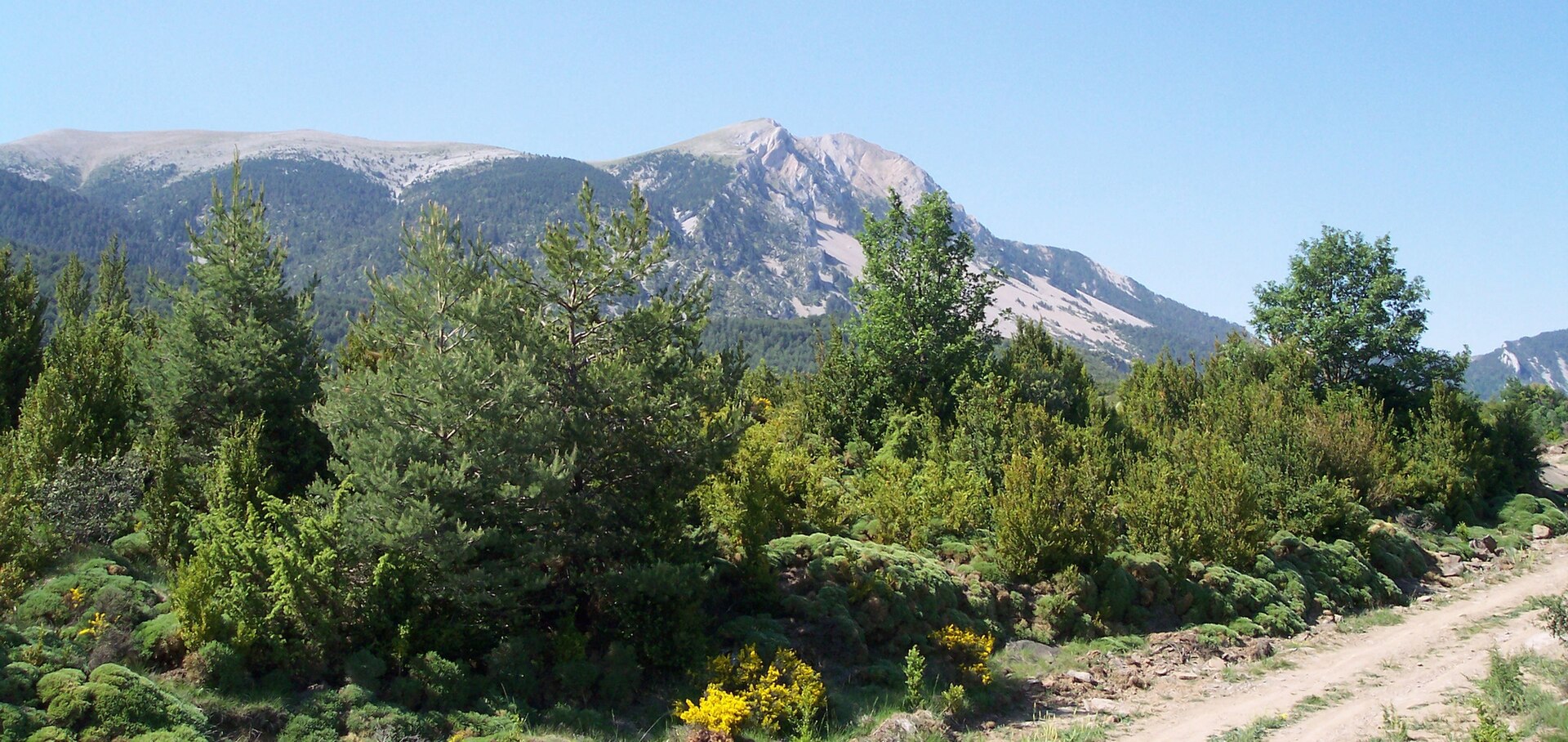
Natura 2000 · Standvogel
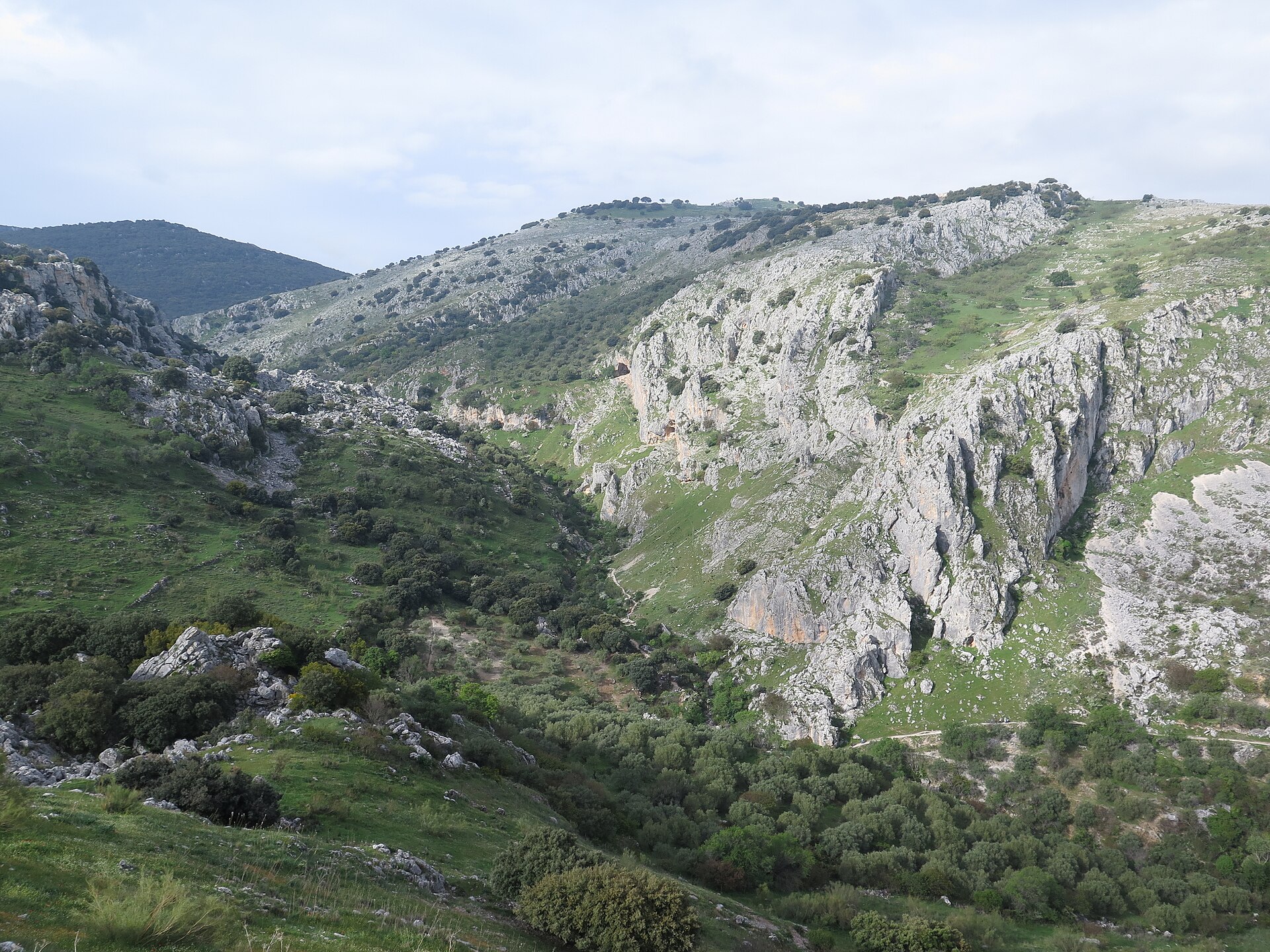
Natura 2000 · Standvogel
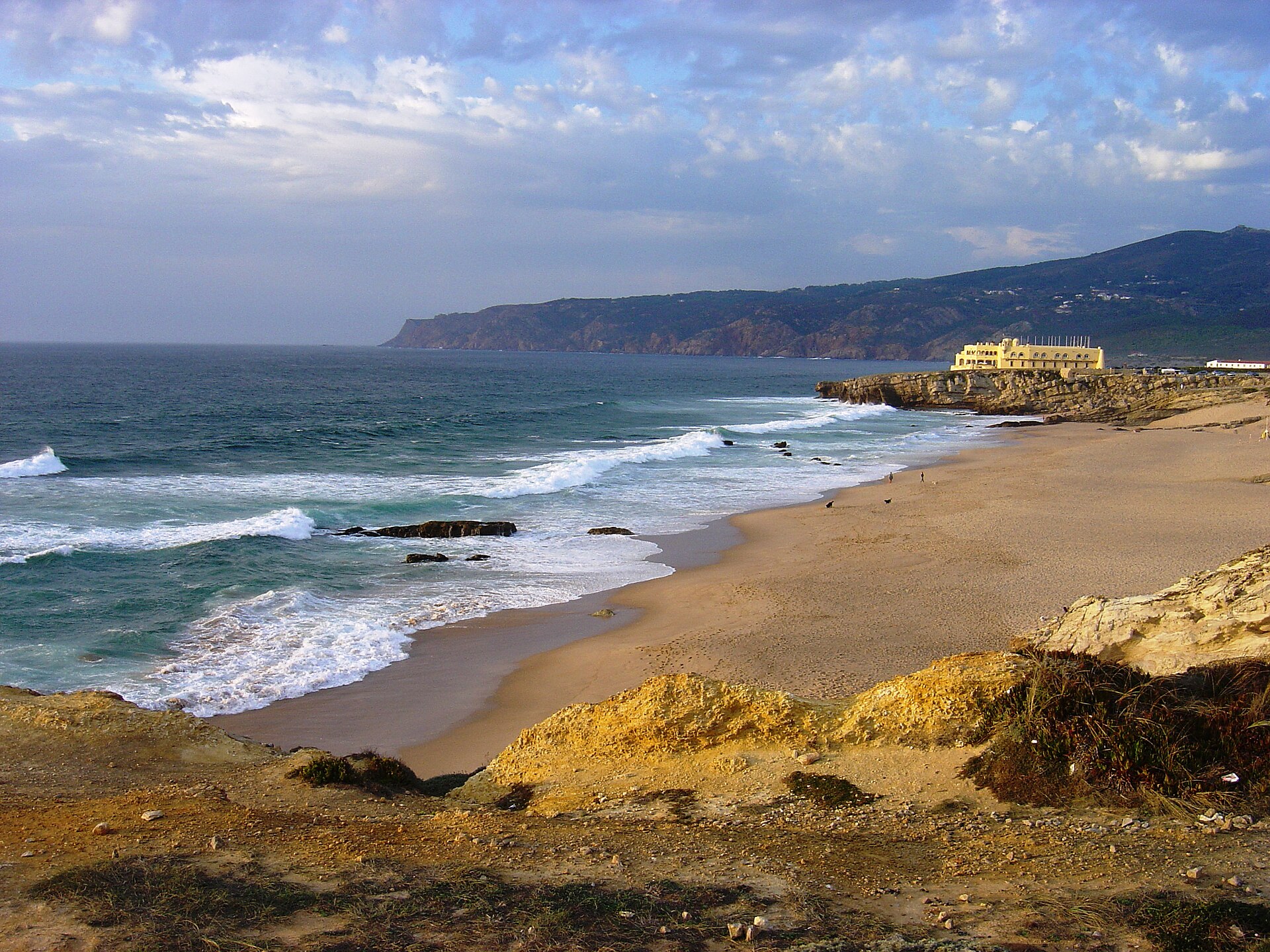
Natura 2000 · Standvogel

Natura 2000 · Standvogel

Natura 2000 · Standvogel
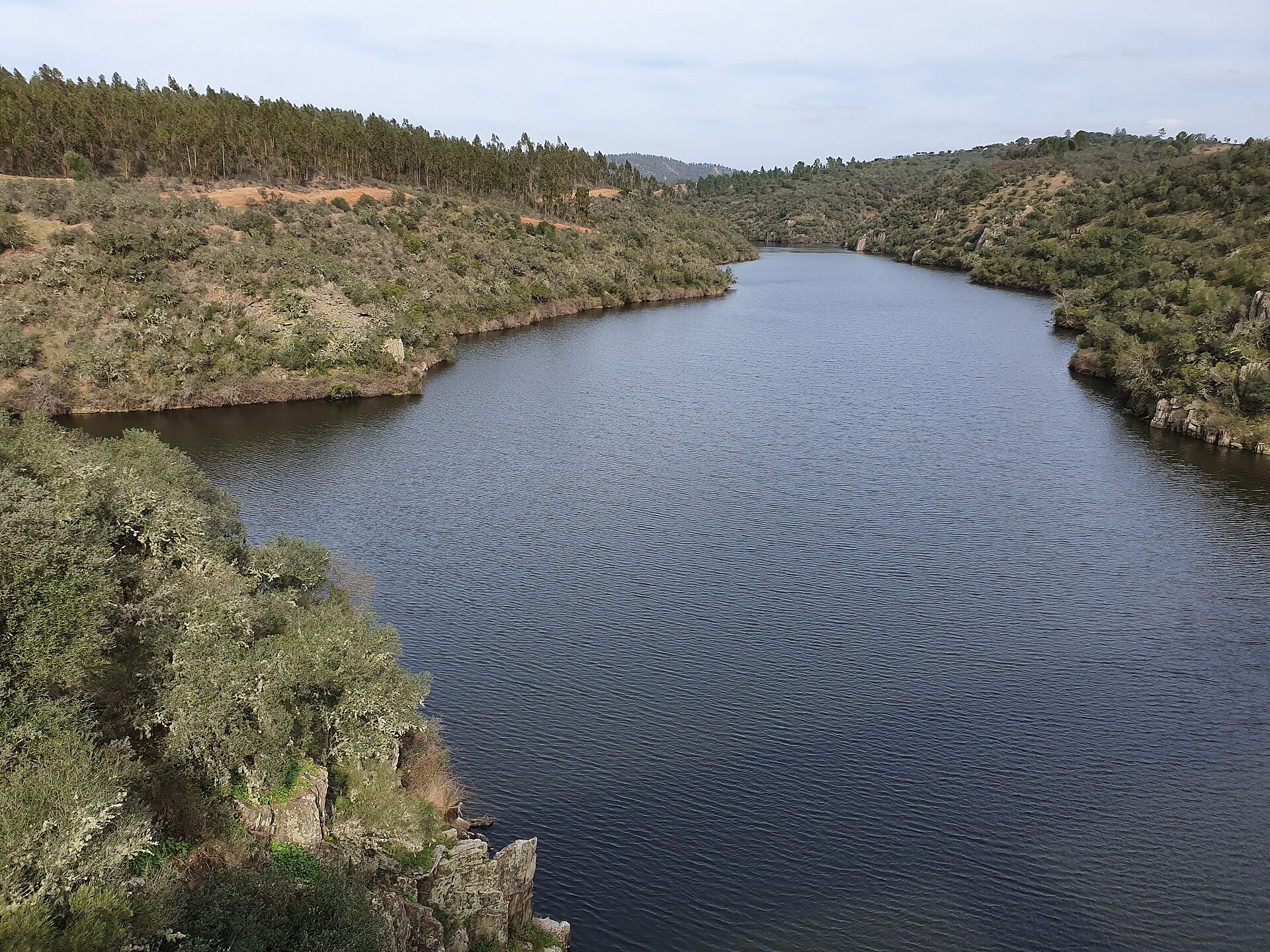
Natura 2000 · Standvogel

Natura 2000 · Standvogel
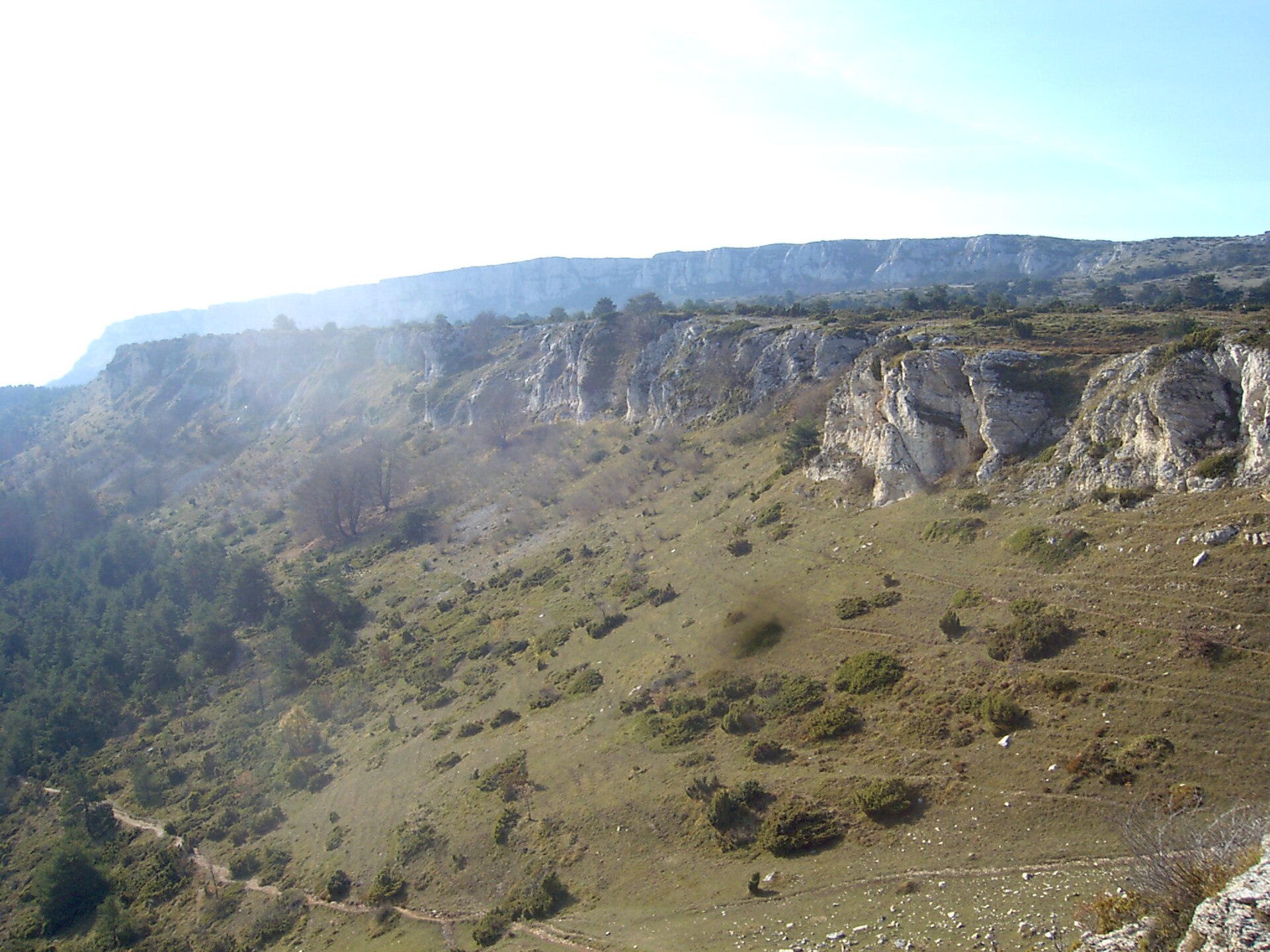
Natura 2000 · Brutvogel, Standvogel

Natura 2000 · Standvogel
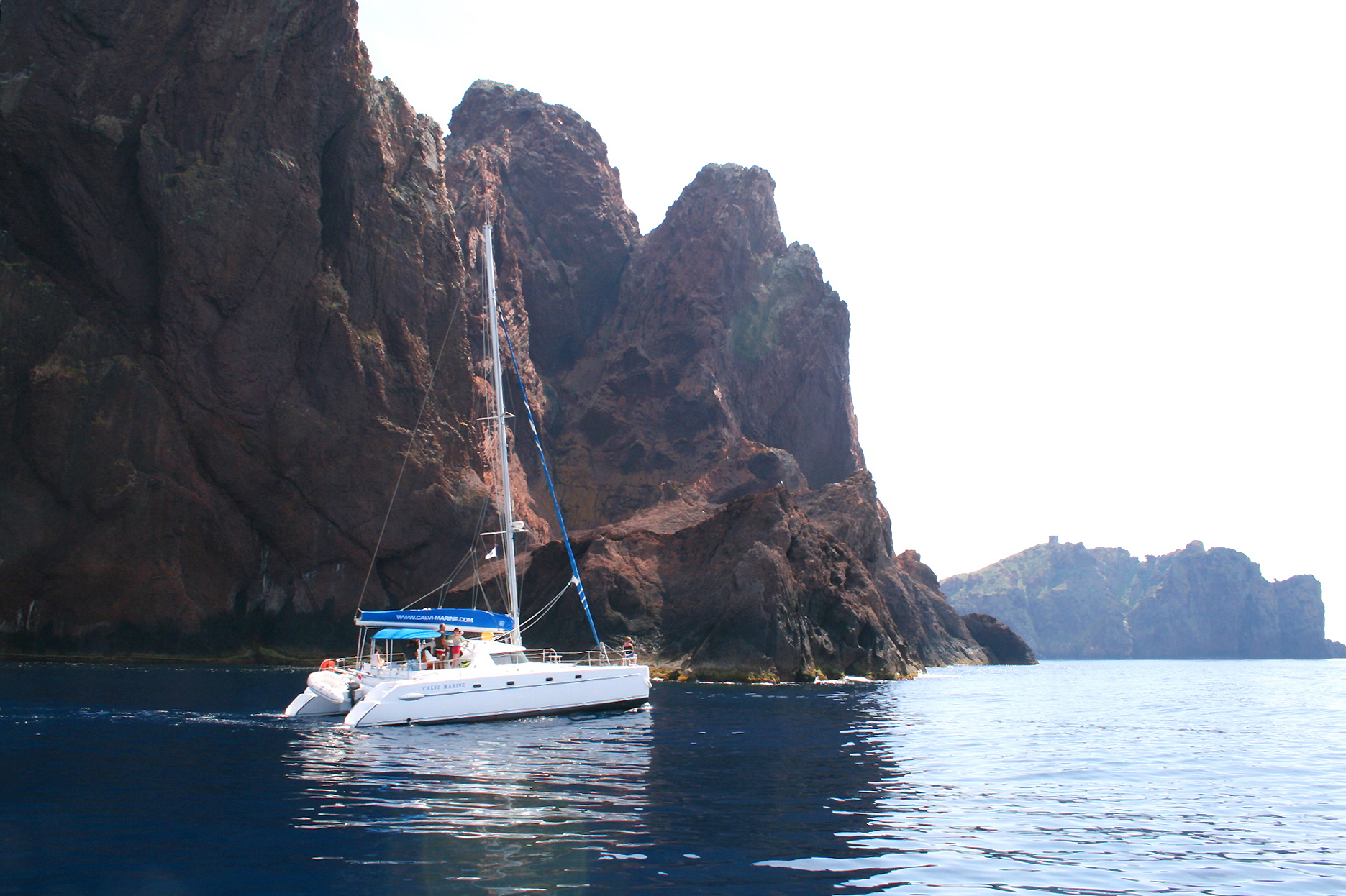
Natura 2000 · Standvogel
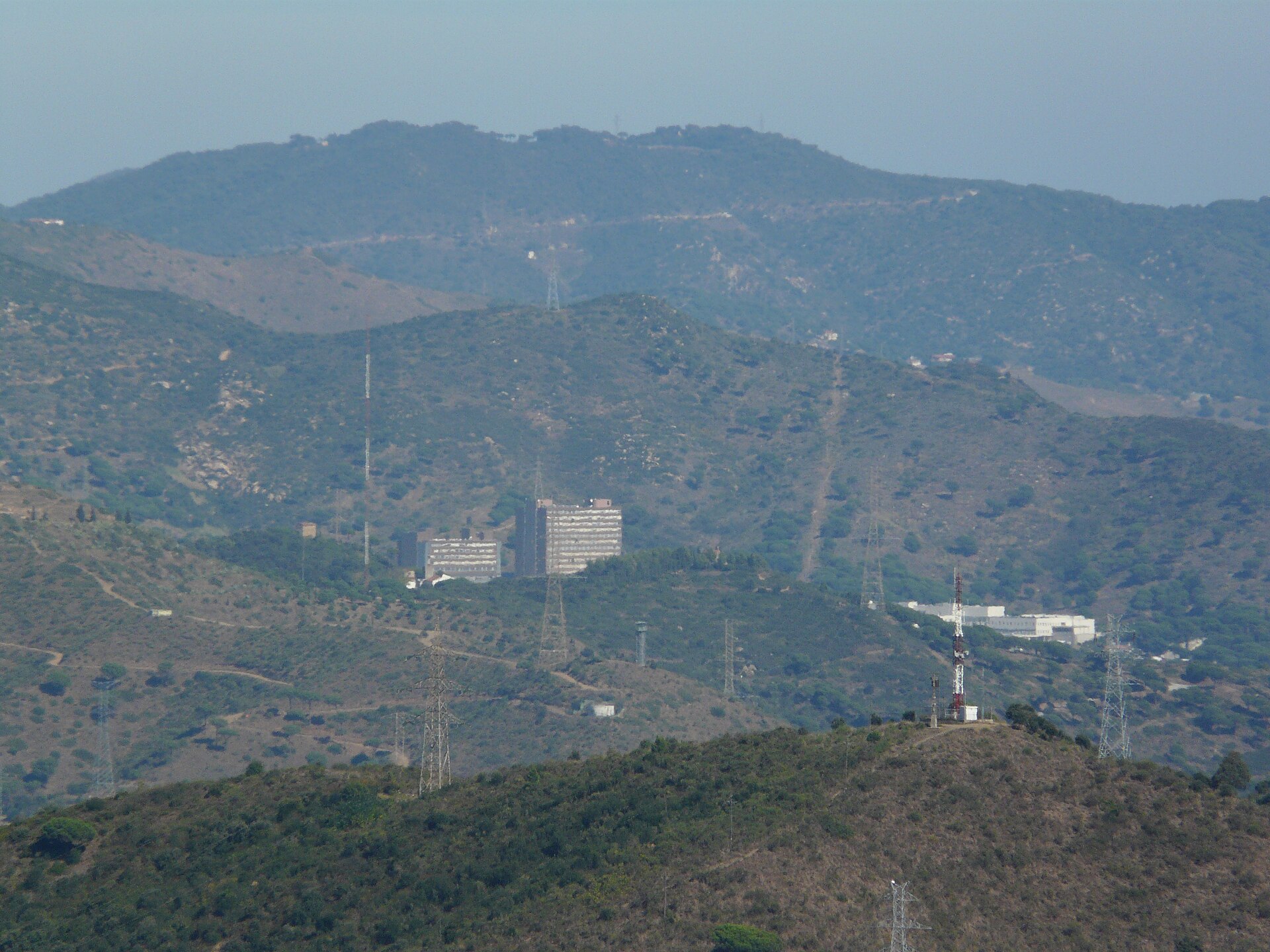
Natura 2000 · Standvogel
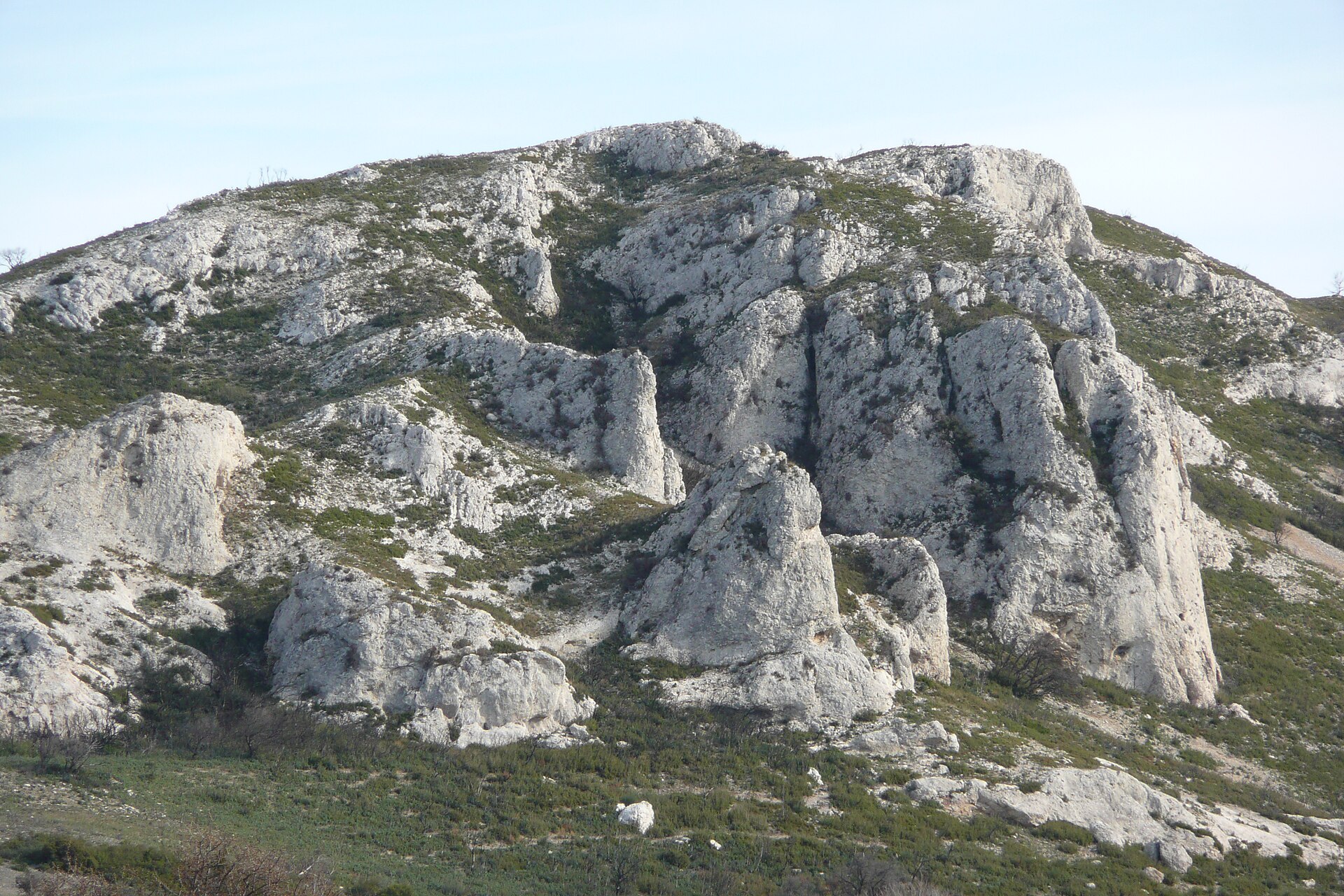
Natura 2000 · Wintergast, Brutvogel, Standvogel
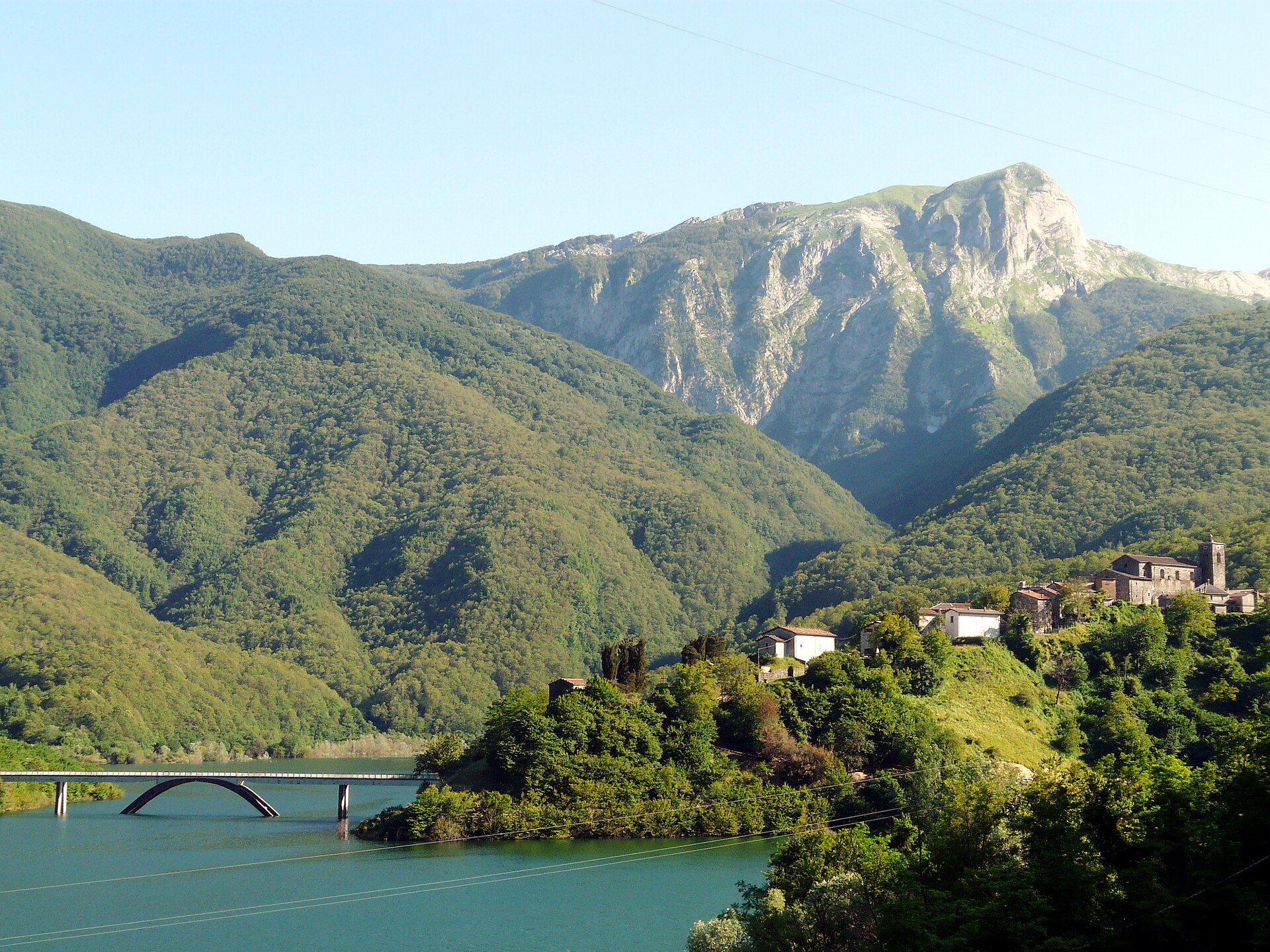
Natura 2000 · Standvogel
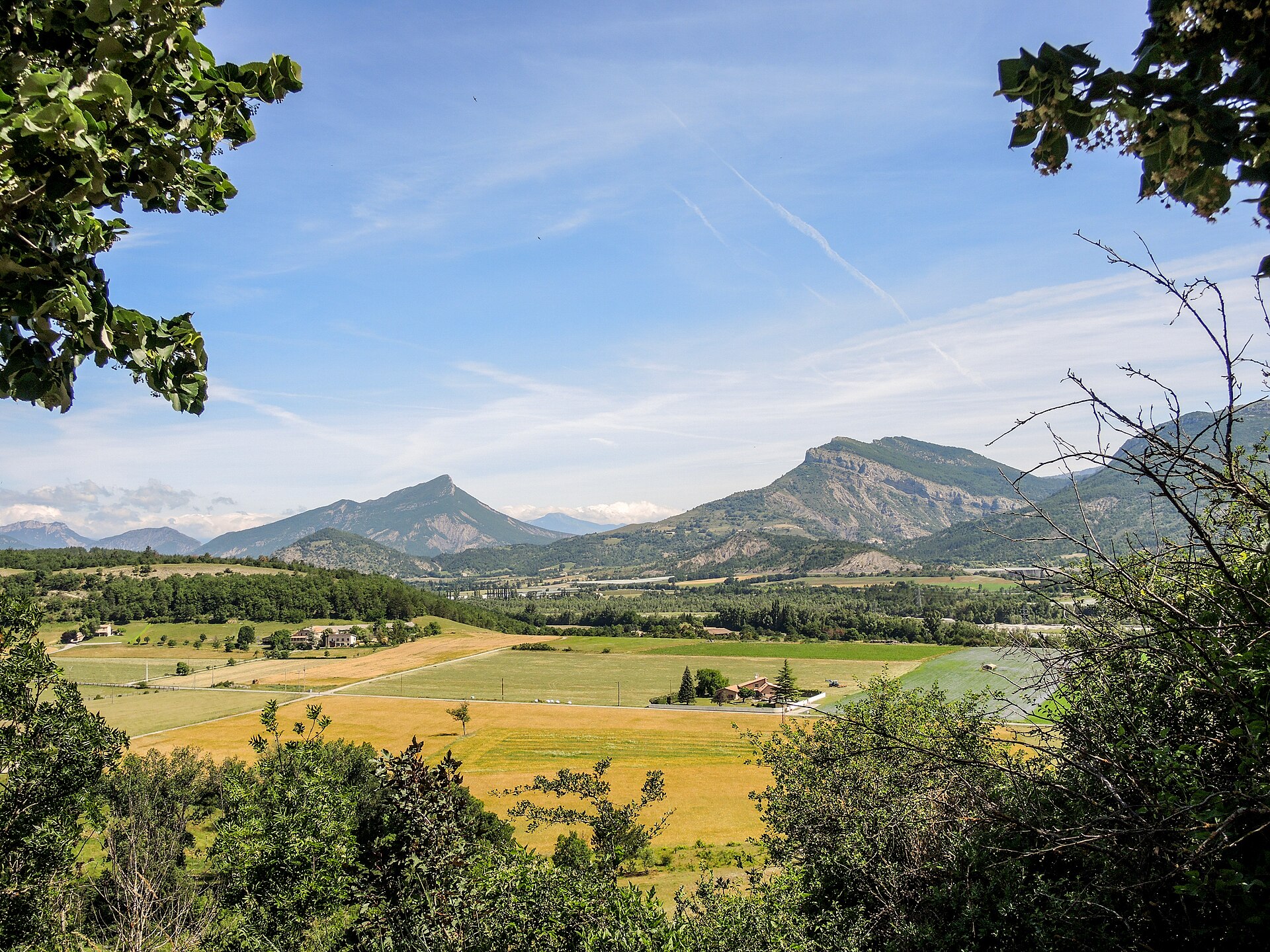
Natura 2000 · Brutvogel
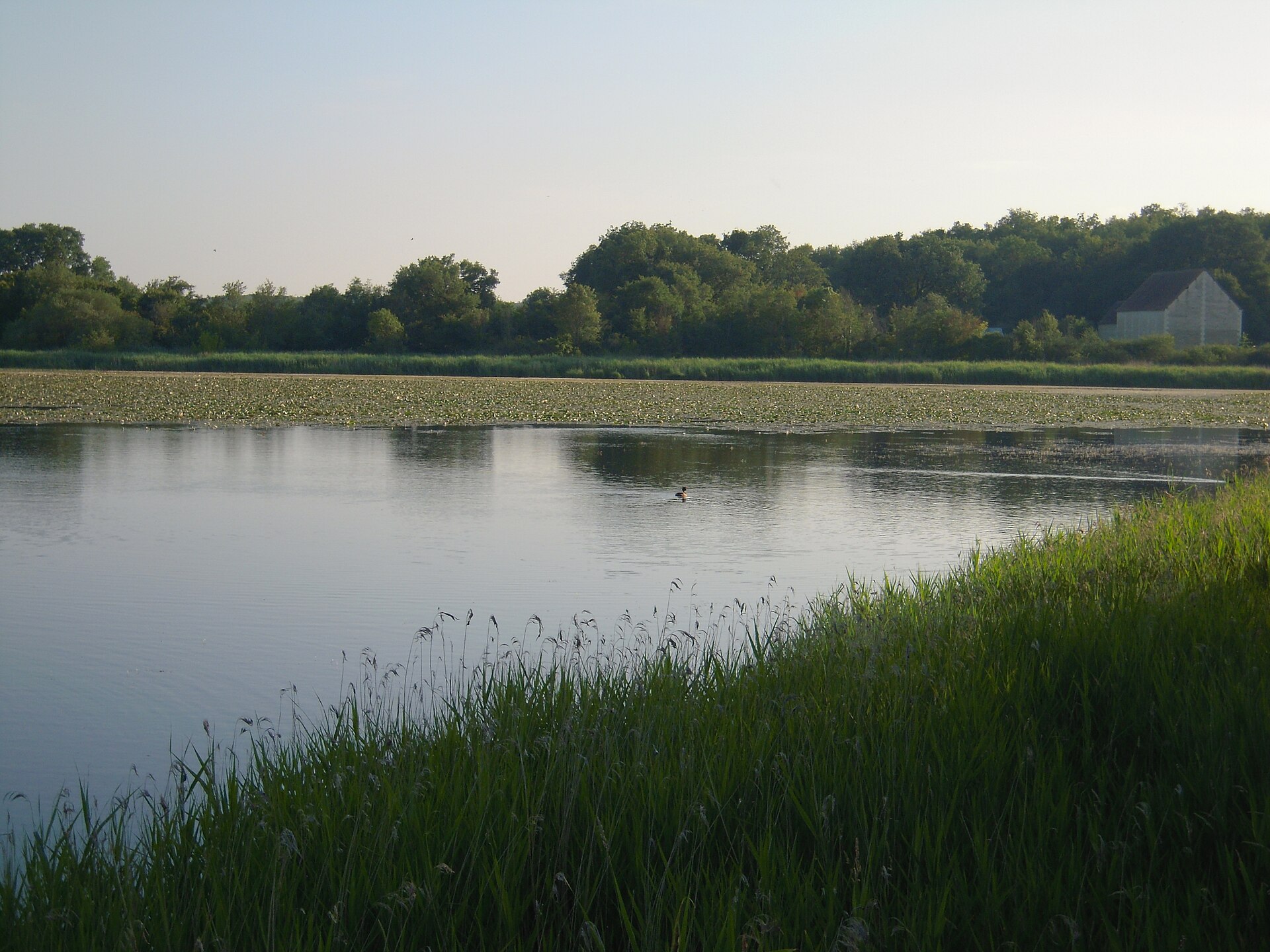
Natura 2000 · Standvogel
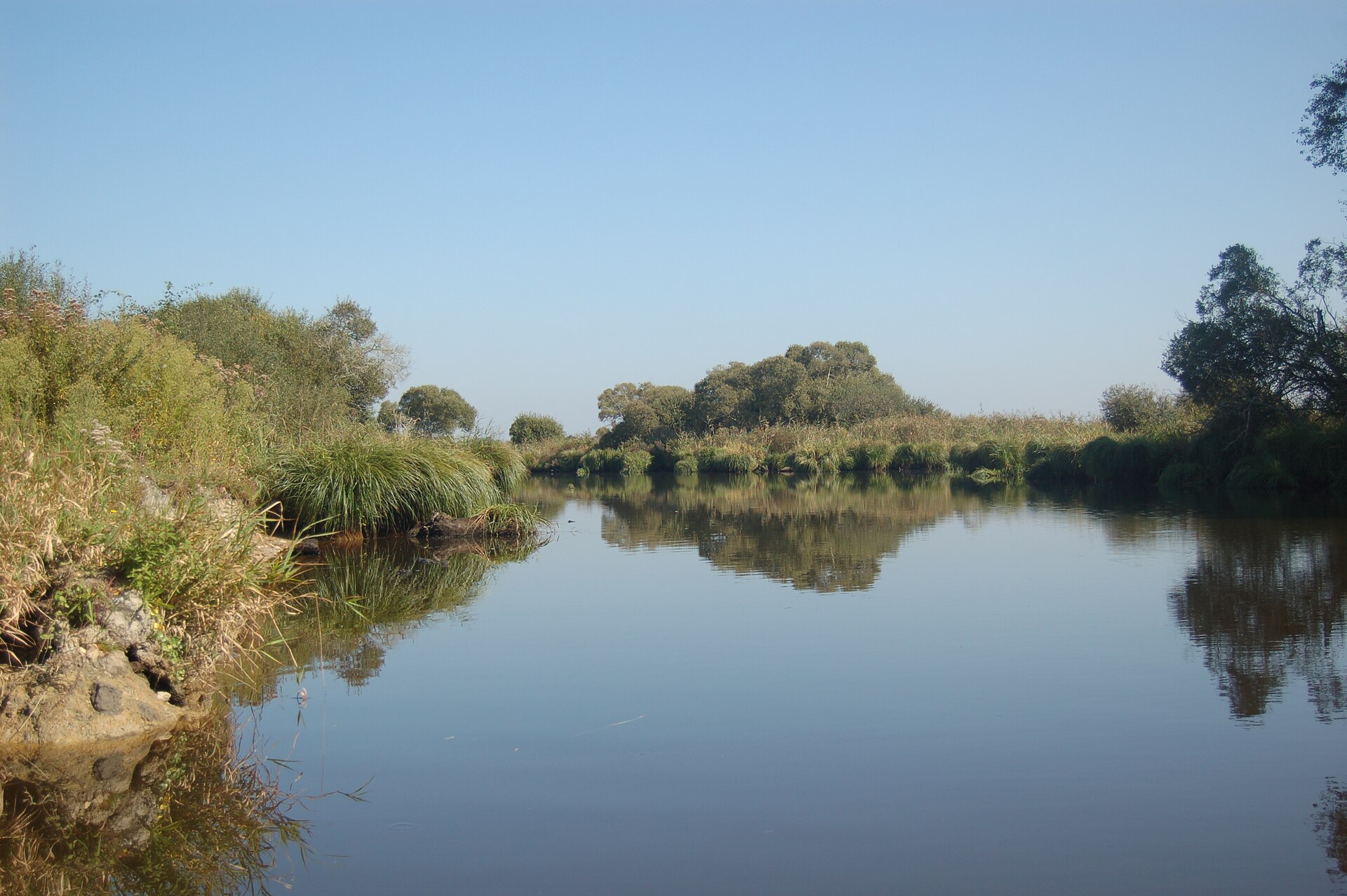
Natura 2000 · Standvogel, Brutvogel
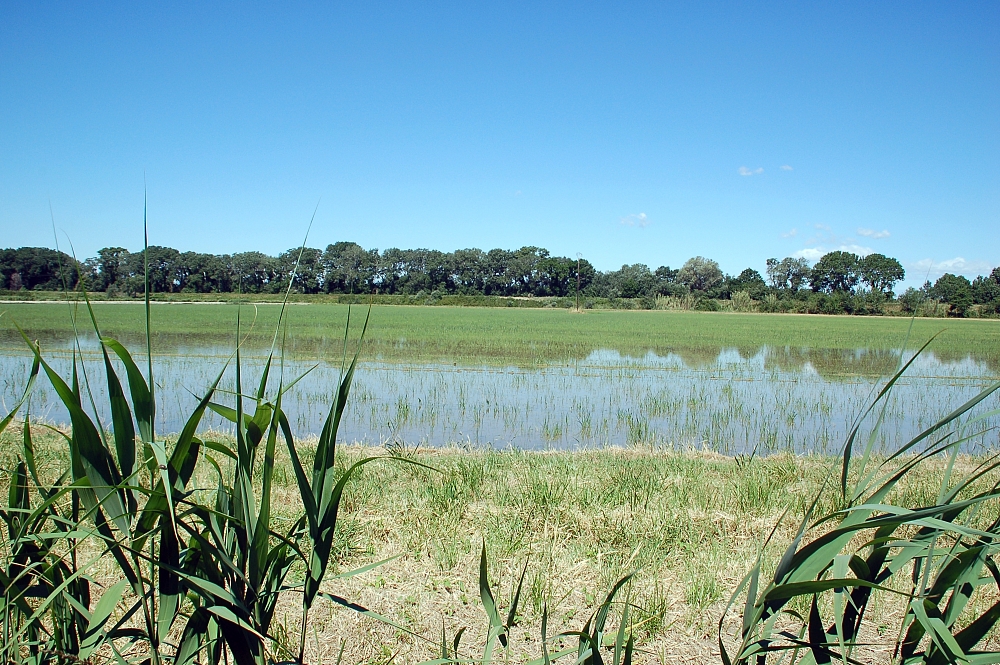
Natura 2000 · Wintergast, Durchzügler
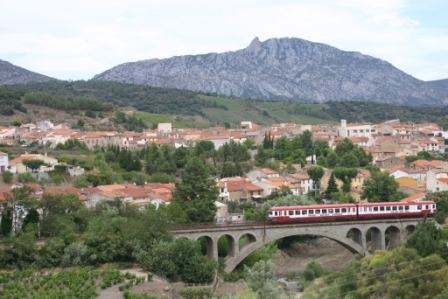
Natura 2000 · Standvogel, Wintergast, Durchzügler
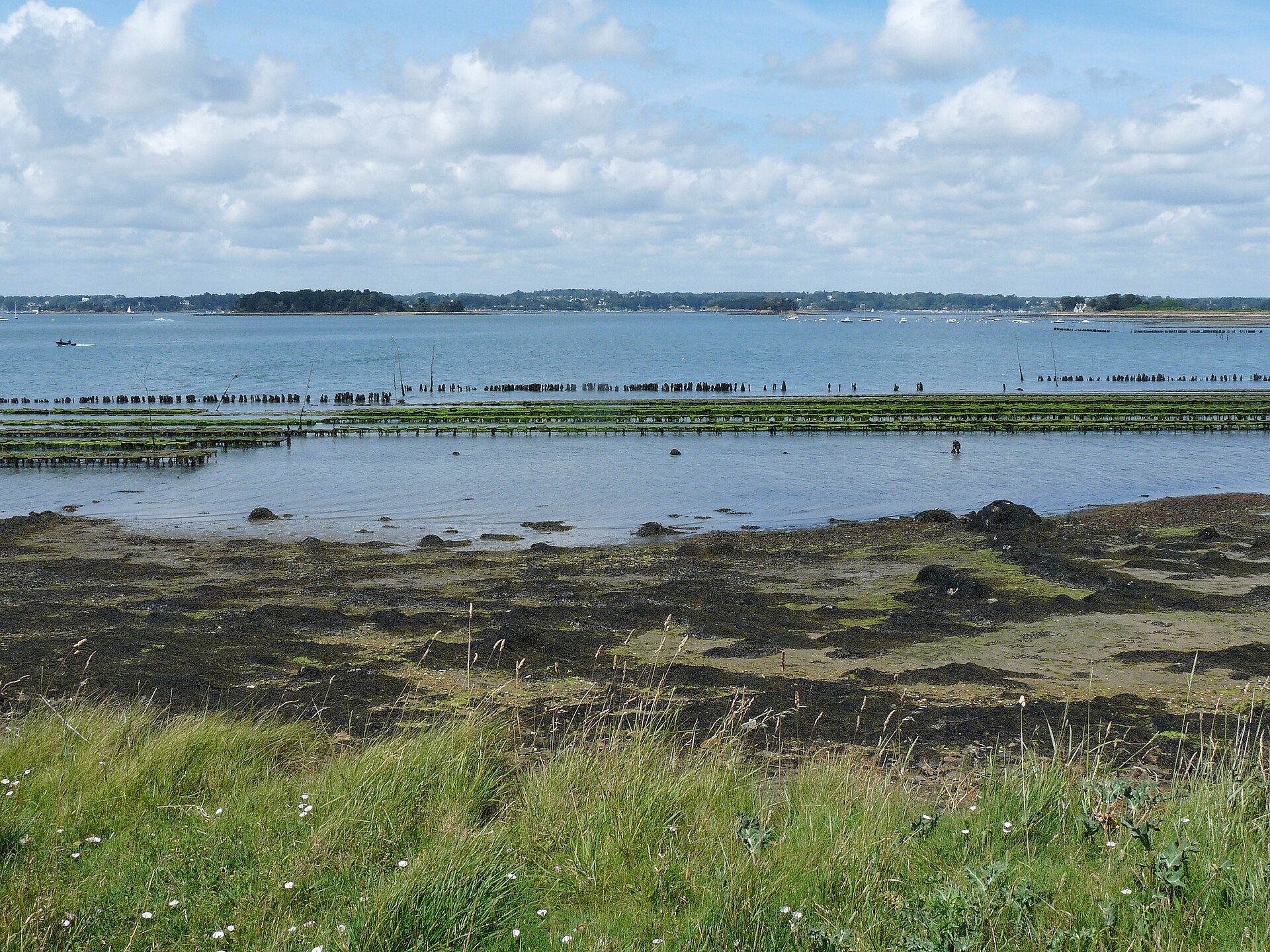
Natura 2000 · Brutvogel
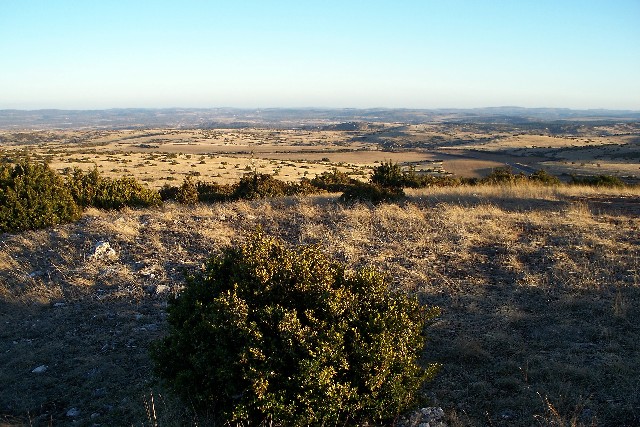
Natura 2000 · Standvogel
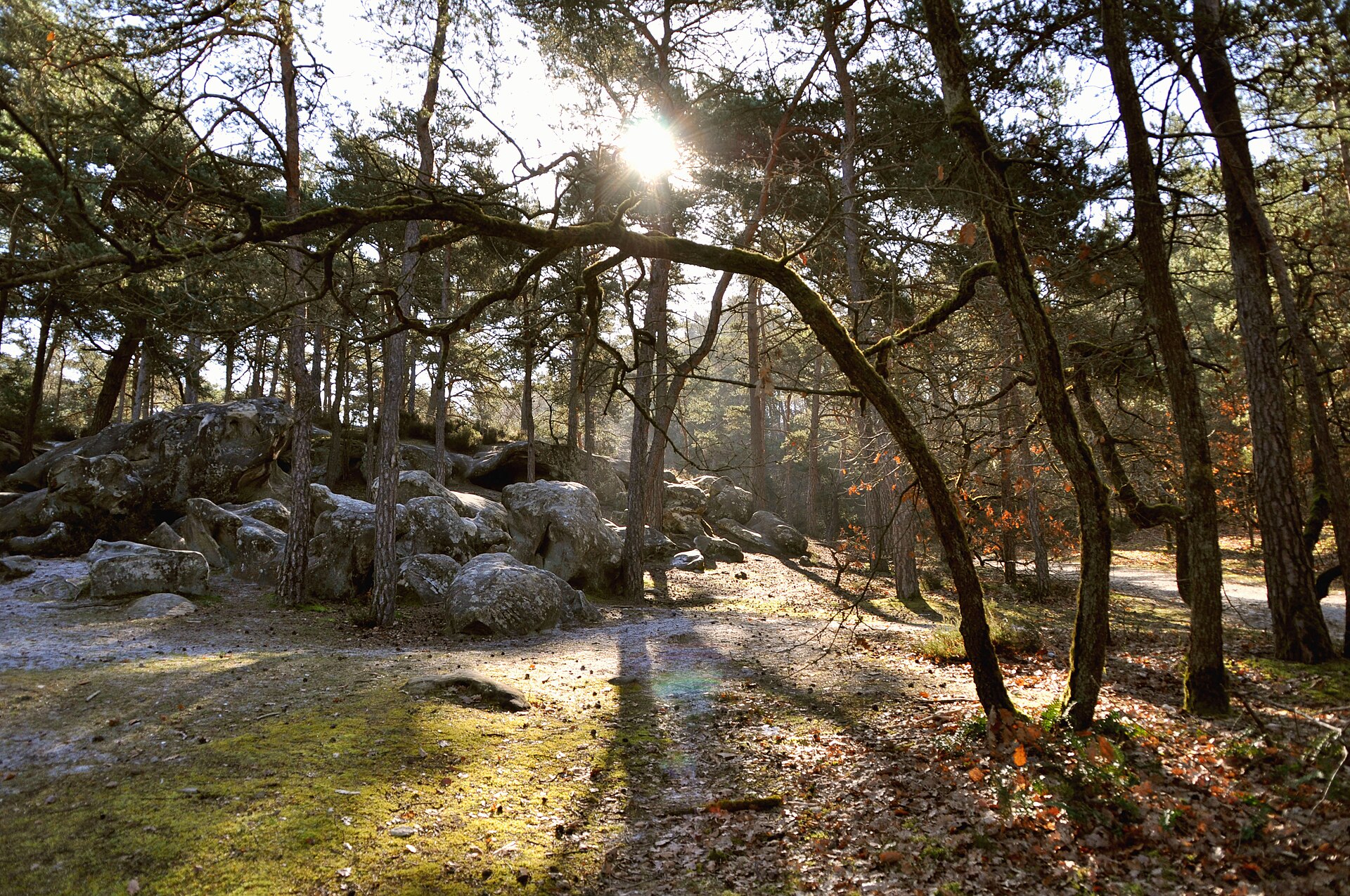
Natura 2000 · Standvogel, Brutvogel
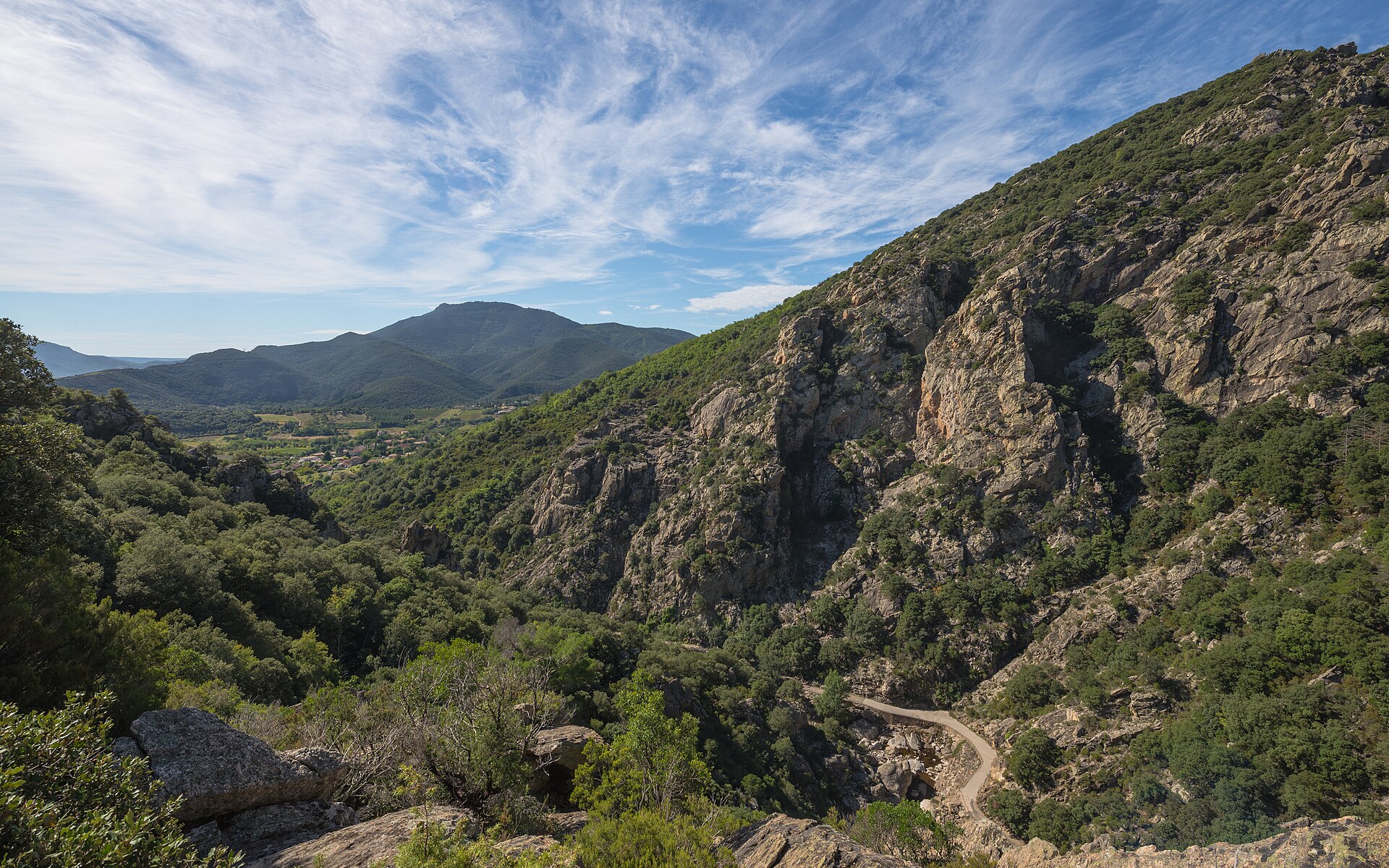
Natura 2000 · Standvogel
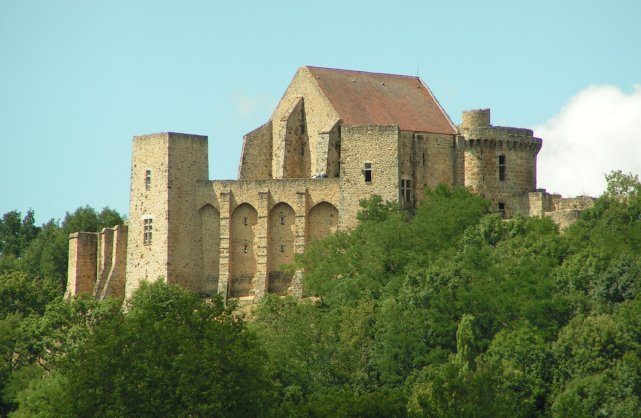
Natura 2000 · Brutvogel
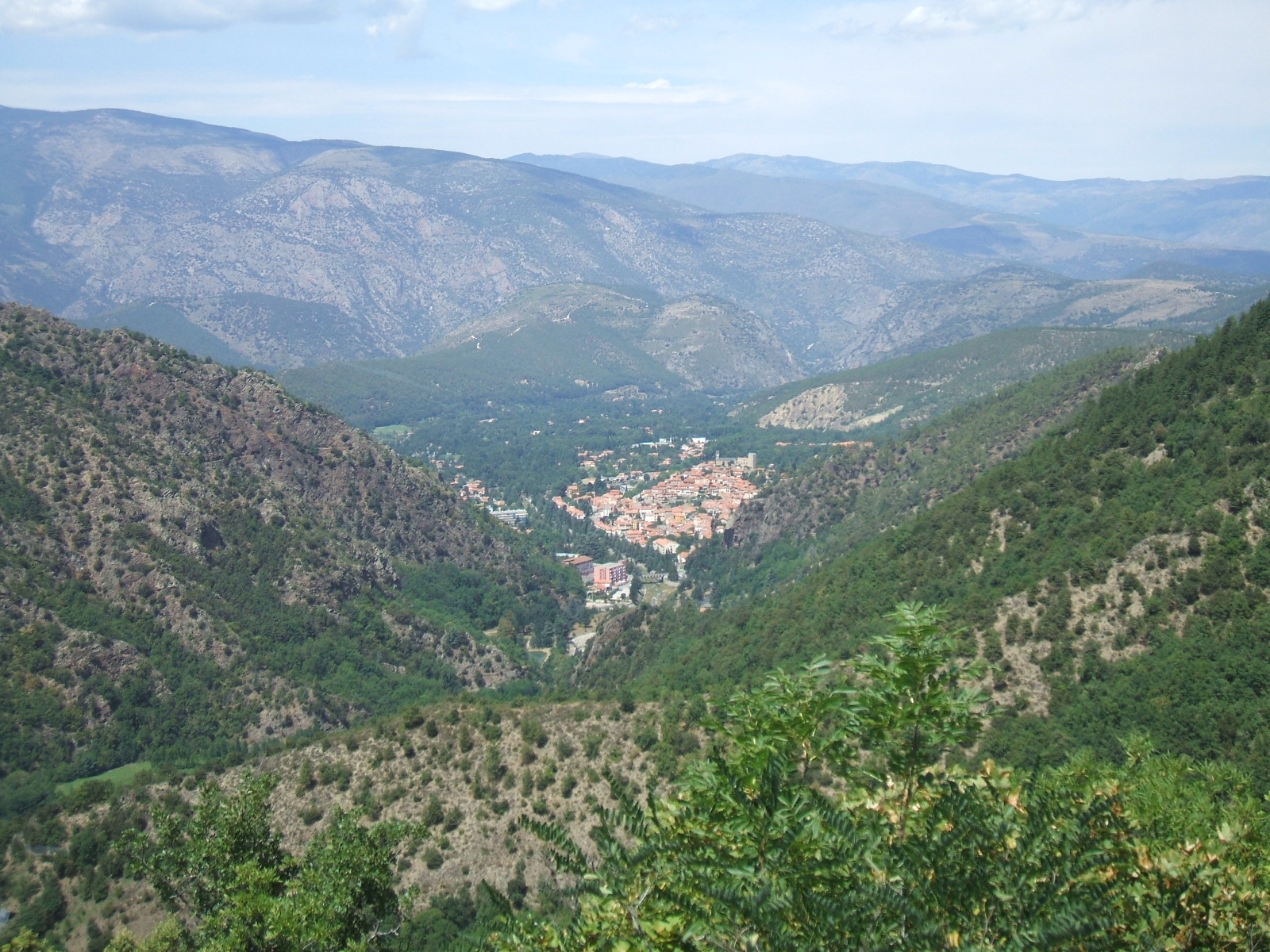
Natura 2000 · Standvogel
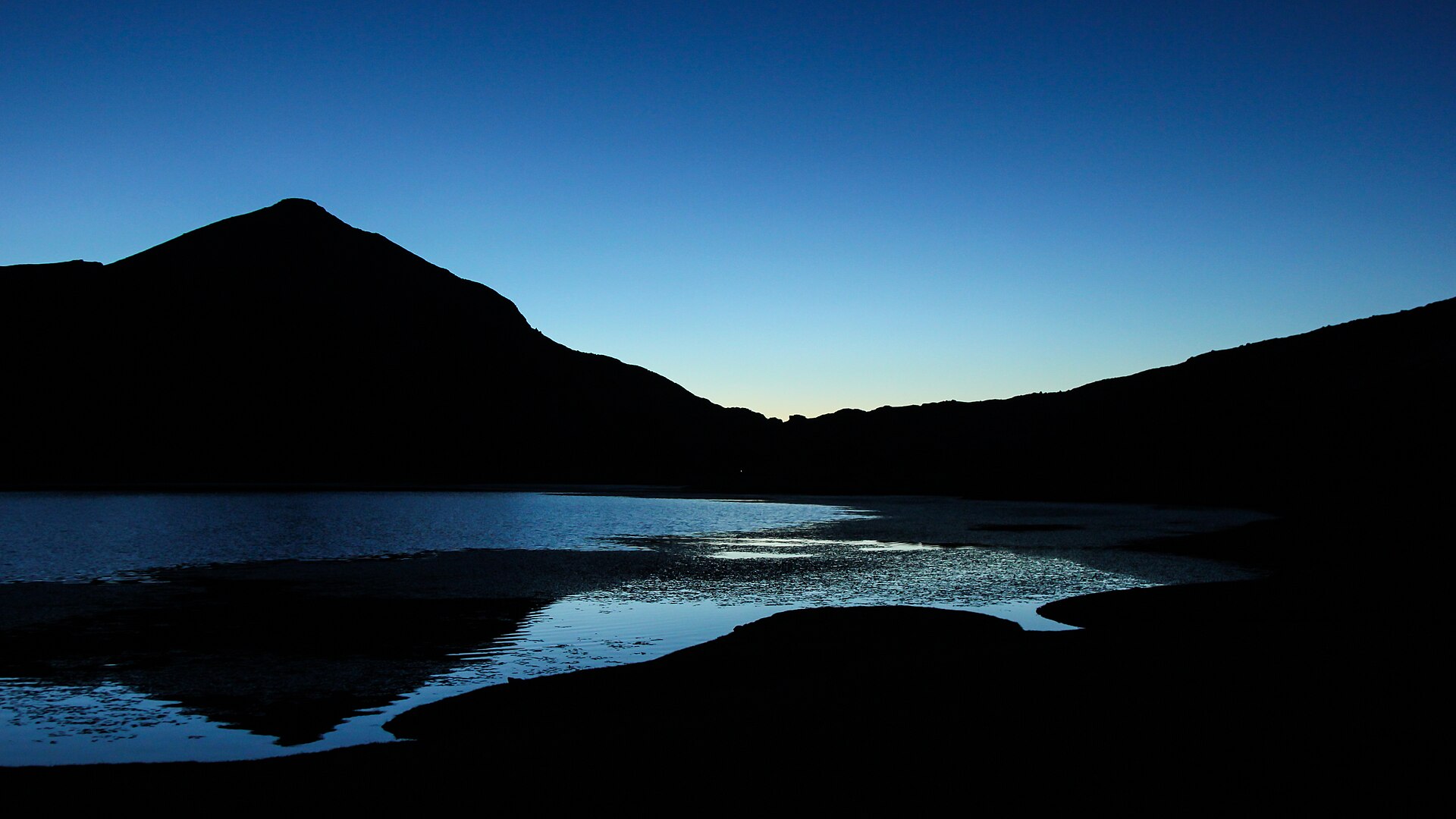
Natura 2000 · Standvogel
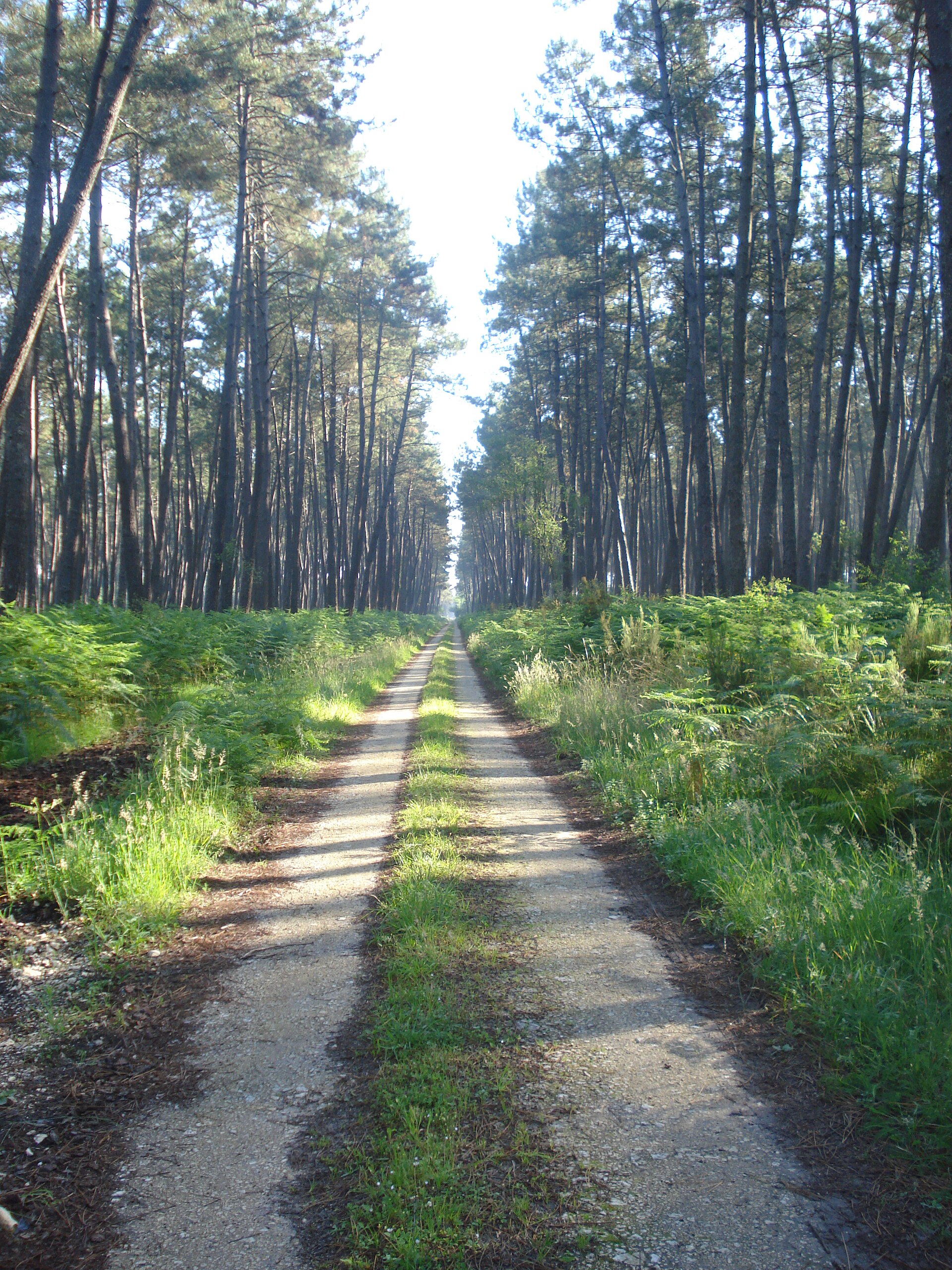
Natura 2000 · Brutvogel
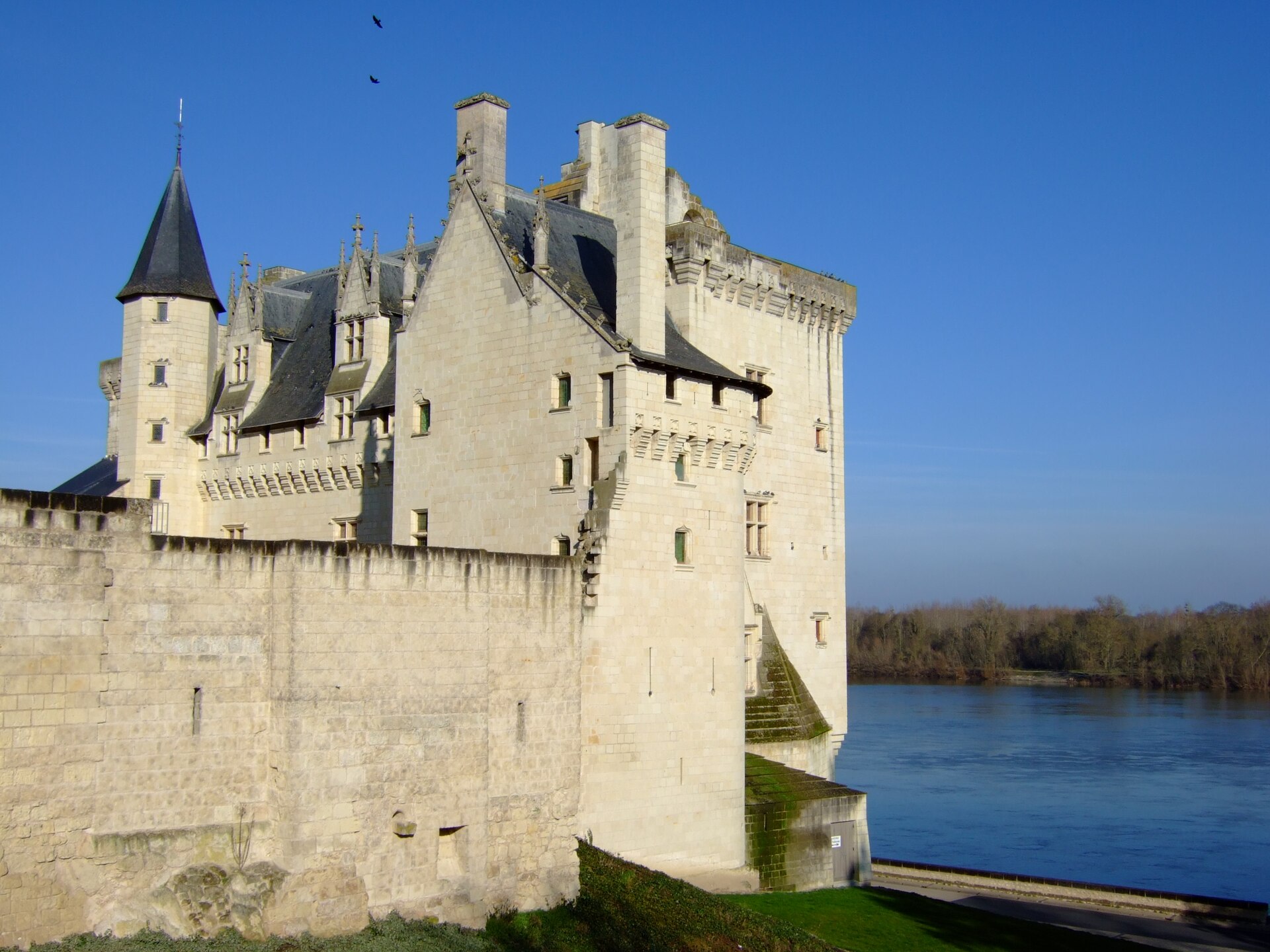
Natura 2000 · Brutvogel
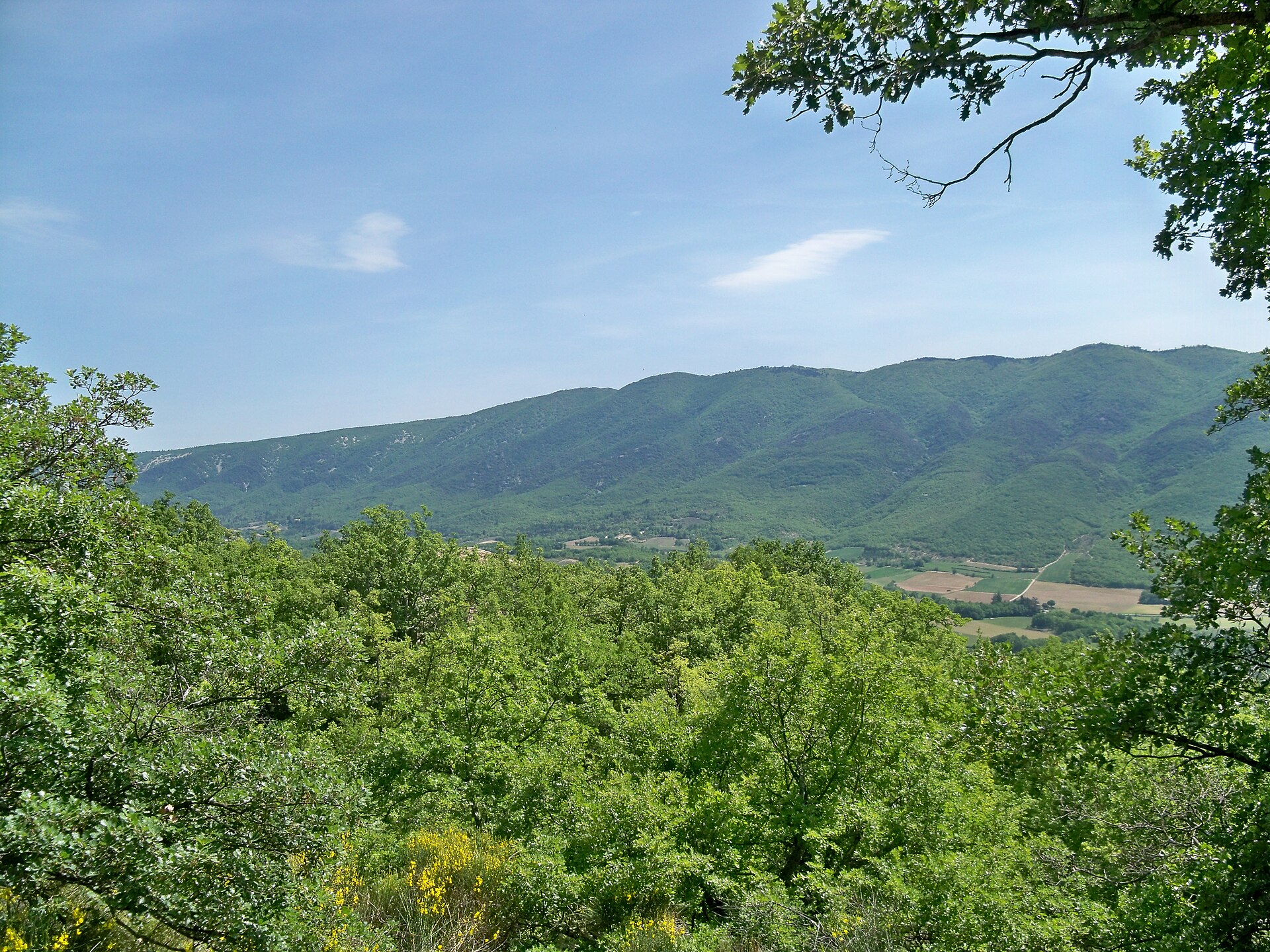
Natura 2000 · Standvogel, Wintergast

Natura 2000 · Durchzügler
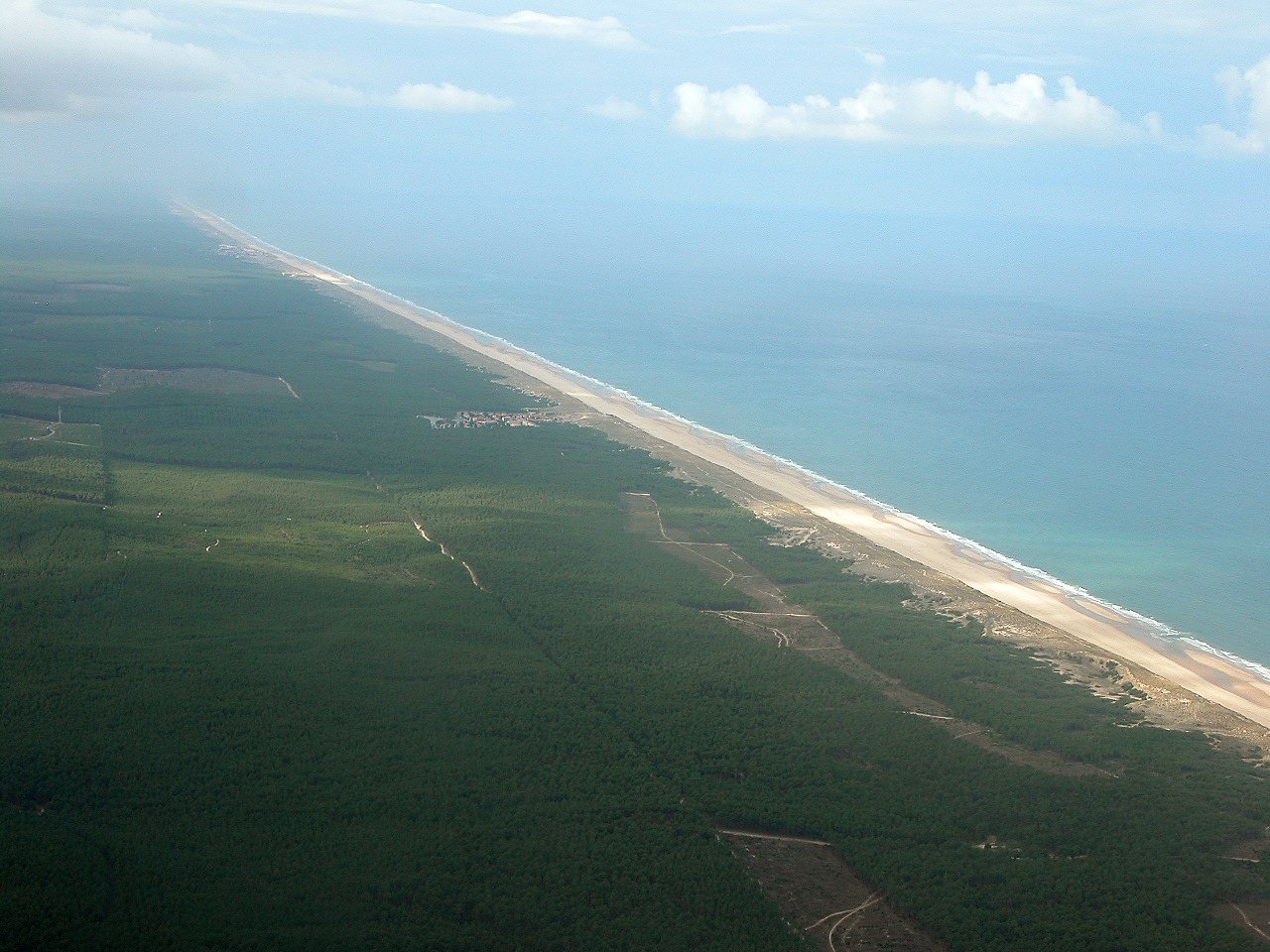
Natura 2000 · Wintergast, Durchzügler, Brutvogel

Natura 2000 · Standvogel, Wintergast, Durchzügler
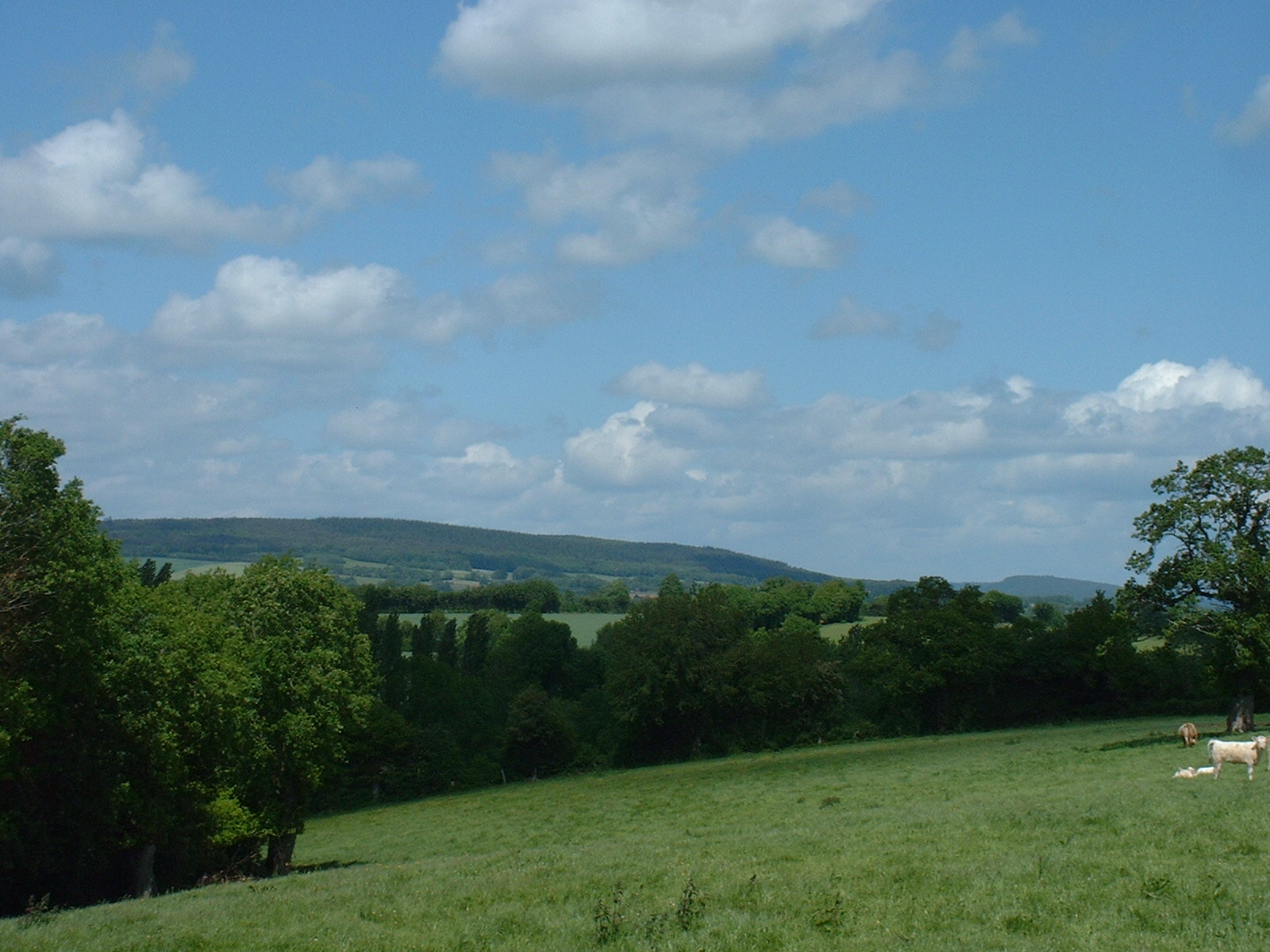
Natura 2000 · Standvogel

Natura 2000 · Durchzügler, Brutvogel, Wintergast
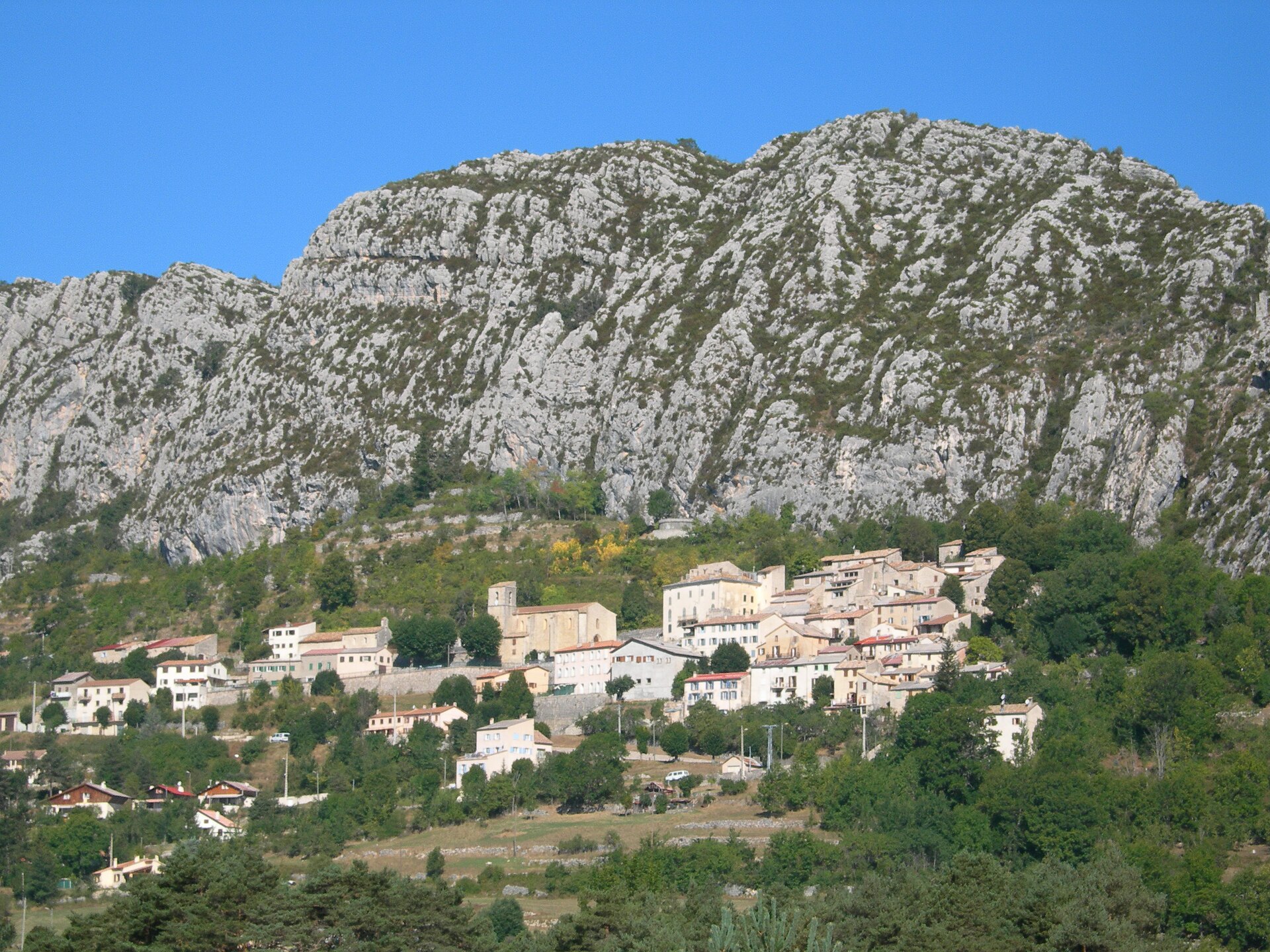
Natura 2000 · Standvogel
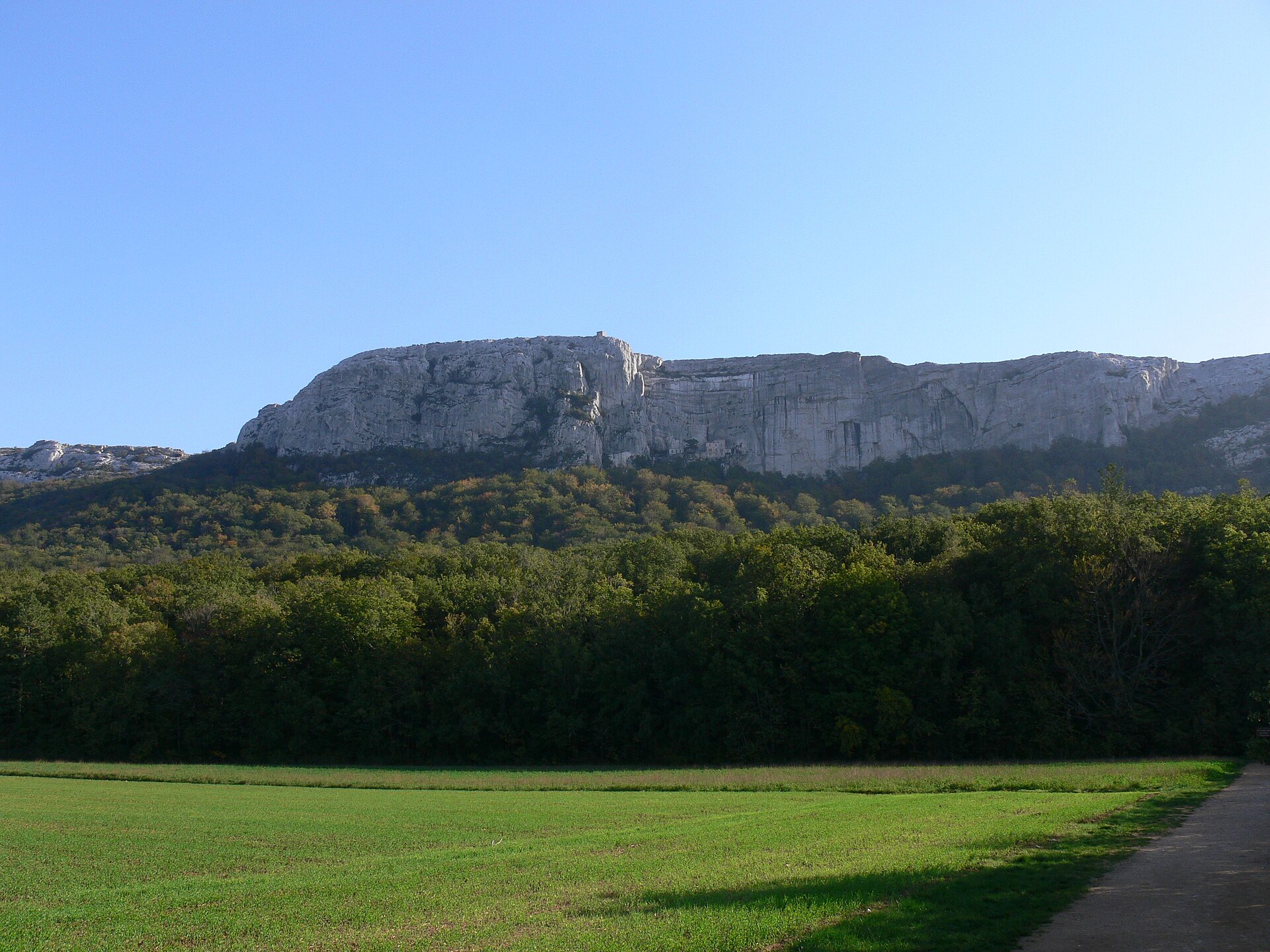
Natura 2000 · Standvogel
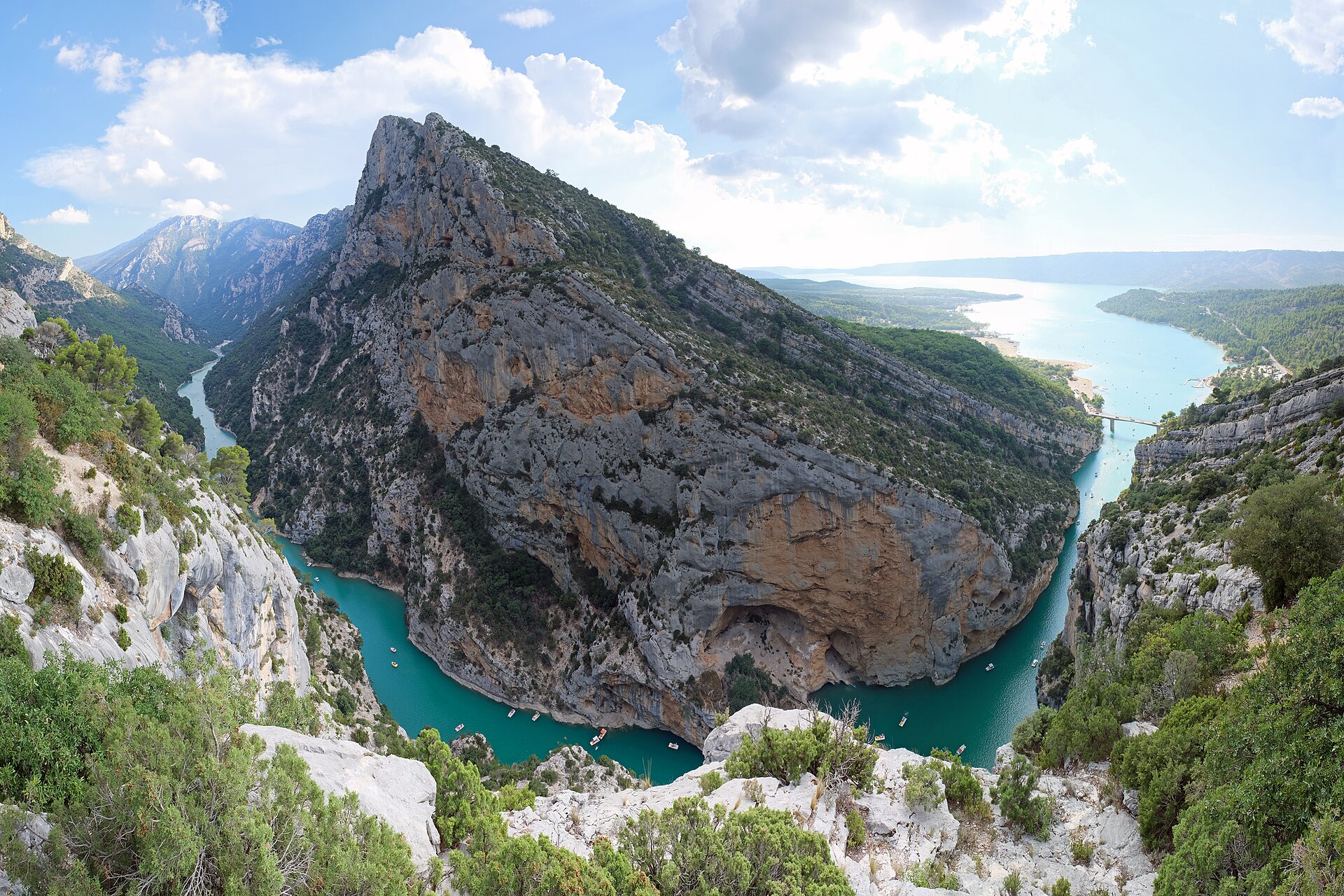
Natura 2000 · Wintergast, Standvogel
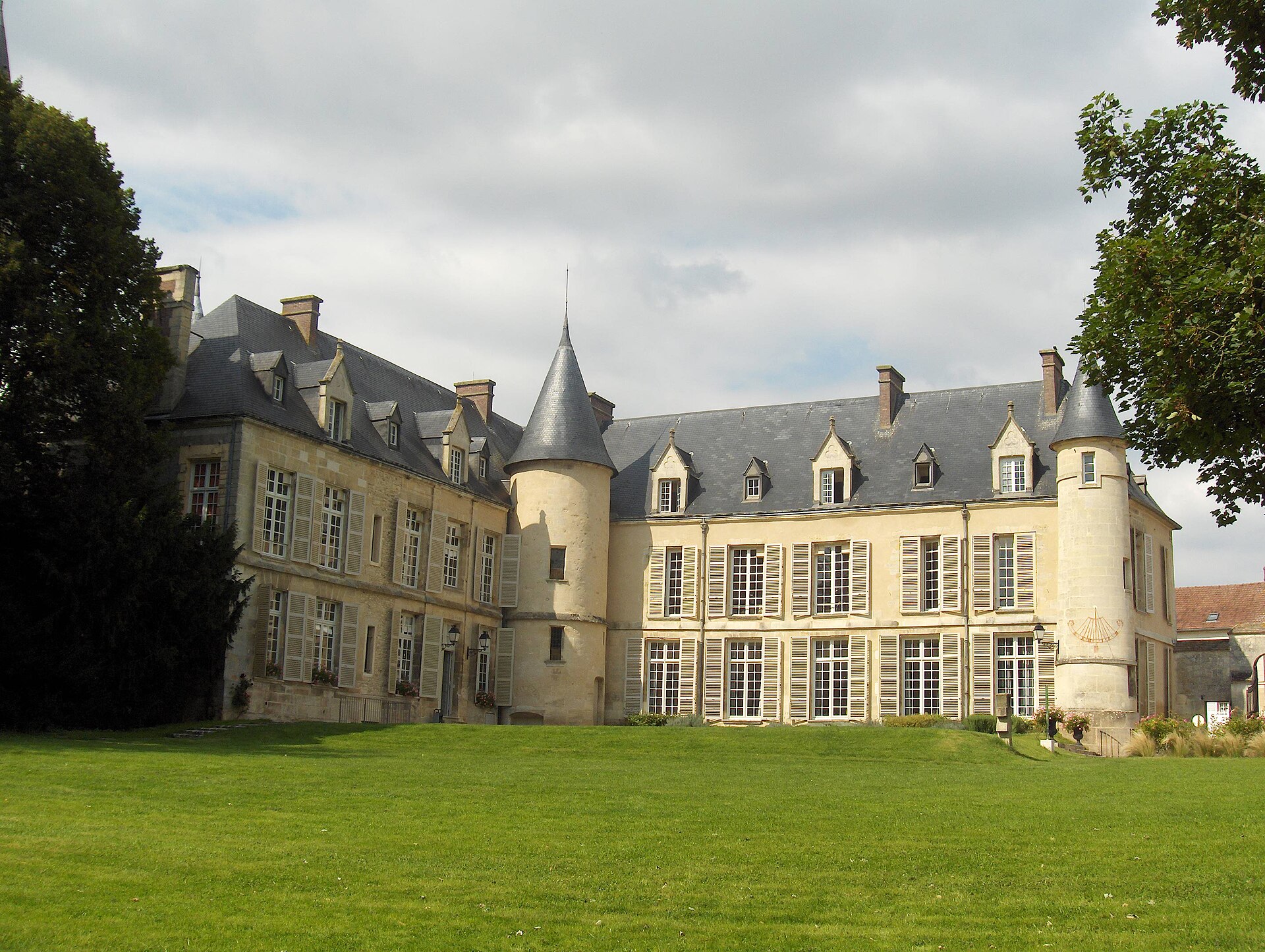
Natura 2000 · Brutvogel, Standvogel

Natura 2000 · Standvogel

Natura 2000 · Wintergast, Durchzügler, Brutvogel

Natura 2000 · Durchzügler
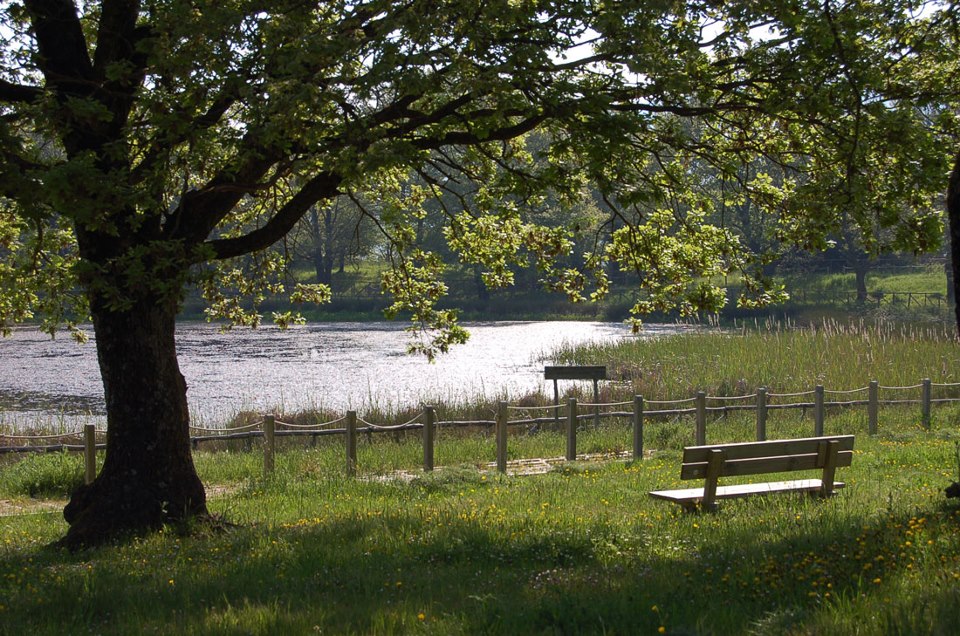
Natura 2000 · Wintergast, Standvogel

Natura 2000 · Durchzügler
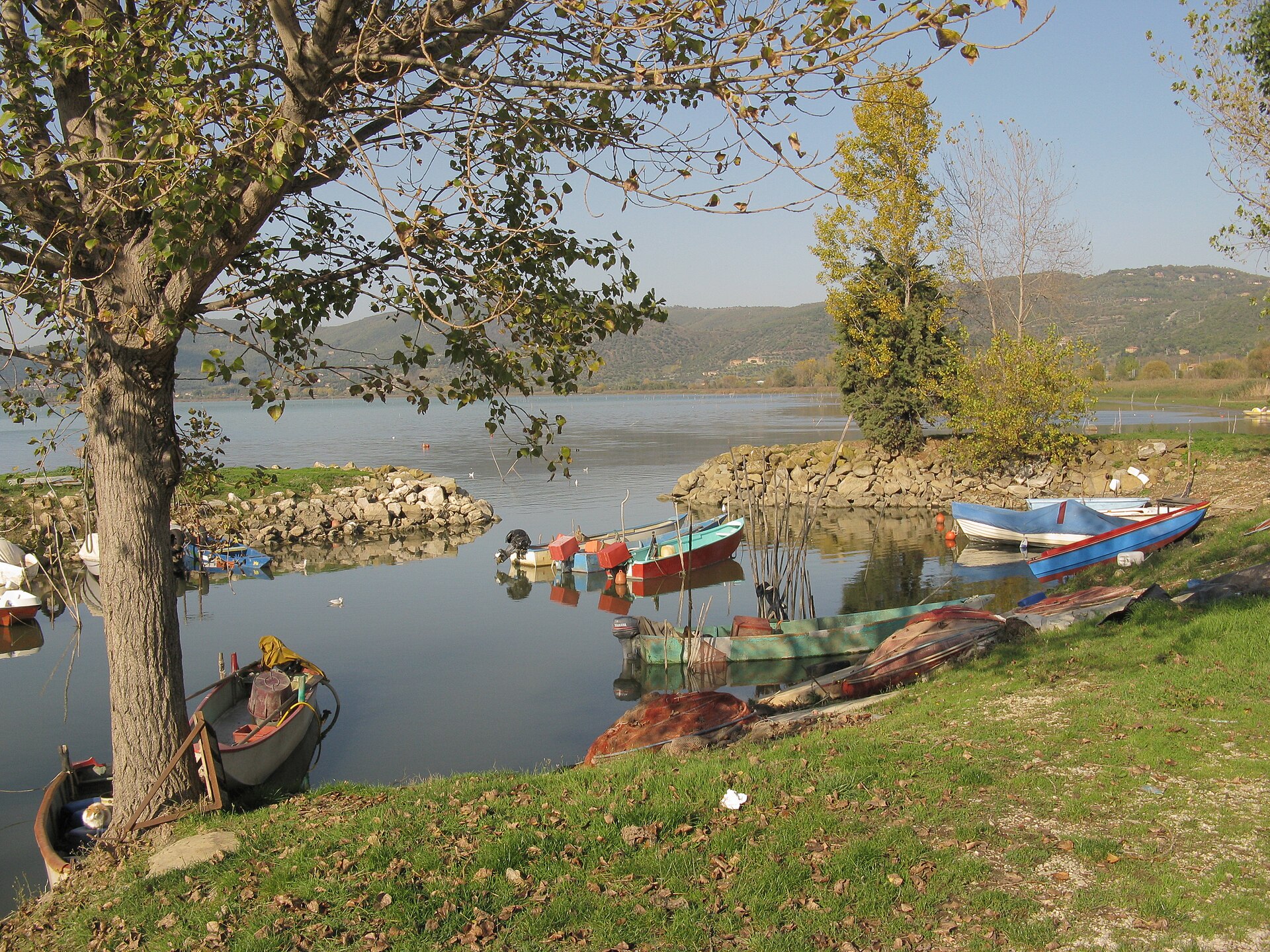
Natura 2000 · Standvogel
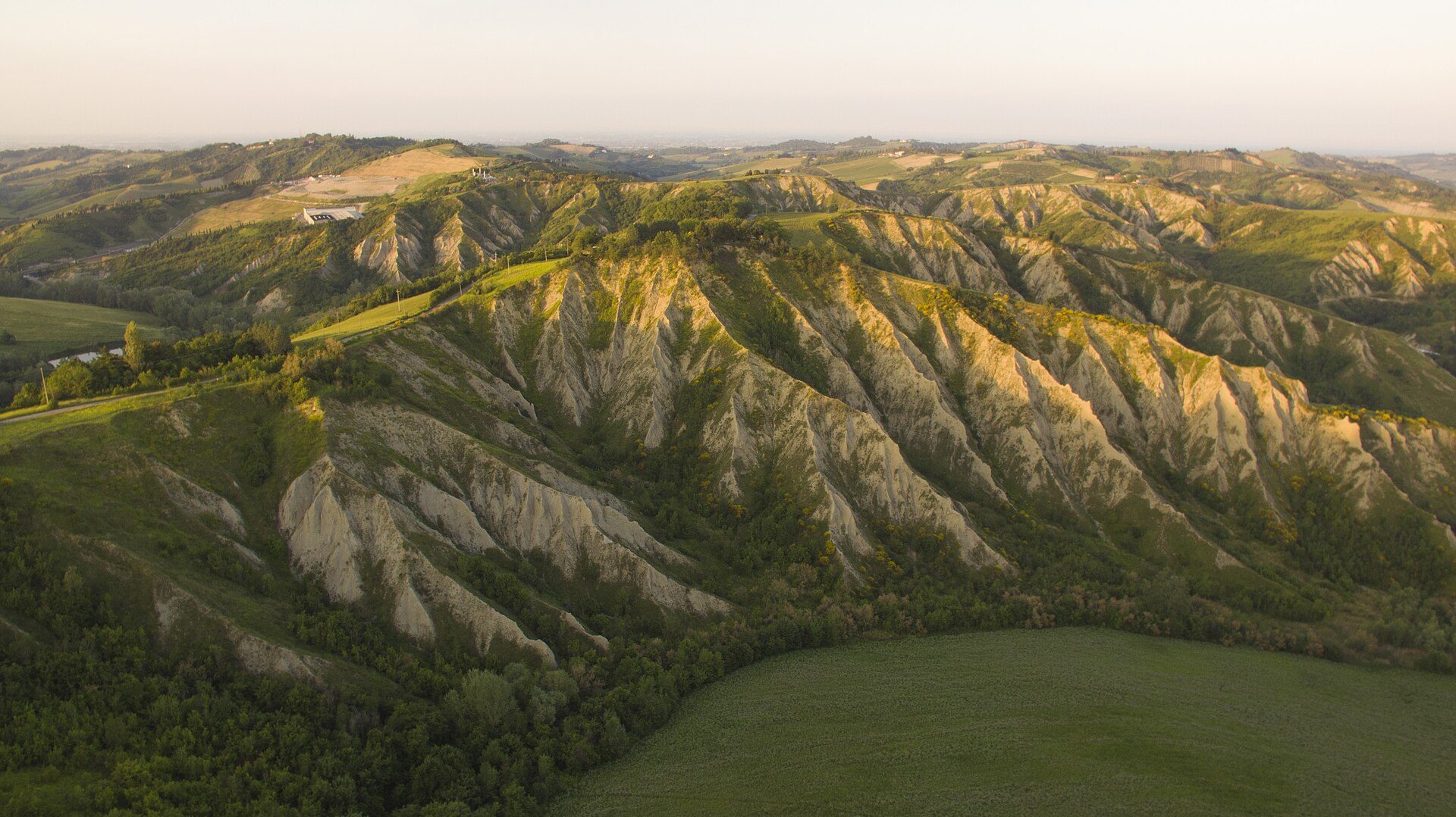
Natura 2000 · Standvogel
Natura 2000 · Standvogel

Natura 2000 · Durchzügler
Natura 2000 · Brutvogel
Natura 2000 · Standvogel
Natura 2000 · Standvogel
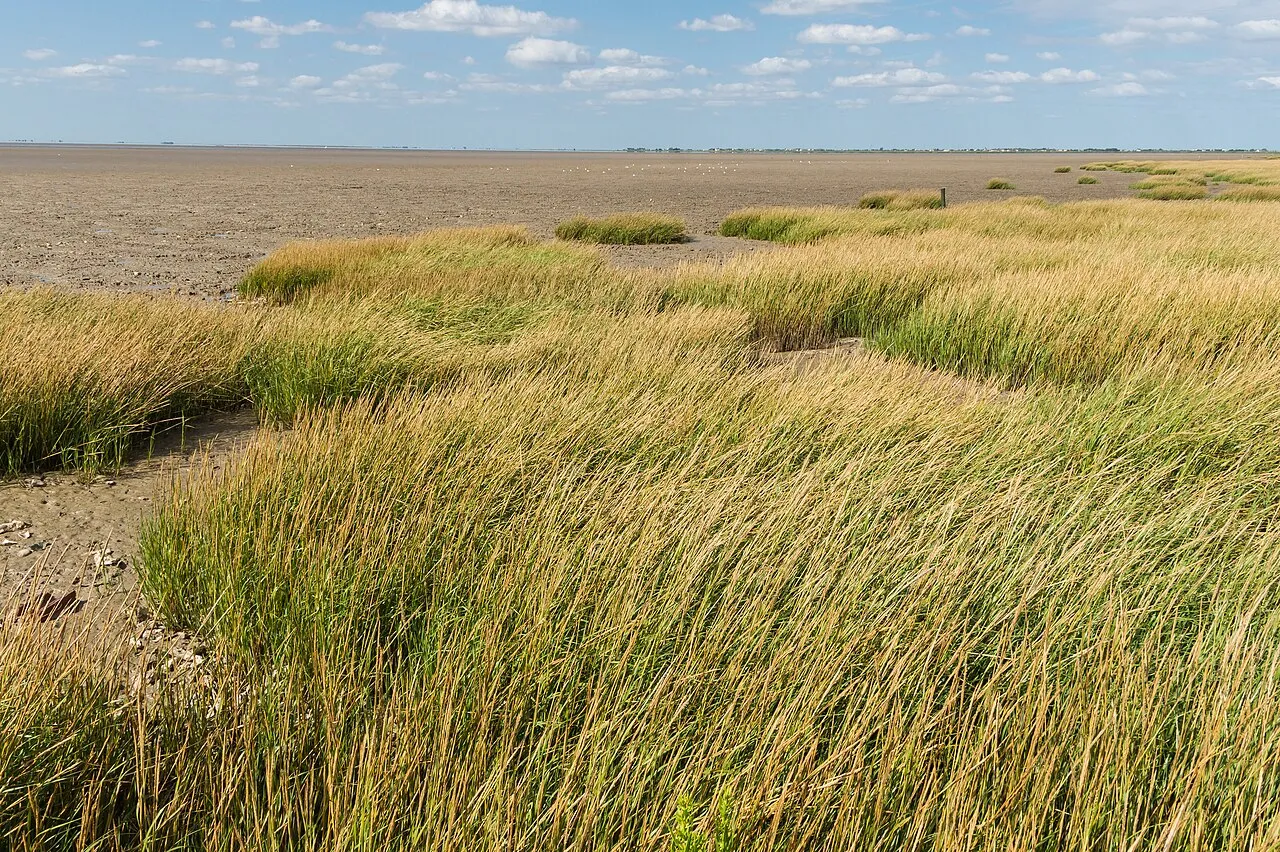
Natura 2000 · Durchzügler
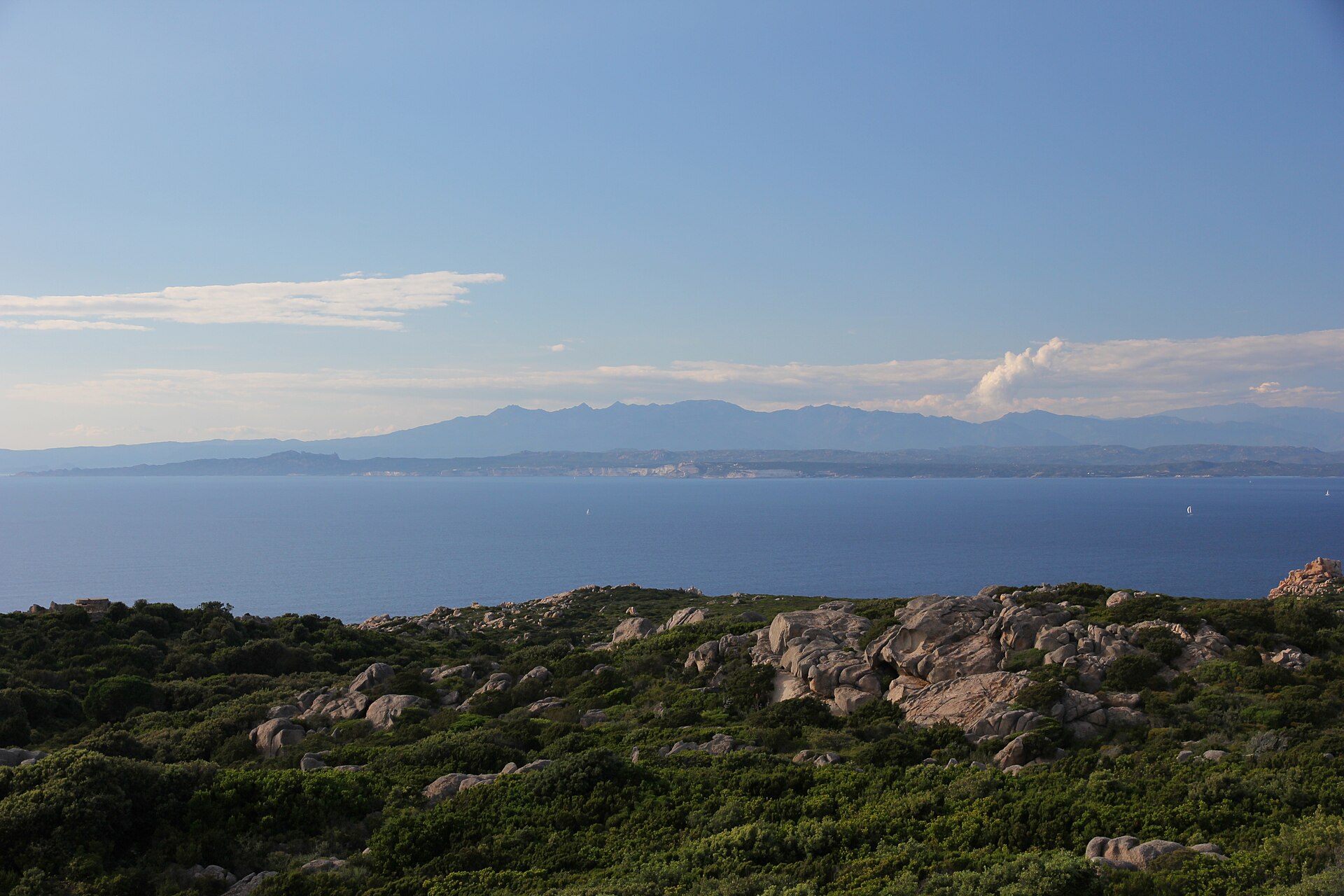
Natura 2000 · Standvogel
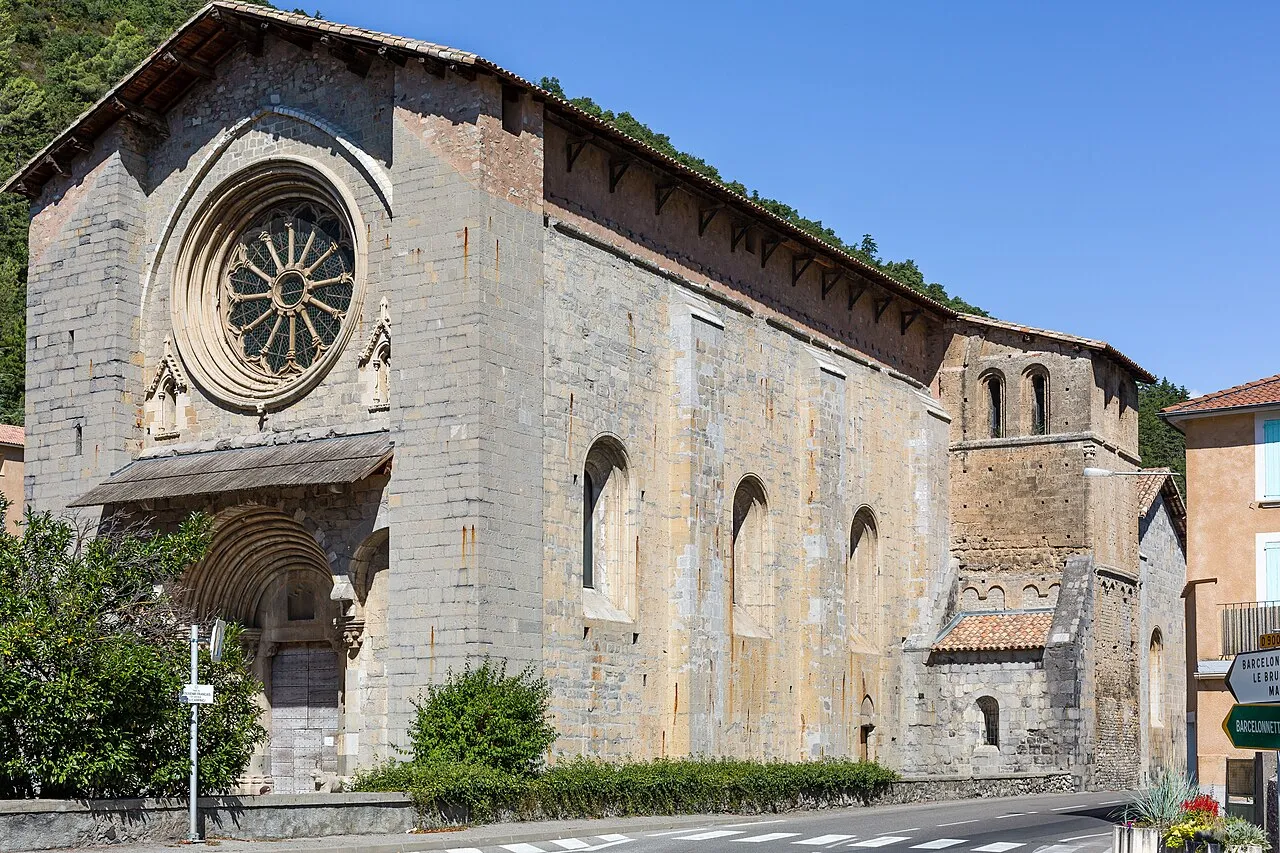
Natura 2000 · Standvogel

Natura 2000 · Brutvogel
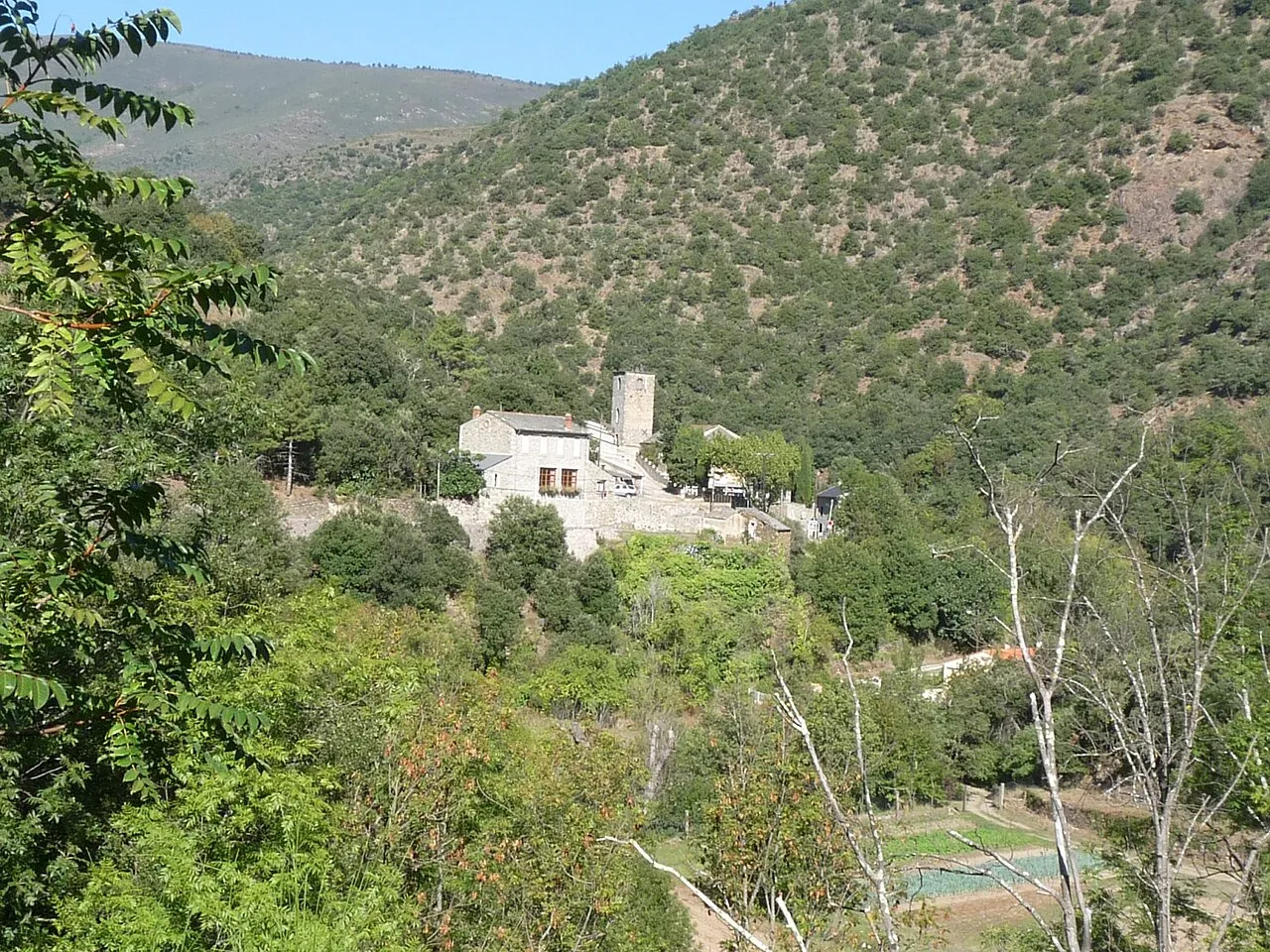
Natura 2000 · Standvogel
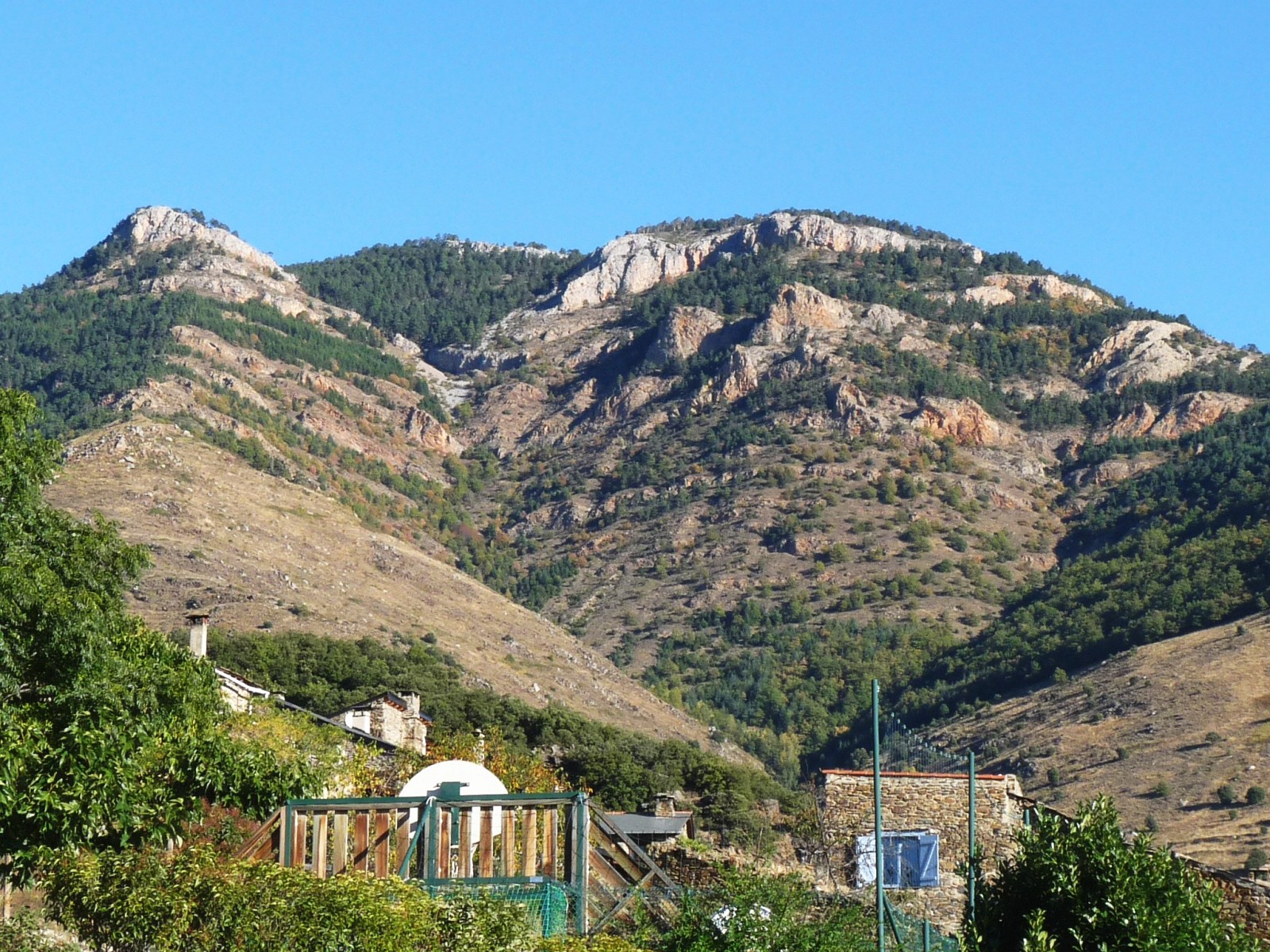
Natura 2000 · Standvogel
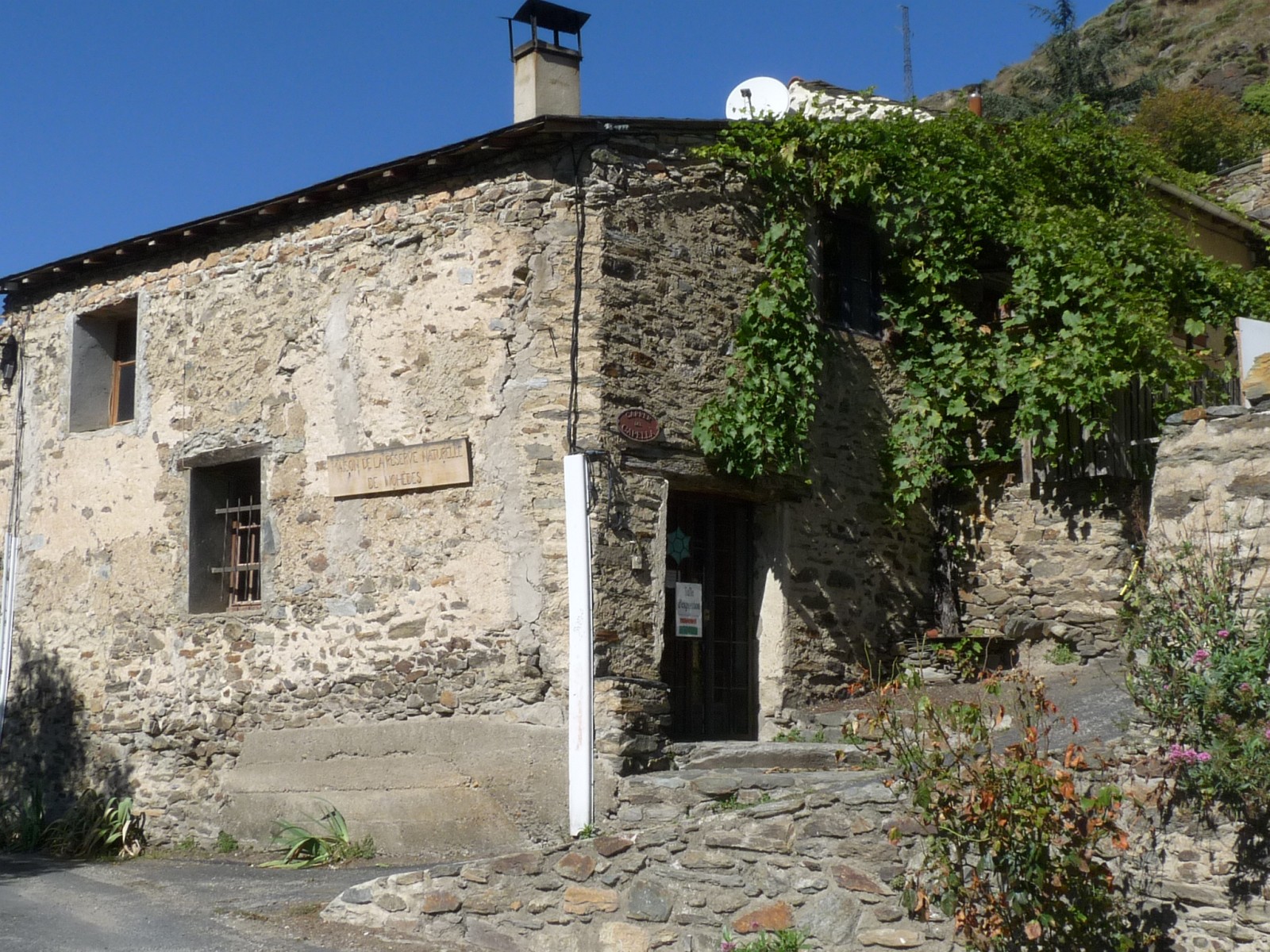
Natura 2000 · Standvogel

Natura 2000 · Durchzügler
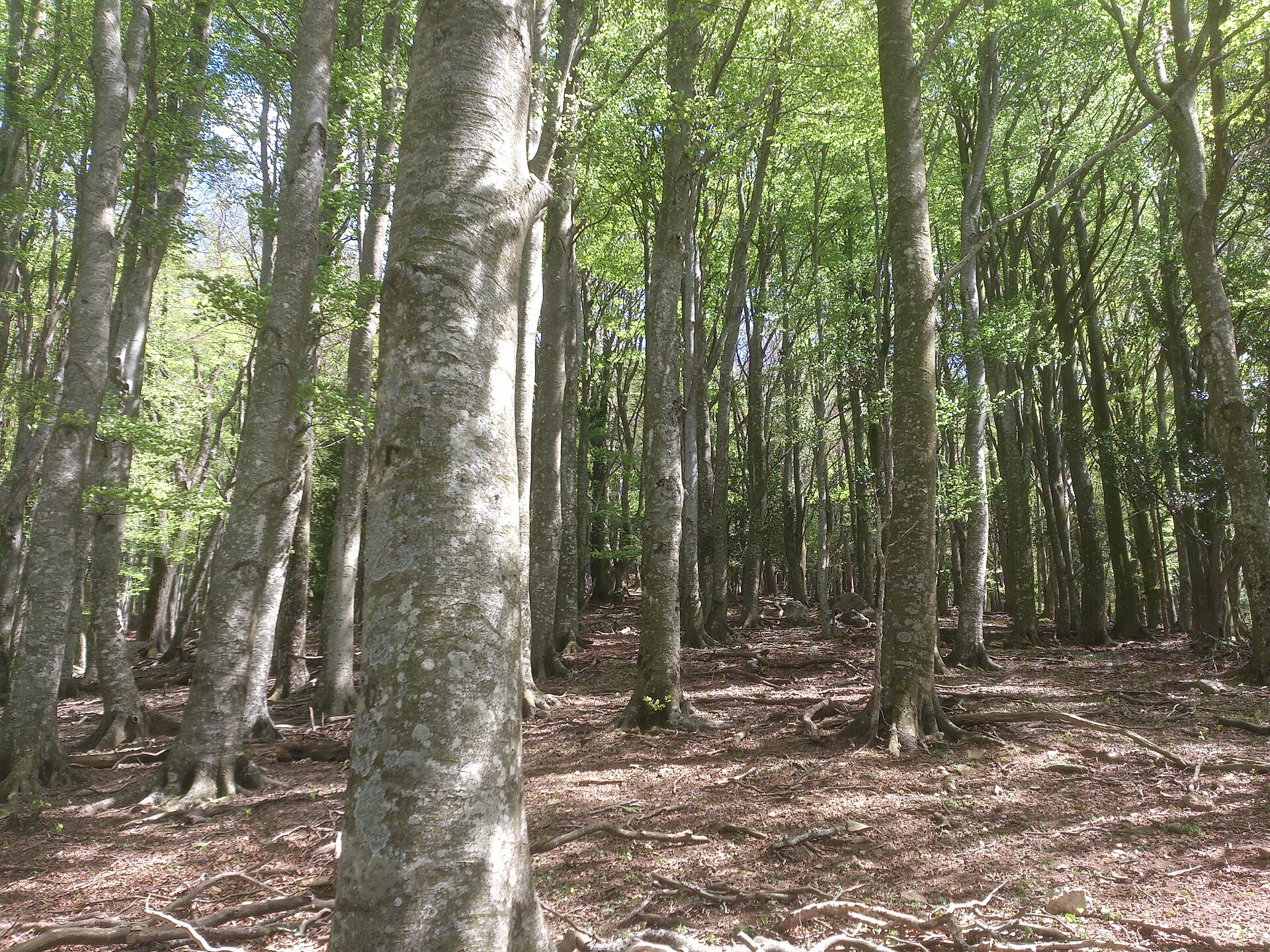
Natura 2000 · Brutvogel

Natura 2000 · Wintergast, Brutvogel
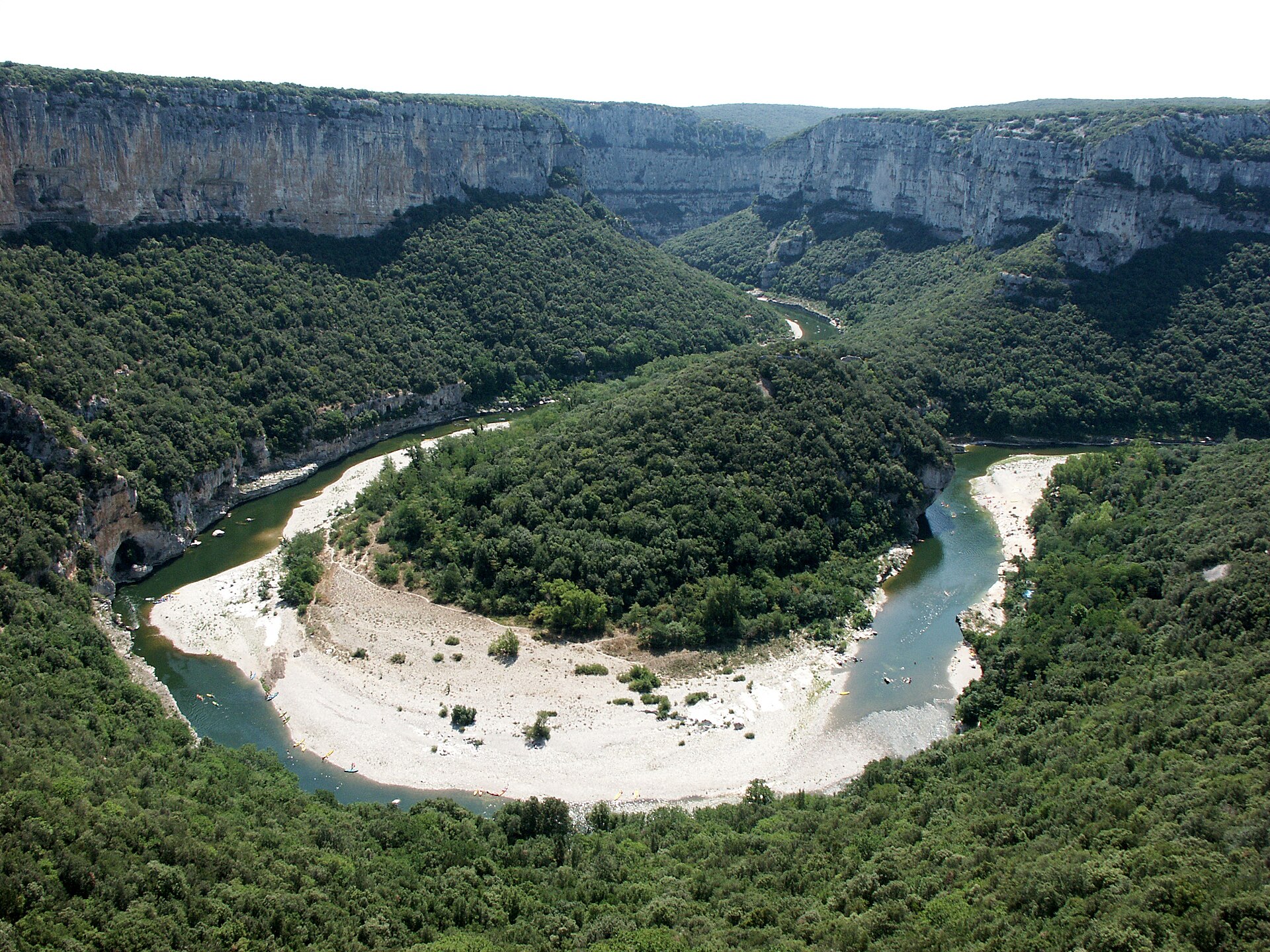
Natura 2000 · Standvogel
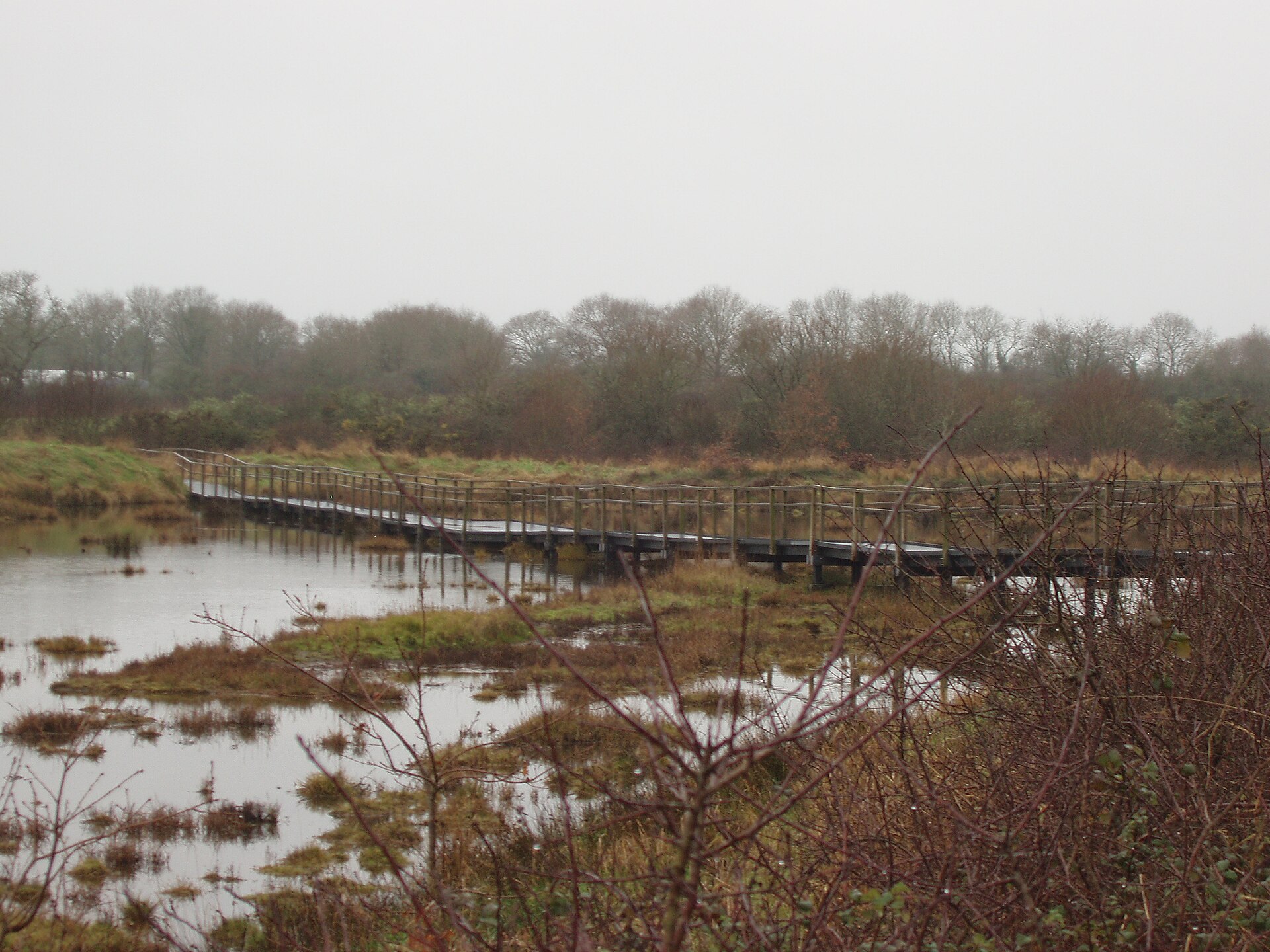
Natura 2000 · Brutvogel

Natura 2000 · Standvogel

Natura 2000 · Brutvogel
Natura 2000 · Brutvogel
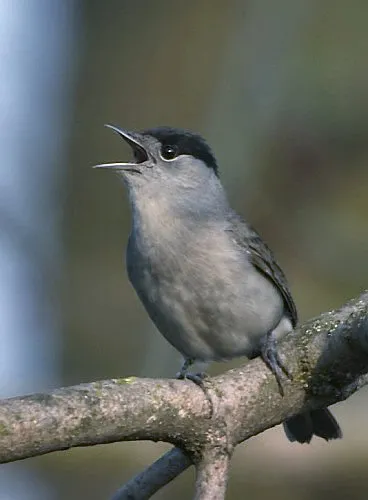
Weitere Arten entdecken


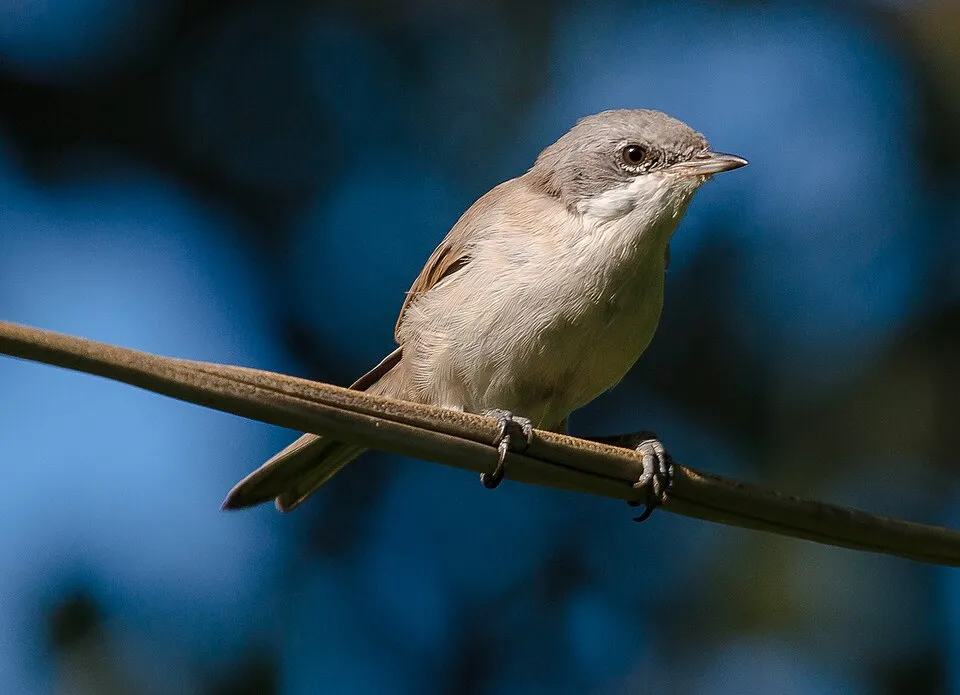
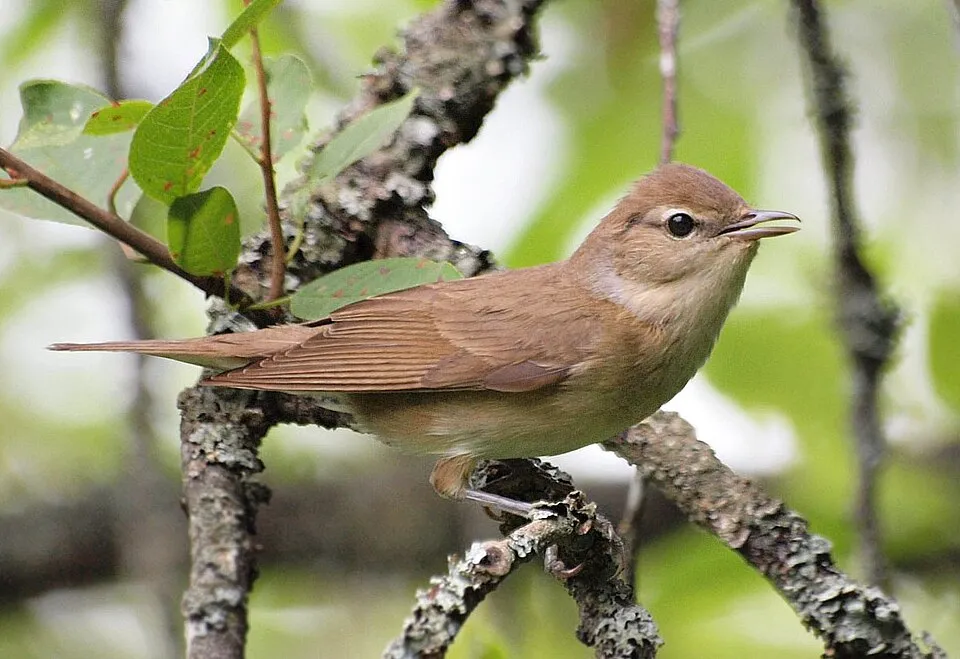
Quellen und Nachweise
- Vorkommen: die meistgemeldeten Arten jedes Ortes auf GBIF und Arten von gemeinschaftlichem Interesse aus den Natura-2000-Standarddatenbögen (EUA, CC-BY 4.0); fehlt ein Ort, heißt das nicht, dass die Art dort fehlt.
- Deutsche Namen: Wikidata (CC0) und GBIF.
- Fotos und Tonaufnahmen: Wikimedia Commons, Urheber und Lizenz bei jeder Datei angegeben.
- Systematik: GBIF Backbone Taxonomy (GBIF Secretariat), CC BY 4.0, doi:10.15468/39omei.
- Länder, Höhen, Monate und Karten: GBIF.org, nur Nachweise unter CC0 oder CC BY 4.0, abgerufen am 22. Oktober 2026, GBIF.org.
- Kartengrundlage: Natural Earth (gemeinfrei).
- Steckbrief: Wikidata (CC0), mit den unter jedem Wert genannten Belegen.
- Anhänge: Richtlinie 2009/147/EG (konsolidierte Fassung), © Europäische Union, EUR-Lex.
- Vogelbestände in der EU: EUA / GD ENV, Berichte nach Artikel 12 der Vogelschutzrichtlinie (2013–2018), CC BY 4.0.