Bird
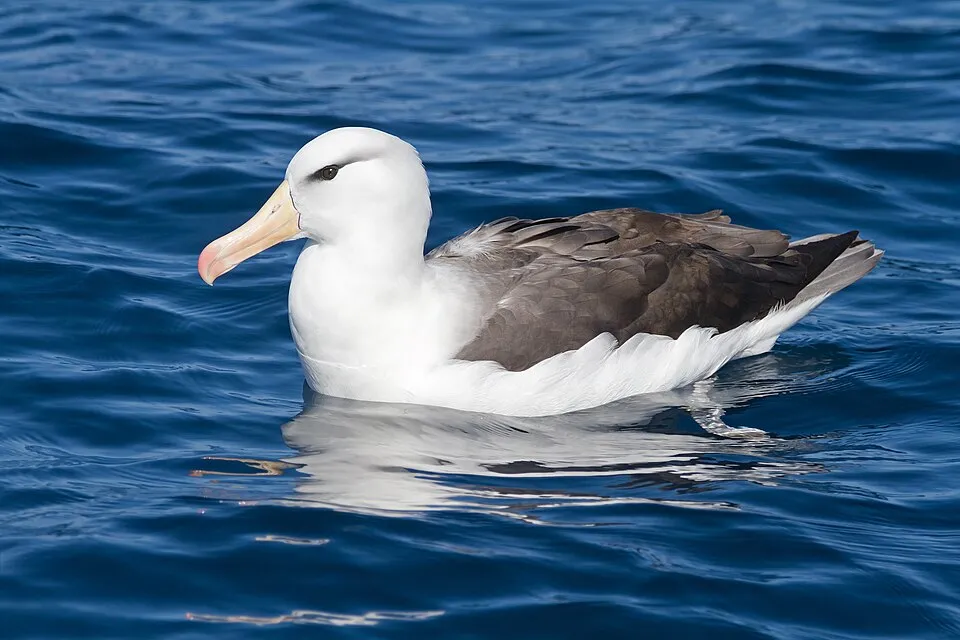
Black-browed Albatross
Thalassarche melanophris2 records © JJ Harrison (https://www.jjharrison.com.au/) · CC BY-SA 3.0
Chile · Terrestrial
National park of 15,080 hectares in Chile, established in 1967.
National park of 15,080 hectares in Chile, established in 1967.
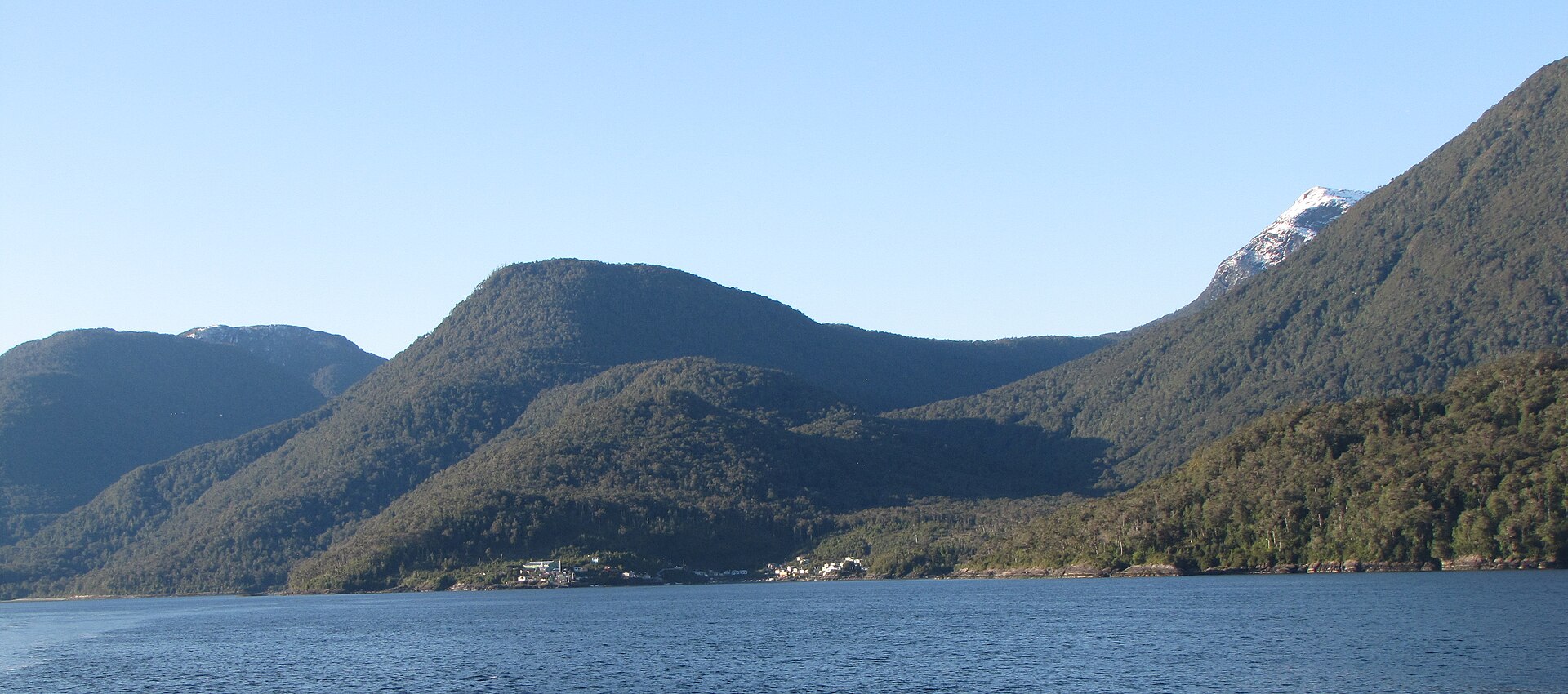
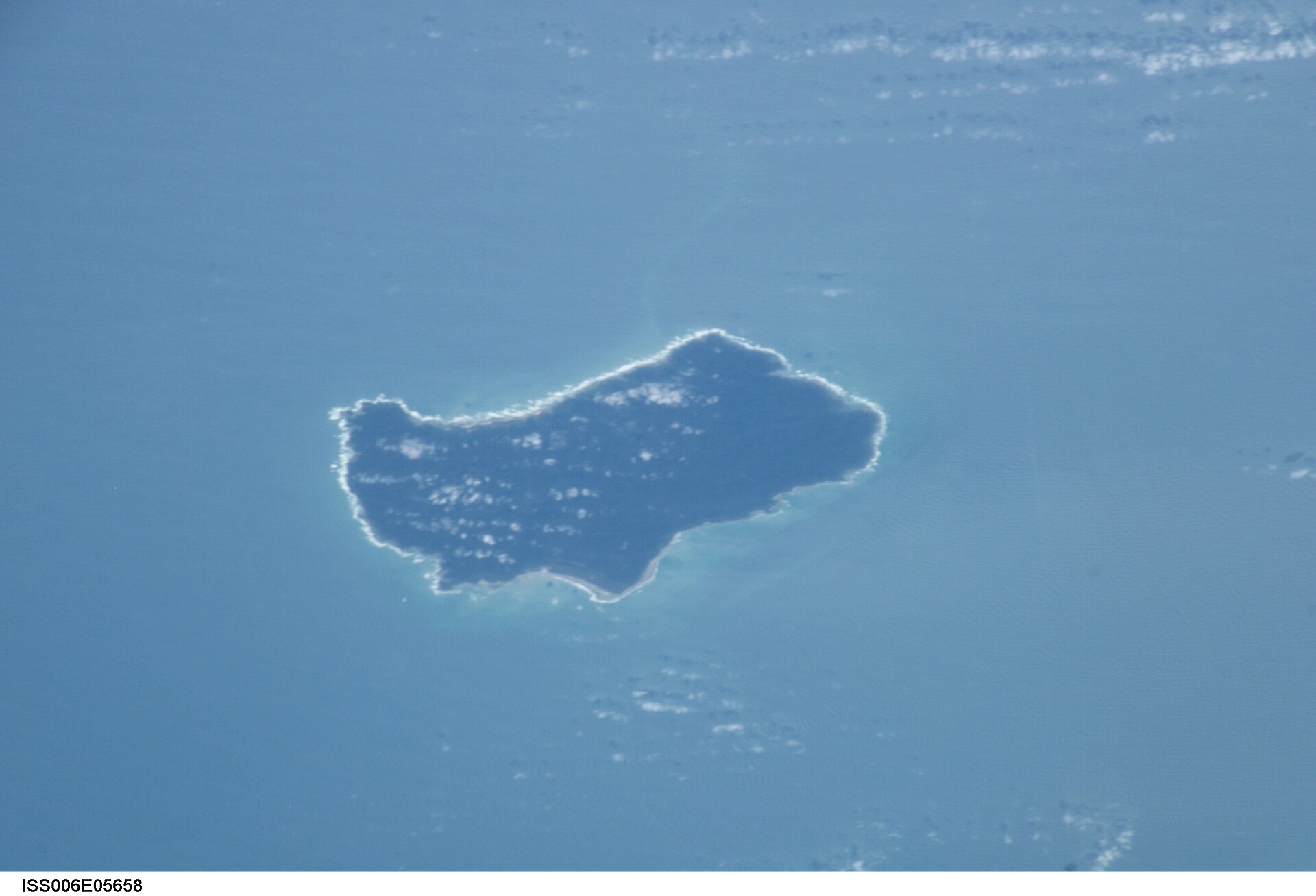
Isla Guamblin National Park is located in Chile (South America). It is a predominantly terrestrial area. Established on 1 June 1967, it covers about 15,080 hectares.
In Chile (South America). Representative point: 44.8500° S, 75.0800° W.
About 15,080 hectares (151 km²). It is the 31st largest of the 45 national parks in Chile covered by Parkavela.
On 1 June 1967.
A terrestrial area, with forests.
Best time to visit: from December to April, with average temperatures of 10 to 13 °C and moderate rainfall.
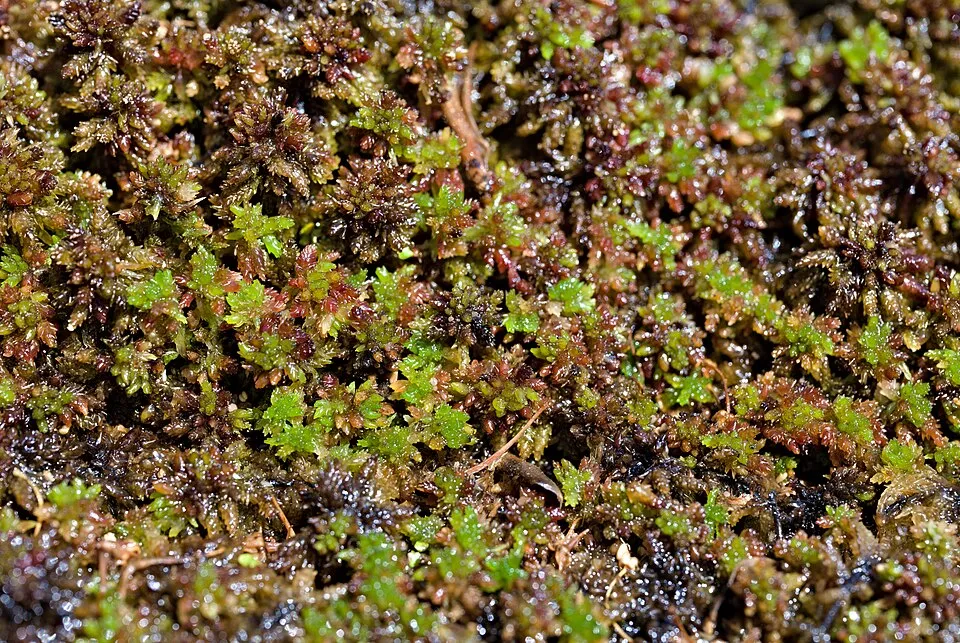
Among the species most often recorded on GBIF are Thalassarche melanophris (Black-browed Albatross), Sphagnum magellanicum (Magellan's sphagnum), Xymenopsis hero and Hindsiclava ignorata.
© OpenStreetMap
Download the boundary: GeoJSON · GPX Boundary © OpenStreetMap contributors (ODbL).
The representative point of the site lies at around 123 m above sea level. Over the 1996–2025 period, the mean annual temperature is about 9.8 °C and total precipitation reaches roughly 1,817 mm per year. The warmest month is usually February, the coolest July, and the wettest June.
Terrain: Mapzen Terrain Tiles (SRTM, USGS)
● Mean temperature (°C) · ▮ Precipitation (mm)
Source: Copernicus ERA5-Land (C3S, doi:10.24381/cds.68d2bb30), monthly averages 1996–2025 interpolated to the representative point, temperatures adjusted for elevation.
Contains modified Copernicus Climate Change Service information 2026. Neither the European Commission nor ECMWF is responsible for any use that may be made of the Copernicus information or data it contains.
According to the global MODIS land cover (NASA, 2024), the site is mainly made up of marshes and bogs (55%) and forests (45%). It is mostly dense evergreen broadleaved forest. Elevation ranges from sea level to about 200 m (sampled elevations, SRTM).
Based on occurrences aggregated by GBIF, several species are regularly recorded within the site. Among the most frequent are Thalassarche melanophris (Black-browed Albatross), Sphagnum magellanicum (Magellan's sphagnum), Xymenopsis hero and Hindsiclava ignorata. The full list of documented taxa is shown below.
Bird
2 records © JJ Harrison (https://www.jjharrison.com.au/) · CC BY-SA 3.0
Occurrences documented via GBIF; they are neither an exhaustive inventory nor proof of current presence.
Records: GBIF.org (CC-BY). Names: Wikidata (CC0), GBIF. Photos: Wikimedia Commons.
The primary purpose of the site is to preserve its natural habitats and the biodiversity they support. The species recorded (Biodiversity tab) reflect its ecological value. Its status as a national park sets the regulatory framework for its protection.
At night, the area gives off virtually no artificial light detectable from space (NASA VIIRS Black Marble composite, 2016).
3 ha
2001–2023
0%
of the area gives off artificial light visible from space
Sources: Global Forest Change (Hansen et al., University of Maryland, via Global Forest Watch, CC-BY 4.0); EFFIS, European Commission / Copernicus; NASA Black Marble 2016 (public domain); CORINE Land Cover 2018 (Copernicus) or MODIS.
To plan a visit (access, opening periods, visitor rules), it is best to consult the official information from the managing body and the official website listed in this page's sources.
Best time to visit: from December to April, with average temperatures of 10 to 13 °C and moderate rainfall. Day length ranges from about 8 h 48 min in June to 15 h 35 min in December.
Source: Copernicus ERA5-Land (C3S), monthly averages 1996–2025 at the representative point, temperatures adjusted for elevation.
Contains modified Copernicus Climate Change Service information 2026. Neither the European Commission nor ECMWF is responsible for any use that may be made of the Copernicus information or data it contains.
Data © OpenStreetMap contributors (ODbL), Wikidata (CC0) and the sources cited.