

Bird
Black-collared Hawk: where to see it
Busarellus nigricollis
This bird species is recorded in 4 protected areas of the atlas. Within the atlas countries, it is observed only in France. Records peak from September to February.
Best time to see it: September–February
Records published on GBIF by month (CC0 and CC BY 4.0 licences only), in the atlas countries, all years combined; they also reflect observer activity.
Distribution
Atlas countries where it is recorded
From Wikipedia
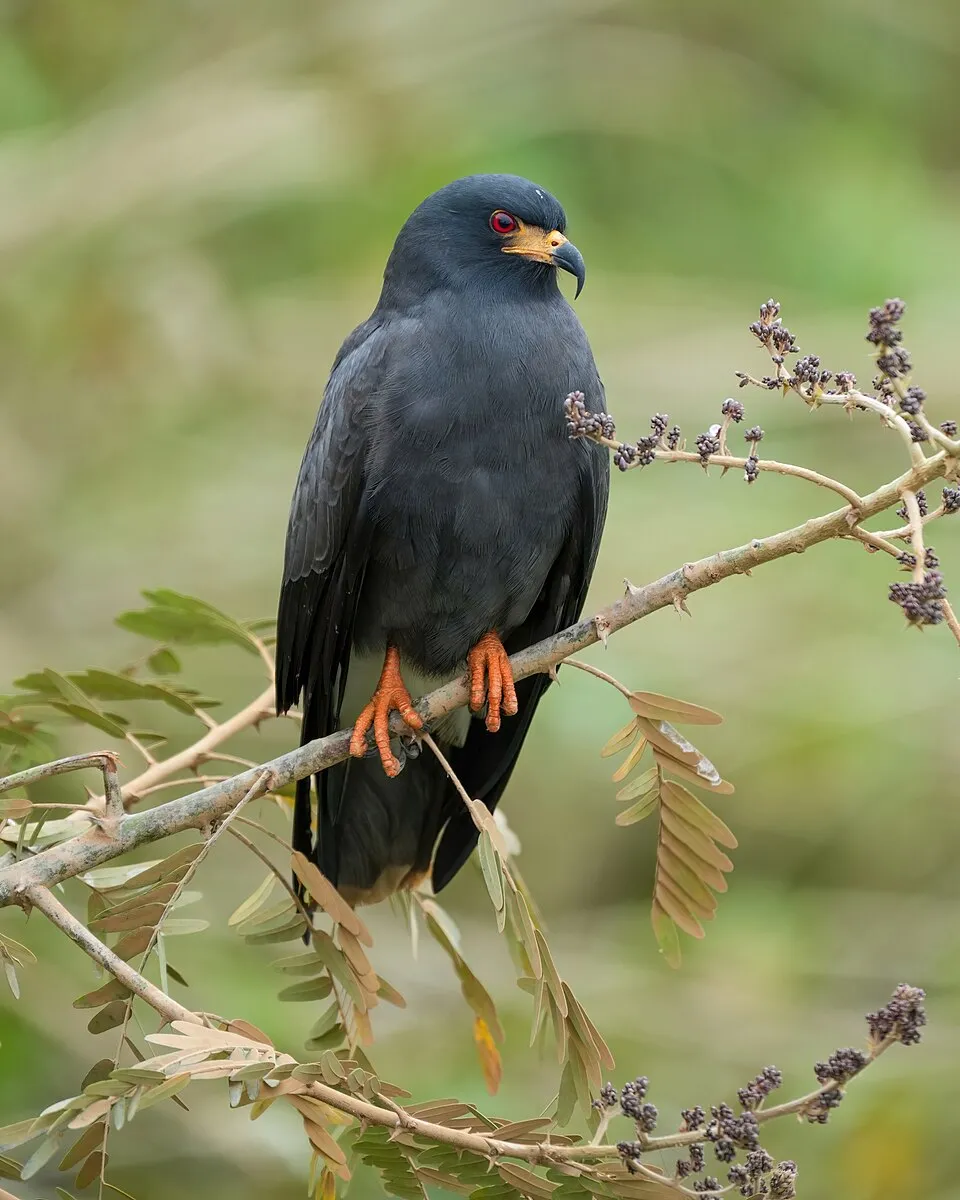
The black-collared hawk (Busarellus nigricollis) is a species of bird of prey in the family Accipitridae. It is monotypic within the genus Busarellus. It has a widespread range of presence, from western Mexico to Uruguay. Its natural habitats are subtropical or tropical moist lowland forests, subtropical or tropical swamps, and swamps. The adult black-collared hawk has a more or less white head, tinged with buff, and with black shaft streaks on the crown. The body, above and below, and the mantle are bright cinnamon-rufous, paler on the chest. There is a black crescent on the upper breast.
Source: Wikipedia, article “Black-collared hawk” (version of October 22, 2026) · history and authors · licence CC BY-SA 4.0 · shortened excerpt
Protected areas where it is recorded
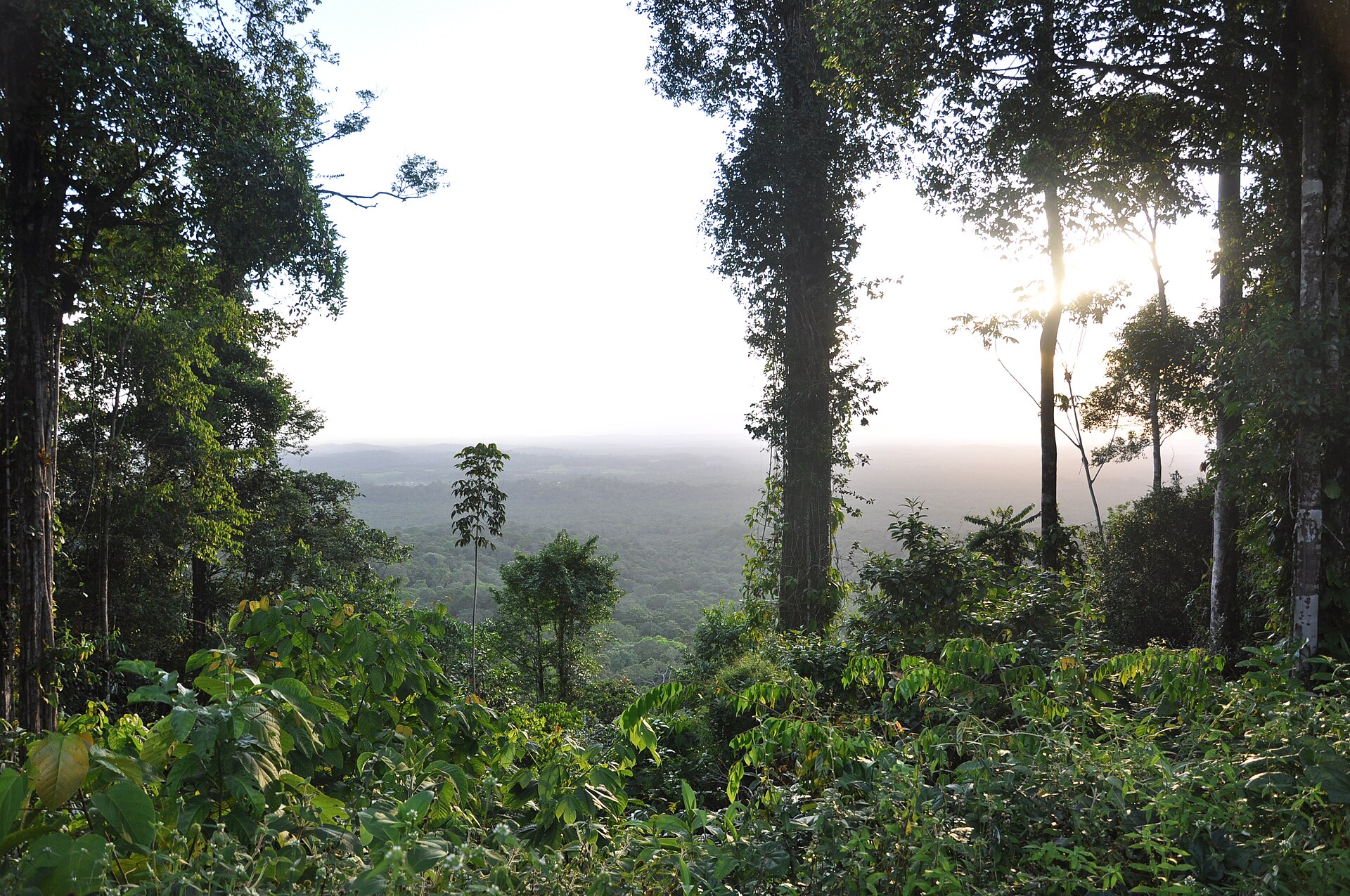
57 records
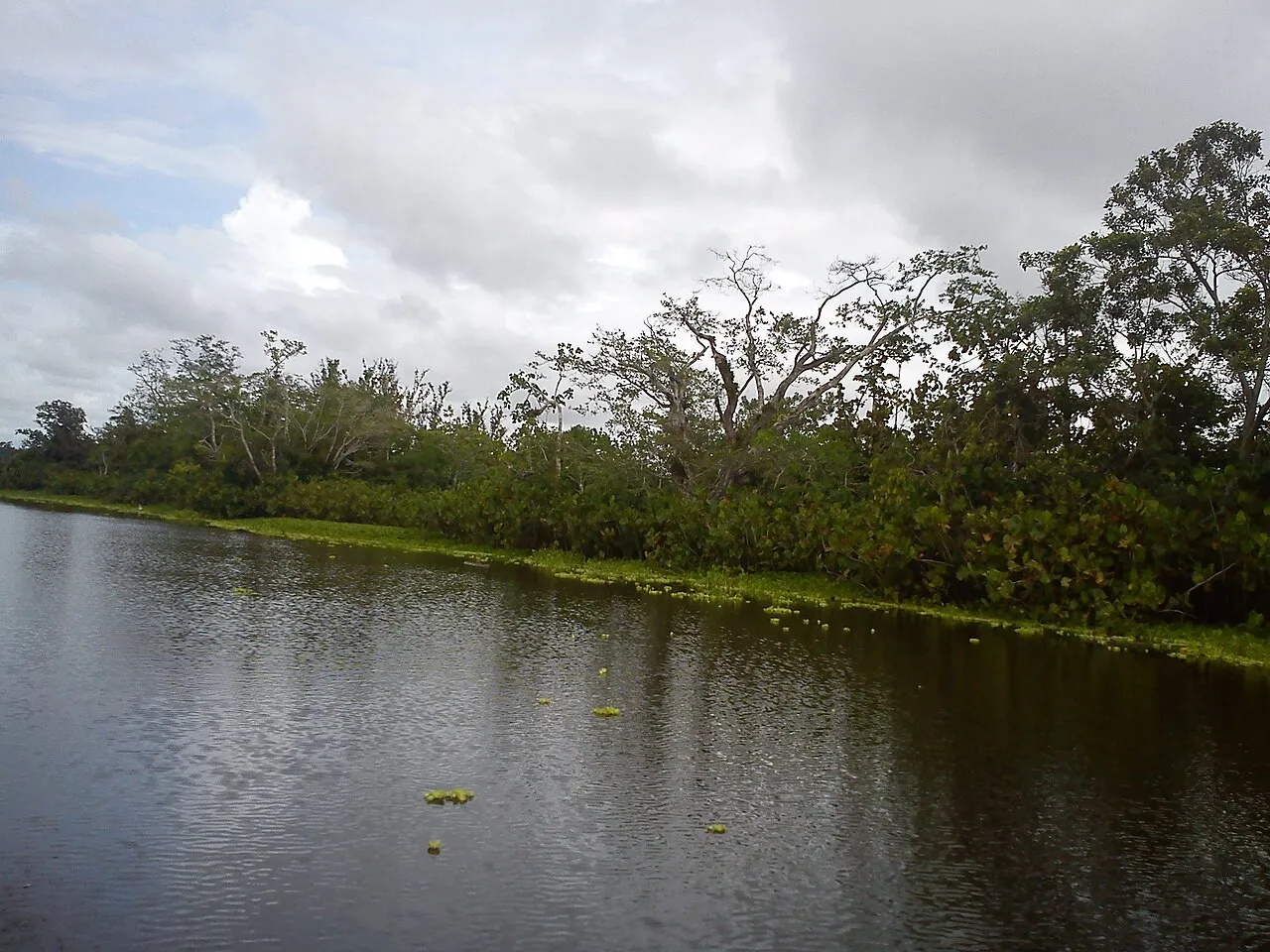
51 records
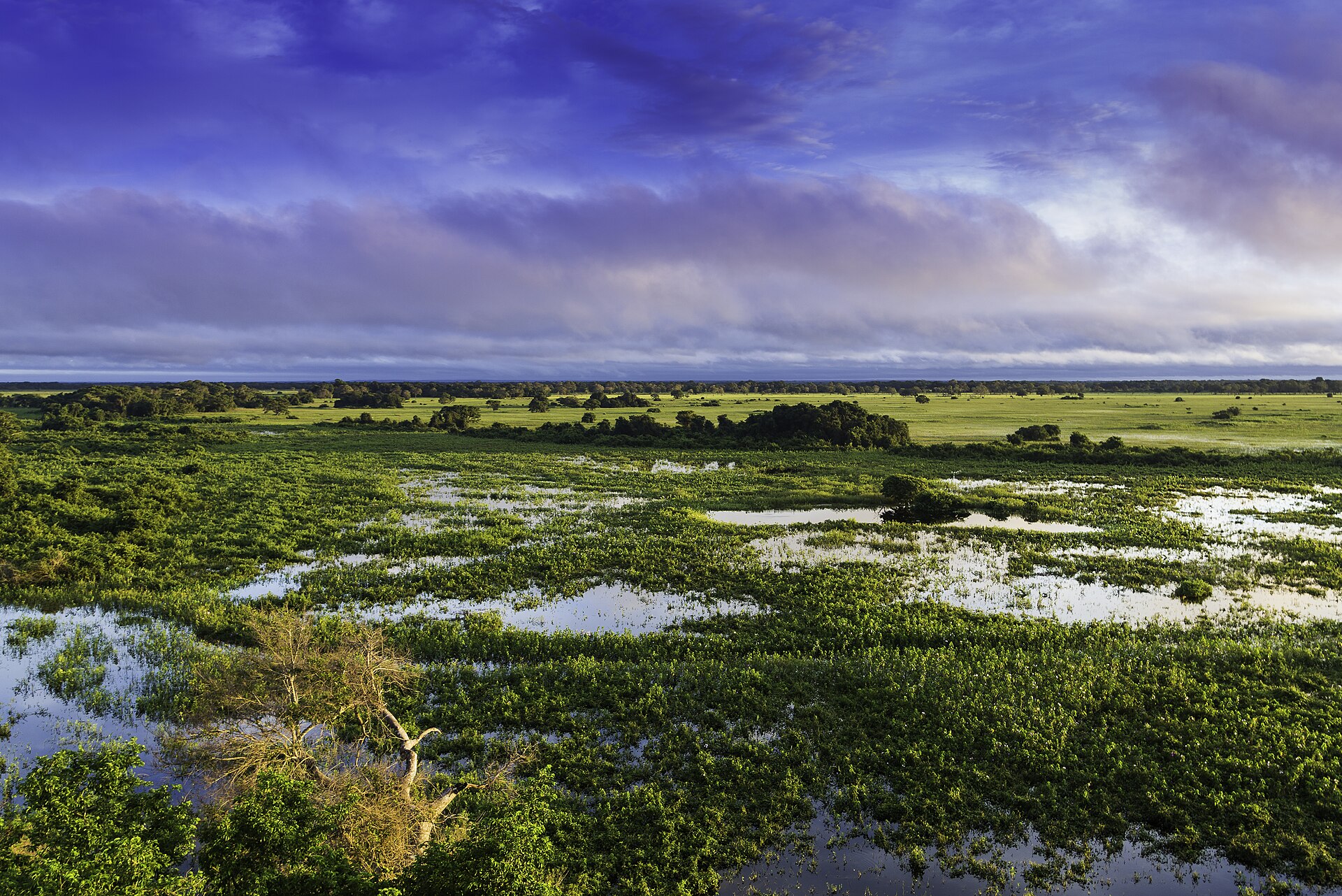
45 records

4 records
Other species to discover
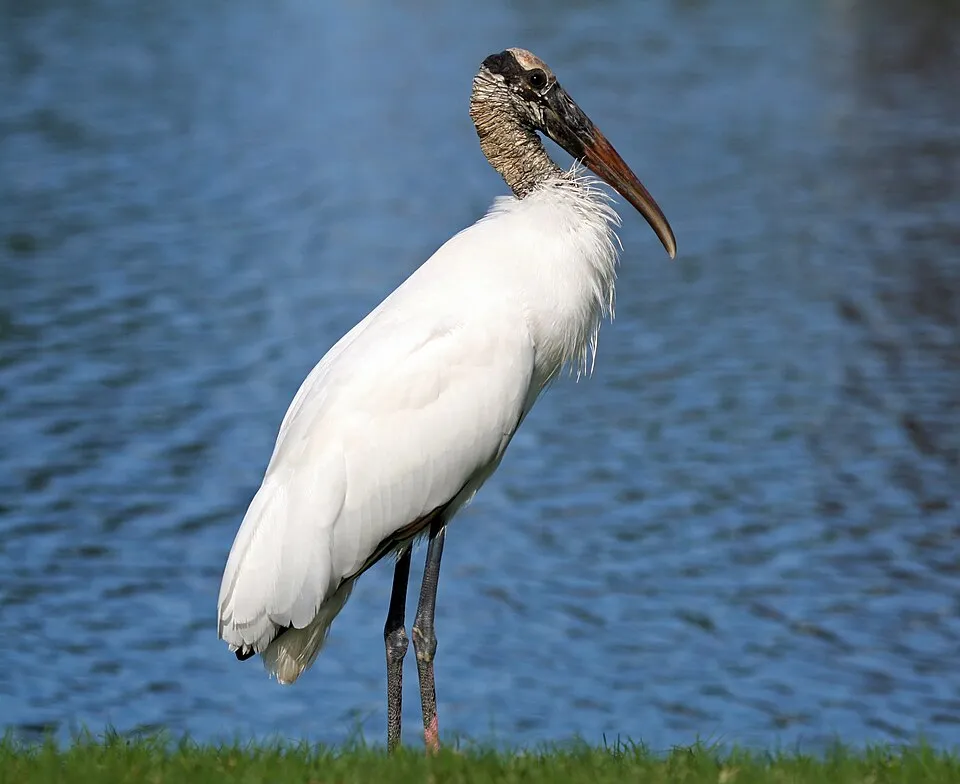

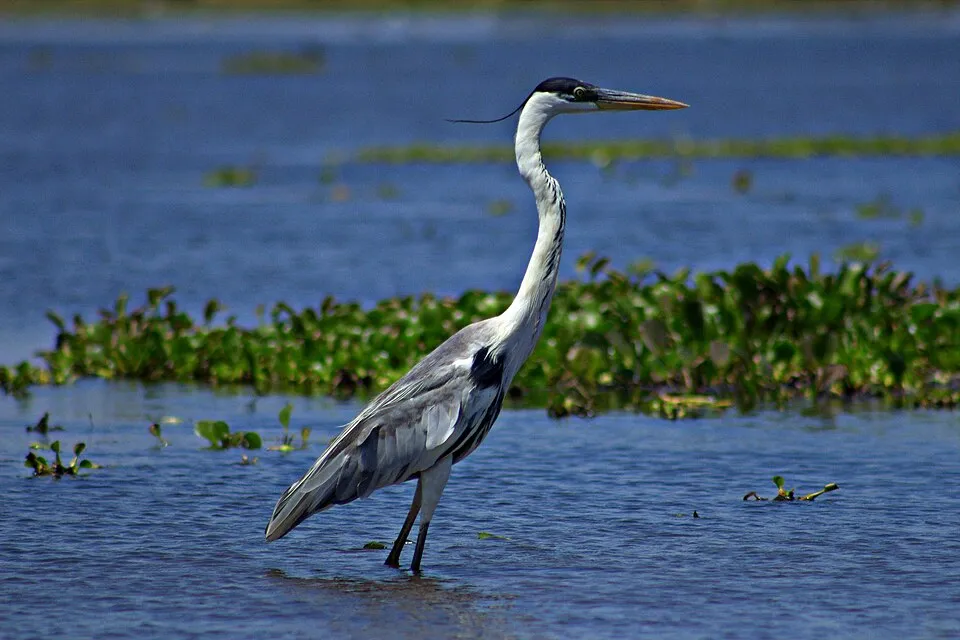
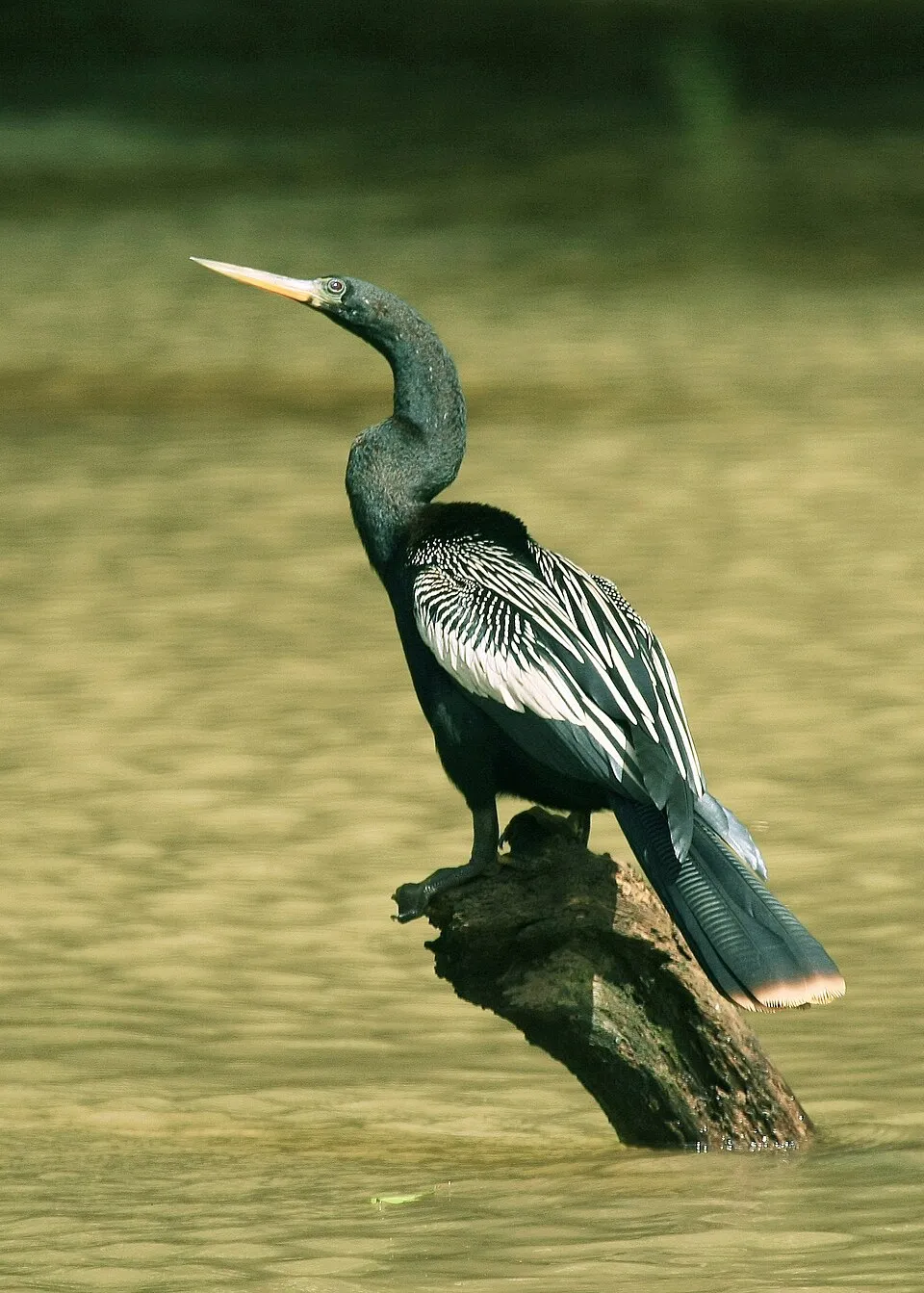
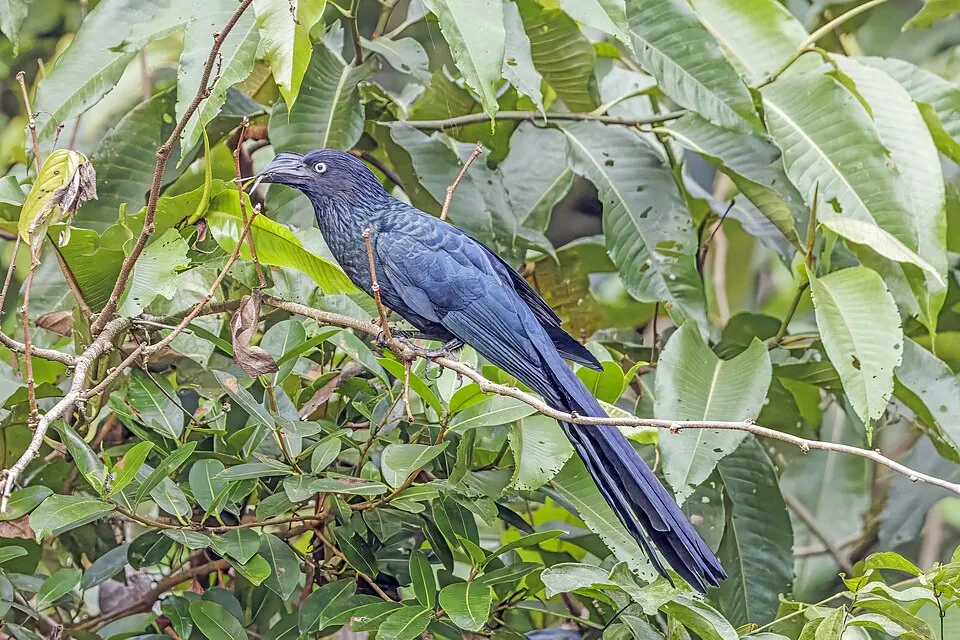
Sources and credits
- Presence: most-recorded species of each place on GBIF and species of Community interest in the Natura 2000 forms (EEA, CC-BY 4.0); absence from the list does not mean the species is absent.
- Common names: Wikidata (CC0) and GBIF.
- Photos and sounds: Wikimedia Commons, author and licence given for each file.
- Classification: GBIF Backbone Taxonomy (GBIF Secretariat), CC BY 4.0, doi:10.15468/39omei.
- Countries, elevations, months and maps: GBIF.org, CC0 or CC BY 4.0 occurrences only, accessed October 23, 2026, GBIF.org.
- Excerpt: Wikipedia, CC BY-SA 4.0 (full credit below the excerpt).