

Coral and cnidarian
Boulder brain coral: where to see it
Colpophyllia natans
This cnidarian species is recorded in 4 protected areas of the atlas. Within the atlas countries, it is observed in France and the Netherlands. Records peak from December to March.
Best time to see it: December–March
Records published on GBIF by month (CC0 and CC BY 4.0 licences only), in the atlas countries, all years combined; they also reflect observer activity.
Distribution
Atlas countries where it is recorded
From Wikipedia
Colpophyllia is a genus of stony corals in the family Mussidae. It is monotypic with a single species, Colpophyllia natans, commonly known as boulder brain coral or large-grooved brain coral. It inhabits the slopes and tops of reefs, to a maximum depth of 50 metres (164 ft). It is characterised by large, domed colonies, which may be up to 2 metres (6 ft 7 in) across, and by the meandering network of ridges and valleys on its surface. The ridges are usually brown with a single groove, and the valleys may be tan, green, or white and are uniform in width, typically 2 centimetres (0.8 in).
Source: Wikipedia, article “Colpophyllia” (version of May 18, 2026) · history and authors · licence CC BY-SA 4.0 · shortened excerpt
Protected areas where it is recorded
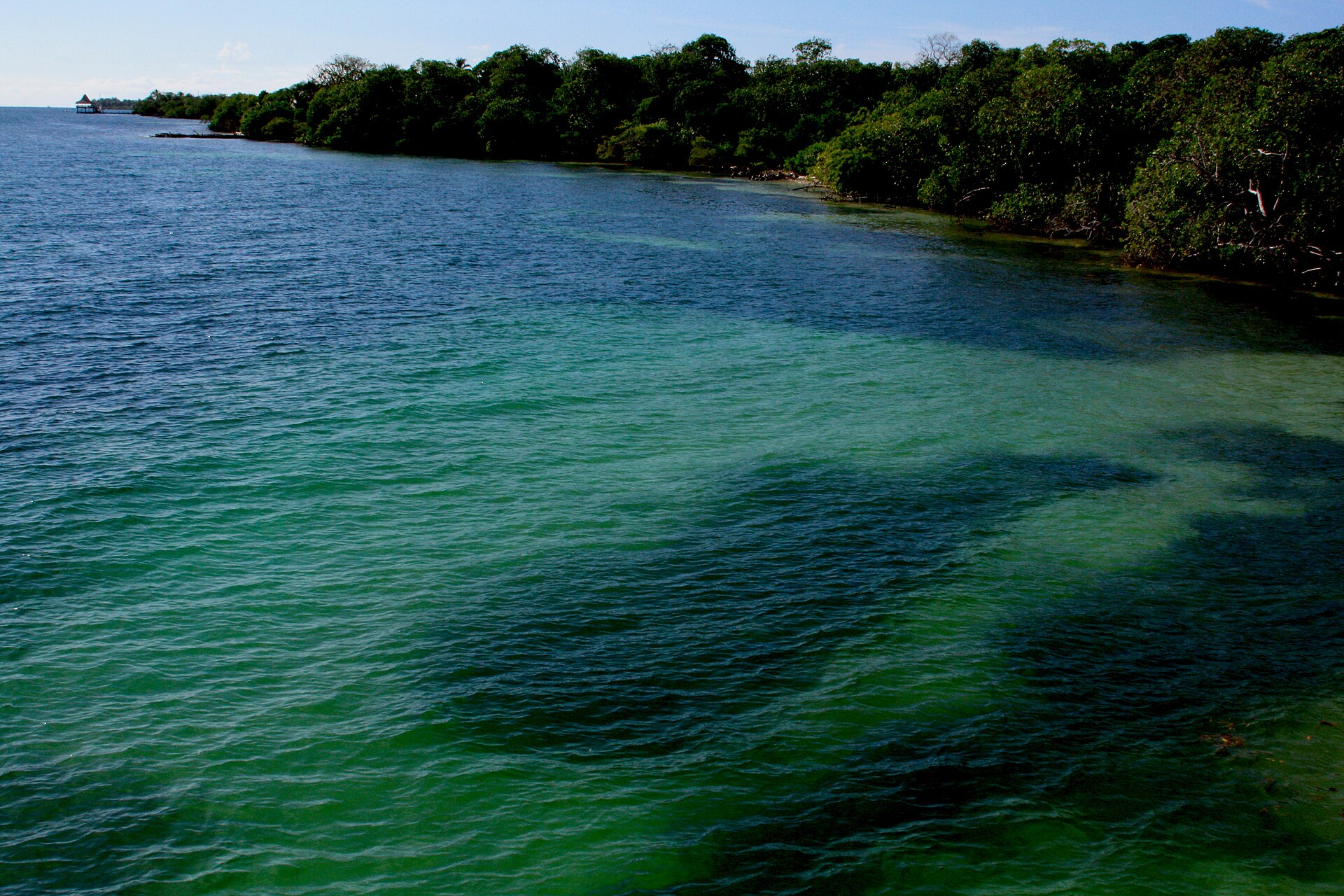
3,013 records
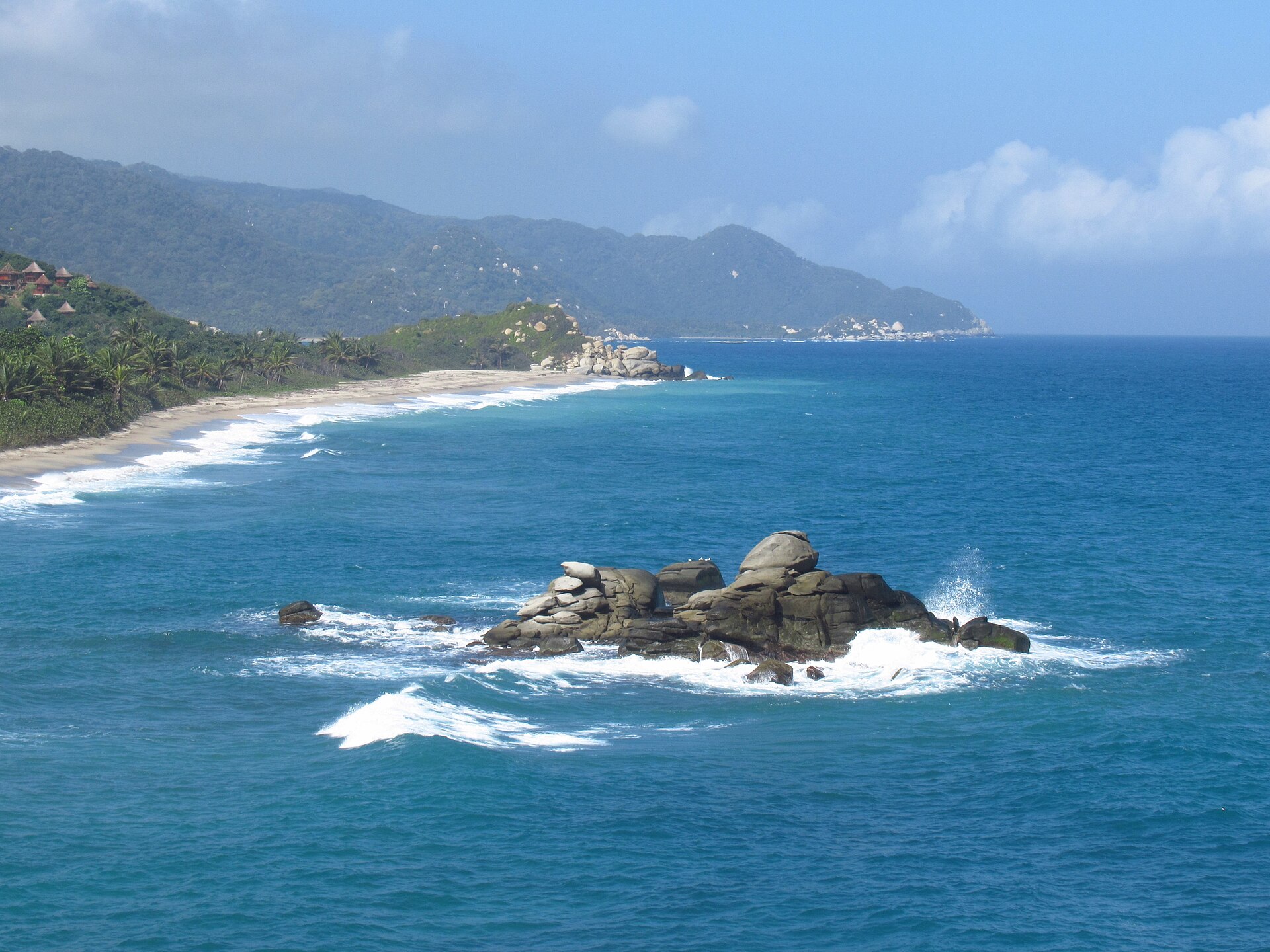
2,000 records

825 records
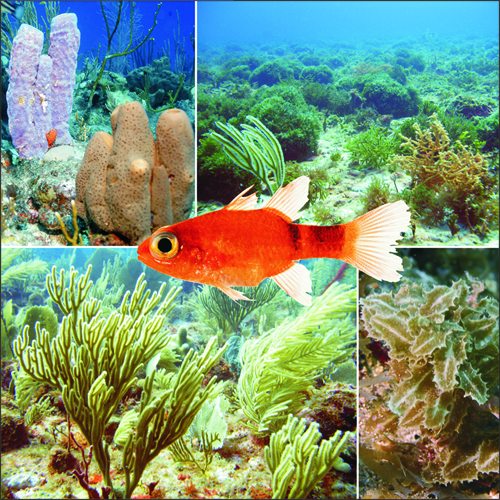
18 records
Other species to discover
 Grooved brain coral
Diploria labyrinthiformis 3 places in common
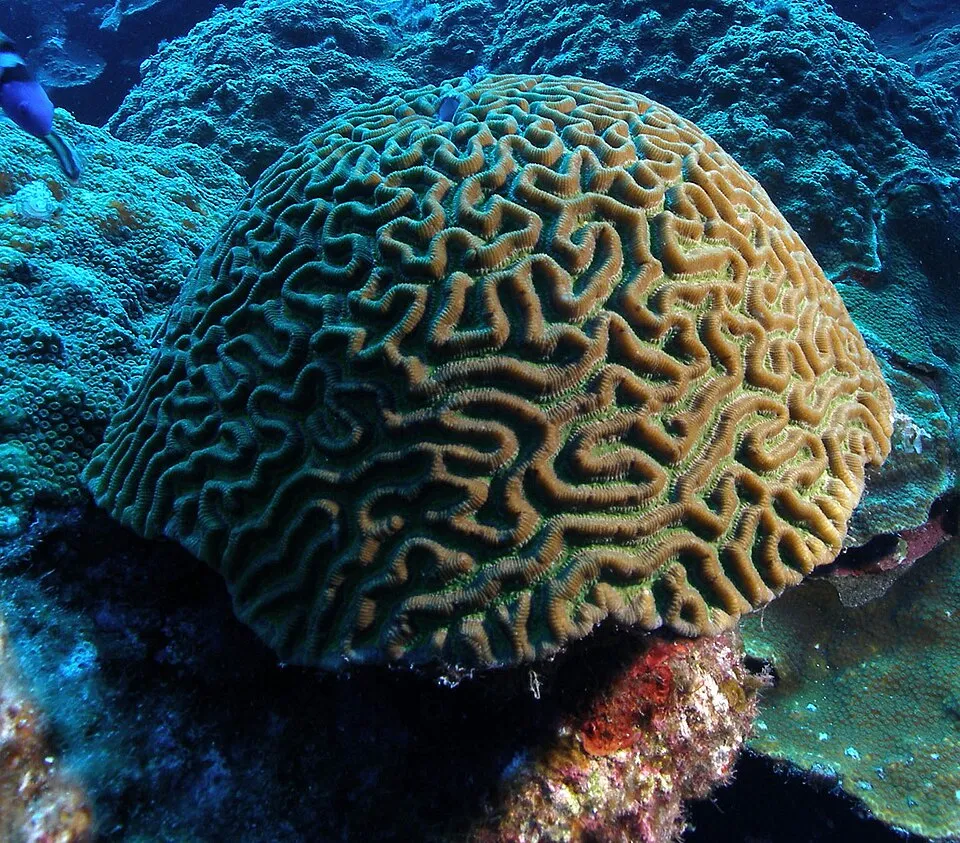 Symmetrical Brain Coral
Pseudodiploria strigosa 4 places in common
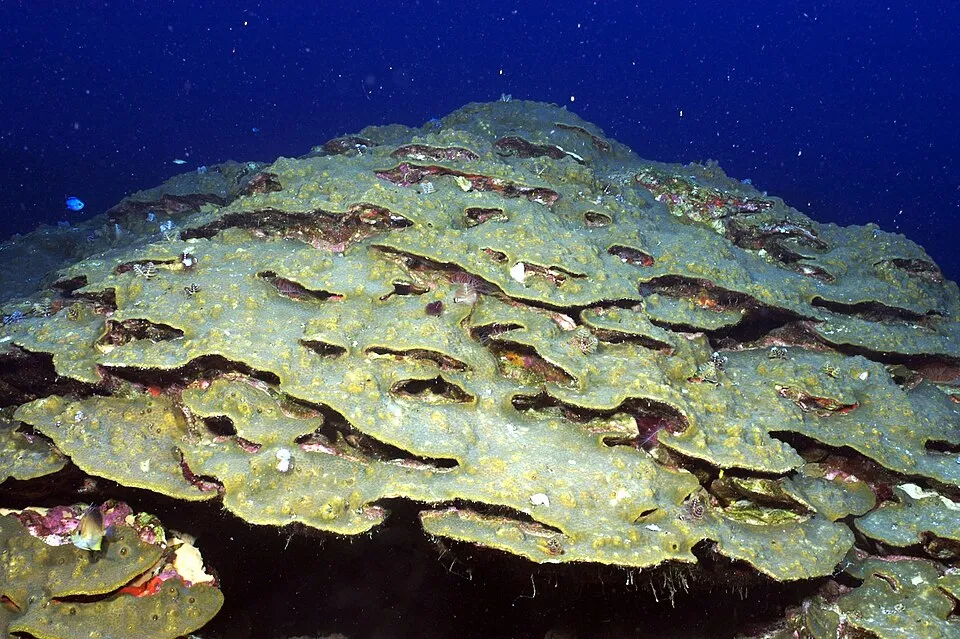 Bumpy star coral
Orbicella franksi 3 places in common
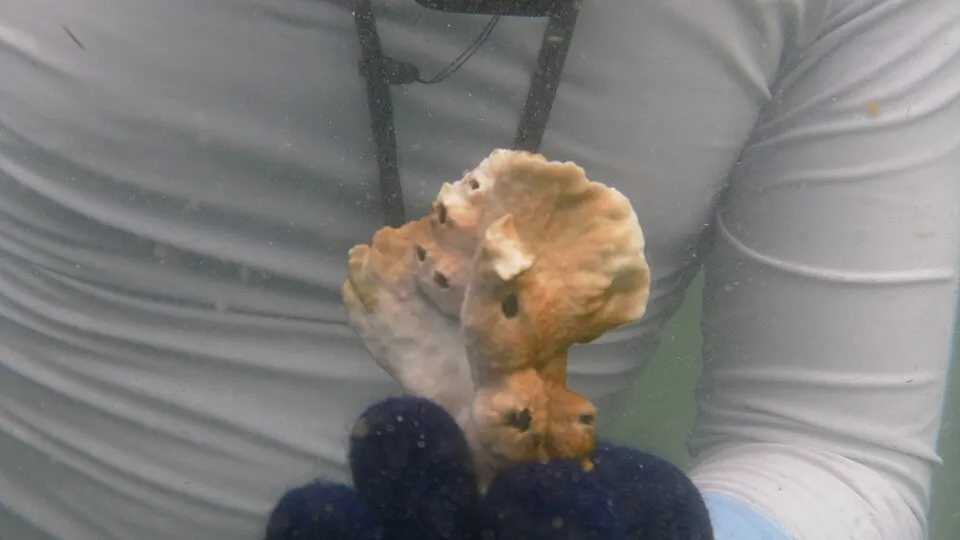 Fire coral
Millepora complanata 2 places in common
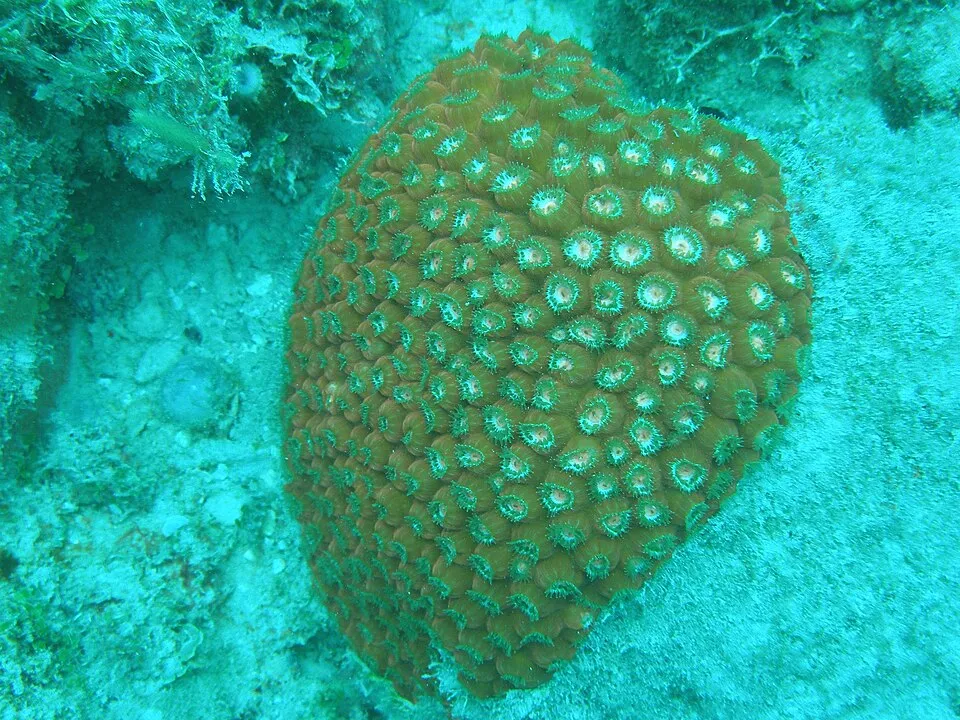 Great star coral
Montastraea cavernosa 3 places in common
 Massive Starlet Coral
Siderastrea siderea 3 places in common
Sources and credits
- Presence: most-recorded species of each place on GBIF and species of Community interest in the Natura 2000 forms (EEA, CC-BY 4.0); absence from the list does not mean the species is absent.
- Common names: Wikidata (CC0) and GBIF.
- Photos and sounds: Wikimedia Commons, author and licence given for each file.
- Classification: GBIF Backbone Taxonomy (GBIF Secretariat), CC BY 4.0, doi:10.15468/39omei.
- Countries, elevations, months and maps: GBIF.org, CC0 or CC BY 4.0 occurrences only, accessed October 23, 2026, GBIF.org.
- Excerpt: Wikipedia, CC BY-SA 4.0 (full credit below the excerpt).