
Coral and cnidarian
Symmetrical Brain Coral: where to see it
Pseudodiploria strigosa
This cnidarian species is recorded in 8 protected areas of the atlas. Within the atlas countries, it is observed in the Netherlands and France. Records peak in December.
Best time to see it: December
Records published on GBIF by month (CC0 and CC BY 4.0 licences only), in the atlas countries, all years combined; they also reflect observer activity.
Distribution
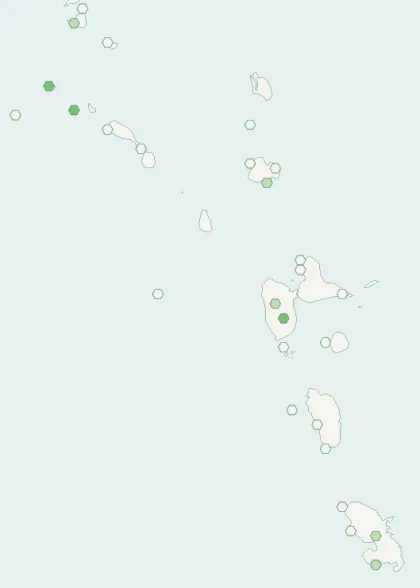
Records published on GBIF (CC0 and CC BY 4.0 licences): the darker the shade, the more records there are; they also reflect observation effort.
Atlas countries where it is recorded
From Wikipedia
Pseudodiploria strigosa, the symmetrical brain coral, is a colonial species of stony coral in the family Mussidae. It occurs on reefs in shallow water in the West Atlantic Ocean and Caribbean Sea. It grows slowly and lives to a great age.
Source: Wikipedia, article “Pseudodiploria strigosa” (version of October 18, 2026) · history and authors · licence CC BY-SA 4.0
Protected areas where it is recorded
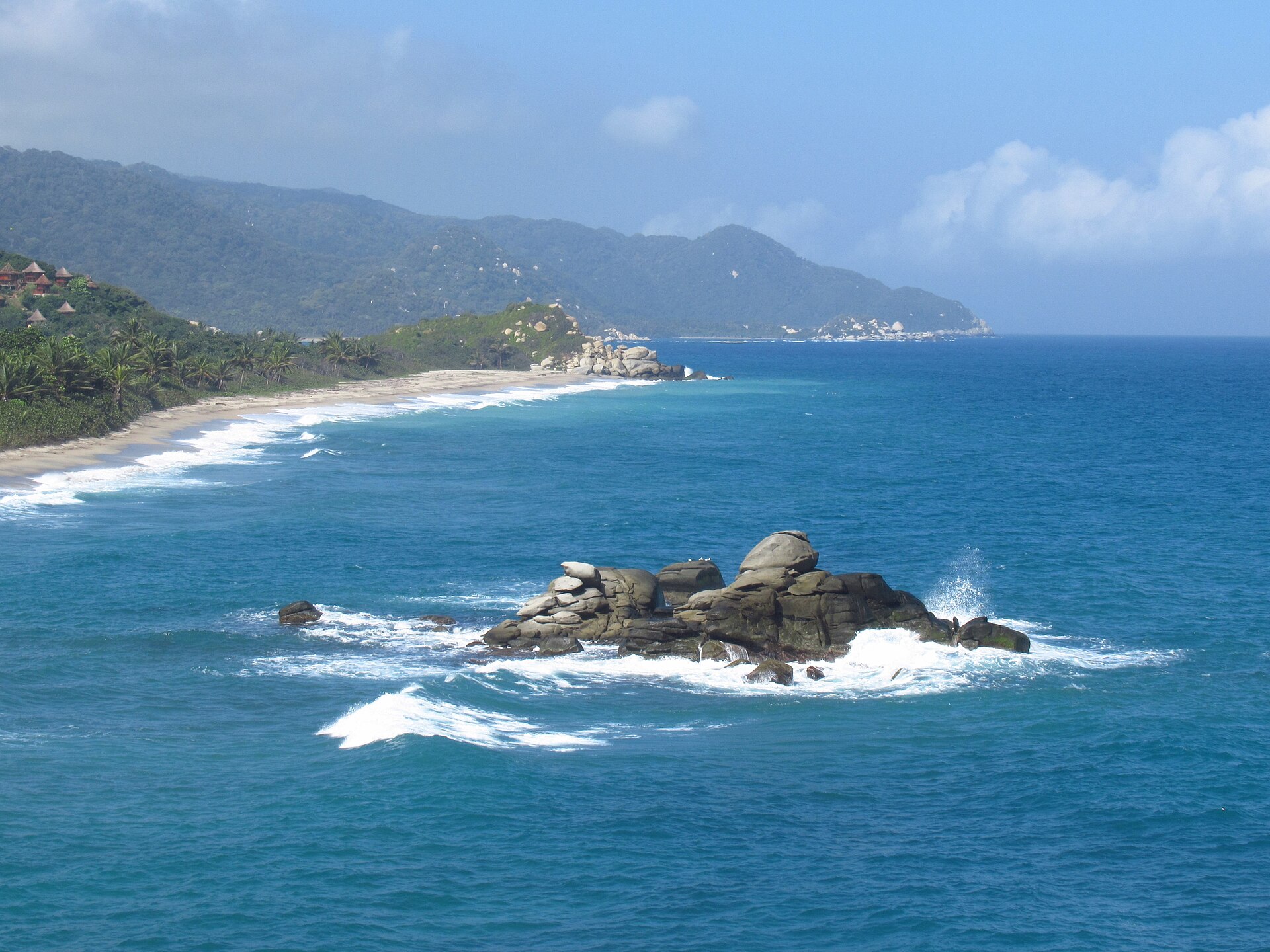
6,338 records
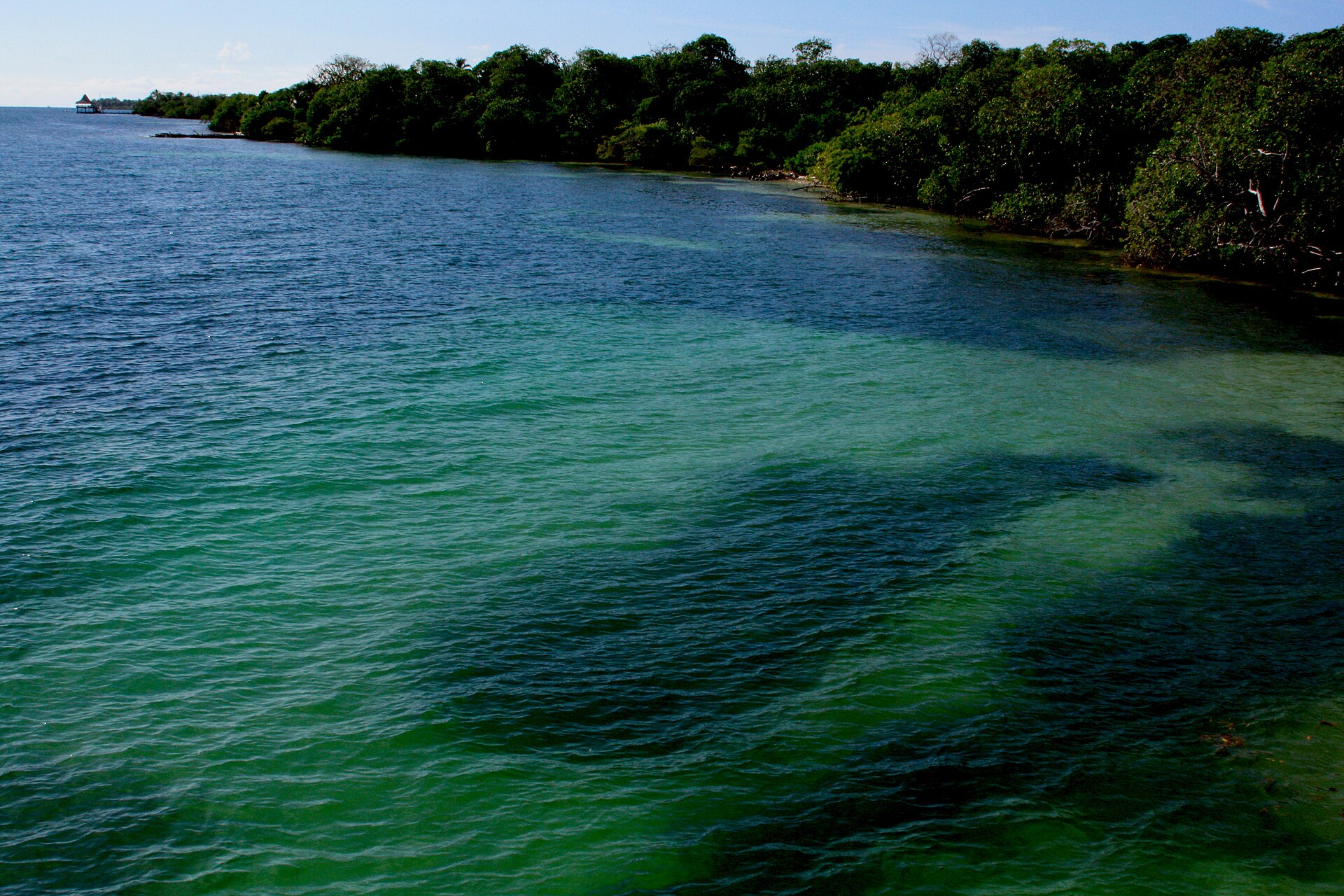
1,414 records
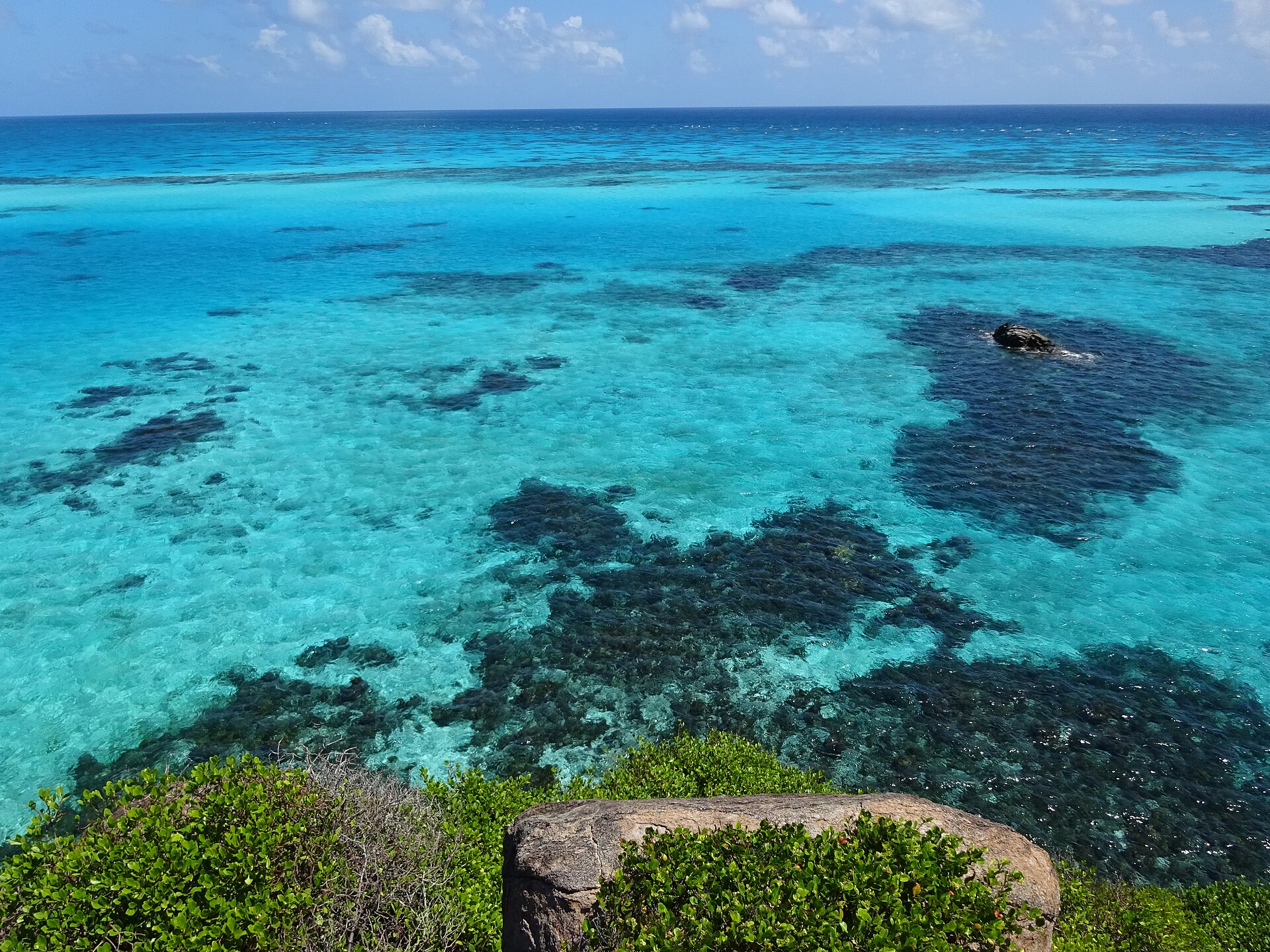
262 records
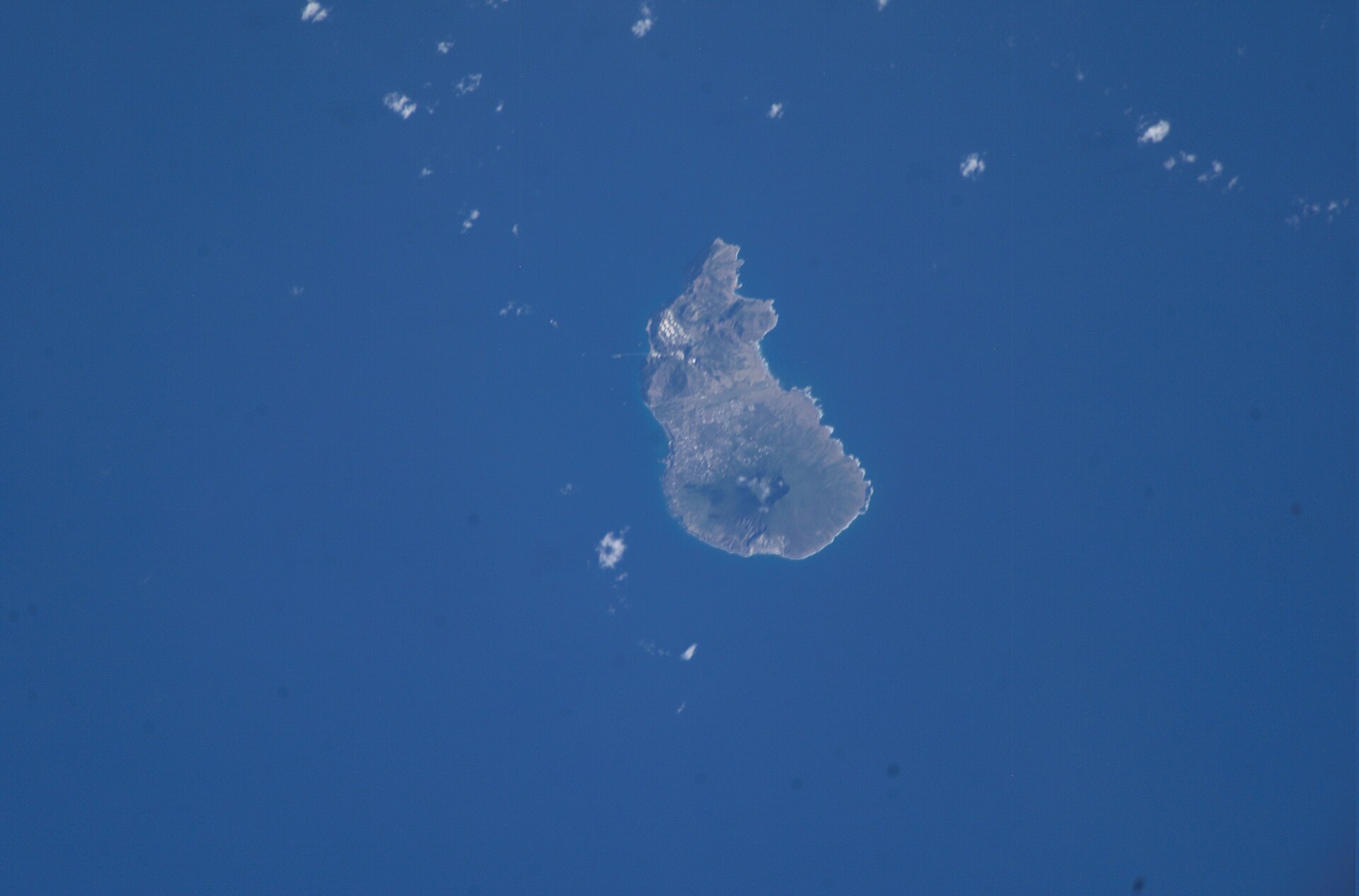
168 records
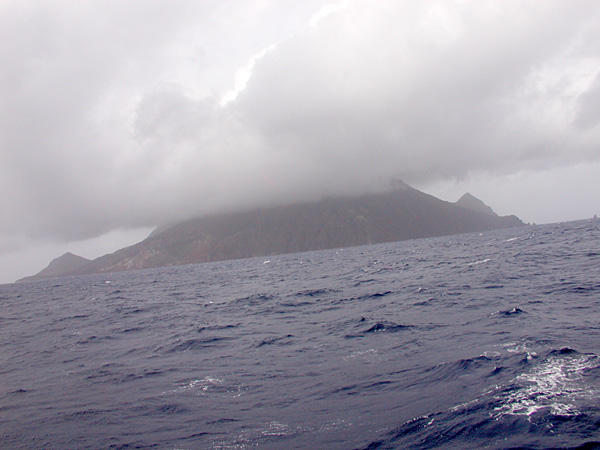
163 records

87 records
67 records
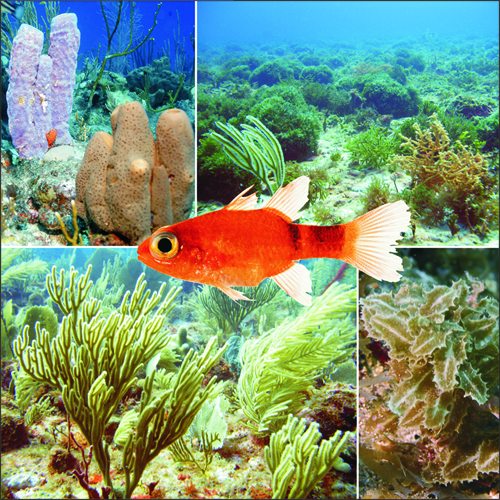
38 records
Other species to discover
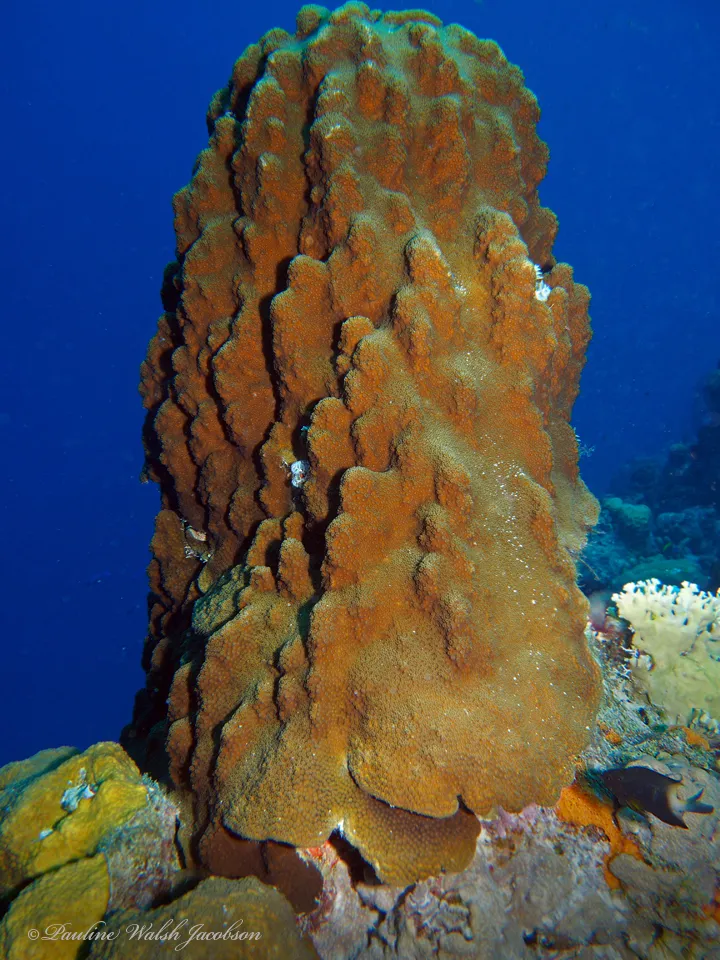 Boulder star coral
Orbicella faveolata 7 places in common
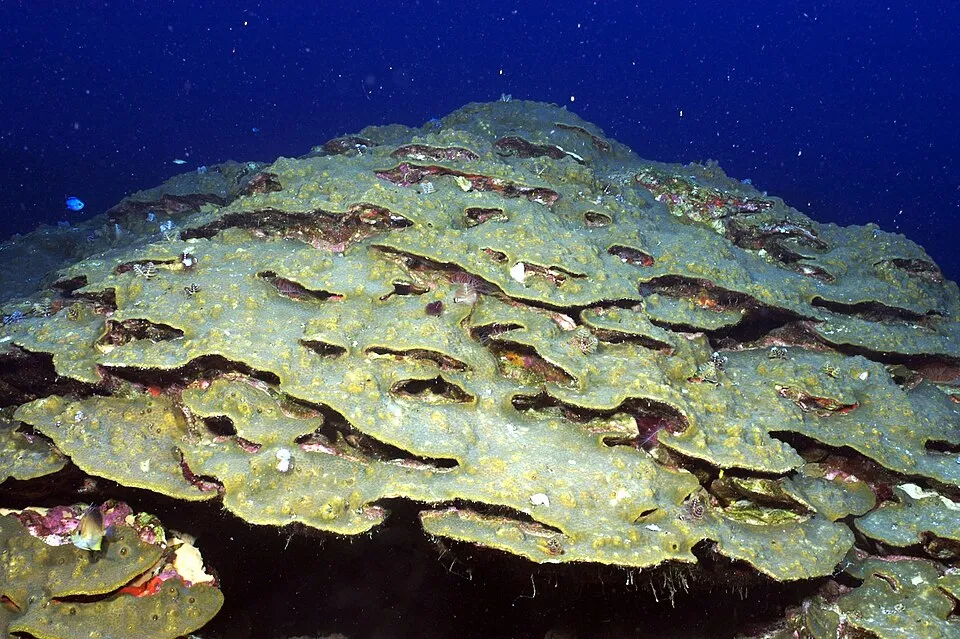 Bumpy star coral
Orbicella franksi 5 places in common
 Massive Starlet Coral
Siderastrea siderea 6 places in common
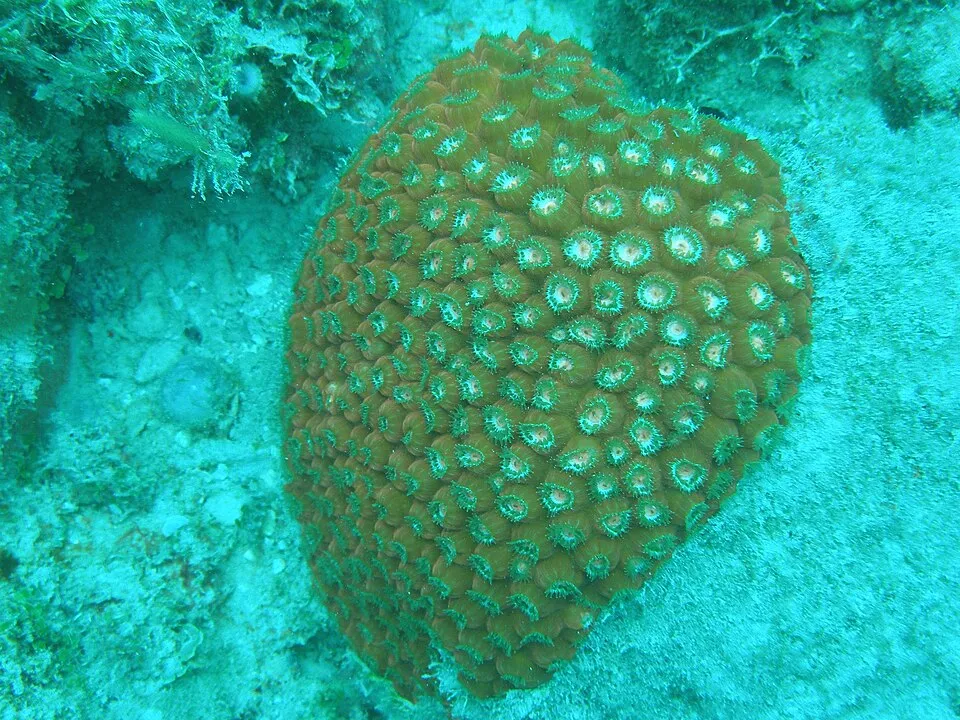 Great star coral
Montastraea cavernosa 5 places in common
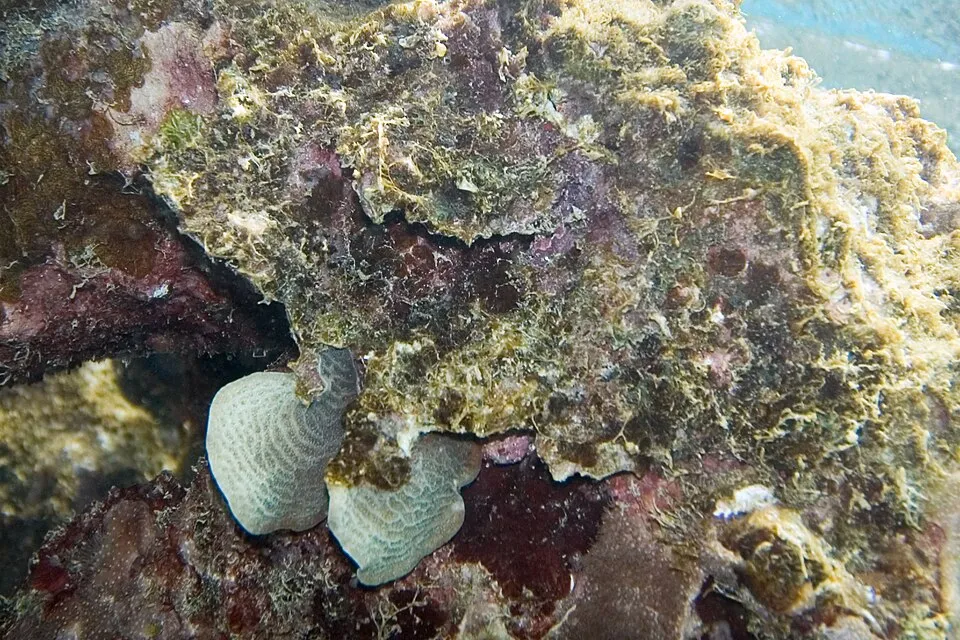 Lettuce Coral
Agaricia agaricites 5 places in common
 Boulder brain coral
Colpophyllia natans 4 places in common
Sources and credits
- Presence: most-recorded species of each place on GBIF and species of Community interest in the Natura 2000 forms (EEA, CC-BY 4.0); absence from the list does not mean the species is absent.
- Common names: Wikidata (CC0) and GBIF.
- Photos and sounds: Wikimedia Commons, author and licence given for each file.
- Classification: GBIF Backbone Taxonomy (GBIF Secretariat), CC BY 4.0, doi:10.15468/39omei.
- Countries, elevations, months and maps: GBIF.org, CC0 or CC BY 4.0 occurrences only, accessed October 23, 2026, GBIF.org.
- Base map: Natural Earth (public domain).
- Excerpt: Wikipedia, CC BY-SA 4.0 (full credit below the excerpt).