
Arachnid
Coelotes terrestris: where to see it
This arachnid species is recorded in 2 protected areas of the atlas. Within the atlas countries, it is mostly observed in Belgium, Switzerland and Germany (7 countries in all). Most records (8 in 10) lie between 450 and 1,450 m above sea level. Records peak from August to September.
Best time to see it: August–September
Records published on GBIF by month (CC0 and CC BY 4.0 licences only), in the atlas countries, all years combined; they also reflect observer activity.
Distribution
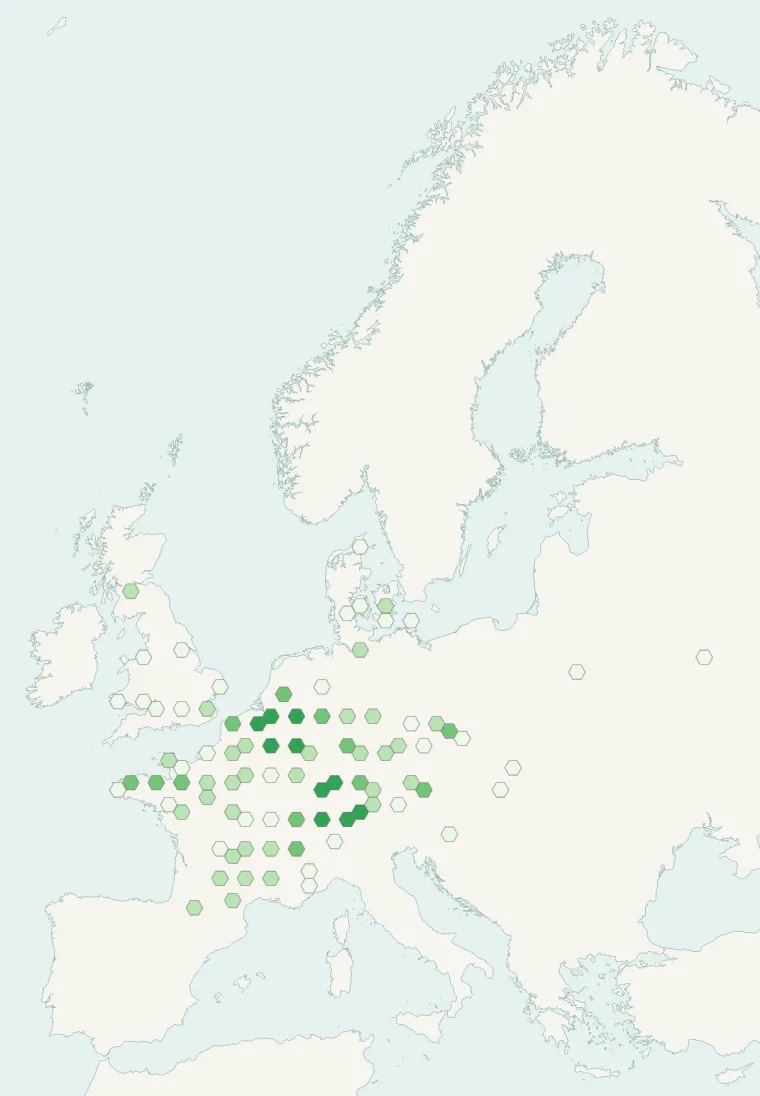
Records published on GBIF (CC0 and CC BY 4.0 licences): the darker the shade, the more records there are; they also reflect observation effort.
Atlas countries where it is recorded
From Wikipedia
Coelotes terrestris, the ground-living spider, is a spider in the family Agelenidae that stems from the once-assumed affiliation of the genus Coelotes, including this species, with the family Amaurobiidae, which has since been refuted. The distribution of Coelotes terrestris extends from Europe to Turkey. It occurs in a broad spectrum of habitats, but is particularly found in forests of various types, where it preferably inhabits the ground level. The abundance of the species depends on the diversity of the forest biotope, including various microhabitats, as well as air humidity.
Source: Wikipedia, article “Coelotes terrestris” (version of October 25, 2025) · history and authors · licence CC BY-SA 4.0 · shortened excerpt
Protected areas where it is recorded
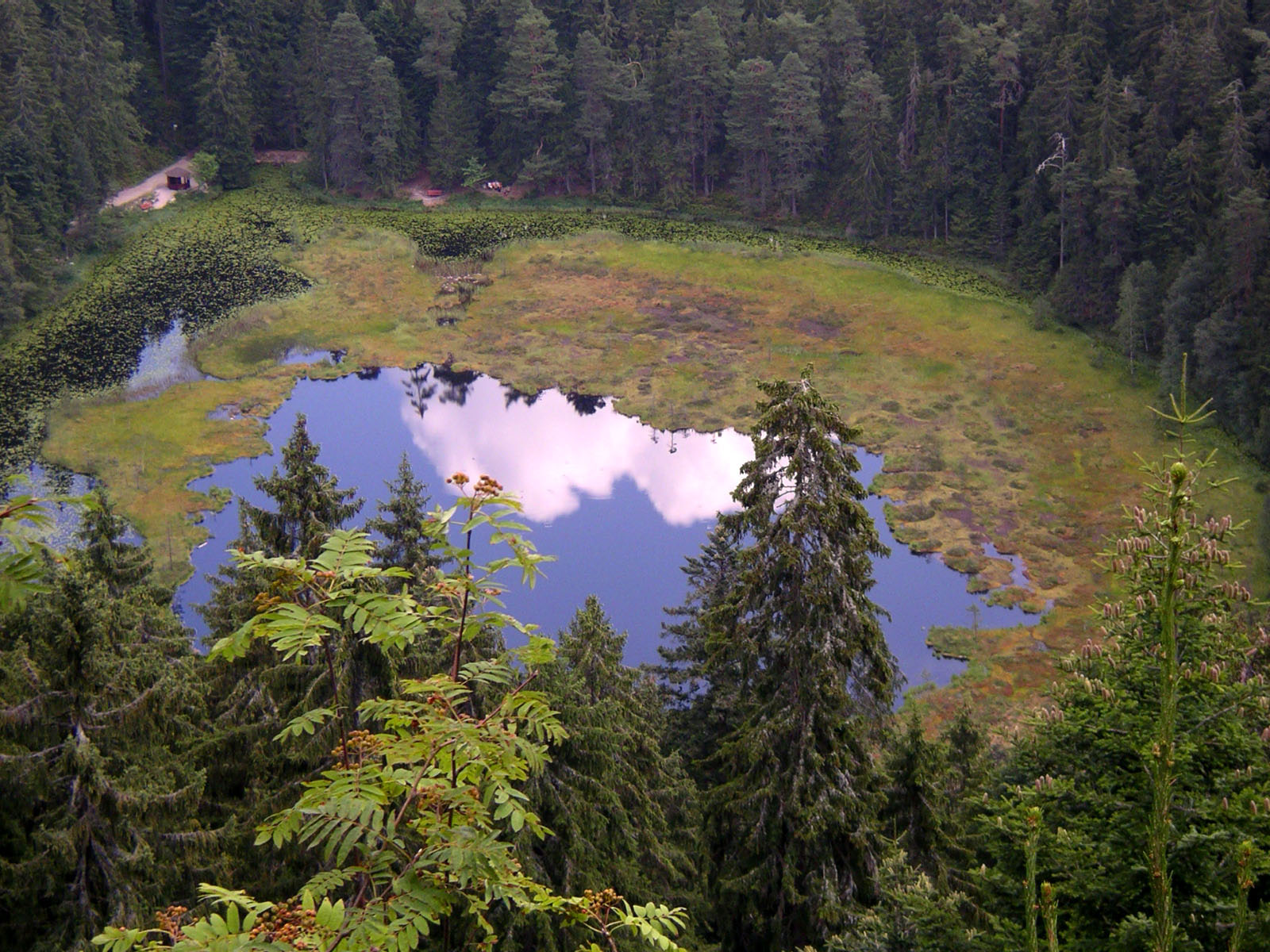
1,115 records
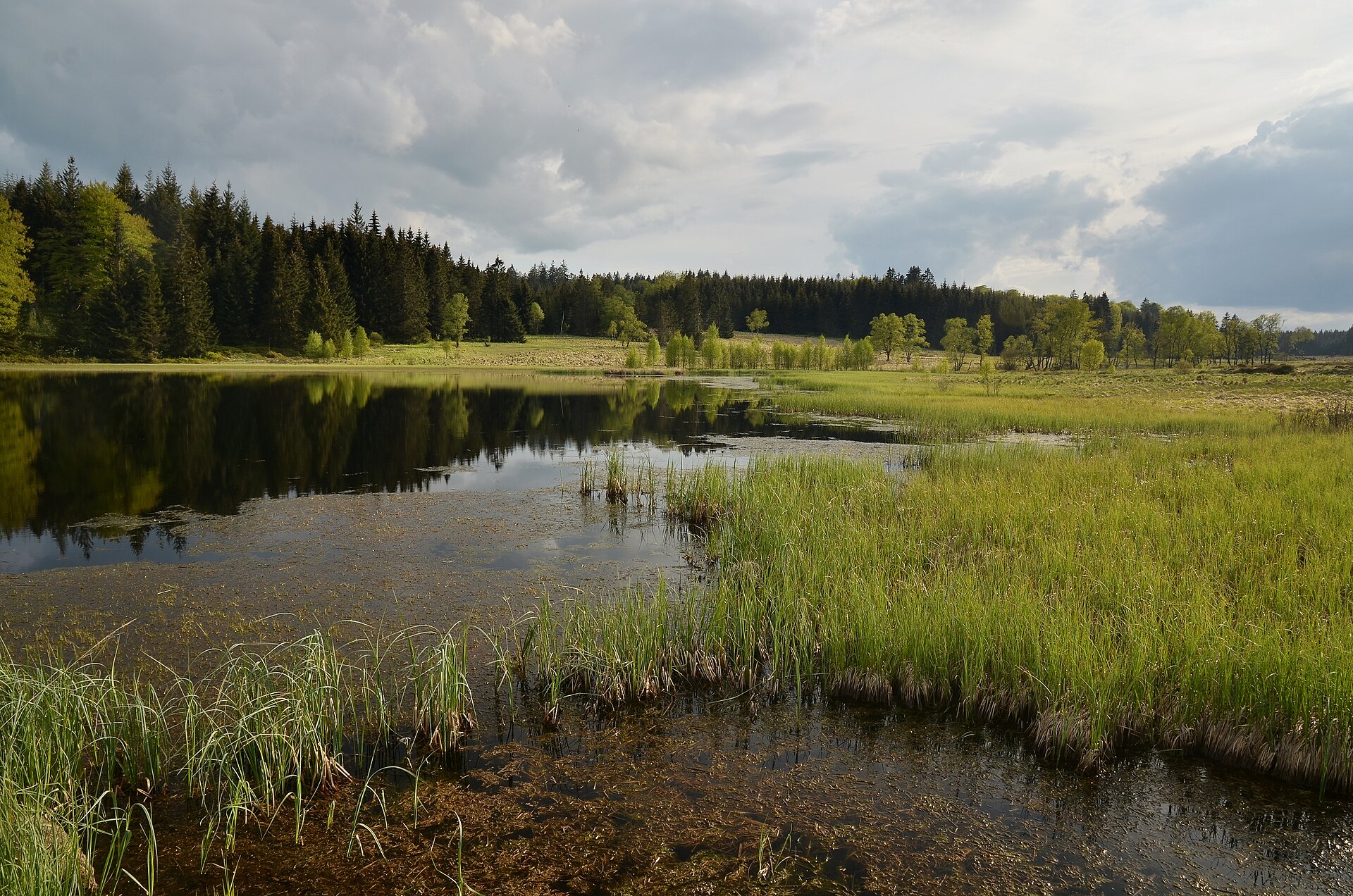
507 records
Other species to discover
 Hazel Grouse
Bonasa bonasia 2 places in common
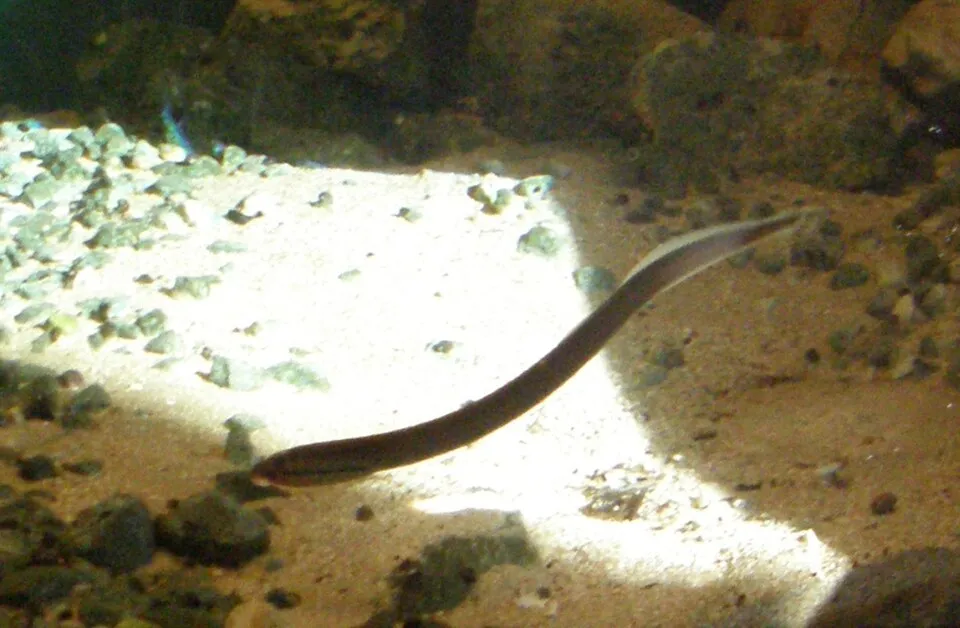 European brook lamprey
Lampetra planeri 2 places in common
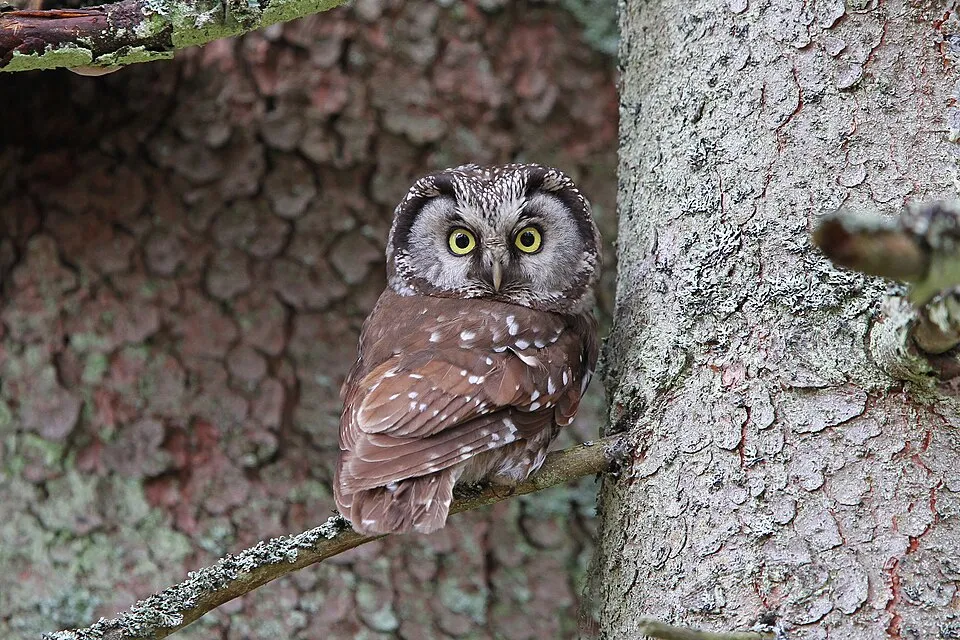 Boreal Owl
Aegolius funereus 2 places in common
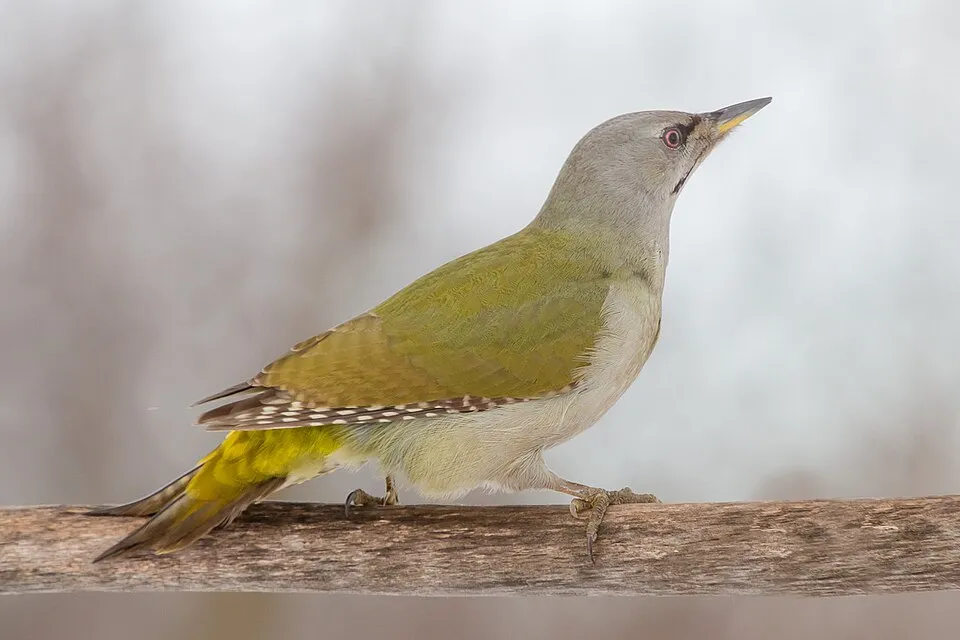 Grey-headed Woodpecker
Picus canus 2 places in common
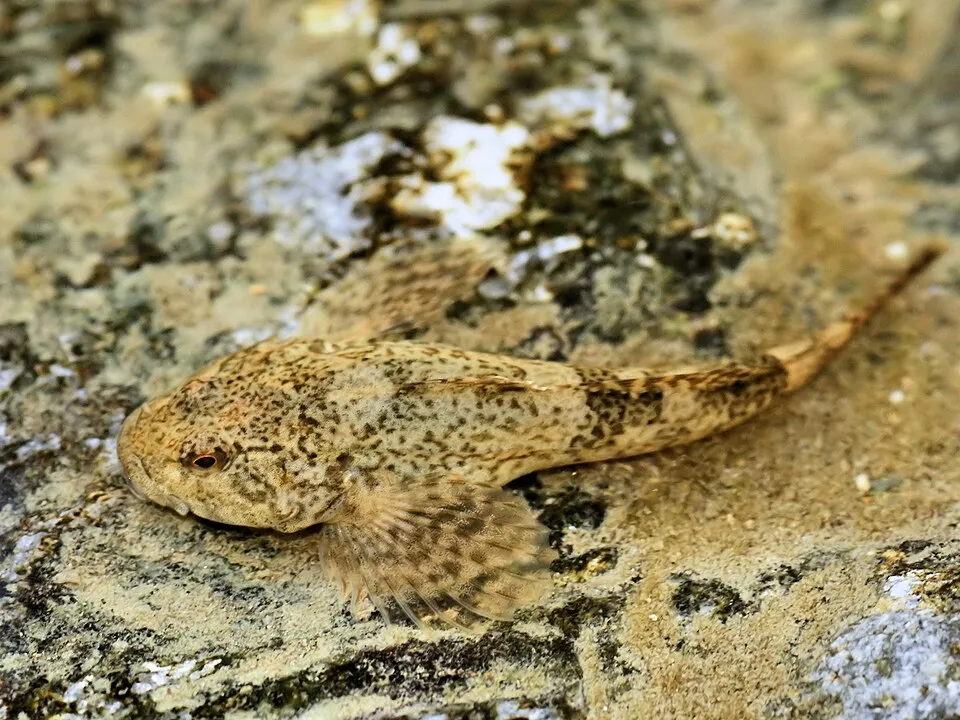 European bullhead
Cottus gobio 2 places in common
 Geoffroy's bat
Myotis emarginatus 2 places in common
Sources and credits
- Presence: most-recorded species of each place on GBIF and species of Community interest in the Natura 2000 forms (EEA, CC-BY 4.0); absence from the list does not mean the species is absent.
- Common names: Wikidata (CC0) and GBIF.
- Photos and sounds: Wikimedia Commons, author and licence given for each file.
- Classification: GBIF Backbone Taxonomy (GBIF Secretariat), CC BY 4.0, doi:10.15468/39omei.
- Countries, elevations, months and maps: GBIF.org, CC0 or CC BY 4.0 occurrences only, accessed October 23, 2026, GBIF.org.
- Base map: Natural Earth (public domain).
- Excerpt: Wikipedia, CC BY-SA 4.0 (full credit below the excerpt).