
Fish
European bullhead: where to see it
Cottus gobio
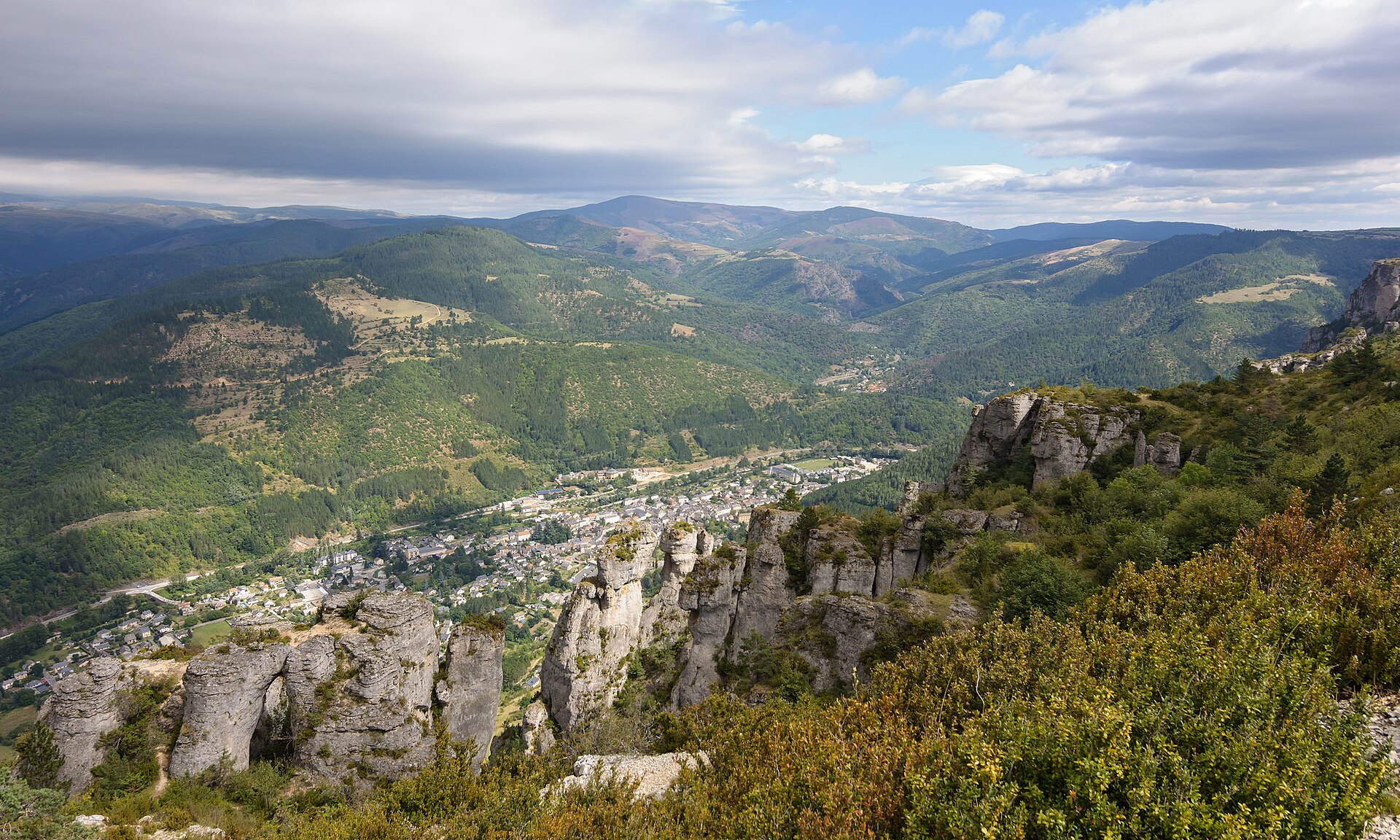
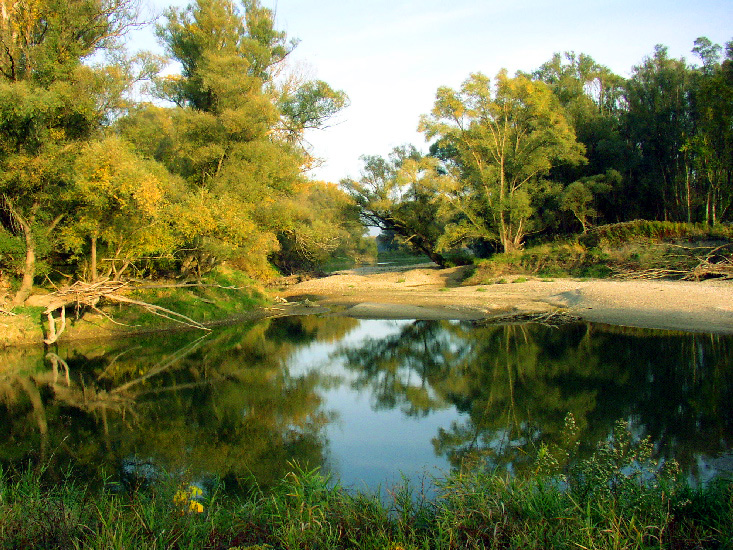
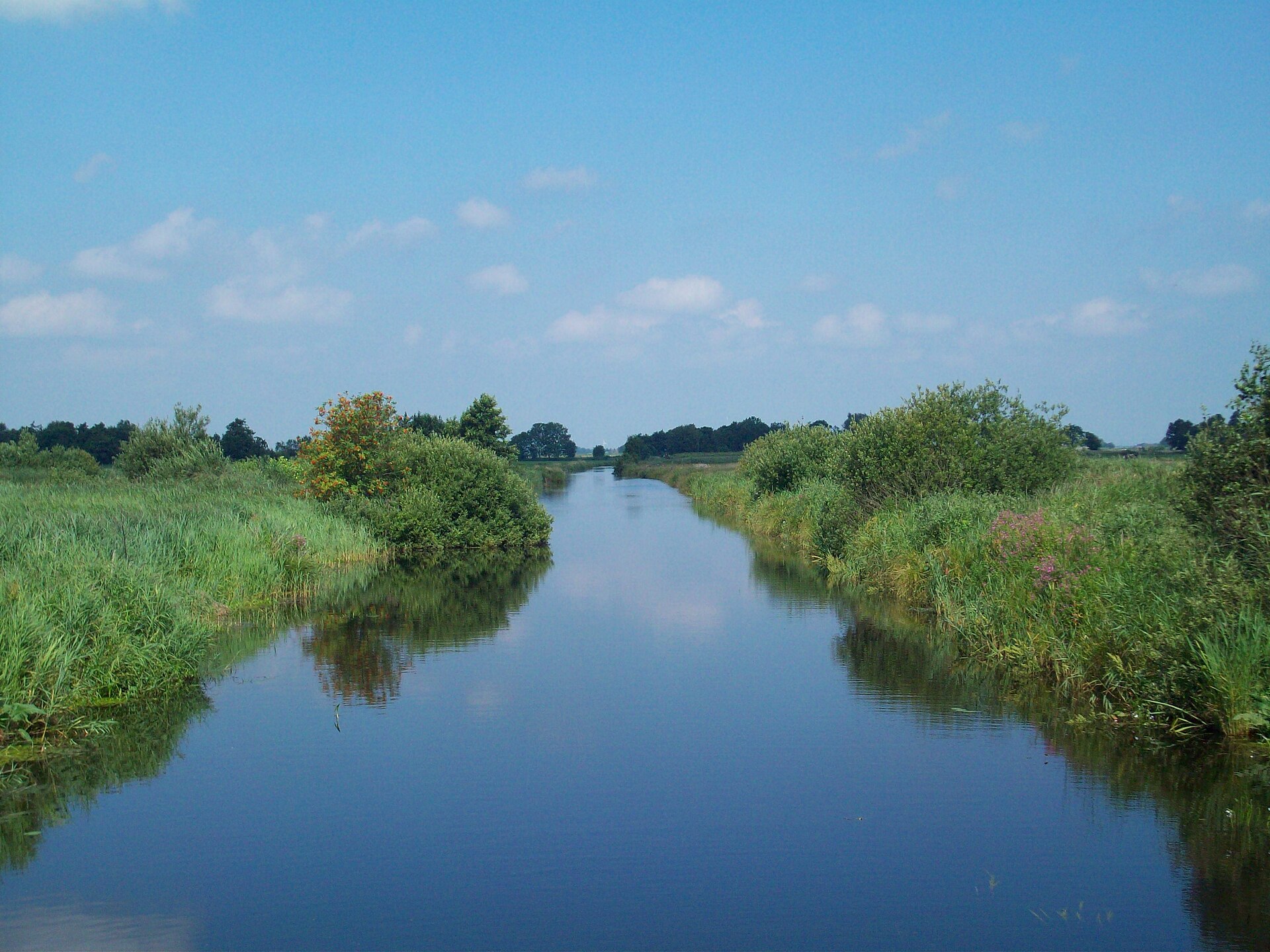
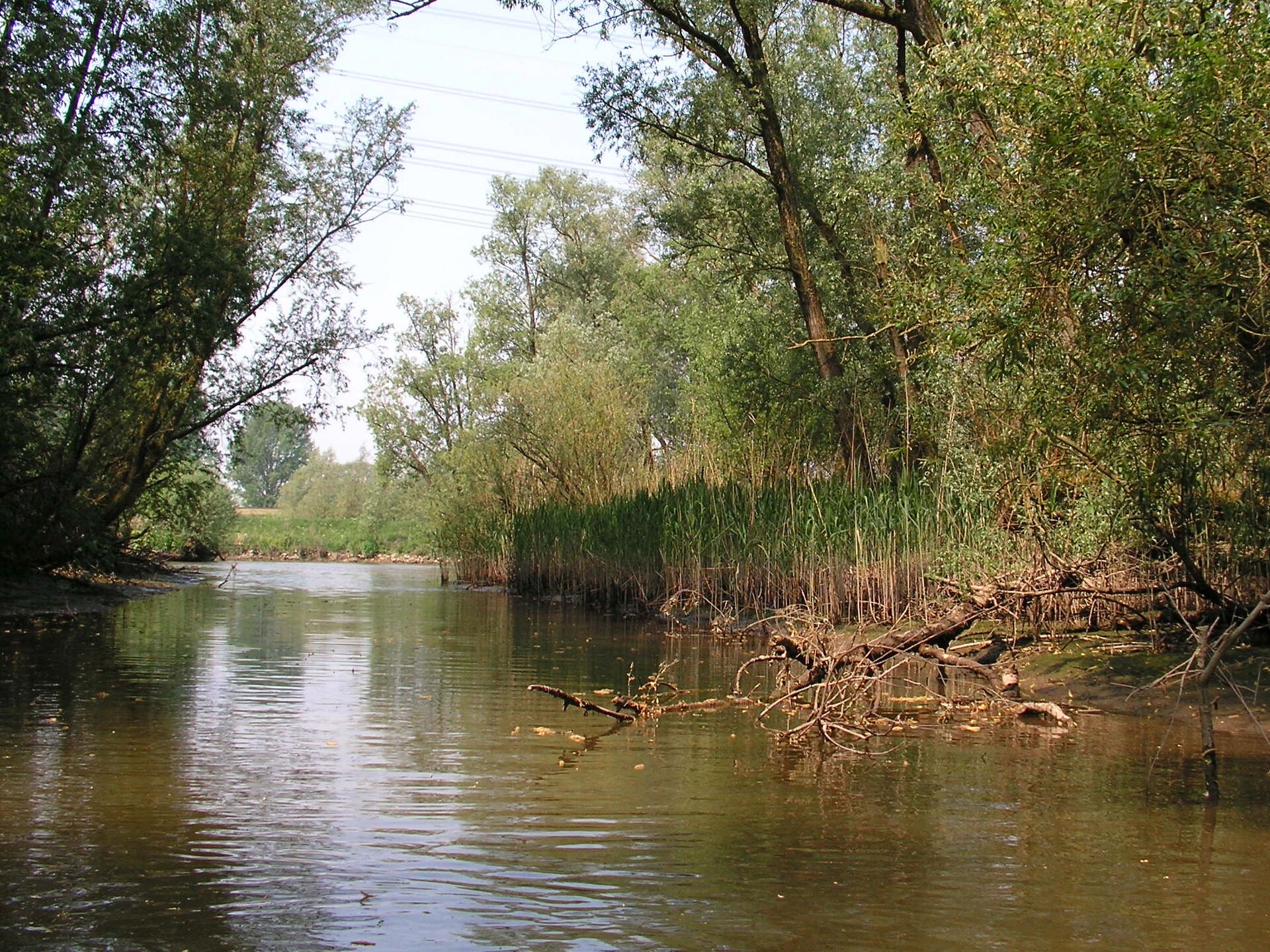
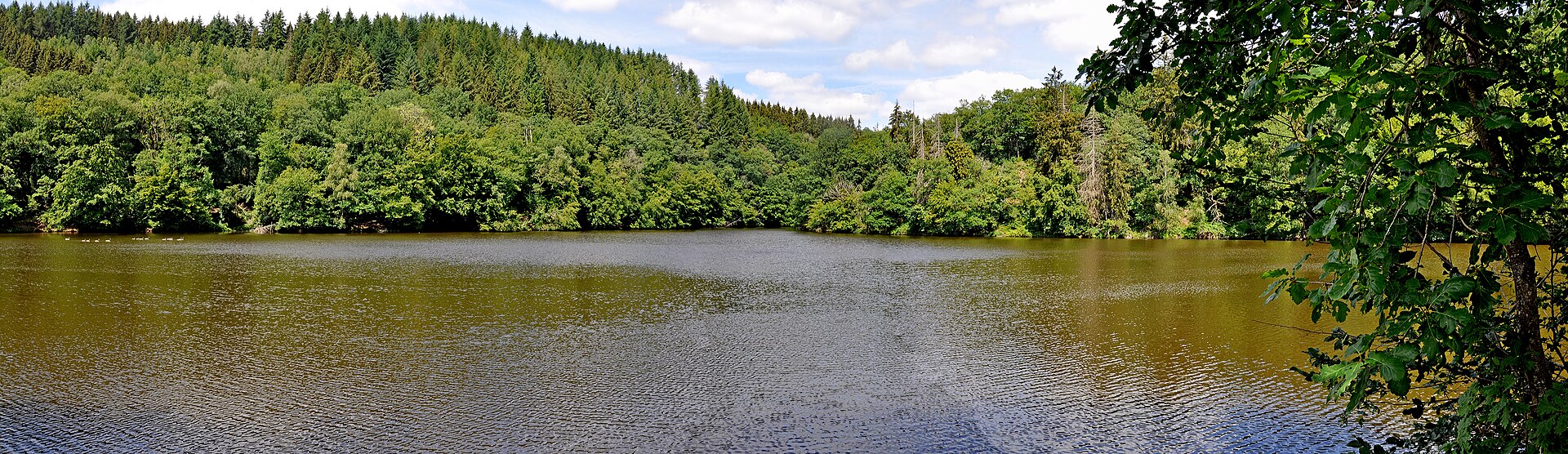
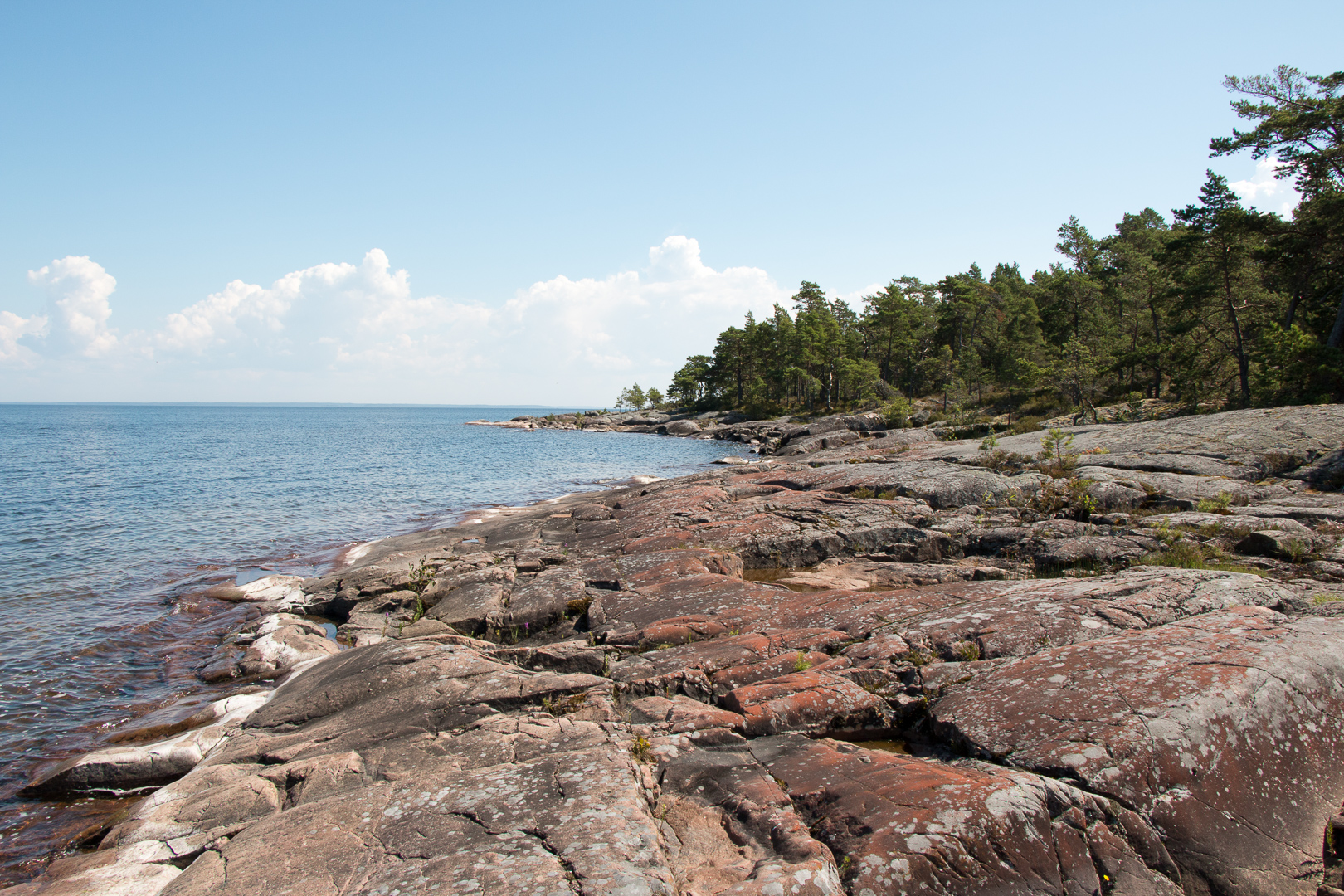
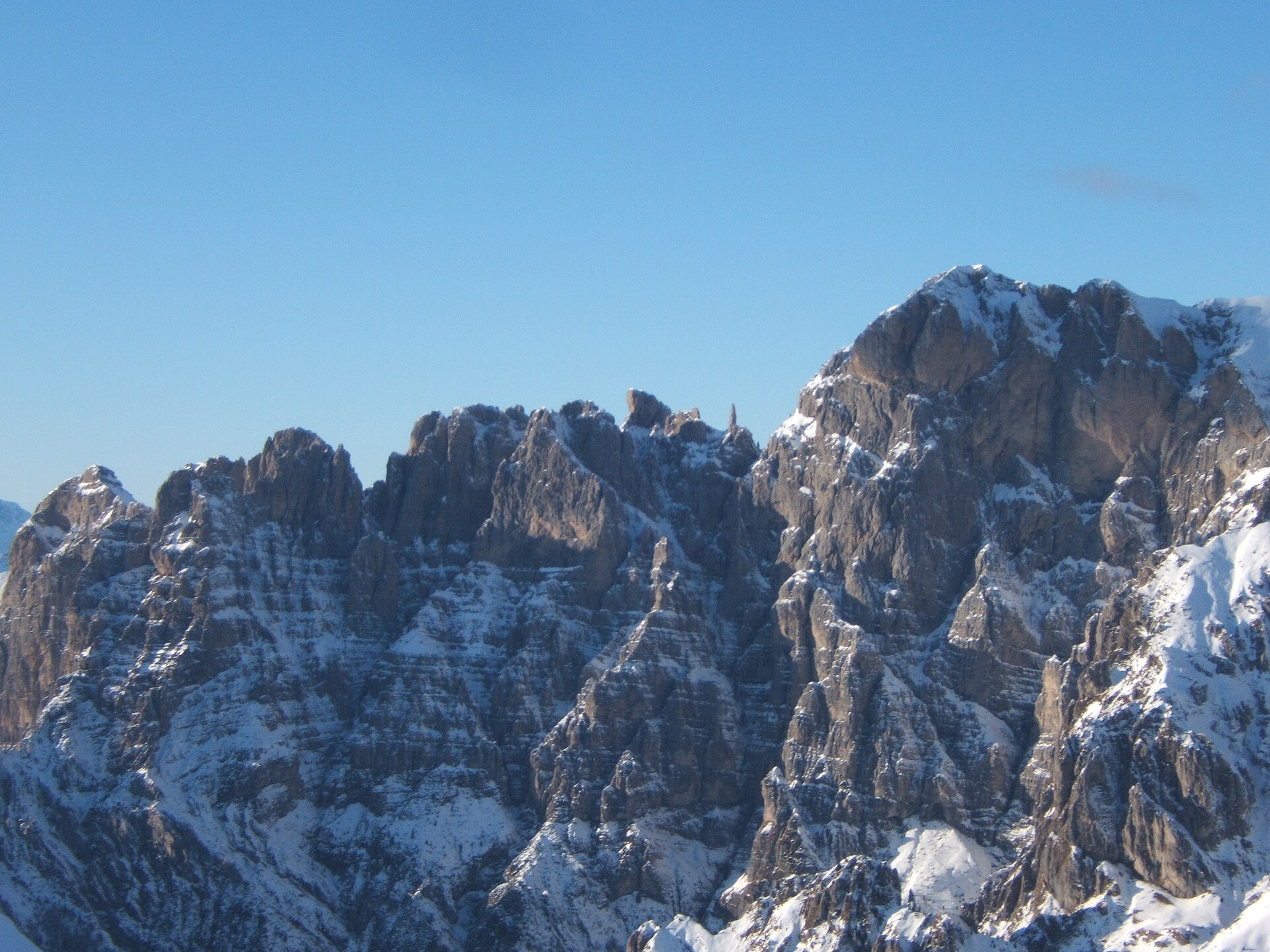
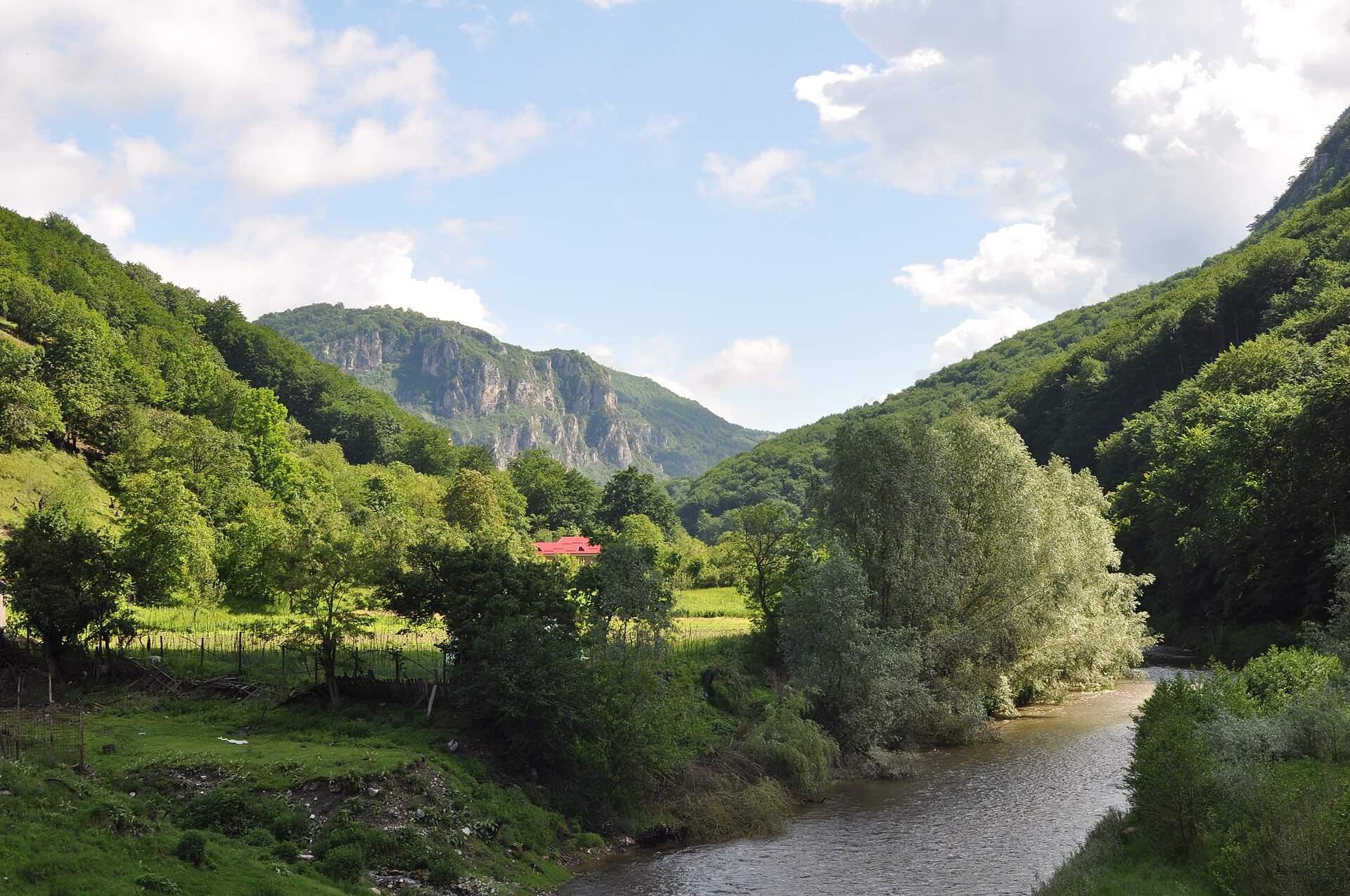
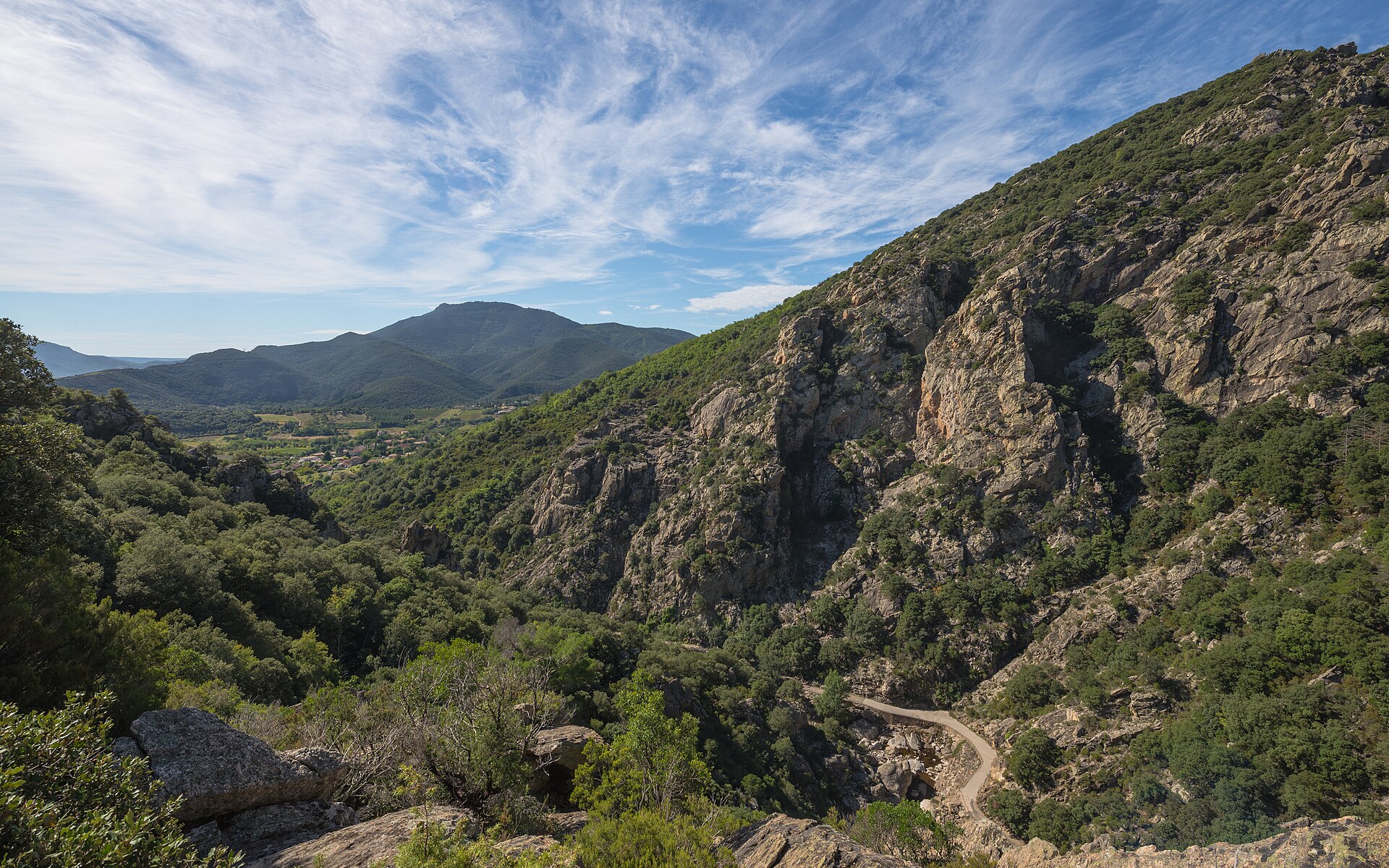
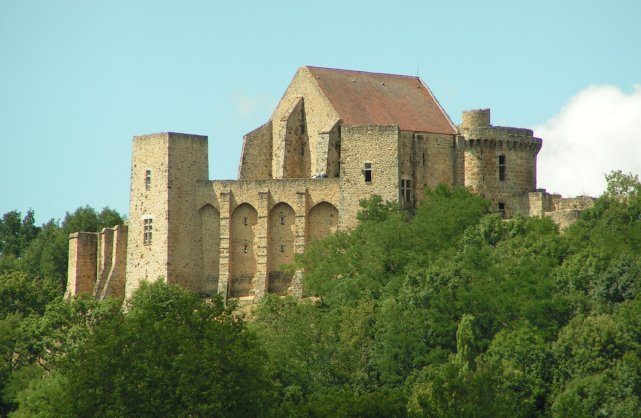
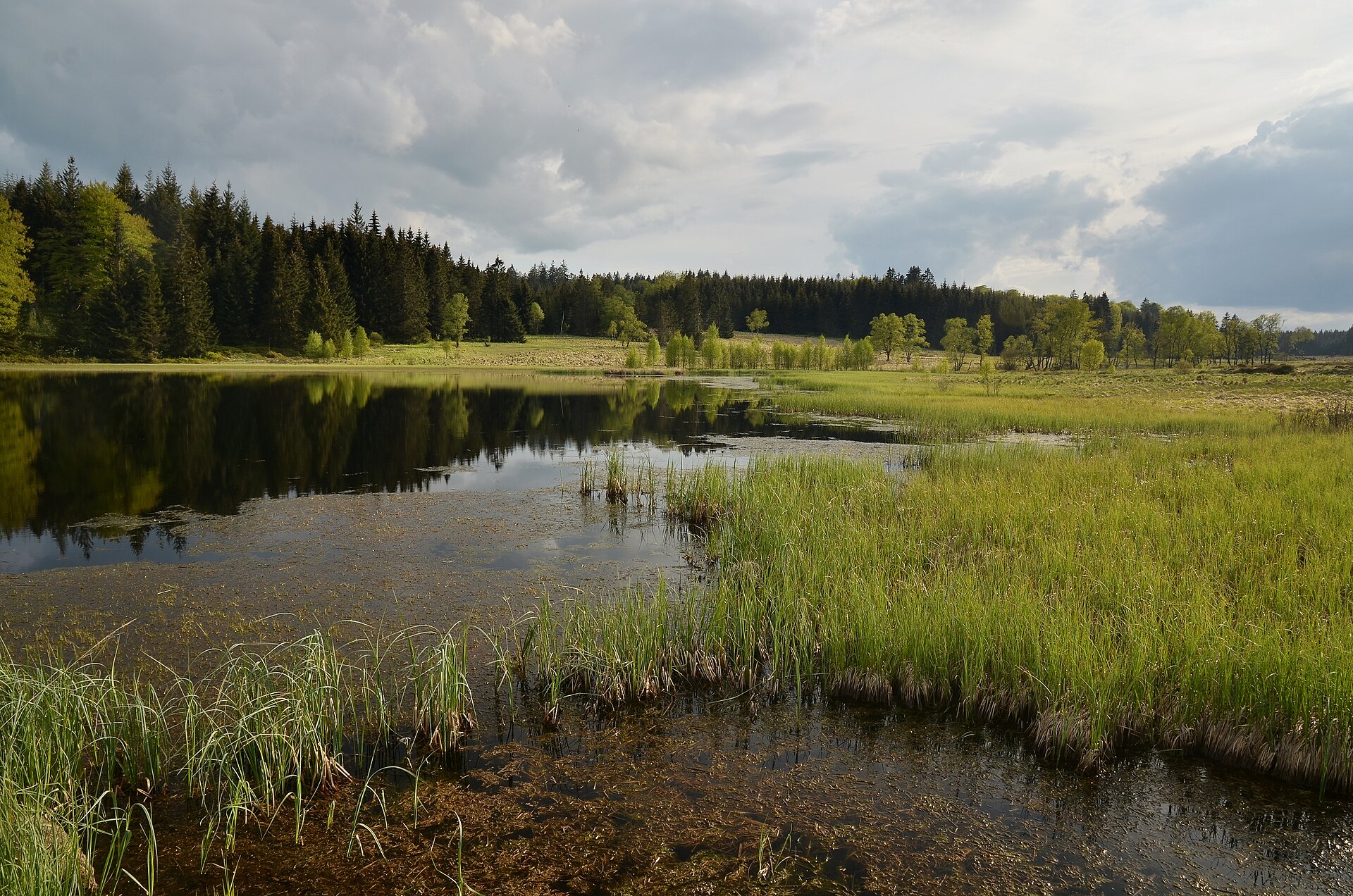
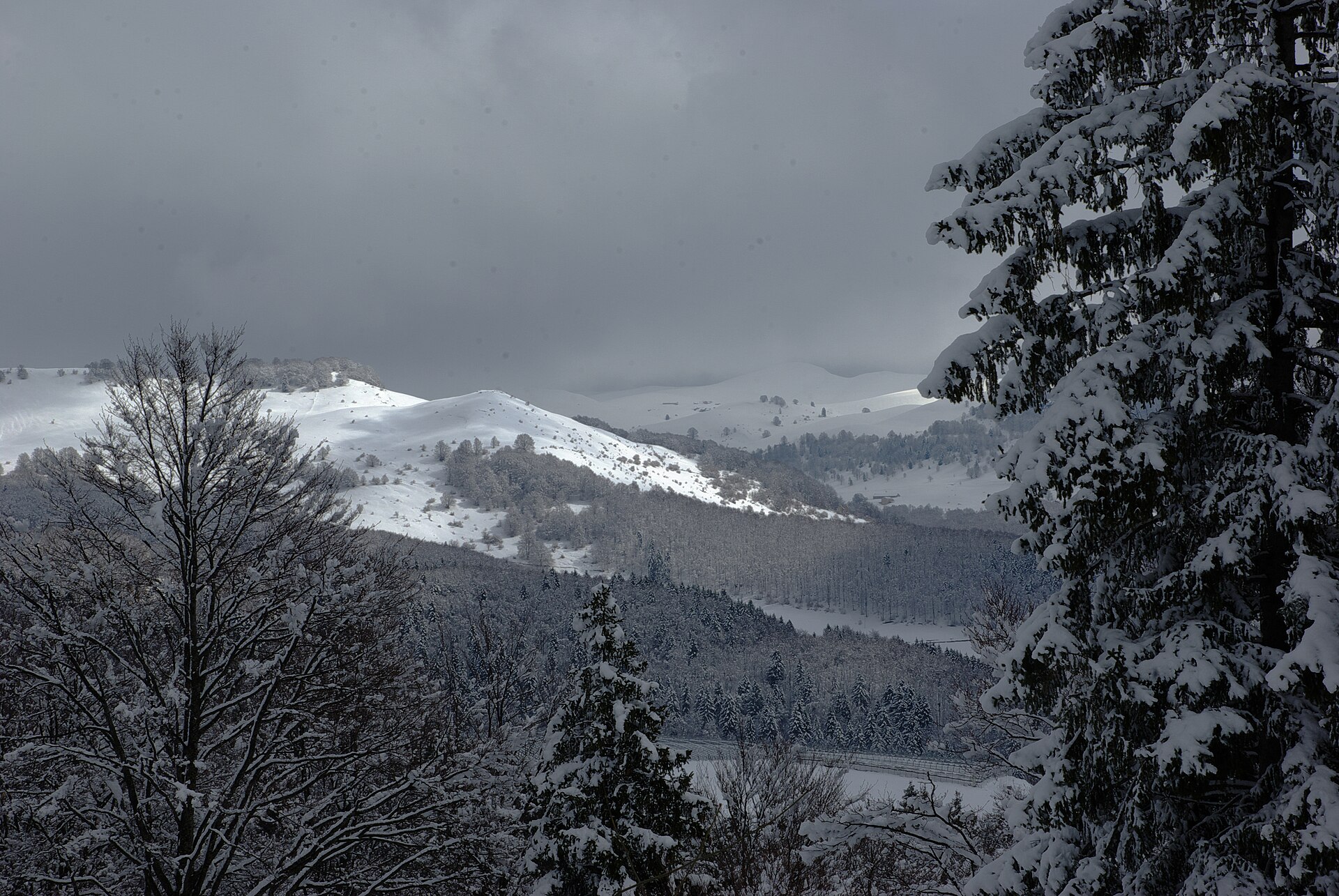
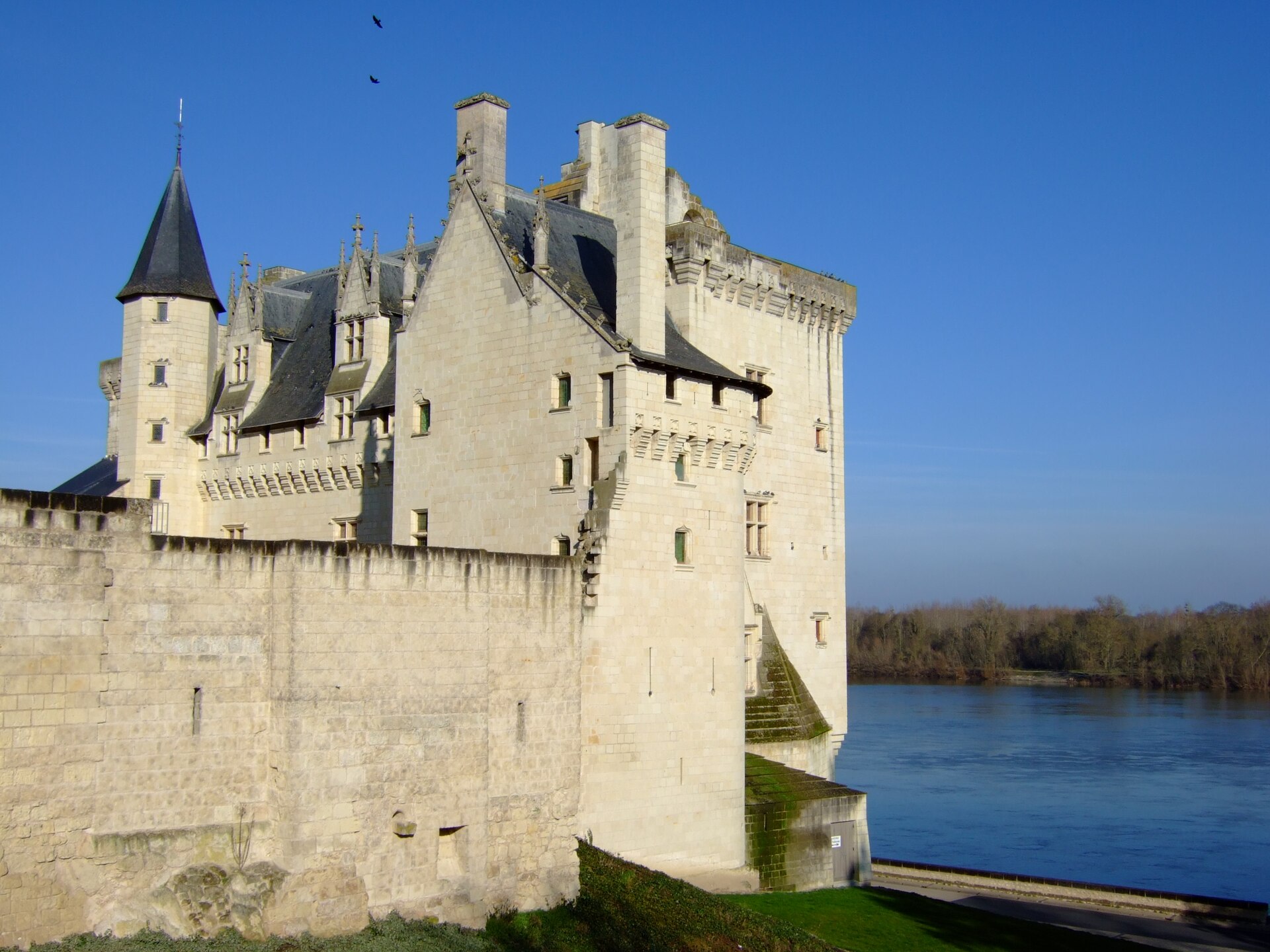
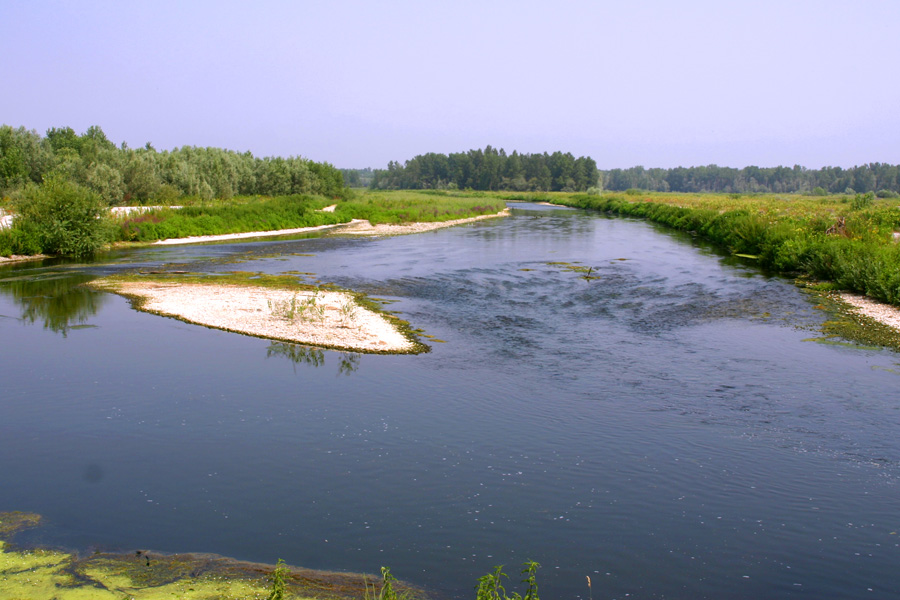
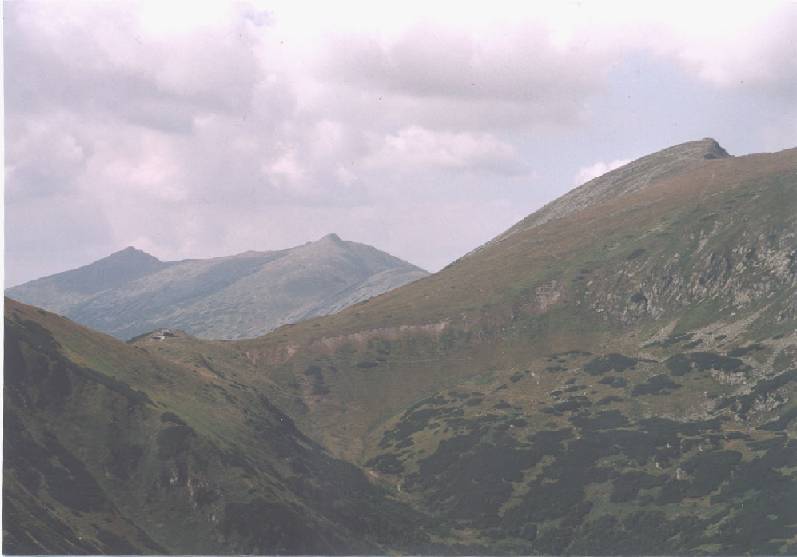
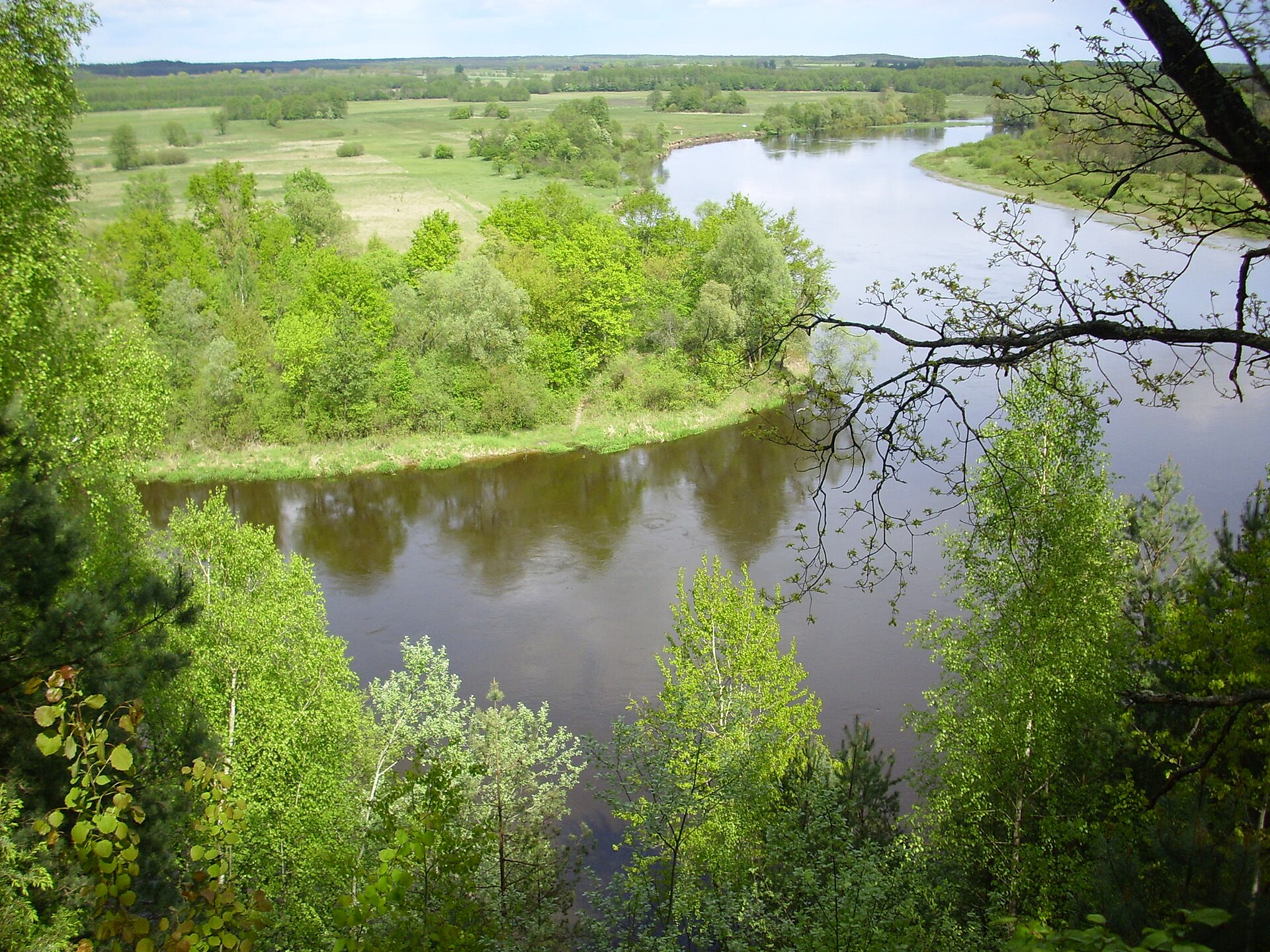
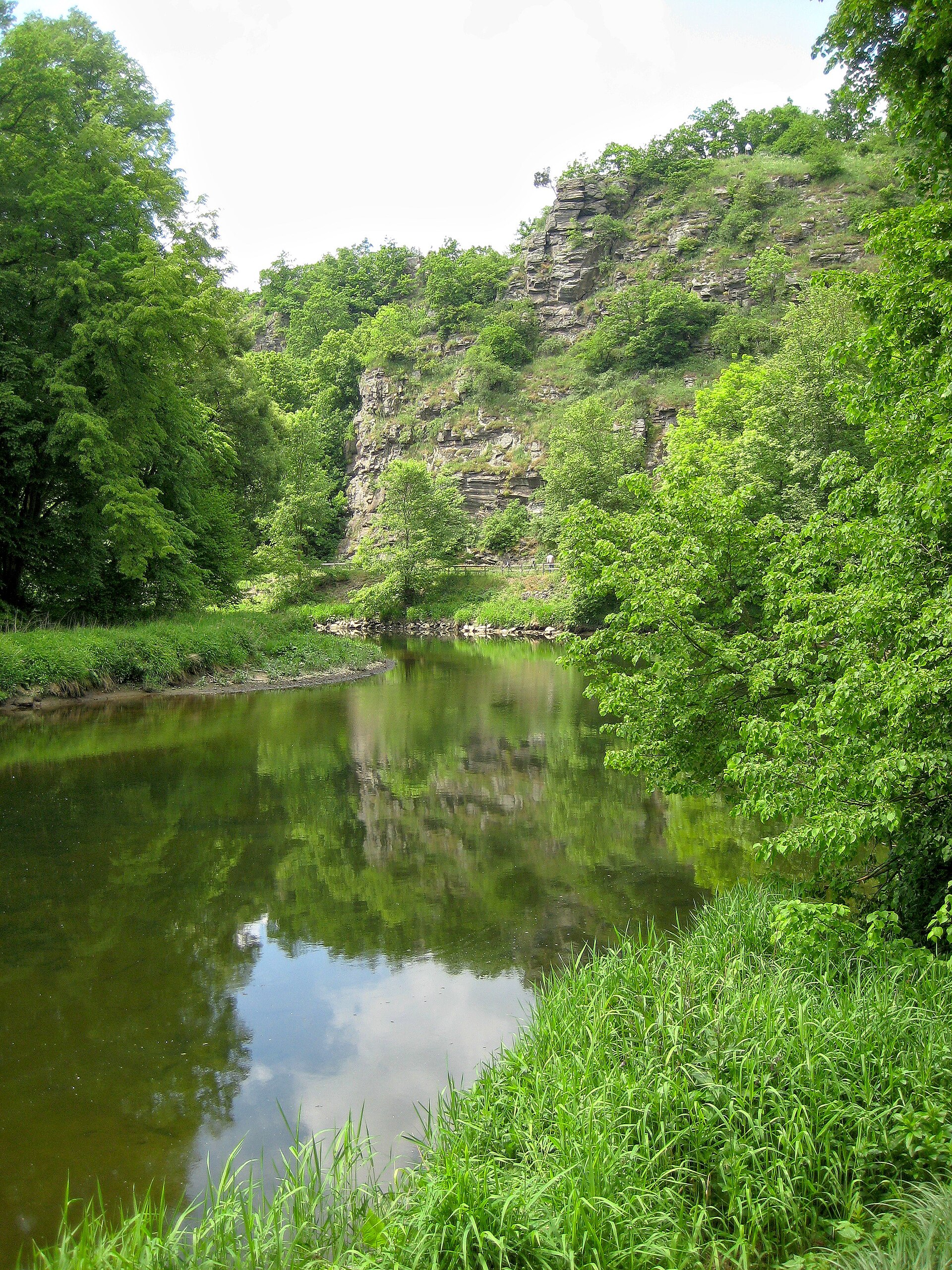
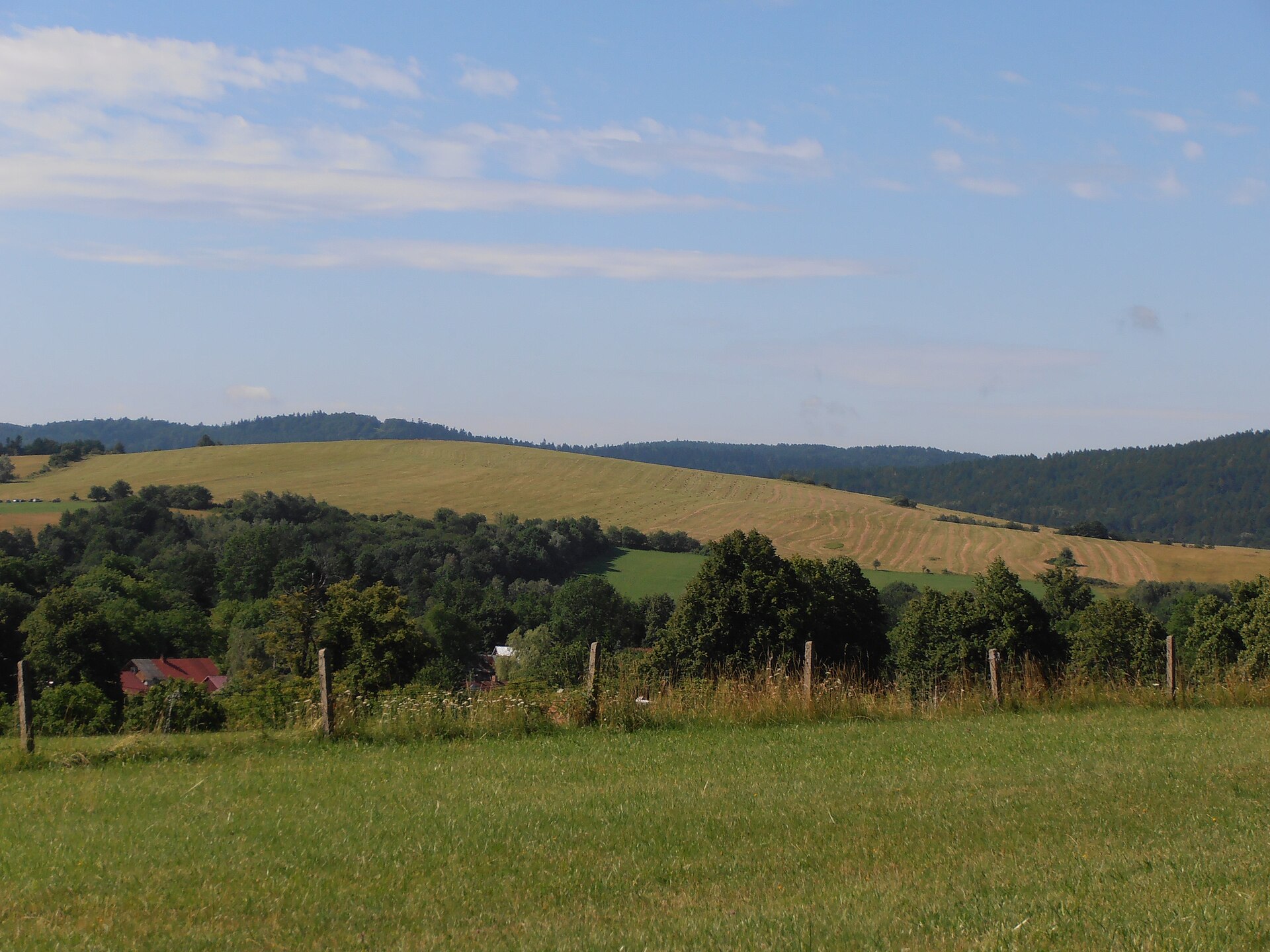
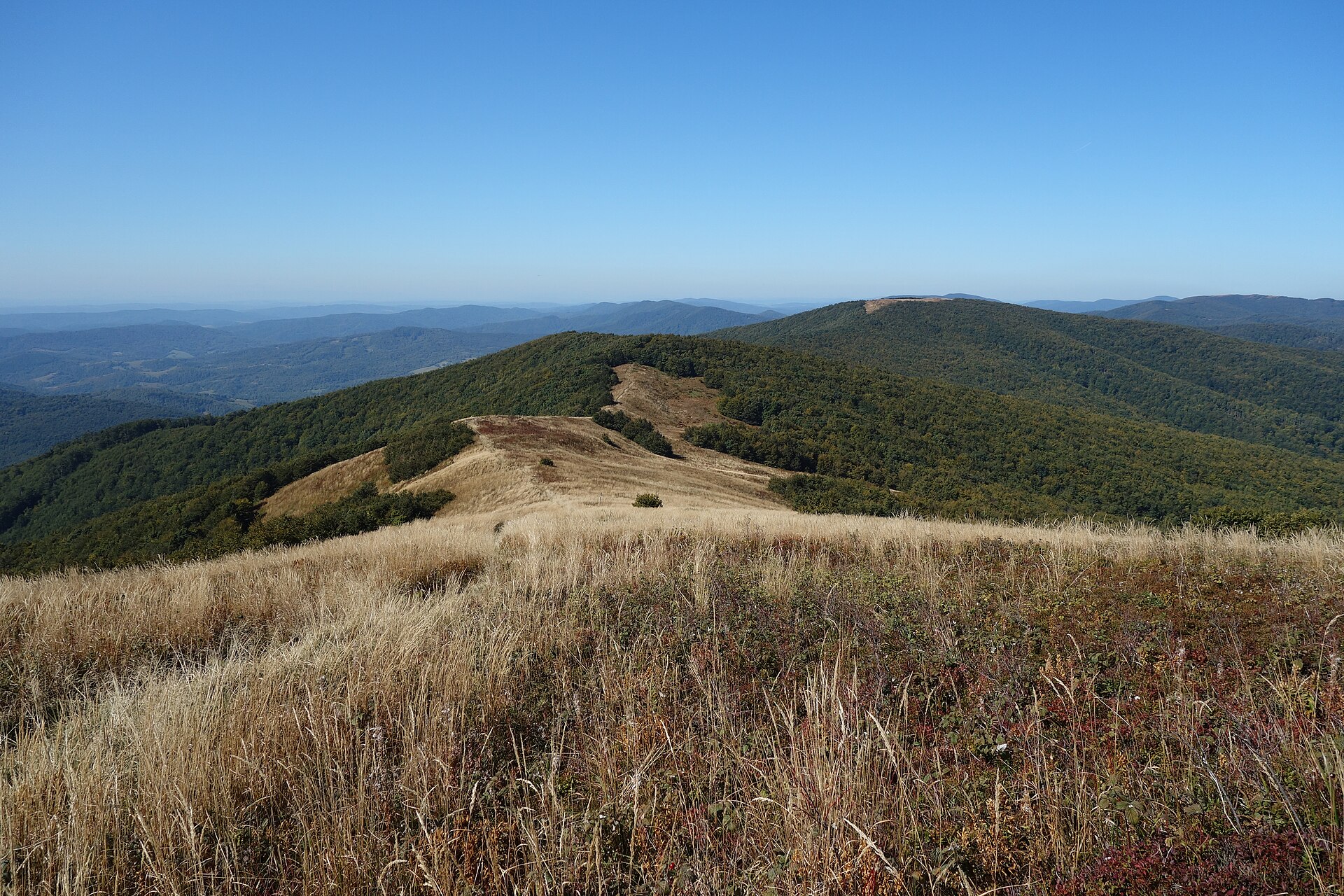
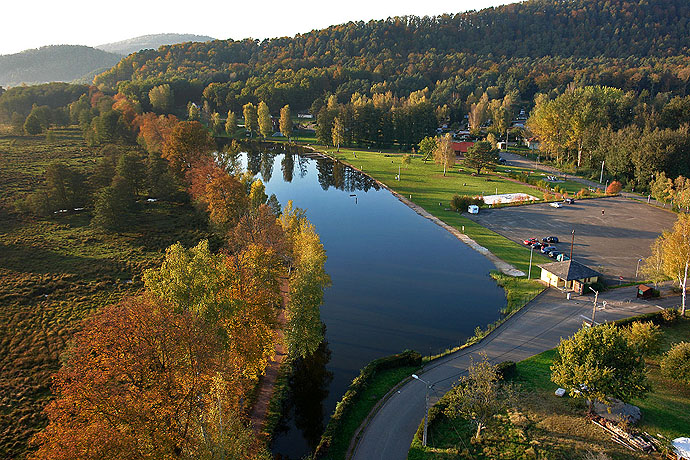
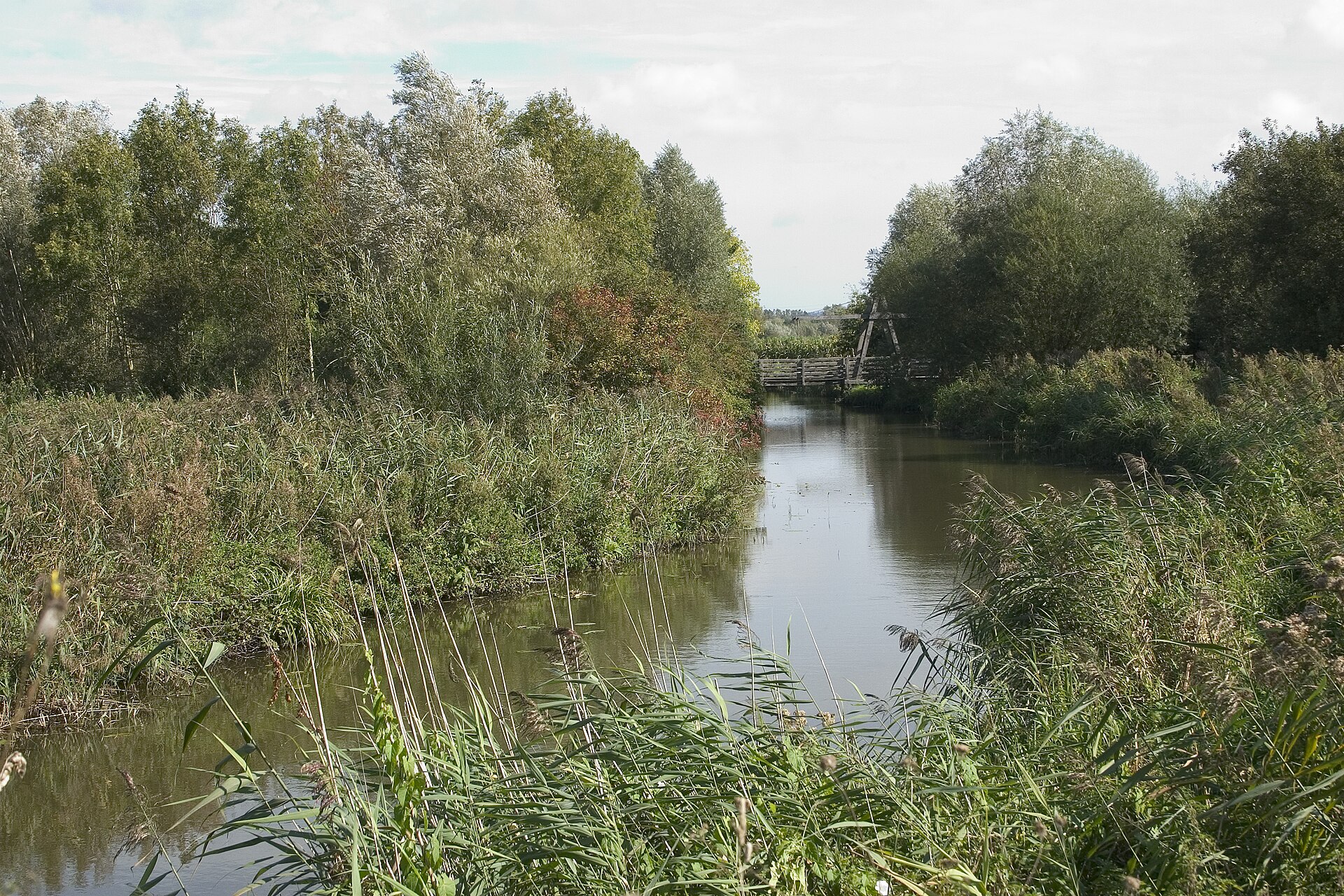
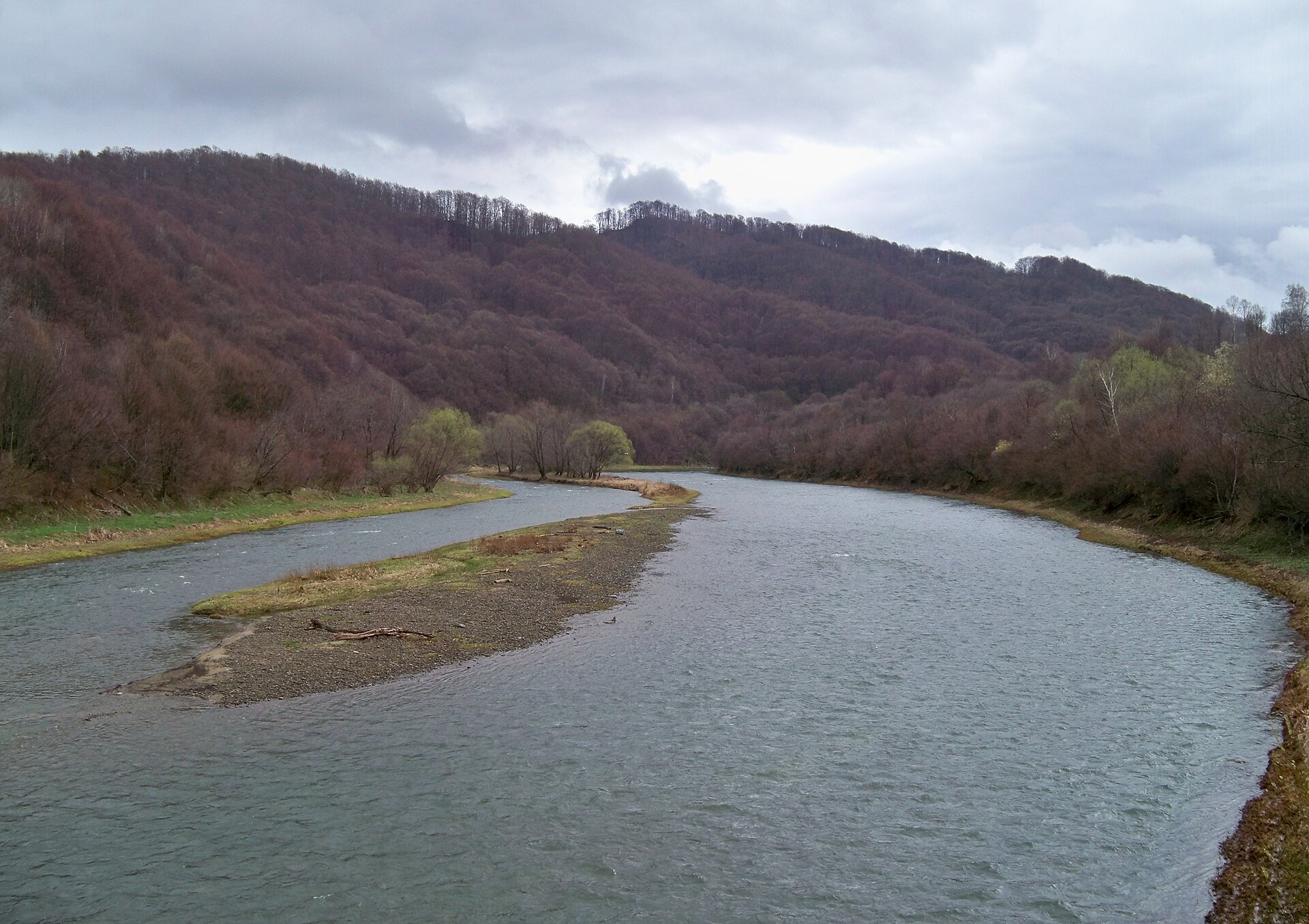
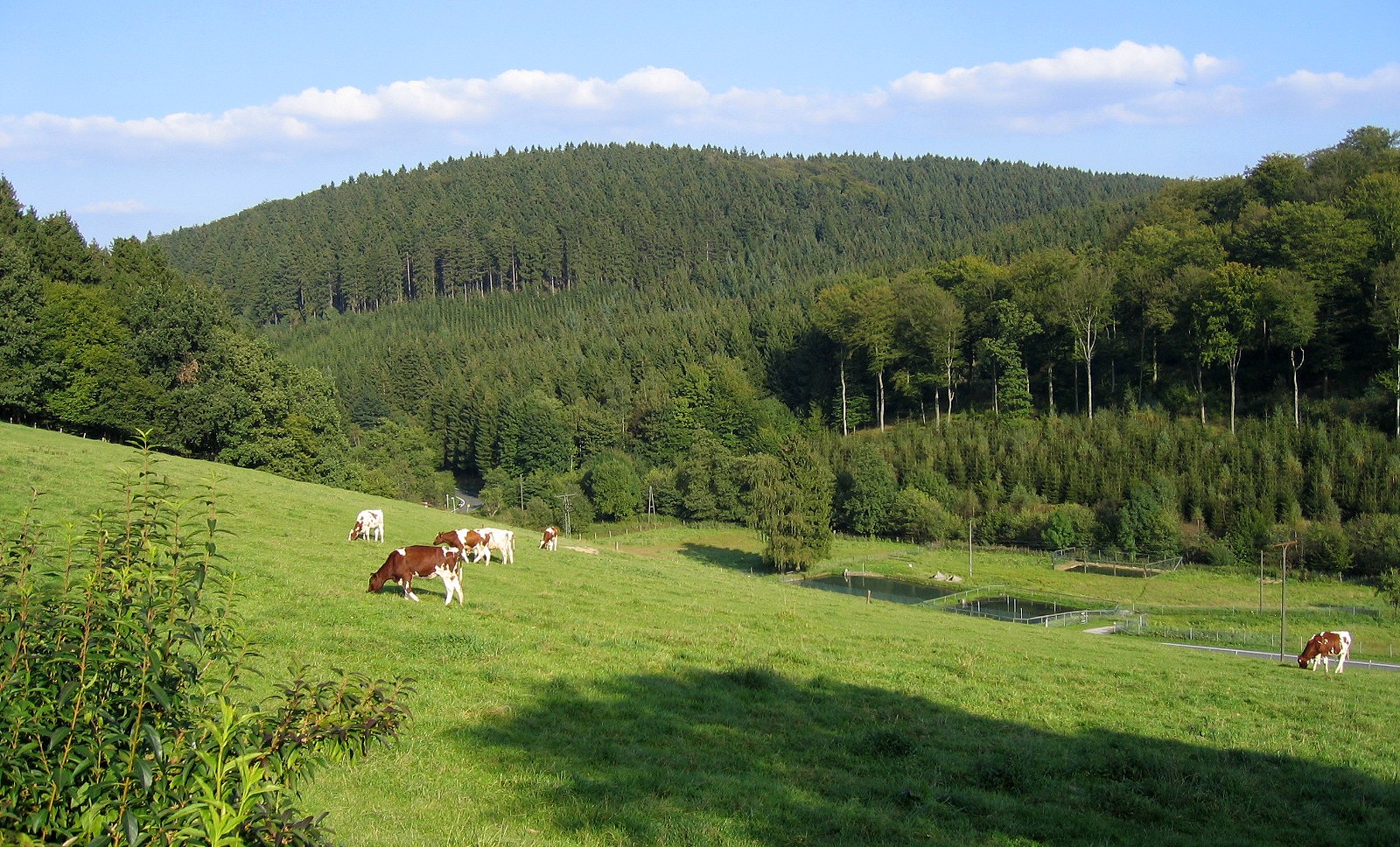
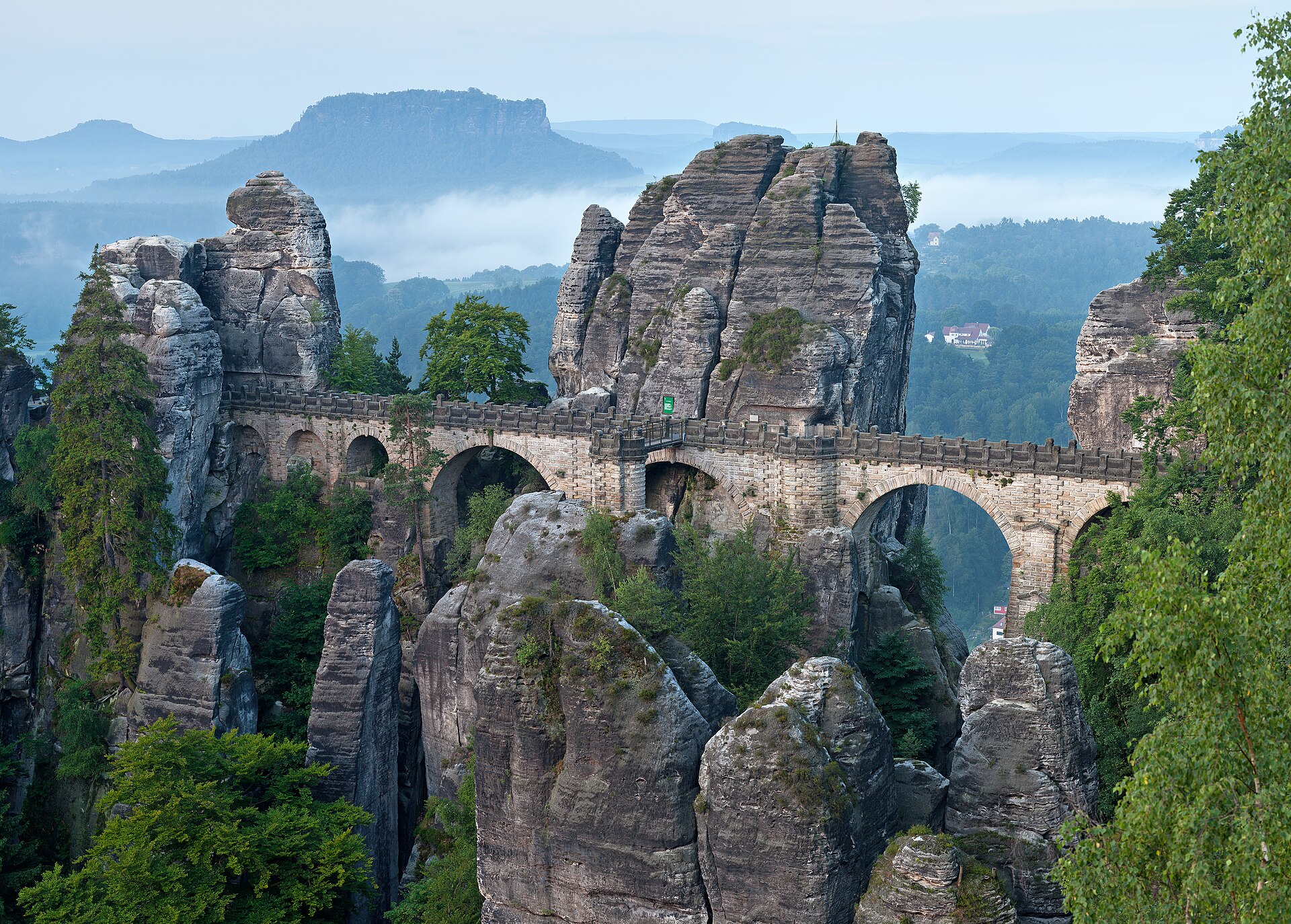
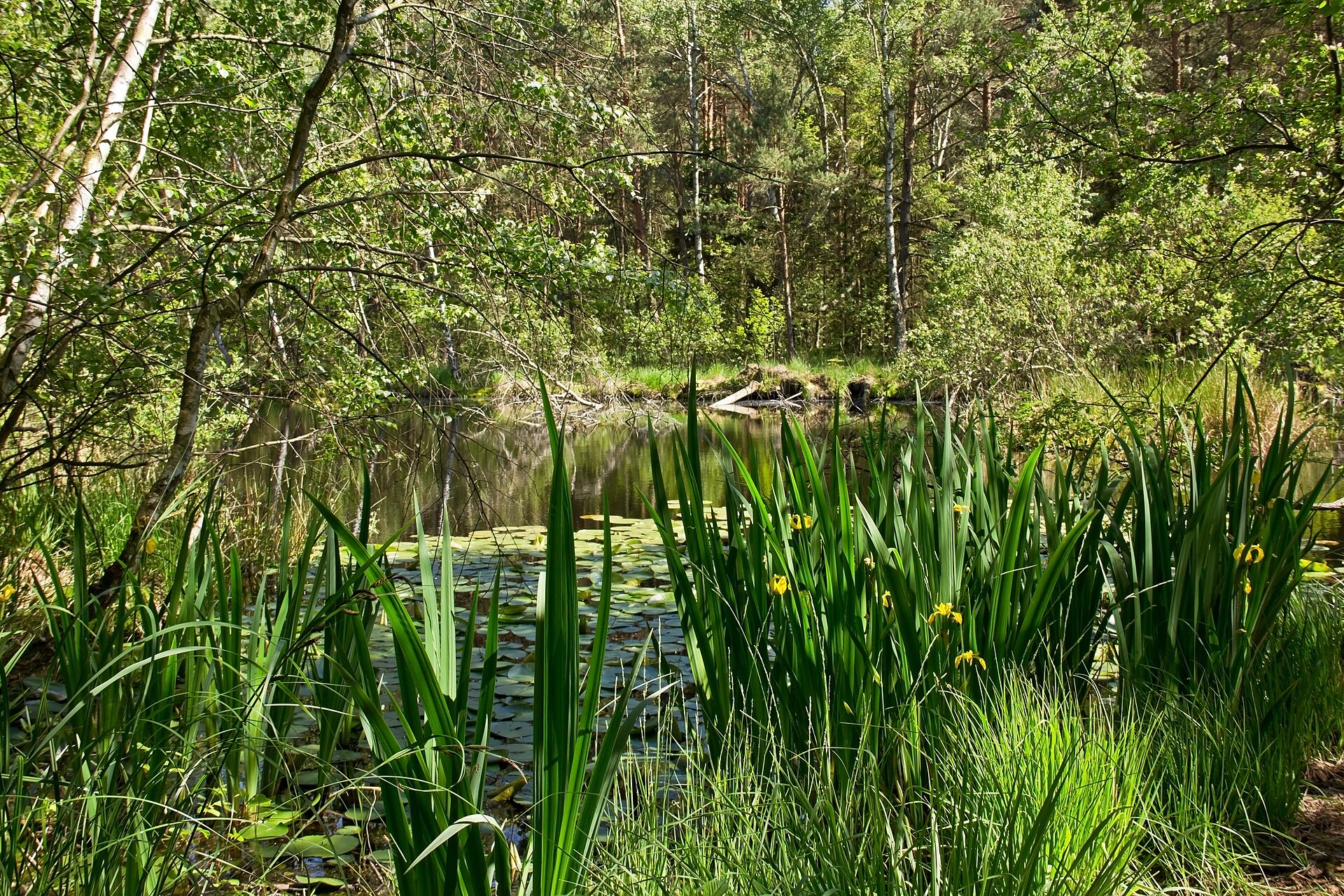
This fish species is recorded in 312 protected areas of the atlas, including 308 whose official Natura 2000 form lists it. Within the atlas countries, it is mostly observed in France, the United Kingdom and Sweden (6 countries in all). Records peak from August to October. Some of its populations are covered by the Habitats Directive (Annex II). In the EU its conservation status is assessed as unfavourable (2013–2018 reporting).
Best time to see it: August–October
Records published on GBIF by month (CC0 and CC BY 4.0 licences only), in the atlas countries, all years combined; they also reflect observer activity.
Status and protection
Habitats Directive II (some populations)
The species is listed in Annex II of the Habitats Directive (for some populations or subspecies).
In the EU its conservation status is assessed as unfavourable-inadequate in 3 biogeographical regions and unfavourable-bad in 2 (2013–2018 reporting).
Details by biogeographical region
| Region | Conservation status | Trend |
|---|---|---|
| Alpine | unfavourable-inadequate | improving |
| Atlantic | unfavourable-inadequate | improving |
| Boreal | unfavourable-inadequate | stable |
| Continental | unfavourable-bad | stable |
| Mediterranean | unfavourable-bad | stable |
Distribution
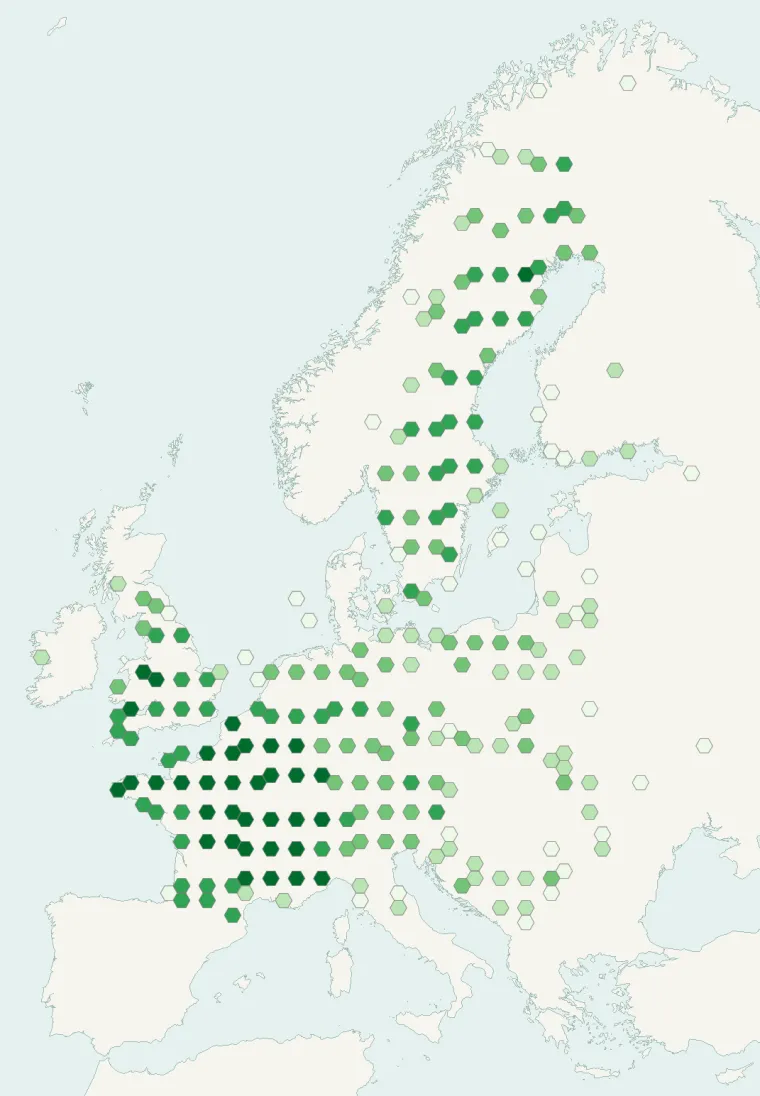
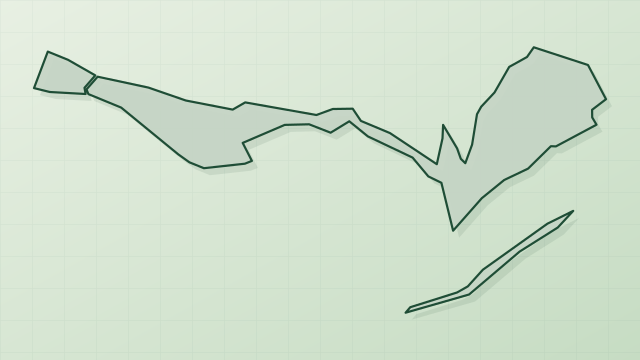
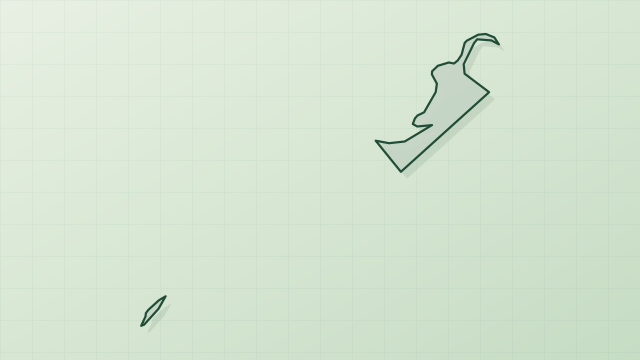
Records published on GBIF (CC0 and CC BY 4.0 licences): the darker the shade, the more records there are; they also reflect observation effort.
Atlas countries where it is recorded
From Wikipedia
The European bullhead (Cottus gobio) is a freshwater fish that is widely distributed in Europe, mainly in rivers. It is a member of the family Cottidae, a type of sculpin. It is also known as the miller's thumb, freshwater sculpin, common bullhead, and cob. The European bullhead is a small demersal fish that lives both in cold, clear, fast-flowing small streams and in middle-sized rivers. It also occurs on gravelly shores of cold lakes. Further, it thrives in diluted brackish water of the Northern Baltic Sea.
Source: Wikipedia, article “European bullhead” (version of February 21, 2026) · history and authors · licence CC BY-SA 4.0
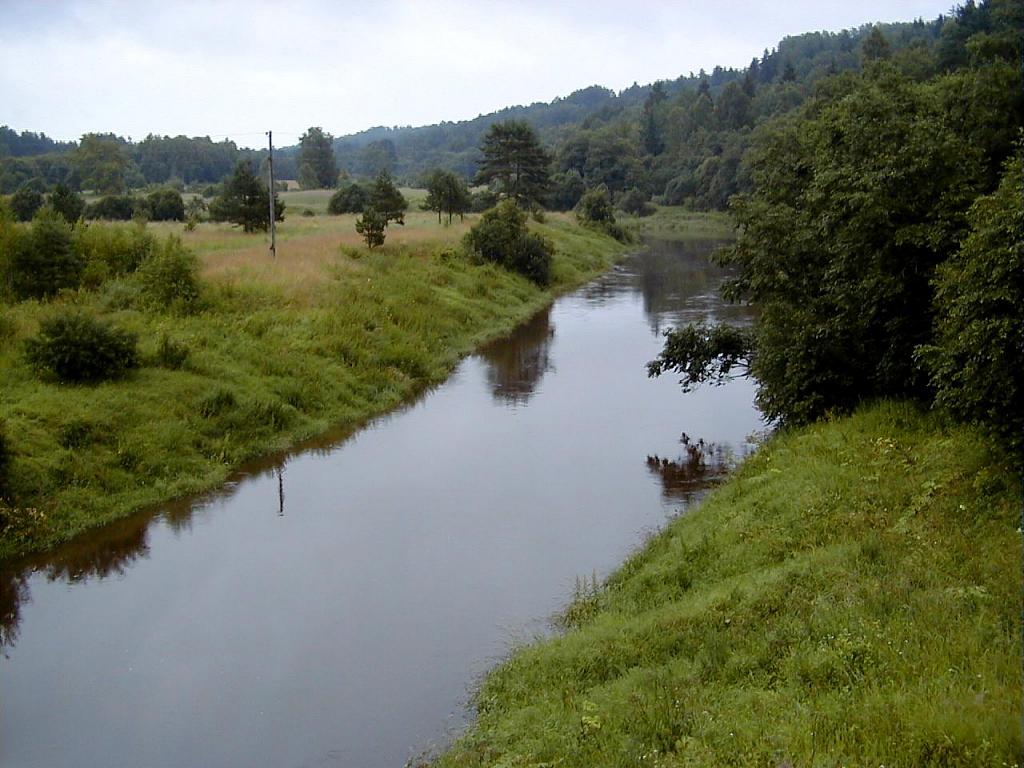
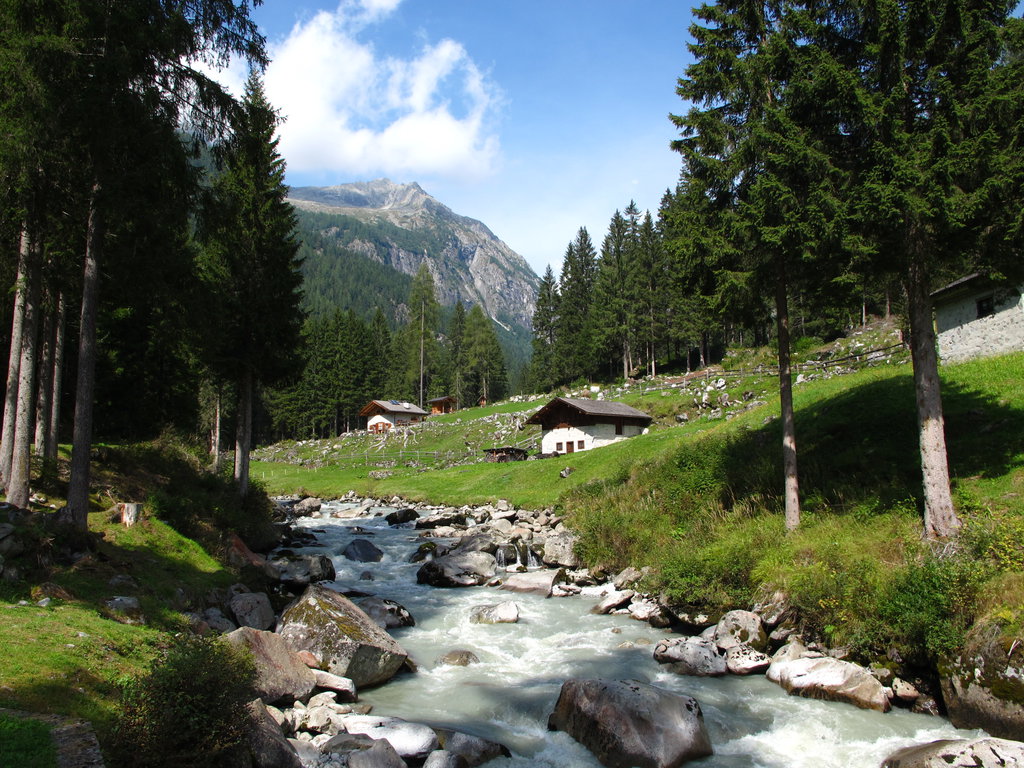
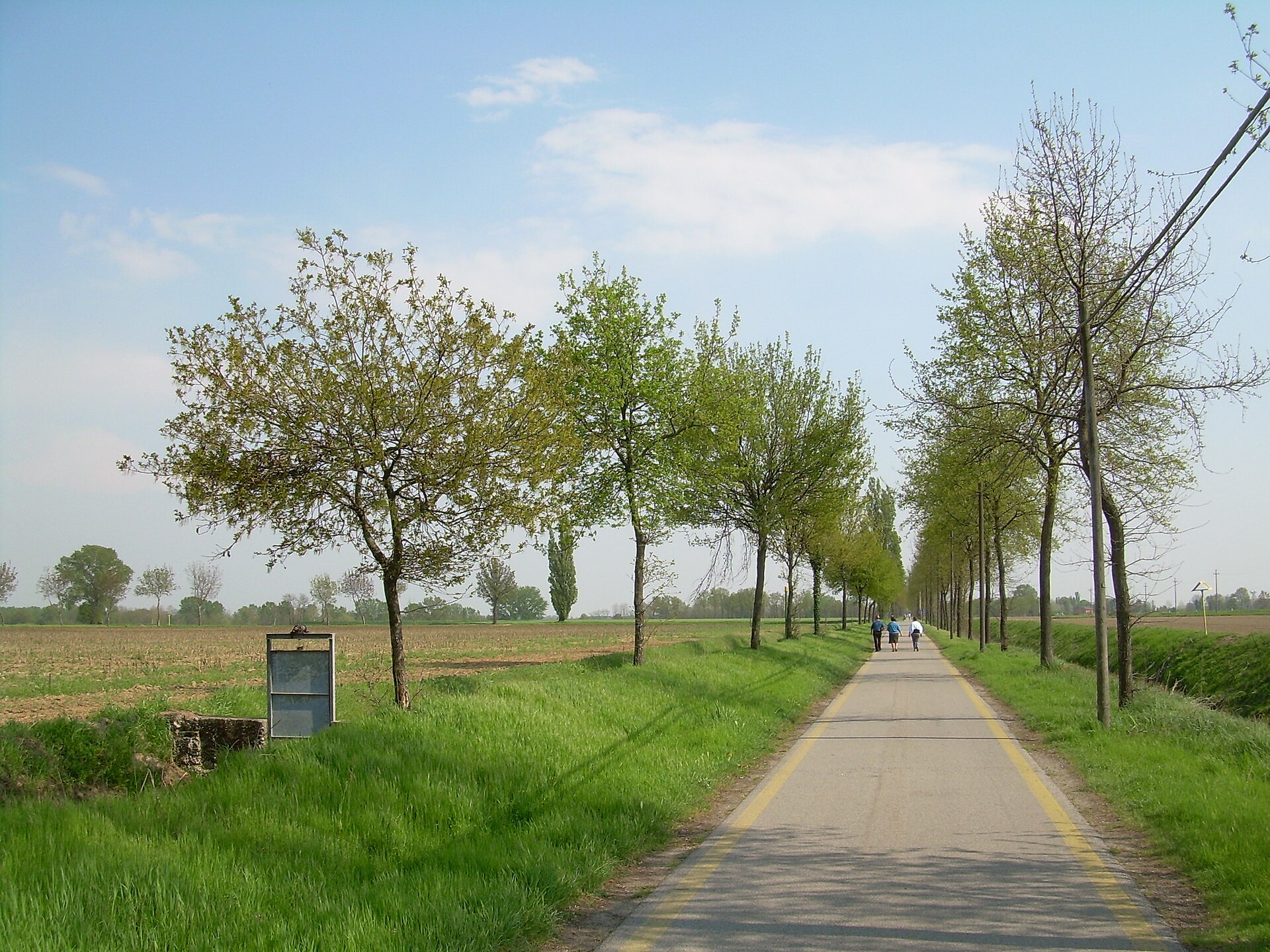
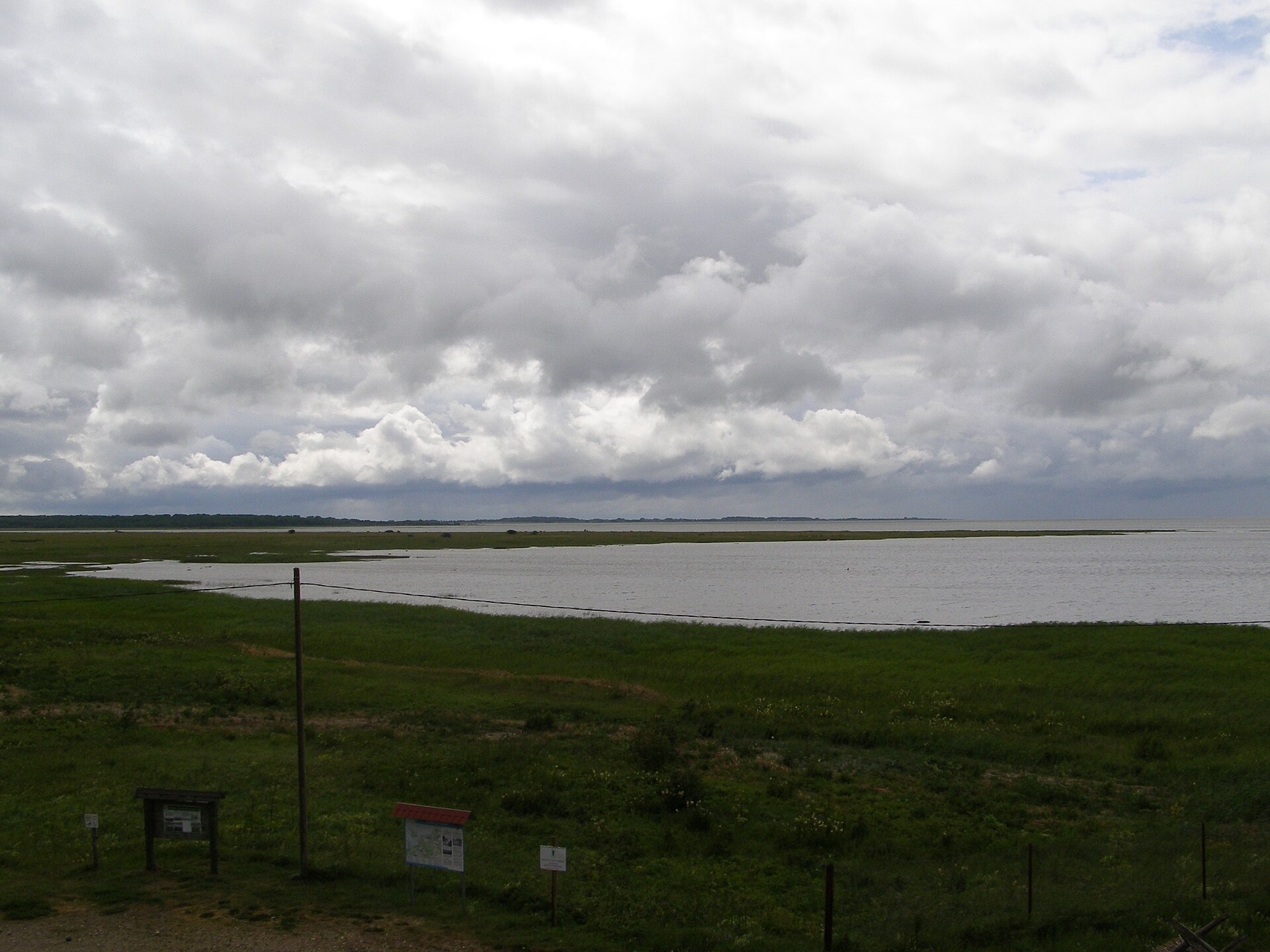
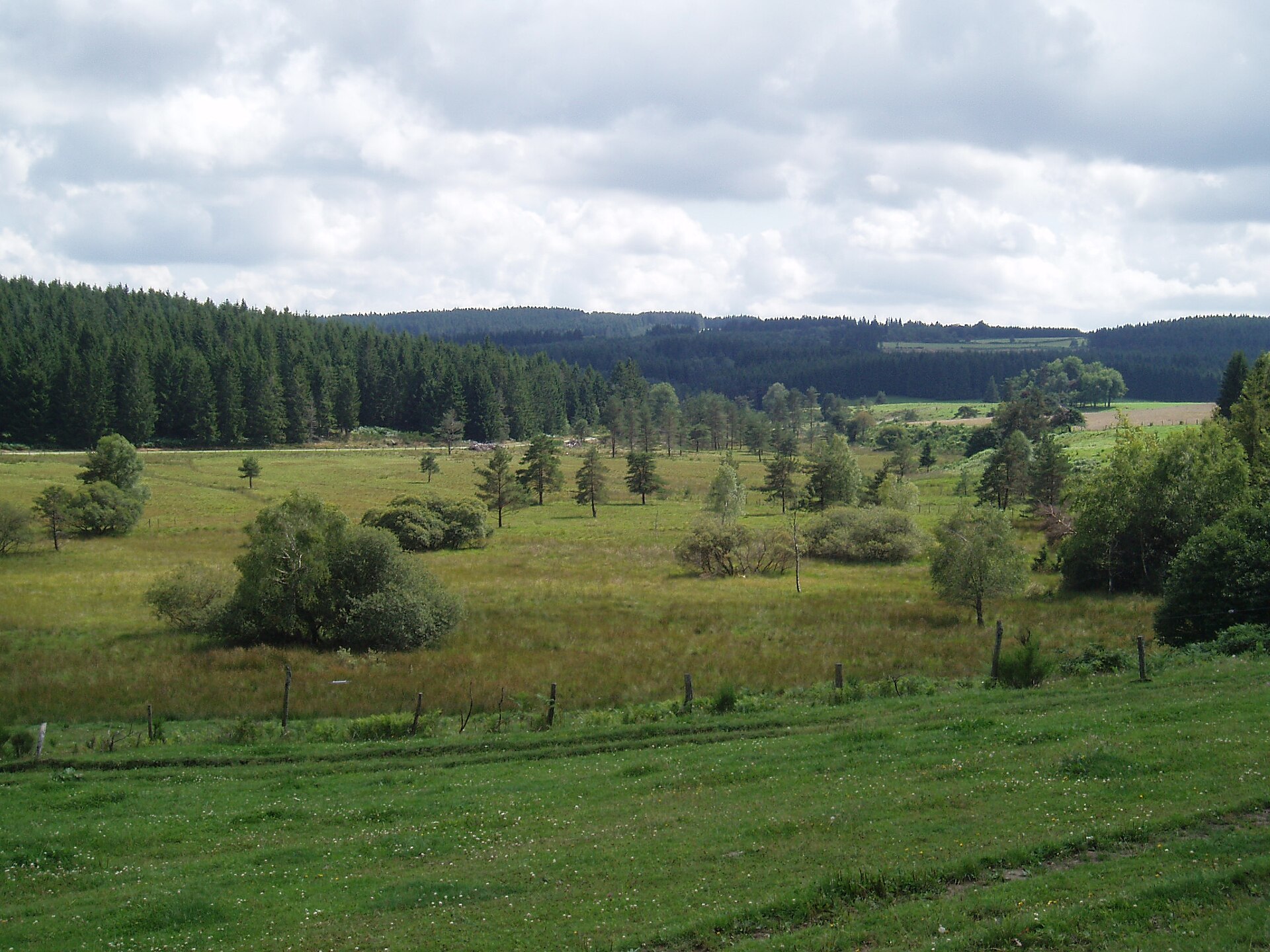
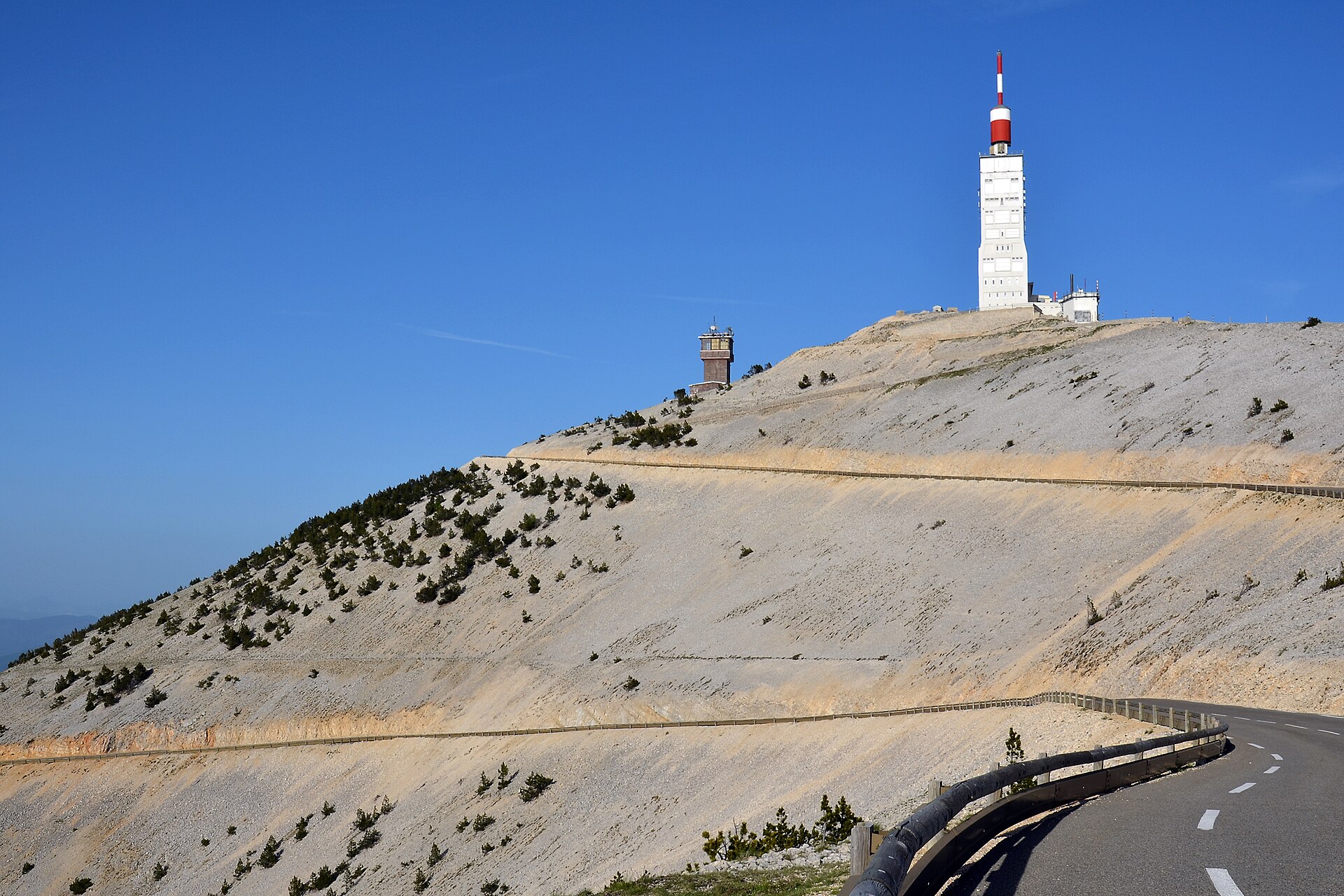
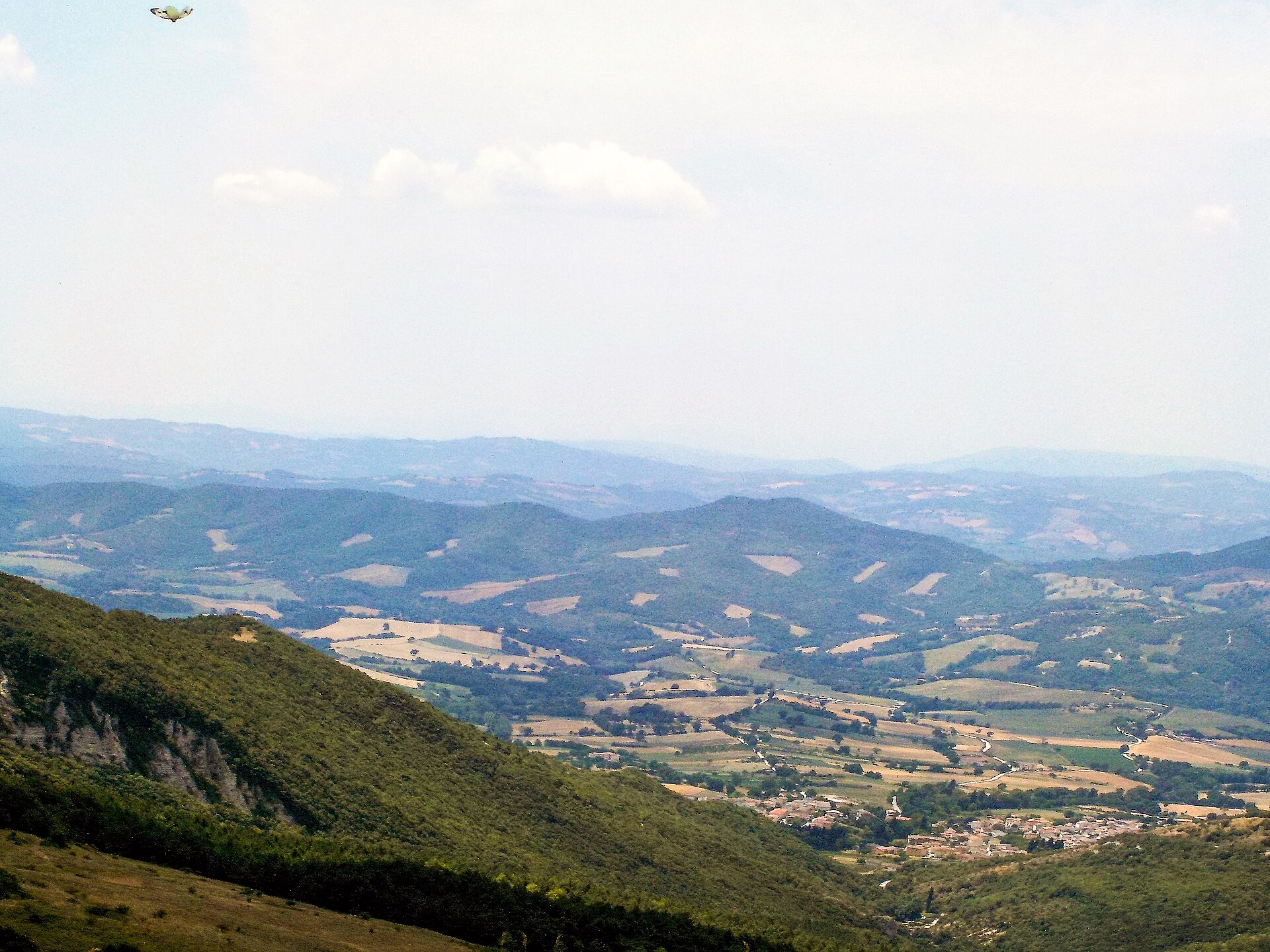
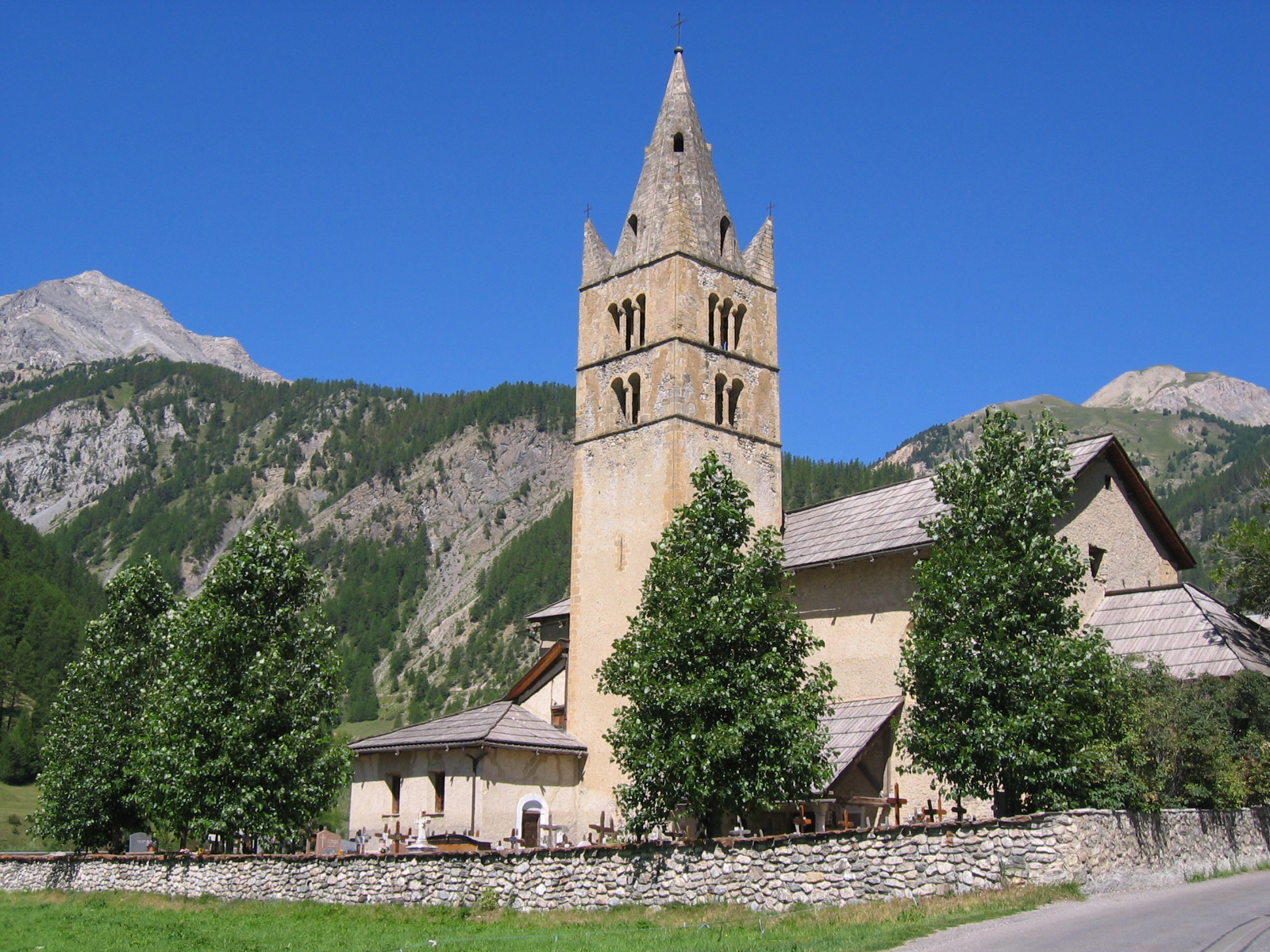
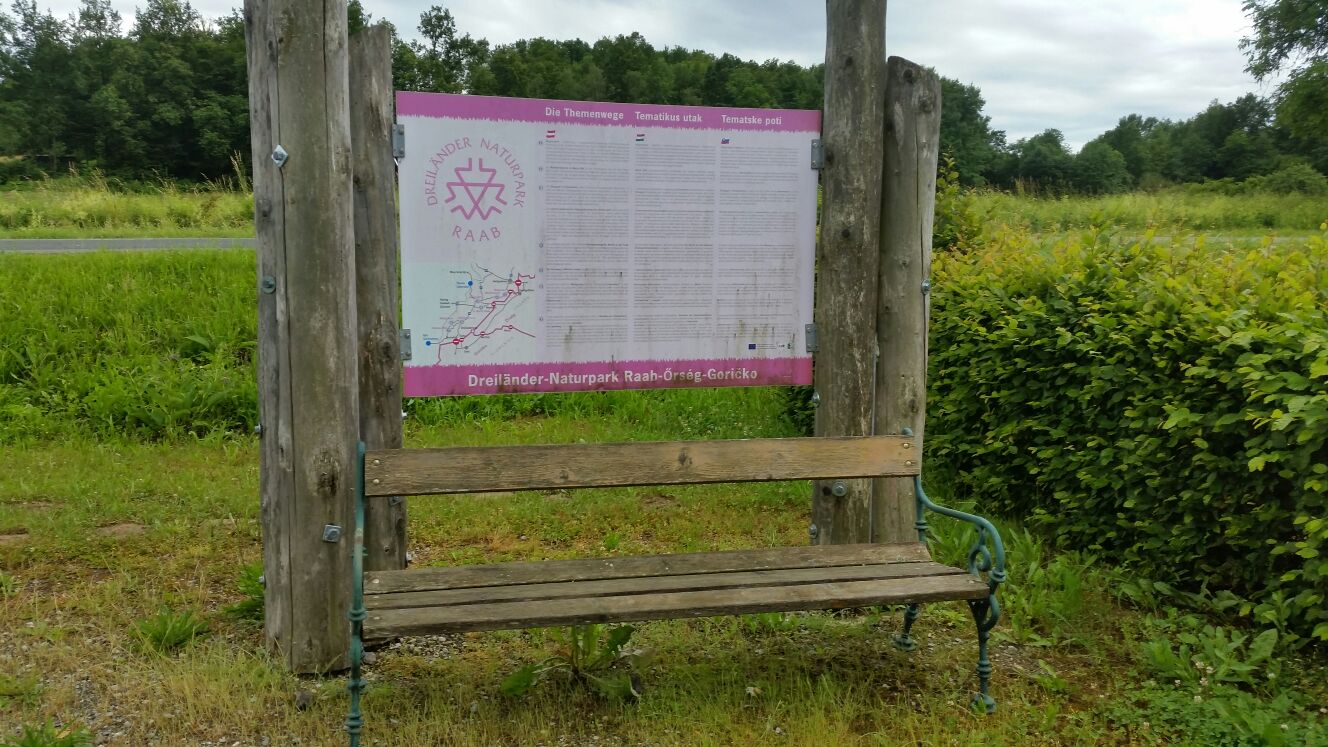
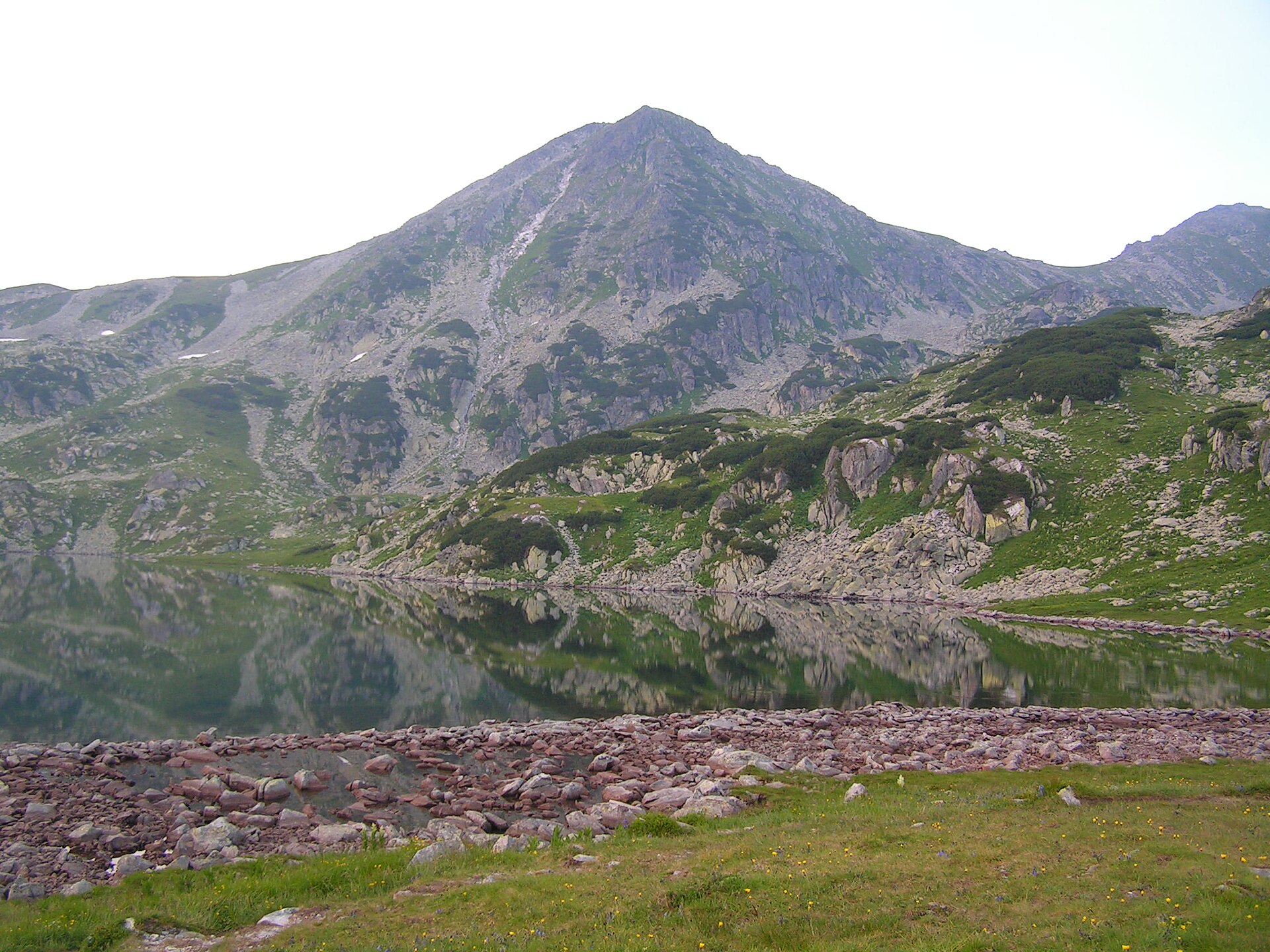
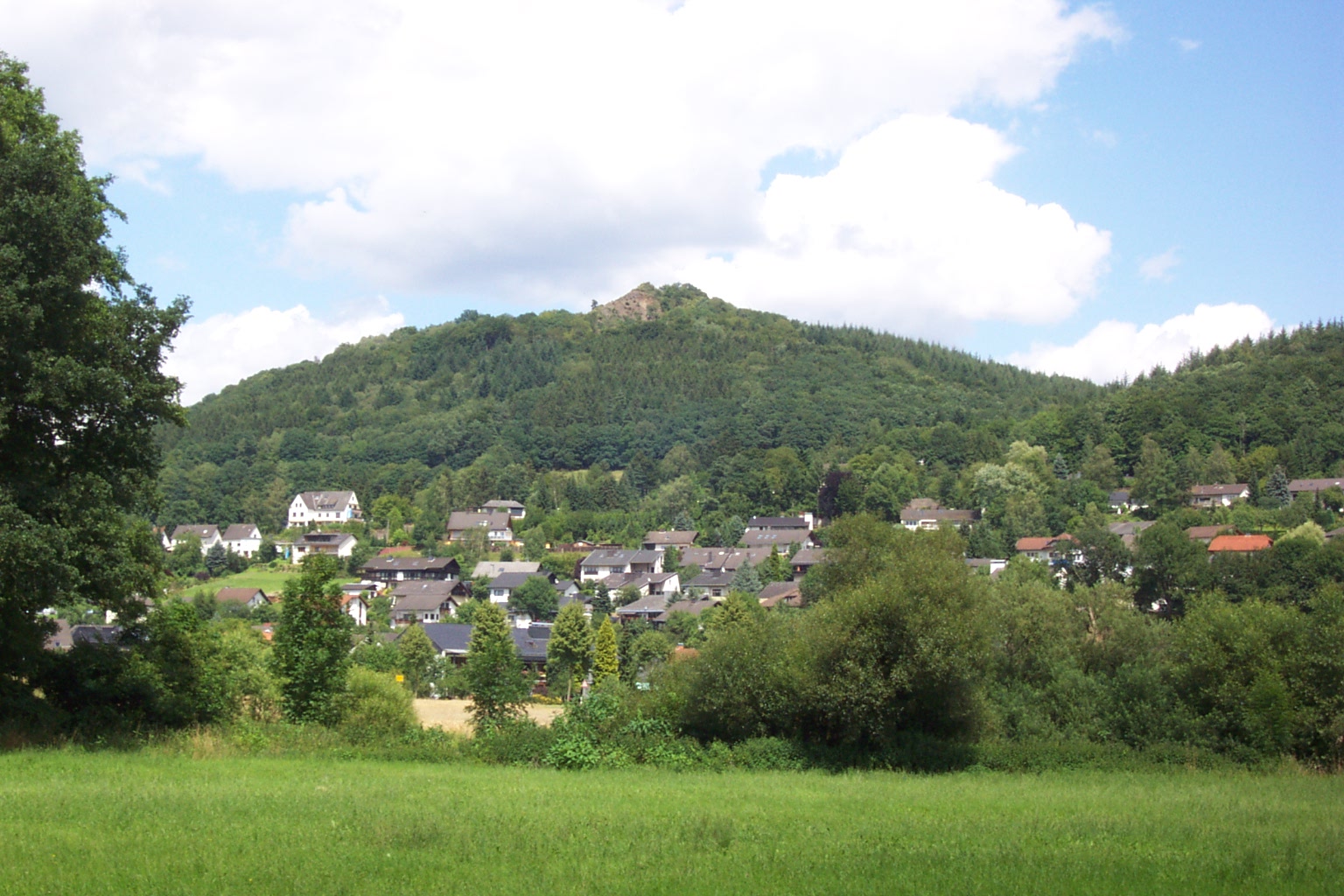
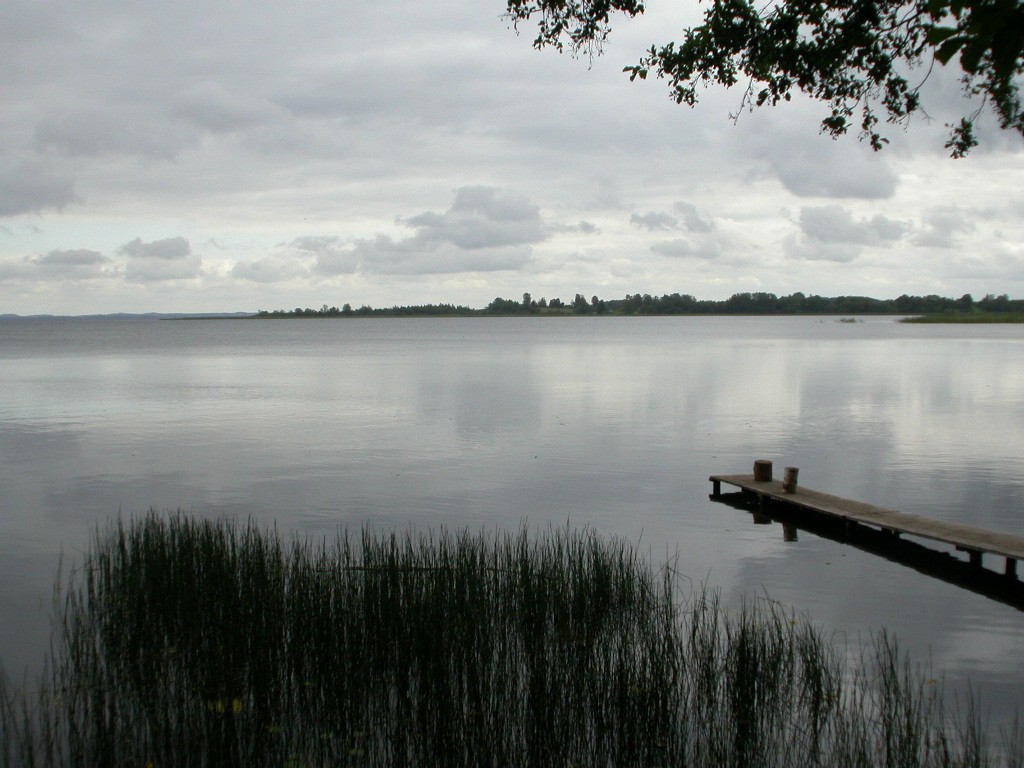
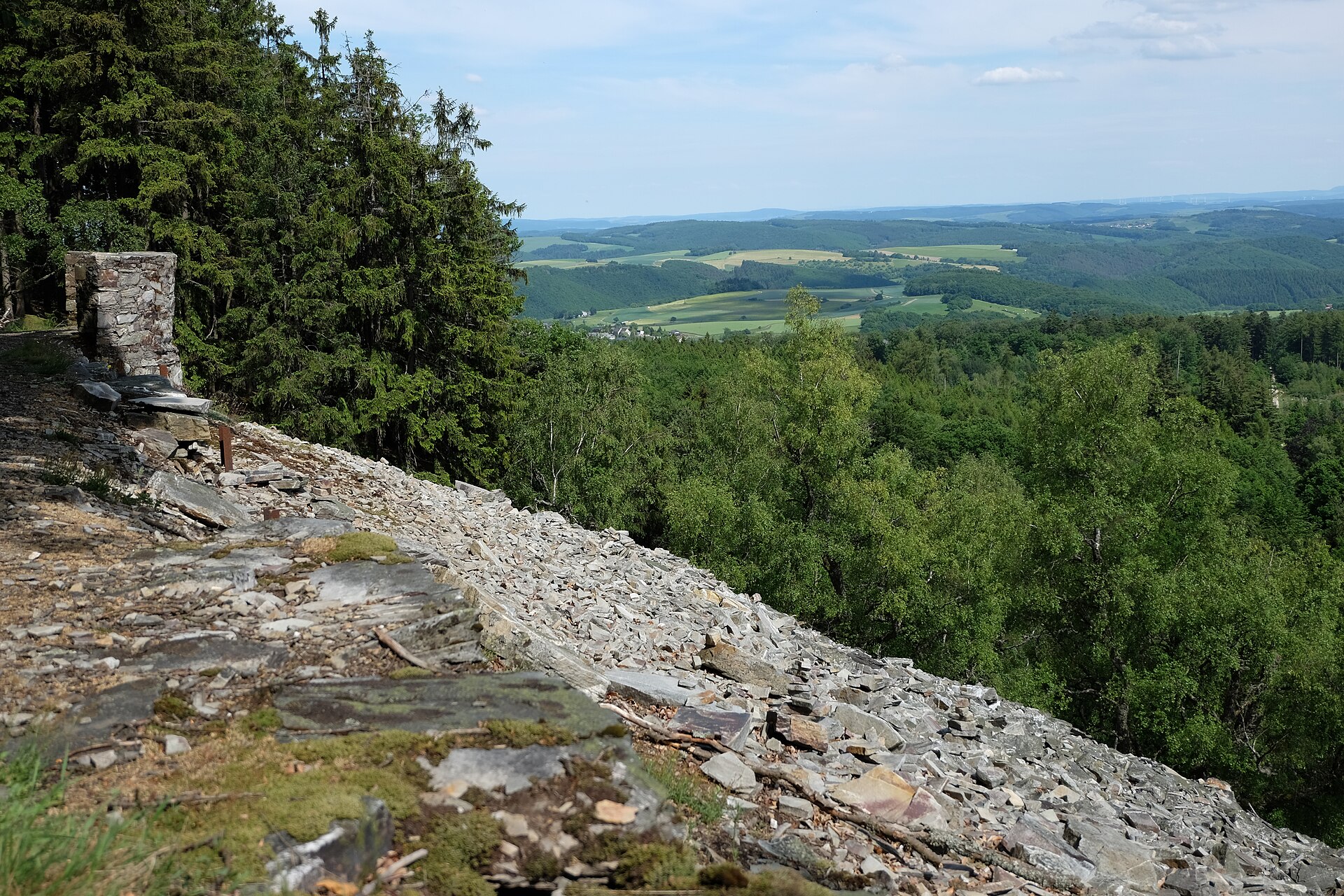
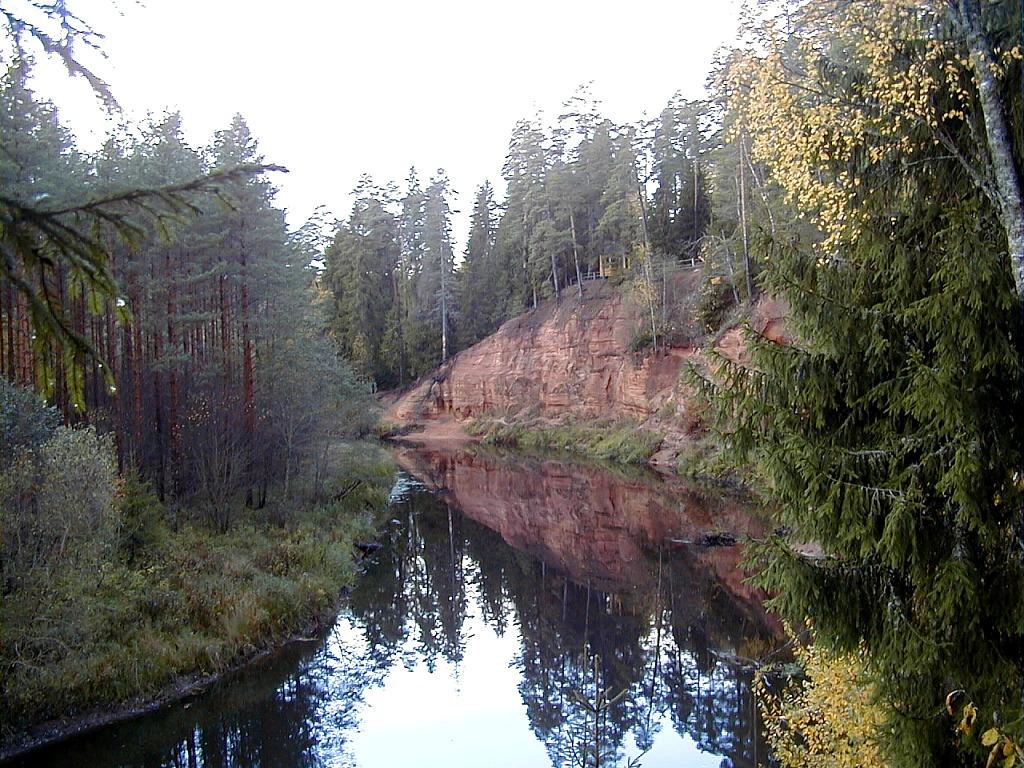
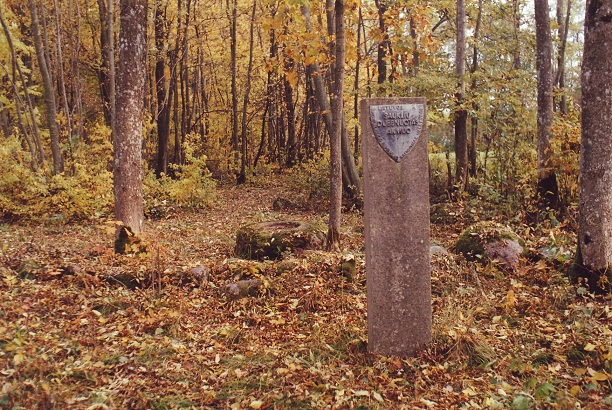
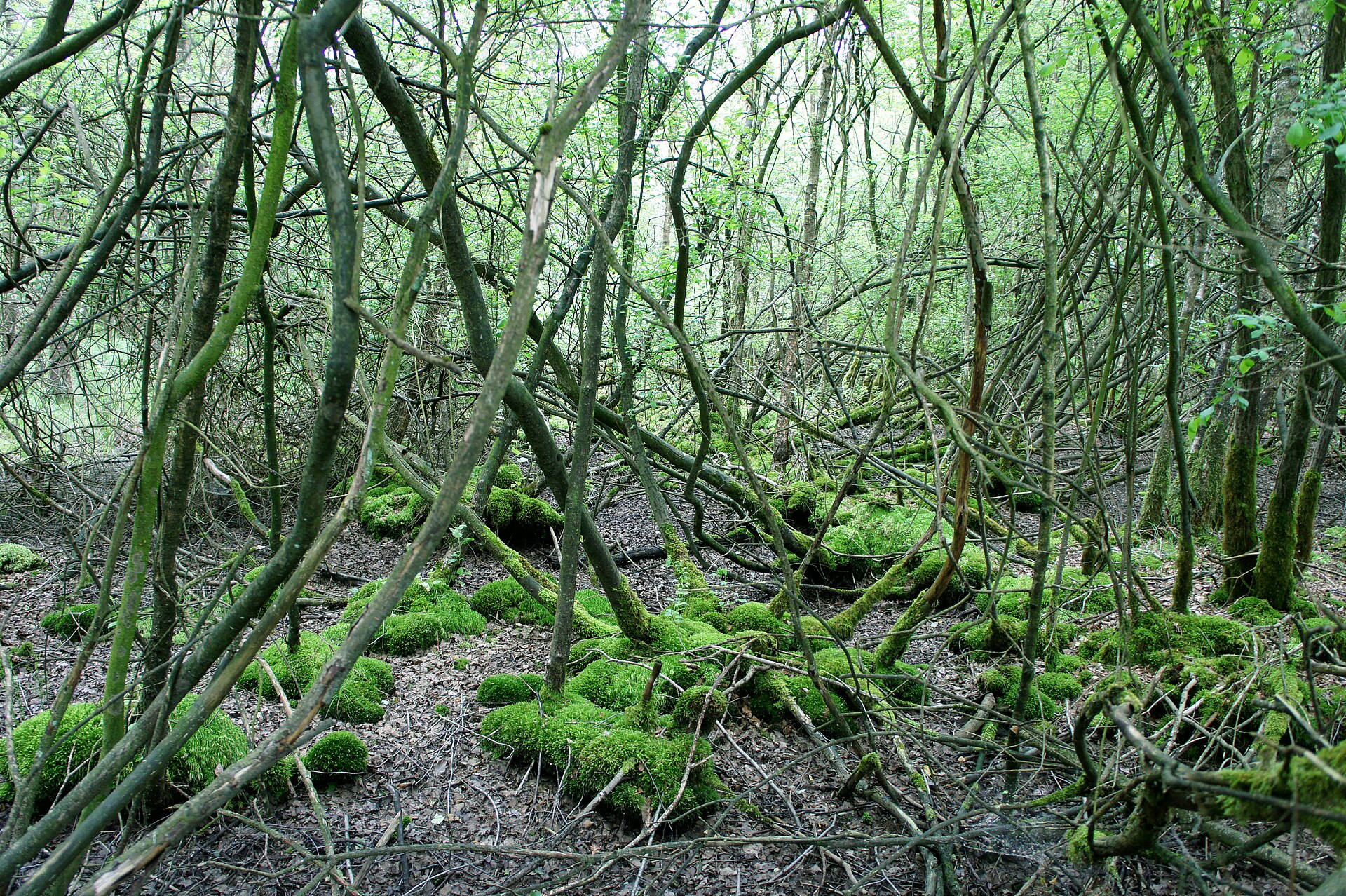
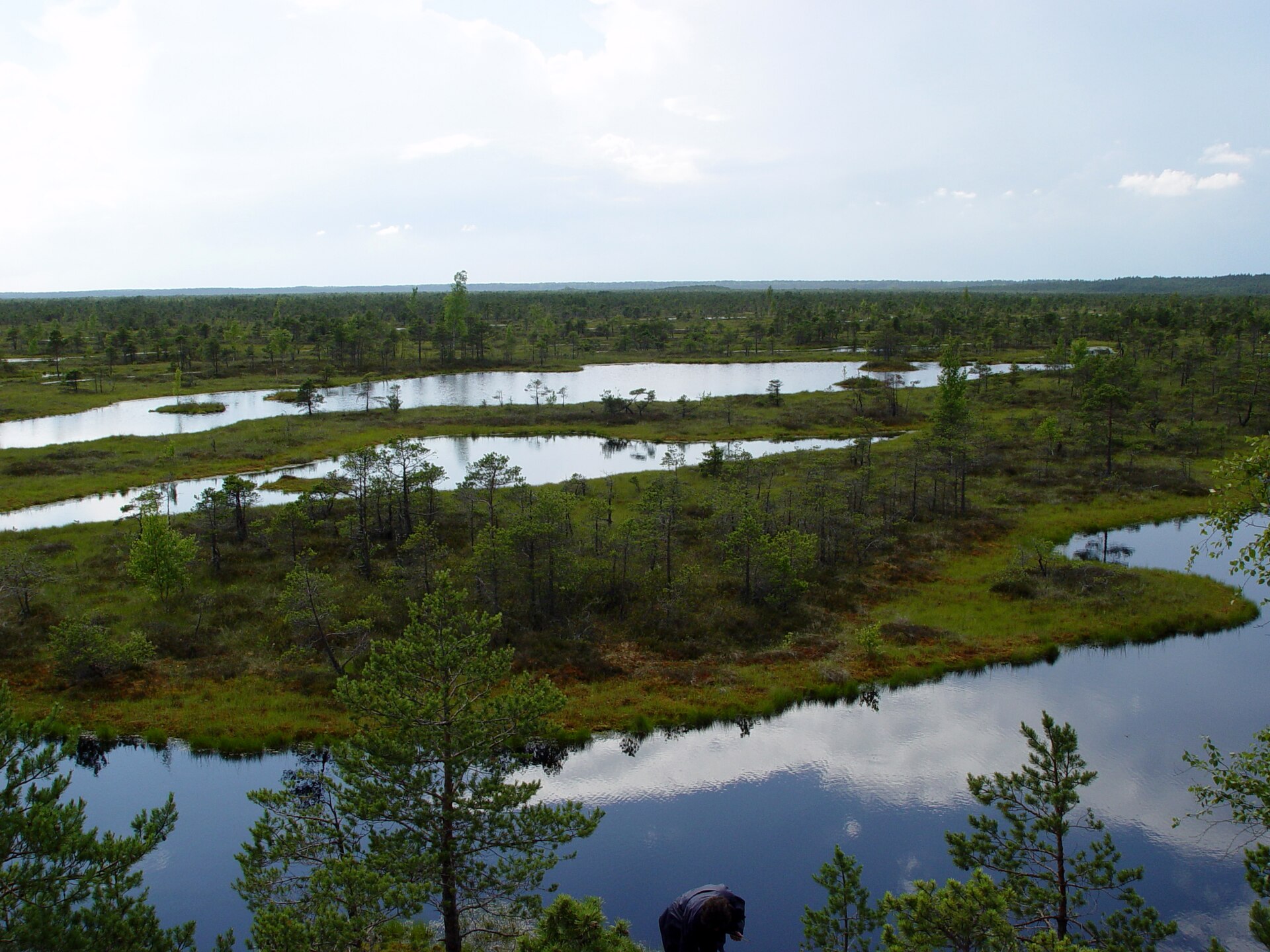
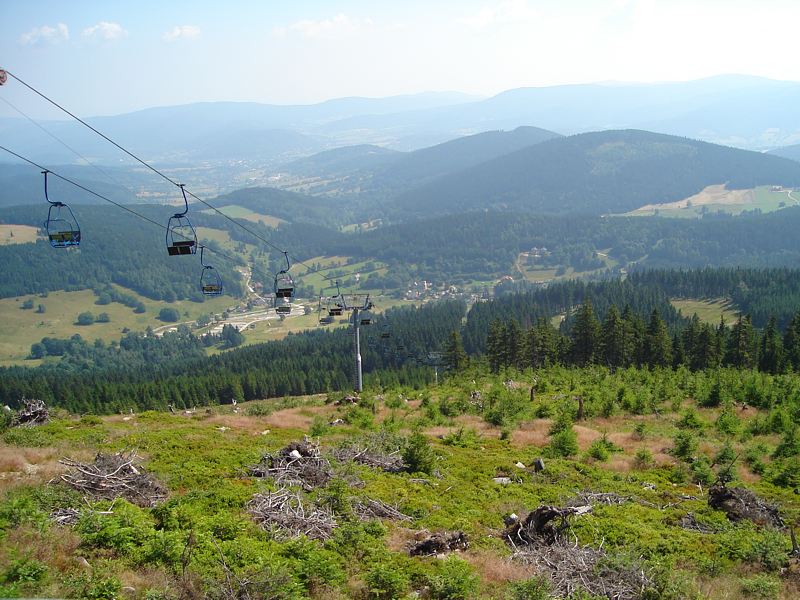
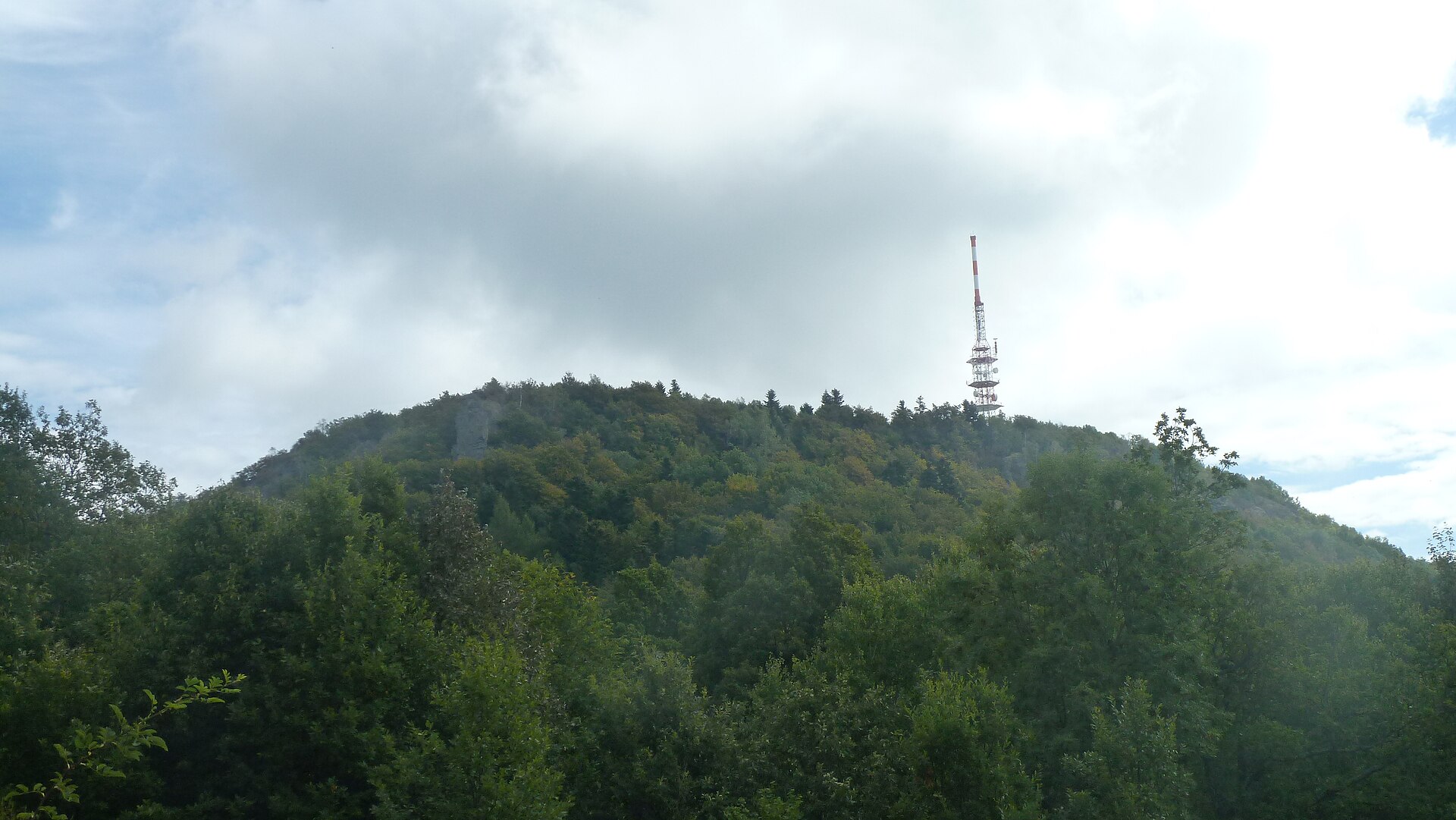
Protected areas where it is recorded
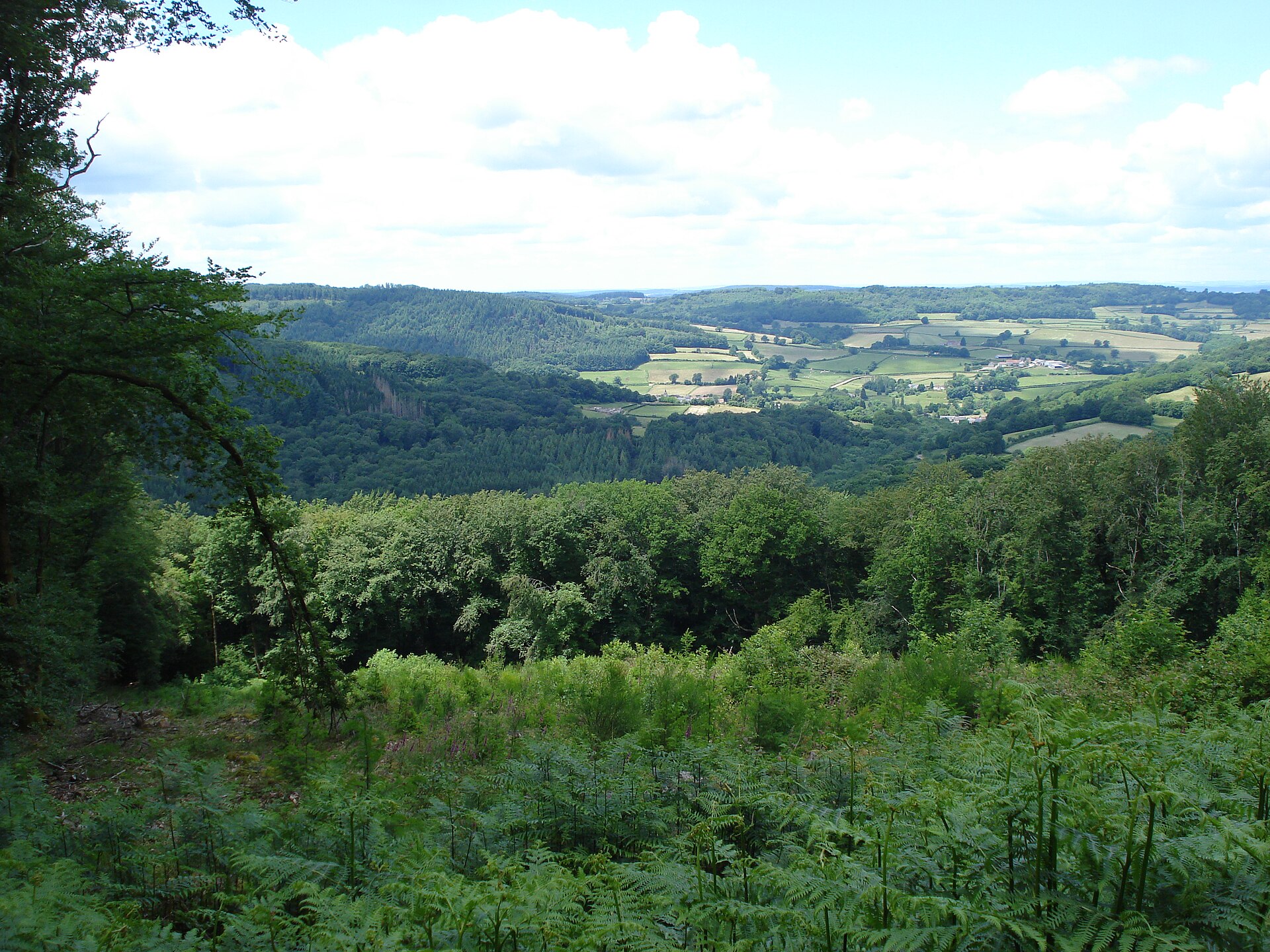
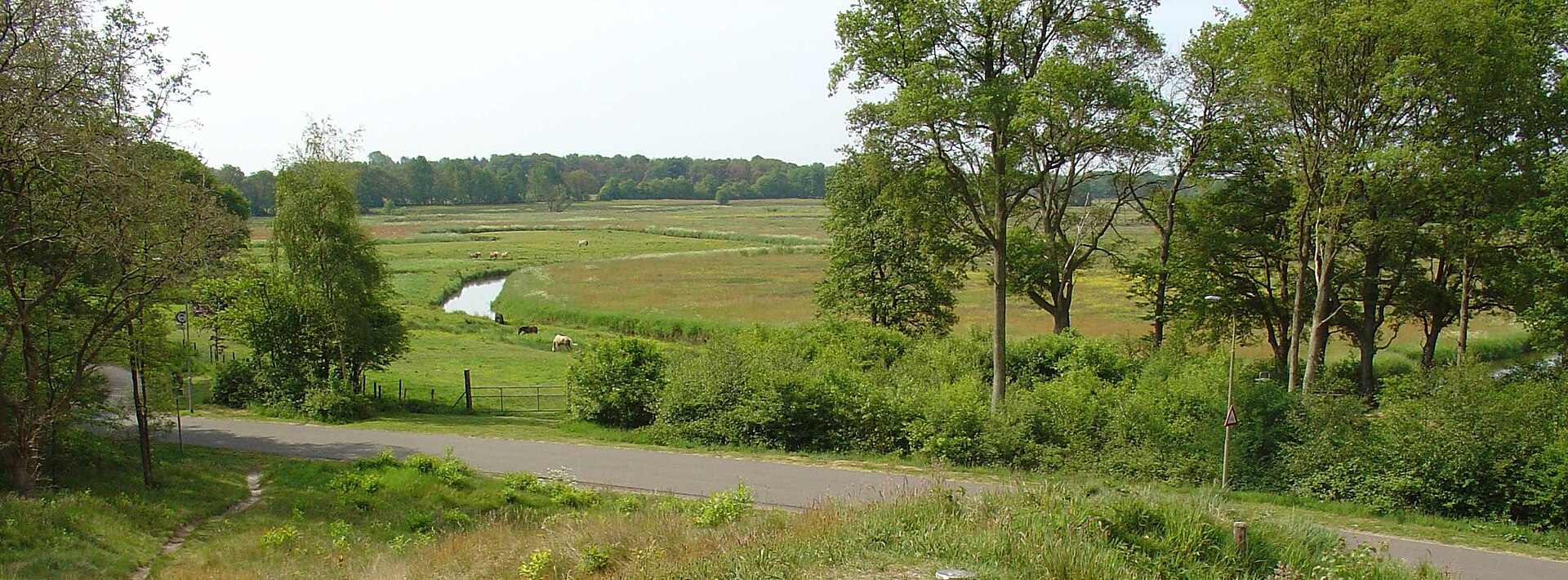
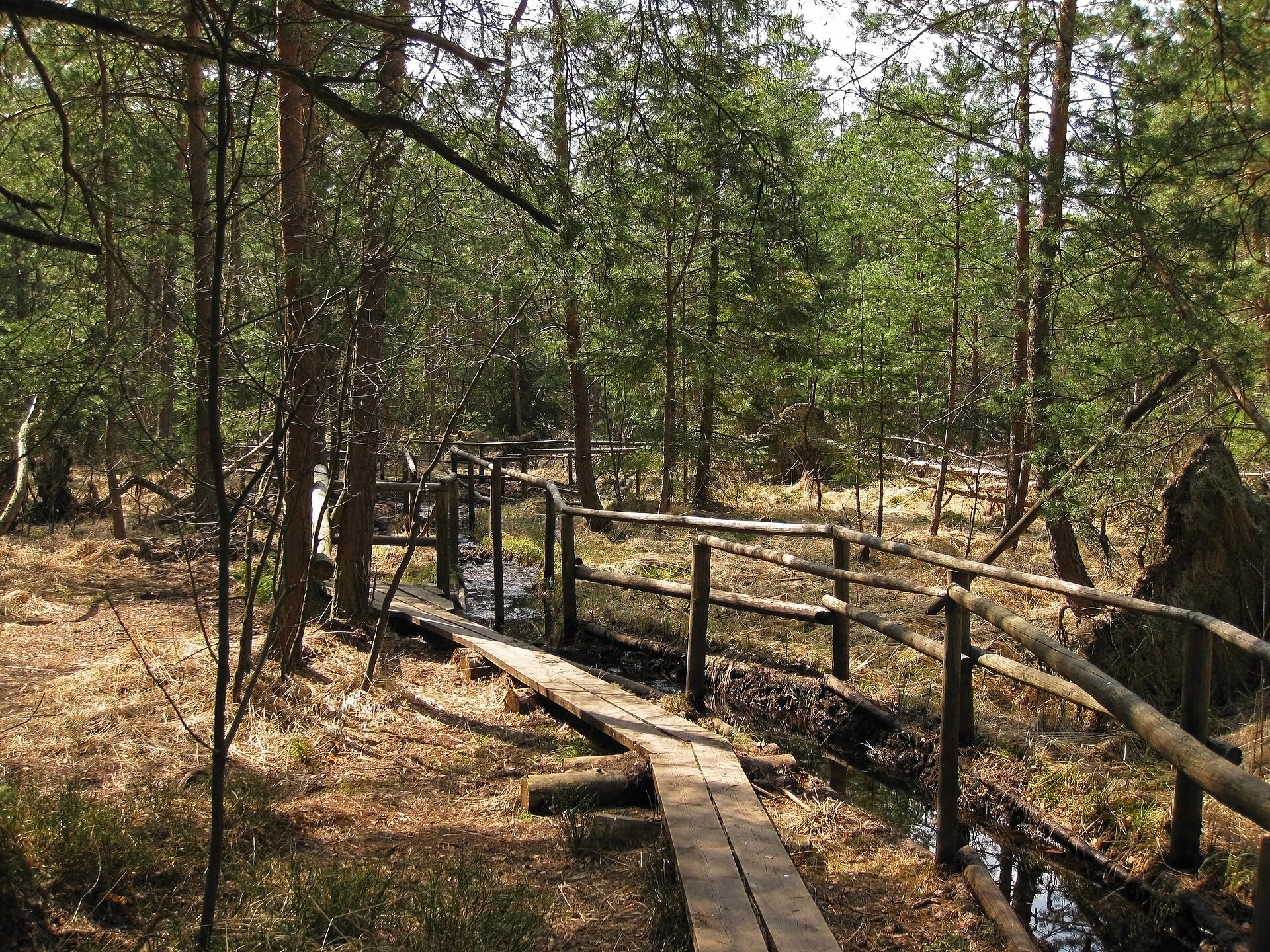
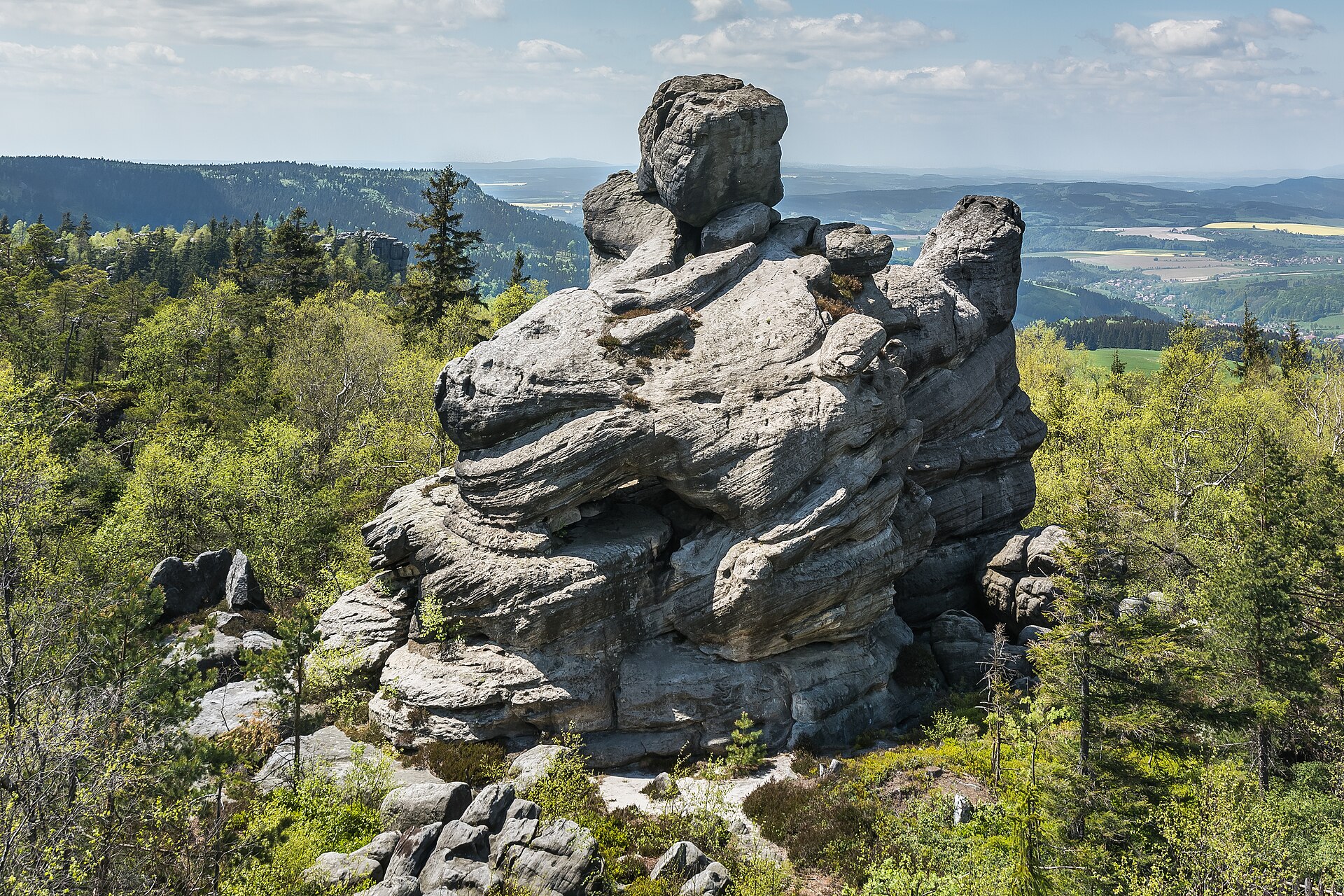
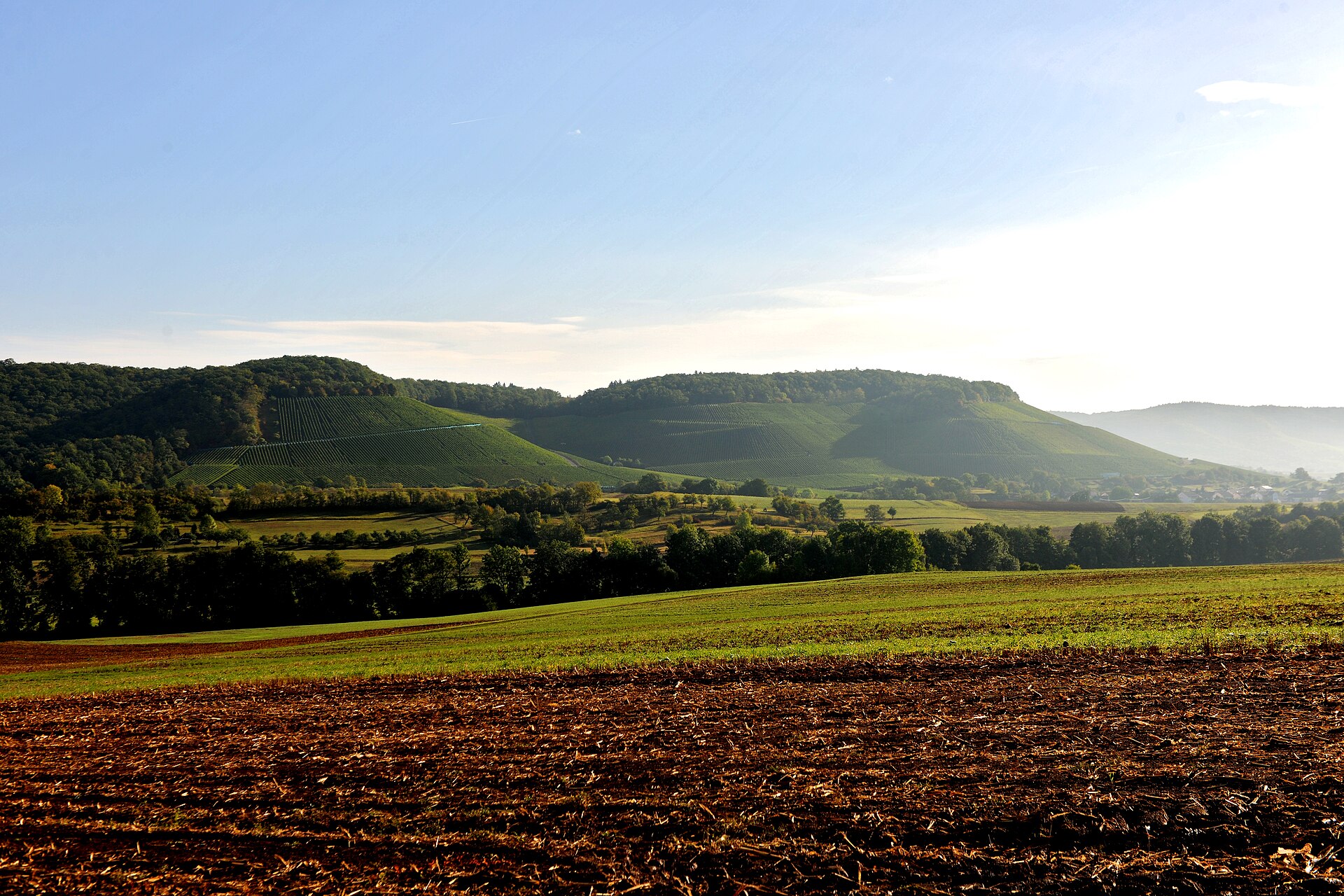
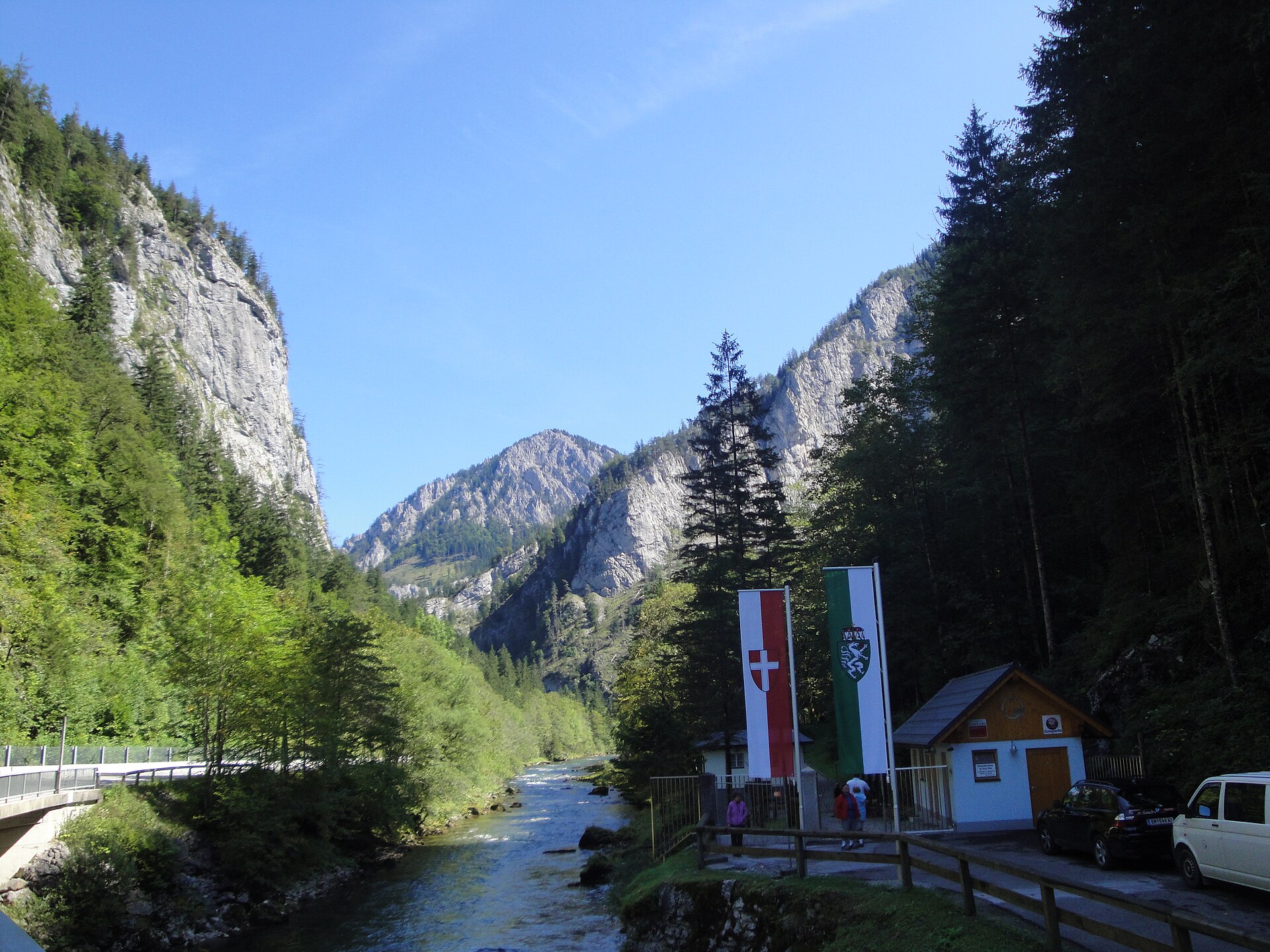
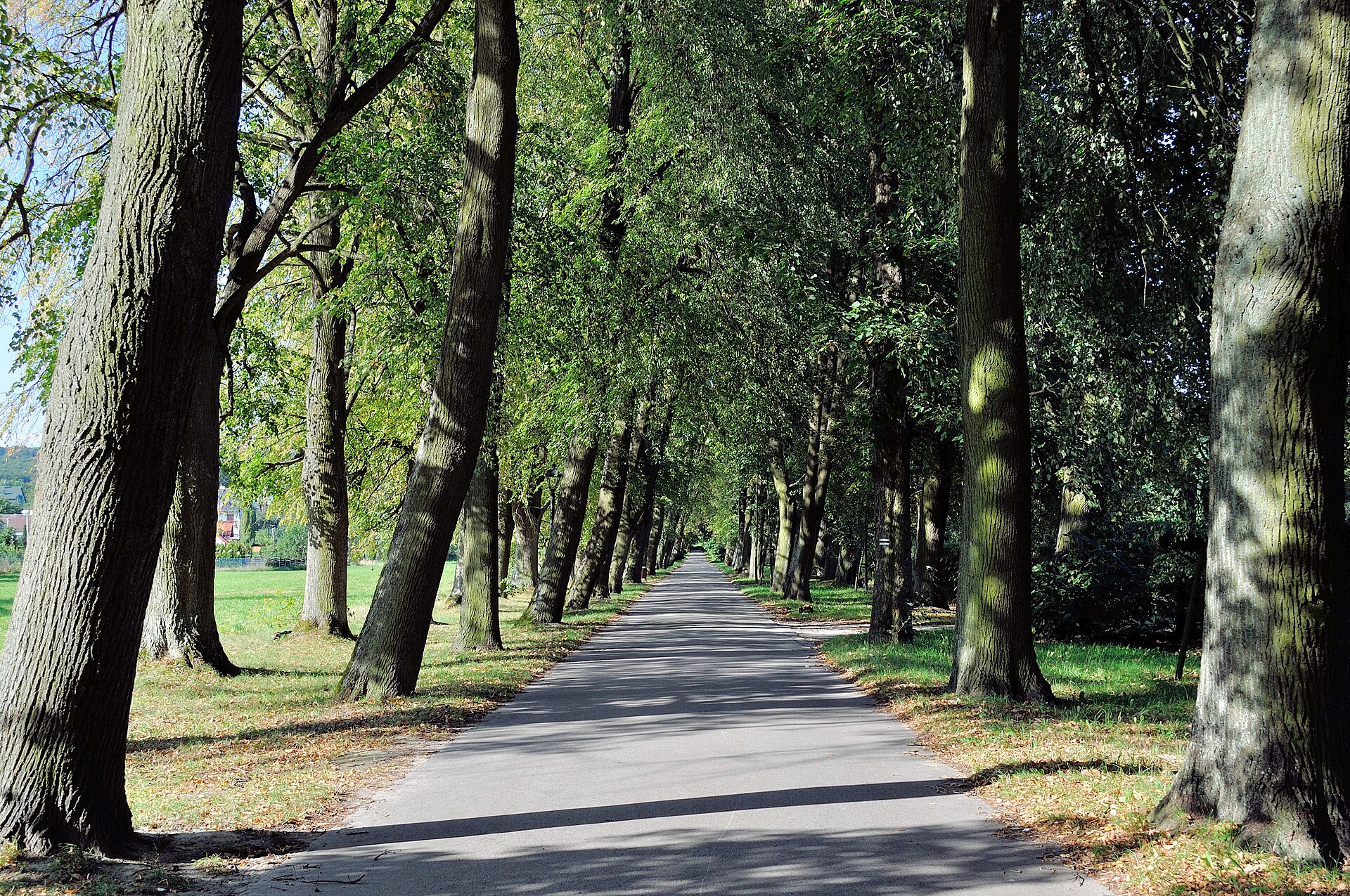
Natura 2000 13,440 records
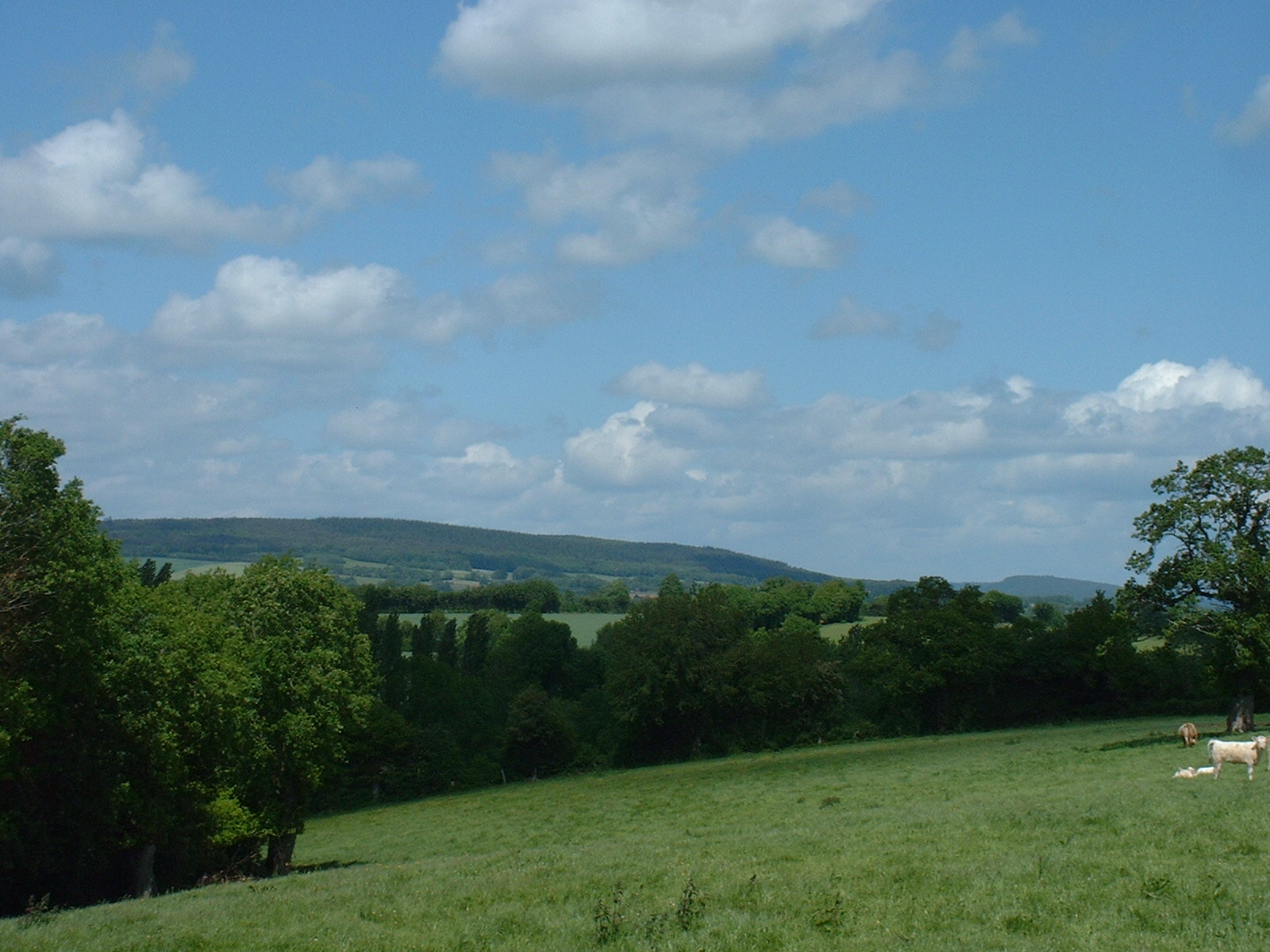
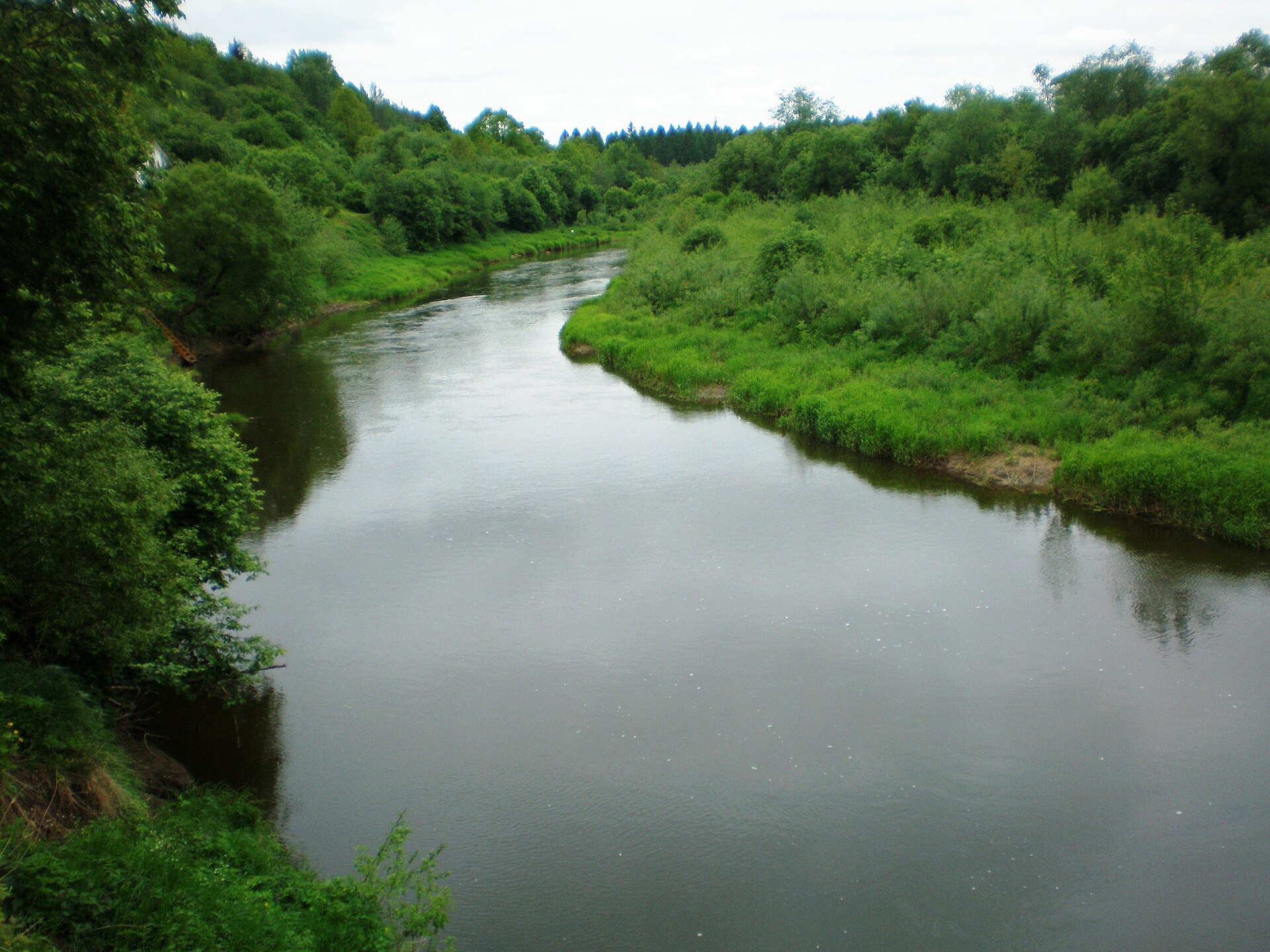
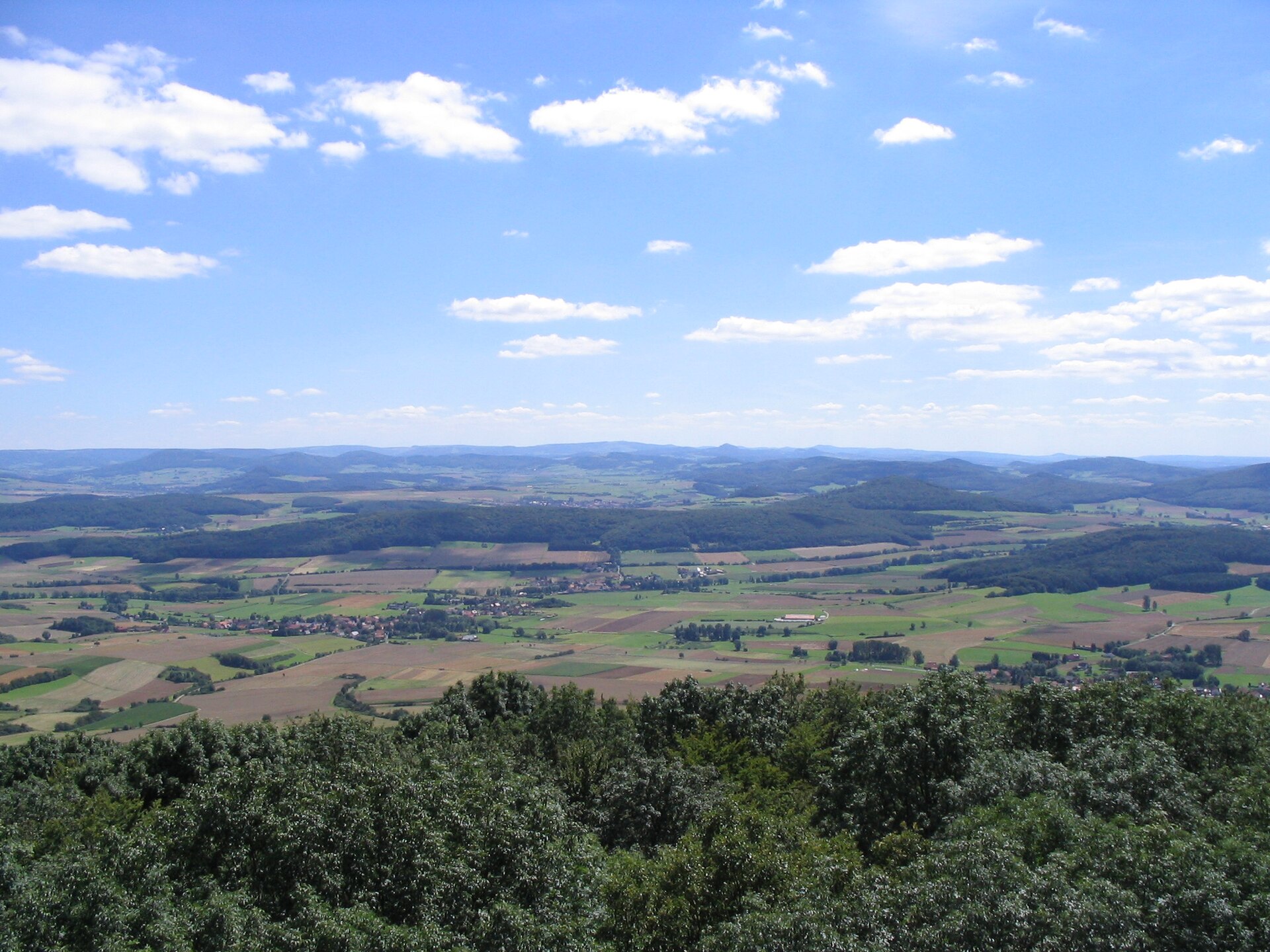
Natura 2000 13,055 records
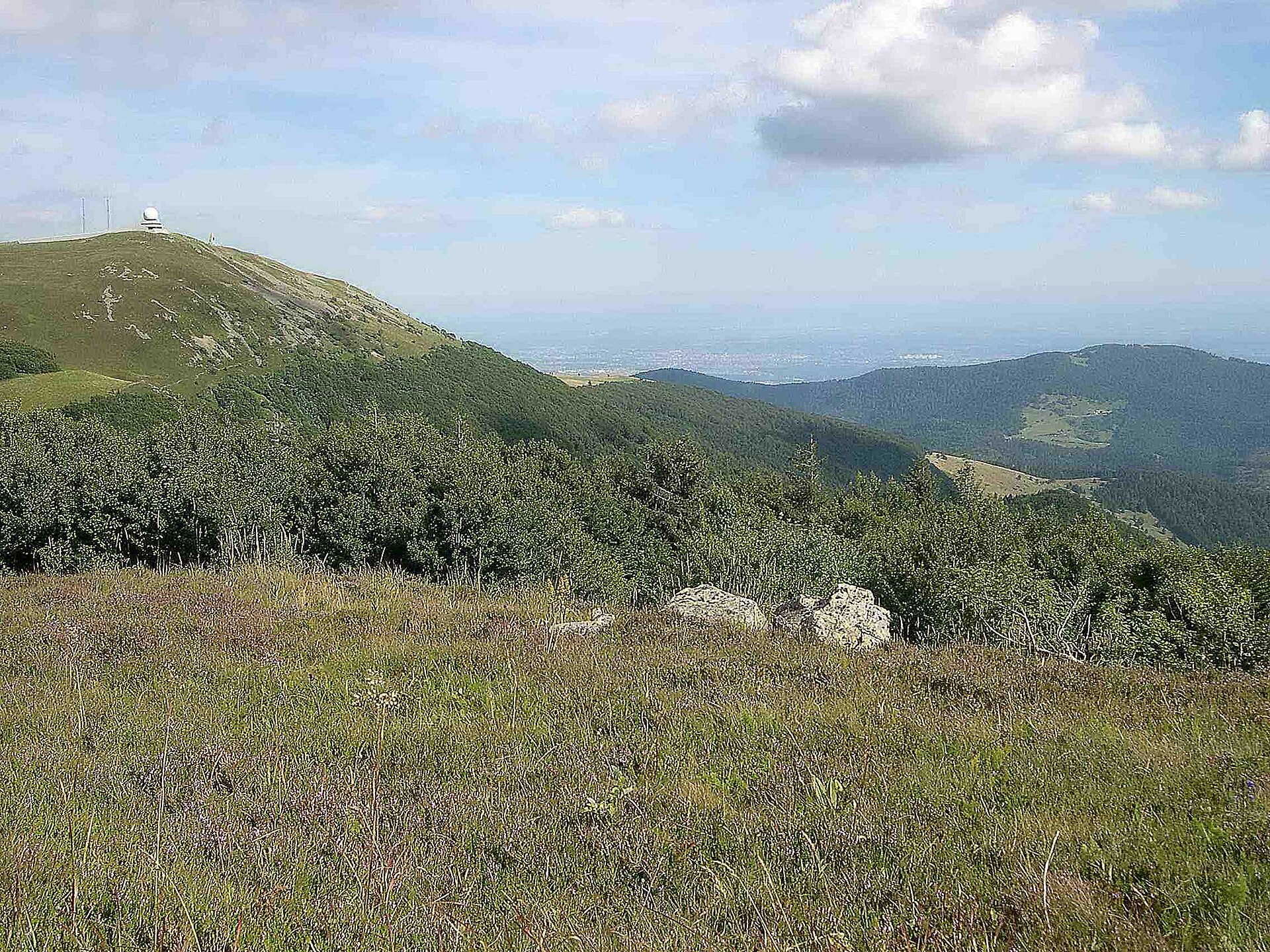
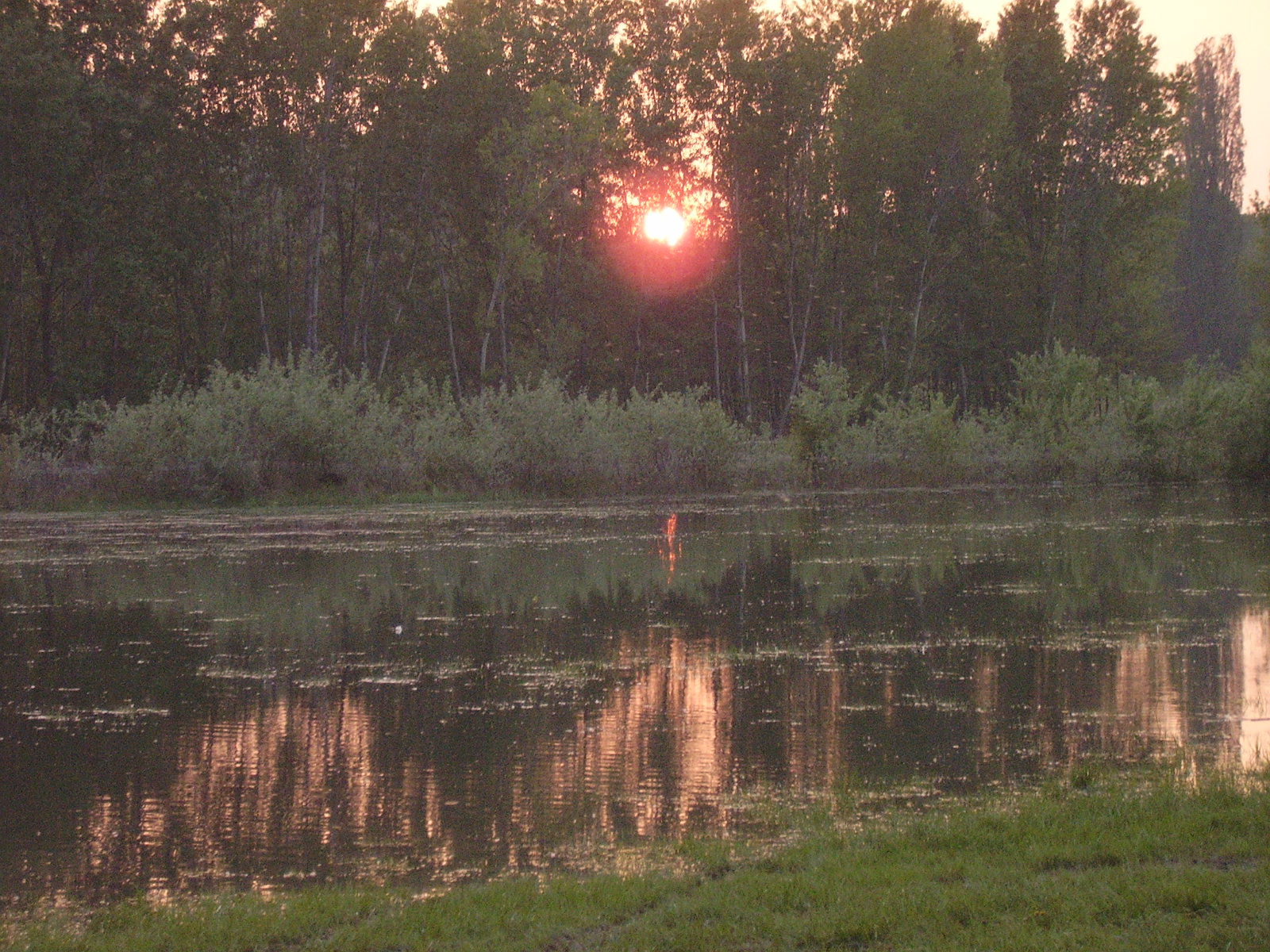
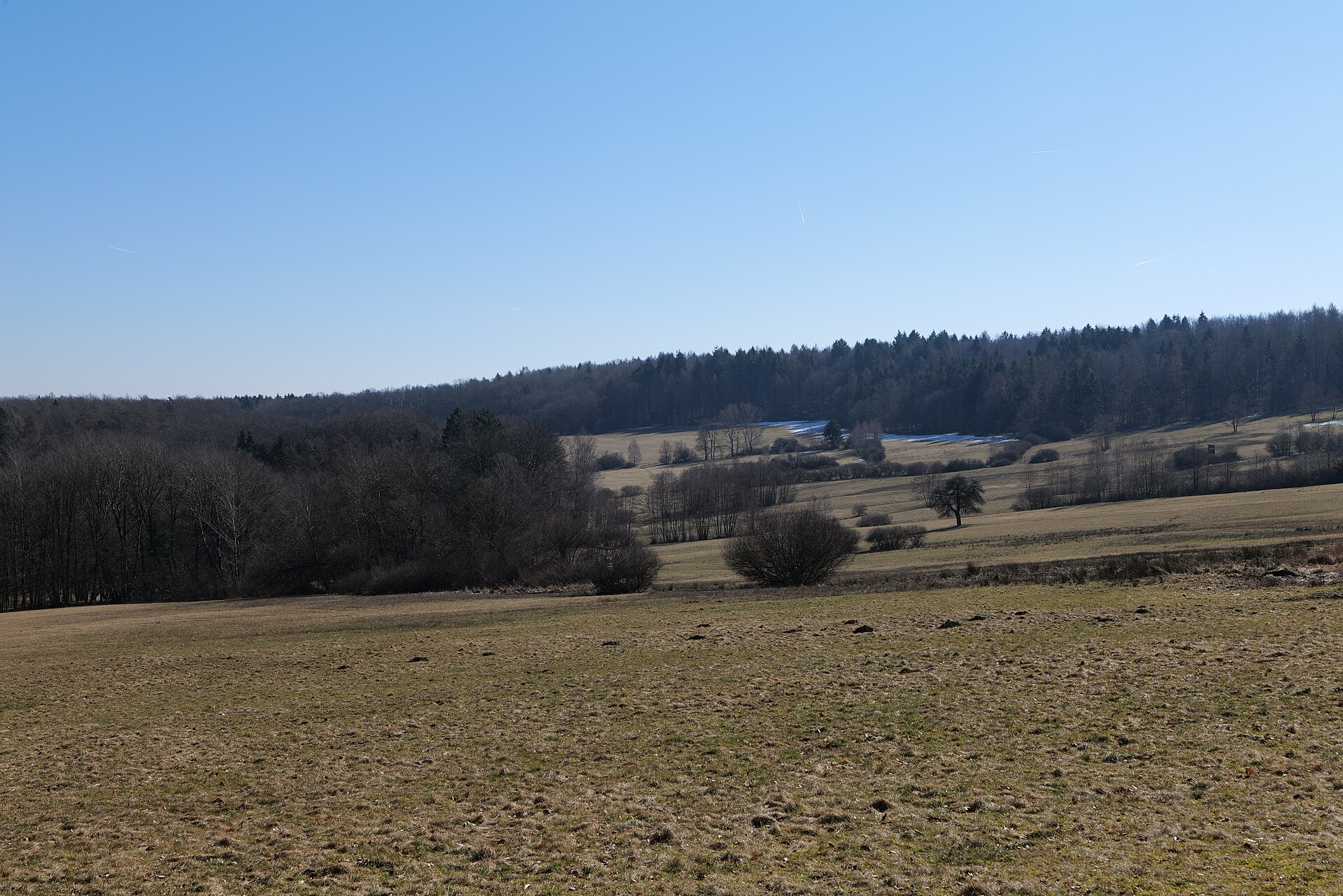
Natura 2000 11,789 records
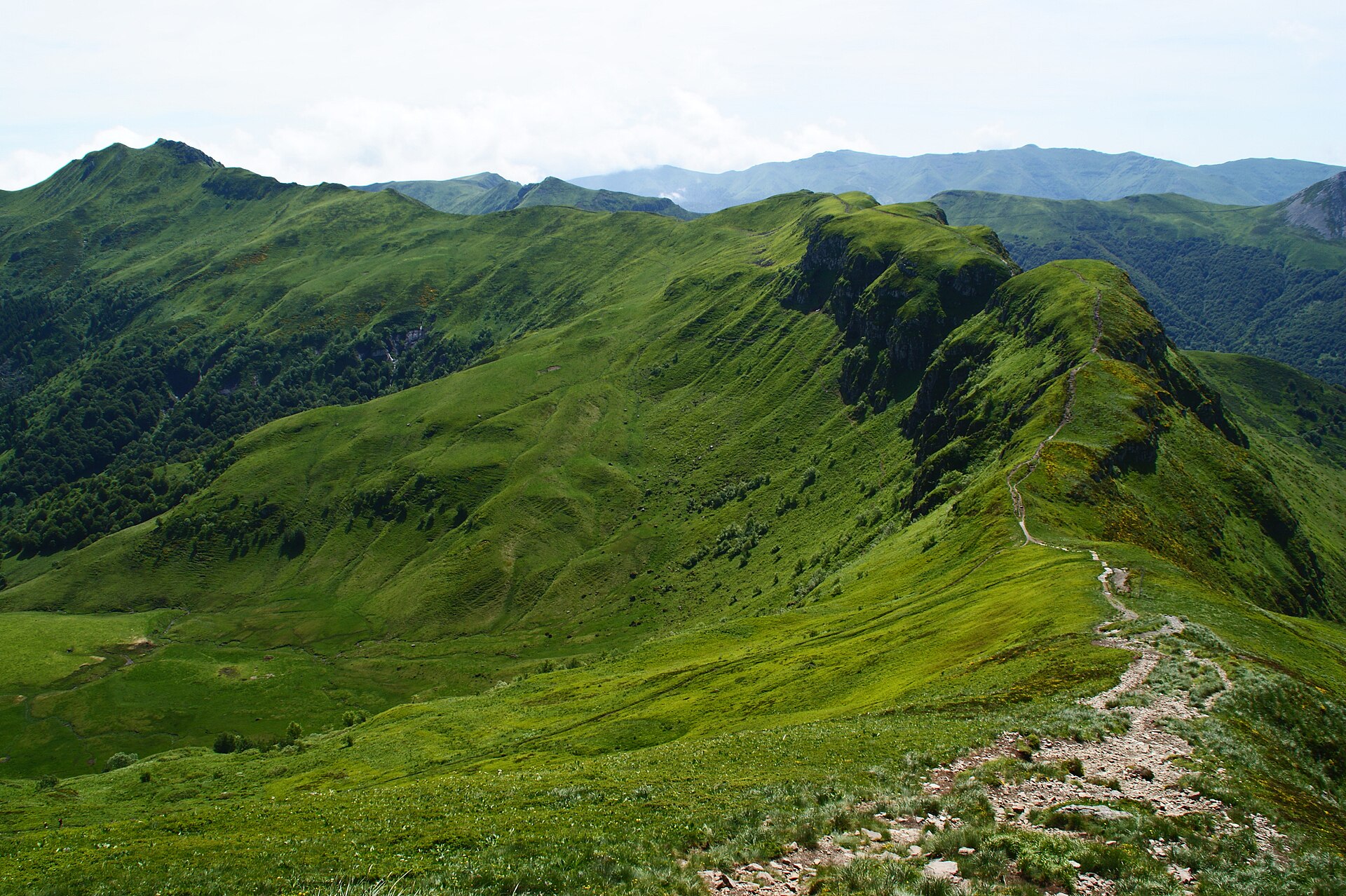
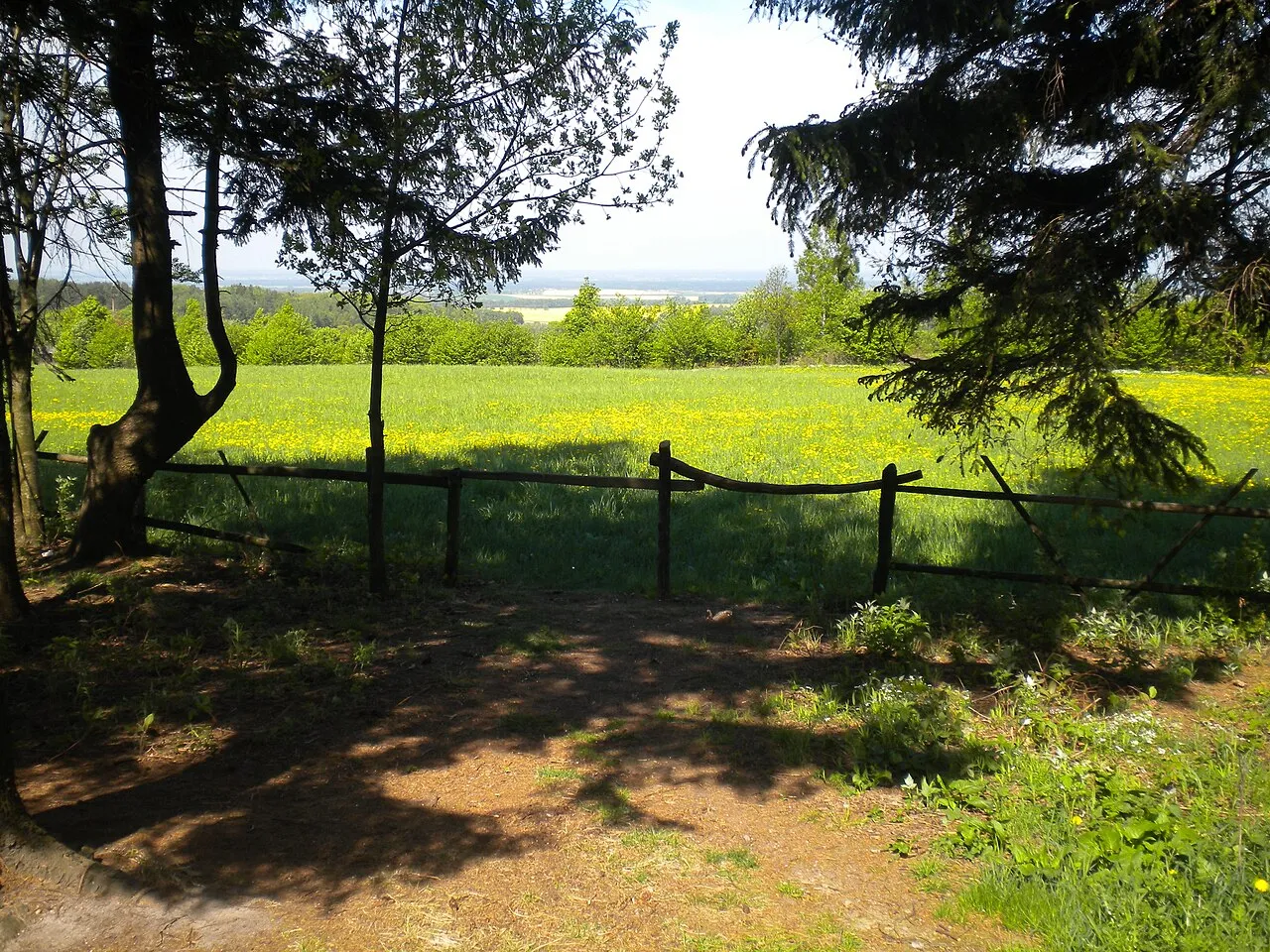
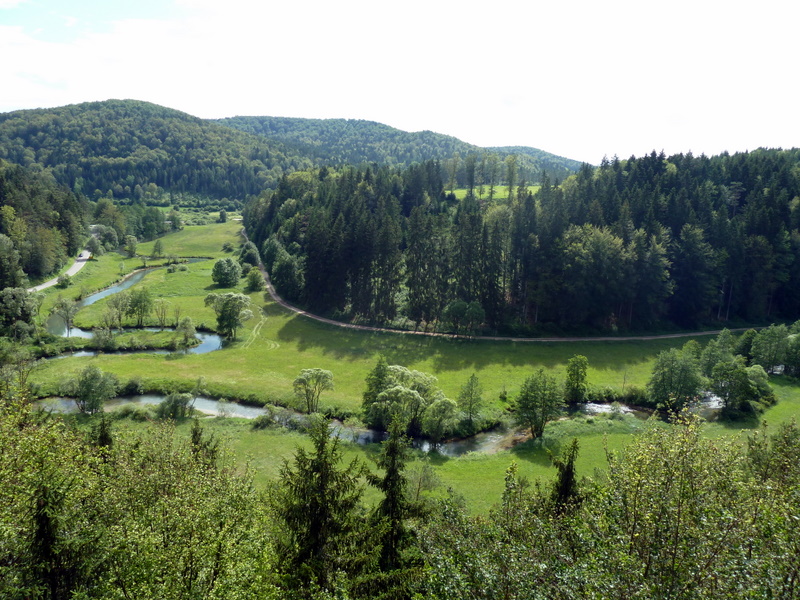
Natura 2000 8,132 records
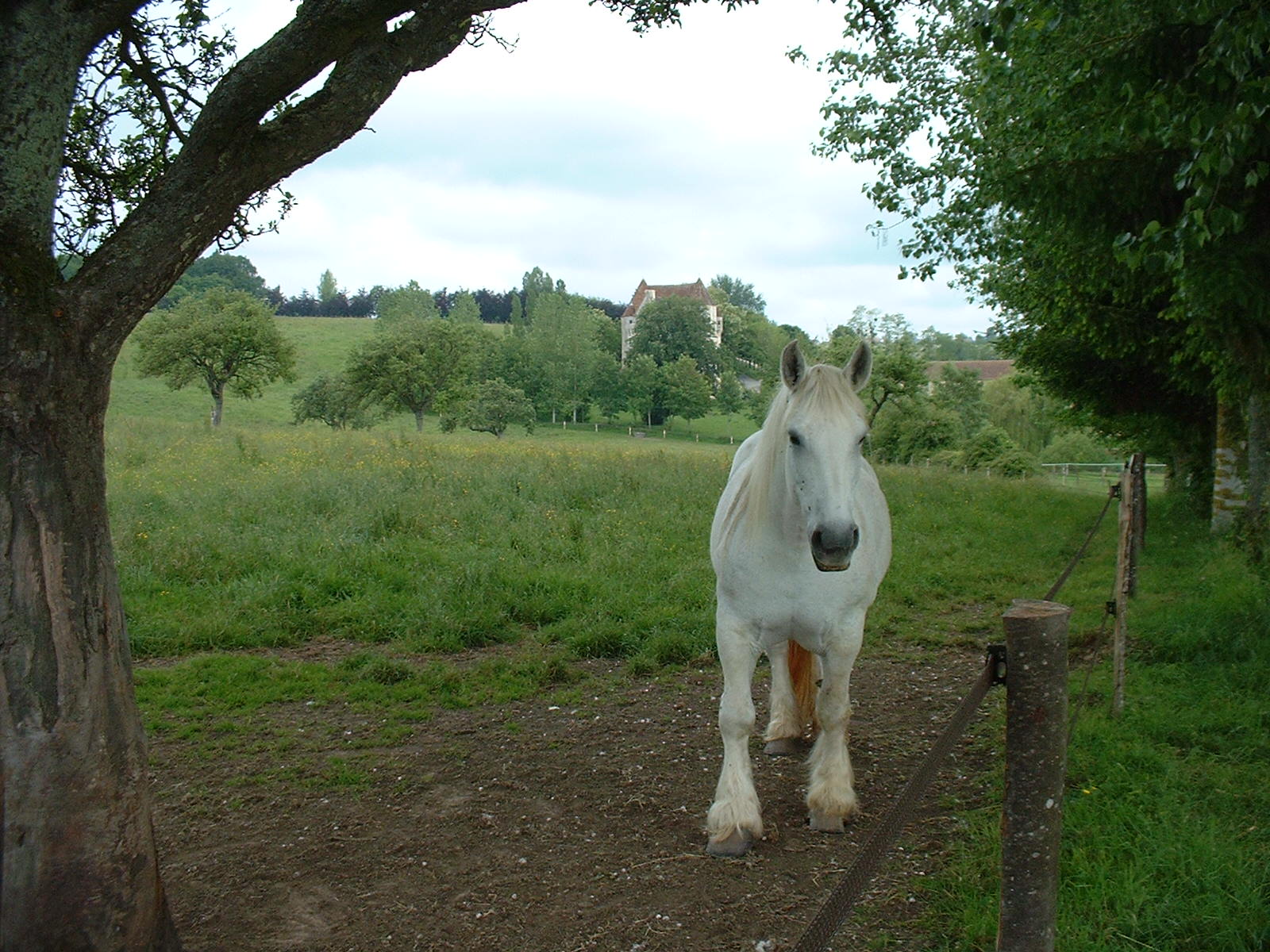
Natura 2000 7,634 records
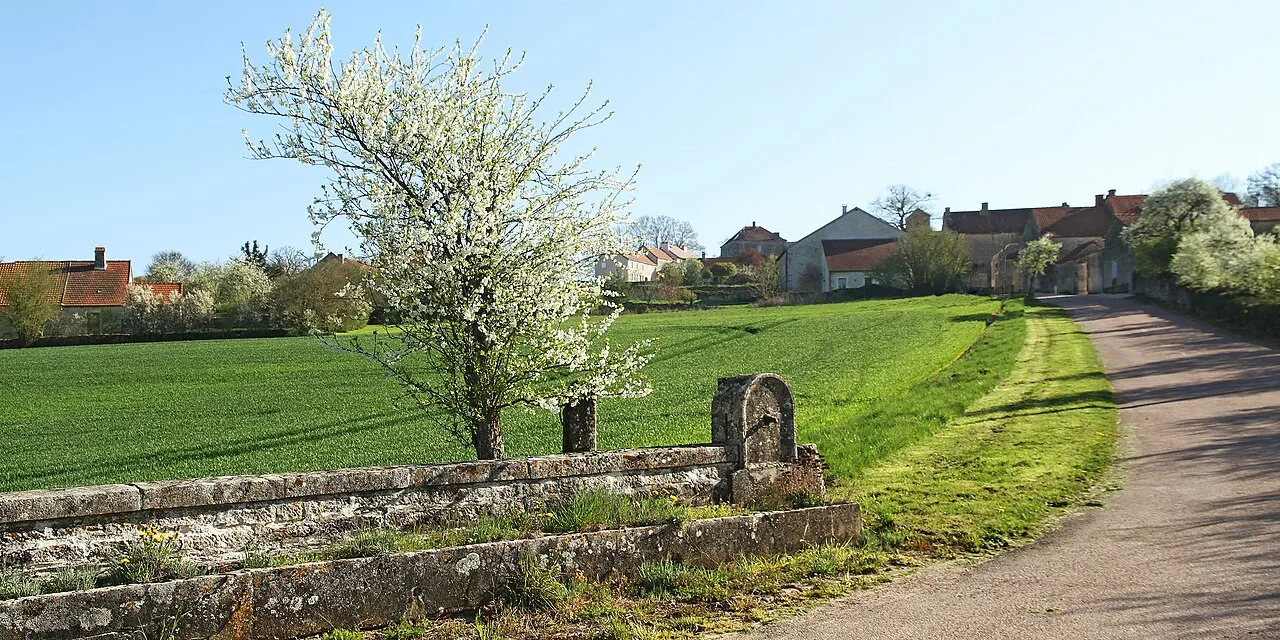
Natura 2000 7,346 records
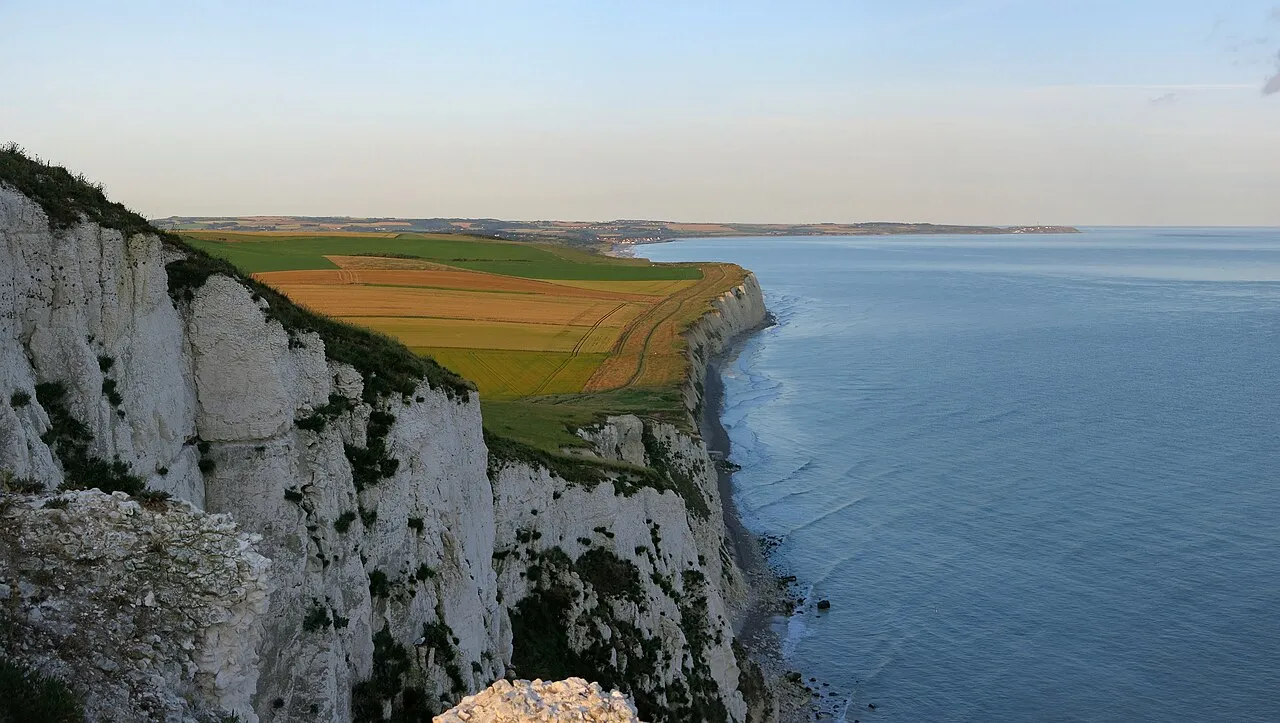
Natura 2000 6,492 records
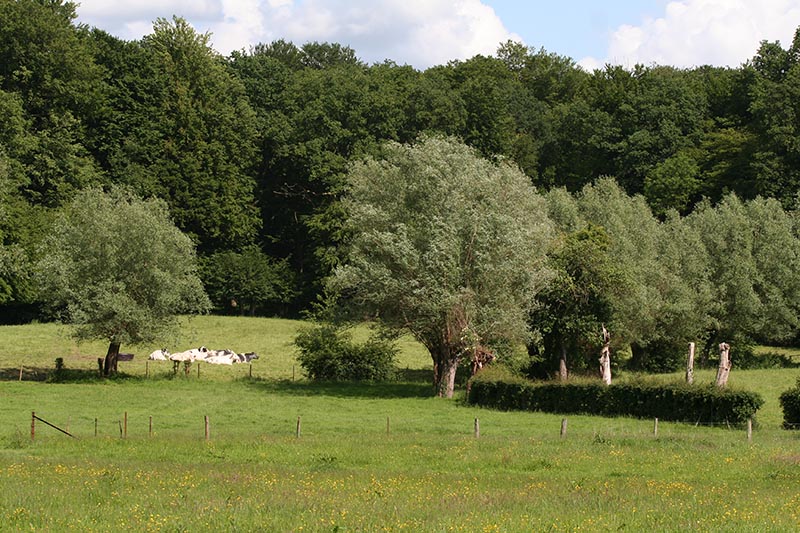
Natura 2000 6,340 records
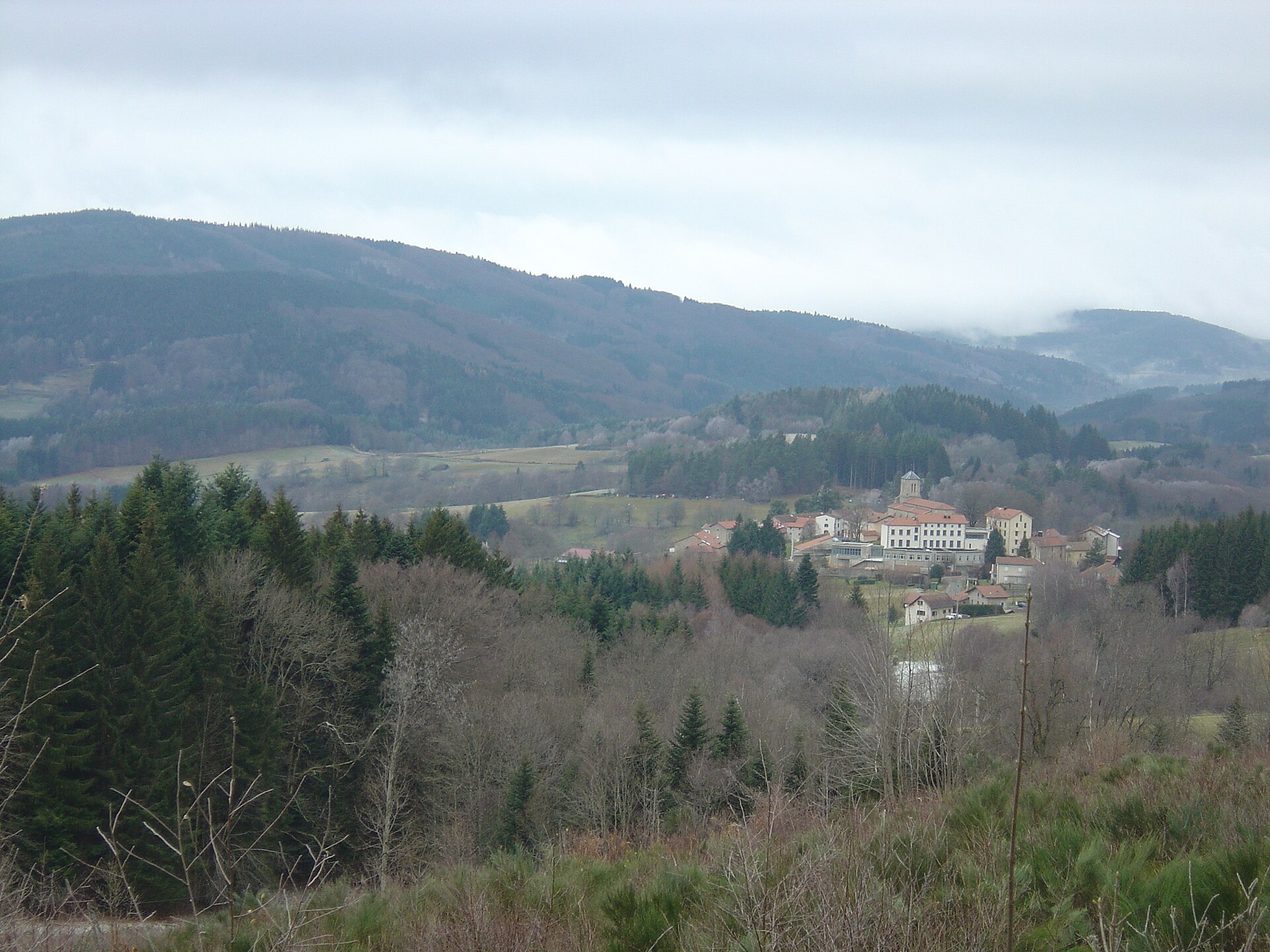
Natura 2000 5,567 records
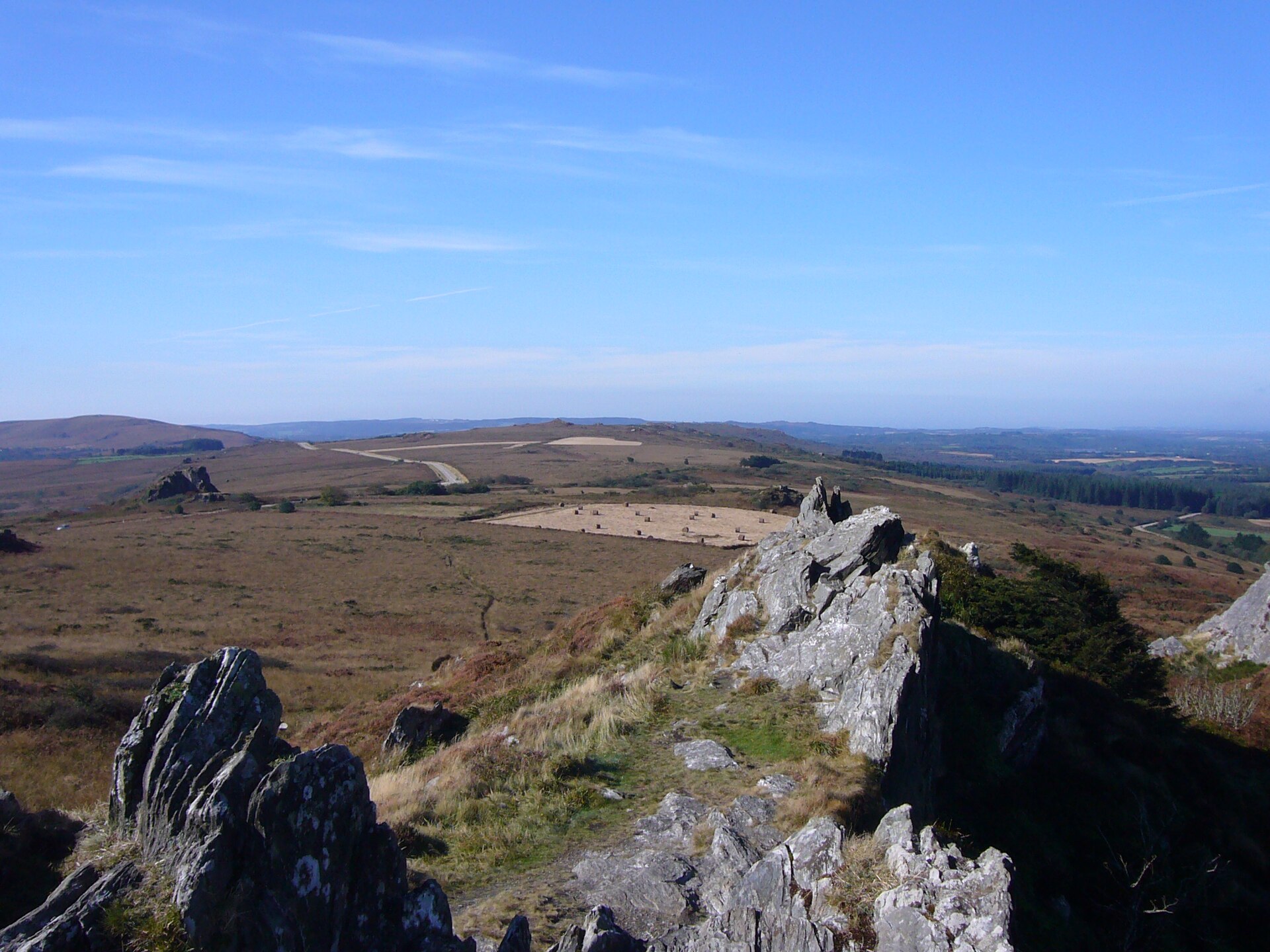
Natura 2000 5,480 records
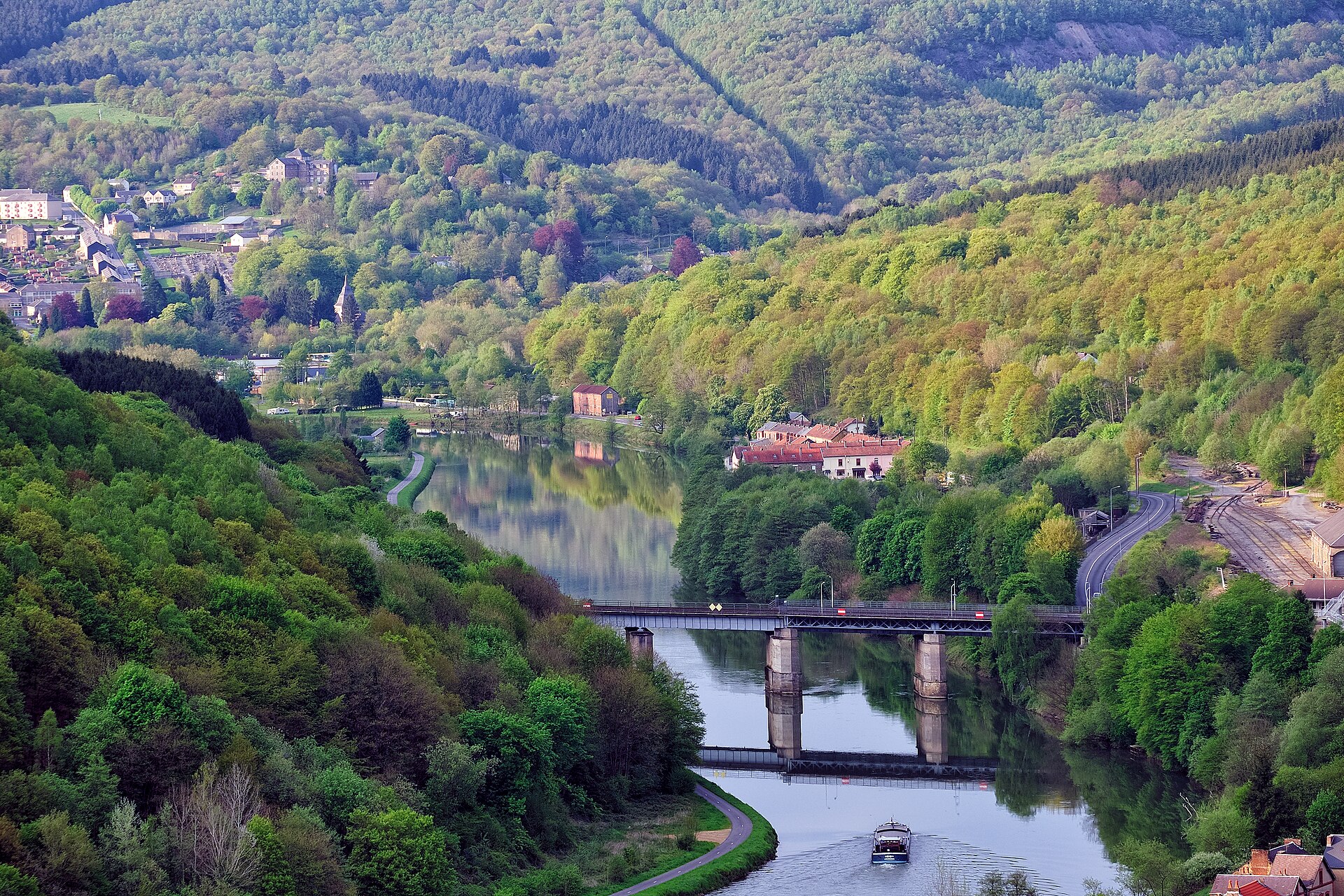
Natura 2000 5,395 records
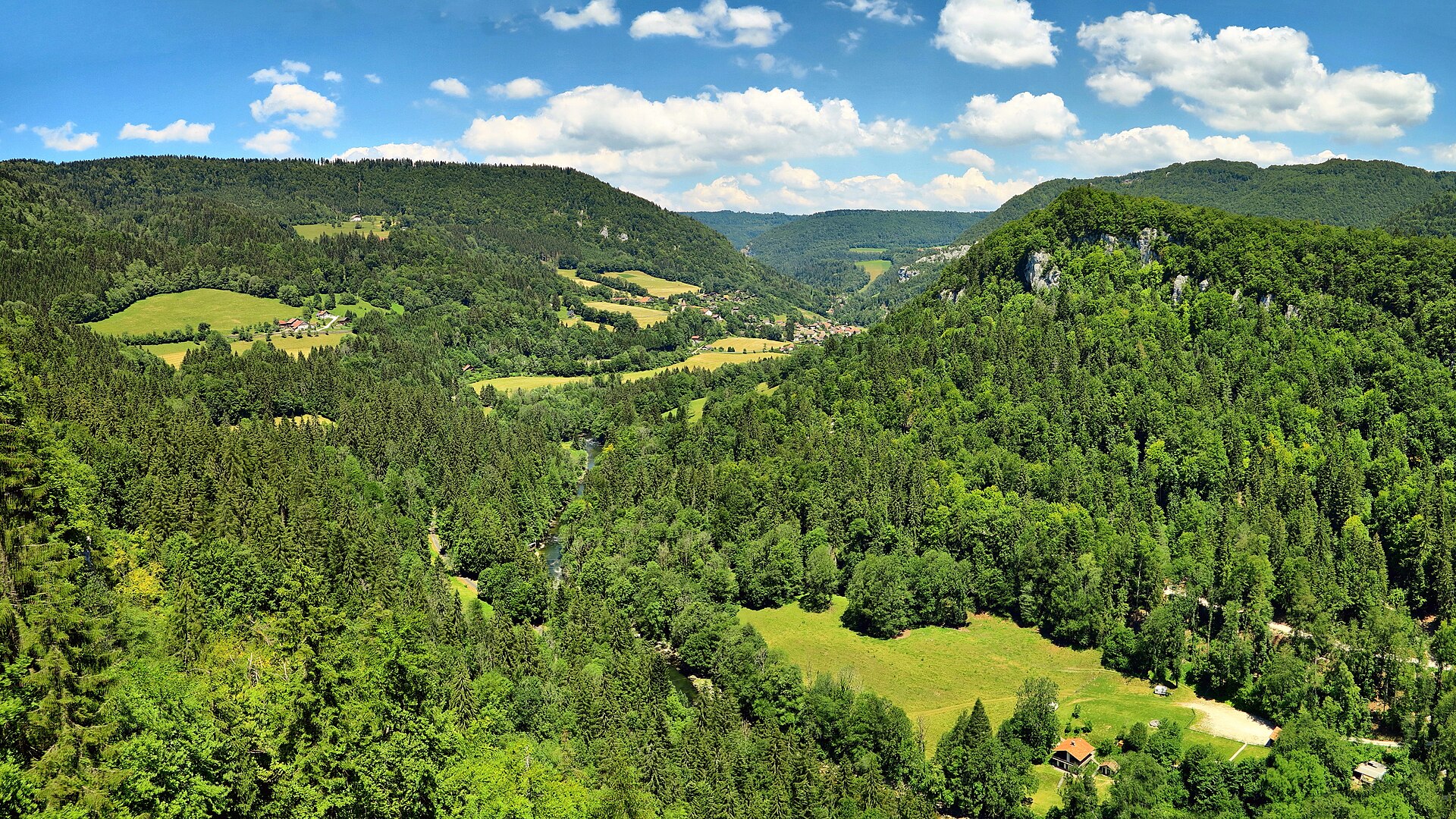
Natura 2000 4,461 records
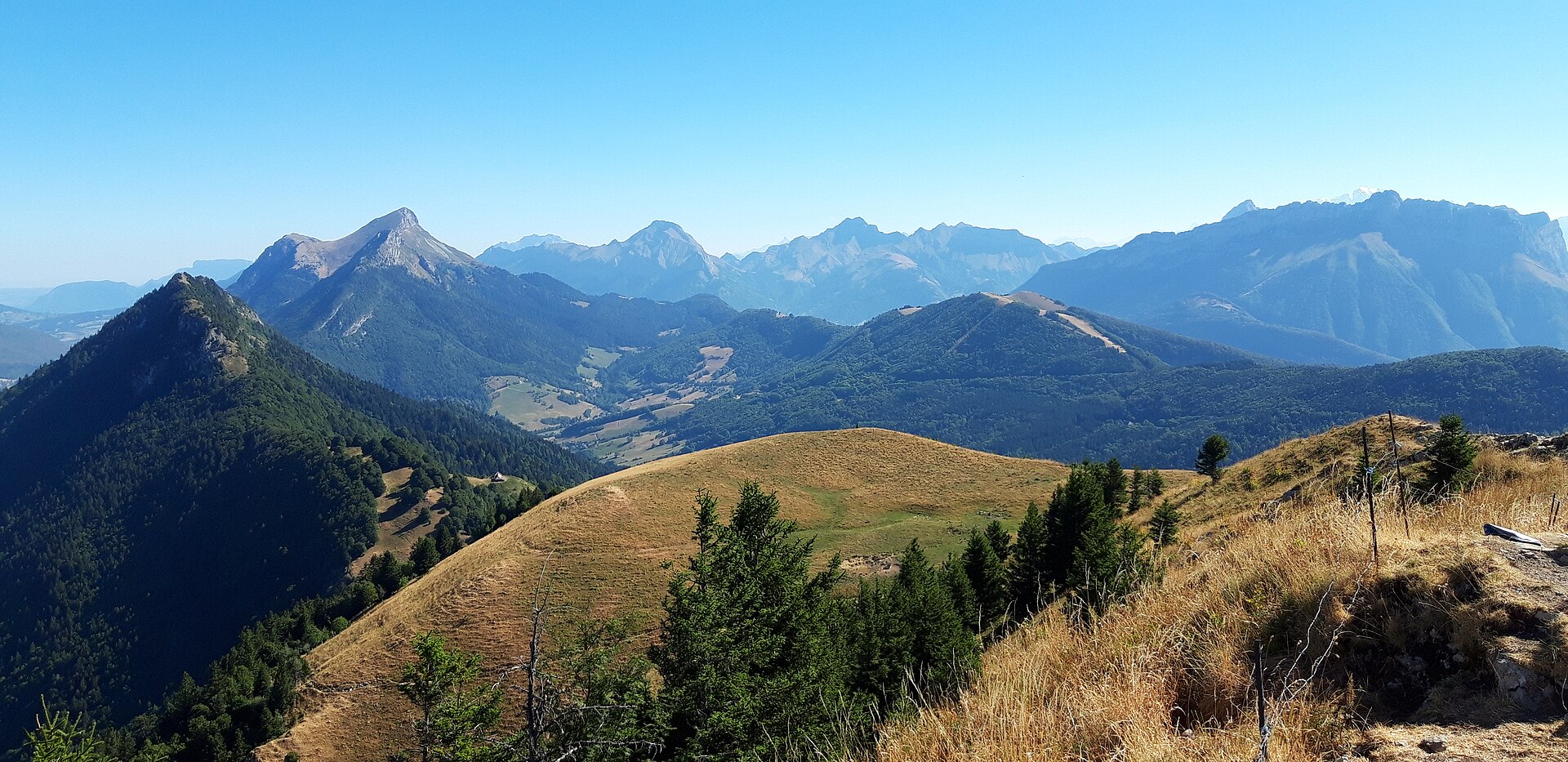
Natura 2000 2,829 records
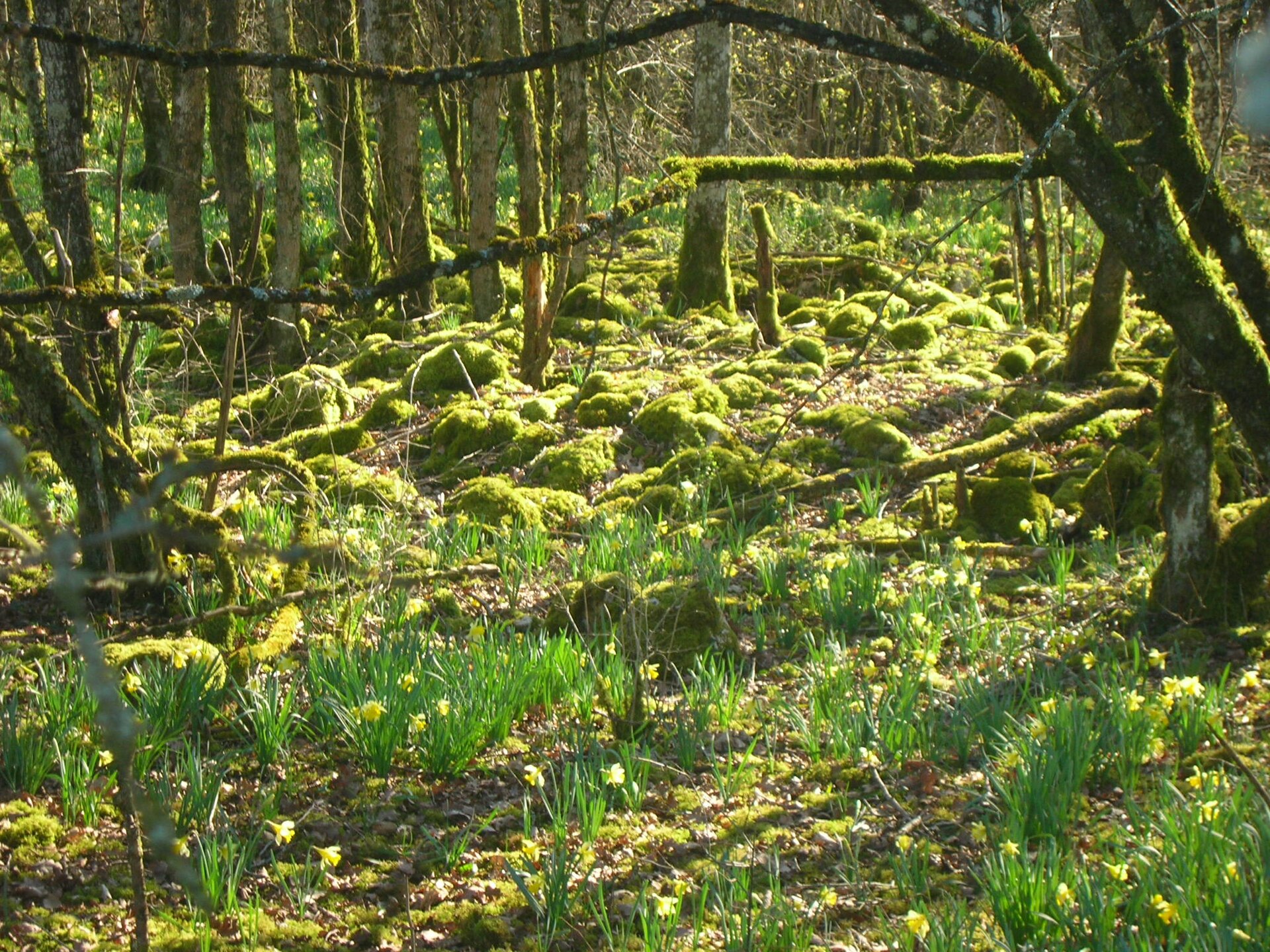
Natura 2000 2,545 records
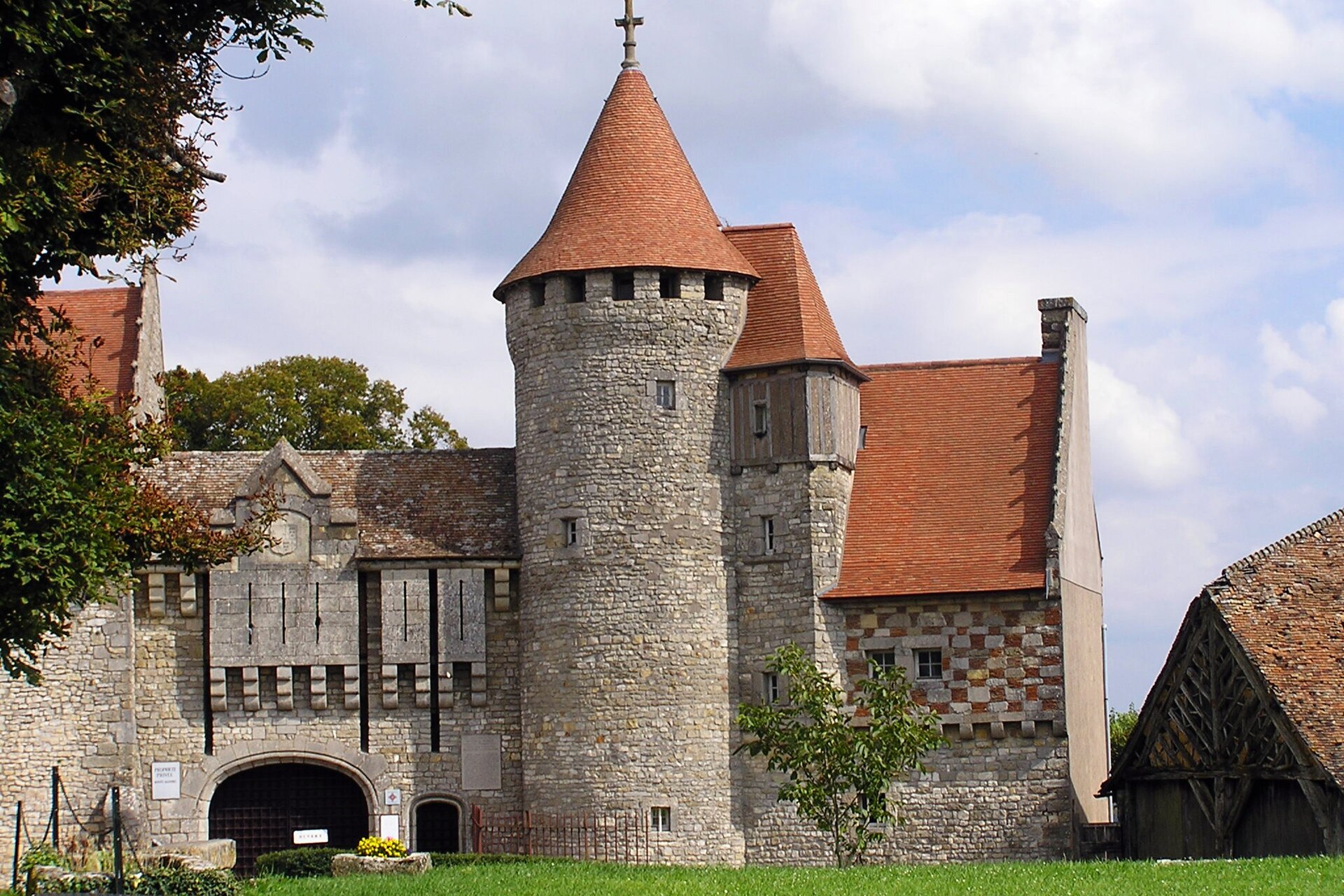
Natura 2000 2,453 records
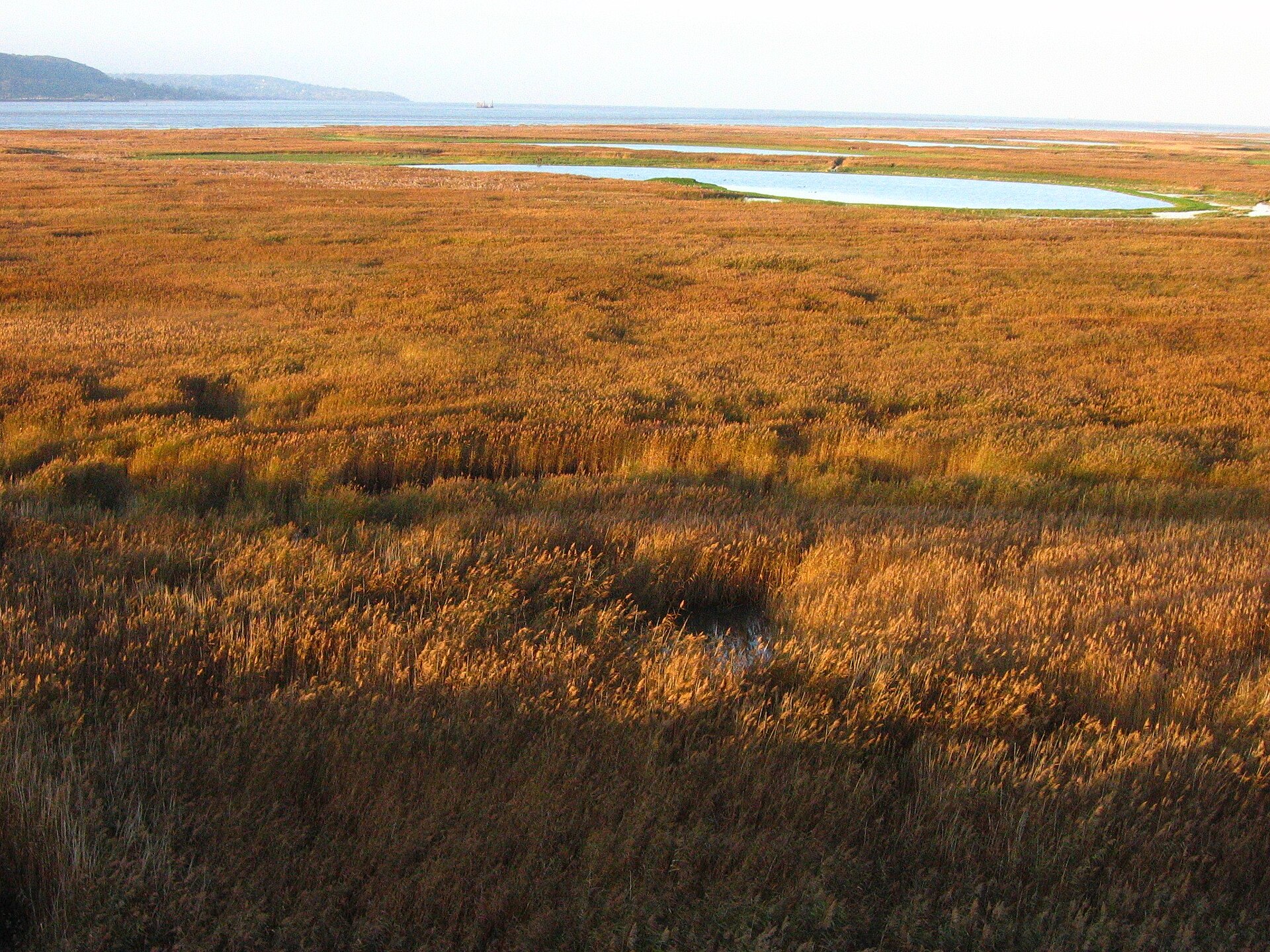
Natura 2000 2,345 records
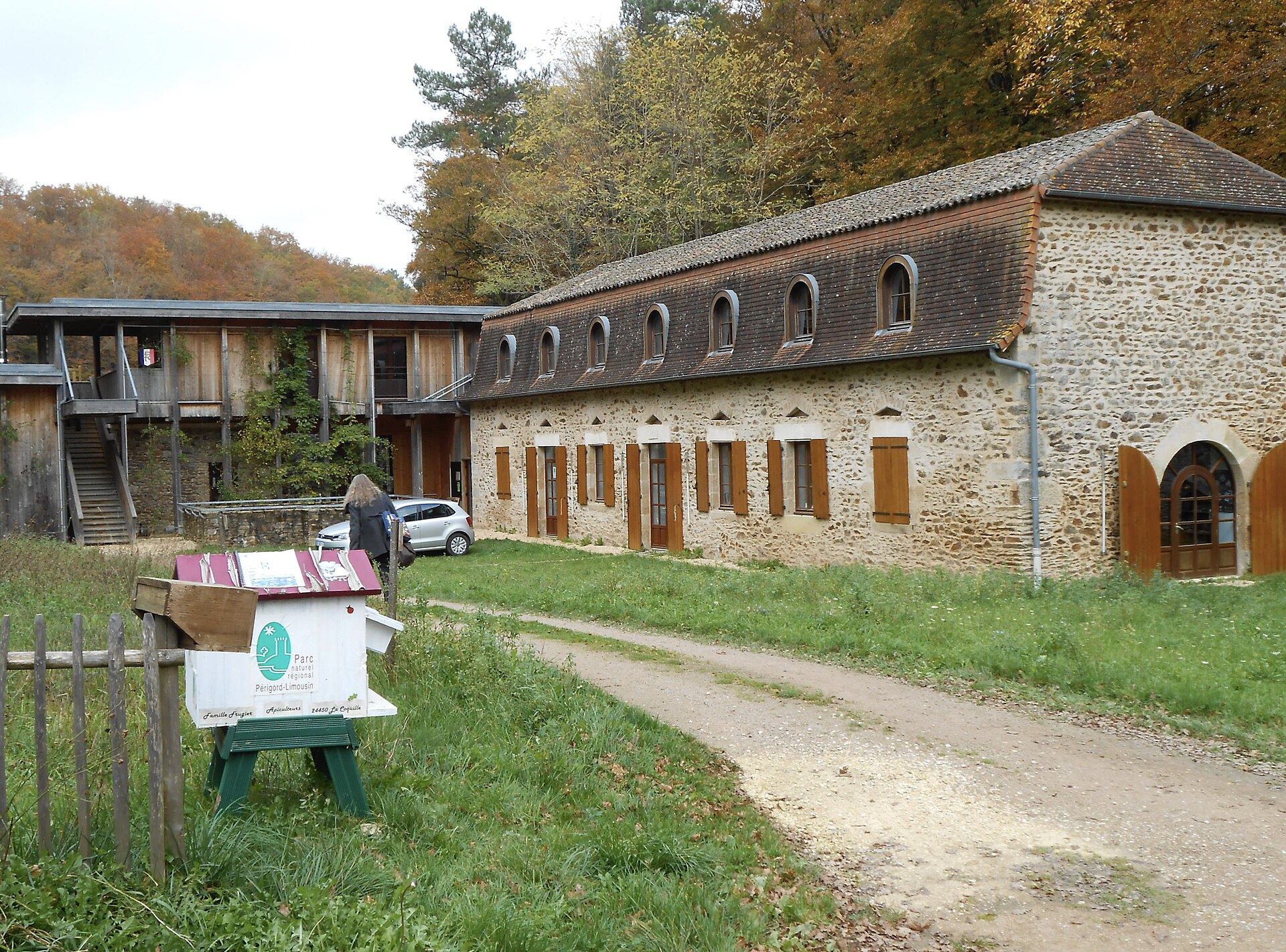
Natura 2000 2,242 records
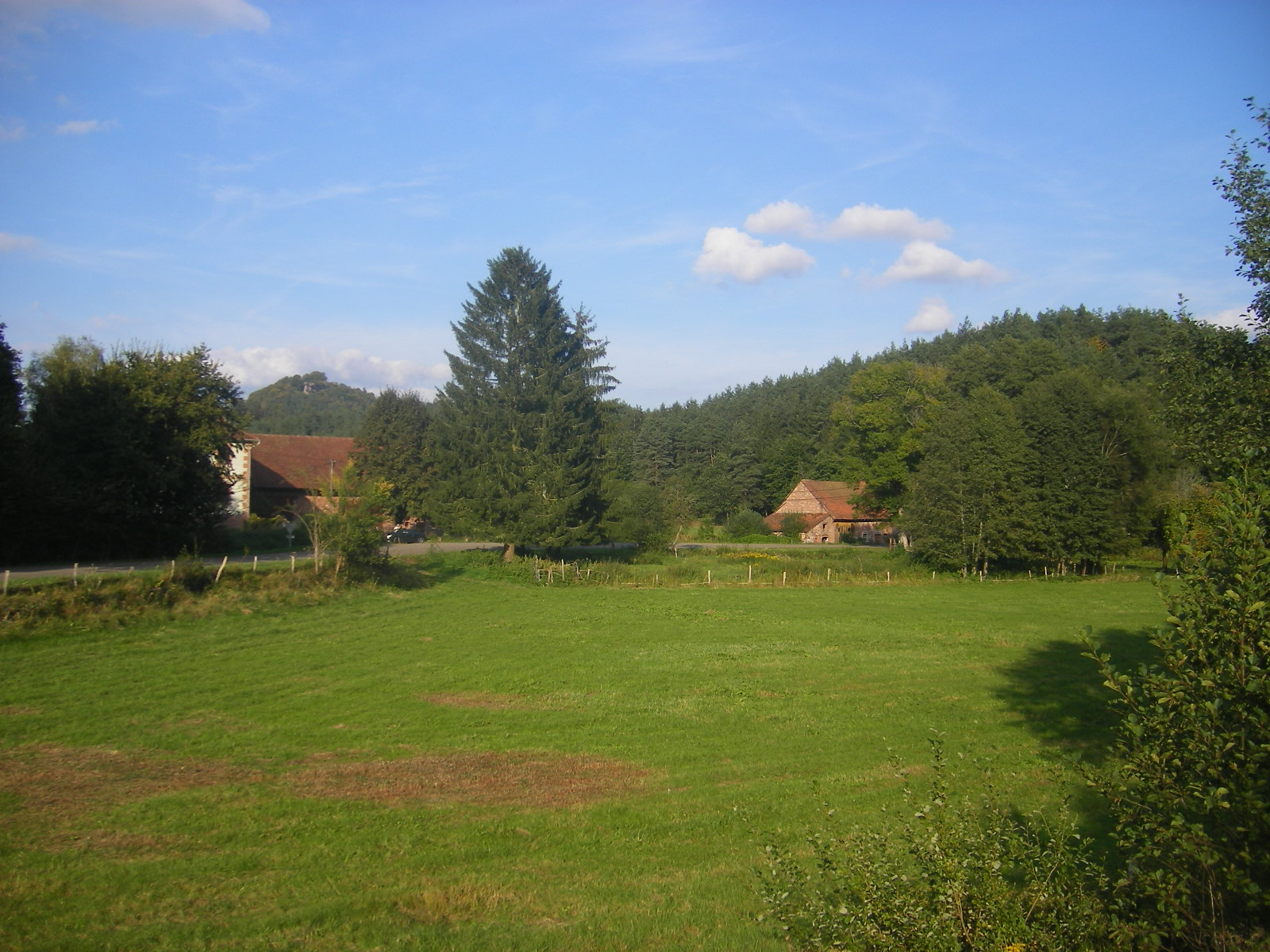
Natura 2000 2,029 records
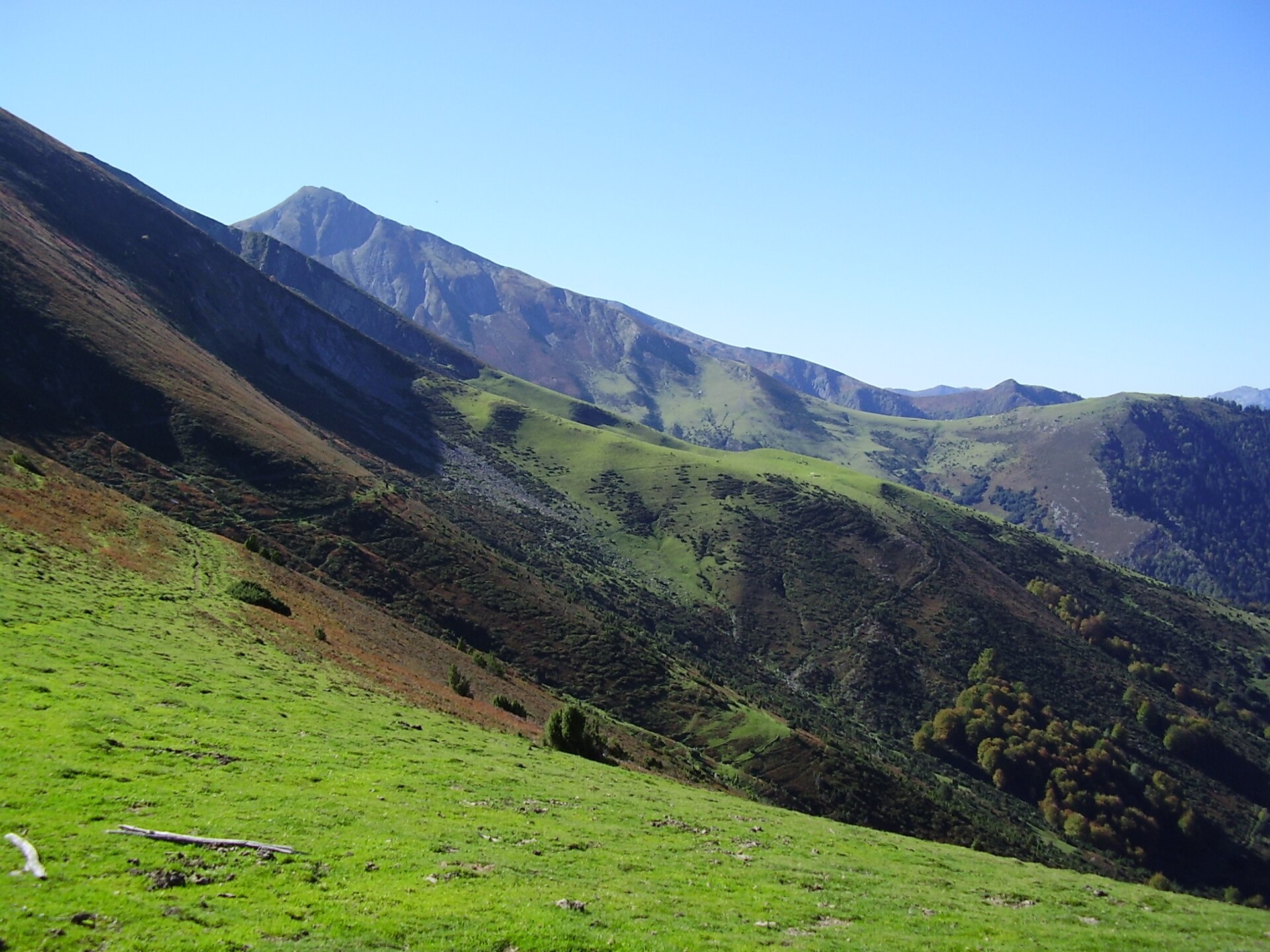
Natura 2000 2,019 records
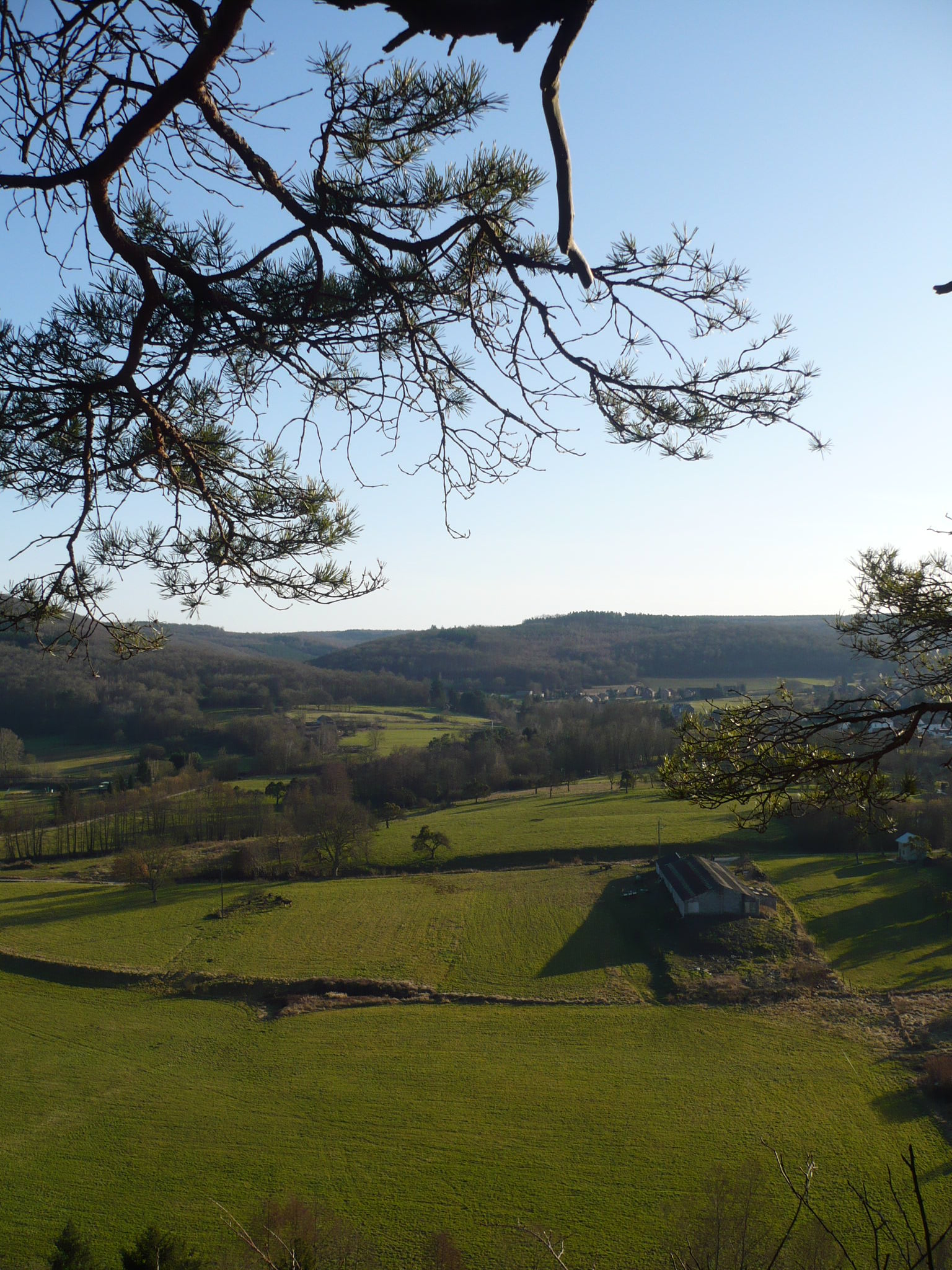
Natura 2000 1,892 records
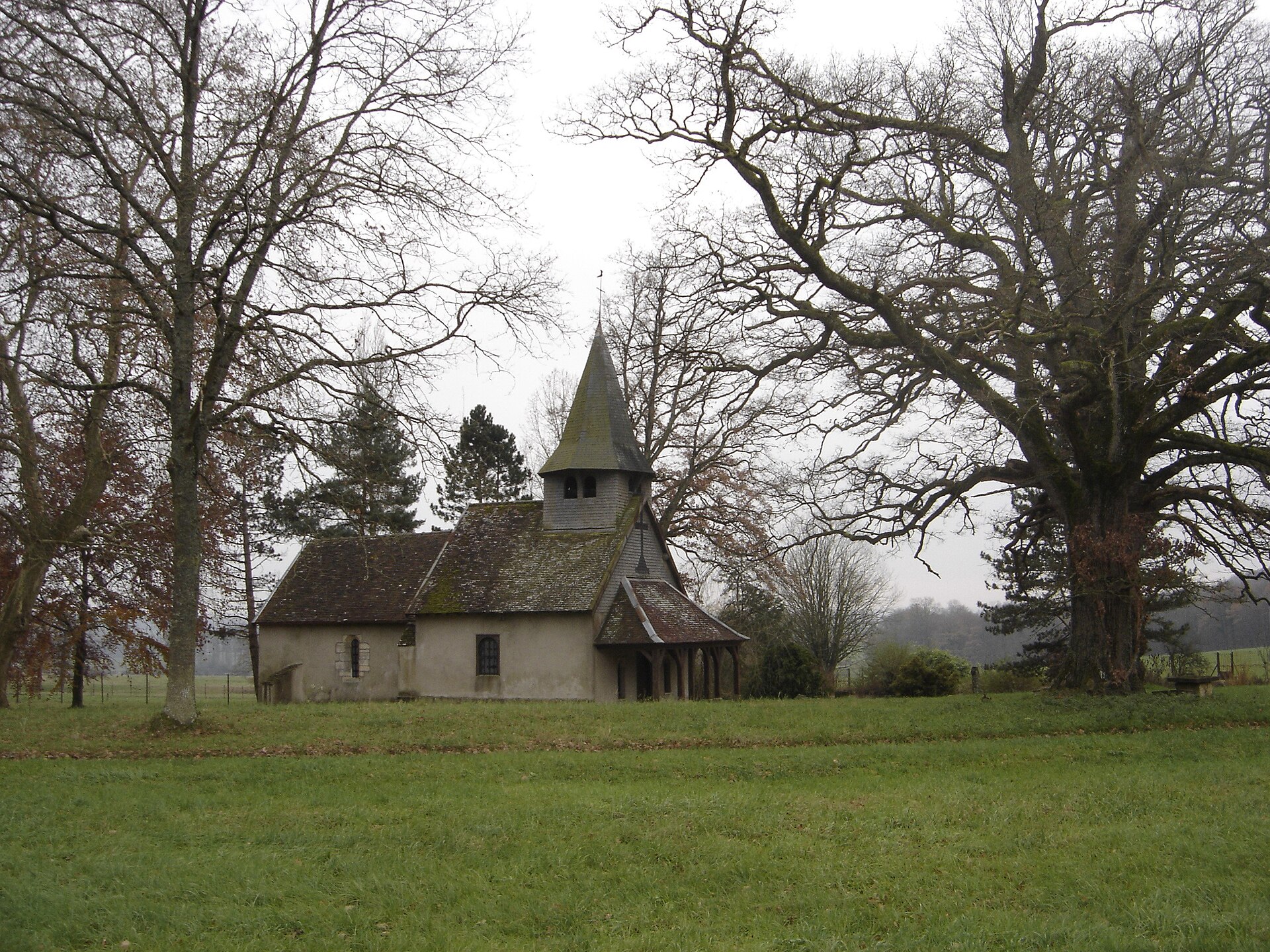
Natura 2000 1,744 records
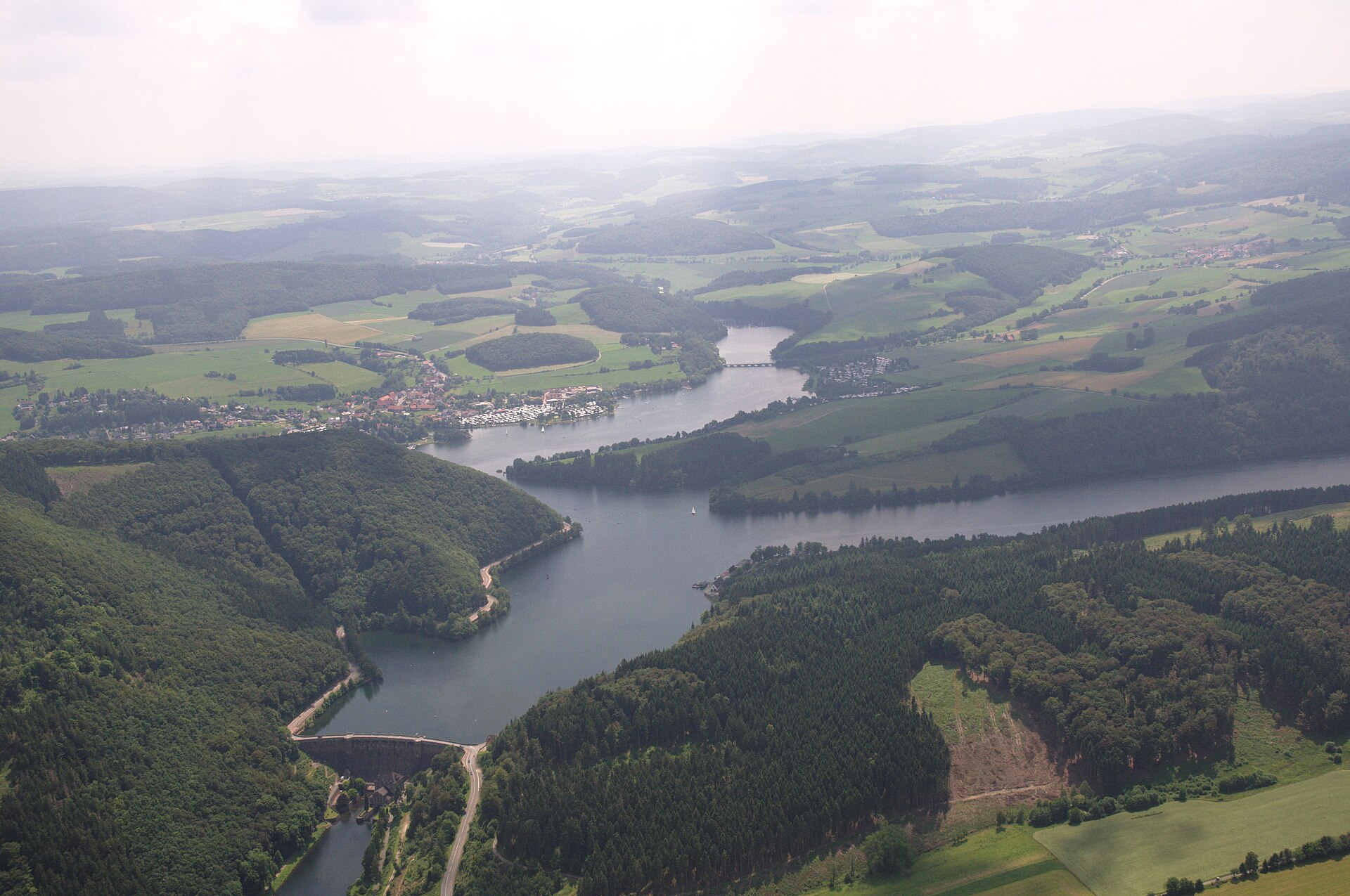
Natura 2000 30 records
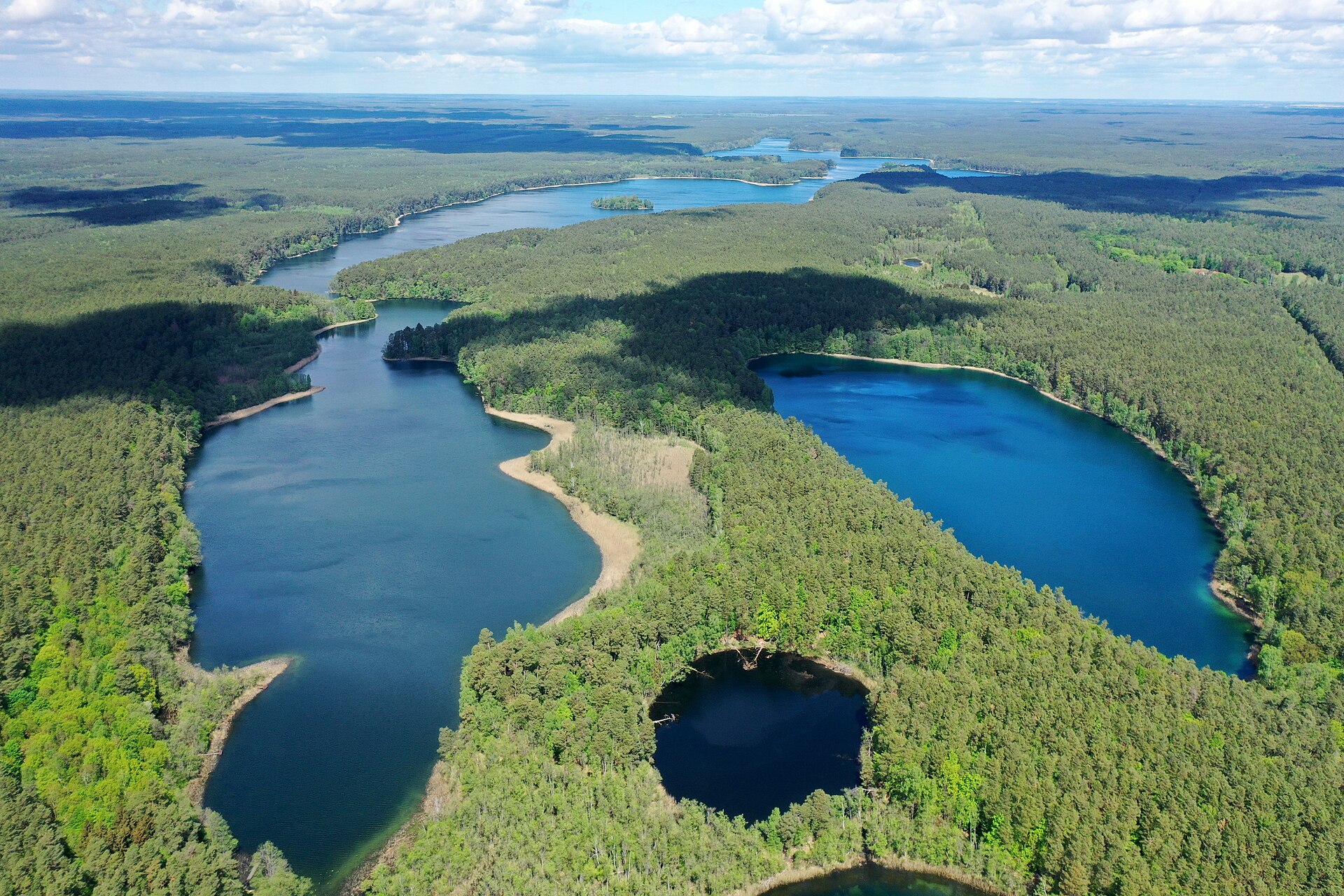
Natura 2000 25 records
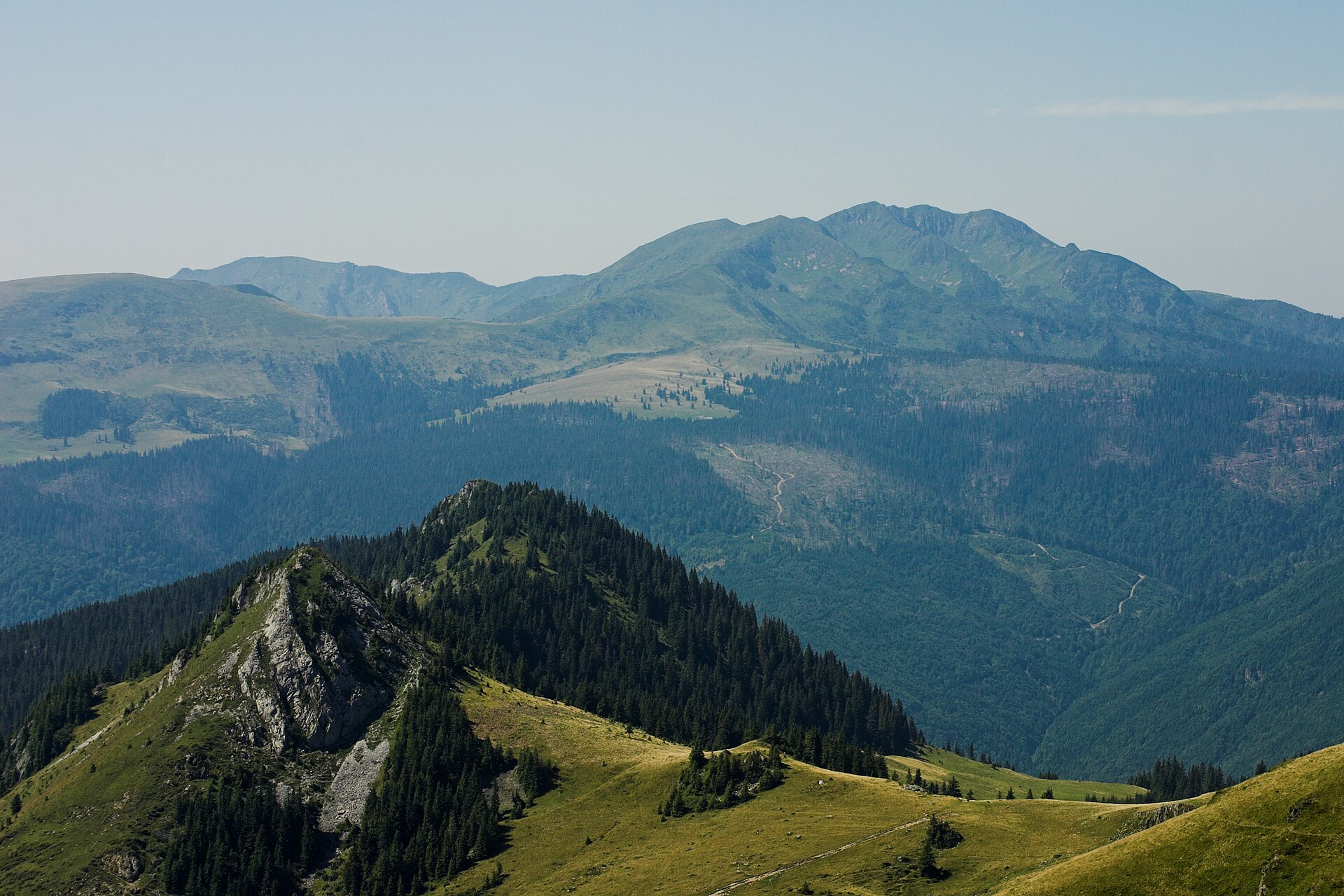
Natura 2000 9 records
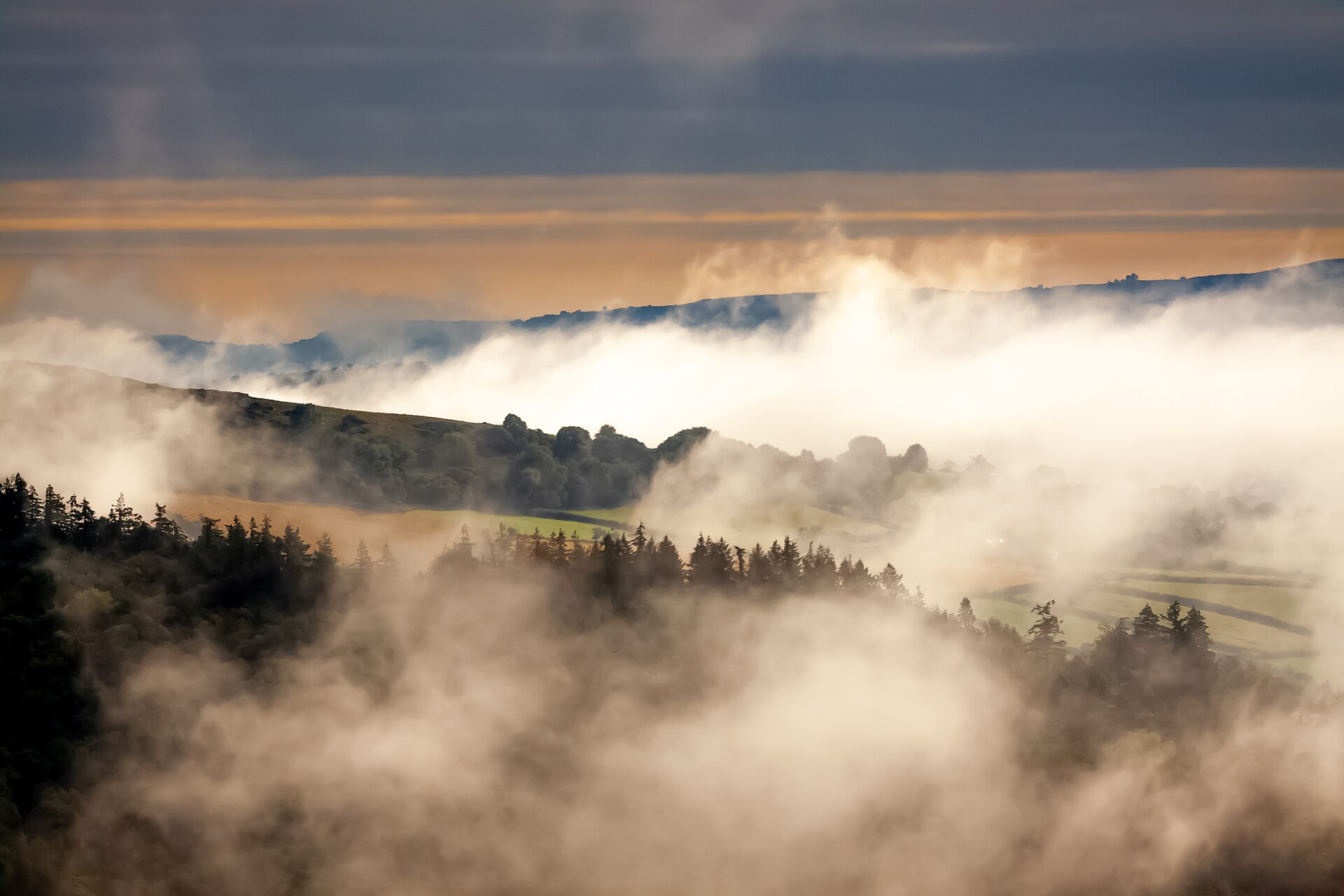
1,849 records
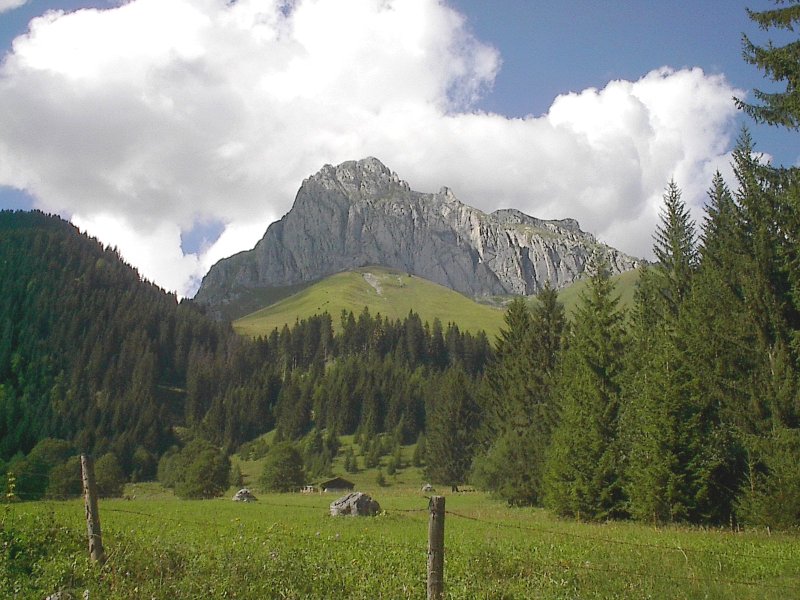
760 records

9 records
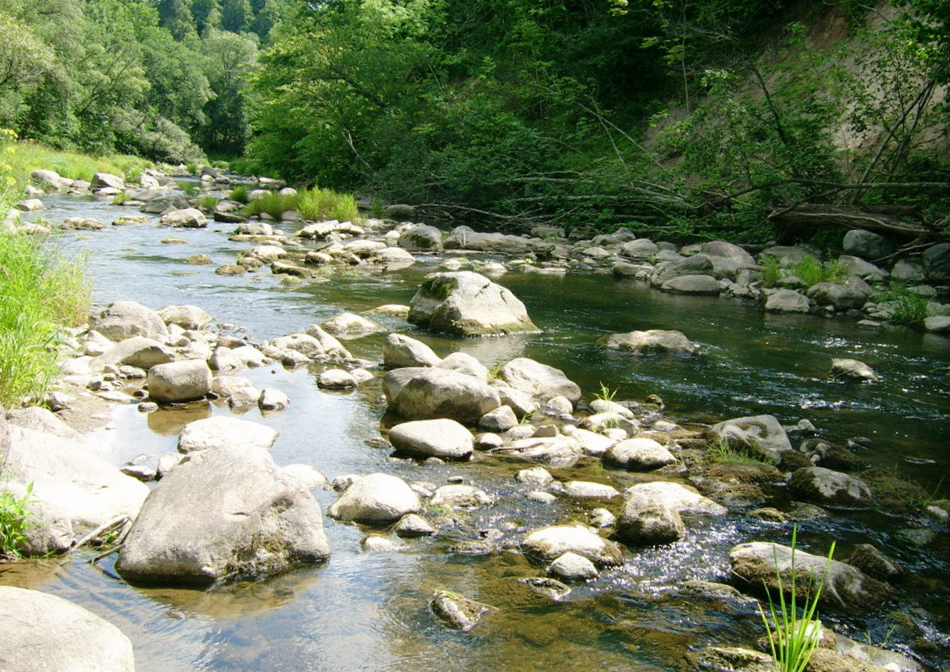
4 records
Natura 2000
Natura 2000
Natura 2000
Natura 2000
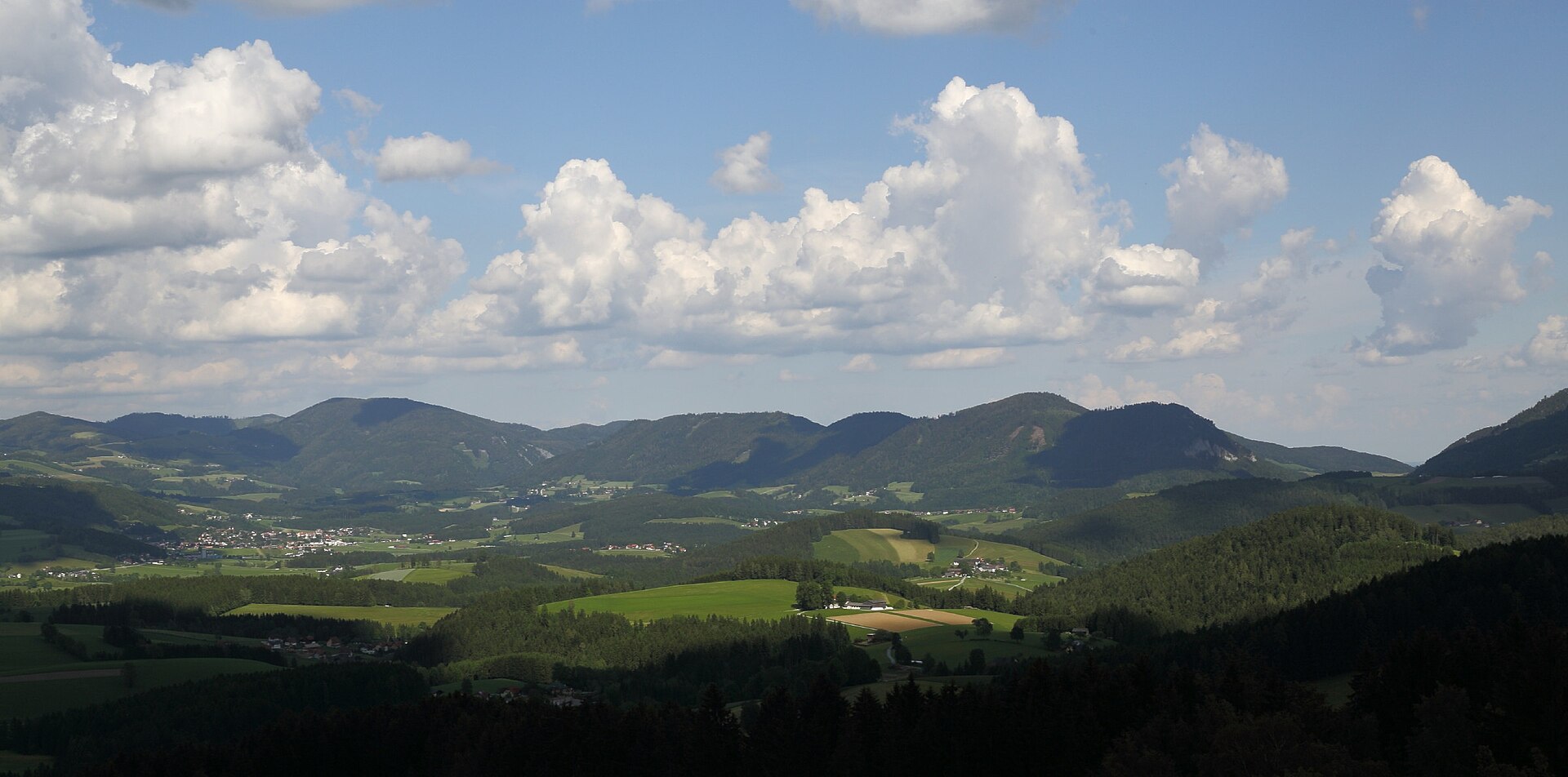
Natura 2000
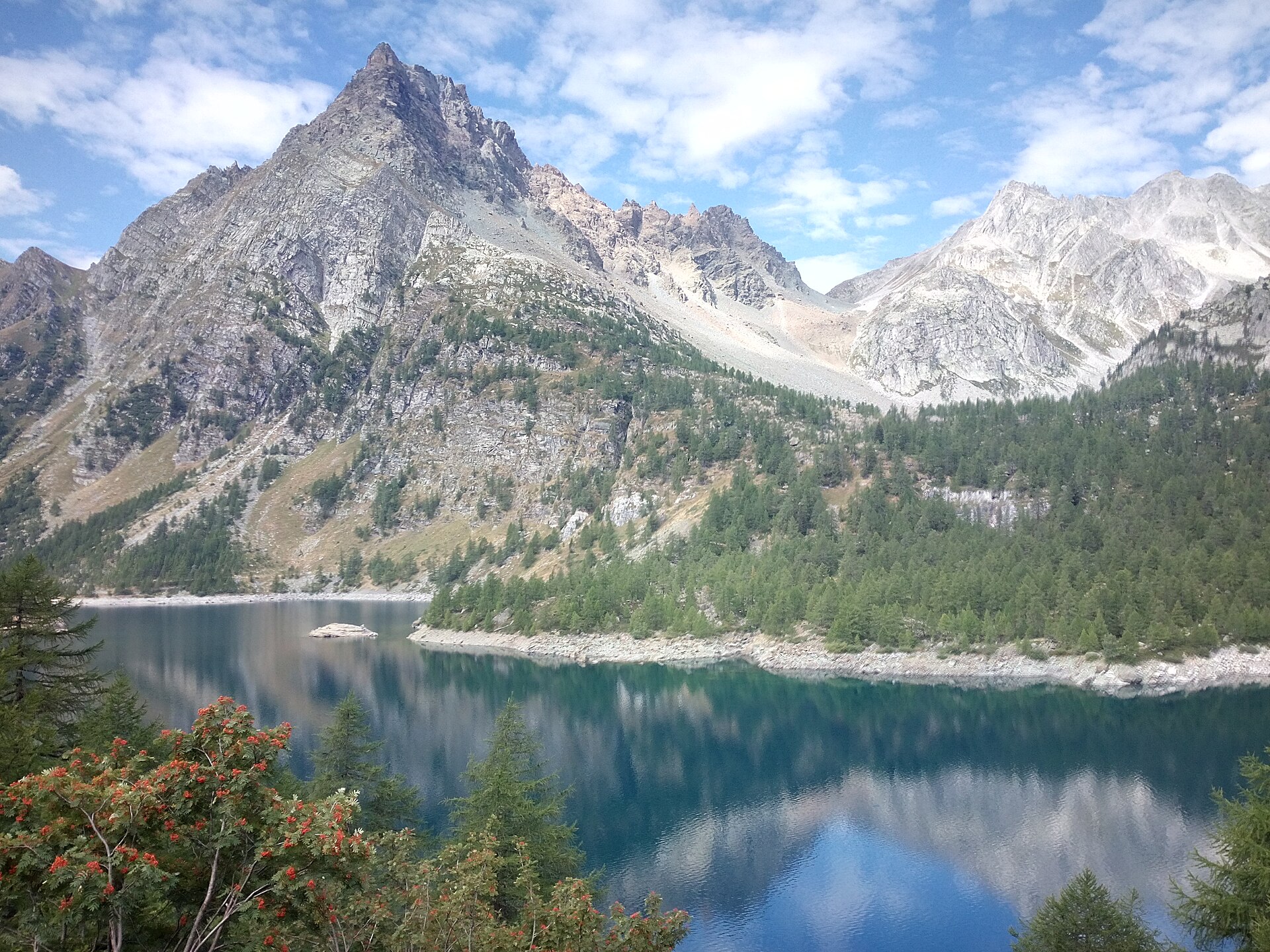
Natura 2000
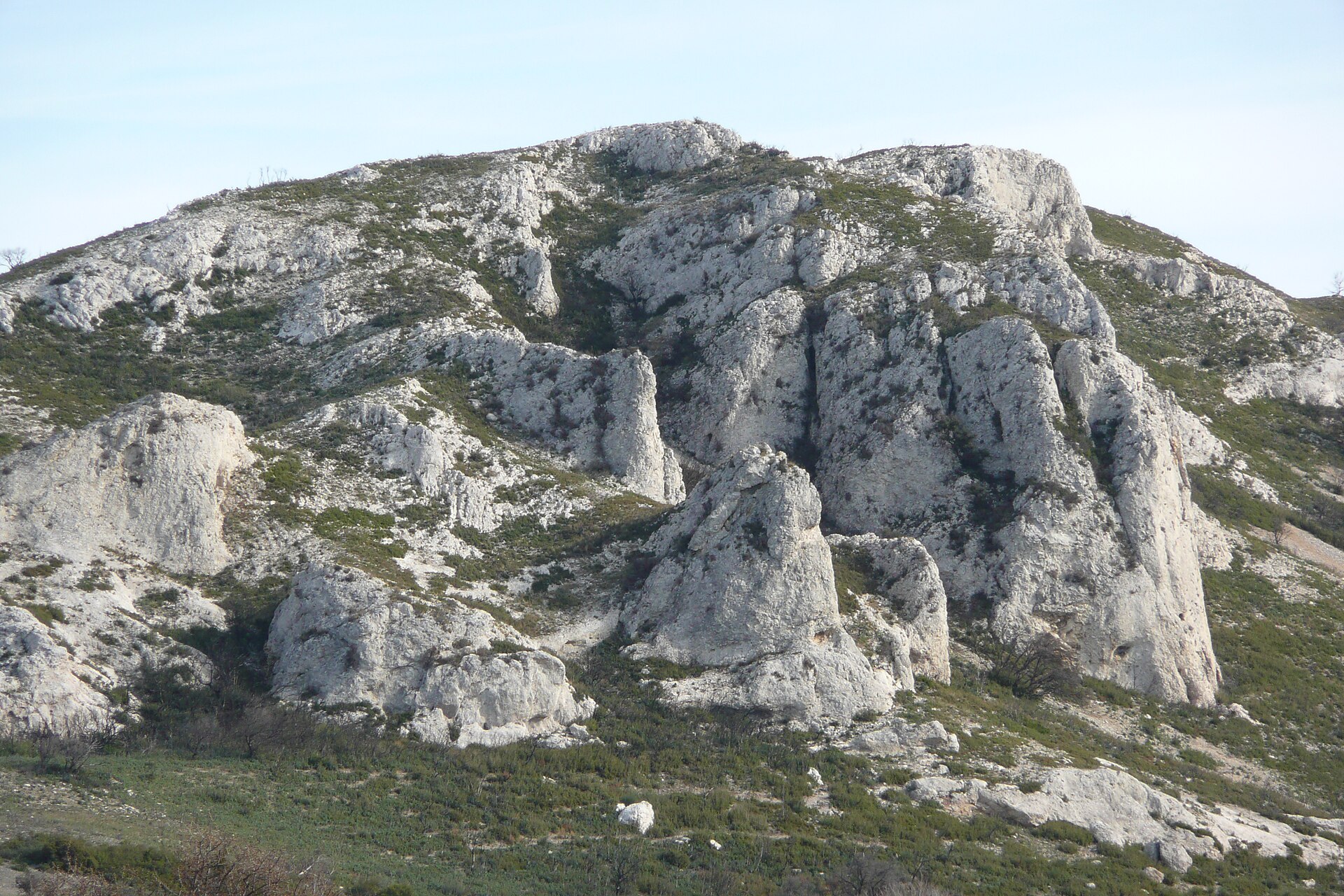
Natura 2000
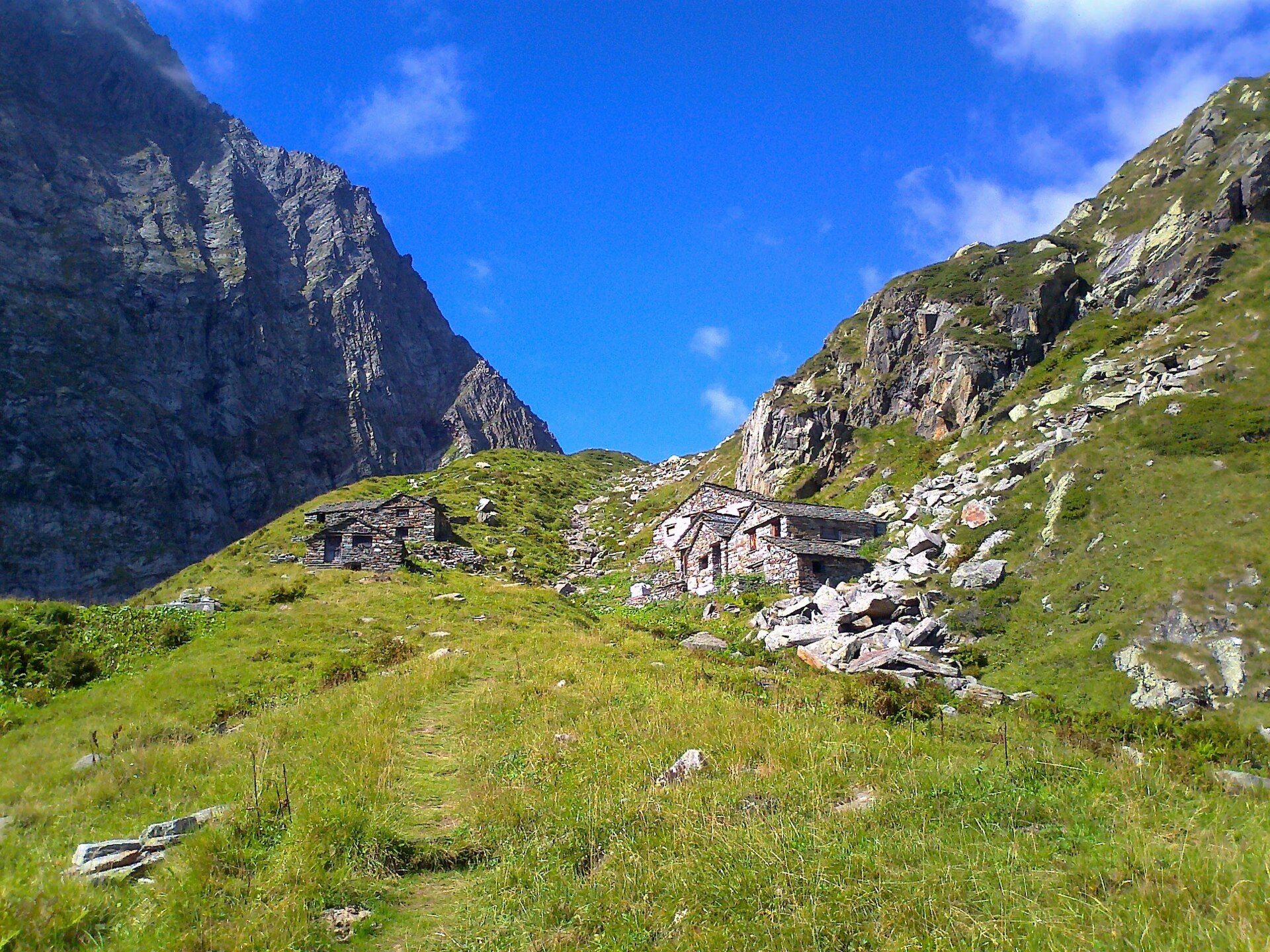
Natura 2000
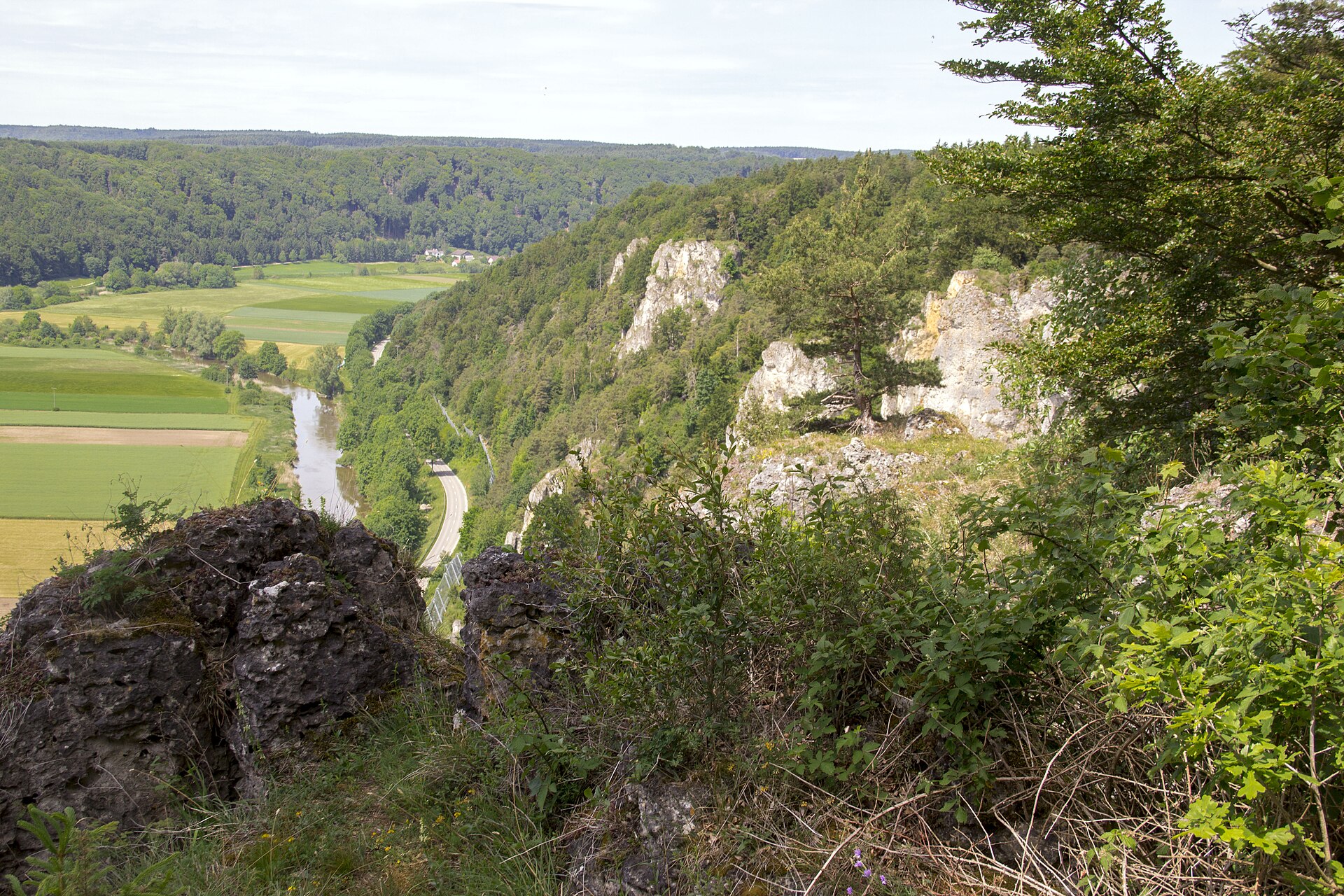
Natura 2000

Natura 2000
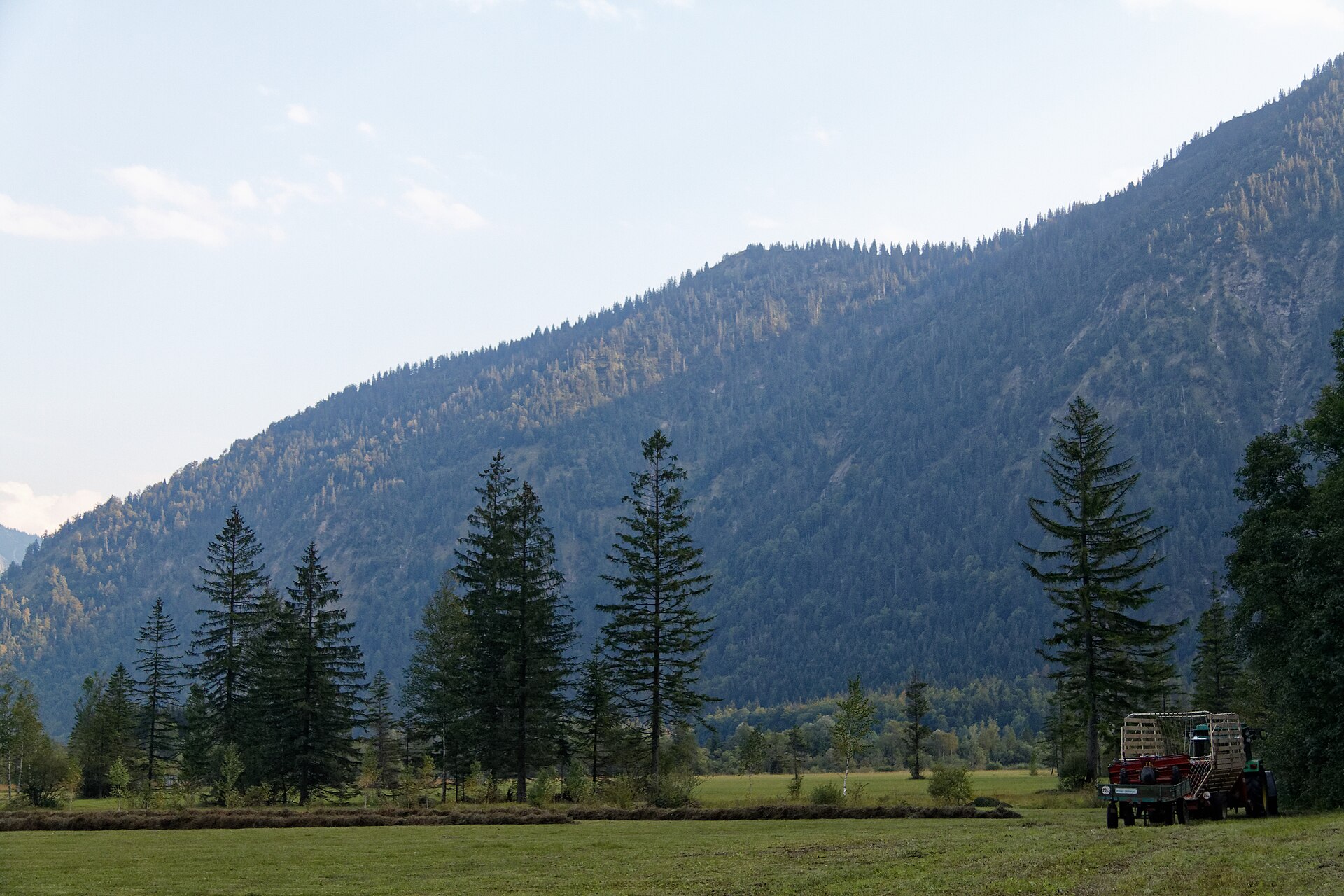
Natura 2000
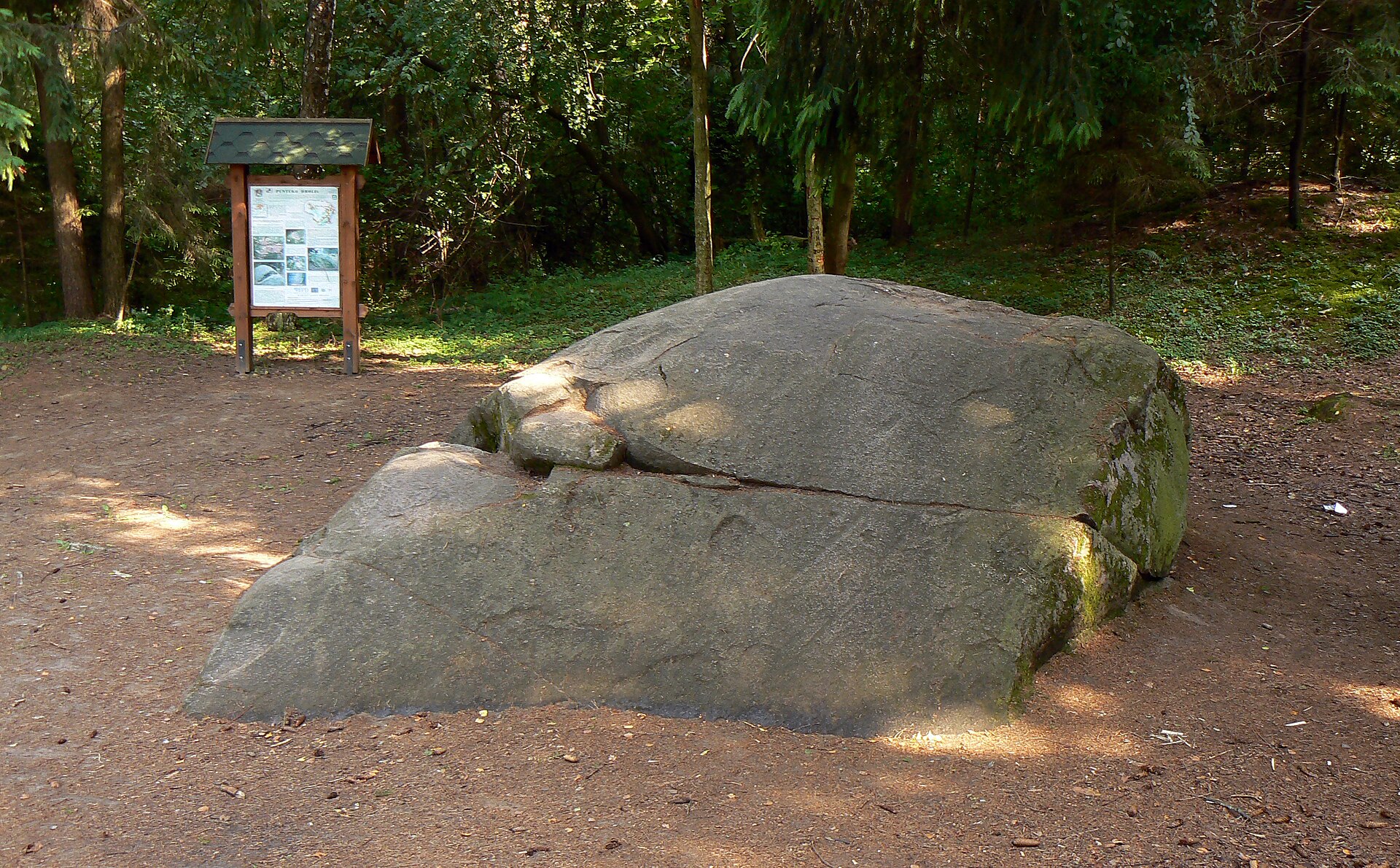
Natura 2000
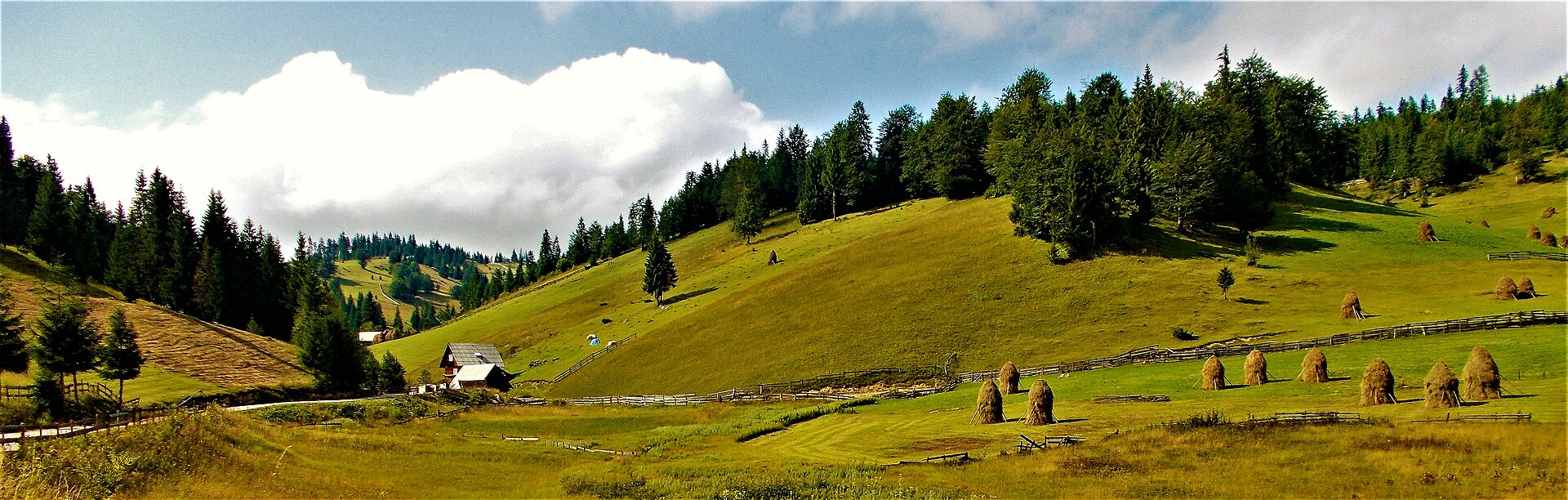
Natura 2000
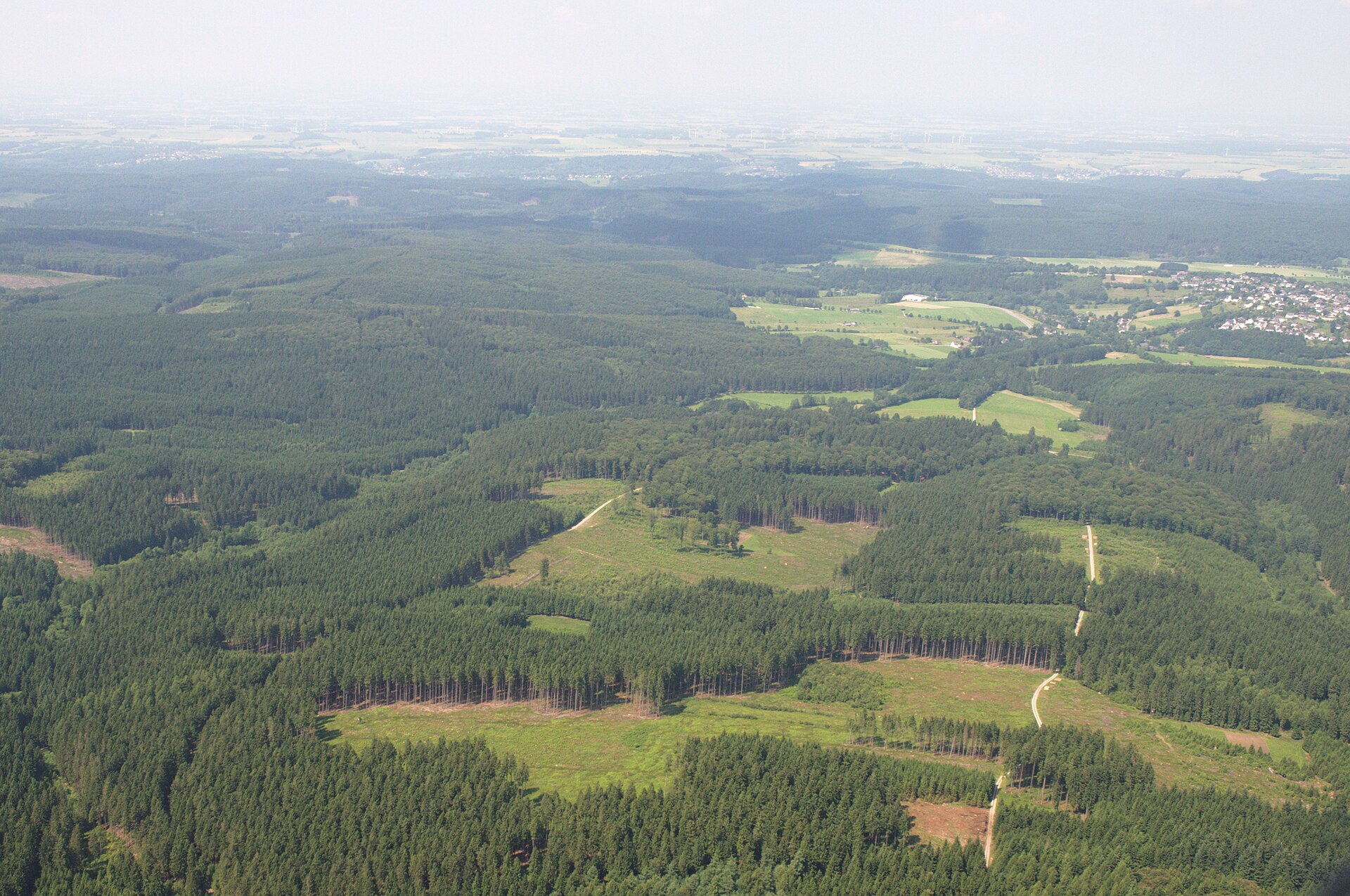
Natura 2000
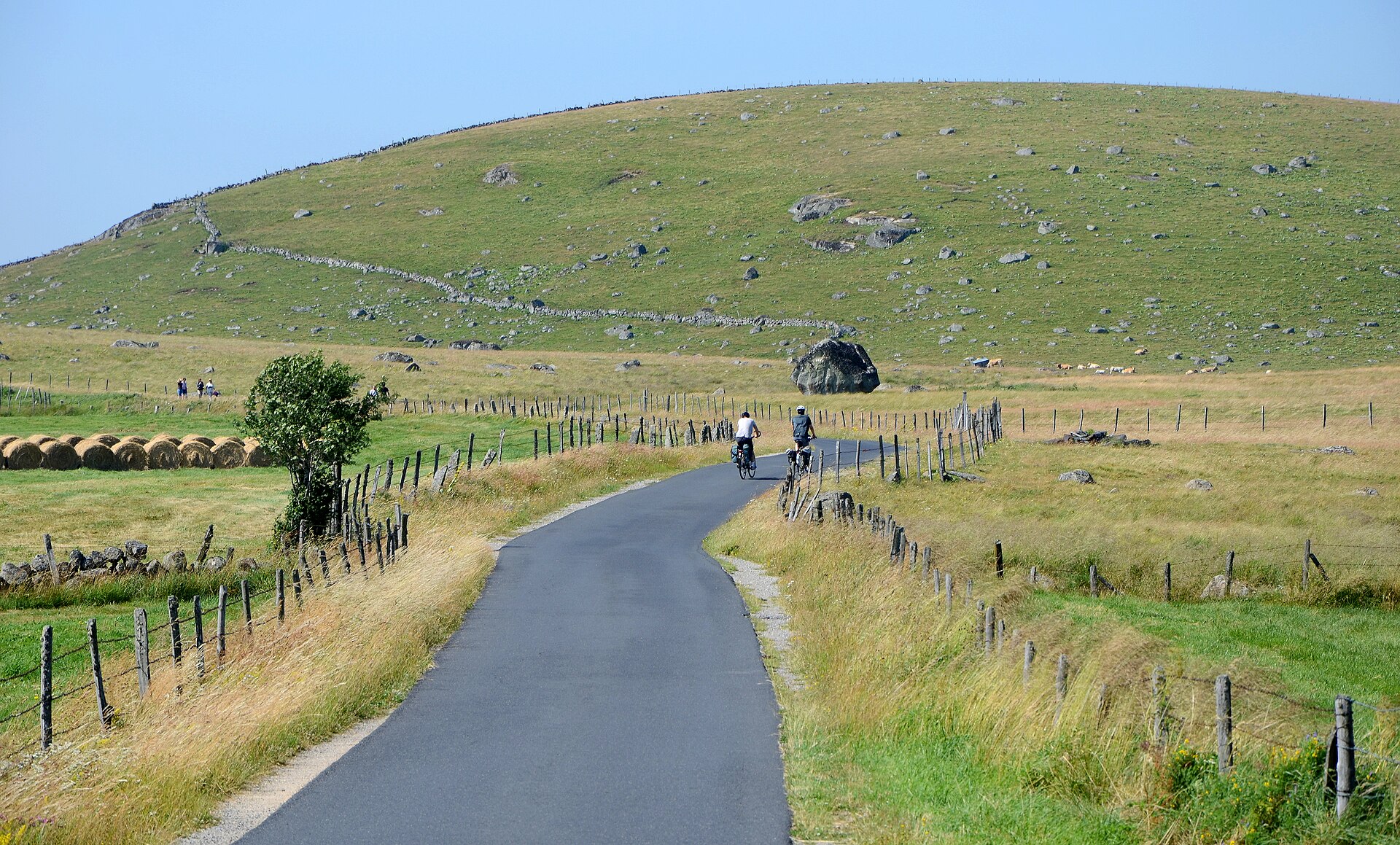
Natura 2000
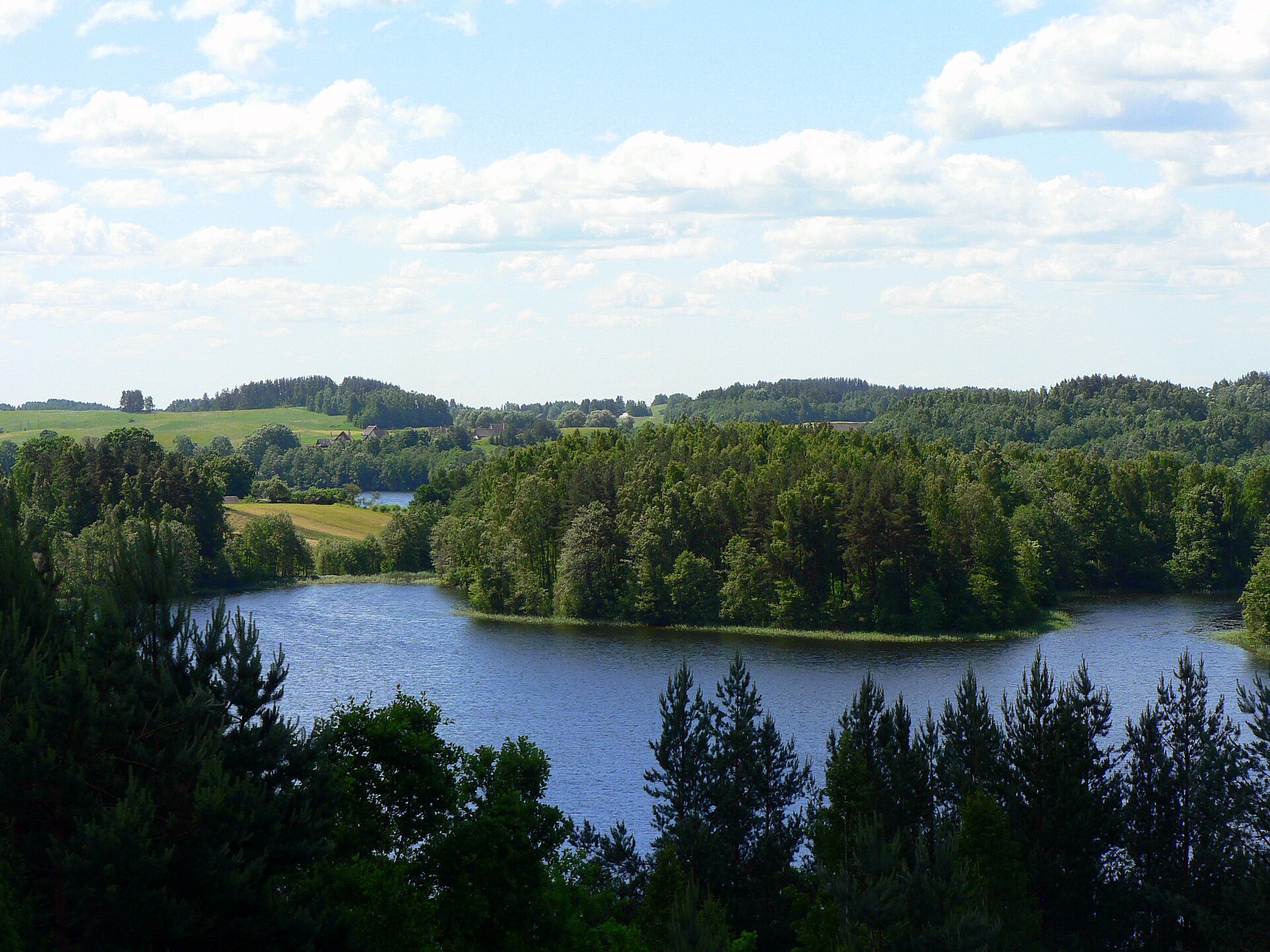
Natura 2000
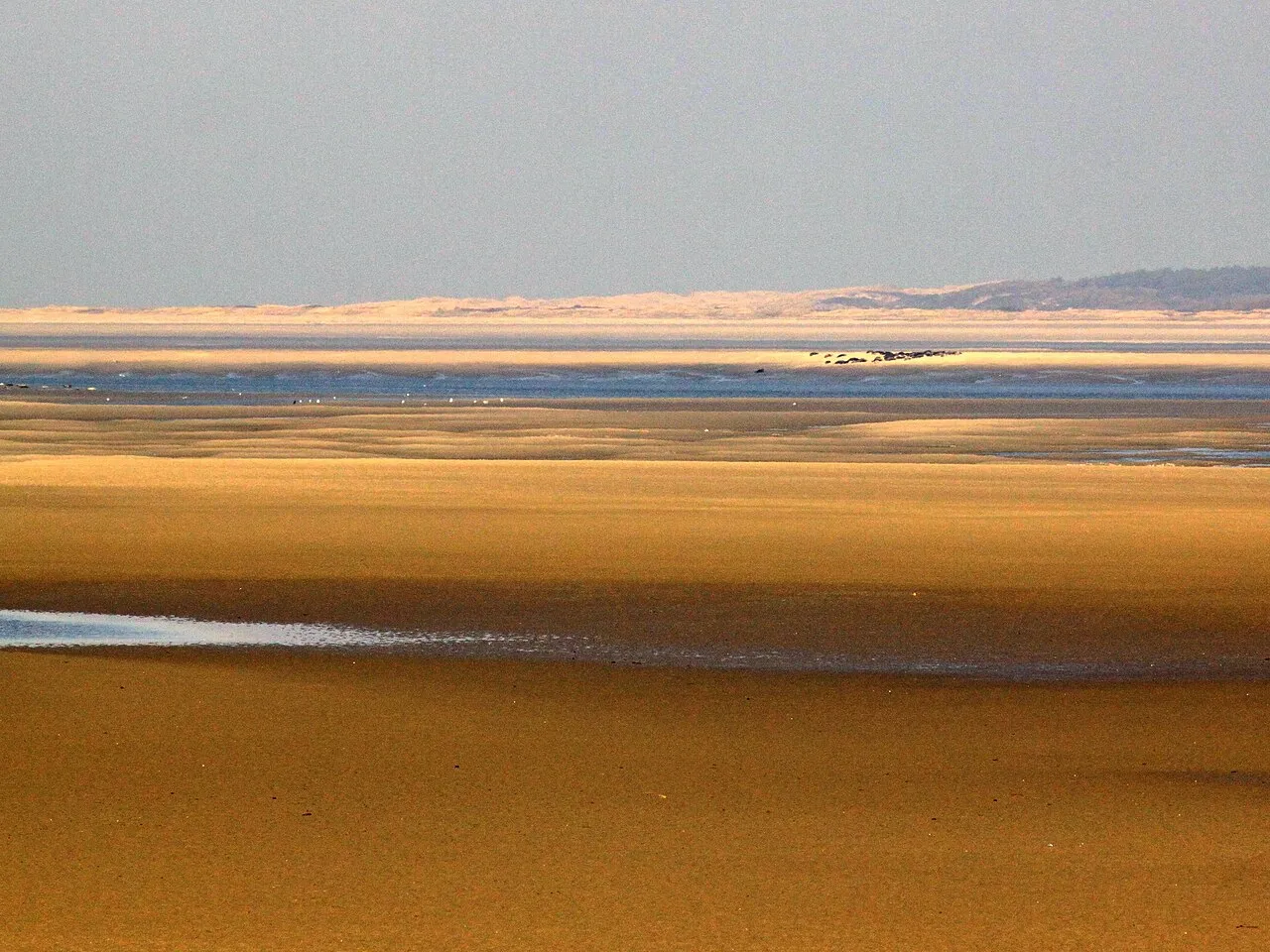
Natura 2000
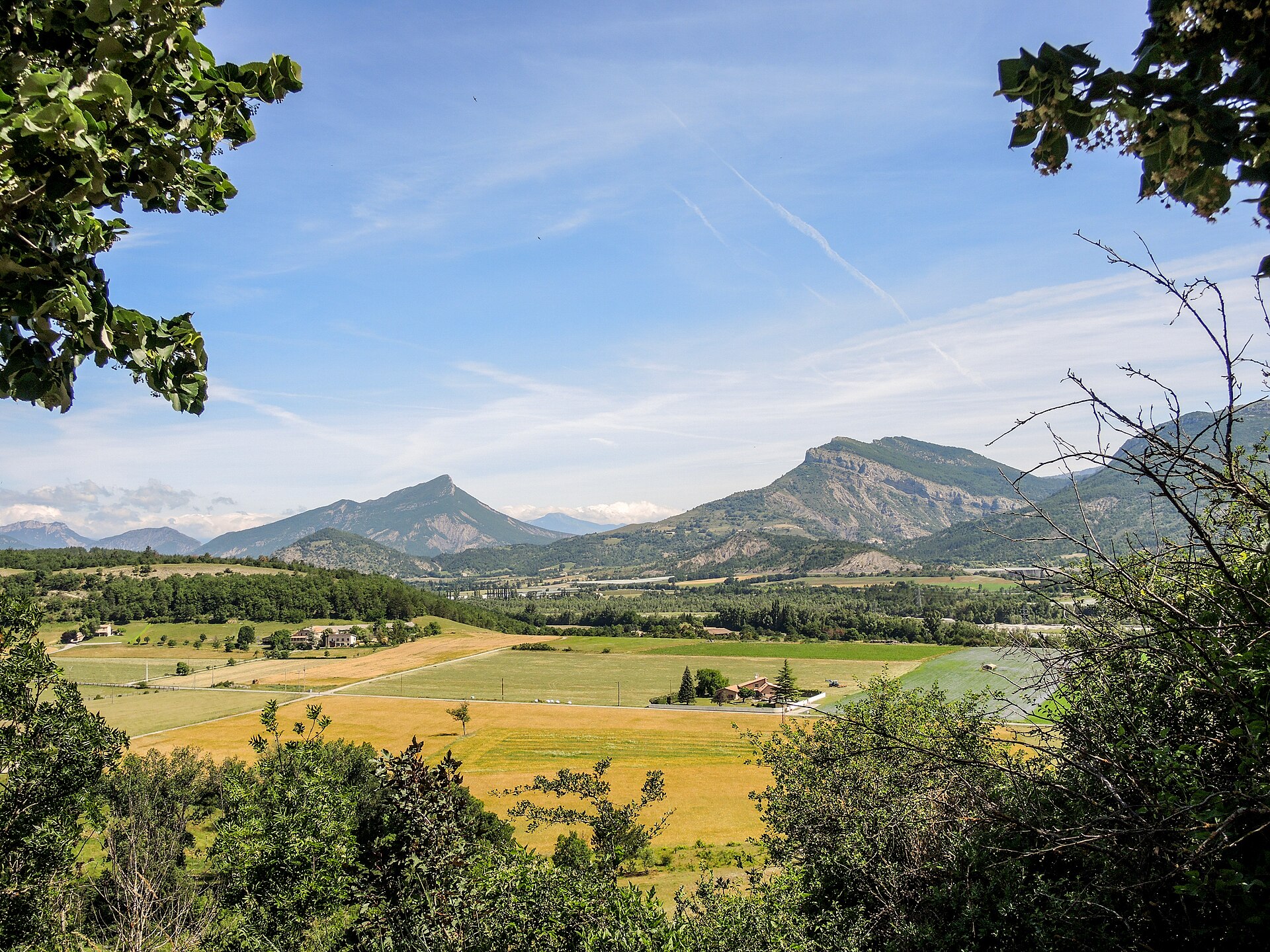
Natura 2000
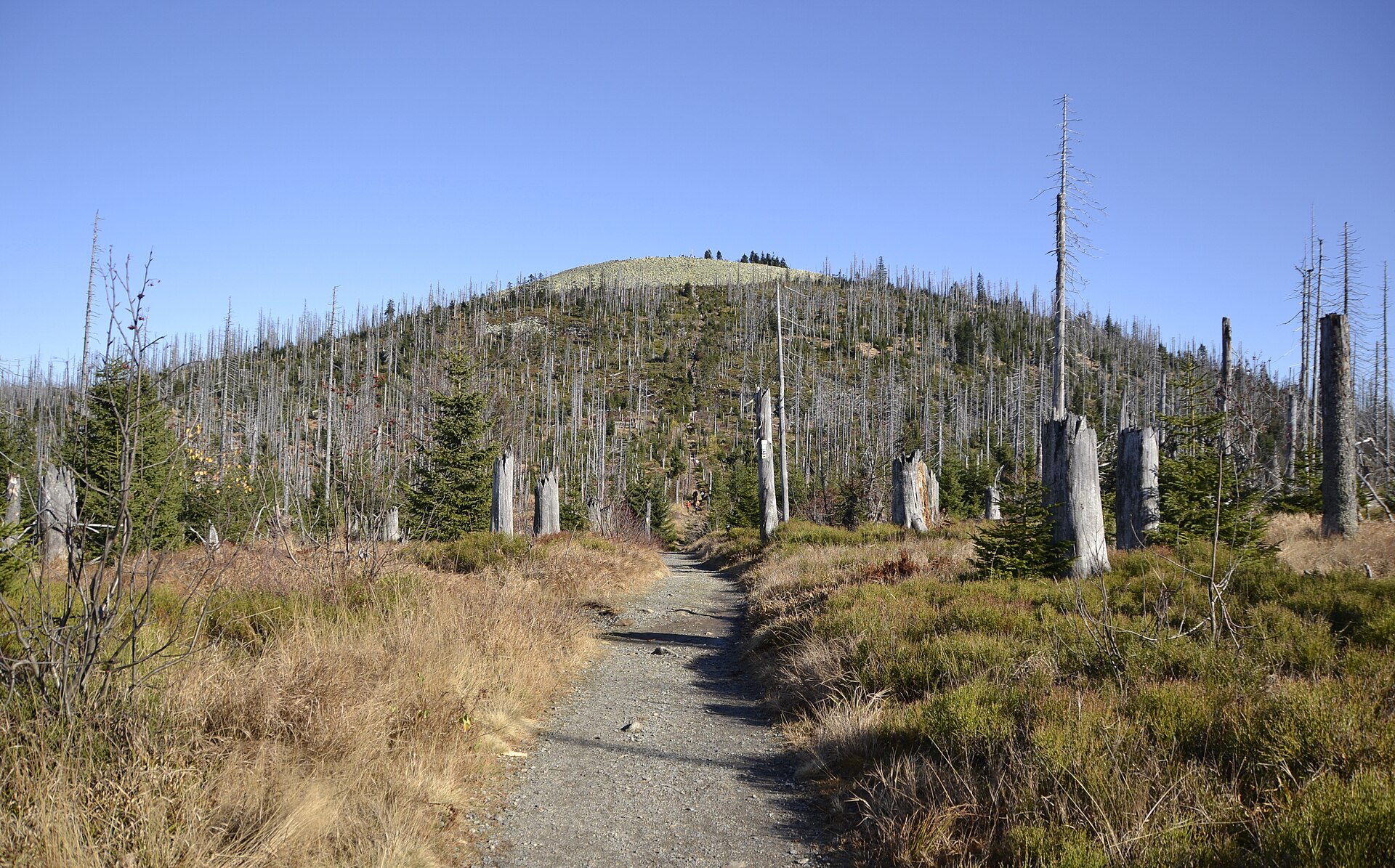
Natura 2000
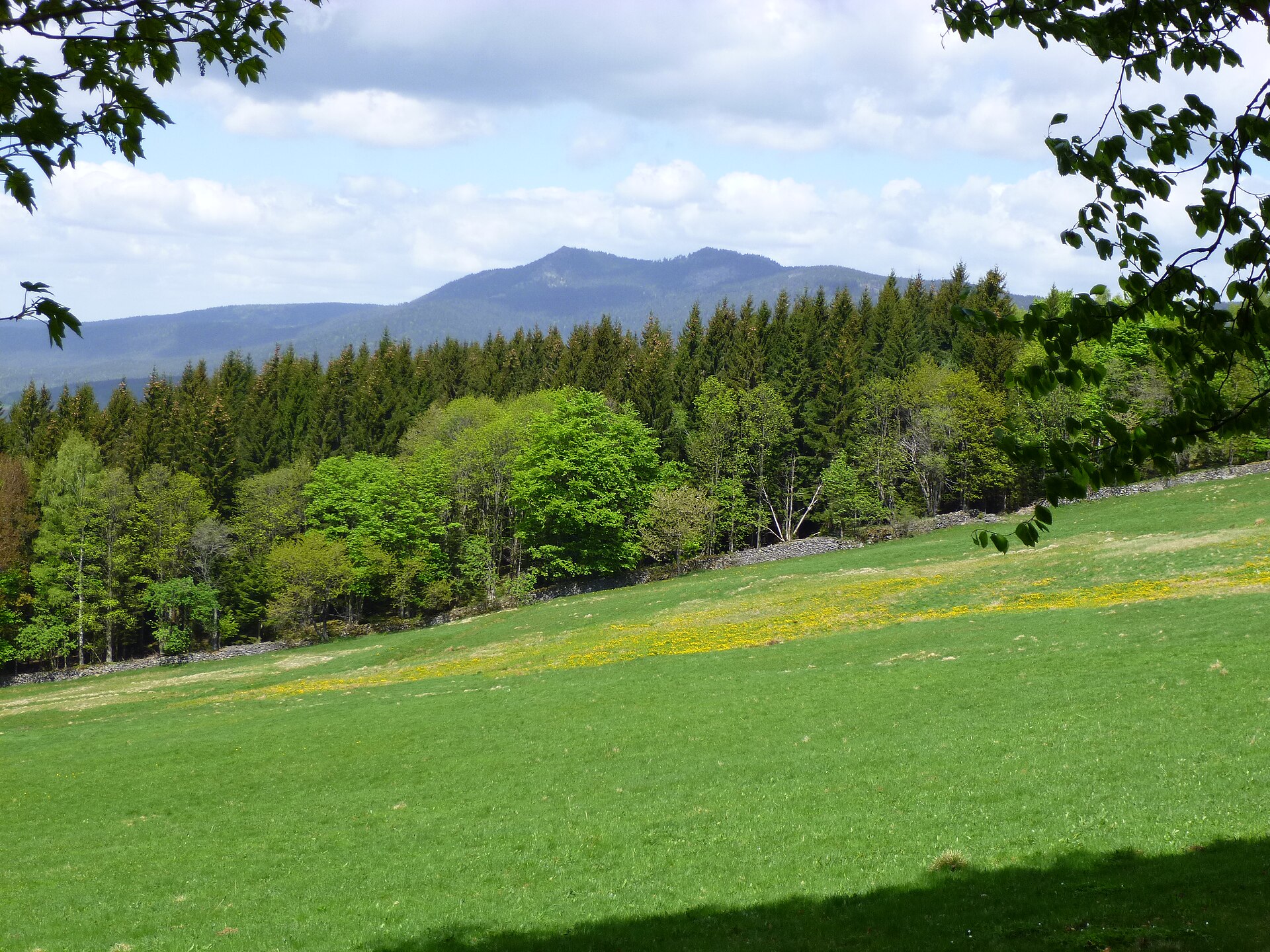
Natura 2000
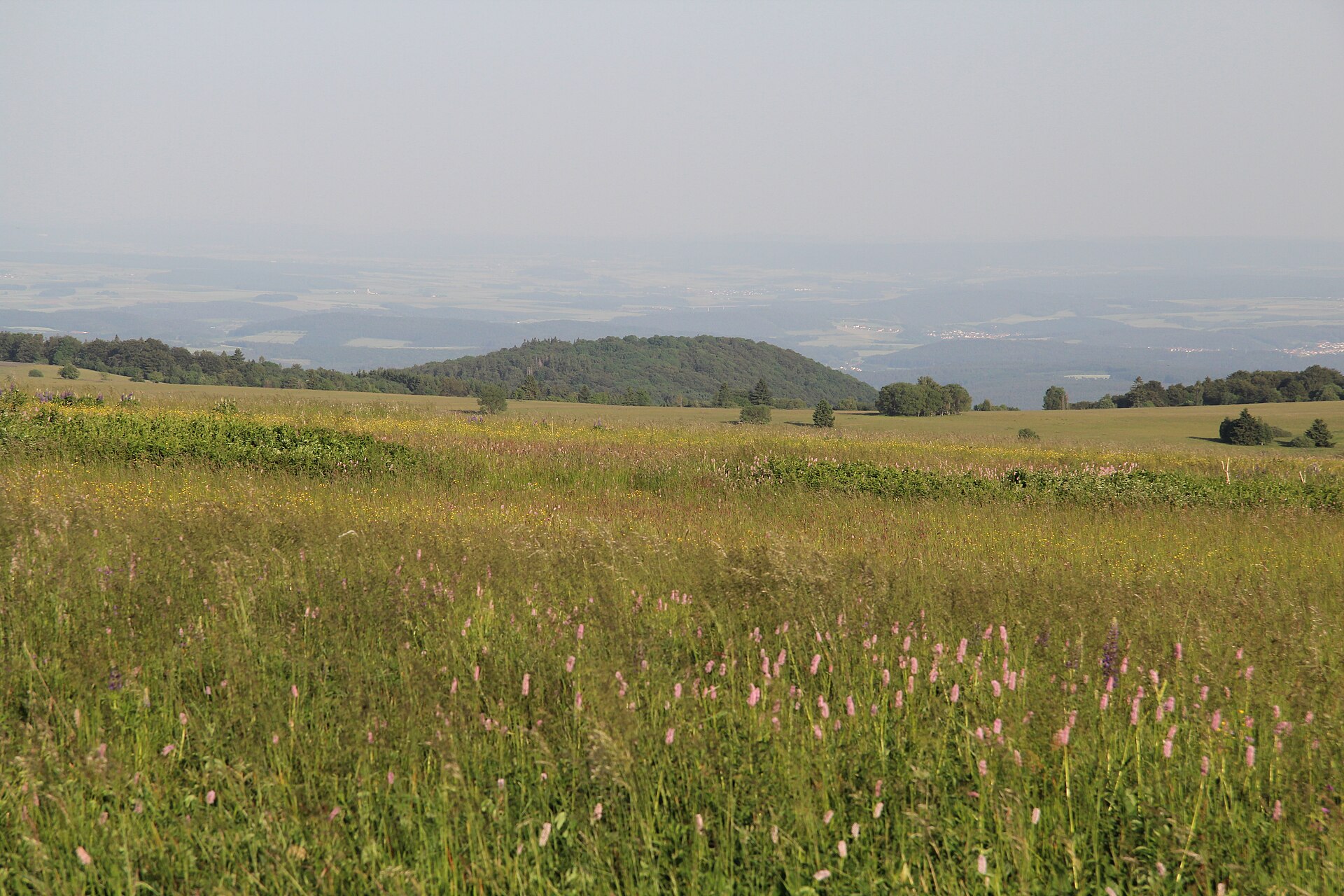
Natura 2000
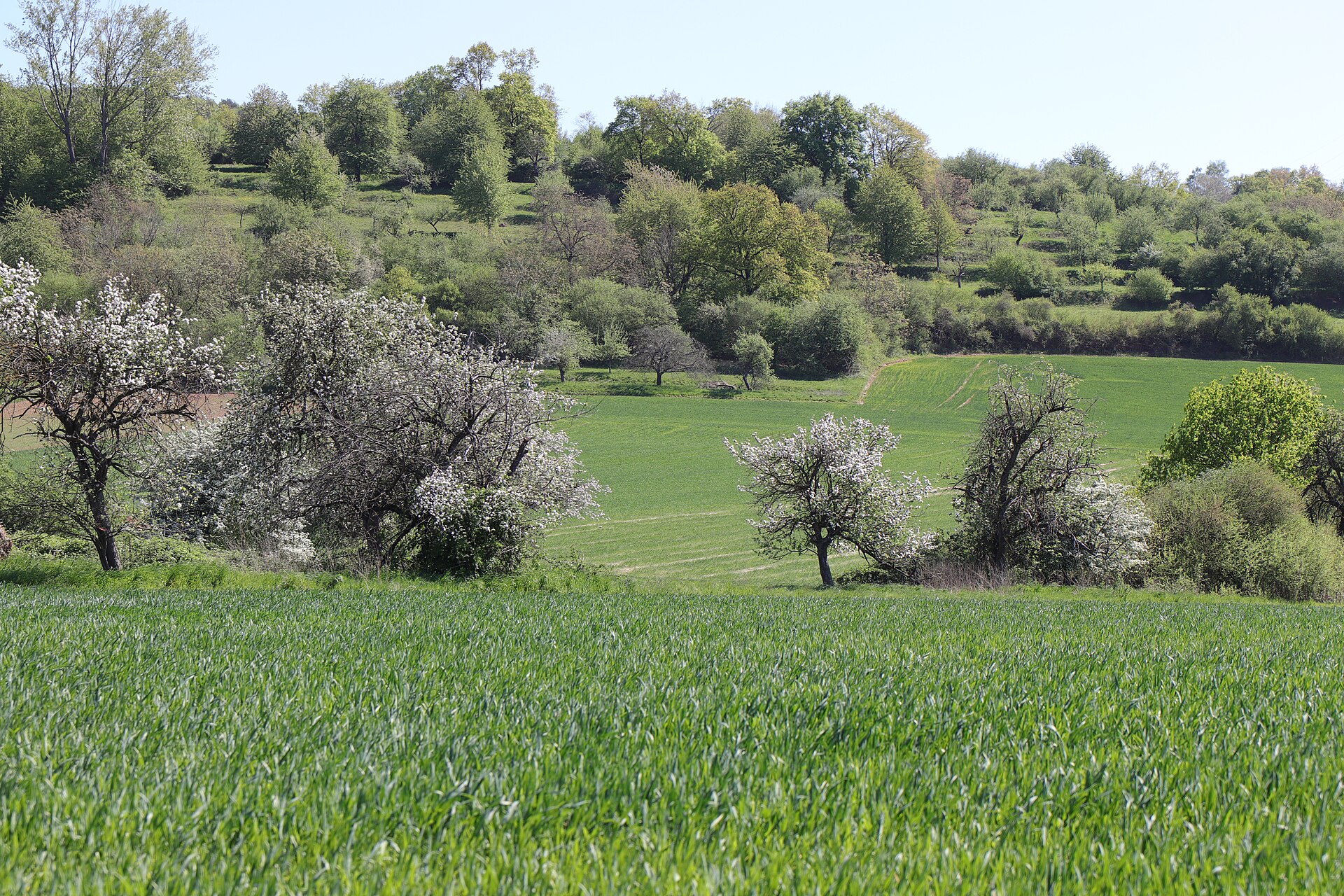
Natura 2000
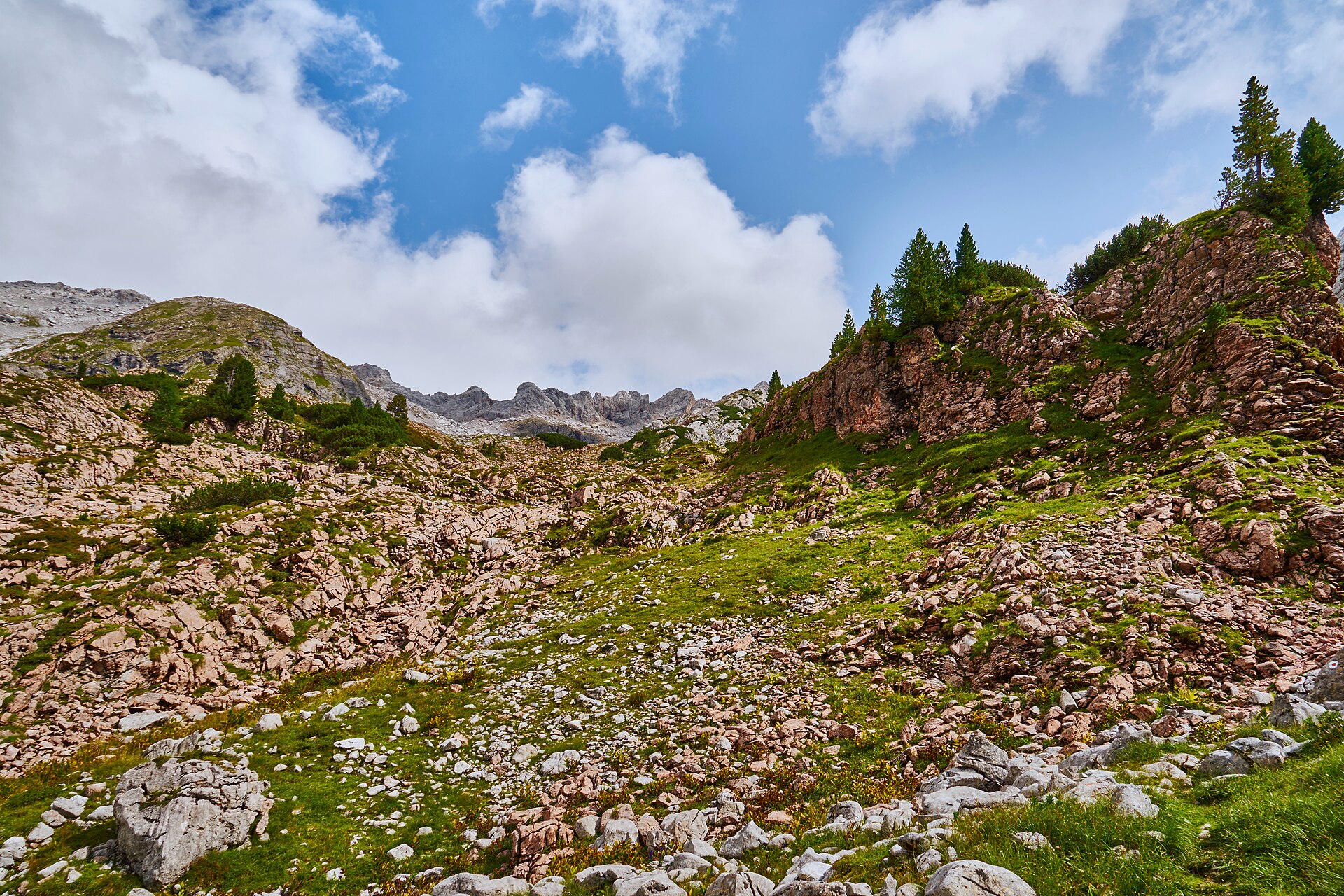
Natura 2000
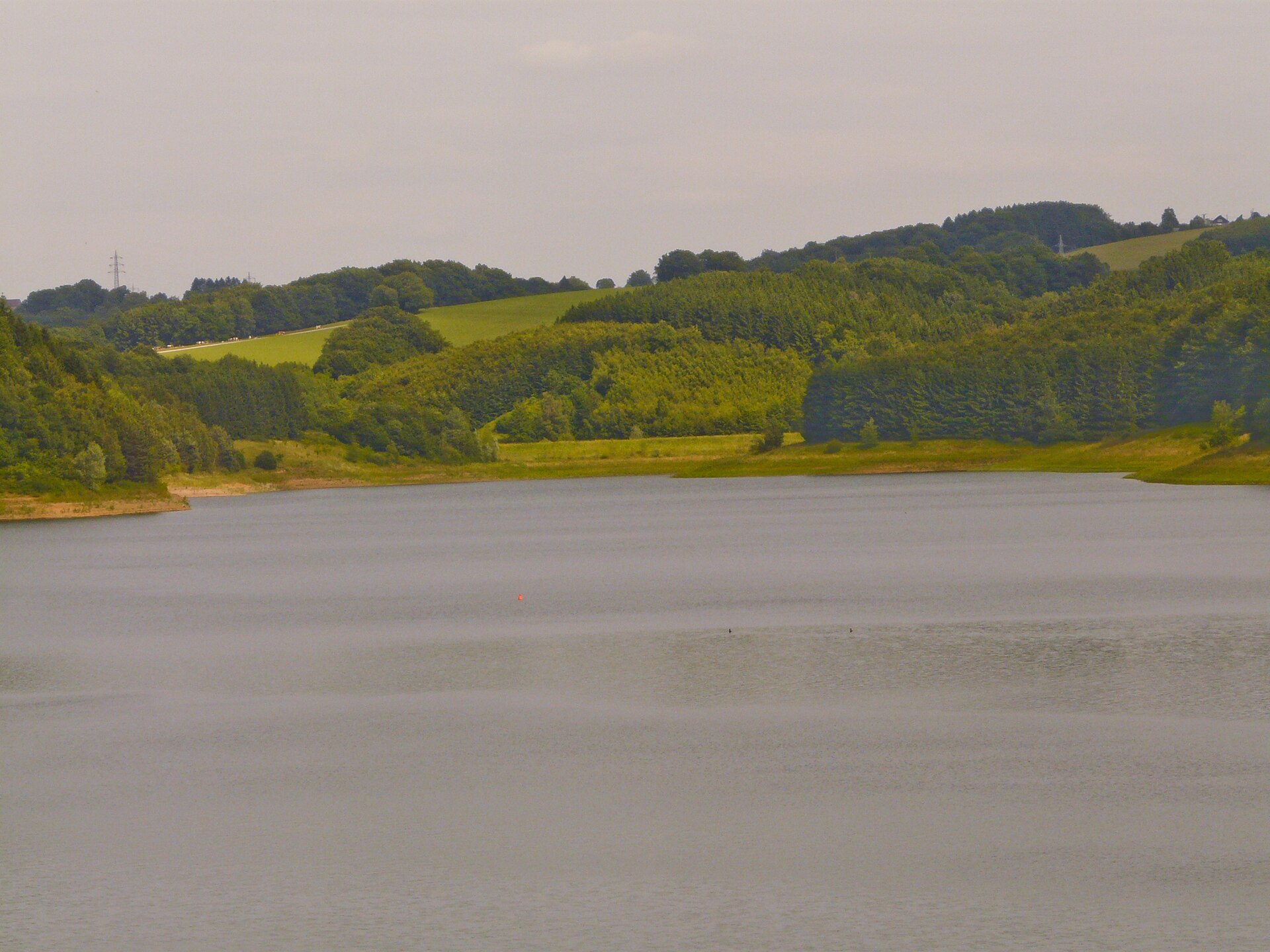
Natura 2000
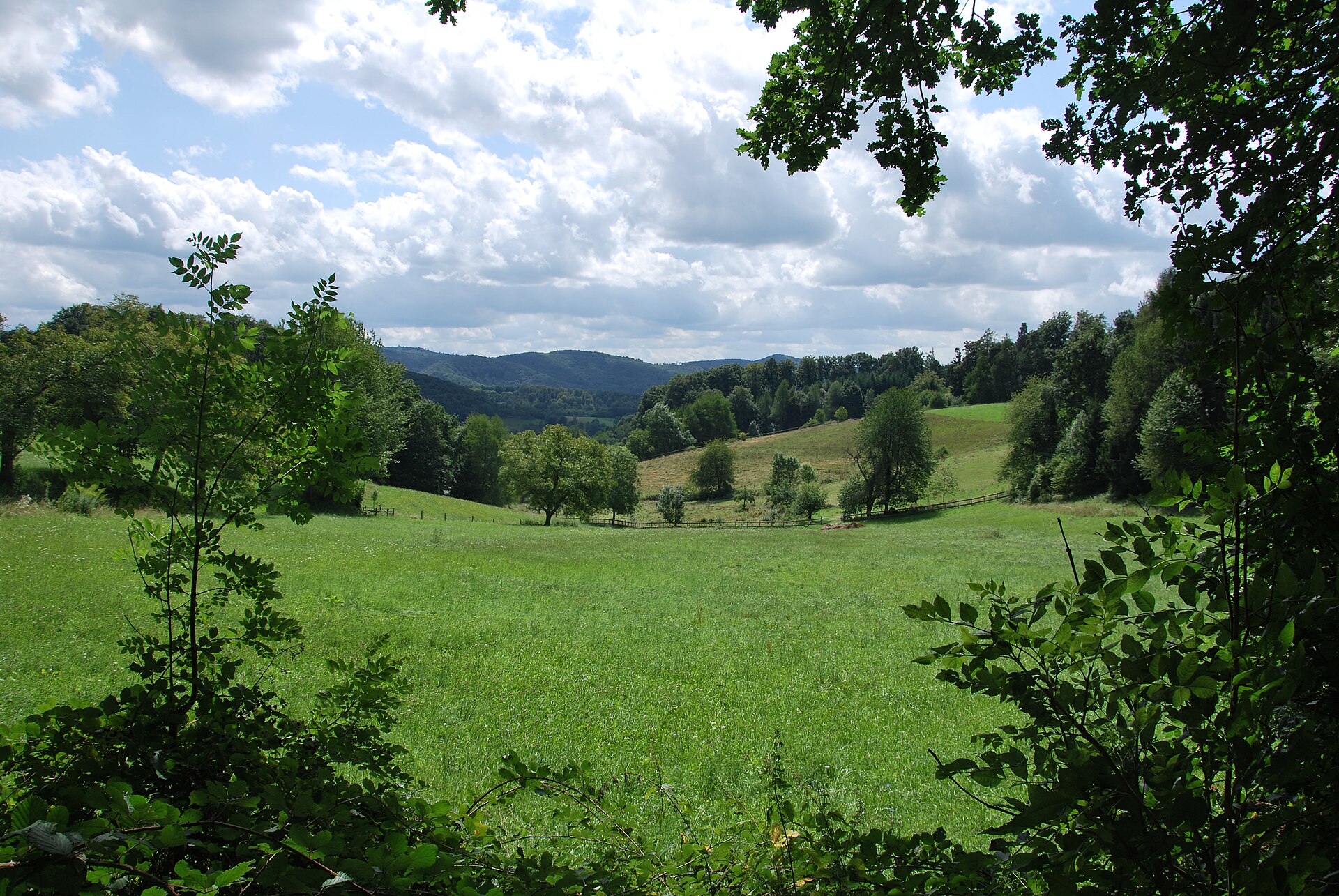
Natura 2000
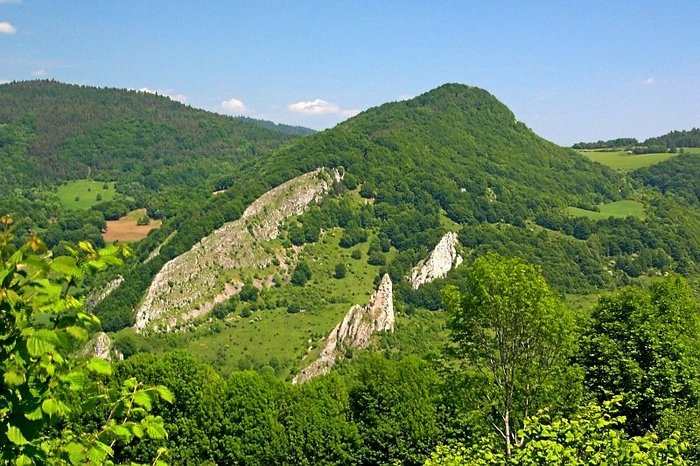
Natura 2000

Natura 2000
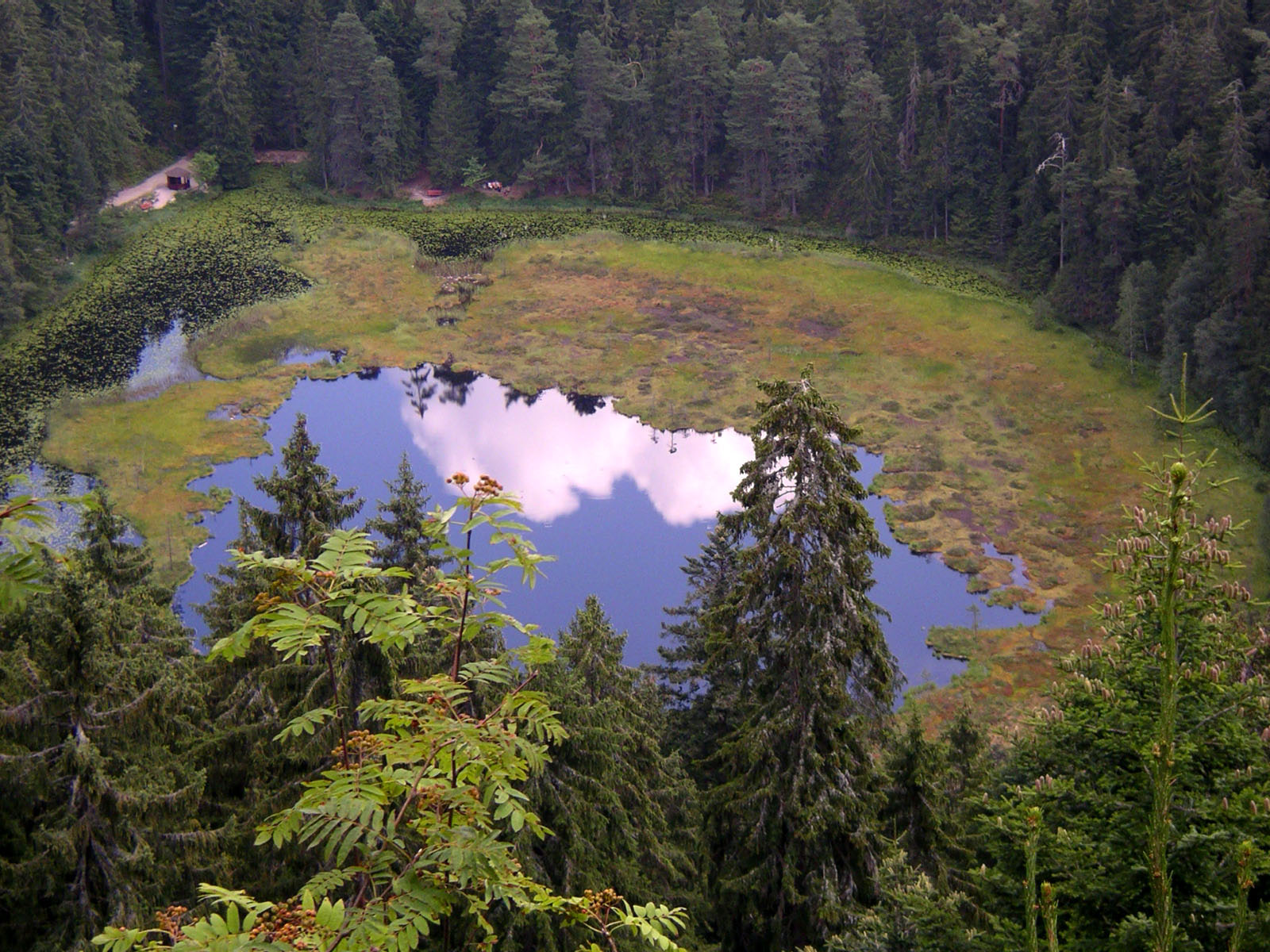
Natura 2000
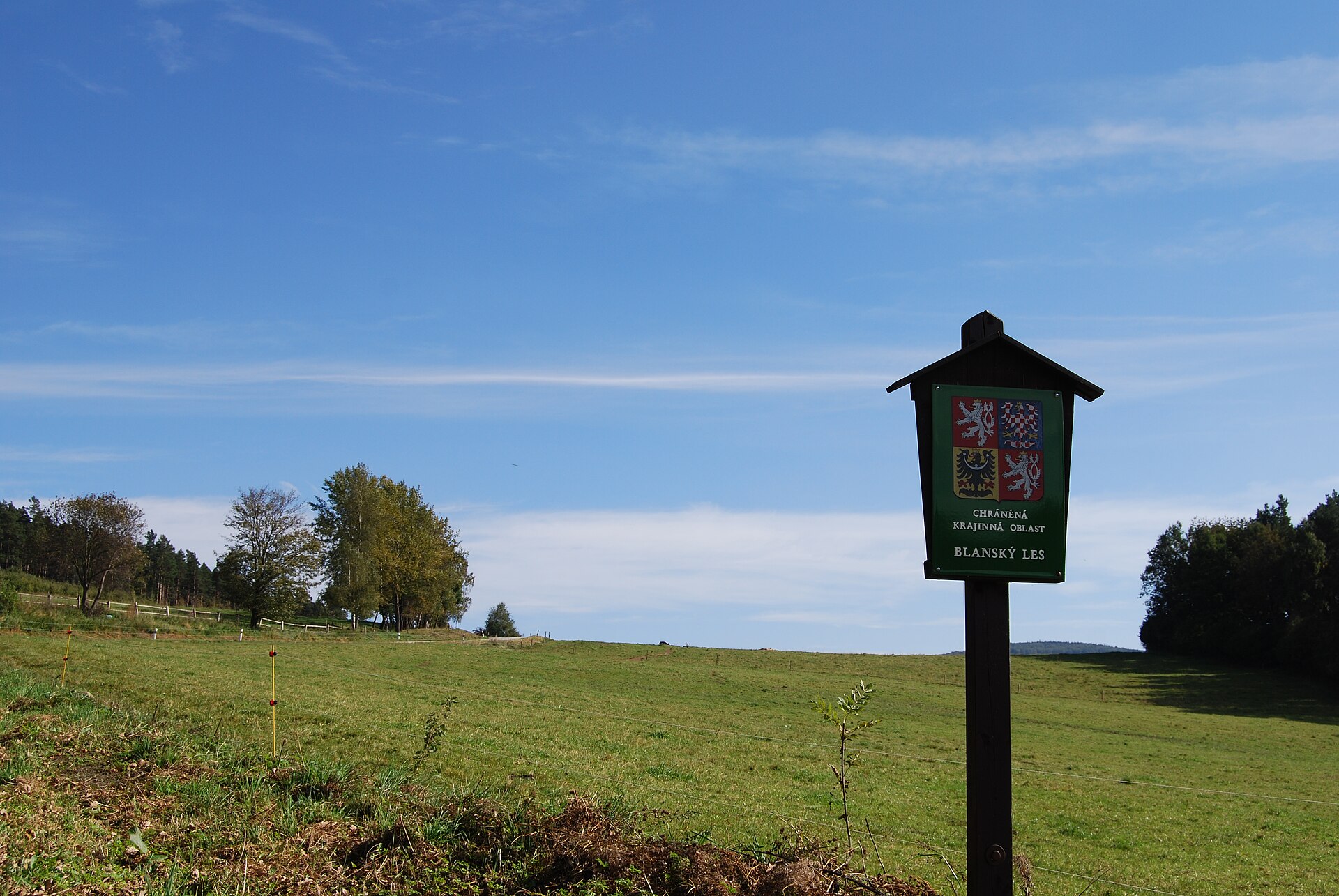
Natura 2000
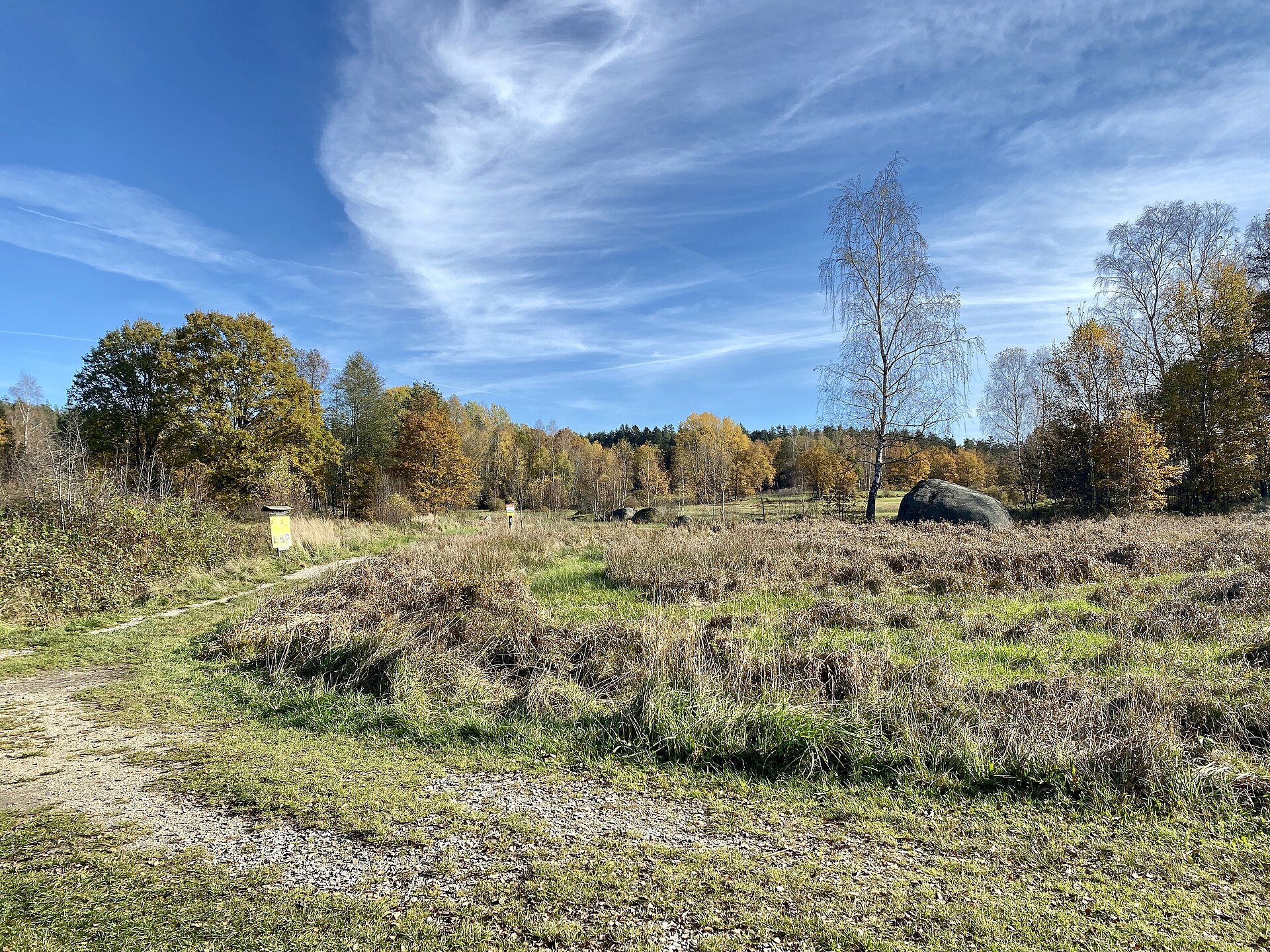
Natura 2000
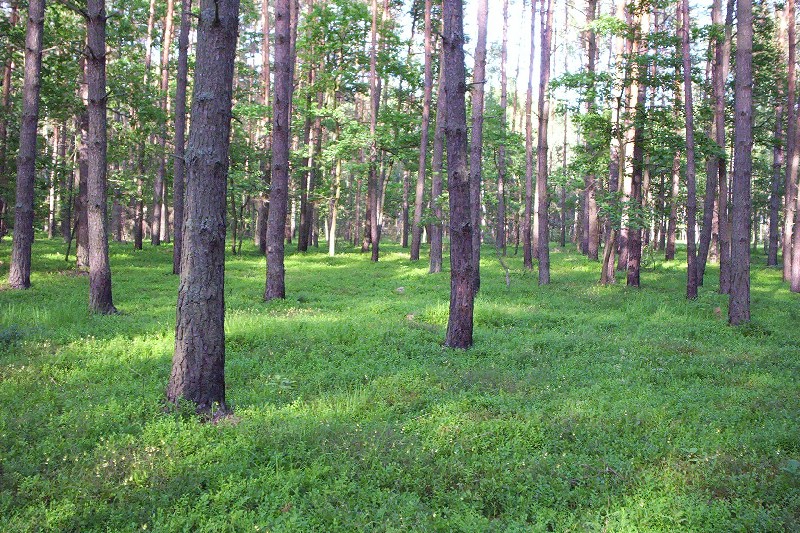
Natura 2000
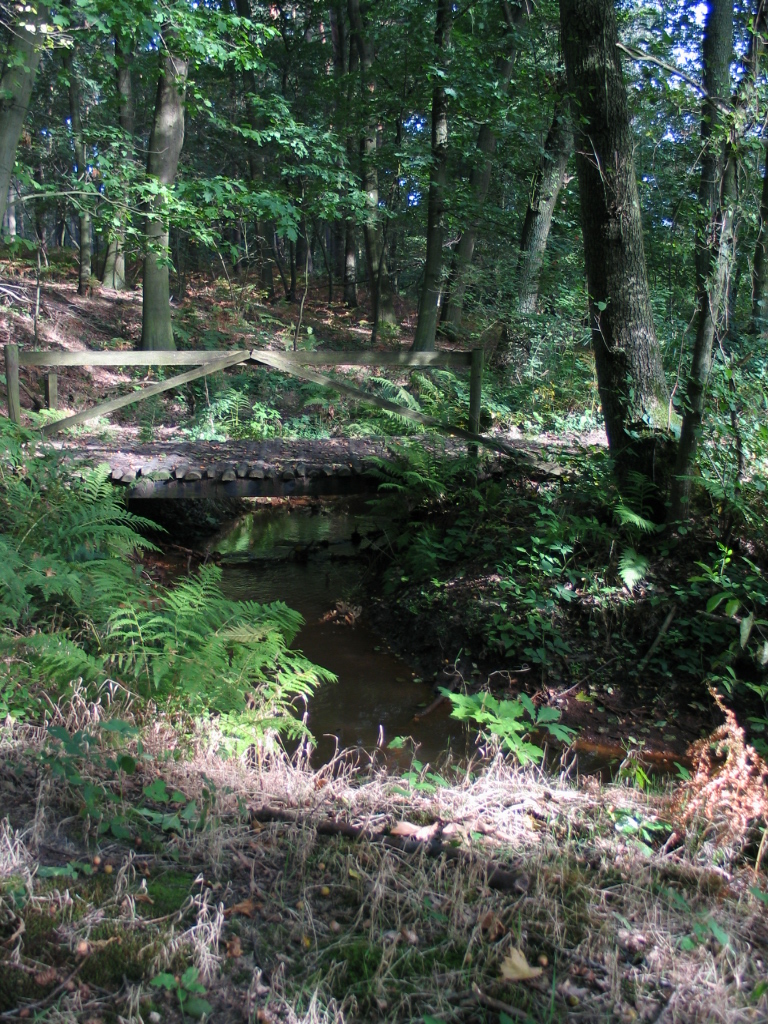
Natura 2000
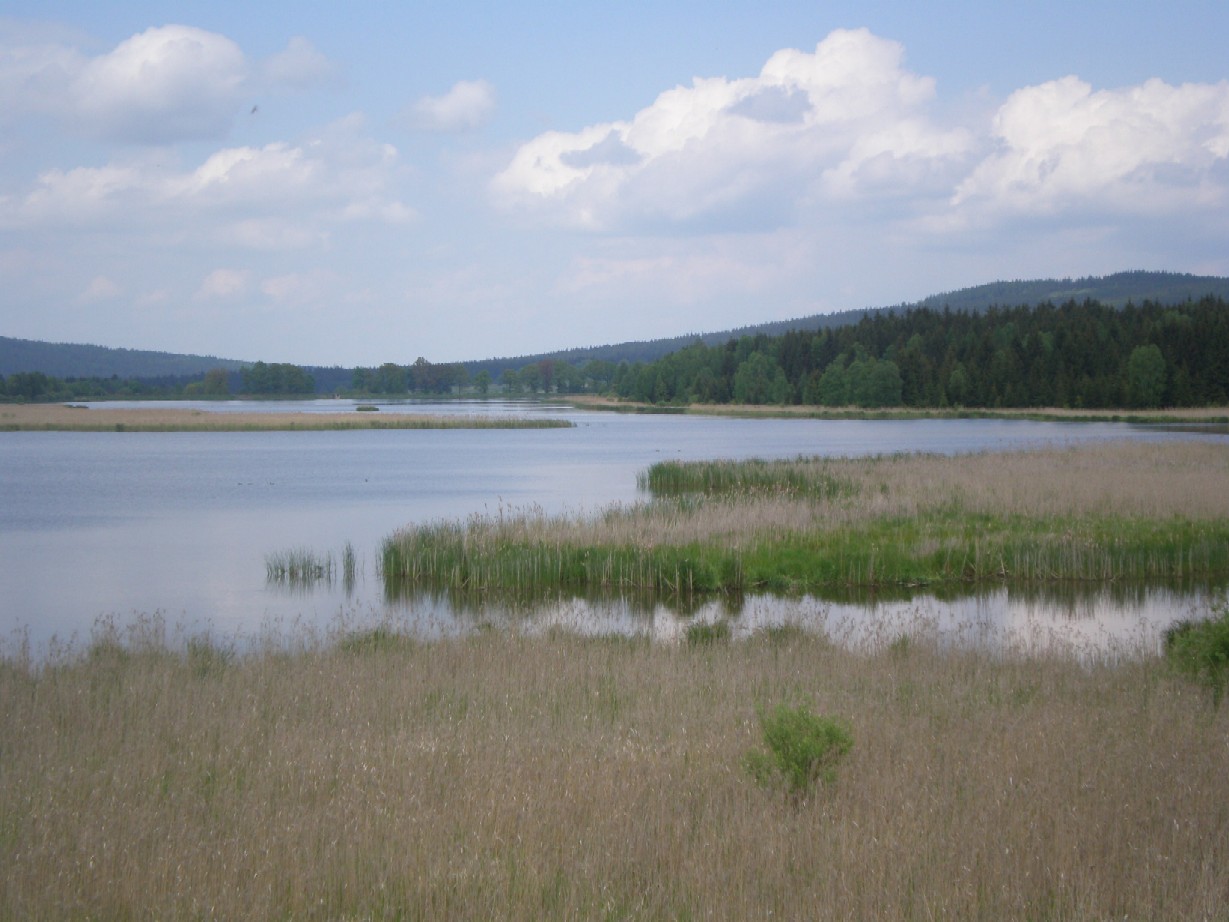
Natura 2000
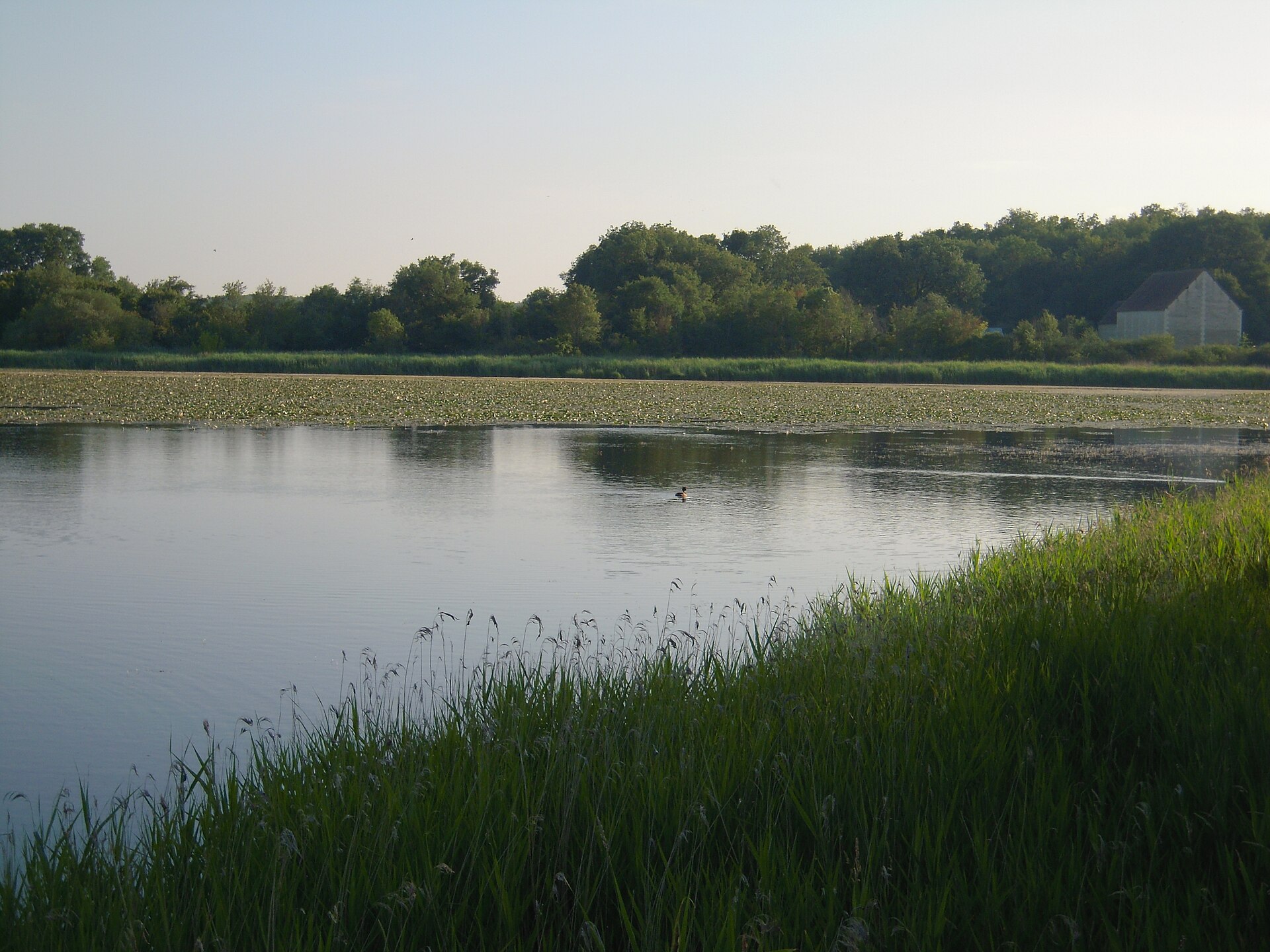
Natura 2000
Natura 2000
Natura 2000
Natura 2000
Natura 2000
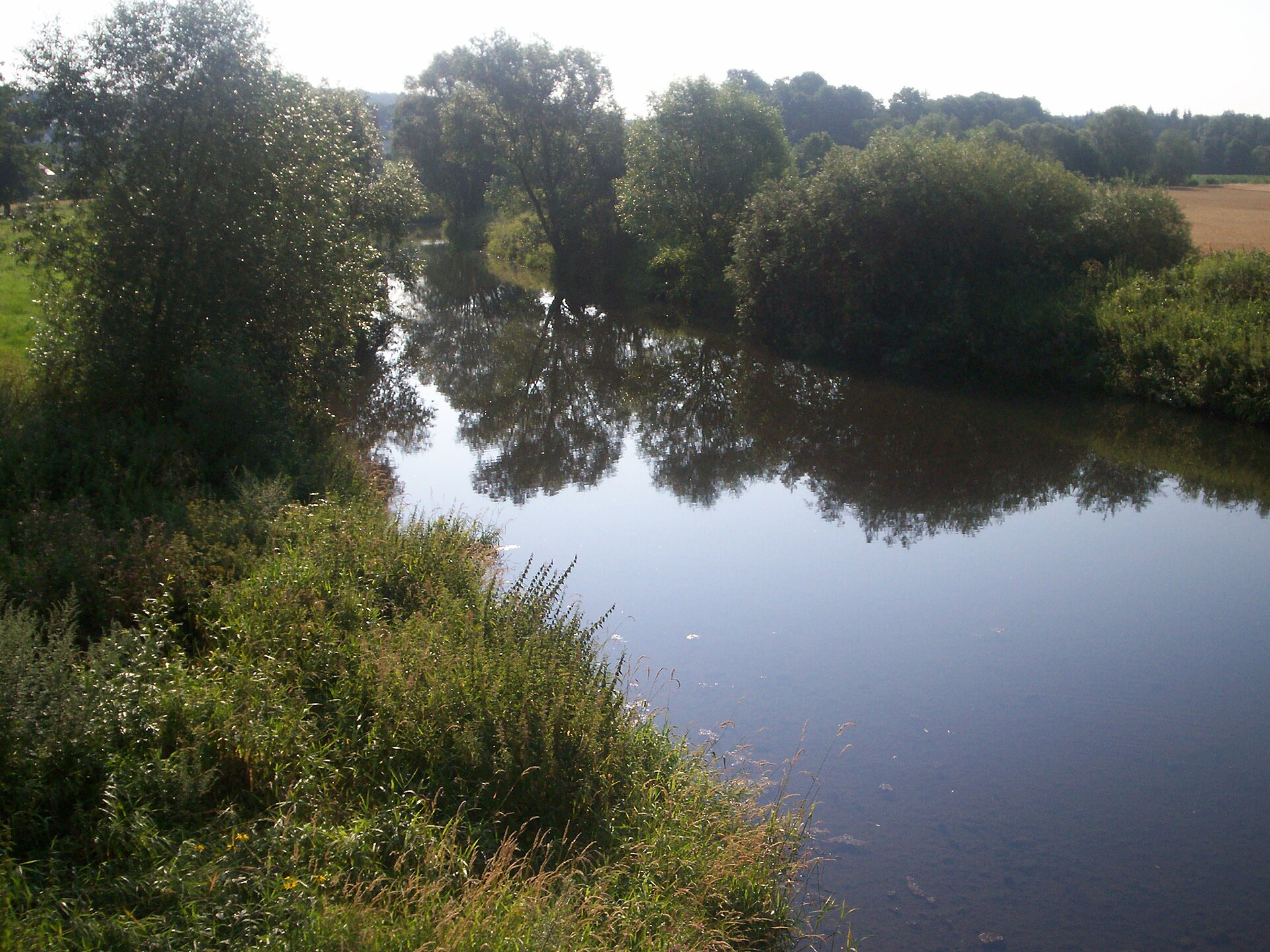
Natura 2000
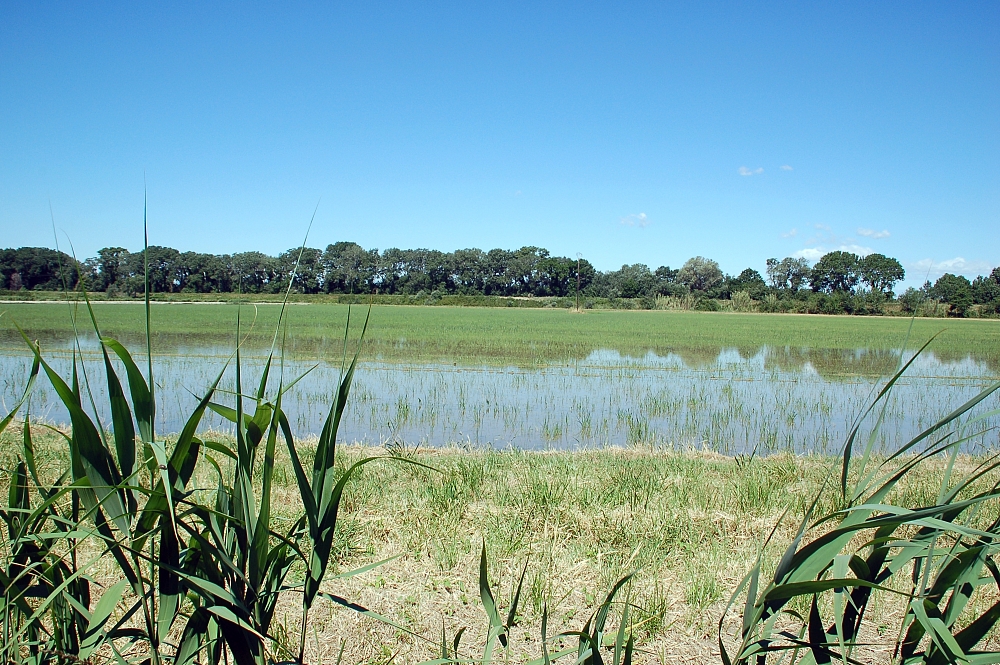
Natura 2000
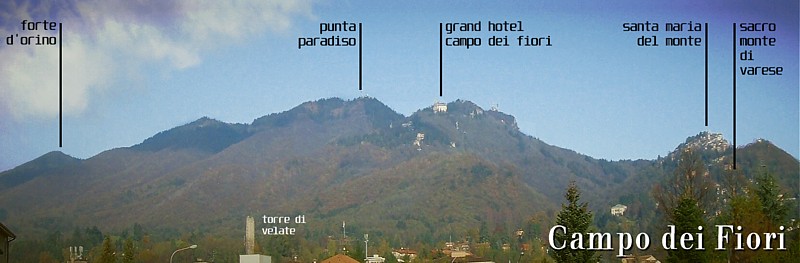
Natura 2000
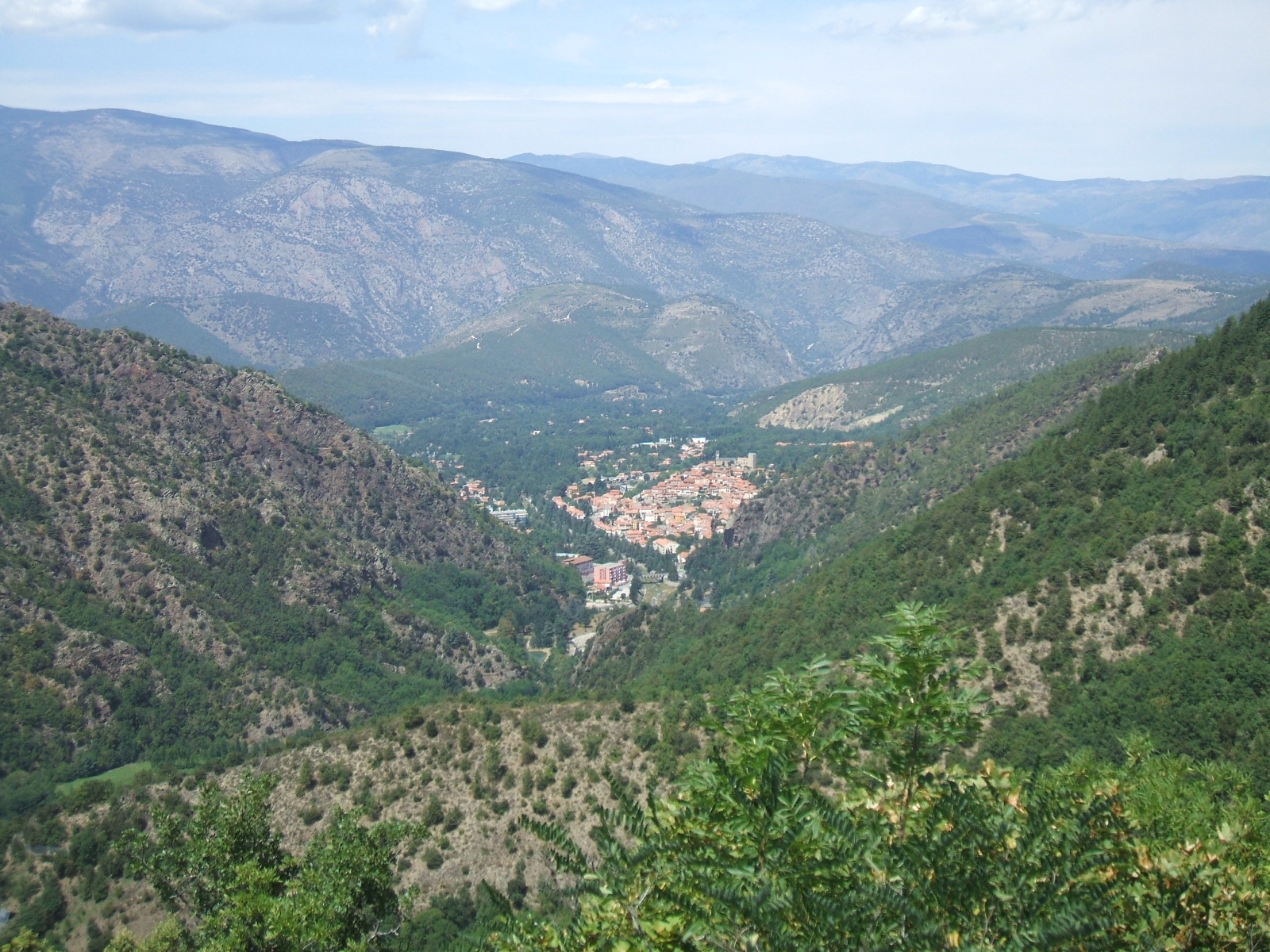
Natura 2000
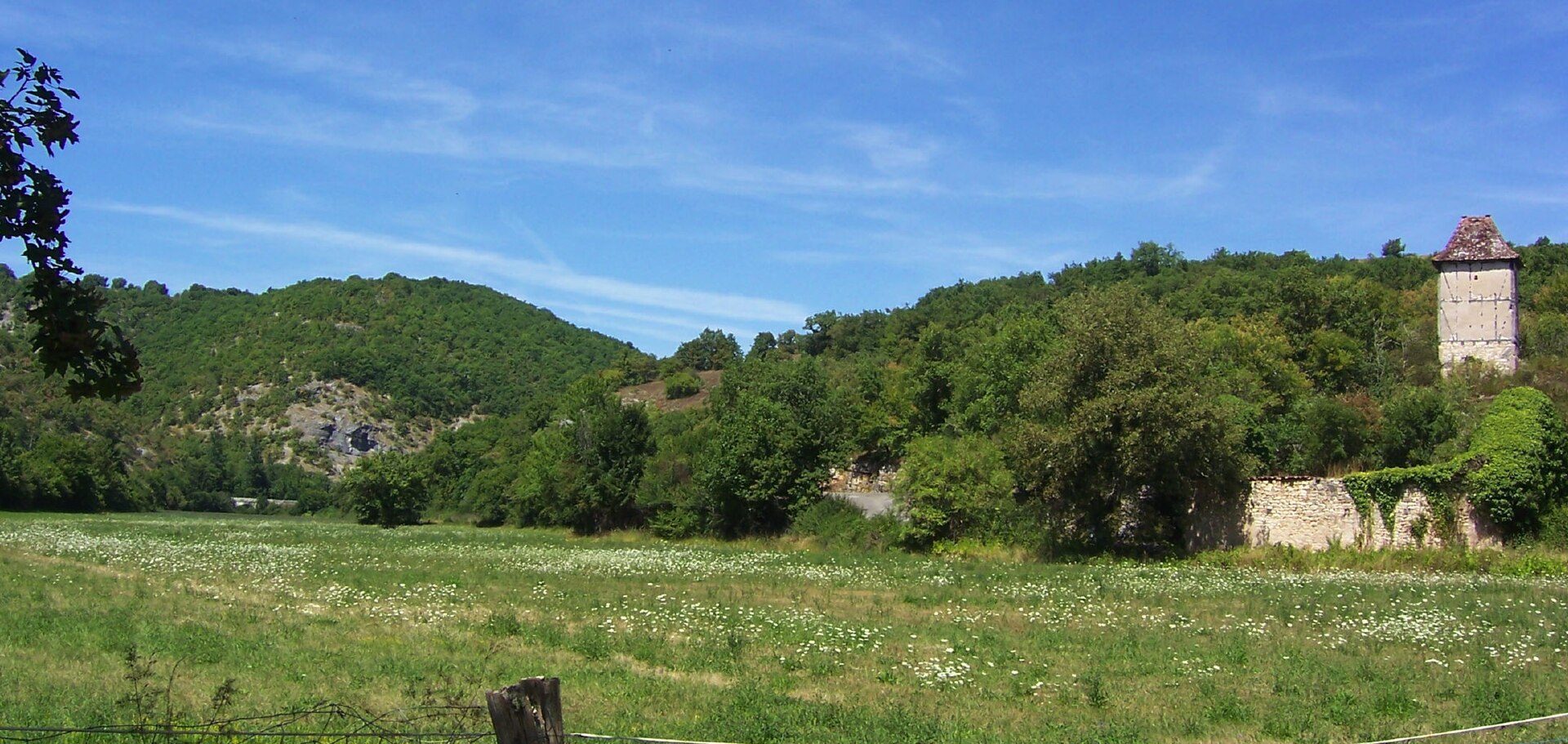
Natura 2000
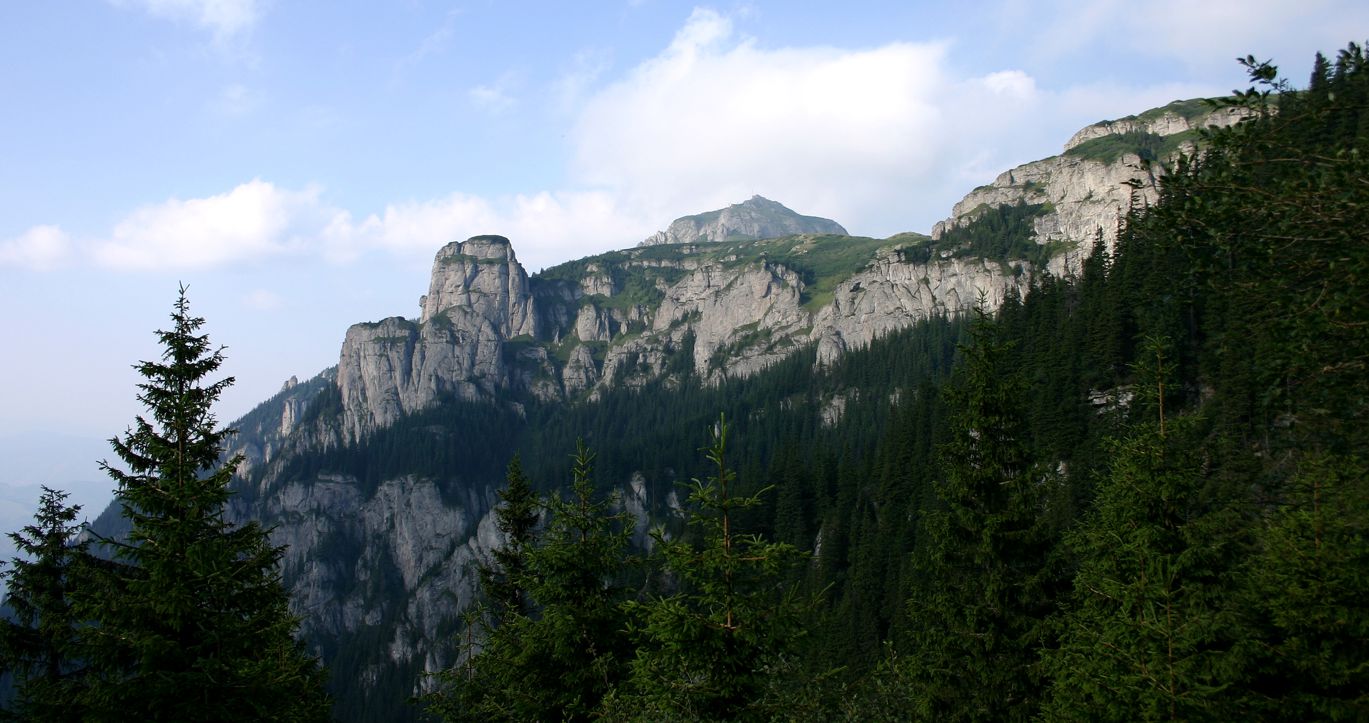
Natura 2000
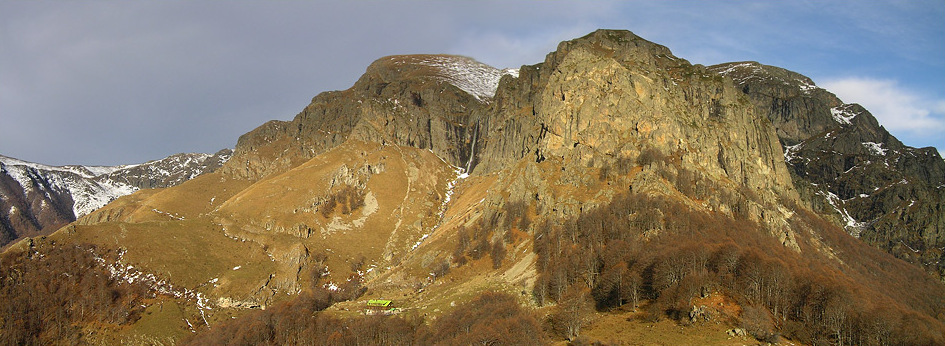
Natura 2000
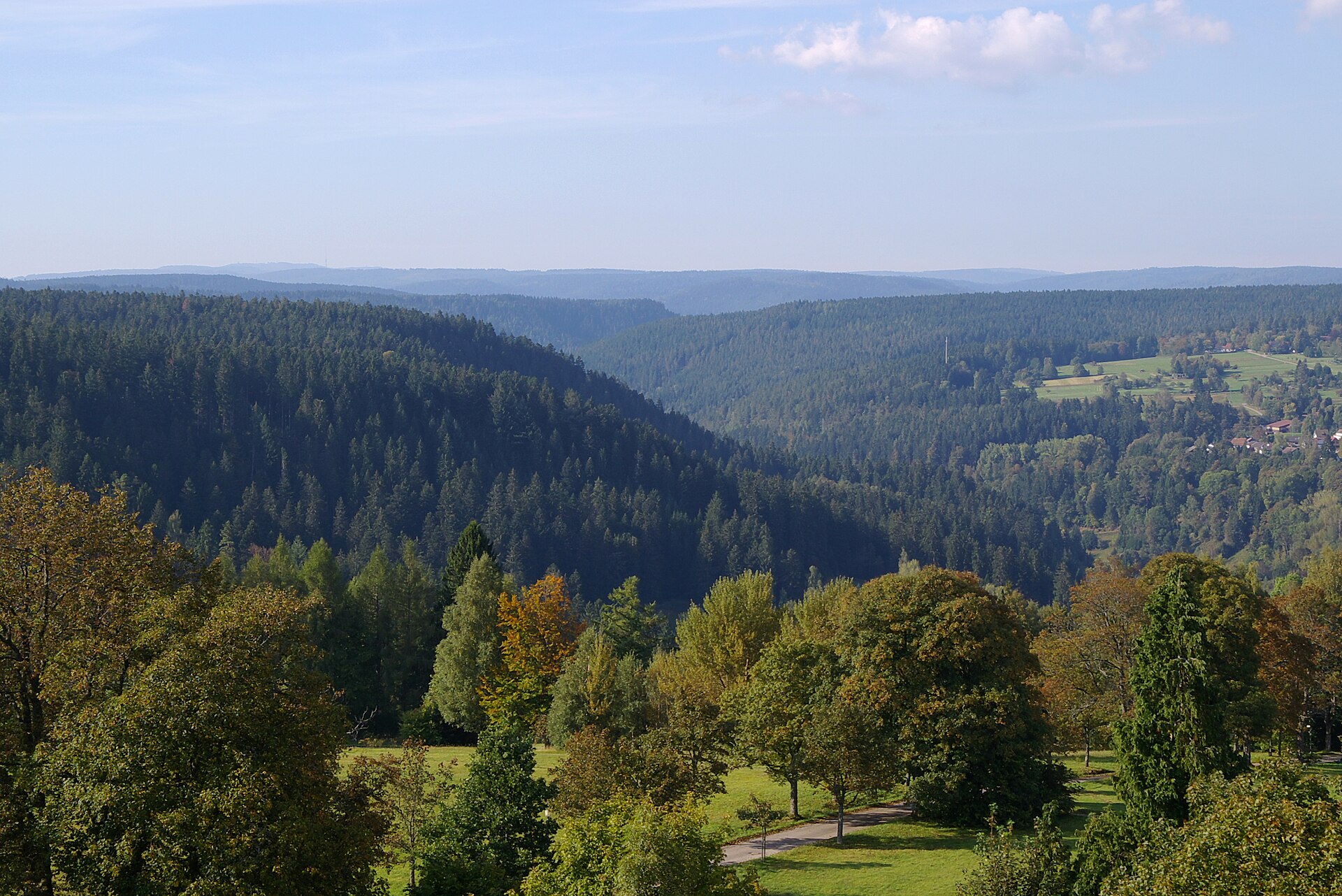
Natura 2000
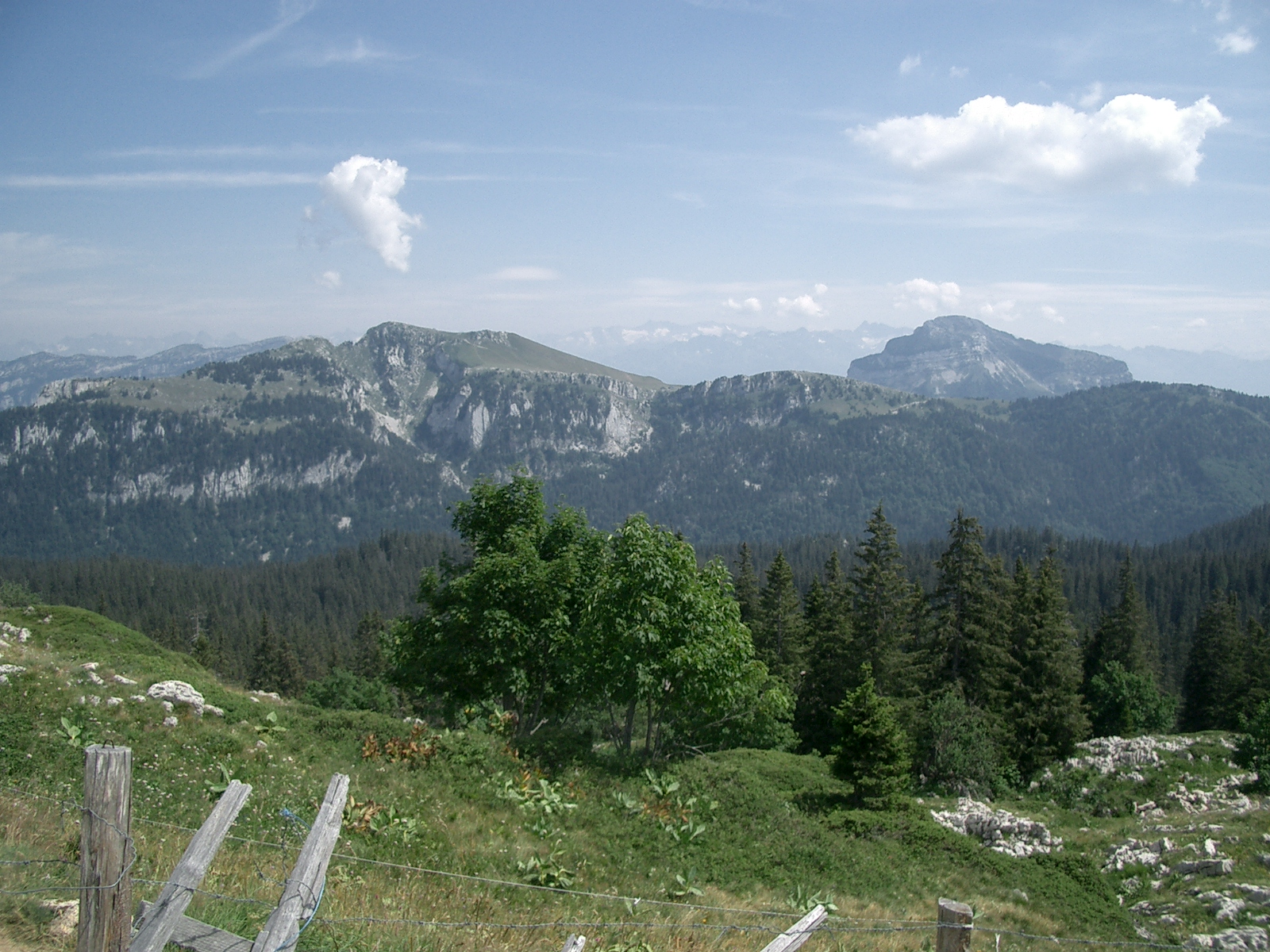
Natura 2000
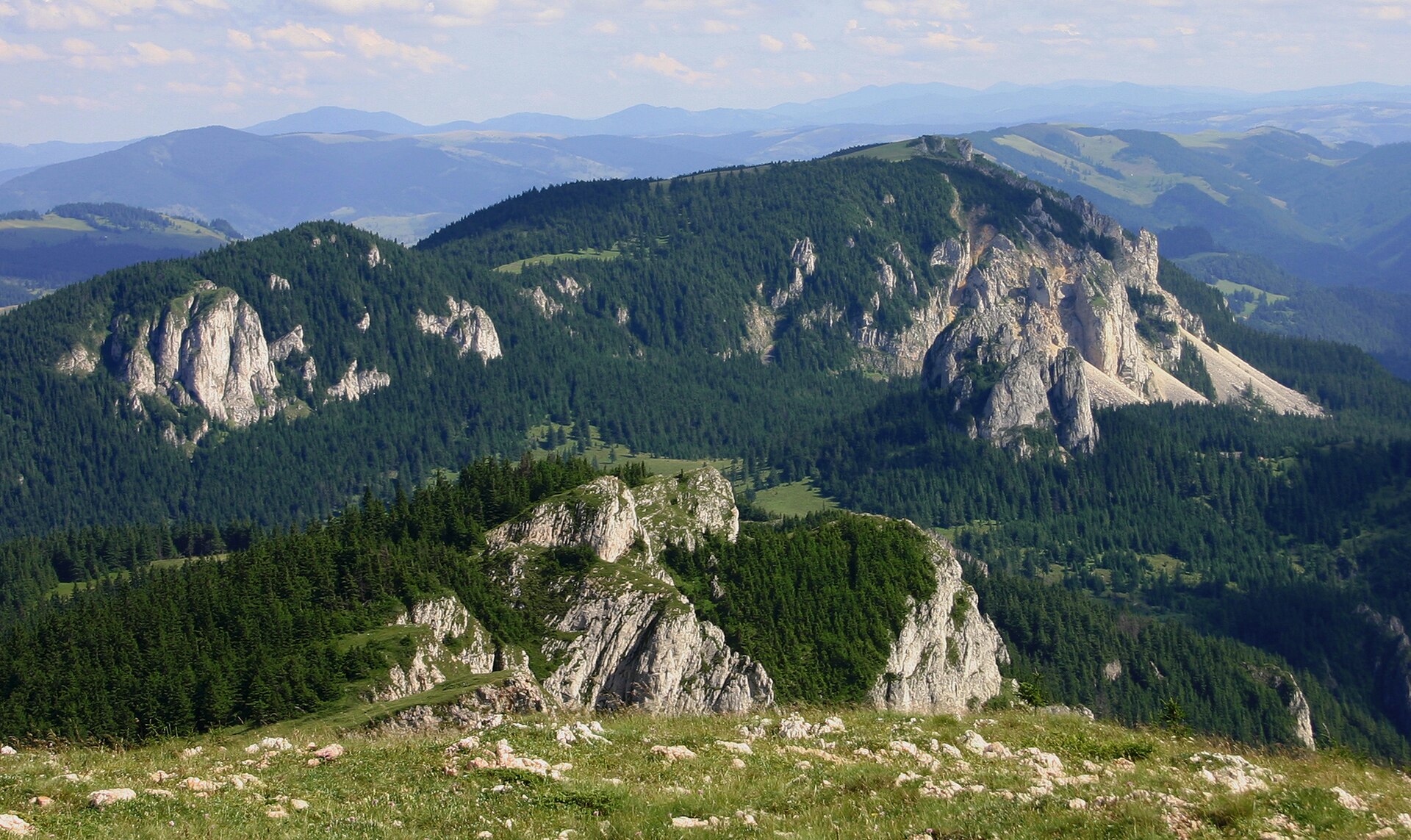
Natura 2000
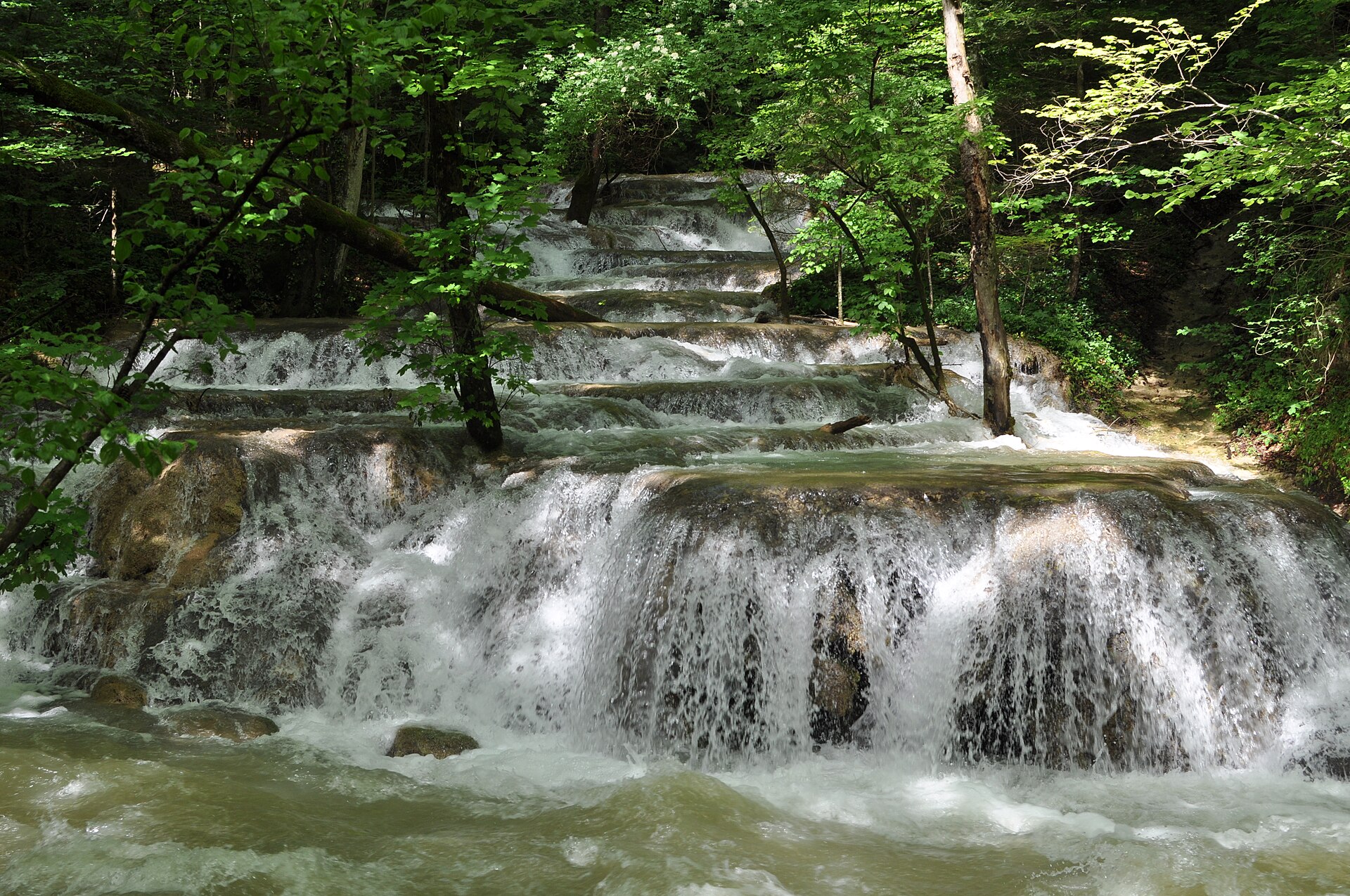
Natura 2000
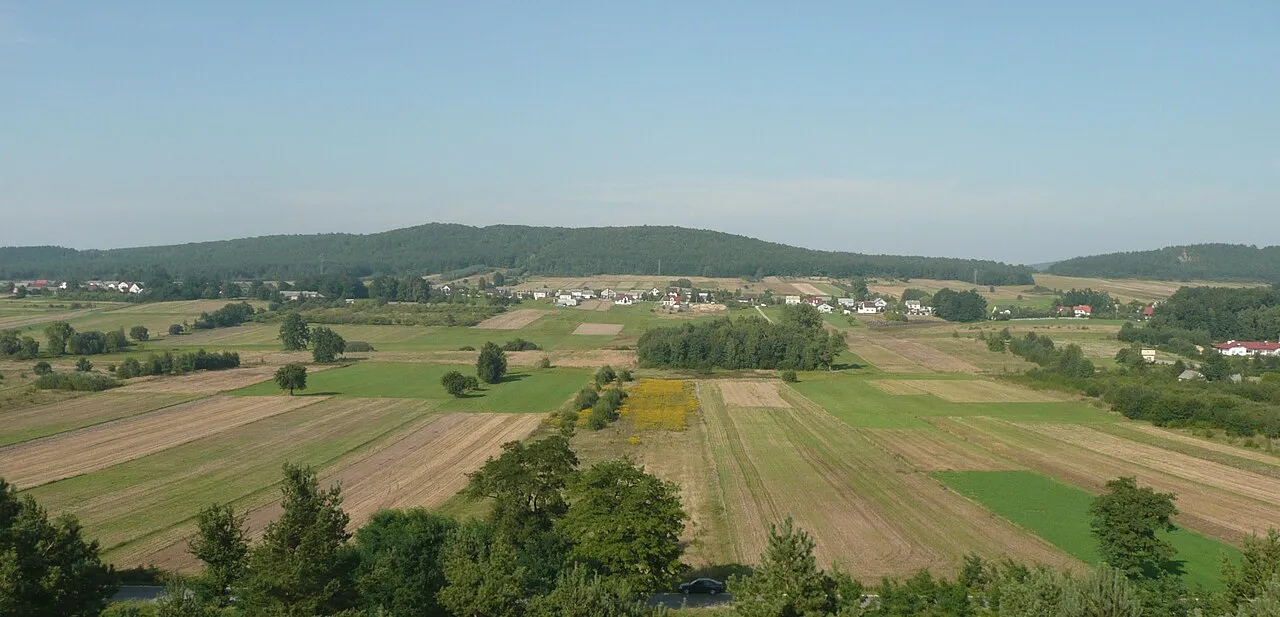
Natura 2000
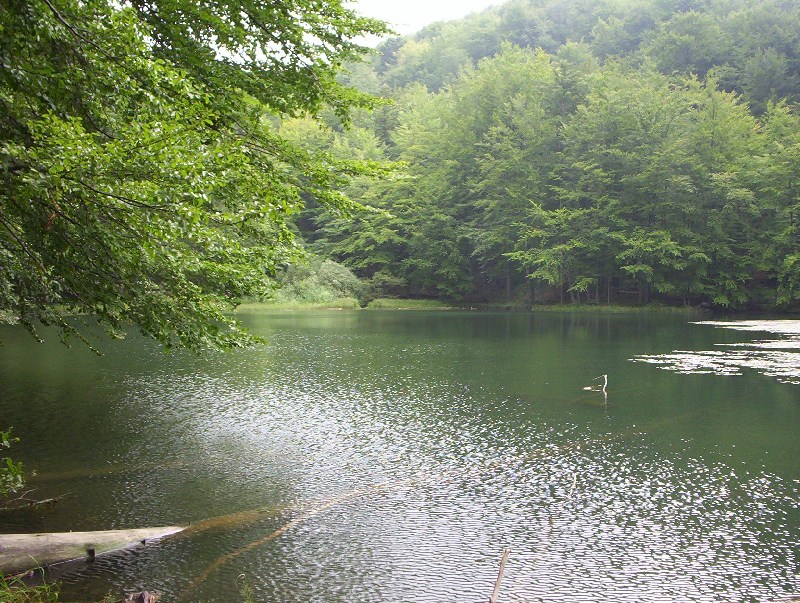
Natura 2000
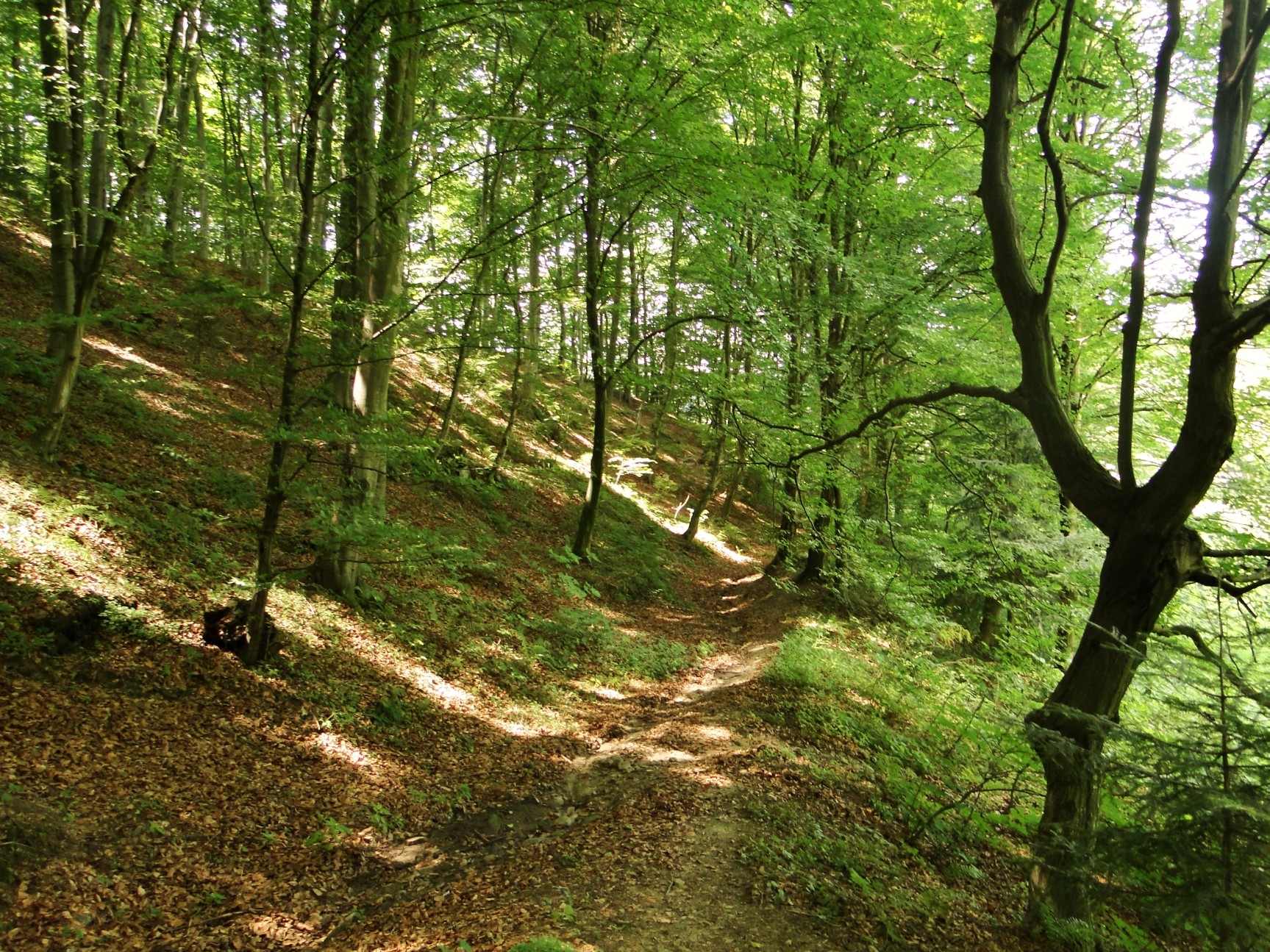
Natura 2000
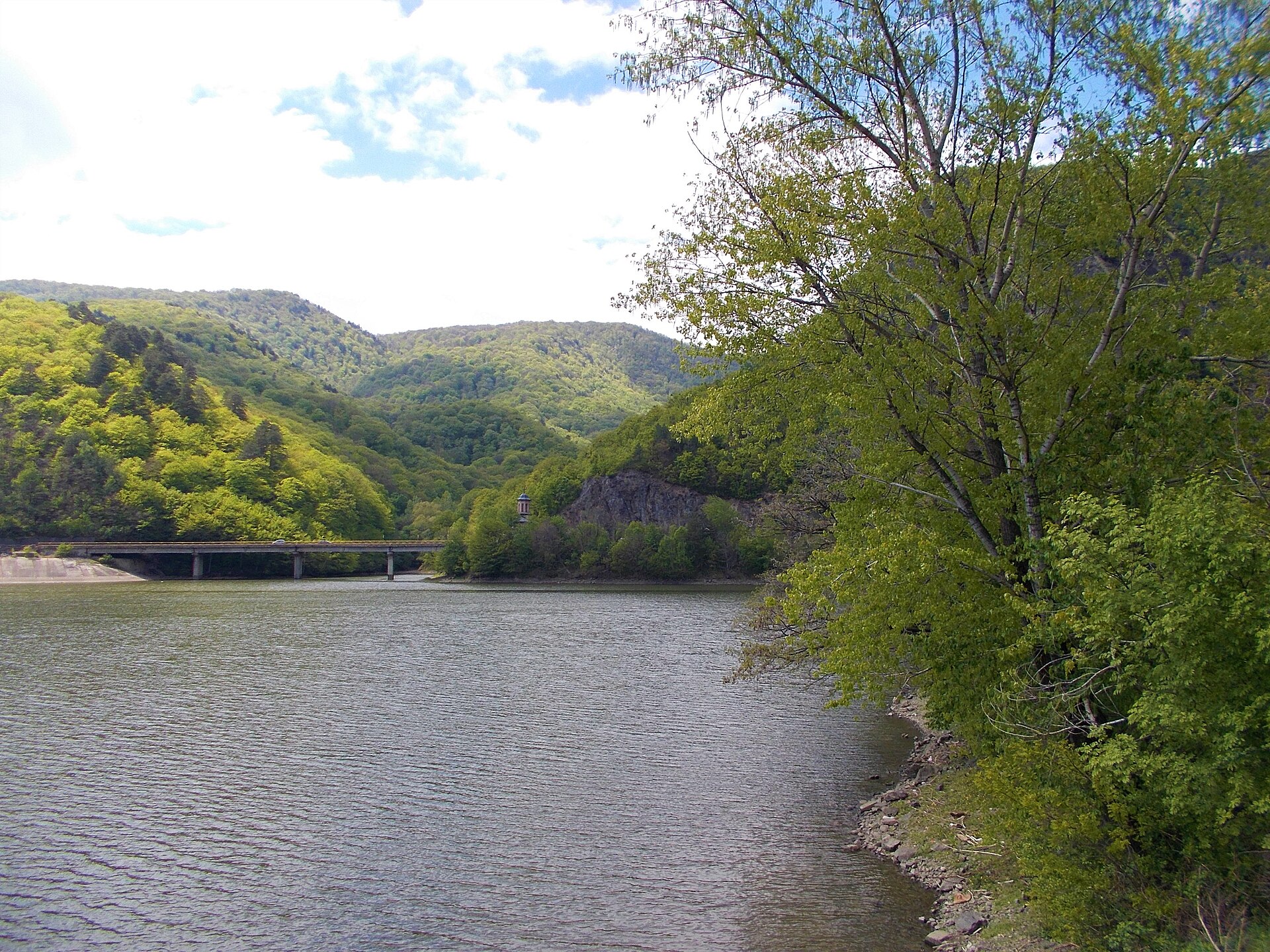
Natura 2000
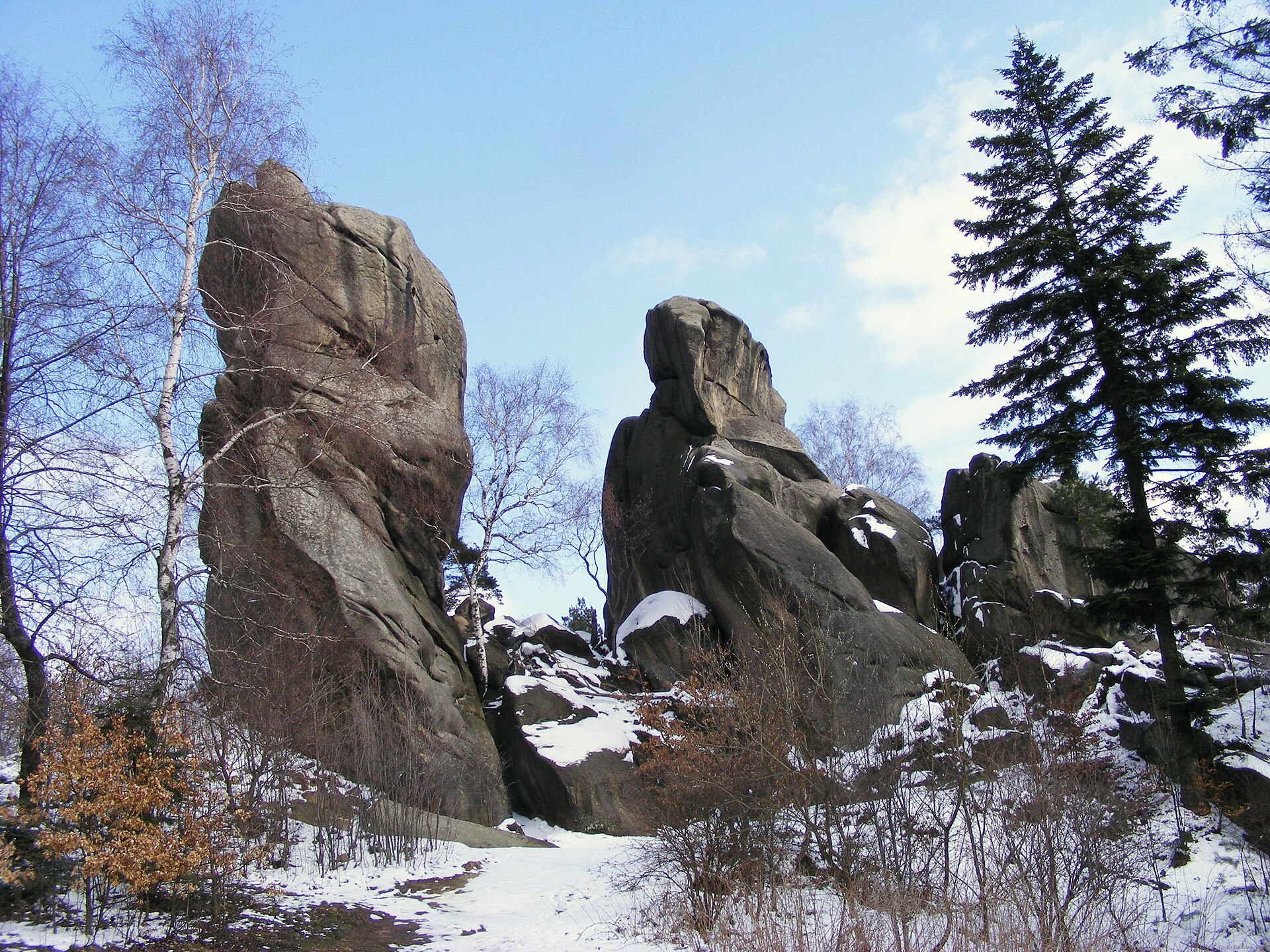
Natura 2000
Natura 2000
Natura 2000
Natura 2000
Natura 2000
Natura 2000
Natura 2000
Natura 2000
Natura 2000
Natura 2000
Natura 2000
Natura 2000
Natura 2000
Natura 2000
Natura 2000
Natura 2000
Natura 2000
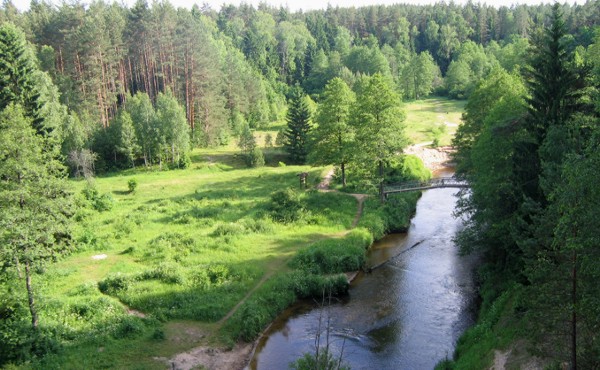
Natura 2000
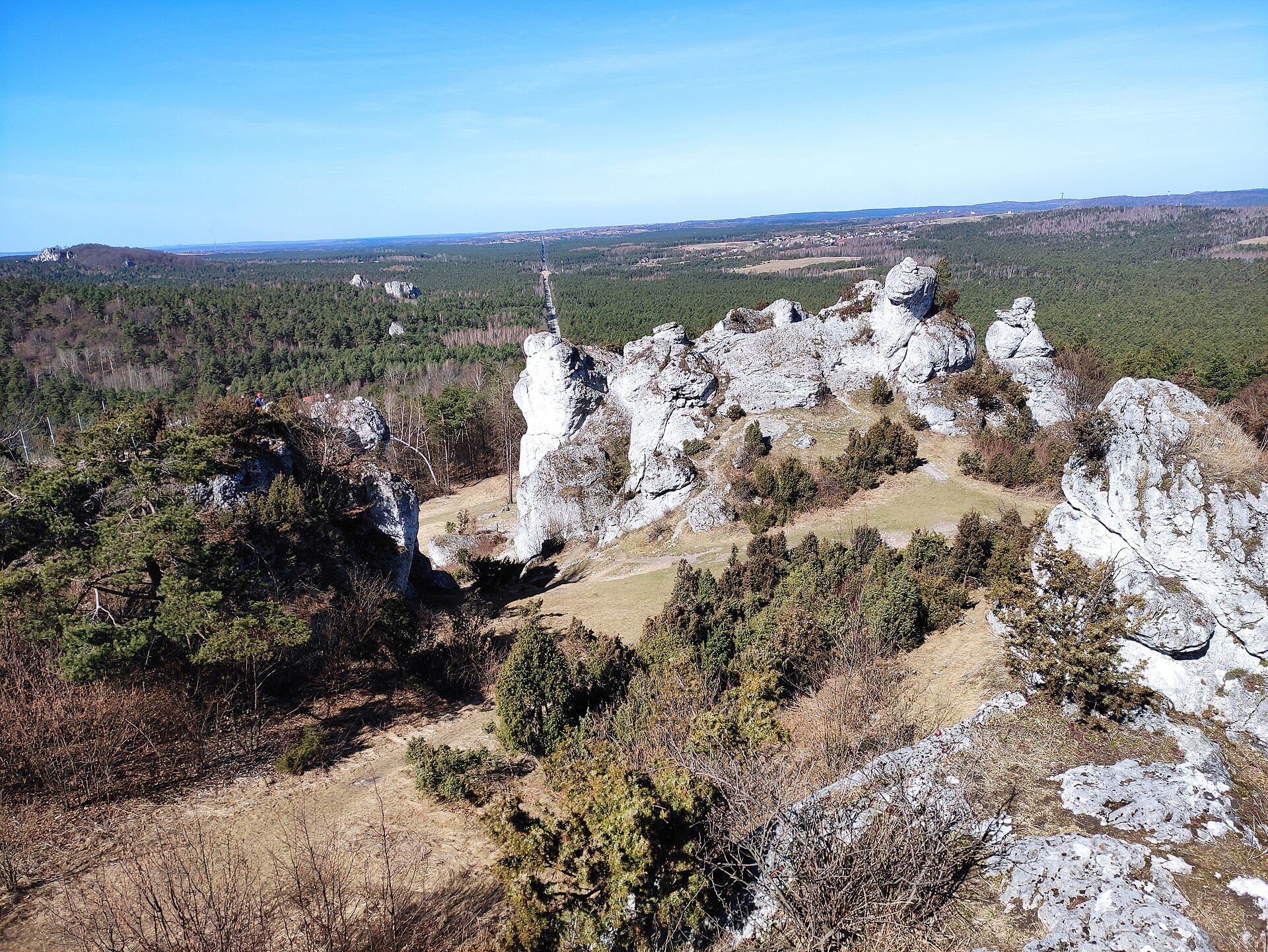
Natura 2000
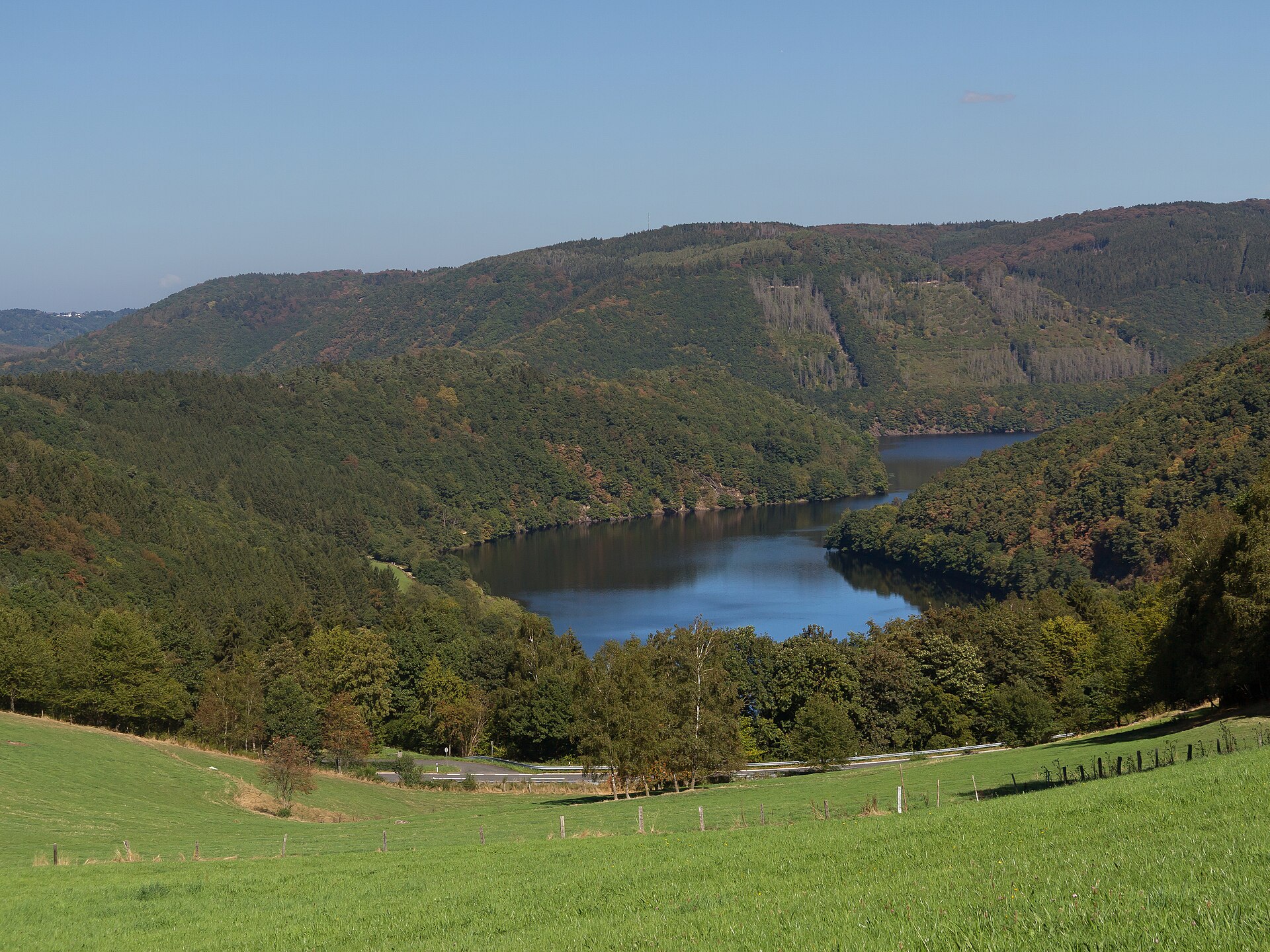
Natura 2000

Natura 2000
Natura 2000
Natura 2000
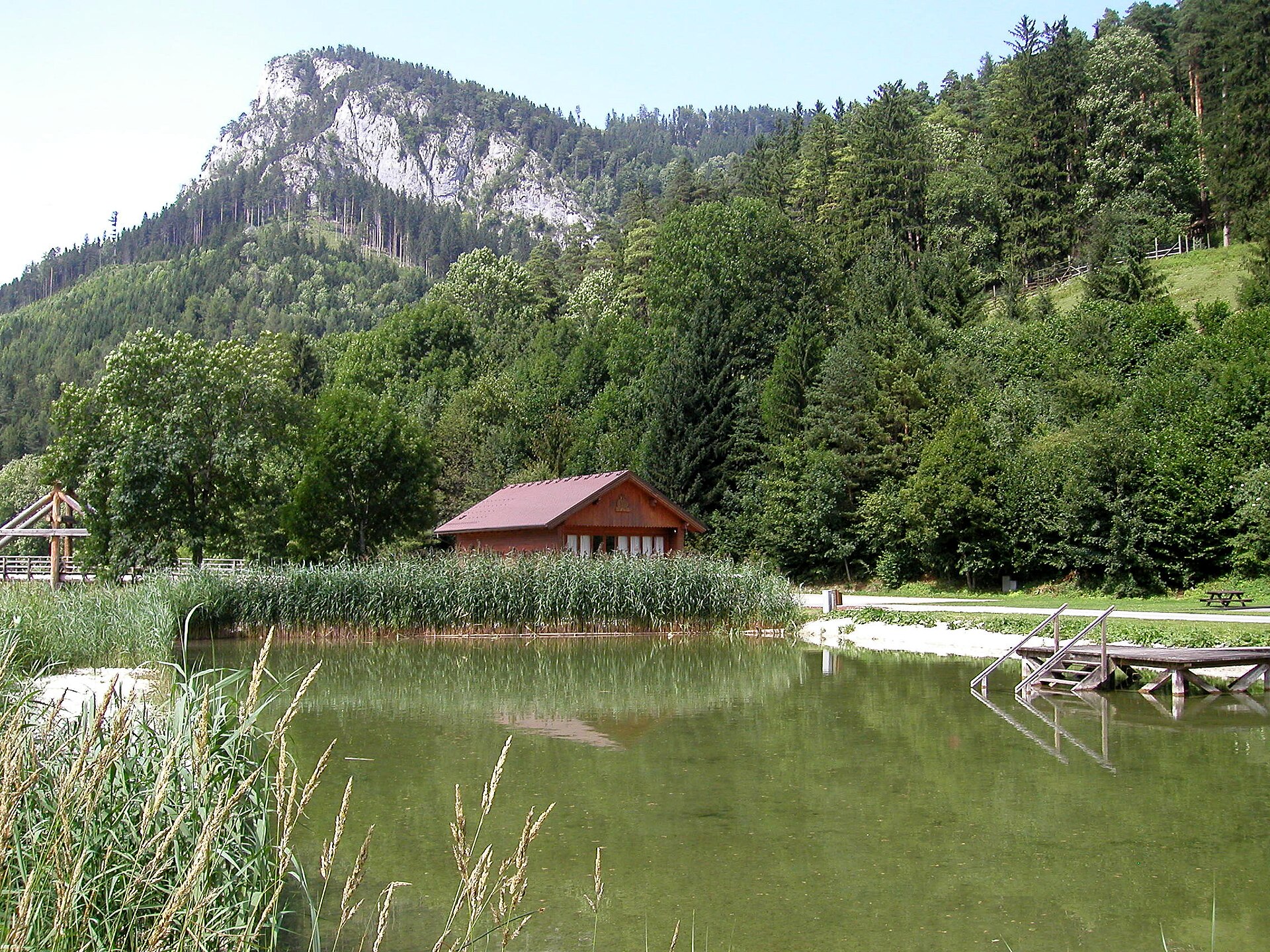
Natura 2000
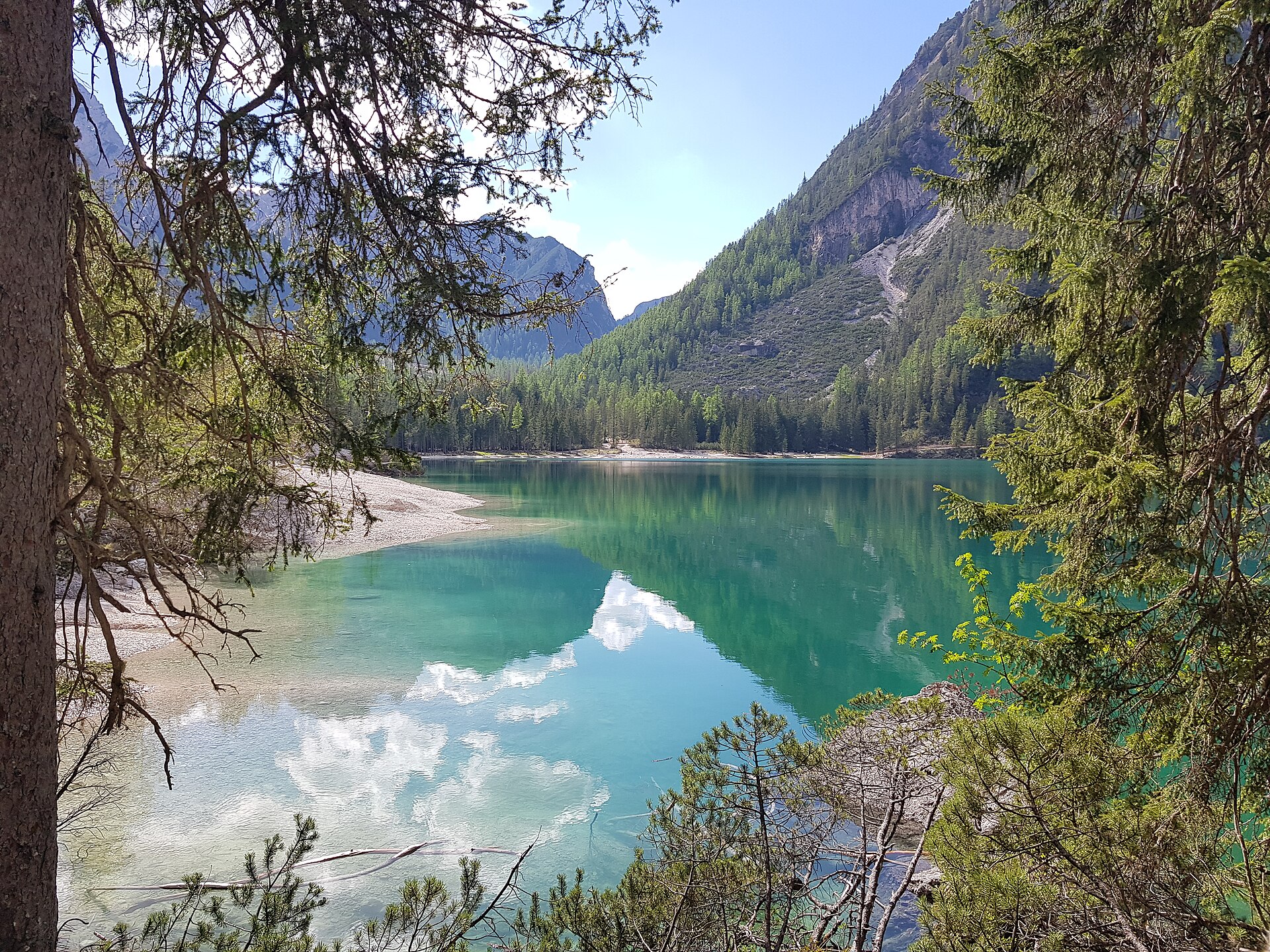
Natura 2000
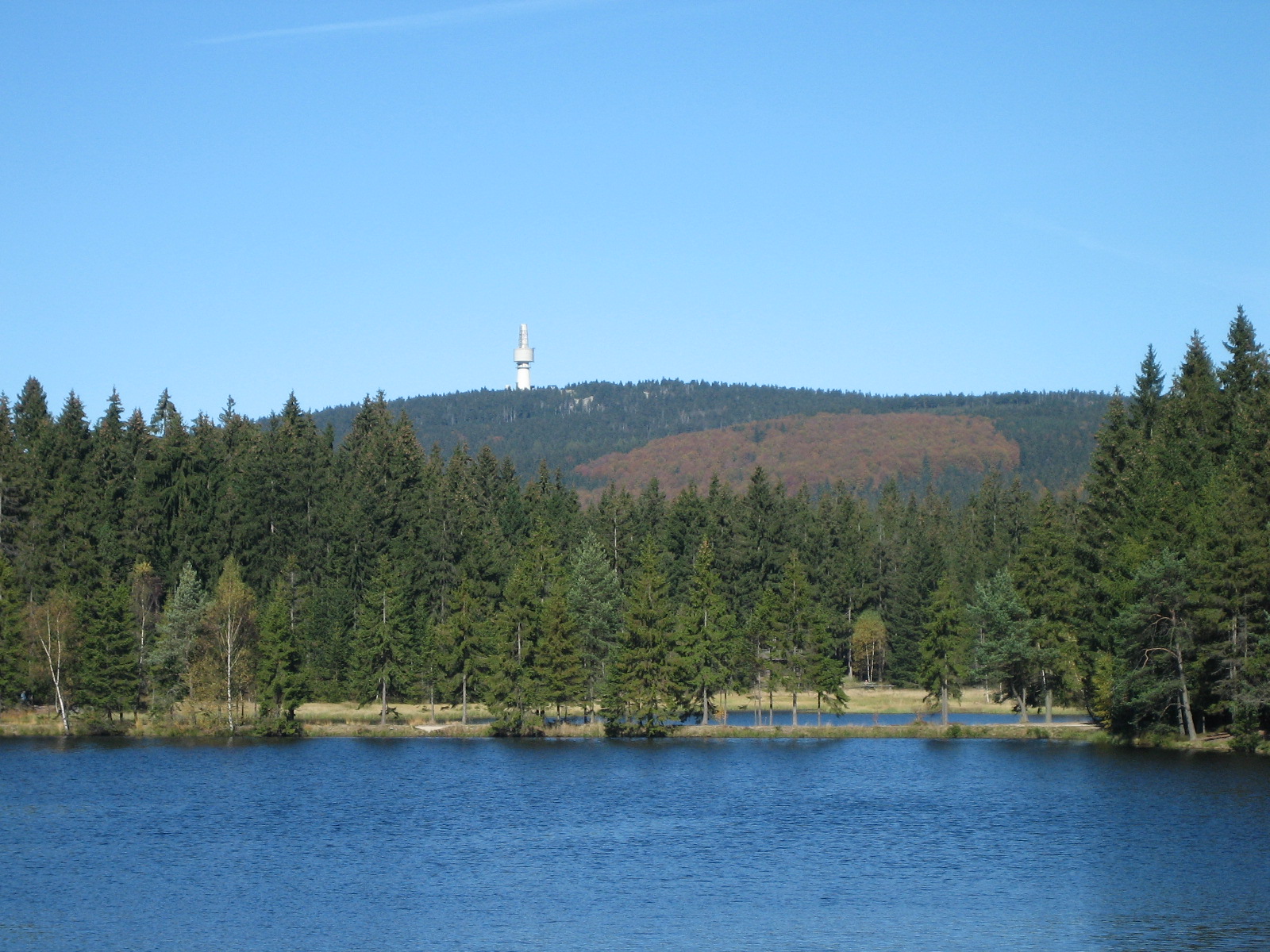
Natura 2000
Natura 2000
Natura 2000
Natura 2000
Natura 2000
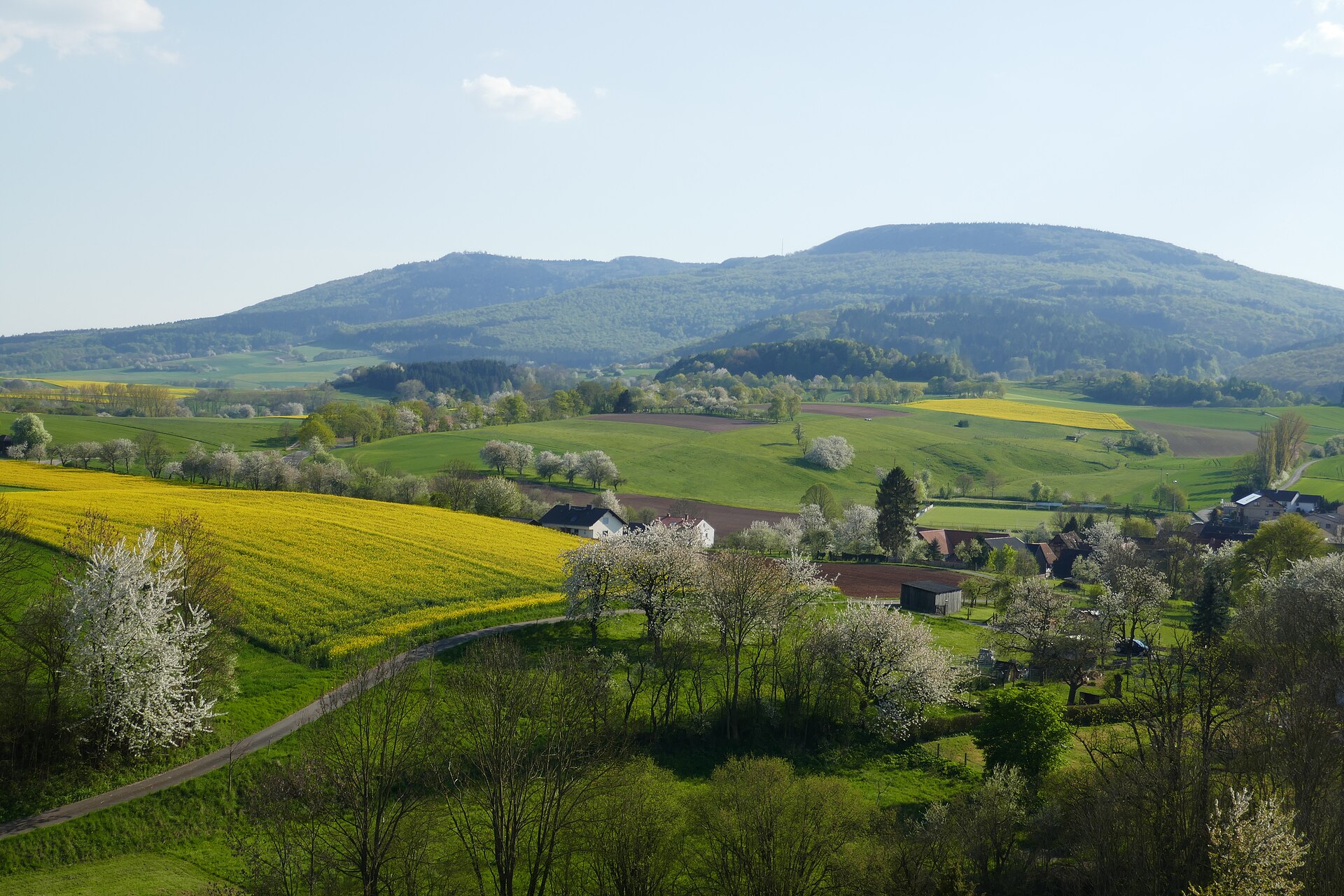
Natura 2000
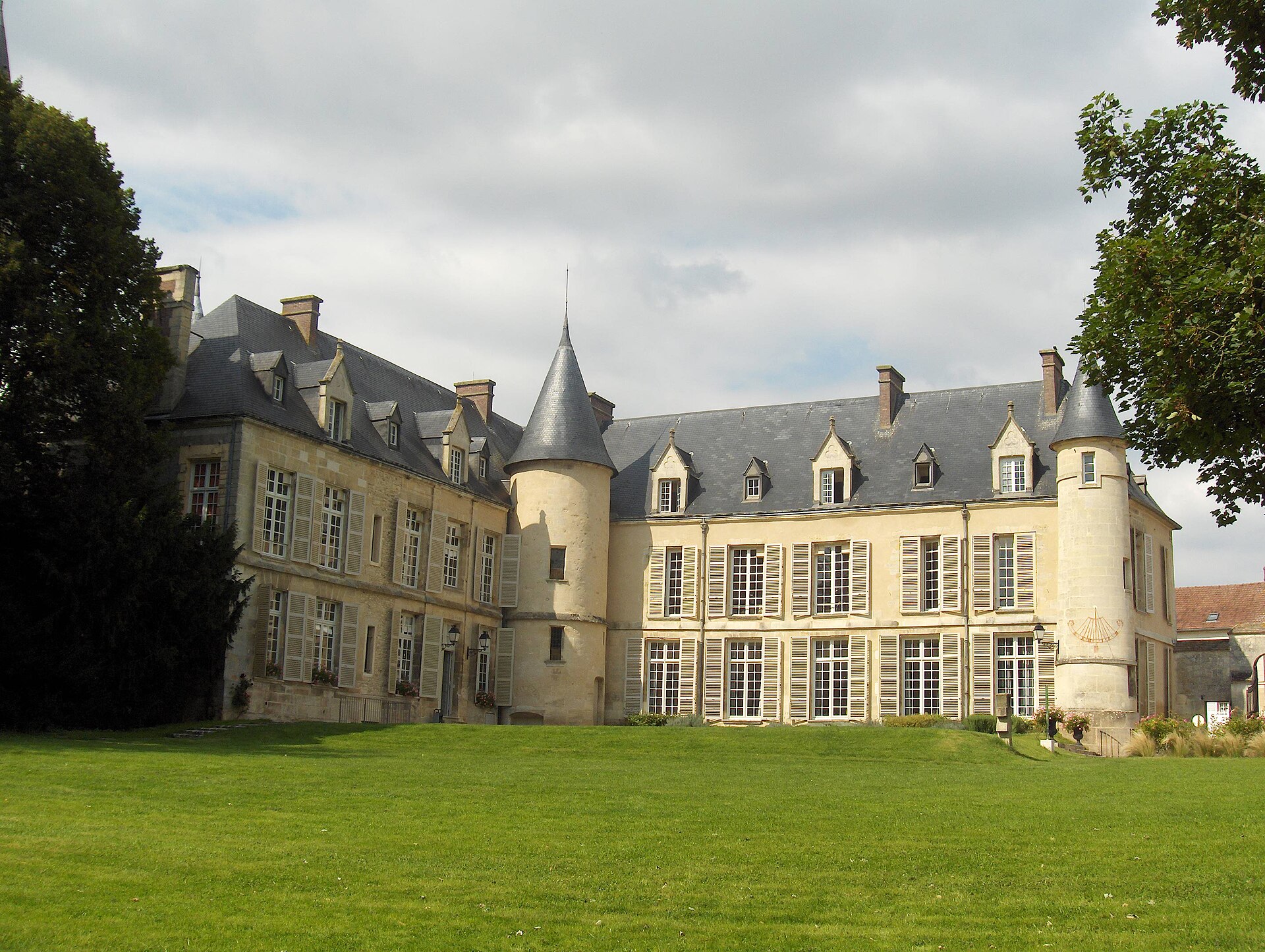
Natura 2000
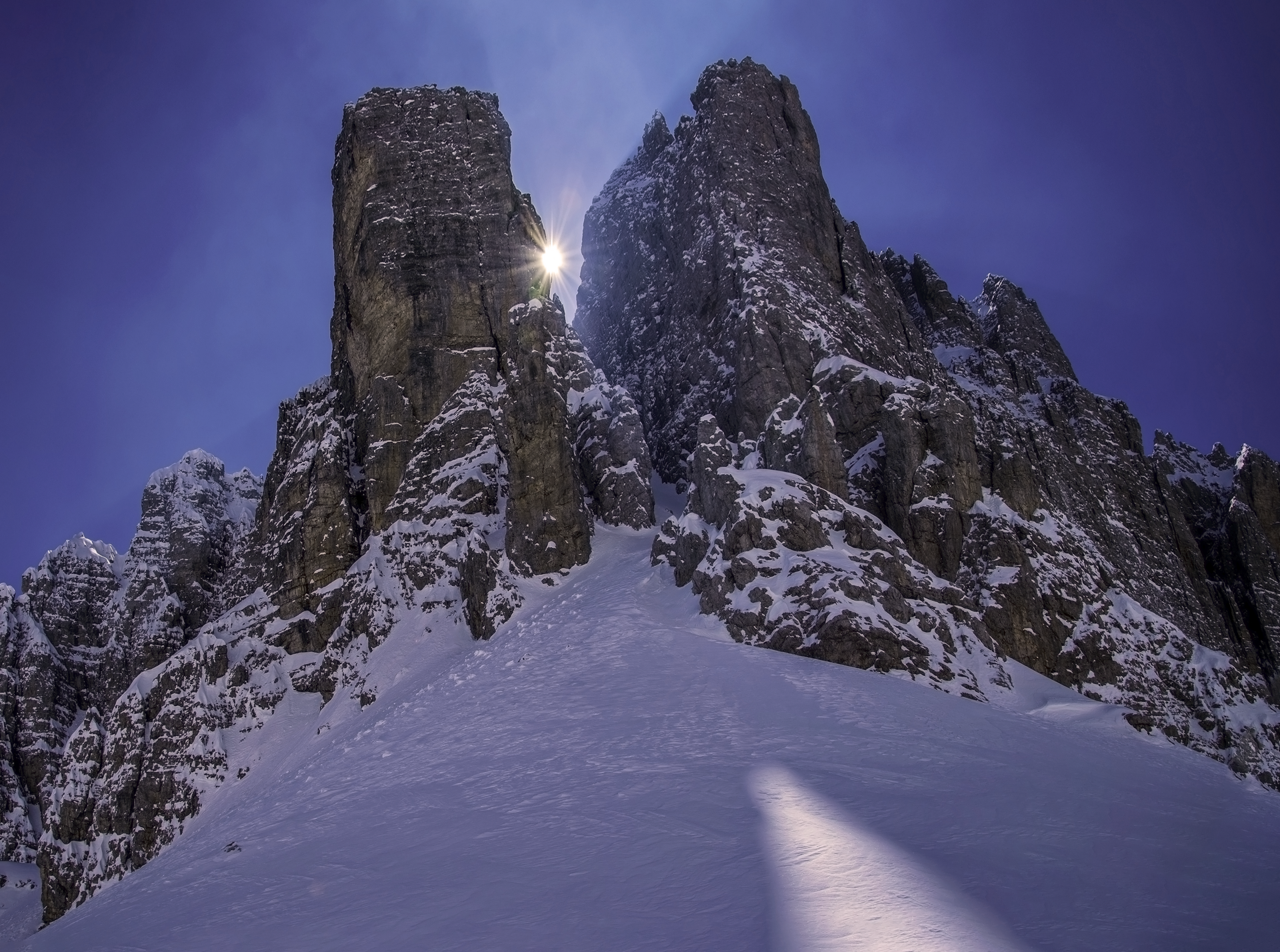
Natura 2000
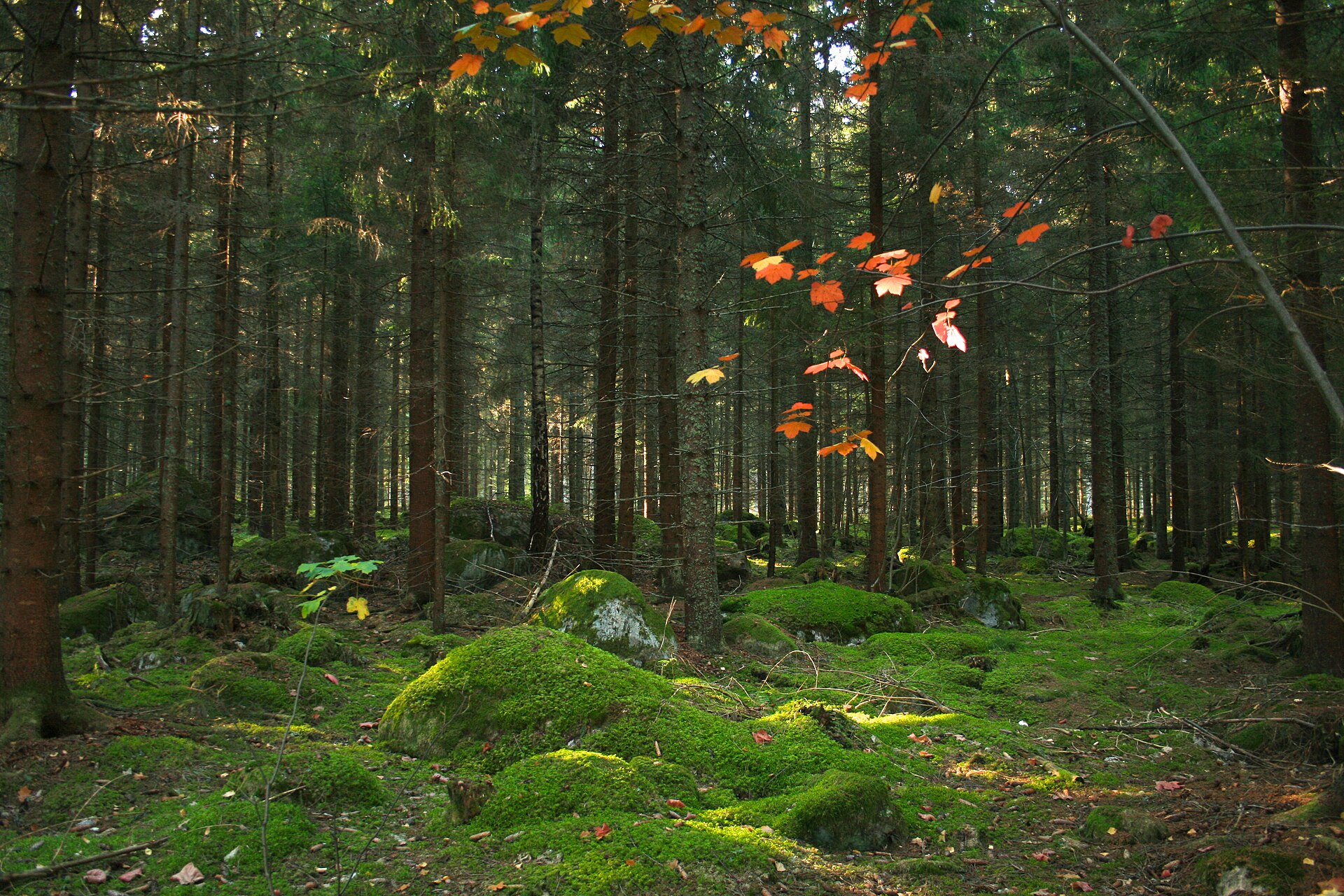
Natura 2000
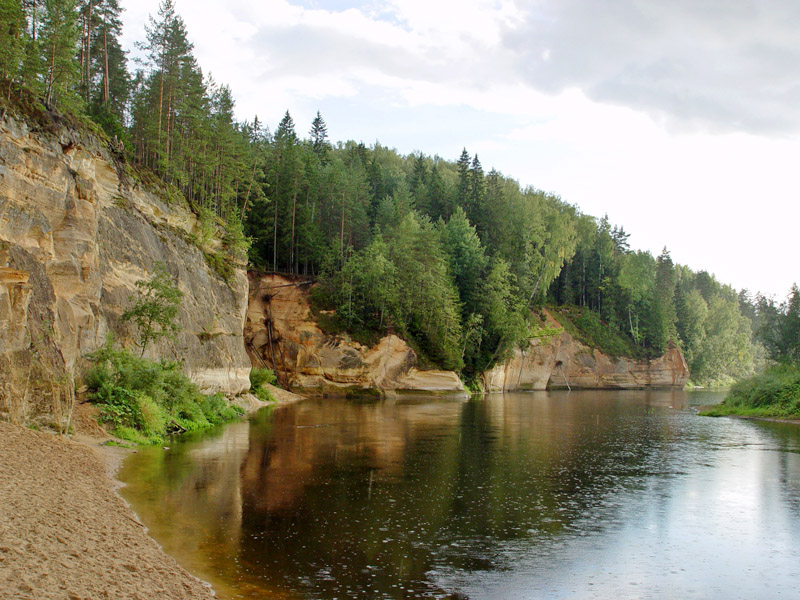
Natura 2000
Natura 2000
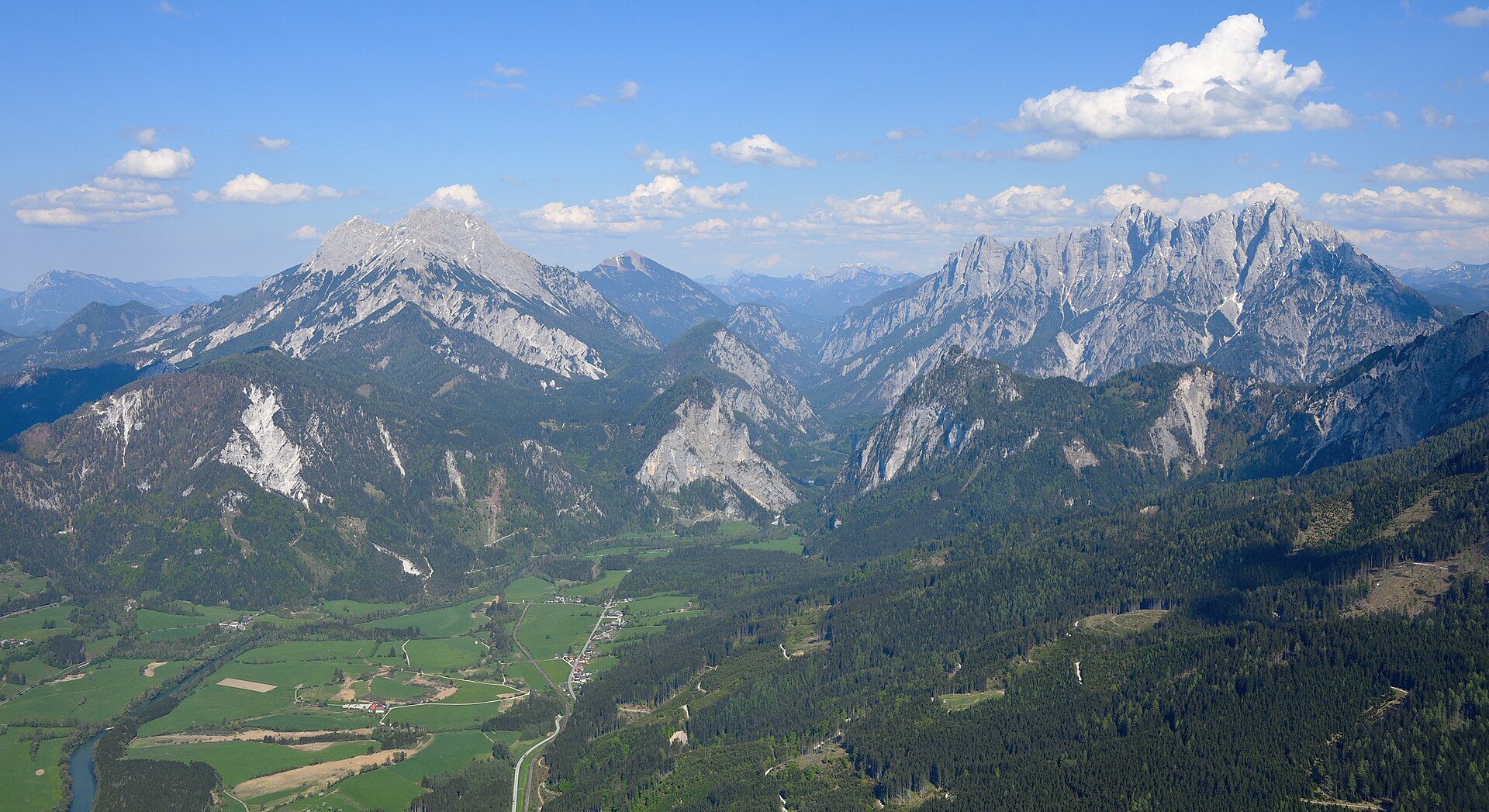
Natura 2000
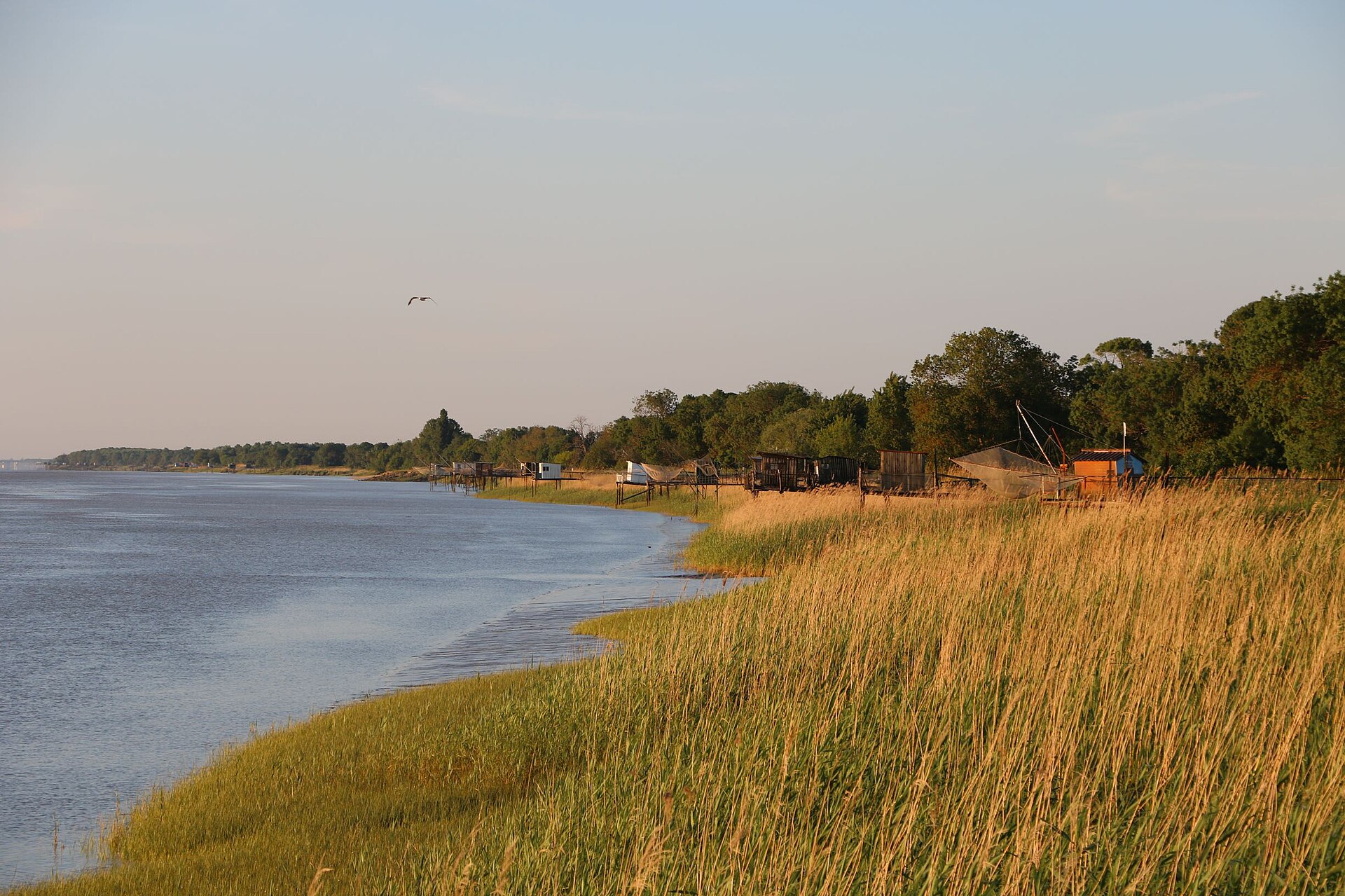
Natura 2000
Natura 2000
Natura 2000
Natura 2000
Natura 2000
Natura 2000
Natura 2000
Natura 2000
Natura 2000
Natura 2000
Natura 2000
Natura 2000
Natura 2000

Natura 2000
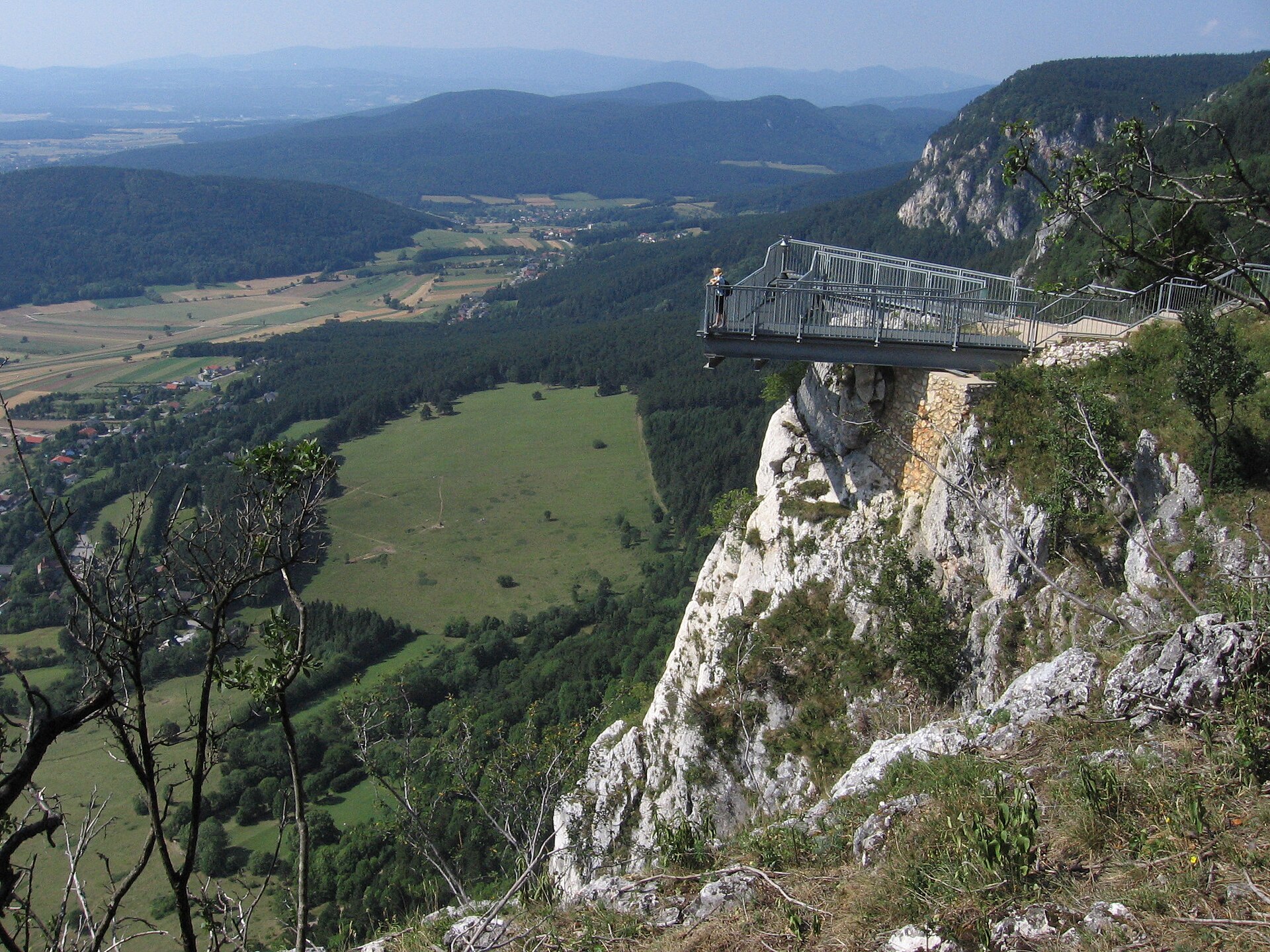
Natura 2000
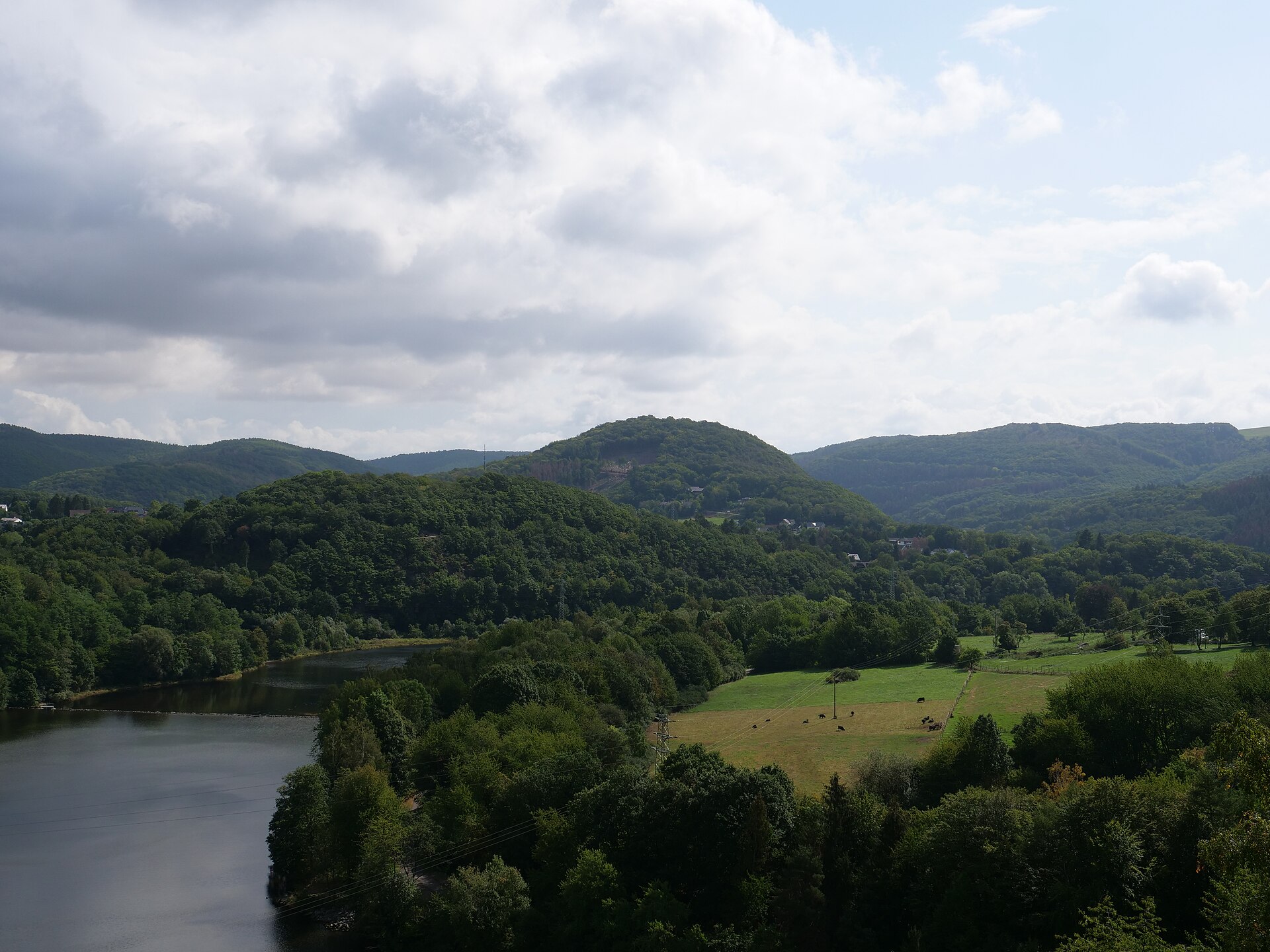
Natura 2000
Natura 2000
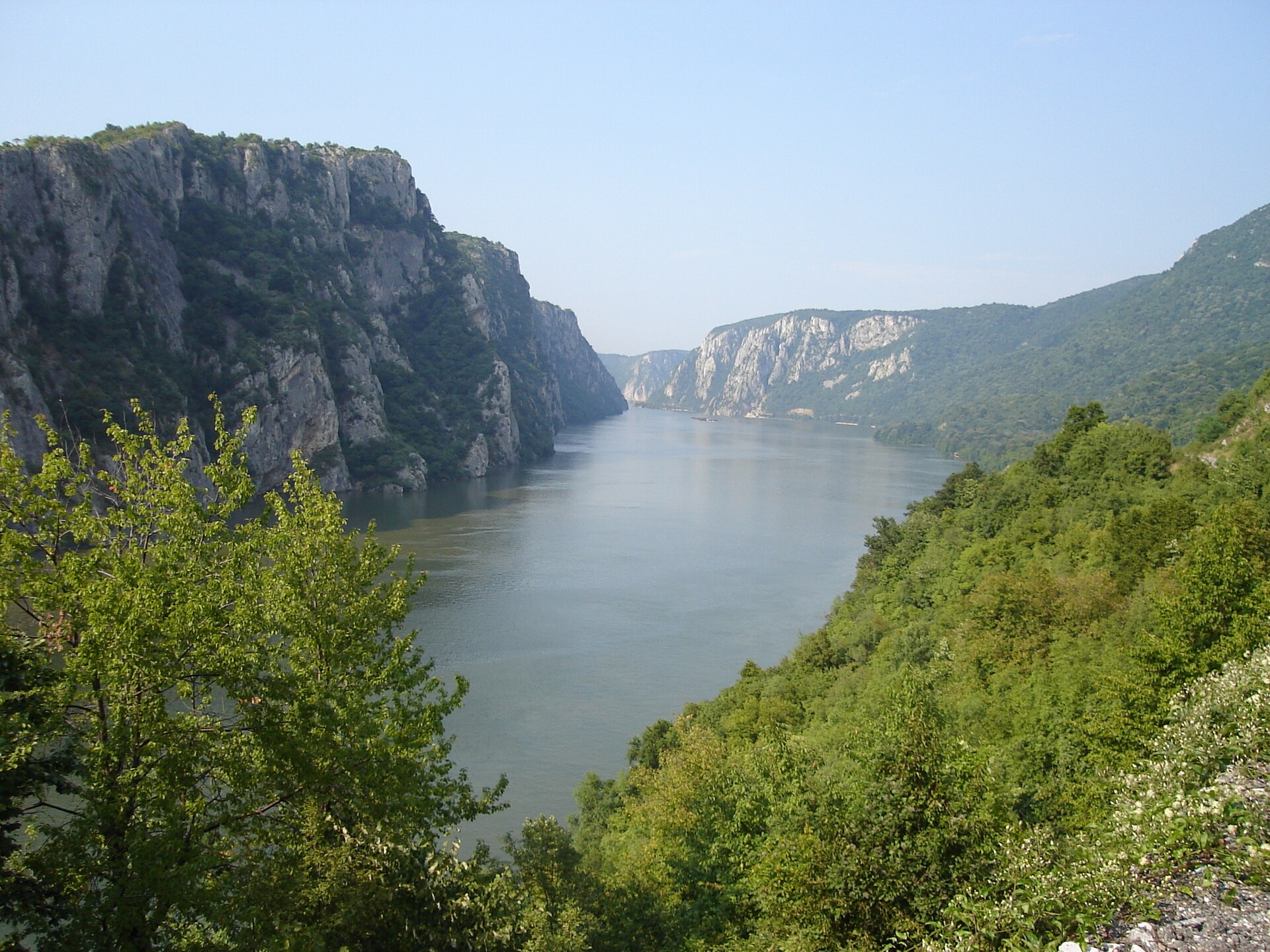
Natura 2000
Natura 2000
Natura 2000
Natura 2000
Natura 2000
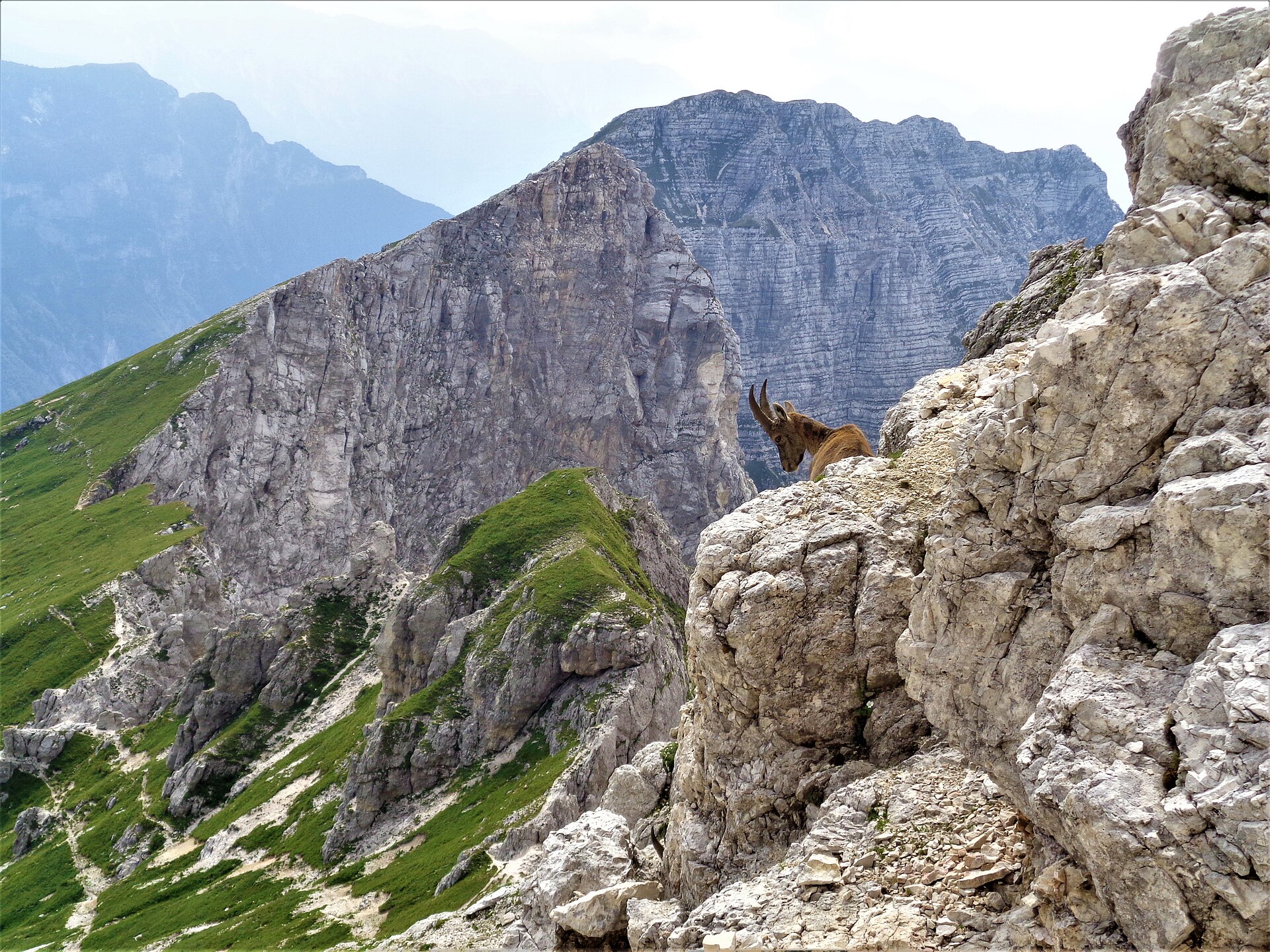
Natura 2000
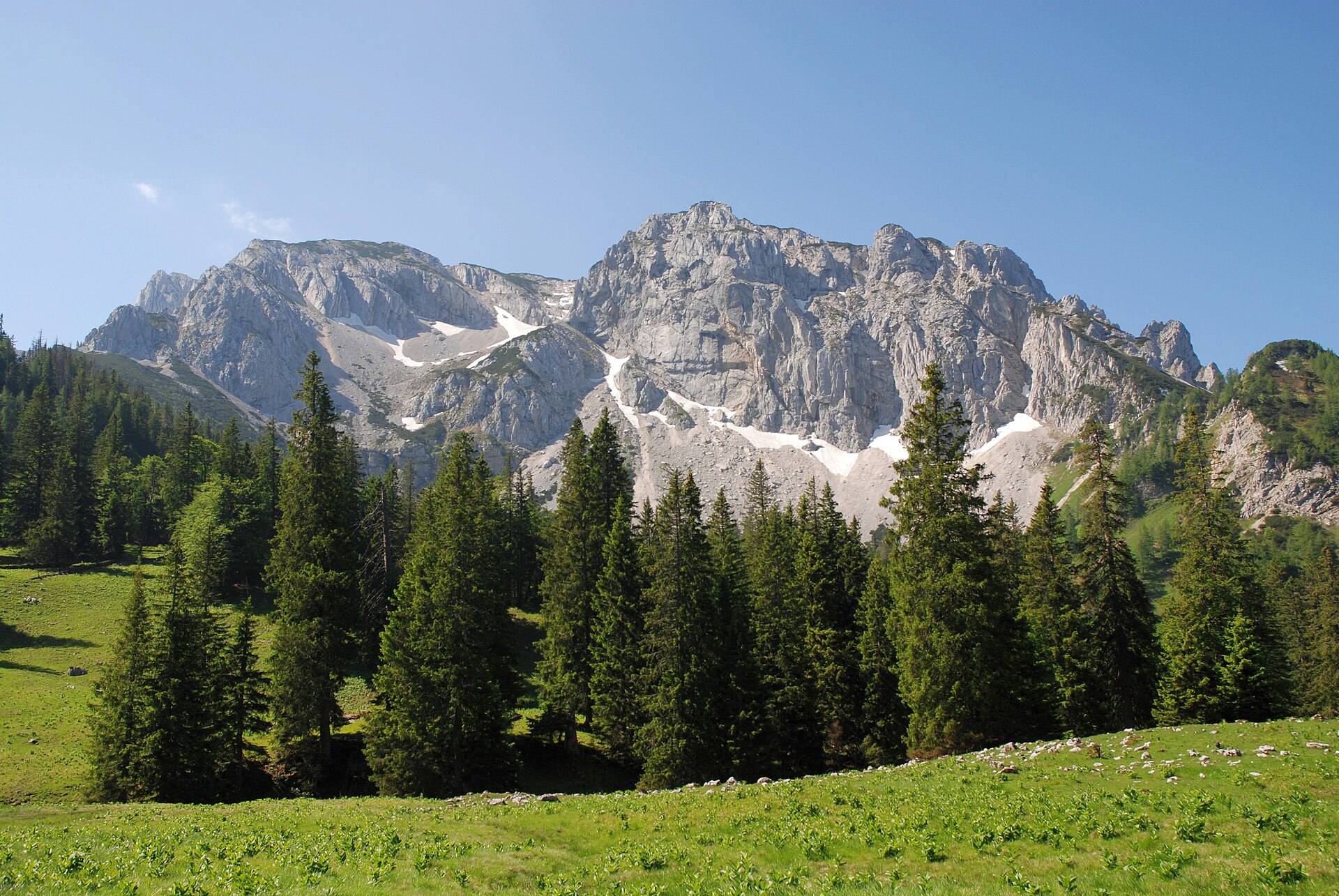
Natura 2000
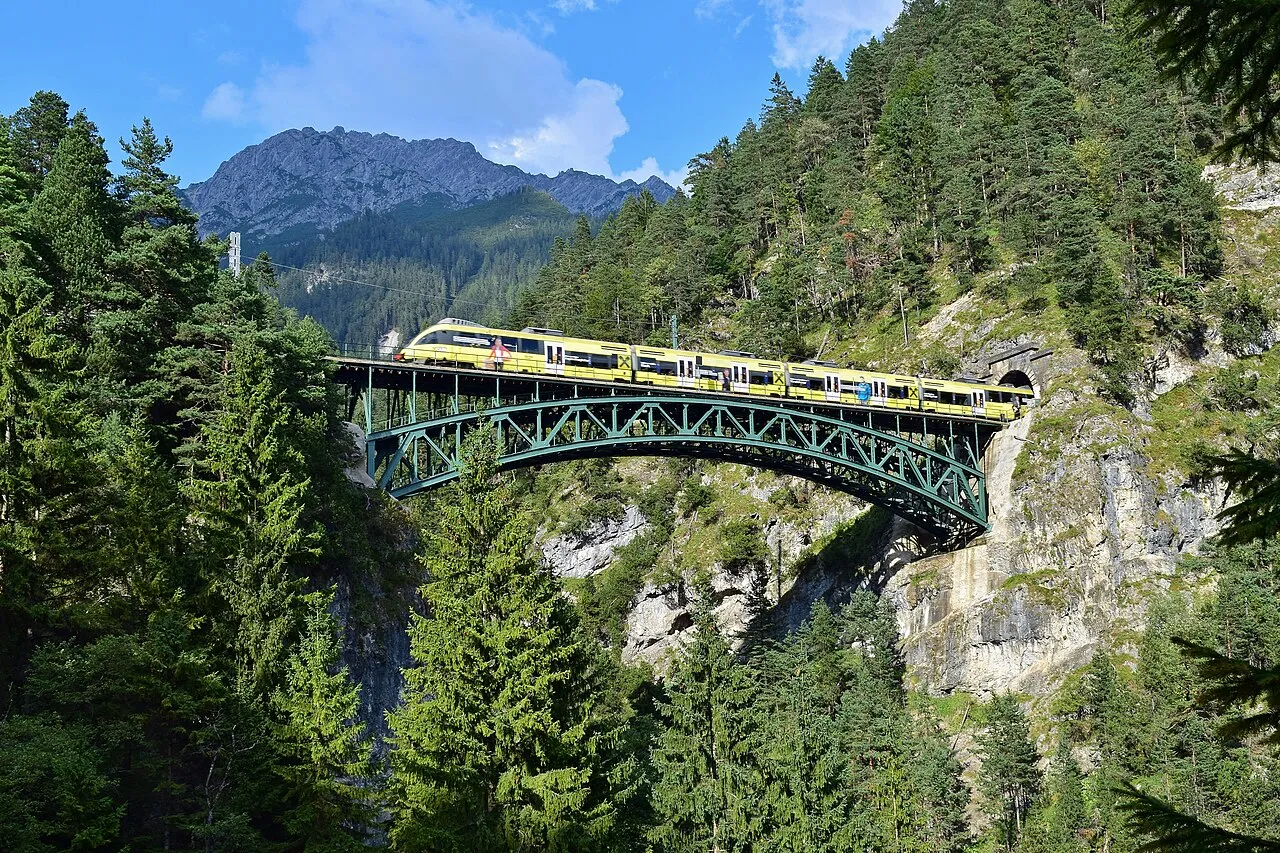
Natura 2000
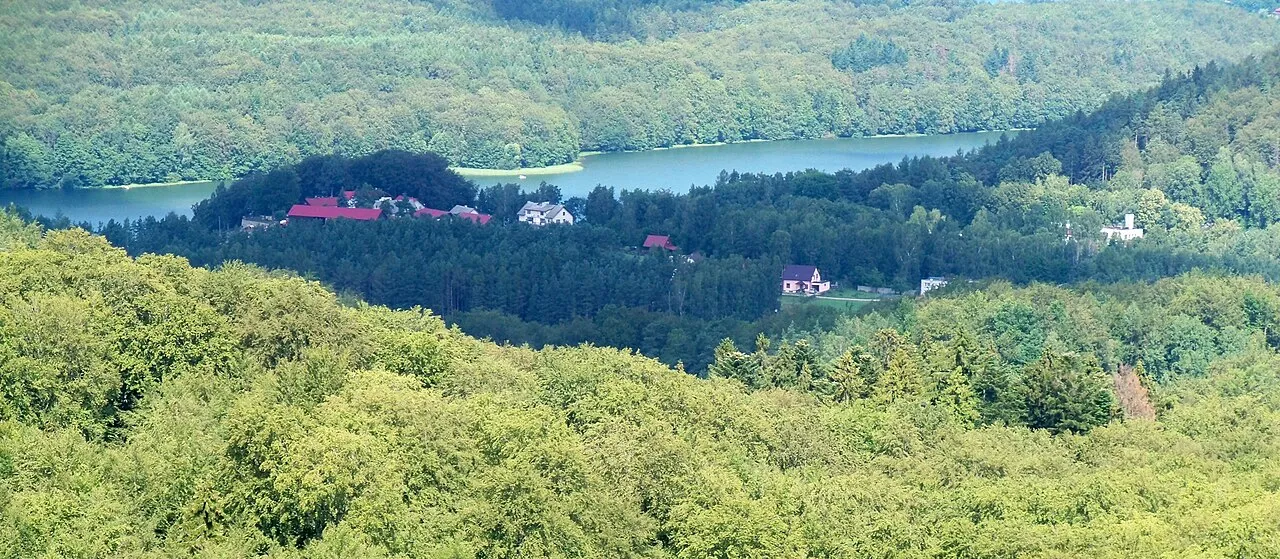
Natura 2000

Natura 2000
Natura 2000
Natura 2000
Natura 2000
Natura 2000
Natura 2000
Natura 2000
Natura 2000
Natura 2000
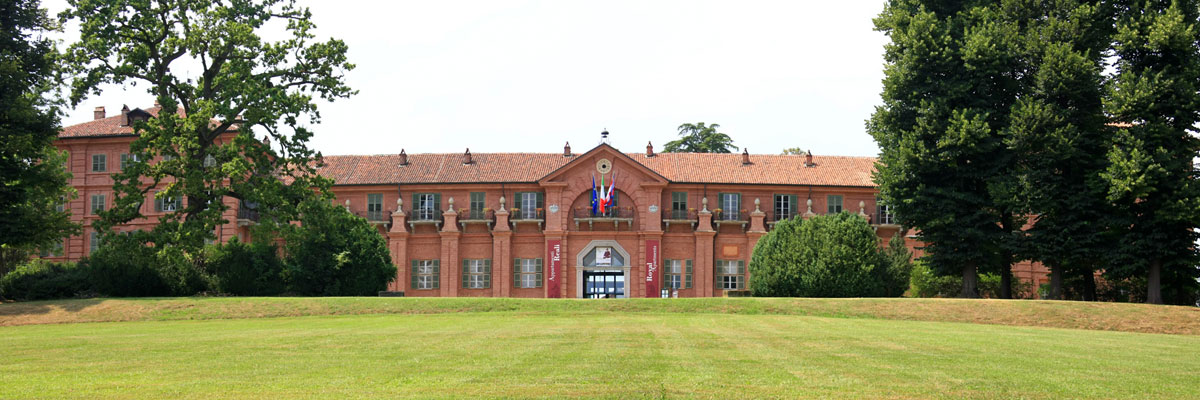
Natura 2000
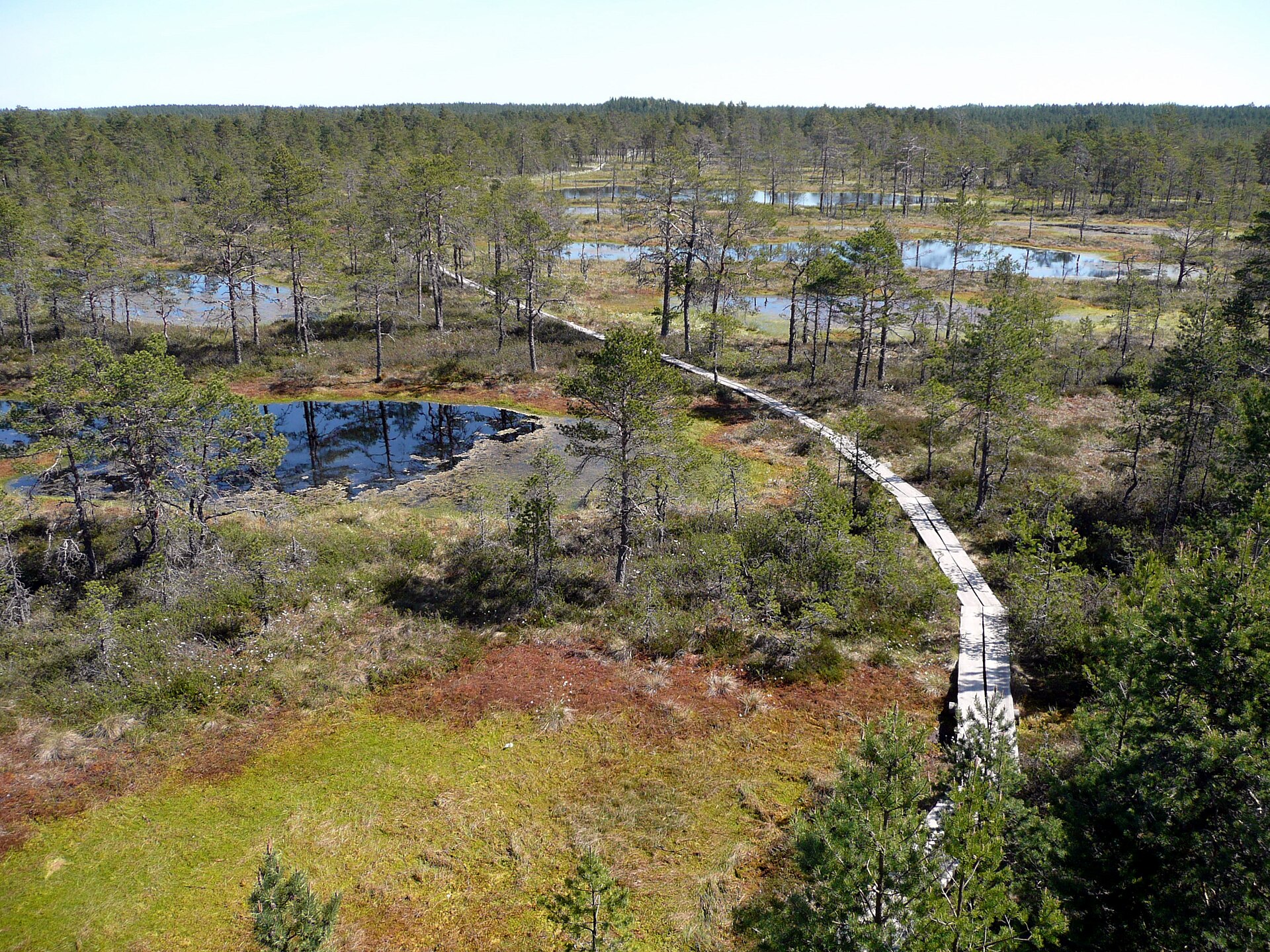
Natura 2000
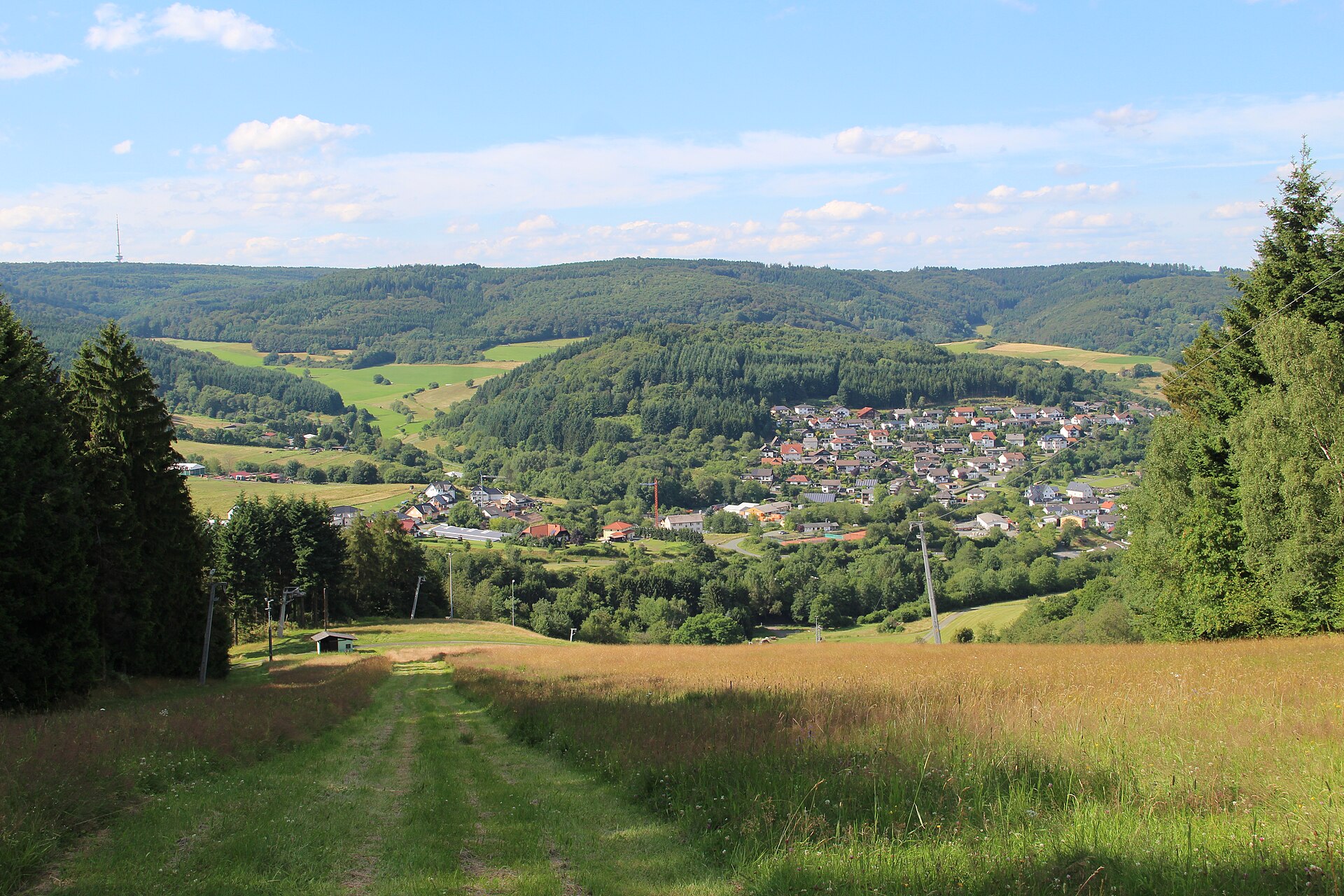
Natura 2000

Natura 2000
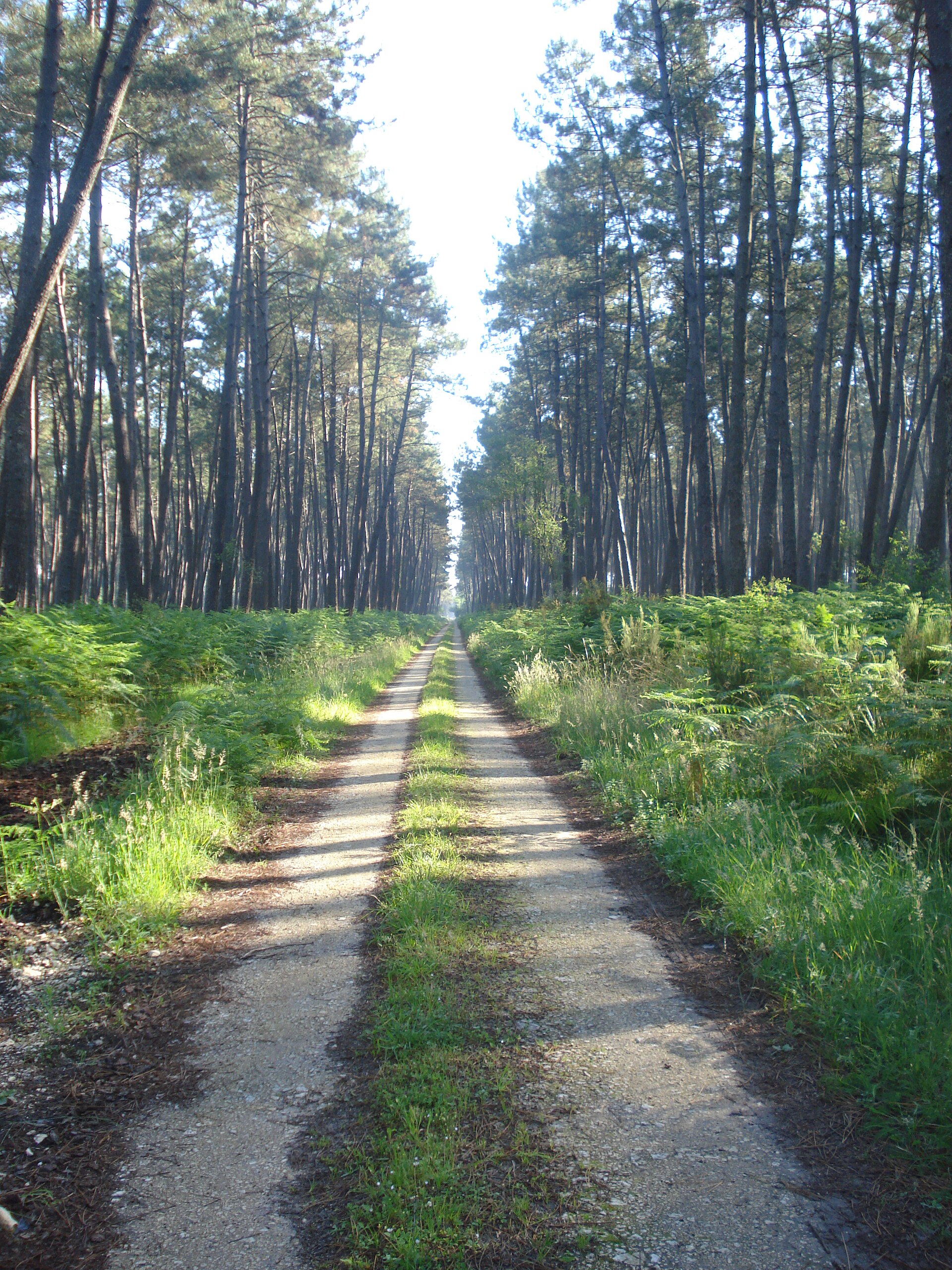
Natura 2000
Natura 2000

Natura 2000
Natura 2000
Natura 2000
Natura 2000
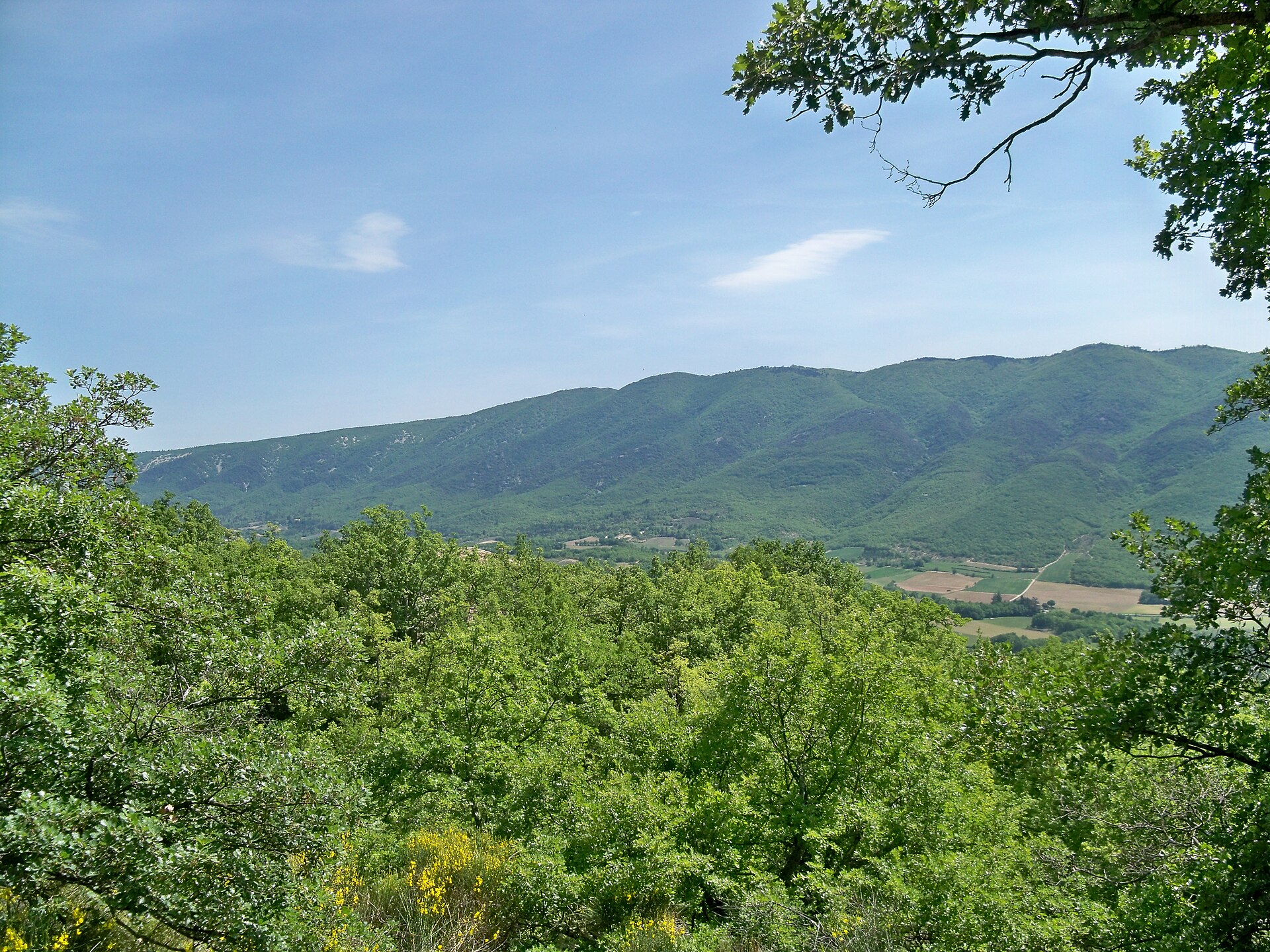
Natura 2000
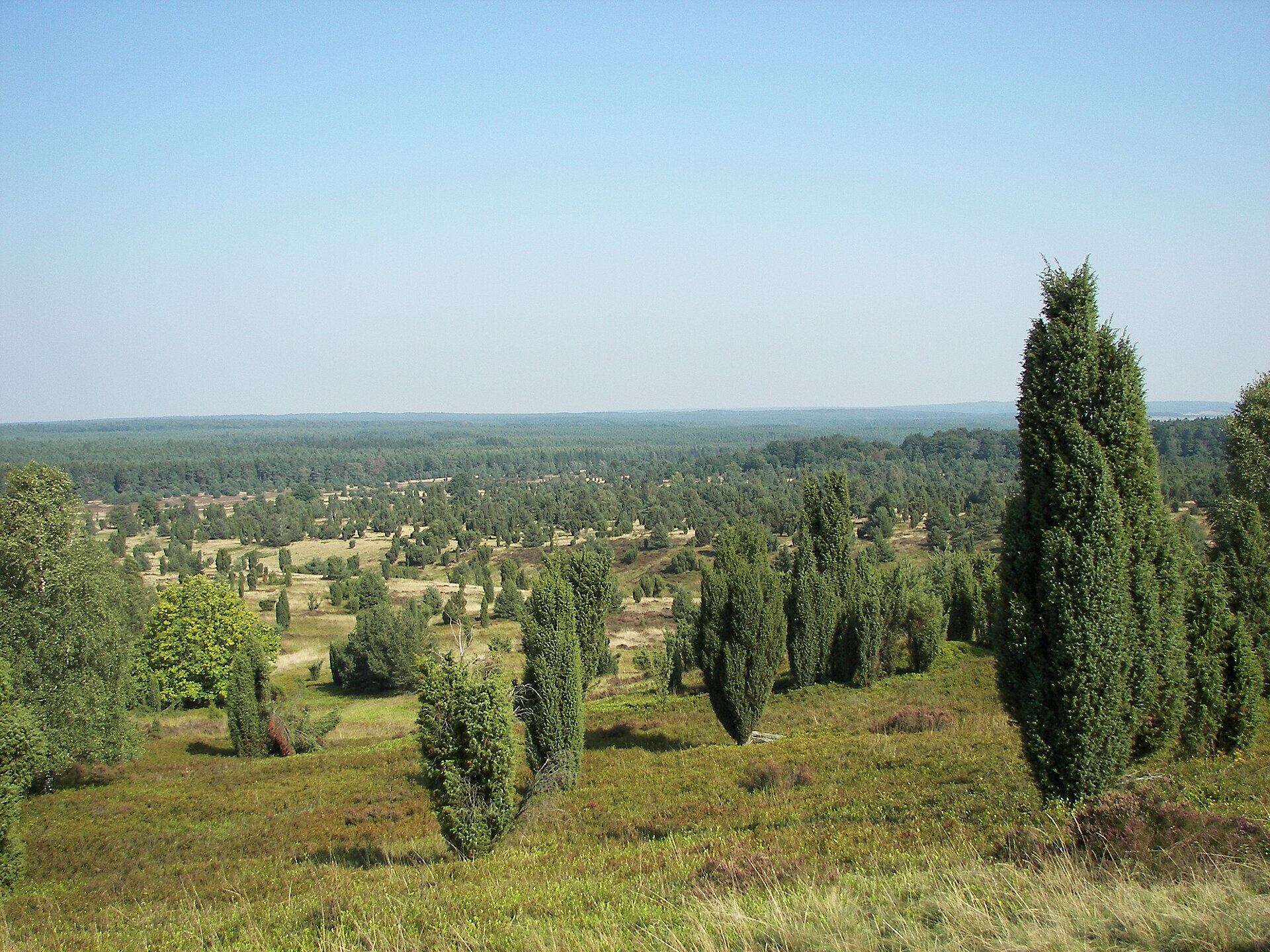
Natura 2000
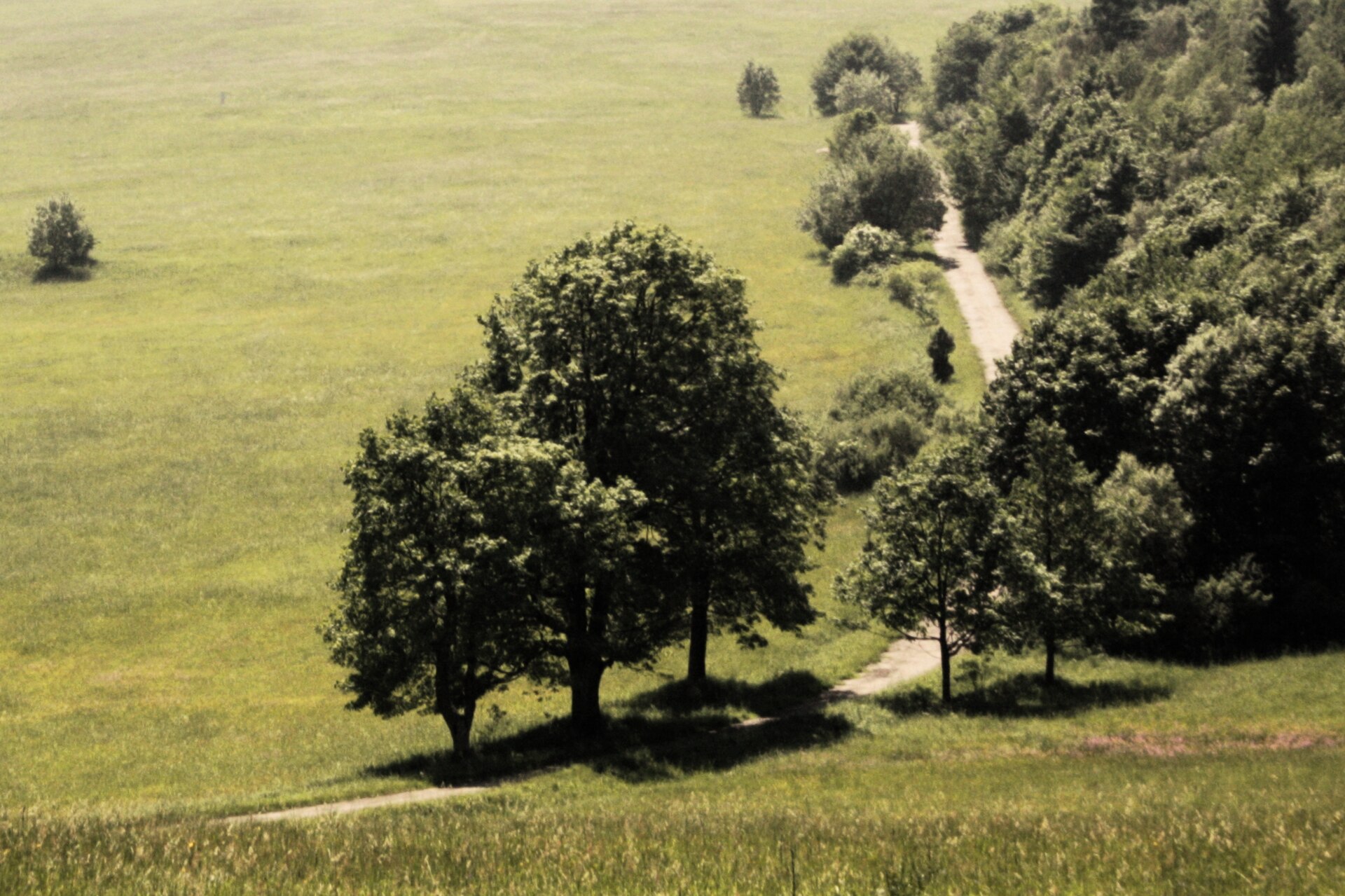
Natura 2000
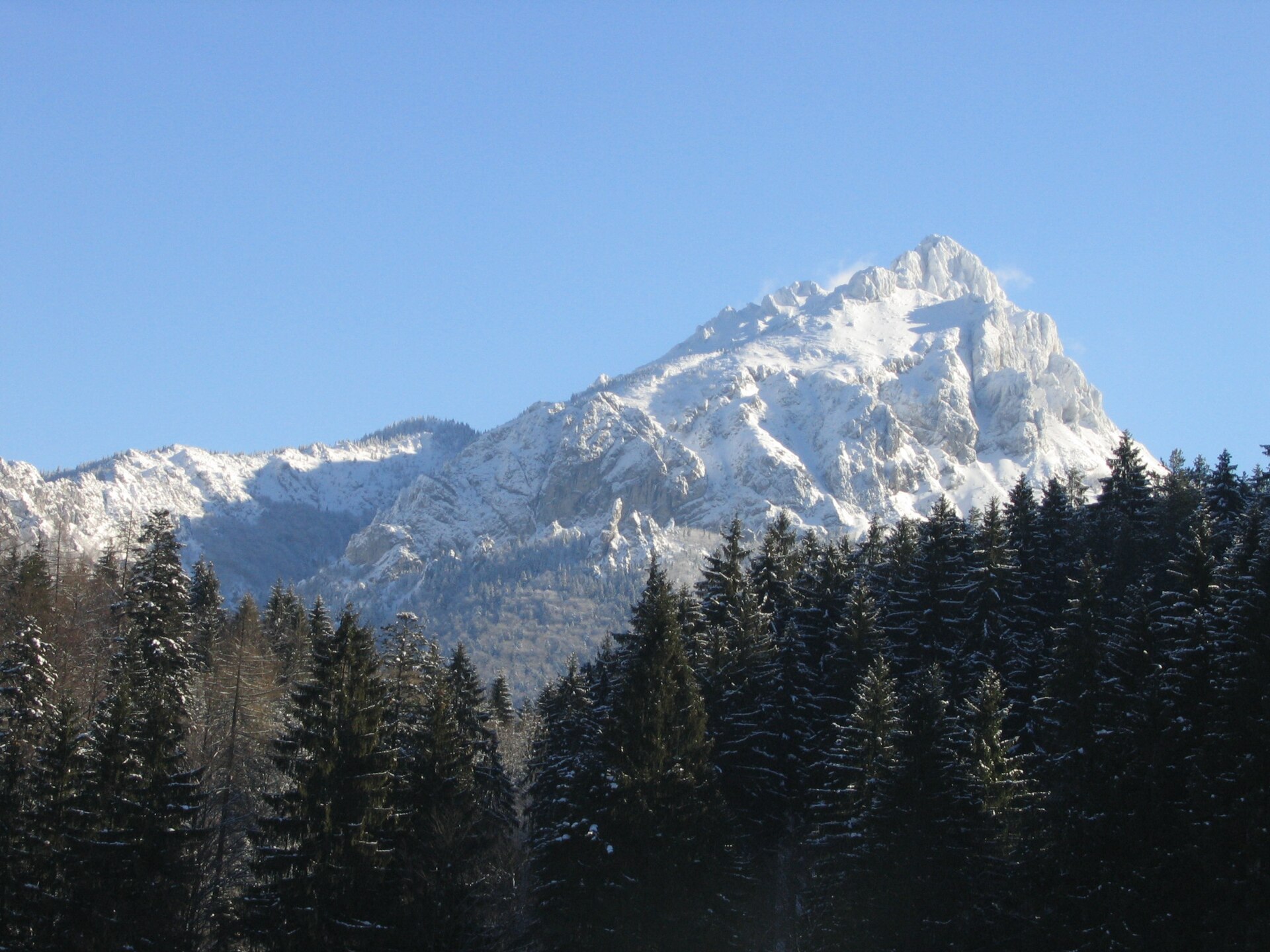
Natura 2000
Natura 2000
Natura 2000
Natura 2000
Natura 2000
Natura 2000
Natura 2000
Natura 2000
Natura 2000
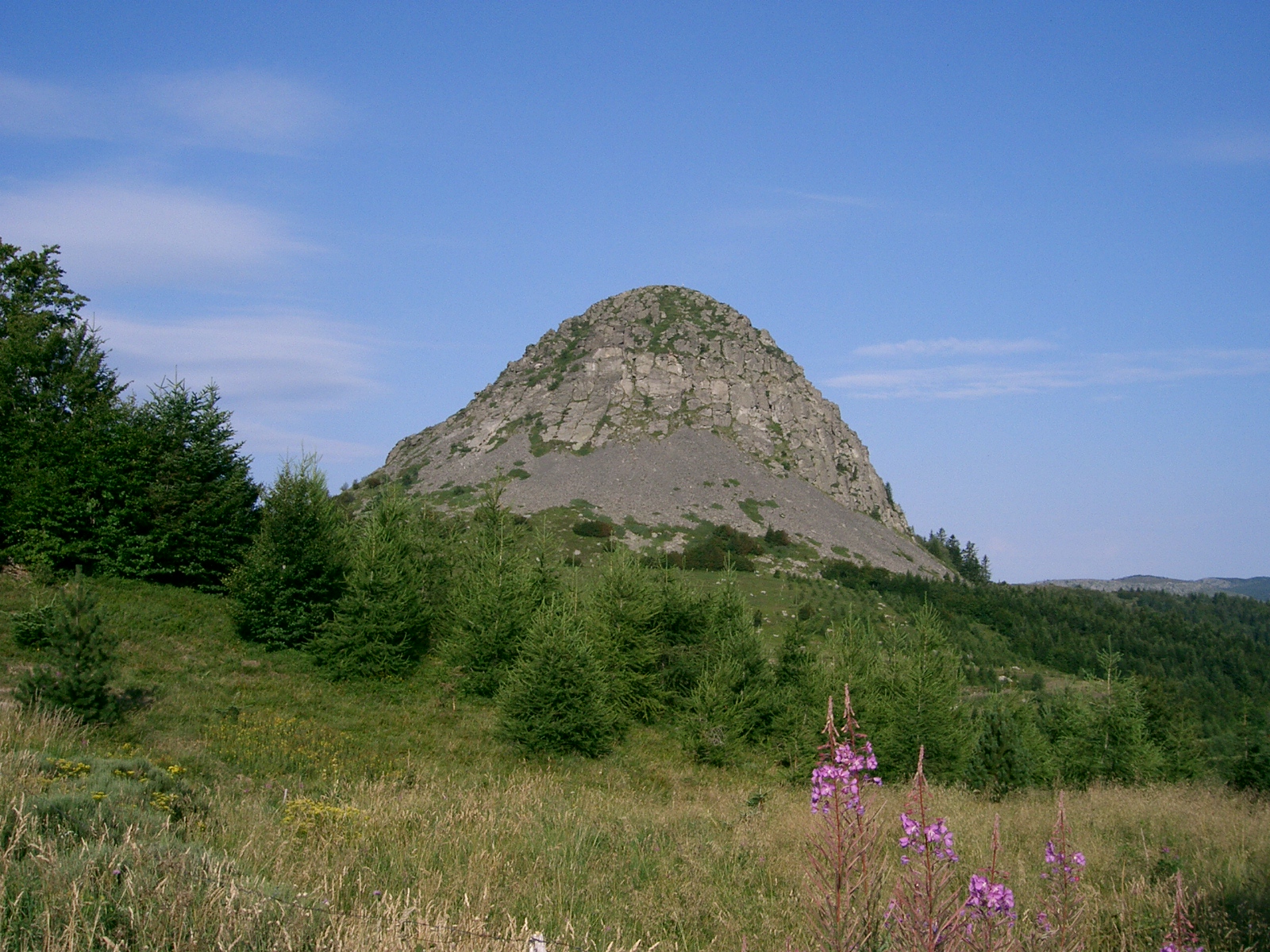
Natura 2000
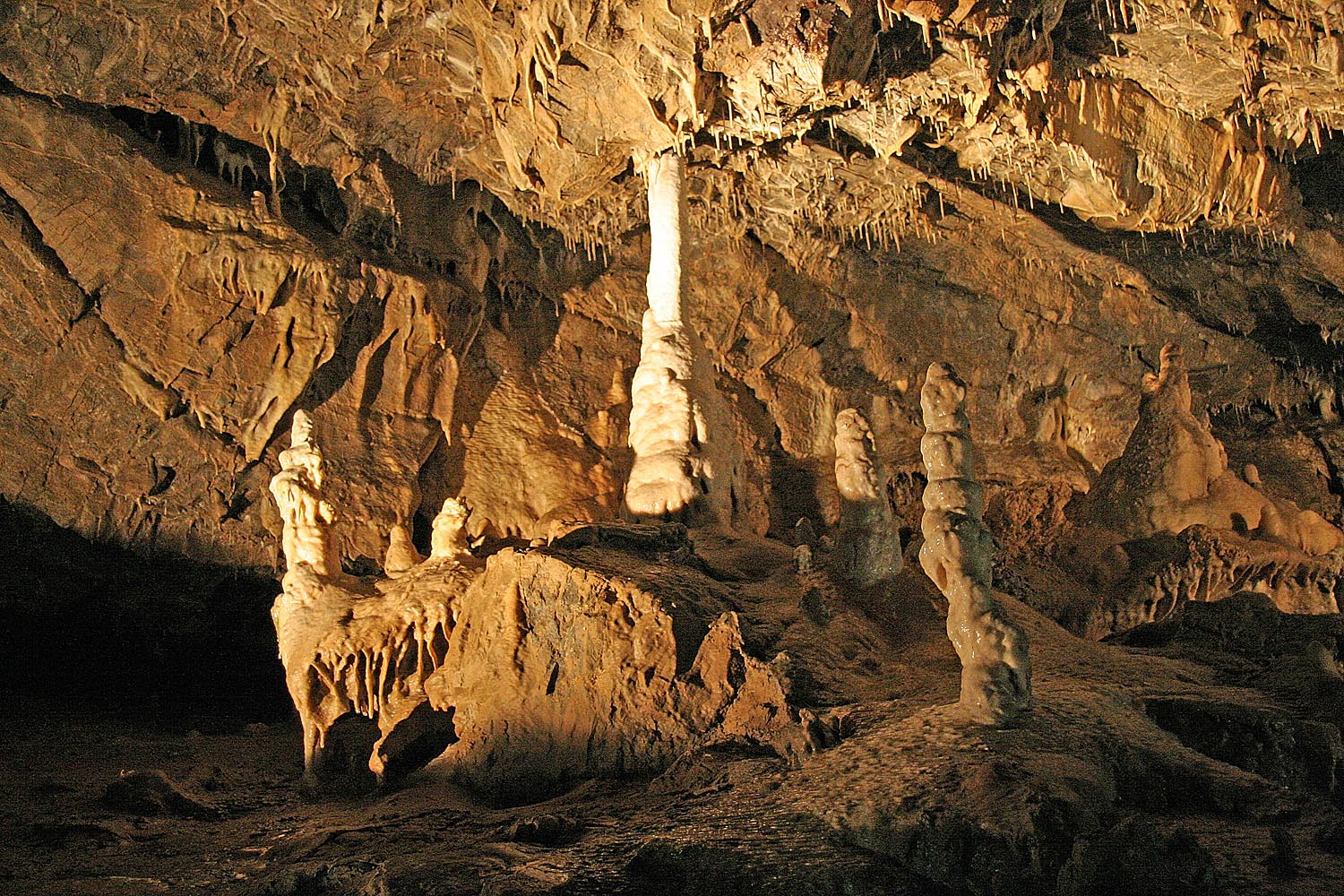
Natura 2000
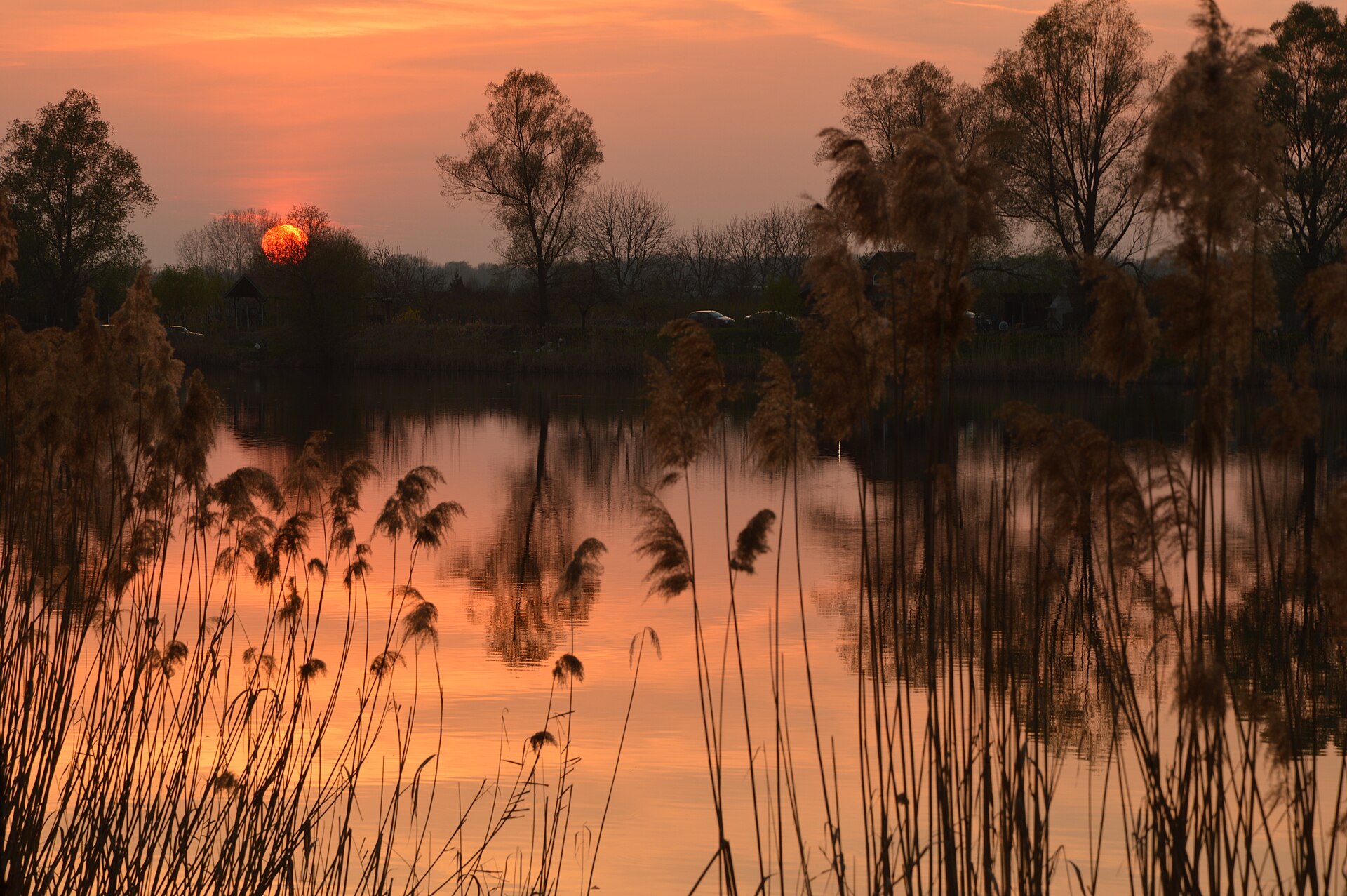
Natura 2000
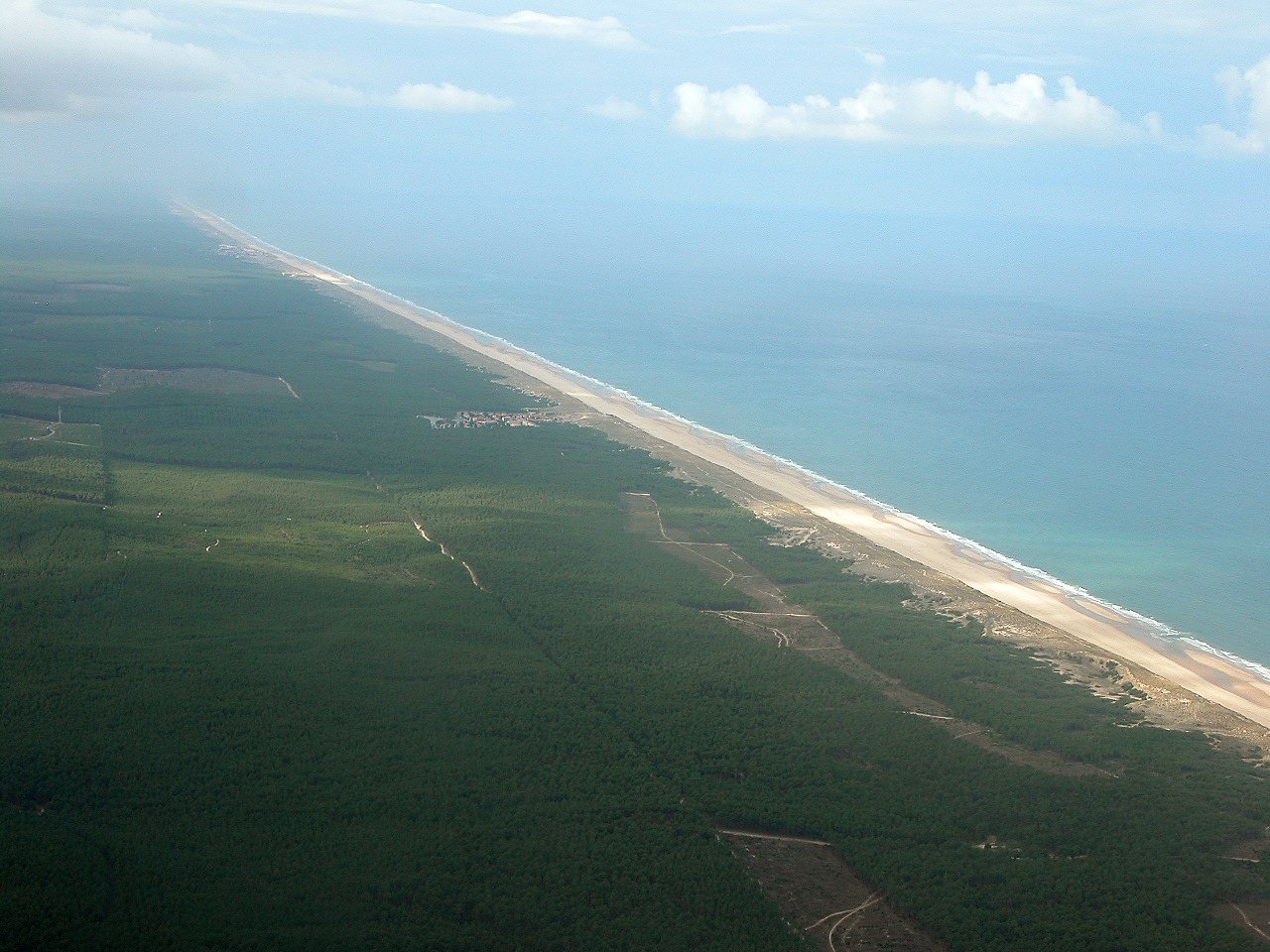
Natura 2000
Natura 2000
Natura 2000
Natura 2000
Natura 2000
Natura 2000
Natura 2000
Natura 2000
Natura 2000
Natura 2000
Natura 2000
Natura 2000
Natura 2000
Natura 2000

Natura 2000
Natura 2000
Natura 2000
Natura 2000
Natura 2000
Natura 2000
Natura 2000
Natura 2000
Natura 2000
Natura 2000
Natura 2000
Natura 2000
Natura 2000
Natura 2000
Natura 2000
Natura 2000
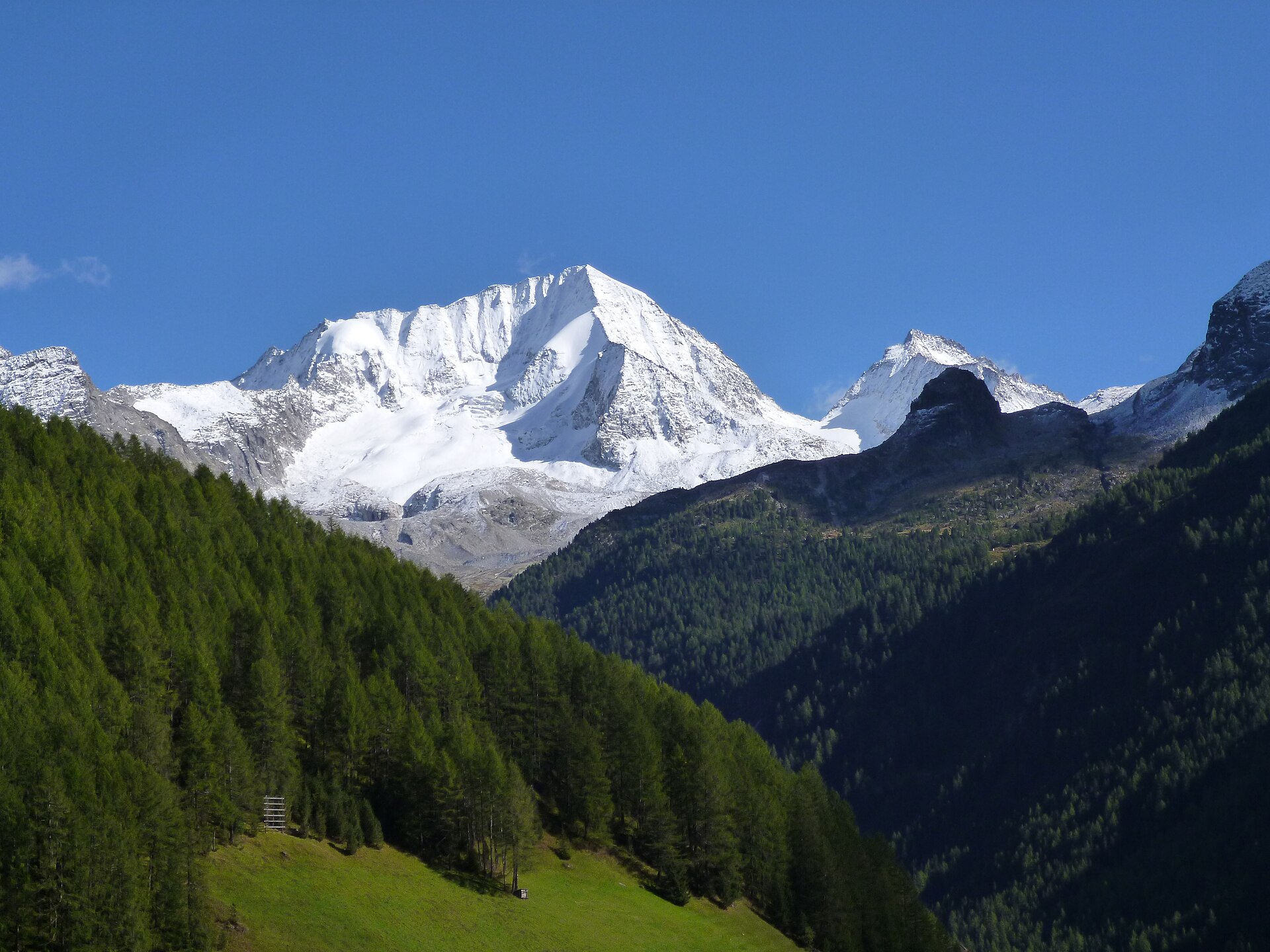
Natura 2000
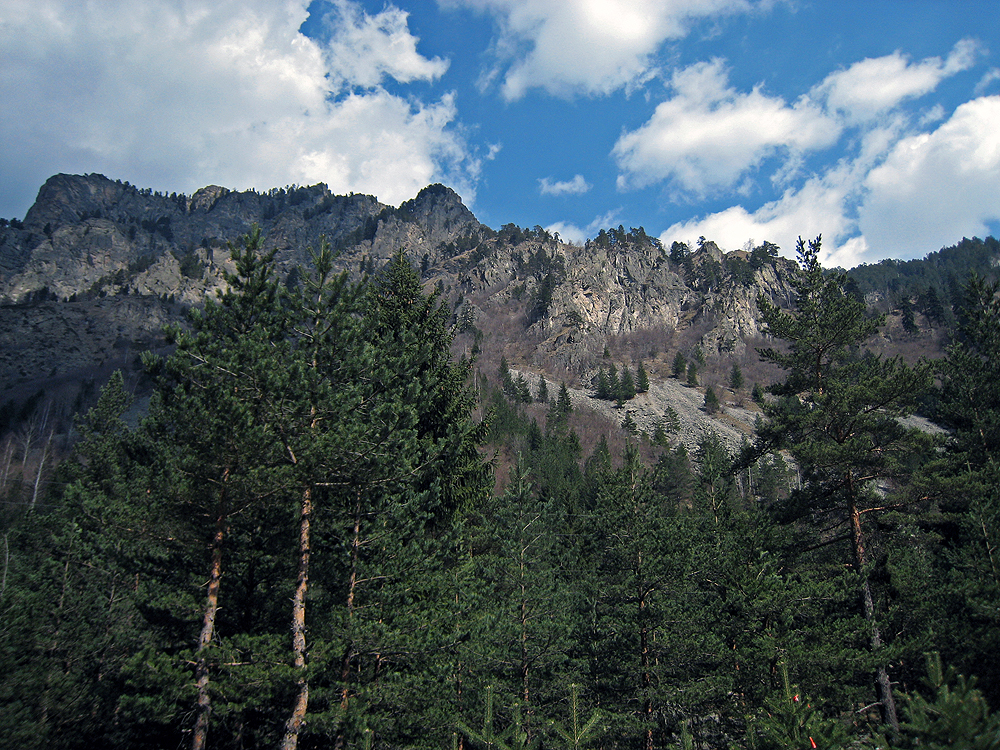
Natura 2000
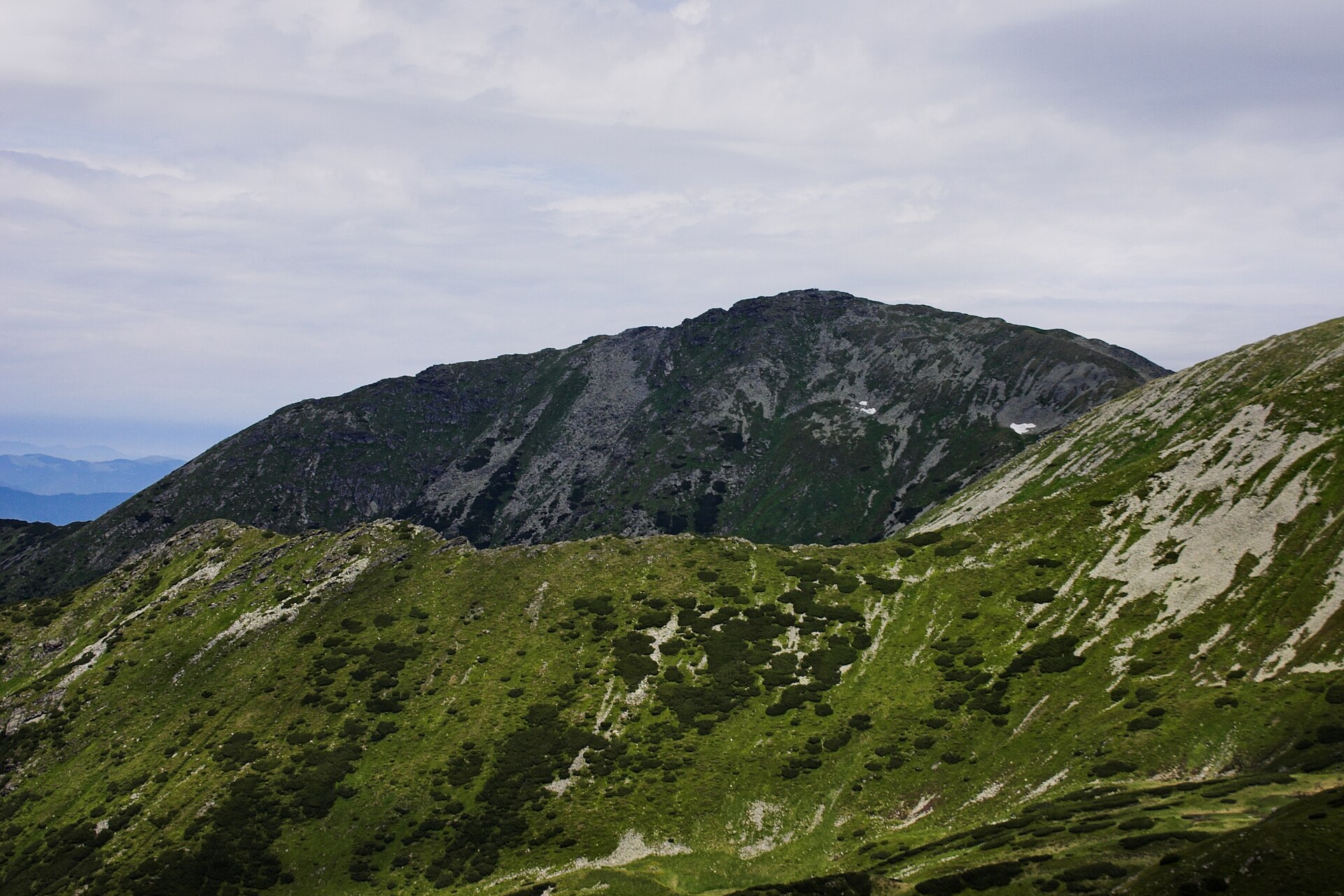
Natura 2000
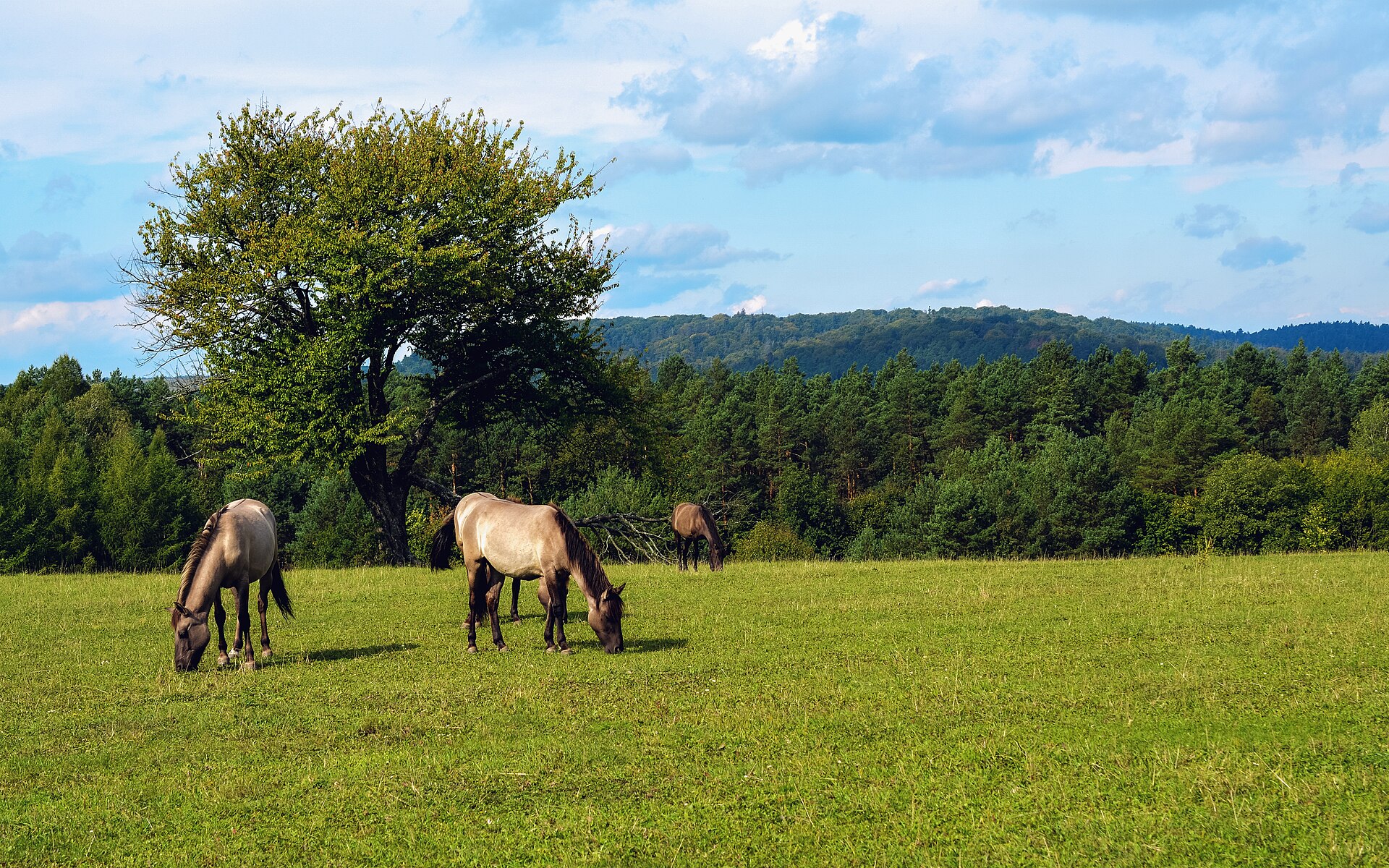
Natura 2000
Natura 2000
Natura 2000
Natura 2000
Natura 2000
Natura 2000
Natura 2000

Natura 2000
Natura 2000
Natura 2000
Natura 2000
Natura 2000
Natura 2000
Natura 2000
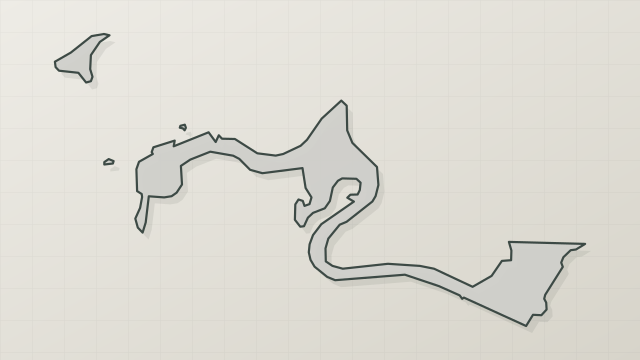
Natura 2000
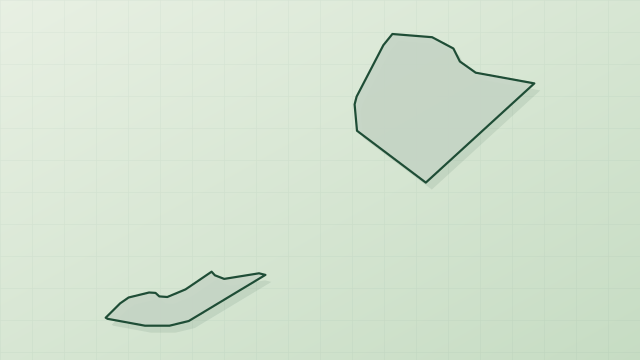
Natura 2000
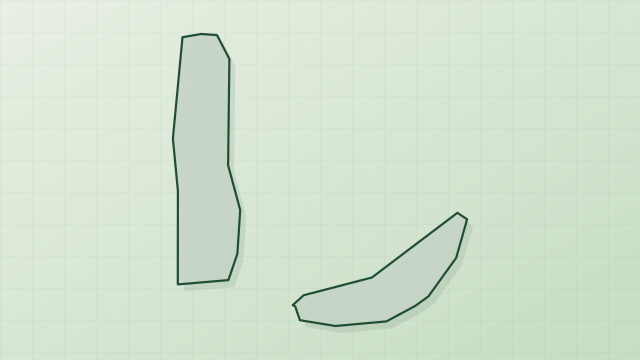
Natura 2000
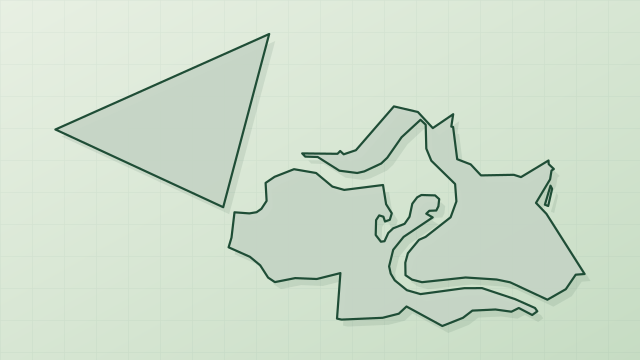
Natura 2000
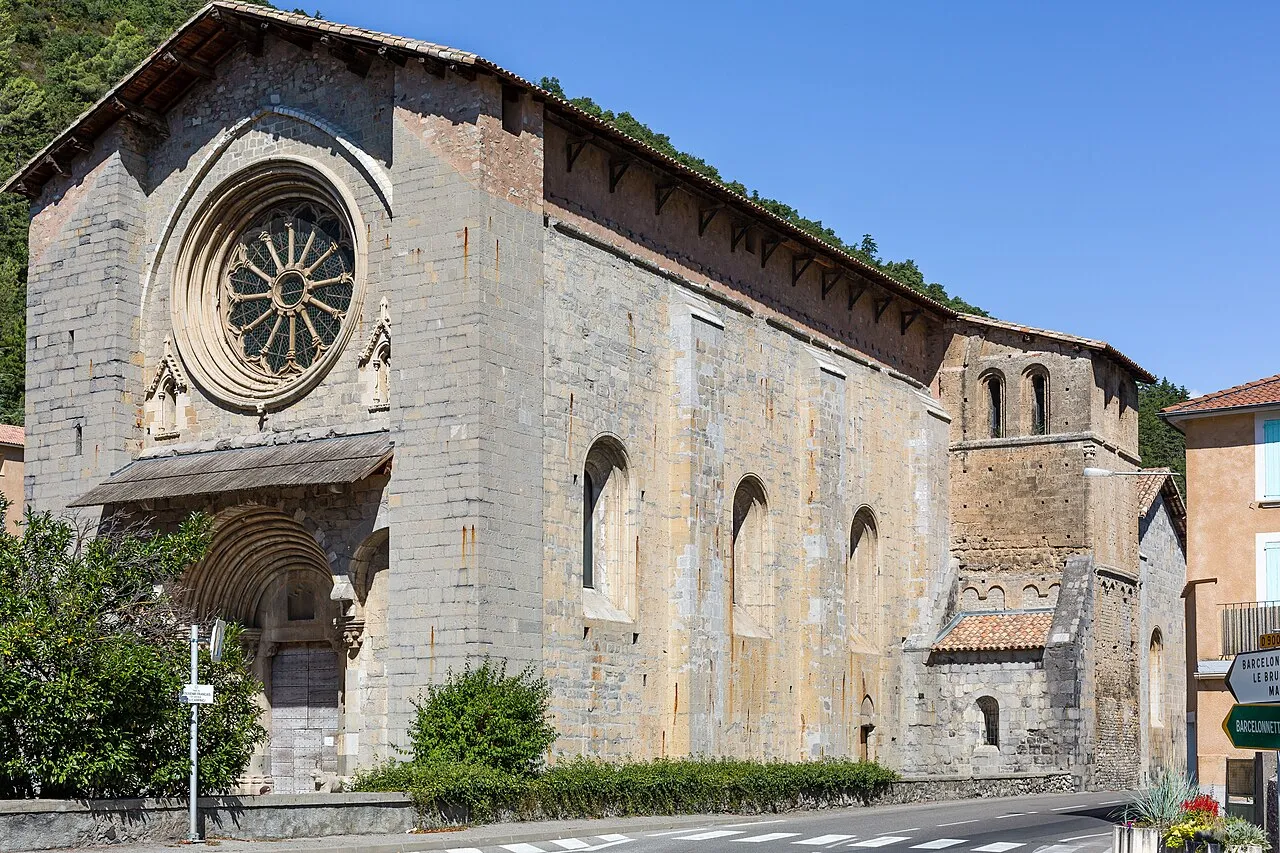
Natura 2000
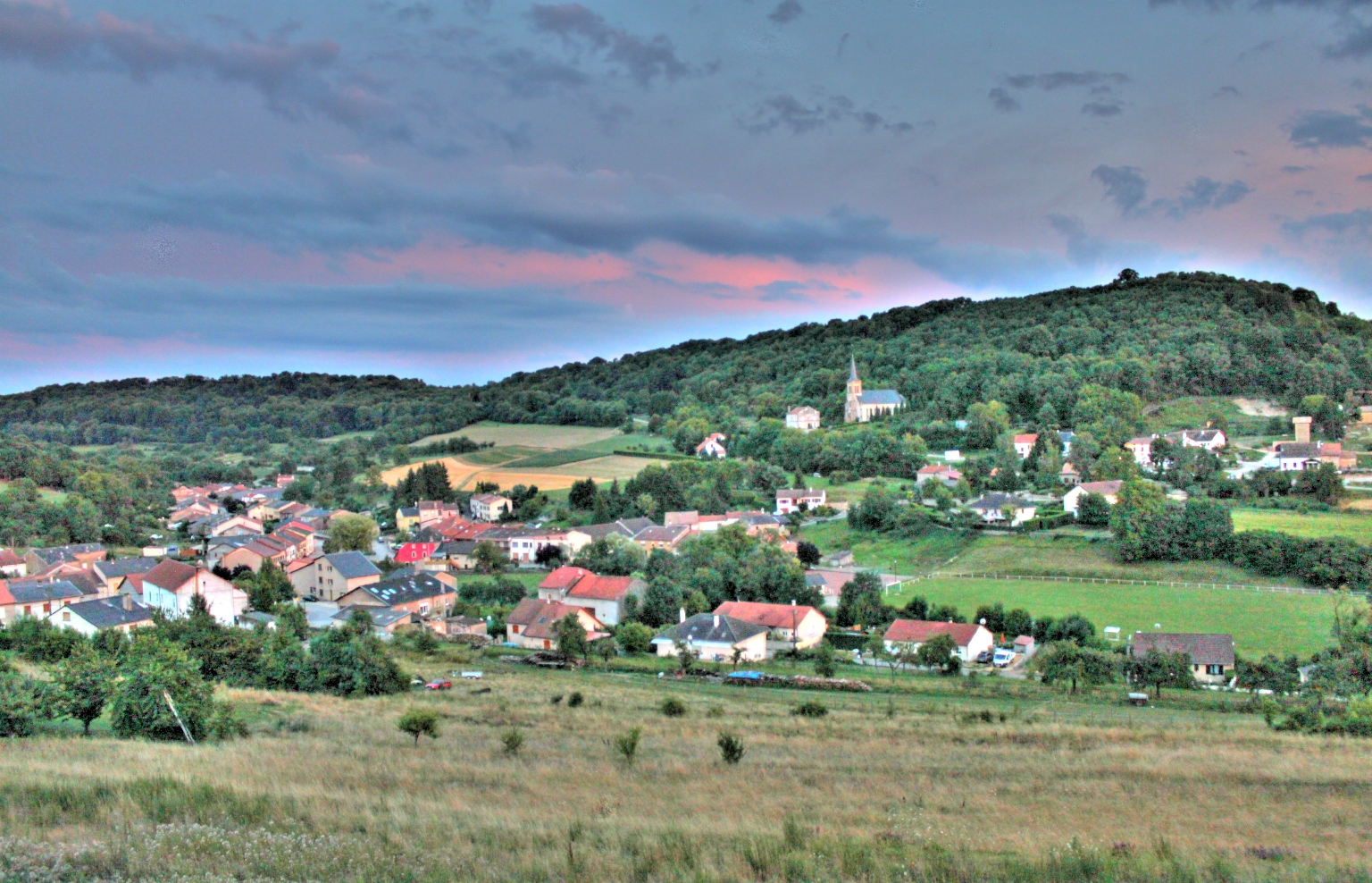
Natura 2000
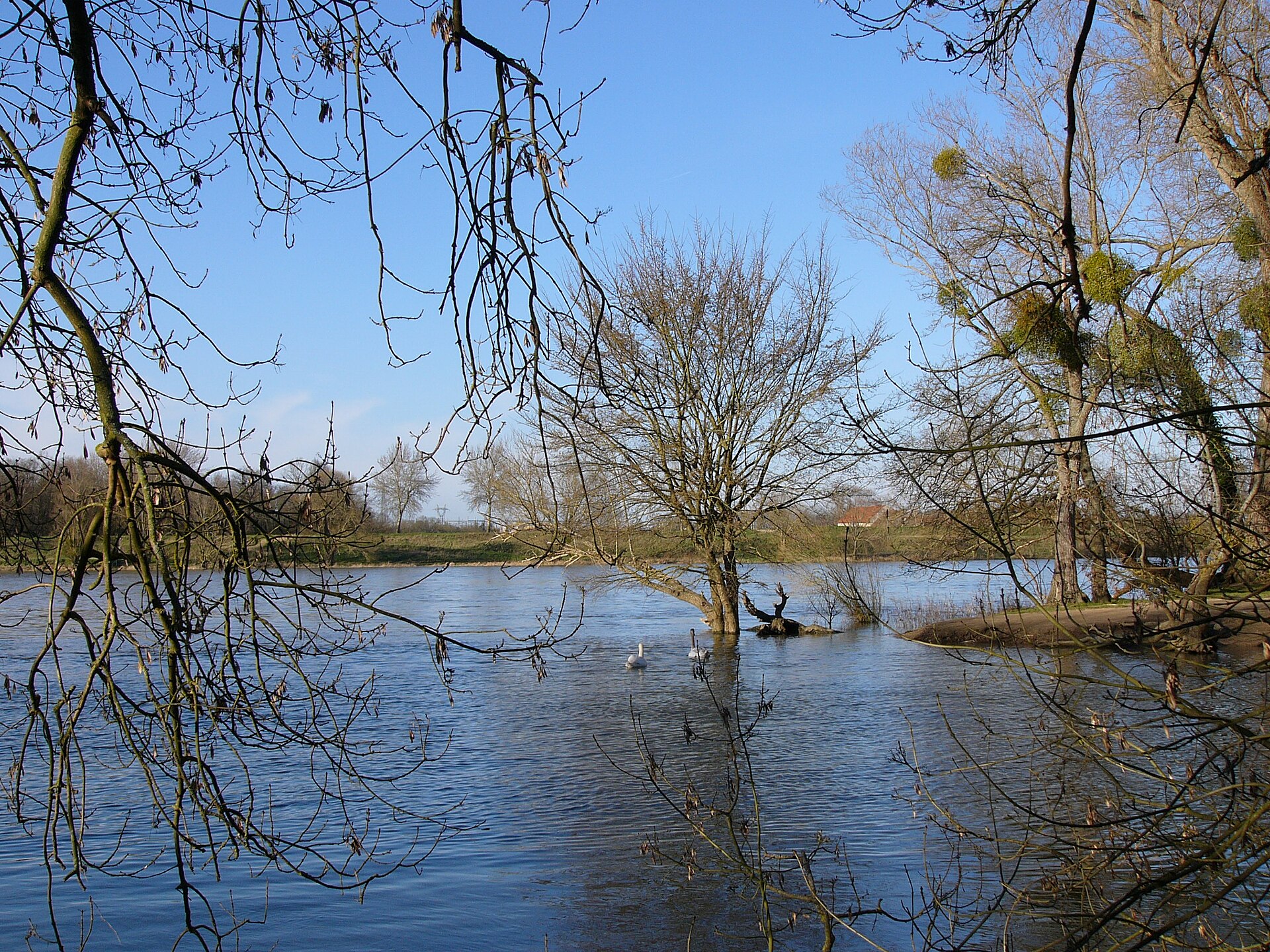
Natura 2000
Natura 2000
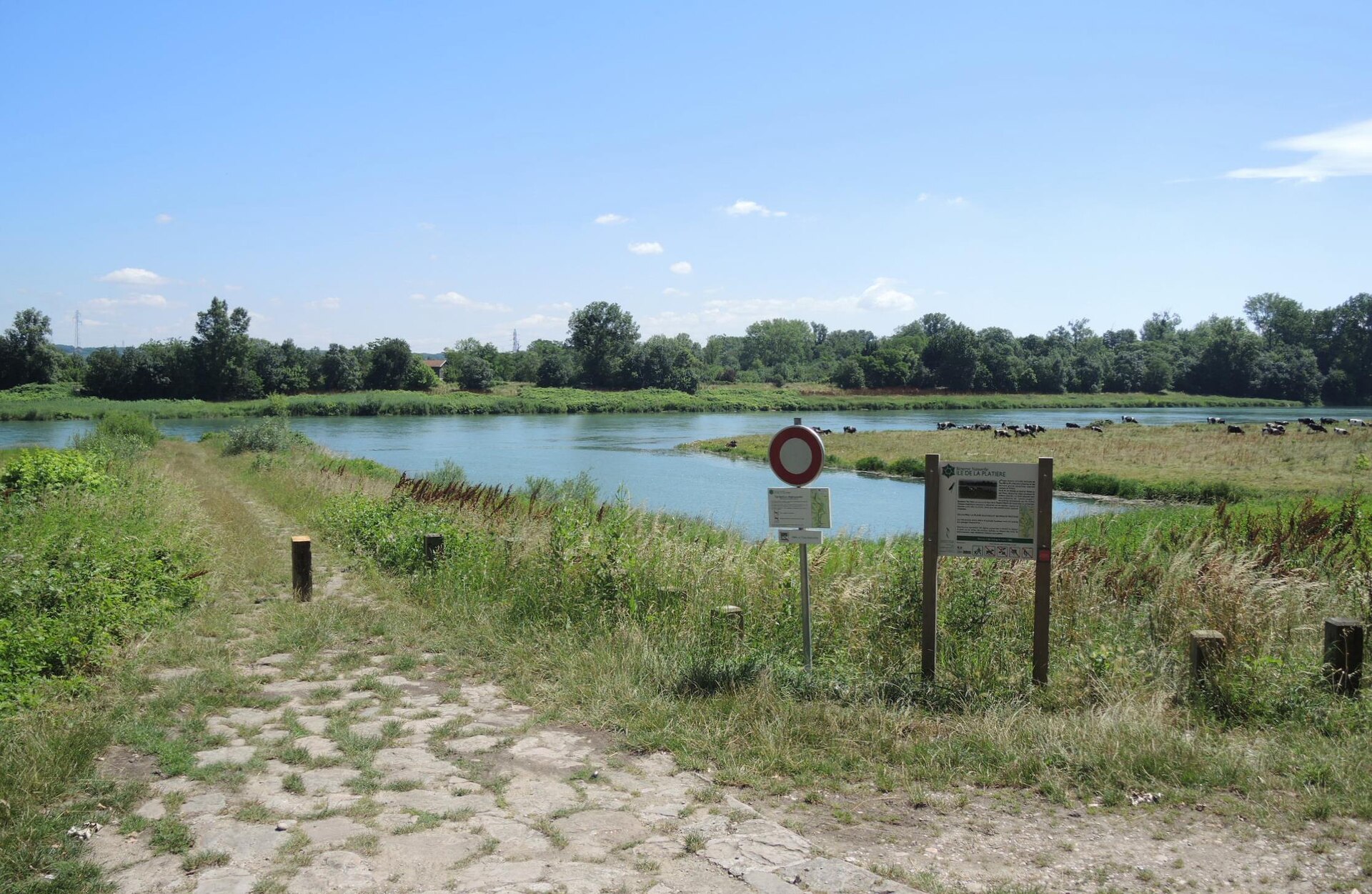
Natura 2000
Natura 2000
Natura 2000
Natura 2000
Natura 2000
Natura 2000
Natura 2000
Natura 2000
Natura 2000
Natura 2000
Natura 2000
Natura 2000
Natura 2000
Natura 2000
Natura 2000
Natura 2000
Natura 2000
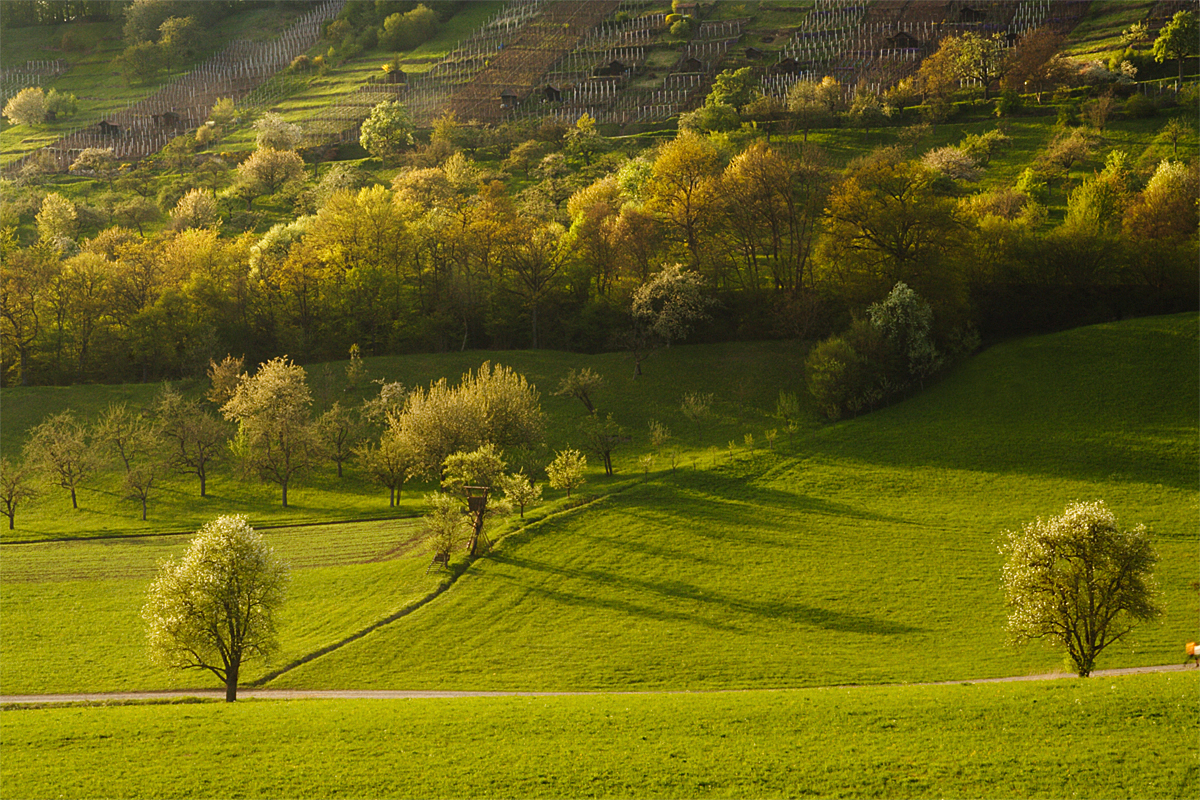
Natura 2000
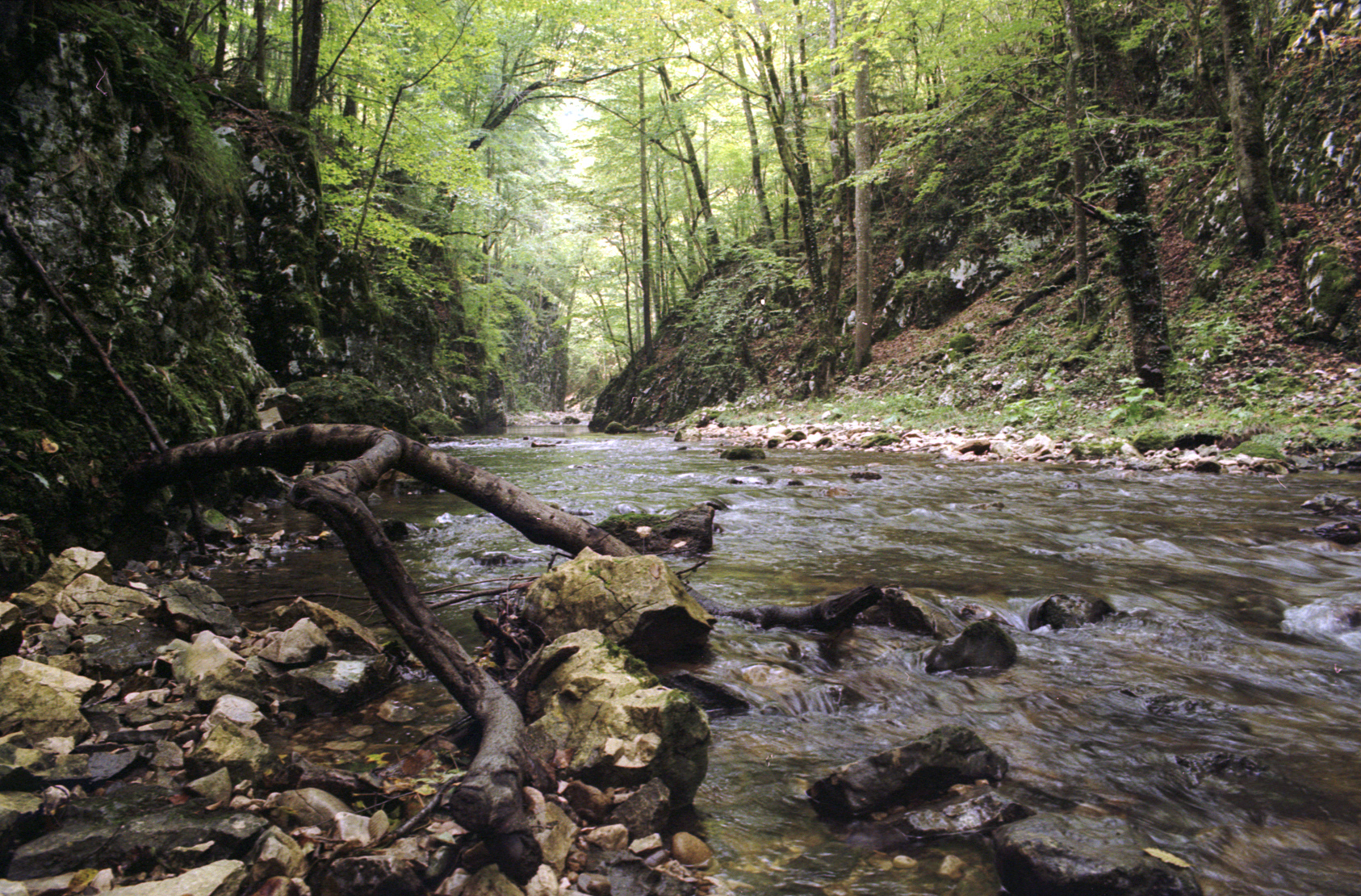
Natura 2000
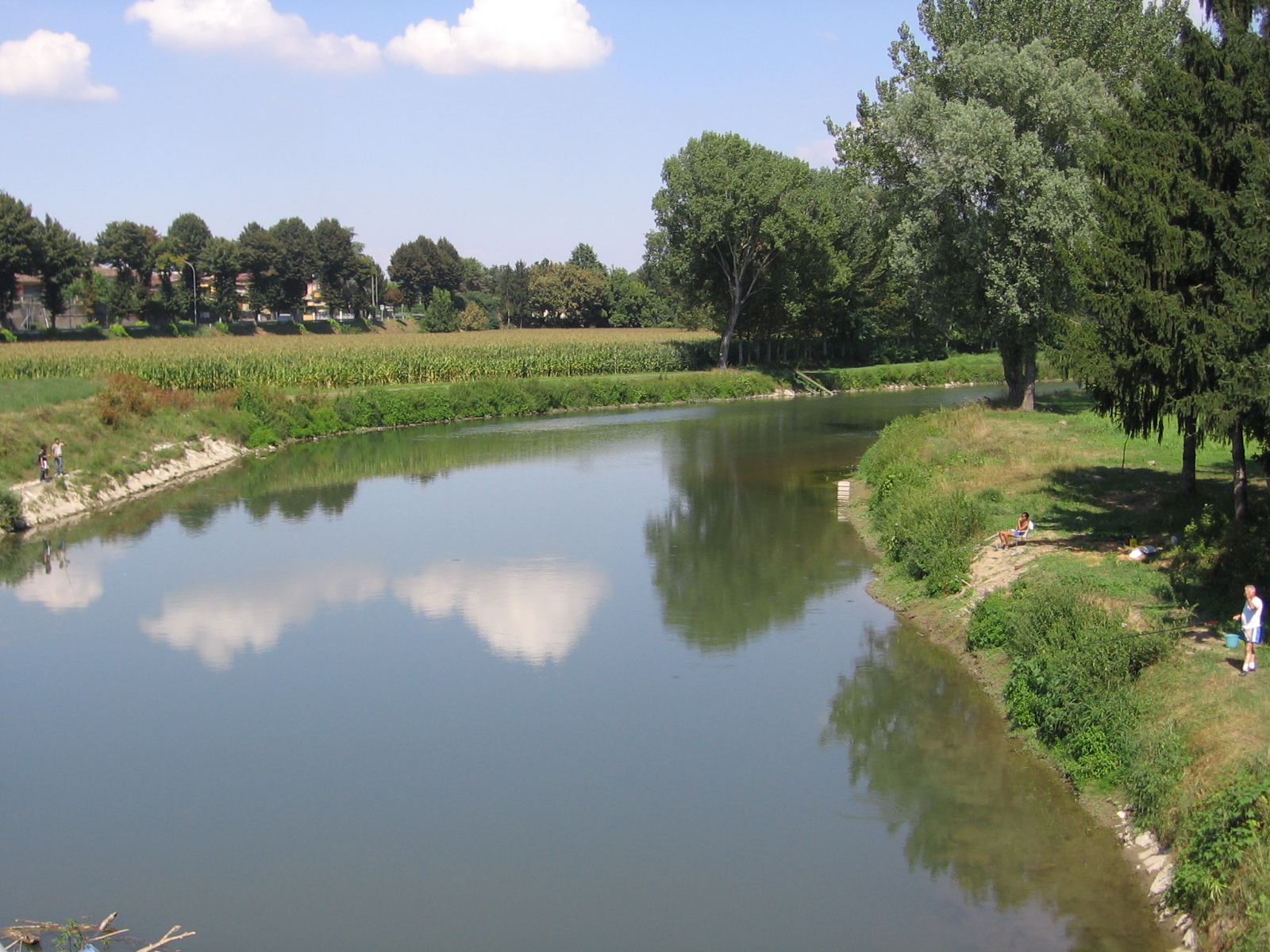
Natura 2000
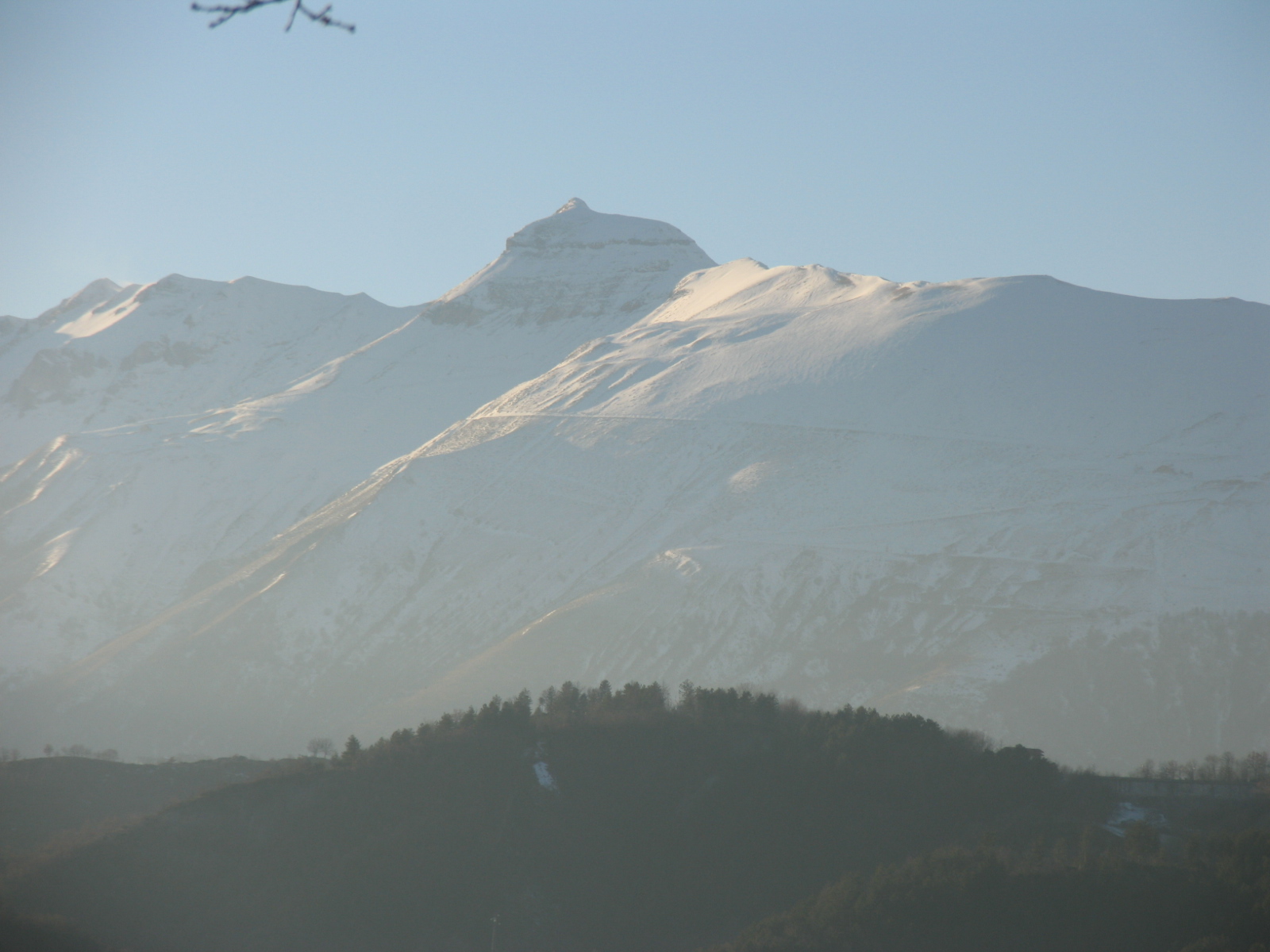
Natura 2000
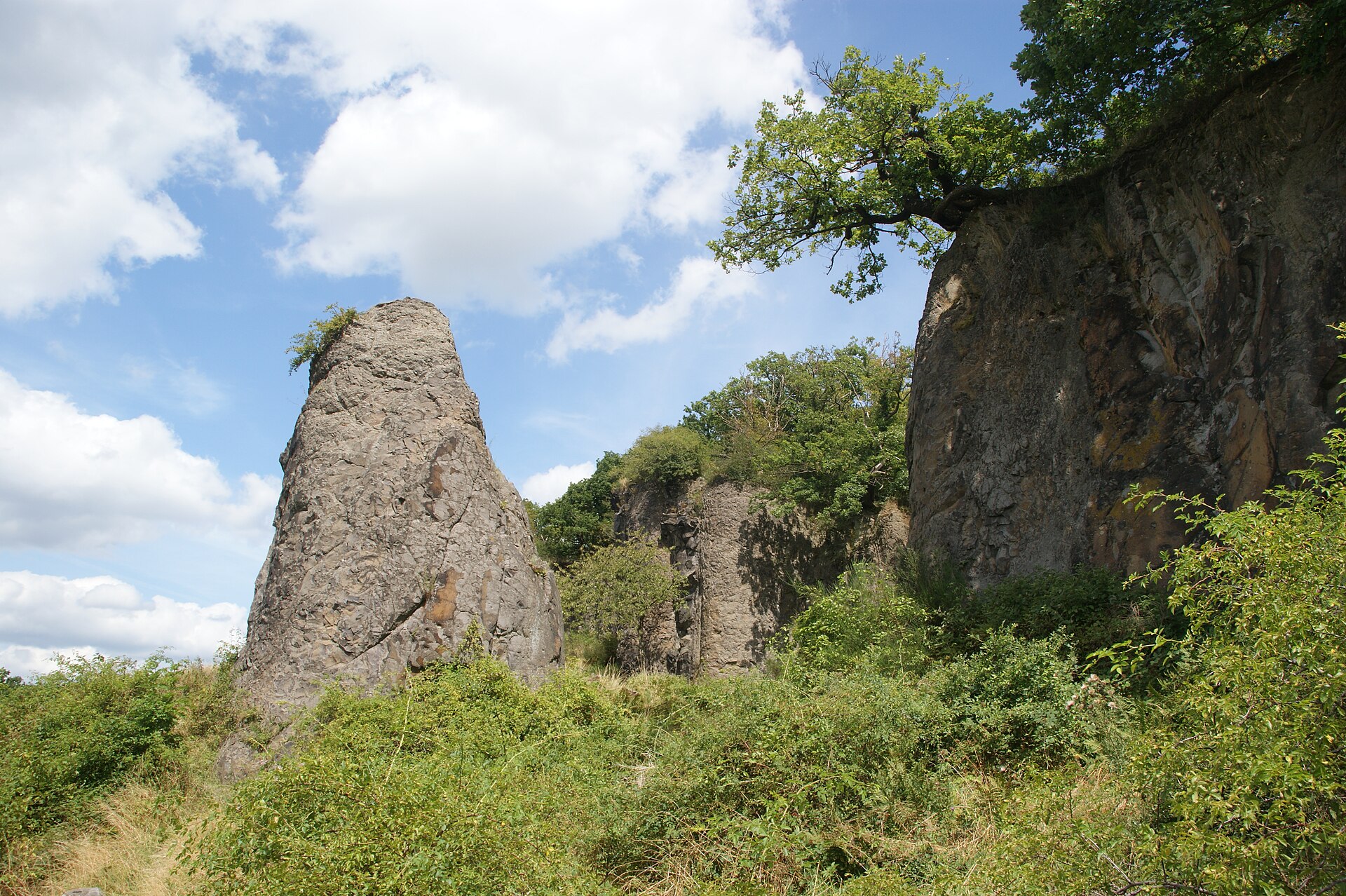
Natura 2000
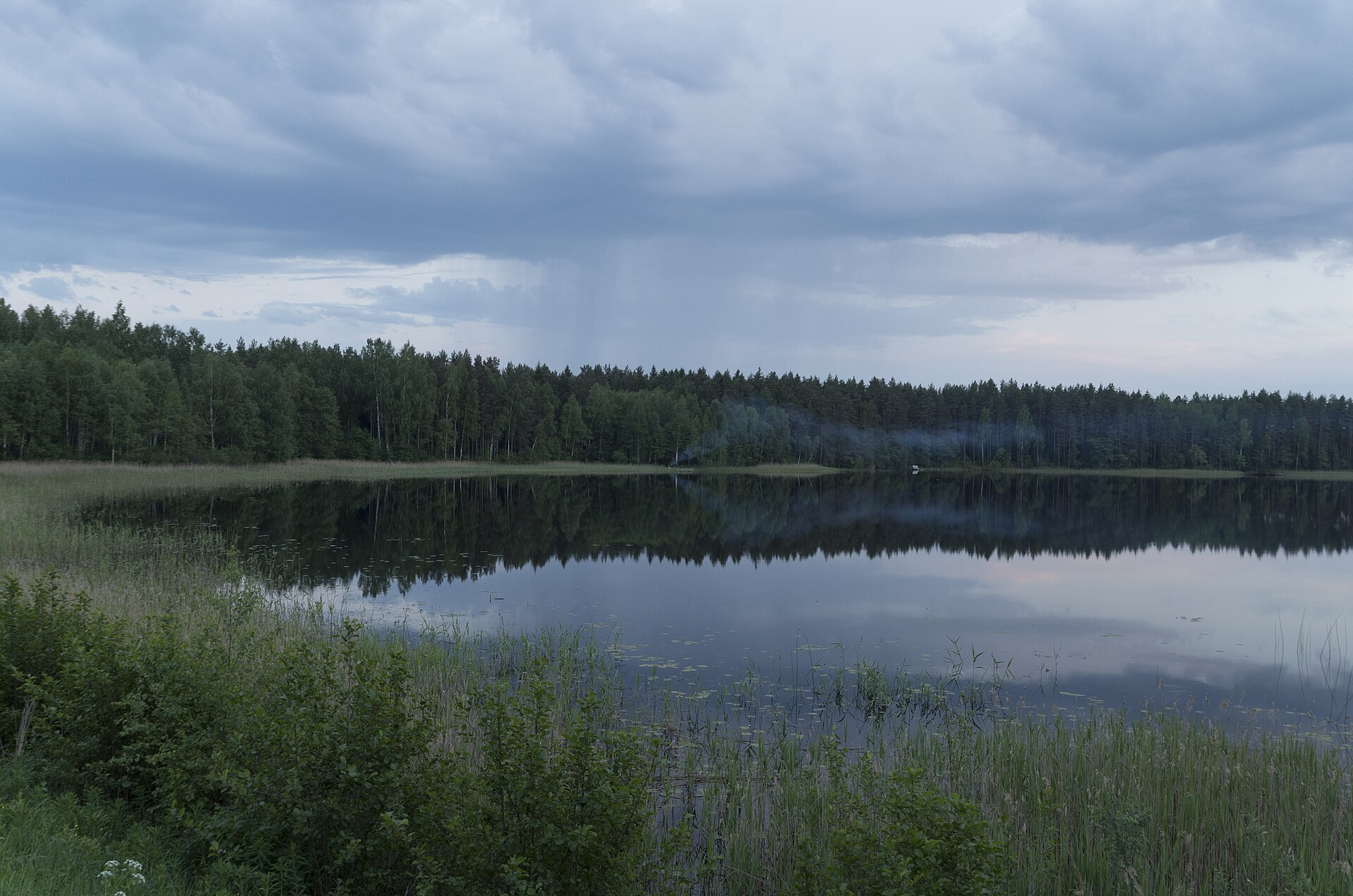
Natura 2000
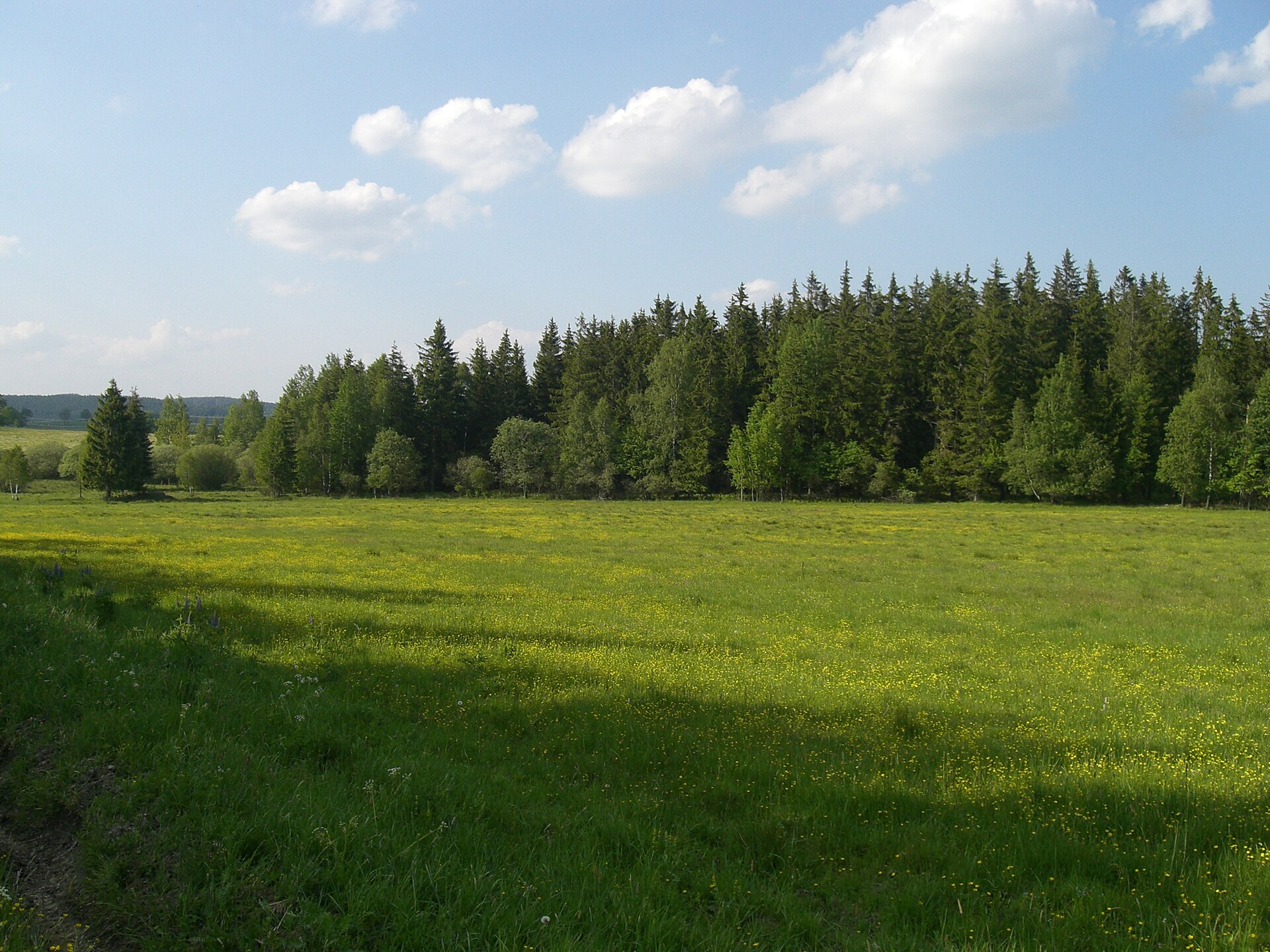
Natura 2000
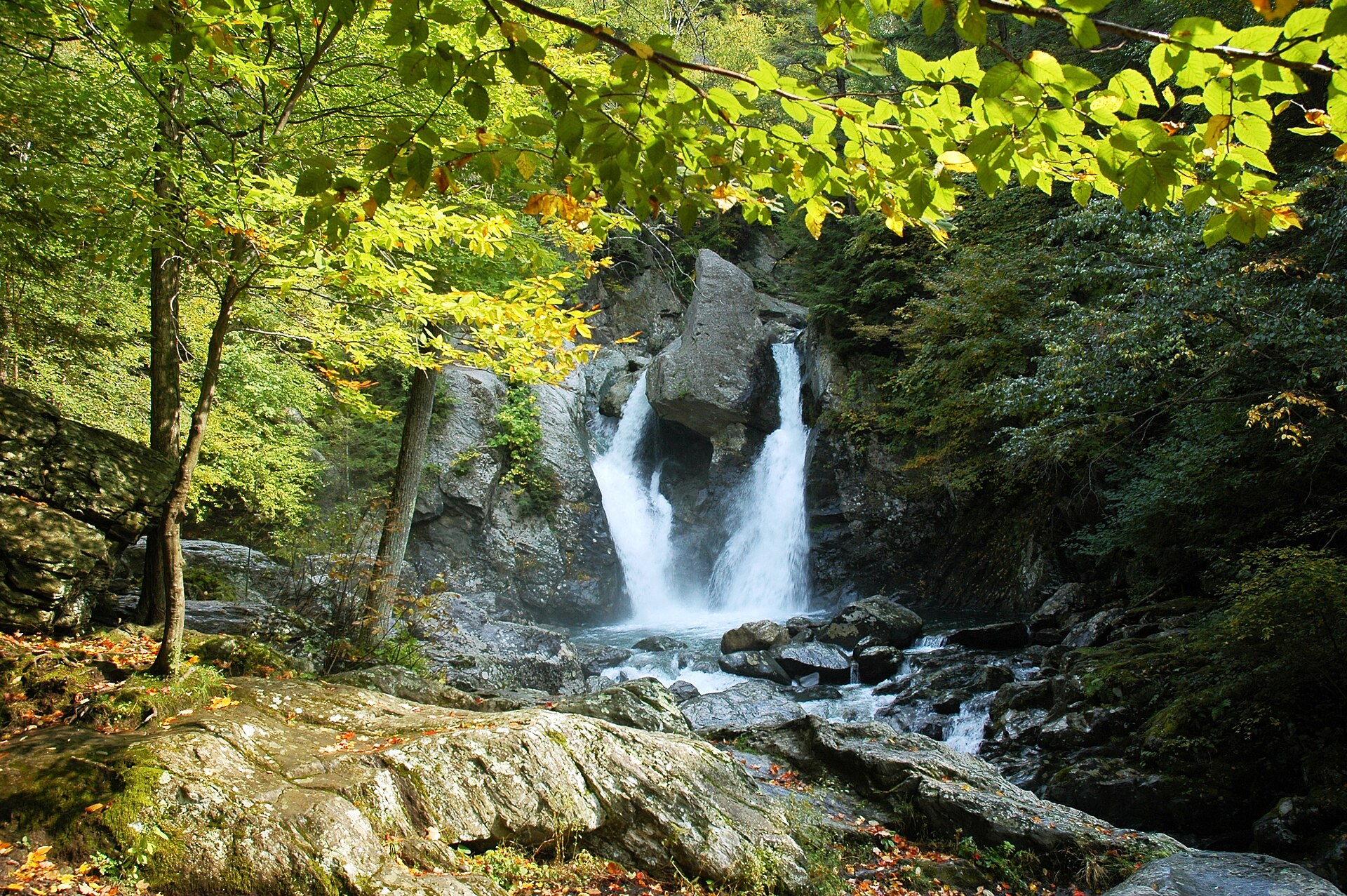
Natura 2000
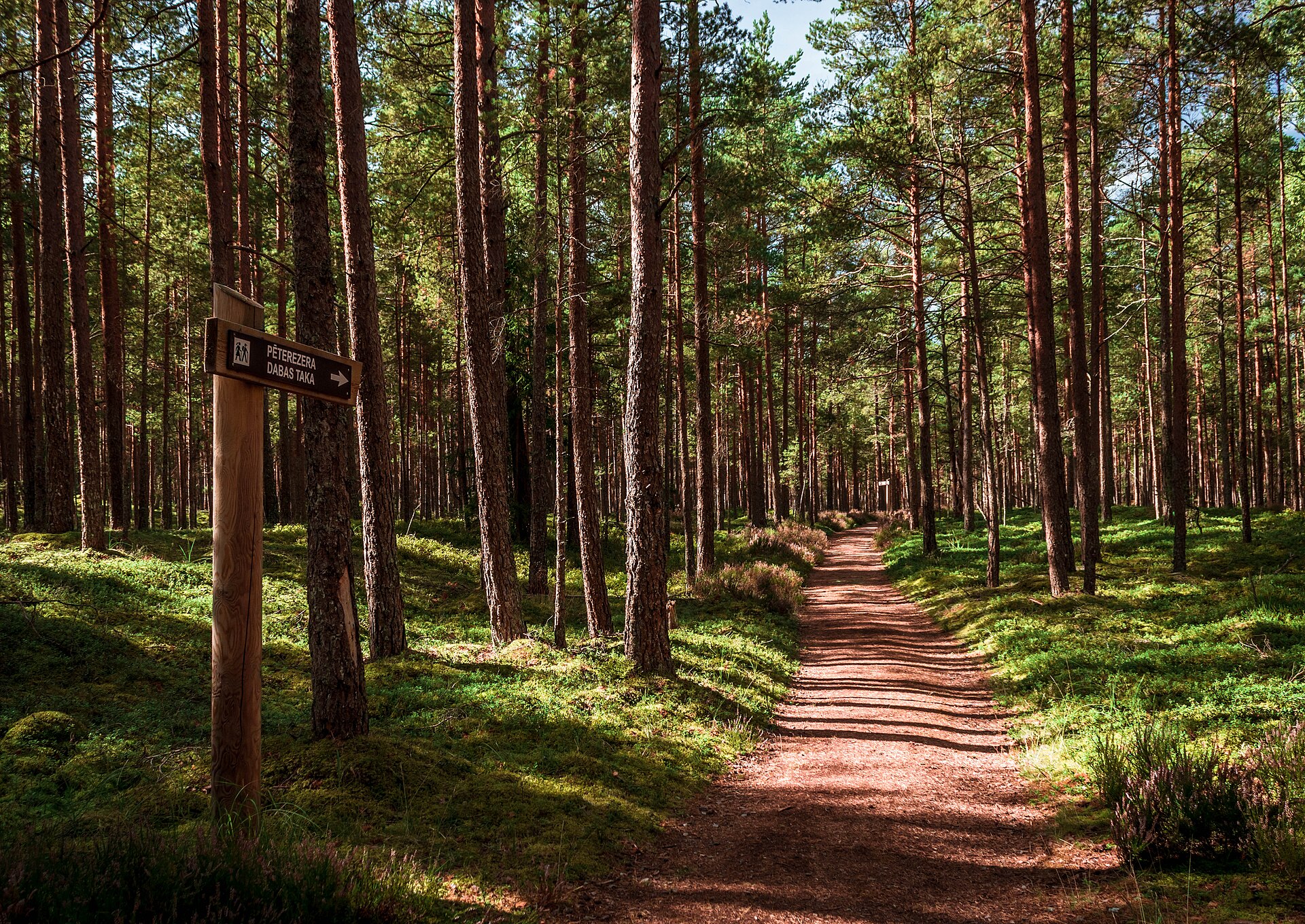
Natura 2000
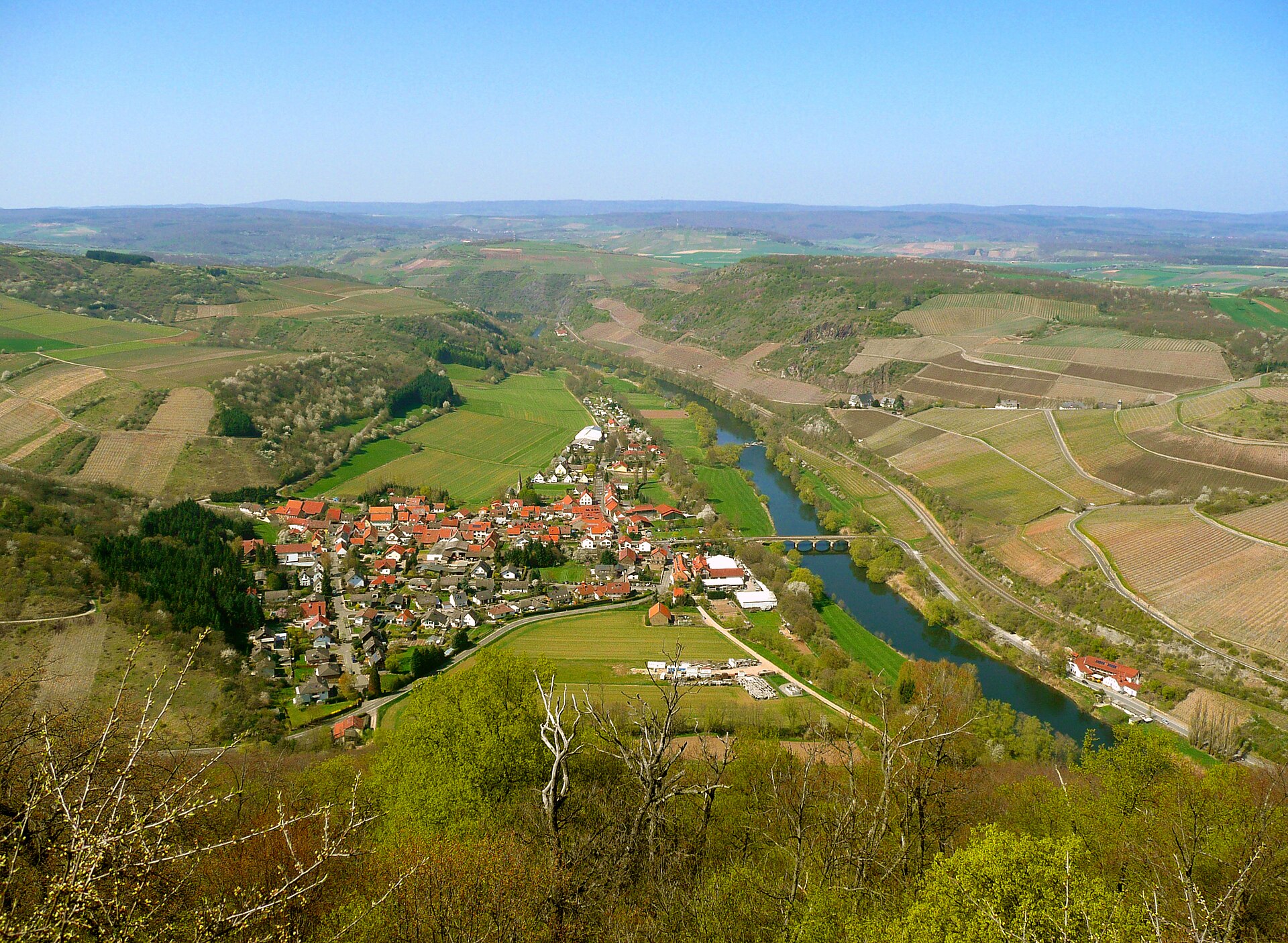
Natura 2000
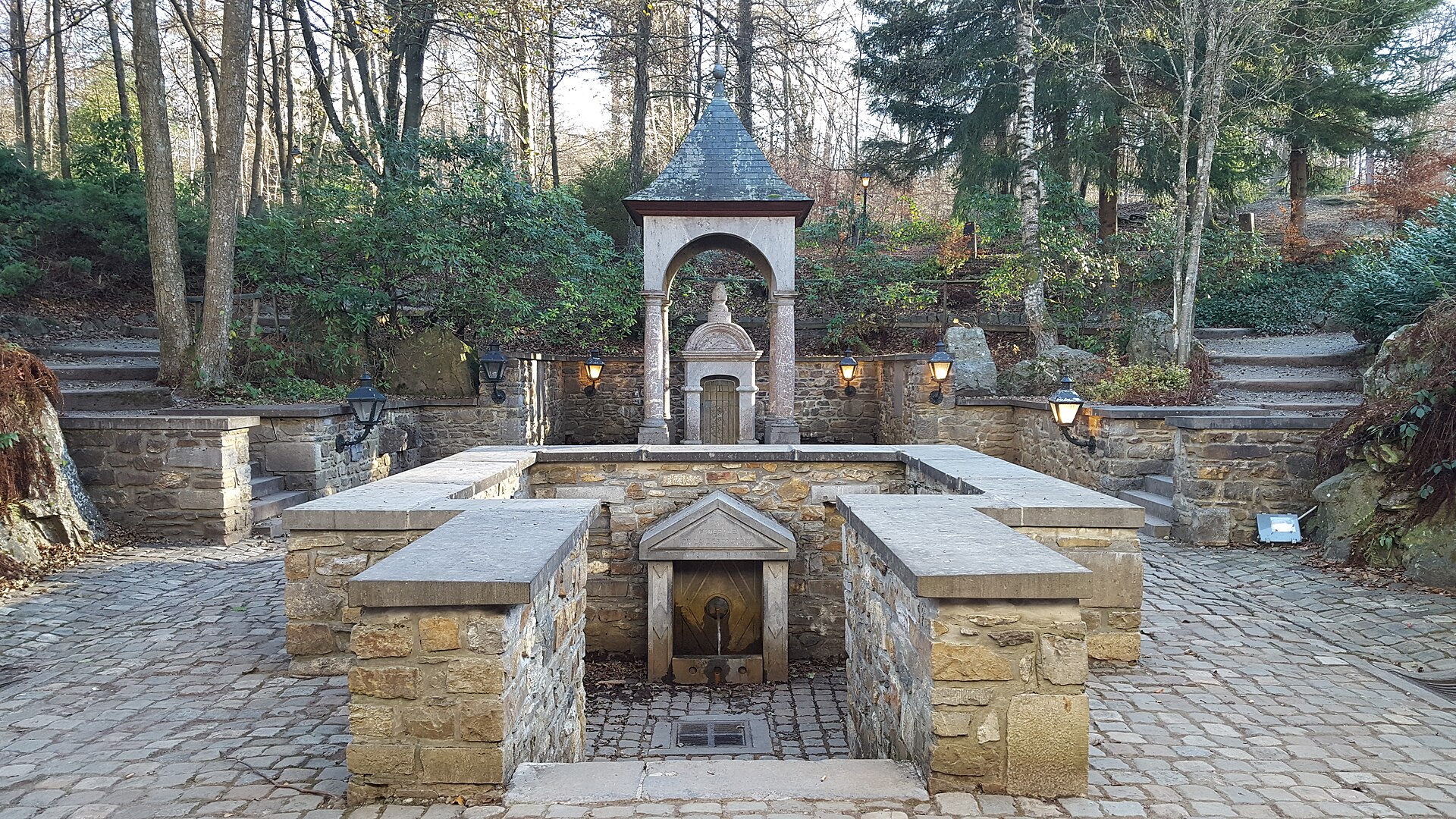
Natura 2000
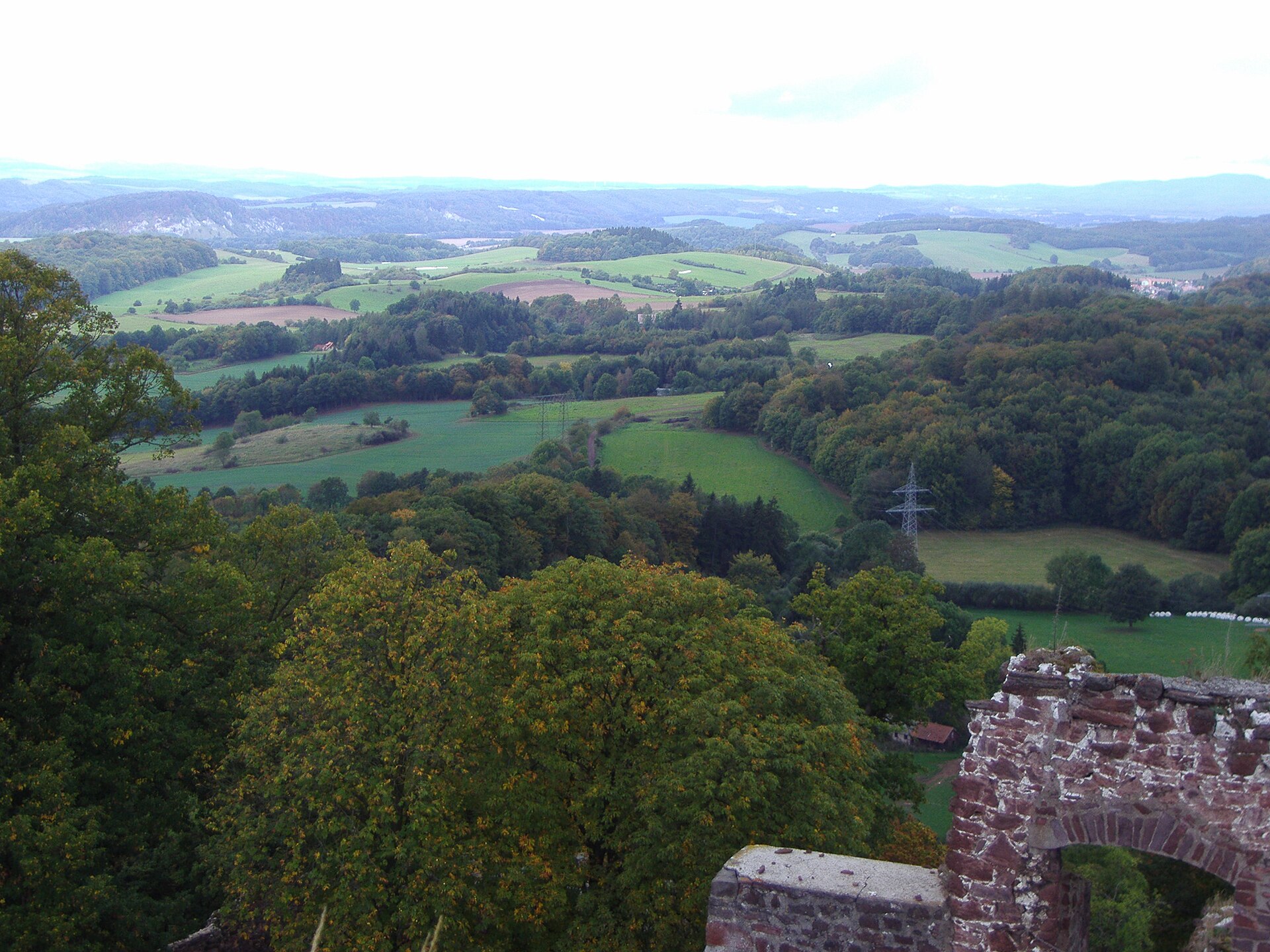
Natura 2000
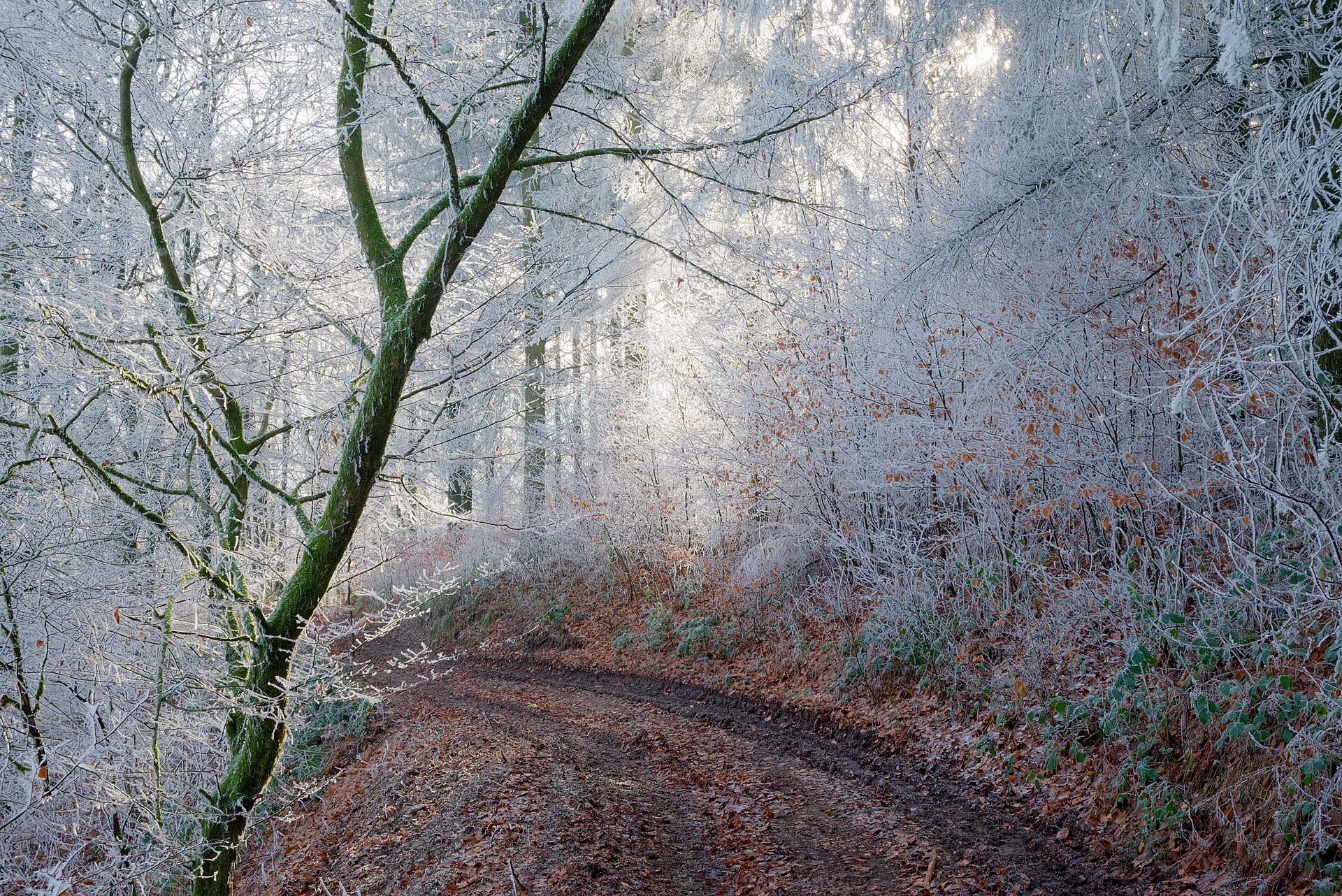
Natura 2000
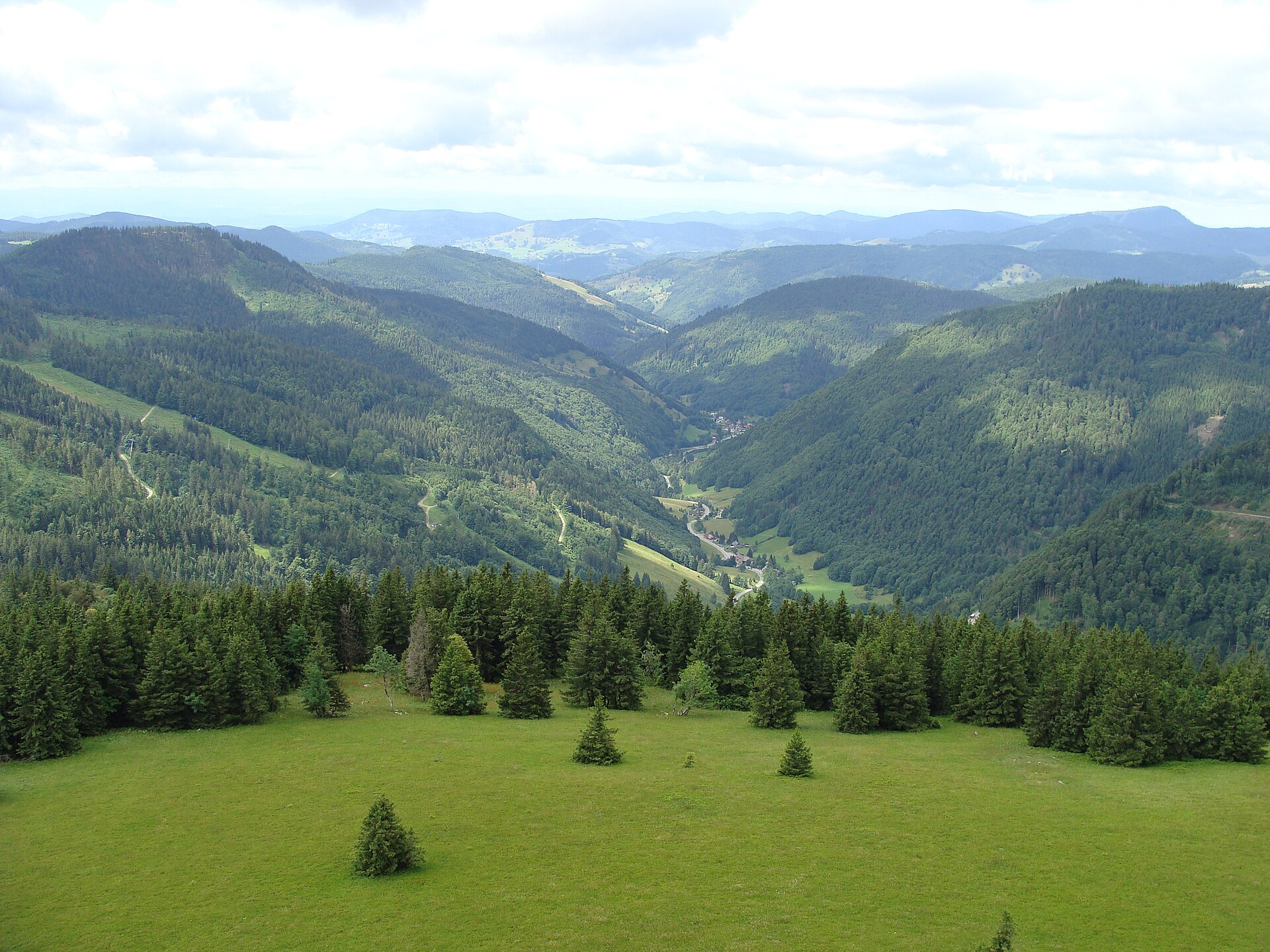
Natura 2000
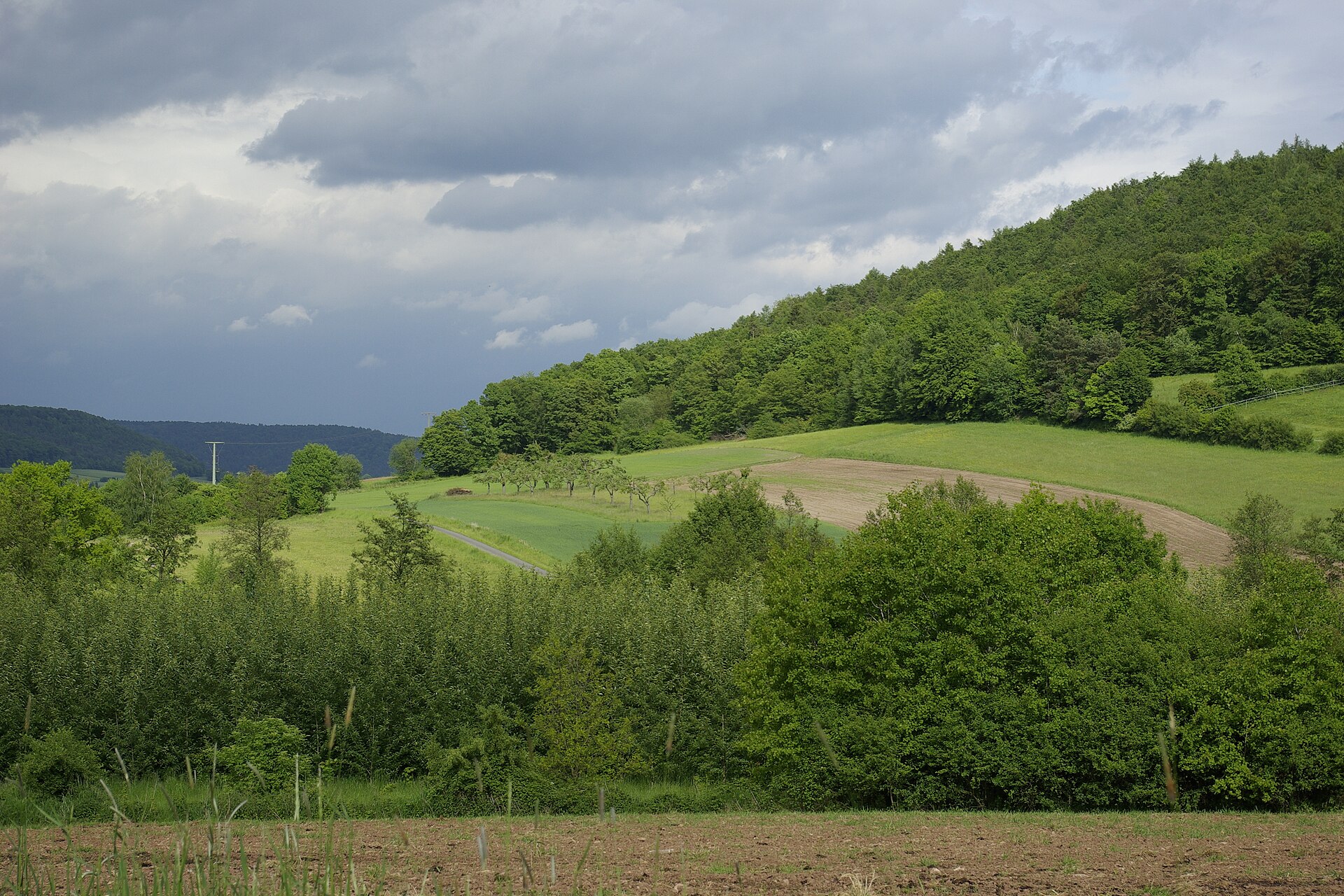
Natura 2000
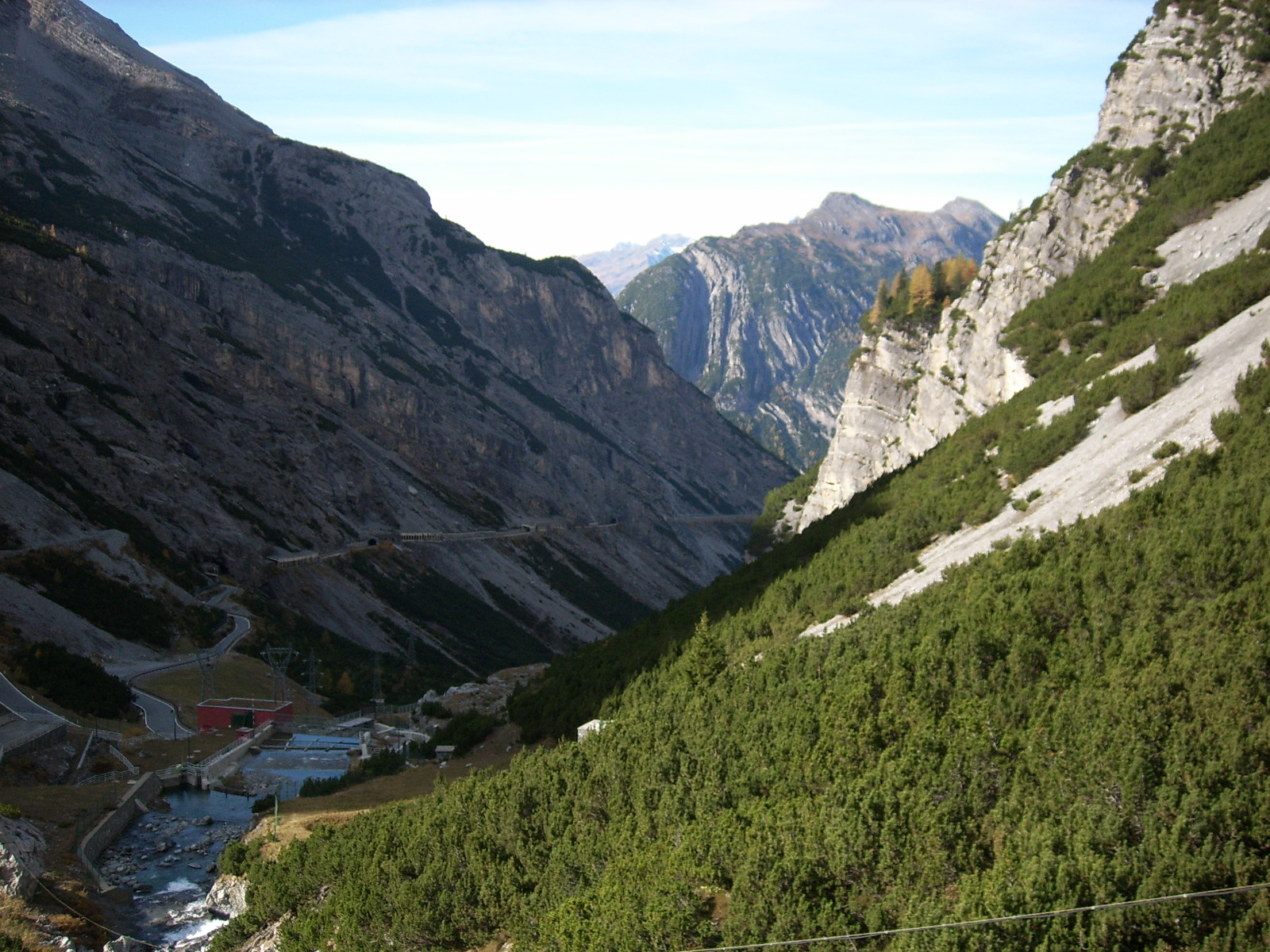
Natura 2000
Natura 2000
Natura 2000
Natura 2000
Natura 2000
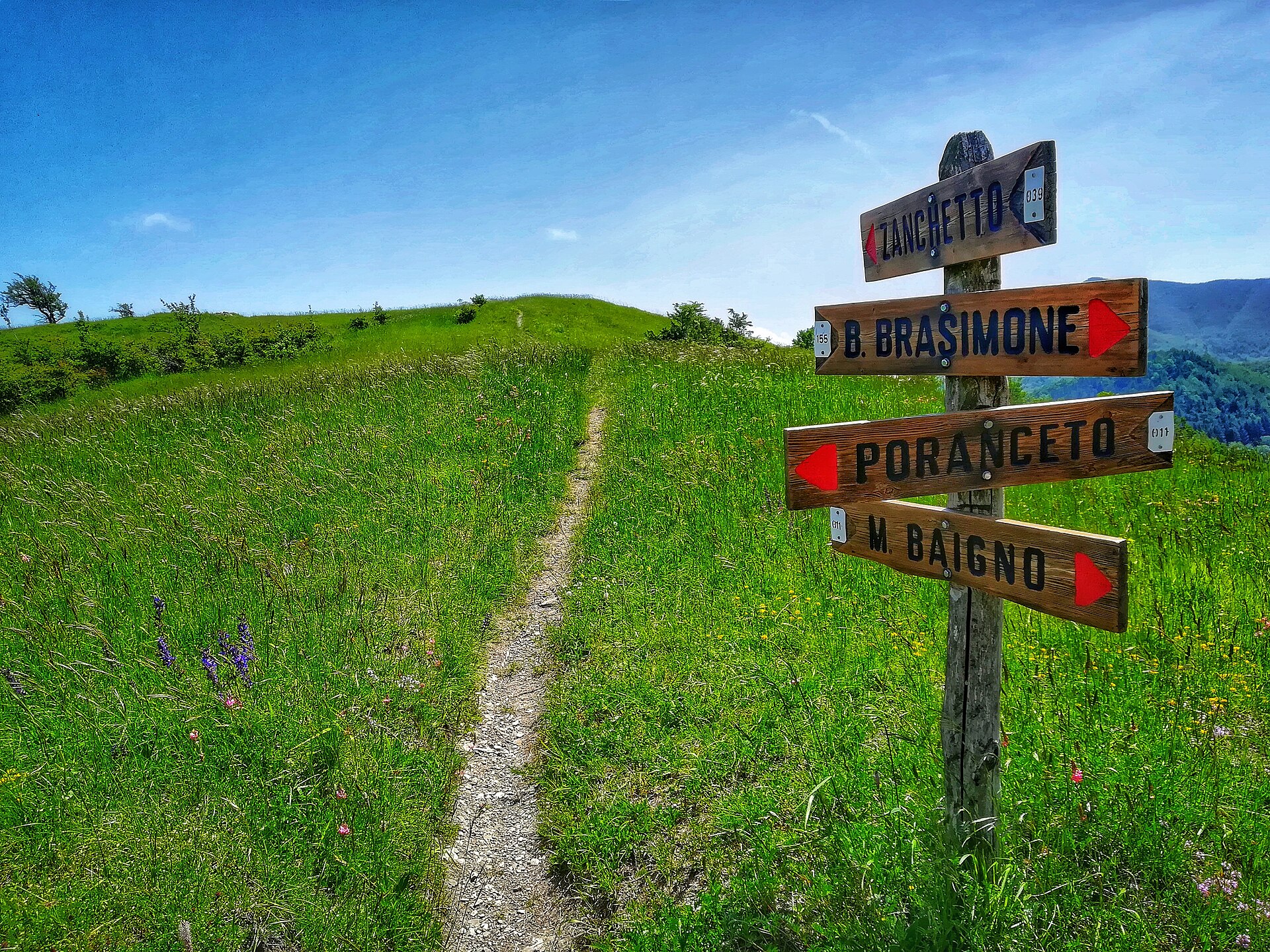
Natura 2000
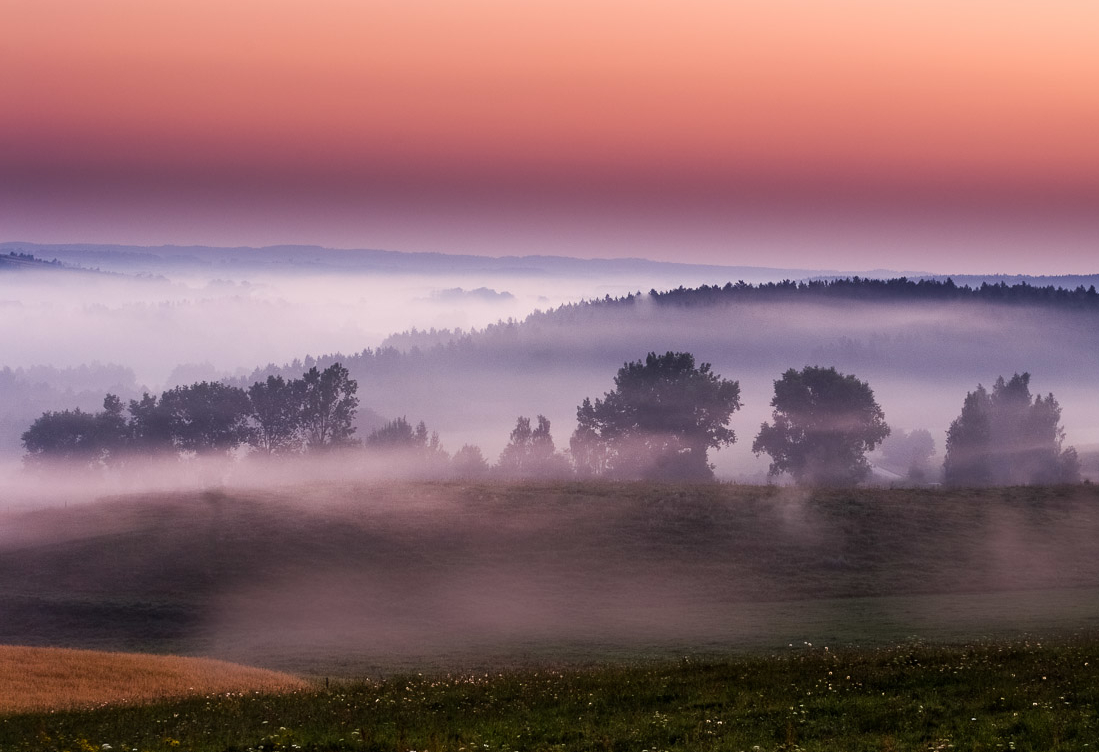
Natura 2000
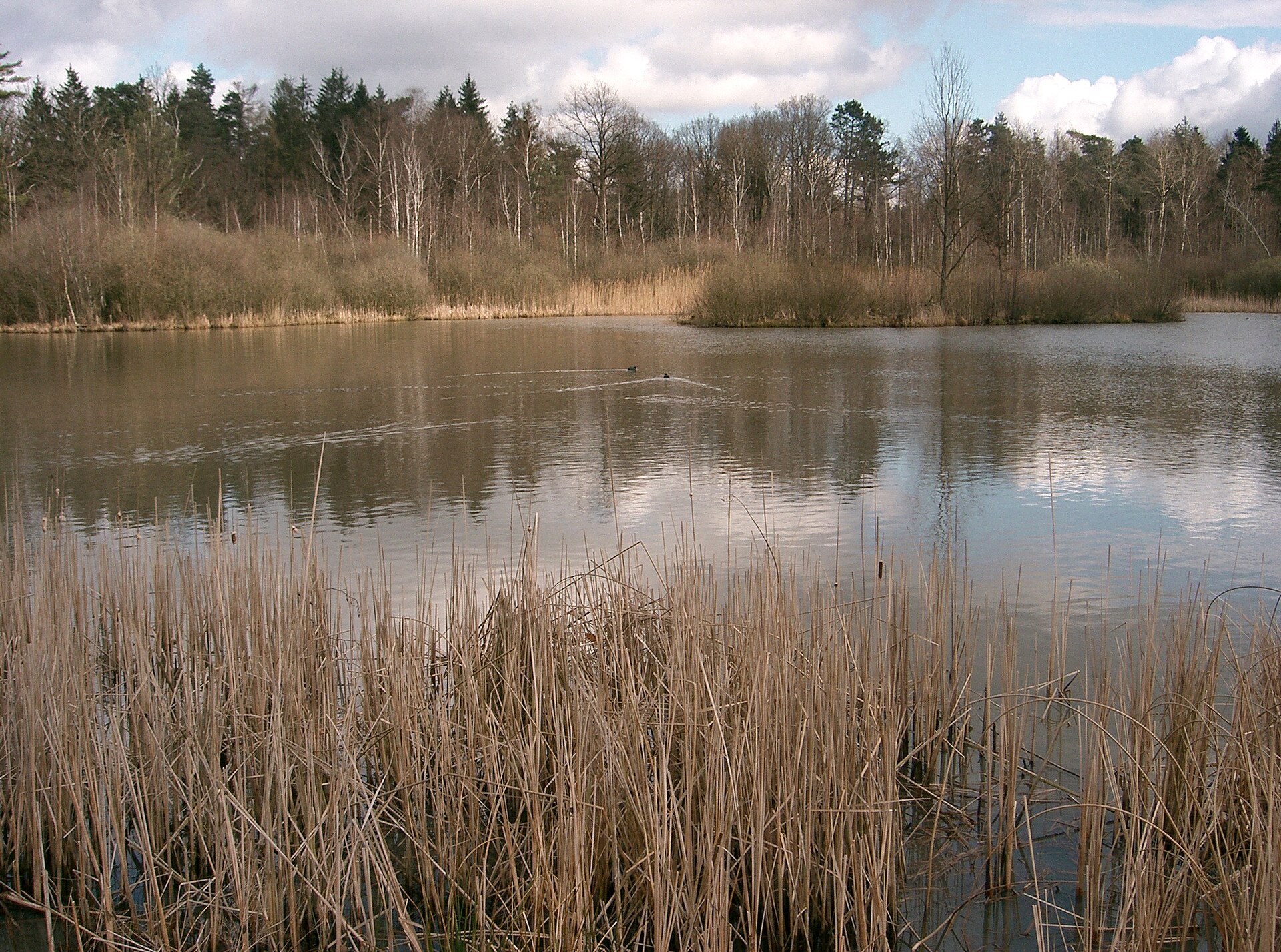
Natura 2000
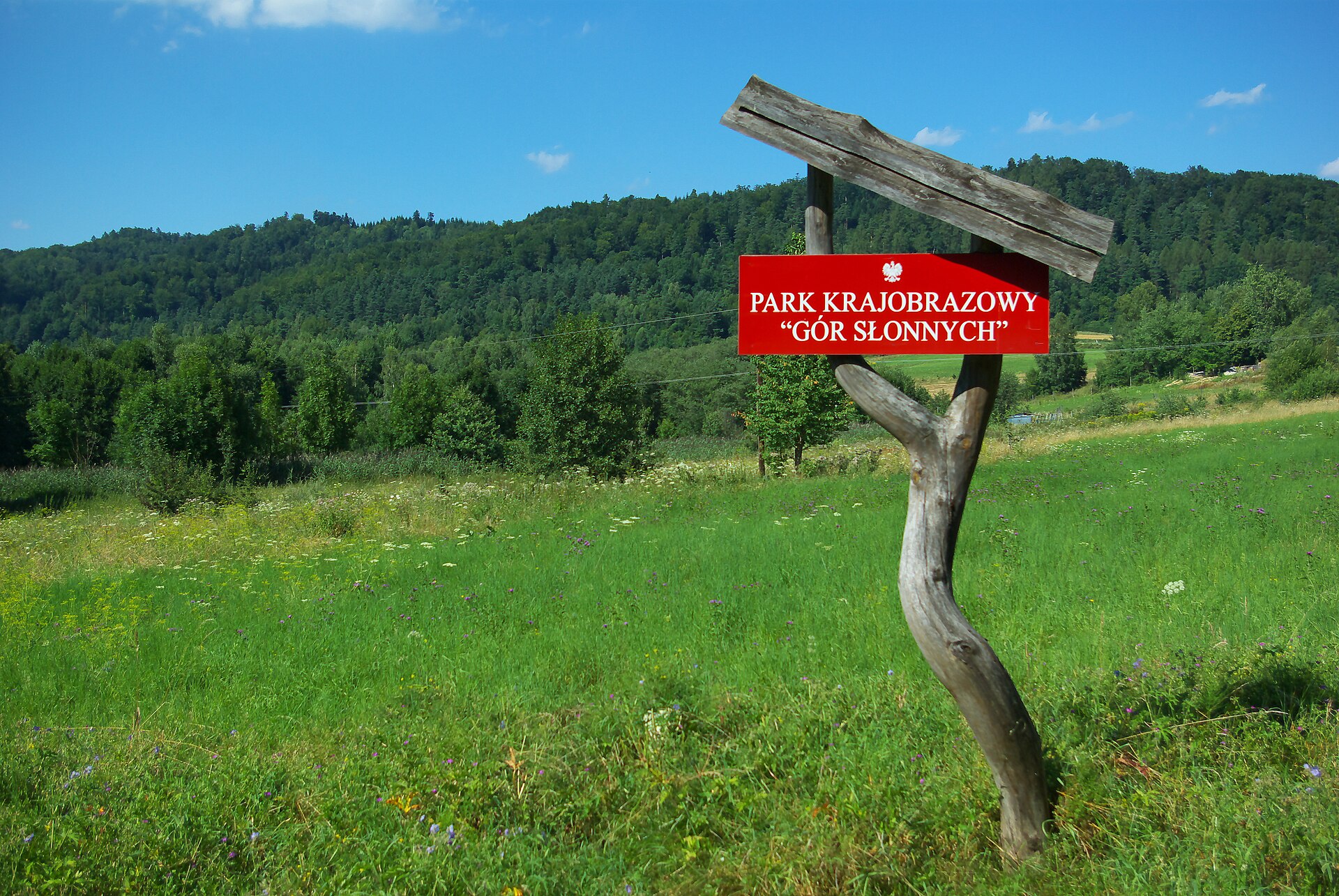
Natura 2000
Natura 2000
Natura 2000
Natura 2000
Natura 2000
Natura 2000
Natura 2000

Natura 2000
Natura 2000
Natura 2000
Natura 2000
Natura 2000
Natura 2000
Natura 2000
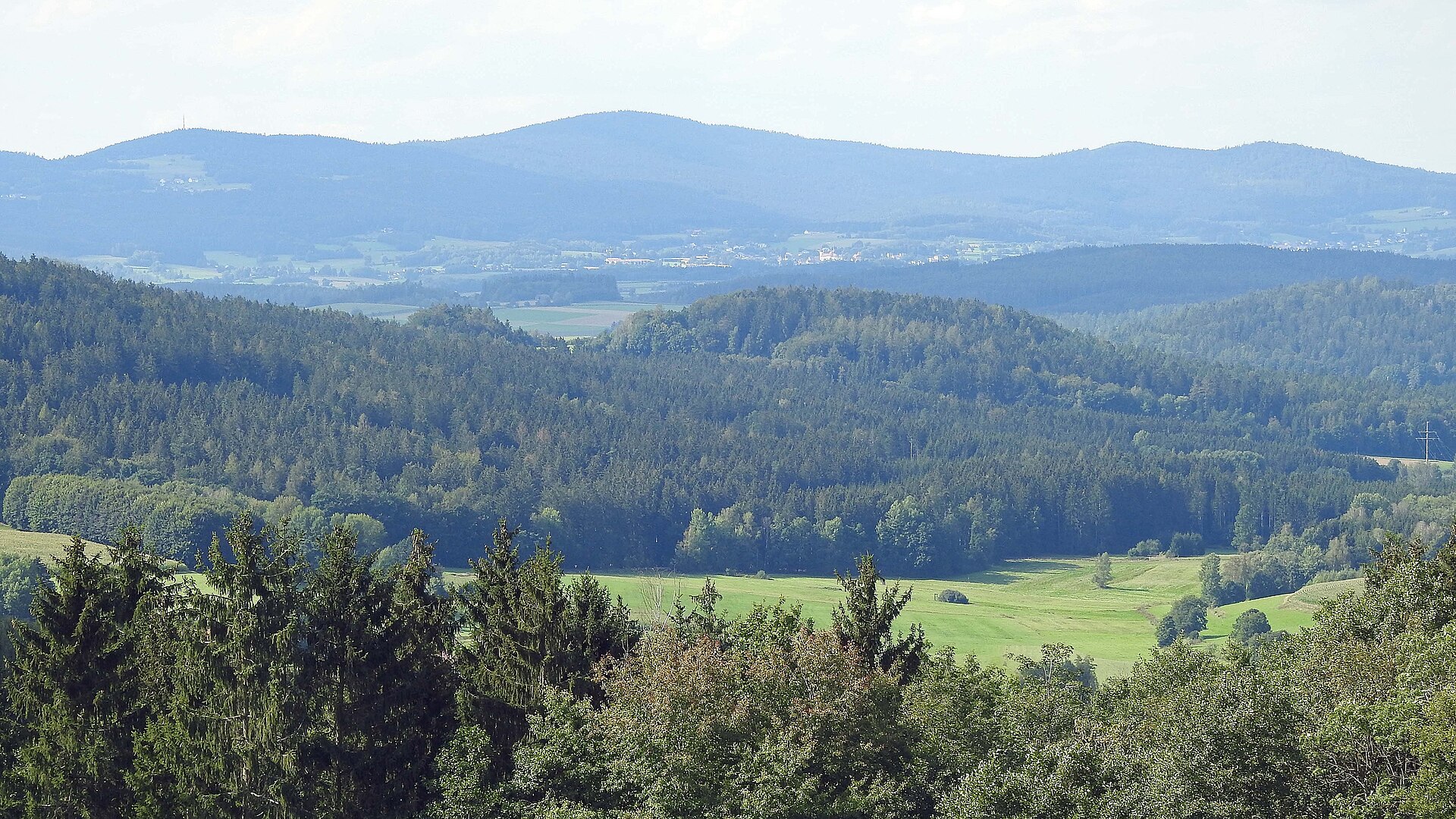
Natura 2000
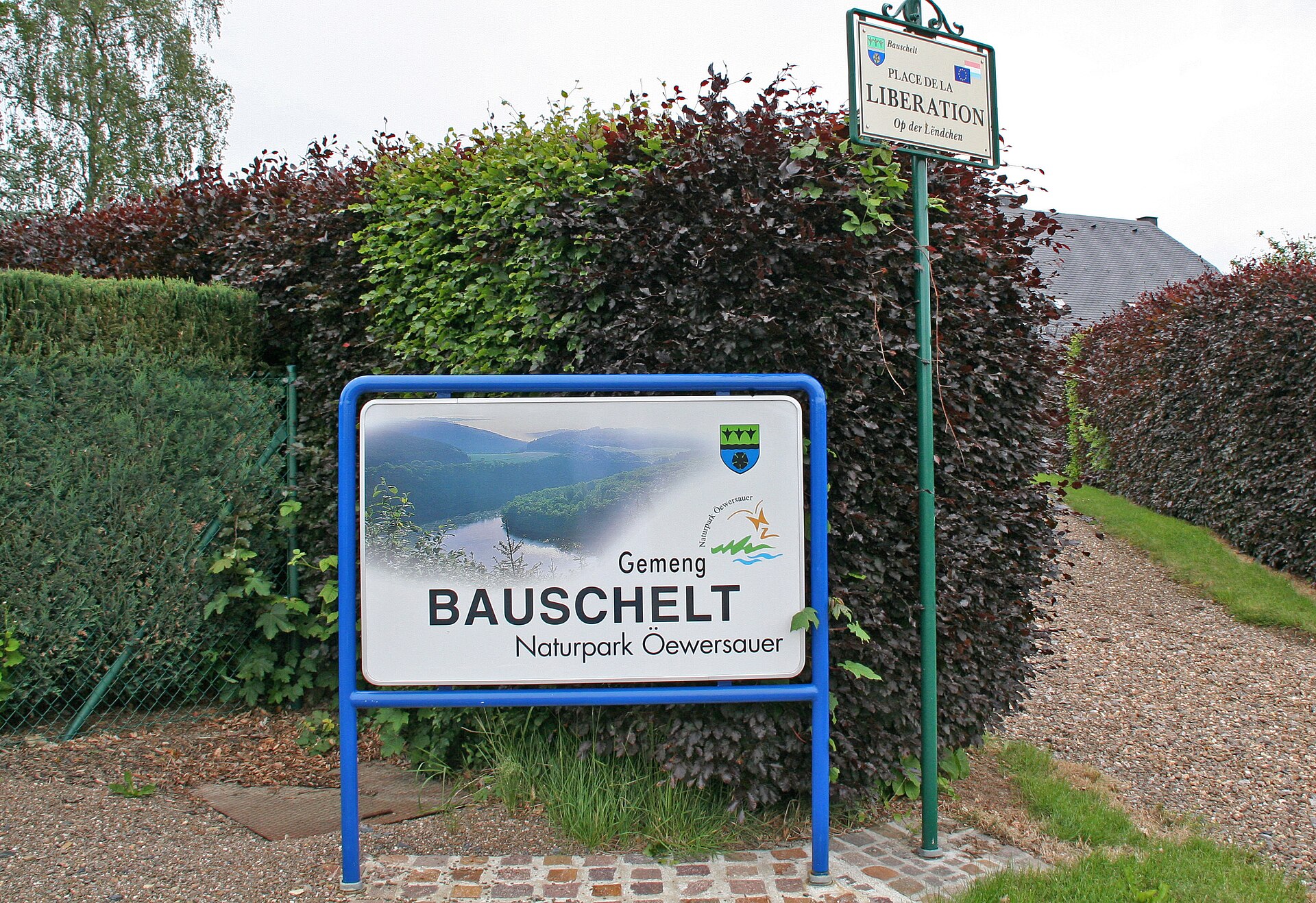
Natura 2000
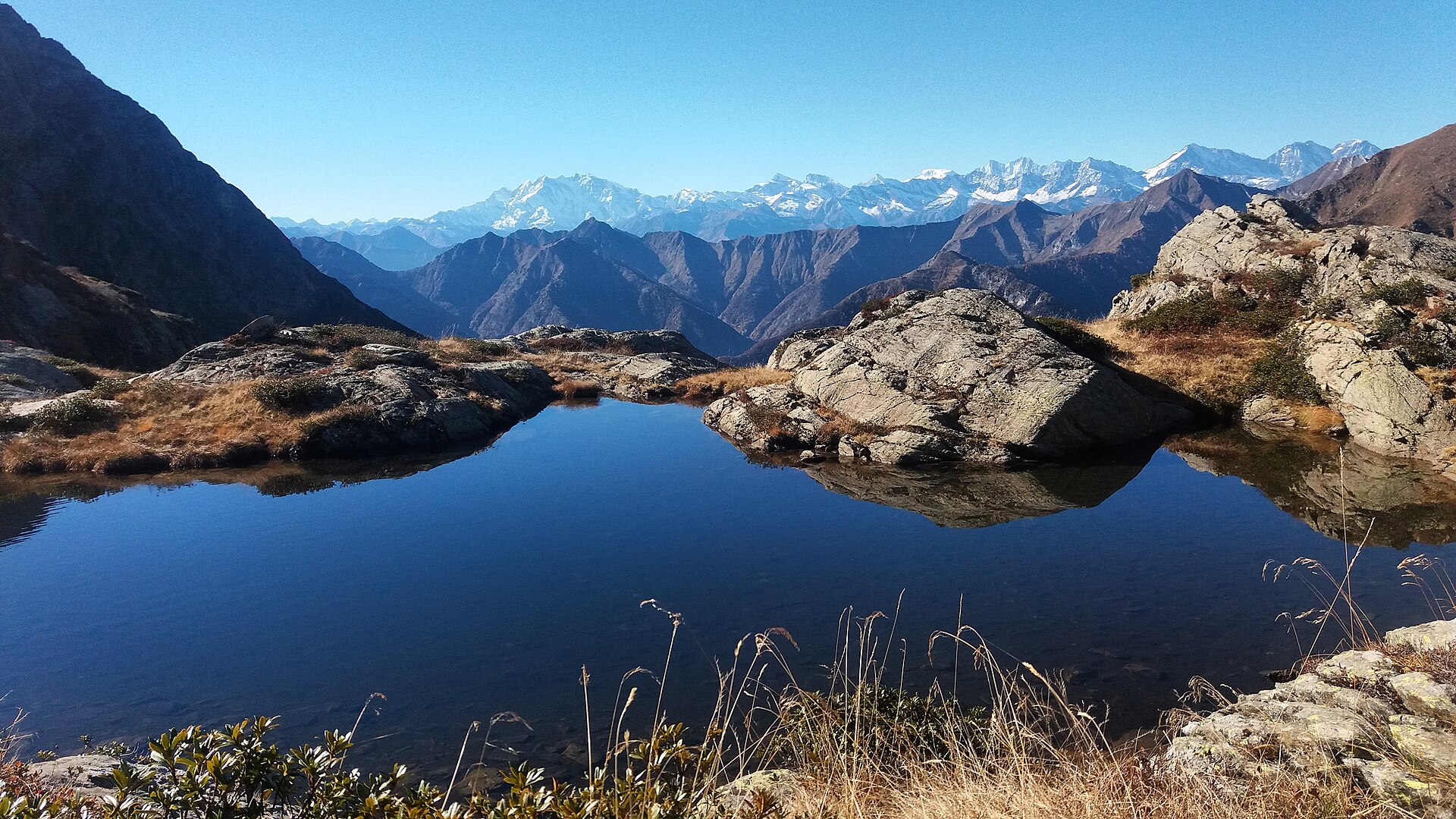
Natura 2000

Natura 2000
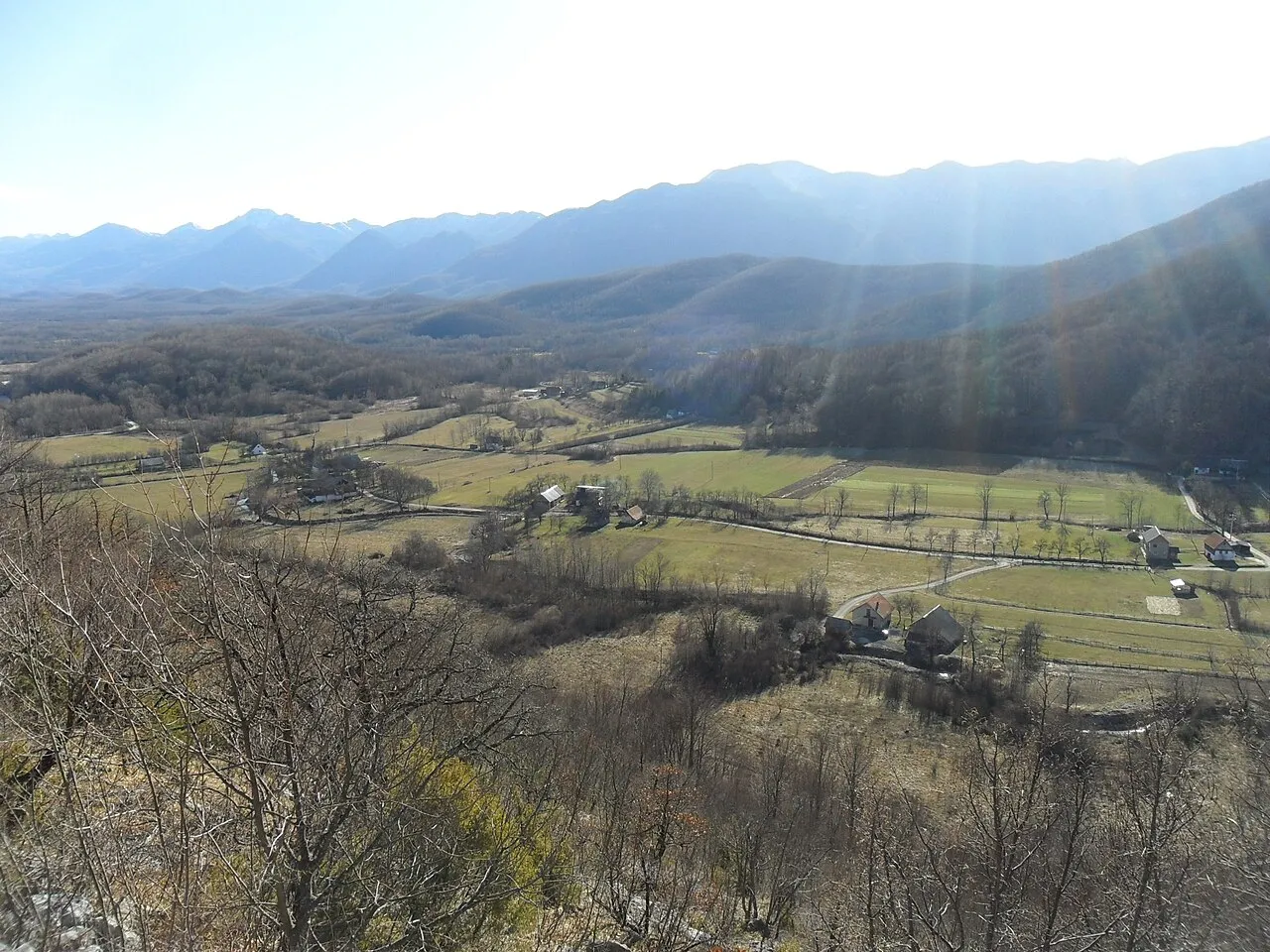
Natura 2000
Natura 2000
Natura 2000
Natura 2000
Natura 2000
Natura 2000
Natura 2000
Natura 2000
Natura 2000
Natura 2000

Natura 2000

Natura 2000
Natura 2000
Natura 2000
Natura 2000
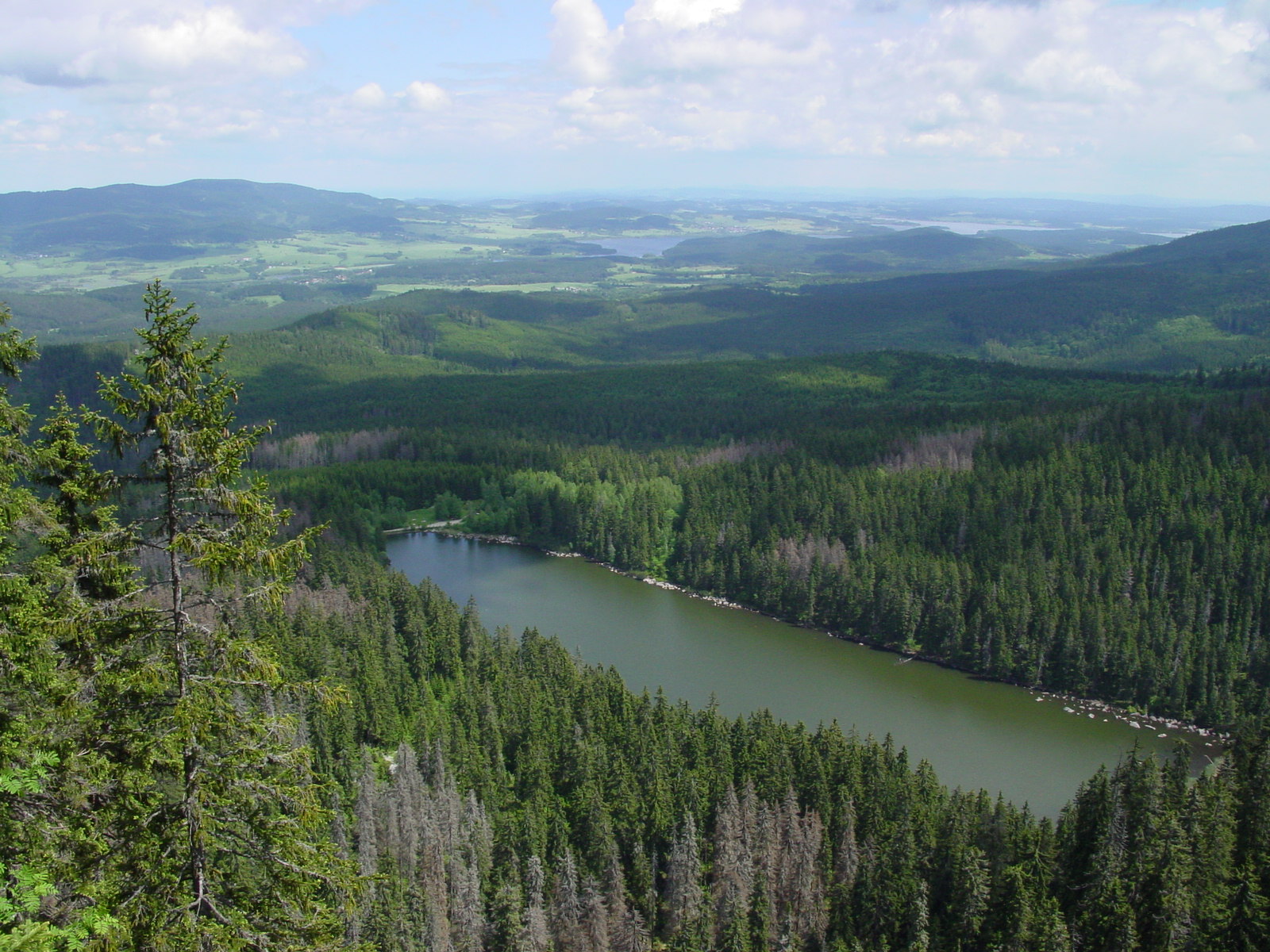
Natura 2000
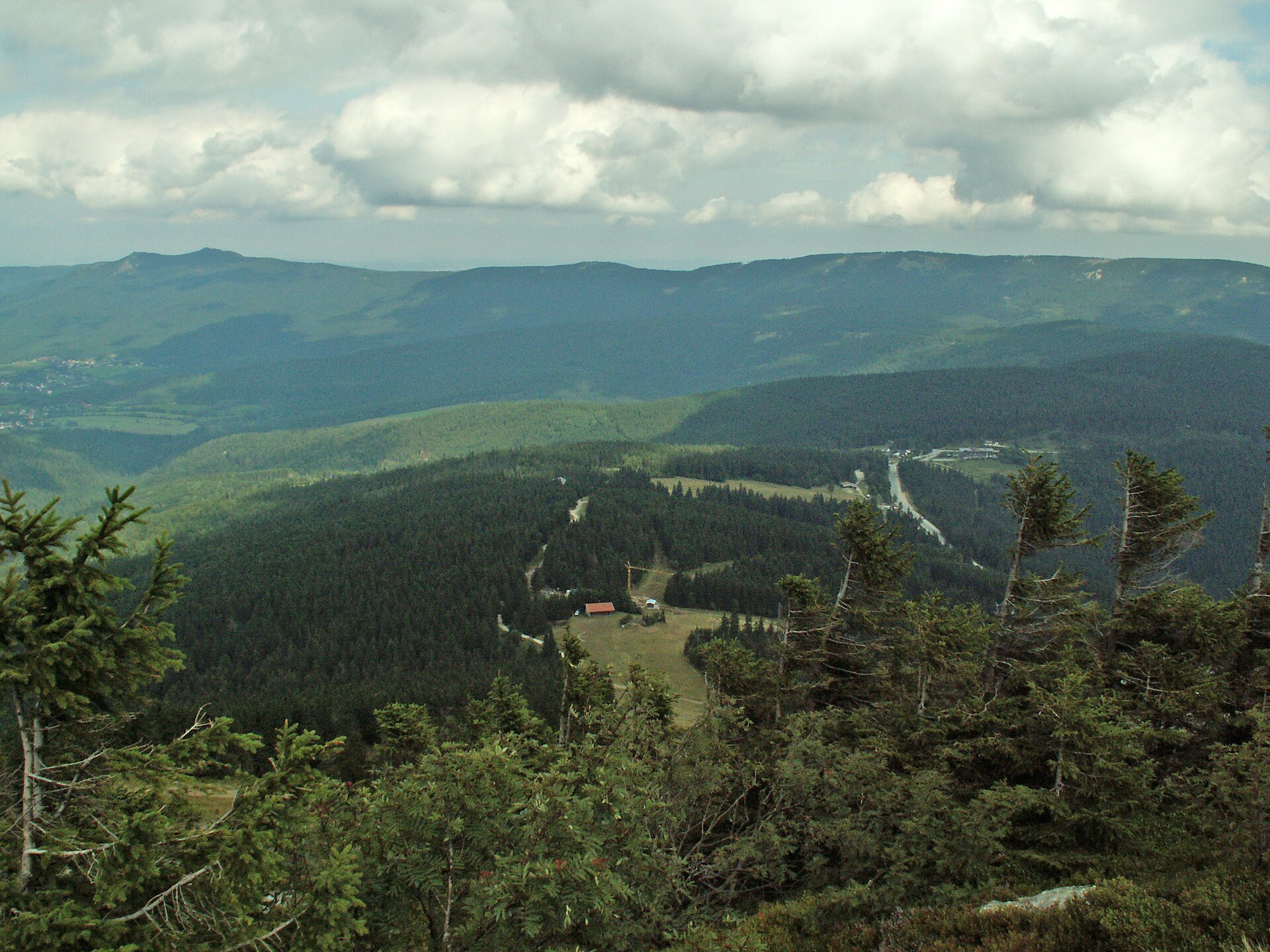
Natura 2000
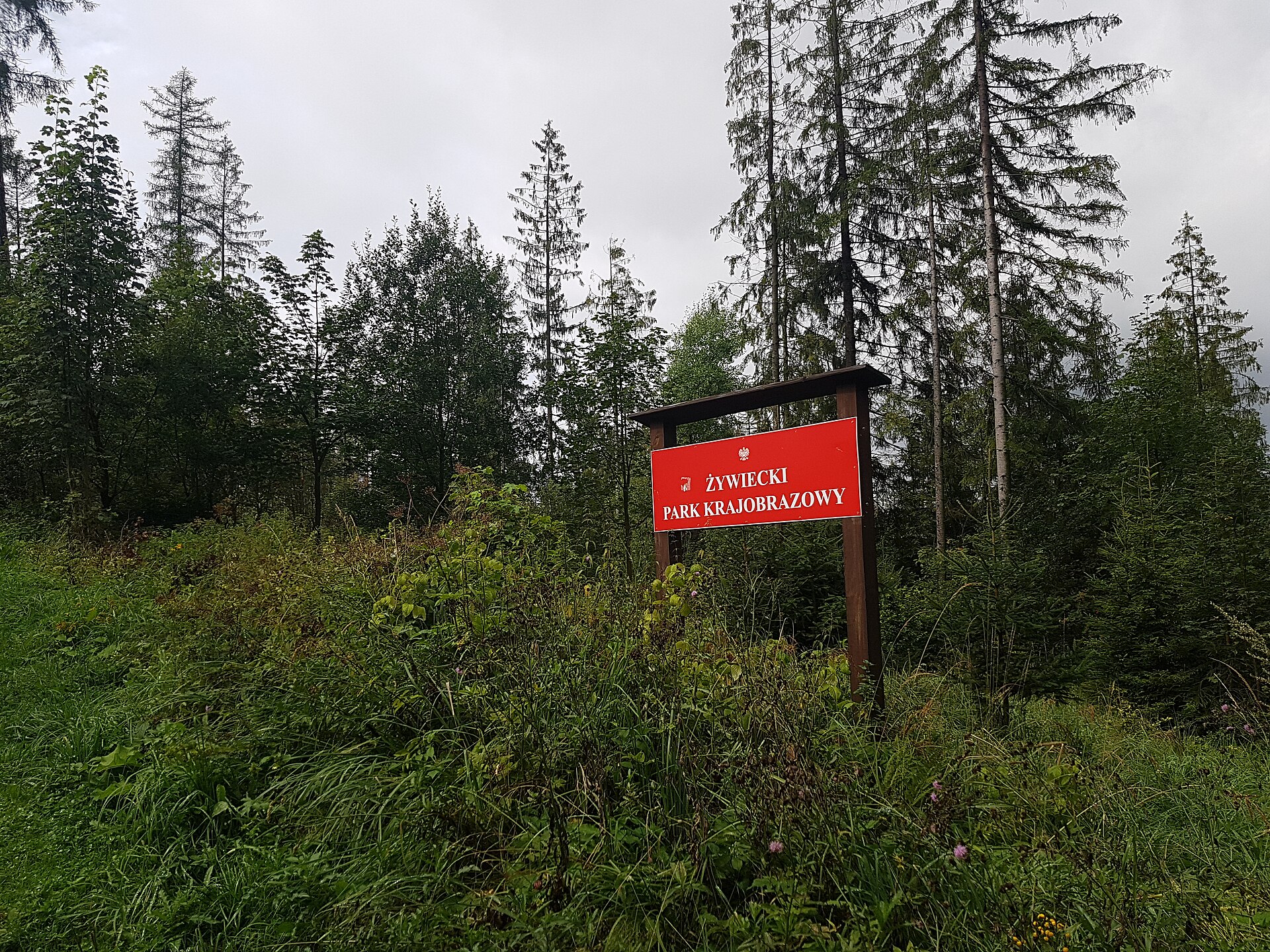
Natura 2000
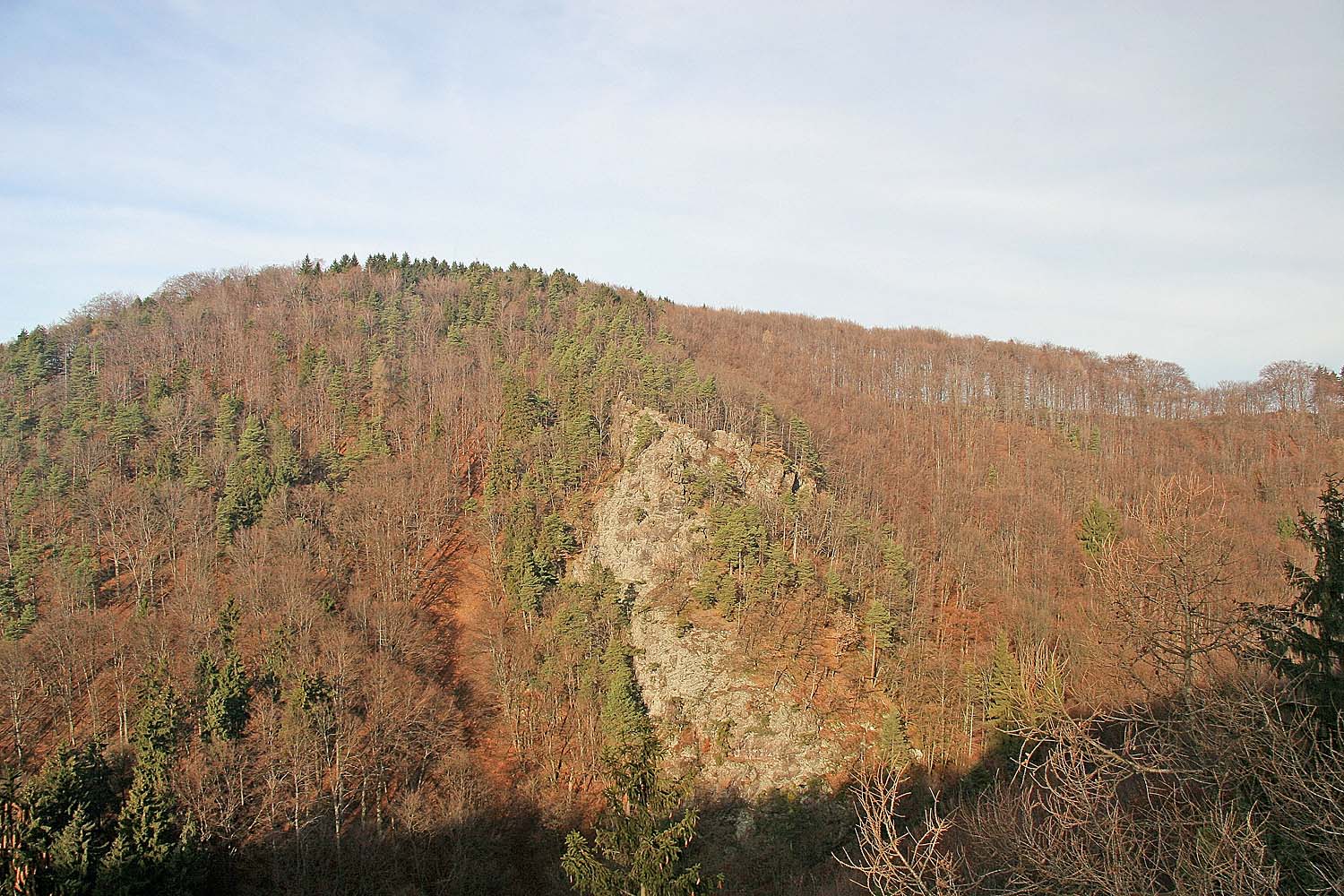
Natura 2000
Natura 2000
Natura 2000
Other species to discover
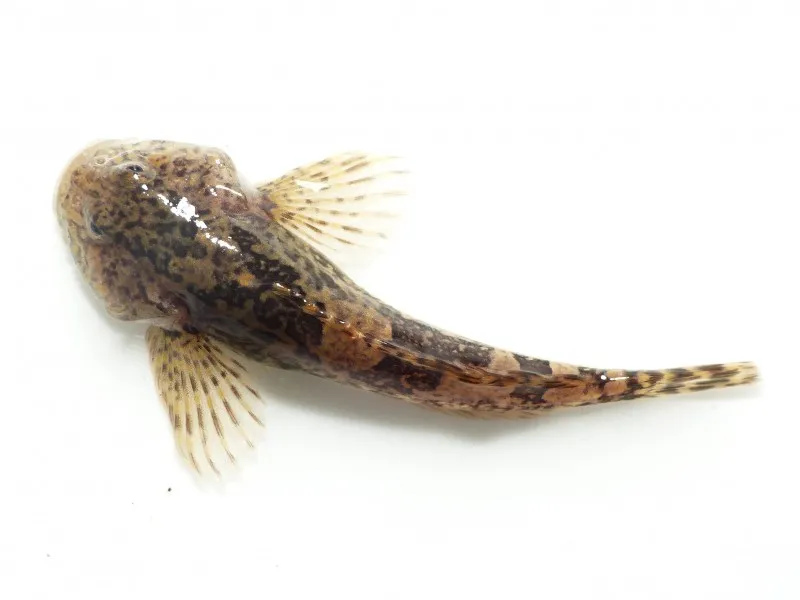 Common Bullhead
Cottus perifretum Same genus
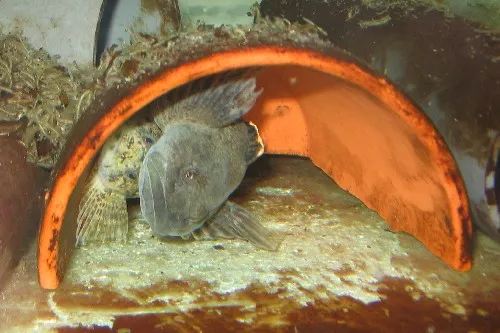 Alpine bullhead
Cottus poecilopus Same genus
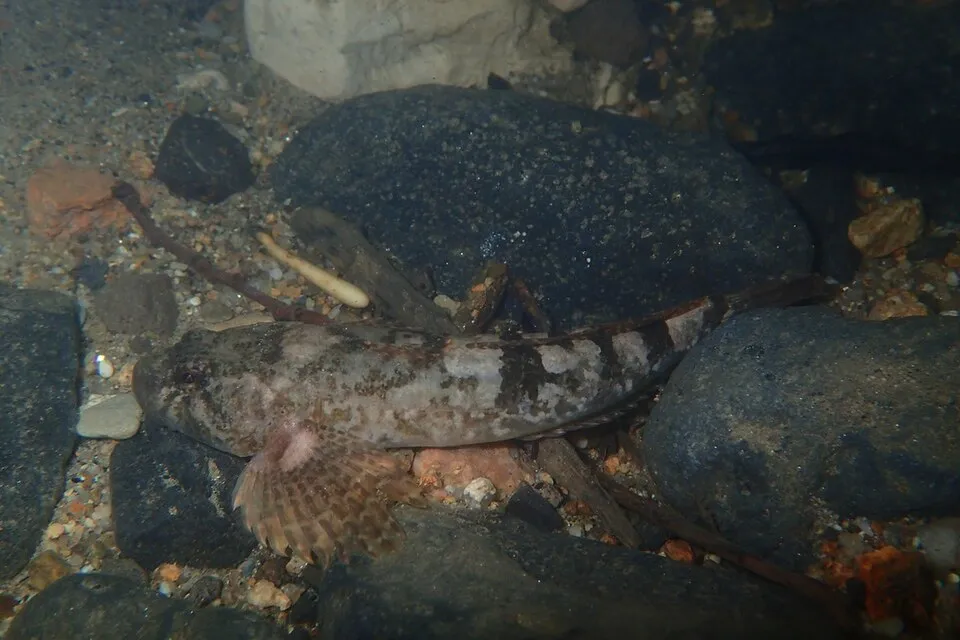 Dordogne Sculpin
Cottus duranii Same genus
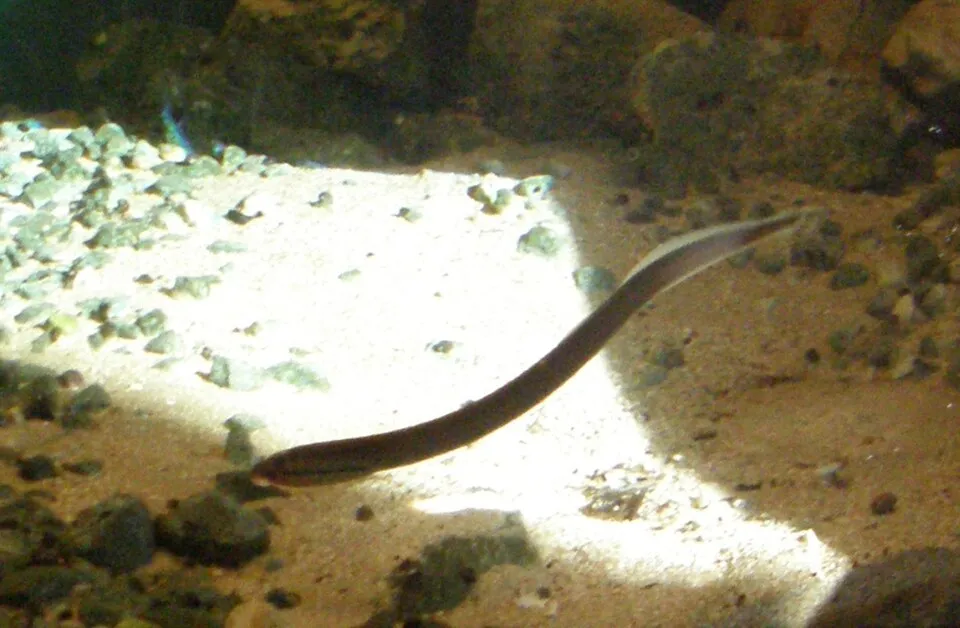 European brook lamprey
Lampetra planeri 172 places in common
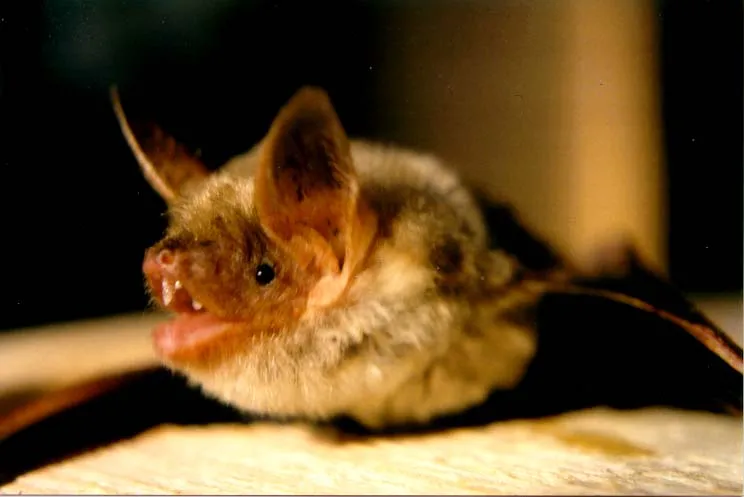 Greater mouse-eared bat
Myotis myotis 227 places in common
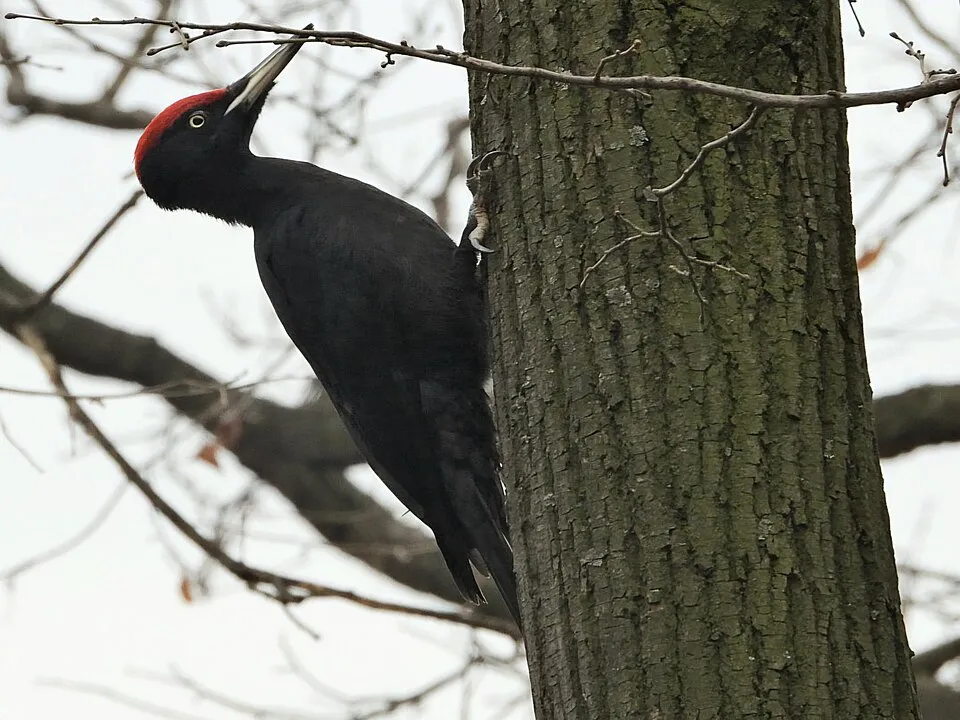 Black Woodpecker
Dryocopus martius 227 places in common
Sources and credits
- Presence: most-recorded species of each place on GBIF and species of Community interest in the Natura 2000 forms (EEA, CC-BY 4.0); absence from the list does not mean the species is absent.
- Common names: Wikidata (CC0) and GBIF.
- Photos and sounds: Wikimedia Commons, author and licence given for each file.
- Classification: GBIF Backbone Taxonomy (GBIF Secretariat), CC BY 4.0, doi:10.15468/39omei.
- Countries, elevations, months and maps: GBIF.org, CC0 or CC BY 4.0 occurrences only, accessed October 22, 2026, GBIF.org.
- Base map: Natural Earth (public domain).
- Excerpt: Wikipedia, CC BY-SA 4.0 (full credit below the excerpt).
- Annexes: Directive 92/43/EEC (consolidated version), © European Union, EUR-Lex.
- Conservation status: EEA / DG ENV, Article 17 Habitats Directive reporting (2013–2018), CC BY 4.0.