France · Terrestrial
Réserve biologique dirigée de Lauterbourg
Nature reserve of 57 hectares in France, established in 1998.
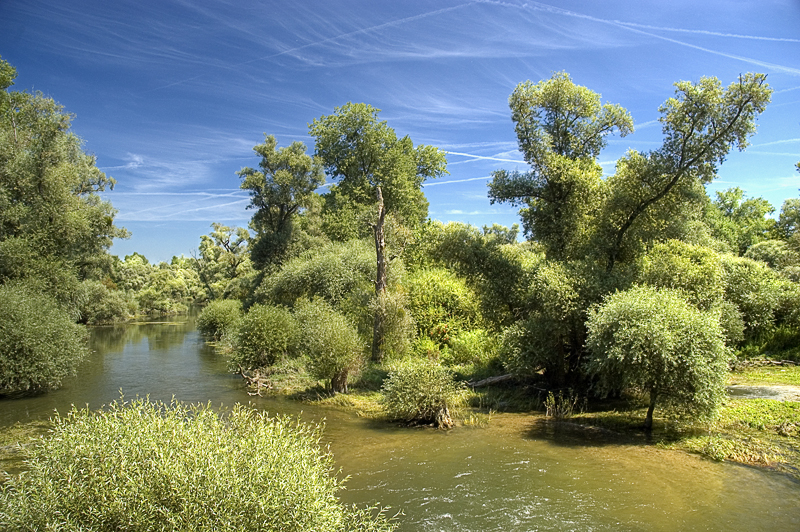
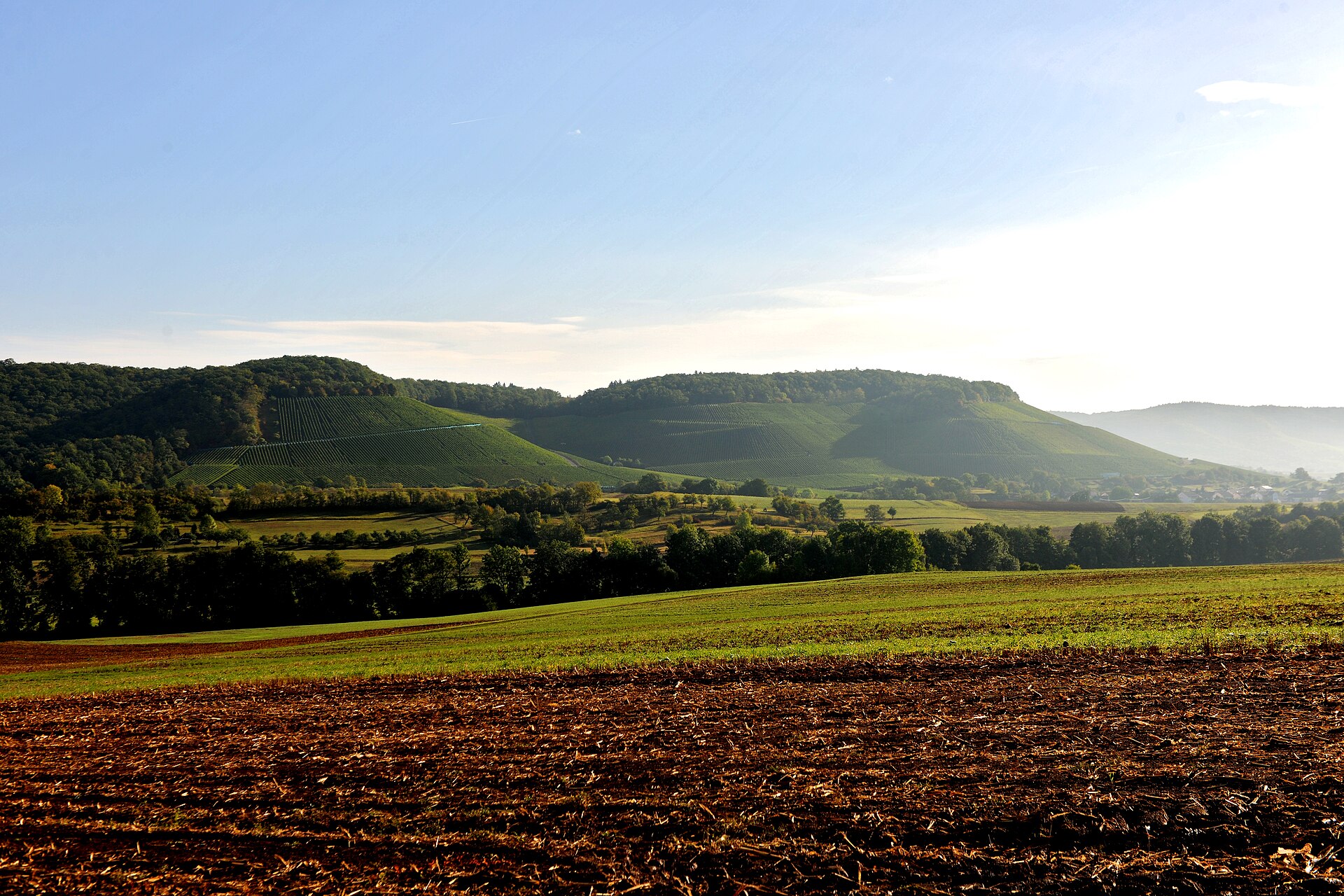
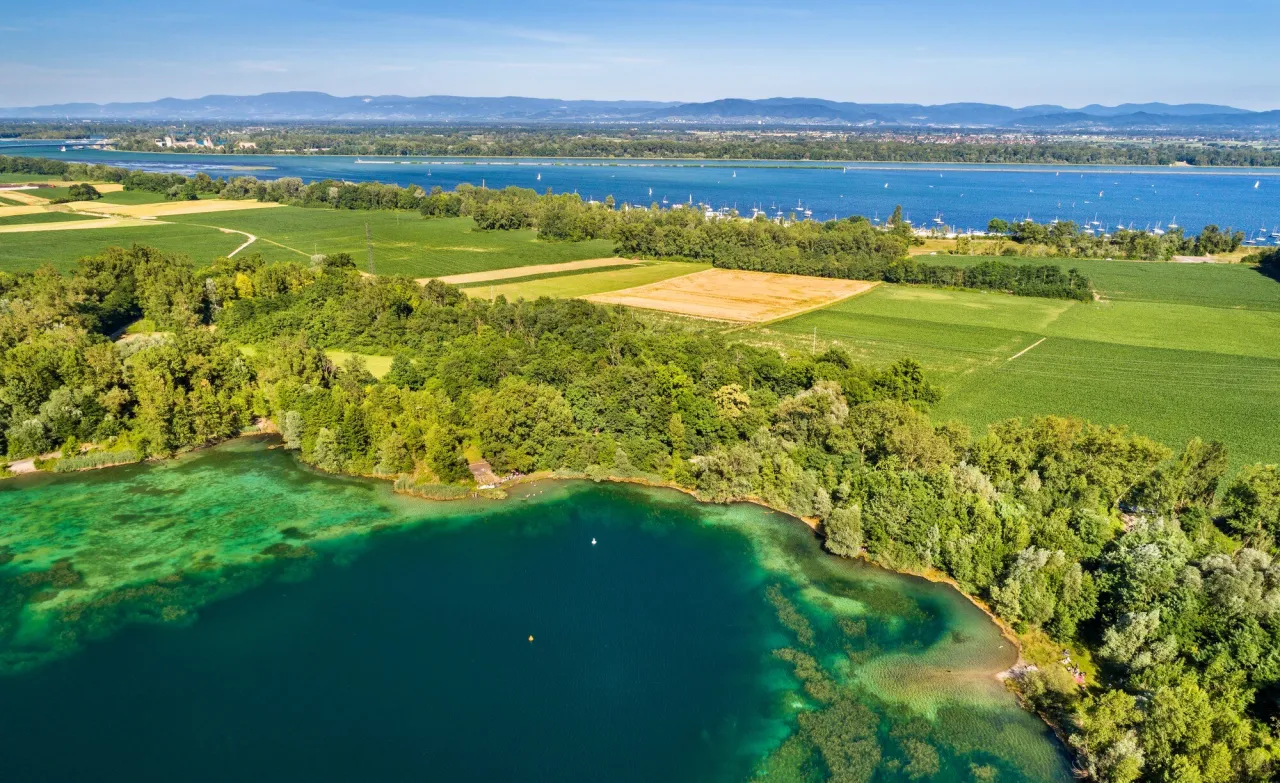
Illustrative photo · Alsace · © user21859082 / Magnific
Overview
Nature reserve of 57 hectares in France, established in 1998.
Réserve biologique dirigée de Lauterbourg is a nature reserve in France (Europe). It is a predominantly terrestrial area. Established in 1998, it covers about 57 hectares.
Protections and designations
Natura 2000 · habitats (SAC)
Natura 2000 · birds (SPA)
Protected as a nature reserve. International labels and designations: Natura 2000 network (2 sites). Key dates: established in 1998, first Natura 2000 site under the Birds Directive in 2005 and first Natura 2000 site under the Habitats Directive in 2014.
In our collections
Timeline
-
1998
Established
-
2005
First Natura 2000 site under the Birds Directive
-
2014
First Natura 2000 site under the Habitats Directive
Sources: Wikidata (CC0) for establishment and international labels; EEA Natura 2000 database (CC-BY 4.0) for site designation dates.
Frequently asked questions
Where is Réserve biologique dirigée de Lauterbourg?
In France (Europe). Representative point: 48.9698° N, 8.2213° E.
How large is Réserve biologique dirigée de Lauterbourg?
About 57 hectares. It is the 100th largest of the 121 nature reserves in France covered by Parkavela.
When was Réserve biologique dirigée de Lauterbourg established?
In 1998.
What habitats and landscapes does Réserve biologique dirigée de Lauterbourg include?
A terrestrial area, with forests.
What rocks lie beneath Réserve biologique dirigée de Lauterbourg?
According to the BRGM's simplified lithological map, the bedrock consists mainly of sands (100% of sampled points). These are mostly sedimentary rocks.
Which international labels apply to Réserve biologique dirigée de Lauterbourg?
Natura 2000 network (2 sites).
When is the best time to visit Réserve biologique dirigée de Lauterbourg?
Best time to visit: from April to October, with average temperatures of 10 to 21 °C and moderate rainfall.
What is the nearest large city to Réserve biologique dirigée de Lauterbourg?
Nearest towns of over 50,000 people, as the crow flies: Rastatt (12 km) and Karlsruhe (13 km). Nearest airport: Karlsruhe/Baden-Baden (FKB), about 23 km away.
How can I reach Réserve biologique dirigée de Lauterbourg by train?
The nearest railway station is Berg (Pfalz), less than 1 km from the site boundary.
Which species can be seen in Réserve biologique dirigée de Lauterbourg?
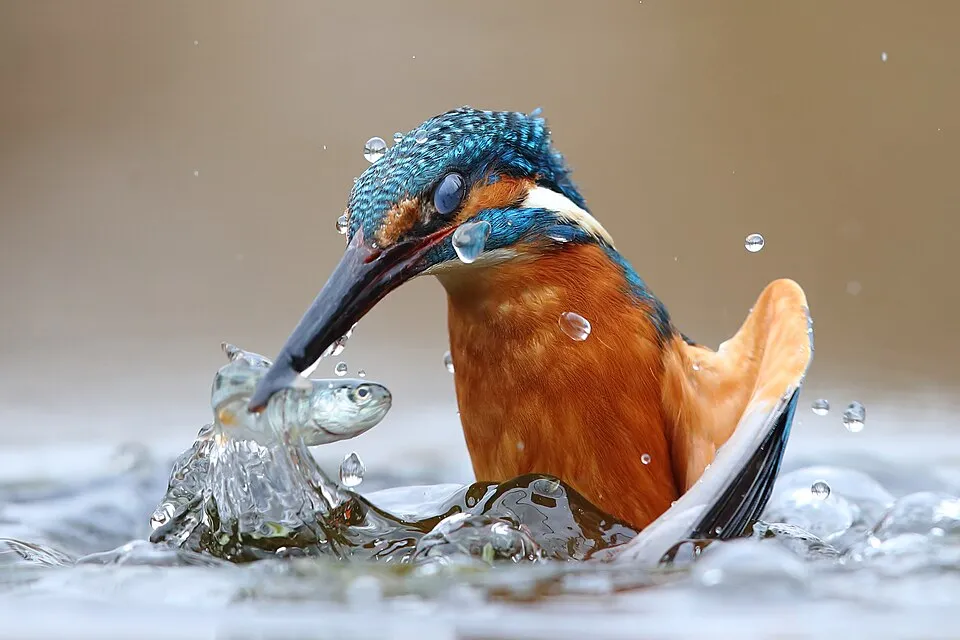
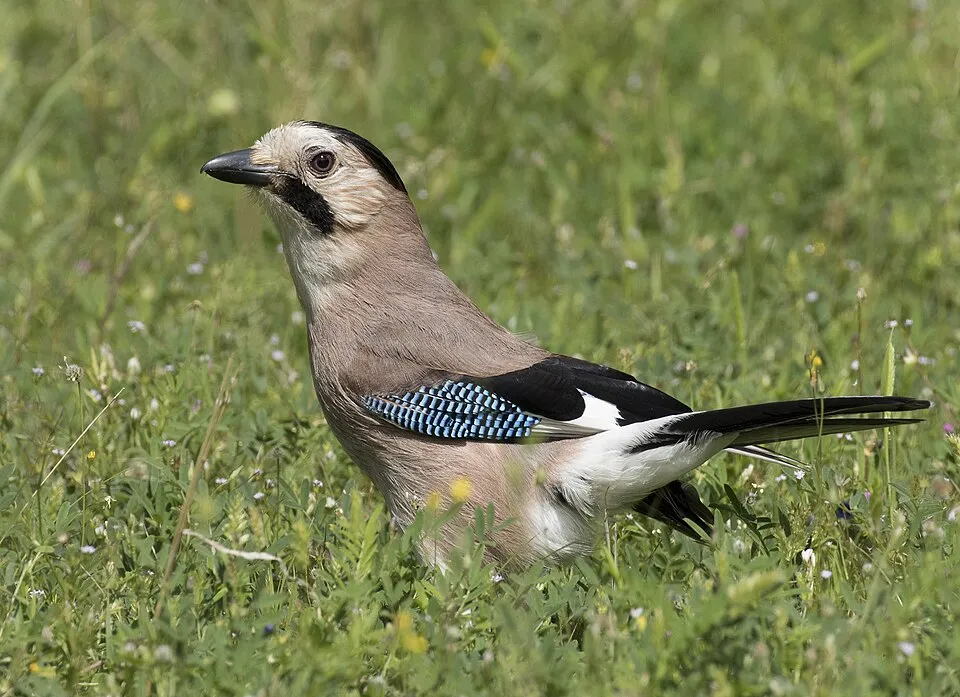
Among the species most often recorded on GBIF are Emys orbicularis (European Pond Turtle), Alcedo atthis (Common Kingfisher), Turdus merula (Common Blackbird) and Garrulus glandarius (Eurasian Jay).
© OpenStreetMap
Download the boundary: GeoJSON · GPX Boundary © OpenStreetMap contributors (ODbL).
Geography
The representative point of the site lies at around 113 m above sea level. Over the 1996–2025 period, the mean annual temperature is about 11.4 °C and total precipitation reaches roughly 839 mm per year. The warmest month is usually July, the coolest January, and the wettest December. According to the BRGM's simplified lithological map, the bedrock consists mainly of sands (100% of sampled points). These are mostly sedimentary rocks.
Area
- Area
- 57 ha
- Elevation
- 113 m
- Coordinates
- 48.9698, 8.2213
Bedrock
- Sands 100 %
Sedimentary rocks 100 %
Source: BRGM, simplified lithological map at 1:1,000,000 (Licence Ouverte), 13 points sampled within the boundary.
Climate
● Mean temperature (°C) · ▮ Precipitation (mm)
Source: Copernicus ERA5-Land (C3S, doi:10.24381/cds.68d2bb30), monthly averages 1996–2025 interpolated to the representative point, temperatures adjusted for elevation.
Contains modified Copernicus Climate Change Service information 2026. Neither the European Commission nor ECMWF is responsible for any use that may be made of the Copernicus information or data it contains.
Natural habitats
According to CORINE Land Cover (2018), the site is mainly made up of forests (77%) and farmland (23%). Woodland is mostly broadleaved. The 2 Natura 2000 sites overlapping the area list 14 habitats of European interest (1 priority), the most extensive being riparian mixed forests of Quercus robur, Ulmus laevis and Ulmus minor, Fraxinus excelsior or Fraxinus angustifolia, along the great rivers (Ulmenion minoris), alluvial forests with Alnus glutinosa and Fraxinus excelsior (Alno-Padion, Alnion incanae, Salicion albae) and lowland hay meadows (Alopecurus pratensis, Sanguisorba officinalis).
Biodiversity
Based on occurrences aggregated by GBIF, several species are regularly recorded within the site. Among the most frequent are Emys orbicularis (European Pond Turtle), Alcedo atthis (Common Kingfisher), Turdus merula (Common Blackbird) and Garrulus glandarius (Eurasian Jay). The full list of documented taxa is shown below. The overlapping Natura 2000 sites list 118 species of European interest: 65 birds, 7 mammals, 2 reptiles, 11 amphibians, 12 fish, 17 invertebrates and 4 plants.
Habitats of European interest
From the official forms of the 2 Natura 2000 sites overlapping the area (areas reported for each whole site).
- Riparian mixed forests of Quercus robur, Ulmus laevis and Ulmus minor, Fraxinus excelsior or Fraxinus angustifolia, along the great rivers (Ulmenion minoris) 7,391 ha
- Alluvial forests with Alnus glutinosa and Fraxinus excelsior (Alno-Padion, Alnion incanae, Salicion albae) priority 2,392 ha
- Lowland hay meadows (Alopecurus pratensis, Sanguisorba officinalis) 1,007 ha
- Sub-Atlantic and medio-European oak or oak-hornbeam forests of the Carpinion betuli 822 ha
- Molinia meadows on calcareous, peaty or clayey-silt-laden soils (Molinion caeruleae) 396 ha
- Galio-Carpinetum oak-hornbeam forests 310 ha
- Water courses of plain to montane levels with the Ranunculion fluitantis and Callitricho-Batrachion vegetation 198 ha
- Semi-natural dry grasslands and scrubland facies on calcareous substrates (Festuco-Brometalia) (* important orchid sites) 138 ha
and 6 more
Species of European interest
Birds · 65
Common Sandpiper (Actitis hypoleucos) resident, Common Kingfisher (Alcedo atthis) resident, Northern Pintail (Anas acuta) wintering, Eurasian Teal (Anas crecca) wintering, Mallard (Anas platyrhynchos) wintering, Greylag Goose (Anser anser) wintering, Great Egret (Ardea alba) wintering, Grey Heron (Ardea cinerea) wintering, Common Pochard (Aythya ferina) wintering, Tufted Duck (Aythya fuligula) wintering, Greater Scaup (Aythya marila) wintering, Eurasian Bittern (Botaurus stellaris) wintering and 53 more
Mammals · 7
Eurasian Beaver (Castor fiber), European wildcat (Felis silvestris), Eurasian otter (Lutra lutra), Western Polecat (Mustela putorus), Bechstein's bat (Myotis bechsteinii), Geoffroy's bat (Myotis emarginatus), Greater mouse-eared bat (Myotis myotis)
Amphibians · 11
Yellow-bellied toad (Bombina variegata), Natterjack (Bufo calamita), Natterjack (Bufo calamite), Common tree frog (Hyla arborea), Common Spadefoot (Pelobates fuscus), Moor frog (Rana arvalis), Agile frog (Rana dalmatina), Pool frog (Rana lessonae), Marsh frog (Rana ridibunda), Common frog (Rana temporaria), Great crested newt (Triturus cristatus)
Fish · 12
Allis shad (Alosa alosa), Asp (Aspius aspius), Spined loach (Cobitis taenia), European bullhead (Cottus gobio), European river lamprey (Lampetra fluviatilis), European brook lamprey (Lampetra planeri), Weatherfish (Misgurnus fossilis), Sea lamprey (Petromyzon marinus), European bitterling (Rhodeus amarus), Atlantic salmon (Salmo salar), Souffia (Telestes souffia), Grayling (Thymallus thymallus)
Invertebrates · 17
White-clawed Crayfish (Austropotamobius pallipes), Greater Capricorn Beetle (Cerambyx cerdo), Southern damselfly (Coenagrion mercuriale), Cucujus cinnaberinus, Jersey Tiger (Euplagia quadripunctaria), Fisher's estuarine moth (Gortyna borelii lunata), Yellow-spotted Whiteface (Leucorrhinia pectoralis), Stag beetle (Lucanus cervus), Large copper (Lycaena dispar), Dusky Large Blue (Maculinea nausithous), Scarce large blue (Maculinea teleius), Green snaketail (Ophiogomphus cecilia) and 5 more
Plants · 4
Creeping marshwort (Apium repens), Dicranum moss (Dicranum viride), Marsh gladiolus (Gladiolus palustris L.), Prostrate false pimpernel (Lindernia procumbens)
Source: Natura 2000 standard data forms (EEA, CC-BY 4.0). Not exhaustive: sensitive species are not published.
Species to look out for

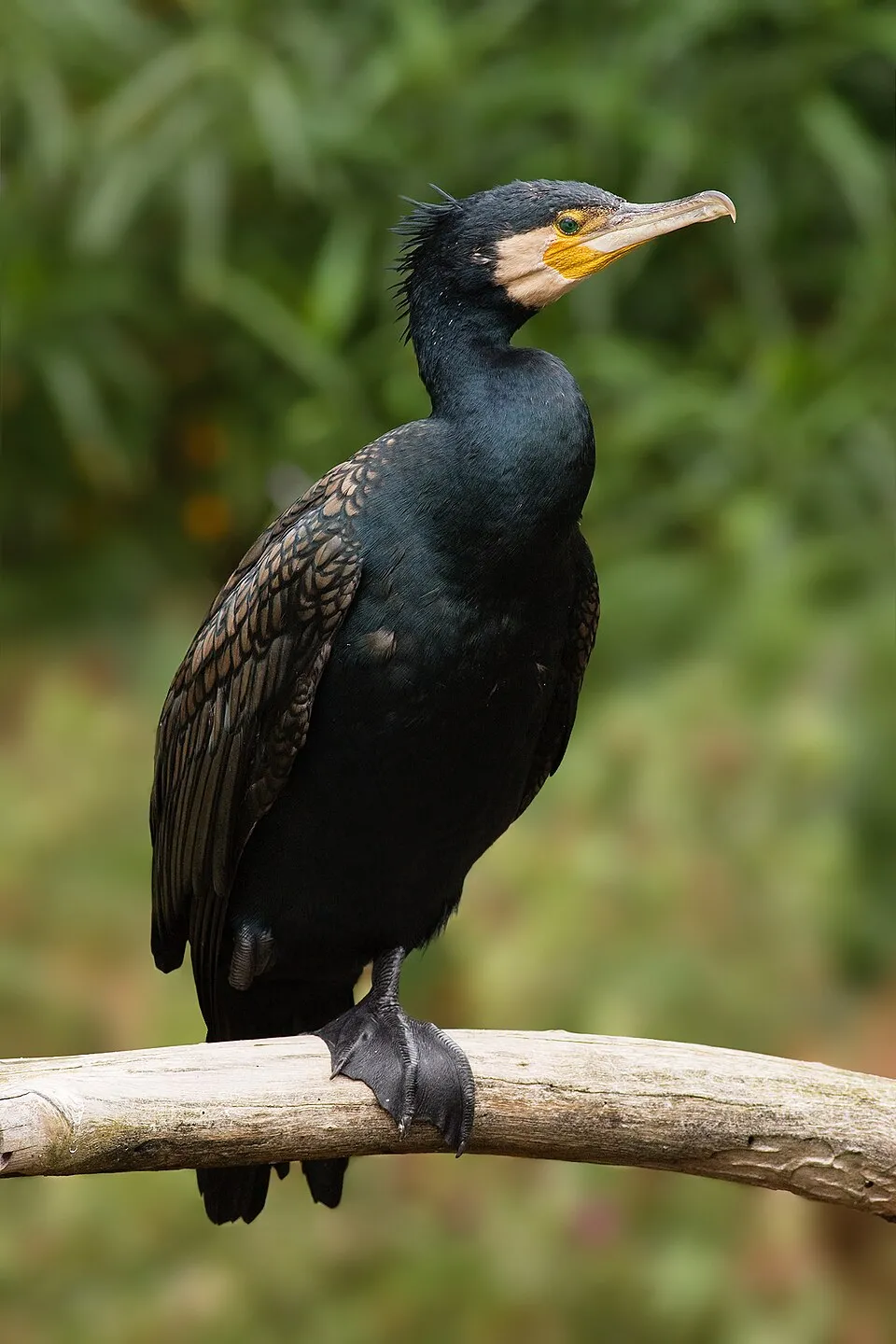
Bird
Great Cormorant
Phalacrocorax carbo2 records © JJ Harrison (https://www.jjharrison.com.au/) · CC BY-SA 3.0
Observed species
Occurrences documented via GBIF; they are neither an exhaustive inventory nor proof of current presence.
- European Pond Turtle · Emys orbicularis · 5144
- Common Kingfisher · Alcedo atthis · 3
- Common Blackbird · Turdus merula · 3
- Eurasian Jay · Garrulus glandarius · 3
- Great Cormorant · Phalacrocorax carbo · 2
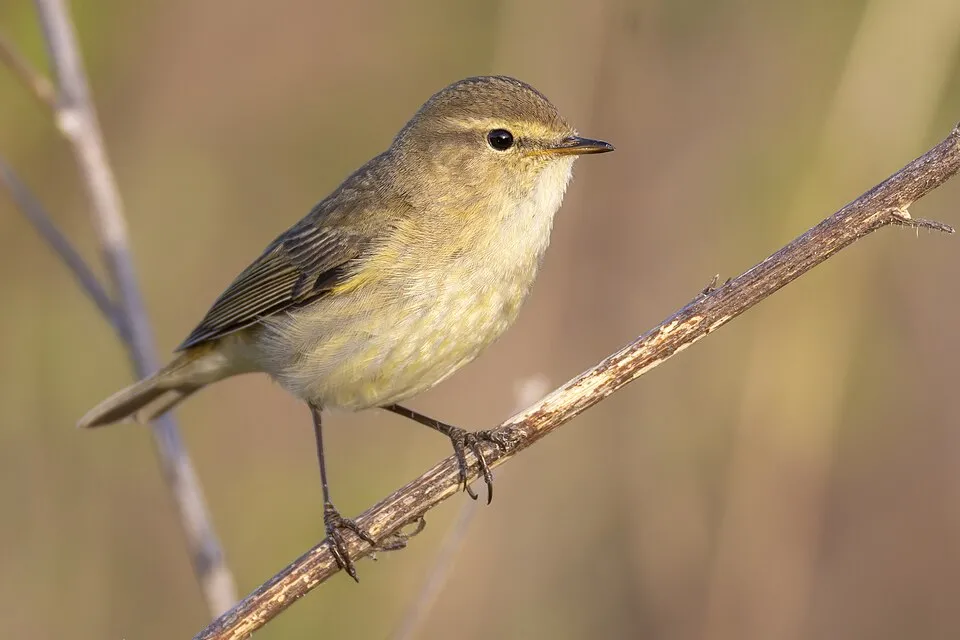
- Common Chiffchaff · Phylloscopus collybita · 2
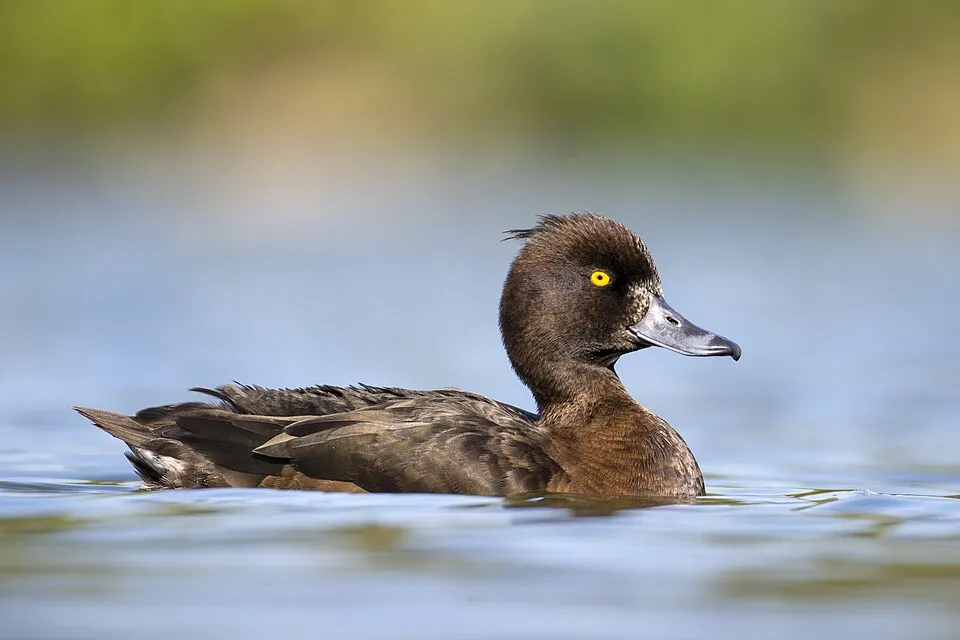
- Tufted Duck · Aythya fuligula · 2
- Mute Swan · Cygnus olor · 2
- Yellowing Curtain Crust · Stereum subtomentosum · 2
- Brachythecium moss · Brachythecium rutabulum · 2
- Leskea moss · Leskea polycarpa · 2
- Dogwood · Cornus sanguinea · 2
+18 more species
- Spindle · Euonymus europaeus · 2
- Blue water-speedwell · Veronica anagallis-aquatica · 2
- Canada Goose · Branta canadensis · 2
- Zygodon moss · Zygodon viridissimus · 2
- Anomodon moss · Anomodon viticulosus · 2
- Common reed · Phragmites australis · 2
- Shining pondweed · Potamogeton lucens · 2
- Loddon pondweed · Potamogeton nodosus · 2
- Spiked Water-milfoil · Myriophyllum spicatum · 2
- Common mare's-tail · Hippuris vulgaris · 2
- Bladderwort · Utricularia australis · 2
- Jurkatzka's Feather Moss · Amblystegium serpens · 2
- Rosulabryum moravicum · 2
- Sago pondweed · Stuckenia pectinata · 2
- Common Stonewort · Chara vulgaris · 2
- Great tit · Parus major · 2
- Mallard · Anas platyrhynchos · 2
- Common Starling · Sturnus vulgaris · 2
Records: GBIF.org (CC-BY). Names: Wikidata (CC0), GBIF. Photos: Wikimedia Commons.
Conservation challenges
The primary purpose of the site is to preserve its natural habitats and the biodiversity they support. The species recorded (Biodiversity tab) reflect its ecological value. The designations it holds frame its management and the control of land use.
At night, 13% of the area gives off artificial light detectable from space (NASA VIIRS Black Marble composite, 2016). According to the Natura 2000 forms, of 11 assessed habitats of European interest, 5 are in average or reduced condition and the rest in good condition.
Pressure indicators
Tree cover lost
1 ha
2001–2023 · 2% of the area
20012023
Fires since 2016
0
No large fire mapped (fires over about 30 ha)
Light at night
13%
of the area gives off artificial light visible from space
DarkLit
Invasive alien species
1
recorded since 2000
Sources: Global Forest Change (Hansen et al., University of Maryland, via Global Forest Watch, CC-BY 4.0); EFFIS, European Commission / Copernicus; NASA Black Marble 2016 (public domain); CORINE Land Cover 2018 (Copernicus) or MODIS.
Invasive alien species: Global Register of Introduced and Invasive Species (ISSG, CC BY 4.0); Union list, Regulation (EU) 1143/2014 (INBO, CC0); GBIF.org records (CC0 / CC BY 4.0), at least 2 per species.
Practical information
Cities and airport
- Rastatt
12 km as the crow flies - Karlsruhe
13 km as the crow flies - Airport: Karlsruhe/Baden-Baden (FKB)
23 km as the crow flies
Data © OpenStreetMap contributors (ODbL) · Wikidata (CC0)
Access and visiting
The nearest railway station is Berg (Pfalz), less than 1 km from the site boundary. Nearest towns of over 50,000 people, as the crow flies: Rastatt (12 km) and Karlsruhe (13 km). Nearest airport: Karlsruhe/Baden-Baden (FKB), about 23 km away. About 700,000 people live within 20 km of the site boundary, 140,000 of them within 10 km (GHSL estimate, 2020). This population has grown by about 11% since 2000. To plan a visit (access, opening periods, visitor rules), it is best to consult the official information from the managing body and the official website listed in this page's sources.
Source: OpenStreetMap (ODbL), Wikidata (CC0), October 2026.
When to visit
Best time to visit: from April to October, with average temperatures of 10 to 21 °C and moderate rainfall. Day length ranges from about 8 h 15 min in December to 16 h 10 min in June. Wildlife records published on GBIF peak for plants (June). These peaks also reflect when observers are most active.
Source: Copernicus ERA5-Land (C3S), monthly averages 1996–2025 at the representative point, temperatures adjusted for elevation.
Contains modified Copernicus Climate Change Service information 2026. Neither the European Commission nor ECMWF is responsible for any use that may be made of the Copernicus information or data it contains.
Wildlife records calendar
JFMAMJJASOND
Plants
Monthly records published on GBIF (CC-BY), relative to the busiest month; also reflects observer activity.
Gallery
© user21859082 / Magnific
Sources and licences
- Wikidata: Q65953789
- OpenStreetMap: relation 1178119
- WDPA: 181659
References
- cds.climate.copernicus.eu: climate · CC-BY-4.0
- registry.opendata.aws: elevation of the reference point, detailed relief · PD
- land.copernicus.eu: land cover, land cover change, sea share · COPERNICUS
- doi.org: population around the site · CC-BY-4.0
- wikidata.org: official area, establishment date, official name, nearby cities and airport, access and peaks, lake depths, places to see · CC0-1.0
- eea.europa.eu: bathing water quality, ecological status of waters · CC-BY-4.0
- en.eurovelo.com: EuroVelo cycle routes · ODbL-1.0
- cycling.waymarkedtrails.org: cycle routes · ODbL-1.0
- opentopodata.org: elevations · PD
- forest-fire.emergency.copernicus.eu: wildfires · COPERNICUS
- globalforestwatch.org: tree cover loss · CC-BY-4.0
- gbif.org: seasonality of sightings, invasive alien species, observed species · CC-BY-4.0
- infoterre.brgm.fr: geology · LO-2.0
- pop.culture.gouv.fr: protected heritage · LO-2.0
- hydrosheds.org: lakes · CC-BY-4.0
- natura2000.eea.europa.eu: Natura 2000 habitats and species · CC-BY-4.0
- earthobservatory.nasa.gov: night light · PD
- openstreetmap.org: access and peaks, places to see · ODbL-1.0
- nsidc.org: snow cover · PD
Data © OpenStreetMap contributors (ODbL), Wikidata (CC0) and the sources cited.