
Insect
Cucujus cinnaberinus: where to see it
This insect species is recorded in 91 protected areas of the atlas, and is listed on the official Natura 2000 form of each of them. Within the atlas countries, it is mostly observed in Sweden, Norway and Austria (9 countries in all). Most records (8 in 10) lie between sea level and 420 m. Records peak from March to May. It is a species of Community interest under the Habitats Directive (Annexes II and IV). In the EU its conservation status is assessed as favourable in some biogeographical regions and unfavourable in others (2013–2018 reporting).
Best time to see it: March–May
Records published on GBIF by month (CC0 and CC BY 4.0 licences only), in the atlas countries, all years combined; they also reflect observer activity.
Status and protection
Habitats Directive II · IV
The species is listed in Annexes II and IV of the Habitats Directive.
In the EU its conservation status is assessed as favourable in one biogeographical region, unfavourable-inadequate in 2 and unfavourable-bad in 2 (2013–2018 reporting).
Details by biogeographical region
| Region | Conservation status | Trend |
|---|---|---|
| Alpine | unfavourable-inadequate | stable |
| Atlantic | unfavourable-bad | – |
| Boreal | unfavourable-bad | deteriorating |
| Continental | unfavourable-inadequate | improving |
| Pannonian | favourable | stable |
Distribution
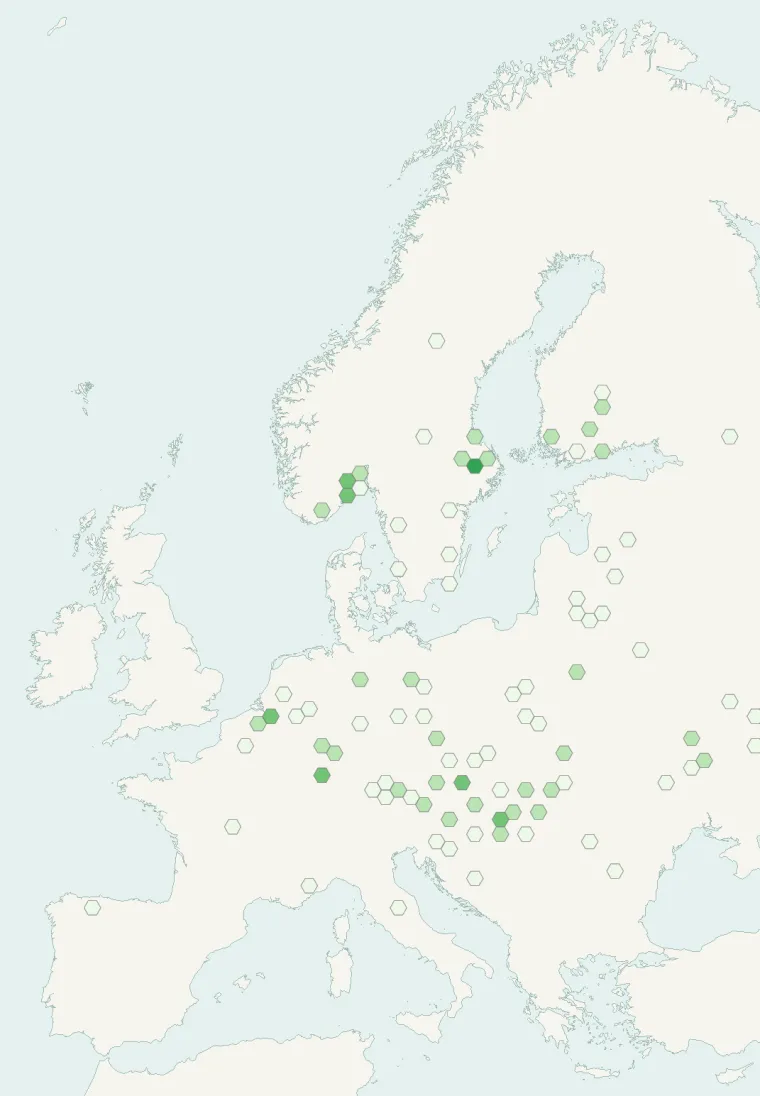
Records published on GBIF (CC0 and CC BY 4.0 licences): the darker the shade, the more records there are; they also reflect observation effort.
Atlas countries where it is recorded
From Wikipedia
Cucujus cinnaberinus is a species of beetles in the family Cucujidae, the flat bark beetles. It is native to Europe, being most common in Central Europe and rare in much of Southern and Western Europe. This beetle lives under tree bark. It is associated with oaks (Quercus spp.), maples (Acer spp.), and poplars (Populus spp.). It can be found in various habitat types, including forests and urban areas. It is a saproxylic species, often feeding on decomposing wood. It has also been observed eating maggots and the larvae of other beetles.
Source: Wikipedia, article “Cucujus cinnaberinus” (version of September 28, 2025) · history and authors · licence CC BY-SA 4.0 · shortened excerpt
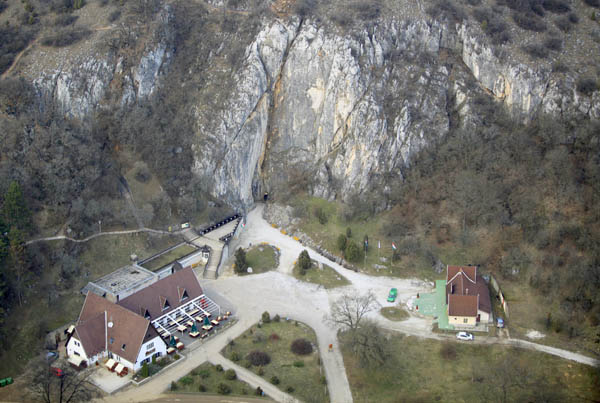
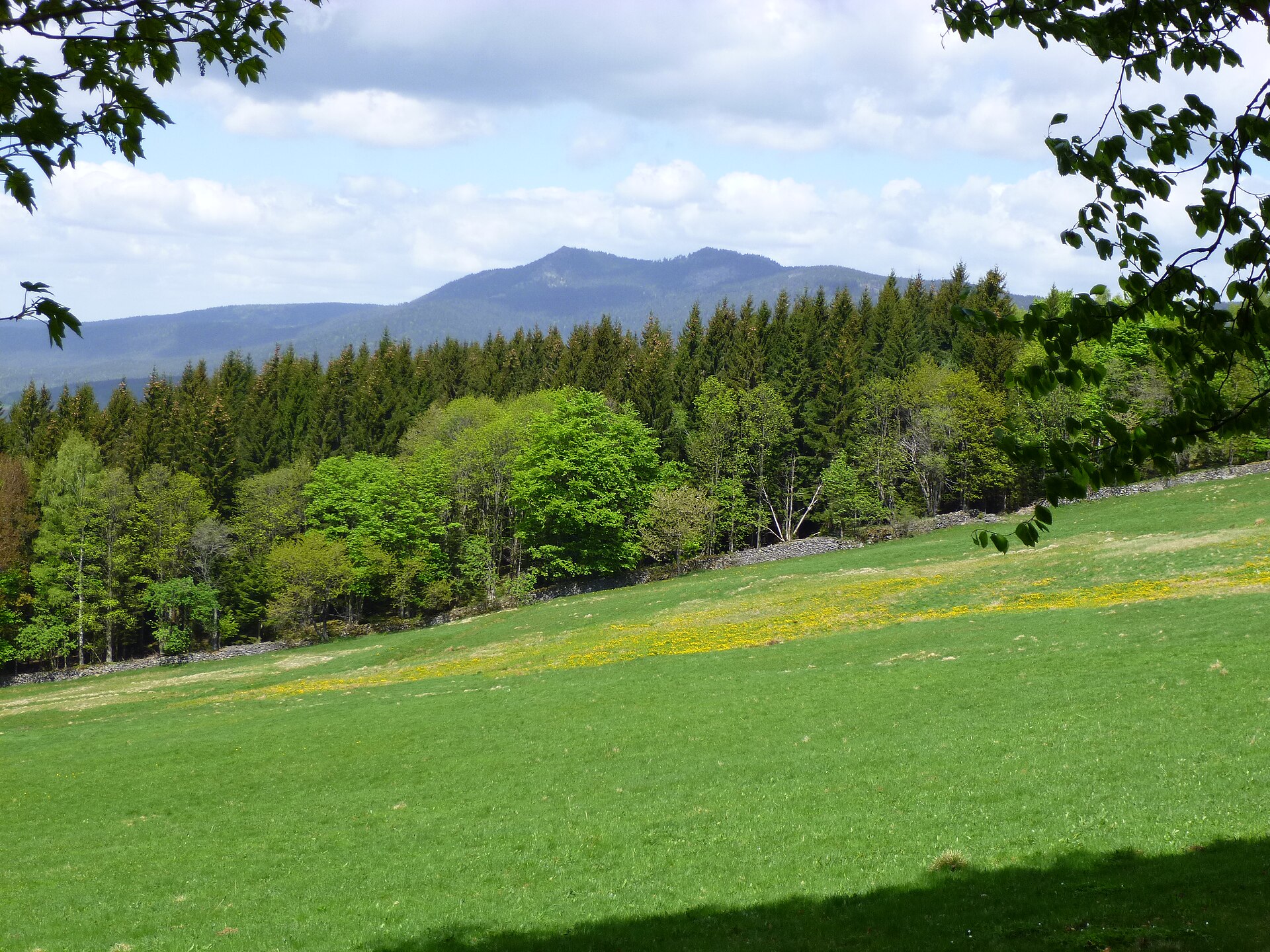
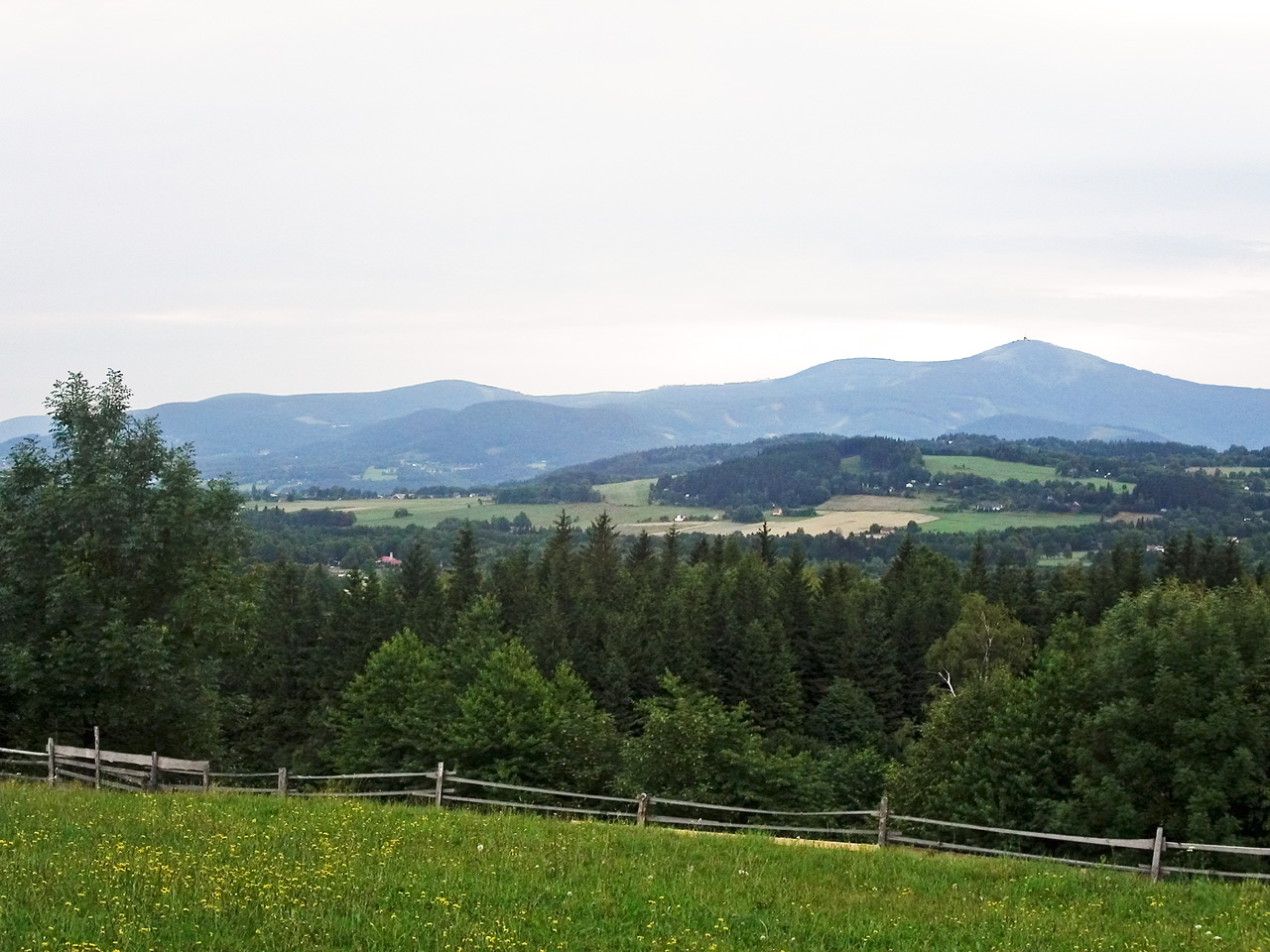
Protected areas where it is recorded
Natura 2000

Natura 2000

Natura 2000
Natura 2000
Natura 2000
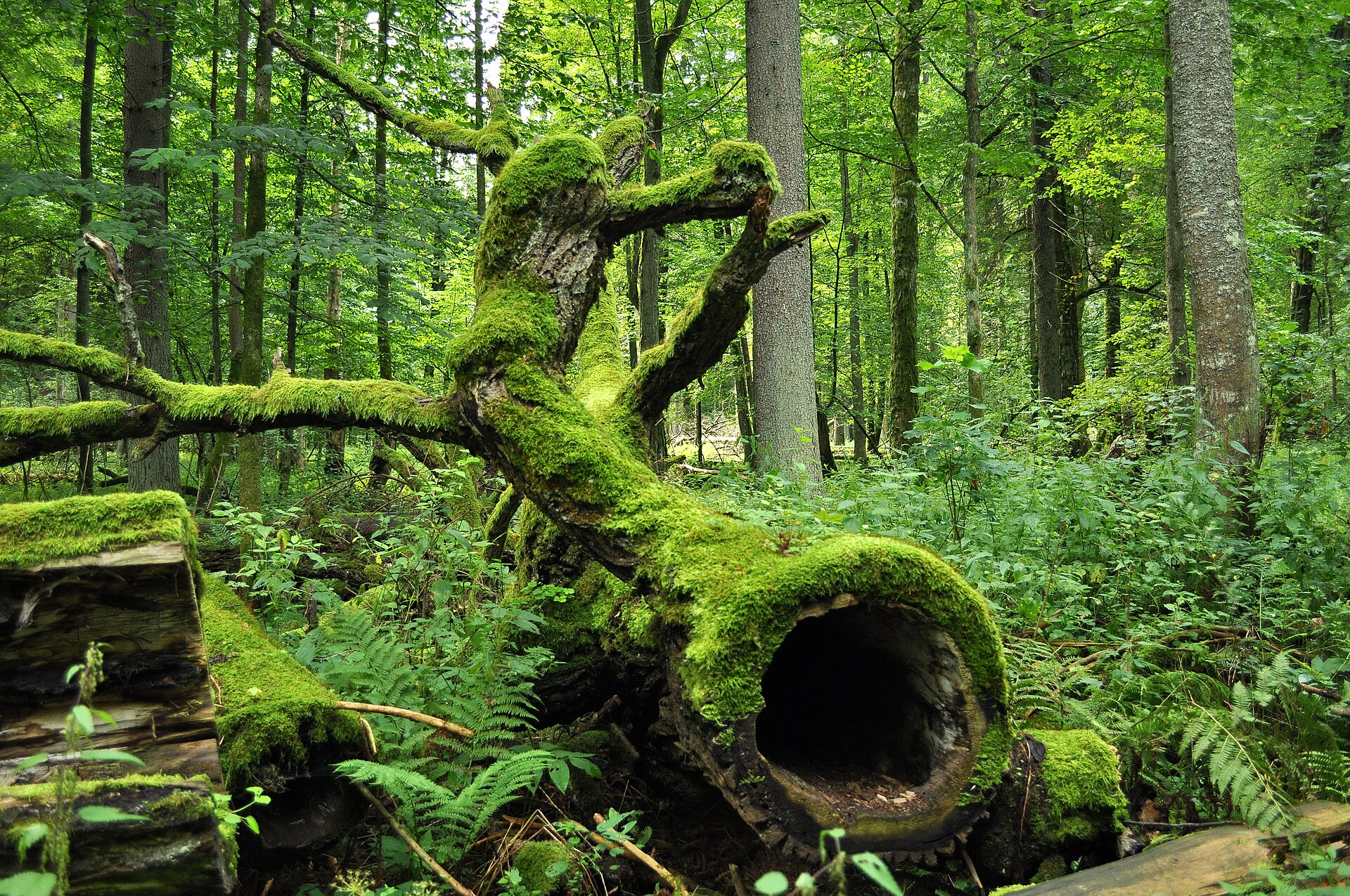
Natura 2000
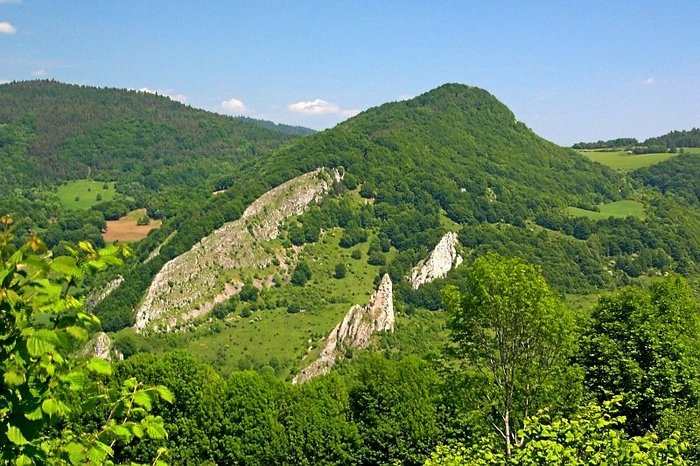
Natura 2000

Natura 2000
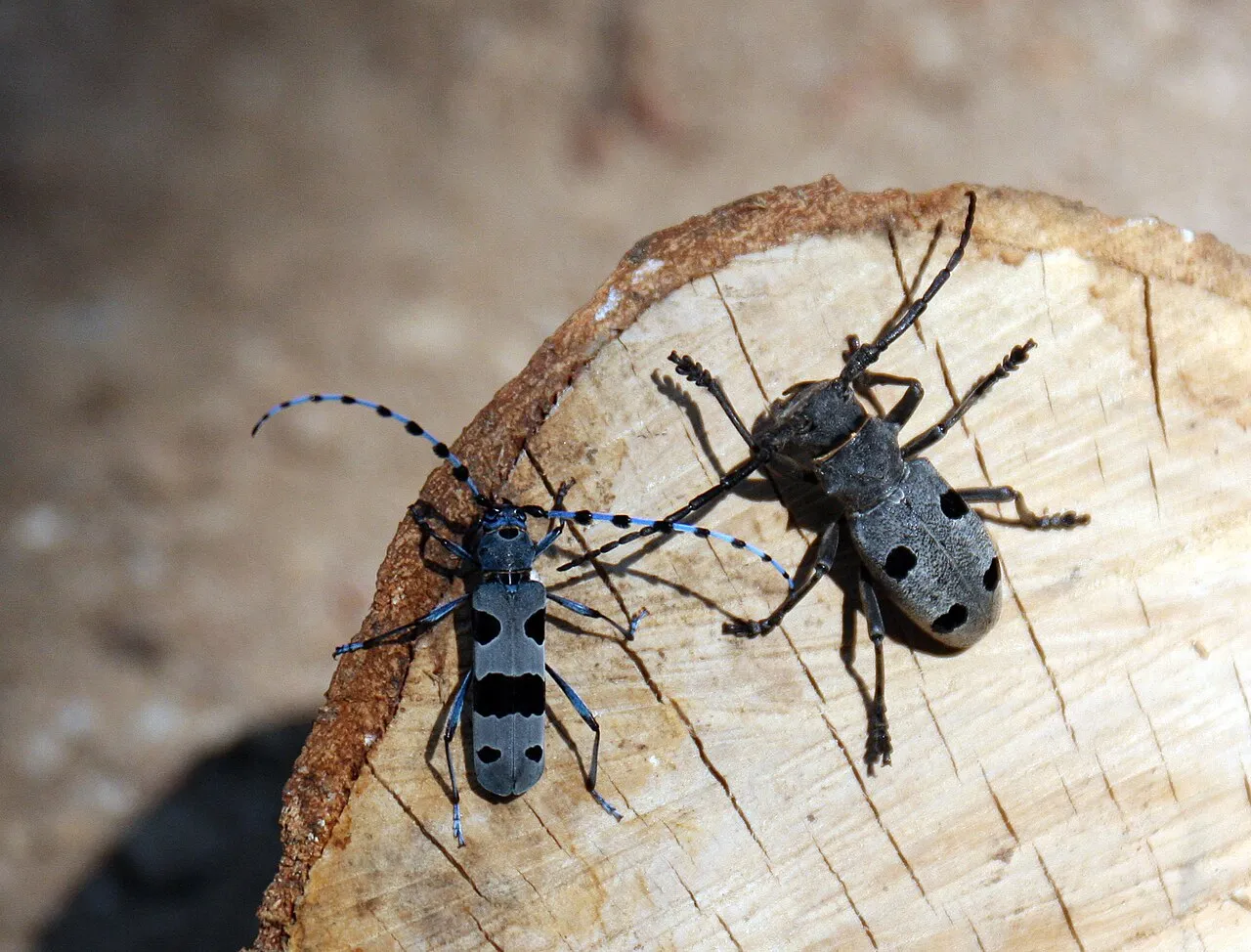
Natura 2000
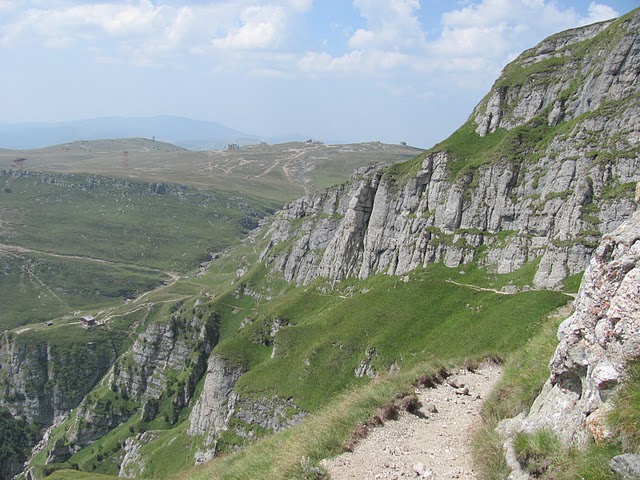
Natura 2000
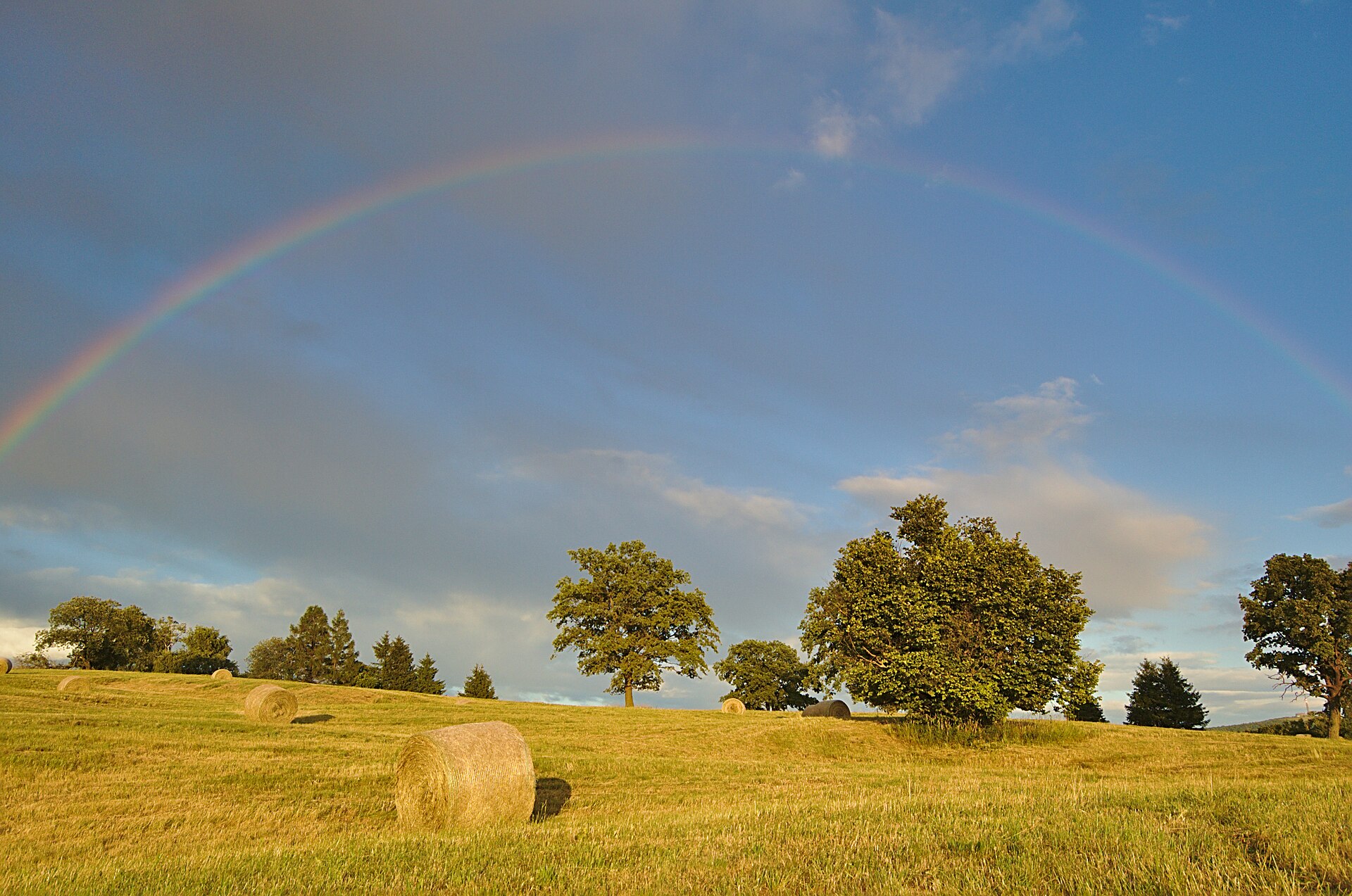
Natura 2000
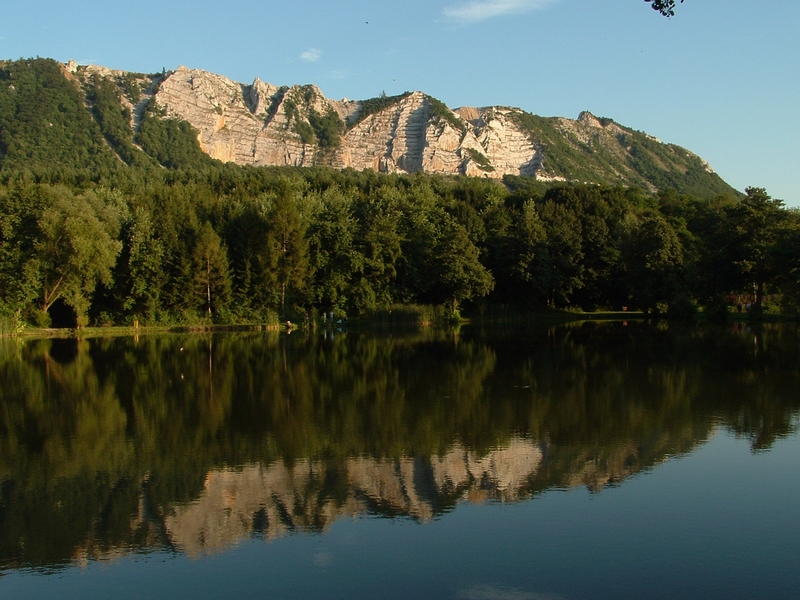
Natura 2000
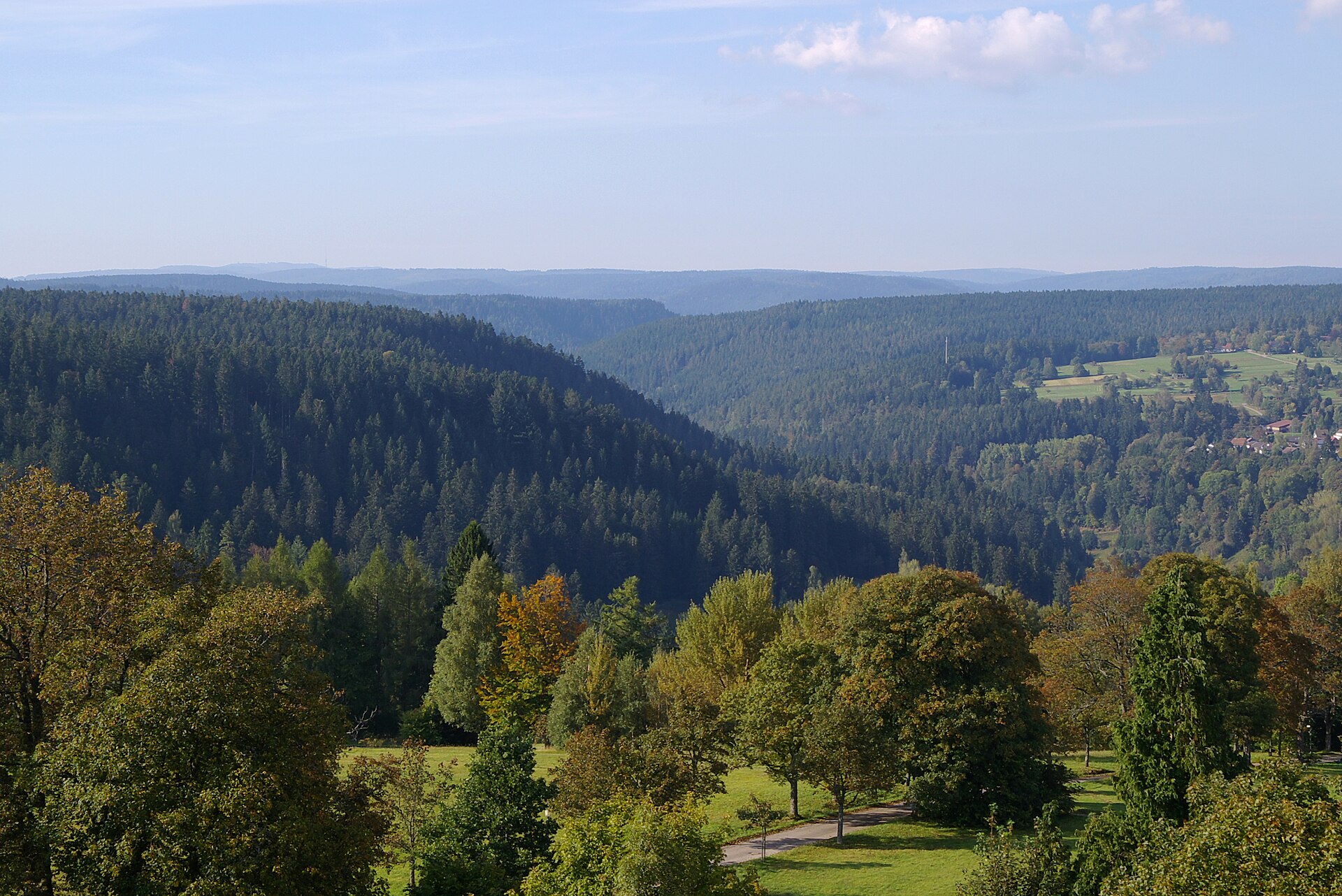
Natura 2000
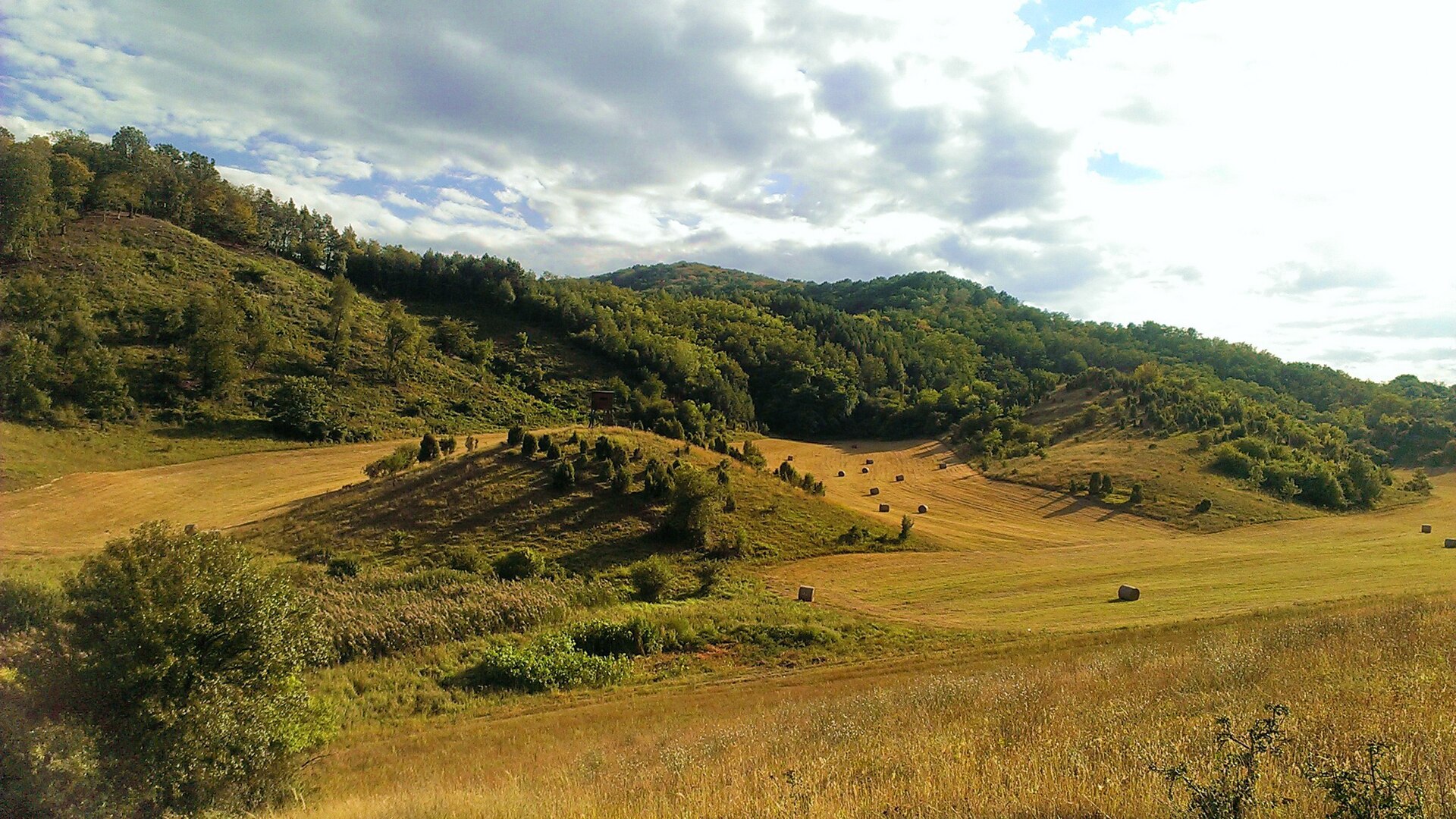
Natura 2000
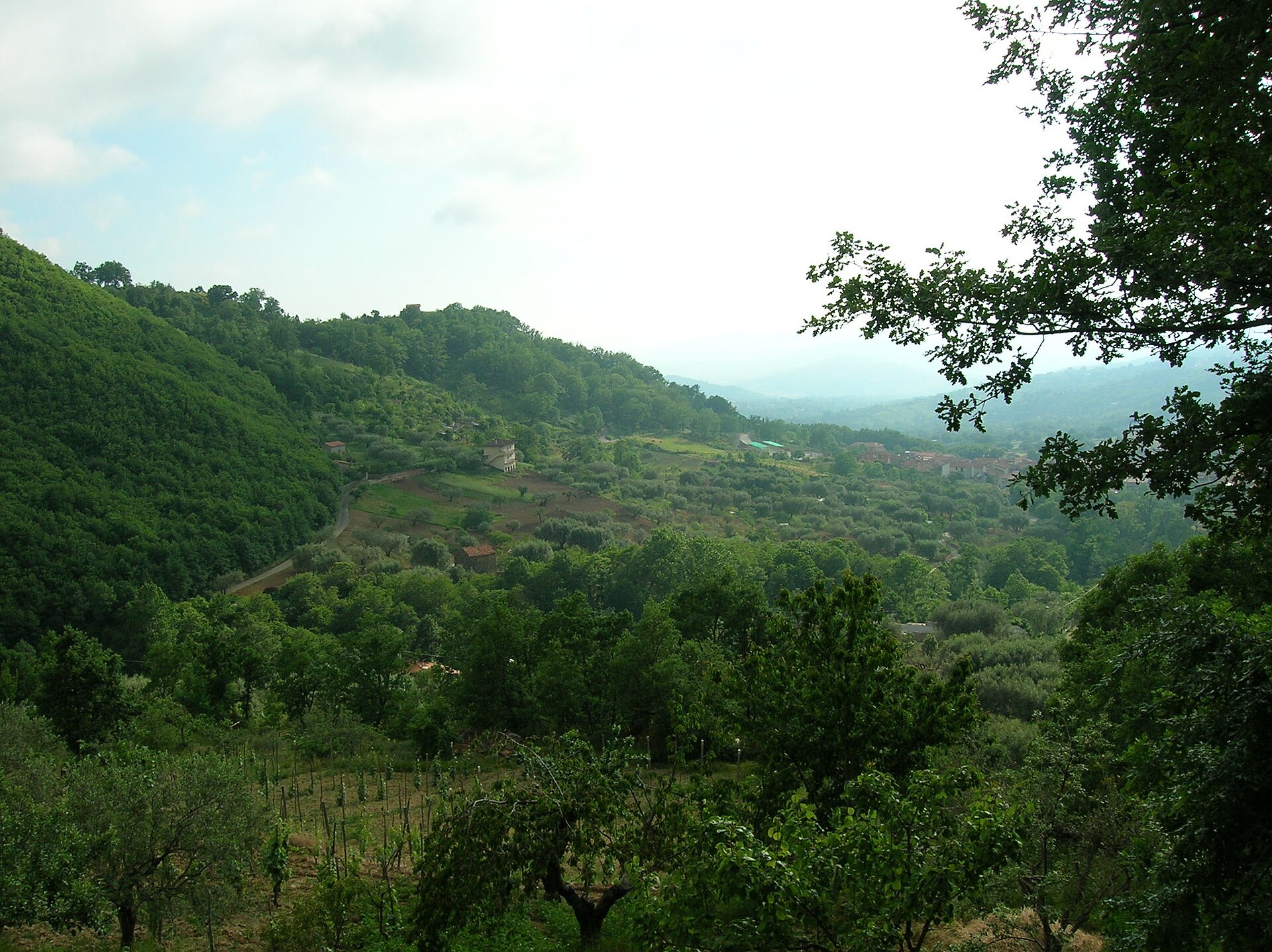
Natura 2000
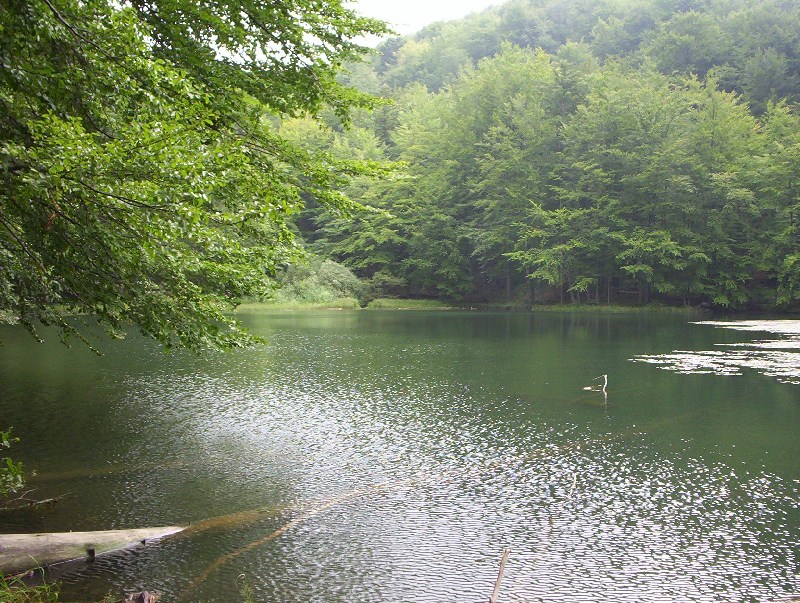
Natura 2000
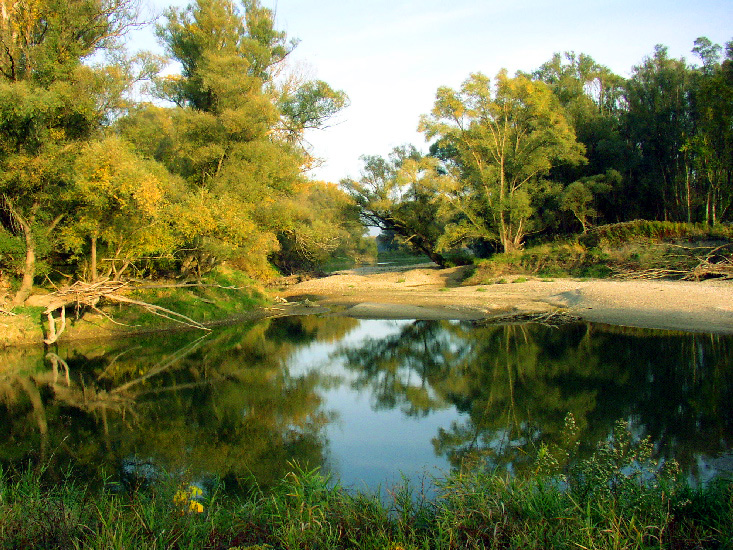
Natura 2000
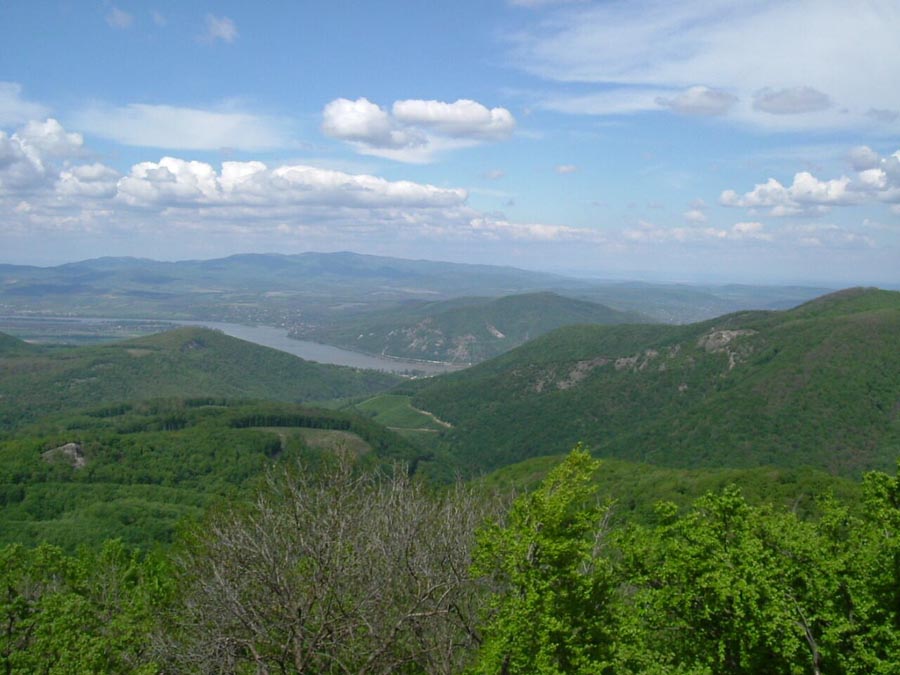
Natura 2000
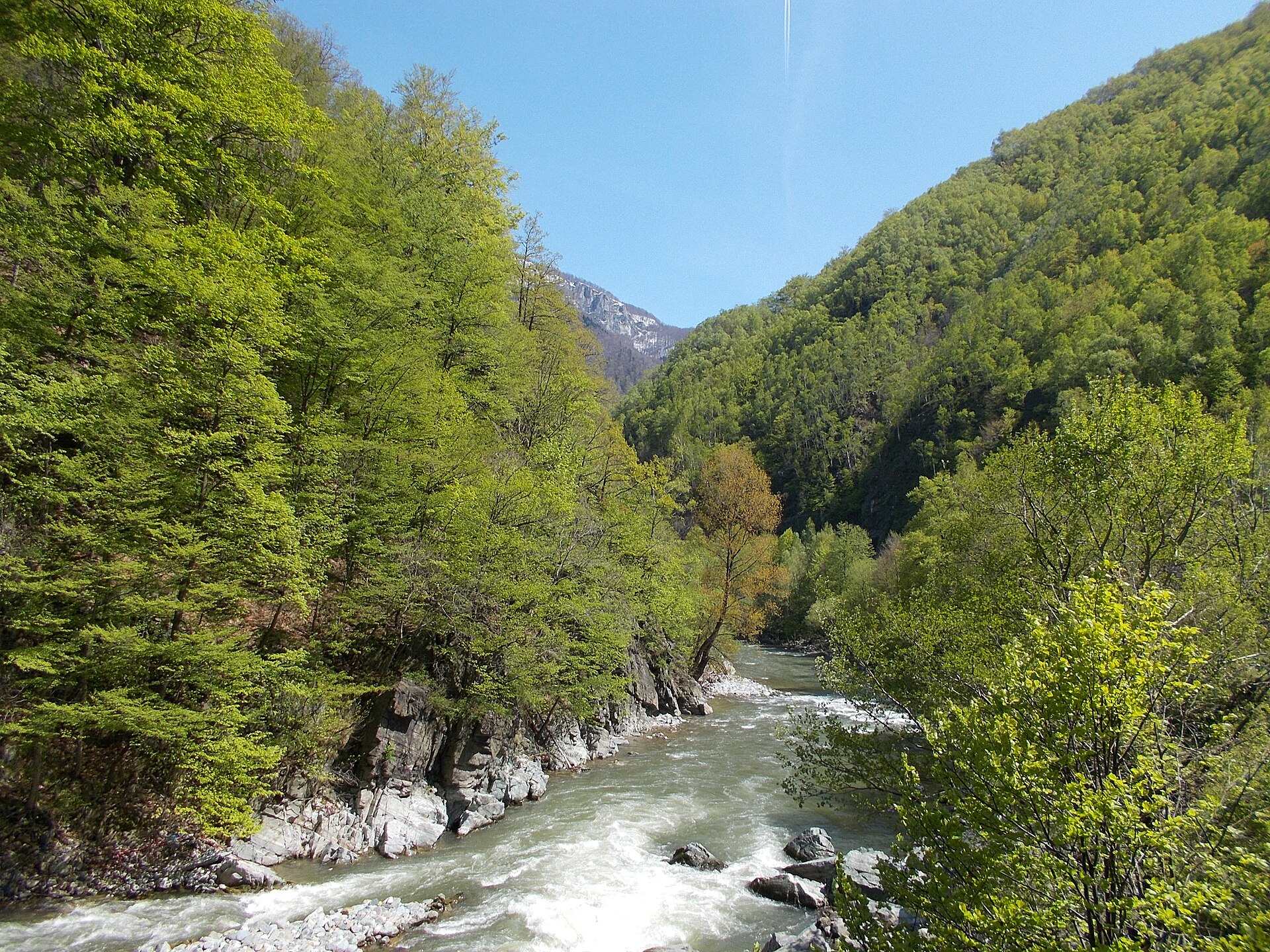
Natura 2000
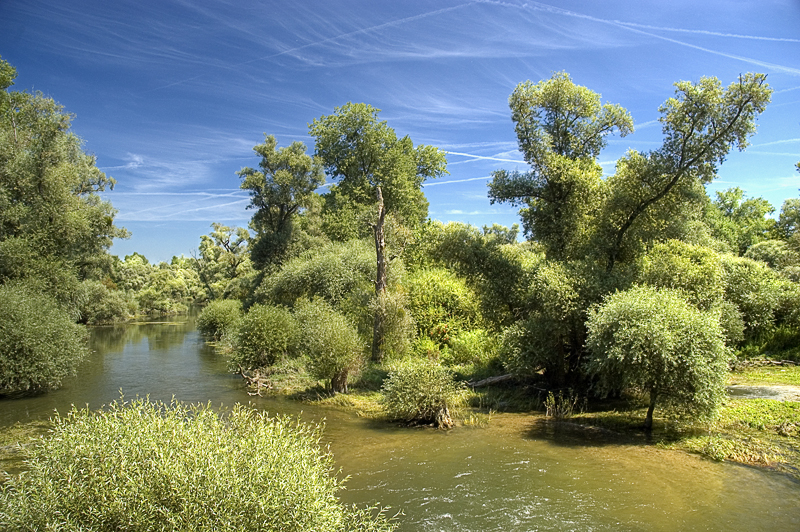
Natura 2000
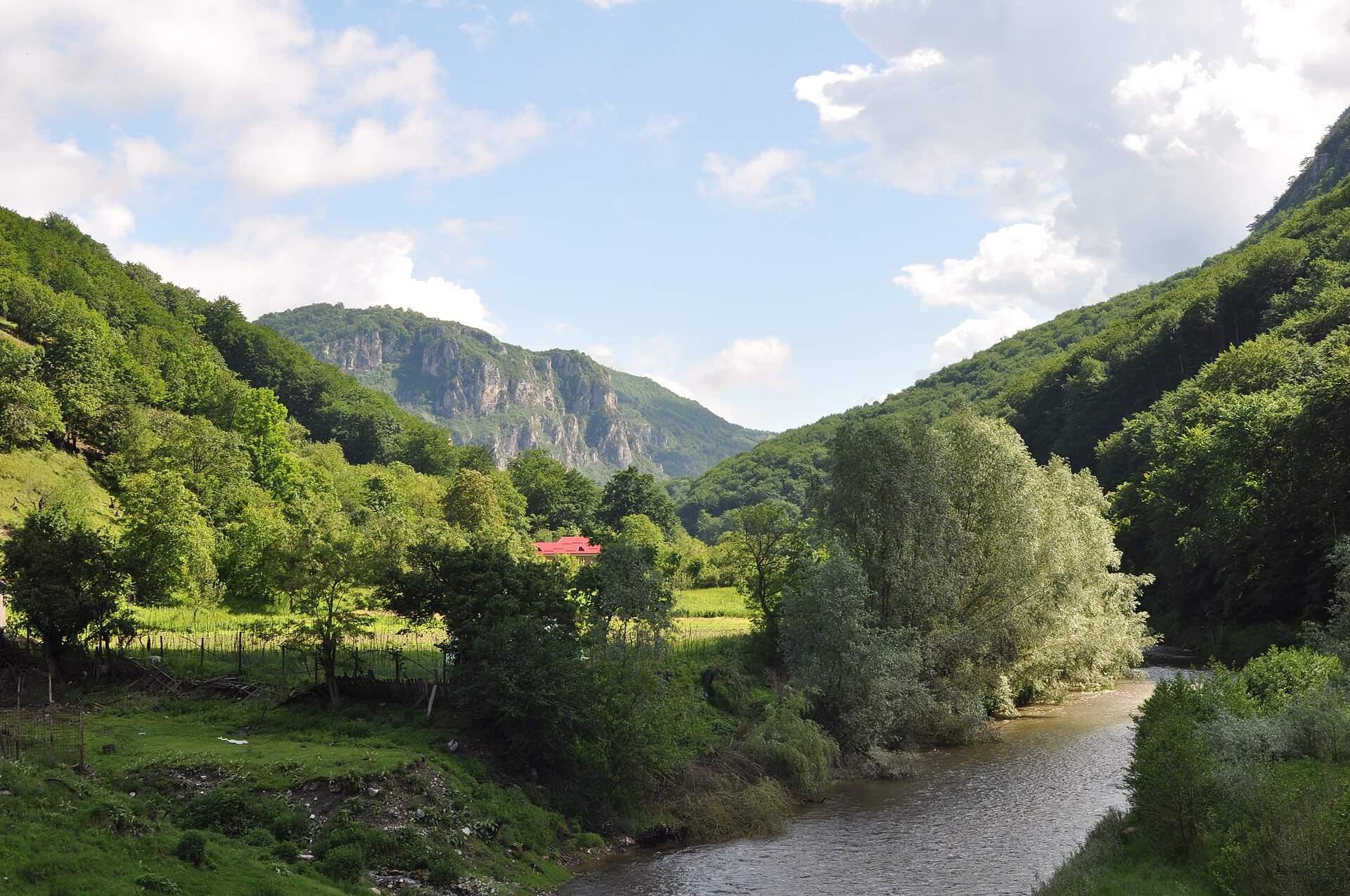
Natura 2000
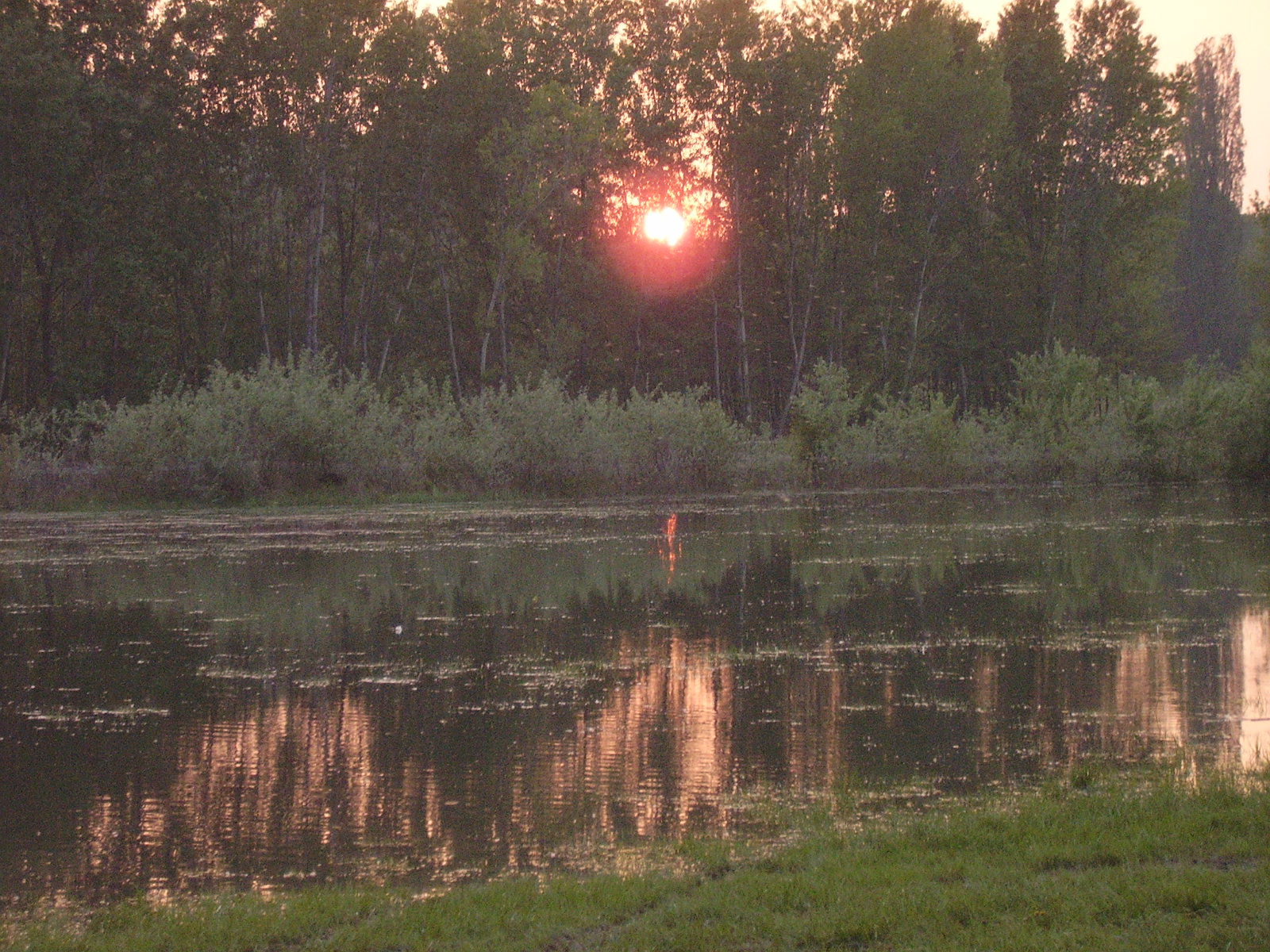
Natura 2000
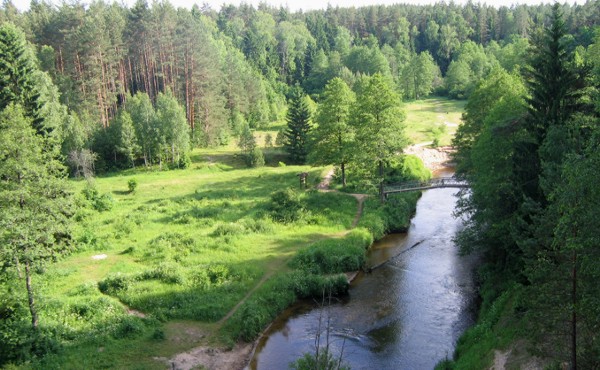
Natura 2000
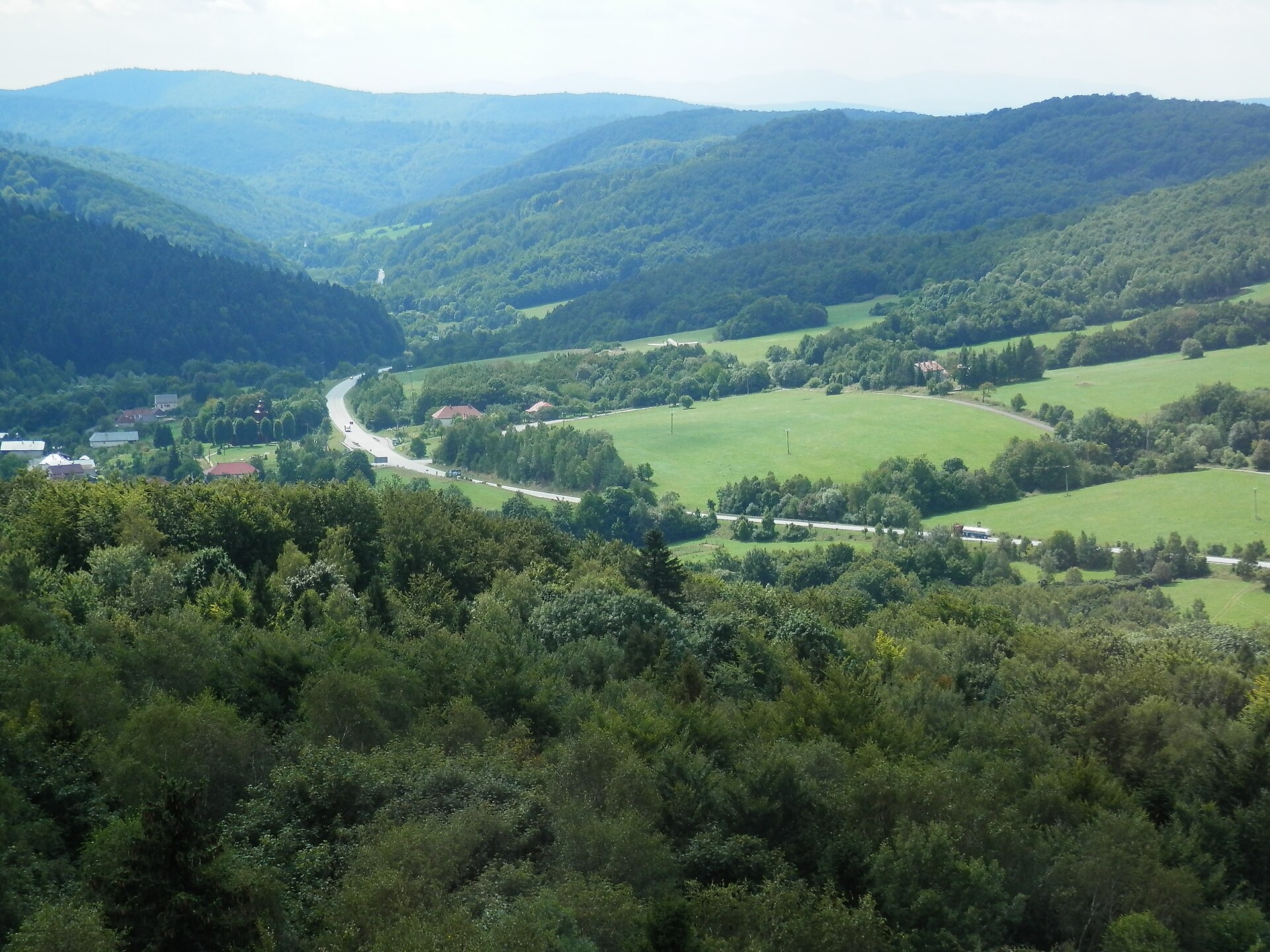
Natura 2000
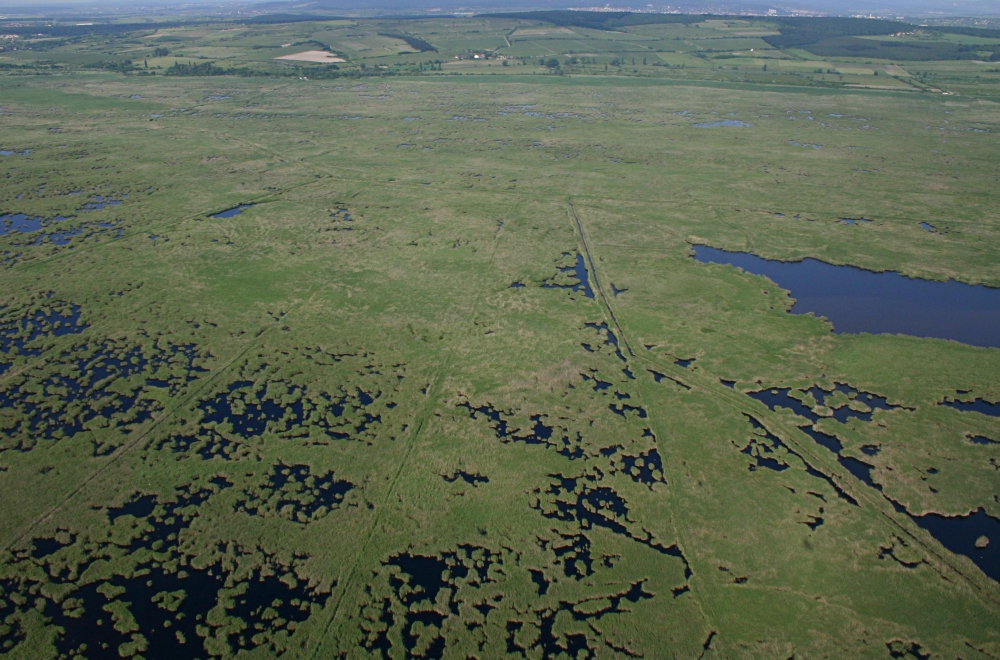
Natura 2000
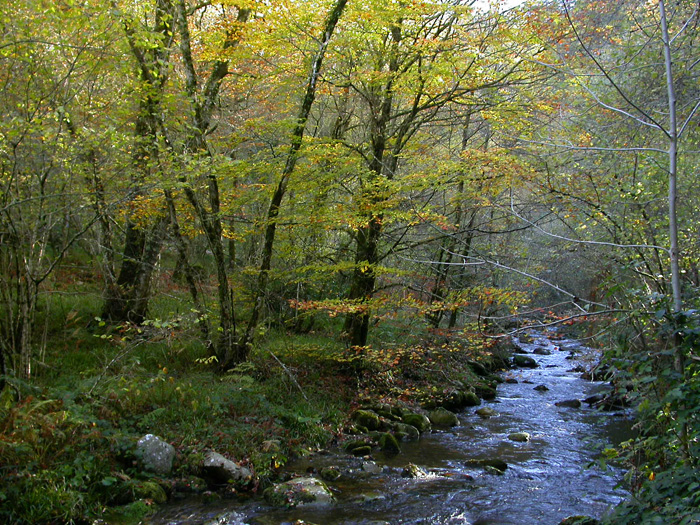
Natura 2000
Natura 2000

Natura 2000
Natura 2000
Natura 2000
Natura 2000

Natura 2000
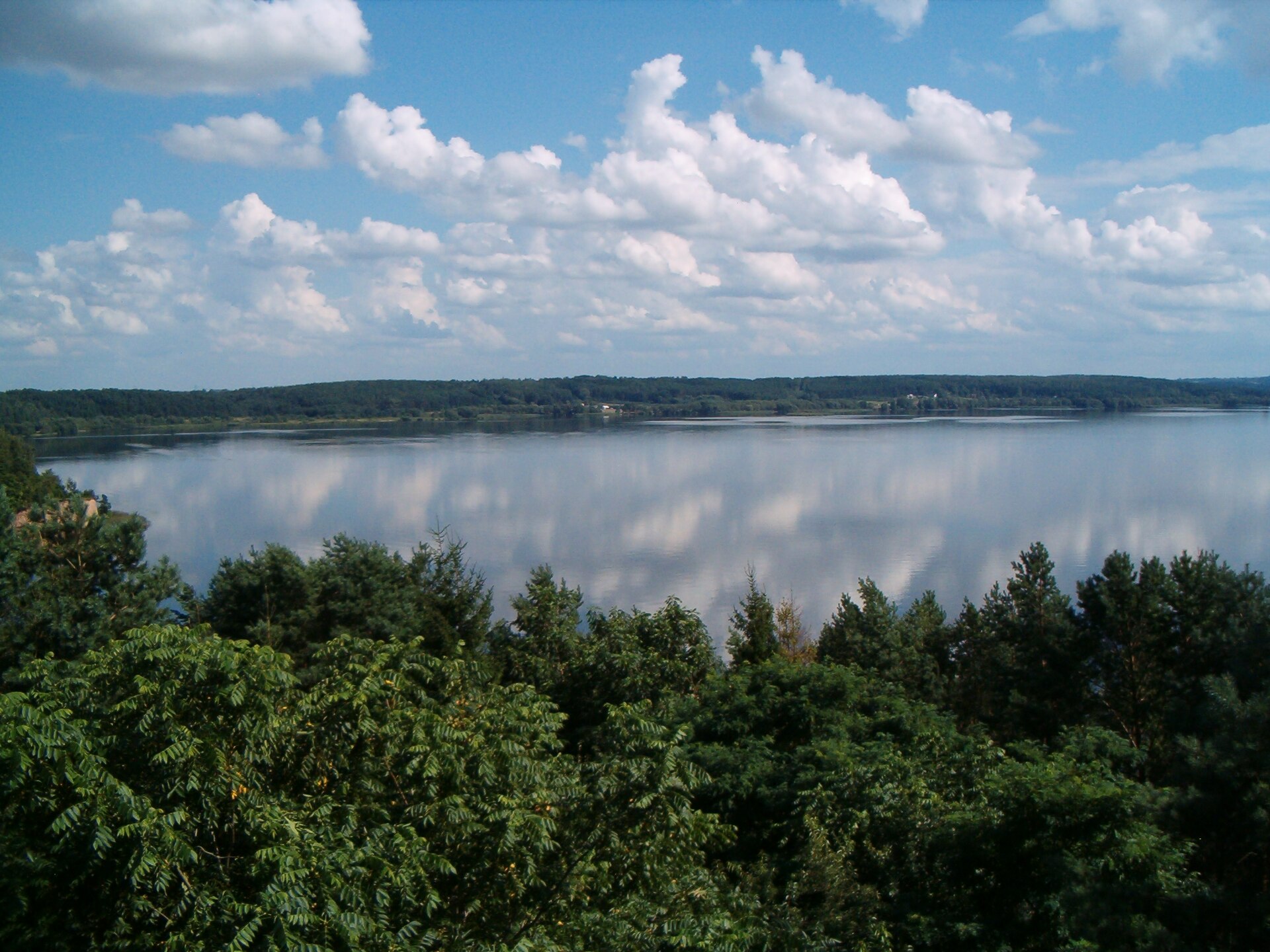
Natura 2000
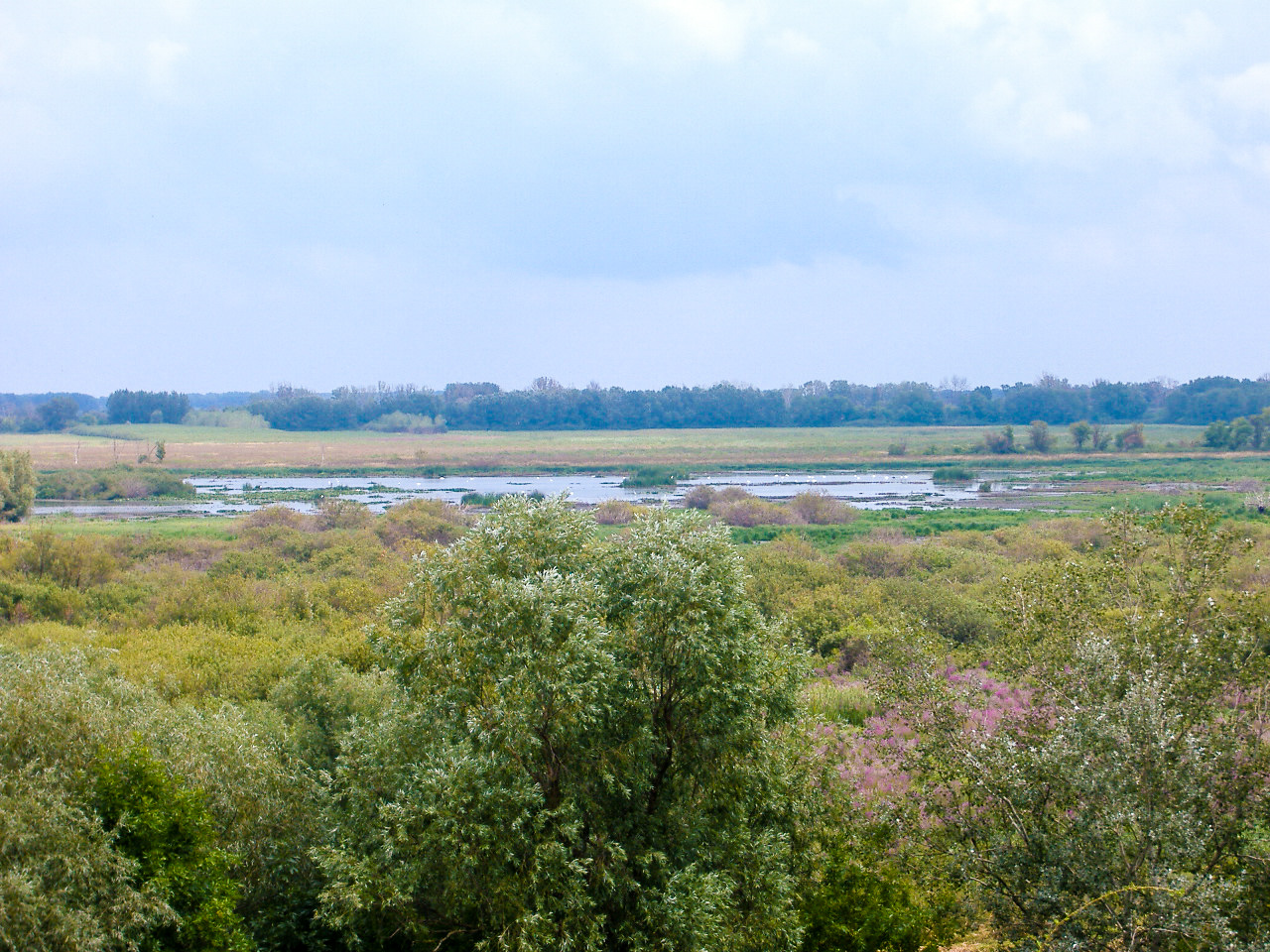
Natura 2000

Natura 2000
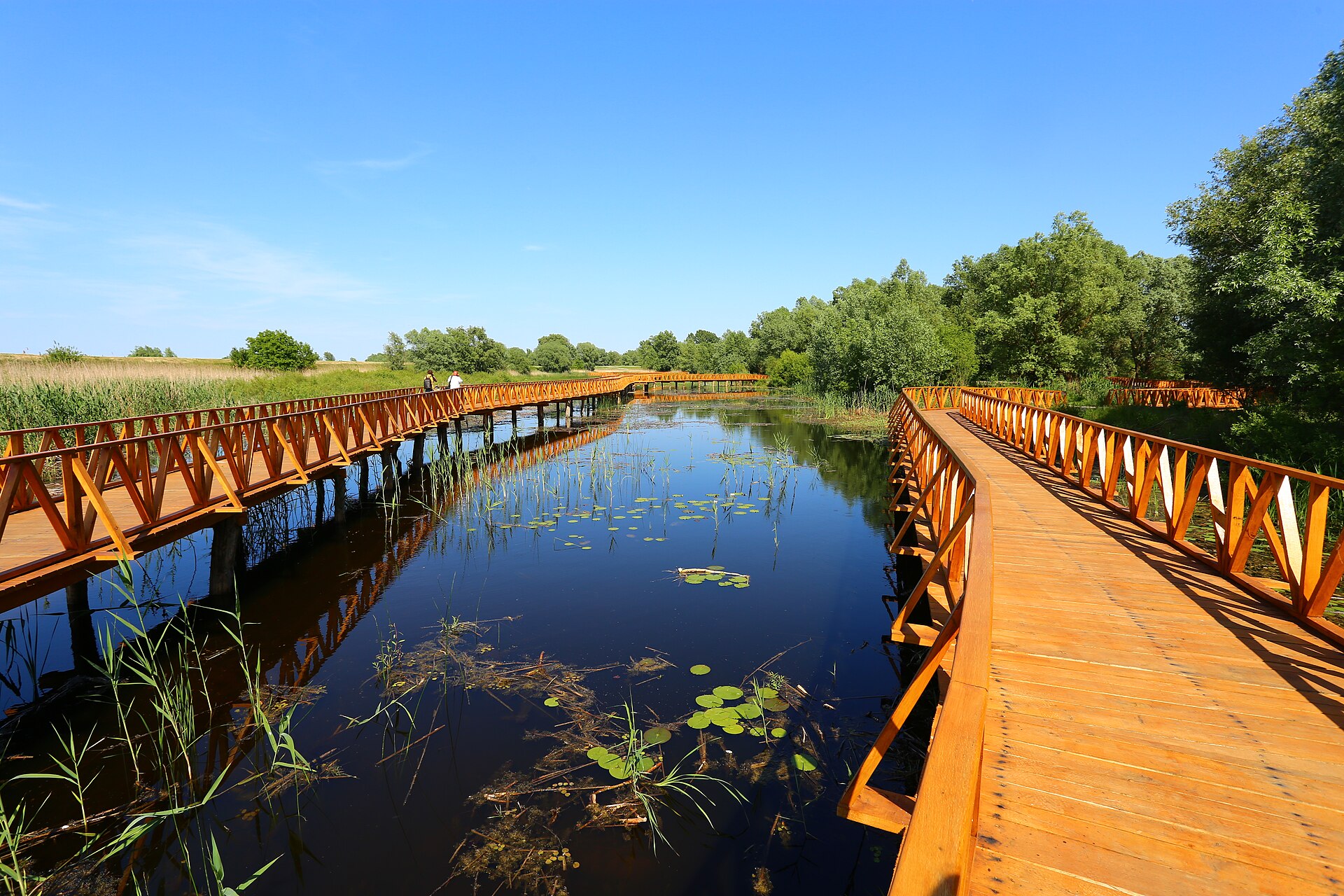
Natura 2000
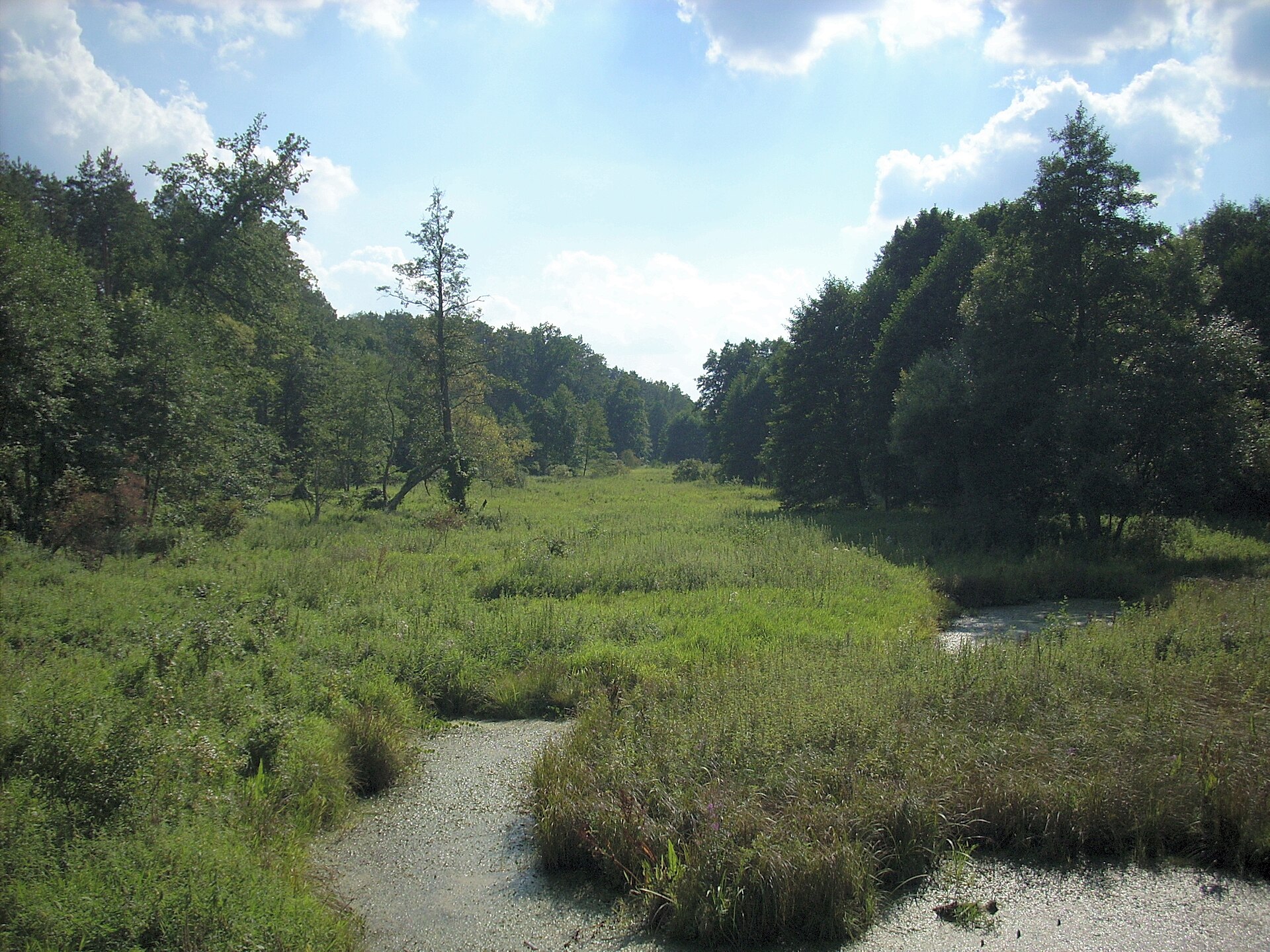
Natura 2000
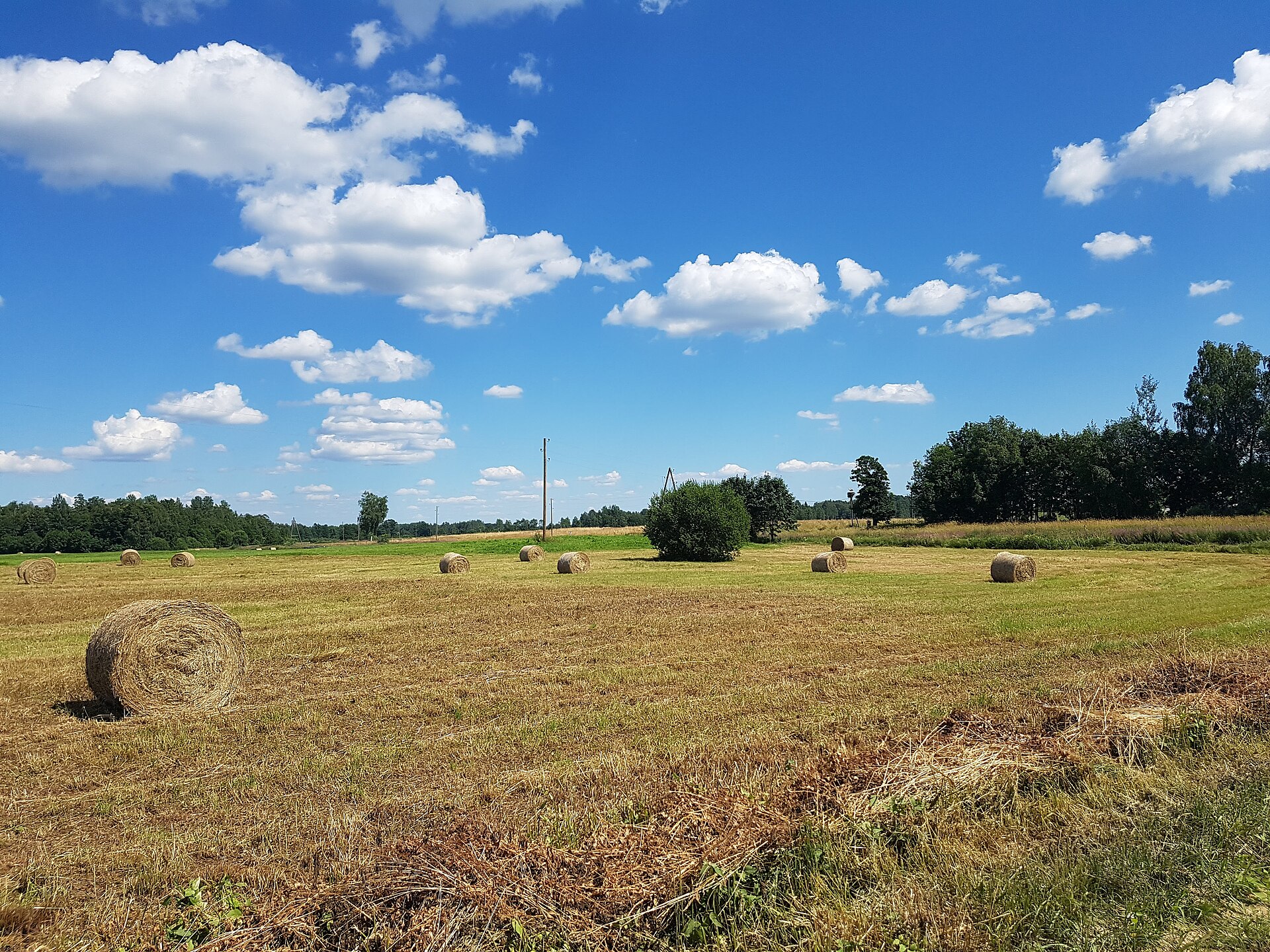
Natura 2000
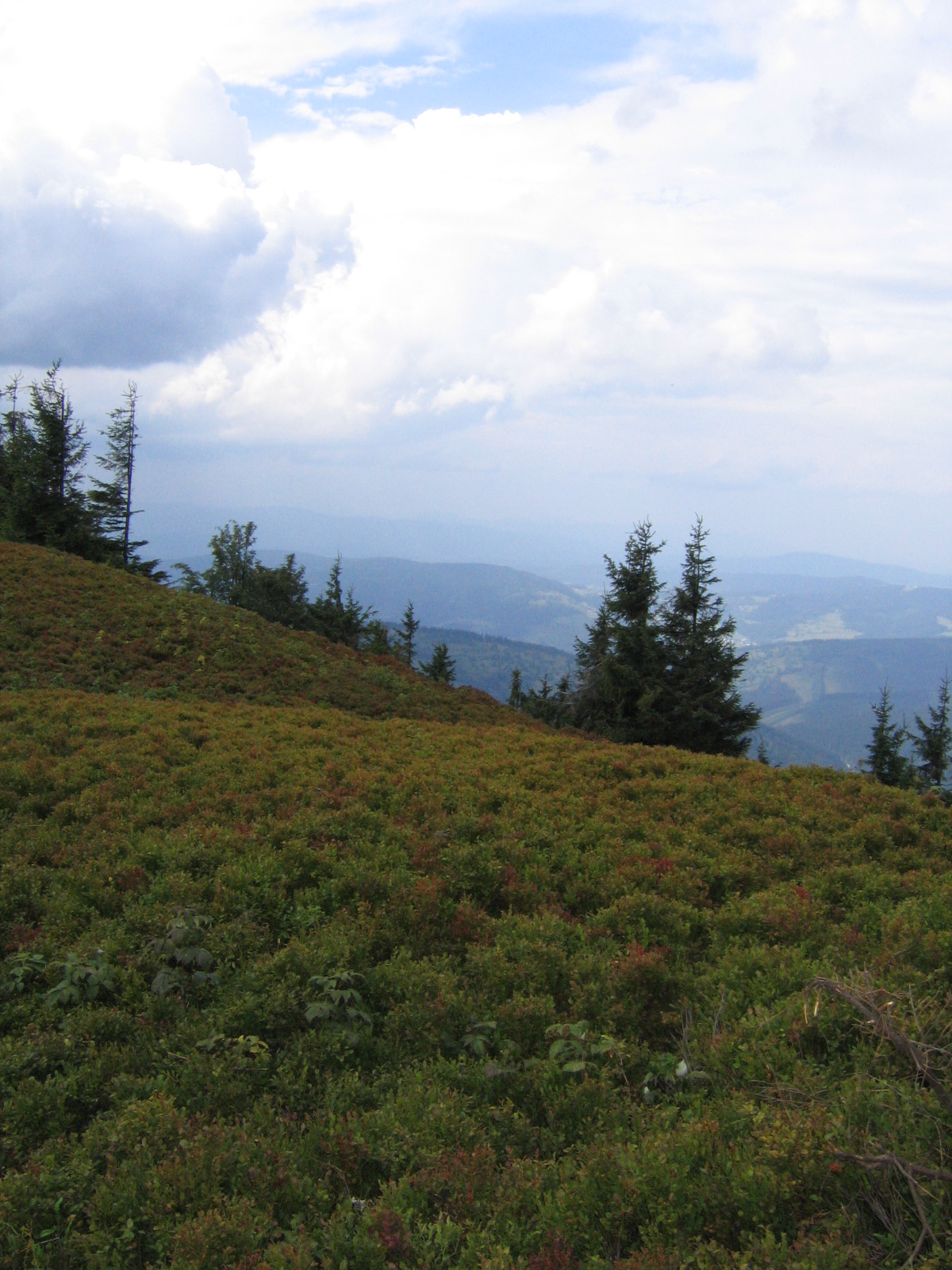
Natura 2000
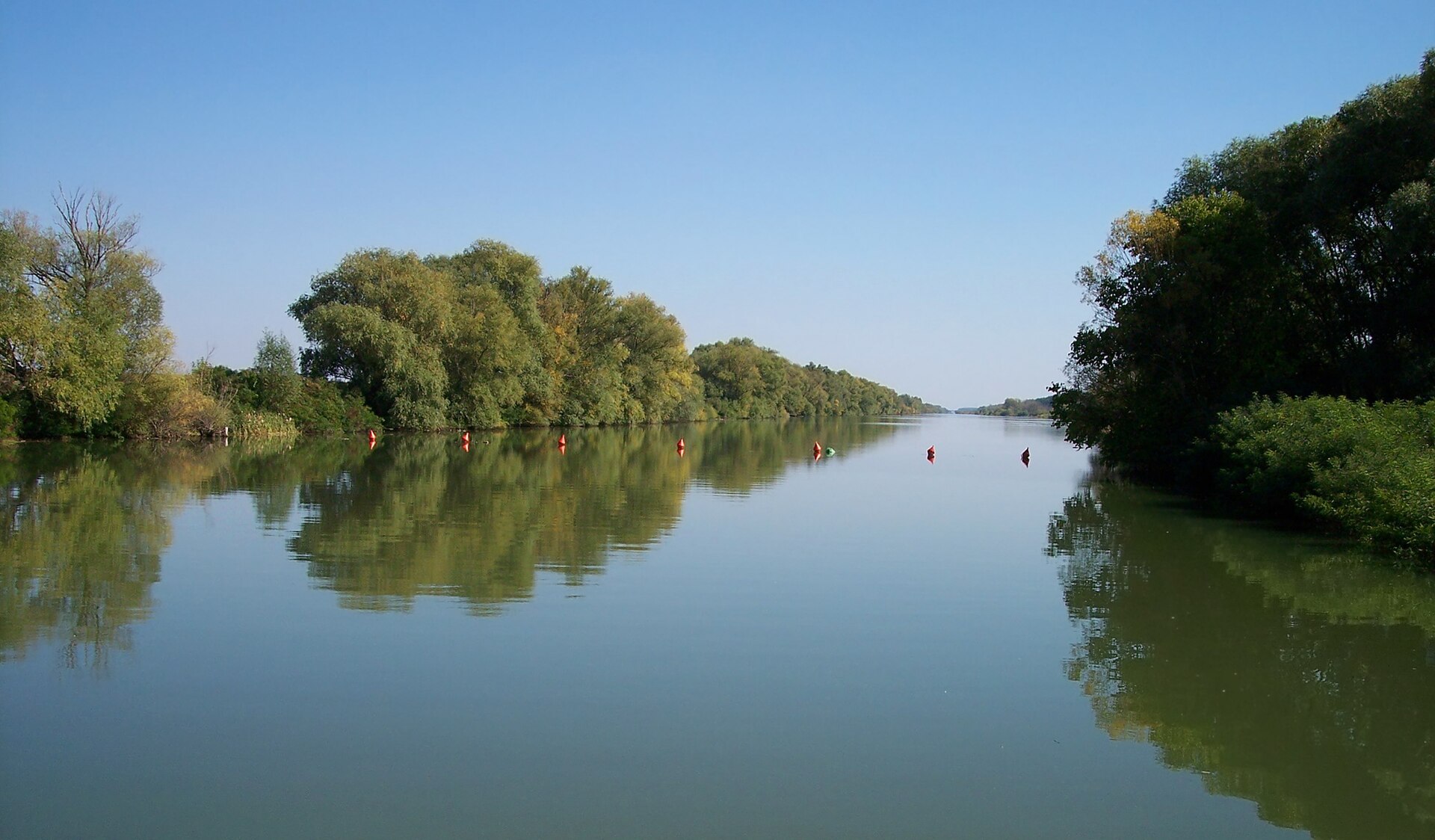
Natura 2000
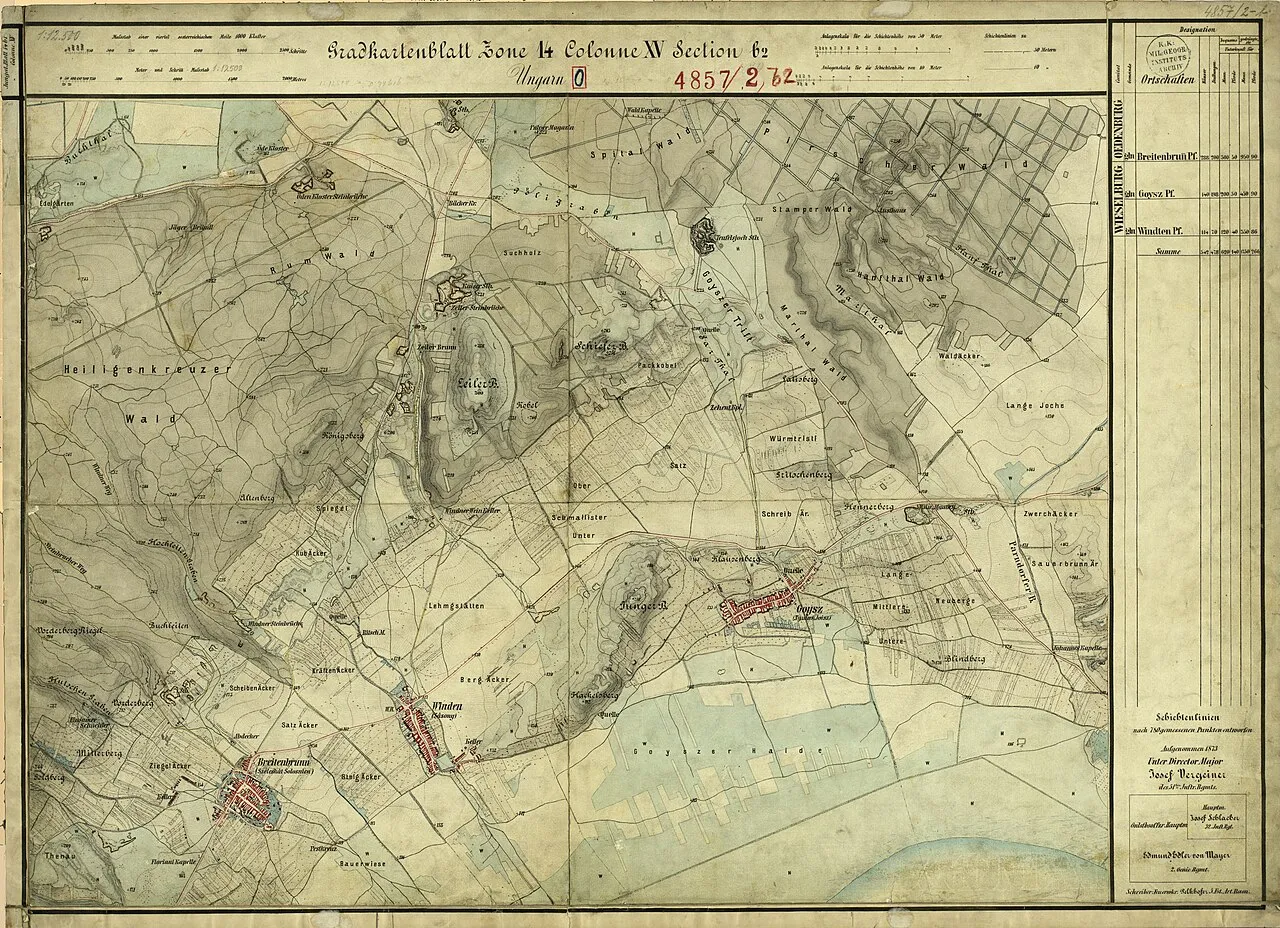
Natura 2000

Natura 2000
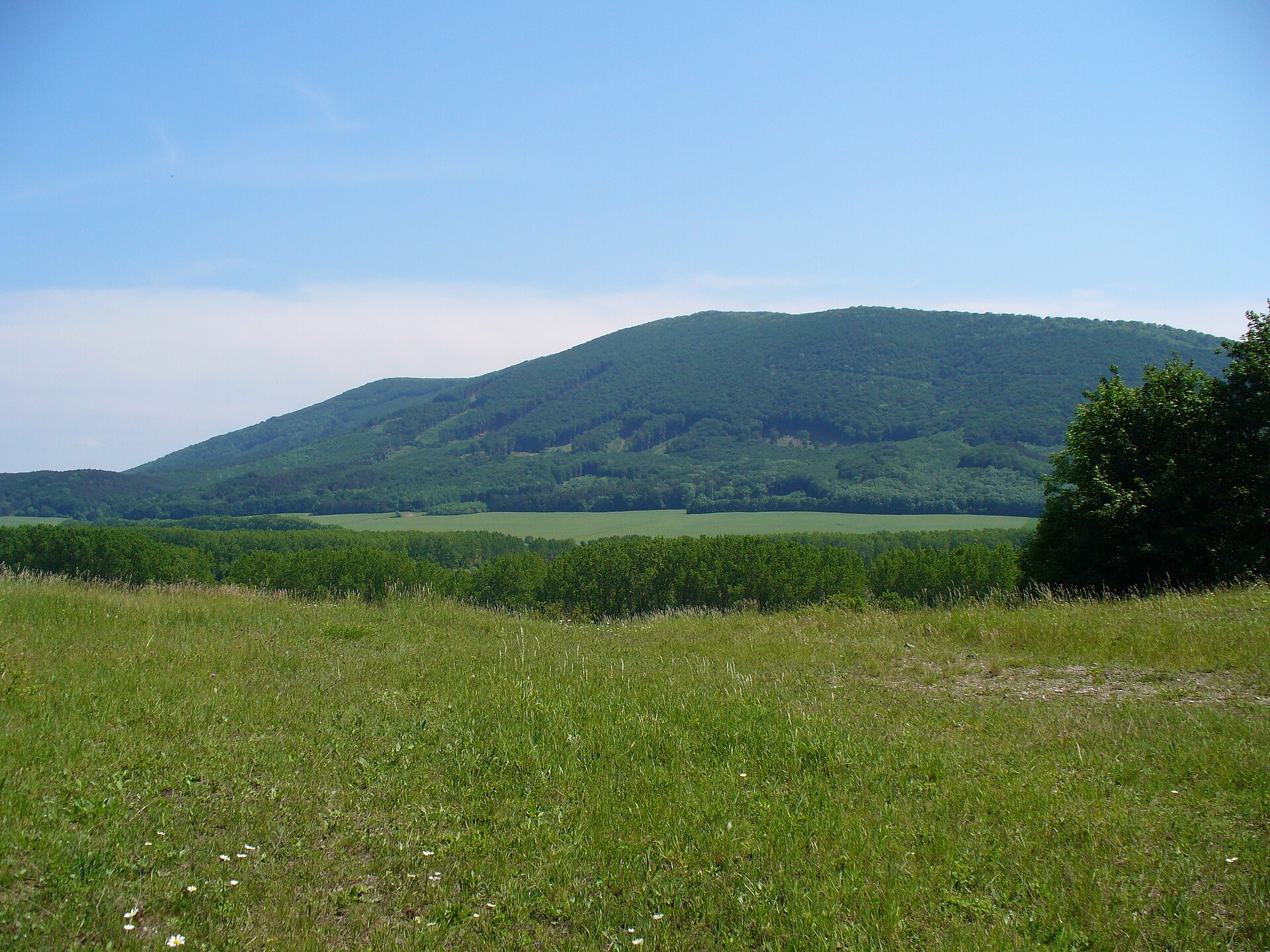
Natura 2000
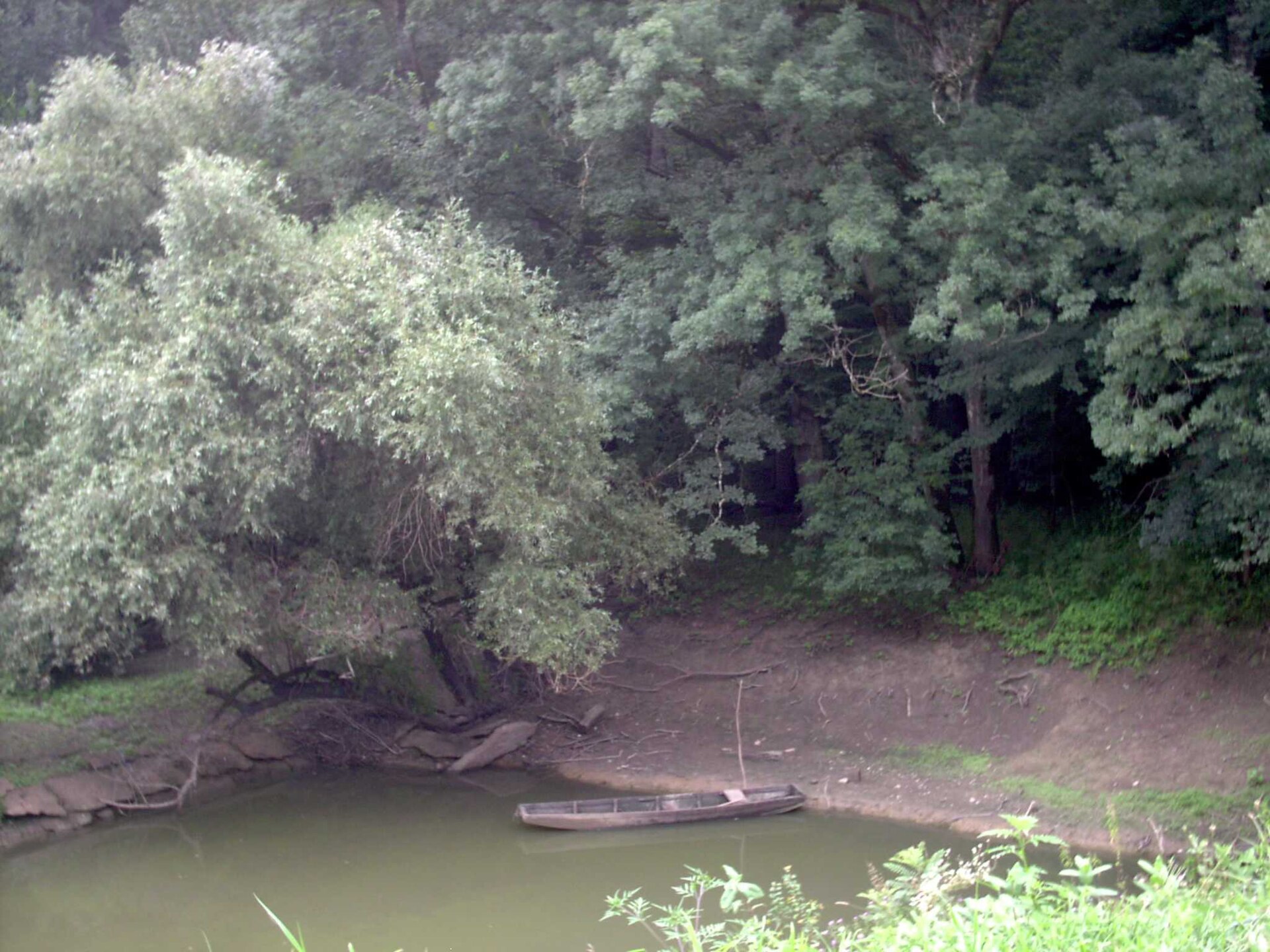
Natura 2000
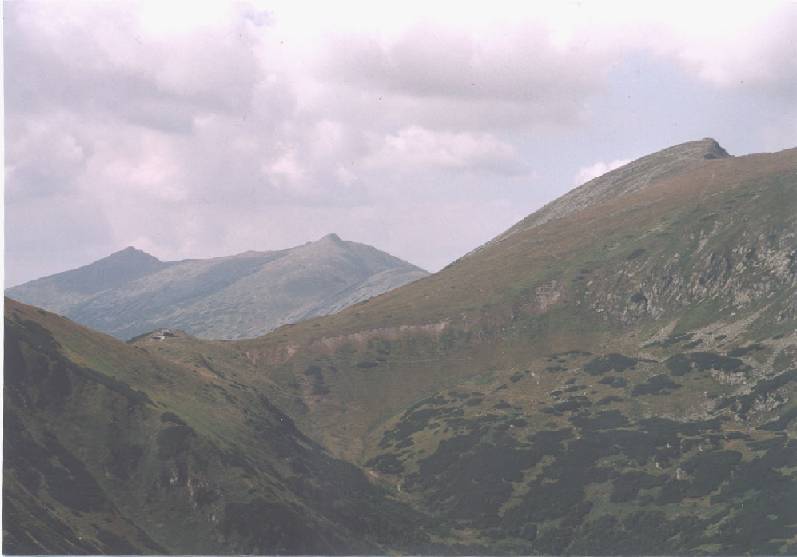
Natura 2000
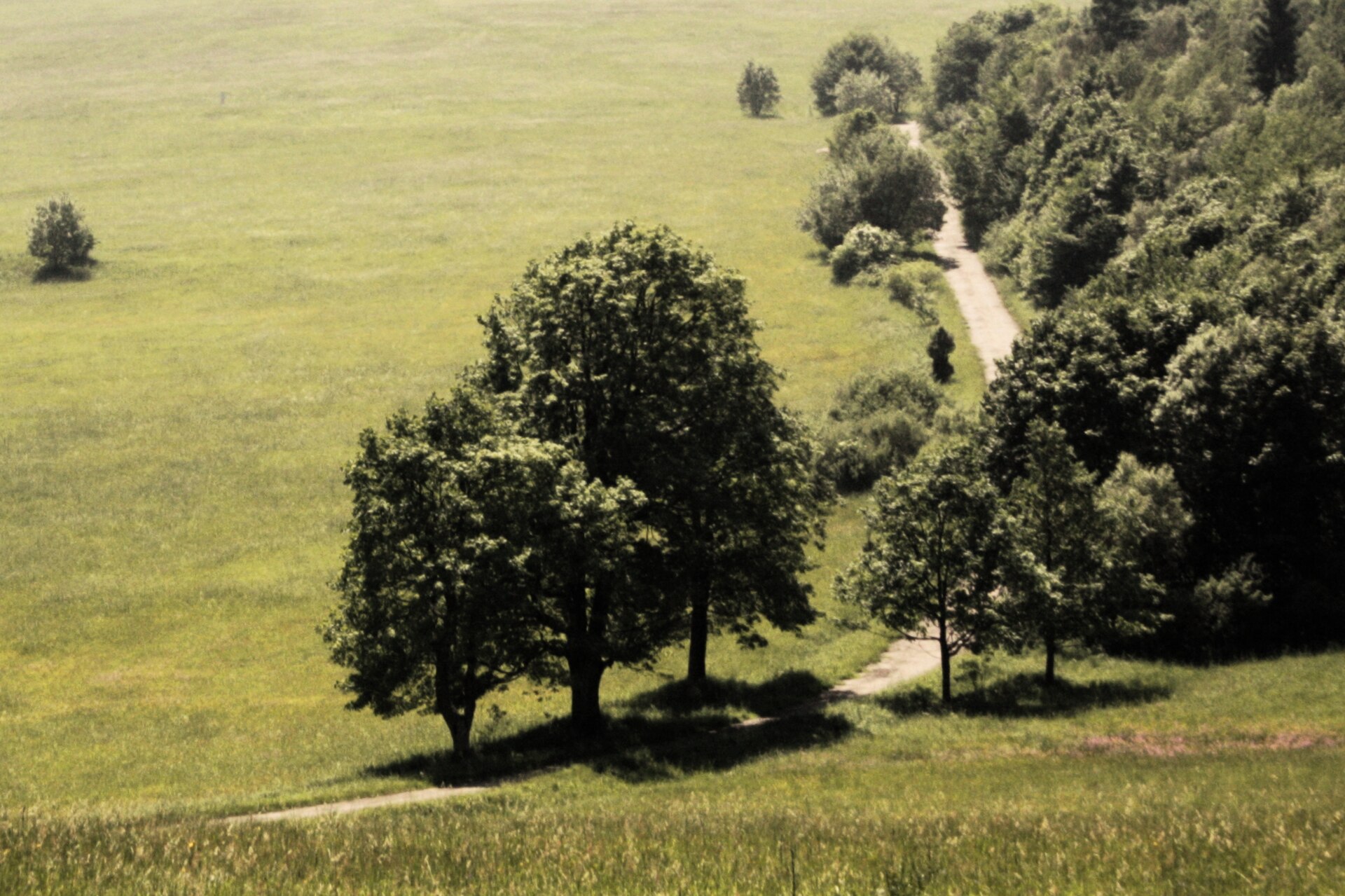
Natura 2000
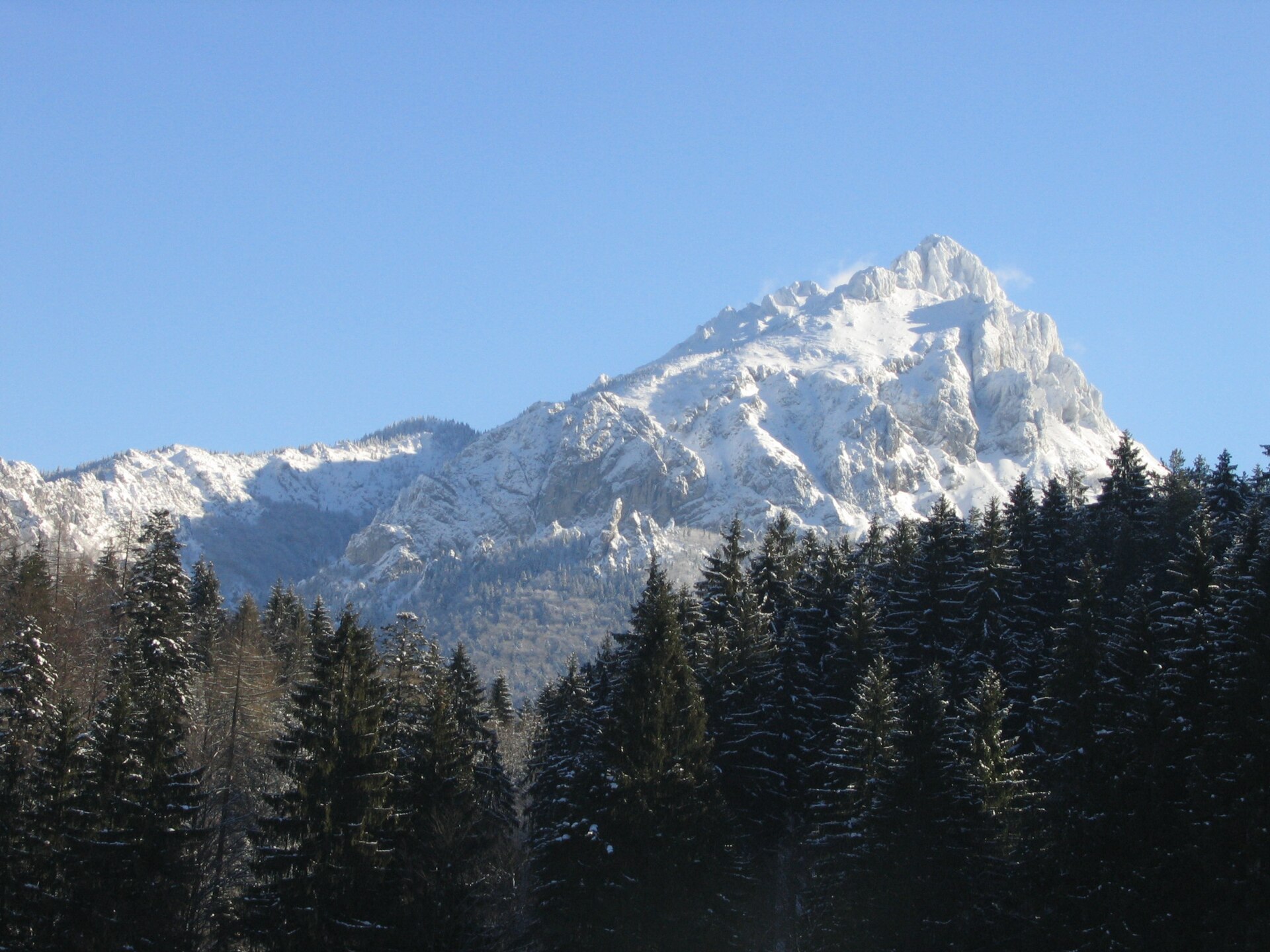
Natura 2000
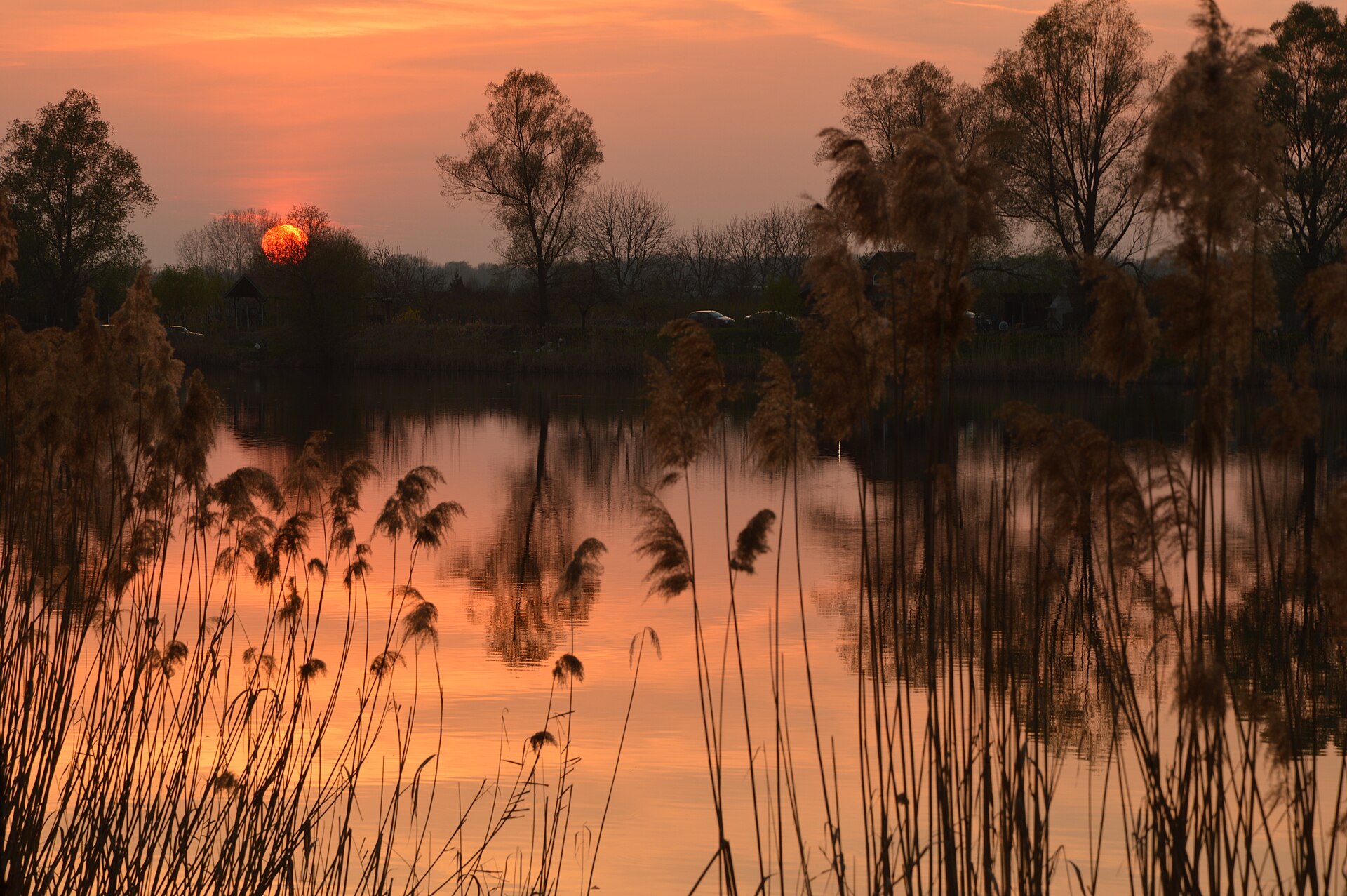
Natura 2000
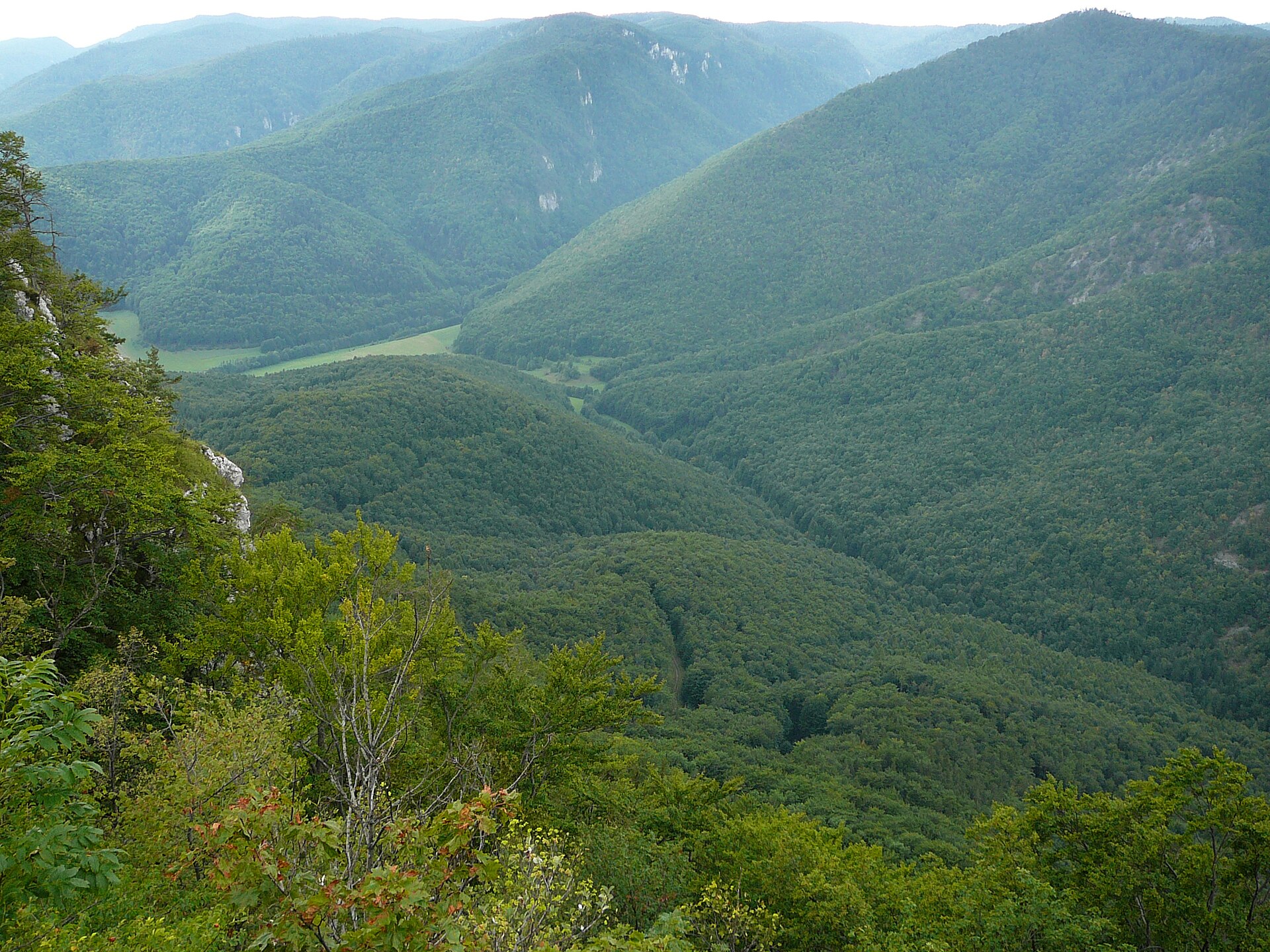
Natura 2000
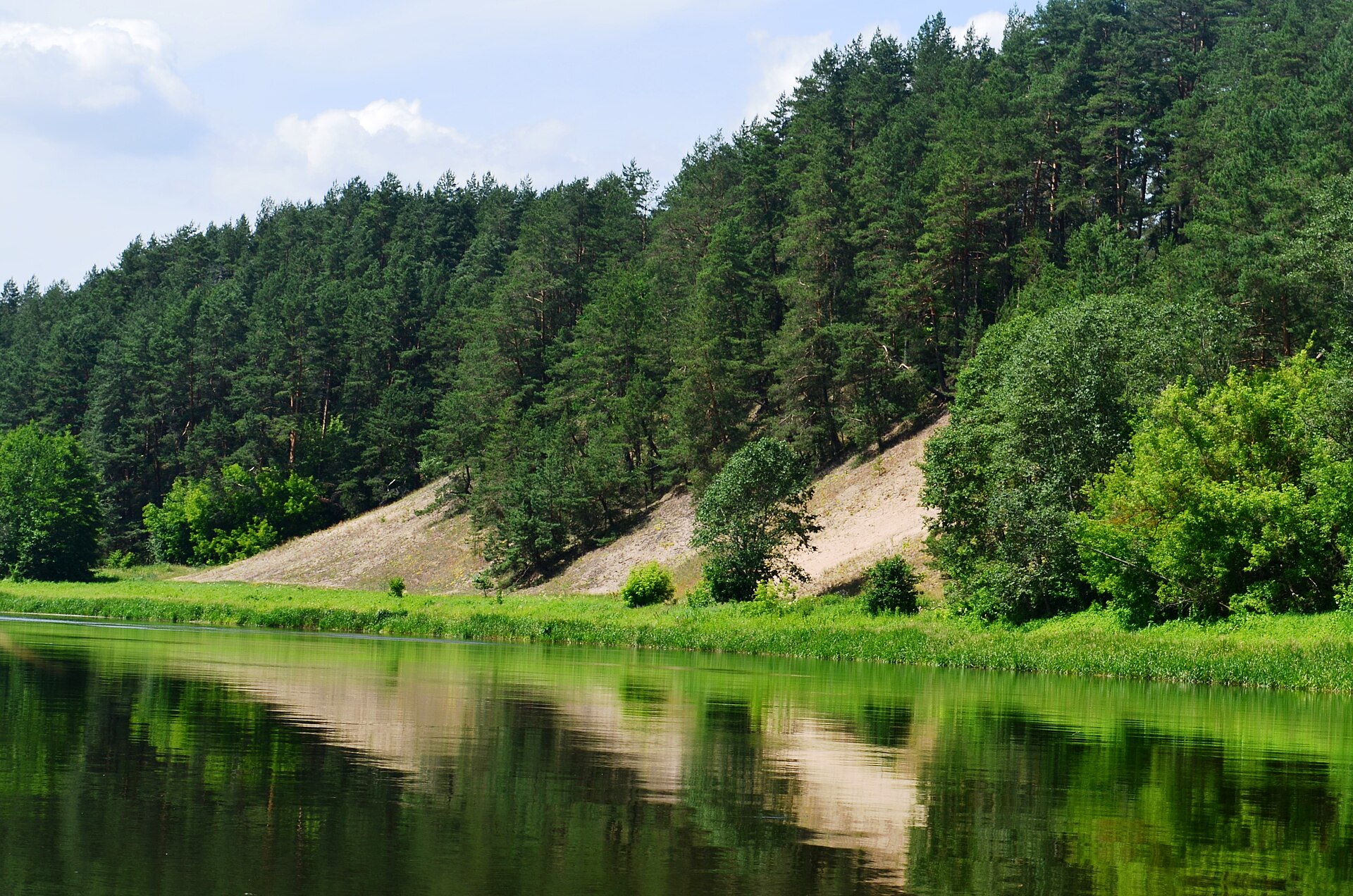
Natura 2000
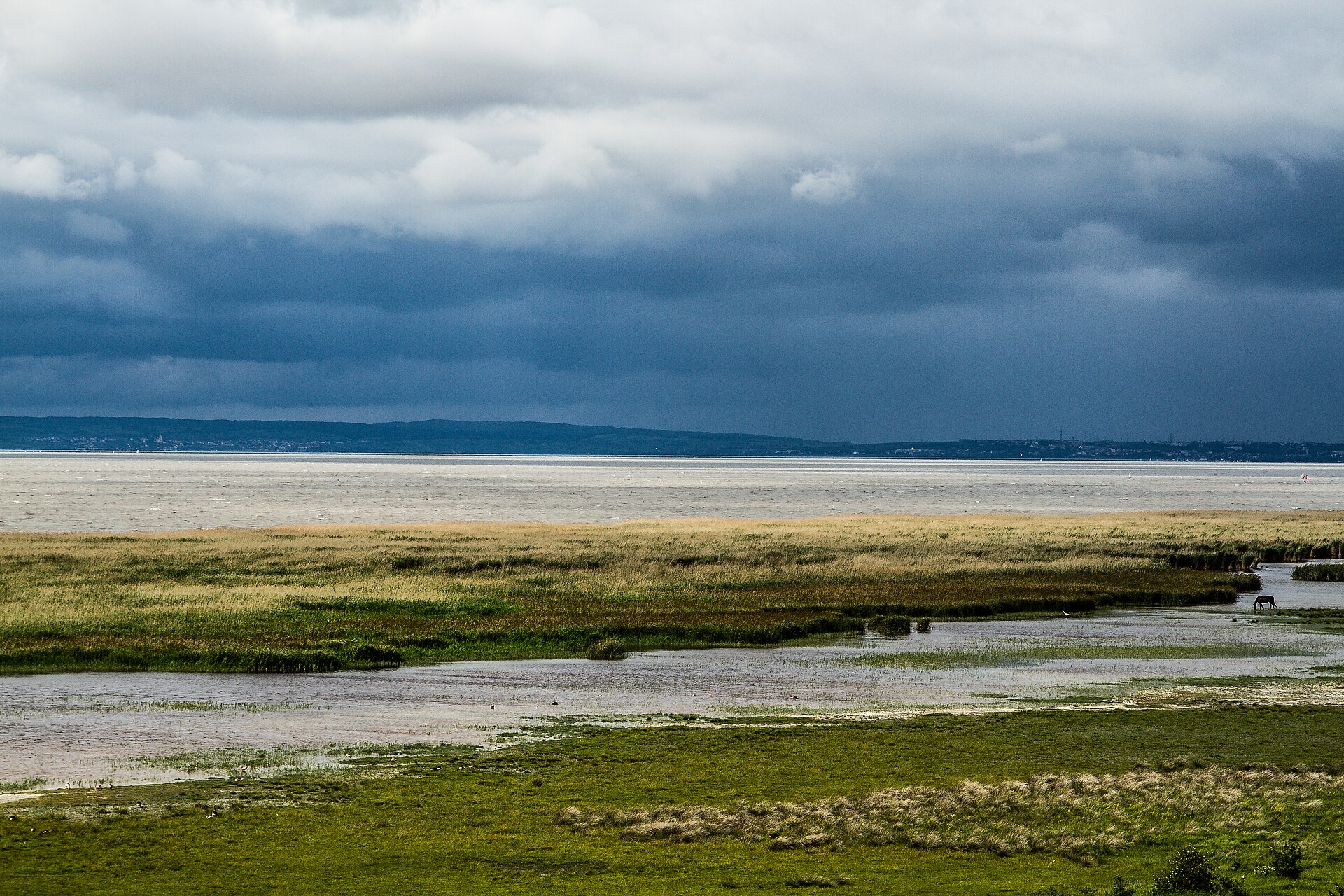
Natura 2000
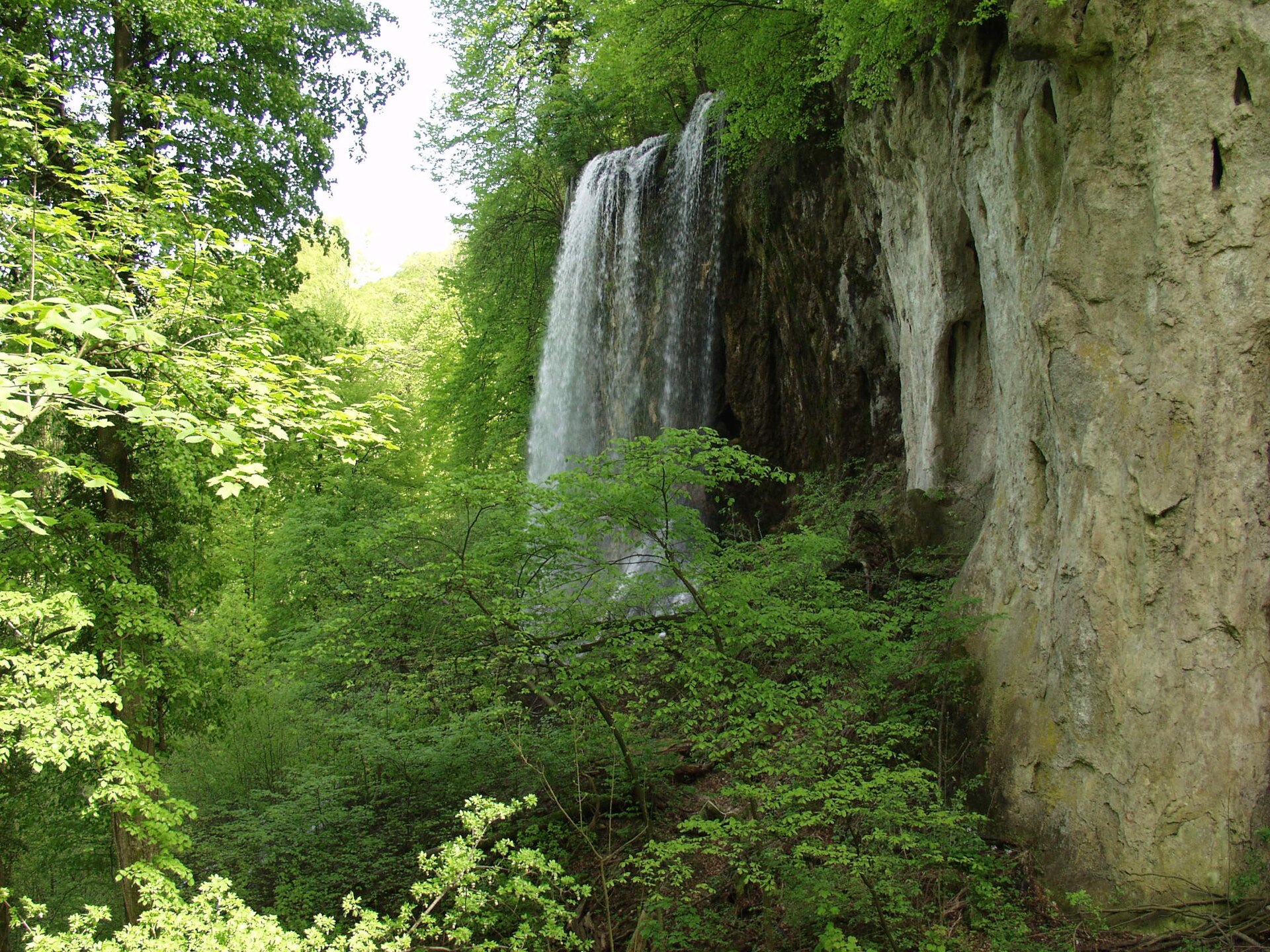
Natura 2000
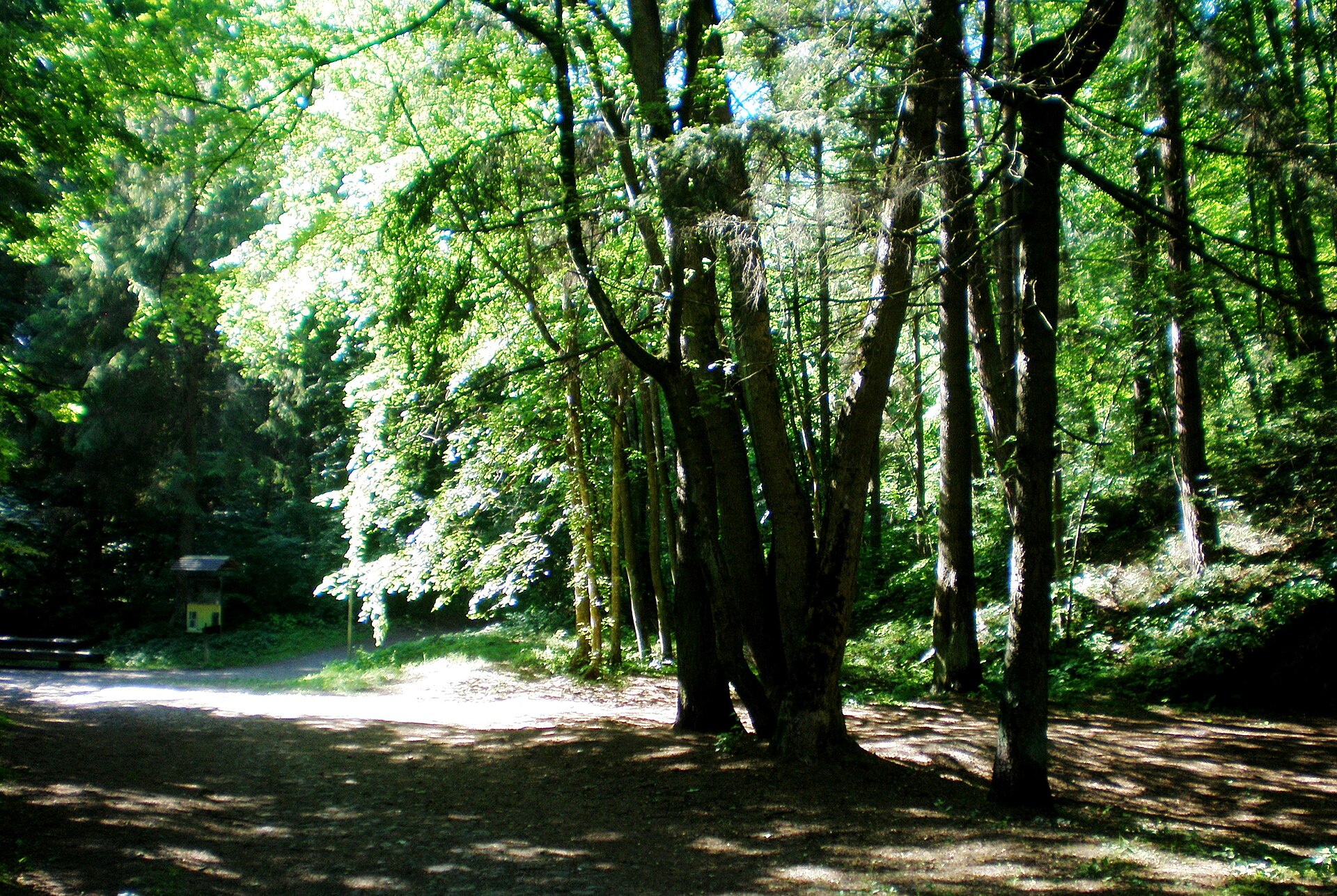
Natura 2000
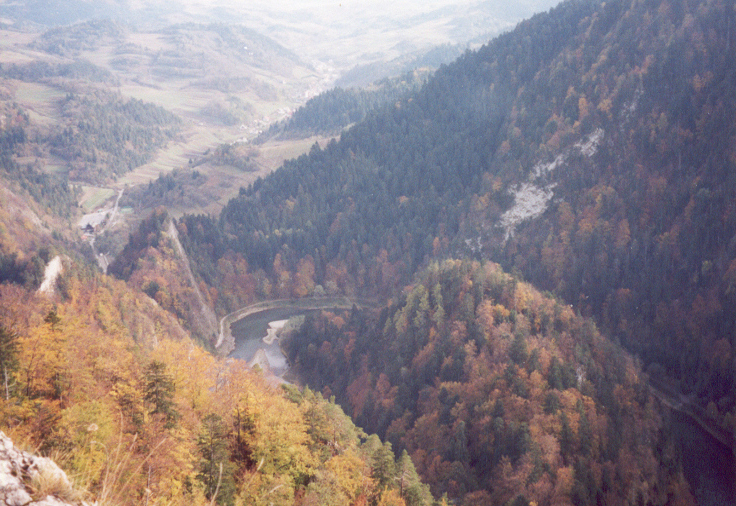
Natura 2000
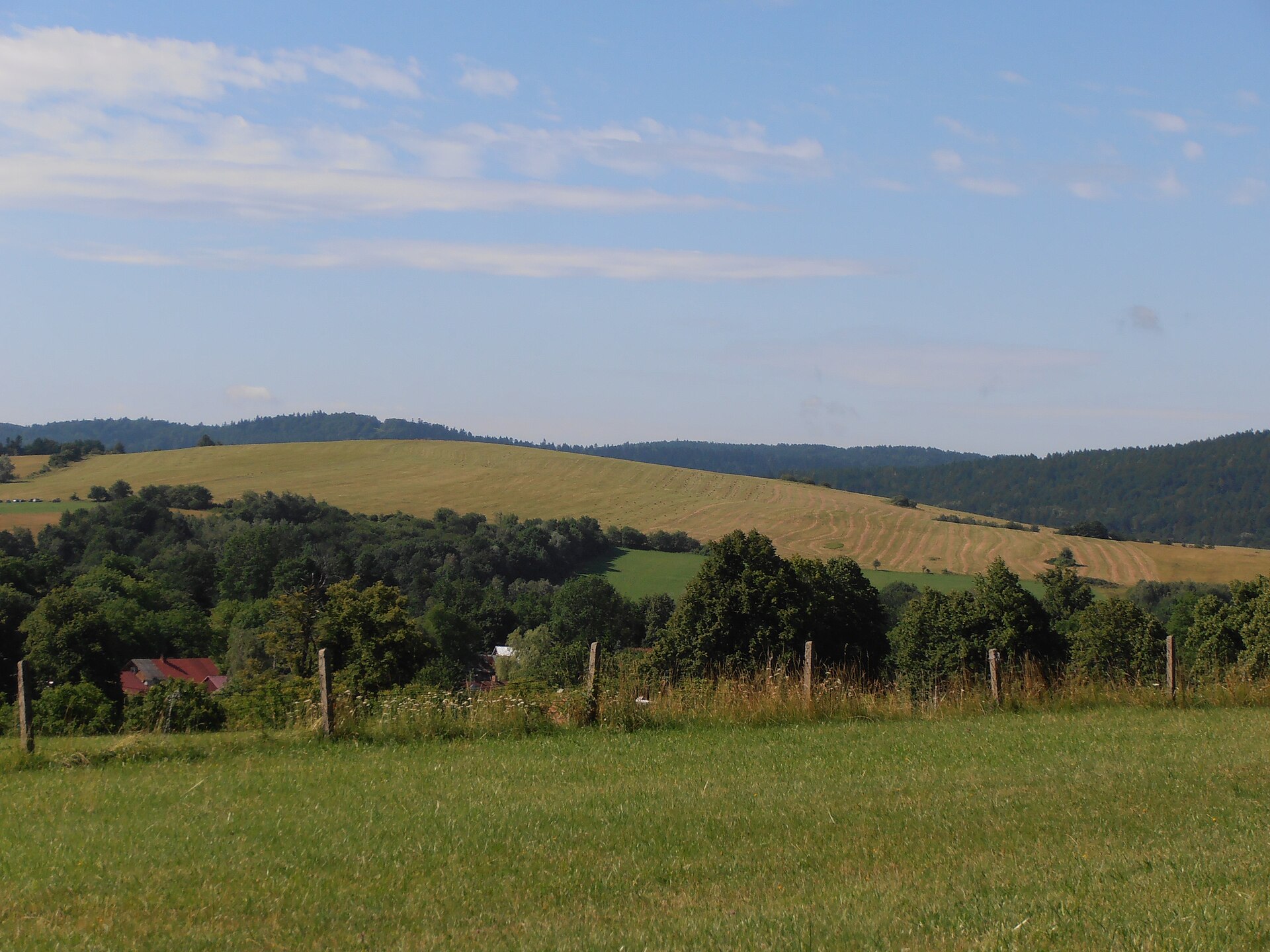
Natura 2000
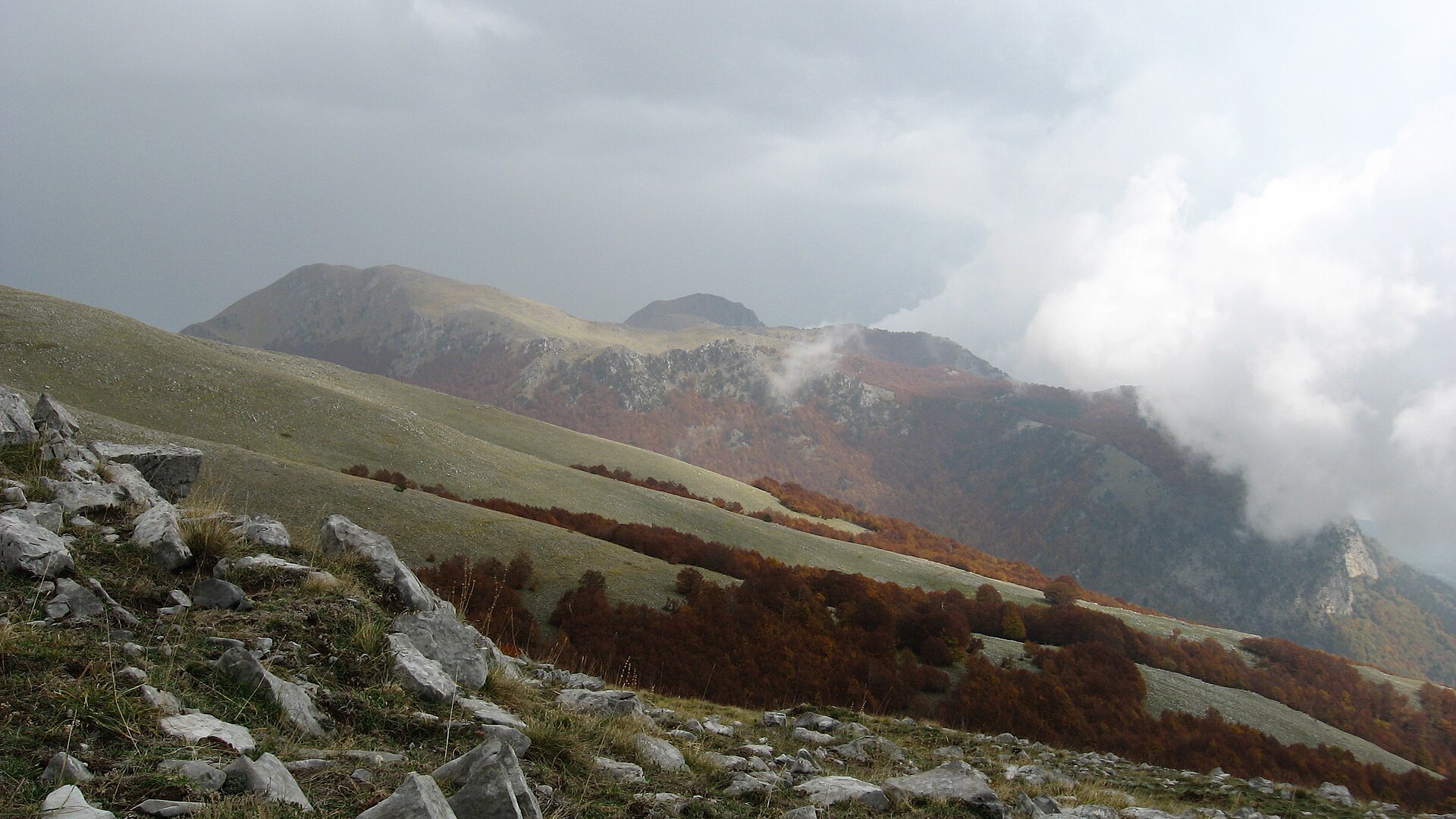
Natura 2000
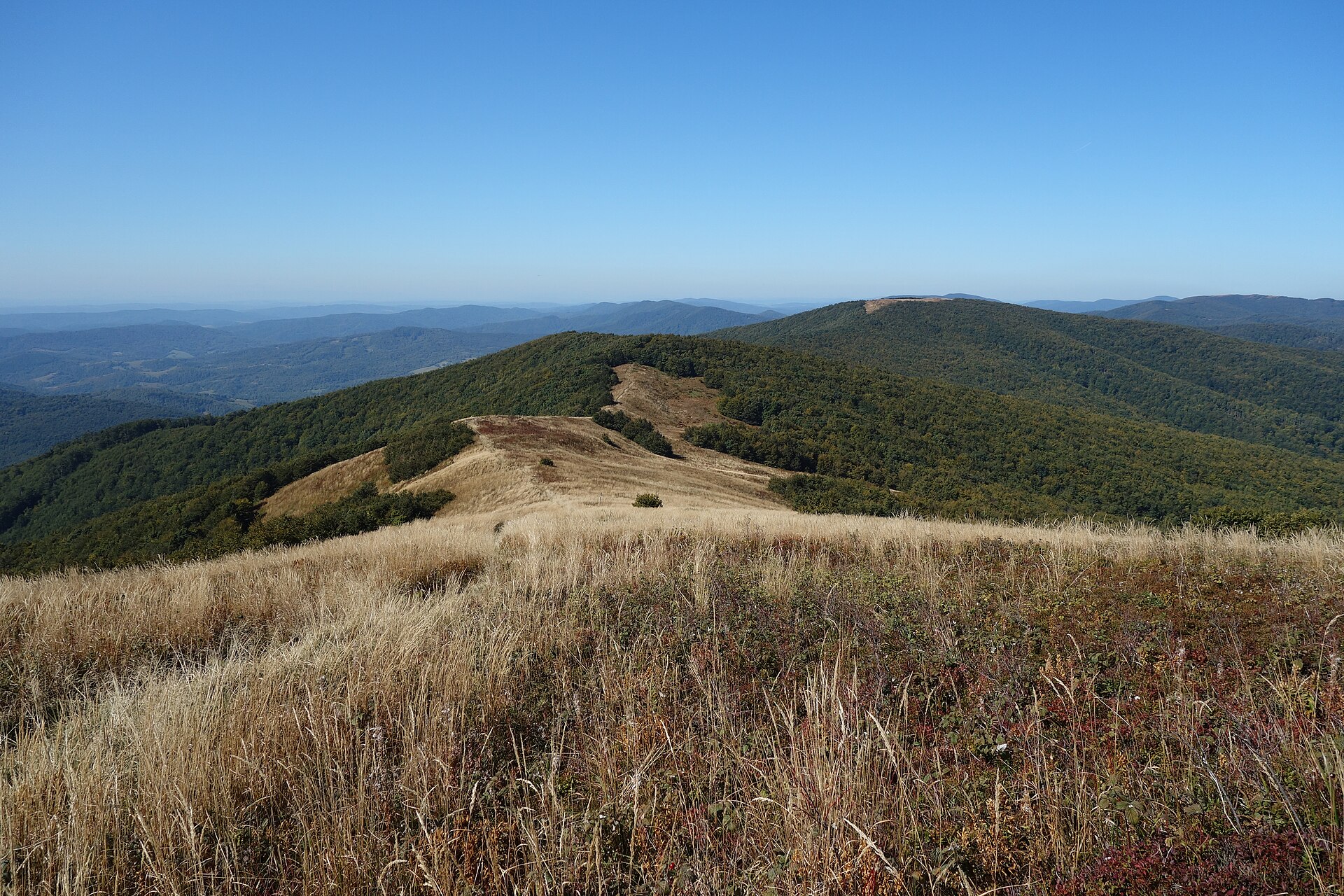
Natura 2000
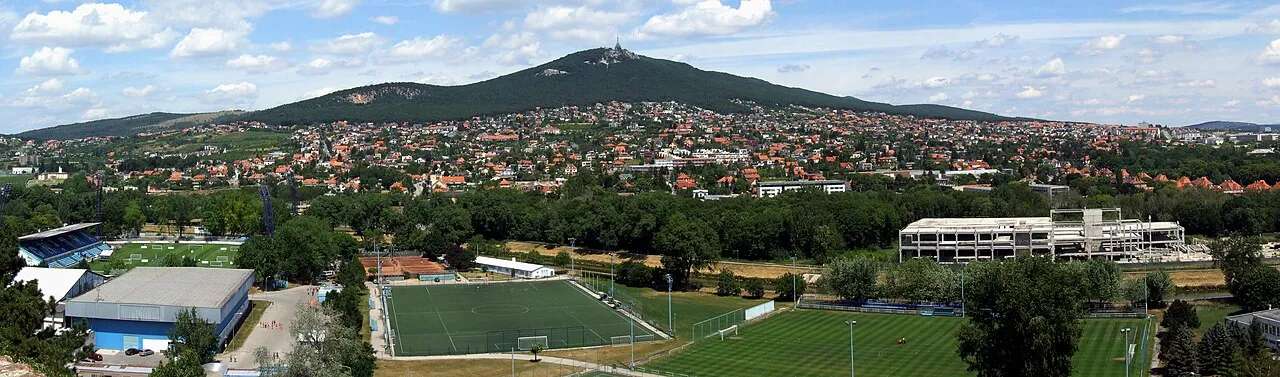
Natura 2000
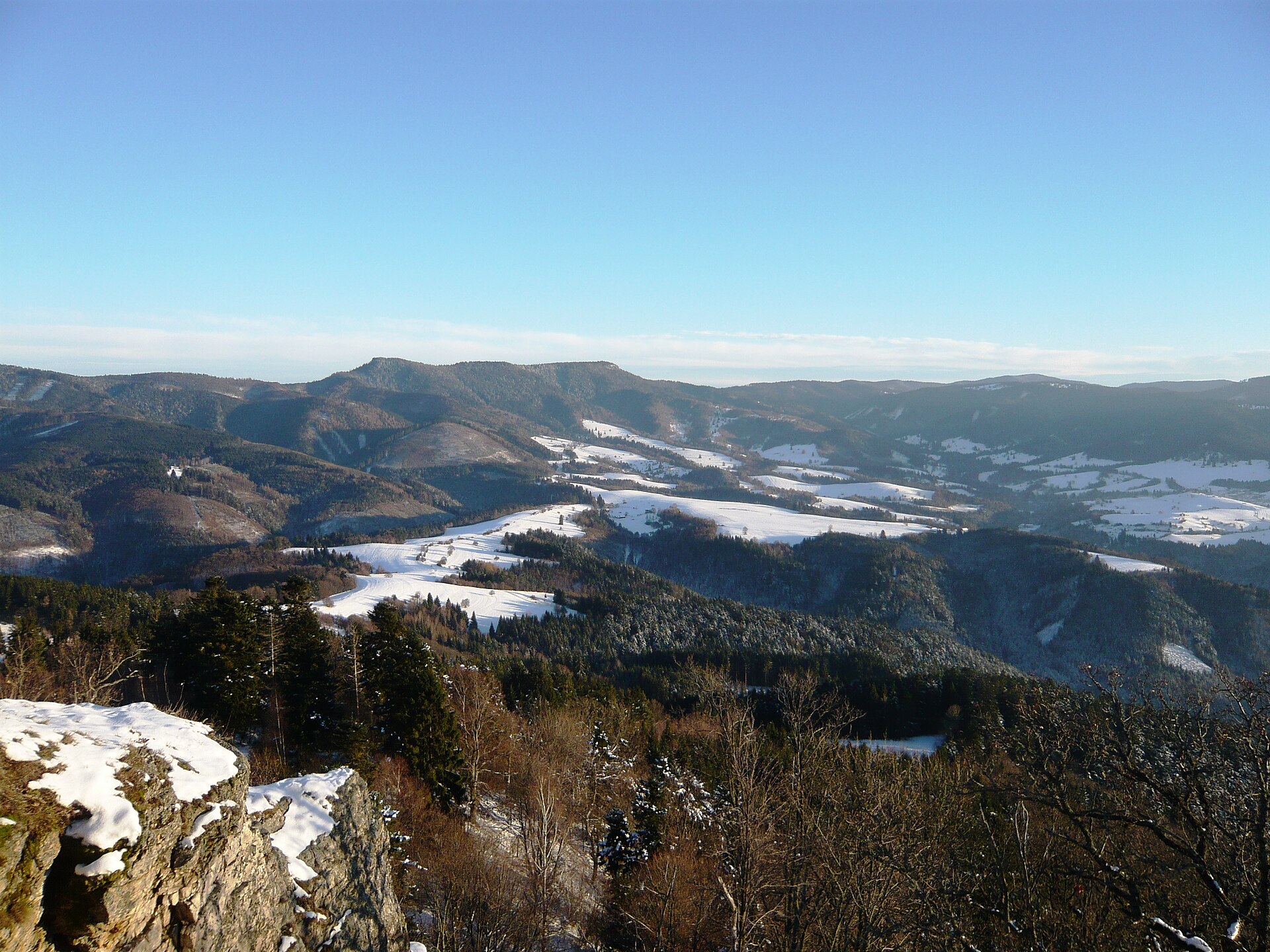
Natura 2000
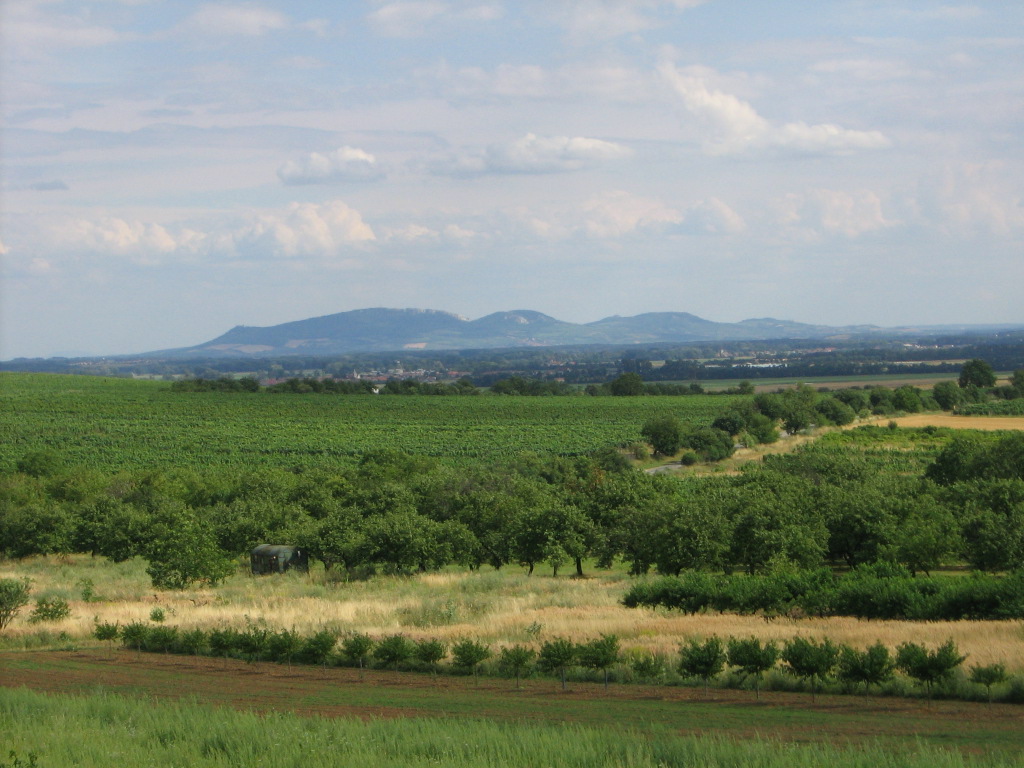
Natura 2000
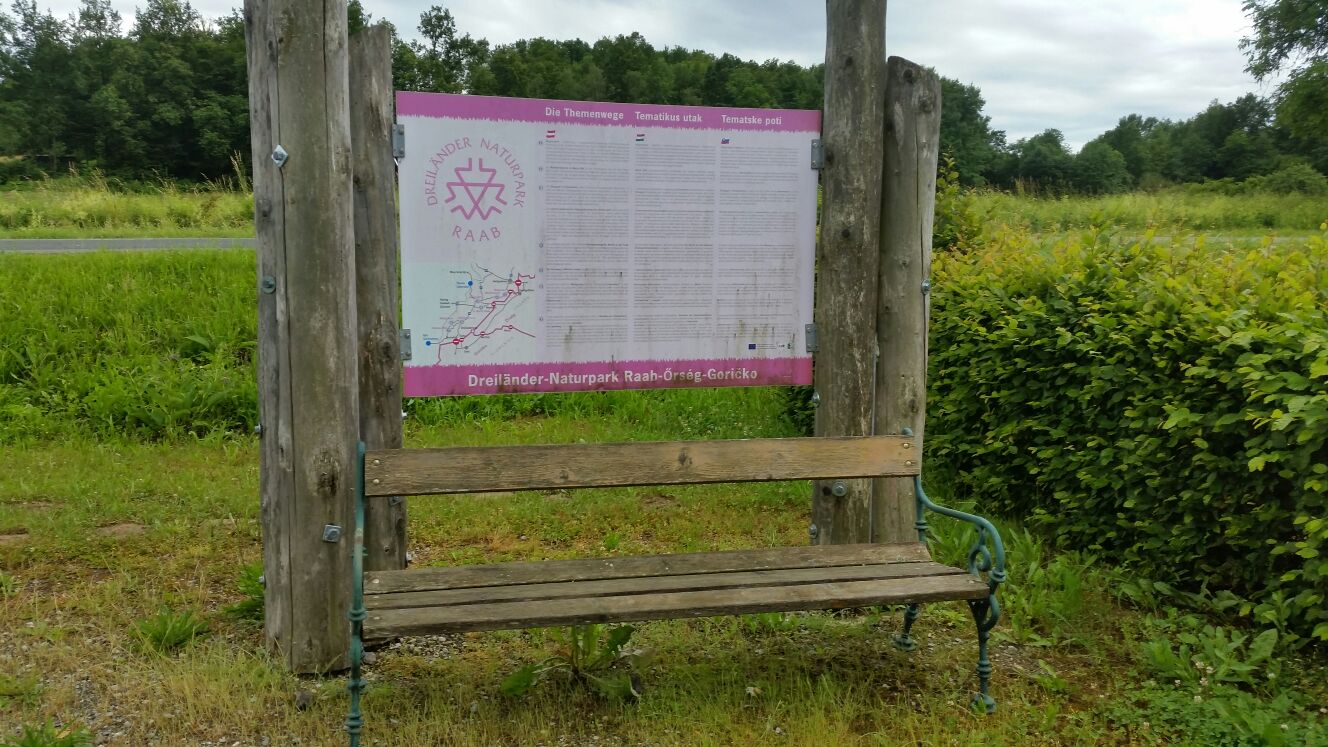
Natura 2000
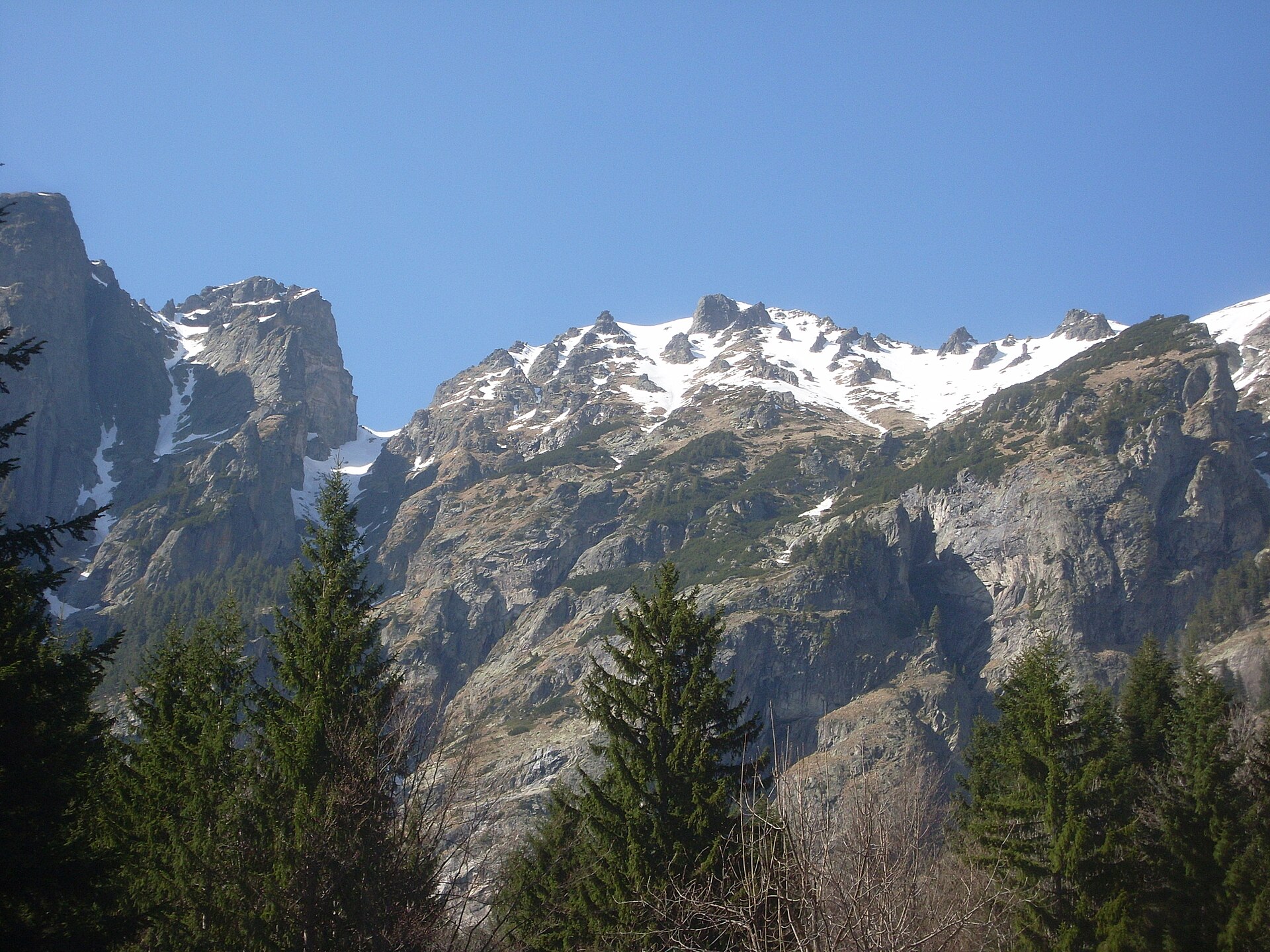
Natura 2000
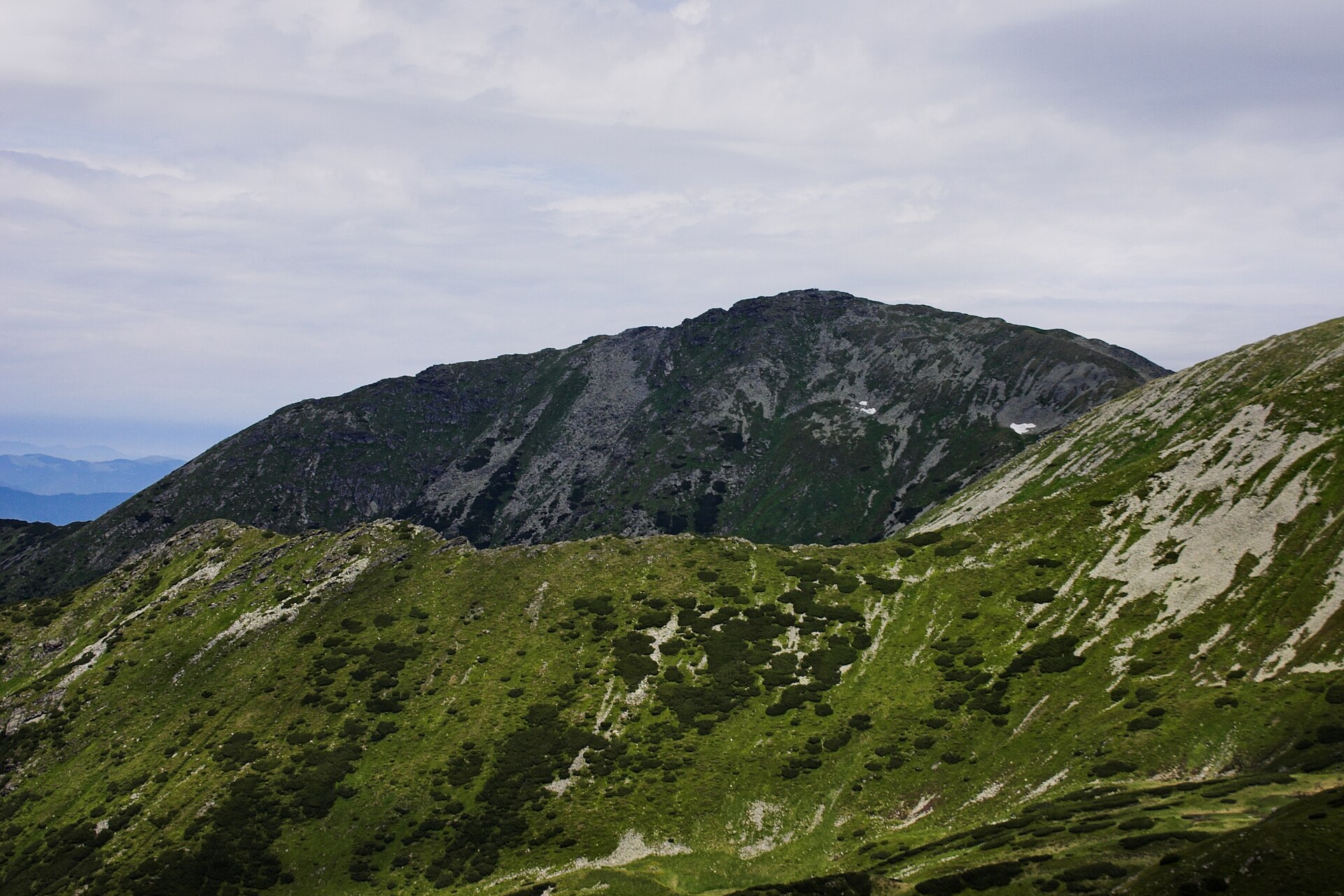
Natura 2000
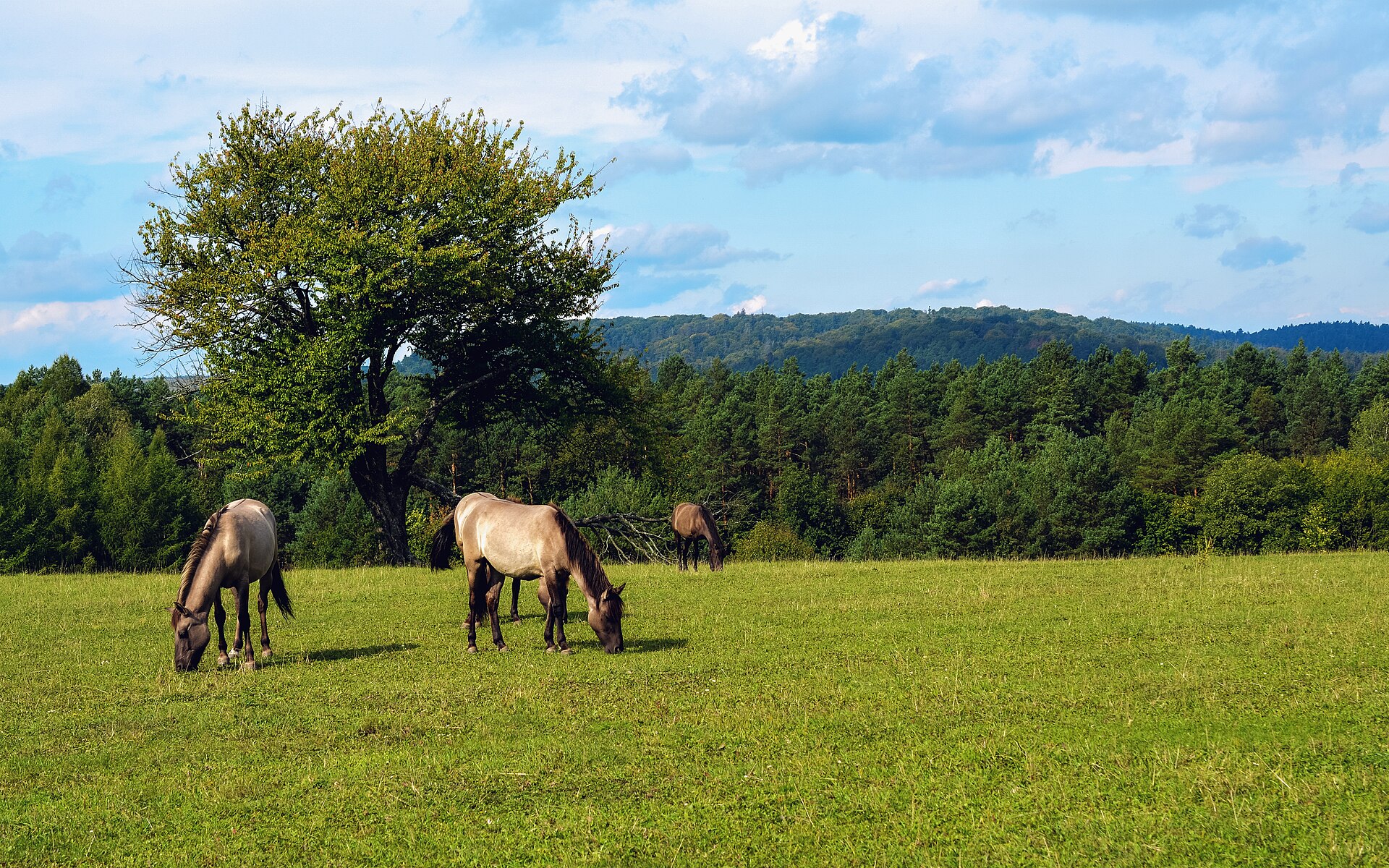
Natura 2000
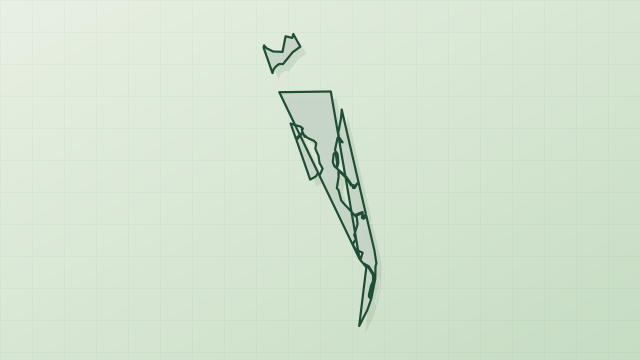
Natura 2000
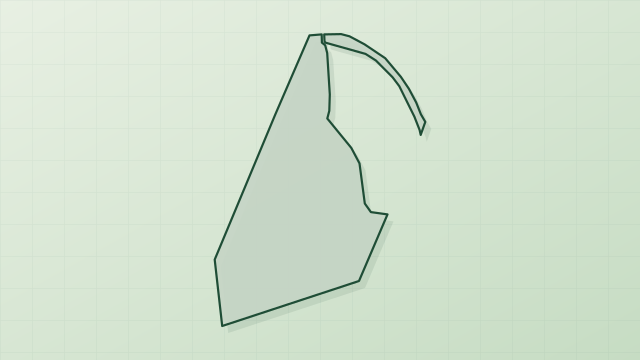
Natura 2000

Natura 2000
Natura 2000
Natura 2000
Natura 2000

Natura 2000
Natura 2000
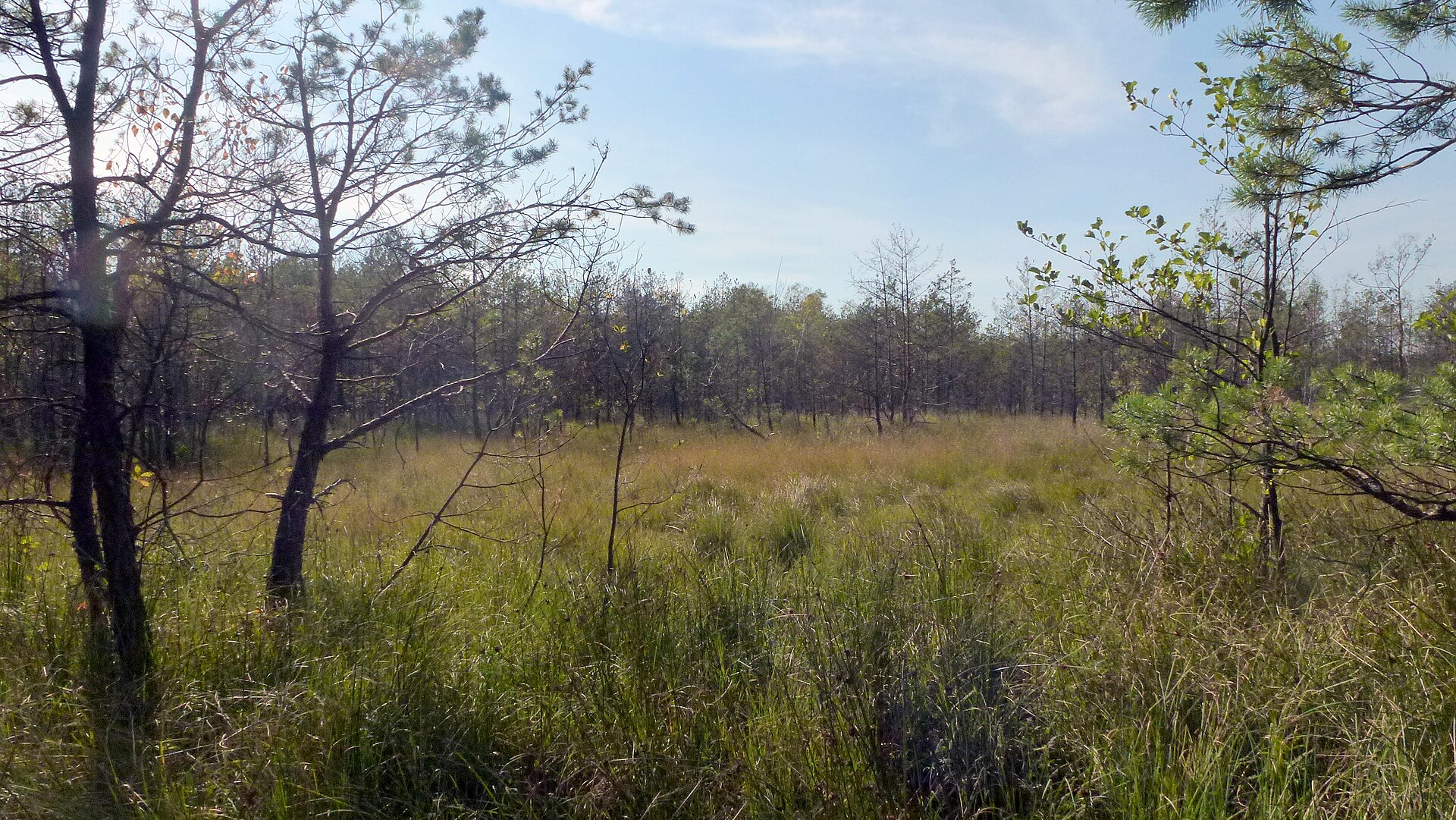
Natura 2000

Natura 2000
Natura 2000
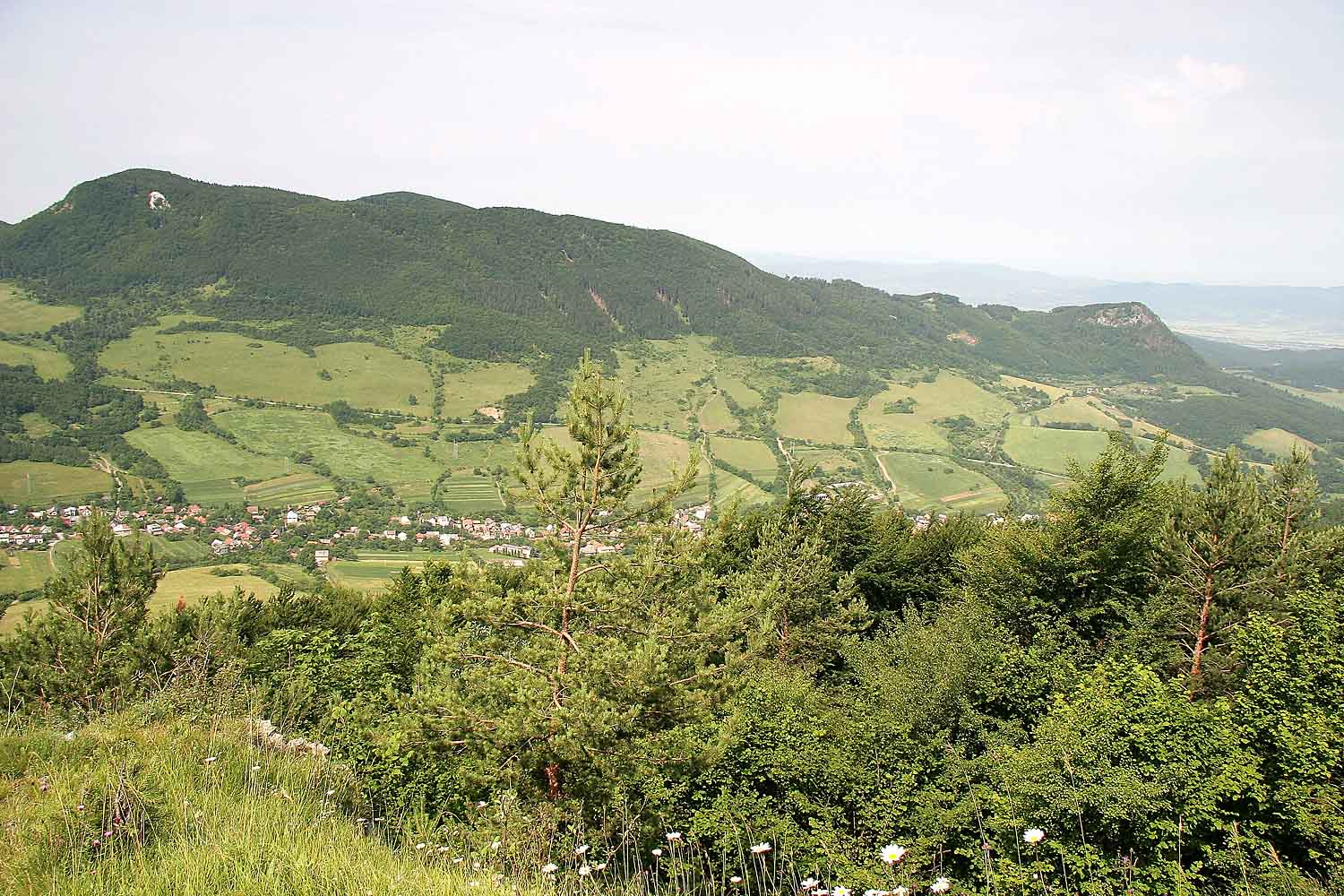
Natura 2000
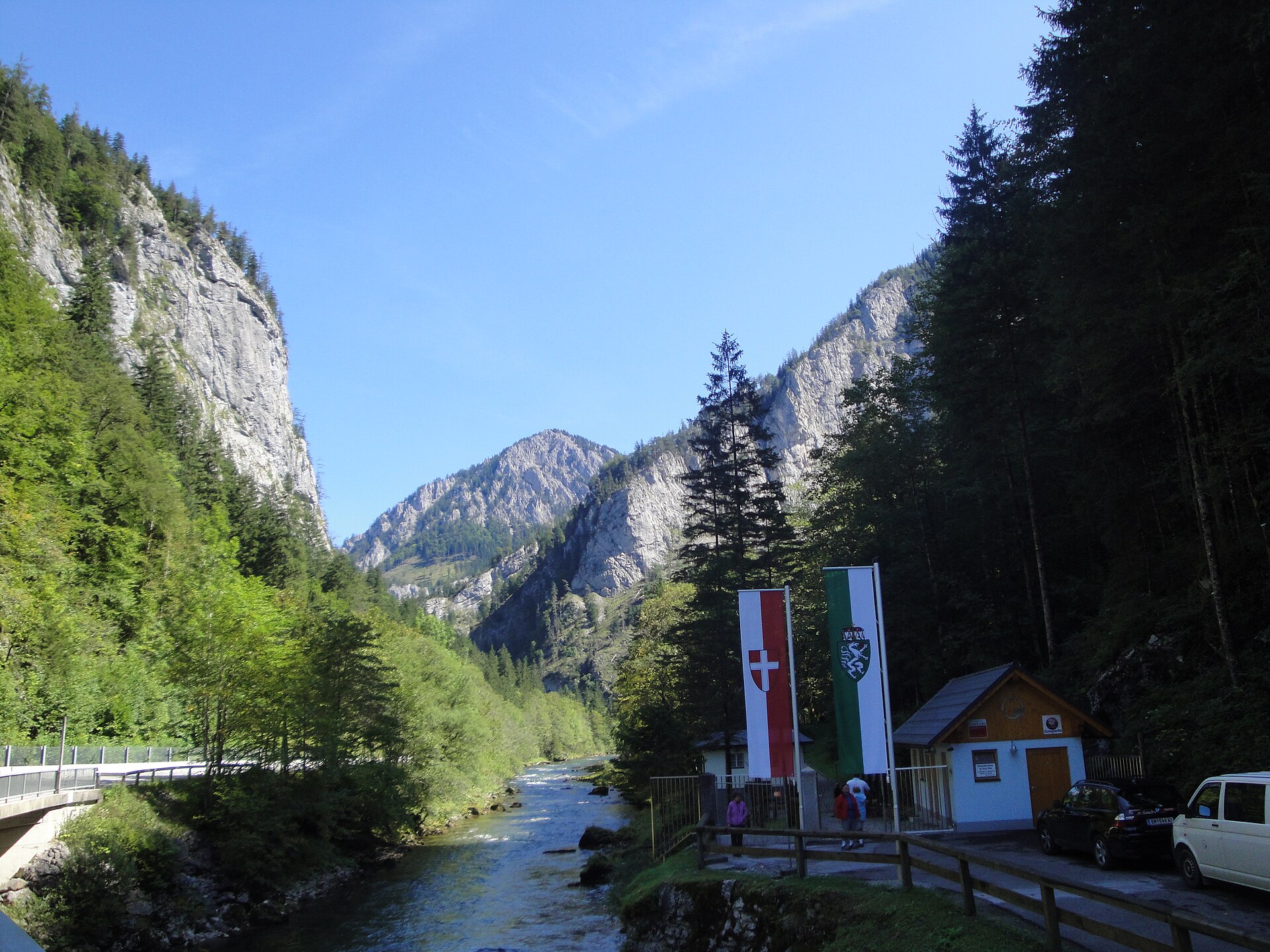
Natura 2000
Natura 2000
Natura 2000
Natura 2000
Natura 2000
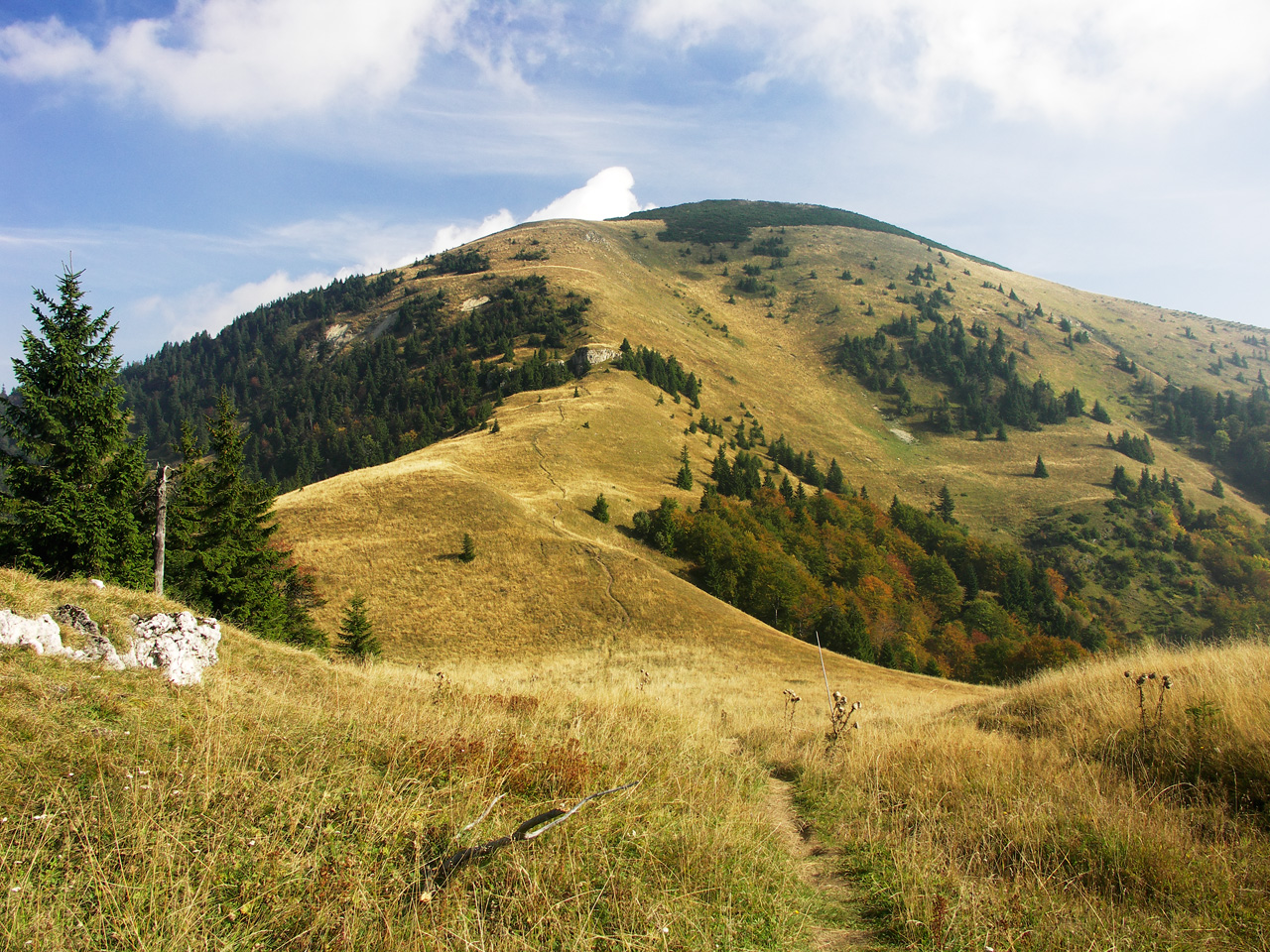
Natura 2000

Natura 2000
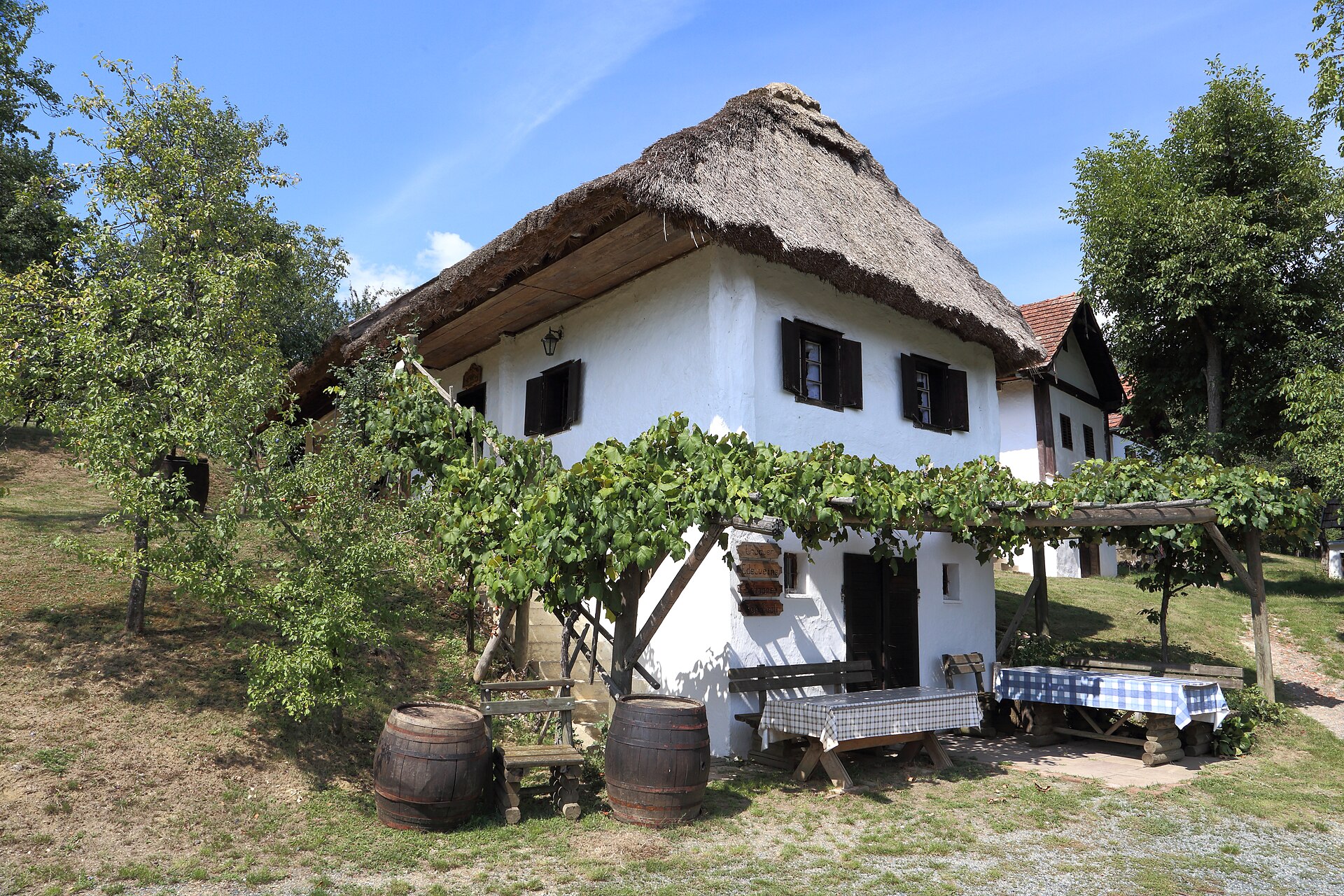
Natura 2000

Natura 2000

Natura 2000
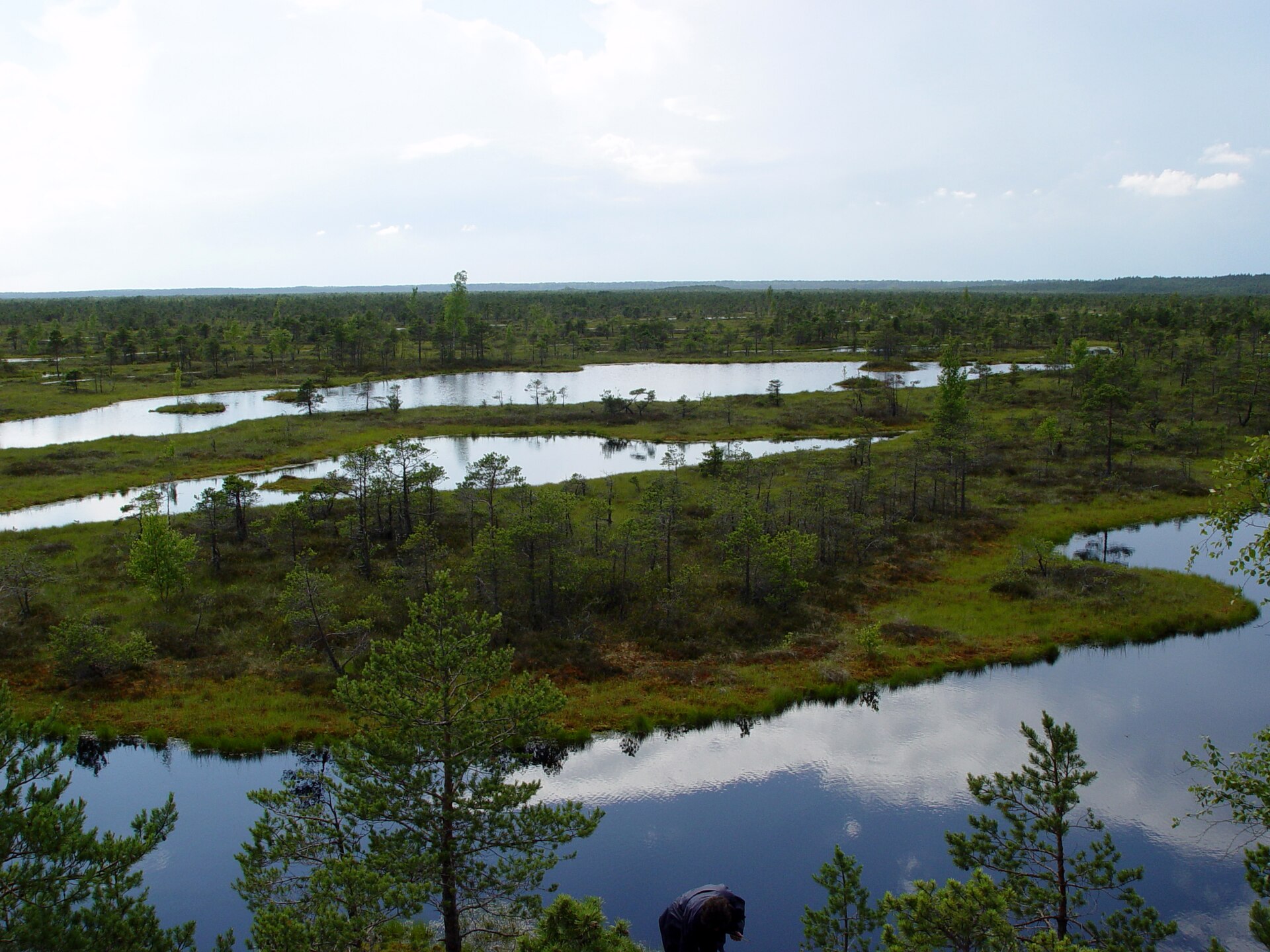
Natura 2000

Natura 2000
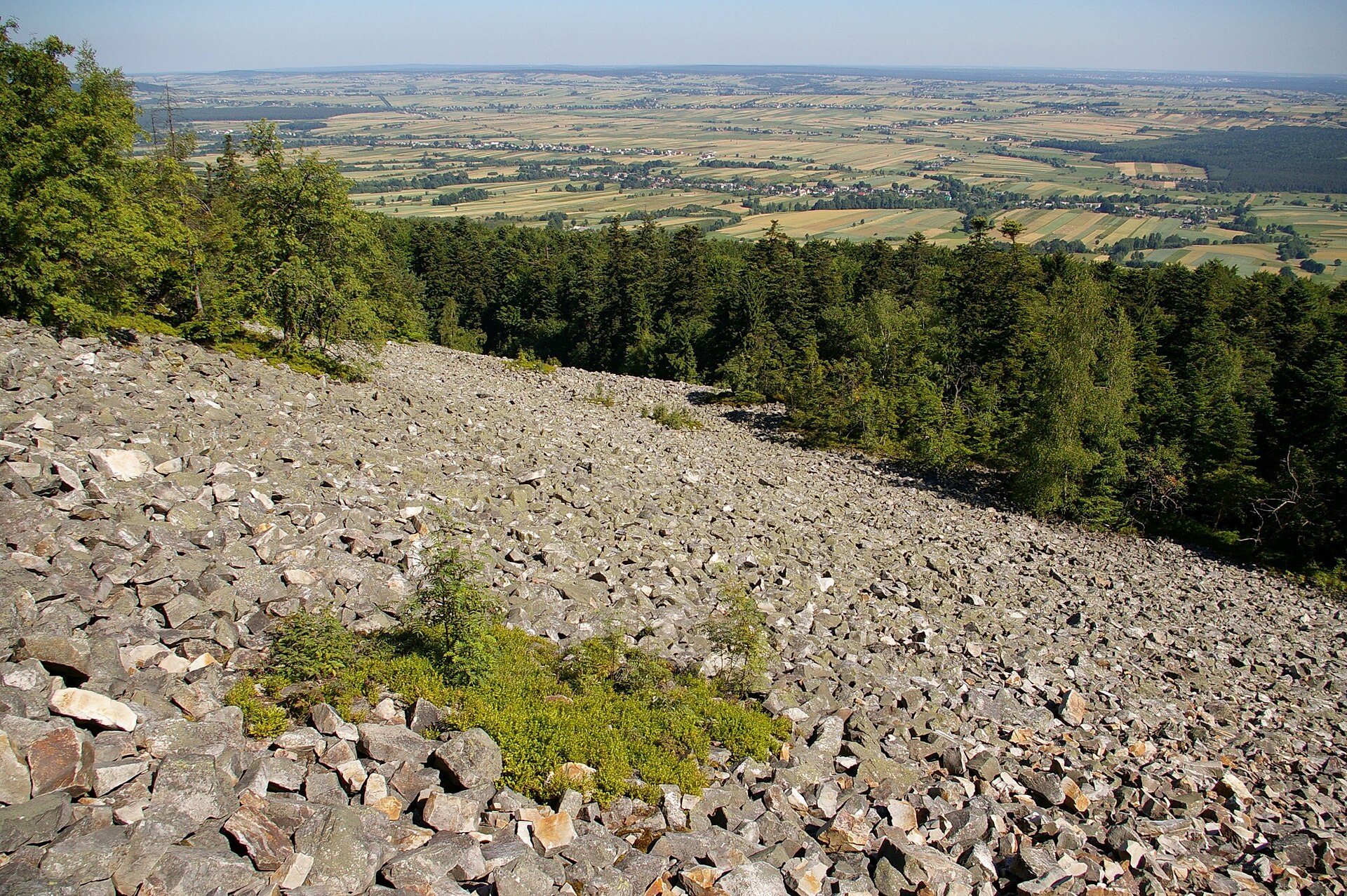
Natura 2000
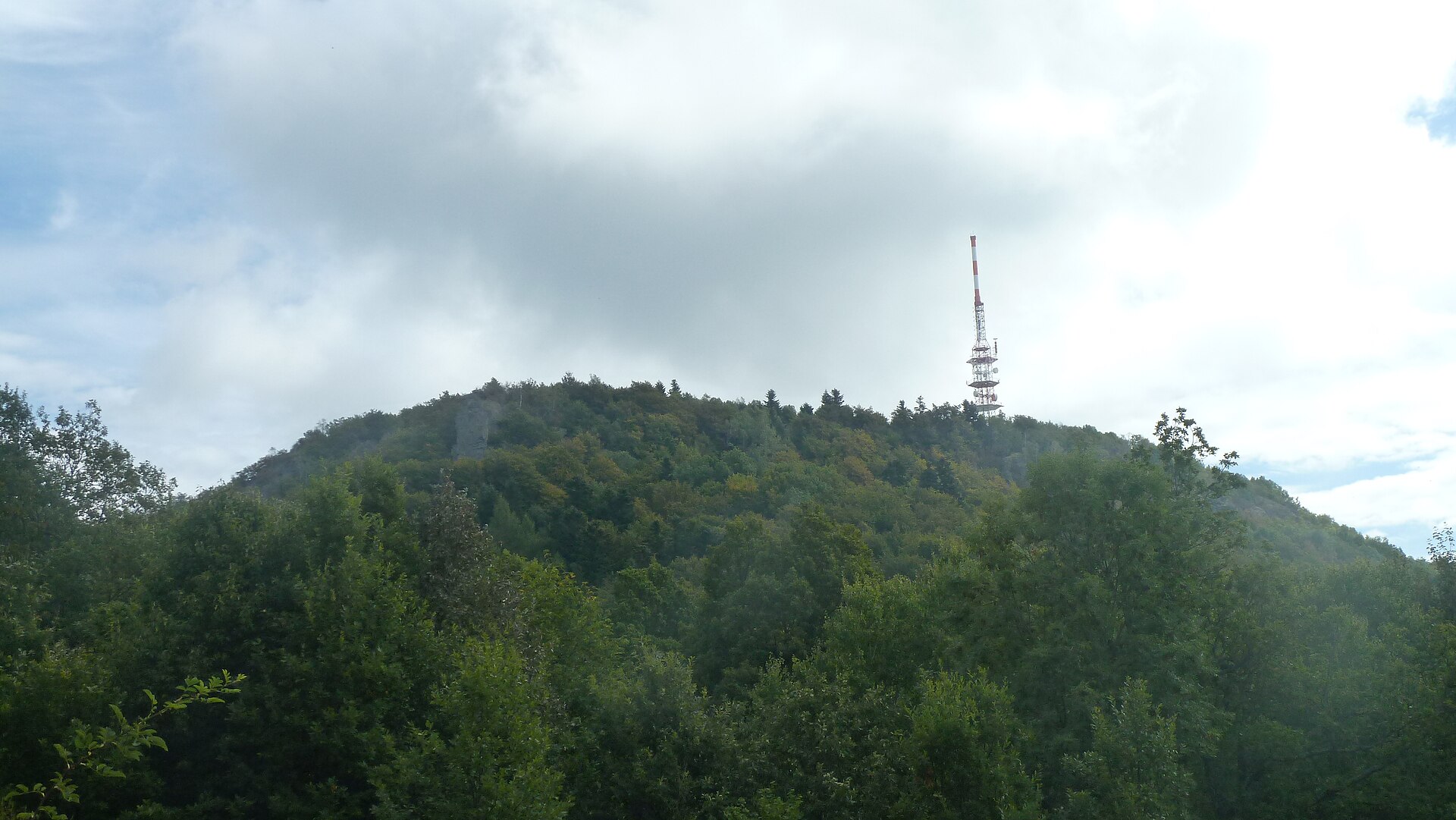
Natura 2000
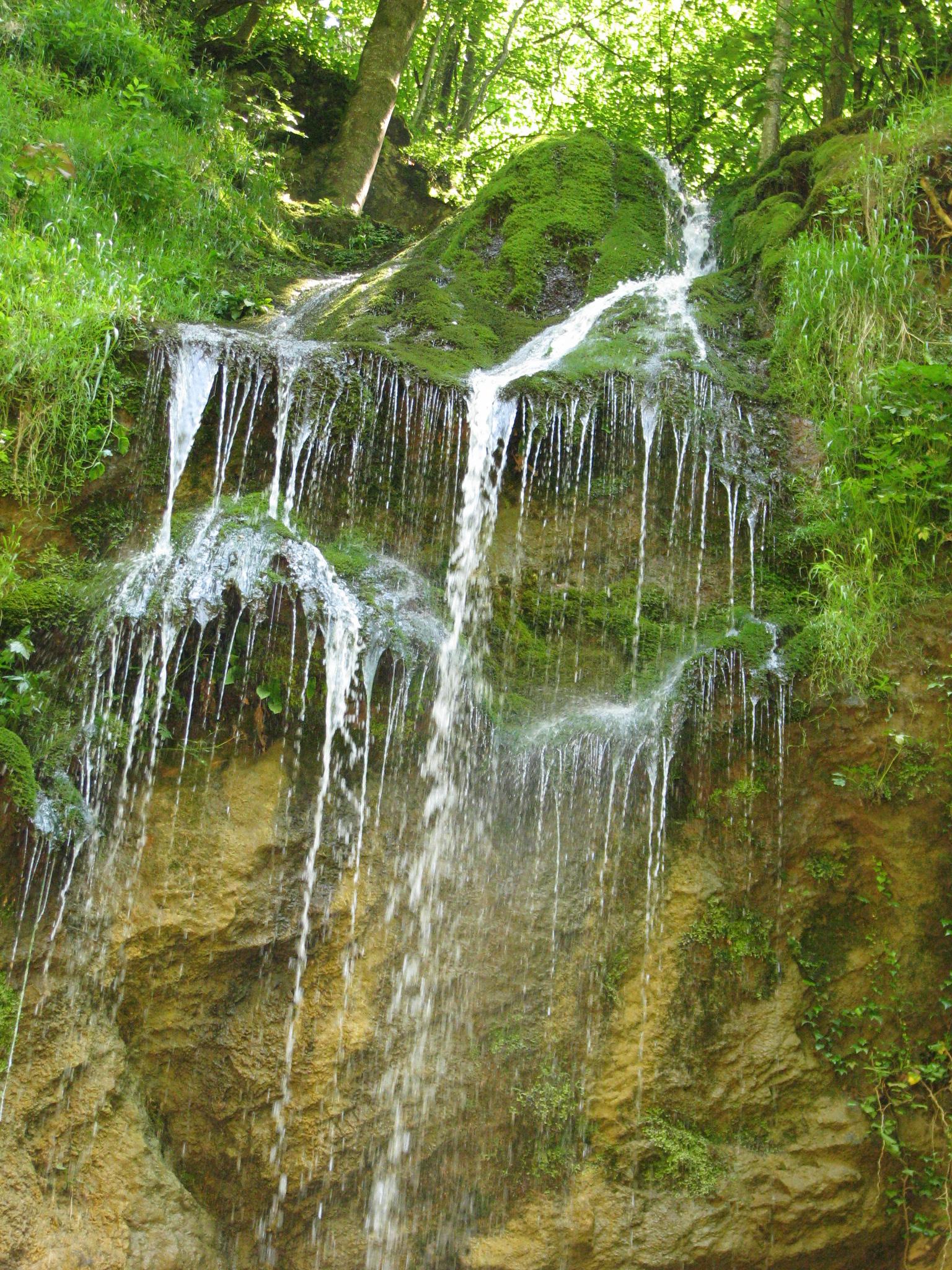
Natura 2000
Other species to discover
 Large copper
Lycaena dispar 65 places in common
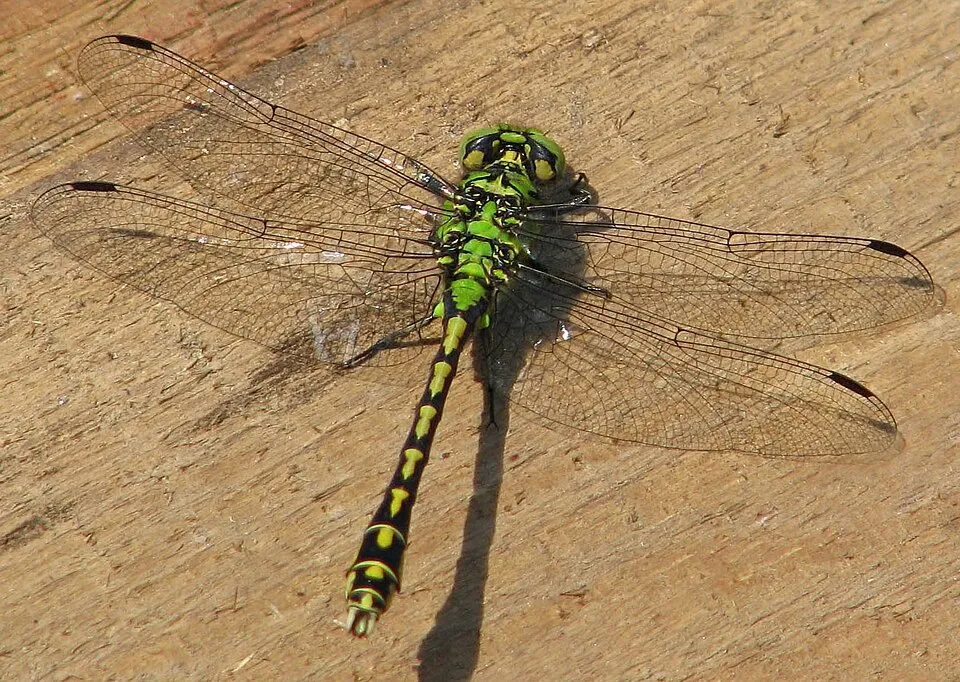 Green snaketail
Ophiogomphus cecilia 35 places in common
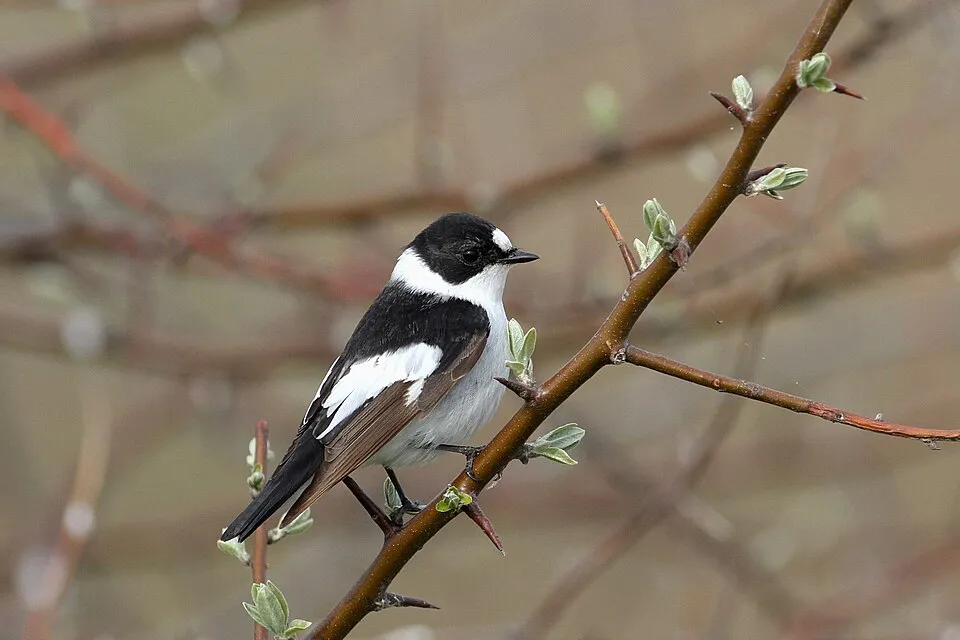 Collared Flycatcher
Ficedula albicollis 50 places in common
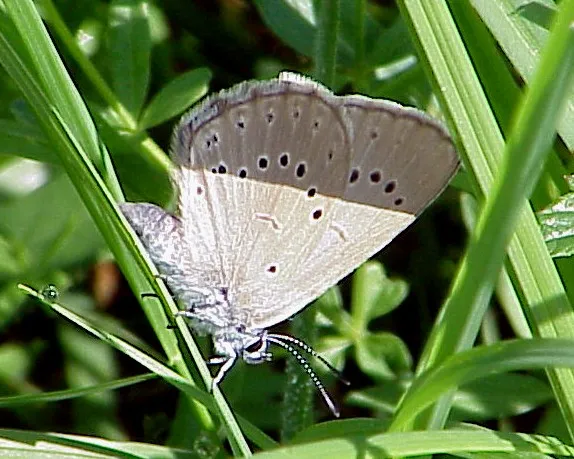 Scarce large blue
Maculinea teleius 29 places in common
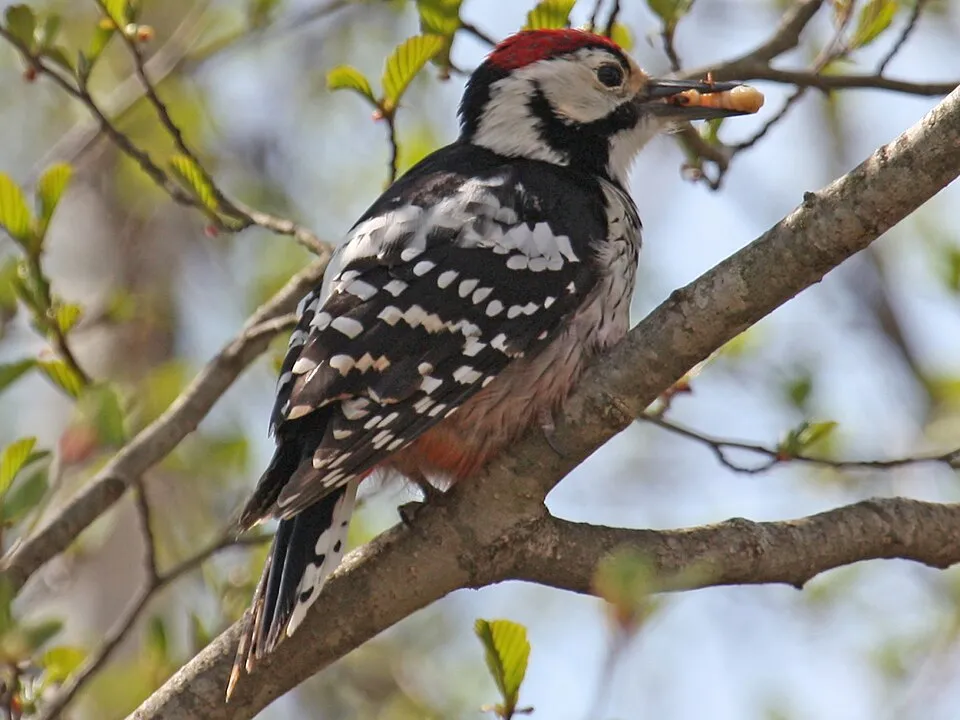 White-backed Woodpecker
Dendrocopos leucotos 41 places in common
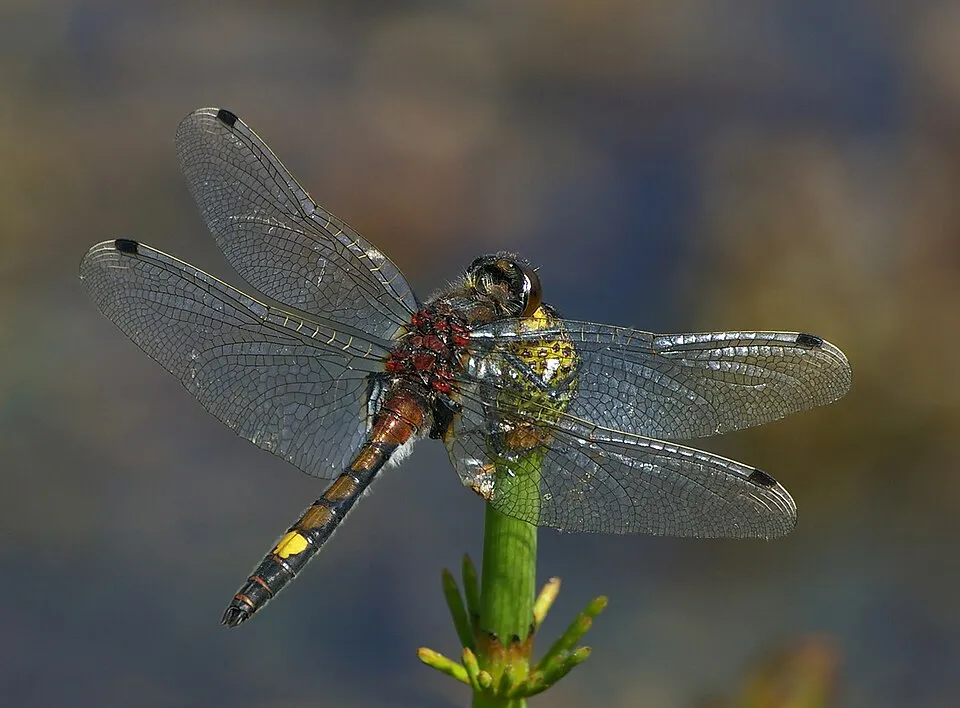 Yellow-spotted Whiteface
Leucorrhinia pectoralis 36 places in common
Sources and credits
- Presence: most-recorded species of each place on GBIF and species of Community interest in the Natura 2000 forms (EEA, CC-BY 4.0); absence from the list does not mean the species is absent.
- Common names: Wikidata (CC0) and GBIF.
- Photos and sounds: Wikimedia Commons, author and licence given for each file.
- Classification: GBIF Backbone Taxonomy (GBIF Secretariat), CC BY 4.0, doi:10.15468/39omei.
- Countries, elevations, months and maps: GBIF.org, CC0 or CC BY 4.0 occurrences only, accessed October 22, 2026, GBIF.org.
- Base map: Natural Earth (public domain).
- Excerpt: Wikipedia, CC BY-SA 4.0 (full credit below the excerpt).
- Annexes: Directive 92/43/EEC (consolidated version), © European Union, EUR-Lex.
- Conservation status: EEA / DG ENV, Article 17 Habitats Directive reporting (2013–2018), CC BY 4.0.