
Bird
Canada Goose: where to see it
Branta canadensis
Invasive alien in some territories
Listed as invasive alien for: France, Poland, Italy, Germany, Spain, Austria, Belgium, Slovenia, Romania, Bulgaria, Denmark, Ireland, Luxembourg, United Kingdom, Sweden, Norway, Finland, Estonia, Iceland, Latvia, Lithuania, Japan, Colombia (GRIIS).
This bird species is recorded in 53 protected areas of the atlas, including 6 whose official Natura 2000 form lists it. Within the atlas countries, it is mostly observed in Sweden, the United Kingdom and Norway (7 countries in all). Most records (8 in 10) lie between sea level and 170 m. Records peak from March to May. It has a wingspan of 169 cm and weighs 5 kg.
Best time to see it: March–May
Records published on GBIF by month (CC0 and CC BY 4.0 licences only), in the atlas countries, all years combined; they also reflect observer activity.
Key facts
- Wingspan
- 169 cm Wikidata, after Ericson et al. 2007
- Weight
- 5 kg Wikidata, after doris.ffessm.fr
- Weight (female)
- 3.31 kg Wikidata, after Lislevand et al. 2007
- Weight (male)
- 3.81 kg Wikidata, after Lislevand et al. 2007
Status and protection
Birds Directive II/A
The species is listed in Annex II/A of the Birds Directive.
Distribution
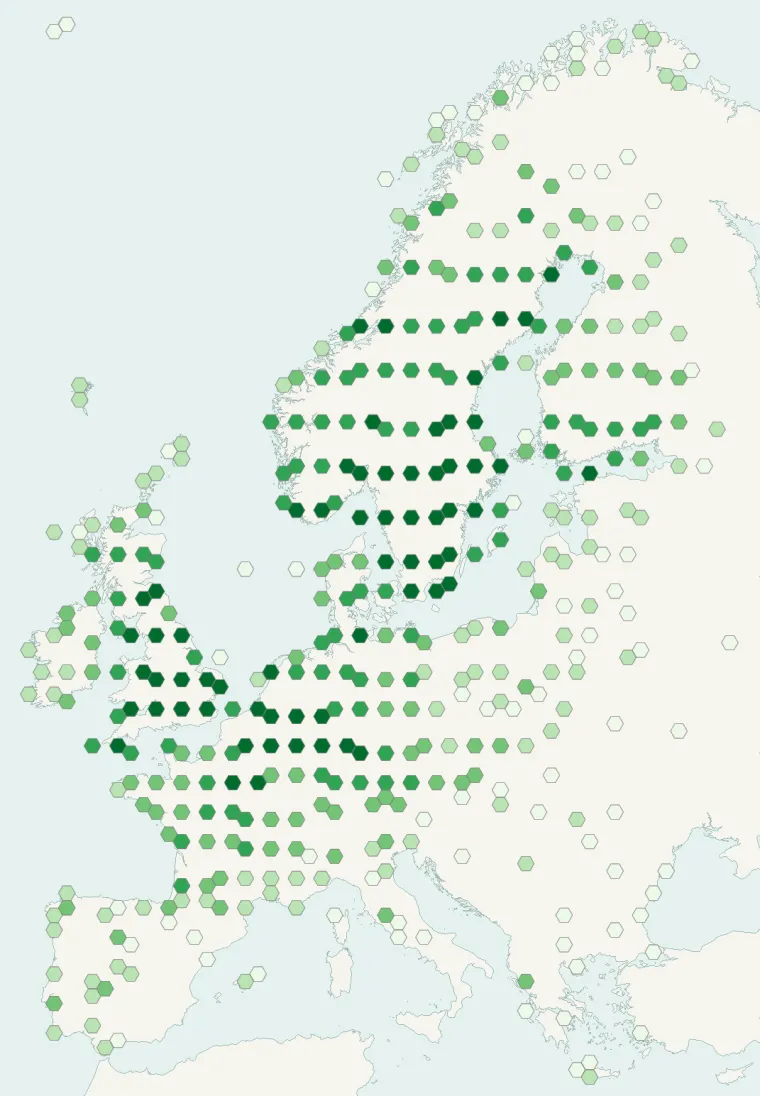
Records published on GBIF (CC0 and CC BY 4.0 licences): the darker the shade, the more records there are; they also reflect observation effort.
Atlas countries where it is recorded
Listen
-
1:29 · © Ndalyrose · CC BY-SA 4.0 · Wikimedia Commons · Original file
-
0:37 · © Jonathon Jongsma · CC BY-SA 3.0 · Wikimedia Commons · Original file
-
0:15 · © Antonio Xeira · CC BY-SA 3.0 · Wikimedia Commons · Original file
From Wikipedia
The Canada goose (Branta canadensis) is a large species of goose with a black head and neck, white cheeks, white under its chin, and a brown body. It is native to the Arctic and temperate regions of North America, and it is occasionally found during migration across the Atlantic in northern Europe. It has been introduced to France, the United Kingdom, Ireland, Scandinavia, New Zealand, Japan, Chile, Argentina, and the Falkland Islands.
Source: Wikipedia, article “Canada goose” (version of October 22, 2026) · history and authors · licence CC BY-SA 4.0 · shortened excerpt
Protected areas where it is recorded

29,777 records

20,307 records
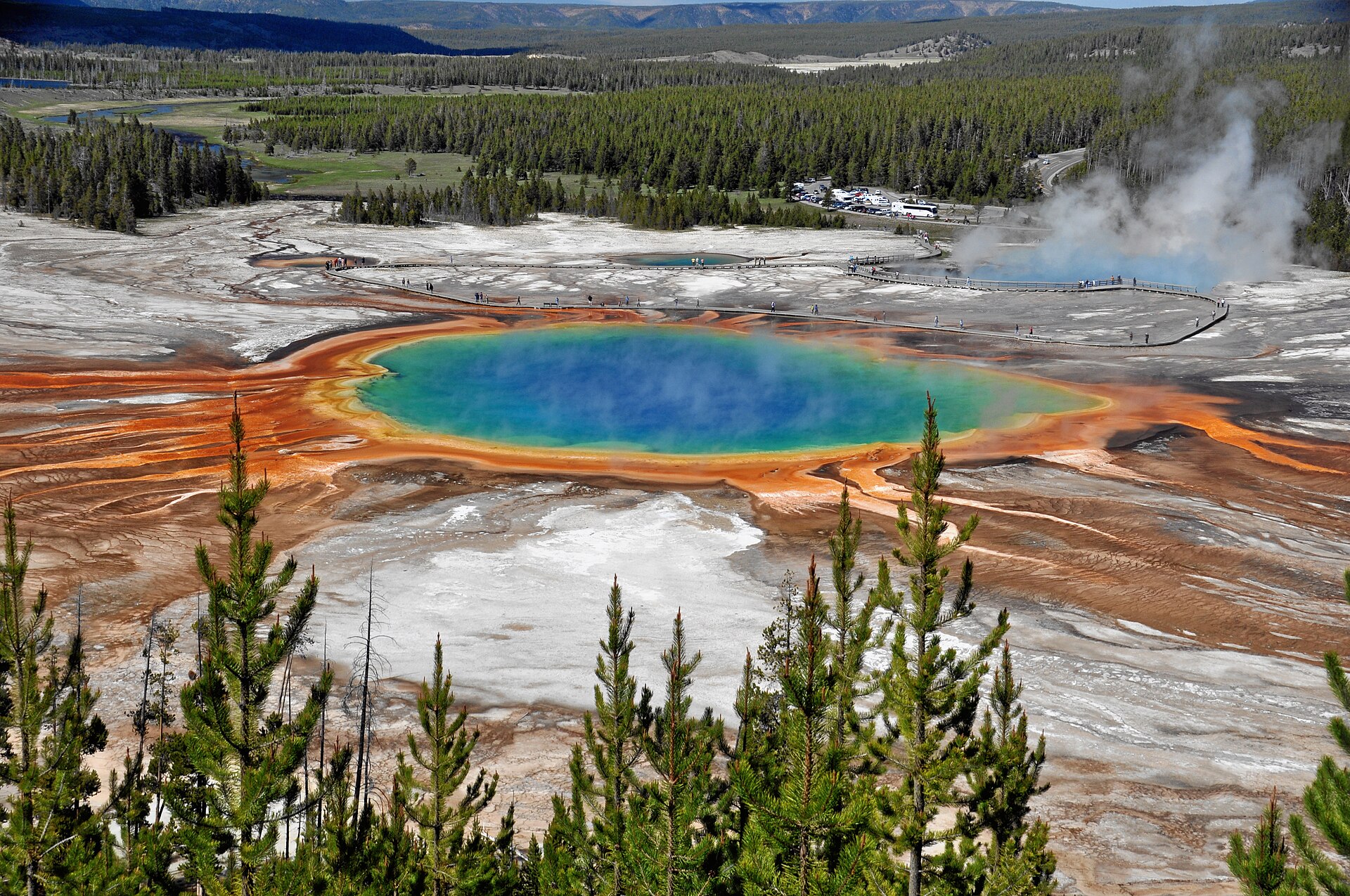
15,341 records
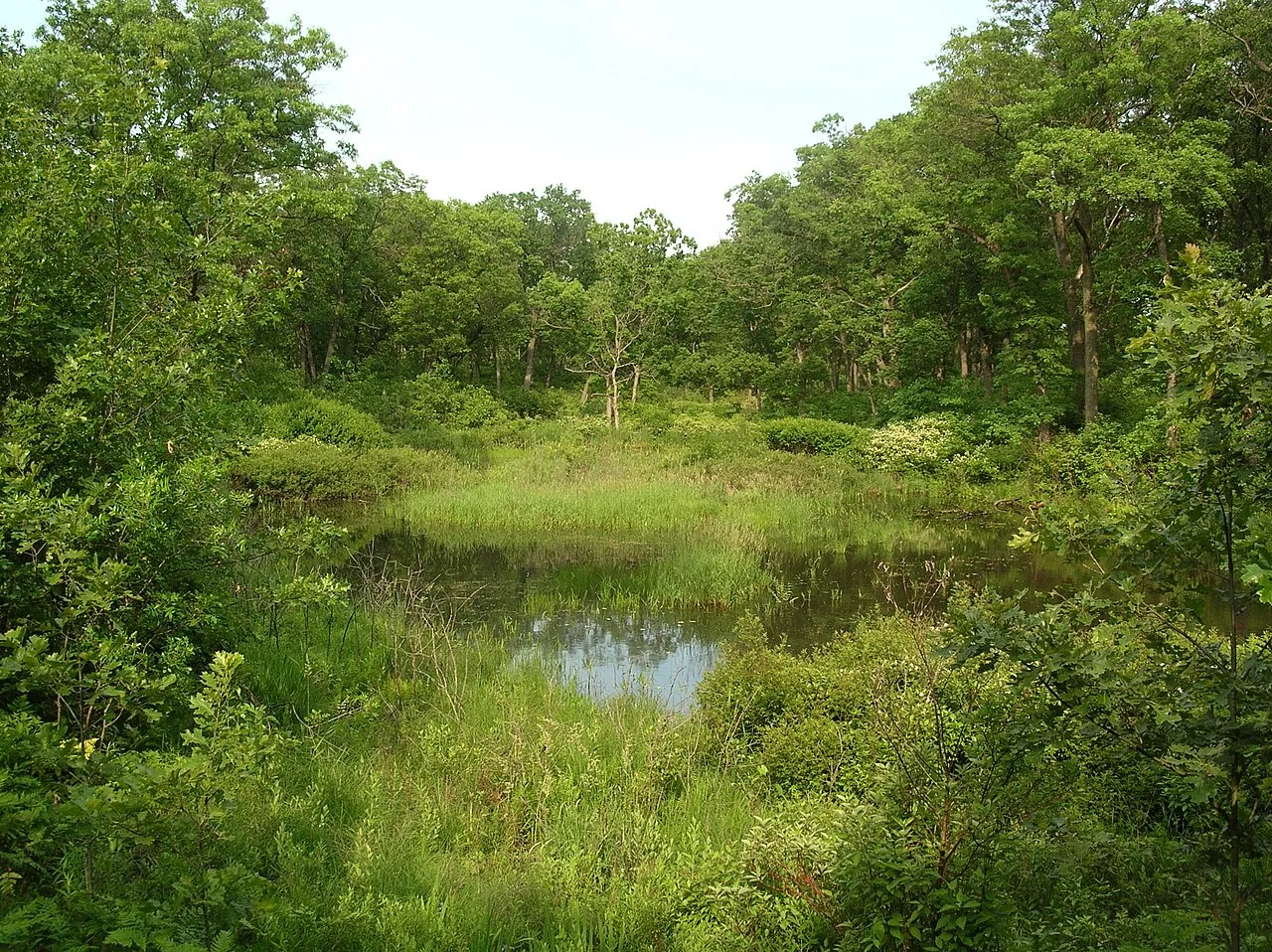
11,961 records
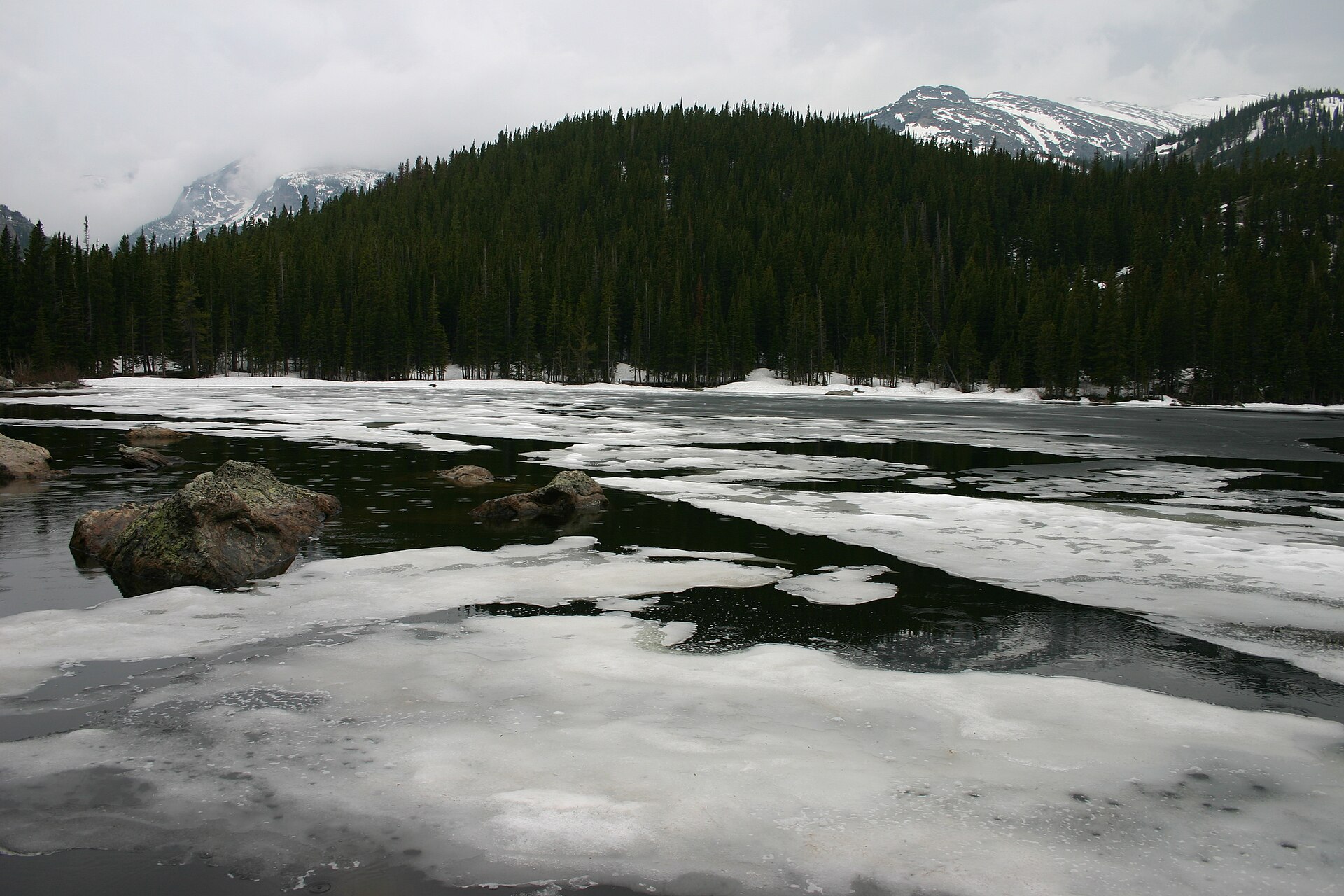
8,597 records

6,876 records

6,654 records
6,144 records

4,557 records

3,676 records
3,605 records
3,239 records

3,189 records

2,223 records

2,034 records
1,817 records

1,753 records

1,672 records
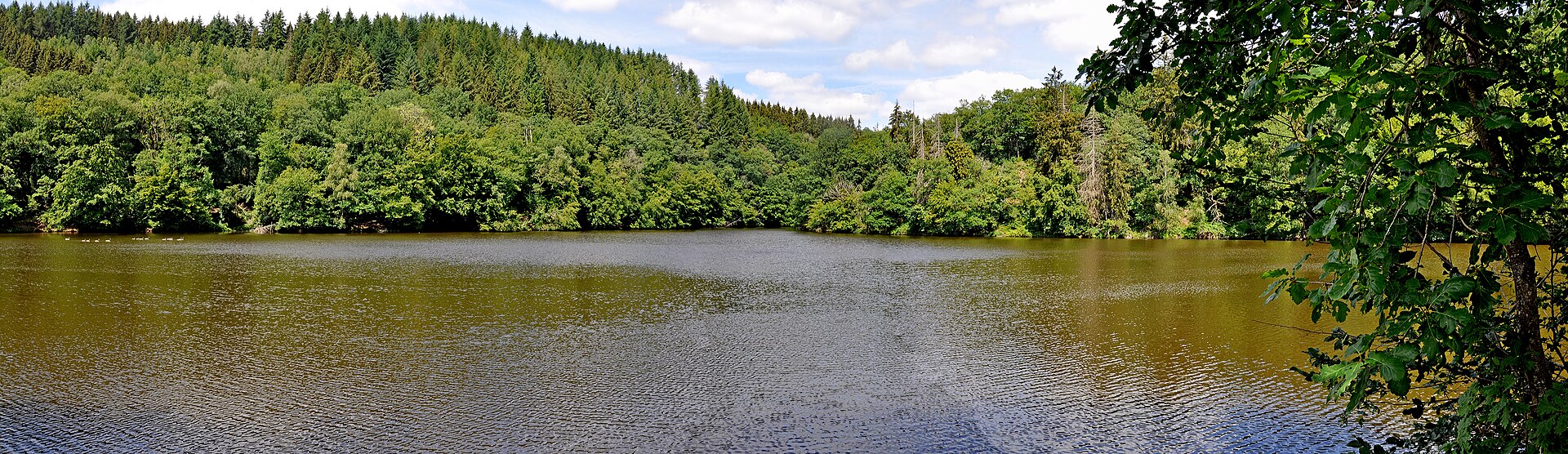
1,503 records
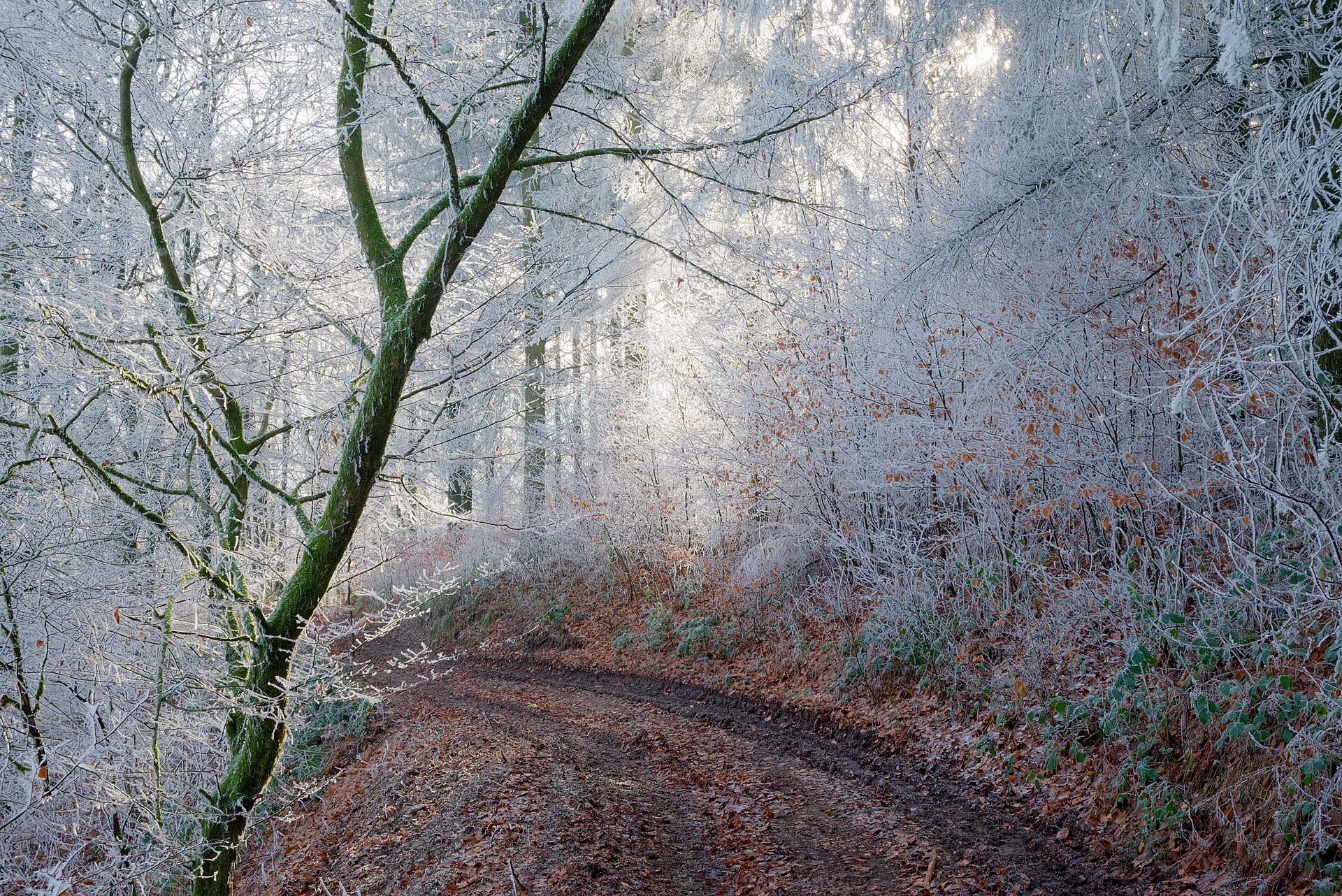
1,427 records
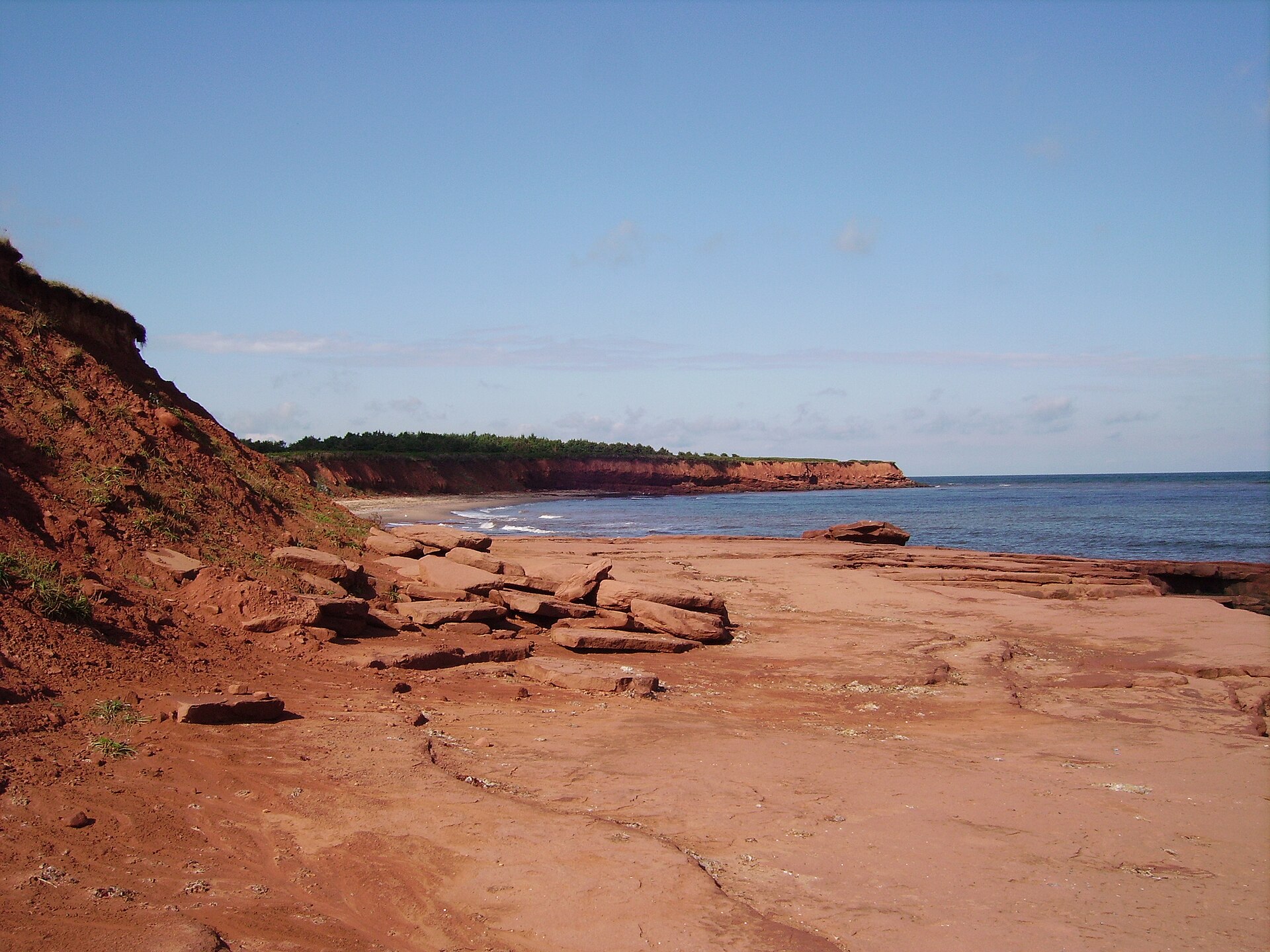
1,214 records
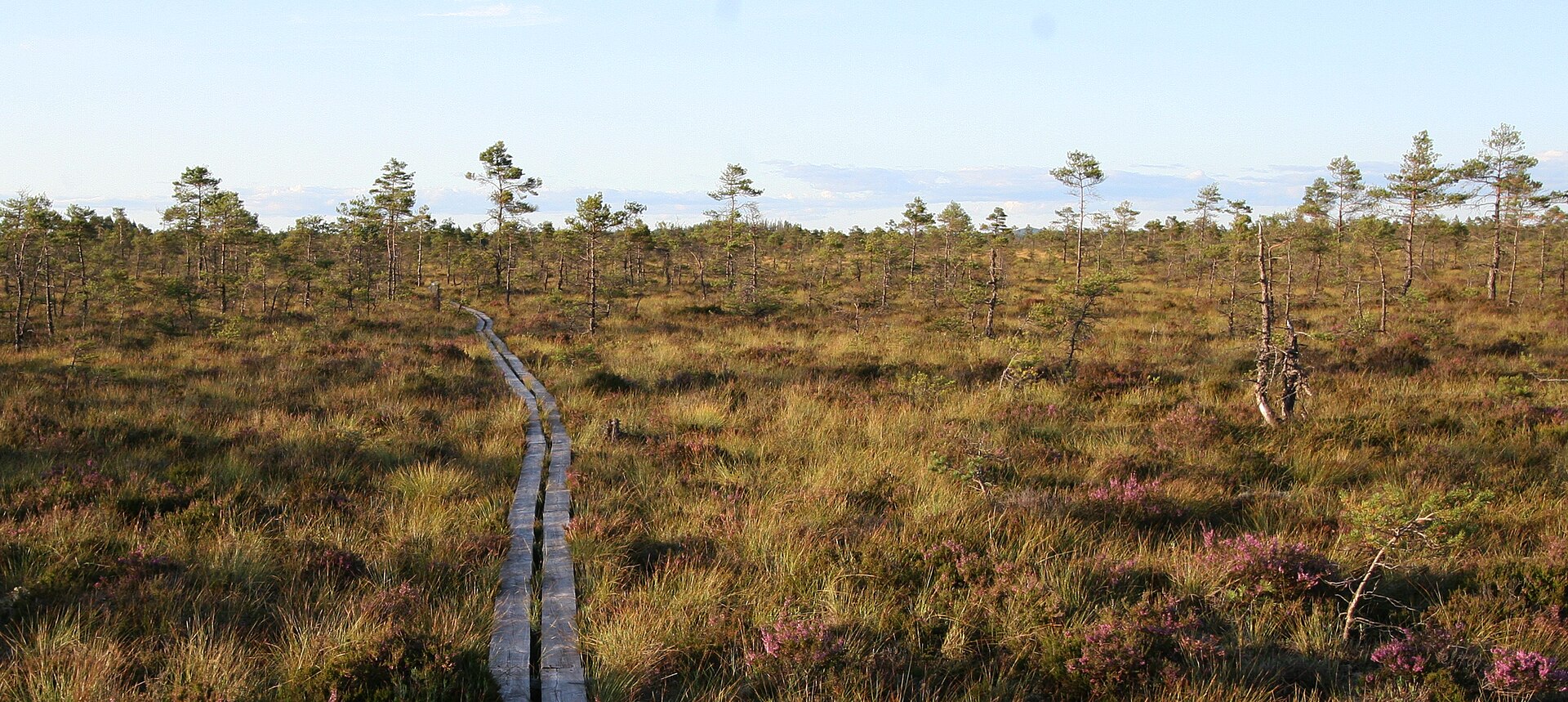
1,029 records
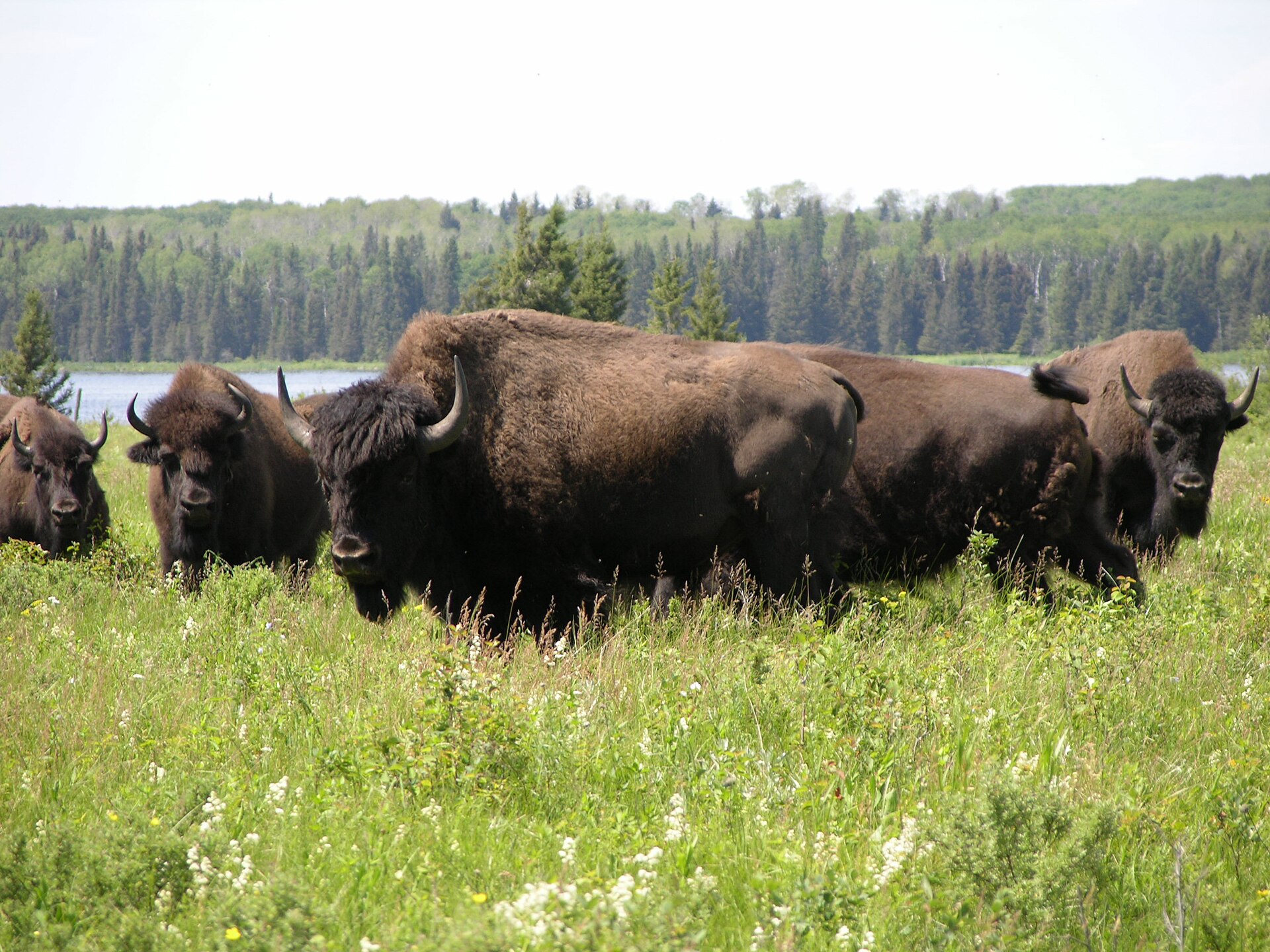
944 records

923 records

898 records

836 records
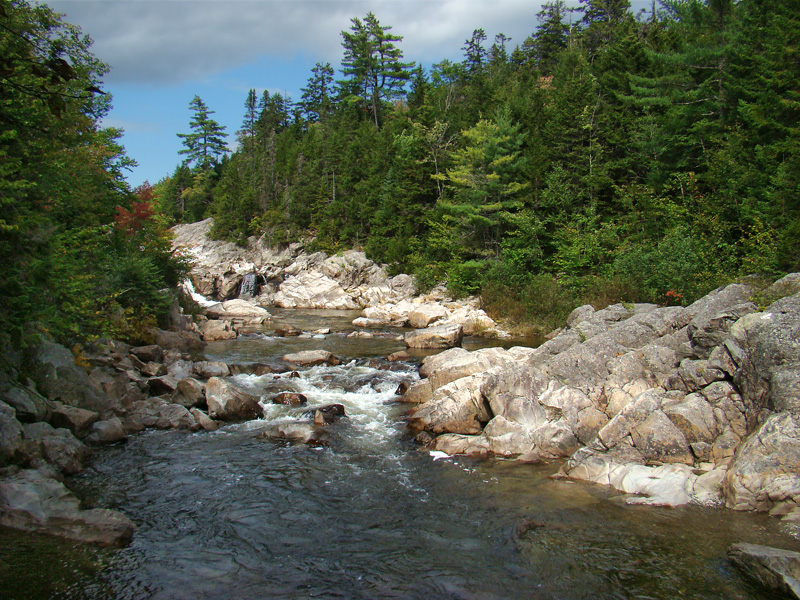
676 records
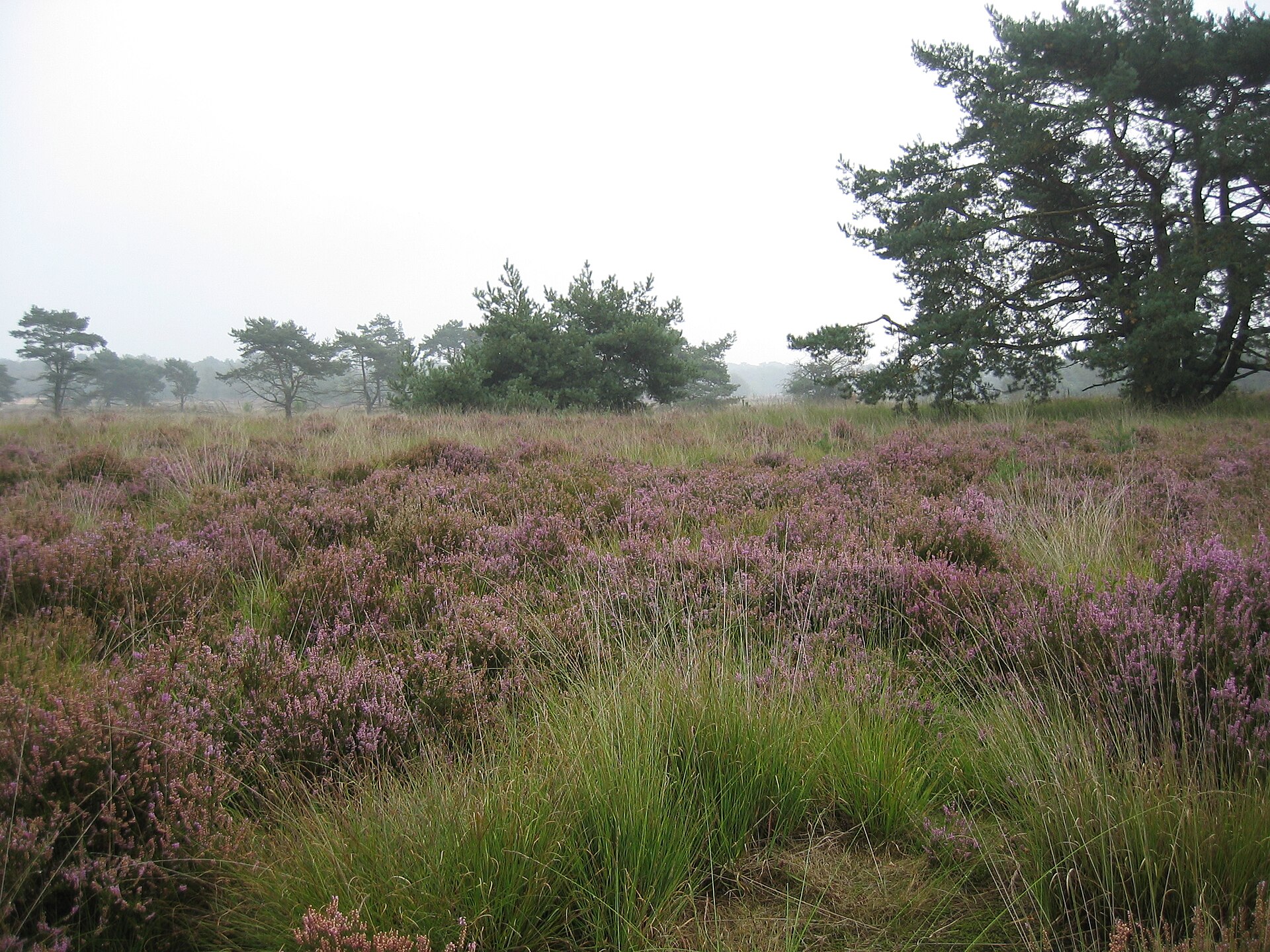
653 records

649 records

538 records

414 records
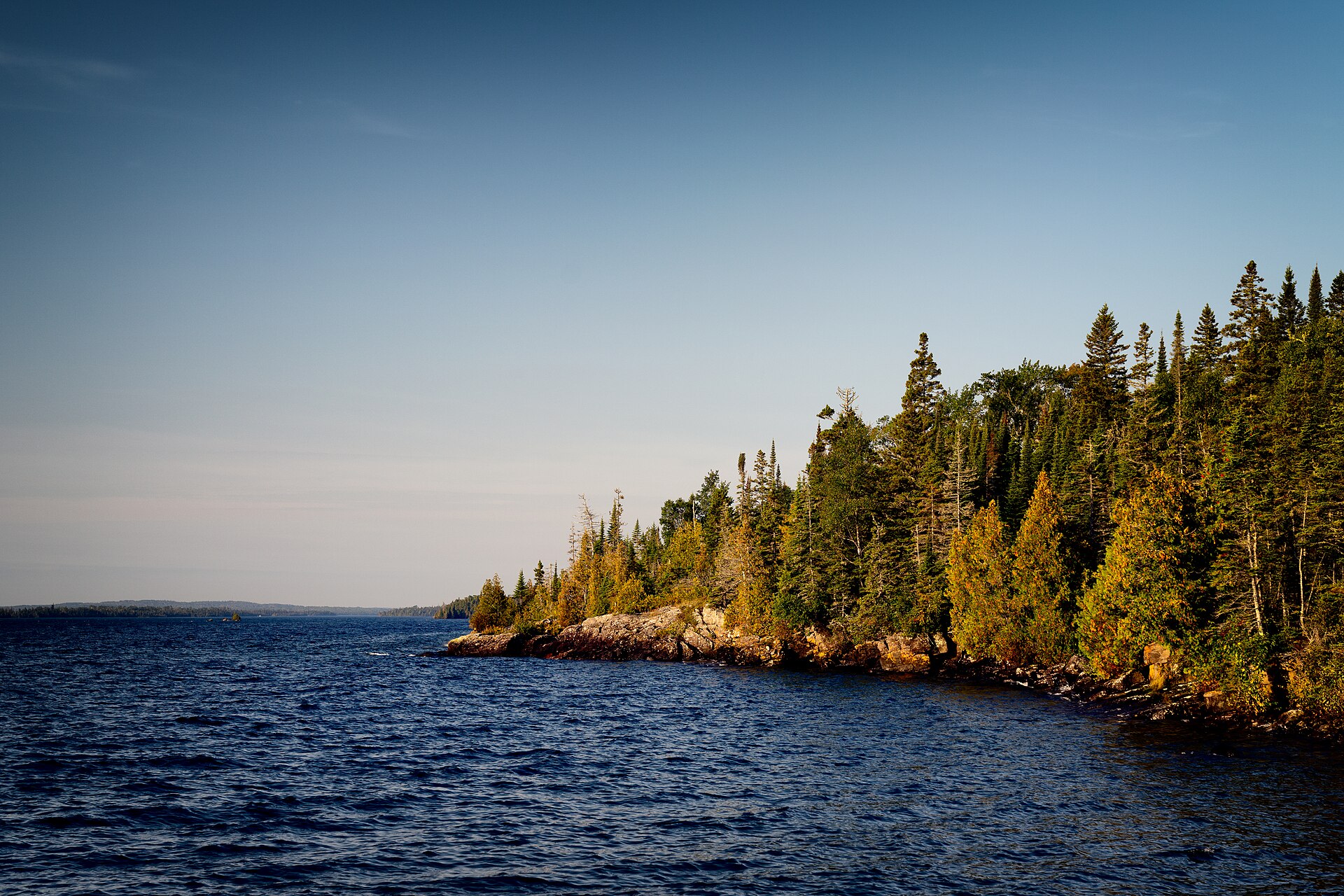
385 records

367 records
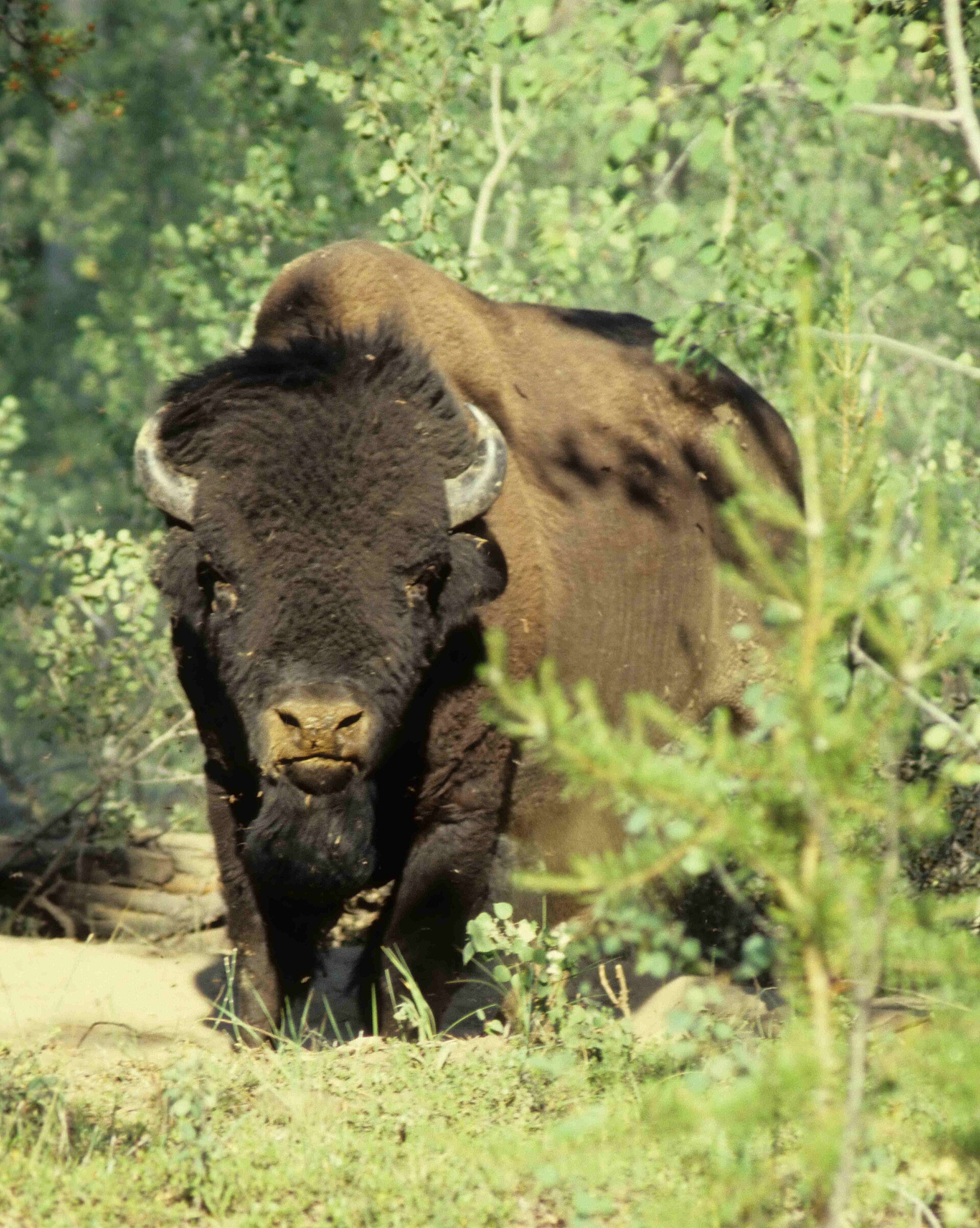
363 records

356 records

296 records
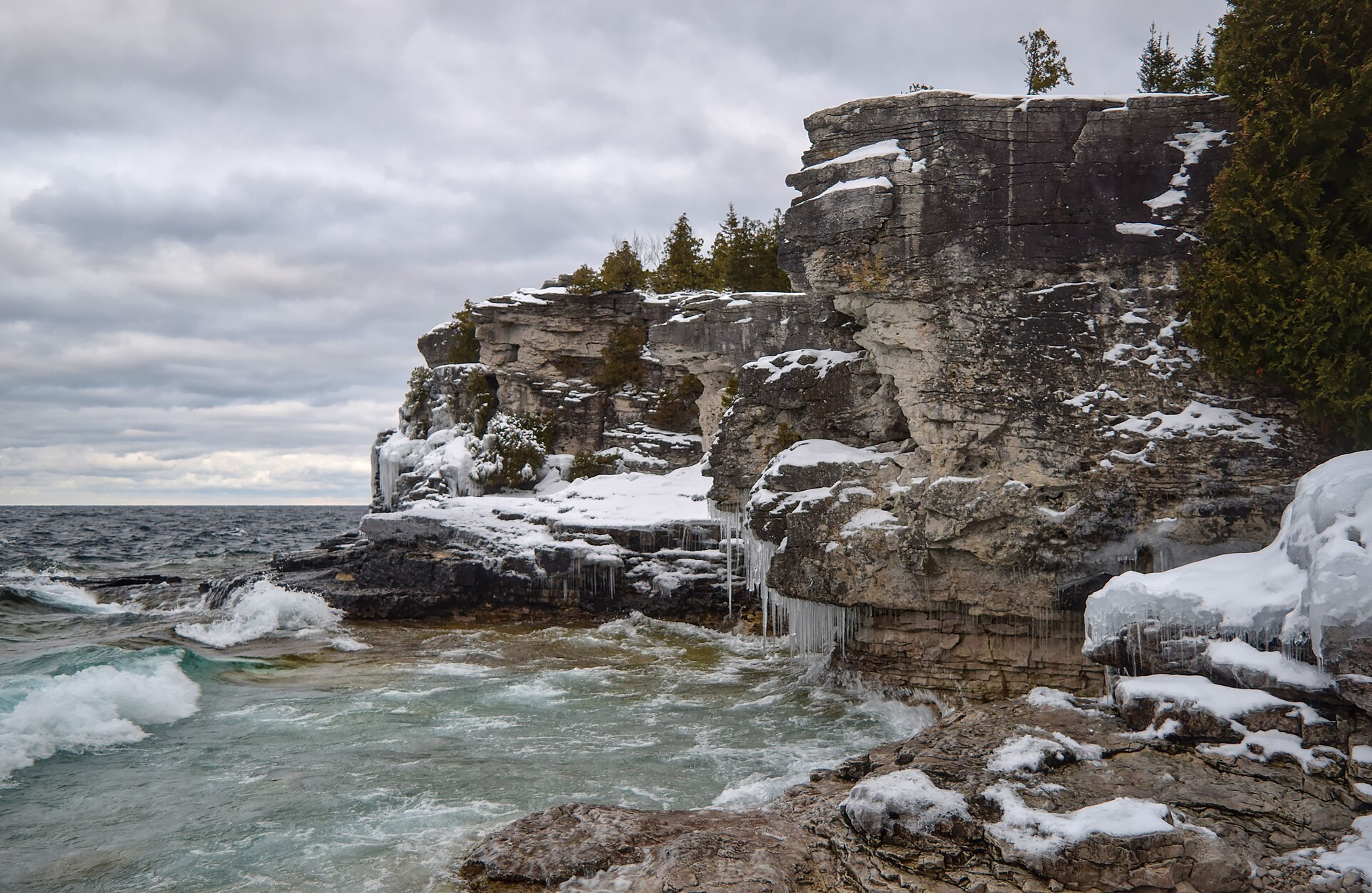
286 records
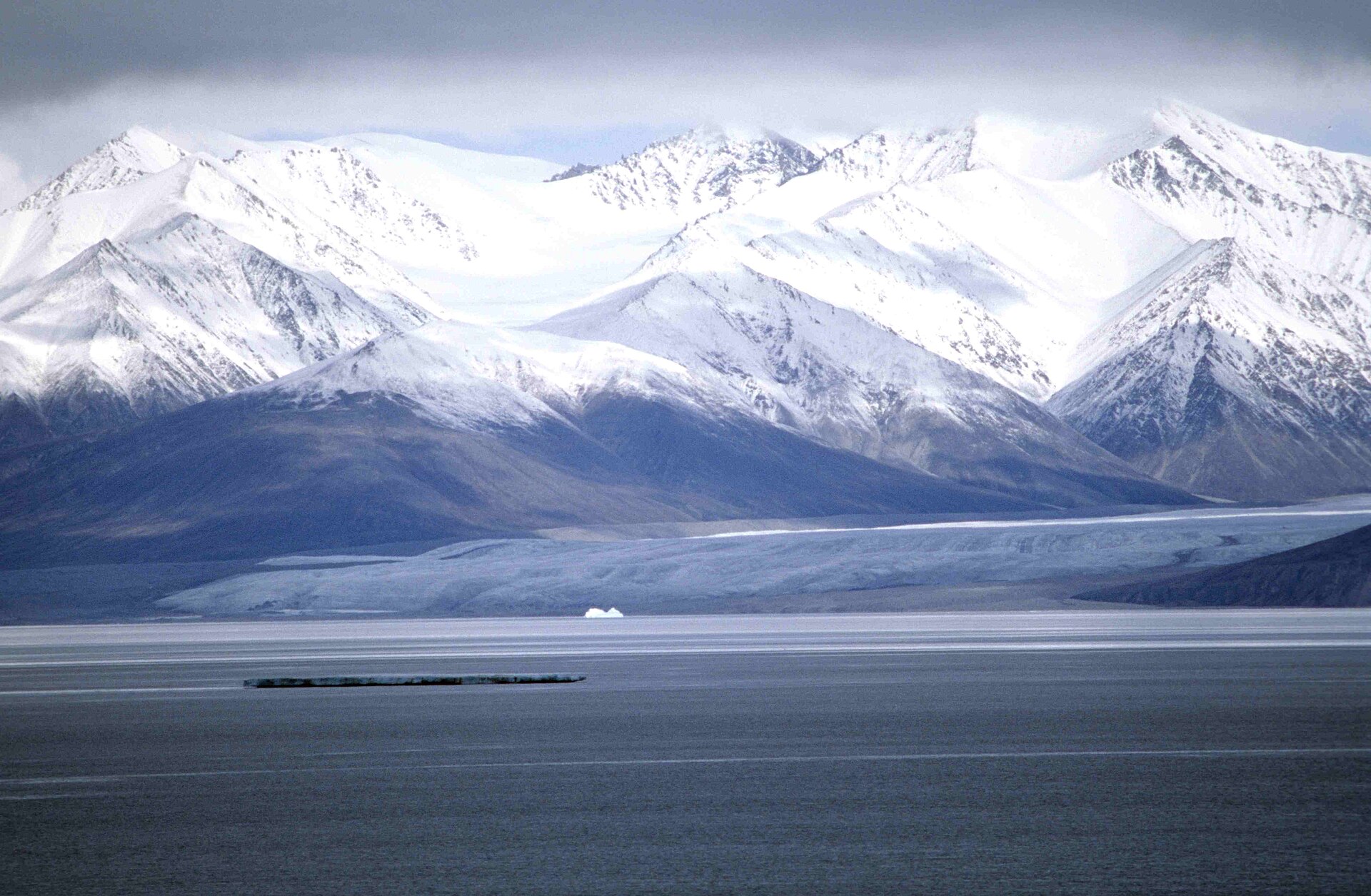
247 records

235 records
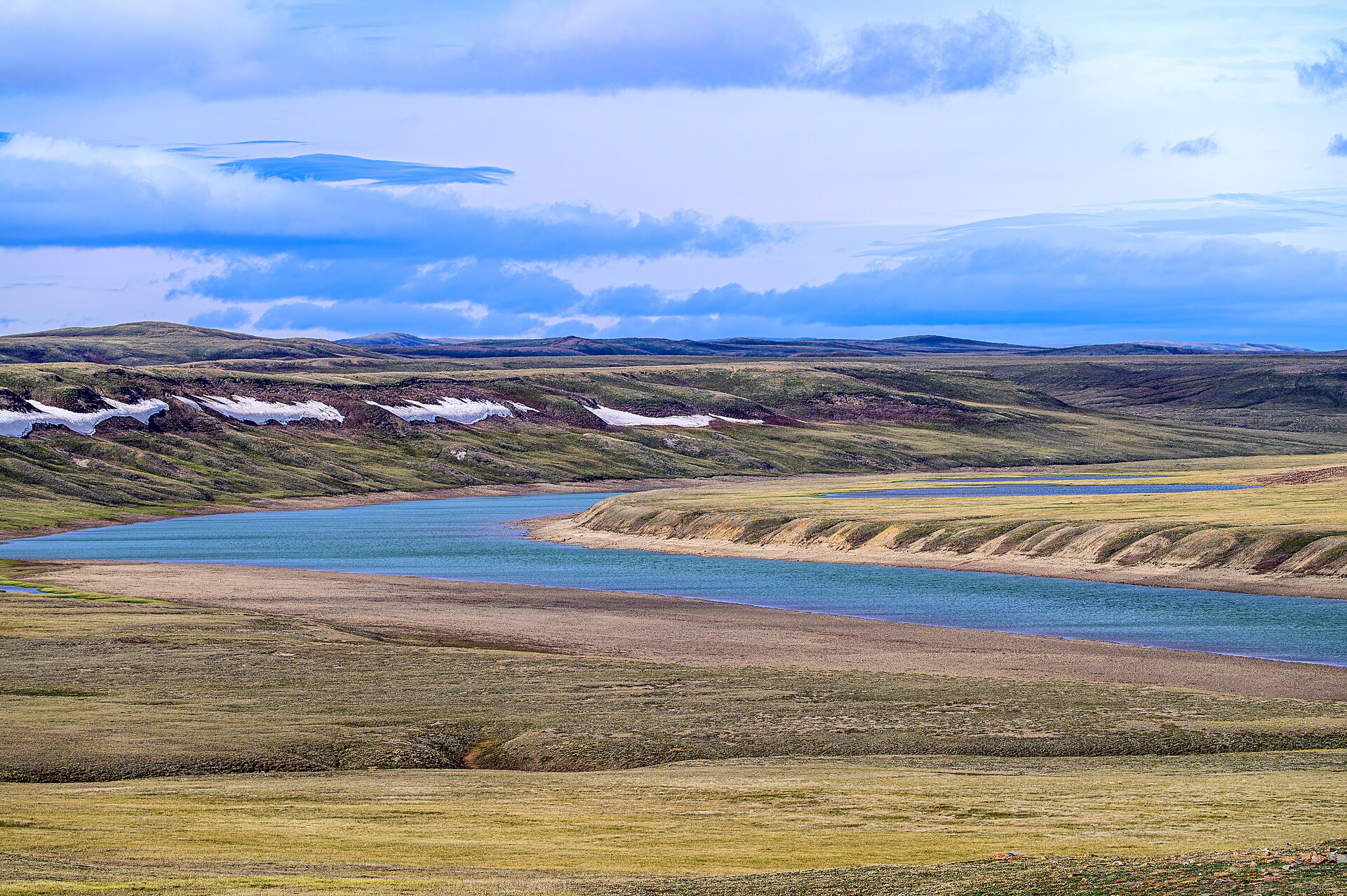
175 records

170 records

86 records

25 records
12 records
9 records

5 records
2 records

Natura 2000 · wintering
Natura 2000 · wintering, passage

Natura 2000 · passage
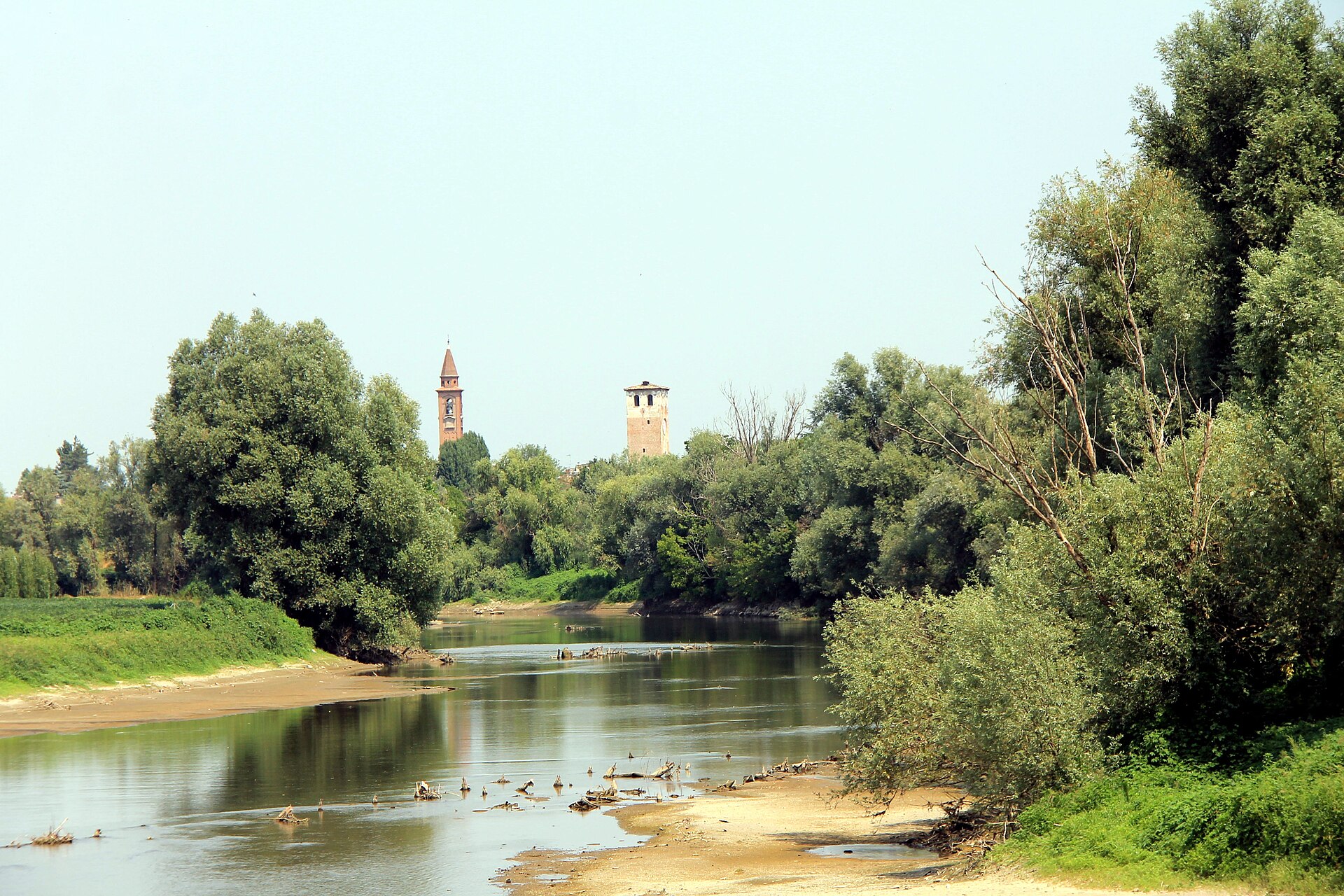
Natura 2000 · passage

Natura 2000 · passage

Natura 2000
Other species to discover
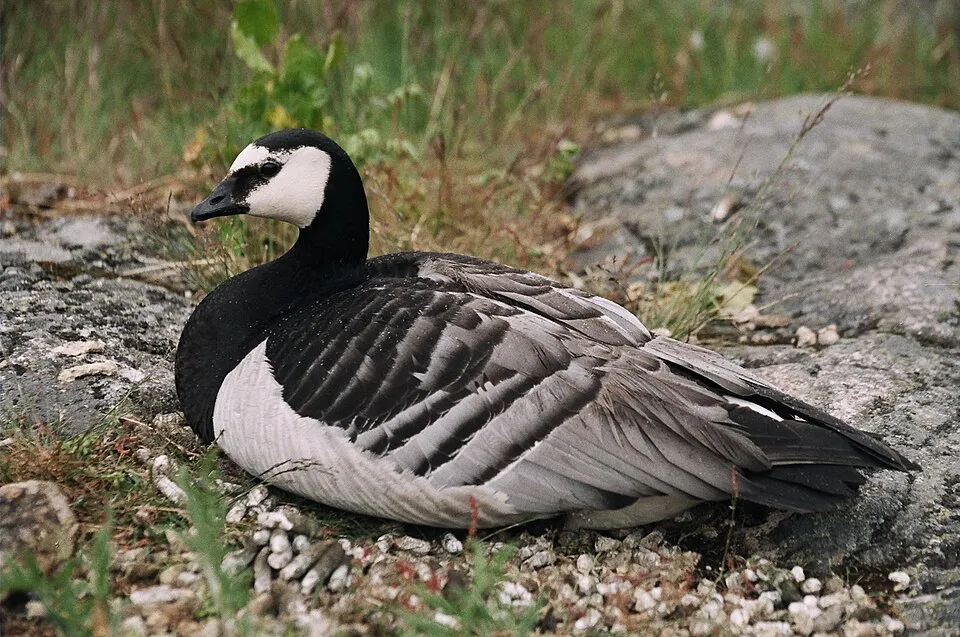 Barnacle goose
Branta leucopsis Same genus
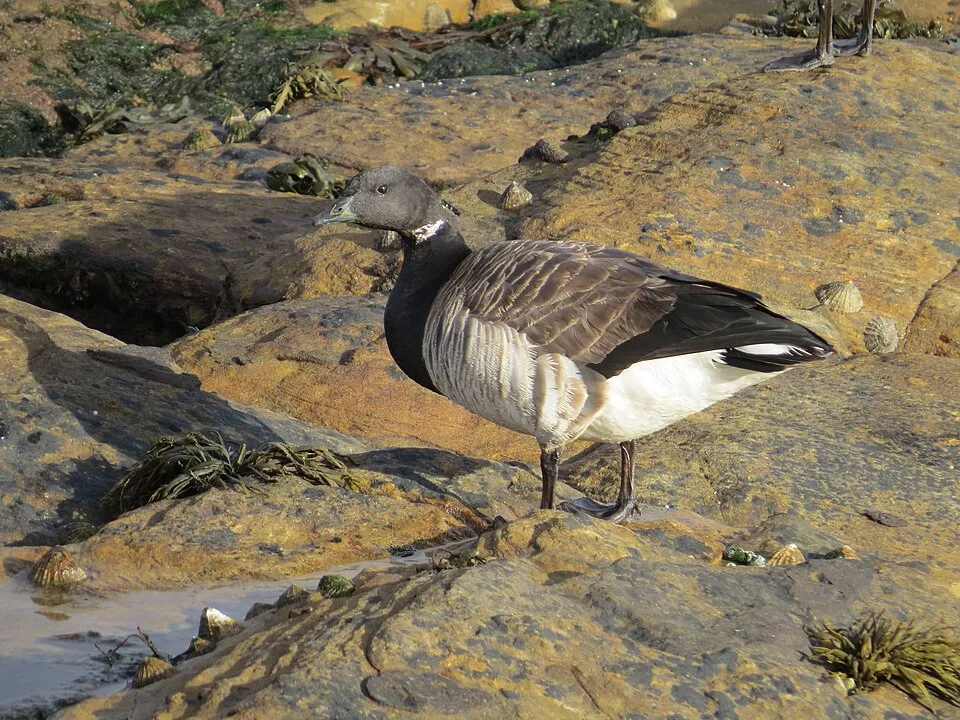 Brant Goose
Branta bernicla Same genus
 Red-breasted Goose
Branta ruficollis Same genus
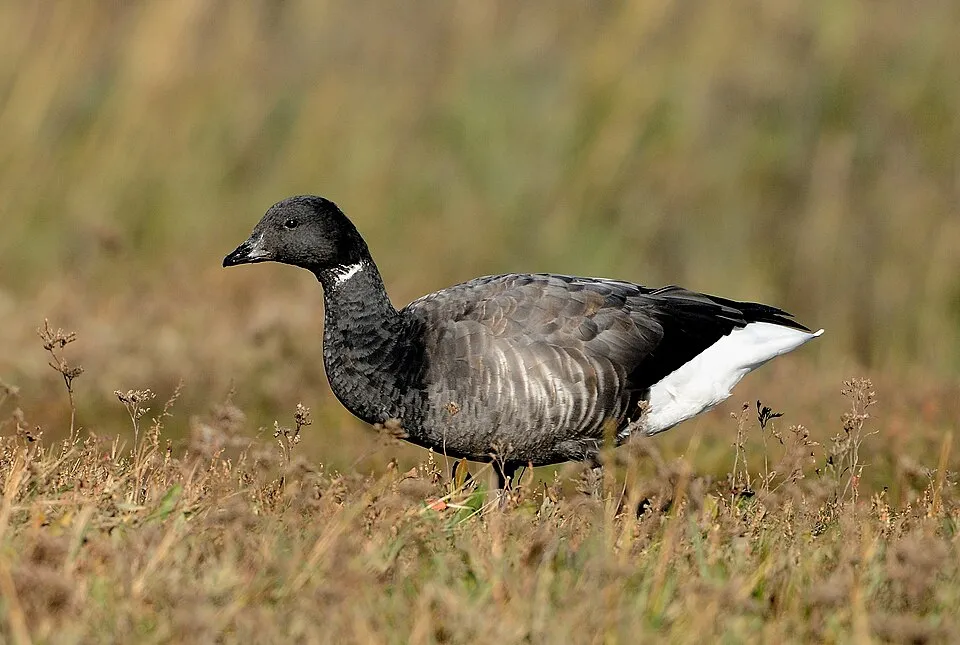 Dark-bellied Brant Goose
Branta bernicla bernicla Same genus
Light-bellied Brent Goose
Branta bernicla hrota Same genus
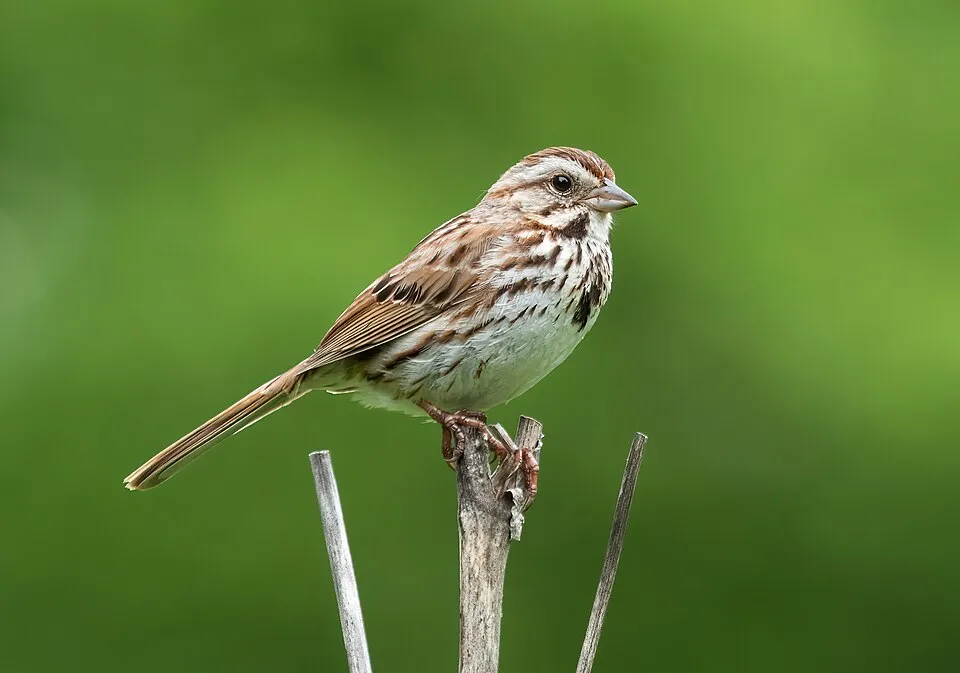 Song Sparrow
Melospiza melodia 19 places in common
Sources and credits
- Presence: most-recorded species of each place on GBIF and species of Community interest in the Natura 2000 forms (EEA, CC-BY 4.0); absence from the list does not mean the species is absent.
- Common names: Wikidata (CC0) and GBIF.
- Photos and sounds: Wikimedia Commons, author and licence given for each file.
- Classification: GBIF Backbone Taxonomy (GBIF Secretariat), CC BY 4.0, doi:10.15468/39omei.
- Countries, elevations, months and maps: GBIF.org, CC0 or CC BY 4.0 occurrences only, accessed October 22, 2026, GBIF.org.
- Base map: Natural Earth (public domain).
- Excerpt: Wikipedia, CC BY-SA 4.0 (full credit below the excerpt).
- Key facts: Wikidata (CC0), with the references cited under each value.
- Annexes: Directive 2009/147/EC (consolidated version), © European Union, EUR-Lex.
- Invasive alien species: Union list, Regulation (EU) No 1143/2014 (INBO, CC0); Global Register of Introduced and Invasive Species (ISSG, CC BY 4.0).