
Fish
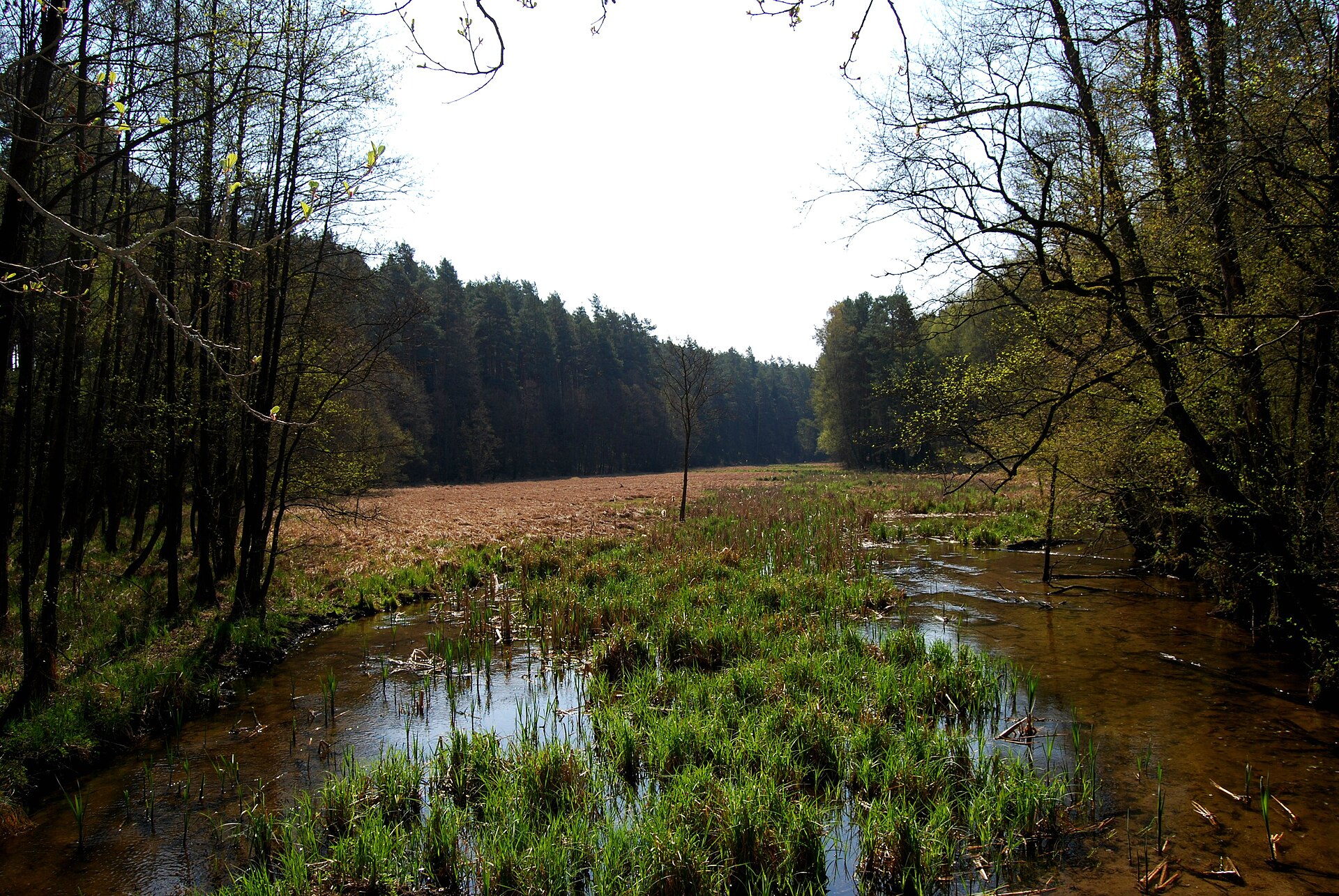
Weatherfish: where to see it
Misgurnus fossilis
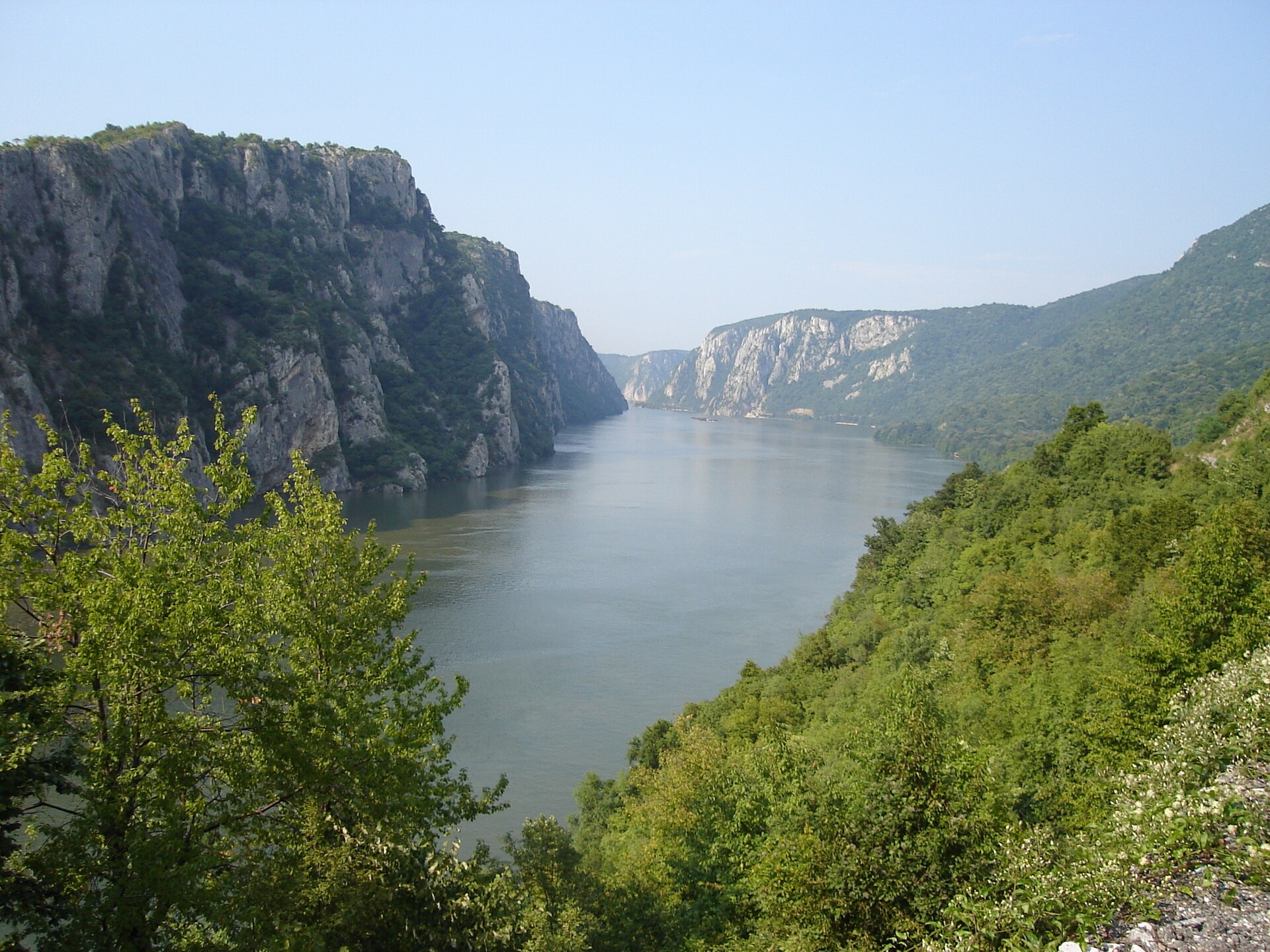
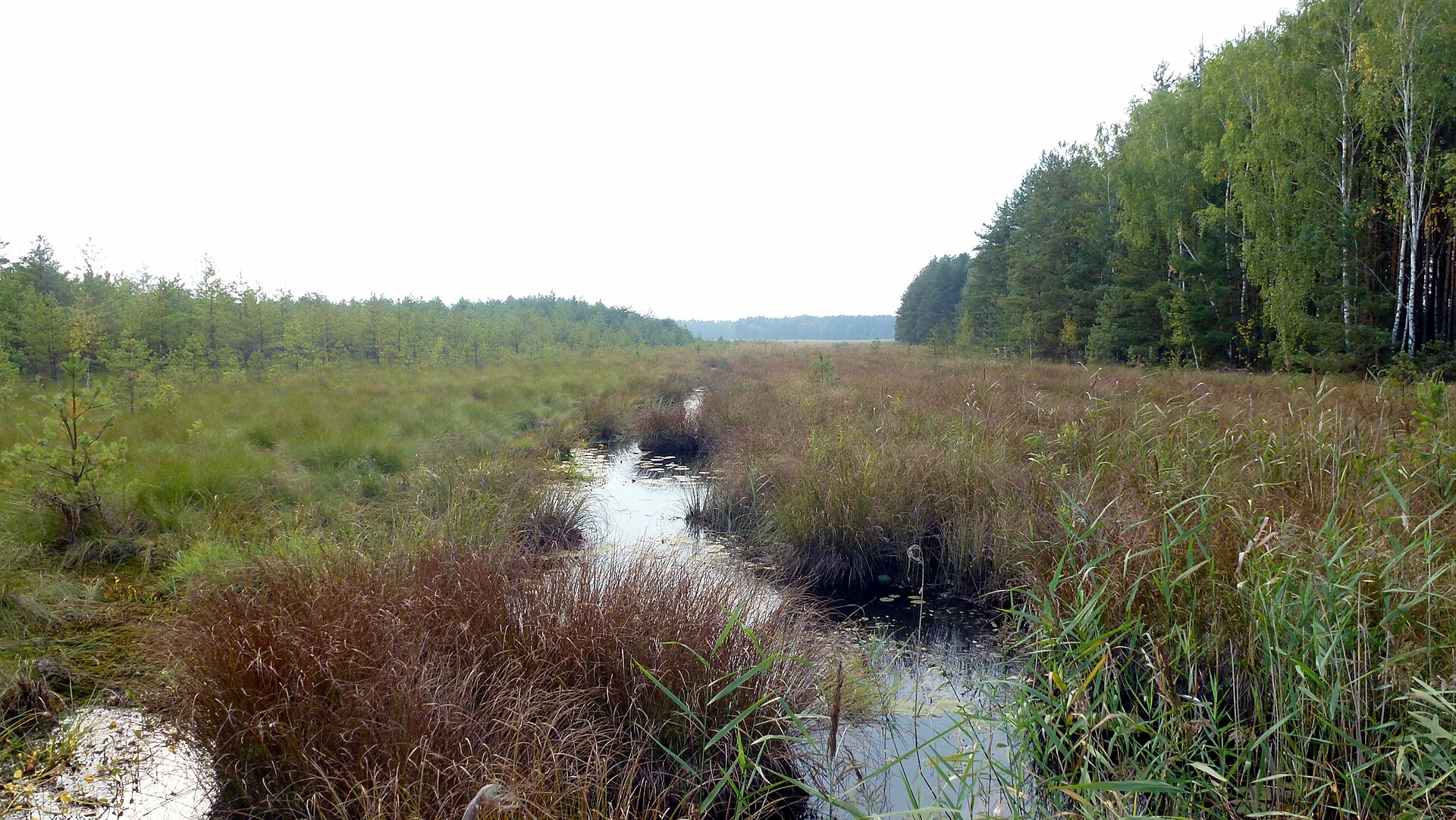
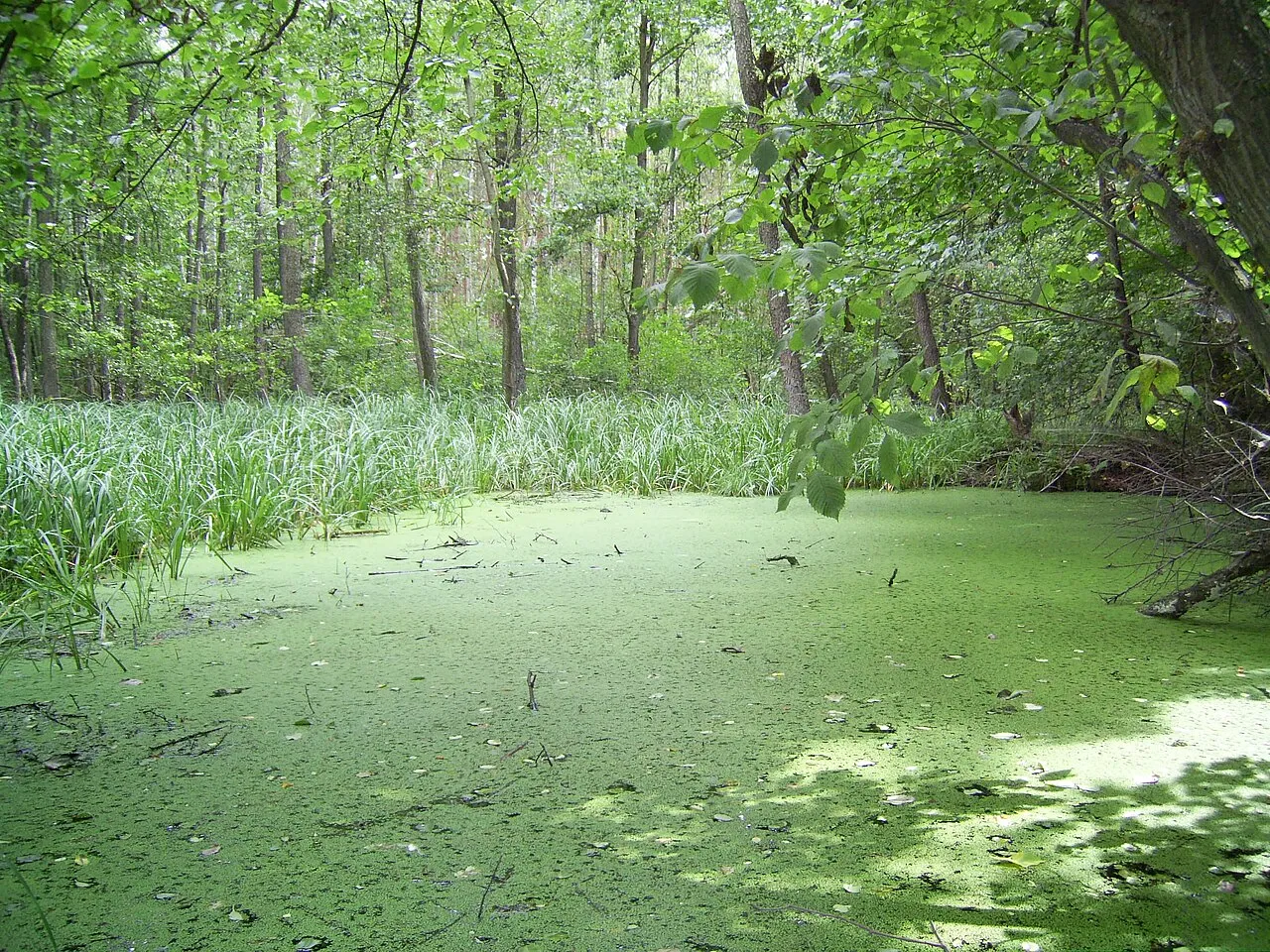
This fish species is recorded in 148 protected areas of the atlas, including 147 whose official Natura 2000 form lists it. Within the atlas countries, it is mostly observed in France, Germany and Poland (9 countries in all). Records peak from May to June. It is a species of Community interest under the Habitats Directive (Annex II). In the EU its conservation status is assessed as unfavourable (2013–2018 reporting).
Best time to see it: May–June
Records published on GBIF by month (CC0 and CC BY 4.0 licences only), in the atlas countries, all years combined; they also reflect observer activity.
Status and protection
Habitats Directive II
The species is listed in Annex II of the Habitats Directive.
In the EU its conservation status is assessed as unfavourable-bad in the Atlantic region and unfavourable-inadequate in the Continental region (2013–2018 reporting).
Distribution
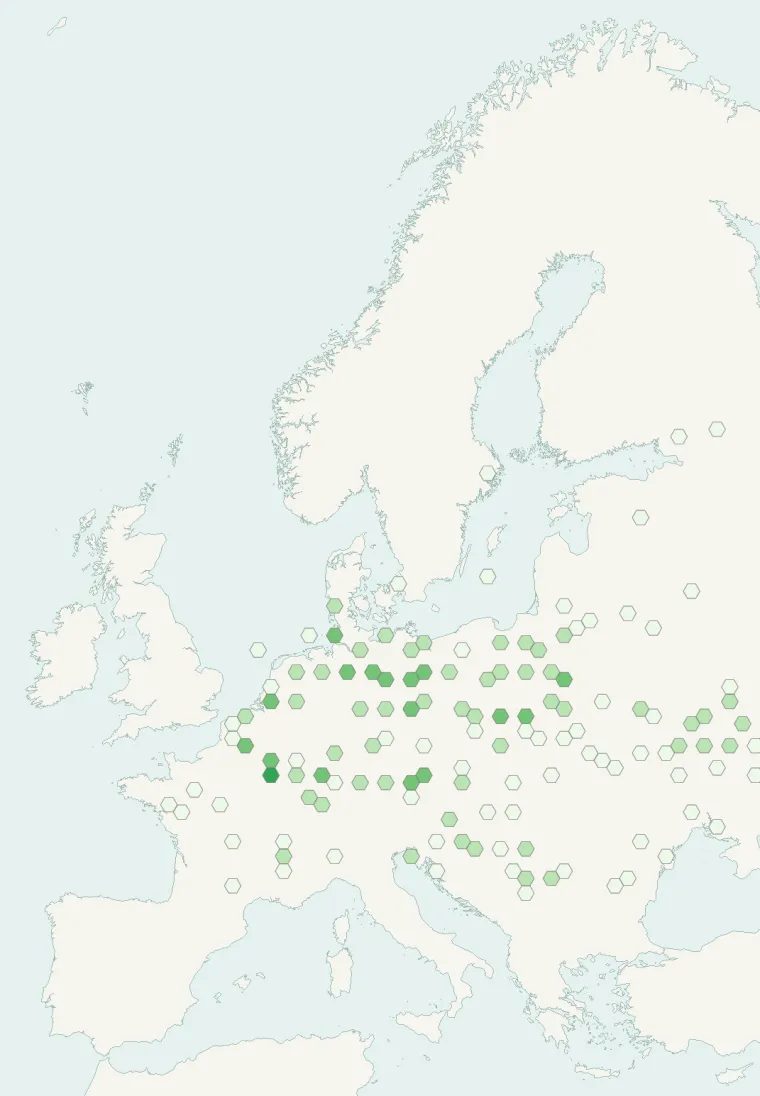
Records published on GBIF (CC0 and CC BY 4.0 licences): the darker the shade, the more records there are; they also reflect observation effort.
Atlas countries where it is recorded
From Wikipedia
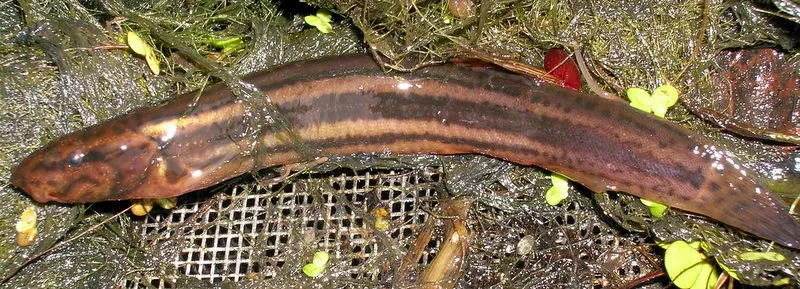
The weatherfish (Misgurnus fossilis) is a species of true loach that has a wide range in Europe and some parts of Asia. It is an omnivorous scavenger bottom feeder, using its sensitive barbels to find edible items. The diet mostly consists of small aquatic invertebrates along with some detritus. The weatherfish is long and thin which allows it to burrow through the substrate and navigate through places that deeper bodied fish would have trouble with. It grows up to 30 cm (12 in) in total length, though there are fishermen who say they have caught longer, up to 45 cm (17.7 in).
Source: Wikipedia, article “Misgurnus fossilis” (version of August 11, 2026) · history and authors · licence CC BY-SA 4.0 · shortened excerpt
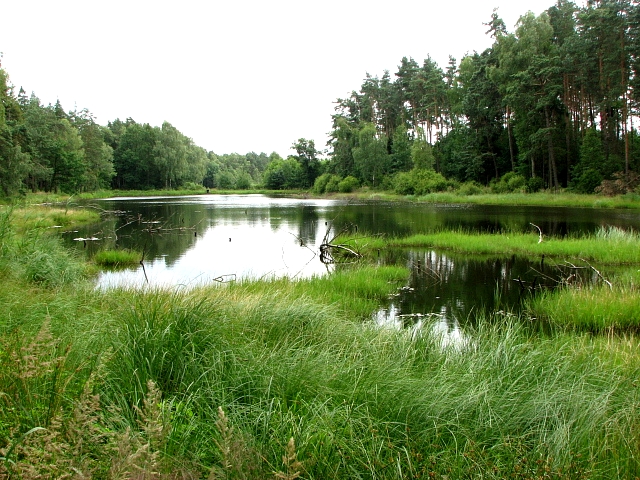
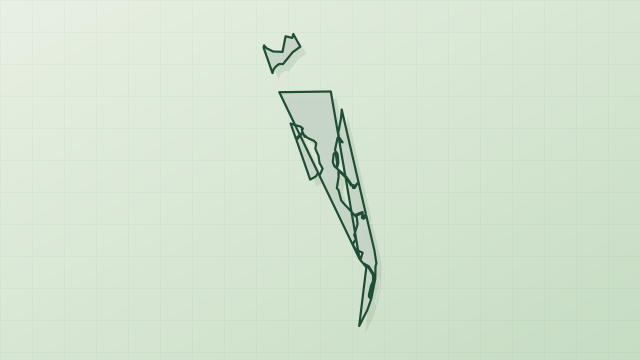
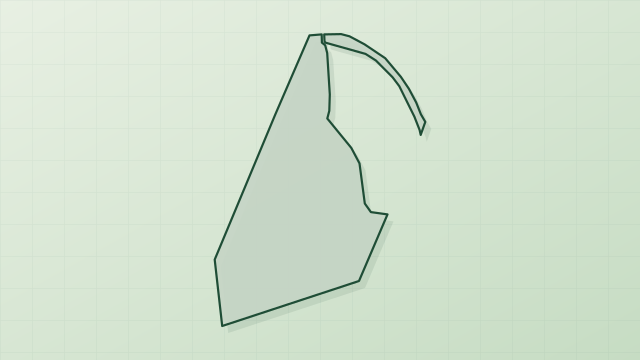
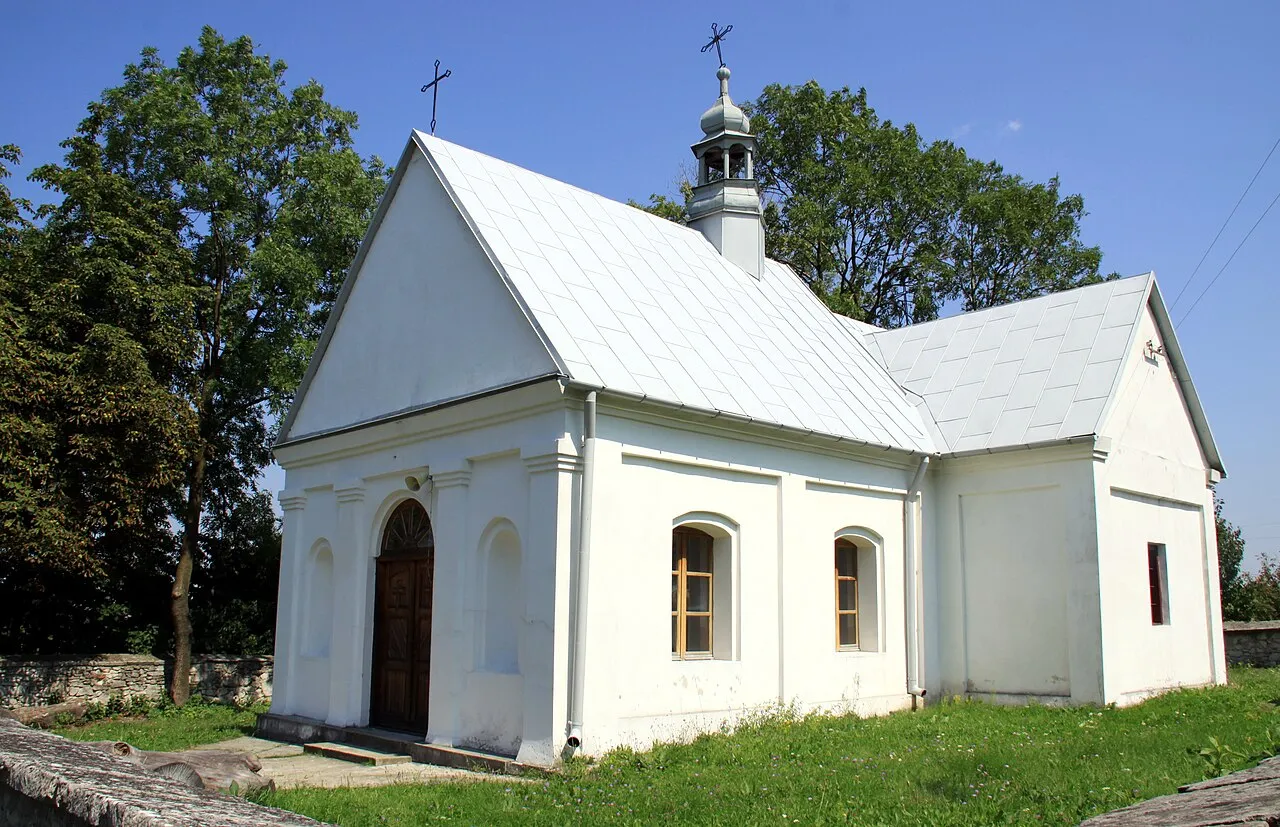
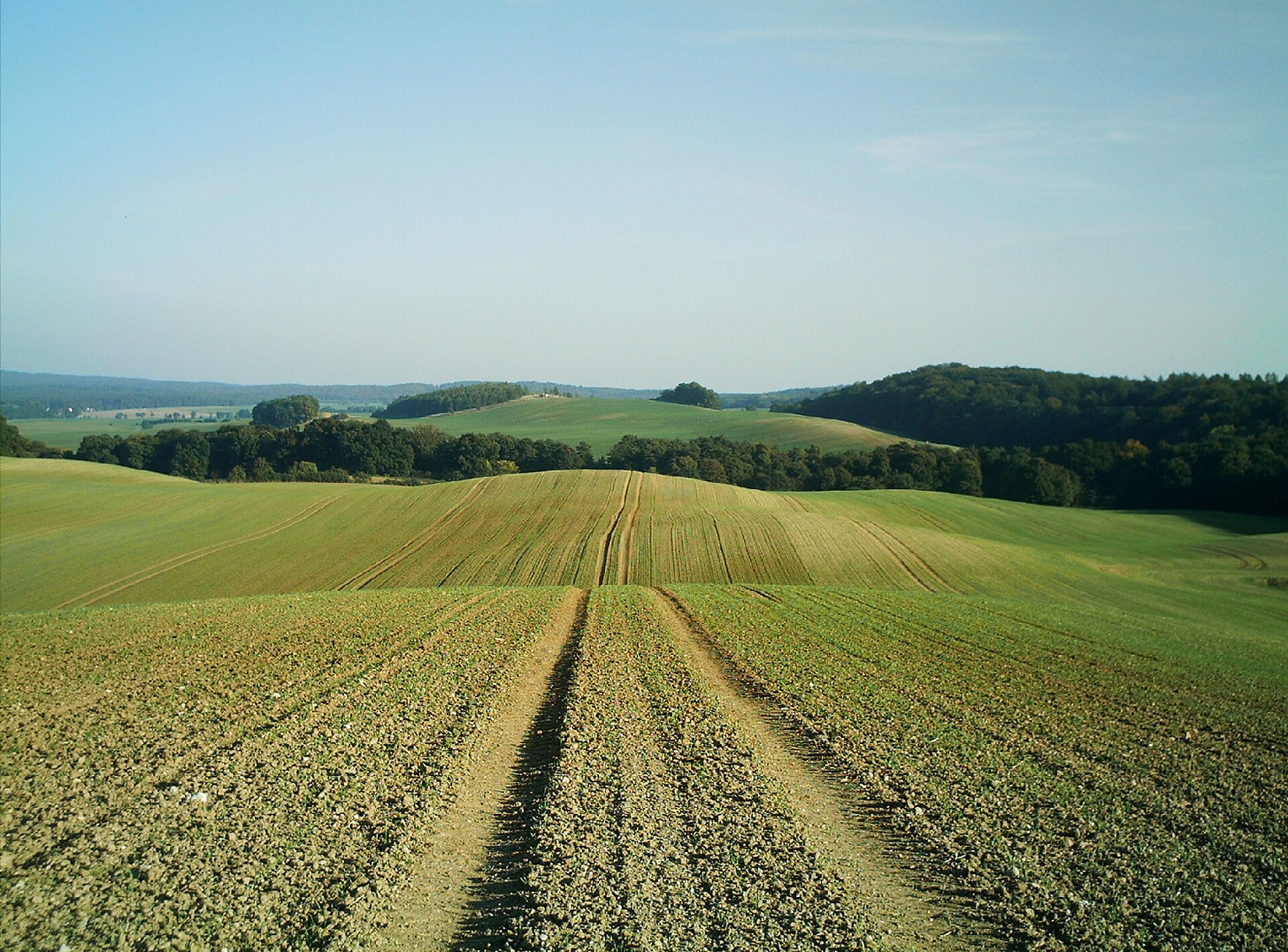
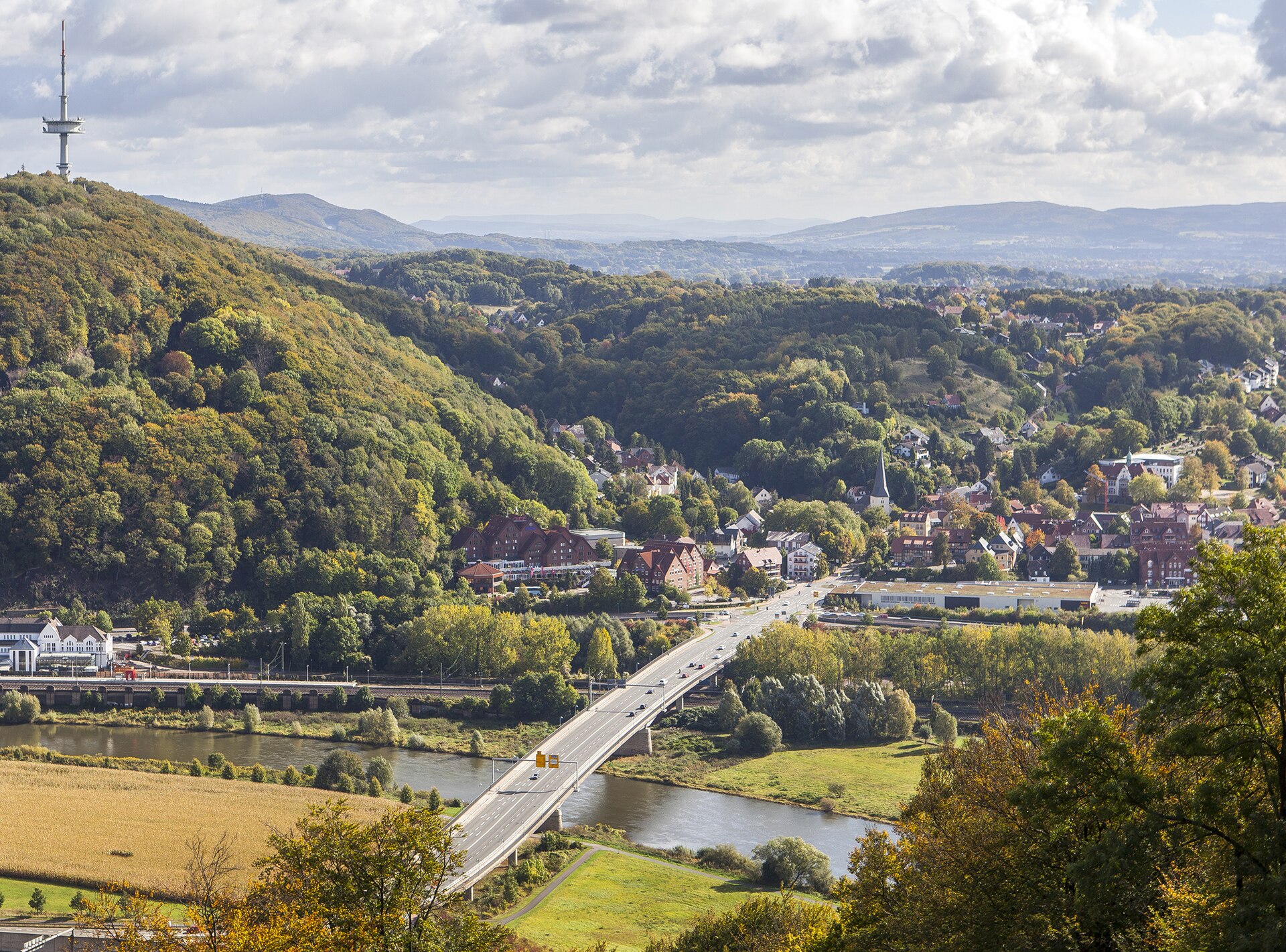
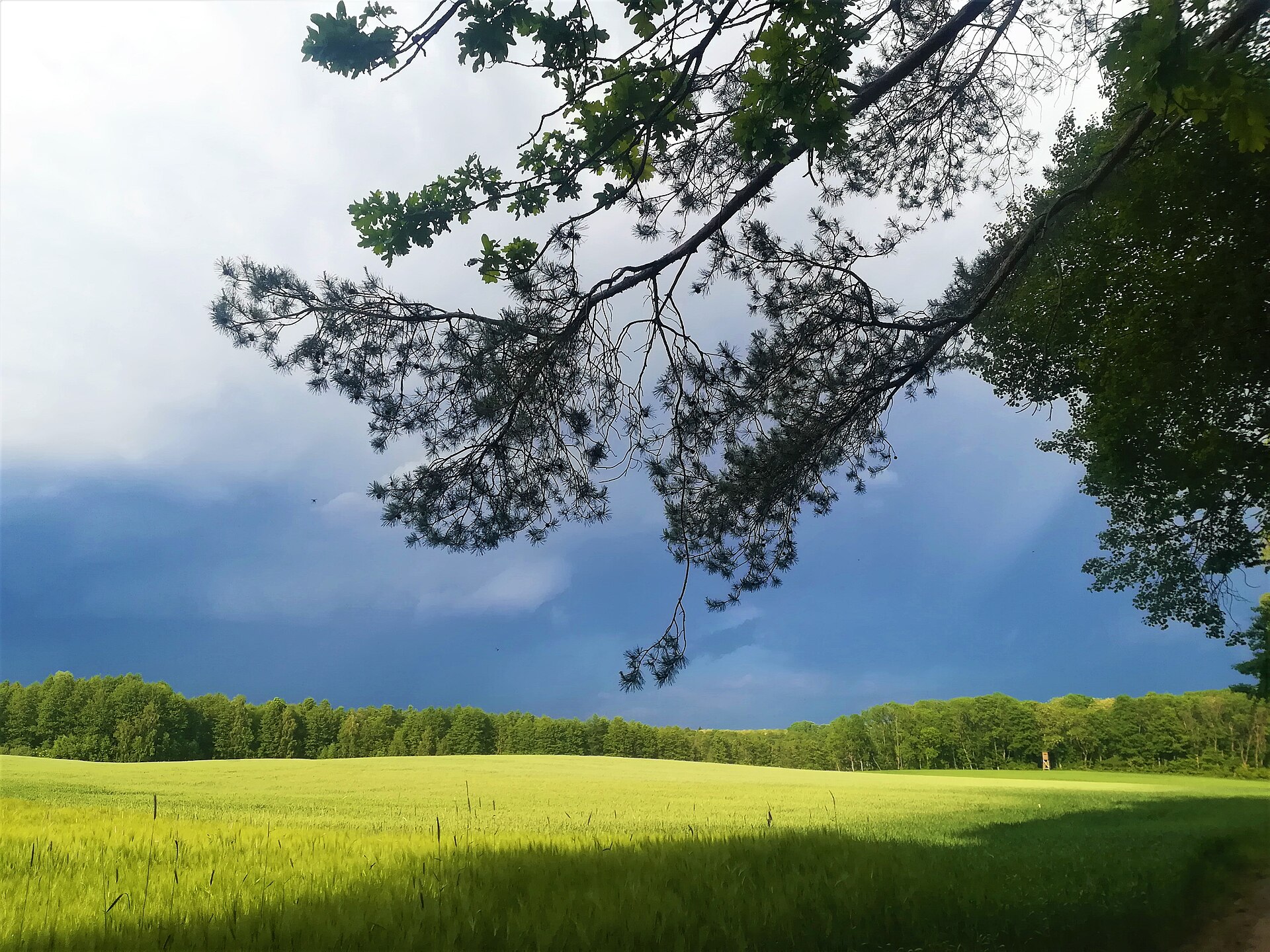
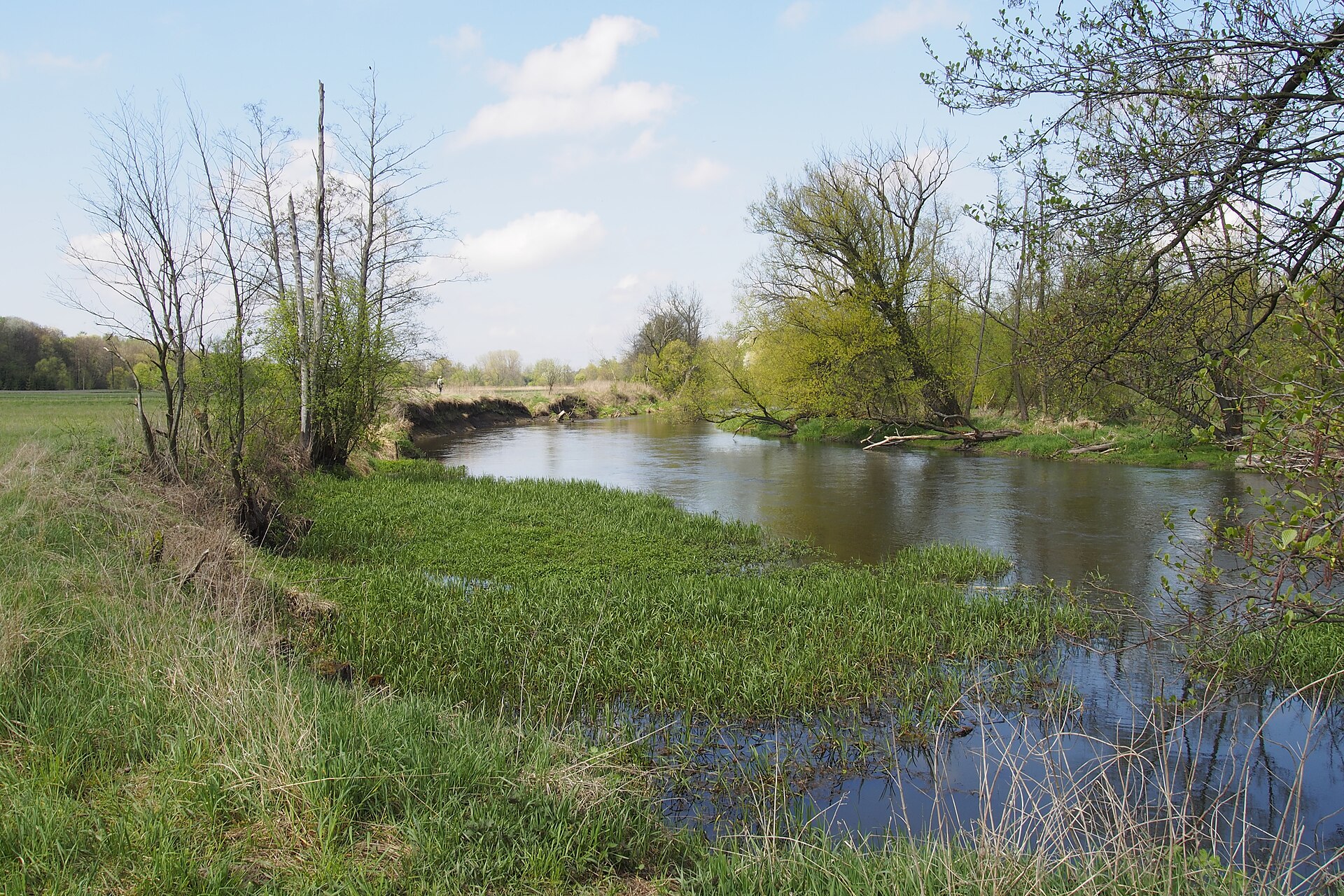
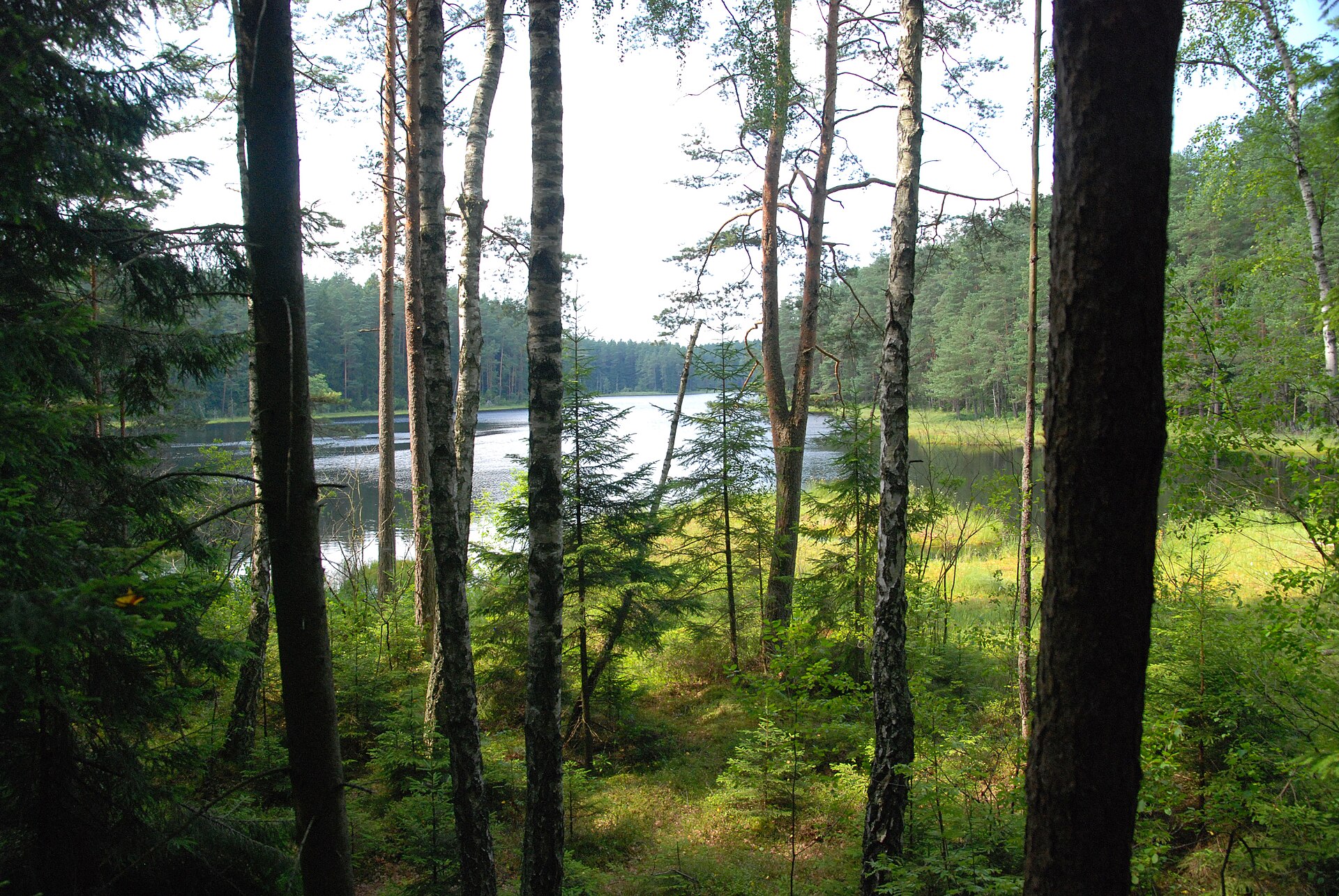
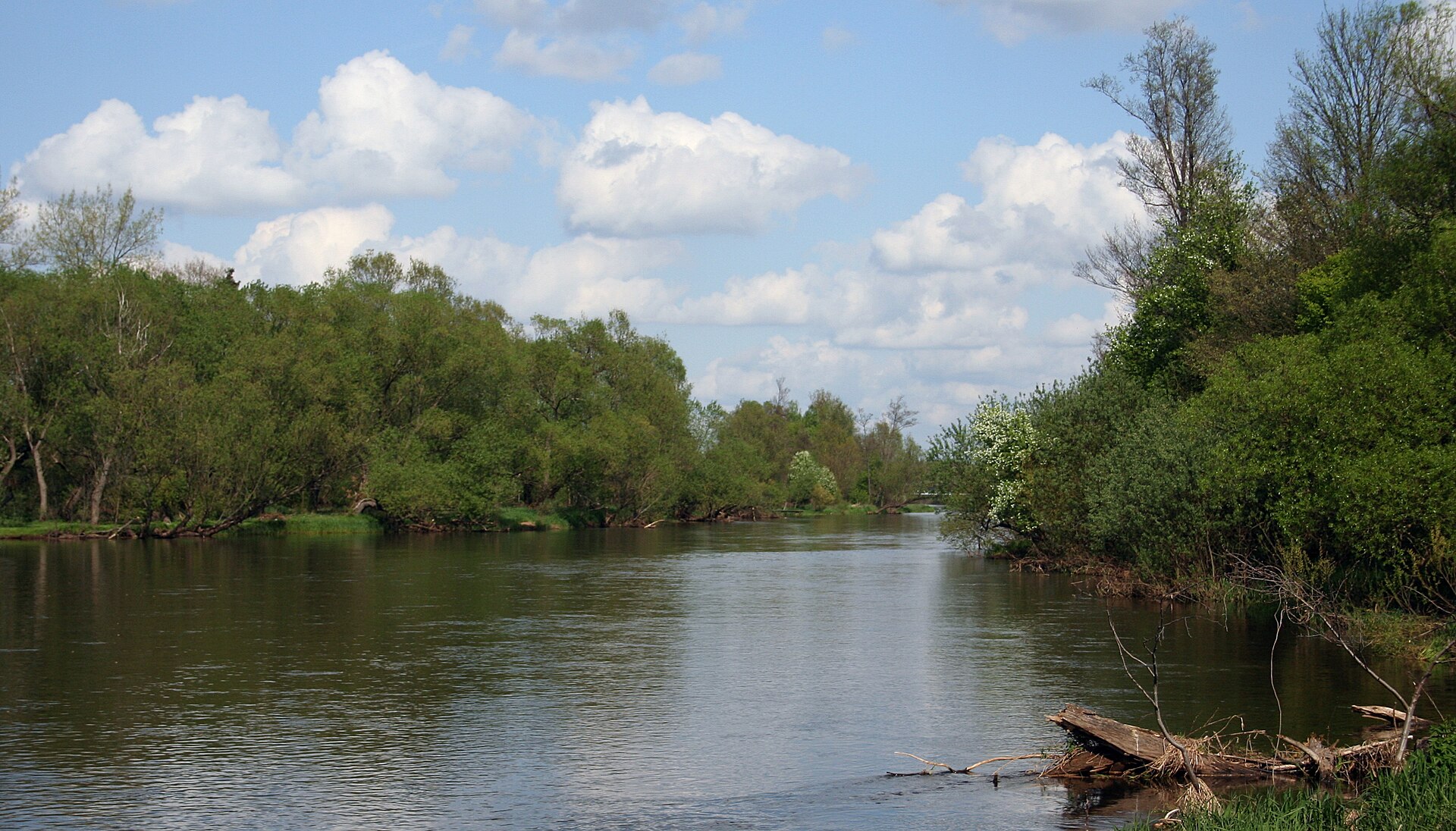
Protected areas where it is recorded
Natura 2000 1,861 records

6 records
Natura 2000
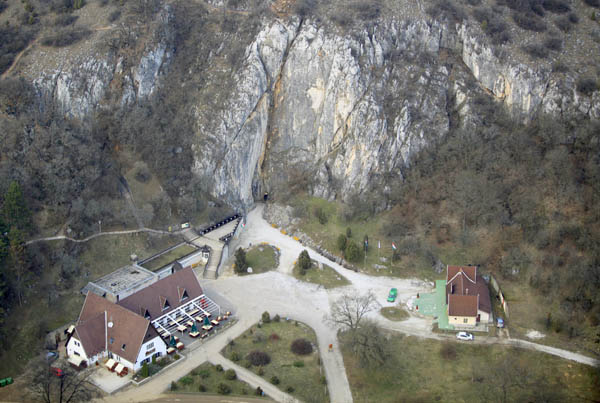
Natura 2000
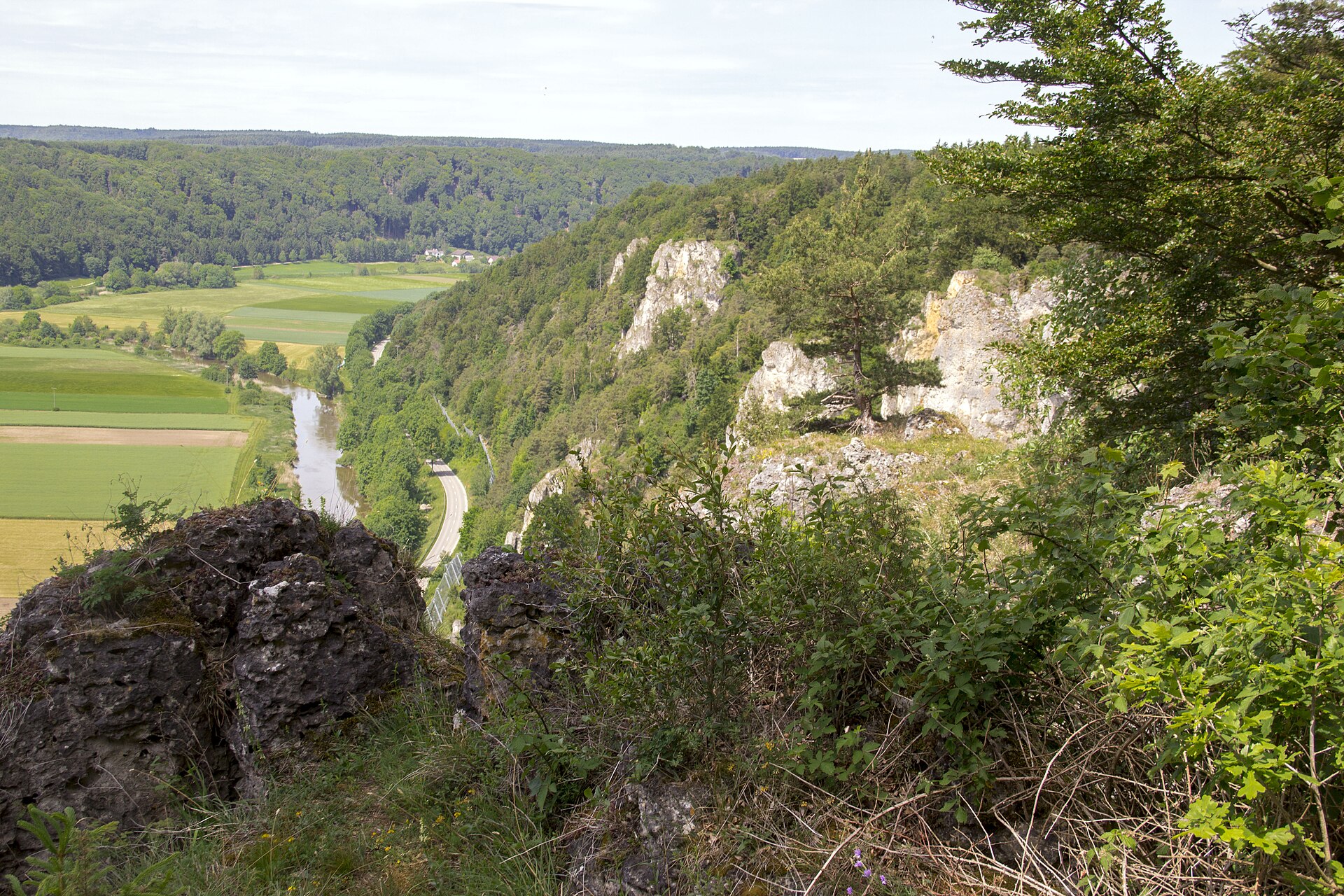
Natura 2000
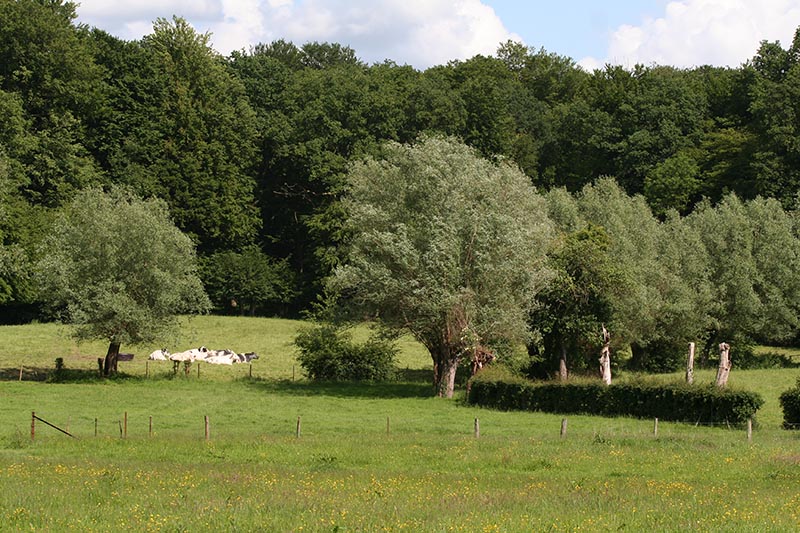
Natura 2000
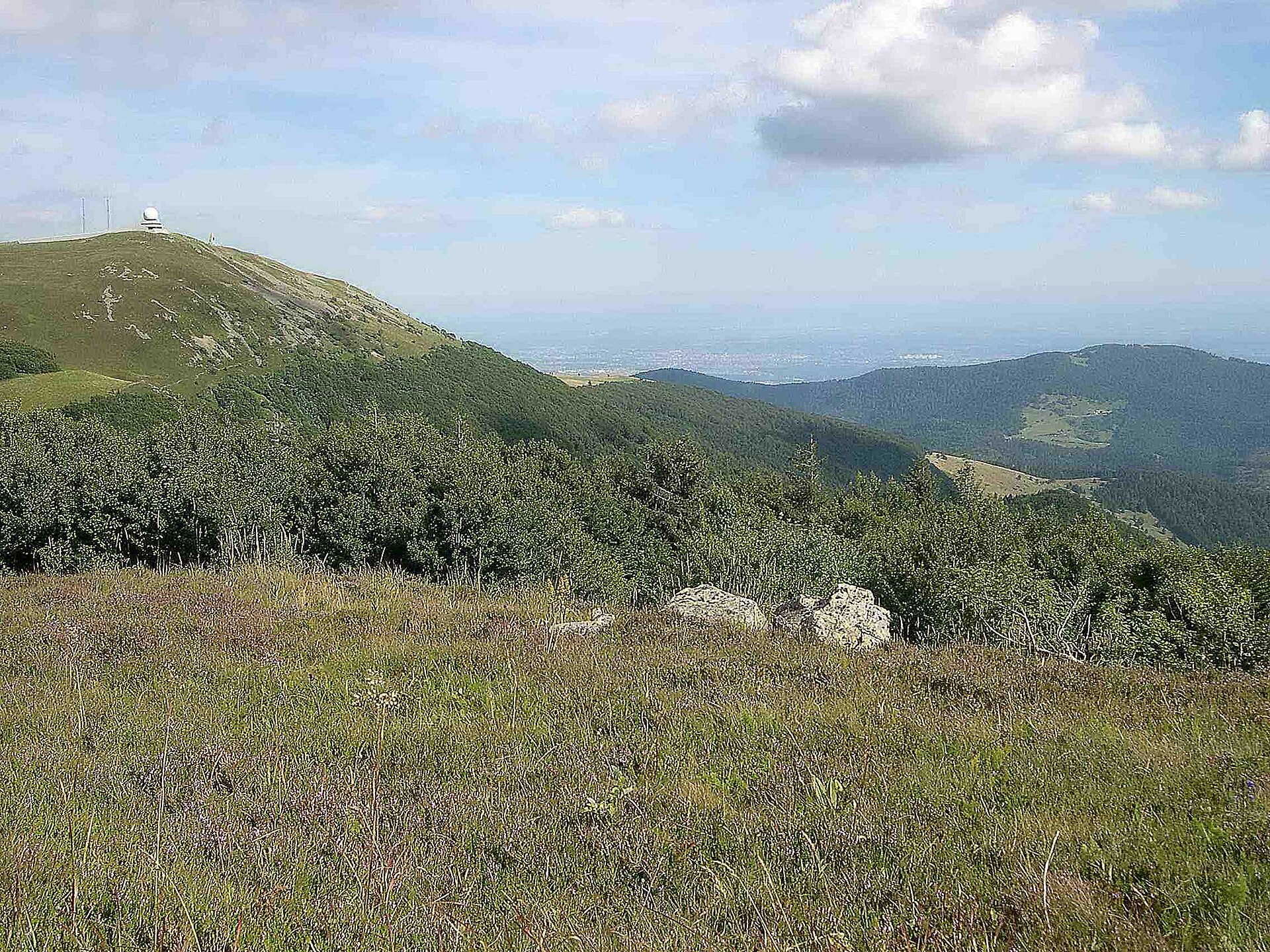
Natura 2000
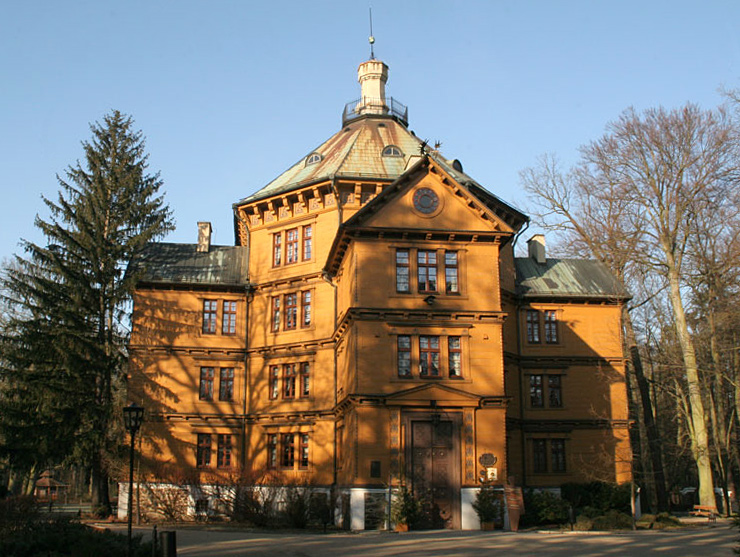
Natura 2000
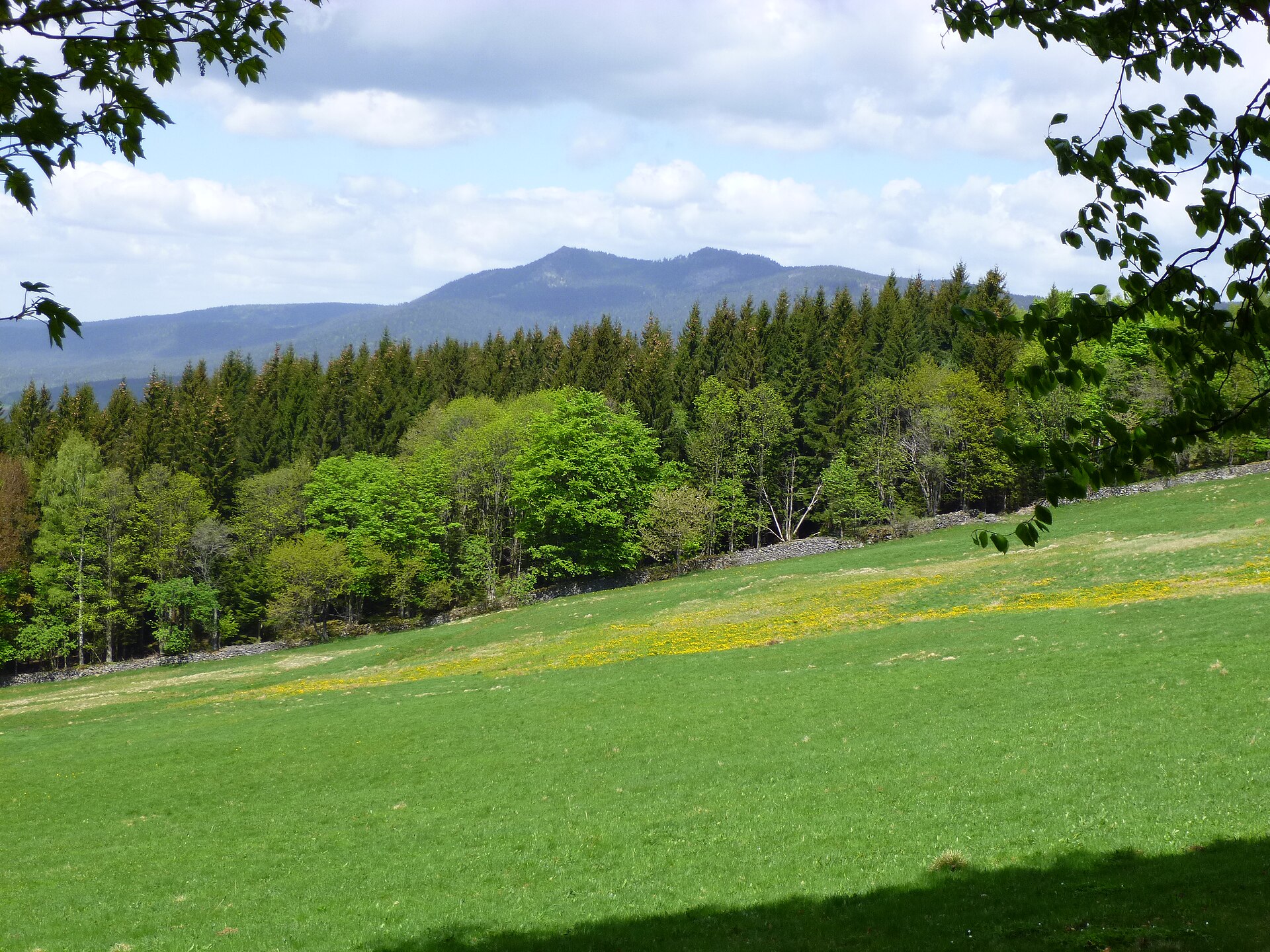
Natura 2000
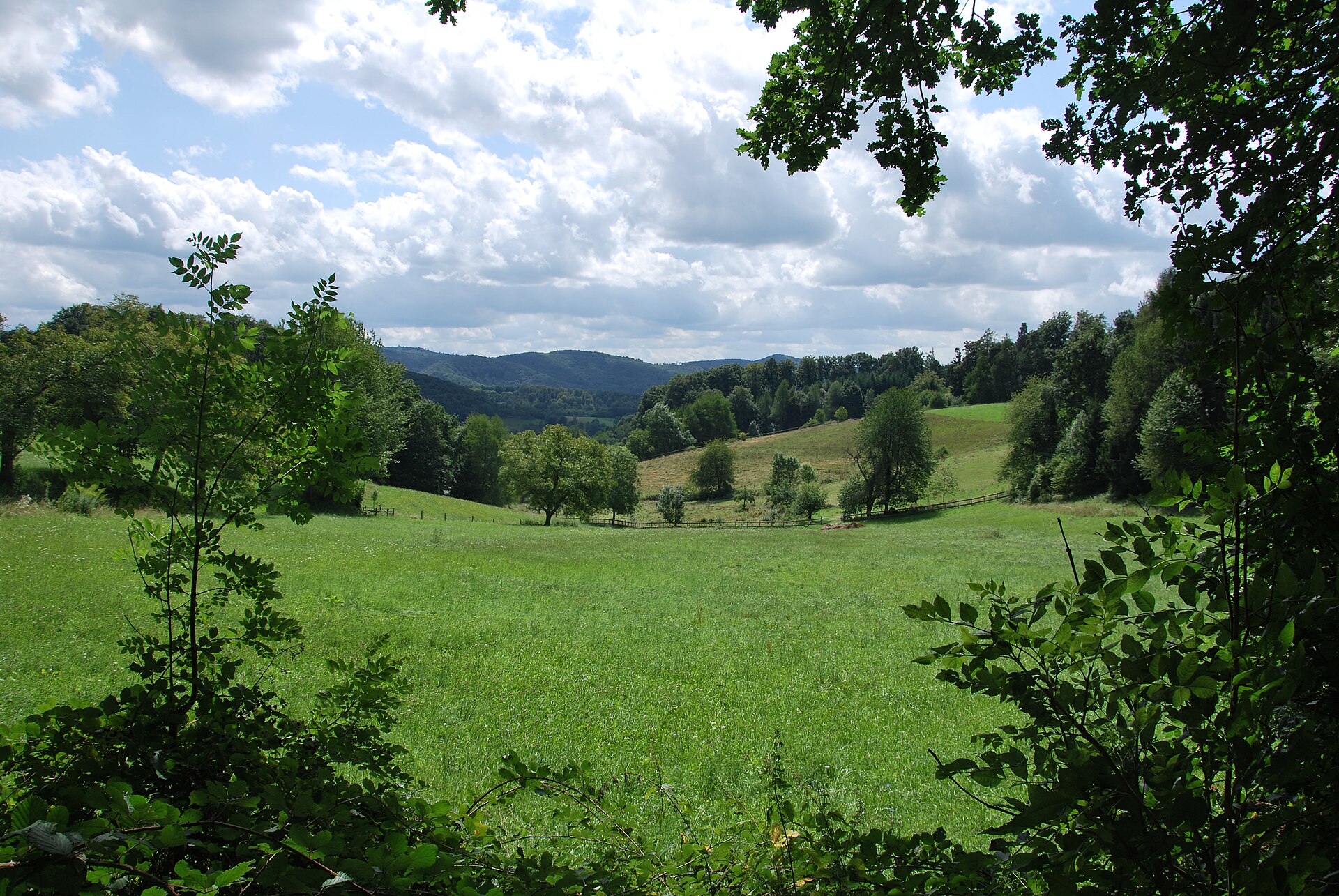
Natura 2000
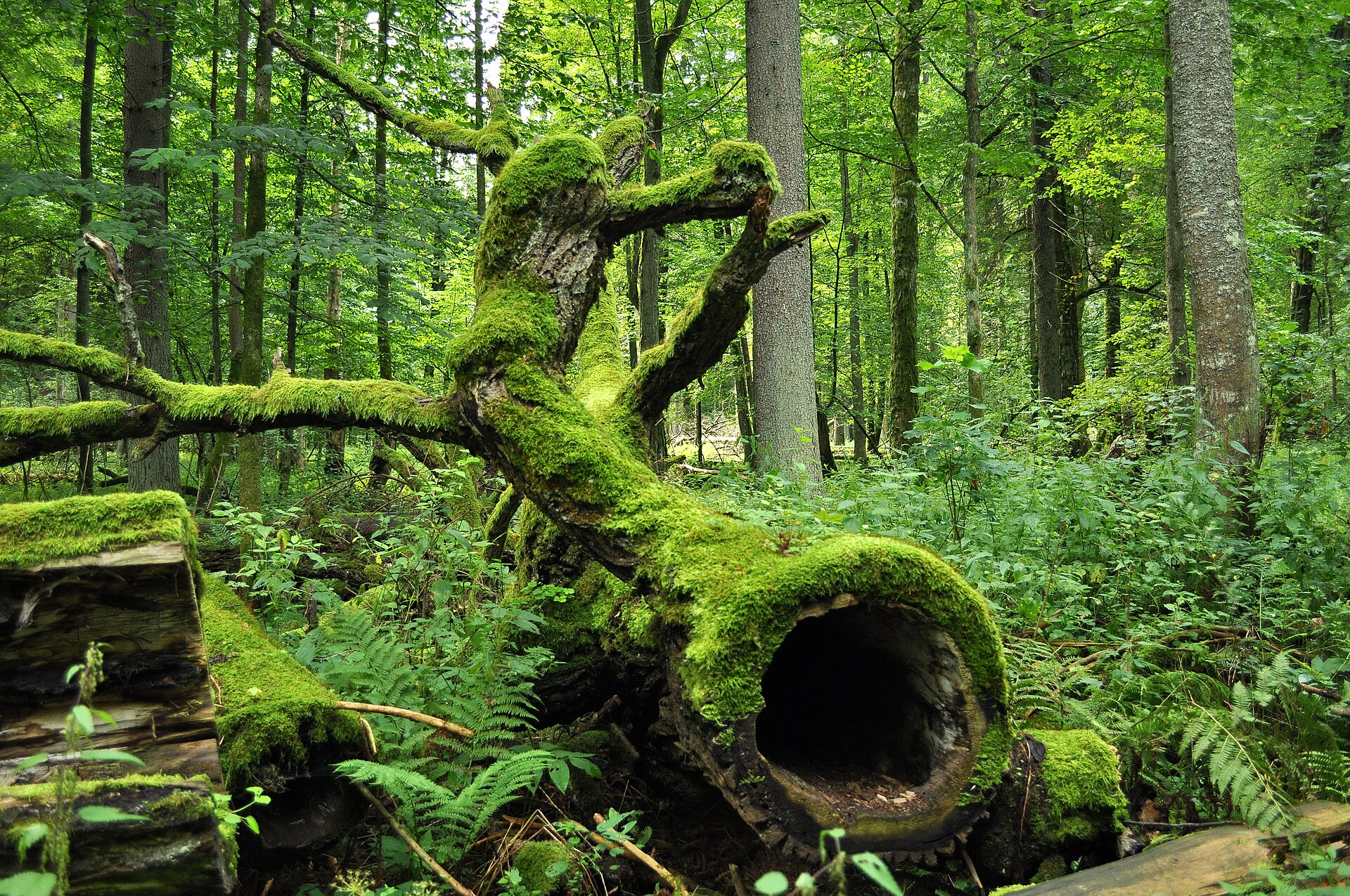
Natura 2000

Natura 2000
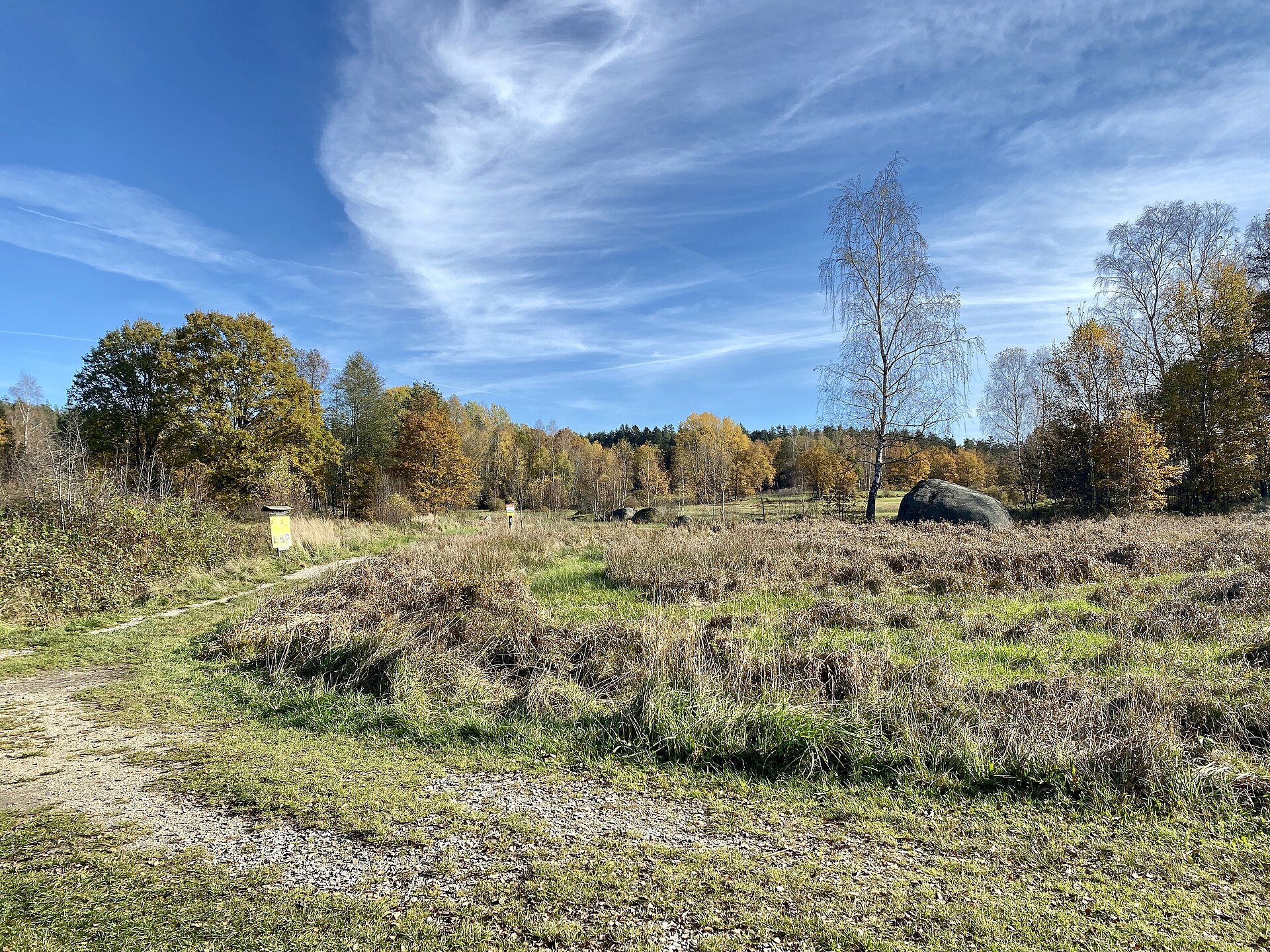
Natura 2000
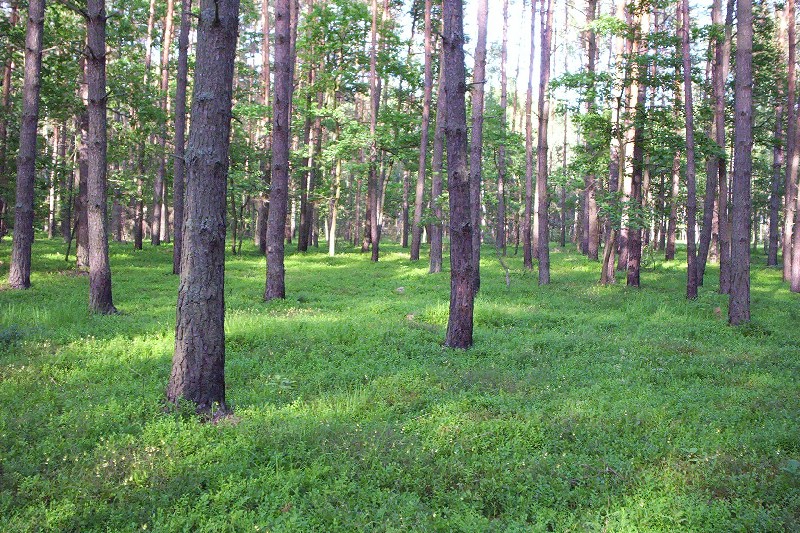
Natura 2000
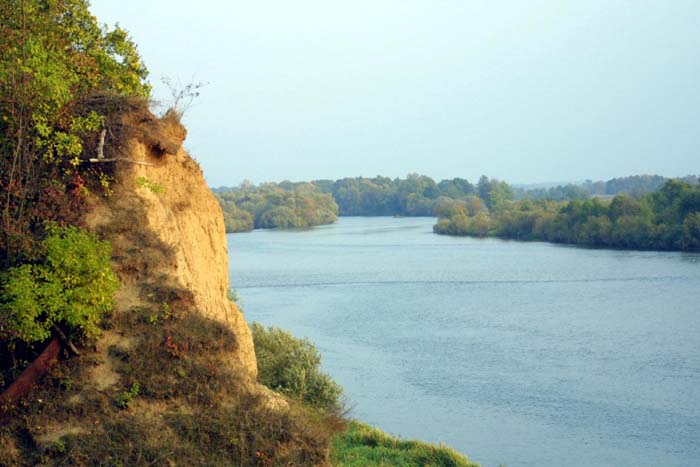
Natura 2000
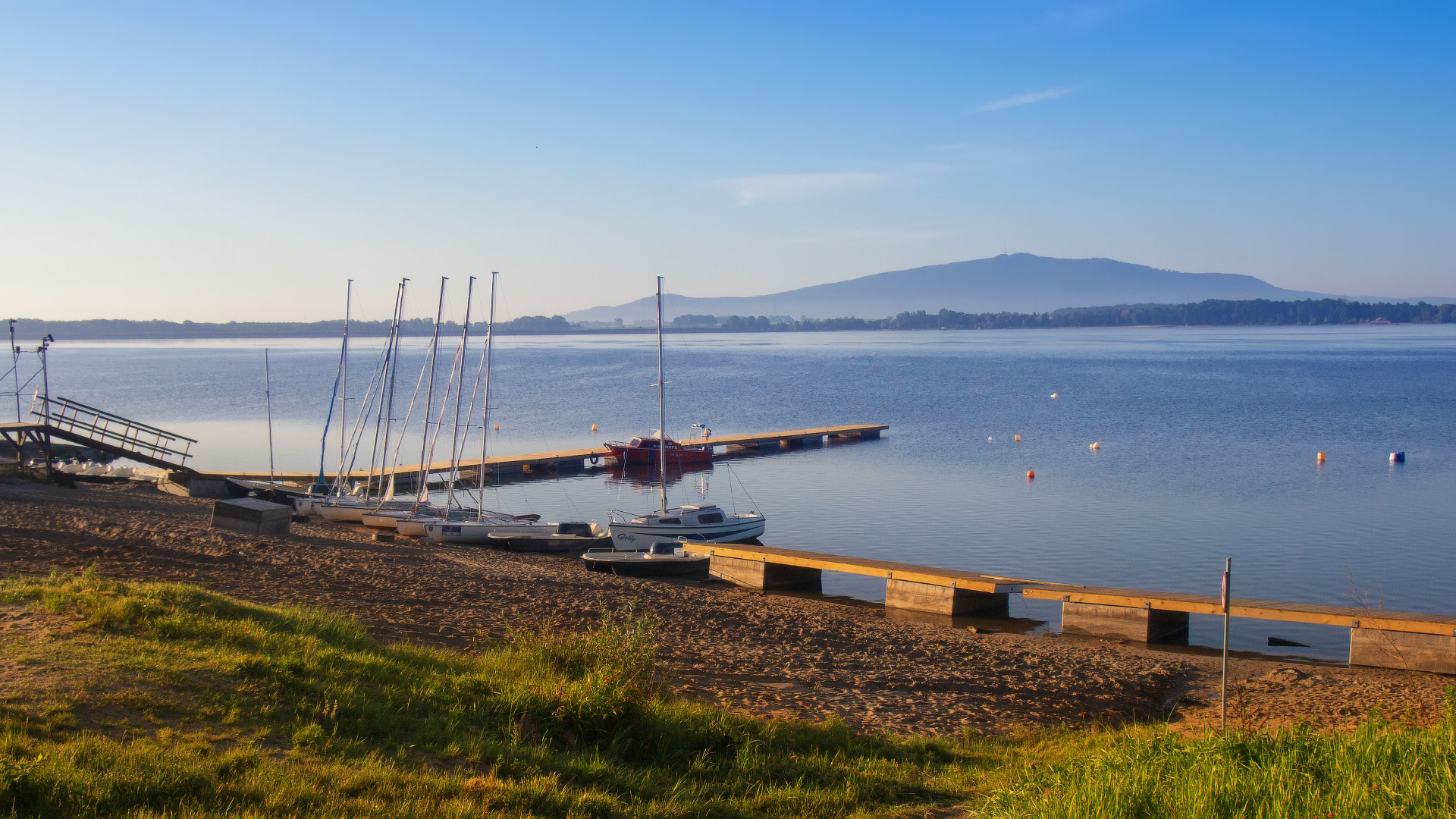
Natura 2000
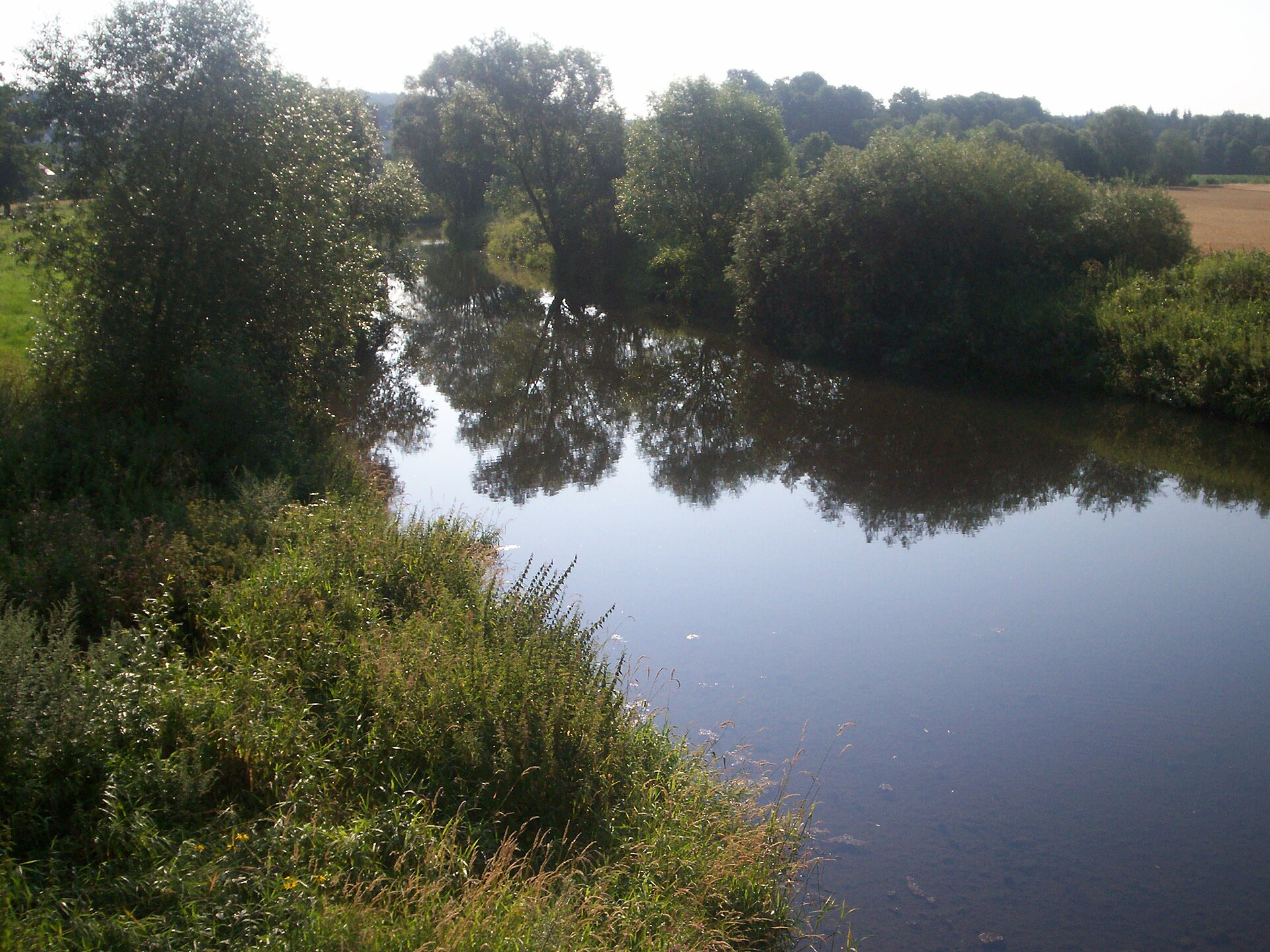
Natura 2000
Natura 2000

Natura 2000
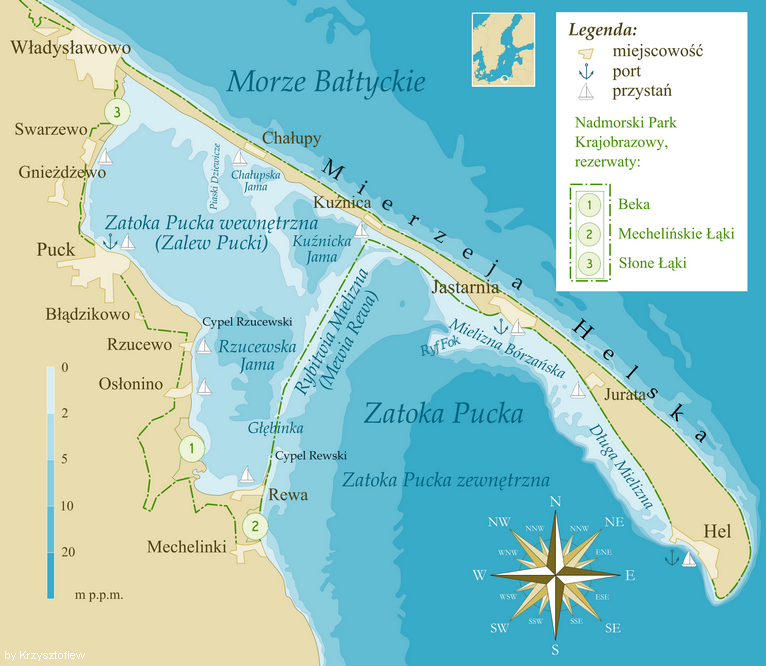
Natura 2000
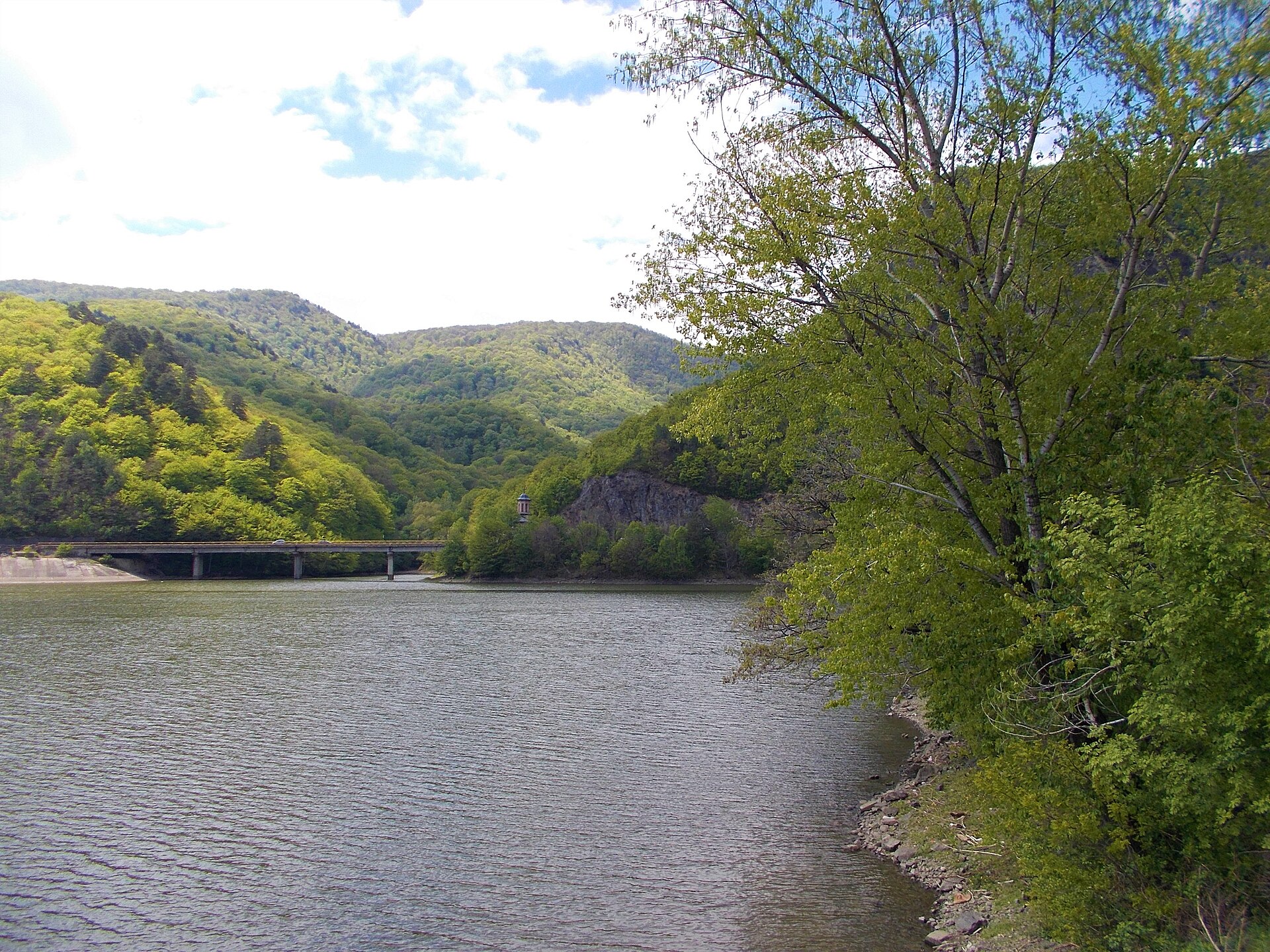
Natura 2000
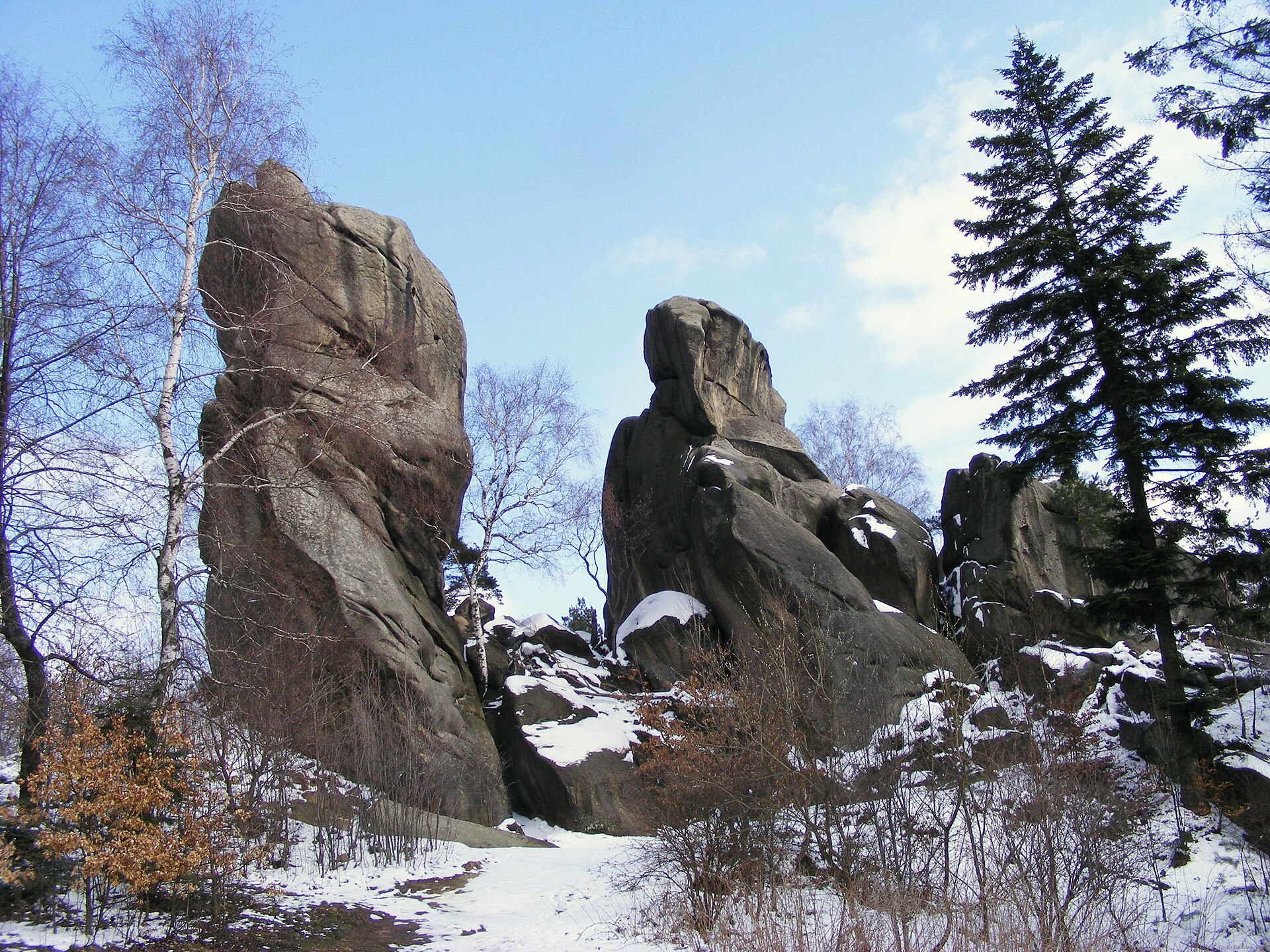
Natura 2000
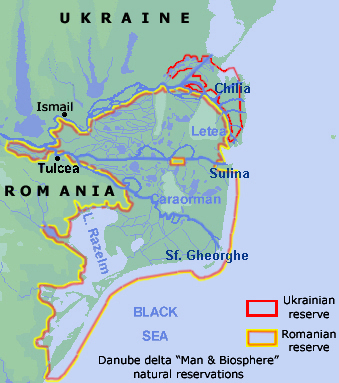
Natura 2000
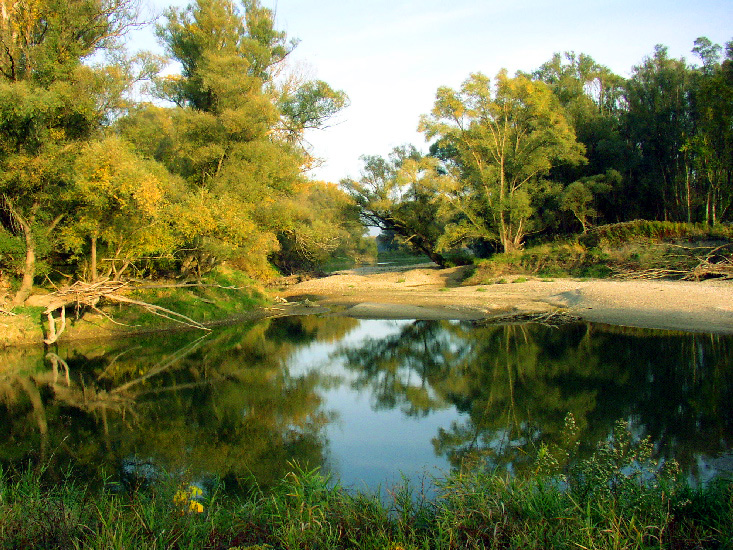
Natura 2000
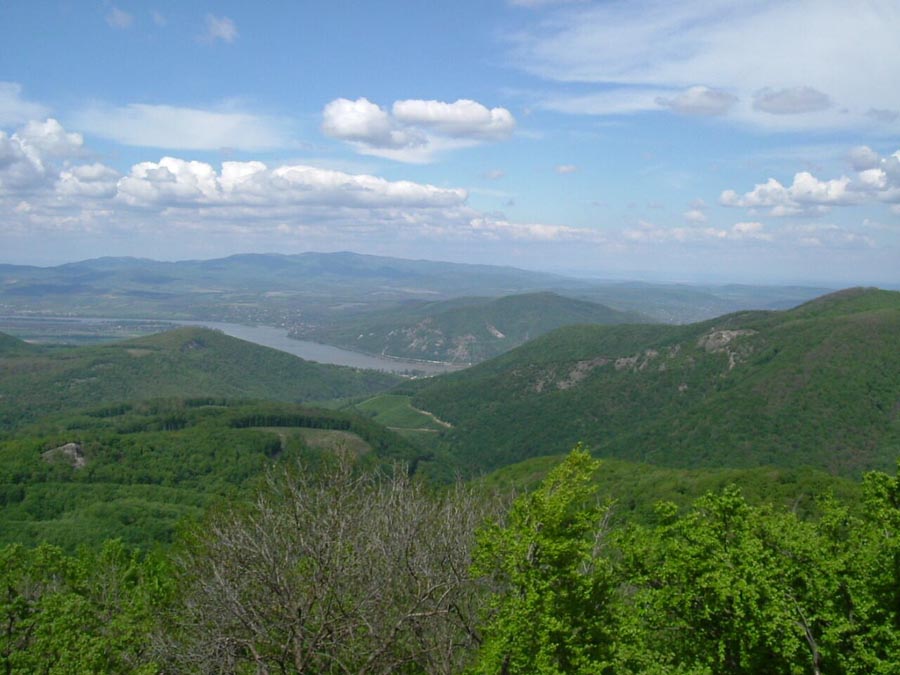
Natura 2000
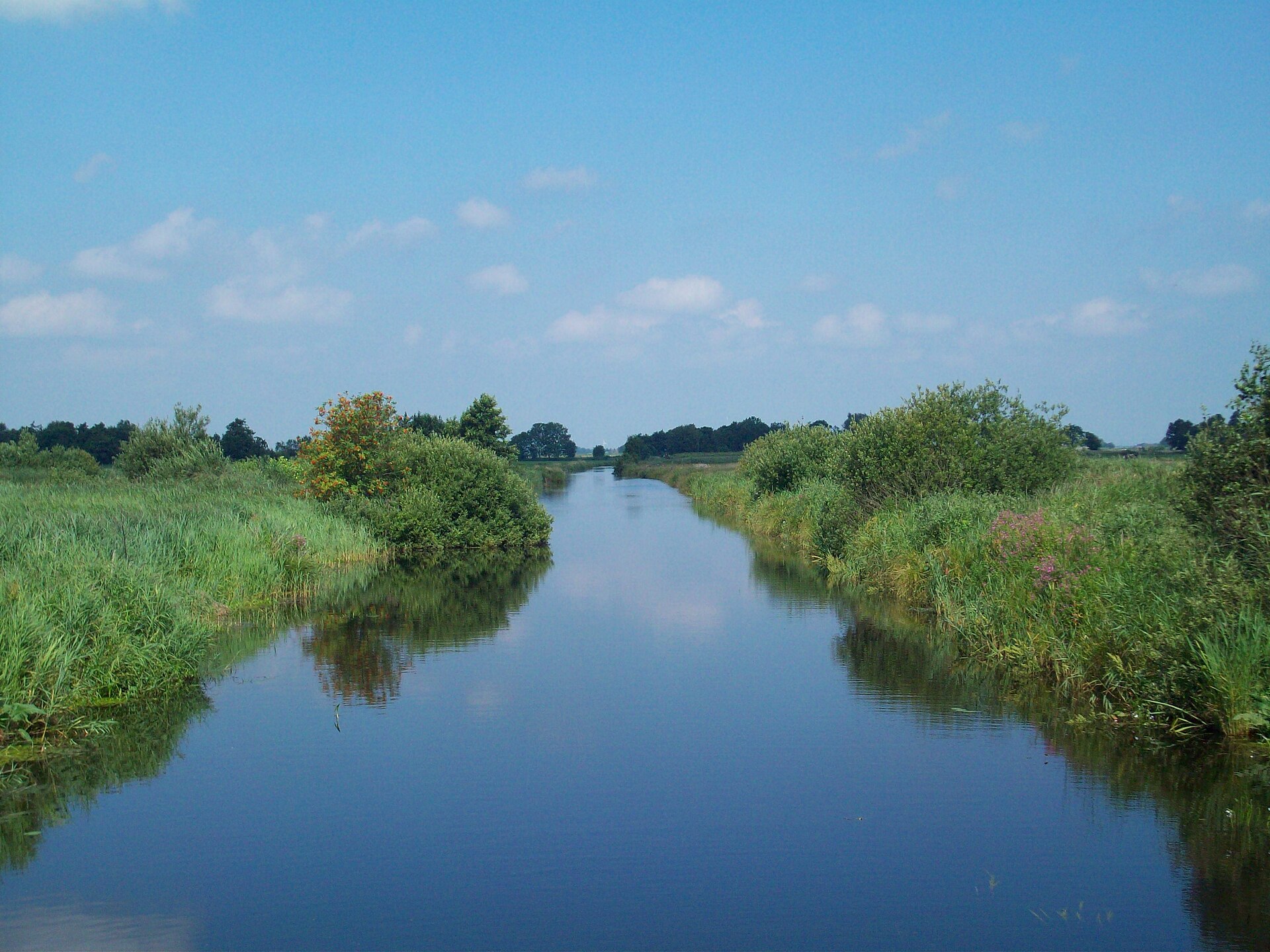
Natura 2000
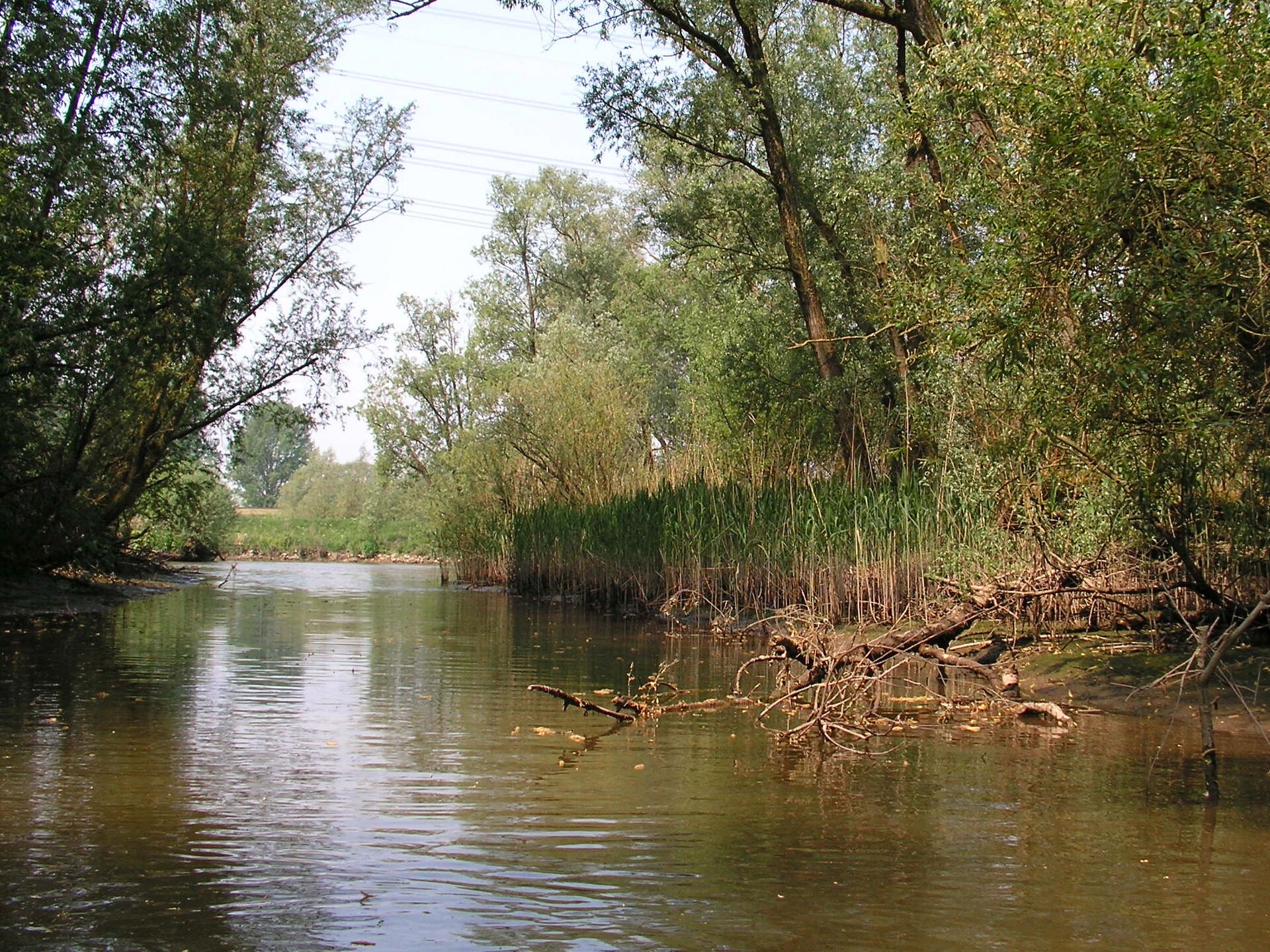
Natura 2000
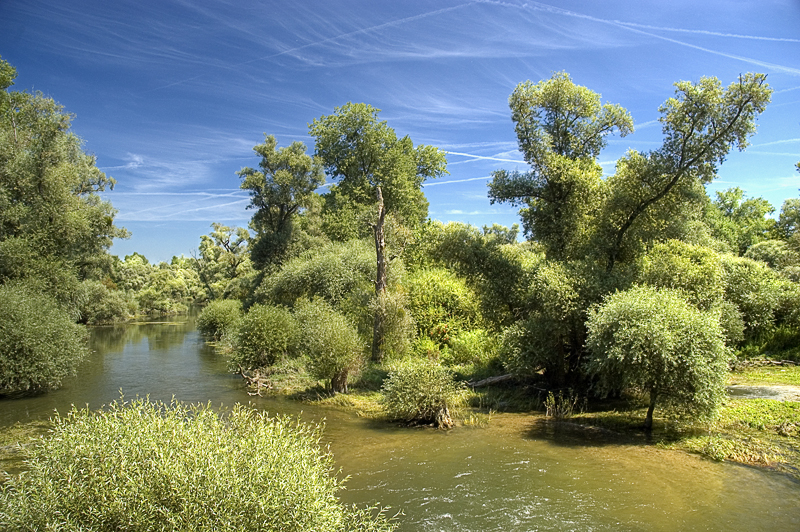
Natura 2000
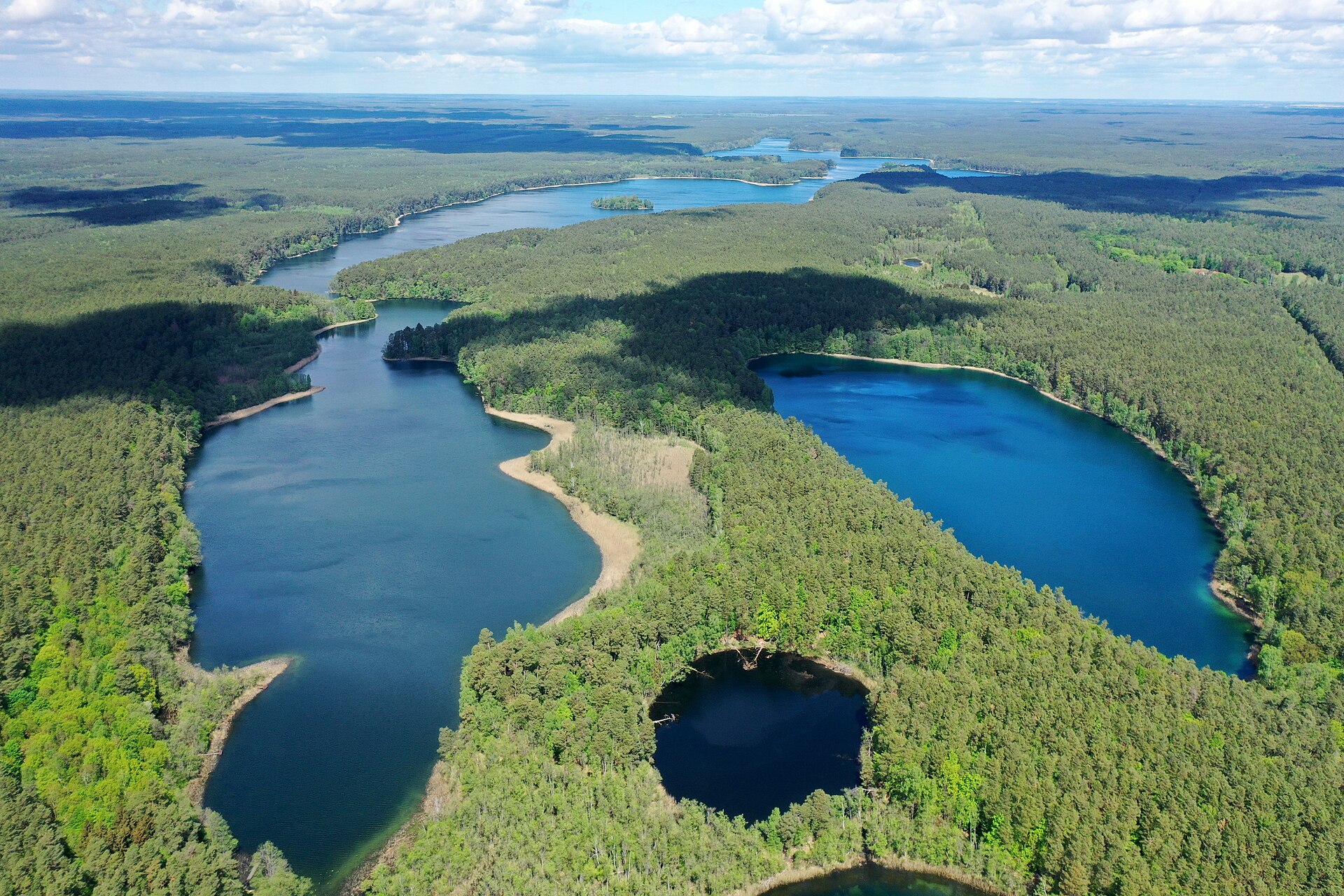
Natura 2000
Natura 2000
Natura 2000
Natura 2000

Natura 2000
Natura 2000
Natura 2000
Natura 2000
Natura 2000

Natura 2000
Natura 2000
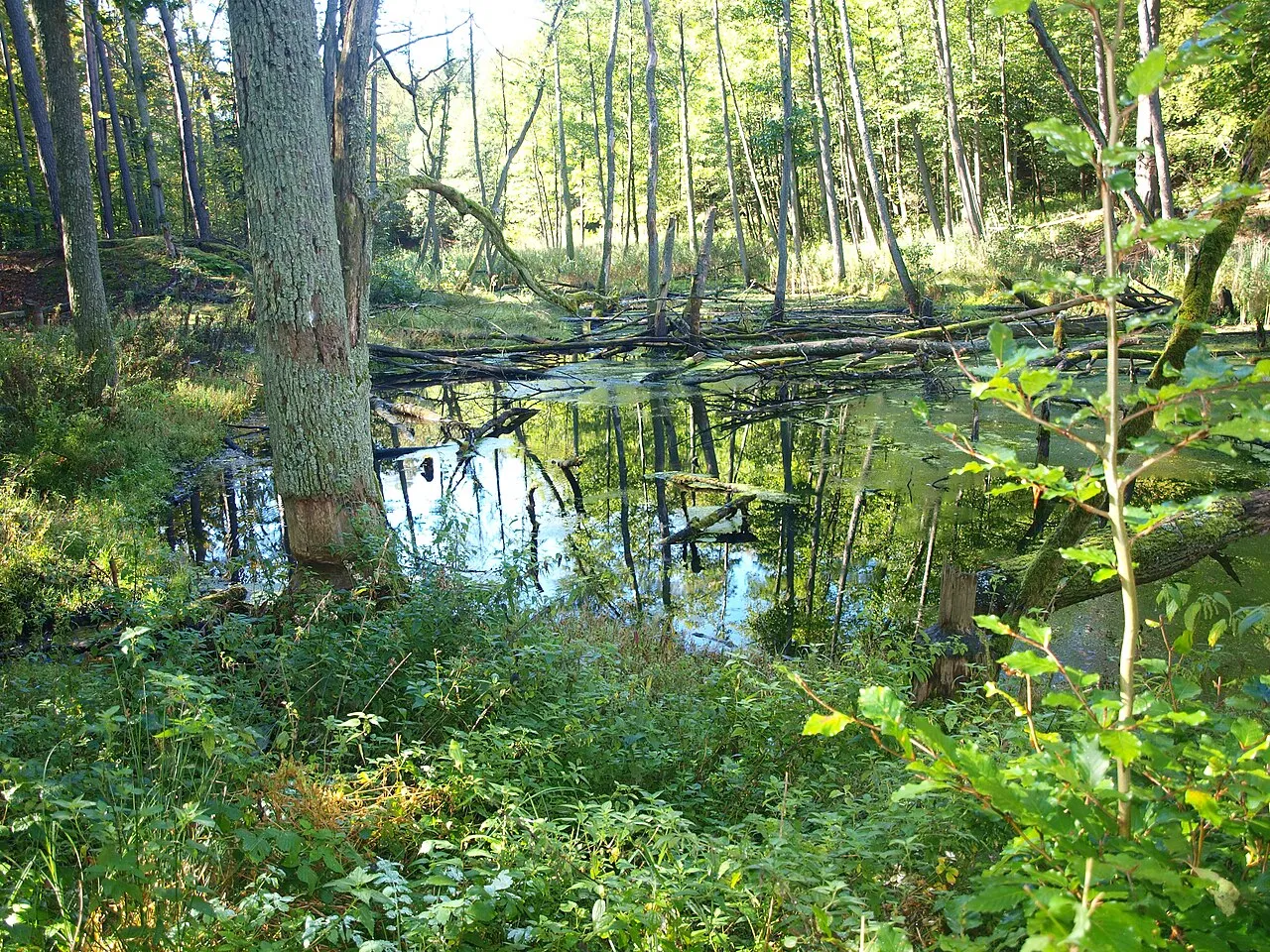
Natura 2000
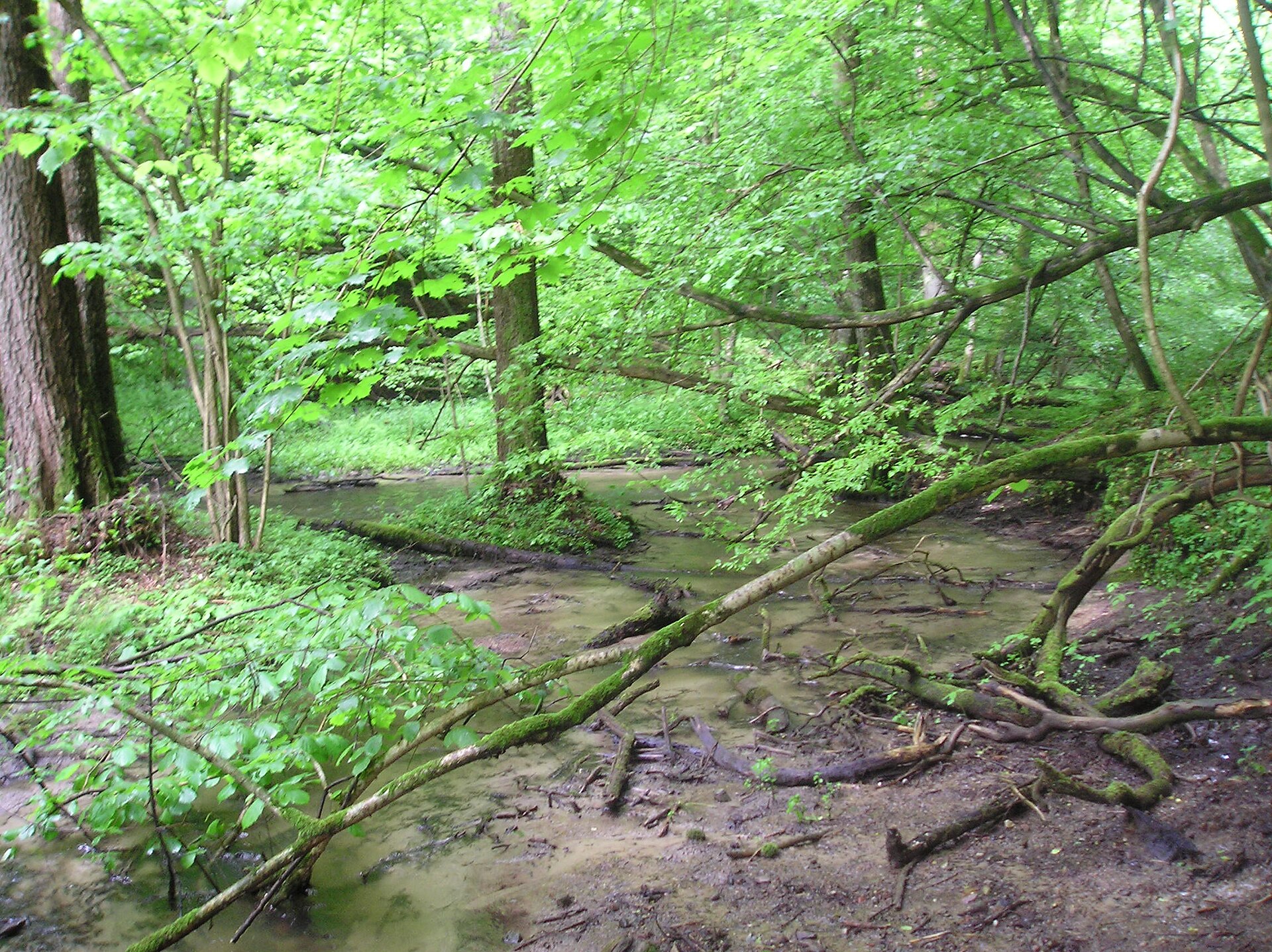
Natura 2000

Natura 2000
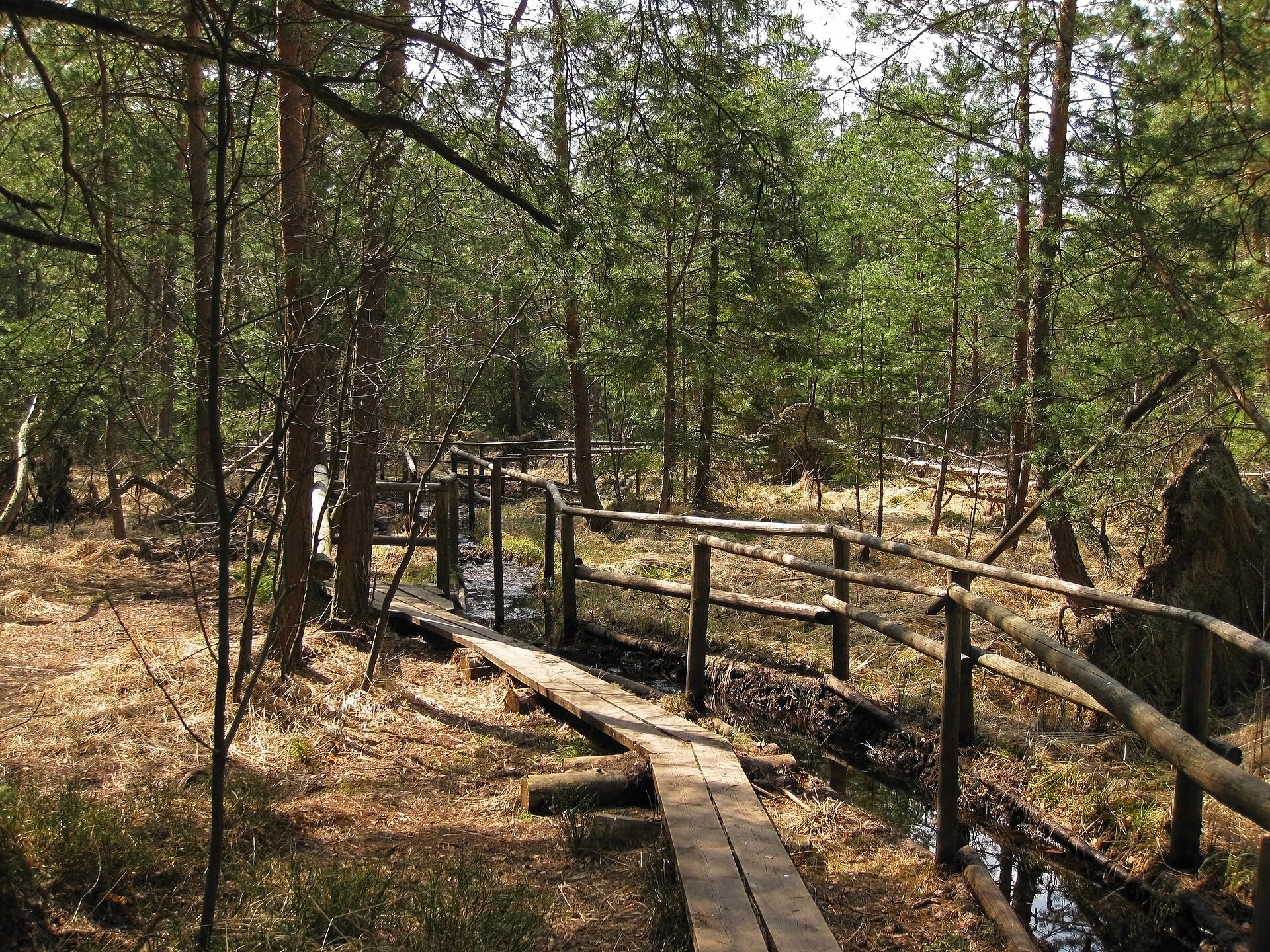
Natura 2000

Natura 2000
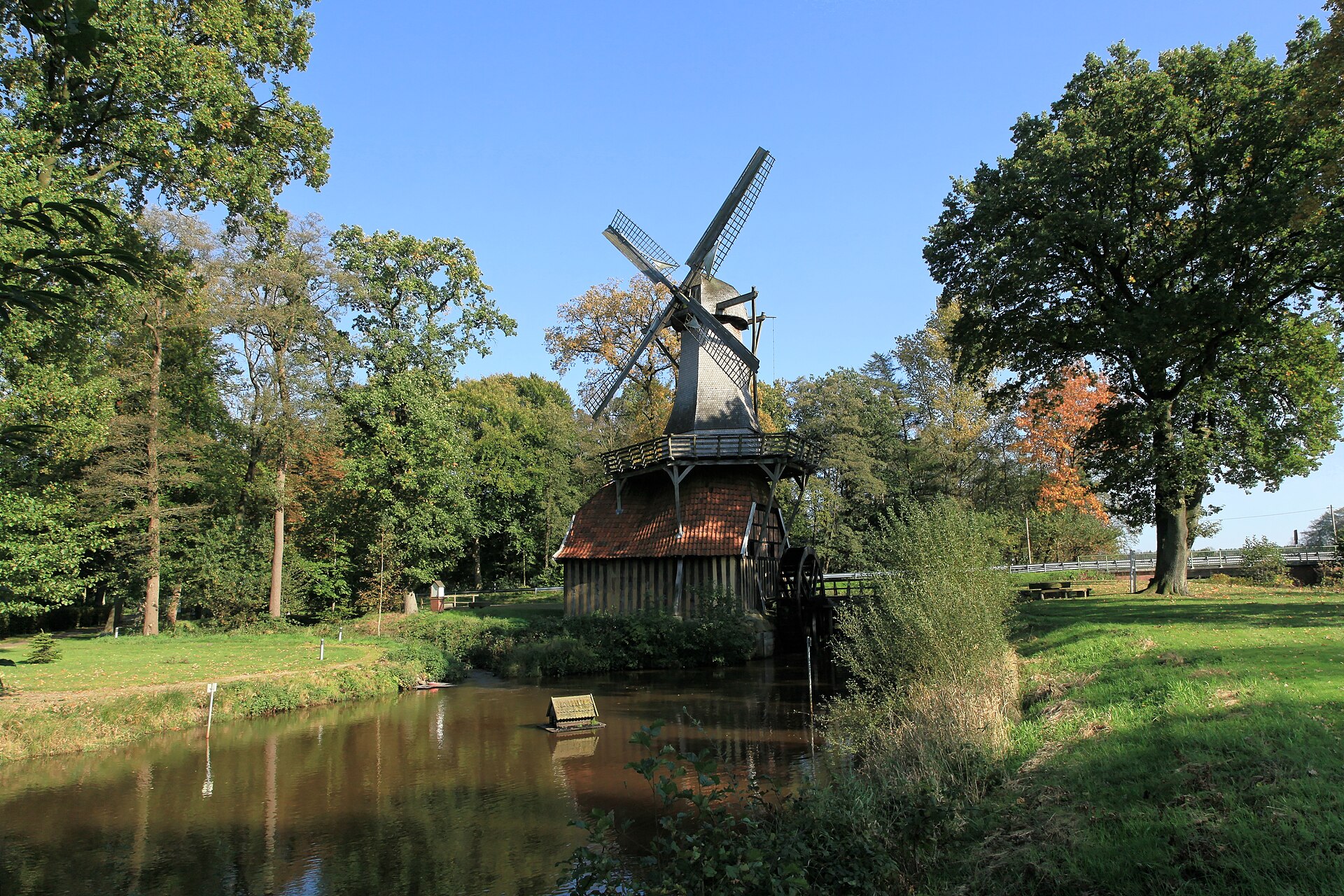
Natura 2000
Natura 2000

Natura 2000
Natura 2000
Natura 2000
Natura 2000
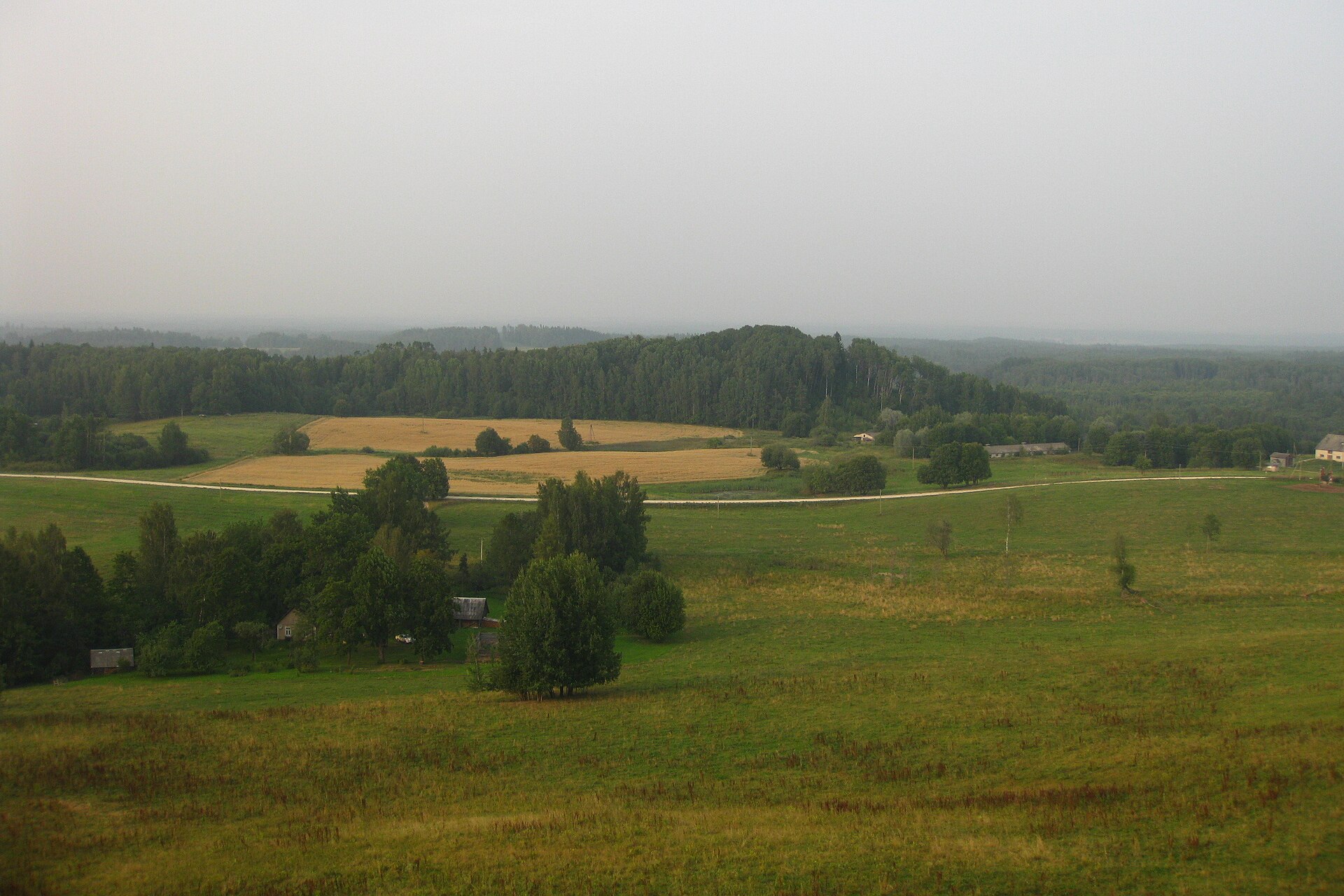
Natura 2000
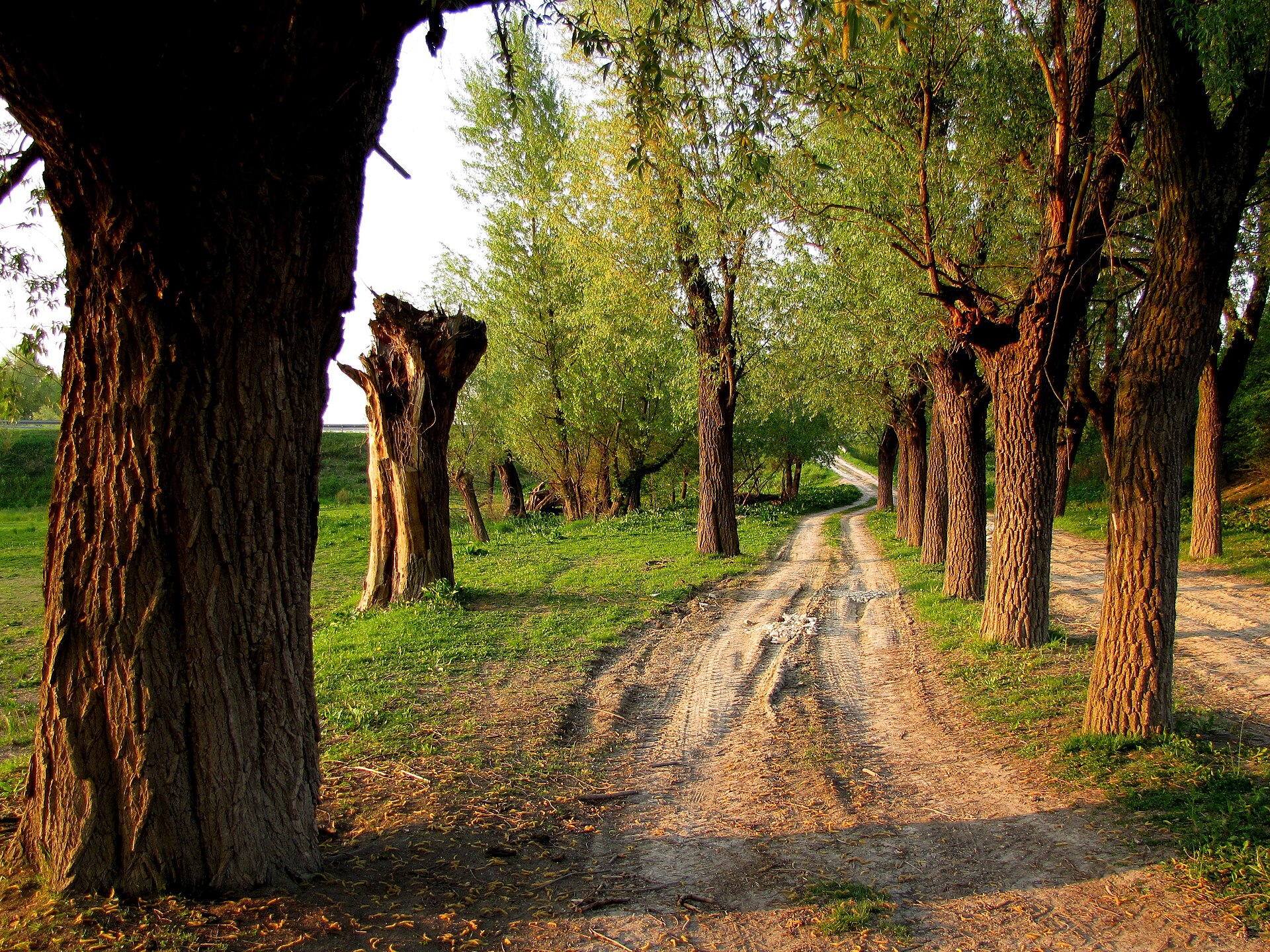
Natura 2000
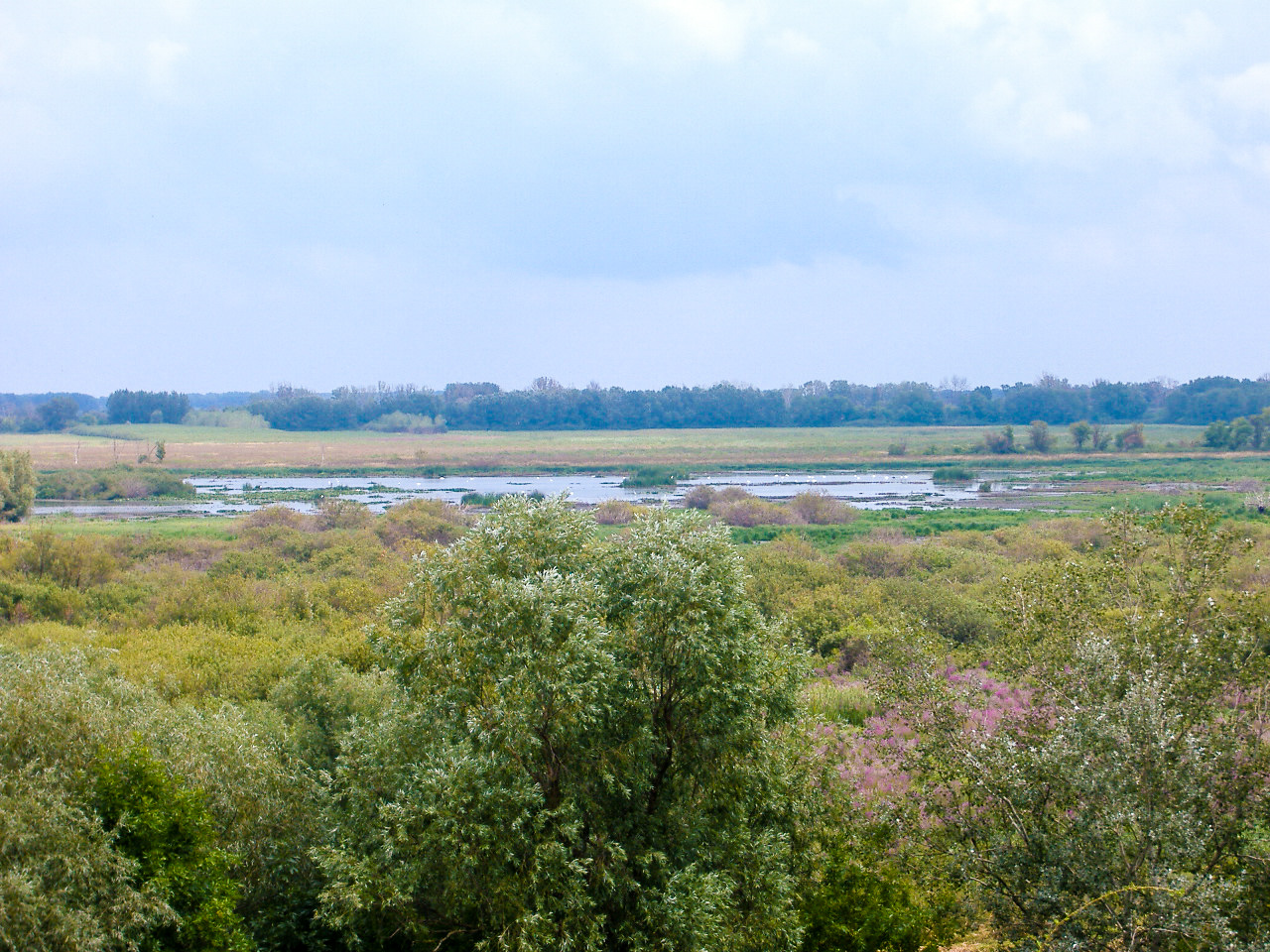
Natura 2000

Natura 2000
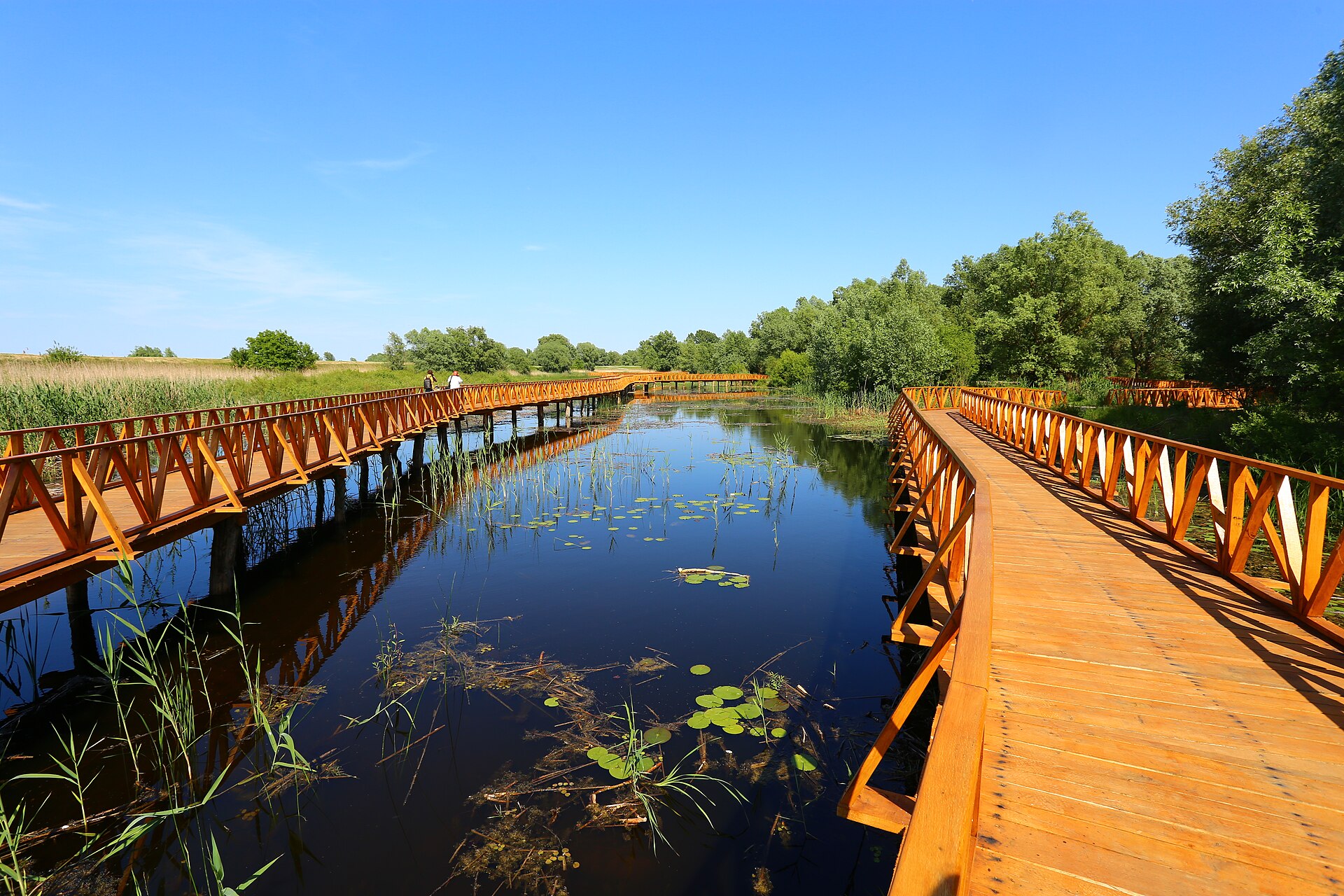
Natura 2000
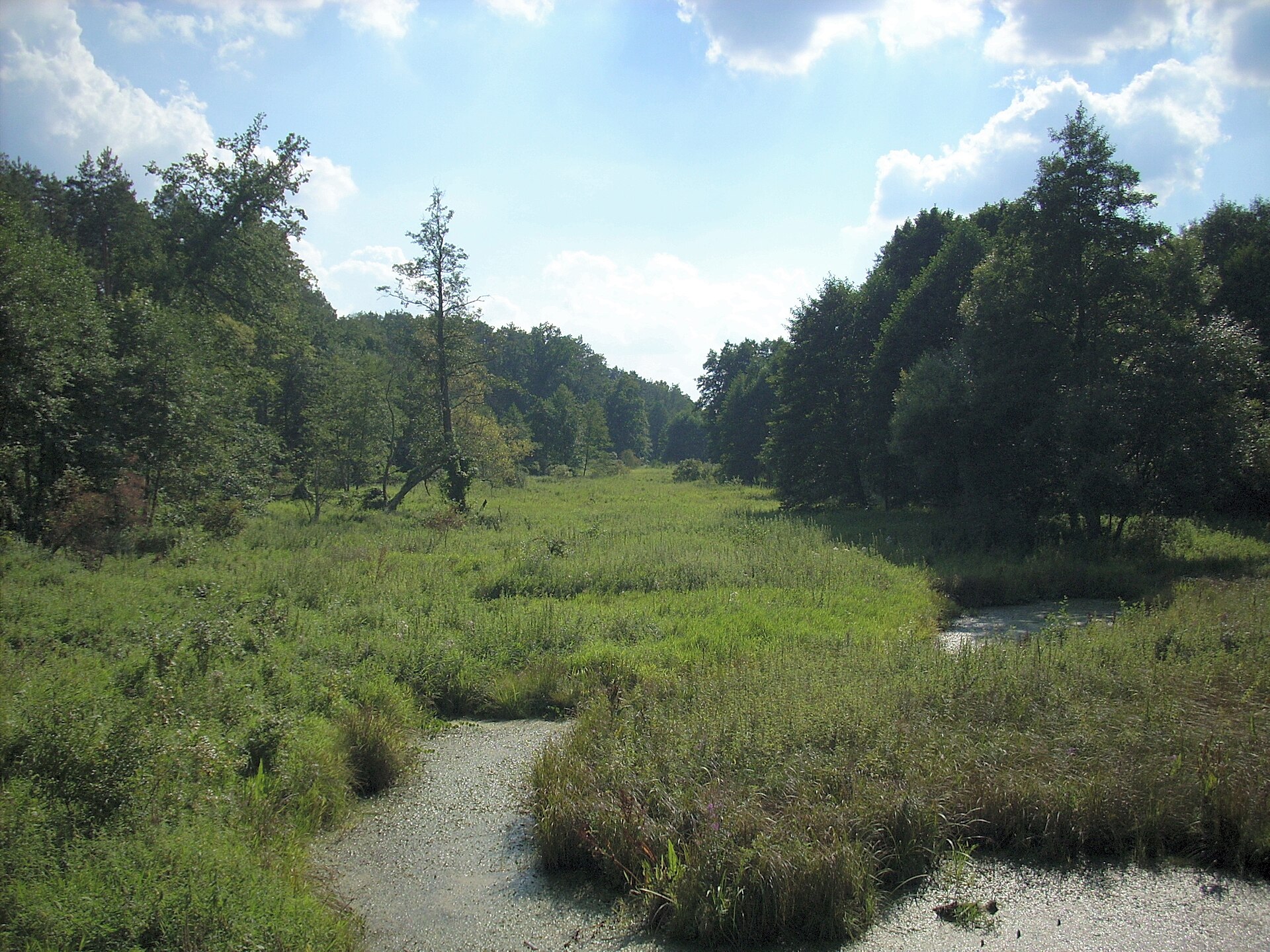
Natura 2000
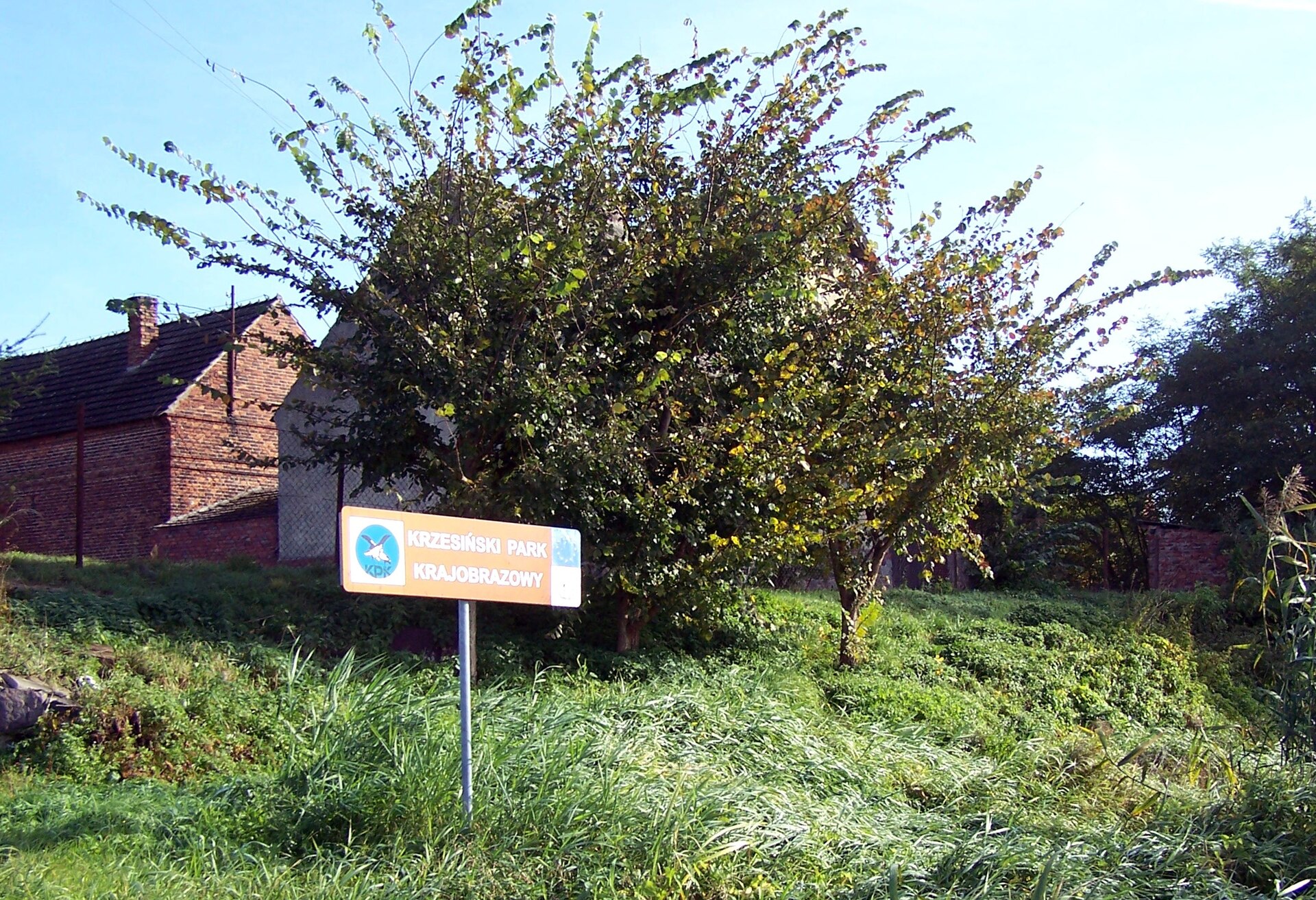
Natura 2000

Natura 2000
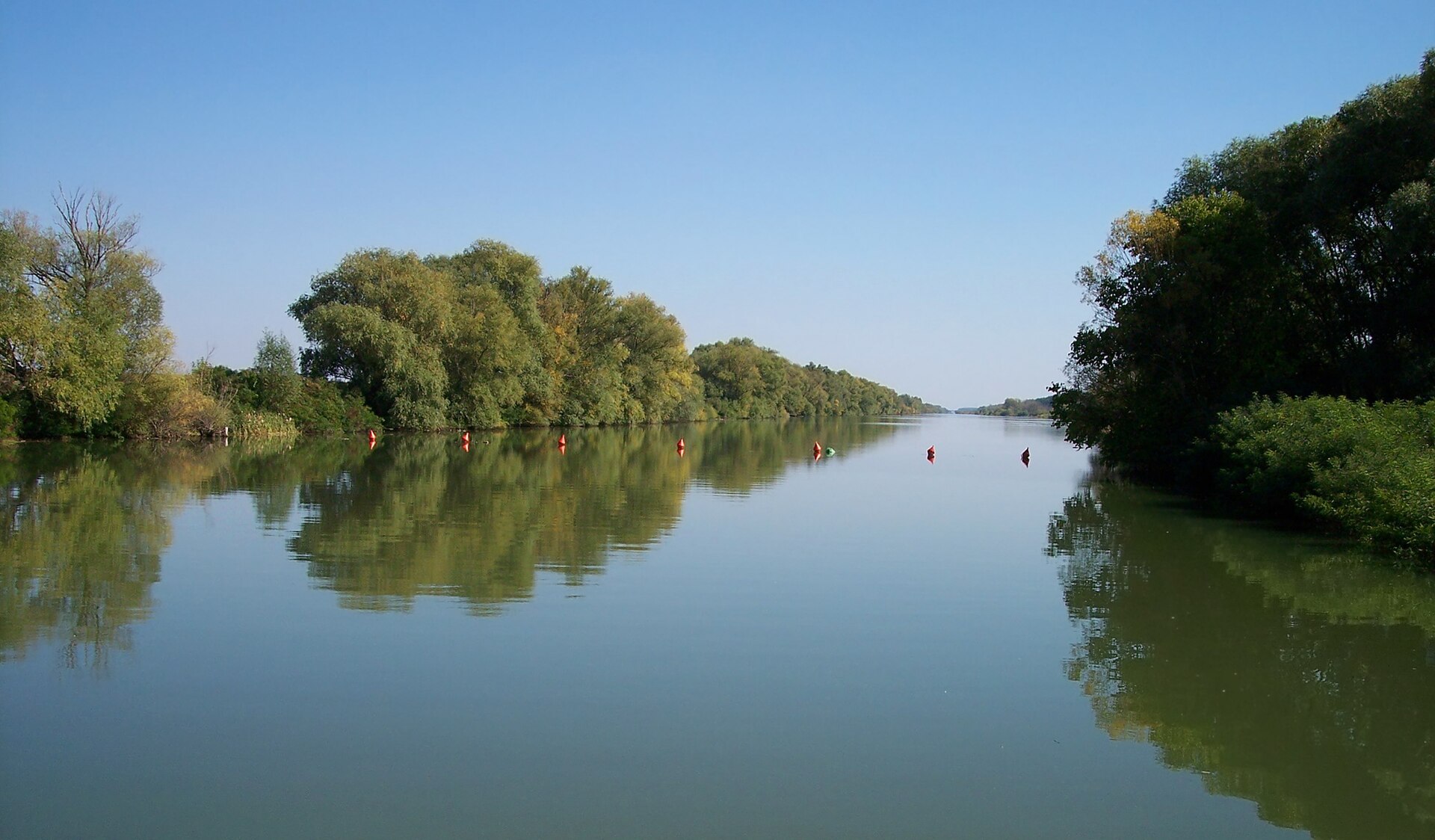
Natura 2000
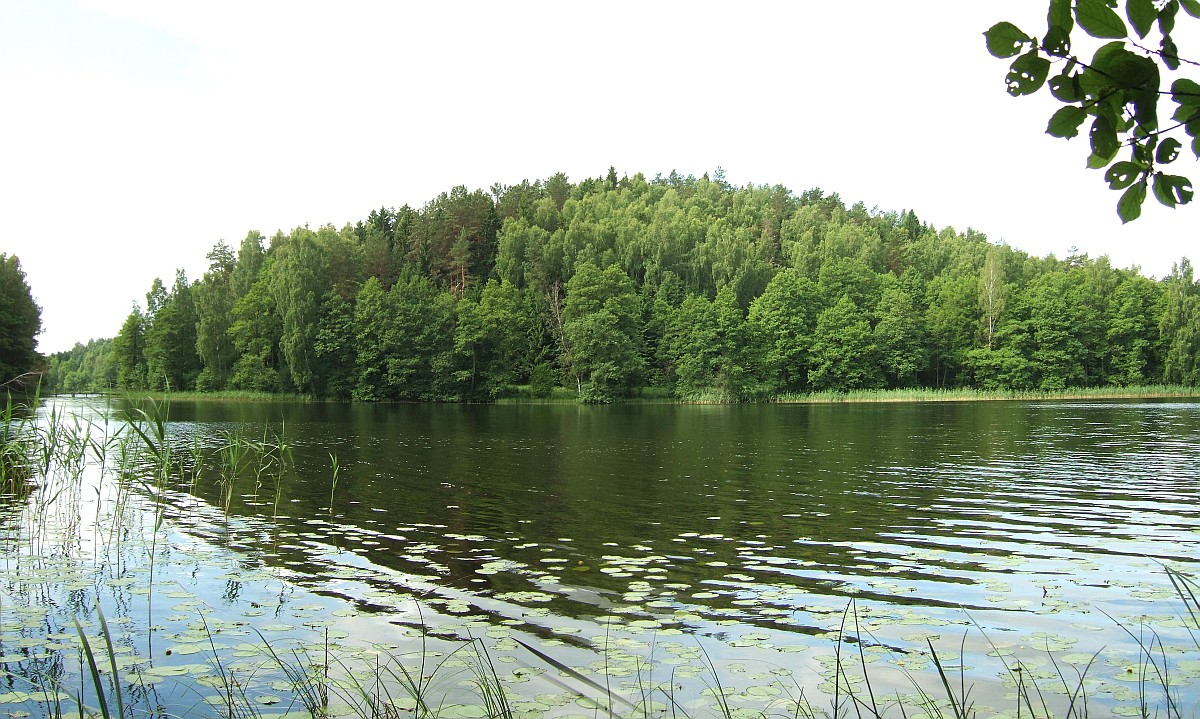
Natura 2000

Natura 2000
Natura 2000

Natura 2000
Natura 2000
Natura 2000
Natura 2000
Natura 2000

Natura 2000
Natura 2000
Natura 2000
Natura 2000
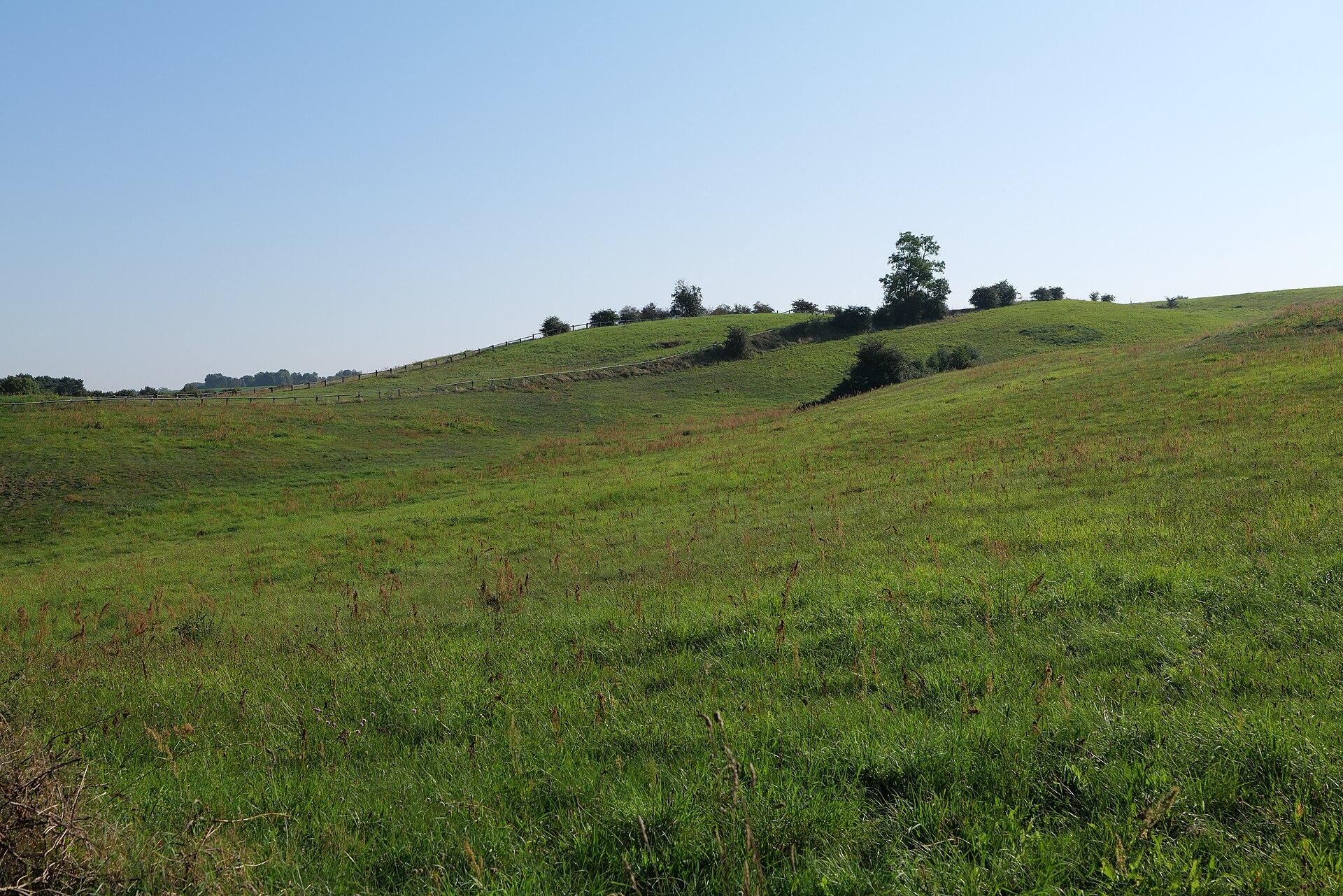
Natura 2000
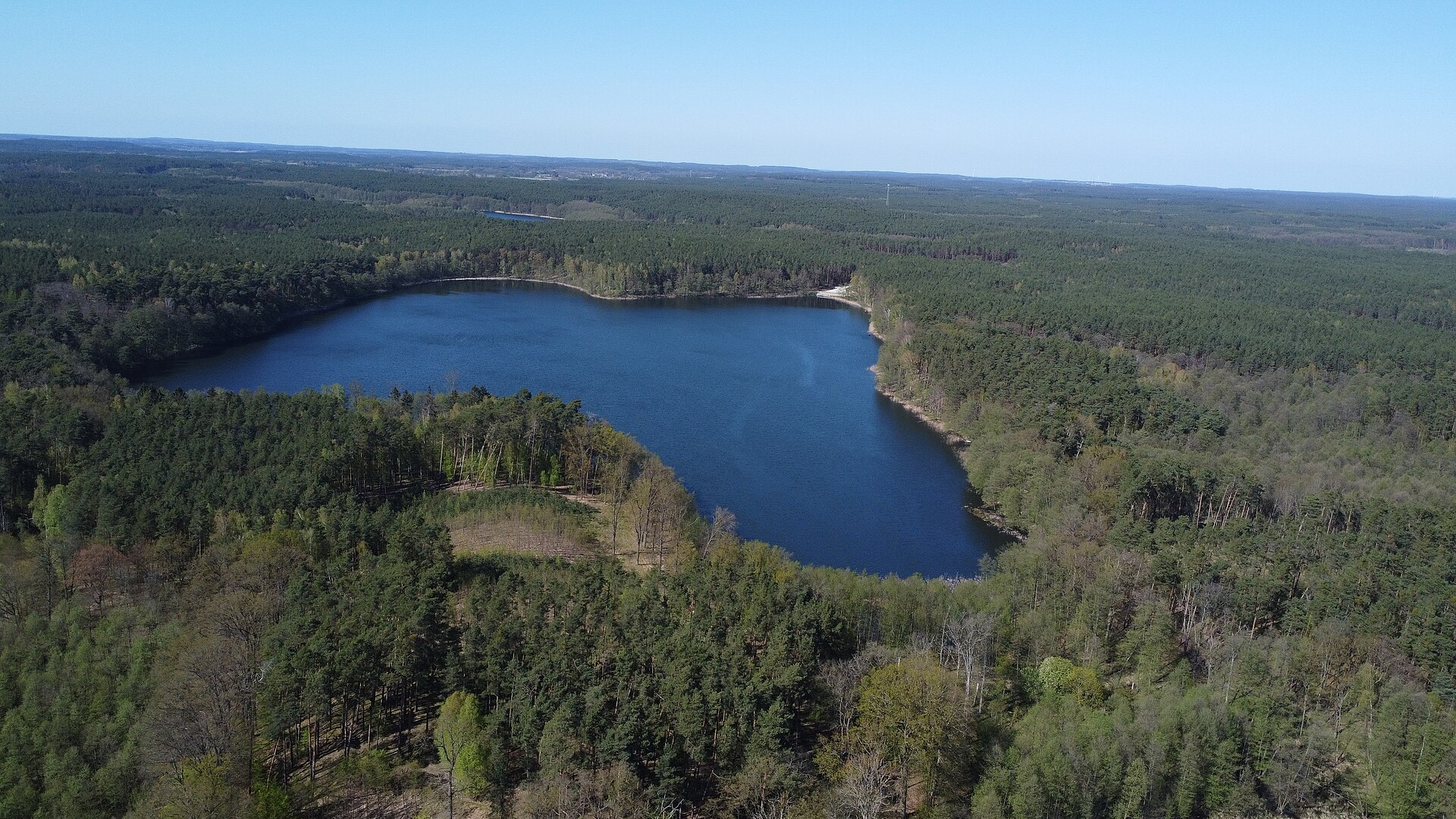
Natura 2000
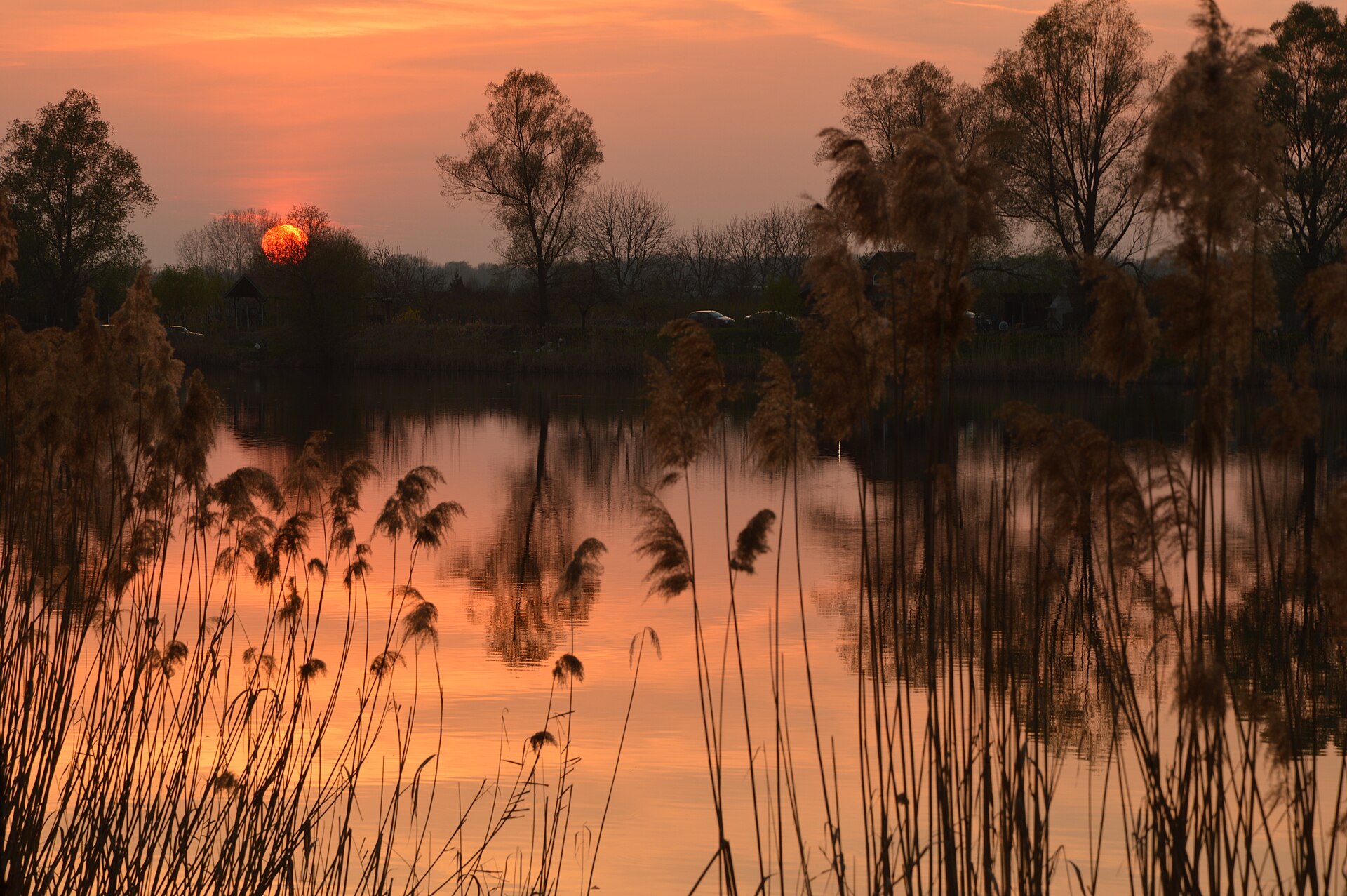
Natura 2000

Natura 2000

Natura 2000
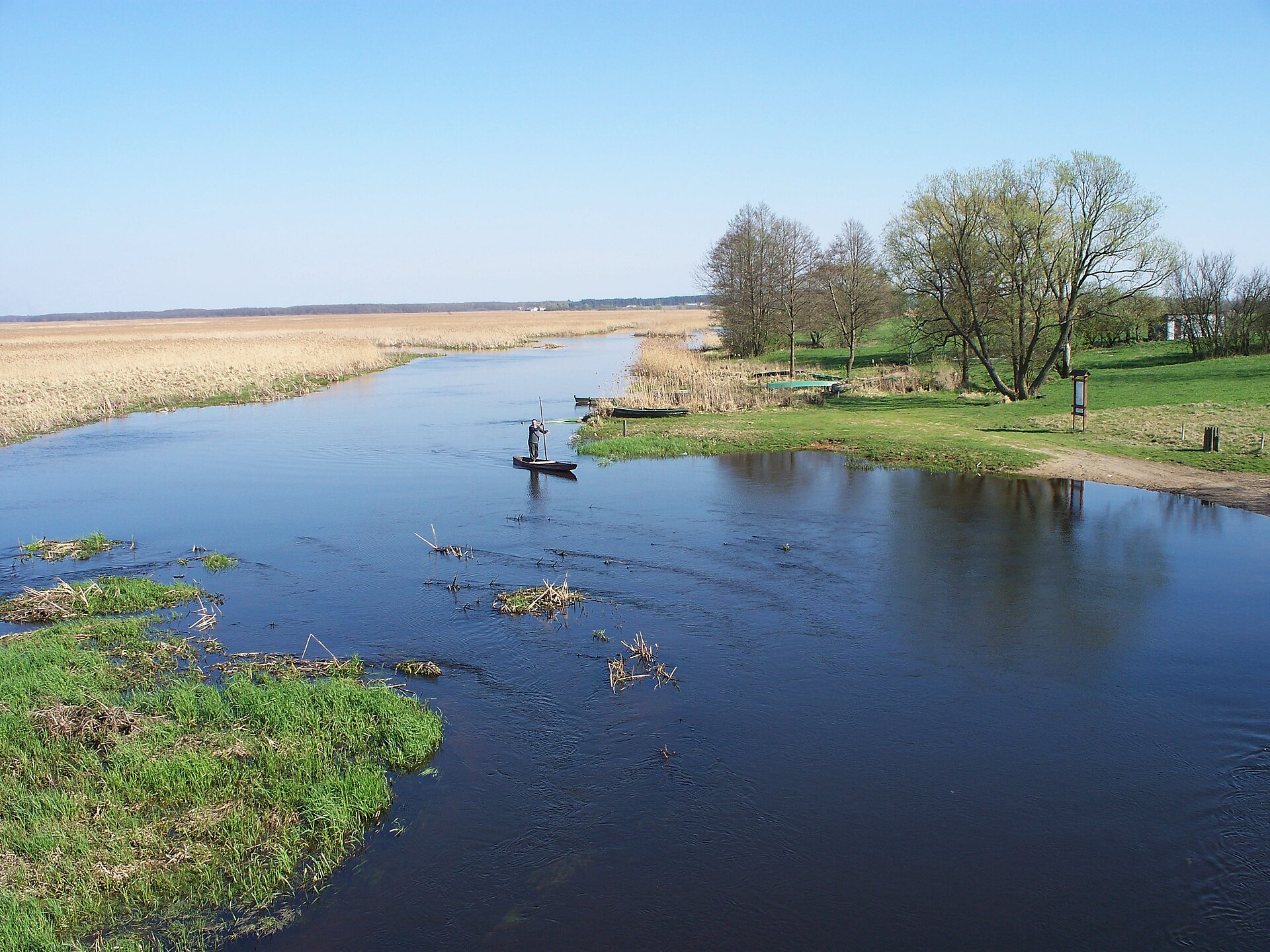
Natura 2000
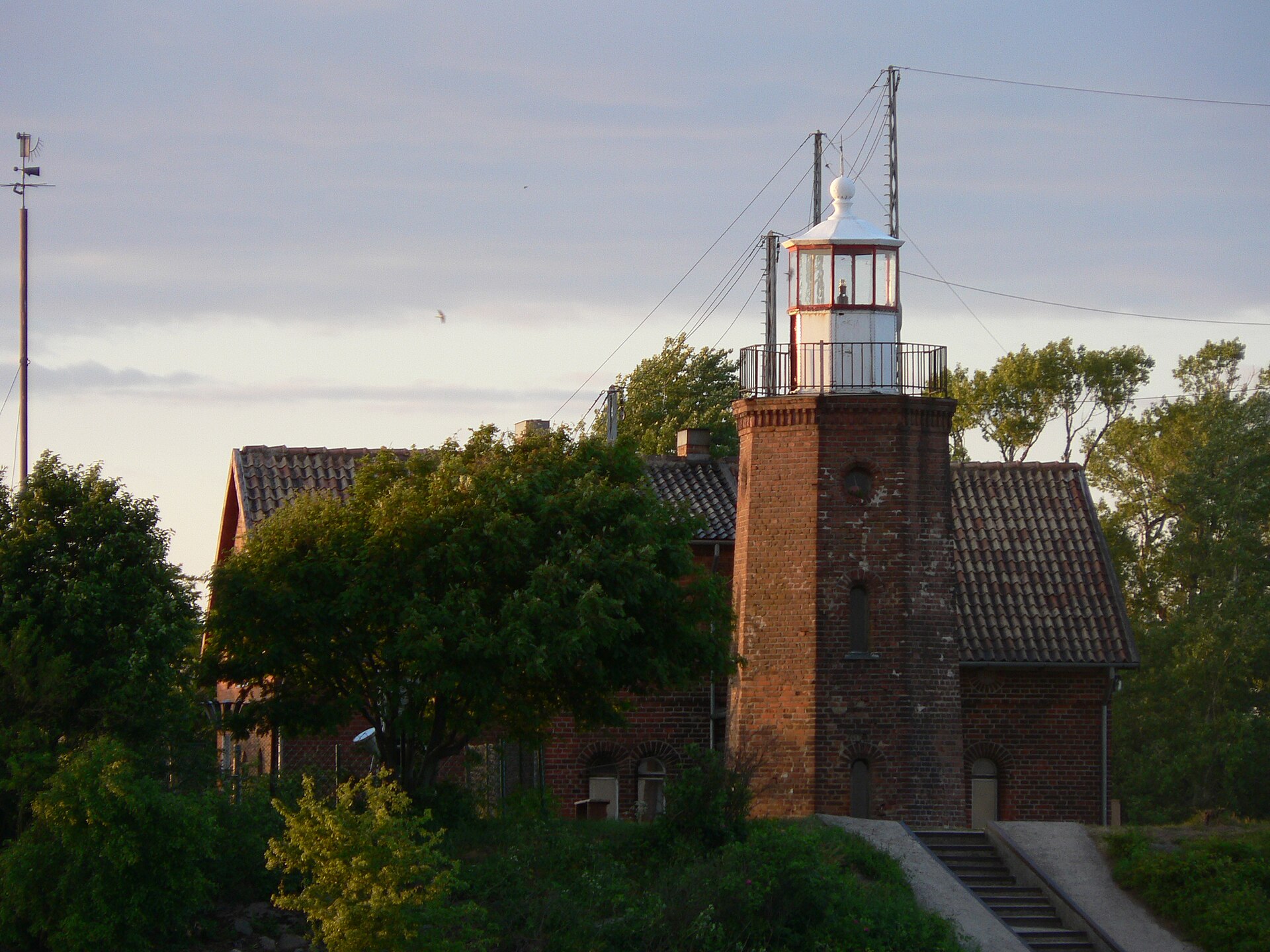
Natura 2000
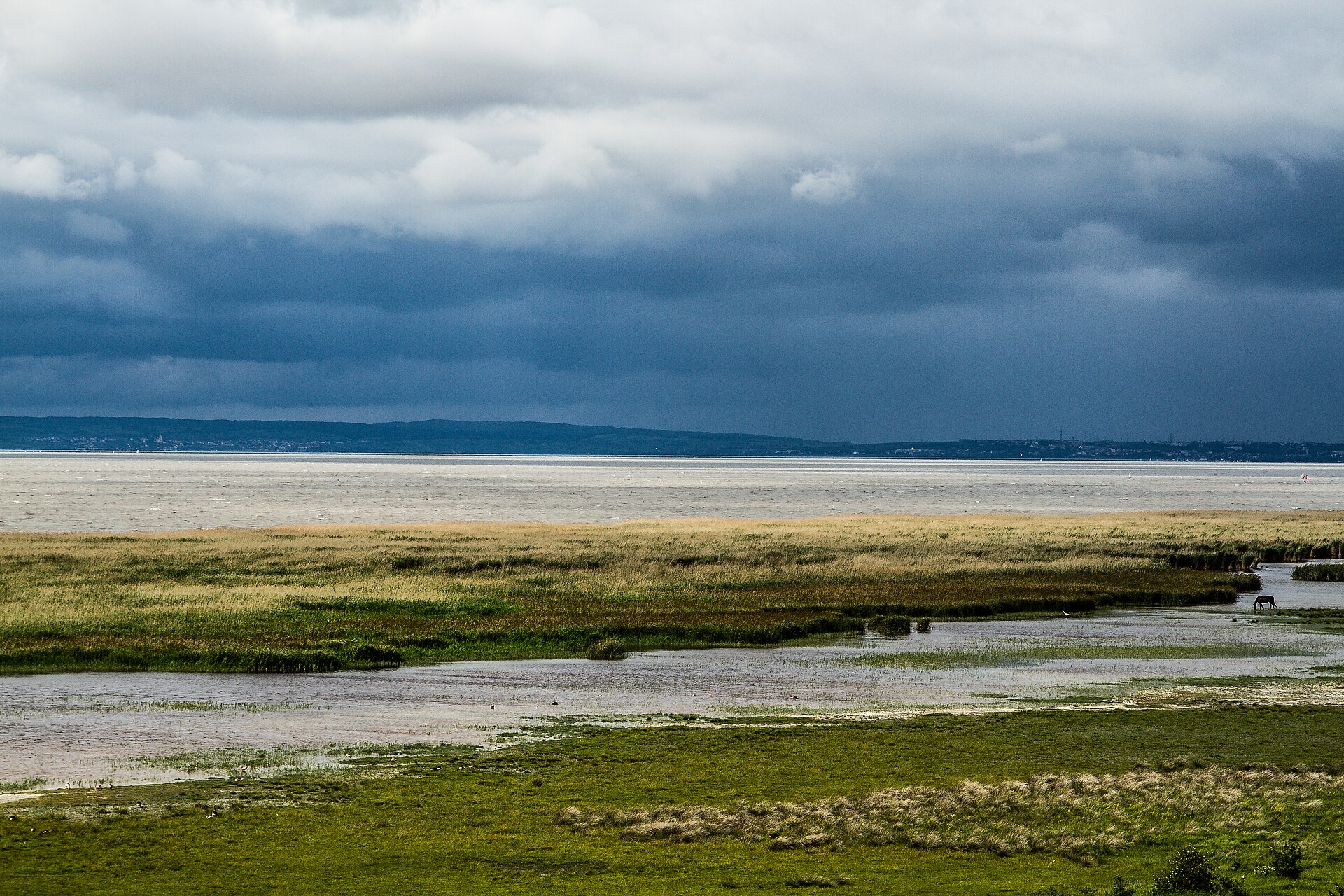
Natura 2000
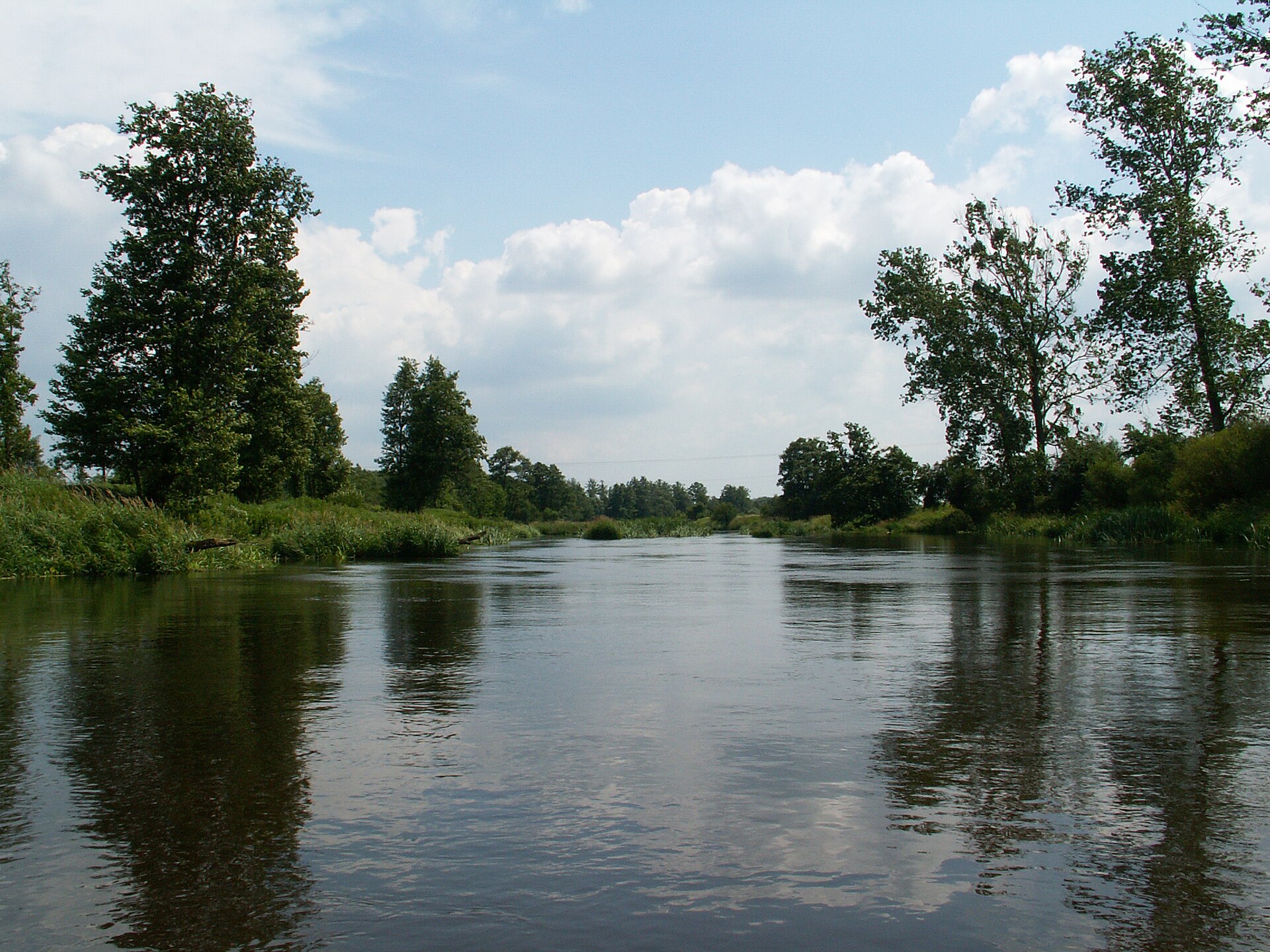
Natura 2000
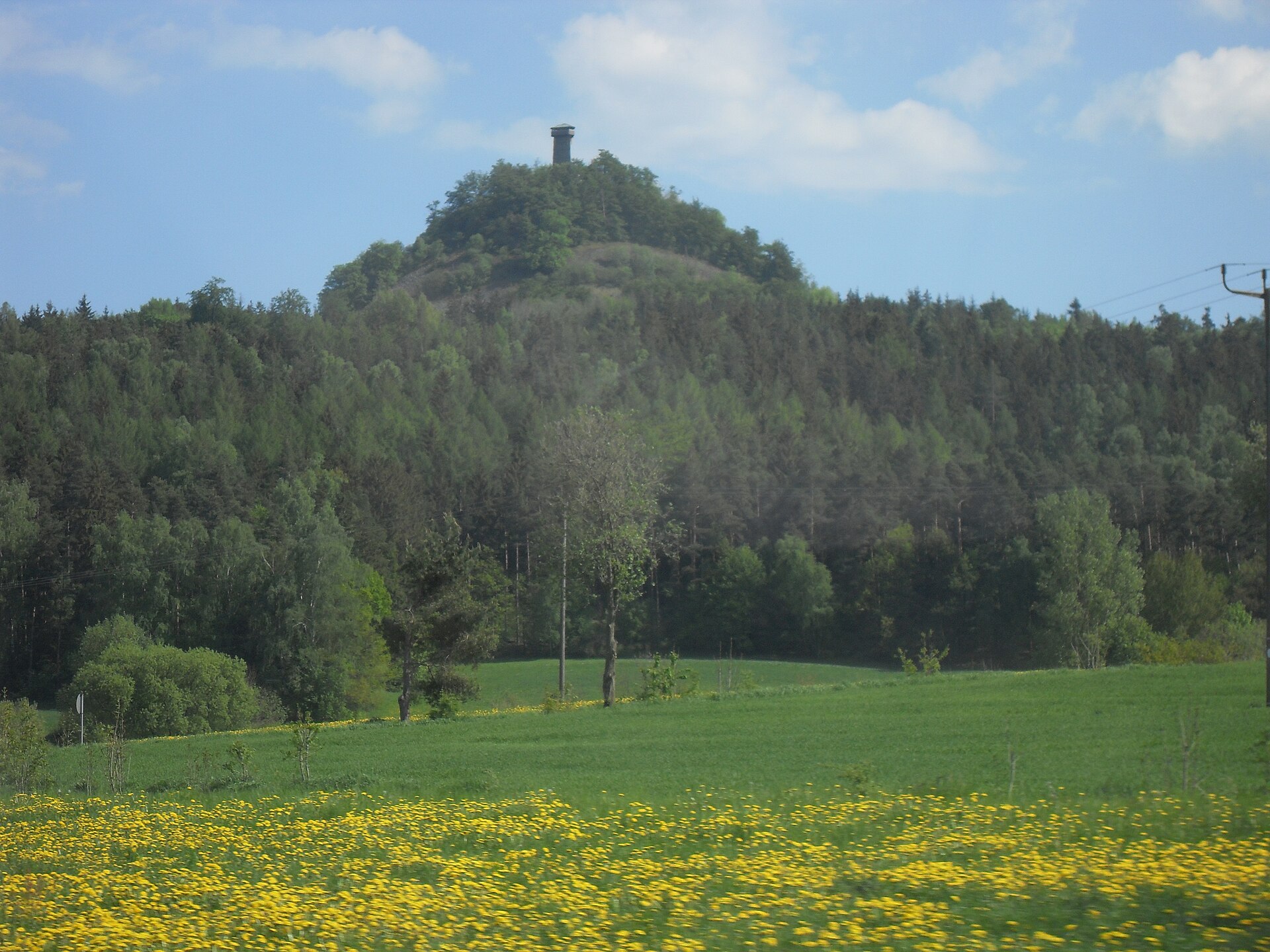
Natura 2000
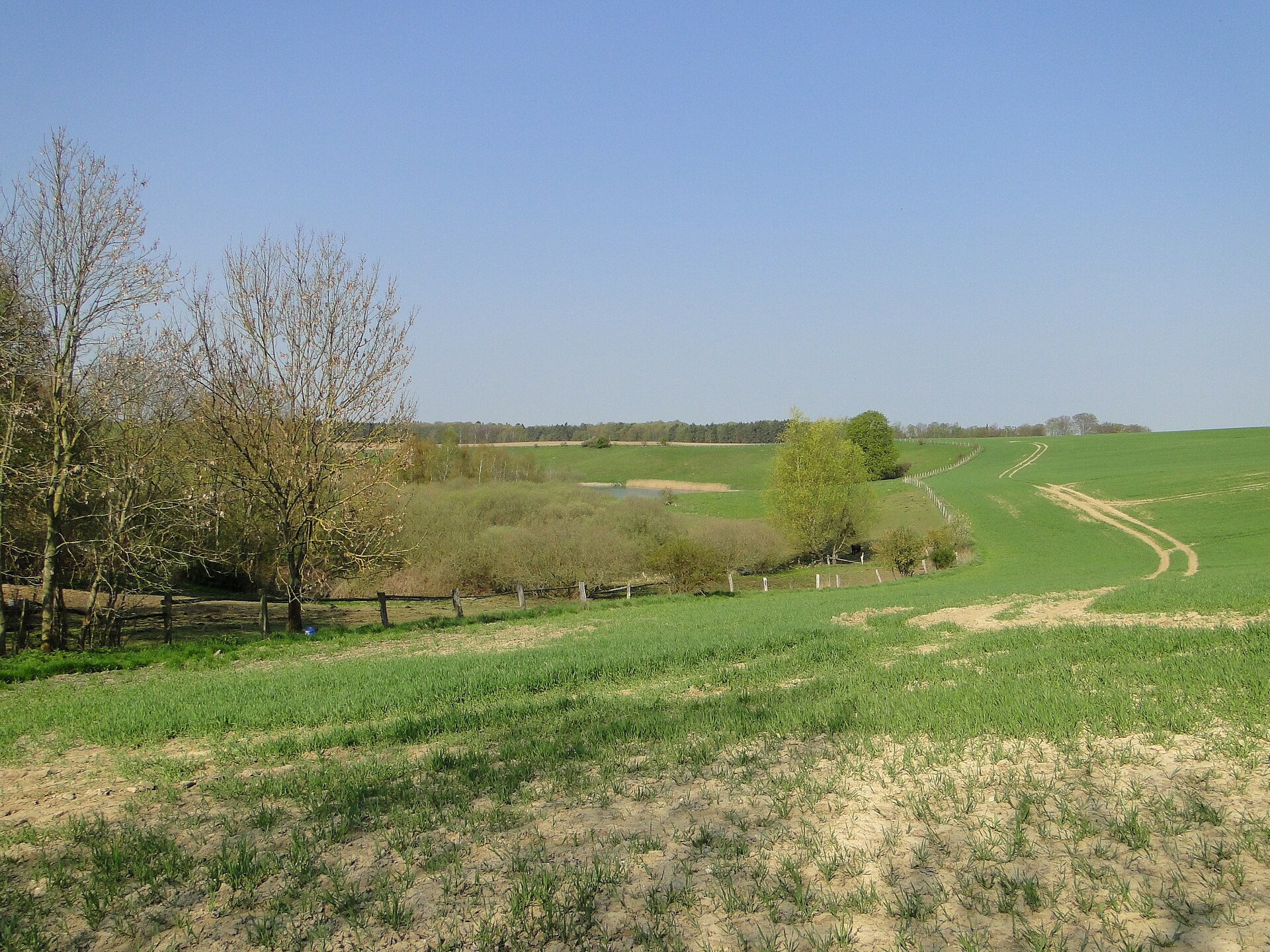
Natura 2000
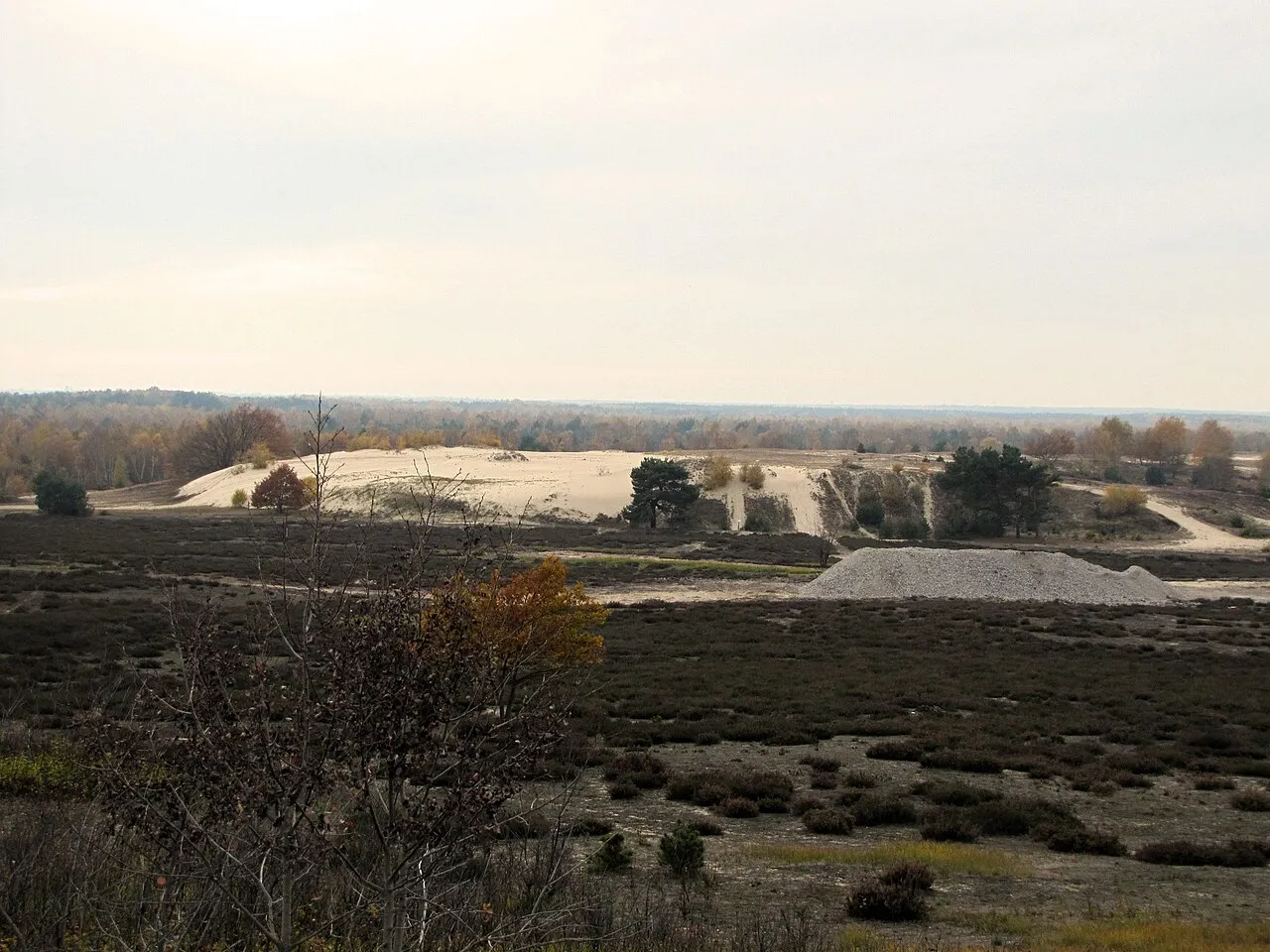
Natura 2000

Natura 2000
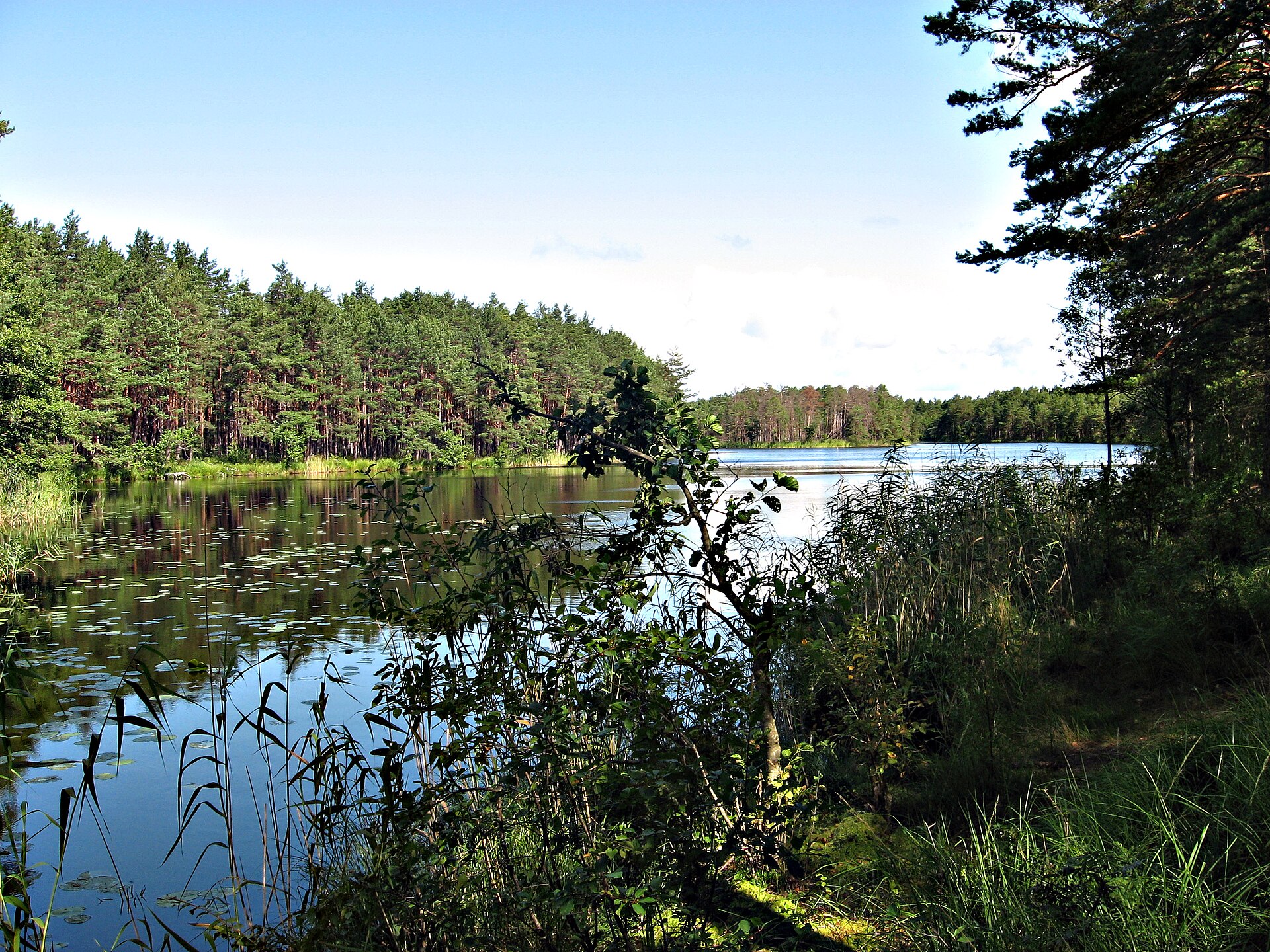
Natura 2000
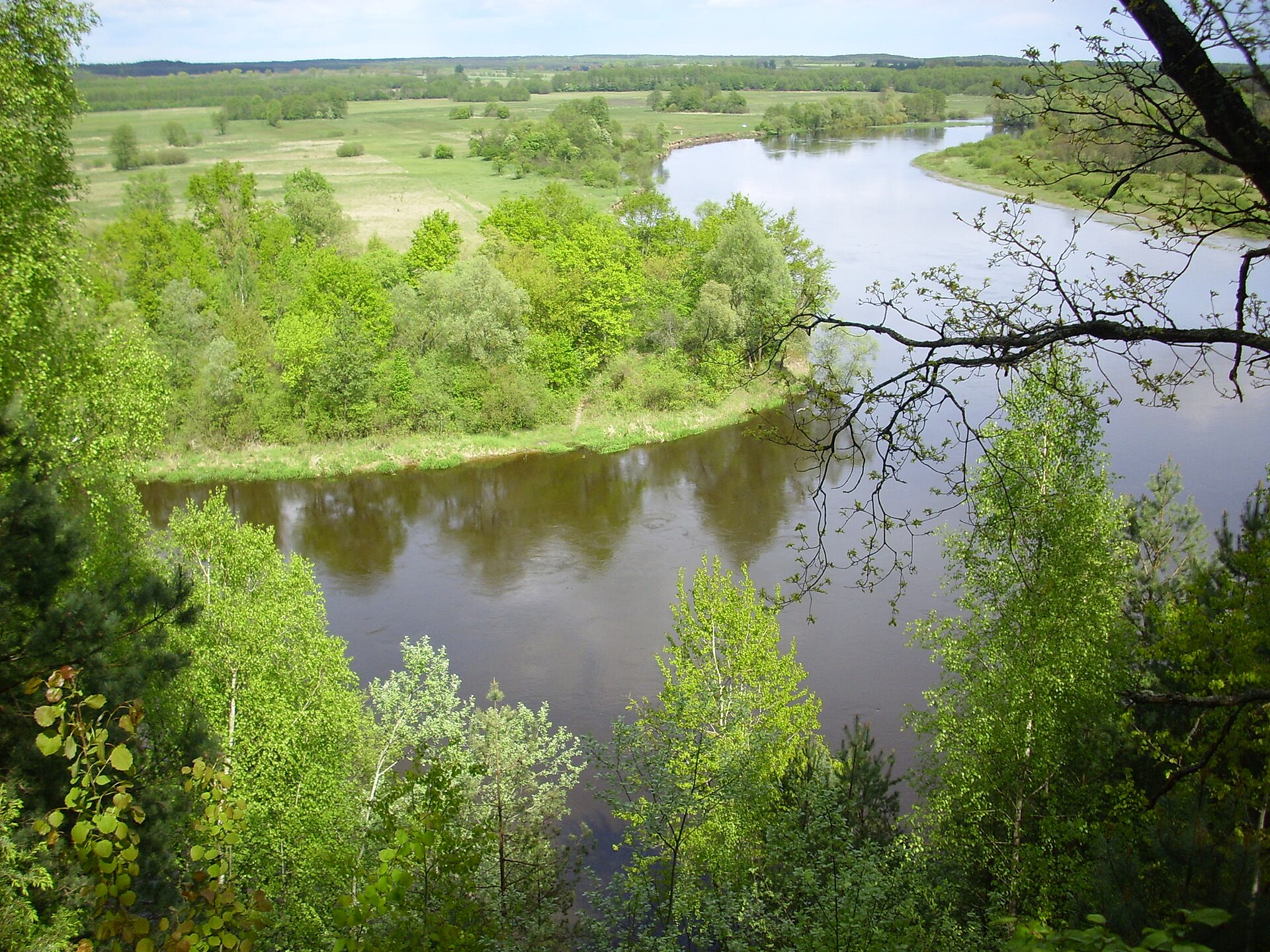
Natura 2000

Natura 2000
Natura 2000

Natura 2000

Natura 2000

Natura 2000
Natura 2000
Natura 2000
Natura 2000

Natura 2000
Natura 2000
Natura 2000

Natura 2000
Natura 2000
Natura 2000

Natura 2000
Natura 2000
Natura 2000
Natura 2000
Natura 2000
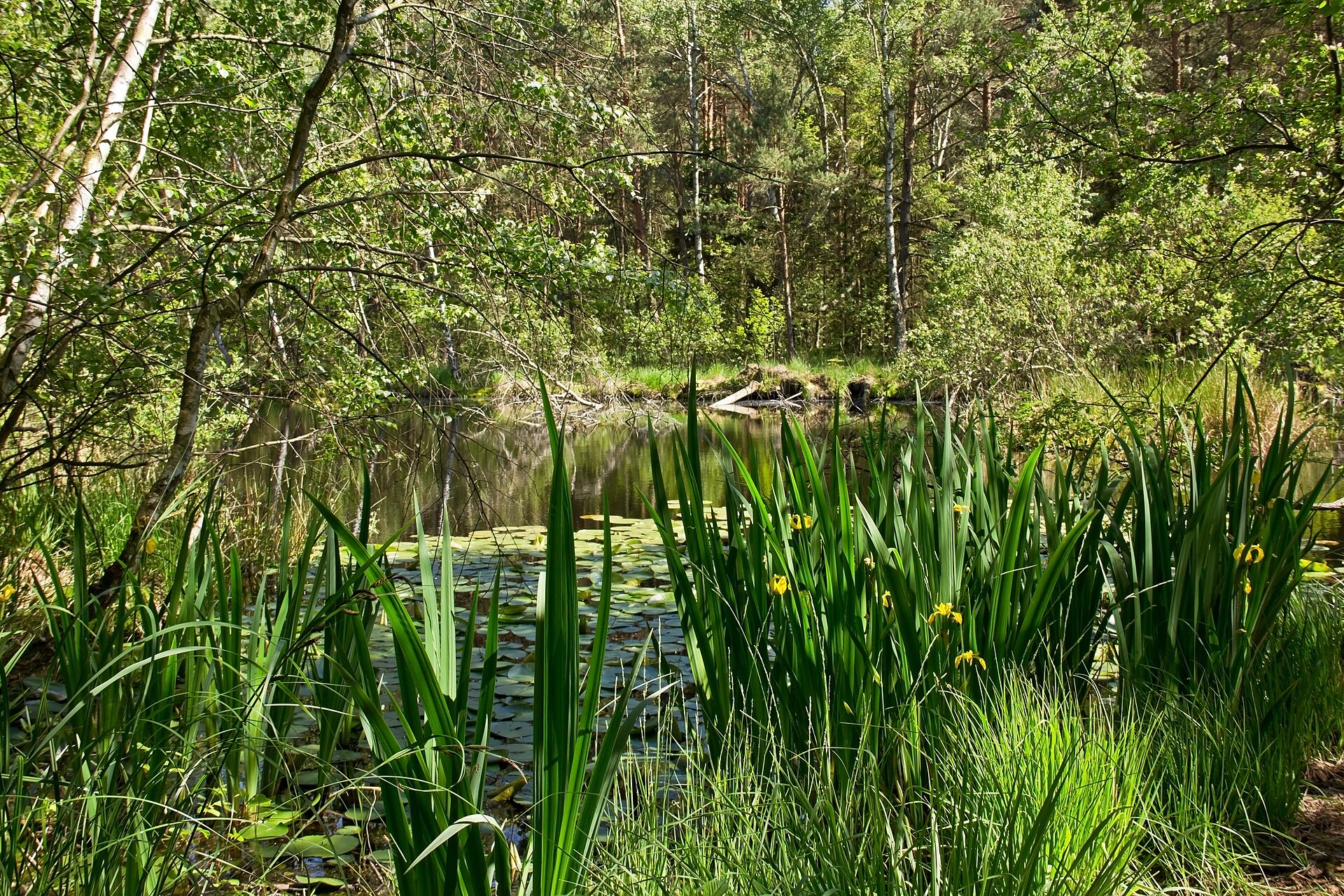
Natura 2000
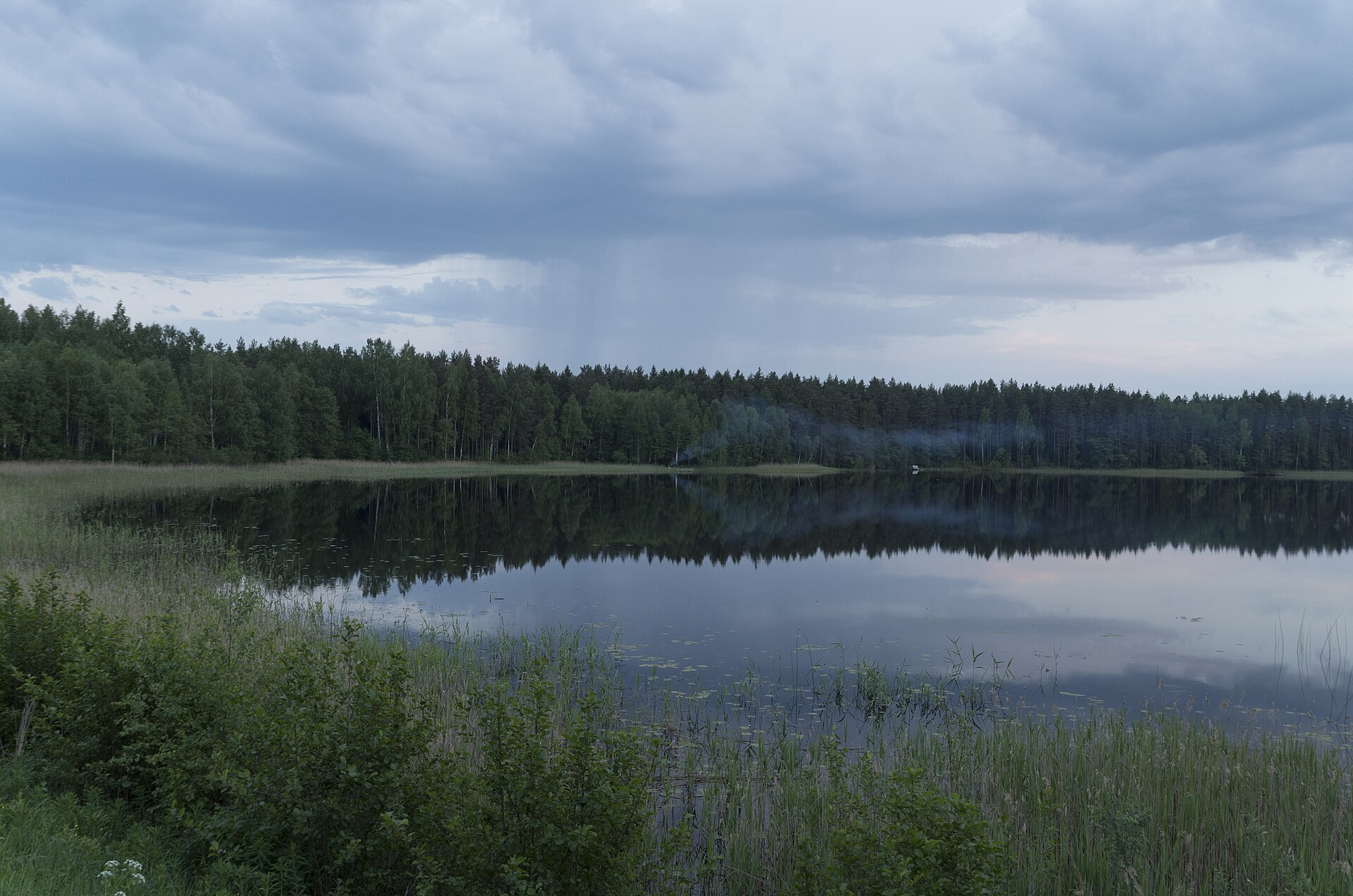
Natura 2000
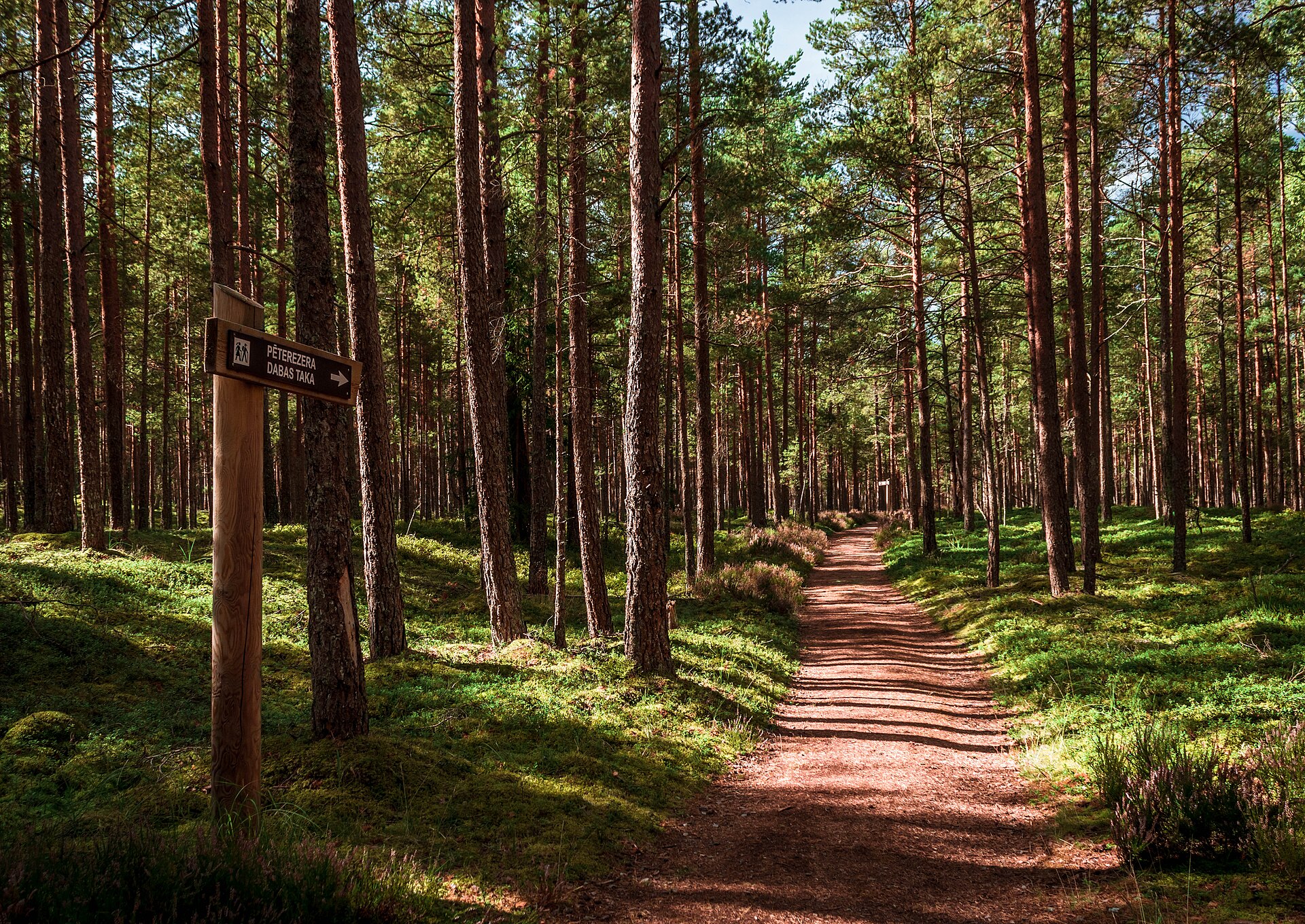
Natura 2000

Natura 2000

Natura 2000
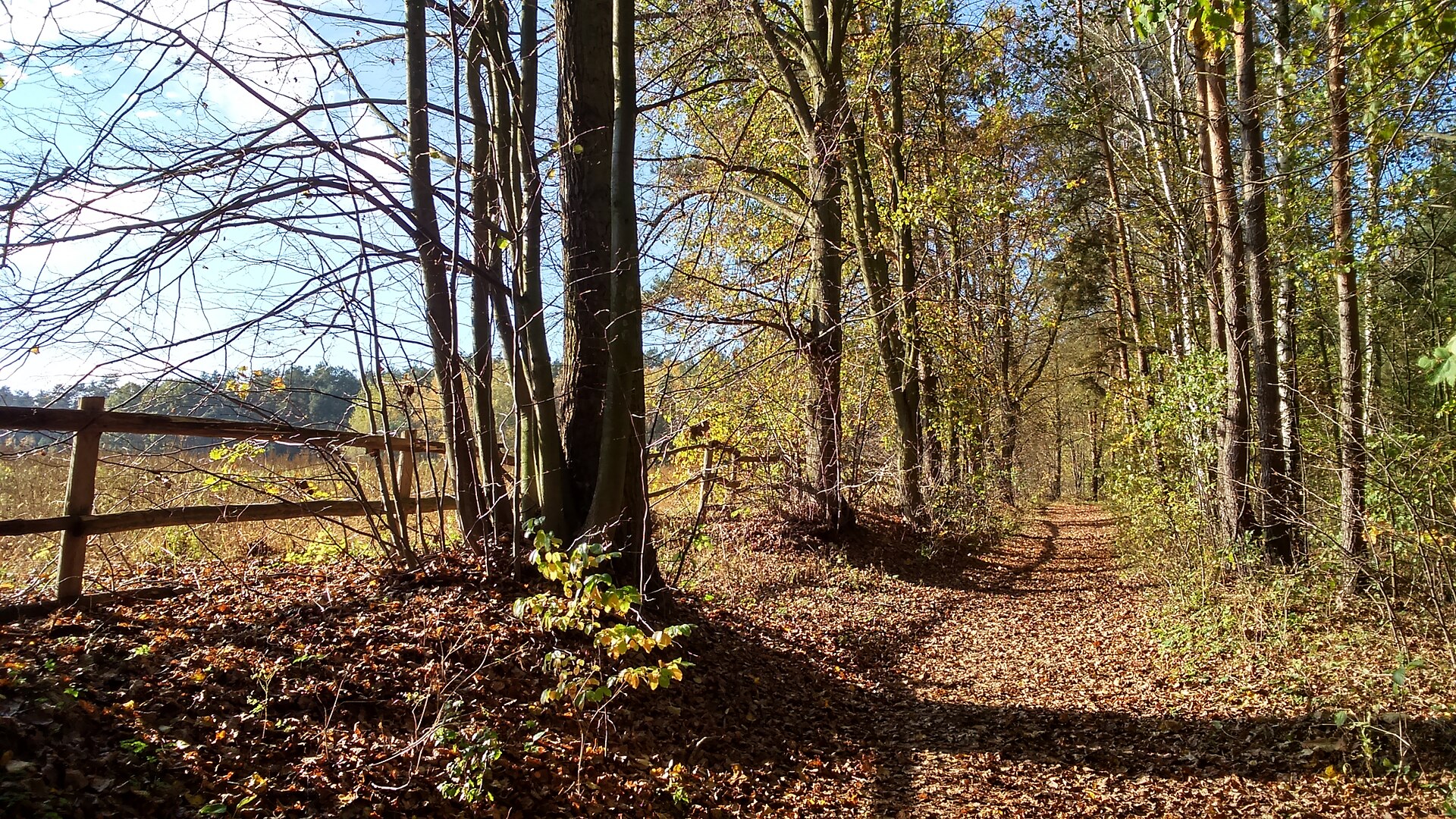
Natura 2000
Natura 2000
Natura 2000
Natura 2000
Natura 2000
Natura 2000
Natura 2000

Natura 2000
Natura 2000
Natura 2000
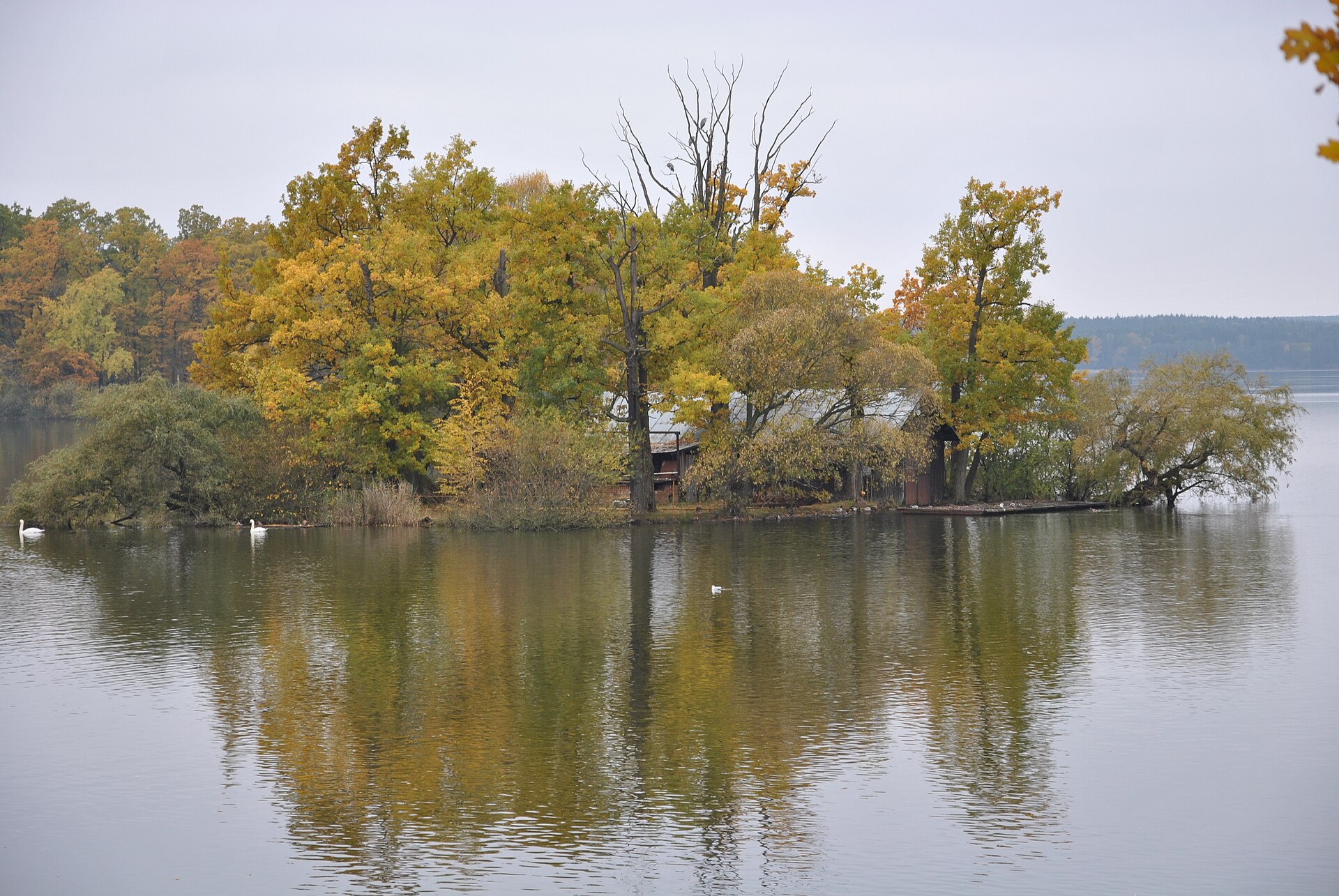
Natura 2000
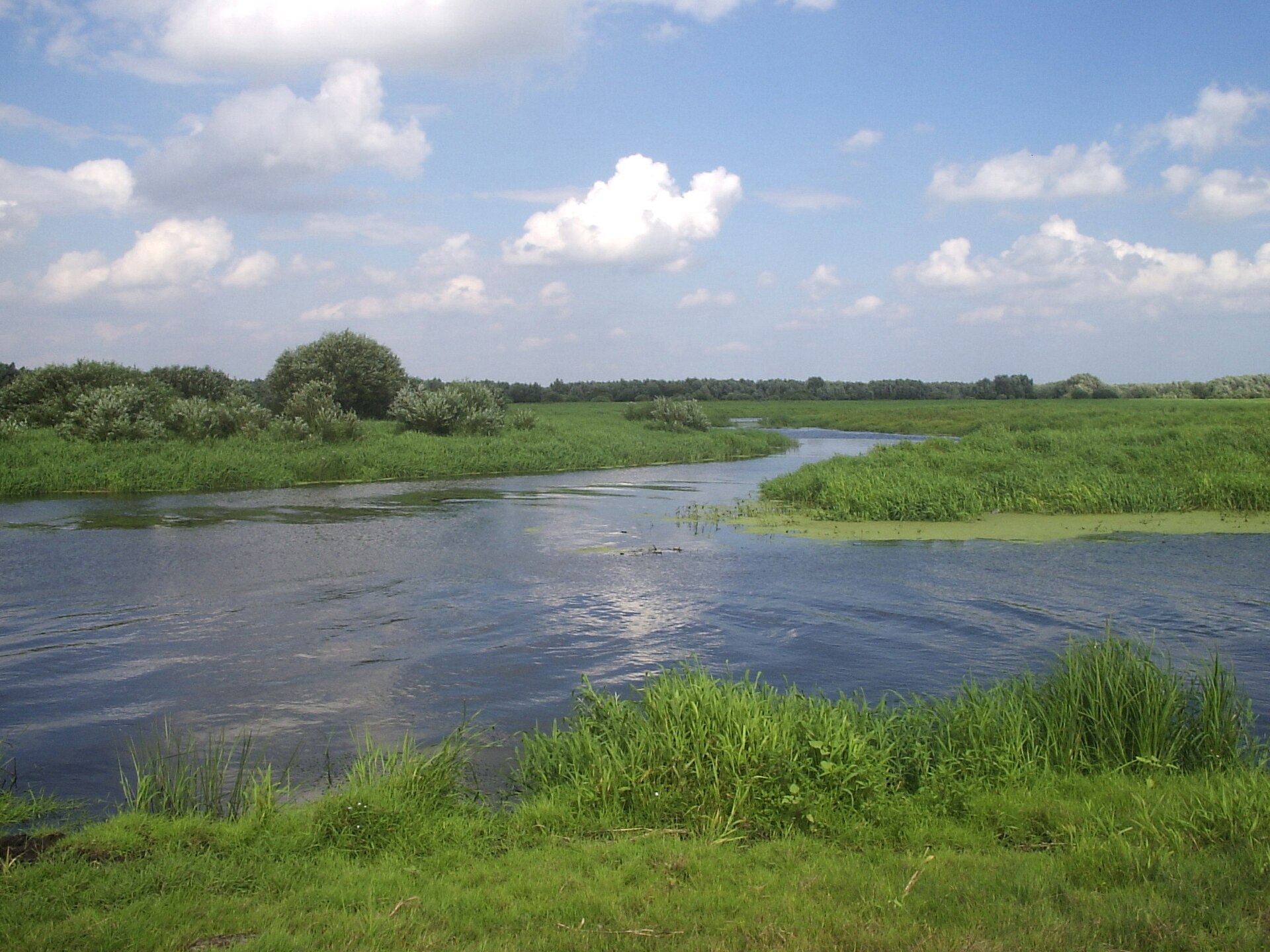
Natura 2000
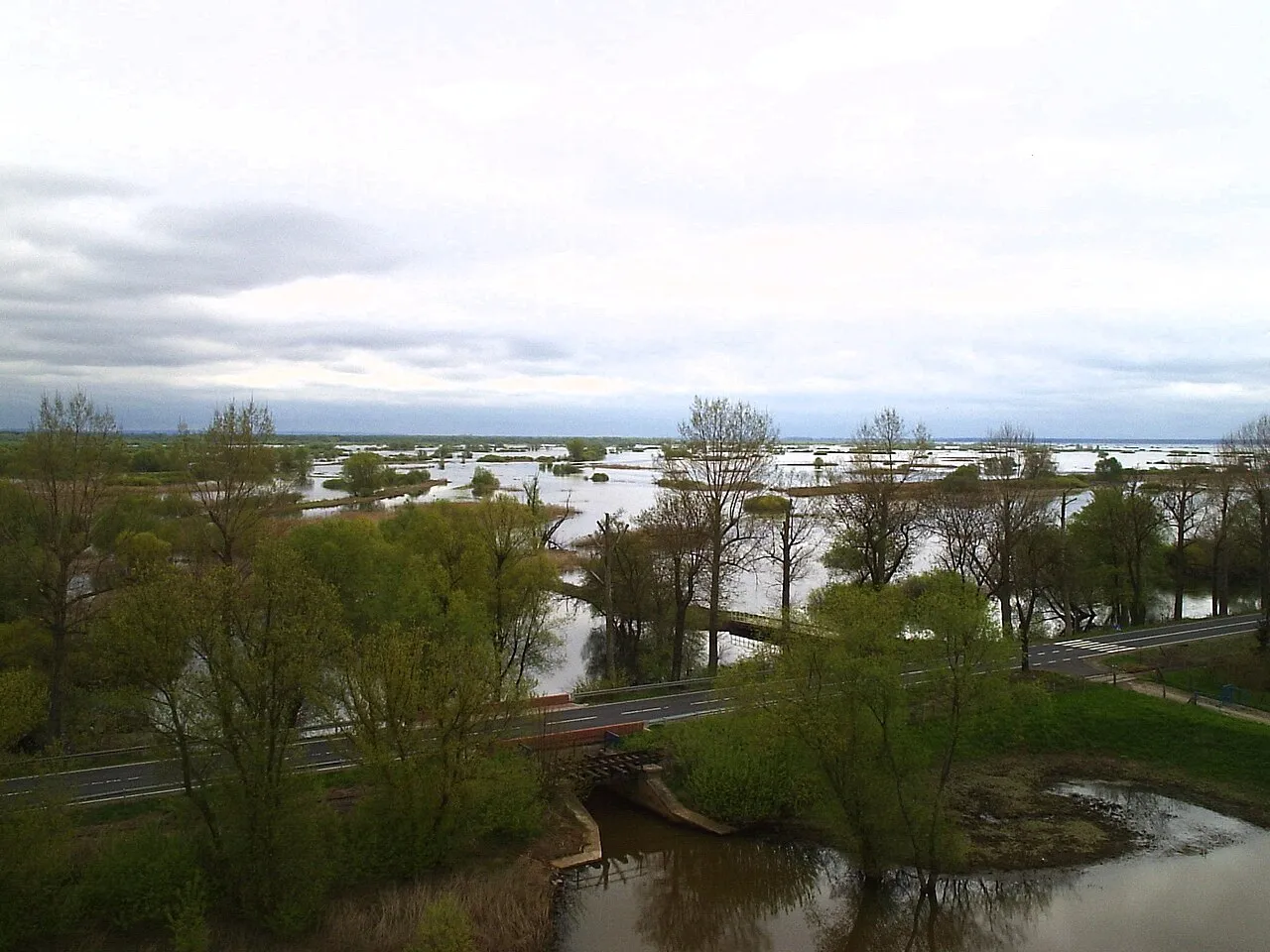
Natura 2000
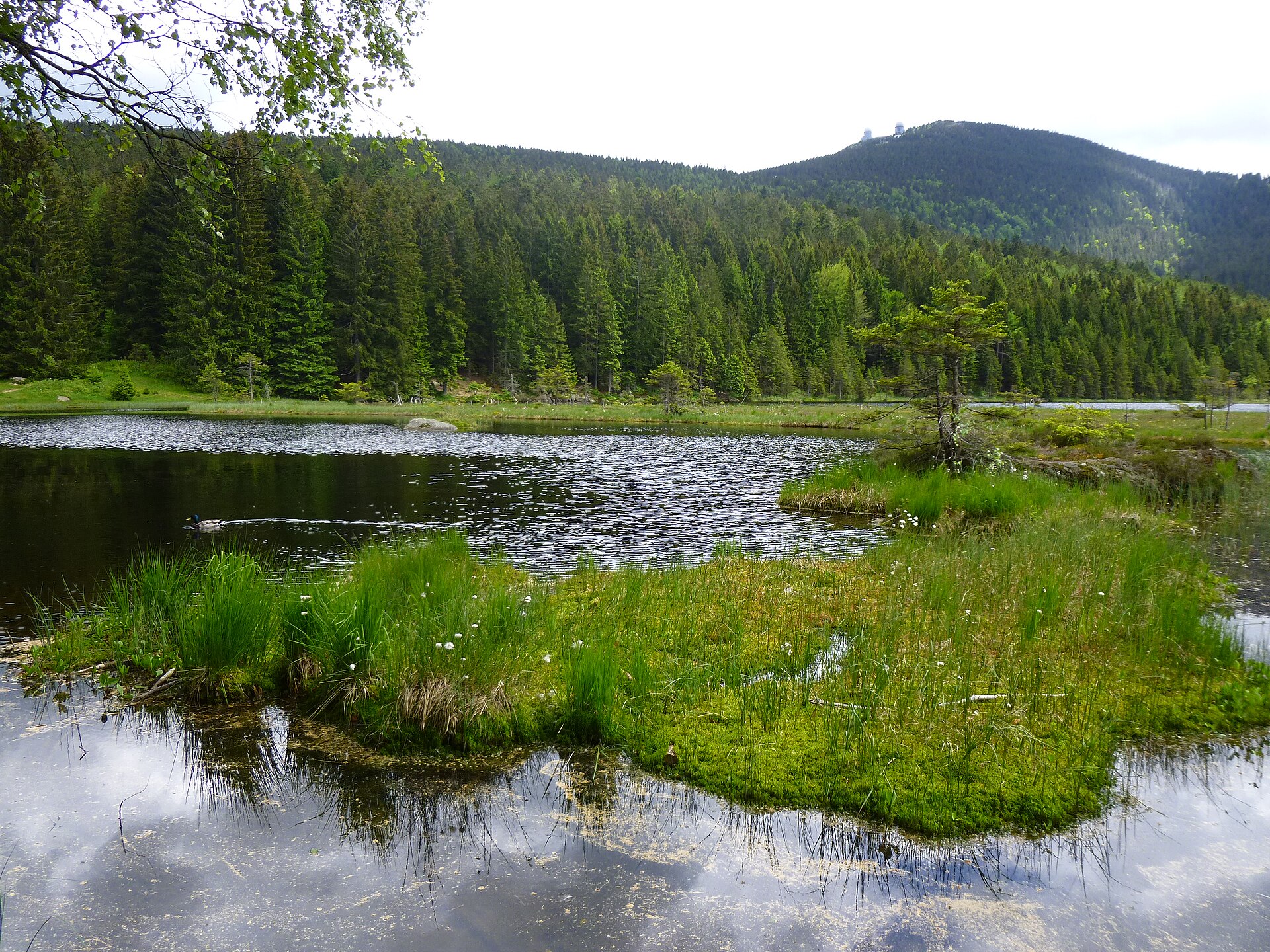
Natura 2000
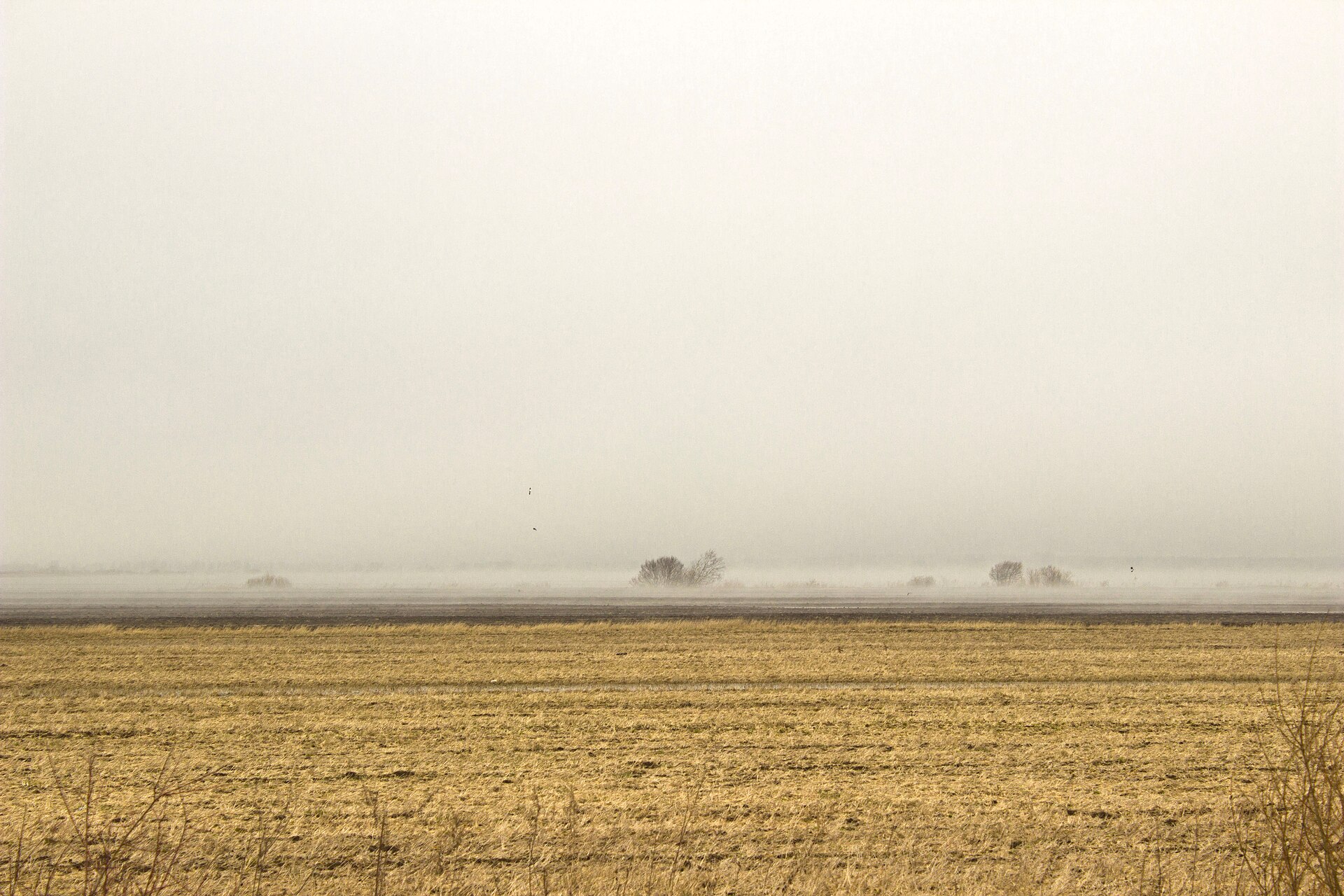
Natura 2000

Natura 2000
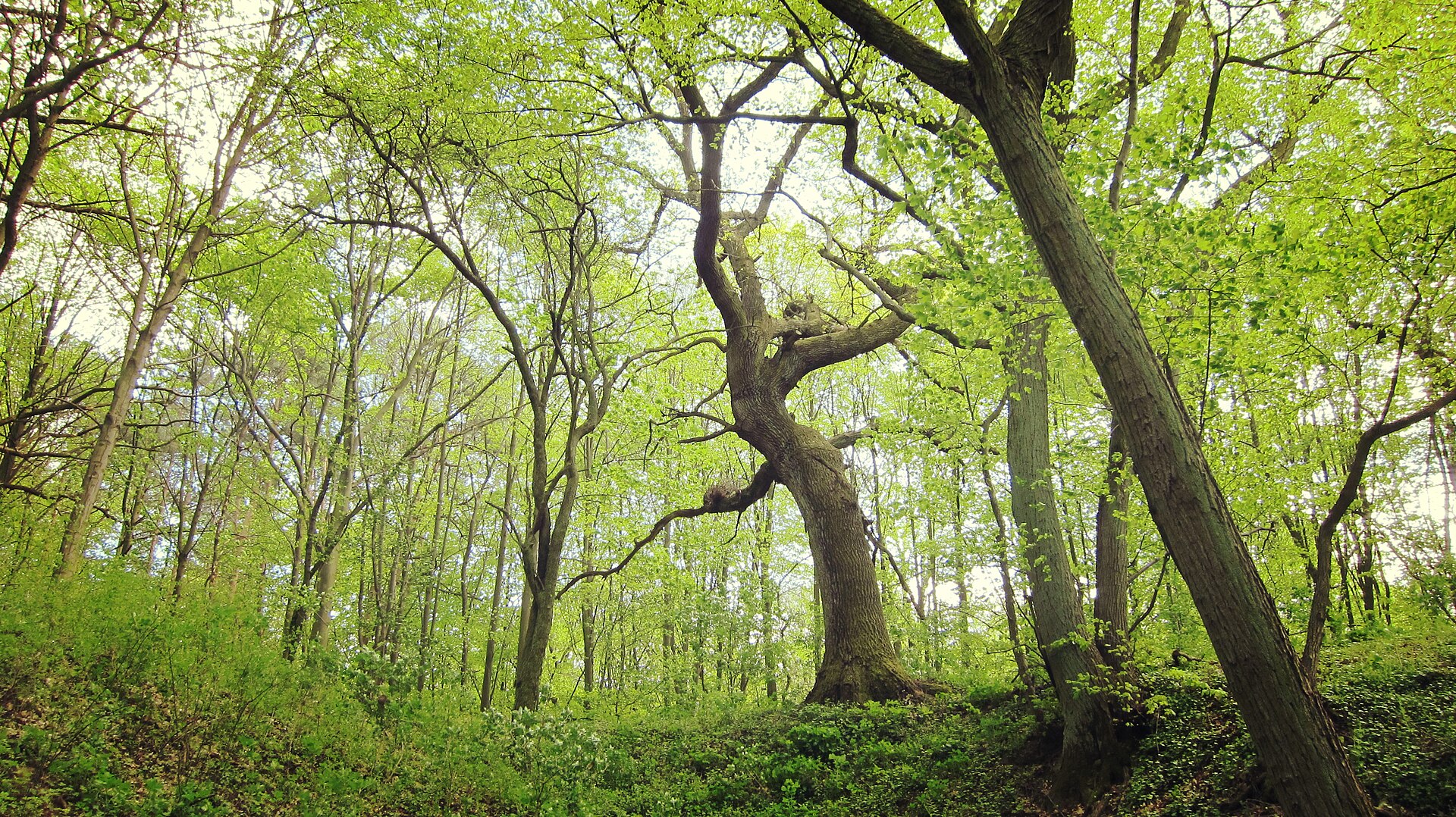
Natura 2000
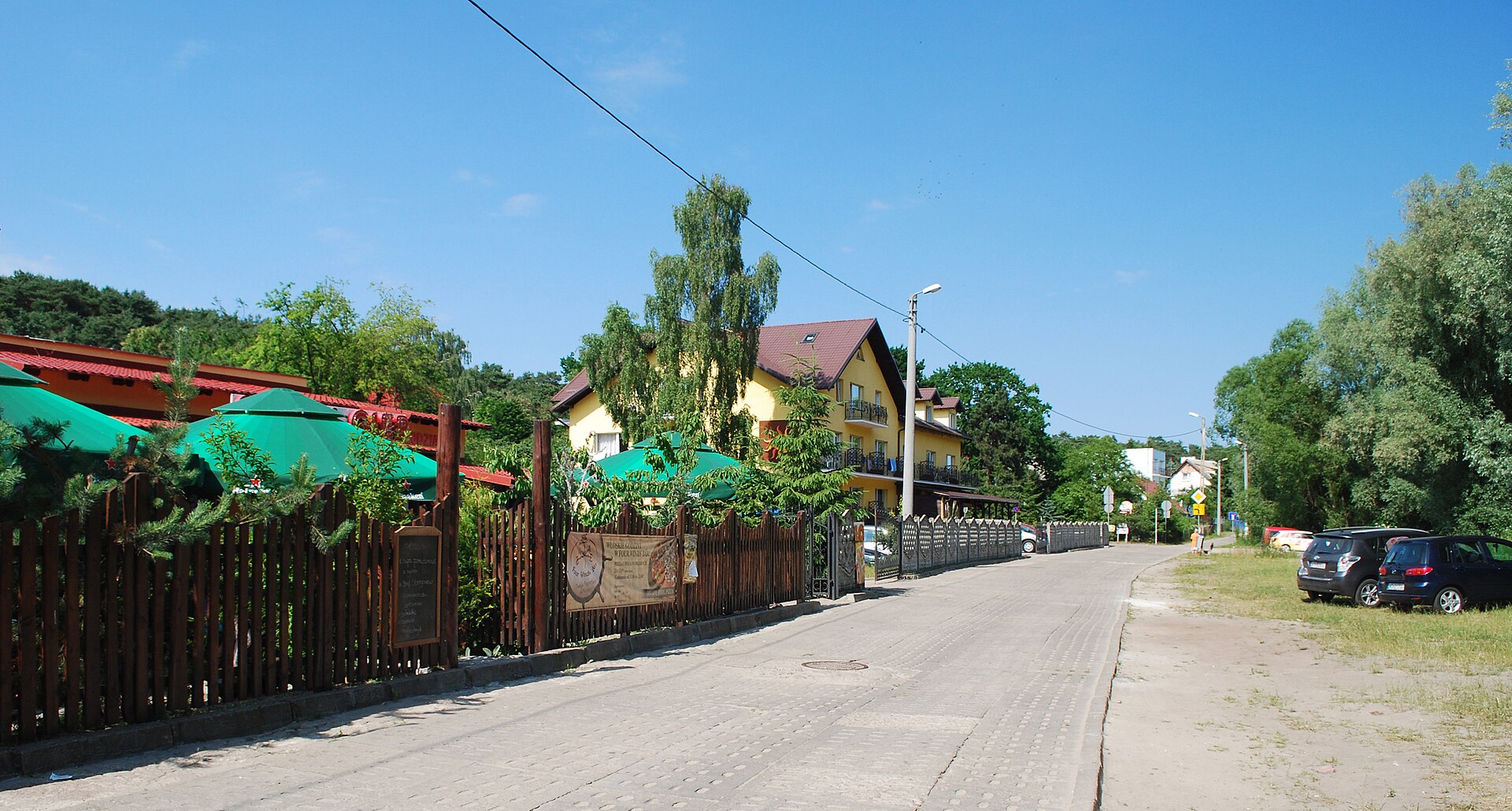
Natura 2000

Natura 2000

Natura 2000

Natura 2000
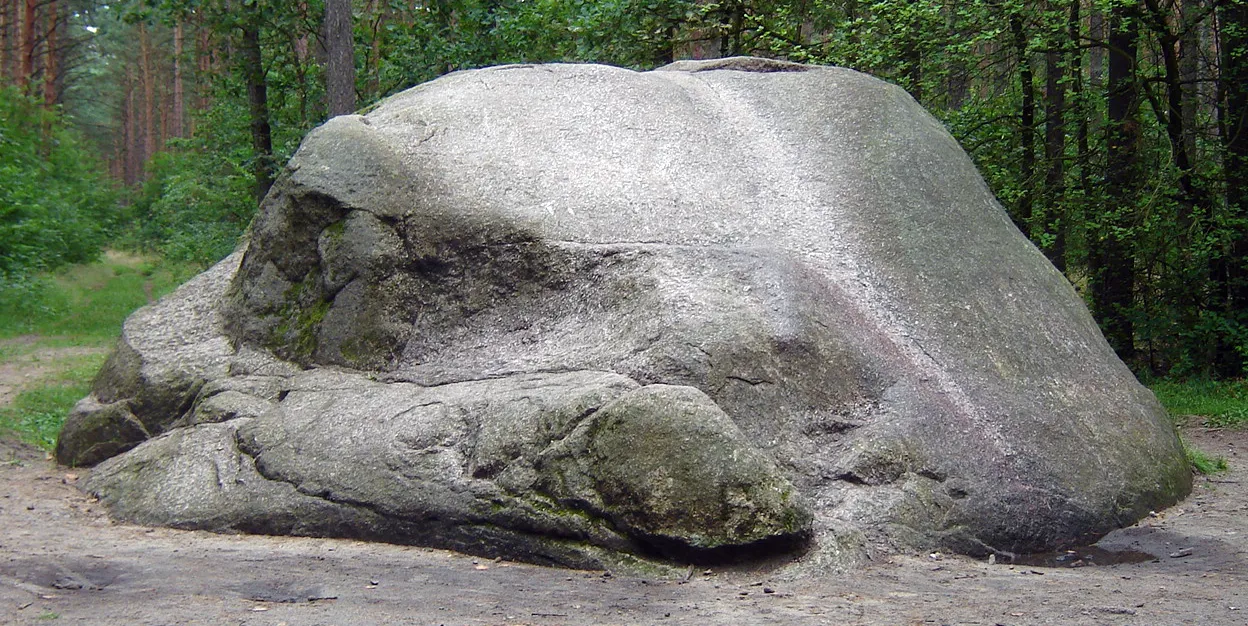
Natura 2000
Natura 2000
Natura 2000
Natura 2000
Natura 2000
Natura 2000
Natura 2000
Natura 2000
Natura 2000

Natura 2000

Natura 2000
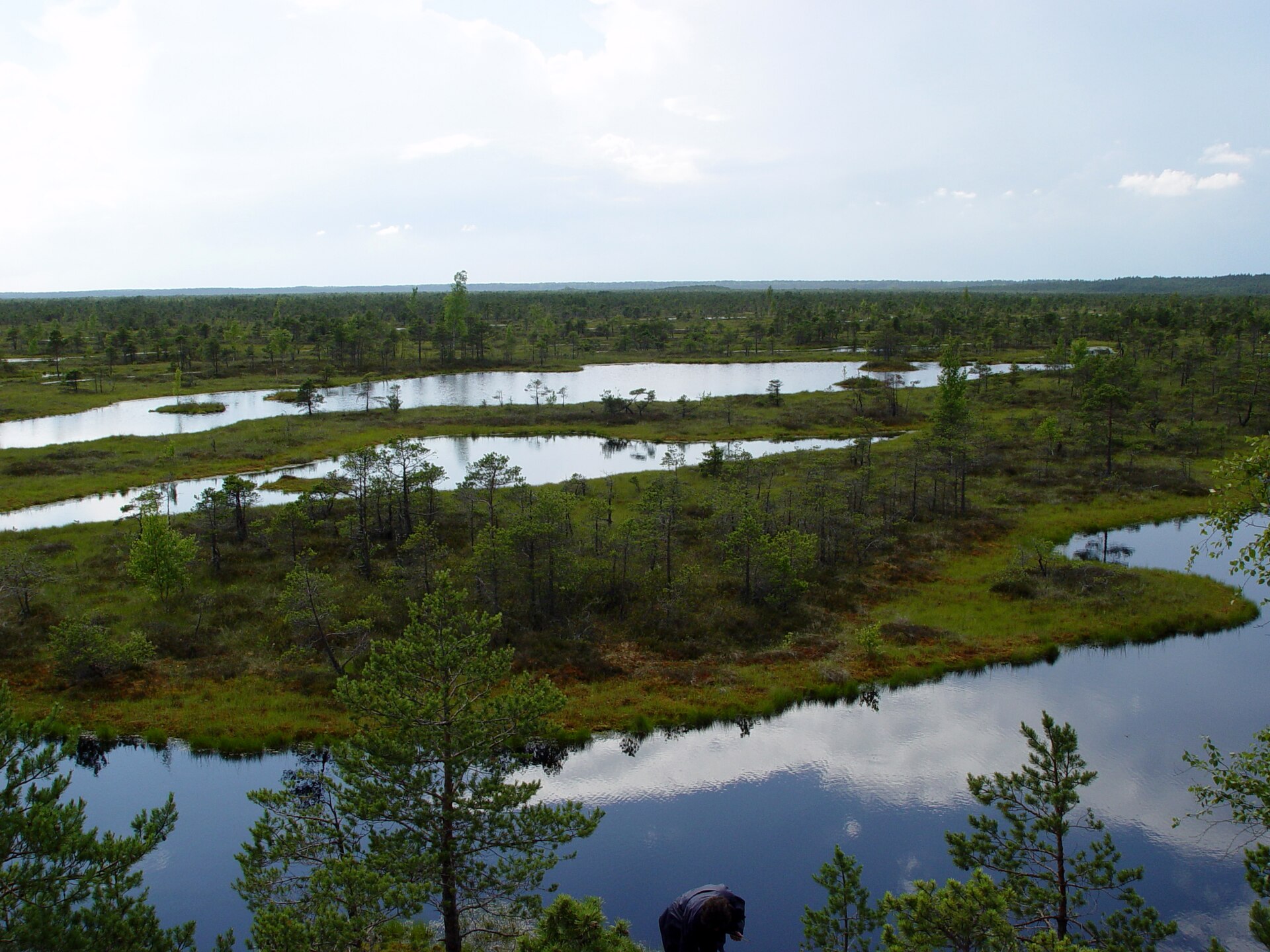
Natura 2000
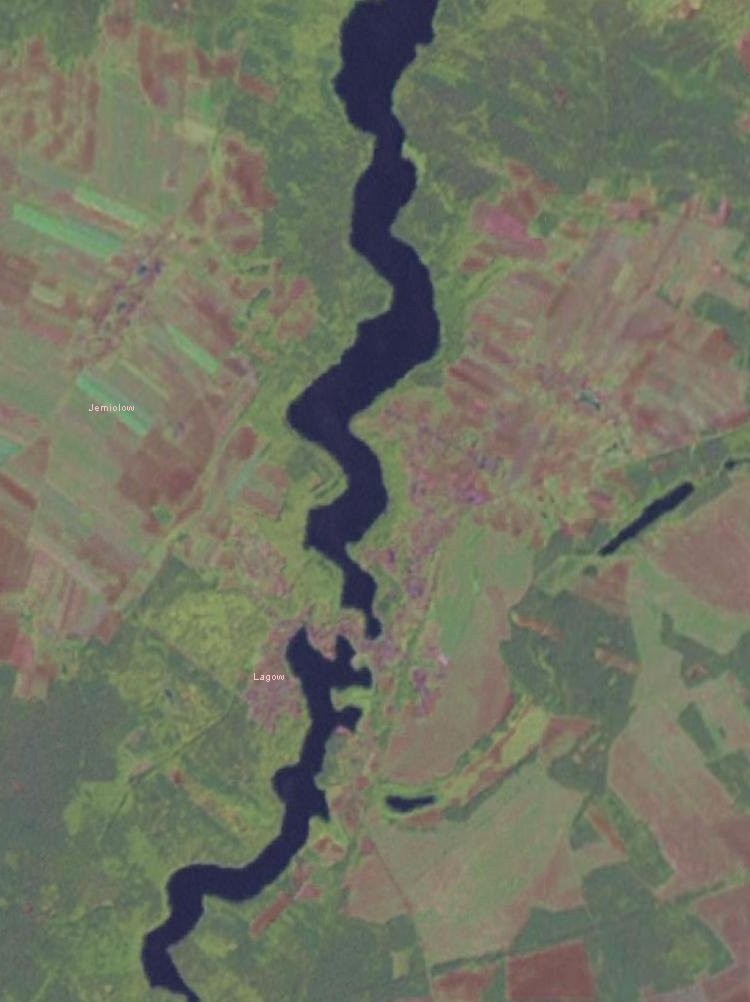
Natura 2000

Natura 2000
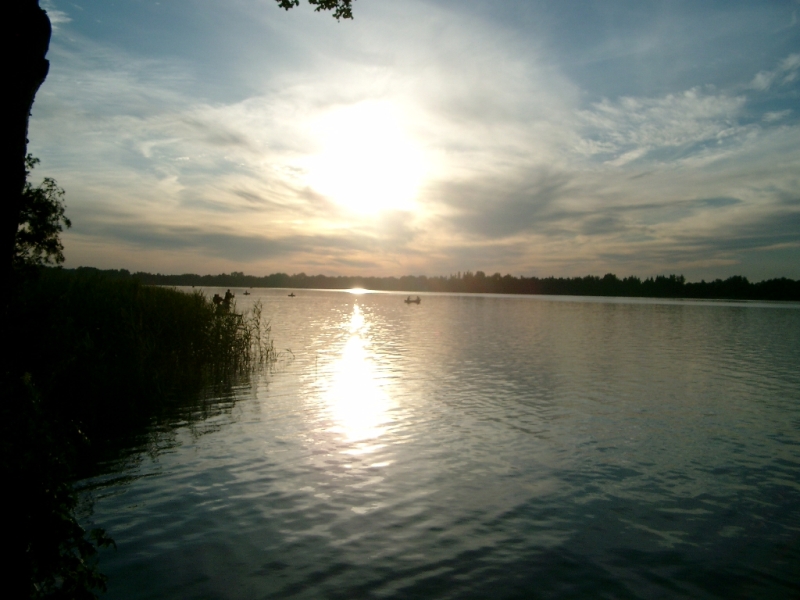
Natura 2000

Natura 2000
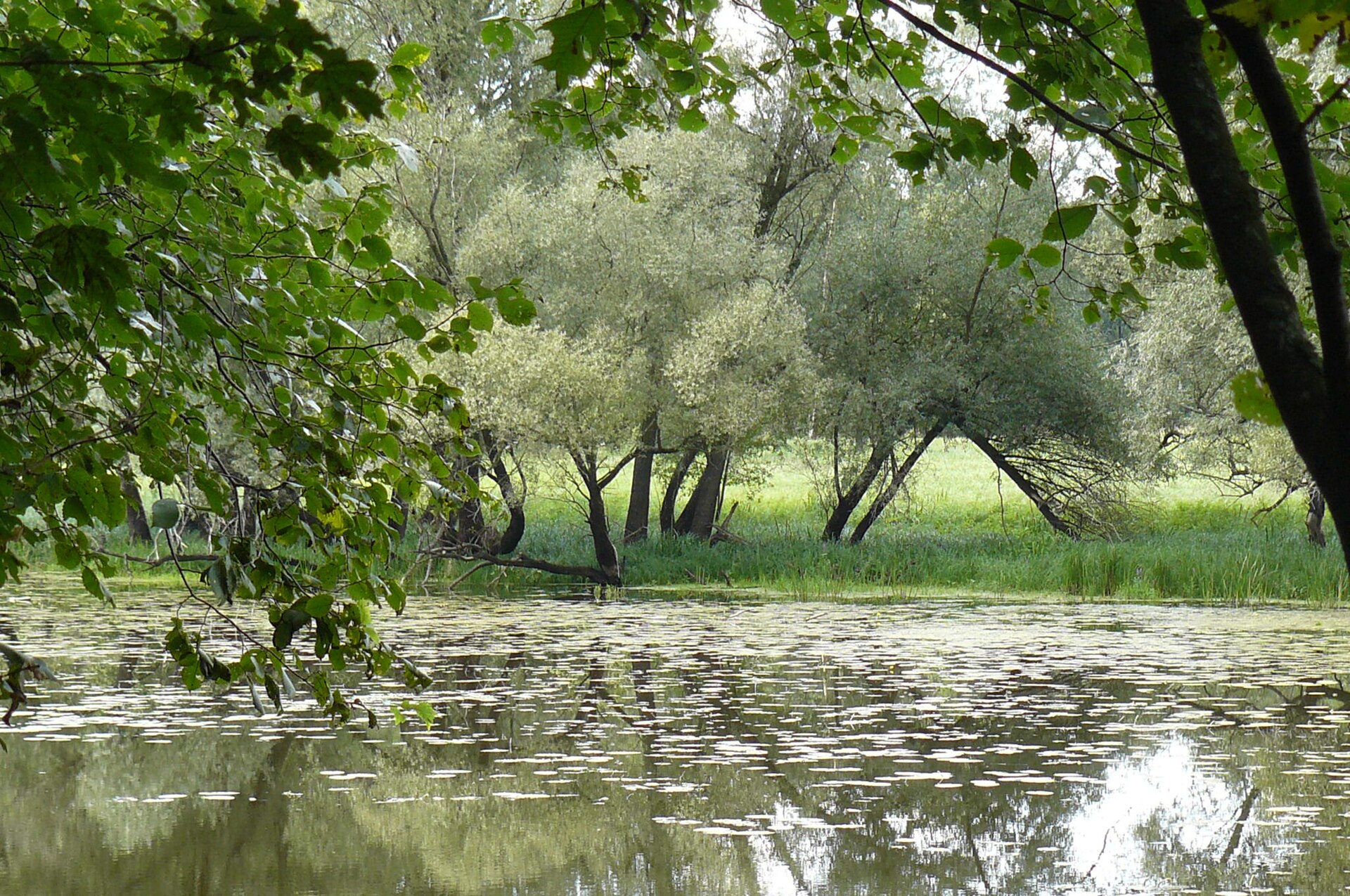
Natura 2000
Other species to discover
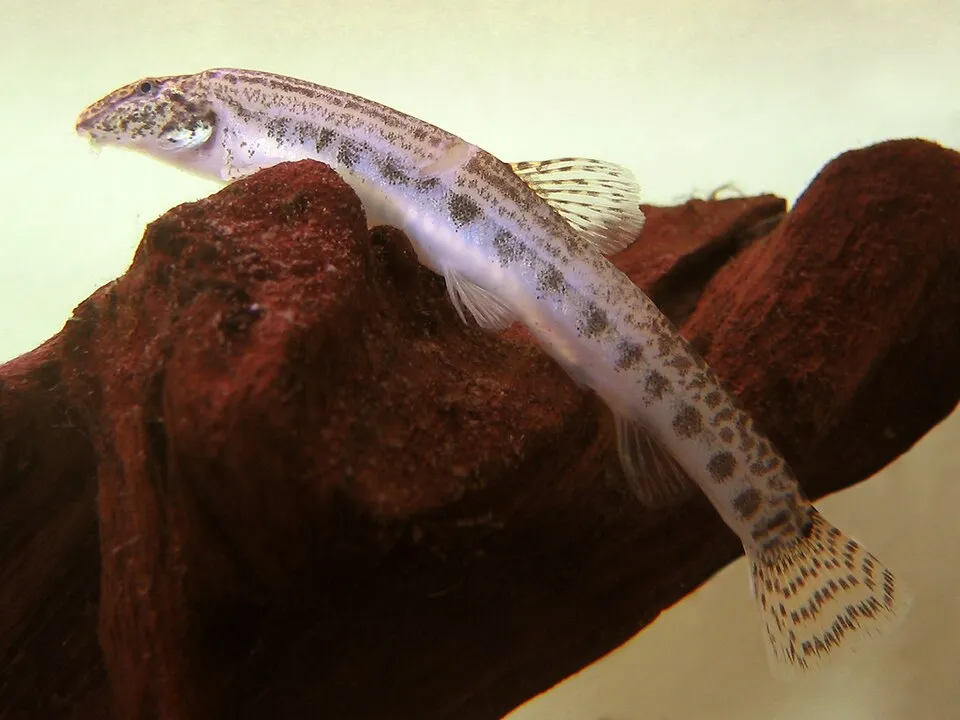 Spined loach
Cobitis taenia 91 places in common
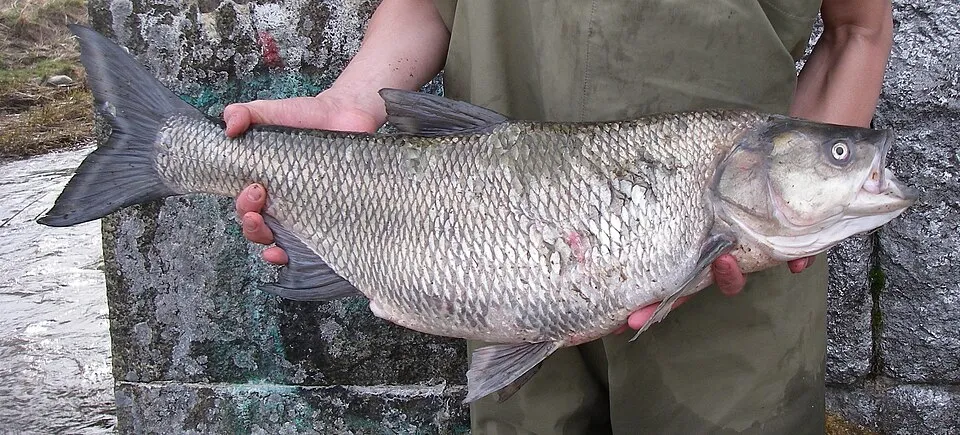 Asp
Aspius aspius 75 places in common
 European bitterling
Rhodeus amarus 95 places in common
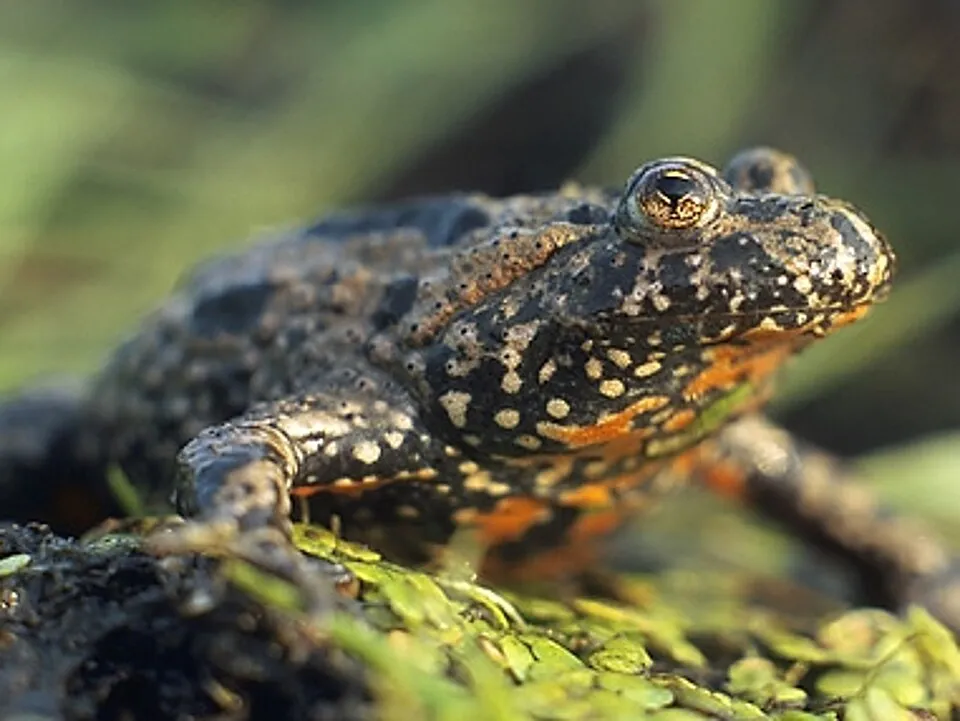 European fire-bellied toad
Bombina bombina 99 places in common
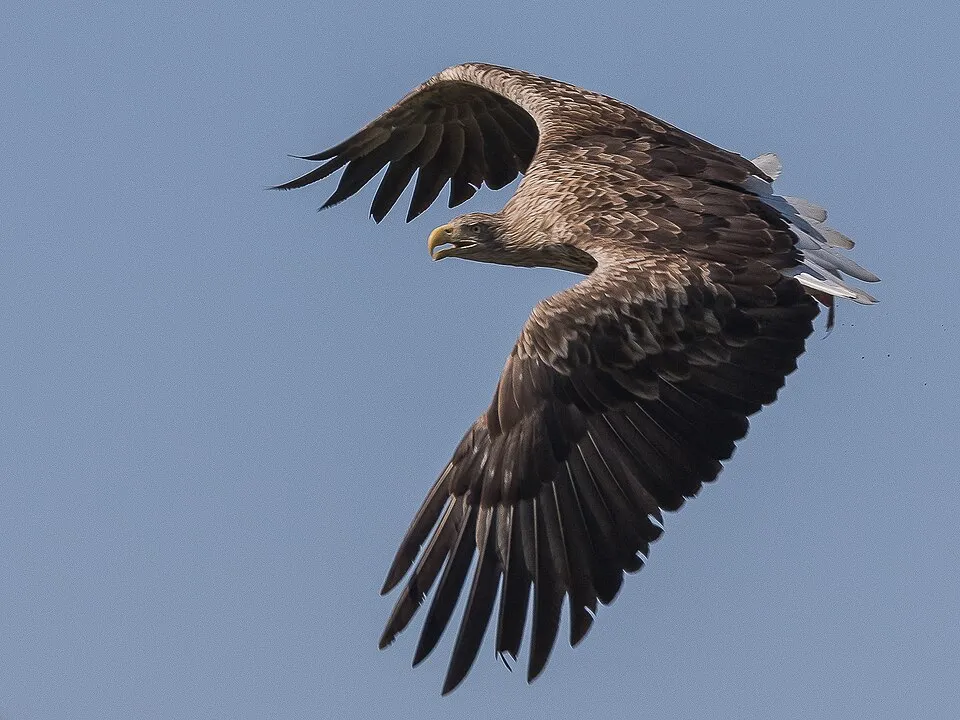 White-tailed Eagle
Haliaeetus albicilla 93 places in common
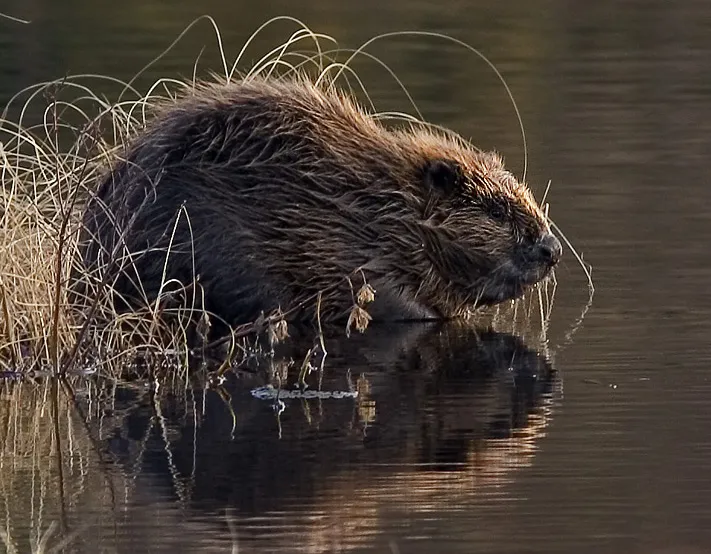 Eurasian Beaver
Castor fiber 109 places in common
Sources and credits
- Presence: most-recorded species of each place on GBIF and species of Community interest in the Natura 2000 forms (EEA, CC-BY 4.0); absence from the list does not mean the species is absent.
- Common names: Wikidata (CC0) and GBIF.
- Photos and sounds: Wikimedia Commons, author and licence given for each file.
- Classification: GBIF Backbone Taxonomy (GBIF Secretariat), CC BY 4.0, doi:10.15468/39omei.
- Countries, elevations, months and maps: GBIF.org, CC0 or CC BY 4.0 occurrences only, accessed October 22, 2026, GBIF.org.
- Base map: Natural Earth (public domain).
- Excerpt: Wikipedia, CC BY-SA 4.0 (full credit below the excerpt).
- Annexes: Directive 92/43/EEC (consolidated version), © European Union, EUR-Lex.
- Conservation status: EEA / DG ENV, Article 17 Habitats Directive reporting (2013–2018), CC BY 4.0.