
Bird
Greater Scaup: where to see it
Aythya marila
This bird species is recorded in 67 protected areas of the atlas, including 58 whose official Natura 2000 form lists it. Within the atlas countries, it is mostly observed in Sweden, Norway and the United Kingdom (12 countries in all). Records peak from October to April. It has a wingspan of 82 cm. Its EU population is assessed as threatened (2013–2018 Birds Directive reporting).
Best time to see it: October–April
Records published on GBIF by month (CC0 and CC BY 4.0 licences only), in the atlas countries, all years combined; they also reflect observer activity.
Key facts
- Wingspan
- 82 cm Wikidata, after Ericson et al. 2007
Status and protection
Birds Directive II/B · III/B
The species is listed in Annexes II/B and III/B of the Birds Directive.
EU population assessed as threatened, decreasing in the short term (2013–2018 Birds Directive reporting). EU breeding population: 1,000–1,500 pairs.
Distribution
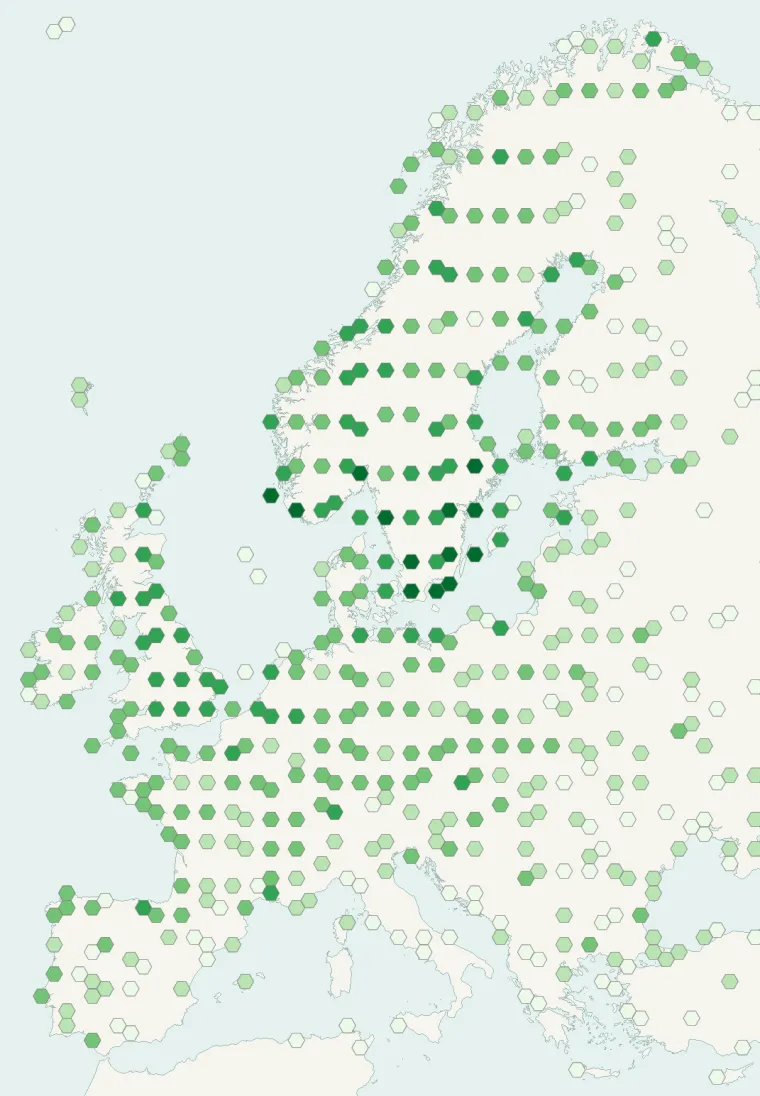
Records published on GBIF (CC0 and CC BY 4.0 licences): the darker the shade, the more records there are; they also reflect observation effort.
Atlas countries where it is recorded
From Wikipedia
The greater scaup (Aythya marila), just scaup in Europe or, colloquially, "bluebill" in North America, is a mid-sized diving duck, larger than the closely related lesser scaup and tufted duck. It spends the summer months breeding in Iceland, east across Scandinavia, northern Russia and Siberia, Alaska, and northern Canada. During the winter, it migrates south to the coasts of Europe, eastern Asia, and North America. Male greater scaup average slightly larger than the females but with much overlap; they have a light blue-grey bill and yellow eyes.
Source: Wikipedia, article “Greater scaup” (version of October 17, 2026) · history and authors · licence CC BY-SA 4.0 · shortened excerpt
Protected areas where it is recorded

195 records

188 records
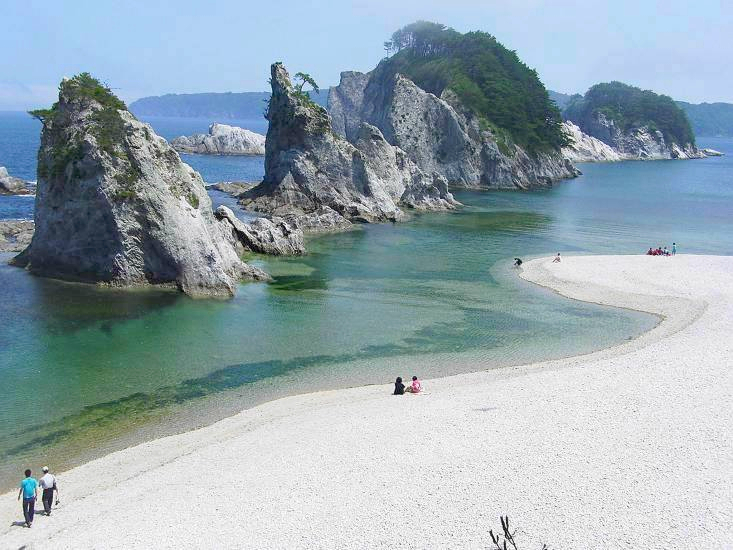
126 records
114 records

55 records

48 records

36 records

24 records

10 records

Natura 2000 · breeding
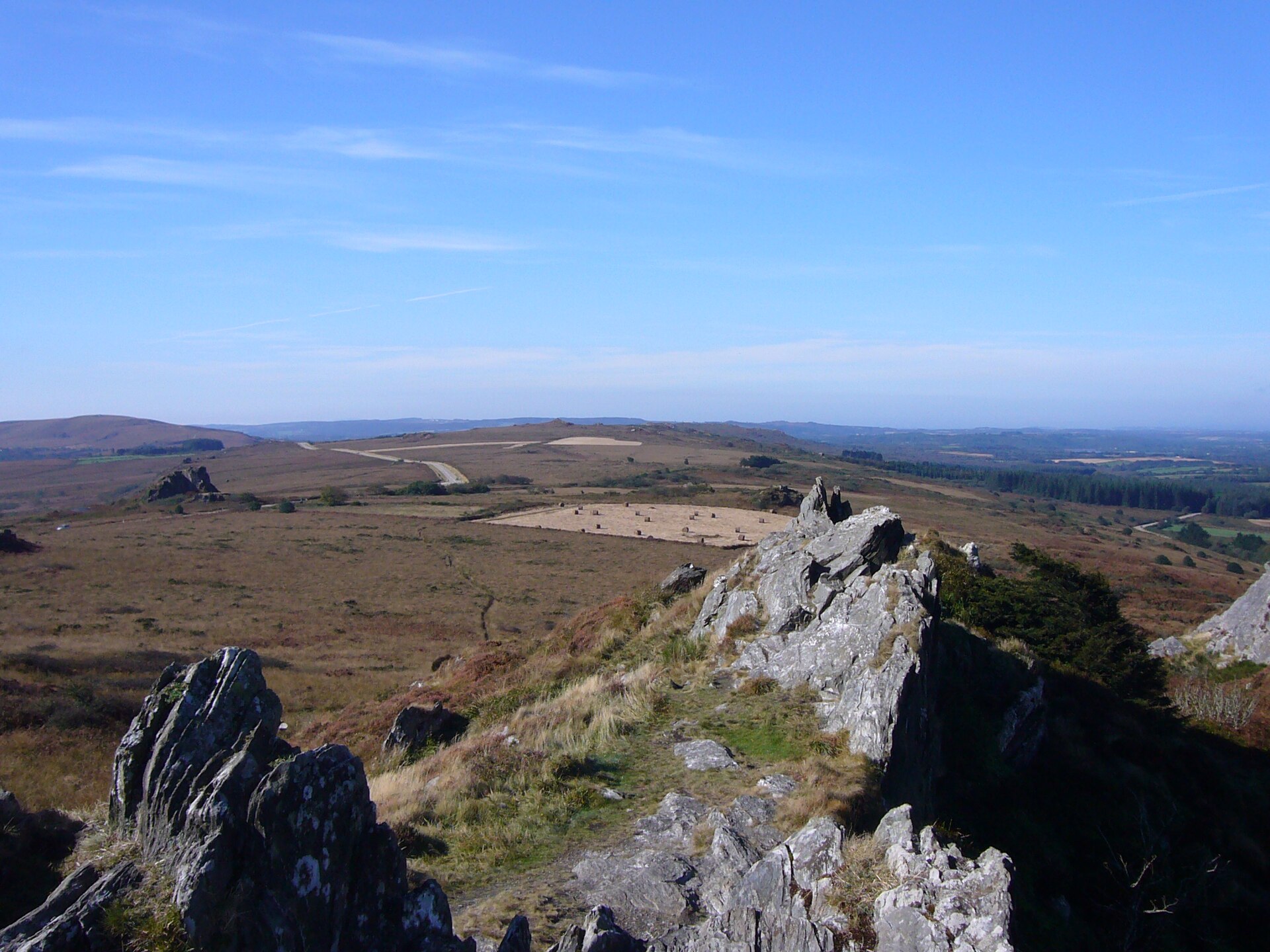
Natura 2000 · wintering

Natura 2000 · breeding, passage
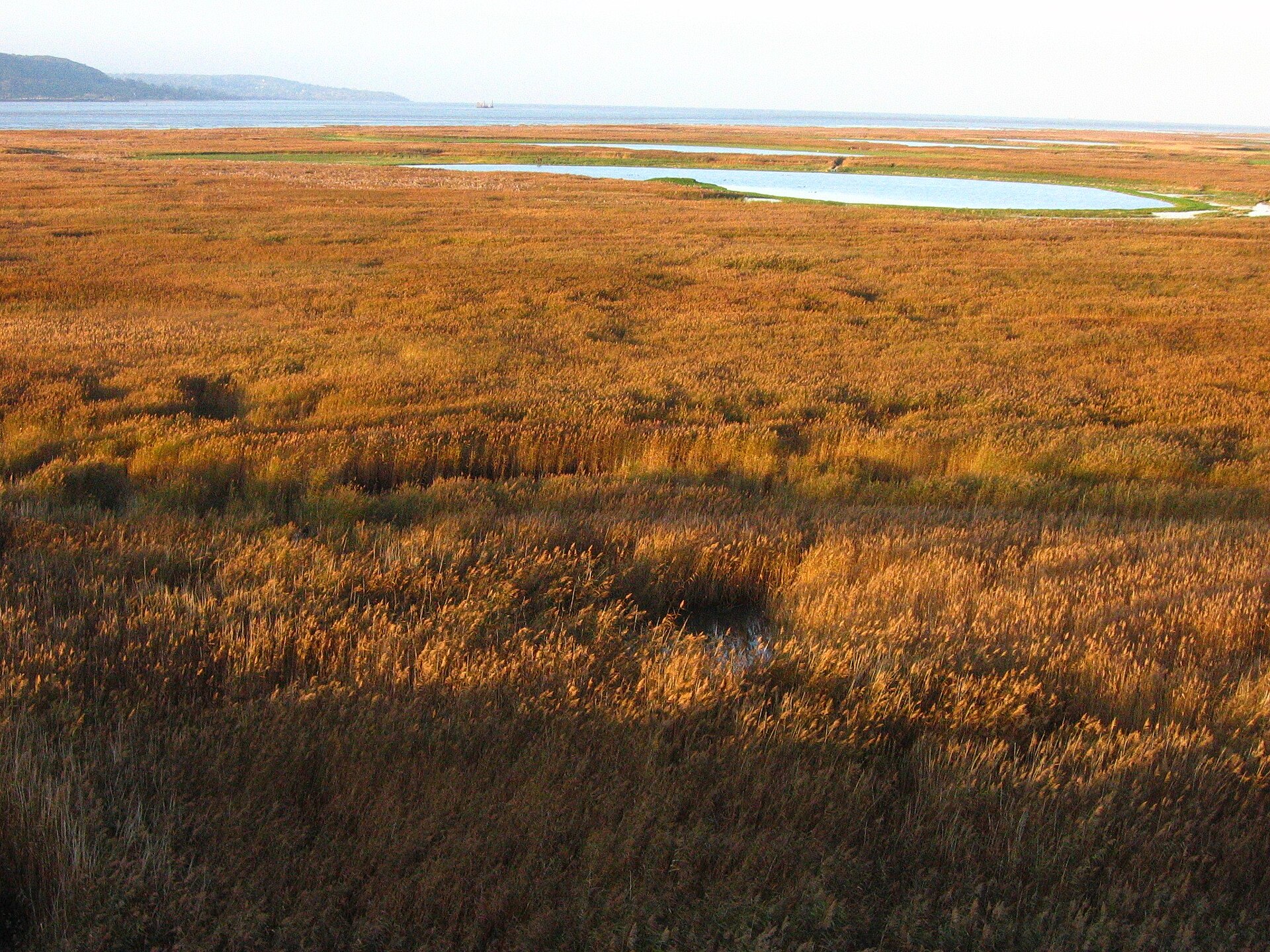
Natura 2000 · wintering
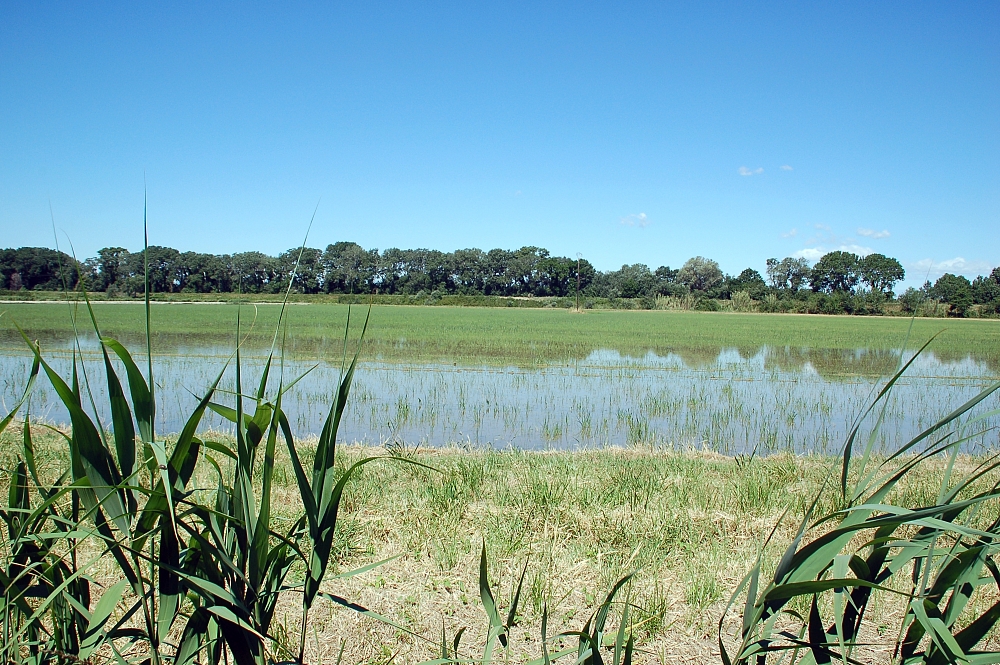
Natura 2000 · passage, wintering
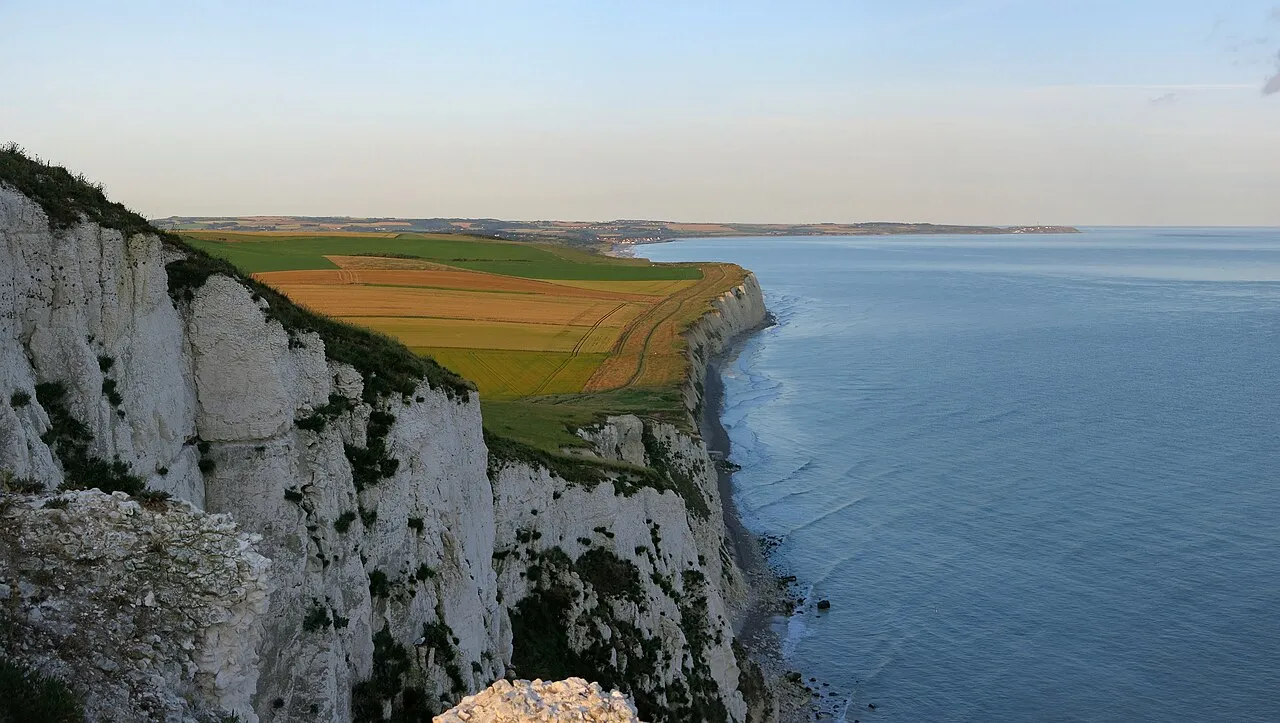
Natura 2000 · passage
Natura 2000 · wintering, passage
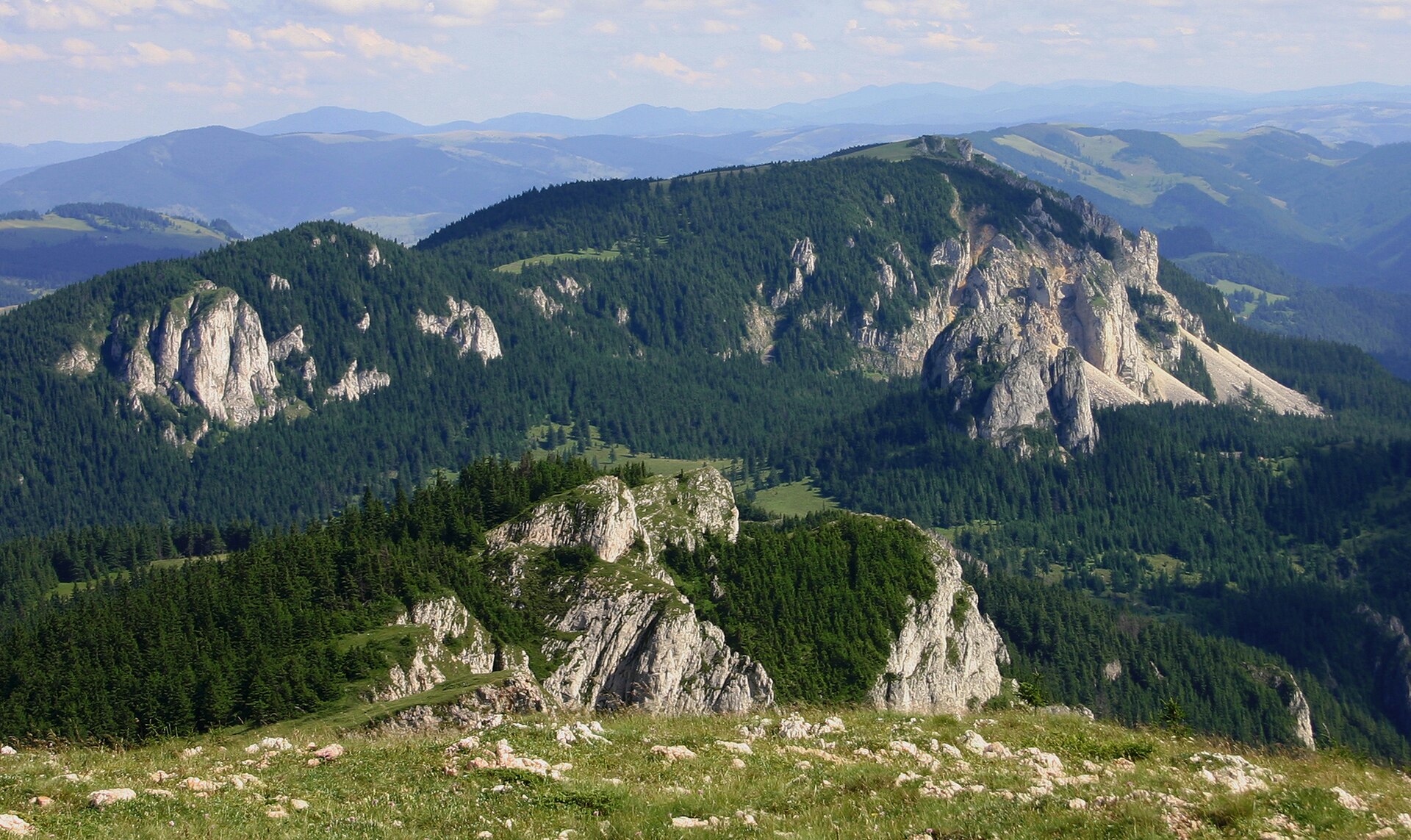
Natura 2000 · passage

Natura 2000 · passage
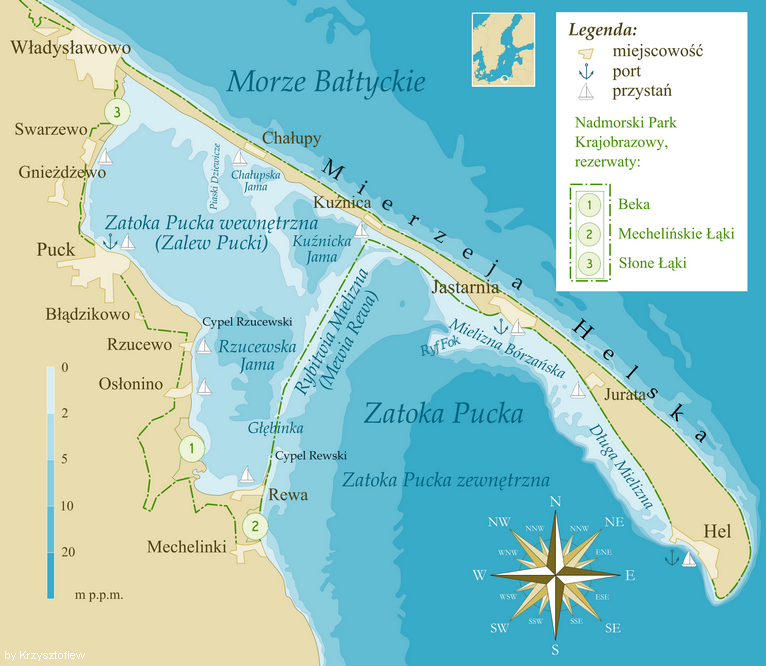
Natura 2000 · passage, wintering
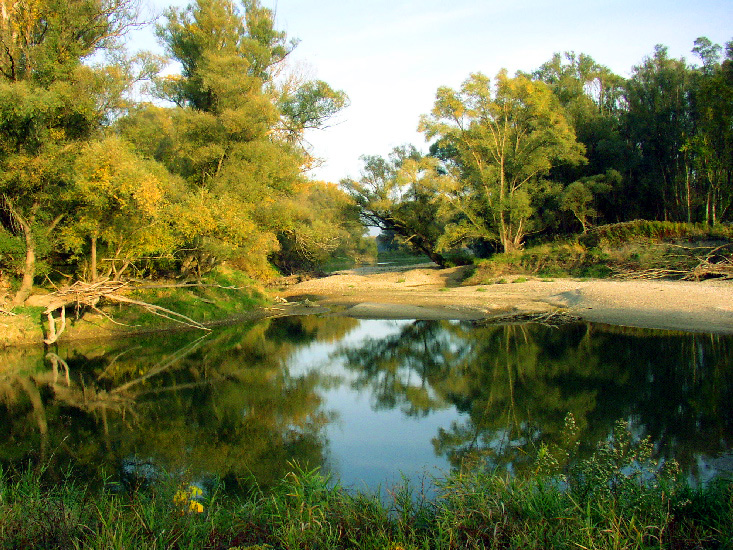
Natura 2000 · passage
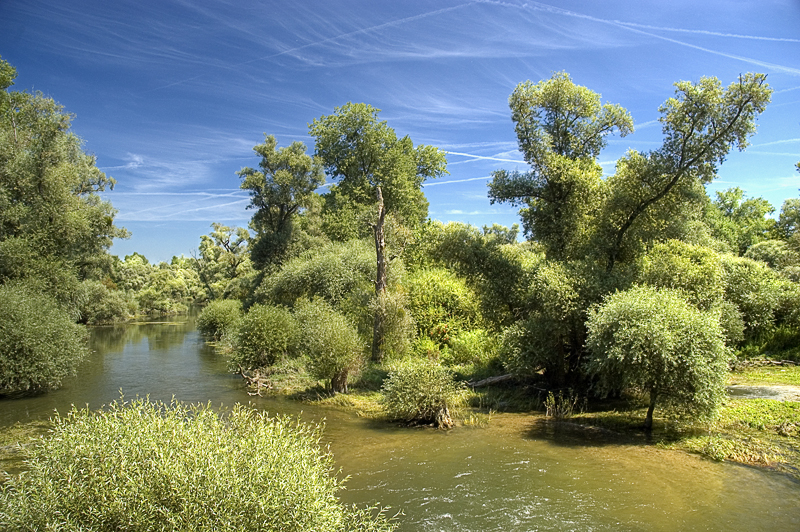
Natura 2000 · wintering

Natura 2000 · breeding

Natura 2000 · passage

Natura 2000 · wintering, passage
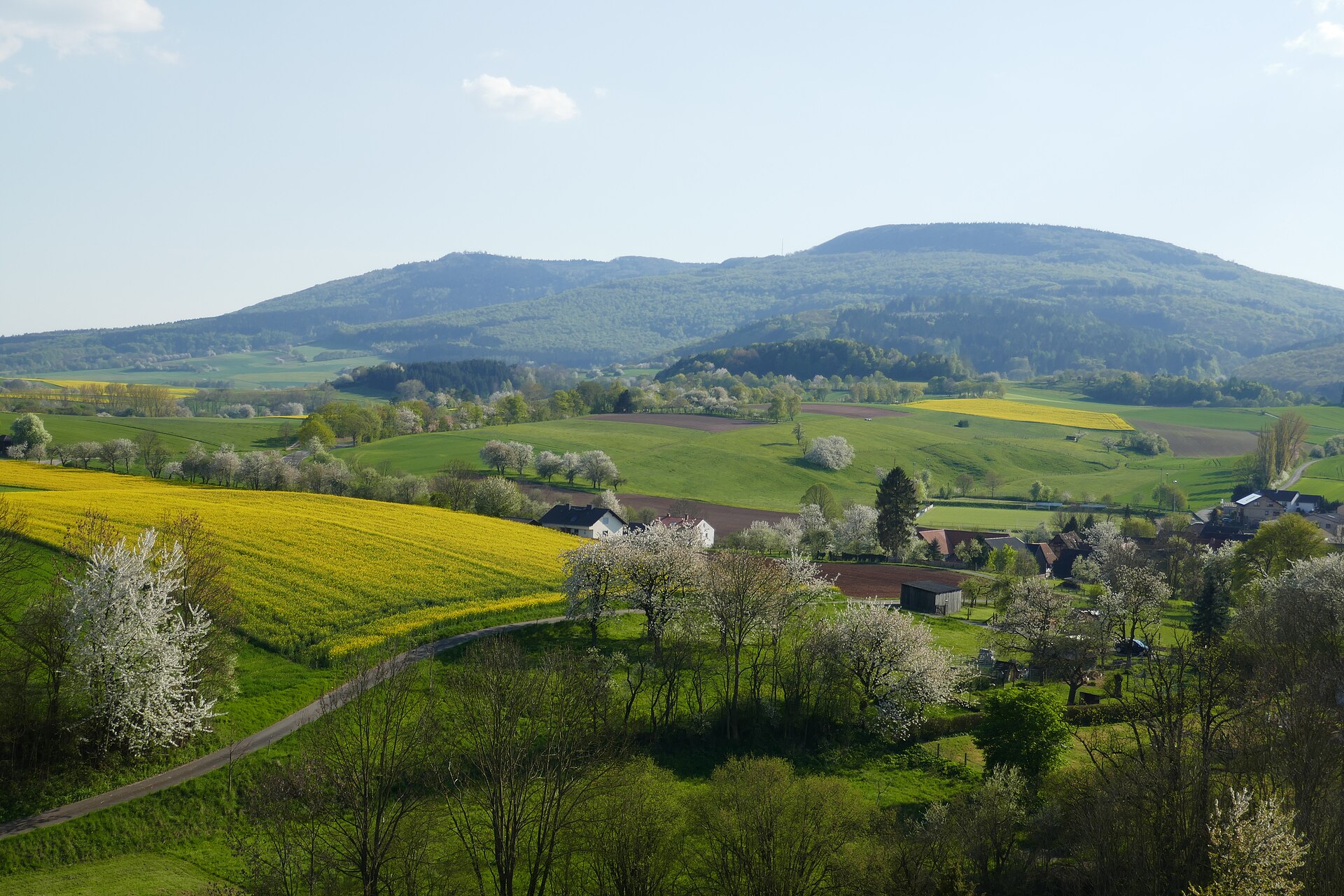
Natura 2000 · passage

Natura 2000 · wintering
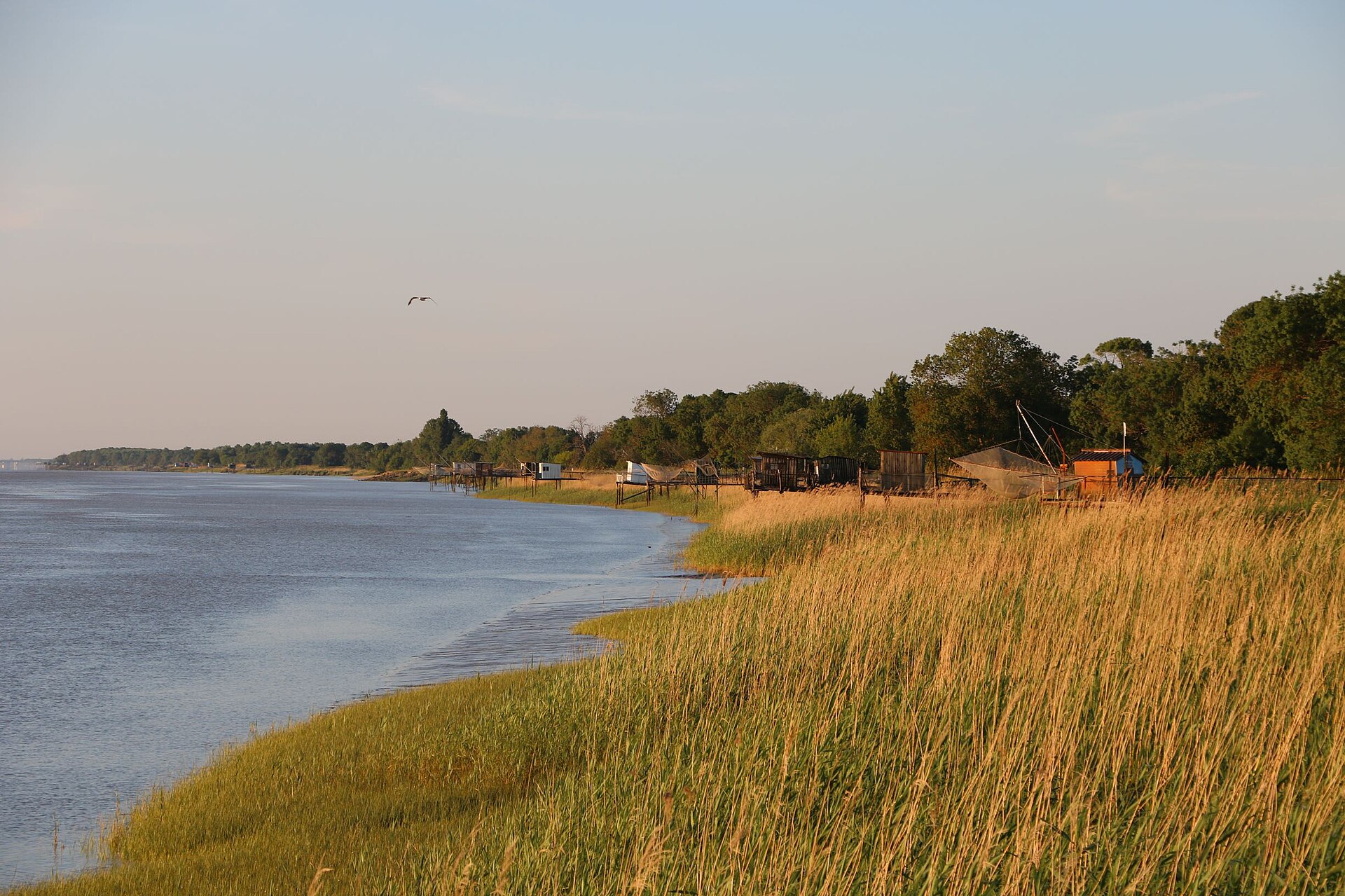
Natura 2000 · wintering
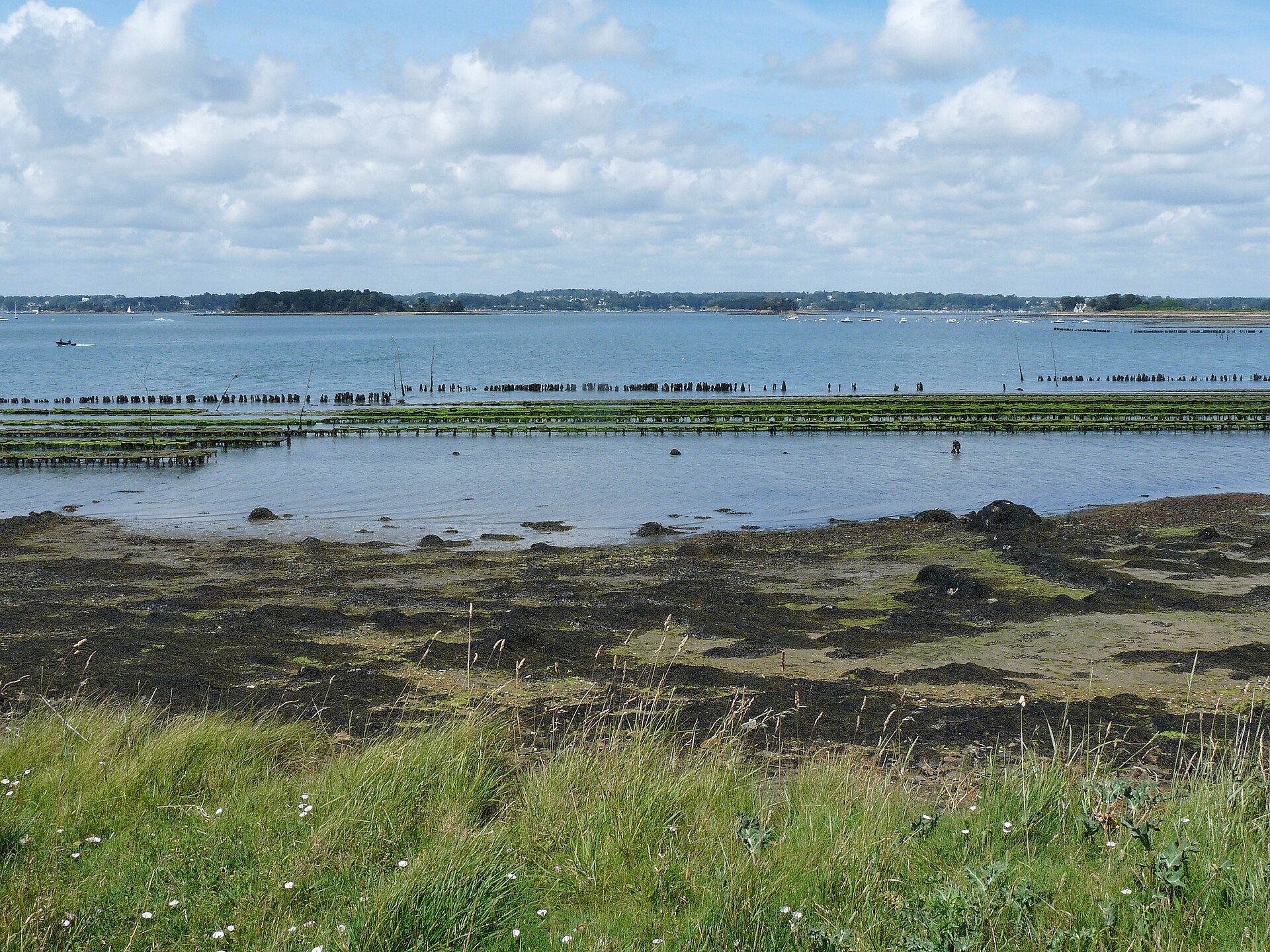
Natura 2000 · wintering
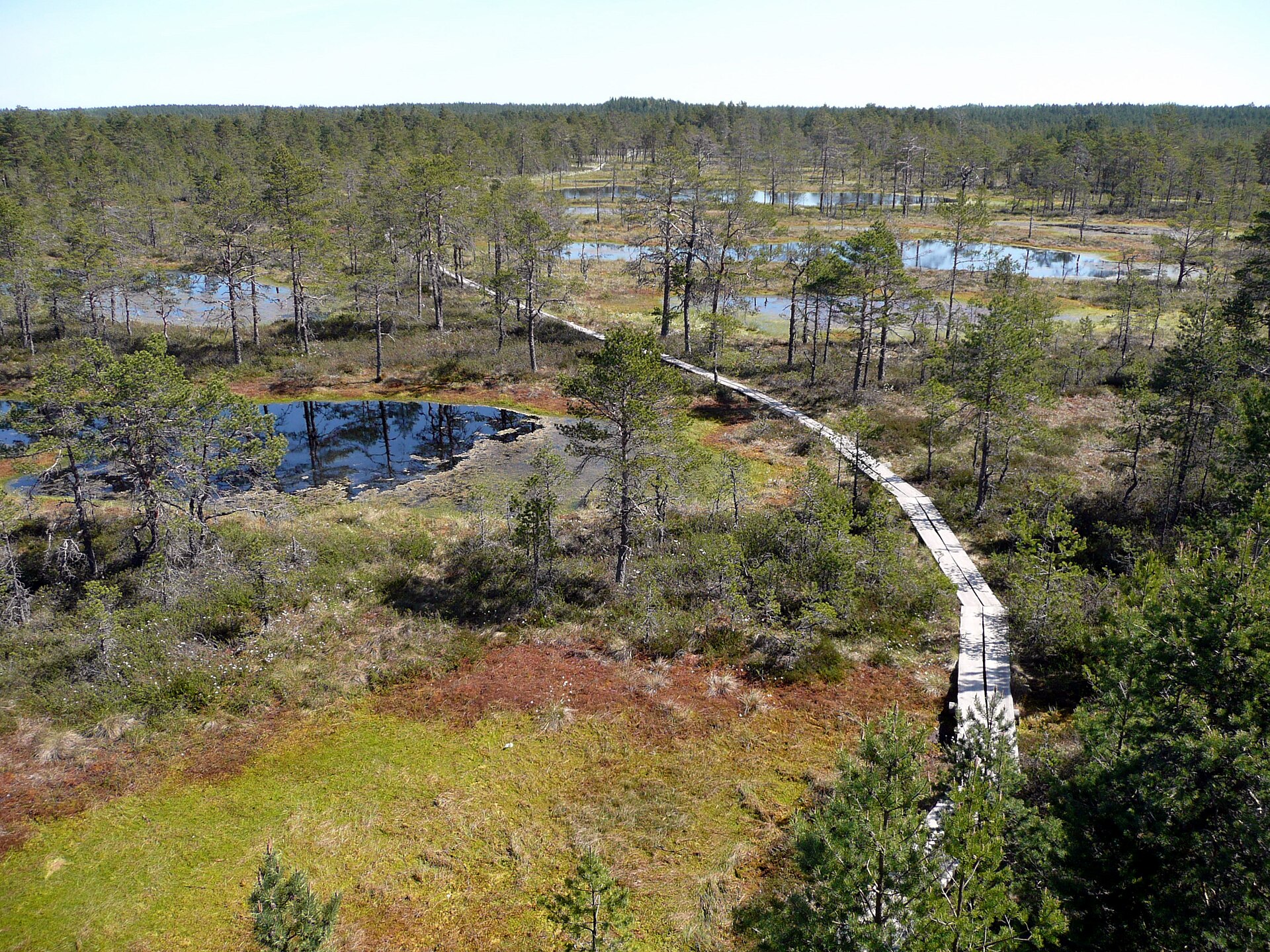
Natura 2000 · breeding
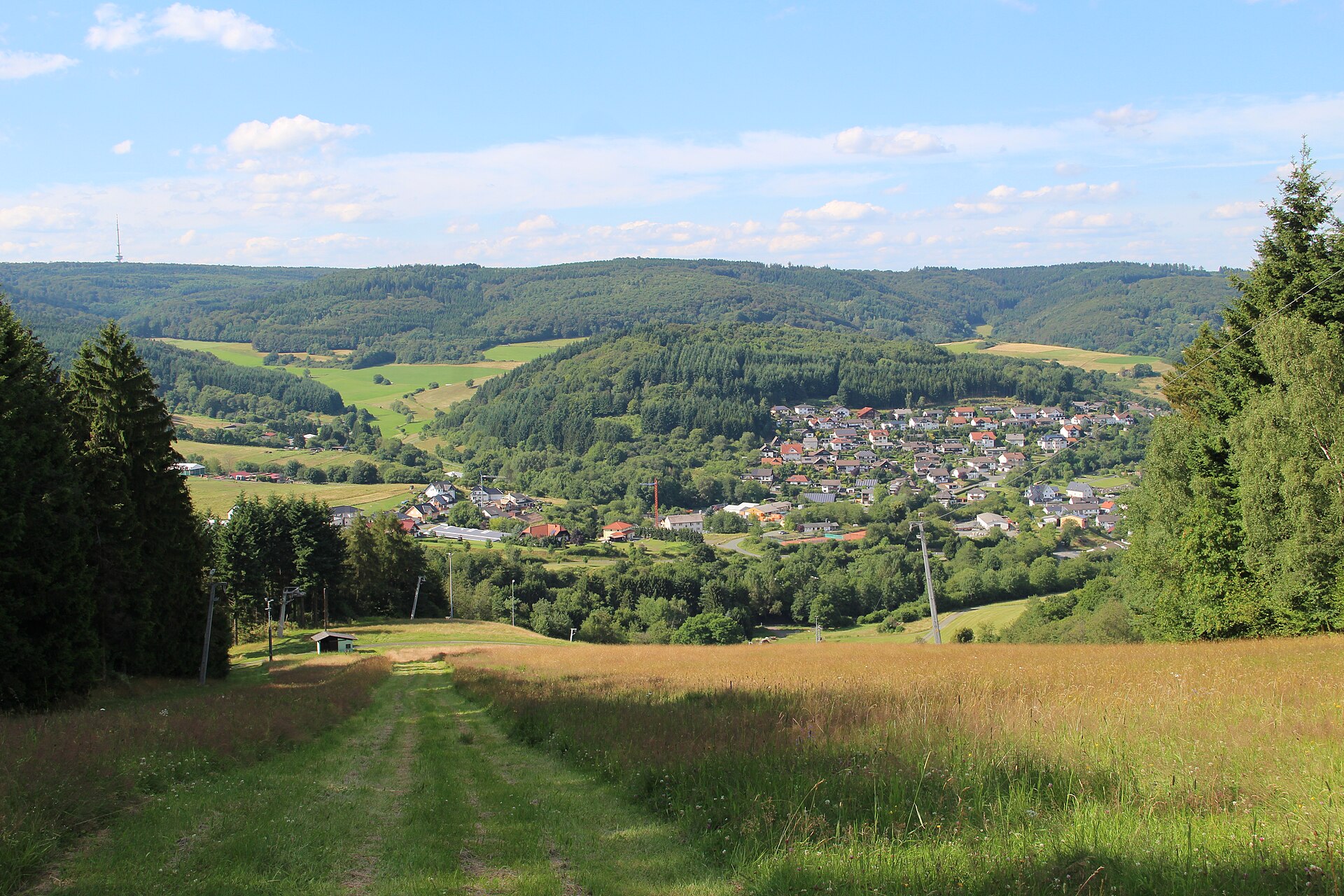
Natura 2000 · wintering, passage

Natura 2000 · wintering
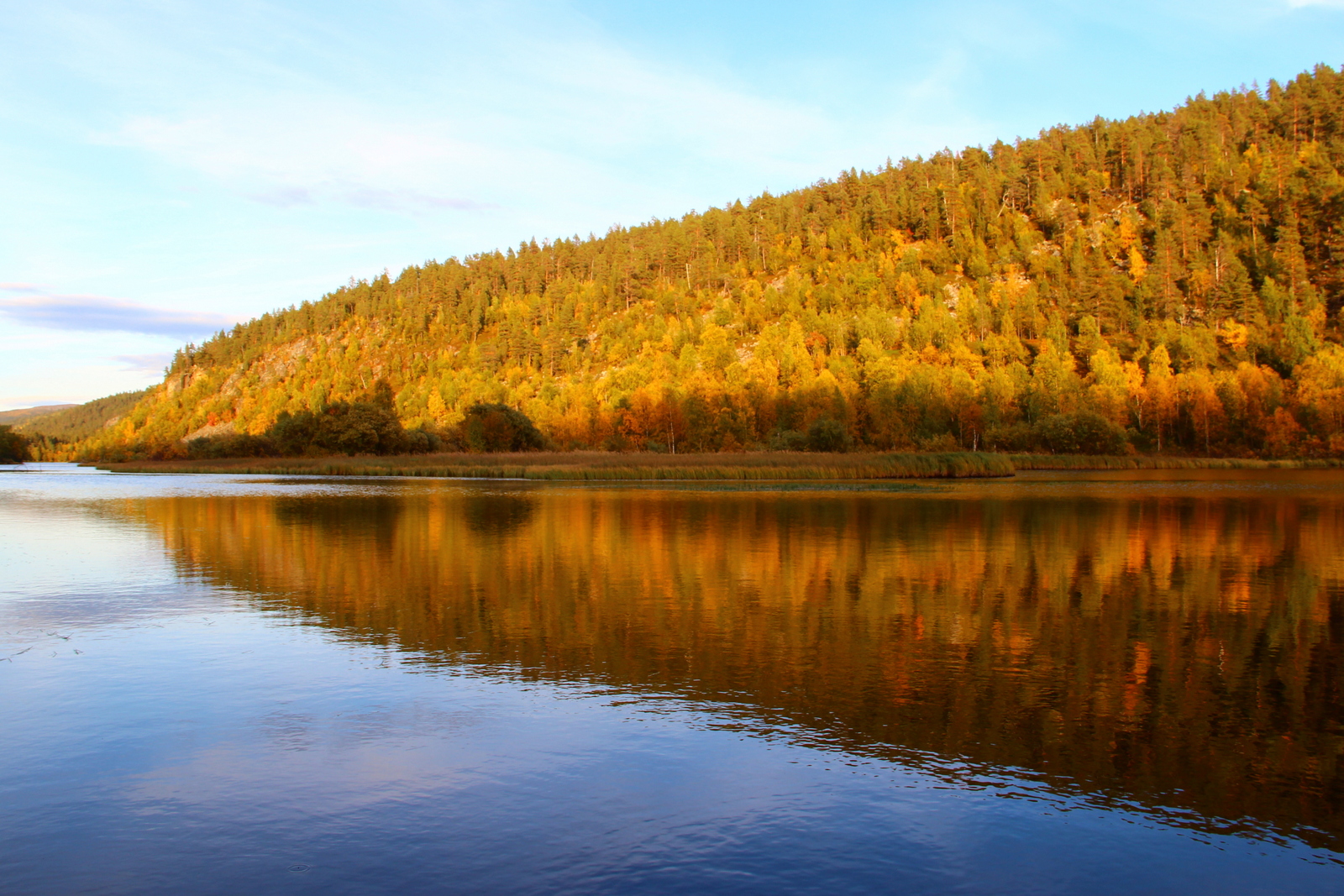
Natura 2000 · breeding
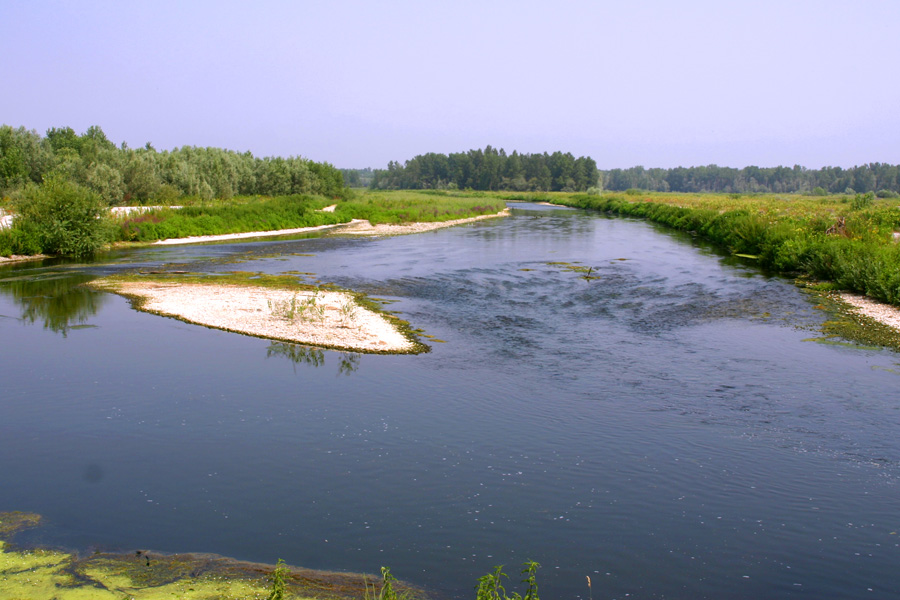
Natura 2000 · wintering
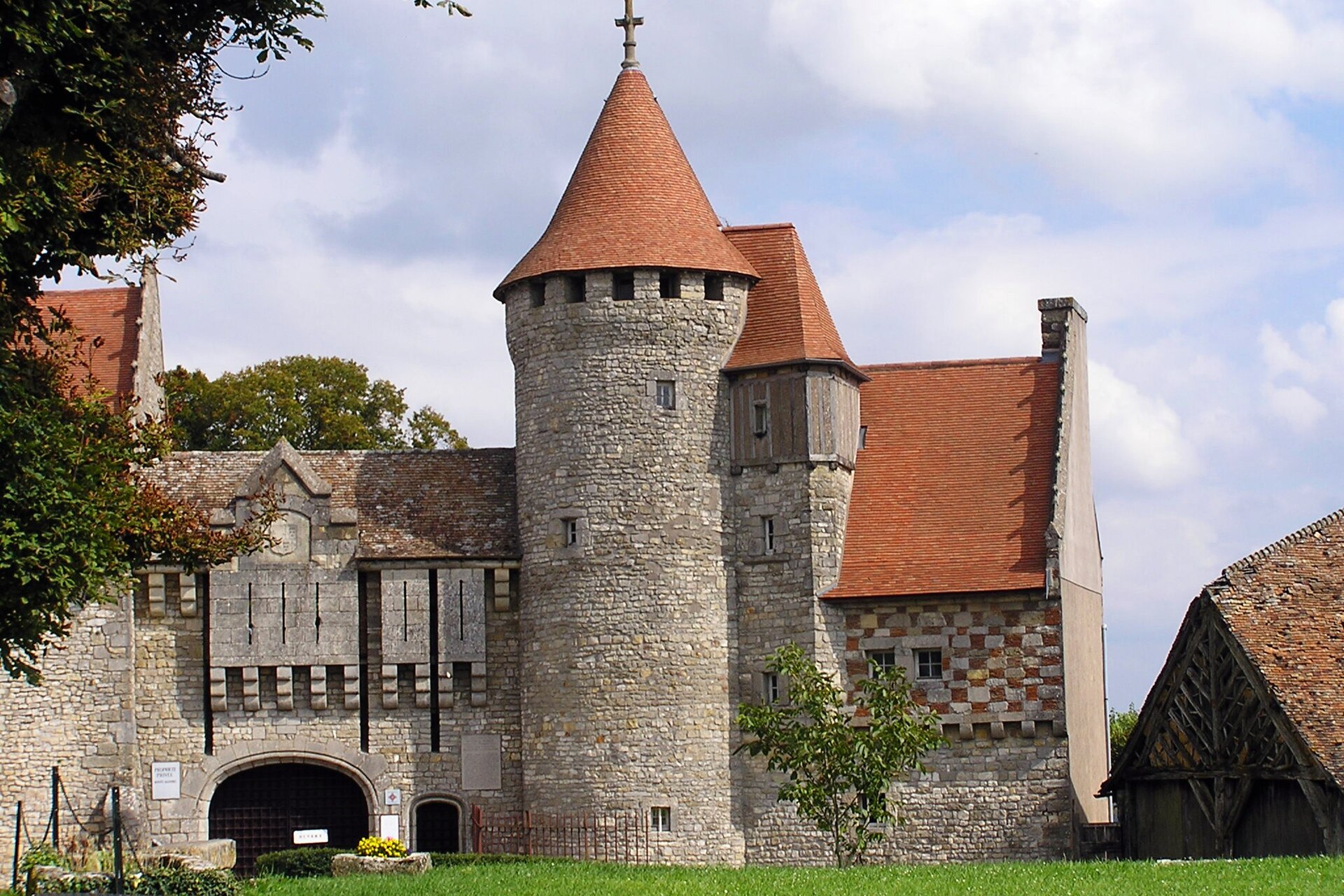
Natura 2000 · wintering, passage
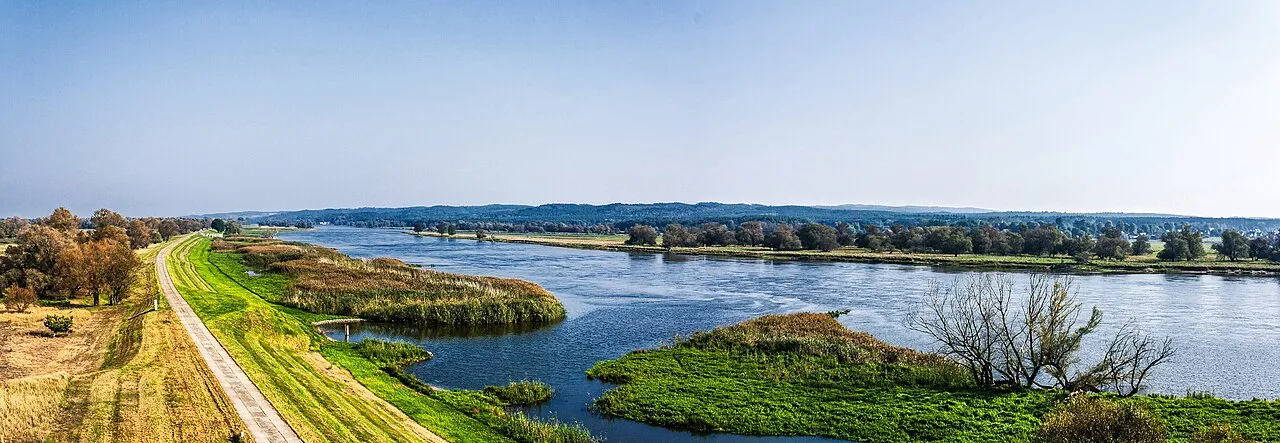
Natura 2000 · passage
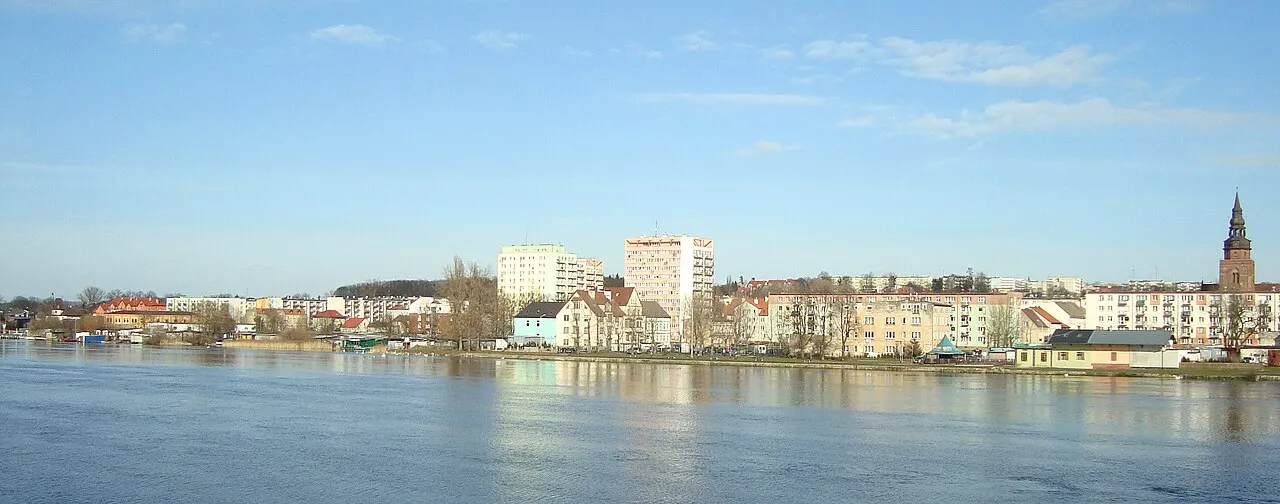
Natura 2000 · wintering, passage

Natura 2000 · wintering
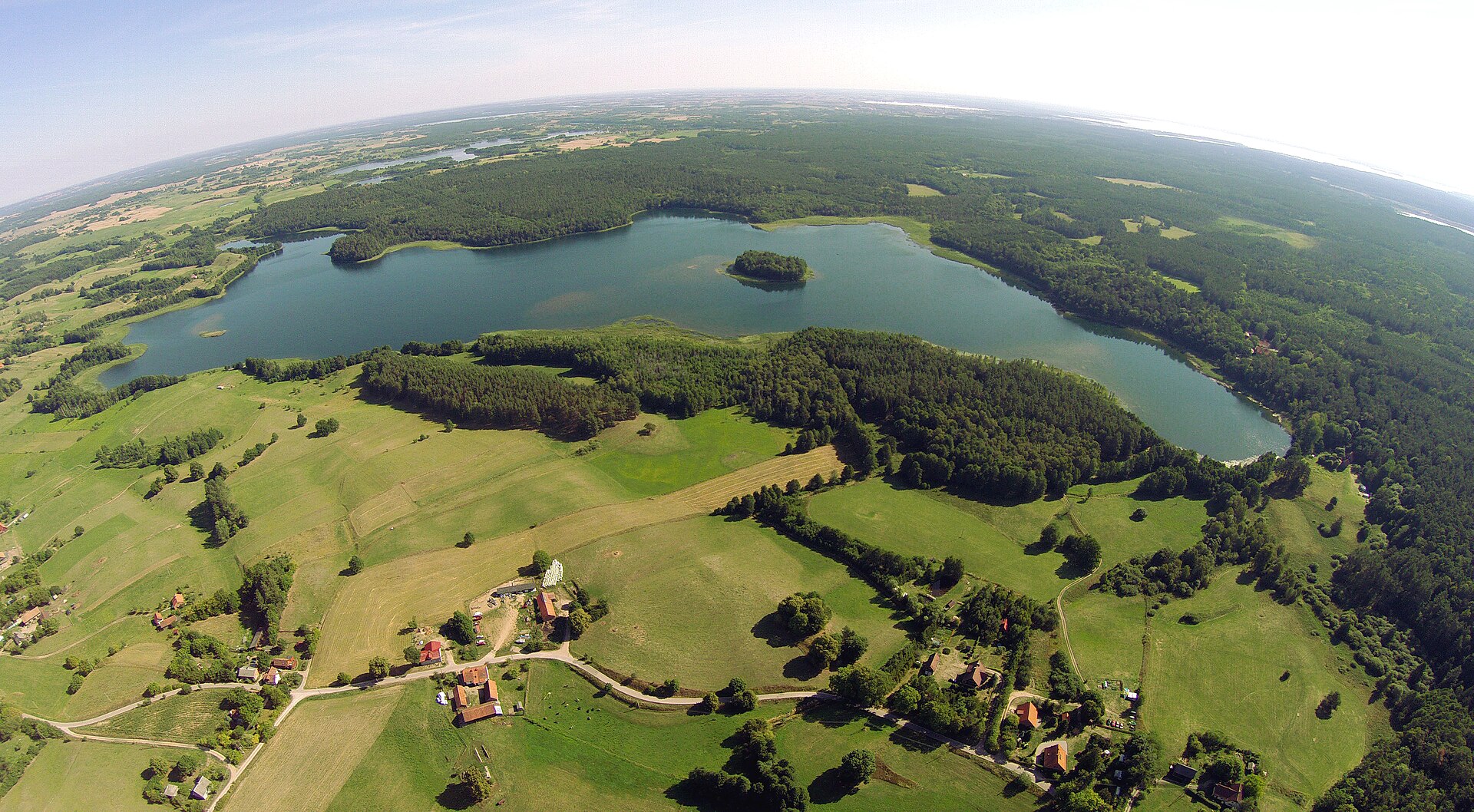
Natura 2000 · passage
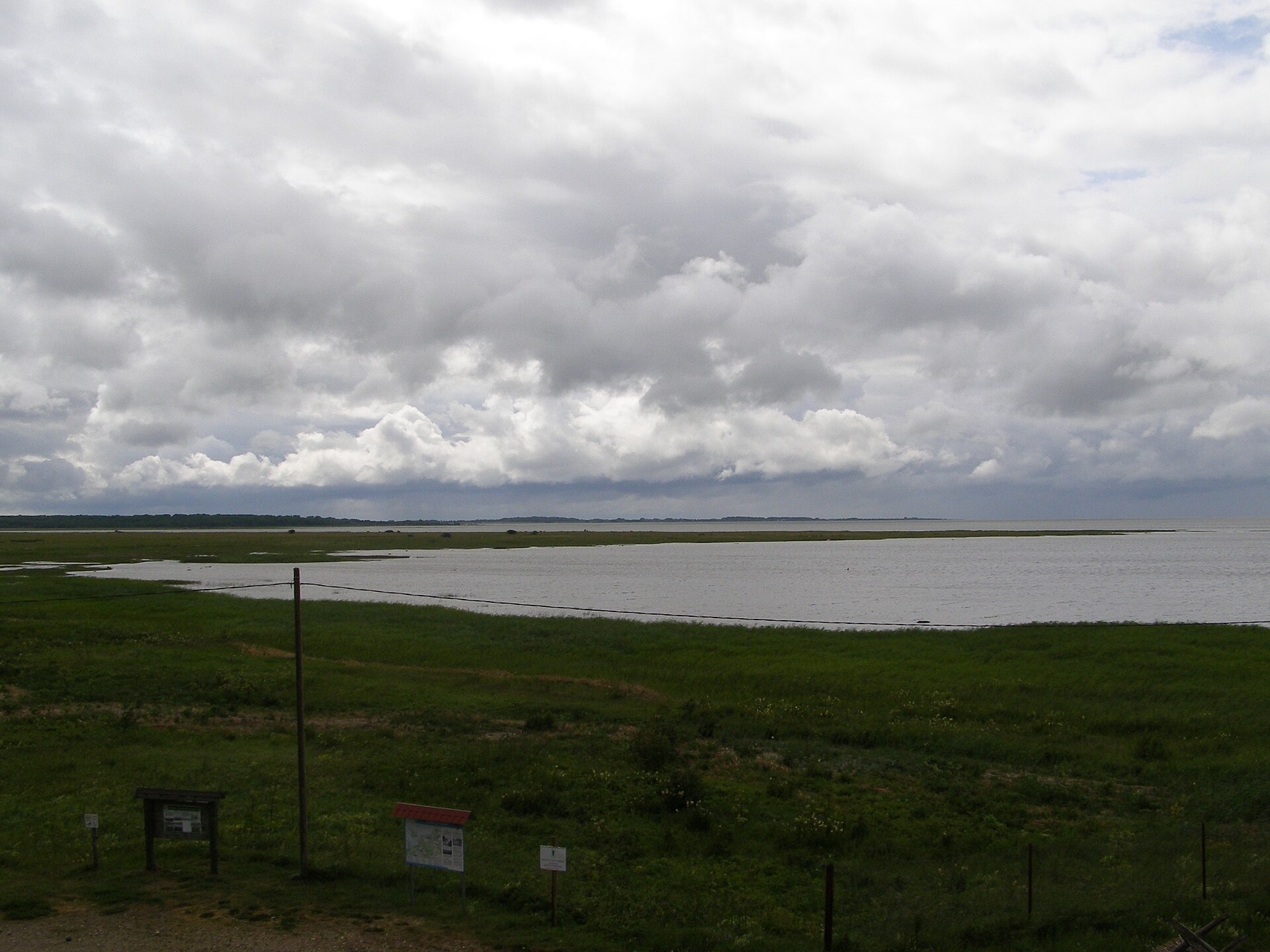
Natura 2000 · passage
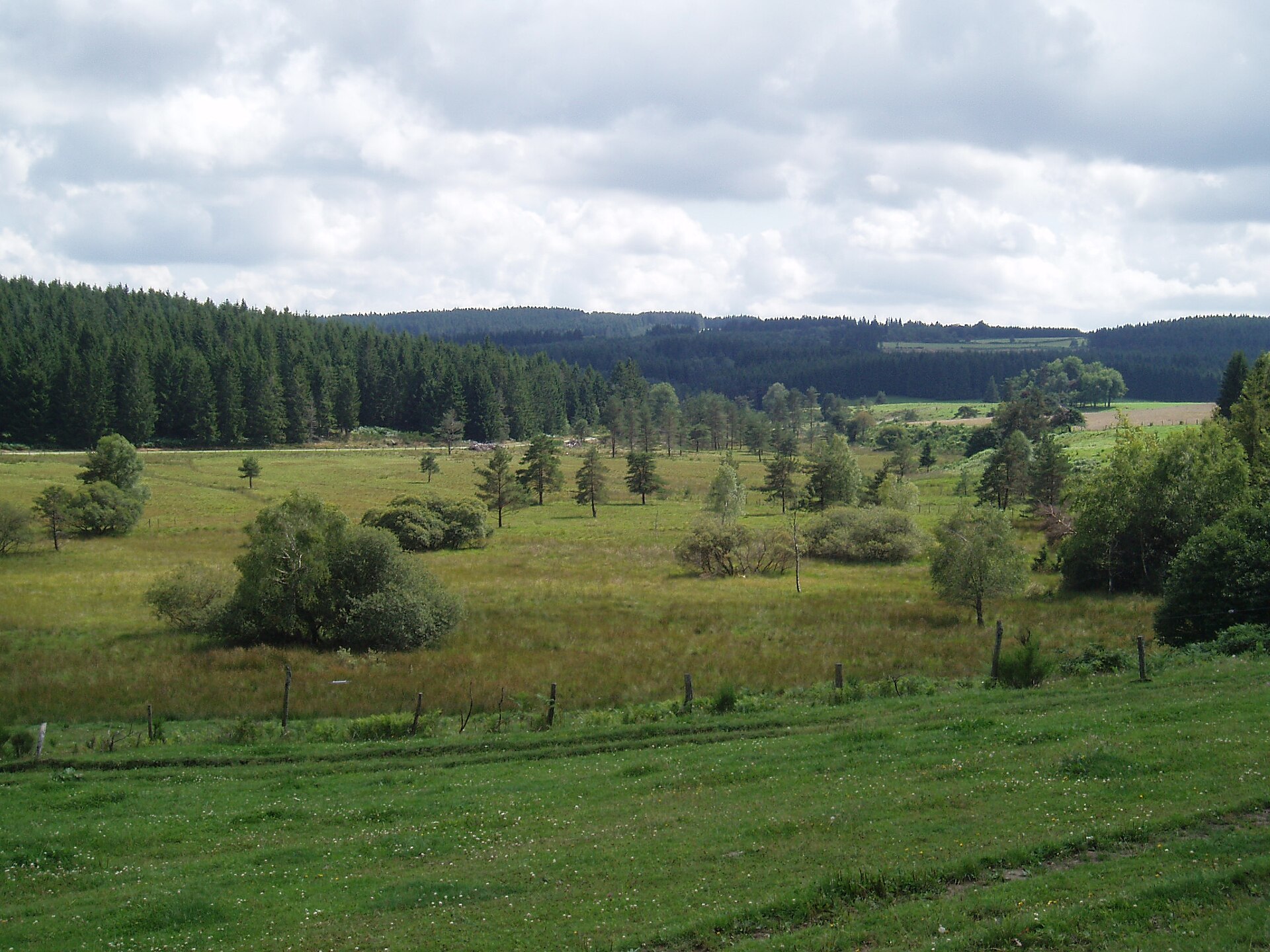
Natura 2000 · wintering
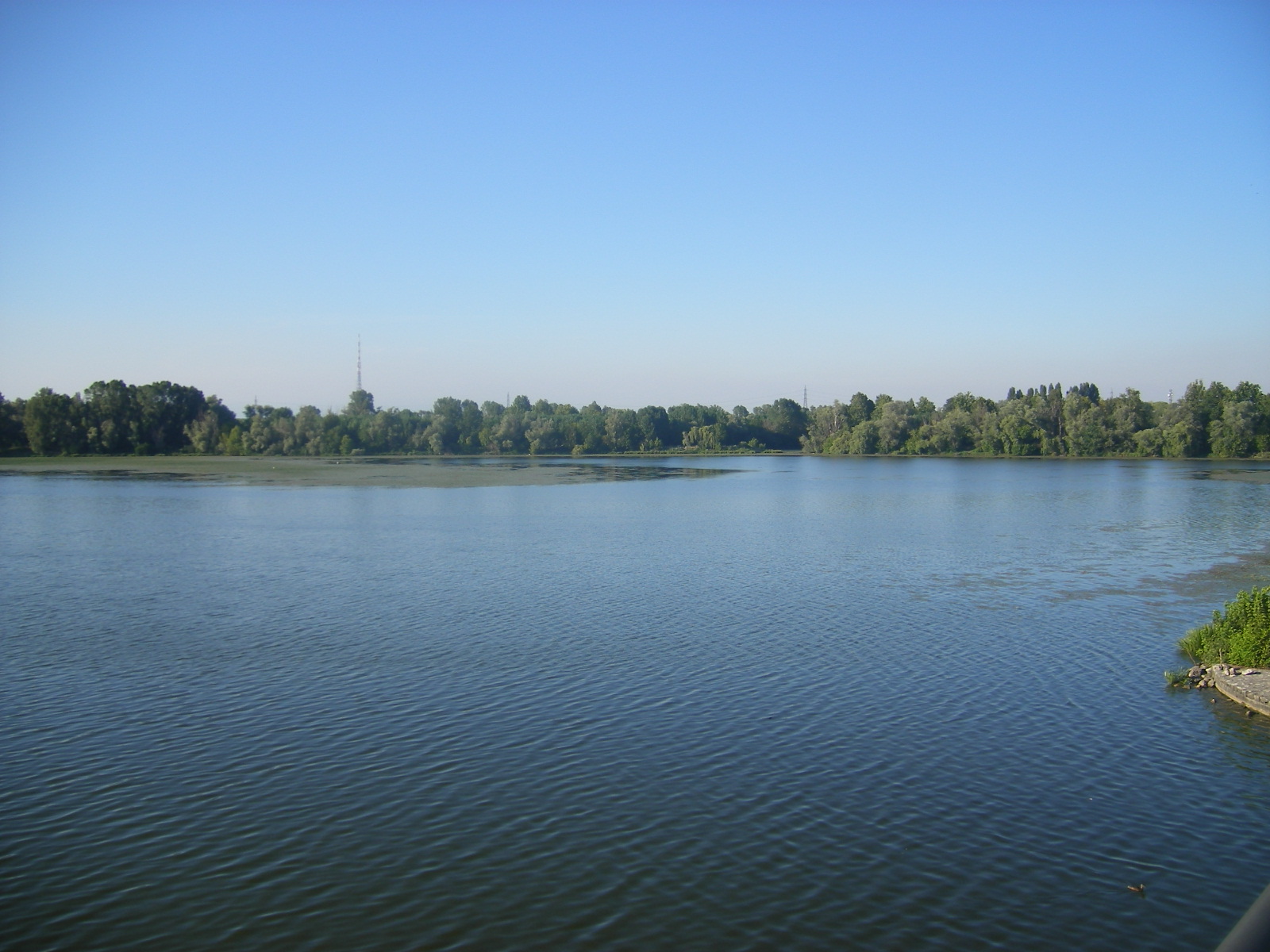
Natura 2000 · passage
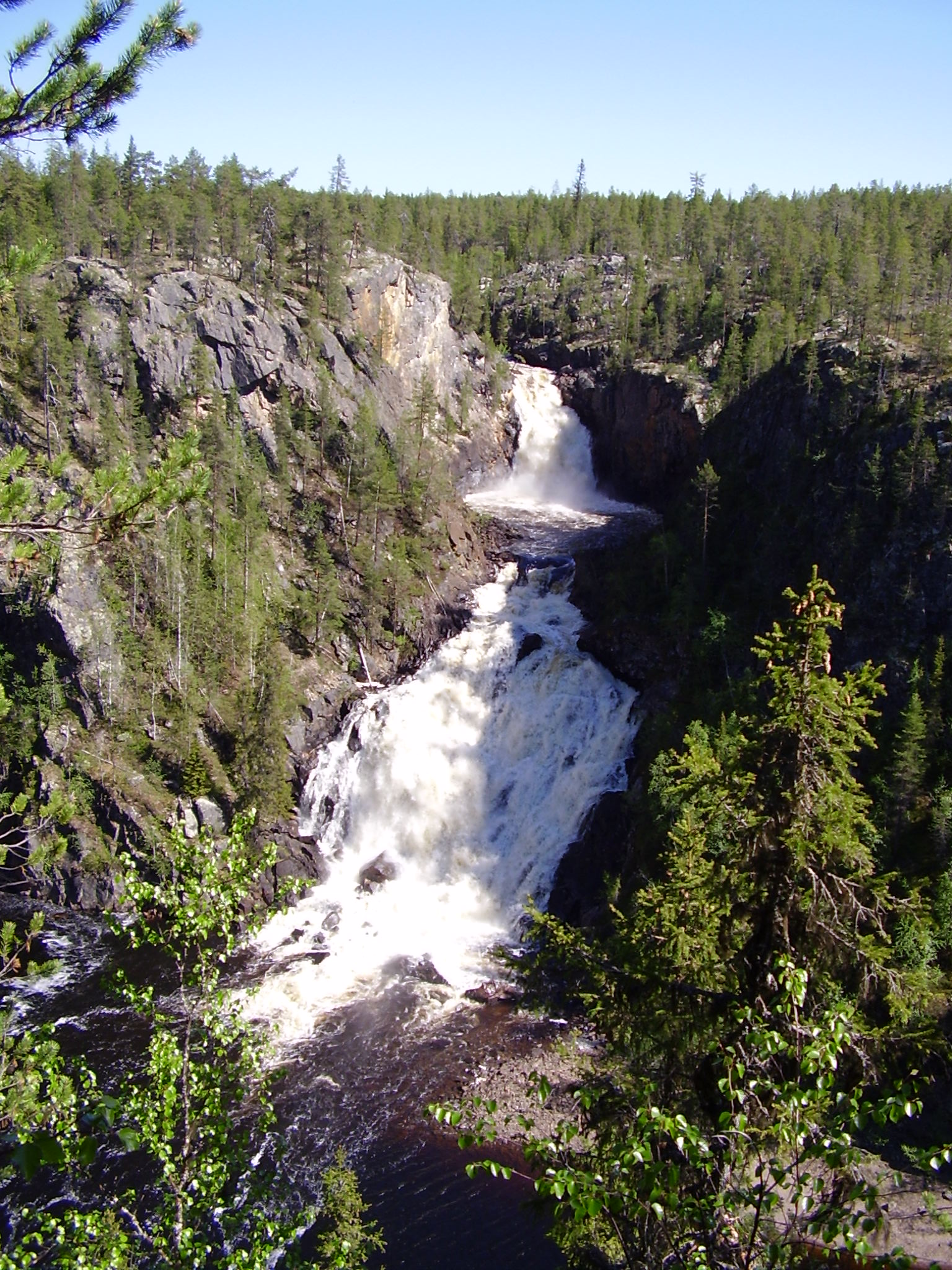
Natura 2000 · passage

Natura 2000 · passage
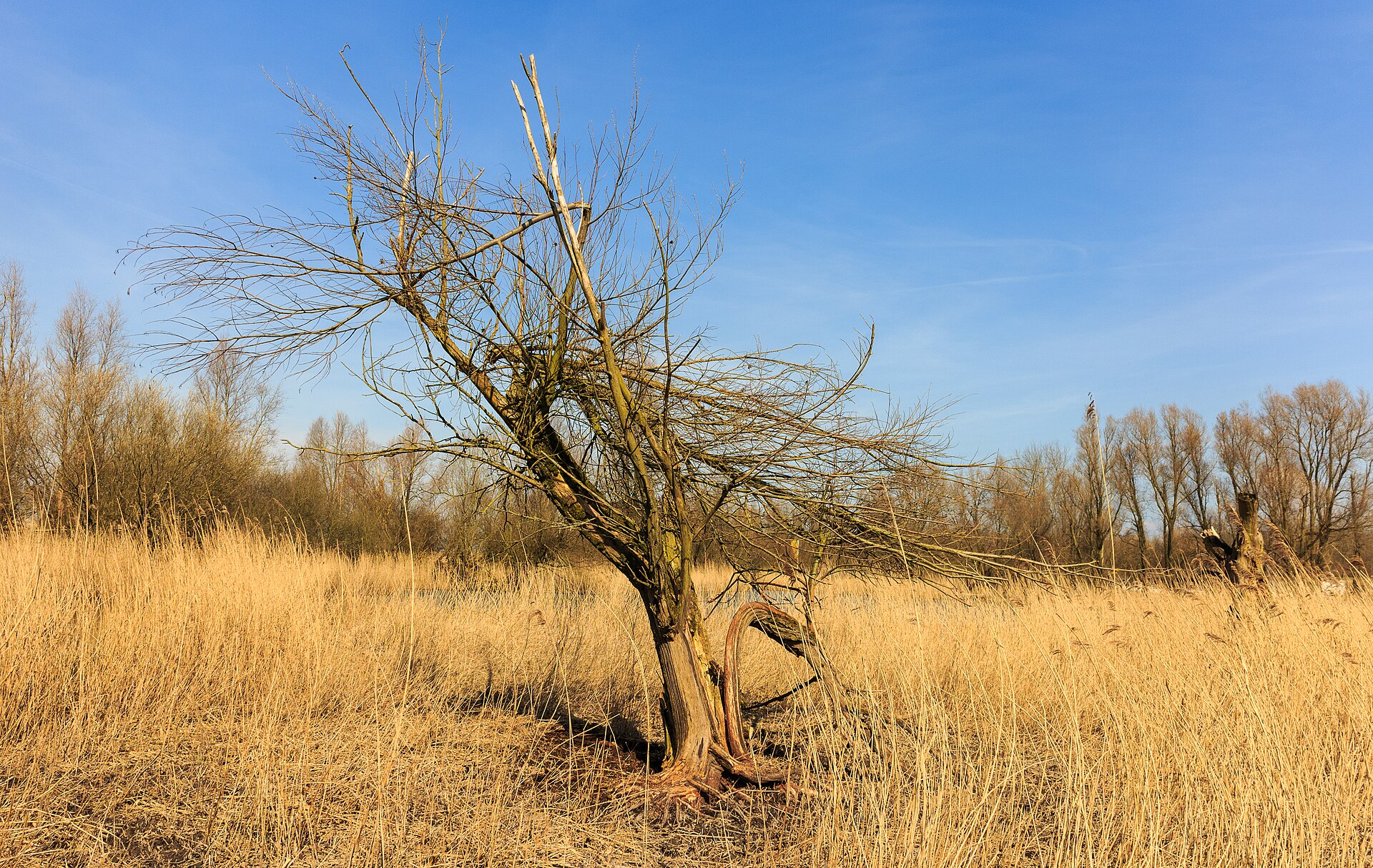
Natura 2000 · wintering
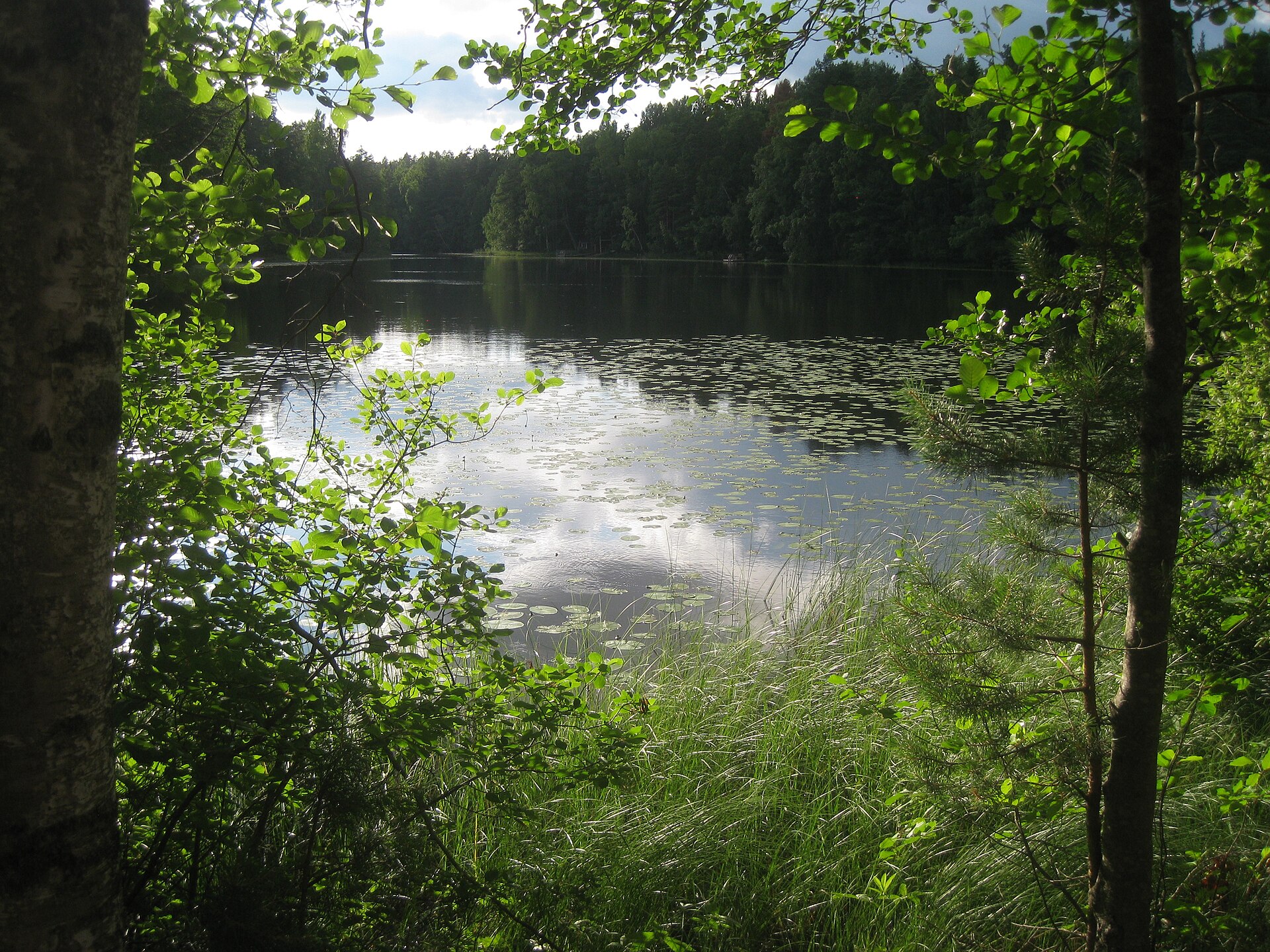
Natura 2000 · passage
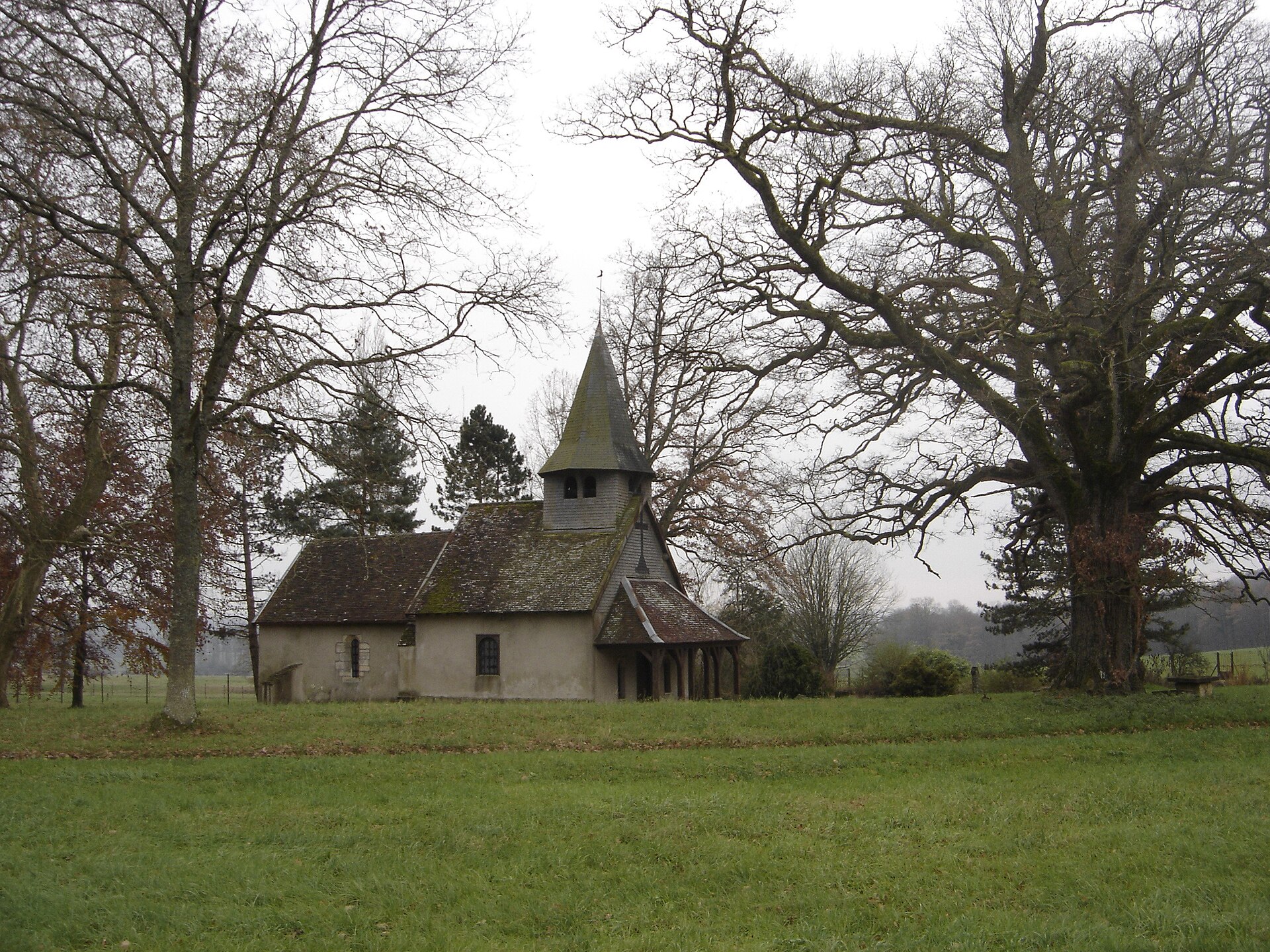
Natura 2000 · passage, wintering
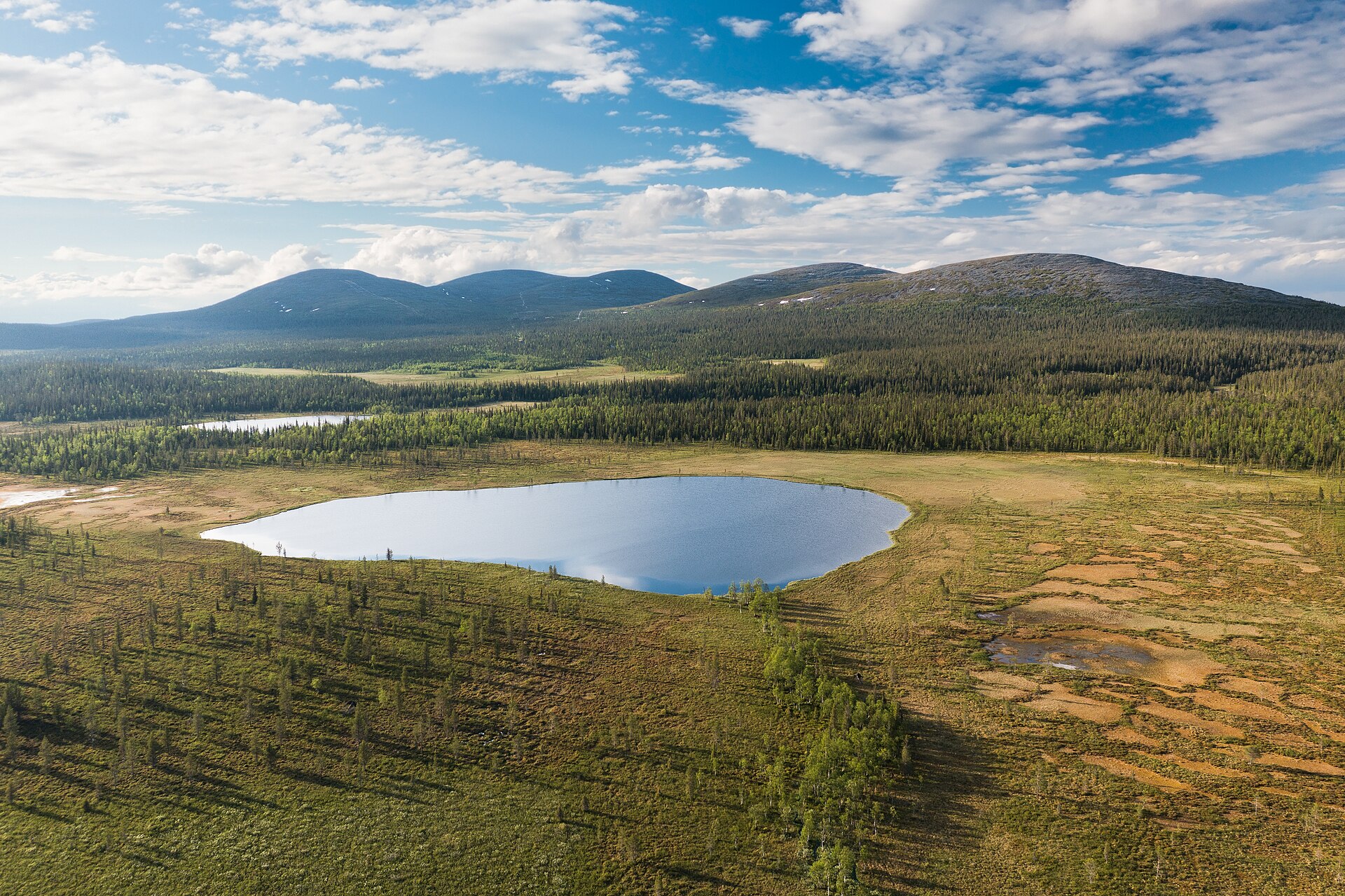
Natura 2000 · passage, breeding

Natura 2000 · passage

Natura 2000 · passage, wintering
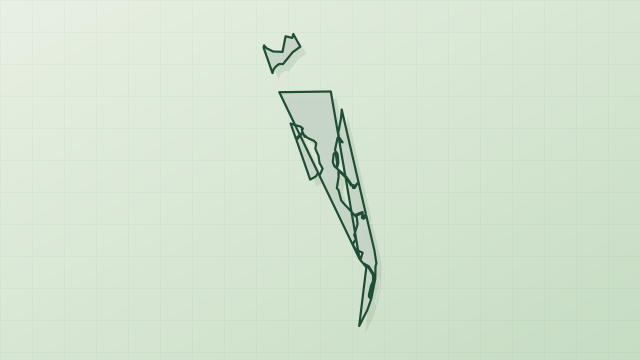
Natura 2000 · wintering
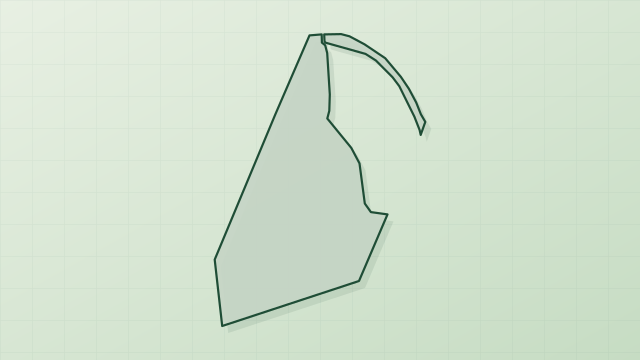
Natura 2000 · wintering

Natura 2000 · wintering
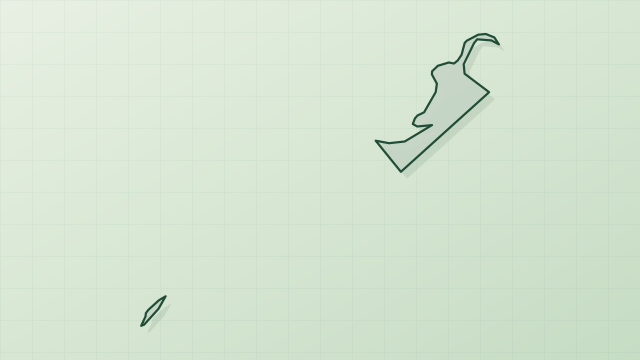
Natura 2000 · wintering
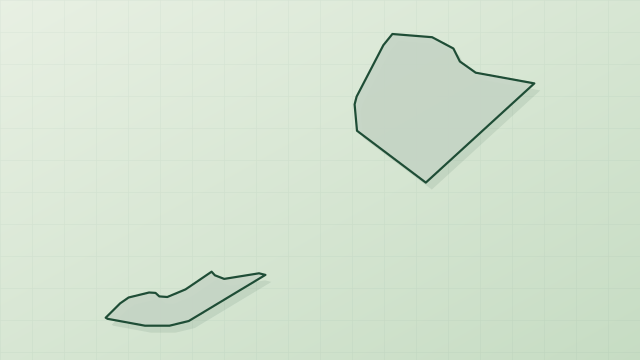
Natura 2000 · wintering
Natura 2000 · wintering
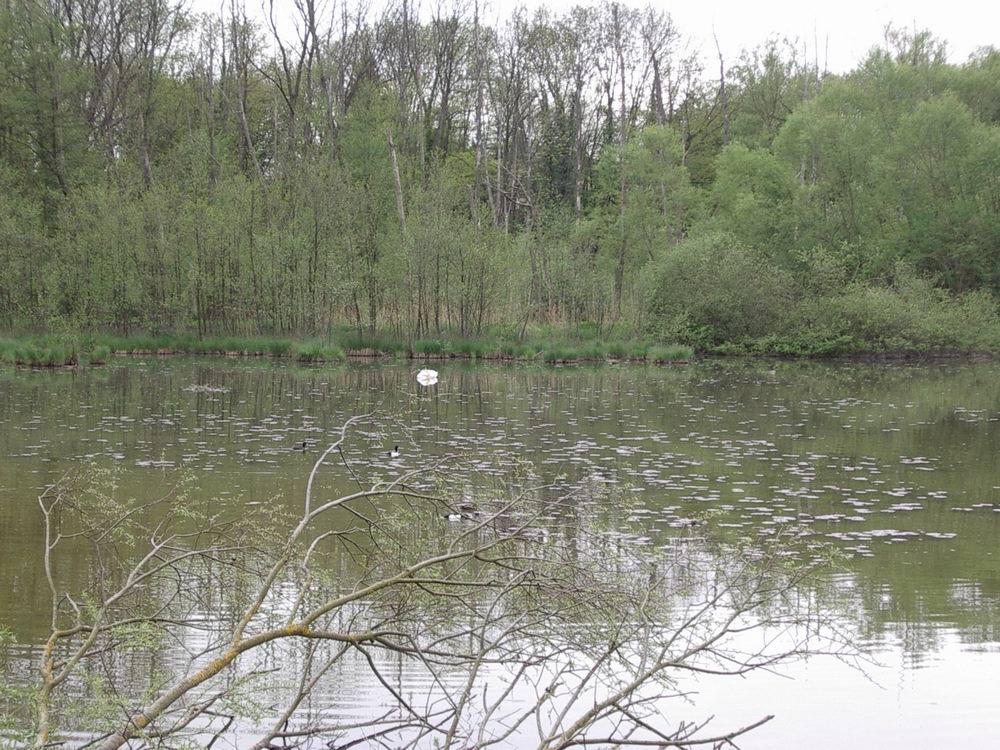
Natura 2000 · wintering
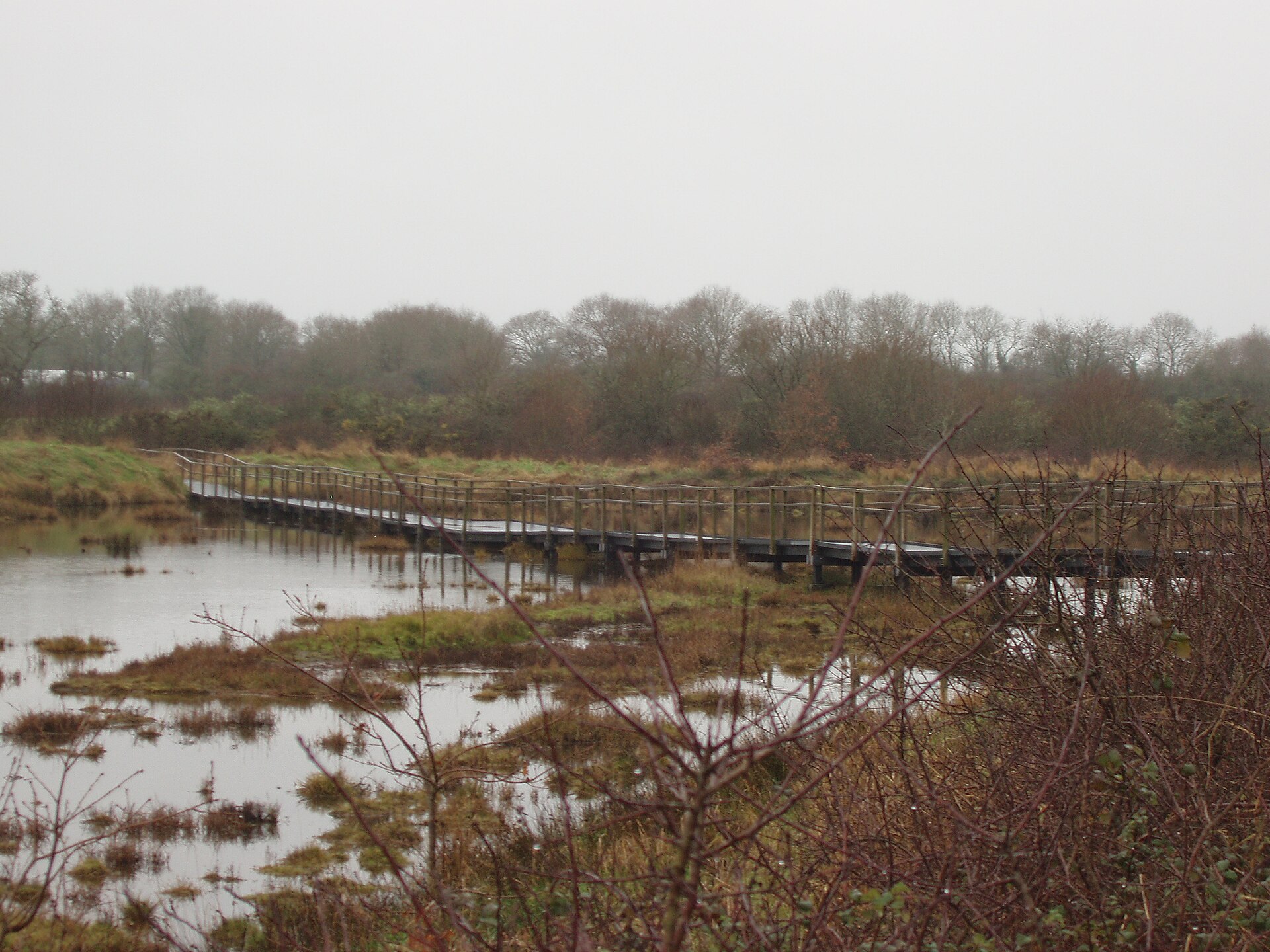
Natura 2000 · wintering
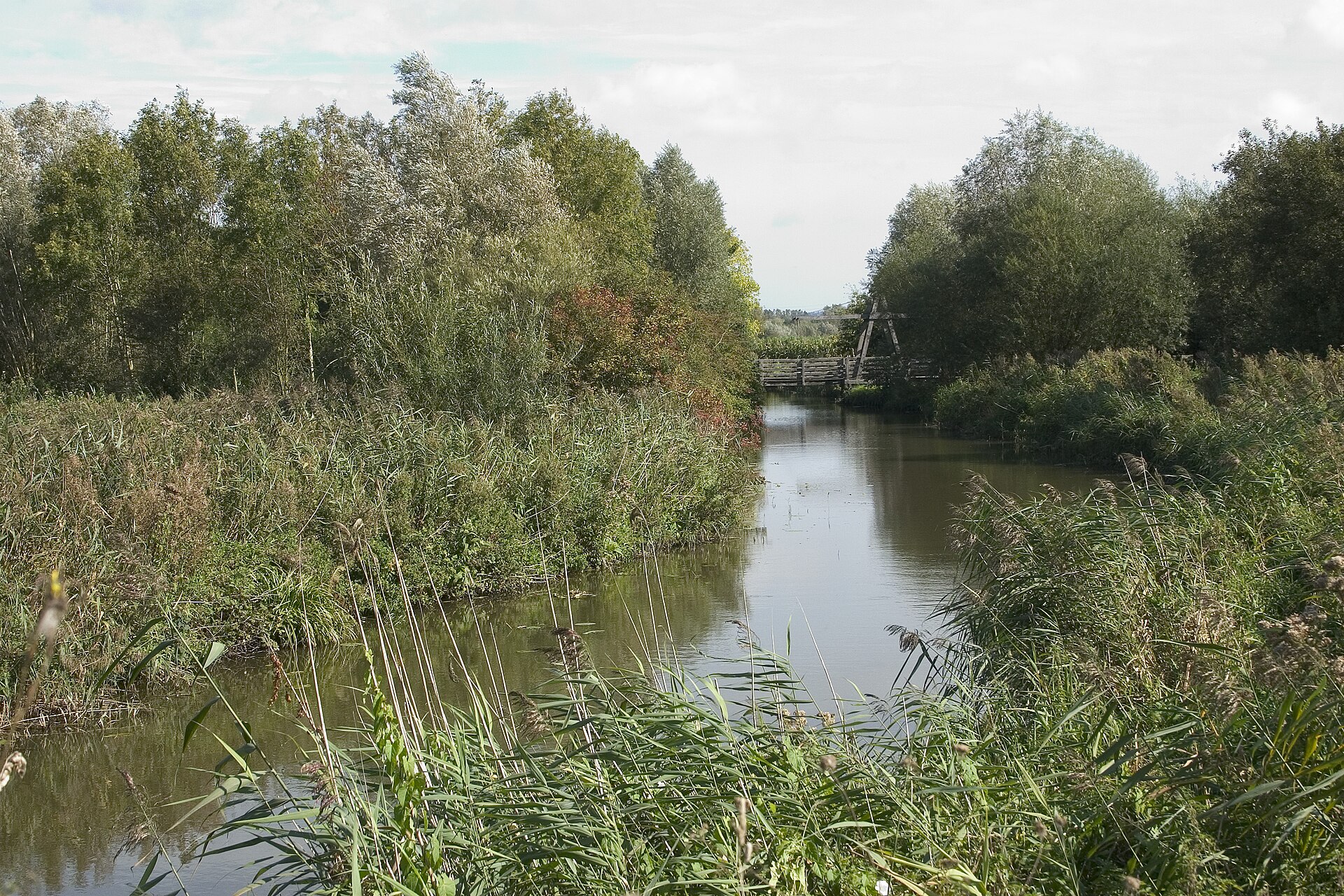
Natura 2000 · passage

Natura 2000 · wintering, passage
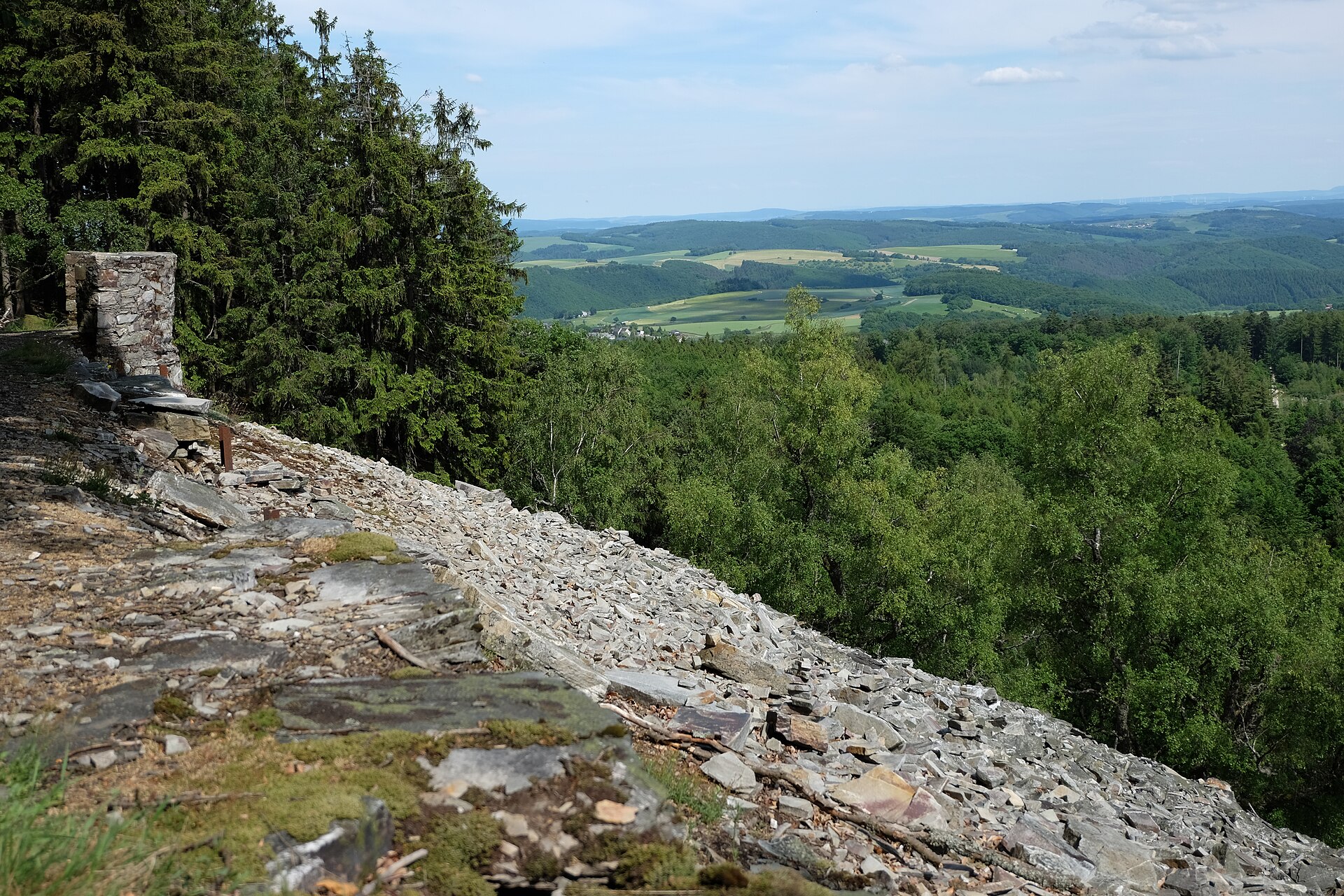
Natura 2000 · passage
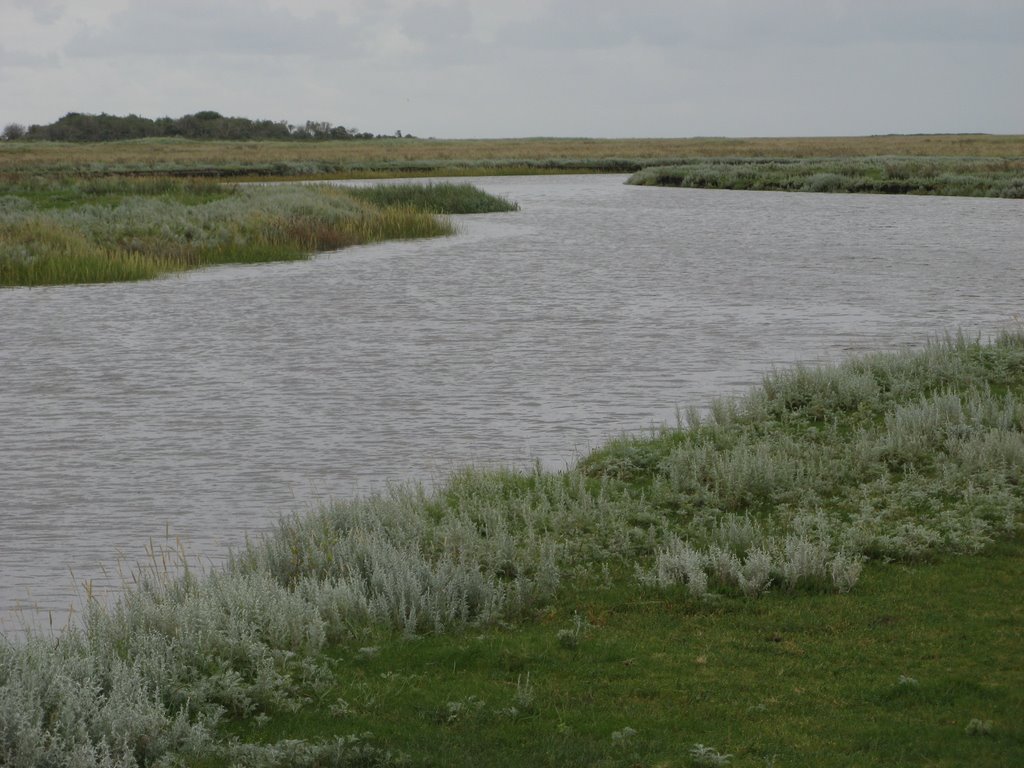
Natura 2000 · wintering

Natura 2000 · wintering
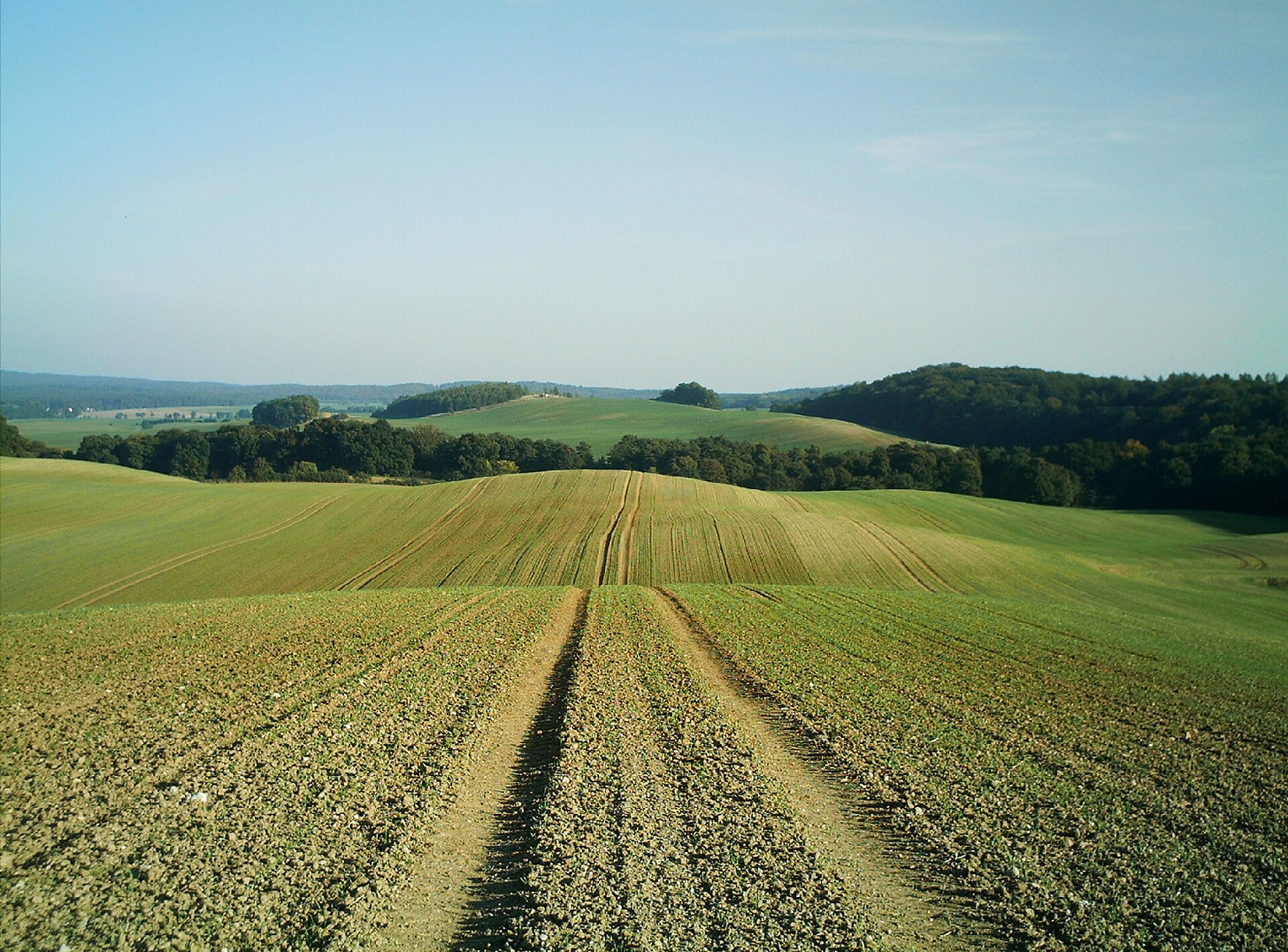
Natura 2000 · wintering
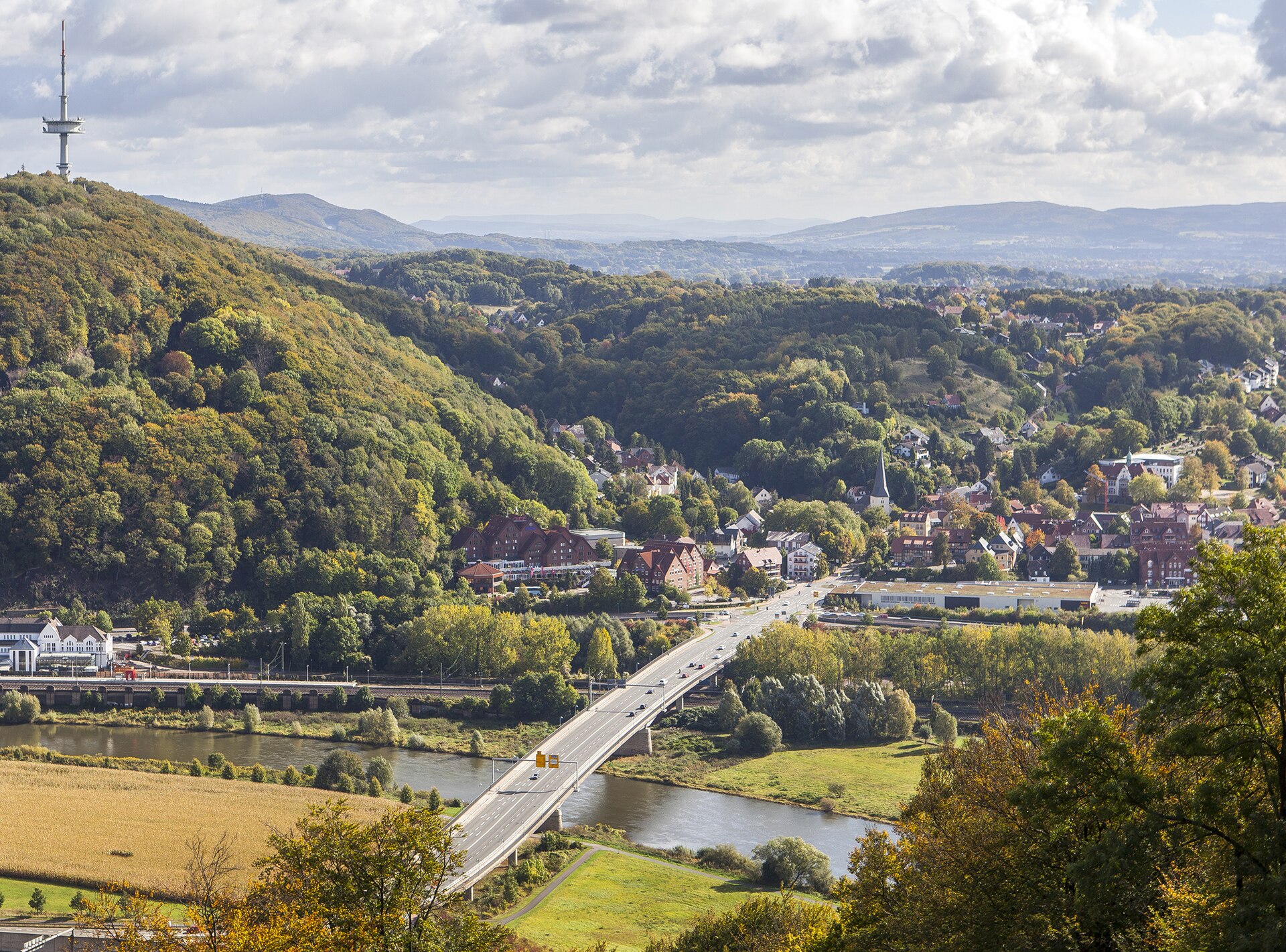
Natura 2000 · passage
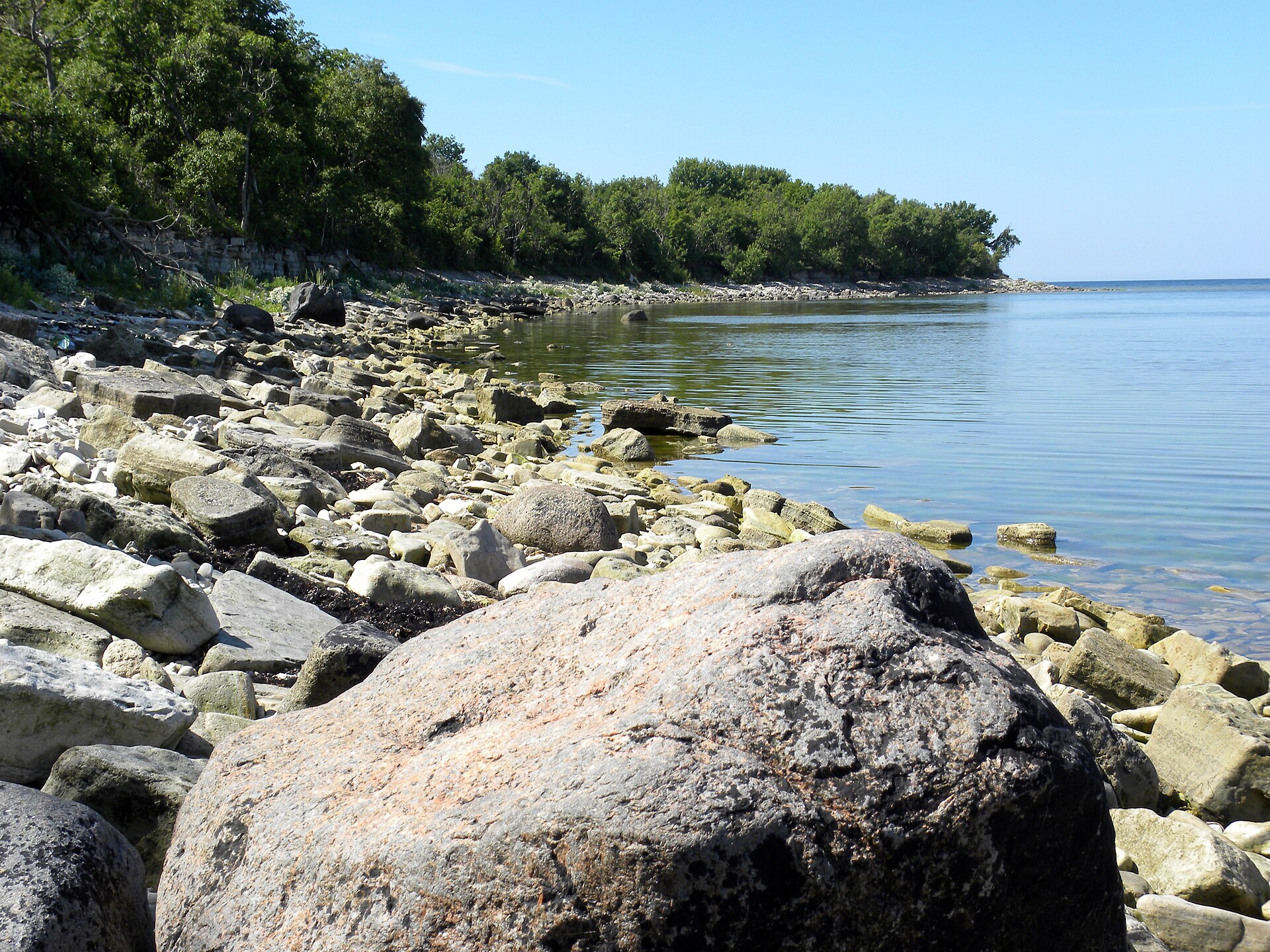
Natura 2000 · breeding, passage
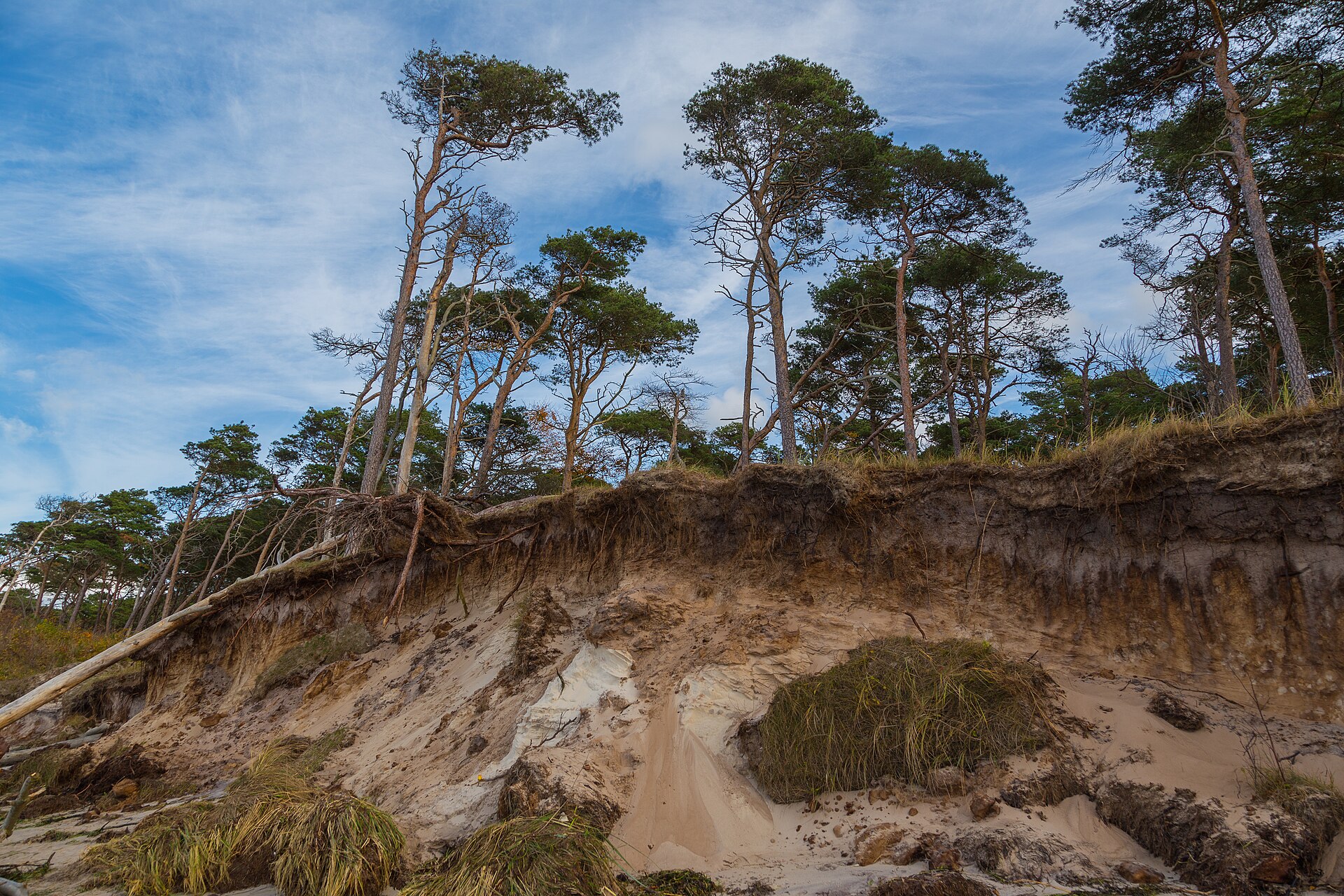
Natura 2000 · passage

Natura 2000
Other species to discover


Sources and credits
- Presence: most-recorded species of each place on GBIF and species of Community interest in the Natura 2000 forms (EEA, CC-BY 4.0); absence from the list does not mean the species is absent.
- Common names: Wikidata (CC0) and GBIF.
- Photos and sounds: Wikimedia Commons, author and licence given for each file.
- Classification: GBIF Backbone Taxonomy (GBIF Secretariat), CC BY 4.0, doi:10.15468/39omei.
- Countries, elevations, months and maps: GBIF.org, CC0 or CC BY 4.0 occurrences only, accessed October 22, 2026, GBIF.org.
- Base map: Natural Earth (public domain).
- Excerpt: Wikipedia, CC BY-SA 4.0 (full credit below the excerpt).
- Key facts: Wikidata (CC0), with the references cited under each value.
- Annexes: Directive 2009/147/EC (consolidated version), © European Union, EUR-Lex.
- EU bird populations: EEA / DG ENV, Article 12 Birds Directive reporting (2013–2018), CC BY 4.0.