
Mammal
European wildcat: where to see it
Felis silvestris
Invasive alien in some territories
Listed as invasive alien for: Costa Rica, Mexico, Peru (GRIIS).
This mammal species is recorded in 135 protected areas of the atlas, and is listed on the official Natura 2000 form of each of them. Within the atlas countries, it is mostly observed in France, Switzerland and Germany (5 countries in all). Most records (8 in 10) lie between 380 and 1,100 m above sea level. Records peak from November to April. It is a species of Community interest under the Habitats Directive (Annex IV). In the EU its conservation status is assessed as unfavourable (2013–2018 reporting).
Best time to see it: November–April
Records published on GBIF by month (CC0 and CC BY 4.0 licences only), in the atlas countries, all years combined; they also reflect observer activity.
Key facts
- Gestation
- 62–68 days Wikidata, after Grzimeks Enzyklopädie, 1988
- Maximum recorded lifespan
- 19 years Wikidata, after Longevity of Mammals in Captivity, 2005
Status and protection
Habitats Directive IV
The species is listed in Annex IV of the Habitats Directive.
In the EU its conservation status is assessed as unfavourable-bad in the Atlantic region and unfavourable-inadequate in the Continental and Alpine regions (2013–2018 reporting).
Distribution
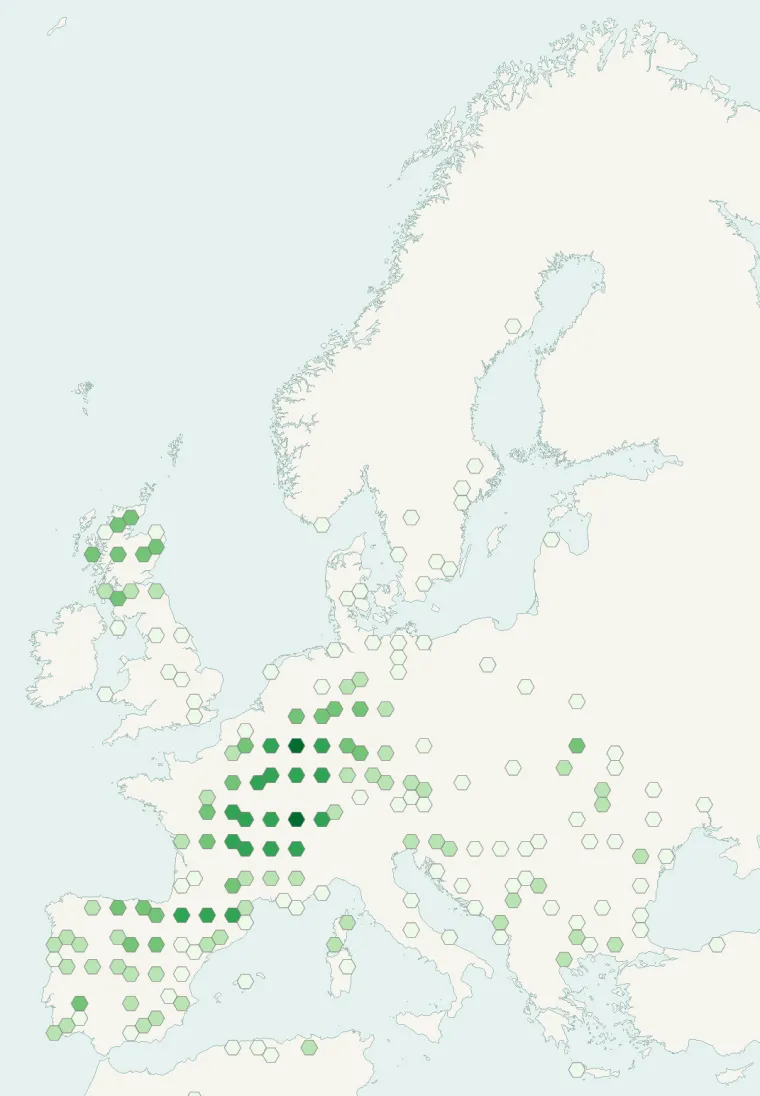
Records published on GBIF (CC0 and CC BY 4.0 licences): the darker the shade, the more records there are; they also reflect observation effort.
Atlas countries where it is recorded
From Wikipedia
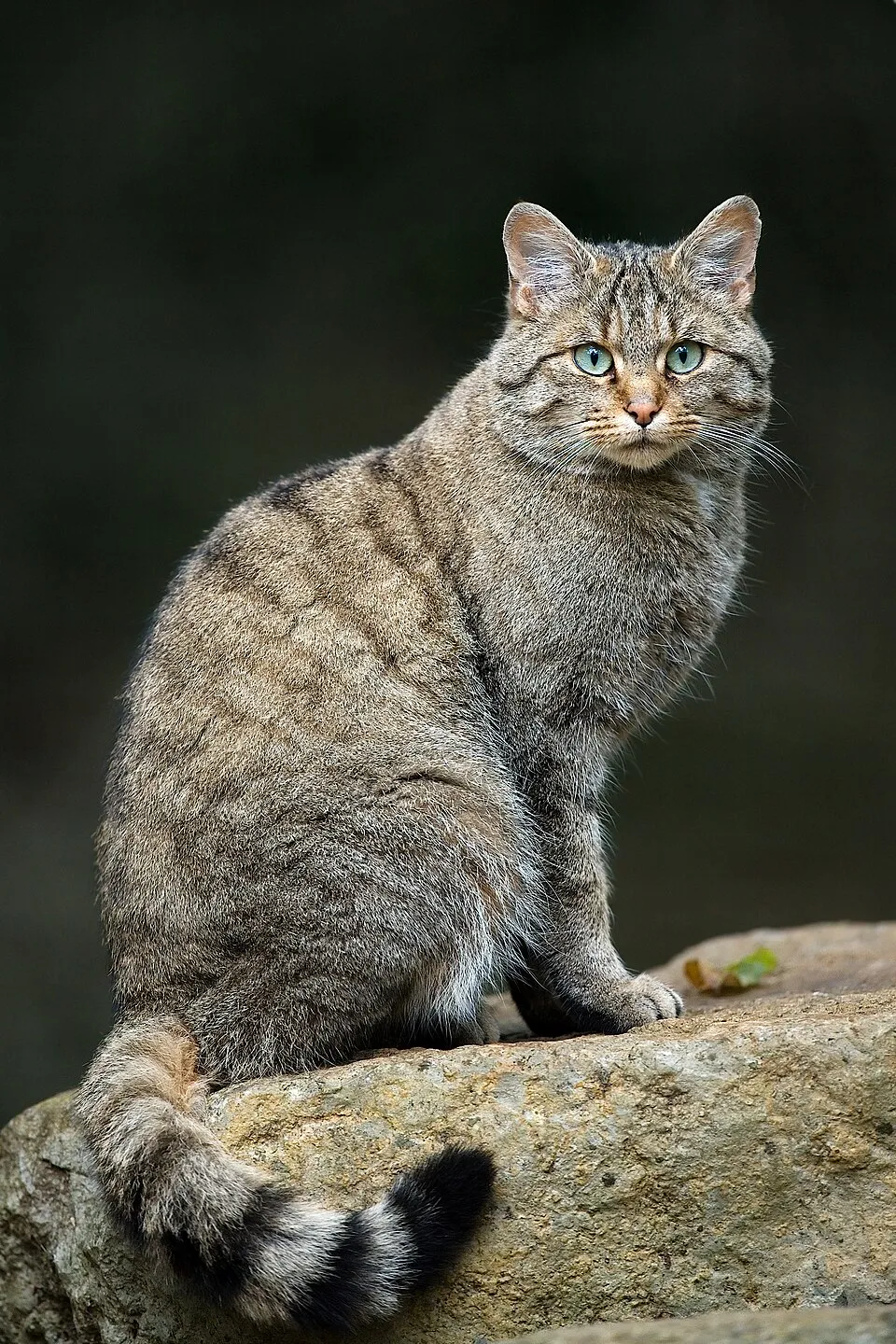
The European wildcat (Felis silvestris) is a small wildcat species that was described in the late 18th century. Its fur is brownish to grey with stripes on the forehead and on the sides. It has a bushy tail with a black tip. Its head-to-body length reaches up to 65 cm (26 in) with a 34.5 cm (13.6 in) long tail, and it weighs up to 7.5 kg (17 lb). The European wildcat is native to continental Europe, Scotland, Turkey and the Caucasus. It primarily inhabits broad-leaved and mixed forests.
Source: Wikipedia, article “European wildcat” (version of September 23, 2026) · history and authors · licence CC BY-SA 4.0 · shortened excerpt
Protected areas where it is recorded

Natura 2000
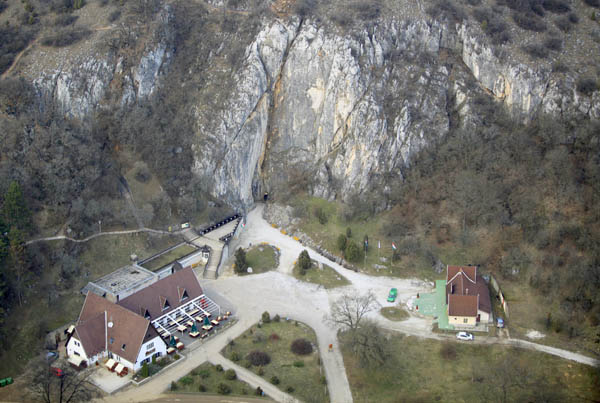
Natura 2000
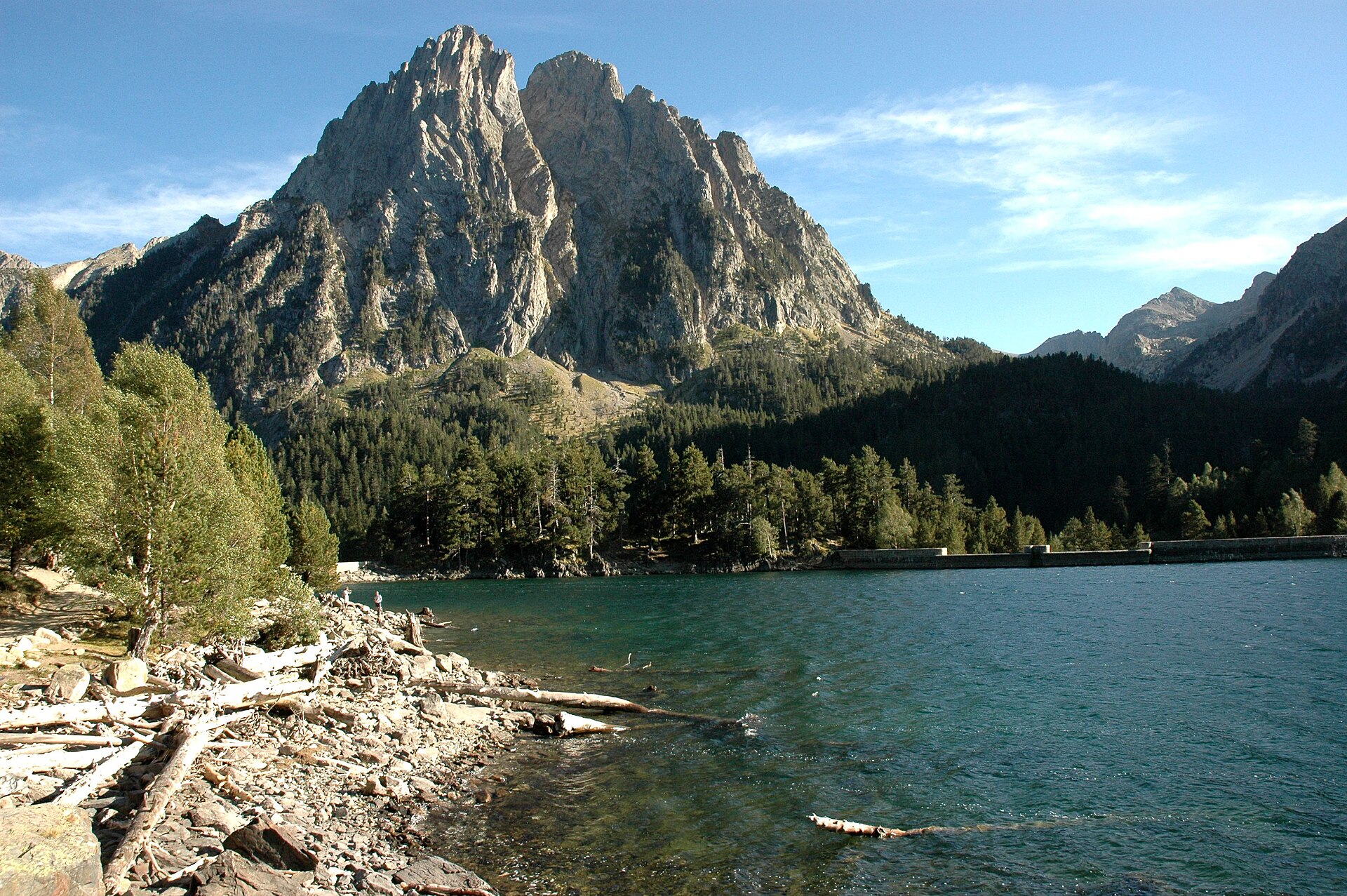
Natura 2000
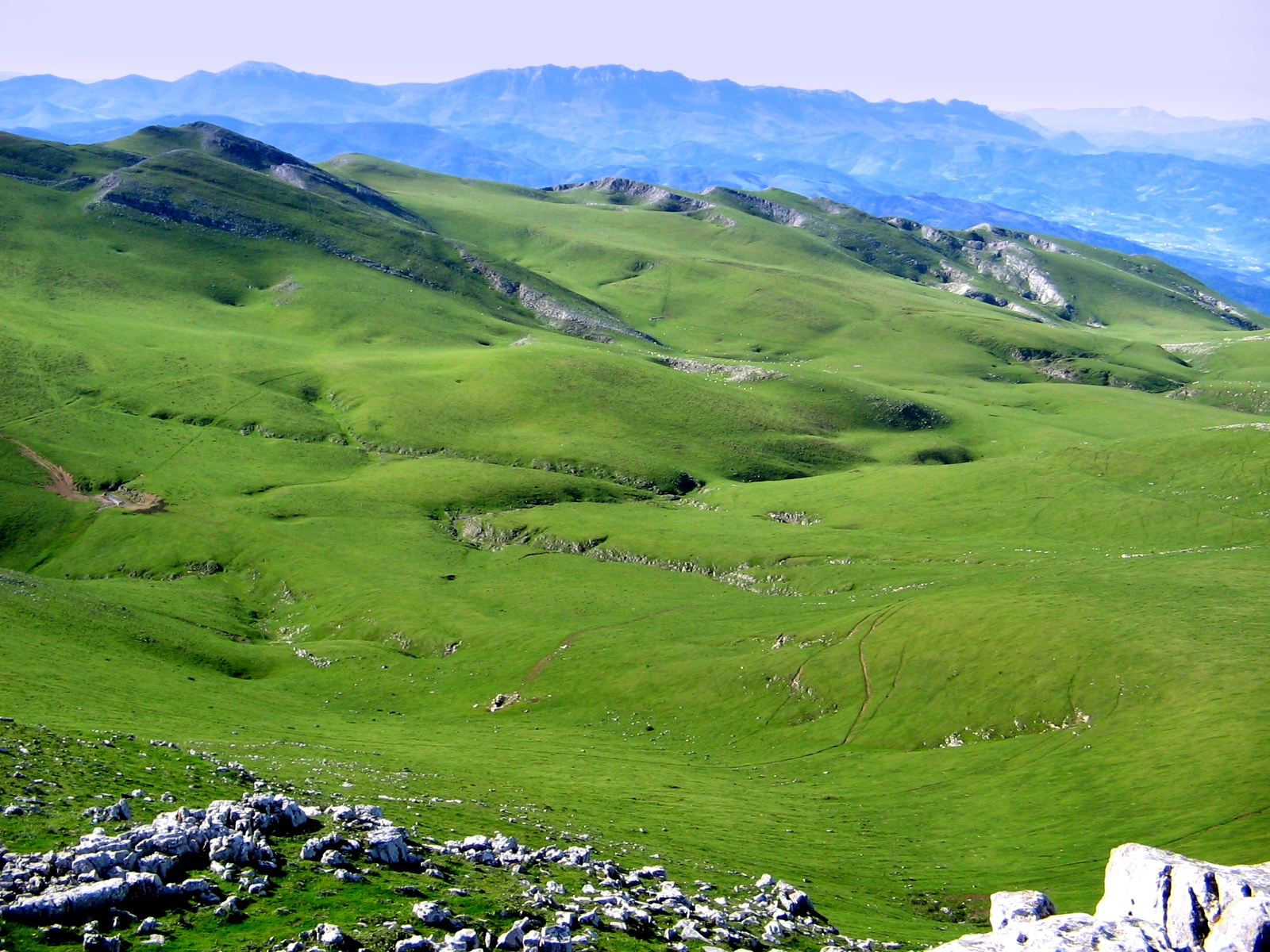
Natura 2000

Natura 2000
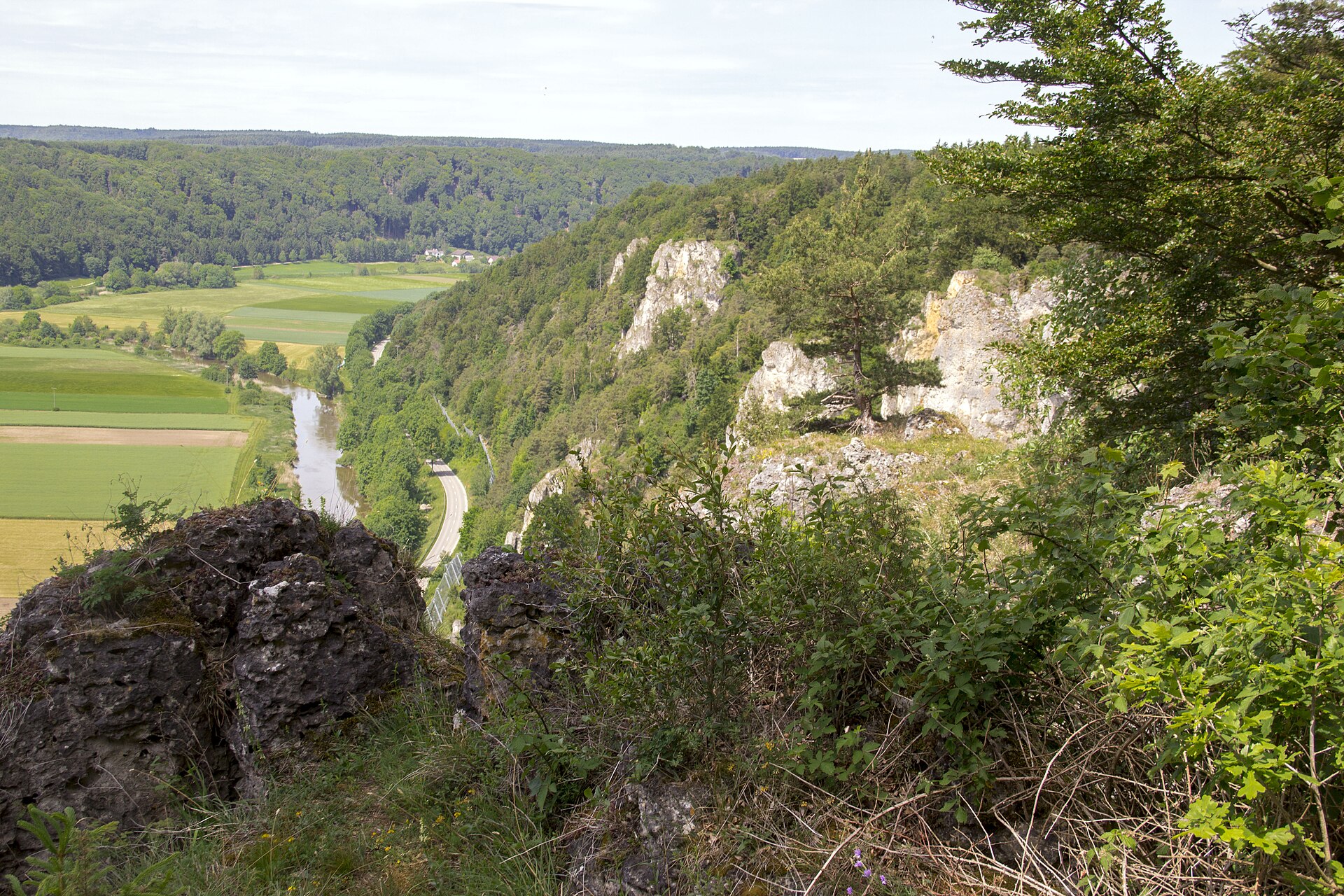
Natura 2000
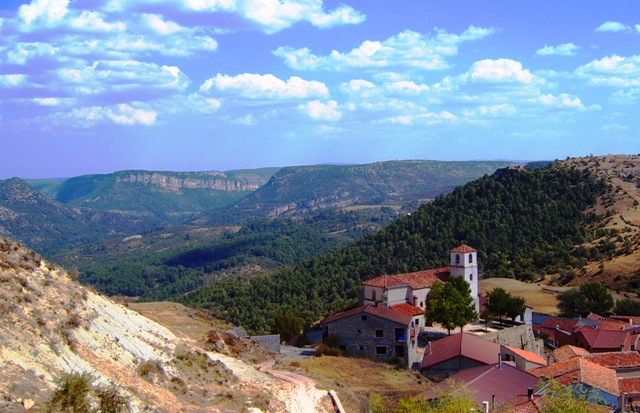
Natura 2000
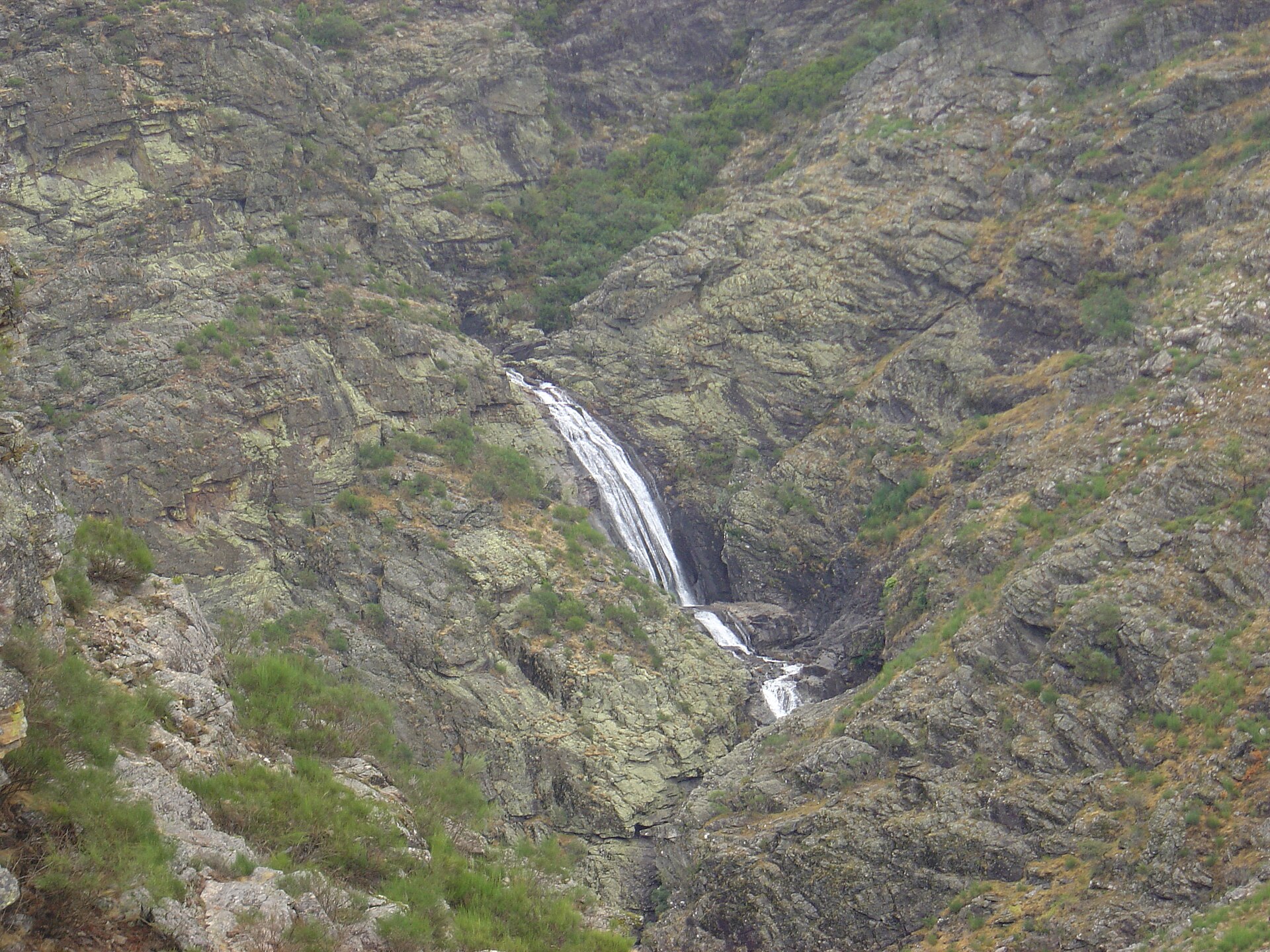
Natura 2000
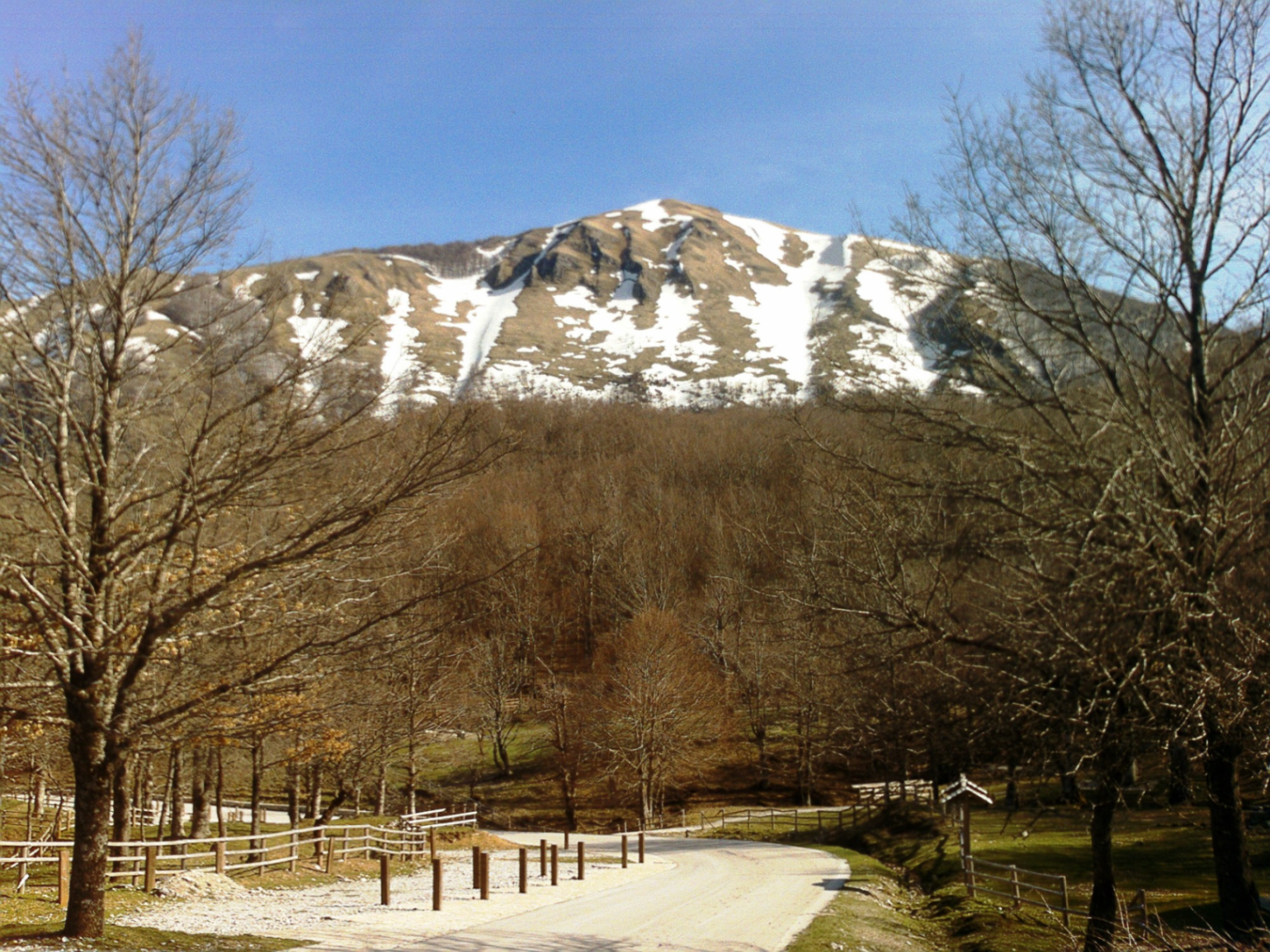
Natura 2000
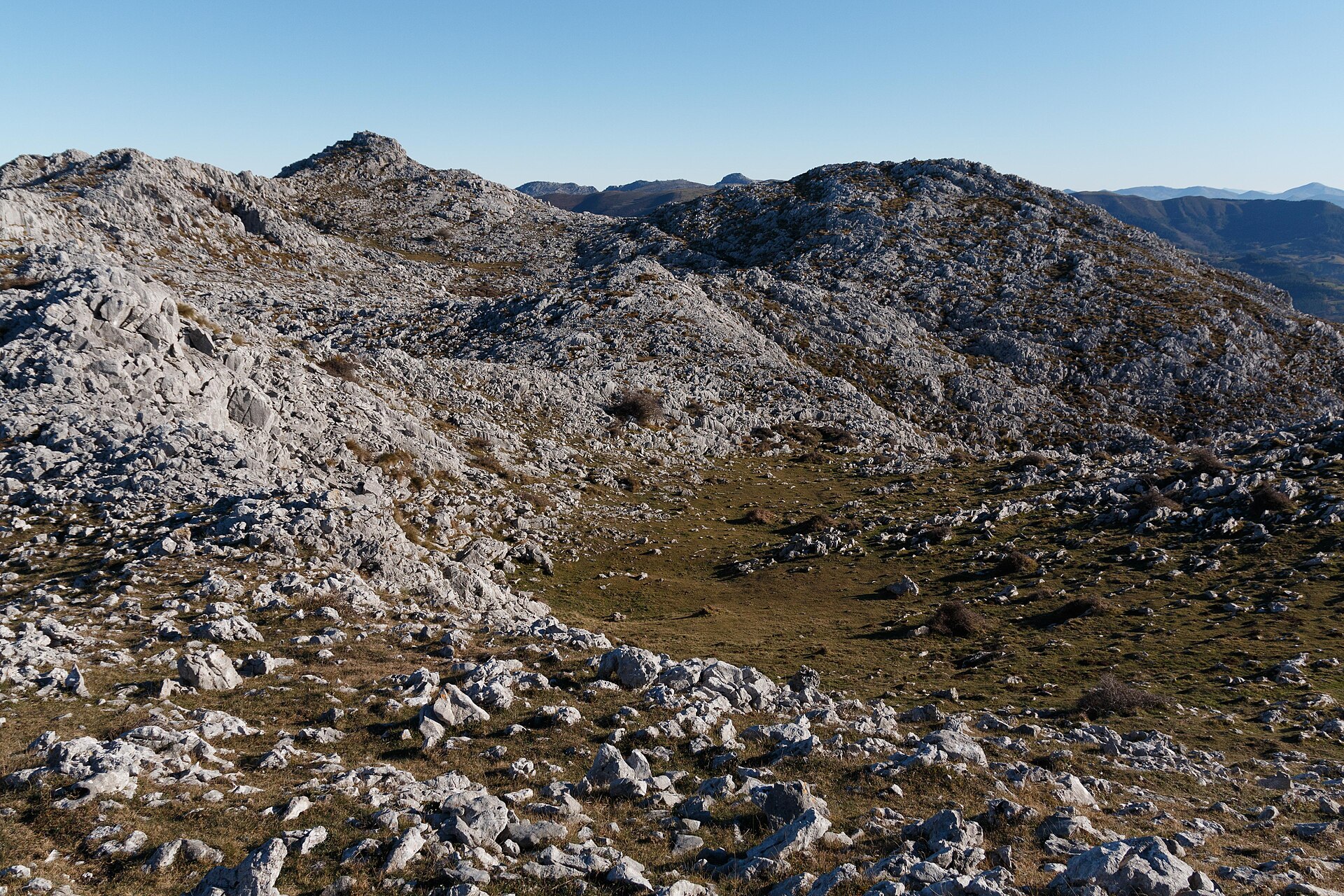
Natura 2000

Natura 2000
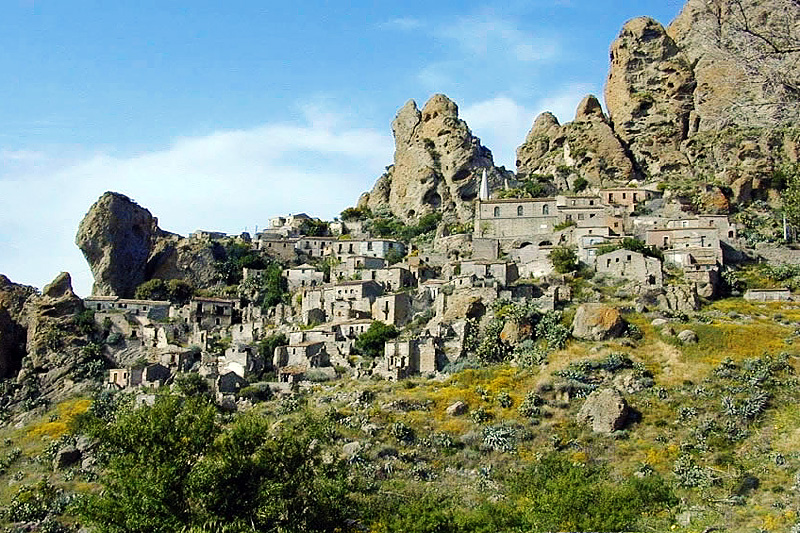
Natura 2000
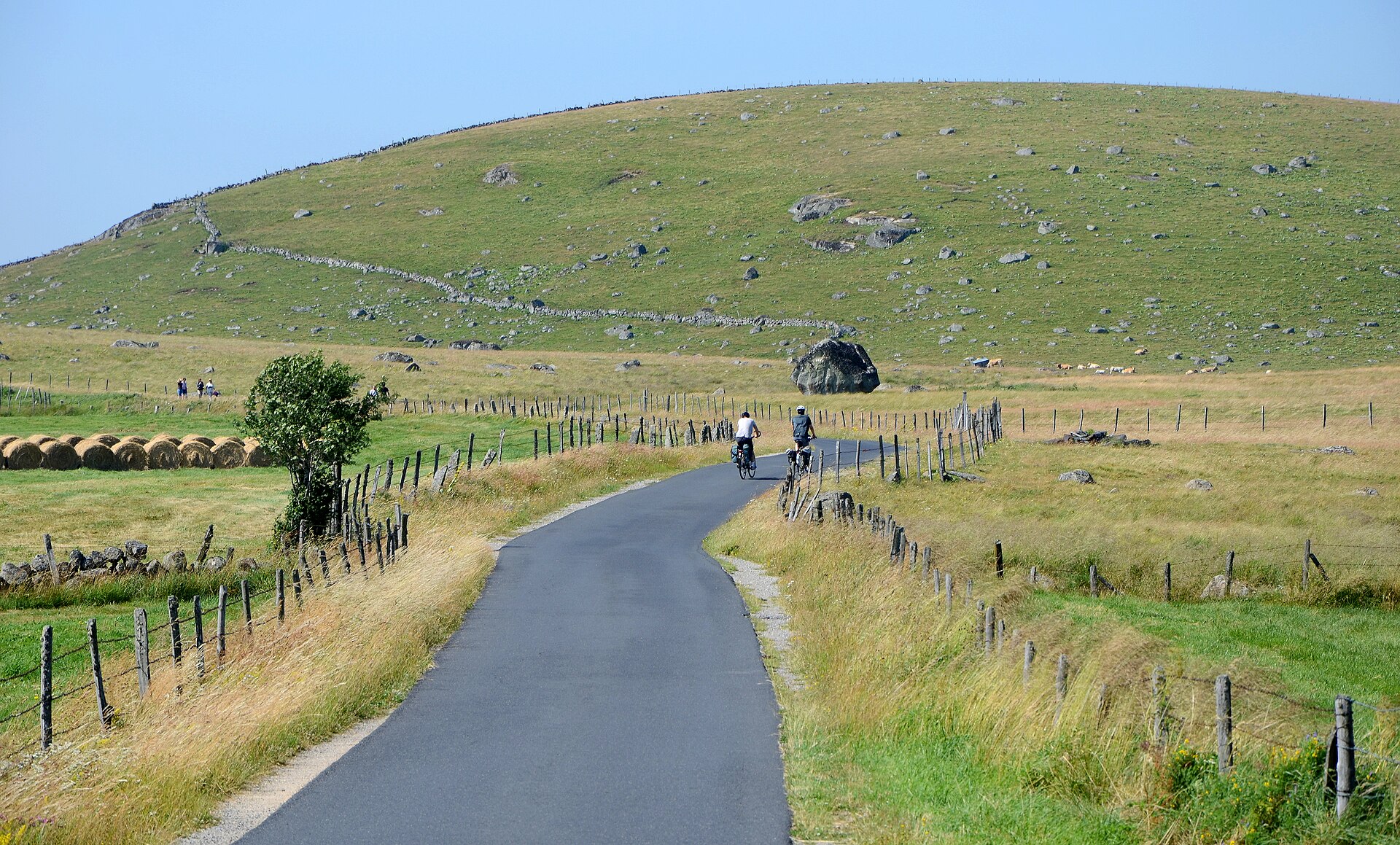
Natura 2000
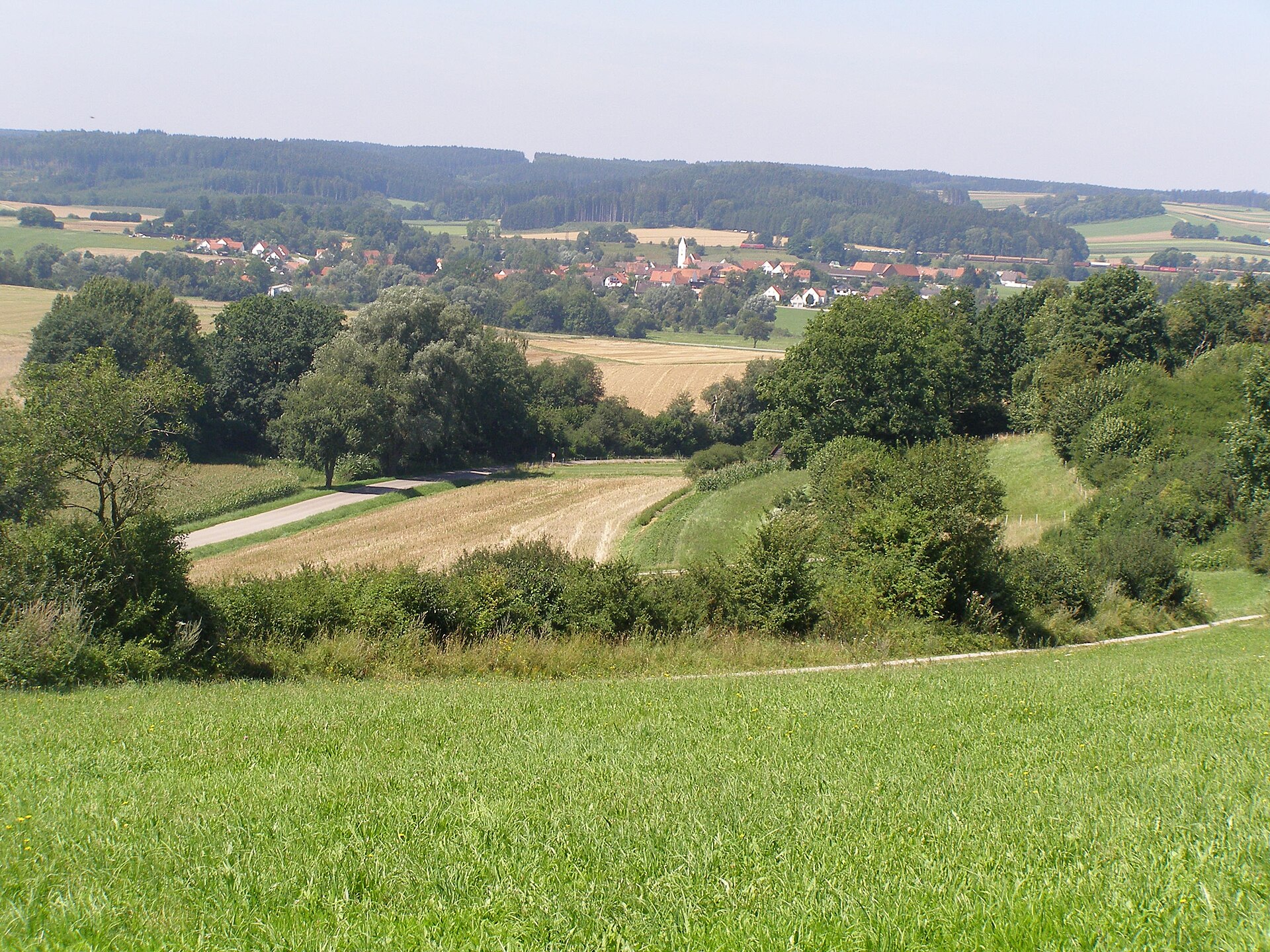
Natura 2000
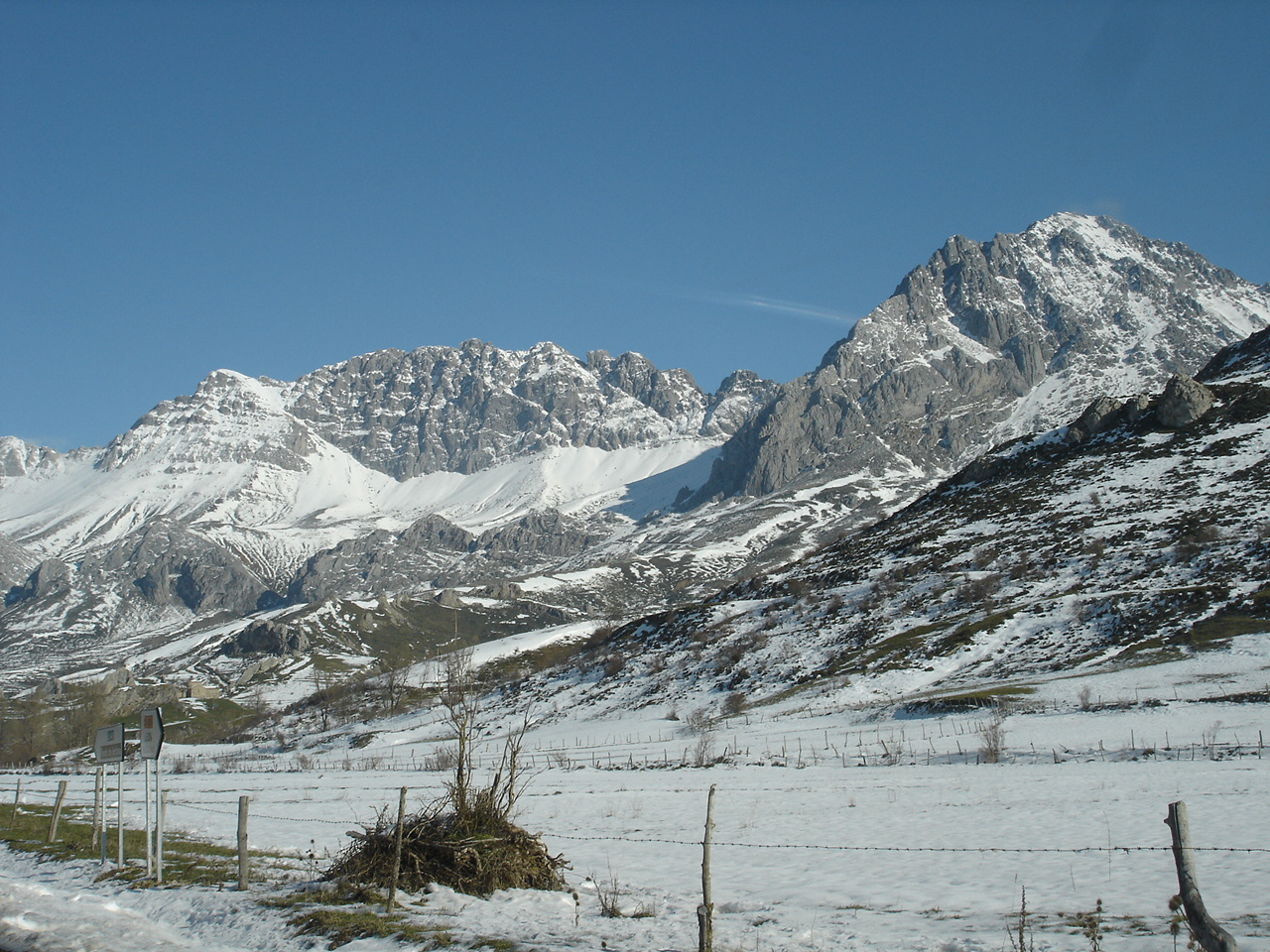
Natura 2000
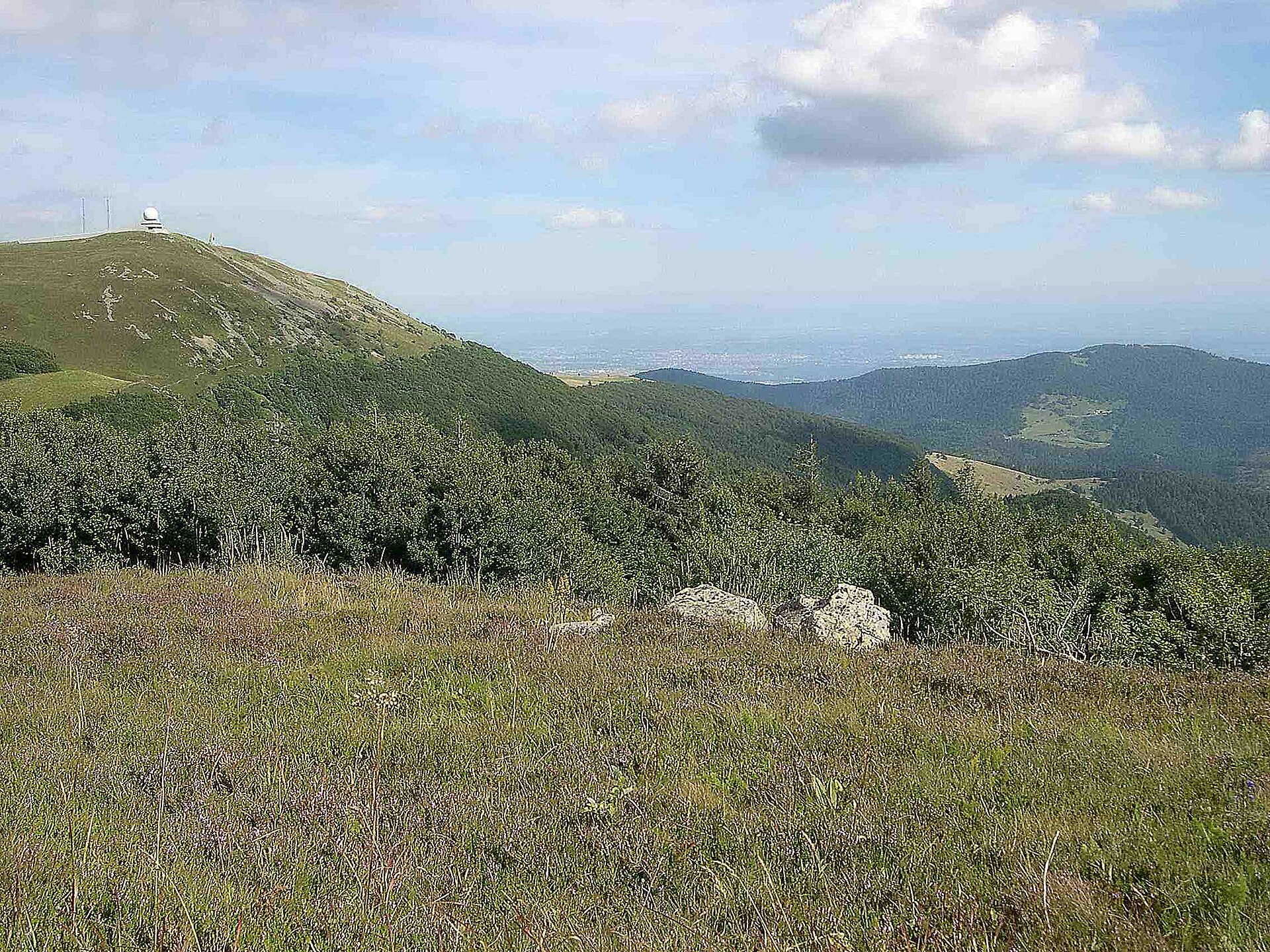
Natura 2000
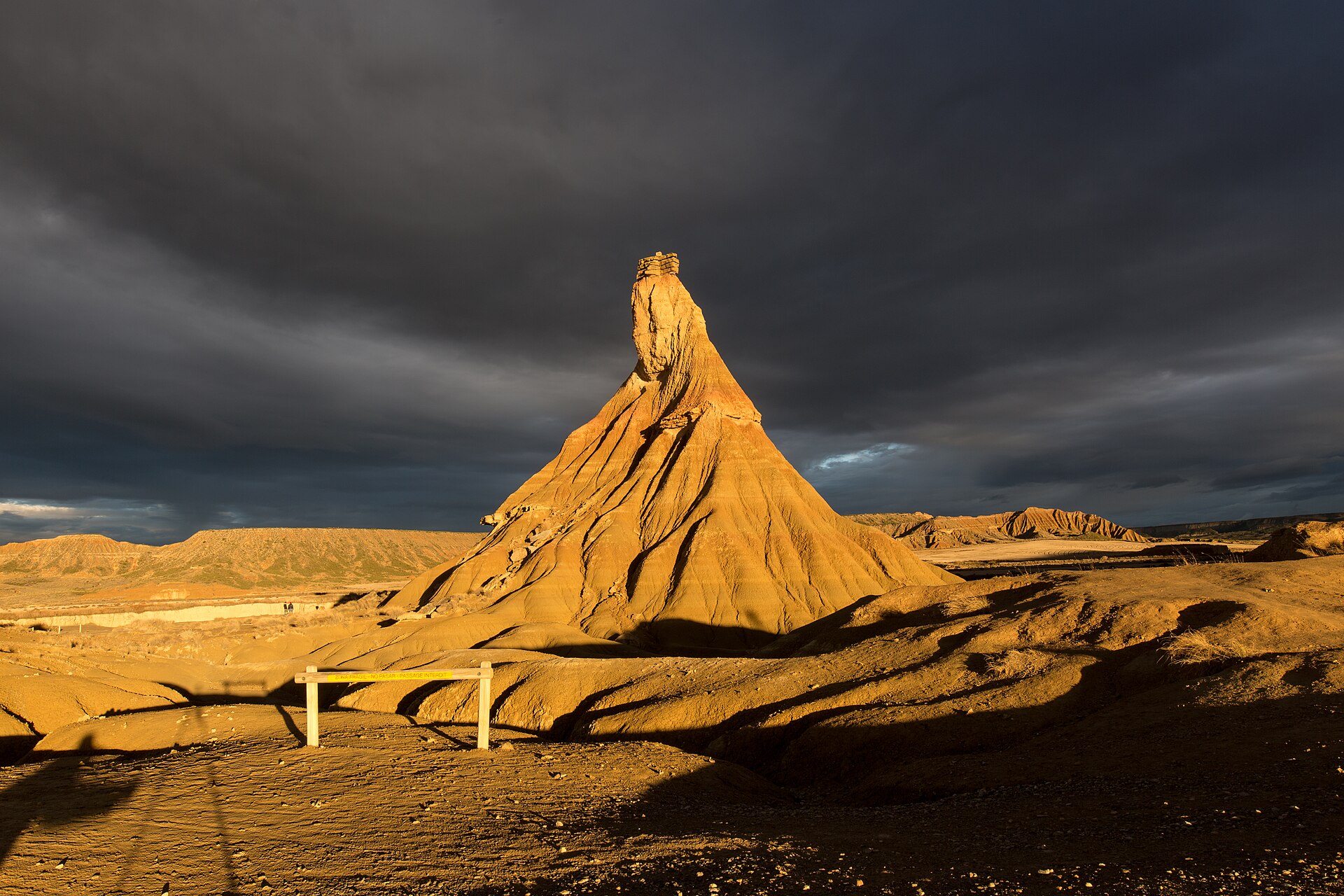
Natura 2000
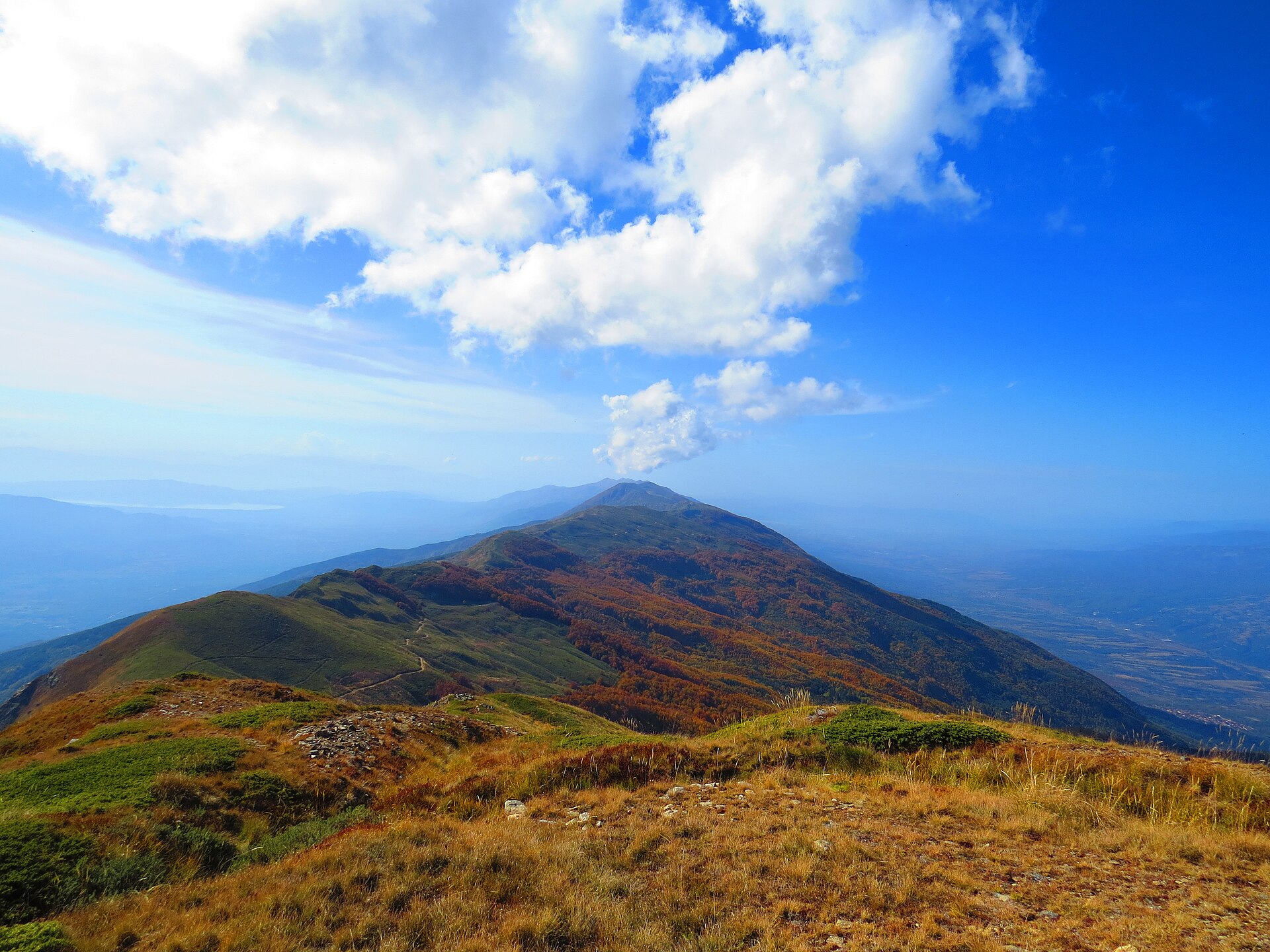
Natura 2000
Natura 2000
Natura 2000
Natura 2000
Natura 2000
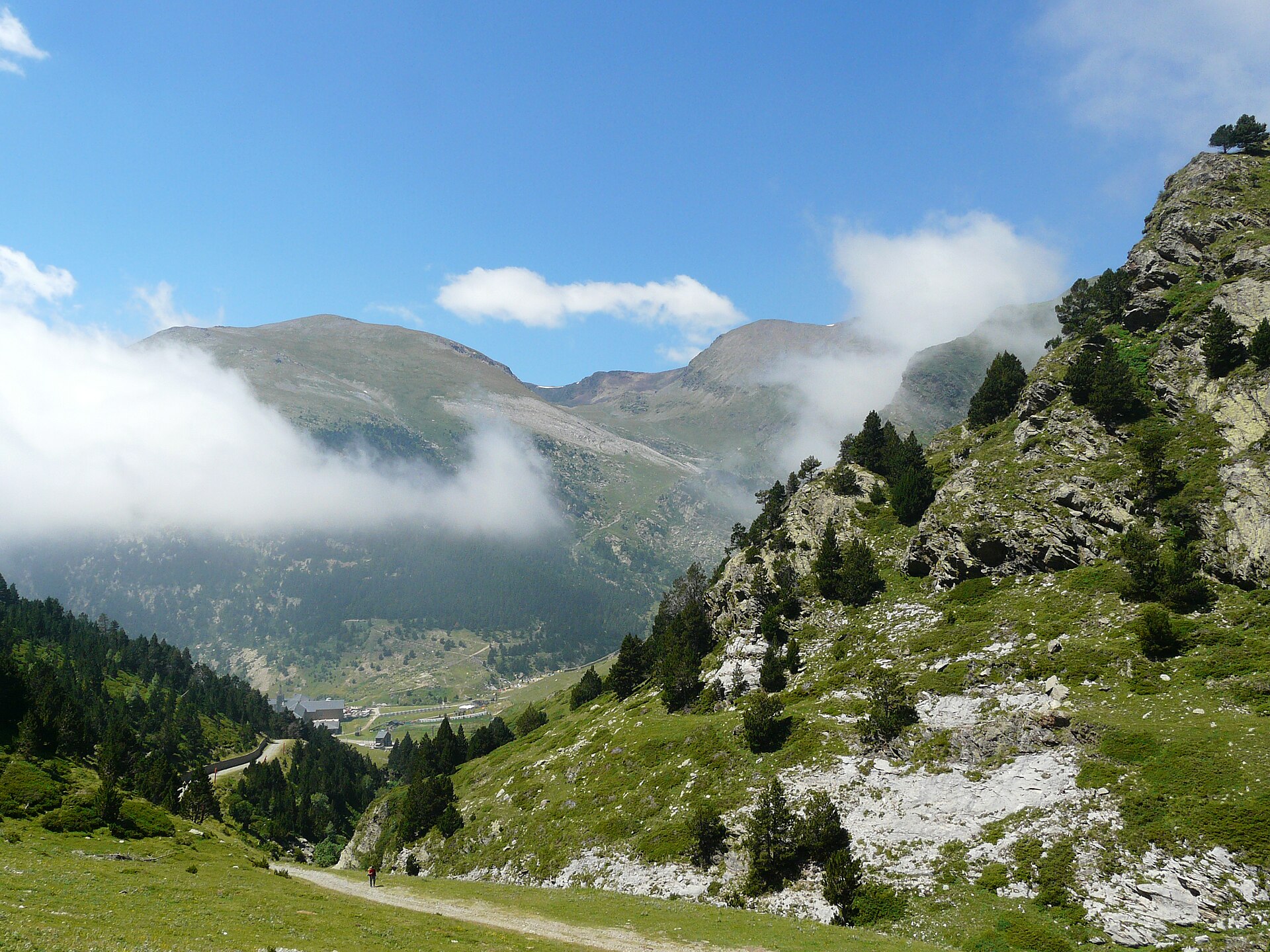
Natura 2000

Natura 2000
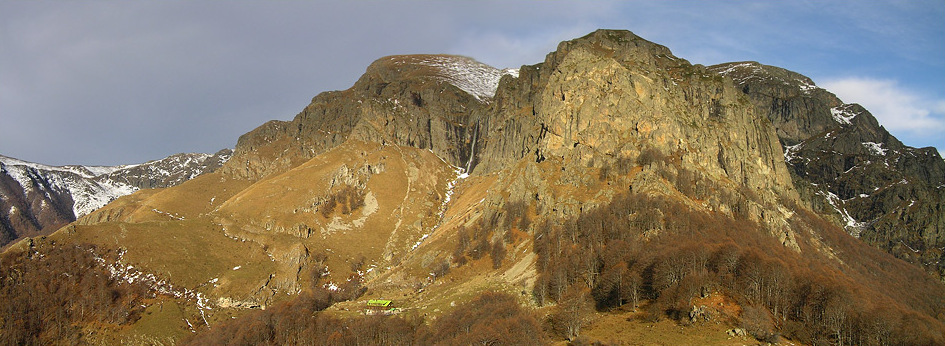
Natura 2000
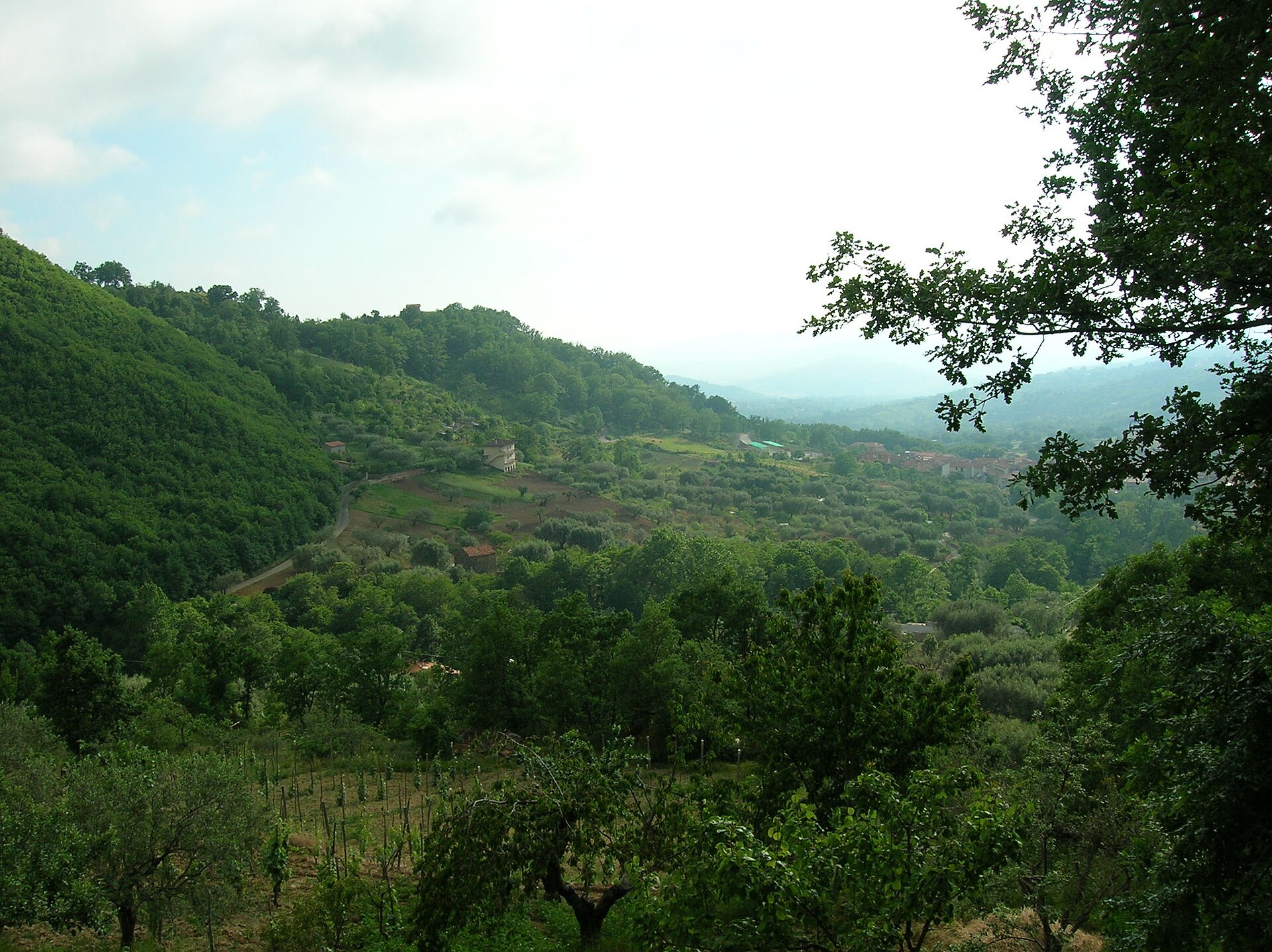
Natura 2000
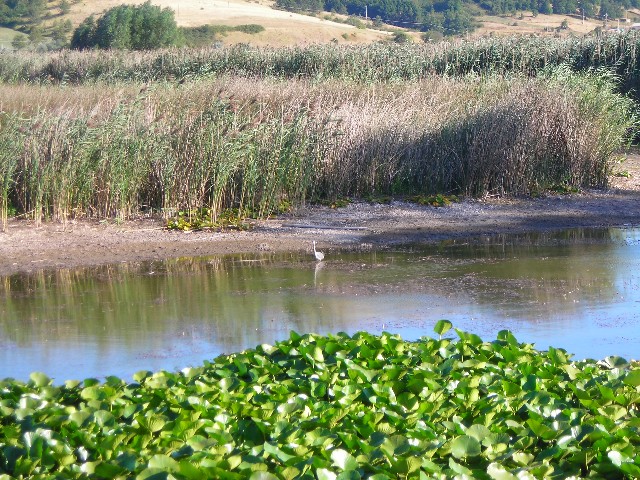
Natura 2000
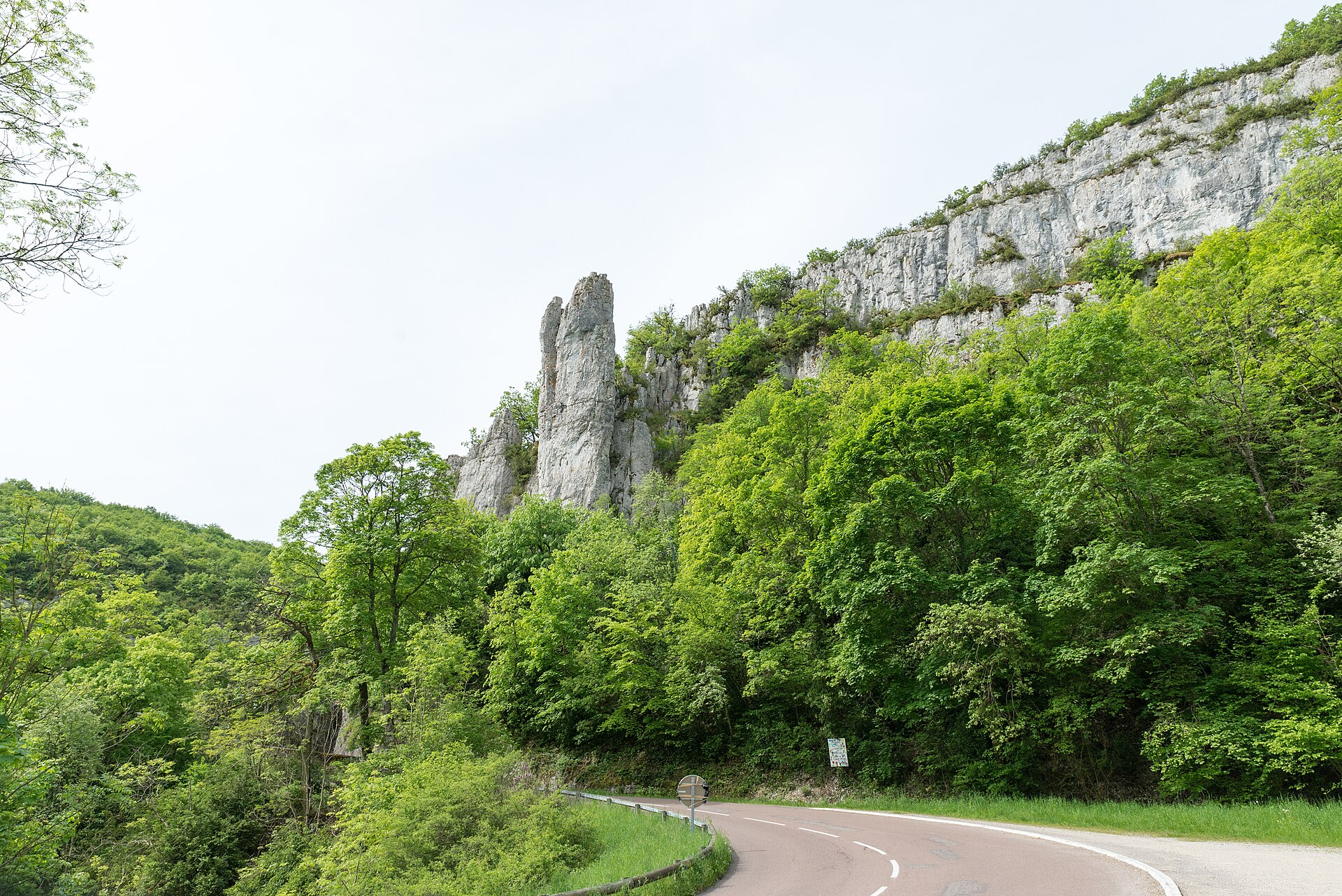
Natura 2000
Natura 2000

Natura 2000
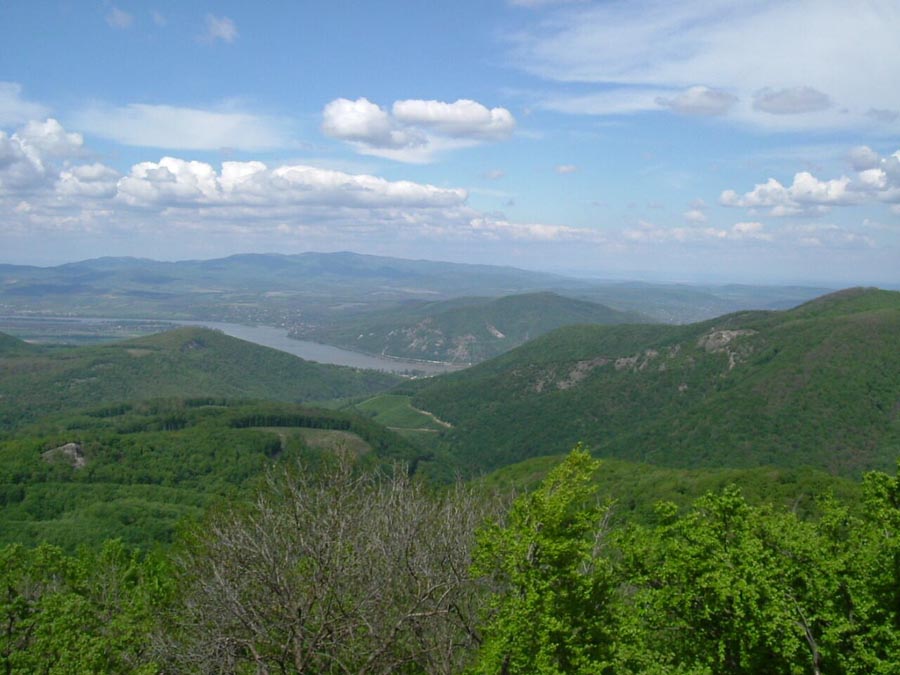
Natura 2000
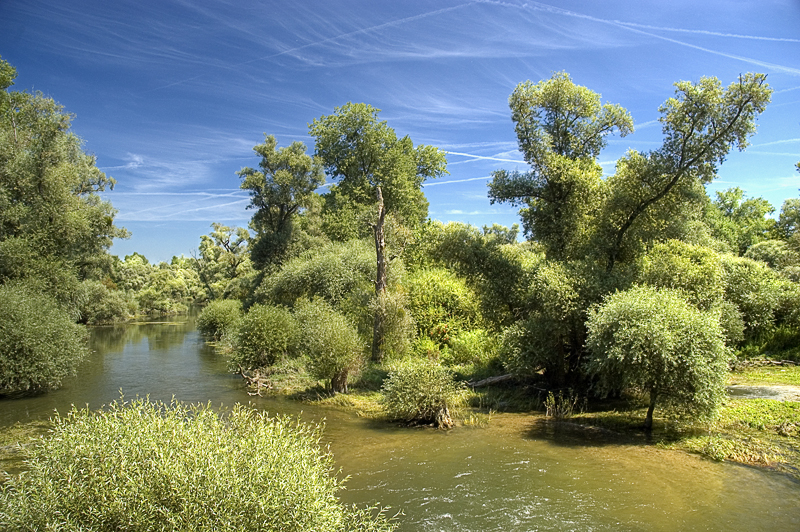
Natura 2000
Natura 2000
Natura 2000
Natura 2000
Natura 2000
Natura 2000

Natura 2000
Natura 2000

Natura 2000

Natura 2000
Natura 2000
Natura 2000

Natura 2000
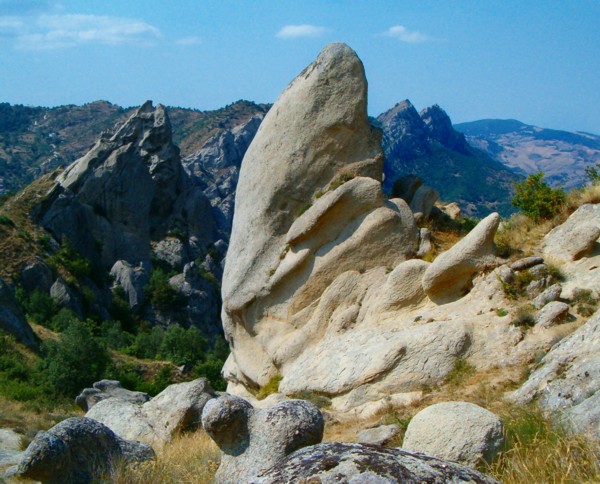
Natura 2000

Natura 2000
Natura 2000
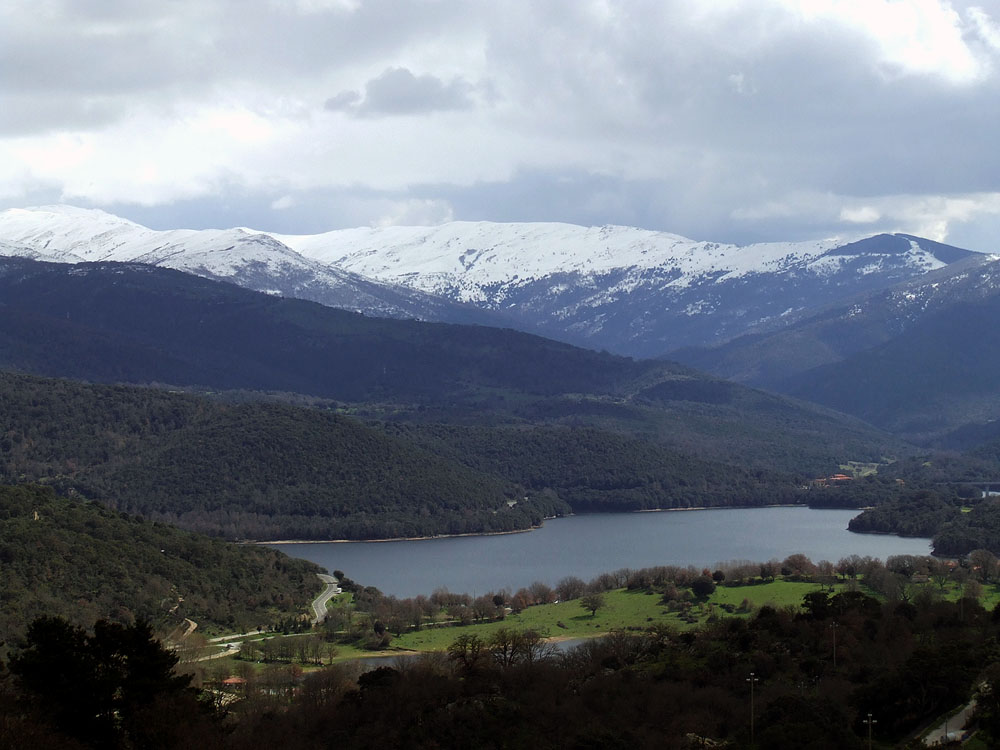
Natura 2000

Natura 2000

Natura 2000
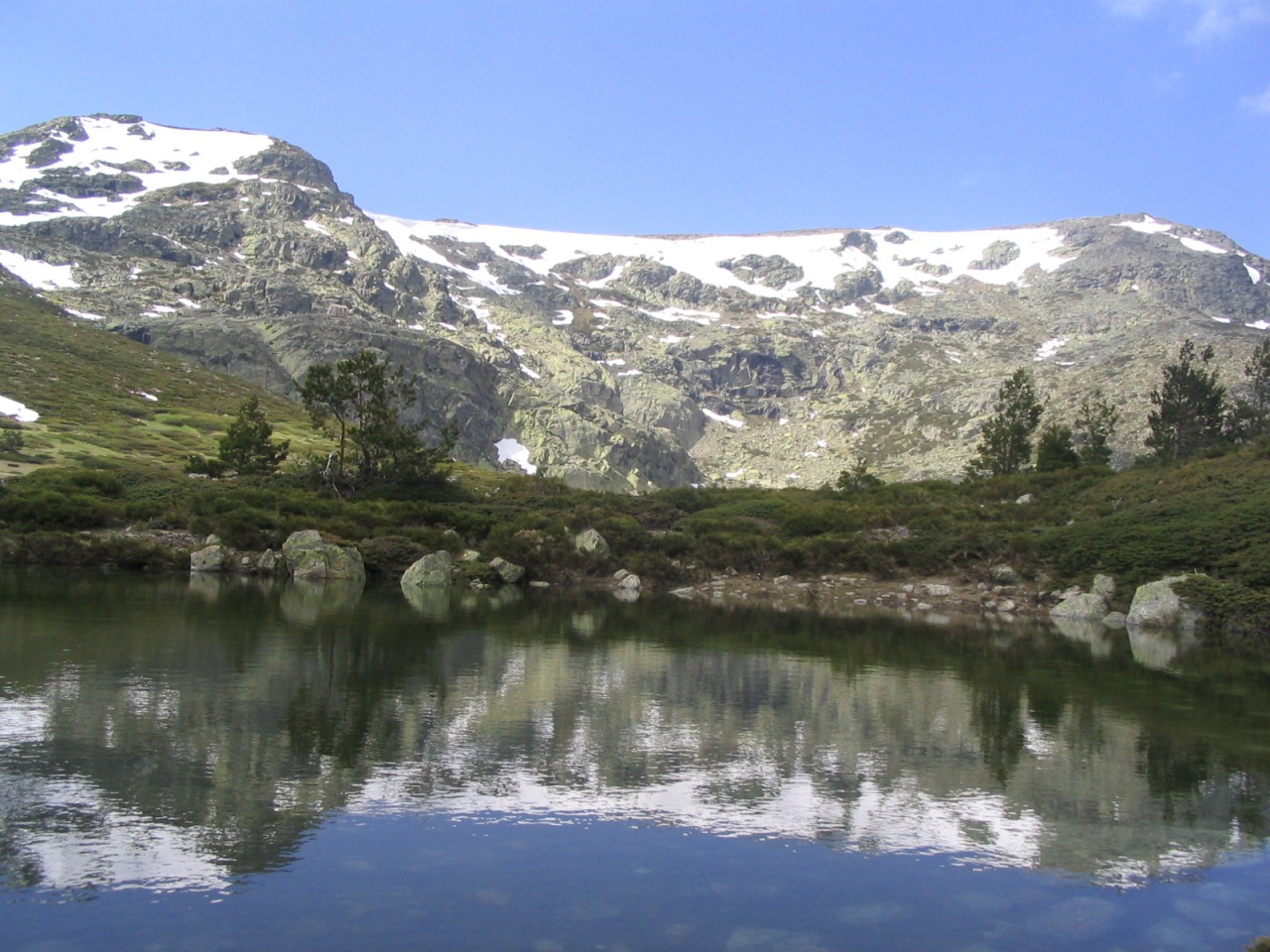
Natura 2000

Natura 2000
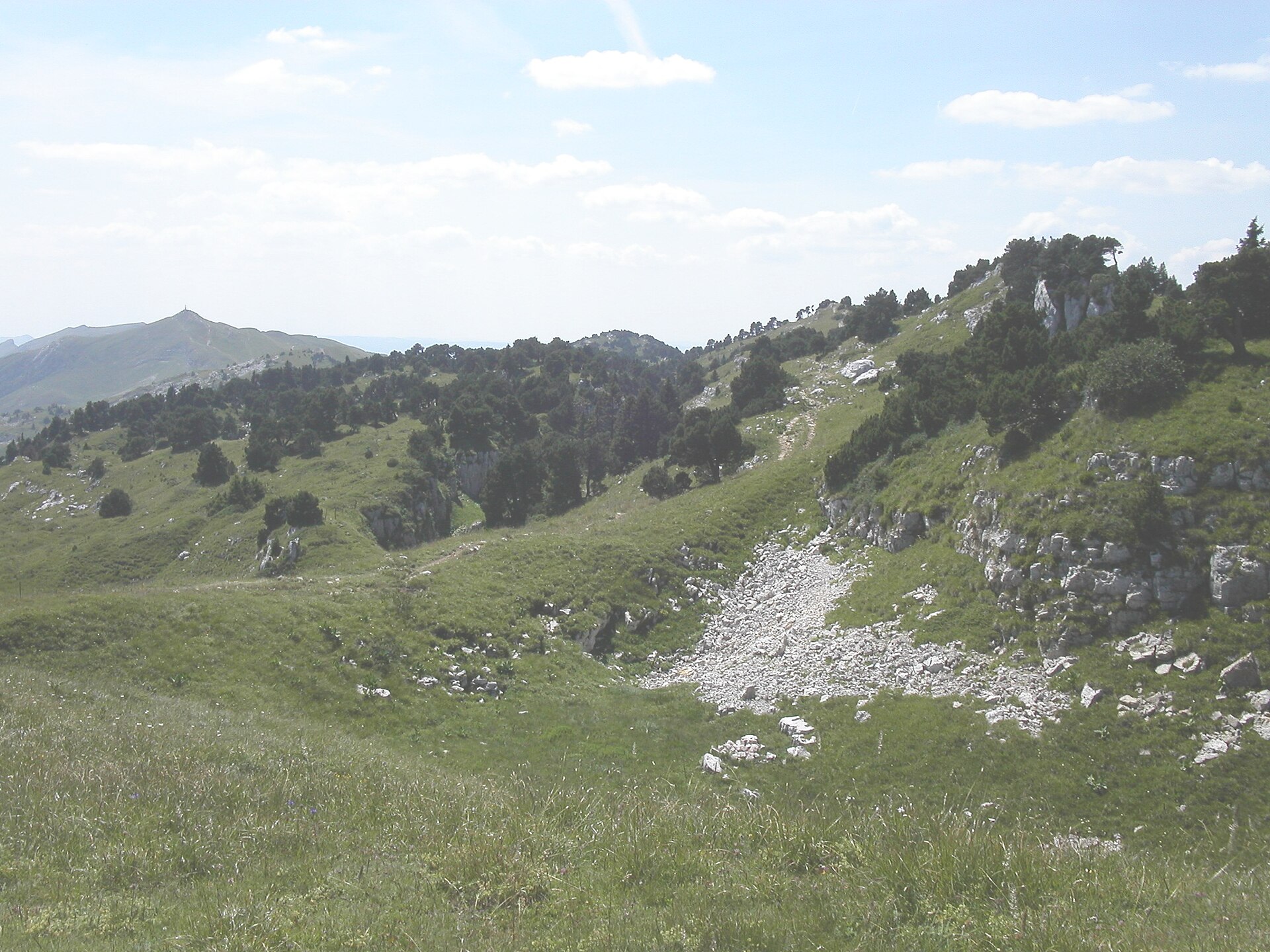
Natura 2000
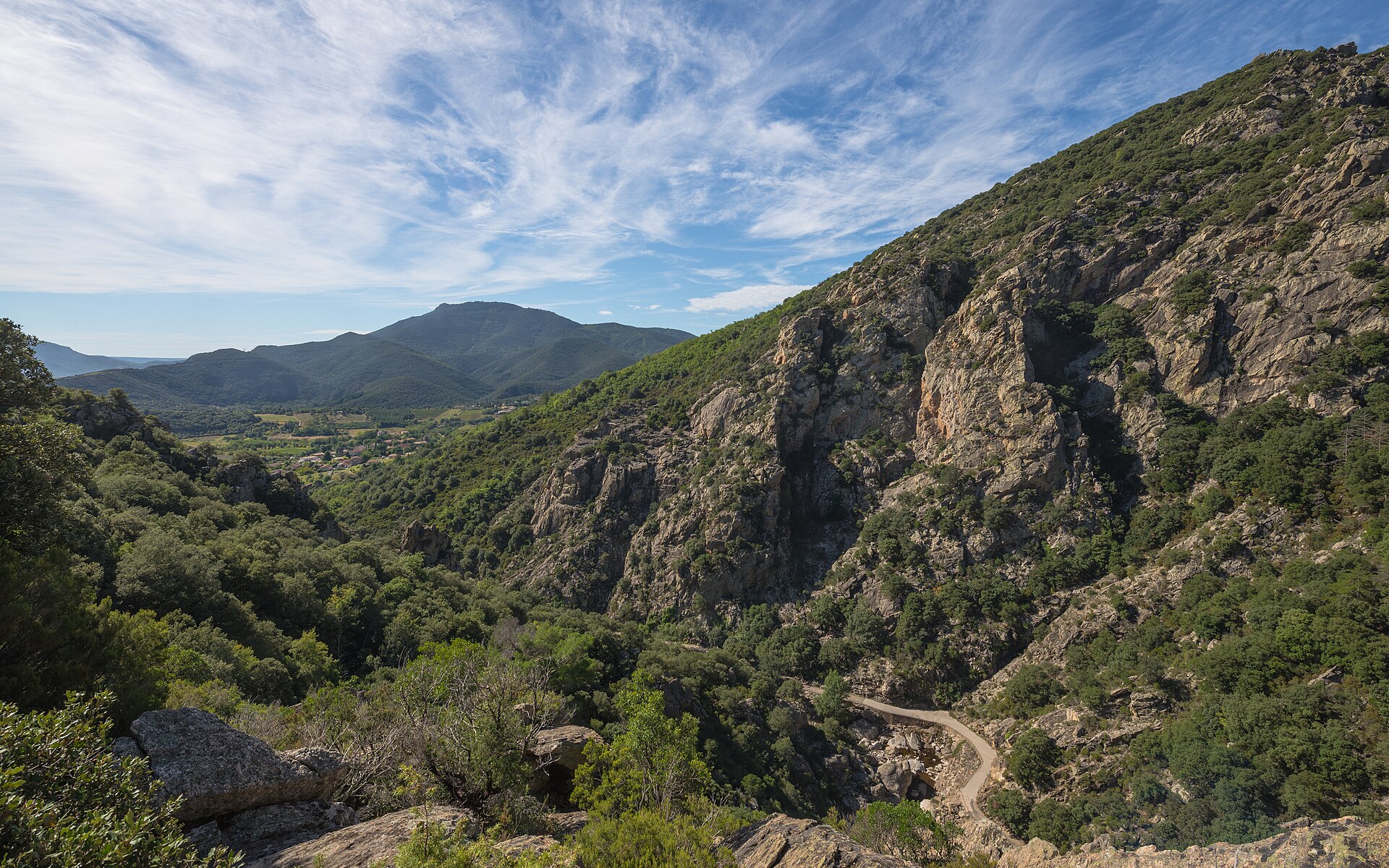
Natura 2000
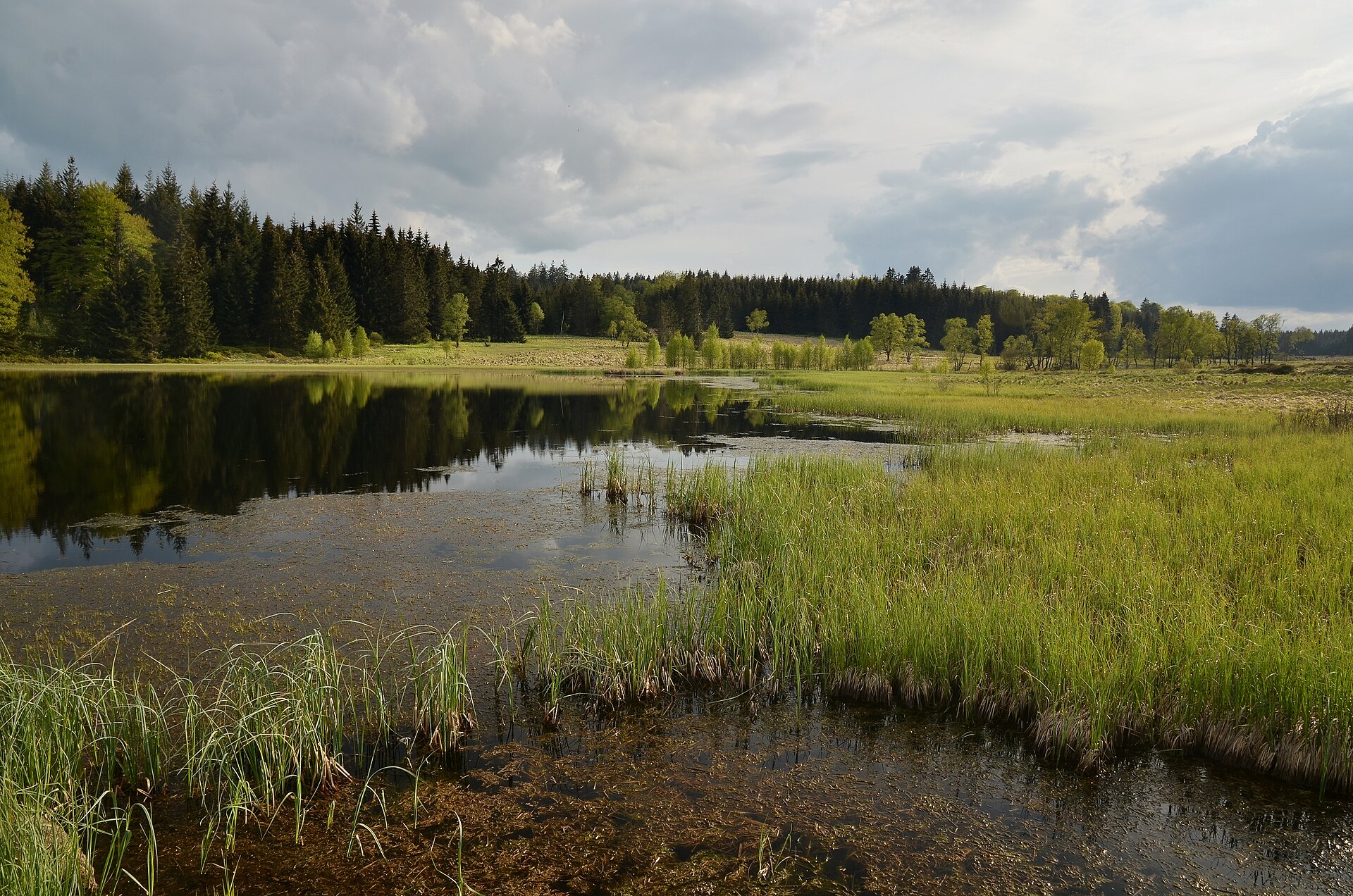
Natura 2000

Natura 2000
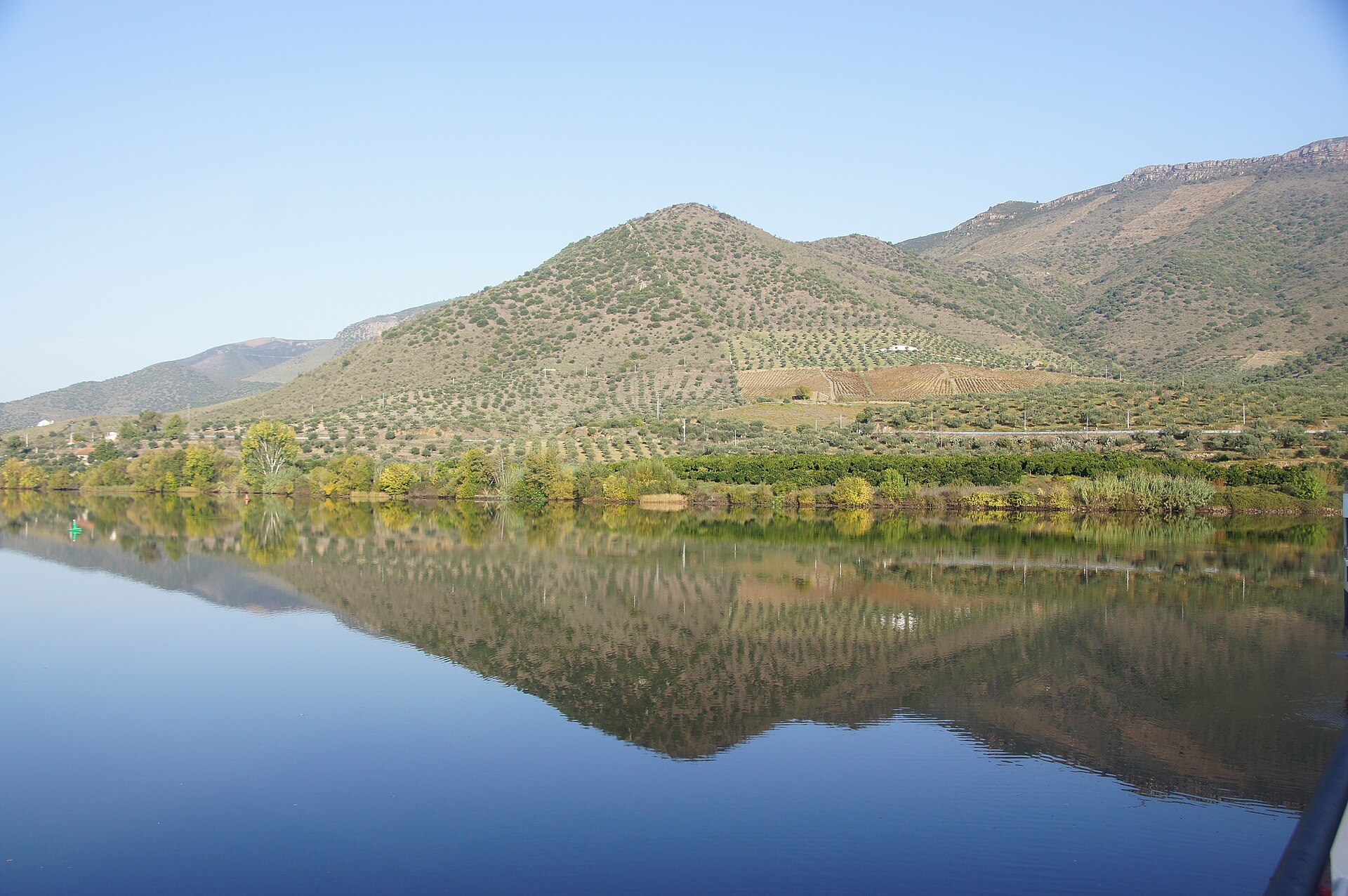
Natura 2000
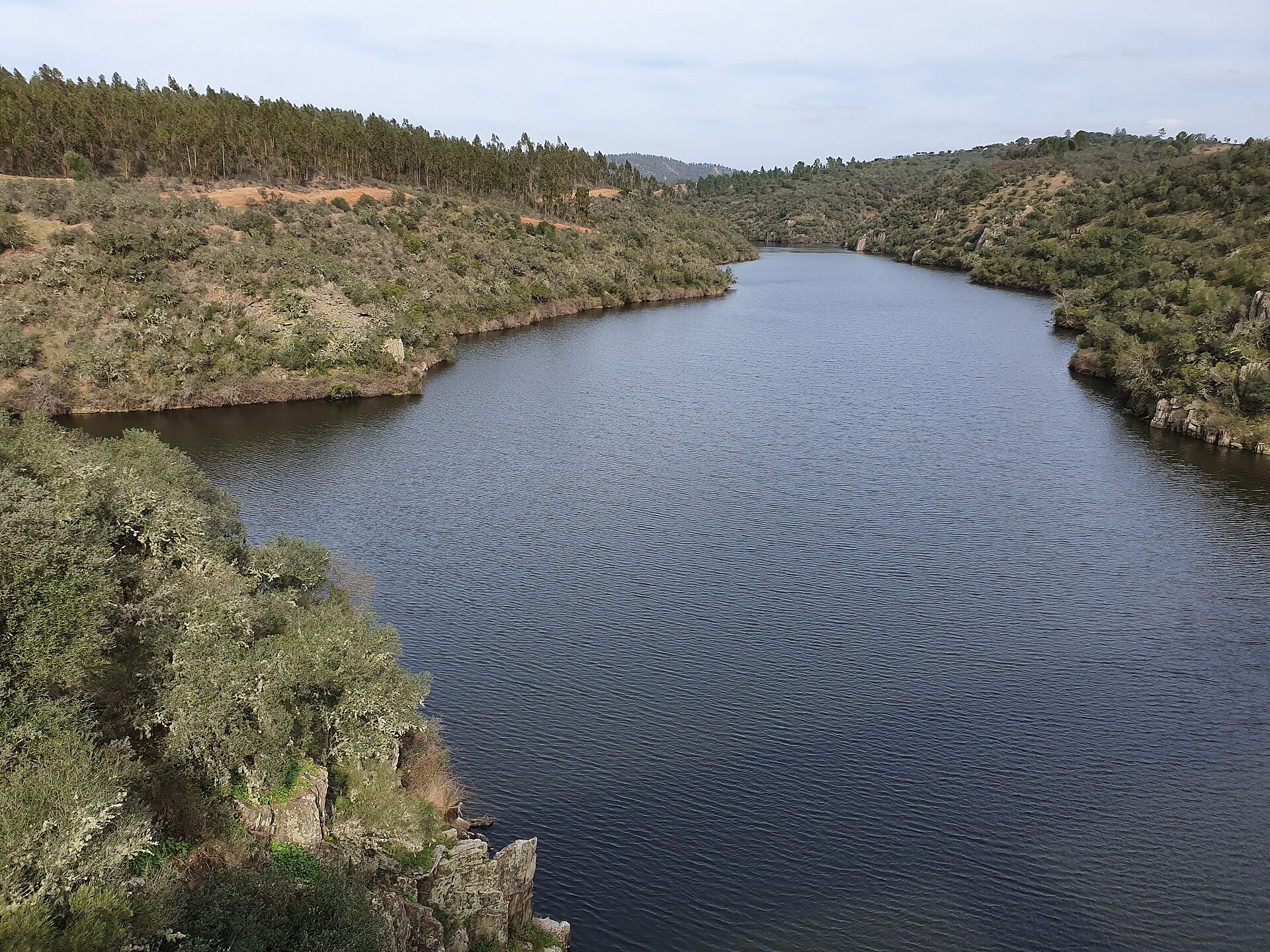
Natura 2000

Natura 2000
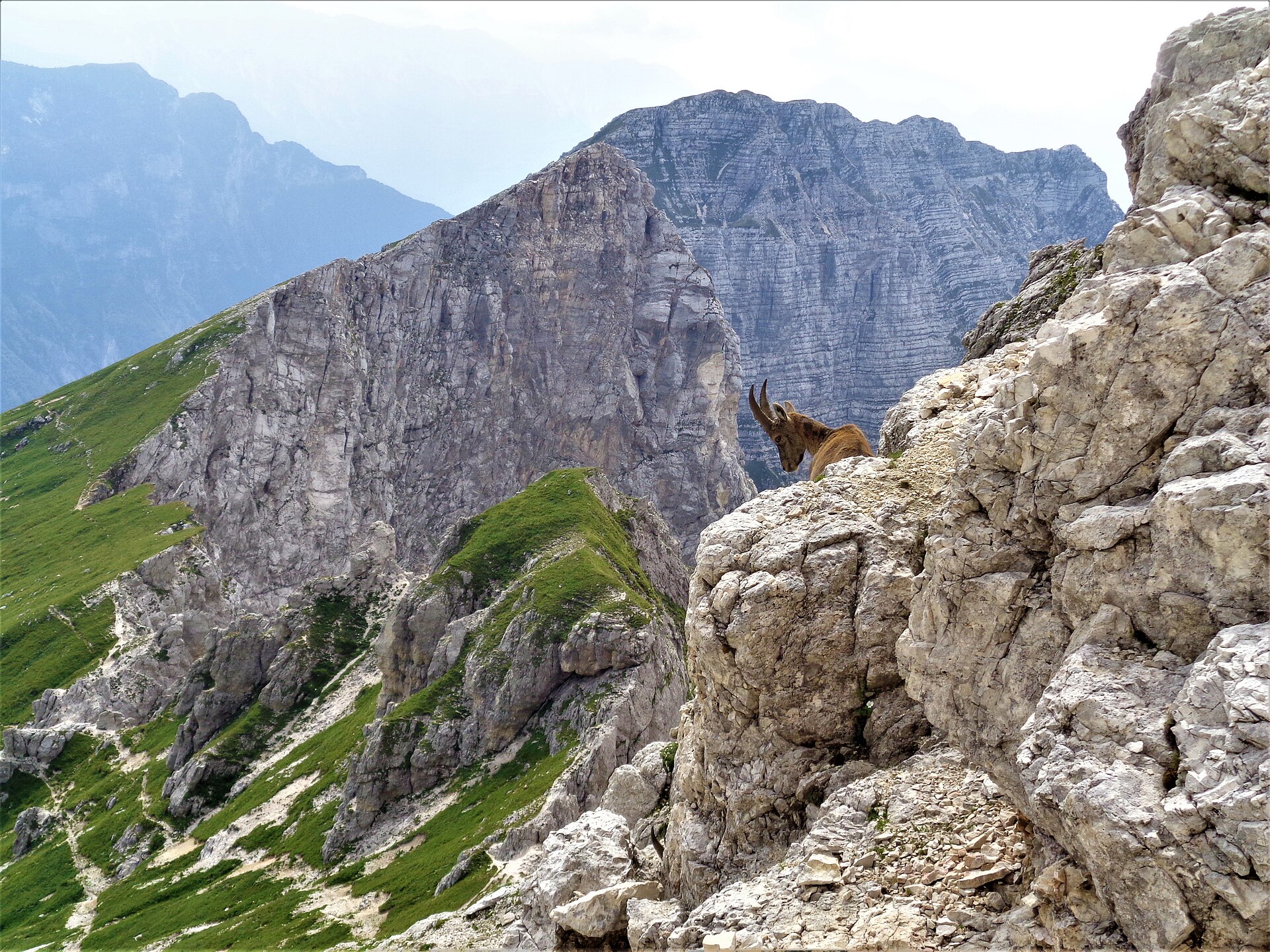
Natura 2000
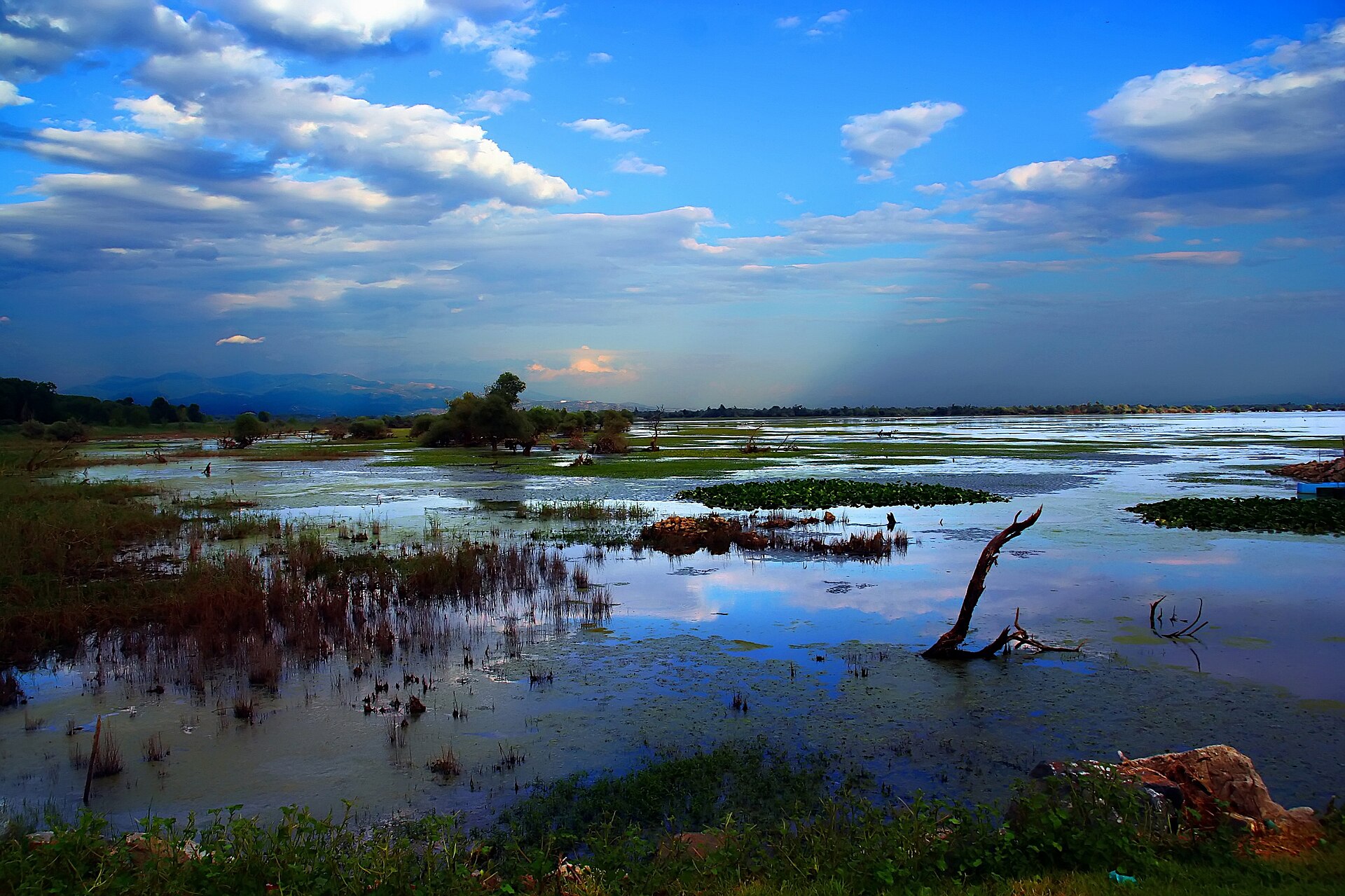
Natura 2000
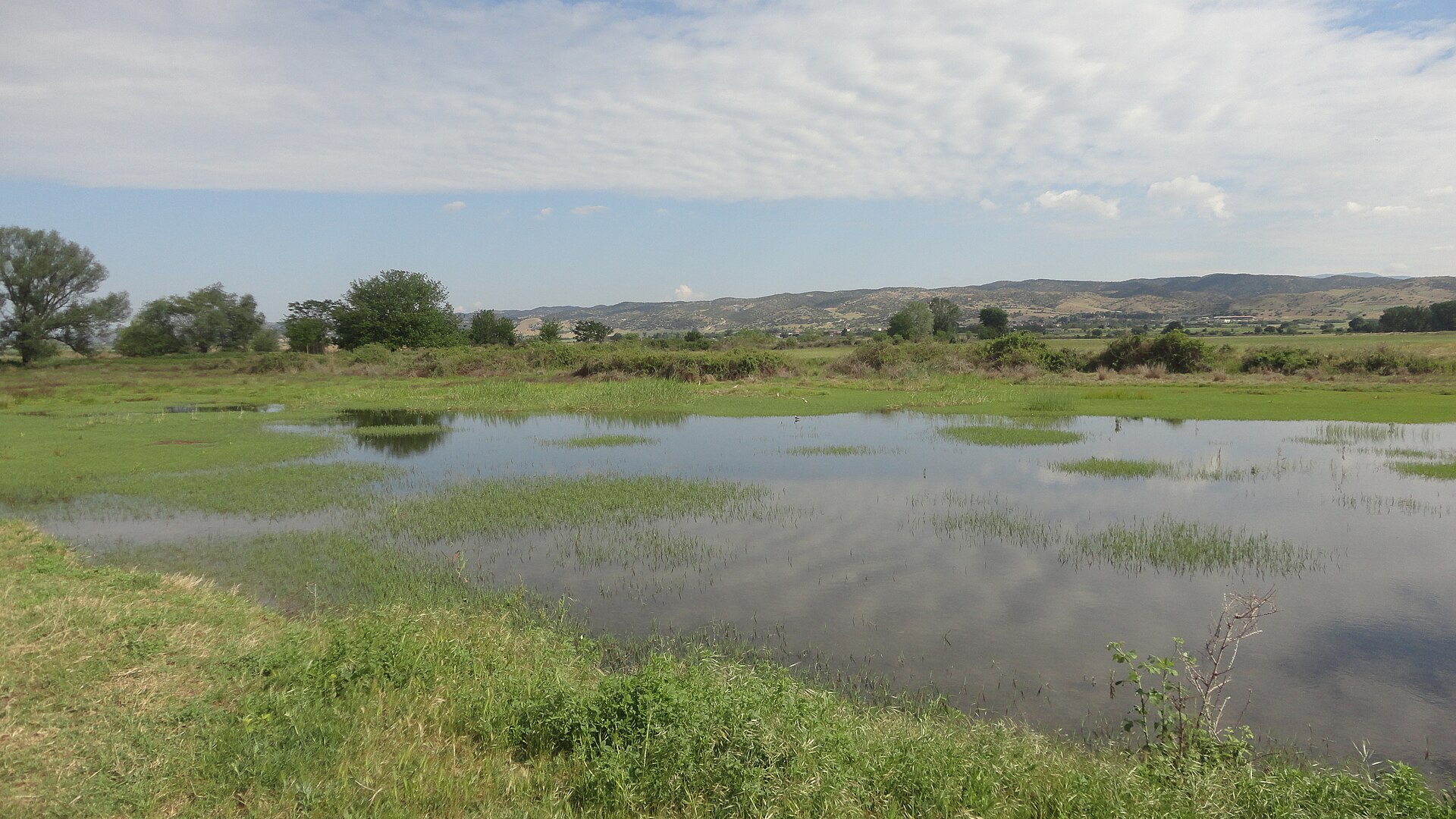
Natura 2000

Natura 2000
Natura 2000

Natura 2000
Natura 2000

Natura 2000

Natura 2000

Natura 2000
Natura 2000

Natura 2000
Natura 2000
Natura 2000

Natura 2000

Natura 2000

Natura 2000

Natura 2000
Natura 2000
Natura 2000
Natura 2000

Natura 2000
Natura 2000

Natura 2000
Natura 2000

Natura 2000
Natura 2000

Natura 2000
Natura 2000
Natura 2000
Natura 2000

Natura 2000
Natura 2000
Natura 2000
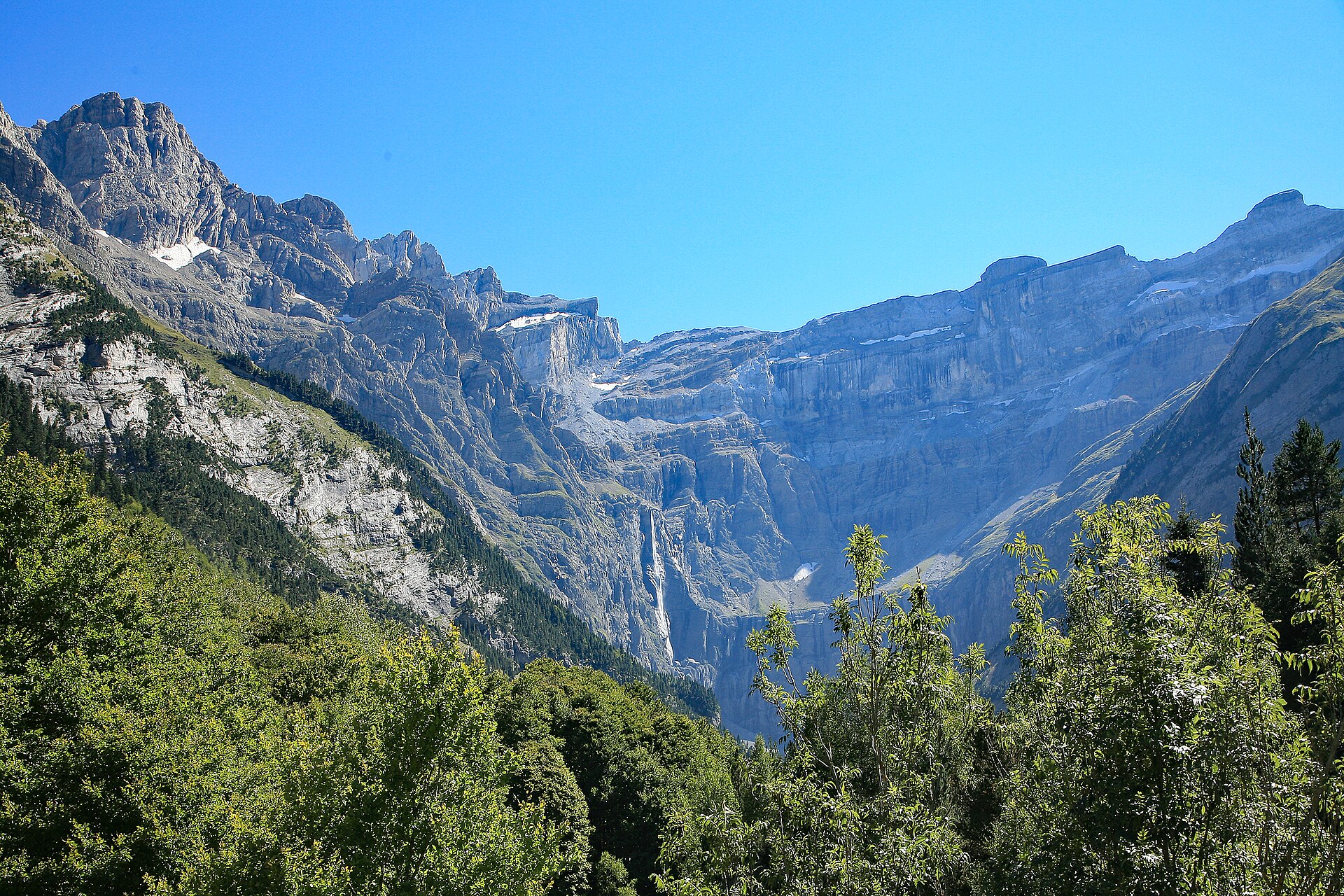
Natura 2000
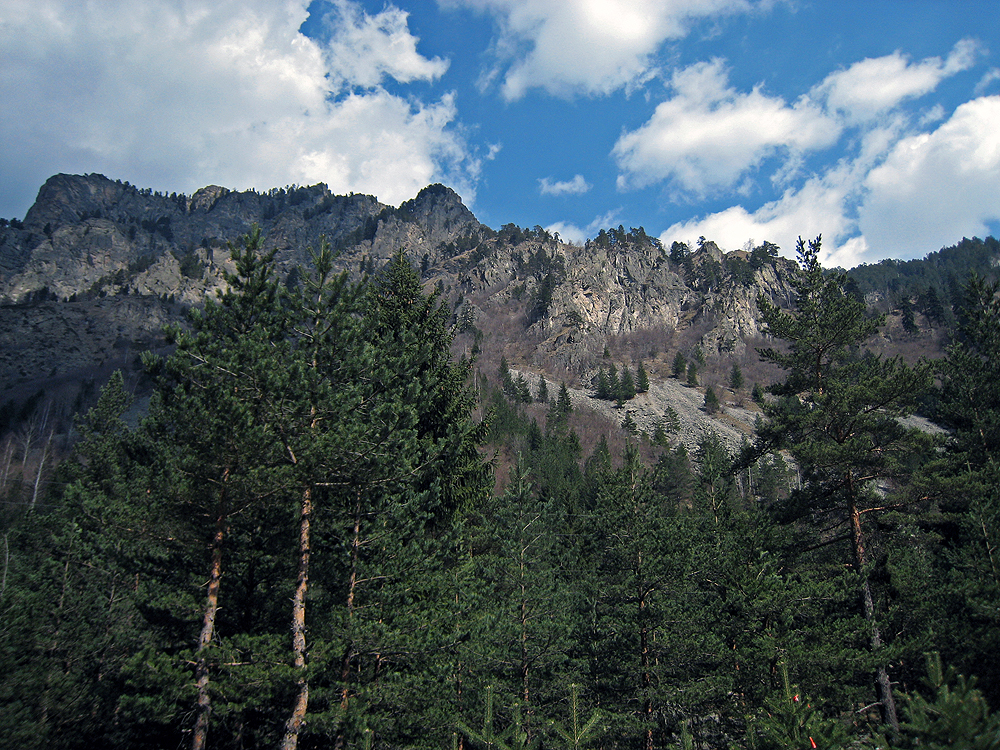
Natura 2000

Natura 2000
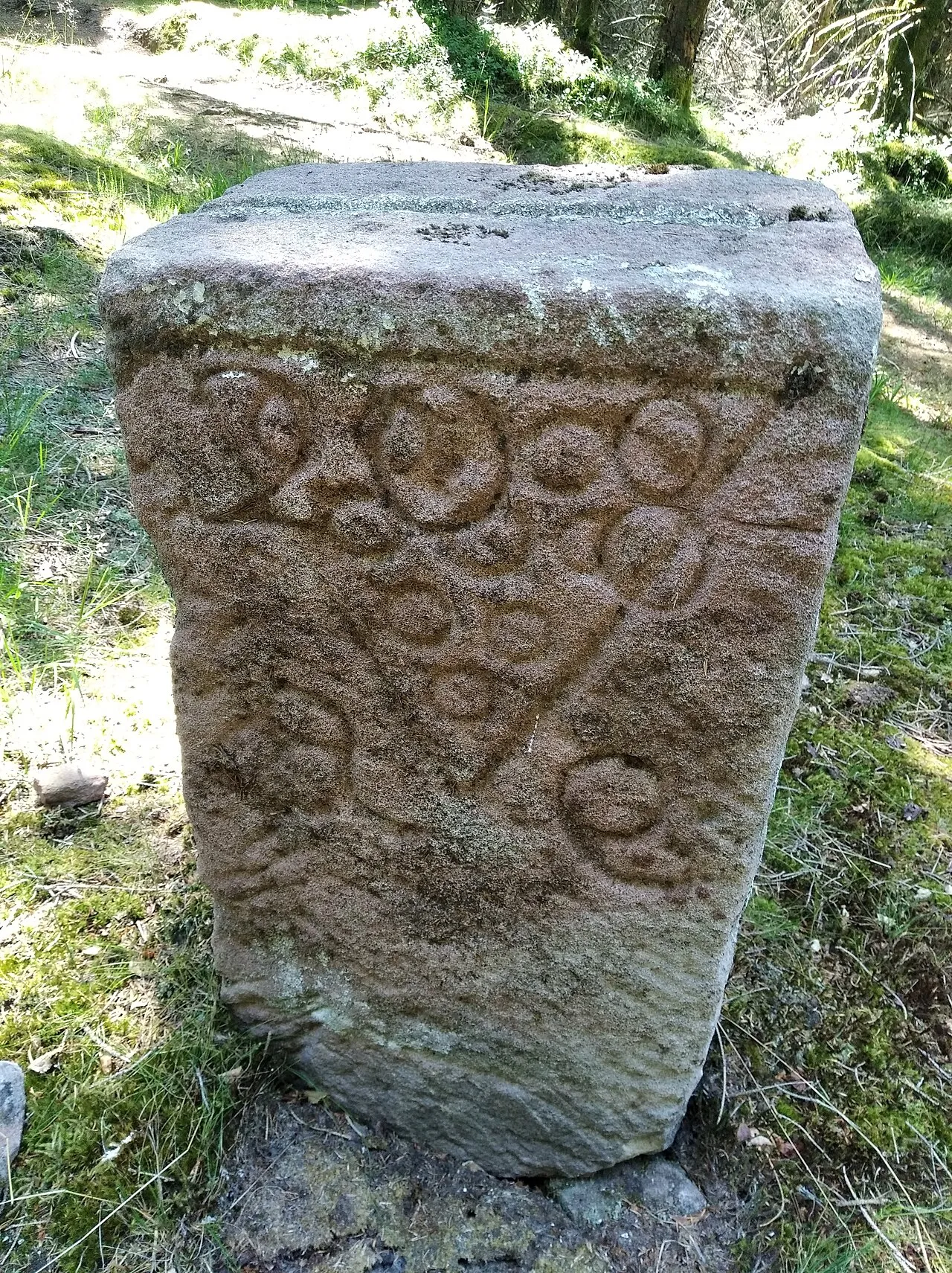
Natura 2000
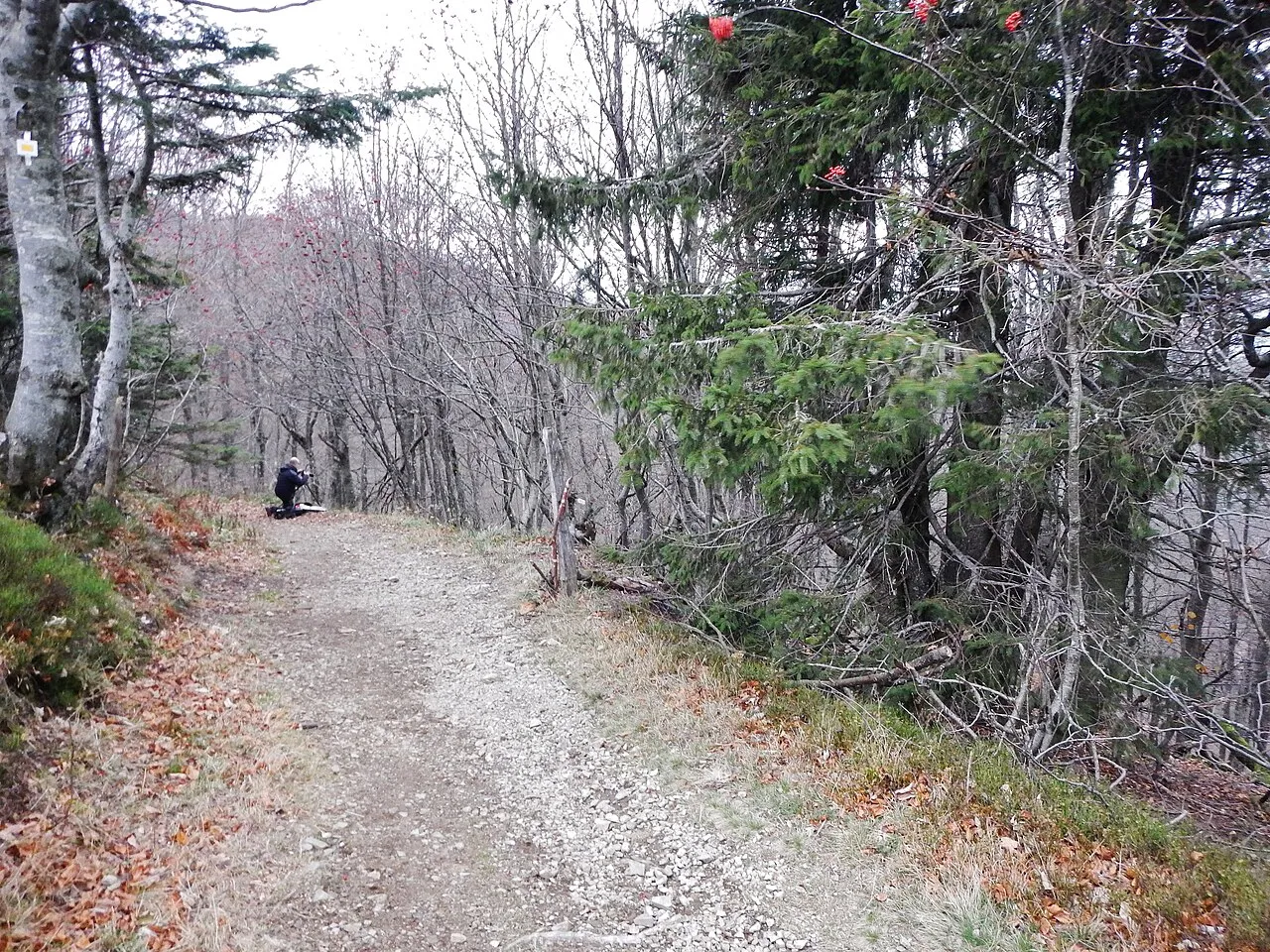
Natura 2000

Natura 2000
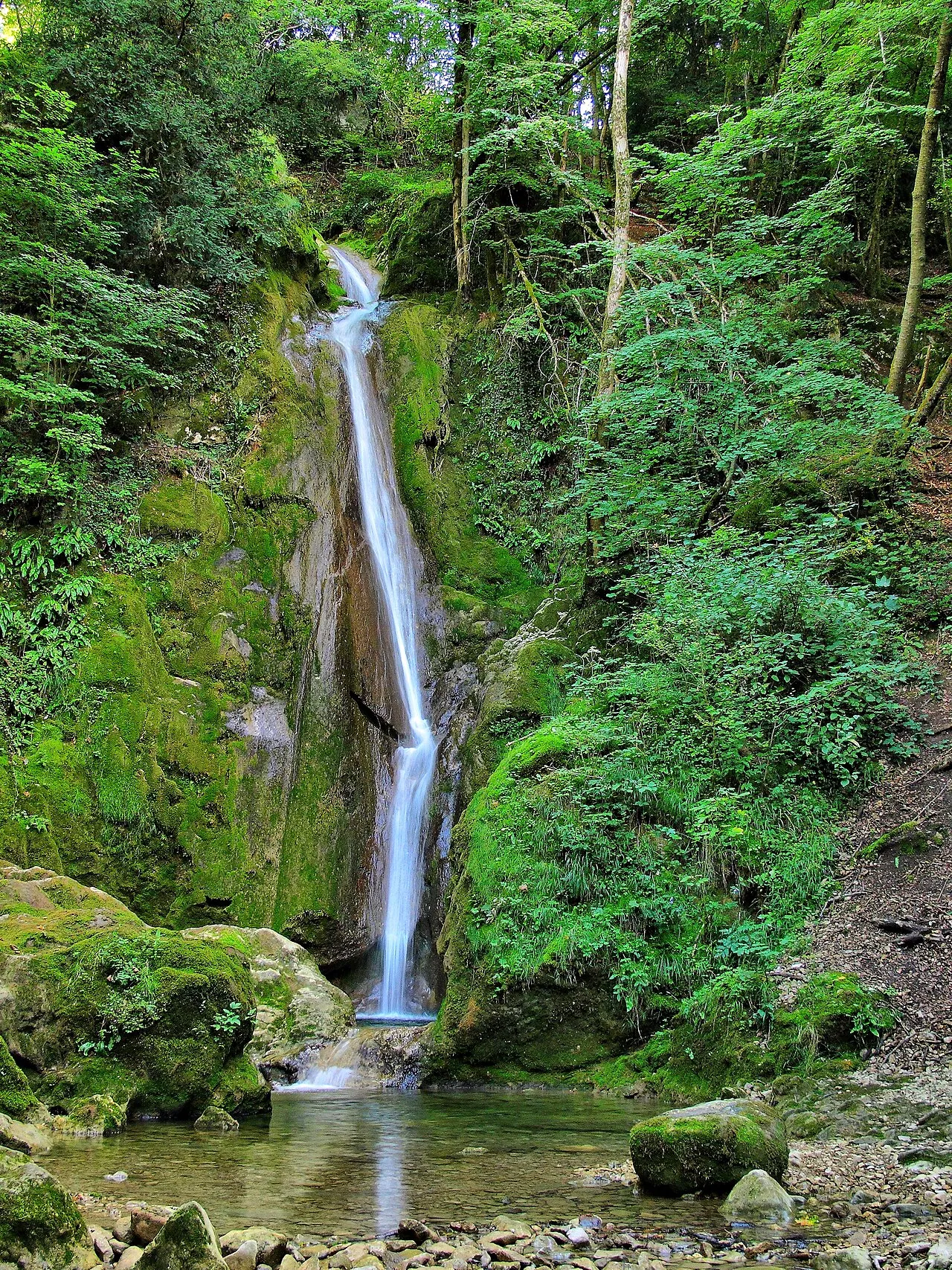
Natura 2000
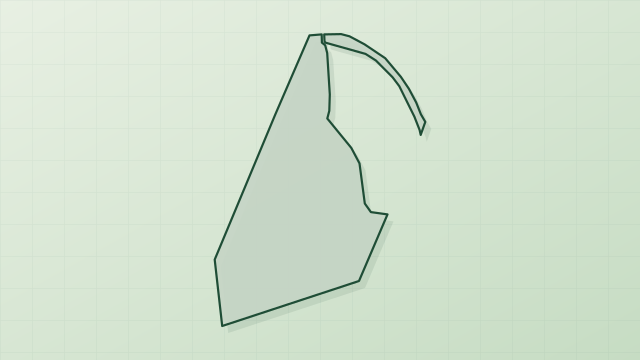
Natura 2000

Natura 2000

Natura 2000
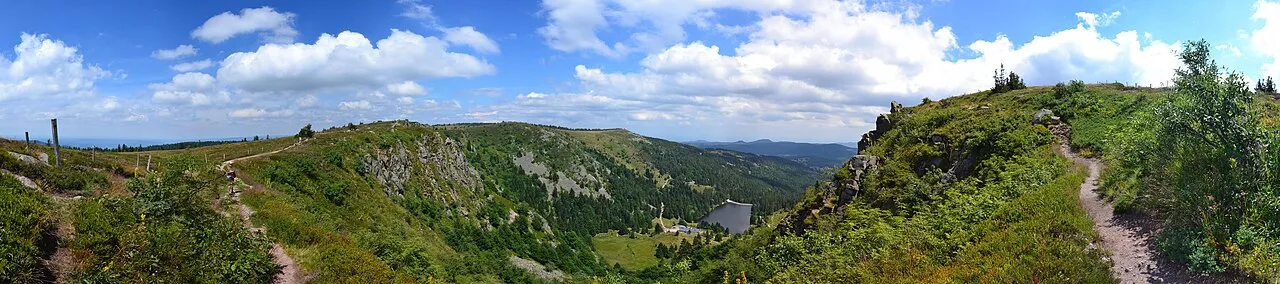
Natura 2000

Natura 2000
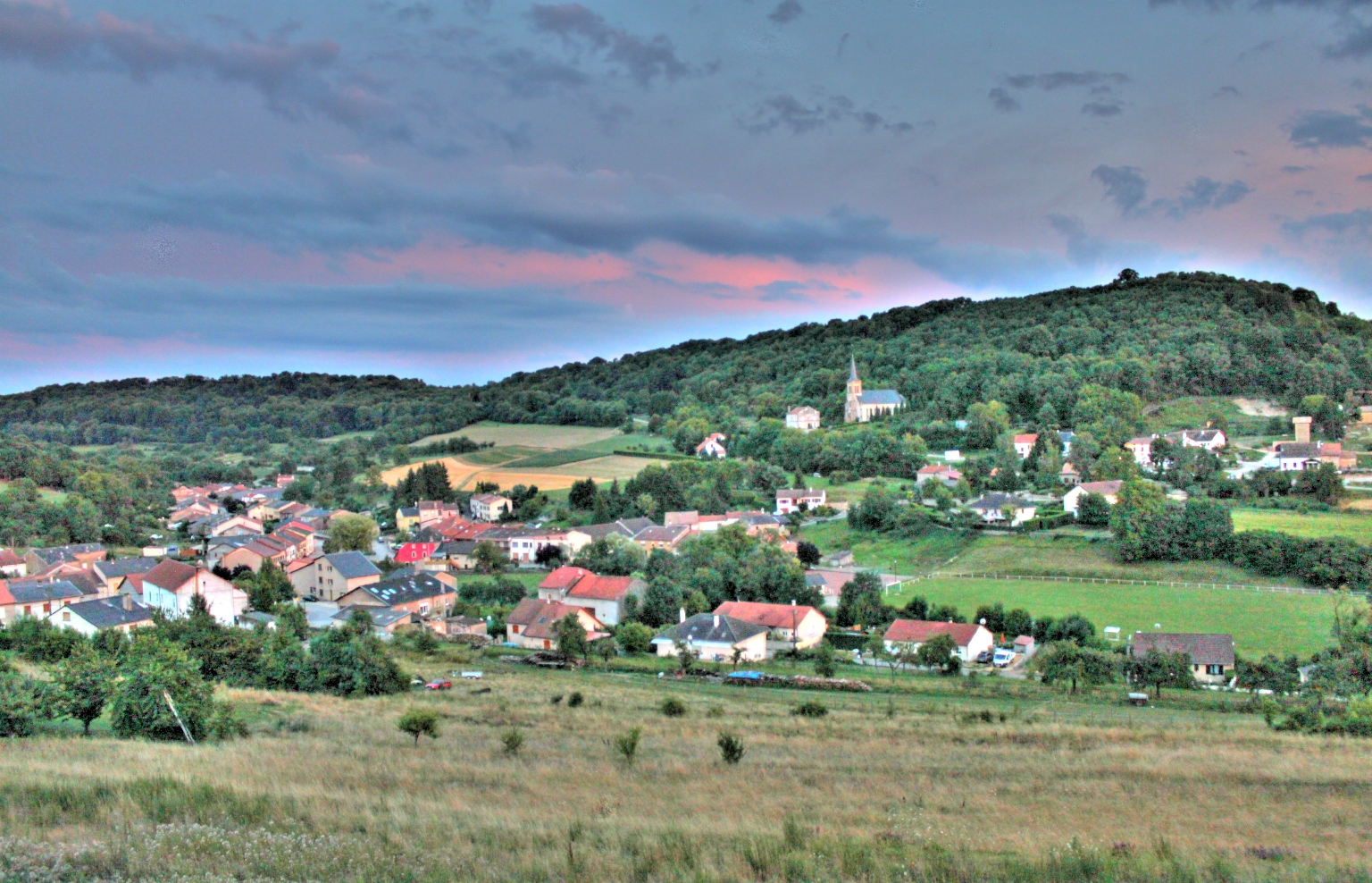
Natura 2000
Natura 2000

Natura 2000
Natura 2000

Natura 2000

Natura 2000
Natura 2000
Natura 2000
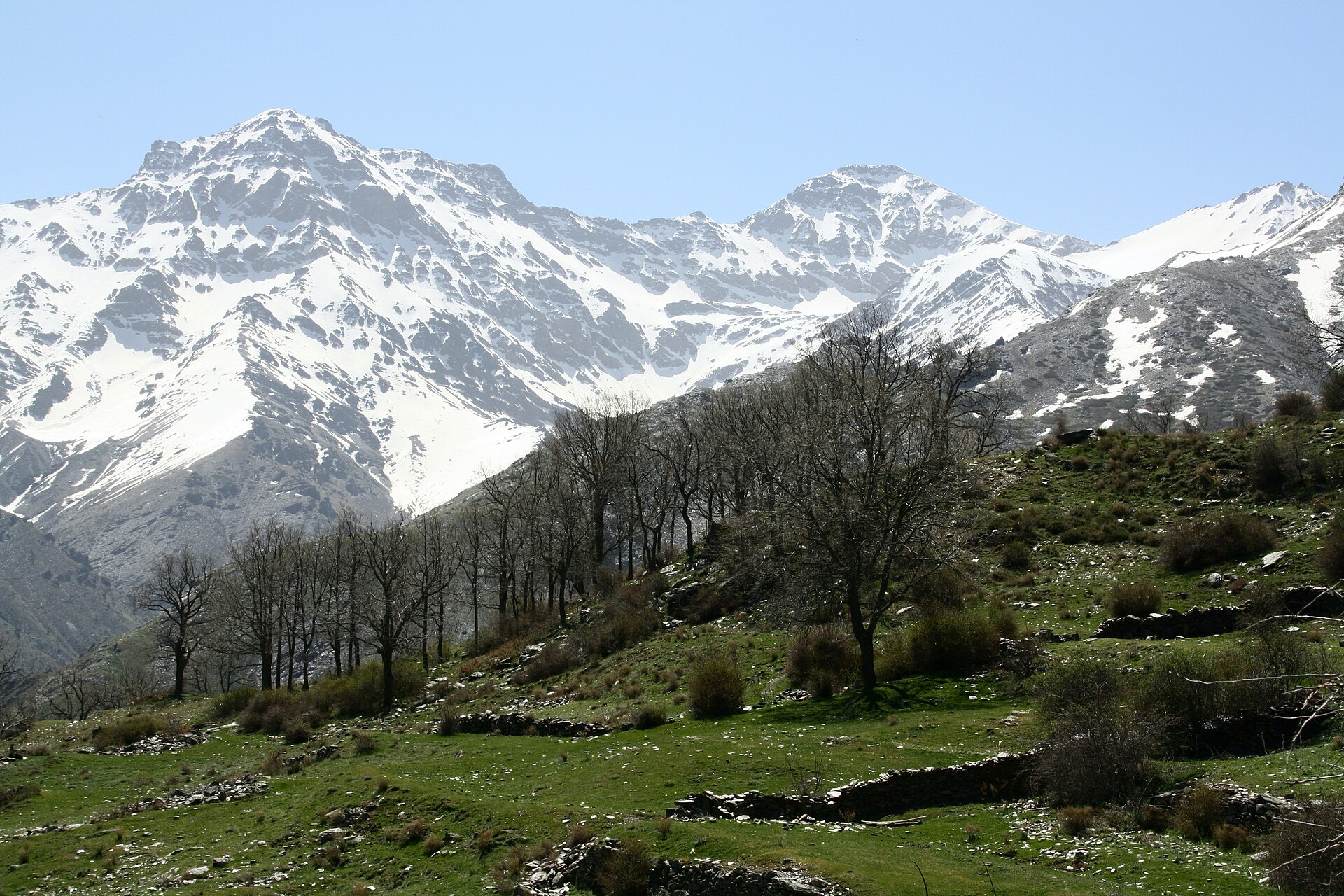
Natura 2000
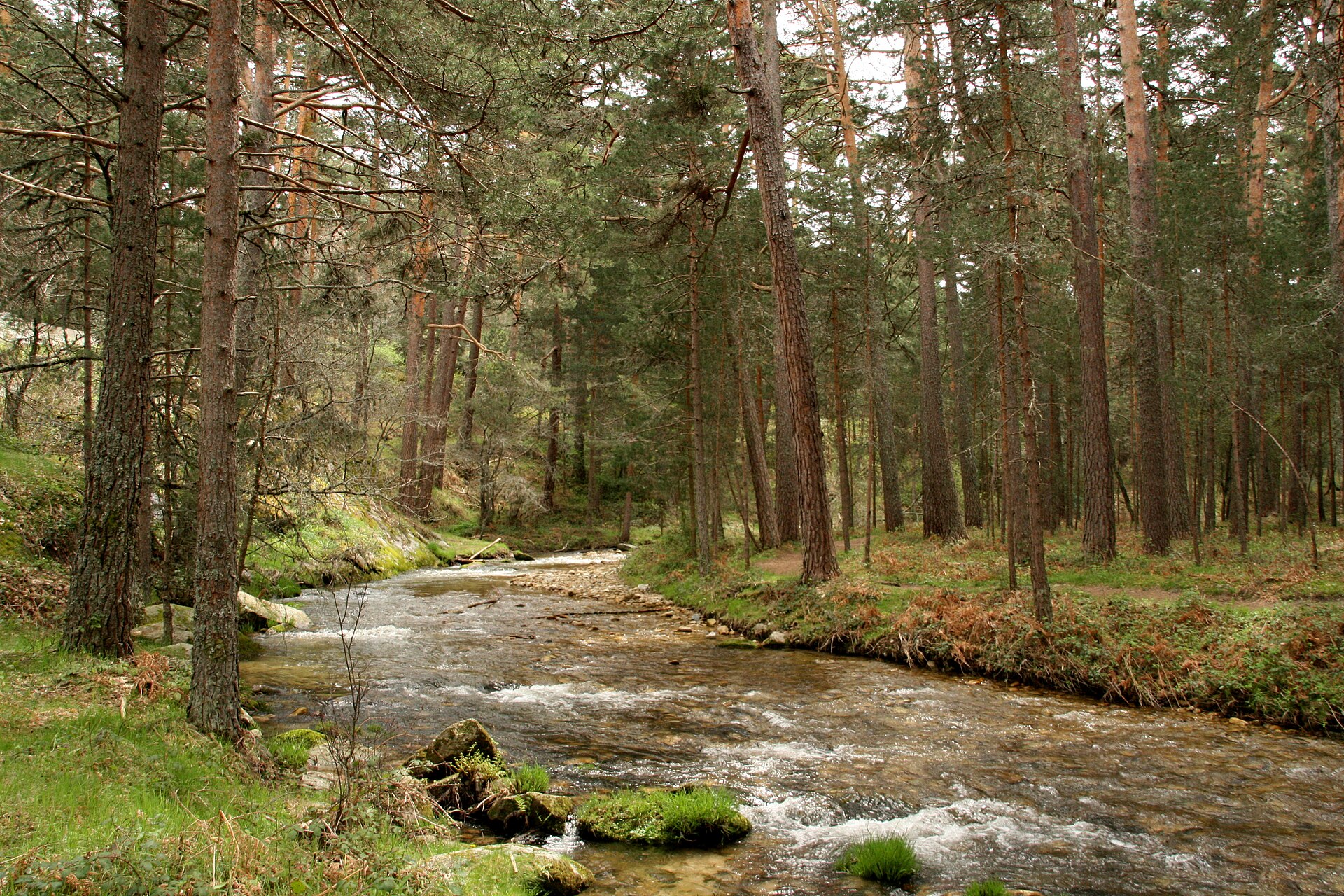
Natura 2000

Natura 2000
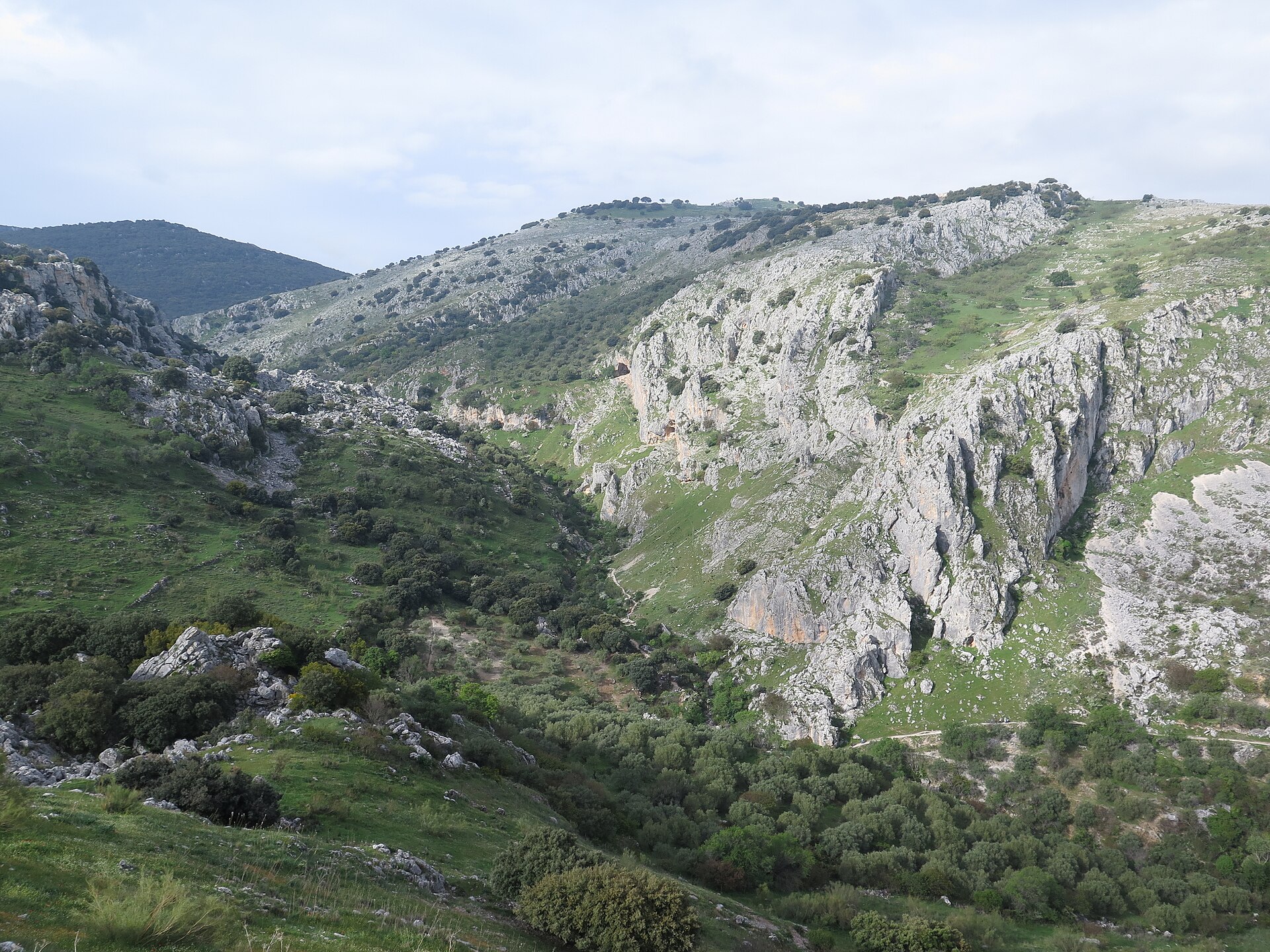
Natura 2000

Natura 2000
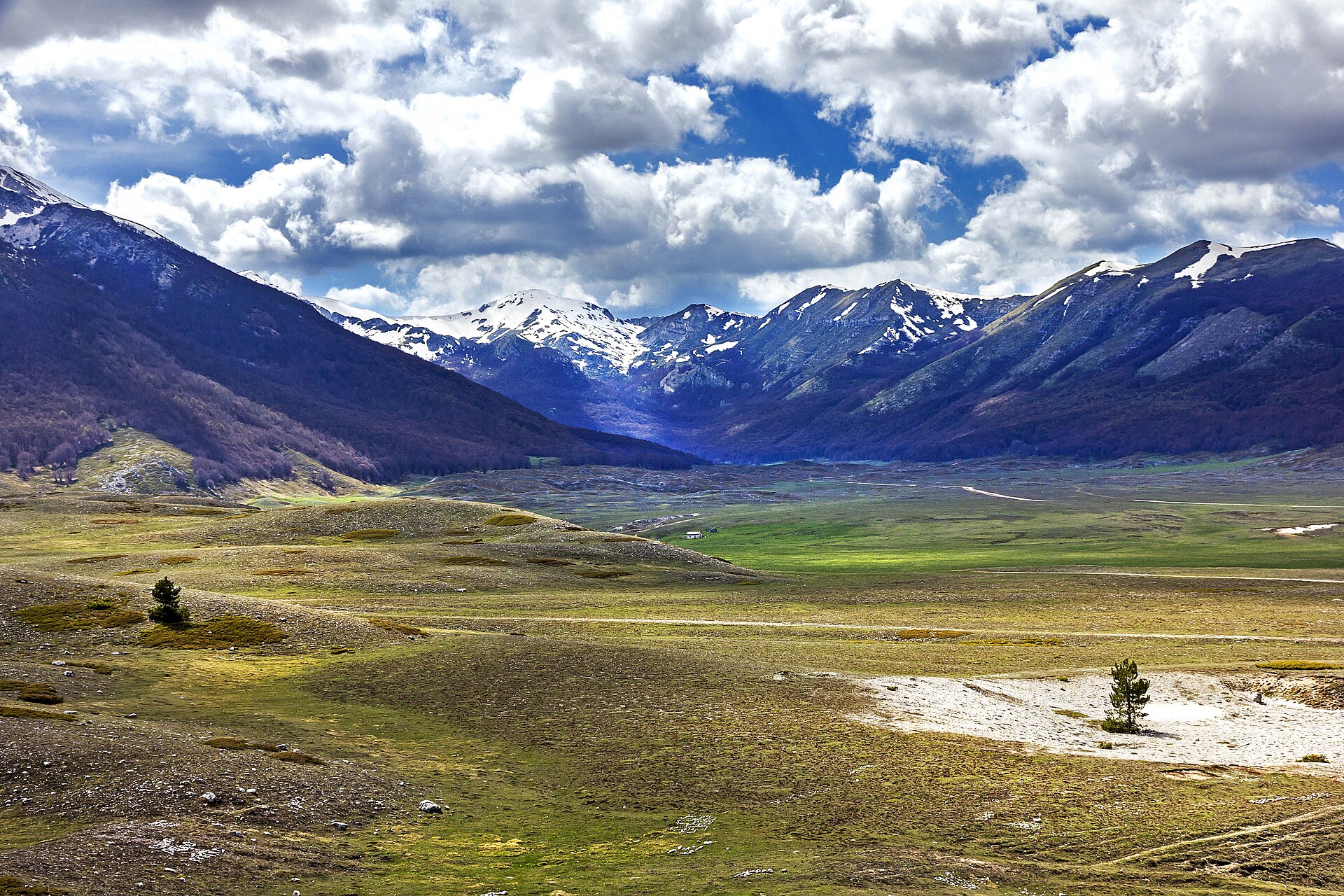
Natura 2000

Natura 2000
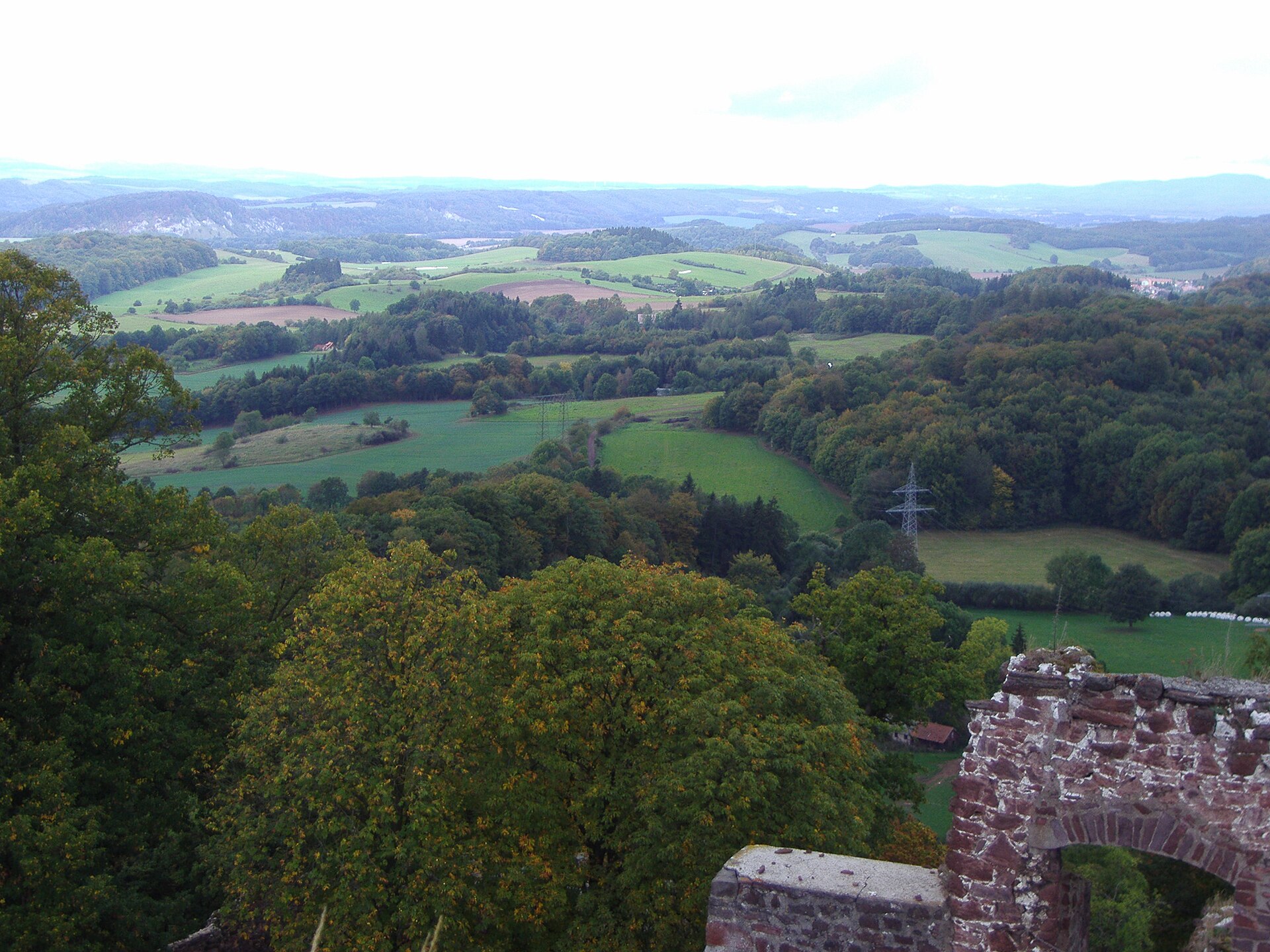
Natura 2000
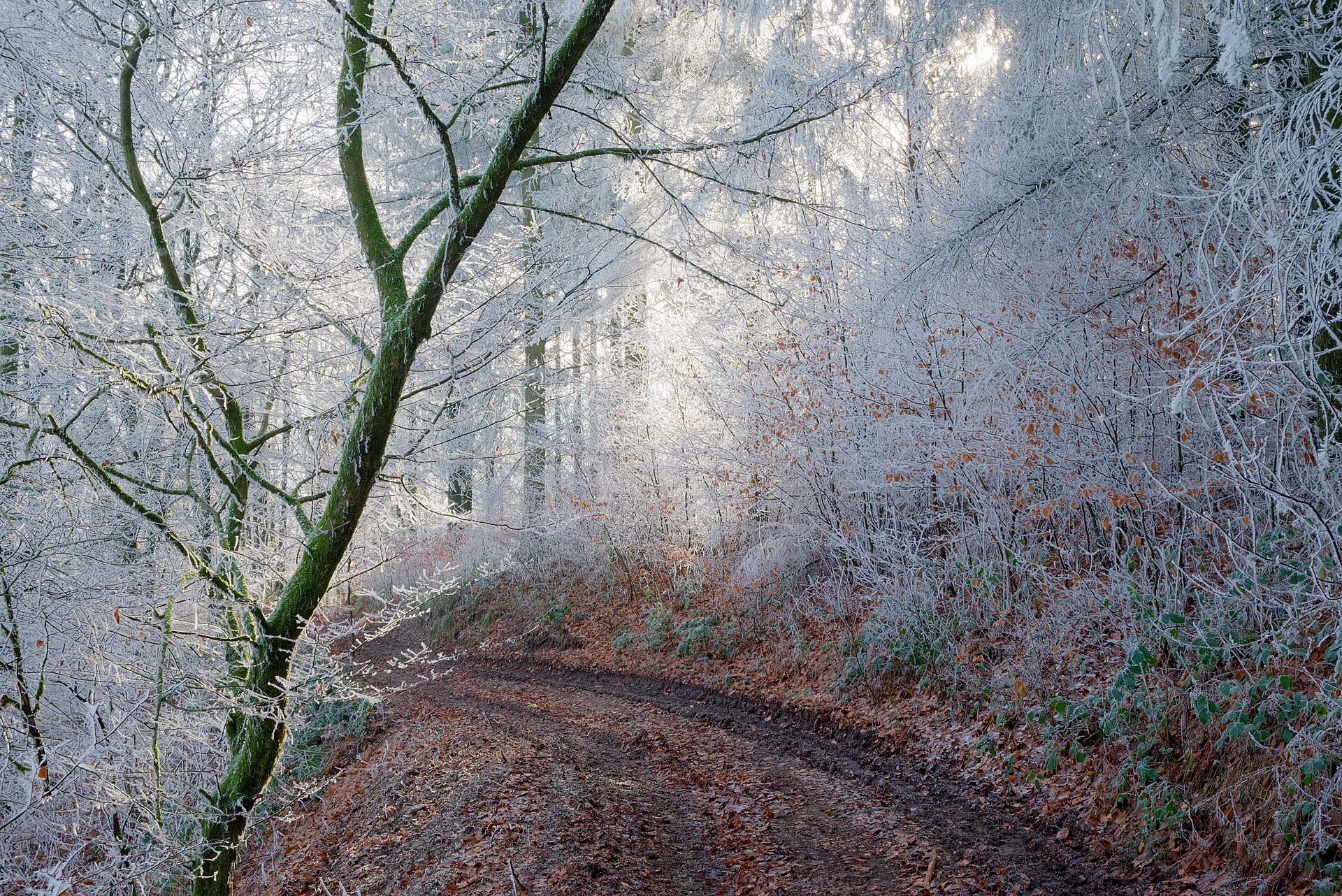
Natura 2000

Natura 2000
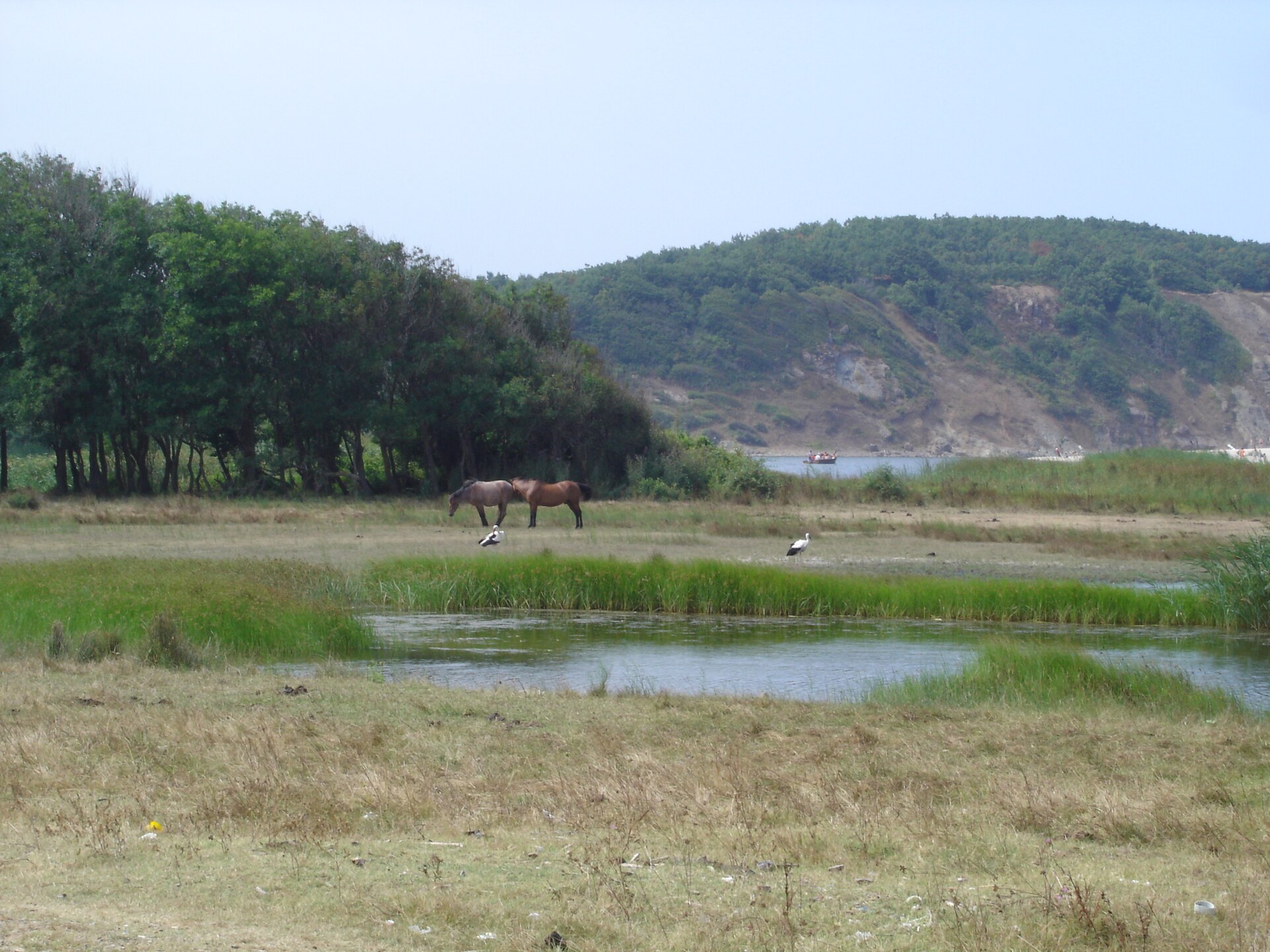
Natura 2000

Natura 2000

Natura 2000
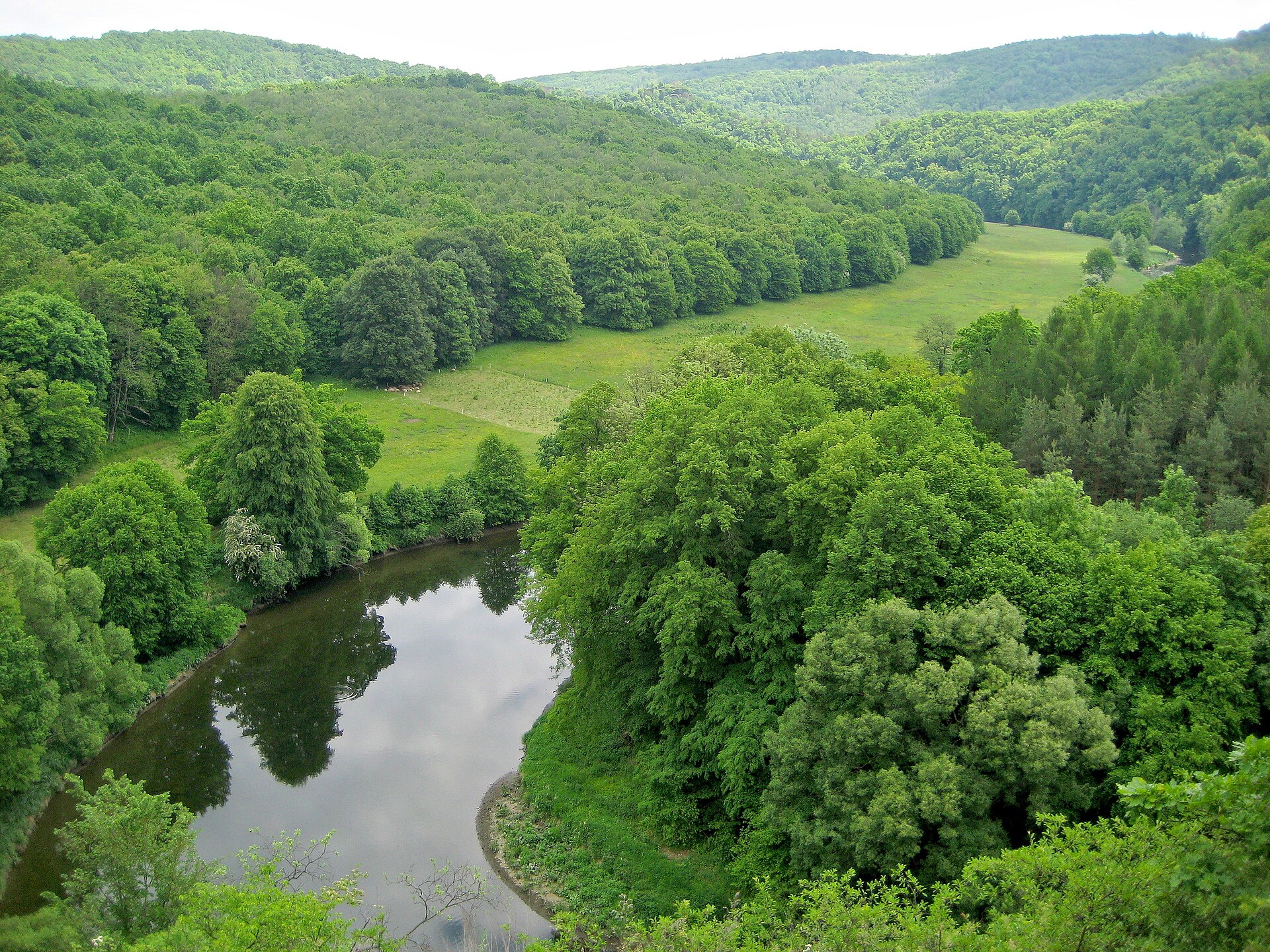
Natura 2000
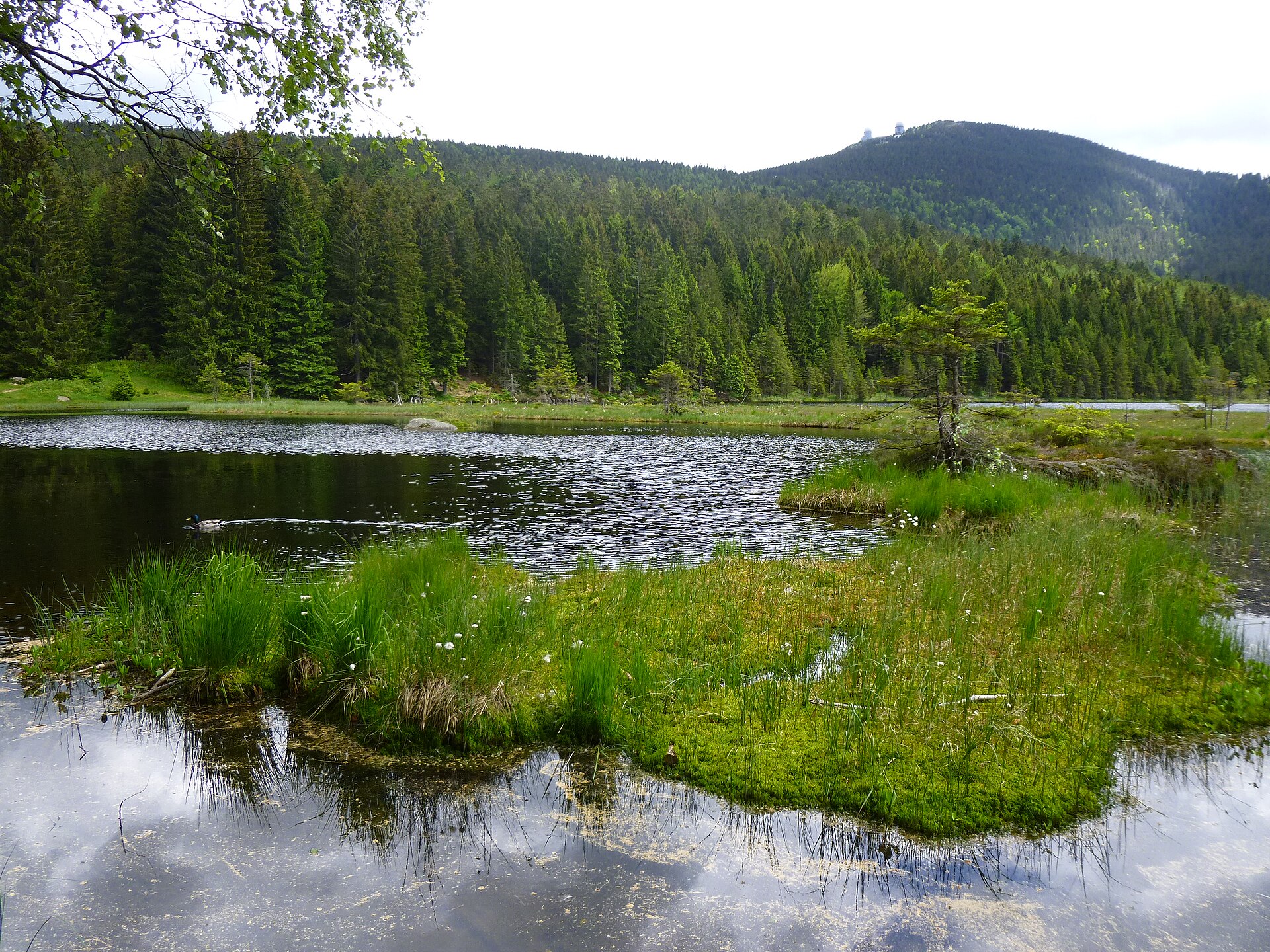
Natura 2000
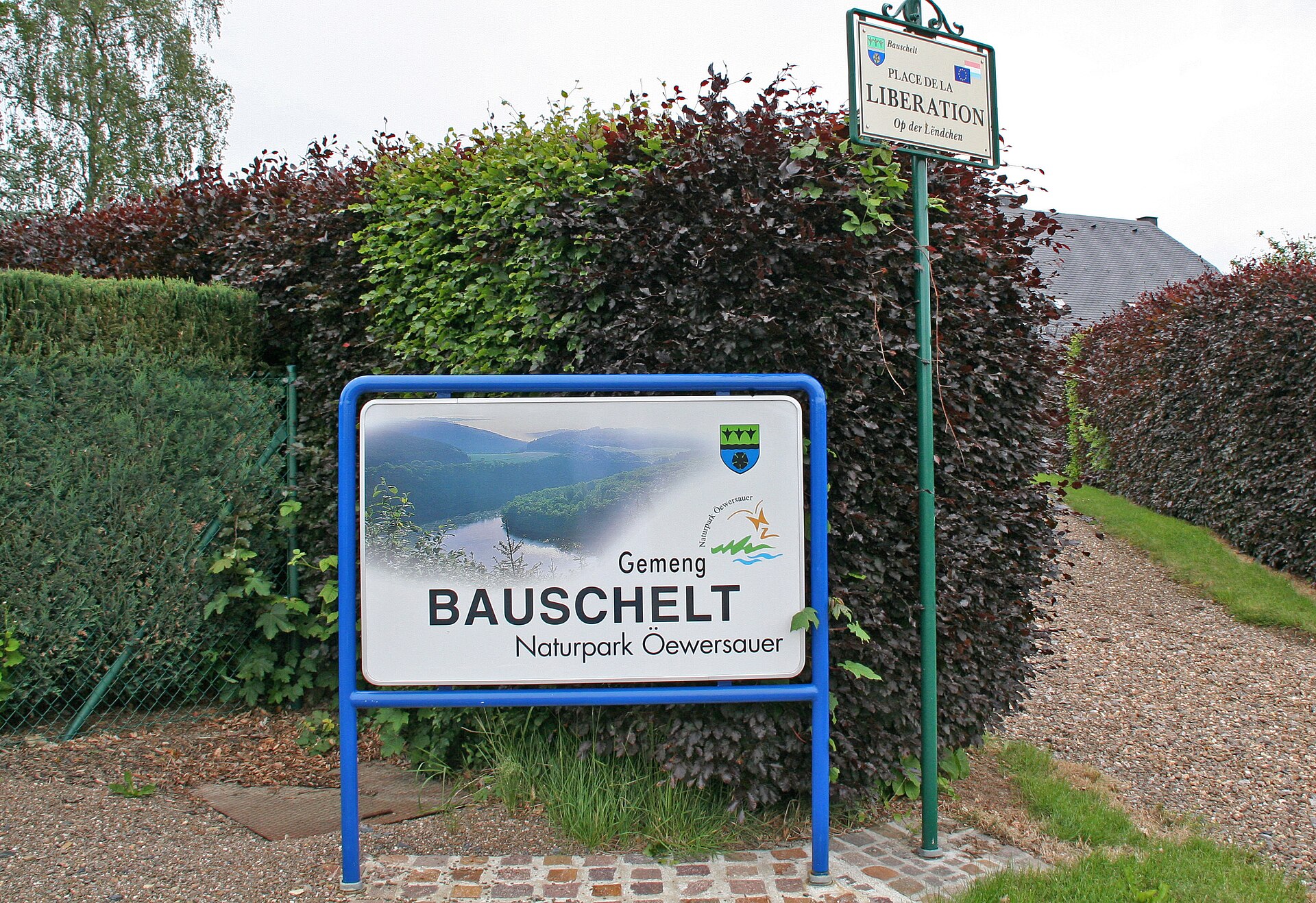
Natura 2000
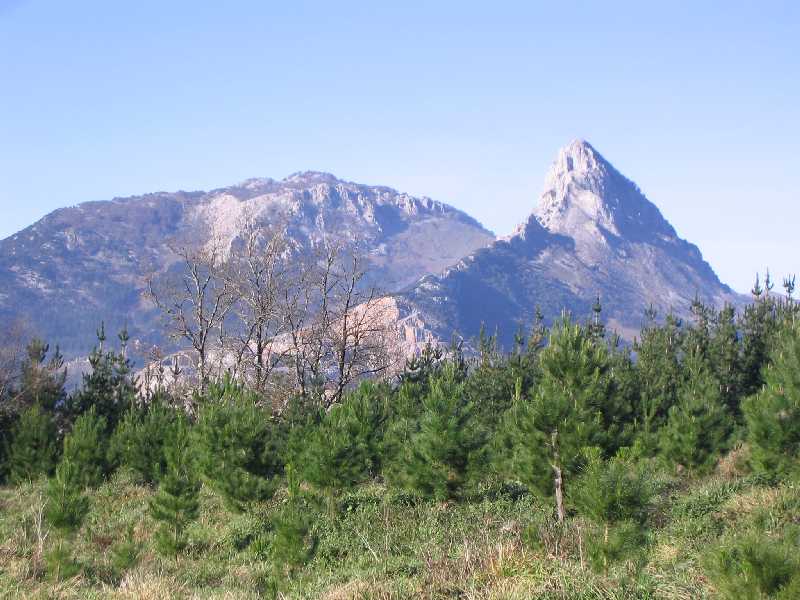
Natura 2000
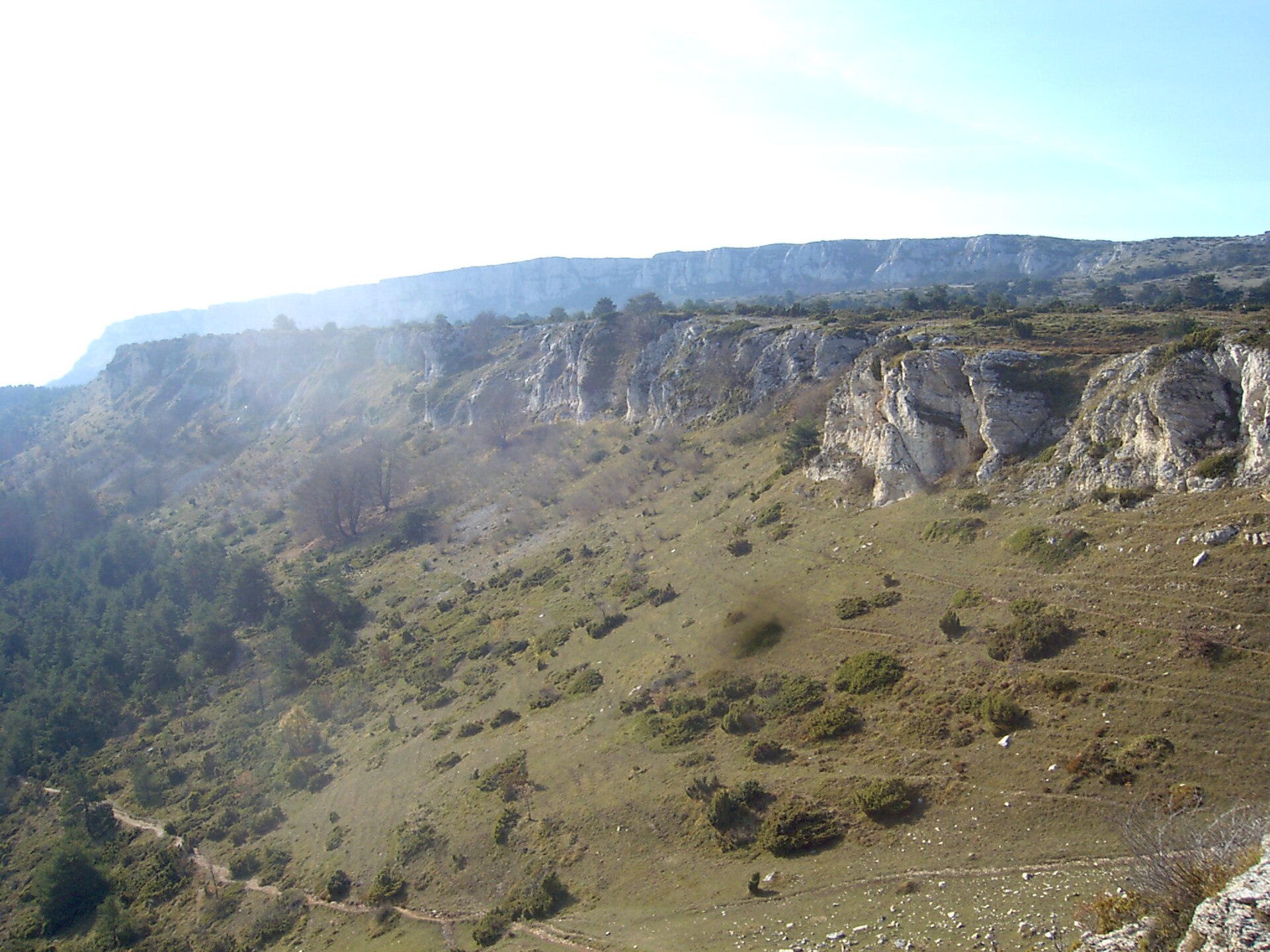
Natura 2000

Natura 2000
Natura 2000

Natura 2000
Natura 2000
Other species to discover
 European Wildcat
Felis silvestris silvestris Same genus
 European pine marten
Martes martes 66 places in common
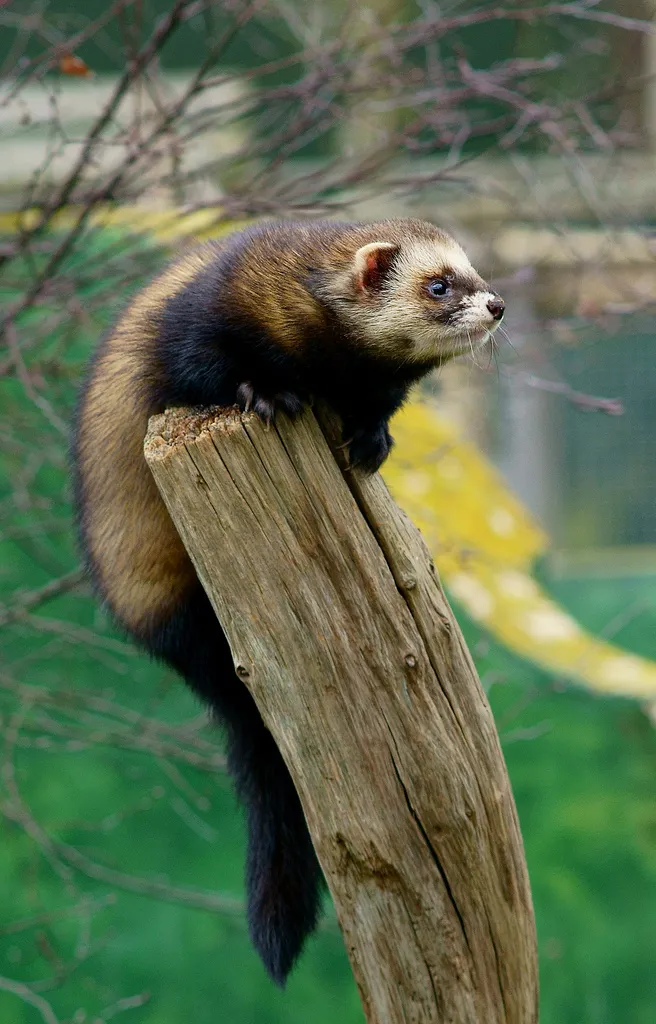 Western Polecat
Mustela putorius 60 places in common
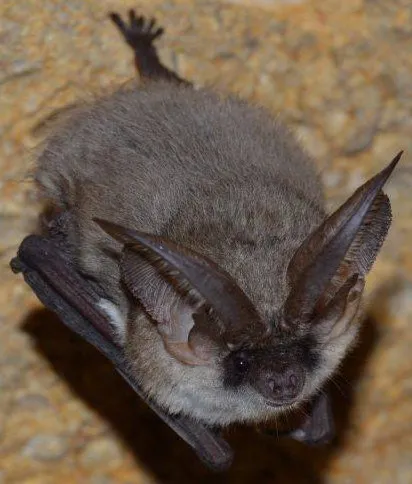 Grey long-eared bat
Plecotus austriacus 57 places in common
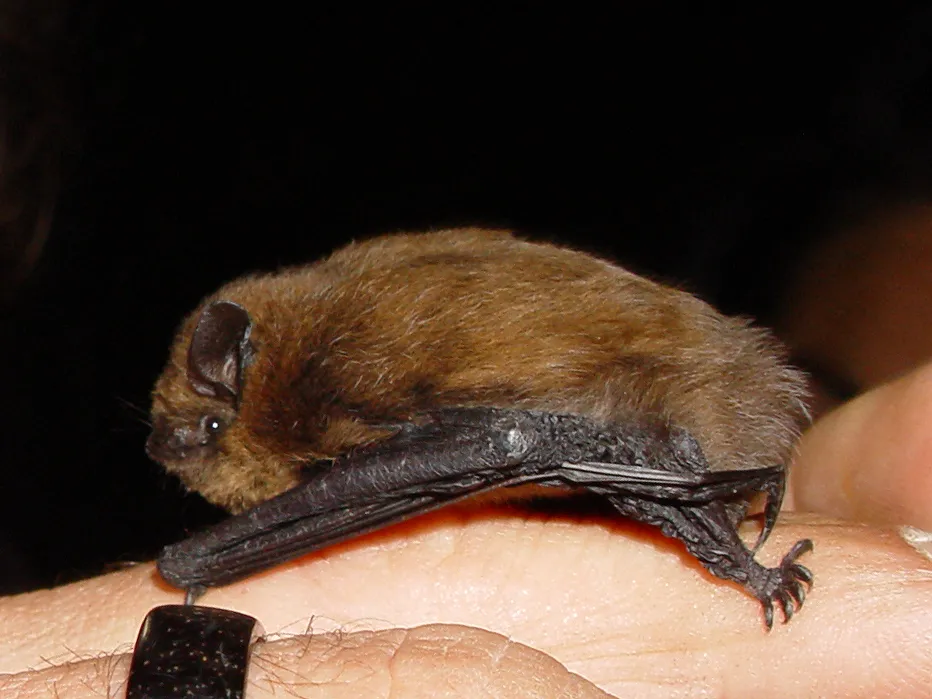 Common pipistrelle
Pipistrellus pipistrellus 83 places in common
Sources and credits
- Presence: most-recorded species of each place on GBIF and species of Community interest in the Natura 2000 forms (EEA, CC-BY 4.0); absence from the list does not mean the species is absent.
- Common names: Wikidata (CC0) and GBIF.
- Photos and sounds: Wikimedia Commons, author and licence given for each file.
- Classification: GBIF Backbone Taxonomy (GBIF Secretariat), CC BY 4.0, doi:10.15468/39omei.
- Countries, elevations, months and maps: GBIF.org, CC0 or CC BY 4.0 occurrences only, accessed October 22, 2026, GBIF.org.
- Base map: Natural Earth (public domain).
- Excerpt: Wikipedia, CC BY-SA 4.0 (full credit below the excerpt).
- Key facts: Wikidata (CC0), with the references cited under each value.
- Annexes: Directive 92/43/EEC (consolidated version), © European Union, EUR-Lex.
- Conservation status: EEA / DG ENV, Article 17 Habitats Directive reporting (2013–2018), CC BY 4.0.
- Invasive alien species: Union list, Regulation (EU) No 1143/2014 (INBO, CC0); Global Register of Introduced and Invasive Species (ISSG, CC BY 4.0).