
Plant
Coralroot bittercress: where to see it
Cardamine bulbifera
This plant species is recorded in 6 protected areas of the atlas. Within the atlas countries, it is mostly observed in Sweden, Slovakia and Germany (14 countries in all). Most records (8 in 10) lie between 140 and 900 m above sea level. Records peak from April to June. Plant (perennial or rhizomatous geophyte), native to Europe and temperate Asia.
Best time to see it: April–June
Records published on GBIF by month (CC0 and CC BY 4.0 licences only), in the atlas countries, all years combined; they also reflect observer activity.
Distribution
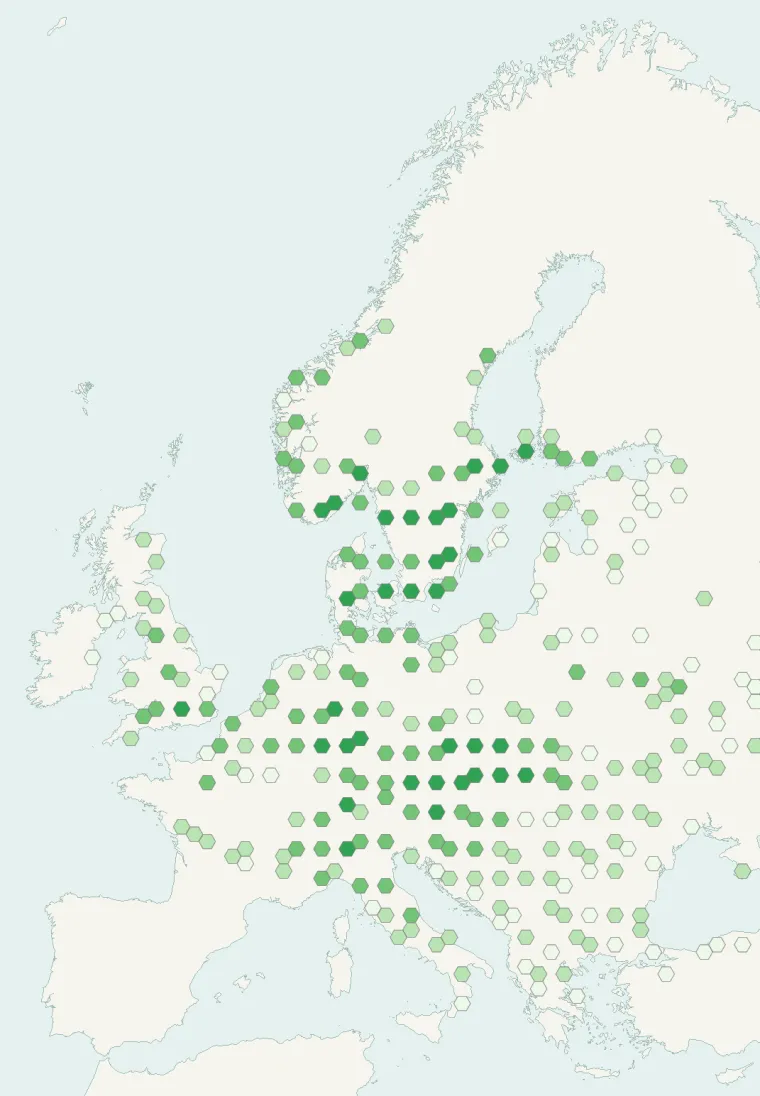
Records published on GBIF (CC0 and CC BY 4.0 licences): the darker the shade, the more records there are; they also reflect observation effort.
From Wikipedia
Cardamine bulbifera, known as coralroot bittercress or coral root, is a species of flowering plant in the family Brassicaceae. It is a perennial with upright, mostly unbranched, stems to 70 cm (28 in) tall, and leaves made up of between three and 13 leaflets. At the base of each leaf there are bulbils which can fall off and grow into new plants. The flowers have petals that are 10–15 mm (0.4–0.6 in) long collected in corymbose few-flowered racemes and are generally light purple, pink or almost white. It is found in damp places.
Source: Wikipedia, article “Cardamine bulbifera” (version of December 27, 2025) · history and authors · licence CC BY-SA 4.0
Protected areas where it is recorded
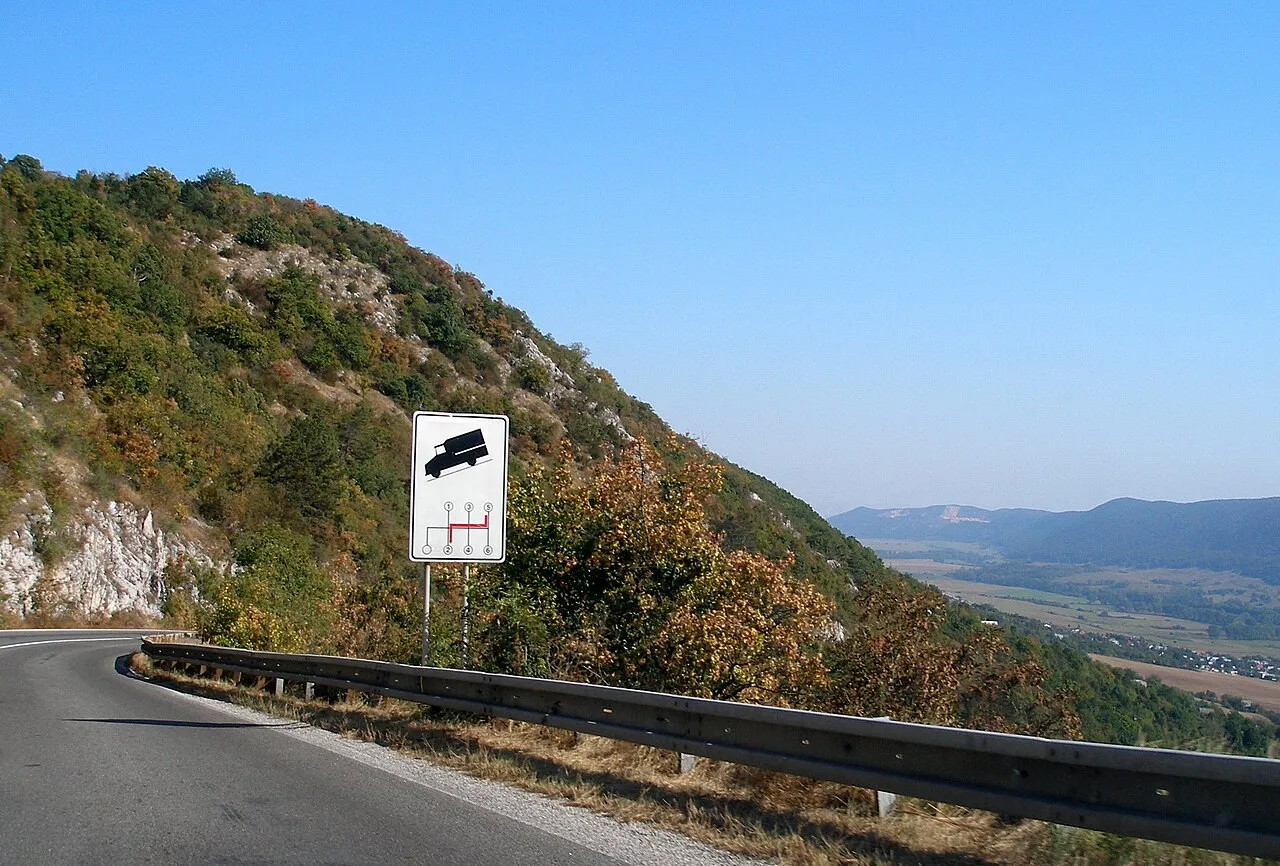
1,141 records
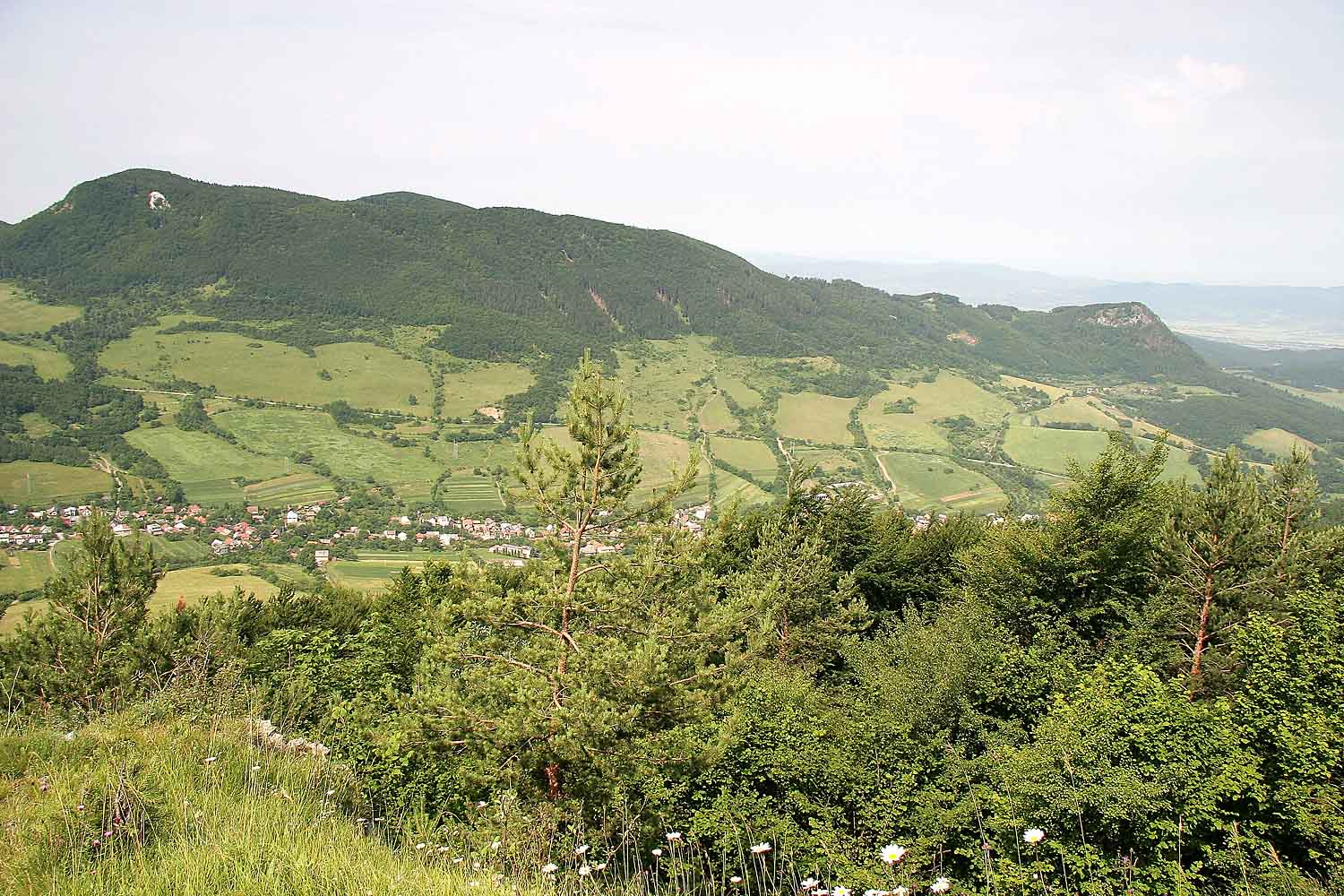
606 records
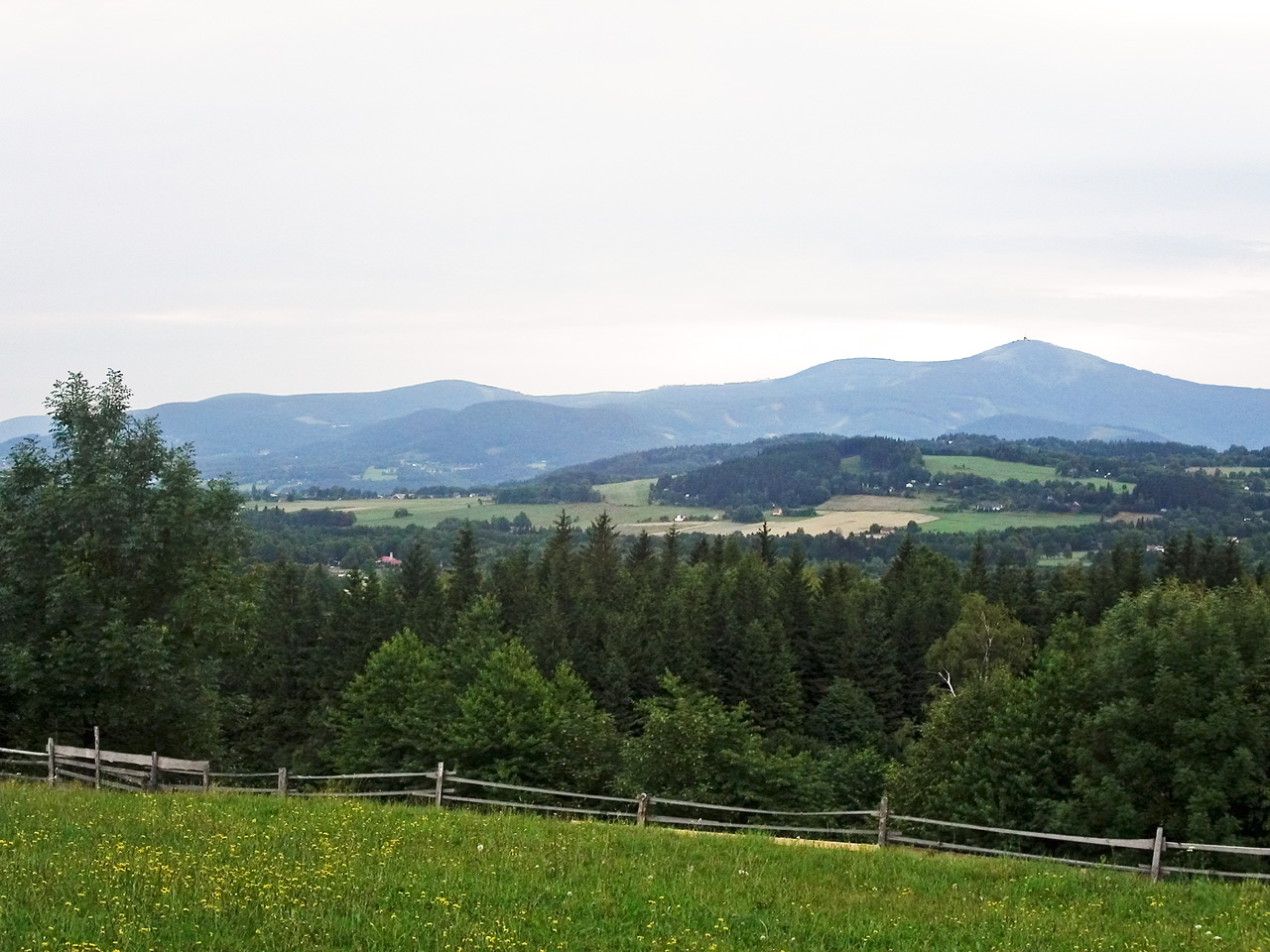
601 records

57 records
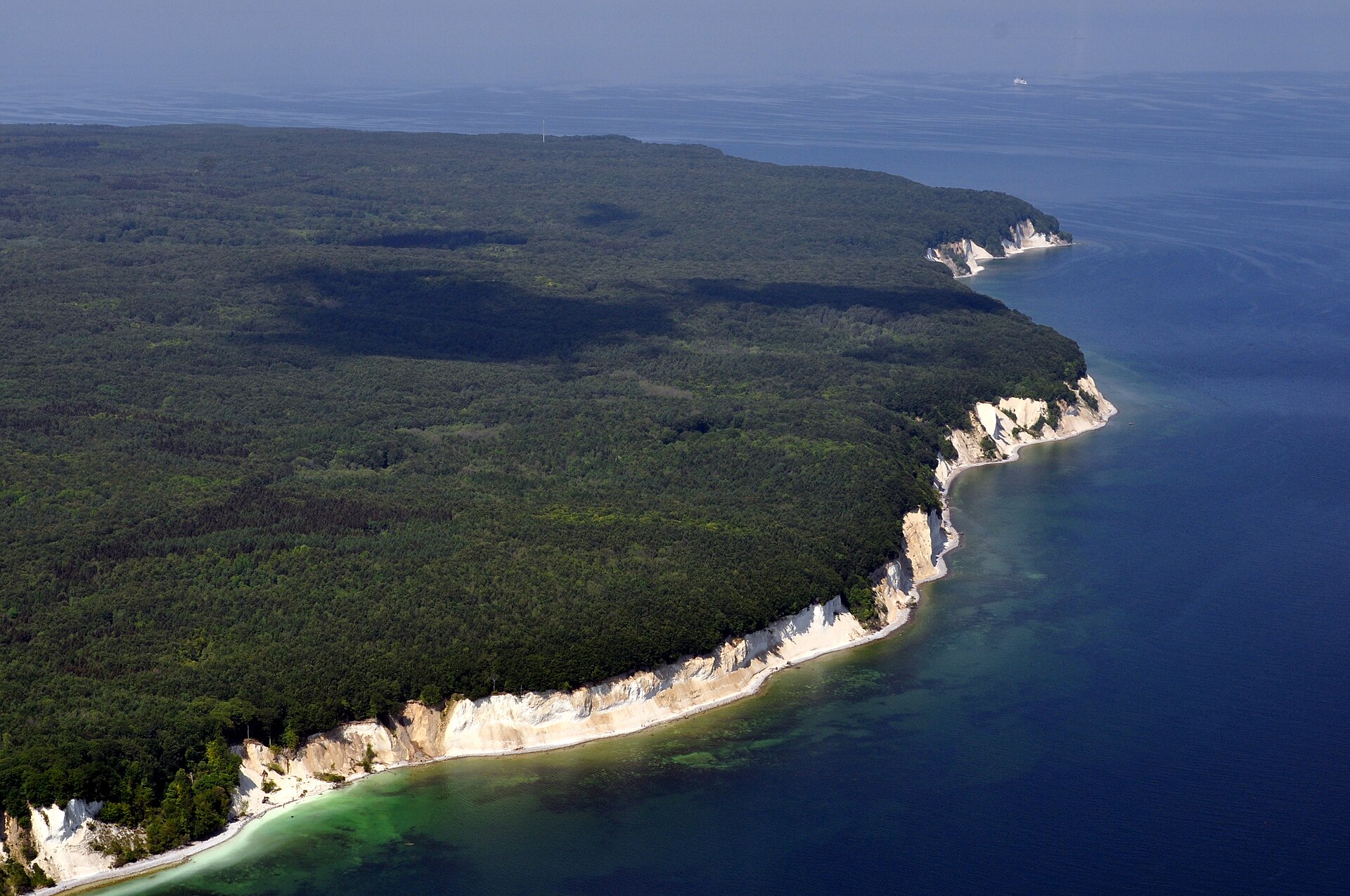
40 records
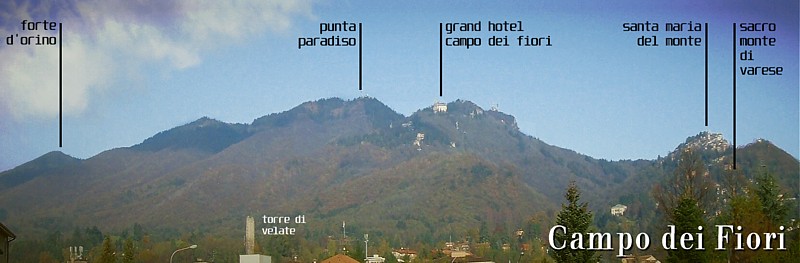
26 records
Other species to discover
 Pinnate Coralroot
Cardamine heptaphylla Same genus
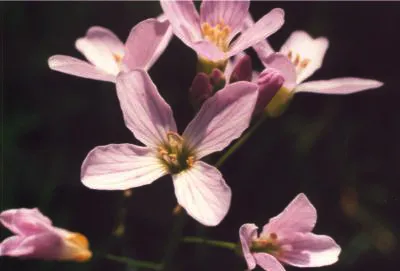 Cuckoo flower
Cardamine pratensis Same genus
 Five-leaflet Bitter-cress
Cardamine pentaphyllos Same genus
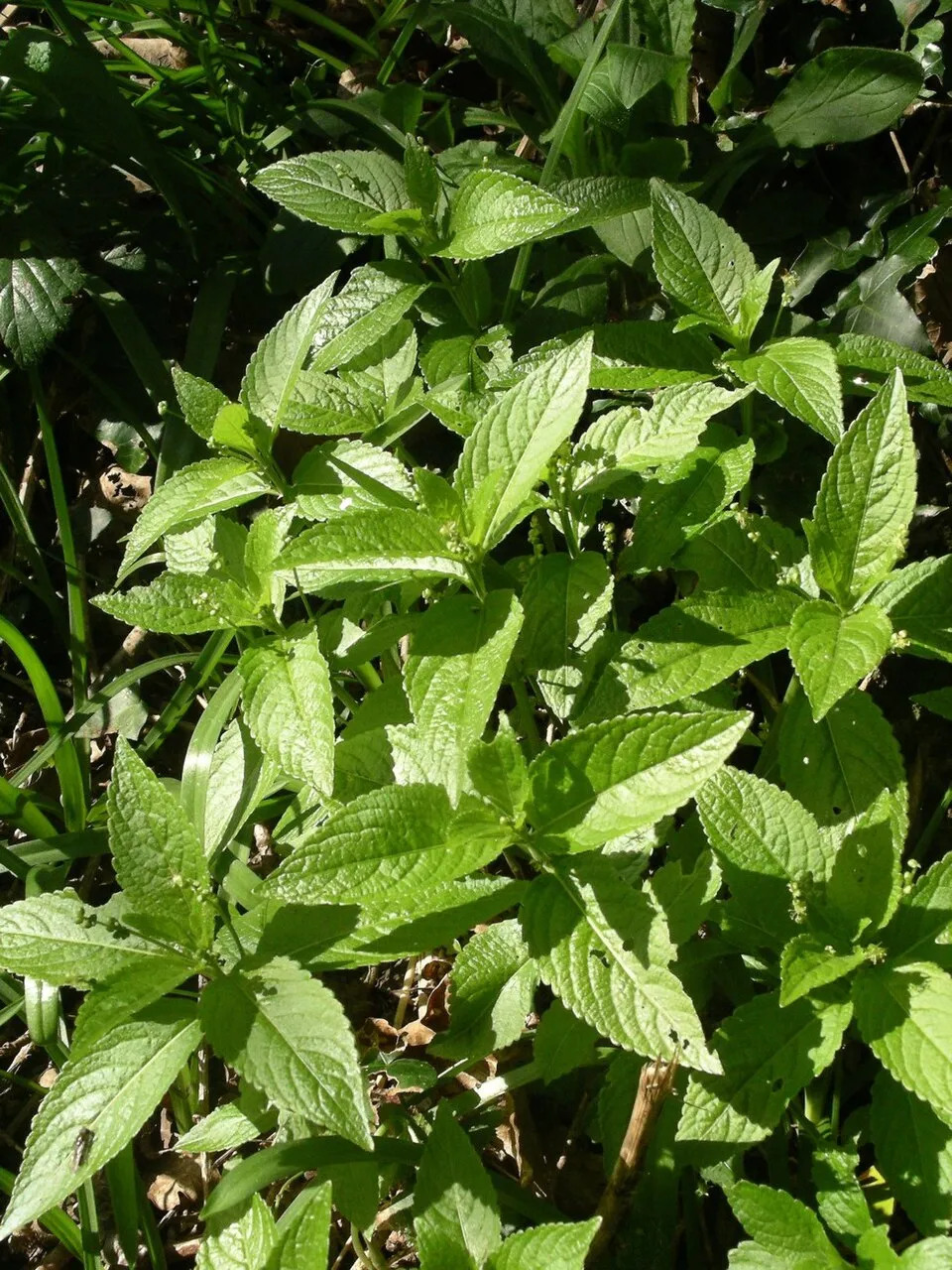 Dog's mercury
Mercurialis perennis 3 places in common
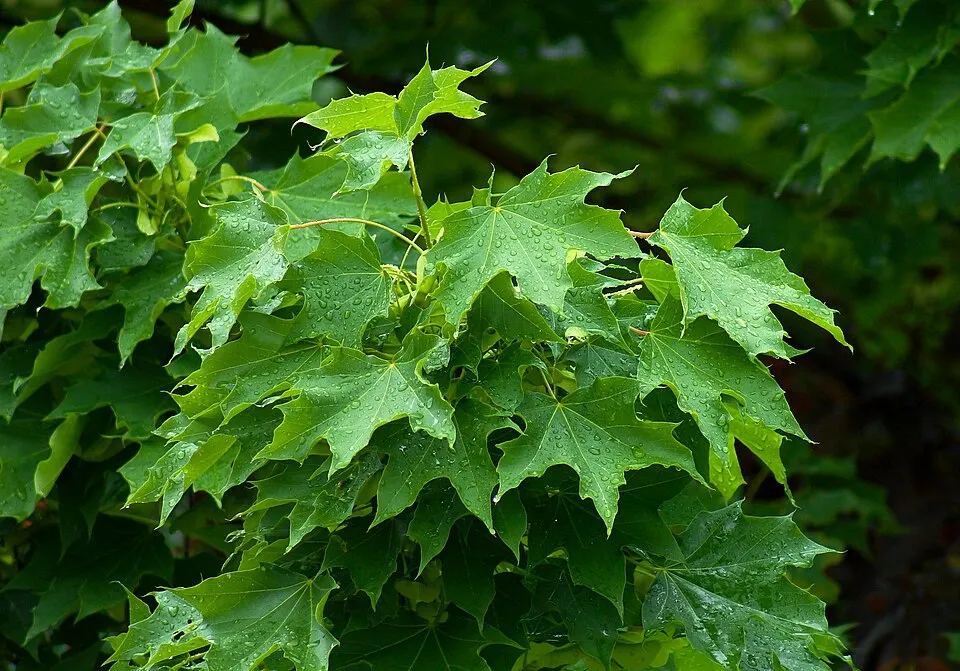 Norway Maple
Acer platanoides 2 places in common
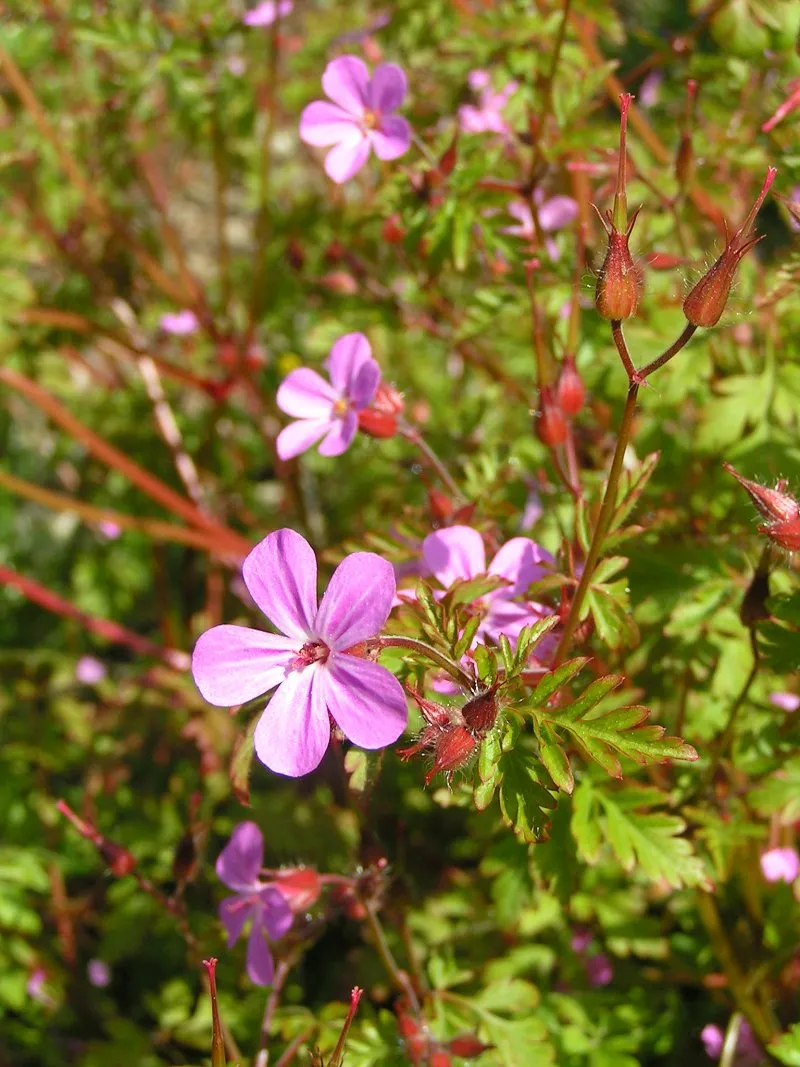 Herb-robert
Geranium robertianum 3 places in common
Sources and credits
- Presence: most-recorded species of each place on GBIF and species of Community interest in the Natura 2000 forms (EEA, CC-BY 4.0); absence from the list does not mean the species is absent.
- Common names: Wikidata (CC0) and GBIF.
- Photos and sounds: Wikimedia Commons, author and licence given for each file.
- Classification: GBIF Backbone Taxonomy (GBIF Secretariat), CC BY 4.0, doi:10.15468/39omei.
- Countries, elevations, months and maps: GBIF.org, CC0 or CC BY 4.0 occurrences only, accessed October 23, 2026, GBIF.org.
- Base map: Natural Earth (public domain).
- Excerpt: Wikipedia, CC BY-SA 4.0 (full credit below the excerpt).
- Native range and life form: World Checklist of Vascular Plants, Royal Botanic Gardens, Kew, CC BY 4.0 (no endorsement by Kew).