

Mammal
Davy's naked-backed bat: where to see it
Pteronotus davyi
This mammal species is recorded in 2 protected areas of the atlas. Within the atlas countries, it is observed only in France. Records peak in March. It is a species of Community interest under the Habitats Directive (Annex IV).
Best time to see it: March
Records published on GBIF by month (CC0 and CC BY 4.0 licences only), in the atlas countries, all years combined; they also reflect observer activity.
Status and protection
Habitats Directive IV
The species is listed in Annex IV of the Habitats Directive.
Distribution
Atlas countries where it is recorded
From Wikipedia
Davy's (lesser) naked-backed bat (Pteronotus davyi) is a small, insect-eating, cave-dwelling bat of the Family Mormoopidae. It is found throughout South and Central America, including Trinidad, but not Tobago, Guyana, Suriname, or French Guiana. Specimens of this bat had been found infected with rabies in Trinidad during the height of that island's vampire-bat-transmitted rabies epidemic of the early half of the 20th century, but not in recent times.
Source: Wikipedia, article “Davy's naked-backed bat” (version of September 29, 2025) · history and authors · licence CC BY-SA 4.0
Protected areas where it is recorded
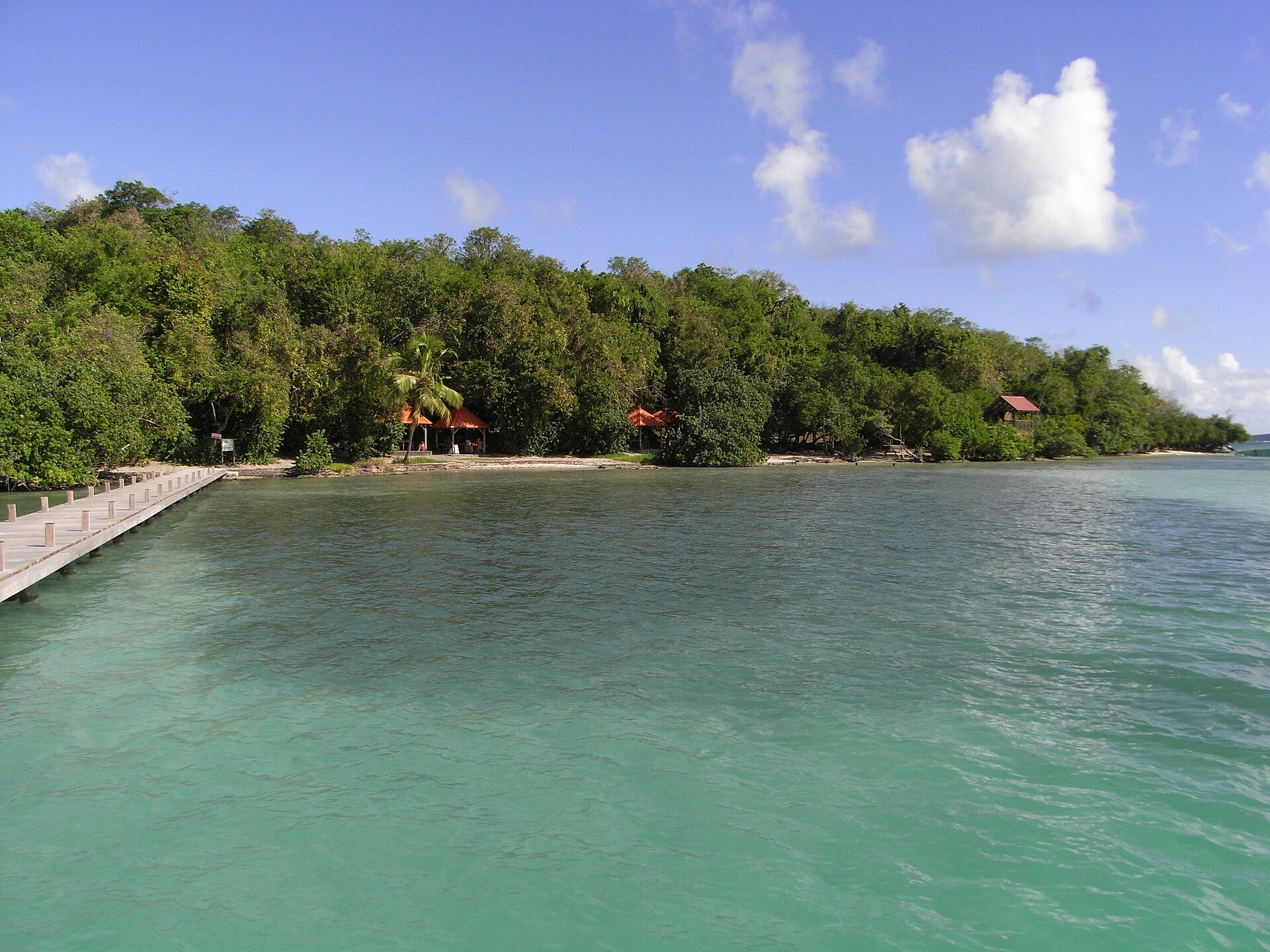
1,830 records

1,827 records
Other species to discover
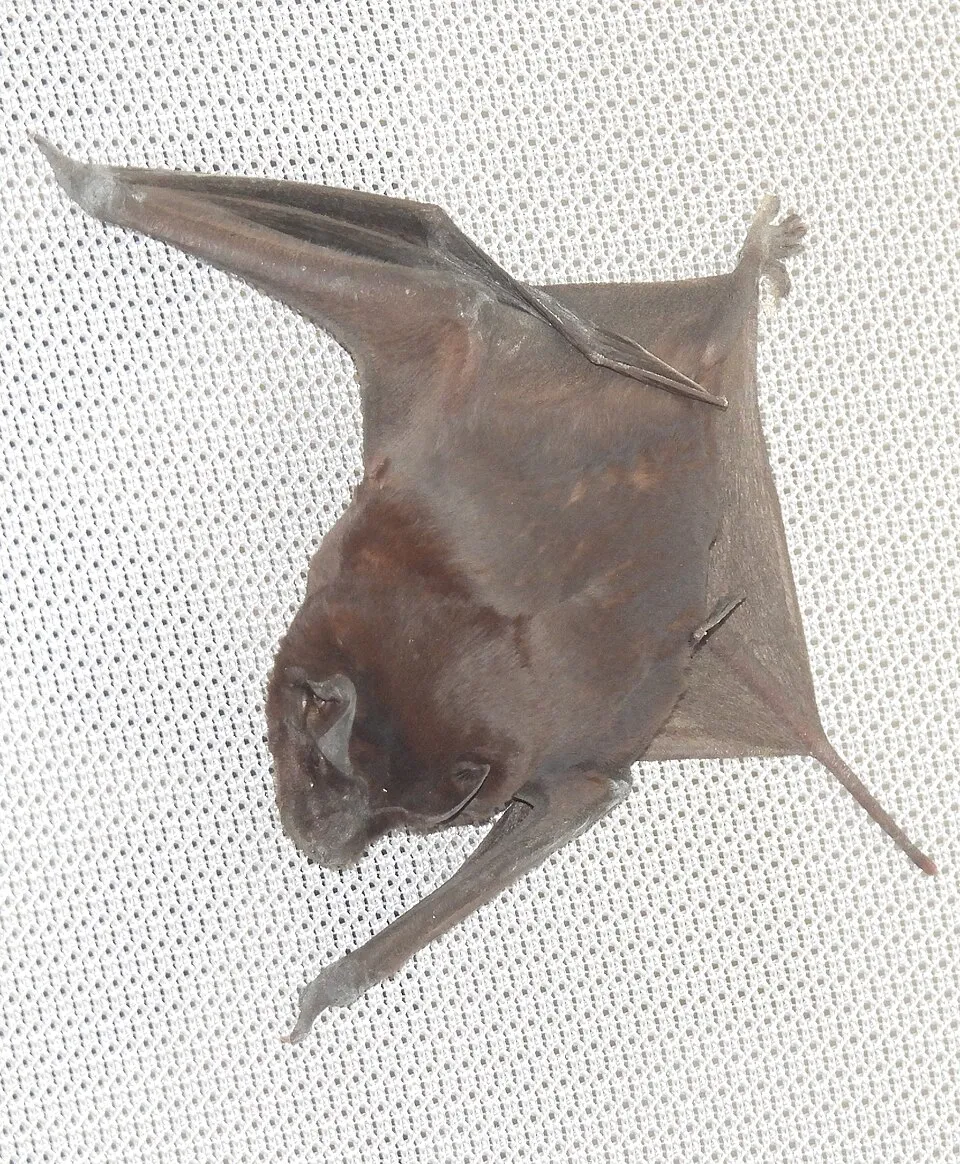 Velvety Free-tailed Bat
Molossus molossus 2 places in common
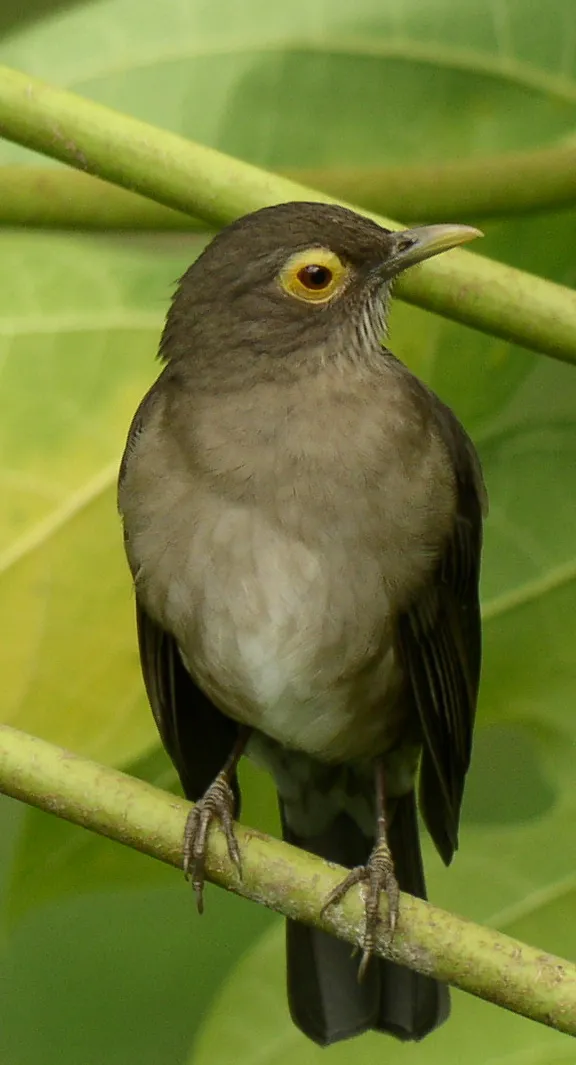 Spectacled Thrush
Turdus nudigenis 2 places in common
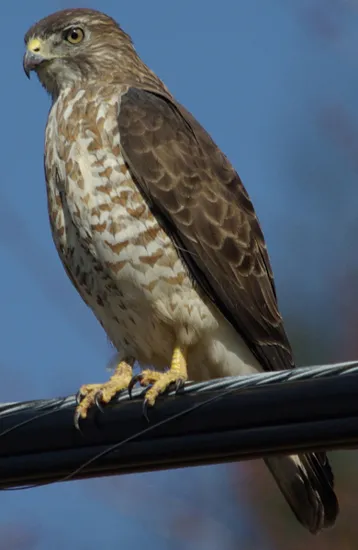 Broad-winged Hawk
Buteo platypterus 2 places in common
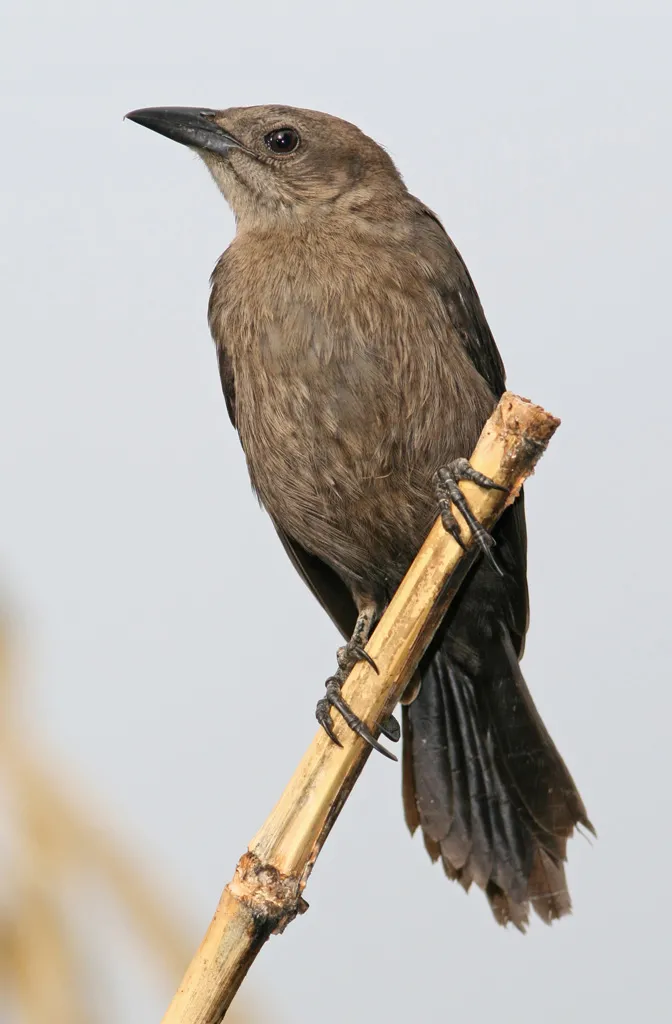 Carib Grackle
Quiscalus lugubris 2 places in common
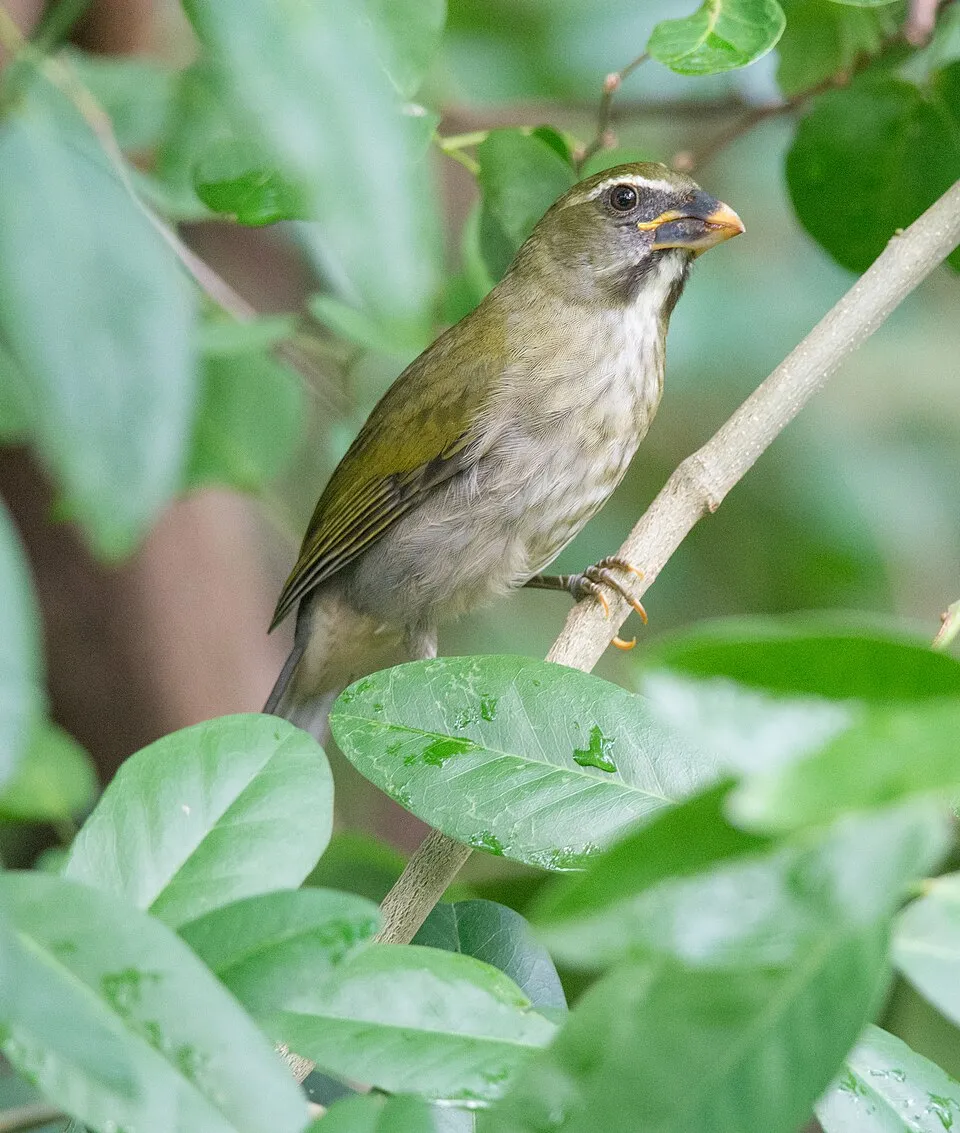 Lesser Antillean Saltator
Saltator albicollis 2 places in common
 Black-whiskered Vireo
Vireo altiloquus 2 places in common
Sources and credits
- Presence: most-recorded species of each place on GBIF and species of Community interest in the Natura 2000 forms (EEA, CC-BY 4.0); absence from the list does not mean the species is absent.
- Common names: Wikidata (CC0) and GBIF.
- Photos and sounds: Wikimedia Commons, author and licence given for each file.
- Classification: GBIF Backbone Taxonomy (GBIF Secretariat), CC BY 4.0, doi:10.15468/39omei.
- Countries, elevations, months and maps: GBIF.org, CC0 or CC BY 4.0 occurrences only, accessed October 23, 2026, GBIF.org.
- Excerpt: Wikipedia, CC BY-SA 4.0 (full credit below the excerpt).
- Annexes: Directive 92/43/EEC (consolidated version), © European Union, EUR-Lex.