
Plant
Heart-leaf Globe Daisy: where to see it
Globularia cordifolia
This plant species is recorded in 8 protected areas of the atlas. Within the atlas countries, it is mostly observed in France, Switzerland and Germany (6 countries in all). Most records (8 in 10) lie between 650 and 2,050 m above sea level. Records peak from June to August. Plant (subshrub), native to Europe and temperate Asia.
Best time to see it: June–August
Records published on GBIF by month (CC0 and CC BY 4.0 licences only), in the atlas countries, all years combined; they also reflect observer activity.
Distribution
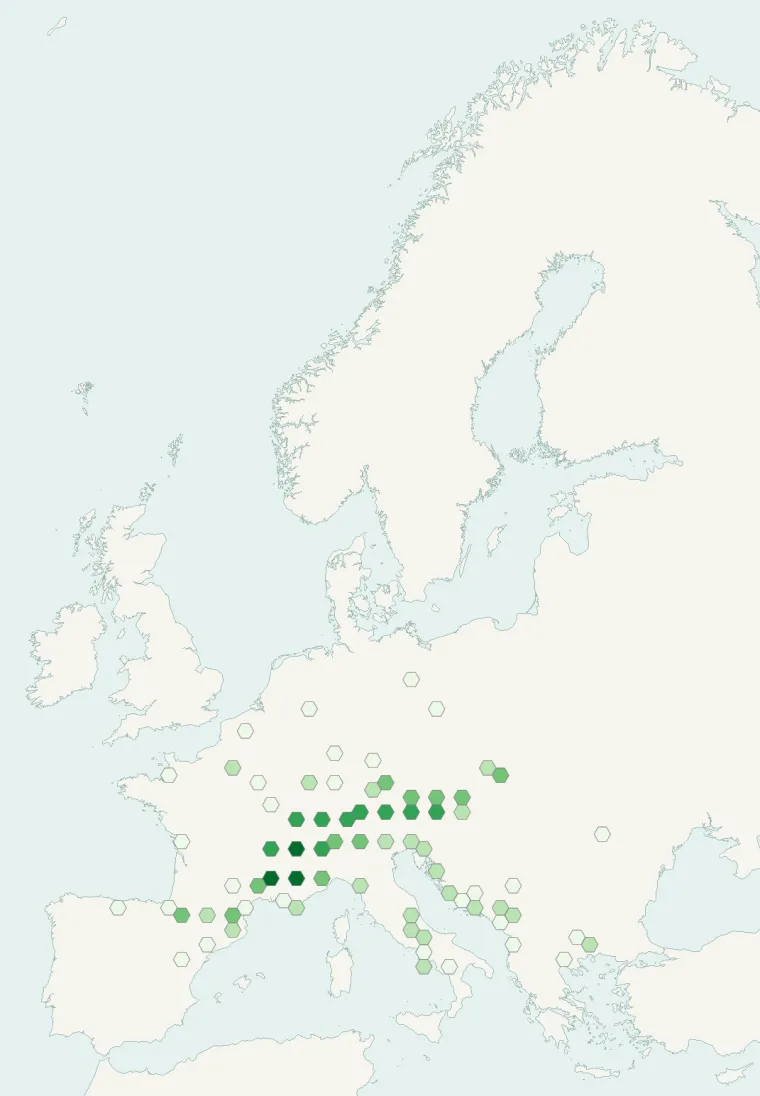
Records published on GBIF (CC0 and CC BY 4.0 licences): the darker the shade, the more records there are; they also reflect observation effort.
Atlas countries where it is recorded
From Wikipedia
Globularia cordifolia, the heart-leaved globe daisy, is a species of flowering plant in the family Plantaginaceae, native to the mountains of central and southern Europe, and western Turkey. It is a mat-forming evergreen perennial growing to 5 cm (2 in) tall by 20 cm (8 in) wide, with spherical, fluffy, pale lilac flowers in summer. In cultivation it requires the open aspect, full sun and sharp drainage of its native habitat, and is best grown in an alpine garden. The Latin specific epithet cordifolia means “with heart-shaped leaves”.
Source: Wikipedia, article “Globularia cordifolia” (version of May 19, 2026) · history and authors · licence CC BY-SA 4.0 · shortened excerpt
Protected areas where it is recorded
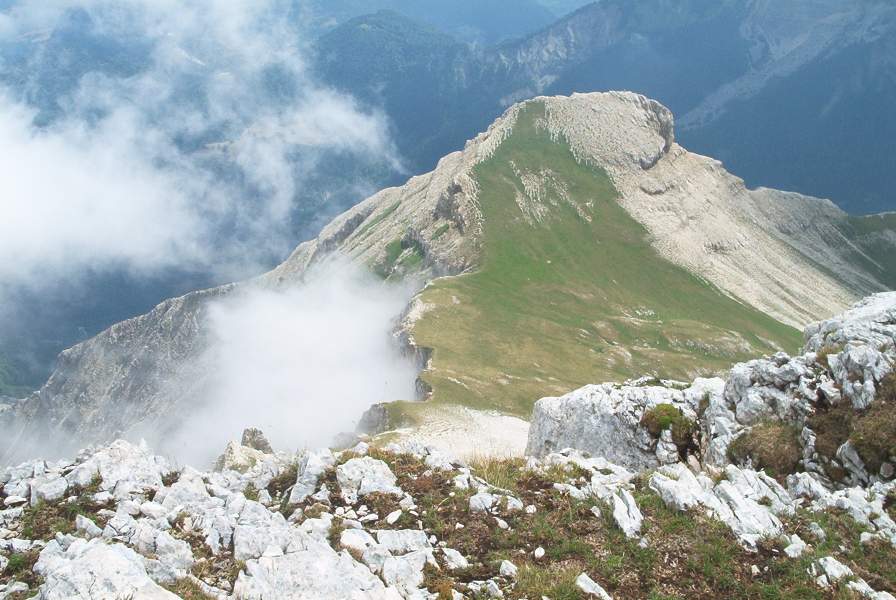
6,480 records
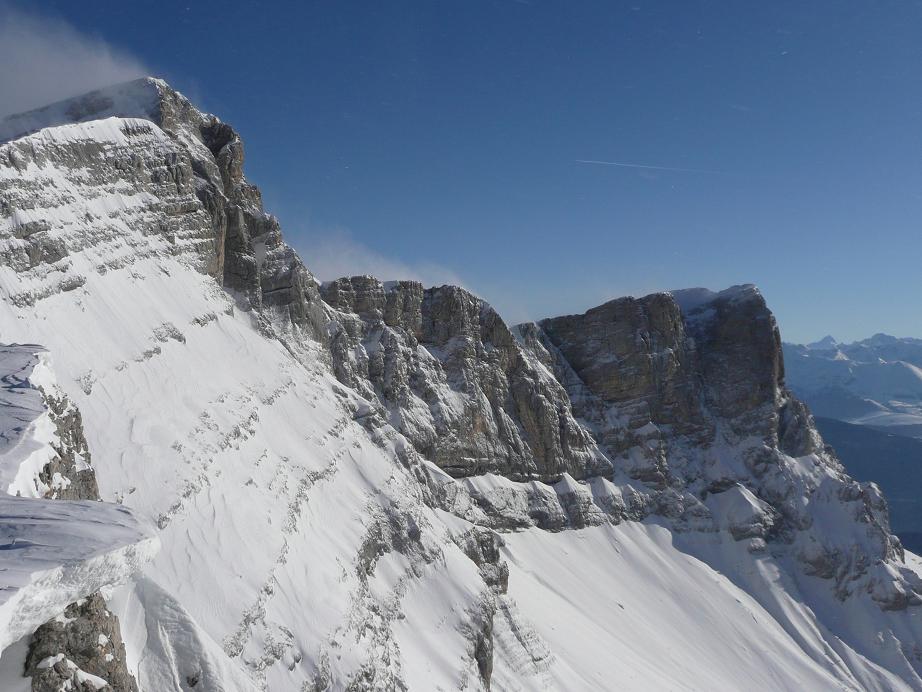
2,056 records
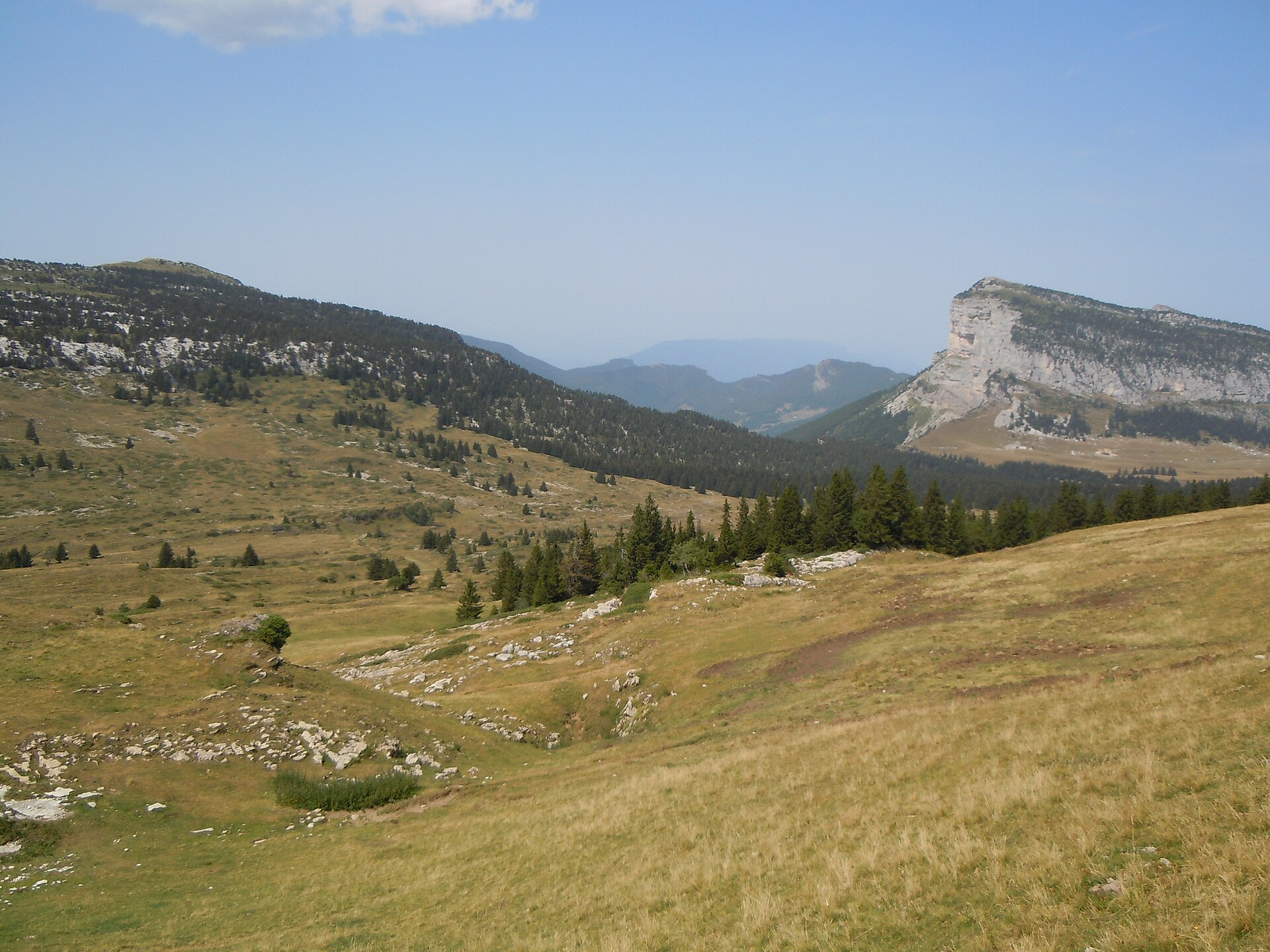
843 records
83 records
39 records
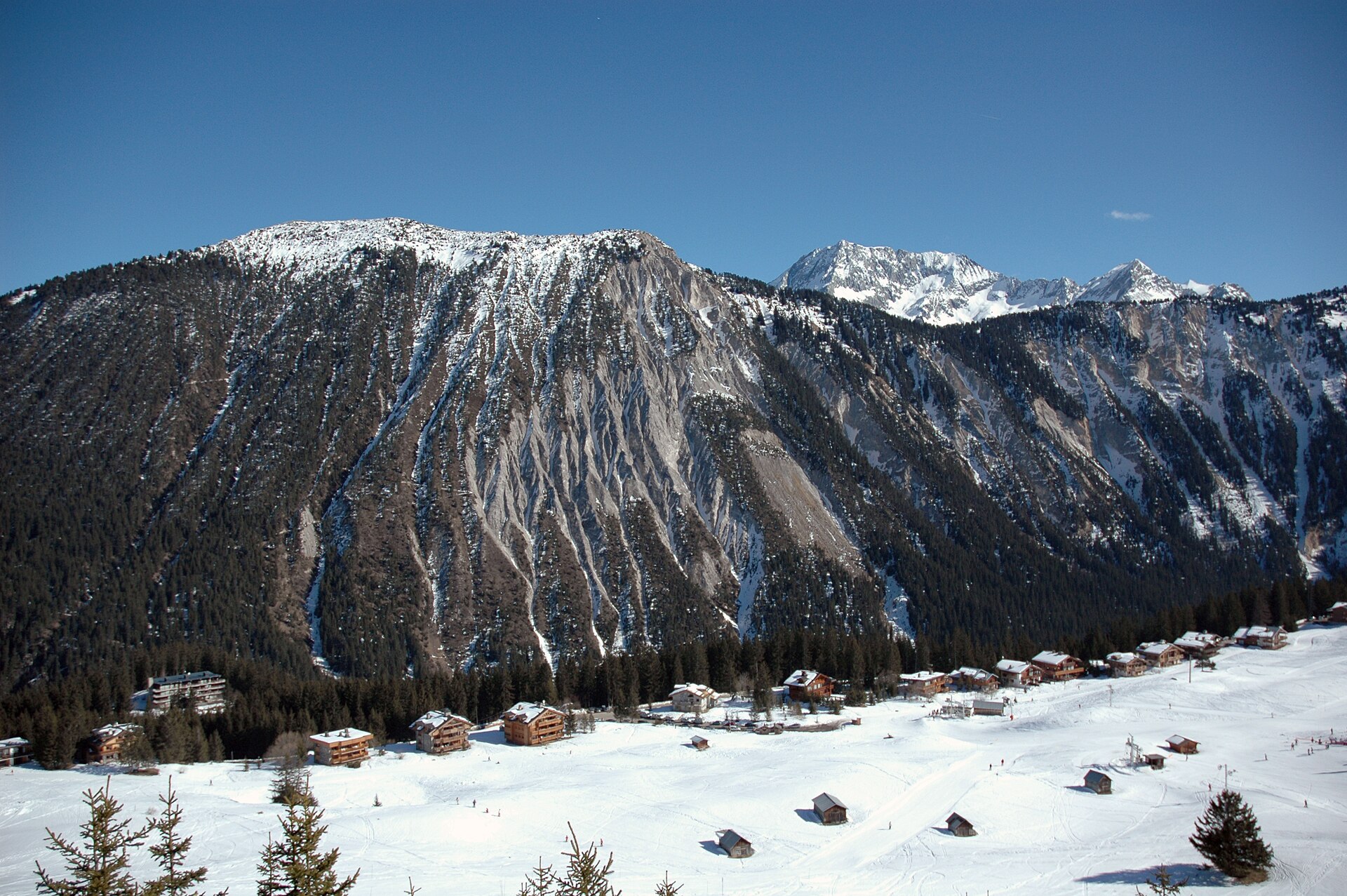
25 records
22 records

15 records
Other species to discover
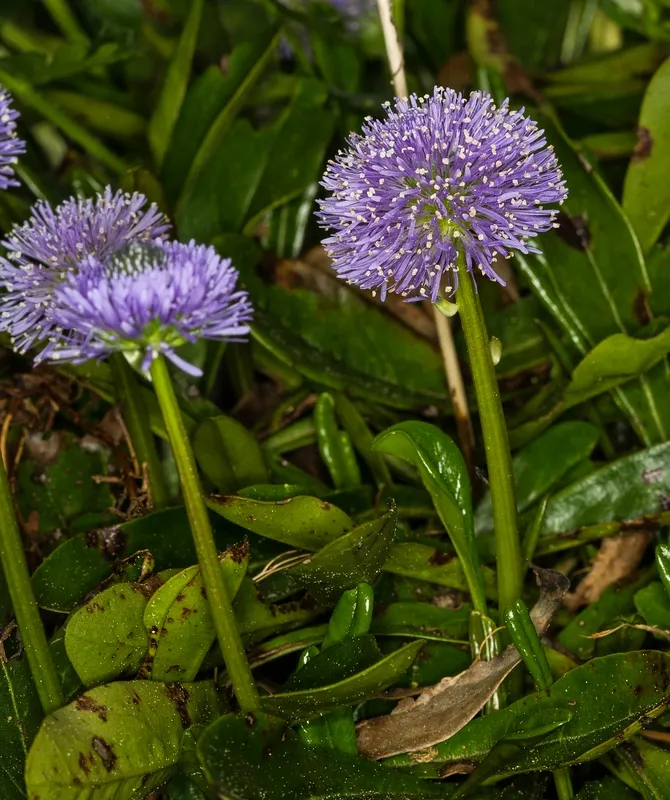 Leafless-stemmed Globularia
Globularia nudicaulis Same genus
 Kidney vetch
Anthyllis vulneraria 5 places in common
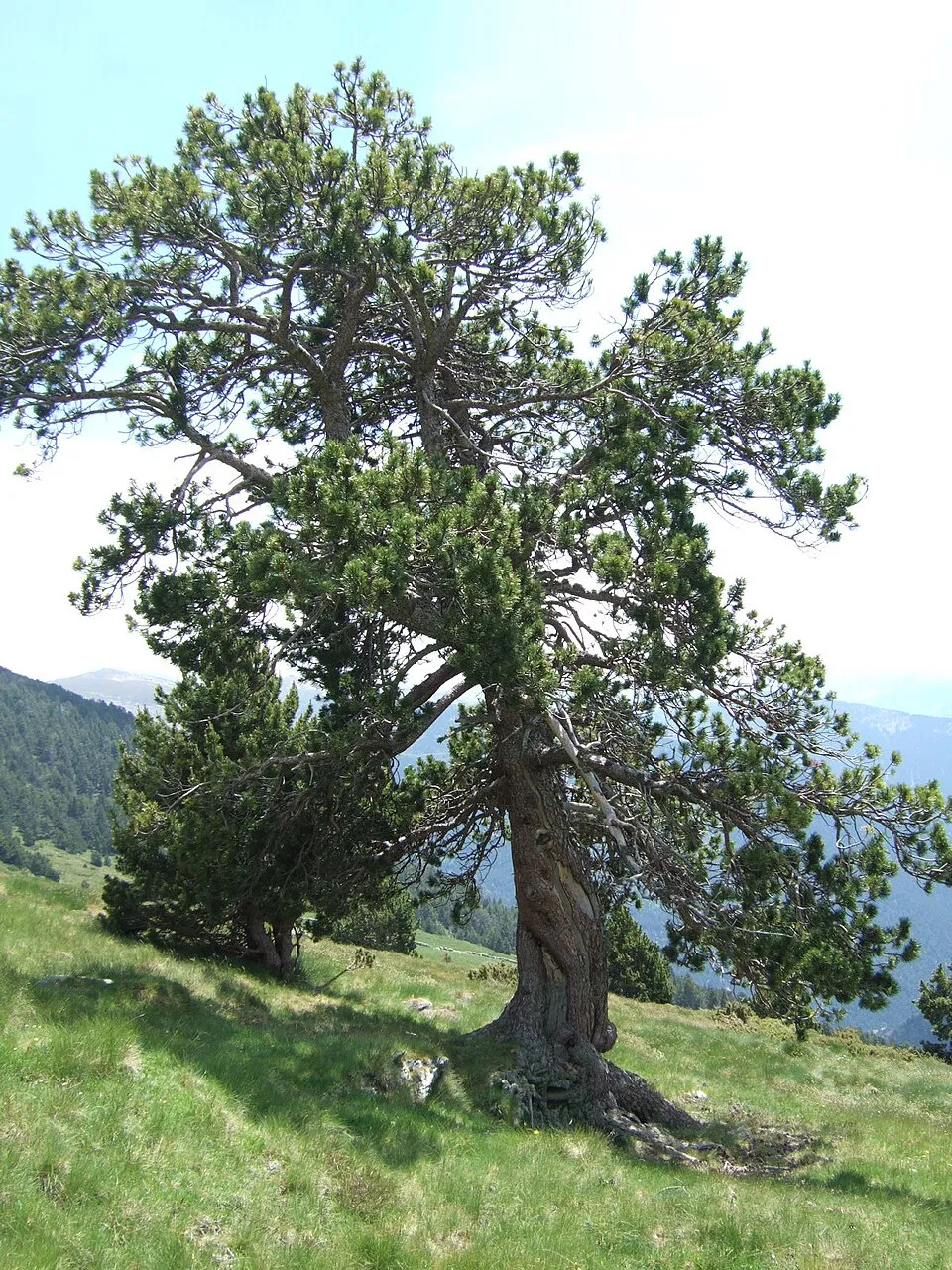 Mountain Pine
Pinus uncinata 5 places in common
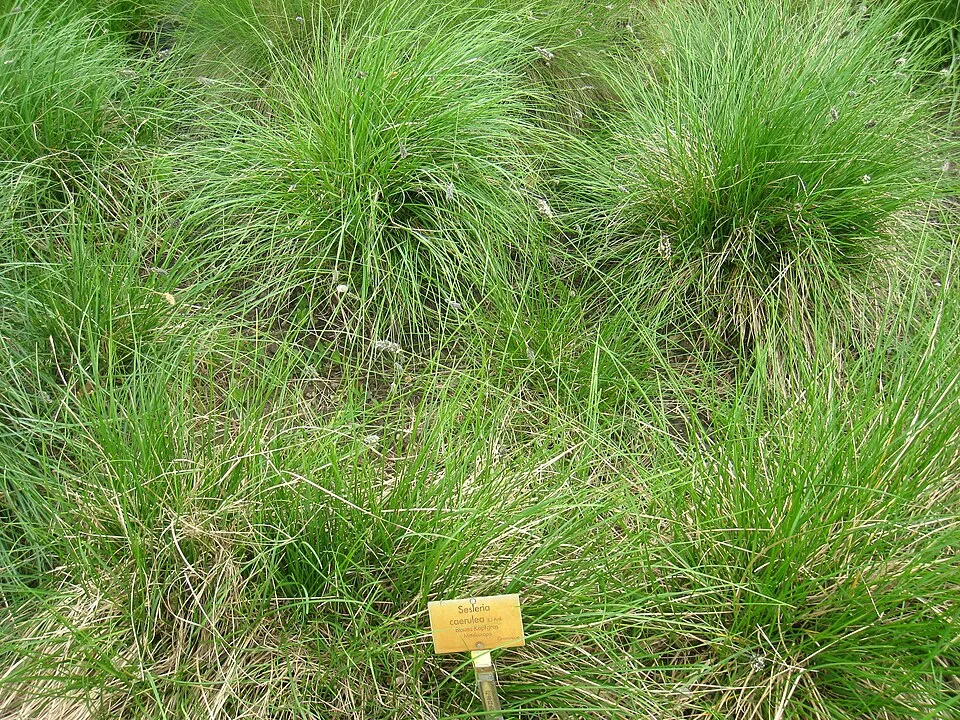 Blue moor grass
Sesleria caerulea 8 places in common
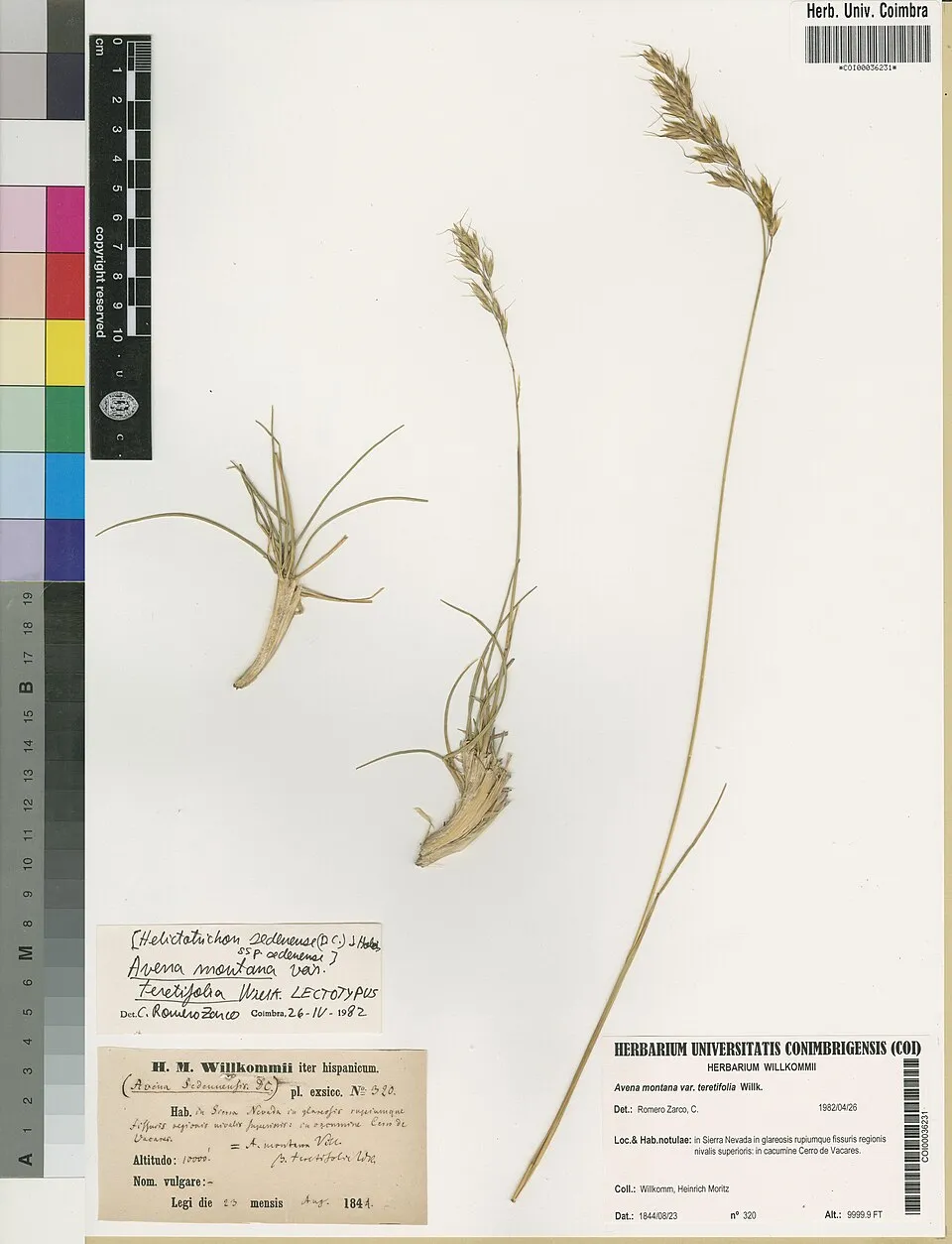 Helictotrichon sedenense
3 places in common
 Bearberry
Arctostaphylos uva-ursi 3 places in common
Sources and credits
- Presence: most-recorded species of each place on GBIF and species of Community interest in the Natura 2000 forms (EEA, CC-BY 4.0); absence from the list does not mean the species is absent.
- Common names: Wikidata (CC0) and GBIF.
- Photos and sounds: Wikimedia Commons, author and licence given for each file.
- Classification: GBIF Backbone Taxonomy (GBIF Secretariat), CC BY 4.0, doi:10.15468/39omei.
- Countries, elevations, months and maps: GBIF.org, CC0 or CC BY 4.0 occurrences only, accessed October 22, 2026, GBIF.org.
- Base map: Natural Earth (public domain).
- Excerpt: Wikipedia, CC BY-SA 4.0 (full credit below the excerpt).
- Native range and life form: World Checklist of Vascular Plants, Royal Botanic Gardens, Kew, CC BY 4.0 (no endorsement by Kew).