
Mammal
House mouse: where to see it
Mus musculus
Invasive alien in some territories
Listed as invasive alien for: Chile, Argentina, Mexico, Brazil, Japan, Australia, New Zealand, Peru, Colombia, Ecuador, Bolivia, Uruguay, South Africa, Namibia (GRIIS).
This mammal species is recorded in 24 protected areas of the atlas. Within the atlas countries, it is mostly observed in France, Denmark and Switzerland (14 countries in all). Most records (8 in 10) lie between sea level and 1,050 m. Records are spread throughout the year.
Best time to see it: all year round
Records published on GBIF by month (CC0 and CC BY 4.0 licences only), in the atlas countries, all years combined; they also reflect observer activity.
Key facts
- Maximum recorded lifespan
- 4 years Wikidata, after Miller et al. 2002
Distribution
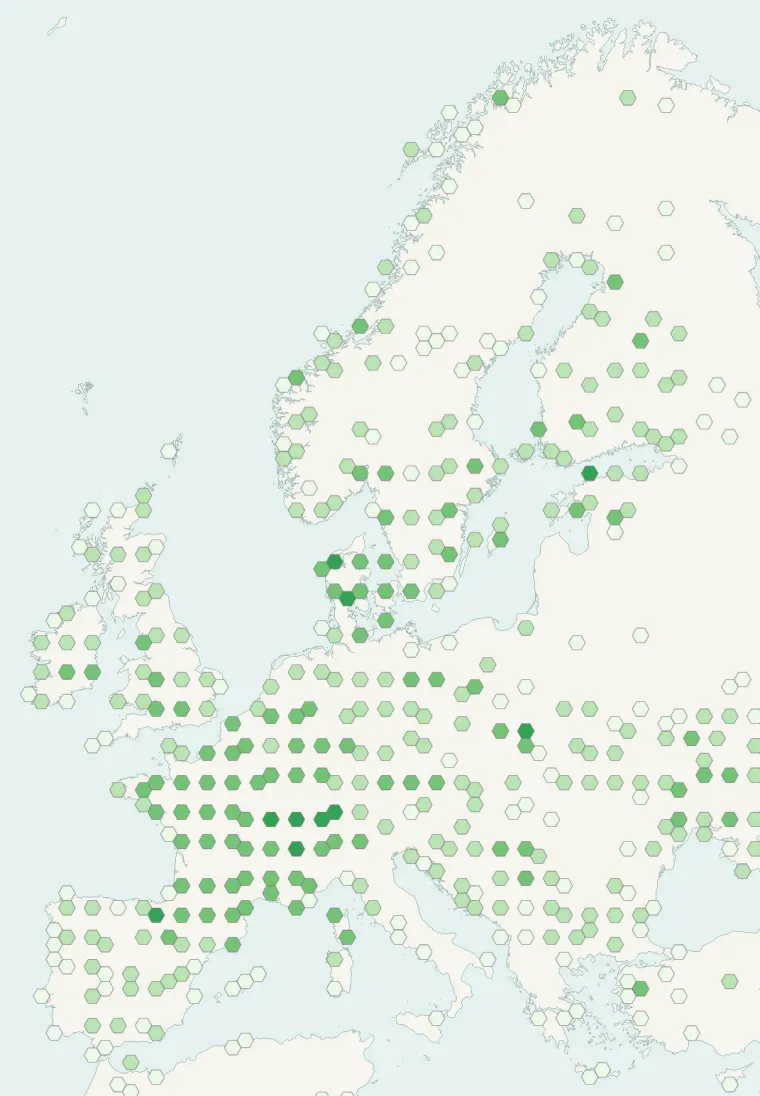
Records published on GBIF (CC0 and CC BY 4.0 licences): the darker the shade, the more records there are; they also reflect observation effort.
From Wikipedia
The house mouse (Mus musculus) is a small mammal of the rodent family Muridae, characteristically having a pointed snout, large rounded ears, and a long and almost hairless tail. It is one of the most abundant species of the genus Mus. Although a wild animal, the house mouse has benefited significantly from associating with human habitation to the point that truly wild populations are significantly less common than the synanthropic populations near human activity.
Source: Wikipedia, article “House mouse” (version of October 19, 2026) · history and authors · licence CC BY-SA 4.0 · shortened excerpt
Protected areas where it is recorded

1,579 records
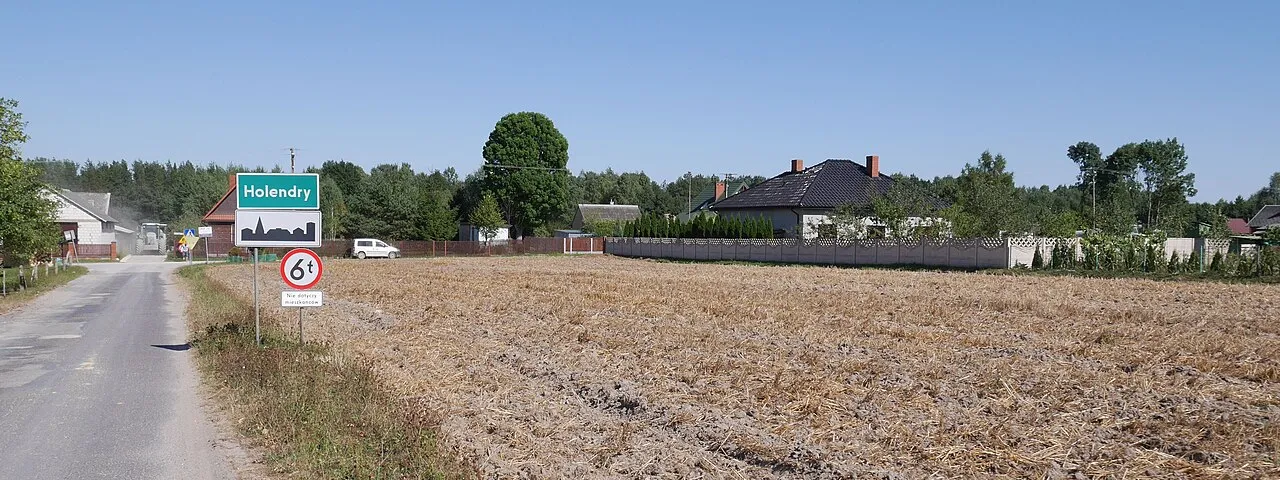
731 records
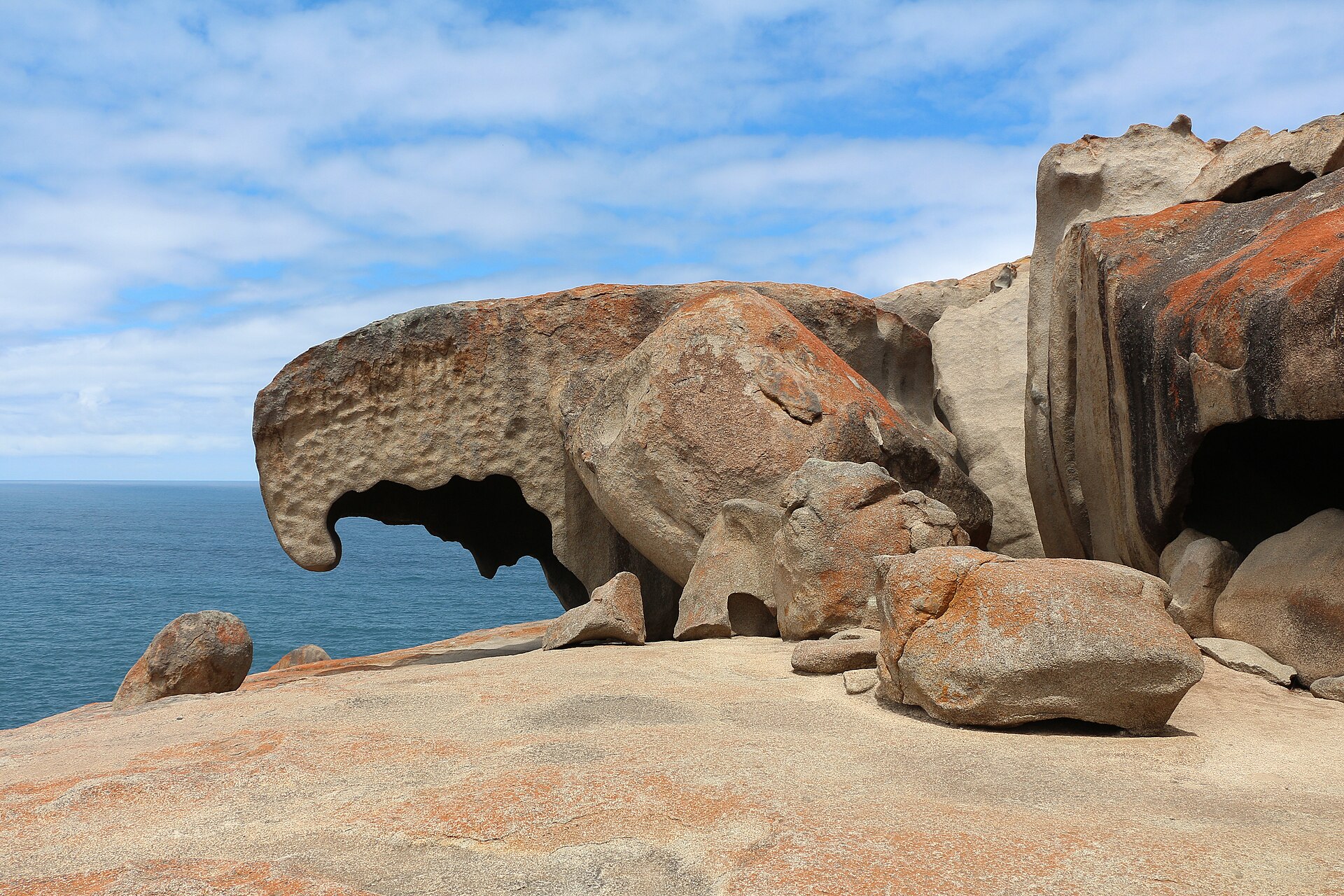
327 records
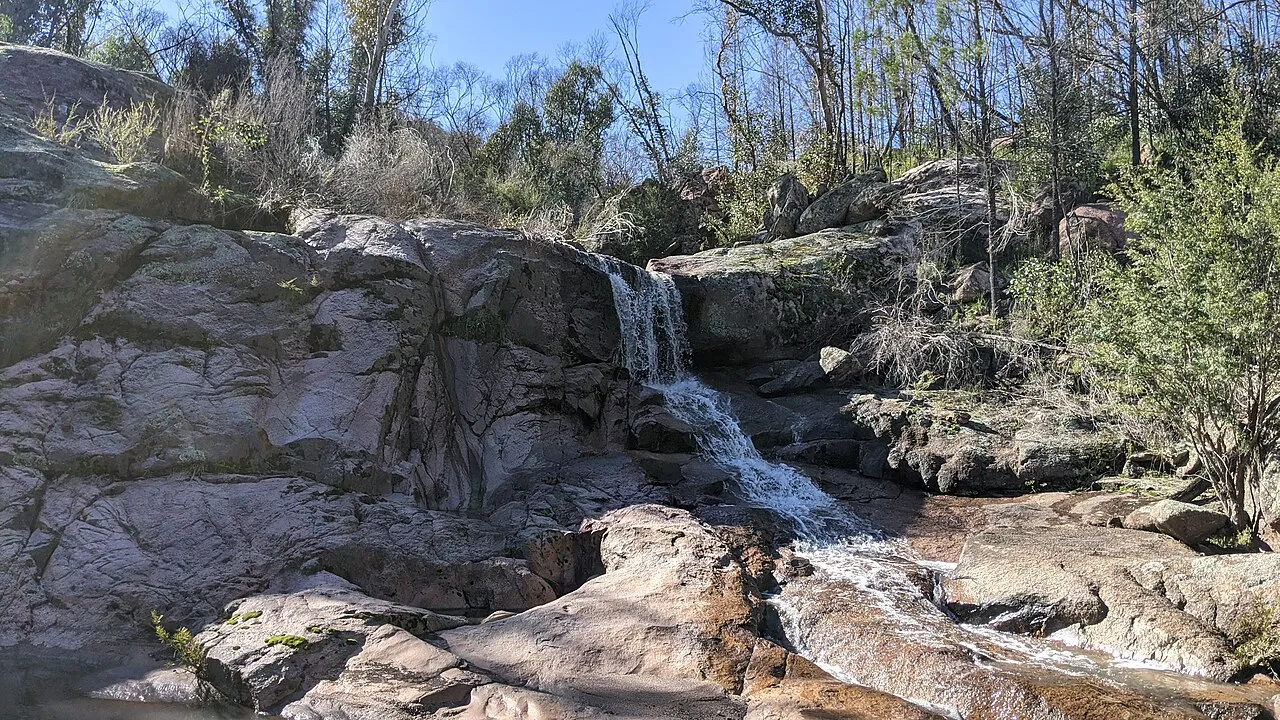
296 records

294 records

282 records
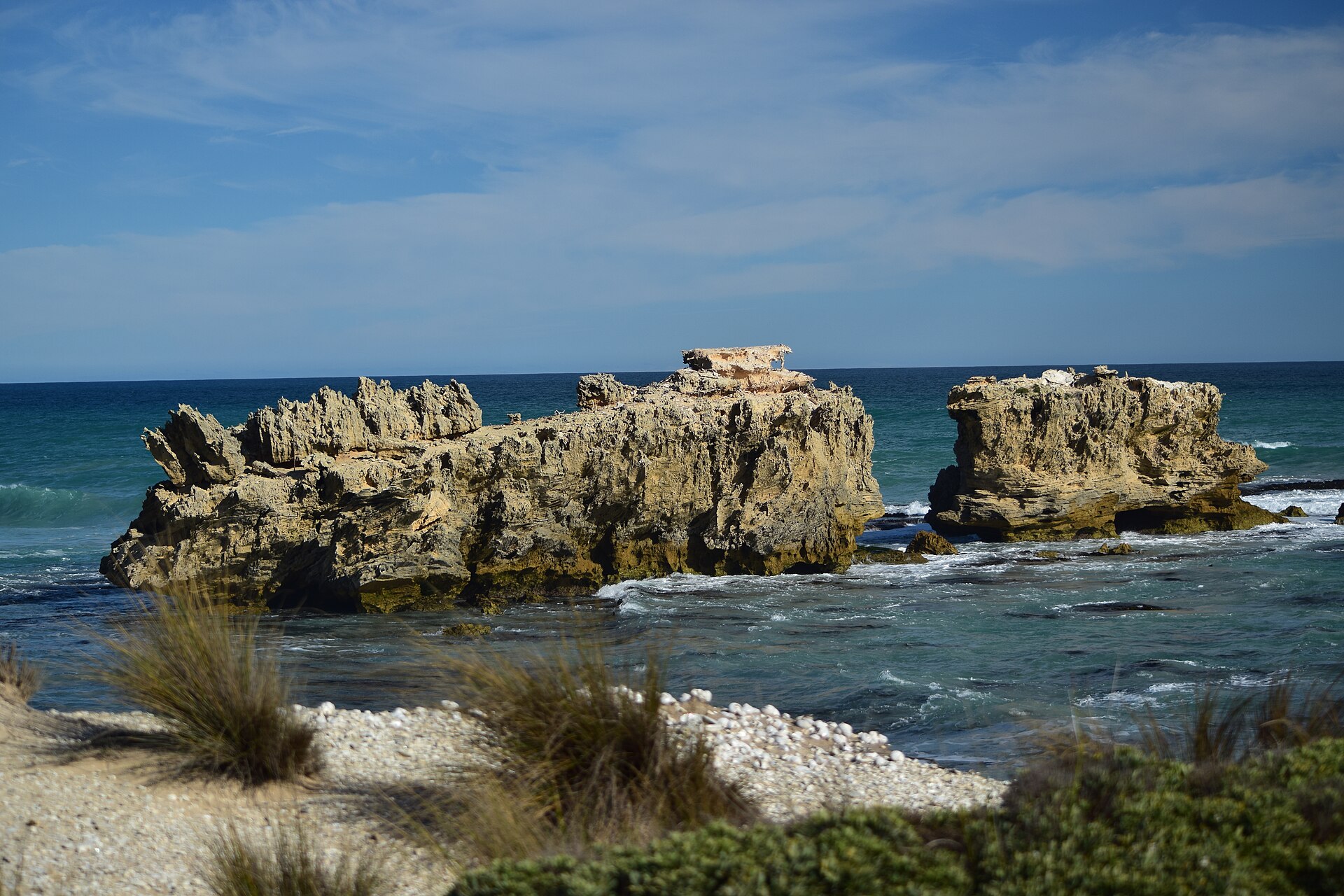
244 records
218 records
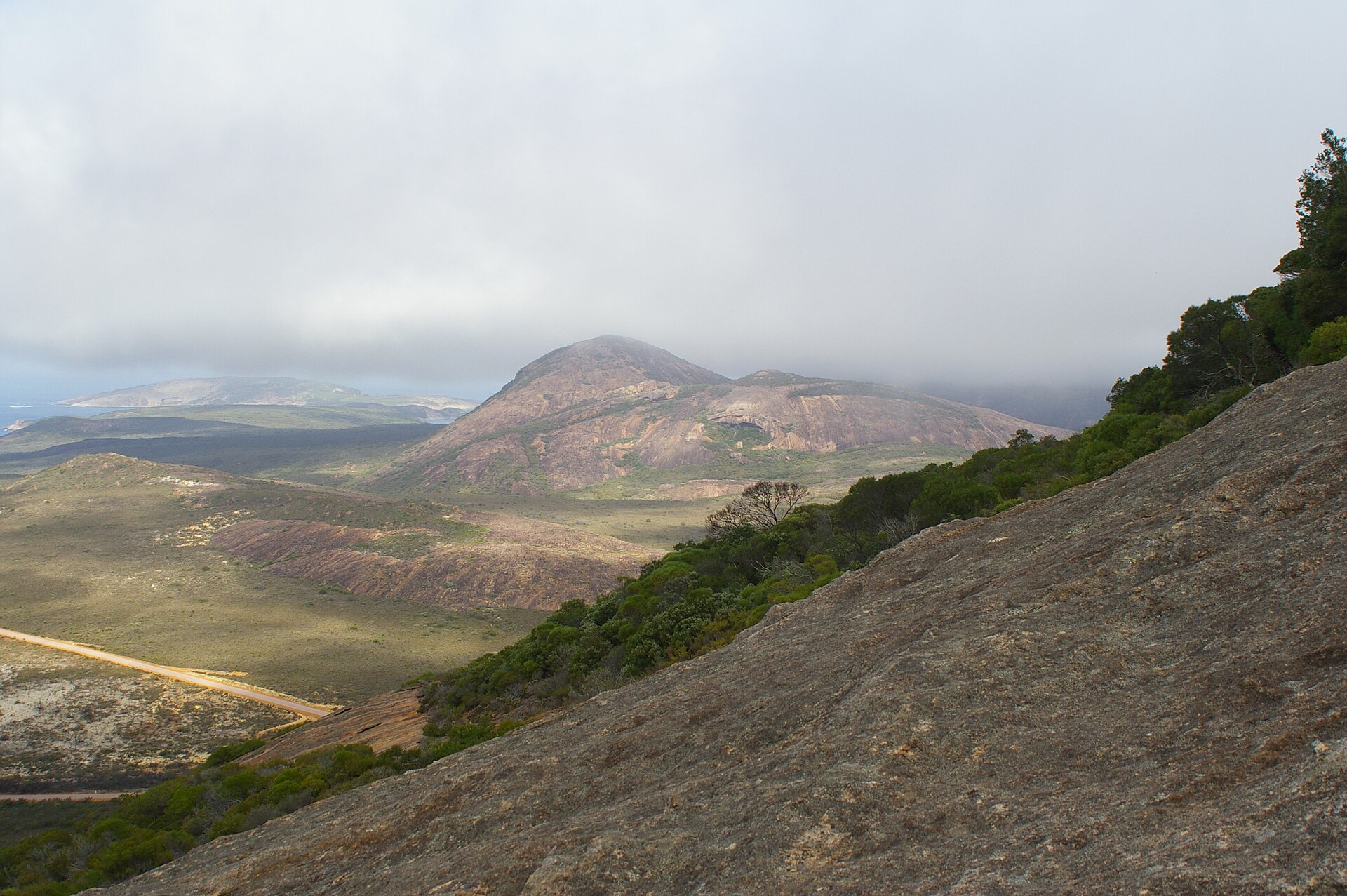
198 records

198 records

123 records
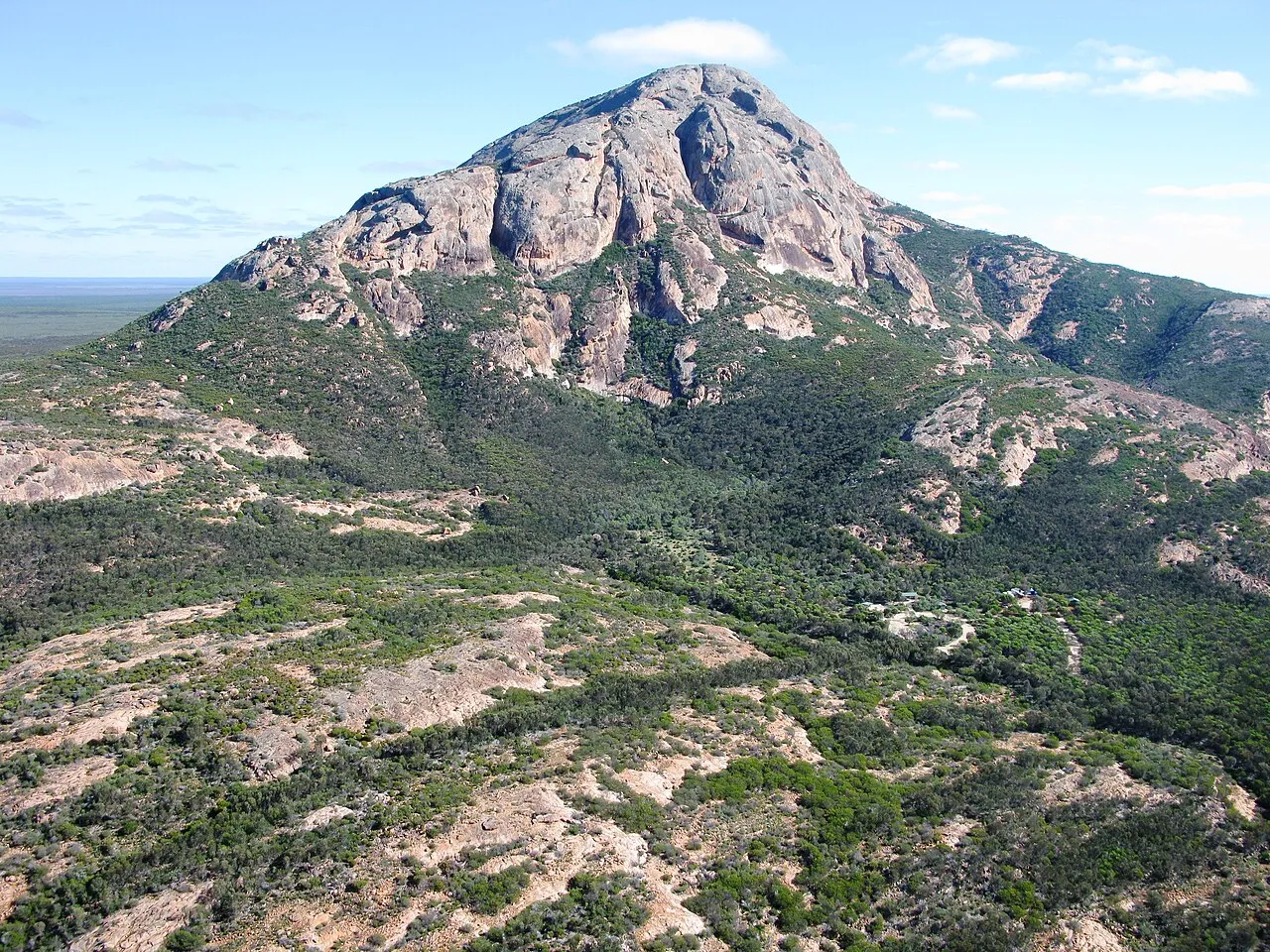
92 records

88 records
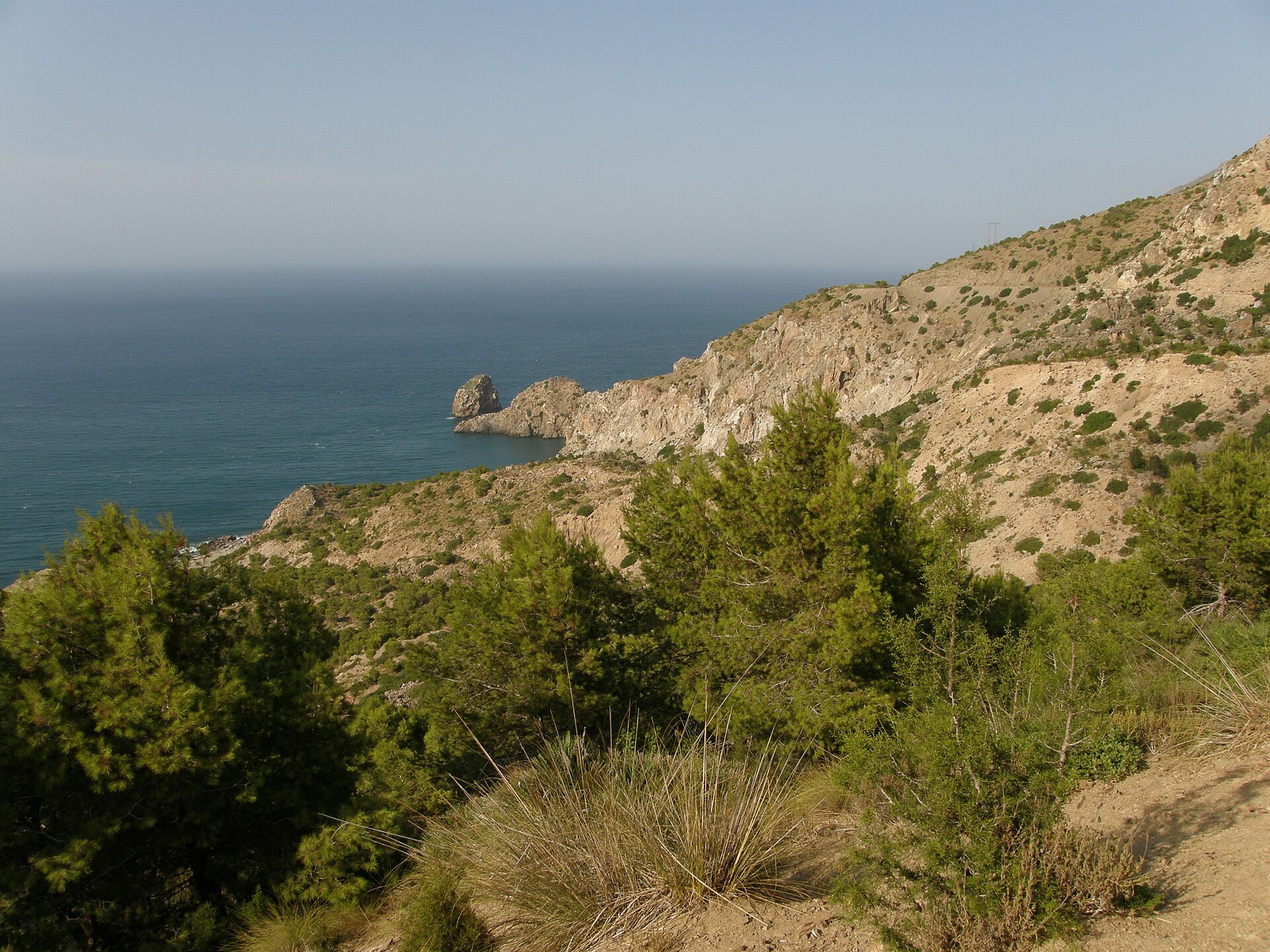
36 records

20 records
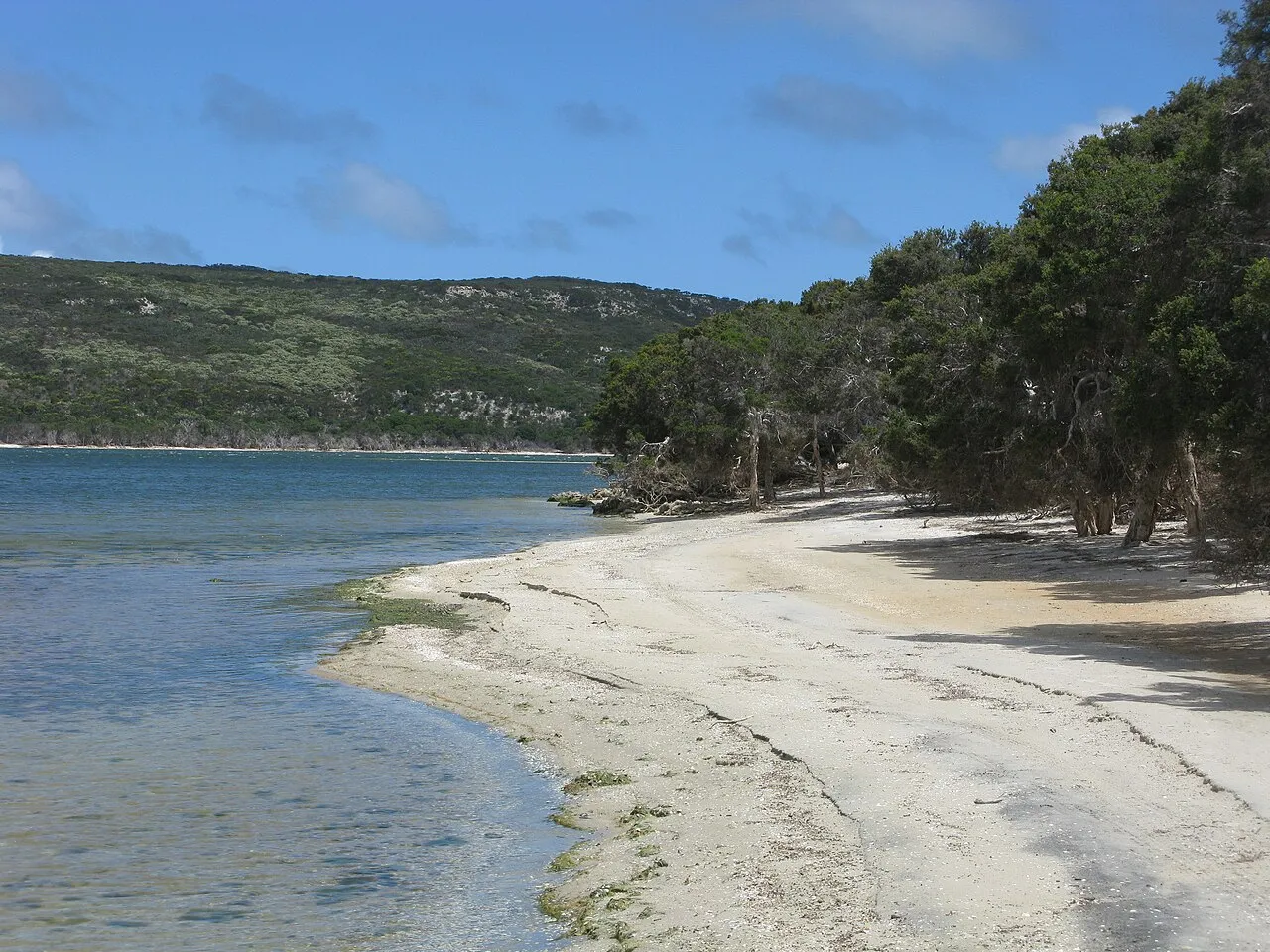
16 records

14 records

14 records

13 records

12 records
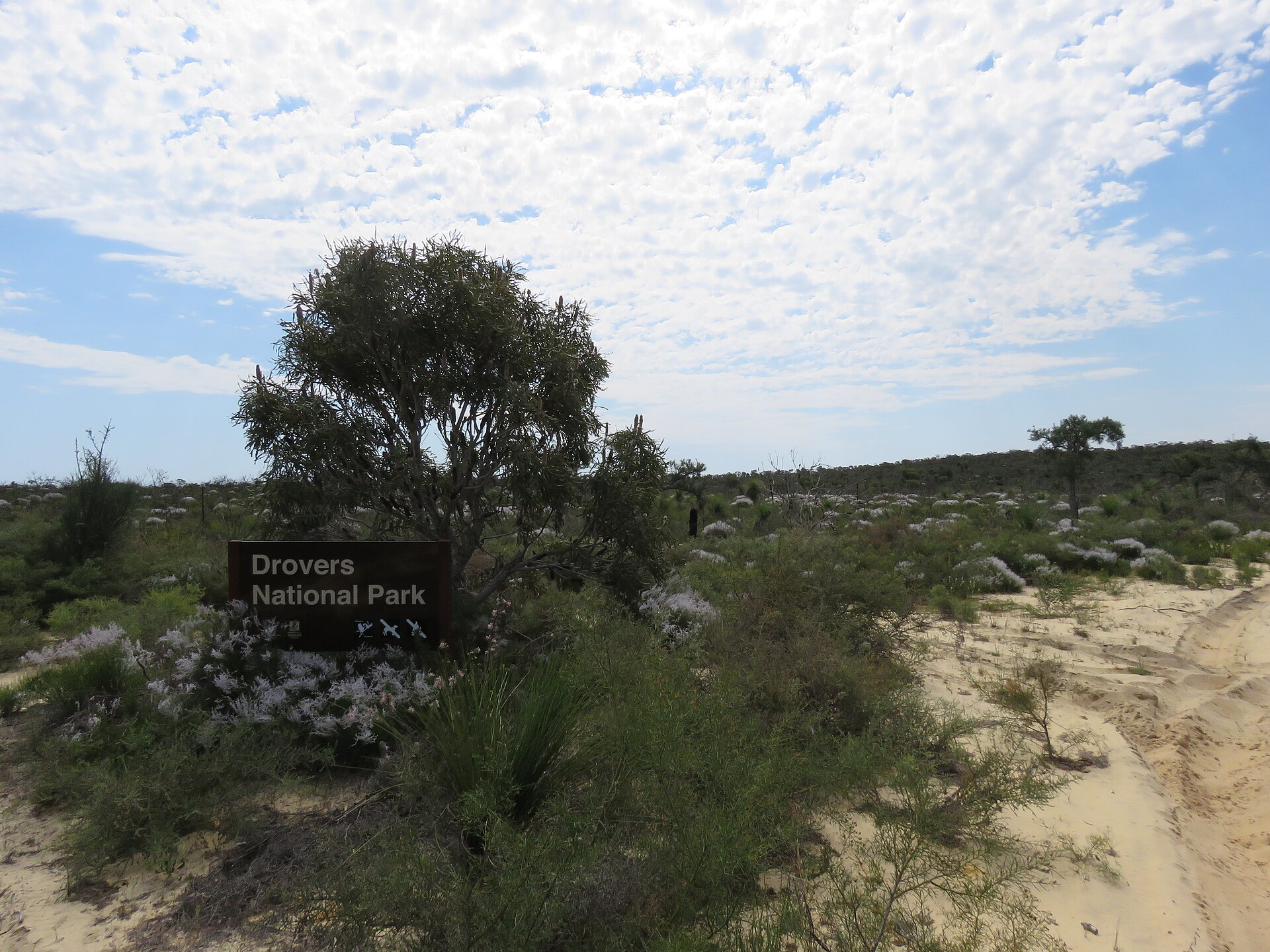
11 records
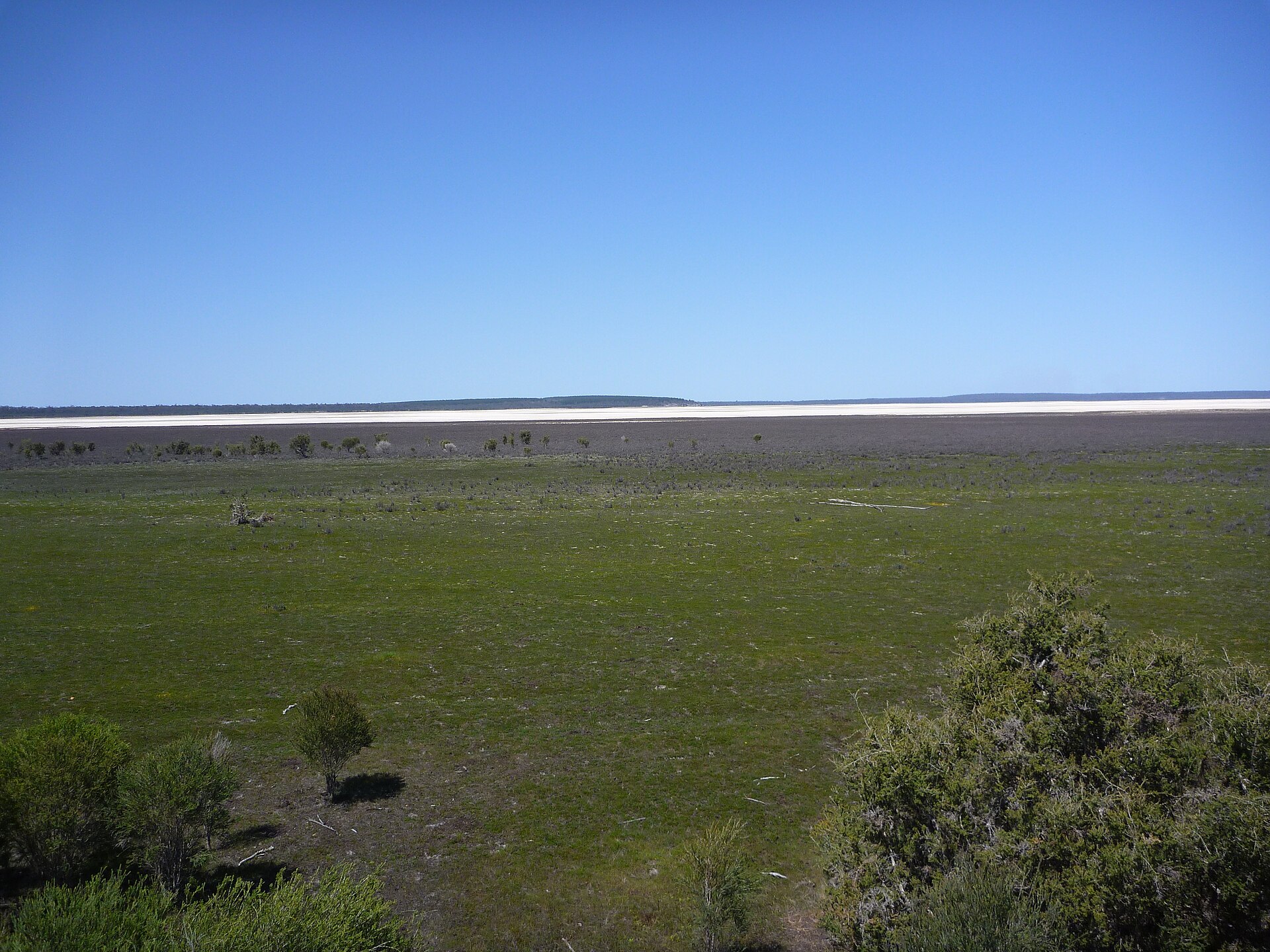
11 records

9 records
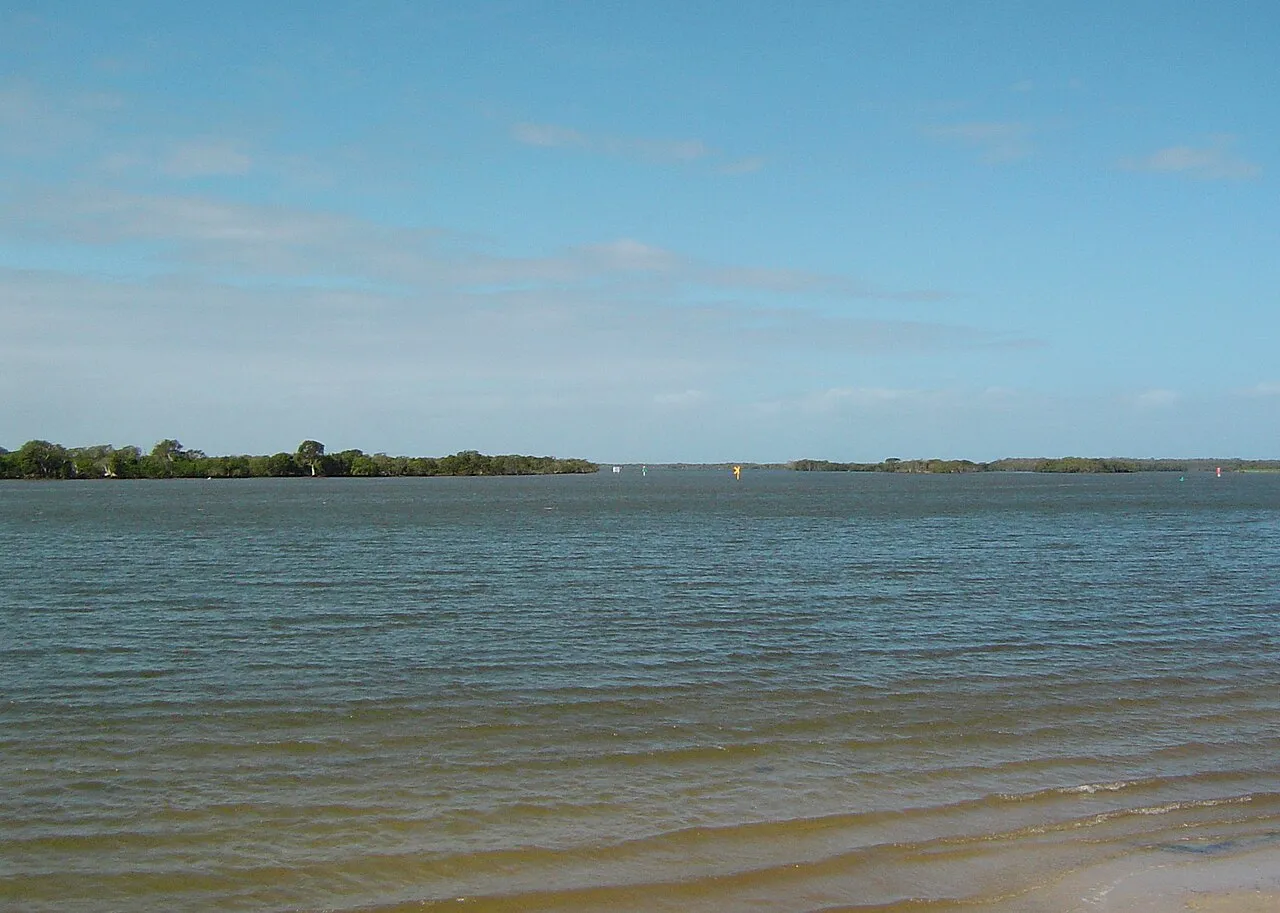
8 records
Other species to discover
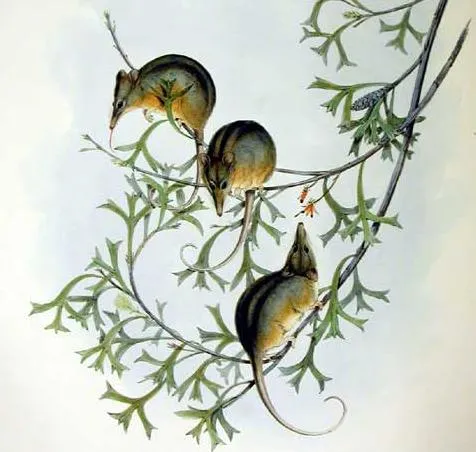 Honey possum
Tarsipes rostratus 3 places in common
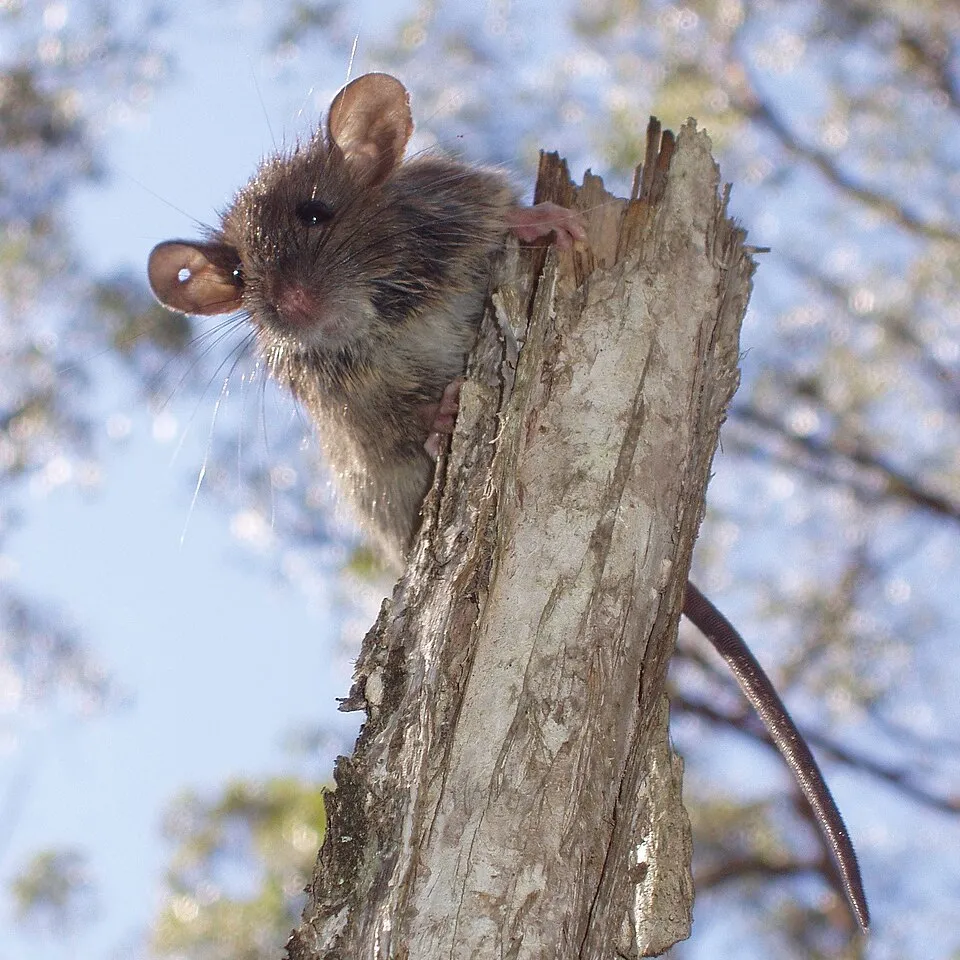 Bush rat
Rattus fuscipes 9 places in common
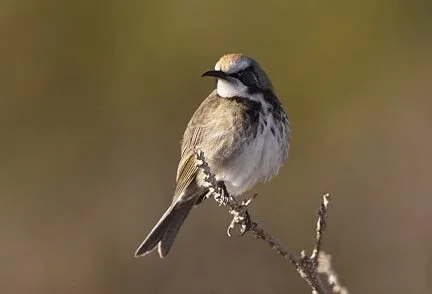 Tawny-crowned Honeyeater
Gliciphila melanops 5 places in common
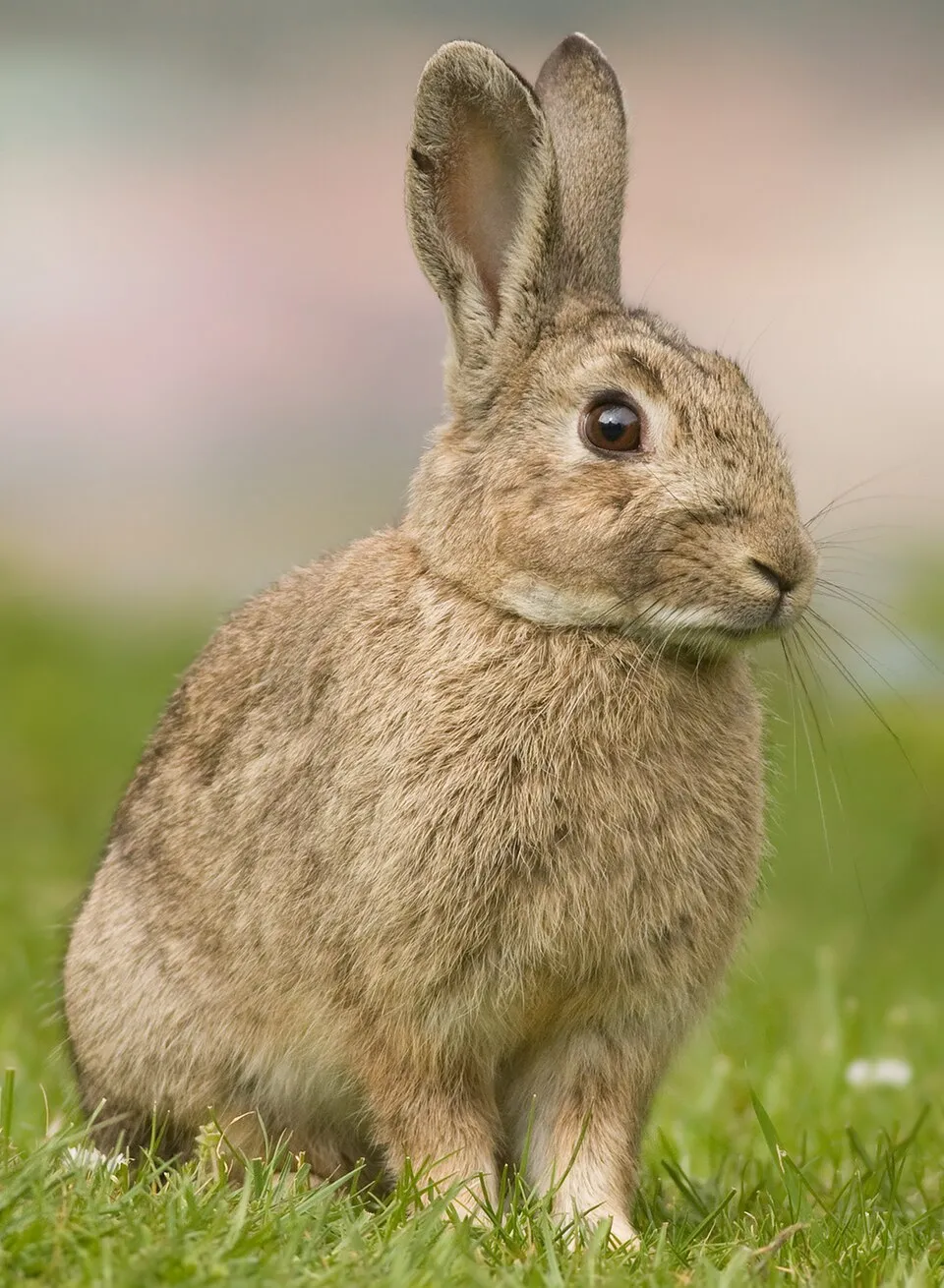 Poponejo
Oryctolagus cuniculus 3 places in common
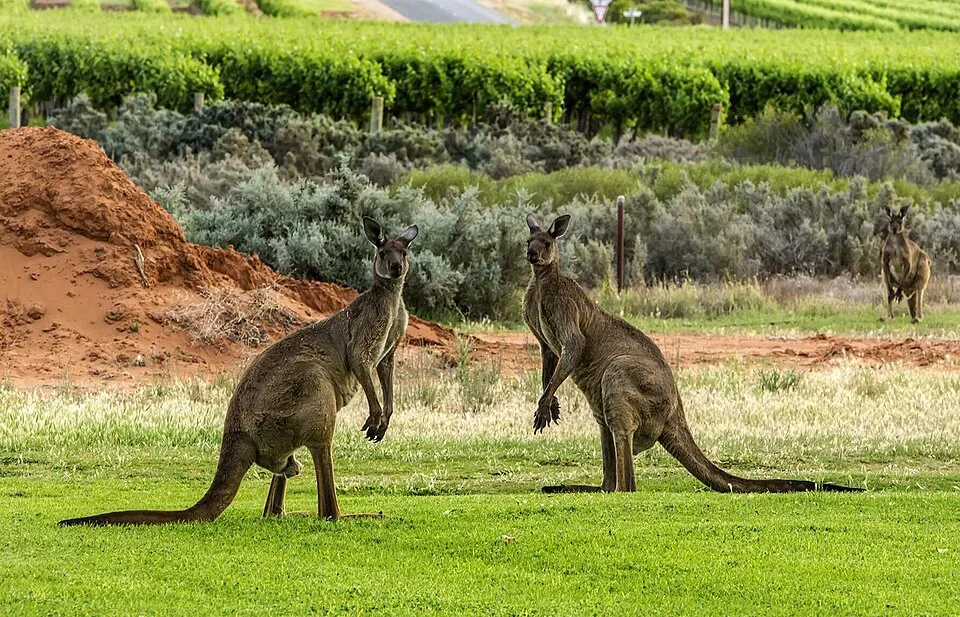 Western grey kangaroo
Macropus fuliginosus 3 places in common
 Sandy Inland Mouse
Pseudomys hermannsburgensis 2 places in common
Sources and credits
- Presence: most-recorded species of each place on GBIF and species of Community interest in the Natura 2000 forms (EEA, CC-BY 4.0); absence from the list does not mean the species is absent.
- Common names: Wikidata (CC0) and GBIF.
- Photos and sounds: Wikimedia Commons, author and licence given for each file.
- Classification: GBIF Backbone Taxonomy (GBIF Secretariat), CC BY 4.0, doi:10.15468/39omei.
- Countries, elevations, months and maps: GBIF.org, CC0 or CC BY 4.0 occurrences only, accessed October 23, 2026, GBIF.org.
- Base map: Natural Earth (public domain).
- Excerpt: Wikipedia, CC BY-SA 4.0 (full credit below the excerpt).
- Key facts: Wikidata (CC0), with the references cited under each value.
- Invasive alien species: Union list, Regulation (EU) No 1143/2014 (INBO, CC0); Global Register of Introduced and Invasive Species (ISSG, CC BY 4.0).