
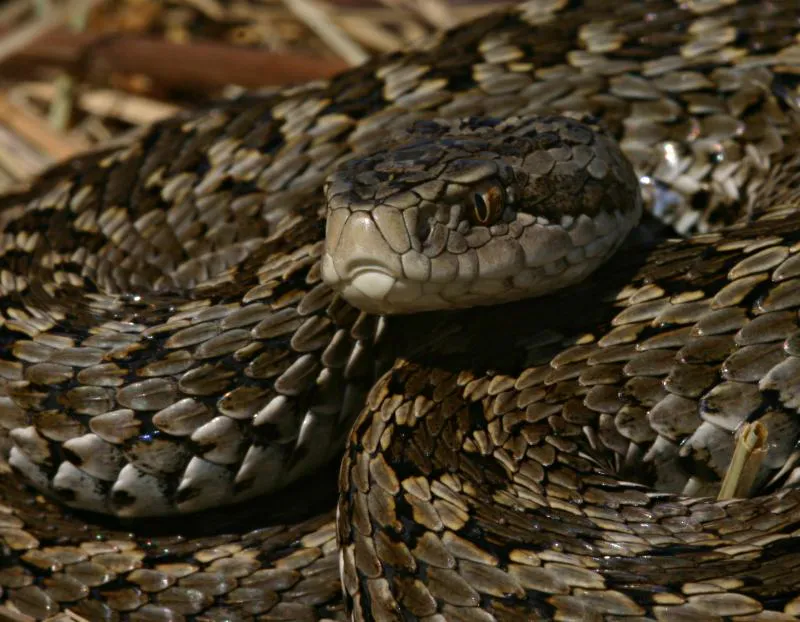
Reptile
Orsini's Viper: where to see it
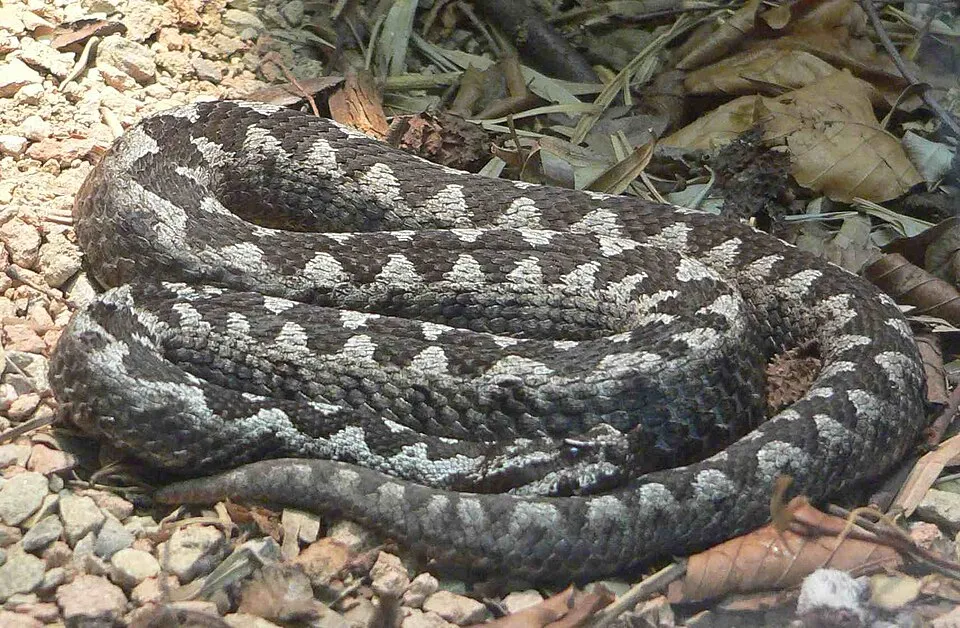
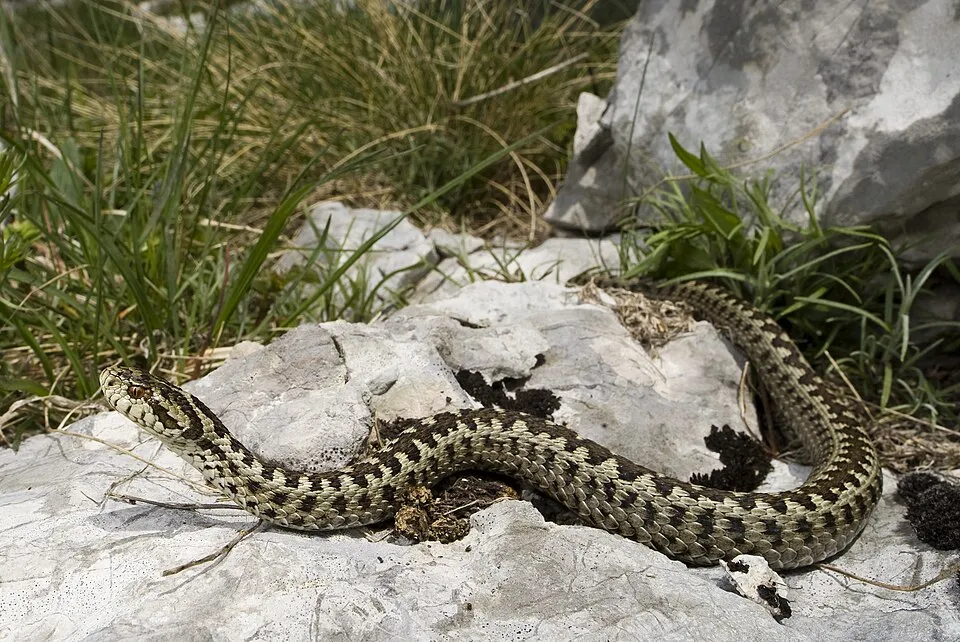
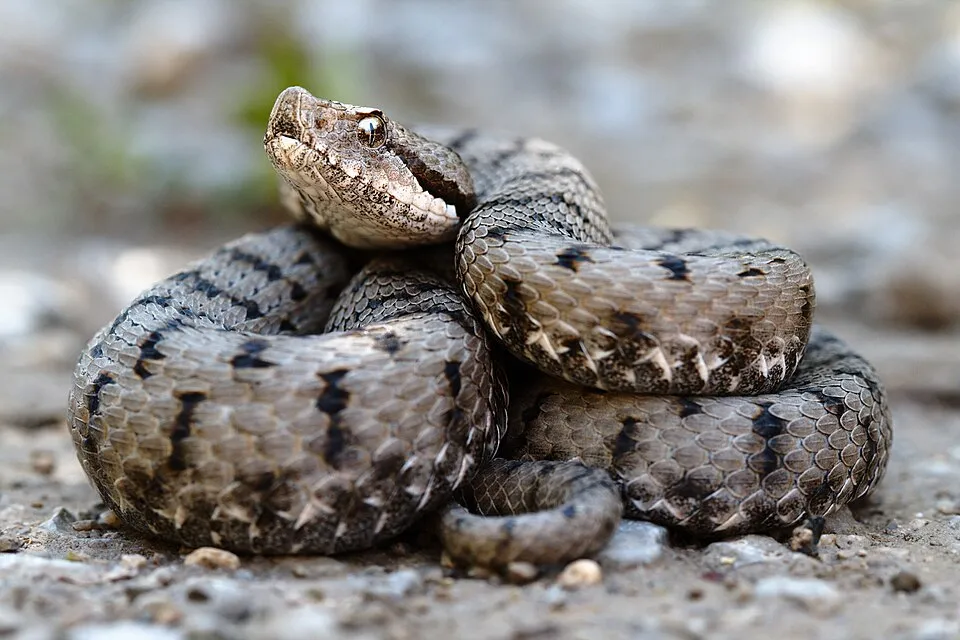
Vipera ursinii rakosiensis
This reptile species is recorded in 3 protected areas of the atlas, and is listed on the official Natura 2000 form of each of them. It is a priority species under the Habitats Directive (Annexes II and IV).
Status and protection
Habitats Directive II · IV ★
The species is listed in Annexes II and IV of the Habitats Directive, as a priority species.
Distribution
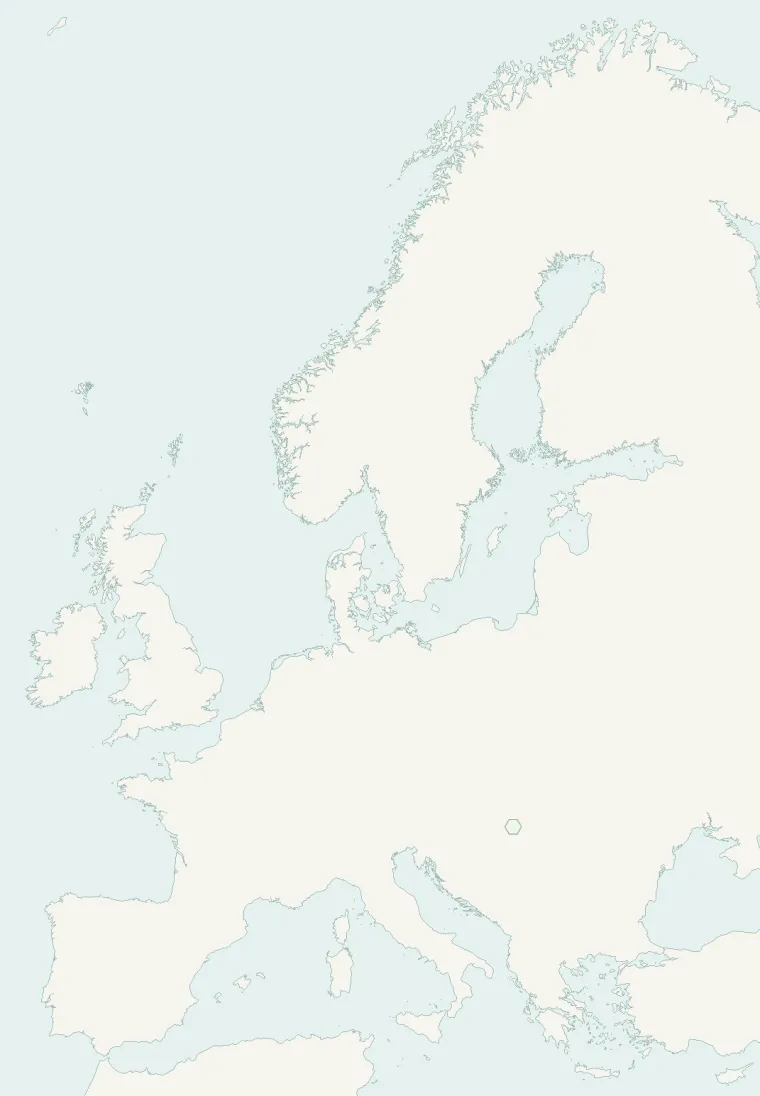
Records published on GBIF (CC0 and CC BY 4.0 licences): the darker the shade, the more records there are; they also reflect observation effort.
From Wikipedia
The Hungarian meadow viper (Vipera ursinii rakosiensis; Hungarian name: rákosi vipera), also called the Danubian meadow viper is one of the eight subspecies of the Vipera ursinii. It is an extremely rare venomous viper that can mostly be found in Hungary. The Hungarian meadow viper is the most endangered species in the whole Pannonian Basin. It was scientifically recorded for the first time in 1893 by Lajos Méhelÿ, Hungarian zoologist. In 2004, its entire Hungarian population was estimated to be below 500 specimens.
Source: Wikipedia, article “Hungarian meadow viper” (version of February 6, 2026) · history and authors · licence CC BY-SA 4.0
Protected areas where it is recorded
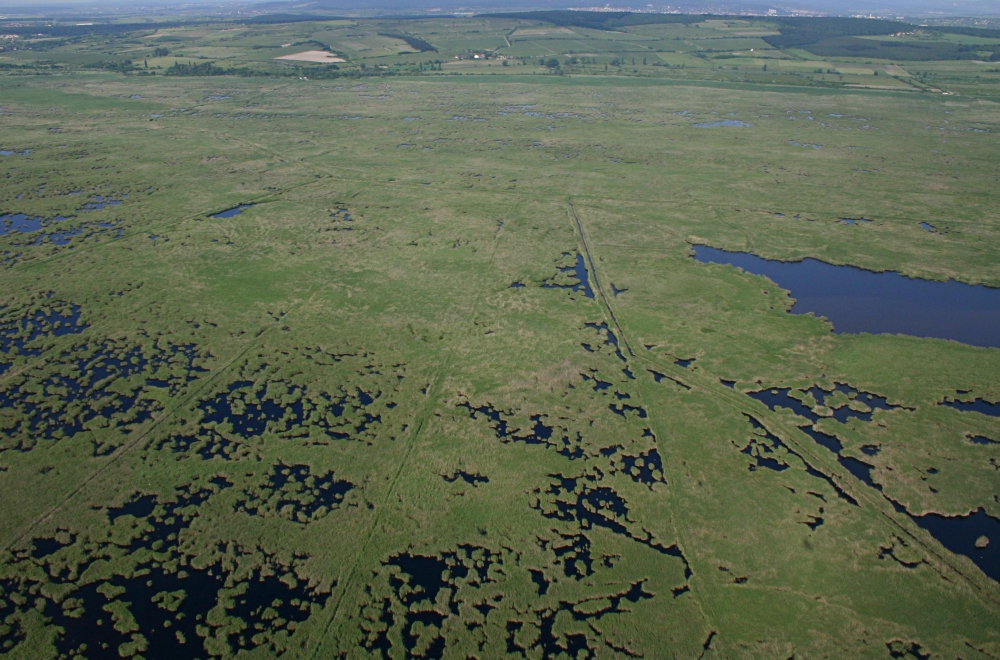
Natura 2000
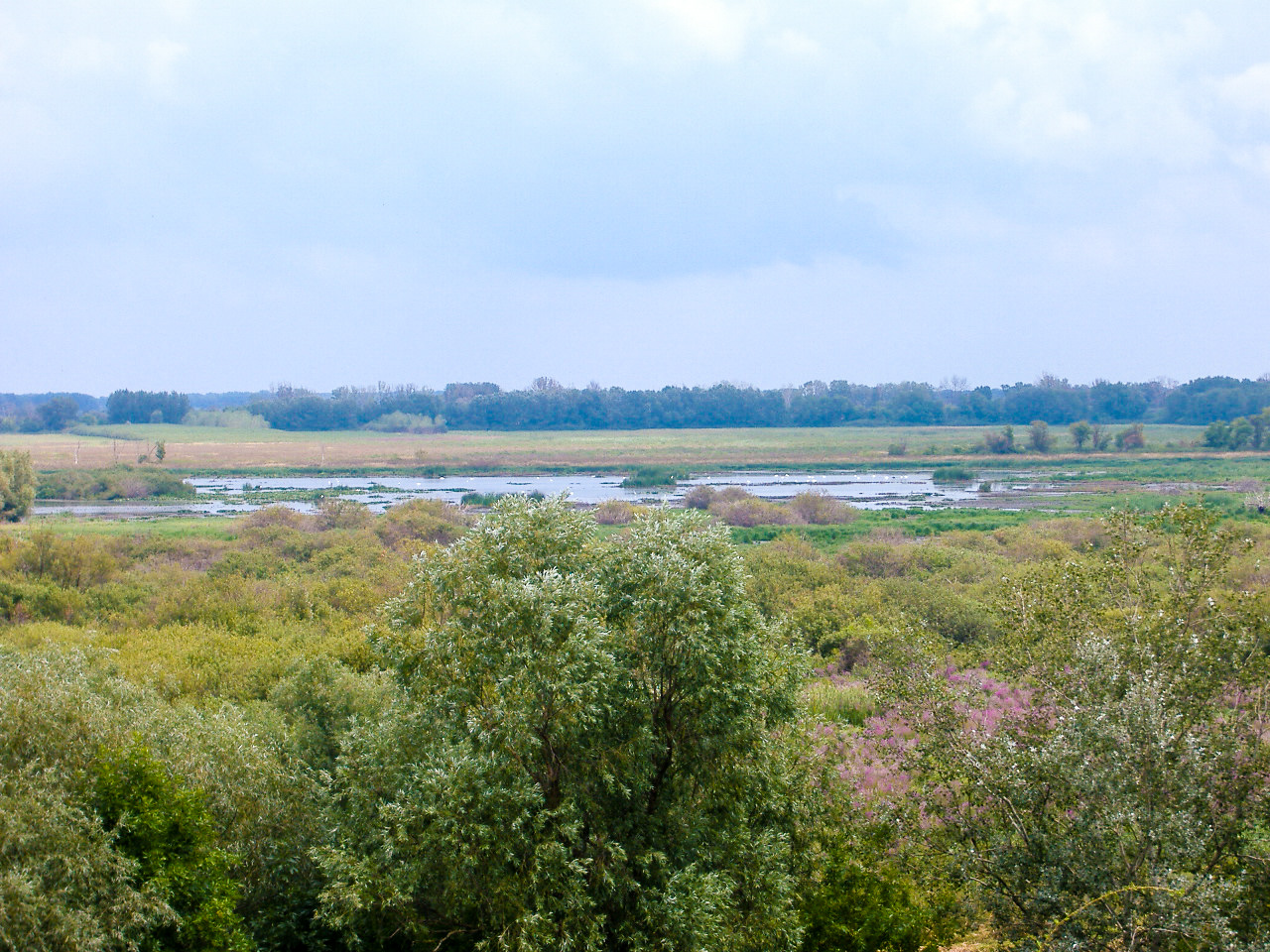
Natura 2000

Natura 2000
Other species to discover
Sources and credits
- Presence: most-recorded species of each place on GBIF and species of Community interest in the Natura 2000 forms (EEA, CC-BY 4.0); absence from the list does not mean the species is absent.
- Common names: Wikidata (CC0) and GBIF.
- Photos and sounds: Wikimedia Commons, author and licence given for each file.
- Classification: GBIF Backbone Taxonomy (GBIF Secretariat), CC BY 4.0, doi:10.15468/39omei.
- Countries, elevations, months and maps: GBIF.org, CC0 or CC BY 4.0 occurrences only, accessed October 22, 2026, GBIF.org.
- Base map: Natural Earth (public domain).
- Excerpt: Wikipedia, CC BY-SA 4.0 (full credit below the excerpt).
- Annexes: Directive 92/43/EEC (consolidated version), © European Union, EUR-Lex.