
Amphibian
Danube Crested Newt: where to see it
Triturus dobrogicus
This amphibian species is recorded in 22 protected areas of the atlas, and is listed on the official Natura 2000 form of each of them. Within the atlas countries, it is observed in Serbia, Austria and Hungary. Records peak from March to April. It is a species of Community interest under the Habitats Directive (Annex II). In the EU its conservation status is assessed as unfavourable (2013–2018 reporting).
Best time to see it: March–April
Records published on GBIF by month (CC0 and CC BY 4.0 licences only), in the atlas countries, all years combined; they also reflect observer activity.
Status and protection
Habitats Directive II
The species is listed in Annex II of the Habitats Directive.
In the EU its conservation status is assessed as unfavourable-bad in the Continental region and unfavourable-inadequate in the Pannonian region (2013–2018 reporting).
Distribution
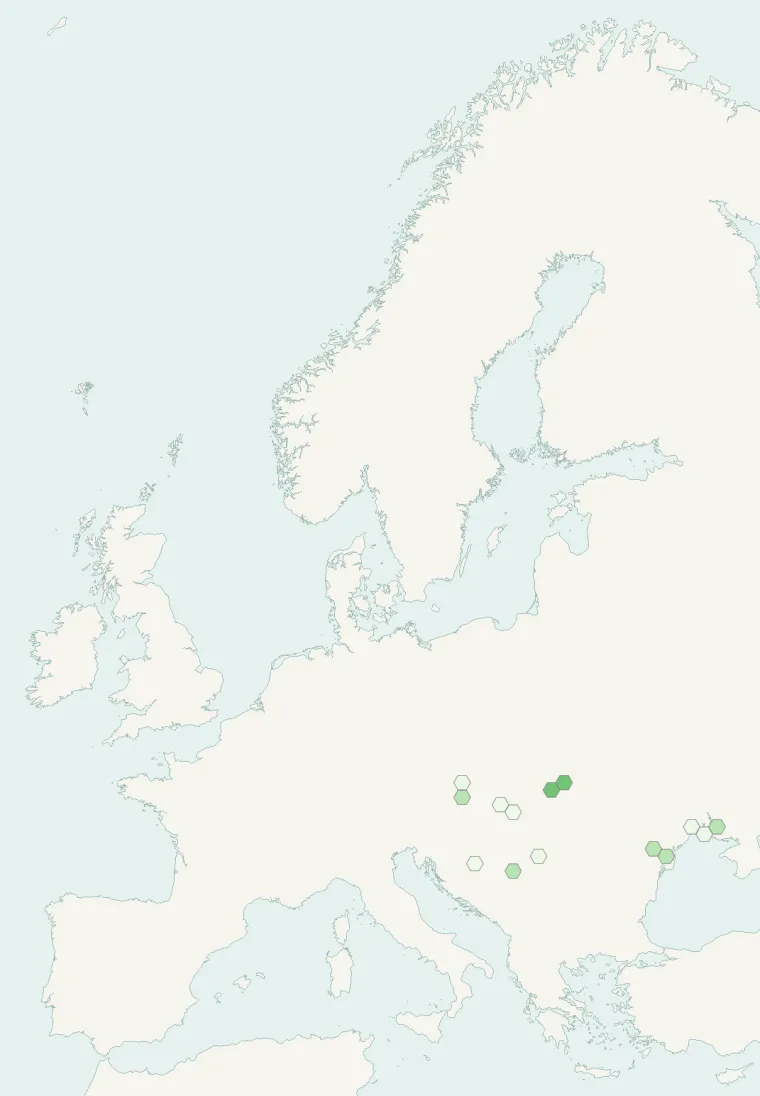
Records published on GBIF (CC0 and CC BY 4.0 licences): the darker the shade, the more records there are; they also reflect observation effort.
Atlas countries where it is recorded
From Wikipedia
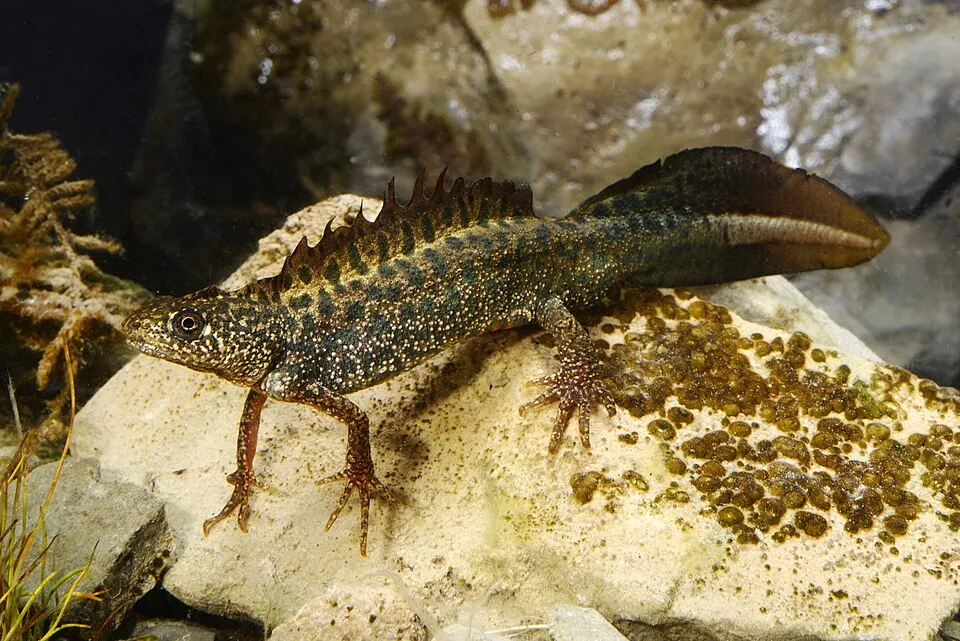
The Danube crested newt or Danube newt (Triturus dobrogicus) is a species of newt found in central and eastern Europe, along the basin of the Danube river and some of its tributaries and in the Dnieper delta. It has a smaller and more slender body than the other crested newts in genus Triturus but like these, males develop a conspicuous jagged seam on back and tail during breeding season. For half of the year or longer, adults live in slow-flowing river margins, lakes, or ponds, where reproduction takes place.
Source: Wikipedia, article “Danube crested newt” (version of February 15, 2026) · history and authors · licence CC BY-SA 4.0 · shortened excerpt
Protected areas where it is recorded
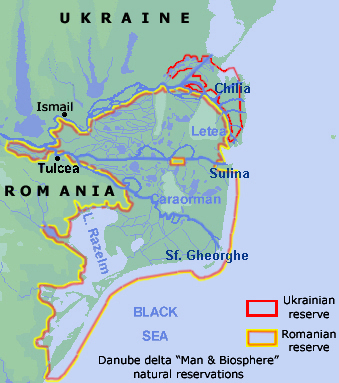
Natura 2000
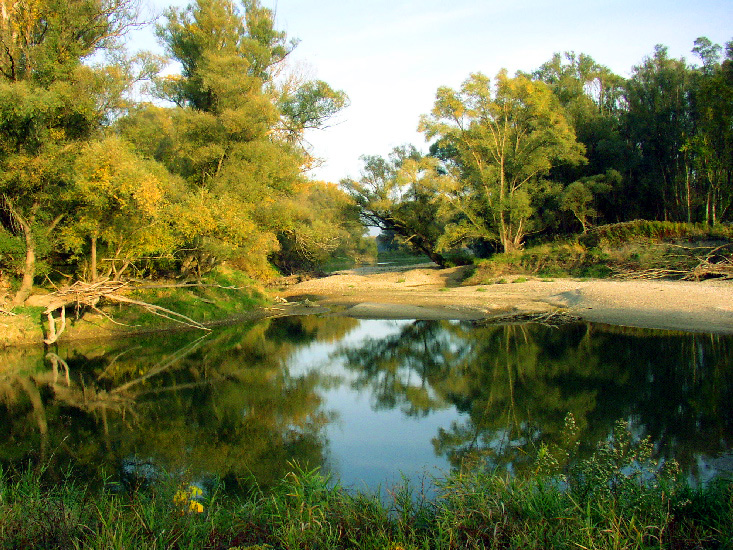
Natura 2000
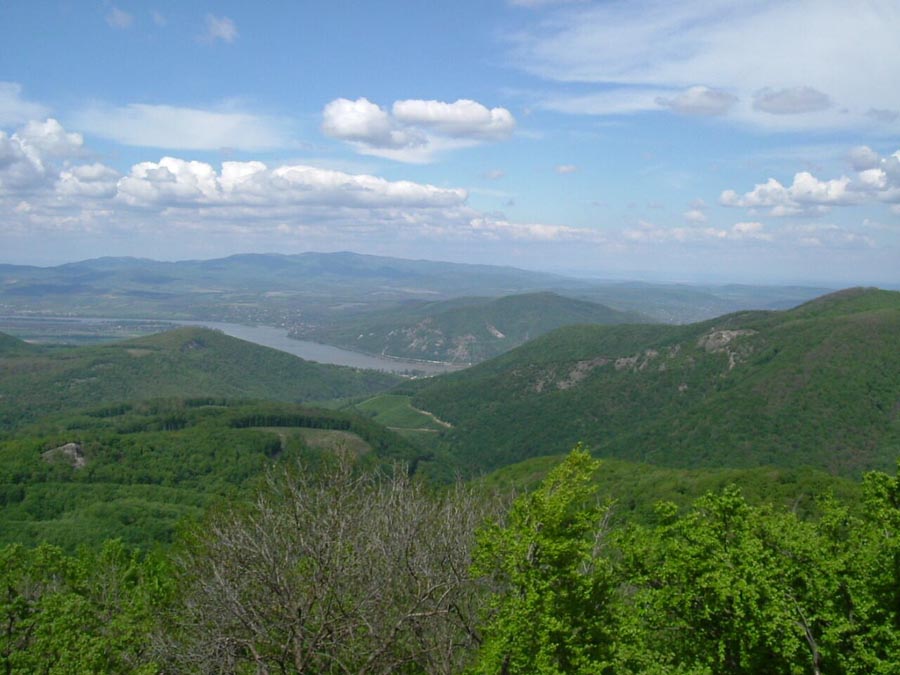
Natura 2000
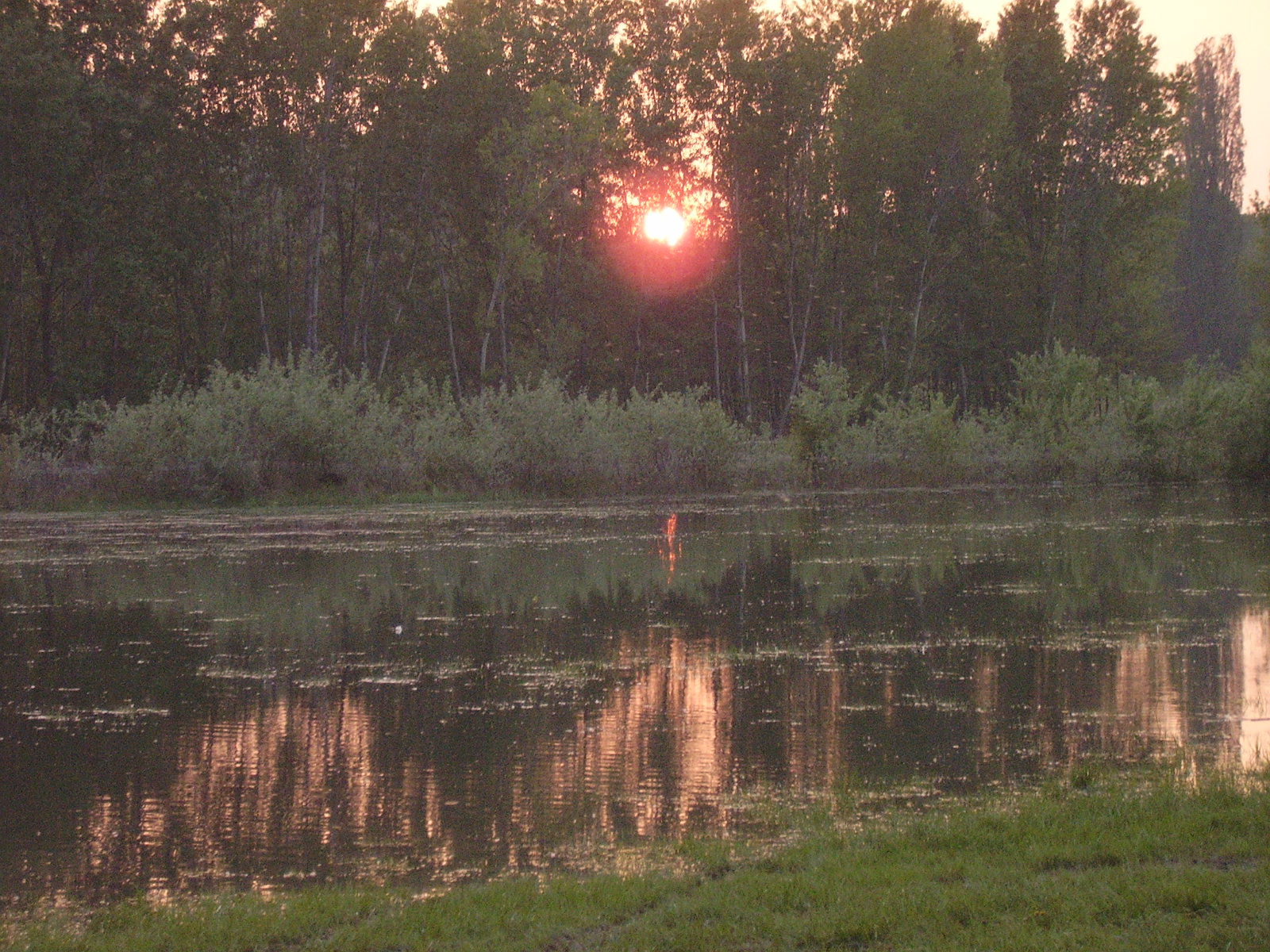
Natura 2000
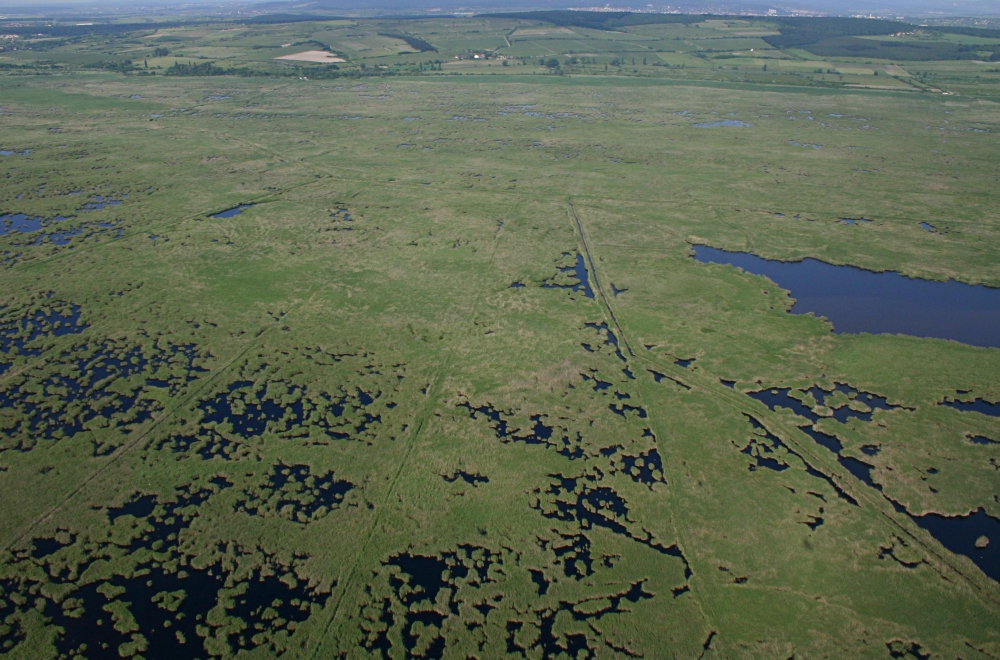
Natura 2000

Natura 2000
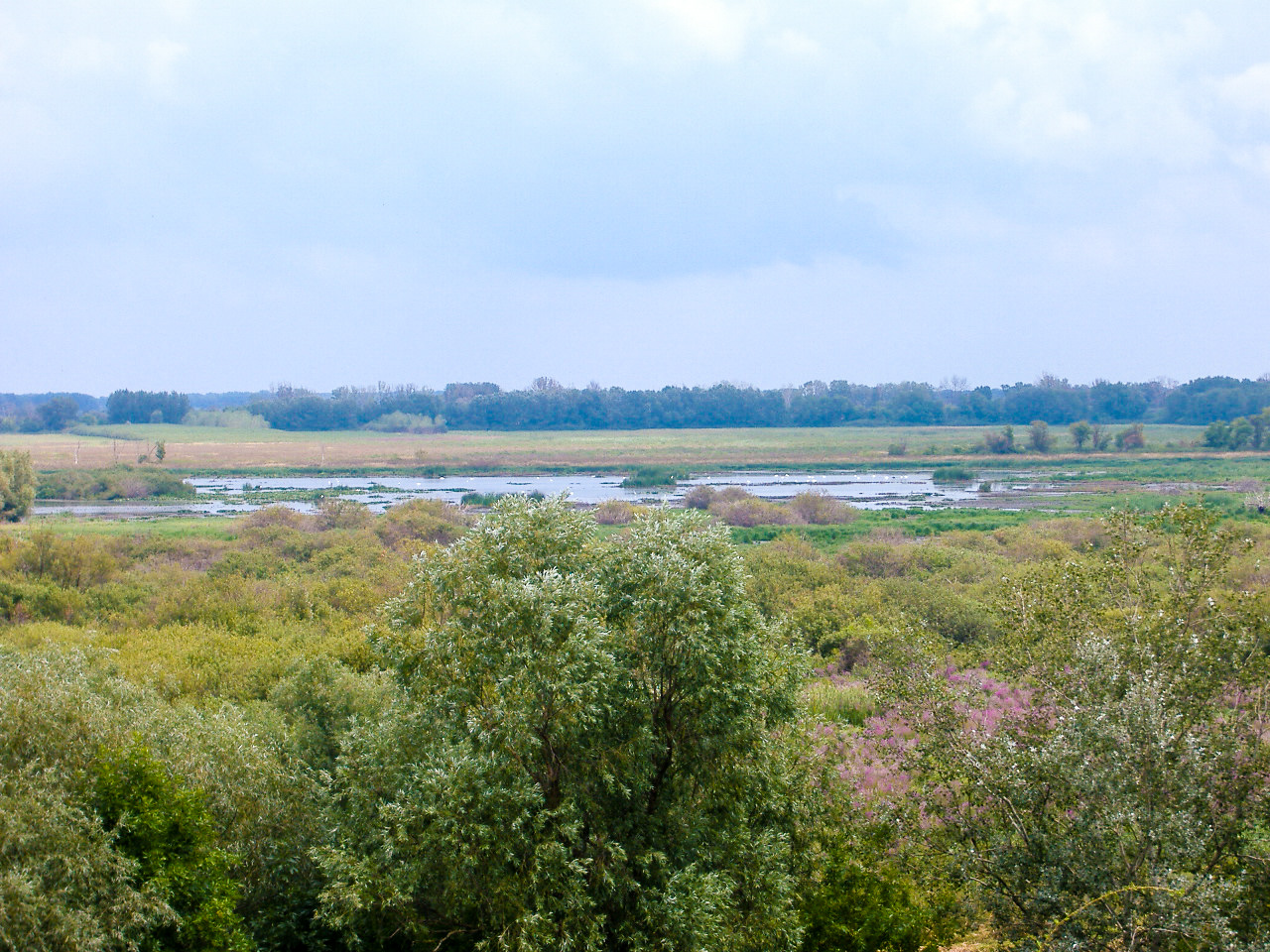
Natura 2000
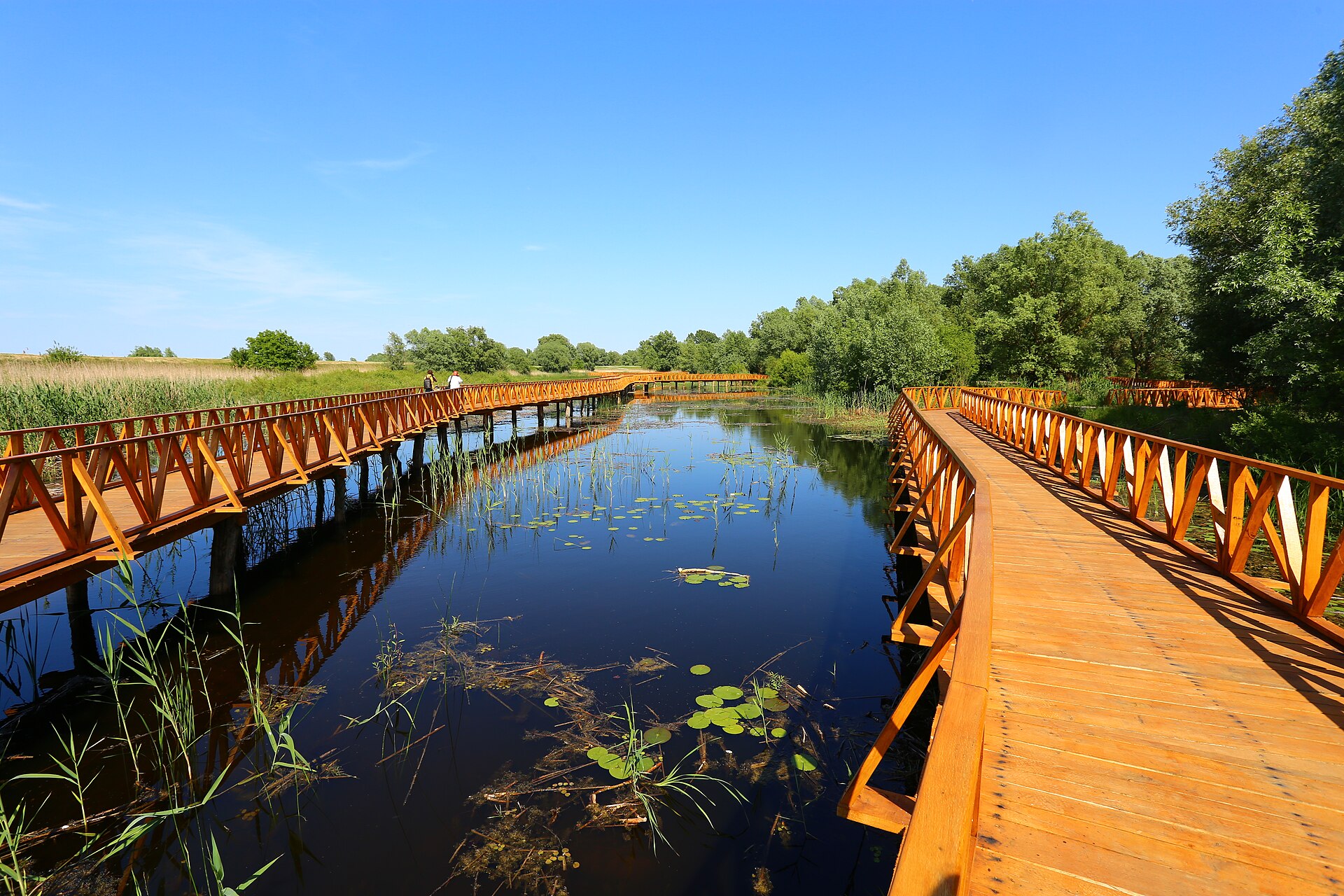
Natura 2000
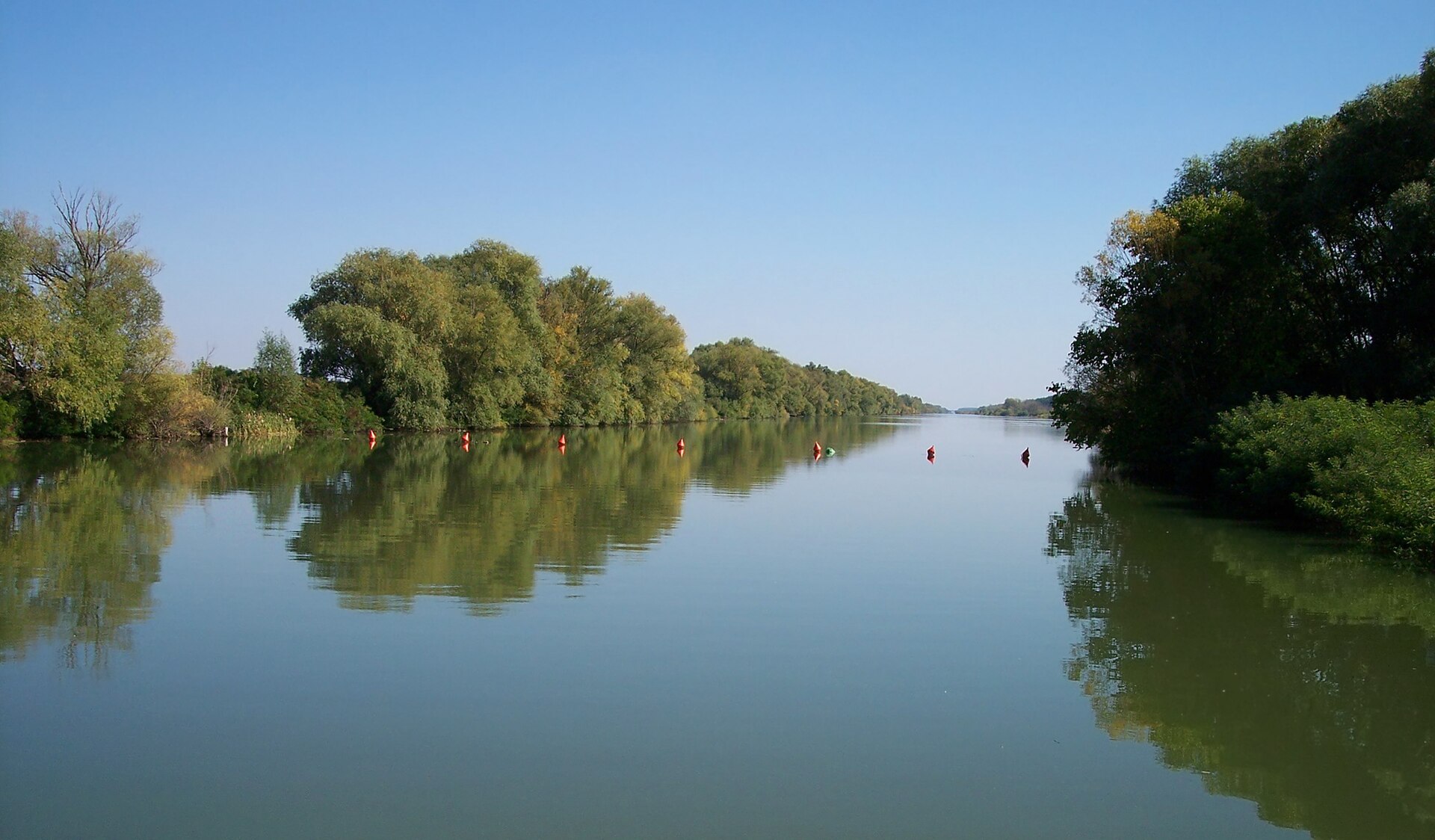
Natura 2000
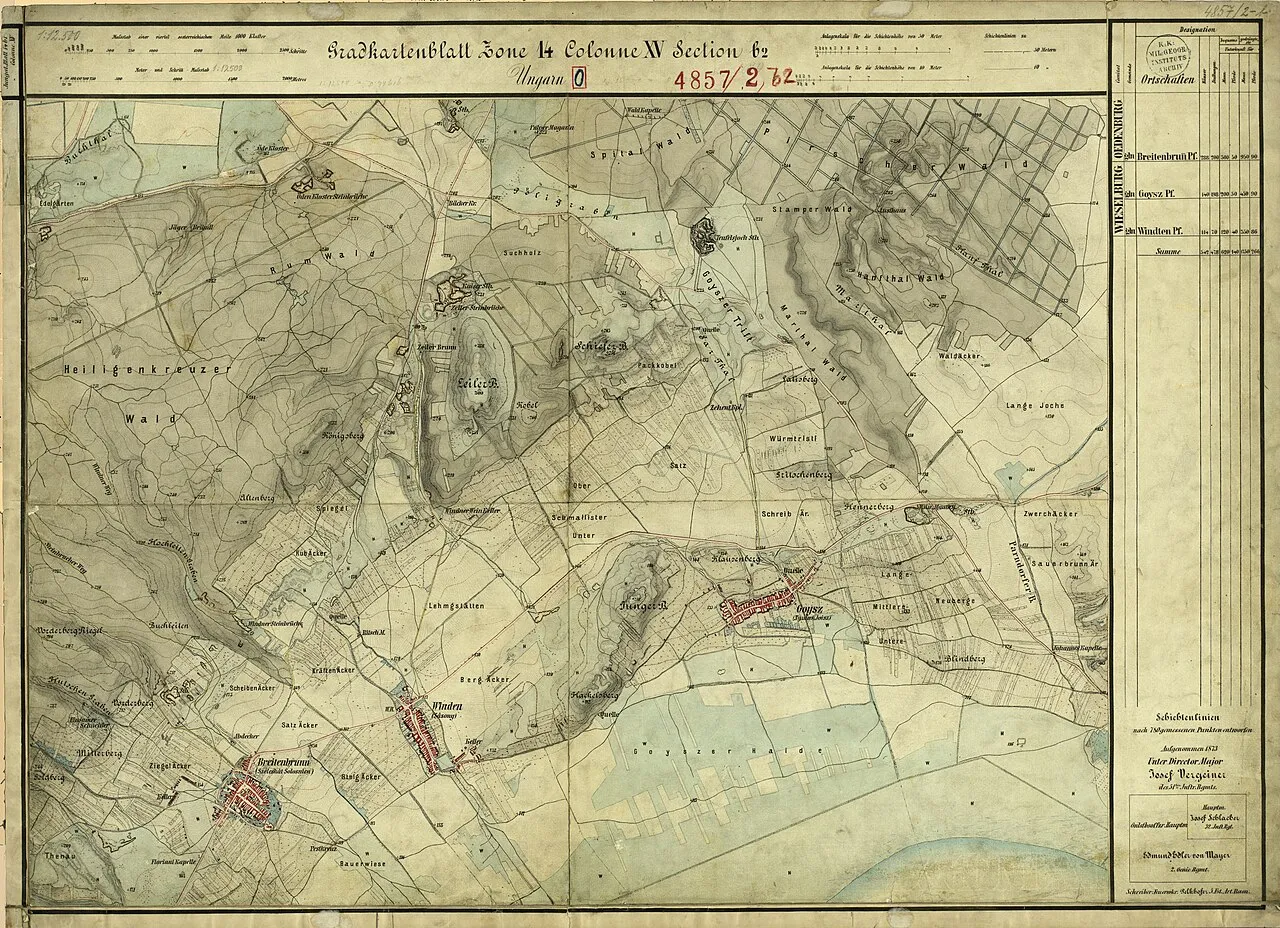
Natura 2000

Natura 2000
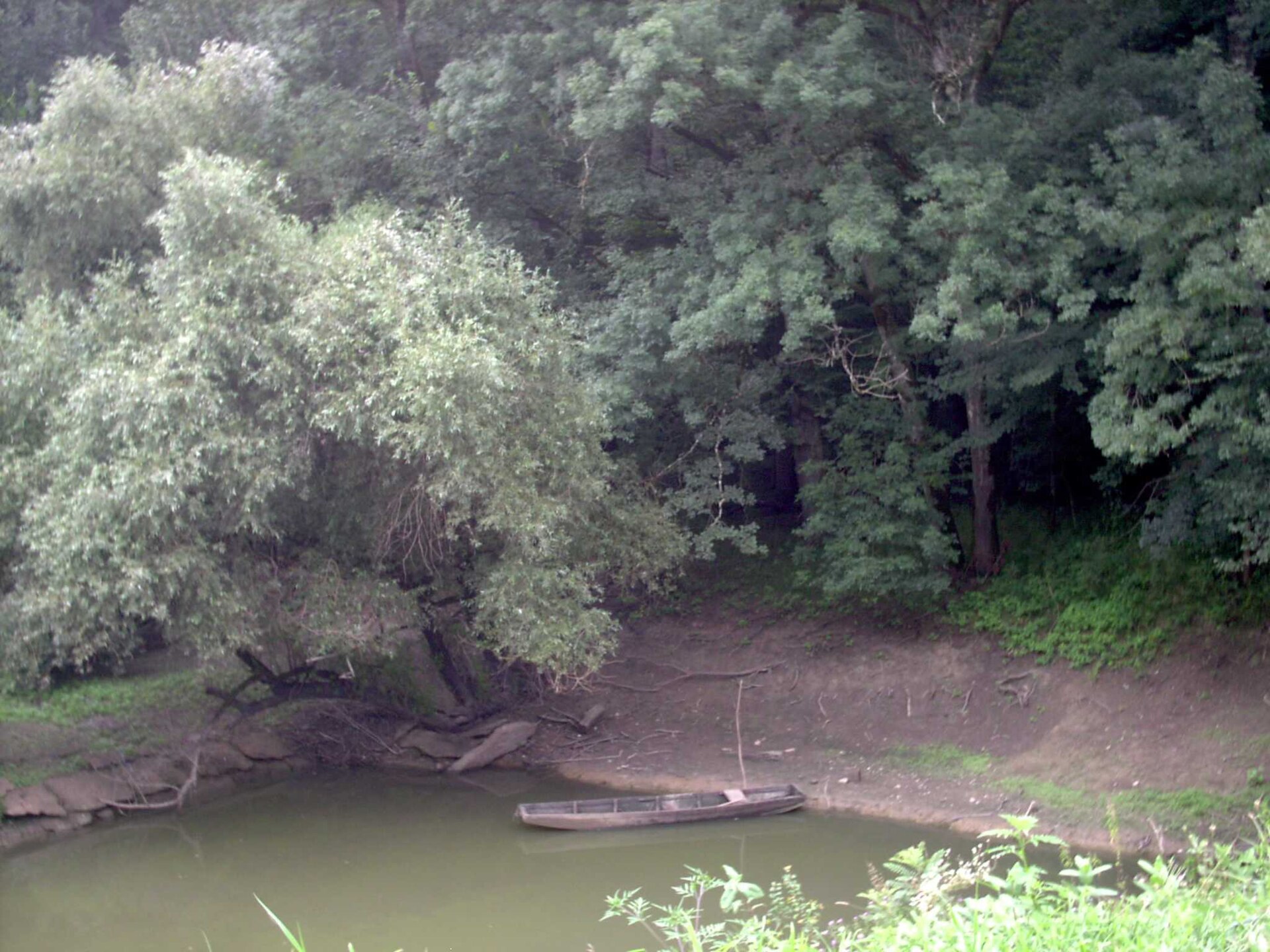
Natura 2000

Natura 2000
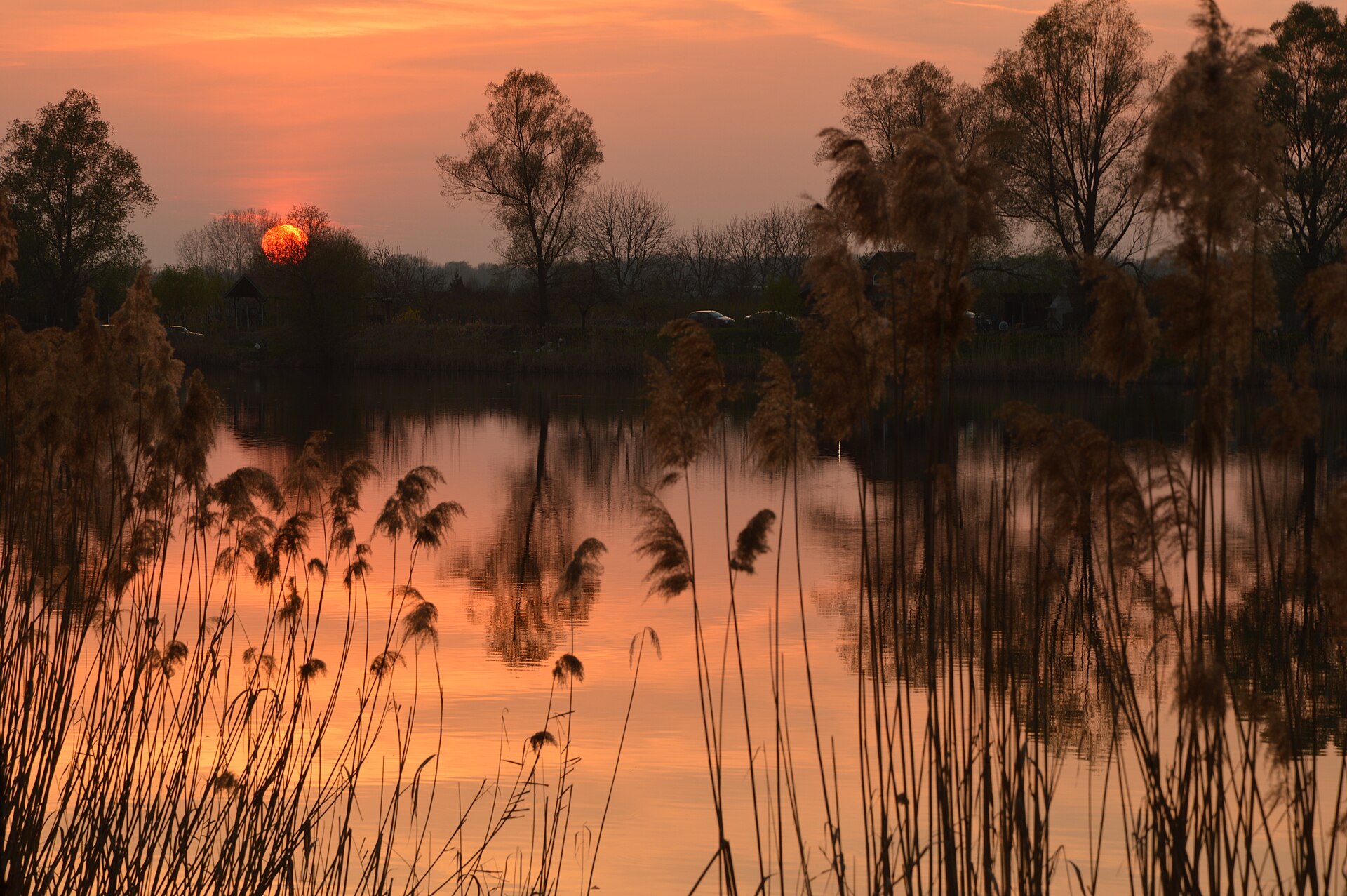
Natura 2000
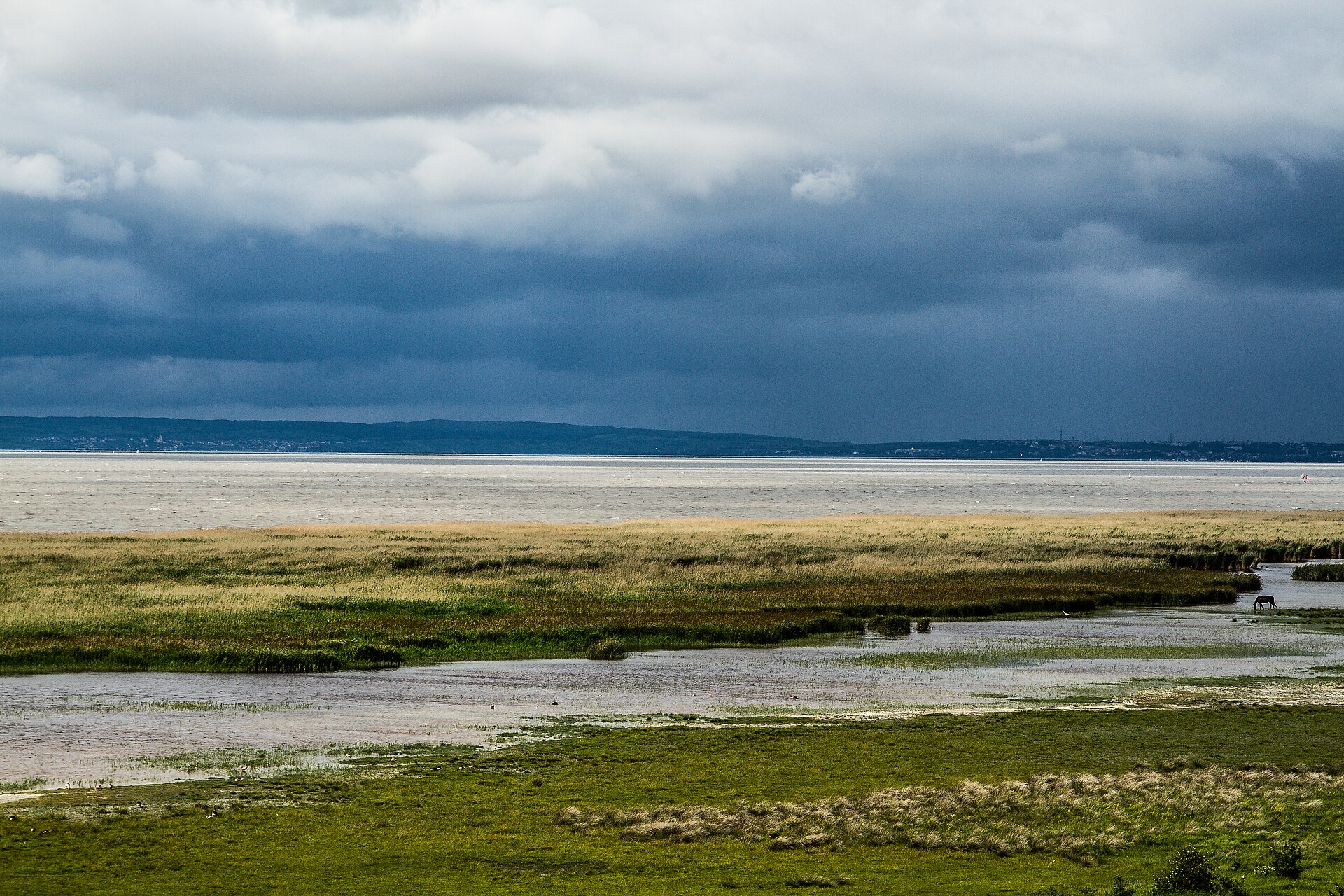
Natura 2000

Natura 2000
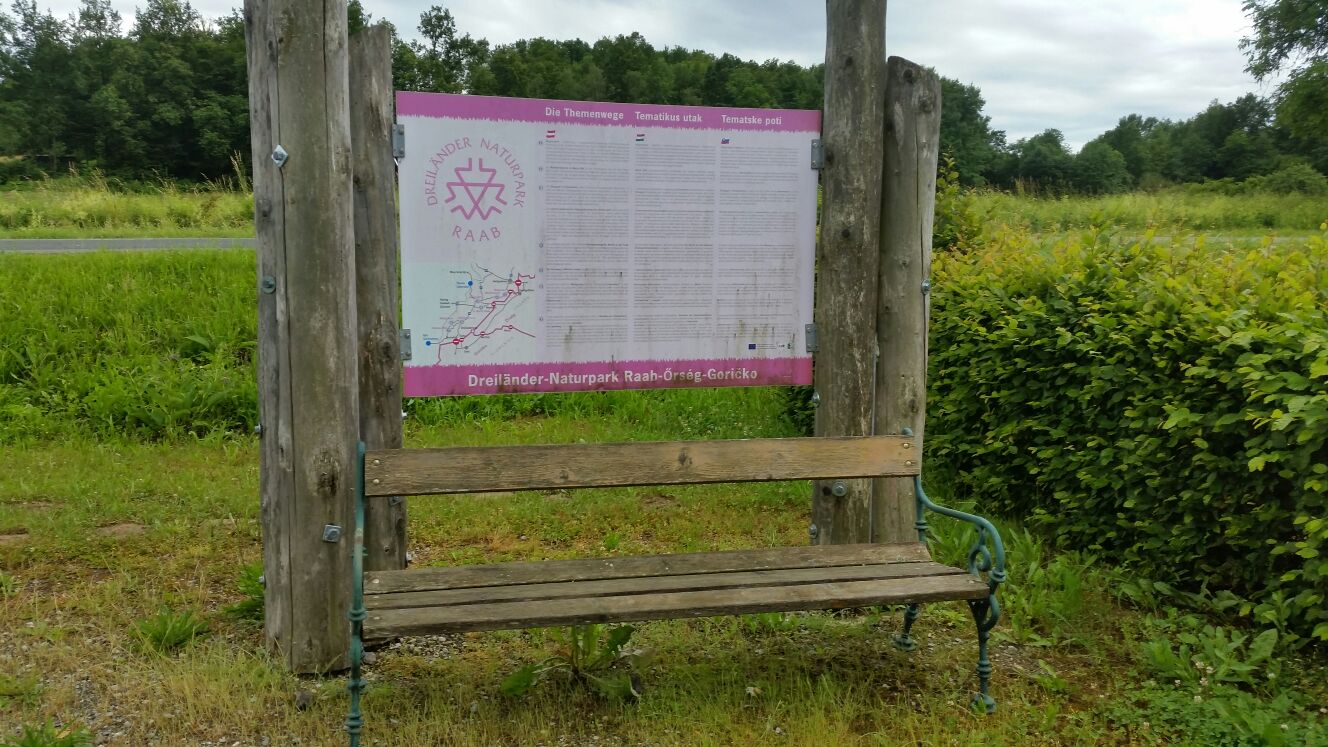
Natura 2000
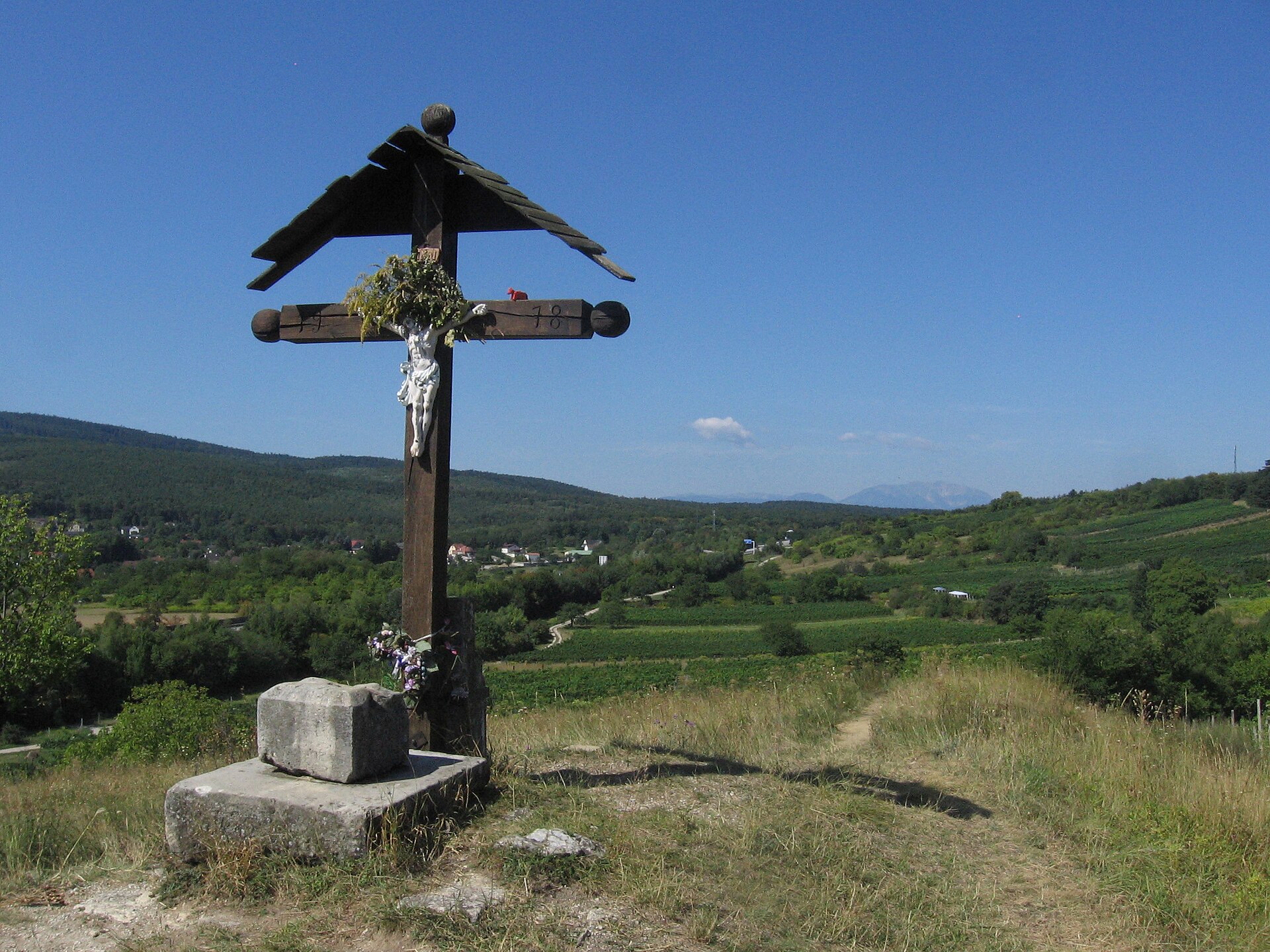
Natura 2000

Natura 2000

Natura 2000

Natura 2000

Natura 2000
Other species to discover
 Great crested newt
Triturus cristatus Same genus
 Italian crested newt
Triturus carnifex Same genus
 Marbled newt
Triturus marmoratus Same genus
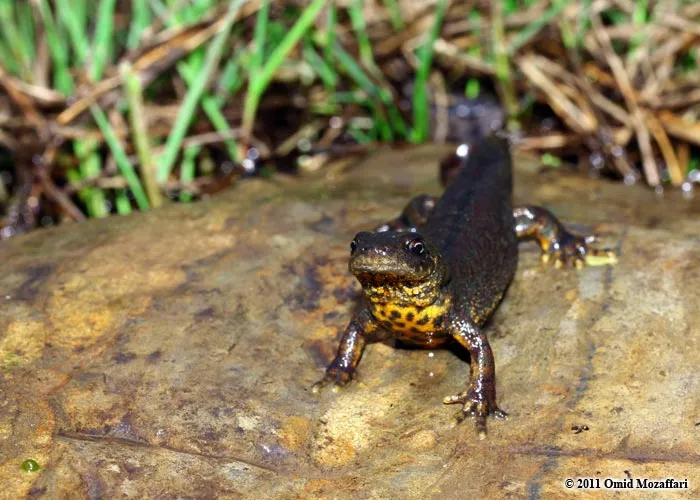 Southern crested newt
Triturus karelinii Same genus
 Macedonian Crested Newt
Triturus macedonicus Same genus
 Southern marbled newt
Triturus pygmaeus Same genus
Sources and credits
- Presence: most-recorded species of each place on GBIF and species of Community interest in the Natura 2000 forms (EEA, CC-BY 4.0); absence from the list does not mean the species is absent.
- Common names: Wikidata (CC0) and GBIF.
- Photos and sounds: Wikimedia Commons, author and licence given for each file.
- Classification: GBIF Backbone Taxonomy (GBIF Secretariat), CC BY 4.0, doi:10.15468/39omei.
- Countries, elevations, months and maps: GBIF.org, CC0 or CC BY 4.0 occurrences only, accessed October 22, 2026, GBIF.org.
- Base map: Natural Earth (public domain).
- Excerpt: Wikipedia, CC BY-SA 4.0 (full credit below the excerpt).
- Annexes: Directive 92/43/EEC (consolidated version), © European Union, EUR-Lex.
- Conservation status: EEA / DG ENV, Article 17 Habitats Directive reporting (2013–2018), CC BY 4.0.