
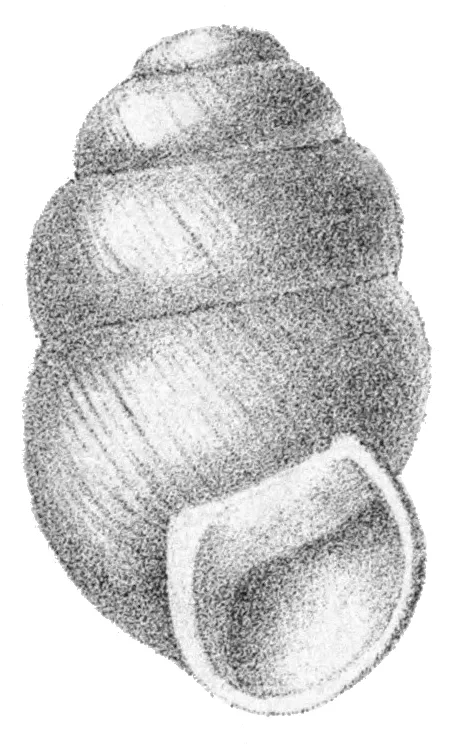
Mollusc
Round-mouthed Whorl Snail: where to see it
Vertigo genesii
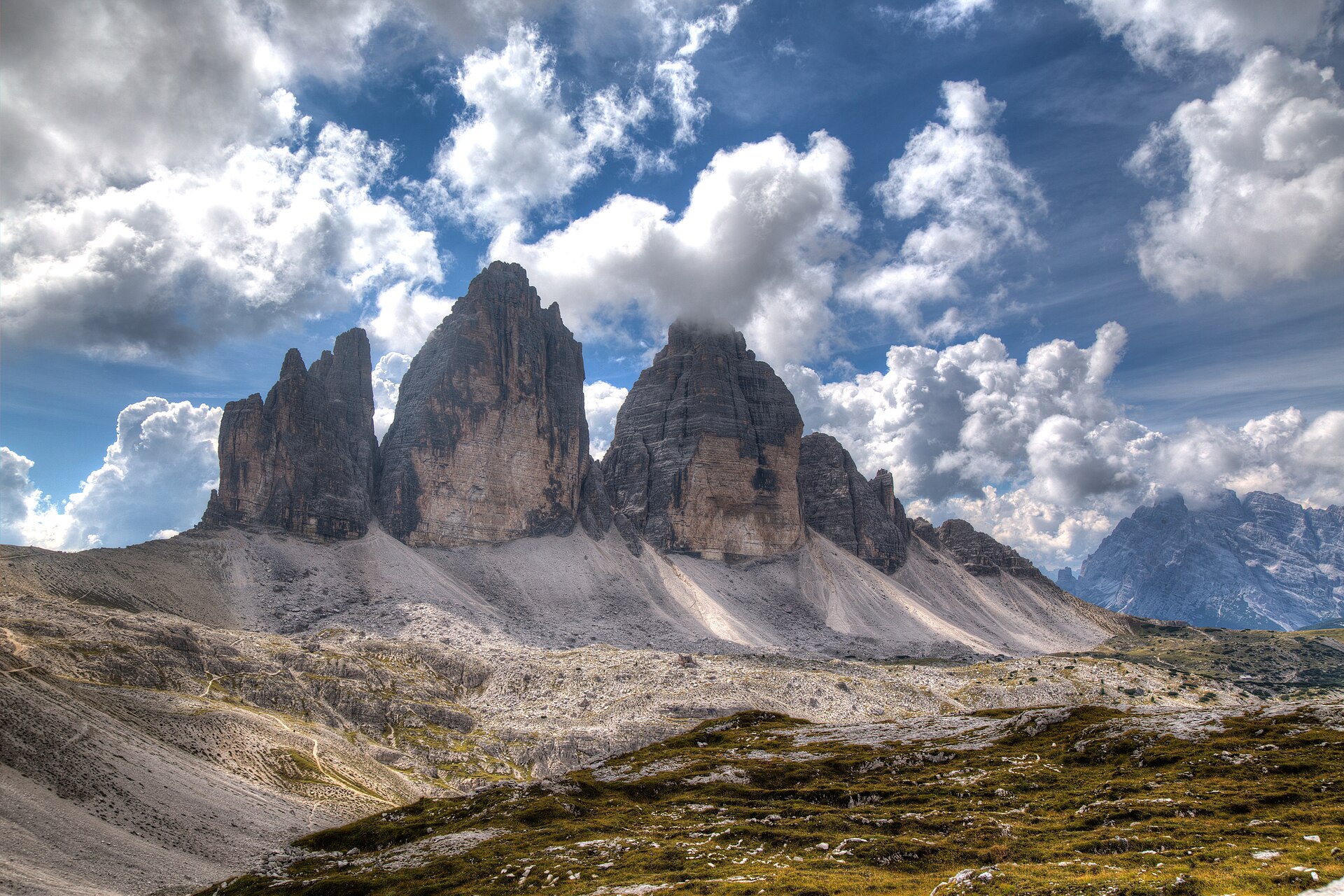
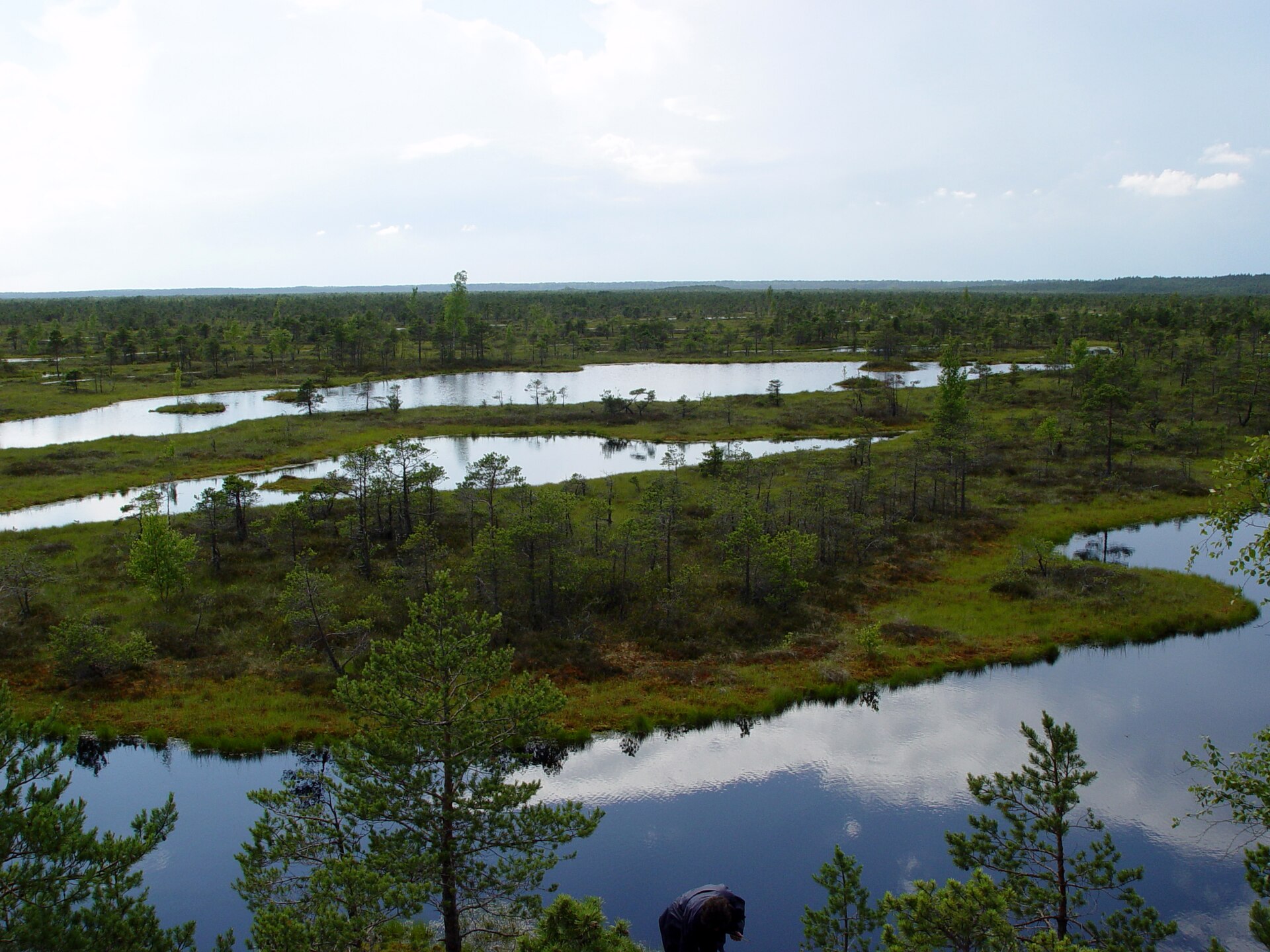
This mollusc species is recorded in 11 protected areas of the atlas, and is listed on the official Natura 2000 form of each of them. Within the atlas countries, it is mostly observed in Sweden, Switzerland and the United Kingdom (5 countries in all). Most records (8 in 10) lie between 1,100 and 2,250 m above sea level. Records peak from July to September. It is a species of Community interest under the Habitats Directive (Annex II). In the EU its conservation status is assessed as favourable in some biogeographical regions and unfavourable in others (2013–2018 reporting).
Best time to see it: July–September
Records published on GBIF by month (CC0 and CC BY 4.0 licences only), in the atlas countries, all years combined; they also reflect observer activity.
Status and protection
Habitats Directive II
The species is listed in Annex II of the Habitats Directive.
In the EU its conservation status is assessed as unfavourable-bad in the Continental and Boreal regions and favourable in the Alpine region (2013–2018 reporting).
Distribution
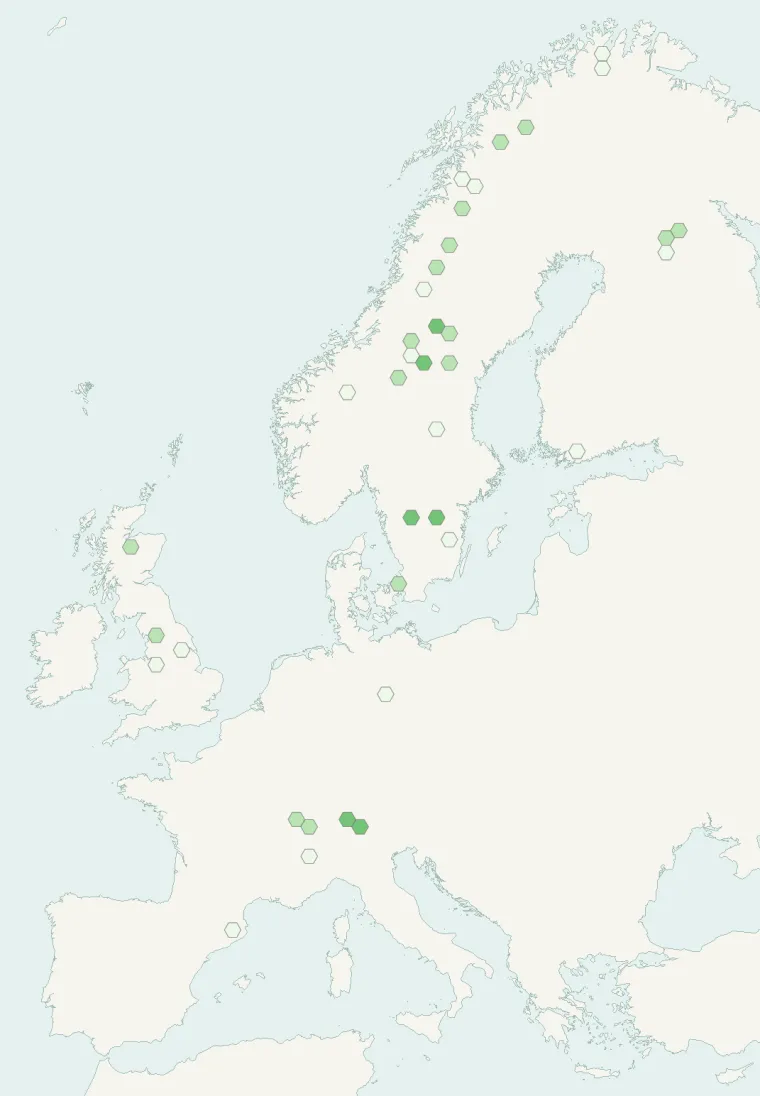
Records published on GBIF (CC0 and CC BY 4.0 licences): the darker the shade, the more records there are; they also reflect observation effort.
Atlas countries where it is recorded
From Wikipedia
Vertigo genesii, common name the round-mouthed whorl snail, is a species of small air-breathing land snail, a terrestrial pulmonate gastropod mollusc or micromollusc in the family Vertiginidae, the whorl snails. Like many other land snail species, Vertigo genesii has a high affinity to fen habitats, a type of wetland fed by mineral-rich ground water. Based of fossil records, genesii and other relative snail species were distributed in central Europe during the Later Glacial and Early Holocene period.
Source: Wikipedia, article “Vertigo genesii” (version of August 21, 2026) · history and authors · licence CC BY-SA 4.0
Protected areas where it is recorded
Natura 2000
Natura 2000
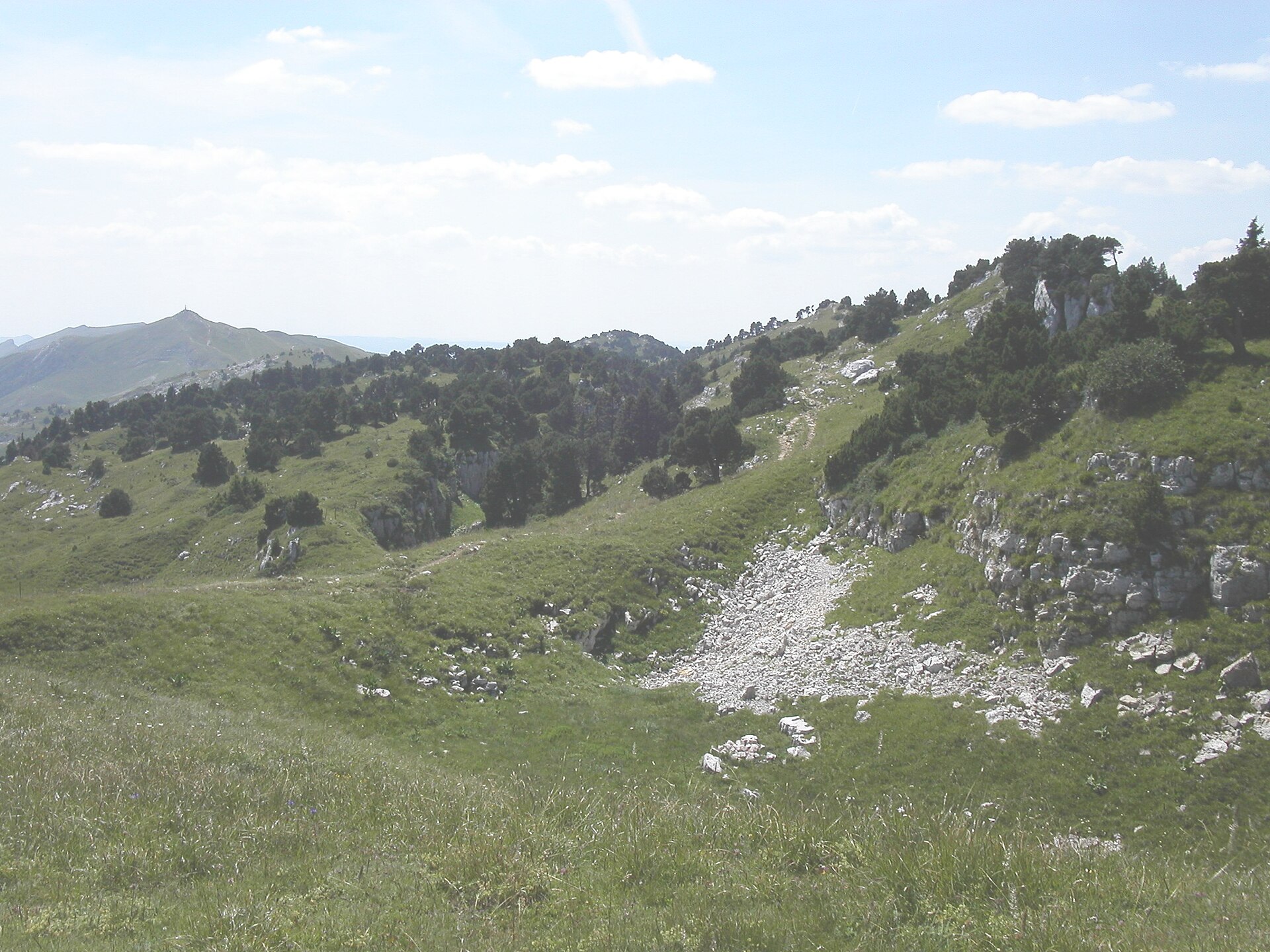
Natura 2000

Natura 2000
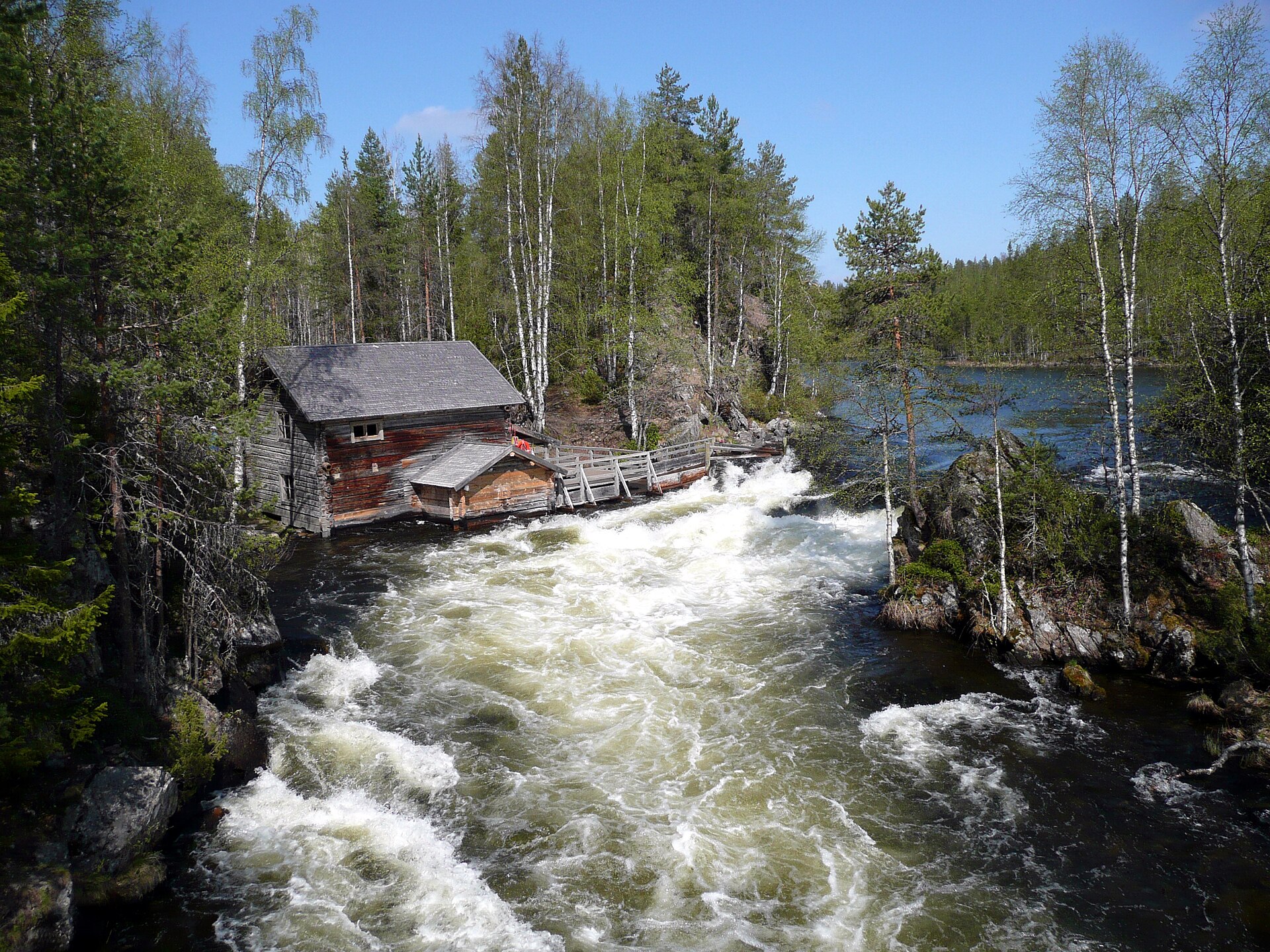
Natura 2000

Natura 2000

Natura 2000
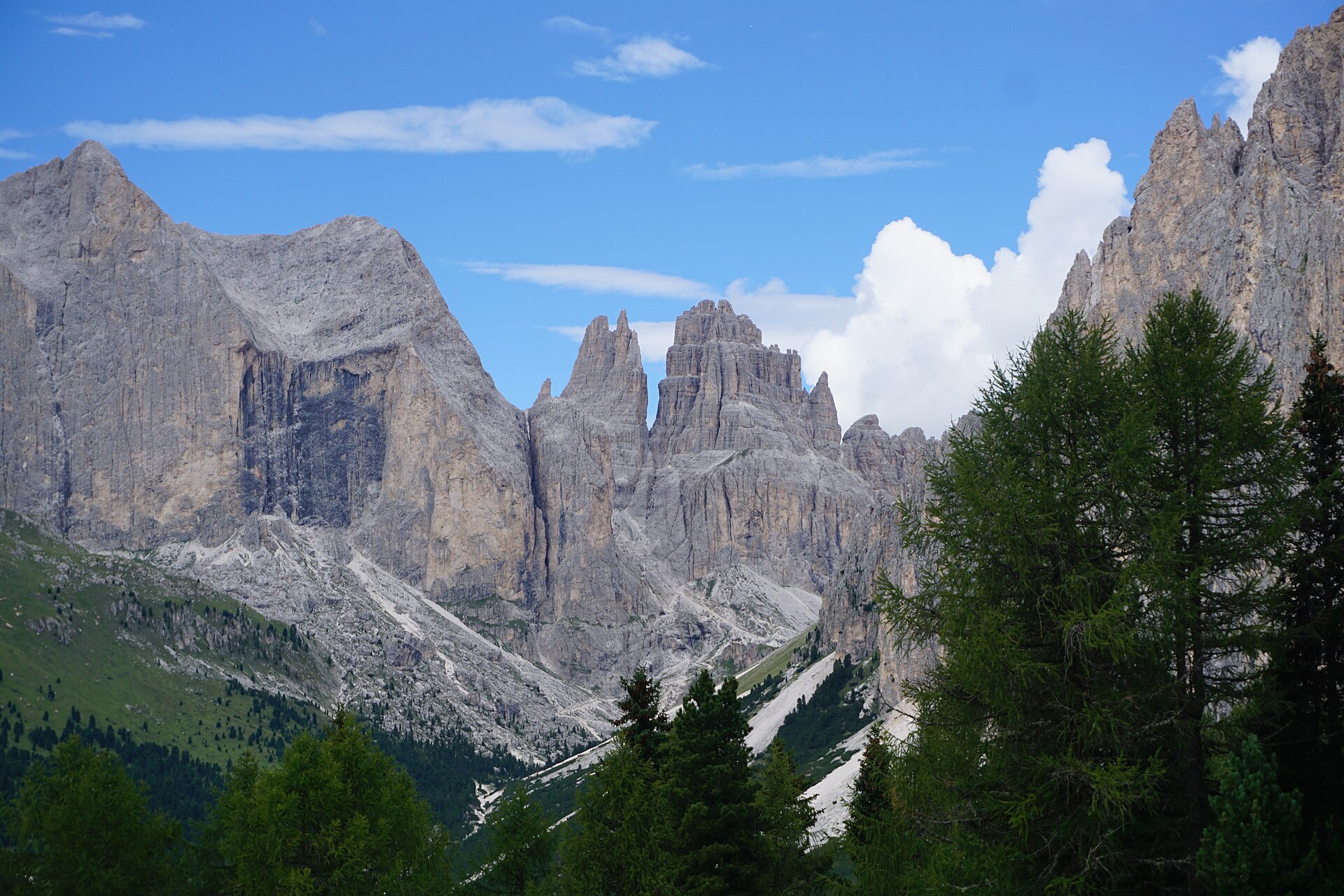
Natura 2000
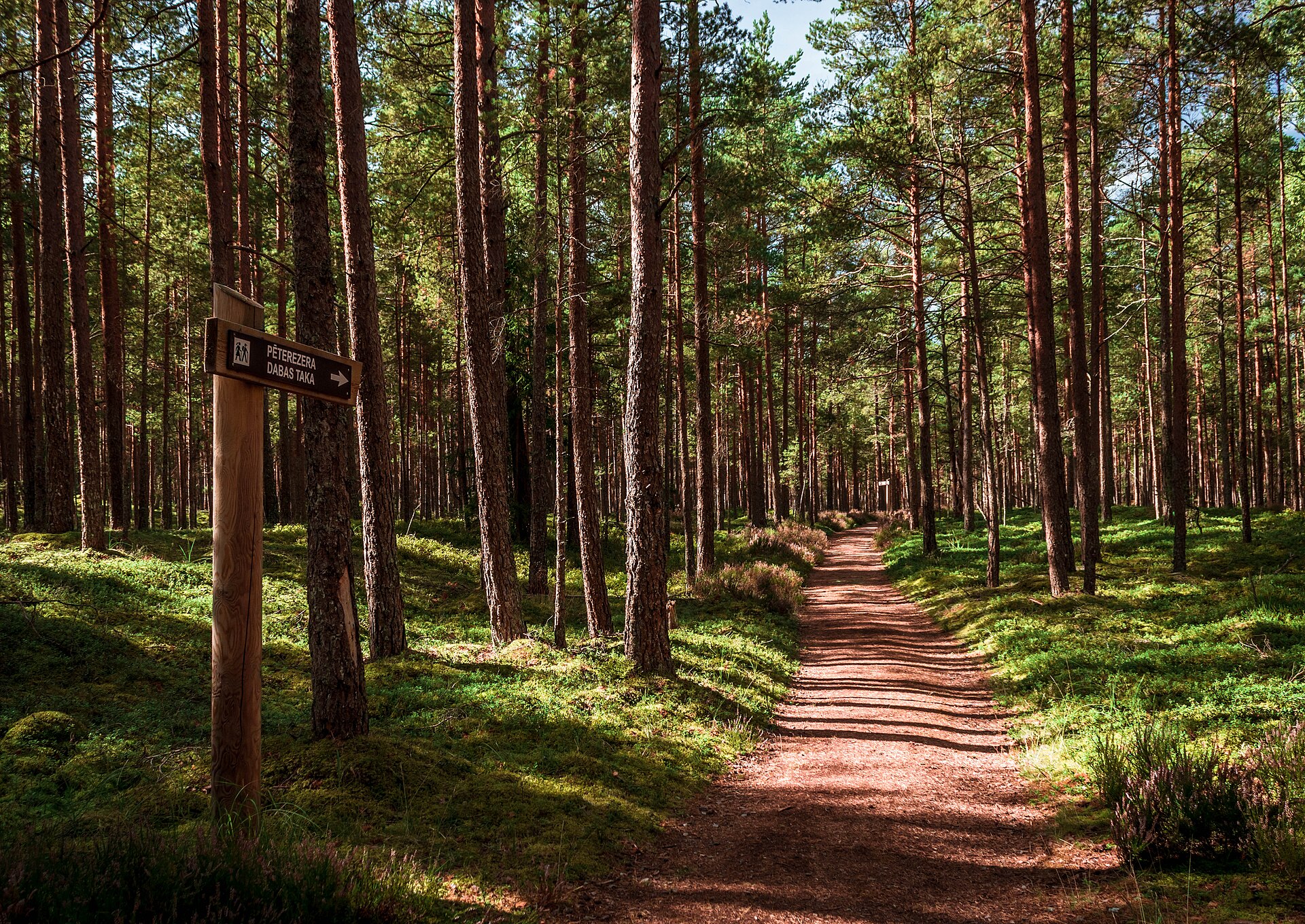
Natura 2000
Natura 2000
Natura 2000
Other species to discover
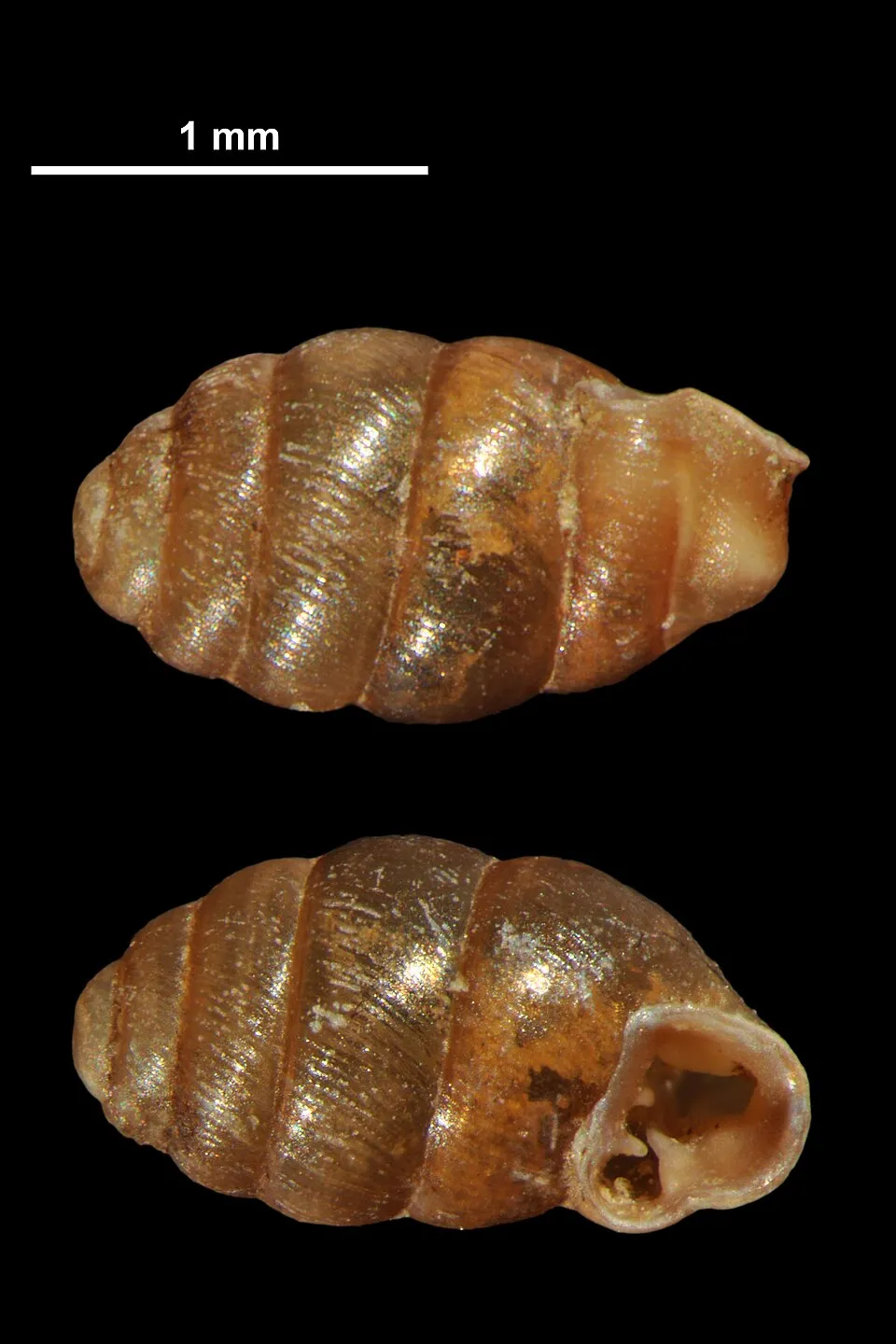 Narrow-mouthed whorl snail
Vertigo angustior Same genus
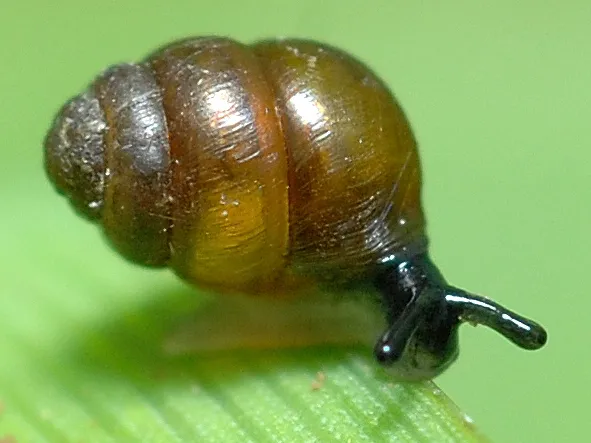 Desmoulin's whorl snail
Vertigo moulinsiana Same genus
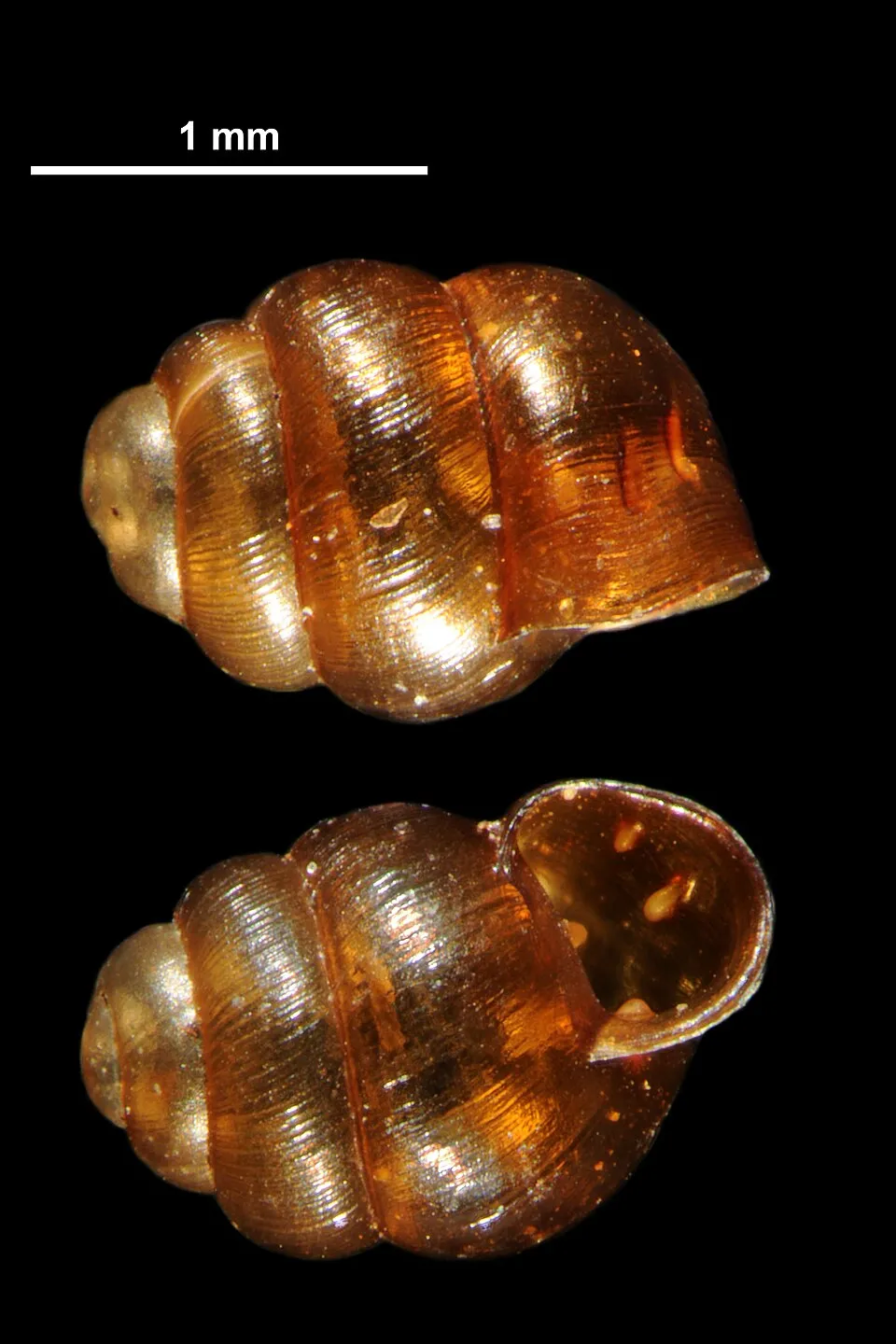 Geyer's whorl snail
Vertigo geyeri Same genus
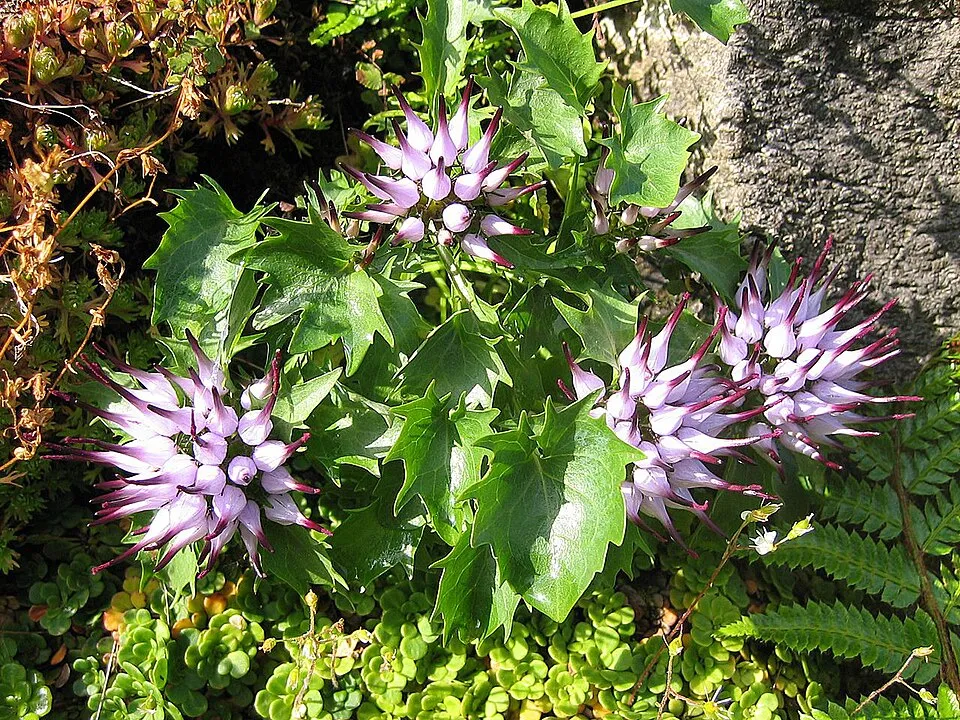 Tufted horned rampion
Physoplexis comosa 4 places in common
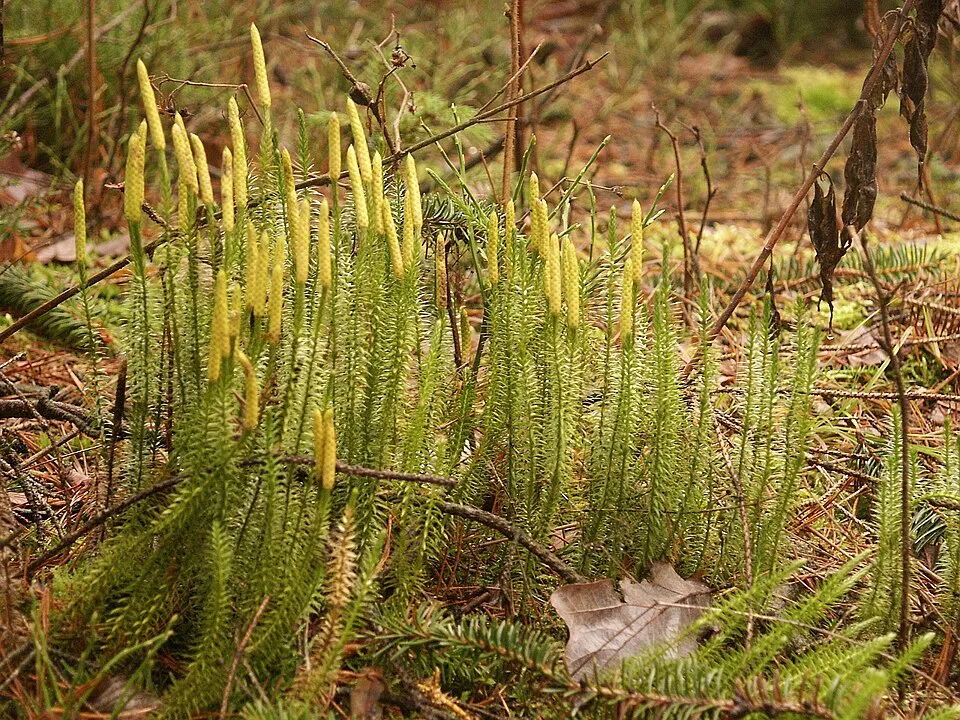 Interrupted clubmoss
Lycopodium annotinum 8 places in common
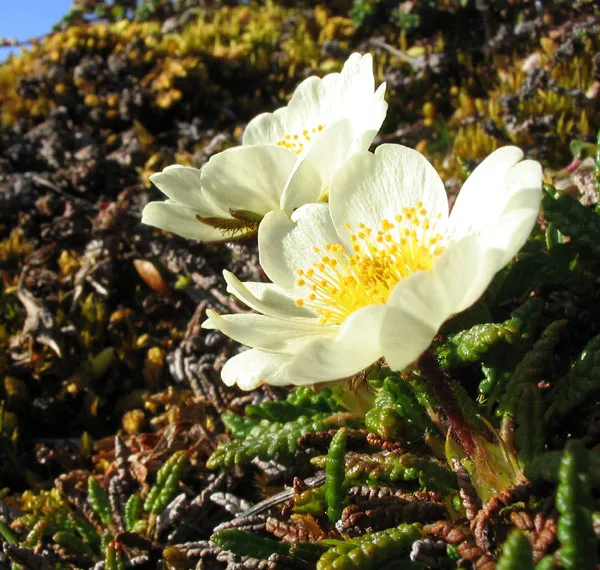 Eightpetal mountain-avens
Dryas octopetala 4 places in common
Sources and credits
- Presence: most-recorded species of each place on GBIF and species of Community interest in the Natura 2000 forms (EEA, CC-BY 4.0); absence from the list does not mean the species is absent.
- Common names: Wikidata (CC0) and GBIF.
- Photos and sounds: Wikimedia Commons, author and licence given for each file.
- Classification: GBIF Backbone Taxonomy (GBIF Secretariat), CC BY 4.0, doi:10.15468/39omei.
- Countries, elevations, months and maps: GBIF.org, CC0 or CC BY 4.0 occurrences only, accessed October 22, 2026, GBIF.org.
- Base map: Natural Earth (public domain).
- Excerpt: Wikipedia, CC BY-SA 4.0 (full credit below the excerpt).
- Annexes: Directive 92/43/EEC (consolidated version), © European Union, EUR-Lex.
- Conservation status: EEA / DG ENV, Article 17 Habitats Directive reporting (2013–2018), CC BY 4.0.