
Plant
Slender Naiad: where to see it
Najas flexilis
This plant species is recorded in 6 protected areas of the atlas, and is listed on the official Natura 2000 form of each of them. Within the atlas countries, it is mostly observed in Sweden, the United Kingdom and Norway (6 countries in all). Records peak from July to August. Plant (aquatic plant), native to Europe, temperate Asia and North America. It is a species of Community interest under the Habitats Directive (Annexes II and IV). In the EU its conservation status is assessed as unfavourable (2013–2018 reporting).
Best time to see it: July–August
Records published on GBIF by month (CC0 and CC BY 4.0 licences only), in the atlas countries, all years combined; they also reflect observer activity.
Status and protection
Habitats Directive II · IV
The species is listed in Annexes II and IV of the Habitats Directive.
In the EU its conservation status is assessed as unfavourable-bad in the Boreal and Continental regions and unfavourable-inadequate in the Atlantic region (2013–2018 reporting).
Distribution
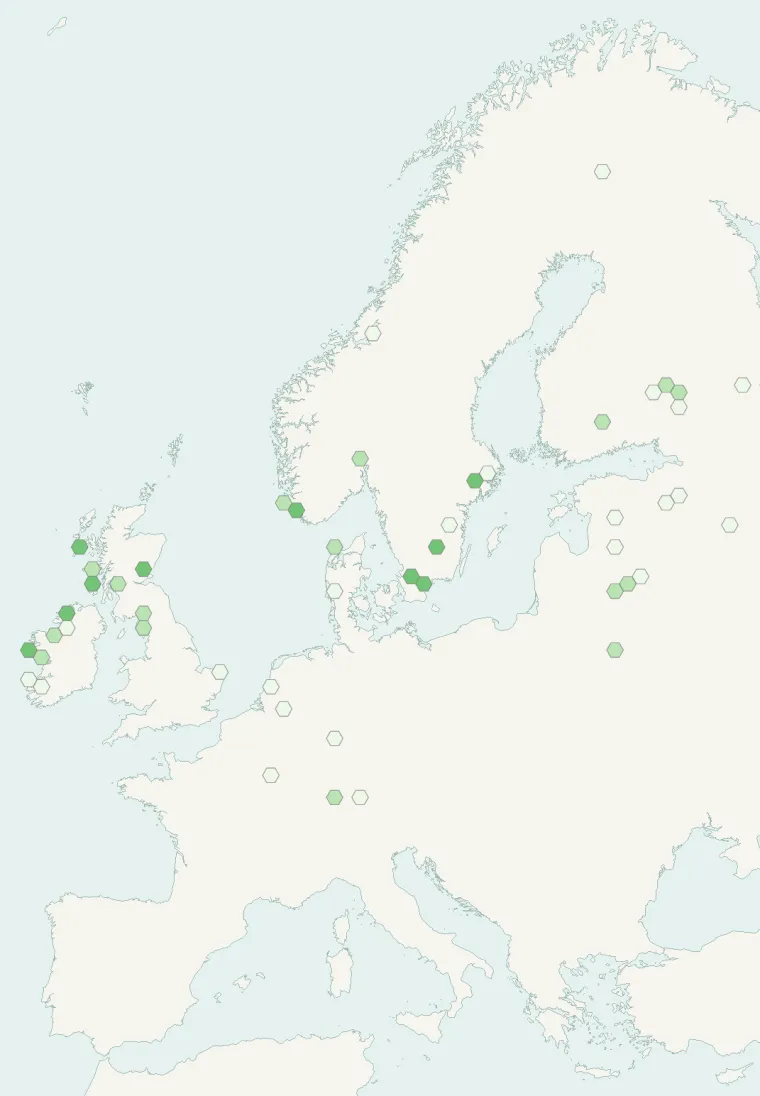
Records published on GBIF (CC0 and CC BY 4.0 licences): the darker the shade, the more records there are; they also reflect observation effort.
Atlas countries where it is recorded
From Wikipedia
Najas flexilis is an aquatic annual plant native to parts of North America and Europe. It is native to northern and central Europe from Norway to Ireland to Switzerland, and from there across Russia (including Siberia). It is also considered native throughout most of Canada, and the northern United States in disjunct populations in southern California, Arizona, Missouri, South Carolina and Utah. Its common names include slender naiad and nodding waternymph. Najas flexilis inhabits shallow bodies of brackish and fresh water such as lakes and bays.
Source: Wikipedia, article “Najas flexilis” (version of May 3, 2026) · history and authors · licence CC BY-SA 4.0 · shortened excerpt
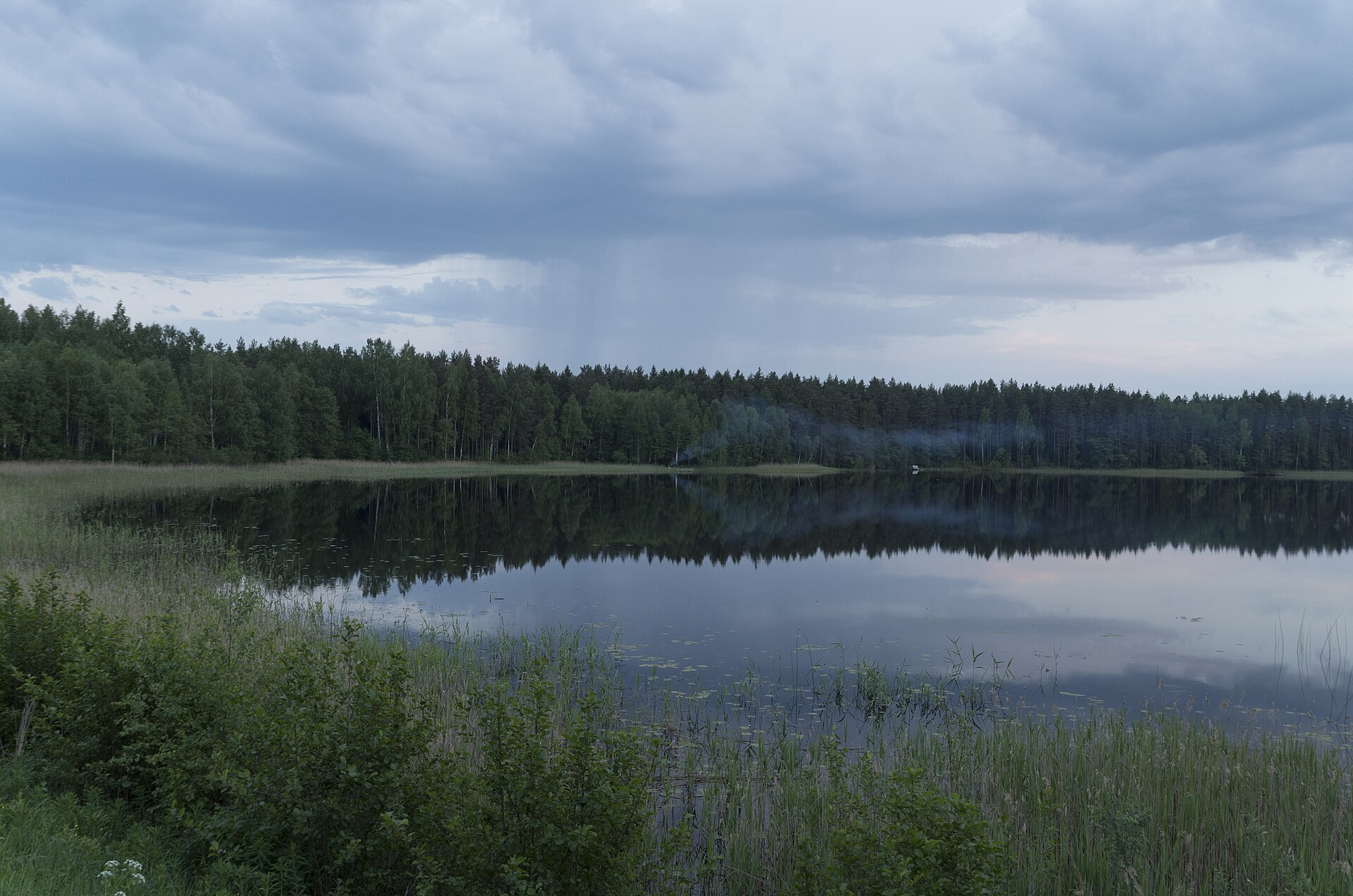
Protected areas where it is recorded

Natura 2000
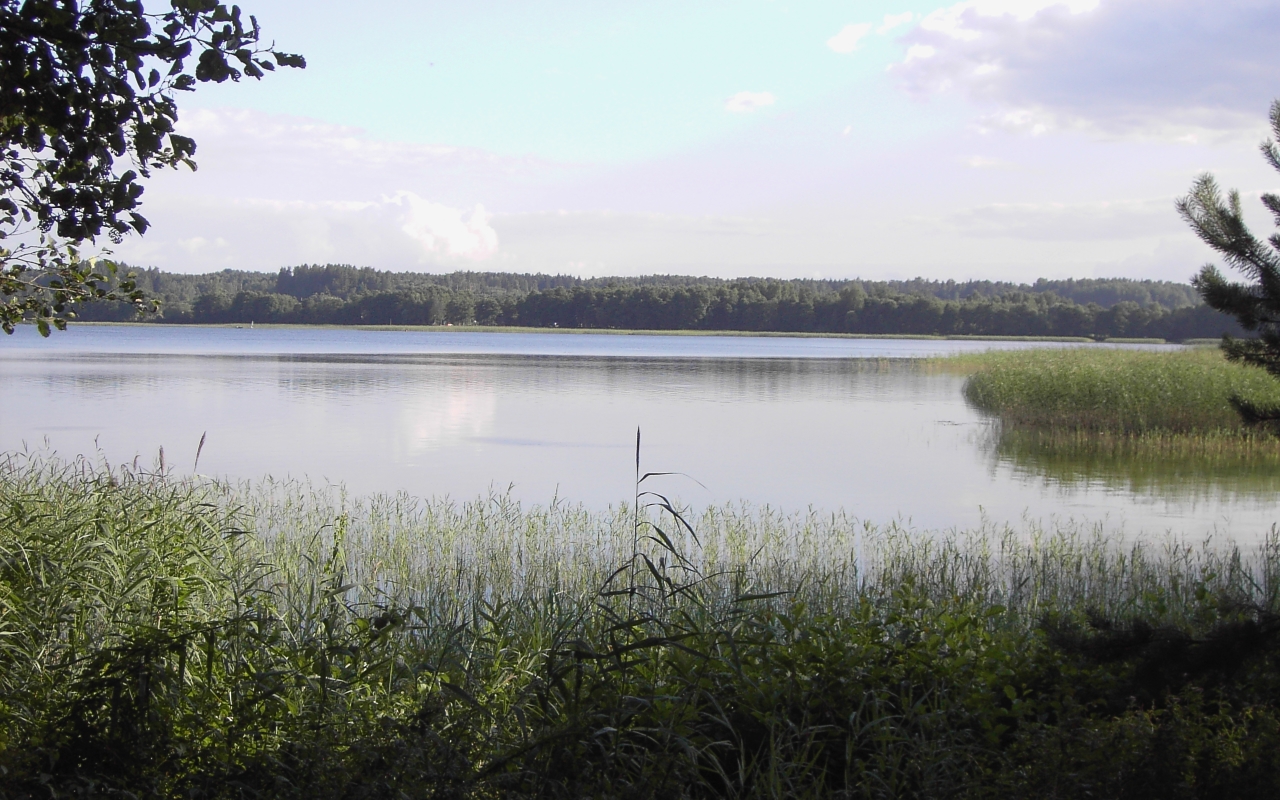
Natura 2000
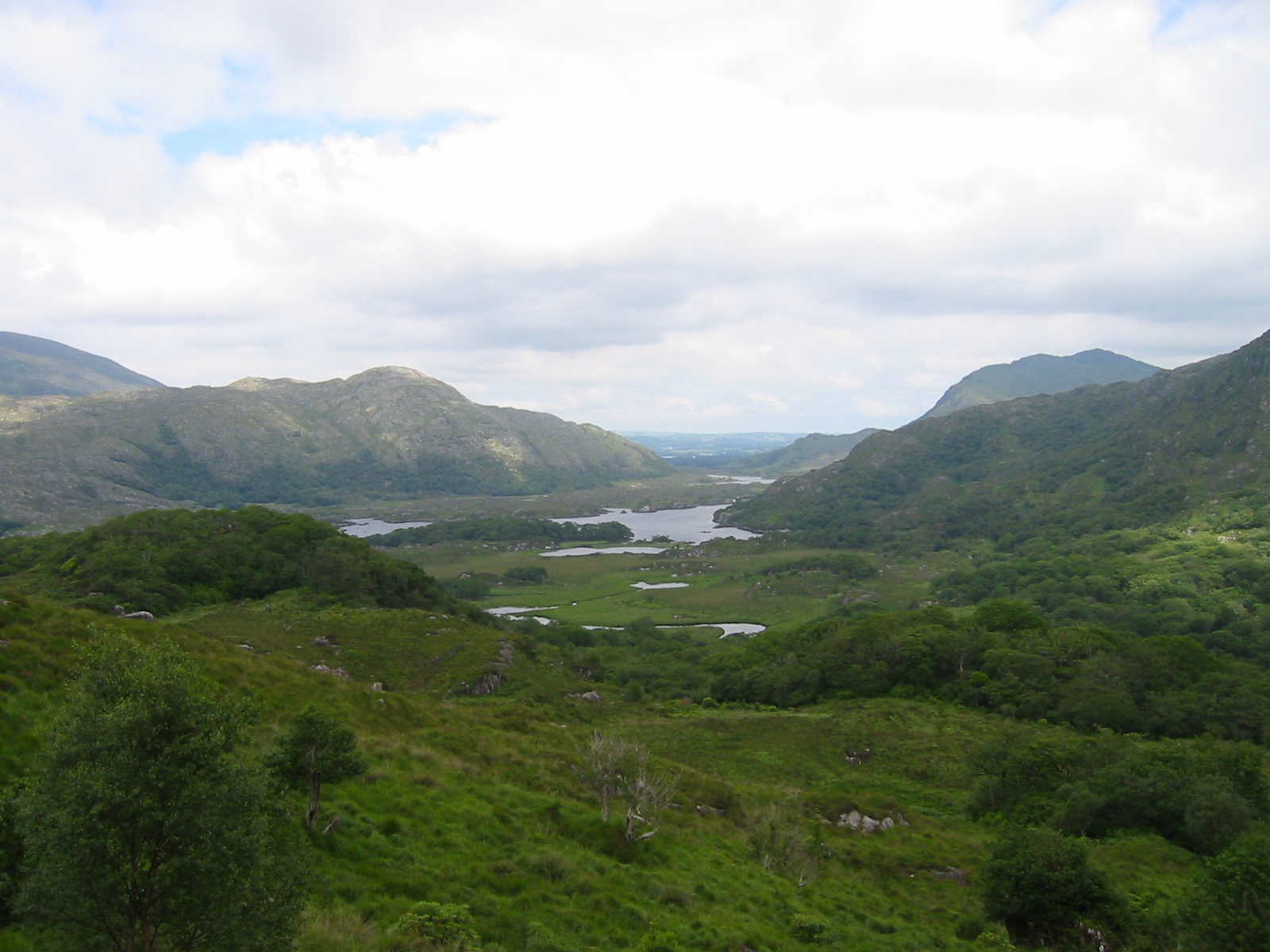
Natura 2000
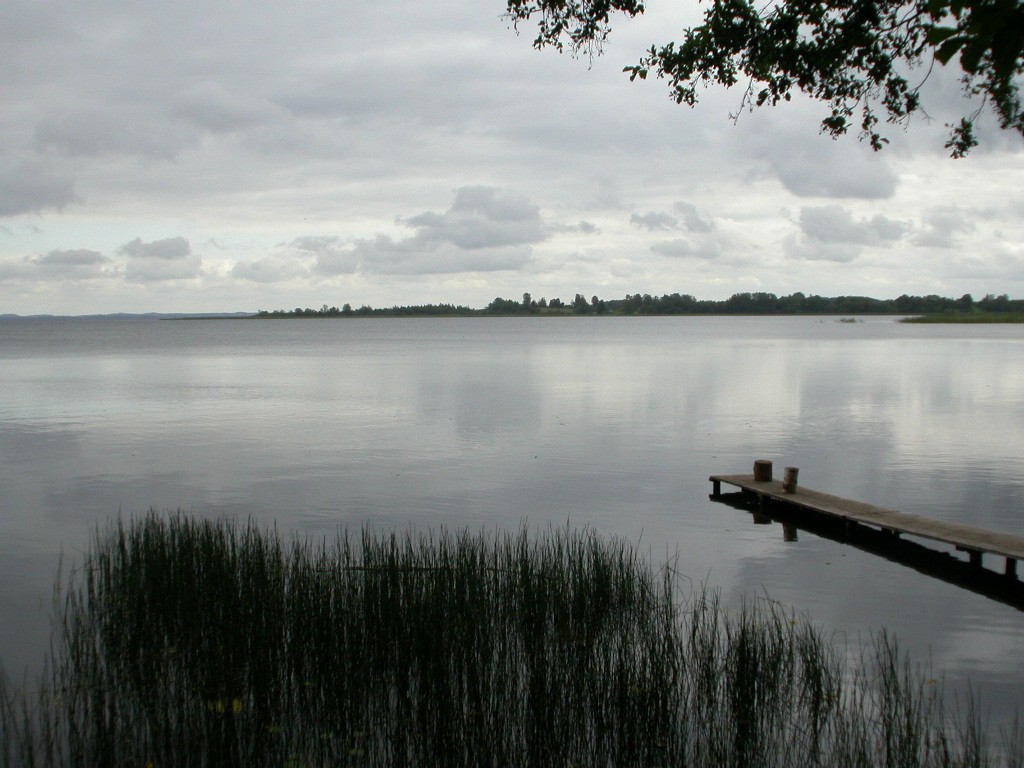
Natura 2000
Natura 2000

Natura 2000
Other species to discover
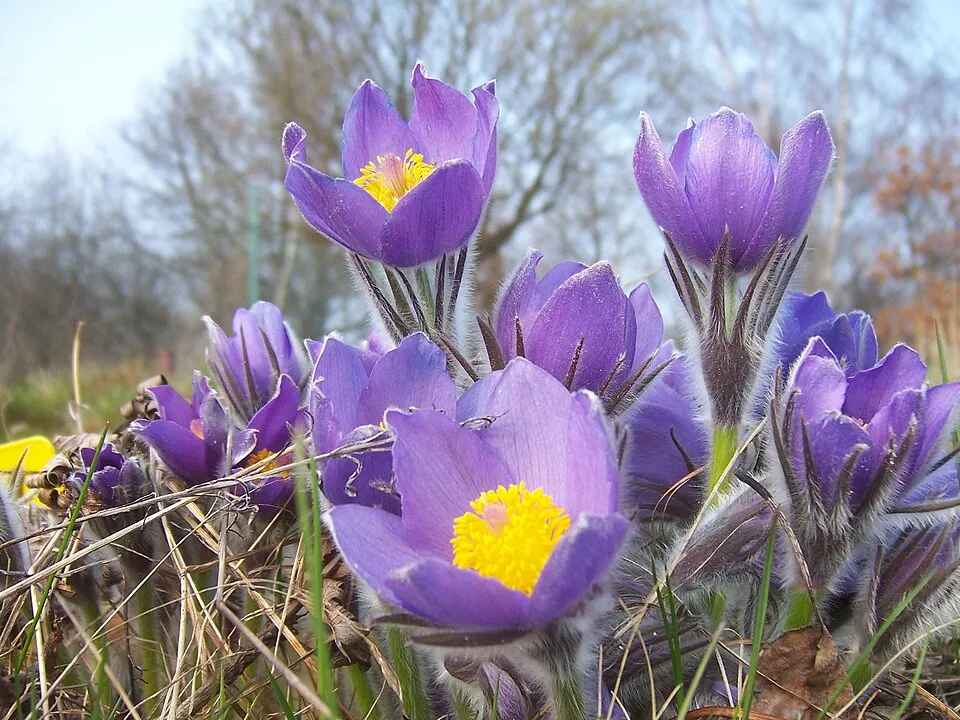 Eastern pasqueflower
Pulsatilla patens 3 places in common
 Yellow marsh saxifrage
Saxifraga hirculus 2 places in common
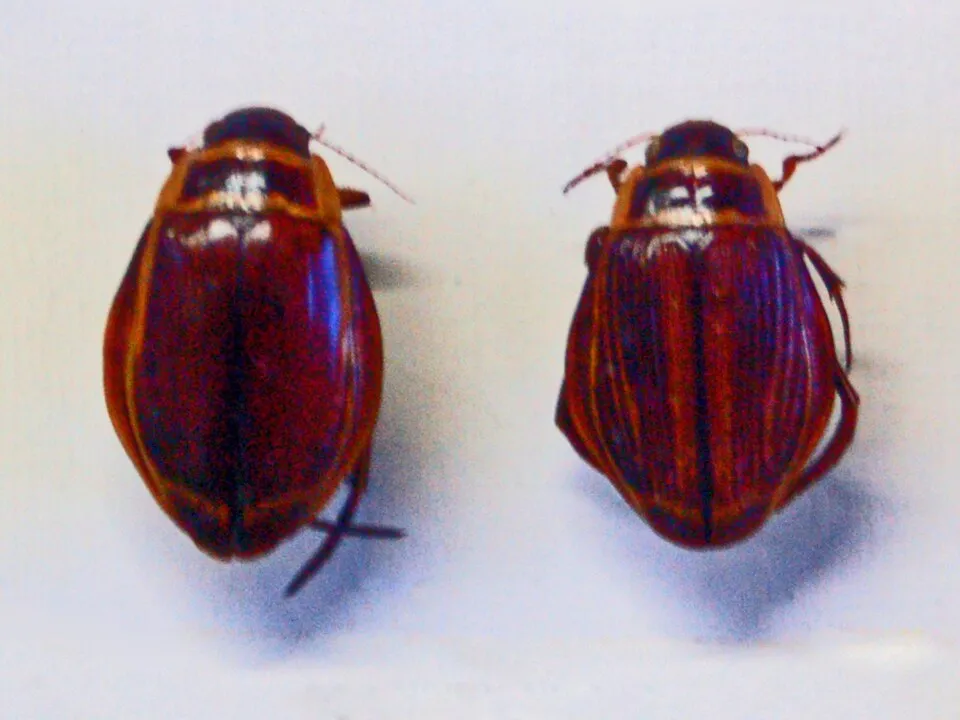 Broadest Diver
Dytiscus latissimus 3 places in common
 Scarce heath
Coenonympha hero 2 places in common
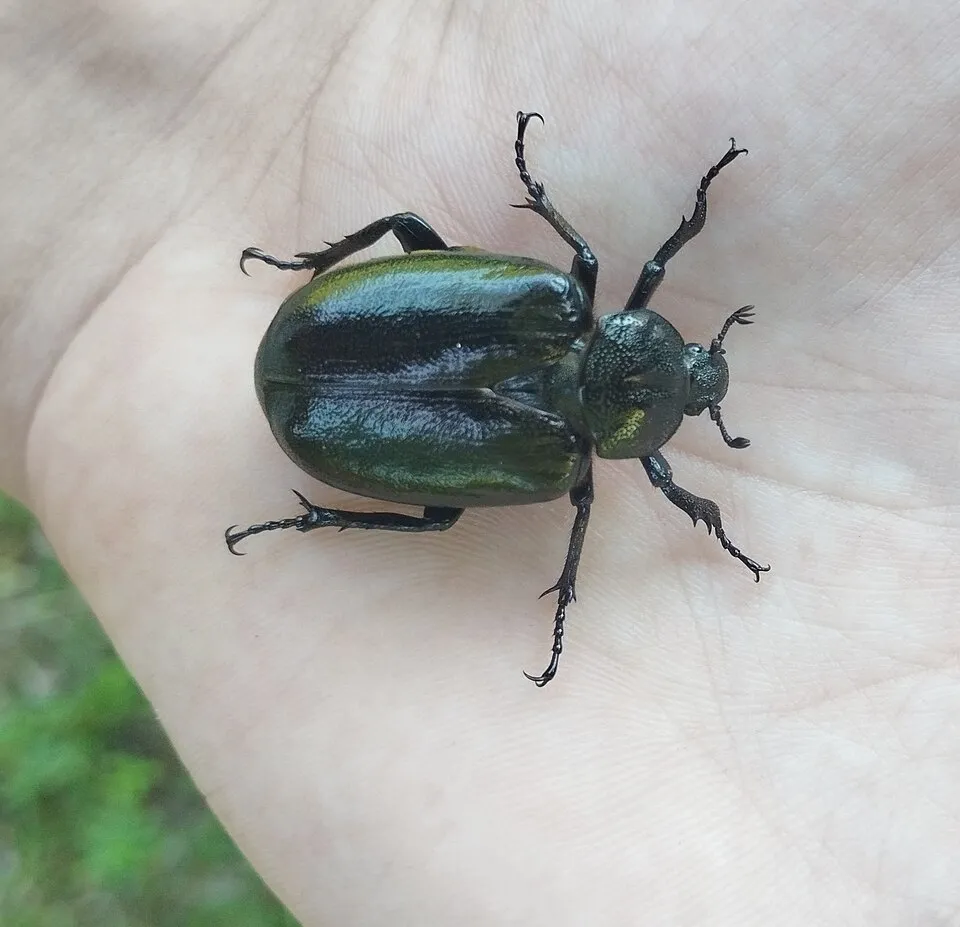 Eastern Hermit Beetle
Osmoderma barnabita 2 places in common
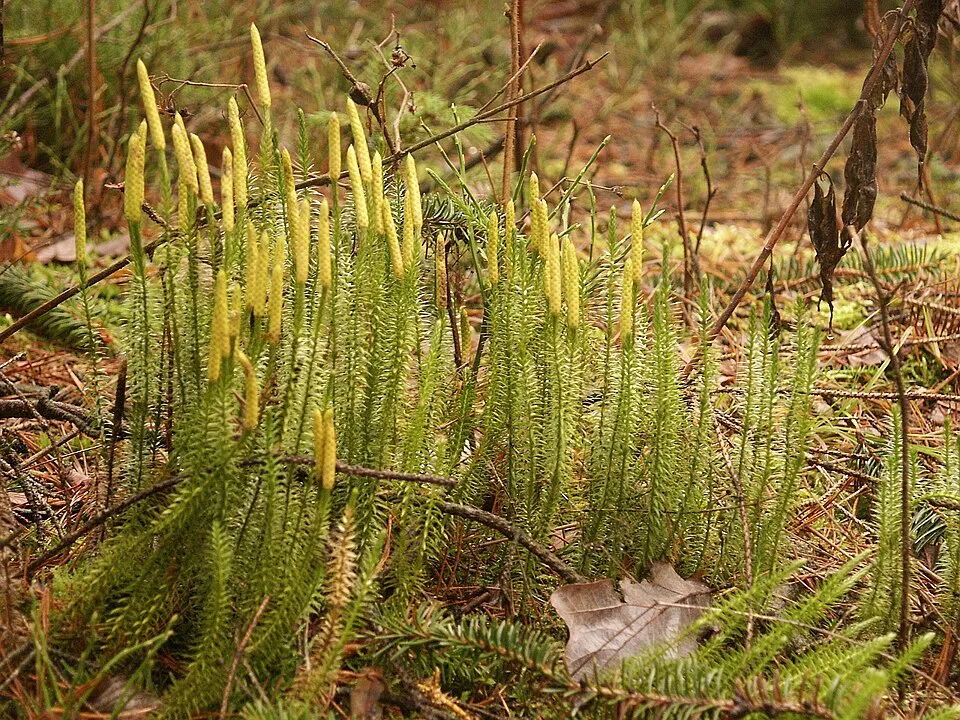 Interrupted clubmoss
Lycopodium annotinum 2 places in common
Sources and credits
- Presence: most-recorded species of each place on GBIF and species of Community interest in the Natura 2000 forms (EEA, CC-BY 4.0); absence from the list does not mean the species is absent.
- Common names: Wikidata (CC0) and GBIF.
- Photos and sounds: Wikimedia Commons, author and licence given for each file.
- Classification: GBIF Backbone Taxonomy (GBIF Secretariat), CC BY 4.0, doi:10.15468/39omei.
- Countries, elevations, months and maps: GBIF.org, CC0 or CC BY 4.0 occurrences only, accessed October 22, 2026, GBIF.org.
- Base map: Natural Earth (public domain).
- Excerpt: Wikipedia, CC BY-SA 4.0 (full credit below the excerpt).
- Annexes: Directive 92/43/EEC (consolidated version), © European Union, EUR-Lex.
- Conservation status: EEA / DG ENV, Article 17 Habitats Directive reporting (2013–2018), CC BY 4.0.
- Native range and life form: World Checklist of Vascular Plants, Royal Botanic Gardens, Kew, CC BY 4.0 (no endorsement by Kew).