
Mammal
Southern Chamois: where to see it
Rupicapra pyrenaica
This mammal species is recorded in 12 protected areas of the atlas, including 3 whose official Natura 2000 form lists it. Within the atlas countries, it is observed in France and Spain. Most records (8 in 10) lie between 1,350 and 2,300 m above sea level. Records peak from June to July. Some of its populations are covered by the Habitats Directive (Annexes II, IV and V). In the EU its conservation status is assessed as favourable in some biogeographical regions and unfavourable in others (2013–2018 reporting).
Best time to see it: June–July
Records published on GBIF by month (CC0 and CC BY 4.0 licences only), in the atlas countries, all years combined; they also reflect observer activity.
Status and protection
Habitats Directive II · IV · V (some populations)
The species is listed in Annexes II, IV and V of the Habitats Directive (for some populations or subspecies).
In the EU its conservation status is assessed as unfavourable-inadequate in the Mediterranean and Atlantic regions and favourable in the Alpine region (2013–2018 reporting).
Distribution
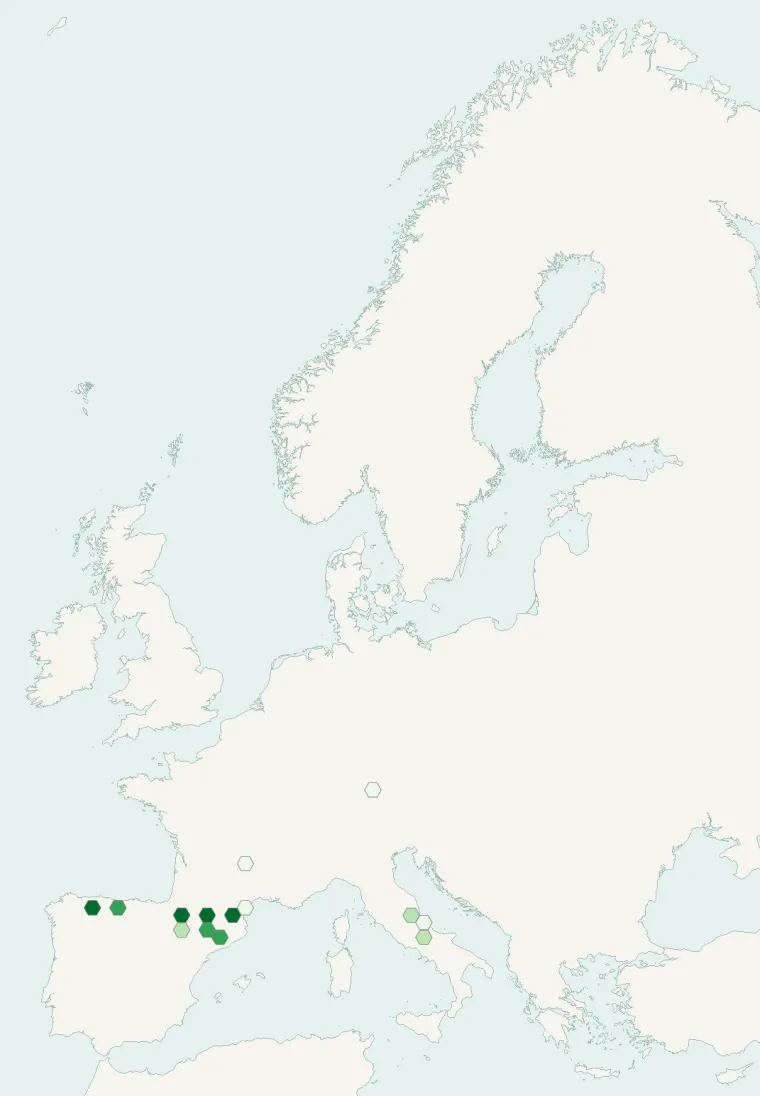
Records published on GBIF (CC0 and CC BY 4.0 licences): the darker the shade, the more records there are; they also reflect observation effort.
Atlas countries where it is recorded
From Wikipedia
The Pyrenean chamois (Rupicapra pyrenaica) is a goat-antelope that lives in the Pyrenees and Cantabrian Mountains of Spain, France and Andorra, and the Apennine Mountains of central Italy. It is one of the two species of the genus Rupicapra, the other being the chamois, Rupicapra rupicapra.
Source: Wikipedia, article “Pyrenean chamois” (version of October 18, 2026) · history and authors · licence CC BY-SA 4.0
Protected areas where it is recorded
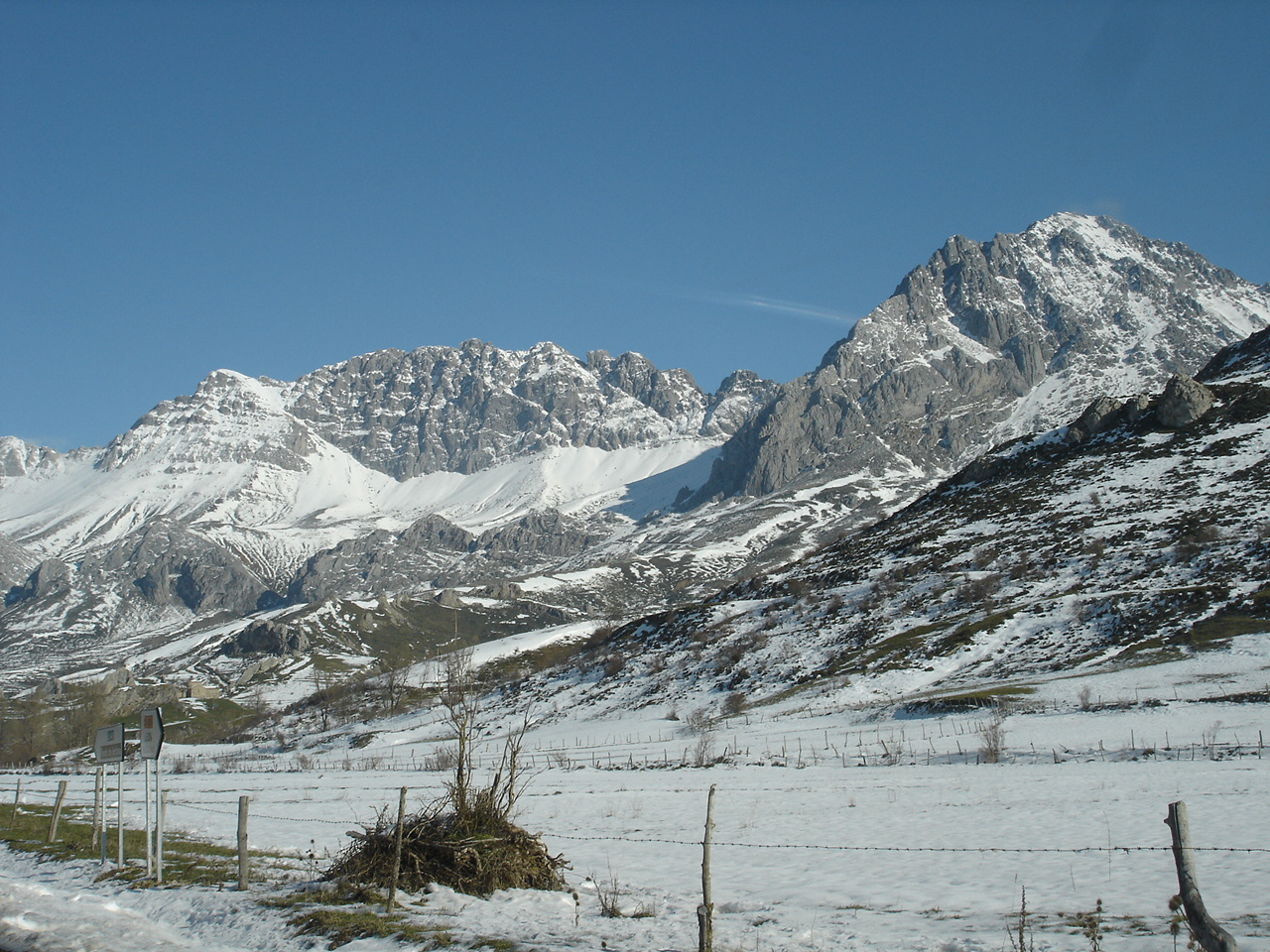
Natura 2000 778 records
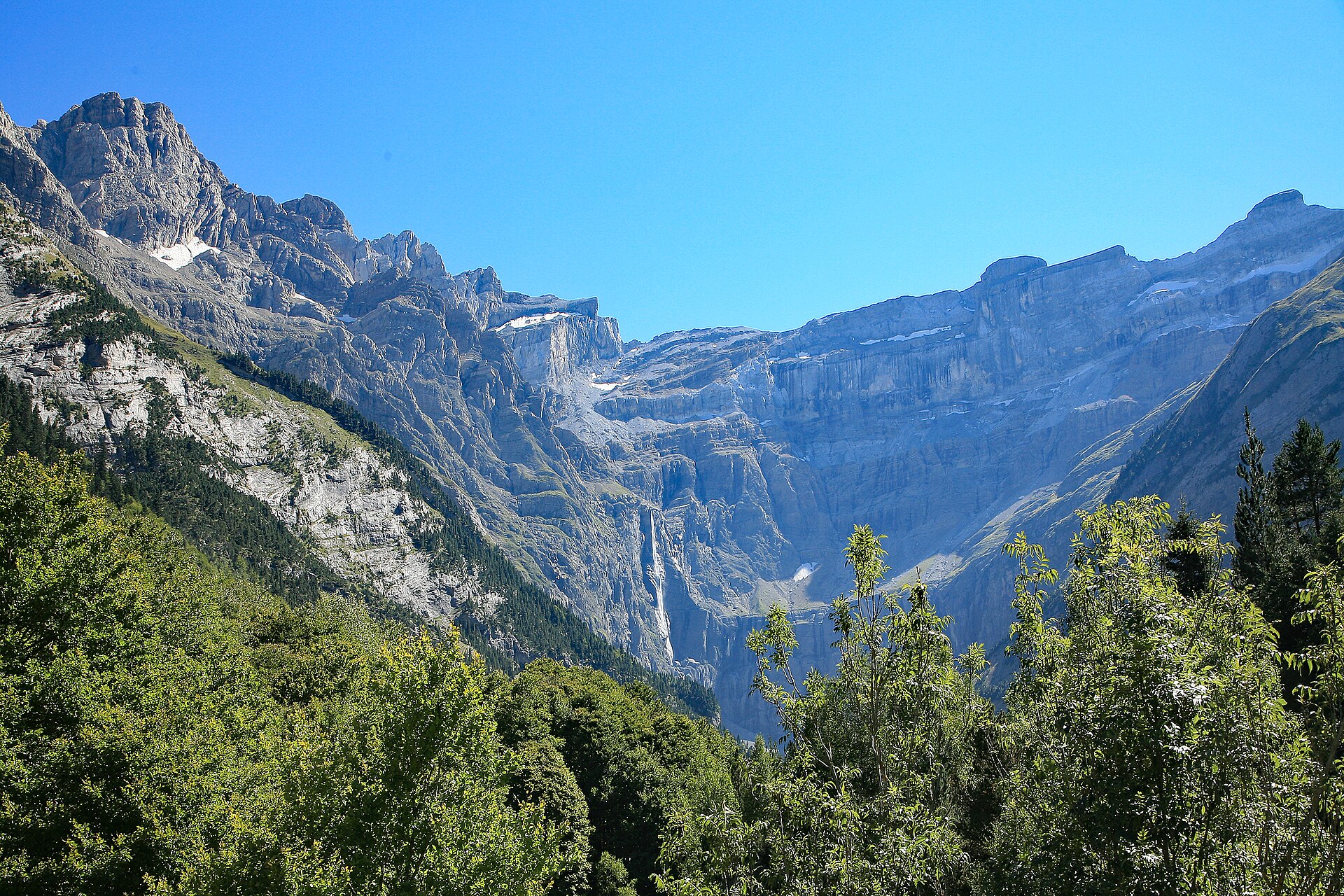
4,824 records
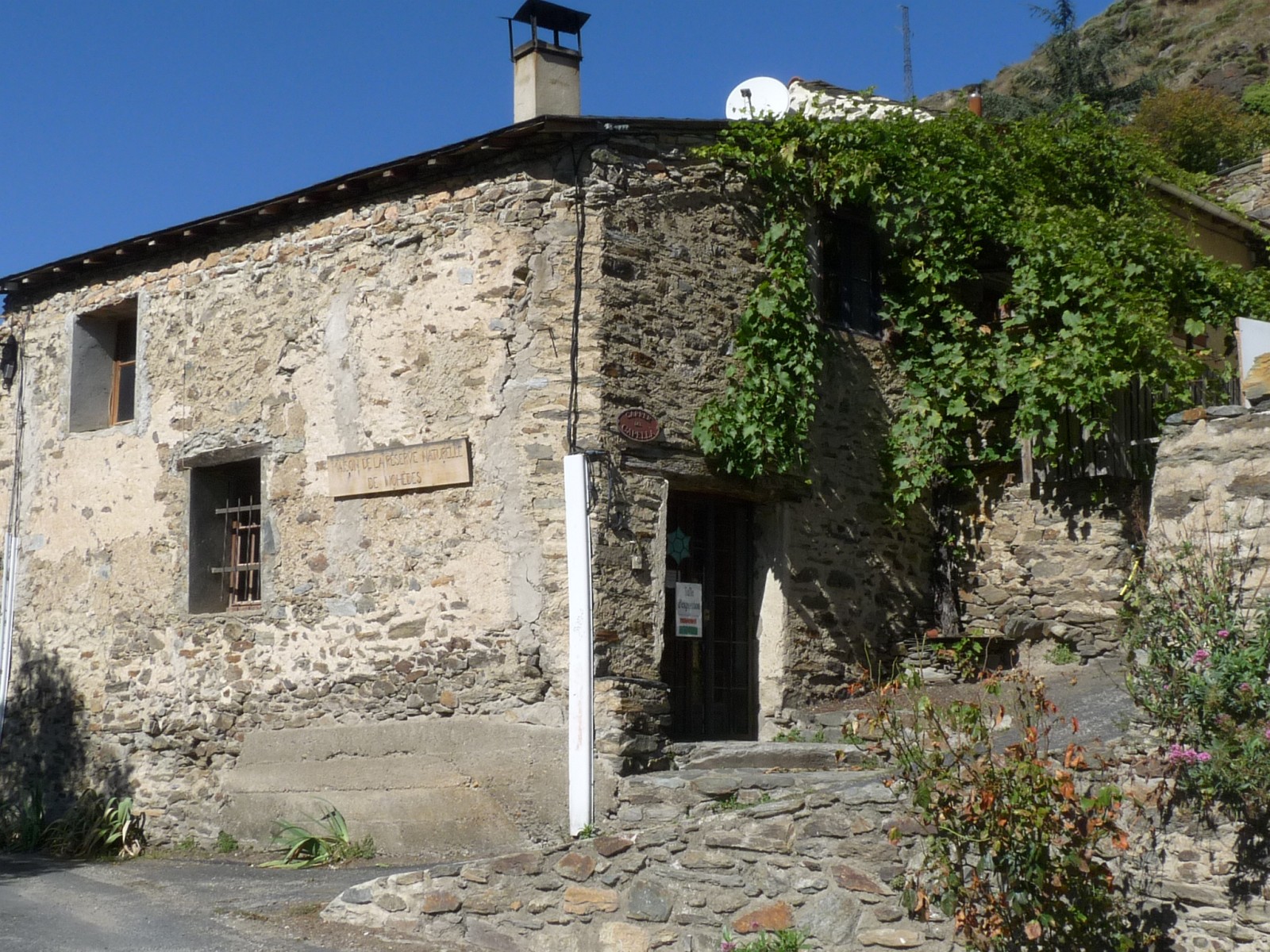
687 records
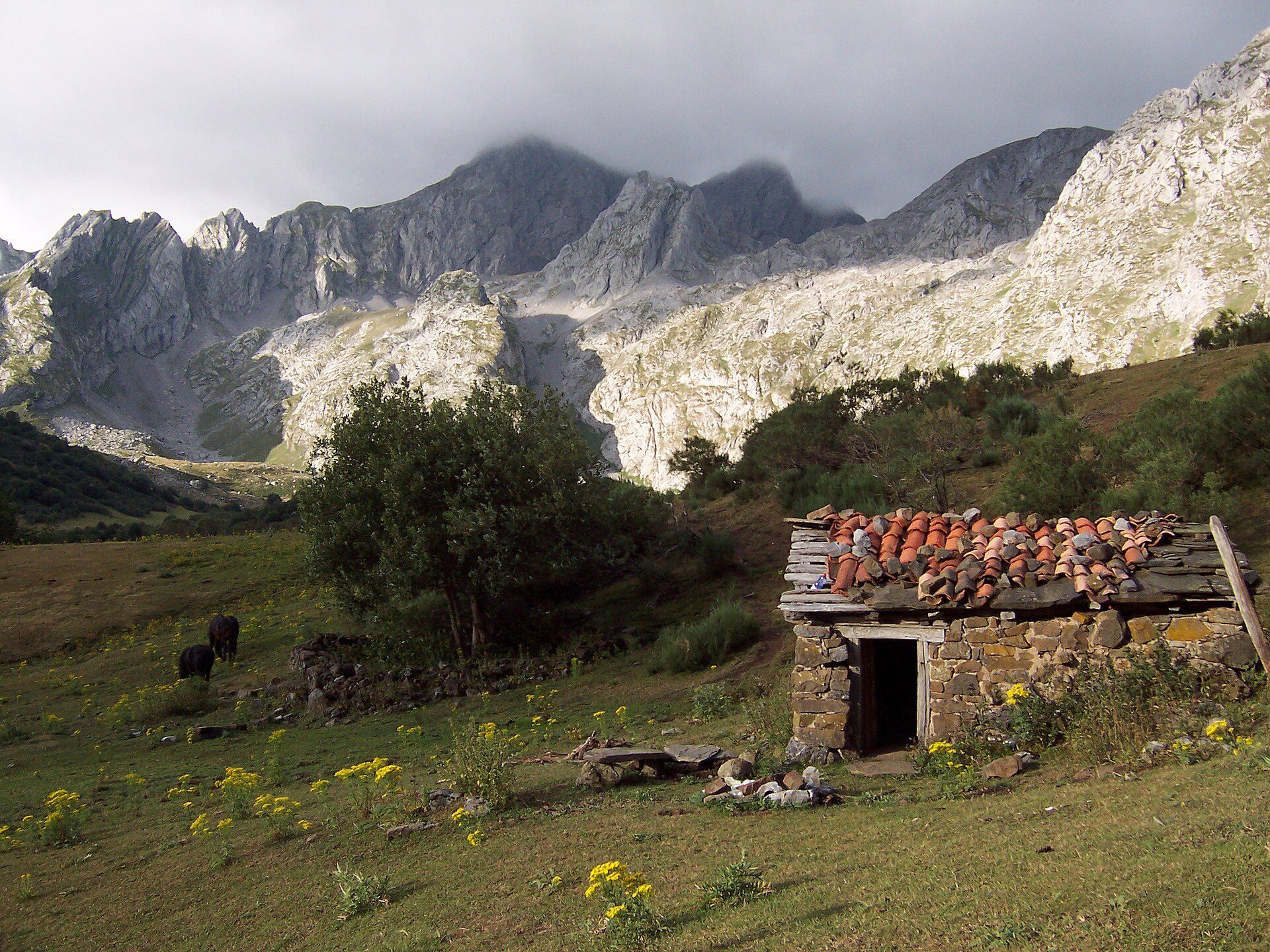
512 records
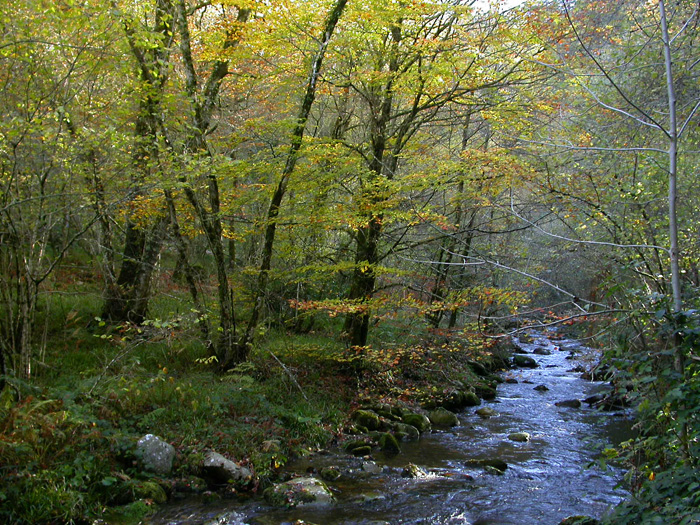
460 records

436 records

354 records
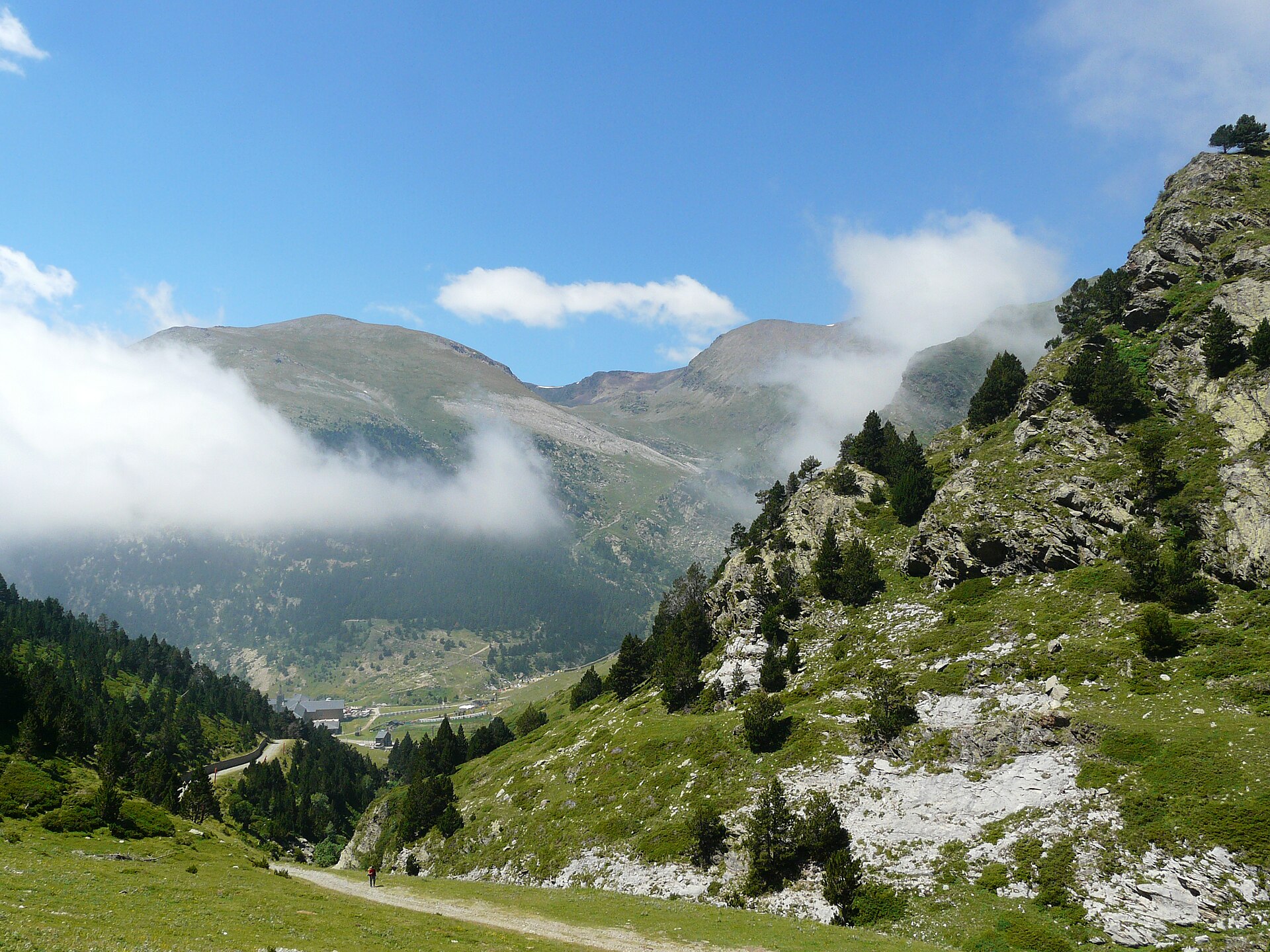
229 records
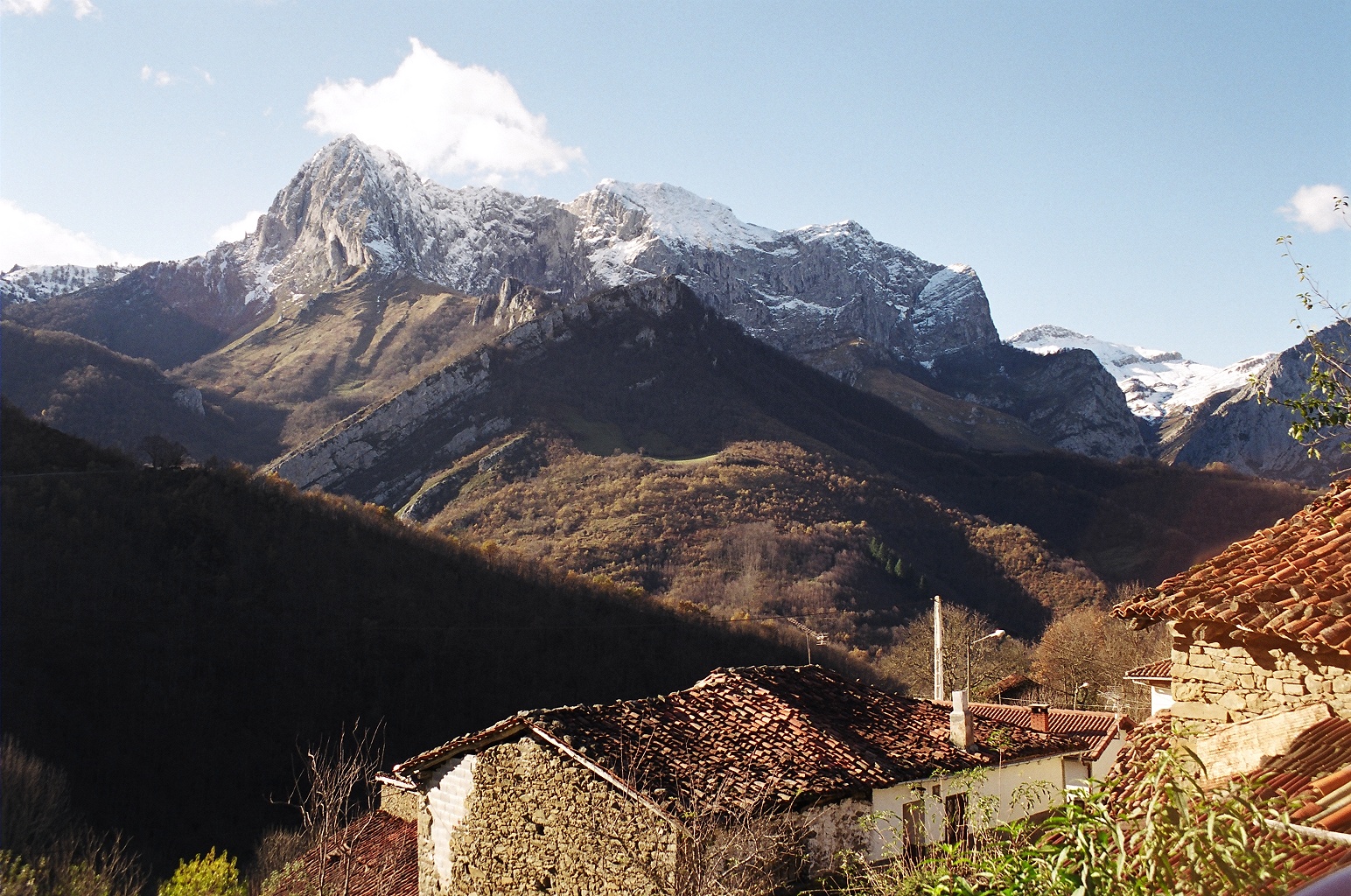
157 records
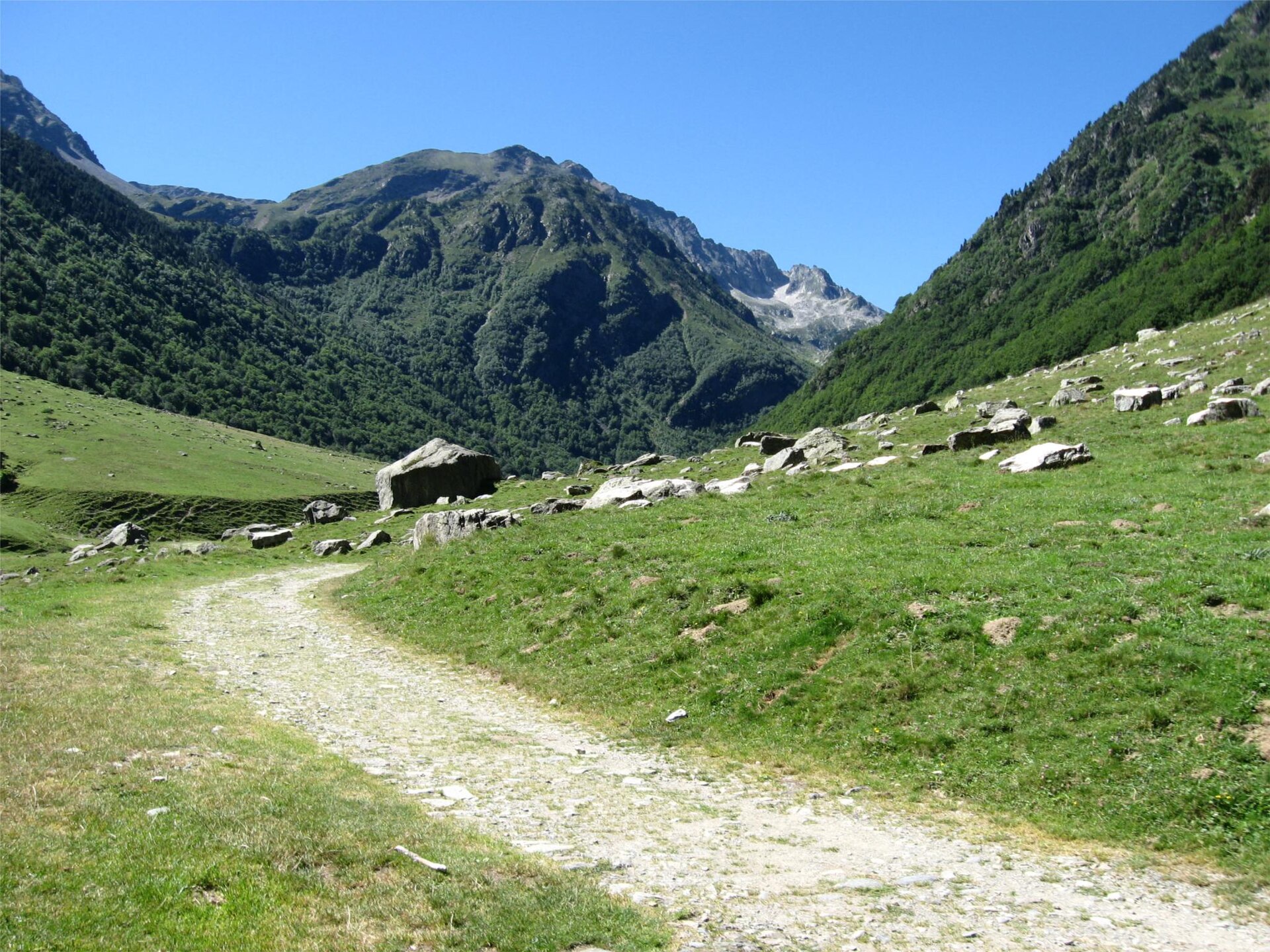
109 records
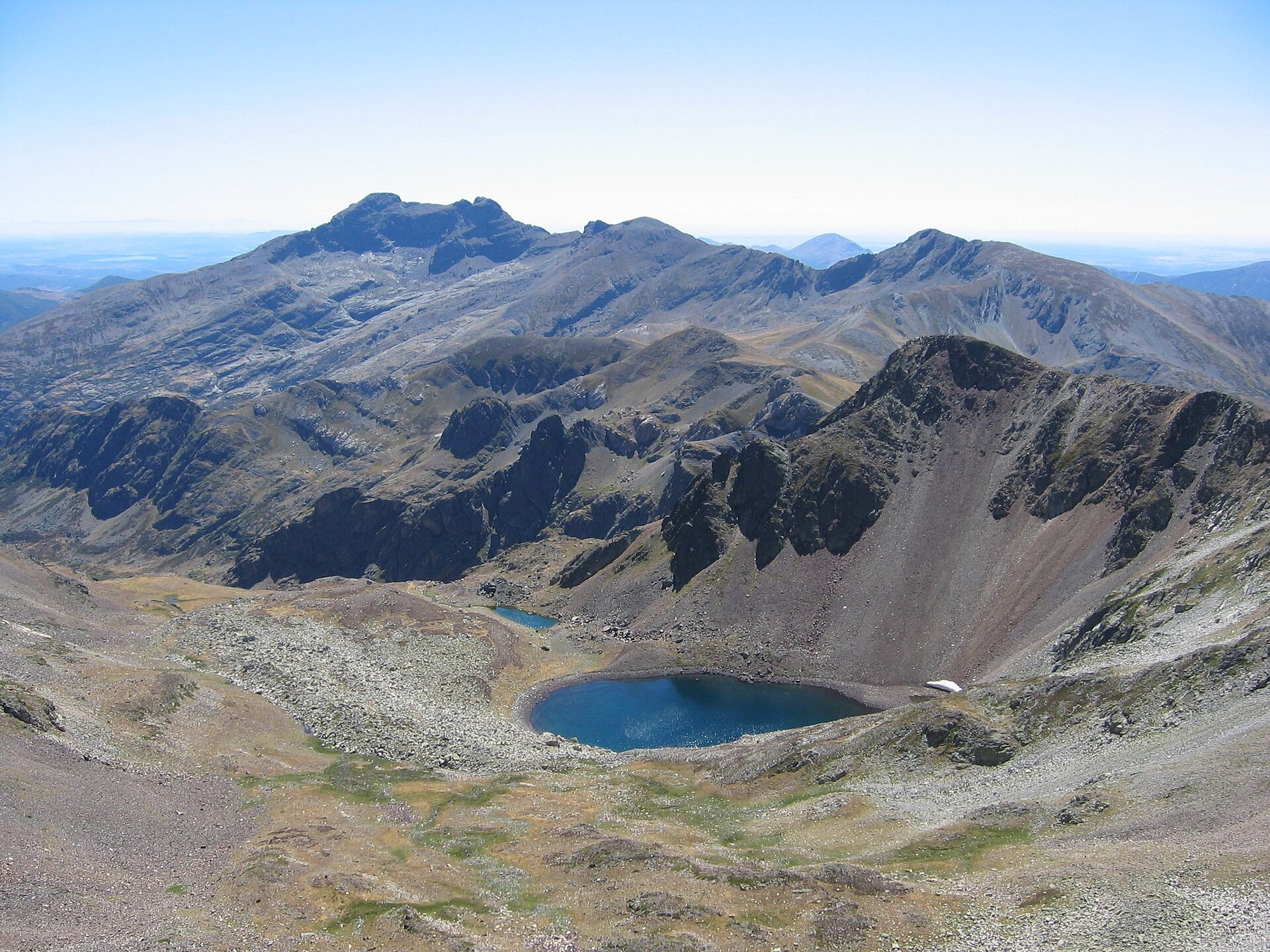
Natura 2000
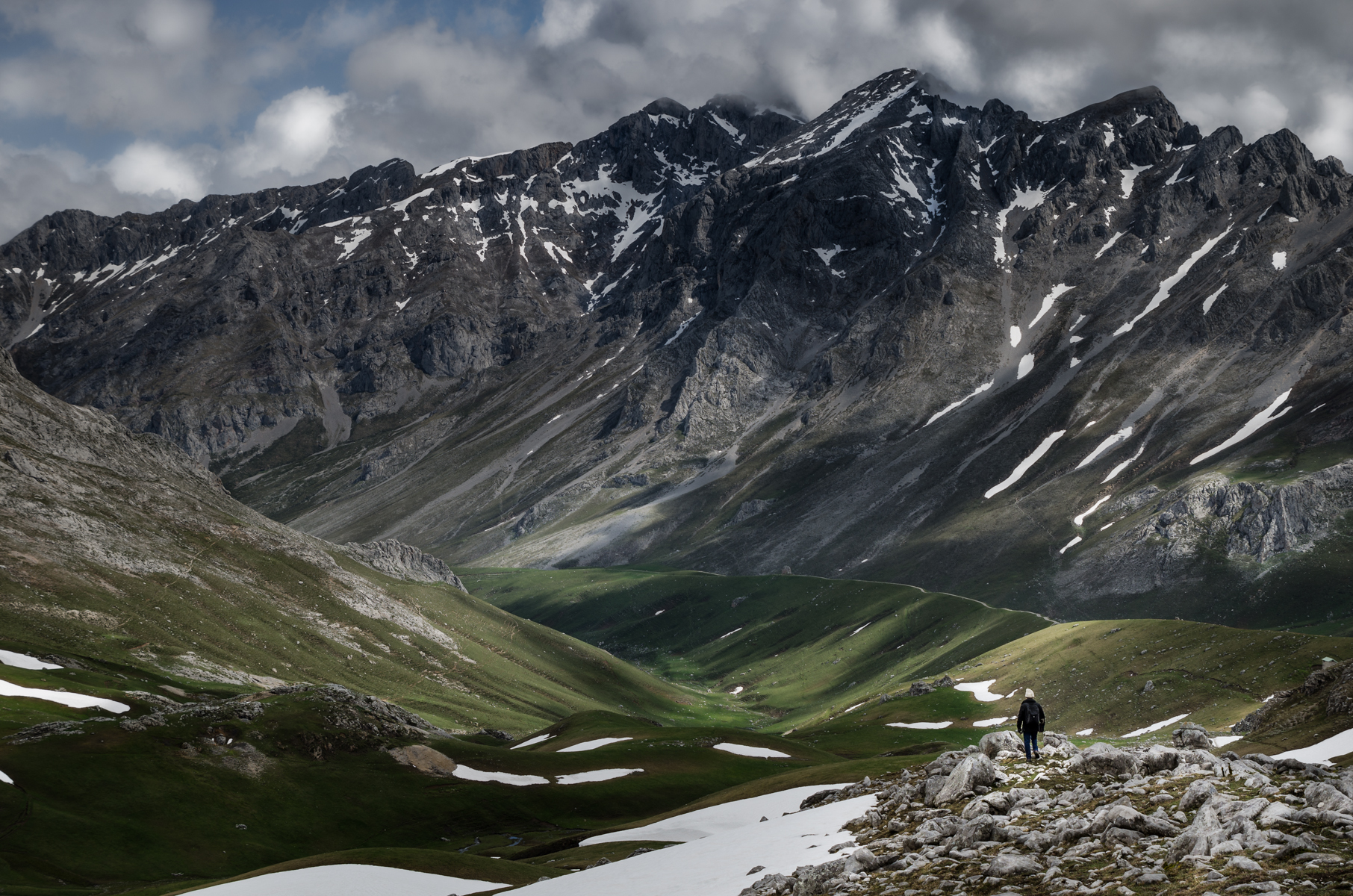
Natura 2000
Other species to discover
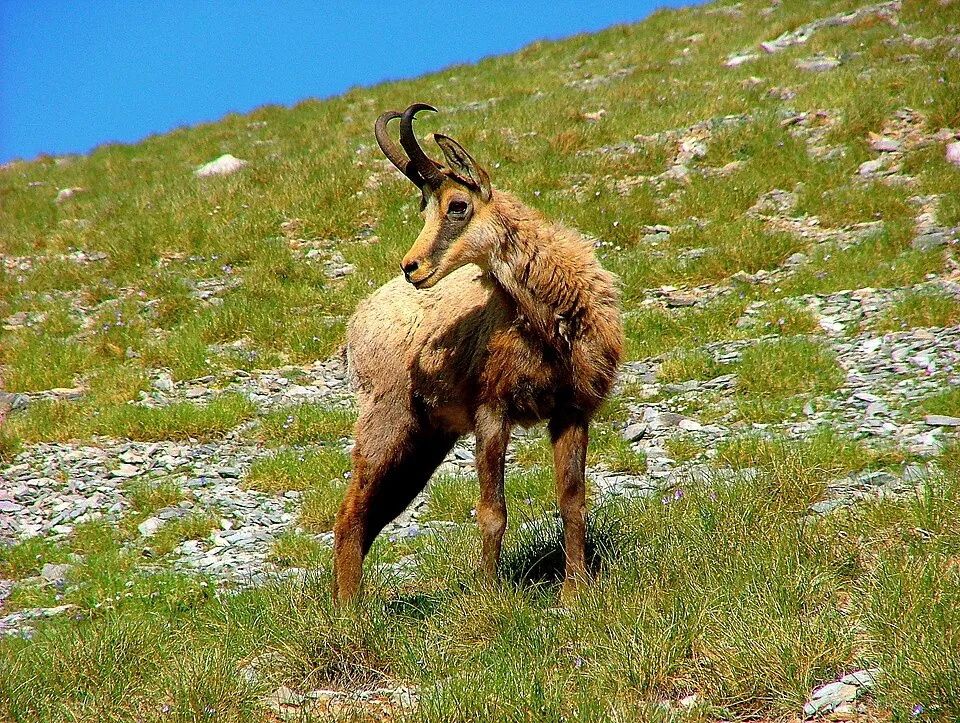
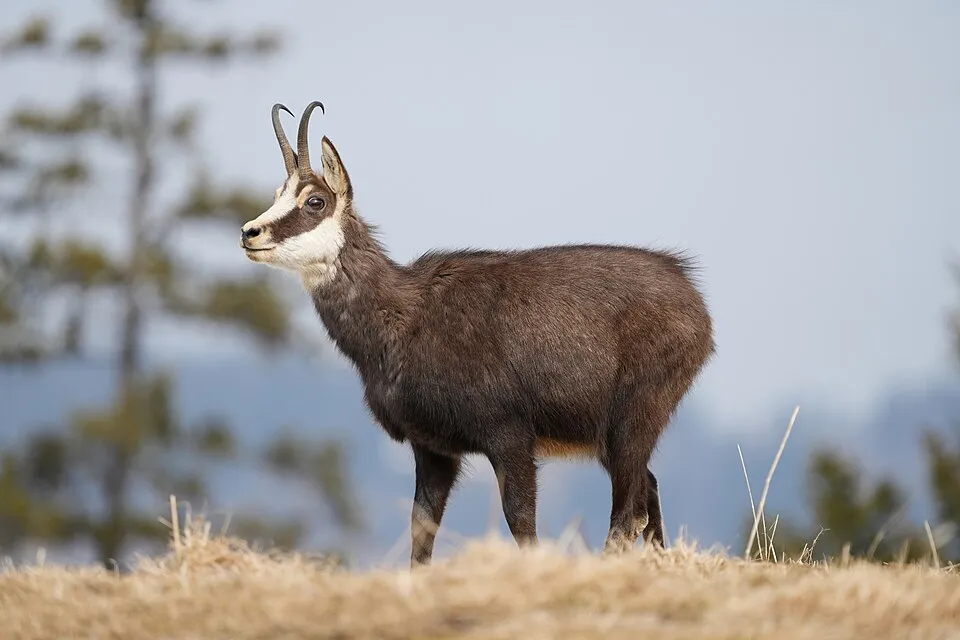 Chamois
Rupicapra rupicapra Same genus
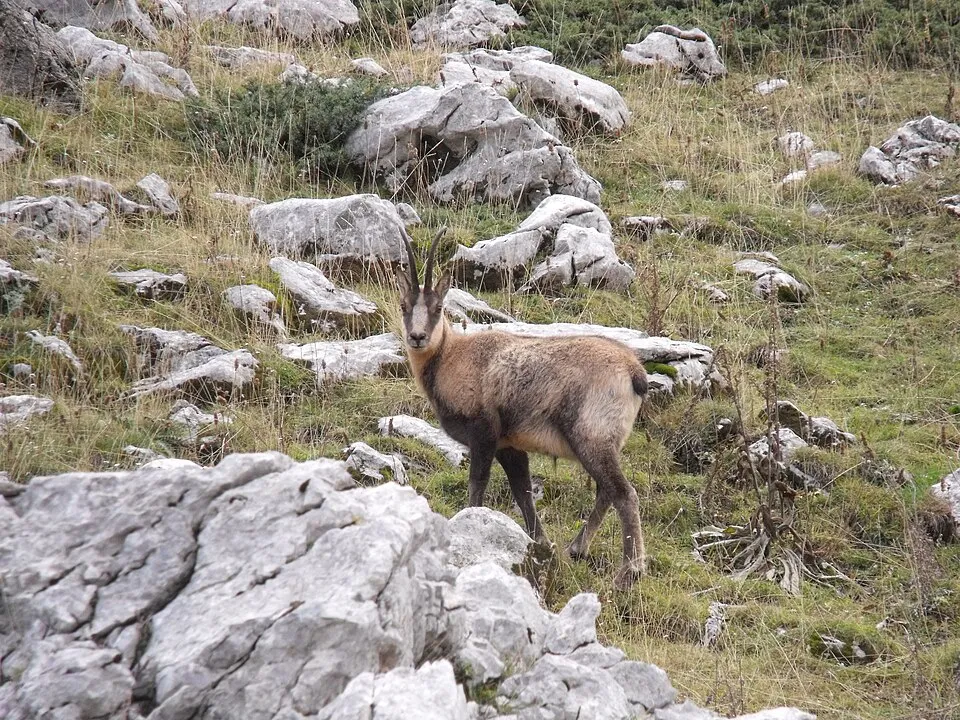
 Balkan chamois
Rupicapra rupicapra balcanica Same genus
 Apennine Chamois
Rupicapra pyrenaica ornata Same genus
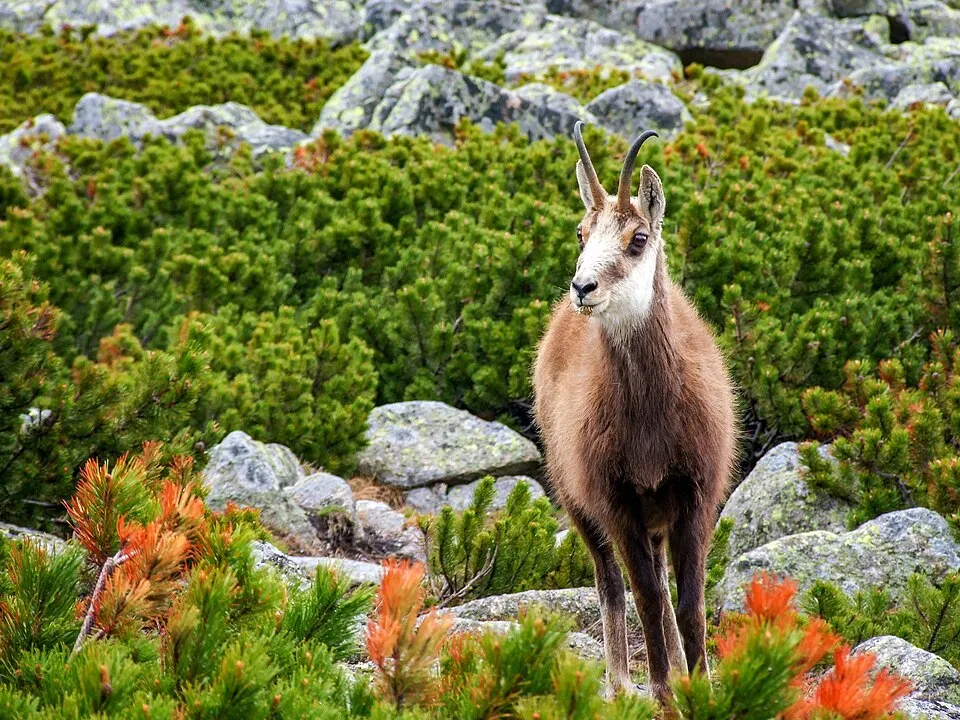 Tatra chamois
Rupicapra rupicapra tatrica Same genus
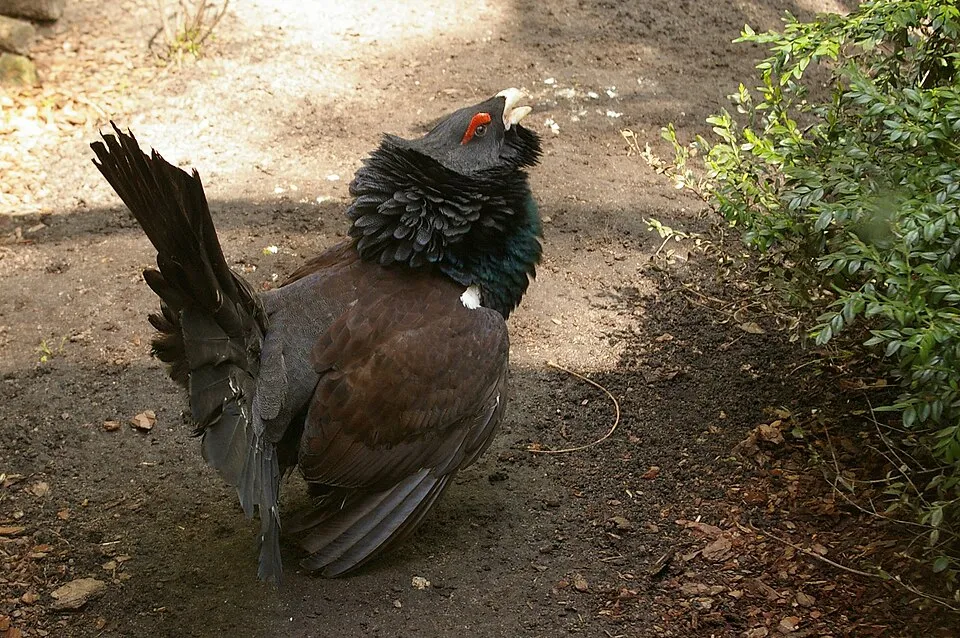 Cantabrian Capercaillie
Tetrao urogallus cantabricus 6 places in common
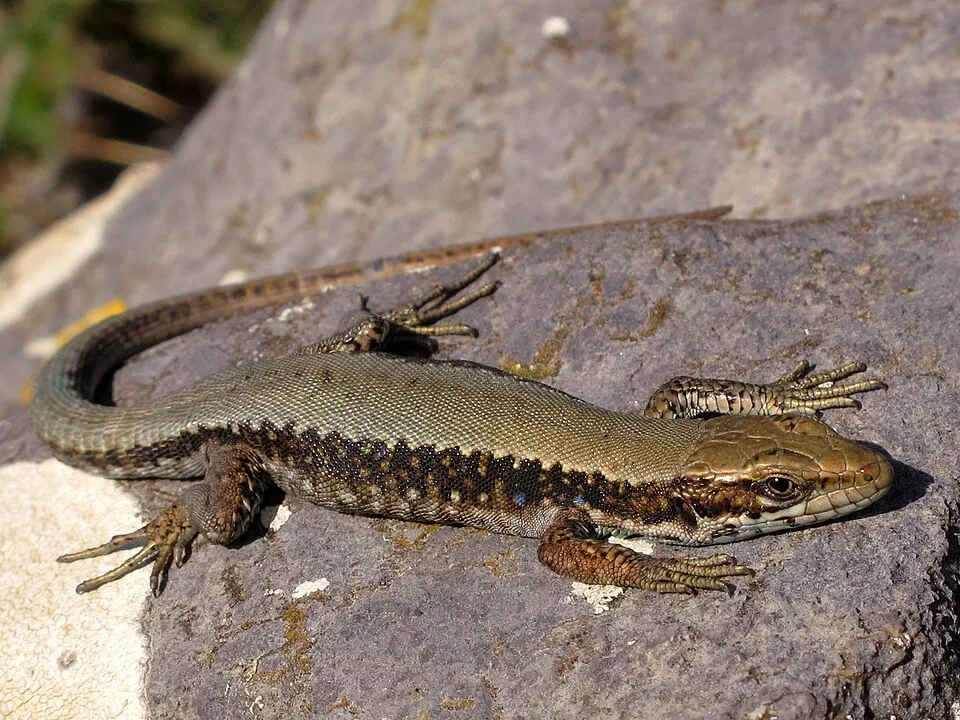 Iberian rock lizard
Iberolacerta monticola 7 places in common
Sources and credits
- Presence: most-recorded species of each place on GBIF and species of Community interest in the Natura 2000 forms (EEA, CC-BY 4.0); absence from the list does not mean the species is absent.
- Common names: Wikidata (CC0) and GBIF.
- Photos and sounds: Wikimedia Commons, author and licence given for each file.
- Classification: GBIF Backbone Taxonomy (GBIF Secretariat), CC BY 4.0, doi:10.15468/39omei.
- Countries, elevations, months and maps: GBIF.org, CC0 or CC BY 4.0 occurrences only, accessed October 22, 2026, GBIF.org.
- Base map: Natural Earth (public domain).
- Excerpt: Wikipedia, CC BY-SA 4.0 (full credit below the excerpt).
- Annexes: Directive 92/43/EEC (consolidated version), © European Union, EUR-Lex.
- Conservation status: EEA / DG ENV, Article 17 Habitats Directive reporting (2013–2018), CC BY 4.0.