
Bird
Tundra bean goose: where to see it
Anser serrirostris
This bird species is recorded in 6 protected areas of the atlas. Within the atlas countries, it is mostly observed in Sweden, Belgium and Germany (12 countries in all). Records peak from October to March. Its EU population is assessed as secure (2013–2018 Birds Directive reporting).
Best time to see it: October–March
Records published on GBIF by month (CC0 and CC BY 4.0 licences only), in the atlas countries, all years combined; they also reflect observer activity.
Status and protection
EU population assessed as secure, increasing in the short term (Anser fabalis rossicus, 2013–2018 Birds Directive reporting). EU wintering population: 647,000–878,000 individuals.
Distribution
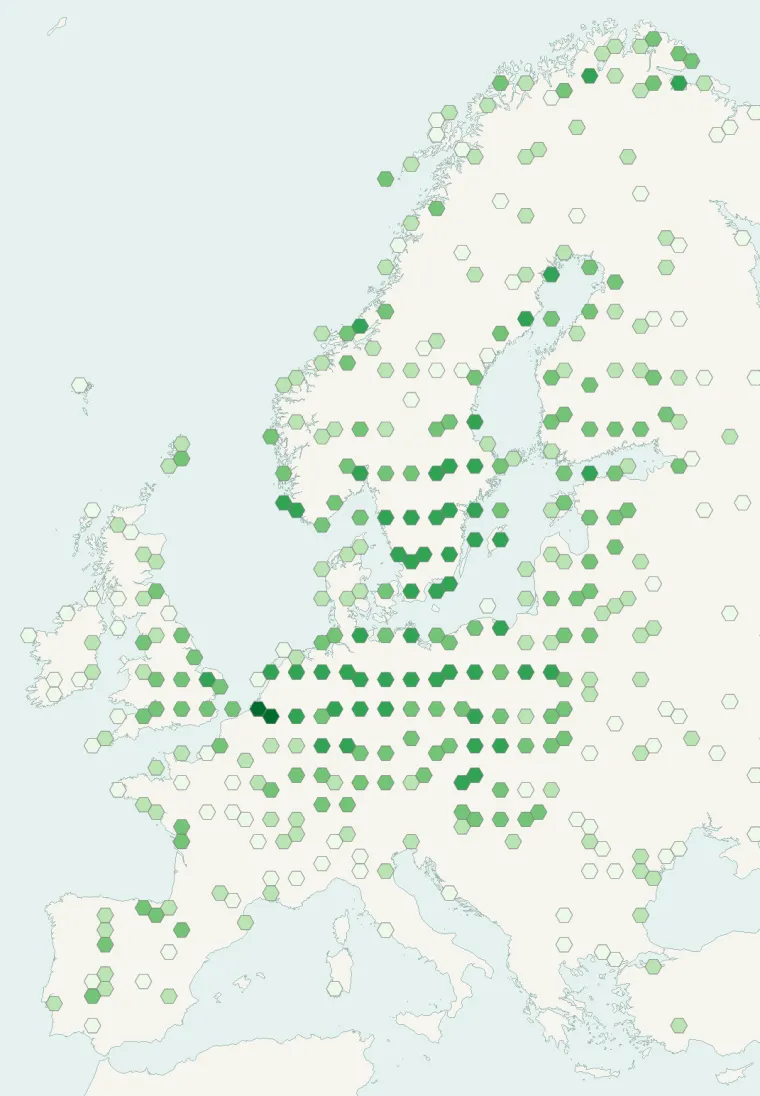
Records published on GBIF (CC0 and CC BY 4.0 licences): the darker the shade, the more records there are; they also reflect observation effort.
Atlas countries where it is recorded
Listen
-
0:10 · © Jochem verweij · CC BY-SA 4.0 · Wikimedia Commons · Original file
From Wikipedia
The tundra bean goose (Anser serrirostris) is a goose that breeds in northern Siberia. This and the taiga bean goose are recognised as separate species by the American Ornithological Society and International Ornithologists' Union, but are considered a single species by other authorities (collectively called bean goose). It is migratory and winters further south in Asia. The taiga and tundra bean goose diverged about 2.5 million years ago and established secondary contact ca. 60,000 years ago, resulting in extensive gene flow.
Source: Wikipedia, article “Tundra bean goose” (version of February 22, 2026) · history and authors · licence CC BY-SA 4.0
Protected areas where it is recorded

121 records

67 records
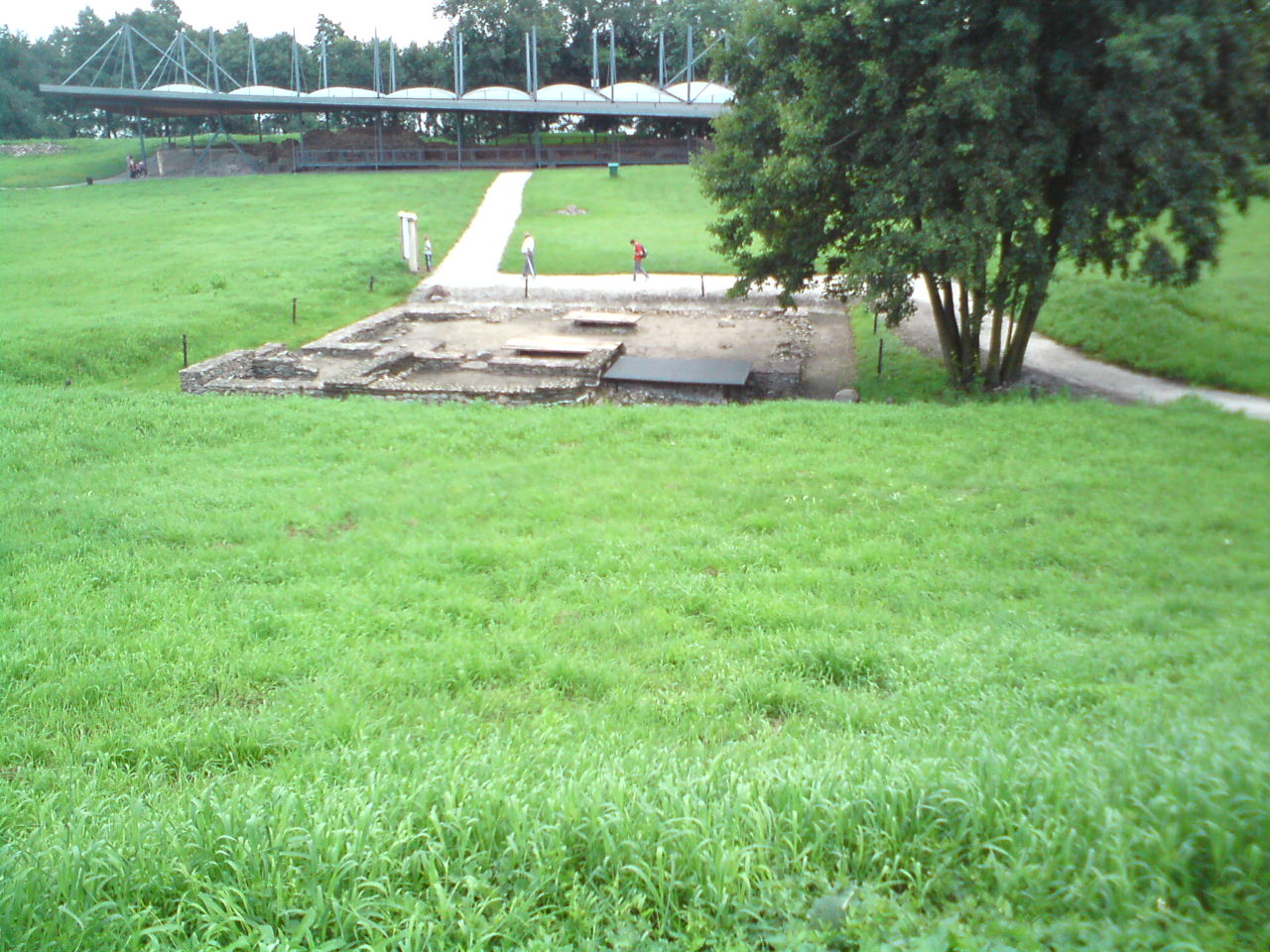
25 records
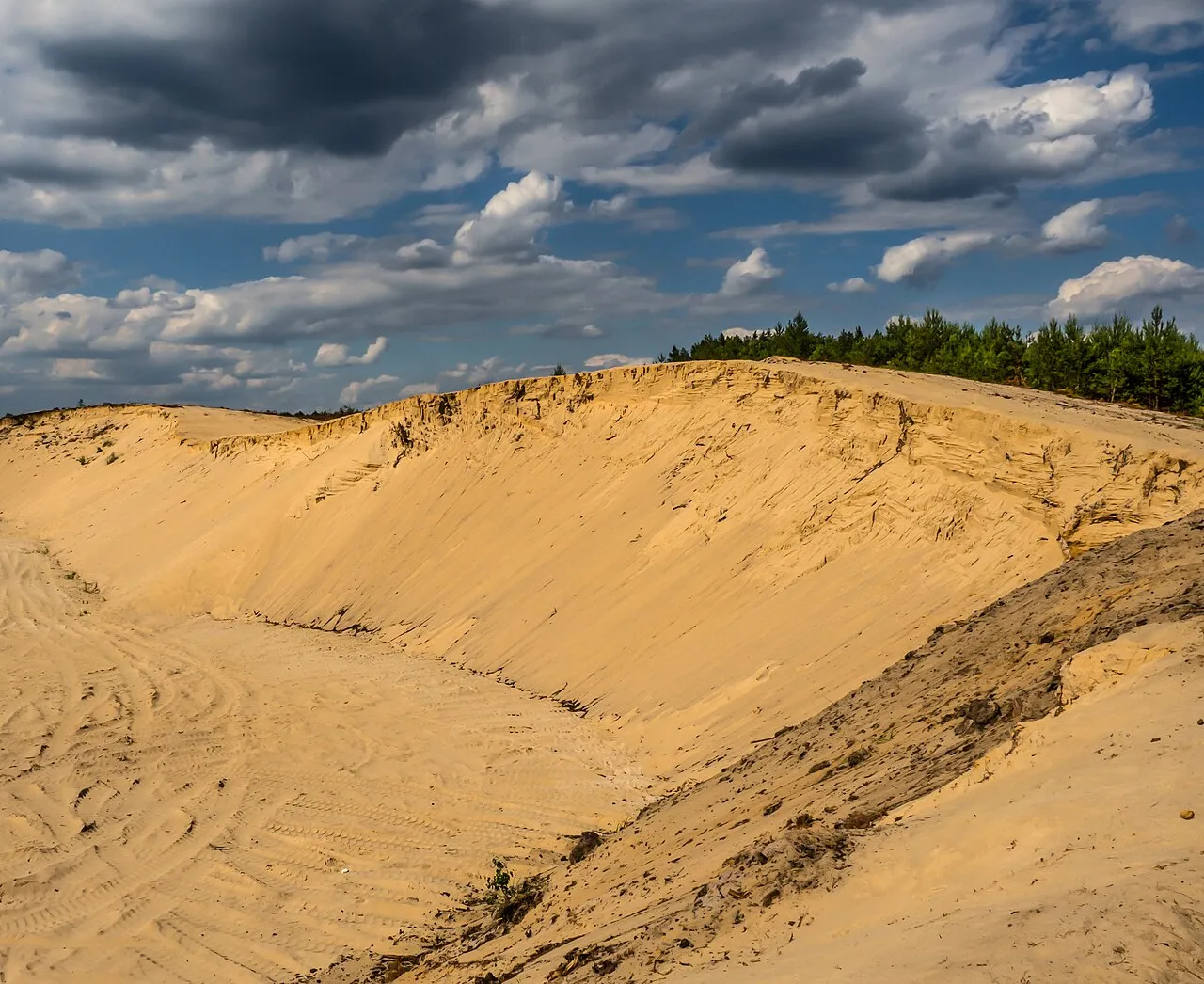
21 records

15 records

5 records
Other species to discover
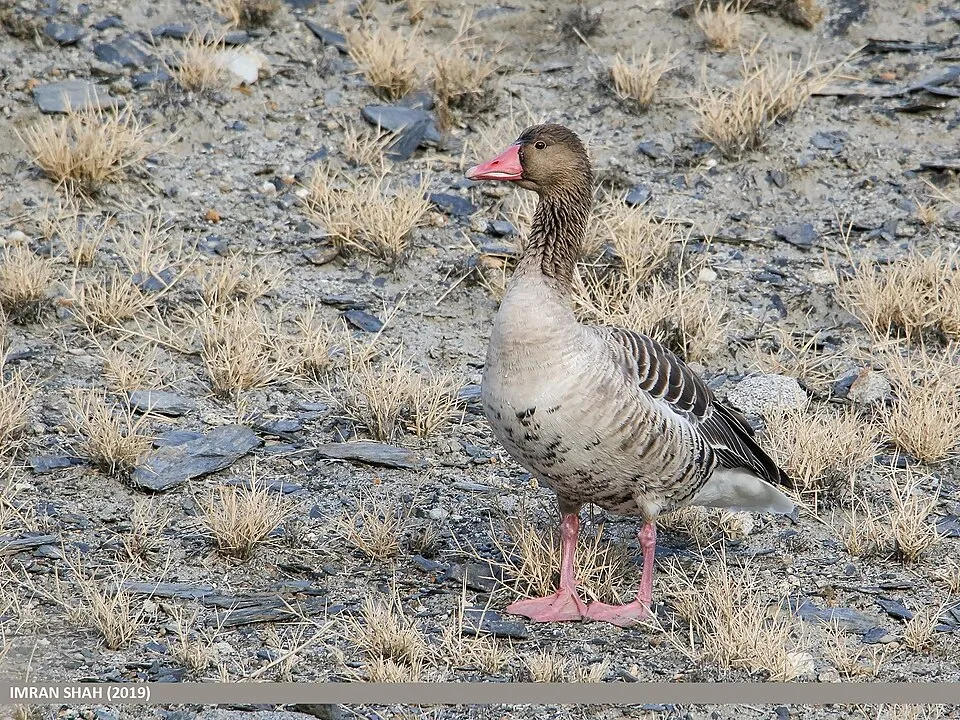 Greylag Goose
Anser anser Same genus
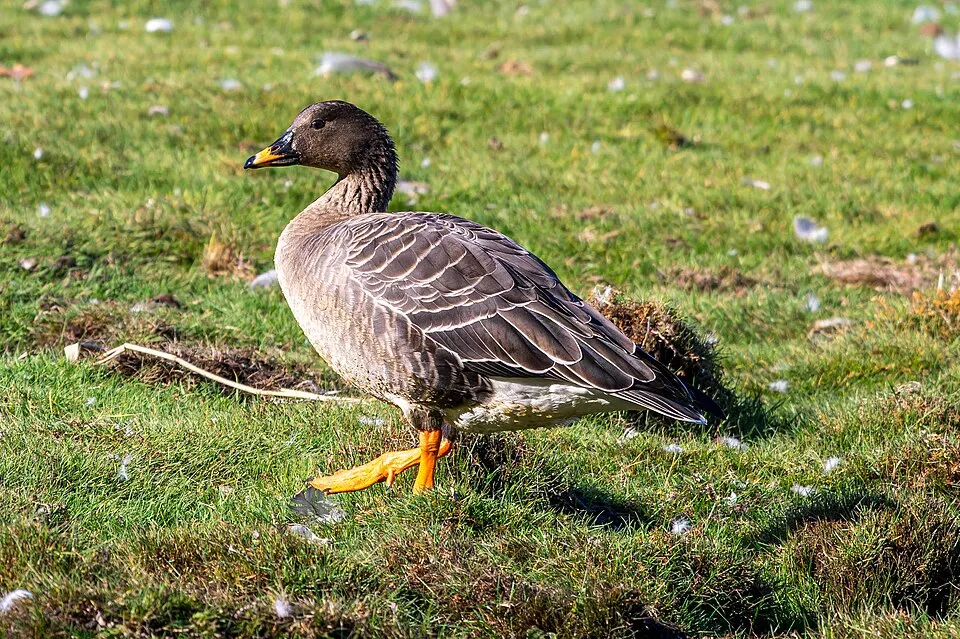 Taiga bean goose
Anser fabalis Same genus
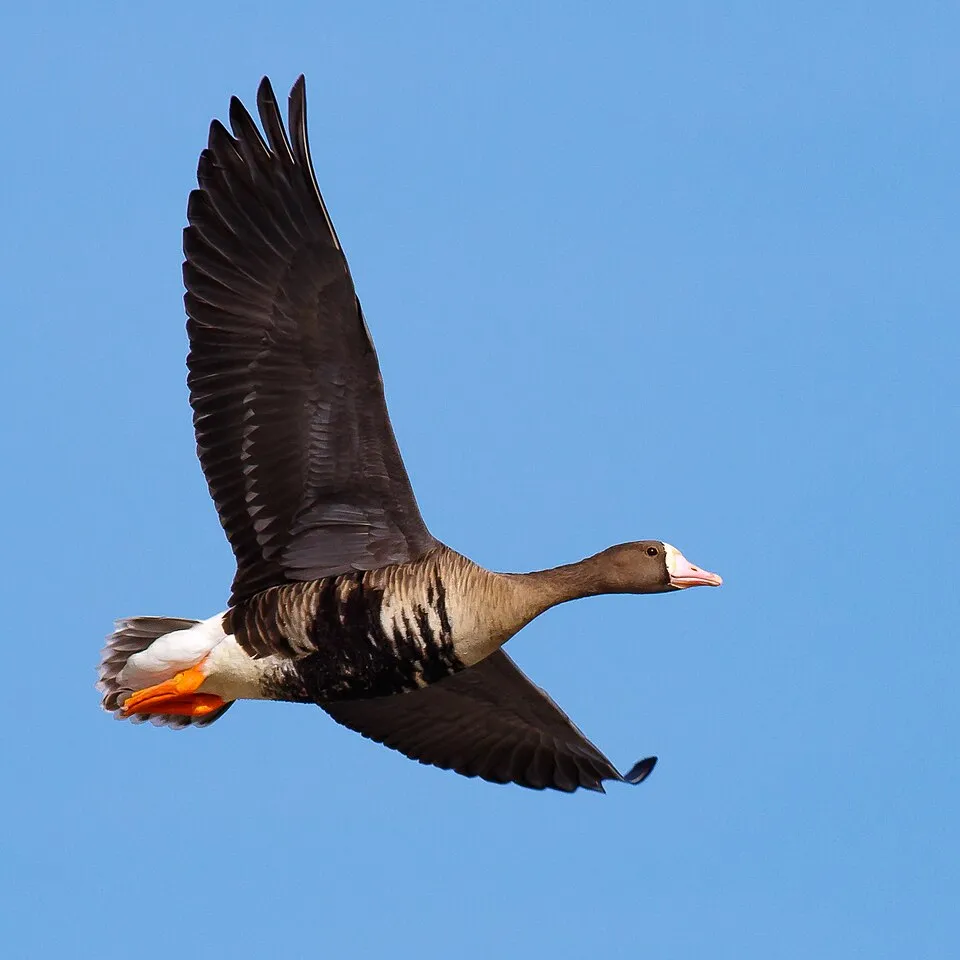 Greater white-fronted goose
Anser albifrons Same genus
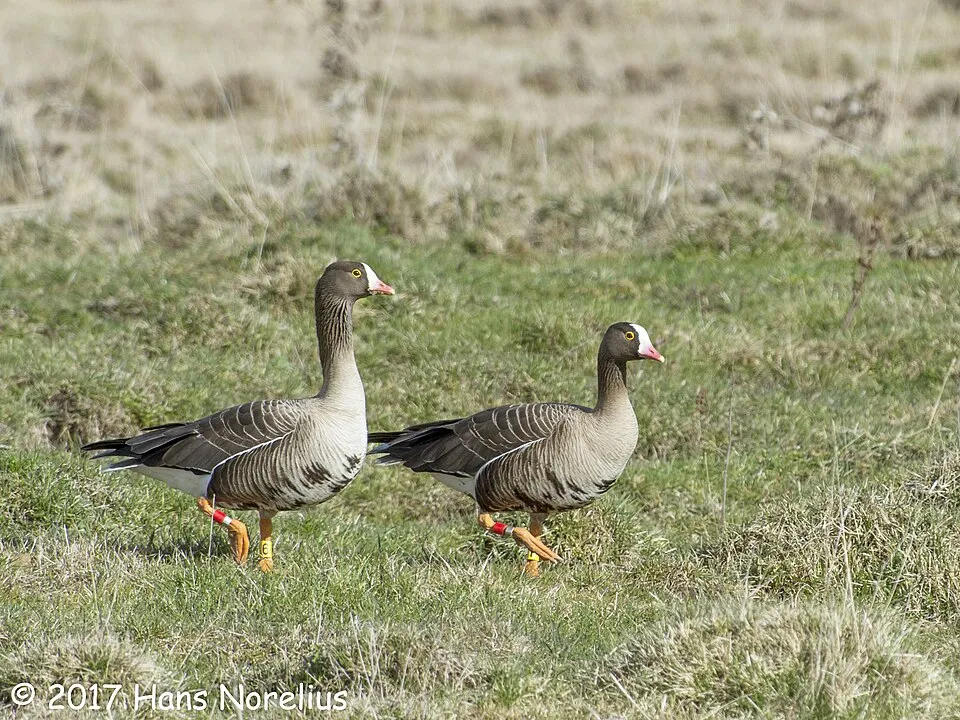 Lesser white-fronted goose
Anser erythropus Same genus
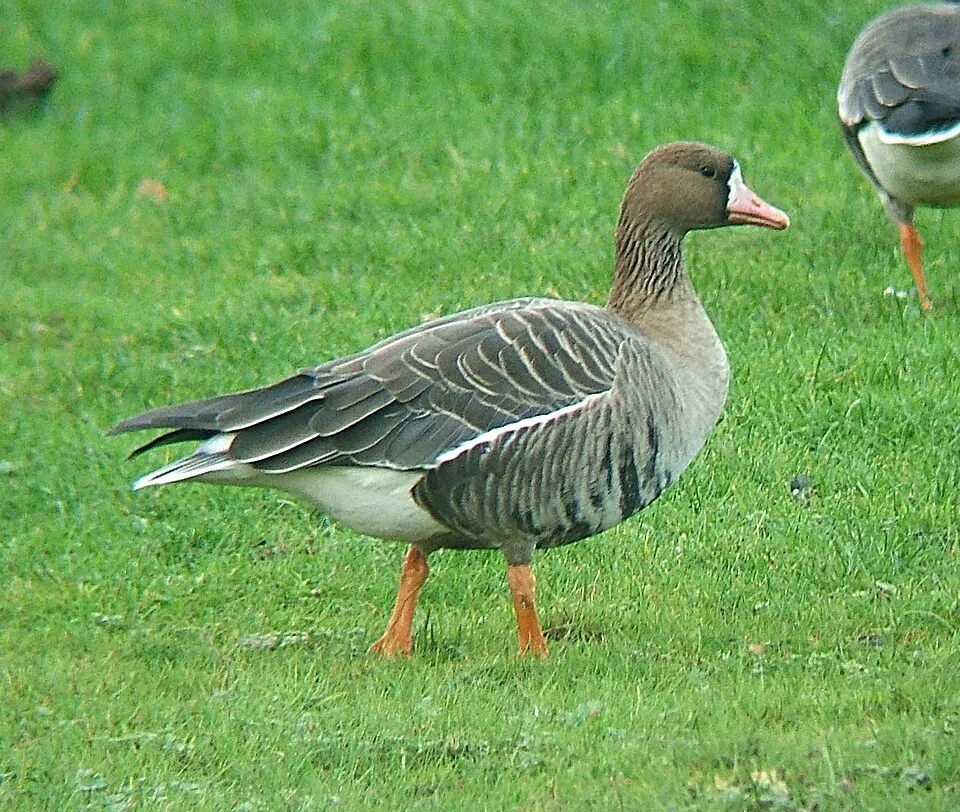 European White-fronted Goose
Anser albifrons albifrons Same genus
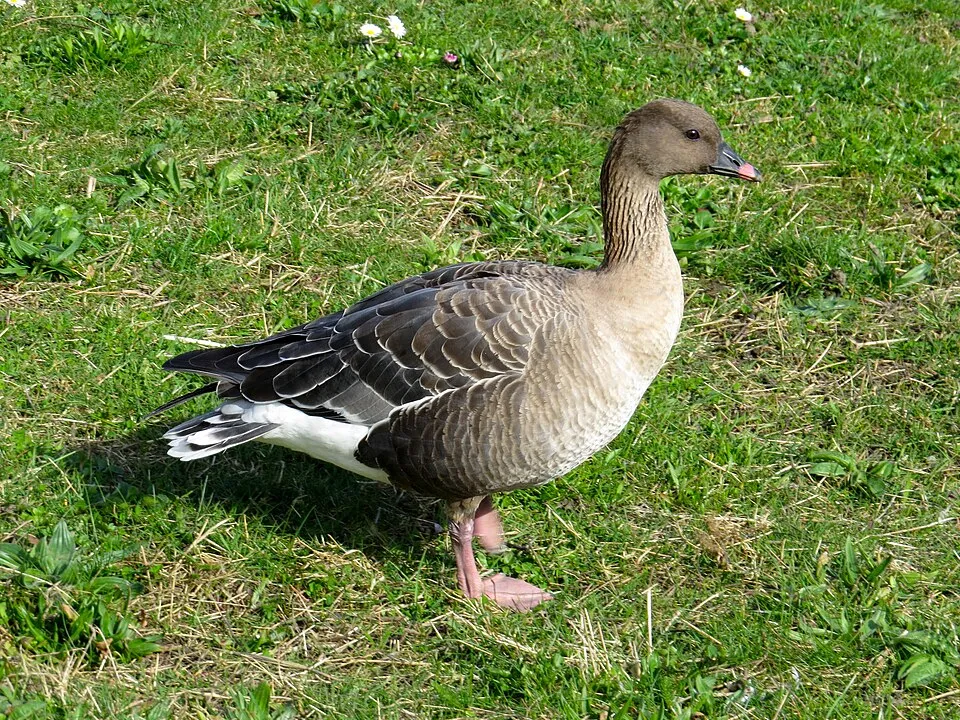 Pink-footed goose
Anser brachyrhynchus Same genus
Sources and credits
- Presence: most-recorded species of each place on GBIF and species of Community interest in the Natura 2000 forms (EEA, CC-BY 4.0); absence from the list does not mean the species is absent.
- Common names: Wikidata (CC0) and GBIF.
- Photos and sounds: Wikimedia Commons, author and licence given for each file.
- Classification: GBIF Backbone Taxonomy (GBIF Secretariat), CC BY 4.0, doi:10.15468/39omei.
- Countries, elevations, months and maps: GBIF.org, CC0 or CC BY 4.0 occurrences only, accessed October 23, 2026, GBIF.org.
- Base map: Natural Earth (public domain).
- Excerpt: Wikipedia, CC BY-SA 4.0 (full credit below the excerpt).
- EU bird populations: EEA / DG ENV, Article 12 Birds Directive reporting (2013–2018), CC BY 4.0.