
Fungus
White Fibrecap: where to see it
Inocybe geophylla
This fungus species is recorded in 5 protected areas of the atlas. Within the atlas countries, it is mostly observed in Sweden, Estonia and the United Kingdom (13 countries in all). Most records (8 in 10) lie between sea level and 1,300 m. Records peak from August to October.
Best time to see it: August–October
Records published on GBIF by month (CC0 and CC BY 4.0 licences only), in the atlas countries, all years combined; they also reflect observer activity.
Distribution
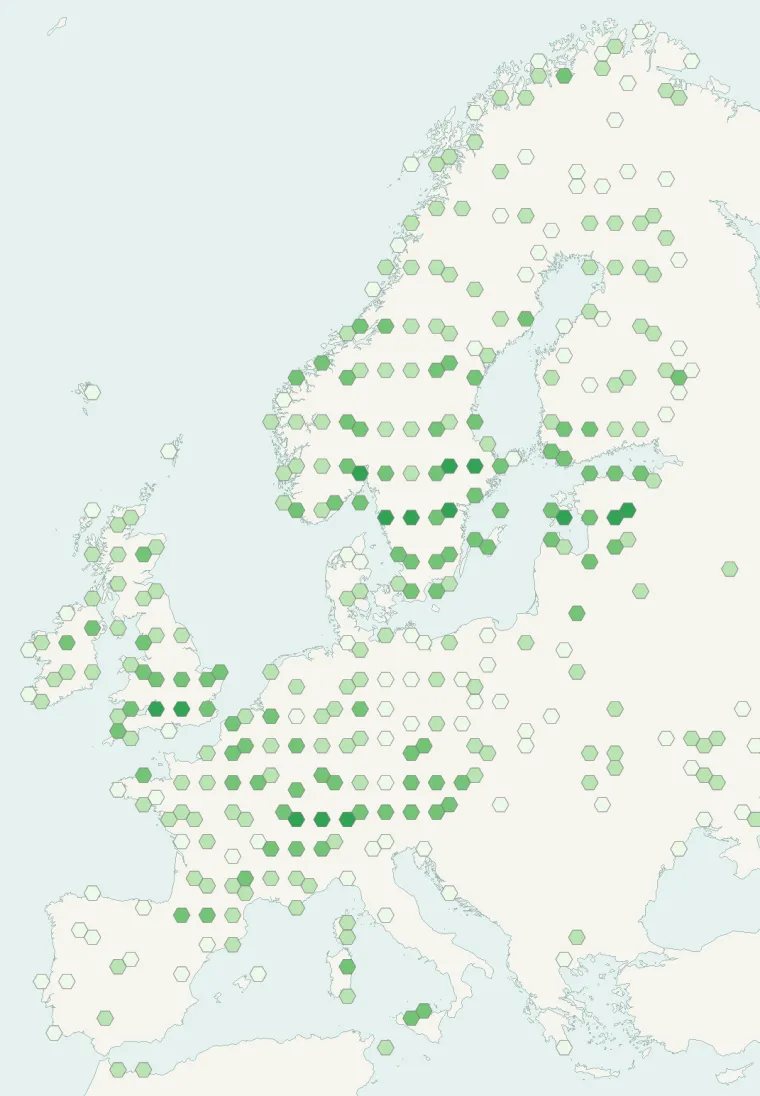
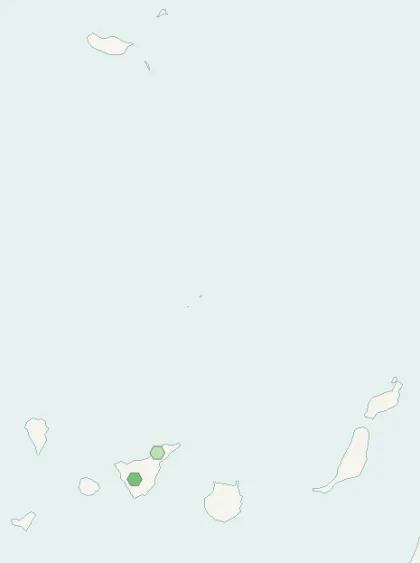
Records published on GBIF (CC0 and CC BY 4.0 licences): the darker the shade, the more records there are; they also reflect observation effort.
Atlas countries where it is recorded
From Wikipedia
Inocybe geophylla, commonly known as the little white inocybe, white fiberhead, earthy inocybe, common white inocybe or white fibercap, is a species of fungi in the genus Inocybe. It has a common lilac-coloured variety, lilacina. Inocybe geophylla forms a small white to cream mushroom with a fibrous silky umbonate cap and adnexed gills. It is widespread in Europe and North America, appearing under conifer and deciduous trees in summer and autumn. The mushroom is poisonous.
Source: Wikipedia, article “Inocybe geophylla” (version of October 27, 2025) · history and authors · licence CC BY-SA 4.0
Protected areas where it is recorded
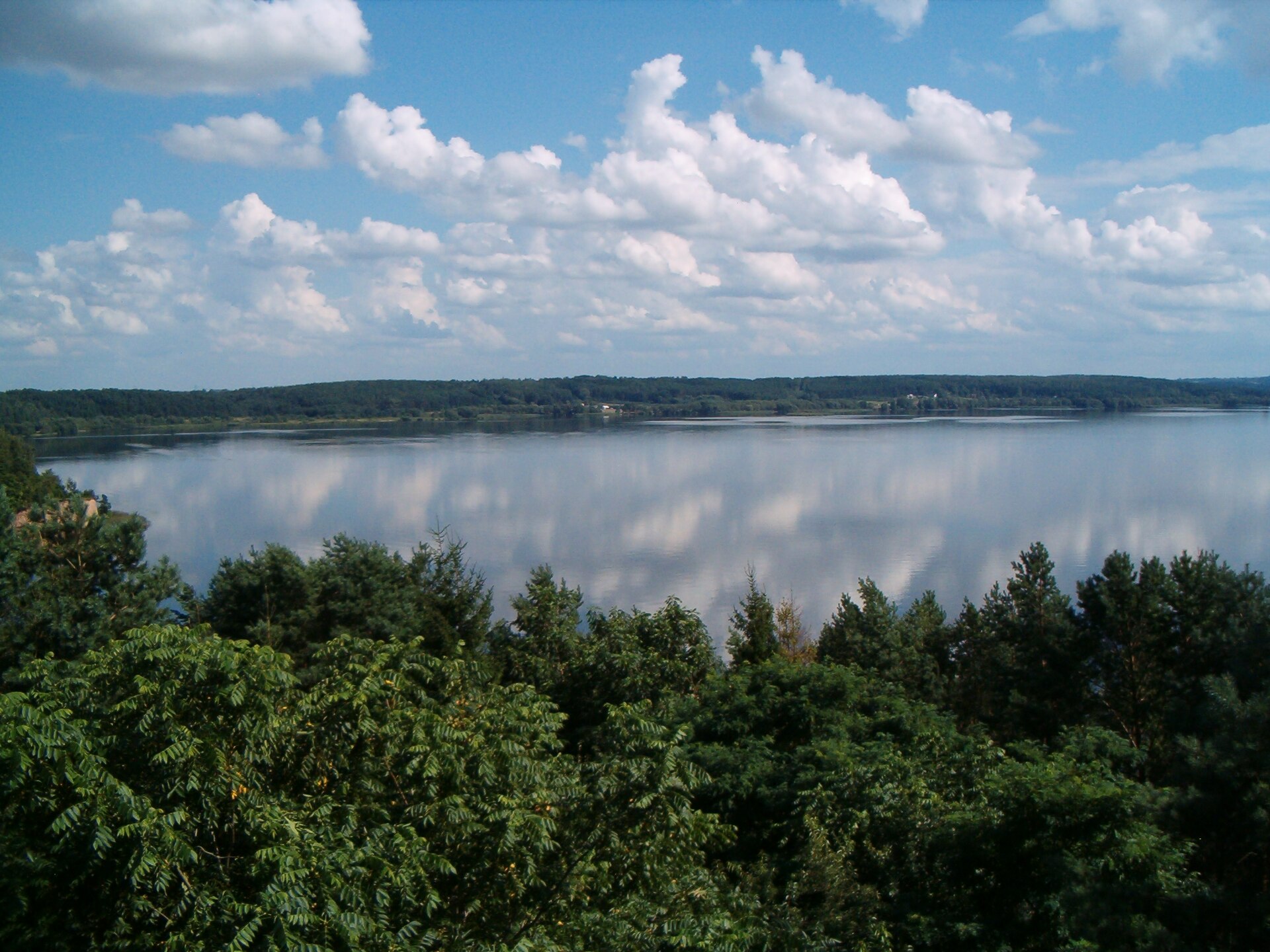
181 records
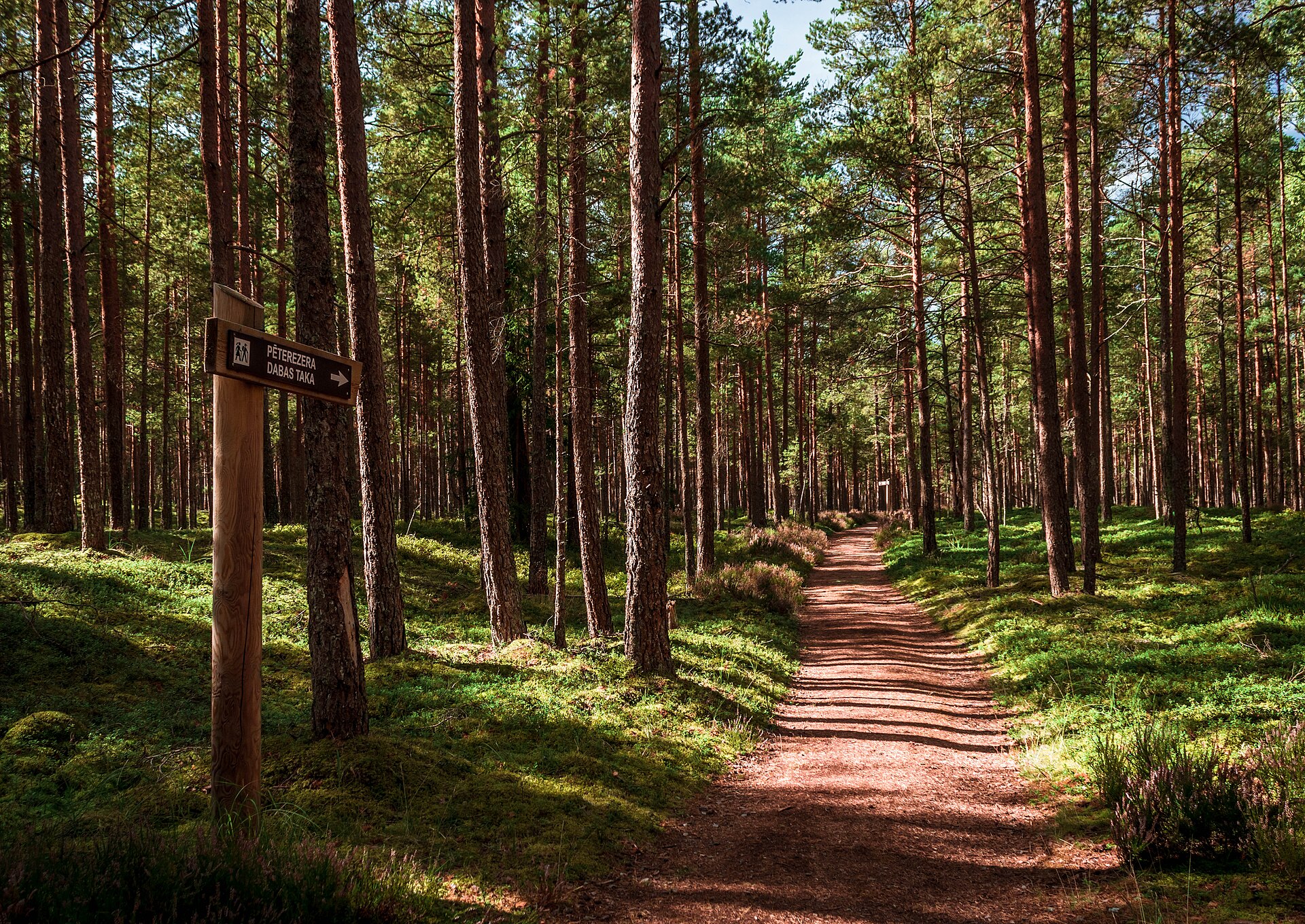
173 records
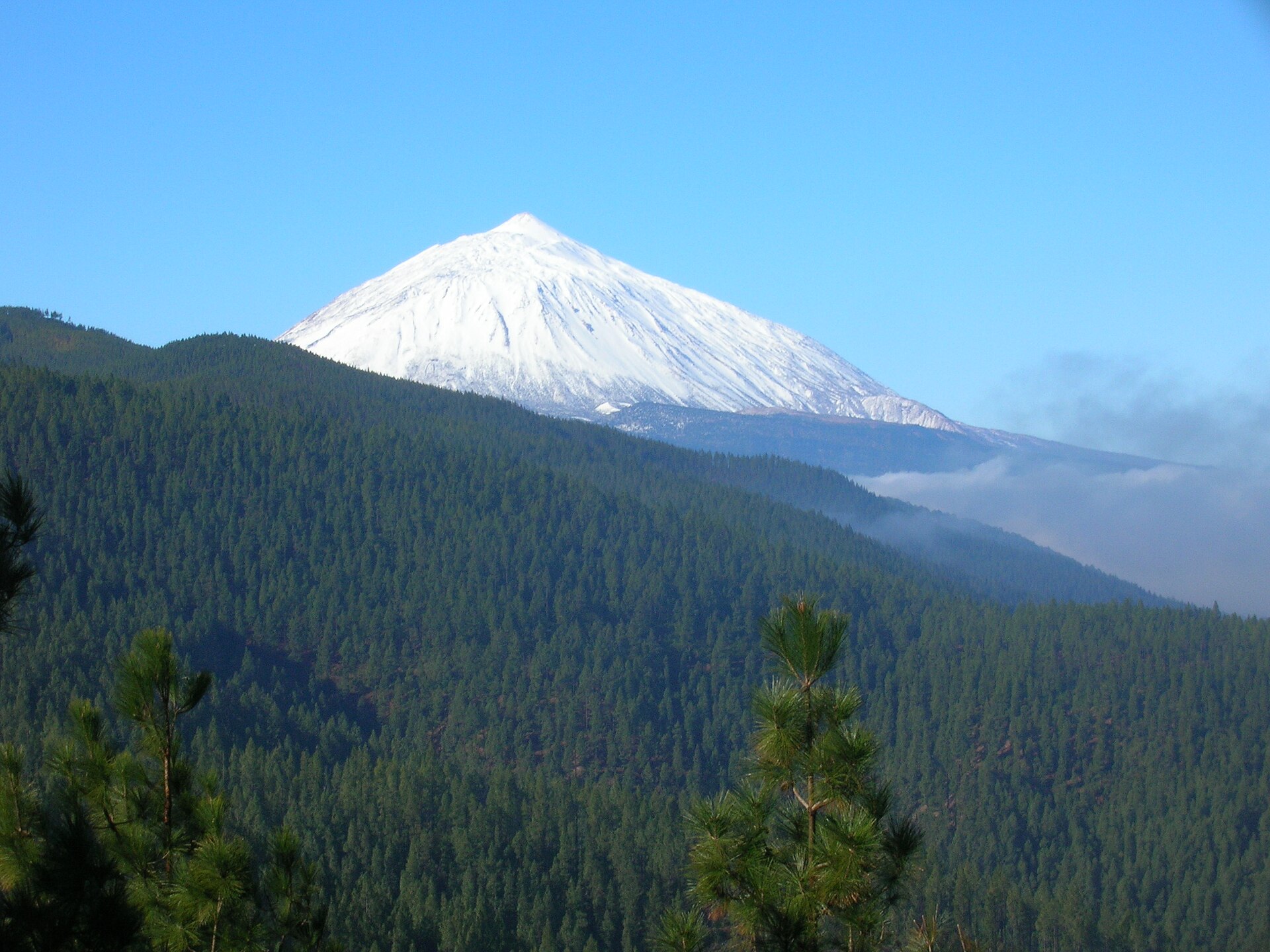
162 records

90 records
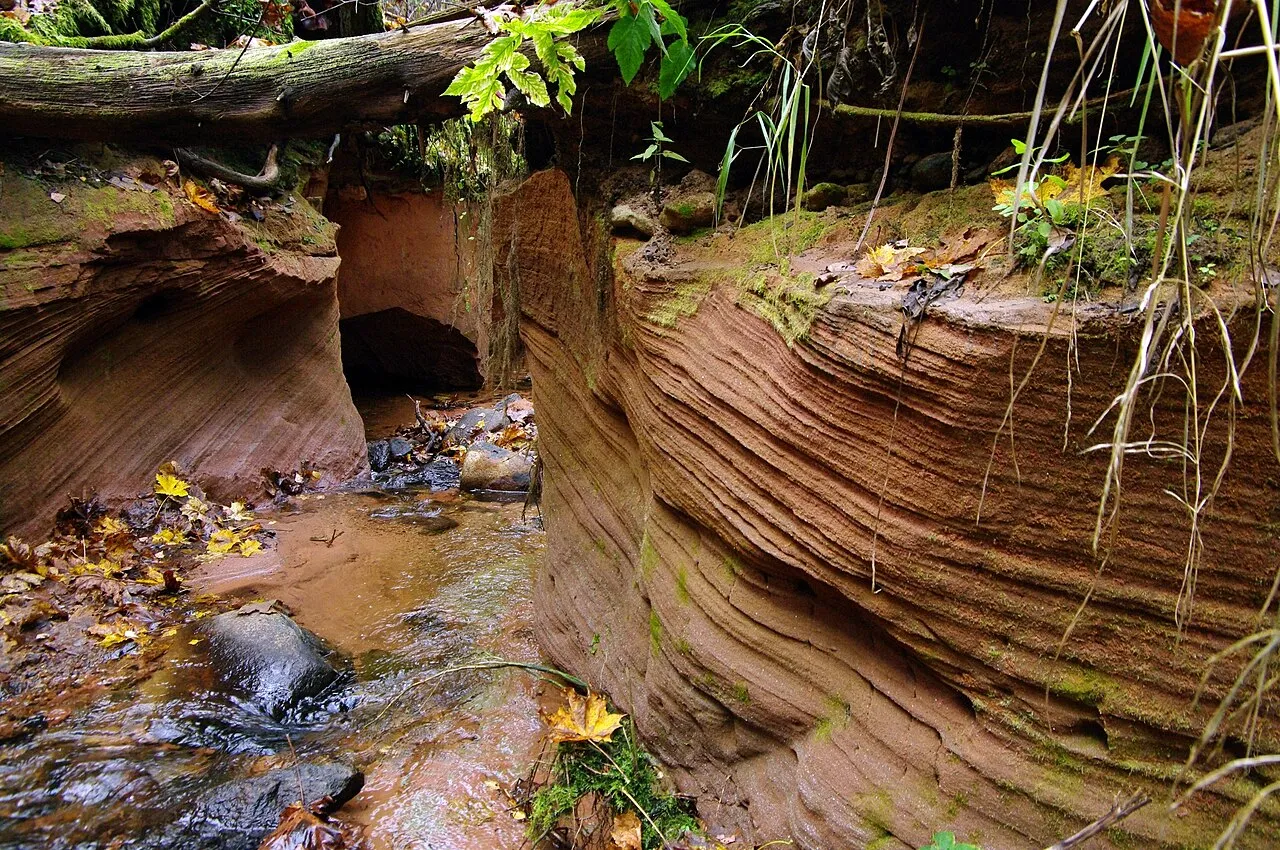
48 records
Other species to discover
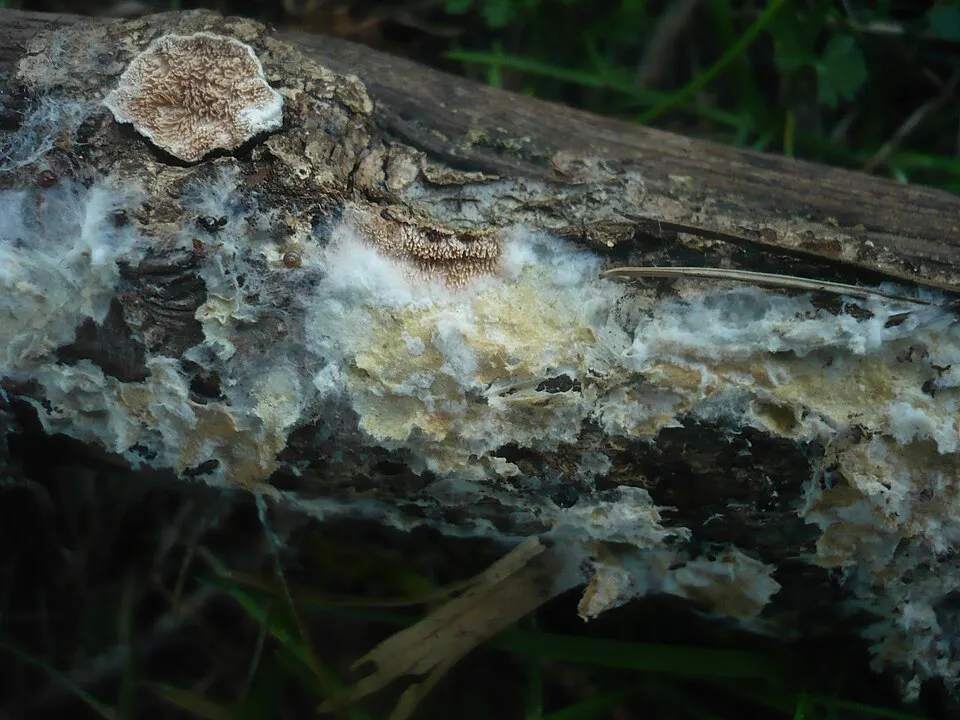 Cratered Duster
Amphinema byssoides 2 places in common
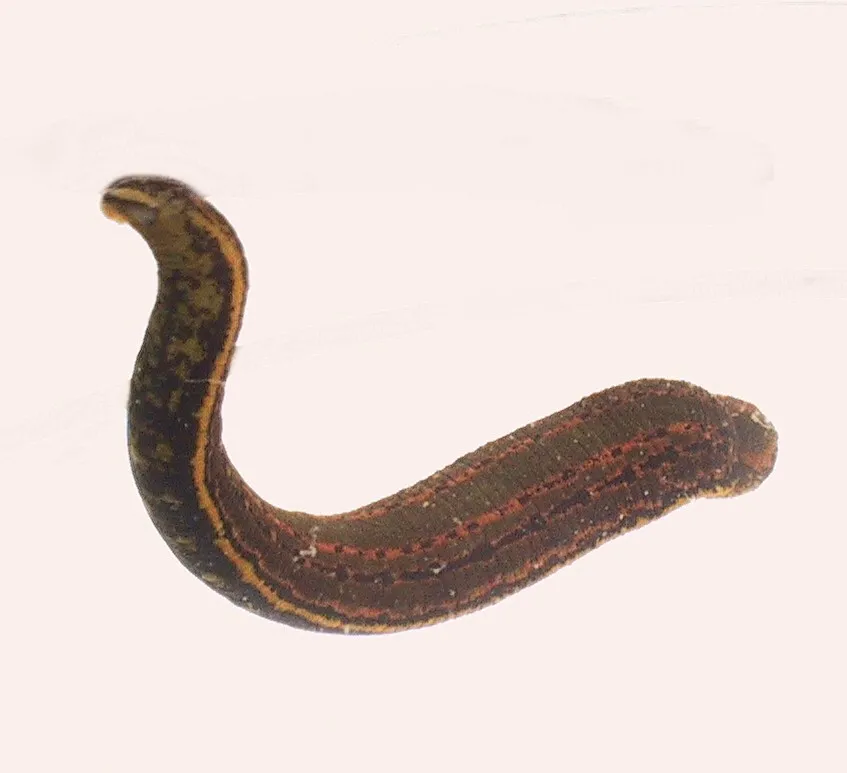 European Medicinal Leech
Hirudo medicinalis 2 places in common
 Yellow marsh saxifrage
Saxifraga hirculus 2 places in common
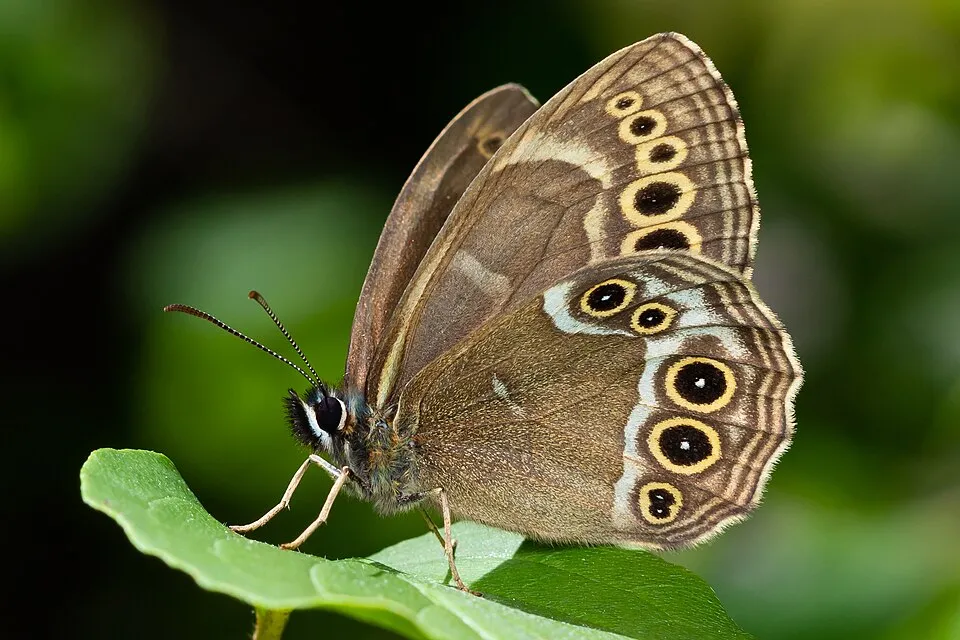 Woodland brown
Lopinga achine 2 places in common
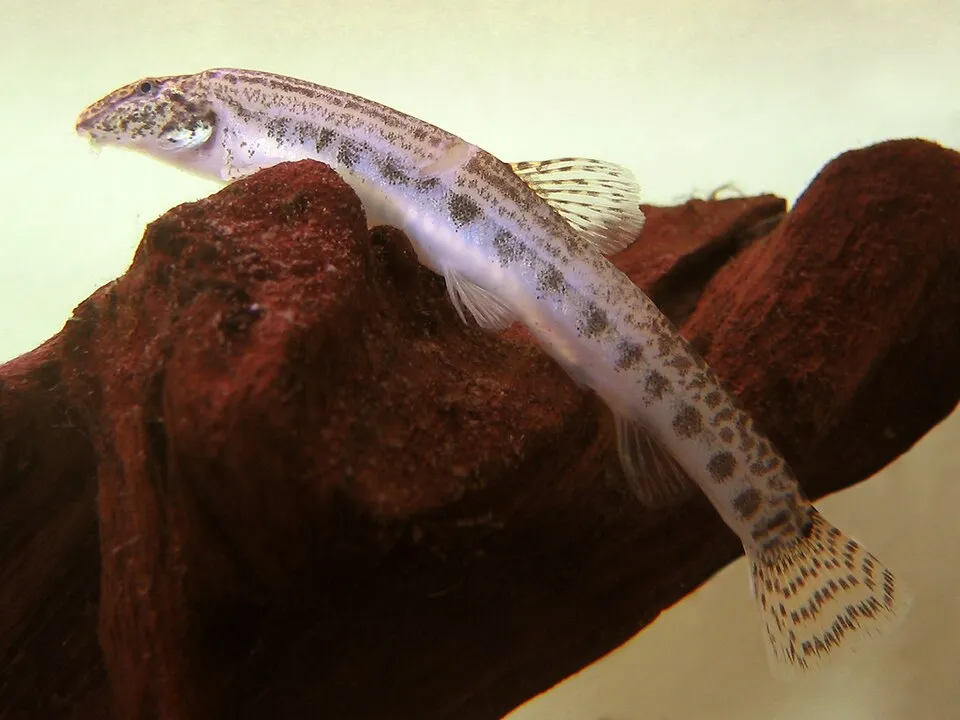 Spined loach
Cobitis taenia 3 places in common
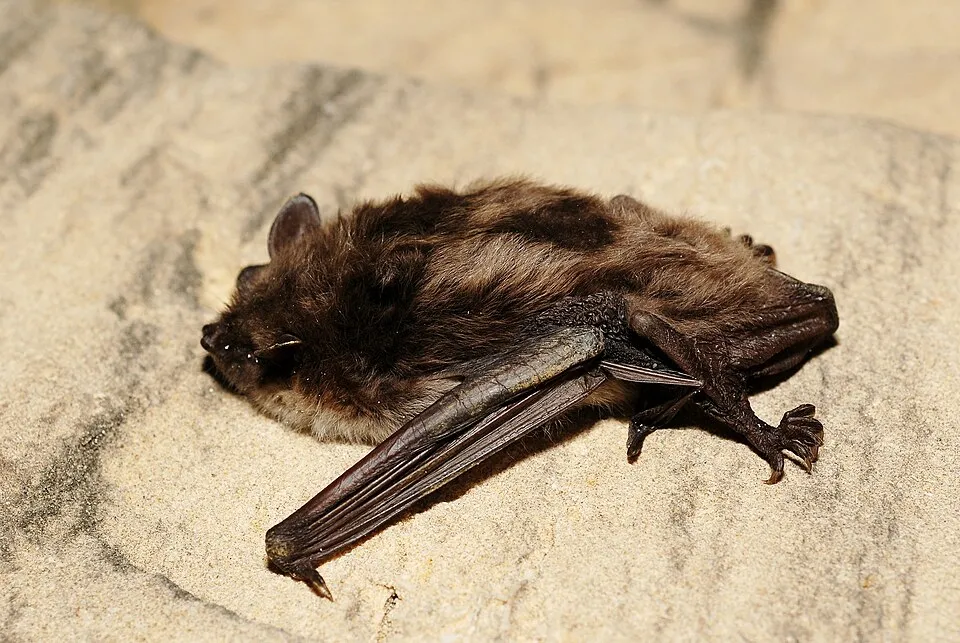 Pond bat
Myotis dasycneme 2 places in common
Sources and credits
- Presence: most-recorded species of each place on GBIF and species of Community interest in the Natura 2000 forms (EEA, CC-BY 4.0); absence from the list does not mean the species is absent.
- Common names: Wikidata (CC0) and GBIF.
- Photos and sounds: Wikimedia Commons, author and licence given for each file.
- Classification: GBIF Backbone Taxonomy (GBIF Secretariat), CC BY 4.0, doi:10.15468/39omei.
- Countries, elevations, months and maps: GBIF.org, CC0 or CC BY 4.0 occurrences only, accessed October 23, 2026, GBIF.org.
- Base map: Natural Earth (public domain).
- Excerpt: Wikipedia, CC BY-SA 4.0 (full credit below the excerpt).