
Vogel
Alpenkrähe: wo beobachten?
Pyrrhocorax pyrrhocorax
Diese Vogelart ist in 154 Schutzgebieten des Atlas nachgewiesen; in 130 davon ist sie im amtlichen Natura-2000-Standarddatenbogen aufgeführt. In den Ländern des Atlas wird sie vor allem in Spanien, Frankreich und dem Vereinigten Königreich beobachtet (6 Länder insgesamt). Die meisten Nachweise (8 von 10) liegen zwischen 170 und 2400 m Höhe. Die meisten Beobachtungen fallen in die Zeit von März bis Oktober. Ihre Flügelspannweite beträgt 82 cm. Für sie gelten besondere Schutzmaßnahmen nach der Vogelschutzrichtlinie (Anhang I). Ihr Bestand in der EU gilt als nicht gefährdet (Berichtszeitraum 2013–2018 der Vogelschutzrichtlinie).
Beste Beobachtungszeit: März–Oktober
Auf GBIF veröffentlichte Nachweise nach Monat (nur Lizenzen CC0 und CC BY 4.0), in den Ländern des Atlas, alle Jahre zusammen; sie spiegeln auch die Aktivität der Beobachter wider.
Steckbrief
- Flügelspannweite
- 82 cm Wikidata, nach app.bto.org
- Gewicht (Weibchen)
- 263 g Wikidata, nach The Birds of Africa, 1982
- Gewicht (Männchen)
- 312 g Wikidata, nach The Birds of Africa, 1982
- Gelegegröße
- 3,9 Eier im Mittel Wikidata, nach Jetz et al. 2008
- Brutdauer
- 17 Tage Wikidata, nach British Trust for Ornithology
Schutz und Gefährdung
Vogelschutzrichtlinie I
Die Art ist in Anhang I der Vogelschutzrichtlinie aufgeführt.
Bestand in der EU als nicht gefährdet eingestuft, kurzfristig zunehmend (Berichtszeitraum 2013–2018 der Vogelschutzrichtlinie). Brutbestand in der EU: 22.600–25.800 Paare.
Verbreitung
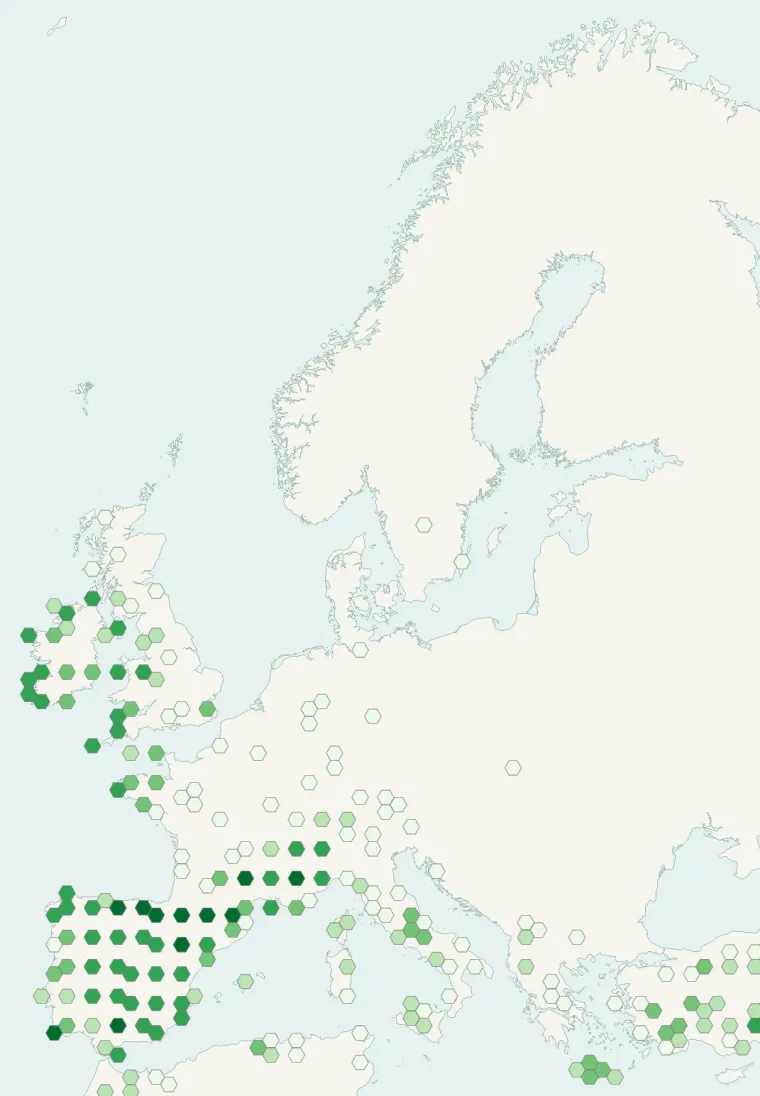
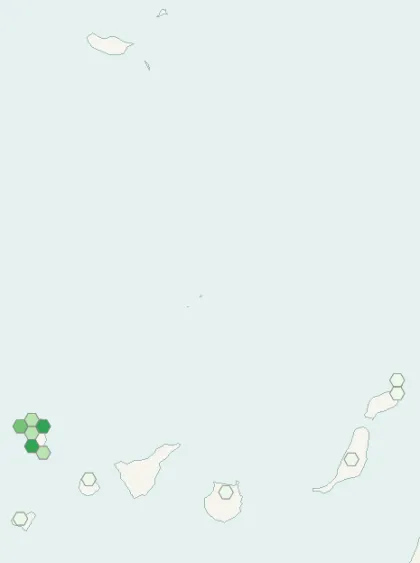
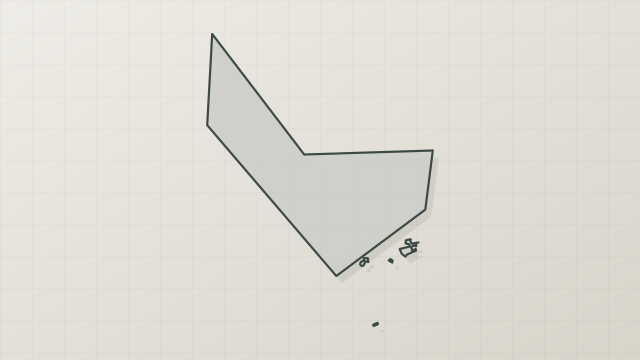
Auf GBIF veröffentlichte Nachweise (Lizenzen CC0 und CC BY 4.0): Je dunkler der Farbton, desto mehr Nachweise; sie spiegeln auch die Beobachtungsintensität wider.
Länder des Atlas mit Nachweisen
Anhören
-
0:34 · © Beeld en Geluid Collecties · CC BY 4.0 · Wikimedia Commons · Originaldatei
Aus der Wikipedia
Die Alpenkrähe (Pyrrhocorax pyrrhocorax) ist eine Vogelart aus der Familie der Rabenvögel (Corvidae). Die schwarz gefiederten Vögel mit schmalem, gebogenem rotem Schnabel waren während der letzten Kaltzeit in weiten Teilen Eurasiens beheimatet. Heute sind sie meist nur noch in den Gebirgen, Hochländern und Küstenregionen der Paläarktis und Äthiopiens anzutreffen. Insbesondere durch den Wandel der Landwirtschaft ab dem 19. Jahrhundert ging die Art in Europa noch weiter zurück. Ihr Habitat besteht aus Weideland und offenen Flächen mit niedriger, spärlicher Grasvegetation.
Quelle: Wikipedia, Artikel „Alpenkrähe“ (Version vom 5. April 2026) · Versionsgeschichte und Autoren · Lizenz CC BY-SA 4.0 · gekürzter Auszug
Schutzgebiete mit Nachweisen

Natura 2000 · Standvogel 6352 Nachweise
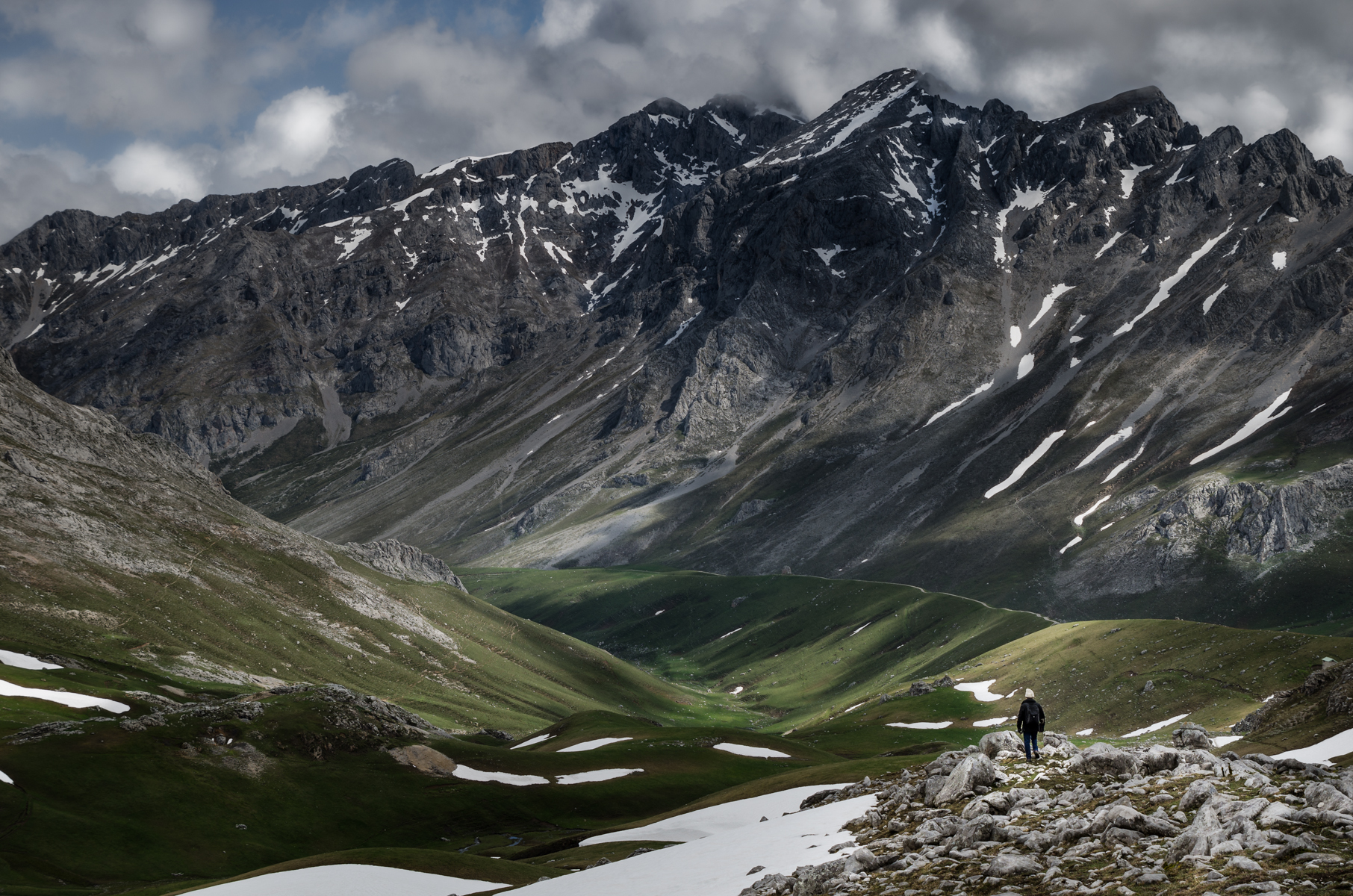
Natura 2000 · Standvogel 1838 Nachweise
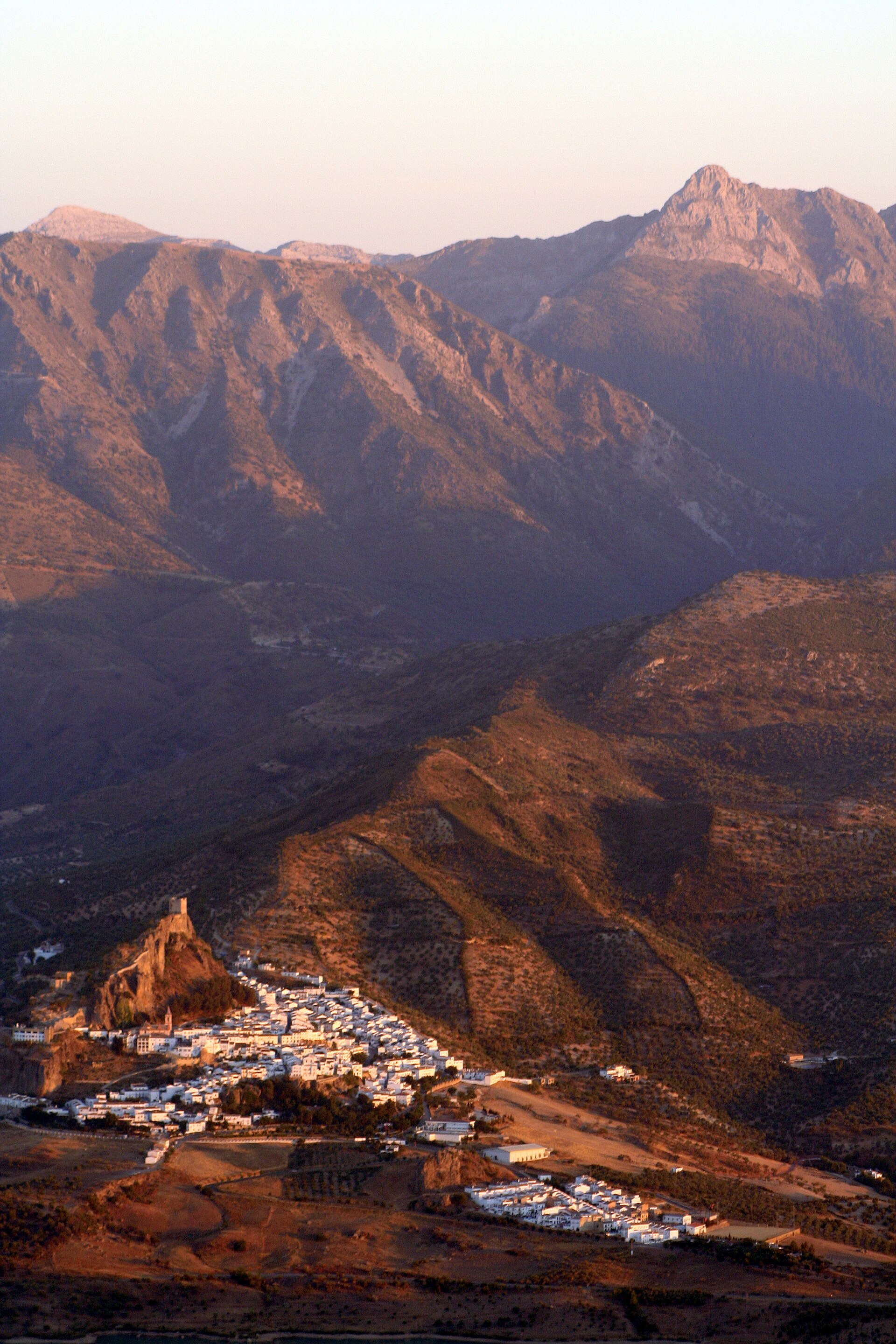
Natura 2000 · Standvogel 1738 Nachweise
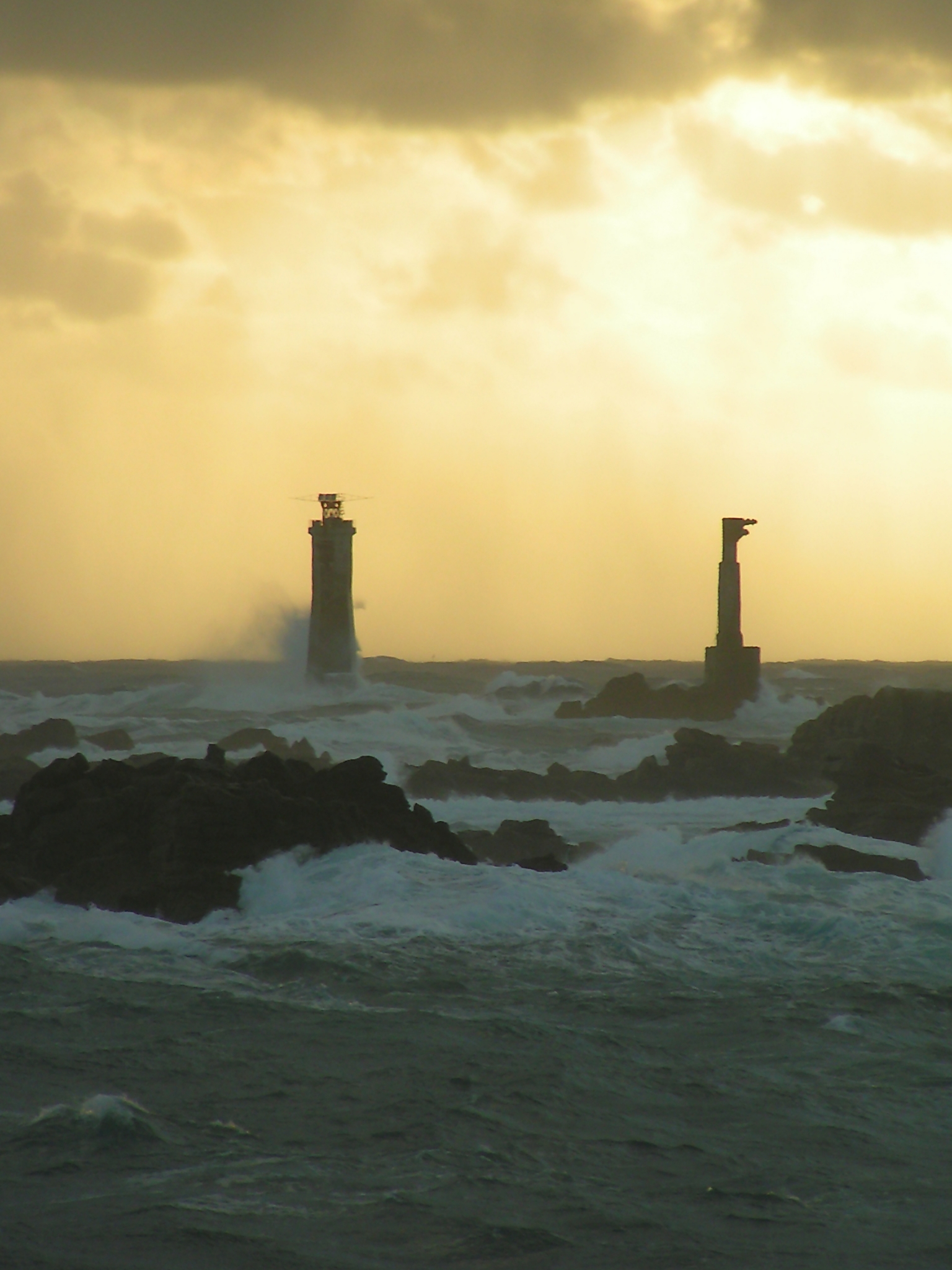
Natura 2000 · Brutvogel, Standvogel, Wintergast 1696 Nachweise

Natura 2000 · Standvogel 1057 Nachweise
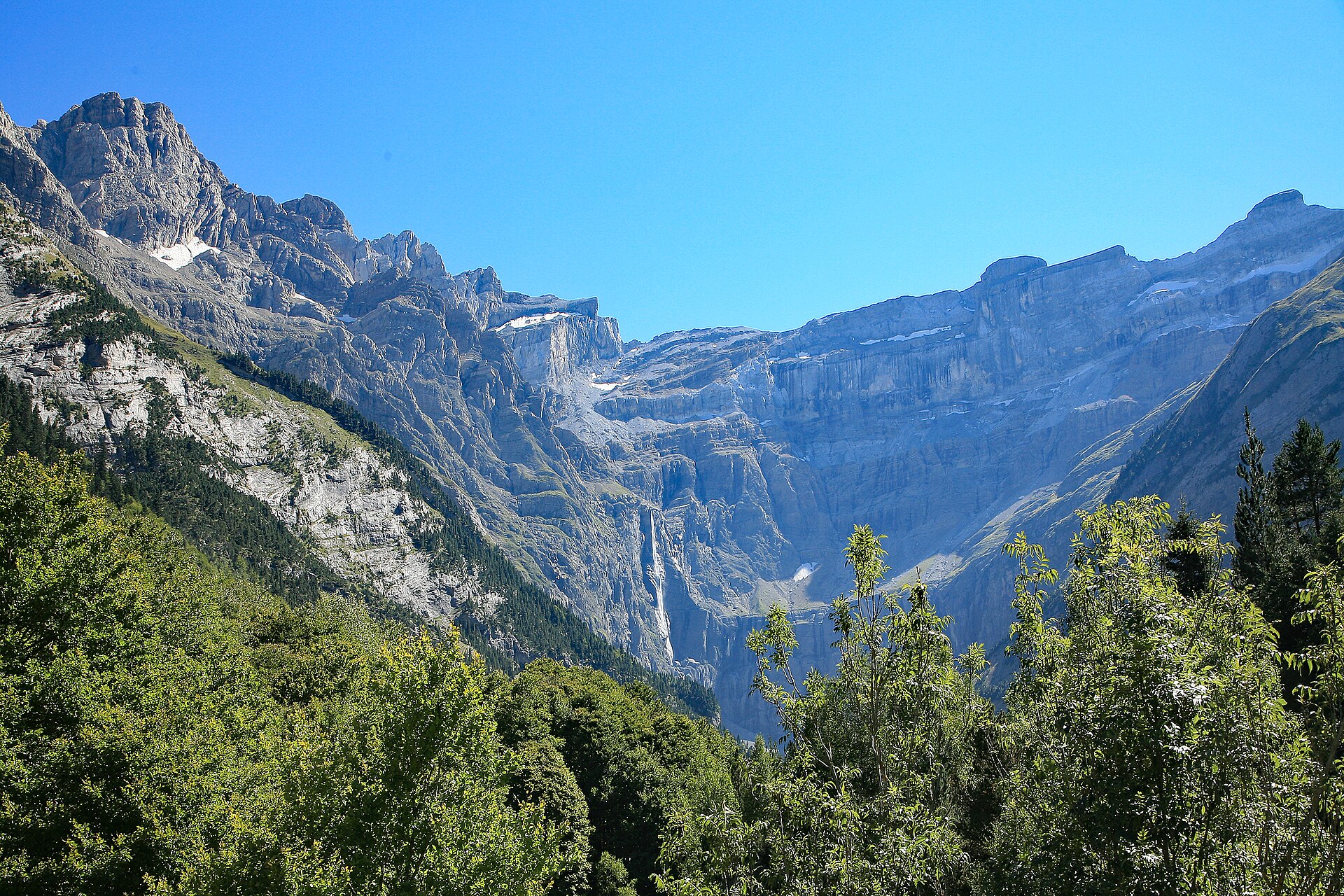
Natura 2000 · Wintergast, Brutvogel, Standvogel 814 Nachweise

Natura 2000 · Standvogel 697 Nachweise
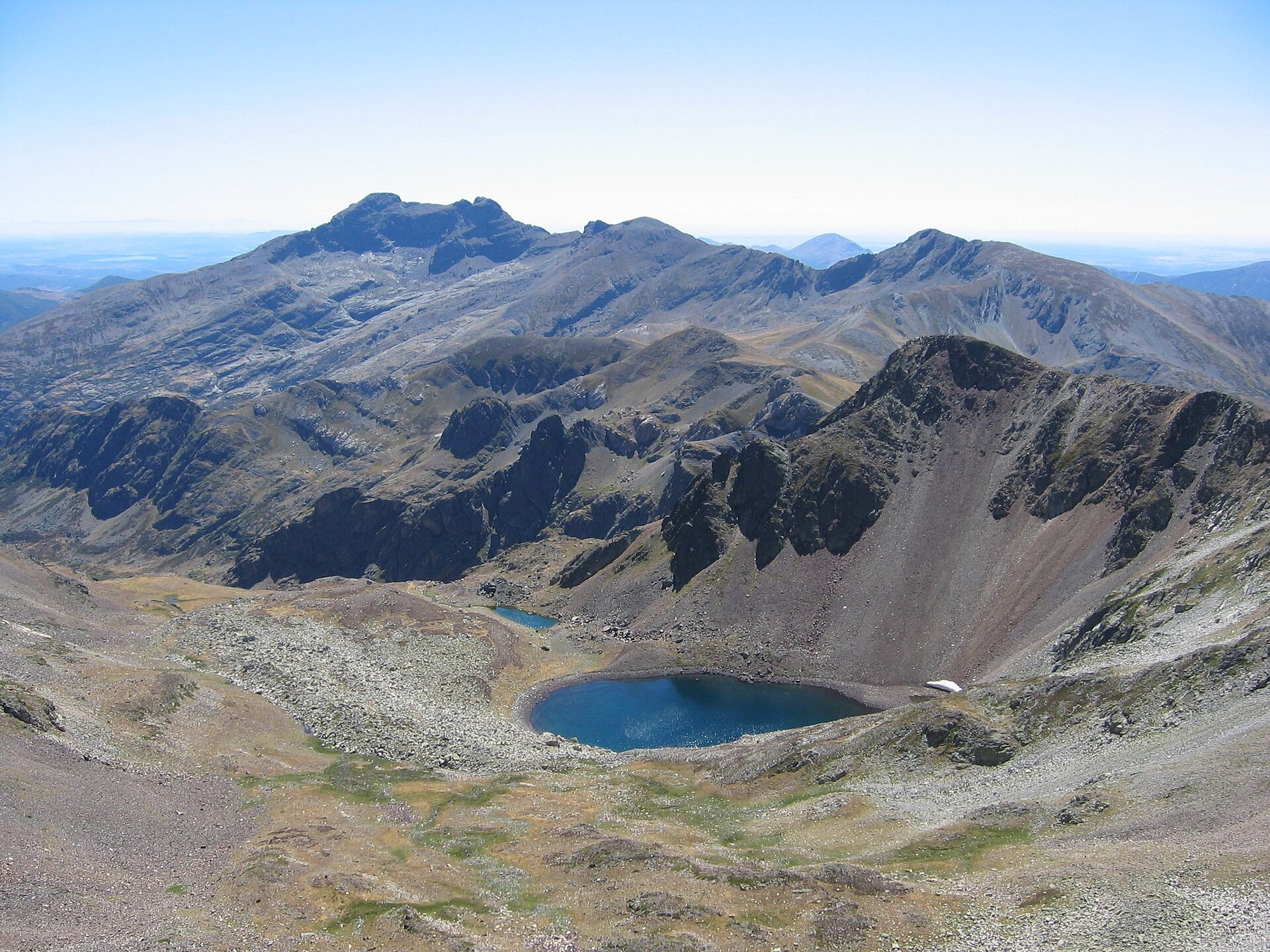
Natura 2000 · Standvogel 532 Nachweise
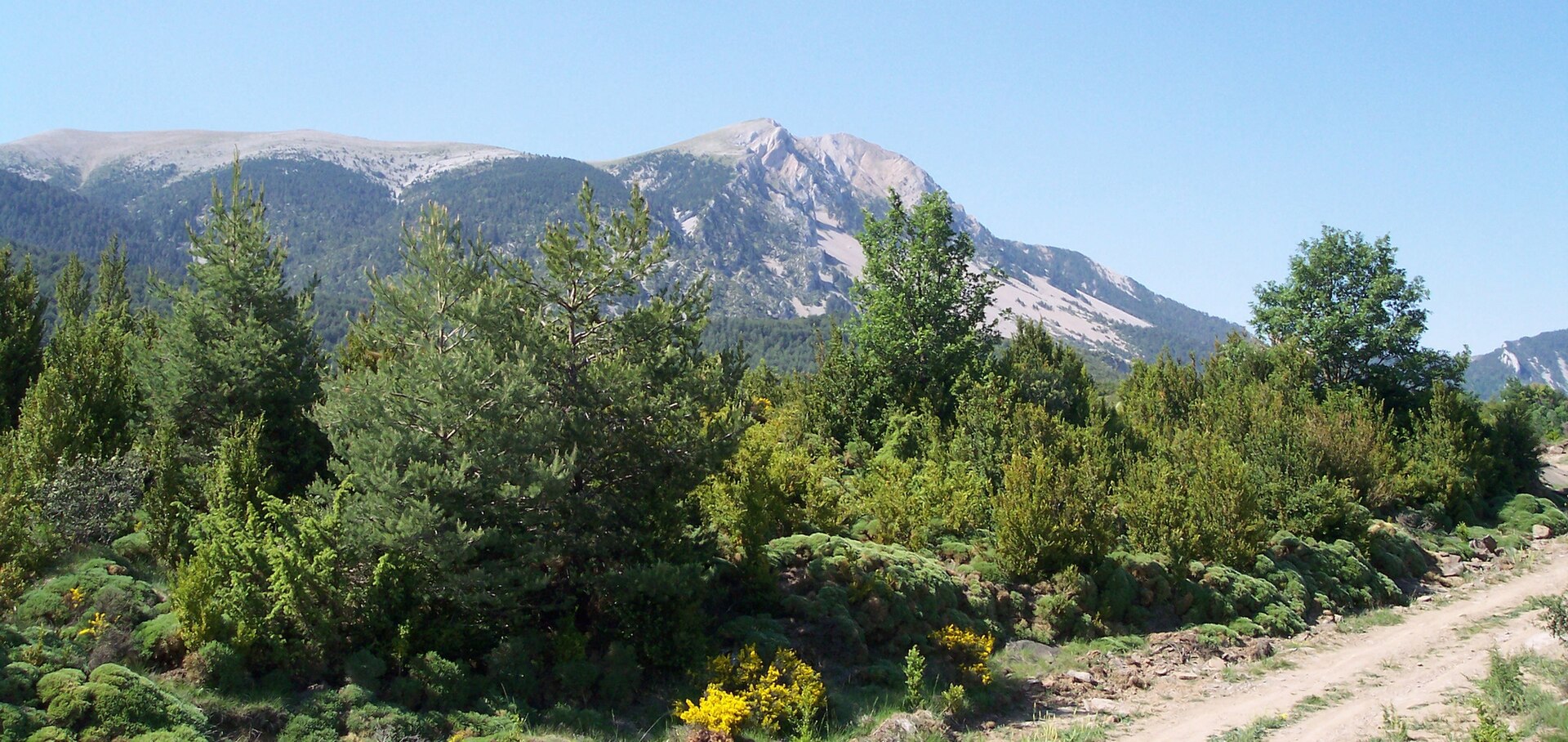
Natura 2000 · Standvogel 483 Nachweise

Natura 2000 · Standvogel 432 Nachweise
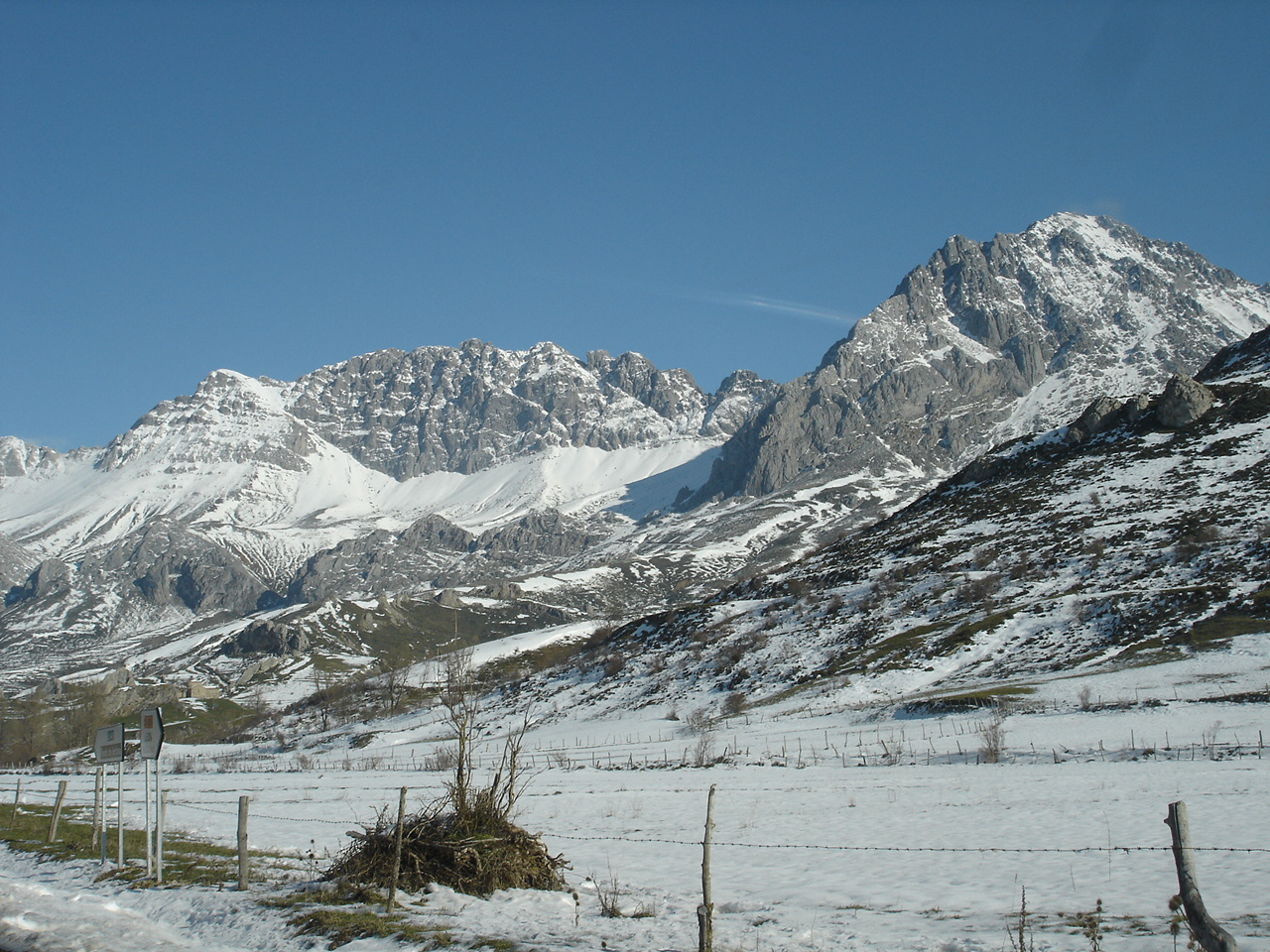
Natura 2000 · Standvogel 415 Nachweise
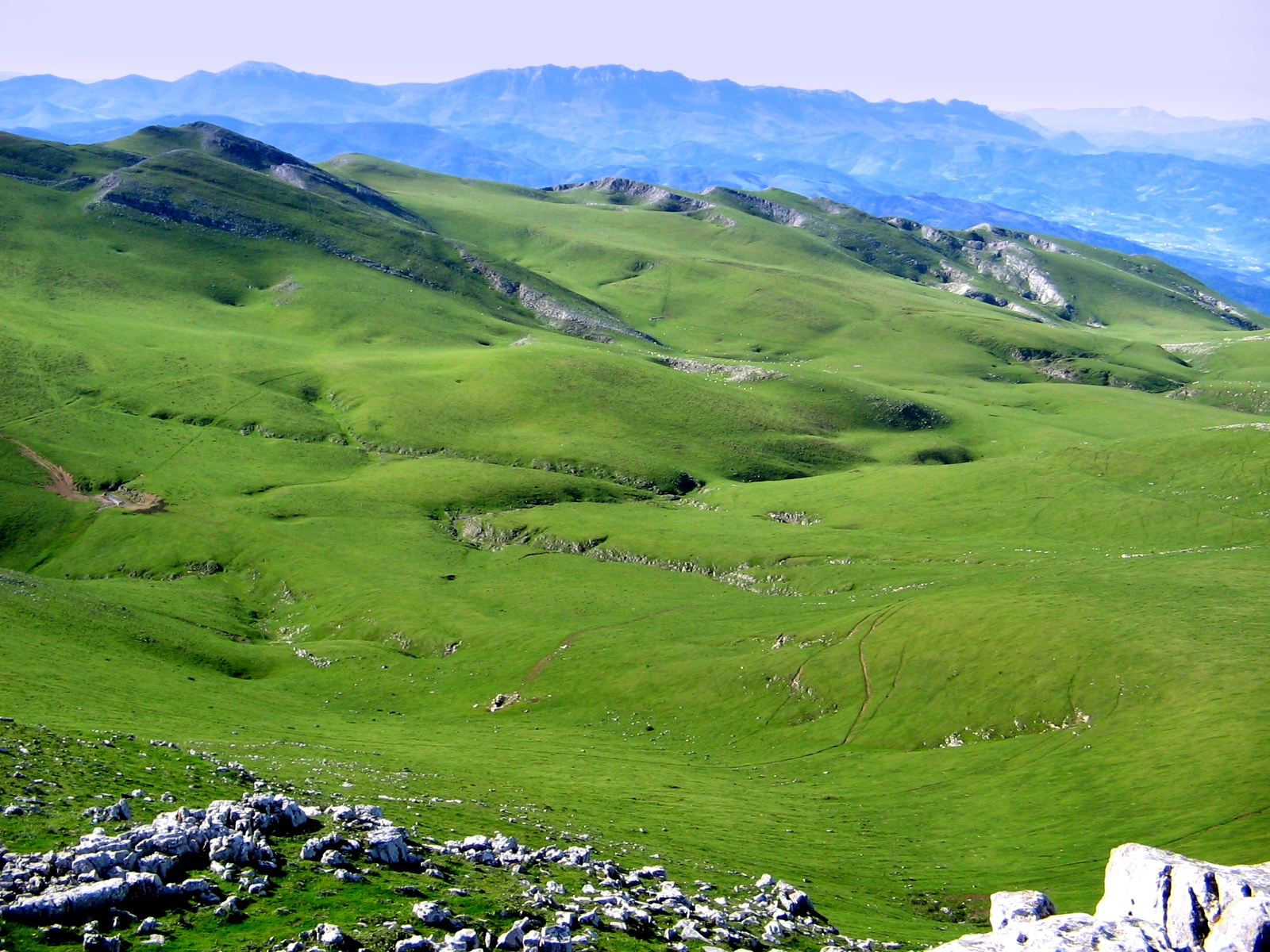
Natura 2000 · Standvogel 349 Nachweise
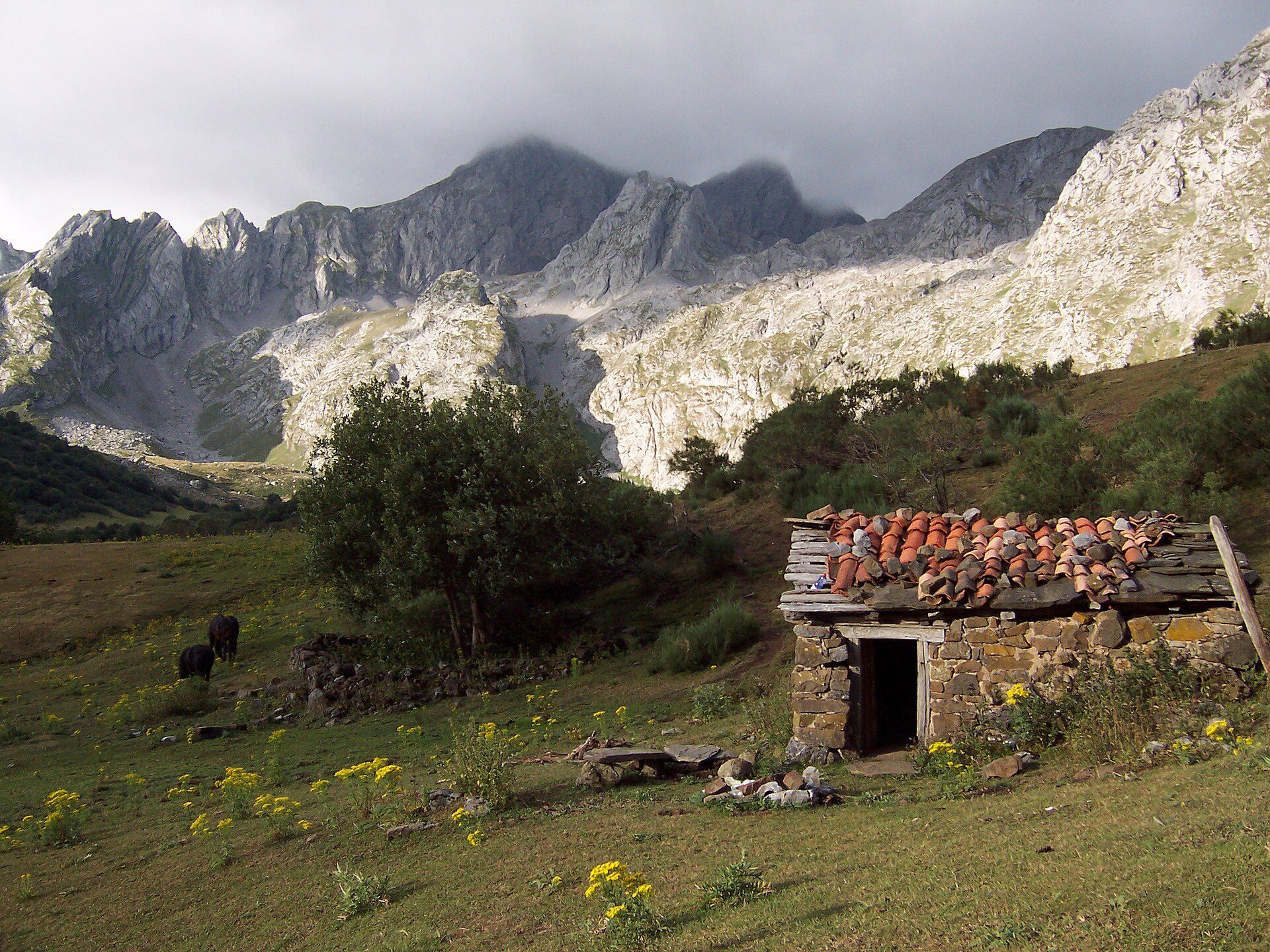
Natura 2000 · Standvogel 276 Nachweise
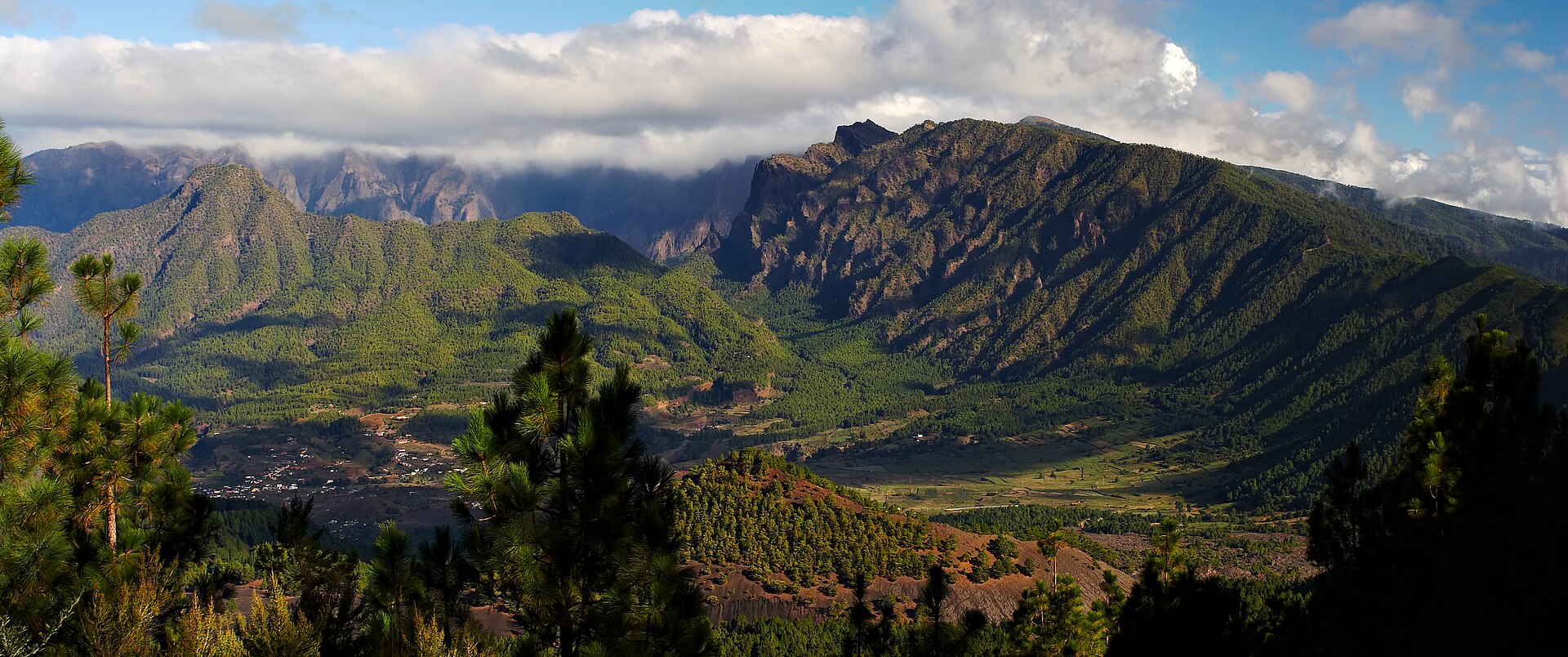
Natura 2000 · Standvogel 238 Nachweise
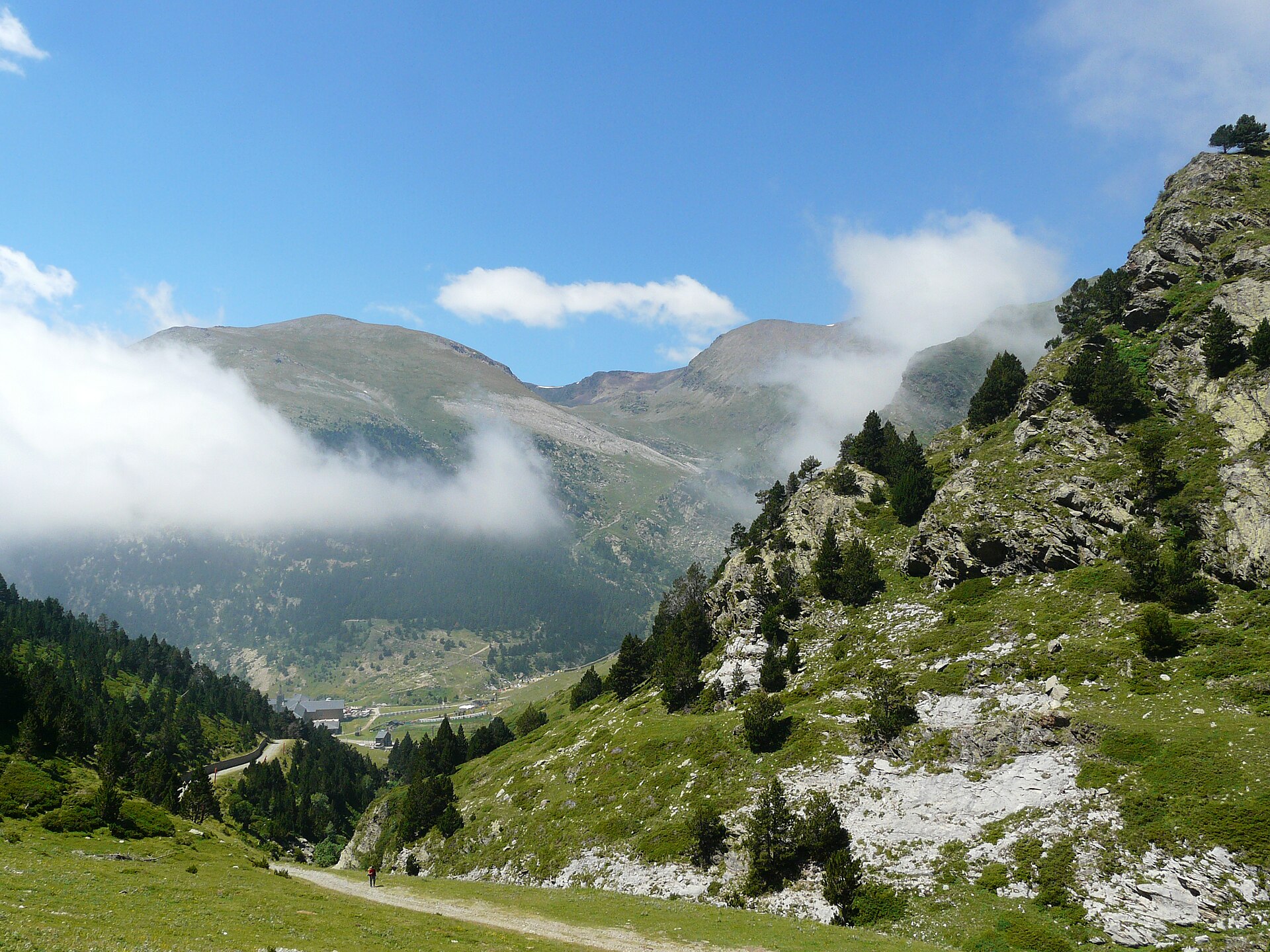
Natura 2000 · Standvogel 225 Nachweise

Natura 2000 · Wintergast, Standvogel, Brutvogel 193 Nachweise

Natura 2000 · Standvogel 193 Nachweise

Natura 2000 · Standvogel 150 Nachweise

Natura 2000 · Standvogel 140 Nachweise
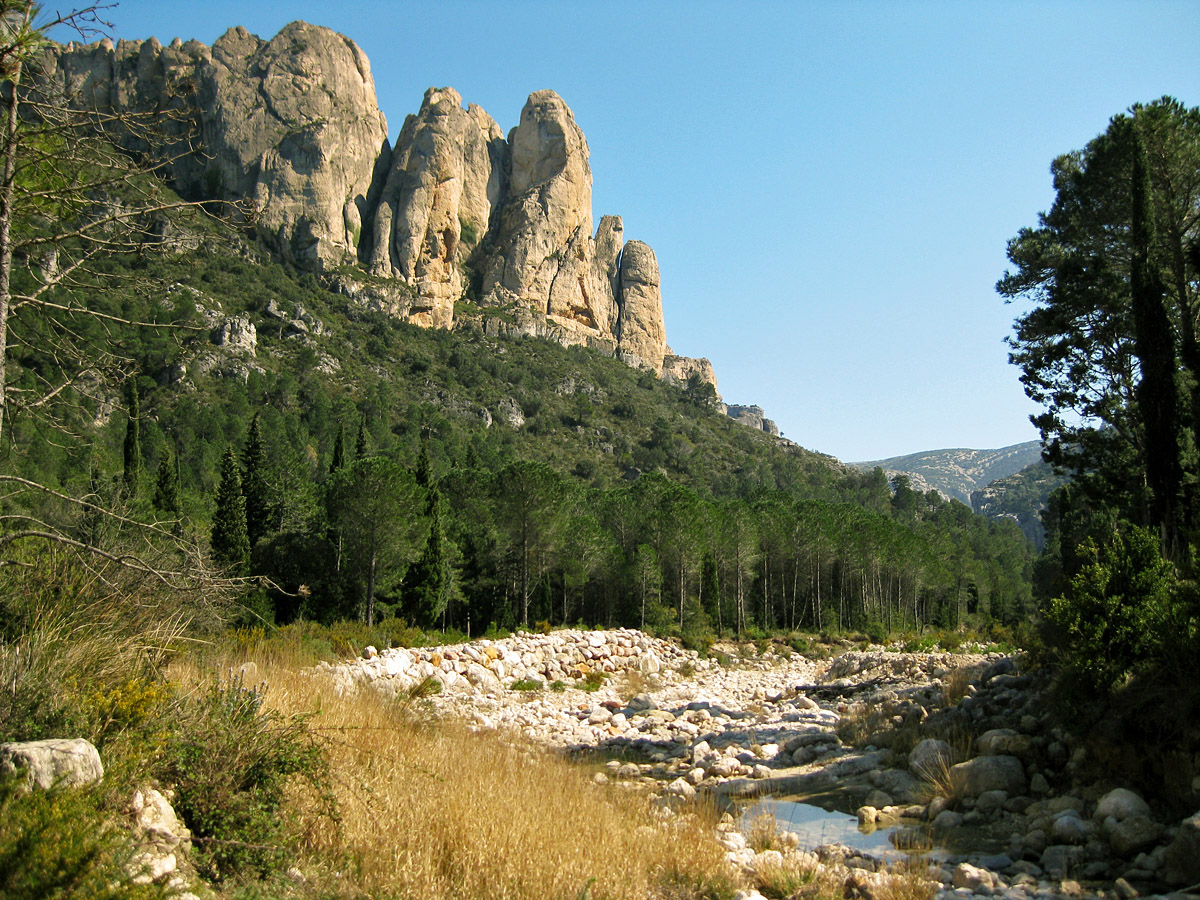
Natura 2000 · Standvogel 112 Nachweise
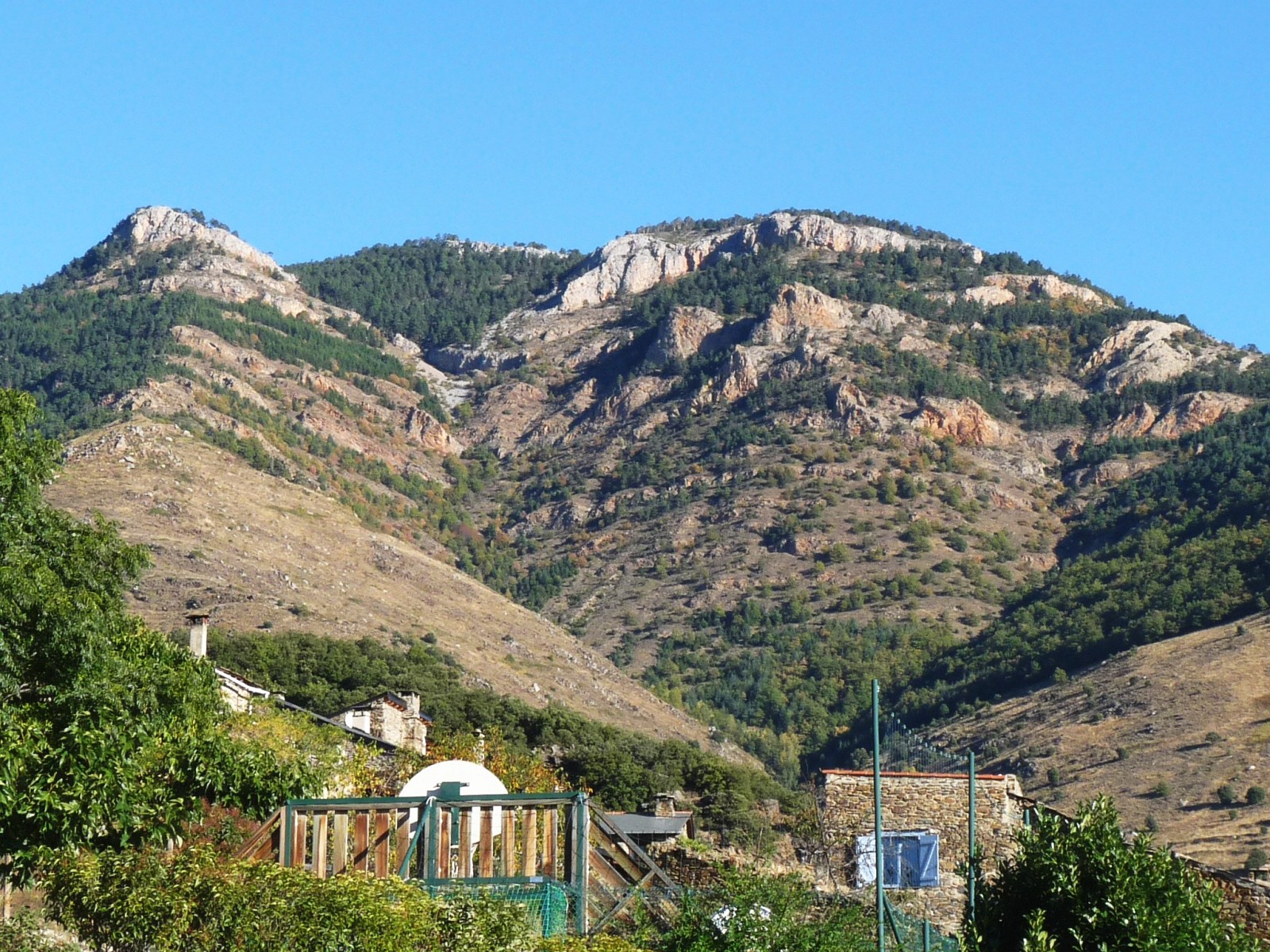
Natura 2000 · Standvogel 104 Nachweise
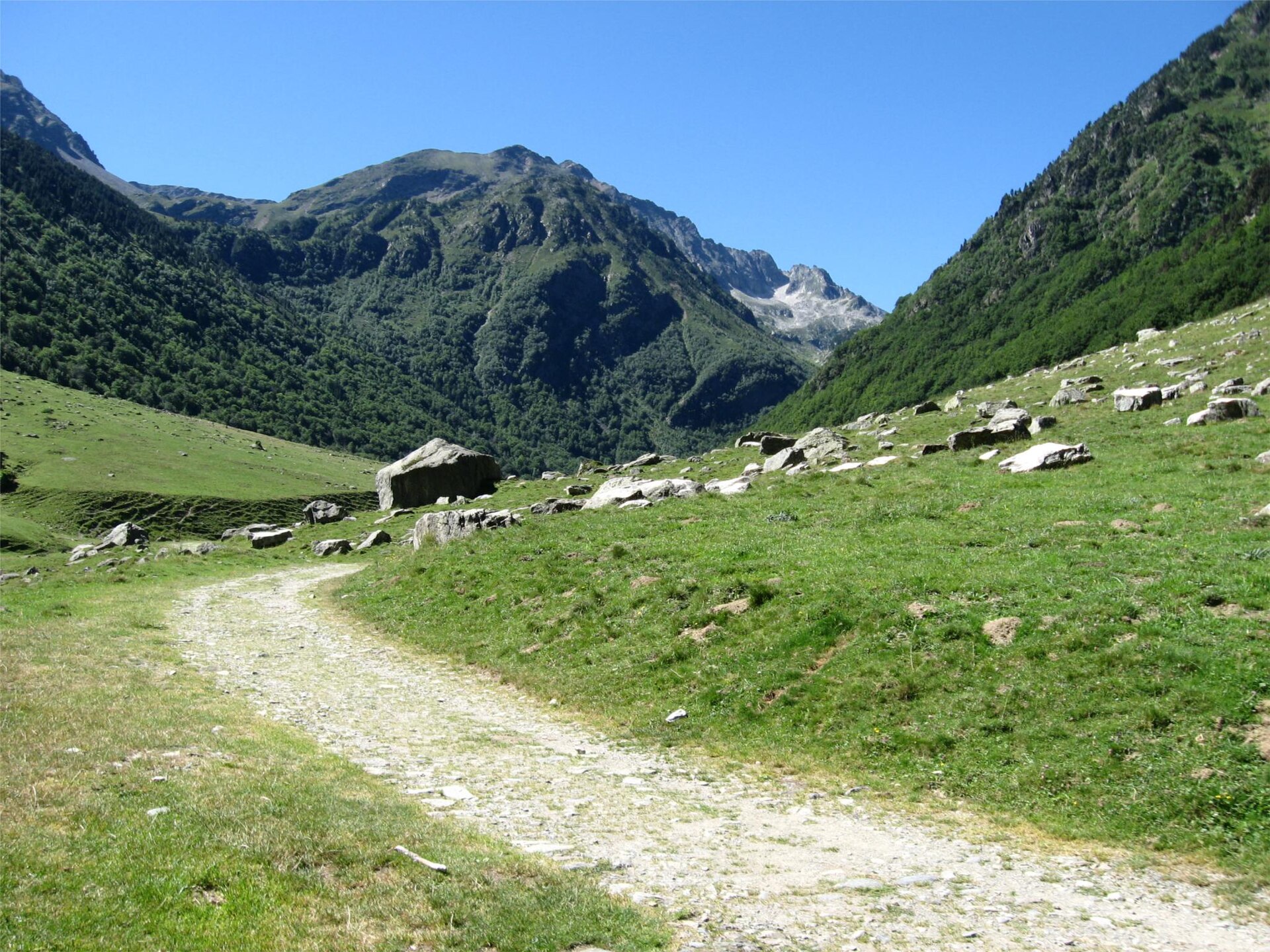
Natura 2000 · Standvogel 101 Nachweise
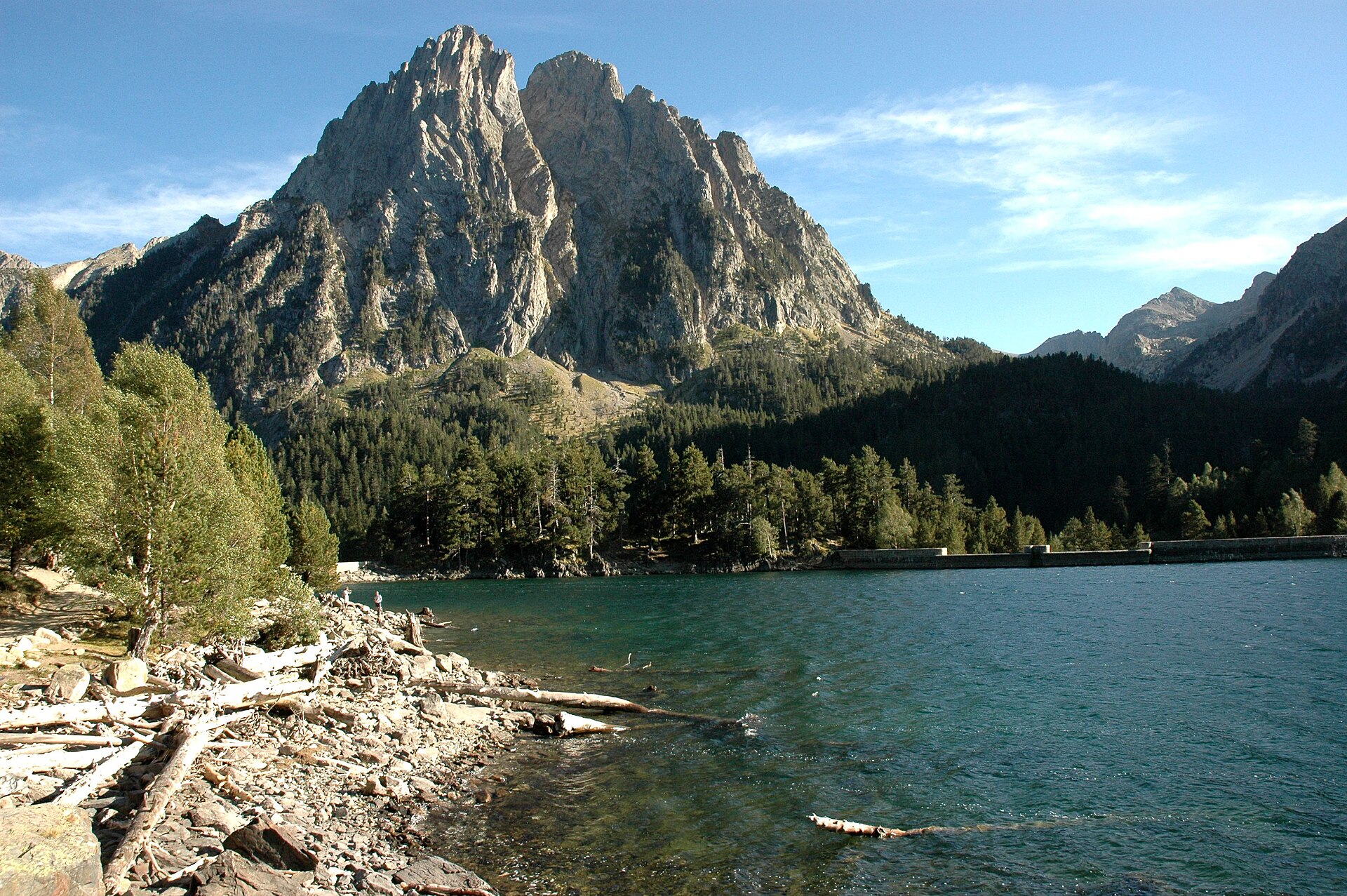
Natura 2000 · Standvogel 67 Nachweise
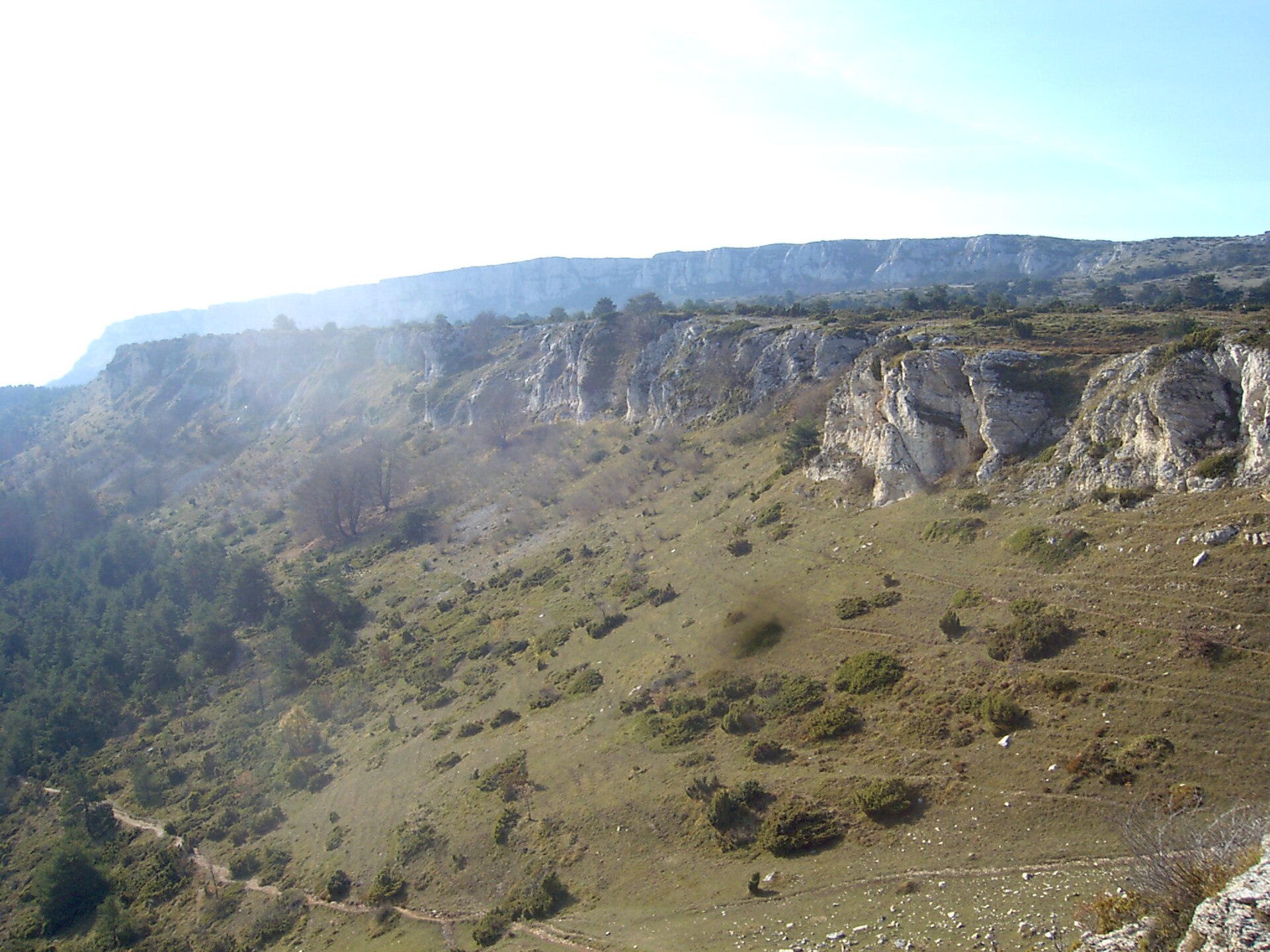
Natura 2000 · Wintergast, Standvogel, Brutvogel 62 Nachweise
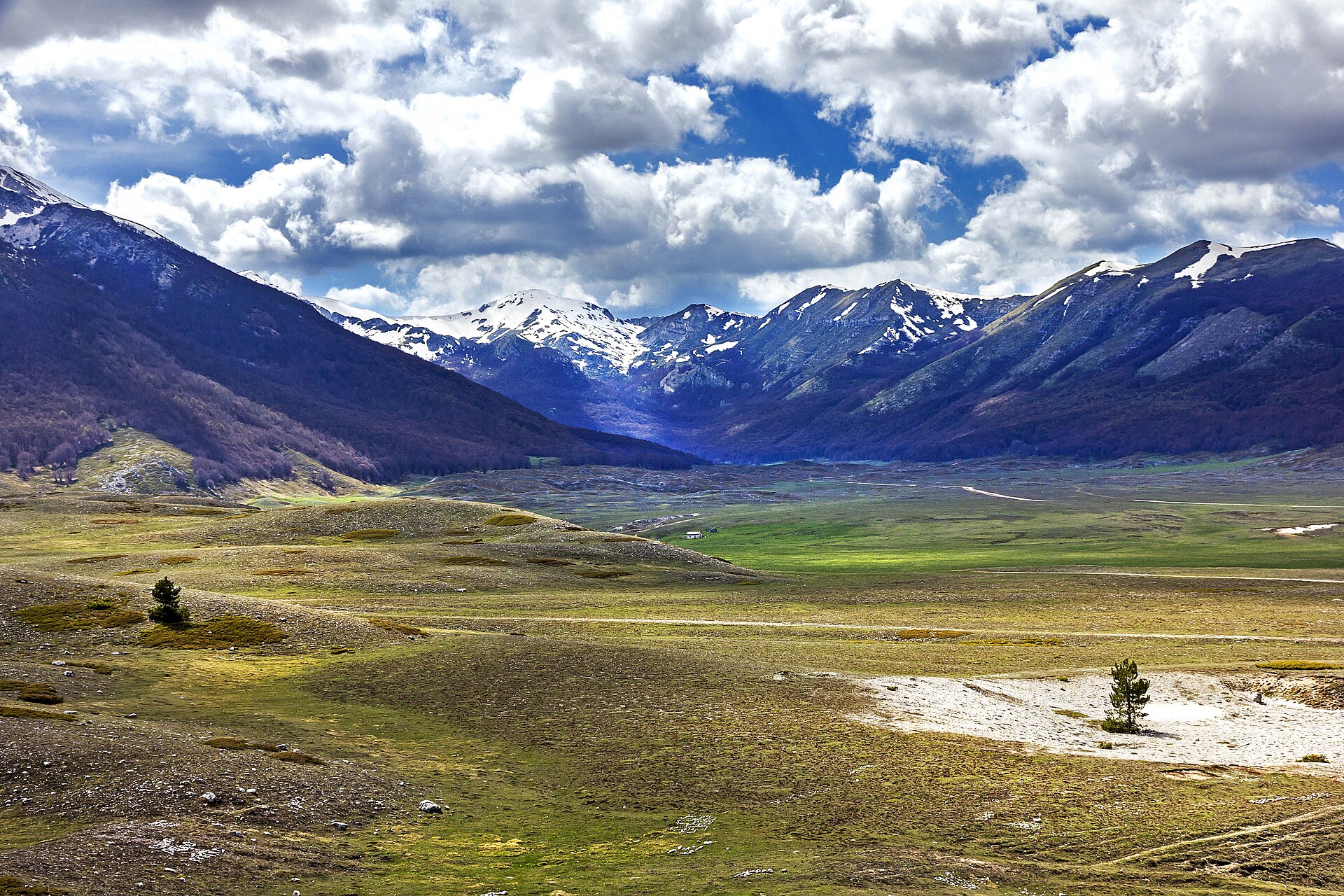
Natura 2000 · Standvogel 52 Nachweise
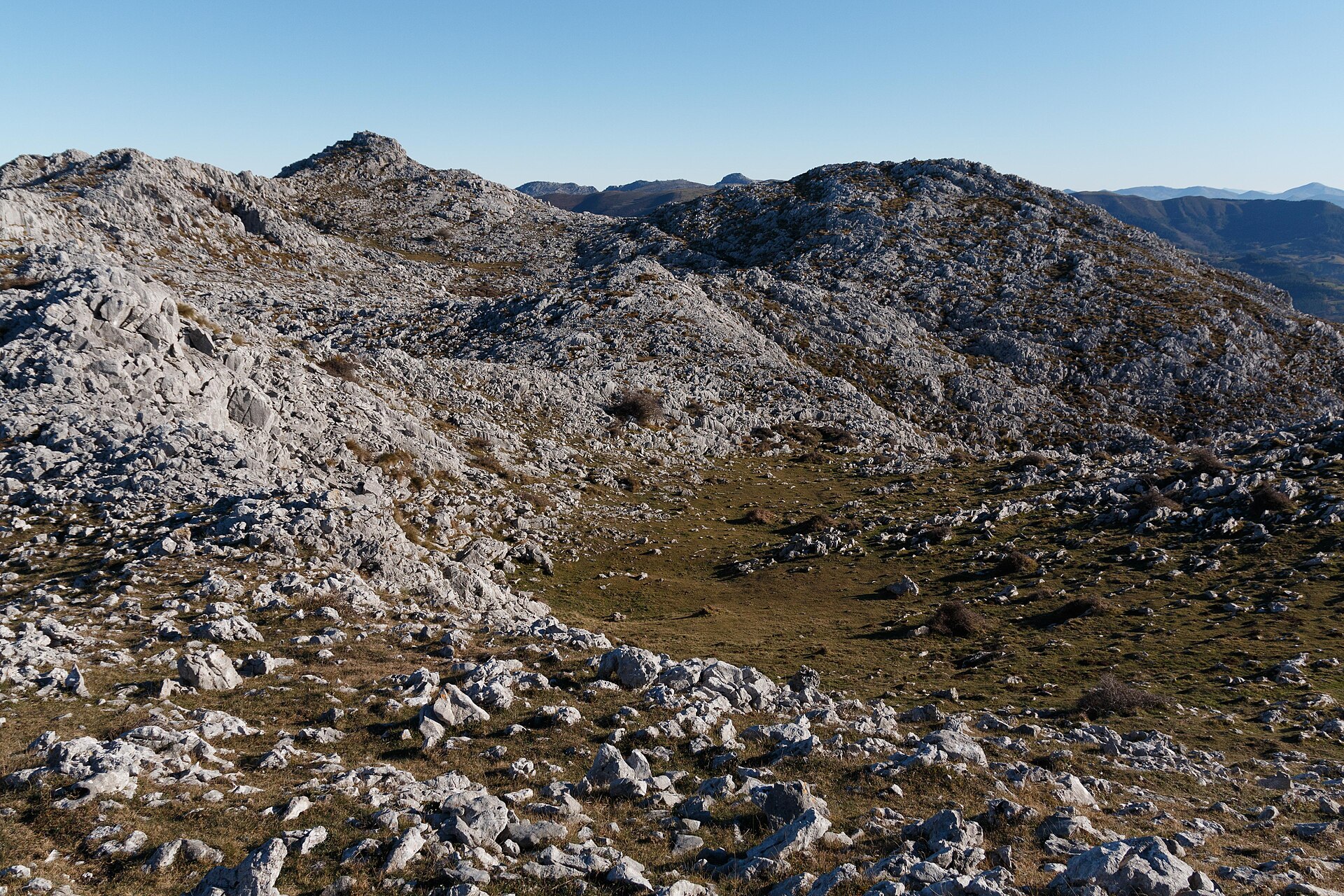
Natura 2000 · Standvogel 39 Nachweise

Natura 2000 · Standvogel 30 Nachweise
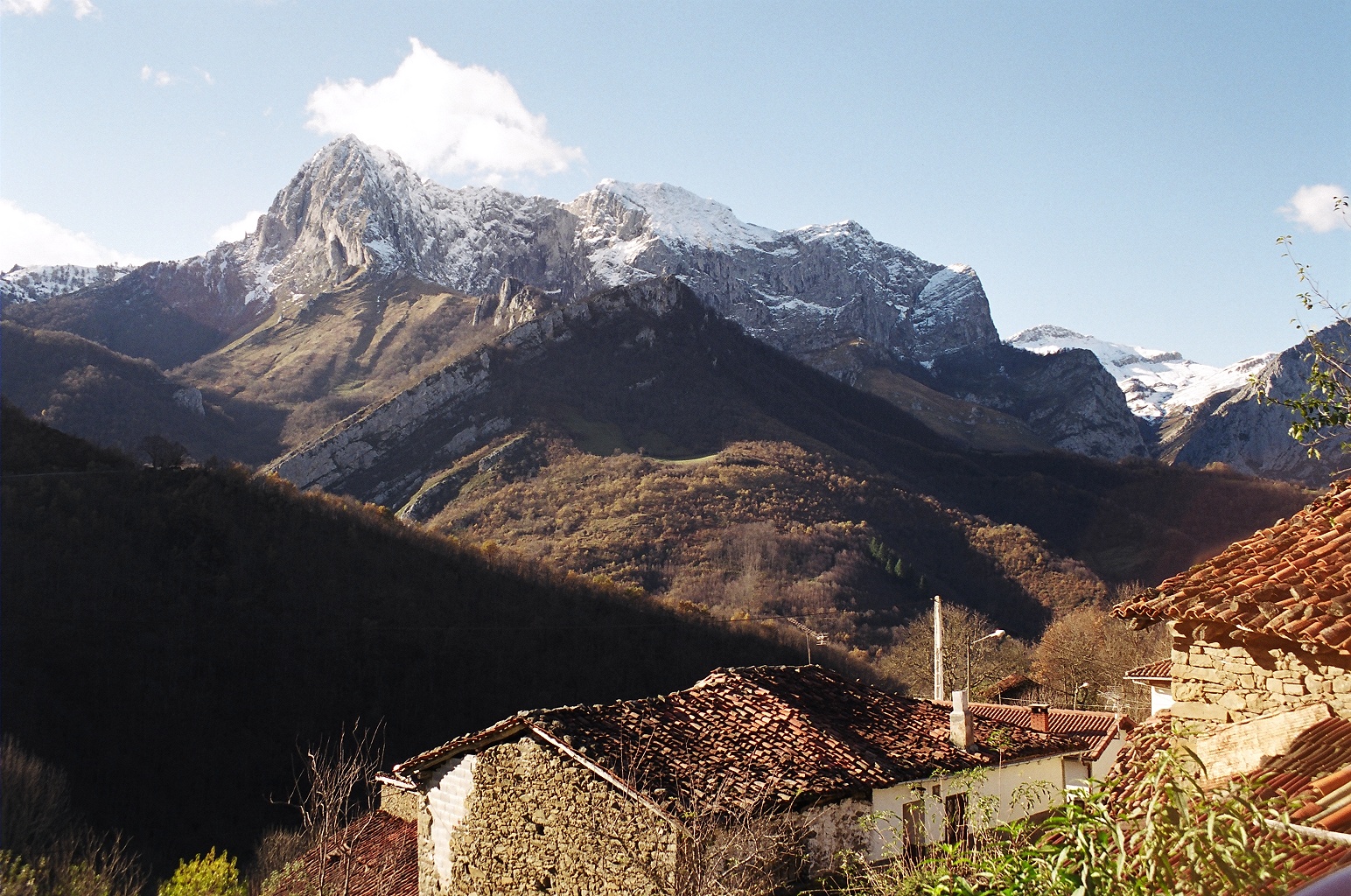
Natura 2000 · Standvogel 29 Nachweise

Natura 2000 · Standvogel 15 Nachweise
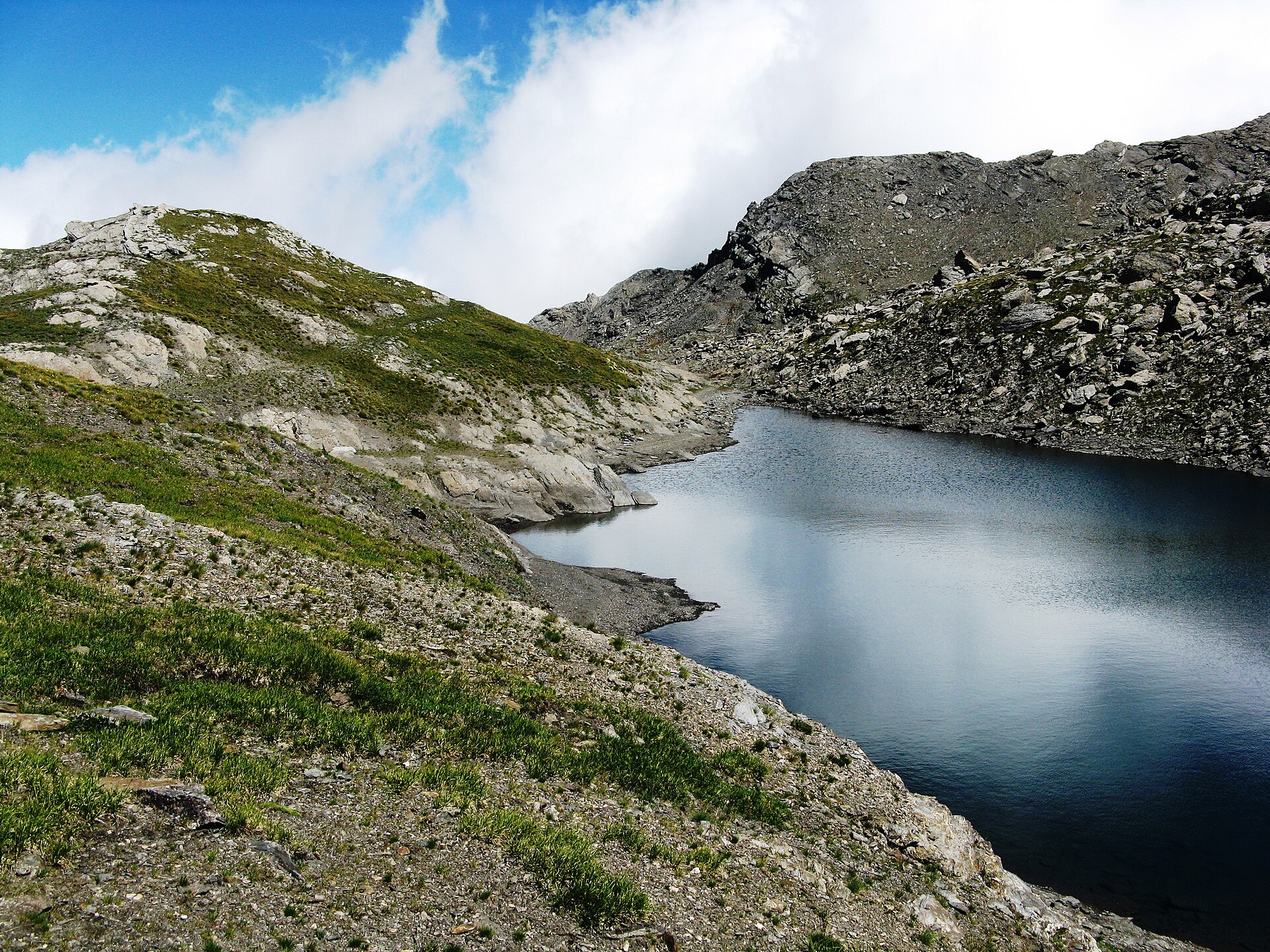
Natura 2000 · Brutvogel, Standvogel 12 Nachweise

Natura 2000 · Brutvogel 3 Nachweise

4100 Nachweise
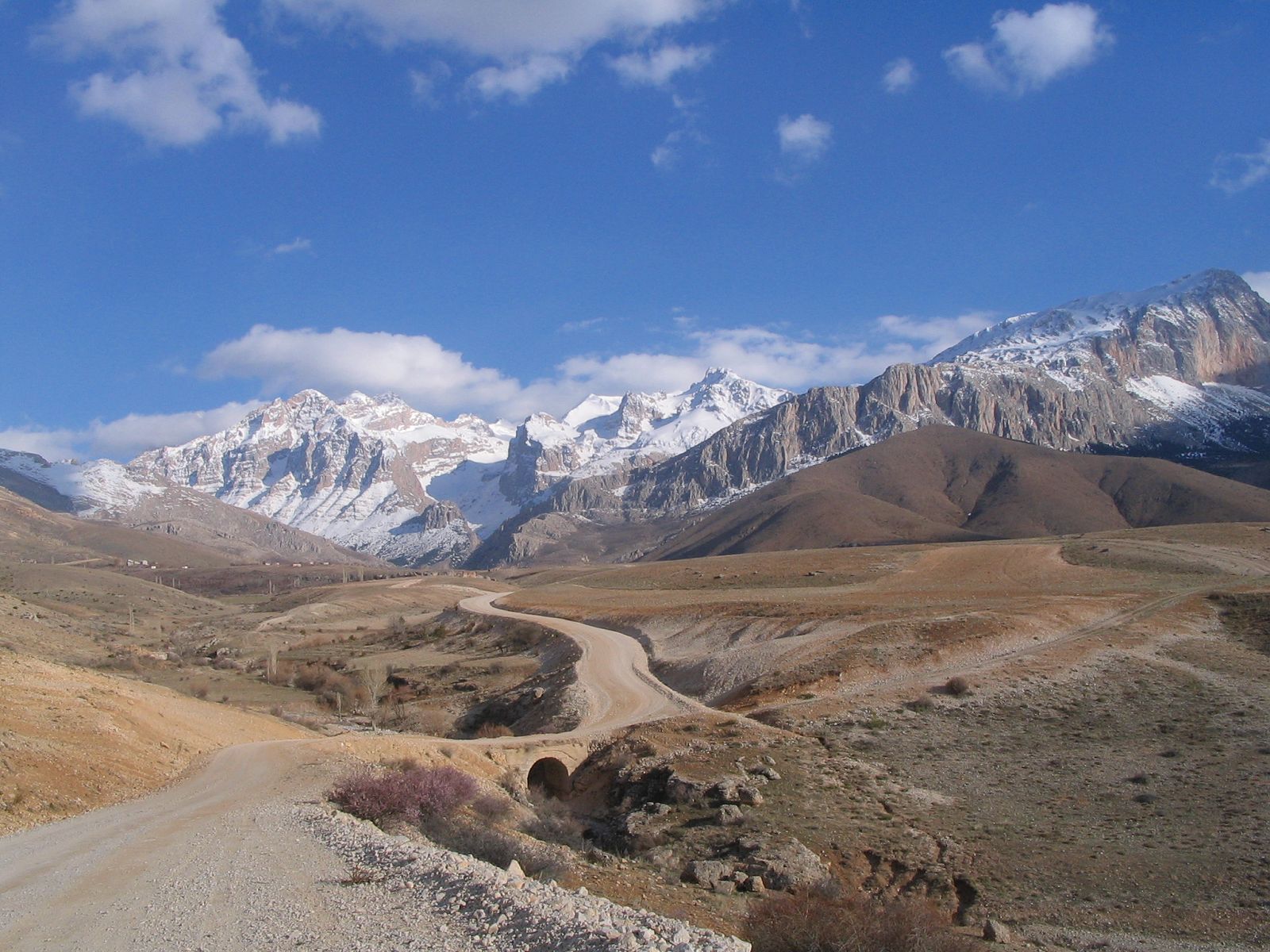
849 Nachweise
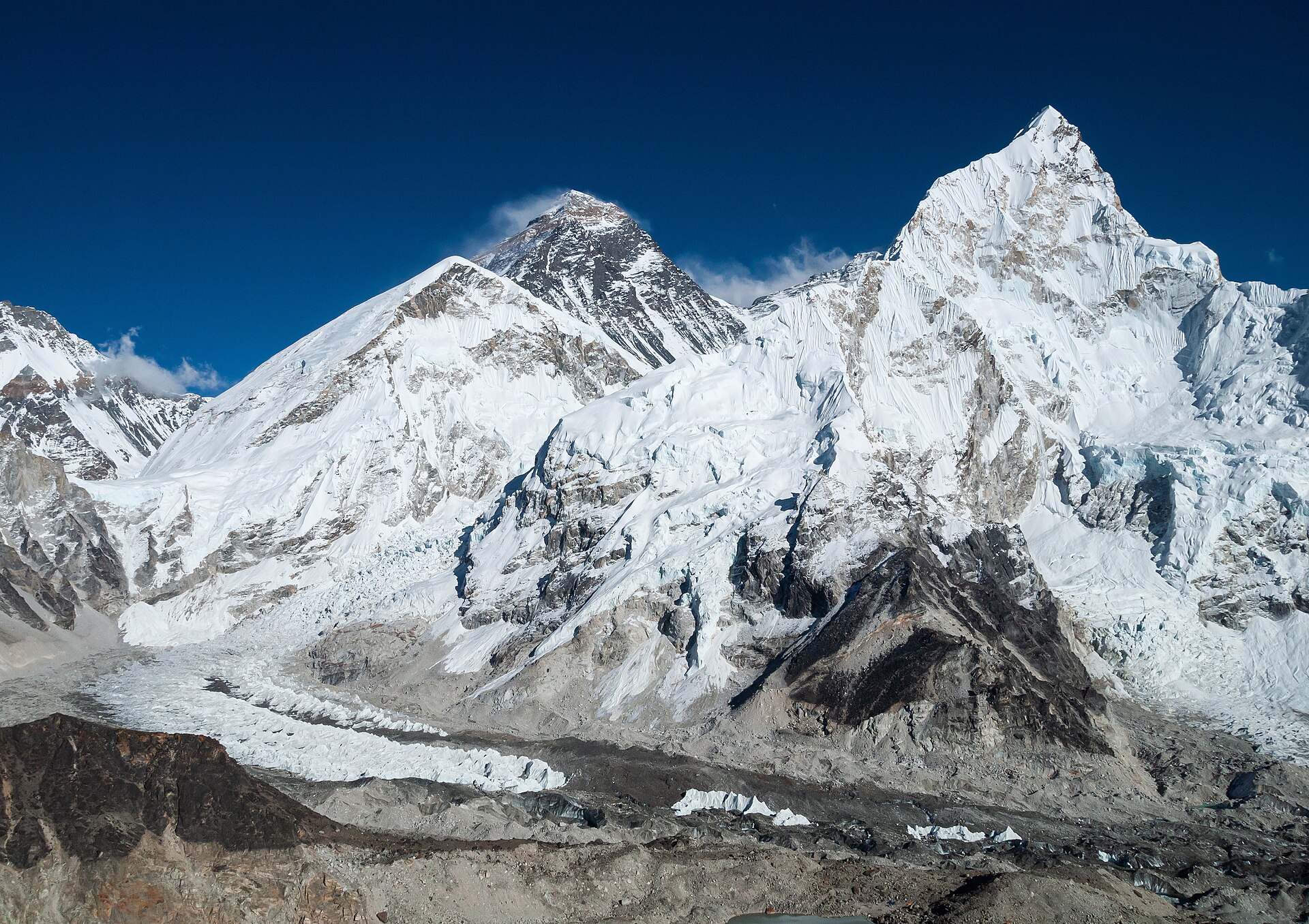
568 Nachweise
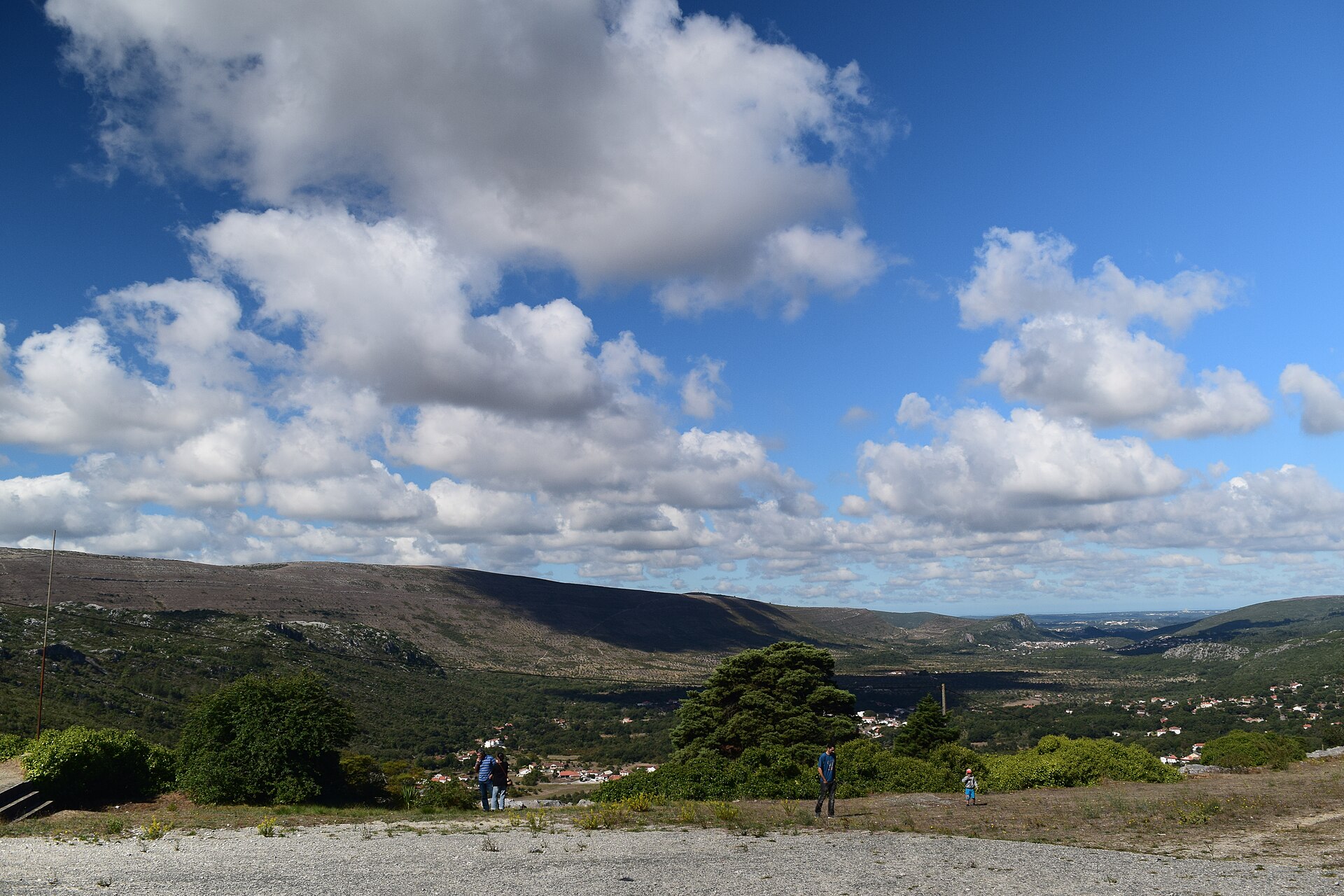
448 Nachweise
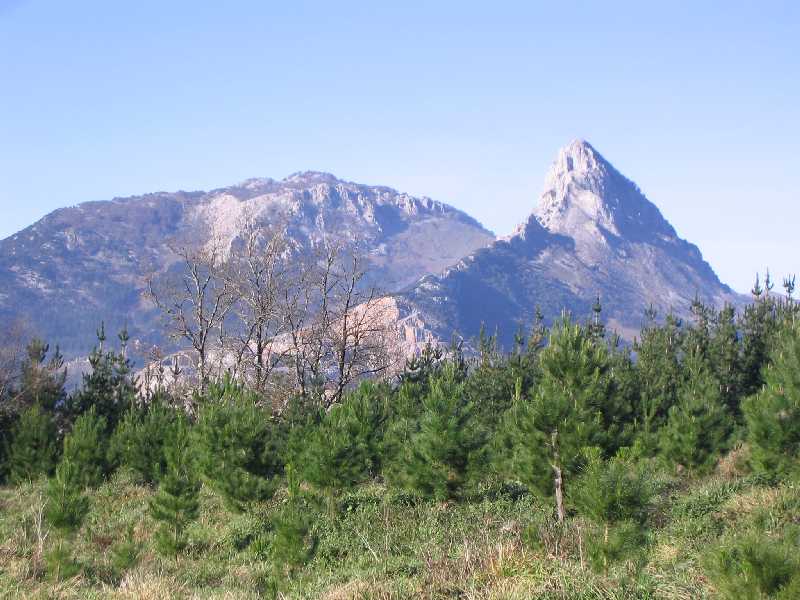
364 Nachweise

346 Nachweise
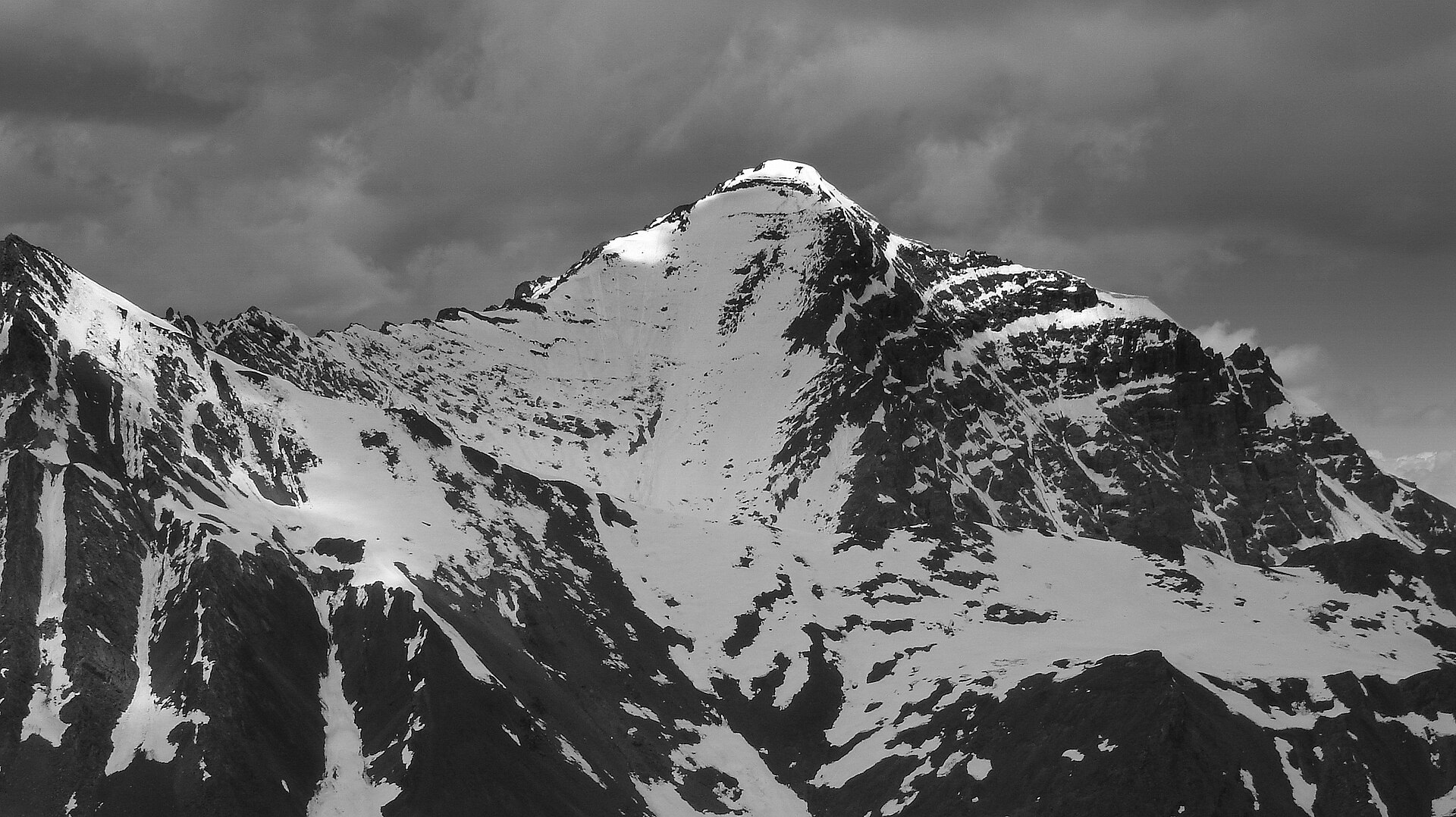
329 Nachweise

99 Nachweise
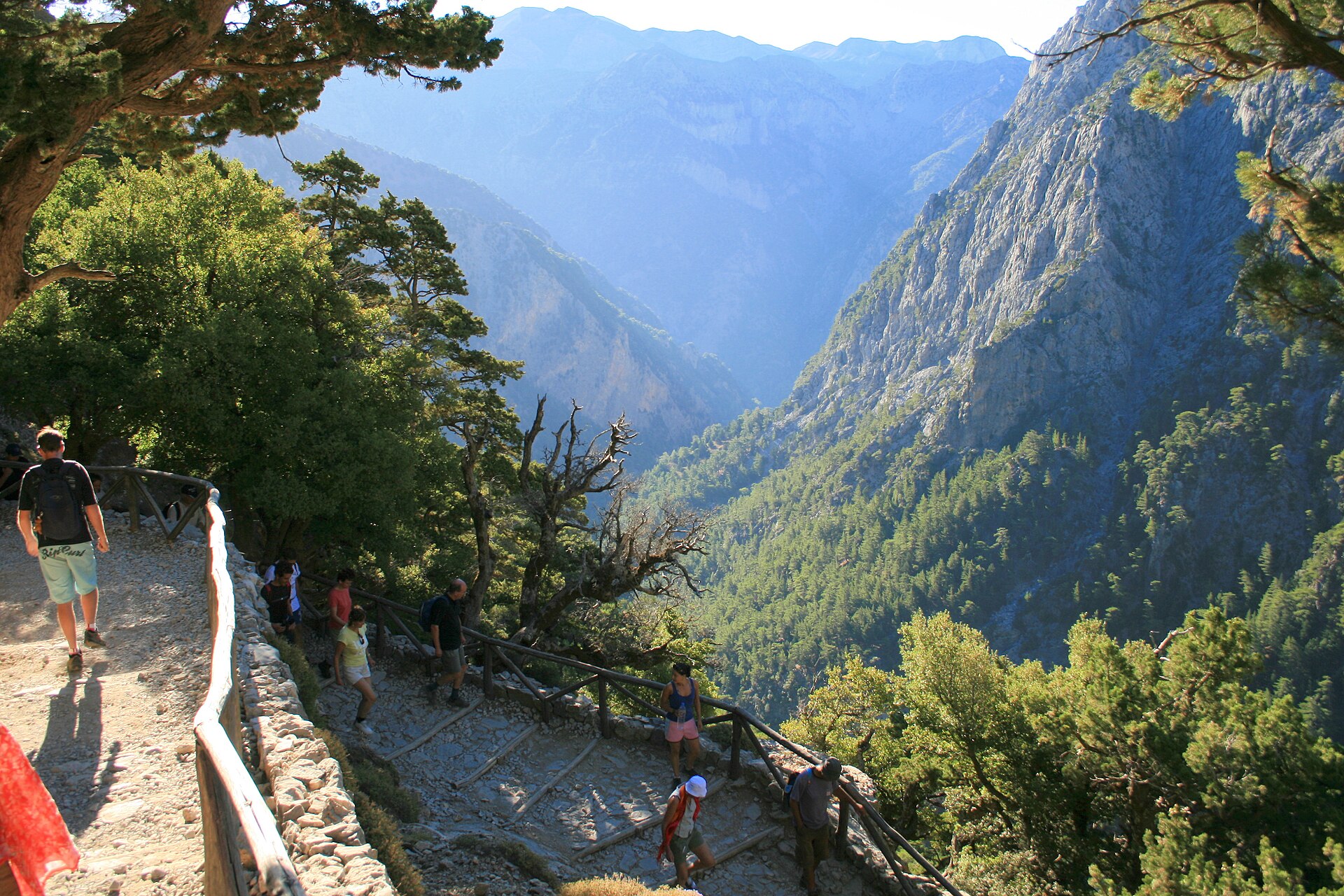
85 Nachweise

60 Nachweise
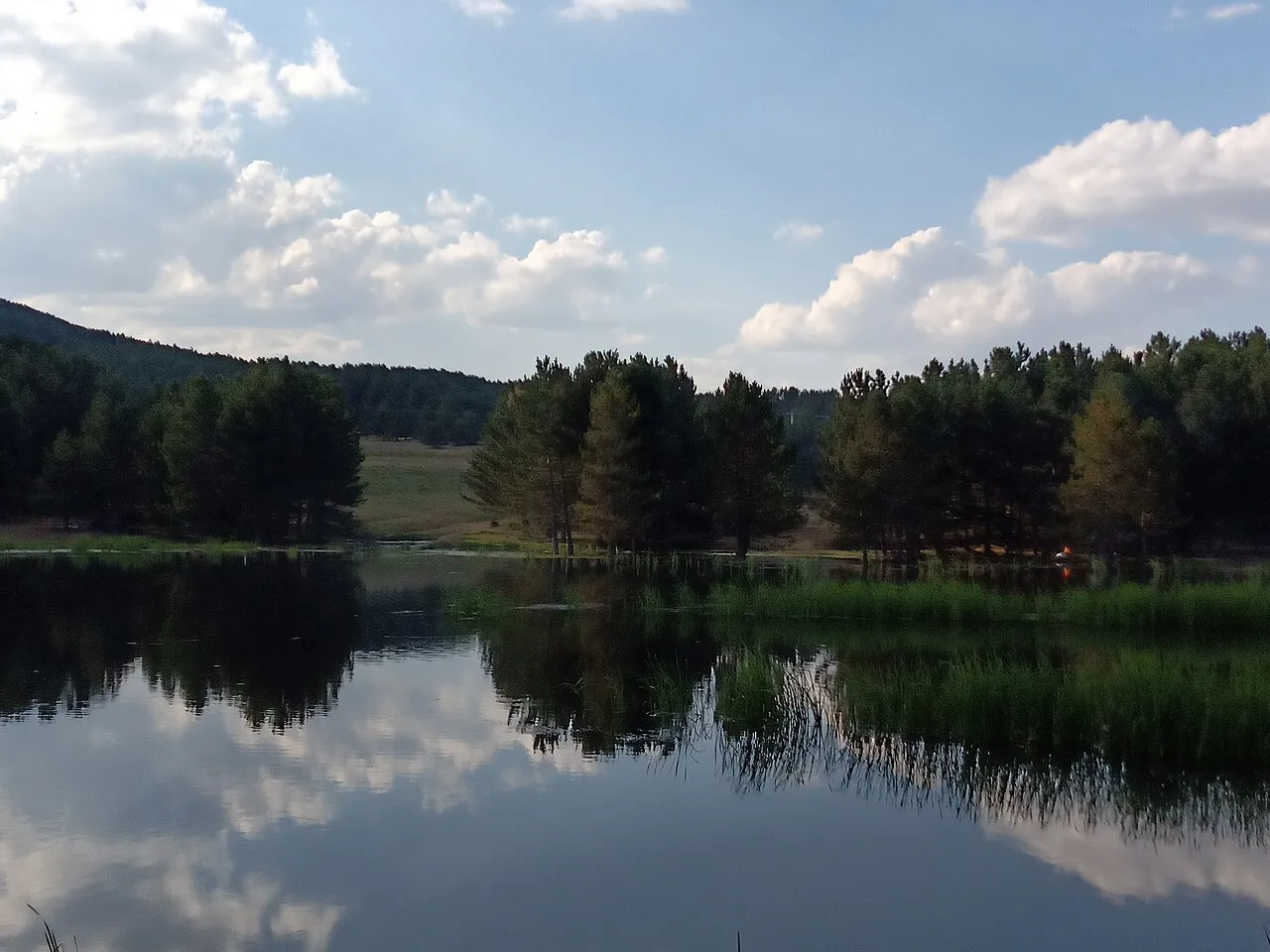
53 Nachweise

52 Nachweise
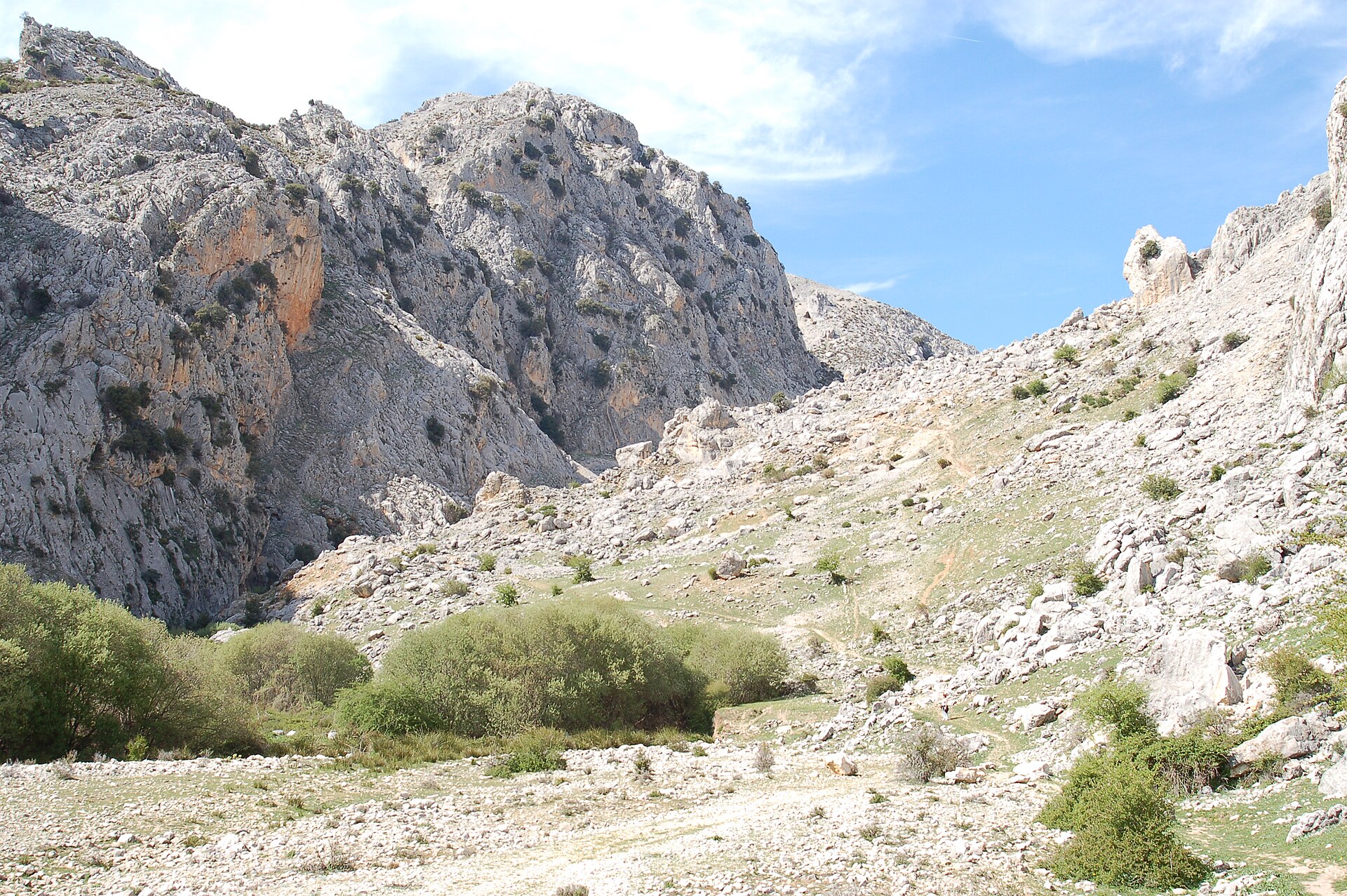
38 Nachweise

23 Nachweise

20 Nachweise

17 Nachweise
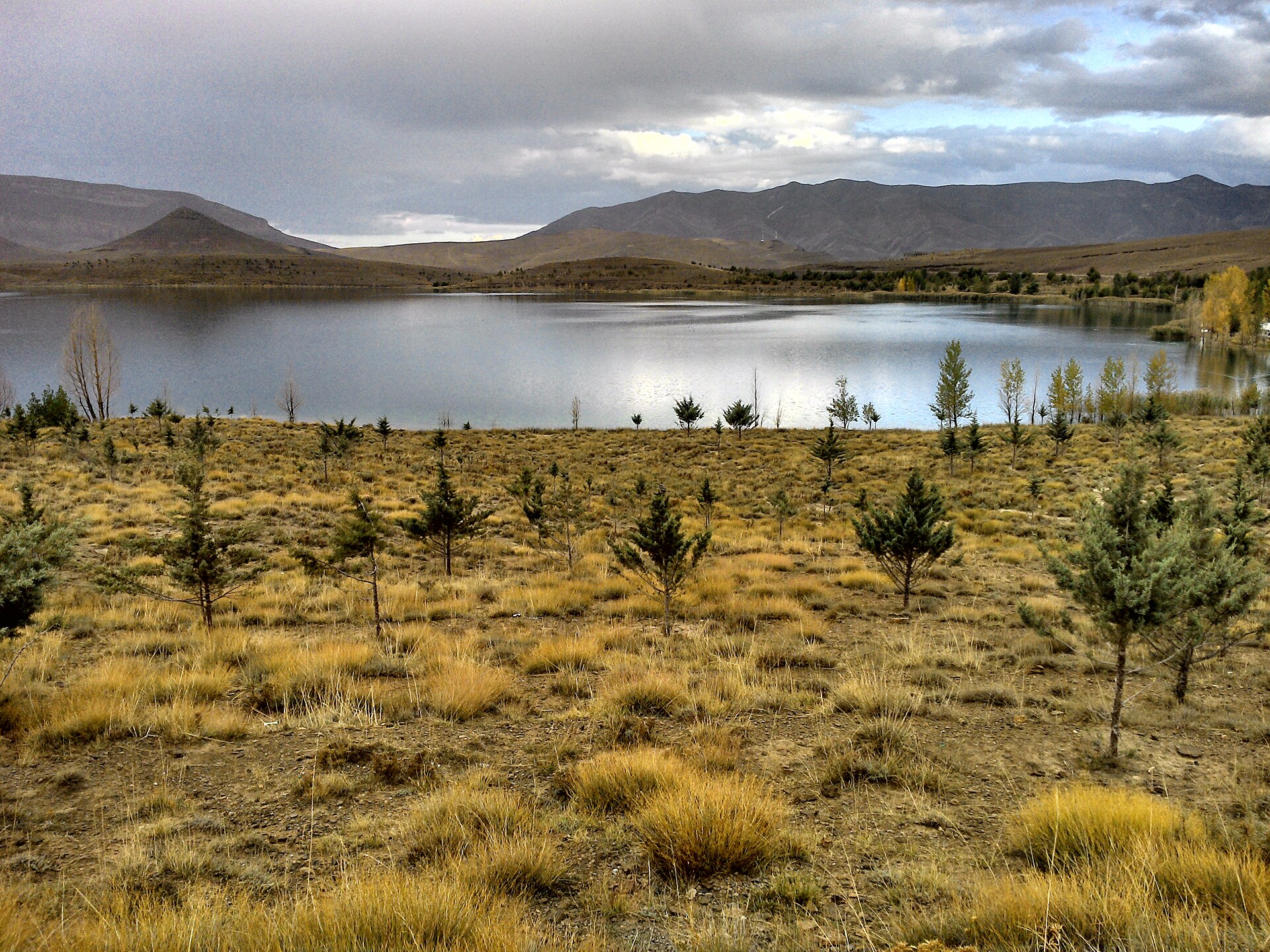
12 Nachweise
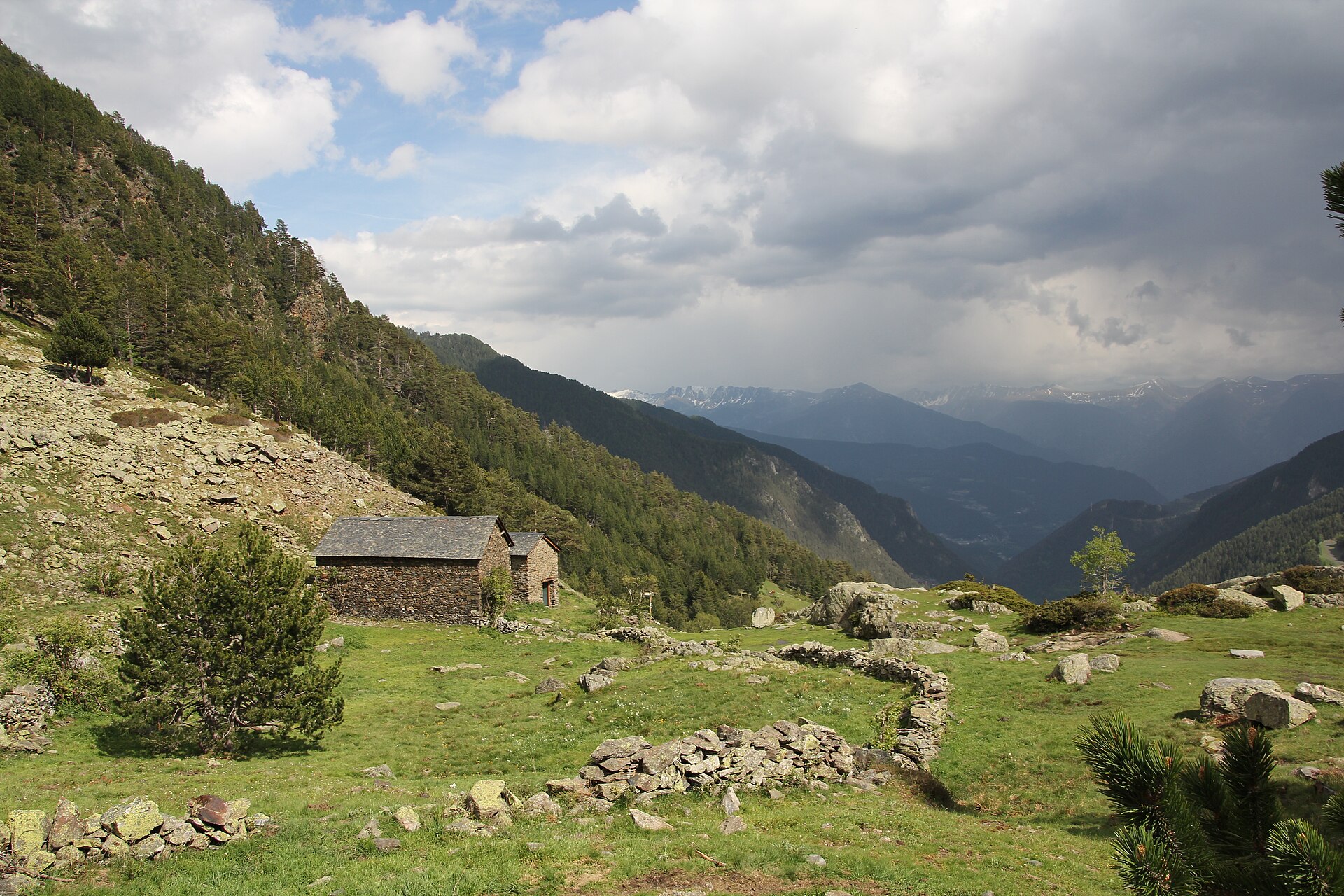
9 Nachweise

8 Nachweise

7 Nachweise
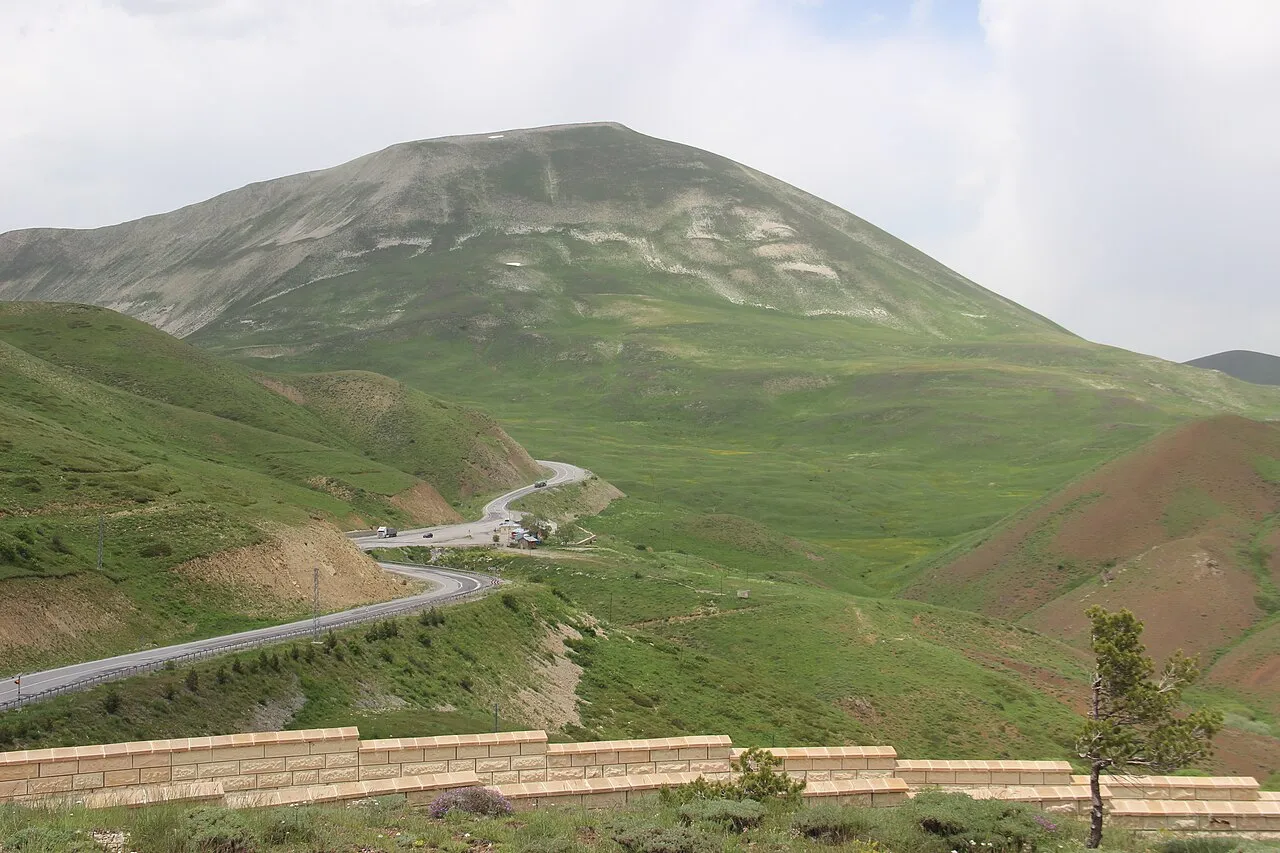
4 Nachweise
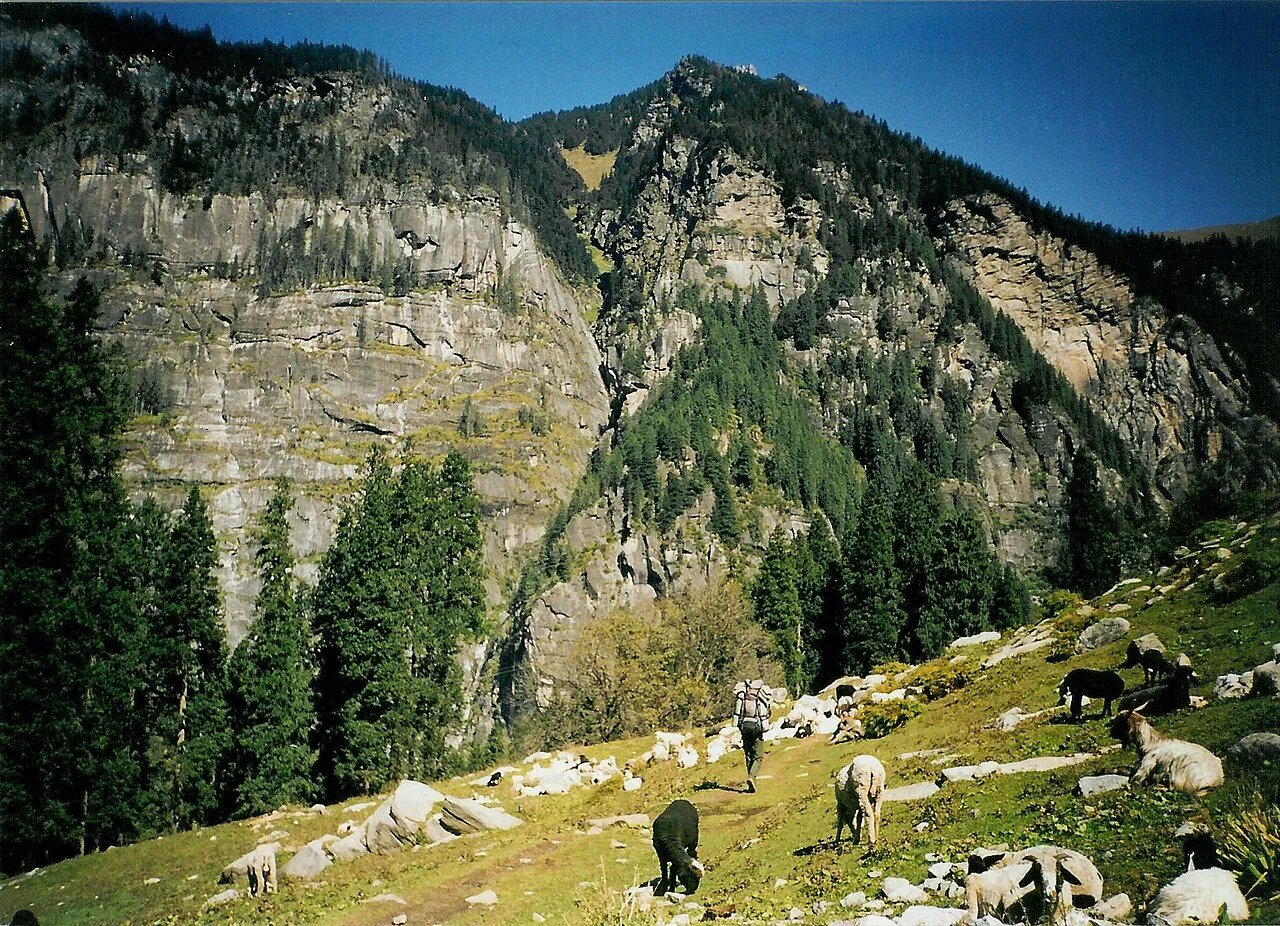
4 Nachweise
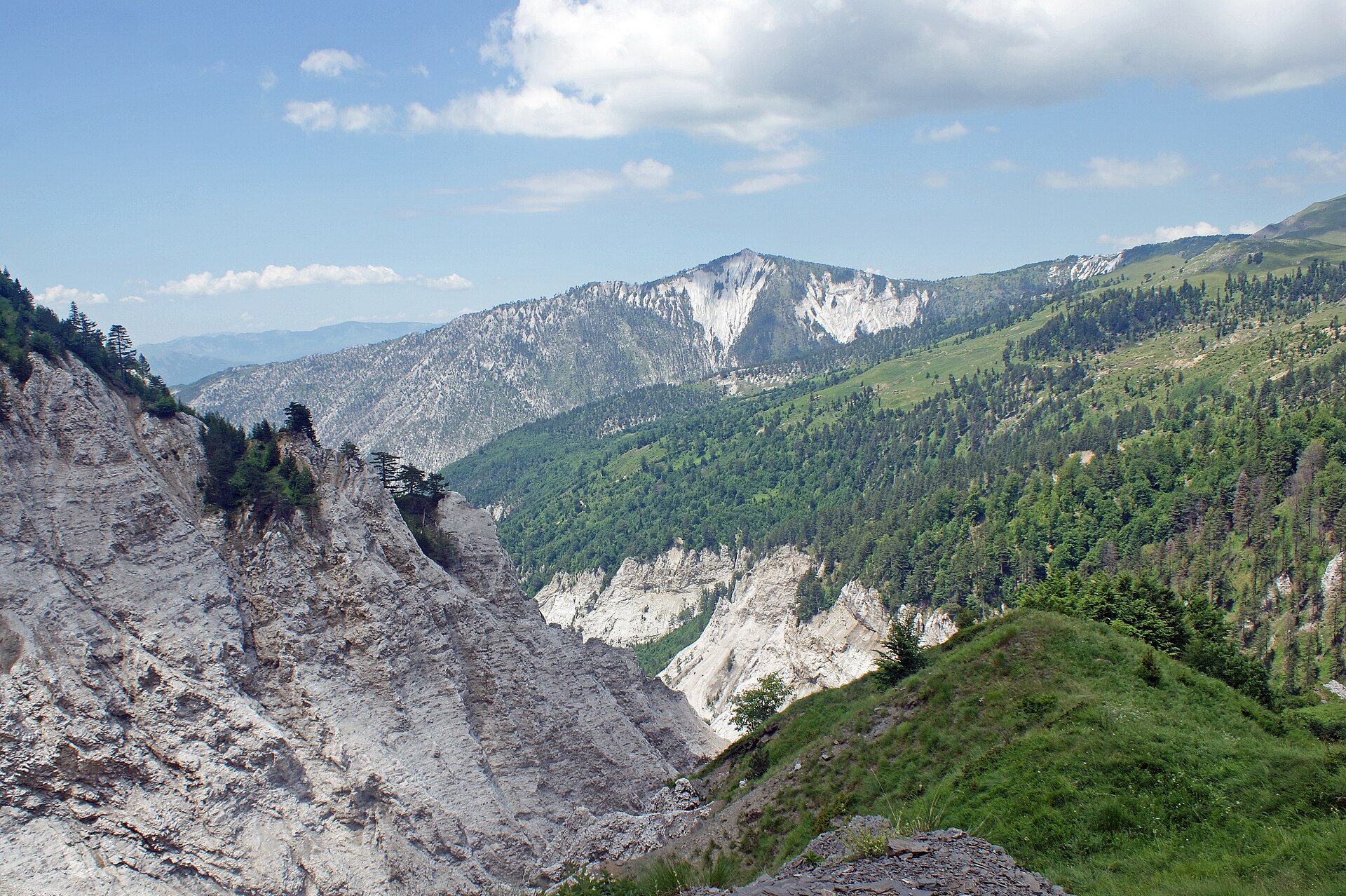
4 Nachweise
1 Nachweise
Natura 2000 · Standvogel
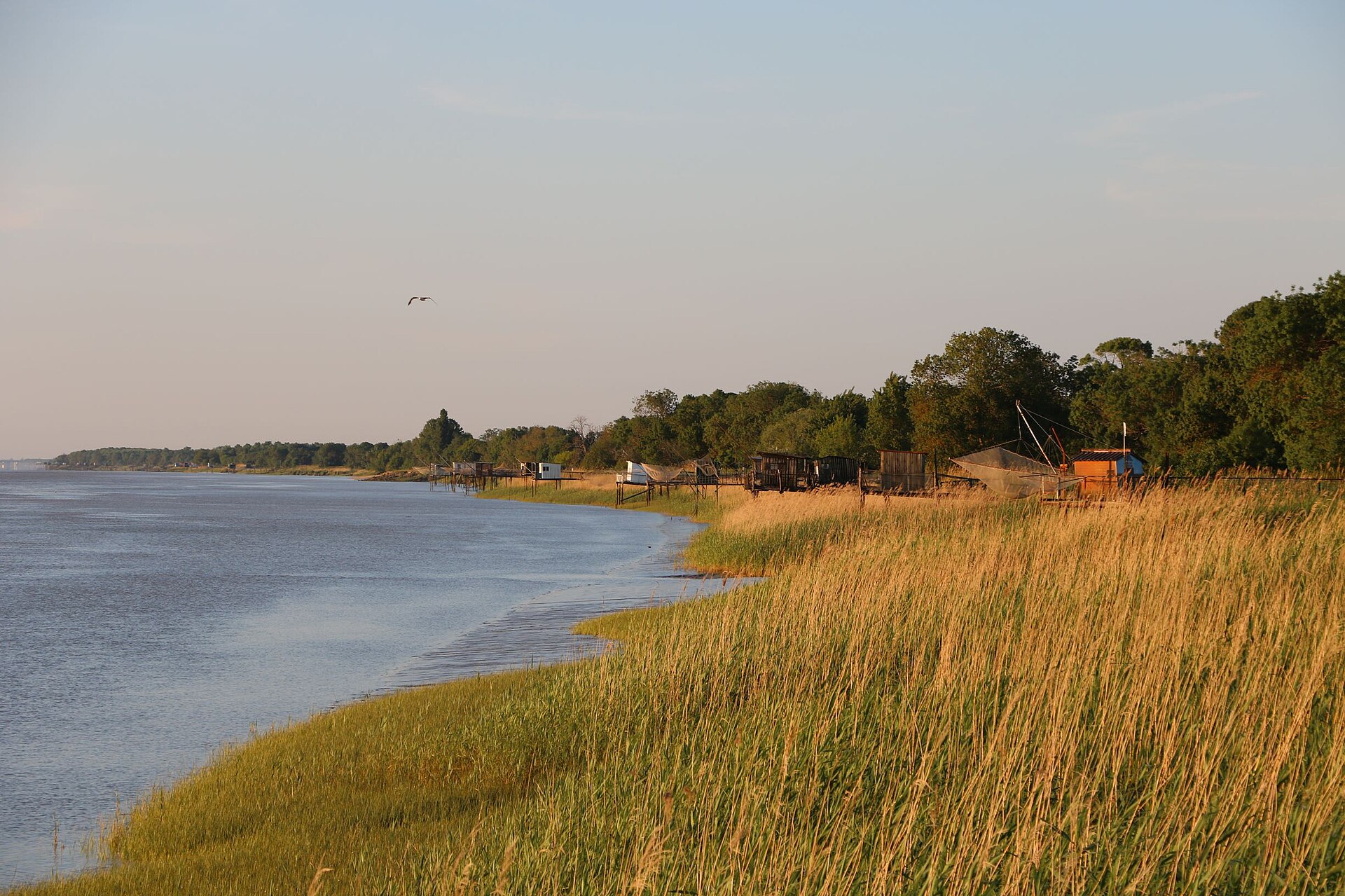
Natura 2000 · Wintergast
Natura 2000 · Brutvogel
Natura 2000 · Brutvogel

Natura 2000 · Standvogel

Natura 2000 · Standvogel
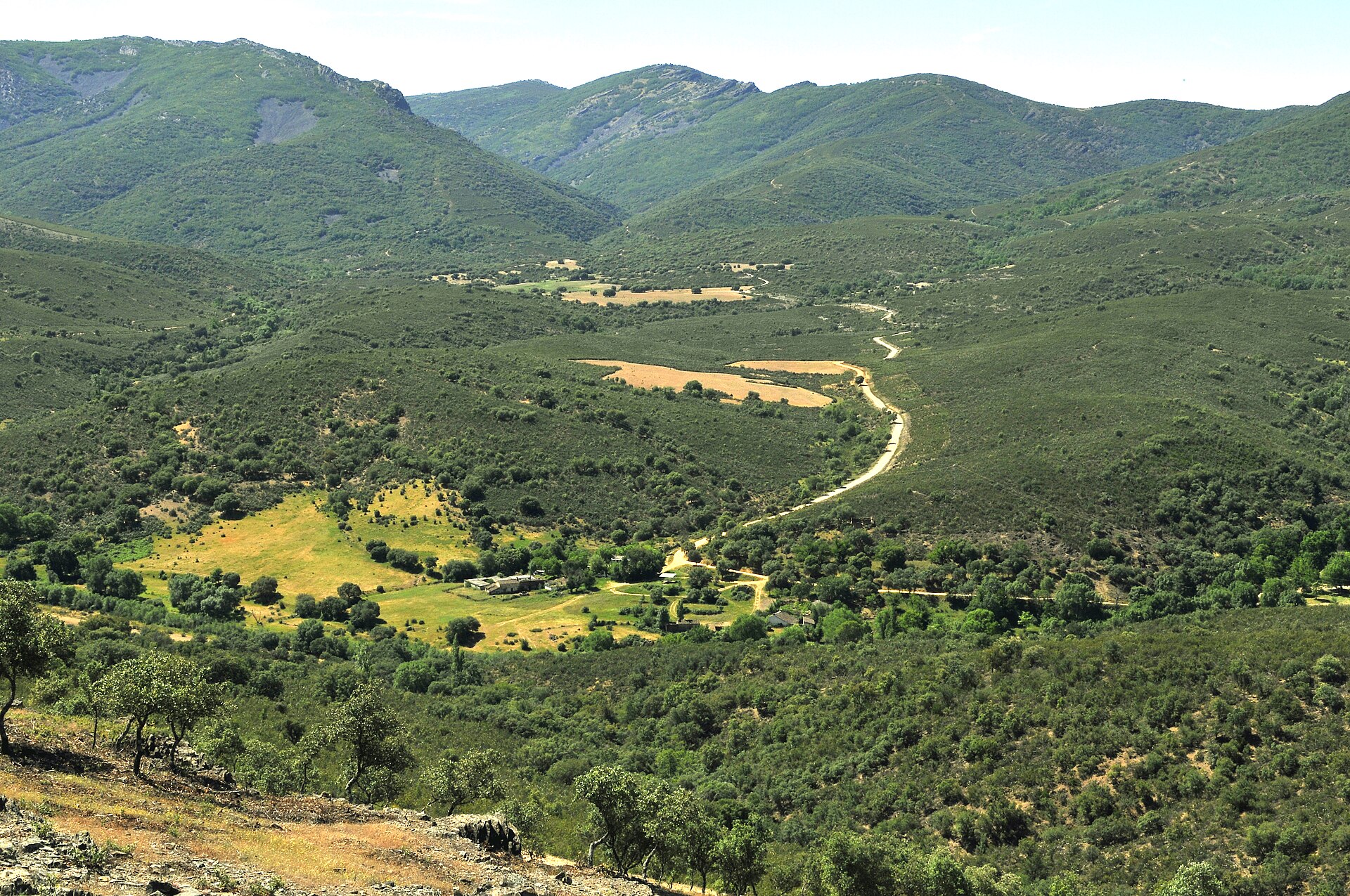
Natura 2000 · Standvogel
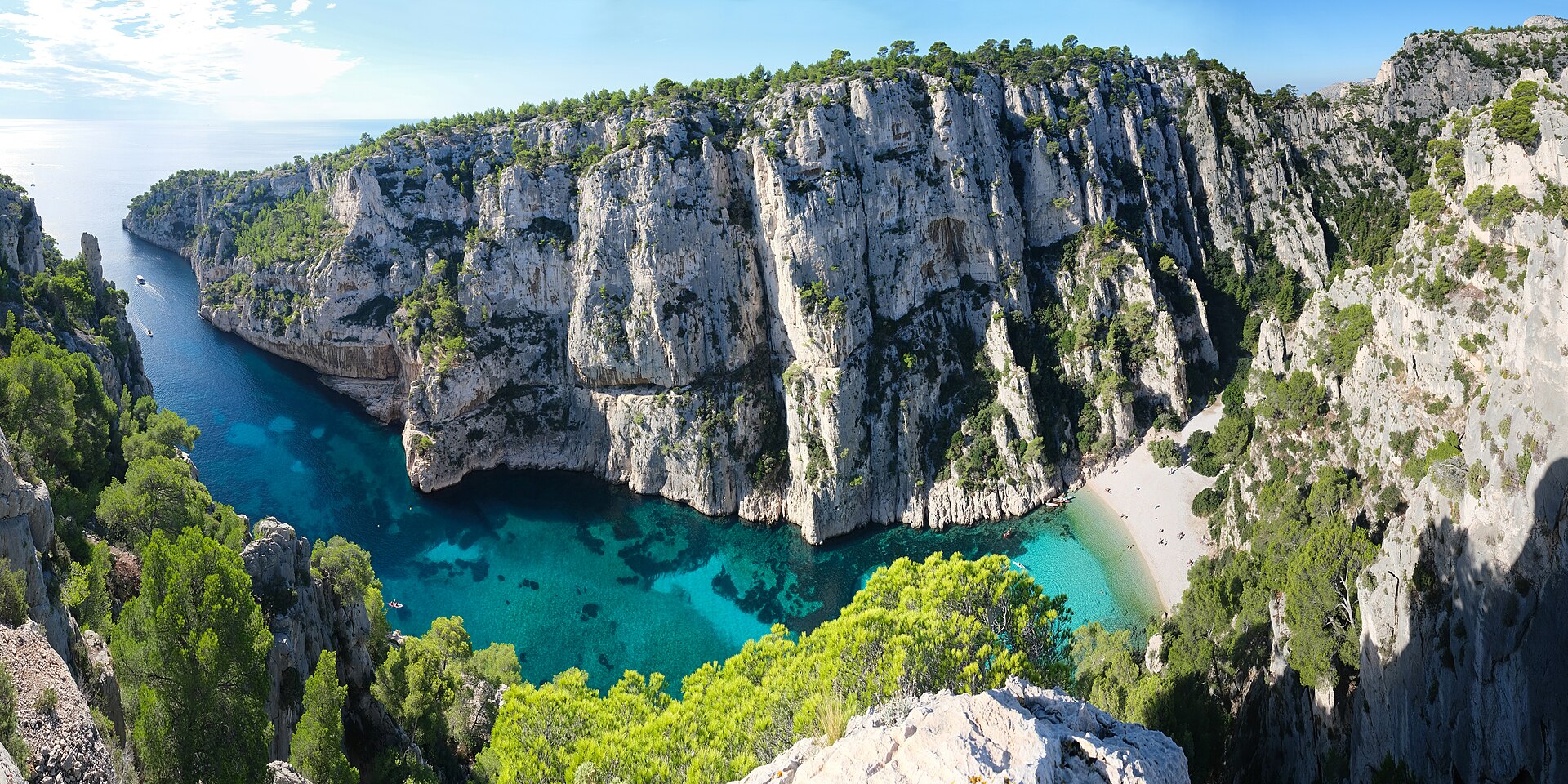
Natura 2000 · Wintergast
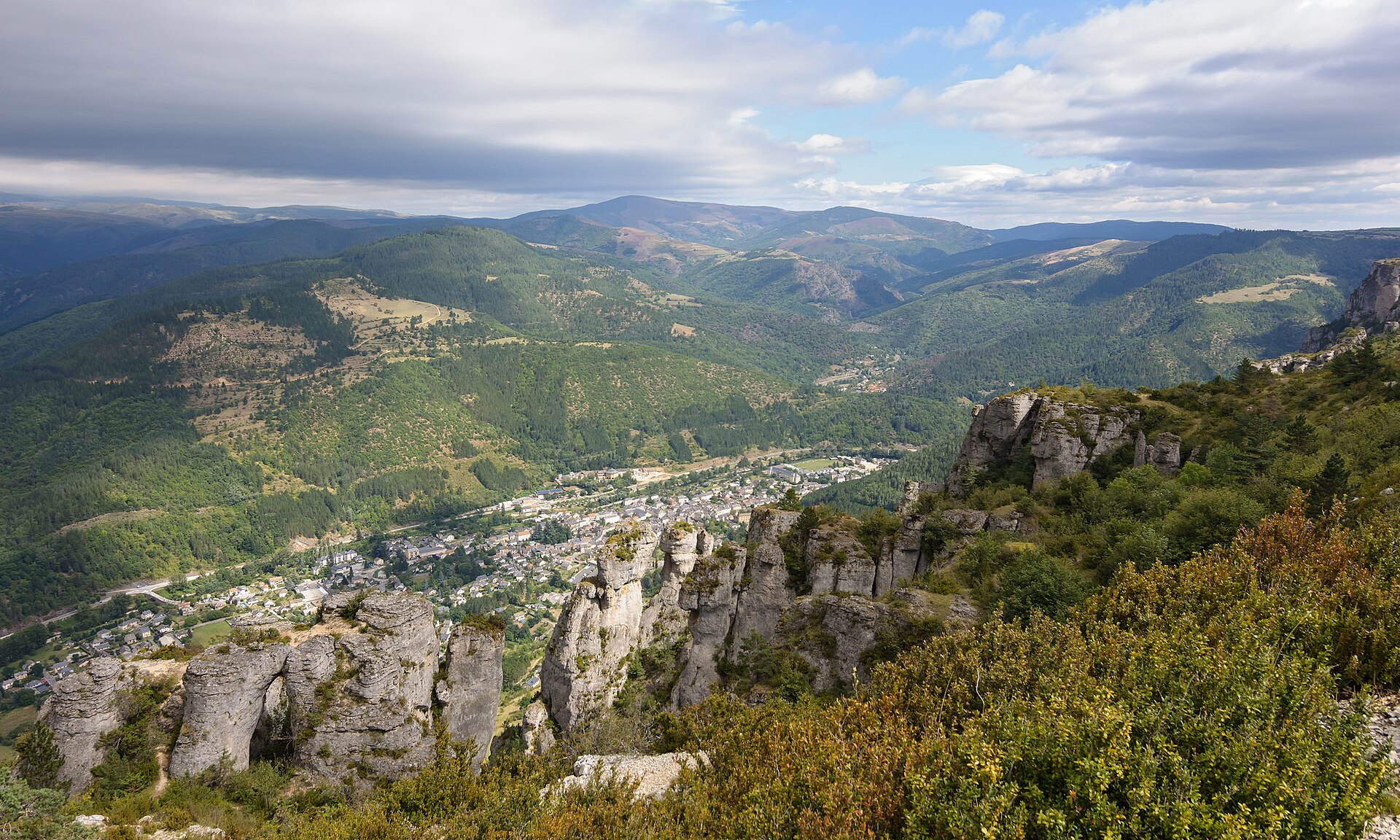
Natura 2000 · Standvogel
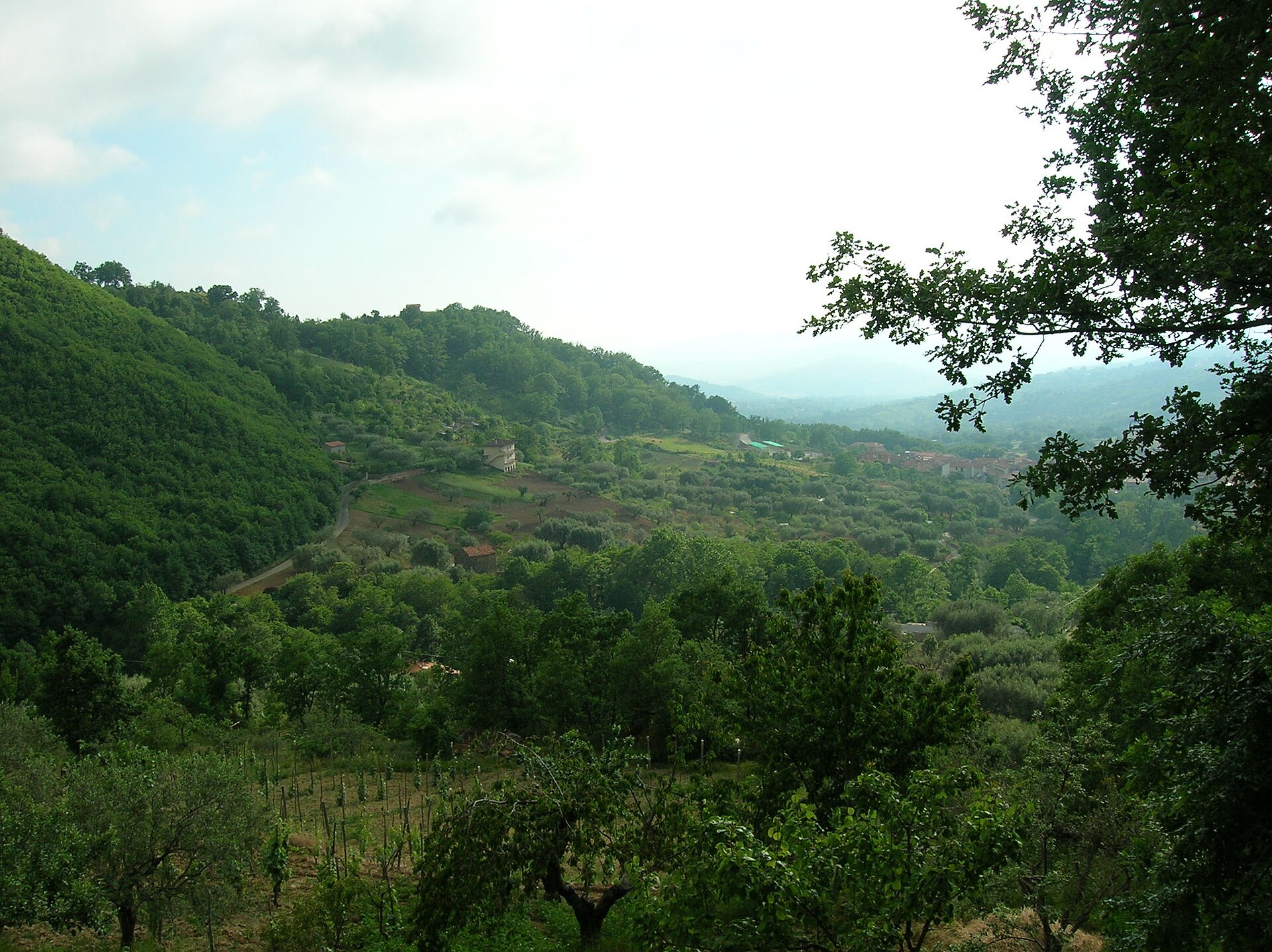
Natura 2000 · Standvogel, Wintergast
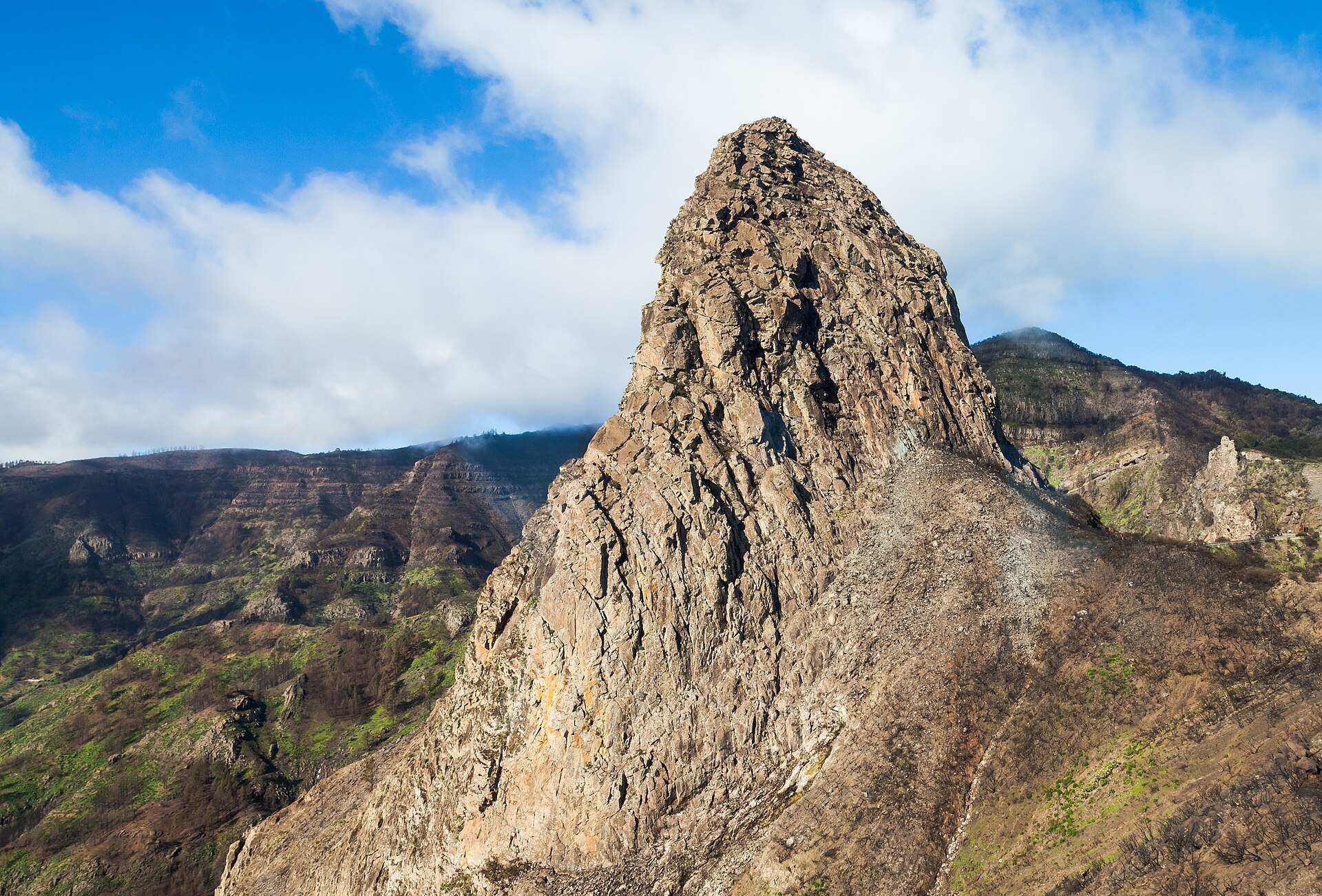
Natura 2000
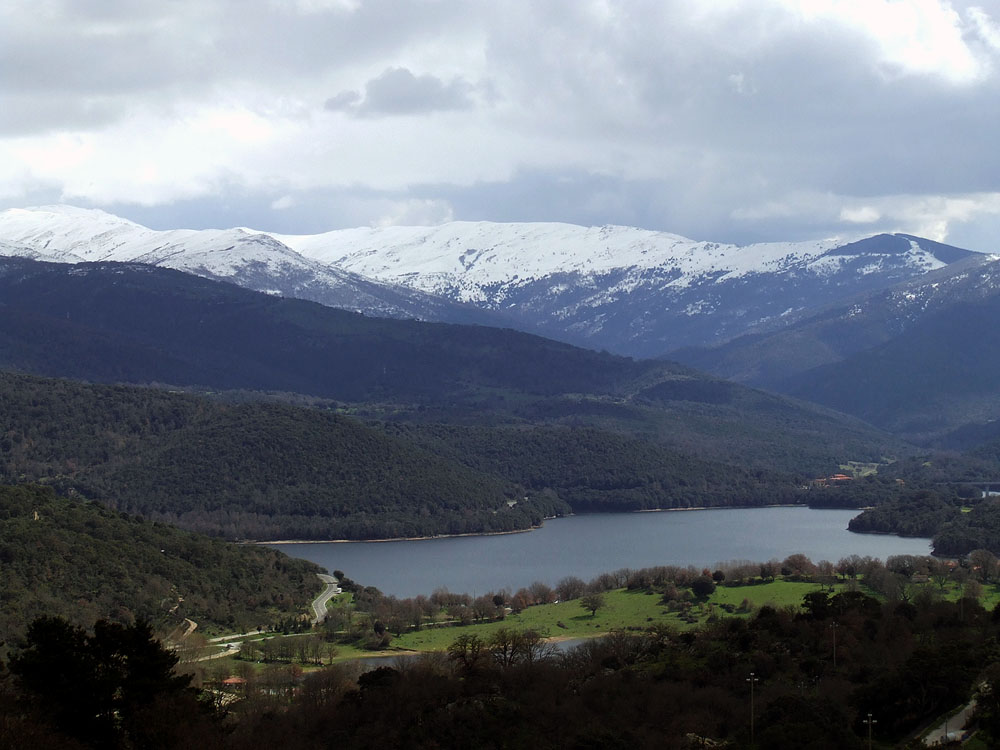
Natura 2000 · Durchzügler

Natura 2000 · Standvogel
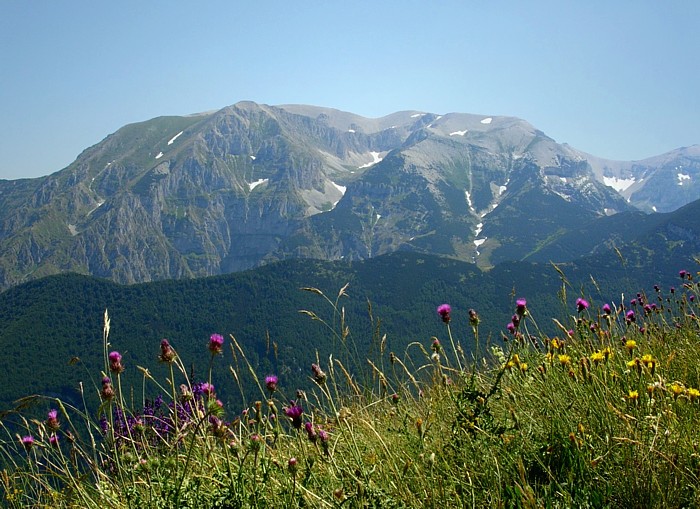
Natura 2000 · Standvogel
Natura 2000 · Standvogel
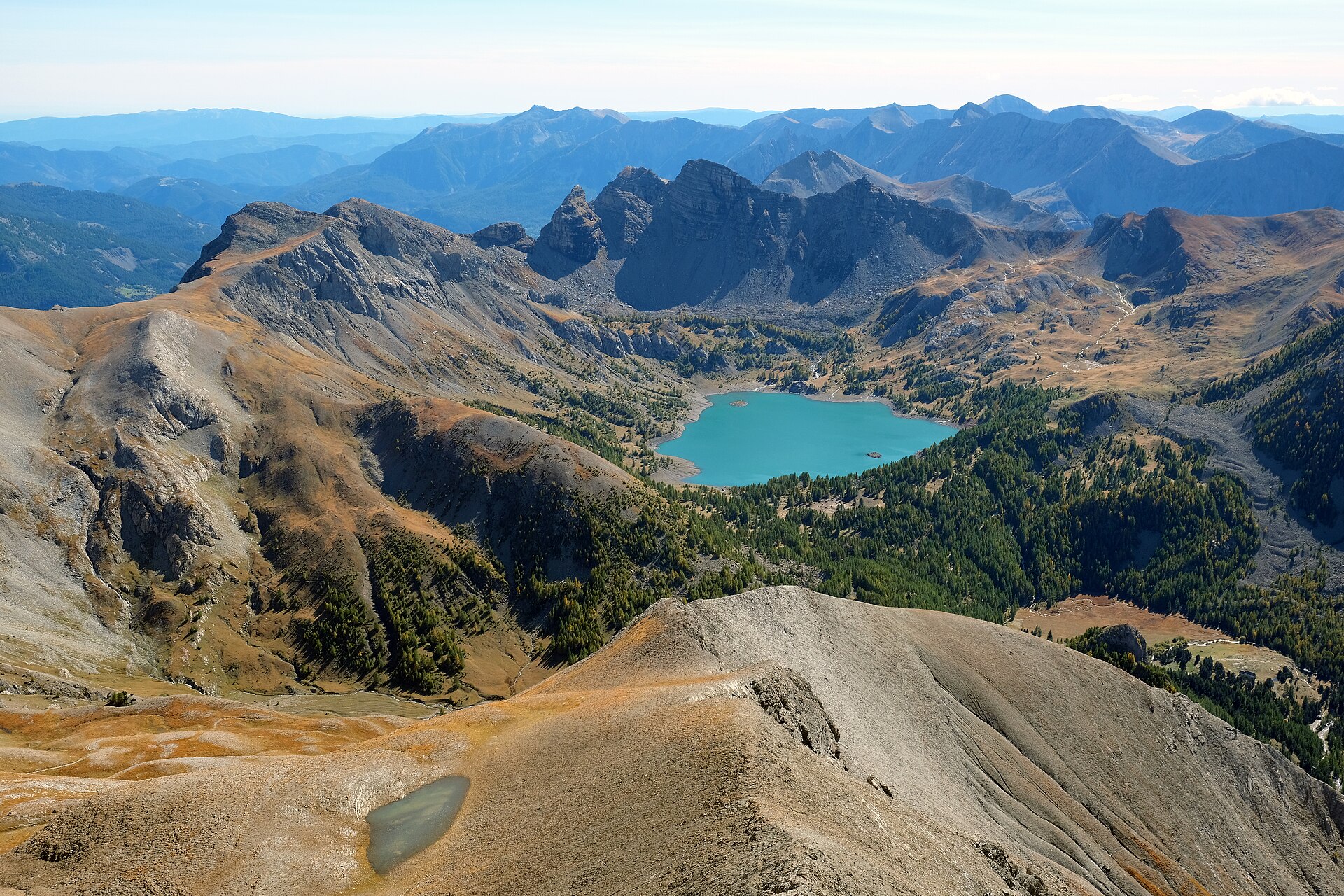
Natura 2000 · Standvogel

Natura 2000 · Standvogel
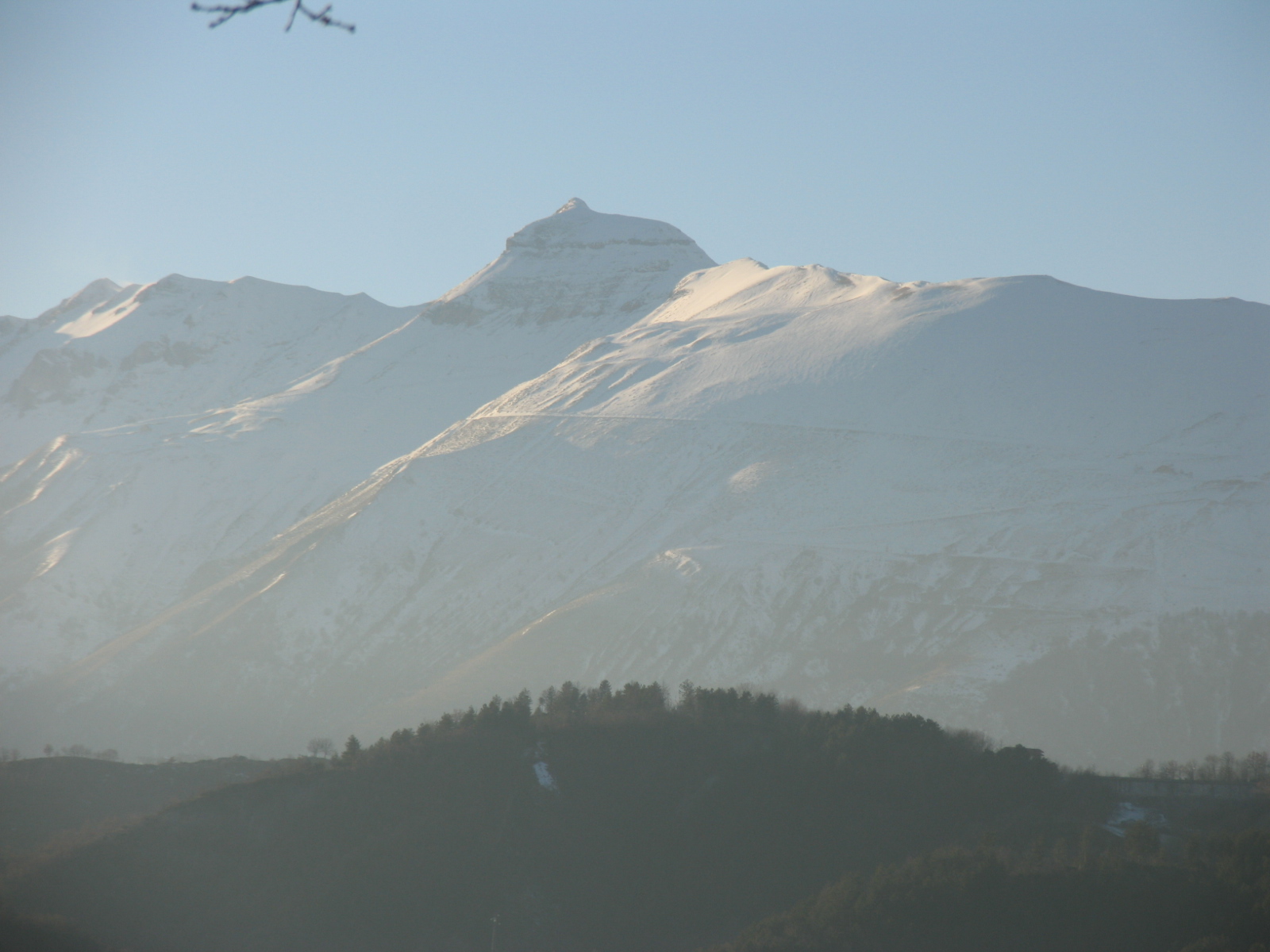
Natura 2000 · Brutvogel, Standvogel
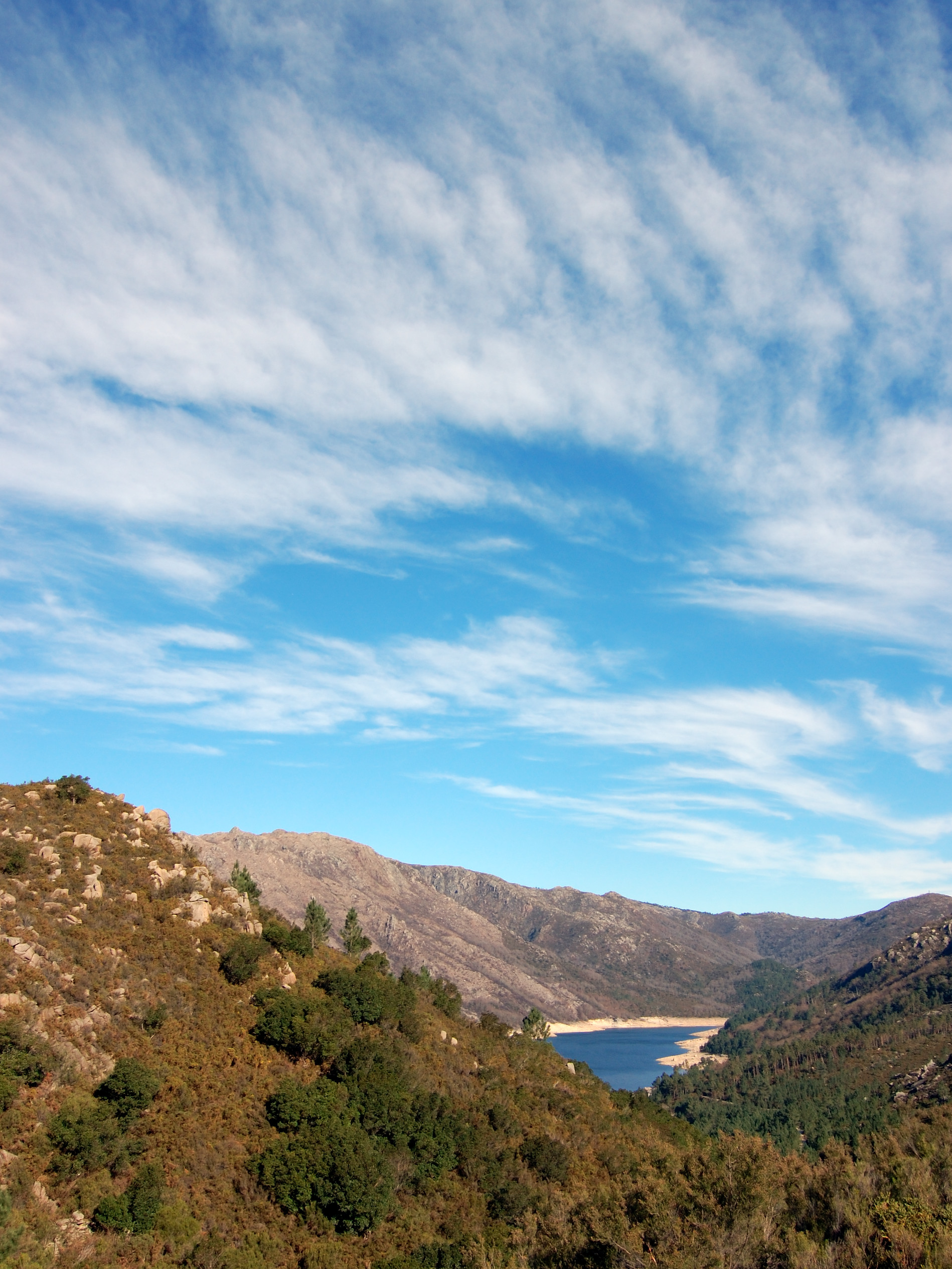
Natura 2000 · Standvogel
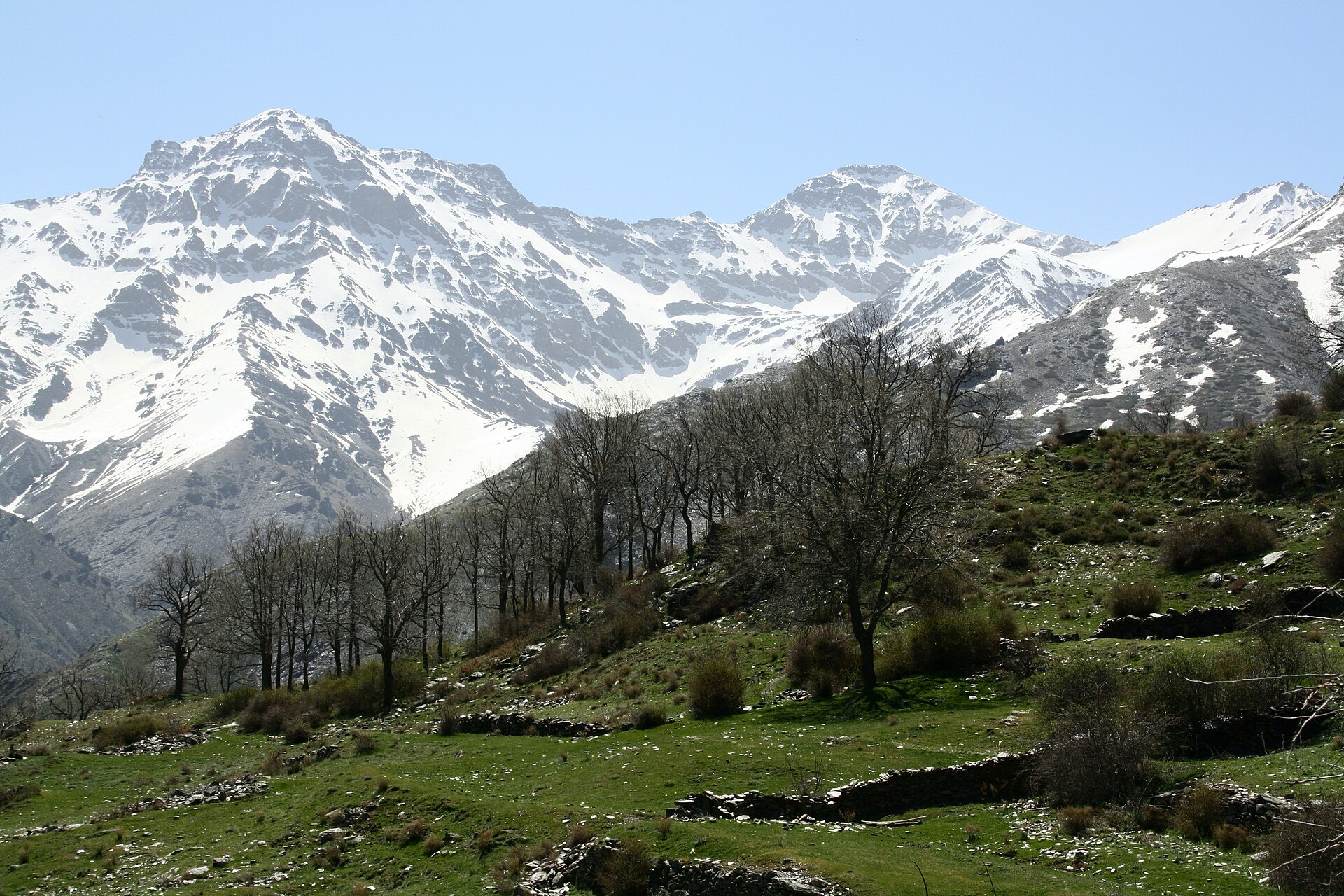
Natura 2000 · Standvogel
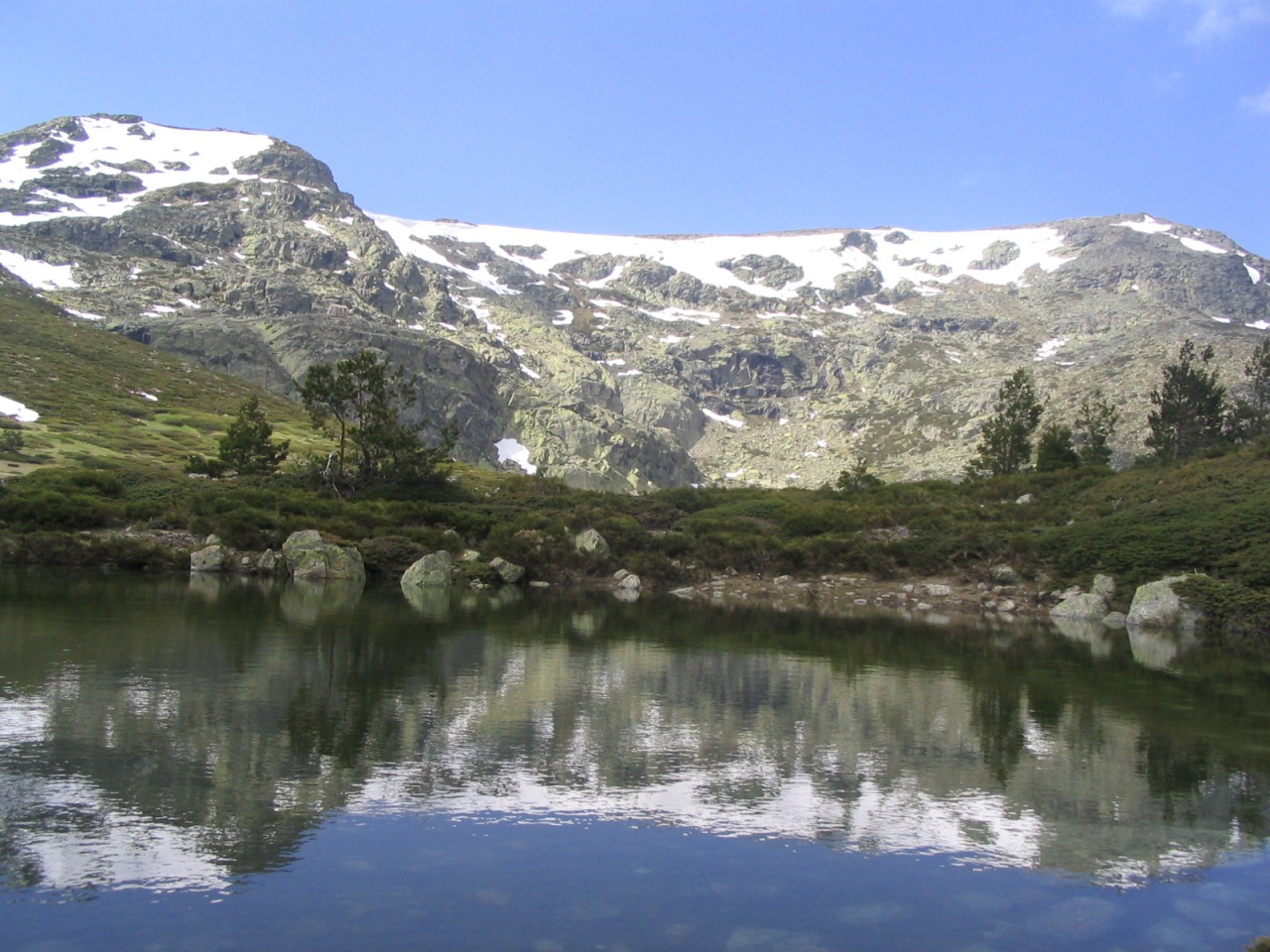
Natura 2000 · Standvogel

Natura 2000 · Standvogel
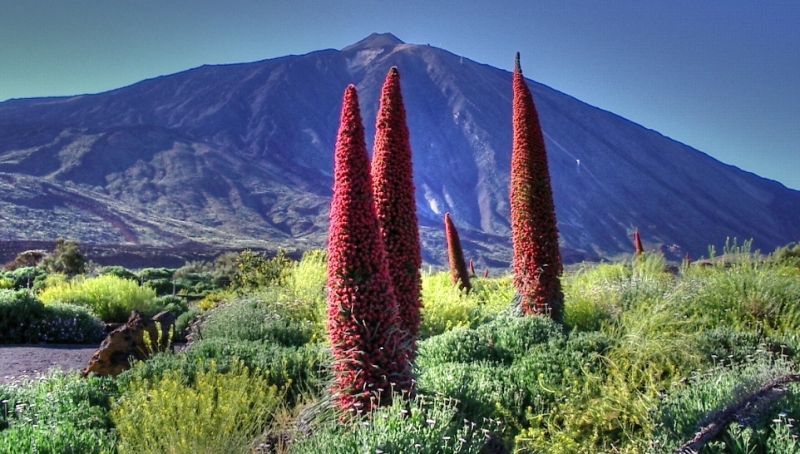
Natura 2000

Natura 2000 · Durchzügler
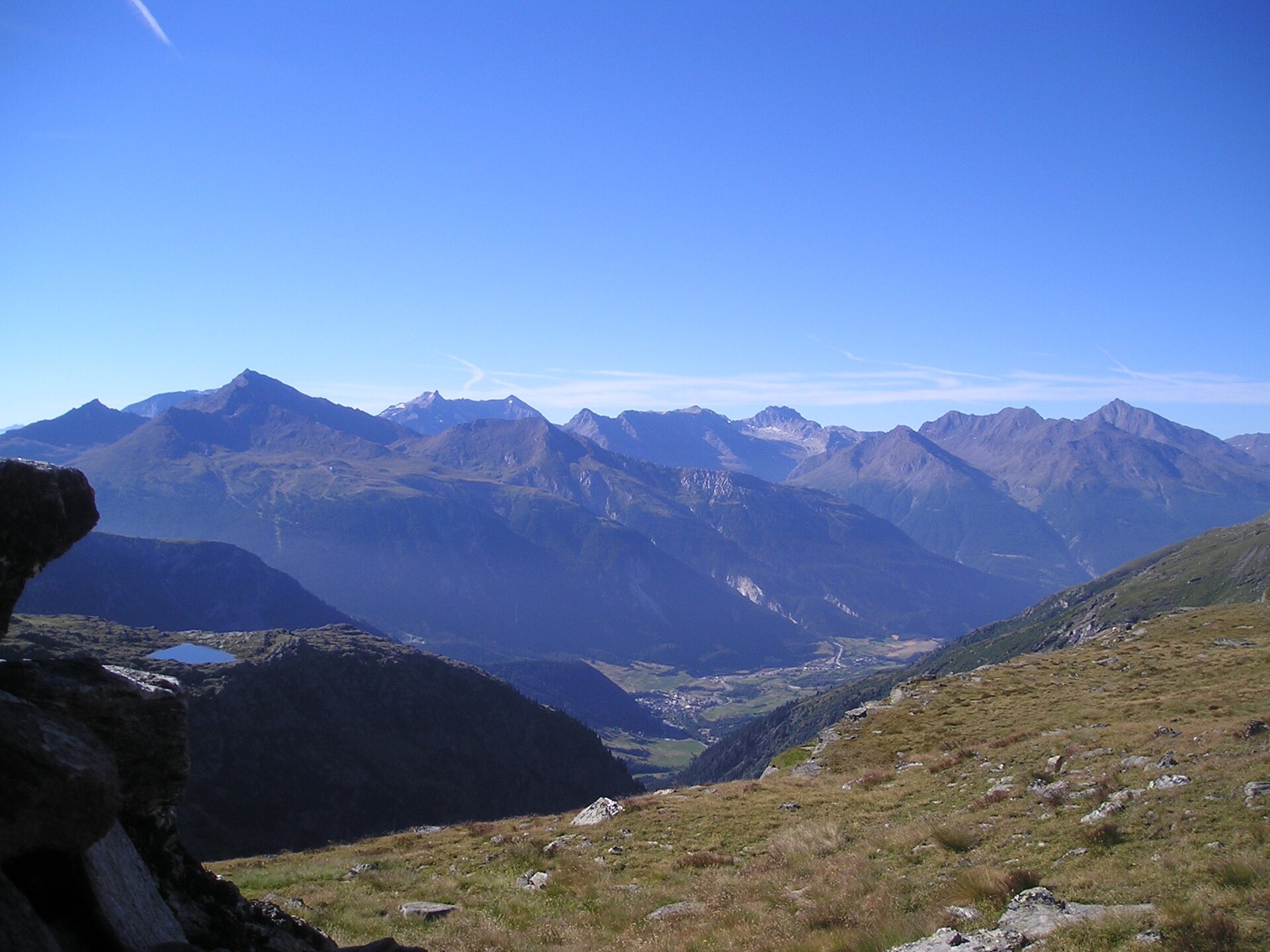
Natura 2000 · Standvogel
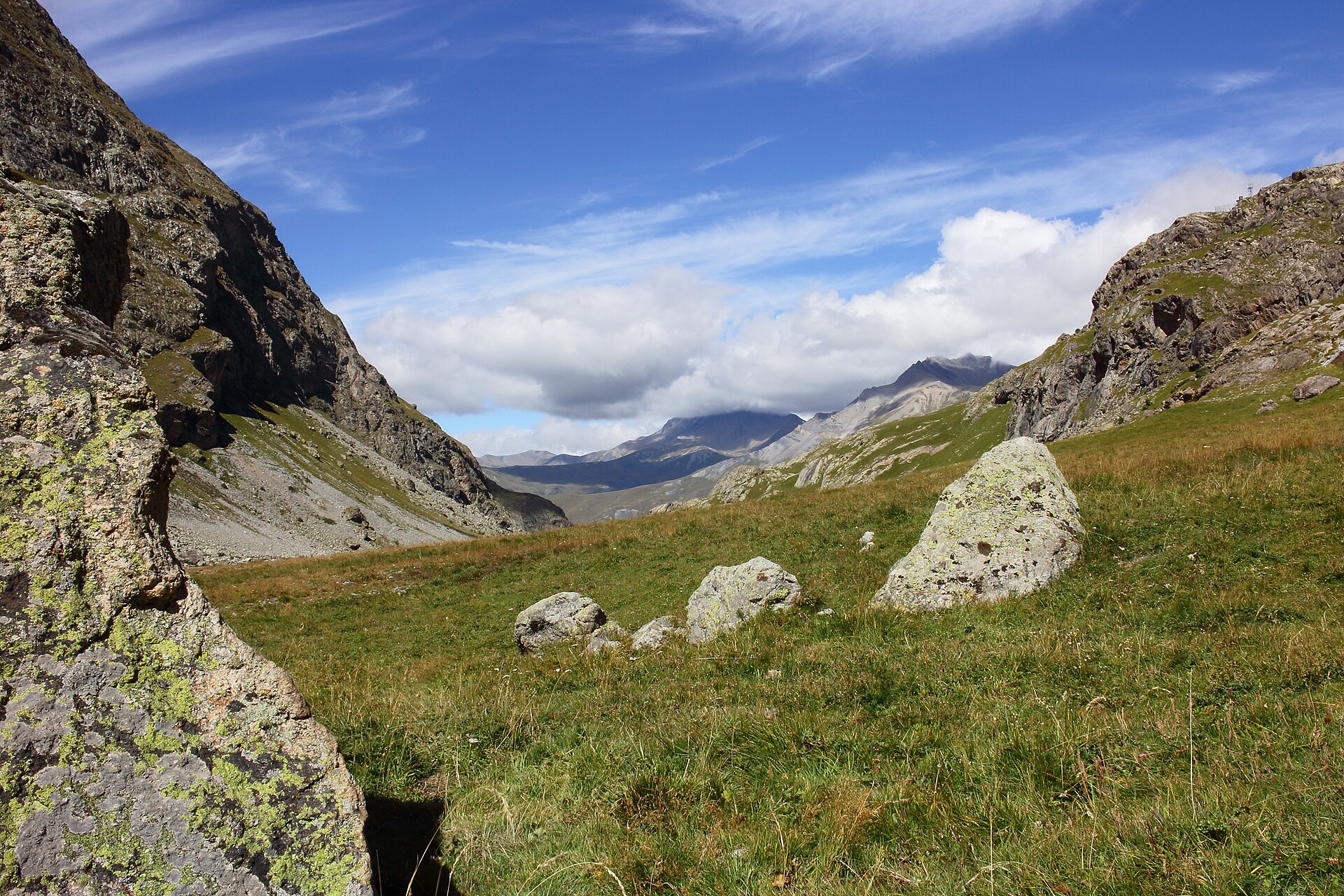
Natura 2000 · Standvogel
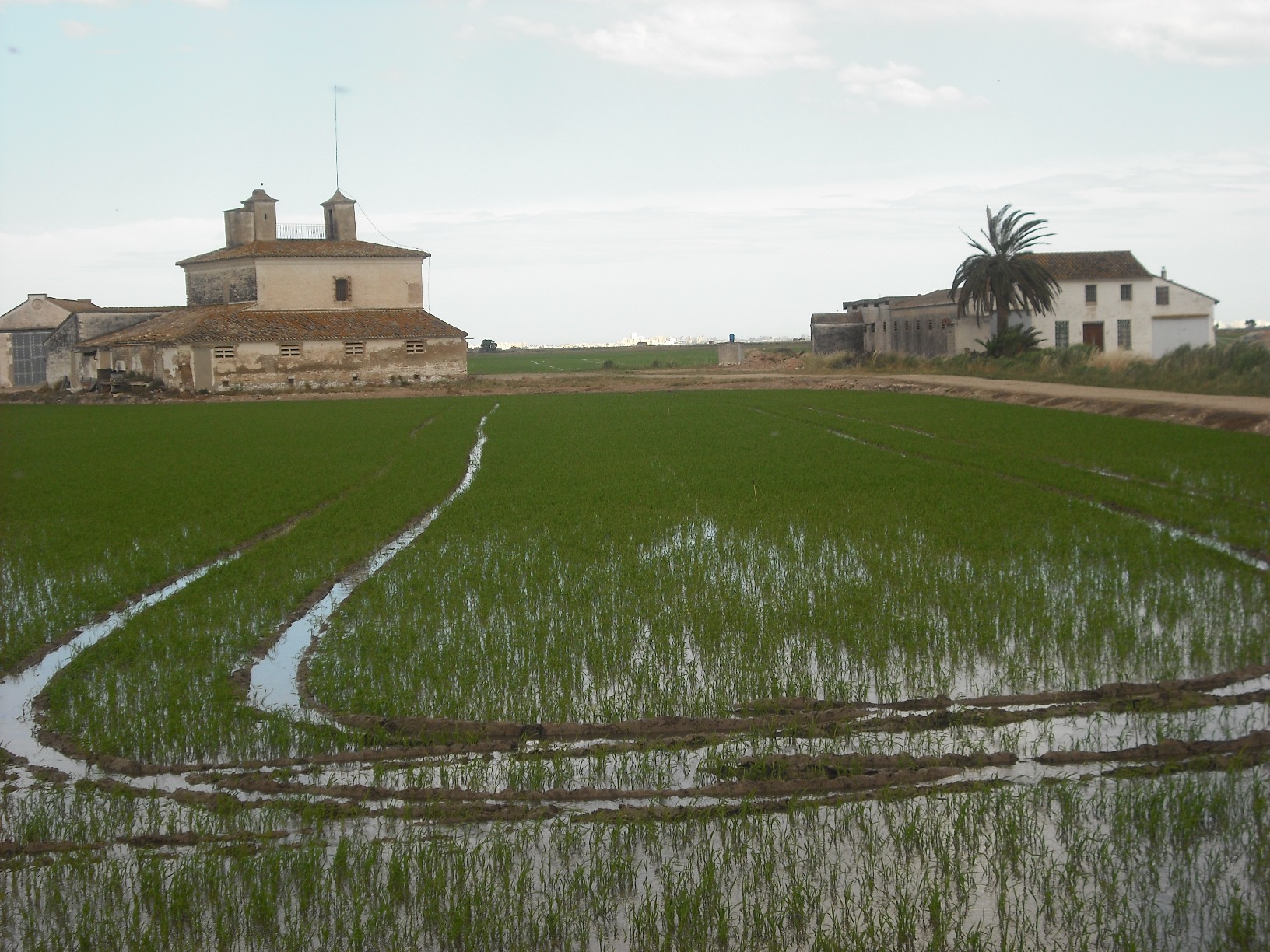
Natura 2000 · Wintergast
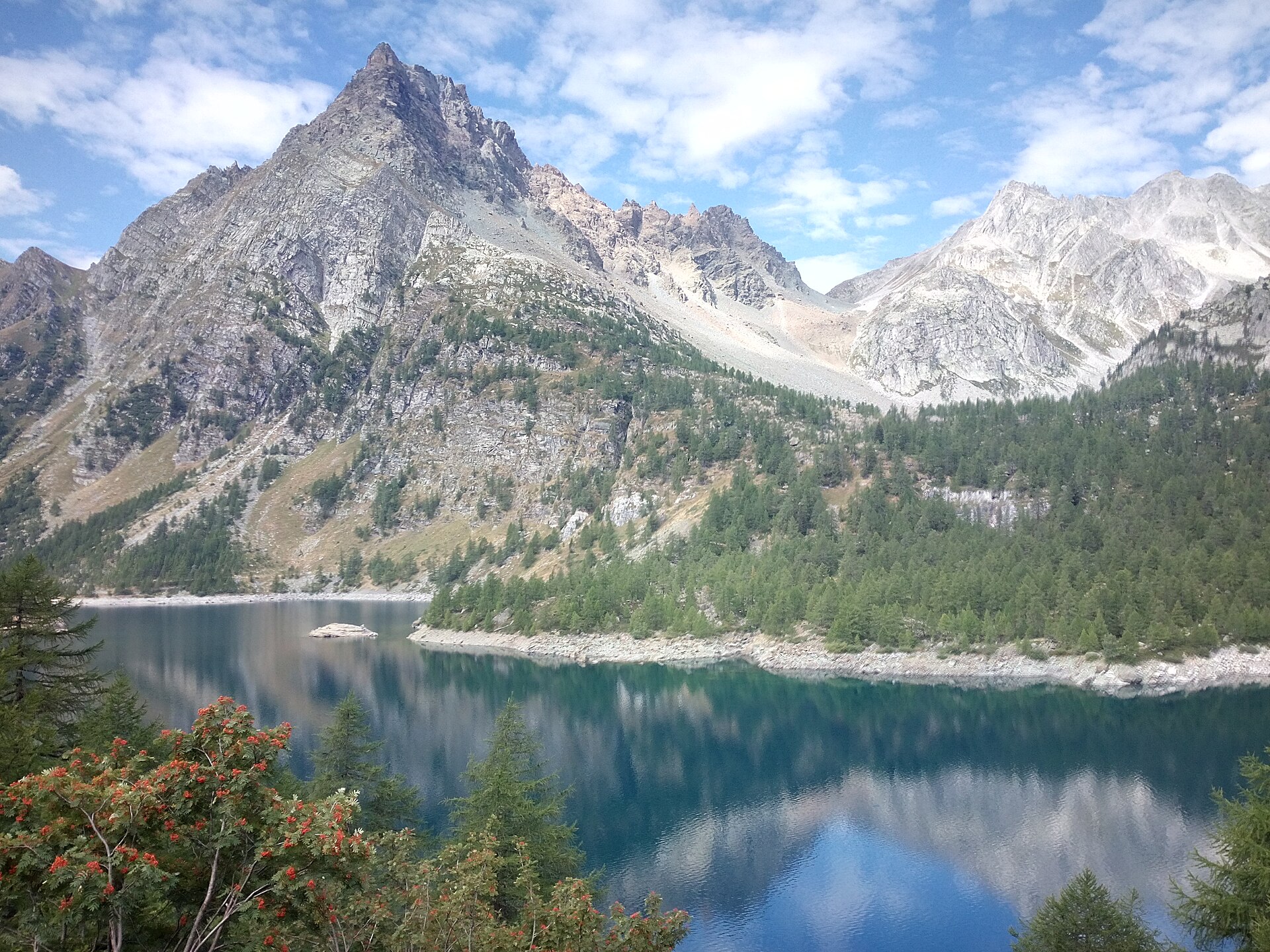
Natura 2000 · Standvogel, Brutvogel

Natura 2000 · Standvogel
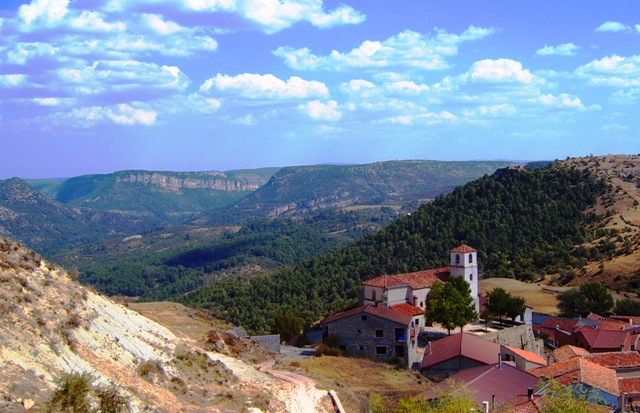
Natura 2000 · Standvogel

Natura 2000 · Standvogel
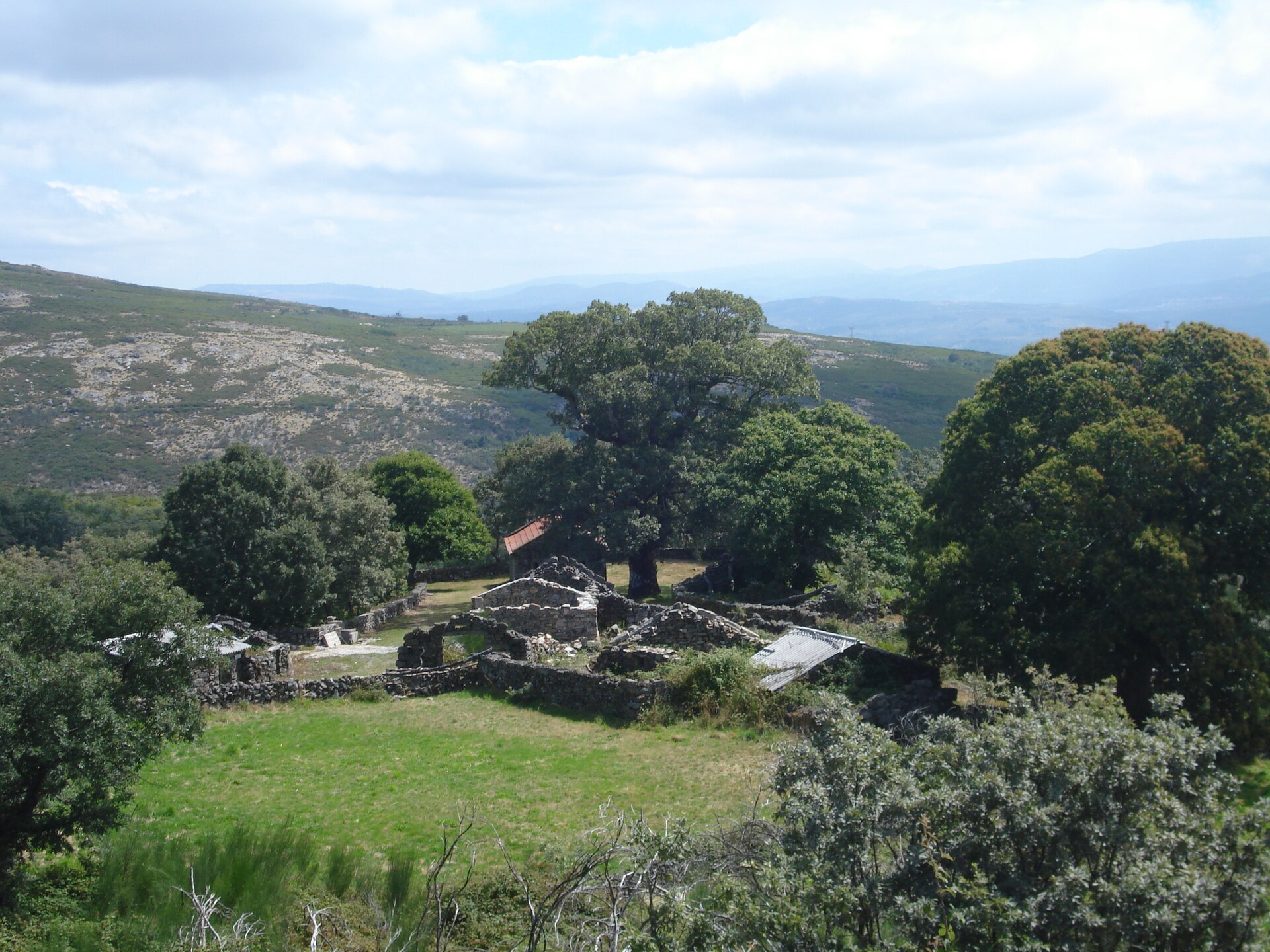
Natura 2000 · Standvogel
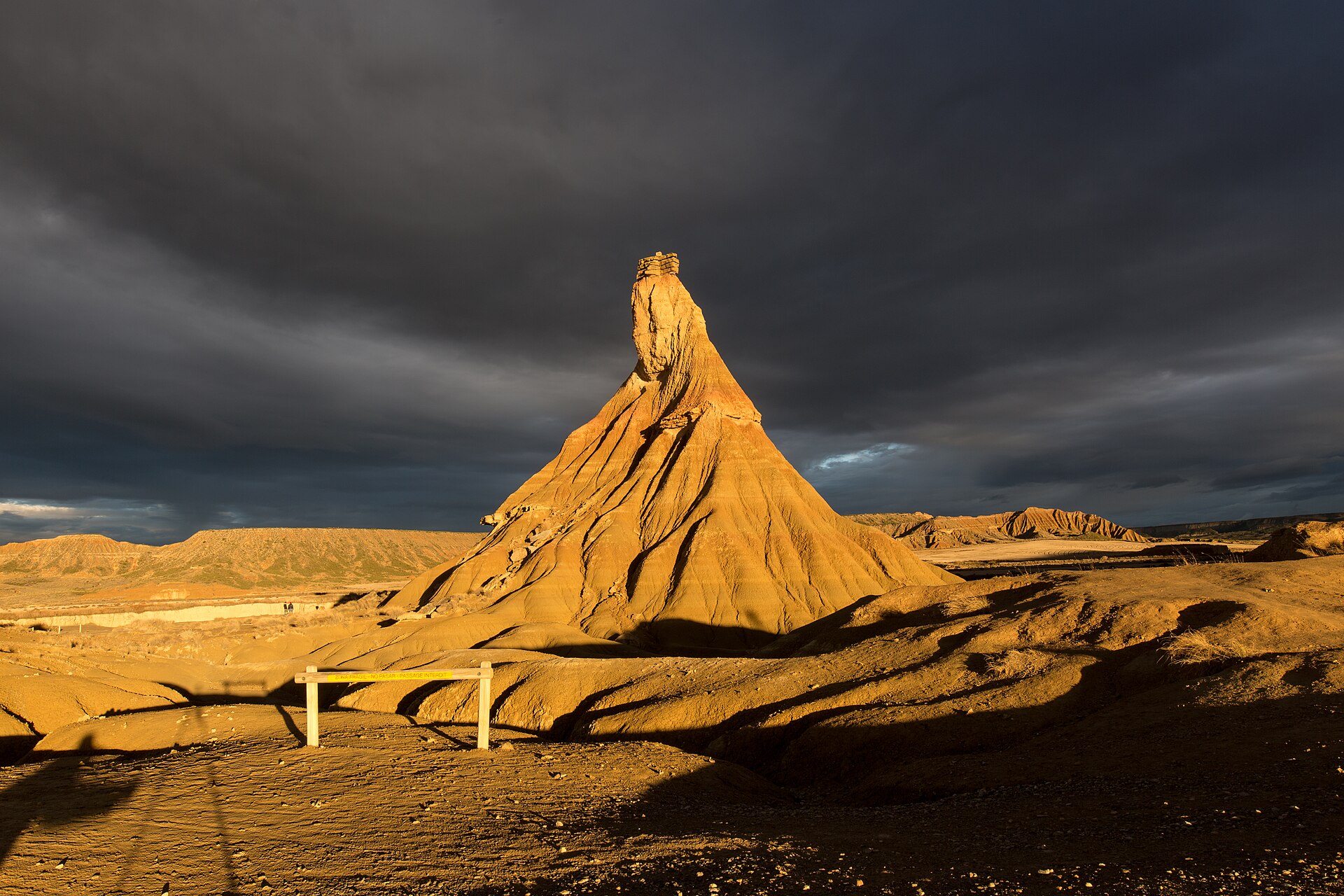
Natura 2000 · Standvogel
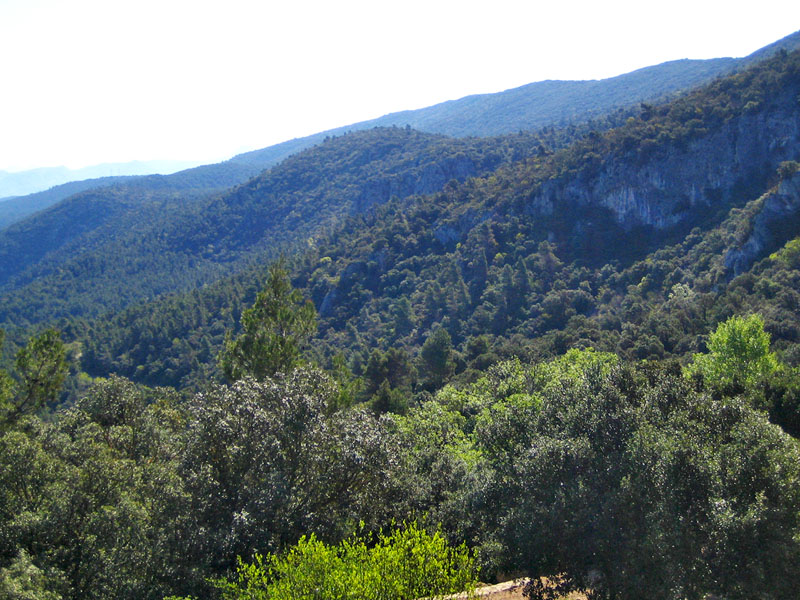
Natura 2000 · Standvogel

Natura 2000 · Standvogel

Natura 2000 · Standvogel
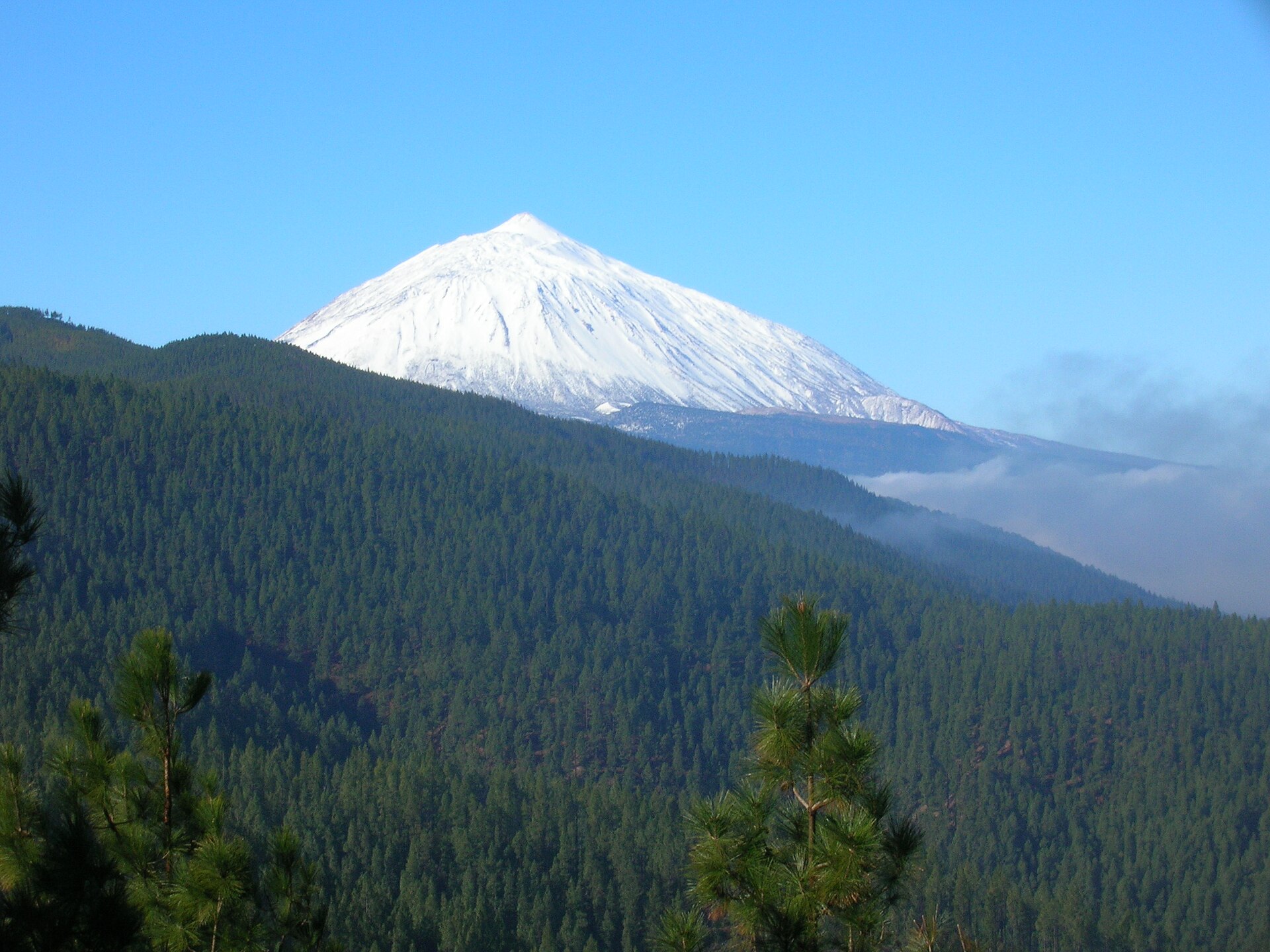
Natura 2000
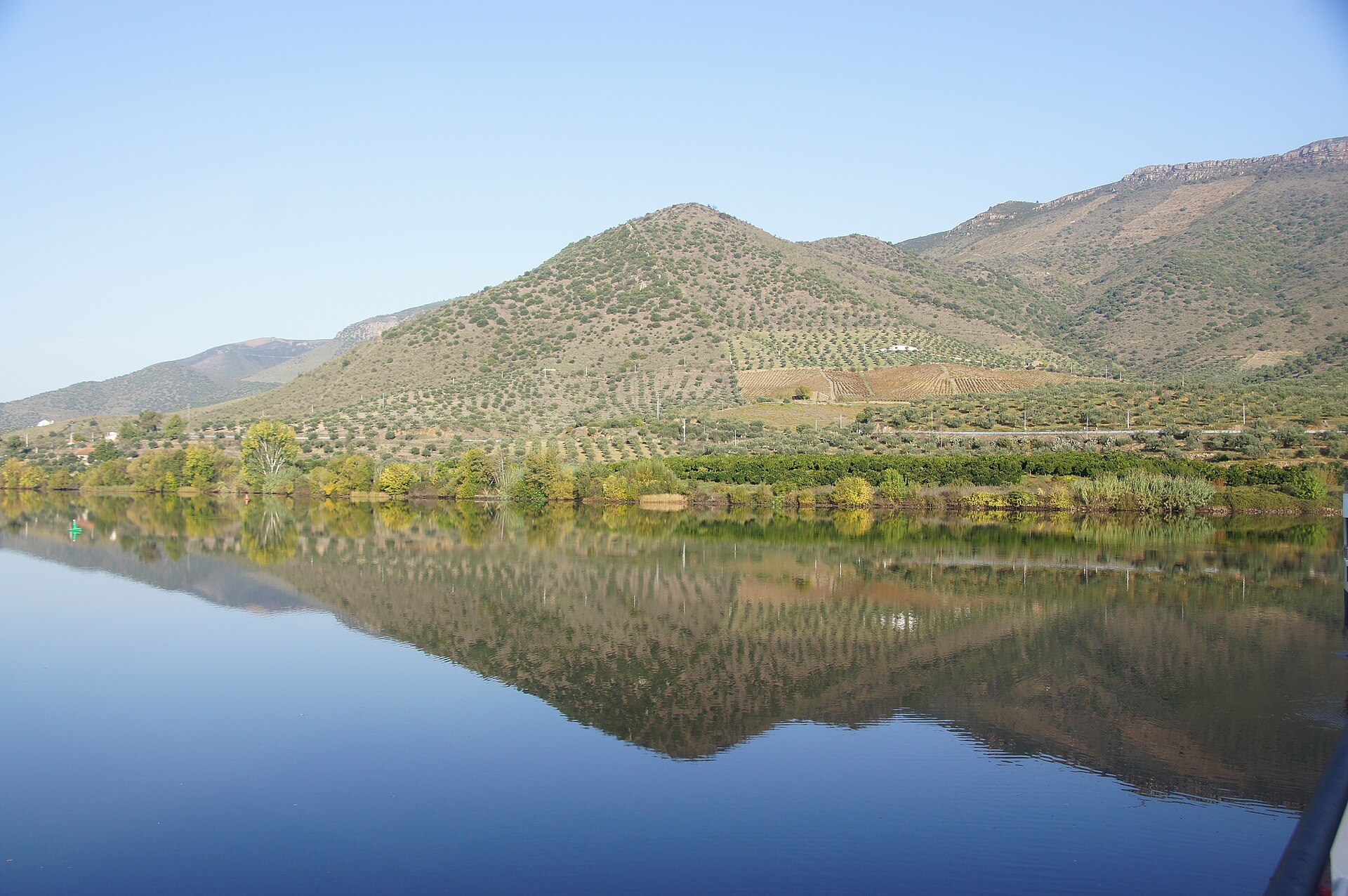
Natura 2000 · Standvogel
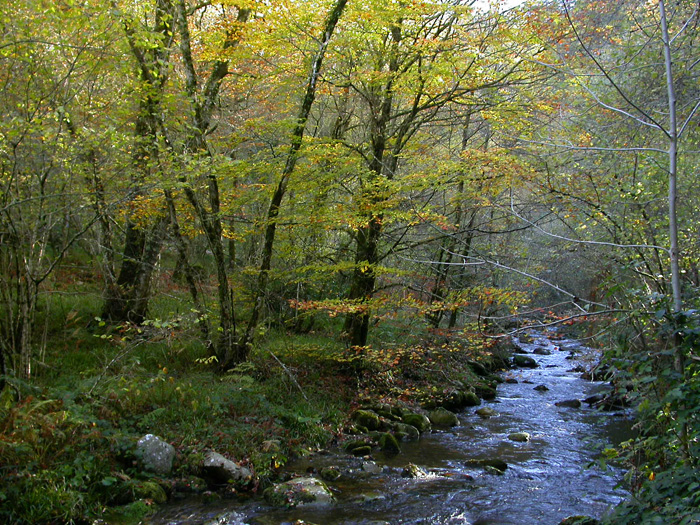
Natura 2000 · Standvogel

Natura 2000 · Standvogel
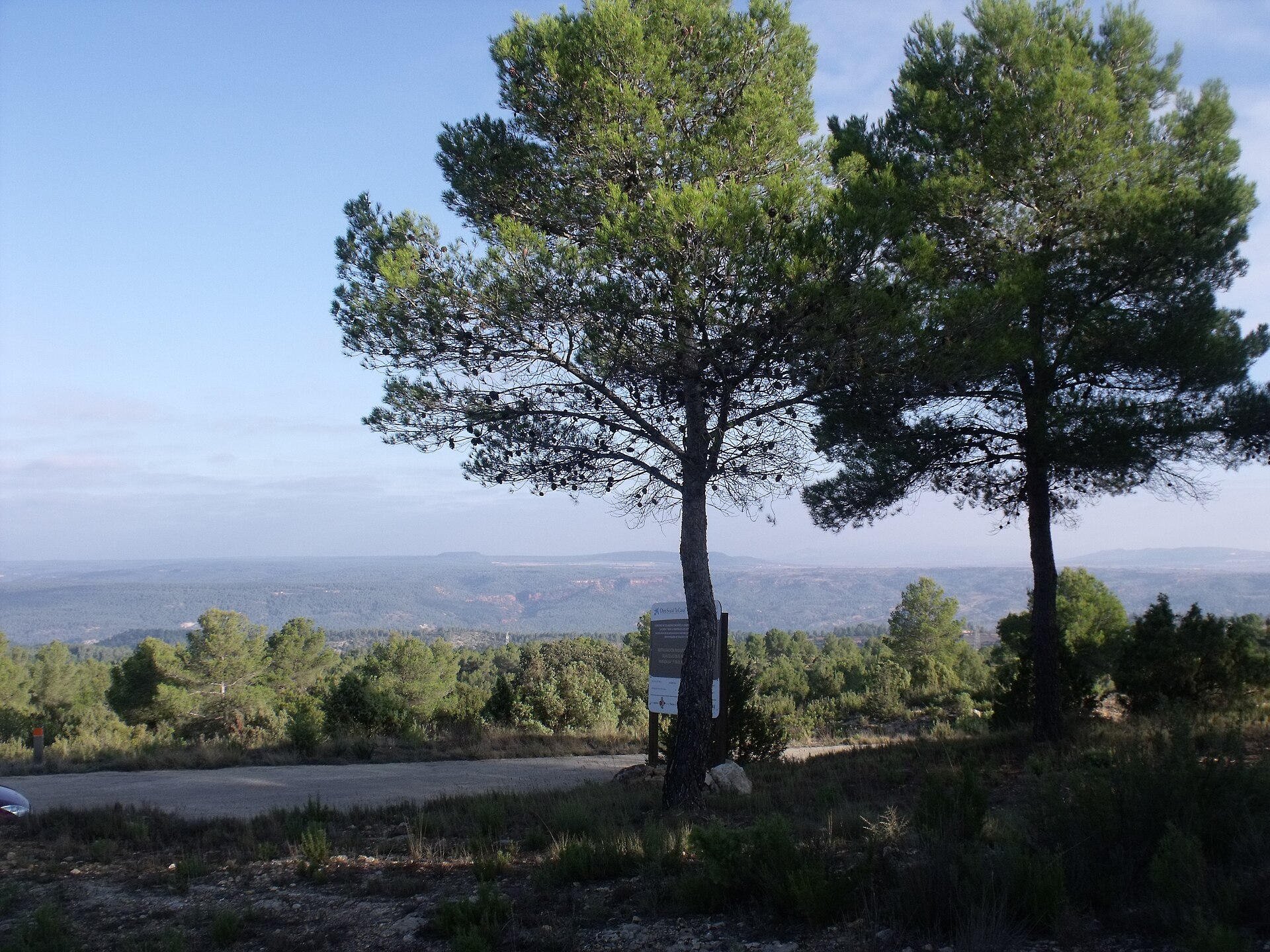
Natura 2000 · Standvogel

Natura 2000 · Standvogel

Natura 2000 · Standvogel
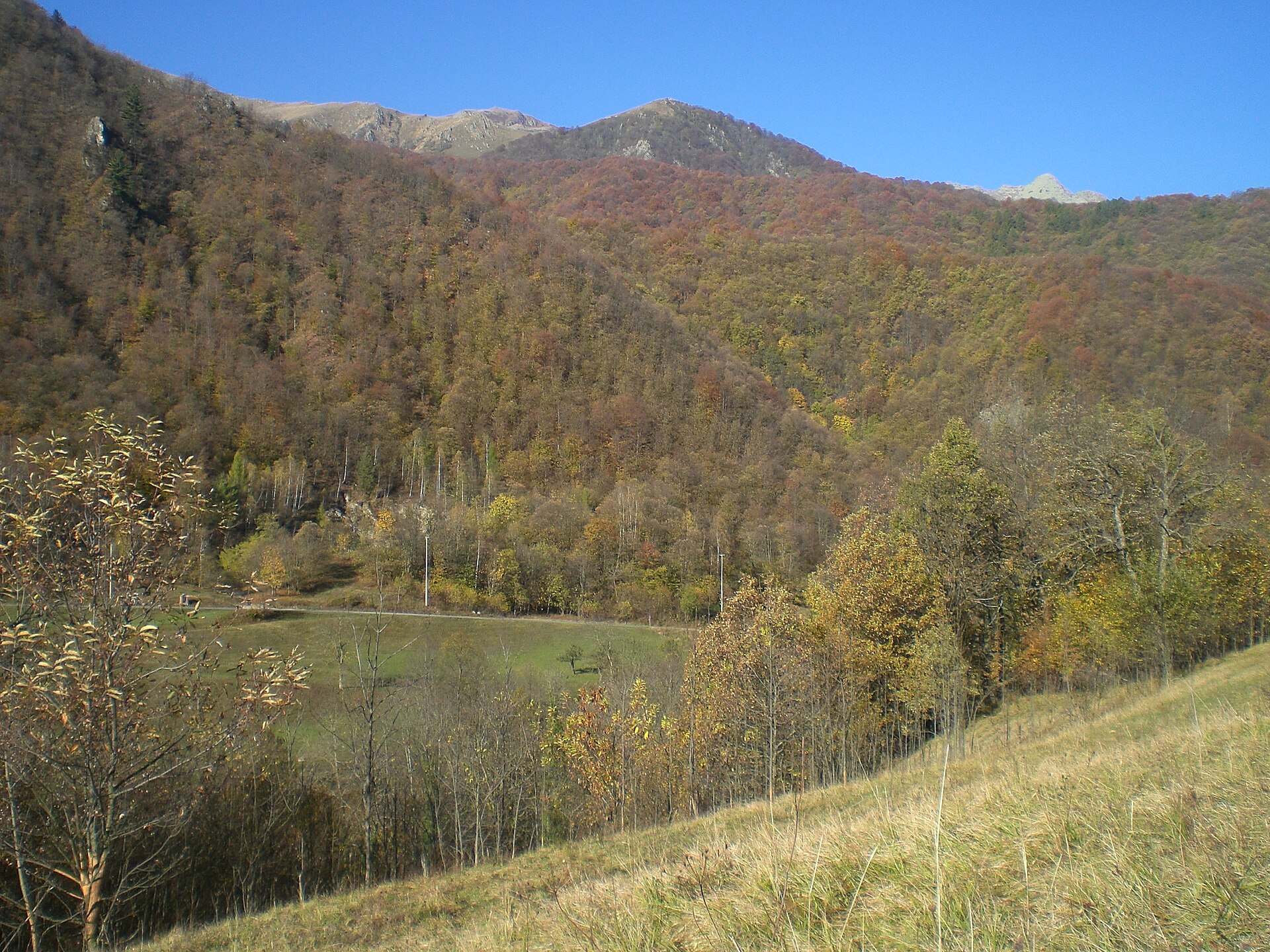
Natura 2000 · Standvogel, Brutvogel
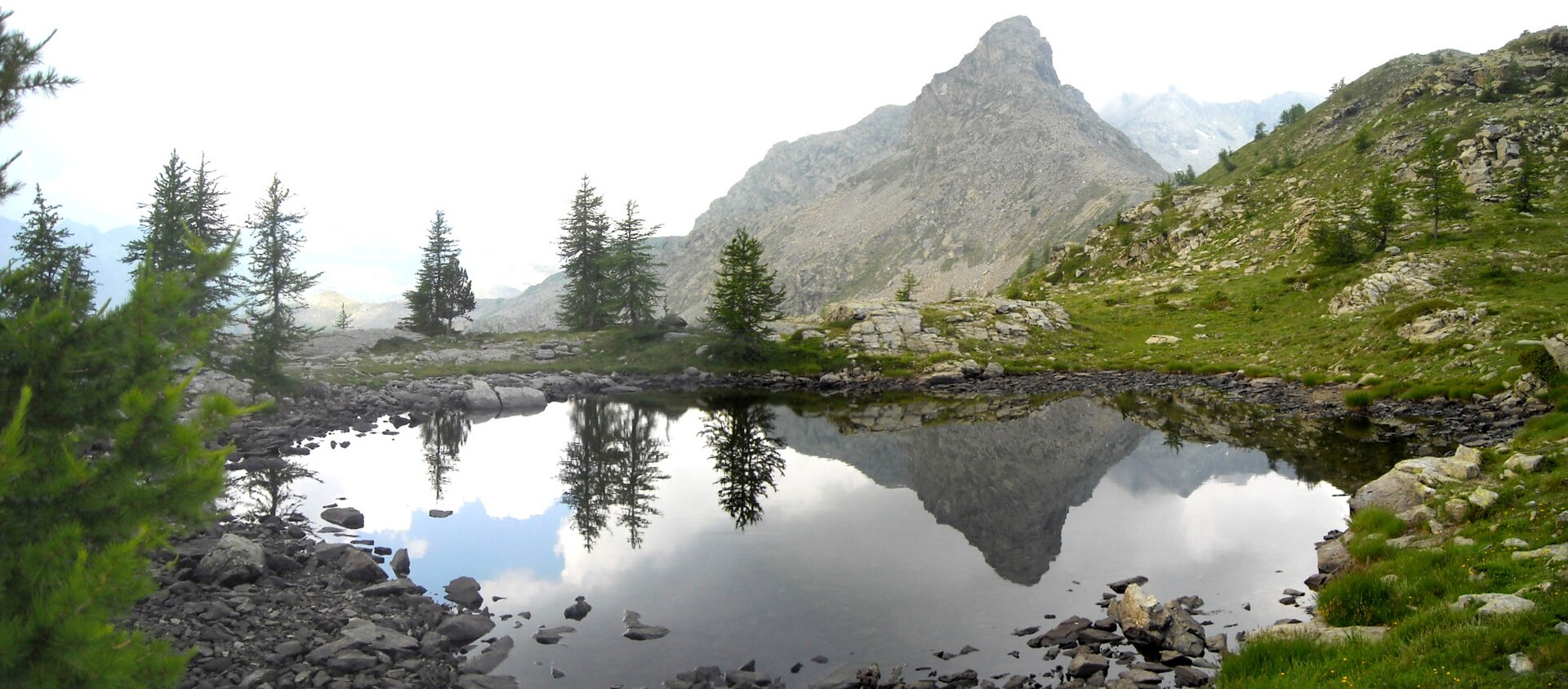
Natura 2000 · Standvogel

Natura 2000 · Standvogel
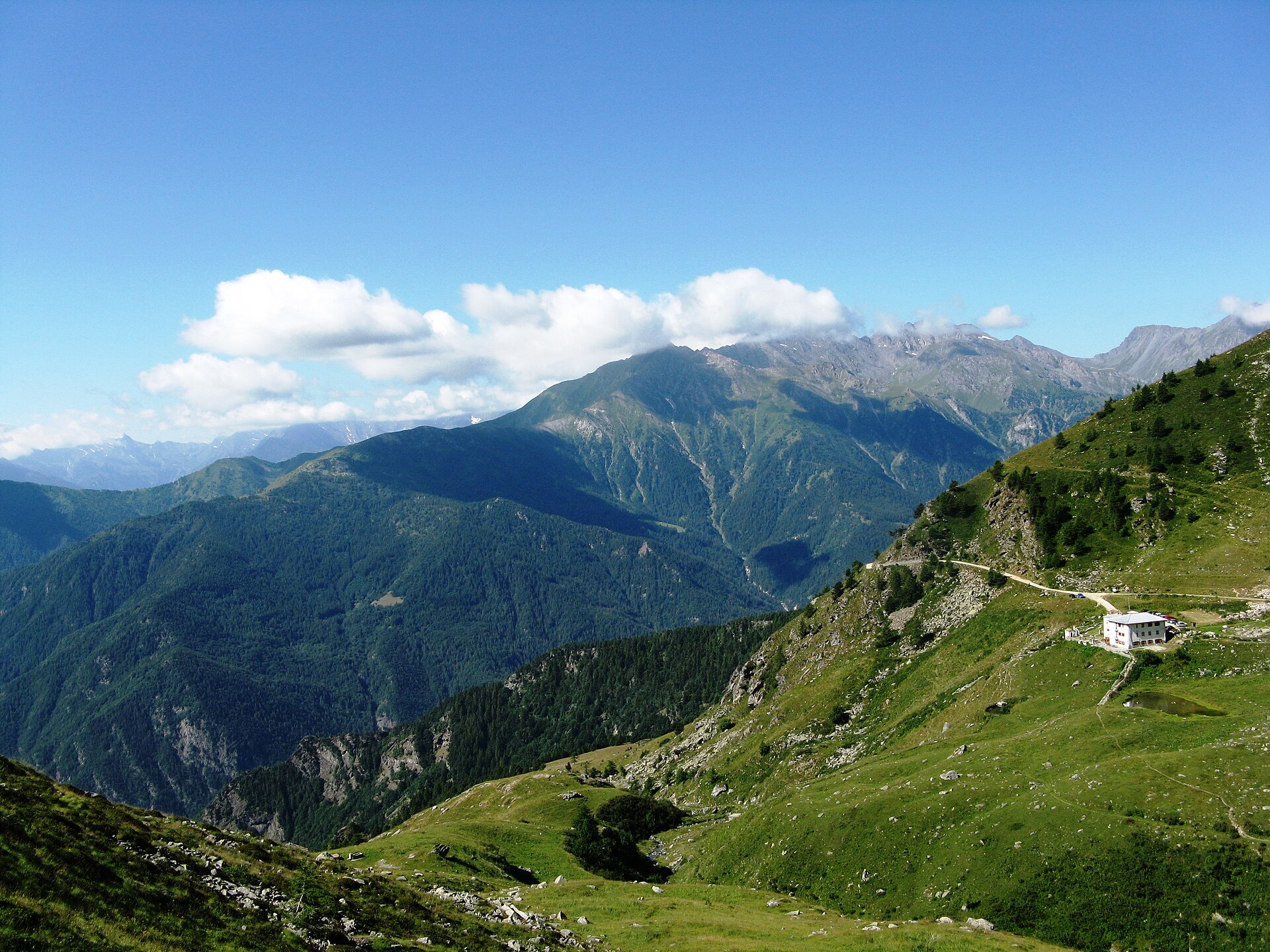
Natura 2000 · Brutvogel, Standvogel
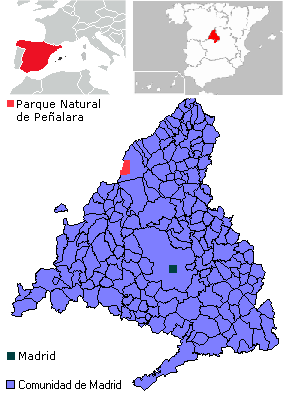
Natura 2000 · Standvogel
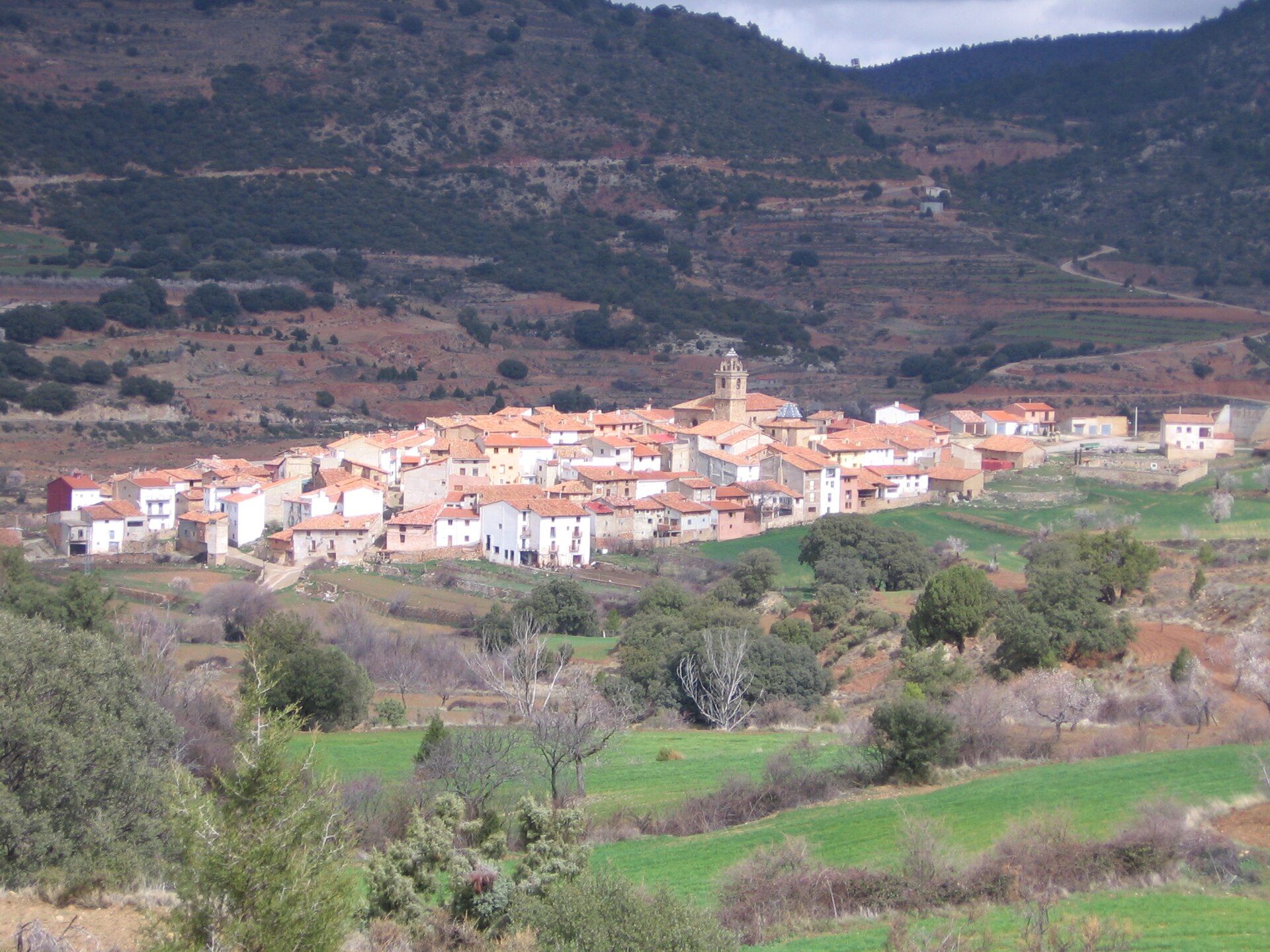
Natura 2000 · Standvogel

Natura 2000 · Standvogel
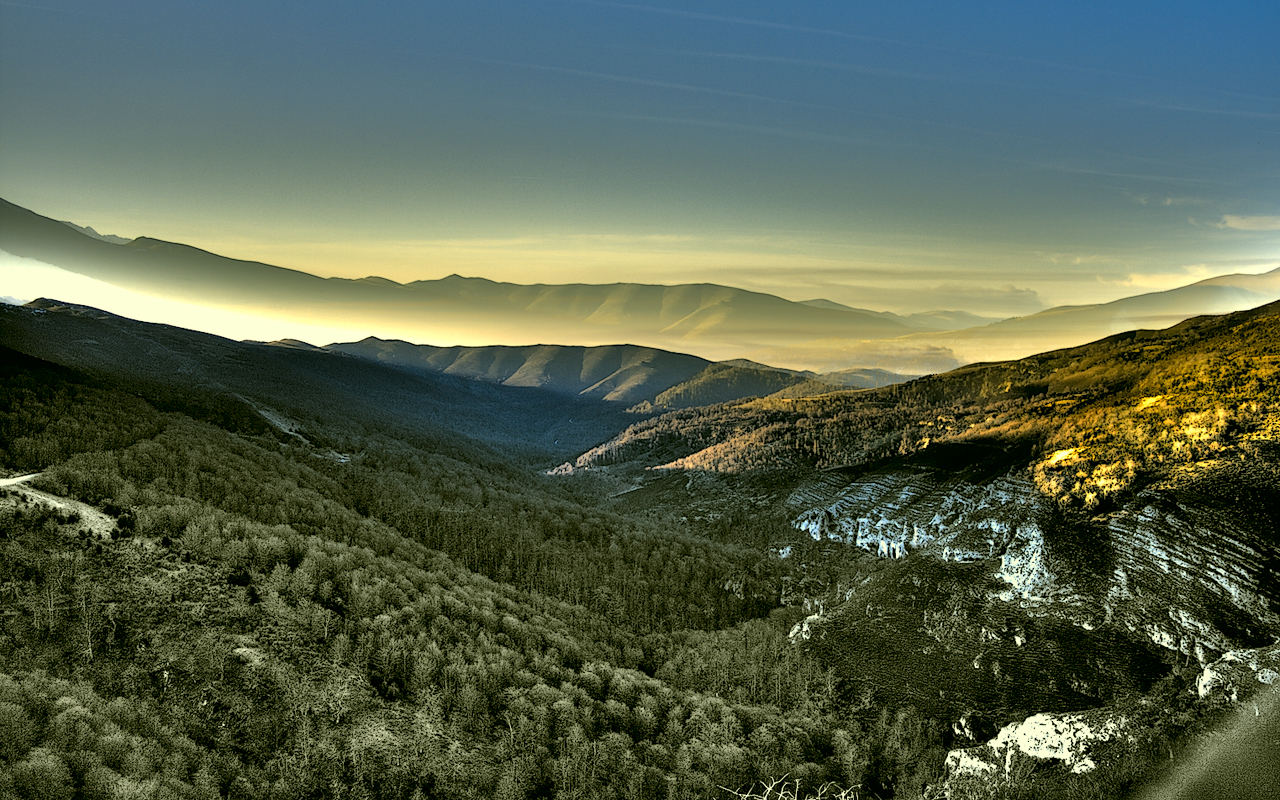
Natura 2000 · Standvogel
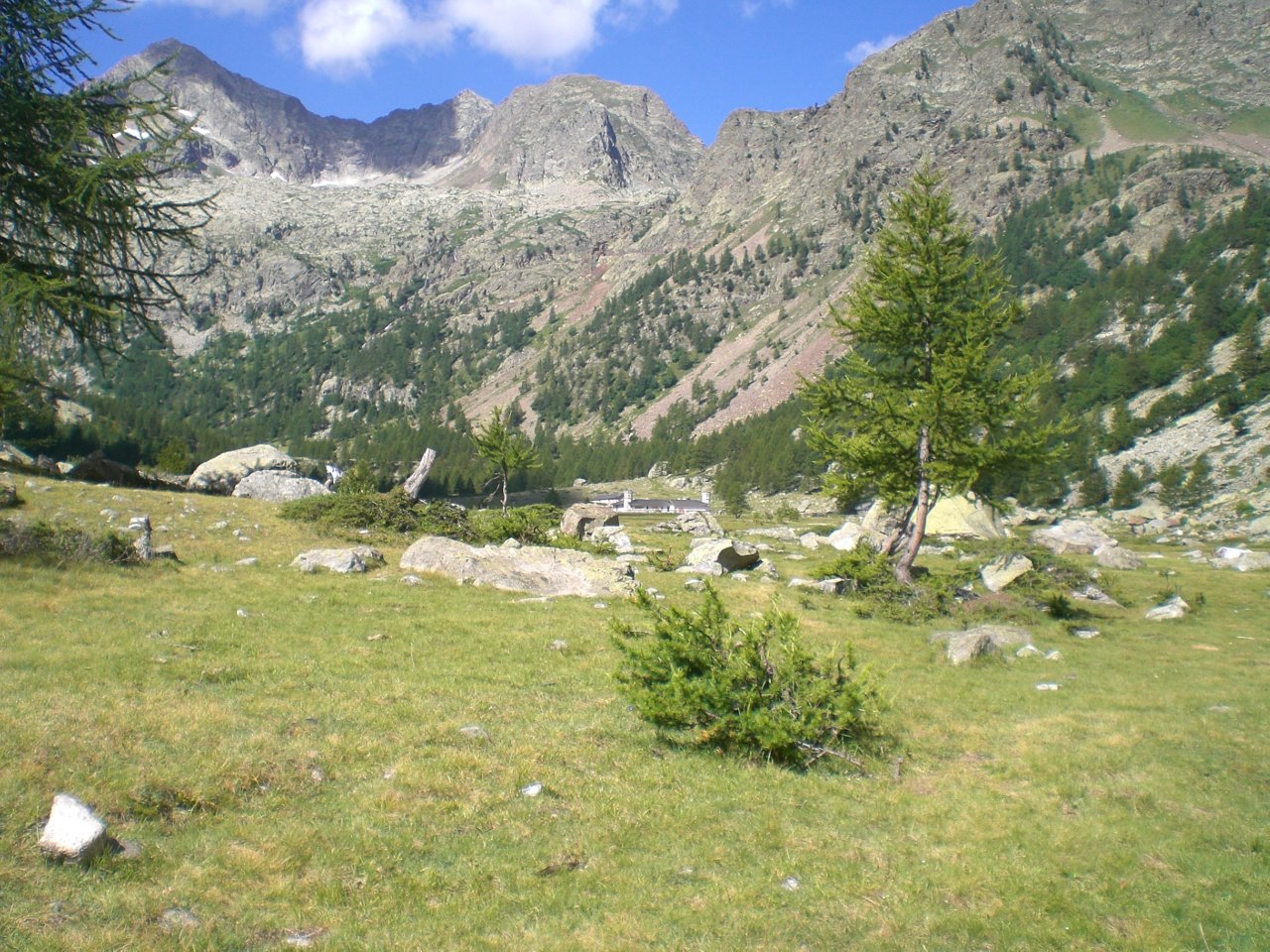
Natura 2000 · Brutvogel, Standvogel

Natura 2000 · Standvogel

Natura 2000 · Standvogel
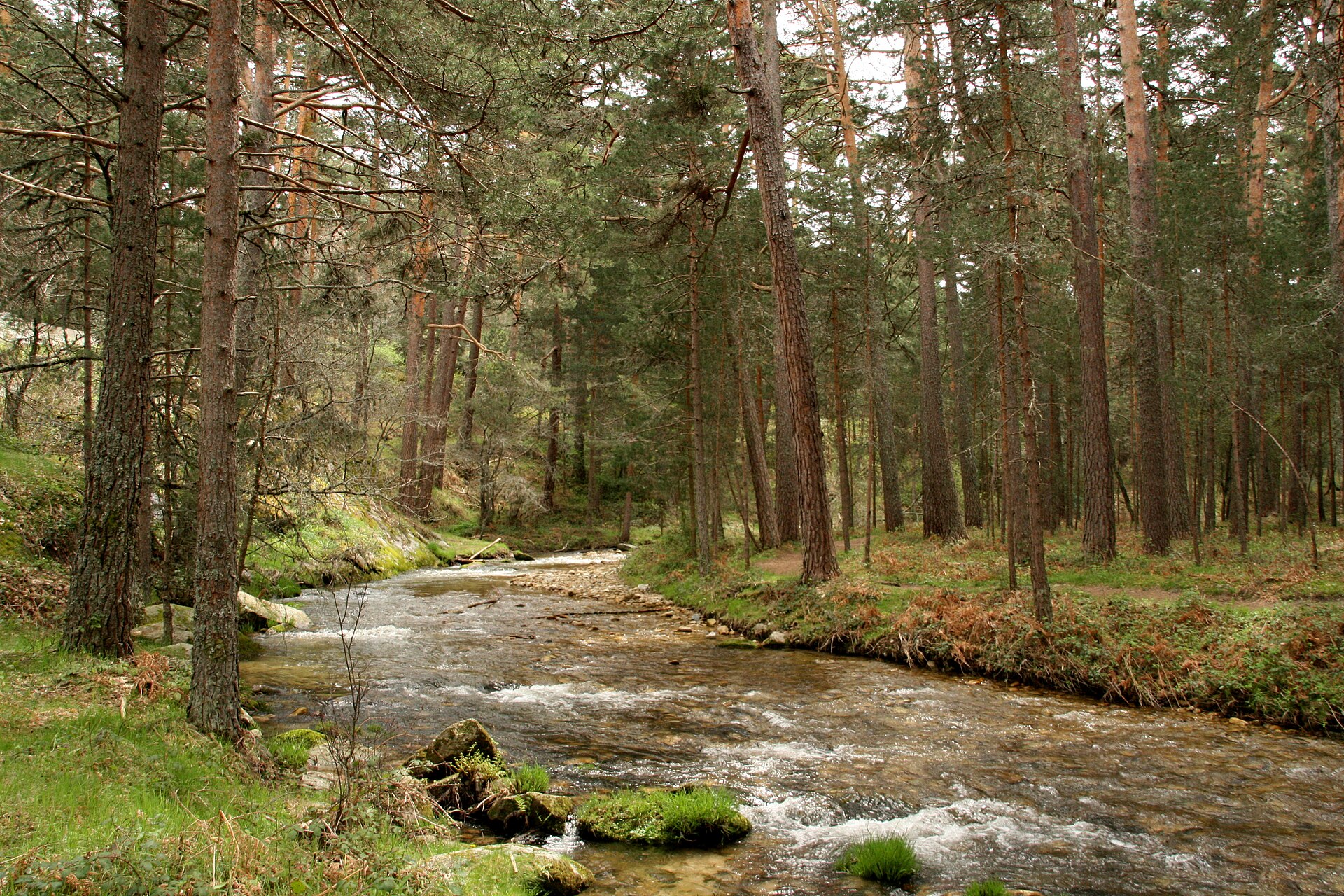
Natura 2000 · Standvogel
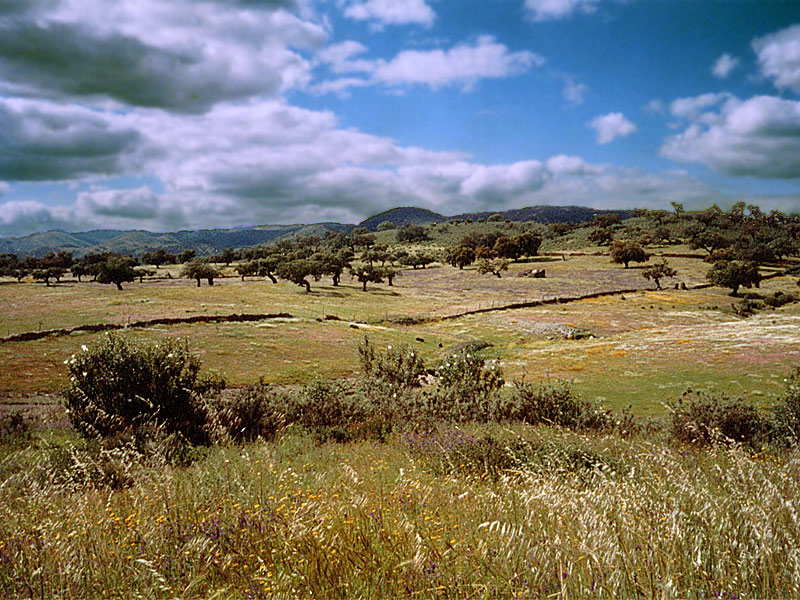
Natura 2000 · Standvogel
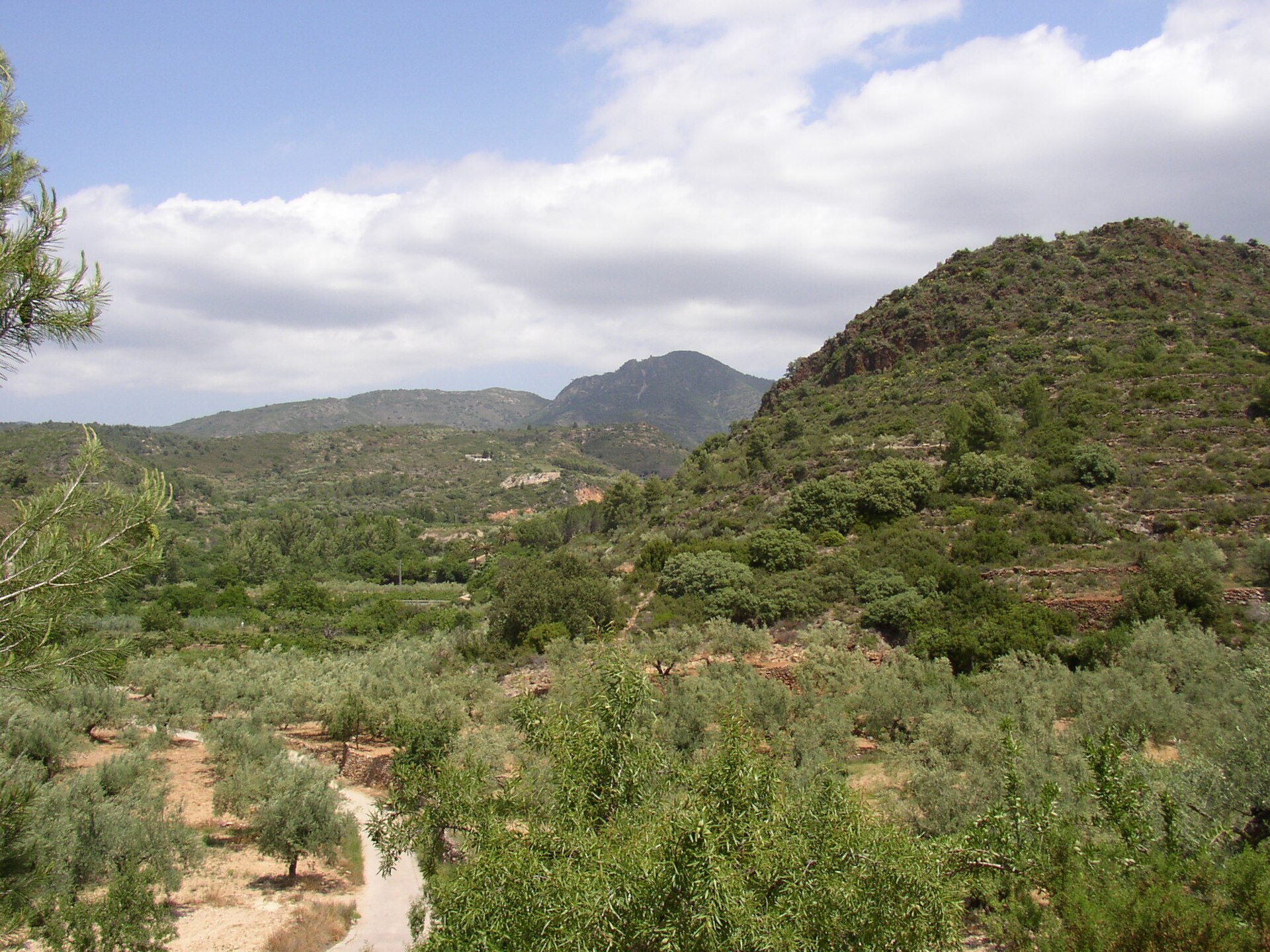
Natura 2000 · Standvogel
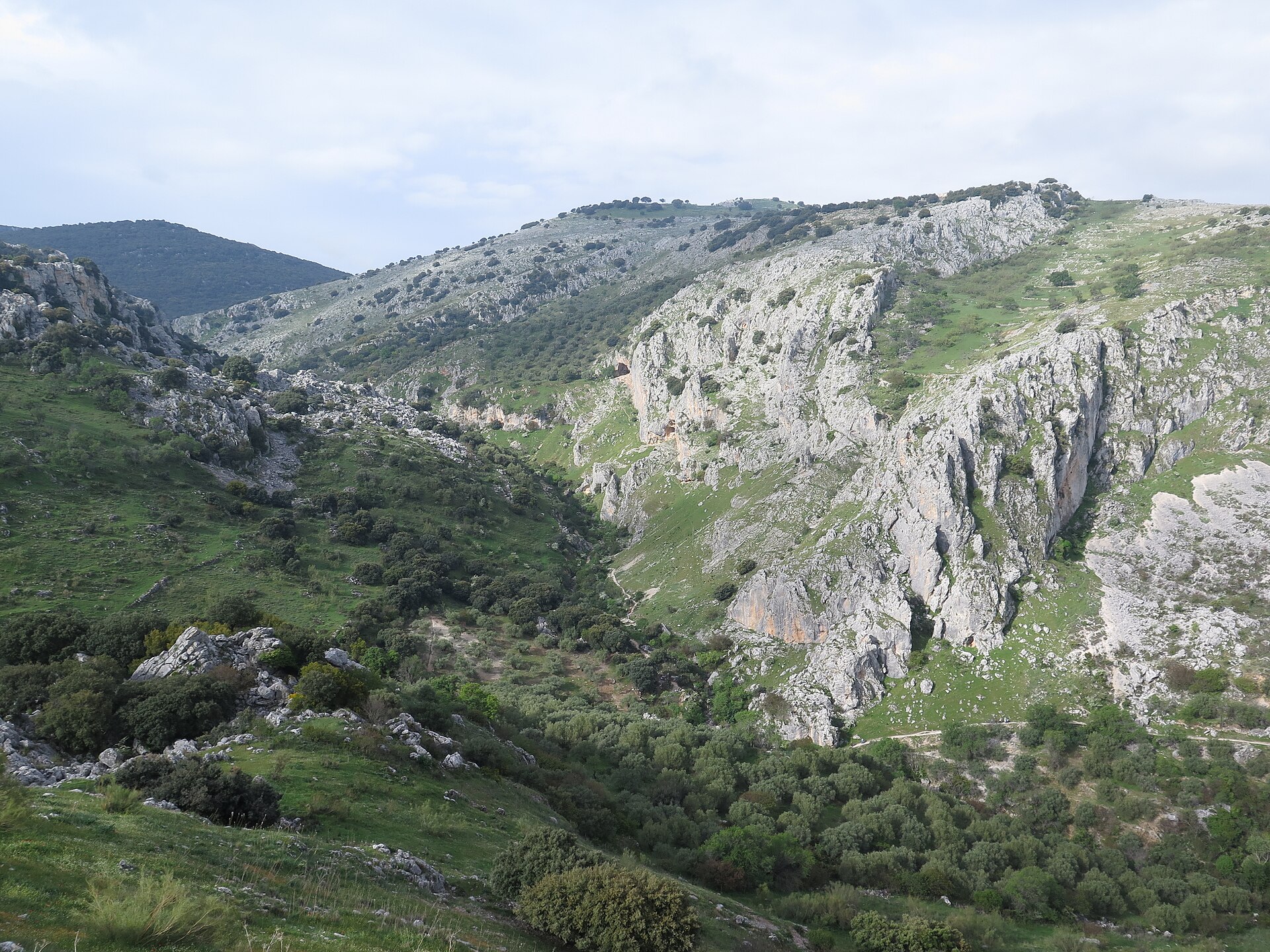
Natura 2000 · Standvogel
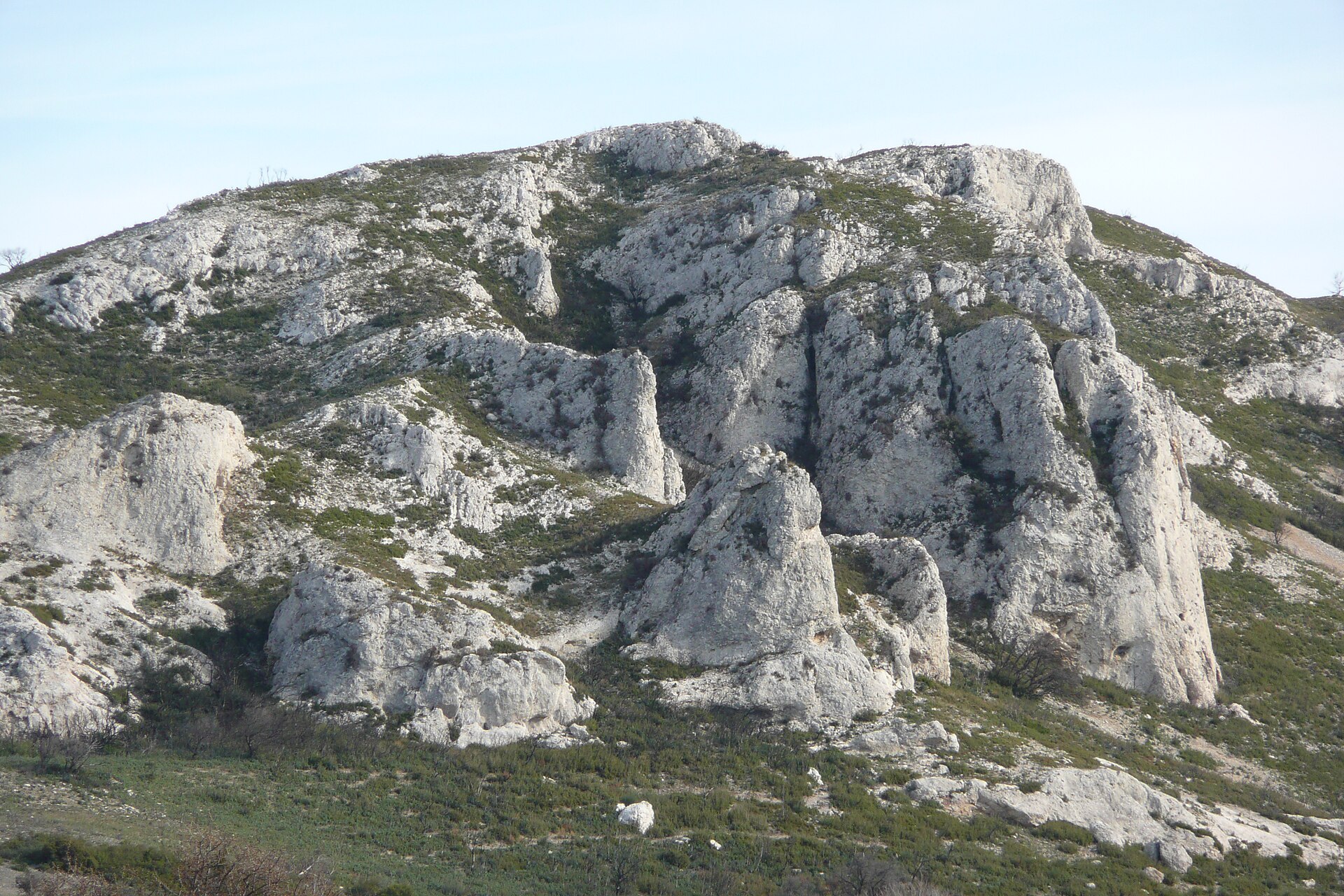
Natura 2000 · Wintergast
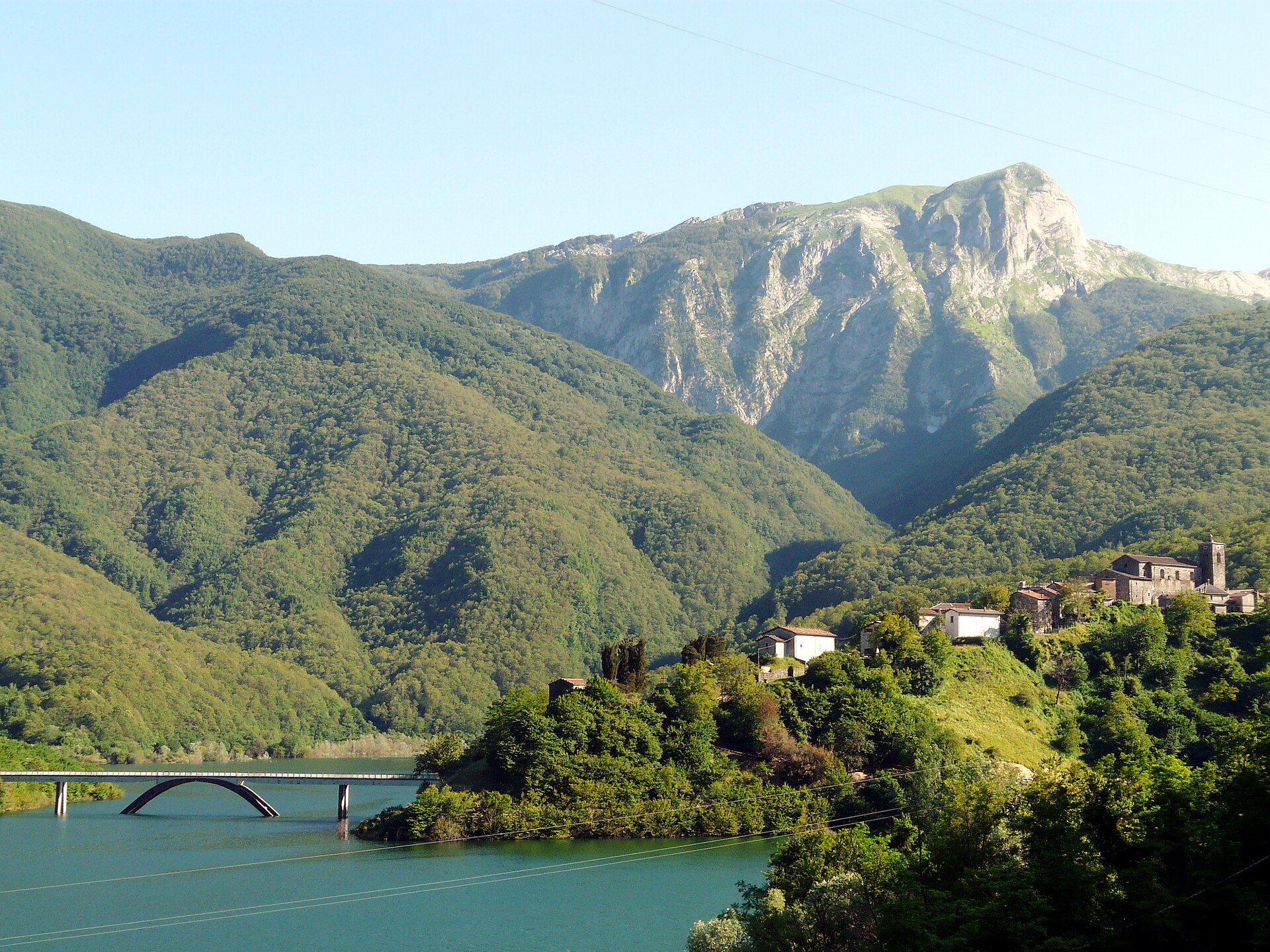
Natura 2000 · Standvogel
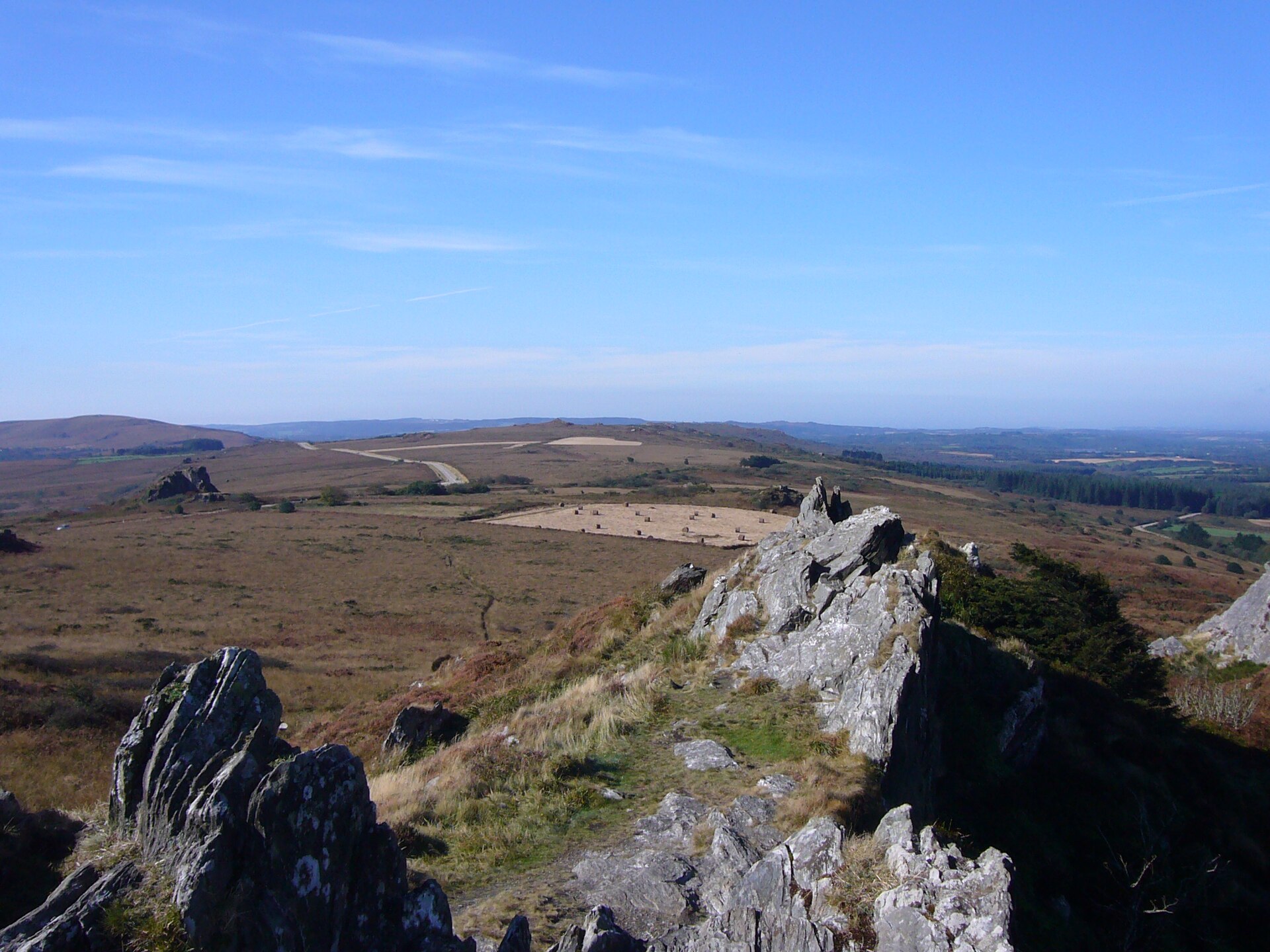
Natura 2000 · Brutvogel
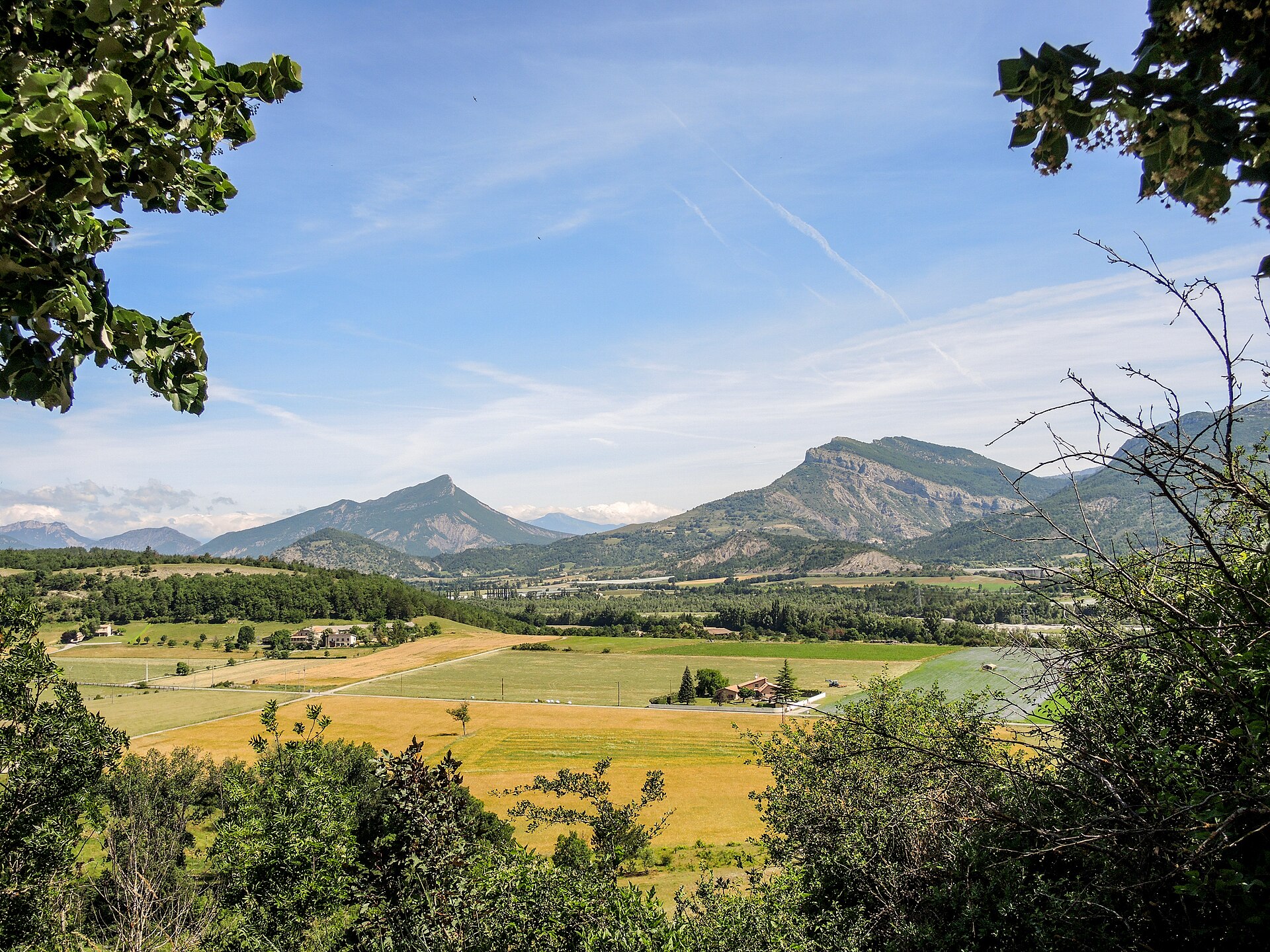
Natura 2000 · Brutvogel
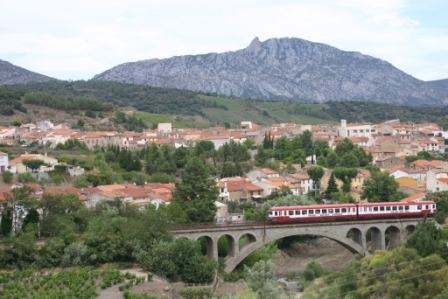
Natura 2000 · Standvogel, Wintergast, Durchzügler, Brutvogel
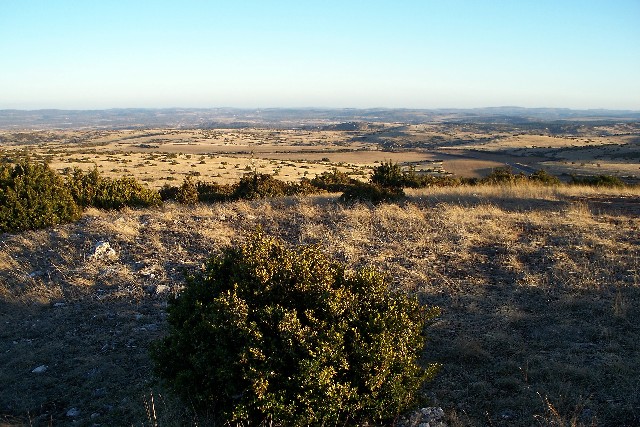
Natura 2000 · Brutvogel, Standvogel, Durchzügler
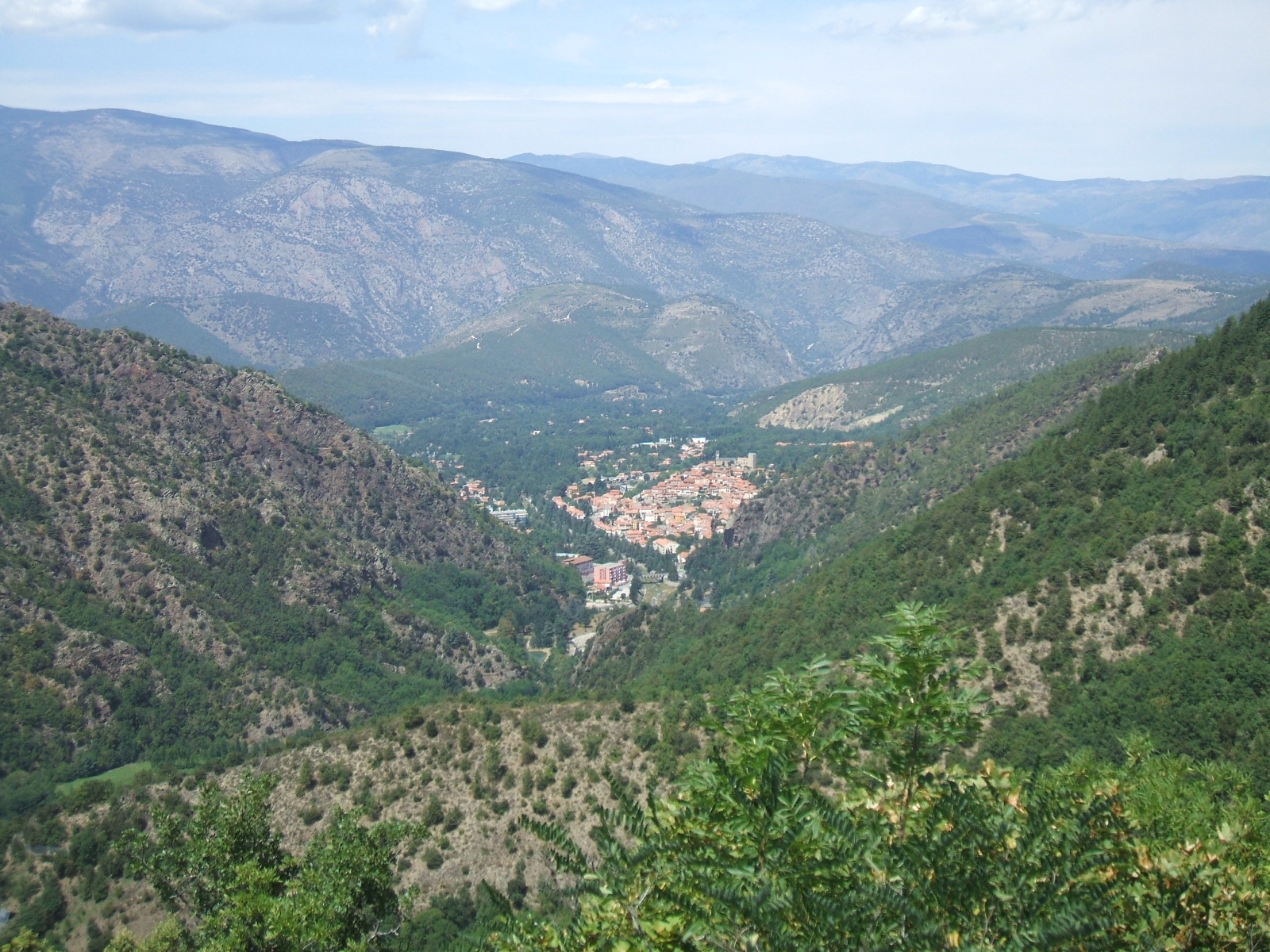
Natura 2000 · Brutvogel, Wintergast, Standvogel

Natura 2000 · Standvogel
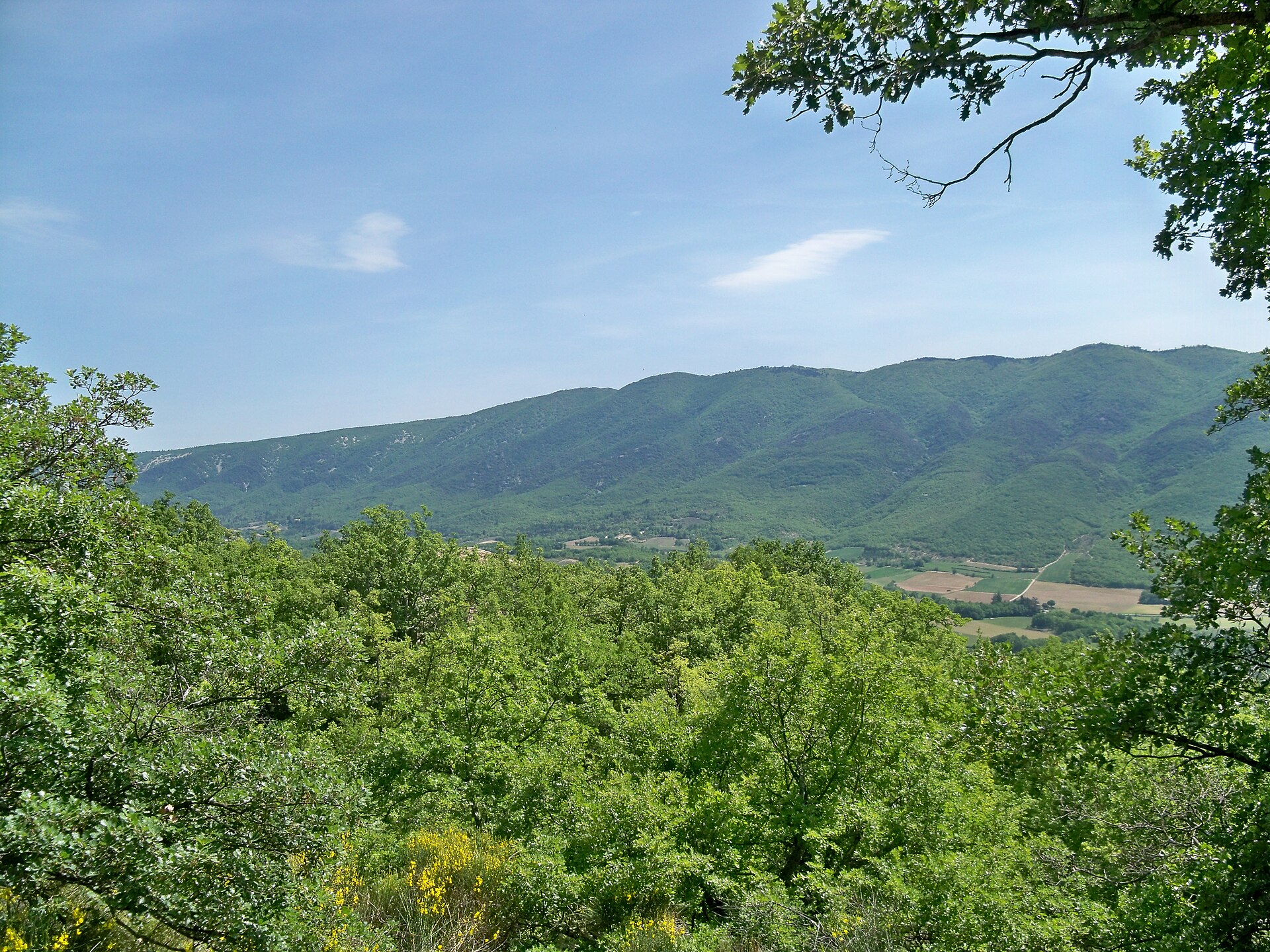
Natura 2000 · Wintergast, Durchzügler
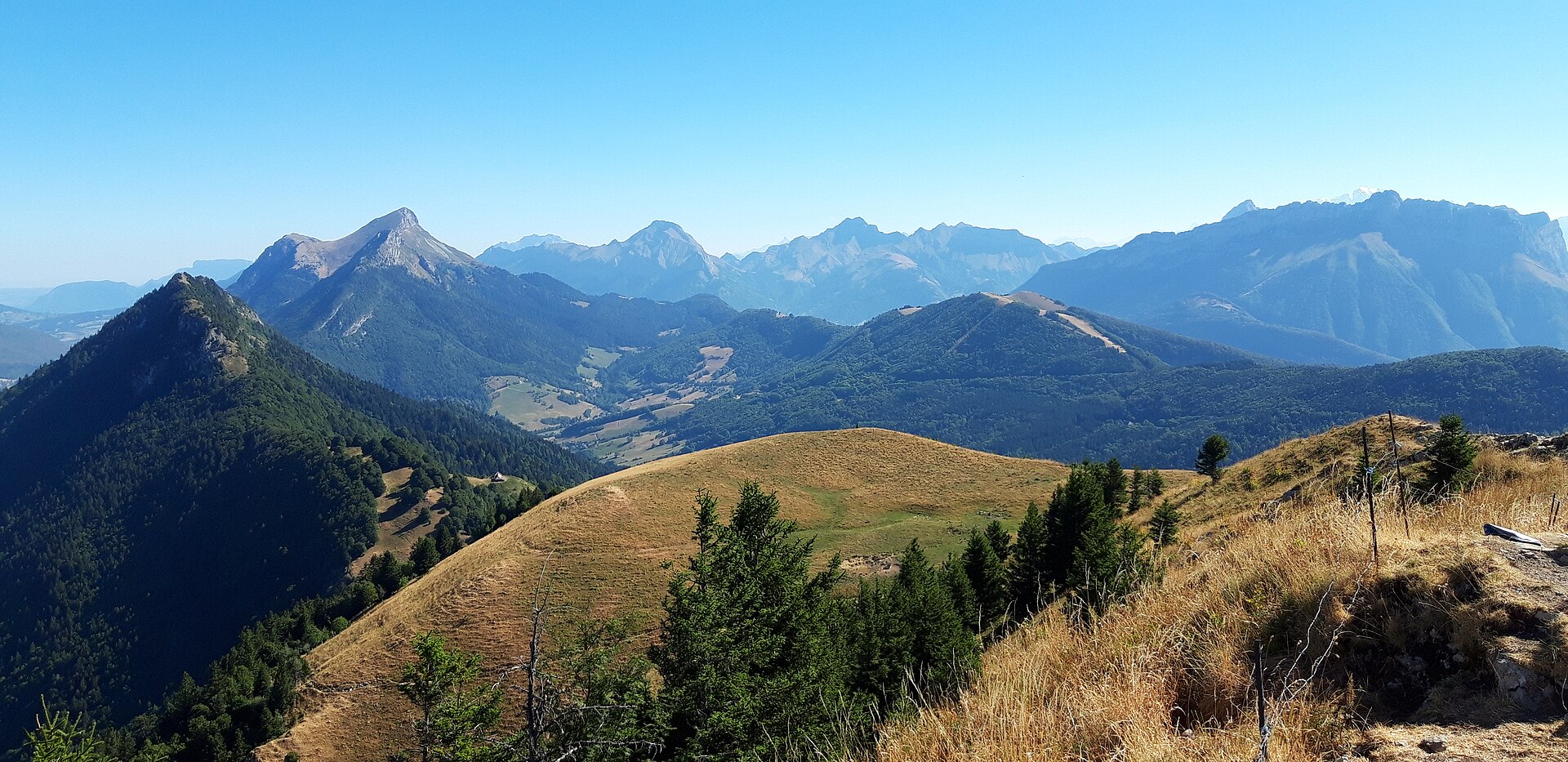
Natura 2000 · Brutvogel
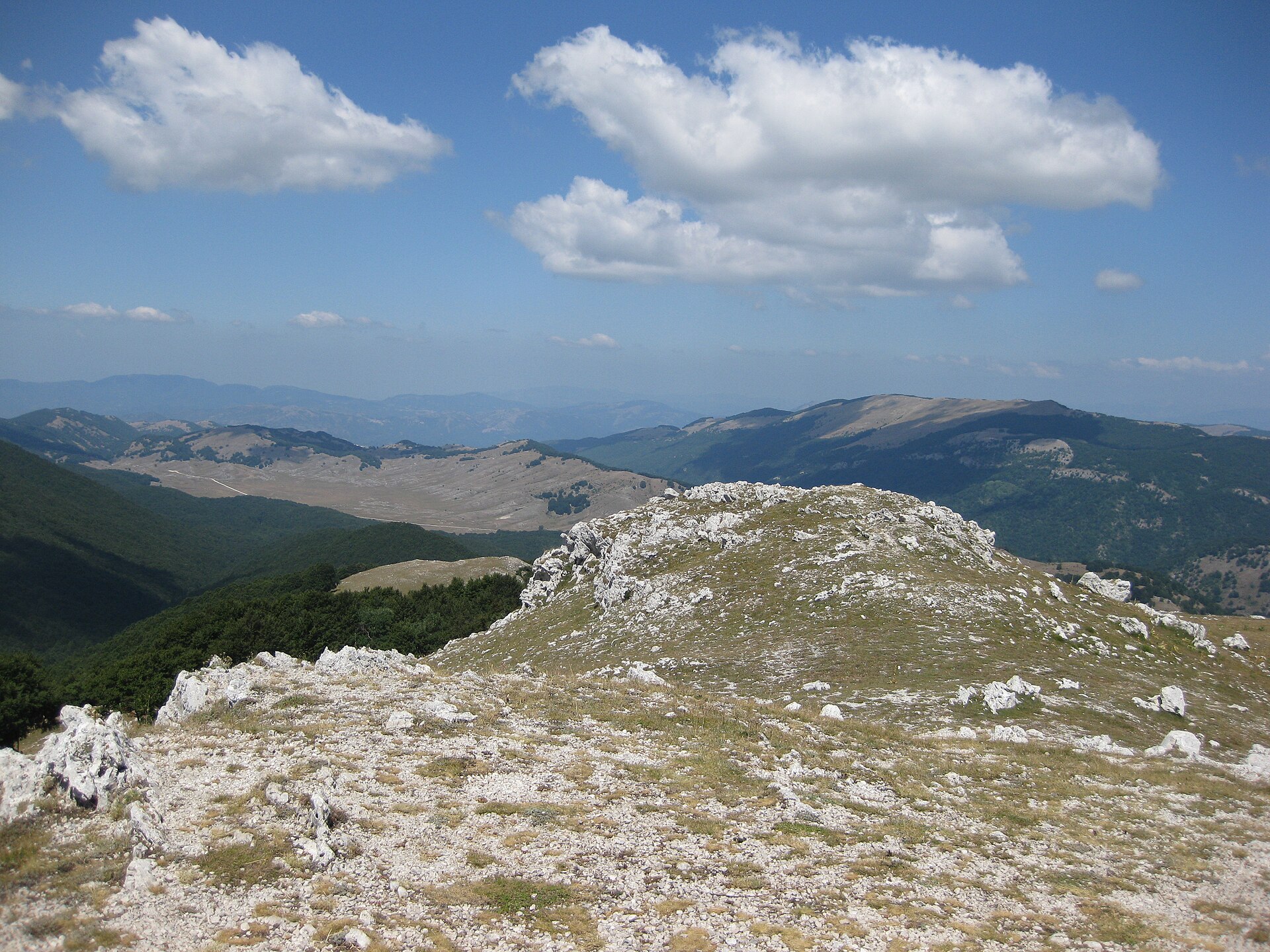
Natura 2000 · Standvogel, Wintergast

Natura 2000 · Standvogel, Durchzügler
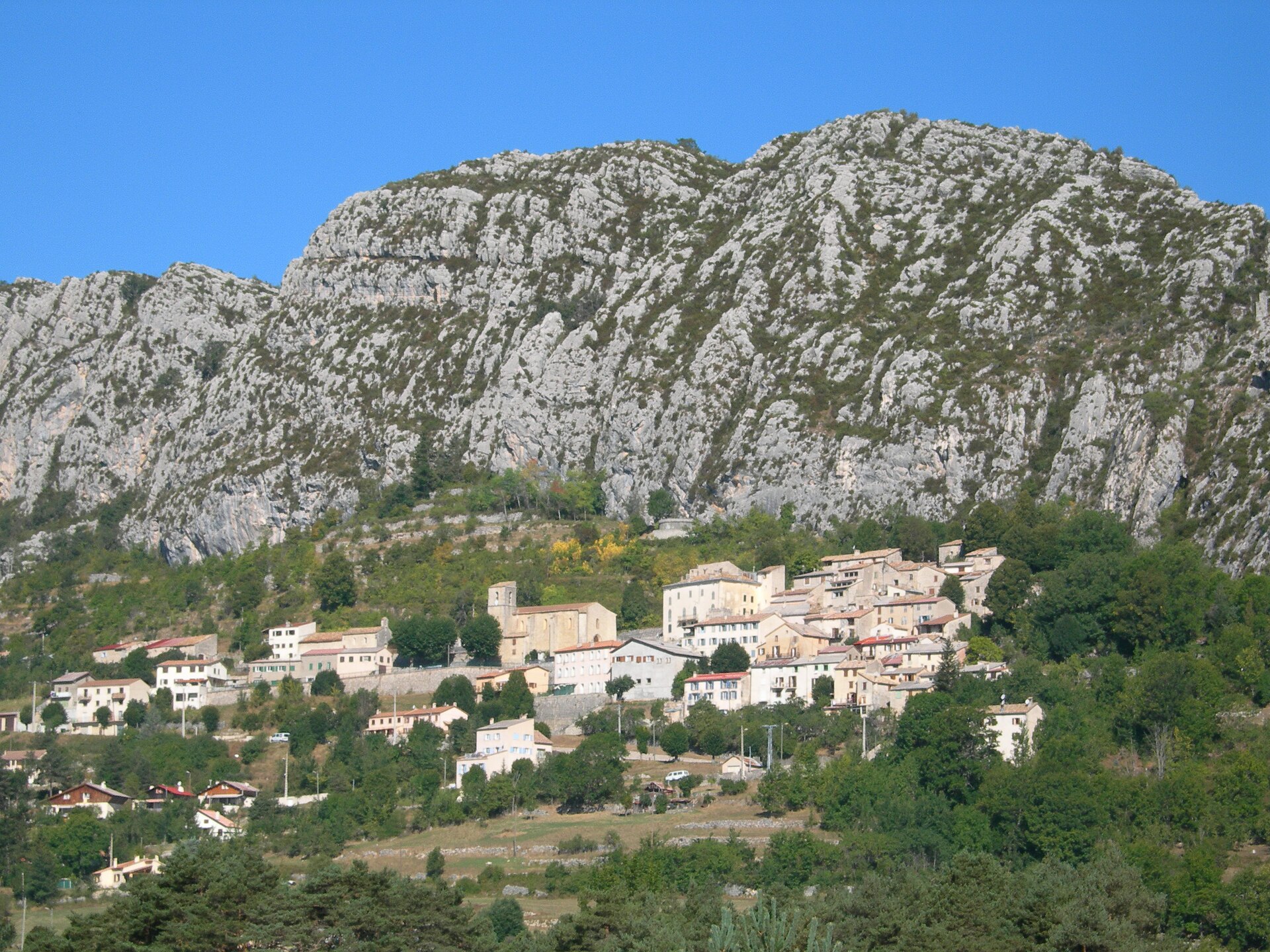
Natura 2000 · Standvogel, Wintergast
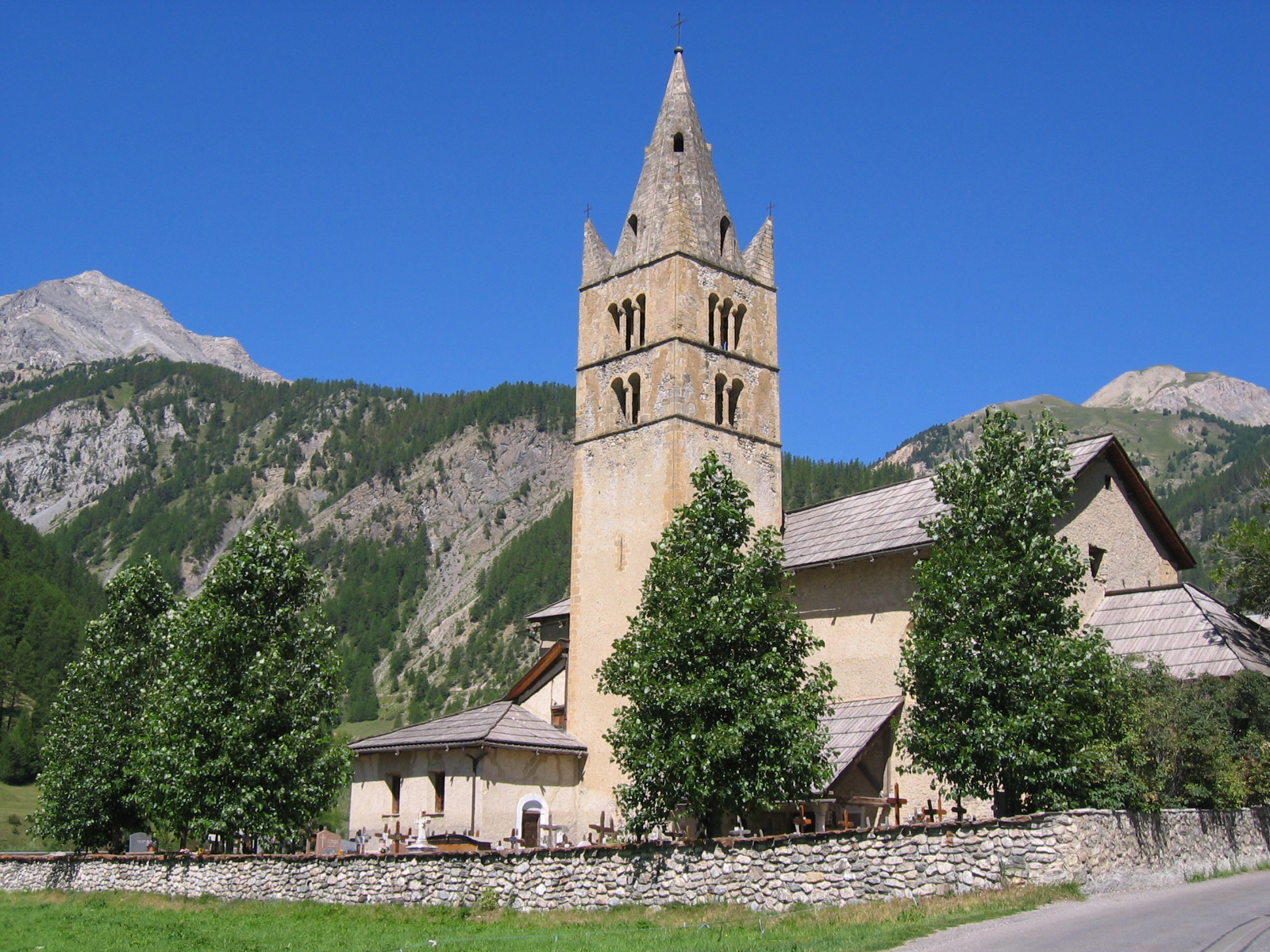
Natura 2000 · Standvogel
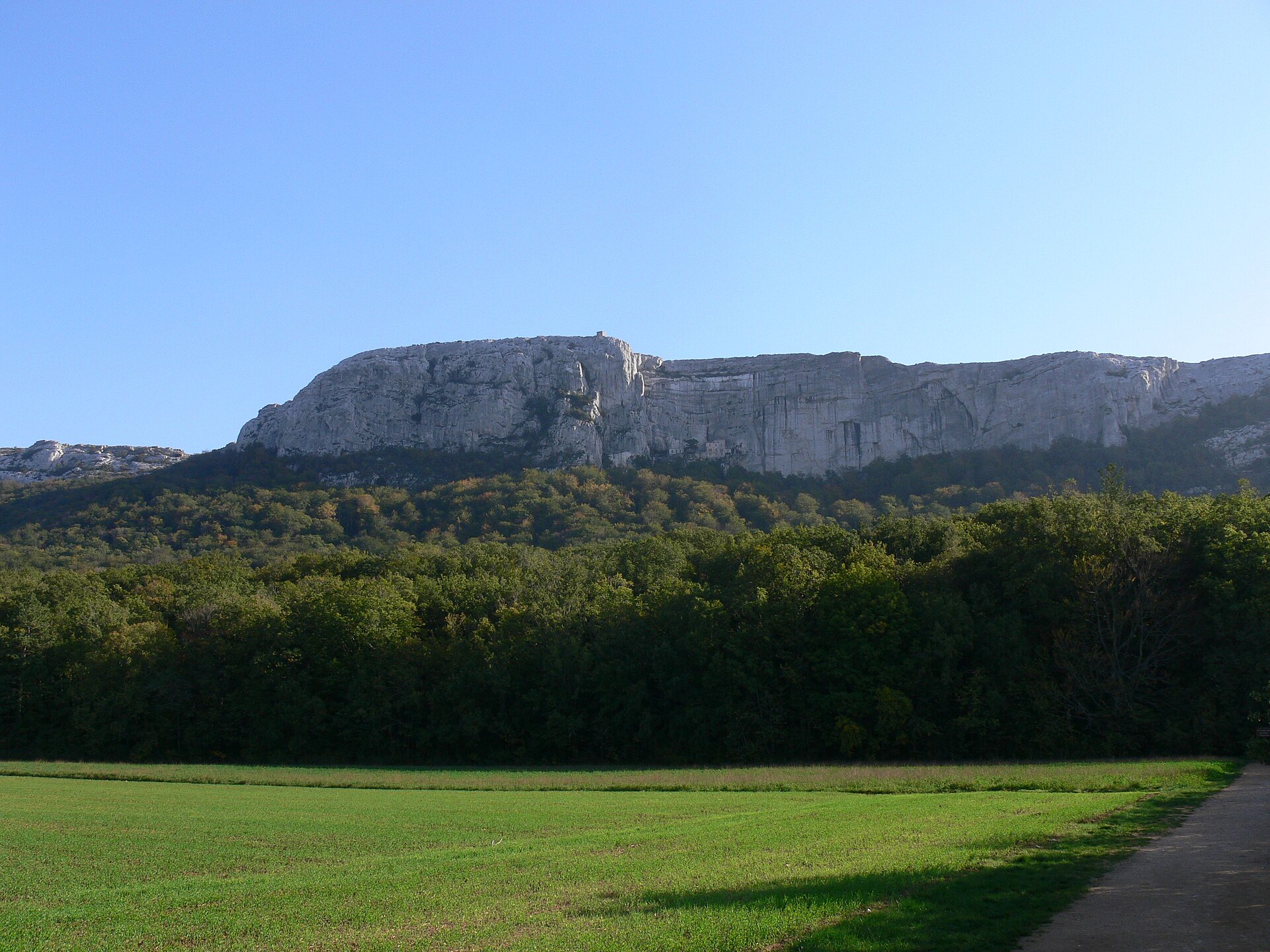
Natura 2000 · Wintergast
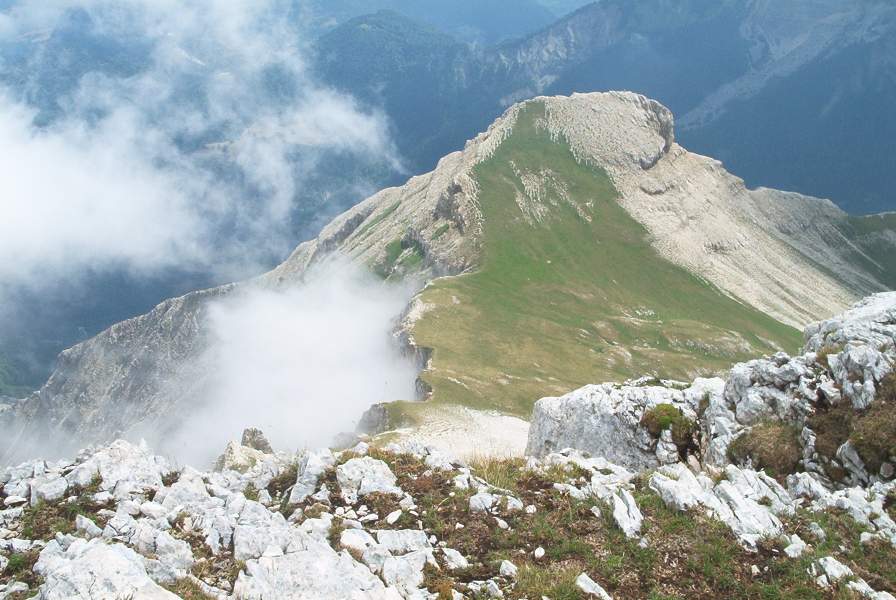
Natura 2000 · Standvogel
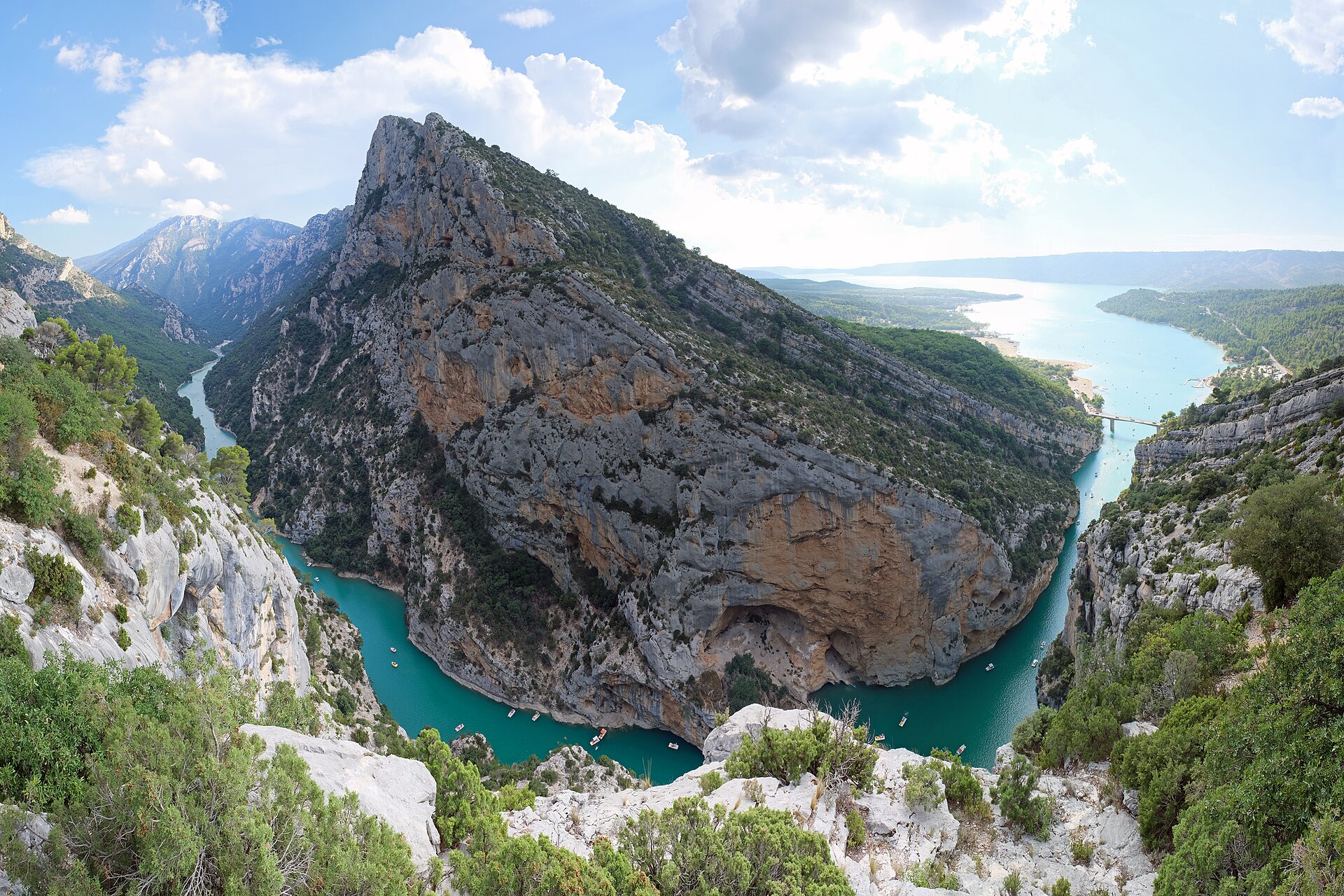
Natura 2000 · Wintergast, Durchzügler, Standvogel
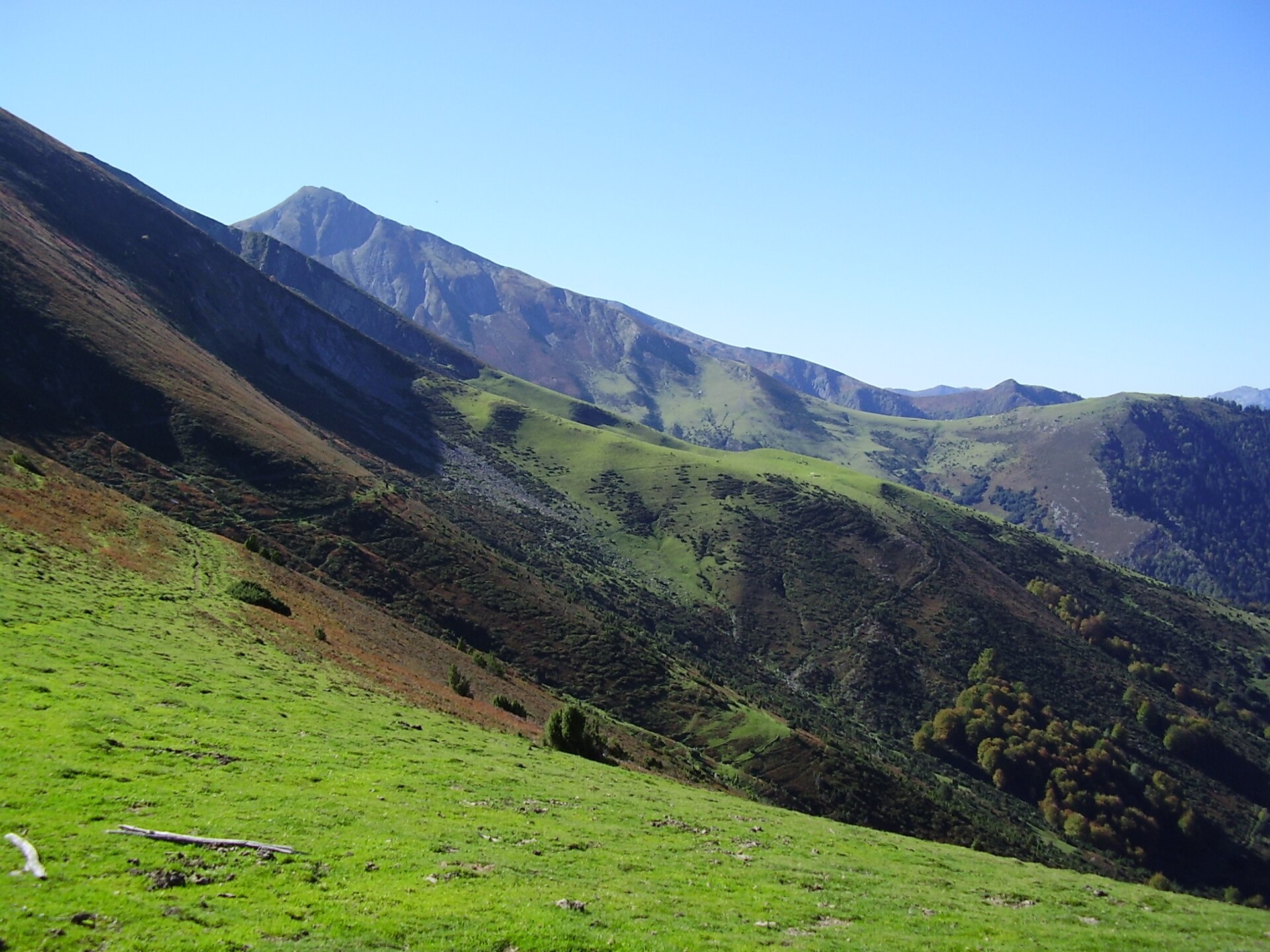
Natura 2000 · Standvogel

Natura 2000 · Standvogel
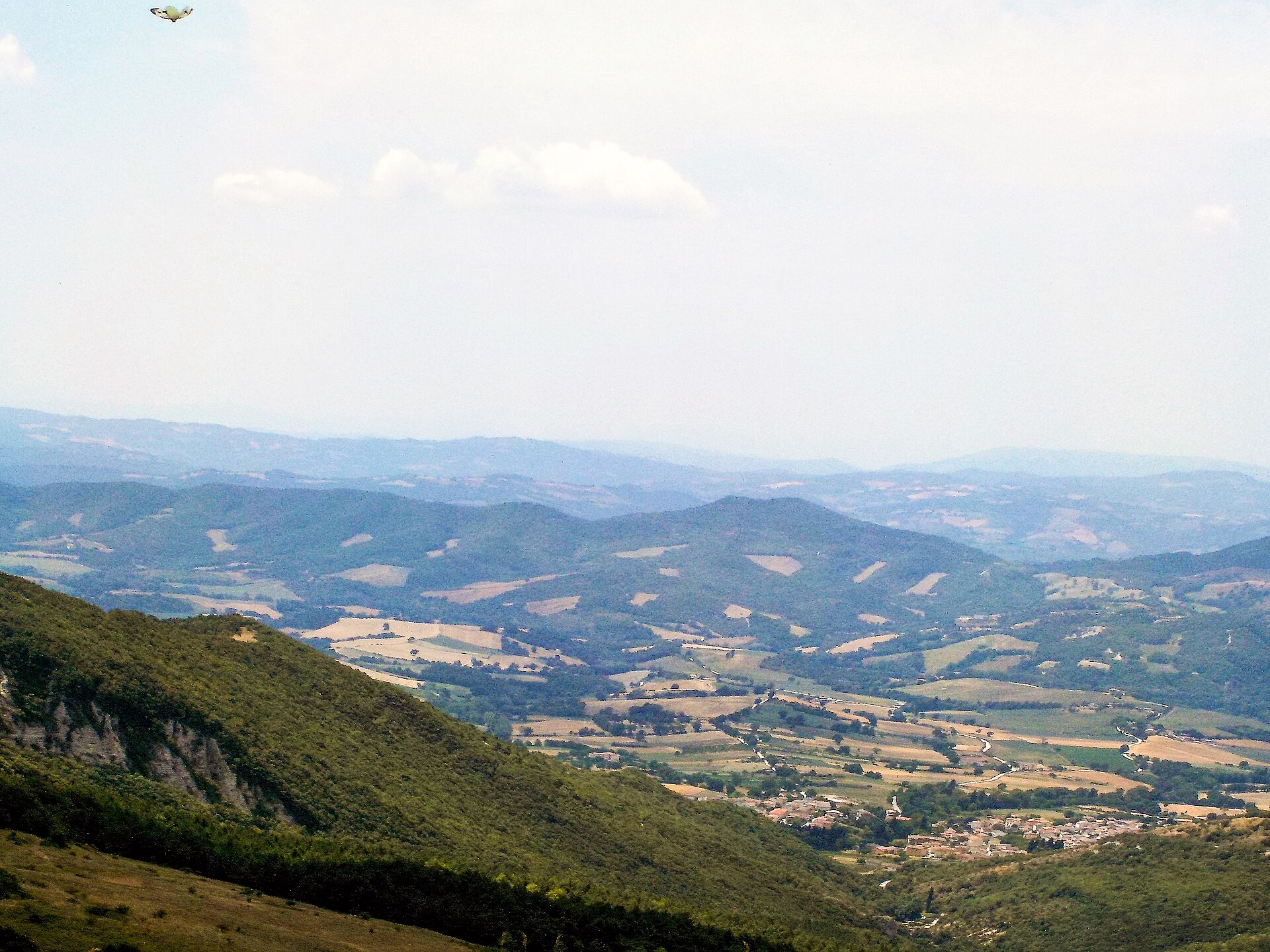
Natura 2000 · Standvogel
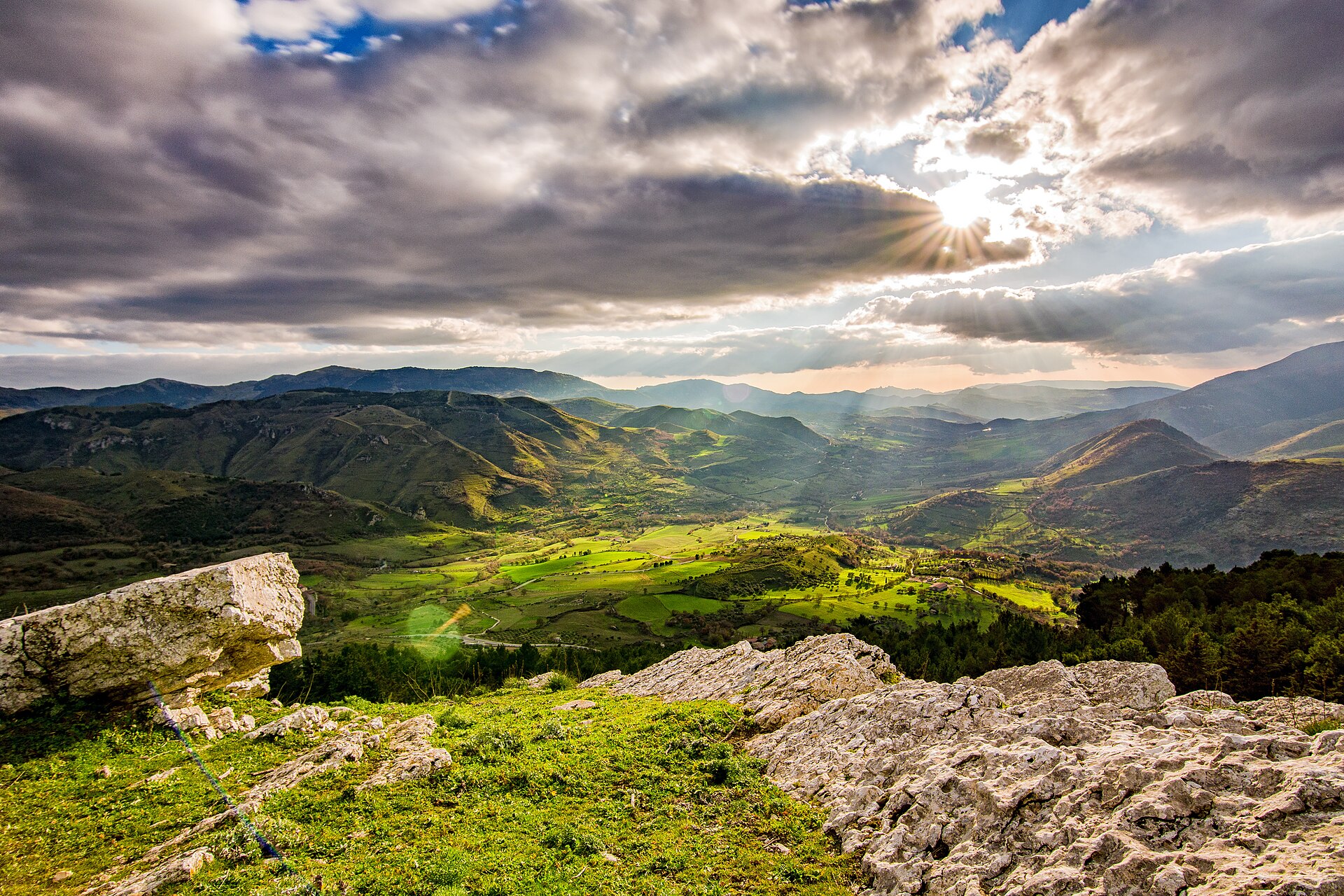
Natura 2000 · Standvogel
Natura 2000 · Standvogel
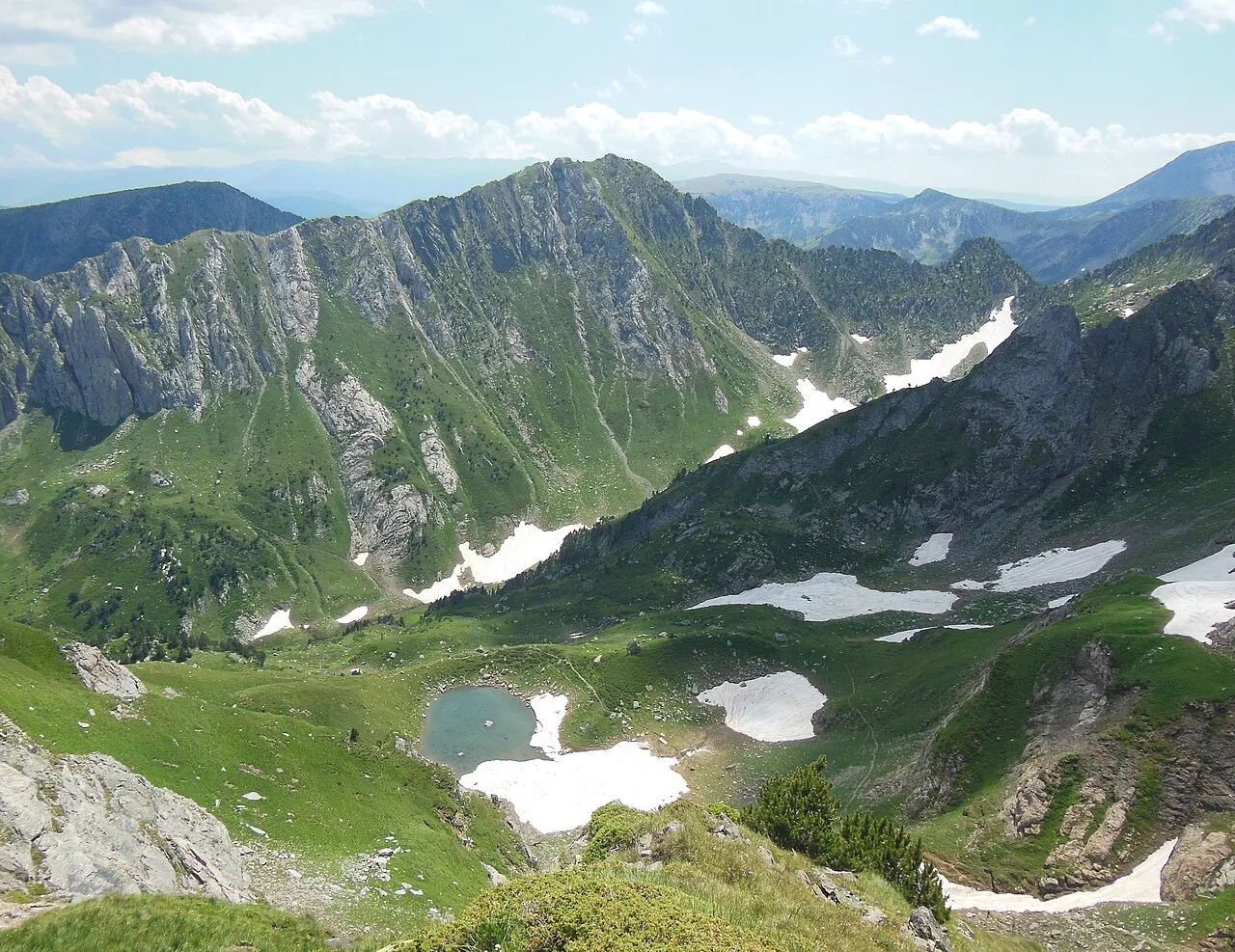
Natura 2000 · Standvogel
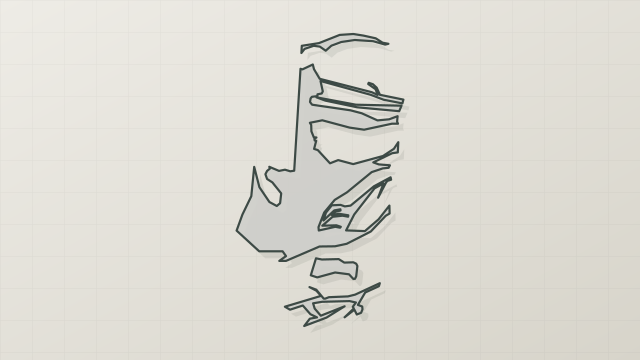
Natura 2000 · Brutvogel
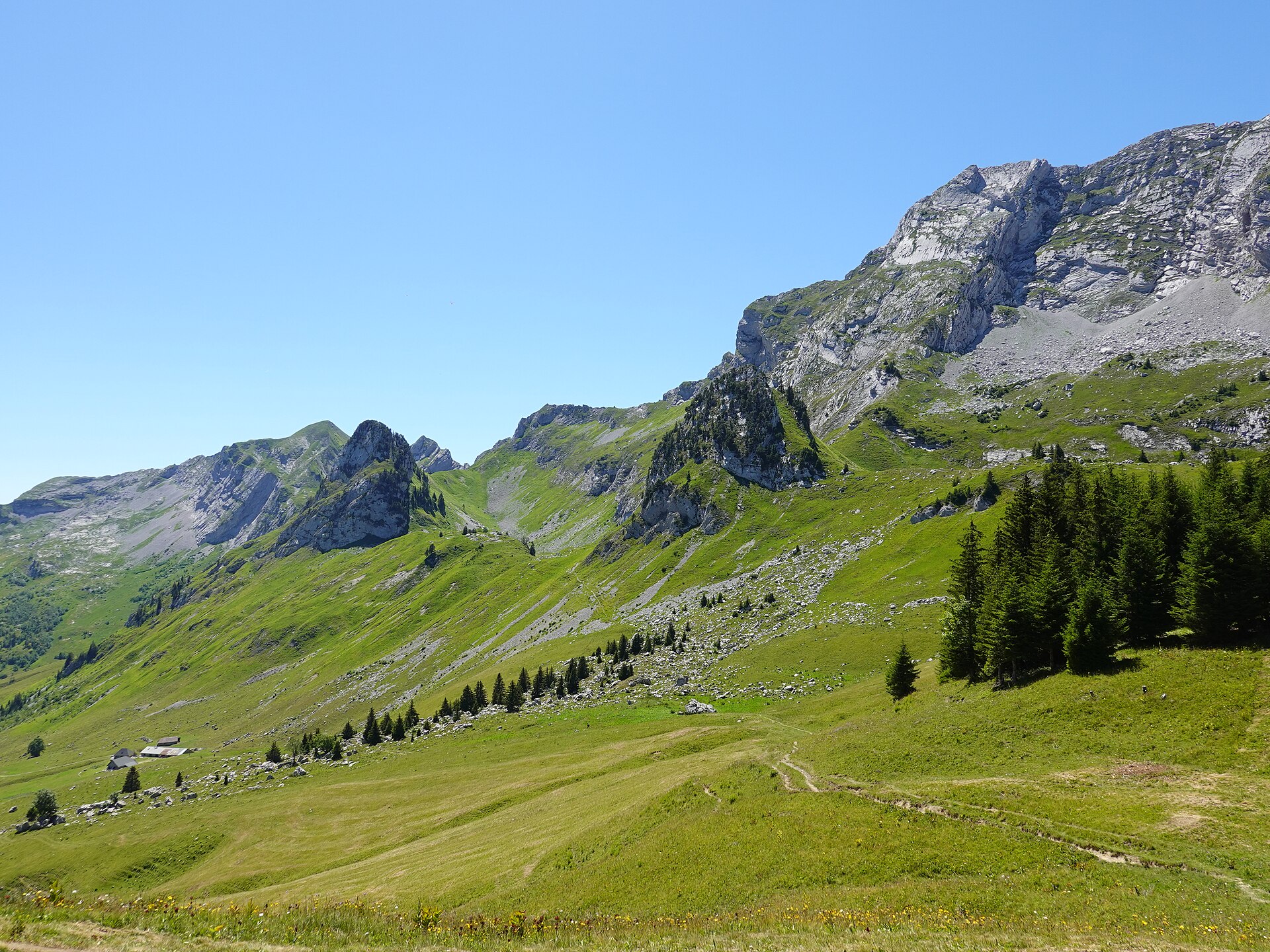
Natura 2000 · Brutvogel
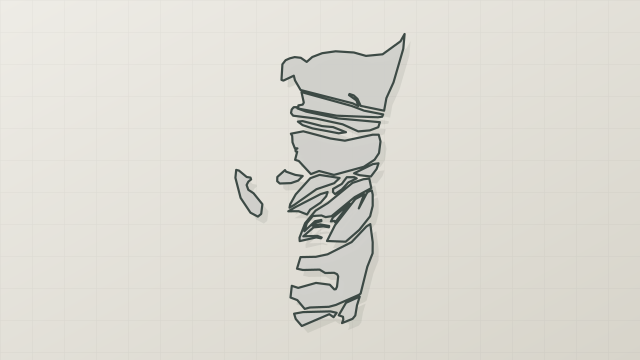
Natura 2000 · Brutvogel
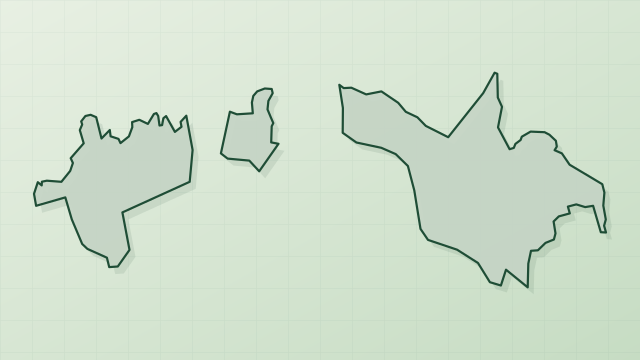
Natura 2000 · Brutvogel
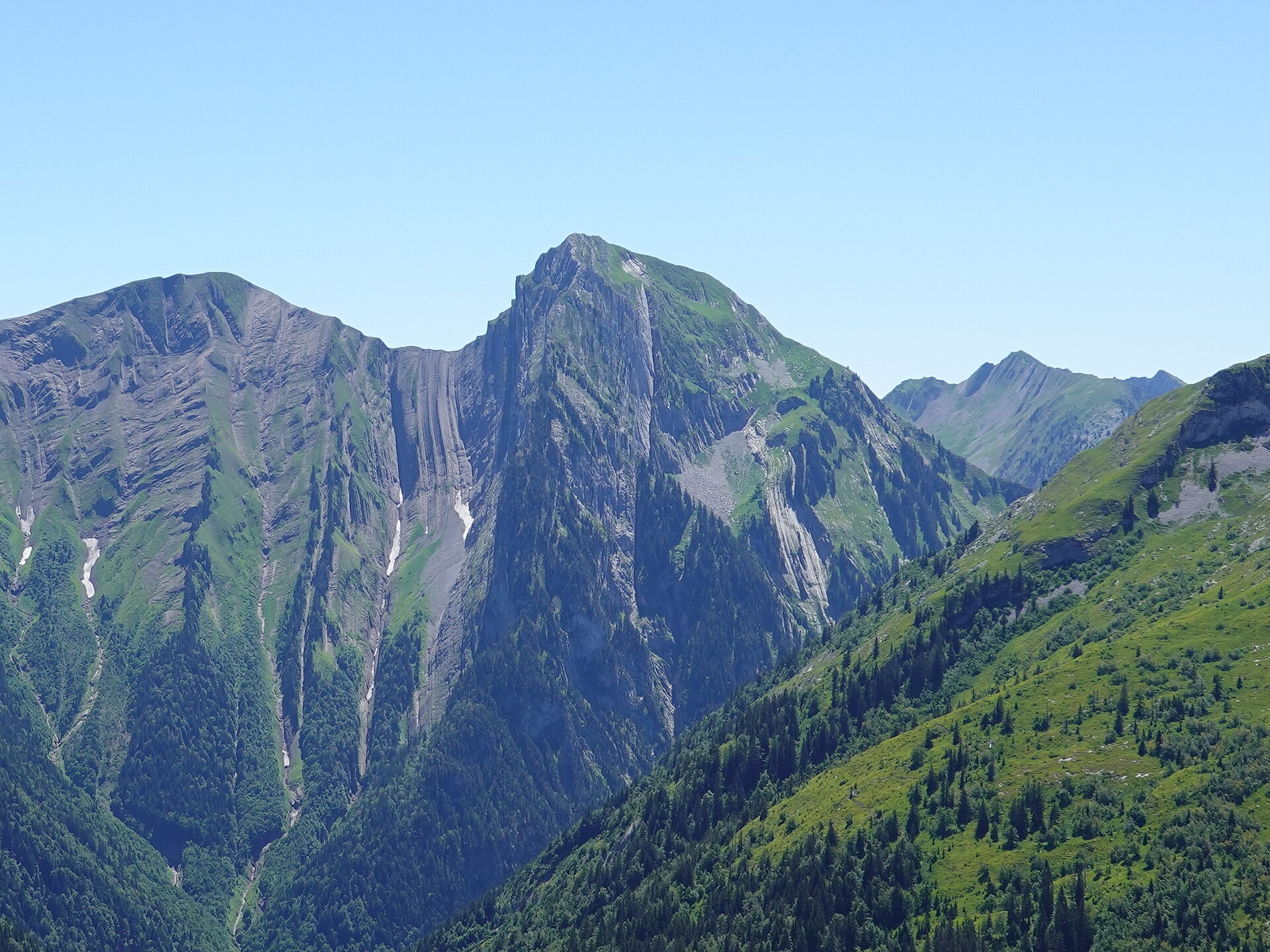
Natura 2000 · Brutvogel
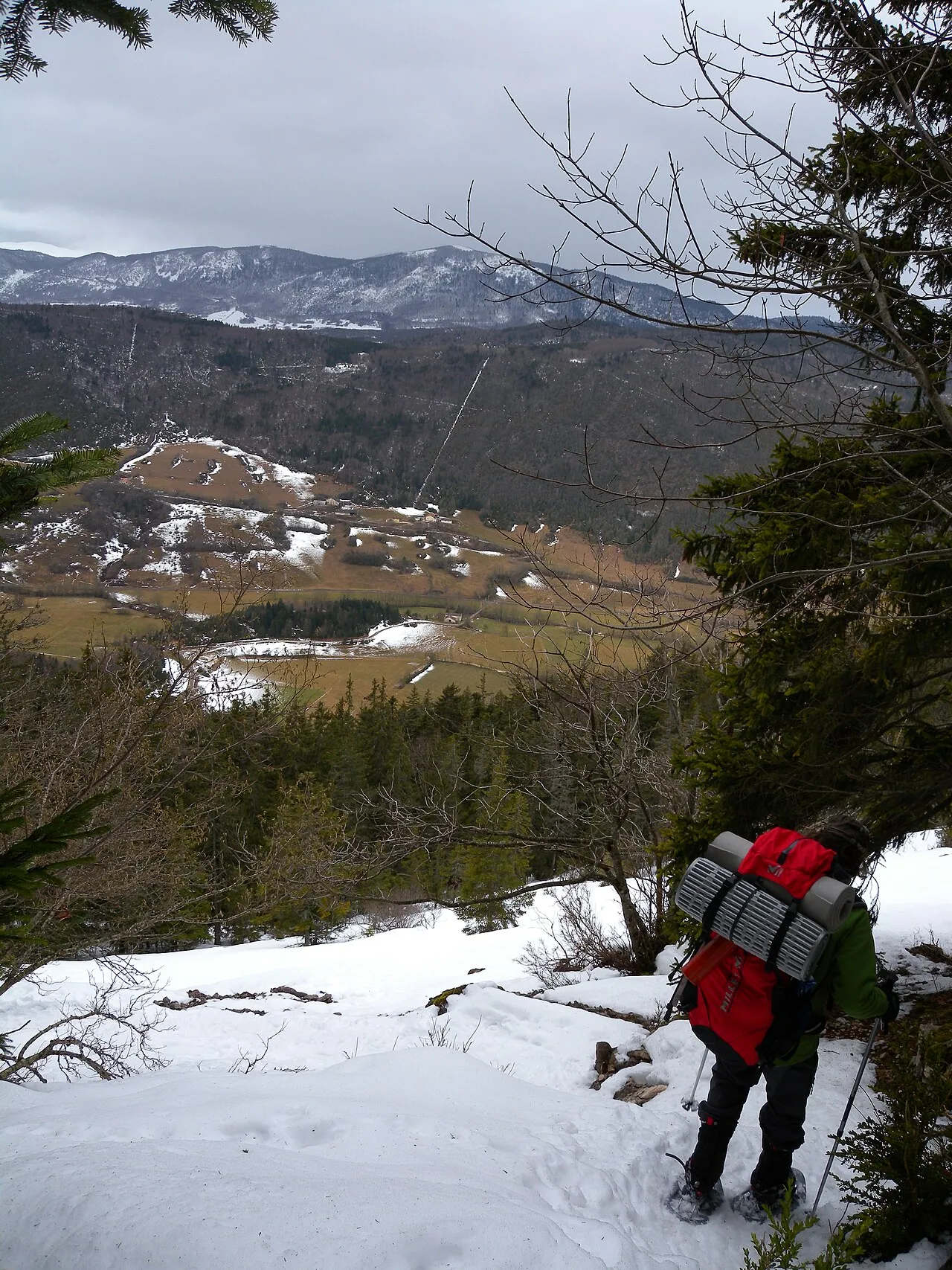
Natura 2000 · Standvogel
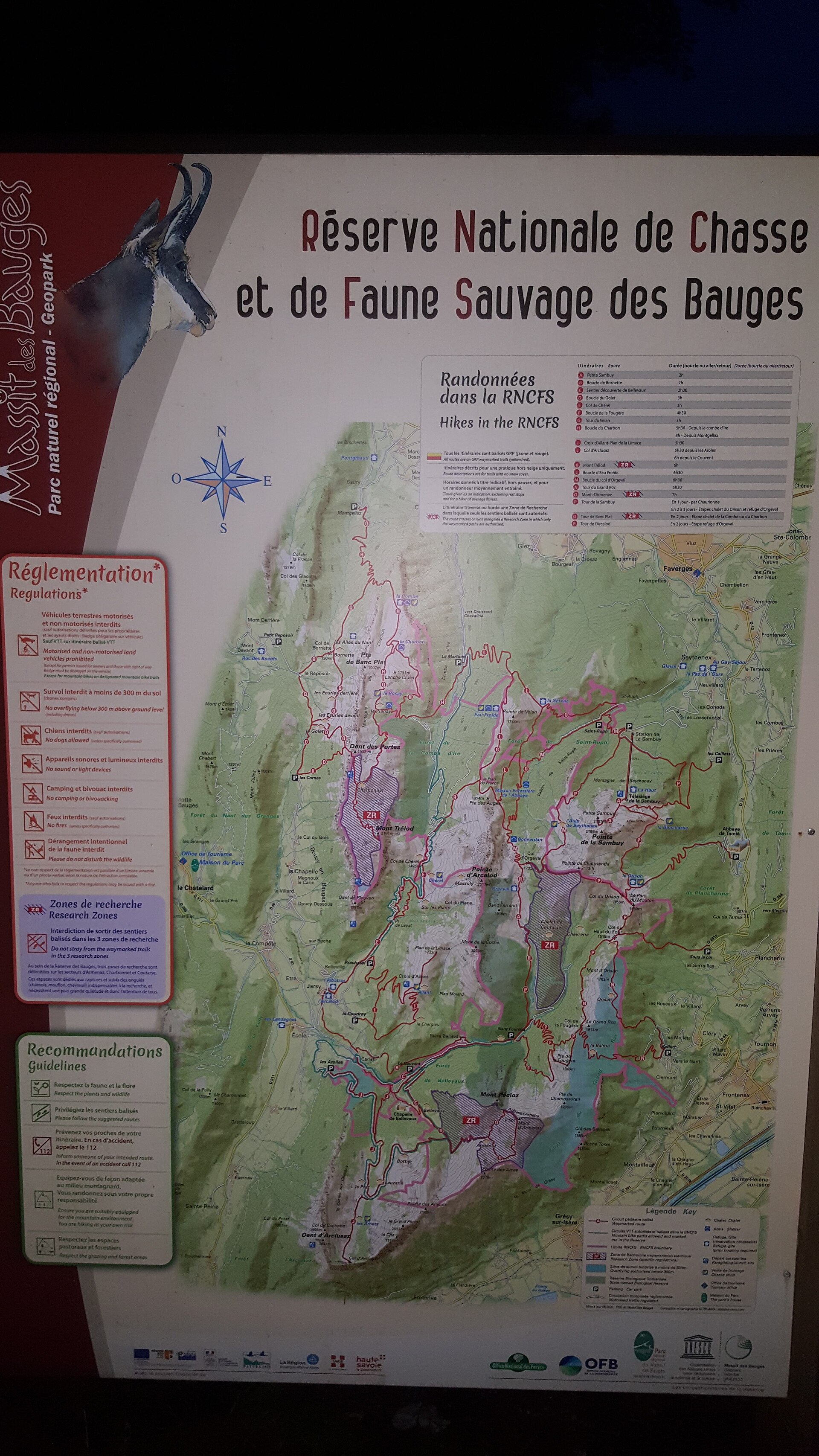
Natura 2000 · Brutvogel
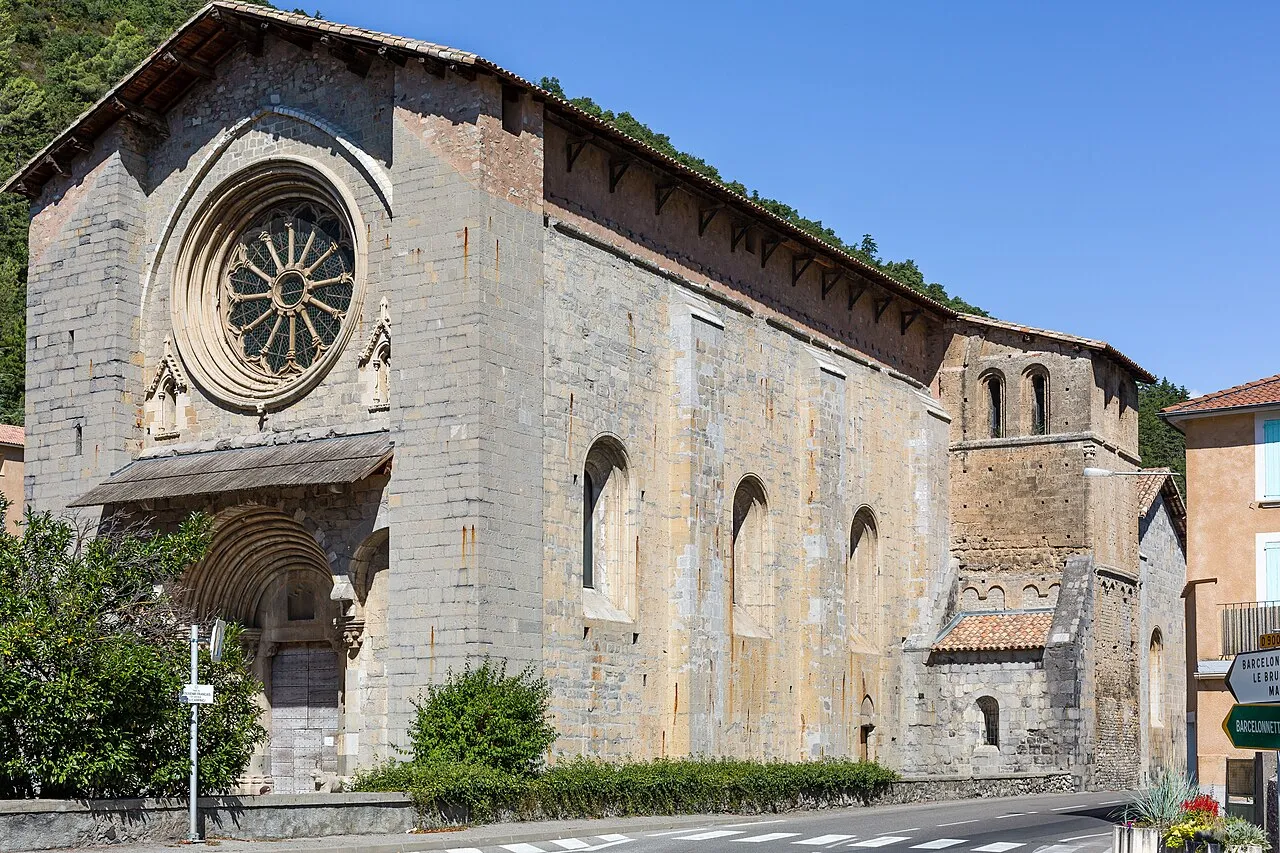
Natura 2000 · Wintergast, Standvogel

Natura 2000 · Brutvogel
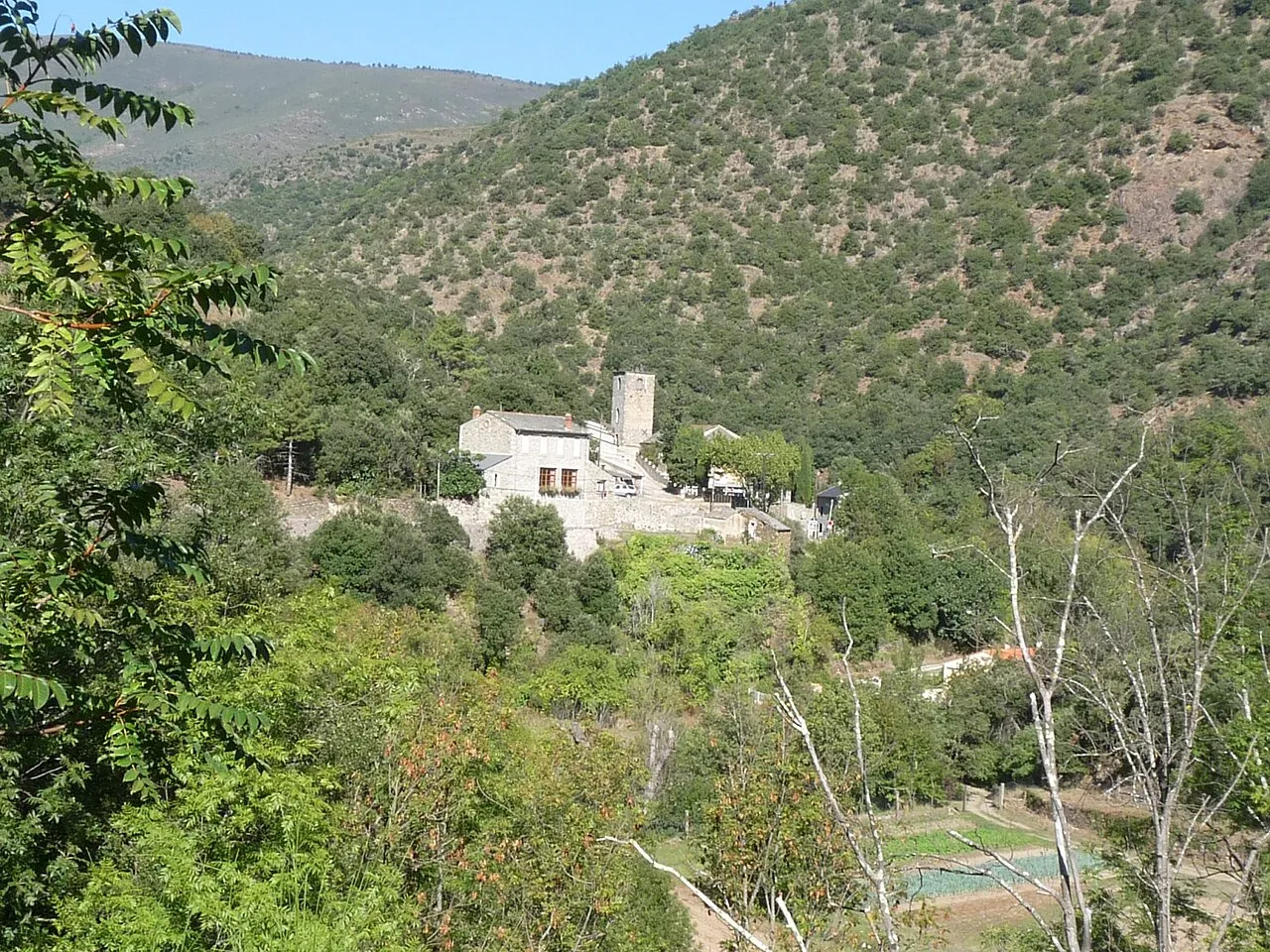
Natura 2000 · Standvogel
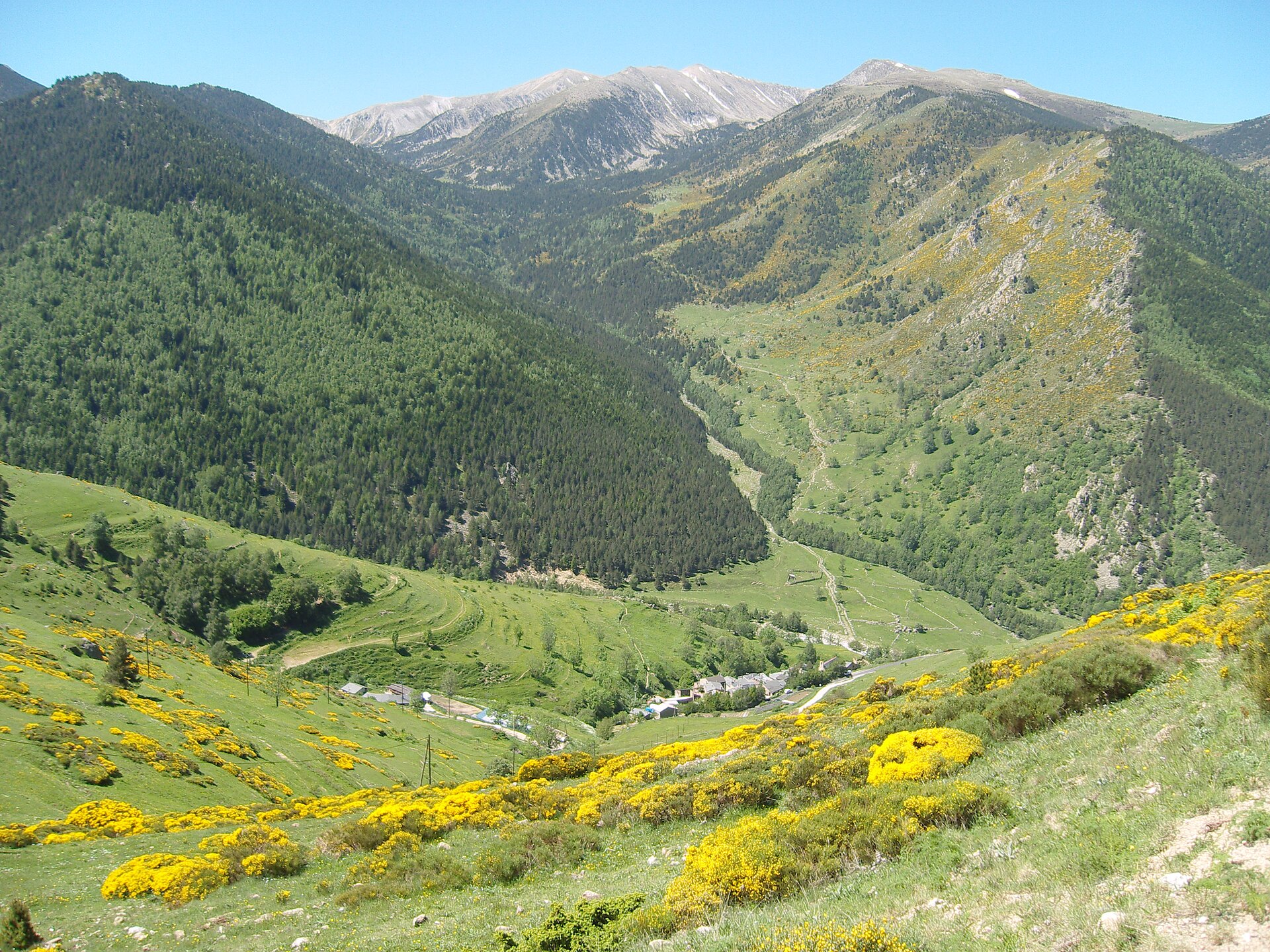
Natura 2000 · Brutvogel, Wintergast, Standvogel
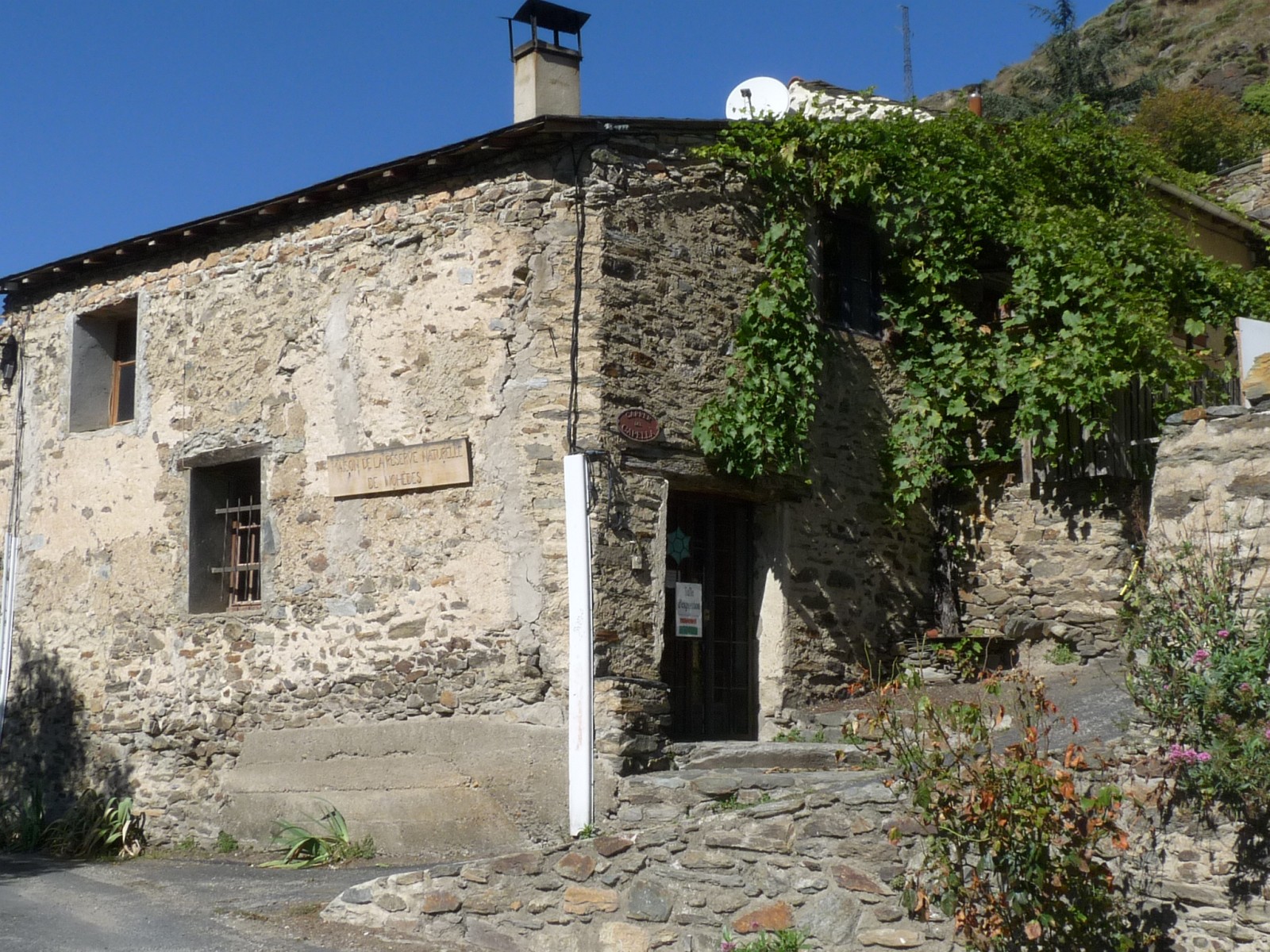
Natura 2000 · Standvogel

Natura 2000 · Brutvogel, Wintergast, Standvogel
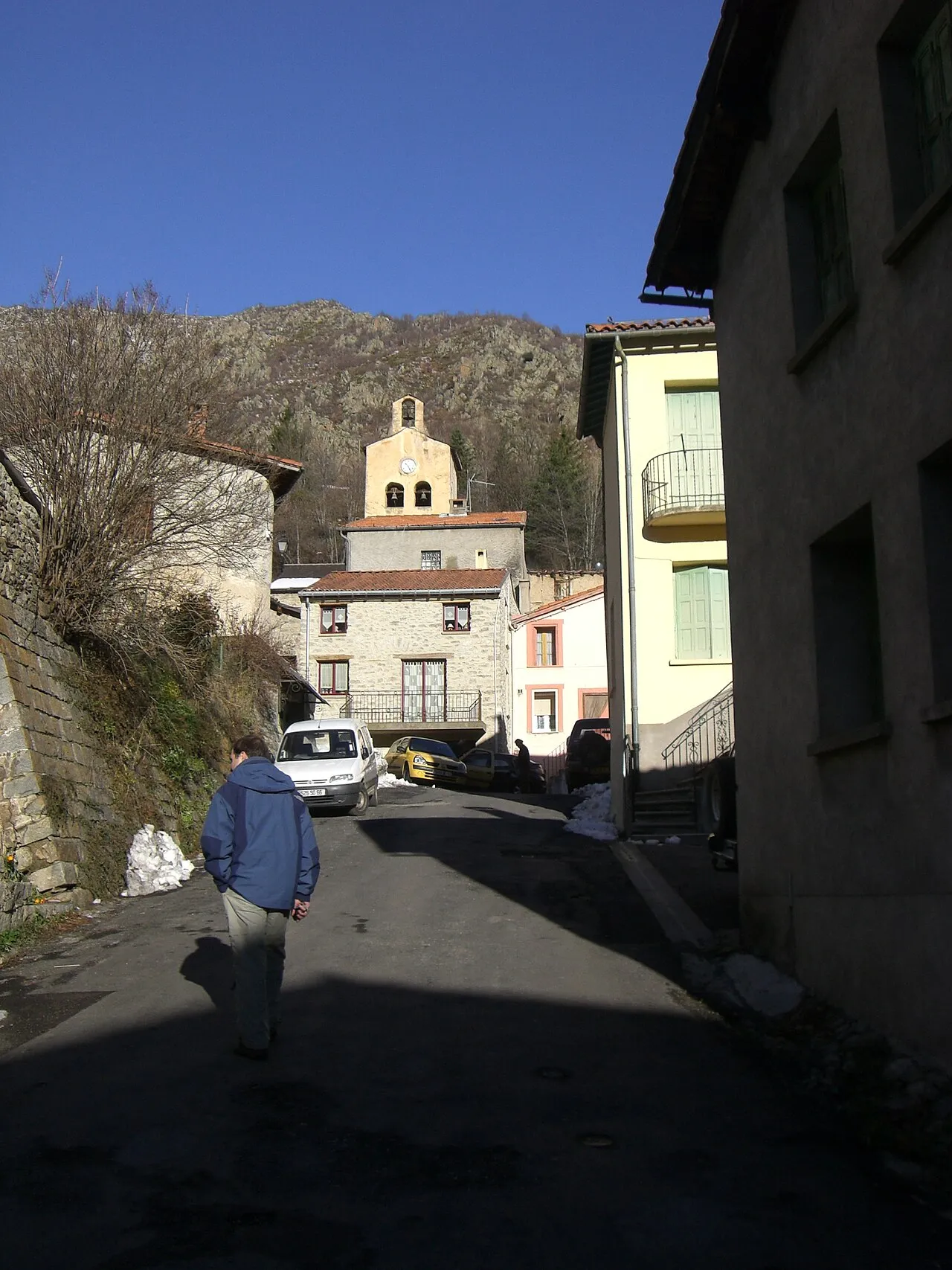
Natura 2000 · Brutvogel, Wintergast, Standvogel
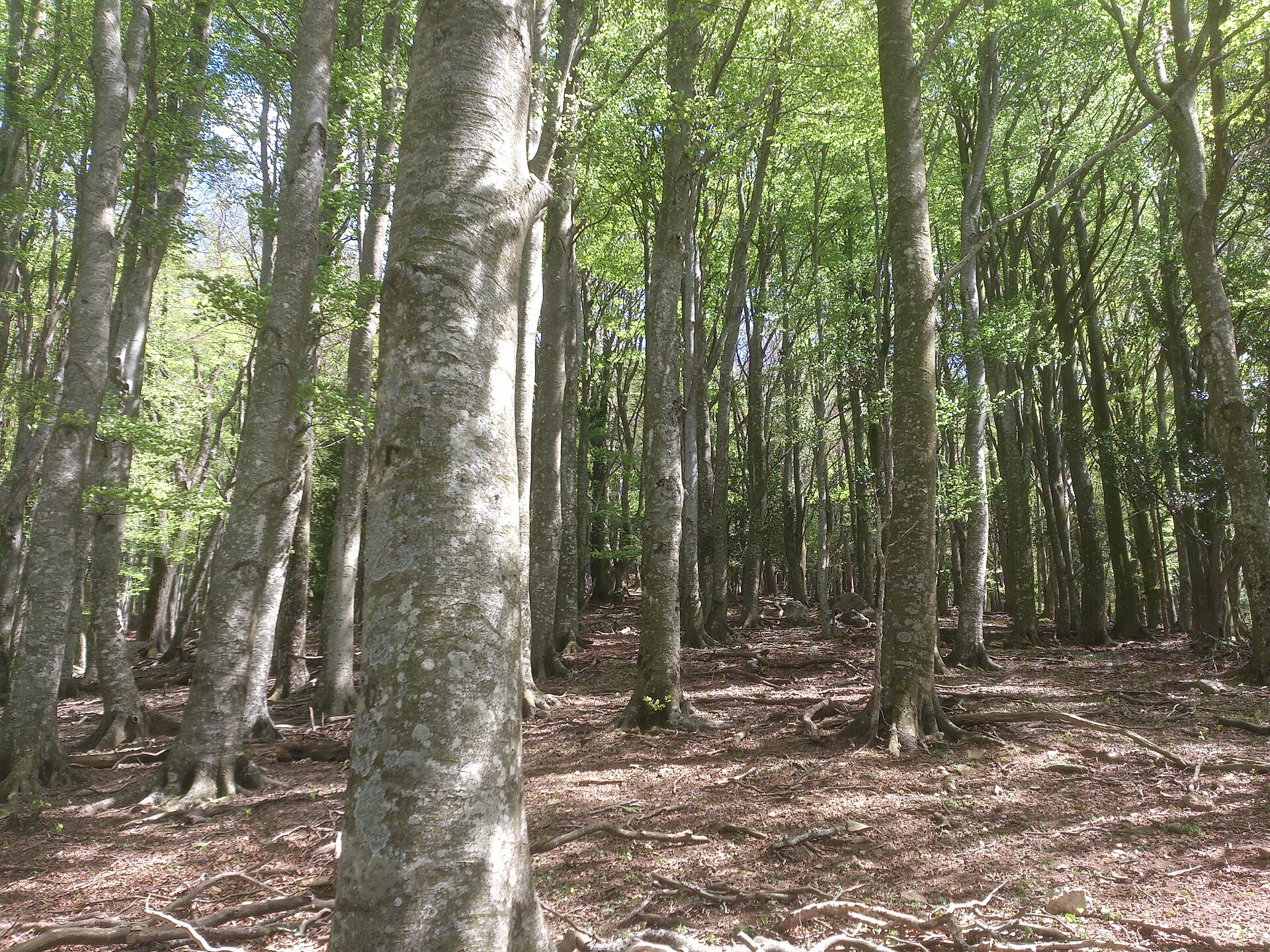
Natura 2000 · Standvogel
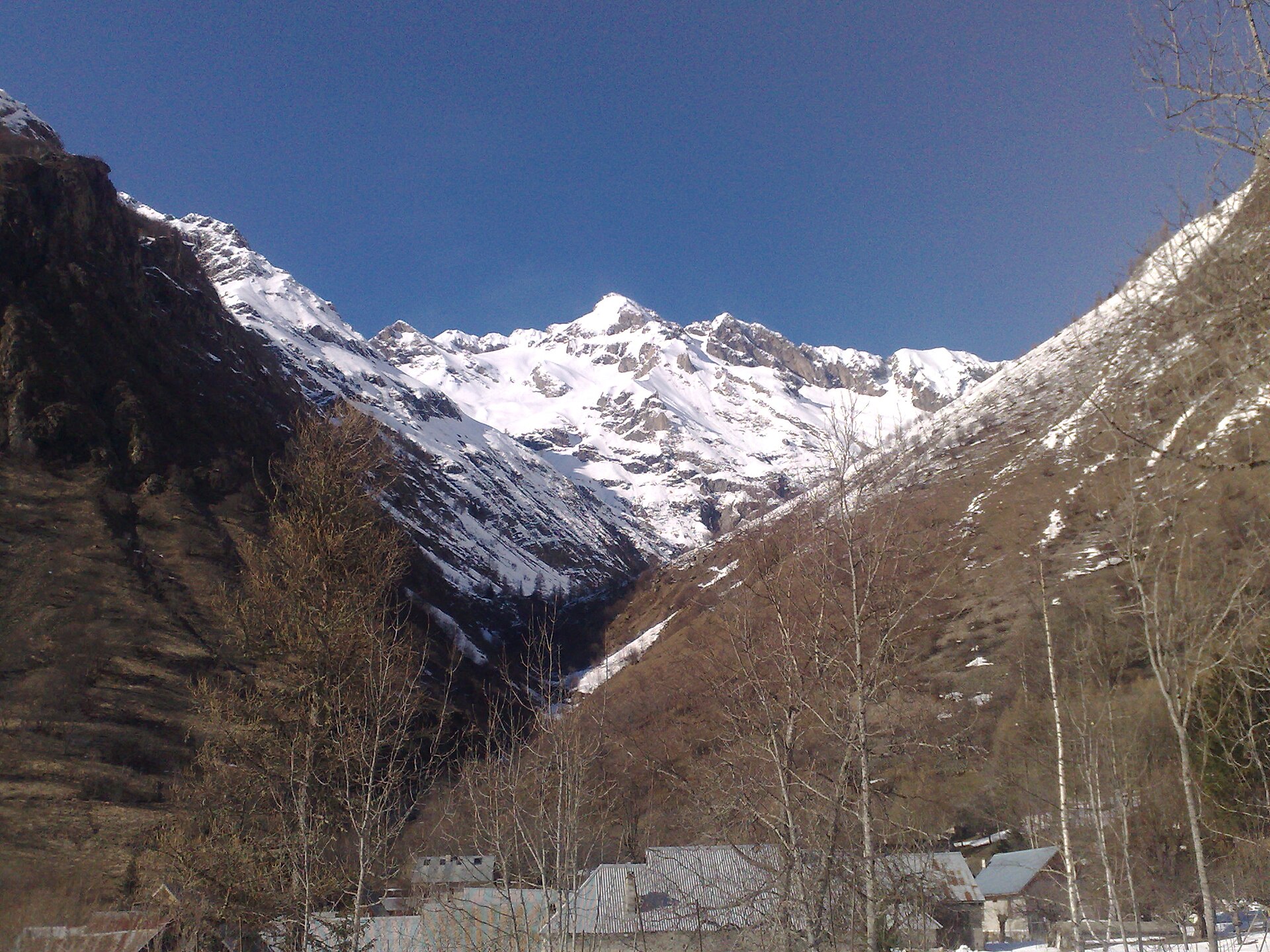
Natura 2000 · Standvogel
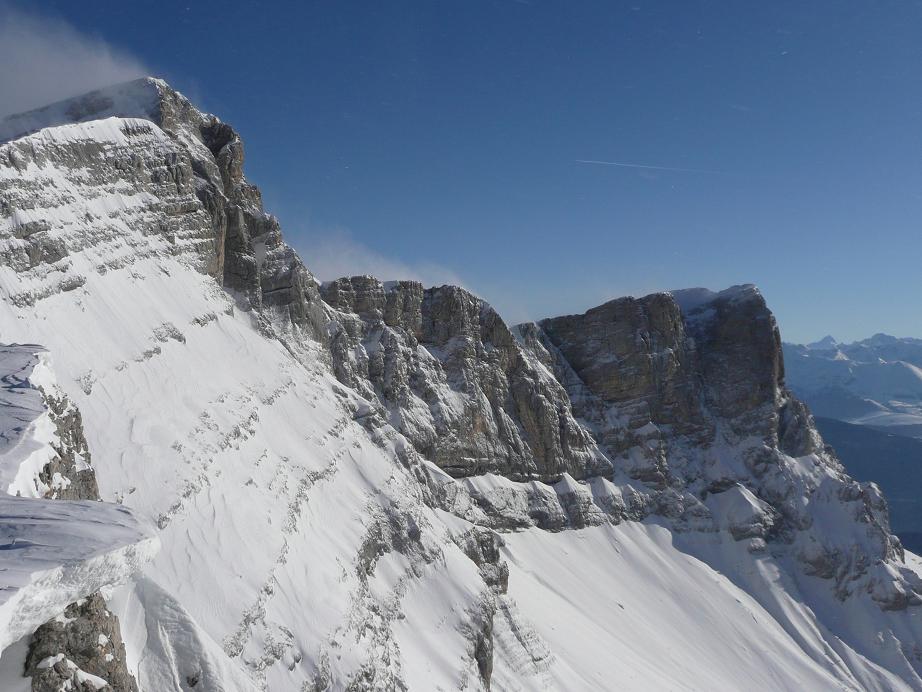
Natura 2000 · Standvogel
Natura 2000 · Brutvogel
Weitere Arten entdecken
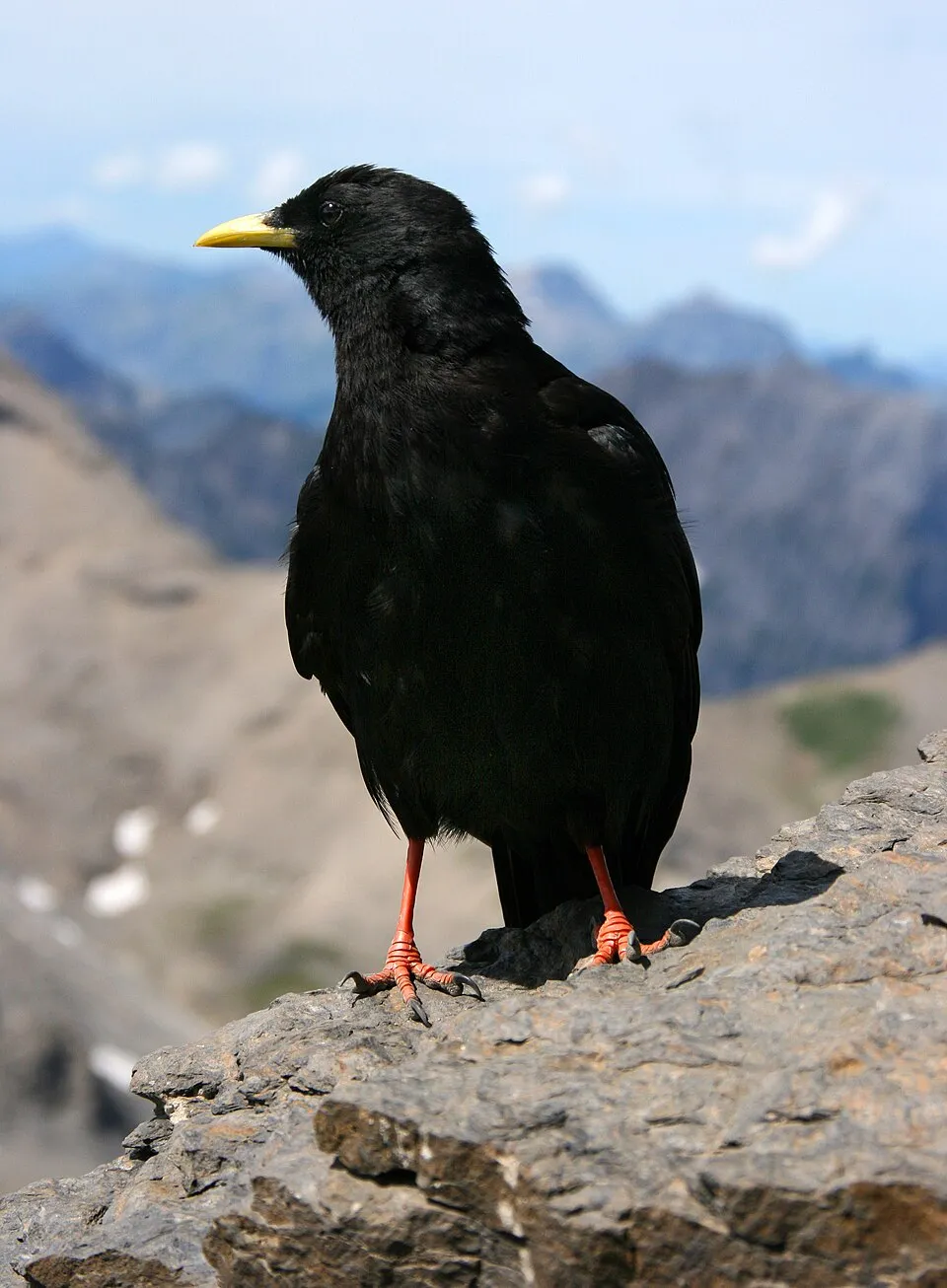 Alpendohle
Pyrrhocorax graculus Gleiche Gattung
 Gänsegeier
Gyps fulvus 90 gemeinsame Gebiete
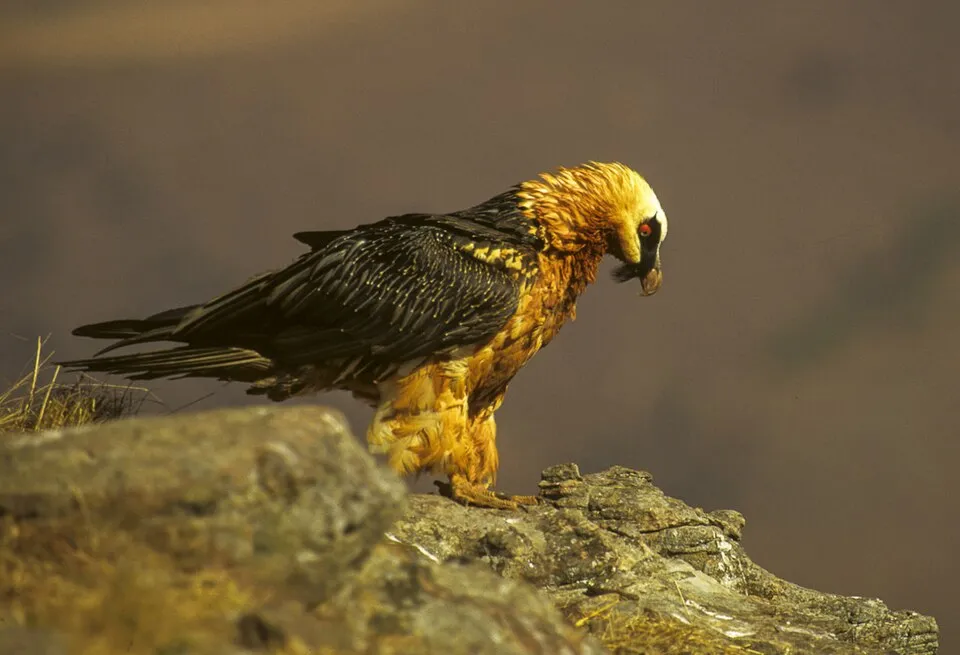 Bartgeier
Gypaetus barbatus 72 gemeinsame Gebiete
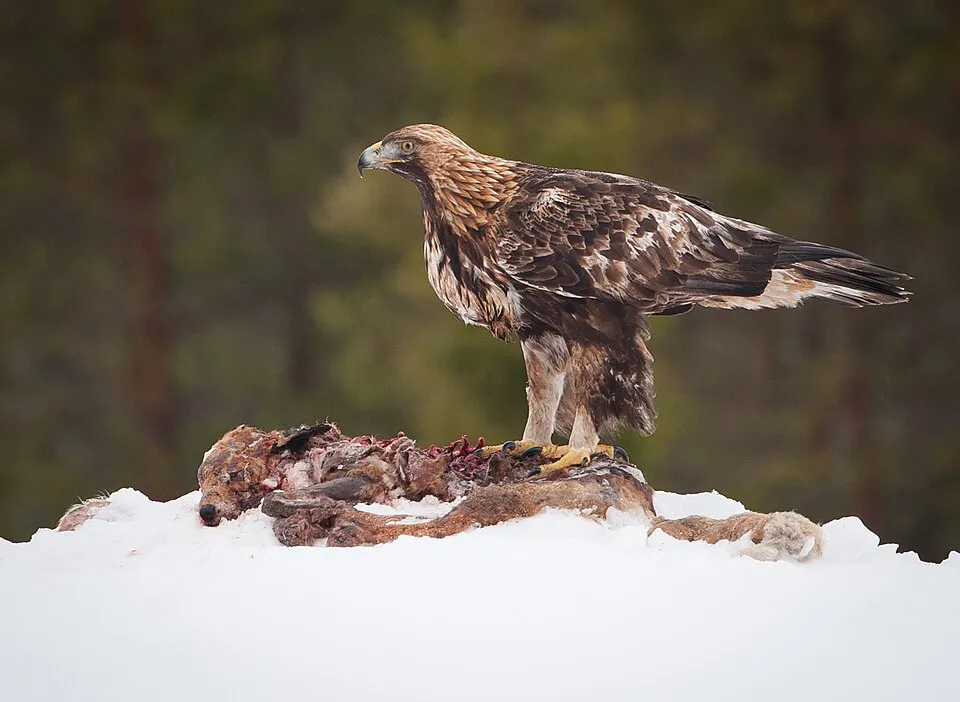 Steinadler
Aquila chrysaetos 123 gemeinsame Gebiete
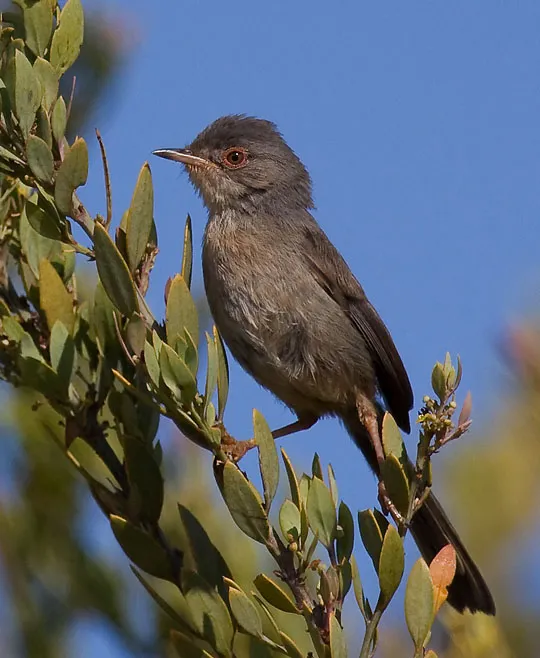 Provencegrasmücke
Sylvia undata 80 gemeinsame Gebiete
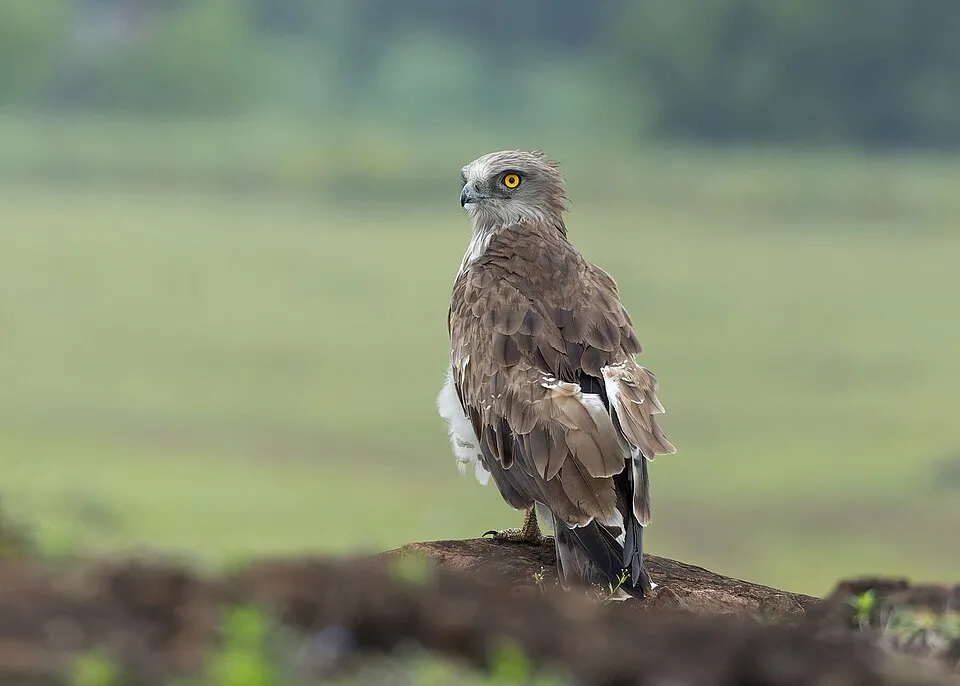 Schlangenadler
Circaetus gallicus 112 gemeinsame Gebiete
Quellen und Nachweise
- Vorkommen: die meistgemeldeten Arten jedes Ortes auf GBIF und Arten von gemeinschaftlichem Interesse aus den Natura-2000-Standarddatenbögen (EUA, CC-BY 4.0); fehlt ein Ort, heißt das nicht, dass die Art dort fehlt.
- Deutsche Namen: Wikidata (CC0) und GBIF.
- Fotos und Tonaufnahmen: Wikimedia Commons, Urheber und Lizenz bei jeder Datei angegeben.
- Systematik: GBIF Backbone Taxonomy (GBIF Secretariat), CC BY 4.0, doi:10.15468/39omei.
- Länder, Höhen, Monate und Karten: GBIF.org, nur Nachweise unter CC0 oder CC BY 4.0, abgerufen am 22. Oktober 2026, GBIF.org.
- Kartengrundlage: Natural Earth (gemeinfrei).
- Auszug: Wikipedia, CC BY-SA 4.0 (vollständiger Nachweis unter dem Auszug).
- Steckbrief: Wikidata (CC0), mit den unter jedem Wert genannten Belegen.
- Anhänge: Richtlinie 2009/147/EG (konsolidierte Fassung), © Europäische Union, EUR-Lex.
- Vogelbestände in der EU: EUA / GD ENV, Berichte nach Artikel 12 der Vogelschutzrichtlinie (2013–2018), CC BY 4.0.