Australia · Mixed
Point Hicks Marine National Park
National park of 3,803 hectares in Australia, established in 2002.
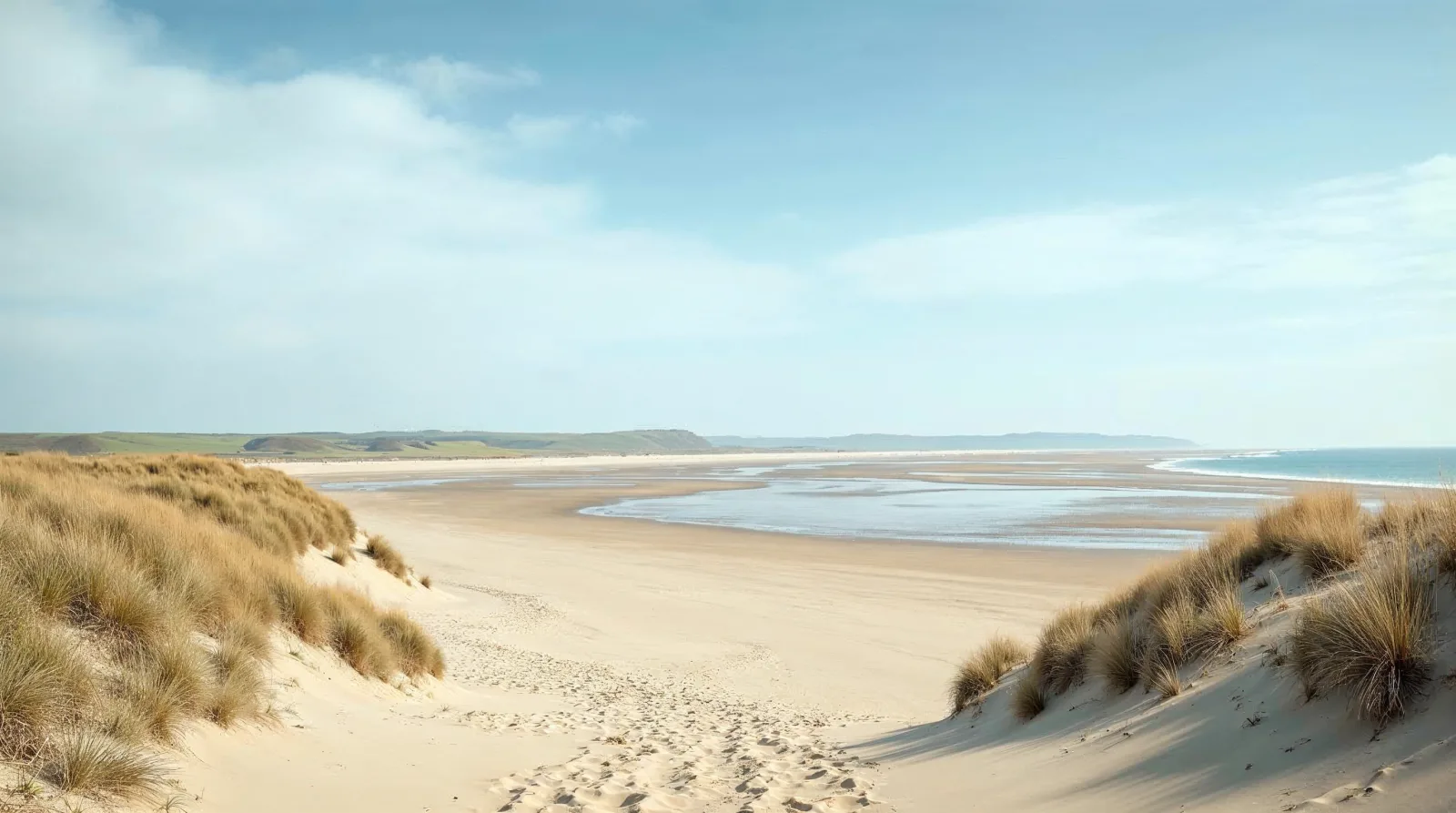
AI-generated illustration (Magnific) · typical landscape, not a photo of this place
Overview
National park of 3,803 hectares in Australia, established in 2002.
Point Hicks Marine National Park is located in Australia (Oceania). It covers both land and sea. Established in 2002, it covers about 3,803 hectares. The site is managed by Parks Victoria.
In our collections
Frequently asked questions
Where is Point Hicks Marine National Park?
In Australia (Oceania). Representative point: 37.8000° S, 149.2500° E.
How large is Point Hicks Marine National Park?
About 3,803 hectares (38 km²). It is the 414th largest of the 678 national parks in Australia covered by Parkavela. About 3,100 ha are at sea.
When was Point Hicks Marine National Park established?
In 2002.
What habitats and landscapes does Point Hicks Marine National Park include?
An area spanning land and sea, with coasts.
When is the best time to visit Point Hicks Marine National Park?
The climate suits visits all year round.
Are there historic monuments in Point Hicks Marine National Park?
Yes. According to Wikidata, one monument listed on Australian state heritage registers or the Commonwealth Heritage List stands within the boundary. For example: “Point Hicks Lighthouse” in Victoria.
Which species can be seen in Point Hicks Marine National Park?
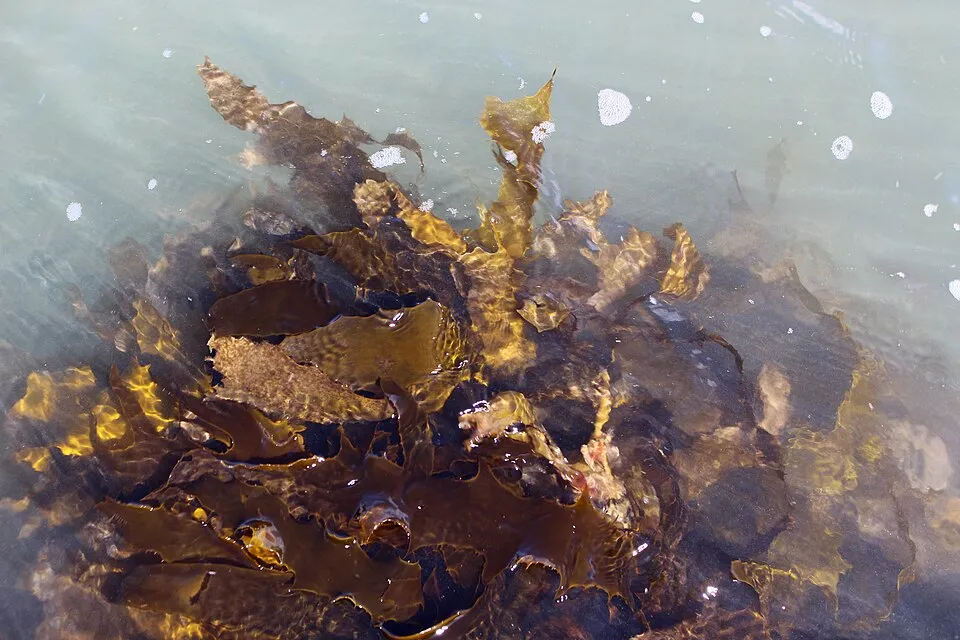
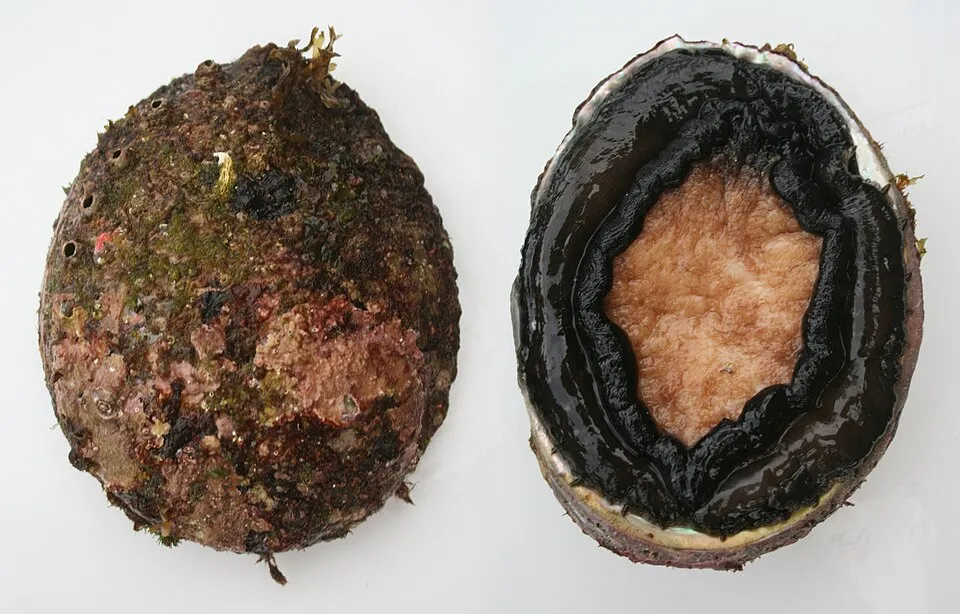
Among the species most often recorded on GBIF are Ecklonia radiata (Common Kelp), Rhodymenia linearis, Haliotis rubra (Blacklip abalone) and Acrotylus australis.
Who manages Point Hicks Marine National Park?
Parks Victoria.
© OpenStreetMap
Download the boundary: GeoJSON · GPX Boundary © OpenStreetMap contributors (ODbL).
Geography
Over the 1996–2025 period, the mean annual temperature is about 15.5 °C and total precipitation reaches roughly 914 mm per year. The warmest month is usually February, the coolest July, and the wettest June.
Area
- Area
- 3,803 ha
- Coordinates
- -37.8, 149.25
Climate
● Mean temperature (°C) · ▮ Precipitation (mm)
Source: Copernicus ERA5-Land (C3S, doi:10.24381/cds.68d2bb30), monthly averages 1996–2025 interpolated to the representative point, temperatures adjusted for elevation.
Contains modified Copernicus Climate Change Service information 2026. Neither the European Commission nor ECMWF is responsible for any use that may be made of the Copernicus information or data it contains.
Natural habitats
According to the global MODIS land cover (NASA, 2024), the land area is mainly made up of marshes and bogs (88%) and forests (13%). The sea covers about 81% of the site. The seabed reaches about 85 m deep (median depth 42 m; GEBCO bathymetry).
Biodiversity
Based on occurrences aggregated by GBIF, several species are regularly recorded within the site. Among the most frequent are Ecklonia radiata (Common Kelp), Rhodymenia linearis, Haliotis rubra (Blacklip abalone) and Acrotylus australis. The full list of documented taxa is shown below.
Species to look out for

Mollusc
Spengler's Triton Snail
Cabestana spengleri29 records © Richard Ling from NSW, Australia · CC BY-SA 2.0

Observed species
Occurrences documented via GBIF; they are neither an exhaustive inventory nor proof of current presence.
- Common Kelp · Ecklonia radiata · 85
- Rhodymenia linearis · 78
- Blacklip abalone · Haliotis rubra · 58
- Acrotylus australis · 39
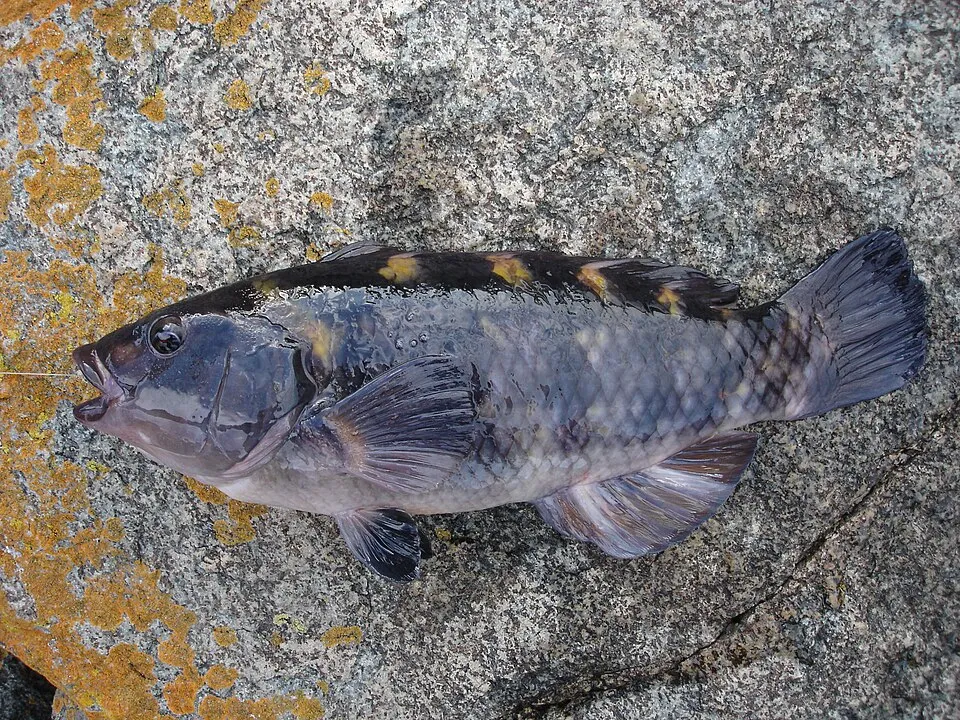
- New Zealand banded wrasse · Notolabrus fucicola · 32
- Spengler's Triton Snail · Cabestana spengleri · 29
- Red moki · Cheilodactylus spectabilis · 29
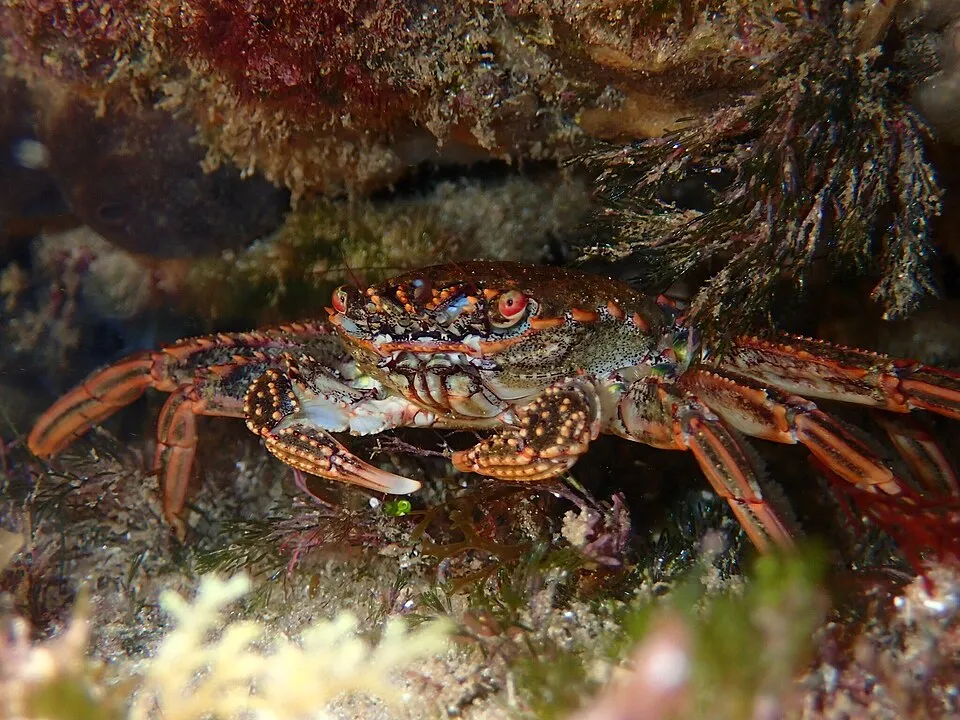
- Cape Rock Crab · Guinusia chabrus · 28
- Blue-throated wrasse · Notolabrus tetricus · 27
- Herring Cale · Olisthops cyanomelas · 25
- Carpet Sea Star · Meridiastra calcar · 23
- Cockatoo Fish · Aplodactylus lophodon · 18
+18 more species
- Lunella undulata · 14
- Cart-rut Shell · Dicathais orbita · 13
- Mado · Atypichthys strigatus · 13
- Silver sweep · Scorpis lineolata · 12
- Senatorwrasse · Pictilabrus laticlavius · 12
- Hairy Sand Weed · Cladostephus spongiosus · 12
- Eleven-armed seastar · Coscinasterias muricata · 12
- Hemisquilla australiensis · 11
- Humpback whale · Megaptera novaeangliae · 11
- Sweep · Scorpis aequipinnis · 10
- White-ear Scalyfin · Parma microlepis · 10
- Sea spurge · Euphorbia paralias · 10
- Cenolia trichoptera · 9
- Narrow Forktips · Dictyopteris acrostichoides · 9
- Stripey Bream · Girella zebra · 8
- Acrocarpia paniculata · 8
- Western Pacific purple sea urchin · Heliocidaris erythrogramma · 8
- Mueller's Forkweed · Dictyopteris muelleri · 8
Records: GBIF.org (CC-BY). Names: Wikidata (CC0), GBIF. Photos: Wikimedia Commons.
Conservation challenges
The primary purpose of the site is to preserve its natural habitats and the biodiversity they support. The species recorded (Biodiversity tab) reflect its ecological value. Its status as a national park sets the regulatory framework for its protection.
At night, the area gives off virtually no artificial light detectable from space (NASA VIIRS Black Marble composite, 2016).
Pressure indicators
Light at night
0%
of the area gives off artificial light visible from space
DarkLit
Invasive alien species
1
recorded since 2000
Sources: Global Forest Change (Hansen et al., University of Maryland, via Global Forest Watch, CC-BY 4.0); EFFIS, European Commission / Copernicus; NASA Black Marble 2016 (public domain); CORINE Land Cover 2018 (Copernicus) or MODIS.
Invasive alien species: Global Register of Introduced and Invasive Species (ISSG, CC BY 4.0); Union list, Regulation (EU) 1143/2014 (INBO, CC0); GBIF.org records (CC0 / CC BY 4.0), at least 2 per species.
Access and visiting
To plan a visit (access, opening periods, visitor rules), it is best to consult the official information from the managing body (Parks Victoria) and the official website listed in this page's sources.
Built heritage
According to Wikidata, one monument listed on Australian state heritage registers or the Commonwealth Heritage List stands within the boundary. It is “Point Hicks Lighthouse” in Victoria.
-
Point Hicks Lighthouse
Victoria · 19th c.
Source: Wikidata (CC0), monuments in each country’s official heritage protection registers, at national or regional level. Each item links to its Wikidata entry.
When to visit
The climate suits visits all year round. Precipitation peaks in June (up to 120 mm per month). Day length ranges from about 9 h 34 min in June to 14 h 46 min in December. Wildlife records published on GBIF peak for plants (February). These peaks also reflect when observers are most active.
Source: Copernicus ERA5-Land (C3S), monthly averages 1996–2025 at the representative point, temperatures adjusted for elevation.
Contains modified Copernicus Climate Change Service information 2026. Neither the European Commission nor ECMWF is responsible for any use that may be made of the Copernicus information or data it contains.
Wildlife records calendar
JFMAMJJASOND
Plants
Monthly records published on GBIF (CC-BY), relative to the busiest month; also reflects observer activity.
Sources and licences
- Wikidata: Q7208040
- OpenStreetMap: relation 3160947
- Wikipedia: en.wikipedia.org/wiki/Point_Hicks_Marine_National_Park
- WDPA: 305438
References
- cds.climate.copernicus.eu: climate · CC-BY-4.0
- registry.opendata.aws: elevation of the reference point, detailed relief · PD
- lpdaac.usgs.gov: land cover · PD
- doi.org: population around the site · CC-BY-4.0
- naturalearthdata.com: sea share · PD
- wikidata.org: official area, establishment date, protected heritage, managing body, nearby cities and airport, access and peaks, lake depths, places to see · CC0-1.0
- en.eurovelo.com: EuroVelo cycle routes · ODbL-1.0
- cycling.waymarkedtrails.org: cycle routes · ODbL-1.0
- gebco.net: depths · PD
- opentopodata.org: elevations · PD
- globalforestwatch.org: tree cover loss · CC-BY-4.0
- gbif.org: seasonality of sightings, invasive alien species, observed species · CC-BY-4.0
- openstreetmap.org: official name, access and peaks · ODbL-1.0
- earthobservatory.nasa.gov: night light · PD
- nsidc.org: snow cover · PD
- wikidata.org: Wikipedia article · CC-BY-SA-4.0
Data © OpenStreetMap contributors (ODbL), Wikidata (CC0) and the sources cited.