
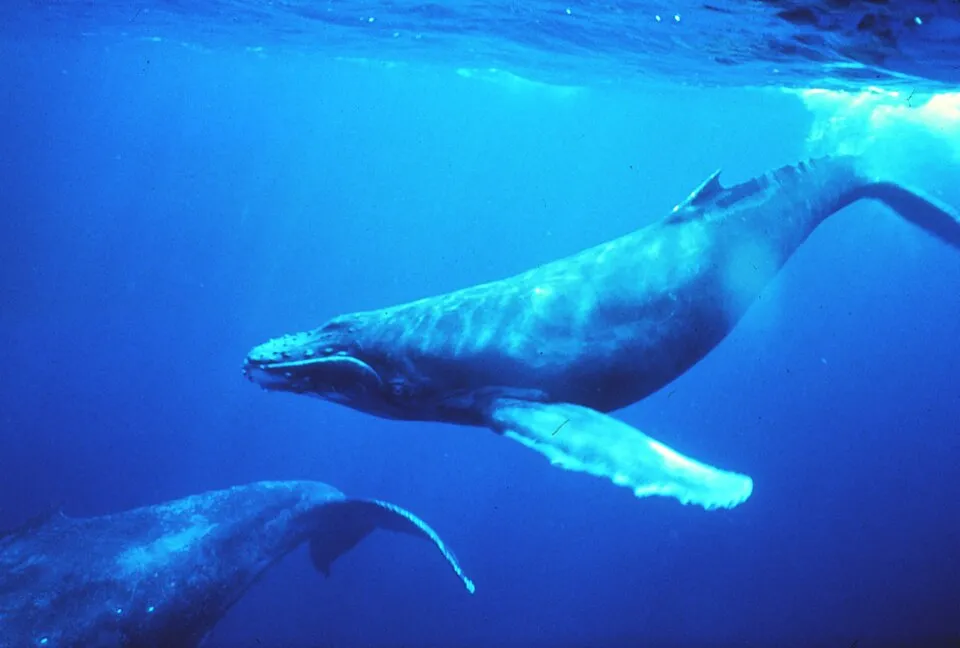
Mammal
Humpback whale: where to see it
Megaptera novaeangliae
This mammal species is recorded in 13 protected areas of the atlas. Within the atlas countries, it is mostly observed in Iceland, France and Norway (6 countries in all). Records peak from July to September. It is a species of Community interest under the Habitats Directive (Annex IV).
Best time to see it: July–September
Records published on GBIF by month (CC0 and CC BY 4.0 licences only), in the atlas countries, all years combined; they also reflect observer activity.
Key facts
- Litter size
- 1 young Wikidata, after Q44854541; www.sharkbay.org
- Gestation
- 12 months Wikidata, after www.sharkbay.org
- Life expectancy
- 45–50 years Wikidata, after www.sharkbay.org
Status and protection
Habitats Directive IV
The species is listed in Annex IV of the Habitats Directive.
Distribution
Atlas countries where it is recorded
Listen
-
0:53 · © Stimpert A, Peavey L, Friedlaender A, Nowacek D · CC BY 2.5 · Wikimedia Commons · Original file
-
0:47 · © Achim Raschka · Public domain · Wikimedia Commons · Original file
-
0:55 · © Stimpert A, Peavey L, Friedlaender A, Nowacek D · CC BY 2.5 · Wikimedia Commons · Original file
From Wikipedia
The humpback whale (Megaptera novaeangliae) is a species of baleen whale. It is a rorqual (a member of the family Balaenopteridae) and is the only species in the genus Megaptera. Adults range in length from 14–17 m (46–56 ft) and weigh up to 40 metric tons (44 short tons). The humpback has a distinctive body shape, with long pectoral fins and tubercles on its head. It is known for breaching and other distinctive surface behaviors, making it popular with whale watchers. Males produce a complex song that typically lasts from 4 to 33 minutes.
Source: Wikipedia, article “Humpback whale” (version of October 23, 2026) · history and authors · licence CC BY-SA 4.0 · shortened excerpt
Protected areas where it is recorded
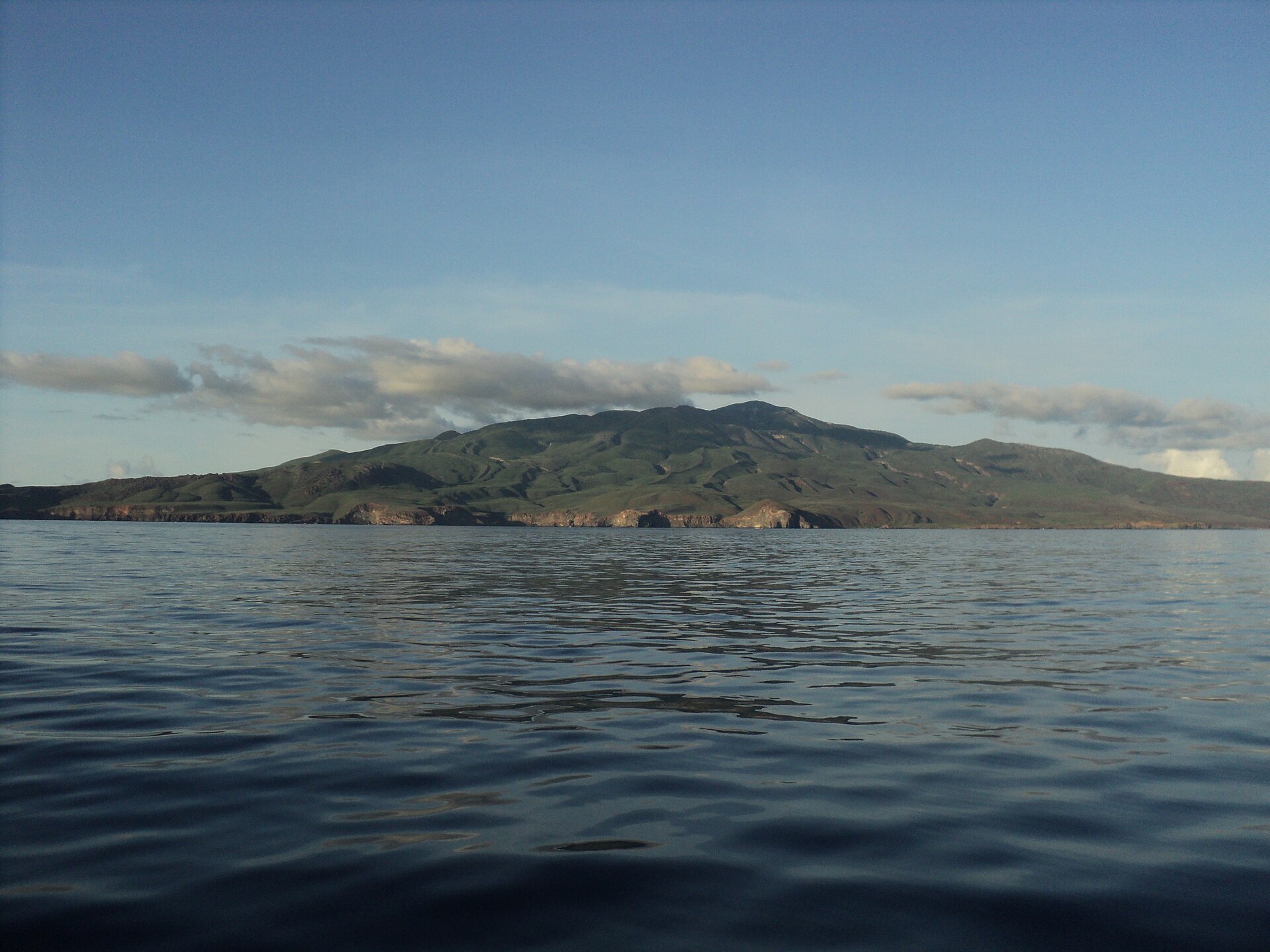
743 records

724 records

654 records
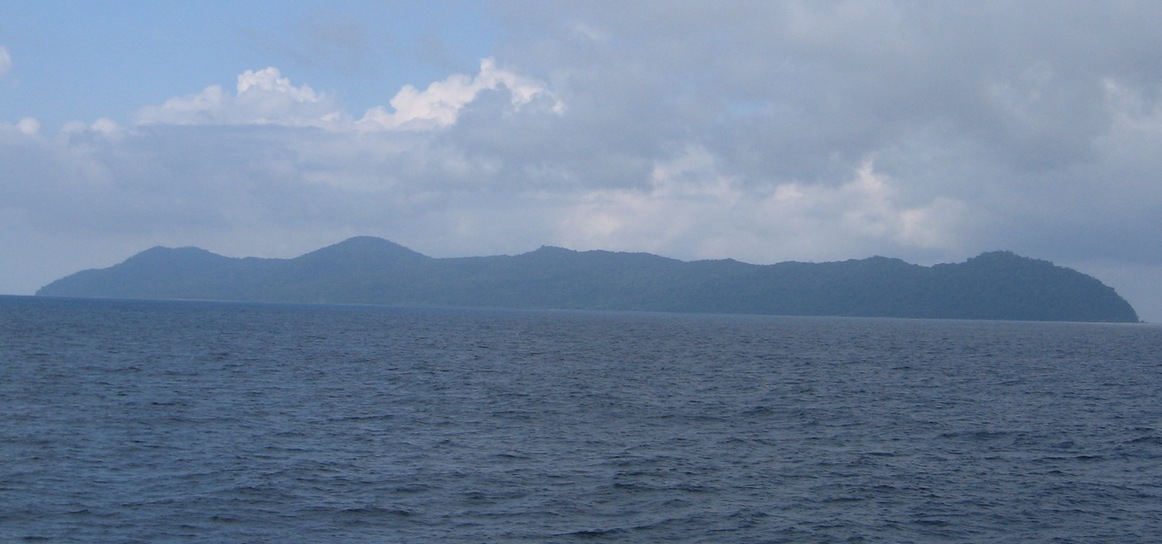
165 records
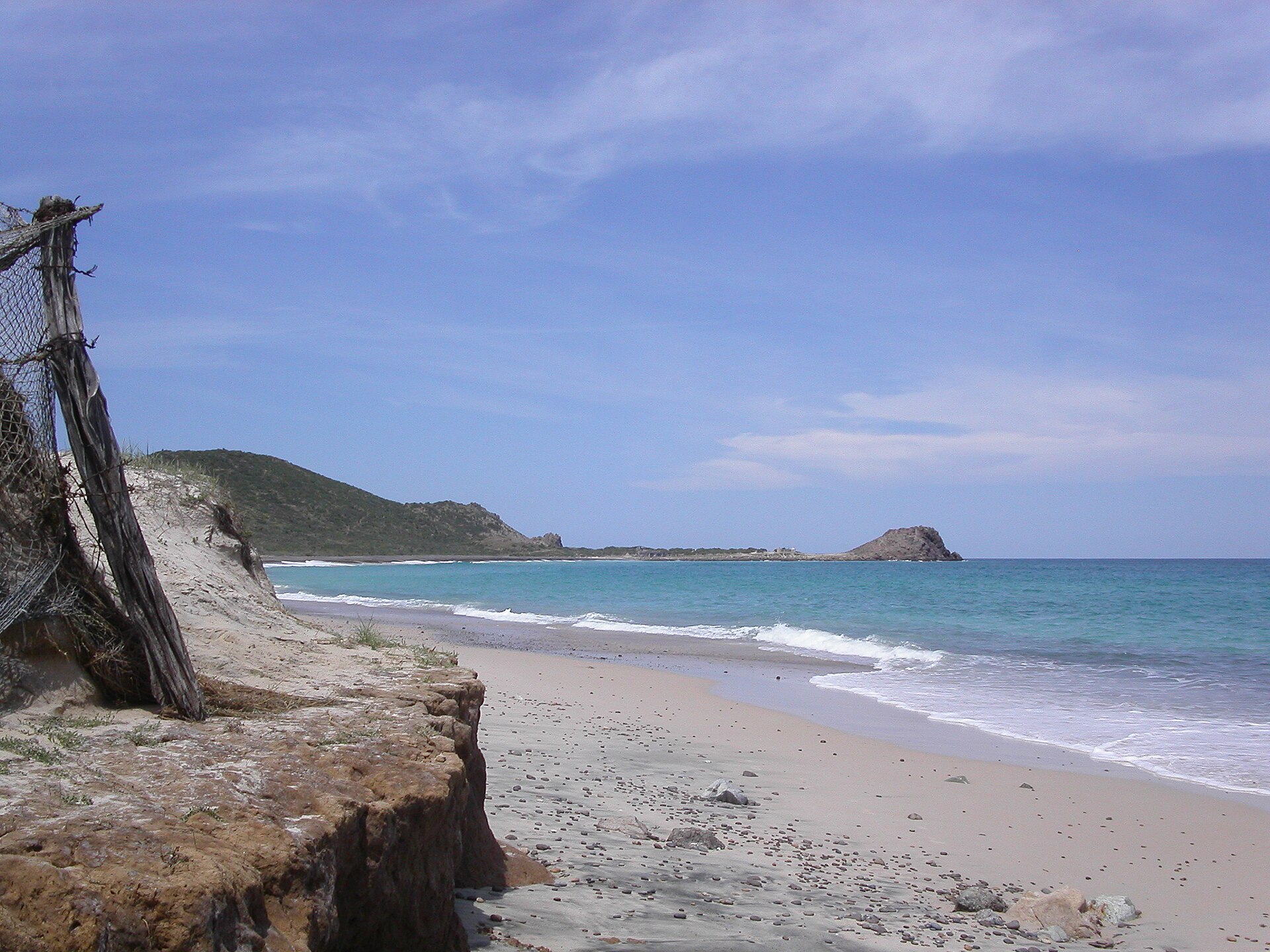
71 records
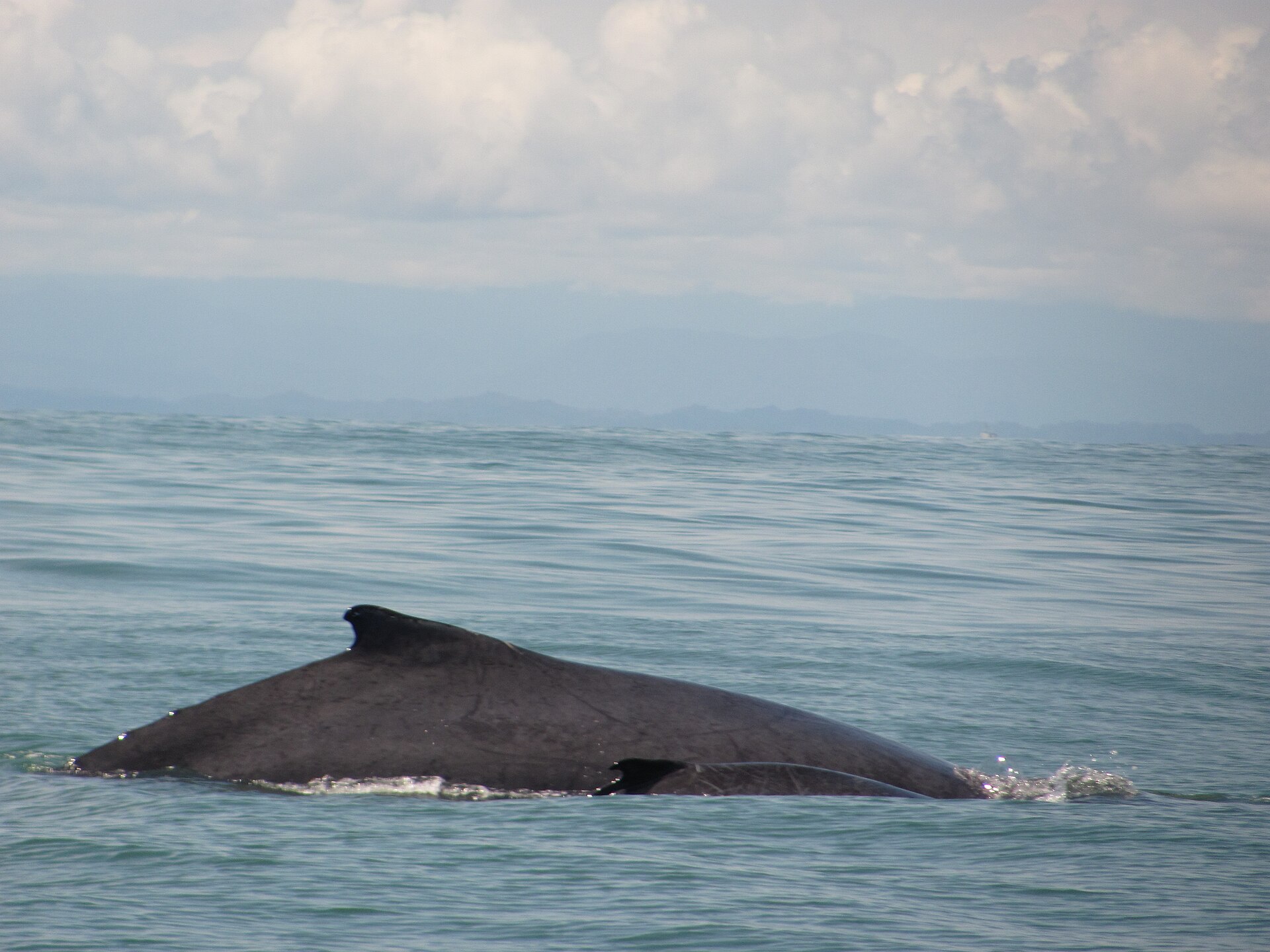
66 records

41 records
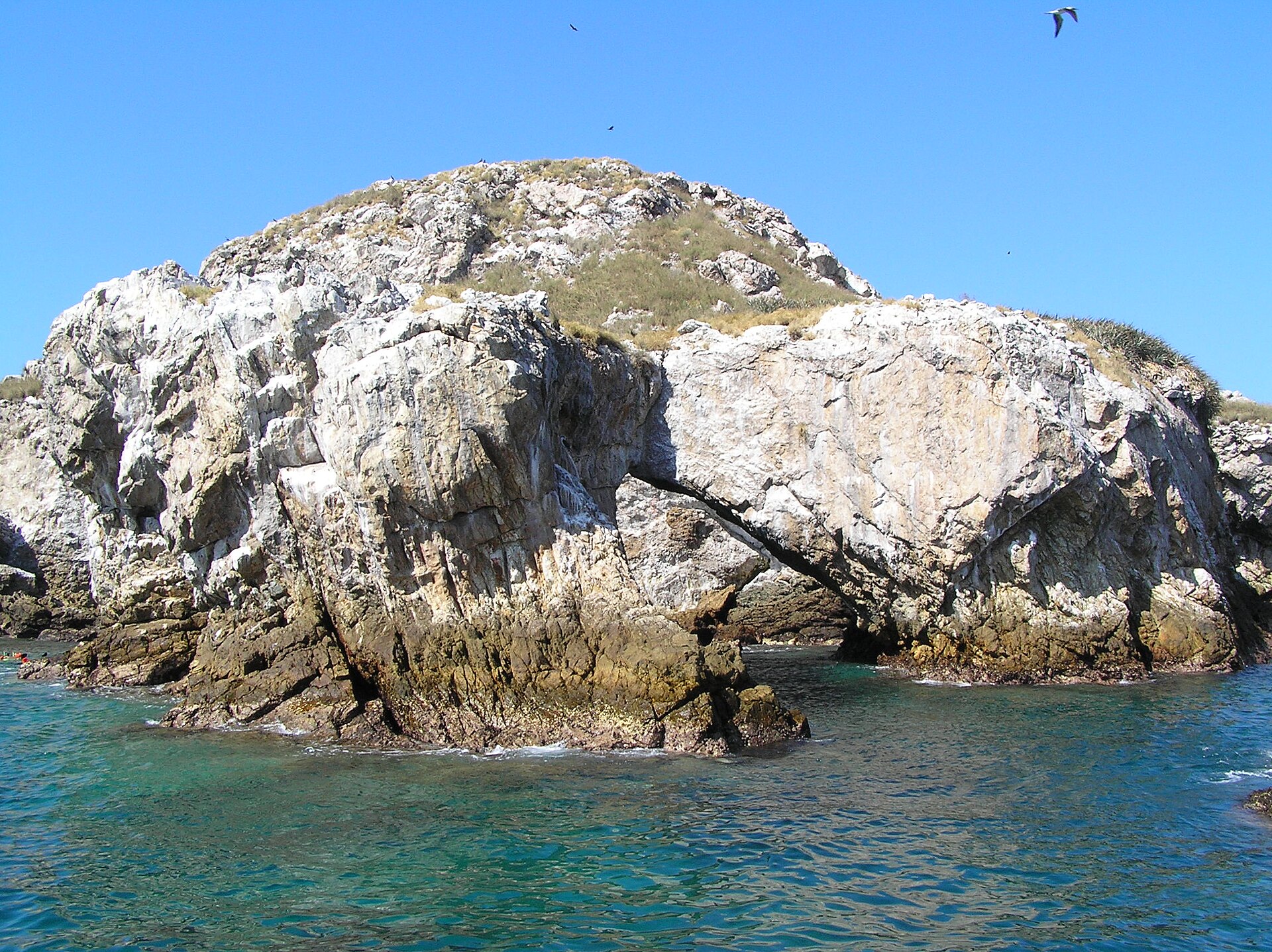
39 records
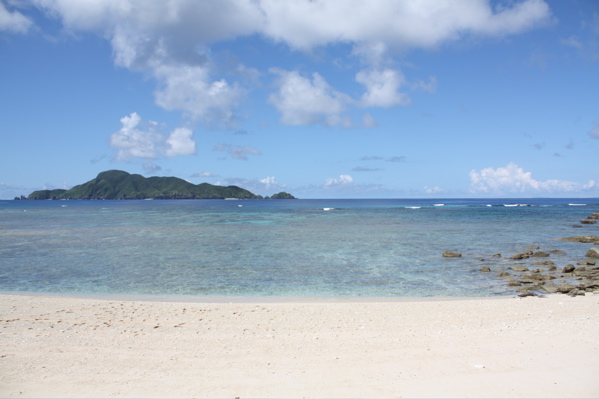
28 records

11 records
3 records
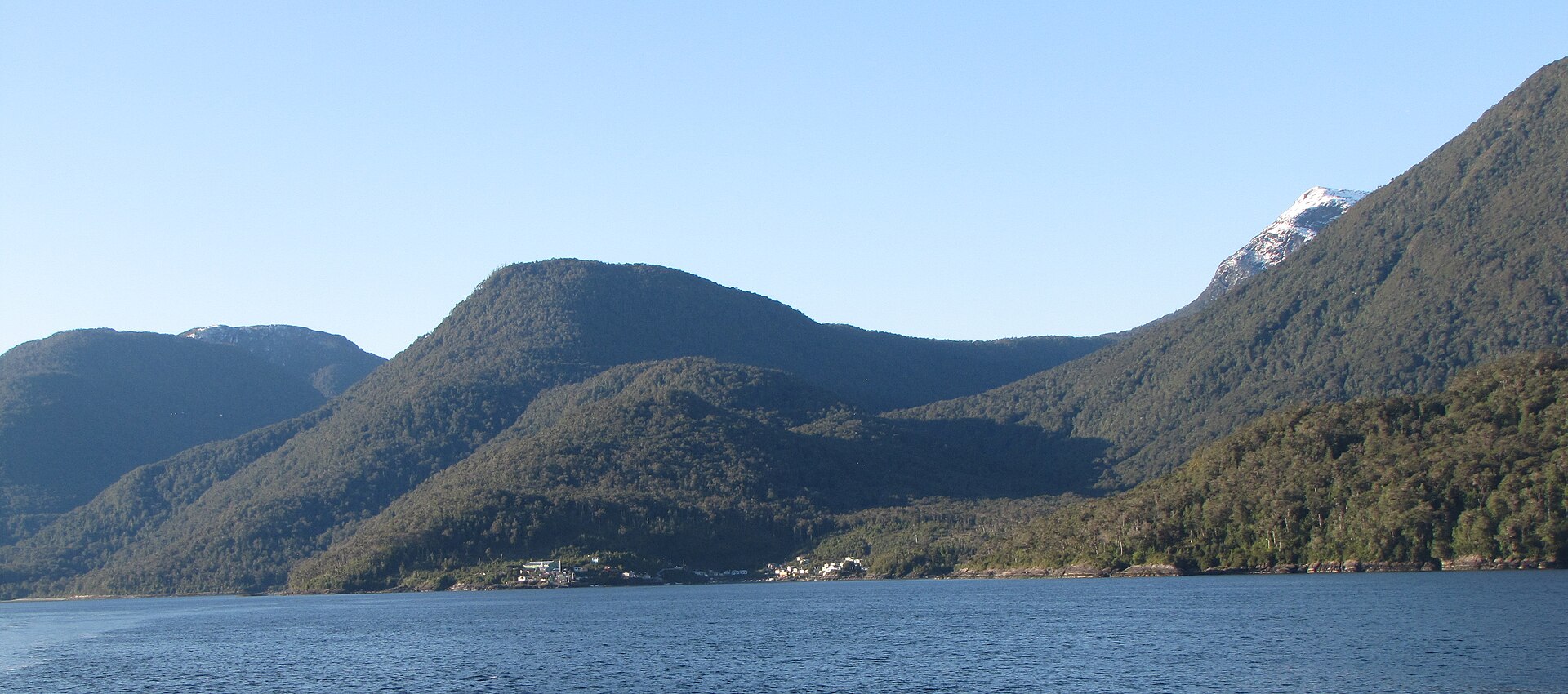
3 records
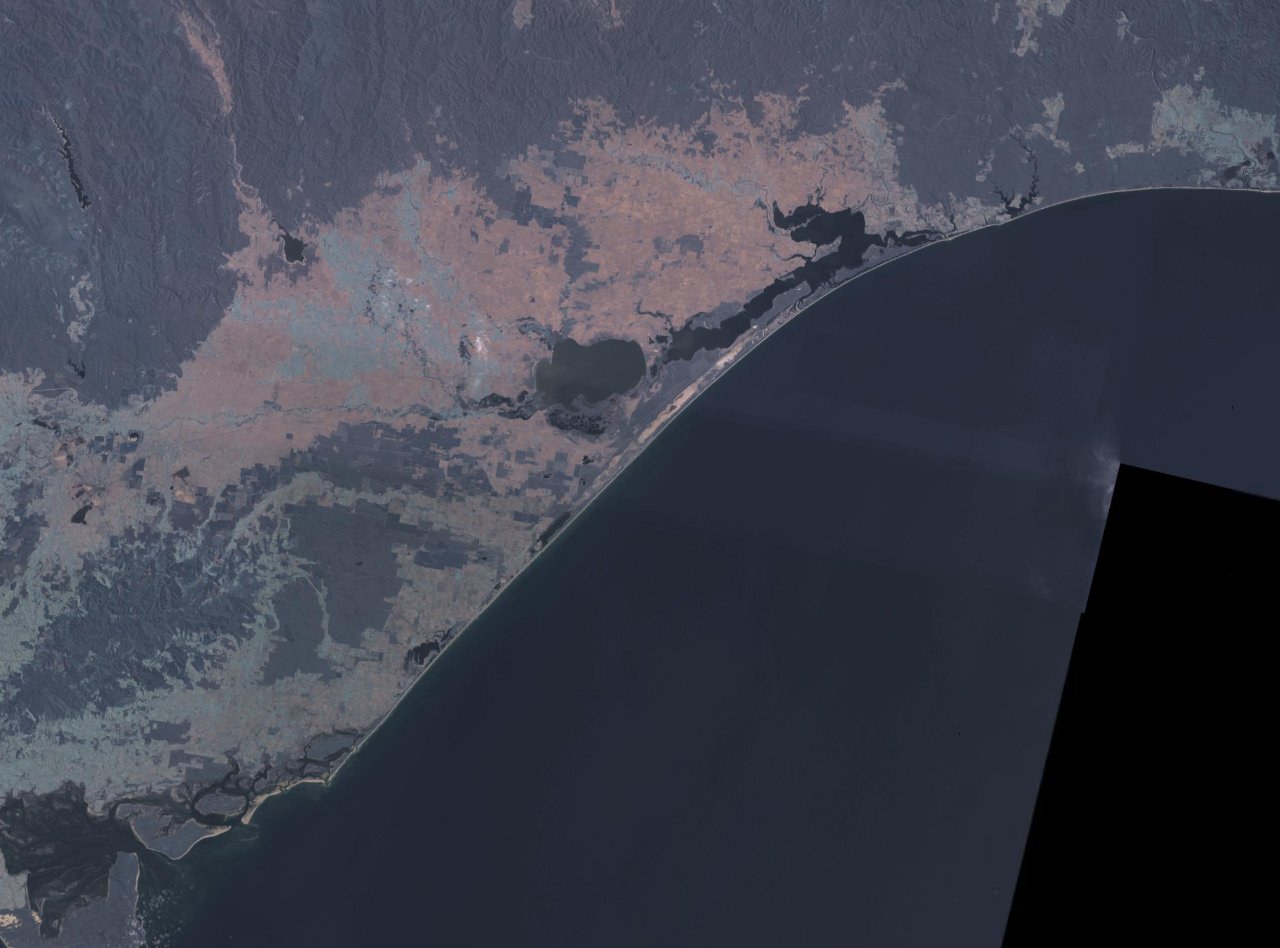
1 records
Other species to discover
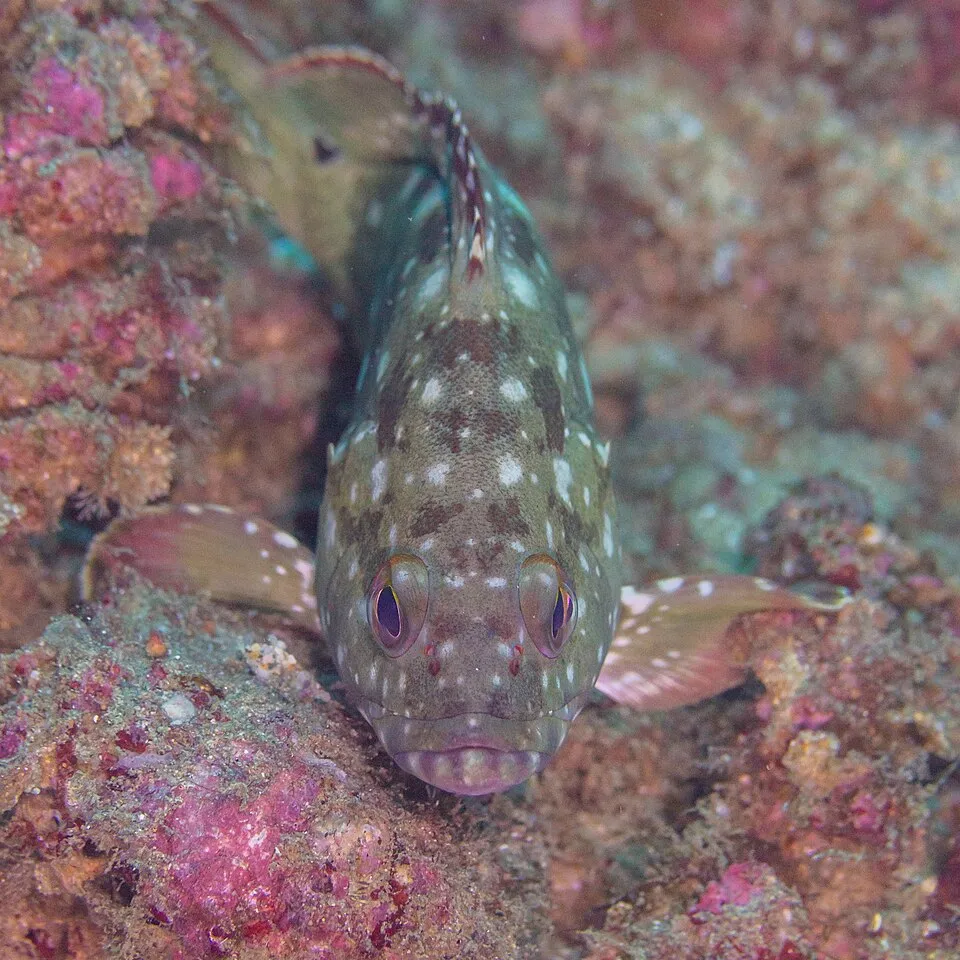 Starry Grouper
Epinephelus labriformis 3 places in common
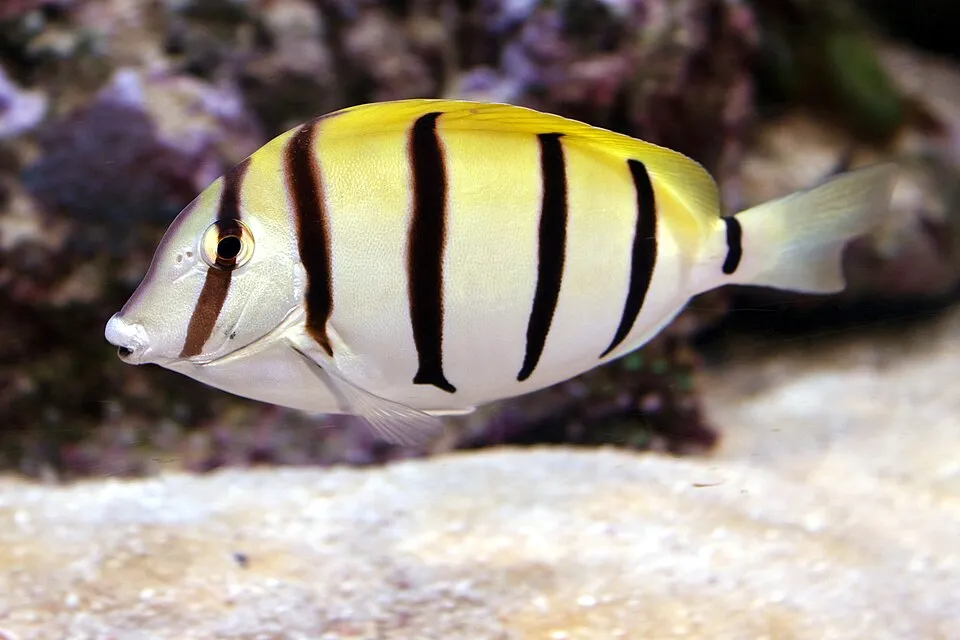 Convict Surgeonfish
Acanthurus triostegus 2 places in common
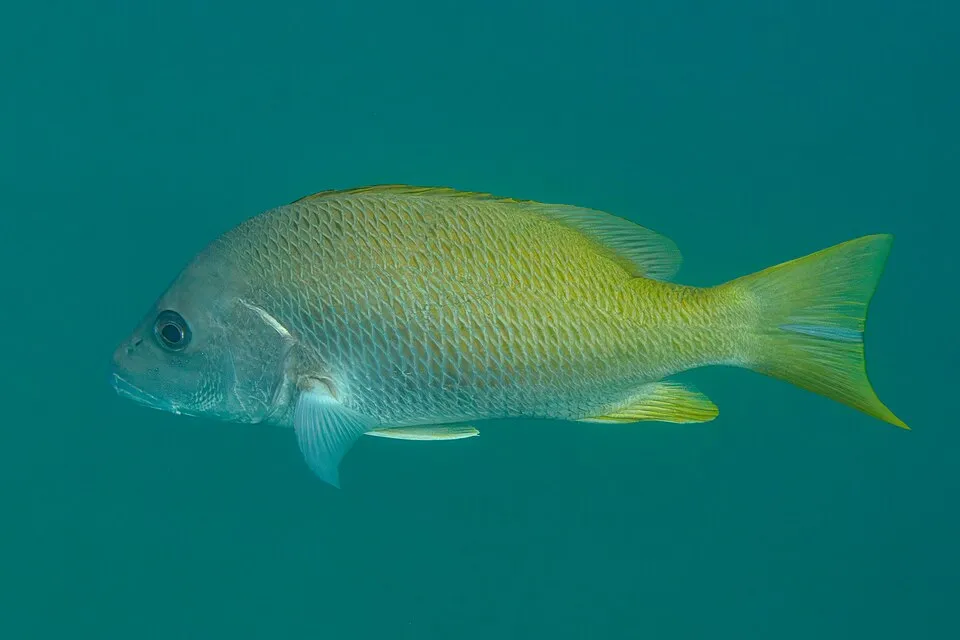 Yellow Snapper
Lutjanus argentiventris 2 places in common
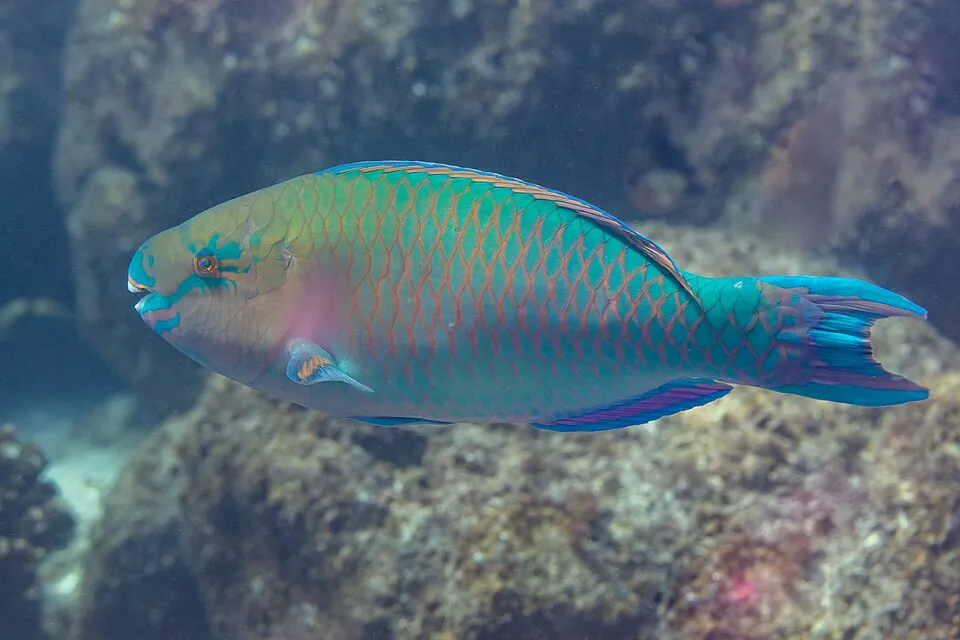 Blue-barred Parrotfish
Scarus ghobban 2 places in common
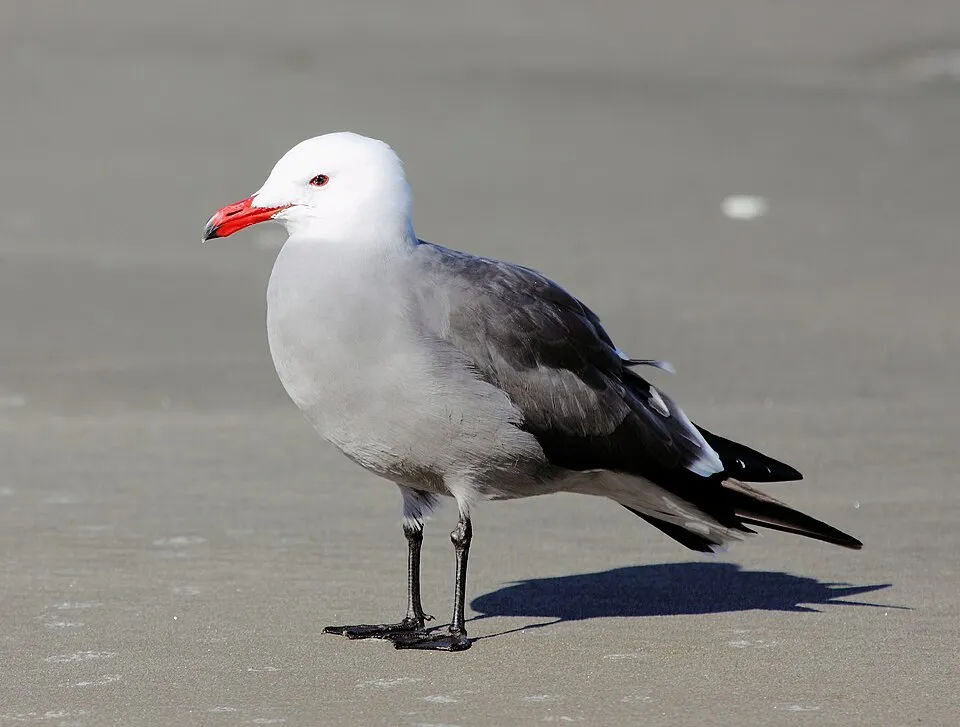 Heermann's Gull
Larus heermanni 2 places in common
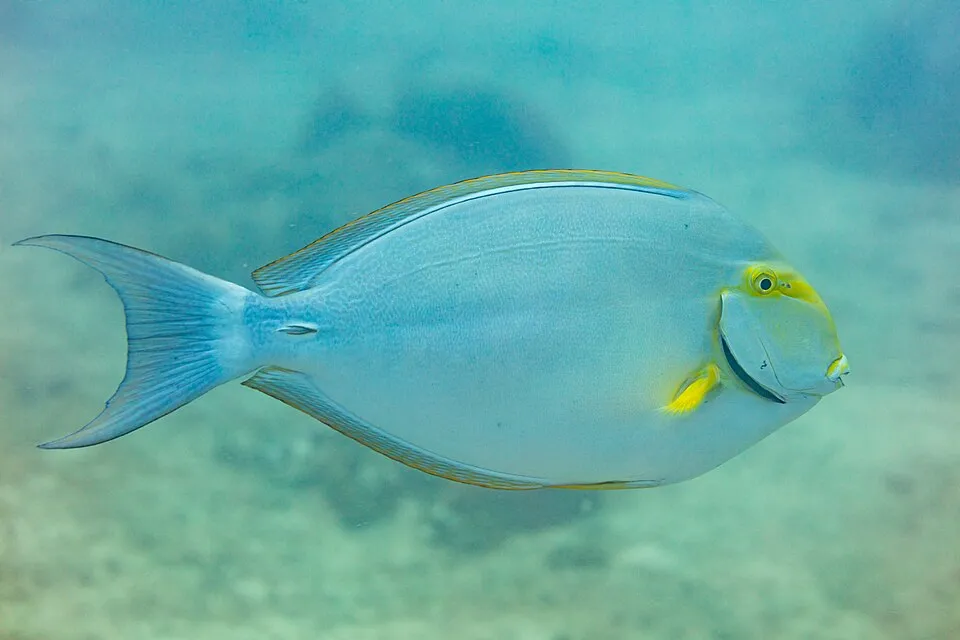 Yellowfin Surgeonfish
Acanthurus xanthopterus 2 places in common
Sources and credits
- Presence: most-recorded species of each place on GBIF and species of Community interest in the Natura 2000 forms (EEA, CC-BY 4.0); absence from the list does not mean the species is absent.
- Common names: Wikidata (CC0) and GBIF.
- Photos and sounds: Wikimedia Commons, author and licence given for each file.
- Classification: GBIF Backbone Taxonomy (GBIF Secretariat), CC BY 4.0, doi:10.15468/39omei.
- Countries, elevations, months and maps: GBIF.org, CC0 or CC BY 4.0 occurrences only, accessed October 23, 2026, GBIF.org.
- Excerpt: Wikipedia, CC BY-SA 4.0 (full credit below the excerpt).
- Key facts: Wikidata (CC0), with the references cited under each value.
- Annexes: Directive 92/43/EEC (consolidated version), © European Union, EUR-Lex.