
Plant
Blunt-leaved bog-moss: where to see it
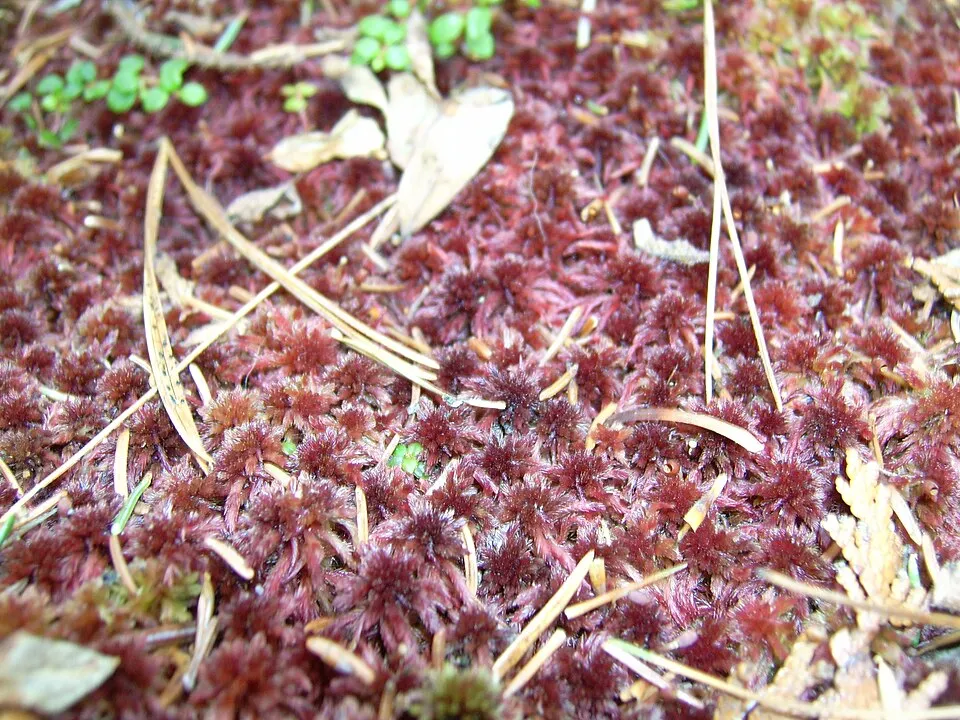
Sphagnum palustre
This plant species is recorded in 10 protected areas of the atlas, including 8 whose official Natura 2000 form lists it. Within the atlas countries, it is mostly observed in the United Kingdom, Denmark and France (12 countries in all). Most records (8 in 10) lie between 120 and 1,300 m above sea level. Records peak from June to October. It is a species of Community interest under the Habitats Directive (Annex V).
Best time to see it: June–October
Records published on GBIF by month (CC0 and CC BY 4.0 licences only), in the atlas countries, all years combined; they also reflect observer activity.
Status and protection
Habitats Directive V
The species is listed in Annex V of the Habitats Directive.
Distribution
Atlas countries where it is recorded
From Wikipedia
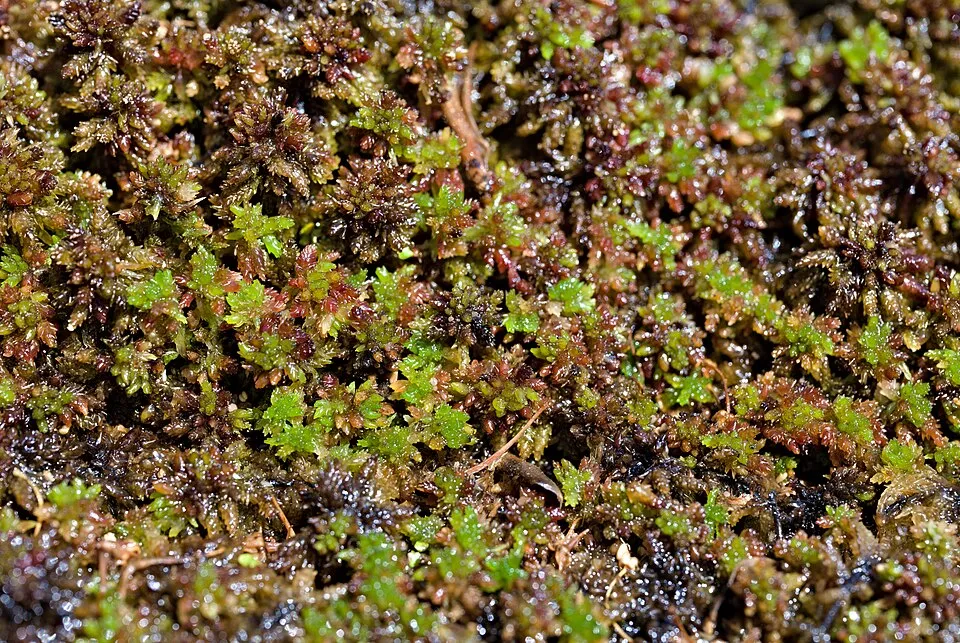
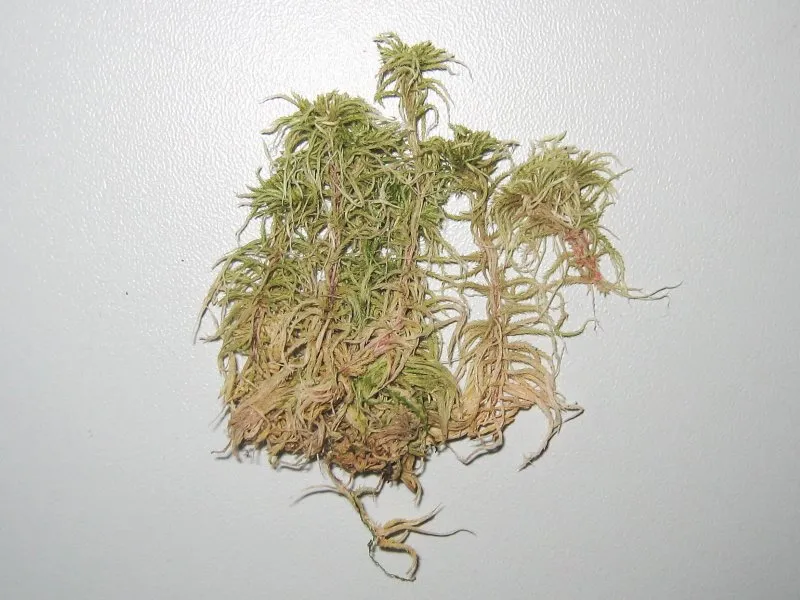
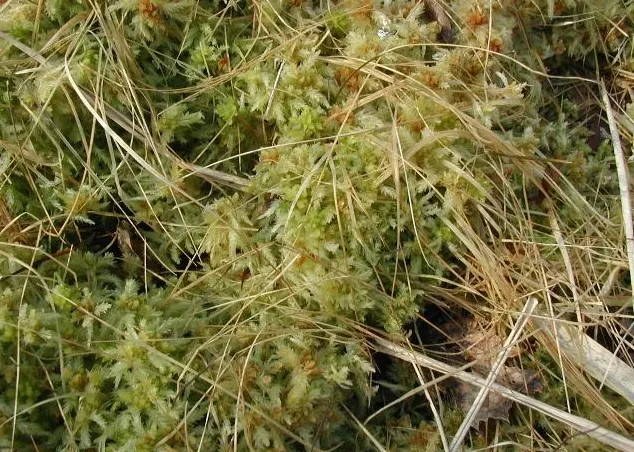
Sphagnum palustre (Syn. Sphagnum cymbifolium), the prairie sphagnum or blunt-leaved bogmoss, is a species of peat moss from the genus Sphagnum, in the family Sphagnaceae. Like other mosses of this type it can soak up water up to the 30-fold amount of its own dry weight thanks to its elastic spiral fibers. S. palustre is rather frequent and is spread almost all over the world. It mainly grows in wet forests and-compared to other specimens of this genus-rarely grows in moors.
Source: Wikipedia, article “Sphagnum palustre” (version of August 22, 2024) · history and authors · licence CC BY-SA 4.0
Protected areas where it is recorded
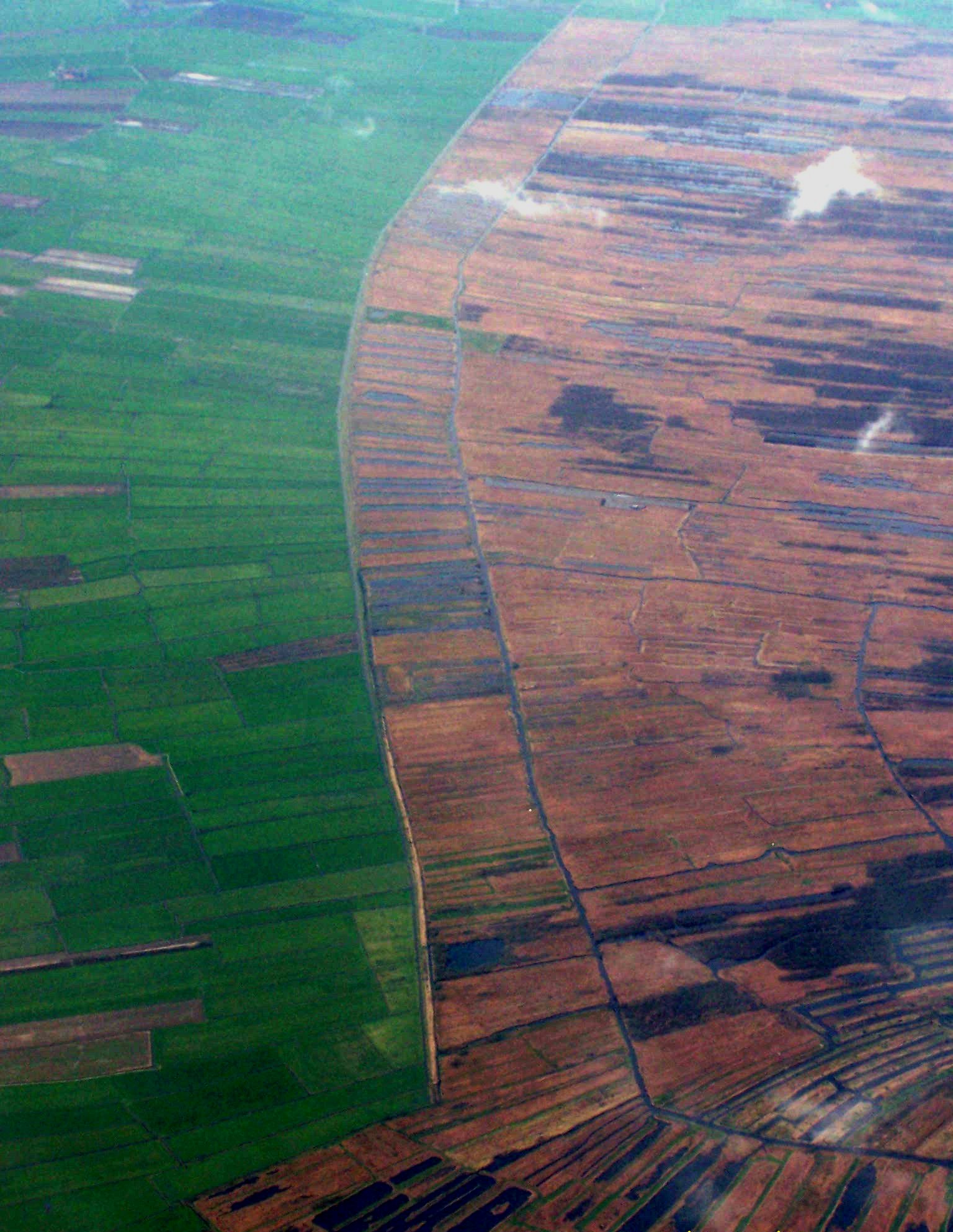
1,019 records

6 records
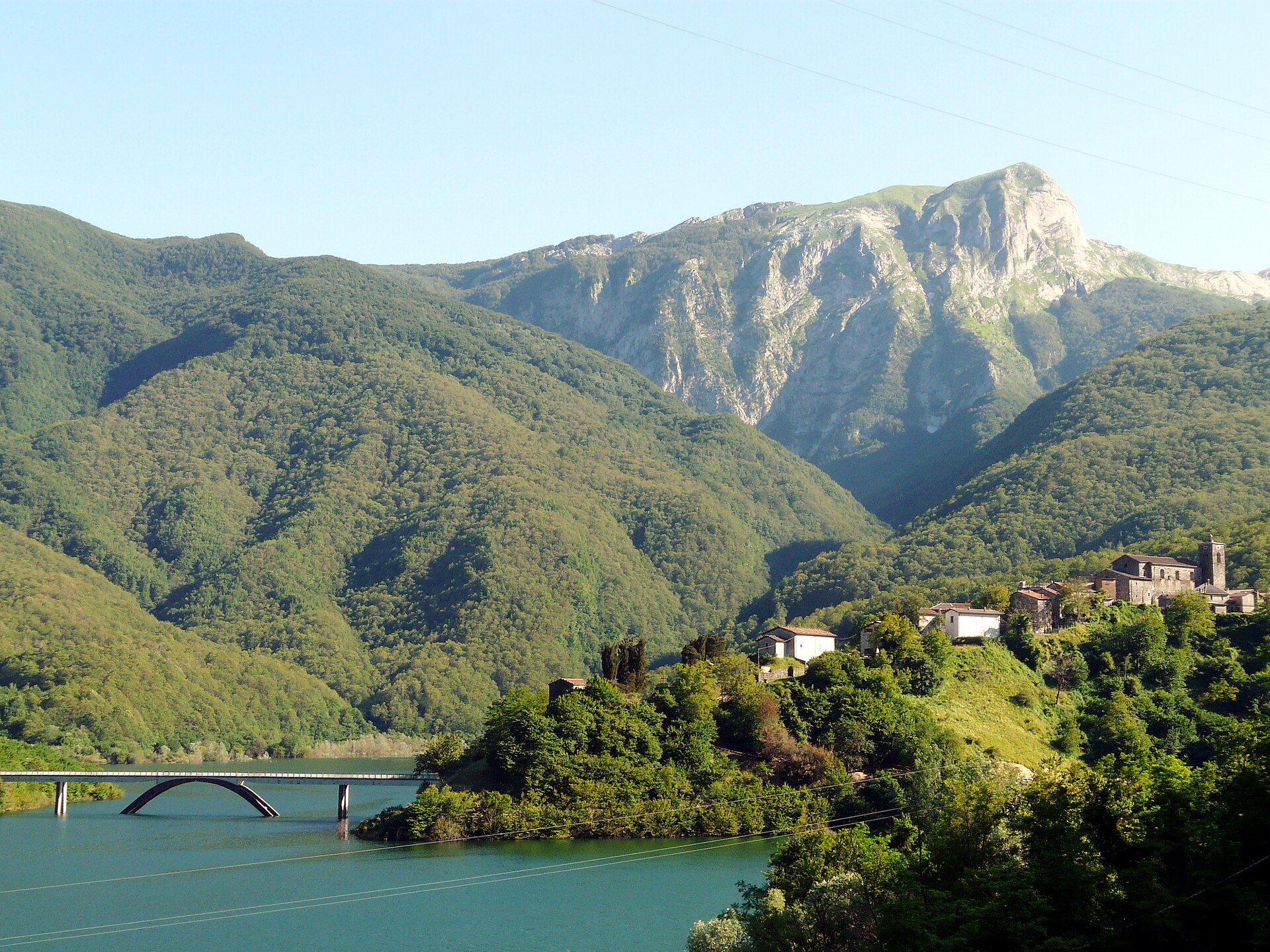
Natura 2000
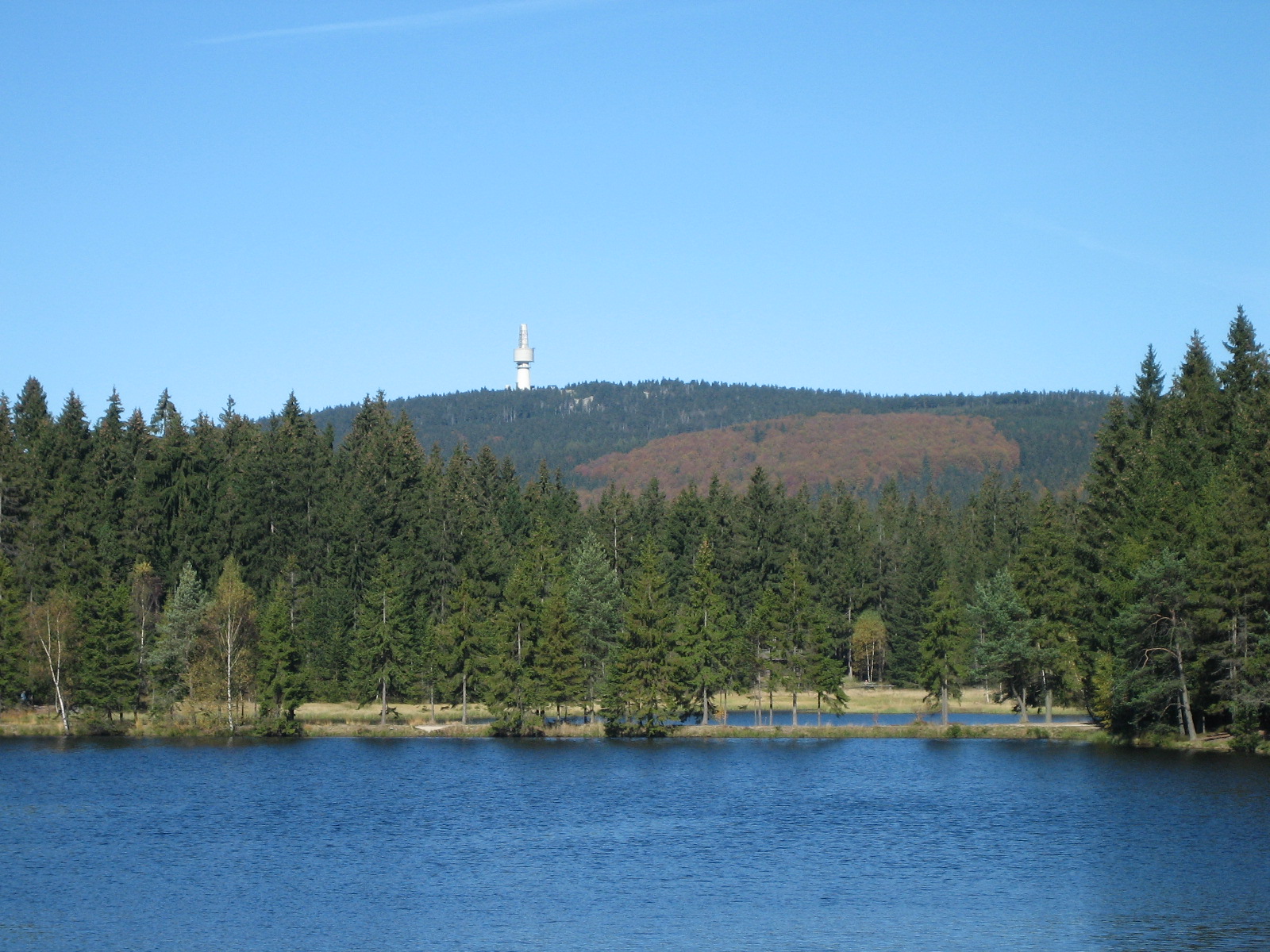
Natura 2000
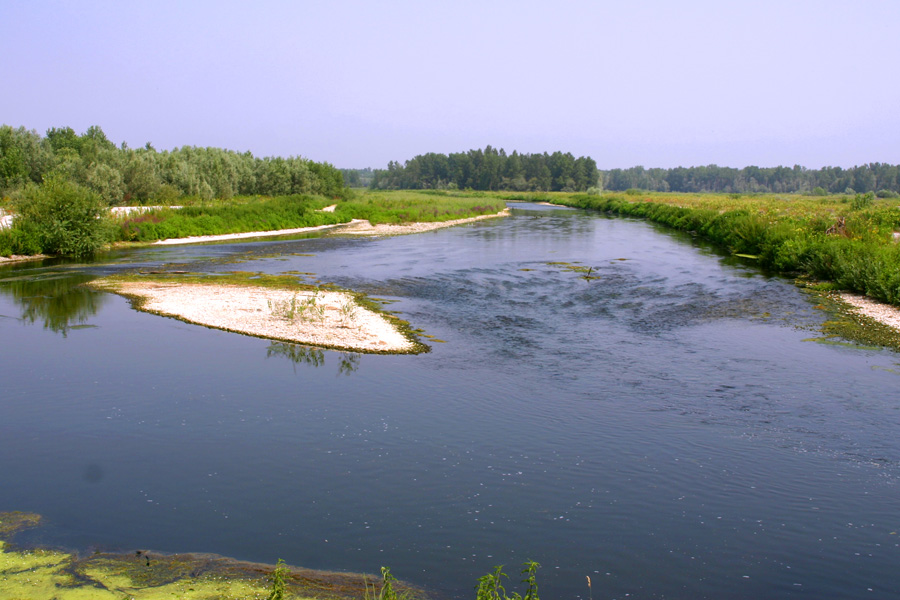
Natura 2000
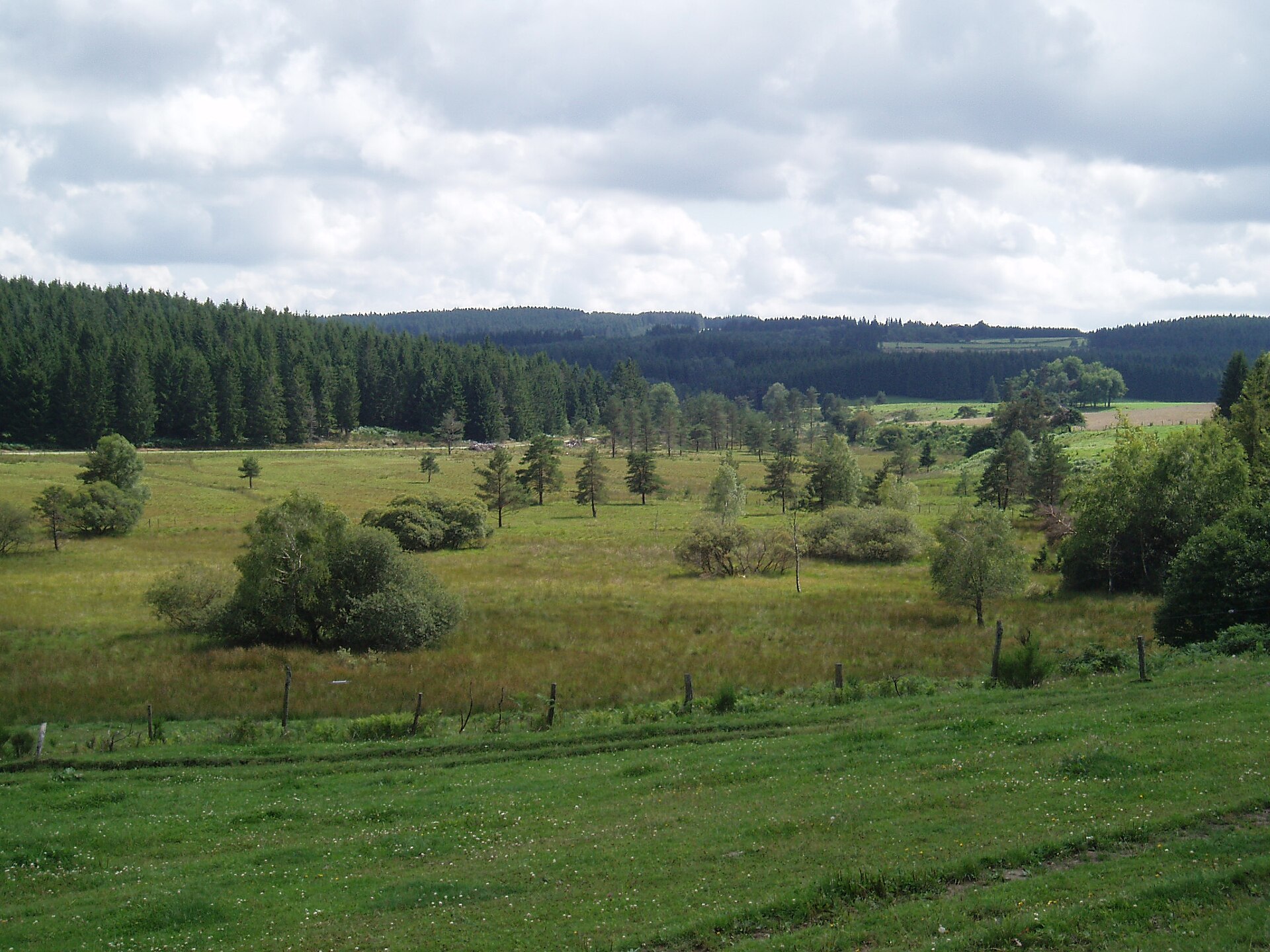
Natura 2000
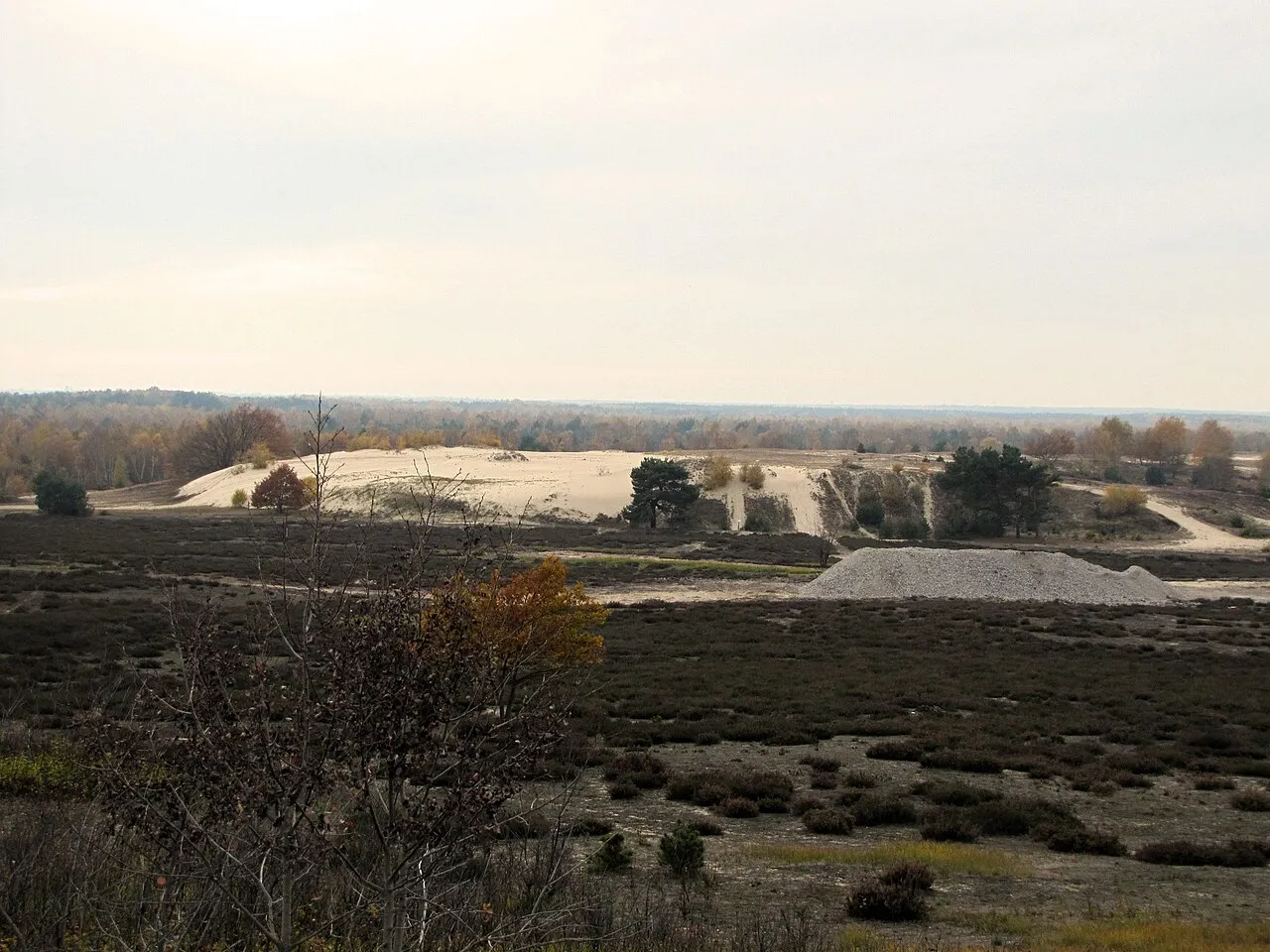
Natura 2000
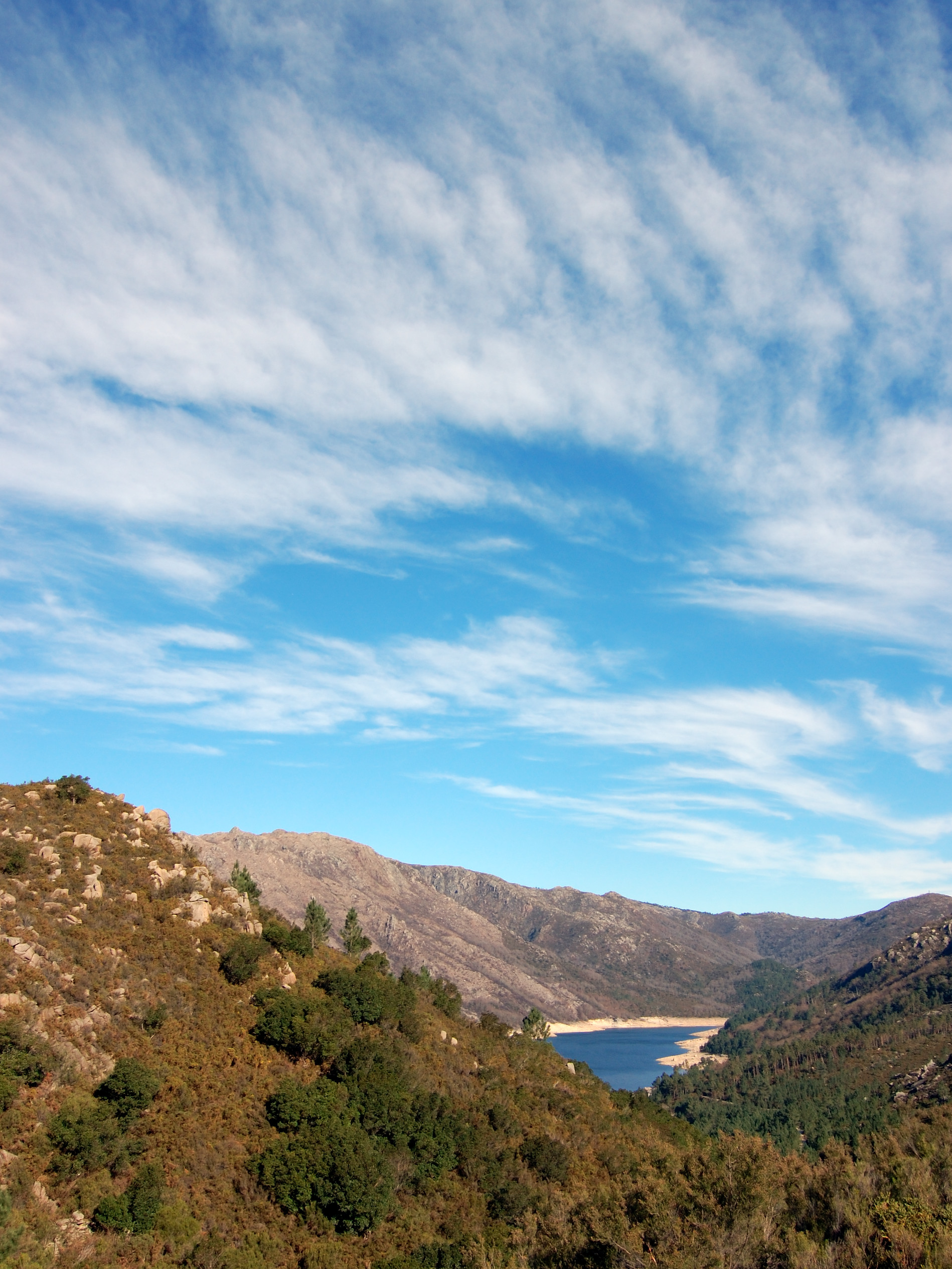
Natura 2000
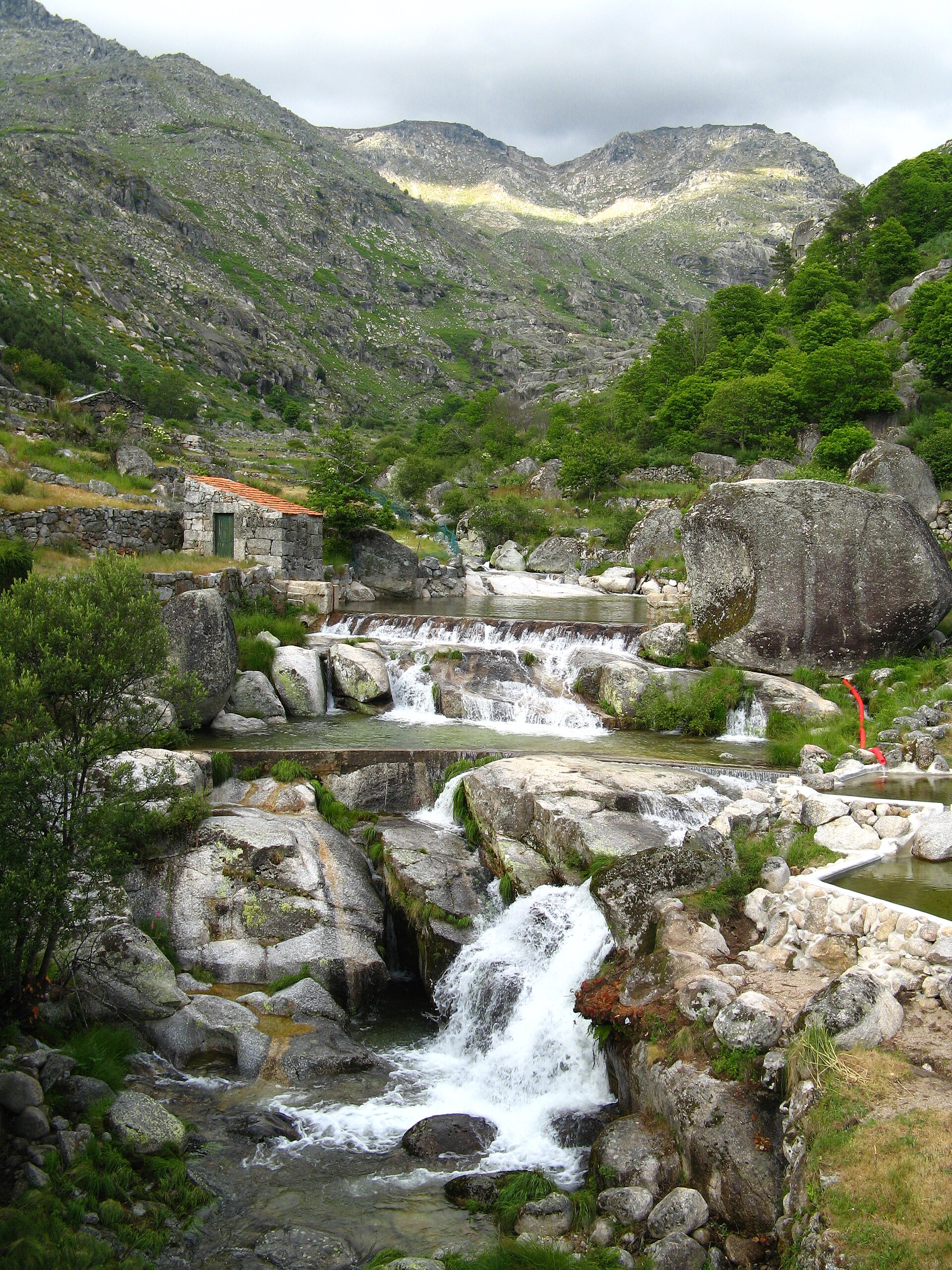
Natura 2000
Natura 2000
Other species to discover


Sources and credits
- Presence: most-recorded species of each place on GBIF and species of Community interest in the Natura 2000 forms (EEA, CC-BY 4.0); absence from the list does not mean the species is absent.
- Common names: Wikidata (CC0) and GBIF.
- Photos and sounds: Wikimedia Commons, author and licence given for each file.
- Classification: GBIF Backbone Taxonomy (GBIF Secretariat), CC BY 4.0, doi:10.15468/39omei.
- Countries, elevations, months and maps: GBIF.org, CC0 or CC BY 4.0 occurrences only, accessed October 22, 2026, GBIF.org.
- Excerpt: Wikipedia, CC BY-SA 4.0 (full credit below the excerpt).
- Annexes: Directive 92/43/EEC (consolidated version), © European Union, EUR-Lex.