
Plant
Broom Moss: where to see it
Dicranum scoparium
This plant species is recorded in 11 protected areas of the atlas. Within the atlas countries, it is mostly observed in the United Kingdom, France and the Netherlands (13 countries in all). Most records (8 in 10) lie between 300 and 1,450 m above sea level. Records peak from May to October.
Best time to see it: May–October
Records published on GBIF by month (CC0 and CC BY 4.0 licences only), in the atlas countries, all years combined; they also reflect observer activity.
Distribution
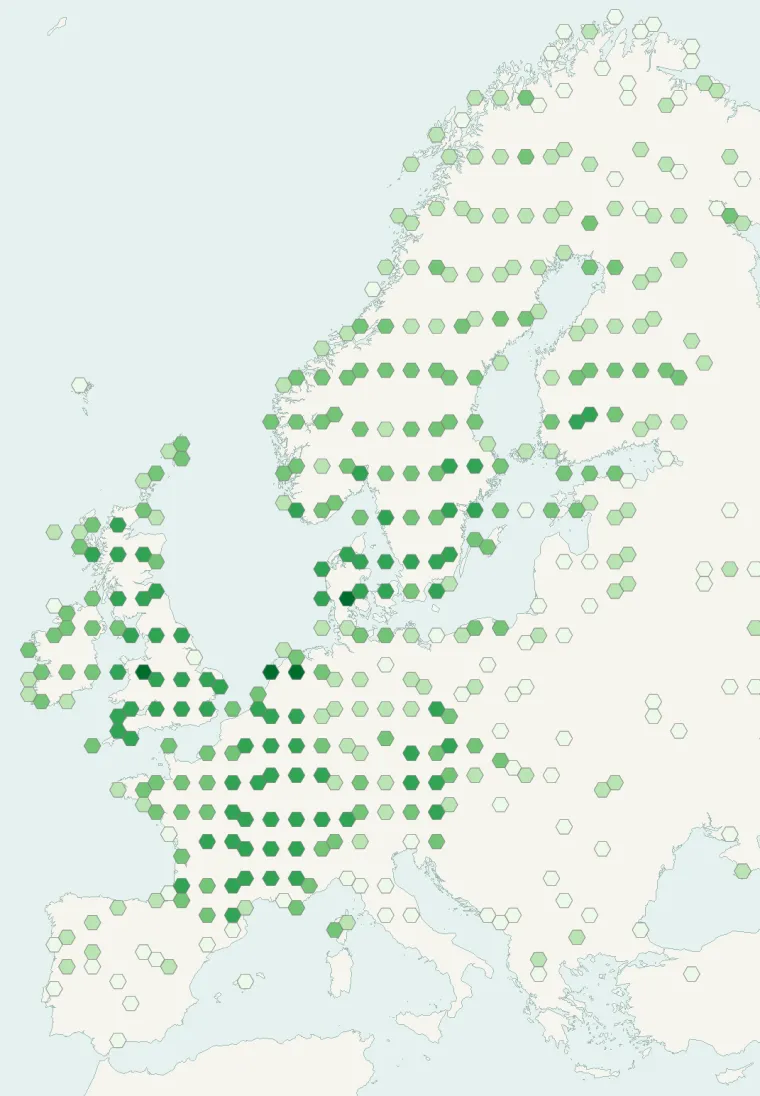
Records published on GBIF (CC0 and CC BY 4.0 licences): the darker the shade, the more records there are; they also reflect observation effort.
From Wikipedia
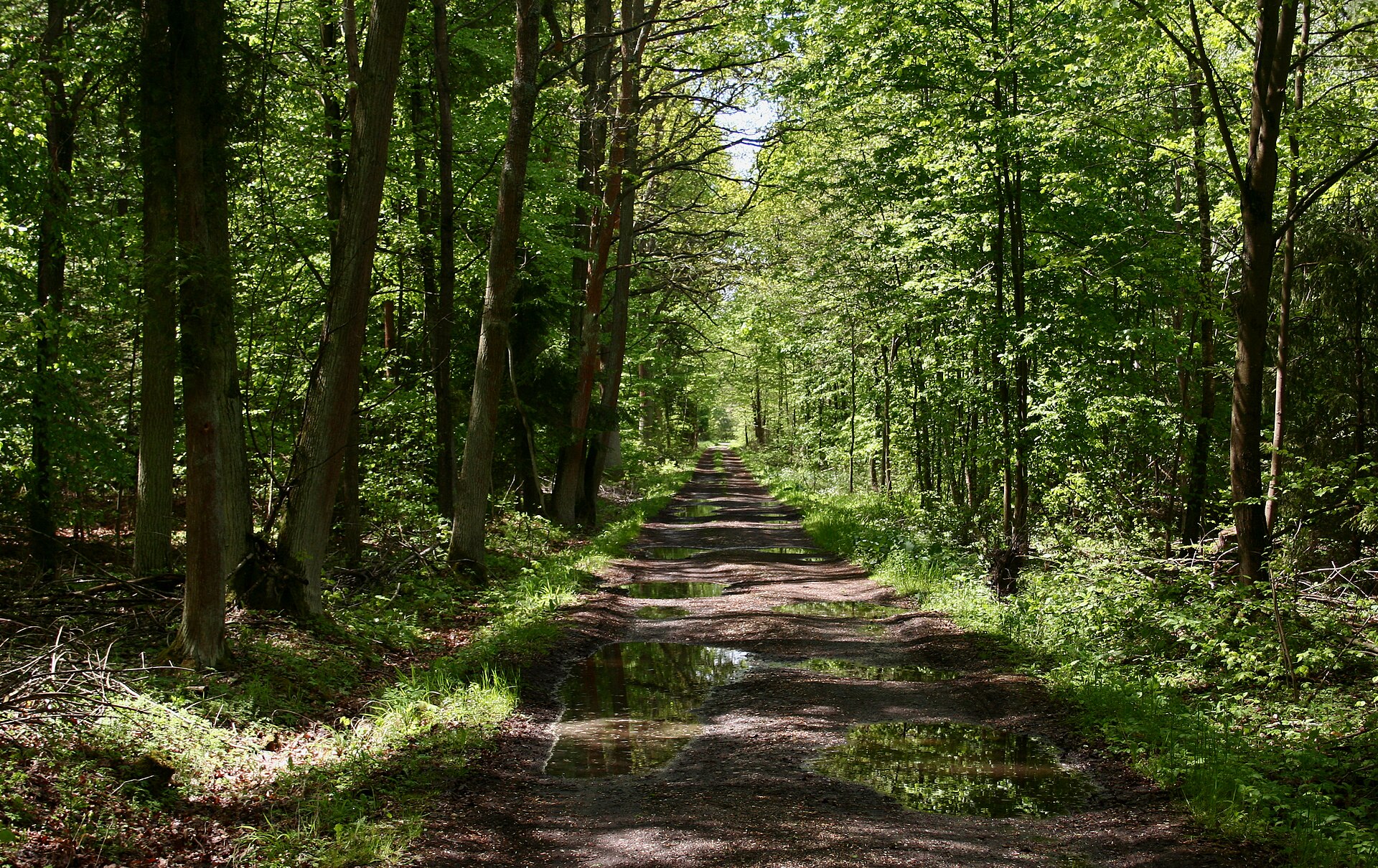
Dicranum scoparium, the broom forkmoss, is a dicranaceous moss, native to most of the northern hemisphere as well as Oceania. It usually forms and grows in round mass clumps or mats on soil in dry to moist forested areas. As with many types of moss Broom moss grows in clumps with Broom mosses as well as other mosses. It can be distinguished by its leaves, which strongly curve to one side.
Source: Wikipedia, article “Dicranum scoparium” (version of April 2, 2026) · history and authors · licence CC BY-SA 4.0
Protected areas where it is recorded
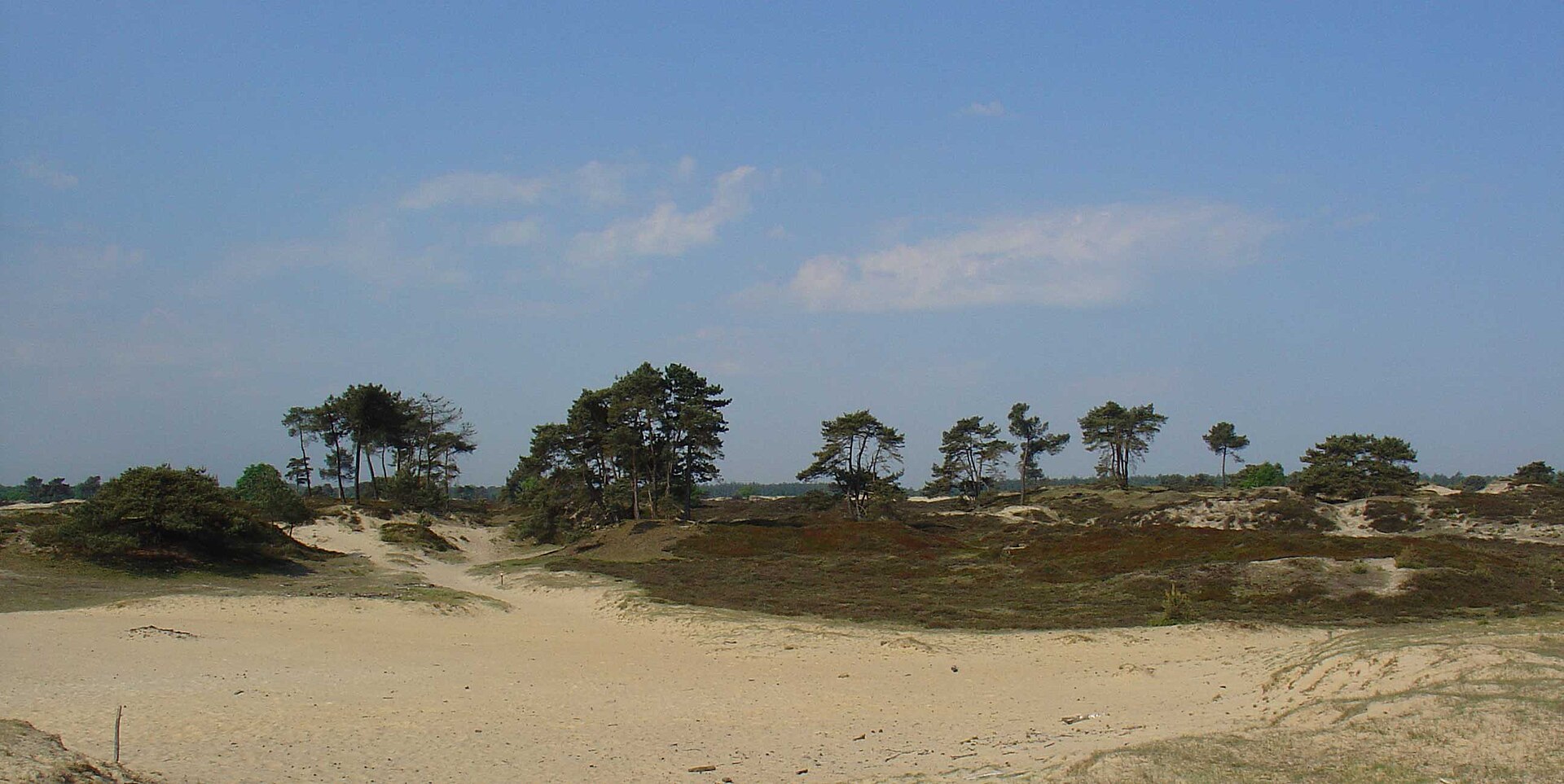
496 records
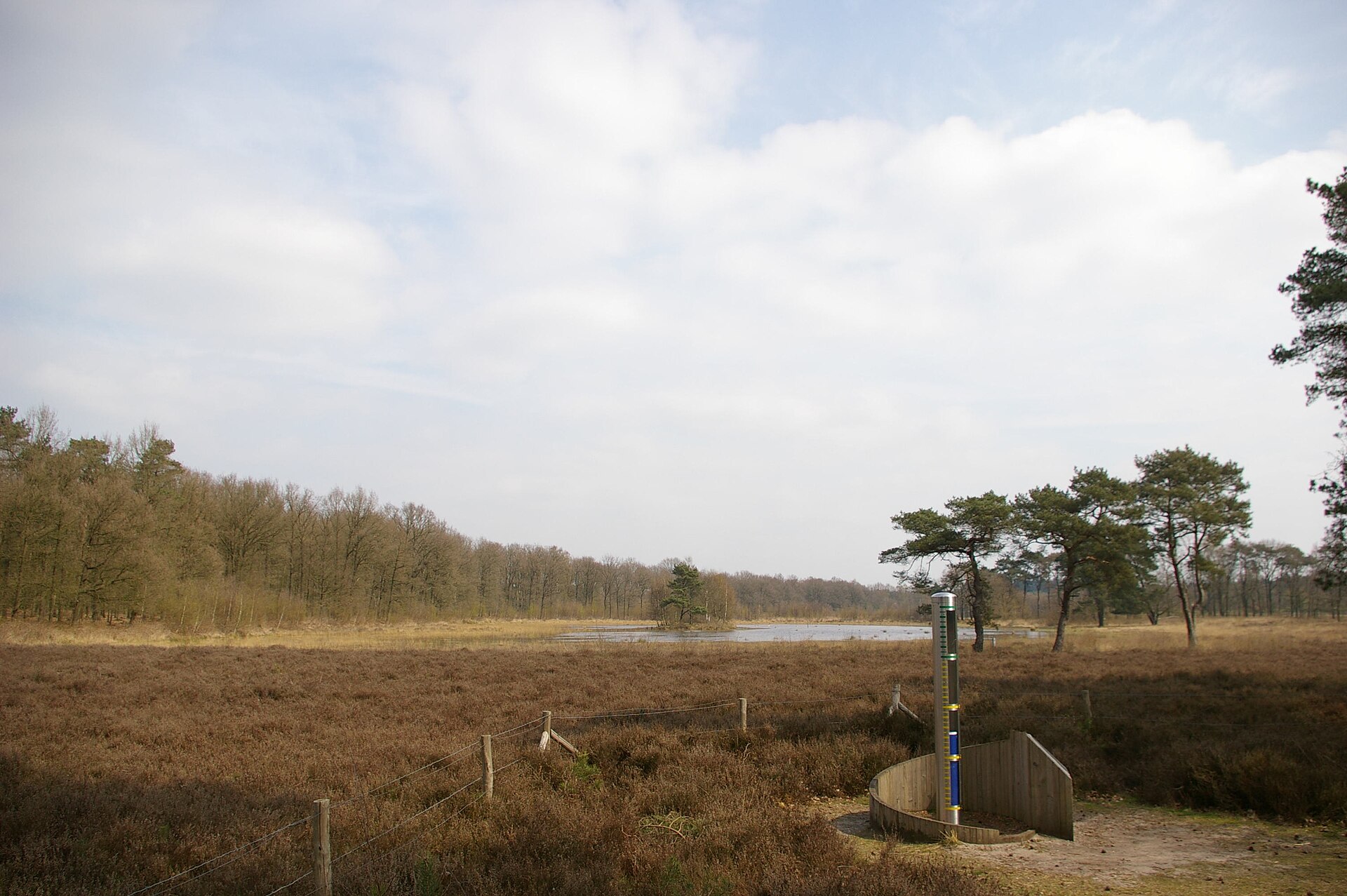
495 records
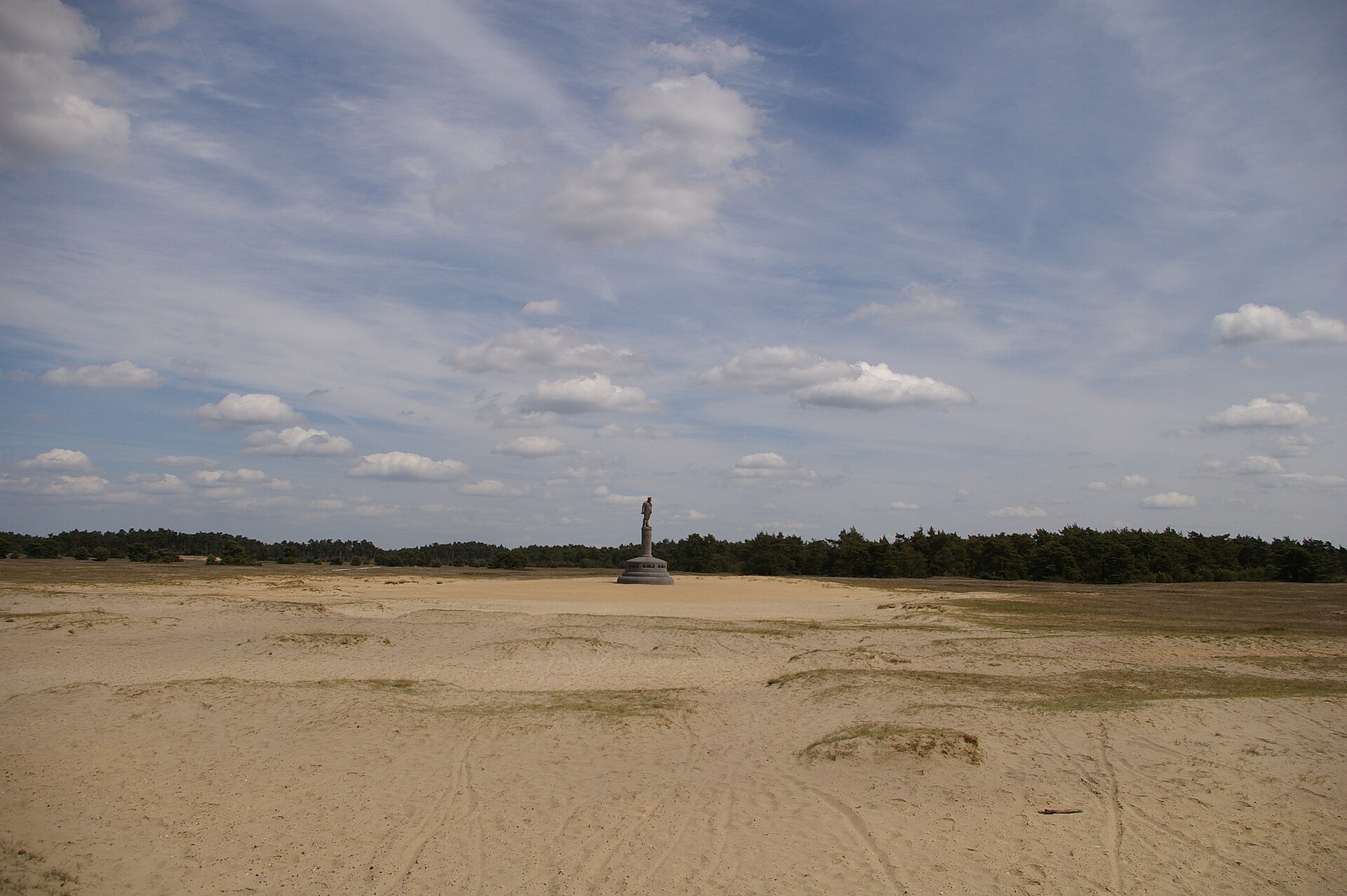
416 records
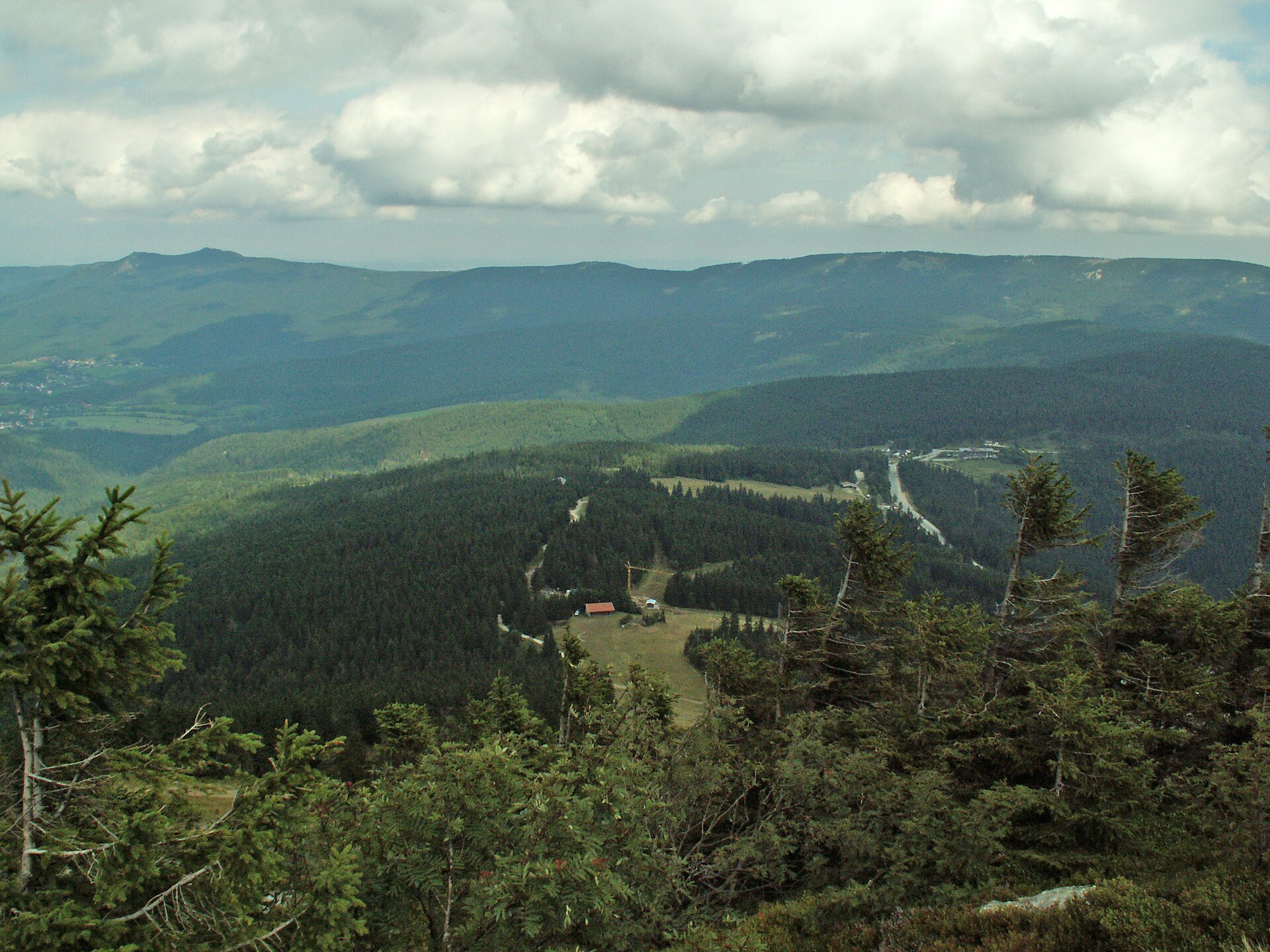
330 records

313 records
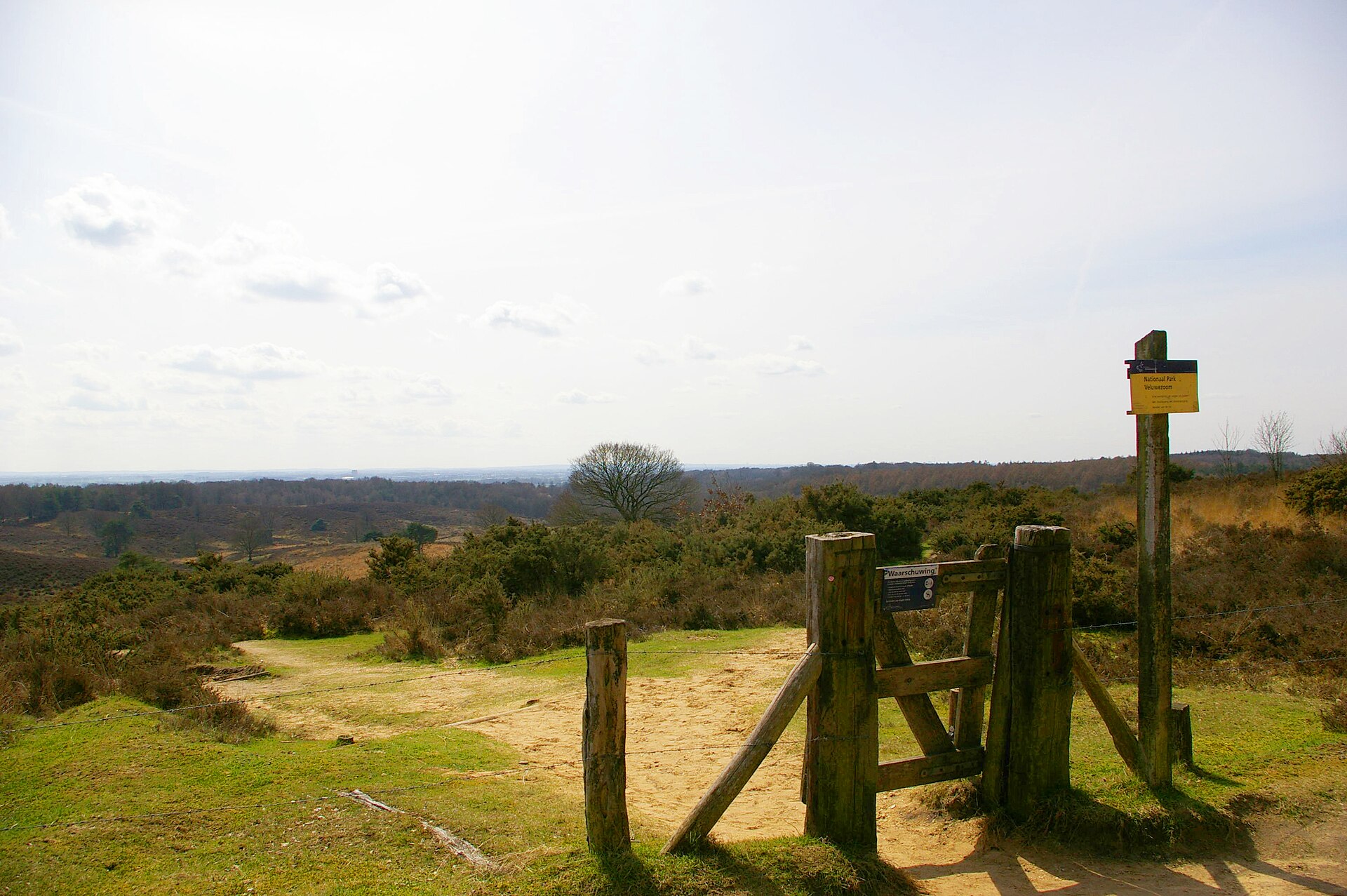
296 records
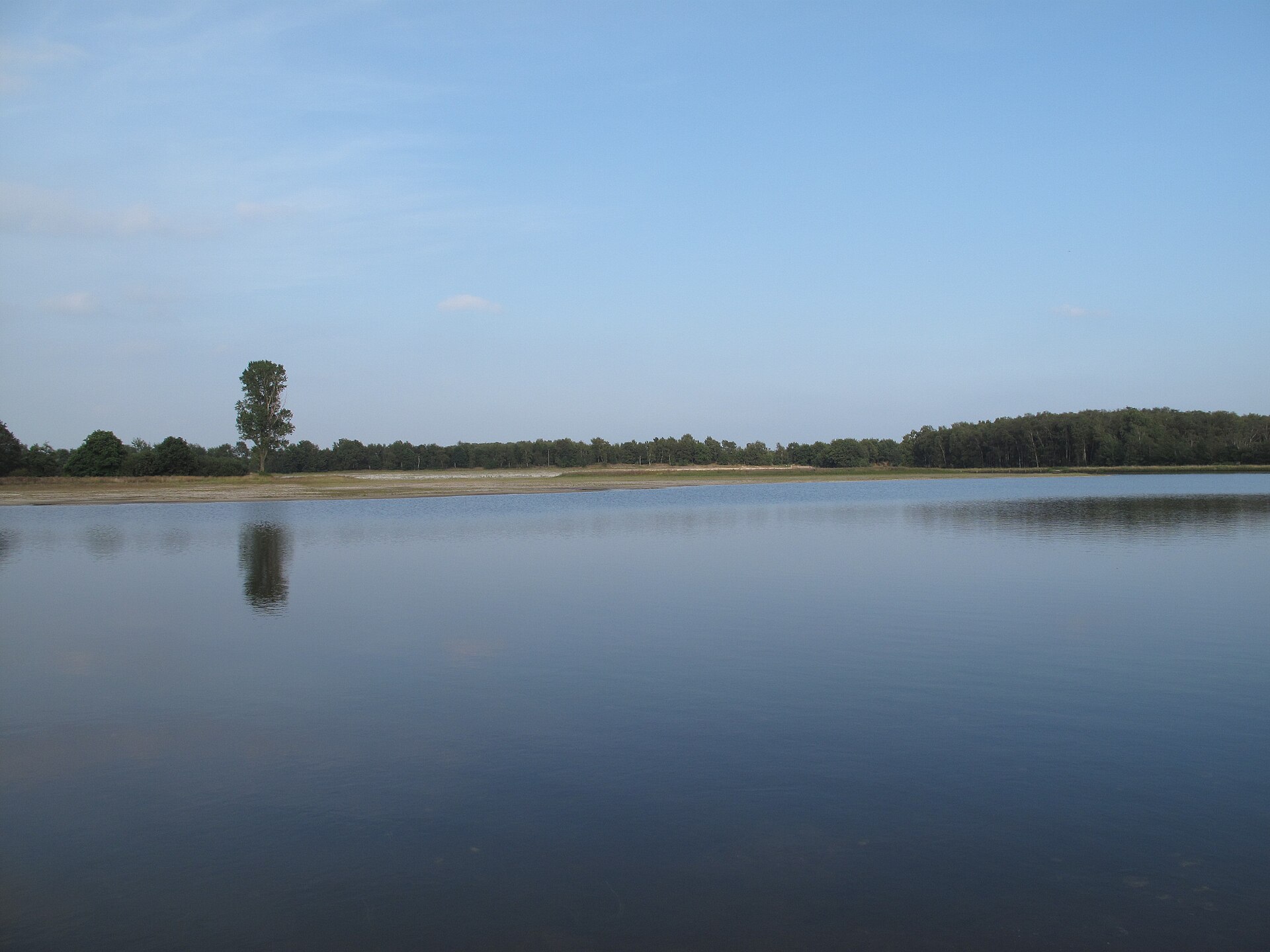
117 records

36 records

24 records
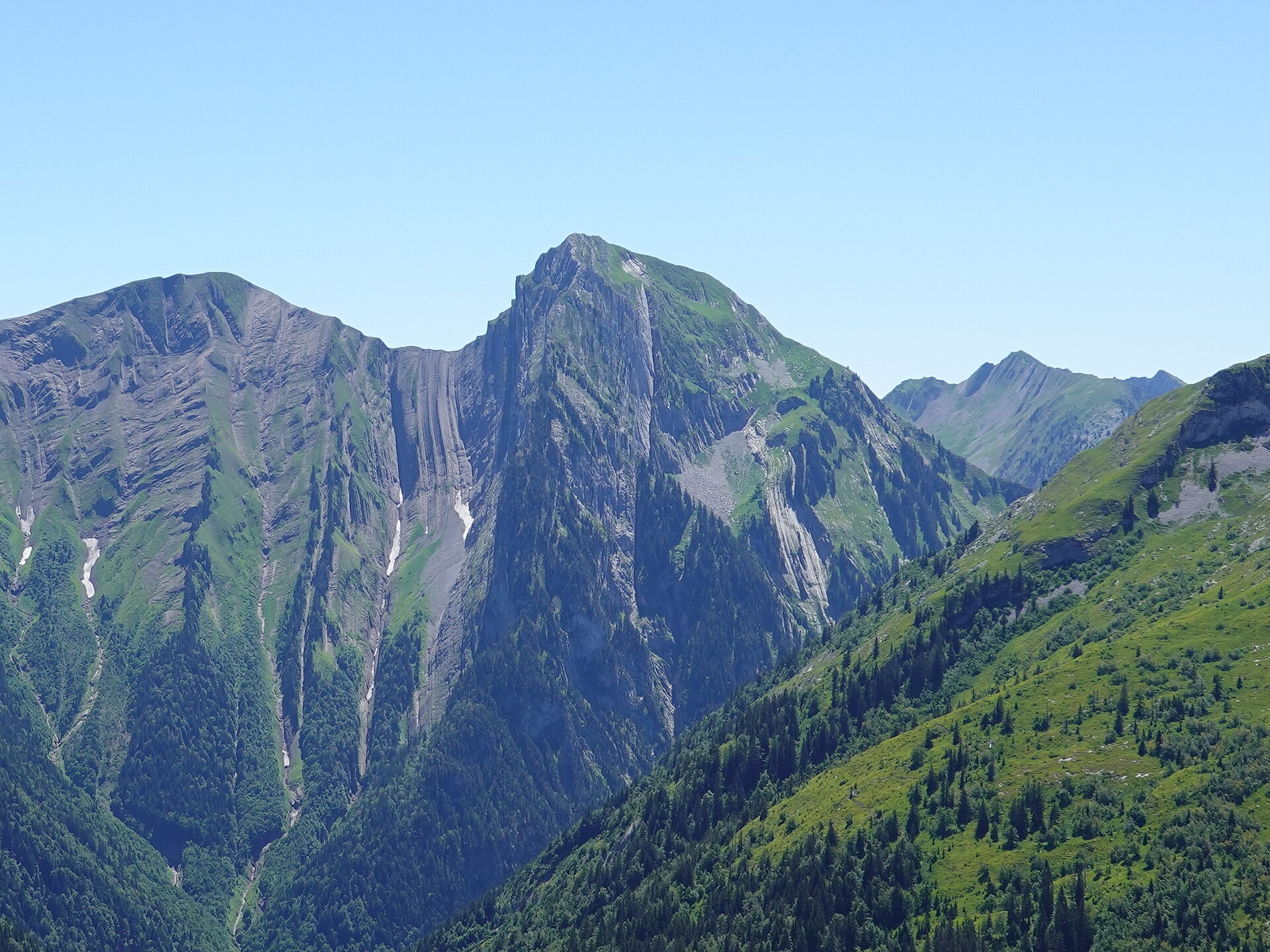
8 records
1 records
Other species to discover
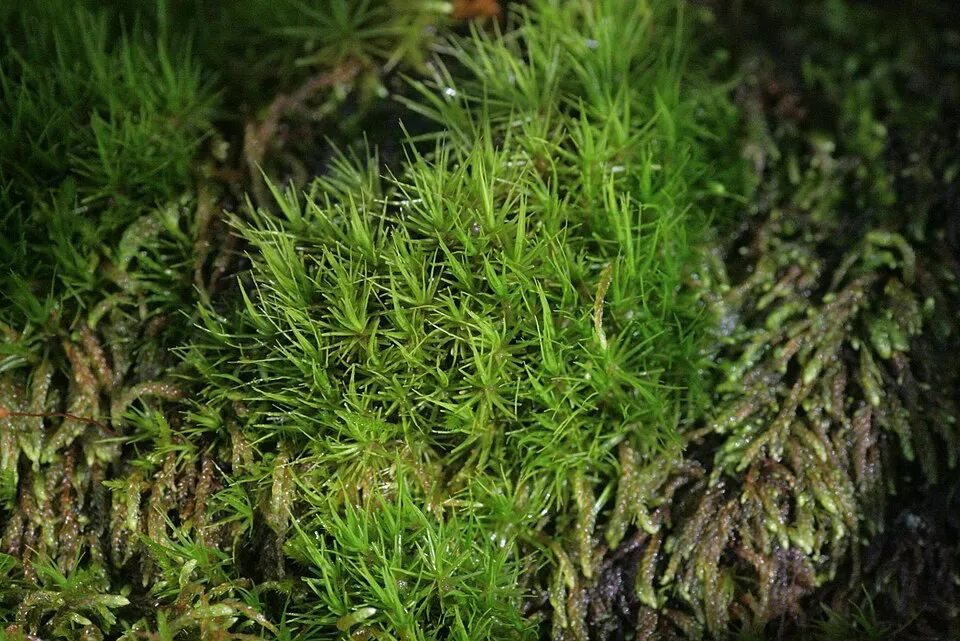 Dicranum moss
Dicranum viride Same genus
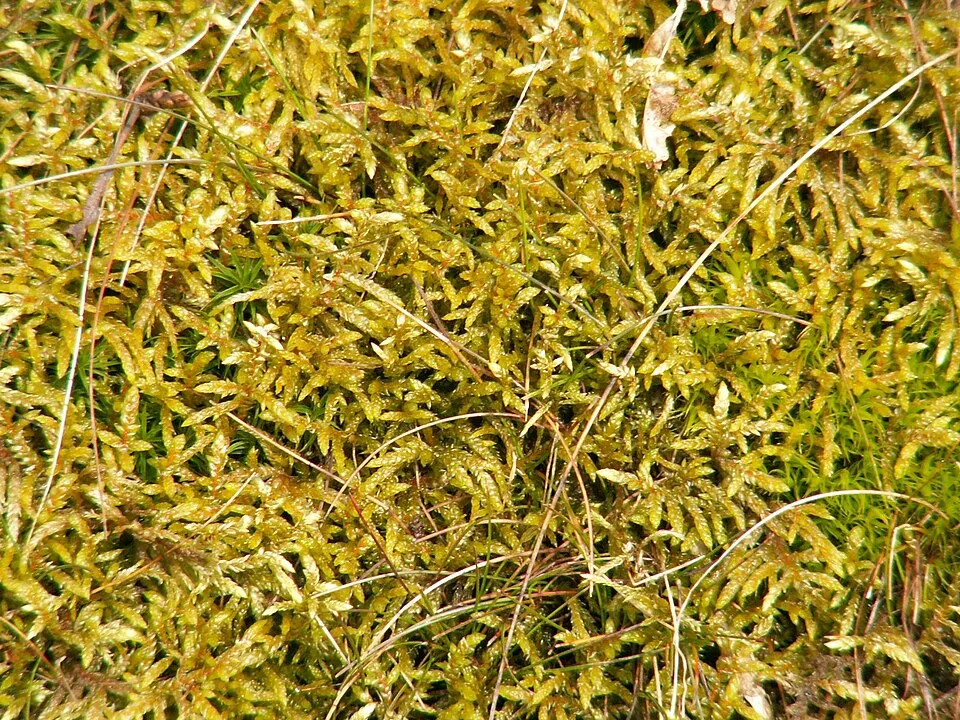 Schreber's big red stem moss
Pleurozium schreberi 6 places in common
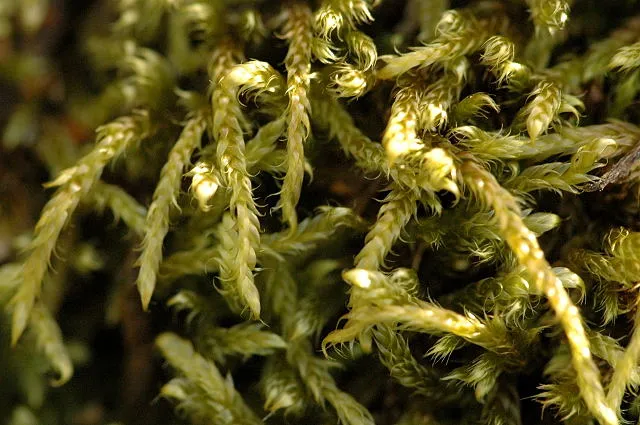 Hypnum moss
Hypnum jutlandicum 5 places in common
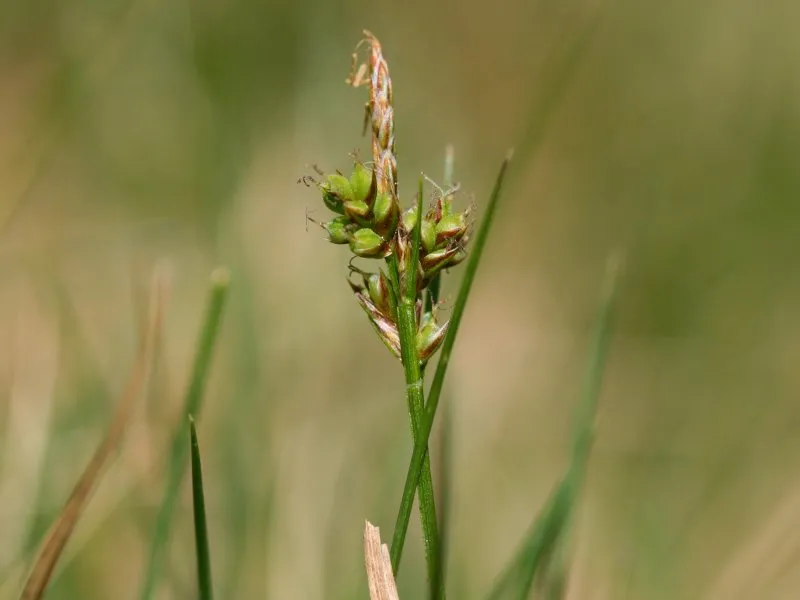 Pill sedge
Carex pilulifera 3 places in common
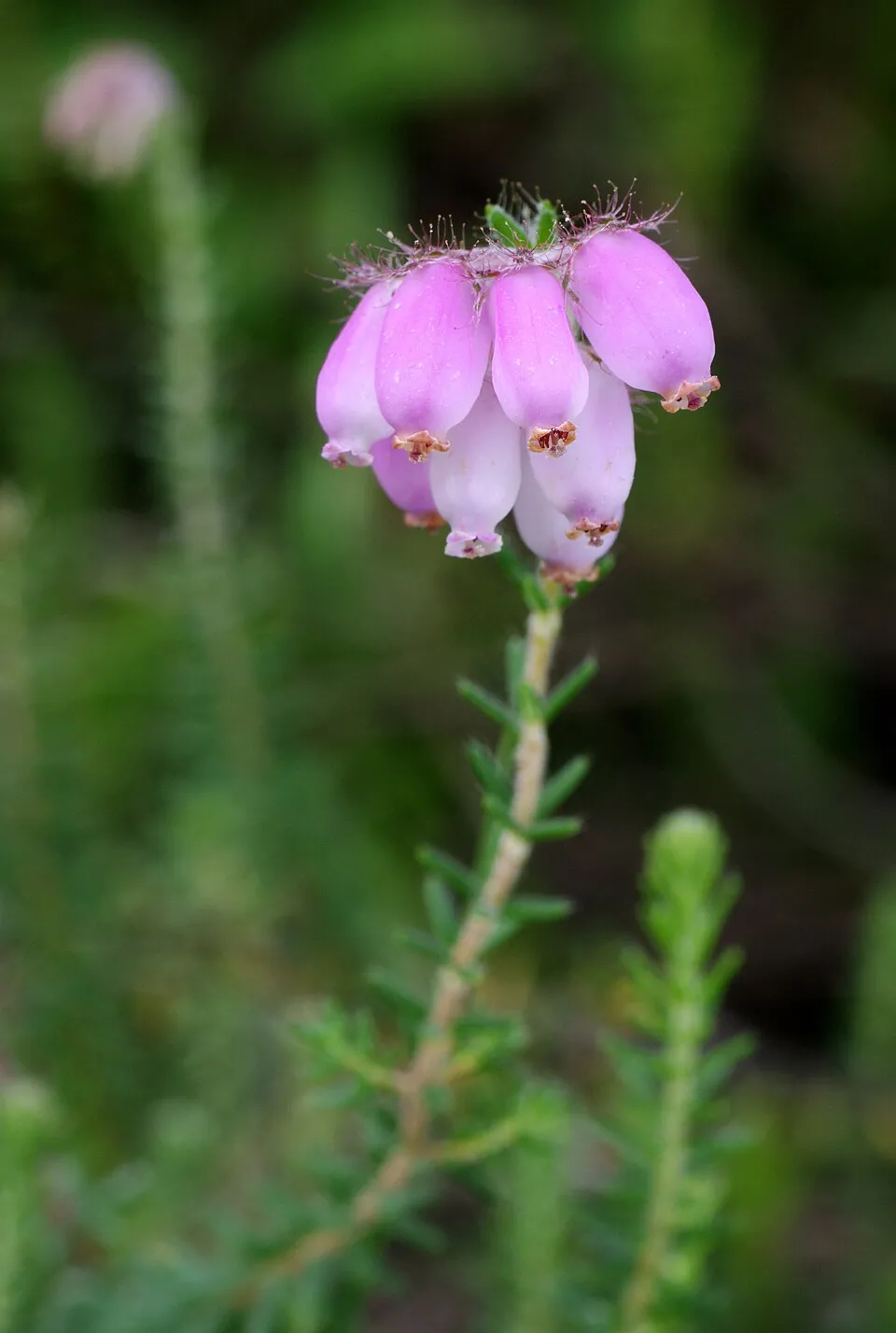 Cross-leaved heath
Erica tetralix 4 places in common
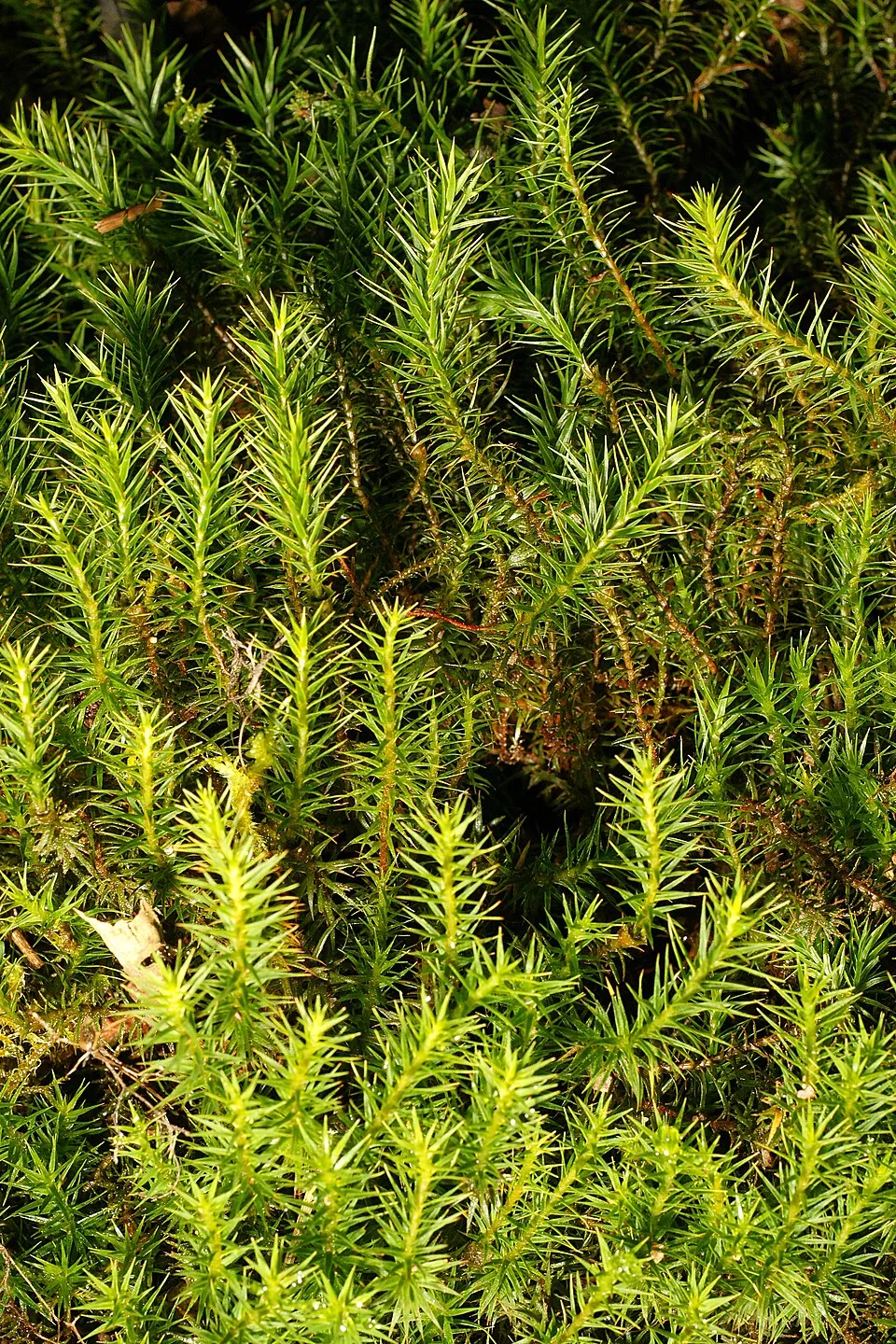 Bank Haircap
Polytrichum formosum 3 places in common
Sources and credits
- Presence: most-recorded species of each place on GBIF and species of Community interest in the Natura 2000 forms (EEA, CC-BY 4.0); absence from the list does not mean the species is absent.
- Common names: Wikidata (CC0) and GBIF.
- Photos and sounds: Wikimedia Commons, author and licence given for each file.
- Classification: GBIF Backbone Taxonomy (GBIF Secretariat), CC BY 4.0, doi:10.15468/39omei.
- Countries, elevations, months and maps: GBIF.org, CC0 or CC BY 4.0 occurrences only, accessed October 22, 2026, GBIF.org.
- Base map: Natural Earth (public domain).
- Excerpt: Wikipedia, CC BY-SA 4.0 (full credit below the excerpt).