
Fish
Common dab: where to see it
Limanda limanda
This fish species is recorded in 5 protected areas of the atlas. Within the atlas countries, it is mostly observed in the United Kingdom, Denmark and the Netherlands (9 countries in all). Records peak from August to October.
Best time to see it: August–October
Records published on GBIF by month (CC0 and CC BY 4.0 licences only), in the atlas countries, all years combined; they also reflect observer activity.
Distribution

Records published on GBIF (CC0 and CC BY 4.0 licences): the darker the shade, the more records there are; they also reflect observation effort.
Atlas countries where it is recorded
From Wikipedia
The common dab (Limanda limanda) is an edible flatfish of the family Pleuronectidae. It is a demersal fish native to shallow seas around Northern Europe, in particular the North Sea, where it lives on sandy bottoms down to depths of about 100 metres (330 ft). It can reach 40 centimetres (16 in) in length and can weigh up to 1 kilogram (2.2 lb), though most specimens grow no longer than 20 centimetres (7.9 in).
Source: Wikipedia, article “Common dab” (version of June 28, 2026) · history and authors · licence CC BY-SA 4.0
Protected areas where it is recorded
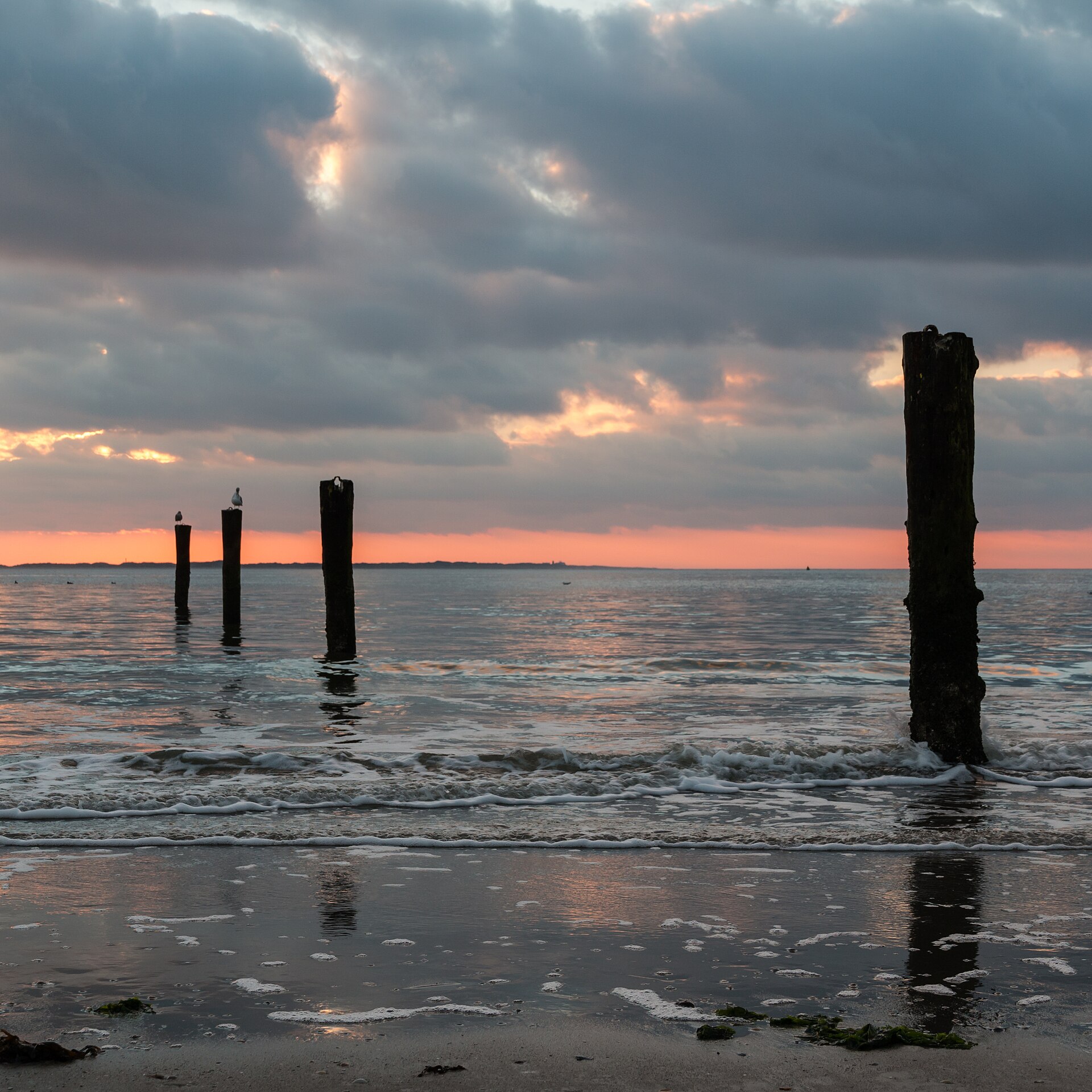
11,336 records

10,123 records
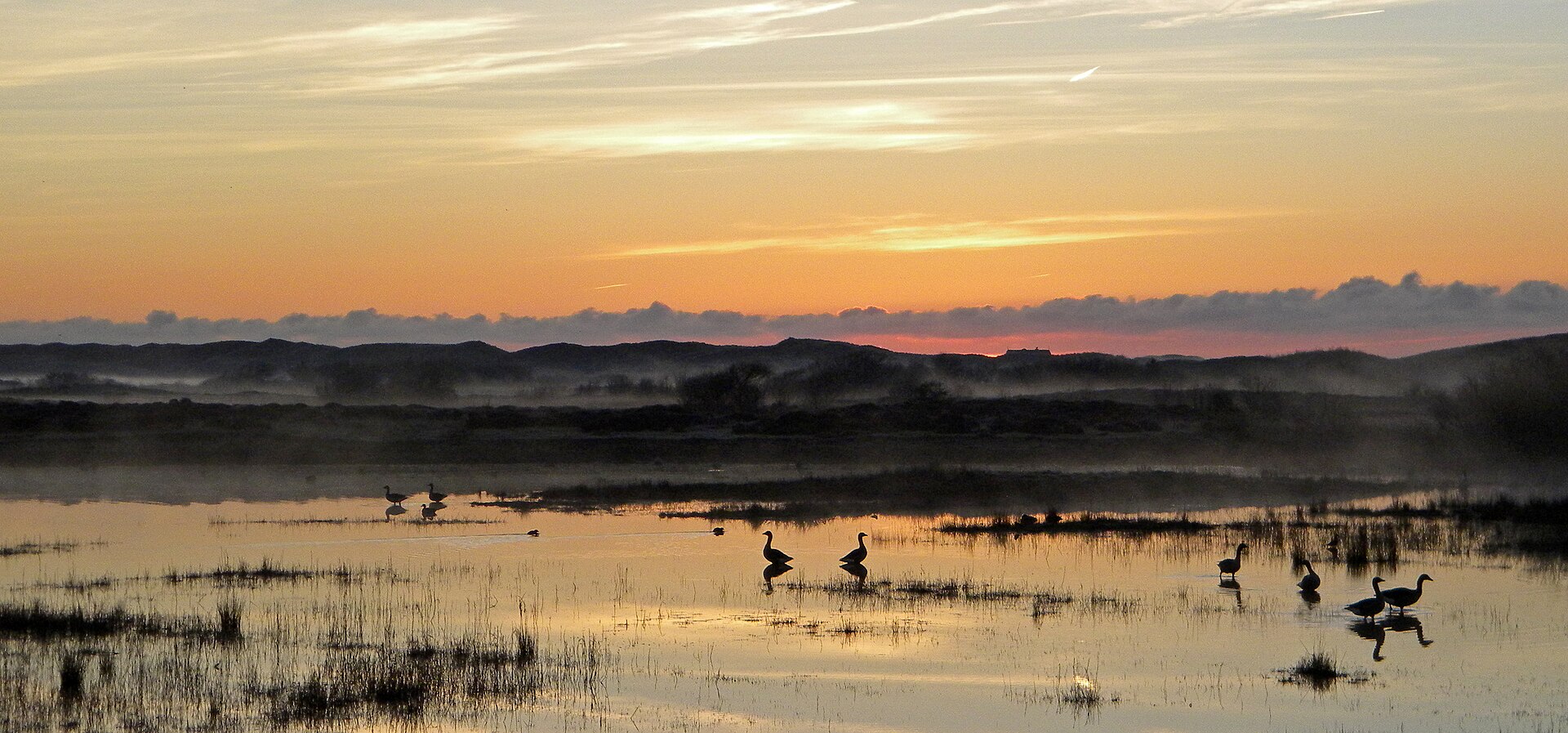
9,391 records

7,438 records

2,395 records
Other species to discover
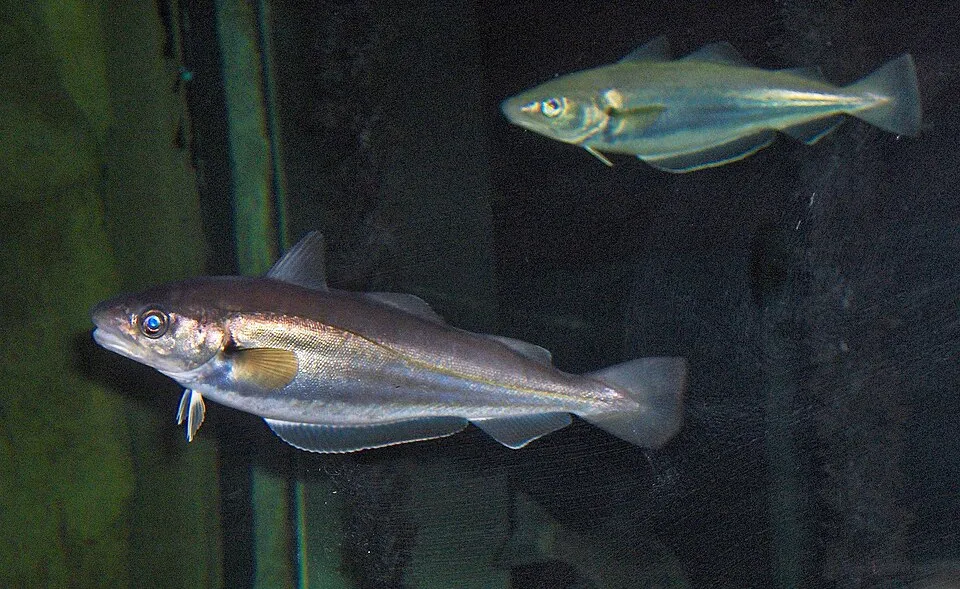 Whiting
Merlangius merlangus 5 places in common
 European plaice
Pleuronectes platessa 5 places in common
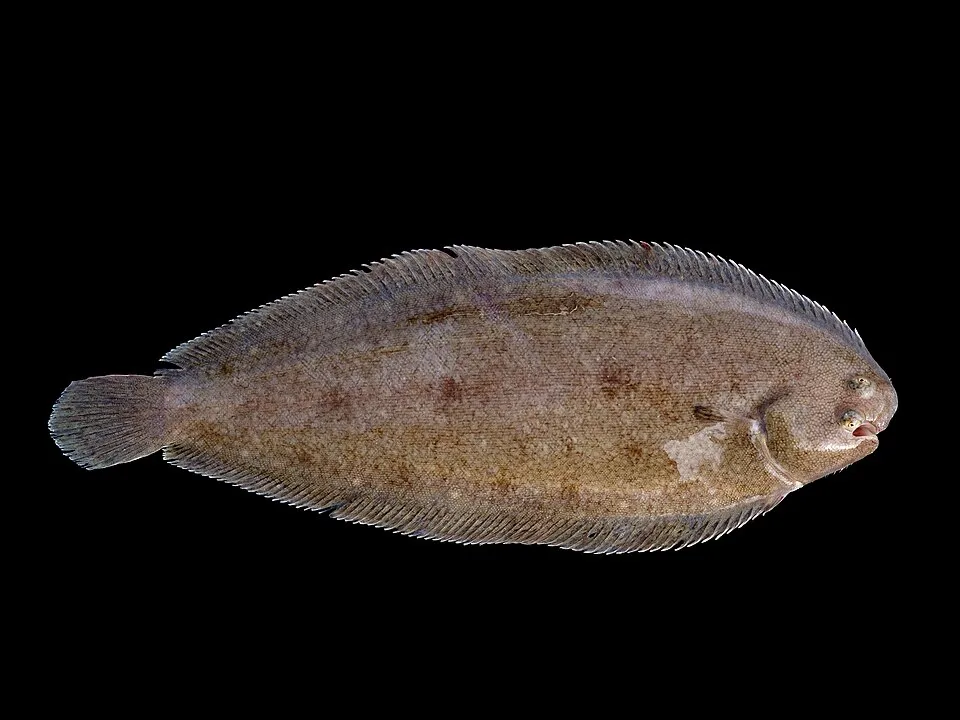 Common sole
Solea solea 4 places in common
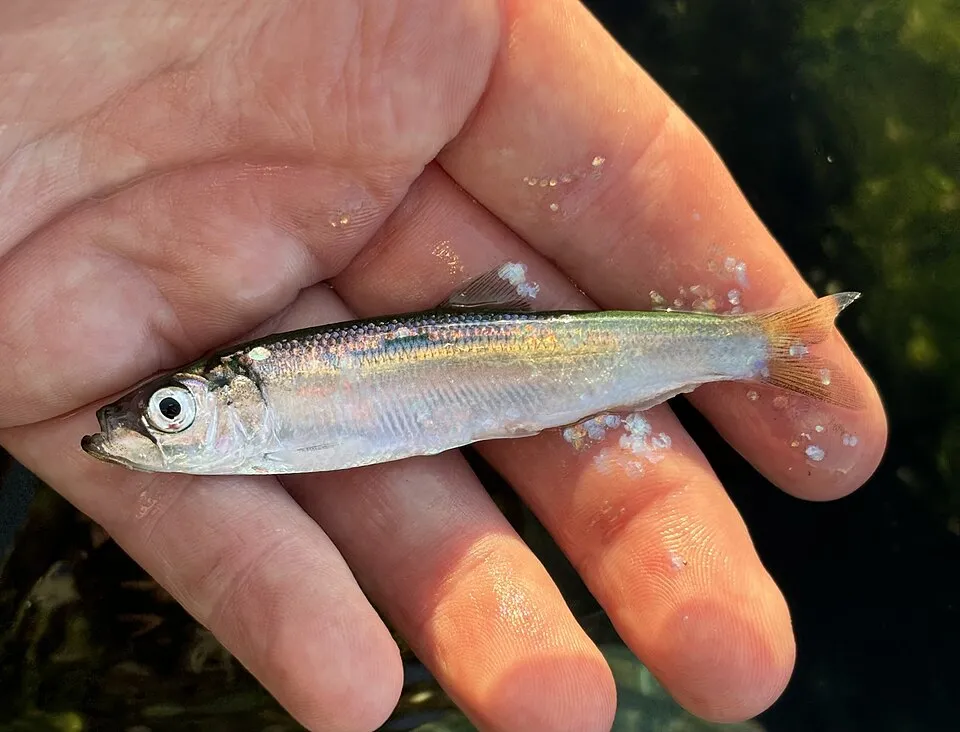 Atlantic herring
Clupea harengus 4 places in common
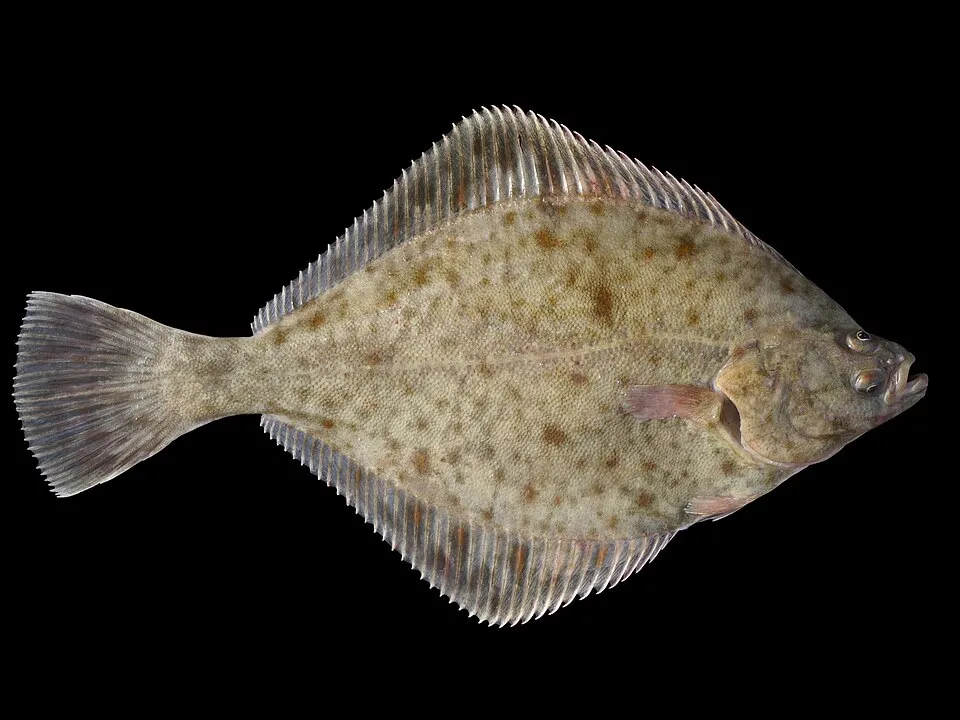 European flounder
Platichthys flesus 3 places in common
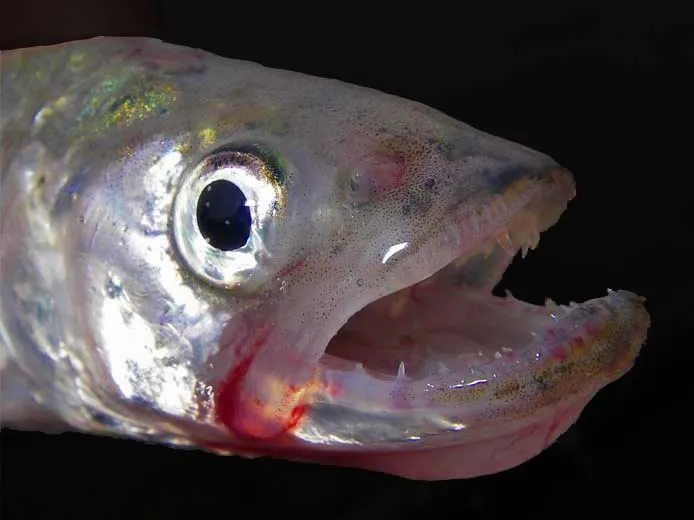 European smelt
Osmerus eperlanus 3 places in common
Sources and credits
- Presence: most-recorded species of each place on GBIF and species of Community interest in the Natura 2000 forms (EEA, CC-BY 4.0); absence from the list does not mean the species is absent.
- Common names: Wikidata (CC0) and GBIF.
- Photos and sounds: Wikimedia Commons, author and licence given for each file.
- Classification: GBIF Backbone Taxonomy (GBIF Secretariat), CC BY 4.0, doi:10.15468/39omei.
- Countries, elevations, months and maps: GBIF.org, CC0 or CC BY 4.0 occurrences only, accessed October 22, 2026, GBIF.org.
- Base map: Natural Earth (public domain).
- Excerpt: Wikipedia, CC BY-SA 4.0 (full credit below the excerpt).