
Mammal
Coypu: invasive alien species
Myocastor coypus
Invasive alien species Of Union concern
This species is on the list of invasive alien species of Union concern (Regulation (EU) No 1143/2014). The protected areas below are those where it has been recorded: they are listed to track its presence, not as places to go and see it.
This mammal species is recorded in 5 protected areas of the atlas. Within the atlas countries, it is mostly observed in France, Germany and the Netherlands (7 countries in all). Most records (8 in 10) lie between sea level and 280 m. Records are spread throughout the year.
Most often recorded: all year round
Records published on GBIF by month (CC0 and CC BY 4.0 licences only), in the atlas countries, all years combined; they also reflect observer activity.
Key facts
- Weight (female)
- 6.36 kg Wikidata, after Woods et al. 1992
- Weight (male)
- 6.70 kg Wikidata, after Woods et al. 1992
- Litter size
- 3–6 young Wikidata, after Woods et al. 1992
- Gestation
- 4.2–4.6 months Wikidata, after Woods et al. 1992
- Maximum recorded lifespan
- 9 years Wikidata, after Longevity of Mammals in Captivity, 2005
Distribution
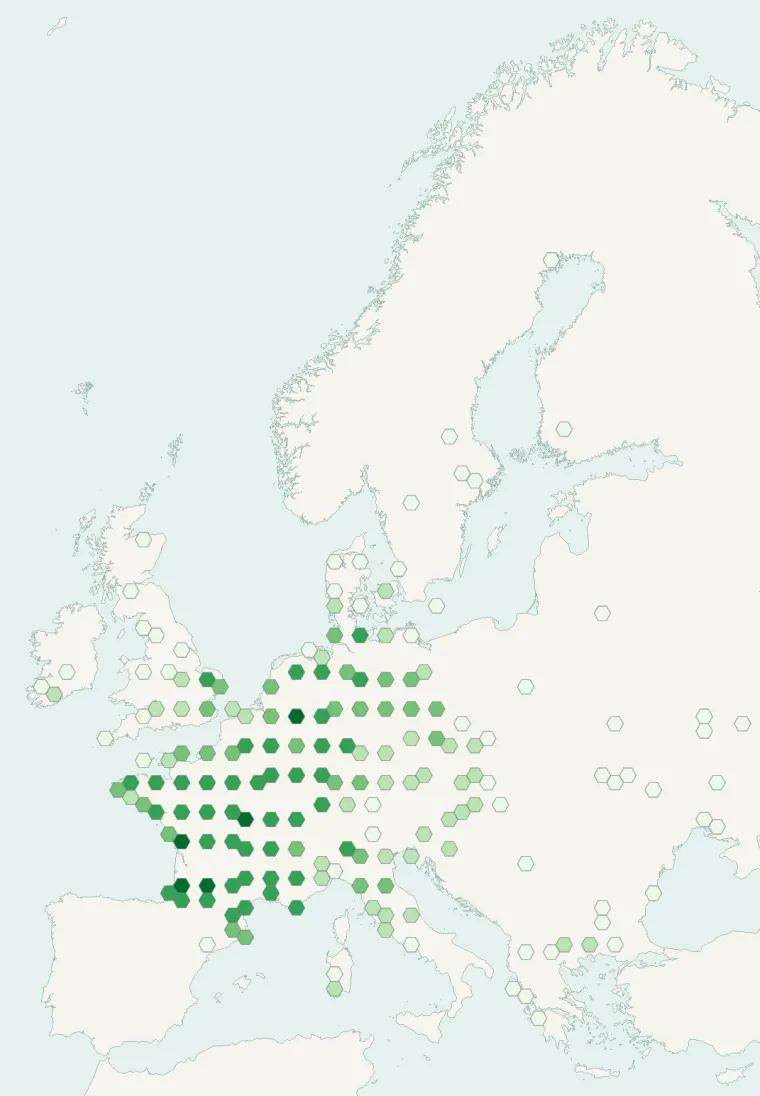
Records published on GBIF (CC0 and CC BY 4.0 licences): the darker the shade, the more records there are; they also reflect observation effort.
Atlas countries where it is recorded
From Wikipedia
The nutria or coypu (Myocastor coypus) is an herbivorous, semiaquatic rodent native to South America. Classified for a long time as the only member of the family Myocastoridae, Myocastor has since been included within Echimyidae, the family of the spiny rats. The nutria lives in burrows alongside stretches of water and feeds mainly on aquatic and riparian vegetation. In its native range it forms part of South American wetland food webs and can contribute to the dispersal of aquatic plants and spores.
Source: Wikipedia, article “Nutria” (version of October 8, 2026) · history and authors · licence CC BY-SA 4.0 · shortened excerpt
Protected areas where it has been recorded
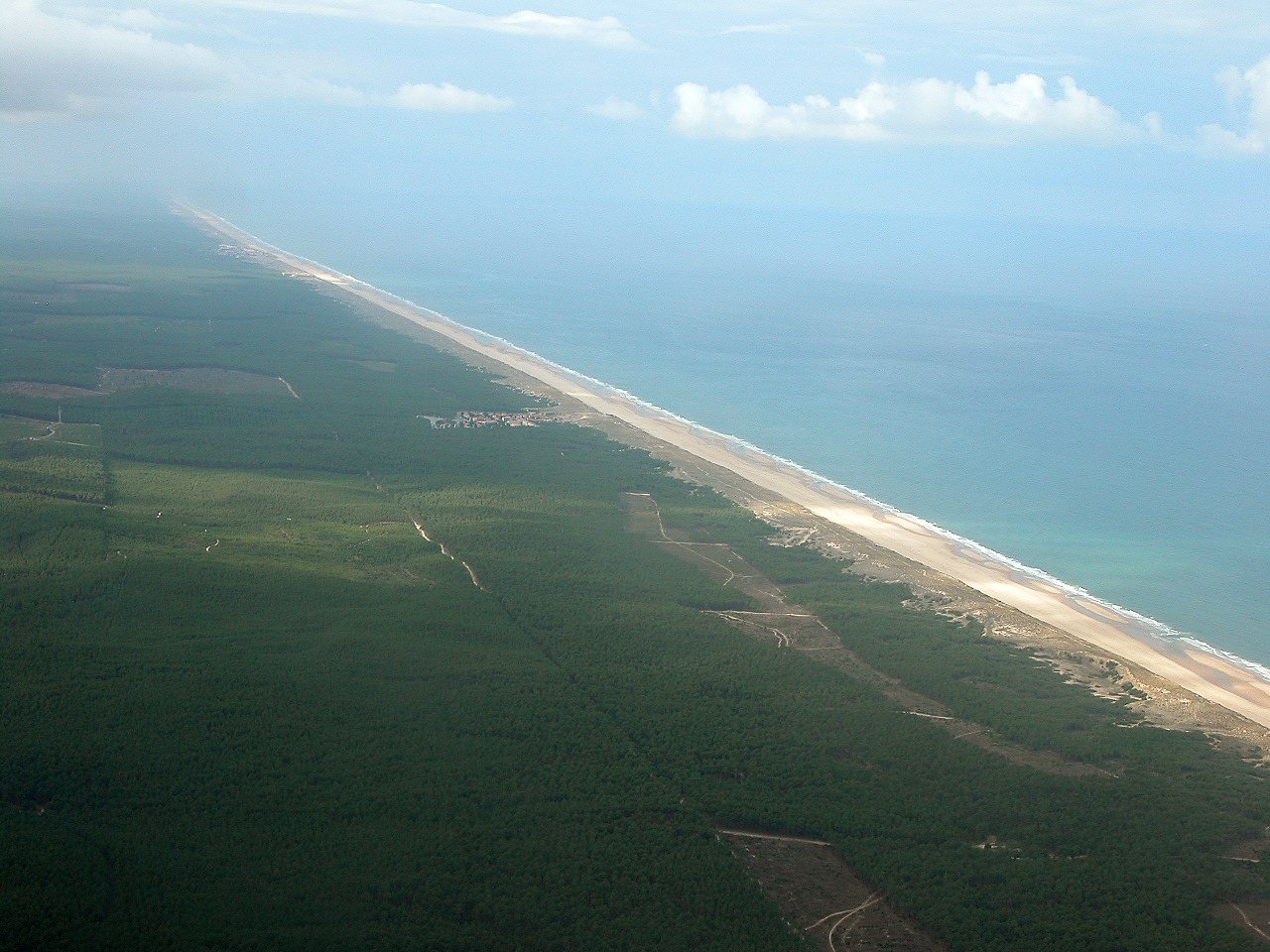
2,093 records
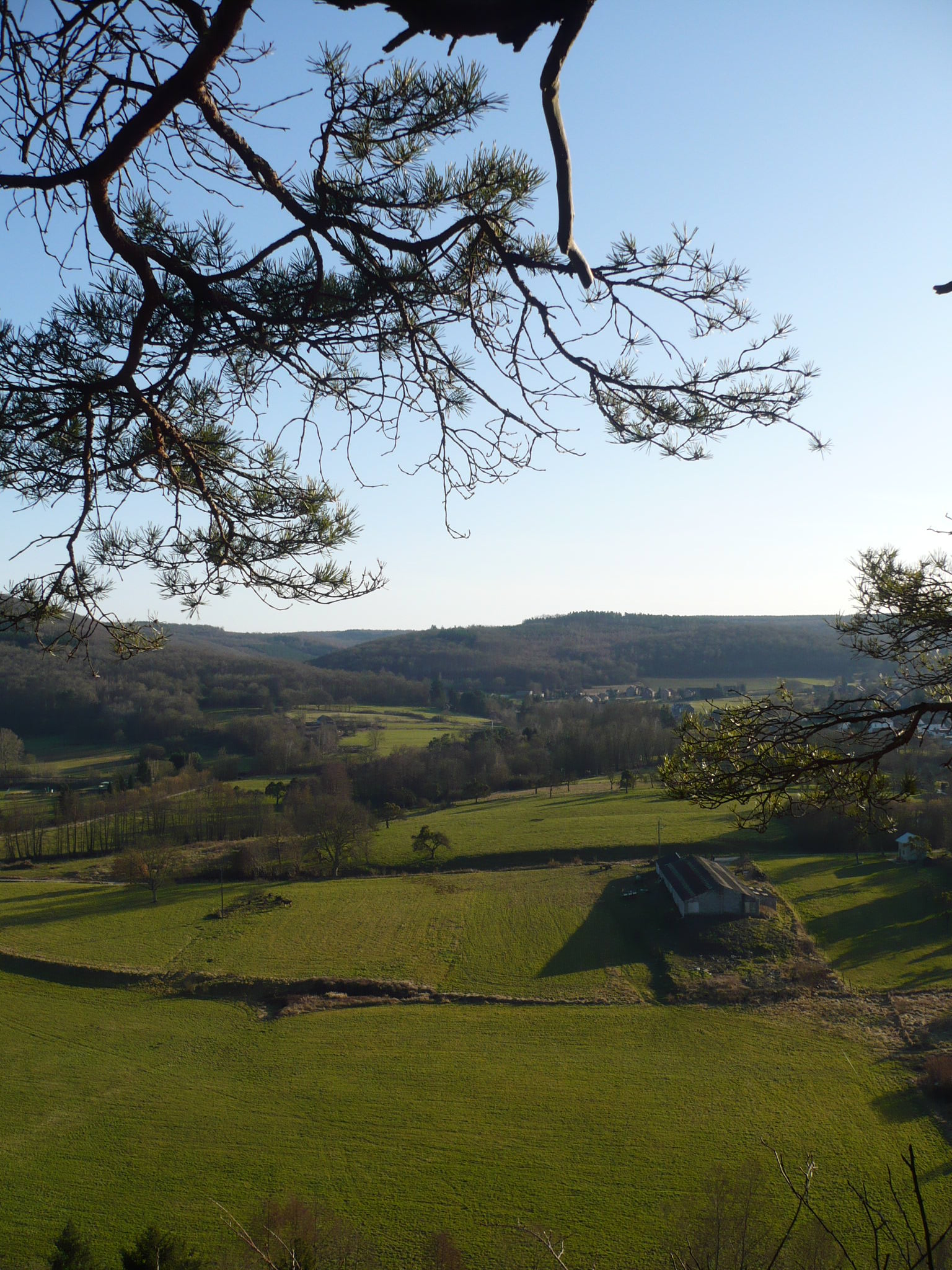
1,060 records

866 records
575 records
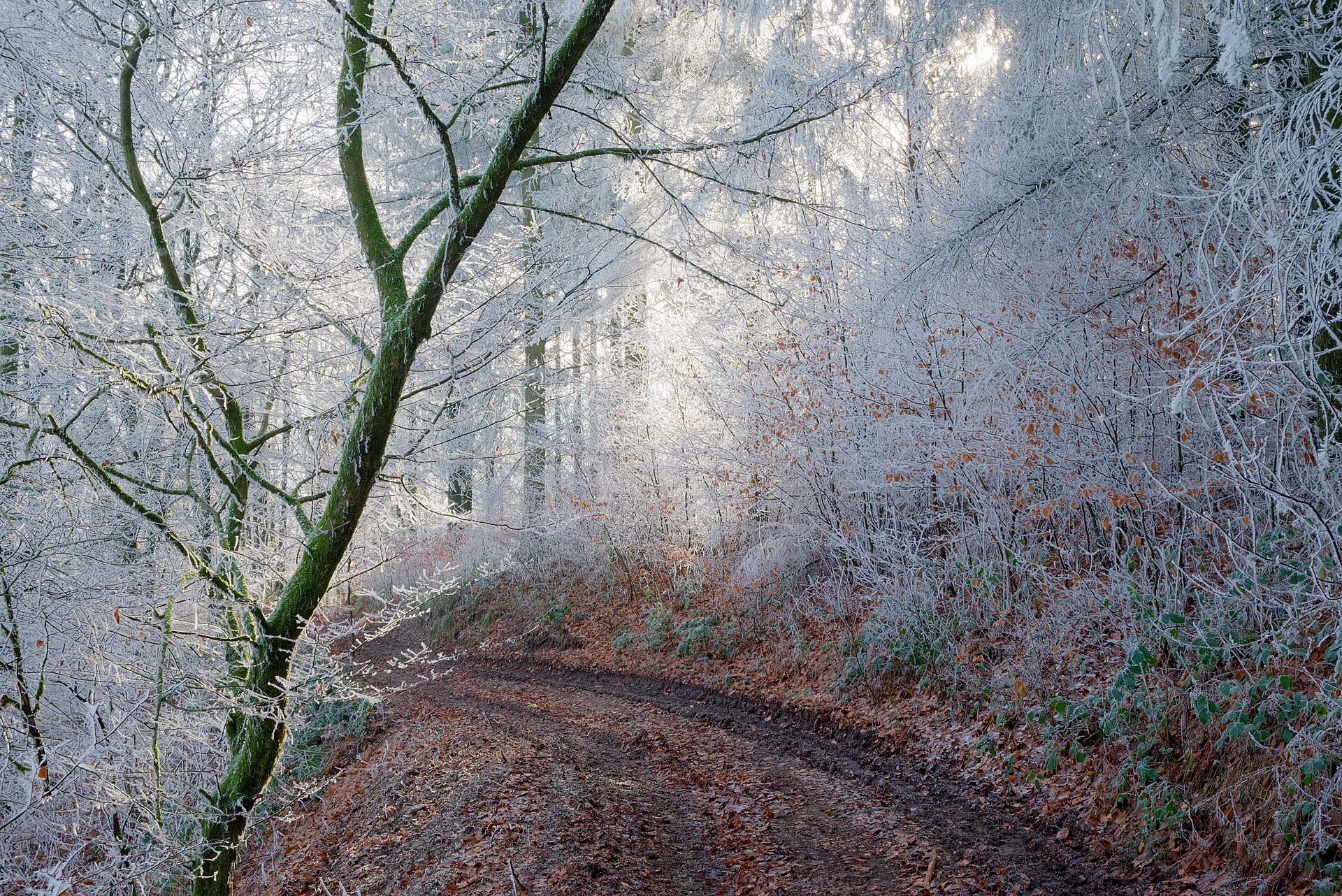
397 records
Other species to discover
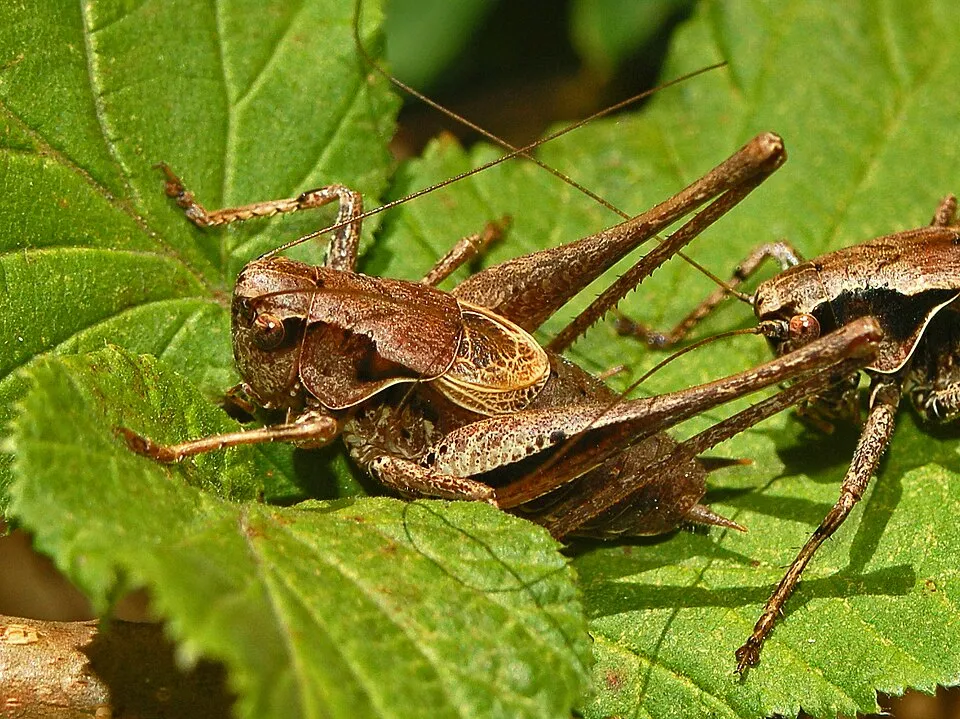 Dark bush-cricket
Pholidoptera griseoaptera 3 places in common
Sources and credits
- Presence: most-recorded species of each place on GBIF and species of Community interest in the Natura 2000 forms (EEA, CC-BY 4.0); absence from the list does not mean the species is absent.
- Common names: Wikidata (CC0) and GBIF.
- Photos and sounds: Wikimedia Commons, author and licence given for each file.
- Classification: GBIF Backbone Taxonomy (GBIF Secretariat), CC BY 4.0, doi:10.15468/39omei.
- Countries, elevations, months and maps: GBIF.org, CC0 or CC BY 4.0 occurrences only, accessed October 22, 2026, GBIF.org.
- Base map: Natural Earth (public domain).
- Excerpt: Wikipedia, CC BY-SA 4.0 (full credit below the excerpt).
- Key facts: Wikidata (CC0), with the references cited under each value.
- Invasive alien species: Union list, Regulation (EU) No 1143/2014 (INBO, CC0); Global Register of Introduced and Invasive Species (ISSG, CC BY 4.0).