
Plant
Edelweiss: where to see it
Leontopodium nivale
This plant species is recorded in 6 protected areas of the atlas. Within the atlas countries, it is mostly observed in France, Switzerland and Italy (7 countries in all). Most records (8 in 10) lie between 550 and 2,550 m above sea level. Records peak from July to August. Perennial plant, native to Europe.
Best time to see it: July–August
Records published on GBIF by month (CC0 and CC BY 4.0 licences only), in the atlas countries, all years combined; they also reflect observer activity.
Distribution
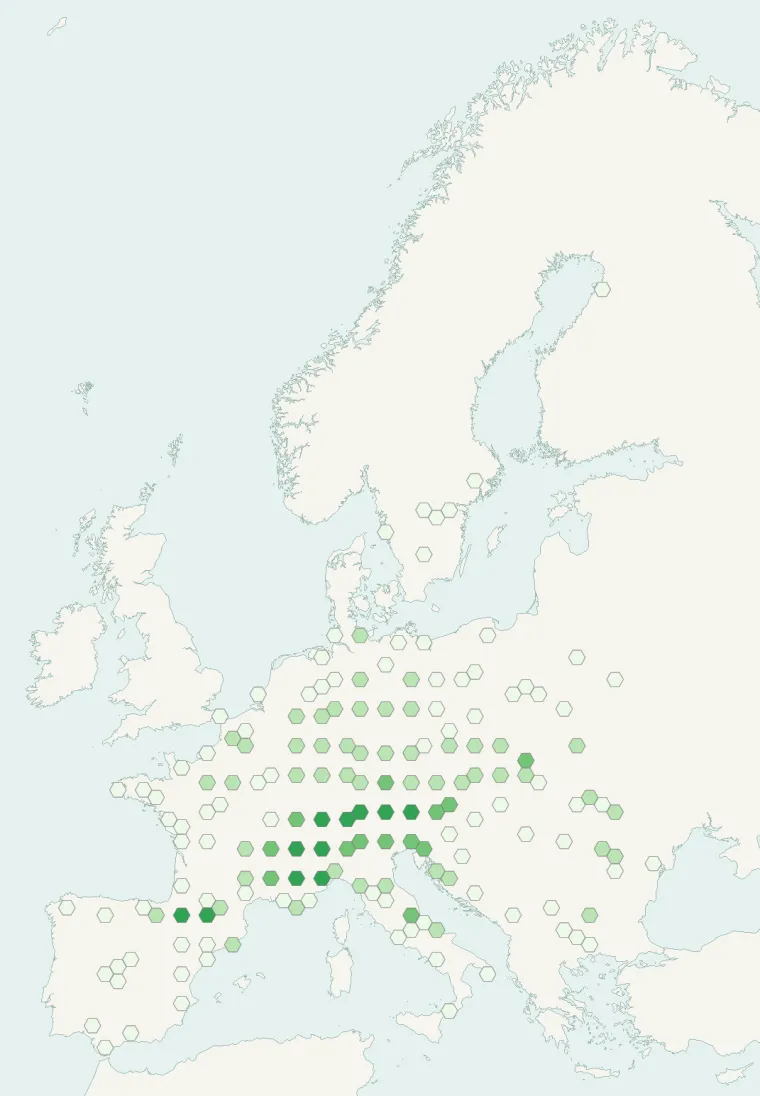
Records published on GBIF (CC0 and CC BY 4.0 licences): the darker the shade, the more records there are; they also reflect observation effort.
Atlas countries where it is recorded
From Wikipedia
Leontopodium nivale, commonly called edelweiss (lit. 'noble white') (German: Edelweiß or Alpen-Edelweiß), is a mountain flower belonging to the daisy or sunflower family Asteraceae. The plant prefers rocky limestone places at about 1,800–3,400 metres (5,900–11,200 ft) altitude. It is a non-toxic plant. Its leaves and flowers are covered with dense hairs, which appear to protect the plant from cold, aridity, and ultraviolet radiation.
Source: Wikipedia, article “Edelweiss” (version of October 16, 2026) · history and authors · licence CC BY-SA 4.0 · shortened excerpt
Protected areas where it is recorded
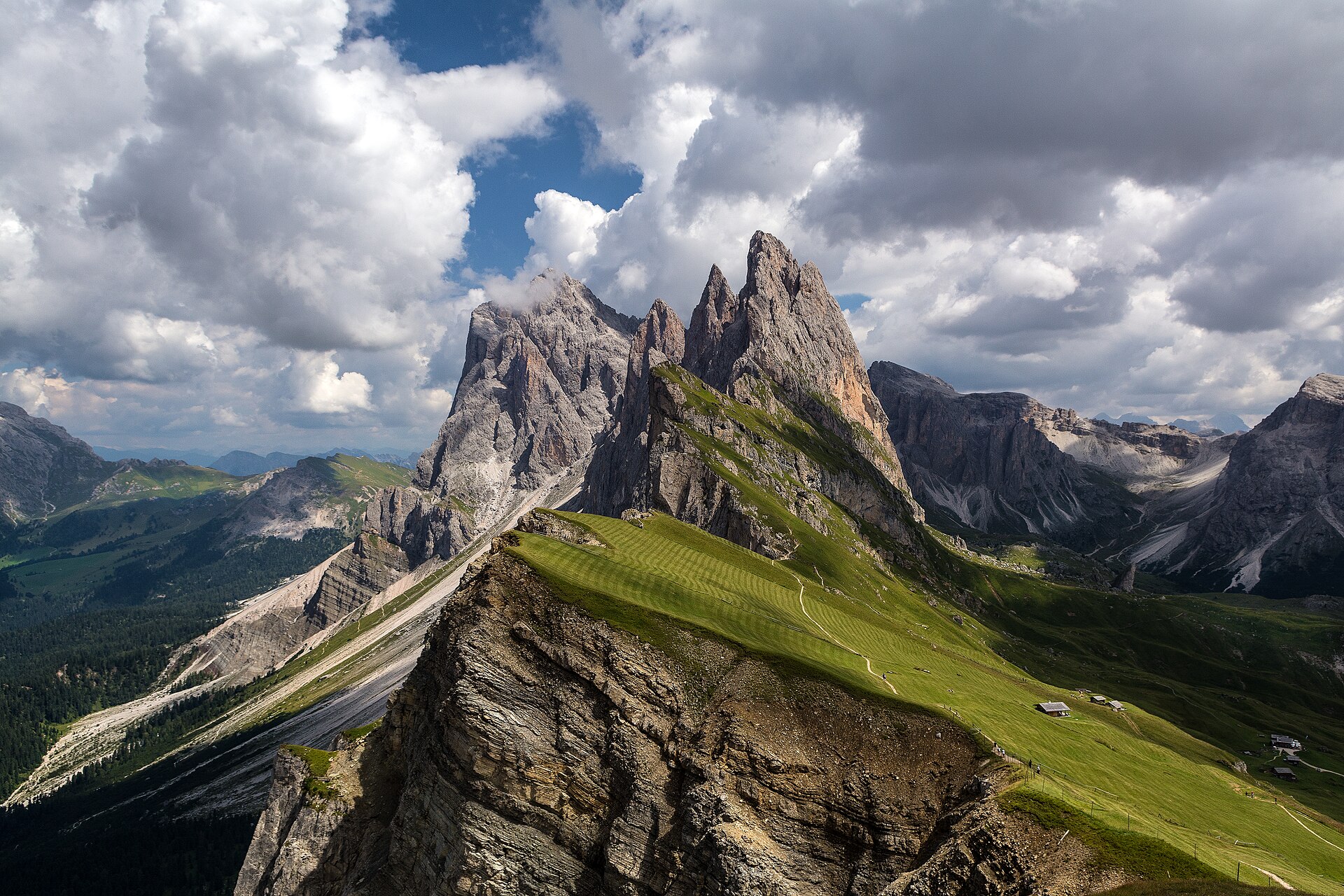
305 records
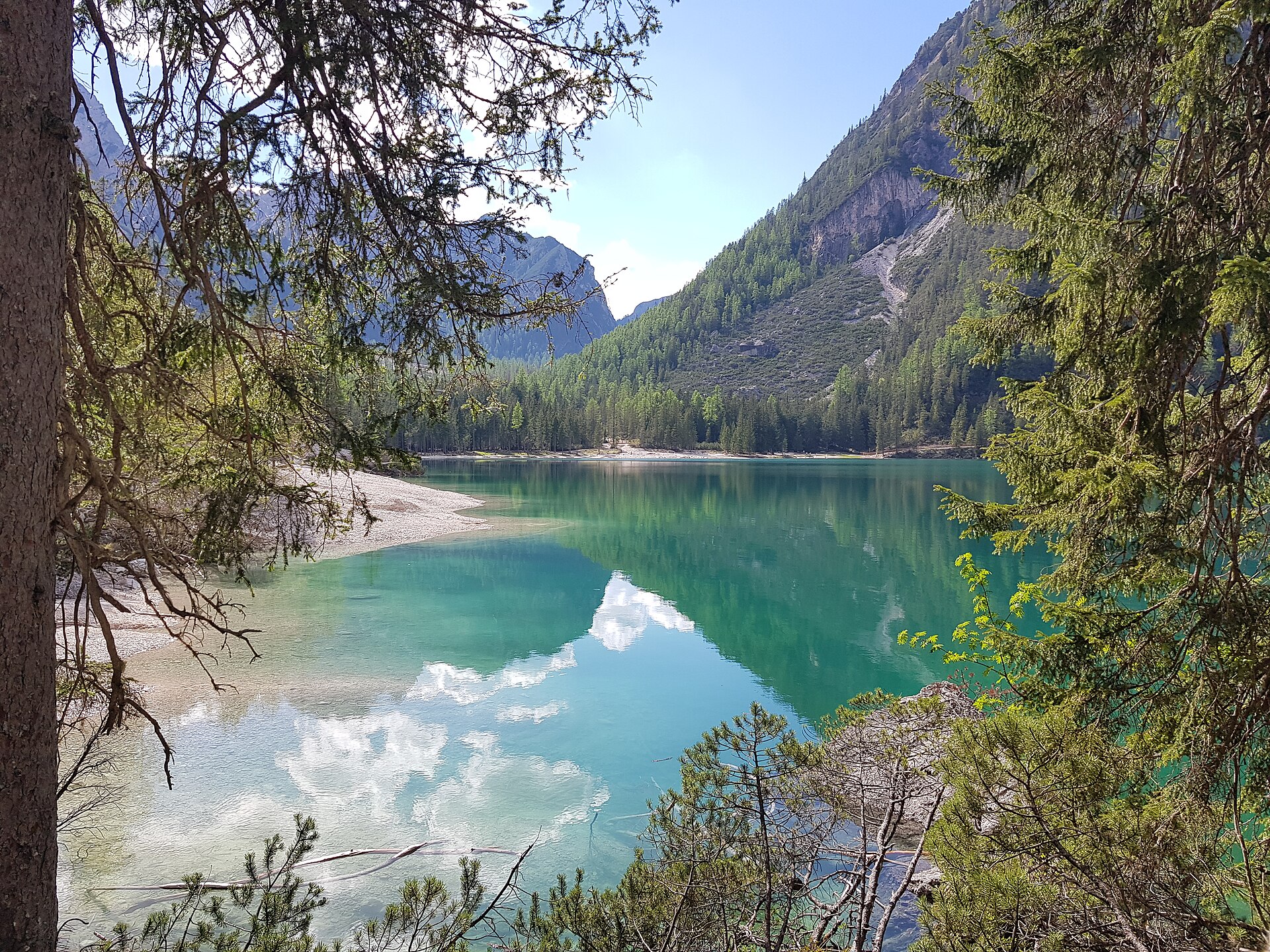
86 records
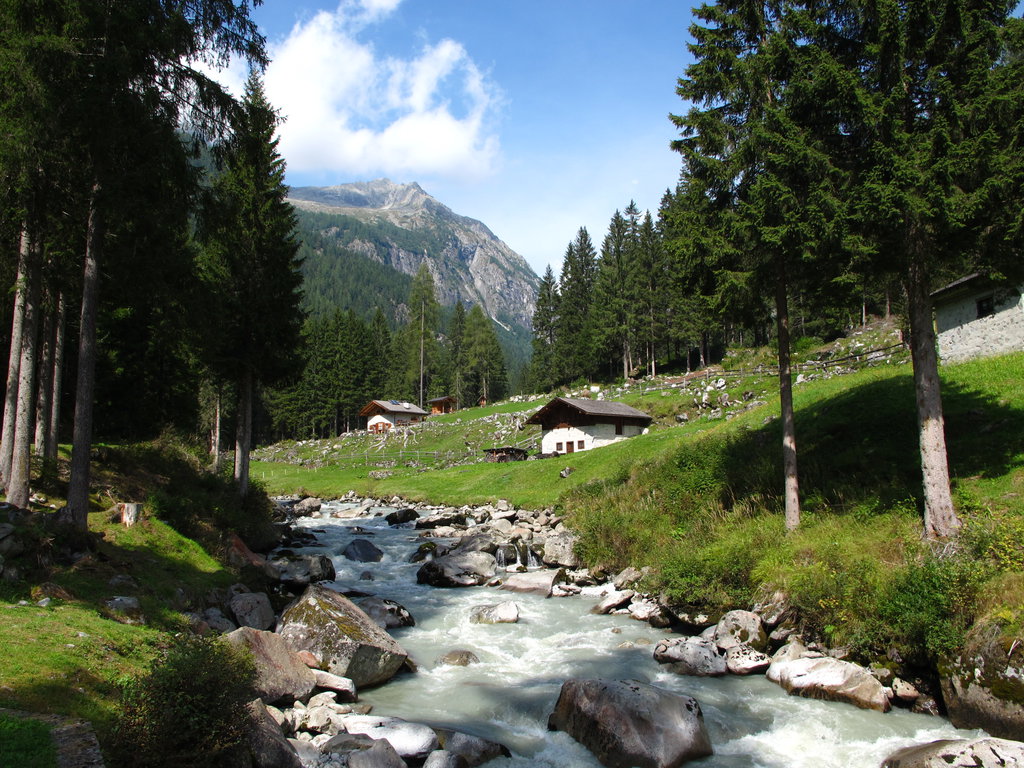
81 records
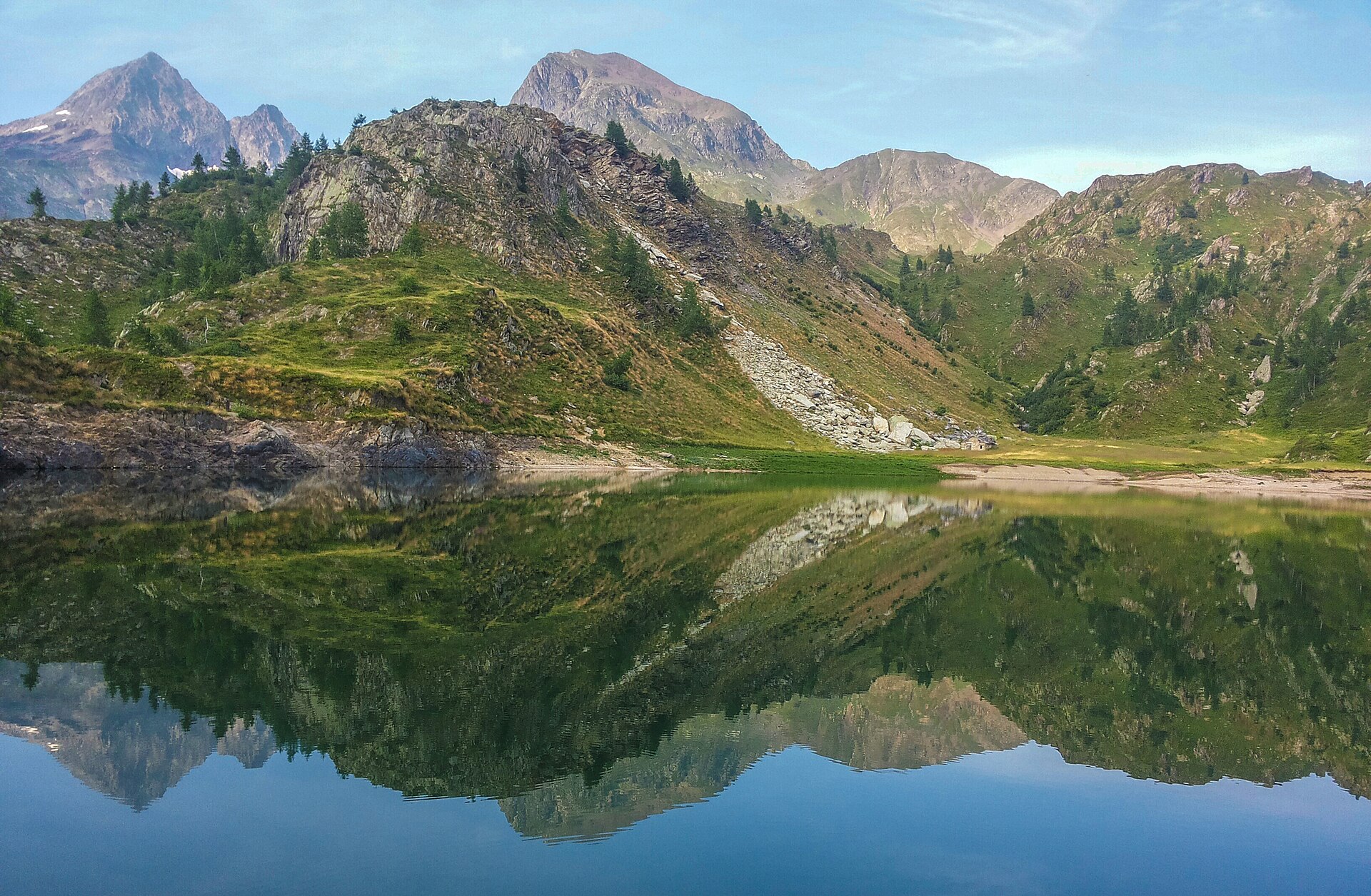
64 records
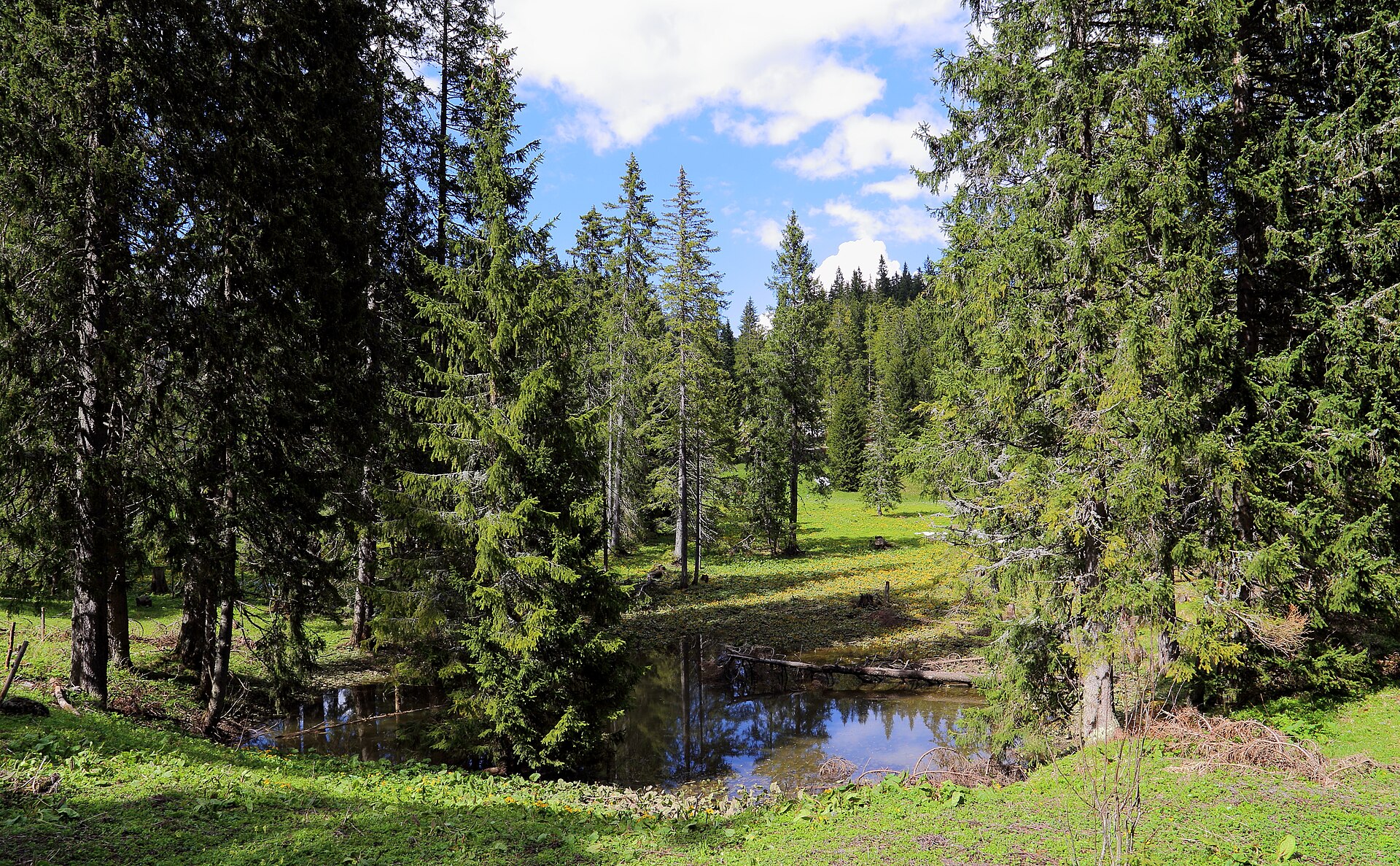
36 records
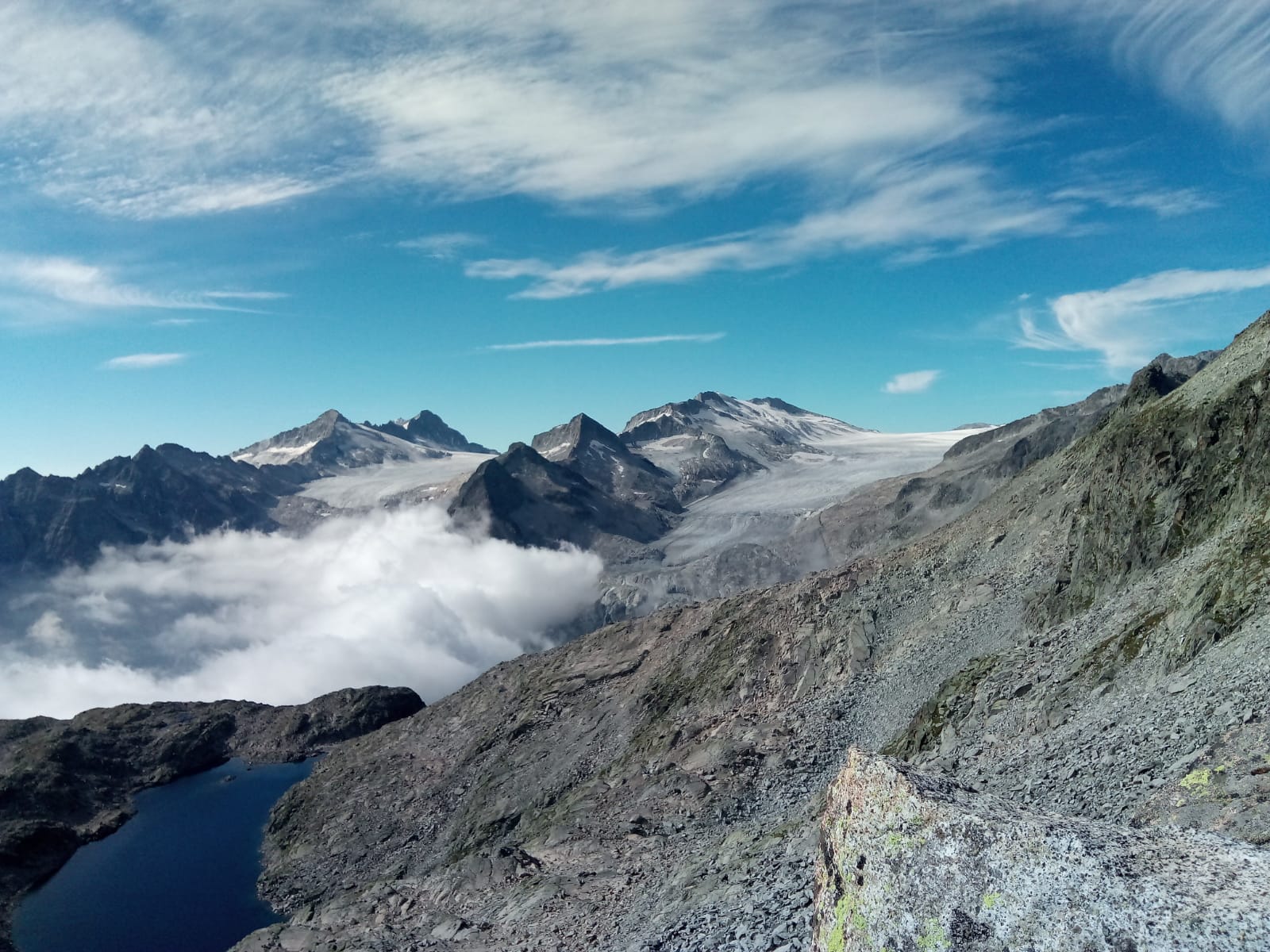
14 records
Other species to discover
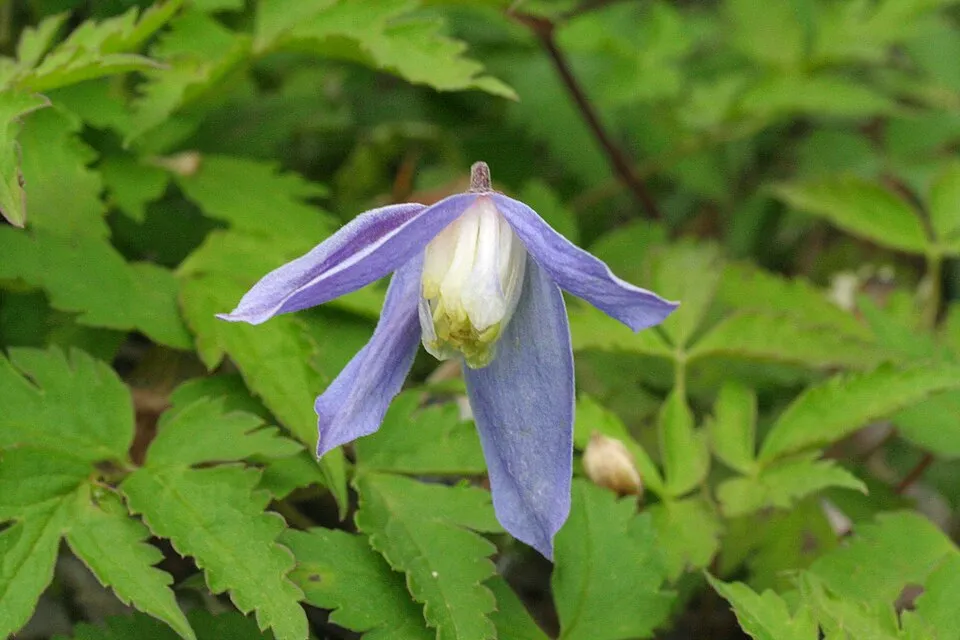 Alpine clematis
Clematis alpina 4 places in common
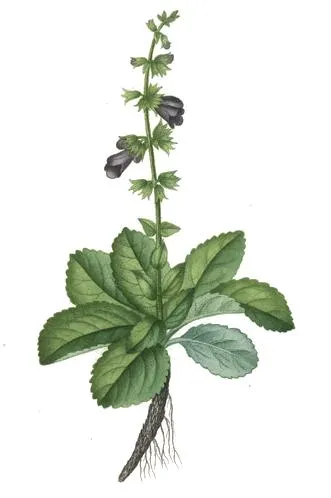 Dragonmouth
Horminum pyrenaicum 3 places in common
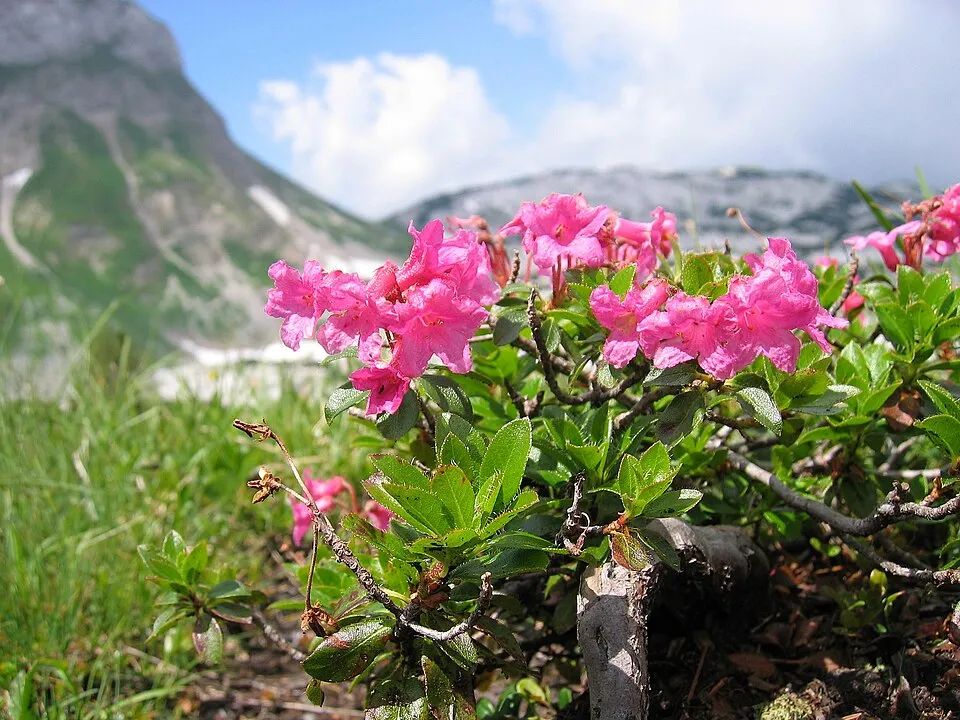 Hairy Alpenrose
Rhododendron hirsutum 3 places in common
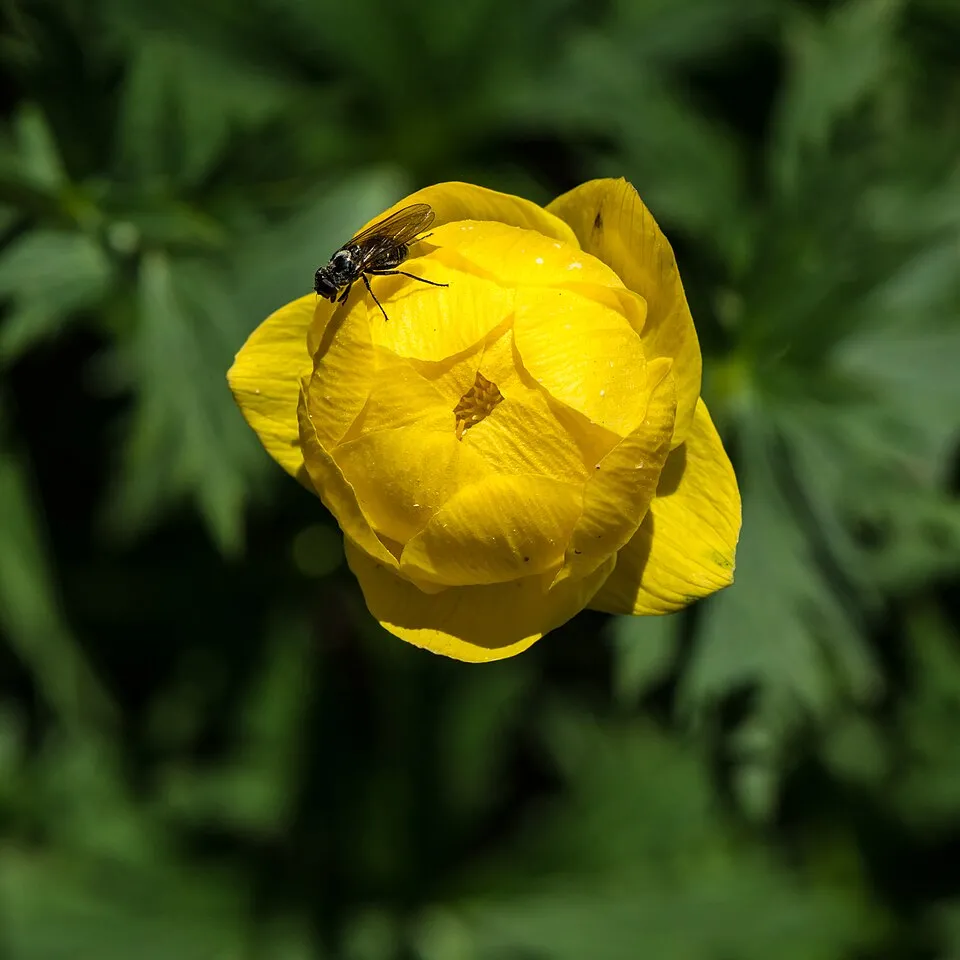 European globeflower
Trollius europaeus 5 places in common
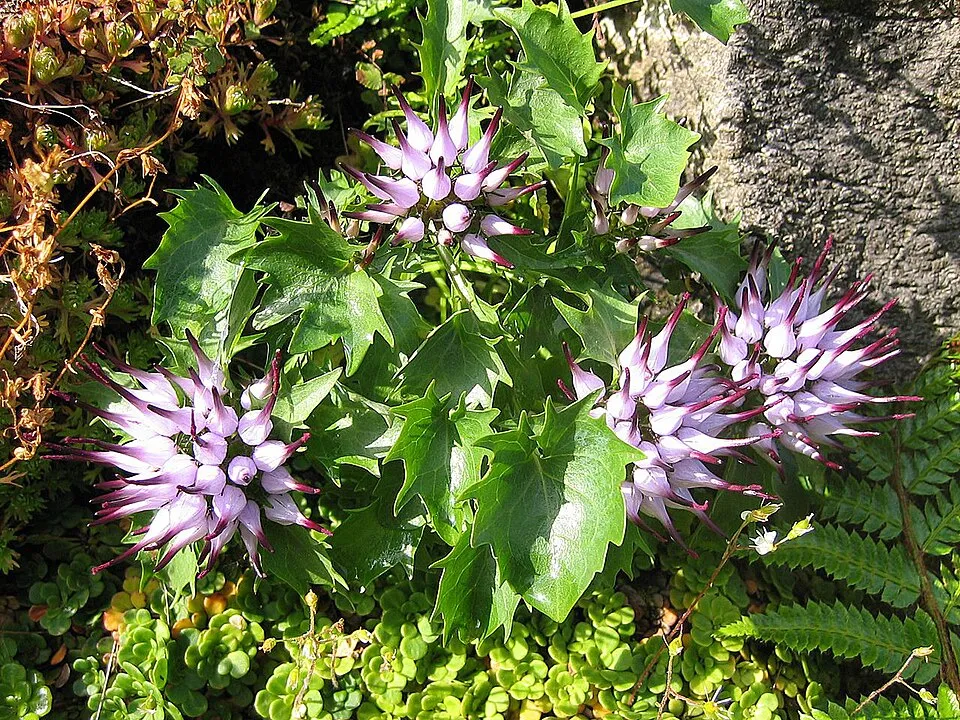 Tufted horned rampion
Physoplexis comosa 4 places in common
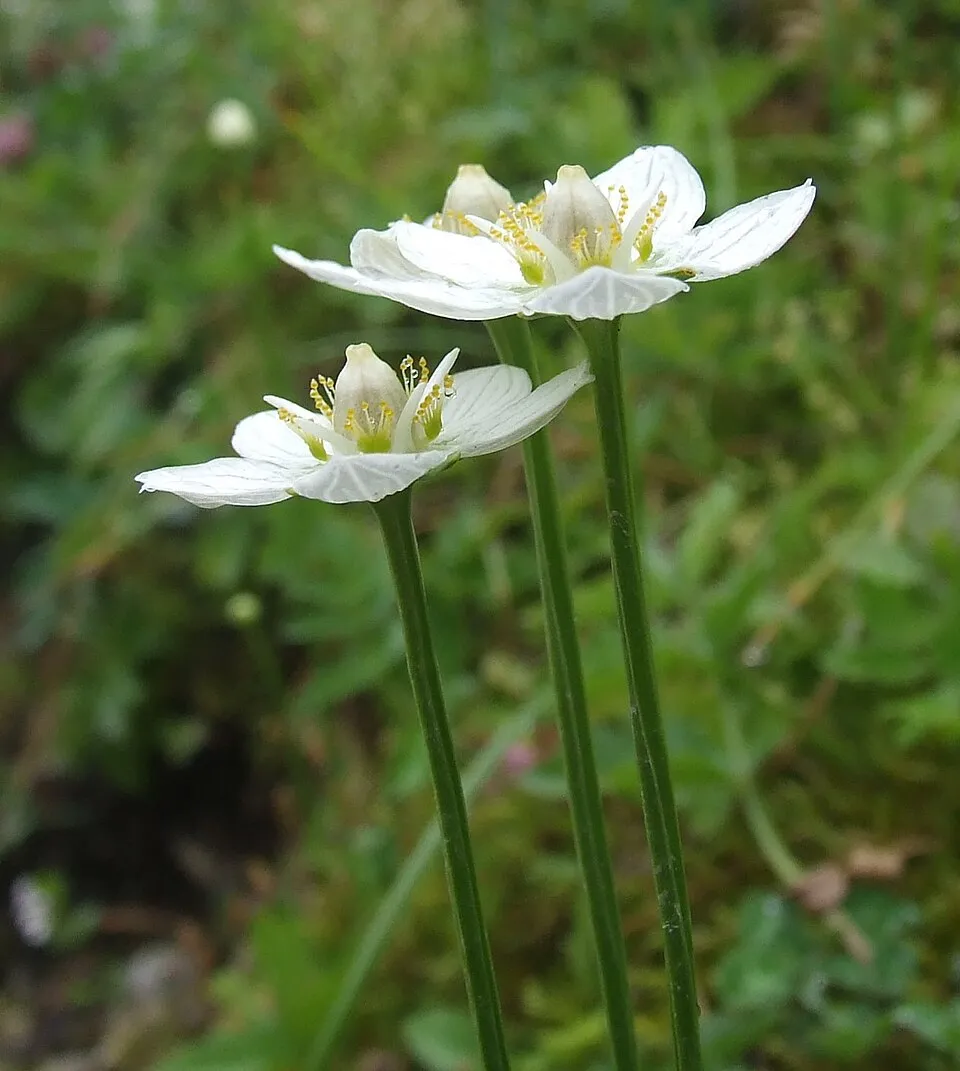 Grass-of-Parnassus
Parnassia palustris 4 places in common
Sources and credits
- Presence: most-recorded species of each place on GBIF and species of Community interest in the Natura 2000 forms (EEA, CC-BY 4.0); absence from the list does not mean the species is absent.
- Common names: Wikidata (CC0) and GBIF.
- Photos and sounds: Wikimedia Commons, author and licence given for each file.
- Classification: GBIF Backbone Taxonomy (GBIF Secretariat), CC BY 4.0, doi:10.15468/39omei.
- Countries, elevations, months and maps: GBIF.org, CC0 or CC BY 4.0 occurrences only, accessed October 22, 2026, GBIF.org.
- Base map: Natural Earth (public domain).
- Excerpt: Wikipedia, CC BY-SA 4.0 (full credit below the excerpt).
- Native range and life form: World Checklist of Vascular Plants, Royal Botanic Gardens, Kew, CC BY 4.0 (no endorsement by Kew).