
Insect
Fenton's Wood White: where to see it
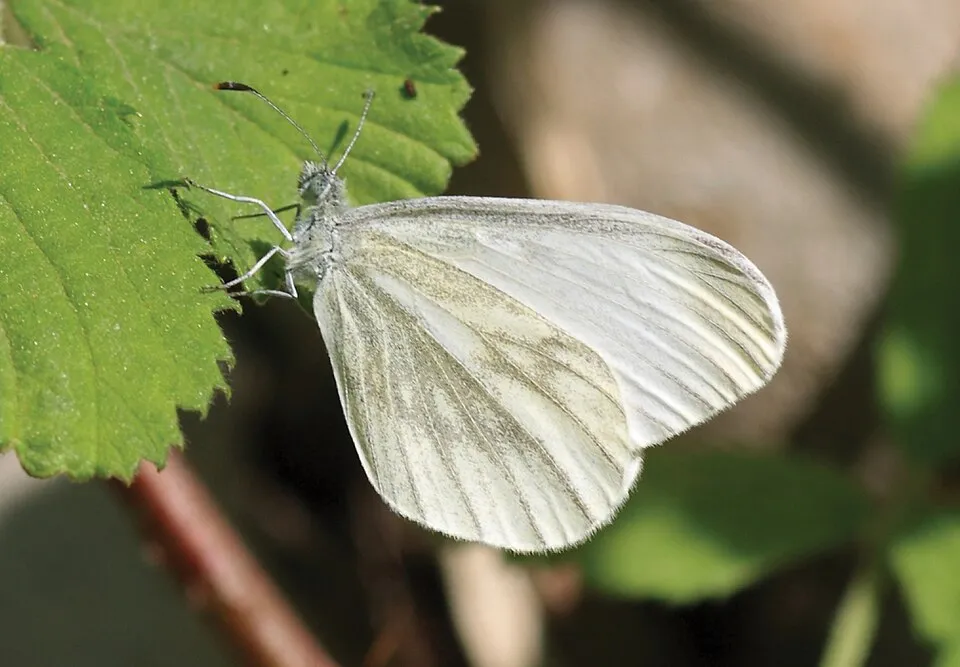
Leptidea morsei
This insect species is recorded in 12 protected areas of the atlas, and is listed on the official Natura 2000 form of each of them. Within the atlas countries, it is mostly observed in Romania, Austria and Slovakia (6 countries in all). Records peak from May to August. It is a species of Community interest under the Habitats Directive (Annexes II and IV). In the EU its conservation status is assessed as unfavourable-inadequate (2013–2018 reporting).
Best time to see it: May–August
Records published on GBIF by month (CC0 and CC BY 4.0 licences only), in the atlas countries, all years combined; they also reflect observer activity.
Status and protection
Habitats Directive II · IV
The species is listed in Annexes II and IV of the Habitats Directive.
In the EU its conservation status is assessed as unfavourable-inadequate in the Alpine and Continental regions (2013–2018 reporting).
Distribution
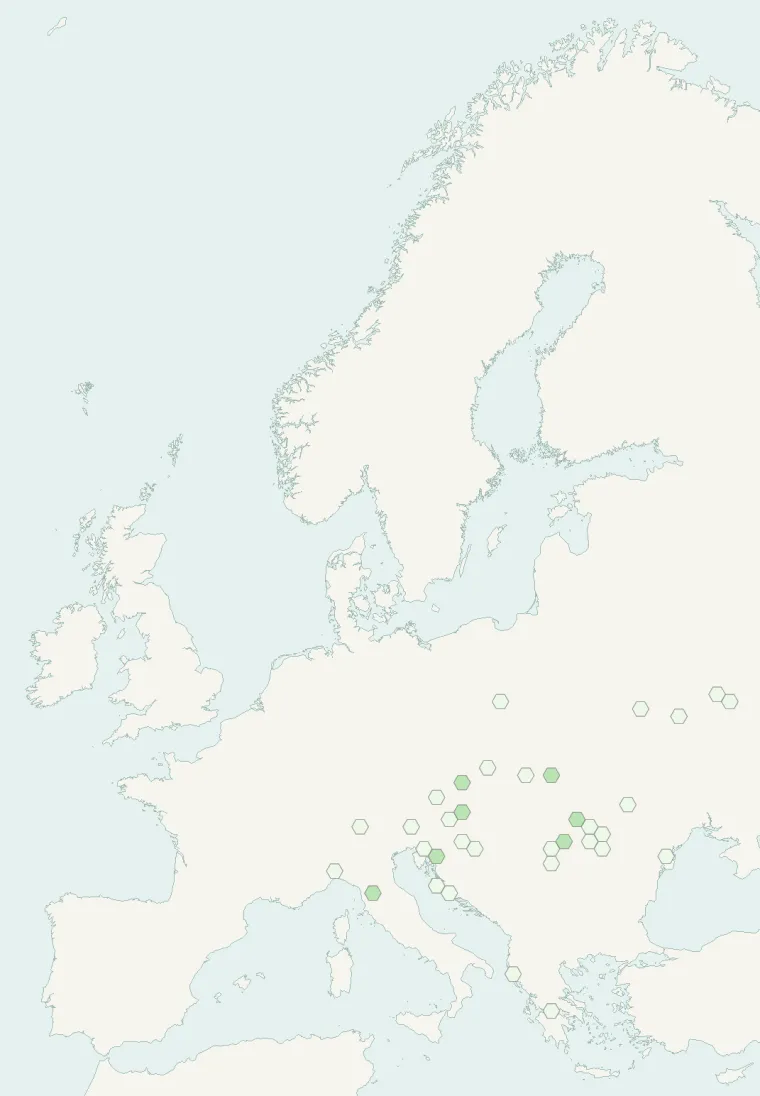
Records published on GBIF (CC0 and CC BY 4.0 licences): the darker the shade, the more records there are; they also reflect observation effort.
Atlas countries where it is recorded
From Wikipedia
Leptidea morsei (Fenton's wood white) is a butterfly of the family Pieridae. It is found from central Europe to Siberia, Ussuri, Korea, northern China and Japan. The wingspan is 46–54 mm. The wing ground color is white. The forewings are falcate- elongated at the apex and with a concave outer margin. The male forewing has a dark spot at the apex. In spring-generation butterflies, the hindwing base color is grayish-ochre on the underside, while in summer-generation individuals, it is white..Adults are on wing from April to May and again from June to July in two generations per year.
Source: Wikipedia, article “Leptidea morsei” (version of March 24, 2026) · history and authors · licence CC BY-SA 4.0 · shortened excerpt
Protected areas where it is recorded
Natura 2000
Natura 2000

Natura 2000
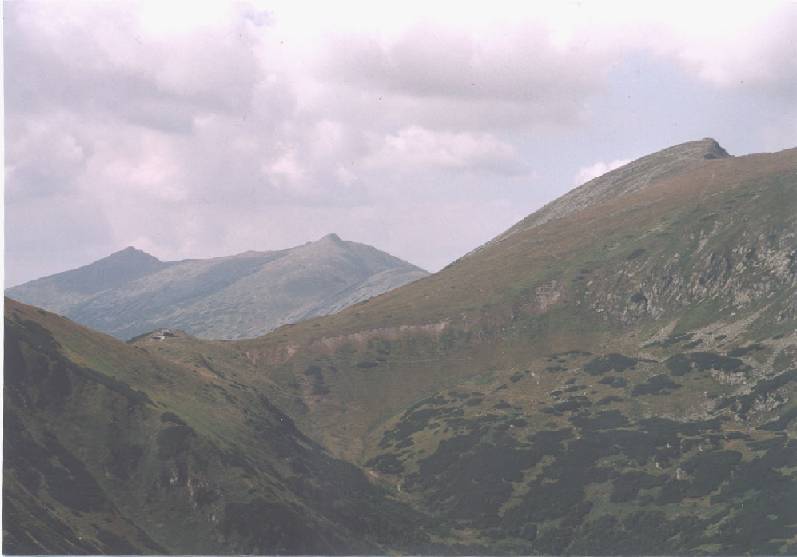
Natura 2000

Natura 2000
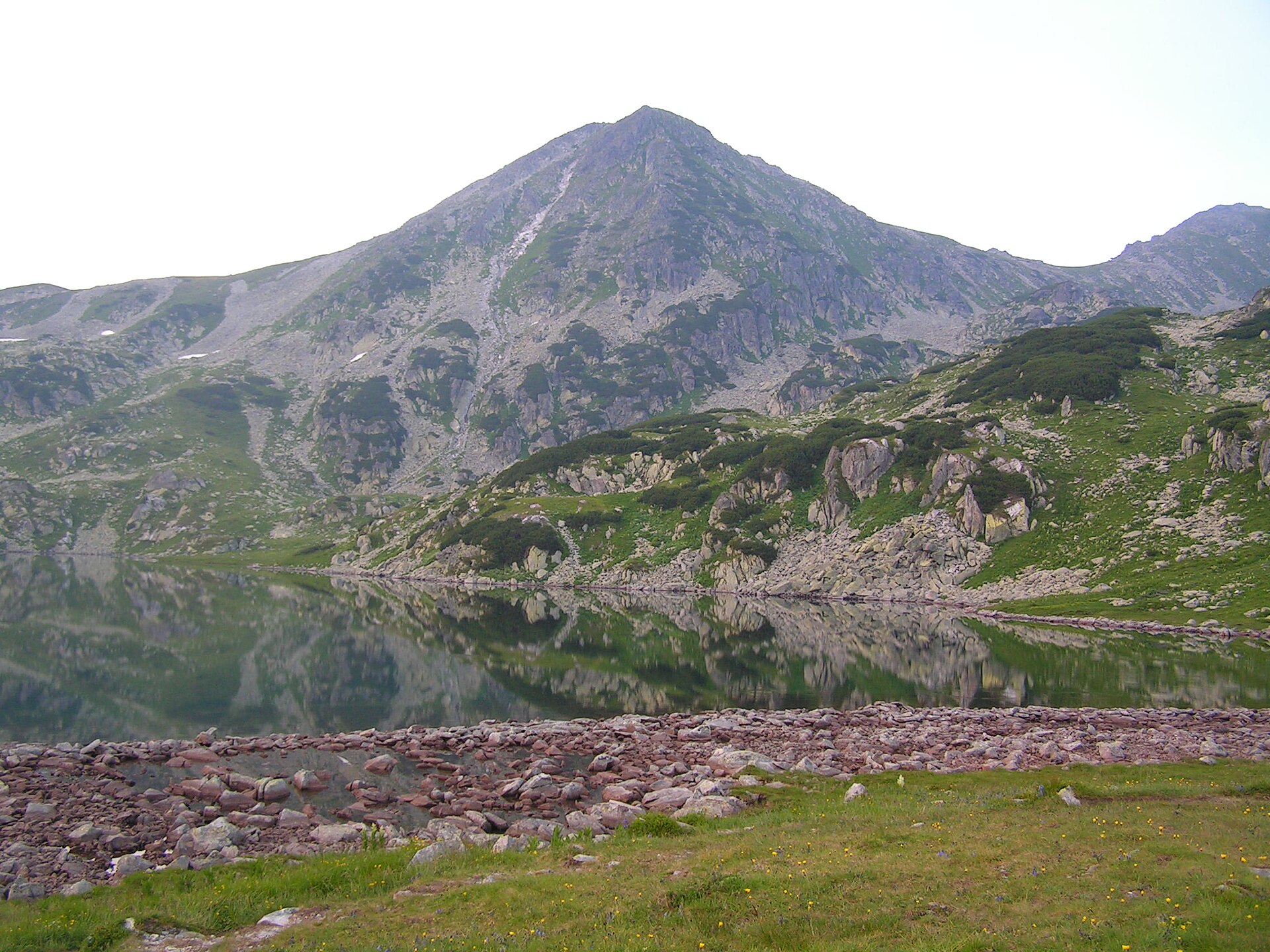
Natura 2000

Natura 2000
Natura 2000
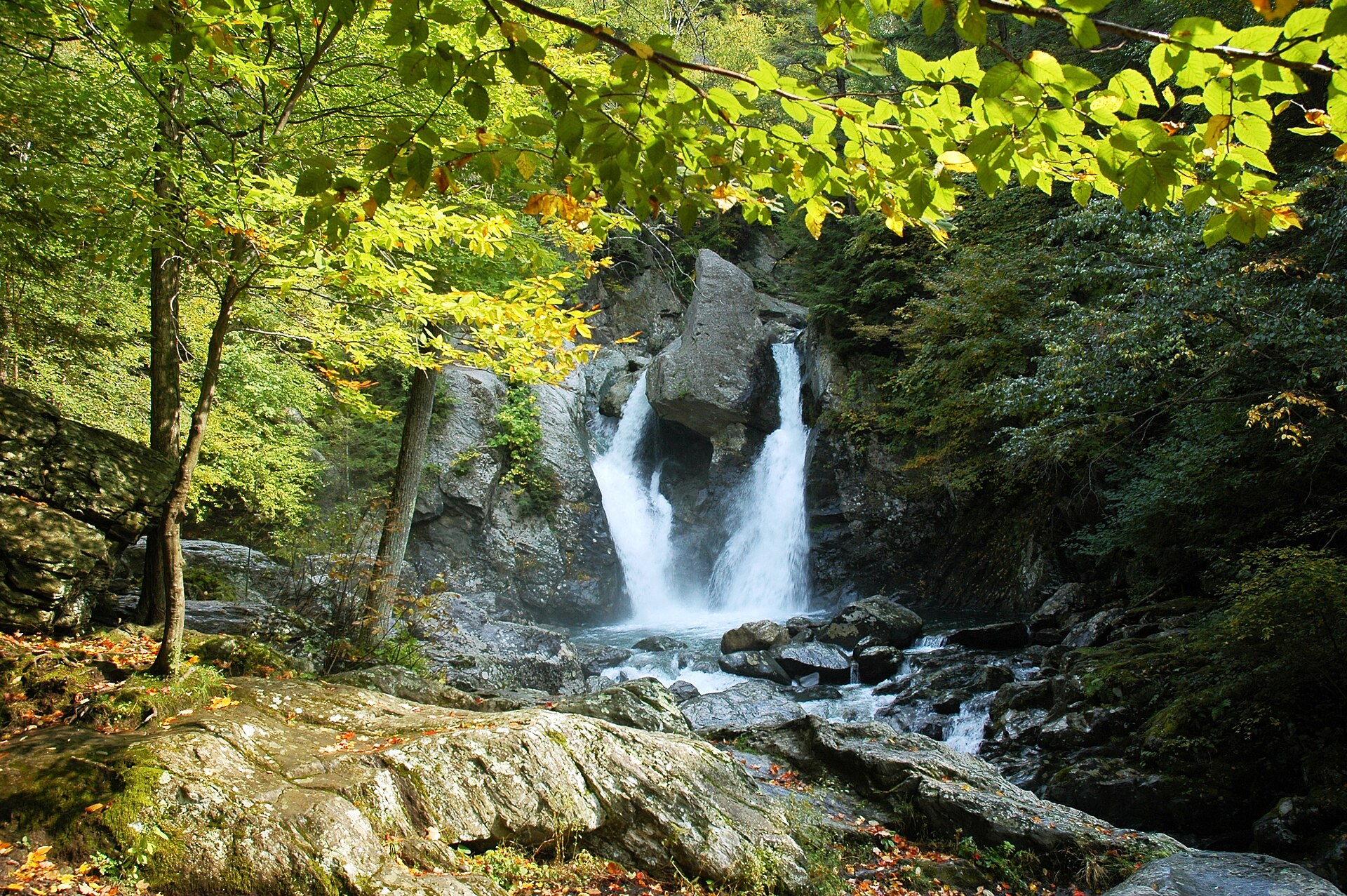
Natura 2000
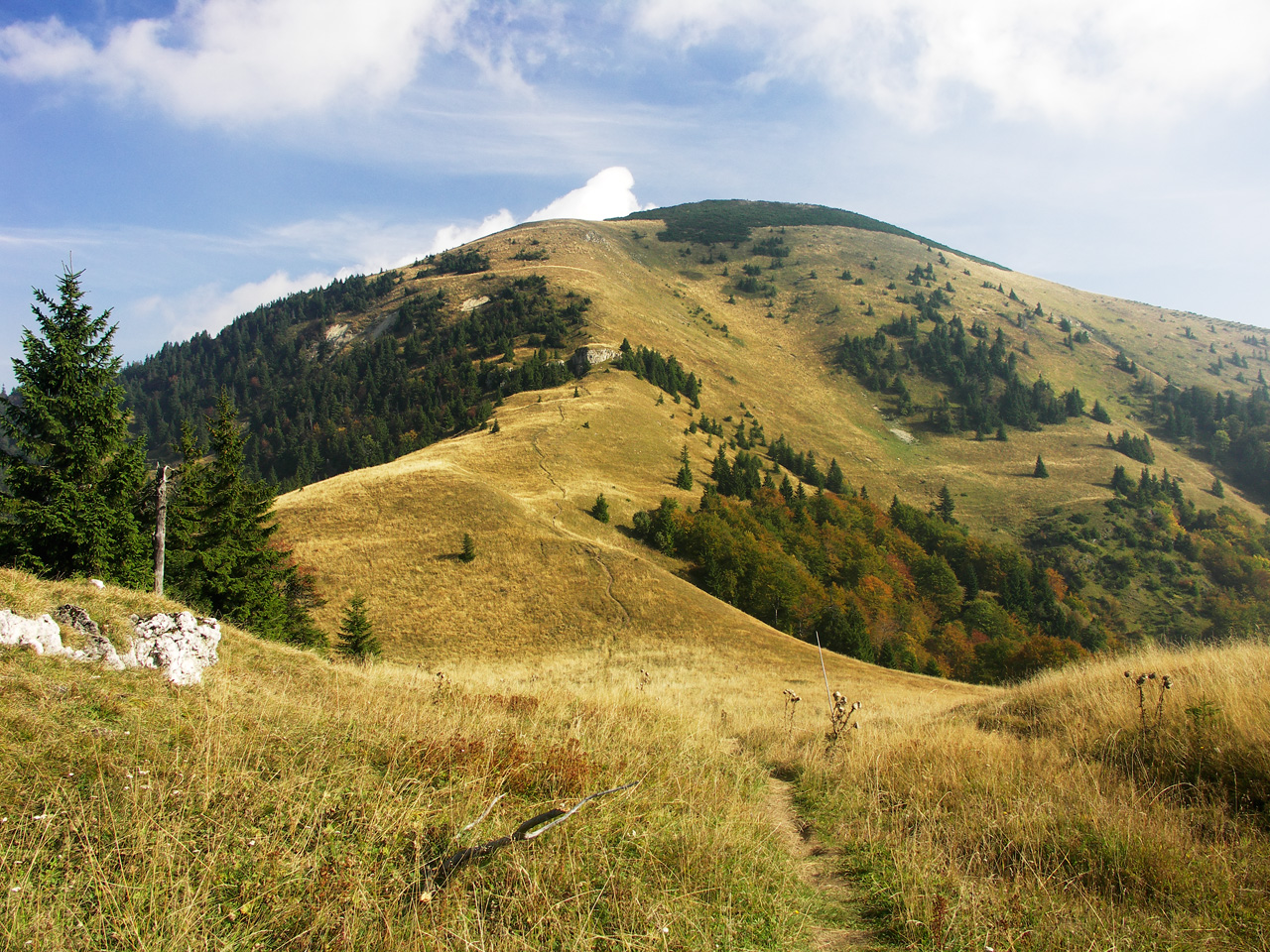
Natura 2000
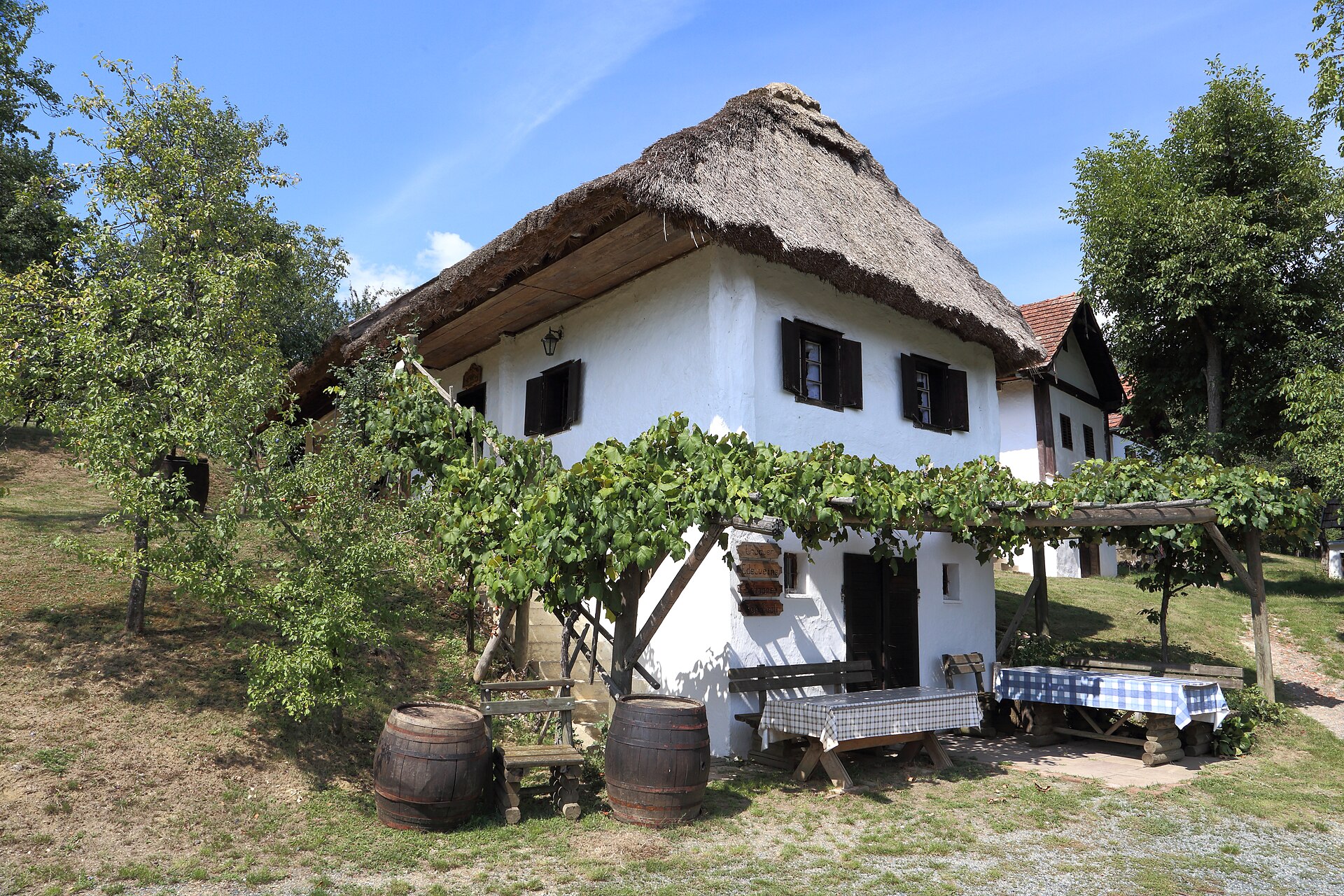
Natura 2000
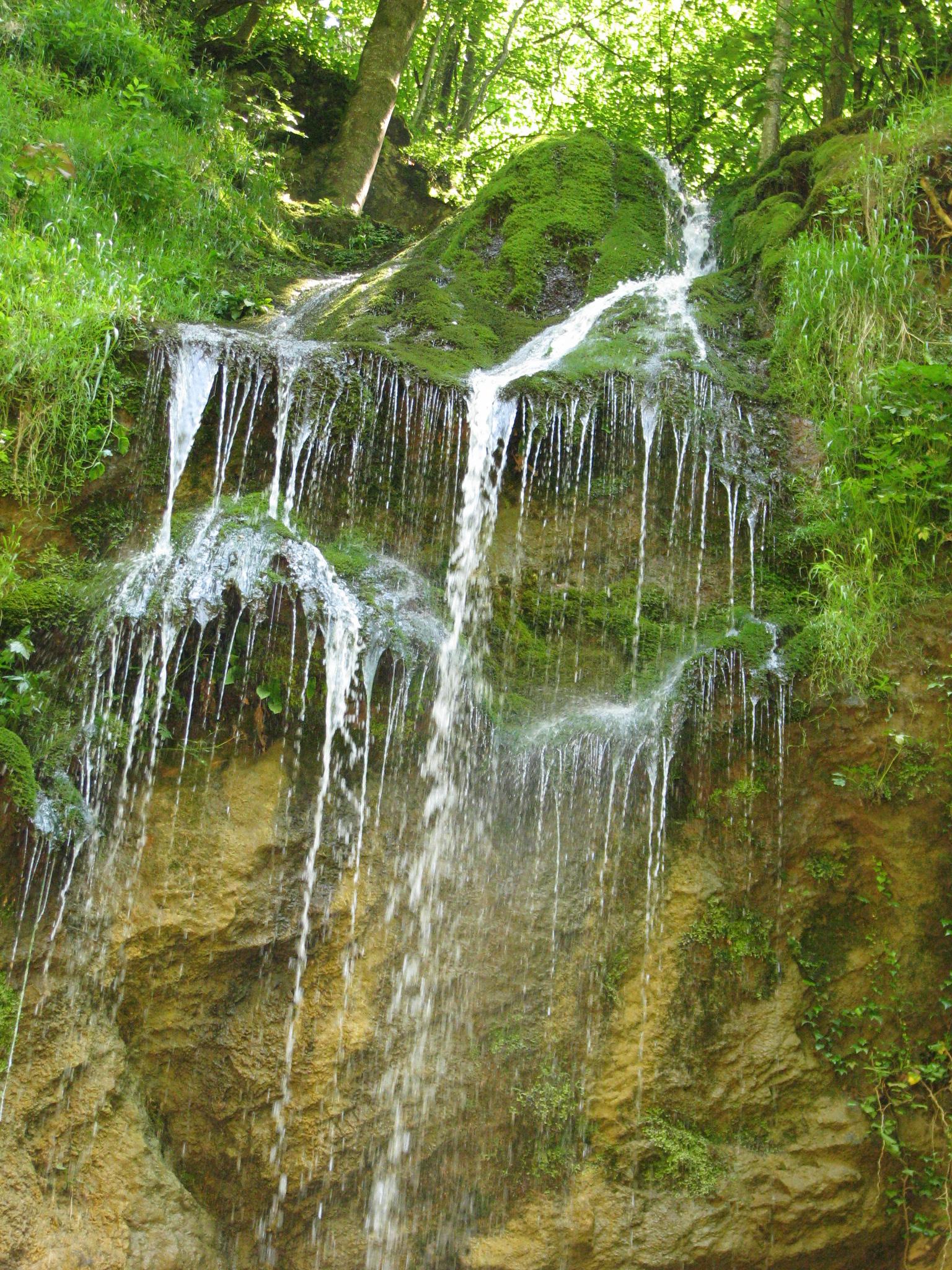
Natura 2000
Other species to discover
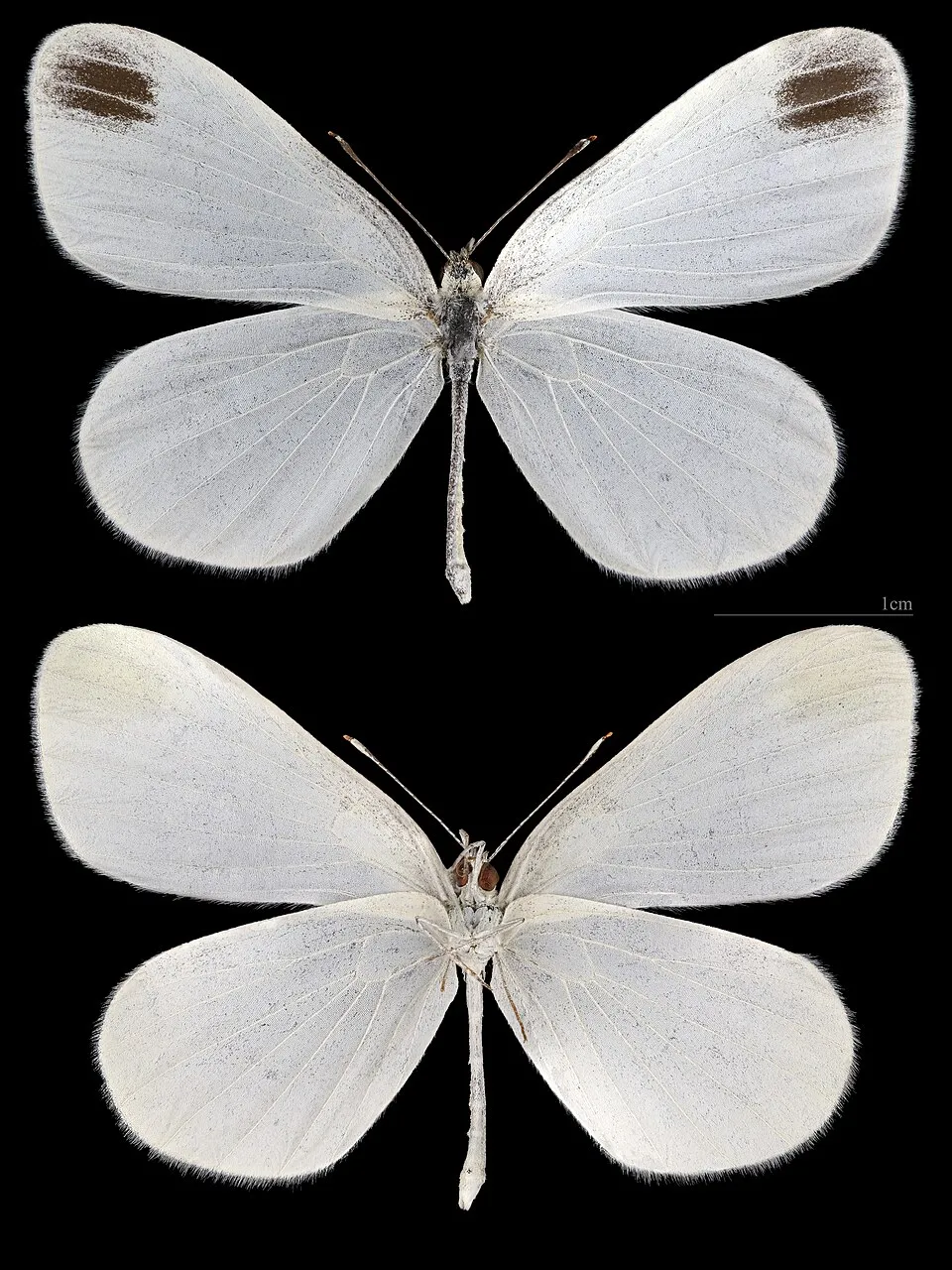 Wood white
Leptidea sinapis Same genus
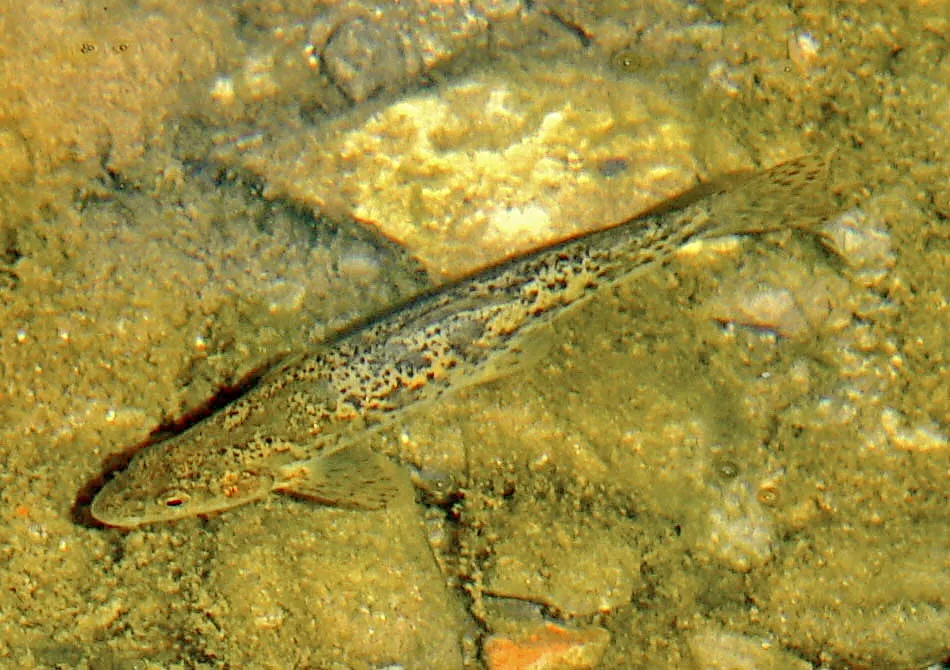 Large-spot Barbel
Barbus balcanicus 3 places in common
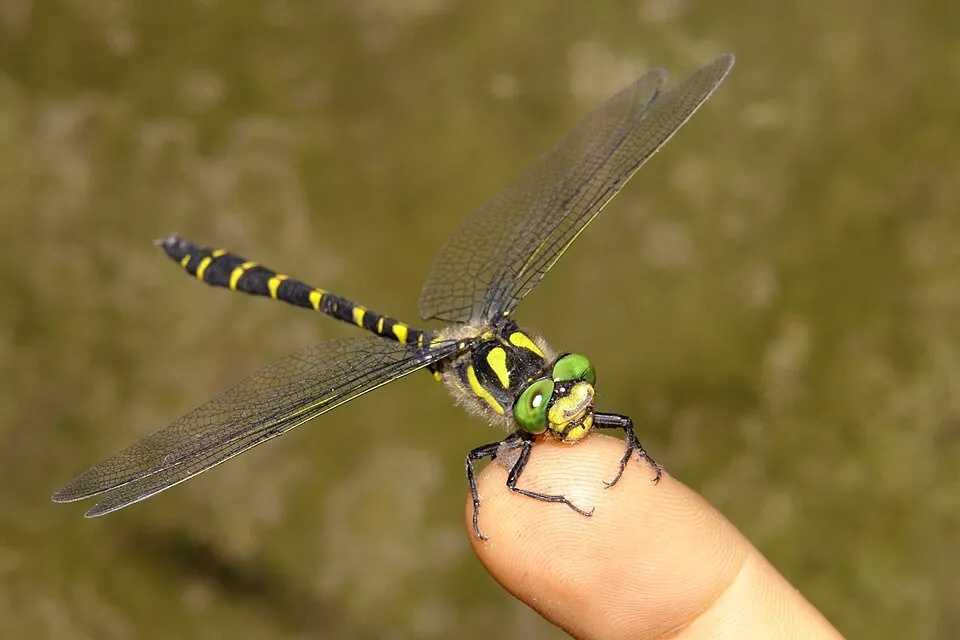 Balkan goldenring
Cordulegaster heros 3 places in common
 Wild strawberry
Fragaria vesca 3 places in common
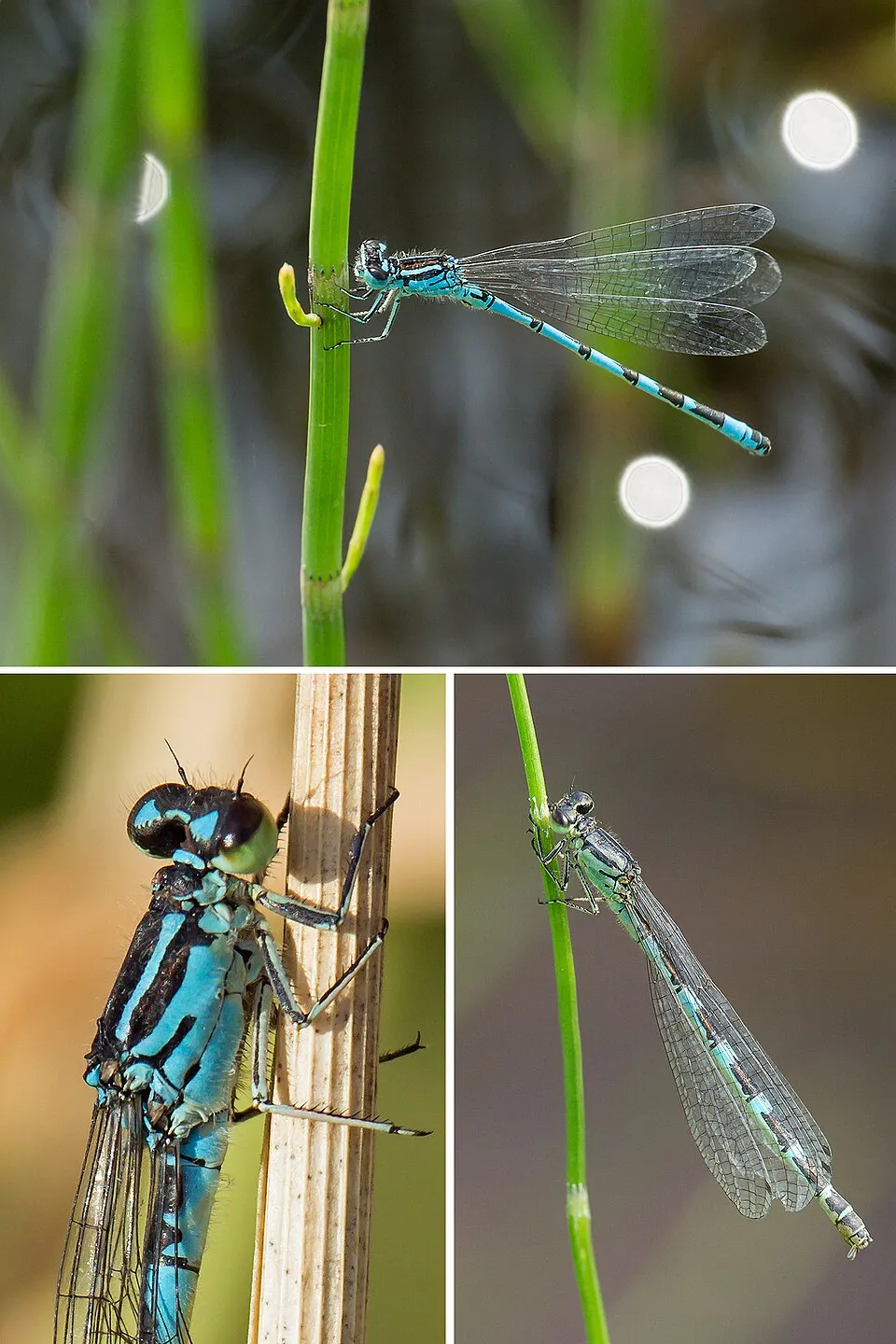 Ornate Bluet
Coenagrion ornatum 3 places in common
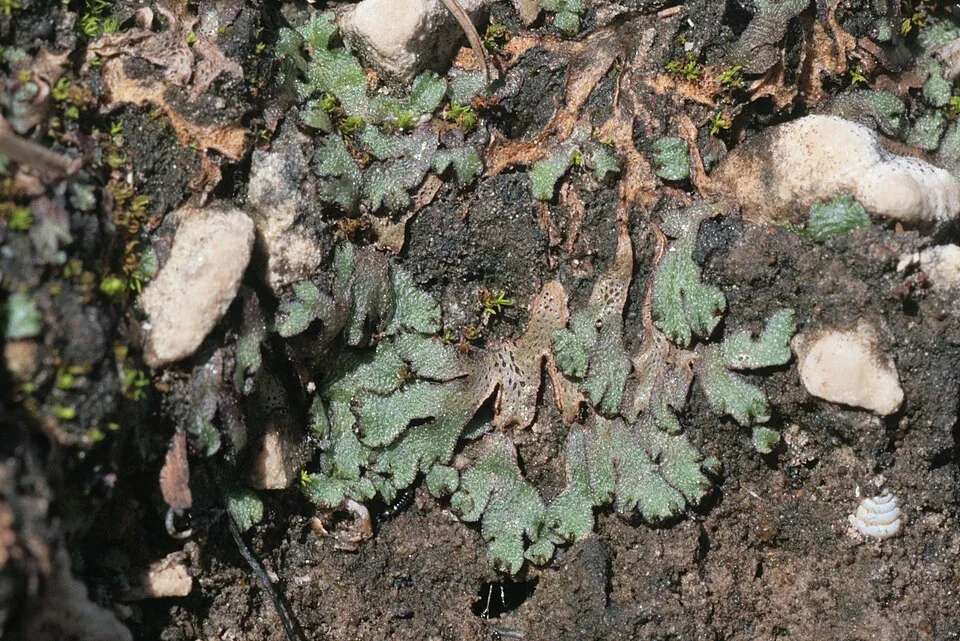 Field Macewort
Mannia triandra 4 places in common
Sources and credits
- Presence: most-recorded species of each place on GBIF and species of Community interest in the Natura 2000 forms (EEA, CC-BY 4.0); absence from the list does not mean the species is absent.
- Common names: Wikidata (CC0) and GBIF.
- Photos and sounds: Wikimedia Commons, author and licence given for each file.
- Classification: GBIF Backbone Taxonomy (GBIF Secretariat), CC BY 4.0, doi:10.15468/39omei.
- Countries, elevations, months and maps: GBIF.org, CC0 or CC BY 4.0 occurrences only, accessed October 22, 2026, GBIF.org.
- Base map: Natural Earth (public domain).
- Excerpt: Wikipedia, CC BY-SA 4.0 (full credit below the excerpt).
- Annexes: Directive 92/43/EEC (consolidated version), © European Union, EUR-Lex.
- Conservation status: EEA / DG ENV, Article 17 Habitats Directive reporting (2013–2018), CC BY 4.0.