
Plant
Hairy cat's ear: where to see it
Hypochaeris radicata
Invasive alien in some territories
Listed as invasive alien for: Argentina, Mexico, Brazil, Japan (GRIIS).
This plant species is recorded in 17 protected areas of the atlas. Within the atlas countries, it is mostly observed in France, the United Kingdom and Denmark (10 countries in all). Most records (8 in 10) lie between 150 and 1,250 m above sea level. Records peak from May to August. Perennial plant, native to Europe, Africa and temperate Asia, introduced to tropical Asia, Australasia, North America and South and Central America.
Best time to see it: May–August
Records published on GBIF by month (CC0 and CC BY 4.0 licences only), in the atlas countries, all years combined; they also reflect observer activity.
Distribution
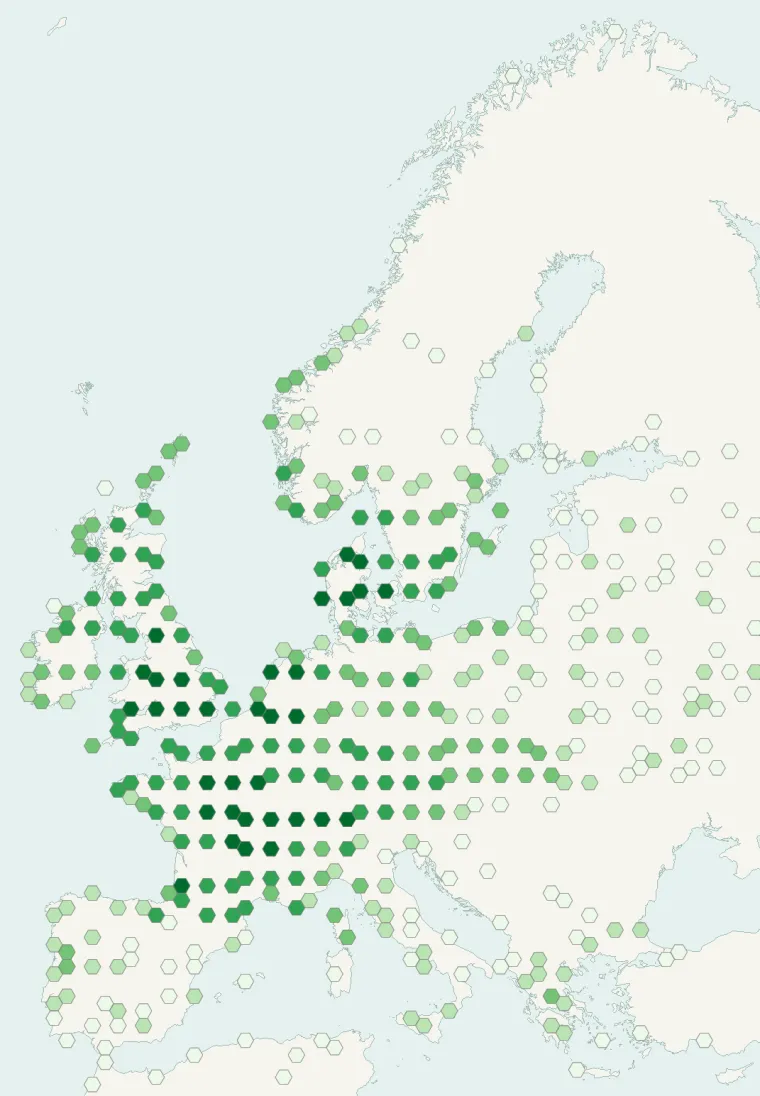
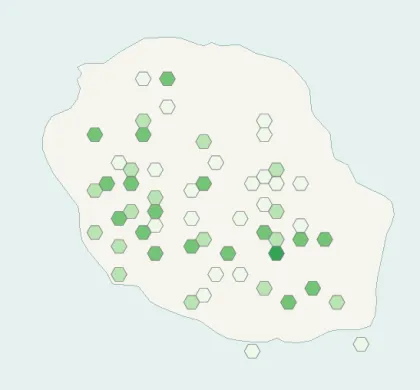
Records published on GBIF (CC0 and CC BY 4.0 licences): the darker the shade, the more records there are; they also reflect observation effort.
Atlas countries where it is recorded
From Wikipedia
Hypochaeris radicata, phonetically hy-poh-KAIR-iss rad-ee-KAY-tuh, is sometimes spelled Hypochoeris radicata and known as catsear, flatweed, cat's-ear, hairy cat's ear, or false dandelion. It is a perennial, low-lying edible herb often found in lawns. H. radicata has been used for both food and medinicinal purposes. The plant is native to Europe, but has also been introduced to the Americas, Japan, Australia, and New Zealand, where it can be an invasive weed. It is listed as a harmful, noxious weed by the Korean Ministry of Environment and in the northwestern U.S. state of Washington.
Source: Wikipedia, article “Hypochaeris radicata” (version of October 10, 2026) · history and authors · licence CC BY-SA 4.0
Protected areas where it is recorded

3,125 records

1,979 records
1,595 records
1,575 records
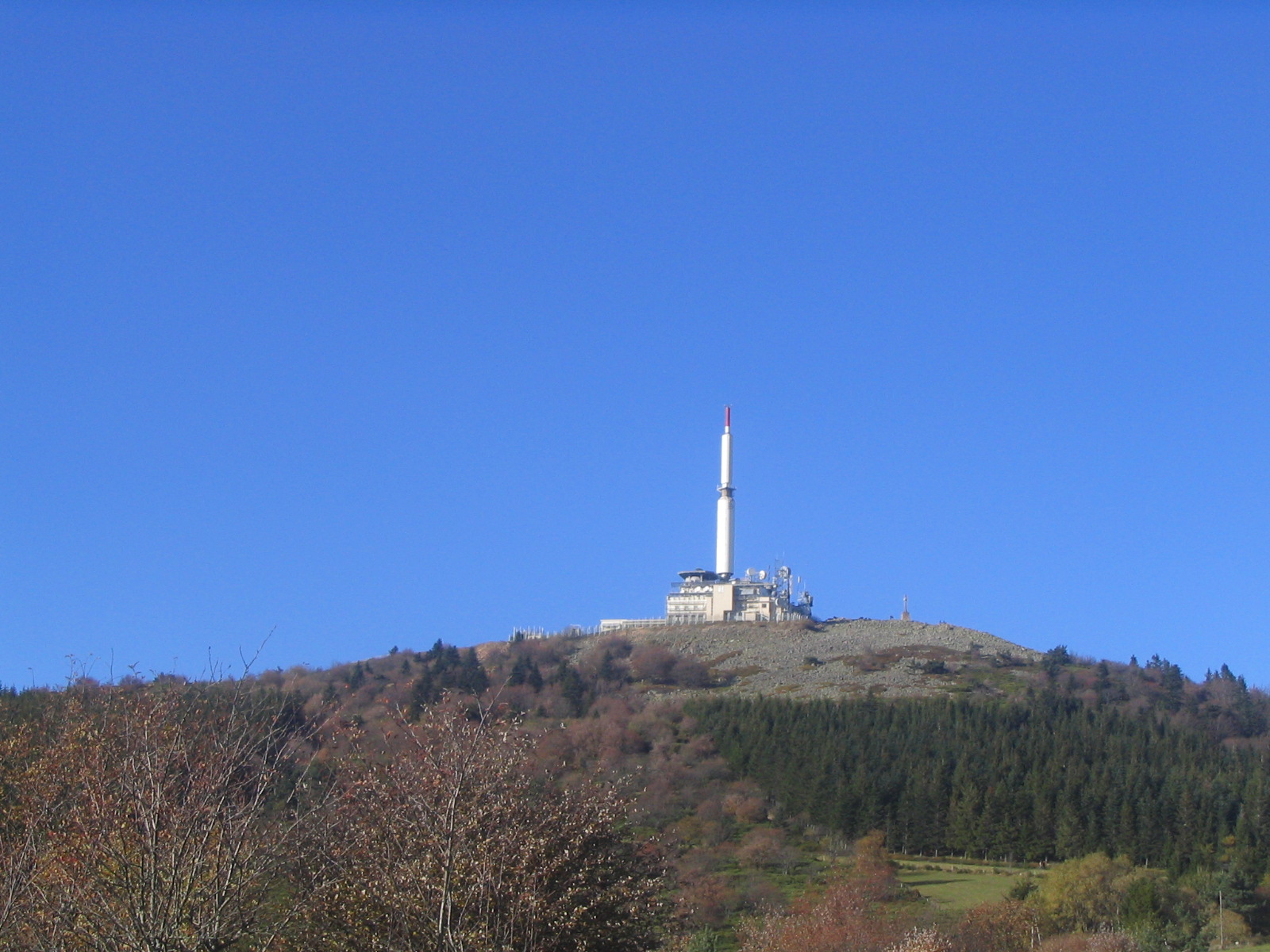
1,527 records
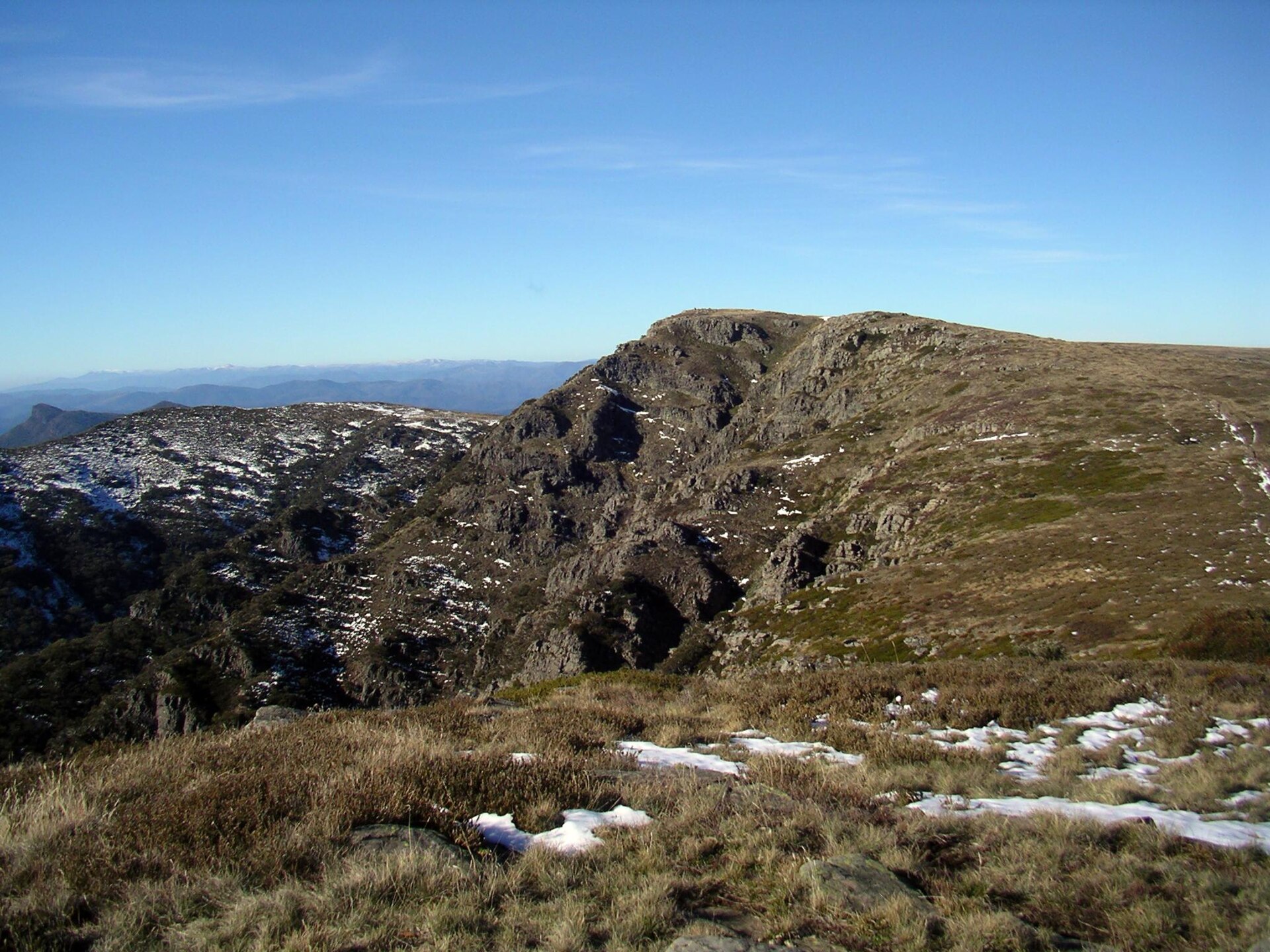
1,022 records
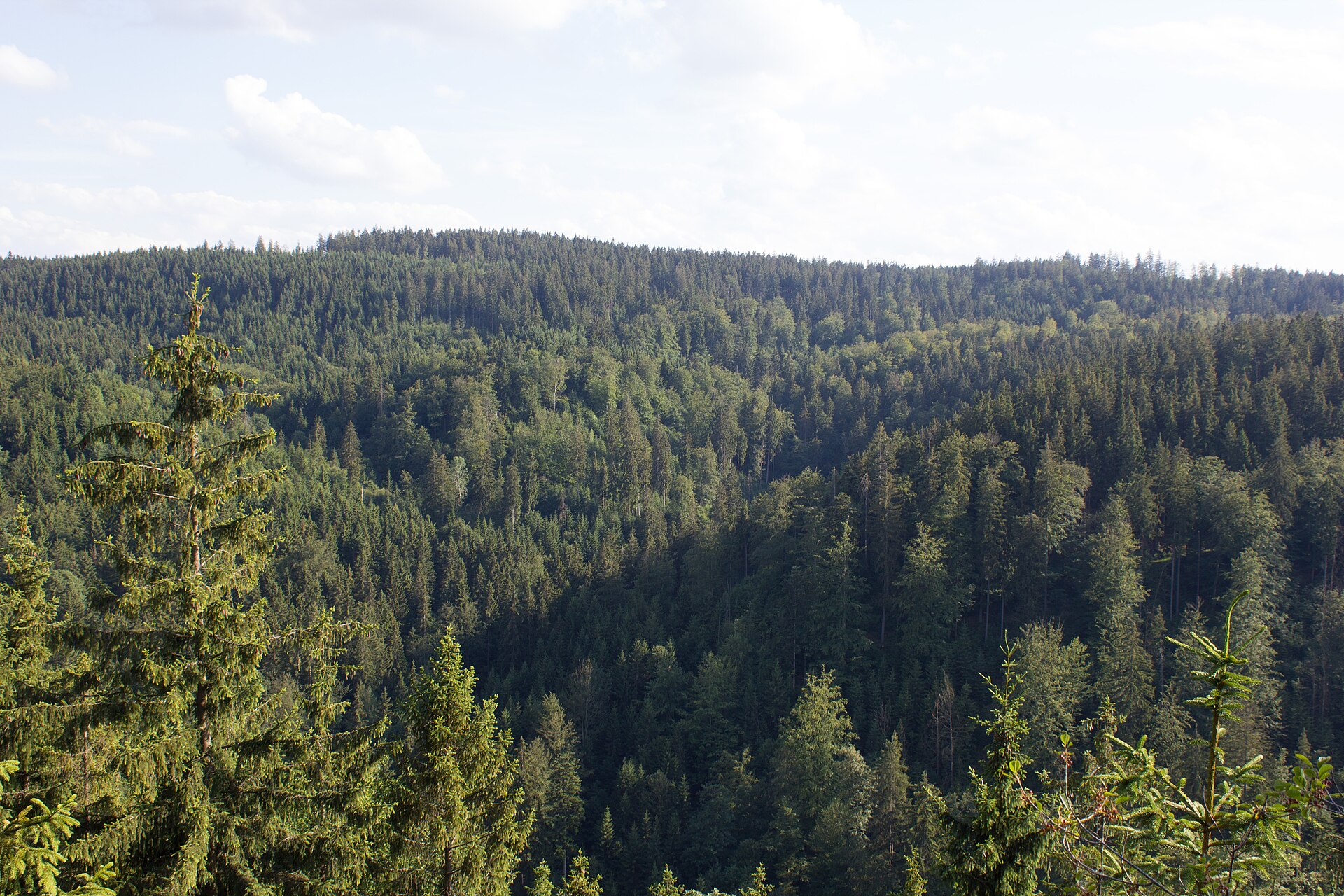
892 records
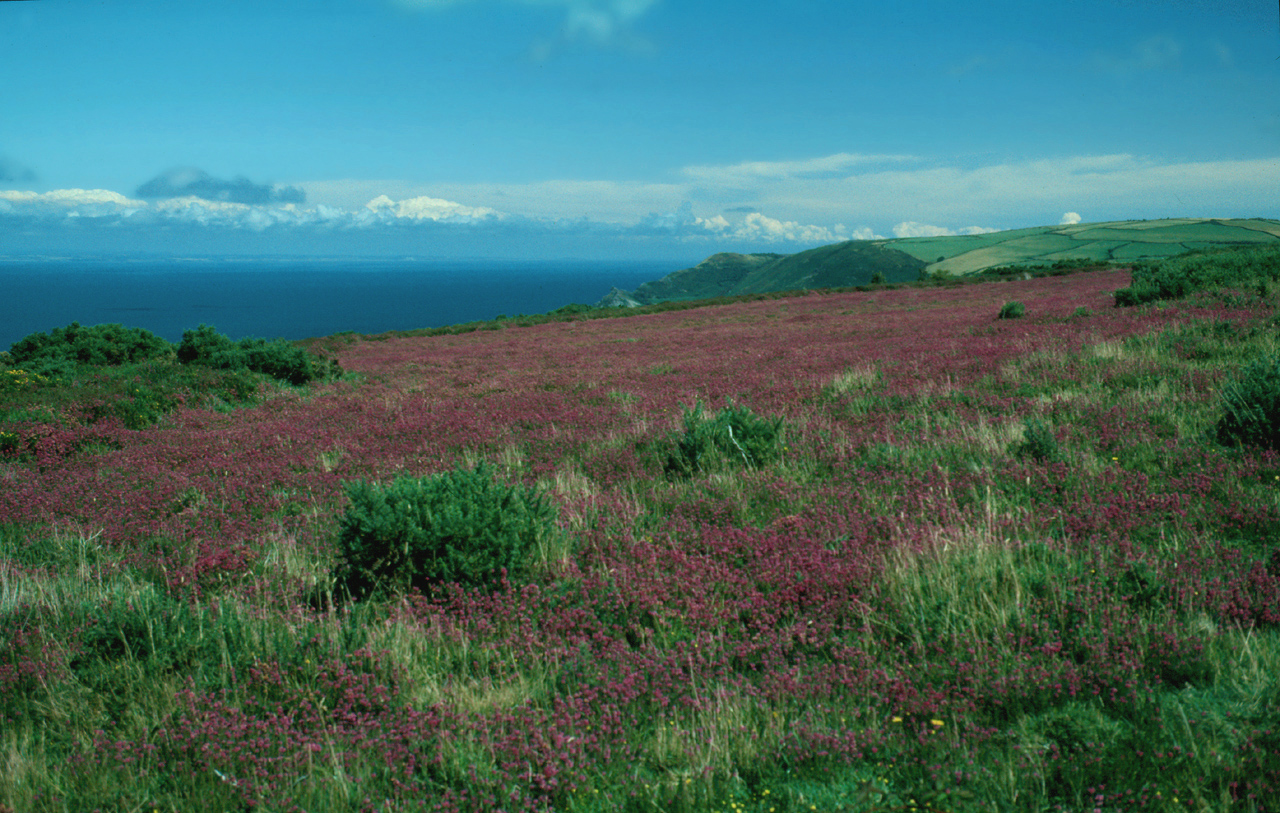
725 records
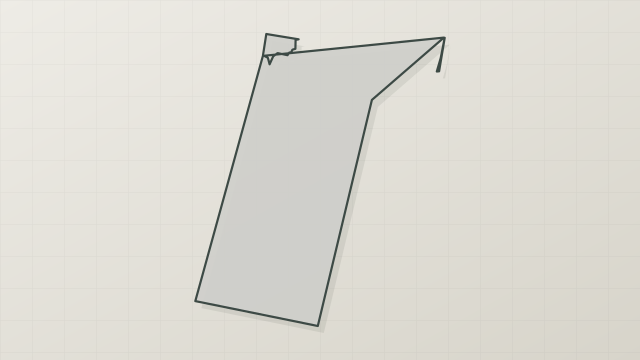
76 records

56 records
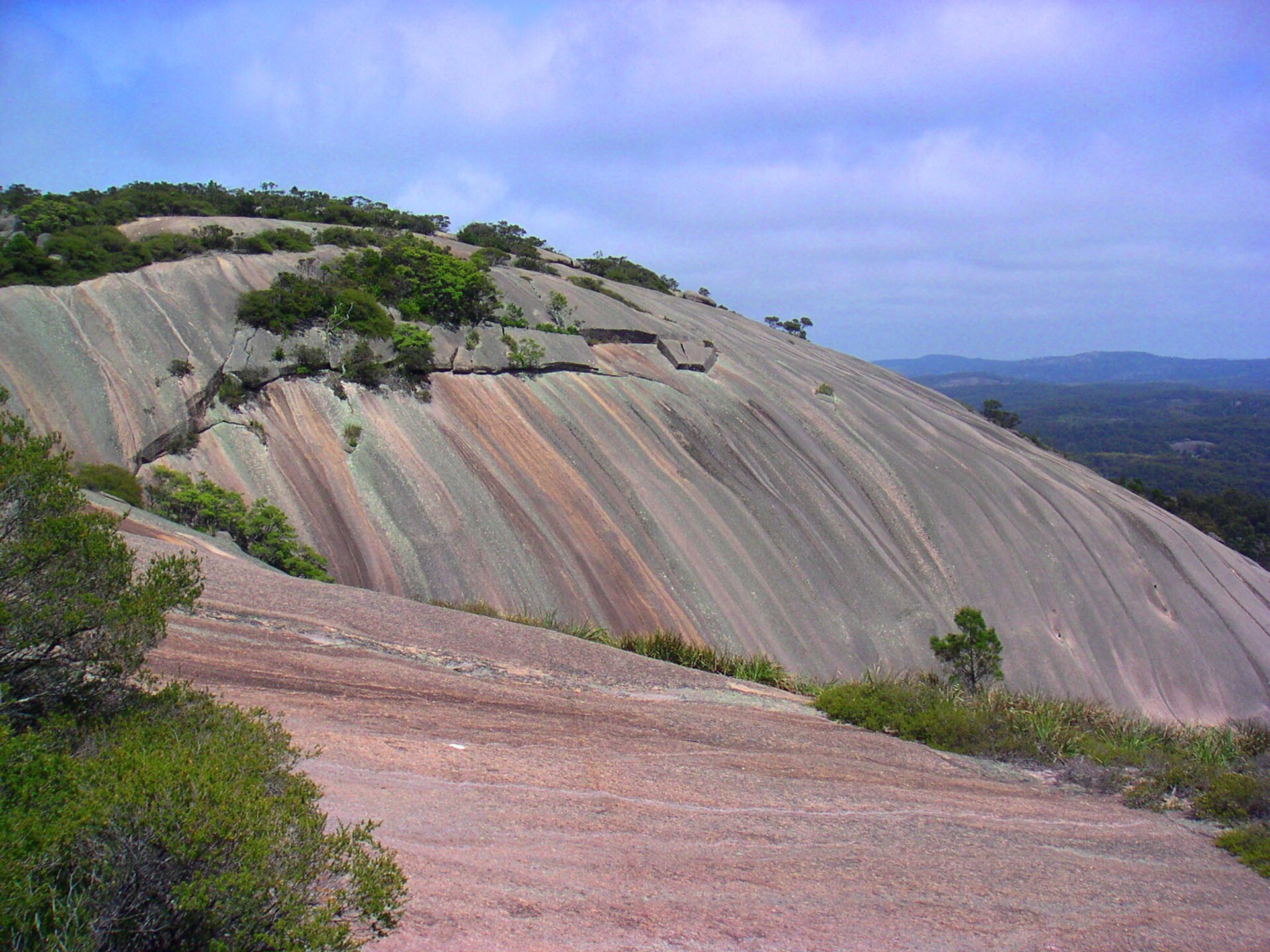
55 records

50 records
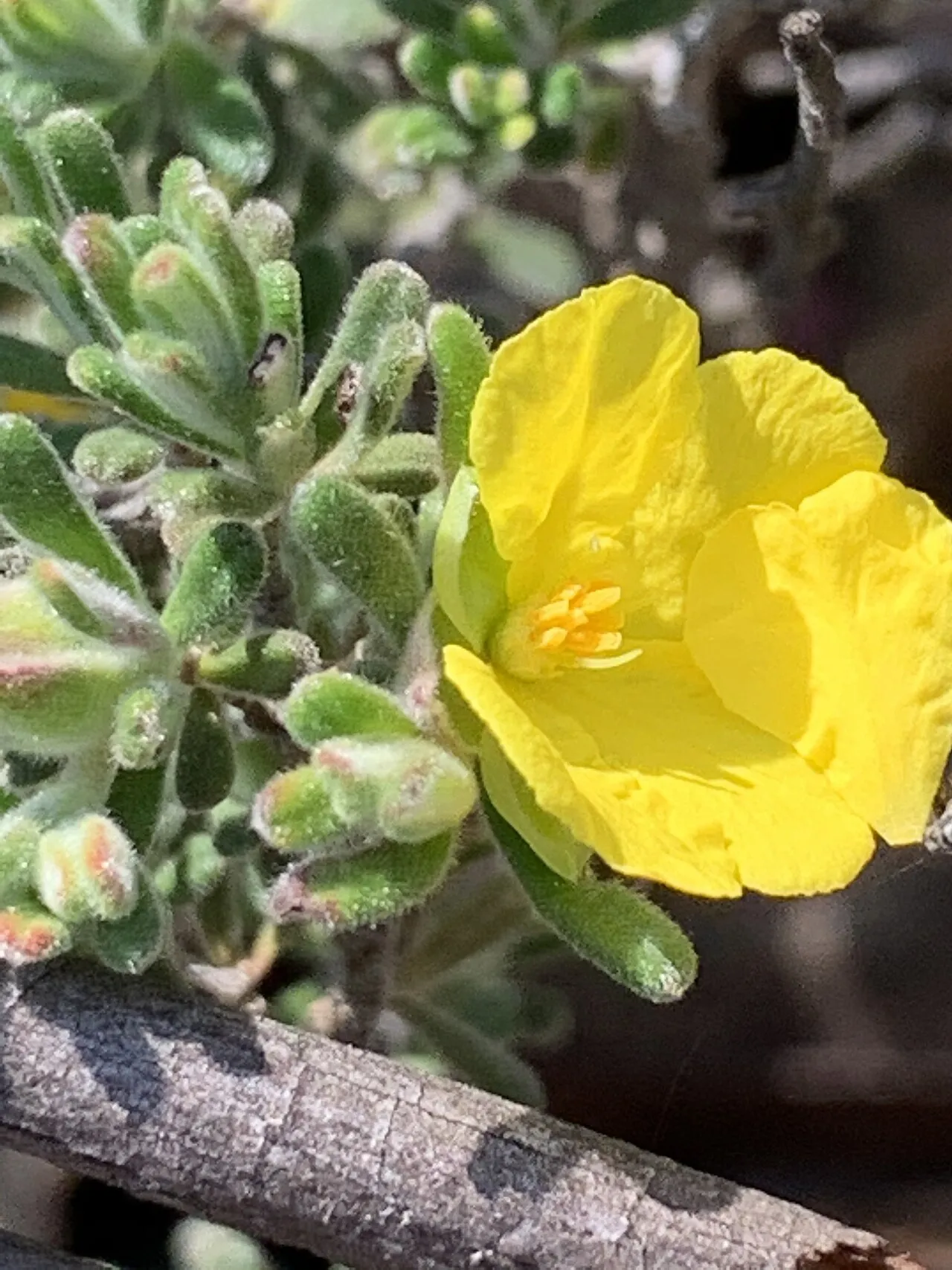
36 records
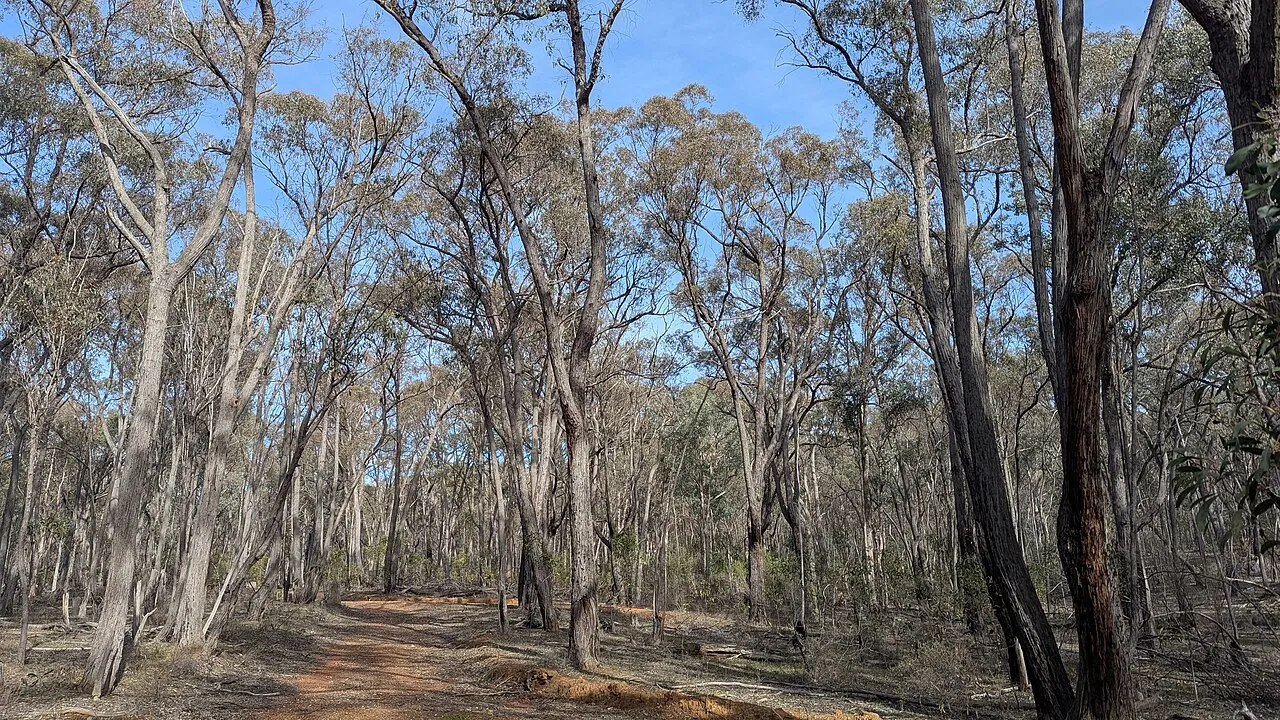
18 records

15 records
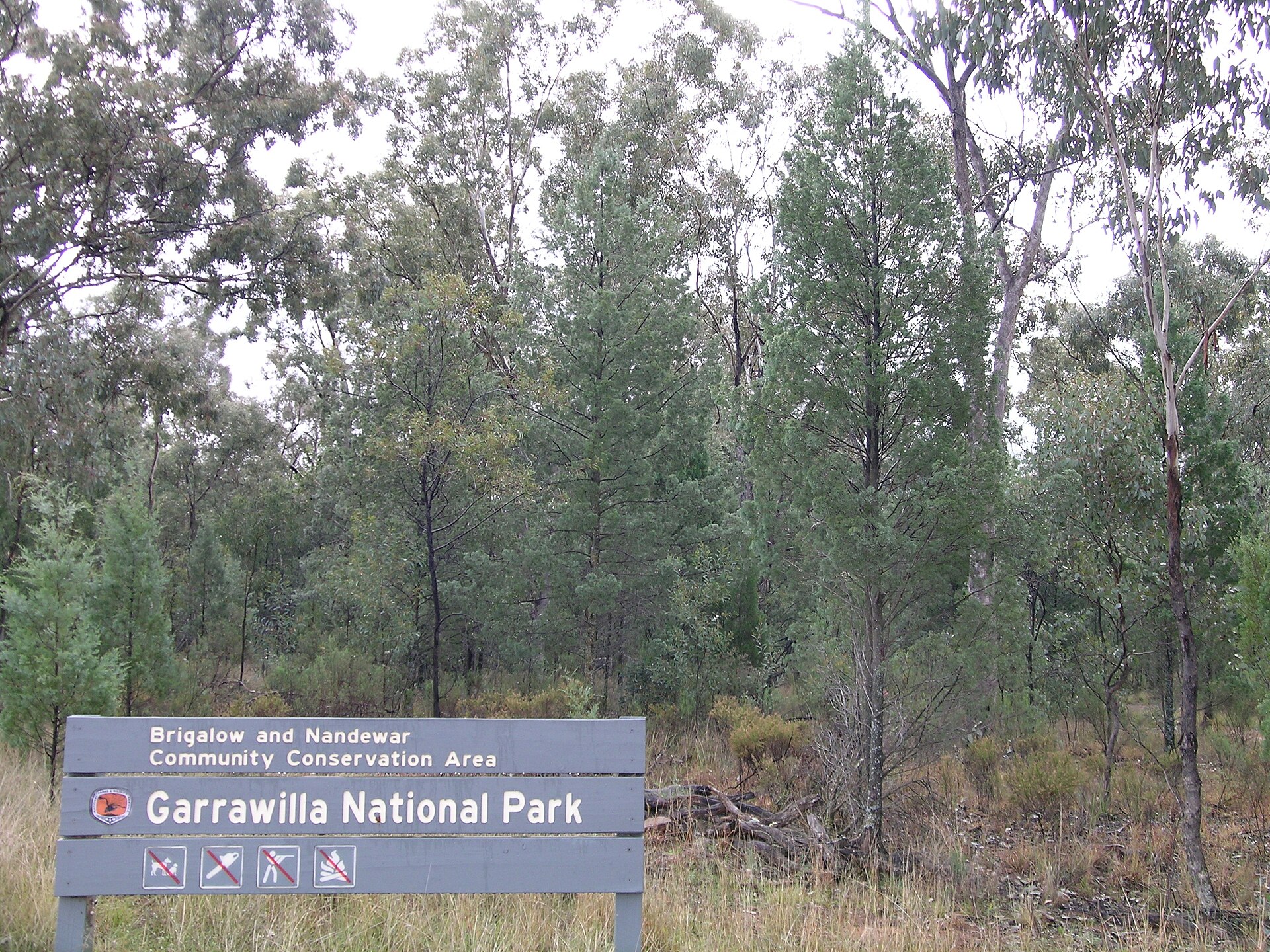
12 records
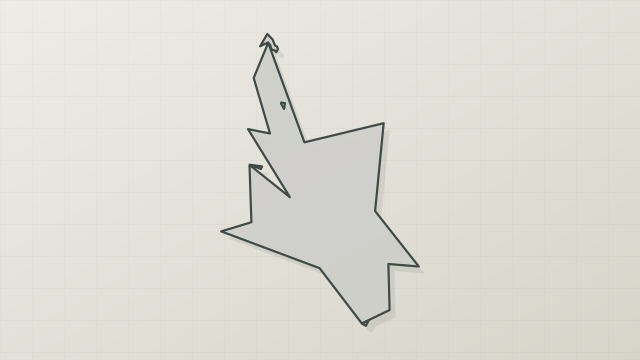
8 records
Other species to discover
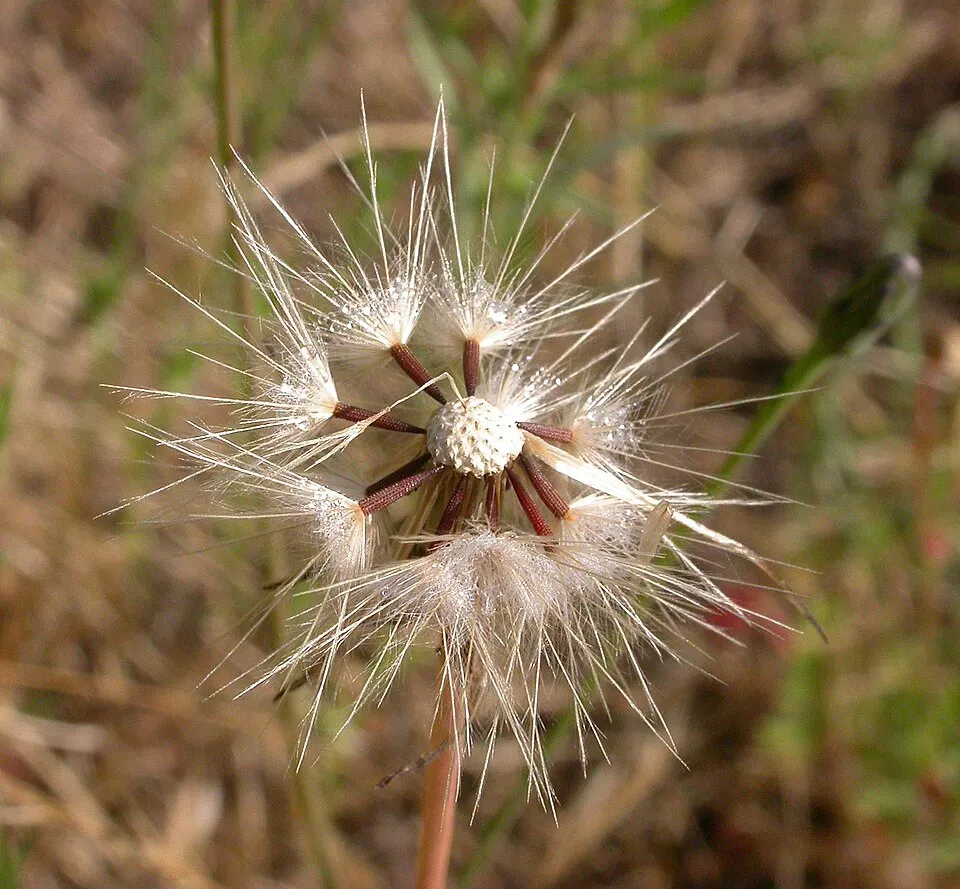 Smooth cat's ear
Hypochaeris glabra 3 places in common
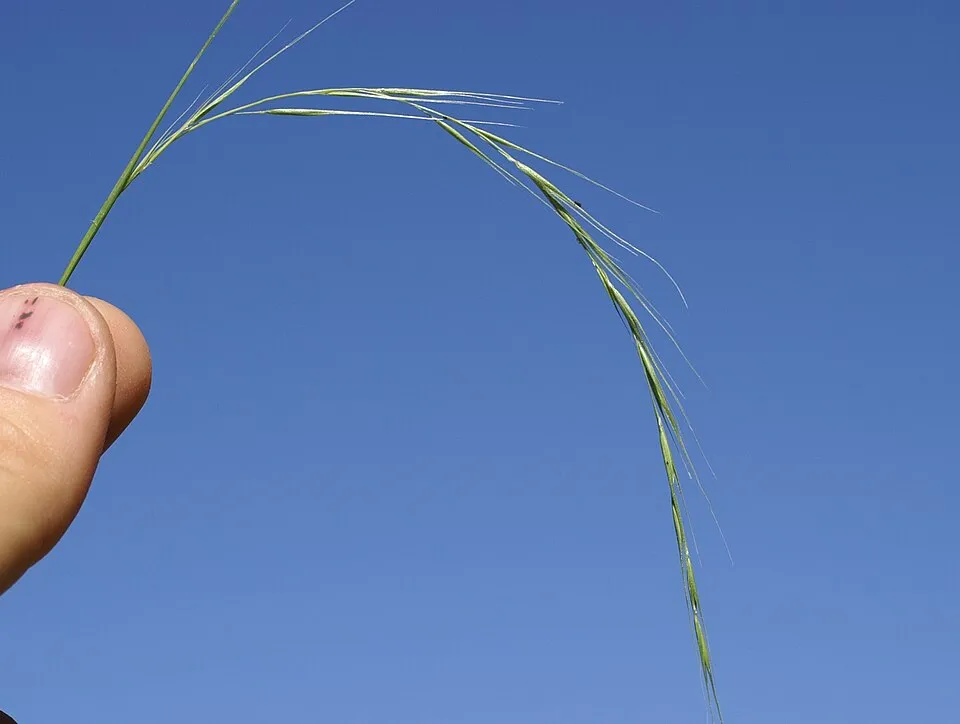 Meadow ricegrass
Microlaena stipoides 6 places in common
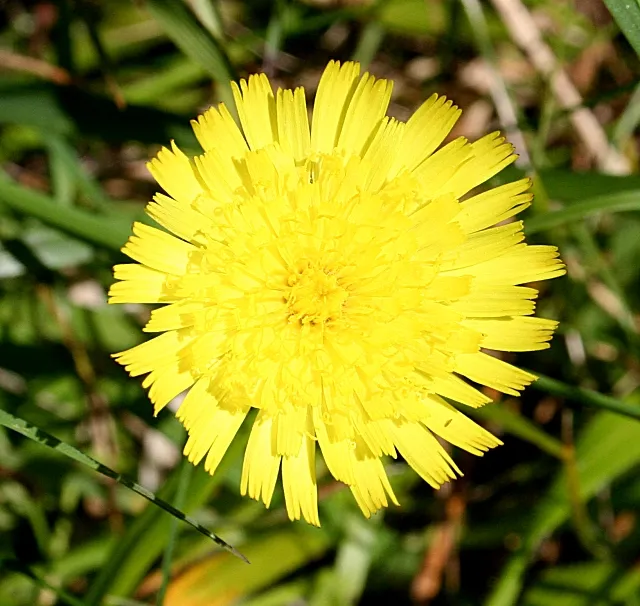 Mouse-eared Hawkweed
Pilosella officinarum 3 places in common
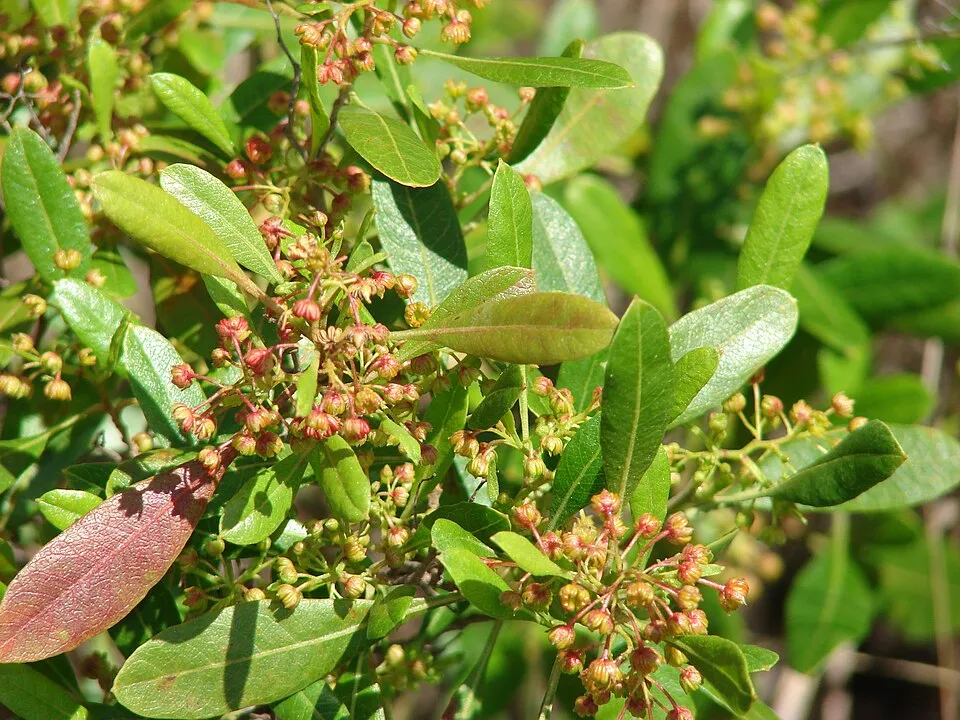 Florida hopbush
Dodonaea viscosa 3 places in common
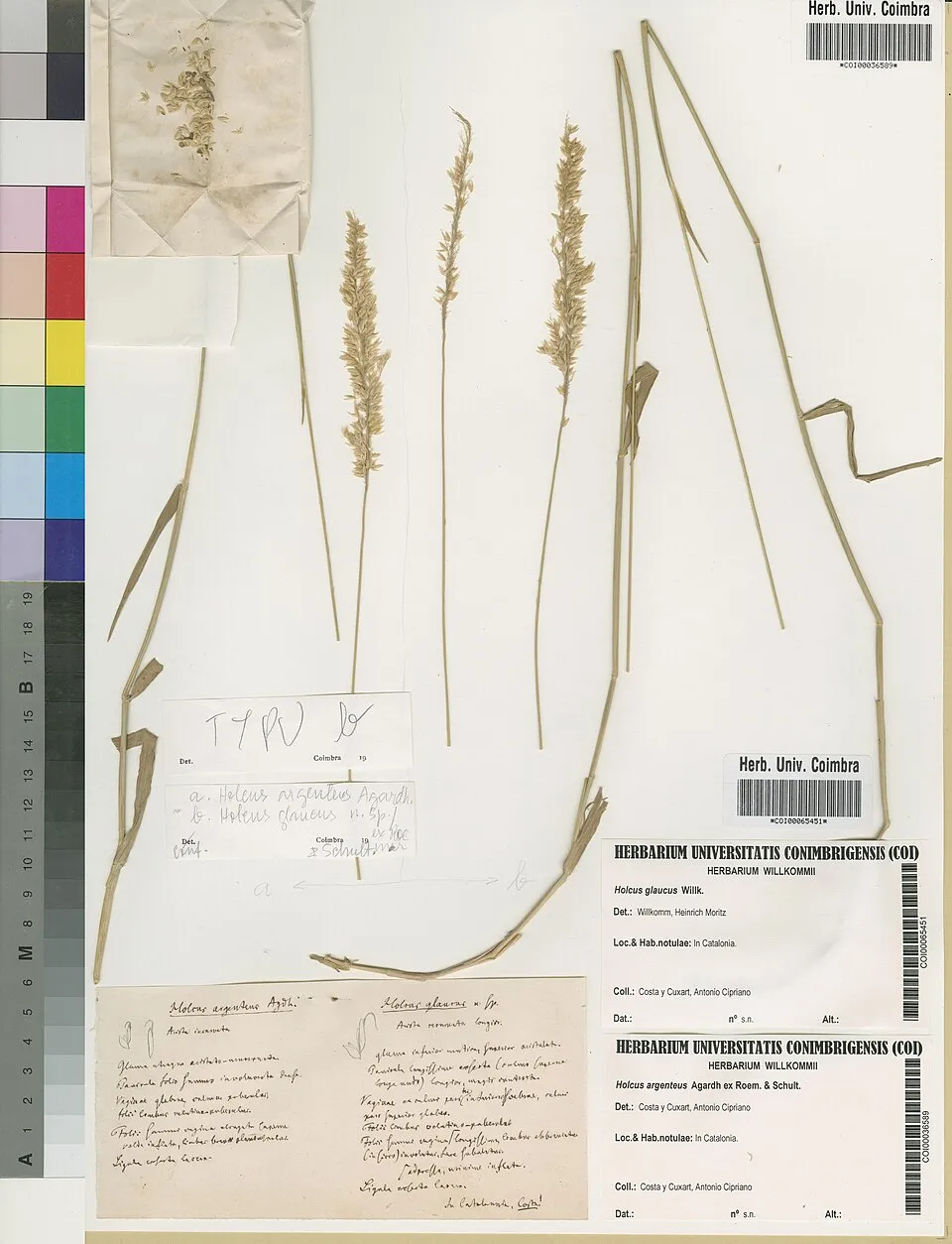 Yorkshire-fog
Holcus lanatus 6 places in common
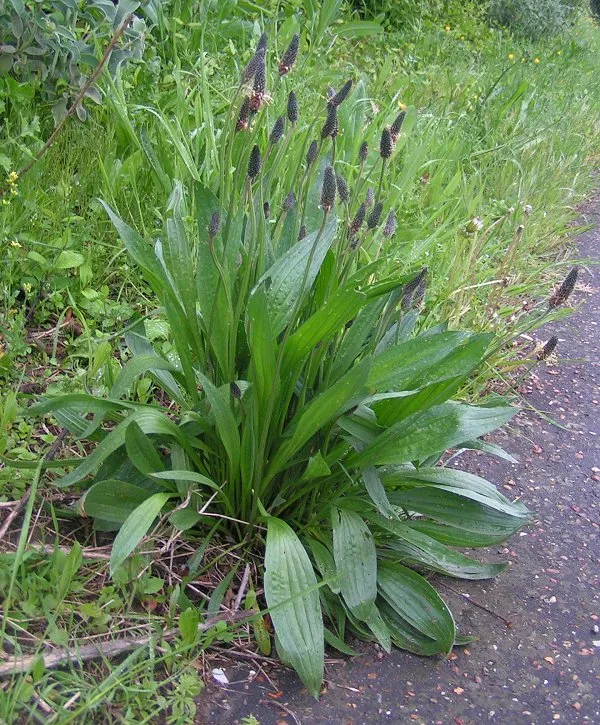 Ribwort Plantain
Plantago lanceolata 6 places in common
Sources and credits
- Presence: most-recorded species of each place on GBIF and species of Community interest in the Natura 2000 forms (EEA, CC-BY 4.0); absence from the list does not mean the species is absent.
- Common names: Wikidata (CC0) and GBIF.
- Photos and sounds: Wikimedia Commons, author and licence given for each file.
- Classification: GBIF Backbone Taxonomy (GBIF Secretariat), CC BY 4.0, doi:10.15468/39omei.
- Countries, elevations, months and maps: GBIF.org, CC0 or CC BY 4.0 occurrences only, accessed October 23, 2026, GBIF.org.
- Base map: Natural Earth (public domain).
- Excerpt: Wikipedia, CC BY-SA 4.0 (full credit below the excerpt).
- Native range and life form: World Checklist of Vascular Plants, Royal Botanic Gardens, Kew, CC BY 4.0 (no endorsement by Kew).
- Invasive alien species: Union list, Regulation (EU) No 1143/2014 (INBO, CC0); Global Register of Introduced and Invasive Species (ISSG, CC BY 4.0).