
Bird
Rose-ringed Parakeet: where to see it
Psittacula krameri
Invasive alien in some territories
Listed as invasive alien for: France, Poland, Italy, Germany, Spain, Austria, Portugal, Belgium, Slovenia, Greece, Denmark, Ireland, United Kingdom, Norway, Türkiye, Mexico, Japan (GRIIS).
This bird species is recorded in 52 protected areas of the atlas. Within the atlas countries, it is mostly observed in the United Kingdom, France and Spain (9 countries in all). Most records (8 in 10) lie between sea level and 140 m. Records are spread throughout the year. It has a wingspan of 45 cm.
Best time to see it: all year round
Records published on GBIF by month (CC0 and CC BY 4.0 licences only), in the atlas countries, all years combined; they also reflect observer activity.
Key facts
- Wingspan
- 45 cm Wikidata, after app.bto.org
- Clutch size
- 3.5 eggs on average Wikidata, after Jetz et al. 2008
- Incubation
- 23 days Wikidata, after British Trust for Ornithology
Distribution
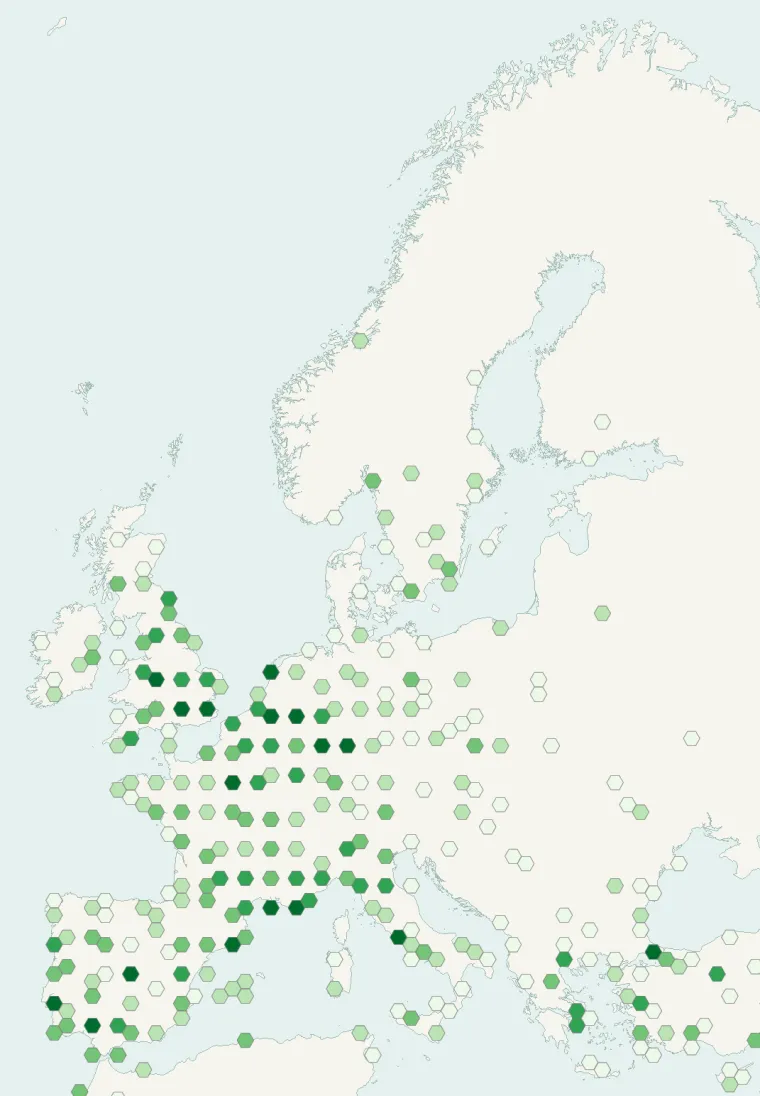
Records published on GBIF (CC0 and CC BY 4.0 licences): the darker the shade, the more records there are; they also reflect observation effort.
Atlas countries where it is recorded
Listen
-
0:07 · © Sander Pieterse · CC BY-SA 3.0 · Wikimedia Commons · Original file
-
0:17 · © Marie-Lan Taÿ Pamart · CC BY-SA 4.0 · Wikimedia Commons · Original file
-
0:25 · © Marie-Lan Taÿ Pamart · CC BY-SA 4.0 · Wikimedia Commons · Original file
From Wikipedia
The rose-ringed parakeet (Psittacula krameri), also known as the ring-necked parakeet, or colloquially as the Indian Ringneck, is a medium-sized parrot in the genus Psittacula, of the family Psittaculidae. It has a disjunct native range in tropical northern Africa and the Indian subcontinent, and is now introduced into many other parts of the world where populations have established themselves having been bred for the exotic pet trade and then escaped.
Source: Wikipedia, article “Rose-ringed parakeet” (version of October 15, 2026) · history and authors · licence CC BY-SA 4.0 · shortened excerpt
Protected areas where it is recorded
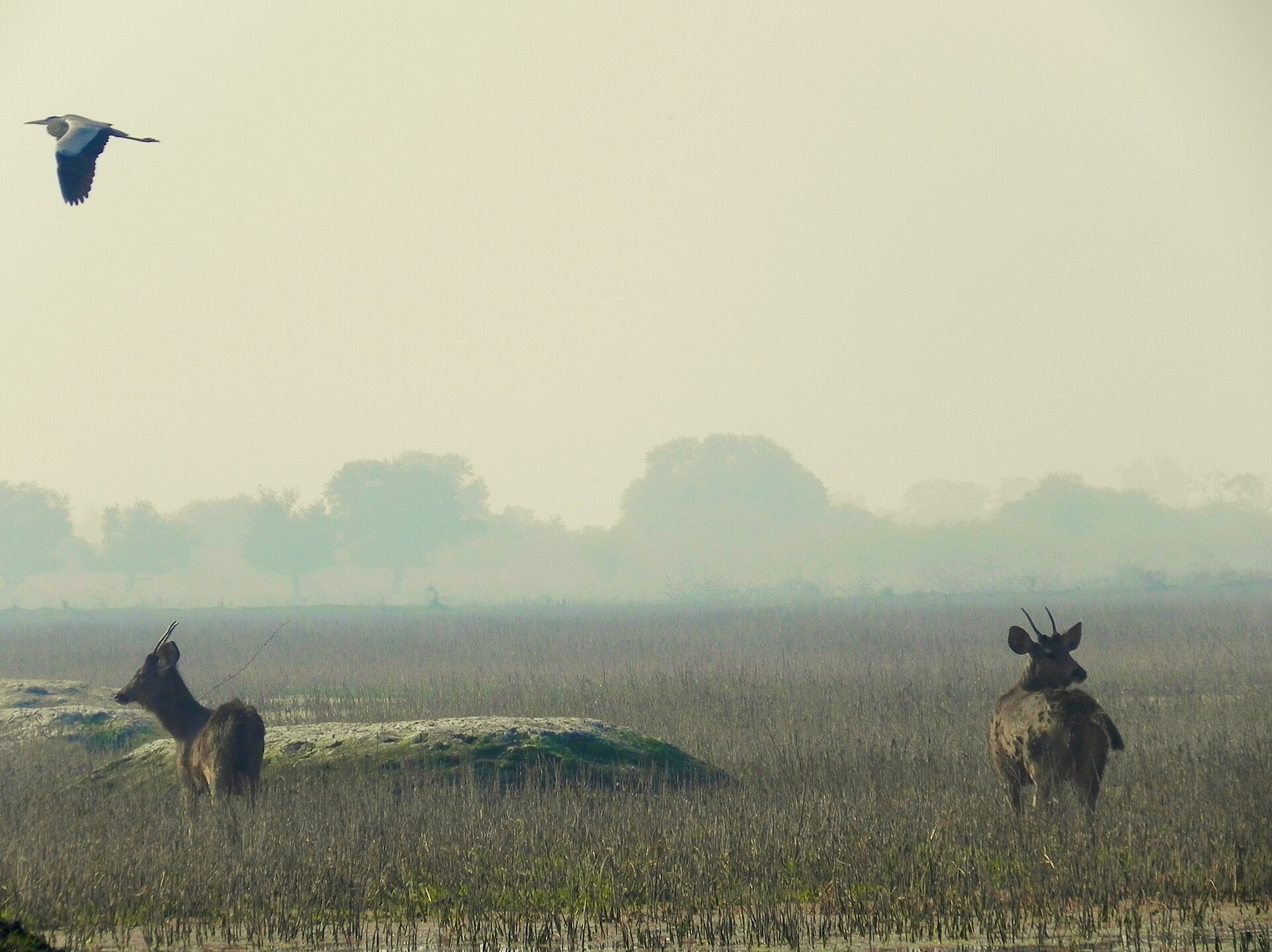
5,660 records

2,800 records

2,329 records

1,443 records

1,352 records
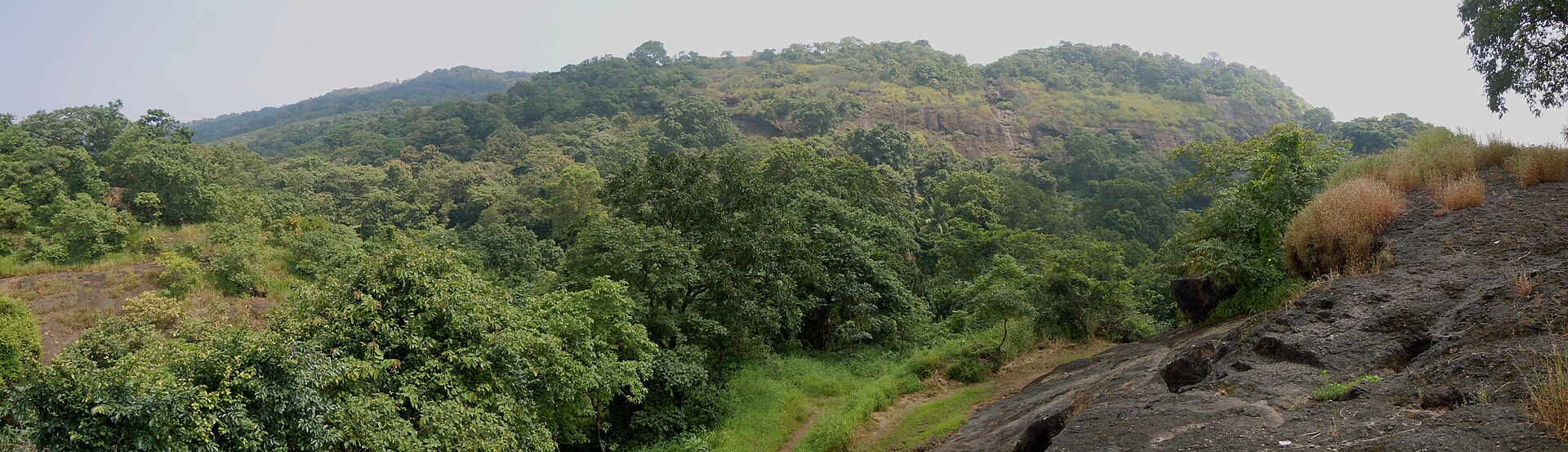
1,268 records

1,224 records

1,095 records

976 records
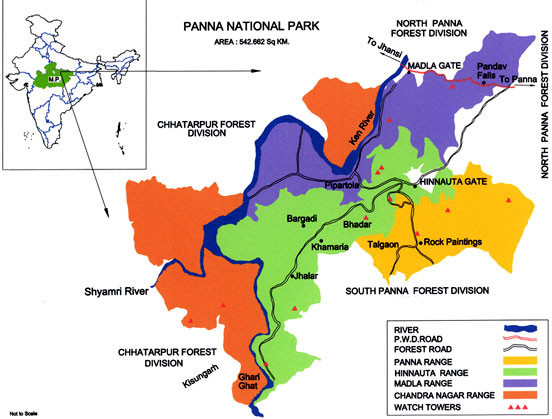
956 records

898 records
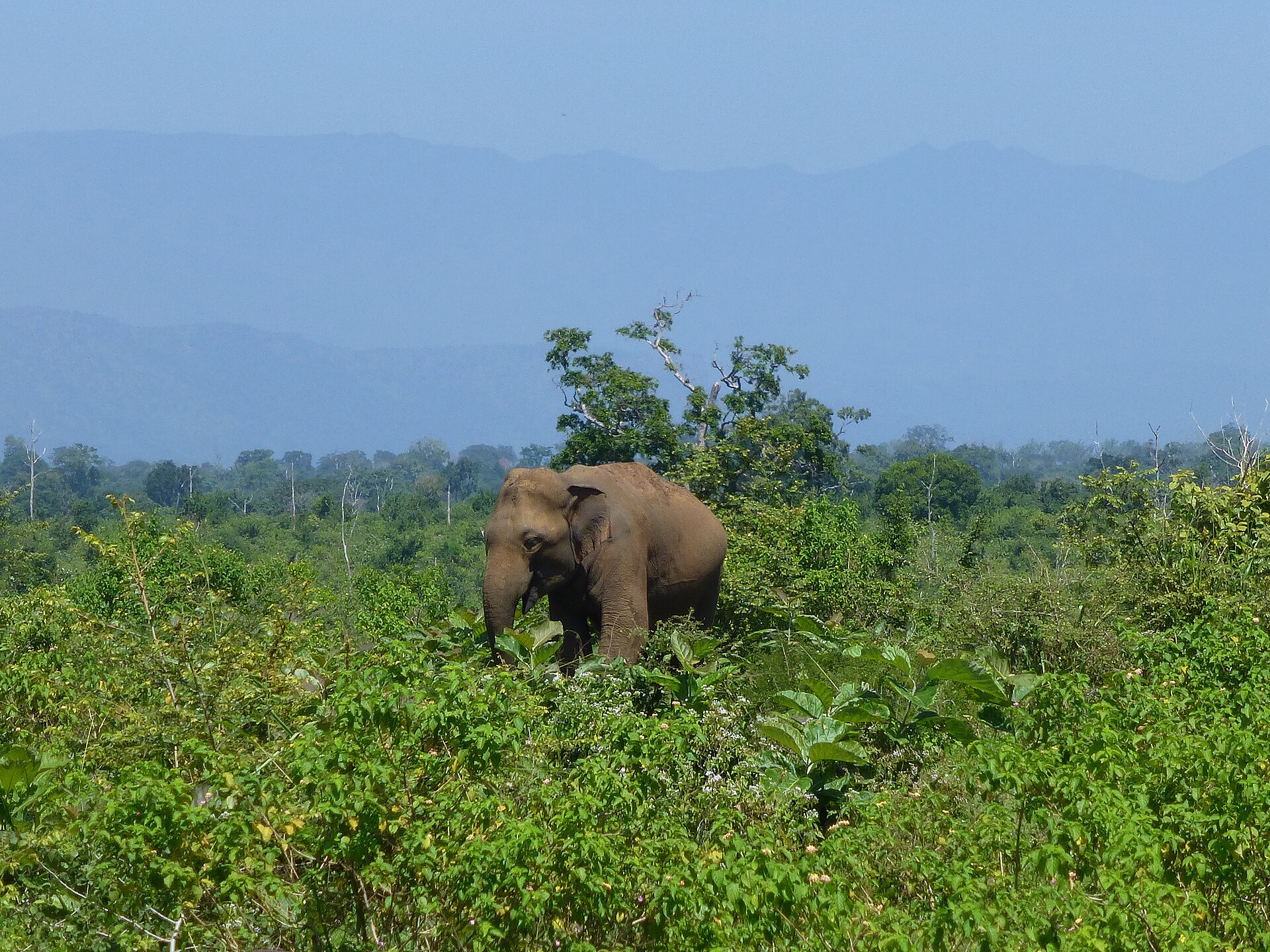
790 records
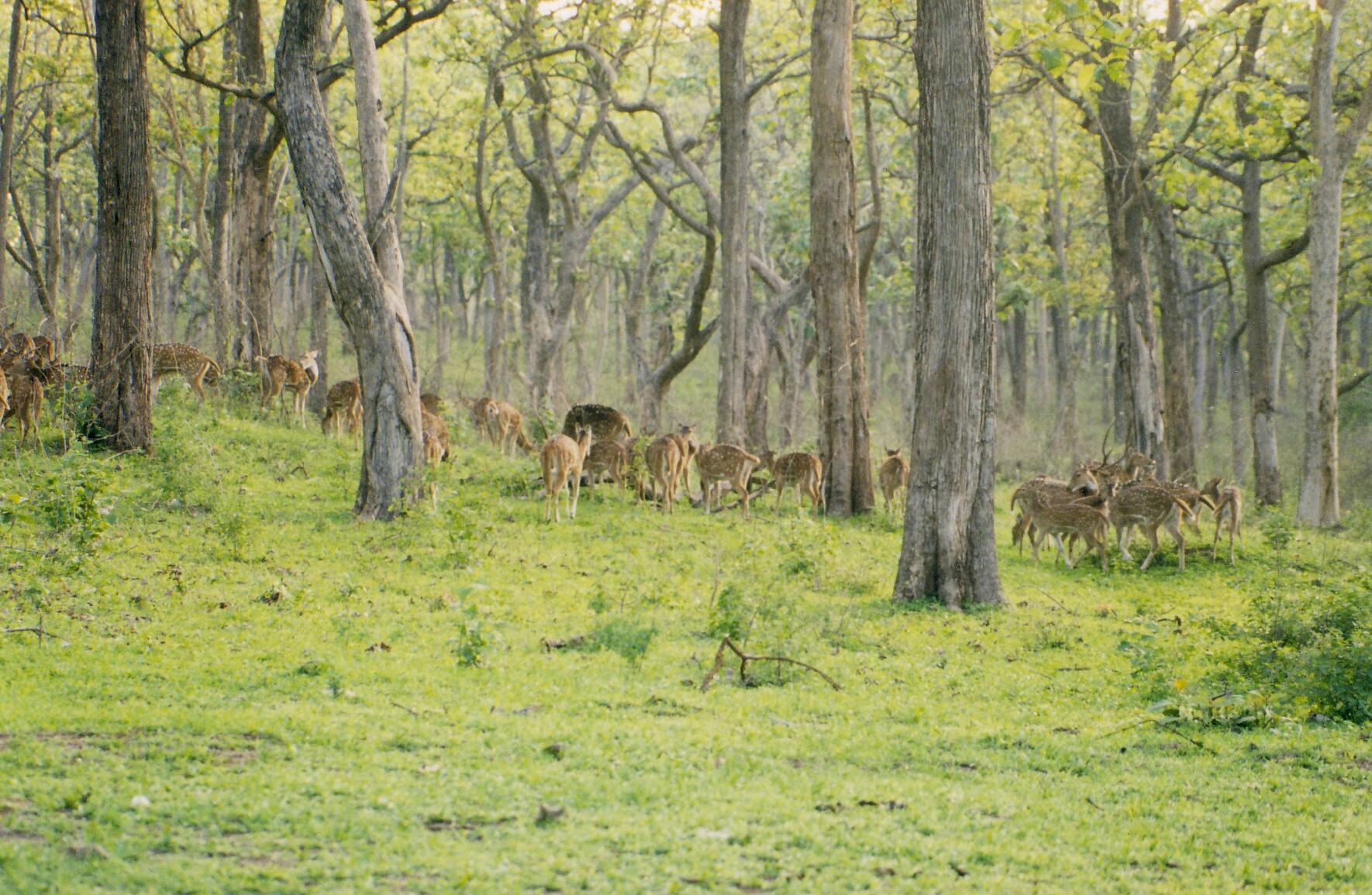
716 records
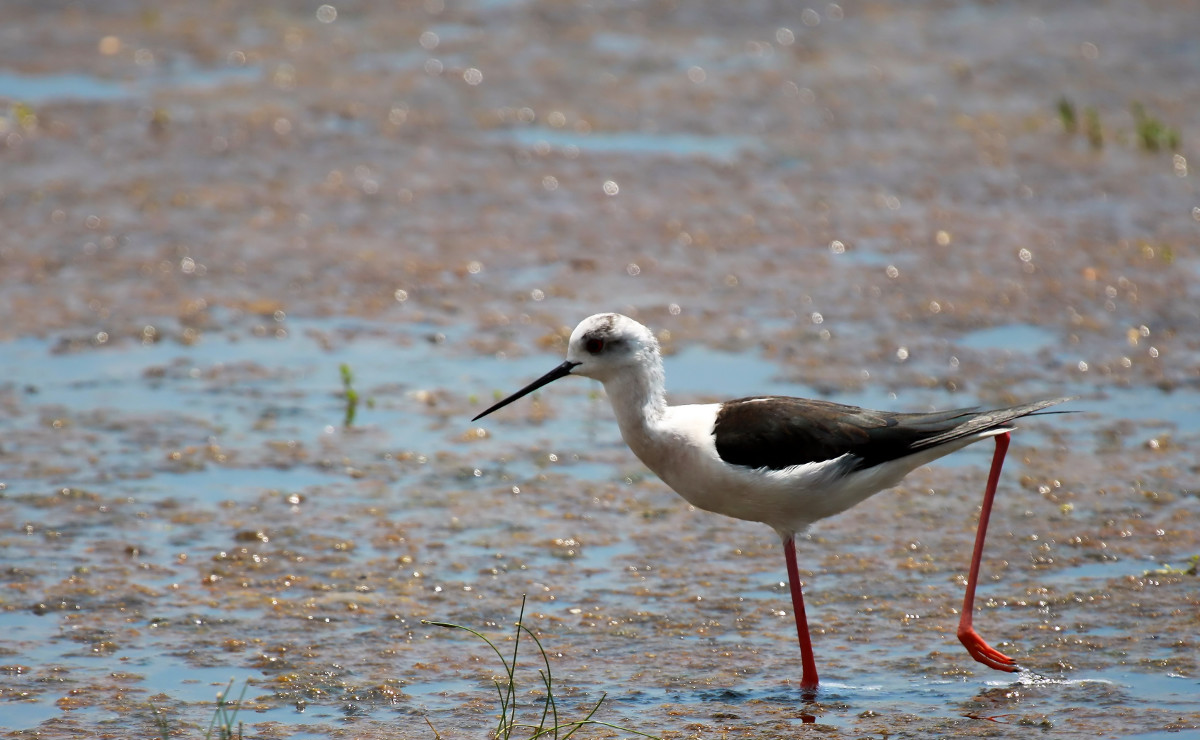
544 records

479 records
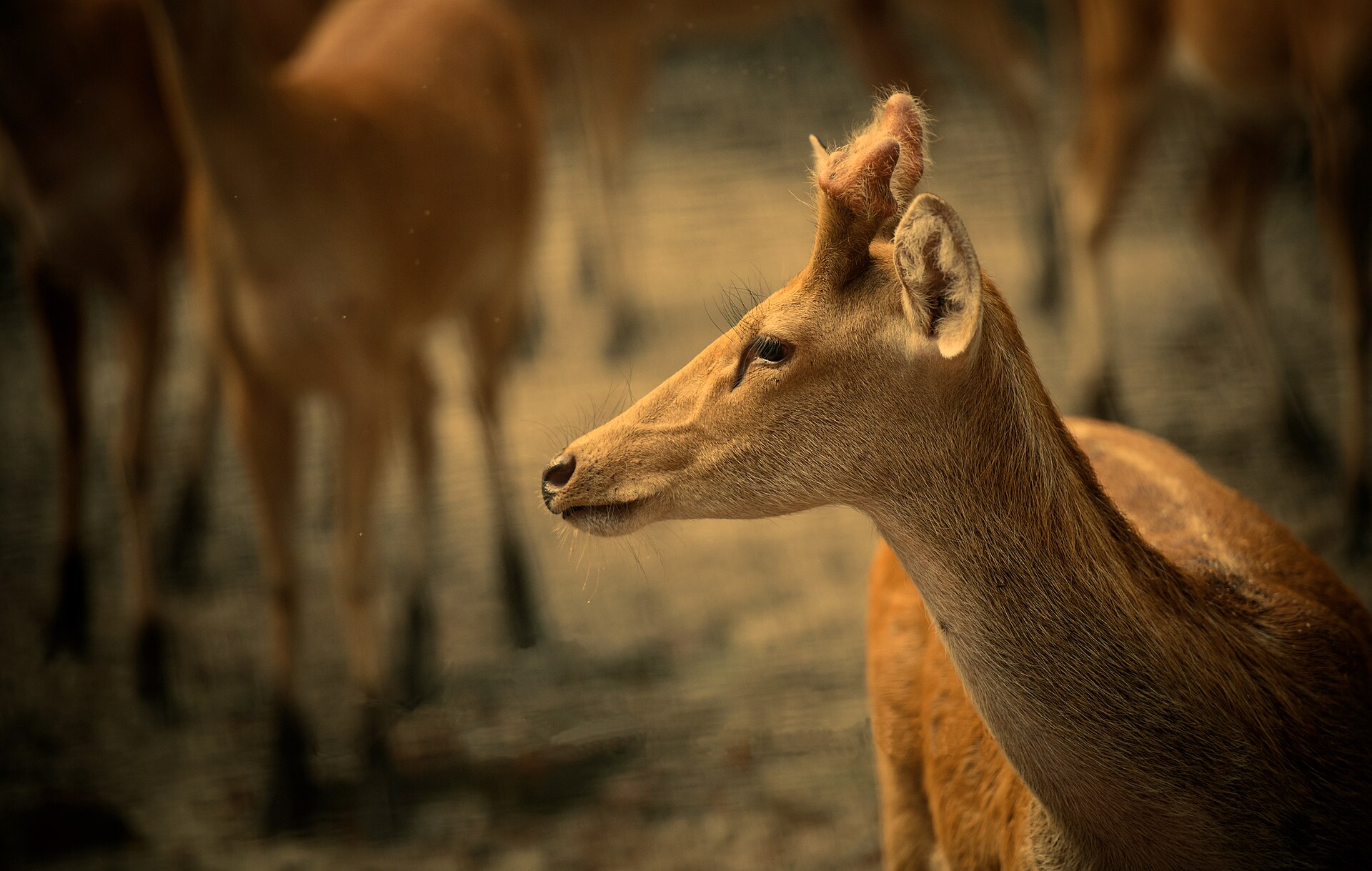
395 records

326 records
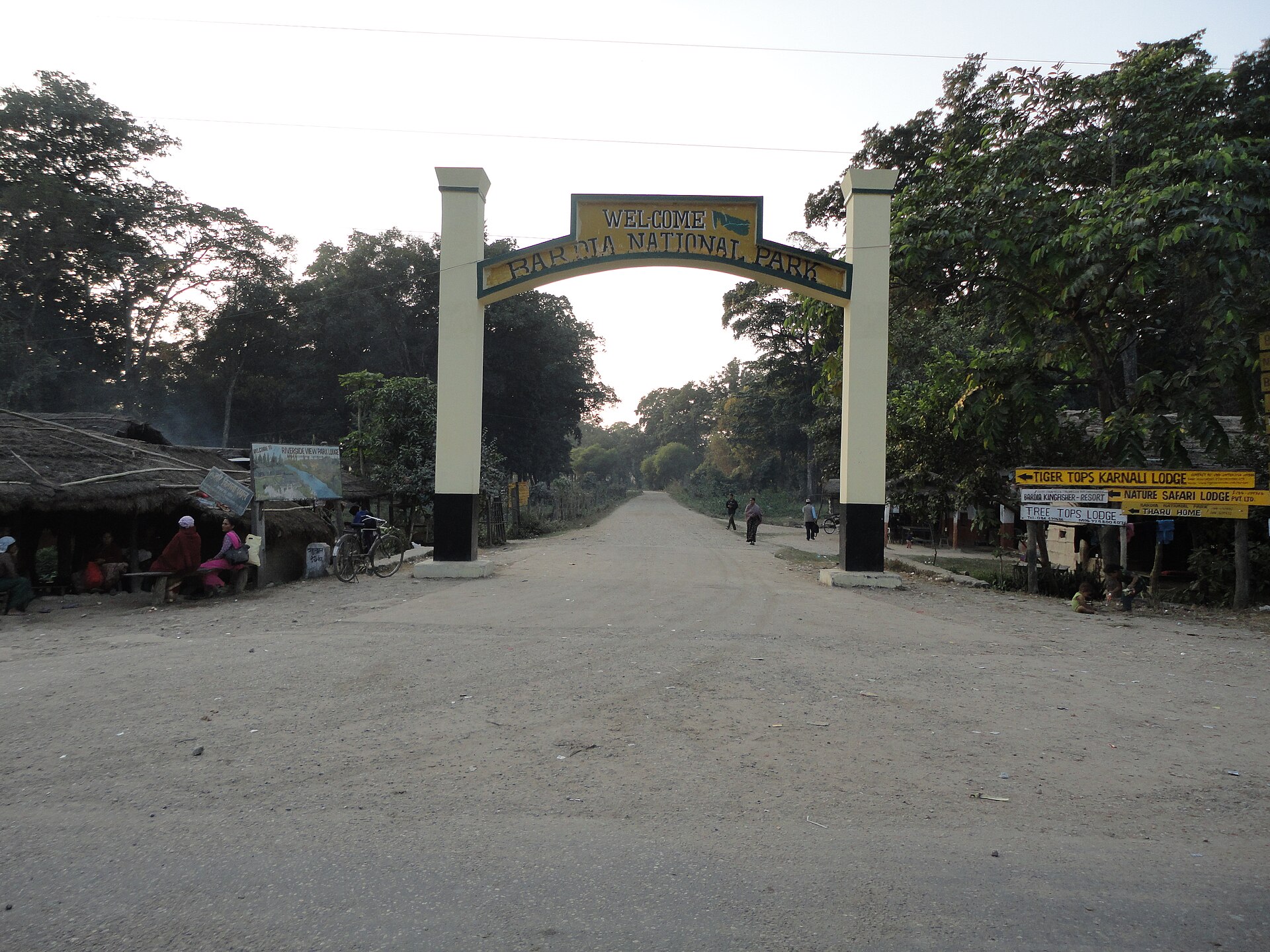
322 records
304 records
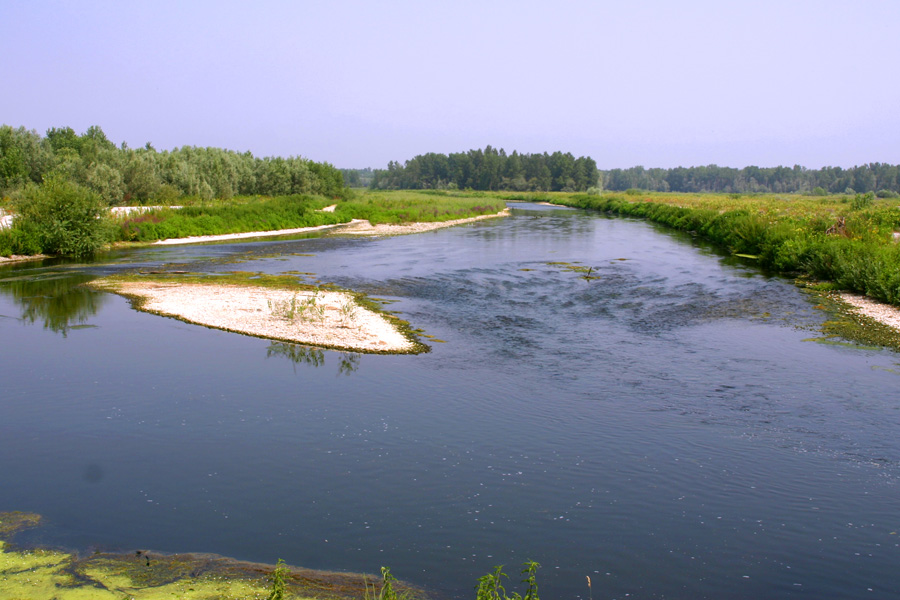
294 records

287 records

200 records
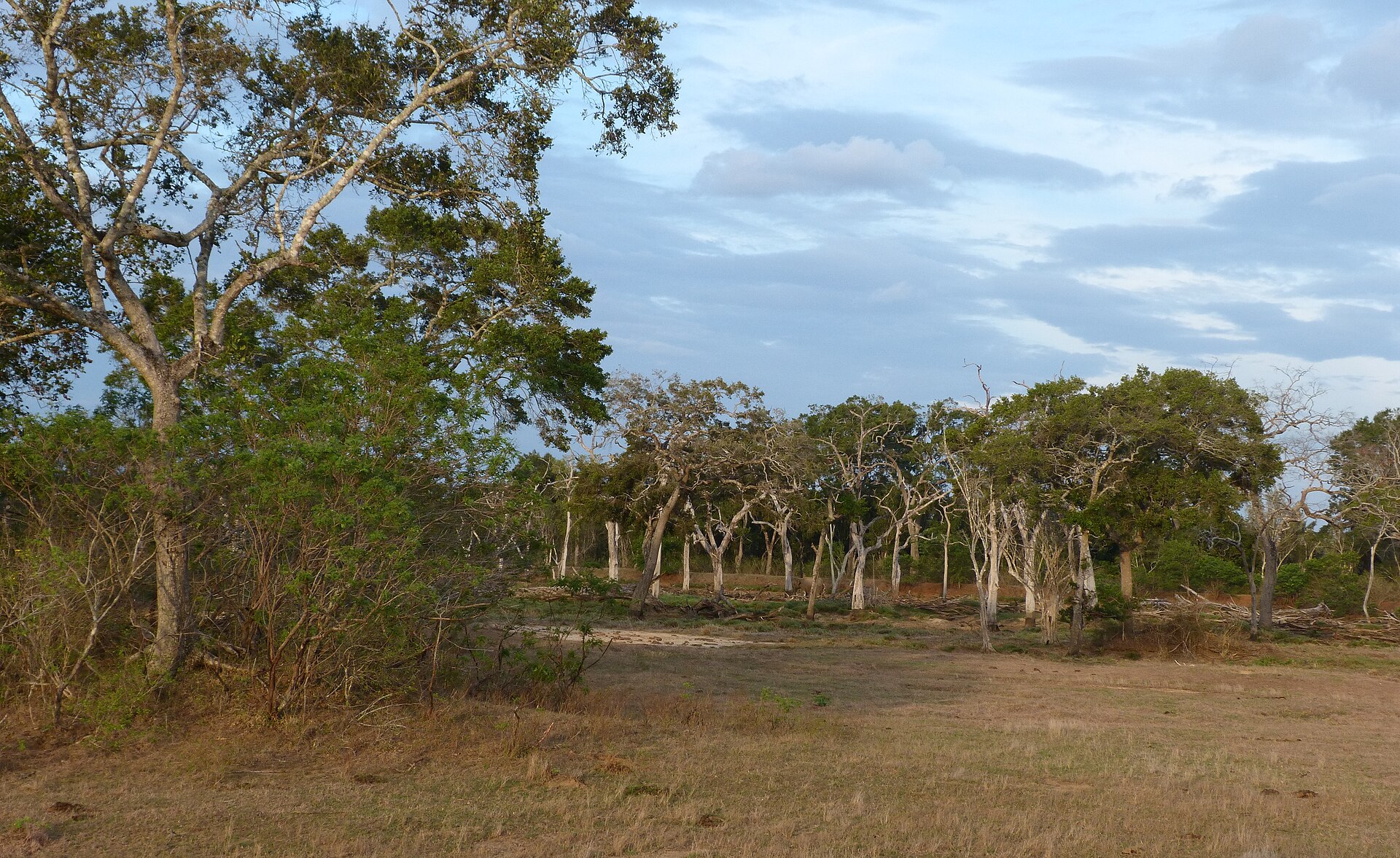
191 records

187 records
157 records
83 records
79 records
73 records

71 records
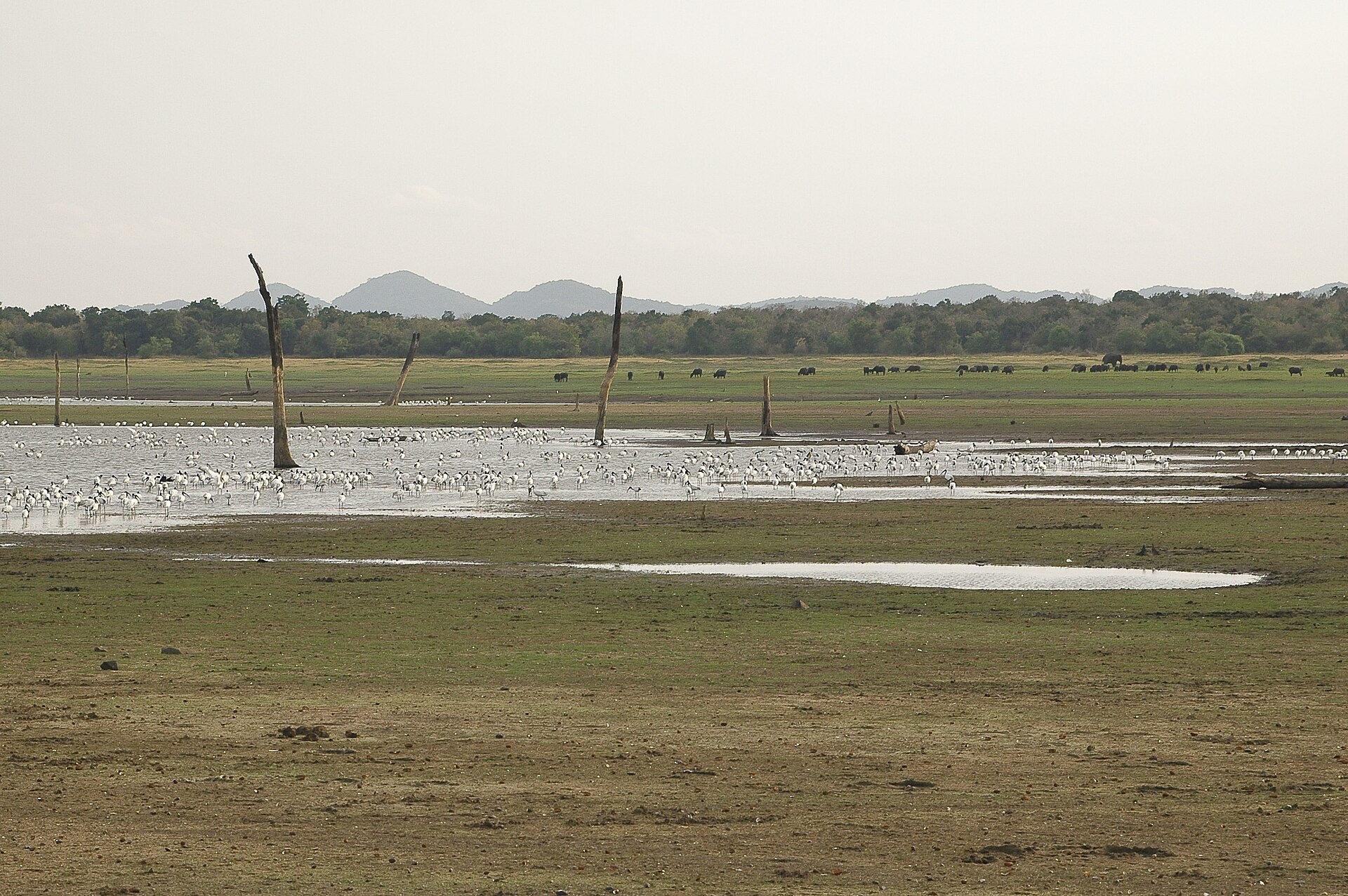
60 records
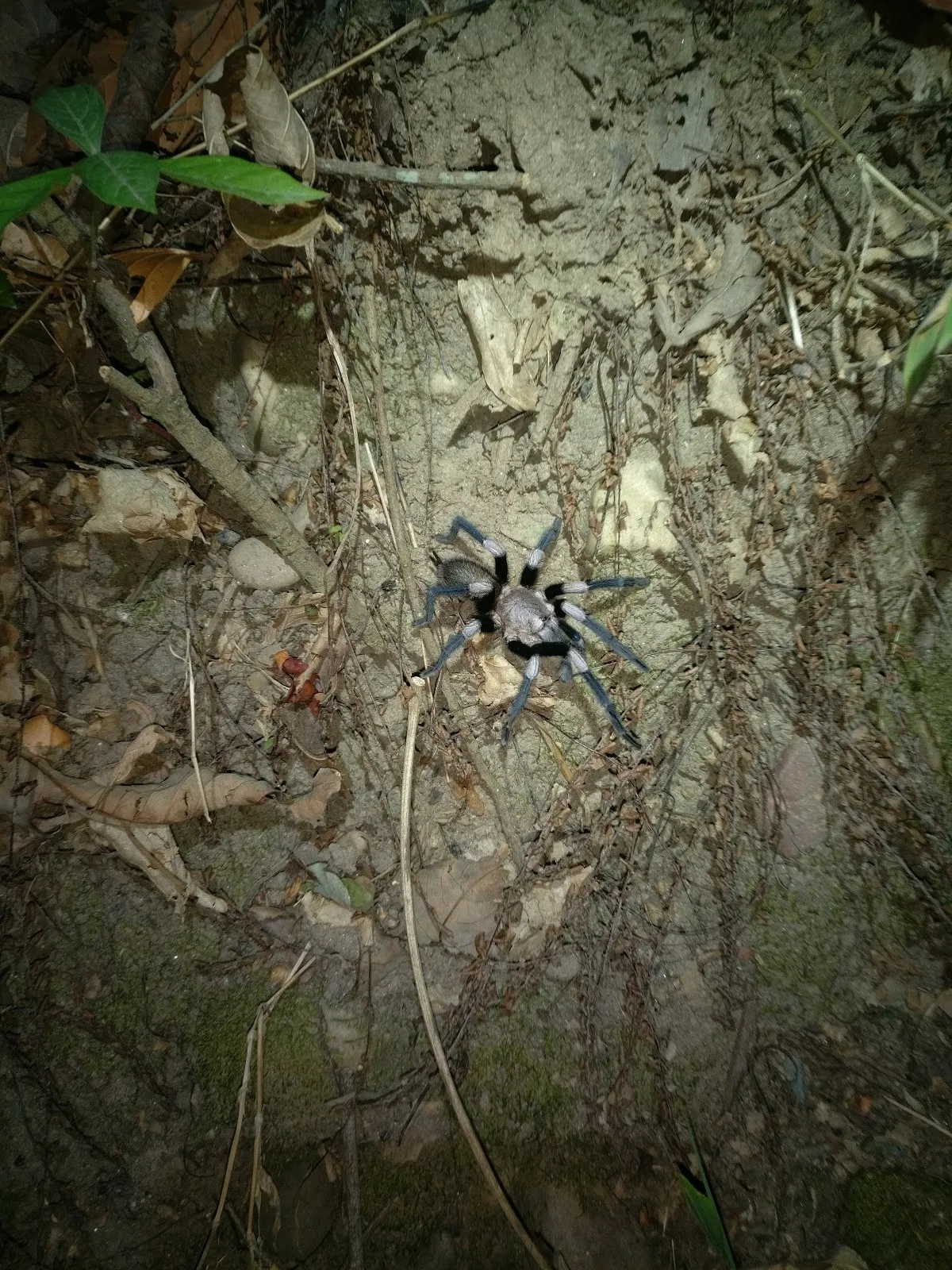
58 records

55 records

51 records
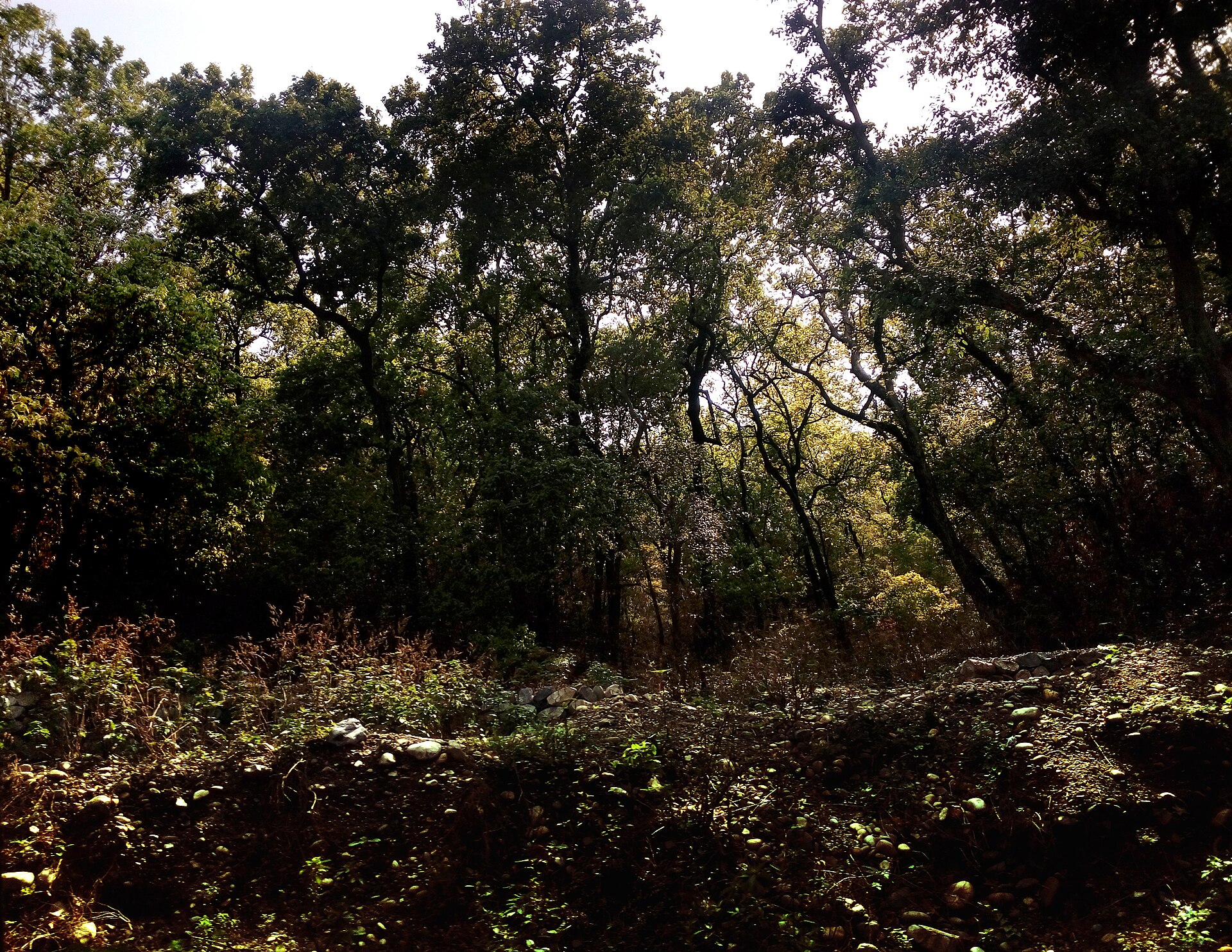
46 records
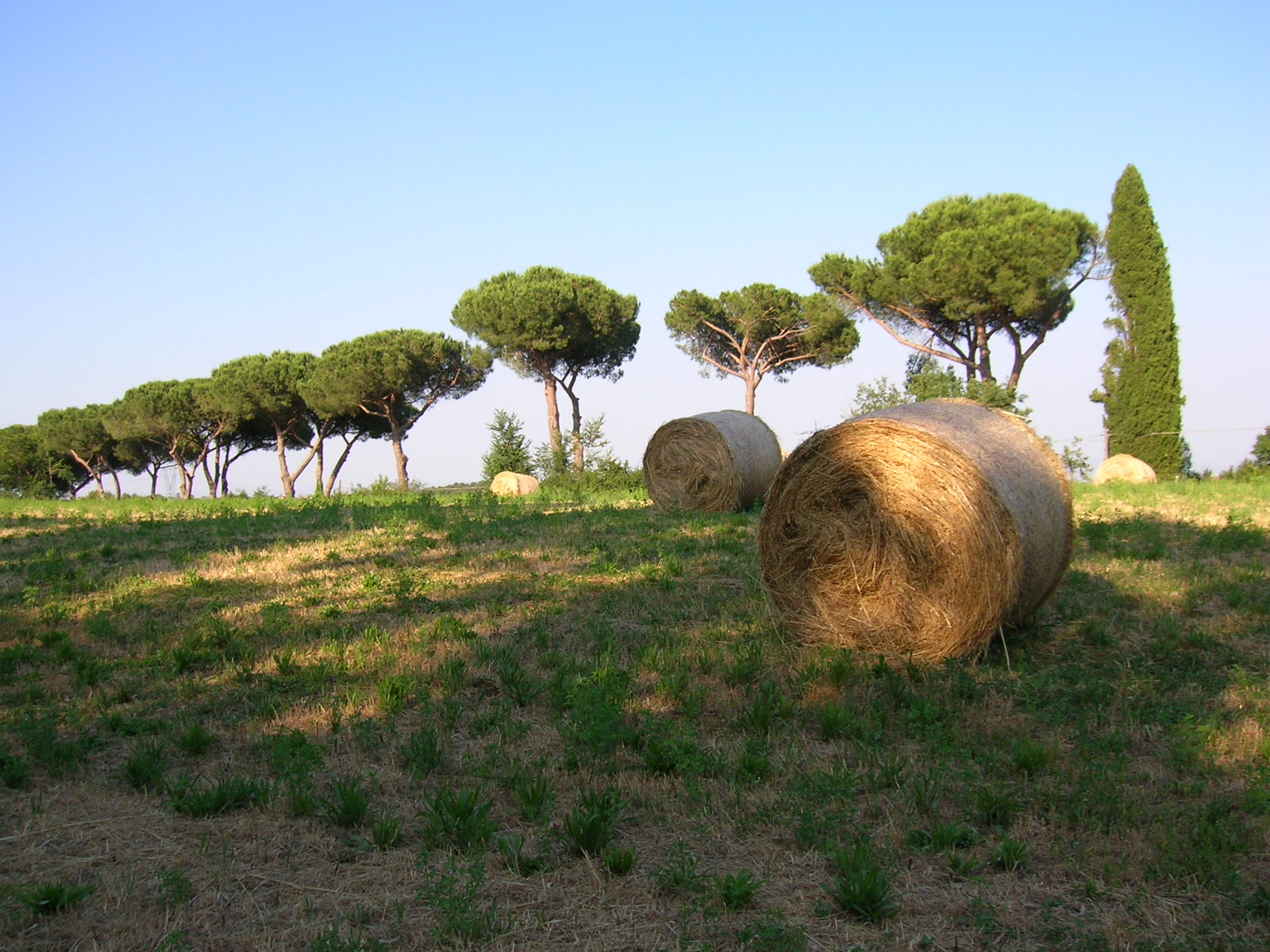
45 records

43 records

33 records

31 records
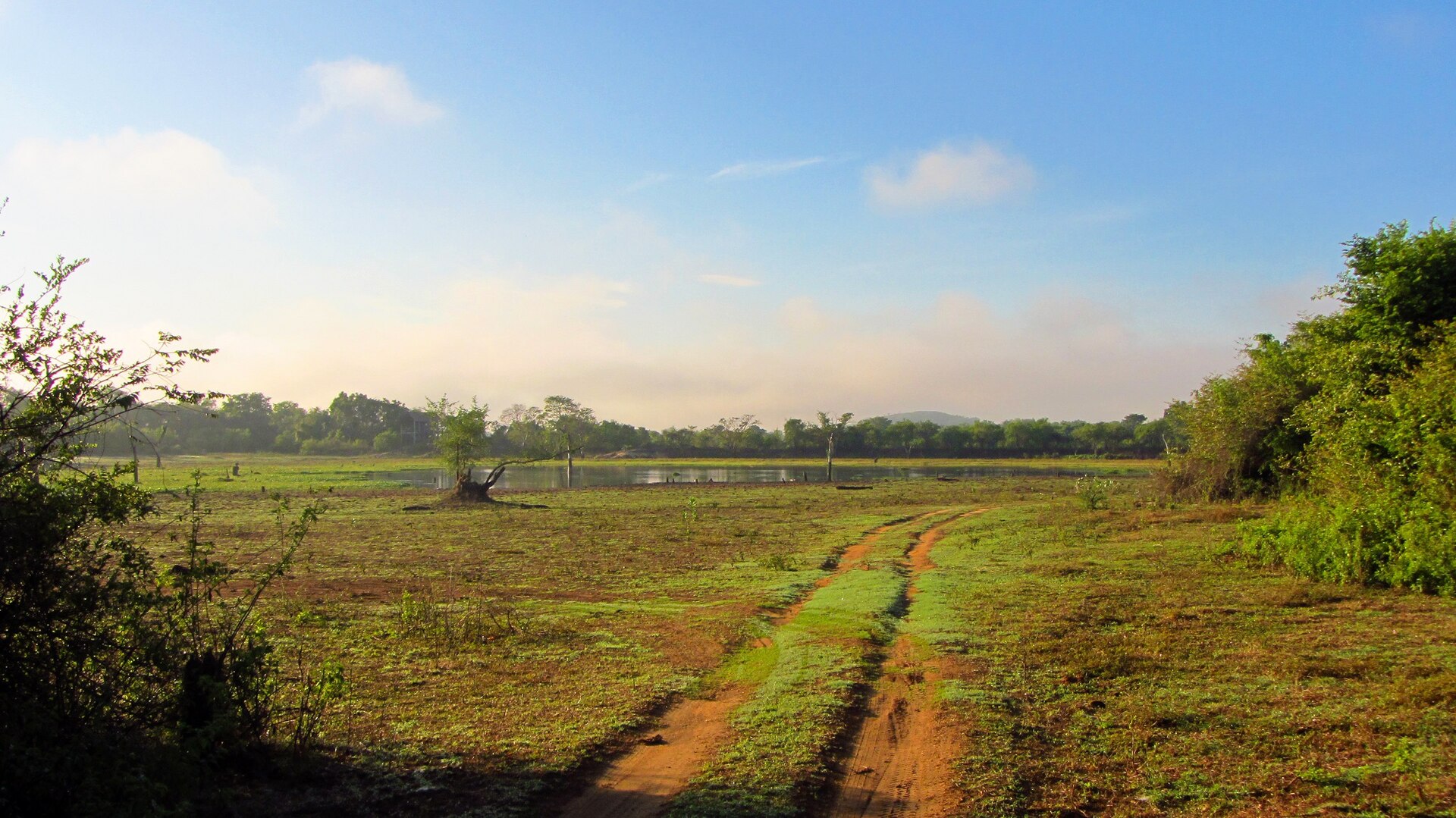
30 records

28 records

24 records
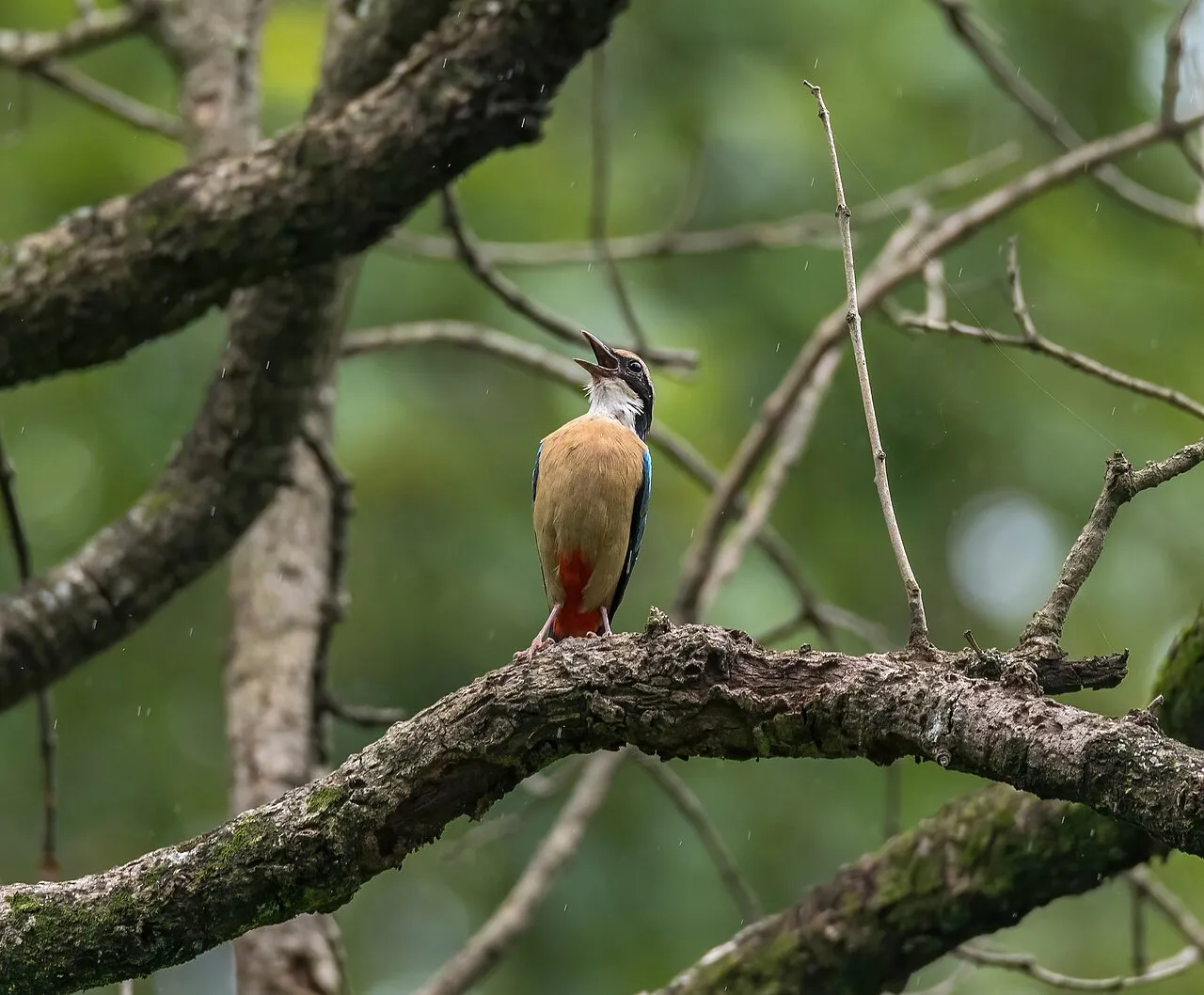
19 records

13 records

10 records
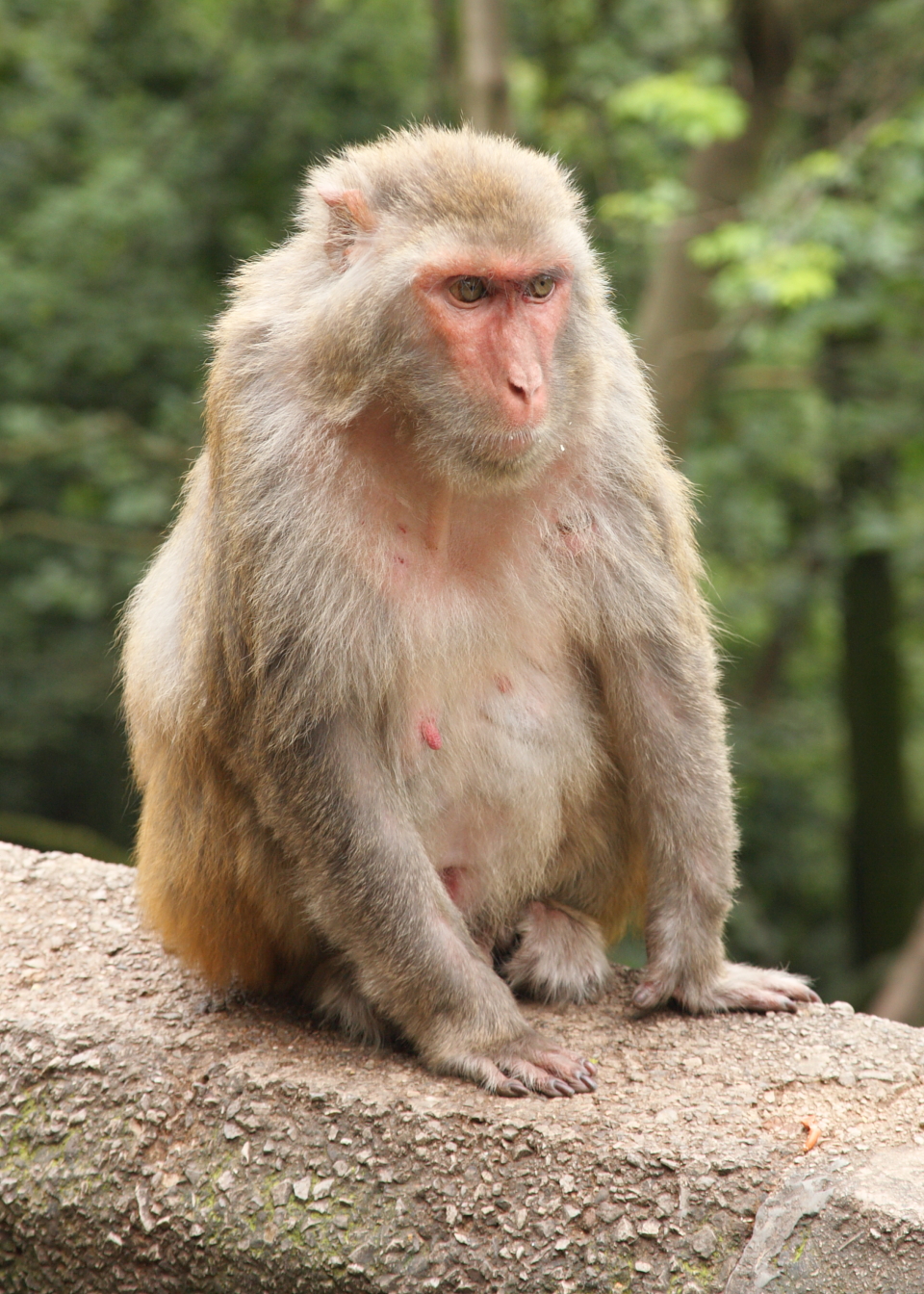
9 records

8 records
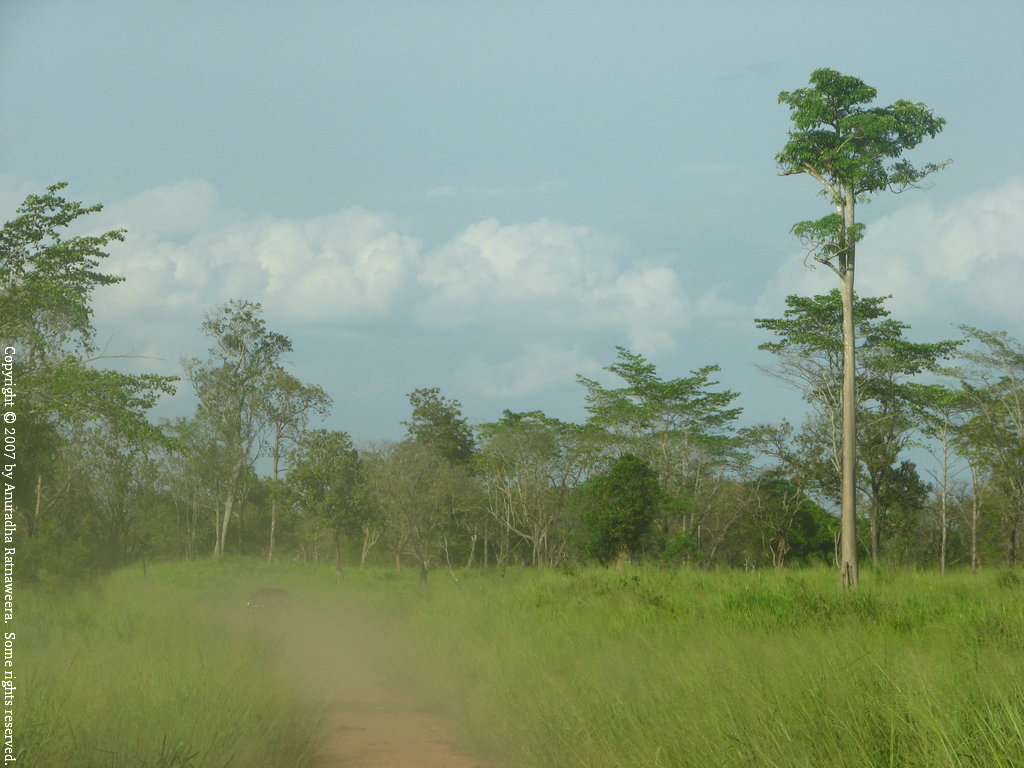
8 records
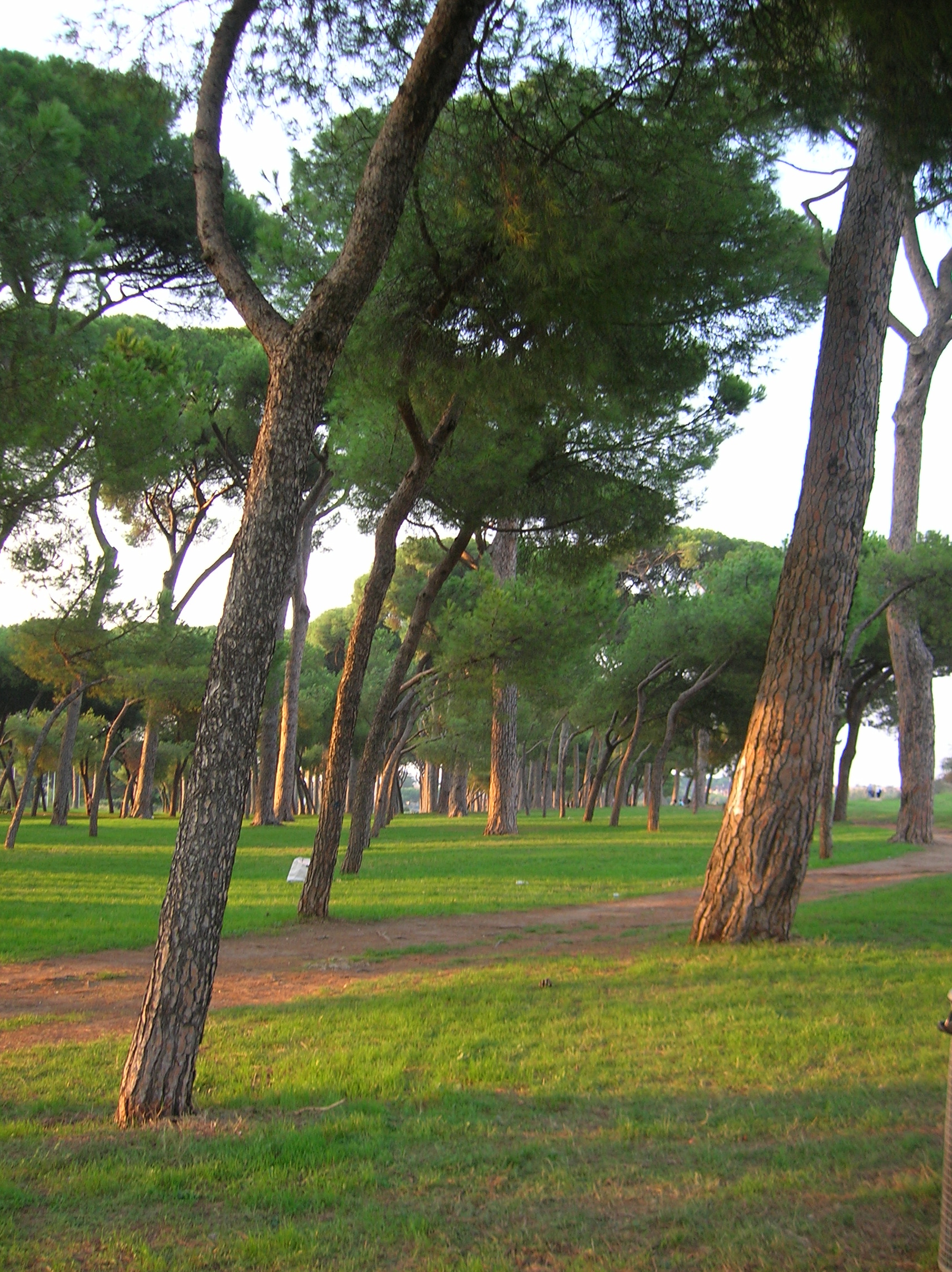
7 records

6 records
2 records

1 records
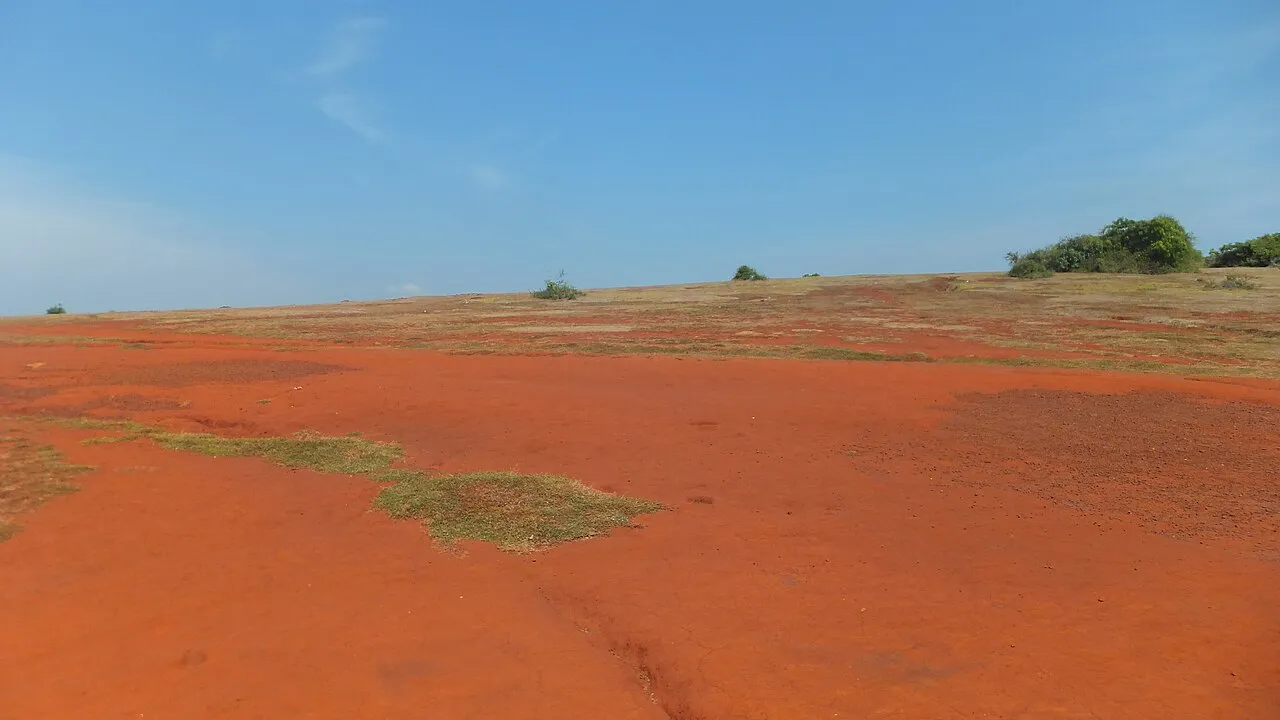
1 records
Other species to discover
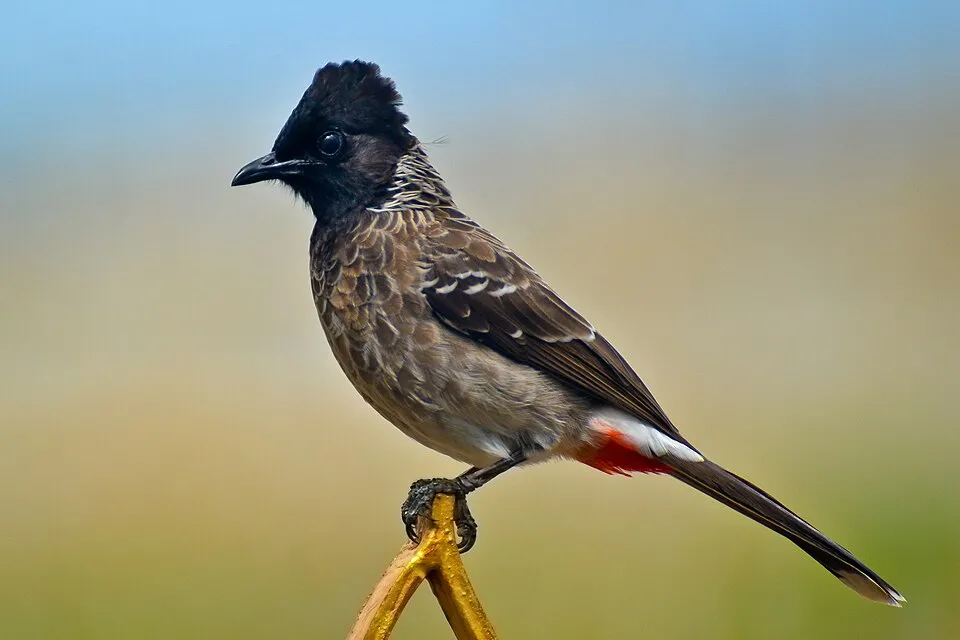 Red-vented Bulbul
Pycnonotus cafer 42 places in common
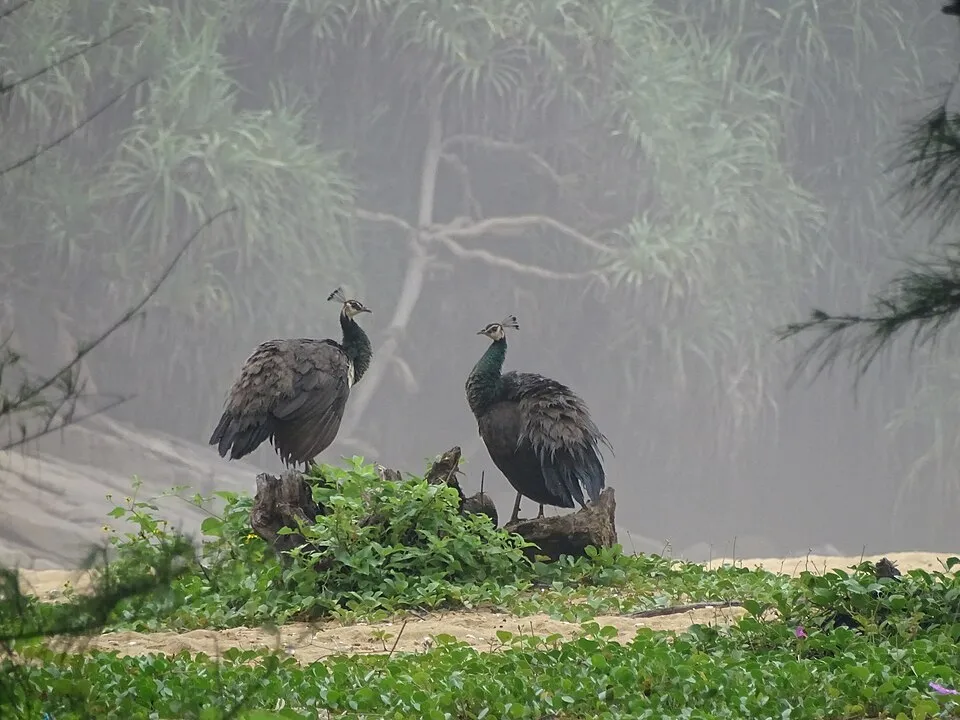 Indian Peafowl
Pavo cristatus 33 places in common
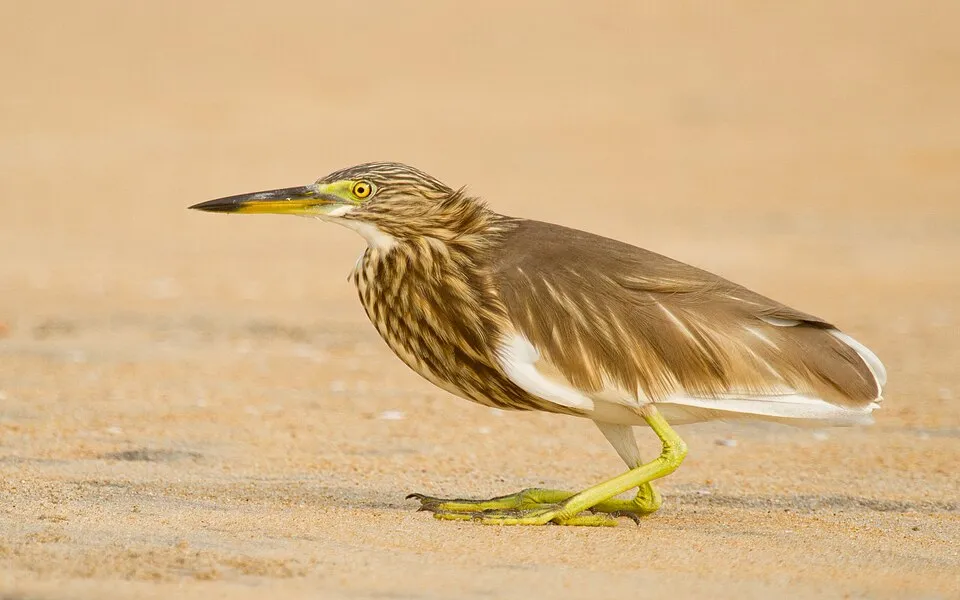 Indian Pond Heron
Ardeola grayii 26 places in common
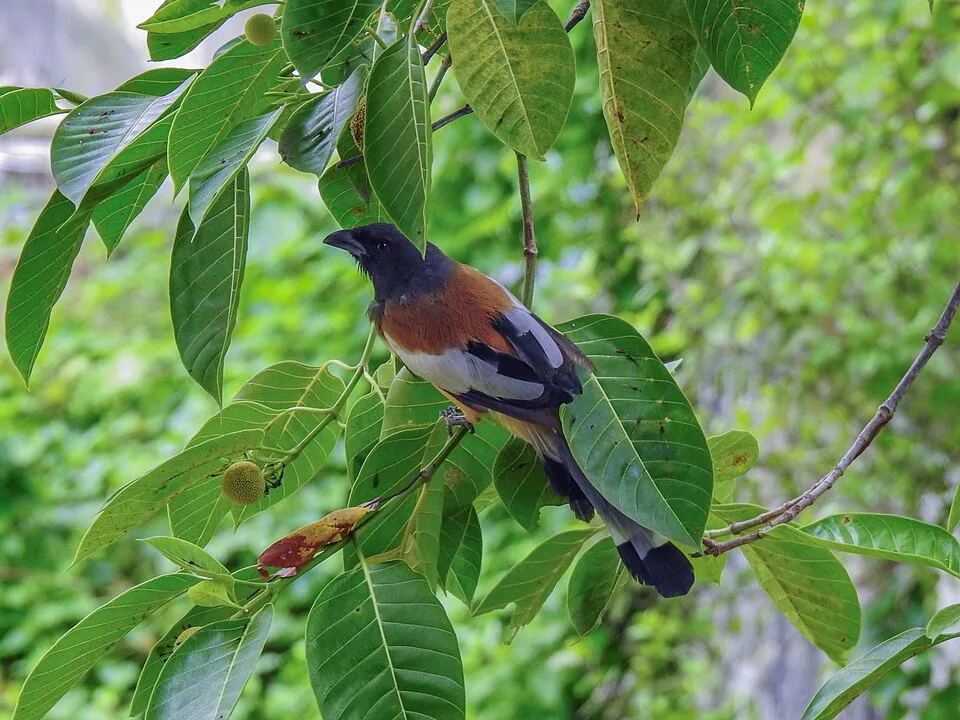 Rufous Treepie
Dendrocitta vagabunda 27 places in common
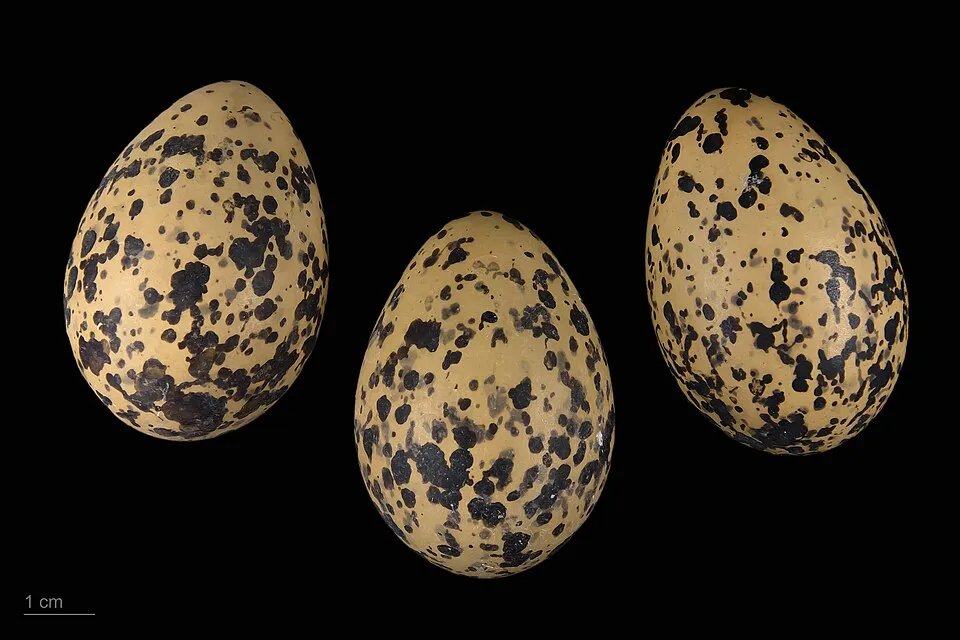 Red-wattled Lapwing
Vanellus indicus 33 places in common
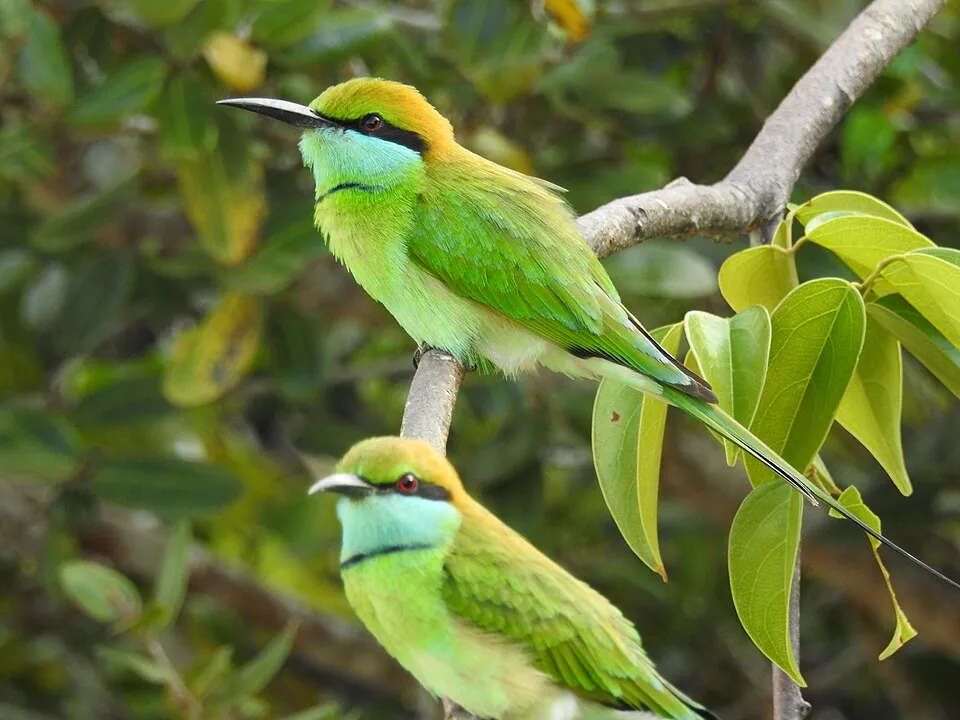 Asian Green Bee-eater
Merops orientalis 31 places in common
Sources and credits
- Presence: most-recorded species of each place on GBIF and species of Community interest in the Natura 2000 forms (EEA, CC-BY 4.0); absence from the list does not mean the species is absent.
- Common names: Wikidata (CC0) and GBIF.
- Photos and sounds: Wikimedia Commons, author and licence given for each file.
- Classification: GBIF Backbone Taxonomy (GBIF Secretariat), CC BY 4.0, doi:10.15468/39omei.
- Countries, elevations, months and maps: GBIF.org, CC0 or CC BY 4.0 occurrences only, accessed October 22, 2026, GBIF.org.
- Base map: Natural Earth (public domain).
- Excerpt: Wikipedia, CC BY-SA 4.0 (full credit below the excerpt).
- Key facts: Wikidata (CC0), with the references cited under each value.
- Invasive alien species: Union list, Regulation (EU) No 1143/2014 (INBO, CC0); Global Register of Introduced and Invasive Species (ISSG, CC BY 4.0).