
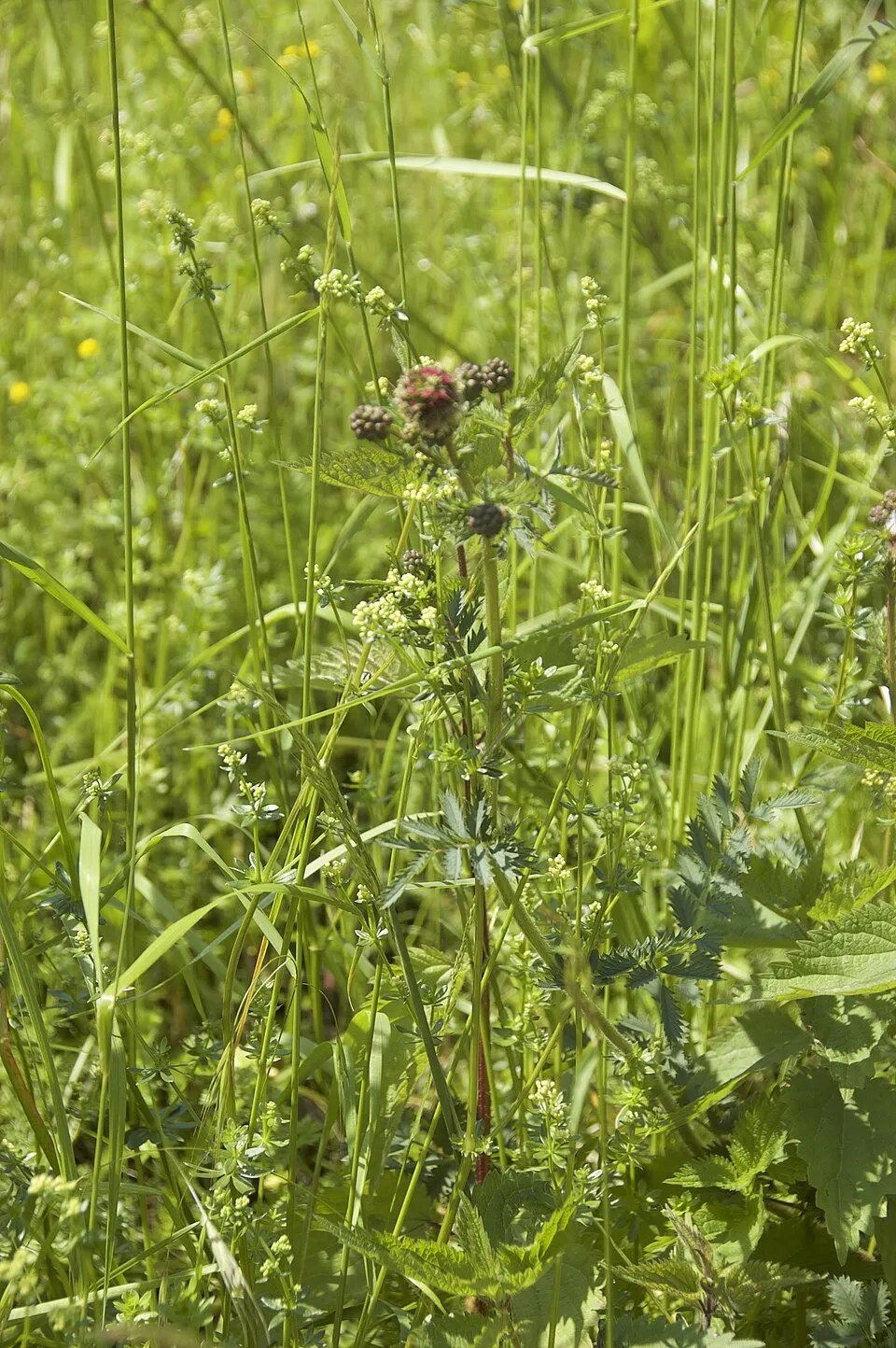
Plant
Salad Burnet: where to see it
Poterium sanguisorba
Invasive alien in some territories
Listed as invasive alien for: Australia (GRIIS).
This plant species is recorded in 12 protected areas of the atlas. Within the atlas countries, it is mostly observed in France, Switzerland and Germany (11 countries in all). Most records (8 in 10) lie between 230 and 1,200 m above sea level. Records peak from May to July. Perennial plant, native to Europe, Africa, temperate Asia and tropical Asia, introduced to Australasia, North America and South and Central America.
Best time to see it: May–July
Records published on GBIF by month (CC0 and CC BY 4.0 licences only), in the atlas countries, all years combined; they also reflect observer activity.
Distribution
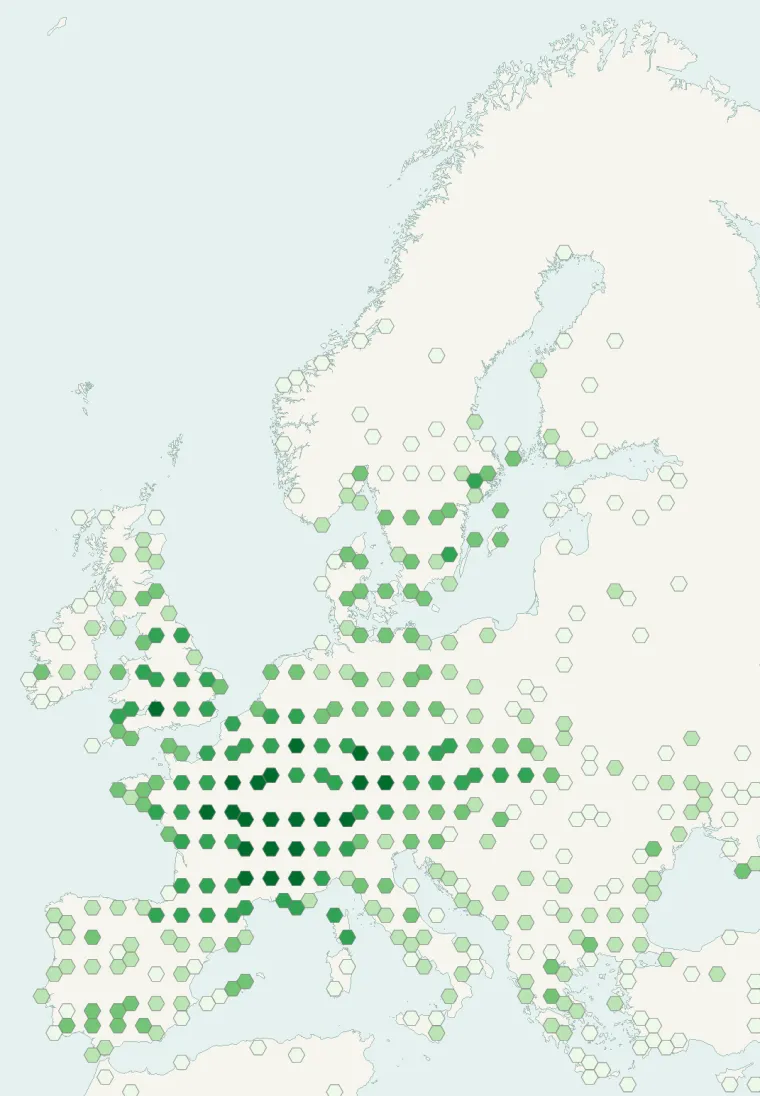
Records published on GBIF (CC0 and CC BY 4.0 licences): the darker the shade, the more records there are; they also reflect observation effort.
Atlas countries where it is recorded
Protected areas where it is recorded
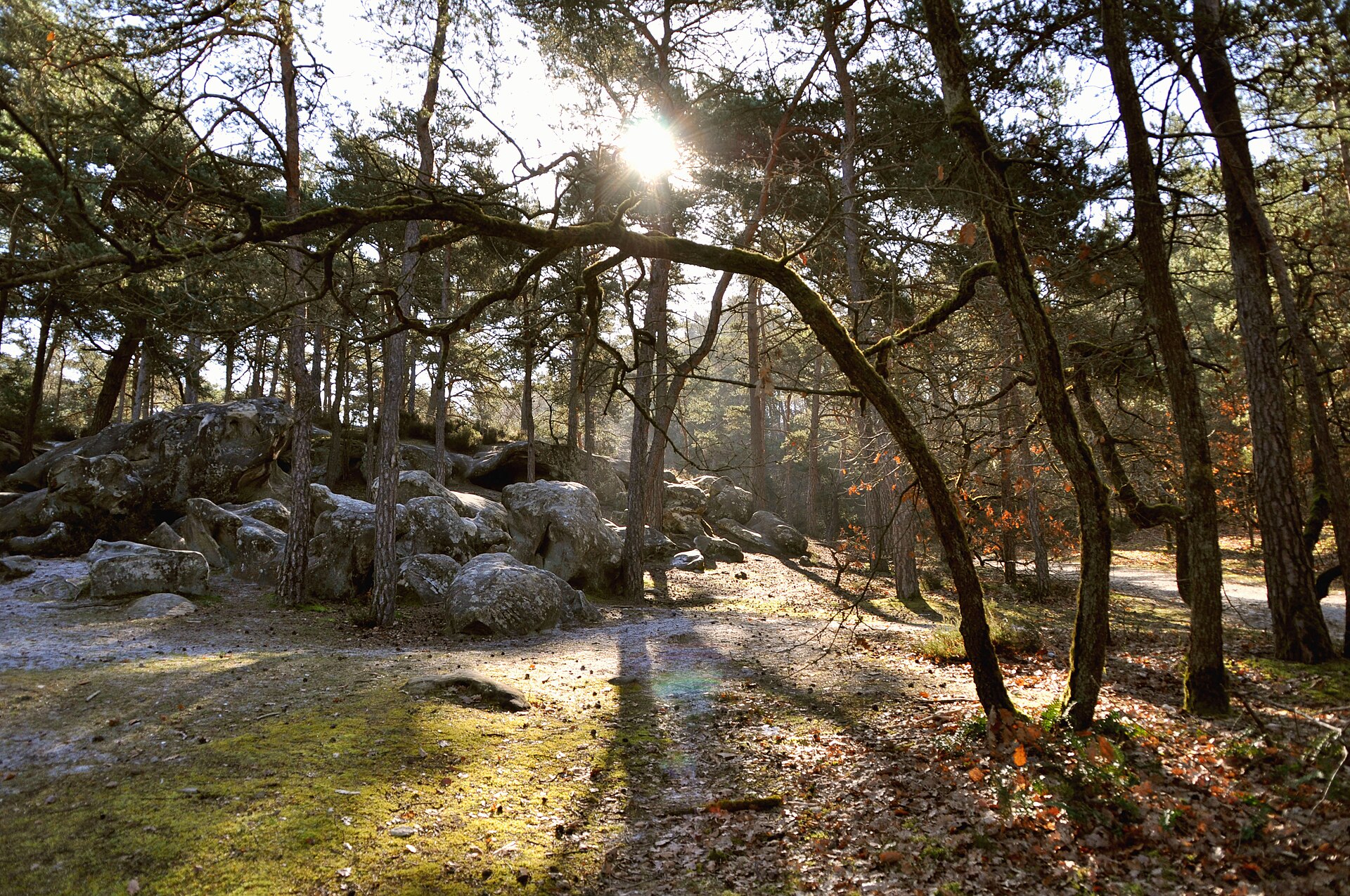
3,601 records
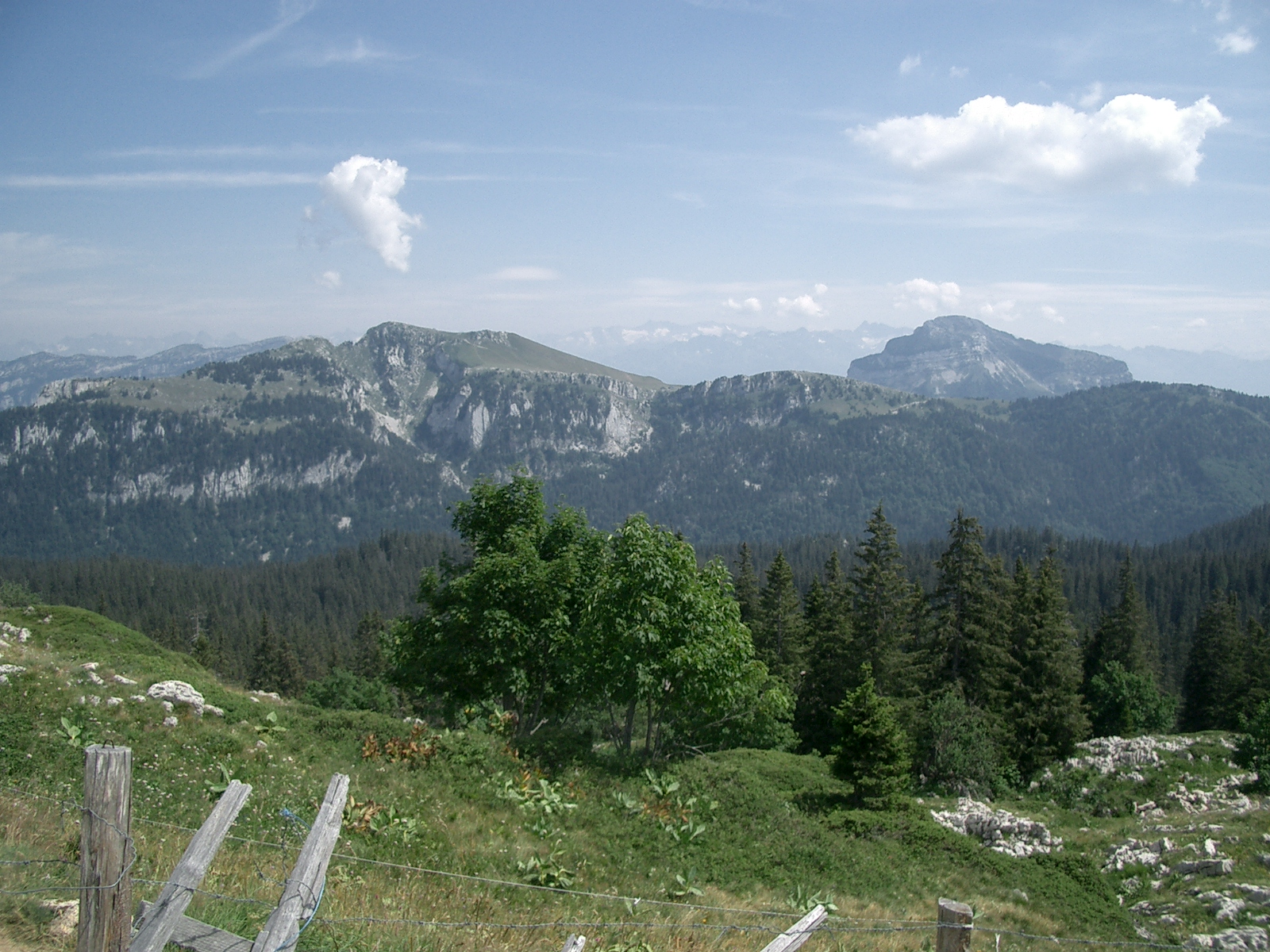
3,093 records
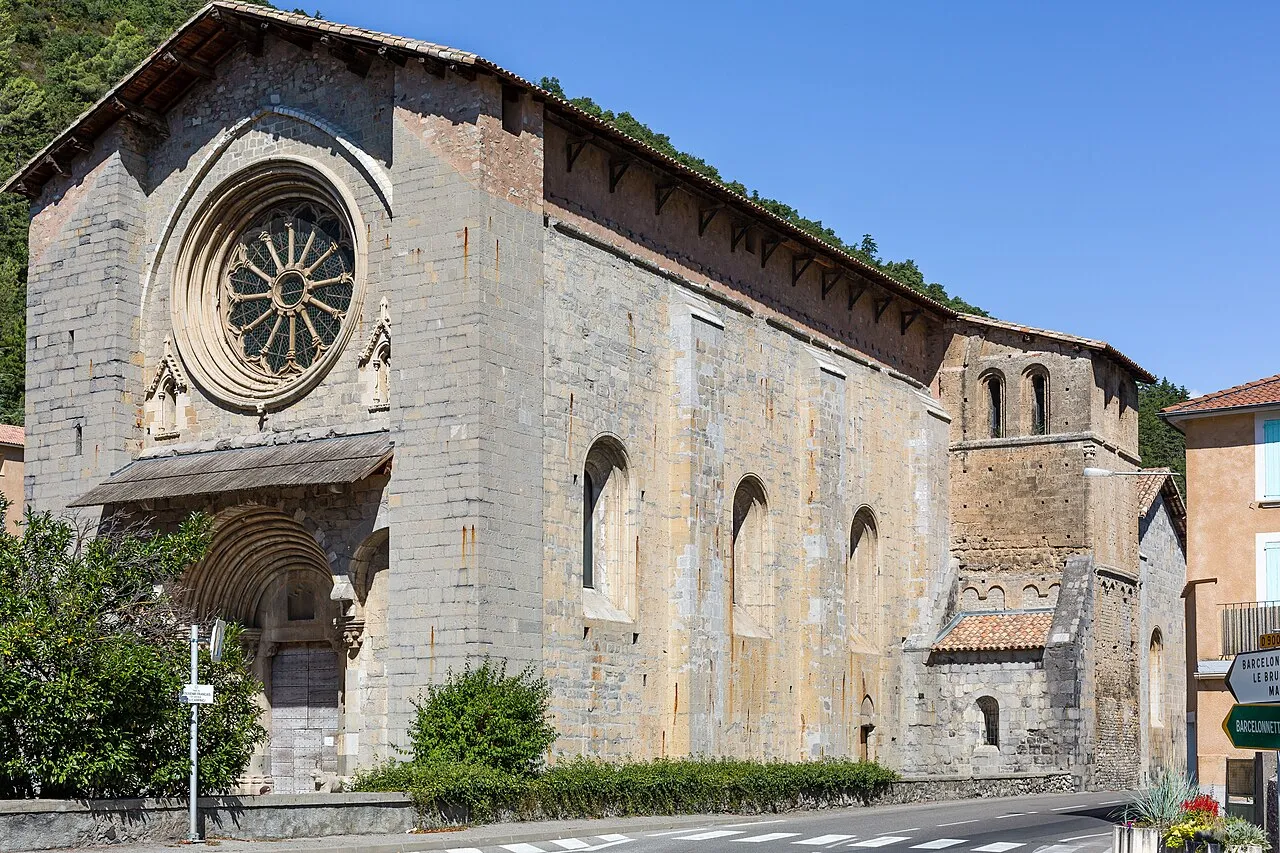
2,657 records
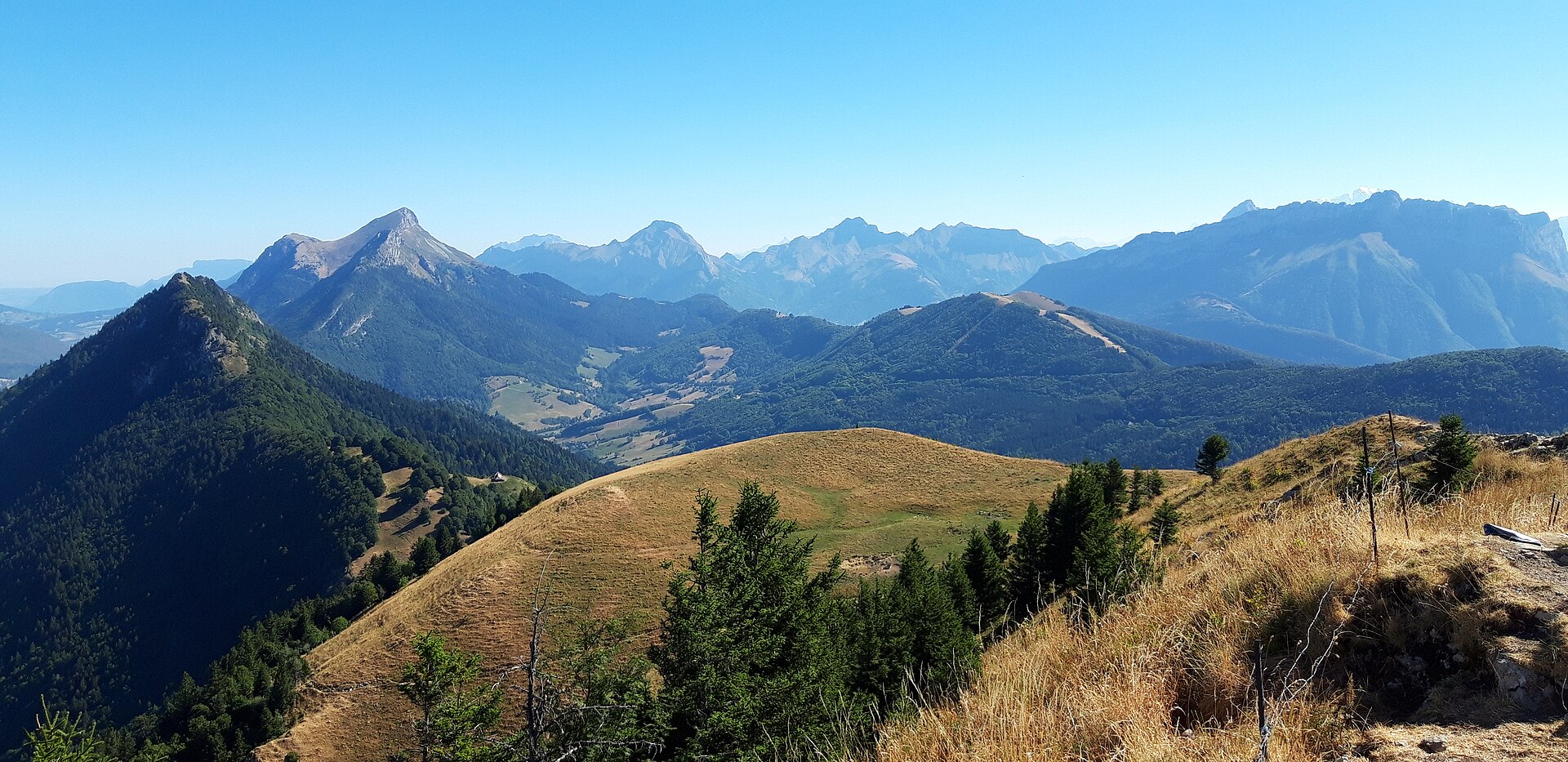
2,304 records
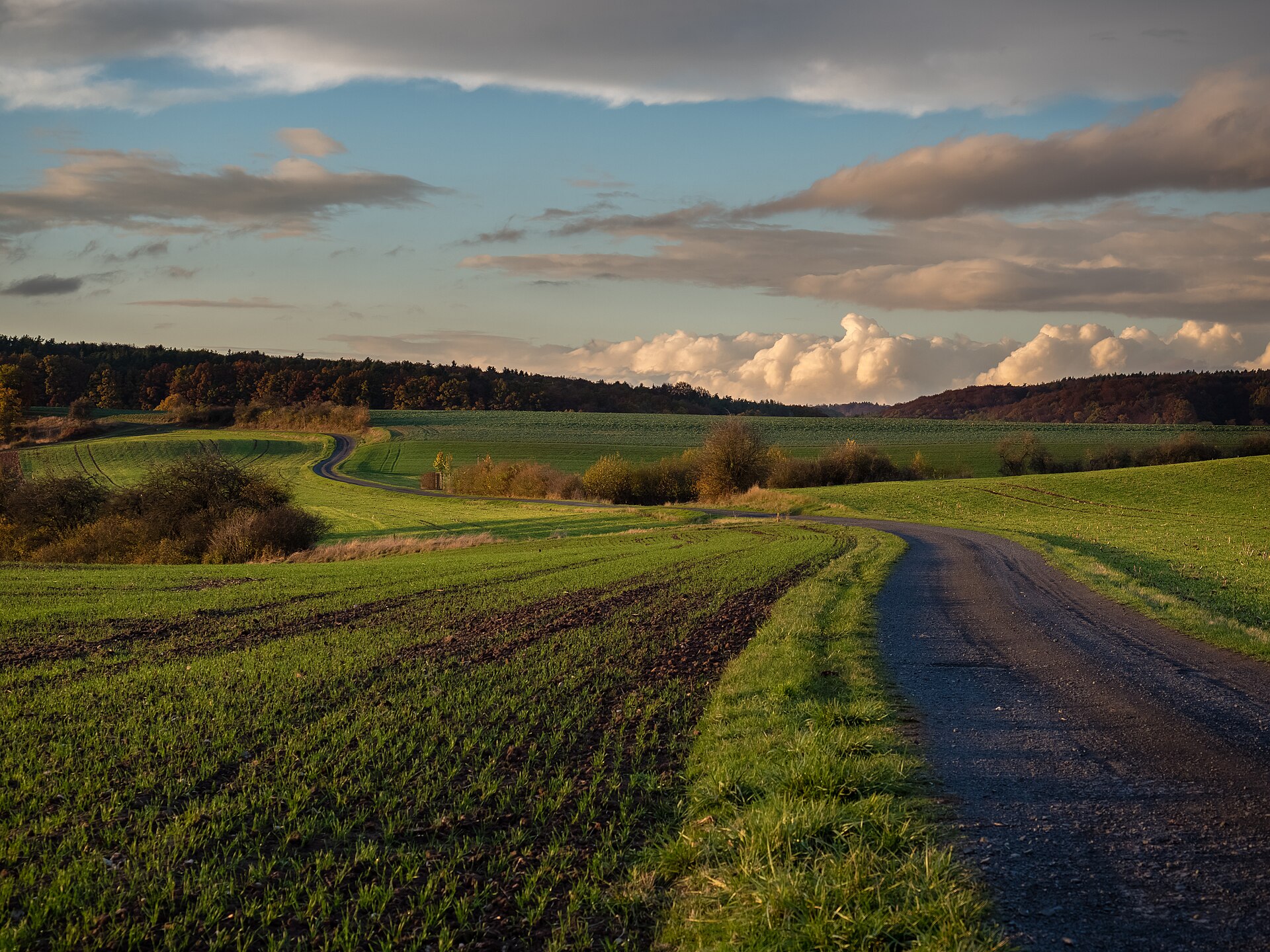
1,119 records
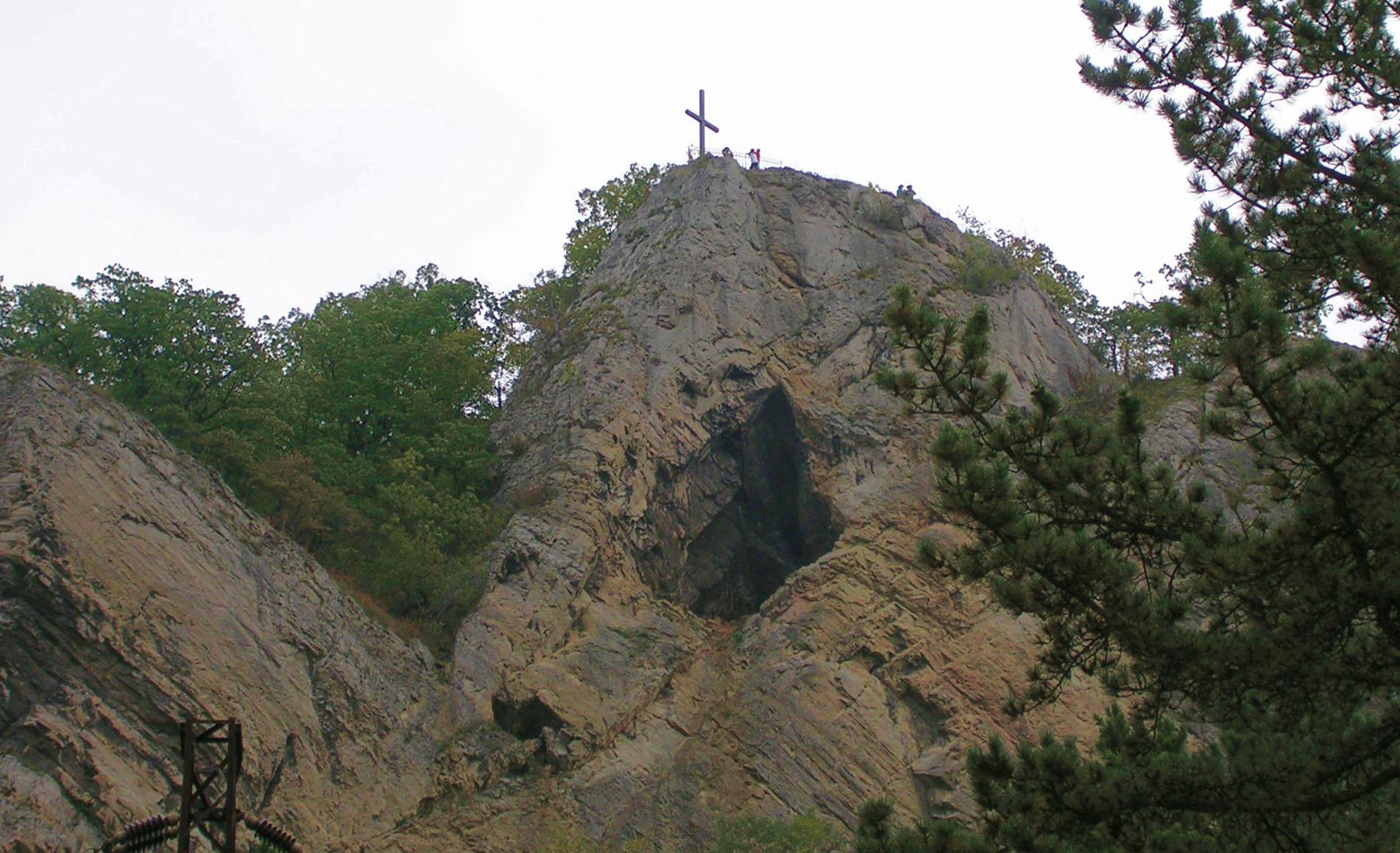
415 records
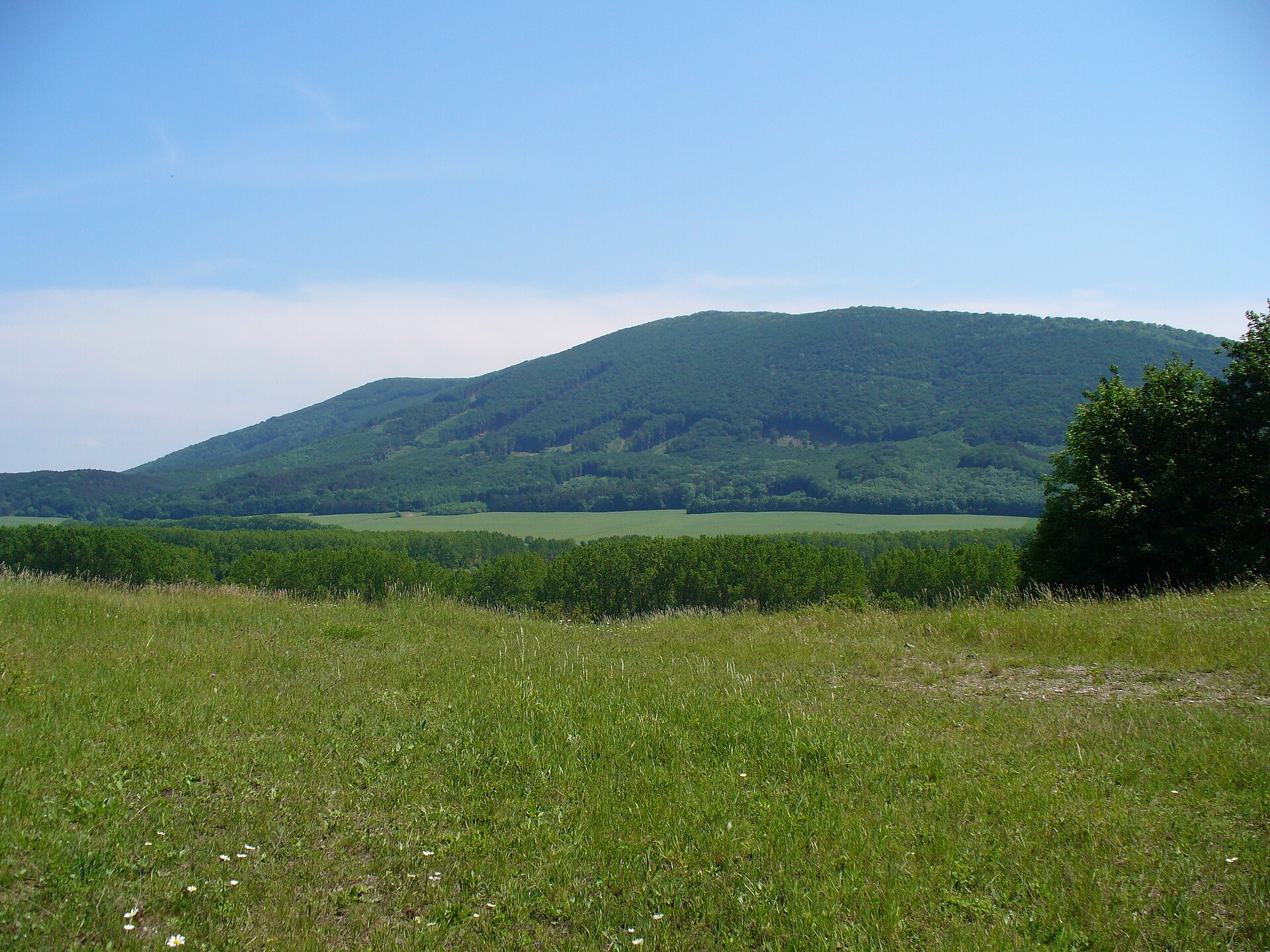
403 records
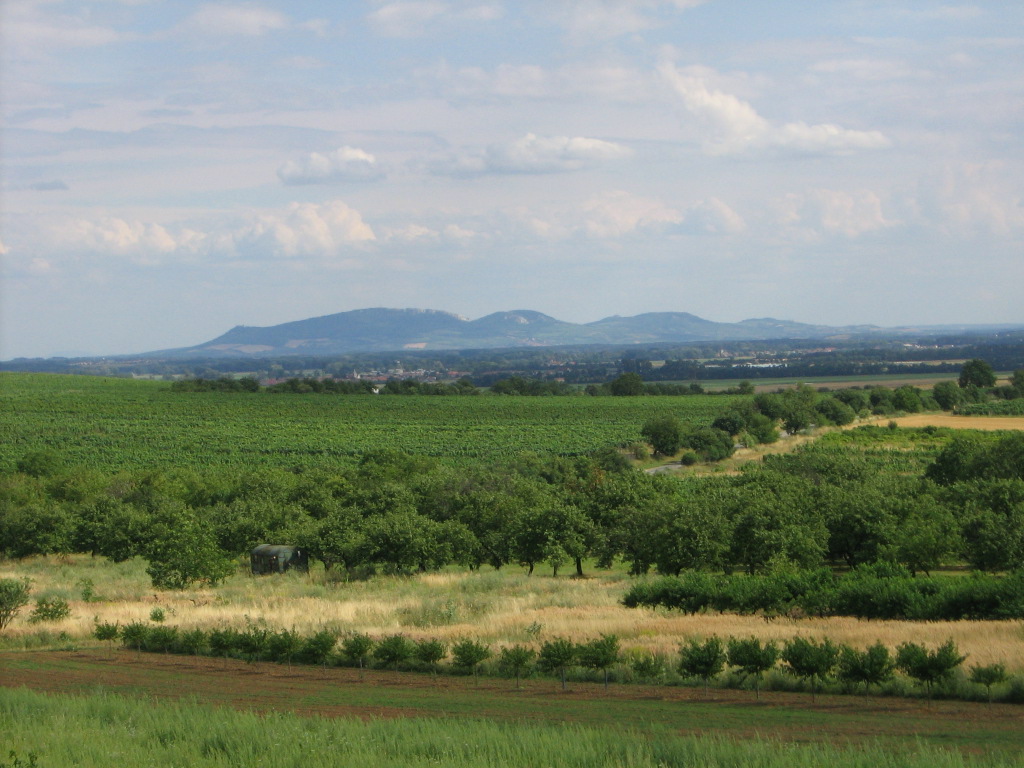
359 records

281 records
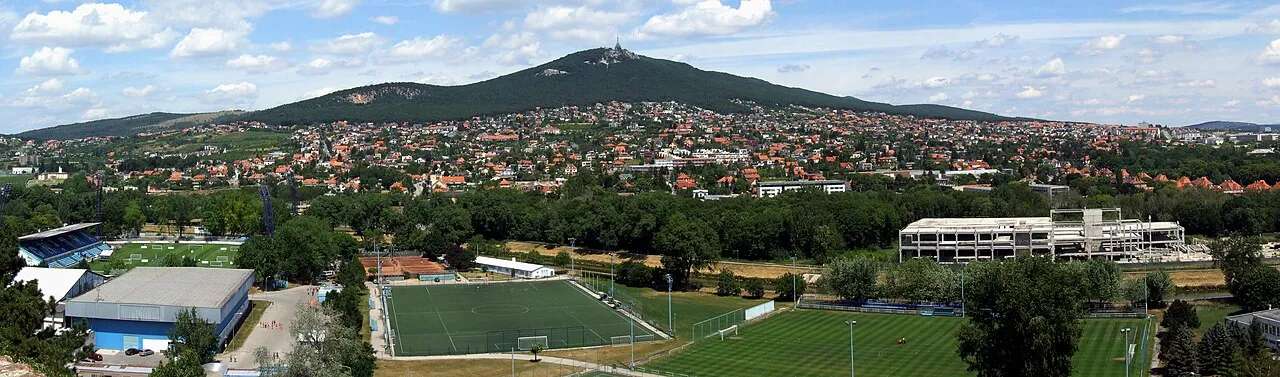
258 records
197 records
Other species to discover
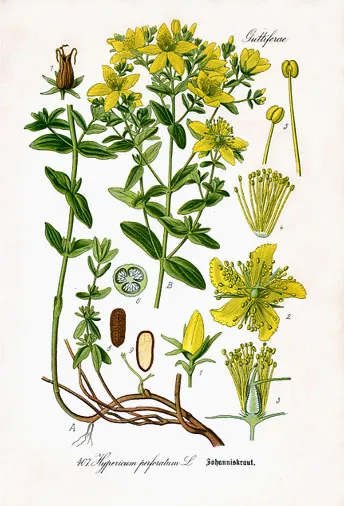 Perforate St John's-wort
Hypericum perforatum 5 places in common
 Wall germander
Teucrium chamaedrys 5 places in common
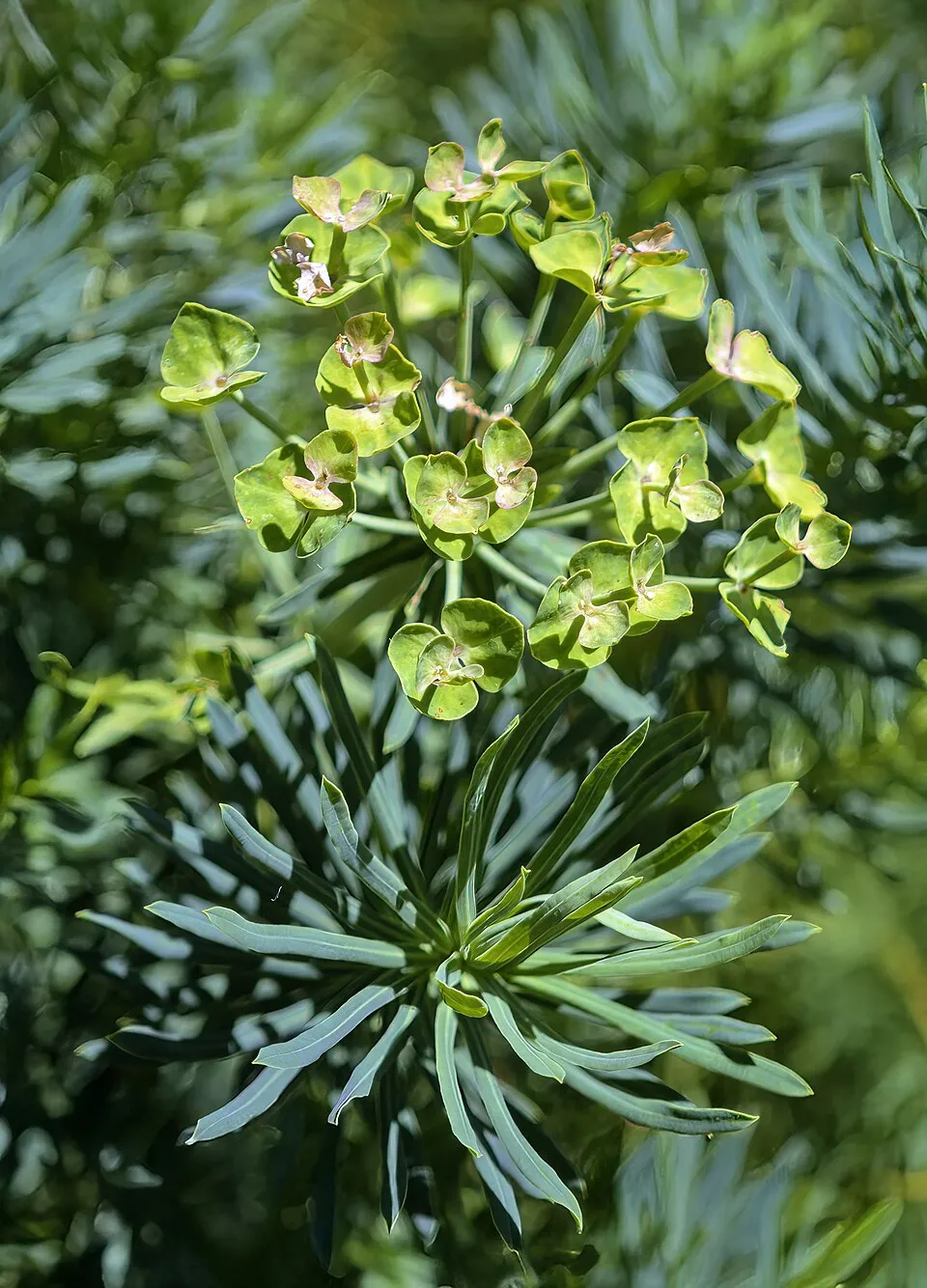 Cypress Spurge
Euphorbia cyparissias 8 places in common
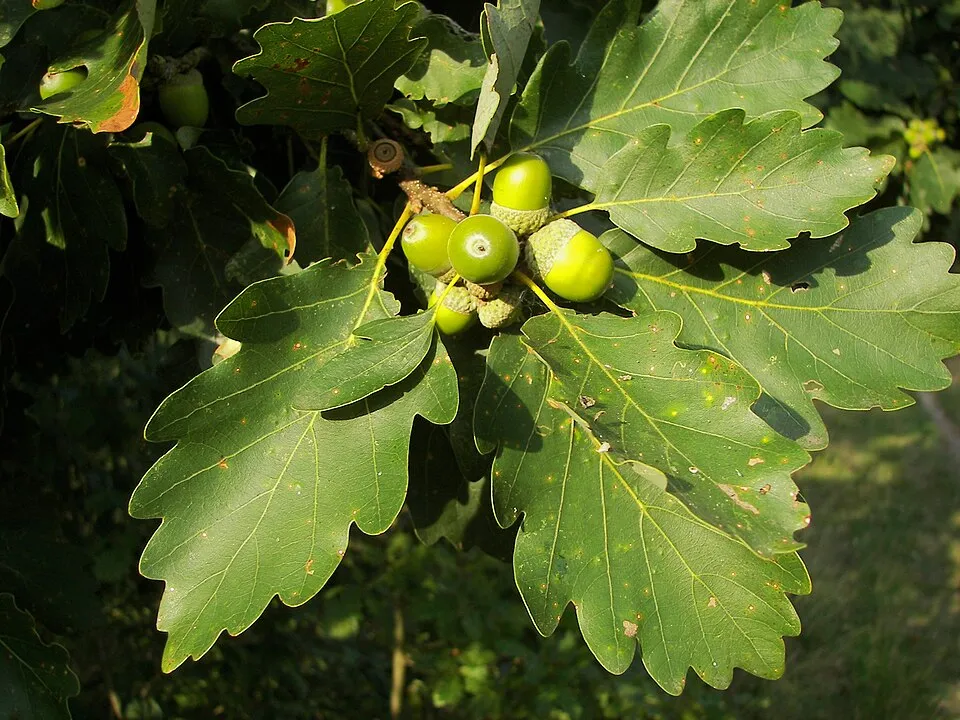 Sessile Oak
Quercus petraea 4 places in common
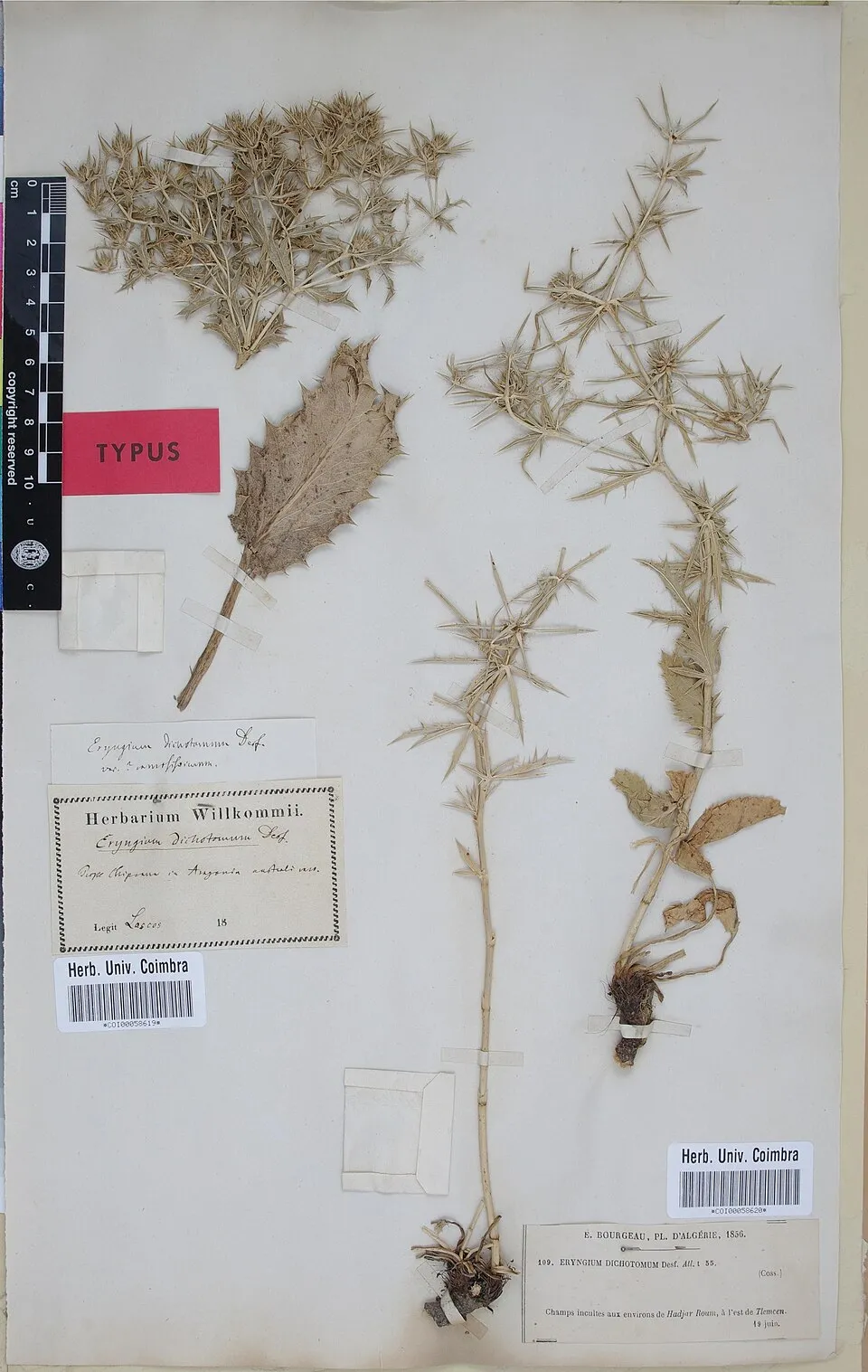 Field eryngo
Eryngium campestre 3 places in common
 Field Maple
Acer campestre 4 places in common
Sources and credits
- Presence: most-recorded species of each place on GBIF and species of Community interest in the Natura 2000 forms (EEA, CC-BY 4.0); absence from the list does not mean the species is absent.
- Common names: Wikidata (CC0) and GBIF.
- Photos and sounds: Wikimedia Commons, author and licence given for each file.
- Classification: GBIF Backbone Taxonomy (GBIF Secretariat), CC BY 4.0, doi:10.15468/39omei.
- Countries, elevations, months and maps: GBIF.org, CC0 or CC BY 4.0 occurrences only, accessed October 23, 2026, GBIF.org.
- Base map: Natural Earth (public domain).
- Native range and life form: World Checklist of Vascular Plants, Royal Botanic Gardens, Kew, CC BY 4.0 (no endorsement by Kew).
- Invasive alien species: Union list, Regulation (EU) No 1143/2014 (INBO, CC0); Global Register of Introduced and Invasive Species (ISSG, CC BY 4.0).