
Fungus
Turkey tail: where to see it
Trametes versicolor
This fungus species is recorded in 3 protected areas of the atlas. Within the atlas countries, it is mostly observed in the United Kingdom, Sweden and Germany (11 countries in all). Most records (8 in 10) lie between 190 and 1,000 m above sea level. Records peak from September to November.
Best time to see it: September–November
Records published on GBIF by month (CC0 and CC BY 4.0 licences only), in the atlas countries, all years combined; they also reflect observer activity.
Distribution
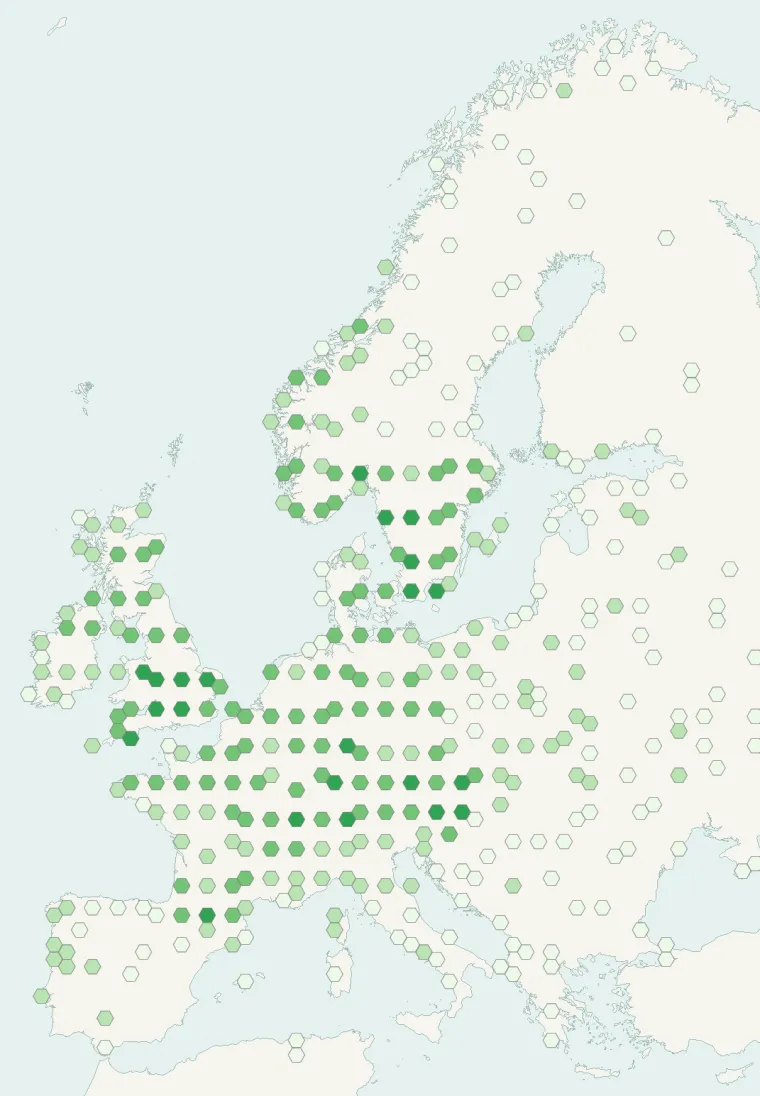
Records published on GBIF (CC0 and CC BY 4.0 licences): the darker the shade, the more records there are; they also reflect observation effort.
Atlas countries where it is recorded
From Wikipedia
Trametes versicolor – also known as Coriolus versicolor and Polyporus versicolor – is a common polypore mushroom found throughout the world. Owing to its shape being similar to that of a wild turkey's tail feathers, T. versicolor is most commonly referred to as turkey tail. Although polysaccharide-K, an extract of T. versicolor, is approved in Japan as an adjuvant therapy in cancer treatment, it is not approved in the United States for treatment of cancer or any clinical condition.
Source: Wikipedia, article “Trametes versicolor” (version of October 21, 2026) · history and authors · licence CC BY-SA 4.0 · shortened excerpt
Protected areas where it is recorded
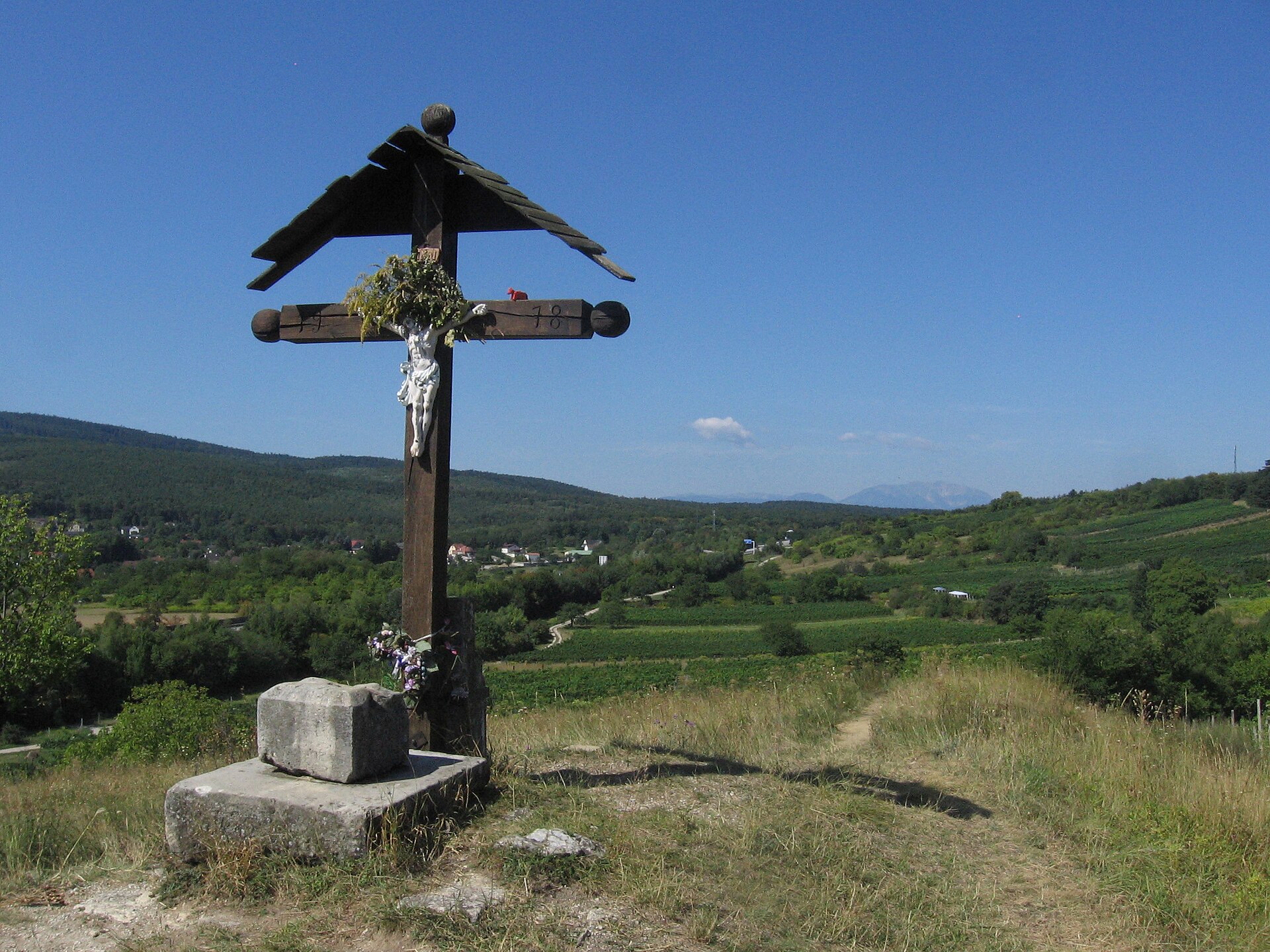
153 records
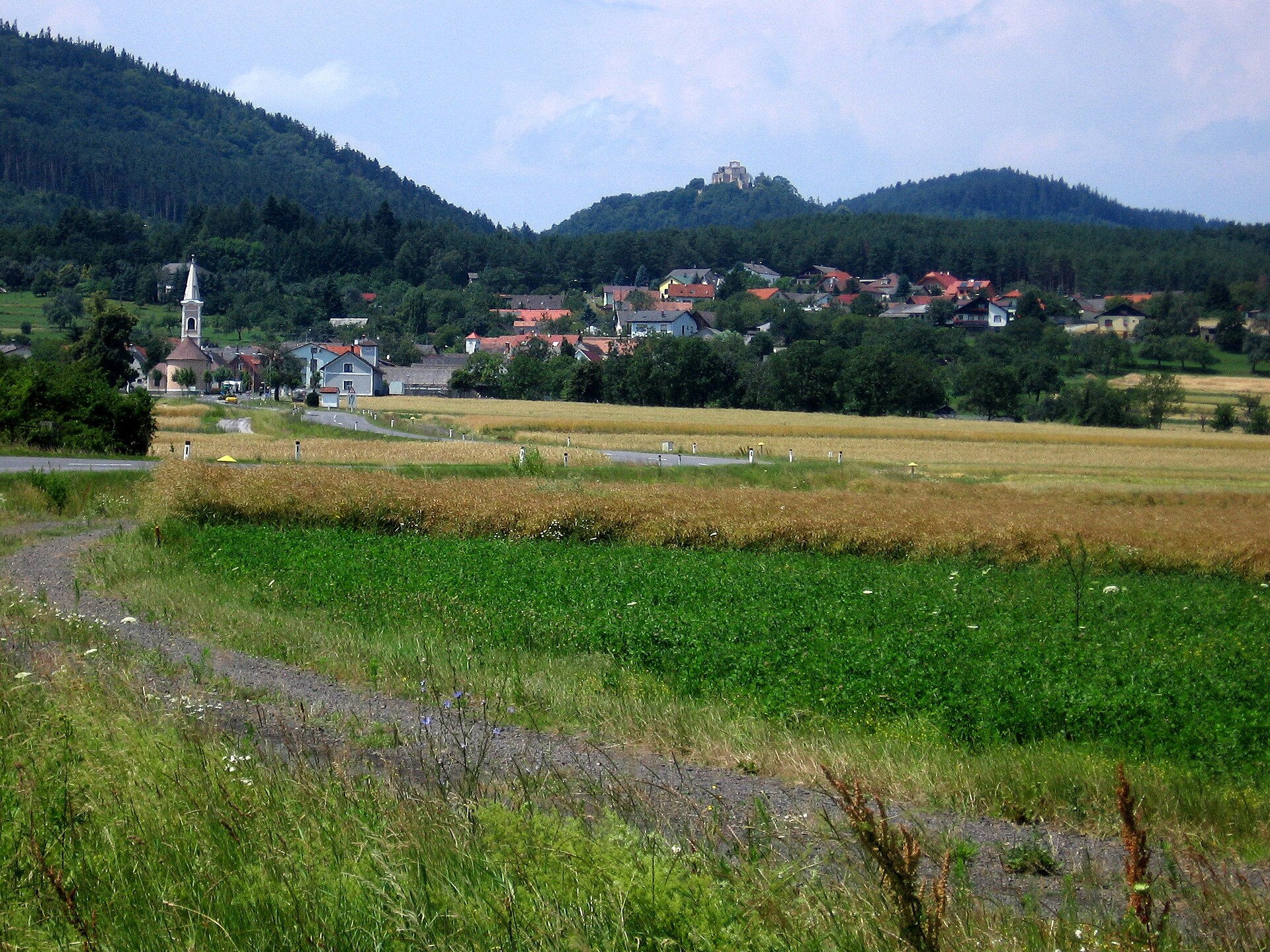
27 records
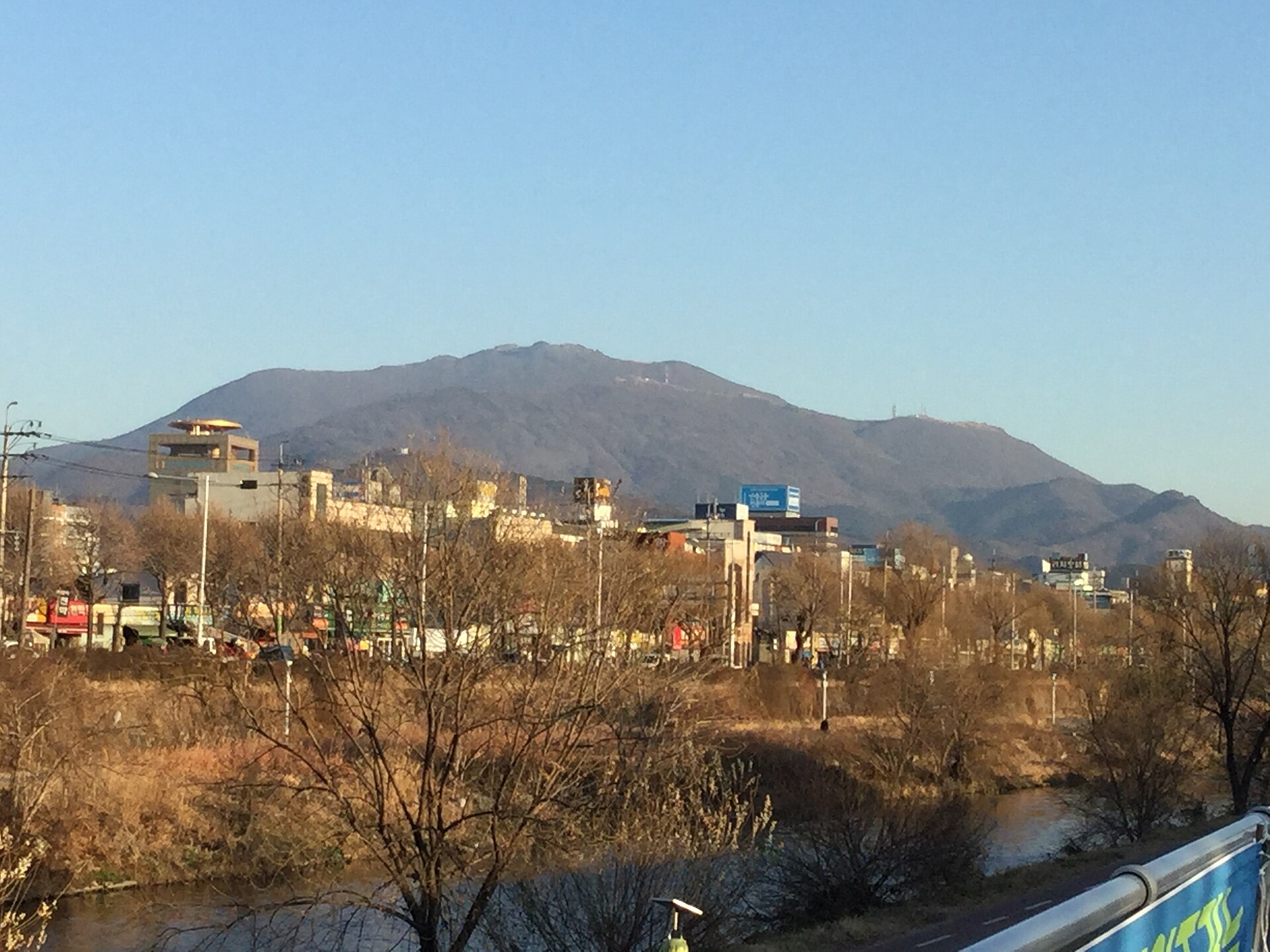
19 records
Other species to discover
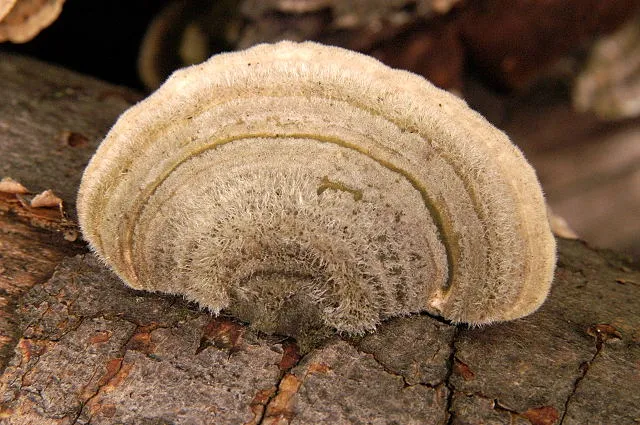 Hairy Bracket
Trametes hirsuta Same genus
 Blushing Bracket
Daedaleopsis confragosa 2 places in common
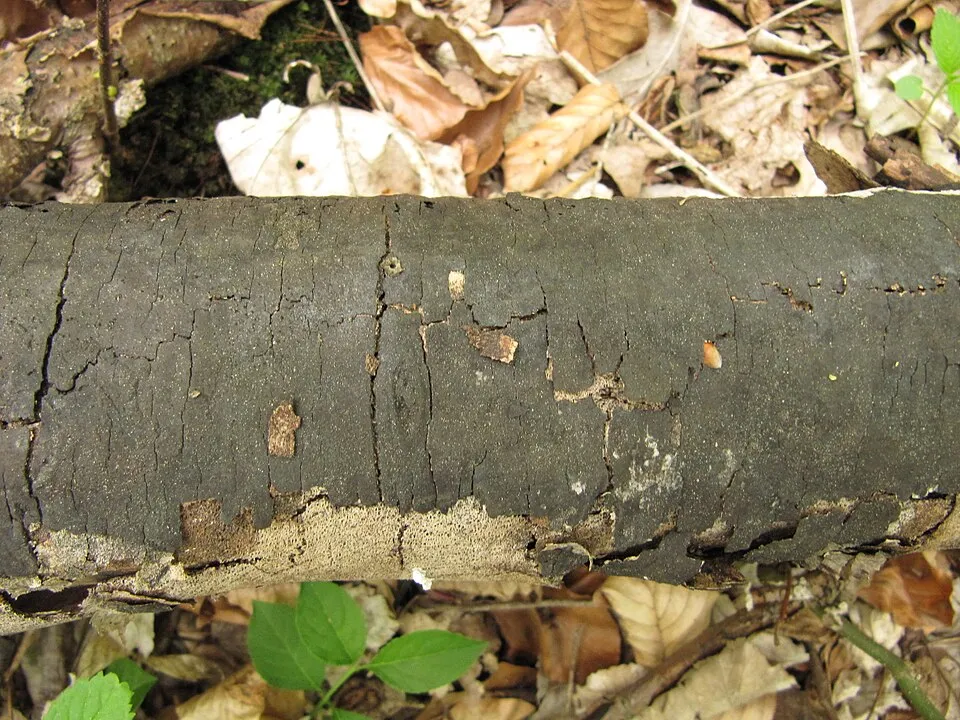 Common Tarcrust
Diatrype stigma 2 places in common
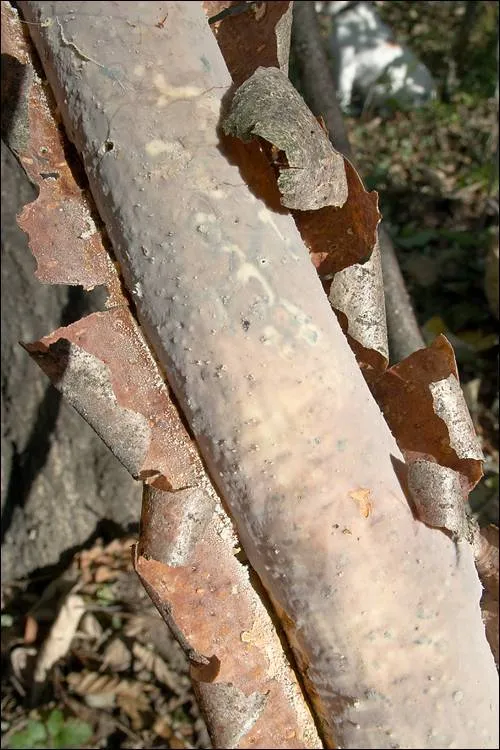 Waxy Crust
Vuilleminia comedens 2 places in common
 Oak Mildew
Erysiphe alphitoides 2 places in common
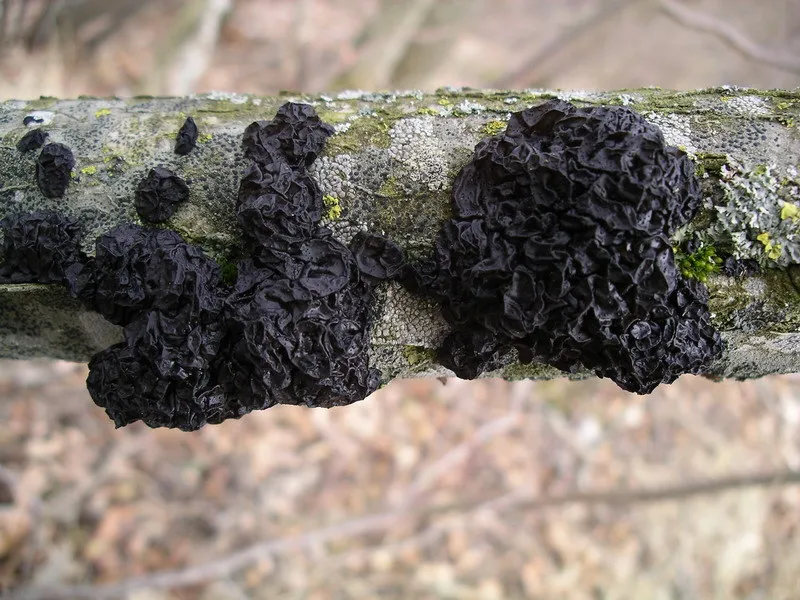 Warlock's Butter
Exidia nigricans 2 places in common
Sources and credits
- Presence: most-recorded species of each place on GBIF and species of Community interest in the Natura 2000 forms (EEA, CC-BY 4.0); absence from the list does not mean the species is absent.
- Common names: Wikidata (CC0) and GBIF.
- Photos and sounds: Wikimedia Commons, author and licence given for each file.
- Classification: GBIF Backbone Taxonomy (GBIF Secretariat), CC BY 4.0, doi:10.15468/39omei.
- Countries, elevations, months and maps: GBIF.org, CC0 or CC BY 4.0 occurrences only, accessed October 22, 2026, GBIF.org.
- Base map: Natural Earth (public domain).
- Excerpt: Wikipedia, CC BY-SA 4.0 (full credit below the excerpt).