
Bird
Western Rock Nuthatch: where to see it
Sitta neumayer
This bird species is recorded in 17 protected areas of the atlas. Within the atlas countries, it is observed in Greece, Croatia and Bulgaria. Records peak from April to June. Its EU population is assessed as secure (2013–2018 Birds Directive reporting).
Best time to see it: April–June
Records published on GBIF by month (CC0 and CC BY 4.0 licences only), in the atlas countries, all years combined; they also reflect observer activity.
Key facts
- Clutch size
- 6.3 eggs on average Wikidata, after Jetz et al. 2008
- Incubation
- 15 days Wikidata, after Handbook of the Birds of the World
Status and protection
EU population assessed as secure, stable in the short term (2013–2018 Birds Directive reporting). EU breeding population: 11,200–31,500 pairs.
Distribution
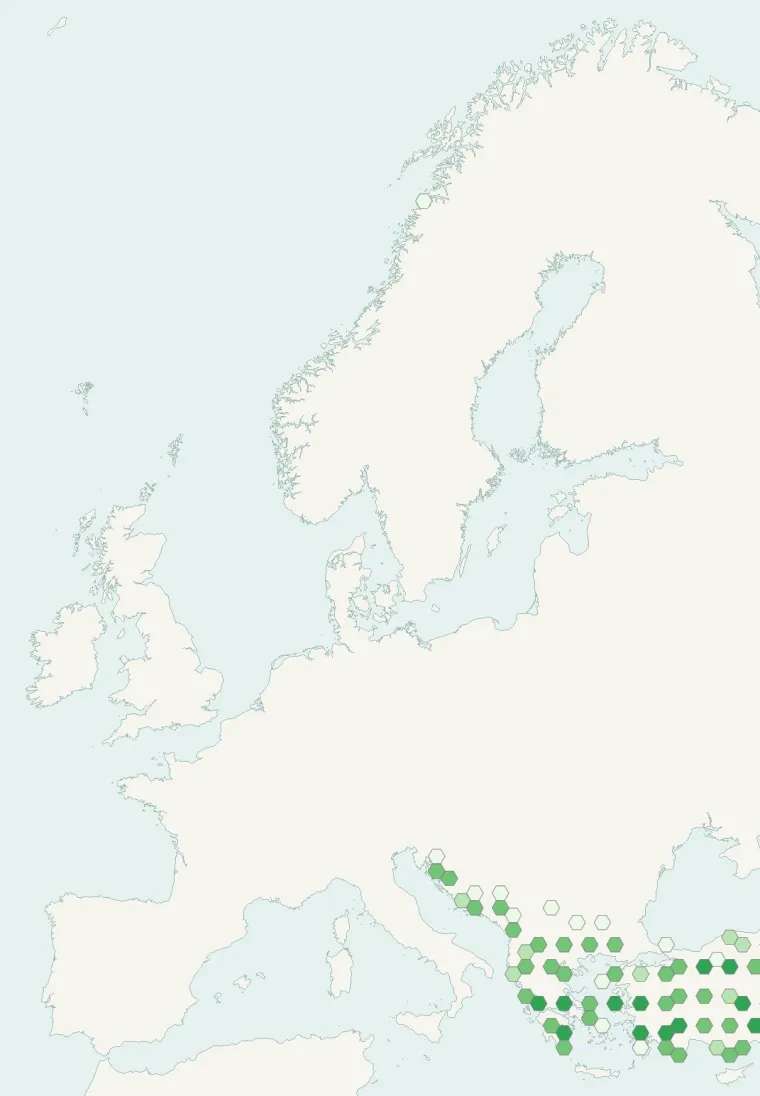
Records published on GBIF (CC0 and CC BY 4.0 licences): the darker the shade, the more records there are; they also reflect observation effort.
Atlas countries where it is recorded
From Wikipedia
The western rock nuthatch (Sitta neumayer) is a small passerine bird which breeds from Croatia east through Greece and Turkey to Iran. This nuthatch is largely resident apart from some post-breeding dispersal. The eastern rock nuthatch Sitta tephronota is a separate species, which occurs further east in south-central Asia. The western rock nuthatch is a bird associated with habitats with bare rocks, especially in mountainous areas. Those at the highest altitudes may move lower down in winter. It feeds on insects and spiders in summer, supplemented with seeds and snails in winter.
Source: Wikipedia, article “Western rock nuthatch” (version of November 15, 2025) · history and authors · licence CC BY-SA 4.0 · shortened excerpt
Protected areas where it is recorded
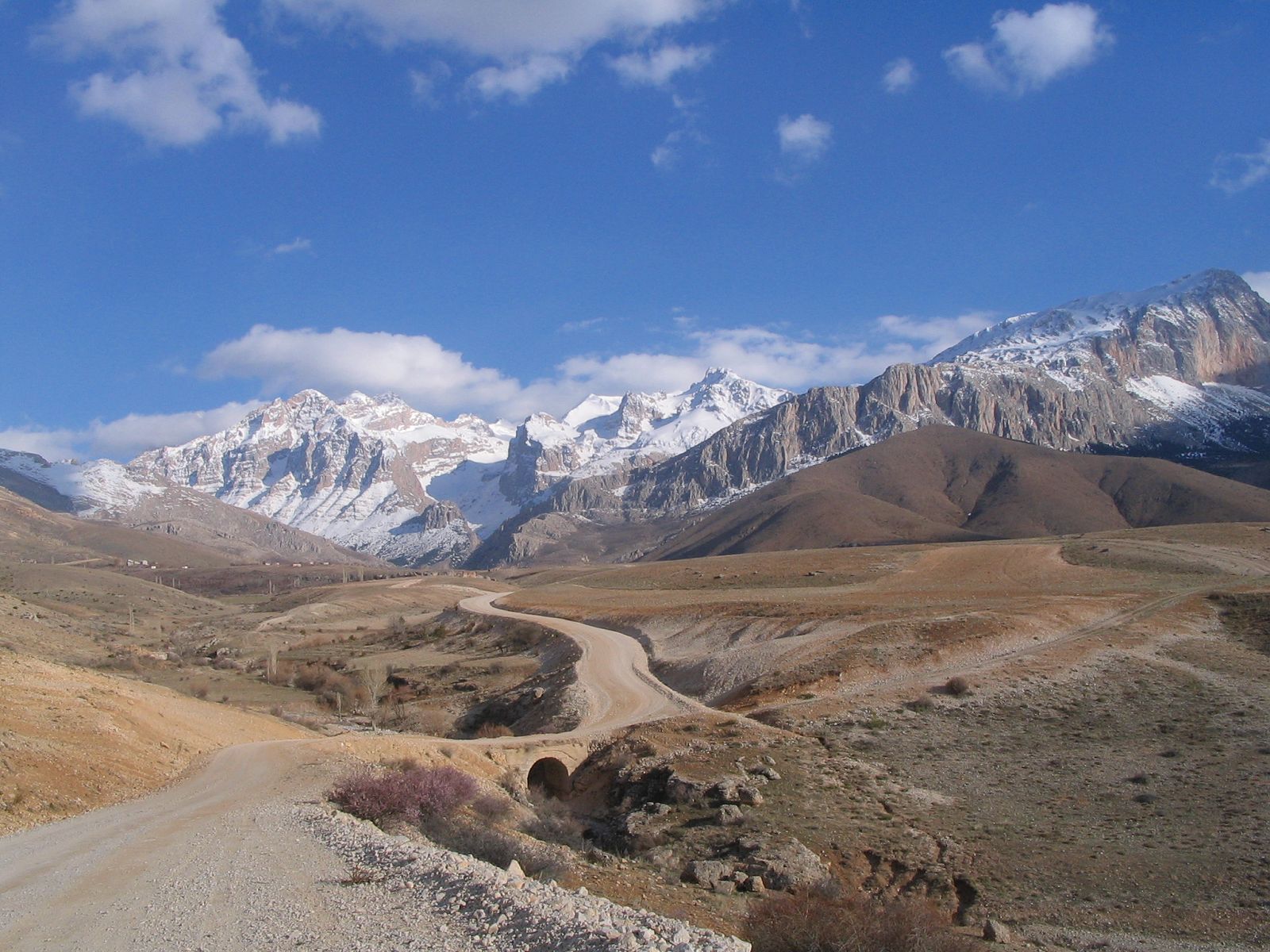
658 records
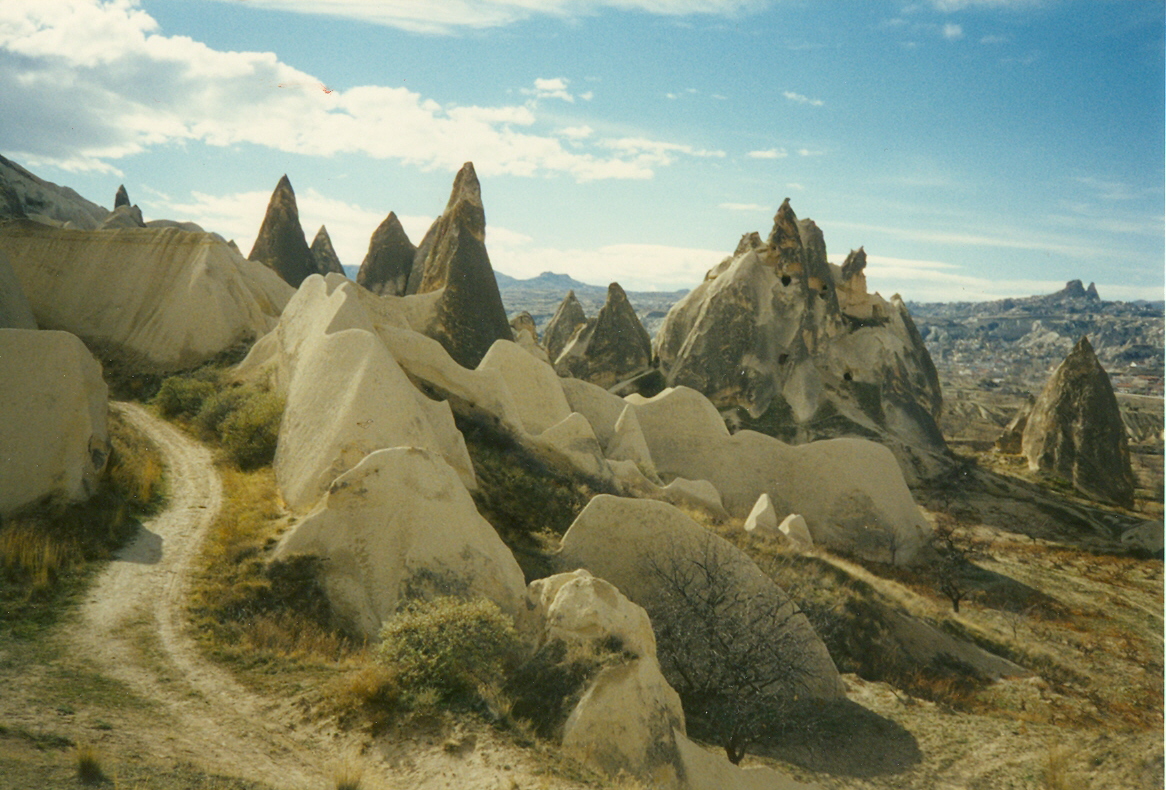
488 records
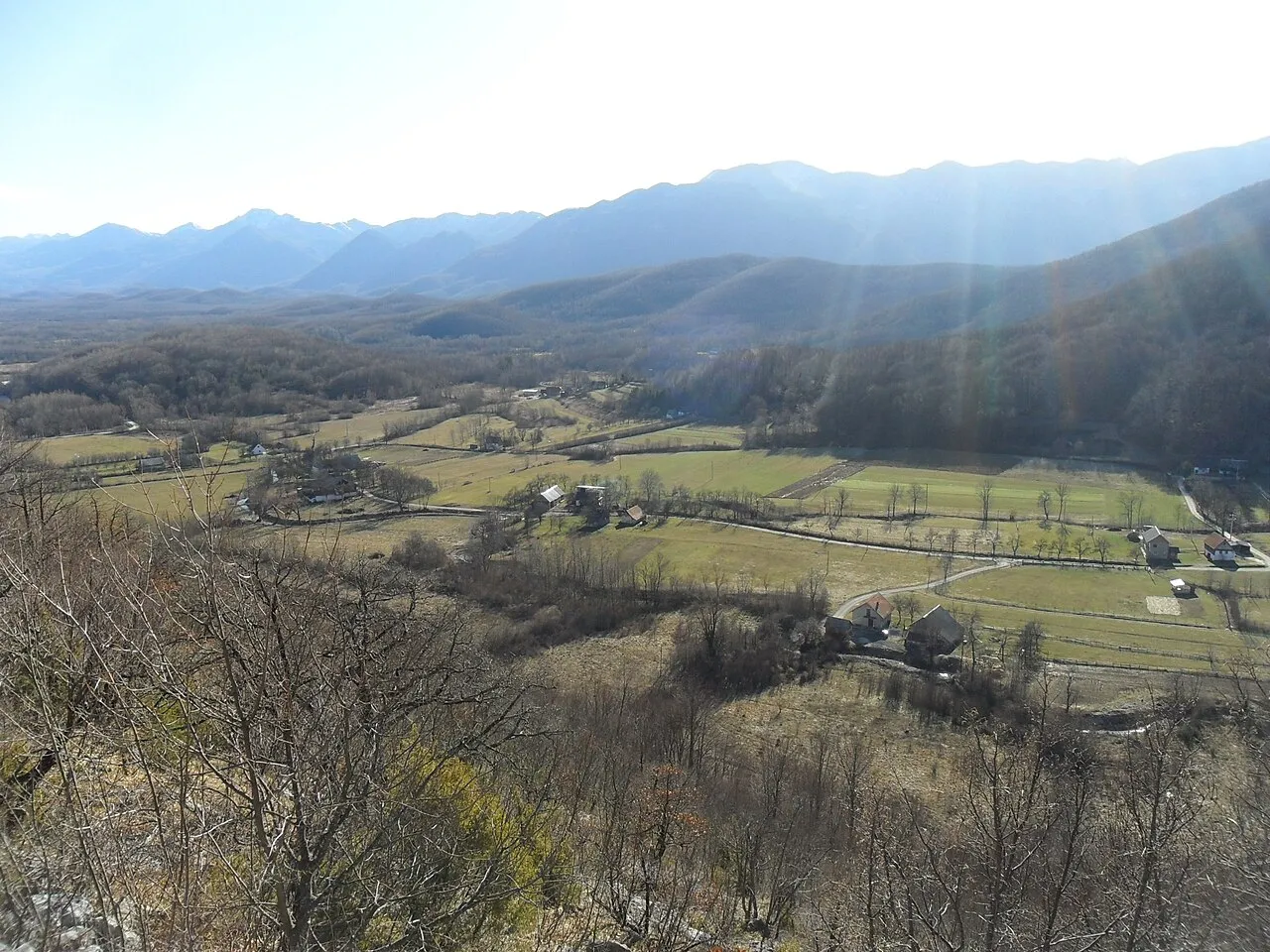
256 records

97 records
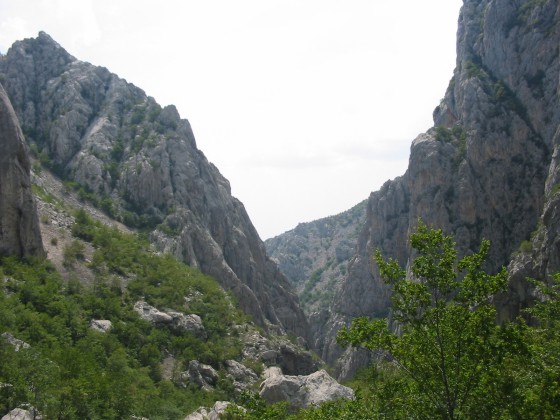
96 records
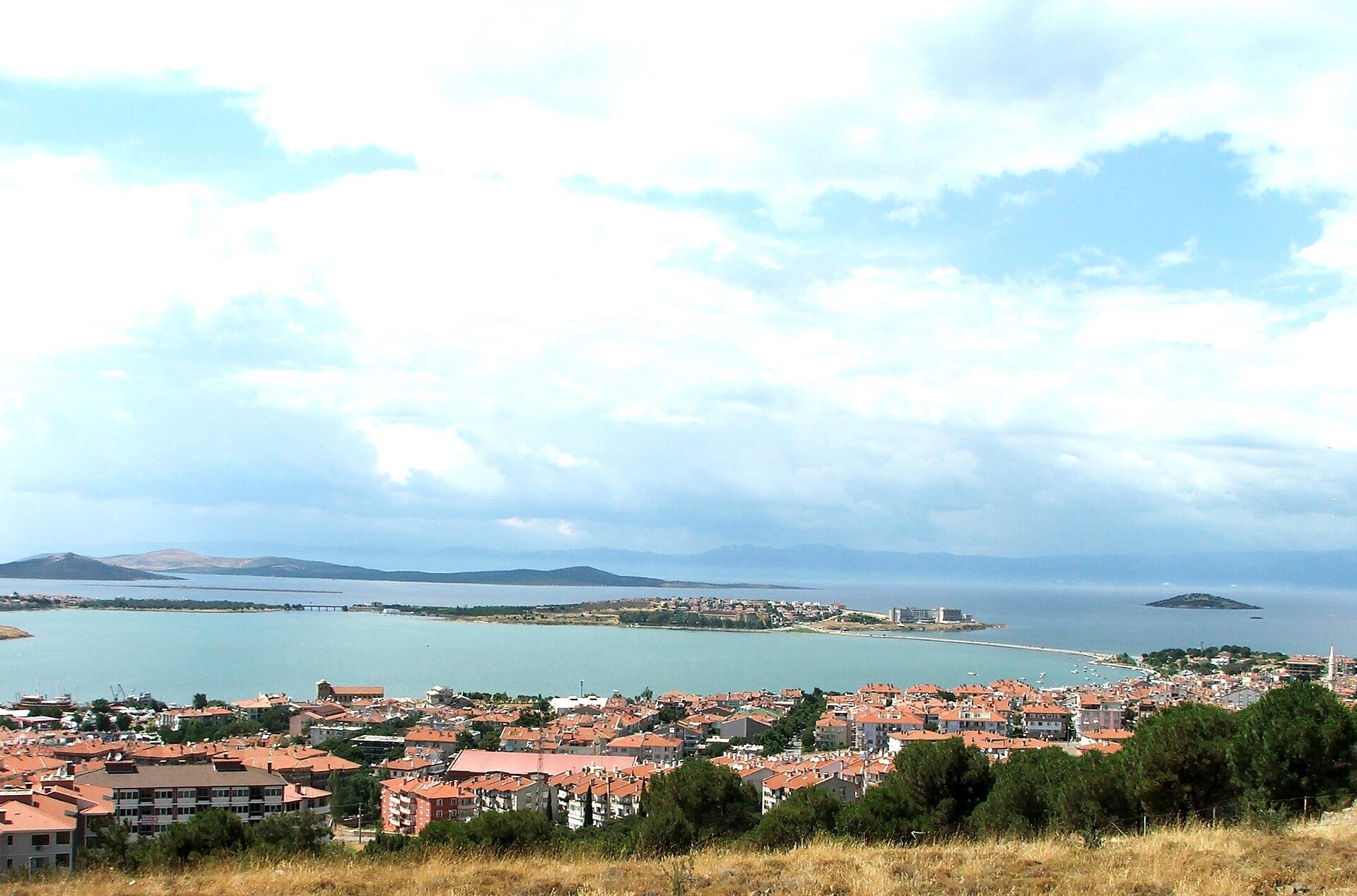
83 records

68 records
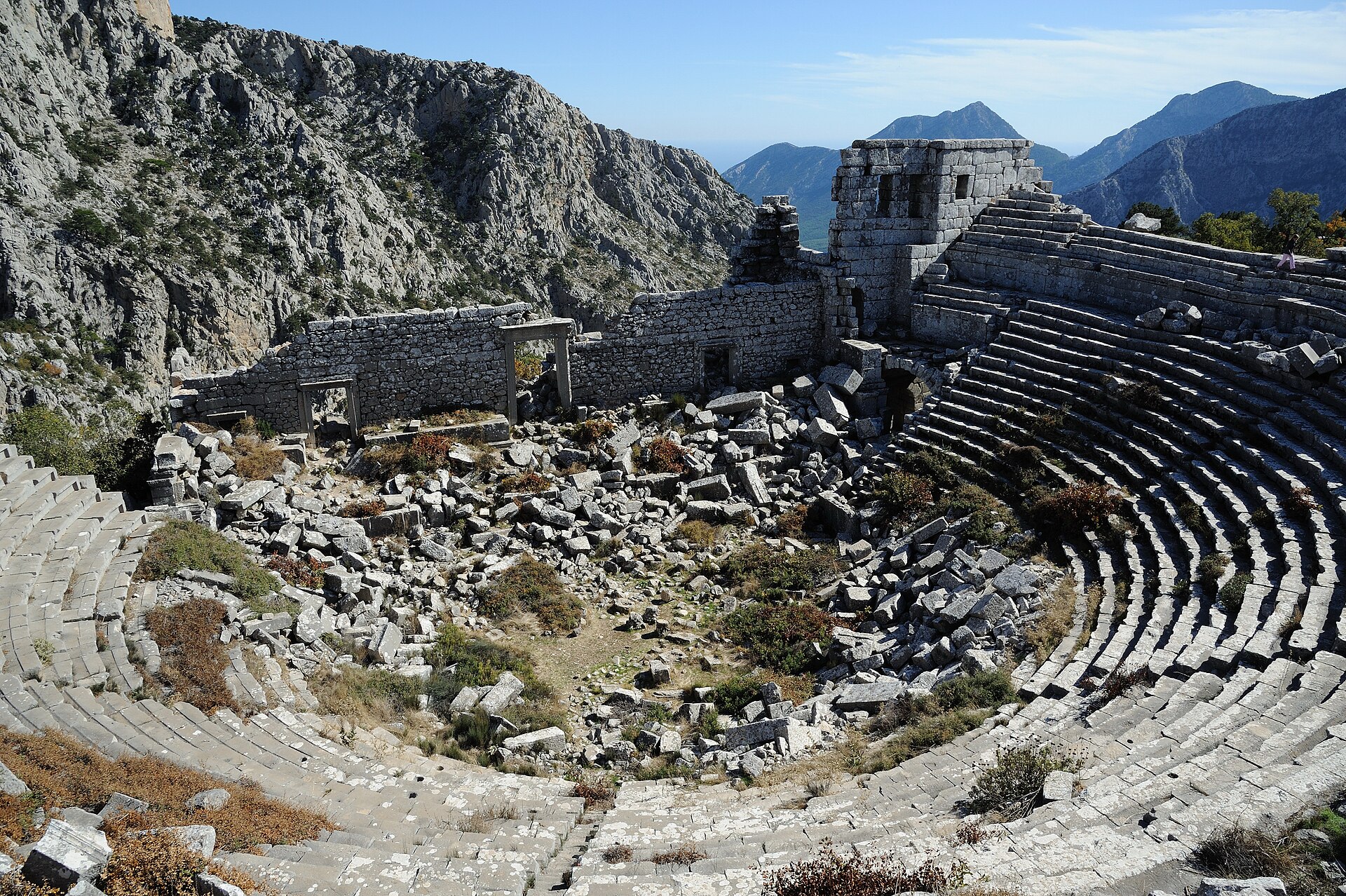
23 records
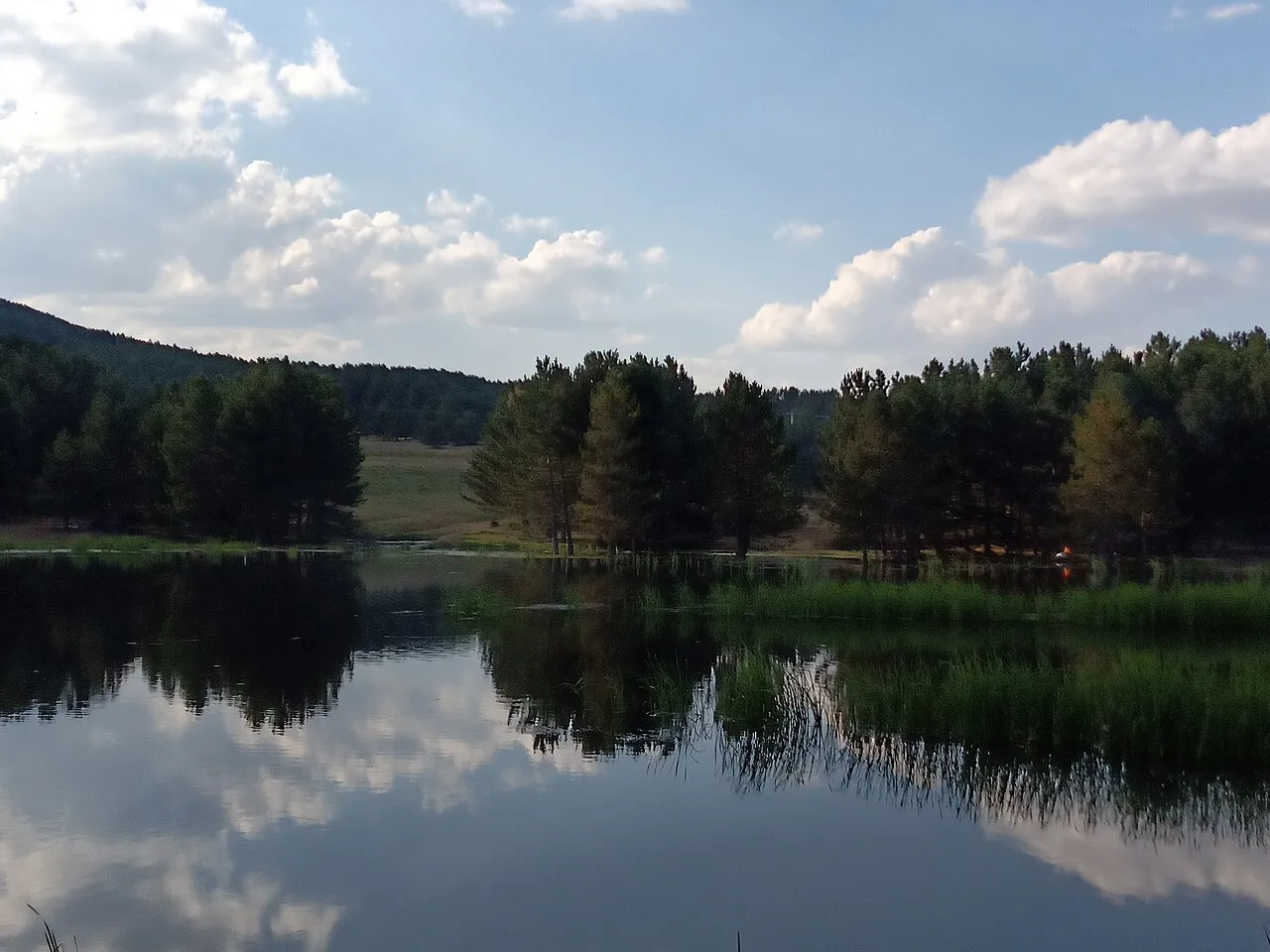
22 records
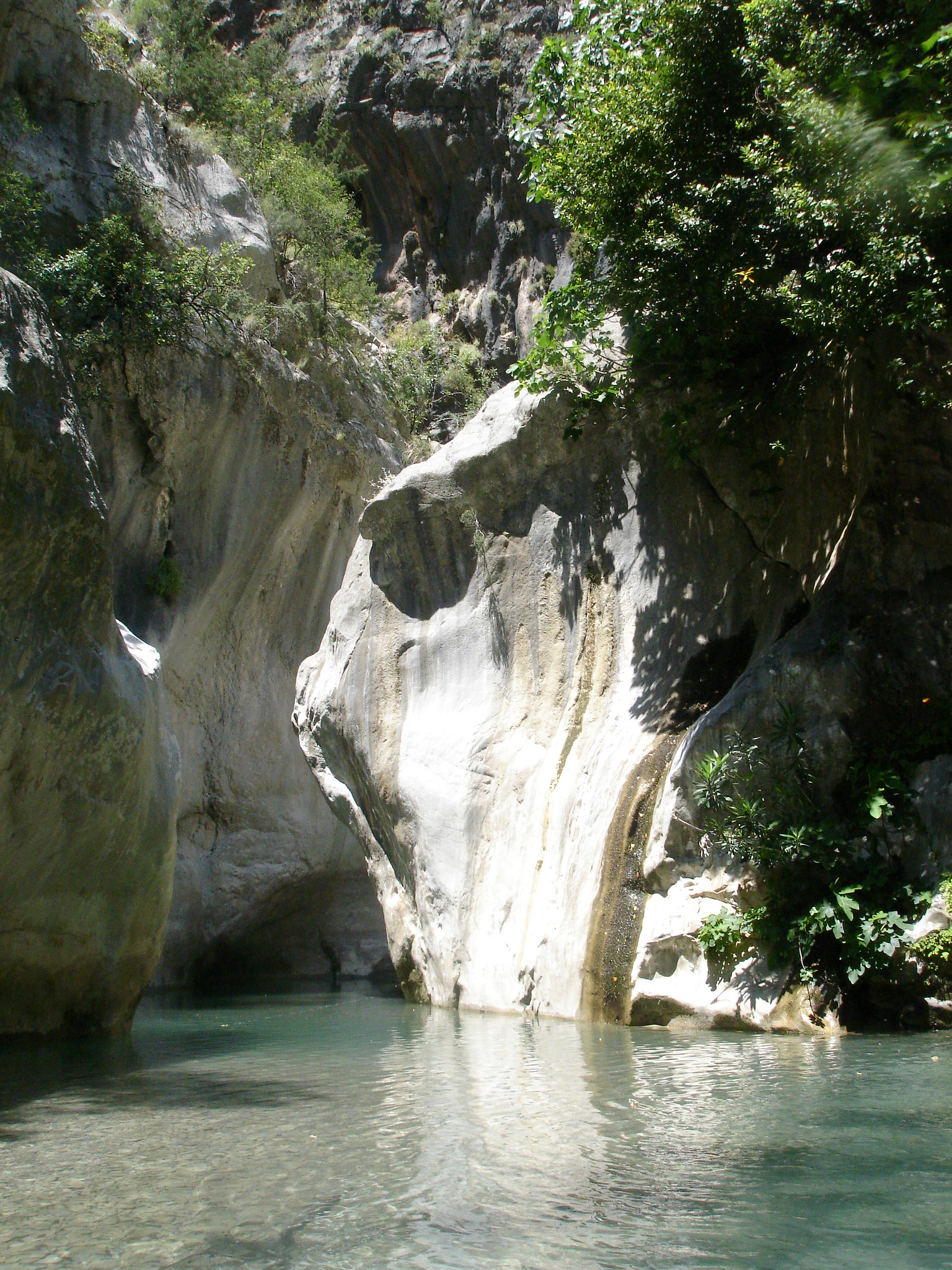
22 records
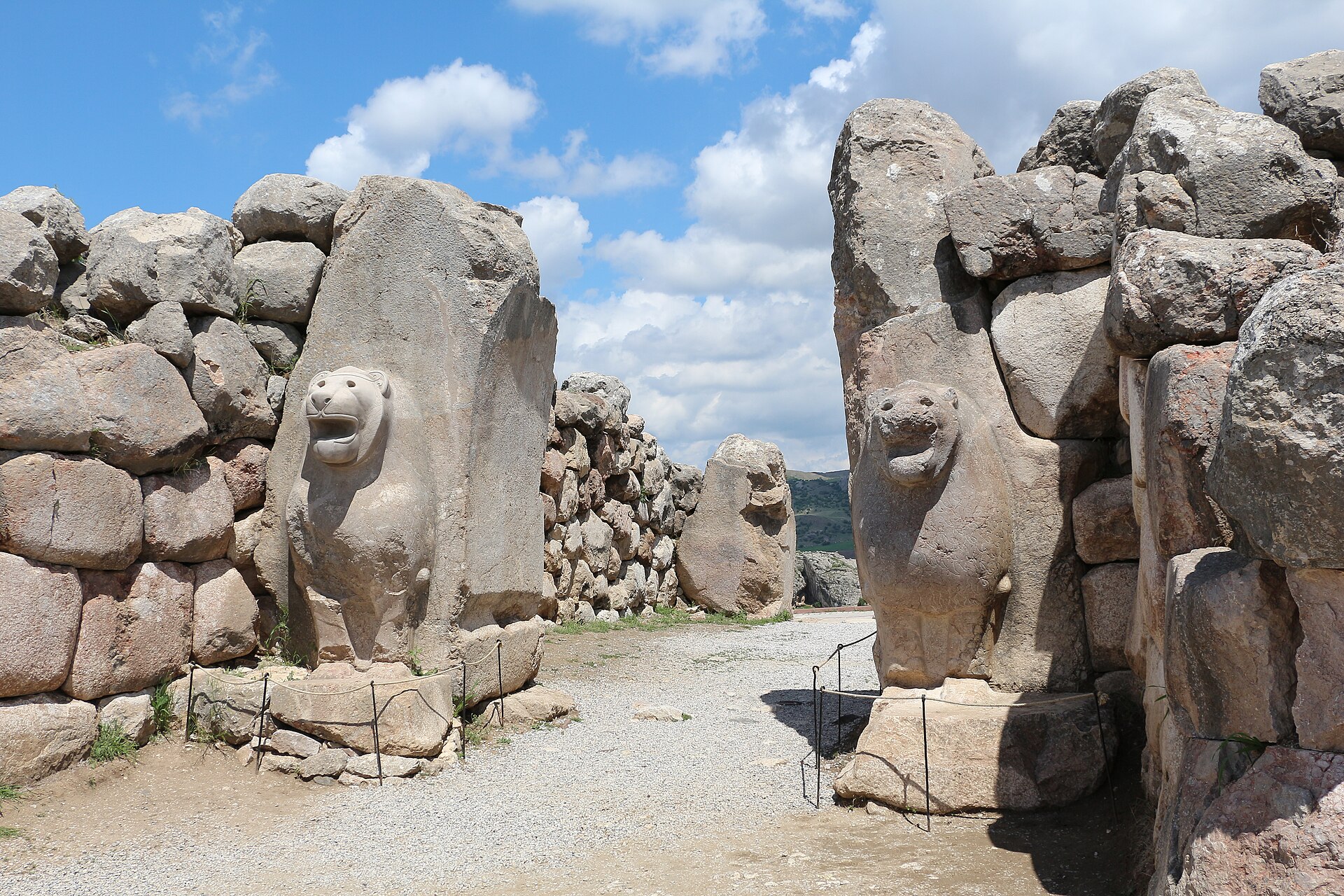
20 records

8 records
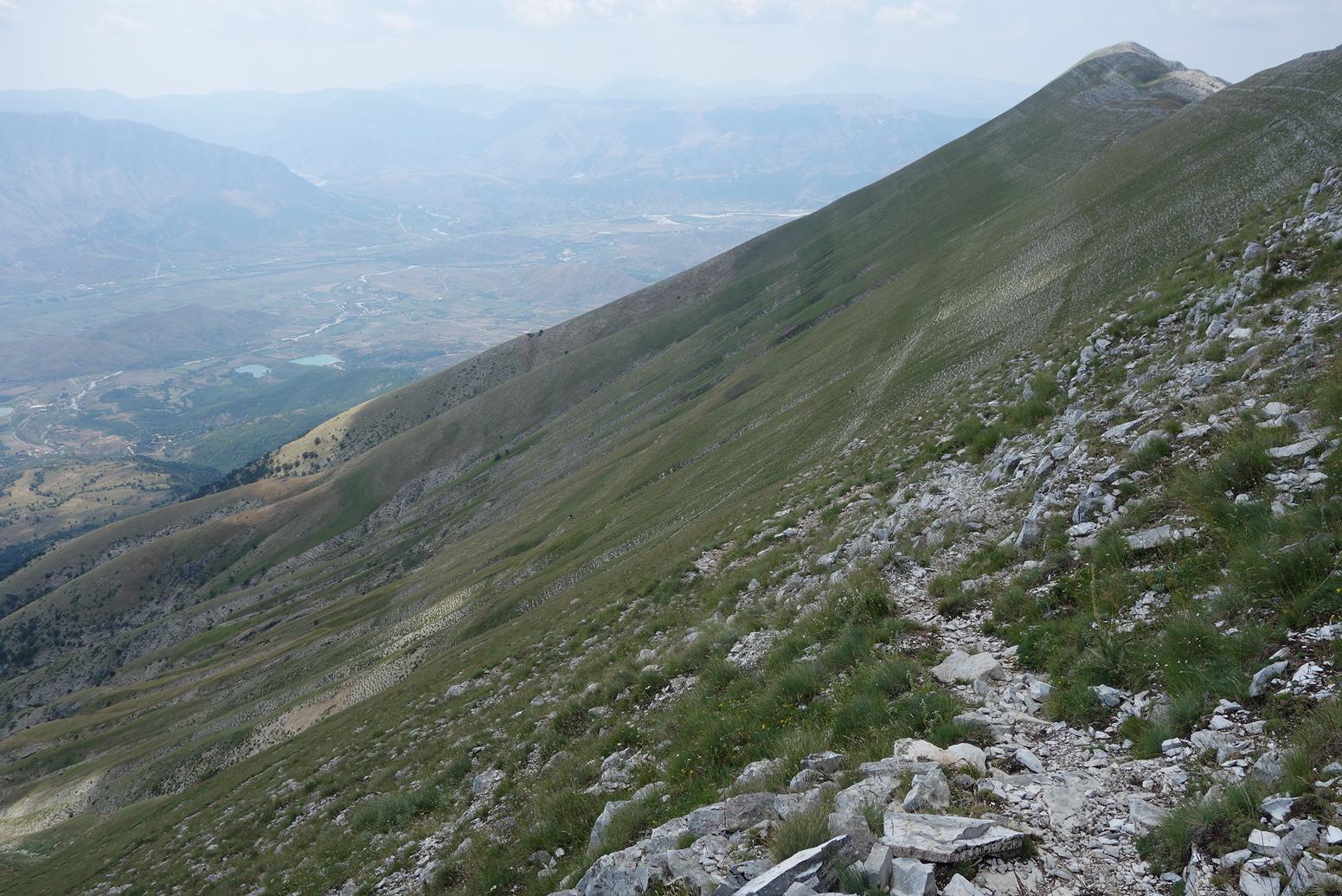
7 records

5 records
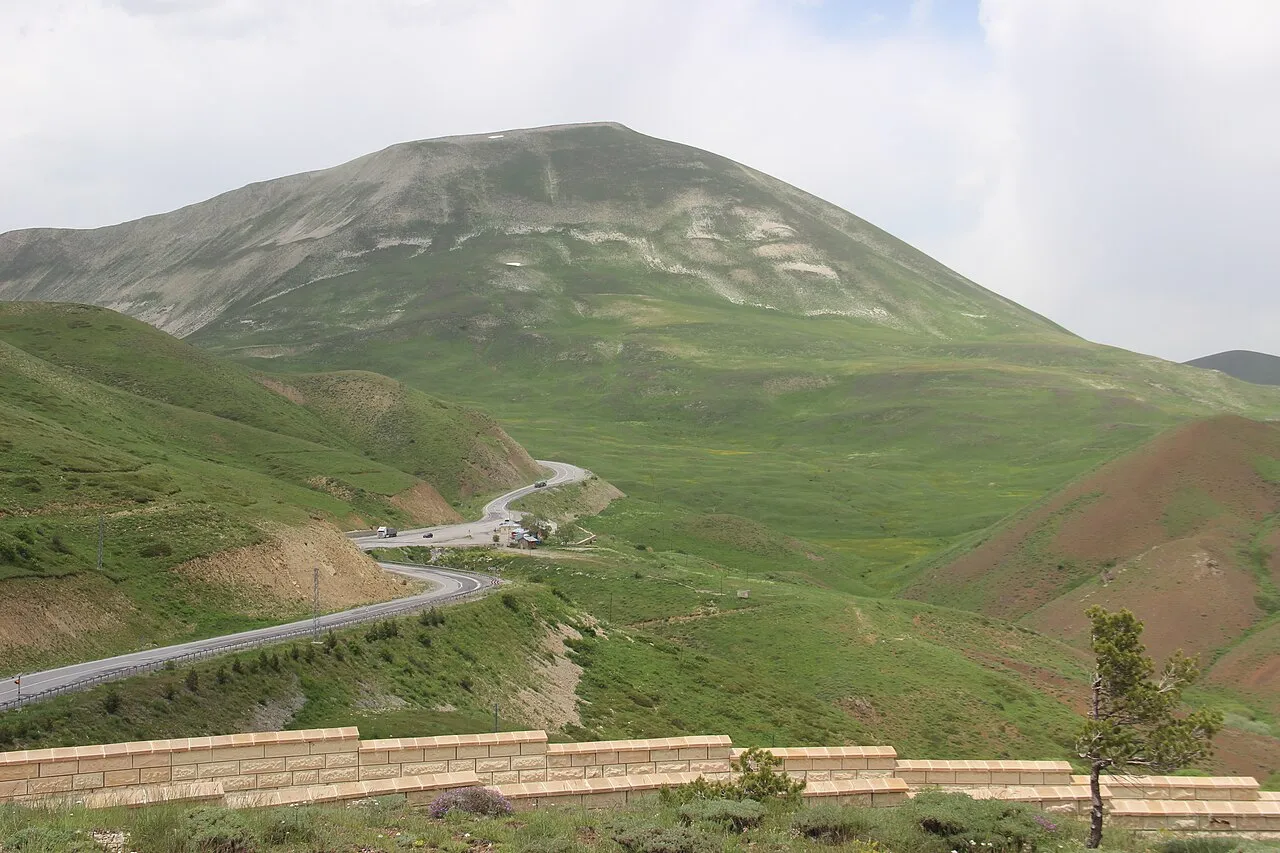
4 records
3 records
1 records
Other species to discover
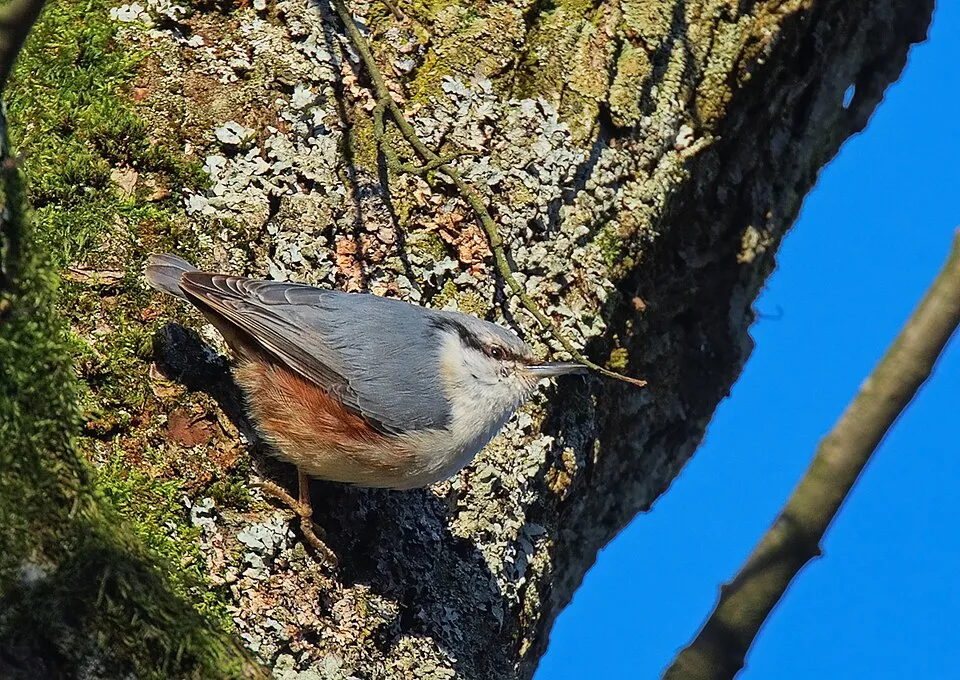 Eurasian Nuthatch
Sitta europaea Same genus
 Corsican Nuthatch
Sitta whiteheadi Same genus
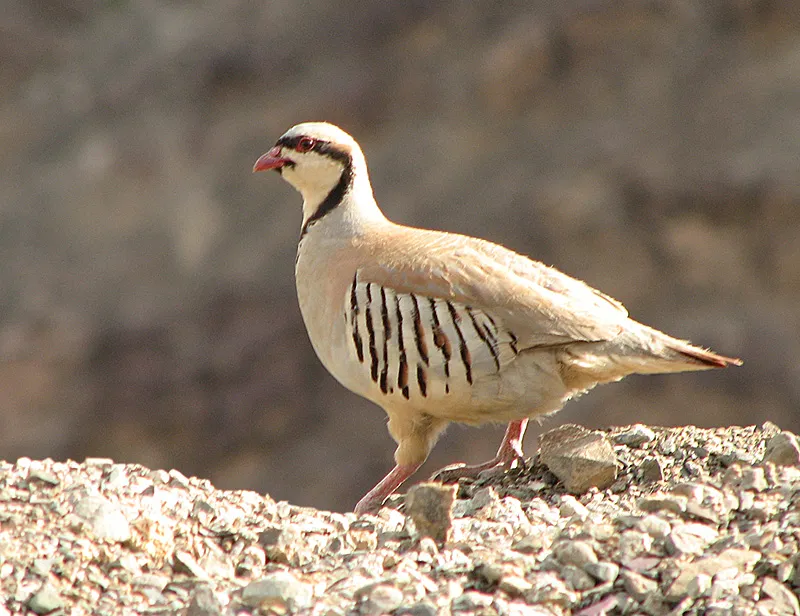 Chukar Partridge
Alectoris chukar 5 places in common
 Long-legged Buzzard
Buteo rufinus 9 places in common
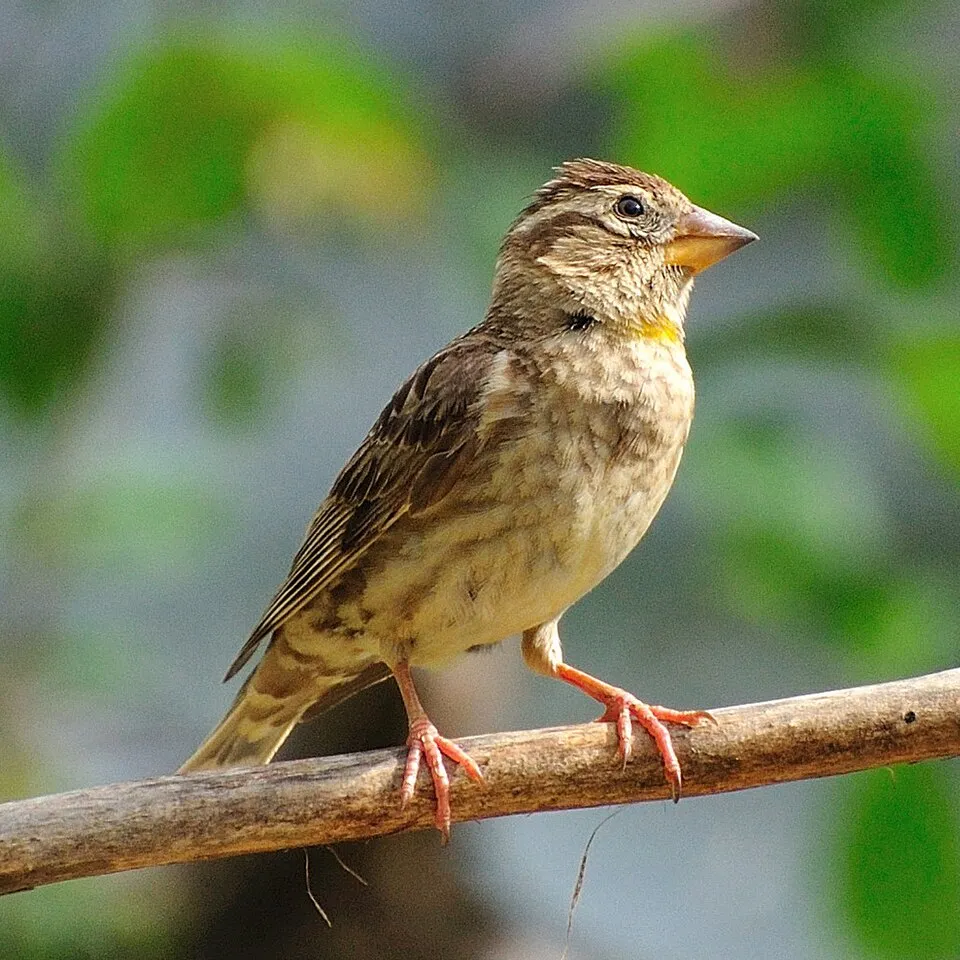 Rock Sparrow
Petronia petronia 5 places in common
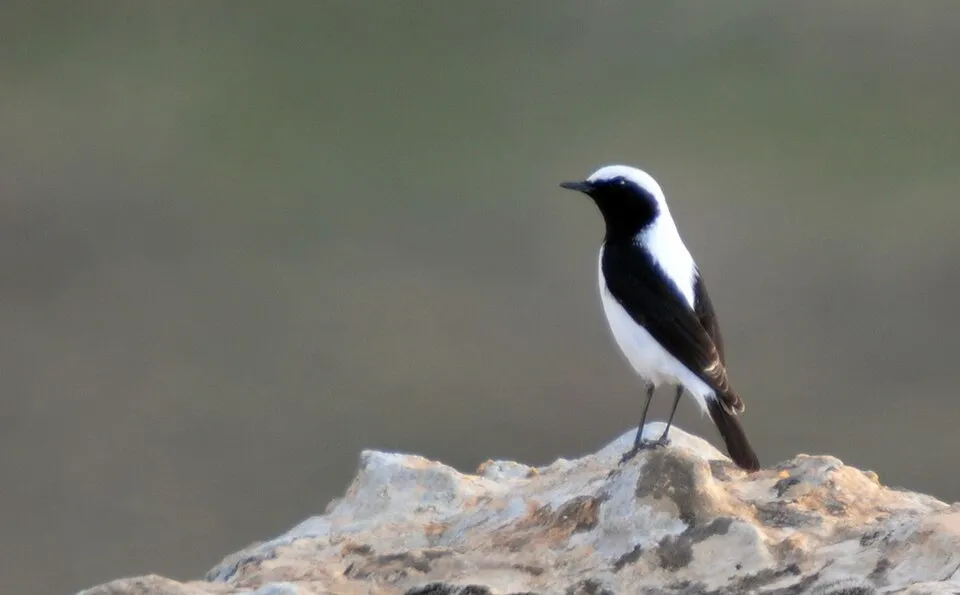 Finsch's Wheatear
Oenanthe finschii 3 places in common
Sources and credits
- Presence: most-recorded species of each place on GBIF and species of Community interest in the Natura 2000 forms (EEA, CC-BY 4.0); absence from the list does not mean the species is absent.
- Common names: Wikidata (CC0) and GBIF.
- Photos and sounds: Wikimedia Commons, author and licence given for each file.
- Classification: GBIF Backbone Taxonomy (GBIF Secretariat), CC BY 4.0, doi:10.15468/39omei.
- Countries, elevations, months and maps: GBIF.org, CC0 or CC BY 4.0 occurrences only, accessed October 23, 2026, GBIF.org.
- Base map: Natural Earth (public domain).
- Excerpt: Wikipedia, CC BY-SA 4.0 (full credit below the excerpt).
- Key facts: Wikidata (CC0), with the references cited under each value.
- EU bird populations: EEA / DG ENV, Article 12 Birds Directive reporting (2013–2018), CC BY 4.0.